

BTC running
779 投稿

BTC running
報告
ユーザーをブロック
超高頻度トレーダー
5.4年
37 フォロー
7.5K+ フォロワー
468 いいね
投稿
すべて
引用
ライブ
·
--
翻訳参照
Ripple’s $900M Revenue Target: Institutional Adoption Is Expanding
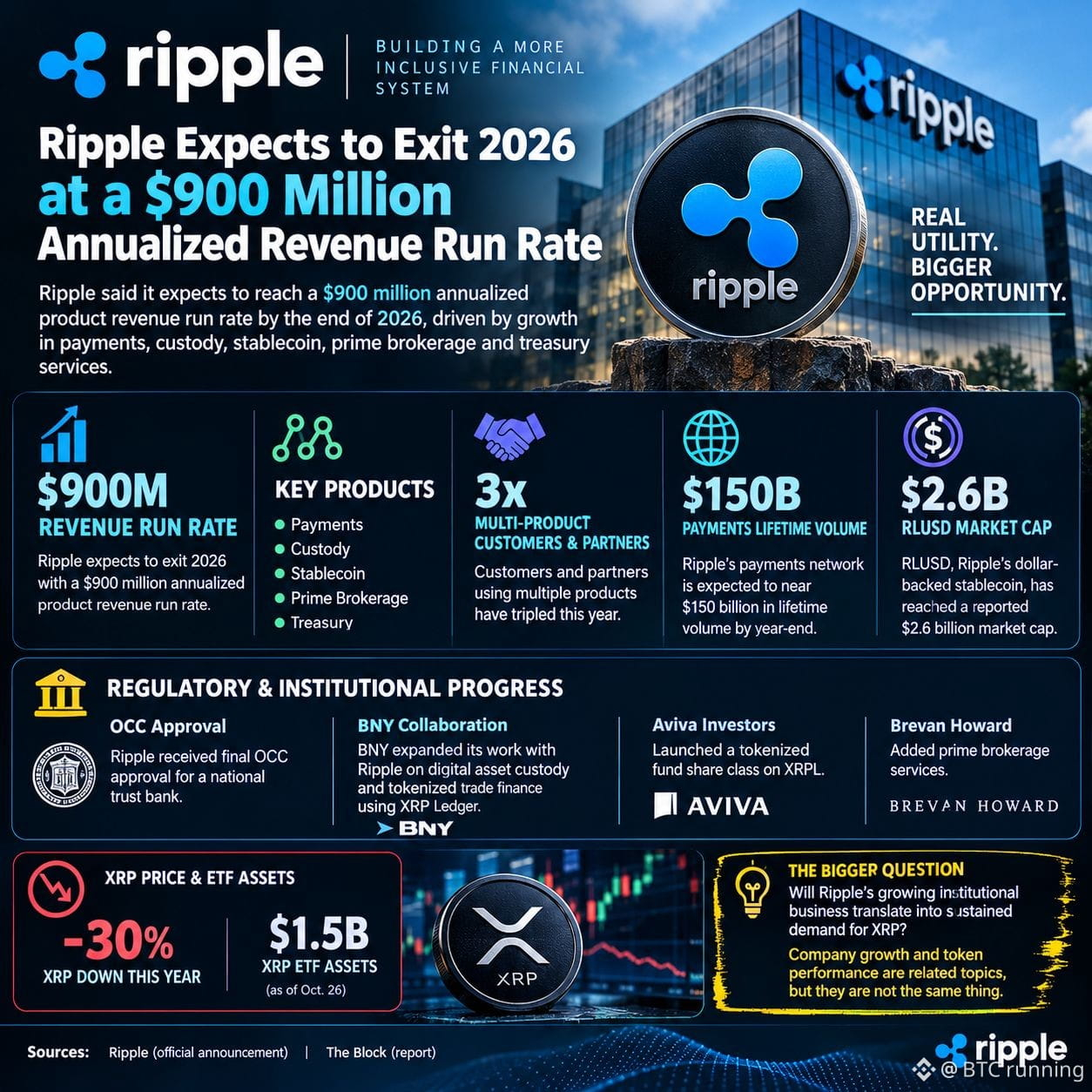
Ripple is heading toward a major milestone, expecting to exit 2026 with a $900 million annualized product revenue run rate, according to its October 28 announcement.
The growth spans payments, custody, stablecoins, prime brokerage, and treasury management. Ripple says customers and partners using multiple products have tripled this year, while its payments network is approaching $150 billion in lifetime transaction volume.
Another important development is RLUSD, Ripple’s dollar-backed stablecoin, which has reached a reported $2.6 billion market capitalization.
Regulatory and institutional progress is also building. Ripple received final OCC approval for a national trust bank, while BNY expanded its collaboration with Ripple on digital asset custody and tokenized trade finance using XRP Ledger. Aviva Investors has also launched a tokenized fund share class on XRPL.
However, there is an interesting contrast: despite Ripple’s business expansion, XRP remains down nearly 30% this year, while XRP ETF assets reached approximately $1.5 billion as of October 26.
The bigger question is whether Ripple’s growing institutional business will translate into sustained demand for XRP. Company growth and token performance are related topics, but they are not the same thing.
{spot}(XRPUSDT)
{spot}(RLUSDUSDT)
Ripple’s $900M Revenue Target: Institutional Adoption Is Expanding
Ripple is heading toward a major milestone, expecting to exit 2026 with a $900 million annualized product revenue run rate, according to its October 28 announcement.
The growth spans payments, custody, stablecoins, prime brokerage, and treasury management. Ripple says customers and partners using multiple products have tripled this year, while its payments network is approaching $150 billion in lifetime transaction volume.
Another important development is RLUSD, Ripple’s dollar-backed stablecoin, which has reached a reported $2.6 billion market capitalization.
Regulatory and institutional progress is also building. Ripple received final OCC approval for a national trust bank, while BNY expanded its collaboration with Ripple on digital asset custody and tokenized trade finance using XRP Ledger. Aviva Investors has also launched a tokenized fund share class on XRPL.
However, there is an interesting contrast: despite Ripple’s business expansion, XRP remains down nearly 30% this year, while XRP ETF assets reached approximately $1.5 billion as of October 26.
The bigger question is whether Ripple’s growing institutional business will translate into sustained demand for XRP. Company growth and token performance are related topics, but they are not the same thing.
117
·
--
Hyperliquid、4,987万HYPEトークンをバーン 🔥
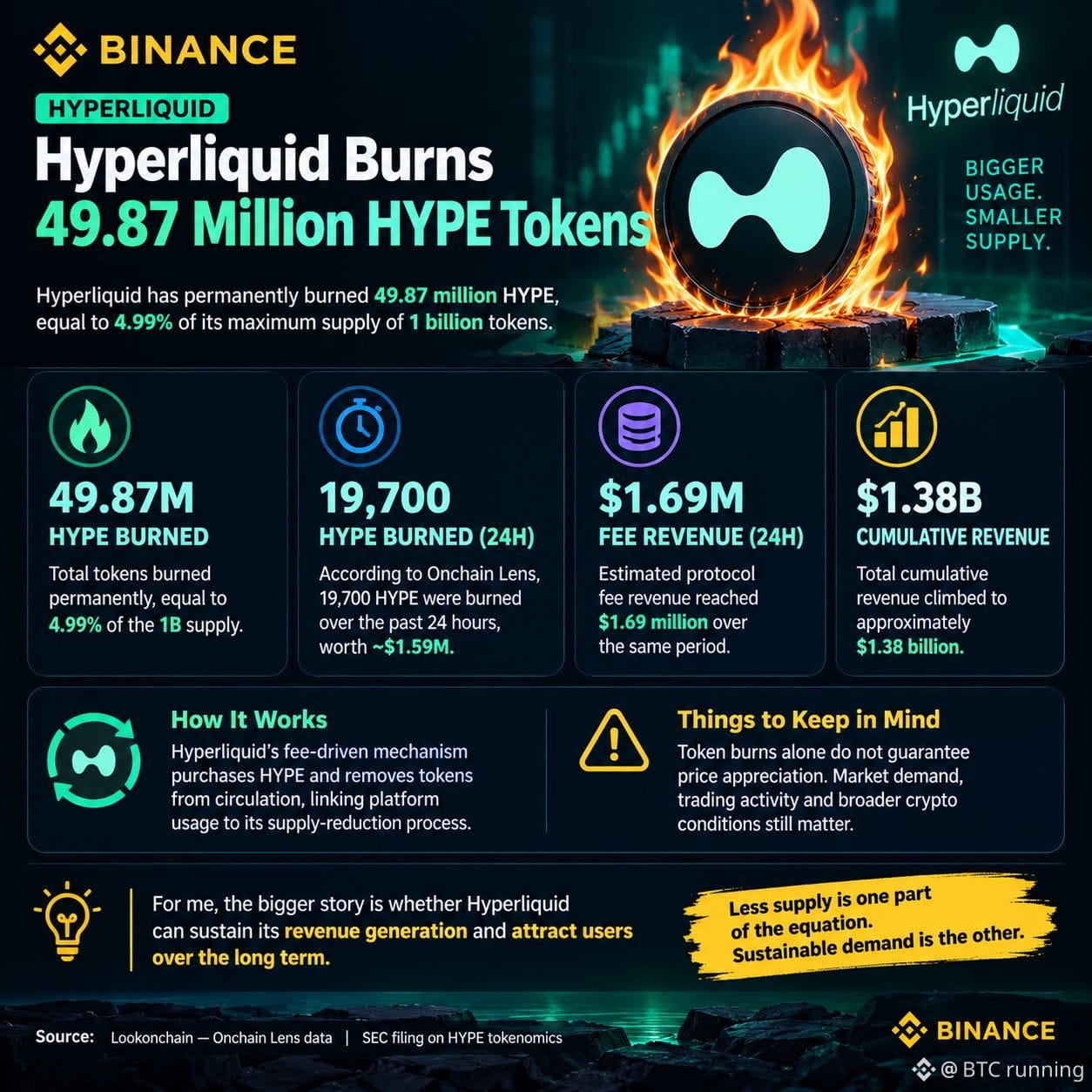
Hyperliquidはトークンの買い戻しとバーンを継続しており、合計4,987万HYPEが恒久的にバーンされました。これは、最大供給量10億トークンの4.99%に相当します。
Onchain Lensによると、過去24時間でさらに19,700 HYPEがバーンされました。報告された市場価格で換算すると、約159万ドル相当です。
同期間のプロトコル手数料収入は推定169万ドルに達し、累計収入は約13億8,000万ドルに増加しました。
注目すべきなのは、プラットフォームの利用状況とトークン供給量の関係です。Hyperliquidの手数料に連動した仕組みでは、HYPEを買い付けて流通から取り除くことで、プロトコルの利用状況を供給量の削減プロセスに結びつけています。
ただし、トークンのバーンだけで価格上昇が保証されるわけではありません。市場の需要、取引活動、暗号資産市場全体の状況も引き続き重要です。
私にとって、より大きな注目点は、Hyperliquidが収益を生み出し続け、長期的にユーザーを獲得できるかどうかです。
供給量の減少は方程式の一部にすぎません。持続可能な需要も必要です。
#Hyperliquid #HYPE #DeFi
{spot}(HYPEUSDT)
{future}(GTCUSDT)
{stock_us}(PZZA.US)
Hyperliquid、4,987万HYPEトークンをバーン 🔥
Hyperliquidはトークンの買い戻しとバーンを継続しており、合計4,987万HYPEが恒久的にバーンされました。これは、最大供給量10億トークンの4.99%に相当します。
Onchain Lensによると、過去24時間でさらに19,700 HYPEがバーンされました。報告された市場価格で換算すると、約159万ドル相当です。
同期間のプロトコル手数料収入は推定169万ドルに達し、累計収入は約13億8,000万ドルに増加しました。
注目すべきなのは、プラットフォームの利用状況とトークン供給量の関係です。Hyperliquidの手数料に連動した仕組みでは、HYPEを買い付けて流通から取り除くことで、プロトコルの利用状況を供給量の削減プロセスに結びつけています。
ただし、トークンのバーンだけで価格上昇が保証されるわけではありません。市場の需要、取引活動、暗号資産市場全体の状況も引き続き重要です。
私にとって、より大きな注目点は、Hyperliquidが収益を生み出し続け、長期的にユーザーを獲得できるかどうかです。
供給量の減少は方程式の一部にすぎません。持続可能な需要も必要です。
#Hyperliquid #HYPE #DeFi
111
·
--
翻訳参照
U.S. Judge Rejects Bid to Block 20,000 California Mail Ballots
A major legal dispute over voting rights is unfolding in California ahead of the November 3, 2026, midterm elections.
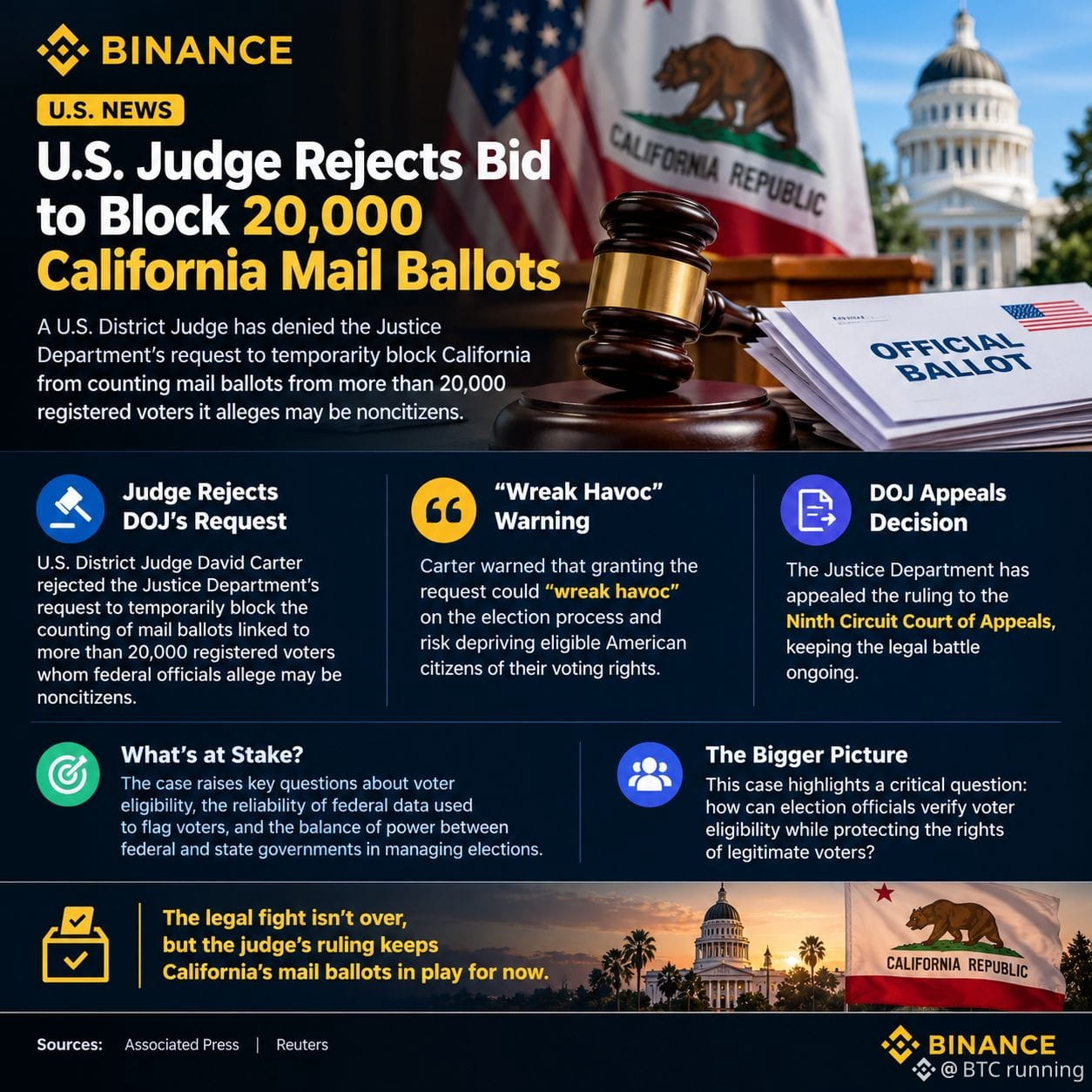
U.S. District Judge David Carter rejected the Justice Department’s request to temporarily block the counting of mail ballots linked to more than 20,000 registered voters whom federal officials allege may be noncitizens.
Carter warned that granting the request could “wreak havoc” on the election process and risk depriving eligible American citizens of their voting rights.
The dispute centers on voter eligibility, the reliability of federal data used to flag voters, and the balance of authority between federal and state governments in managing elections.
The Justice Department has appealed the ruling to the Ninth Circuit Court of Appeals, keeping the legal battle ongoing.
This case highlights a critical question: how can election officials verify voter eligibility while protecting the rights of legitimate voters?
#USNews #Politics #California
$QUID $BLESS $UAI
387
·
--
翻訳参照
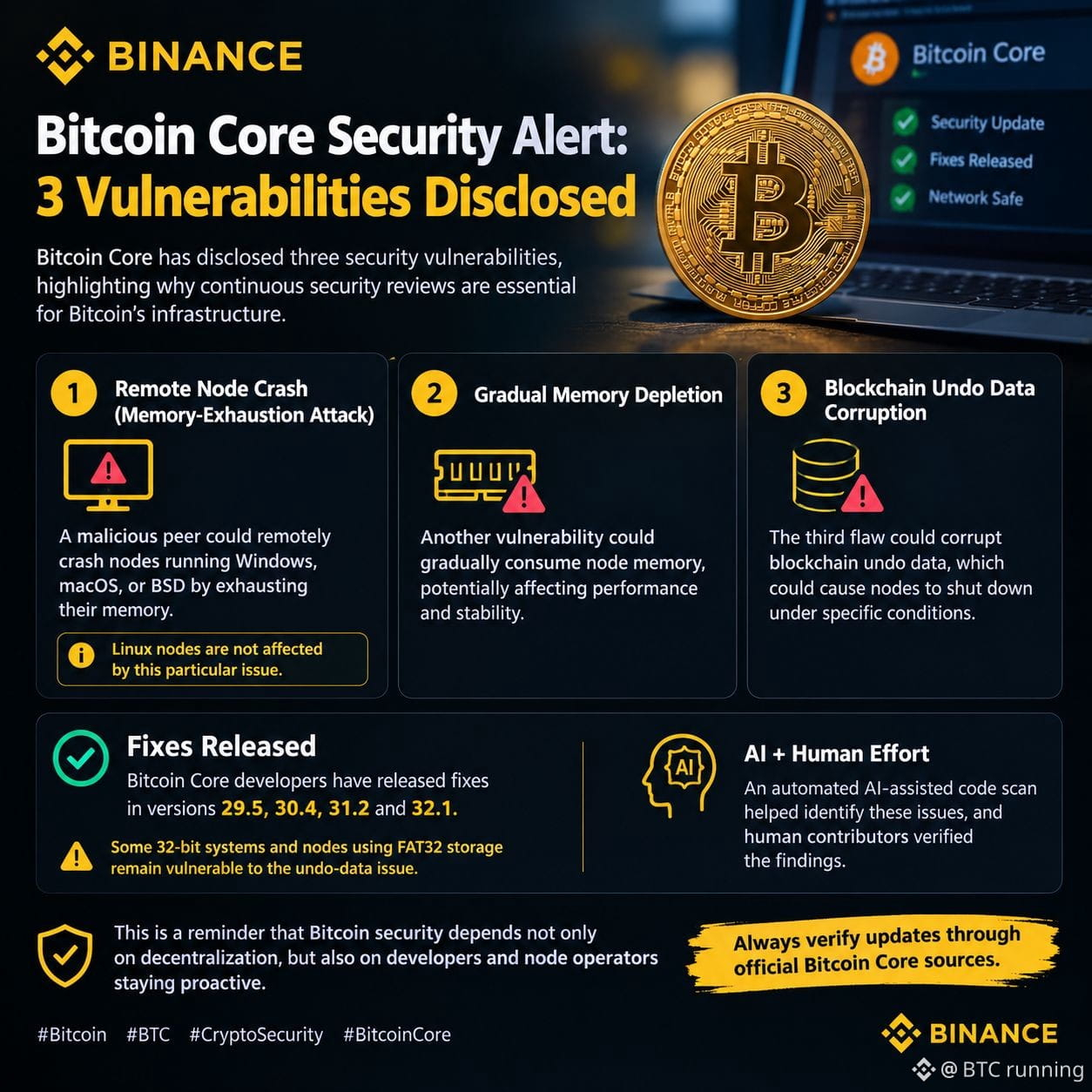
Bitcoin Core Security Alert: 3 Vulnerabilities Disclosed
Bitcoin Core has disclosed three security vulnerabilities, highlighting why continuous security reviews are essential for Bitcoin’s infrastructure.
The first flaw could allow a malicious peer to remotely crash nodes running Windows, macOS, or BSD by exhausting their memory. Linux nodes are not affected by this particular issue.
The second vulnerability could gradually consume node memory, potentially affecting performance and stability. The third involves blockchain undo data corruption, which could cause nodes to shut down under specific conditions.
Interestingly, an automated AI-assisted code scan helped identify these issues, and human contributors verified the findings.
The good news is that Bitcoin Core developers have released fixes in versions 29.5, 30.4, 31.2, and 32.1. However, some 32-bit systems and nodes using FAT32 storage remain vulnerable to the undo-data issue.
This is a reminder that Bitcoin security depends not only on decentralization but also on developers and node operators staying proactive.
Always verify updates through official Bitcoin Core sources.
$IDOL $LDO
#bitcoin #CryptoSecurity #BitcoinCore
130
·
--
#termmax @termmax
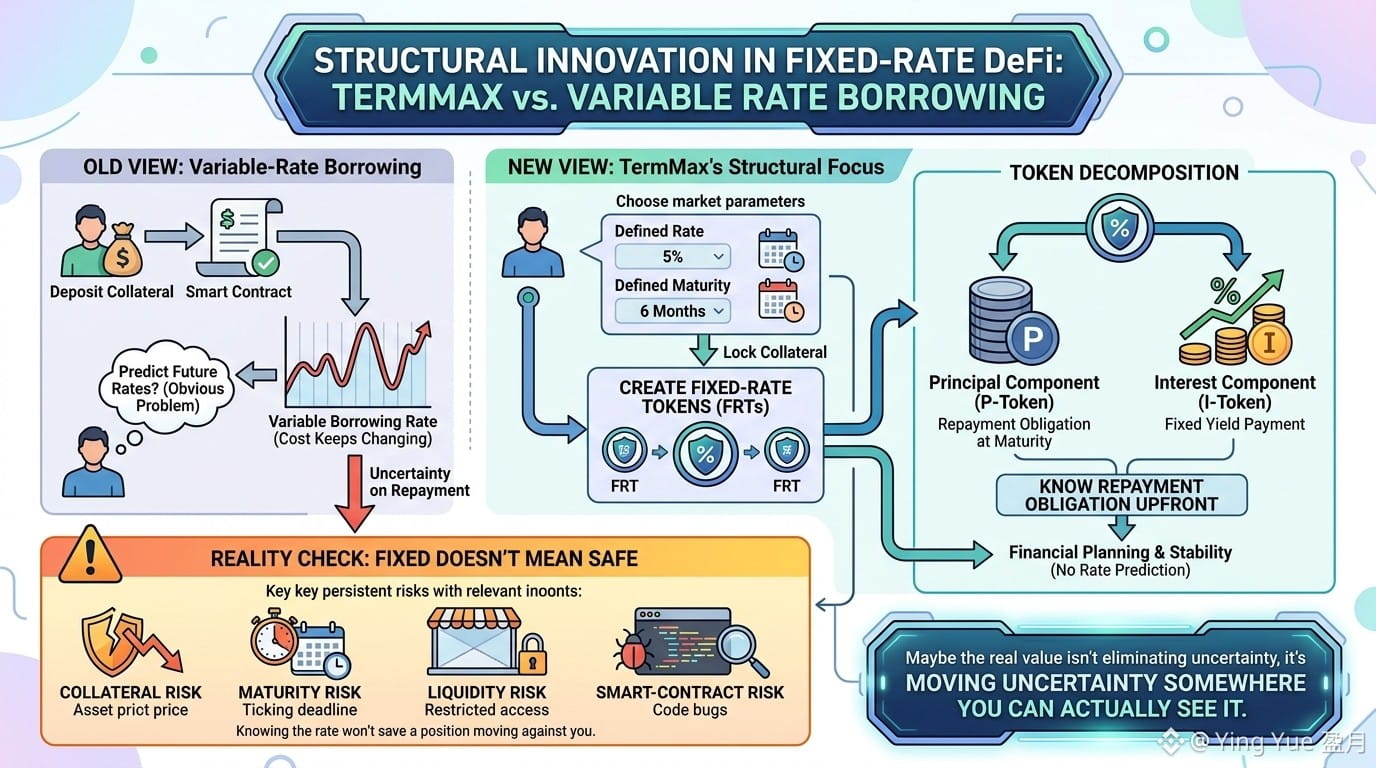
DeFiにおける固定金利の借入は、主に「金利が突然自分に不利に動く」という明白な問題を取り除くことだと、以前は思っていました。
TermMaxをもう少し詳しく見ると、実はより興味深いのは、負債そのものの構造のほうだと感じます。
通常の変動金利市場では、担保を預けて資産を借り入れ、その負債のコストは変わり続けます。TermMaxは別のルートを取ります。借り手は、定義された金利と満期を持つ市場を選び、担保をロックし、満期時に返済する義務を表す固定金利トークン(Fixed-Rate Tokens)を発行します。
これらのトークンは、その後、元本と利息のコンポーネントに分離できます。
技術的に聞こえるかもしれませんが、現実的な意味合いはかなりシンプルです。
6か月間お金を借りると想像してください。ポジションに入った時点で返済義務がすでに分かっているなら、実際にそれを見越して計画できます。3か月後に変動する借入金利の行方を当てに行く必要はありません。
おそらく私がTermMaxで通常の「固定利回り」という売り文句よりも面白いと感じるのは、その部分です。
ただし、「固定」は「安全」を意味しません。
それでも担保リスク、満期リスク、流動性リスク、そしてスマートコントラクトのリスクがあります。担保や戦略が自分に不利に動けば、利息率を知っていてもそのポジションは救えません。
固定金利DeFiの本当の価値は、不確実性をなくすことではないのかもしれません。
不確実性を、実際に見える場所へ移すことなのです。
#termmax @TermMax
DeFiにおける固定金利の借入は、主に「金利が突然自分に不利に動く」という明白な問題を取り除くことだと、以前は思っていました。
TermMaxをもう少し詳しく見ると、実はより興味深いのは、負債そのものの構造のほうだと感じます。
通常の変動金利市場では、担保を預けて資産を借り入れ、その負債のコストは変わり続けます。TermMaxは別のルートを取ります。借り手は、定義された金利と満期を持つ市場を選び、担保をロックし、満期時に返済する義務を表す固定金利トークン(Fixed-Rate Tokens)を発行します。
これらのトークンは、その後、元本と利息のコンポーネントに分離できます。
技術的に聞こえるかもしれませんが、現実的な意味合いはかなりシンプルです。
6か月間お金を借りると想像してください。ポジションに入った時点で返済義務がすでに分かっているなら、実際にそれを見越して計画できます。3か月後に変動する借入金利の行方を当てに行く必要はありません。
おそらく私がTermMaxで通常の「固定利回り」という売り文句よりも面白いと感じるのは、その部分です。
ただし、「固定」は「安全」を意味しません。
それでも担保リスク、満期リスク、流動性リスク、そしてスマートコントラクトのリスクがあります。担保や戦略が自分に不利に動けば、利息率を知っていてもそのポジションは救えません。
固定金利DeFiの本当の価値は、不確実性をなくすことではないのかもしれません。
不確実性を、実際に見える場所へ移すことなのです。
104
·
--
#termmax @termmax
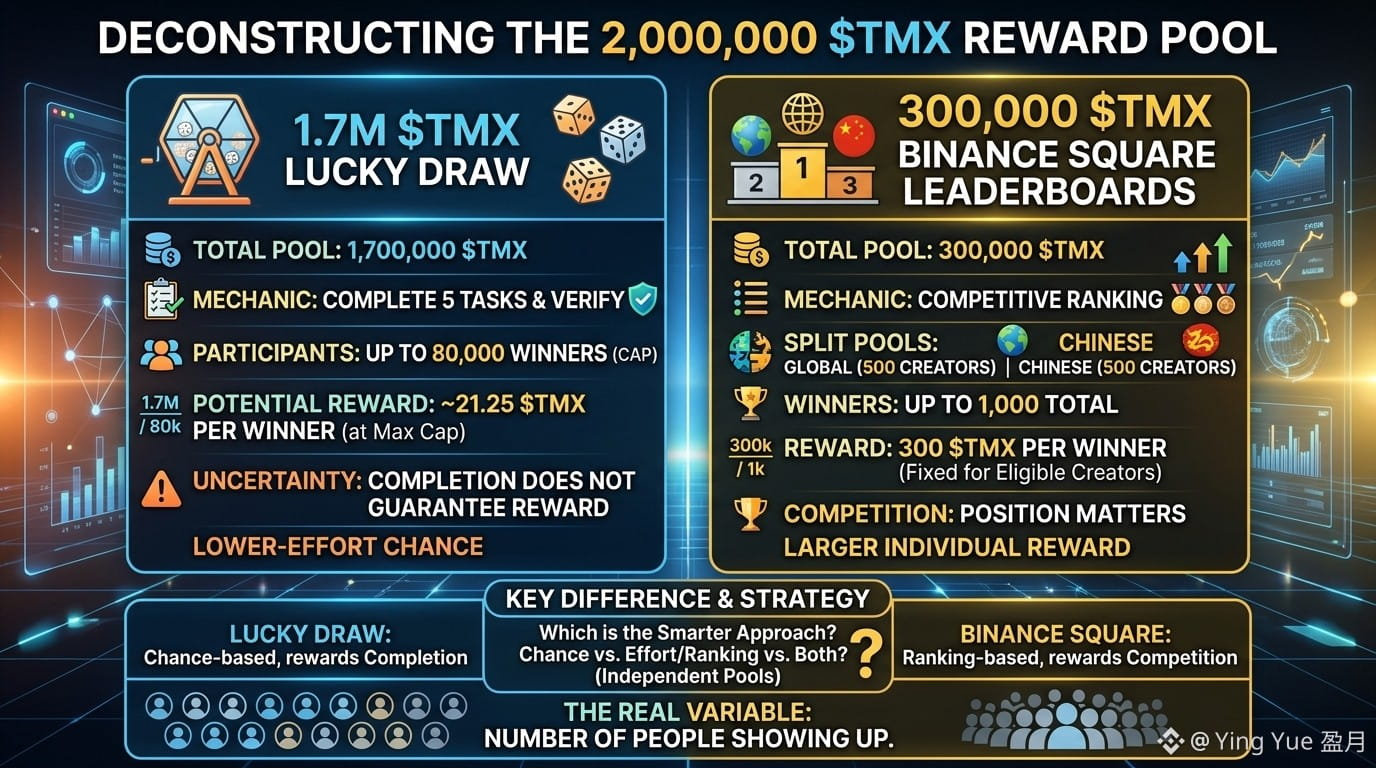
最初は、2,000,000 $TMX という額があまりにも大きく、ひとつの大きな報酬に見えます。けれどもよく見ると、実はまったく性質の異なる2つのゲームでした。
1つ目は「ラッキードロー」です。最大80,000人の受賞者に対して、1.7M $TMX が分配されます。5つのタスクをすべて完了し、それらを検証する必要がありますが、すべて終えたからといって報酬が確実にもらえるわけではありません。上限どおりだとすると、受賞者1人あたり21.25 $TMX です。
そして2つ目のほうが、さらに気になりました。
追加で、さらに30万 $TMX が Binance Square に割り当てられます。これはグローバルと中国のリーダーボードに分けられます。各リーダーボードから最大500人の対象クリエイターが勝てるため、受賞者は最大1,000人。1人あたり300 $TMX です。
つまり仕組みがまったく違います。
ラッキードローは「完了」が報酬の条件になりますが、実際に当たるかどうかは不確実性があります。一方、Square のルートは「競争と順位」が報酬の条件で、あなたの順位が重要になります。
そこで、より賢いアプローチが何なのか気になります。手間が少ないラッキードローの当選チャンスを狙うのか、Squareでより大きな個人報酬を狙って競うのか、あるいは両方に参加するのか(プールが別なので両立できます)。
確実な答えはありません。そして多分、それこそがこのキャンペーンを面白くしている理由です。変数なのは報酬プールだけではなく、「どれだけの人が参加してくるか」なのです。
#termmax @TermMax
最初は、2,000,000 $TMX という額があまりにも大きく、ひとつの大きな報酬に見えます。けれどもよく見ると、実はまったく性質の異なる2つのゲームでした。
1つ目は「ラッキードロー」です。最大80,000人の受賞者に対して、1.7M $TMX が分配されます。5つのタスクをすべて完了し、それらを検証する必要がありますが、すべて終えたからといって報酬が確実にもらえるわけではありません。上限どおりだとすると、受賞者1人あたり21.25 $TMX です。
そして2つ目のほうが、さらに気になりました。
追加で、さらに30万 $TMX が Binance Square に割り当てられます。これはグローバルと中国のリーダーボードに分けられます。各リーダーボードから最大500人の対象クリエイターが勝てるため、受賞者は最大1,000人。1人あたり300 $TMX です。
つまり仕組みがまったく違います。
ラッキードローは「完了」が報酬の条件になりますが、実際に当たるかどうかは不確実性があります。一方、Square のルートは「競争と順位」が報酬の条件で、あなたの順位が重要になります。
そこで、より賢いアプローチが何なのか気になります。手間が少ないラッキードローの当選チャンスを狙うのか、Squareでより大きな個人報酬を狙って競うのか、あるいは両方に参加するのか(プールが別なので両立できます)。
確実な答えはありません。そして多分、それこそがこのキャンペーンを面白くしている理由です。変数なのは報酬プールだけではなく、「どれだけの人が参加してくるか」なのです。
86
·
--
#termmax @termmax
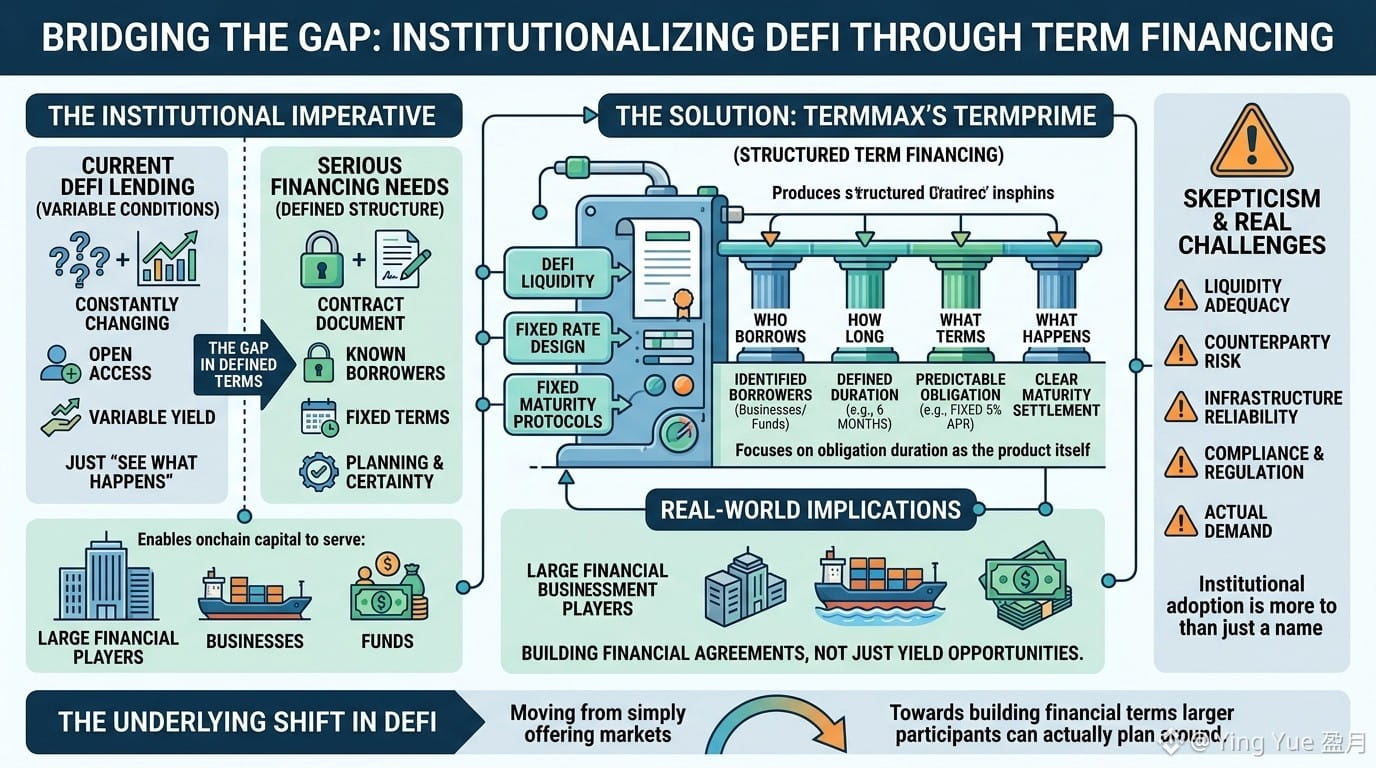
機関投資家の資金には、「とりあえず何が起こるか見てみよう」と言えるような余裕は通常ありません。
DeFiの成長を見ているとき、私はそのことを考えてきました。多くのプロトコルは、オープンアクセスや可変条件を前提に構築されていますが、本格的な資金調達には、もう少し明確なものが必要です。誰が借りるのか、どれくらいの期間か、どのような条件か、そしてその期間が終わったら何が起こるのか。
そのギャップが、私にとってTermMaxのTermPrimeを興味深くしてくれます。
機関投資家向けの資金調達を、短期のDeFiレンディングの別バージョンとして扱うのではなく、TermPrimeは「組成されたターム(期間)付きの資金調達」に焦点を当てています。これは、金利固定と満期固定を軸にしたTermMaxのより広い設計に適合しており、金融上の義務の期間そのものがプロダクトの一部になっています。
現実世界での意味合いは、単にもう一つの貸出市場が増える以上のものです。
オンチェーンの資本が、いずれ資金や企業、あるいはより大きな金融プレイヤーに役立つようになるなら、彼らには、絶えず変動する利回りの機会ではなく、資金調達契約のように振る舞う手段が必要になるかもしれません。
ただ、私は懐疑的でもあります。
「機関投資家」という言葉をプロダクト名に入れただけでは、機関の採用は解決しません。流動性、カウンターパーティリスク、インフラ、コンプライアンス、そして実際の需要は、やはり重要です。
とはいえ、興味深い変化は静かに起きているのかもしれません。DeFiは単に市場を提供する段階から、より大きな参加者が実際に見通しを立てられる「金融の条件」を構築しているのかもしれません。
$XPIN $RED $AEON
#termmax @TermMax
機関投資家の資金には、「とりあえず何が起こるか見てみよう」と言えるような余裕は通常ありません。
DeFiの成長を見ているとき、私はそのことを考えてきました。多くのプロトコルは、オープンアクセスや可変条件を前提に構築されていますが、本格的な資金調達には、もう少し明確なものが必要です。誰が借りるのか、どれくらいの期間か、どのような条件か、そしてその期間が終わったら何が起こるのか。
そのギャップが、私にとってTermMaxのTermPrimeを興味深くしてくれます。
機関投資家向けの資金調達を、短期のDeFiレンディングの別バージョンとして扱うのではなく、TermPrimeは「組成されたターム(期間)付きの資金調達」に焦点を当てています。これは、金利固定と満期固定を軸にしたTermMaxのより広い設計に適合しており、金融上の義務の期間そのものがプロダクトの一部になっています。
現実世界での意味合いは、単にもう一つの貸出市場が増える以上のものです。
オンチェーンの資本が、いずれ資金や企業、あるいはより大きな金融プレイヤーに役立つようになるなら、彼らには、絶えず変動する利回りの機会ではなく、資金調達契約のように振る舞う手段が必要になるかもしれません。
ただ、私は懐疑的でもあります。
「機関投資家」という言葉をプロダクト名に入れただけでは、機関の採用は解決しません。流動性、カウンターパーティリスク、インフラ、コンプライアンス、そして実際の需要は、やはり重要です。
とはいえ、興味深い変化は静かに起きているのかもしれません。DeFiは単に市場を提供する段階から、より大きな参加者が実際に見通しを立てられる「金融の条件」を構築しているのかもしれません。
$XPIN $RED $AEON
1
390
·
--
#termmax @termmax
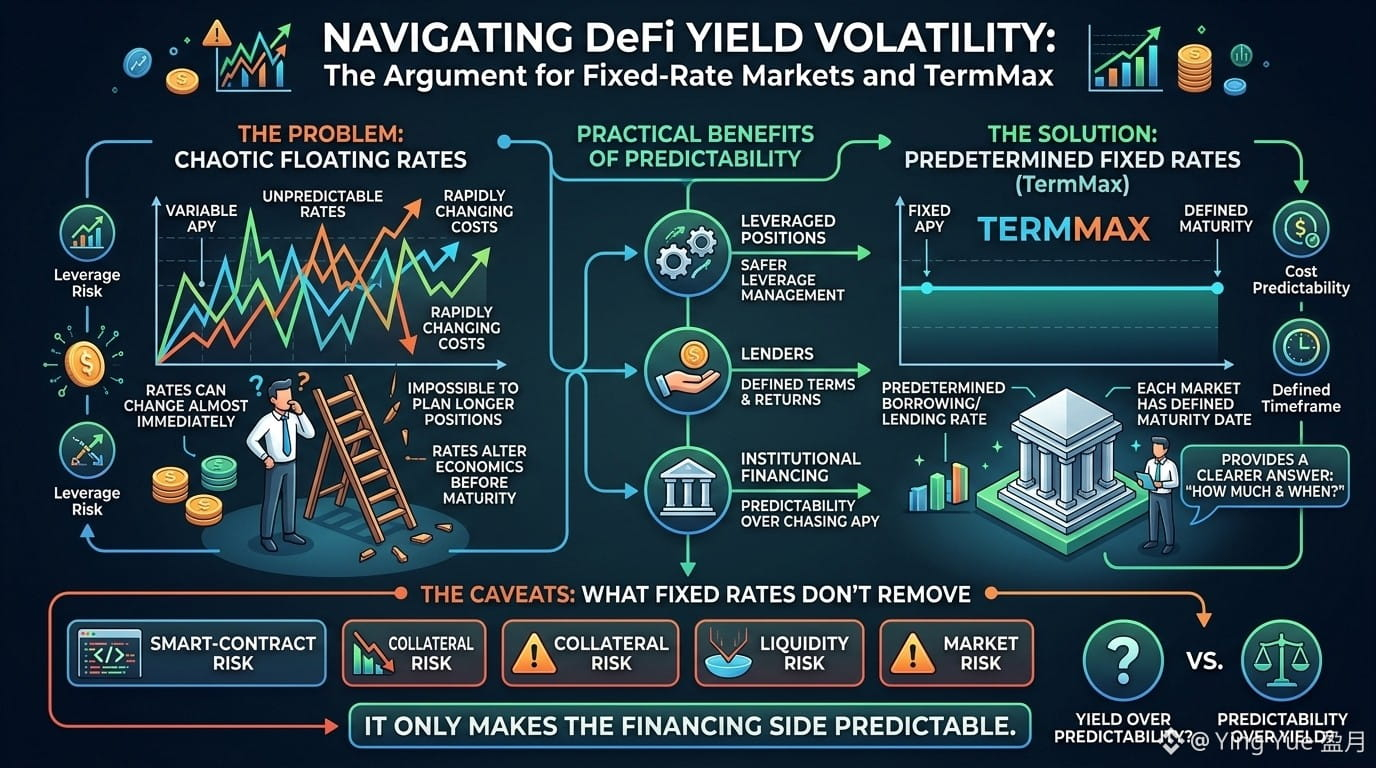
DeFiについて、ずっと不思議に思っていることがあります。私たちは金利を、信頼できる数値のように語りますが、その数値はほとんどすぐに変わってしまうことがあるのです。
変動金利市場を長い期間観察したあと、借入コストがその下で動き続ける状況で、どうやって誰もが長期のポジションを計画できるのだろうと考えるようになりました。
それはレバレッジでは特に現実的な問題になります。エントリー時にはポジションが妥当に見えても、金利が変わることで満期前に経済性が静かに変わってしまうのです。
そこで、TermMaxの固定金利・固定満期モデルに注目しました。
技術的なコンセプトはシンプルです。継続的に再評価される金利ではなく、各市場にはあらかじめ定められた借り入れ/貸し出し金利と、定義された満期日があります。
実務的には、それによりDeFiがしばしば欠いているものが得られます。「これはいくらかかり、いつ終わるのか?」への、より明確な答えです。
それは、レバレッジをかけたポジションにとっても、定められた条件を探している貸し手にとっても、あるいは、今日たまたま最も高いAPYを追いかけるよりも予測可能性のほうが役立つ、機関投資家の資金調達においても重要になり得ます。
ただ、私はまだ懐疑的です。
固定金利は、スマートコントラクトのリスク、担保リスク、流動性リスク、そして市場リスクを取り除くわけではありません。より予測しやすくなるのは、資金調達の側面だけです。
それで十分なのでしょうか。あるいは、予測可能性が利回りと同じくらい価値あるものになるまで、DeFiにはまだ長い道のりがあるのかもしれません。
$GPS $TAG $ACE
#termmax @TermMax
DeFiについて、ずっと不思議に思っていることがあります。私たちは金利を、信頼できる数値のように語りますが、その数値はほとんどすぐに変わってしまうことがあるのです。
変動金利市場を長い期間観察したあと、借入コストがその下で動き続ける状況で、どうやって誰もが長期のポジションを計画できるのだろうと考えるようになりました。
それはレバレッジでは特に現実的な問題になります。エントリー時にはポジションが妥当に見えても、金利が変わることで満期前に経済性が静かに変わってしまうのです。
そこで、TermMaxの固定金利・固定満期モデルに注目しました。
技術的なコンセプトはシンプルです。継続的に再評価される金利ではなく、各市場にはあらかじめ定められた借り入れ/貸し出し金利と、定義された満期日があります。
実務的には、それによりDeFiがしばしば欠いているものが得られます。「これはいくらかかり、いつ終わるのか?」への、より明確な答えです。
それは、レバレッジをかけたポジションにとっても、定められた条件を探している貸し手にとっても、あるいは、今日たまたま最も高いAPYを追いかけるよりも予測可能性のほうが役立つ、機関投資家の資金調達においても重要になり得ます。
ただ、私はまだ懐疑的です。
固定金利は、スマートコントラクトのリスク、担保リスク、流動性リスク、そして市場リスクを取り除くわけではありません。より予測しやすくなるのは、資金調達の側面だけです。
それで十分なのでしょうか。あるいは、予測可能性が利回りと同じくらい価値あるものになるまで、DeFiにはまだ長い道のりがあるのかもしれません。
$GPS $TAG $ACE
1
263
·
--
本人確認中
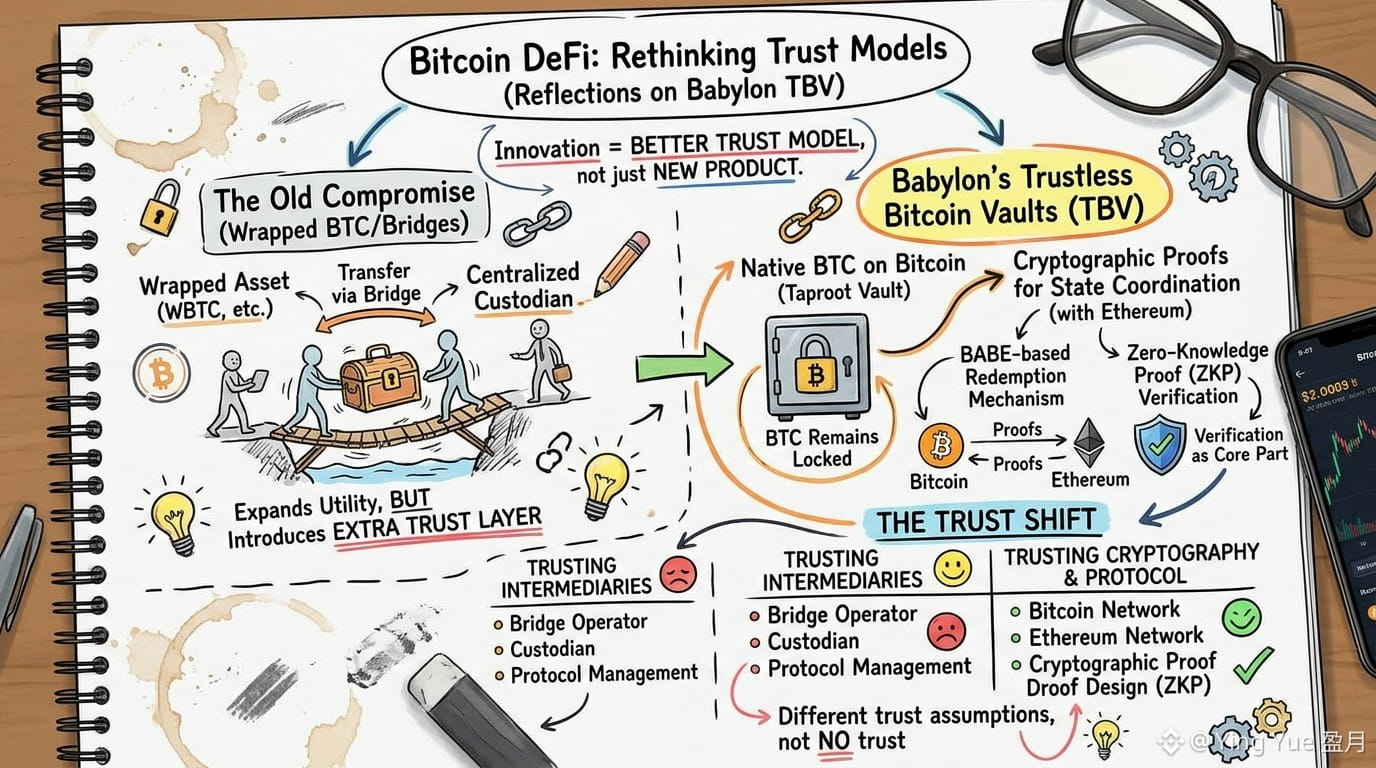
もしビットコインDeFiの最大の革新が、まったく新しい金融商品ではないとしたら?
ビットコインDeFiについて読み進めるほど、真のブレークスルーは「より良い信頼モデル」なのではないかと気づきました。
その見方は、BabylonのTrustless Bitcoin Vaults(TBV)を調べているときに変わりました。
これまで私が見てきたほとんどの解決策は、DeFiにアクセスする前にビットコイン保有者にある種の妥協を求めるものです。BTCは別の資産にラップされ、ブリッジを通じて移転されるか、カストディアンの管理下に置かれます。どの方式もユーティリティを拡張しますが、その一方で信頼の追加レイヤーが生まれます。
TBVは別のアプローチを取ります。ビットコインをネイティブのネットワークから切り離して移すのではなく、Taprootのバルト(金庫)の中でビットコインをロックしたままにします。そしてプロトコルは、中間業者に頼るのではなく、暗号学的な証明を用いて状態の変更をイーサリアム側と調整します。印象的だったのは、ゼロ知識証明の検証と並行して、BABEベースの償還(redemption)メカニズムを使っている点です。証明検証を単なる補足の詳細として扱うのではなく、信頼がチェーン間で確立される方法の中核として設計されているのです。
もちろん、信頼が完全に消えるわけではありません。ユーザーは引き続きビットコイン、イーサリアム、そしてプロトコルの暗号設計に依存します。ただし、それらの信頼の前提は、基盤となるBTCを守るためにブリッジ運営者や中央集権的なカストディアンを信頼することとは、根本的に感覚が異なるように思えます。
このモデルがビットコインDeFiの標準になるかどうかはまだ不確かで、最終的な普及はセキュリティとユーザー体験の両方に左右されるでしょう。それでもTBVは、重要な「考え方の転換」を示していると私は思います。より多くの参加者を信頼してもらうことを求めるのではなく、強力な暗号技術がそれらの前提の一部を置き換えられるのか、という問いかけをしているのです。それは注目する価値のあるアイデアです。
#baby @babylonlabs_io $BABY
{future}(BABYUSDT)
もしビットコインDeFiの最大の革新が、まったく新しい金融商品ではないとしたら?
ビットコインDeFiについて読み進めるほど、真のブレークスルーは「より良い信頼モデル」なのではないかと気づきました。
その見方は、BabylonのTrustless Bitcoin Vaults(TBV)を調べているときに変わりました。
これまで私が見てきたほとんどの解決策は、DeFiにアクセスする前にビットコイン保有者にある種の妥協を求めるものです。BTCは別の資産にラップされ、ブリッジを通じて移転されるか、カストディアンの管理下に置かれます。どの方式もユーティリティを拡張しますが、その一方で信頼の追加レイヤーが生まれます。
TBVは別のアプローチを取ります。ビットコインをネイティブのネットワークから切り離して移すのではなく、Taprootのバルト(金庫)の中でビットコインをロックしたままにします。そしてプロトコルは、中間業者に頼るのではなく、暗号学的な証明を用いて状態の変更をイーサリアム側と調整します。印象的だったのは、ゼロ知識証明の検証と並行して、BABEベースの償還(redemption)メカニズムを使っている点です。証明検証を単なる補足の詳細として扱うのではなく、信頼がチェーン間で確立される方法の中核として設計されているのです。
もちろん、信頼が完全に消えるわけではありません。ユーザーは引き続きビットコイン、イーサリアム、そしてプロトコルの暗号設計に依存します。ただし、それらの信頼の前提は、基盤となるBTCを守るためにブリッジ運営者や中央集権的なカストディアンを信頼することとは、根本的に感覚が異なるように思えます。
このモデルがビットコインDeFiの標準になるかどうかはまだ不確かで、最終的な普及はセキュリティとユーザー体験の両方に左右されるでしょう。それでもTBVは、重要な「考え方の転換」を示していると私は思います。より多くの参加者を信頼してもらうことを求めるのではなく、強力な暗号技術がそれらの前提の一部を置き換えられるのか、という問いかけをしているのです。それは注目する価値のあるアイデアです。
#baby @BabylonLabs_io $BABY
5
192
·
--
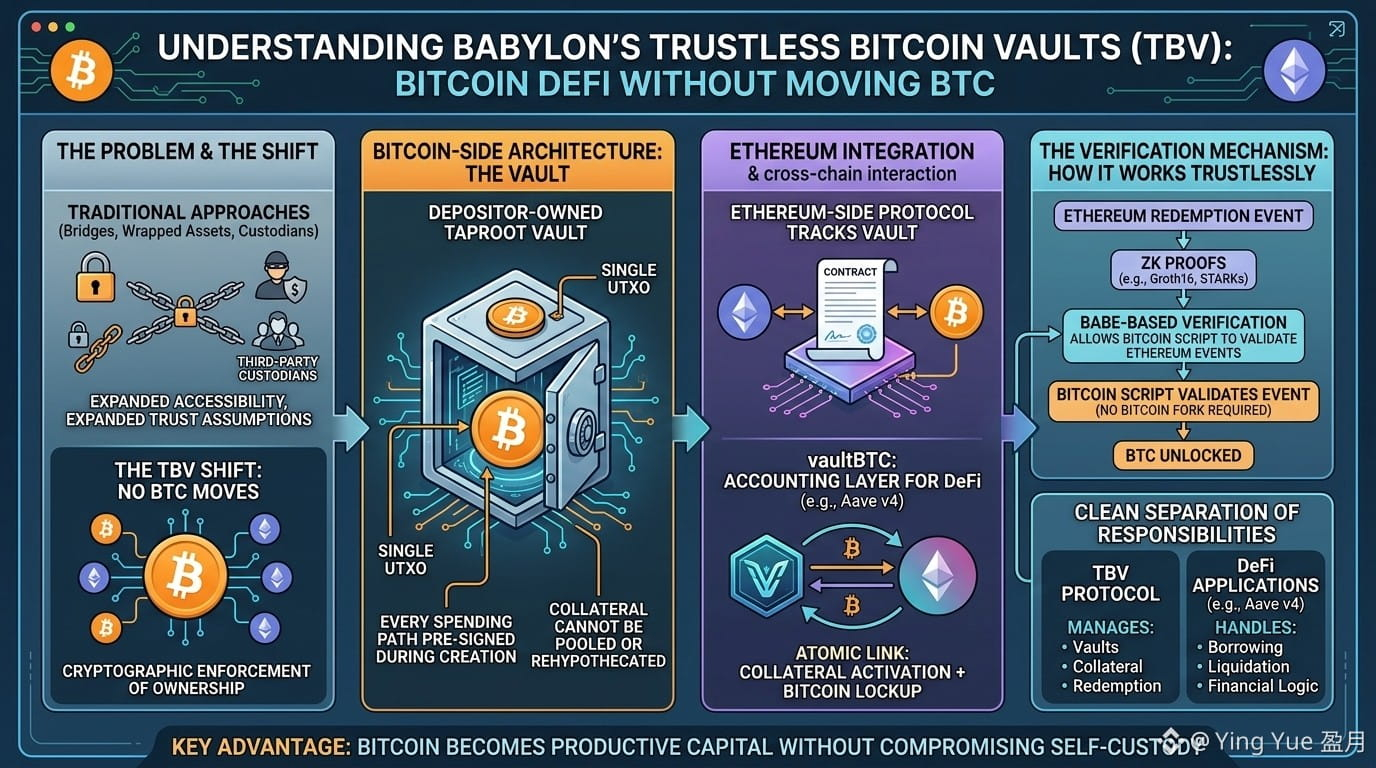
バビロンの「信託を介さないビットコイン・ボルト(Vaults)」を調べている間、あるアイデアが何度も私のもとに戻ってきました。もしかすると、DeFiにおけるビットコインの未来は、ビットコインを移動させること自体ではないのかもしれません。
何年もの間、業界はブリッジ、ラップド・アセット、カストディアンで同じ問題を解決しようとしてきました。これらの解決策はアクセス性を広げましたが、その一方で信頼(トラスト)に関する前提も拡大してしまいました。TBVは、明確に異なる道を選びます。
プロトコルは、BTCをビットコイン・ネットワーク上に保持し、預託者が所有するTaprootのボルトに単一のUTXOとしてロックします。すべての支払い経路はボルト作成時に事前署名されており、担保はプール化されたり再質入(rehypothecation)されたりできません。この設計によって「誰がビットコインを保有しているか」という話題から、「暗号がどのように所有権を強制するか」へと会話が移ります。
特に興味深かったのは、イーサリアムがどのように参加しているのか、ただしカストディは取らない点です。イーサリアム側のサイド・プロトコルがボルトを追跡し、vaultBTCはAave v4のようなDeFiアプリのための会計レイヤーとしてのみ機能します。担保の有効化はビットコインのロックアップとアトミックに結び付けられ、償還(レデンプション)は、zkプルーフと、BABEベースの検証メカニズムに依存します。この仕組みにより、ビットコインのフォークを必要とせずに、ビットコインScriptがイーサリアムの償還イベントを検証できます。
アーキテクチャはまた、責務をきれいに分離しています。TBVがボルト、担保、償還を管理し、アプリケーションが借り入れ、清算(リクイデーション)、およびユーザー向けの金融ロジックを扱います。
すべてのビットコイン保有者がすぐにDeFiを受け入れるとは確信していません。しかし、もしビットコインが、自己カストディを損なうことなく、生産的な資本になり得るのなら、このようなアーキテクチャには慎重な注目が必要です。
@babylonlabs_io #baby $BABY
$MMT $CAP
バビロンの「信託を介さないビットコイン・ボルト(Vaults)」を調べている間、あるアイデアが何度も私のもとに戻ってきました。もしかすると、DeFiにおけるビットコインの未来は、ビットコインを移動させること自体ではないのかもしれません。
何年もの間、業界はブリッジ、ラップド・アセット、カストディアンで同じ問題を解決しようとしてきました。これらの解決策はアクセス性を広げましたが、その一方で信頼(トラスト)に関する前提も拡大してしまいました。TBVは、明確に異なる道を選びます。
プロトコルは、BTCをビットコイン・ネットワーク上に保持し、預託者が所有するTaprootのボルトに単一のUTXOとしてロックします。すべての支払い経路はボルト作成時に事前署名されており、担保はプール化されたり再質入(rehypothecation)されたりできません。この設計によって「誰がビットコインを保有しているか」という話題から、「暗号がどのように所有権を強制するか」へと会話が移ります。
特に興味深かったのは、イーサリアムがどのように参加しているのか、ただしカストディは取らない点です。イーサリアム側のサイド・プロトコルがボルトを追跡し、vaultBTCはAave v4のようなDeFiアプリのための会計レイヤーとしてのみ機能します。担保の有効化はビットコインのロックアップとアトミックに結び付けられ、償還(レデンプション)は、zkプルーフと、BABEベースの検証メカニズムに依存します。この仕組みにより、ビットコインのフォークを必要とせずに、ビットコインScriptがイーサリアムの償還イベントを検証できます。
アーキテクチャはまた、責務をきれいに分離しています。TBVがボルト、担保、償還を管理し、アプリケーションが借り入れ、清算(リクイデーション)、およびユーザー向けの金融ロジックを扱います。
すべてのビットコイン保有者がすぐにDeFiを受け入れるとは確信していません。しかし、もしビットコインが、自己カストディを損なうことなく、生産的な資本になり得るのなら、このようなアーキテクチャには慎重な注目が必要です。
@BabylonLabs_io #baby $BABY
$MMT $CAP
1
132
·
--
#baby $BABY @babylonlabs_io
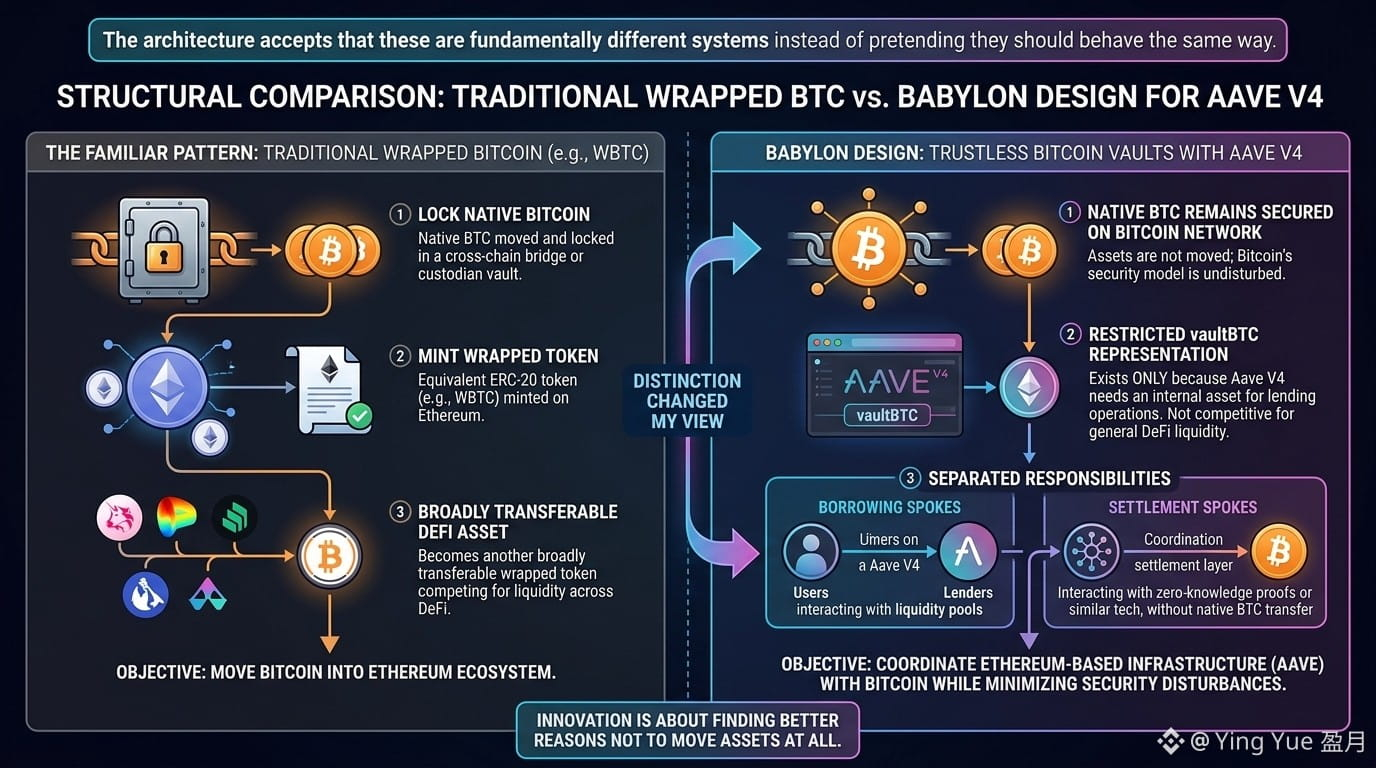
バビロンが、Trustless Bitcoin Vaults を Aave V4 と統合する提案について初めて読んだとき、私はおなじみのパターンを想定していました。
どこかにビットコインをロックして、イーサリアム上でラップしたバージョンを鋳造し、それをインターオペラビリティだと言う。
しかし、見つけたのはそれではありませんでした。
この設計では、責任を Borrowing Spokes と Settlement Spokes に分離しつつ、ネイティブの BTC はビットコイン・ネットワーク上でそのまま担保された状態を維持できるようにしています。制限付きの vaultBTC 表現は、Aave V4 が貸付のために理解できる資産を必要としているために存在します。これは、DeFi 全体で流動性を競い合う、さらに別の広く移転可能なラップド・ビットコインになることを意図したものではありません。
その違いによって、私は提案全体の見方を変えました。
この目的は、ビットコインをイーサリアムへ移すことには見えません。
目的は、ビットコインのセキュリティ・モデルをできるだけ乱さずに、イーサリアム上の貸付インフラがビットコインと連携できるようにすることです。
このアーキテクチャは、これらが本質的に異なるシステムであることを受け入れ、同じように振る舞うはずだと無理に前提を置くことはしません。
暗号資産のインフラを学べば学ぶほど、どんな代償を払ってでも柔軟性を増やすのではなく、前提を減らす設計の価値が分かってきます。
革新とは、資産を動かす新しい場所を見つけることではないのです。
そもそも移さないほうがよい、より良い理由を見つけることです。
$ON
{spot}(BABYUSDT)
#baby $BABY @BabylonLabs_io
バビロンが、Trustless Bitcoin Vaults を Aave V4 と統合する提案について初めて読んだとき、私はおなじみのパターンを想定していました。
どこかにビットコインをロックして、イーサリアム上でラップしたバージョンを鋳造し、それをインターオペラビリティだと言う。
しかし、見つけたのはそれではありませんでした。
この設計では、責任を Borrowing Spokes と Settlement Spokes に分離しつつ、ネイティブの BTC はビットコイン・ネットワーク上でそのまま担保された状態を維持できるようにしています。制限付きの vaultBTC 表現は、Aave V4 が貸付のために理解できる資産を必要としているために存在します。これは、DeFi 全体で流動性を競い合う、さらに別の広く移転可能なラップド・ビットコインになることを意図したものではありません。
その違いによって、私は提案全体の見方を変えました。
この目的は、ビットコインをイーサリアムへ移すことには見えません。
目的は、ビットコインのセキュリティ・モデルをできるだけ乱さずに、イーサリアム上の貸付インフラがビットコインと連携できるようにすることです。
このアーキテクチャは、これらが本質的に異なるシステムであることを受け入れ、同じように振る舞うはずだと無理に前提を置くことはしません。
暗号資産のインフラを学べば学ぶほど、どんな代償を払ってでも柔軟性を増やすのではなく、前提を減らす設計の価値が分かってきます。
革新とは、資産を動かす新しい場所を見つけることではないのです。
そもそも移さないほうがよい、より良い理由を見つけることです。
$ON
1
1
264
·
--
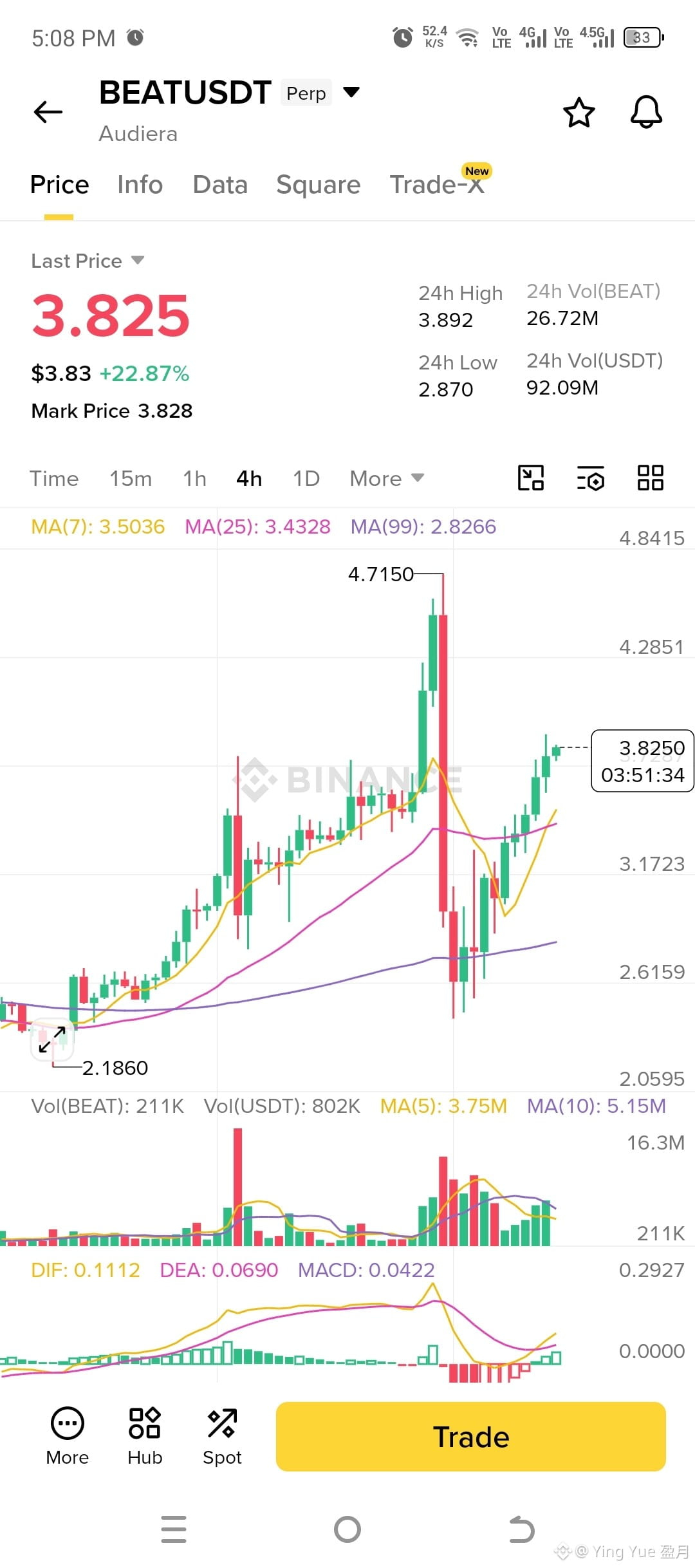
$BEAT は現在強い強気の勢いで買い戻し(チャージバック)を行っており、3.825 前後で取引されていて、目覚ましい上昇が約 23% に迫っています。4.7150 付近の直近高値から急落して 2.870 のフロアまで下げたあと、BEAT は堅いサポートを見つけ、4時間足チャートで力強い回復の局面を作っています。連続した陽線が価格を短期移動平均のかなり上まで押し上げており、買い手が強い力で再び参加して主導権を握り、より高い抵抗線に向けて次の上昇を狙っていることを示しています。
$BEAT は現在強い強気の勢いで買い戻し(チャージバック)を行っており、3.825 前後で取引されていて、目覚ましい上昇が約 23% に迫っています。4.7150 付近の直近高値から急落して 2.870 のフロアまで下げたあと、BEAT は堅いサポートを見つけ、4時間足チャートで力強い回復の局面を作っています。連続した陽線が価格を短期移動平均のかなり上まで押し上げており、買い手が強い力で再び参加して主導権を握り、より高い抵抗線に向けて次の上昇を狙っていることを示しています。
140
·
--
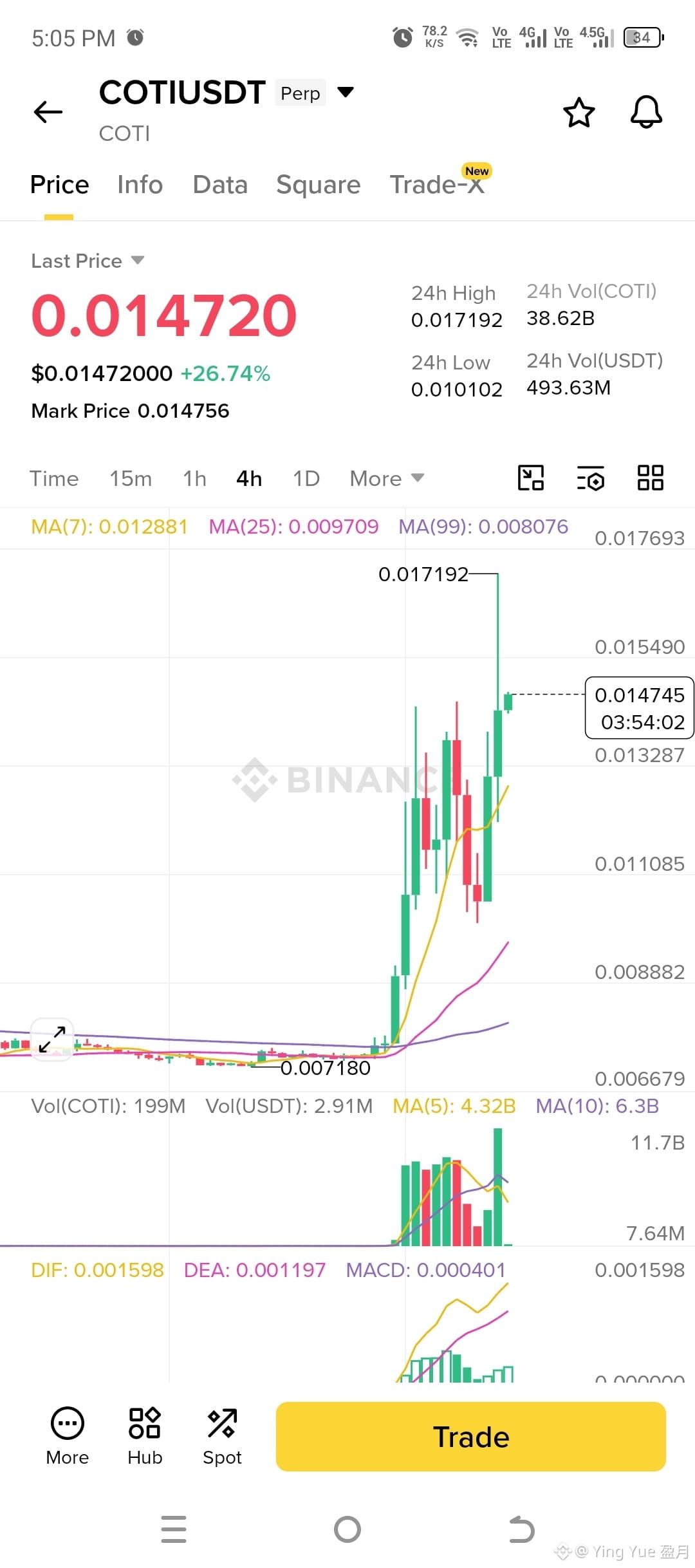
$COTI は現在攻撃的な強気の勢いで急上昇しており、過去に26%超の大幅な上昇を達成した後、0.014720前後で推移しています。0.010102近辺のベースからブレイクアウトし、0.017192のピークまで急伸した後、一度は押し戻されましたが、買い手がすぐに再参入して勢いを4時間足チャートで維持しています。価格は主要な移動平均線をすべて快適に上回っており、重い出来高がその動きを裏付けているため、強気派がもう一段の上昇の強い足を狙って確固としていることが示されています。
{future}(COTIUSDT)
$COTI は現在攻撃的な強気の勢いで急上昇しており、過去に26%超の大幅な上昇を達成した後、0.014720前後で推移しています。0.010102近辺のベースからブレイクアウトし、0.017192のピークまで急伸した後、一度は押し戻されましたが、買い手がすぐに再参入して勢いを4時間足チャートで維持しています。価格は主要な移動平均線をすべて快適に上回っており、重い出来高がその動きを裏付けているため、強気派がもう一段の上昇の強い足を狙って確固としていることが示されています。
147
·
--
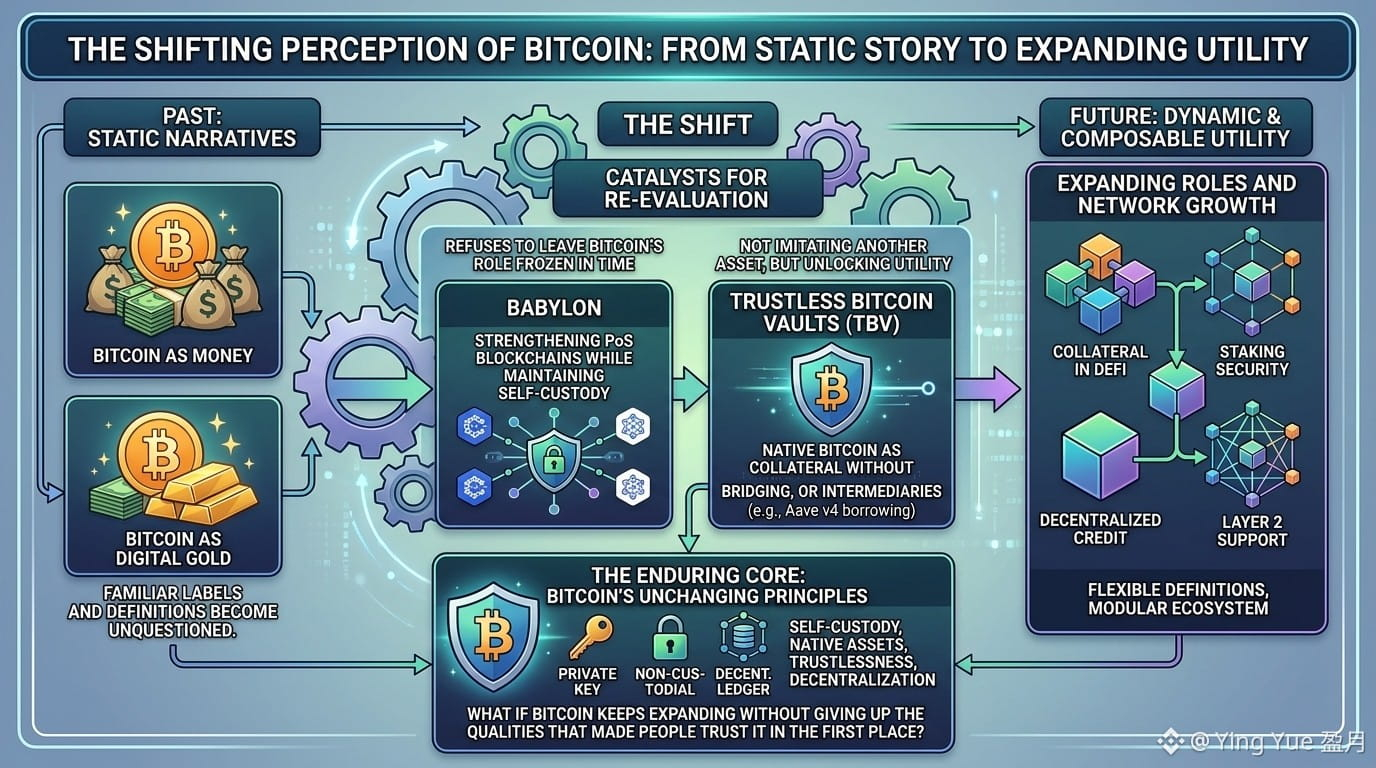
ビットコインのそばにいる時間が長くなるほど、人々がそれについて語る物語に対する執着が薄れていく。
何年も前、誰もがビットコインがどうあるべきかを、自分は分かっていると確信しているように見えた。ある人はそれを「お金」だと言い、別の人は「デジタル・ゴールド」のように扱った。そしていつの間にか、その呼び名に慣れすぎてしまい、私はそれらを問い直すのをやめていた。
バビロンは、その癖を改めて見えるものにした。
私は、それがビットコインを再定義しようとしているからだと言いたいわけではない。むしろ、私は自分がビットコインを狭く定義しすぎていたのではないかと思った。ビットコインが、私自身の管理下にありながらPoSブロックチェーンを強化するのに役立つという発想は、元来の役割を消し去るわけではない。ただ、その役割を時を止めたまま固定されたものとして置き去りにすることを、拒んでいるだけだ。
その違いは重要だと感じる。
同じようなことを、Trustless Bitcoin Vaults(TBV)について読んでいるときにも感じた。ラップすることも、ブリッジすることも、仲介者にコントロールを渡すこともなく、ネイティブなビットコインがそのまま担保になる──それは、ビットコインに別の資産のふりをさせようとする試みだとは思えなかった。Aave v4における、ネイティブ・ビットコインによる借り入れを使った最初のTBVのユースケースは、むしろもっと静かな問いを投げかけているように見えた。
ビットコインは、人々が最初にそれを信頼したからこそ備わっていた性質を手放さずに、なおも広がっていくことはできるのだろうか?
私はまだ、その考えがどこで終わるのか分からない。
@babylonlabs_io $BABY #baby
{future}(BABYUSDT)
ビットコインのそばにいる時間が長くなるほど、人々がそれについて語る物語に対する執着が薄れていく。
何年も前、誰もがビットコインがどうあるべきかを、自分は分かっていると確信しているように見えた。ある人はそれを「お金」だと言い、別の人は「デジタル・ゴールド」のように扱った。そしていつの間にか、その呼び名に慣れすぎてしまい、私はそれらを問い直すのをやめていた。
バビロンは、その癖を改めて見えるものにした。
私は、それがビットコインを再定義しようとしているからだと言いたいわけではない。むしろ、私は自分がビットコインを狭く定義しすぎていたのではないかと思った。ビットコインが、私自身の管理下にありながらPoSブロックチェーンを強化するのに役立つという発想は、元来の役割を消し去るわけではない。ただ、その役割を時を止めたまま固定されたものとして置き去りにすることを、拒んでいるだけだ。
その違いは重要だと感じる。
同じようなことを、Trustless Bitcoin Vaults(TBV)について読んでいるときにも感じた。ラップすることも、ブリッジすることも、仲介者にコントロールを渡すこともなく、ネイティブなビットコインがそのまま担保になる──それは、ビットコインに別の資産のふりをさせようとする試みだとは思えなかった。Aave v4における、ネイティブ・ビットコインによる借り入れを使った最初のTBVのユースケースは、むしろもっと静かな問いを投げかけているように見えた。
ビットコインは、人々が最初にそれを信頼したからこそ備わっていた性質を手放さずに、なおも広がっていくことはできるのだろうか?
私はまだ、その考えがどこで終わるのか分からない。
@BabylonLabs_io $BABY #baby
2
59
·
--
#baby $BABY @babylonlabs_io
翻訳がバビロンの見え方を変えた
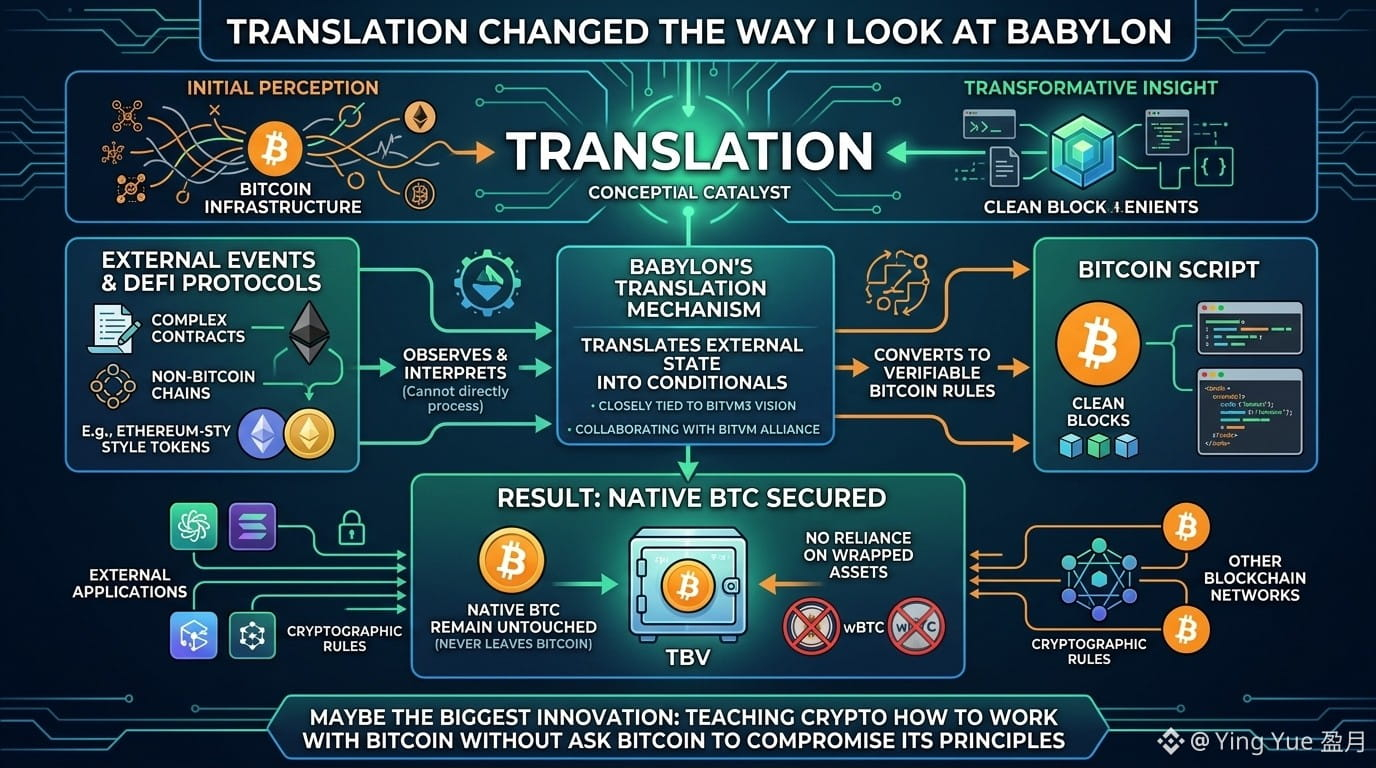
多くの人は、おそらくバビロンの信託なきビットコイン・ボールト(TBV)をビットコインのインフラだと説明するでしょう。
私の視点を完全に変えたのは「翻訳」という言葉でした。
ビットコインは、DeFiプロトコルの内部で何が起きるかを理解するために設計されたことがありません。スマートコントラクトを観測したり、別チェーンの状態に反応したりできません。TBVはビットコインのルールを変えようとはしません。代わりに、外部の出来事を、ビットコイン・スクリプトが検証できる条件へと翻訳します。深く掘り下げるほど、このアイデアはBitVM3と非常に密接につながっていること、そしてバビロンがそのビジョンを前に進めるためにBitVMアライアンスと継続して協力していることに気づきました。
また際立っているのは、BTCそのものがビットコインから決して出ていかないことです。ラップド・アセットに頼るのではなく、プロトコルはネイティブBTCを確実に保護したまま、注意深く定義された暗号学的ルールを通じて外部アプリケーションがそれとやり取りできるようにしています。これは、ビットコインに別のスマートコントラクト・プラットフォームになってもらうよう求めるのとは、まったく違った感触があります。
考えれば考えるほど、これは別のステーキング商品に見えるどころか、そうではないように思えてきました。
もしかすると、バビロンの最大の革新はビットコインに新しい能力を教えることではありません。
もしかすると、それは、暗号資産全体に対して、ビットコインが最初から持っていて価値の源になっている原則を妥協するよう求めることなく、ビットコインとどう連携すればよいのかを教えることなのかもしれません。
#baby $BABY @BabylonLabs_io
翻訳がバビロンの見え方を変えた
多くの人は、おそらくバビロンの信託なきビットコイン・ボールト(TBV)をビットコインのインフラだと説明するでしょう。
私の視点を完全に変えたのは「翻訳」という言葉でした。
ビットコインは、DeFiプロトコルの内部で何が起きるかを理解するために設計されたことがありません。スマートコントラクトを観測したり、別チェーンの状態に反応したりできません。TBVはビットコインのルールを変えようとはしません。代わりに、外部の出来事を、ビットコイン・スクリプトが検証できる条件へと翻訳します。深く掘り下げるほど、このアイデアはBitVM3と非常に密接につながっていること、そしてバビロンがそのビジョンを前に進めるためにBitVMアライアンスと継続して協力していることに気づきました。
また際立っているのは、BTCそのものがビットコインから決して出ていかないことです。ラップド・アセットに頼るのではなく、プロトコルはネイティブBTCを確実に保護したまま、注意深く定義された暗号学的ルールを通じて外部アプリケーションがそれとやり取りできるようにしています。これは、ビットコインに別のスマートコントラクト・プラットフォームになってもらうよう求めるのとは、まったく違った感触があります。
考えれば考えるほど、これは別のステーキング商品に見えるどころか、そうではないように思えてきました。
もしかすると、バビロンの最大の革新はビットコインに新しい能力を教えることではありません。
もしかすると、それは、暗号資産全体に対して、ビットコインが最初から持っていて価値の源になっている原則を妥協するよう求めることなく、ビットコインとどう連携すればよいのかを教えることなのかもしれません。
3
1
140
·
--
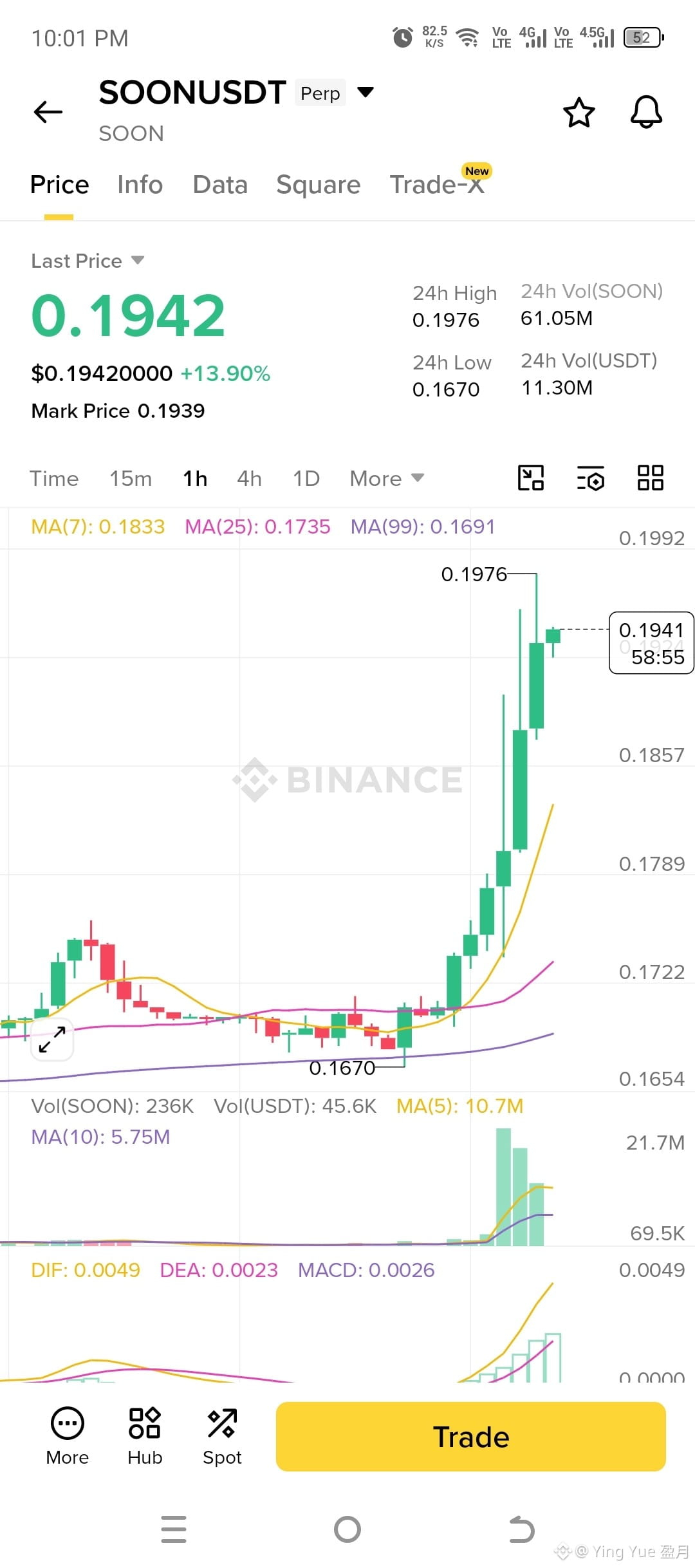
$SOON は現在垂直に上昇する急騰(ラリー)に突入しており、約0.1942付近で取引されています。およそ14%に近い大幅な急騰です。0.1670の安値付近でいったん揉み合った後、SOONは1時間足チャートで攻撃的な強い(グリーンの)ローソク足を連打し、0.1976まで上昇してピークをつけました。大量の出来高スパイクがこの爆発的な動きを押し上げており、買い手が執拗に勢いを高めているため、価格は主要な移動平均線のすべてを大きく上回ったままです。高値を明確に突破するのを試しにいっています。
{future}(SOONUSDT)
$SOON は現在垂直に上昇する急騰(ラリー)に突入しており、約0.1942付近で取引されています。およそ14%に近い大幅な急騰です。0.1670の安値付近でいったん揉み合った後、SOONは1時間足チャートで攻撃的な強い(グリーンの)ローソク足を連打し、0.1976まで上昇してピークをつけました。大量の出来高スパイクがこの爆発的な動きを押し上げており、買い手が執拗に勢いを高めているため、価格は主要な移動平均線のすべてを大きく上回ったままです。高値を明確に突破するのを試しにいっています。
150
·
--
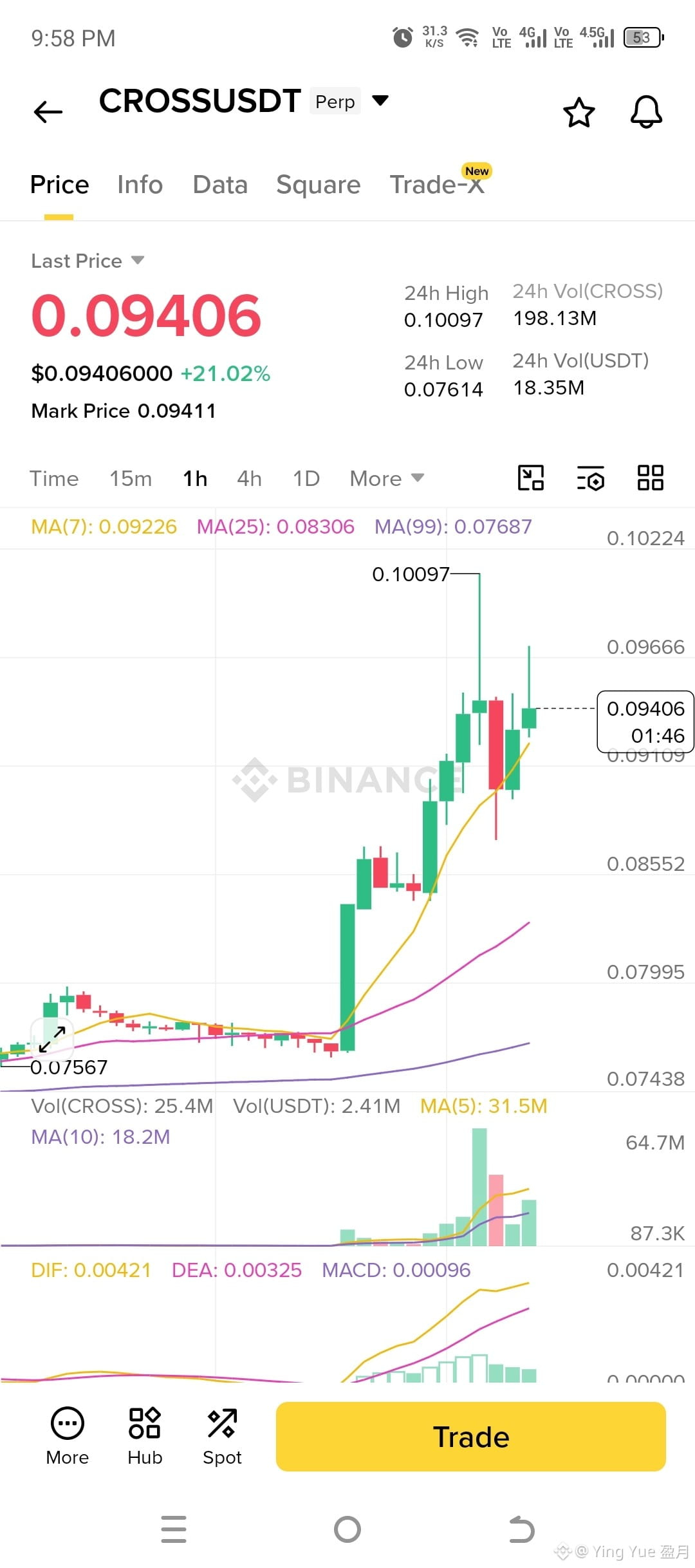
$CROSS は現在強い強気の勢いで突き進んでおり、0.09406前後で推移しながら着実に21%の堅調な上昇を維持しています。基盤から爆発的に上昇して0.10097をつけるピークまで到達した後、CROSSは一度素早く下落しましたが、その後すぐに買い手が戻ってきて短期移動平均を防衛しました。この1時間足チャートで形成されつつある緑のローソク足は、強気派が主導権を取り戻していることを示しており、重要なレジスタンス水準に挑むための次の上昇の可能性がある状態にCROSSをポジショニングしています。
{future}(CROSSUSDT)
#BinanceSquareTalks
$CROSS は現在強い強気の勢いで突き進んでおり、0.09406前後で推移しながら着実に21%の堅調な上昇を維持しています。基盤から爆発的に上昇して0.10097をつけるピークまで到達した後、CROSSは一度素早く下落しましたが、その後すぐに買い手が戻ってきて短期移動平均を防衛しました。この1時間足チャートで形成されつつある緑のローソク足は、強気派が主導権を取り戻していることを示しており、重要なレジスタンス水準に挑むための次の上昇の可能性がある状態にCROSSをポジショニングしています。
#BinanceSquareTalks
#BinanceSquareTalks
80
ログインして、さらにコンテンツを読む
厳選トピックで世界の暗号資産トレーダーの仲間入り
⚡️ 暗号資産に関する最新かつ有益な情報が見つかります。
💬 世界最大の暗号資産取引所から信頼されています。
👍 認証を受けたクリエイターから、有益なインサイトを得られます。
メール / 電話番号