

Rizwan ch
51 投稿

Rizwan ch
報告
ユーザーをブロック
22 フォロー
15 フォロワー
35 いいね
投稿
すべて
引用
·
--
翻訳参照
#BinancePick I’ve noticed that #BinancePick is more than just guessing a direction—it’s about testing how well your market research matches real outcomes. Every prediction is a chance to improve discipline, risk management, and decision-making. Whether the result is a win or a loss, each pick adds valuable experience. What strategy do you rely on before making your next Binance Pick?
#BinancePick I’ve noticed that #BinancePick is more than just guessing a direction—it’s about testing how well your market research matches real outcomes. Every prediction is a chance to improve discipline, risk management, and decision-making. Whether the result is a win or a loss, each pick adds valuable experience. What strategy do you rely on before making your next Binance Pick?
1
89
·
--
翻訳参照
#BinancePick One thing I've learned from #BinancePick is that every prediction reflects your research. A strong pick isn't about luck—it's about understanding trends, managing risk, and staying consistent. Whether the result is a win or a lesson, every round helps improve decision-making. That's what keeps me coming back. What's the first thing you check before making your next pick?
#BinancePick One thing I've learned from #BinancePick is that every prediction reflects your research. A strong pick isn't about luck—it's about understanding trends, managing risk, and staying consistent. Whether the result is a win or a lesson, every round helps improve decision-making. That's what keeps me coming back. What's the first thing you check before making your next pick?
71
·
--
翻訳参照
#BinancePick I like using #BinancePick because it turns market research into a fun challenge. Every prediction is a chance to test my analysis, improve my strategy, and learn from real market movements. Winning isn't guaranteed, but making informed picks helps build better trading discipline over time. Who else is joining the next Binance Pick challenge? 🚀📈
#BinancePick I like using #BinancePick because it turns market research into a fun challenge. Every prediction is a chance to test my analysis, improve my strategy, and learn from real market movements. Winning isn't guaranteed, but making informed picks helps build better trading discipline over time. Who else is joining the next Binance Pick challenge? 🚀📈
69
·
--
#BinancePick 予測で大切なのは運ではなく、市場に注意を払い、あらゆる結果から学ぶことだと思います。だから私は#BinancePickに参加しています。予想するたびに、自分の市場分析を試し、判断力を磨き、経験を積むことができます。すべての予測を的中させる人はいませんが、継続することが本当に大切です。今日はどの市場を選びますか?📈
#BinancePick 予測で大切なのは運ではなく、市場に注意を払い、あらゆる結果から学ぶことだと思います。だから私は#BinancePickに参加しています。予想するたびに、自分の市場分析を試し、判断力を磨き、経験を積むことができます。すべての予測を的中させる人はいませんが、継続することが本当に大切です。今日はどの市場を選びますか?📈
78
·
--
翻訳参照
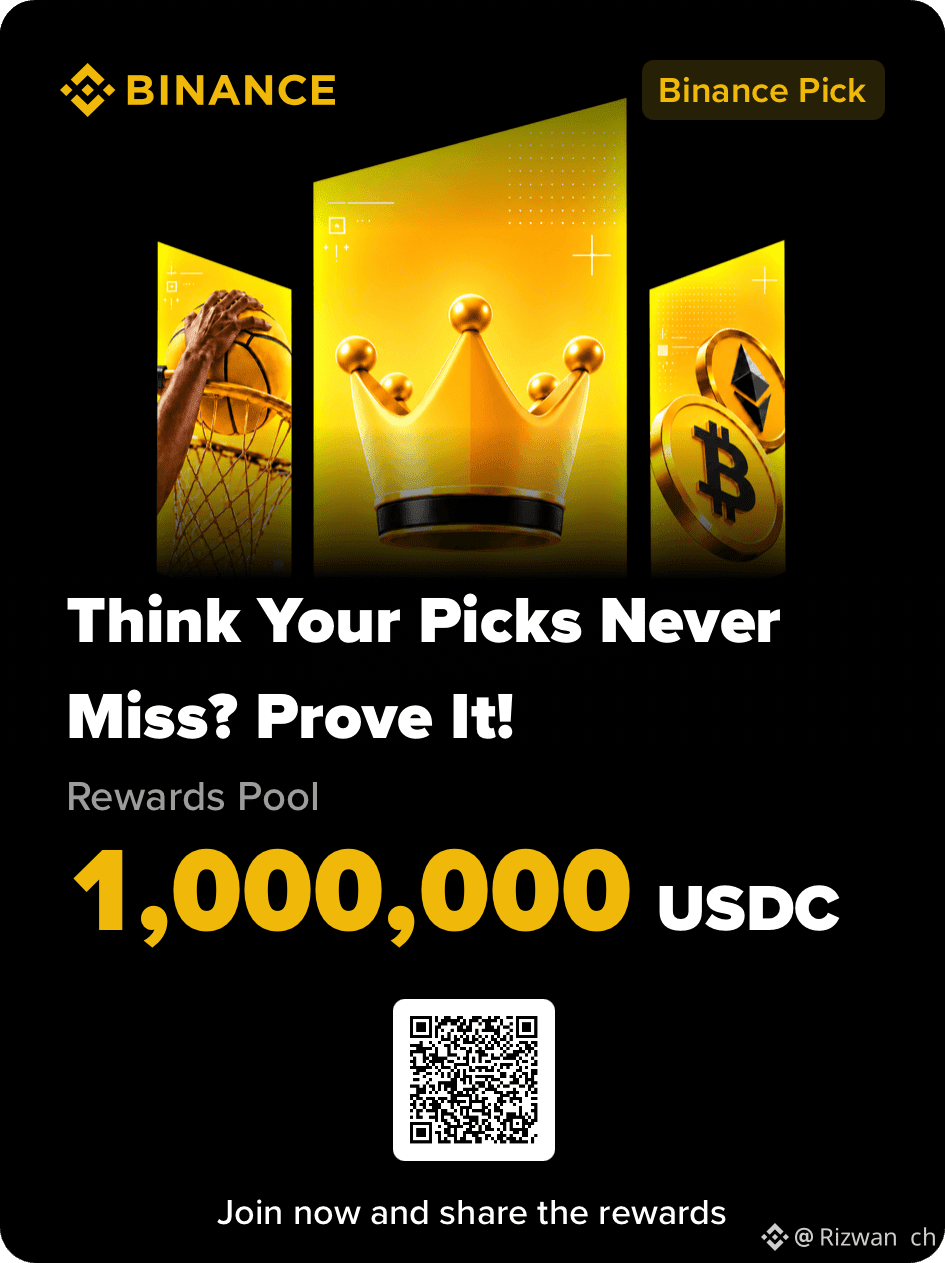
#BinancePick I think #BinancePick is a good reminder that successful predictions are built on research, not luck. Every market has different risks, and taking time to understand trends, news, and sentiment can make a big difference. Even when a prediction doesn't work out, the learning process is valuable. What's the most important factor you consider before making a prediction? 📊
#BinancePick I think #BinancePick is a good reminder that successful predictions are built on research, not luck. Every market has different risks, and taking time to understand trends, news, and sentiment can make a big difference. Even when a prediction doesn't work out, the learning process is valuable. What's the most important factor you consider before making a prediction? 📊
74
·
--
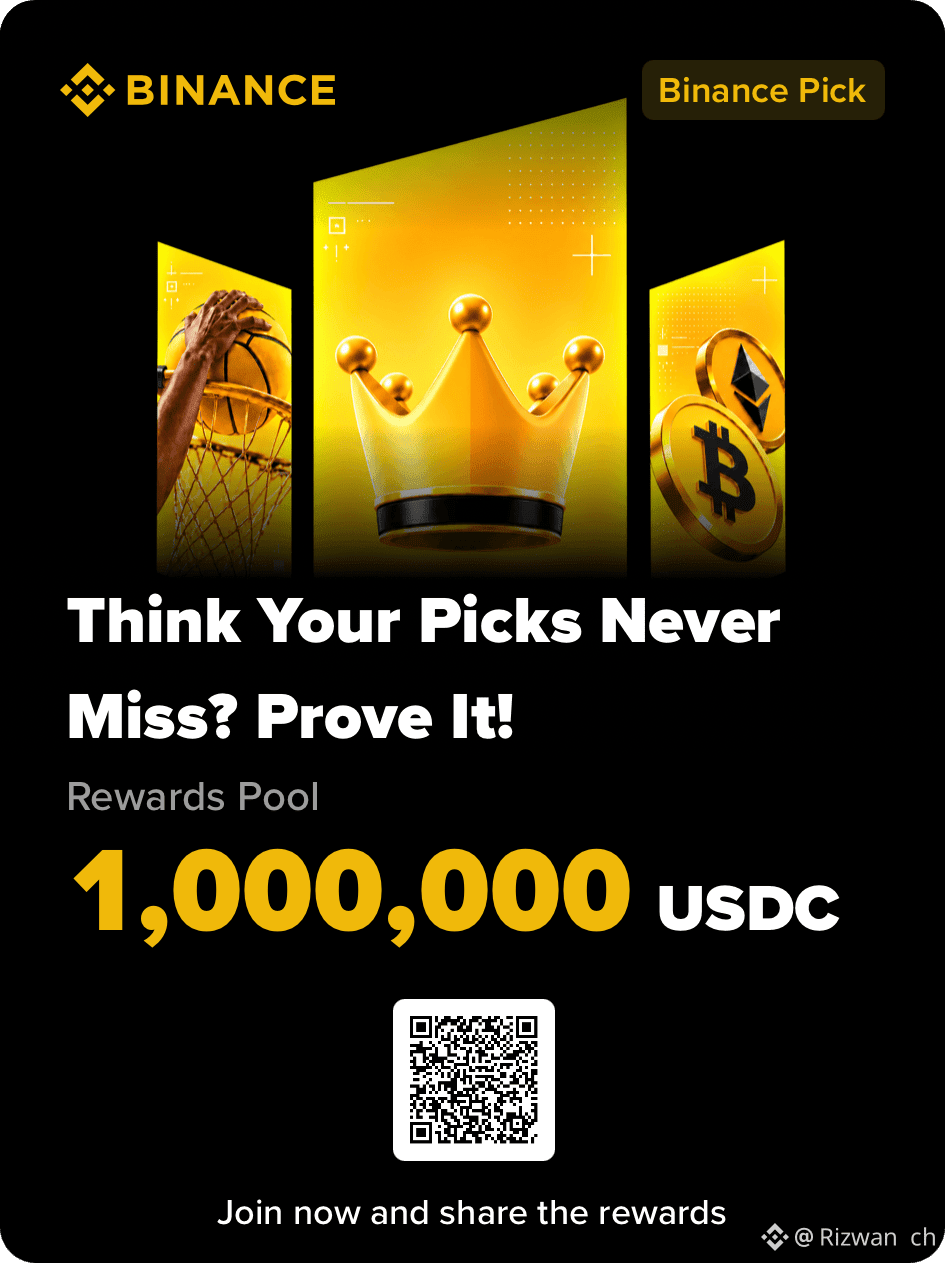
#BinancePick すべての予測は、異なる視点から始まります。私は#BinancePick に参加しました。なぜなら、それは単に正しいかどうかだけの話ではなく、アイデアを試し、市場の結果から学び、時間をかけて意思決定を改善していくことだからです。1回の良い予測であなたが決まるわけではありませんが、継続的な学びはあなたを形作ります。今日はどの市場を注目していますか?📊
#BinancePick すべての予測は、異なる視点から始まります。私は#BinancePick に参加しました。なぜなら、それは単に正しいかどうかだけの話ではなく、アイデアを試し、市場の結果から学び、時間をかけて意思決定を改善していくことだからです。1回の良い予測であなたが決まるわけではありませんが、継続的な学びはあなたを形作ります。今日はどの市場を注目していますか?📊
78
·
--
弱気相場
翻訳参照
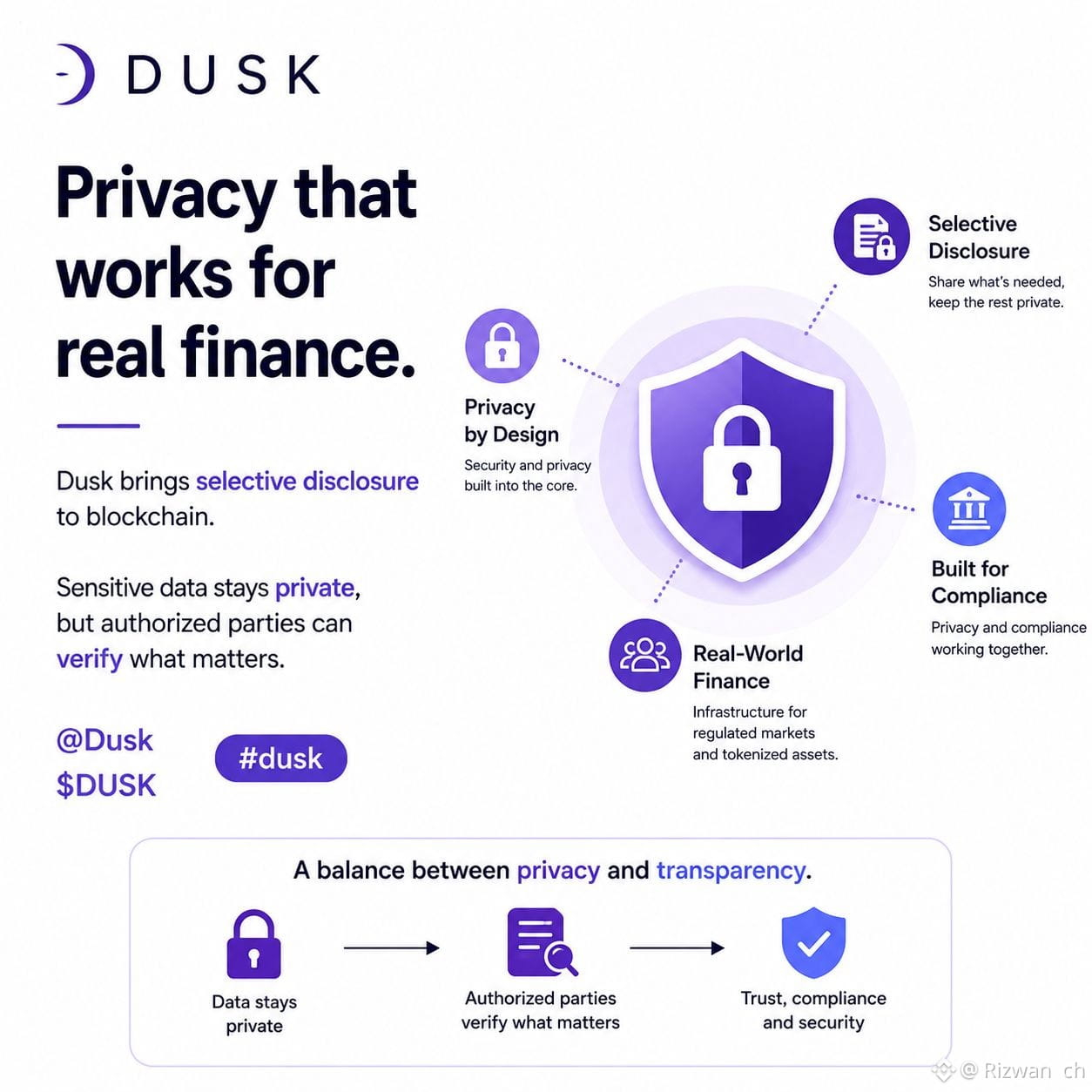
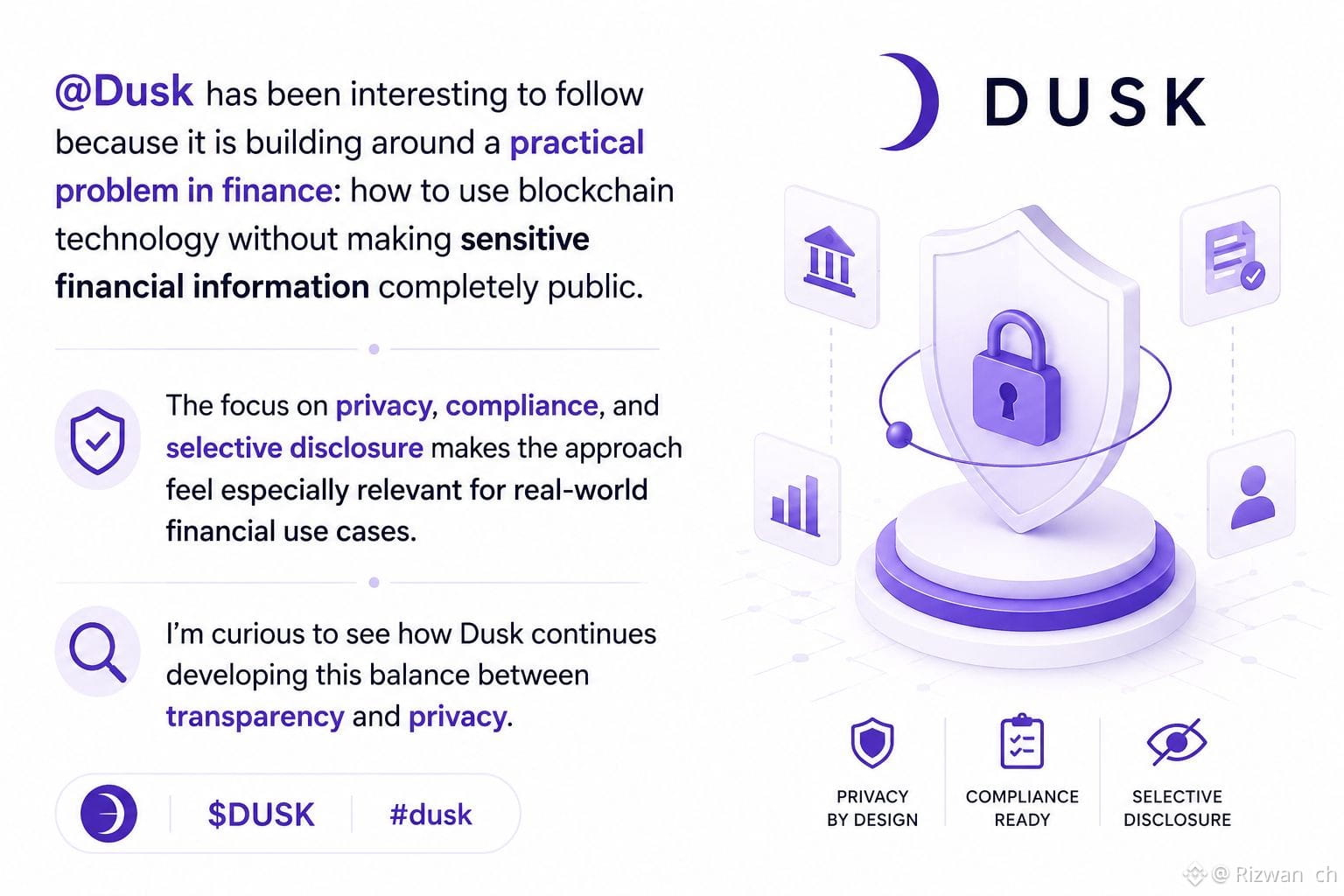
@Dusk_Foundation I still think privacy is one of the more important pieces for bringing real finance onchain. What caught my attention is the idea of selective disclosure — keeping sensitive data private while still letting the right parties verify what they need. That balance feels practical for regulated markets. Curious how far Dusk can take this. $DUSK #dusk
@Dusk I still think privacy is one of the more important pieces for bringing real finance onchain. What caught my attention is the idea of selective disclosure — keeping sensitive data private while still letting the right parties verify what they need. That balance feels practical for regulated markets. Curious how far Dusk can take this. $DUSK #dusk
61
·
--
翻訳参照
@Dusk_Foundation #dusk
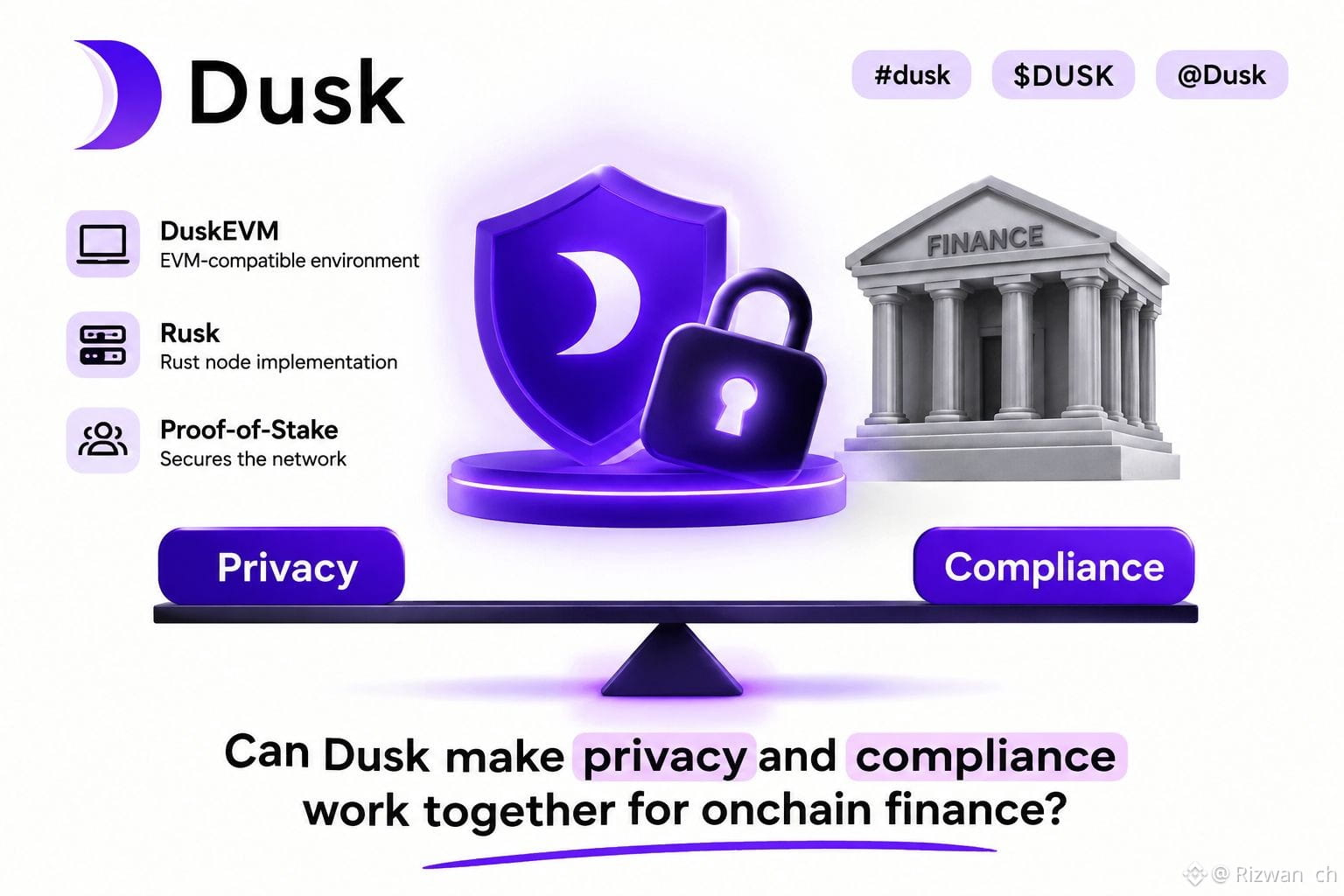
I think I’ve been looking at blockchains a bit too simply.
Usually I’d check the speed, fees and what people are building. But with Dusk, the privacy side made me stop and look again.
If financial assets are going onchain, making everything public probably isn’t always the answer. You still need compliance, but sensitive information also needs some protection.
That’s what I find interesting about Dusk. DuskEVM gives developers an EVM-compatible environment, while Rusk is used for the network’s node implementation.
I’m more interested in seeing how this works in practice than just looking at the idea on paper.
Do you think privacy will become just as important as speed and fees for financial blockchains?
$DUSK #dusk
@Dusk #dusk
I think I’ve been looking at blockchains a bit too simply.
Usually I’d check the speed, fees and what people are building. But with Dusk, the privacy side made me stop and look again.
If financial assets are going onchain, making everything public probably isn’t always the answer. You still need compliance, but sensitive information also needs some protection.
That’s what I find interesting about Dusk. DuskEVM gives developers an EVM-compatible environment, while Rusk is used for the network’s node implementation.
I’m more interested in seeing how this works in practice than just looking at the idea on paper.
Do you think privacy will become just as important as speed and fees for financial blockchains?
$DUSK #dusk
68
·
--
翻訳参照
Been looking into @Dusk_Foundation a bit more lately and one thing I keep coming back to is privacy.
For normal crypto, having everything visible on-chain can be great. But finance is different. Institutions obviously can’t treat every transaction and every piece of customer information like public data.
That’s why the selective disclosure part of Dusk caught my attention. You don’t necessarily have to choose between “everything is public” and “nothing can be verified.” There can be a middle ground.
I think that’s pretty important if RWAs are actually going to move beyond the hype and be used by real financial companies.
Still early, and I’m not saying Dusk has solved all of this yet. But the problem they’re trying to solve is definitely interesting.
Keeping an eye on $DUSK 👀
#dusk
Been looking into @Dusk a bit more lately and one thing I keep coming back to is privacy.
For normal crypto, having everything visible on-chain can be great. But finance is different. Institutions obviously can’t treat every transaction and every piece of customer information like public data.
That’s why the selective disclosure part of Dusk caught my attention. You don’t necessarily have to choose between “everything is public” and “nothing can be verified.” There can be a middle ground.
I think that’s pretty important if RWAs are actually going to move beyond the hype and be used by real financial companies.
Still early, and I’m not saying Dusk has solved all of this yet. But the problem they’re trying to solve is definitely interesting.
Keeping an eye on $DUSK 👀
#dusk
62
·
--
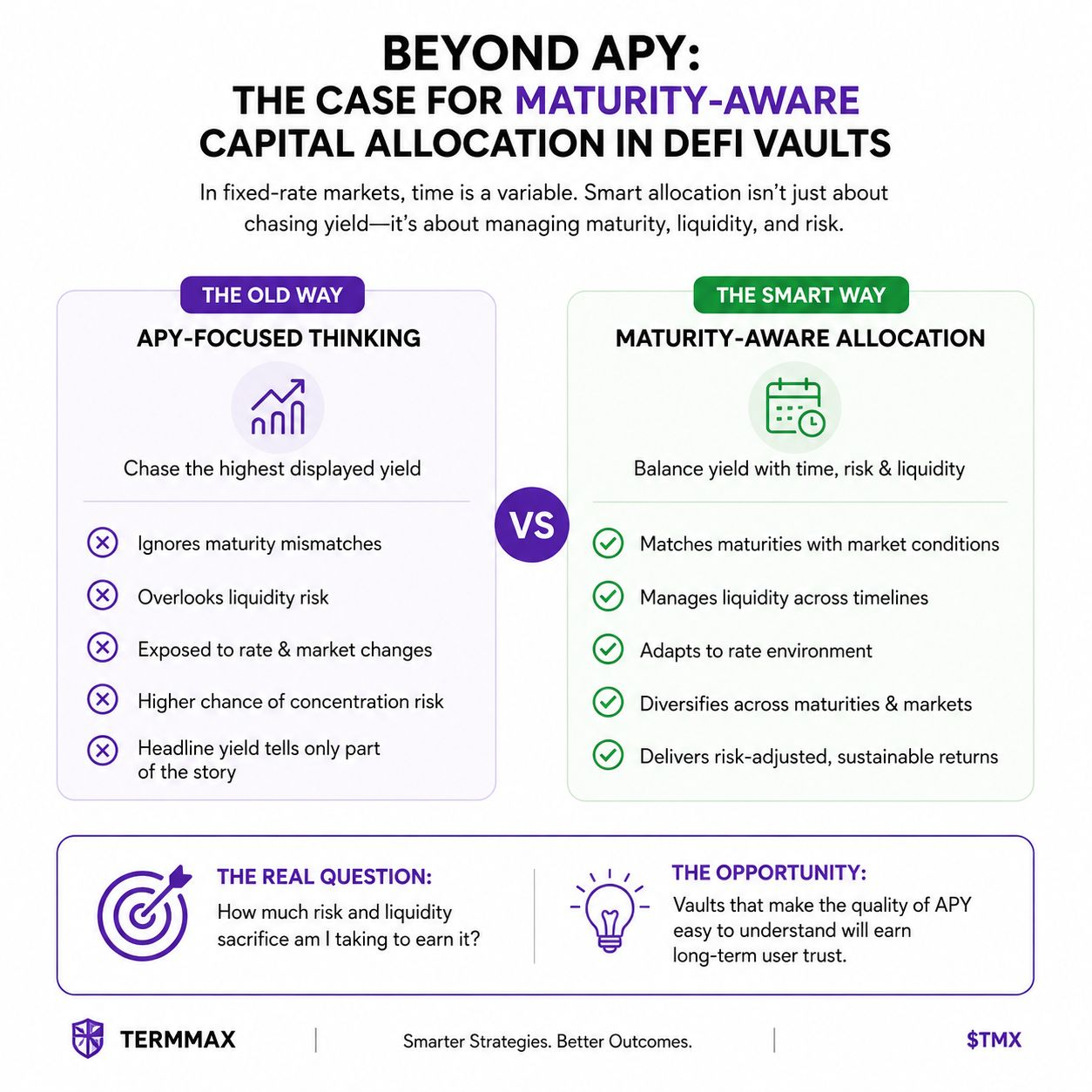
@termmax について詳しく調べてから、DeFiのVaultに対する見方が変わり始めた気がします。
最初は「資金を預けて、運用戦略に任せる」と聞くと簡単そうに思えます。でも、詳しく見ていくほど、そのシンプルなユーザー体験の裏側で実際には多くの作業が行われていることに気づきました。
TermMaxのVaultとCuratorのモデルでは、資金配分は単に表示利回りが最も高いものを追いかけることではありません。固定金利市場では、時間という要素も加わります。市場を選ぶ際には、満期や流動性、期待リターン、そして各ポジションに伴うリスクも考慮する必要があります。
そこには興味深いトレードオフがあります。戦略が魅力的なリターンを示していても、その満期構成が市場環境や流動性のニーズに合っていなければ、表面上の利回りだけでは全体像の一部しかわかりません。
TermMaxで興味深いのは、この資金配分の仕組みをより見えやすくしている点です。ユーザーはより受動的に利用できますが、裏側では、資金をどこに配分するのか、そしてなぜそうするのかについて、戦略が能動的に判断し続ける必要があります。
特に気になるのは、市場が不安定になったときにどうなるかです。流動性が低下し、満期の異なる市場の動きが大きく分かれ始めたとき、Curatorモデルの価値は証明されるのでしょうか。
満期を考慮した資金配分は、DeFi Vaultにとって重要な強みになると思いますか?それとも、ユーザーが最も重視する指標は今後もAPYでしょうか? #TermMax $TMX
@TermMax について詳しく調べてから、DeFiのVaultに対する見方が変わり始めた気がします。
最初は「資金を預けて、運用戦略に任せる」と聞くと簡単そうに思えます。でも、詳しく見ていくほど、そのシンプルなユーザー体験の裏側で実際には多くの作業が行われていることに気づきました。
TermMaxのVaultとCuratorのモデルでは、資金配分は単に表示利回りが最も高いものを追いかけることではありません。固定金利市場では、時間という要素も加わります。市場を選ぶ際には、満期や流動性、期待リターン、そして各ポジションに伴うリスクも考慮する必要があります。
そこには興味深いトレードオフがあります。戦略が魅力的なリターンを示していても、その満期構成が市場環境や流動性のニーズに合っていなければ、表面上の利回りだけでは全体像の一部しかわかりません。
TermMaxで興味深いのは、この資金配分の仕組みをより見えやすくしている点です。ユーザーはより受動的に利用できますが、裏側では、資金をどこに配分するのか、そしてなぜそうするのかについて、戦略が能動的に判断し続ける必要があります。
特に気になるのは、市場が不安定になったときにどうなるかです。流動性が低下し、満期の異なる市場の動きが大きく分かれ始めたとき、Curatorモデルの価値は証明されるのでしょうか。
満期を考慮した資金配分は、DeFi Vaultにとって重要な強みになると思いますか?それとも、ユーザーが最も重視する指標は今後もAPYでしょうか? #TermMax $TMX
2
85
·
--
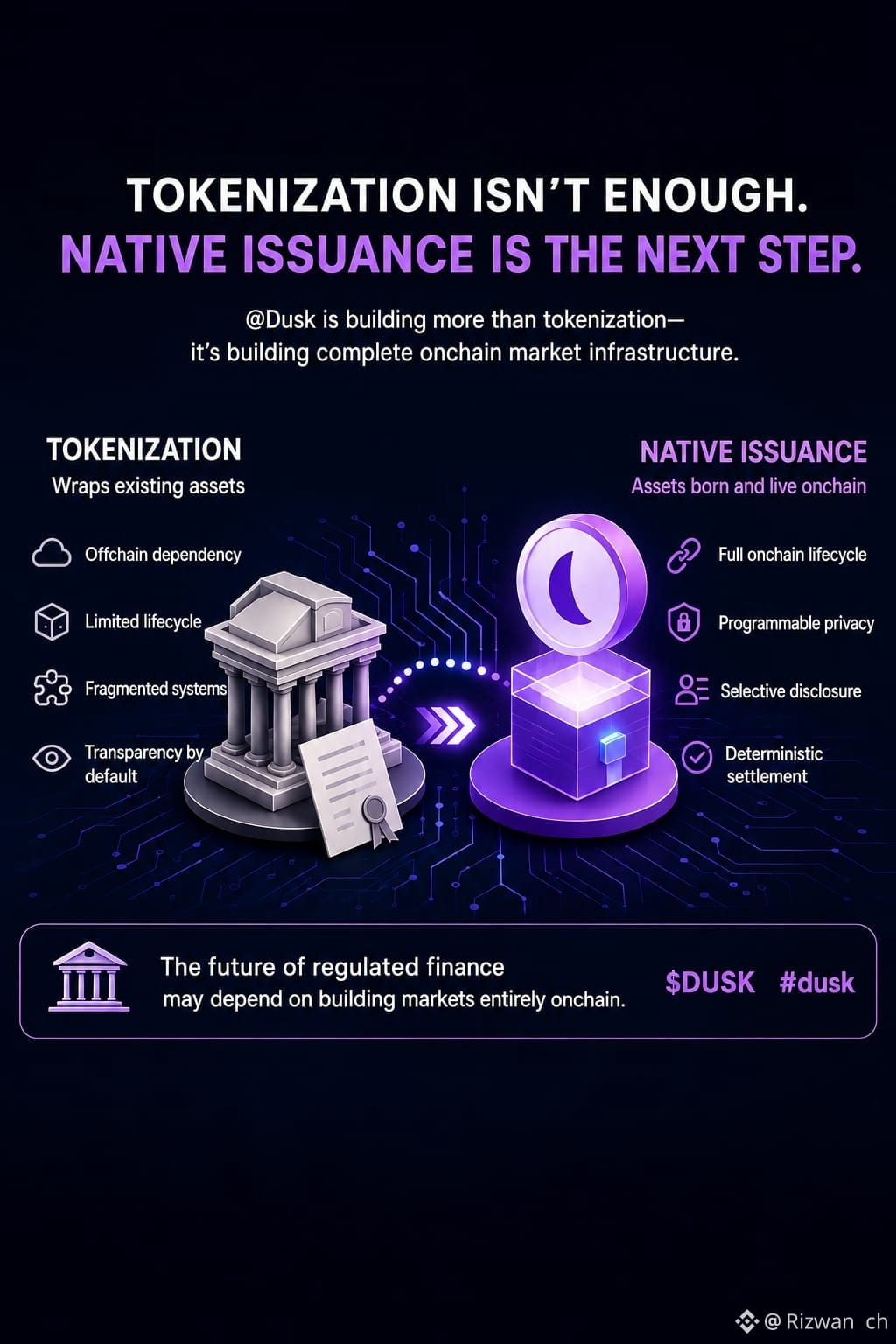
RWAに関する議論は、早い段階で止まりすぎていると今でも思います。誰もがトークン化について語りますが、既存資産を単にラップするだけで、規制対象の金融市場を近代化するのに十分なのかを問う人はほとんどいません。
@Dusk_Foundation について読んでいて、ある点が印象に残りました。このプロジェクトはトークン化について論じるだけではなく、ネイティブ発行についても探っています。ネイティブ発行では、別個のオフチェーンシステムに依存するのではなく、資産のライフサイクルのより多くの部分を直接オンチェーン上に置くことができます。プログラム可能なプライバシー、認可された審査のための選択的開示、決定論的な決済と組み合わせることで、このアプローチは、透明性を一般に広く提供することだけではなく、規制下の金融業務を想定して設計されています。
機関投資家が、単純なトークン化よりも完全なオンチェーン市場インフラをいずれ優先するようになった場合、ネイティブ発行は長期的により大きな変革となるのでしょうか? $DUSK #dusk
RWAに関する議論は、早い段階で止まりすぎていると今でも思います。誰もがトークン化について語りますが、既存資産を単にラップするだけで、規制対象の金融市場を近代化するのに十分なのかを問う人はほとんどいません。
@Dusk について読んでいて、ある点が印象に残りました。このプロジェクトはトークン化について論じるだけではなく、ネイティブ発行についても探っています。ネイティブ発行では、別個のオフチェーンシステムに依存するのではなく、資産のライフサイクルのより多くの部分を直接オンチェーン上に置くことができます。プログラム可能なプライバシー、認可された審査のための選択的開示、決定論的な決済と組み合わせることで、このアプローチは、透明性を一般に広く提供することだけではなく、規制下の金融業務を想定して設計されています。
機関投資家が、単純なトークン化よりも完全なオンチェーン市場インフラをいずれ優先するようになった場合、ネイティブ発行は長期的により大きな変革となるのでしょうか? $DUSK #dusk
1
1
78
·
--
翻訳参照
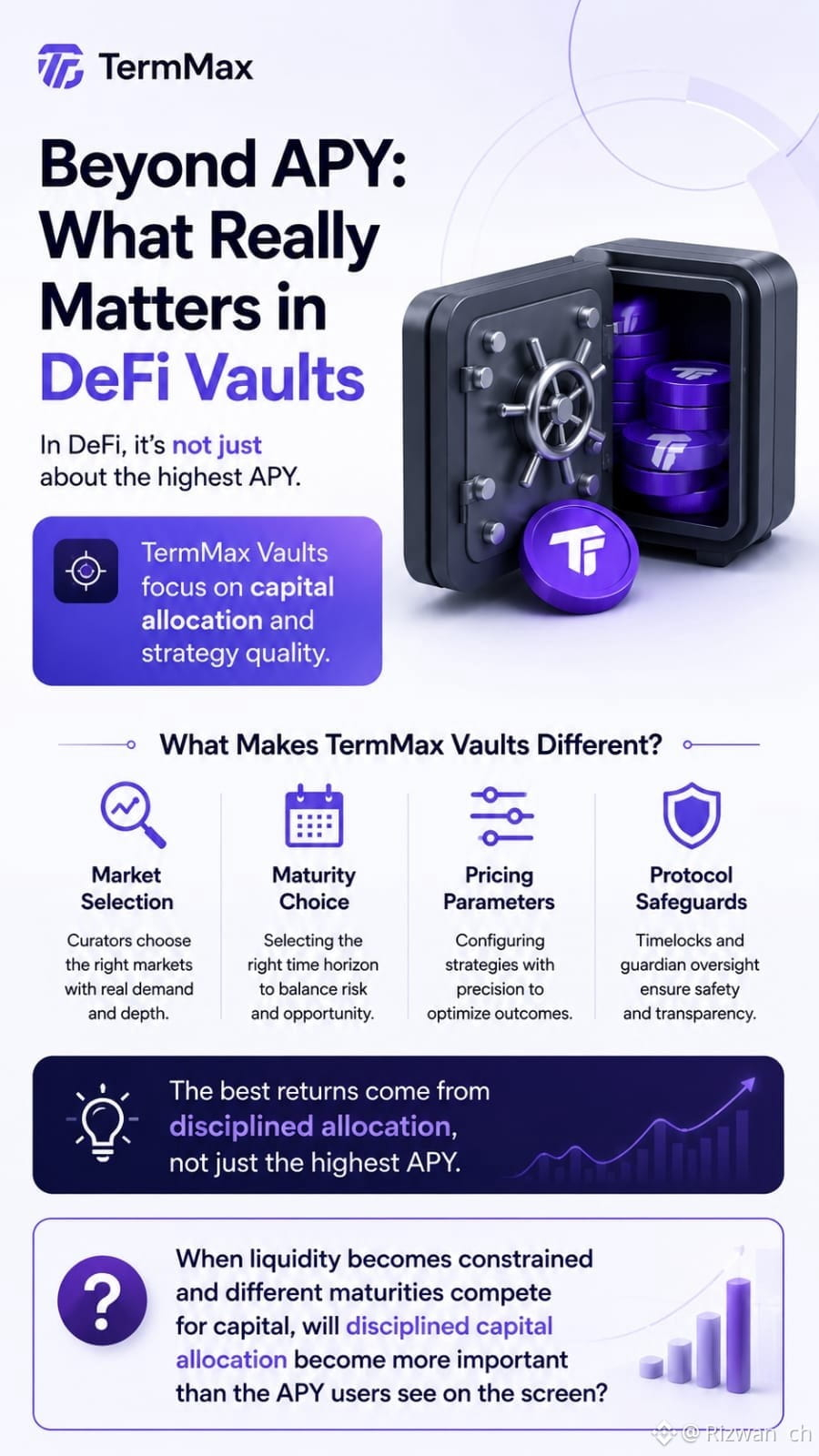
@termmax I still think the biggest mistake in DeFi is judging a vault only by its APY.
After reading more about TermMax, I noticed its vault design places greater emphasis on capital allocation than simply chasing the highest yield. Curators select markets, choose maturities, configure pricing parameters, and operate within protocol safeguards such as timelocks and guardian oversight. That suggests the quality of a strategy may matter just as much as the return it produces.
The real question is: when liquidity becomes constrained and different maturities compete for capital, will disciplined capital allocation become more important than the APY users see on the screen?
#TermMax
@TermMax I still think the biggest mistake in DeFi is judging a vault only by its APY.
After reading more about TermMax, I noticed its vault design places greater emphasis on capital allocation than simply chasing the highest yield. Curators select markets, choose maturities, configure pricing parameters, and operate within protocol safeguards such as timelocks and guardian oversight. That suggests the quality of a strategy may matter just as much as the return it produces.
The real question is: when liquidity becomes constrained and different maturities compete for capital, will disciplined capital allocation become more important than the APY users see on the screen?
#TermMax
1
2
62
·
--
翻訳参照
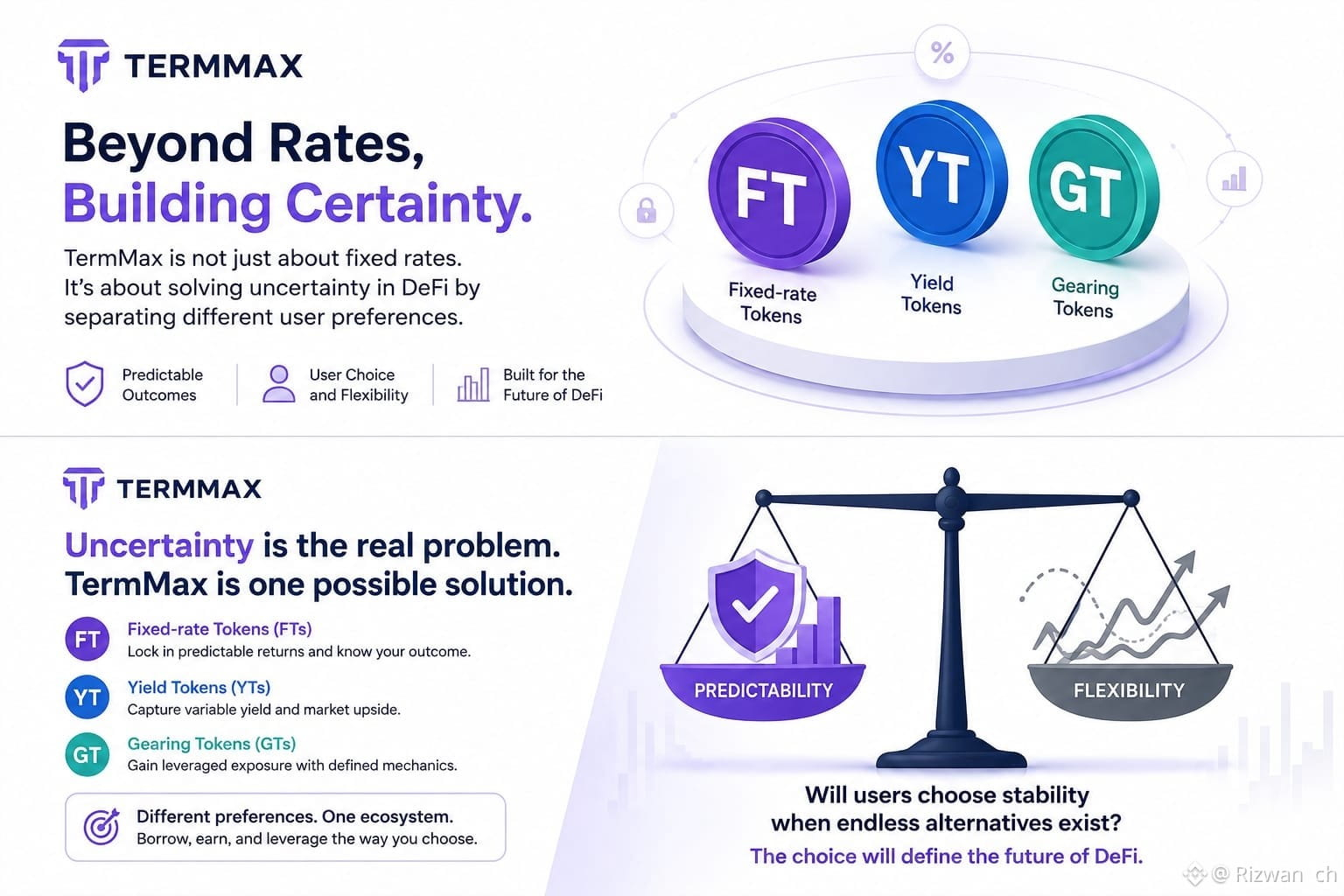
I still think the most overlooked part of @termmax is not the fixed rate itself, but the problem it is trying to solve: uncertainty.
While reading through its design, I noticed that TermMax is not simply creating another lending market. It is separating different preferences through Fixed-rate Tokens (FTs), Yield Tokens (YTs), and Gearing Tokens (GTs), allowing users to approach borrowing, yield, and leverage in different ways.
The interesting question is whether predictable outcomes can become valuable enough for users to accept less flexibility. DeFi has grown around changing rates and constant optimization, so shifting user behavior may be a bigger challenge than building the technology.
For me, the real test is not whether fixed-rate mechanisms work on paper, but whether users will choose stability when the market gives them endless alternatives.
Will fixed-rate DeFi become a major category, or will flexibility always remain the stronger preference?
@termmax #TermMax
I still think the most overlooked part of @TermMax is not the fixed rate itself, but the problem it is trying to solve: uncertainty.
While reading through its design, I noticed that TermMax is not simply creating another lending market. It is separating different preferences through Fixed-rate Tokens (FTs), Yield Tokens (YTs), and Gearing Tokens (GTs), allowing users to approach borrowing, yield, and leverage in different ways.
The interesting question is whether predictable outcomes can become valuable enough for users to accept less flexibility. DeFi has grown around changing rates and constant optimization, so shifting user behavior may be a bigger challenge than building the technology.
For me, the real test is not whether fixed-rate mechanisms work on paper, but whether users will choose stability when the market gives them endless alternatives.
Will fixed-rate DeFi become a major category, or will flexibility always remain the stronger preference?
@TermMax #TermMax
41
·
--
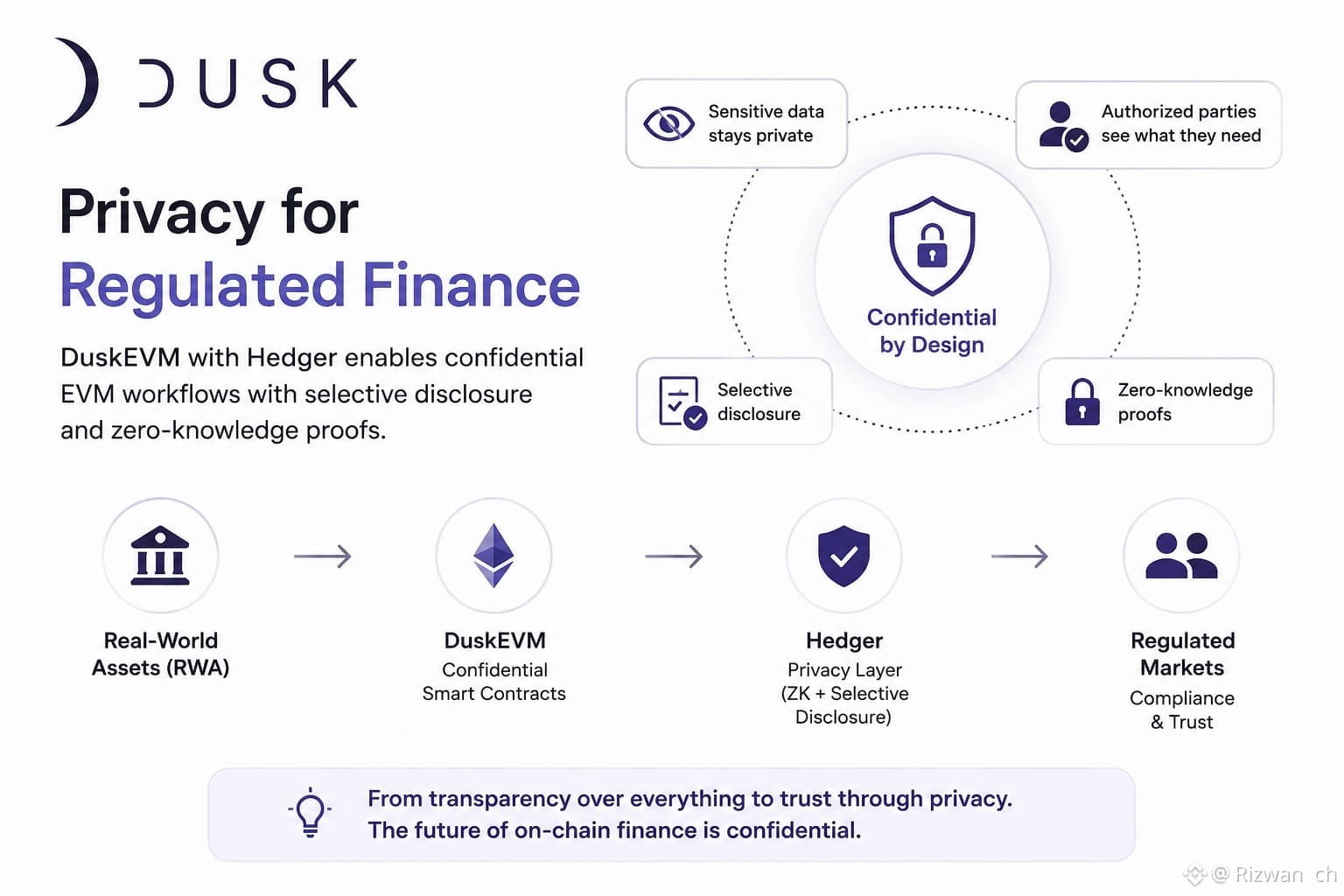
ブロックチェーンに関する議論の多くが、今も透明性を究極の目標として扱っていることに気づきました。しかし、@Dusk_Foundation について学べば学ぶほど、規制対象の金融市場には別のバランスが必要だと感じます。
プライバシーと透明性を相反するものとして捉えるのではなく、Hedgerを備えたDuskEVMは、機密情報を保護しながら、選択的開示とゼロ知識証明を通じて、認可された関係者が必要な情報だけを検証できる、機密性を保ったEVMワークフローを実現するよう設計されています。
私には、これはブロックチェーンにプライバシーを追加するというより、規制対象の金融向けにブロックチェーンを再設計することのように感じられます。
将来、より多くの現実資産がオンチェーンに移行するとしたら、プログラム可能なプライバシーは、単なる追加機能ではなく必須要件になるのでしょうか?
@Dusk_Foundation $DUSK #DUSK #Blockchain #Privacy #RWA
ブロックチェーンに関する議論の多くが、今も透明性を究極の目標として扱っていることに気づきました。しかし、@Dusk について学べば学ぶほど、規制対象の金融市場には別のバランスが必要だと感じます。
プライバシーと透明性を相反するものとして捉えるのではなく、Hedgerを備えたDuskEVMは、機密情報を保護しながら、選択的開示とゼロ知識証明を通じて、認可された関係者が必要な情報だけを検証できる、機密性を保ったEVMワークフローを実現するよう設計されています。
私には、これはブロックチェーンにプライバシーを追加するというより、規制対象の金融向けにブロックチェーンを再設計することのように感じられます。
将来、より多くの現実資産がオンチェーンに移行するとしたら、プログラム可能なプライバシーは、単なる追加機能ではなく必須要件になるのでしょうか?
@Dusk $DUSK #DUSK #Blockchain #Privacy #RWA
75
·
--
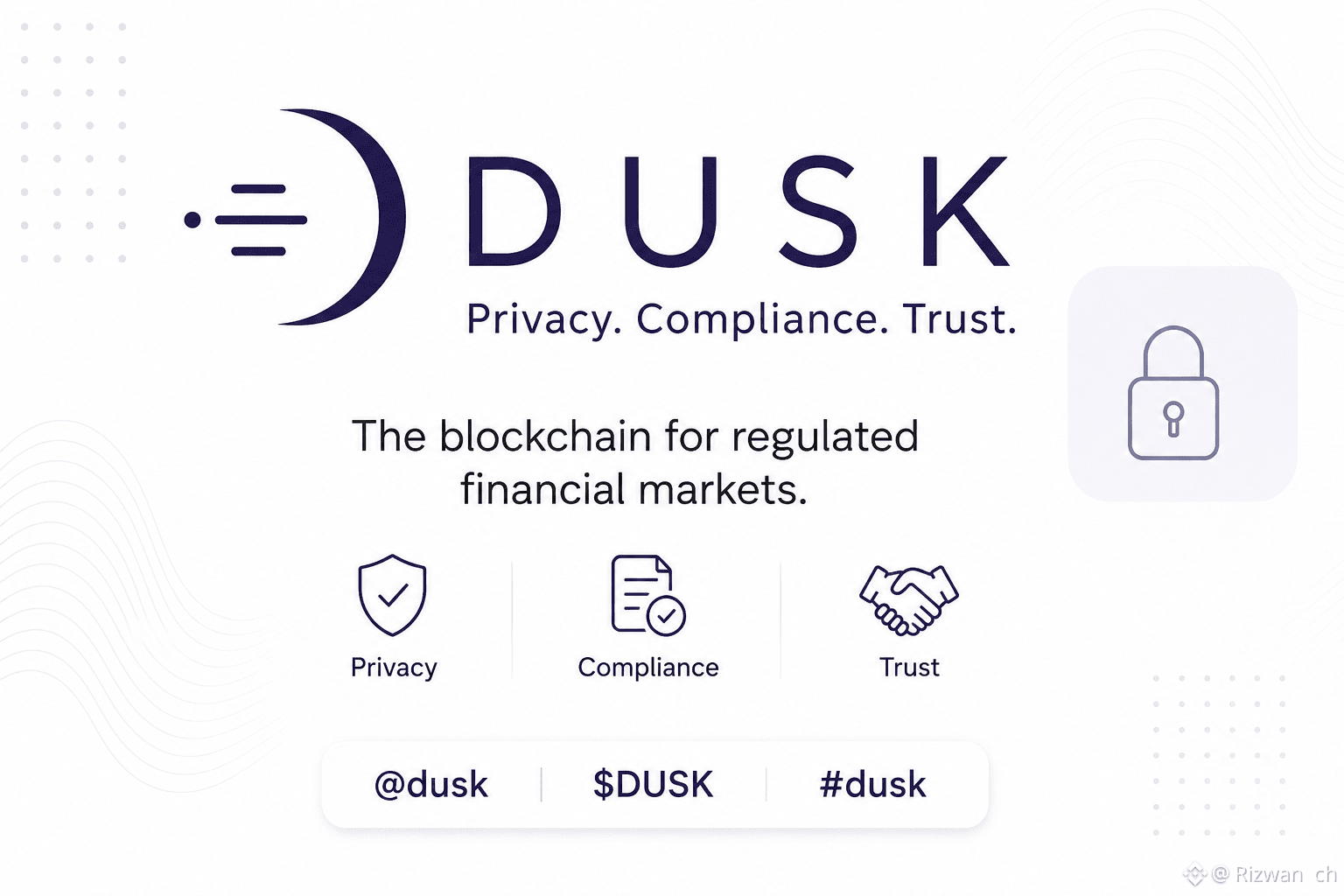
私は今でも、@Dusk_Foundation の最大の論点が「プライバシーが機能するかどうか」ではなく、「規制された市場が、ブロックチェーンが最適化すべきものを見直す準備ができているかどうか」だと思っています。
ほとんどのパブリック・ブロックチェーンでは、透明性がデフォルトとされています。私が読んだ限りでは、Dusk は別の前提から始めているようです。すなわち、規制下の金融市場ではまず機密性が必要であり、そのうえで、必要に応じて許可された当事者へ情報開示ができるようにする、という考え方です。これは単なるプライバシー機能ではなく、ネットワーク設計が根本からどう決まるかに影響します。
だからこそ、DuskEVM と Hedger に注目しました。プライバシーとコンプライアンスを対立する目標として位置づけるのではなく、ゼロ知識証明とホモモルフィック暗号による、検証可能な形のプライバシーを備えた機密性のある EVM ワークフローを支えることを目指しています。これは、オンチェーン決済の恩恵を受けつつも、従来の金融インフラが機能することが期待される形により近いと感じます。
興味深いのは、このモデルが「技術が存在するから」というだけで成功するわけではないことです。成功するのは、規制された取引所、発行体、金融機関が、完全なパブリックな透明性よりも「プログラマブルなプライバシー」のほうが適していると判断した場合のみです。
今後数年で、規制された金融がオンチェーンへ移行するとしたら、機関はパブリック・ブロックチェーンに適応するのでしょうか。それとも、ブロックチェーン側が、規制市場がすでに機能しているやり方に適応する必要があるのでしょうか?
@Dusk_Foundation $DUSK #dusk
私は今でも、@Dusk の最大の論点が「プライバシーが機能するかどうか」ではなく、「規制された市場が、ブロックチェーンが最適化すべきものを見直す準備ができているかどうか」だと思っています。
ほとんどのパブリック・ブロックチェーンでは、透明性がデフォルトとされています。私が読んだ限りでは、Dusk は別の前提から始めているようです。すなわち、規制下の金融市場ではまず機密性が必要であり、そのうえで、必要に応じて許可された当事者へ情報開示ができるようにする、という考え方です。これは単なるプライバシー機能ではなく、ネットワーク設計が根本からどう決まるかに影響します。
だからこそ、DuskEVM と Hedger に注目しました。プライバシーとコンプライアンスを対立する目標として位置づけるのではなく、ゼロ知識証明とホモモルフィック暗号による、検証可能な形のプライバシーを備えた機密性のある EVM ワークフローを支えることを目指しています。これは、オンチェーン決済の恩恵を受けつつも、従来の金融インフラが機能することが期待される形により近いと感じます。
興味深いのは、このモデルが「技術が存在するから」というだけで成功するわけではないことです。成功するのは、規制された取引所、発行体、金融機関が、完全なパブリックな透明性よりも「プログラマブルなプライバシー」のほうが適していると判断した場合のみです。
今後数年で、規制された金融がオンチェーンへ移行するとしたら、機関はパブリック・ブロックチェーンに適応するのでしょうか。それとも、ブロックチェーン側が、規制市場がすでに機能しているやり方に適応する必要があるのでしょうか?
@Dusk $DUSK #dusk
90
·
--
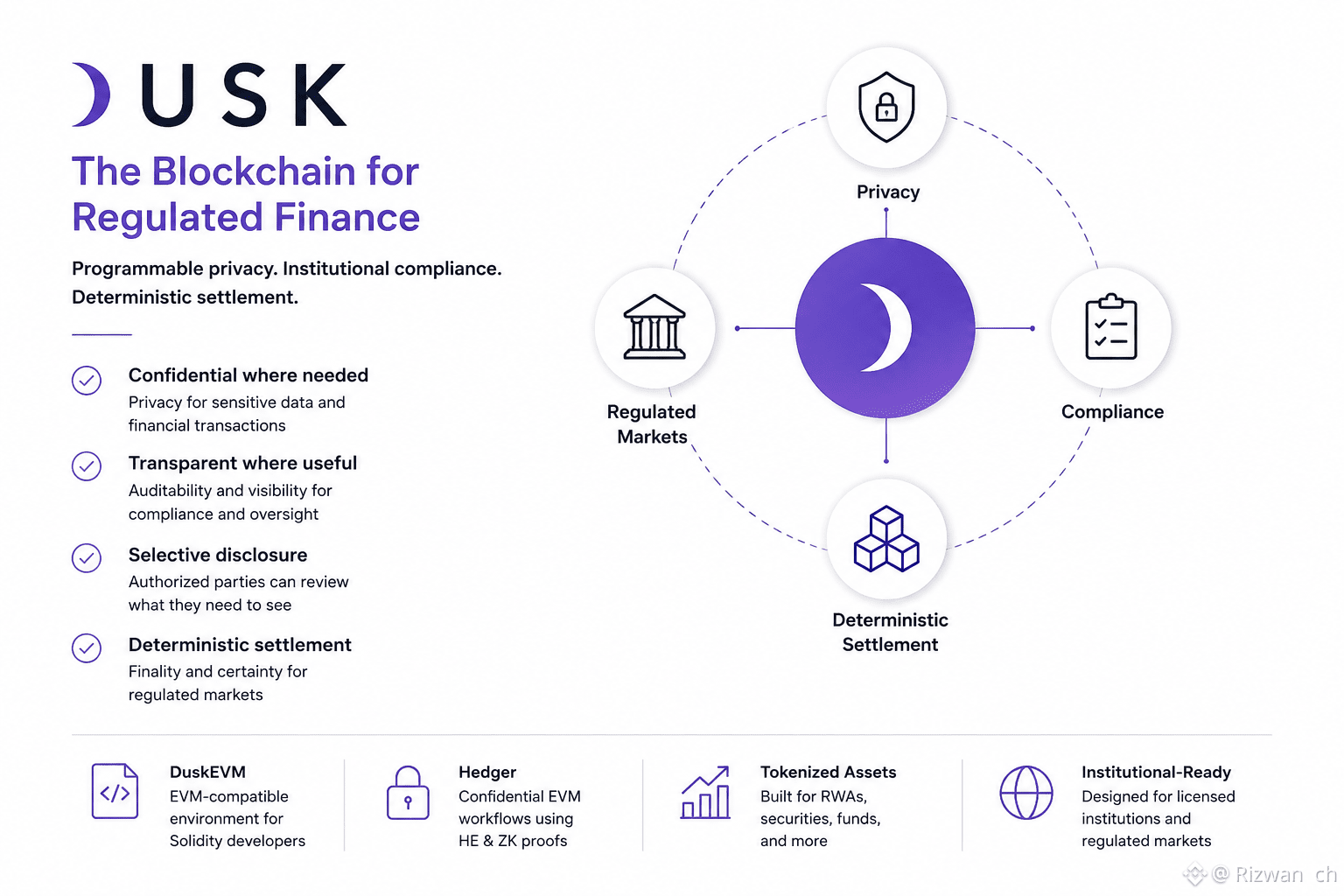
私は今でも、最大の疑問(@Dusk_Foundation )は「技術が機能するかどうか」ではなく、「規制された機関が、意味のある規模でそれを使うことがあるのかどうか」だと思っています。
ここ数日、DuskのドキュメントやDuskEVMの更新を読んでいます。読み進めるほど、ひとつのパターンが際立ってきました。Duskは最大のリテール・エコシステムの覇権を取りにいっているというより、まずは規制された金融市場向けのインフラを整えているように見えます。市場がそのユースケースを成熟させるのを待っているあいだにです。
私が興味深いのは、プライバシーそのものというより、「規制された金融のためのプライバシーがどう設計されているか」です。機密性とコンプライアンスのどちらかを選ばせるのではなく、Duskはセレクティブ・ディスクロージャ(選択的開示)、検証可能なプライバシー、そして決定論的な決済を探っています。これにより、権限のある参加者は必要なものを検証しつつ、すべてを公開せずに済むのです。
一方で、Duskに関する会話の多くは、ネットワーク上で観測できる機関の利用よりも、アーキテクチャ、ロードマップのマイルストーン、そしてパートナーシップに集中しています。それはアプローチが機能しない証拠ではありません。単に、金融インフラ全体で見られる現実を反映しているだけです。導入は技術的な進歩だけでなく、規制、市場の準備度、参加者の需要に続いて起こることが多いのです。
そこで私が見ている本当のギャップがあります。プラットフォームは、市場がそれを使う準備ができるずっと前に整っていることがあります。そして歴史は、機関向けのインフラが、技術的な能力から日常的な導入へ移るまでにしばしば数年かかることを示しています。
本当の試金石は、別のロードマップ更新やパートナーシップ発表ではないはずです。重要なのは、規制された金融資産が、将来の可能性ではなく実際の利用を示せるほど十分に一貫してネットワーク上を動き始めるかどうかです。
だから、私にとって最も重要な問いはこれです:
DuskEVMが広く利用可能になったとき、このインフラはついに一貫した機関のオンチェーン活動へと結びつくのか。それとも、それを支えるために作られたプラットフォームに対して、利用は遅れたままになり続けるのか。
@Dusk_Foundation $DUSK #dusk
私は今でも、最大の疑問(@Dusk )は「技術が機能するかどうか」ではなく、「規制された機関が、意味のある規模でそれを使うことがあるのかどうか」だと思っています。
ここ数日、DuskのドキュメントやDuskEVMの更新を読んでいます。読み進めるほど、ひとつのパターンが際立ってきました。Duskは最大のリテール・エコシステムの覇権を取りにいっているというより、まずは規制された金融市場向けのインフラを整えているように見えます。市場がそのユースケースを成熟させるのを待っているあいだにです。
私が興味深いのは、プライバシーそのものというより、「規制された金融のためのプライバシーがどう設計されているか」です。機密性とコンプライアンスのどちらかを選ばせるのではなく、Duskはセレクティブ・ディスクロージャ(選択的開示)、検証可能なプライバシー、そして決定論的な決済を探っています。これにより、権限のある参加者は必要なものを検証しつつ、すべてを公開せずに済むのです。
一方で、Duskに関する会話の多くは、ネットワーク上で観測できる機関の利用よりも、アーキテクチャ、ロードマップのマイルストーン、そしてパートナーシップに集中しています。それはアプローチが機能しない証拠ではありません。単に、金融インフラ全体で見られる現実を反映しているだけです。導入は技術的な進歩だけでなく、規制、市場の準備度、参加者の需要に続いて起こることが多いのです。
そこで私が見ている本当のギャップがあります。プラットフォームは、市場がそれを使う準備ができるずっと前に整っていることがあります。そして歴史は、機関向けのインフラが、技術的な能力から日常的な導入へ移るまでにしばしば数年かかることを示しています。
本当の試金石は、別のロードマップ更新やパートナーシップ発表ではないはずです。重要なのは、規制された金融資産が、将来の可能性ではなく実際の利用を示せるほど十分に一貫してネットワーク上を動き始めるかどうかです。
だから、私にとって最も重要な問いはこれです:
DuskEVMが広く利用可能になったとき、このインフラはついに一貫した機関のオンチェーン活動へと結びつくのか。それとも、それを支えるために作られたプラットフォームに対して、利用は遅れたままになり続けるのか。
@Dusk $DUSK #dusk
1
69
·
--
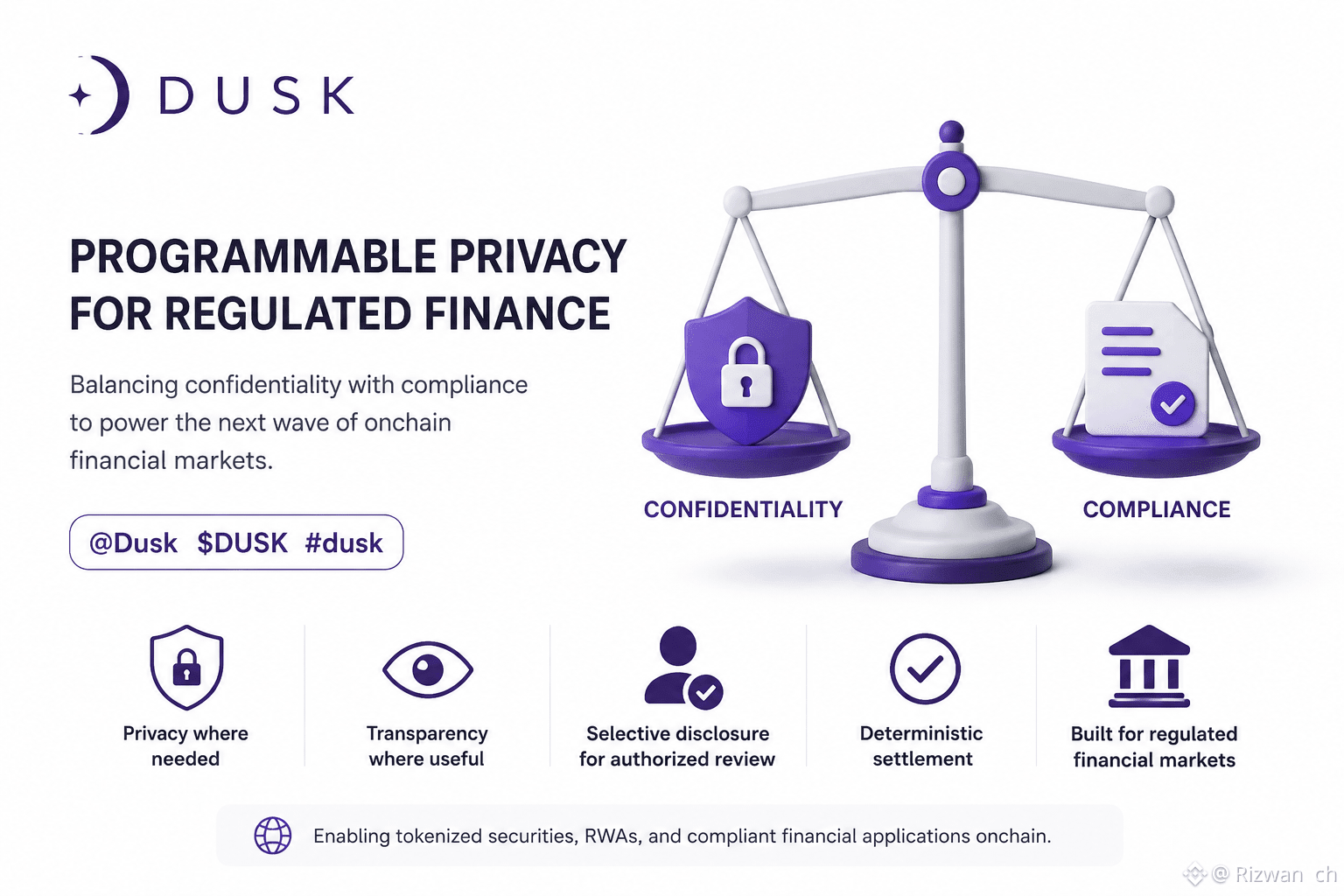
私は今でも、@Dusk_Foundation に関する最大の誤解が「プライバシー」ではなく、「そのプライバシーがどのように設計されているか」だと思っています。
多くの会話で、プライバシーとコンプライアンスはどちらか一方を犠牲にしなければならないかのように語られているのを見かけます。私が読んだ限りでは、Duskは別のアプローチを探っています。つまり、規制された金融市場向けのインフラであり、必要な場面では機密性を支えつつ、求められたときには認可された審査のために情報を利用可能にすることを目指すものです。この考え方は、「すべて公開」または「すべて非公開」といったよくある物語よりも、金融市場が機能すべき姿にずっと近いと感じます。
私が興味深いのは、より多くのプライバシーやより多くの透明性そのものの約束ではありません。同じシステムの中で両者のバランスを取ろうとしている点です。トークン化された証券やRWAが今後も拡大していくなら、このバランスは、スピード、コスト、スケーラビリティと同じくらい重要になり得ます。
この課題が今日でも過小評価されているのか気になります。最終的に、規制されたオンチェーン金融は、完全な透明性を優先するネットワークを報いるのでしょうか、それとも、機密性と説明責任の両立を設計思想にしたネットワークを報いるのでしょうか?
@Dusk_Foundation $DUSK #dusk
私は今でも、@Dusk に関する最大の誤解が「プライバシー」ではなく、「そのプライバシーがどのように設計されているか」だと思っています。
多くの会話で、プライバシーとコンプライアンスはどちらか一方を犠牲にしなければならないかのように語られているのを見かけます。私が読んだ限りでは、Duskは別のアプローチを探っています。つまり、規制された金融市場向けのインフラであり、必要な場面では機密性を支えつつ、求められたときには認可された審査のために情報を利用可能にすることを目指すものです。この考え方は、「すべて公開」または「すべて非公開」といったよくある物語よりも、金融市場が機能すべき姿にずっと近いと感じます。
私が興味深いのは、より多くのプライバシーやより多くの透明性そのものの約束ではありません。同じシステムの中で両者のバランスを取ろうとしている点です。トークン化された証券やRWAが今後も拡大していくなら、このバランスは、スピード、コスト、スケーラビリティと同じくらい重要になり得ます。
この課題が今日でも過小評価されているのか気になります。最終的に、規制されたオンチェーン金融は、完全な透明性を優先するネットワークを報いるのでしょうか、それとも、機密性と説明責任の両立を設計思想にしたネットワークを報いるのでしょうか?
@Dusk $DUSK #dusk
11
6
592
ログインして、さらにコンテンツを読む
厳選トピックで世界の暗号資産トレーダーの仲間入り
⚡️ 暗号資産に関する最新かつ有益な情報が見つかります。
💬 世界最大の暗号資産取引所から信頼されています。
👍 認証を受けたクリエイターから、有益なインサイトを得られます。
メール / 電話番号