

Aiyume
3k 投稿

Aiyume
報告
ユーザーをブロック
Aiyume — quietly reading what the market is saying.
取引を発注
高頻度トレーダー
3.1年
215 フォロー
534 フォロワー
3.9K+ いいね
投稿
ポートフォリオ
すべて
引用
·
--
ブリッシュ
$BEAT ロングセットアップ
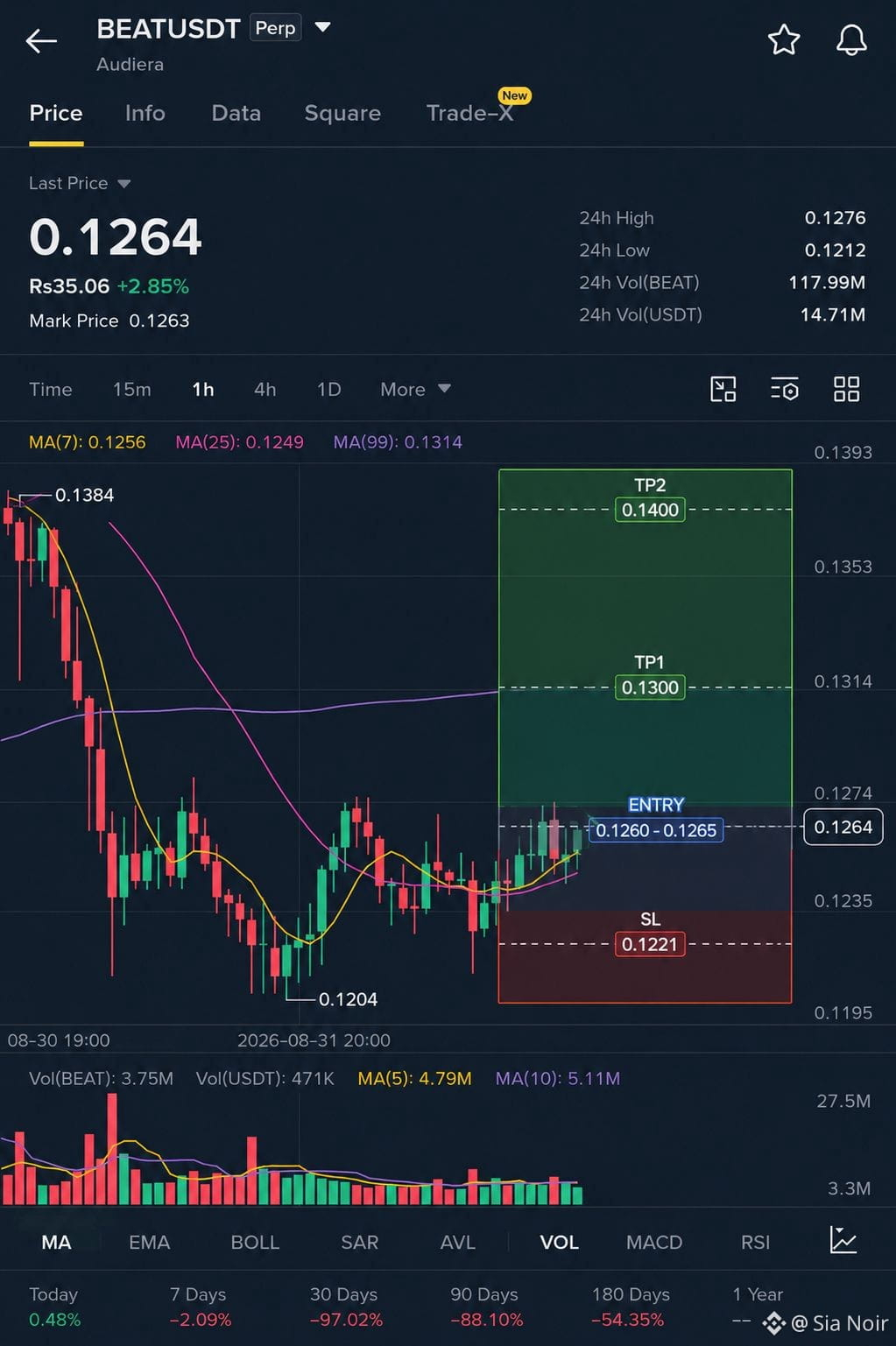
$BEAT は $0.1264 付近を注目しています。
1時間足では $0.1204 エリアからの小さな回復が見られ、現在の価格は短期MAの水準を上回っています。
私のセットアップ:
🟢 エントリー: $0.1260–$0.1265 付近
🛑 SL: $0.1221
🎯 TP1: $0.1300
🎯 TP2: $0.1400
これは小さなスキャルピングのセットアップであり、「全力投入」するトレードではありません。
もしセットアップがSLを下回ったら撤退します。リスク管理が最優先です。
$BEAT が $0.1300 付近でどう反応するか見てみましょう。
DYOR.
$BEAT ロングセットアップ
$BEAT は $0.1264 付近を注目しています。
1時間足では $0.1204 エリアからの小さな回復が見られ、現在の価格は短期MAの水準を上回っています。
私のセットアップ:
🟢 エントリー: $0.1260–$0.1265 付近
🛑 SL: $0.1221
🎯 TP1: $0.1300
🎯 TP2: $0.1400
これは小さなスキャルピングのセットアップであり、「全力投入」するトレードではありません。
もしセットアップがSLを下回ったら撤退します。リスク管理が最優先です。
$BEAT が $0.1300 付近でどう反応するか見てみましょう。
DYOR.
$BEAT は $0.1264 付近を注目しています。
1時間足では $0.1204 エリアからの小さな回復が見られ、現在の価格は短期MAの水準を上回っています。
私のセットアップ:
🟢 エントリー: $0.1260–$0.1265 付近
🛑 SL: $0.1221
🎯 TP1: $0.1300
🎯 TP2: $0.1400
これは小さなスキャルピングのセットアップであり、「全力投入」するトレードではありません。
もしセットアップがSLを下回ったら撤退します。リスク管理が最優先です。
$BEAT が $0.1300 付近でどう反応するか見てみましょう。
DYOR.
4
508
·
--
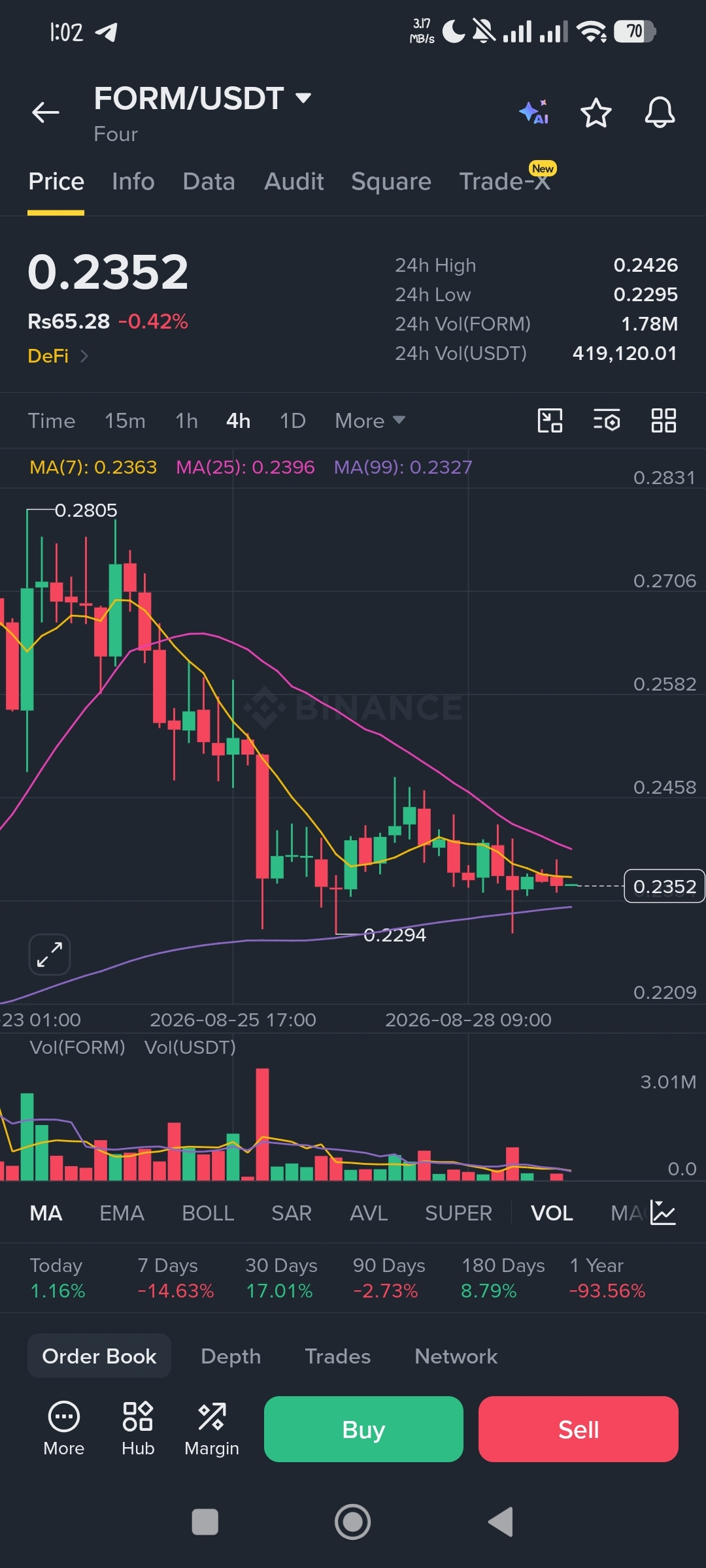
$FORM は$0.23の領域を維持しているが、モメンタムは依然として混在している。
最新データでは、Four(FORM)が約$0.24にあり、時価総額は約$91.7M、24時間の出来高は$7.15Mとなっている。
チャートを見ると:
• 価格は$0.235〜$0.24あたりで推移している
• RSIは45前後――中立であるが強さはない
• MACDはわずかにプラス程度
• $0.231が短期の主要サポート
• $0.247〜$0.25が最初のレジスタンス帯
• 200H MAは$0.253前後で上値に控えている
注目すべきは出来高だ。CMCでは現在約$7.15Mだが、直近のCMC分析では、出来高が$10Mを超えることで$0.25方向へのプッシュに対するより強い確証が得られる可能性があるとされていた。
つまり、現時点のFORMは「ブレイクアウトゾーン」ではなく「確認ゾーン」にある。
$0.23を保っていることで構造は生きている。
出来高を伴って$0.25を奪還できれば、セットアップはより面白くなるだろう。
#FORM #Four #Crypto
$FORM は$0.23の領域を維持しているが、モメンタムは依然として混在している。
最新データでは、Four(FORM)が約$0.24にあり、時価総額は約$91.7M、24時間の出来高は$7.15Mとなっている。
チャートを見ると:
• 価格は$0.235〜$0.24あたりで推移している
• RSIは45前後――中立であるが強さはない
• MACDはわずかにプラス程度
• $0.231が短期の主要サポート
• $0.247〜$0.25が最初のレジスタンス帯
• 200H MAは$0.253前後で上値に控えている
注目すべきは出来高だ。CMCでは現在約$7.15Mだが、直近のCMC分析では、出来高が$10Mを超えることで$0.25方向へのプッシュに対するより強い確証が得られる可能性があるとされていた。
つまり、現時点のFORMは「ブレイクアウトゾーン」ではなく「確認ゾーン」にある。
$0.23を保っていることで構造は生きている。
出来高を伴って$0.25を奪還できれば、セットアップはより面白くなるだろう。
#FORM #Four #Crypto
最新データでは、Four(FORM)が約$0.24にあり、時価総額は約$91.7M、24時間の出来高は$7.15Mとなっている。
チャートを見ると:
• 価格は$0.235〜$0.24あたりで推移している
• RSIは45前後――中立であるが強さはない
• MACDはわずかにプラス程度
• $0.231が短期の主要サポート
• $0.247〜$0.25が最初のレジスタンス帯
• 200H MAは$0.253前後で上値に控えている
注目すべきは出来高だ。CMCでは現在約$7.15Mだが、直近のCMC分析では、出来高が$10Mを超えることで$0.25方向へのプッシュに対するより強い確証が得られる可能性があるとされていた。
つまり、現時点のFORMは「ブレイクアウトゾーン」ではなく「確認ゾーン」にある。
$0.23を保っていることで構造は生きている。
出来高を伴って$0.25を奪還できれば、セットアップはより面白くなるだろう。
#FORM #Four #Crypto
157
·
--
ブリッシュ
#dusk $DUSK @Dusk_Foundation
私は「面白い部分はフェニックスだ」と期待して、ダスクに踏み込んだ。
ZK証明。秘匿されたノート。ノリファイア(Nullifier)。プライバシーのためのスタック一式。
しかし取引レイヤーを見れば見るほど、もっとシンプルなものに行き着き続けた。
なぜダスクは、そもそも公開の取引モデルを必要としているのだろう?
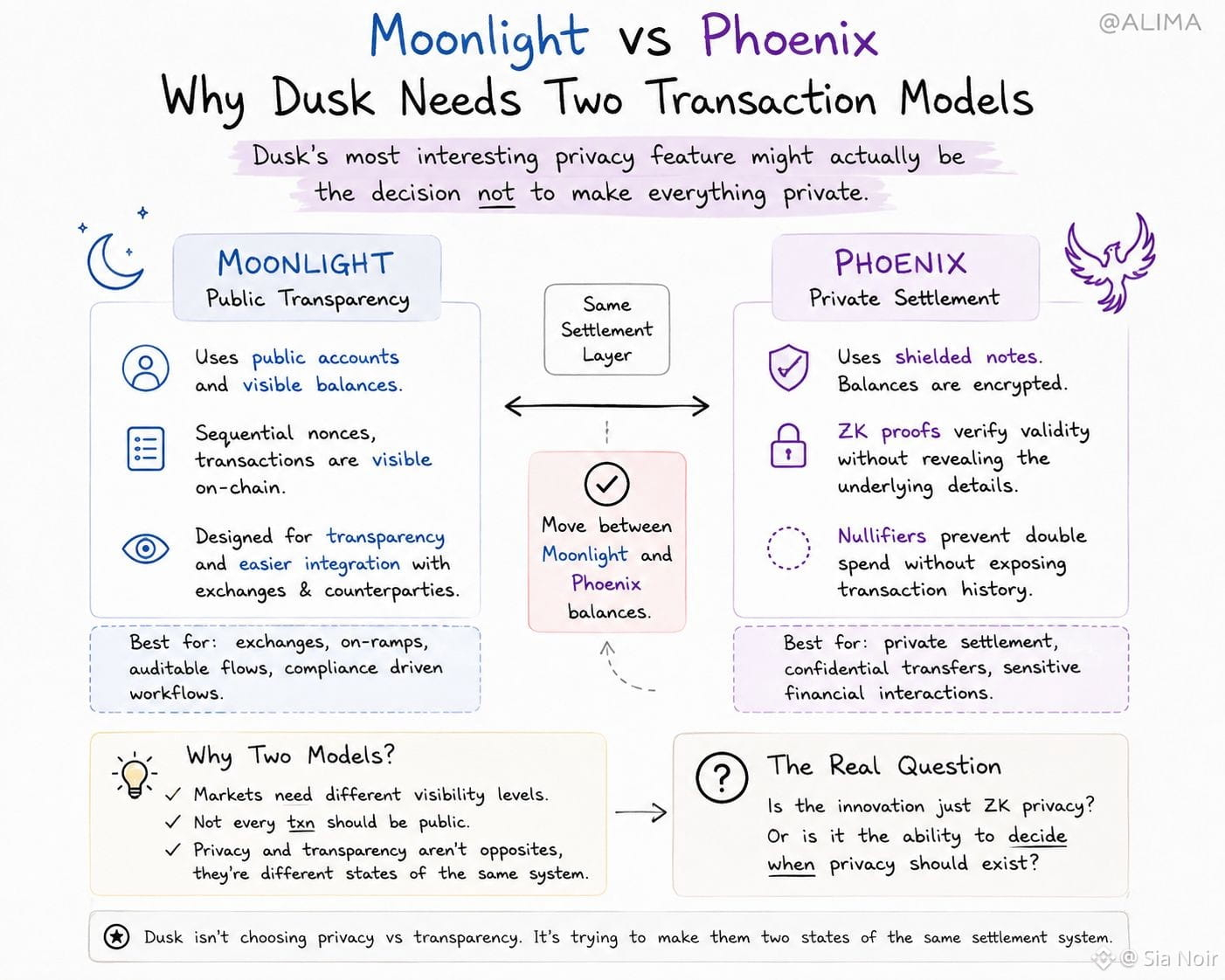
ムーンライトは意図的に透明だ。公開アカウント、見える残高、そして連続するノンスを使う。
フェニックスは逆の道を行く。資金は秘匿ノートを通じて移動し、ZK証明が検証を担うことで、基礎となる取引の詳細を開示せずに済む。
最初は、それが不必要な分岐に見える。
プライバシーが目的なら、なぜ最初から全部を秘匿にしないのか?
すると、機関(制度側)という観点がだんだん理にかなってくる。
取引所、カウンターパーティ、規制対象の事業者は、特定のワークフローでは取引の可視性をまだ必要とする。ダスクのホワイトペーパーによれば、ムーンライトは、フェニックスを秘匿決済のために確保しつつ、取引所や他の組織との統合を部分的に簡単にするために導入されたという。
そしてここが、私の考えるところで一番面白い部分だ。
ダスクは本当は「プライバシーか透明性か」を選んでいるわけではない。
同じ決済システムの中で、それらを二つの状態として扱おうとしている。
ユーザーは、すべての取引を一つの可視性モデルに押し込むのではなく、ムーンライトの残高とフェニックスのノートの間で移動できる。
そうなると、別の疑問が生まれる。
本当のイノベーションは、ZKによるプライバシーそのものなのか? それとも「プライバシーが存在すべきタイミングを決められること」なのか?
なぜなら、金融市場は「可視性の設定が1つで固定される」前提では動かないからだ。
ある情報は公開される必要がある。
ある情報は機密のままでいる必要がある。
そしておそらく、ある情報は、それを見てよい当事者に対してのみ証明可能であるべきだ。
単に取引を隠すよりも、はるかに難しい設計課題だ。
だから私は今、「ダスクは“プライベート”なのか?」を問うことには、あまり関心がなくなっている。
私が問いたいのはこうだ。
ブロックチェーンは、プライバシーを例外にせずに、透明性をプログラム可能にできるのか?
それこそが、私にとってより興味深い「ムーンライト対フェニックス」の議論だ。
$BTR
{future}(BTRUSDT)
$ONG
{future}(ONGUSDT)
#dusk $DUSK @Dusk
私は「面白い部分はフェニックスだ」と期待して、ダスクに踏み込んだ。
ZK証明。秘匿されたノート。ノリファイア(Nullifier)。プライバシーのためのスタック一式。
しかし取引レイヤーを見れば見るほど、もっとシンプルなものに行き着き続けた。
なぜダスクは、そもそも公開の取引モデルを必要としているのだろう?
ムーンライトは意図的に透明だ。公開アカウント、見える残高、そして連続するノンスを使う。
フェニックスは逆の道を行く。資金は秘匿ノートを通じて移動し、ZK証明が検証を担うことで、基礎となる取引の詳細を開示せずに済む。
最初は、それが不必要な分岐に見える。
プライバシーが目的なら、なぜ最初から全部を秘匿にしないのか?
すると、機関(制度側)という観点がだんだん理にかなってくる。
取引所、カウンターパーティ、規制対象の事業者は、特定のワークフローでは取引の可視性をまだ必要とする。ダスクのホワイトペーパーによれば、ムーンライトは、フェニックスを秘匿決済のために確保しつつ、取引所や他の組織との統合を部分的に簡単にするために導入されたという。
そしてここが、私の考えるところで一番面白い部分だ。
ダスクは本当は「プライバシーか透明性か」を選んでいるわけではない。
同じ決済システムの中で、それらを二つの状態として扱おうとしている。
ユーザーは、すべての取引を一つの可視性モデルに押し込むのではなく、ムーンライトの残高とフェニックスのノートの間で移動できる。
そうなると、別の疑問が生まれる。
本当のイノベーションは、ZKによるプライバシーそのものなのか? それとも「プライバシーが存在すべきタイミングを決められること」なのか?
なぜなら、金融市場は「可視性の設定が1つで固定される」前提では動かないからだ。
ある情報は公開される必要がある。
ある情報は機密のままでいる必要がある。
そしておそらく、ある情報は、それを見てよい当事者に対してのみ証明可能であるべきだ。
単に取引を隠すよりも、はるかに難しい設計課題だ。
だから私は今、「ダスクは“プライベート”なのか?」を問うことには、あまり関心がなくなっている。
私が問いたいのはこうだ。
ブロックチェーンは、プライバシーを例外にせずに、透明性をプログラム可能にできるのか?
それこそが、私にとってより興味深い「ムーンライト対フェニックス」の議論だ。
$BTR
$ONG
私は「面白い部分はフェニックスだ」と期待して、ダスクに踏み込んだ。
ZK証明。秘匿されたノート。ノリファイア(Nullifier)。プライバシーのためのスタック一式。
しかし取引レイヤーを見れば見るほど、もっとシンプルなものに行き着き続けた。
なぜダスクは、そもそも公開の取引モデルを必要としているのだろう?
ムーンライトは意図的に透明だ。公開アカウント、見える残高、そして連続するノンスを使う。
フェニックスは逆の道を行く。資金は秘匿ノートを通じて移動し、ZK証明が検証を担うことで、基礎となる取引の詳細を開示せずに済む。
最初は、それが不必要な分岐に見える。
プライバシーが目的なら、なぜ最初から全部を秘匿にしないのか?
すると、機関(制度側)という観点がだんだん理にかなってくる。
取引所、カウンターパーティ、規制対象の事業者は、特定のワークフローでは取引の可視性をまだ必要とする。ダスクのホワイトペーパーによれば、ムーンライトは、フェニックスを秘匿決済のために確保しつつ、取引所や他の組織との統合を部分的に簡単にするために導入されたという。
そしてここが、私の考えるところで一番面白い部分だ。
ダスクは本当は「プライバシーか透明性か」を選んでいるわけではない。
同じ決済システムの中で、それらを二つの状態として扱おうとしている。
ユーザーは、すべての取引を一つの可視性モデルに押し込むのではなく、ムーンライトの残高とフェニックスのノートの間で移動できる。
そうなると、別の疑問が生まれる。
本当のイノベーションは、ZKによるプライバシーそのものなのか? それとも「プライバシーが存在すべきタイミングを決められること」なのか?
なぜなら、金融市場は「可視性の設定が1つで固定される」前提では動かないからだ。
ある情報は公開される必要がある。
ある情報は機密のままでいる必要がある。
そしておそらく、ある情報は、それを見てよい当事者に対してのみ証明可能であるべきだ。
単に取引を隠すよりも、はるかに難しい設計課題だ。
だから私は今、「ダスクは“プライベート”なのか?」を問うことには、あまり関心がなくなっている。
私が問いたいのはこうだ。
ブロックチェーンは、プライバシーを例外にせずに、透明性をプログラム可能にできるのか?
それこそが、私にとってより興味深い「ムーンライト対フェニックス」の議論だ。
$BTR
$ONG
3
653
·
--
$DUSK 170.8 USDT(30日間の取引)
#dusk $DUSK @Dusk_Foundation
CreatorPadのキャンペーンを読み進めていくうちに、思いがけない角度からDuskの財務(トレジャリー)戦略に目が向きました。
見れば見るほど、ある対比が際立ってきます。
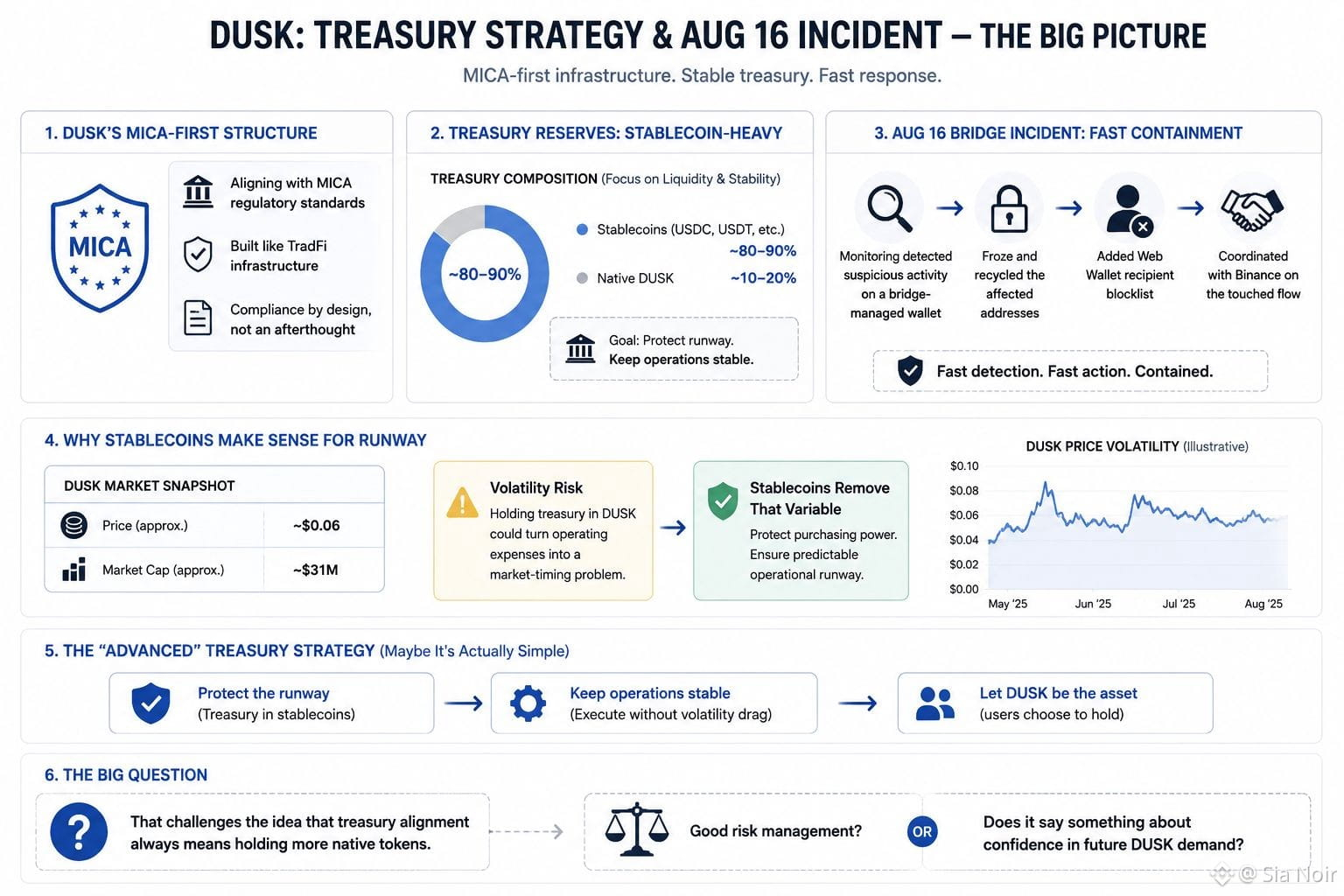
Duskは、TradFiのインフラに近い感触の「MICA-first」な構造について語っていますが、財団の準備金はネイティブのDUSKではなくステーブルコインに大きく寄っています。
そして、8月16日のブリッジ(橋渡し)インシデントを見てください。
チームは、ブリッジ管理のウォレットで不審なアクティビティを検知し、影響を受けたアドレスを凍結してリサイクルし、Web Walletの受信者ブロックリストを追加し、さらにBinanceと連携して影響のあるフローを処理しました。
素早い封じ込め。
しかし、もう一つ興味深い点があります。
彼らは、自社トークンのボラティリティから運用資金を同時に守ろうとしていたわけではないようです。
おおよそ$0.06で、時価総額が約$31Mの水準で、トレジャリーのランウェイ(資金繰りの余力)をDUSKで維持すると、運用コストがマーケットタイミング問題になり得ます。
ステーブルコインなら、その変数を取り除けます。
つまり、「高度な」トレジャリー戦略は、実はそれほど複雑ではないのかもしれません。
ランウェイを守る。運用を安定させる。DUSKは、ユーザーが実際に保有したいと選ぶ資産であれ。
これは、トレジャリーの整合性が常にネイティブトークンの保有量を増やすことを意味する、という考えに少し挑戦します。
皆さんはどう思いますか? それとも、将来のDUSK需要への確信を示す何かがあるのでしょうか?
#dusk $DUSK @Dusk
CreatorPadのキャンペーンを読み進めていくうちに、思いがけない角度からDuskの財務(トレジャリー)戦略に目が向きました。
見れば見るほど、ある対比が際立ってきます。
Duskは、TradFiのインフラに近い感触の「MICA-first」な構造について語っていますが、財団の準備金はネイティブのDUSKではなくステーブルコインに大きく寄っています。
そして、8月16日のブリッジ(橋渡し)インシデントを見てください。
チームは、ブリッジ管理のウォレットで不審なアクティビティを検知し、影響を受けたアドレスを凍結してリサイクルし、Web Walletの受信者ブロックリストを追加し、さらにBinanceと連携して影響のあるフローを処理しました。
素早い封じ込め。
しかし、もう一つ興味深い点があります。
彼らは、自社トークンのボラティリティから運用資金を同時に守ろうとしていたわけではないようです。
おおよそ$0.06で、時価総額が約$31Mの水準で、トレジャリーのランウェイ(資金繰りの余力)をDUSKで維持すると、運用コストがマーケットタイミング問題になり得ます。
ステーブルコインなら、その変数を取り除けます。
つまり、「高度な」トレジャリー戦略は、実はそれほど複雑ではないのかもしれません。
ランウェイを守る。運用を安定させる。DUSKは、ユーザーが実際に保有したいと選ぶ資産であれ。
これは、トレジャリーの整合性が常にネイティブトークンの保有量を増やすことを意味する、という考えに少し挑戦します。
皆さんはどう思いますか? それとも、将来のDUSK需要への確信を示す何かがあるのでしょうか?
CreatorPadのキャンペーンを読み進めていくうちに、思いがけない角度からDuskの財務(トレジャリー)戦略に目が向きました。
見れば見るほど、ある対比が際立ってきます。
Duskは、TradFiのインフラに近い感触の「MICA-first」な構造について語っていますが、財団の準備金はネイティブのDUSKではなくステーブルコインに大きく寄っています。
そして、8月16日のブリッジ(橋渡し)インシデントを見てください。
チームは、ブリッジ管理のウォレットで不審なアクティビティを検知し、影響を受けたアドレスを凍結してリサイクルし、Web Walletの受信者ブロックリストを追加し、さらにBinanceと連携して影響のあるフローを処理しました。
素早い封じ込め。
しかし、もう一つ興味深い点があります。
彼らは、自社トークンのボラティリティから運用資金を同時に守ろうとしていたわけではないようです。
おおよそ$0.06で、時価総額が約$31Mの水準で、トレジャリーのランウェイ(資金繰りの余力)をDUSKで維持すると、運用コストがマーケットタイミング問題になり得ます。
ステーブルコインなら、その変数を取り除けます。
つまり、「高度な」トレジャリー戦略は、実はそれほど複雑ではないのかもしれません。
ランウェイを守る。運用を安定させる。DUSKは、ユーザーが実際に保有したいと選ぶ資産であれ。
これは、トレジャリーの整合性が常にネイティブトークンの保有量を増やすことを意味する、という考えに少し挑戦します。
皆さんはどう思いますか? それとも、将来のDUSK需要への確信を示す何かがあるのでしょうか?
1
86
·
--
$DUSK 135.1 USDT(30日間の取引)
#dusk $DUSK @Dusk_Foundation
Duskの最近の動きの中で、暗号技術そのものが面白い部分だと期待して読み進めていました。
Argon2、Equihash、PLONK、そしてDuskDSはいずれも、プライバシー重視の本格的なスタックを示しています。
しかし、8月16日のブリッジ事件が、私の注意を別の場所へと向けました。
モニタリングでは、通常のブリッジ運用と一致しない活動が検知されました。対応は実務的でした。
• ブリッジサービスを停止
• 影響を受けた運用用アドレスを無効化/再利用
• Web Walletに受取人のブロックリストを追加
• 再開前にハードニング作業を継続
その一方で、DuskDSはブロックを生成し続けました。つまり、これはプロトコルレベルの失敗ではありません。
そして、その違いが重要です。
興味深いリスクは、暗号の中にあったのではありません。ユーザーとシステムをつなぐ運用インフラの周辺にありました。
Web Walletは、受取人ブロックリストによって追加の安全レイヤーを受け取りました。しかし、CLIや独自ツールを使う誰かは、その保護を自動的に得られるわけではありません。
そこで、より大きな疑問が残ります。
機関による導入が進む際に、最終的に信頼を獲得するのはどの層なのでしょうか。プロトコルなのか、運用インフラなのか、それともユーザーが実際に操作するインターフェースなのか。
強力な暗号が土台にあることは重要です。
しかし、セキュリティは「実際にどこに防御が存在するか」にも関わります。
#dusk $DUSK @Dusk
Duskの最近の動きの中で、暗号技術そのものが面白い部分だと期待して読み進めていました。
Argon2、Equihash、PLONK、そしてDuskDSはいずれも、プライバシー重視の本格的なスタックを示しています。
しかし、8月16日のブリッジ事件が、私の注意を別の場所へと向けました。
モニタリングでは、通常のブリッジ運用と一致しない活動が検知されました。対応は実務的でした。
• ブリッジサービスを停止
• 影響を受けた運用用アドレスを無効化/再利用
• Web Walletに受取人のブロックリストを追加
• 再開前にハードニング作業を継続
その一方で、DuskDSはブロックを生成し続けました。つまり、これはプロトコルレベルの失敗ではありません。
そして、その違いが重要です。
興味深いリスクは、暗号の中にあったのではありません。ユーザーとシステムをつなぐ運用インフラの周辺にありました。
Web Walletは、受取人ブロックリストによって追加の安全レイヤーを受け取りました。しかし、CLIや独自ツールを使う誰かは、その保護を自動的に得られるわけではありません。
そこで、より大きな疑問が残ります。
機関による導入が進む際に、最終的に信頼を獲得するのはどの層なのでしょうか。プロトコルなのか、運用インフラなのか、それともユーザーが実際に操作するインターフェースなのか。
強力な暗号が土台にあることは重要です。
しかし、セキュリティは「実際にどこに防御が存在するか」にも関わります。
Duskの最近の動きの中で、暗号技術そのものが面白い部分だと期待して読み進めていました。
Argon2、Equihash、PLONK、そしてDuskDSはいずれも、プライバシー重視の本格的なスタックを示しています。
しかし、8月16日のブリッジ事件が、私の注意を別の場所へと向けました。
モニタリングでは、通常のブリッジ運用と一致しない活動が検知されました。対応は実務的でした。
• ブリッジサービスを停止
• 影響を受けた運用用アドレスを無効化/再利用
• Web Walletに受取人のブロックリストを追加
• 再開前にハードニング作業を継続
その一方で、DuskDSはブロックを生成し続けました。つまり、これはプロトコルレベルの失敗ではありません。
そして、その違いが重要です。
興味深いリスクは、暗号の中にあったのではありません。ユーザーとシステムをつなぐ運用インフラの周辺にありました。
Web Walletは、受取人ブロックリストによって追加の安全レイヤーを受け取りました。しかし、CLIや独自ツールを使う誰かは、その保護を自動的に得られるわけではありません。
そこで、より大きな疑問が残ります。
機関による導入が進む際に、最終的に信頼を獲得するのはどの層なのでしょうか。プロトコルなのか、運用インフラなのか、それともユーザーが実際に操作するインターフェースなのか。
強力な暗号が土台にあることは重要です。
しかし、セキュリティは「実際にどこに防御が存在するか」にも関わります。
5
6
120
·
--
$DUSK 135.1 USDT(30日間の取引)
#dusk $DUSK @Dusk_Foundation
Duskの次のテストは「プライバシー」ではなく「採用」です。
私は最新のDuskアップデートを見ていて、いつものプライバシー重視の語り口とは別の、より目立つ変化に気づきました。
DuskEVMテストネットが8月10日に稼働開始しました。
つまり、開発者はDusk上で構築しながら、SolidityやHardhatといったおなじみのEthereum向けツールを使えるようになったのです。
注目すべきはアーキテクチャです。
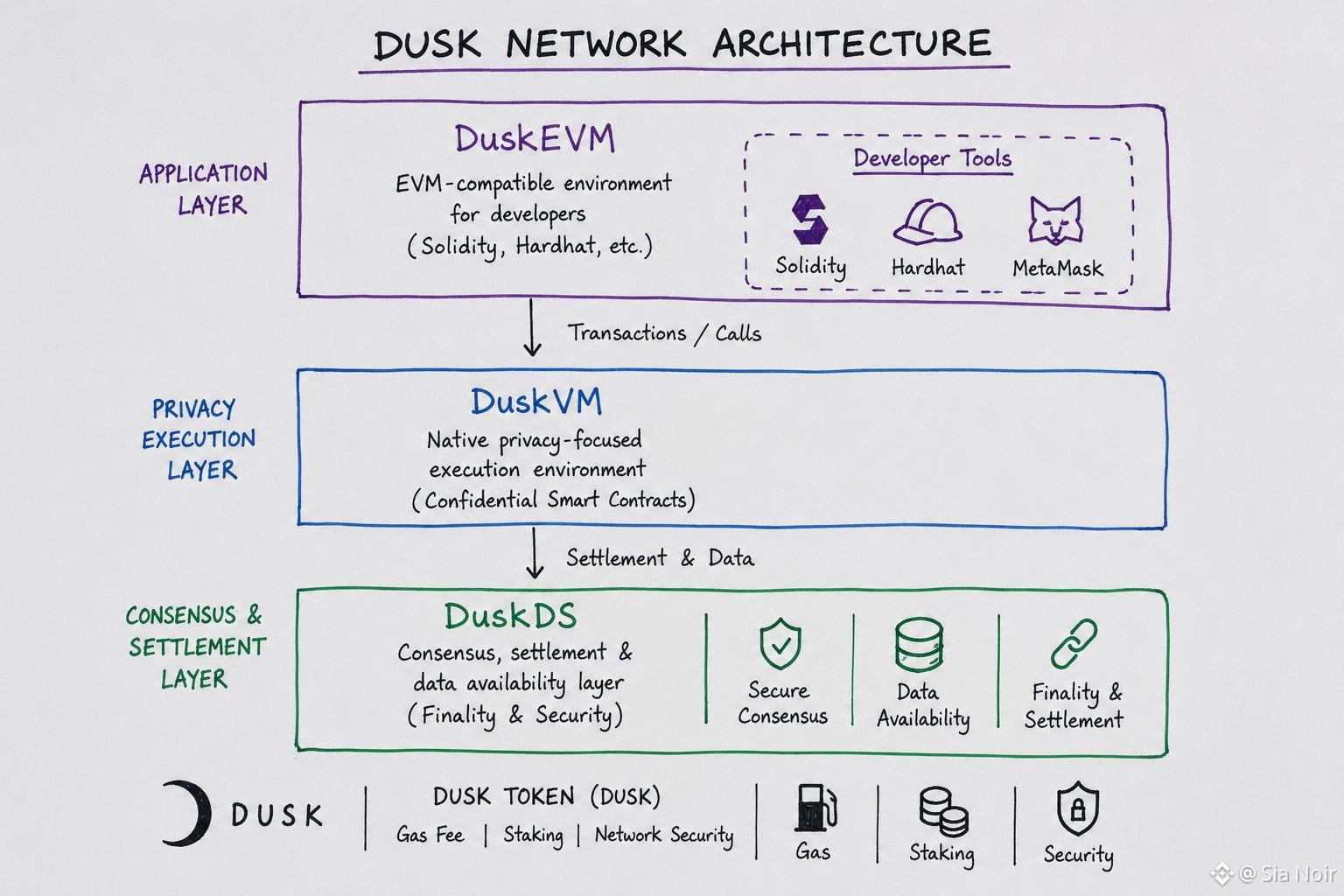
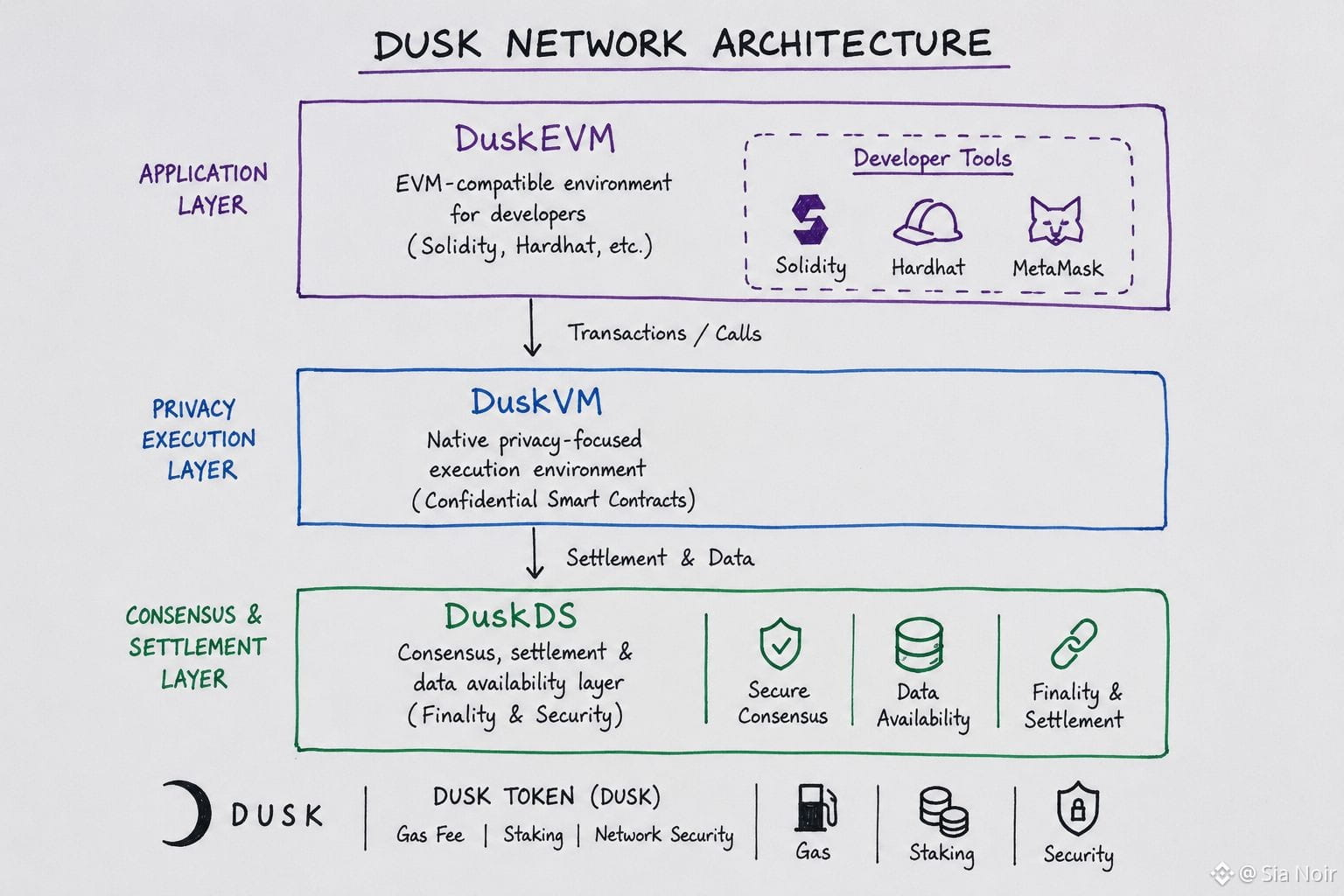
Duskは、実行層を決済(セトルメント)層から分離しています:
• DuskDS → コンセンサス、決済&データ可用性
• DuskEVM → EVMアプリケーション
• DuskVM → ネイティブのプライバシー重視の実行
そして、DUSKはネットワーク全体におけるガス/ステーキング資産として引き続き機能します。
そこで、問いの本質が変わりました。
もはや「Duskはプライバシー基盤を構築できるか?」ではありません。
「Duskは、その基盤を経済的に有用なものにするのに十分なアプリケーションを惹きつけられるか?」です。
8月のEVMテストネットは重要な一歩です。なぜなら、技術的な能力と同じくらい、開発者の摩擦(障壁)の低さが意味を持つことがあるからです。
私が次に注目する指標は、単にDUSKの価格ではありません。
DuskEVM上での開発者の活動、デプロイされたコントラクト、そして実際の取引需要です。
それによって、このアーキテクチャがエコシステムへと成長しているのか、それとも単に技術的に興味深い別のチェーンに過ぎないのかが分かるでしょう。
#dusk $DUSK @Dusk
Duskの次のテストは「プライバシー」ではなく「採用」です。
私は最新のDuskアップデートを見ていて、いつものプライバシー重視の語り口とは別の、より目立つ変化に気づきました。
DuskEVMテストネットが8月10日に稼働開始しました。
つまり、開発者はDusk上で構築しながら、SolidityやHardhatといったおなじみのEthereum向けツールを使えるようになったのです。
注目すべきはアーキテクチャです。
Duskは、実行層を決済(セトルメント)層から分離しています:
• DuskDS → コンセンサス、決済&データ可用性
• DuskEVM → EVMアプリケーション
• DuskVM → ネイティブのプライバシー重視の実行
そして、DUSKはネットワーク全体におけるガス/ステーキング資産として引き続き機能します。
そこで、問いの本質が変わりました。
もはや「Duskはプライバシー基盤を構築できるか?」ではありません。
「Duskは、その基盤を経済的に有用なものにするのに十分なアプリケーションを惹きつけられるか?」です。
8月のEVMテストネットは重要な一歩です。なぜなら、技術的な能力と同じくらい、開発者の摩擦(障壁)の低さが意味を持つことがあるからです。
私が次に注目する指標は、単にDUSKの価格ではありません。
DuskEVM上での開発者の活動、デプロイされたコントラクト、そして実際の取引需要です。
それによって、このアーキテクチャがエコシステムへと成長しているのか、それとも単に技術的に興味深い別のチェーンに過ぎないのかが分かるでしょう。
Duskの次のテストは「プライバシー」ではなく「採用」です。
私は最新のDuskアップデートを見ていて、いつものプライバシー重視の語り口とは別の、より目立つ変化に気づきました。
DuskEVMテストネットが8月10日に稼働開始しました。
つまり、開発者はDusk上で構築しながら、SolidityやHardhatといったおなじみのEthereum向けツールを使えるようになったのです。
注目すべきはアーキテクチャです。
Duskは、実行層を決済(セトルメント)層から分離しています:
• DuskDS → コンセンサス、決済&データ可用性
• DuskEVM → EVMアプリケーション
• DuskVM → ネイティブのプライバシー重視の実行
そして、DUSKはネットワーク全体におけるガス/ステーキング資産として引き続き機能します。
そこで、問いの本質が変わりました。
もはや「Duskはプライバシー基盤を構築できるか?」ではありません。
「Duskは、その基盤を経済的に有用なものにするのに十分なアプリケーションを惹きつけられるか?」です。
8月のEVMテストネットは重要な一歩です。なぜなら、技術的な能力と同じくらい、開発者の摩擦(障壁)の低さが意味を持つことがあるからです。
私が次に注目する指標は、単にDUSKの価格ではありません。
DuskEVM上での開発者の活動、デプロイされたコントラクト、そして実際の取引需要です。
それによって、このアーキテクチャがエコシステムへと成長しているのか、それとも単に技術的に興味深い別のチェーンに過ぎないのかが分かるでしょう。
1
1
90
·
--
$DUSK 111.2 USDT(30日間の取引)
#dusk $DUSK @Dusk_Foundation
プライバシーはキルスイッチと出会う
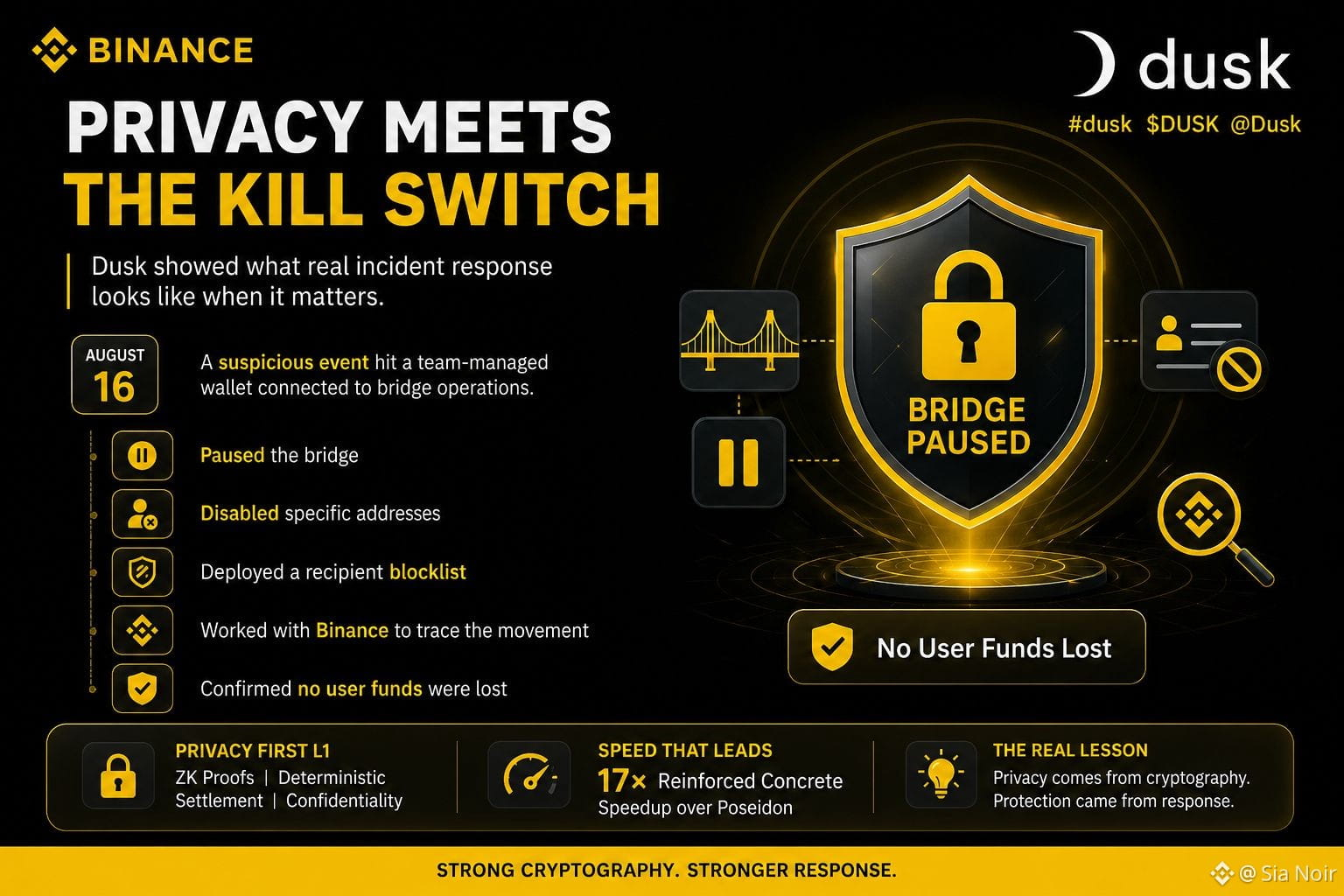
Duskを調べるとき、私が立ち止まったきっかけになったのは、Poseidonに対する17×の強化コンクリートによるスピード向上ではありませんでした。
それは8月16日でした。
疑わしい出来事が、ブリッジ運用に接続されたチーム管理ウォレットを襲い、Duskは次のように対応しました:
• ブリッジを停止
• 特定のアドレスを無効化
• 受取人のブラックリストを展開
• Binanceと連携して送金の動きを追跡
• ユーザーの資金が失われていないことを確認
それはしっかりしたインシデント対応です。
しかし、ここにはもっと深い教訓があります。
Duskはプライバシー、ZK証明、決定論的決済を中心に構築されています。にもかかわらず、ブリッジが圧力にさらされたとき、その防護は暗号技術そのものではなく、運用上の統制と人の判断によってもたらされたのです。
そして、正直それには納得感があります。
ブリッジはWeb3セキュリティの中でも、依然として最も難しい領域の一つです。
面白いのは、その現実がプライバシー重視のL1の内部でどう見えるかを確認できることです。
プロトコルの分散化は強固であり得ますが、ブリッジ層は比較的中央集権的であるままということもあり得ます。
この違いは重要です。
#dusk $DUSK @Dusk
プライバシーはキルスイッチと出会う
Duskを調べるとき、私が立ち止まったきっかけになったのは、Poseidonに対する17×の強化コンクリートによるスピード向上ではありませんでした。
それは8月16日でした。
疑わしい出来事が、ブリッジ運用に接続されたチーム管理ウォレットを襲い、Duskは次のように対応しました:
• ブリッジを停止
• 特定のアドレスを無効化
• 受取人のブラックリストを展開
• Binanceと連携して送金の動きを追跡
• ユーザーの資金が失われていないことを確認
それはしっかりしたインシデント対応です。
しかし、ここにはもっと深い教訓があります。
Duskはプライバシー、ZK証明、決定論的決済を中心に構築されています。にもかかわらず、ブリッジが圧力にさらされたとき、その防護は暗号技術そのものではなく、運用上の統制と人の判断によってもたらされたのです。
そして、正直それには納得感があります。
ブリッジはWeb3セキュリティの中でも、依然として最も難しい領域の一つです。
面白いのは、その現実がプライバシー重視のL1の内部でどう見えるかを確認できることです。
プロトコルの分散化は強固であり得ますが、ブリッジ層は比較的中央集権的であるままということもあり得ます。
この違いは重要です。
プライバシーはキルスイッチと出会う
Duskを調べるとき、私が立ち止まったきっかけになったのは、Poseidonに対する17×の強化コンクリートによるスピード向上ではありませんでした。
それは8月16日でした。
疑わしい出来事が、ブリッジ運用に接続されたチーム管理ウォレットを襲い、Duskは次のように対応しました:
• ブリッジを停止
• 特定のアドレスを無効化
• 受取人のブラックリストを展開
• Binanceと連携して送金の動きを追跡
• ユーザーの資金が失われていないことを確認
それはしっかりしたインシデント対応です。
しかし、ここにはもっと深い教訓があります。
Duskはプライバシー、ZK証明、決定論的決済を中心に構築されています。にもかかわらず、ブリッジが圧力にさらされたとき、その防護は暗号技術そのものではなく、運用上の統制と人の判断によってもたらされたのです。
そして、正直それには納得感があります。
ブリッジはWeb3セキュリティの中でも、依然として最も難しい領域の一つです。
面白いのは、その現実がプライバシー重視のL1の内部でどう見えるかを確認できることです。
プロトコルの分散化は強固であり得ますが、ブリッジ層は比較的中央集権的であるままということもあり得ます。
この違いは重要です。
5
6
110
·
--
#dusk $DUSK @Dusk_Foundation
夕暮れが別の理由で面白くなってきています。
私はプライバシーの物語の先を見て、Dusk Tradeがどのように位置づけられているかを観察してきました。
大きな問いは、プライベート市場にブロックチェーンが必要かどうかではありません。
規制された資産が、コンプライアンスを犠牲にせずに実際にアクセス可能になるのかどうかです。
Duskのアプローチは、プライバシー、許可(パーミッション)、オンチェーン決済を1つのスタックに統合しています。
これは、オープンなDeFiのレールを単純に使えないSME(中小企業)や投資家にとって重要です。
ウェイトリストがあるため、今日の採用のしやすさを判断するのは難しくなっています。
しかし、アクセスが拡大すれば、Dusk Tradeはプライベート市場がオンチェーン上でどう動くかを試すための有用な検証となり得ます。
$AVAAI
{future}(AVAAIUSDT)
$ROBO
{future}(ROBOUSDT)
Dusk Tradeにとって最も重要なことは何ですか?
#dusk $DUSK @Dusk
夕暮れが別の理由で面白くなってきています。
私はプライバシーの物語の先を見て、Dusk Tradeがどのように位置づけられているかを観察してきました。
大きな問いは、プライベート市場にブロックチェーンが必要かどうかではありません。
規制された資産が、コンプライアンスを犠牲にせずに実際にアクセス可能になるのかどうかです。
Duskのアプローチは、プライバシー、許可(パーミッション)、オンチェーン決済を1つのスタックに統合しています。
これは、オープンなDeFiのレールを単純に使えないSME(中小企業)や投資家にとって重要です。
ウェイトリストがあるため、今日の採用のしやすさを判断するのは難しくなっています。
しかし、アクセスが拡大すれば、Dusk Tradeはプライベート市場がオンチェーン上でどう動くかを試すための有用な検証となり得ます。
$AVAAI
$ROBO
Dusk Tradeにとって最も重要なことは何ですか?
夕暮れが別の理由で面白くなってきています。
私はプライバシーの物語の先を見て、Dusk Tradeがどのように位置づけられているかを観察してきました。
大きな問いは、プライベート市場にブロックチェーンが必要かどうかではありません。
規制された資産が、コンプライアンスを犠牲にせずに実際にアクセス可能になるのかどうかです。
Duskのアプローチは、プライバシー、許可(パーミッション)、オンチェーン決済を1つのスタックに統合しています。
これは、オープンなDeFiのレールを単純に使えないSME(中小企業)や投資家にとって重要です。
ウェイトリストがあるため、今日の採用のしやすさを判断するのは難しくなっています。
しかし、アクセスが拡大すれば、Dusk Tradeはプライベート市場がオンチェーン上でどう動くかを試すための有用な検証となり得ます。
$AVAAI
$ROBO
Dusk Tradeにとって最も重要なことは何ですか?
🔘 Privacy
0%
🔘 Compliance
67%
🔘 Liquidity
0%
🔘 Easy access
33%
3 投票 • 投票は終了しました
6
6
121
·
--
弱気相場
#dusk $DUSK @Dusk_Foundation
今週はDuskについて調べ始めて、いつものプライバシーに関する会話があるだろうと期待していました。
するとSTOXがずっと出てきた。
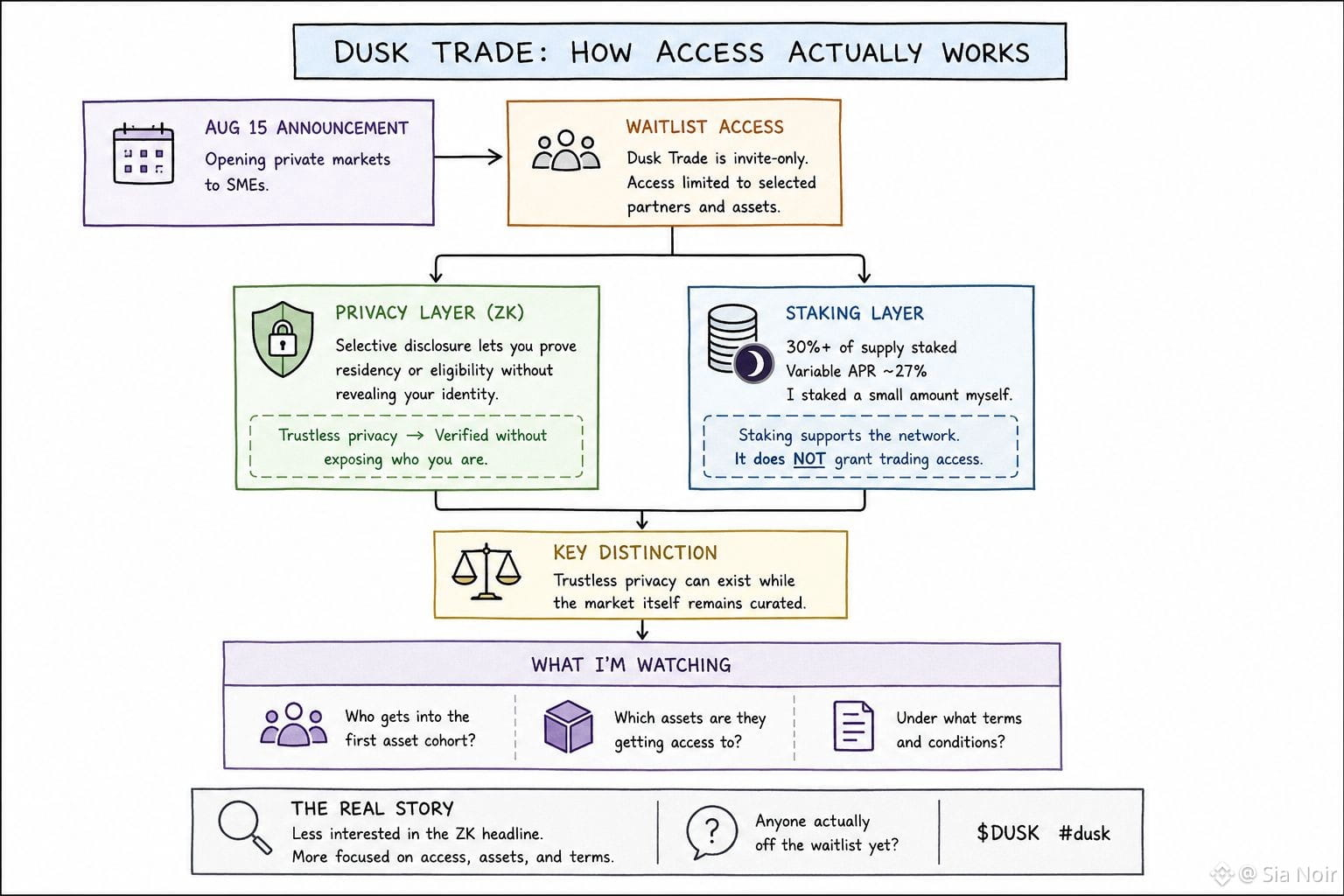
Dusk Tradeとしてブランド化されてからは、見出しの向こうを見て、より単純な質問をしたことでさらに面白くなりました。つまり、実際にアクセスはどう機能するのか?
8月15日に、SME向けにプライベート・マーケットを開く話がありました。ですがDusk Tradeはまだウェイトリストの段階で、アクセスは選ばれたパートナーと特定の資産に限られています。
そしてプライバシー面です。
選択的開示により、身元を公開することなく、居住や適格性を証明できます。そこが、私が本当に面白いと感じる部分です。
さらにステーキングの数字も確認しました。供給の30%以上がロックされており、変動APRはおよそ27%。私も少額を自分でステークしてみました。
ただし、ステーキングは取引のアクセスを意味しません。
この違いこそが、おそらく最も重要なポイントです。
市場自体はキュレーションされたままでも、トラストレスなプライバシーは実現できます。
なので、今はZKの見出しにはあまり関心がありません。
最初の資産コホートに誰が入るのか、どの資産にアクセスできるのか、そしてどのような条件なのかを見たいです。
それが、私が注目している本当の話です。
誰か、実際にまだウェイトリストから外れた人はいますか?
#dusk $DUSK @Dusk
今週はDuskについて調べ始めて、いつものプライバシーに関する会話があるだろうと期待していました。
するとSTOXがずっと出てきた。
Dusk Tradeとしてブランド化されてからは、見出しの向こうを見て、より単純な質問をしたことでさらに面白くなりました。つまり、実際にアクセスはどう機能するのか?
8月15日に、SME向けにプライベート・マーケットを開く話がありました。ですがDusk Tradeはまだウェイトリストの段階で、アクセスは選ばれたパートナーと特定の資産に限られています。
そしてプライバシー面です。
選択的開示により、身元を公開することなく、居住や適格性を証明できます。そこが、私が本当に面白いと感じる部分です。
さらにステーキングの数字も確認しました。供給の30%以上がロックされており、変動APRはおよそ27%。私も少額を自分でステークしてみました。
ただし、ステーキングは取引のアクセスを意味しません。
この違いこそが、おそらく最も重要なポイントです。
市場自体はキュレーションされたままでも、トラストレスなプライバシーは実現できます。
なので、今はZKの見出しにはあまり関心がありません。
最初の資産コホートに誰が入るのか、どの資産にアクセスできるのか、そしてどのような条件なのかを見たいです。
それが、私が注目している本当の話です。
誰か、実際にまだウェイトリストから外れた人はいますか?
今週はDuskについて調べ始めて、いつものプライバシーに関する会話があるだろうと期待していました。
するとSTOXがずっと出てきた。
Dusk Tradeとしてブランド化されてからは、見出しの向こうを見て、より単純な質問をしたことでさらに面白くなりました。つまり、実際にアクセスはどう機能するのか?
8月15日に、SME向けにプライベート・マーケットを開く話がありました。ですがDusk Tradeはまだウェイトリストの段階で、アクセスは選ばれたパートナーと特定の資産に限られています。
そしてプライバシー面です。
選択的開示により、身元を公開することなく、居住や適格性を証明できます。そこが、私が本当に面白いと感じる部分です。
さらにステーキングの数字も確認しました。供給の30%以上がロックされており、変動APRはおよそ27%。私も少額を自分でステークしてみました。
ただし、ステーキングは取引のアクセスを意味しません。
この違いこそが、おそらく最も重要なポイントです。
市場自体はキュレーションされたままでも、トラストレスなプライバシーは実現できます。
なので、今はZKの見出しにはあまり関心がありません。
最初の資産コホートに誰が入るのか、どの資産にアクセスできるのか、そしてどのような条件なのかを見たいです。
それが、私が注目している本当の話です。
誰か、実際にまだウェイトリストから外れた人はいますか?
5
5
89
·
--
ブリッシュ
#dusk $DUSK @Dusk_Foundation
私はDuskのドキュメントでPLONK、Poseidon、JubJub、そしてMerkleツリーがそれぞれ別々に言及されているのを何度も見かけました。でも、それらを1つのスタックとして捉えると、はるかに理にかないます。
PLONKは証明レイヤーです。
それによってDuskは、取引が必要なルールに従ったことを証明できます。しかも、その証明の背後にあるプライベート入力を公開することなくです。
しかしPLONK単体では、プライバシーの仕組み全体ではありません。
JubJubはZKの仕組みの下にあります。
これはSNARKスタイルの環境で効率的に動作するよう設計された楕円曲線で、プライバシー用の回路内で行われる暗号演算に役立ちます。
そして次にPoseidonです。
ここからが少し分かりにくくなります。
Poseidonはゼロ知識回路の中で効率的に動くよう設計されています。
DuskはコミットメントやMerkleツリーのハッシュなどの暗号演算にPoseidonを使うため、ZK証明の中で再現するのにコストの高いハッシュ関数に頼る必要がありません。
そして、Merkleの構造があります。
プライベートな取引は「私の取引が有効だ」と証明できれば十分というわけではありません。
現在の状態に対して、あるコミットメントやノートが実際に属していることも証明する必要があるかもしれません。
Merkleパスは、基になっているデータセット全体を公開せずに、回路へメンバーシップの証拠を与えます。
私が最終的に持ったイメージはこうです:
JubJub → 暗号的な基盤
Poseidon → ZKに適したハッシュ
Merkle → 状態/メンバーシップの証拠
PLONK → 条件一式を証明
この関係性は、「DuskはZKプライバシーを使っている」と単に言うより、私にとってずっと興味深いです。
なぜなら、プライバシーはチェーンの上に乗っている“1つの機能”ではないからです。
効率よく組み合わさる必要のある、暗号コンポーネントのスタックです。
& 金融インフラにとって、この違いは重要です。
単に情報を隠すだけでは足りません。
隠された情報がルールを満たしていることを、ネットワークが証明する必要があります。
ここからが、Duskの暗号設計が、通常の「プライバシーチェーン比較」と比べて、より一段と面白くなってくるポイントです。
$HEMI
{future}(HEMIUSDT)
$TREE
{future}(TREEUSDT)
あなたは、Duskのプライバシースタックで最も重要な部分は何だと思いますか?
#dusk $DUSK @Dusk
私はDuskのドキュメントでPLONK、Poseidon、JubJub、そしてMerkleツリーがそれぞれ別々に言及されているのを何度も見かけました。でも、それらを1つのスタックとして捉えると、はるかに理にかないます。
PLONKは証明レイヤーです。
それによってDuskは、取引が必要なルールに従ったことを証明できます。しかも、その証明の背後にあるプライベート入力を公開することなくです。
しかしPLONK単体では、プライバシーの仕組み全体ではありません。
JubJubはZKの仕組みの下にあります。
これはSNARKスタイルの環境で効率的に動作するよう設計された楕円曲線で、プライバシー用の回路内で行われる暗号演算に役立ちます。
そして次にPoseidonです。
ここからが少し分かりにくくなります。
Poseidonはゼロ知識回路の中で効率的に動くよう設計されています。
DuskはコミットメントやMerkleツリーのハッシュなどの暗号演算にPoseidonを使うため、ZK証明の中で再現するのにコストの高いハッシュ関数に頼る必要がありません。
そして、Merkleの構造があります。
プライベートな取引は「私の取引が有効だ」と証明できれば十分というわけではありません。
現在の状態に対して、あるコミットメントやノートが実際に属していることも証明する必要があるかもしれません。
Merkleパスは、基になっているデータセット全体を公開せずに、回路へメンバーシップの証拠を与えます。
私が最終的に持ったイメージはこうです:
JubJub → 暗号的な基盤
Poseidon → ZKに適したハッシュ
Merkle → 状態/メンバーシップの証拠
PLONK → 条件一式を証明
この関係性は、「DuskはZKプライバシーを使っている」と単に言うより、私にとってずっと興味深いです。
なぜなら、プライバシーはチェーンの上に乗っている“1つの機能”ではないからです。
効率よく組み合わさる必要のある、暗号コンポーネントのスタックです。
& 金融インフラにとって、この違いは重要です。
単に情報を隠すだけでは足りません。
隠された情報がルールを満たしていることを、ネットワークが証明する必要があります。
ここからが、Duskの暗号設計が、通常の「プライバシーチェーン比較」と比べて、より一段と面白くなってくるポイントです。
$HEMI
$TREE
あなたは、Duskのプライバシースタックで最も重要な部分は何だと思いますか?
私はDuskのドキュメントでPLONK、Poseidon、JubJub、そしてMerkleツリーがそれぞれ別々に言及されているのを何度も見かけました。でも、それらを1つのスタックとして捉えると、はるかに理にかないます。
PLONKは証明レイヤーです。
それによってDuskは、取引が必要なルールに従ったことを証明できます。しかも、その証明の背後にあるプライベート入力を公開することなくです。
しかしPLONK単体では、プライバシーの仕組み全体ではありません。
JubJubはZKの仕組みの下にあります。
これはSNARKスタイルの環境で効率的に動作するよう設計された楕円曲線で、プライバシー用の回路内で行われる暗号演算に役立ちます。
そして次にPoseidonです。
ここからが少し分かりにくくなります。
Poseidonはゼロ知識回路の中で効率的に動くよう設計されています。
DuskはコミットメントやMerkleツリーのハッシュなどの暗号演算にPoseidonを使うため、ZK証明の中で再現するのにコストの高いハッシュ関数に頼る必要がありません。
そして、Merkleの構造があります。
プライベートな取引は「私の取引が有効だ」と証明できれば十分というわけではありません。
現在の状態に対して、あるコミットメントやノートが実際に属していることも証明する必要があるかもしれません。
Merkleパスは、基になっているデータセット全体を公開せずに、回路へメンバーシップの証拠を与えます。
私が最終的に持ったイメージはこうです:
JubJub → 暗号的な基盤
Poseidon → ZKに適したハッシュ
Merkle → 状態/メンバーシップの証拠
PLONK → 条件一式を証明
この関係性は、「DuskはZKプライバシーを使っている」と単に言うより、私にとってずっと興味深いです。
なぜなら、プライバシーはチェーンの上に乗っている“1つの機能”ではないからです。
効率よく組み合わさる必要のある、暗号コンポーネントのスタックです。
& 金融インフラにとって、この違いは重要です。
単に情報を隠すだけでは足りません。
隠された情報がルールを満たしていることを、ネットワークが証明する必要があります。
ここからが、Duskの暗号設計が、通常の「プライバシーチェーン比較」と比べて、より一段と面白くなってくるポイントです。
$HEMI
$TREE
あなたは、Duskのプライバシースタックで最も重要な部分は何だと思いますか?
🔐PLONK
0%
🧩Poseidon
0%
🕸️Merkle
0%
⚙️JubJub
100%
1 投票 • 投票は終了しました
8
6
387
·
--
$DUSK 63.6 USDT(30日間の取引)
#dusk $DUSK @Dusk_Foundation
今日は「Dusk」チャートを見ていたわけじゃない。
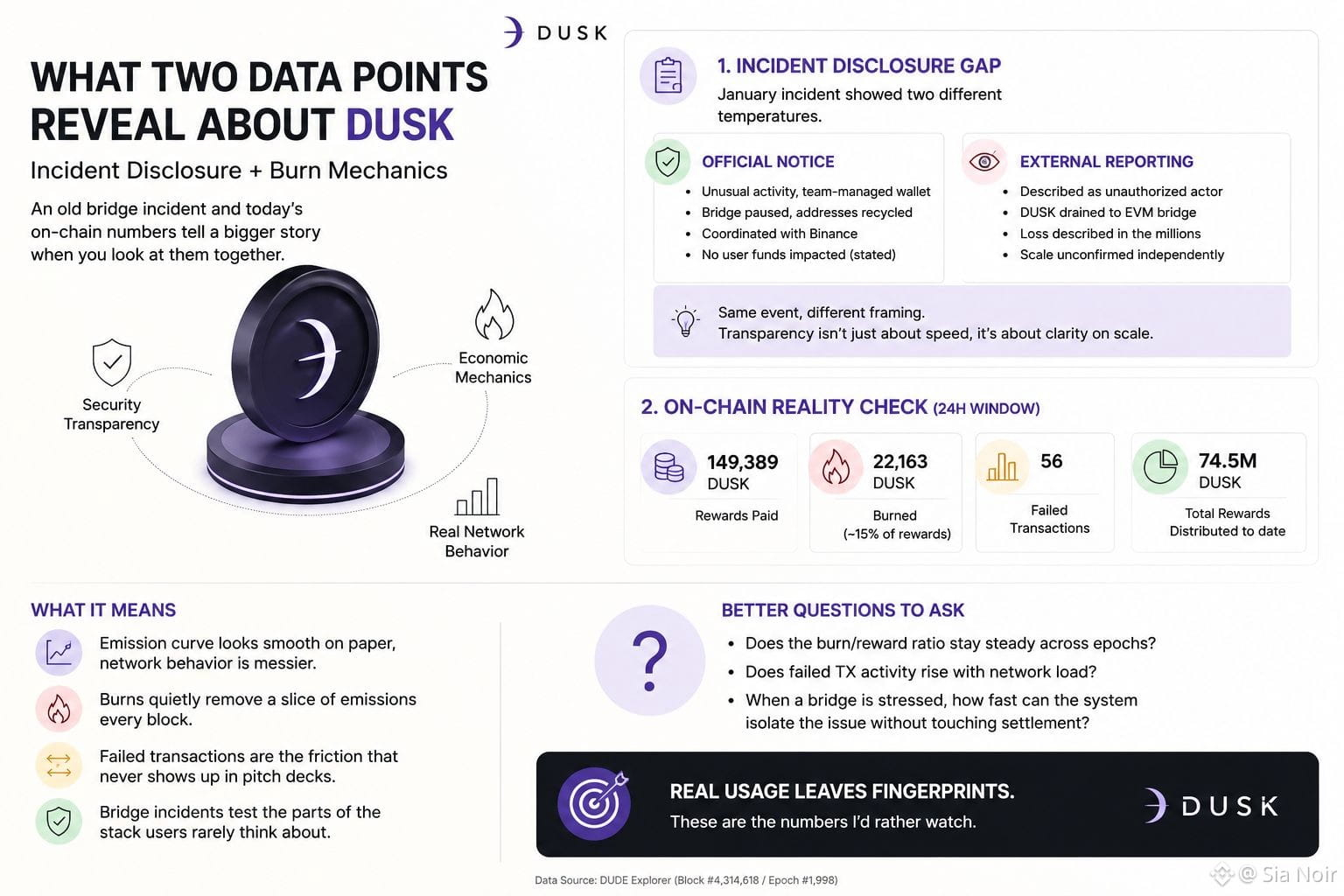
普段まったく別の会話の中に置かれている2つのことを見ていたんだ。古いブリッジ事件と、ネットワークの報酬/バーンの数値。
それを並べてみると、絵が少しだけ面白くなる。
1月の事件は、見出しのせいで特に目を引くものではなかった。注目すべきは、オンチェーンで起きていたことと、公にどれだけ丁寧にその出来事が説明されていたかの違いだった。
そしてDUDEエクスプローラーが、もうひとつ小さな詳細を教えてくれた。
ある24時間の間に
~149,389 DUSK が報酬として支払われ
~22,163 DUSK がバーンされ
56件の失敗したトランザクション
つまり、そのネットワークは単に報酬を発行して終わり、というわけではない。
その報酬額のだいたい15%が、同じウィンドウ内でバーンの仕組みによって取り除かれていた。
これが、発行(エミッション)曲線の見方を変える。
固定された長期の供給スケジュールは、紙の上ではとてもきれいに見える。けれどチェーンはスプレッドシートの上で動いているわけじゃない。
報酬はネットワークの活動量に応じて変わる。
バーンは実際の利用に応じて変わる。
失敗したトランザクションは、決済が決定論的だと言うだけでは見えてこない摩擦のもう一層を加える。
そしてブリッジ事件が、厄介な点も付け加える。
インフラは、通常のブロック生成のときとは異なる振る舞いを、異常な条件下ではし得る。
これらはDuskに問題があることを証明するものではない。
ただ、もっと役に立つ何かを示している。
より良い質問ができるようになる。
バーン/報酬の比率は、エポックをまたいでもだいたい同じ水準で保たれるのか?
失敗トランザクションの活動は、ネットワーク負荷が高まると増えるのか?
そして、ブリッジがストレスを受けたとき、周辺のインフラは、決済レイヤーに影響を与えずにどれくらいの速さで問題を切り離せるのか?
これらは、きれいに描かれた別のトークンチャートよりも、僕が見ていたい数字だ。
なぜなら、最終的には実際の利用が痕跡を残すから。
#dusk $DUSK @Dusk
今日は「Dusk」チャートを見ていたわけじゃない。
普段まったく別の会話の中に置かれている2つのことを見ていたんだ。古いブリッジ事件と、ネットワークの報酬/バーンの数値。
それを並べてみると、絵が少しだけ面白くなる。
1月の事件は、見出しのせいで特に目を引くものではなかった。注目すべきは、オンチェーンで起きていたことと、公にどれだけ丁寧にその出来事が説明されていたかの違いだった。
そしてDUDEエクスプローラーが、もうひとつ小さな詳細を教えてくれた。
ある24時間の間に
~149,389 DUSK が報酬として支払われ
~22,163 DUSK がバーンされ
56件の失敗したトランザクション
つまり、そのネットワークは単に報酬を発行して終わり、というわけではない。
その報酬額のだいたい15%が、同じウィンドウ内でバーンの仕組みによって取り除かれていた。
これが、発行(エミッション)曲線の見方を変える。
固定された長期の供給スケジュールは、紙の上ではとてもきれいに見える。けれどチェーンはスプレッドシートの上で動いているわけじゃない。
報酬はネットワークの活動量に応じて変わる。
バーンは実際の利用に応じて変わる。
失敗したトランザクションは、決済が決定論的だと言うだけでは見えてこない摩擦のもう一層を加える。
そしてブリッジ事件が、厄介な点も付け加える。
インフラは、通常のブロック生成のときとは異なる振る舞いを、異常な条件下ではし得る。
これらはDuskに問題があることを証明するものではない。
ただ、もっと役に立つ何かを示している。
より良い質問ができるようになる。
バーン/報酬の比率は、エポックをまたいでもだいたい同じ水準で保たれるのか?
失敗トランザクションの活動は、ネットワーク負荷が高まると増えるのか?
そして、ブリッジがストレスを受けたとき、周辺のインフラは、決済レイヤーに影響を与えずにどれくらいの速さで問題を切り離せるのか?
これらは、きれいに描かれた別のトークンチャートよりも、僕が見ていたい数字だ。
なぜなら、最終的には実際の利用が痕跡を残すから。
今日は「Dusk」チャートを見ていたわけじゃない。
普段まったく別の会話の中に置かれている2つのことを見ていたんだ。古いブリッジ事件と、ネットワークの報酬/バーンの数値。
それを並べてみると、絵が少しだけ面白くなる。
1月の事件は、見出しのせいで特に目を引くものではなかった。注目すべきは、オンチェーンで起きていたことと、公にどれだけ丁寧にその出来事が説明されていたかの違いだった。
そしてDUDEエクスプローラーが、もうひとつ小さな詳細を教えてくれた。
ある24時間の間に
~149,389 DUSK が報酬として支払われ
~22,163 DUSK がバーンされ
56件の失敗したトランザクション
つまり、そのネットワークは単に報酬を発行して終わり、というわけではない。
その報酬額のだいたい15%が、同じウィンドウ内でバーンの仕組みによって取り除かれていた。
これが、発行(エミッション)曲線の見方を変える。
固定された長期の供給スケジュールは、紙の上ではとてもきれいに見える。けれどチェーンはスプレッドシートの上で動いているわけじゃない。
報酬はネットワークの活動量に応じて変わる。
バーンは実際の利用に応じて変わる。
失敗したトランザクションは、決済が決定論的だと言うだけでは見えてこない摩擦のもう一層を加える。
そしてブリッジ事件が、厄介な点も付け加える。
インフラは、通常のブロック生成のときとは異なる振る舞いを、異常な条件下ではし得る。
これらはDuskに問題があることを証明するものではない。
ただ、もっと役に立つ何かを示している。
より良い質問ができるようになる。
バーン/報酬の比率は、エポックをまたいでもだいたい同じ水準で保たれるのか?
失敗トランザクションの活動は、ネットワーク負荷が高まると増えるのか?
そして、ブリッジがストレスを受けたとき、周辺のインフラは、決済レイヤーに影響を与えずにどれくらいの速さで問題を切り離せるのか?
これらは、きれいに描かれた別のトークンチャートよりも、僕が見ていたい数字だ。
なぜなら、最終的には実際の利用が痕跡を残すから。
13
11
125
·
--
$DUSK 51.8 USDT(30日間の取引)
#dusk $DUSK @Dusk_Foundation
夕闇で最も過小評価されているデザイン選択は、プライバシーではありません。ネットワーキングです。
RWAsについて語るとき、話題は通常トークン化、コンプライアンス、ZKへと飛びがちです。
しかし、見えにくい別の問題があります。
金融データは、ネットワーク上でどれだけ効率よく移動するのでしょうか?
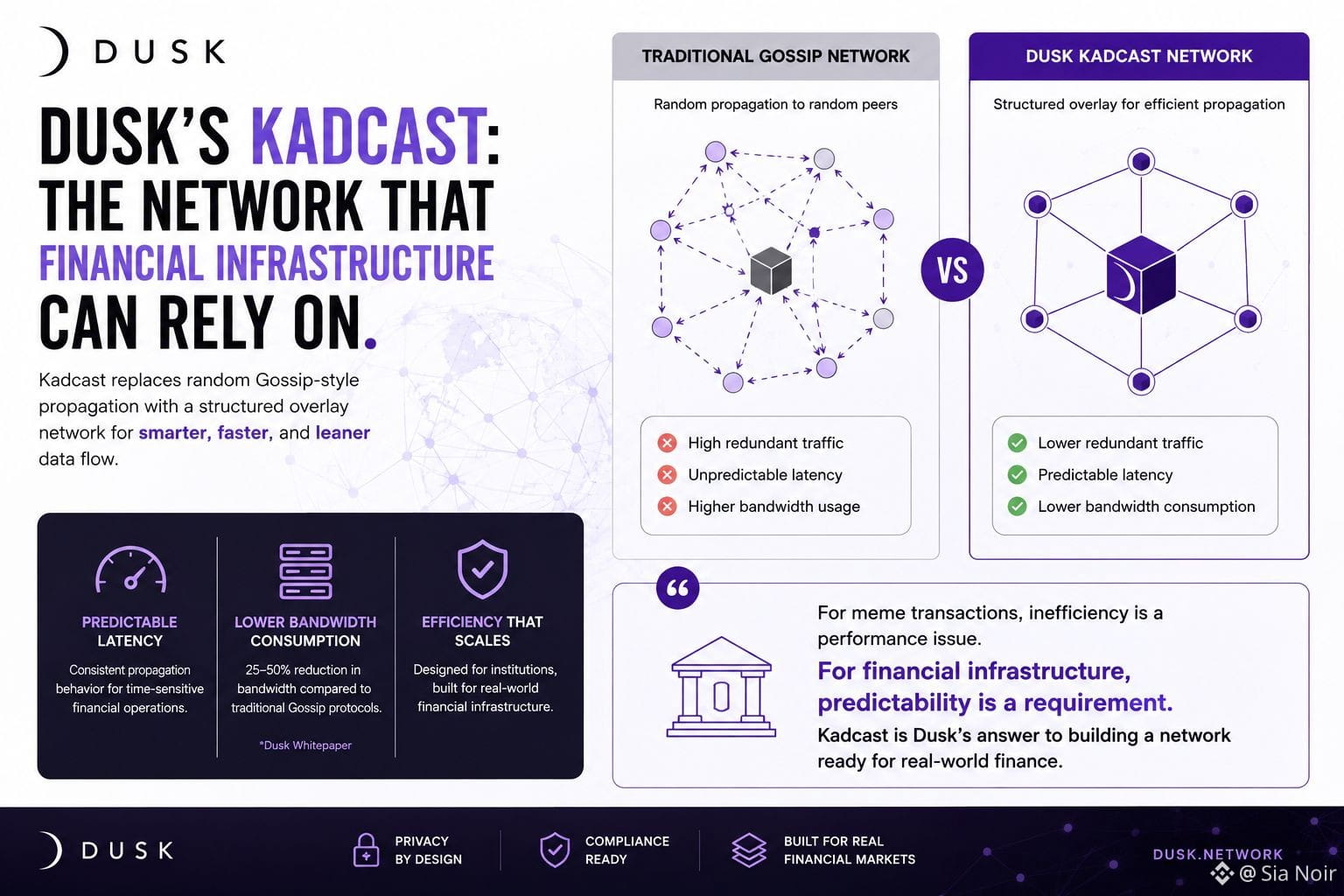
Duskは、Kademliaの原理に基づくKadcastという、構造化されたP2Pオーバーレイを使用しています。
重要なのは、従来のGossip方式の伝播では、ランダムに選ばれたピアへメッセージを送るためです。うまく機能はしますが、冗長なトラフィックが発生し、伝播の遅延を予測しにくくなります。
Kadcastは別の経路を取ります。
ランダムにブロードキャストするのではなく、構造化されたネットワークを使ってメッセージ伝播を誘導します。
その結果は?
→ 帯域幅の消費が低下
→ メッセージ遅延がより予測可能に
→ ブロック、トランザクション、コンセンサス投票の伝播効率が向上
Duskの更新されたホワイトペーパーでは、ネットワーク効率化の設計の一部としてKadcastが明確に取り上げられており、有名なGossipプロトコルと比べて25〜50%の帯域幅削減を報告しています。
そしてここで、RWAの観点が面白くなります。
ミーム取引では、効率の悪い伝播は主にパフォーマンス上の問題です。
しかし金融インフラでは、予測可能性が重要です。
ブロック、トランザクション、コンセンサス投票をネットワーク上で効率よく移動させる必要があるなら、不必要なネットワークトラフィックを減らすことで、ノード側のリソース負担を軽減しつつ、伝播挙動をより予測可能にできます。
ただし、それはKadcastがスケーラビリティの完全な解決策だということではありません。
しかしDuskのアーキテクチャについて重要なことが示されています。
ネットワークは、トランザクション層だけで最適化されているわけではないのです。
コミュニケーション層そのものが、金融インフラの要件に合わせて設計されていました。
ここが、Duskの中で見落とされがちな部分だと私は思います。
興味深い問いは、次のようなことだけではありません。
「RWAはオンチェーンで動かせるか?」
その問いは、むしろこうです。
「基盤となるネットワークは、データを十分に効率よく動かせて、規模の大きい金融市場を支えられるのか?」
Kadcastは、Duskの答えのひとつの要素です。
#Dusk #RWA
#dusk $DUSK @Dusk
夕闇で最も過小評価されているデザイン選択は、プライバシーではありません。ネットワーキングです。
RWAsについて語るとき、話題は通常トークン化、コンプライアンス、ZKへと飛びがちです。
しかし、見えにくい別の問題があります。
金融データは、ネットワーク上でどれだけ効率よく移動するのでしょうか?
Duskは、Kademliaの原理に基づくKadcastという、構造化されたP2Pオーバーレイを使用しています。
重要なのは、従来のGossip方式の伝播では、ランダムに選ばれたピアへメッセージを送るためです。うまく機能はしますが、冗長なトラフィックが発生し、伝播の遅延を予測しにくくなります。
Kadcastは別の経路を取ります。
ランダムにブロードキャストするのではなく、構造化されたネットワークを使ってメッセージ伝播を誘導します。
その結果は?
→ 帯域幅の消費が低下
→ メッセージ遅延がより予測可能に
→ ブロック、トランザクション、コンセンサス投票の伝播効率が向上
Duskの更新されたホワイトペーパーでは、ネットワーク効率化の設計の一部としてKadcastが明確に取り上げられており、有名なGossipプロトコルと比べて25〜50%の帯域幅削減を報告しています。
そしてここで、RWAの観点が面白くなります。
ミーム取引では、効率の悪い伝播は主にパフォーマンス上の問題です。
しかし金融インフラでは、予測可能性が重要です。
ブロック、トランザクション、コンセンサス投票をネットワーク上で効率よく移動させる必要があるなら、不必要なネットワークトラフィックを減らすことで、ノード側のリソース負担を軽減しつつ、伝播挙動をより予測可能にできます。
ただし、それはKadcastがスケーラビリティの完全な解決策だということではありません。
しかしDuskのアーキテクチャについて重要なことが示されています。
ネットワークは、トランザクション層だけで最適化されているわけではないのです。
コミュニケーション層そのものが、金融インフラの要件に合わせて設計されていました。
ここが、Duskの中で見落とされがちな部分だと私は思います。
興味深い問いは、次のようなことだけではありません。
「RWAはオンチェーンで動かせるか?」
その問いは、むしろこうです。
「基盤となるネットワークは、データを十分に効率よく動かせて、規模の大きい金融市場を支えられるのか?」
Kadcastは、Duskの答えのひとつの要素です。
#Dusk #RWA
夕闇で最も過小評価されているデザイン選択は、プライバシーではありません。ネットワーキングです。
RWAsについて語るとき、話題は通常トークン化、コンプライアンス、ZKへと飛びがちです。
しかし、見えにくい別の問題があります。
金融データは、ネットワーク上でどれだけ効率よく移動するのでしょうか?
Duskは、Kademliaの原理に基づくKadcastという、構造化されたP2Pオーバーレイを使用しています。
重要なのは、従来のGossip方式の伝播では、ランダムに選ばれたピアへメッセージを送るためです。うまく機能はしますが、冗長なトラフィックが発生し、伝播の遅延を予測しにくくなります。
Kadcastは別の経路を取ります。
ランダムにブロードキャストするのではなく、構造化されたネットワークを使ってメッセージ伝播を誘導します。
その結果は?
→ 帯域幅の消費が低下
→ メッセージ遅延がより予測可能に
→ ブロック、トランザクション、コンセンサス投票の伝播効率が向上
Duskの更新されたホワイトペーパーでは、ネットワーク効率化の設計の一部としてKadcastが明確に取り上げられており、有名なGossipプロトコルと比べて25〜50%の帯域幅削減を報告しています。
そしてここで、RWAの観点が面白くなります。
ミーム取引では、効率の悪い伝播は主にパフォーマンス上の問題です。
しかし金融インフラでは、予測可能性が重要です。
ブロック、トランザクション、コンセンサス投票をネットワーク上で効率よく移動させる必要があるなら、不必要なネットワークトラフィックを減らすことで、ノード側のリソース負担を軽減しつつ、伝播挙動をより予測可能にできます。
ただし、それはKadcastがスケーラビリティの完全な解決策だということではありません。
しかしDuskのアーキテクチャについて重要なことが示されています。
ネットワークは、トランザクション層だけで最適化されているわけではないのです。
コミュニケーション層そのものが、金融インフラの要件に合わせて設計されていました。
ここが、Duskの中で見落とされがちな部分だと私は思います。
興味深い問いは、次のようなことだけではありません。
「RWAはオンチェーンで動かせるか?」
その問いは、むしろこうです。
「基盤となるネットワークは、データを十分に効率よく動かせて、規模の大きい金融市場を支えられるのか?」
Kadcastは、Duskの答えのひとつの要素です。
#Dusk #RWA
11
8
94
·
--
$DUSK 39.8 USDT(30日間の取引)
#dusk $DUSK @Dusk_Foundation
多くのEVMプライバシー設計はZK証明から始まります。Duskは別のルートを選びました。
私はHedgerを掘り下げ続けましたが、面白いのは単に「プライベートトランザクション」なだけではありません。
Duskが、機密性のあるEVMの金融を実際に使えるものにしようとしている点です。
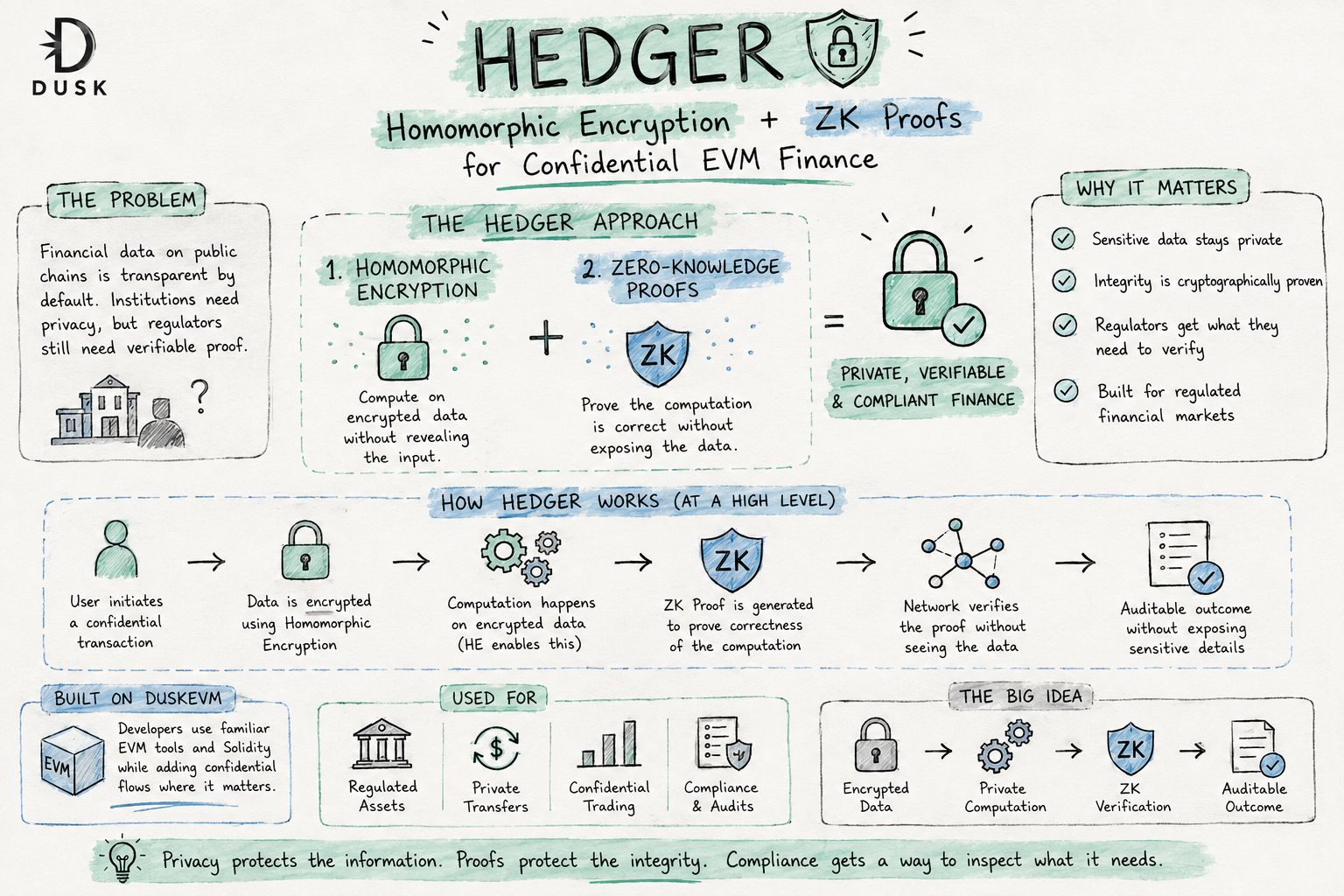
Hedgerは2つの暗号技術を組み合わせています:
→ 同形暗号(Homomorphic Encryption)により、暗号化された値のまま計算が行えるため、機微なデータを処理のためにさらす必要がありません。
→ ゼロ知識証明(Zero-Knowledge Proofs)により、ネットワークは基になる入力を明かさずに計算が正しいことを検証できます。
この組み合わせが重要なのは、金融のプライバシーは「すべてを隠す」こととは同じではないからです。
たとえば、規制された資産を売買する機関を考えてください。
その機関は、残高、ポジションの規模、送金額、そして取引の意図を誰にでも見せたくないかもしれません。
しかし規制当局は、ルールが守られたことを検証する手段を必要とします。
Hedgerはまさにそのギャップを狙っています。
そして、もう1つ私が重要だと感じた点があります:
HedgerはDuskEVM上で動作します。
そのため、開発者はEVM環境と馴染みのあるツールを使いながら、機密フローを「必要な場面で」追加できます。DuskはHedgerを、機密の所有・移転と監査可能なトランザクションに対応した、EVMアプリケーション向けのプライバシーエンジンだと説明しています。
だから私は、Hedgerを単なる別のプライバシー機能だとは見ていません。
より大きなアイデアは、
暗号化データ → プライベートな計算 → ZK検証 → 監査可能な結果。
規制対象の金融にとって、このアーキテクチャは「トランザクションはプライベートです」と言うだけよりも、はるかに魅力的です。
プライバシーは情報を守ります。
証明は完全性を守ります。
そしてコンプライアンスは、必要なものを検査できる手段を得ます。
私が最も注目しているのは、DuskのEVMアーキテクチャのこの部分です。
#dusk $DUSK @Dusk
多くのEVMプライバシー設計はZK証明から始まります。Duskは別のルートを選びました。
私はHedgerを掘り下げ続けましたが、面白いのは単に「プライベートトランザクション」なだけではありません。
Duskが、機密性のあるEVMの金融を実際に使えるものにしようとしている点です。
Hedgerは2つの暗号技術を組み合わせています:
→ 同形暗号(Homomorphic Encryption)により、暗号化された値のまま計算が行えるため、機微なデータを処理のためにさらす必要がありません。
→ ゼロ知識証明(Zero-Knowledge Proofs)により、ネットワークは基になる入力を明かさずに計算が正しいことを検証できます。
この組み合わせが重要なのは、金融のプライバシーは「すべてを隠す」こととは同じではないからです。
たとえば、規制された資産を売買する機関を考えてください。
その機関は、残高、ポジションの規模、送金額、そして取引の意図を誰にでも見せたくないかもしれません。
しかし規制当局は、ルールが守られたことを検証する手段を必要とします。
Hedgerはまさにそのギャップを狙っています。
そして、もう1つ私が重要だと感じた点があります:
HedgerはDuskEVM上で動作します。
そのため、開発者はEVM環境と馴染みのあるツールを使いながら、機密フローを「必要な場面で」追加できます。DuskはHedgerを、機密の所有・移転と監査可能なトランザクションに対応した、EVMアプリケーション向けのプライバシーエンジンだと説明しています。
だから私は、Hedgerを単なる別のプライバシー機能だとは見ていません。
より大きなアイデアは、
暗号化データ → プライベートな計算 → ZK検証 → 監査可能な結果。
規制対象の金融にとって、このアーキテクチャは「トランザクションはプライベートです」と言うだけよりも、はるかに魅力的です。
プライバシーは情報を守ります。
証明は完全性を守ります。
そしてコンプライアンスは、必要なものを検査できる手段を得ます。
私が最も注目しているのは、DuskのEVMアーキテクチャのこの部分です。
多くのEVMプライバシー設計はZK証明から始まります。Duskは別のルートを選びました。
私はHedgerを掘り下げ続けましたが、面白いのは単に「プライベートトランザクション」なだけではありません。
Duskが、機密性のあるEVMの金融を実際に使えるものにしようとしている点です。
Hedgerは2つの暗号技術を組み合わせています:
→ 同形暗号(Homomorphic Encryption)により、暗号化された値のまま計算が行えるため、機微なデータを処理のためにさらす必要がありません。
→ ゼロ知識証明(Zero-Knowledge Proofs)により、ネットワークは基になる入力を明かさずに計算が正しいことを検証できます。
この組み合わせが重要なのは、金融のプライバシーは「すべてを隠す」こととは同じではないからです。
たとえば、規制された資産を売買する機関を考えてください。
その機関は、残高、ポジションの規模、送金額、そして取引の意図を誰にでも見せたくないかもしれません。
しかし規制当局は、ルールが守られたことを検証する手段を必要とします。
Hedgerはまさにそのギャップを狙っています。
そして、もう1つ私が重要だと感じた点があります:
HedgerはDuskEVM上で動作します。
そのため、開発者はEVM環境と馴染みのあるツールを使いながら、機密フローを「必要な場面で」追加できます。DuskはHedgerを、機密の所有・移転と監査可能なトランザクションに対応した、EVMアプリケーション向けのプライバシーエンジンだと説明しています。
だから私は、Hedgerを単なる別のプライバシー機能だとは見ていません。
より大きなアイデアは、
暗号化データ → プライベートな計算 → ZK検証 → 監査可能な結果。
規制対象の金融にとって、このアーキテクチャは「トランザクションはプライベートです」と言うだけよりも、はるかに魅力的です。
プライバシーは情報を守ります。
証明は完全性を守ります。
そしてコンプライアンスは、必要なものを検査できる手段を得ます。
私が最も注目しているのは、DuskのEVMアーキテクチャのこの部分です。
6
4
119
·
--
ブリッシュ
$DUSK 19.9 USDT(30日間の取引)
#dusk $DUSK
なぜDuskはすべての取引をただプライベートにしなかったのか、ずっと不思議に思っていました。
でも、@Dusk_Foundation における「プライバシー」を“目的そのもの”として見なくなったら、この件はむしろ筋が通ってきました。
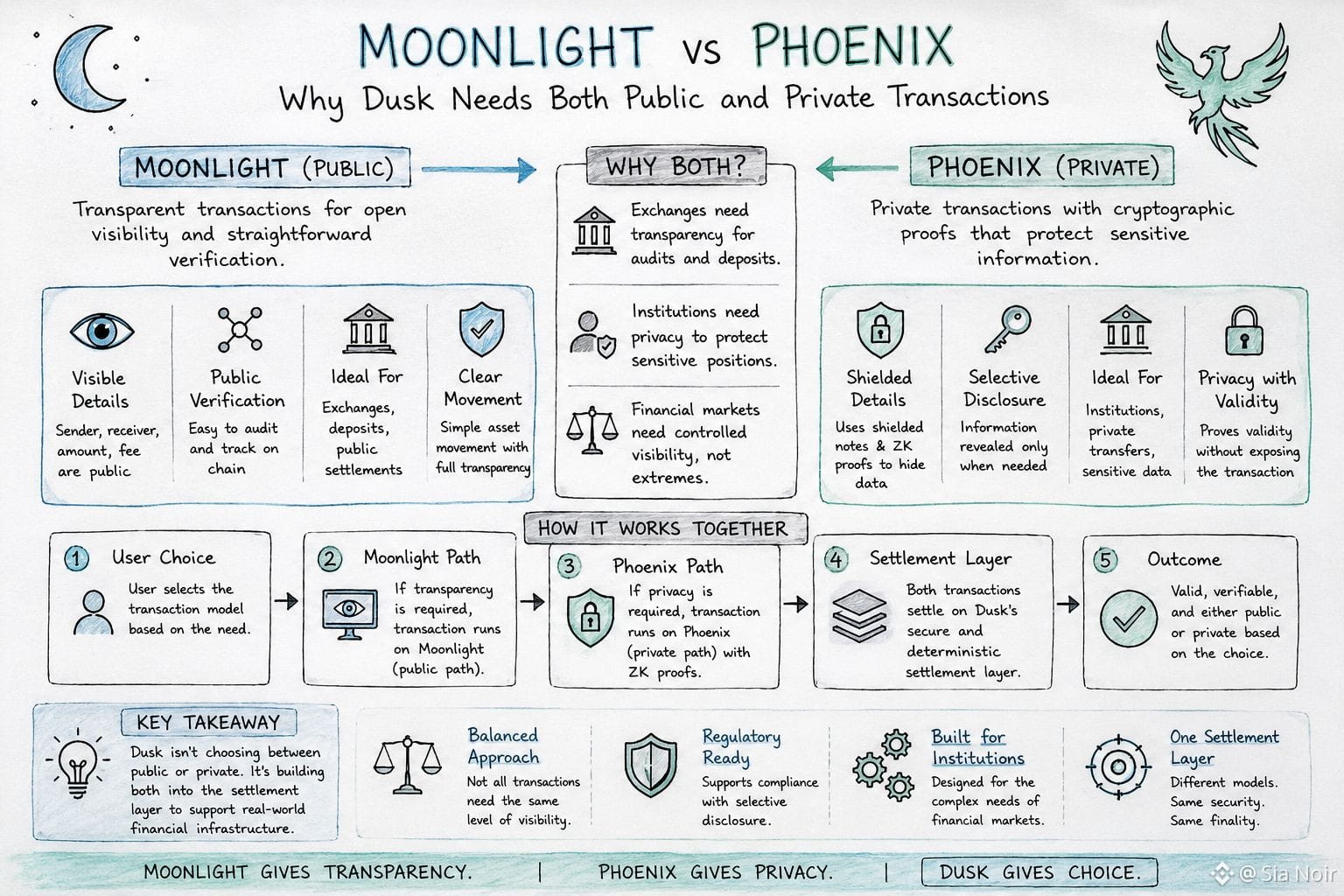
Moonlightは透明な側面。
Phoenixはプライベートな側面。
そして面白いのは、Duskが一方を他方に置き換えようとしているようには見えないことです。
Moonlightでは、取引の詳細はそのまま見えるままです。資産をわかりやすく動かし、公的な検証を行う必要があるときに役立ちます。
Phoenixはモデルを変えます。送金はシールドされたノートとゼロ知識証明を使えるため、すべてを公にさらすことなく取引を検証できます。
最初は、なぜ金融にフォーカスしたチェーンが両方を必要とするのか疑問でした。
しかし、組織での利用という前提がはっきりしてきた瞬間に腑に落ちました。
取引所なら、入金や決済の活動が、簡単に検証できる状態である必要があるかもしれません。
一方で、機関が、保有する全ポートフォリオや振替履歴、ポジションサイズを丸見えにしたくないこともあります。
そこで「デフォルトでプライバシー」という考え方が、あまりにも単純になりがちです。
金融インフラには、完全な可視性でも完全な秘匿でもなく、制御された可視性が必要です。
だからこそ、私にとってMoonlight + Phoenixが面白いのです。
1つはネットワークに対して透明な取引ルートを提供します。
もう1つは、ユーザーが機微な取引データをプライベートに保ちつつ、有効性は証明できる手段を与えます。
つまり、本当の問いはこうではありません:
公開か、非公開か?
同じ決済レイヤーが、取引そのものが何を必要とするかに応じて、両方を支えられるのかどうかです。
そしてDuskのアーキテクチャは、その違いを前提に明確に設計されています。
#dusk $DUSK
なぜDuskはすべての取引をただプライベートにしなかったのか、ずっと不思議に思っていました。
でも、@Dusk における「プライバシー」を“目的そのもの”として見なくなったら、この件はむしろ筋が通ってきました。
Moonlightは透明な側面。
Phoenixはプライベートな側面。
そして面白いのは、Duskが一方を他方に置き換えようとしているようには見えないことです。
Moonlightでは、取引の詳細はそのまま見えるままです。資産をわかりやすく動かし、公的な検証を行う必要があるときに役立ちます。
Phoenixはモデルを変えます。送金はシールドされたノートとゼロ知識証明を使えるため、すべてを公にさらすことなく取引を検証できます。
最初は、なぜ金融にフォーカスしたチェーンが両方を必要とするのか疑問でした。
しかし、組織での利用という前提がはっきりしてきた瞬間に腑に落ちました。
取引所なら、入金や決済の活動が、簡単に検証できる状態である必要があるかもしれません。
一方で、機関が、保有する全ポートフォリオや振替履歴、ポジションサイズを丸見えにしたくないこともあります。
そこで「デフォルトでプライバシー」という考え方が、あまりにも単純になりがちです。
金融インフラには、完全な可視性でも完全な秘匿でもなく、制御された可視性が必要です。
だからこそ、私にとってMoonlight + Phoenixが面白いのです。
1つはネットワークに対して透明な取引ルートを提供します。
もう1つは、ユーザーが機微な取引データをプライベートに保ちつつ、有効性は証明できる手段を与えます。
つまり、本当の問いはこうではありません:
公開か、非公開か?
同じ決済レイヤーが、取引そのものが何を必要とするかに応じて、両方を支えられるのかどうかです。
そしてDuskのアーキテクチャは、その違いを前提に明確に設計されています。
なぜDuskはすべての取引をただプライベートにしなかったのか、ずっと不思議に思っていました。
でも、@Dusk における「プライバシー」を“目的そのもの”として見なくなったら、この件はむしろ筋が通ってきました。
Moonlightは透明な側面。
Phoenixはプライベートな側面。
そして面白いのは、Duskが一方を他方に置き換えようとしているようには見えないことです。
Moonlightでは、取引の詳細はそのまま見えるままです。資産をわかりやすく動かし、公的な検証を行う必要があるときに役立ちます。
Phoenixはモデルを変えます。送金はシールドされたノートとゼロ知識証明を使えるため、すべてを公にさらすことなく取引を検証できます。
最初は、なぜ金融にフォーカスしたチェーンが両方を必要とするのか疑問でした。
しかし、組織での利用という前提がはっきりしてきた瞬間に腑に落ちました。
取引所なら、入金や決済の活動が、簡単に検証できる状態である必要があるかもしれません。
一方で、機関が、保有する全ポートフォリオや振替履歴、ポジションサイズを丸見えにしたくないこともあります。
そこで「デフォルトでプライバシー」という考え方が、あまりにも単純になりがちです。
金融インフラには、完全な可視性でも完全な秘匿でもなく、制御された可視性が必要です。
だからこそ、私にとってMoonlight + Phoenixが面白いのです。
1つはネットワークに対して透明な取引ルートを提供します。
もう1つは、ユーザーが機微な取引データをプライベートに保ちつつ、有効性は証明できる手段を与えます。
つまり、本当の問いはこうではありません:
公開か、非公開か?
同じ決済レイヤーが、取引そのものが何を必要とするかに応じて、両方を支えられるのかどうかです。
そしてDuskのアーキテクチャは、その違いを前提に明確に設計されています。
11
9
113
·
--
#dusk $DUSK @Dusk_Foundation
本当のDUSKの問いは、プライバシーとはあまり関係がないのでは、と考え始めています。
それは需要です。
Cryptoには技術的に興味深いチェーンが数多くあります。難しいのは、それを実際に人々が使うようにすることです。
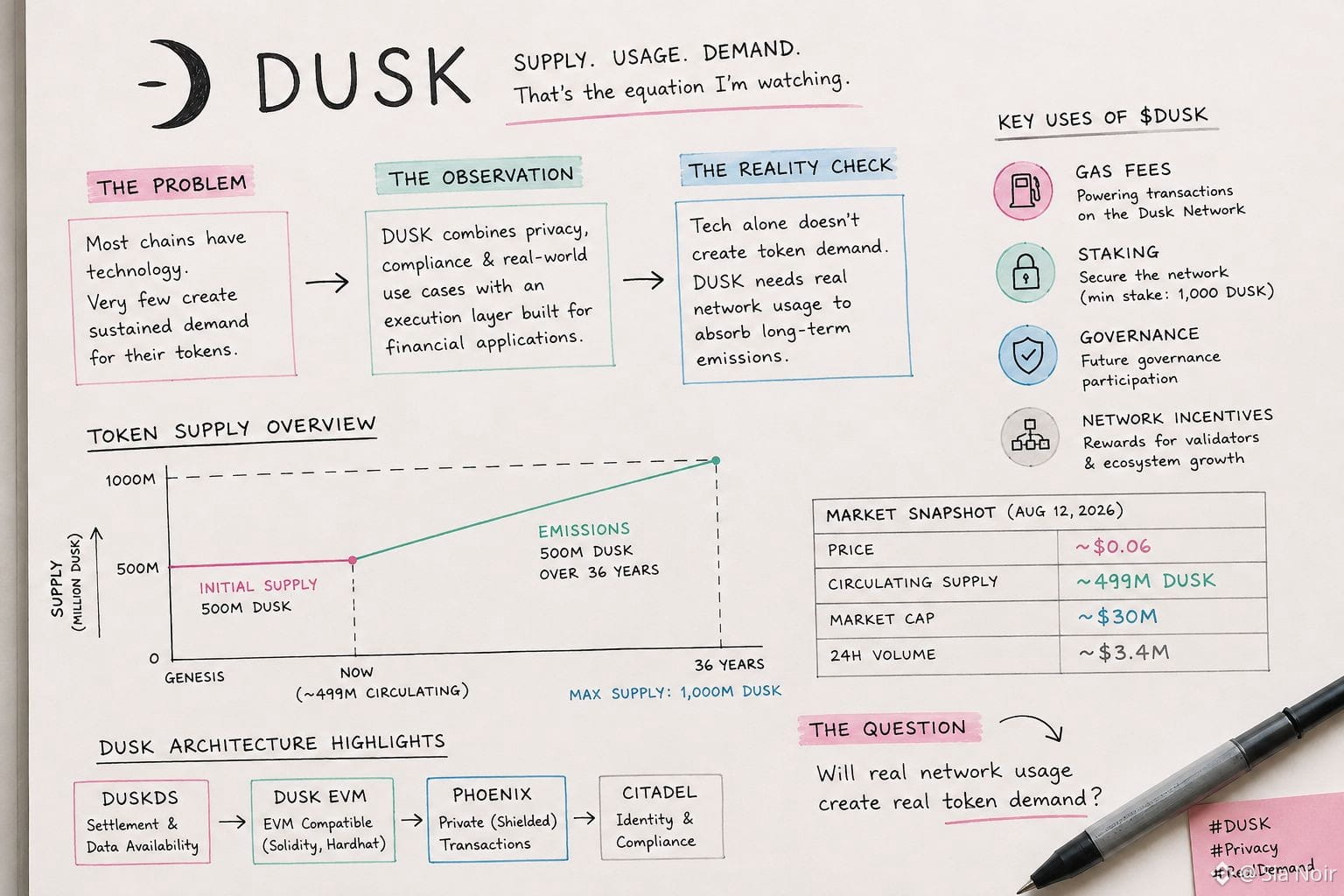
$DUSK isは現在約$0.06で、流通しているトークンはおよそ497〜499M、時価総額は約$30Mです。
私の注意を引いたのは、以下です。
Duskは最初に500M DUSKから始まりましたが、そのモデルでは、ステーキング報酬の資金にするため、36年間でさらに500Mを放出できるようになっています。DUSKはガスとステーキングに使われ、最小ステークは1,000 DUSKです。
つまり私は、Duskに優れた技術があるかどうかを問うているわけではありません。
私は、実際の利用が、最終的にそのトークンにとって重要な規模まで大きくなり得るかどうかを問うています。
その仮説には、新しいテストがあります。
DuskEVMのテストネットは8月10日に公開され、開発者がSolidityやHardhatのような馴染みのあるEthereumツールを使えるようになりました。
これは重要です。なぜならDuskは単一の実行経路に依存していないからです。Duskのアーキテクチャは、DuskDSの決済/データ可用性、DuskVM、DuskEVM、そしてCitadelのようなアイデンティティ基盤を組み合わせています。
ただし、現実確認です。
より良いインフラのスタックは、トークン需要を自動的に生み出すわけではありません。
次に注目するのはこれです。
開発者はDuskのインフラを、実際のトランザクションに落とし込むのでしょうか?
そこが面白くなるポイントだからです。
$DUSK has実際の利用が裏にあると、あなたは何をもって納得できますか?
DYOR。投資助言ではありません。
#dusk $DUSK @Dusk
本当のDUSKの問いは、プライバシーとはあまり関係がないのでは、と考え始めています。
それは需要です。
Cryptoには技術的に興味深いチェーンが数多くあります。難しいのは、それを実際に人々が使うようにすることです。
$DUSK isは現在約$0.06で、流通しているトークンはおよそ497〜499M、時価総額は約$30Mです。
私の注意を引いたのは、以下です。
Duskは最初に500M DUSKから始まりましたが、そのモデルでは、ステーキング報酬の資金にするため、36年間でさらに500Mを放出できるようになっています。DUSKはガスとステーキングに使われ、最小ステークは1,000 DUSKです。
つまり私は、Duskに優れた技術があるかどうかを問うているわけではありません。
私は、実際の利用が、最終的にそのトークンにとって重要な規模まで大きくなり得るかどうかを問うています。
その仮説には、新しいテストがあります。
DuskEVMのテストネットは8月10日に公開され、開発者がSolidityやHardhatのような馴染みのあるEthereumツールを使えるようになりました。
これは重要です。なぜならDuskは単一の実行経路に依存していないからです。Duskのアーキテクチャは、DuskDSの決済/データ可用性、DuskVM、DuskEVM、そしてCitadelのようなアイデンティティ基盤を組み合わせています。
ただし、現実確認です。
より良いインフラのスタックは、トークン需要を自動的に生み出すわけではありません。
次に注目するのはこれです。
開発者はDuskのインフラを、実際のトランザクションに落とし込むのでしょうか?
そこが面白くなるポイントだからです。
$DUSK has実際の利用が裏にあると、あなたは何をもって納得できますか?
DYOR。投資助言ではありません。
本当のDUSKの問いは、プライバシーとはあまり関係がないのでは、と考え始めています。
それは需要です。
Cryptoには技術的に興味深いチェーンが数多くあります。難しいのは、それを実際に人々が使うようにすることです。
$DUSK isは現在約$0.06で、流通しているトークンはおよそ497〜499M、時価総額は約$30Mです。
私の注意を引いたのは、以下です。
Duskは最初に500M DUSKから始まりましたが、そのモデルでは、ステーキング報酬の資金にするため、36年間でさらに500Mを放出できるようになっています。DUSKはガスとステーキングに使われ、最小ステークは1,000 DUSKです。
つまり私は、Duskに優れた技術があるかどうかを問うているわけではありません。
私は、実際の利用が、最終的にそのトークンにとって重要な規模まで大きくなり得るかどうかを問うています。
その仮説には、新しいテストがあります。
DuskEVMのテストネットは8月10日に公開され、開発者がSolidityやHardhatのような馴染みのあるEthereumツールを使えるようになりました。
これは重要です。なぜならDuskは単一の実行経路に依存していないからです。Duskのアーキテクチャは、DuskDSの決済/データ可用性、DuskVM、DuskEVM、そしてCitadelのようなアイデンティティ基盤を組み合わせています。
ただし、現実確認です。
より良いインフラのスタックは、トークン需要を自動的に生み出すわけではありません。
次に注目するのはこれです。
開発者はDuskのインフラを、実際のトランザクションに落とし込むのでしょうか?
そこが面白くなるポイントだからです。
$DUSK has実際の利用が裏にあると、あなたは何をもって納得できますか?
DYOR。投資助言ではありません。
13
9
165
·
--
ブリッシュ
最近の @babylonlabs_io の TBV 提案と、Aave V4 の議論を読み込むのに少し時間を使いました。もう一度「より多くの BTC 流動性」という発表を期待していました。
しかし、ある点がずっと私を引き戻してきました。
多くの人は $BABY と 8 月のアンロックを見ています。まあそれも当然です。
でも、より大きな問いは「来週そのトークンがどこで取引されるか」ではありません。
Aave が、そもそも BTC をラップ(包み)する必要のないビットコイン担保の形を、最終的に受け入れるかどうかです。
それははるかに大きな転換です。
現在、DeFi で使われるビットコインのほとんどは、このプロセスのどこかにカストディ(保管代行)かブリッジが必要です。
Babylon の Trustless Bitcoin Vaults は、別のルートを試そうとしています。
$BTC はそのままネイティブのまま。
所有権は暗号的に証明されます。
別のラップ資産を作るのではなく、バル ト(金庫)自体が担保になります。
もし Aave V4 がこのモデルを最終的にサポートするなら、会話は「どうやってビットコインをラップするか?」から「どうやってネイティブのビットコインに貸し付けるか?」へと変わります。
それは小さな言い換えに聞こえるかもしれません。
でも、私はそうは思いません。
一つのアプローチは、もう一つのトークン(BTC を表すもの)を作ります。
もう一つは、ビットコイン自体を、その正体を変えずに生産的にしようとします。
もちろん、流動性が到来しなければ、こうしたことは何も関係ありません。
技術的に洗練された設計でも、貸し手、借り手、清算者、そしてストレス下で機能するのに十分な市場の厚み(深さ)が必要です。
私はそこを見ています。
毎日のローソク足ではありません。
アンロックの見出しでもありません。
Babylon 以外のプロトコルが、その担保モデルを統合する価値があると判断するかどうか。
なぜなら、もし彼らがそうするなら、TBV は Babylon の機能であることをやめます。
それはビットコインのインフラになっていきます。
提案を読み終えた後に、私の中に残ったのはまさにその部分です。
DYOR。これは私個人の調査であり、金融アドバイスではありません。#baby
Babylon の長期的な成功にとって、より重要なのは何でしょうか?
最近の @BabylonLabs_io の TBV 提案と、Aave V4 の議論を読み込むのに少し時間を使いました。もう一度「より多くの BTC 流動性」という発表を期待していました。
しかし、ある点がずっと私を引き戻してきました。
多くの人は $BABY と 8 月のアンロックを見ています。まあそれも当然です。
でも、より大きな問いは「来週そのトークンがどこで取引されるか」ではありません。
Aave が、そもそも BTC をラップ(包み)する必要のないビットコイン担保の形を、最終的に受け入れるかどうかです。
それははるかに大きな転換です。
現在、DeFi で使われるビットコインのほとんどは、このプロセスのどこかにカストディ(保管代行)かブリッジが必要です。
Babylon の Trustless Bitcoin Vaults は、別のルートを試そうとしています。
$BTC はそのままネイティブのまま。
所有権は暗号的に証明されます。
別のラップ資産を作るのではなく、バル ト(金庫)自体が担保になります。
もし Aave V4 がこのモデルを最終的にサポートするなら、会話は「どうやってビットコインをラップするか?」から「どうやってネイティブのビットコインに貸し付けるか?」へと変わります。
それは小さな言い換えに聞こえるかもしれません。
でも、私はそうは思いません。
一つのアプローチは、もう一つのトークン(BTC を表すもの)を作ります。
もう一つは、ビットコイン自体を、その正体を変えずに生産的にしようとします。
もちろん、流動性が到来しなければ、こうしたことは何も関係ありません。
技術的に洗練された設計でも、貸し手、借り手、清算者、そしてストレス下で機能するのに十分な市場の厚み(深さ)が必要です。
私はそこを見ています。
毎日のローソク足ではありません。
アンロックの見出しでもありません。
Babylon 以外のプロトコルが、その担保モデルを統合する価値があると判断するかどうか。
なぜなら、もし彼らがそうするなら、TBV は Babylon の機能であることをやめます。
それはビットコインのインフラになっていきます。
提案を読み終えた後に、私の中に残ったのはまさにその部分です。
DYOR。これは私個人の調査であり、金融アドバイスではありません。#baby
Babylon の長期的な成功にとって、より重要なのは何でしょうか?
しかし、ある点がずっと私を引き戻してきました。
多くの人は $BABY と 8 月のアンロックを見ています。まあそれも当然です。
でも、より大きな問いは「来週そのトークンがどこで取引されるか」ではありません。
Aave が、そもそも BTC をラップ(包み)する必要のないビットコイン担保の形を、最終的に受け入れるかどうかです。
それははるかに大きな転換です。
現在、DeFi で使われるビットコインのほとんどは、このプロセスのどこかにカストディ(保管代行)かブリッジが必要です。
Babylon の Trustless Bitcoin Vaults は、別のルートを試そうとしています。
$BTC はそのままネイティブのまま。
所有権は暗号的に証明されます。
別のラップ資産を作るのではなく、バル ト(金庫)自体が担保になります。
もし Aave V4 がこのモデルを最終的にサポートするなら、会話は「どうやってビットコインをラップするか?」から「どうやってネイティブのビットコインに貸し付けるか?」へと変わります。
それは小さな言い換えに聞こえるかもしれません。
でも、私はそうは思いません。
一つのアプローチは、もう一つのトークン(BTC を表すもの)を作ります。
もう一つは、ビットコイン自体を、その正体を変えずに生産的にしようとします。
もちろん、流動性が到来しなければ、こうしたことは何も関係ありません。
技術的に洗練された設計でも、貸し手、借り手、清算者、そしてストレス下で機能するのに十分な市場の厚み(深さ)が必要です。
私はそこを見ています。
毎日のローソク足ではありません。
アンロックの見出しでもありません。
Babylon 以外のプロトコルが、その担保モデルを統合する価値があると判断するかどうか。
なぜなら、もし彼らがそうするなら、TBV は Babylon の機能であることをやめます。
それはビットコインのインフラになっていきます。
提案を読み終えた後に、私の中に残ったのはまさにその部分です。
DYOR。これは私個人の調査であり、金融アドバイスではありません。#baby
Babylon の長期的な成功にとって、より重要なのは何でしょうか?
TBV adoption
14%
More DeFi integrations
29%
Strong tokenomics
29%
Higher TVL
28%
7 投票 • 投票は終了しました
4
3
275
·
--
$BABY 147 USDT(30日間の取引)
@babylonlabs_io のオンチェーン・ダッシュボードを、CreatorPadの調査のために最近の市場動向と照らし合わせていたところ、ある一点がずっと気になって引き戻されました。
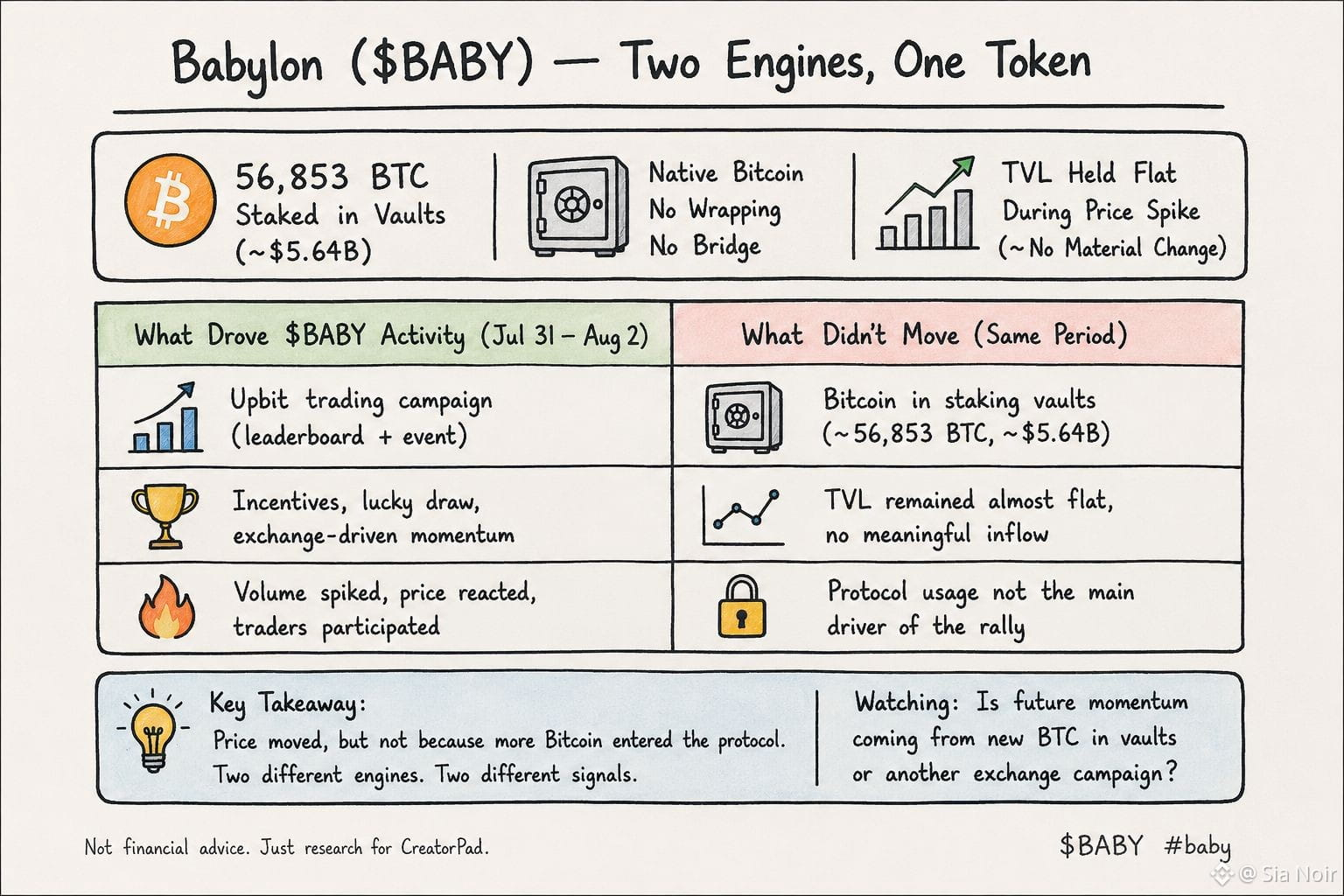
56,800 $BTC 以上が、現在もBabylonのステーキング・バルツ(ステーキング・ビル)内に居座ったままです。ネイティブBitcoinで確保されたのはおよそ56億ドル。ラップド資産はありません。ブリッジもありません。セキュリティに貢献するのはBitcoinそのものです。
紙の上では、プロトコルが説明する通りにすべて見えています。
しかし、その後、直近数日のうちに$BABY の活動を押し上げた要因をズームして確認すると、別の物語が見えてきました。
高まりのほとんどは、プロトコルにBitcoinが目立って流入したことよりも、Upbitの取引イベントと時期が一致していました。取引量は加速し、価格は反応しましたが、ステーキング側はほぼ変わらないままでした。
そこから、実際には同時に動いている「2つのエンジン」があるのではないかと思いました。
1つはプロトコル経済。
BTC保有者がBTCをロックし、ネットワークを強化すること。
もう1つは市場経済。
トレーダーが取引所のキャンペーン、ランキング(リーダーボード)、短期インセンティブに反応すること。
どちらも互いを否定しません。
ただし、同じシグナルとして扱うと、誤った結論に簡単につながります。
私は、TVLが価格の動きと連動して拡大したかどうかを確かめに戻りました。
ほとんど変わっていませんでした。
つまり、その期間の最も強い市場の触媒は「Babylonへ新たに流れ込んだ新鮮なBitcoin」ではなく、「取引所内で流動性が動き回ったこと」だったということです。
私は、この点こそがより注目されるべき違いだと思っています。
トークンは、プロトコルの利用が比較的安定しているのに、取引活動によって上昇(ラリー)することがあります。長期的な採用を評価するなら、それは2つの非常に異なる指標です。
今は、今後の価格モメンタムが「新しいBTCがバルツに入ってきたこと」から生まれるのか、それとも「別の取引所主導のキャンペーン」から生まれるのかを、より注視したいと思っています。
その答えは、おそらく価格だけで見るよりも、Babylonの成長についてより多くを教えてくれるはずです。
$BABY #baby
@BabylonLabs_io のオンチェーン・ダッシュボードを、CreatorPadの調査のために最近の市場動向と照らし合わせていたところ、ある一点がずっと気になって引き戻されました。
56,800 $BTC 以上が、現在もBabylonのステーキング・バルツ(ステーキング・ビル)内に居座ったままです。ネイティブBitcoinで確保されたのはおよそ56億ドル。ラップド資産はありません。ブリッジもありません。セキュリティに貢献するのはBitcoinそのものです。
紙の上では、プロトコルが説明する通りにすべて見えています。
しかし、その後、直近数日のうちに$BABY の活動を押し上げた要因をズームして確認すると、別の物語が見えてきました。
高まりのほとんどは、プロトコルにBitcoinが目立って流入したことよりも、Upbitの取引イベントと時期が一致していました。取引量は加速し、価格は反応しましたが、ステーキング側はほぼ変わらないままでした。
そこから、実際には同時に動いている「2つのエンジン」があるのではないかと思いました。
1つはプロトコル経済。
BTC保有者がBTCをロックし、ネットワークを強化すること。
もう1つは市場経済。
トレーダーが取引所のキャンペーン、ランキング(リーダーボード)、短期インセンティブに反応すること。
どちらも互いを否定しません。
ただし、同じシグナルとして扱うと、誤った結論に簡単につながります。
私は、TVLが価格の動きと連動して拡大したかどうかを確かめに戻りました。
ほとんど変わっていませんでした。
つまり、その期間の最も強い市場の触媒は「Babylonへ新たに流れ込んだ新鮮なBitcoin」ではなく、「取引所内で流動性が動き回ったこと」だったということです。
私は、この点こそがより注目されるべき違いだと思っています。
トークンは、プロトコルの利用が比較的安定しているのに、取引活動によって上昇(ラリー)することがあります。長期的な採用を評価するなら、それは2つの非常に異なる指標です。
今は、今後の価格モメンタムが「新しいBTCがバルツに入ってきたこと」から生まれるのか、それとも「別の取引所主導のキャンペーン」から生まれるのかを、より注視したいと思っています。
その答えは、おそらく価格だけで見るよりも、Babylonの成長についてより多くを教えてくれるはずです。
$BABY #baby
56,800 $BTC 以上が、現在もBabylonのステーキング・バルツ(ステーキング・ビル)内に居座ったままです。ネイティブBitcoinで確保されたのはおよそ56億ドル。ラップド資産はありません。ブリッジもありません。セキュリティに貢献するのはBitcoinそのものです。
紙の上では、プロトコルが説明する通りにすべて見えています。
しかし、その後、直近数日のうちに$BABY の活動を押し上げた要因をズームして確認すると、別の物語が見えてきました。
高まりのほとんどは、プロトコルにBitcoinが目立って流入したことよりも、Upbitの取引イベントと時期が一致していました。取引量は加速し、価格は反応しましたが、ステーキング側はほぼ変わらないままでした。
そこから、実際には同時に動いている「2つのエンジン」があるのではないかと思いました。
1つはプロトコル経済。
BTC保有者がBTCをロックし、ネットワークを強化すること。
もう1つは市場経済。
トレーダーが取引所のキャンペーン、ランキング(リーダーボード)、短期インセンティブに反応すること。
どちらも互いを否定しません。
ただし、同じシグナルとして扱うと、誤った結論に簡単につながります。
私は、TVLが価格の動きと連動して拡大したかどうかを確かめに戻りました。
ほとんど変わっていませんでした。
つまり、その期間の最も強い市場の触媒は「Babylonへ新たに流れ込んだ新鮮なBitcoin」ではなく、「取引所内で流動性が動き回ったこと」だったということです。
私は、この点こそがより注目されるべき違いだと思っています。
トークンは、プロトコルの利用が比較的安定しているのに、取引活動によって上昇(ラリー)することがあります。長期的な採用を評価するなら、それは2つの非常に異なる指標です。
今は、今後の価格モメンタムが「新しいBTCがバルツに入ってきたこと」から生まれるのか、それとも「別の取引所主導のキャンペーン」から生まれるのかを、より注視したいと思っています。
その答えは、おそらく価格だけで見るよりも、Babylonの成長についてより多くを教えてくれるはずです。
$BABY #baby
9
7
298
·
--
弱気相場
ネットワークが安全に保たれたまま、トークンが下落することってあり得るのかな?
BABYは今週約14%下落していて、時価総額はおよそ4,400万ドルです。けれどもBabylonには、ステークされているBTCが数十億ドル分あります。
それで、@babylonlabs_io がどう機能しているのか、もっと深掘りしてみました。
そこで面白いと感じたのがEOTSです。
最終性提供者が2つの異なるブロックに署名すると、その秘密鍵が露出します。そうすると、そのロックされている$BTC は、ビットコインネットワーク上でスラッシュされます。
このルールは、#baby の価格が変わっても変わりません。
トークンの価格が上がろうと下がろうと、セキュリティの仕組みは同じです。
以前は、トークン価格が下がるならプロトコル全体が弱くなっているのだと思っていました。
でも今は、それは別の話だと分かりました。
トークン価格は市場のアクティビティを反映しています。
ネットワークのセキュリティは、暗号技術と組み込みのプロトコルルールによって支えられています。$BABY
あなたはどう思いますか? トークンの価格が下がってもプロトコルが安全なままあり得るのでしょうか。それとも、トークンのパフォーマンスが常にブロックチェーンネットワークの真の健全性と強さを示すと考えていますか?
ネットワークが安全に保たれたまま、トークンが下落することってあり得るのかな?
BABYは今週約14%下落していて、時価総額はおよそ4,400万ドルです。けれどもBabylonには、ステークされているBTCが数十億ドル分あります。
それで、@BabylonLabs_io がどう機能しているのか、もっと深掘りしてみました。
そこで面白いと感じたのがEOTSです。
最終性提供者が2つの異なるブロックに署名すると、その秘密鍵が露出します。そうすると、そのロックされている$BTC は、ビットコインネットワーク上でスラッシュされます。
このルールは、#baby の価格が変わっても変わりません。
トークンの価格が上がろうと下がろうと、セキュリティの仕組みは同じです。
以前は、トークン価格が下がるならプロトコル全体が弱くなっているのだと思っていました。
でも今は、それは別の話だと分かりました。
トークン価格は市場のアクティビティを反映しています。
ネットワークのセキュリティは、暗号技術と組み込みのプロトコルルールによって支えられています。$BABY
あなたはどう思いますか? トークンの価格が下がってもプロトコルが安全なままあり得るのでしょうか。それとも、トークンのパフォーマンスが常にブロックチェーンネットワークの真の健全性と強さを示すと考えていますか?
BABYは今週約14%下落していて、時価総額はおよそ4,400万ドルです。けれどもBabylonには、ステークされているBTCが数十億ドル分あります。
それで、@BabylonLabs_io がどう機能しているのか、もっと深掘りしてみました。
そこで面白いと感じたのがEOTSです。
最終性提供者が2つの異なるブロックに署名すると、その秘密鍵が露出します。そうすると、そのロックされている$BTC は、ビットコインネットワーク上でスラッシュされます。
このルールは、#baby の価格が変わっても変わりません。
トークンの価格が上がろうと下がろうと、セキュリティの仕組みは同じです。
以前は、トークン価格が下がるならプロトコル全体が弱くなっているのだと思っていました。
でも今は、それは別の話だと分かりました。
トークン価格は市場のアクティビティを反映しています。
ネットワークのセキュリティは、暗号技術と組み込みのプロトコルルールによって支えられています。$BABY
あなたはどう思いますか? トークンの価格が下がってもプロトコルが安全なままあり得るのでしょうか。それとも、トークンのパフォーマンスが常にブロックチェーンネットワークの真の健全性と強さを示すと考えていますか?
Protocol Security
25%
Token Price
0%
Both Important
25%
Need Learning
50%
4 投票 • 投票は終了しました
14
7
111
·
--
ブリッシュ
申し立て対象
私が学んだことの一つは、タイミングはトークノミクスと同じくらい重要だということです。
$BABY について調べていると、興味深い対比に気づきました。7月10日、チーム、アドバイザー、初期のプライベート投資家向けに約40億BABYトークンがアンロックされました。その出来事は予定どおりに発生しており、オンチェーンで確認できます。
一方で、ユーザーがBTCとBABYをペアにしてより高い報酬を得られるコステーキング機能は、テストネットからメインネットへまだ移行中です。
これといって不自然な点はありません。ベスティングのスケジュールは常に公開されてきました。しかし、多くのクリプトプロジェクトに見られるパターンが浮かび上がります。
初期の利害関係者に対するトークンアンロックは、通常固定のタイムラインで行われます。日常の利用者に利益をもたらすよう設計された機能は、開発が進むにつれて後から提供されがちです。
だからといって、そのことが自動的にプロジェクトを良いとも悪いとも意味するわけではありません。見出しにだけ反応するのではなく、ロードマップ上のどこにいるのかを見るよう促してくれる、というだけです。
@babylonlabs_io #baby
$KOMA $BANK
{future}(BANKUSDT)
{future}(KOMAUSDT)
今後数週間でBABYに最も大きな影響を与えるのは何だと思いますか?
私が学んだことの一つは、タイミングはトークノミクスと同じくらい重要だということです。
$BABY について調べていると、興味深い対比に気づきました。7月10日、チーム、アドバイザー、初期のプライベート投資家向けに約40億BABYトークンがアンロックされました。その出来事は予定どおりに発生しており、オンチェーンで確認できます。
一方で、ユーザーがBTCとBABYをペアにしてより高い報酬を得られるコステーキング機能は、テストネットからメインネットへまだ移行中です。
これといって不自然な点はありません。ベスティングのスケジュールは常に公開されてきました。しかし、多くのクリプトプロジェクトに見られるパターンが浮かび上がります。
初期の利害関係者に対するトークンアンロックは、通常固定のタイムラインで行われます。日常の利用者に利益をもたらすよう設計された機能は、開発が進むにつれて後から提供されがちです。
だからといって、そのことが自動的にプロジェクトを良いとも悪いとも意味するわけではありません。見出しにだけ反応するのではなく、ロードマップ上のどこにいるのかを見るよう促してくれる、というだけです。
@BabylonLabs_io #baby
$KOMA $BANK
今後数週間でBABYに最も大きな影響を与えるのは何だと思いますか?
$BABY について調べていると、興味深い対比に気づきました。7月10日、チーム、アドバイザー、初期のプライベート投資家向けに約40億BABYトークンがアンロックされました。その出来事は予定どおりに発生しており、オンチェーンで確認できます。
一方で、ユーザーがBTCとBABYをペアにしてより高い報酬を得られるコステーキング機能は、テストネットからメインネットへまだ移行中です。
これといって不自然な点はありません。ベスティングのスケジュールは常に公開されてきました。しかし、多くのクリプトプロジェクトに見られるパターンが浮かび上がります。
初期の利害関係者に対するトークンアンロックは、通常固定のタイムラインで行われます。日常の利用者に利益をもたらすよう設計された機能は、開発が進むにつれて後から提供されがちです。
だからといって、そのことが自動的にプロジェクトを良いとも悪いとも意味するわけではありません。見出しにだけ反応するのではなく、ロードマップ上のどこにいるのかを見るよう促してくれる、というだけです。
@BabylonLabs_io #baby
$KOMA $BANK
今後数週間でBABYに最も大きな影響を与えるのは何だと思いますか?
Unlock absorption
60%
Co-staking launch
20%
Both equally
0%
Too early
20%
5 投票 • 投票は終了しました
15
9
2k
ログインして、さらにコンテンツを読む
厳選トピックで世界の暗号資産トレーダーの仲間入り
⚡️ 暗号資産に関する最新かつ有益な情報が見つかります。
💬 世界最大の暗号資産取引所から信頼されています。
👍 認証を受けたクリエイターから、有益なインサイトを得られます。
メール / 電話番号
トレンドトピック
CircleMints500MUSDCOnSolana
閲覧回数 69,781
1,650人が討論中
$SOL — <a>Circle</a>はソラナでUSDCを5億ドル分、最新のバッチを発行したばかりです。🚨
CircleはUSDCをソラナ上に2回に分けてそれぞれ2.5億ドルずつ、合計5億ドル発行し、ネットワークにもう一段大きな流動性の注入を加えました。報告によれば、トークンは当初すべて、取引に直接投入されるのではなく、Circleが管理するトレジャリー内に留まっていたものの、発行(ミント)手順はチェーン上で確認されています。
これは孤立した動きではありません。
ソラナのステーブルコイン供給総量は過去最高の新たな水準に到達し、173億ドルとなりました。一方、報道によればCircleは8月の1か月だけで、ソラナ上に約110億ドル相当のUSDCを発行したとのことです。
では、これは$SOL にとってなぜ重要なのでしょうか?
ステーブルコインの流動性が増えることは、DEXやDeFi、決済、そしてオンチェーン活動のための燃料が増えることを意味し得ます。
資金はソラナから出ていきません。
その上で、より多くのドルが継続的に鋳造されています。👀
続報をお願いします
$CRCL
#circlemints500musdconsolana #PolymarketBankFailureBetsDrawFDICConcern #BlackRockBuildsTokenizedPortfoliosForOndo #BitwiseFilesToListNEARETFOnNYSEArca #SECCommissionerPeirceToLeaveOct2
Shamika Metting
·いいね:6件
·閲覧回数 5.5k
PolymarketBankFailureBetsDrawFDICConcern
閲覧回数 79,090
1,589人が討論中
BlackRockBuildsTokenizedPortfoliosForOndo
閲覧回数 67,500
1,125人が討論中