

ON _THE_MOVE
1.3k 投稿

ON _THE_MOVE
報告
ユーザーをブロック
2 フォロー
2.3K+ フォロワー
882 いいね
投稿
すべて
ライブ
·
--
ブリッシュ
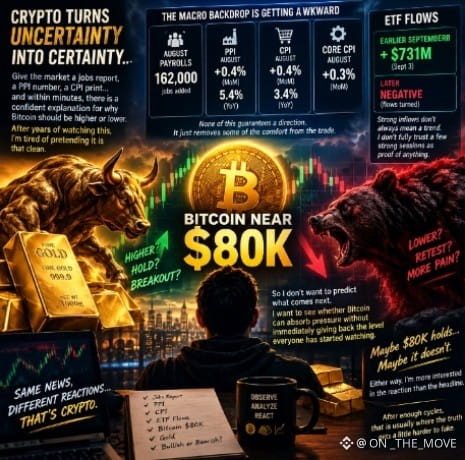
暗号が不確実性をあっという間に確信へ変えていく様子ばかり目につきます。市場に雇用統計やPPIの数字、CPIの発表を与えると、数分もしないうちに「なぜビットコインは上がるべき(あるいは下がるべき)か」という自信満々の説明が出てきます。何年もそれを見続けてきて、あまりにも綺麗に見える“そういうもの”だとするごまかしにはもう疲れました。
私が注目しているのは、ビットコインが80Kドル付近にあることです。マクロの背景がやや厄介になってきています。8月の給与統計は16.2万人、PPIは8月に0.4%上昇し、前年比では+5.4%。8月のCPIは月次で0.4%上昇し、年次では3.4%でした。コアCPIも月次で0.3%と上向きです。これらは、進むべき方向性を保証するものではありません。ただ、取引にあった“安心感”を少し取り除いているだけです。
私は、悪いニュースで市場が上昇し、良いニュースで下落し、さらに昼前に両方の動きをひっくり返すのを見てきました。だから次に何が起きるかは予想したくありません。ビットコインが、みんなが注目し始めた水準をすぐに手放すことなく、プレッシャーを吸収できるのかを見たいんです。
ETFデータも、慎重でいる理由のひとつです。9月の前半には強い資金流入が見られました。9月3日には約7億3100万ドルが入ったものの、その後のフローはマイナスに転じました。私は、いくつかの強い取引セッションだけを根拠に何かを断定することを、十分には信用していません。
たぶん80Kドルは保たれて、市場は静かにこれらを吸収していくでしょう。そうでないかもしれません。どちらにせよ、見出しよりも反応のほうに関心があります。十分なサイクルを経ると、本当のところは、だいたい“ごまかしにくく”なるものです。$牛来
{spot}(牛来USDT)
$LAB
{future}(LABUSDT)
$4Stock
{alpha}(560xd270d4e1ec6e6e0d28c0ecb8be966ec75997ffff)
#CPIWatch #CLARITYActRevisionToRuleNonDeFiControllers #USToSanctionBigBankMonday #BlockstreamRefusesToPayRansomToLiquidAttacker #OracleJumpsOver6%OnEarningsBeat
暗号が不確実性をあっという間に確信へ変えていく様子ばかり目につきます。市場に雇用統計やPPIの数字、CPIの発表を与えると、数分もしないうちに「なぜビットコインは上がるべき(あるいは下がるべき)か」という自信満々の説明が出てきます。何年もそれを見続けてきて、あまりにも綺麗に見える“そういうもの”だとするごまかしにはもう疲れました。
私が注目しているのは、ビットコインが80Kドル付近にあることです。マクロの背景がやや厄介になってきています。8月の給与統計は16.2万人、PPIは8月に0.4%上昇し、前年比では+5.4%。8月のCPIは月次で0.4%上昇し、年次では3.4%でした。コアCPIも月次で0.3%と上向きです。これらは、進むべき方向性を保証するものではありません。ただ、取引にあった“安心感”を少し取り除いているだけです。
私は、悪いニュースで市場が上昇し、良いニュースで下落し、さらに昼前に両方の動きをひっくり返すのを見てきました。だから次に何が起きるかは予想したくありません。ビットコインが、みんなが注目し始めた水準をすぐに手放すことなく、プレッシャーを吸収できるのかを見たいんです。
ETFデータも、慎重でいる理由のひとつです。9月の前半には強い資金流入が見られました。9月3日には約7億3100万ドルが入ったものの、その後のフローはマイナスに転じました。私は、いくつかの強い取引セッションだけを根拠に何かを断定することを、十分には信用していません。
たぶん80Kドルは保たれて、市場は静かにこれらを吸収していくでしょう。そうでないかもしれません。どちらにせよ、見出しよりも反応のほうに関心があります。十分なサイクルを経ると、本当のところは、だいたい“ごまかしにくく”なるものです。$牛来
$LAB
$4Stock
#CPIWatch #CLARITYActRevisionToRuleNonDeFiControllers #USToSanctionBigBankMonday #BlockstreamRefusesToPayRansomToLiquidAttacker #OracleJumpsOver6%OnEarningsBeat
私が注目しているのは、ビットコインが80Kドル付近にあることです。マクロの背景がやや厄介になってきています。8月の給与統計は16.2万人、PPIは8月に0.4%上昇し、前年比では+5.4%。8月のCPIは月次で0.4%上昇し、年次では3.4%でした。コアCPIも月次で0.3%と上向きです。これらは、進むべき方向性を保証するものではありません。ただ、取引にあった“安心感”を少し取り除いているだけです。
私は、悪いニュースで市場が上昇し、良いニュースで下落し、さらに昼前に両方の動きをひっくり返すのを見てきました。だから次に何が起きるかは予想したくありません。ビットコインが、みんなが注目し始めた水準をすぐに手放すことなく、プレッシャーを吸収できるのかを見たいんです。
ETFデータも、慎重でいる理由のひとつです。9月の前半には強い資金流入が見られました。9月3日には約7億3100万ドルが入ったものの、その後のフローはマイナスに転じました。私は、いくつかの強い取引セッションだけを根拠に何かを断定することを、十分には信用していません。
たぶん80Kドルは保たれて、市場は静かにこれらを吸収していくでしょう。そうでないかもしれません。どちらにせよ、見出しよりも反応のほうに関心があります。十分なサイクルを経ると、本当のところは、だいたい“ごまかしにくく”なるものです。$牛来
$LAB
$4Stock
#CPIWatch #CLARITYActRevisionToRuleNonDeFiControllers #USToSanctionBigBankMonday #BlockstreamRefusesToPayRansomToLiquidAttacker #OracleJumpsOver6%OnEarningsBeat
1
3
901
·
--
ブリッシュ
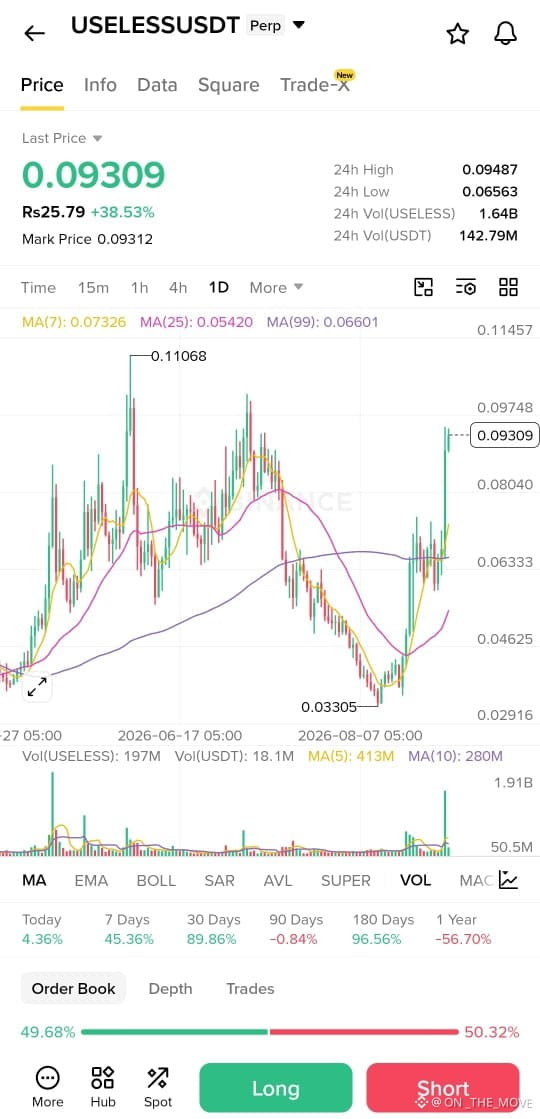
$USELESS USDT 永久先物は強い強気の勢いを示しています。価格は0.09309で、過去24時間で+38.53%、マーク価格は0.09312です。24時間の高値は0.09487、安値は0.06563で、出来高は1.64B USELESSおよび142.79M USDTに達しました。1DチャートではMA(7)が0.07326、MA(25)が0.05420、MA(99)が0.06601で、価格は主要な移動平均すべてを上回っています。チャートは直近で0.03305の安値から0.11068の過去最高値に向けてブレイクアウトしており、大きな出来高のスパイクがその動きを支えています。今日のパフォーマンスは+4.36%、7日で+45.36%、30日で+89.86%、90日で-0.84%、180日で+96.56%、1年で-56.70%です。板状況のバランスはほぼ中立で、買い49.68%に対して売り50.32%です。トレーダーは0.09487のレジスタンスと、0.08040、0.06601、0.06333のサポート水準に注目しつつ、ボラティリティとリスクを慎重に管理してください。
{future}(USELESSUSDT)
#RussiaStartsLargeScaleDigitalRubleRolloutSep1 #BitcoinUp23%InAugustOutperformingGoldAndStocks #SaylorHintsStrategyBitcoinBuy #IranStrikesUSBasesInJordan #USFundsAlcoaGalliumPlantInAustralia
$USELESS USDT 永久先物は強い強気の勢いを示しています。価格は0.09309で、過去24時間で+38.53%、マーク価格は0.09312です。24時間の高値は0.09487、安値は0.06563で、出来高は1.64B USELESSおよび142.79M USDTに達しました。1DチャートではMA(7)が0.07326、MA(25)が0.05420、MA(99)が0.06601で、価格は主要な移動平均すべてを上回っています。チャートは直近で0.03305の安値から0.11068の過去最高値に向けてブレイクアウトしており、大きな出来高のスパイクがその動きを支えています。今日のパフォーマンスは+4.36%、7日で+45.36%、30日で+89.86%、90日で-0.84%、180日で+96.56%、1年で-56.70%です。板状況のバランスはほぼ中立で、買い49.68%に対して売り50.32%です。トレーダーは0.09487のレジスタンスと、0.08040、0.06601、0.06333のサポート水準に注目しつつ、ボラティリティとリスクを慎重に管理してください。
#RussiaStartsLargeScaleDigitalRubleRolloutSep1 #BitcoinUp23%InAugustOutperformingGoldAndStocks #SaylorHintsStrategyBitcoinBuy #IranStrikesUSBasesInJordan #USFundsAlcoaGalliumPlantInAustralia
#RussiaStartsLargeScaleDigitalRubleRolloutSep1 #BitcoinUp23%InAugustOutperformingGoldAndStocks #SaylorHintsStrategyBitcoinBuy #IranStrikesUSBasesInJordan #USFundsAlcoaGalliumPlantInAustralia
158
·
--
ブリッシュ
TermMaxについて、誤解されやすい何かがあるように感じています。特に、十分なDeFiサイクルを経て「保護」という言葉がまったく別の方程式を隠しうることを知った後はなおさらです。
私の目を引いたのは「現物の受け渡し(物理的なデリバリー)」です。TermMaxは、清算がローンを完全に回収できなかった場合、残りのプールをFT保有者へ引き渡せるとしています。受け渡される原資産と担保は、その時点で未決済のFTに対する各保有者の取り分に応じて分配されます。これは実際のバックストップです。単に「不良債権の受領書」を手渡されるわけではありません。
ただ、「比例配分」について考え続けています。実際に起きたとき、比例するのは何に対してでしょうか?私が支払った価格ではありません。私がどれだけ早く参加したかでもありません。結局のところ、その時点での自分のFTの持分が、未決済FT総供給に対してどれだけあるかに帰着します。
この違いは重要です。暗号資産の世界では以前にも見たことがあります。仕組みは現実のもので透明でも、見出しが示すほどにはあなたを守らないことがあります。もし市場が過度に混み合い、複数の保有者が失敗した清算後の同じ担保に手を伸ばすような状況になると、誰の取り分も薄くなります。保護は消えません。回収が分け合いになるだけです。
私はそれを欠陥だと言っているわけではありません。むしろ、不良債権がただ消えるふりをするより、より正直かもしれません。とはいえ、それが実際にはどう見えるのかはまだ確信が持てません。FT保有者が実際の受け渡しイベントでどれだけ回収できたのかを示す十分な公開データを見ていません。もしかすると、その点が欠けているピースなのかもしれません。
@termmax #termmax
TermMaxについて、誤解されやすい何かがあるように感じています。特に、十分なDeFiサイクルを経て「保護」という言葉がまったく別の方程式を隠しうることを知った後はなおさらです。
私の目を引いたのは「現物の受け渡し(物理的なデリバリー)」です。TermMaxは、清算がローンを完全に回収できなかった場合、残りのプールをFT保有者へ引き渡せるとしています。受け渡される原資産と担保は、その時点で未決済のFTに対する各保有者の取り分に応じて分配されます。これは実際のバックストップです。単に「不良債権の受領書」を手渡されるわけではありません。
ただ、「比例配分」について考え続けています。実際に起きたとき、比例するのは何に対してでしょうか?私が支払った価格ではありません。私がどれだけ早く参加したかでもありません。結局のところ、その時点での自分のFTの持分が、未決済FT総供給に対してどれだけあるかに帰着します。
この違いは重要です。暗号資産の世界では以前にも見たことがあります。仕組みは現実のもので透明でも、見出しが示すほどにはあなたを守らないことがあります。もし市場が過度に混み合い、複数の保有者が失敗した清算後の同じ担保に手を伸ばすような状況になると、誰の取り分も薄くなります。保護は消えません。回収が分け合いになるだけです。
私はそれを欠陥だと言っているわけではありません。むしろ、不良債権がただ消えるふりをするより、より正直かもしれません。とはいえ、それが実際にはどう見えるのかはまだ確信が持てません。FT保有者が実際の受け渡しイベントでどれだけ回収できたのかを示す十分な公開データを見ていません。もしかすると、その点が欠けているピースなのかもしれません。
@TermMax #termmax
私の目を引いたのは「現物の受け渡し(物理的なデリバリー)」です。TermMaxは、清算がローンを完全に回収できなかった場合、残りのプールをFT保有者へ引き渡せるとしています。受け渡される原資産と担保は、その時点で未決済のFTに対する各保有者の取り分に応じて分配されます。これは実際のバックストップです。単に「不良債権の受領書」を手渡されるわけではありません。
ただ、「比例配分」について考え続けています。実際に起きたとき、比例するのは何に対してでしょうか?私が支払った価格ではありません。私がどれだけ早く参加したかでもありません。結局のところ、その時点での自分のFTの持分が、未決済FT総供給に対してどれだけあるかに帰着します。
この違いは重要です。暗号資産の世界では以前にも見たことがあります。仕組みは現実のもので透明でも、見出しが示すほどにはあなたを守らないことがあります。もし市場が過度に混み合い、複数の保有者が失敗した清算後の同じ担保に手を伸ばすような状況になると、誰の取り分も薄くなります。保護は消えません。回収が分け合いになるだけです。
私はそれを欠陥だと言っているわけではありません。むしろ、不良債権がただ消えるふりをするより、より正直かもしれません。とはいえ、それが実際にはどう見えるのかはまだ確信が持てません。FT保有者が実際の受け渡しイベントでどれだけ回収できたのかを示す十分な公開データを見ていません。もしかすると、その点が欠けているピースなのかもしれません。
@TermMax #termmax

1
1
379
·
--
ブリッシュ
私は仮想通貨の世界に十分長くいて、「プライバシー」という言葉にうんざりするところまで来ました。サイクルが変わるたびに、そのラベルは匿名のマネーと規制をめぐる同じ議論へ人々をまっすぐ引き込むように見えます。DUSKは私には違って感じられます。というのも、焦点が「支払いを隠すこと」そのものではなく、金融資産が監査不能になることなく機密性を保ち続けられるのか、という問いのように思えるからです。
だから私はずっと見ています。設計は「プライバシーのためのプライバシー」ではなく、規制された市場、選択的開示、そしてオンチェーン決済を狙っています。技術ストーリーはまだ進化の途中で、正直、そのほうが「すでにすべて決まっている」と思い込むよりも好ましいです。
そしてトークンモデルがあります。発行(エミッション)は何十年にもわたって引き伸ばされていますが、それだけでは資産が価値を持つとは限りません。私は、綿密に設計されたトークン経済が、土台となる実際の活動が不足していたために失敗するのを見てきました。
パートナーシップも気になりましたが、これは以前も見たことがあります。プレスリリースは、実際に意味のある利用が始まるずっと前に届くことがあるのです。重要なのは地味な部分――実際の決済、コントラクトの稼働、自然に生まれるユーザー、ガバナンスへの参加、そしてインセンティブだけに頼らずに生き残る需要です。
私はまだ確信できていませんし、物語を全面的に信じてもいません。でも、「プライバシー」という言葉が過剰に使われるようになったからといって、DUSKを切り捨てたくはありません。
私にとってDUSKの本当の試金石はひとつです。規制対象の資産が、発行・取引・決済のために継続して戻ってくるのか?
それを私は見ています。
@Dusk_Foundation #dusk $DUSK
{spot}(DUSKUSDT)
$BOME
{spot}(BOMEUSDT)
$MAGMA
{future}(MAGMAUSDT)
#FedMinutesShowNoSupportForRateCuts
#CryptoRally
#FOMCWatch
#UAEEndsEconomicTiesWithIran
私は仮想通貨の世界に十分長くいて、「プライバシー」という言葉にうんざりするところまで来ました。サイクルが変わるたびに、そのラベルは匿名のマネーと規制をめぐる同じ議論へ人々をまっすぐ引き込むように見えます。DUSKは私には違って感じられます。というのも、焦点が「支払いを隠すこと」そのものではなく、金融資産が監査不能になることなく機密性を保ち続けられるのか、という問いのように思えるからです。
だから私はずっと見ています。設計は「プライバシーのためのプライバシー」ではなく、規制された市場、選択的開示、そしてオンチェーン決済を狙っています。技術ストーリーはまだ進化の途中で、正直、そのほうが「すでにすべて決まっている」と思い込むよりも好ましいです。
そしてトークンモデルがあります。発行(エミッション)は何十年にもわたって引き伸ばされていますが、それだけでは資産が価値を持つとは限りません。私は、綿密に設計されたトークン経済が、土台となる実際の活動が不足していたために失敗するのを見てきました。
パートナーシップも気になりましたが、これは以前も見たことがあります。プレスリリースは、実際に意味のある利用が始まるずっと前に届くことがあるのです。重要なのは地味な部分――実際の決済、コントラクトの稼働、自然に生まれるユーザー、ガバナンスへの参加、そしてインセンティブだけに頼らずに生き残る需要です。
私はまだ確信できていませんし、物語を全面的に信じてもいません。でも、「プライバシー」という言葉が過剰に使われるようになったからといって、DUSKを切り捨てたくはありません。
私にとってDUSKの本当の試金石はひとつです。規制対象の資産が、発行・取引・決済のために継続して戻ってくるのか?
それを私は見ています。
@Dusk #dusk $DUSK
$BOME
$MAGMA
#FedMinutesShowNoSupportForRateCuts
#CryptoRally
#FOMCWatch
#UAEEndsEconomicTiesWithIran
だから私はずっと見ています。設計は「プライバシーのためのプライバシー」ではなく、規制された市場、選択的開示、そしてオンチェーン決済を狙っています。技術ストーリーはまだ進化の途中で、正直、そのほうが「すでにすべて決まっている」と思い込むよりも好ましいです。
そしてトークンモデルがあります。発行(エミッション)は何十年にもわたって引き伸ばされていますが、それだけでは資産が価値を持つとは限りません。私は、綿密に設計されたトークン経済が、土台となる実際の活動が不足していたために失敗するのを見てきました。
パートナーシップも気になりましたが、これは以前も見たことがあります。プレスリリースは、実際に意味のある利用が始まるずっと前に届くことがあるのです。重要なのは地味な部分――実際の決済、コントラクトの稼働、自然に生まれるユーザー、ガバナンスへの参加、そしてインセンティブだけに頼らずに生き残る需要です。
私はまだ確信できていませんし、物語を全面的に信じてもいません。でも、「プライバシー」という言葉が過剰に使われるようになったからといって、DUSKを切り捨てたくはありません。
私にとってDUSKの本当の試金石はひとつです。規制対象の資産が、発行・取引・決済のために継続して戻ってくるのか?
それを私は見ています。
@Dusk #dusk $DUSK
$BOME
$MAGMA
#FedMinutesShowNoSupportForRateCuts
#CryptoRally
#FOMCWatch
#UAEEndsEconomicTiesWithIran
🚀 DUSK for the long run?
75%
👀 Real use or hype?
25%
🔐 Privacy + regulation?
0%
4 投票 • 投票は終了しました
7
6
339
·
--
ブリッシュ
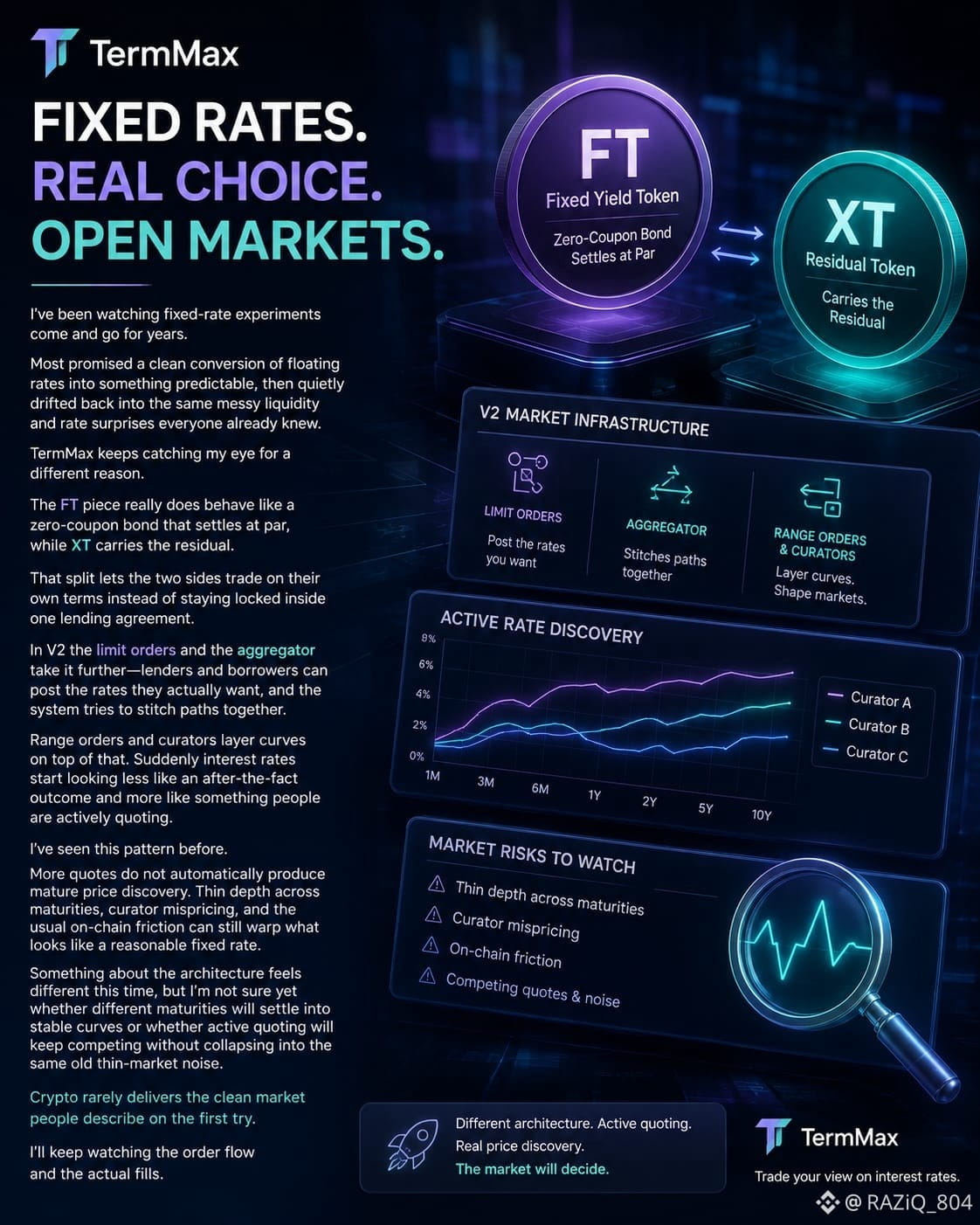
固定金利の実験が何年も前から来ては去っていくのを眺めてきました。その多くは、変動金利をきれいに予測可能なものへ転換できると約束していましたが、こっそりと、誰もが最初から知っているのと同じぐちゃぐちゃな流動性や金利のサプライズへと戻っていきます。
TermMaxが私の目を引くのは、別の理由です。FTの記事は本当に、額面で決済されるゼロクーポン債のように振る舞い、XTが残余を受け持ちます。その分離によって、双方は1つの融資契約に閉じ込められることなく、それぞれの条件で取引できるのです。V2では、指値注文とアグリゲータがさらに踏み込みます。貸し手と借り手は、実際に欲しい金利を提示でき、システムは経路をつなぎ合わせるように試みます。レンジ注文やキュレータがその上にカーブを重ねます。すると、金利が単なる事後の結果ではなくなり、むしろ人々が積極的に提示しているもののように見えてきます。
このパターンは以前にも見たことがあります。より多くの引用(クオート)があるからといって、自動的に成熟した価格発見につながるわけではありません。満期ごとの薄い厚み、キュレータの誤価格、そしていつものオンチェーン上の摩擦が、妥当に見える固定金利を歪めることもあり得ます。アーキテクチャのどこかが今は違うように感じますが、今回の異なる満期が安定したカーブに落ち着くのか、それとも活発な提示が同じ古い薄い市場のノイズに崩れ落ちずに競い続けるのかは、まだ確信が持てません。暗号資産は、最初の試みで人々が語るような「きれいな市場」をなかなか届けてくれません。私は引き続き注文フローと、実際の約定(フィル)を見守ります。
#termmax @termmax
固定金利の実験が何年も前から来ては去っていくのを眺めてきました。その多くは、変動金利をきれいに予測可能なものへ転換できると約束していましたが、こっそりと、誰もが最初から知っているのと同じぐちゃぐちゃな流動性や金利のサプライズへと戻っていきます。
TermMaxが私の目を引くのは、別の理由です。FTの記事は本当に、額面で決済されるゼロクーポン債のように振る舞い、XTが残余を受け持ちます。その分離によって、双方は1つの融資契約に閉じ込められることなく、それぞれの条件で取引できるのです。V2では、指値注文とアグリゲータがさらに踏み込みます。貸し手と借り手は、実際に欲しい金利を提示でき、システムは経路をつなぎ合わせるように試みます。レンジ注文やキュレータがその上にカーブを重ねます。すると、金利が単なる事後の結果ではなくなり、むしろ人々が積極的に提示しているもののように見えてきます。
このパターンは以前にも見たことがあります。より多くの引用(クオート)があるからといって、自動的に成熟した価格発見につながるわけではありません。満期ごとの薄い厚み、キュレータの誤価格、そしていつものオンチェーン上の摩擦が、妥当に見える固定金利を歪めることもあり得ます。アーキテクチャのどこかが今は違うように感じますが、今回の異なる満期が安定したカーブに落ち着くのか、それとも活発な提示が同じ古い薄い市場のノイズに崩れ落ちずに競い続けるのかは、まだ確信が持てません。暗号資産は、最初の試みで人々が語るような「きれいな市場」をなかなか届けてくれません。私は引き続き注文フローと、実際の約定(フィル)を見守ります。
#termmax @TermMax
TermMaxが私の目を引くのは、別の理由です。FTの記事は本当に、額面で決済されるゼロクーポン債のように振る舞い、XTが残余を受け持ちます。その分離によって、双方は1つの融資契約に閉じ込められることなく、それぞれの条件で取引できるのです。V2では、指値注文とアグリゲータがさらに踏み込みます。貸し手と借り手は、実際に欲しい金利を提示でき、システムは経路をつなぎ合わせるように試みます。レンジ注文やキュレータがその上にカーブを重ねます。すると、金利が単なる事後の結果ではなくなり、むしろ人々が積極的に提示しているもののように見えてきます。
このパターンは以前にも見たことがあります。より多くの引用(クオート)があるからといって、自動的に成熟した価格発見につながるわけではありません。満期ごとの薄い厚み、キュレータの誤価格、そしていつものオンチェーン上の摩擦が、妥当に見える固定金利を歪めることもあり得ます。アーキテクチャのどこかが今は違うように感じますが、今回の異なる満期が安定したカーブに落ち着くのか、それとも活発な提示が同じ古い薄い市場のノイズに崩れ落ちずに競い続けるのかは、まだ確信が持てません。暗号資産は、最初の試みで人々が語るような「きれいな市場」をなかなか届けてくれません。私は引き続き注文フローと、実際の約定(フィル)を見守ります。
#termmax @TermMax
10
9
686
·
--
ブリッシュ
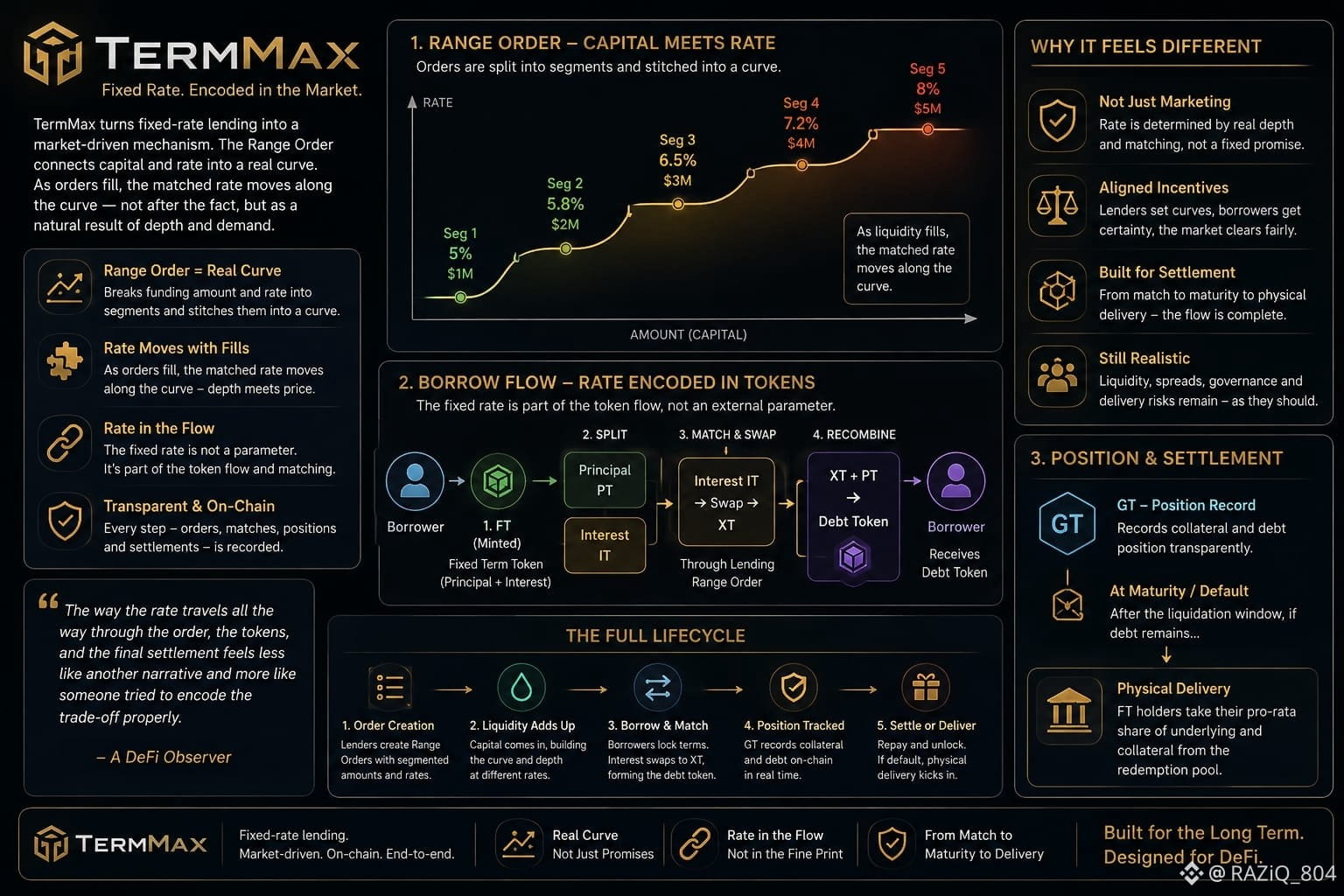
私は何年も前からDeFiにおける固定金利の実験を見続けてきました。大半はマーケティング資料の段階で終わってしまいます。利率は固定として売られるのに、マッチングが進むと、余計な手順が増えただけの別の変動市場のように感じられる。流動性はそこに置かれたまま使われなかったり、カーブが本当の深さを見せないこともあります。
TermMaxが私を引き戻してくるのは、別の理由があります。レンジ・オーダーは名前だけのものではありません。資金量と金利をセグメントに分けて、それをカーブとして縫い合わせます。オーダーが約定するにつれて、約定金利そのものがそのカーブに沿って動きます。そこに置かれている資本の量と、どの金利がクリアされるかのつながりが、単に後から報告されるだけでなく、仕組みそのものに直接組み込まれているのです。
借りると、FTは元本と利息の部分に分かれます。利息側は、レンディングのレンジ・オーダーを通じてXTにスワップされ、その後XTと元本のFTが合体して負債トークンになります。この順番が重要です。固定金利はパラメータであることをやめ、トークンの流れとマッチング自体の一部になります。GTは単に担保と負債ポジションを記録するだけです。清算ウィンドウ後も負債が残っている場合は、現物デリバリーによってFT保有者が償還プールから実質按分の持分として、基礎資産と担保を受け取れます。
私は「金利の不確実性を解消する」と主張しながら、こっそり薄い流動性や面倒なデフォルトでそれを元に戻してしまう仕組みを見すぎてきました。こちらは、一般的な摩擦をすべて残しています。流動性は実際に出てくる必要があり、スプレッドを気にする人がカーブを設定する必要があり、現物デリバリーも、人々が期待するほどきれいにはいきません。それでも、レートがオーダーからトークン、そして最終決済まで一貫して旅をするあり方は、「別の物語」として消費される感じが薄く、誰かがトレードオフを適切に符号化しようとしたように思えます。市場がそれを見せ続けてくれるかどうかは、まだ確信が持てません。構造が、ここ数サイクルとは明らかに違って感じられるのです。
@termmax #termmax
私は何年も前からDeFiにおける固定金利の実験を見続けてきました。大半はマーケティング資料の段階で終わってしまいます。利率は固定として売られるのに、マッチングが進むと、余計な手順が増えただけの別の変動市場のように感じられる。流動性はそこに置かれたまま使われなかったり、カーブが本当の深さを見せないこともあります。
TermMaxが私を引き戻してくるのは、別の理由があります。レンジ・オーダーは名前だけのものではありません。資金量と金利をセグメントに分けて、それをカーブとして縫い合わせます。オーダーが約定するにつれて、約定金利そのものがそのカーブに沿って動きます。そこに置かれている資本の量と、どの金利がクリアされるかのつながりが、単に後から報告されるだけでなく、仕組みそのものに直接組み込まれているのです。
借りると、FTは元本と利息の部分に分かれます。利息側は、レンディングのレンジ・オーダーを通じてXTにスワップされ、その後XTと元本のFTが合体して負債トークンになります。この順番が重要です。固定金利はパラメータであることをやめ、トークンの流れとマッチング自体の一部になります。GTは単に担保と負債ポジションを記録するだけです。清算ウィンドウ後も負債が残っている場合は、現物デリバリーによってFT保有者が償還プールから実質按分の持分として、基礎資産と担保を受け取れます。
私は「金利の不確実性を解消する」と主張しながら、こっそり薄い流動性や面倒なデフォルトでそれを元に戻してしまう仕組みを見すぎてきました。こちらは、一般的な摩擦をすべて残しています。流動性は実際に出てくる必要があり、スプレッドを気にする人がカーブを設定する必要があり、現物デリバリーも、人々が期待するほどきれいにはいきません。それでも、レートがオーダーからトークン、そして最終決済まで一貫して旅をするあり方は、「別の物語」として消費される感じが薄く、誰かがトレードオフを適切に符号化しようとしたように思えます。市場がそれを見せ続けてくれるかどうかは、まだ確信が持てません。構造が、ここ数サイクルとは明らかに違って感じられるのです。
@TermMax #termmax
TermMaxが私を引き戻してくるのは、別の理由があります。レンジ・オーダーは名前だけのものではありません。資金量と金利をセグメントに分けて、それをカーブとして縫い合わせます。オーダーが約定するにつれて、約定金利そのものがそのカーブに沿って動きます。そこに置かれている資本の量と、どの金利がクリアされるかのつながりが、単に後から報告されるだけでなく、仕組みそのものに直接組み込まれているのです。
借りると、FTは元本と利息の部分に分かれます。利息側は、レンディングのレンジ・オーダーを通じてXTにスワップされ、その後XTと元本のFTが合体して負債トークンになります。この順番が重要です。固定金利はパラメータであることをやめ、トークンの流れとマッチング自体の一部になります。GTは単に担保と負債ポジションを記録するだけです。清算ウィンドウ後も負債が残っている場合は、現物デリバリーによってFT保有者が償還プールから実質按分の持分として、基礎資産と担保を受け取れます。
私は「金利の不確実性を解消する」と主張しながら、こっそり薄い流動性や面倒なデフォルトでそれを元に戻してしまう仕組みを見すぎてきました。こちらは、一般的な摩擦をすべて残しています。流動性は実際に出てくる必要があり、スプレッドを気にする人がカーブを設定する必要があり、現物デリバリーも、人々が期待するほどきれいにはいきません。それでも、レートがオーダーからトークン、そして最終決済まで一貫して旅をするあり方は、「別の物語」として消費される感じが薄く、誰かがトレードオフを適切に符号化しようとしたように思えます。市場がそれを見せ続けてくれるかどうかは、まだ確信が持てません。構造が、ここ数サイクルとは明らかに違って感じられるのです。
@TermMax #termmax
5
6
460
·
--
ブリッシュ
この宇宙を十分長く見てきたから分かる。ほとんどのプライバシーの物語は同じ結末を迎える。紙の上ではきれいに見えるのに、実際には、失うもののある資本の“ごちゃごちゃした現実”と衝突する。
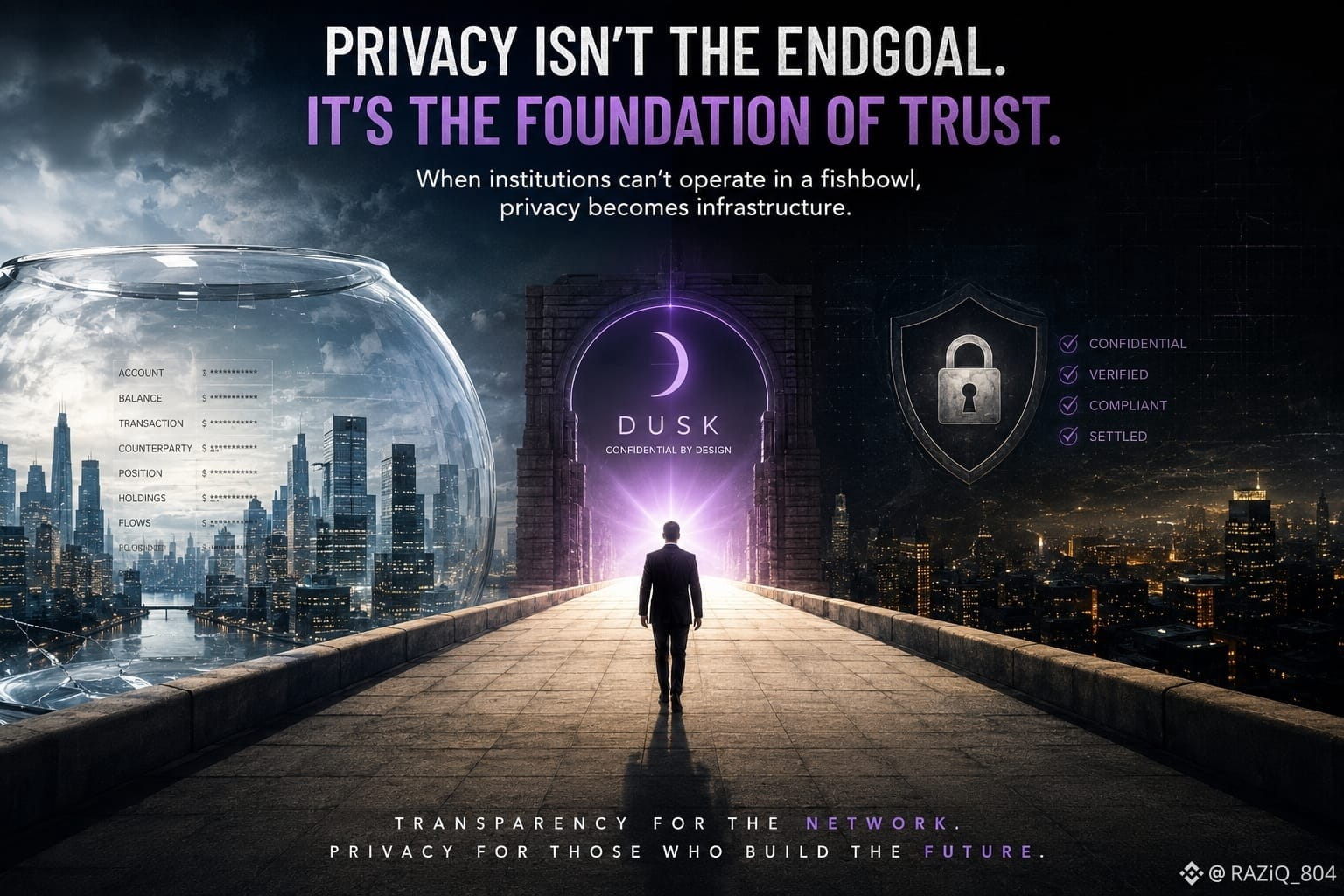
昨夜、またDuskのアーキテクチャドキュメントを読み返した。機密セキュリティ契約、Phoenix、そして全体としての選択的開示の仕組み。表面上は、彼らが本当の矛盾を解こうとしたように見える。つまり、機関は立場や取引先、そしてフローを隠しておく必要がある一方で、ネットワークはそれらが正しく決済されたことをなお証明しなければならない。しかし多くのチェーンはプライバシーを“追加機能”として扱う。Duskは後付けで積み増すのではなく、基盤として組み込んだようだ。
これは前にも見たことがある。美しい暗号技術、丁寧な設計。そしてそれでも、市場が肝心な規模の取引量としては現れない。技術はエレガントになり得る。でも、流動性や継続的な需要を作り続けるのは難しい。プライバシーがインフラになるのは、実際の資本がそれを「任意」ではなく「交渉不可能」として扱い始めたときだ。
その瞬間が近づいているのか、それとも機密性が狭く規制された領域にとどまり続けるのか、まだ確信はない。Duskがそのトレードオフに向き合う感じは、いつものプライバシー物語の循環とはどこか違う気がする。でも“違う”は過去にも失敗してきた。何度も戻ってくる問いはシンプルだ。機関がついに、透明な水槽のような環境では運用できないと判断したとき、レールは準備できているのだろうか。それとも、また約束の書類と静かな台帳の同じラウンドが来るだけなのだろうか。
@Dusk_Foundation $DUSK #dusk
この宇宙を十分長く見てきたから分かる。ほとんどのプライバシーの物語は同じ結末を迎える。紙の上ではきれいに見えるのに、実際には、失うもののある資本の“ごちゃごちゃした現実”と衝突する。
昨夜、またDuskのアーキテクチャドキュメントを読み返した。機密セキュリティ契約、Phoenix、そして全体としての選択的開示の仕組み。表面上は、彼らが本当の矛盾を解こうとしたように見える。つまり、機関は立場や取引先、そしてフローを隠しておく必要がある一方で、ネットワークはそれらが正しく決済されたことをなお証明しなければならない。しかし多くのチェーンはプライバシーを“追加機能”として扱う。Duskは後付けで積み増すのではなく、基盤として組み込んだようだ。
これは前にも見たことがある。美しい暗号技術、丁寧な設計。そしてそれでも、市場が肝心な規模の取引量としては現れない。技術はエレガントになり得る。でも、流動性や継続的な需要を作り続けるのは難しい。プライバシーがインフラになるのは、実際の資本がそれを「任意」ではなく「交渉不可能」として扱い始めたときだ。
その瞬間が近づいているのか、それとも機密性が狭く規制された領域にとどまり続けるのか、まだ確信はない。Duskがそのトレードオフに向き合う感じは、いつものプライバシー物語の循環とはどこか違う気がする。でも“違う”は過去にも失敗してきた。何度も戻ってくる問いはシンプルだ。機関がついに、透明な水槽のような環境では運用できないと判断したとき、レールは準備できているのだろうか。それとも、また約束の書類と静かな台帳の同じラウンドが来るだけなのだろうか。
@Dusk $DUSK #dusk
昨夜、またDuskのアーキテクチャドキュメントを読み返した。機密セキュリティ契約、Phoenix、そして全体としての選択的開示の仕組み。表面上は、彼らが本当の矛盾を解こうとしたように見える。つまり、機関は立場や取引先、そしてフローを隠しておく必要がある一方で、ネットワークはそれらが正しく決済されたことをなお証明しなければならない。しかし多くのチェーンはプライバシーを“追加機能”として扱う。Duskは後付けで積み増すのではなく、基盤として組み込んだようだ。
これは前にも見たことがある。美しい暗号技術、丁寧な設計。そしてそれでも、市場が肝心な規模の取引量としては現れない。技術はエレガントになり得る。でも、流動性や継続的な需要を作り続けるのは難しい。プライバシーがインフラになるのは、実際の資本がそれを「任意」ではなく「交渉不可能」として扱い始めたときだ。
その瞬間が近づいているのか、それとも機密性が狭く規制された領域にとどまり続けるのか、まだ確信はない。Duskがそのトレードオフに向き合う感じは、いつものプライバシー物語の循環とはどこか違う気がする。でも“違う”は過去にも失敗してきた。何度も戻ってくる問いはシンプルだ。機関がついに、透明な水槽のような環境では運用できないと判断したとき、レールは準備できているのだろうか。それとも、また約束の書類と静かな台帳の同じラウンドが来るだけなのだろうか。
@Dusk $DUSK #dusk
52
18
632
·
--
仮想通貨を十分長く見てきたので、人々が見過ごしがちなものこそが、結局は本当の問題が住み着く場所になることを知っています。
同じパターンを何度も何度も目にします。新しい仕組みが何かすごいものを示すと、人々は暗号技術、プライバシー、速度、そしてそれをきれいに語るストーリーに注目します。ところが、その後に現実がやってきて、答えるのがはるかに難しい問いが突きつけられるのです。
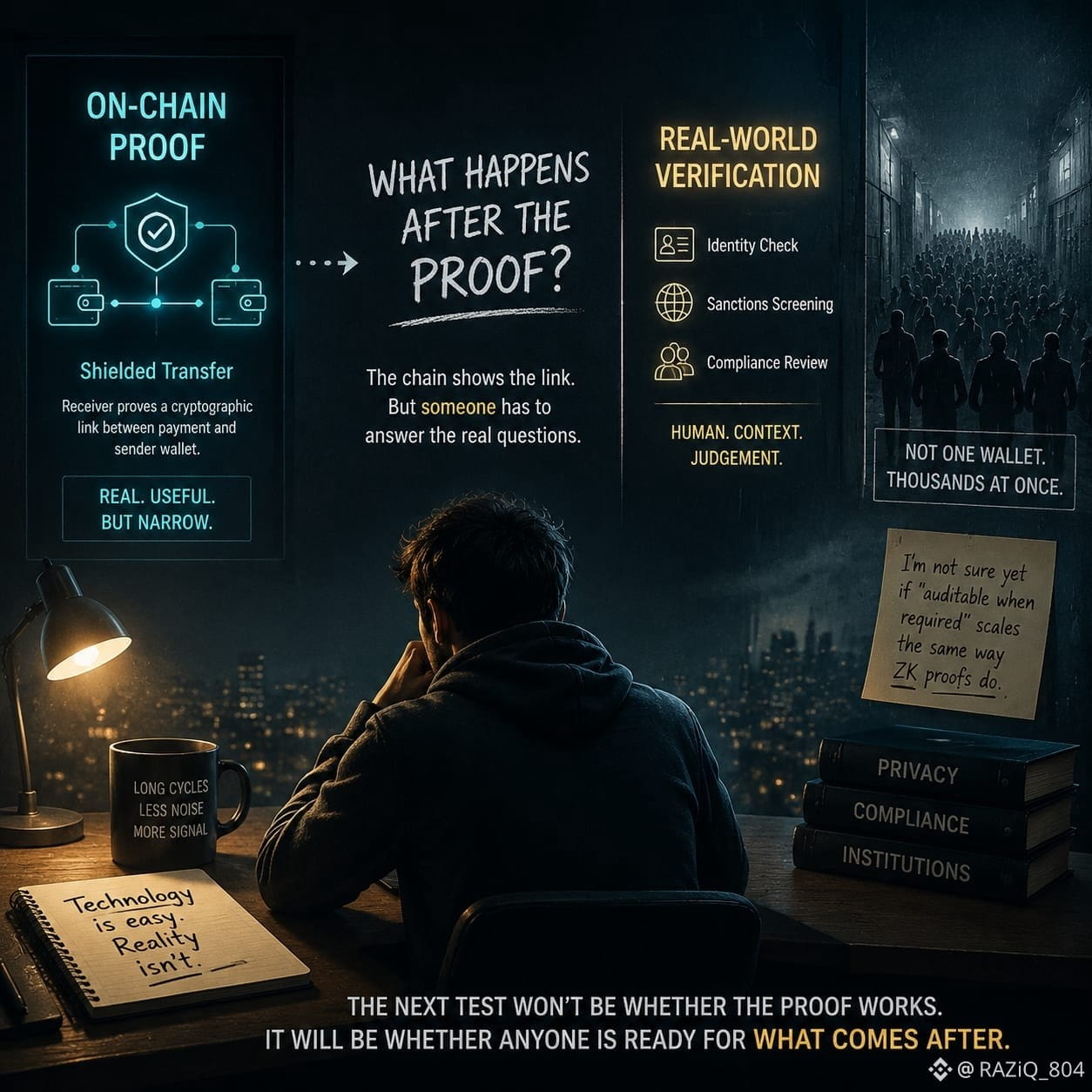
それが、Dusk の「シールド転送」についてのドキュメントを読んでいるときに私が特に注目した点です。「proof(証明)」という言葉は、自然に人々を“完全な検証”を想像させます。でも実際はもっと具体的です。受取人は、支払いと送信者のウォレットとのつながりを証明できます。それは本物で、価値があります。
ですが、これは仮想通貨の世界では以前から見てきました。技術的な達成が、実際に証明している以上のものとして解釈されてしまうのです。
暗号学的なリンクは、「誰がウォレットを管理しているのか」を知ることとは同じではありません。それは、背後にいる人物や組織についてのすべてを教えてくれるわけではありません。資金がクリーンかどうかを決めるものでもありません。そうした問いは、数学の外側にまだ残ります。
私が面白いと感じるのは、証明のあとに何が起こるかです。
チェーンは証拠を提供できます。選択的開示によって、必要な情報を明らかにすることも可能です。ですが、最終的には誰かが現実の意思決定をしなければなりません。誰かが、そのウォレットを本人確認、制裁(サンクション)スクリーニング、コンプライアンス手続きと結びつける必要があります。
規模が変わったときにそれがどう振る舞うのか、まだ確信はありません。ウォレットが1つなら、想像は簡単です。数千のウォレットが同時に到着するとなると、話は面白くなります。
私は十分なサイクルを見てきたので、技術だけが唯一の課題ではないことを知っています。システム、そして人や組織の間に生まれる摩擦こそが、そこで試されるのです。
この件は、何かが違うように感じます。つまり、問題が「証明が機能するかどうか」ではない可能性があるからです。
より大きな問いは、その証明の周りに作られたすべてが、圧力が来たときに対応できる状態になっているかどうかです。
私は、「必要なときに監査可能である」という前提が、ZKの証明と同じように自動的にスケールする、という考えを完全には信じていません。#dusk
@Dusk_Foundation
$DUSK
仮想通貨を十分長く見てきたので、人々が見過ごしがちなものこそが、結局は本当の問題が住み着く場所になることを知っています。
同じパターンを何度も何度も目にします。新しい仕組みが何かすごいものを示すと、人々は暗号技術、プライバシー、速度、そしてそれをきれいに語るストーリーに注目します。ところが、その後に現実がやってきて、答えるのがはるかに難しい問いが突きつけられるのです。
それが、Dusk の「シールド転送」についてのドキュメントを読んでいるときに私が特に注目した点です。「proof(証明)」という言葉は、自然に人々を“完全な検証”を想像させます。でも実際はもっと具体的です。受取人は、支払いと送信者のウォレットとのつながりを証明できます。それは本物で、価値があります。
ですが、これは仮想通貨の世界では以前から見てきました。技術的な達成が、実際に証明している以上のものとして解釈されてしまうのです。
暗号学的なリンクは、「誰がウォレットを管理しているのか」を知ることとは同じではありません。それは、背後にいる人物や組織についてのすべてを教えてくれるわけではありません。資金がクリーンかどうかを決めるものでもありません。そうした問いは、数学の外側にまだ残ります。
私が面白いと感じるのは、証明のあとに何が起こるかです。
チェーンは証拠を提供できます。選択的開示によって、必要な情報を明らかにすることも可能です。ですが、最終的には誰かが現実の意思決定をしなければなりません。誰かが、そのウォレットを本人確認、制裁(サンクション)スクリーニング、コンプライアンス手続きと結びつける必要があります。
規模が変わったときにそれがどう振る舞うのか、まだ確信はありません。ウォレットが1つなら、想像は簡単です。数千のウォレットが同時に到着するとなると、話は面白くなります。
私は十分なサイクルを見てきたので、技術だけが唯一の課題ではないことを知っています。システム、そして人や組織の間に生まれる摩擦こそが、そこで試されるのです。
この件は、何かが違うように感じます。つまり、問題が「証明が機能するかどうか」ではない可能性があるからです。
より大きな問いは、その証明の周りに作られたすべてが、圧力が来たときに対応できる状態になっているかどうかです。
私は、「必要なときに監査可能である」という前提が、ZKの証明と同じように自動的にスケールする、という考えを完全には信じていません。#dusk
@Dusk
$DUSK
同じパターンを何度も何度も目にします。新しい仕組みが何かすごいものを示すと、人々は暗号技術、プライバシー、速度、そしてそれをきれいに語るストーリーに注目します。ところが、その後に現実がやってきて、答えるのがはるかに難しい問いが突きつけられるのです。
それが、Dusk の「シールド転送」についてのドキュメントを読んでいるときに私が特に注目した点です。「proof(証明)」という言葉は、自然に人々を“完全な検証”を想像させます。でも実際はもっと具体的です。受取人は、支払いと送信者のウォレットとのつながりを証明できます。それは本物で、価値があります。
ですが、これは仮想通貨の世界では以前から見てきました。技術的な達成が、実際に証明している以上のものとして解釈されてしまうのです。
暗号学的なリンクは、「誰がウォレットを管理しているのか」を知ることとは同じではありません。それは、背後にいる人物や組織についてのすべてを教えてくれるわけではありません。資金がクリーンかどうかを決めるものでもありません。そうした問いは、数学の外側にまだ残ります。
私が面白いと感じるのは、証明のあとに何が起こるかです。
チェーンは証拠を提供できます。選択的開示によって、必要な情報を明らかにすることも可能です。ですが、最終的には誰かが現実の意思決定をしなければなりません。誰かが、そのウォレットを本人確認、制裁(サンクション)スクリーニング、コンプライアンス手続きと結びつける必要があります。
規模が変わったときにそれがどう振る舞うのか、まだ確信はありません。ウォレットが1つなら、想像は簡単です。数千のウォレットが同時に到着するとなると、話は面白くなります。
私は十分なサイクルを見てきたので、技術だけが唯一の課題ではないことを知っています。システム、そして人や組織の間に生まれる摩擦こそが、そこで試されるのです。
この件は、何かが違うように感じます。つまり、問題が「証明が機能するかどうか」ではない可能性があるからです。
より大きな問いは、その証明の周りに作られたすべてが、圧力が来たときに対応できる状態になっているかどうかです。
私は、「必要なときに監査可能である」という前提が、ZKの証明と同じように自動的にスケールする、という考えを完全には信じていません。#dusk
@Dusk
$DUSK
3
4
333
·
--
多くの暗号のアイデアが同じように聞こえ始める頃に、バビロンが見えてきました。もう一つの利回り、もう一つのトークン、遊んでいる資本が「働ける」ようになるというもう一つの約束。あの一文が悲惨な結末を迎えるのを十分に見てきたので、もうそう簡単には反応できなくなっています。
しかし、BTCがビットコイン上に留まることで、リスクの質感が変わります。バビロンはそれを時間で区切られたUTXOに固定し、最終性プロバイダーへと投票権を委ねて、PoSチェーンを確実化します。ブリッジをまたいで“ラップされたコピー”が渡るわけではなく、キーホルダーが預かるわけでもありません。この感じが違うのは、ビットコインに対してPoSチェーンのふりを要求していないからだと思います。
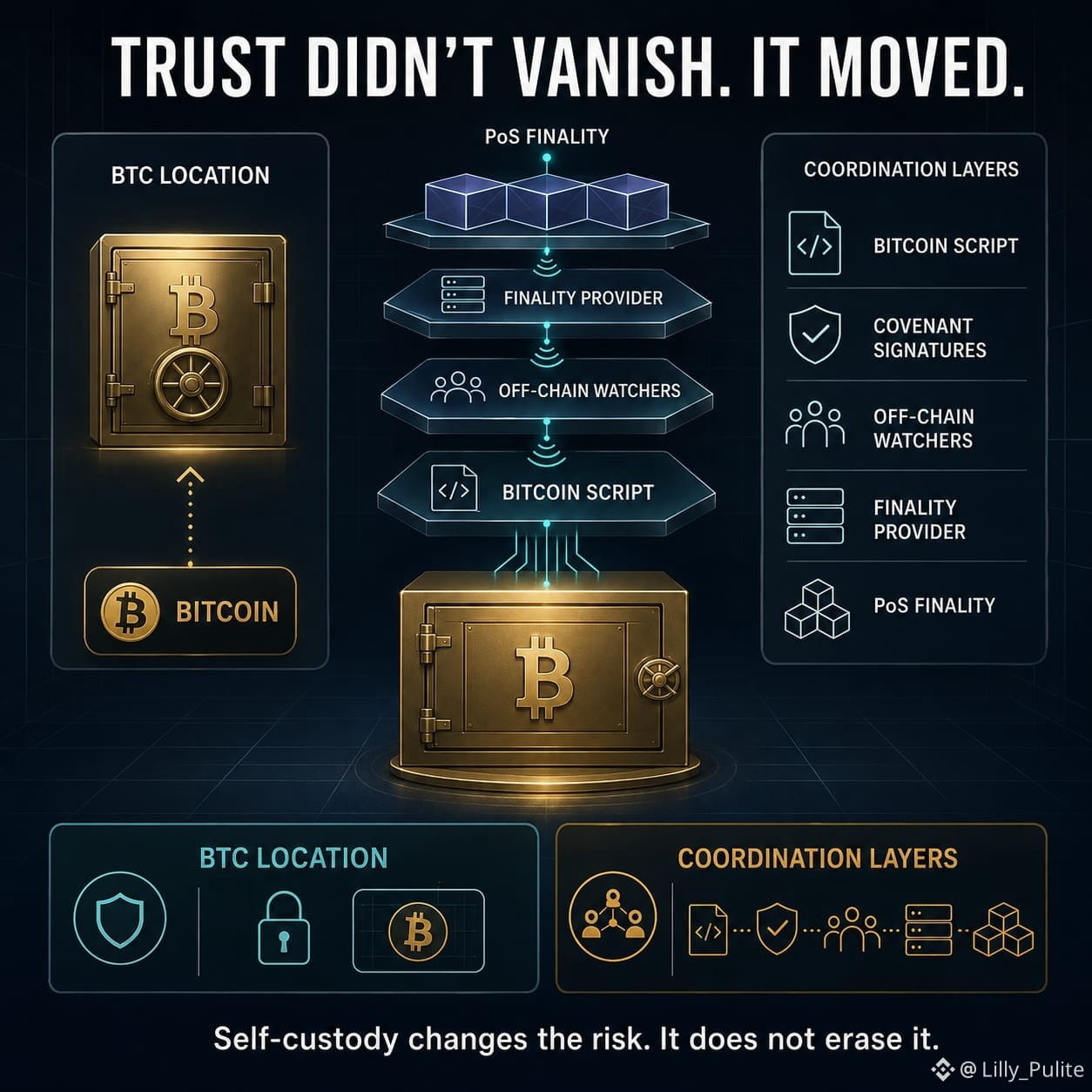
それでも、セルフカストディは万能の防壁ではありません。スクリプト、制約(コベナンツ)の署名、オフチェーンの監視者、プロバイダーのソフトウェア、そしてスラッシングのロジックがあります。暗号が「トラストレス」と呼ぶものに対して、信頼があちこちの可動部品に分散されていることに気づかされます。もしプロバイダーが二重署名すれば、BTCを失うことが目的になり、たとえ誠実に退出したとしても、タイミングや手数料の摩擦が伴います。
ただ、より心配なのはその下にあるビジネスです。PoSネットワークは、ビットコインに裏付けられた最終性の価値を十分に高く見なければ、支払いを続けられません。BABYや他のトークンでの報酬は、排出が続いている間は便利に見えるかもしれませんが、放出が減って流動性が薄れたり、買い手が「安全コストが高すぎる」と判断したりすれば話は変わります。
私はまだ完全には信用していません。これも以前に見たことがありますが、バビロンはいつもの“ブリッジ先行”の過ちを繰り返してはいません。難しい問いを、もう少し正直な場所へ移したのです――「本当の需要は、本当のリスクに対して、十分な時間支払い続けられるのか?」
#baby
@babylonlabs_io
$BABY
多くの暗号のアイデアが同じように聞こえ始める頃に、バビロンが見えてきました。もう一つの利回り、もう一つのトークン、遊んでいる資本が「働ける」ようになるというもう一つの約束。あの一文が悲惨な結末を迎えるのを十分に見てきたので、もうそう簡単には反応できなくなっています。
しかし、BTCがビットコイン上に留まることで、リスクの質感が変わります。バビロンはそれを時間で区切られたUTXOに固定し、最終性プロバイダーへと投票権を委ねて、PoSチェーンを確実化します。ブリッジをまたいで“ラップされたコピー”が渡るわけではなく、キーホルダーが預かるわけでもありません。この感じが違うのは、ビットコインに対してPoSチェーンのふりを要求していないからだと思います。
それでも、セルフカストディは万能の防壁ではありません。スクリプト、制約(コベナンツ)の署名、オフチェーンの監視者、プロバイダーのソフトウェア、そしてスラッシングのロジックがあります。暗号が「トラストレス」と呼ぶものに対して、信頼があちこちの可動部品に分散されていることに気づかされます。もしプロバイダーが二重署名すれば、BTCを失うことが目的になり、たとえ誠実に退出したとしても、タイミングや手数料の摩擦が伴います。
ただ、より心配なのはその下にあるビジネスです。PoSネットワークは、ビットコインに裏付けられた最終性の価値を十分に高く見なければ、支払いを続けられません。BABYや他のトークンでの報酬は、排出が続いている間は便利に見えるかもしれませんが、放出が減って流動性が薄れたり、買い手が「安全コストが高すぎる」と判断したりすれば話は変わります。
私はまだ完全には信用していません。これも以前に見たことがありますが、バビロンはいつもの“ブリッジ先行”の過ちを繰り返してはいません。難しい問いを、もう少し正直な場所へ移したのです――「本当の需要は、本当のリスクに対して、十分な時間支払い続けられるのか?」
#baby
@BabylonLabs_io
$BABY
しかし、BTCがビットコイン上に留まることで、リスクの質感が変わります。バビロンはそれを時間で区切られたUTXOに固定し、最終性プロバイダーへと投票権を委ねて、PoSチェーンを確実化します。ブリッジをまたいで“ラップされたコピー”が渡るわけではなく、キーホルダーが預かるわけでもありません。この感じが違うのは、ビットコインに対してPoSチェーンのふりを要求していないからだと思います。
それでも、セルフカストディは万能の防壁ではありません。スクリプト、制約(コベナンツ)の署名、オフチェーンの監視者、プロバイダーのソフトウェア、そしてスラッシングのロジックがあります。暗号が「トラストレス」と呼ぶものに対して、信頼があちこちの可動部品に分散されていることに気づかされます。もしプロバイダーが二重署名すれば、BTCを失うことが目的になり、たとえ誠実に退出したとしても、タイミングや手数料の摩擦が伴います。
ただ、より心配なのはその下にあるビジネスです。PoSネットワークは、ビットコインに裏付けられた最終性の価値を十分に高く見なければ、支払いを続けられません。BABYや他のトークンでの報酬は、排出が続いている間は便利に見えるかもしれませんが、放出が減って流動性が薄れたり、買い手が「安全コストが高すぎる」と判断したりすれば話は変わります。
私はまだ完全には信用していません。これも以前に見たことがありますが、バビロンはいつもの“ブリッジ先行”の過ちを繰り返してはいません。難しい問いを、もう少し正直な場所へ移したのです――「本当の需要は、本当のリスクに対して、十分な時間支払い続けられるのか?」
#baby
@BabylonLabs_io
$BABY
45
18
1.6k
·
--
#baby 私は思っていたよりも、バビロンが気になっています。暗号資産が騒がしいからではありません――暗号資産はいつも騒がしい。でも、画面を閉じた後もその考えが頭に残るからです。
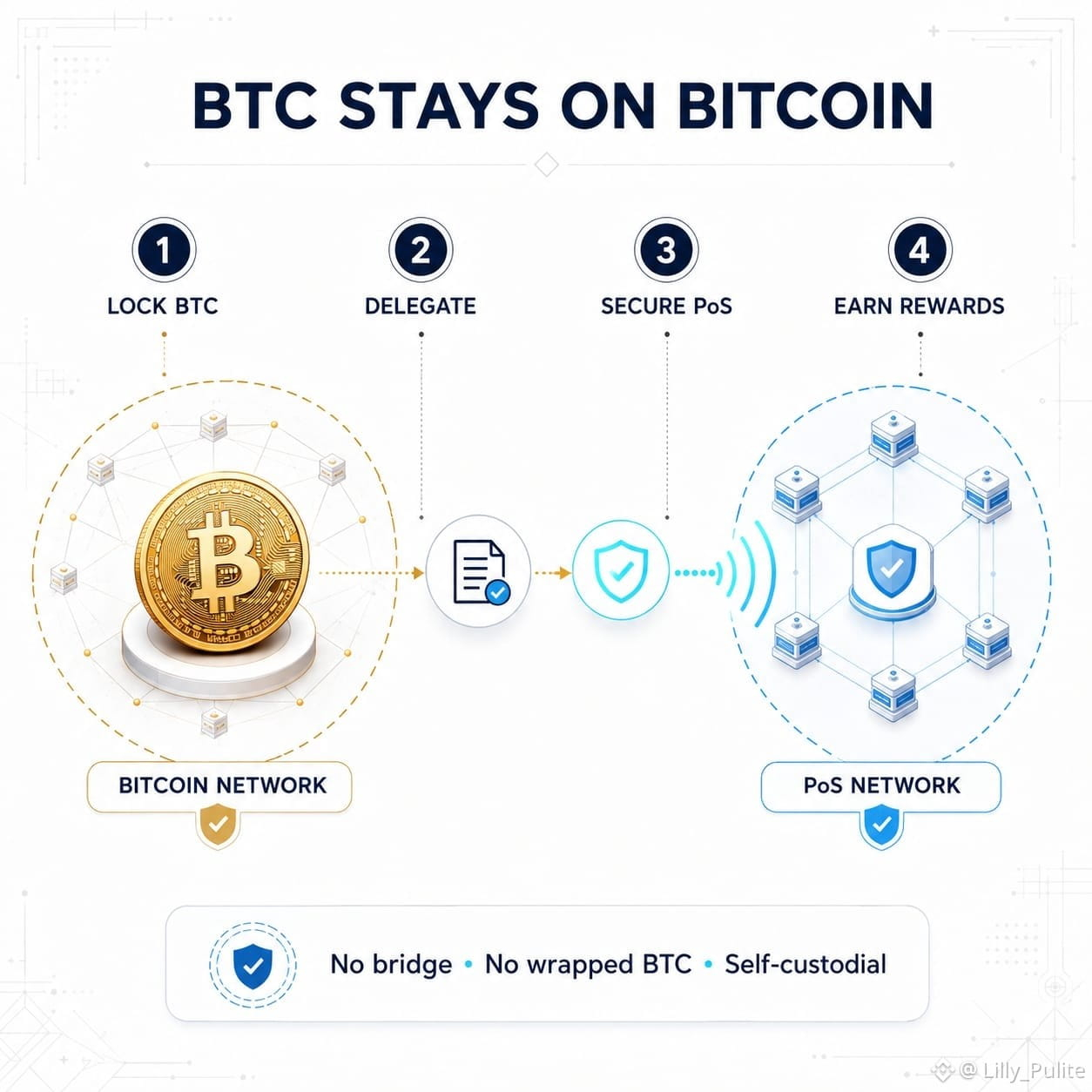
何年も前から、人々が「ビットコインの利回り」を追いかけるのを見てきました。たいていは、BTCをラップして、ブリッジを通して、そして誰もが信頼する会社に渡されます。そこまではうまくいっても、出金が止まると終わります。バビロンは、私が理解できる場所から始まります。つまり、BTCをビットコイン上に保ち、しばらくロックして、そのステークを、PoSネットワークを支える最終性(ファイナリティ)提供者の背後に置くのです。
まだ完全には信頼していません。セルフカストディは安心に聞こえるものの、ロックされた資金は依然として晒されていることを思い出してください。アンボンディングには301ブロックかかり、スラッシングは現実に起こり得ます。間違ったプロバイダーを選ぶことは無害ではありません。仲介者はいなくなるかもしれませんが、信頼が消えたわけではありません。信頼は、いまやコード、運用者、そしてインセンティブの間に存在しています。
そして図では答えられない疑問があります。PoSチェーンは、初期の報酬が冷めた後も、このセキュリティのために支払い続けるのでしょうか。私は、主にスライドの中にしか存在しない需要を待って、良い技術が足踏みしているのを見てきました。BABYもまた、「インセンティブのループを生かし続ける」こと以外の目的が必要です。
それでも、私は引き続き気になっています。バビロンは、より速い場所へ移すことでビットコインを改善しようとしているわけではありません。ビットコインの“重み”を役に立てつつ、住み慣れた場所から奪わないようにすることを目指しています。それは何か違う感じがします。デフォルトで証明済みでも、安全が保証されているわけでもない。ただ、それでも目を通して先へ進めるほどではない――十分に違うのです。
@babylonlabs_io
$BABY
{future}(BABYUSDT)
#baby 私は思っていたよりも、バビロンが気になっています。暗号資産が騒がしいからではありません――暗号資産はいつも騒がしい。でも、画面を閉じた後もその考えが頭に残るからです。
何年も前から、人々が「ビットコインの利回り」を追いかけるのを見てきました。たいていは、BTCをラップして、ブリッジを通して、そして誰もが信頼する会社に渡されます。そこまではうまくいっても、出金が止まると終わります。バビロンは、私が理解できる場所から始まります。つまり、BTCをビットコイン上に保ち、しばらくロックして、そのステークを、PoSネットワークを支える最終性(ファイナリティ)提供者の背後に置くのです。
まだ完全には信頼していません。セルフカストディは安心に聞こえるものの、ロックされた資金は依然として晒されていることを思い出してください。アンボンディングには301ブロックかかり、スラッシングは現実に起こり得ます。間違ったプロバイダーを選ぶことは無害ではありません。仲介者はいなくなるかもしれませんが、信頼が消えたわけではありません。信頼は、いまやコード、運用者、そしてインセンティブの間に存在しています。
そして図では答えられない疑問があります。PoSチェーンは、初期の報酬が冷めた後も、このセキュリティのために支払い続けるのでしょうか。私は、主にスライドの中にしか存在しない需要を待って、良い技術が足踏みしているのを見てきました。BABYもまた、「インセンティブのループを生かし続ける」こと以外の目的が必要です。
それでも、私は引き続き気になっています。バビロンは、より速い場所へ移すことでビットコインを改善しようとしているわけではありません。ビットコインの“重み”を役に立てつつ、住み慣れた場所から奪わないようにすることを目指しています。それは何か違う感じがします。デフォルトで証明済みでも、安全が保証されているわけでもない。ただ、それでも目を通して先へ進めるほどではない――十分に違うのです。
@BabylonLabs_io
$BABY
何年も前から、人々が「ビットコインの利回り」を追いかけるのを見てきました。たいていは、BTCをラップして、ブリッジを通して、そして誰もが信頼する会社に渡されます。そこまではうまくいっても、出金が止まると終わります。バビロンは、私が理解できる場所から始まります。つまり、BTCをビットコイン上に保ち、しばらくロックして、そのステークを、PoSネットワークを支える最終性(ファイナリティ)提供者の背後に置くのです。
まだ完全には信頼していません。セルフカストディは安心に聞こえるものの、ロックされた資金は依然として晒されていることを思い出してください。アンボンディングには301ブロックかかり、スラッシングは現実に起こり得ます。間違ったプロバイダーを選ぶことは無害ではありません。仲介者はいなくなるかもしれませんが、信頼が消えたわけではありません。信頼は、いまやコード、運用者、そしてインセンティブの間に存在しています。
そして図では答えられない疑問があります。PoSチェーンは、初期の報酬が冷めた後も、このセキュリティのために支払い続けるのでしょうか。私は、主にスライドの中にしか存在しない需要を待って、良い技術が足踏みしているのを見てきました。BABYもまた、「インセンティブのループを生かし続ける」こと以外の目的が必要です。
それでも、私は引き続き気になっています。バビロンは、より速い場所へ移すことでビットコインを改善しようとしているわけではありません。ビットコインの“重み”を役に立てつつ、住み慣れた場所から奪わないようにすることを目指しています。それは何か違う感じがします。デフォルトで証明済みでも、安全が保証されているわけでもない。ただ、それでも目を通して先へ進めるほどではない――十分に違うのです。
@BabylonLabs_io
$BABY
16
12
350
ログインして、さらにコンテンツを読む
厳選トピックで世界の暗号資産トレーダーの仲間入り
⚡️ 暗号資産に関する最新かつ有益な情報が見つかります。
💬 世界最大の暗号資産取引所から信頼されています。
👍 認証を受けたクリエイターから、有益なインサイトを得られます。
メール / 電話番号
トレンドトピック
ADAGains10%Above$0.27
閲覧回数 6,878
136人が討論中
$ADA は本日大きく上昇し、10%超値上がりして027前後に達し、90日間の新高値を更新しました。
取引高も10億を超えて急増しており、市場の活況を示しています。
この動きは、$ADA が6月の安値から回復を続けるなか、最近のテクニカル面の形勢がより強気に転じたことを背景としています。
現在、027~028のゾーンが注目すべき重要な水準です。上抜けが続けば、さらに上の抵抗線を目指す展開となる可能性があります。
ただし、これほど急激な日中の値動きの後は、ボラティリティが高い状態が続く可能性があります。
#ADAGains10%Above$0.27 #crypto #ADA #Cardano #crypto #Write2Earn
AbdullahAbid_7
·いいね:0件
·閲覧回数 268
ETHUp70%InQ3ButLiquidityFalls
閲覧回数 80,502
819人が討論中
EthStakingExitQueueHits2026High
閲覧回数 31,351
619人が討論中