
#openinterest
openinterest
閲覧回数 448,485
1,746人が討論中
注目
最新

·
--
ブリッシュ
#bitcoinopeninterestsharerisesto42.1%
ビットコインのオープン・インタレストのシェアが42.1%に達した。私は、この上昇の裏でアルトコインが解消(巻き戻し)されている動きを見ている。
9月11日のスナップショットで、Binance Newsは、ビットコインが追跡対象となる仮想通貨先物のオープン・インタレストのうち42.1%を占めており、9月6日時点の約37%から上昇したと報じた。
BTC自身のオープン・インタレストは約250億ドルで、24時間の間では大きく変わっていない。一方、全体の仮想通貨先物のオープン・インタレストは、木曜時点の624億ドルから595億ドルに減っていた。
私の見立てでは、縮小したアルトコインのポジションによって、残った市場の中でビットコインの比率が大きくなった。だが、その割合だけでは、新たな資金がBTCに流入したことを裏づけることはできない。
オープン・インタレストは未決済の契約を示し、各契約には買い手と売り手がいる。方向性を示す結論を導くには、文脈が必要だ。
次に私が気になるのは、このポジション調整が落ち着くにつれて、実際の現物需要が強まるかどうかだ。
現物の買いが支える形での持続的な価格回復が見られれば、私の見通しは改善する。レバレッジポジションが再構築される一方で価格が伸び悩み、ロングにとって資金調達コストが高くなるなら、回復の持続可能性については慎重であり続ける。
ここで自信を強めるのは、現物需要の強さといった要因か、あるいはアルトコイン全体でのより広範な参加か、どちらでしょうか?
#bitcoin #Openinterest
$BTC $ETH $XRP
{future}(ETHUSDT)
{future}(XRPUSDT)
{future}(BTCUSDT)
#bitcoinopeninterestsharerisesto42.1%
ビットコインのオープン・インタレストのシェアが42.1%に達した。私は、この上昇の裏でアルトコインが解消(巻き戻し)されている動きを見ている。
9月11日のスナップショットで、Binance Newsは、ビットコインが追跡対象となる仮想通貨先物のオープン・インタレストのうち42.1%を占めており、9月6日時点の約37%から上昇したと報じた。
BTC自身のオープン・インタレストは約250億ドルで、24時間の間では大きく変わっていない。一方、全体の仮想通貨先物のオープン・インタレストは、木曜時点の624億ドルから595億ドルに減っていた。
私の見立てでは、縮小したアルトコインのポジションによって、残った市場の中でビットコインの比率が大きくなった。だが、その割合だけでは、新たな資金がBTCに流入したことを裏づけることはできない。
オープン・インタレストは未決済の契約を示し、各契約には買い手と売り手がいる。方向性を示す結論を導くには、文脈が必要だ。
次に私が気になるのは、このポジション調整が落ち着くにつれて、実際の現物需要が強まるかどうかだ。
現物の買いが支える形での持続的な価格回復が見られれば、私の見通しは改善する。レバレッジポジションが再構築される一方で価格が伸び悩み、ロングにとって資金調達コストが高くなるなら、回復の持続可能性については慎重であり続ける。
ここで自信を強めるのは、現物需要の強さといった要因か、あるいはアルトコイン全体でのより広範な参加か、どちらでしょうか?
#bitcoin #Openinterest
$BTC $ETH $XRP
ビットコインのオープン・インタレストのシェアが42.1%に達した。私は、この上昇の裏でアルトコインが解消(巻き戻し)されている動きを見ている。
9月11日のスナップショットで、Binance Newsは、ビットコインが追跡対象となる仮想通貨先物のオープン・インタレストのうち42.1%を占めており、9月6日時点の約37%から上昇したと報じた。
BTC自身のオープン・インタレストは約250億ドルで、24時間の間では大きく変わっていない。一方、全体の仮想通貨先物のオープン・インタレストは、木曜時点の624億ドルから595億ドルに減っていた。
私の見立てでは、縮小したアルトコインのポジションによって、残った市場の中でビットコインの比率が大きくなった。だが、その割合だけでは、新たな資金がBTCに流入したことを裏づけることはできない。
オープン・インタレストは未決済の契約を示し、各契約には買い手と売り手がいる。方向性を示す結論を導くには、文脈が必要だ。
次に私が気になるのは、このポジション調整が落ち着くにつれて、実際の現物需要が強まるかどうかだ。
現物の買いが支える形での持続的な価格回復が見られれば、私の見通しは改善する。レバレッジポジションが再構築される一方で価格が伸び悩み、ロングにとって資金調達コストが高くなるなら、回復の持続可能性については慎重であり続ける。
ここで自信を強めるのは、現物需要の強さといった要因か、あるいはアルトコイン全体でのより広範な参加か、どちらでしょうか?
#bitcoin #Openinterest
$BTC $ETH $XRP

KAIRO 凯罗:
Good flag on the concentration angle. When OI share rises during a period where total OI is actually falling, it usually means weaker hands are getting flushed out of altcoin futures first, not new money piling into BTC aggressively. That distinction matters for how this resolves. A grind higher on thinning altcoin leverage looks very different from a genuine risk on rotation.
4
1
2.7k

#bitcoinopeninterestsharerisesto42.1%
オープン・インタレストに占めるビットコインの比率は42.1%に達した。今回の上昇の背景で、アルトコインのポジションが解消されていく様子を追っている。
9月11日の画面では、バイナンス・ニュースが、追跡対象となっている先物(暗号資産デリバティブ)におけるオープン・インタレスト総額のうち、ビットコインが占める割合が42.1%だったと報じた。これは9月6日の約37%からの増加である。
BTCのオープン・インタレストは約250億ドルで、24時間で大きな変化はなかった。一方、暗号資産先物のオープン・インタレスト総額は、木曜日の62.40億ドルから59.50億ドルへと減少した。
私の見立てでは、アルトコインのポジションが縮小したことで、ビットコインは残る市場のより大きな比率を占めるようになった。この比率だけでは、BTCに新たな資金が流入したことを証明することはできない。
オープン・インタレストは既存の契約を測るもので、各契約には買い手と売り手がいる。方向性の結論を導くには、その前後の文脈が必要だ。
私にとって次のポイントは、現物市場における実際の需要が、ポジション調整の安定とともにそれを後押ししているかどうかだ。
現物市場からの買いが支える継続的な価格回復が起きるなら、私の見通しはそれを支持する。ただし、レバレッジをかけたポジションが再び積み上がる一方で価格が苦戦し、ロング保有者にとって資金調達コストが高止まりするようになれば、回復がどれほど持続可能かには慎重であり続ける。
ご確認ください
#Bitcoin #Openinterest
$BTC $ETH $XRP
{future}(XRPUSDT)
#bitcoinopeninterestsharerisesto42.1%
オープン・インタレストに占めるビットコインの比率は42.1%に達した。今回の上昇の背景で、アルトコインのポジションが解消されていく様子を追っている。
9月11日の画面では、バイナンス・ニュースが、追跡対象となっている先物(暗号資産デリバティブ)におけるオープン・インタレスト総額のうち、ビットコインが占める割合が42.1%だったと報じた。これは9月6日の約37%からの増加である。
BTCのオープン・インタレストは約250億ドルで、24時間で大きな変化はなかった。一方、暗号資産先物のオープン・インタレスト総額は、木曜日の62.40億ドルから59.50億ドルへと減少した。
私の見立てでは、アルトコインのポジションが縮小したことで、ビットコインは残る市場のより大きな比率を占めるようになった。この比率だけでは、BTCに新たな資金が流入したことを証明することはできない。
オープン・インタレストは既存の契約を測るもので、各契約には買い手と売り手がいる。方向性の結論を導くには、その前後の文脈が必要だ。
私にとって次のポイントは、現物市場における実際の需要が、ポジション調整の安定とともにそれを後押ししているかどうかだ。
現物市場からの買いが支える継続的な価格回復が起きるなら、私の見通しはそれを支持する。ただし、レバレッジをかけたポジションが再び積み上がる一方で価格が苦戦し、ロング保有者にとって資金調達コストが高止まりするようになれば、回復がどれほど持続可能かには慎重であり続ける。
ご確認ください
#Bitcoin #Openinterest
$BTC $ETH $XRP
オープン・インタレストに占めるビットコインの比率は42.1%に達した。今回の上昇の背景で、アルトコインのポジションが解消されていく様子を追っている。
9月11日の画面では、バイナンス・ニュースが、追跡対象となっている先物(暗号資産デリバティブ)におけるオープン・インタレスト総額のうち、ビットコインが占める割合が42.1%だったと報じた。これは9月6日の約37%からの増加である。
BTCのオープン・インタレストは約250億ドルで、24時間で大きな変化はなかった。一方、暗号資産先物のオープン・インタレスト総額は、木曜日の62.40億ドルから59.50億ドルへと減少した。
私の見立てでは、アルトコインのポジションが縮小したことで、ビットコインは残る市場のより大きな比率を占めるようになった。この比率だけでは、BTCに新たな資金が流入したことを証明することはできない。
オープン・インタレストは既存の契約を測るもので、各契約には買い手と売り手がいる。方向性の結論を導くには、その前後の文脈が必要だ。
私にとって次のポイントは、現物市場における実際の需要が、ポジション調整の安定とともにそれを後押ししているかどうかだ。
現物市場からの買いが支える継続的な価格回復が起きるなら、私の見通しはそれを支持する。ただし、レバレッジをかけたポジションが再び積み上がる一方で価格が苦戦し、ロング保有者にとって資金調達コストが高止まりするようになれば、回復がどれほど持続可能かには慎重であり続ける。
ご確認ください
#Bitcoin #Openinterest
$BTC $ETH $XRP

2
259

建玉(オープンインタレスト)は減っているのに価格が上がることがあります。これは矛盾ではありません。通常、それは、既存のポジションが新しい取引(新規契約)よりも速く決済されていることを意味します。
建玉は、未決済のデリバティブ契約の総数を数えます。強気の確信(バイアス)を数えるものではなく、残っているトレーダーが主にロングなのかショートなのかも示しません。すべての建玉契約には両建ての相手側があるため、建玉が増えるということは、新たなエクスポージャー(リスク)が追加されていることを意味します。「どちらの側が正しいか」はわかりません。
仮の例:$BTC が上昇している一方で、建玉が100契約から80契約へ減っているとします。手短な解釈は「ショートがスクイーズされている」です。そうなることもありますが、数値だけでは証明できません。ショートが上昇局面に向けて決済している可能性はありますが、ロング側も利益確定していて、そこに置き換わる新規ポジションが少ない可能性もあります。
より明確な見分け方はこうです。建玉の増加は、その値動きが新たなリスクを呼び込んでいることを示します。建玉の減少は、ポジションが取り除かれていることを示します。価格の方向は文脈を与えるだけで、判定(結論)ではありません。建玉が減少しているのにリバウンドが起きるなら、ショートカバー(買い戻し)で動かされている可能性があります。建玉が減少しているのに下落が起きるなら、ロングの撤退(利確・手仕舞い)を反映している可能性があります。いずれの読み方も、決済取引を「誰が開始したのか」は特定しません。
建玉は意図ではなく、参加度(エンゲージメント)の指標として扱ってください。$ETH は、チャートの見た目が強くても、未決済リスクが減っていることを示す場合があります。これは、その動きが新たなレバレッジの波ではなく、決済によって引き起こされていることを意味することがよくあります。
※金融アドバイスではありません。自分で調べてください。
#OpenInterest #Futures #CryptoTrading
建玉(オープンインタレスト)は減っているのに価格が上がることがあります。これは矛盾ではありません。通常、それは、既存のポジションが新しい取引(新規契約)よりも速く決済されていることを意味します。
建玉は、未決済のデリバティブ契約の総数を数えます。強気の確信(バイアス)を数えるものではなく、残っているトレーダーが主にロングなのかショートなのかも示しません。すべての建玉契約には両建ての相手側があるため、建玉が増えるということは、新たなエクスポージャー(リスク)が追加されていることを意味します。「どちらの側が正しいか」はわかりません。
仮の例:$BTC が上昇している一方で、建玉が100契約から80契約へ減っているとします。手短な解釈は「ショートがスクイーズされている」です。そうなることもありますが、数値だけでは証明できません。ショートが上昇局面に向けて決済している可能性はありますが、ロング側も利益確定していて、そこに置き換わる新規ポジションが少ない可能性もあります。
より明確な見分け方はこうです。建玉の増加は、その値動きが新たなリスクを呼び込んでいることを示します。建玉の減少は、ポジションが取り除かれていることを示します。価格の方向は文脈を与えるだけで、判定(結論)ではありません。建玉が減少しているのにリバウンドが起きるなら、ショートカバー(買い戻し)で動かされている可能性があります。建玉が減少しているのに下落が起きるなら、ロングの撤退(利確・手仕舞い)を反映している可能性があります。いずれの読み方も、決済取引を「誰が開始したのか」は特定しません。
建玉は意図ではなく、参加度(エンゲージメント)の指標として扱ってください。$ETH は、チャートの見た目が強くても、未決済リスクが減っていることを示す場合があります。これは、その動きが新たなレバレッジの波ではなく、決済によって引き起こされていることを意味することがよくあります。
※金融アドバイスではありません。自分で調べてください。
#OpenInterest #Futures #CryptoTrading
建玉は、未決済のデリバティブ契約の総数を数えます。強気の確信(バイアス)を数えるものではなく、残っているトレーダーが主にロングなのかショートなのかも示しません。すべての建玉契約には両建ての相手側があるため、建玉が増えるということは、新たなエクスポージャー(リスク)が追加されていることを意味します。「どちらの側が正しいか」はわかりません。
仮の例:$BTC が上昇している一方で、建玉が100契約から80契約へ減っているとします。手短な解釈は「ショートがスクイーズされている」です。そうなることもありますが、数値だけでは証明できません。ショートが上昇局面に向けて決済している可能性はありますが、ロング側も利益確定していて、そこに置き換わる新規ポジションが少ない可能性もあります。
より明確な見分け方はこうです。建玉の増加は、その値動きが新たなリスクを呼び込んでいることを示します。建玉の減少は、ポジションが取り除かれていることを示します。価格の方向は文脈を与えるだけで、判定(結論)ではありません。建玉が減少しているのにリバウンドが起きるなら、ショートカバー(買い戻し)で動かされている可能性があります。建玉が減少しているのに下落が起きるなら、ロングの撤退(利確・手仕舞い)を反映している可能性があります。いずれの読み方も、決済取引を「誰が開始したのか」は特定しません。
建玉は意図ではなく、参加度(エンゲージメント)の指標として扱ってください。$ETH は、チャートの見た目が強くても、未決済リスクが減っていることを示す場合があります。これは、その動きが新たなレバレッジの波ではなく、決済によって引き起こされていることを意味することがよくあります。
※金融アドバイスではありません。自分で調べてください。
#OpenInterest #Futures #CryptoTrading
74

·
--
#bitcoin オープン・インタレストのシェアが42.1%まで上昇
ビットコインは、オープン・インタレストのシェアが最近42.1%に達したことで、仮想通貨先物市場における存在感を高めています。
バイナンス・ニュースによる9月11日のスナップショットによると、BTCは追跡対象の仮想通貨先物のオープン・インタレスト全体の約42.1%を占めました。これは、9月6日に記録されたおよそ37%のシェアを上回っています。
同時に、ビットコインのオープン・インタレストは約250億ドル近辺で、直近24時間ではほとんど変化が見られませんでした。総合的な仮想通貨先物のオープン・インタレストは、週初めの624億ドルから約595億ドルへと減少しました。
私の見立てでは、ビットコインのシェア上昇は、アルトコインのポジションが縮小したことと一部関係している可能性があります。したがって、この割合がビットコインに新たな資金が流入したことを意味するとは、直ちに捉えないほうがよいでしょう。
ここからは、スポット需要を注意深く見ていきます。実際のスポット買いによって支えられる回復なら、強気材料がより強まるかもしれません。価格が弱い状態でレバレッジが戻ってくる場合は、警戒が必要になる可能性があります。
今、あなたにとってより重要なのはどれですか?
BTCのスポット需要の強さ、それともアルトコインへの参加の再開?
#Bitcoin #OpenInterest #ETH #cryptotrading
#bitcoin オープン・インタレストのシェアが42.1%まで上昇
ビットコインは、オープン・インタレストのシェアが最近42.1%に達したことで、仮想通貨先物市場における存在感を高めています。
バイナンス・ニュースによる9月11日のスナップショットによると、BTCは追跡対象の仮想通貨先物のオープン・インタレスト全体の約42.1%を占めました。これは、9月6日に記録されたおよそ37%のシェアを上回っています。
同時に、ビットコインのオープン・インタレストは約250億ドル近辺で、直近24時間ではほとんど変化が見られませんでした。総合的な仮想通貨先物のオープン・インタレストは、週初めの624億ドルから約595億ドルへと減少しました。
私の見立てでは、ビットコインのシェア上昇は、アルトコインのポジションが縮小したことと一部関係している可能性があります。したがって、この割合がビットコインに新たな資金が流入したことを意味するとは、直ちに捉えないほうがよいでしょう。
ここからは、スポット需要を注意深く見ていきます。実際のスポット買いによって支えられる回復なら、強気材料がより強まるかもしれません。価格が弱い状態でレバレッジが戻ってくる場合は、警戒が必要になる可能性があります。
今、あなたにとってより重要なのはどれですか?
BTCのスポット需要の強さ、それともアルトコインへの参加の再開?
#Bitcoin #OpenInterest #ETH #cryptotrading
ビットコインは、オープン・インタレストのシェアが最近42.1%に達したことで、仮想通貨先物市場における存在感を高めています。
バイナンス・ニュースによる9月11日のスナップショットによると、BTCは追跡対象の仮想通貨先物のオープン・インタレスト全体の約42.1%を占めました。これは、9月6日に記録されたおよそ37%のシェアを上回っています。
同時に、ビットコインのオープン・インタレストは約250億ドル近辺で、直近24時間ではほとんど変化が見られませんでした。総合的な仮想通貨先物のオープン・インタレストは、週初めの624億ドルから約595億ドルへと減少しました。
私の見立てでは、ビットコインのシェア上昇は、アルトコインのポジションが縮小したことと一部関係している可能性があります。したがって、この割合がビットコインに新たな資金が流入したことを意味するとは、直ちに捉えないほうがよいでしょう。
ここからは、スポット需要を注意深く見ていきます。実際のスポット買いによって支えられる回復なら、強気材料がより強まるかもしれません。価格が弱い状態でレバレッジが戻ってくる場合は、警戒が必要になる可能性があります。
今、あなたにとってより重要なのはどれですか?
BTCのスポット需要の強さ、それともアルトコインへの参加の再開?
#Bitcoin #OpenInterest #ETH #cryptotrading

45

ビットコインの建玉(オープン・インタレスト)シェアが42.1%まで急上昇—レバレッジが$BTC 付近に集中しており、次の市場の動きを増幅する可能性があります。⚡
BitcoinOpenInterestShareRisesTo42.1%
ビットコインが再びデリバティブの注目を集めており、総クリプトのオープン・インタレストに占めるシェアが42.1%に上昇しています。オープン・インタレストは、まだクローズされていないアクティブな先物ポジションの総額を測る指標で、上昇するBTCシェアは、他のアセットに比べてビットコインへの市場エクスポージャーがより集中していることを意味します。
重要な点:集中したオープン・インタレストは流動性を高め、より広いクリプト市場におけるBTCの影響力を強める可能性があります。 しかし、混み合ったレバレッジポジションが解消(アンワインド)を迫られると、ボラティリティが急激に高まるリスクも上がり得ます。
オープン・インタレストとあわせて注目すべき有用なシグナルが資金調達率(ファンディング・レート)です:資金調達がプラスならロングの混雑を示し、マイナスならショートの混雑を示すことがあります。どちらのシグナルも単独では次の方向性を決めませんが、合わせて見ることでレバレッジ取引がどのようにポジション形成されているかが分かります。
Bitcoin #BTC #OpenInterest #CryptoDerivatives #Futures #CryptoMarket #BinanceSquare
以上仅为市场分析,不构成投资建议。
{spot}(BTCUSDT)
ビットコインの建玉(オープン・インタレスト)シェアが42.1%まで急上昇—レバレッジが$BTC 付近に集中しており、次の市場の動きを増幅する可能性があります。⚡
BitcoinOpenInterestShareRisesTo42.1%
ビットコインが再びデリバティブの注目を集めており、総クリプトのオープン・インタレストに占めるシェアが42.1%に上昇しています。オープン・インタレストは、まだクローズされていないアクティブな先物ポジションの総額を測る指標で、上昇するBTCシェアは、他のアセットに比べてビットコインへの市場エクスポージャーがより集中していることを意味します。
重要な点:集中したオープン・インタレストは流動性を高め、より広いクリプト市場におけるBTCの影響力を強める可能性があります。 しかし、混み合ったレバレッジポジションが解消(アンワインド)を迫られると、ボラティリティが急激に高まるリスクも上がり得ます。
オープン・インタレストとあわせて注目すべき有用なシグナルが資金調達率(ファンディング・レート)です:資金調達がプラスならロングの混雑を示し、マイナスならショートの混雑を示すことがあります。どちらのシグナルも単独では次の方向性を決めませんが、合わせて見ることでレバレッジ取引がどのようにポジション形成されているかが分かります。
Bitcoin #BTC #OpenInterest #CryptoDerivatives #Futures #CryptoMarket #BinanceSquare
以上仅为市场分析,不构成投资建议。
BitcoinOpenInterestShareRisesTo42.1%
ビットコインが再びデリバティブの注目を集めており、総クリプトのオープン・インタレストに占めるシェアが42.1%に上昇しています。オープン・インタレストは、まだクローズされていないアクティブな先物ポジションの総額を測る指標で、上昇するBTCシェアは、他のアセットに比べてビットコインへの市場エクスポージャーがより集中していることを意味します。
重要な点:集中したオープン・インタレストは流動性を高め、より広いクリプト市場におけるBTCの影響力を強める可能性があります。 しかし、混み合ったレバレッジポジションが解消(アンワインド)を迫られると、ボラティリティが急激に高まるリスクも上がり得ます。
オープン・インタレストとあわせて注目すべき有用なシグナルが資金調達率(ファンディング・レート)です:資金調達がプラスならロングの混雑を示し、マイナスならショートの混雑を示すことがあります。どちらのシグナルも単独では次の方向性を決めませんが、合わせて見ることでレバレッジ取引がどのようにポジション形成されているかが分かります。
Bitcoin #BTC #OpenInterest #CryptoDerivatives #Futures #CryptoMarket #BinanceSquare
以上仅为市场分析,不构成投资建议。

37
$GIGGLE は過去24時間で10.0%上昇していますが、値動きの背後にあるレバレッジは構築されるどころか減り続けています。建玉(オープンインタレスト)は直近7日で33%減少しています。
これは、クリーンな形での新規ロングの波が入ってきたというより、値動きに乗じてポジションがクローズされている可能性を示唆します。ショートカバーは建玉(OI)が減りながら価格を押し上げることがありますが、このスナップショットだけでは、クローズの中心がロングかショートかを判別できません。
口座比率は0.86なので、ショート口座は依然としてロング口座より多いです。ただしこれは件数であって、ポジションサイズの指標ではありません。少数の大口ロングが、実際の名目エクスポージャーを支配することはあり得ます。
ファンディングは年率換算でわずか5%であり、過度に混み合ったロング取引が強く行われていることも示していません。緑のローソク足は一見すると強く見えますが、その下でのデリバティブの参加状況はそれほどでもありません。この値動きに持続力があるかどうかは、このデータからは判断できません。
※金融アドバイスではありません。ご自身で調査してください。
#GIGGLE #OpenInterest #Derivatives
$GIGGLE は過去24時間で10.0%上昇していますが、値動きの背後にあるレバレッジは構築されるどころか減り続けています。建玉(オープンインタレスト)は直近7日で33%減少しています。
これは、クリーンな形での新規ロングの波が入ってきたというより、値動きに乗じてポジションがクローズされている可能性を示唆します。ショートカバーは建玉(OI)が減りながら価格を押し上げることがありますが、このスナップショットだけでは、クローズの中心がロングかショートかを判別できません。
口座比率は0.86なので、ショート口座は依然としてロング口座より多いです。ただしこれは件数であって、ポジションサイズの指標ではありません。少数の大口ロングが、実際の名目エクスポージャーを支配することはあり得ます。
ファンディングは年率換算でわずか5%であり、過度に混み合ったロング取引が強く行われていることも示していません。緑のローソク足は一見すると強く見えますが、その下でのデリバティブの参加状況はそれほどでもありません。この値動きに持続力があるかどうかは、このデータからは判断できません。
※金融アドバイスではありません。ご自身で調査してください。
#GIGGLE #OpenInterest #Derivatives
これは、クリーンな形での新規ロングの波が入ってきたというより、値動きに乗じてポジションがクローズされている可能性を示唆します。ショートカバーは建玉(OI)が減りながら価格を押し上げることがありますが、このスナップショットだけでは、クローズの中心がロングかショートかを判別できません。
口座比率は0.86なので、ショート口座は依然としてロング口座より多いです。ただしこれは件数であって、ポジションサイズの指標ではありません。少数の大口ロングが、実際の名目エクスポージャーを支配することはあり得ます。
ファンディングは年率換算でわずか5%であり、過度に混み合ったロング取引が強く行われていることも示していません。緑のローソク足は一見すると強く見えますが、その下でのデリバティブの参加状況はそれほどでもありません。この値動きに持続力があるかどうかは、このデータからは判断できません。
※金融アドバイスではありません。ご自身で調査してください。
#GIGGLE #OpenInterest #Derivatives
200
$HEI はライブポジショニングの問題です。価格は過去24時間で19.2%下落しているのに、オープン・インタレストは過去7日で155%も急増しています。
これは、鮮度の高い資金が自動的に強気に転じたことを意味するものではありません。市場が下落する中で、新しいデリバティブのエクスポージャーが追加されているだけです。買い手が反対側に回っている可能性もありますし、ショートが強まっている可能性もあります。または、双方がその値動きに対してポジションを取りに来ているのかもしれません。ロング/ショートの口座比率が1.01で、口座はほぼ均衡していることを示していますが、ファンディングは年率換算で0%です。ここには、勝ち手を示すファンディングのシグナルがありません。
素朴な読み取りは「OI上昇=確信」→「価格下落=ショートが支配」です。しかしこれはデータからは導けません。オープン・インタレストは、誰がリスクを保有しているか、あるいはそのポジションが利益を生んでいるかどうかではなく、未決済の契約数を数えます。155%という数字が、そこから増えた“基準のドル規模”について何も語っていないのも同じです。
モバーズ(値動き)チャートは、他の流動性のあるペアと比べて損失がどれほど異常かを示せますが、$HEIで追加されたエクスポージャーが主にロングなのかショートなのかまでは特定できません。分かるのは、弱さの局面で混雑したデリバティブ市場が形成されている、ということだけで、明確な方向性の取引ではないという点です。
投資助言ではありません。ご自身で調べてください。
#OpenInterest #CryptoTrading
$HEI はライブポジショニングの問題です。価格は過去24時間で19.2%下落しているのに、オープン・インタレストは過去7日で155%も急増しています。
これは、鮮度の高い資金が自動的に強気に転じたことを意味するものではありません。市場が下落する中で、新しいデリバティブのエクスポージャーが追加されているだけです。買い手が反対側に回っている可能性もありますし、ショートが強まっている可能性もあります。または、双方がその値動きに対してポジションを取りに来ているのかもしれません。ロング/ショートの口座比率が1.01で、口座はほぼ均衡していることを示していますが、ファンディングは年率換算で0%です。ここには、勝ち手を示すファンディングのシグナルがありません。
素朴な読み取りは「OI上昇=確信」→「価格下落=ショートが支配」です。しかしこれはデータからは導けません。オープン・インタレストは、誰がリスクを保有しているか、あるいはそのポジションが利益を生んでいるかどうかではなく、未決済の契約数を数えます。155%という数字が、そこから増えた“基準のドル規模”について何も語っていないのも同じです。
モバーズ(値動き)チャートは、他の流動性のあるペアと比べて損失がどれほど異常かを示せますが、$HEI で追加されたエクスポージャーが主にロングなのかショートなのかまでは特定できません。分かるのは、弱さの局面で混雑したデリバティブ市場が形成されている、ということだけで、明確な方向性の取引ではないという点です。
投資助言ではありません。ご自身で調べてください。
#OpenInterest #CryptoTrading
これは、鮮度の高い資金が自動的に強気に転じたことを意味するものではありません。市場が下落する中で、新しいデリバティブのエクスポージャーが追加されているだけです。買い手が反対側に回っている可能性もありますし、ショートが強まっている可能性もあります。または、双方がその値動きに対してポジションを取りに来ているのかもしれません。ロング/ショートの口座比率が1.01で、口座はほぼ均衡していることを示していますが、ファンディングは年率換算で0%です。ここには、勝ち手を示すファンディングのシグナルがありません。
素朴な読み取りは「OI上昇=確信」→「価格下落=ショートが支配」です。しかしこれはデータからは導けません。オープン・インタレストは、誰がリスクを保有しているか、あるいはそのポジションが利益を生んでいるかどうかではなく、未決済の契約数を数えます。155%という数字が、そこから増えた“基準のドル規模”について何も語っていないのも同じです。
モバーズ(値動き)チャートは、他の流動性のあるペアと比べて損失がどれほど異常かを示せますが、$HEI で追加されたエクスポージャーが主にロングなのかショートなのかまでは特定できません。分かるのは、弱さの局面で混雑したデリバティブ市場が形成されている、ということだけで、明確な方向性の取引ではないという点です。
投資助言ではありません。ご自身で調べてください。
#OpenInterest #CryptoTrading
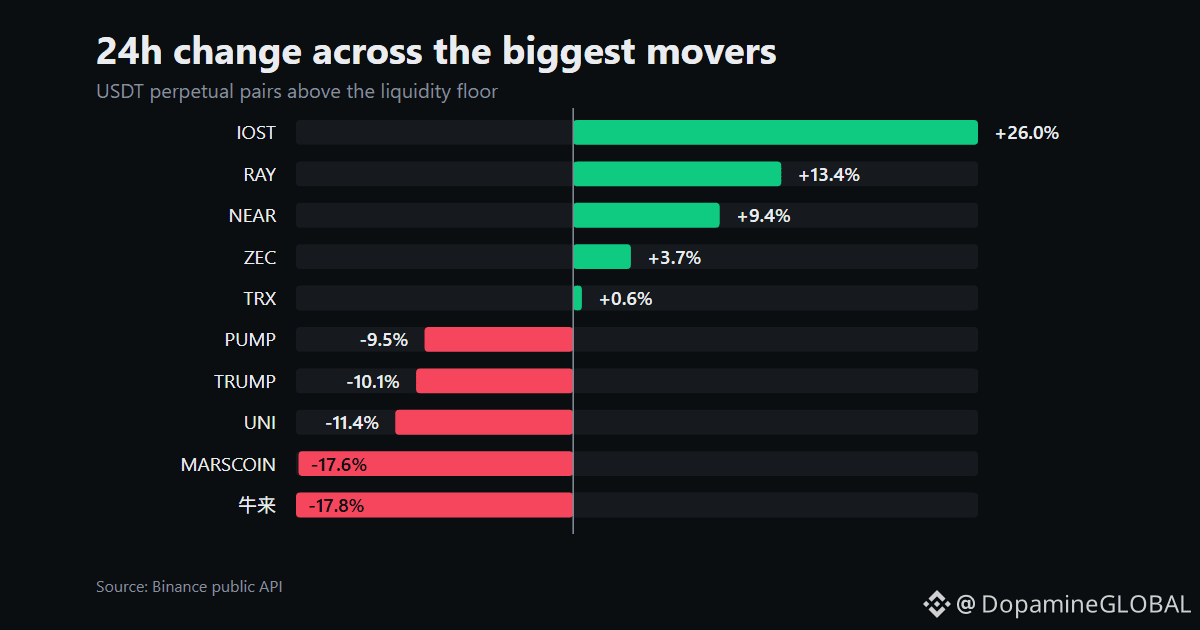
392
建玉(オープンインタレスト)は方向性の投票ではありません。強気か弱気かの確信の集計ではなく、未決済のデリバティブ契約数です。
建玉が増えると、多くの場合、新しいロングと新しいショートが同時に入ってきます。すべての契約には必ず両側が必要です。市場はエクスポージャーを増やしますが、この指標は「どちら側がより正しいか」「誰が過度にレバレッジをかけているか」「そのポジションが現物をヘッジしているのか」を判別できません。
仮の例:建玉が100枚から120枚に増え、価格も上昇したとします。これは、新規ロングが値動きを押し上げたことを証明しません。強さの中で新規ショートが売りに入っている可能性もあれば、買い手が反対側に回っている可能性もあります。建玉が増えるのは、双方のポジションが未決のまま残っているためです。
建玉が減ると、契約がクローズされているものの、数の減少だけでは、ロングとショートのどちらが退出しているのかを特定できません。建玉が下がる動きは、スクイーズの後にレバレッジが解消されているだけかもしれず、市場の方向性がきれいに変わったこととは限りません。
よくある誤りは、建玉の増加を強気、減少を弱気と見なすことです。それでは仕組みを飛ばしてしまいます。建玉は、デリバティブのエクスポージャーが追加されているのか、取り除かれているのかを示します。誰が強制的に追い込まれているのかを判断するには、価格、清算(リクイデーション)、ファンディング、ポジショニングのデータが必要です。
$BTC and $ETH は、背後のトレーダーが相反するリスクを取っていても、同じ建玉の変化を示し得ます。
これは金融アドバイスではありません。自分で調べてください。
#OpenInterest #Derivatives #Crypto
建玉(オープンインタレスト)は方向性の投票ではありません。強気か弱気かの確信の集計ではなく、未決済のデリバティブ契約数です。
建玉が増えると、多くの場合、新しいロングと新しいショートが同時に入ってきます。すべての契約には必ず両側が必要です。市場はエクスポージャーを増やしますが、この指標は「どちら側がより正しいか」「誰が過度にレバレッジをかけているか」「そのポジションが現物をヘッジしているのか」を判別できません。
仮の例:建玉が100枚から120枚に増え、価格も上昇したとします。これは、新規ロングが値動きを押し上げたことを証明しません。強さの中で新規ショートが売りに入っている可能性もあれば、買い手が反対側に回っている可能性もあります。建玉が増えるのは、双方のポジションが未決のまま残っているためです。
建玉が減ると、契約がクローズされているものの、数の減少だけでは、ロングとショートのどちらが退出しているのかを特定できません。建玉が下がる動きは、スクイーズの後にレバレッジが解消されているだけかもしれず、市場の方向性がきれいに変わったこととは限りません。
よくある誤りは、建玉の増加を強気、減少を弱気と見なすことです。それでは仕組みを飛ばしてしまいます。建玉は、デリバティブのエクスポージャーが追加されているのか、取り除かれているのかを示します。誰が強制的に追い込まれているのかを判断するには、価格、清算(リクイデーション)、ファンディング、ポジショニングのデータが必要です。
$BTC and $ETH は、背後のトレーダーが相反するリスクを取っていても、同じ建玉の変化を示し得ます。
これは金融アドバイスではありません。自分で調べてください。
#OpenInterest #Derivatives #Crypto
建玉が増えると、多くの場合、新しいロングと新しいショートが同時に入ってきます。すべての契約には必ず両側が必要です。市場はエクスポージャーを増やしますが、この指標は「どちら側がより正しいか」「誰が過度にレバレッジをかけているか」「そのポジションが現物をヘッジしているのか」を判別できません。
仮の例:建玉が100枚から120枚に増え、価格も上昇したとします。これは、新規ロングが値動きを押し上げたことを証明しません。強さの中で新規ショートが売りに入っている可能性もあれば、買い手が反対側に回っている可能性もあります。建玉が増えるのは、双方のポジションが未決のまま残っているためです。
建玉が減ると、契約がクローズされているものの、数の減少だけでは、ロングとショートのどちらが退出しているのかを特定できません。建玉が下がる動きは、スクイーズの後にレバレッジが解消されているだけかもしれず、市場の方向性がきれいに変わったこととは限りません。
よくある誤りは、建玉の増加を強気、減少を弱気と見なすことです。それでは仕組みを飛ばしてしまいます。建玉は、デリバティブのエクスポージャーが追加されているのか、取り除かれているのかを示します。誰が強制的に追い込まれているのかを判断するには、価格、清算(リクイデーション)、ファンディング、ポジショニングのデータが必要です。
$BTC and $ETH は、背後のトレーダーが相反するリスクを取っていても、同じ建玉の変化を示し得ます。
これは金融アドバイスではありません。自分で調べてください。
#OpenInterest #Derivatives #Crypto
75

·
--
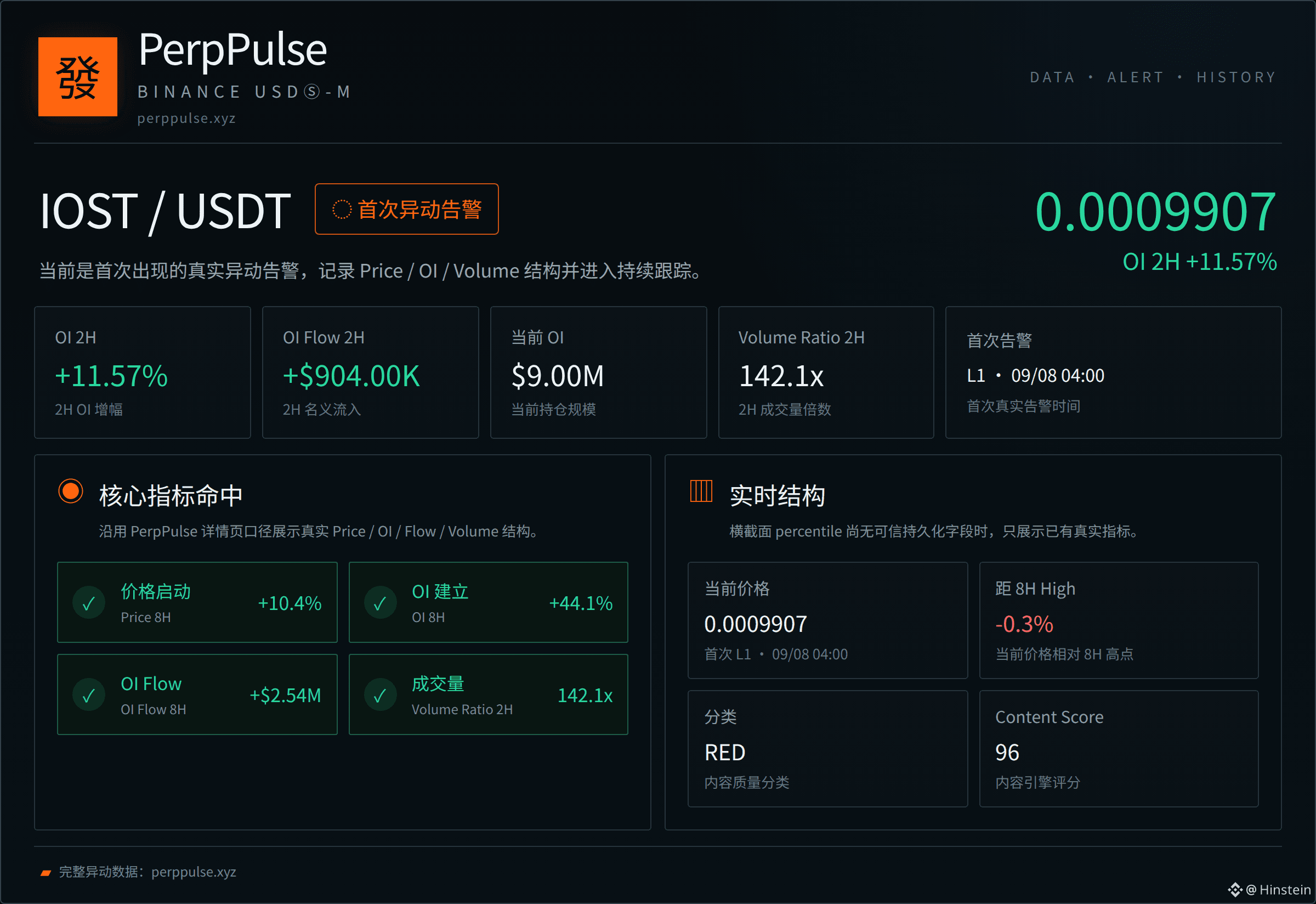
👀 $IOST がたった今、極端なボラティリティ警報を発動しました。
警報ポイント:0.0009907。
過去8Hで価格 +10.4%、OI +44.1%;現在の2Hの出来高は平常時のおよそ142.1倍。
現在、8H高値から -0.3%の位置にあります。ひとまず観測ポイントとして記録します。
価格、建玉、出来高が同一局面で変化しています。まずこの時点を記録し、今後データがどのように検証するかを引き続き見ます。
#Altcoins #OpenInterest #MarketMovers
📌 確認可能な記録
種別:極端なボラティリティ警報
記録時間:2026-09-08 04:00 +0800
ステータス:L1_WATCH
警報ポイント:0.0009907
8H高値まで:-0.3%
参照履歴:PP-MAIN-IOSTUSDT-20260907T2000Z-L1_WATCH
完全な異動データ:perppulse.xyz
👀 $IOST がたった今、極端なボラティリティ警報を発動しました。
警報ポイント:0.0009907。
過去8Hで価格 +10.4%、OI +44.1%;現在の2Hの出来高は平常時のおよそ142.1倍。
現在、8H高値から -0.3%の位置にあります。ひとまず観測ポイントとして記録します。
価格、建玉、出来高が同一局面で変化しています。まずこの時点を記録し、今後データがどのように検証するかを引き続き見ます。
#Altcoins #OpenInterest #MarketMovers
📌 確認可能な記録
種別:極端なボラティリティ警報
記録時間:2026-09-08 04:00 +0800
ステータス:L1_WATCH
警報ポイント:0.0009907
8H高値まで:-0.3%
参照履歴:PP-MAIN-IOSTUSDT-20260907T2000Z-L1_WATCH
完全な異動データ:perppulse.xyz
警報ポイント:0.0009907。
過去8Hで価格 +10.4%、OI +44.1%;現在の2Hの出来高は平常時のおよそ142.1倍。
現在、8H高値から -0.3%の位置にあります。ひとまず観測ポイントとして記録します。
価格、建玉、出来高が同一局面で変化しています。まずこの時点を記録し、今後データがどのように検証するかを引き続き見ます。
#Altcoins #OpenInterest #MarketMovers
📌 確認可能な記録
種別:極端なボラティリティ警報
記録時間:2026-09-08 04:00 +0800
ステータス:L1_WATCH
警報ポイント:0.0009907
8H高値まで:-0.3%
参照履歴:PP-MAIN-IOSTUSDT-20260907T2000Z-L1_WATCH
完全な異動データ:perppulse.xyz


·
--
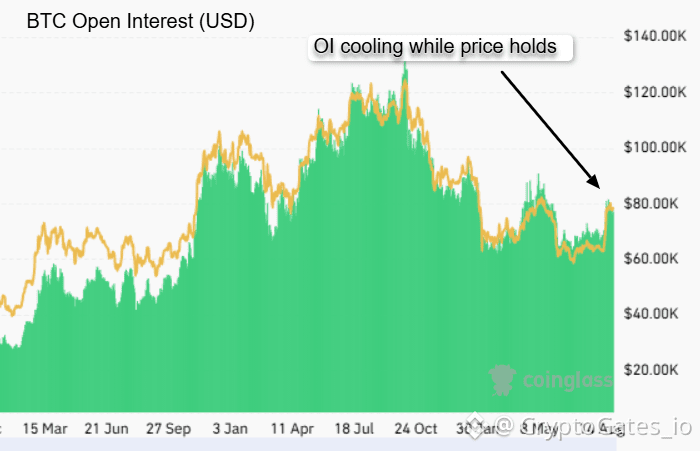
オープン・インタレスト解読 — 市場の本当の意図を読む
OI = まだ決済されていない建玉(オープンポジション)のこと。出来高でも、価格でもない。
4つの組み合わせが物語る:
• 価格↑ + OI↑ → 新規マネー流入(レバレッジ拡大)
• 価格↓ + OI↓ → ポジションの解消(アンワインド)
• 価格↑ + OI↓ → ショートスクイーズ(ショートの買い戻し)
• 価格↓ + OI↑ → 新たなショートが積み上がる
文脈を重ねる:
• フレイティング・レート:プラス = ロングがショートに支払う(強気バイアス)
• 出来高:確信を裏づける
• 清算:強制的な離脱を示す
• ベーシス:現物 vs 先物のプレミアム
ライブのBTCスナップショット:
価格:$80,030(+0.30% 24h)
出来高:8,441 BTC($674M)
オープン・インタレスト:106,074 BTC
価格とともにOIが上昇 = フレッシュなロング。混雑にはファンディングを確認しよう。
#BinanceAngels #OpenInterest
オープン・インタレスト解読 — 市場の本当の意図を読む
OI = まだ決済されていない建玉(オープンポジション)のこと。出来高でも、価格でもない。
4つの組み合わせが物語る:
• 価格↑ + OI↑ → 新規マネー流入(レバレッジ拡大)
• 価格↓ + OI↓ → ポジションの解消(アンワインド)
• 価格↑ + OI↓ → ショートスクイーズ(ショートの買い戻し)
• 価格↓ + OI↑ → 新たなショートが積み上がる
文脈を重ねる:
• フレイティング・レート:プラス = ロングがショートに支払う(強気バイアス)
• 出来高:確信を裏づける
• 清算:強制的な離脱を示す
• ベーシス:現物 vs 先物のプレミアム
ライブのBTCスナップショット:
価格:$80,030(+0.30% 24h)
出来高:8,441 BTC($674M)
オープン・インタレスト:106,074 BTC
価格とともにOIが上昇 = フレッシュなロング。混雑にはファンディングを確認しよう。
#BinanceAngels #OpenInterest
OI = まだ決済されていない建玉(オープンポジション)のこと。出来高でも、価格でもない。
4つの組み合わせが物語る:
• 価格↑ + OI↑ → 新規マネー流入(レバレッジ拡大)
• 価格↓ + OI↓ → ポジションの解消(アンワインド)
• 価格↑ + OI↓ → ショートスクイーズ(ショートの買い戻し)
• 価格↓ + OI↑ → 新たなショートが積み上がる
文脈を重ねる:
• フレイティング・レート:プラス = ロングがショートに支払う(強気バイアス)
• 出来高:確信を裏づける
• 清算:強制的な離脱を示す
• ベーシス:現物 vs 先物のプレミアム
ライブのBTCスナップショット:
価格:$80,030(+0.30% 24h)
出来高:8,441 BTC($674M)
オープン・インタレスト:106,074 BTC
価格とともにOIが上昇 = フレッシュなロング。混雑にはファンディングを確認しよう。
#BinanceAngels #OpenInterest

13

·
--
ブリッシュ
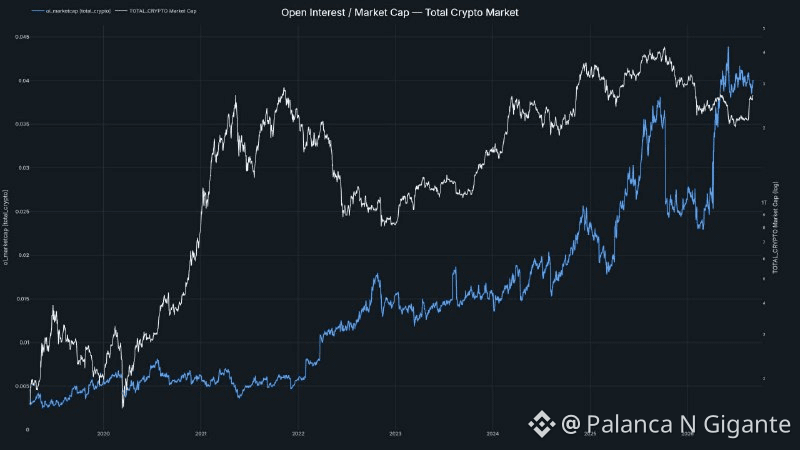
暗号資産の建玉(オープンポジション)の出来高がこれまでで最高 / 暗号資産市場の総時価総額はかつてないほど高い。
暗号資産の投資家は、直接的な売買(スポット取引)からますます離れつつある。
レバレッジへの関心はかつてないほど高まっている。
$DOGE $ZEC $XRP 👀👀👀👀👀👀👀
{spot}(XRPUSDT)
{spot}(ZECUSDT)
{spot}(DOGEUSDT)
#Openinterest #altsesaon #ZECHitsANewAllTimeHigh #altcoins #bullish
暗号資産の建玉(オープンポジション)の出来高がこれまでで最高 / 暗号資産市場の総時価総額はかつてないほど高い。
暗号資産の投資家は、直接的な売買(スポット取引)からますます離れつつある。
レバレッジへの関心はかつてないほど高まっている。
$DOGE $ZEC $XRP 👀👀👀👀👀👀👀
#Openinterest #altsesaon #ZECHitsANewAllTimeHigh #altcoins #bullish
暗号資産の投資家は、直接的な売買(スポット取引)からますます離れつつある。
レバレッジへの関心はかつてないほど高まっている。
$DOGE $ZEC $XRP 👀👀👀👀👀👀👀
#Openinterest #altsesaon #ZECHitsANewAllTimeHigh #altcoins #bullish
3
1.4k

ブレイクアウトで多くのトレーダーが損をするのは、退屈な理由が1つあるからです。つまり、建玉(オープン・インタレスト)を確認して、現物出来高(スポット・ボリューム)を完全に無視してしまうことです。
私はそのやり方をあまりにも長く続けていましたが、実際にこの2つの違いを理解するまで時間がかかりました。
なので、これら2つの数字が実際に何を意味しているのかを分解して説明します。どちらも常に混同されがちです。
スポット出来高は、基礎となる実際の市場でどれだけの実際の売買が起きているかを示します。建玉は、先物やパーペチュアルのポジションが現在どれだけ開いているかを示します。どちらも似た響きですが、まったく同じものではありません。
人をつまずかせる典型的なパターンがあります。価格が上がり、建玉も上がるのに、スポット出来高が弱いケースです。表面上は強気に見えます。レバレッジをかけた人たちが雪崩れ込んでいるように見えるからです。
でも実態は、しばしば脆い市場であり、比較的小さな反転が連鎖的な清算(リキッド)を引き起こすことがあります。
それに対して、価格が上がり、スポット出来高も上がっていて、建玉が安定している、または中程度にとどまっているケースを比べてください。こちらは通常、はるかに健全です。というのも、値動きが新しいレバレッジ賭けだけに寄りかかっていないからです。
ここで人が何度も間違えるポイントがあります。建玉が増えているのを見ると、「実際の需要がある」と思い込んでしまうことです。オープンしている契約が増えることは、実際の需要が増えていることと同じではありません。このギャップこそが、いわゆる“フェイク・ブレイクアウト”が生まれる場所です。
私は建玉を、需要が実在する証拠としてではなく、ポジショニングの指標として扱います。
私がどんなブレイクアウトも信用する前に確認するチェックリストは、価格、スポット出来高、建玉、そしてファンディングを、セットで読み合わせること。単独では判断しません。
建玉だけで「その動きは本物だ」と信じさせられないでください。
これを保存しておいて。次にコインが突然爆発するタイミングで、きっと必要になります。👀
#OpenInterest #CryptoEducation #TradingTips
$BTC $ETH $BNB
ブレイクアウトで多くのトレーダーが損をするのは、退屈な理由が1つあるからです。つまり、建玉(オープン・インタレスト)を確認して、現物出来高(スポット・ボリューム)を完全に無視してしまうことです。
私はそのやり方をあまりにも長く続けていましたが、実際にこの2つの違いを理解するまで時間がかかりました。
なので、これら2つの数字が実際に何を意味しているのかを分解して説明します。どちらも常に混同されがちです。
スポット出来高は、基礎となる実際の市場でどれだけの実際の売買が起きているかを示します。建玉は、先物やパーペチュアルのポジションが現在どれだけ開いているかを示します。どちらも似た響きですが、まったく同じものではありません。
人をつまずかせる典型的なパターンがあります。価格が上がり、建玉も上がるのに、スポット出来高が弱いケースです。表面上は強気に見えます。レバレッジをかけた人たちが雪崩れ込んでいるように見えるからです。
でも実態は、しばしば脆い市場であり、比較的小さな反転が連鎖的な清算(リキッド)を引き起こすことがあります。
それに対して、価格が上がり、スポット出来高も上がっていて、建玉が安定している、または中程度にとどまっているケースを比べてください。こちらは通常、はるかに健全です。というのも、値動きが新しいレバレッジ賭けだけに寄りかかっていないからです。
ここで人が何度も間違えるポイントがあります。建玉が増えているのを見ると、「実際の需要がある」と思い込んでしまうことです。オープンしている契約が増えることは、実際の需要が増えていることと同じではありません。このギャップこそが、いわゆる“フェイク・ブレイクアウト”が生まれる場所です。
私は建玉を、需要が実在する証拠としてではなく、ポジショニングの指標として扱います。
私がどんなブレイクアウトも信用する前に確認するチェックリストは、価格、スポット出来高、建玉、そしてファンディングを、セットで読み合わせること。単独では判断しません。
建玉だけで「その動きは本物だ」と信じさせられないでください。
これを保存しておいて。次にコインが突然爆発するタイミングで、きっと必要になります。👀
#OpenInterest #CryptoEducation #TradingTips
$BTC $ETH $BNB
私はそのやり方をあまりにも長く続けていましたが、実際にこの2つの違いを理解するまで時間がかかりました。
なので、これら2つの数字が実際に何を意味しているのかを分解して説明します。どちらも常に混同されがちです。
スポット出来高は、基礎となる実際の市場でどれだけの実際の売買が起きているかを示します。建玉は、先物やパーペチュアルのポジションが現在どれだけ開いているかを示します。どちらも似た響きですが、まったく同じものではありません。
人をつまずかせる典型的なパターンがあります。価格が上がり、建玉も上がるのに、スポット出来高が弱いケースです。表面上は強気に見えます。レバレッジをかけた人たちが雪崩れ込んでいるように見えるからです。
でも実態は、しばしば脆い市場であり、比較的小さな反転が連鎖的な清算(リキッド)を引き起こすことがあります。
それに対して、価格が上がり、スポット出来高も上がっていて、建玉が安定している、または中程度にとどまっているケースを比べてください。こちらは通常、はるかに健全です。というのも、値動きが新しいレバレッジ賭けだけに寄りかかっていないからです。
ここで人が何度も間違えるポイントがあります。建玉が増えているのを見ると、「実際の需要がある」と思い込んでしまうことです。オープンしている契約が増えることは、実際の需要が増えていることと同じではありません。このギャップこそが、いわゆる“フェイク・ブレイクアウト”が生まれる場所です。
私は建玉を、需要が実在する証拠としてではなく、ポジショニングの指標として扱います。
私がどんなブレイクアウトも信用する前に確認するチェックリストは、価格、スポット出来高、建玉、そしてファンディングを、セットで読み合わせること。単独では判断しません。
建玉だけで「その動きは本物だ」と信じさせられないでください。
これを保存しておいて。次にコインが突然爆発するタイミングで、きっと必要になります。👀
#OpenInterest #CryptoEducation #TradingTips
$BTC $ETH $BNB

3
57

$BTC : 総オープンインタレストは+0.32%(24h)で横ばいに見えるが、本当のシグナルは取引所レベルの内訳にある。
CME OI: -10.98%(24h)→ 機関投資家の先物が縮小
Bybit OI: +4.91%(24h)→ 小口のレバレッジが拡大
集計データがフラットなままでも、会場(取引所)ごとのポジショニングがここまで大きく乖離している場合、通常は表面上の停滞ではなく、その下で資金のローテーションが起きていることを意味します。
参加者タイプごとにレバレッジが不均等に分布しているような局面では、どちらの方向にも、予想以上に大きな値動きになりやすいです。レンジを意識した執行(方向性への確信ではなく)なら、この手の状況により適合しやすいです...
#OpenInterest #DerivativesData #BTC
$BTC : 総オープンインタレストは+0.32%(24h)で横ばいに見えるが、本当のシグナルは取引所レベルの内訳にある。
CME OI: -10.98%(24h)→ 機関投資家の先物が縮小
Bybit OI: +4.91%(24h)→ 小口のレバレッジが拡大
集計データがフラットなままでも、会場(取引所)ごとのポジショニングがここまで大きく乖離している場合、通常は表面上の停滞ではなく、その下で資金のローテーションが起きていることを意味します。
参加者タイプごとにレバレッジが不均等に分布しているような局面では、どちらの方向にも、予想以上に大きな値動きになりやすいです。レンジを意識した執行(方向性への確信ではなく)なら、この手の状況により適合しやすいです...
#OpenInterest #DerivativesData #BTC
CME OI: -10.98%(24h)→ 機関投資家の先物が縮小
Bybit OI: +4.91%(24h)→ 小口のレバレッジが拡大
集計データがフラットなままでも、会場(取引所)ごとのポジショニングがここまで大きく乖離している場合、通常は表面上の停滞ではなく、その下で資金のローテーションが起きていることを意味します。
参加者タイプごとにレバレッジが不均等に分布しているような局面では、どちらの方向にも、予想以上に大きな値動きになりやすいです。レンジを意識した執行(方向性への確信ではなく)なら、この手の状況により適合しやすいです...
#OpenInterest #DerivativesData #BTC
48

·
--
記事
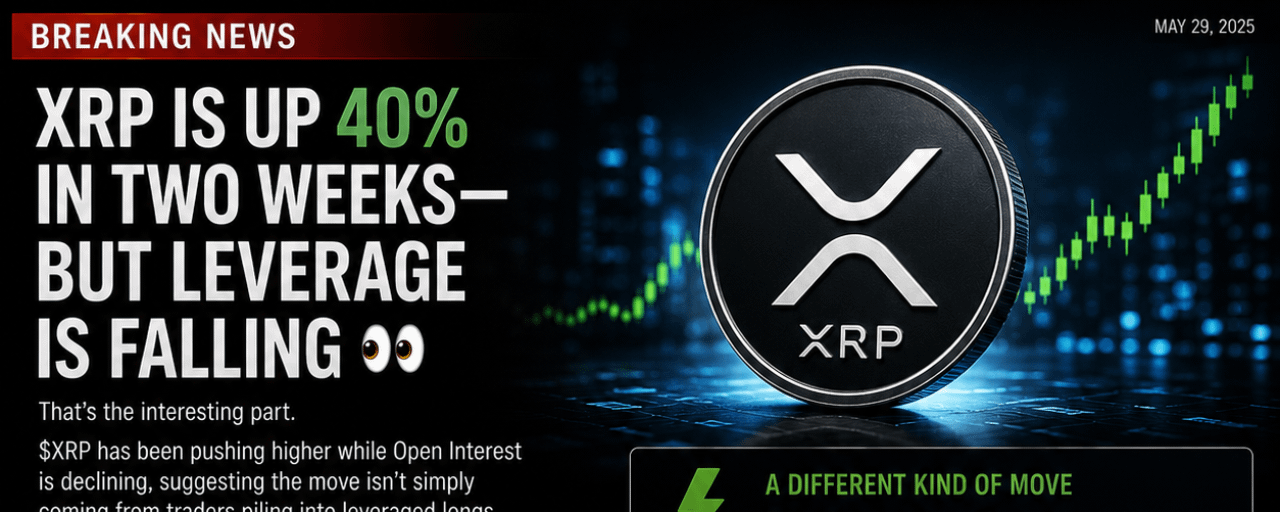
オープンインタレストが下落する中、XRPが2週間で40%上昇:次の動きは来るのか?#xrprises40%intwoweeksasopeninterestfalls
XRPが2週間で40%急騰、オープンインタレストは減少
XRPは目立った強さを見せており、2週間で約40%上昇する一方で、オープンインタレストは低下しています。
この組み合わせは、上昇相場が単にレバレッジをかけたポジションの積み上げだけで引き起こされているわけではないことを示唆しているため、トレーダーの注目を集めています。
📈 価格上昇、レバレッジ低下
現在の状況はシンプルです:
📈 XRP価格:強い上昇モメンタム
📉 オープンインタレスト:減少
🧹 レバレッジ:高水準から冷却
オープンインタレストが下落する中、XRPが2週間で40%上昇:次の動きは来るのか?
#xrprises40%intwoweeksasopeninterestfalls
XRPが2週間で40%急騰、オープンインタレストは減少
XRPは目立った強さを見せており、2週間で約40%上昇する一方で、オープンインタレストは低下しています。
この組み合わせは、上昇相場が単にレバレッジをかけたポジションの積み上げだけで引き起こされているわけではないことを示唆しているため、トレーダーの注目を集めています。
📈 価格上昇、レバレッジ低下
現在の状況はシンプルです:
📈 XRP価格:強い上昇モメンタム
📉 オープンインタレスト:減少
🧹 レバレッジ:高水準から冷却
XRPが2週間で40%急騰、オープンインタレストは減少
XRPは目立った強さを見せており、2週間で約40%上昇する一方で、オープンインタレストは低下しています。
この組み合わせは、上昇相場が単にレバレッジをかけたポジションの積み上げだけで引き起こされているわけではないことを示唆しているため、トレーダーの注目を集めています。
📈 価格上昇、レバレッジ低下
現在の状況はシンプルです:
📈 XRP価格:強い上昇モメンタム
📉 オープンインタレスト:減少
🧹 レバレッジ:高水準から冷却
6

#xrprises40%intwoweeksasopeninterestfalls
$XRP 解放されるが、本当の物語はデータの中に隠されている。🚀
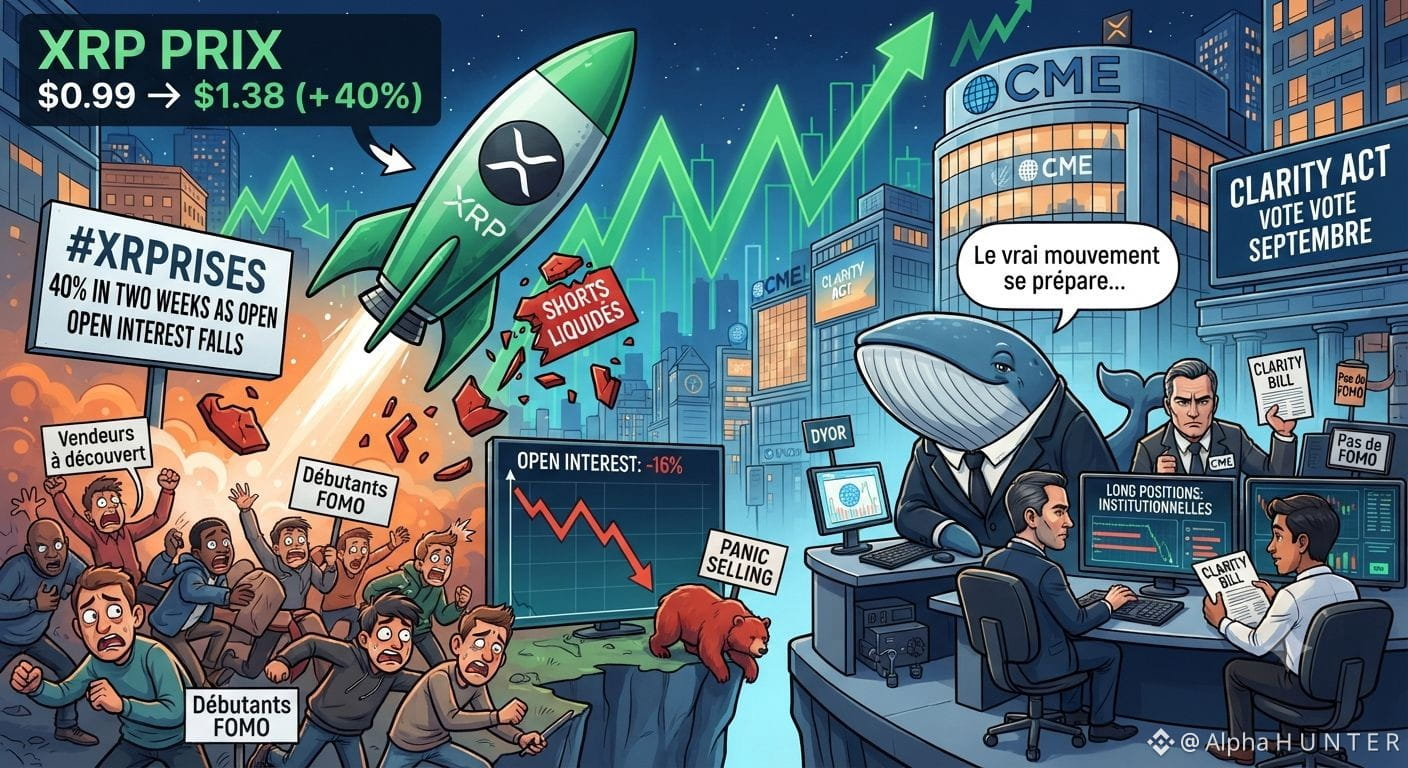
40%もの急騰(0.99ドルから1.38ドル)が空売り勢を粉砕し、顕著にオープン・インタレストが16%も下落した。💥 個人投資家は青い(緑の)ローソク足に気を取られている一方で、大口プレイヤーたちは9月の法案「CLARITY」の投票前に、CME側で長期ポジションを静かに積み増している。🏛️
{future}(XRPUSDT)
行動プラン:
🚫 初心者が陥る典型的なFOMOの罠は避ける。
🐋 機関投資家のフローを監視する。
📈 怖気づくクマたちを横目に、波に乗る。
(DYOR - これは金融助言ではありません)
#XRP #Ripple #OpenInterest
$BTC
{future}(BTCUSDT)
$ETH
{future}(ETHUSDT)
#xrprises40%intwoweeksasopeninterestfalls
$XRP 解放されるが、本当の物語はデータの中に隠されている。🚀
40%もの急騰(0.99ドルから1.38ドル)が空売り勢を粉砕し、顕著にオープン・インタレストが16%も下落した。💥 個人投資家は青い(緑の)ローソク足に気を取られている一方で、大口プレイヤーたちは9月の法案「CLARITY」の投票前に、CME側で長期ポジションを静かに積み増している。🏛️
行動プラン:
🚫 初心者が陥る典型的なFOMOの罠は避ける。
🐋 機関投資家のフローを監視する。
📈 怖気づくクマたちを横目に、波に乗る。
(DYOR - これは金融助言ではありません)
#XRP #Ripple #OpenInterest
$BTC
$ETH
$XRP 解放されるが、本当の物語はデータの中に隠されている。🚀
40%もの急騰(0.99ドルから1.38ドル)が空売り勢を粉砕し、顕著にオープン・インタレストが16%も下落した。💥 個人投資家は青い(緑の)ローソク足に気を取られている一方で、大口プレイヤーたちは9月の法案「CLARITY」の投票前に、CME側で長期ポジションを静かに積み増している。🏛️
行動プラン:
🚫 初心者が陥る典型的なFOMOの罠は避ける。
🐋 機関投資家のフローを監視する。
📈 怖気づくクマたちを横目に、波に乗る。
(DYOR - これは金融助言ではありません)
#XRP #Ripple #OpenInterest
$BTC
$ETH
1
459

#xrprises40%intwoweeksasopeninterestfalls
XRPがブレイクアウトしているが、本当の物語はデータの中に隠れている。🚀
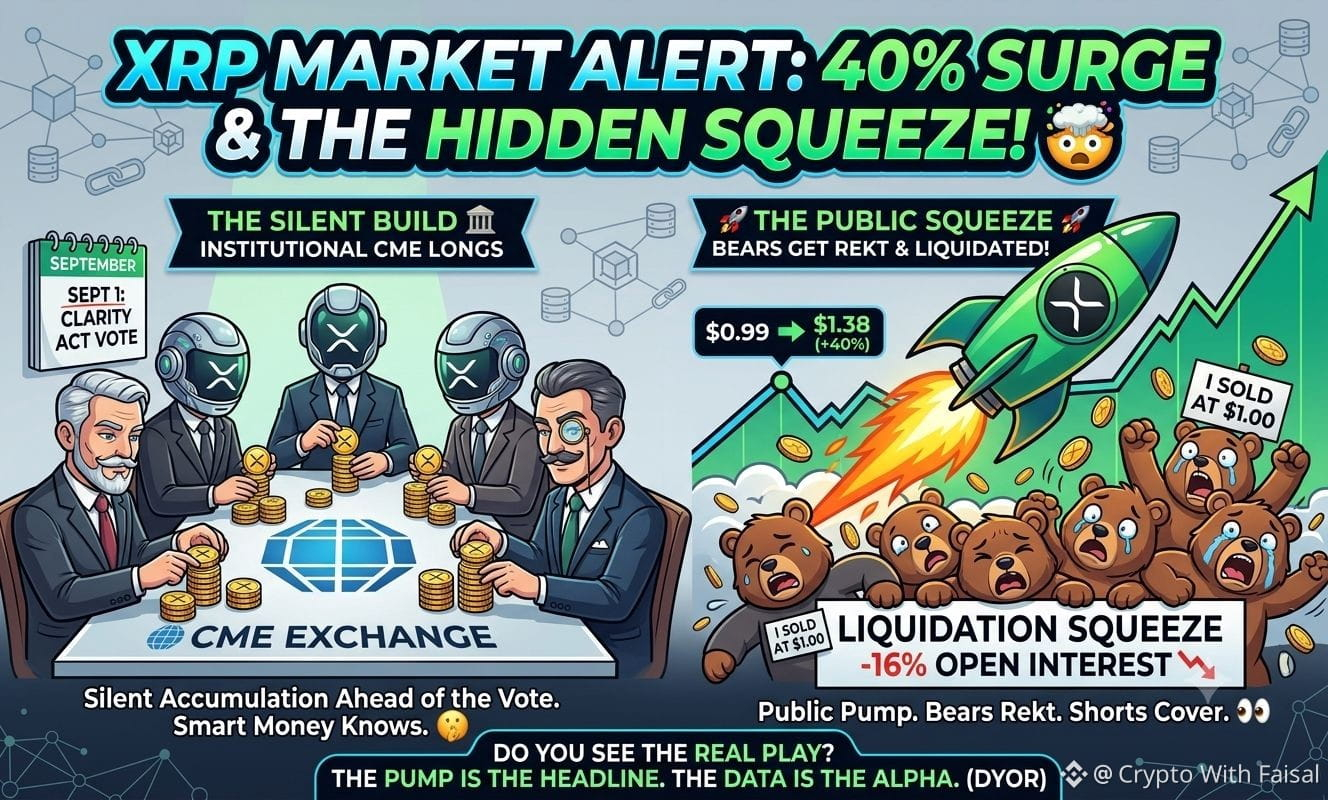
大きな40%の急騰($0.99から$1.38)が、ショート勢を粉砕したばかりで、オープン・インタレストは急激に16%低下した。💥 小売がグリーンのローソク足に気を取られている間、CMEの“賢い資金”は9月のCLARITY法案の投票前に、静かにロングを積み増している。🏛️👀
あなたのゲームプラン:
🚫 初心者のFOMOトラップを避ける。
🐋 機関投資家の資金フローを追跡する。
📈 強気に暴れるベア(売り手)にパニックさせておき、あなたは波に乗る。
(DYOR - 投資助言ではありません)
#XRP #Ripple #OpenInterest
$BTC $ETH $XRP
{future}(XRPUSDT)
{future}(BTCUSDT)
{future}(ETHUSDT)
#xrprises40%intwoweeksasopeninterestfalls
XRPがブレイクアウトしているが、本当の物語はデータの中に隠れている。🚀
大きな40%の急騰($0.99から$1.38)が、ショート勢を粉砕したばかりで、オープン・インタレストは急激に16%低下した。💥 小売がグリーンのローソク足に気を取られている間、CMEの“賢い資金”は9月のCLARITY法案の投票前に、静かにロングを積み増している。🏛️👀
あなたのゲームプラン:
🚫 初心者のFOMOトラップを避ける。
🐋 機関投資家の資金フローを追跡する。
📈 強気に暴れるベア(売り手)にパニックさせておき、あなたは波に乗る。
(DYOR - 投資助言ではありません)
#XRP #Ripple #OpenInterest
$BTC $ETH $XRP
XRPがブレイクアウトしているが、本当の物語はデータの中に隠れている。🚀
大きな40%の急騰($0.99から$1.38)が、ショート勢を粉砕したばかりで、オープン・インタレストは急激に16%低下した。💥 小売がグリーンのローソク足に気を取られている間、CMEの“賢い資金”は9月のCLARITY法案の投票前に、静かにロングを積み増している。🏛️👀
あなたのゲームプラン:
🚫 初心者のFOMOトラップを避ける。
🐋 機関投資家の資金フローを追跡する。
📈 強気に暴れるベア(売り手)にパニックさせておき、あなたは波に乗る。
(DYOR - 投資助言ではありません)
#XRP #Ripple #OpenInterest
$BTC $ETH $XRP
1.5k

·
--
ブリッシュ
#XRPRises40%InTwoWeeksAsOpenInterestFalls
🚨 **XRP +40%… 取引高(オープン・インタレスト)が下落。いったい何が起きている?**
$XRPは、2週間で約**40%**という力強い反発を見せ、**$0.99から~$1.38**へと動きました。ですが注目すべきは、値動きだけではありません。👀
📉 **総XRP先物のオープン・インタレスト(OI)は、8月17日〜31日の間に約16%下落**しており、価格は約40%も急騰しているのにです。
これは、この上昇が**てこ(レバレッジ)を効かせたロングにトレーダーが殺到しただけではない**ことを示唆します。つまり、レバレッジが抑えられている可能性があり、その分、今回の動きは構造的により健全になっているかもしれません。
一方で、**CMEのXRP先物OIは約36%増加**しており、CMEが占めるXRP先物の総エクスポージャー比率が、およそ**10%から17%**へと増えています。
🔥 **より大きな全体像:**
価格 ↑
暗号取引所全体でのレバレッジ ↓
規制されたCMEのエクスポージャー ↑
このズレは、注意して見ていく価値があります。もしXRPが上昇を続け、投機的なレバレッジが抑制されたままであれば、このラリーはさらに伸びる余地があるかもしれません。
しかし、これほど急な値動きの後は、ボラティリティ(変動性)と利確が主要なリスクとして残ります。📊
**XRPは動いている — でもデリバティブのデータが、もっと面白い物語を伝えているかもしれない。**
あなたはどう思いますか:**自然な積み増し(オーガニックな蓄積)か、それとも次のボラティリティ急騰の前触れか?** 👇
#XRP #Ripple #Crypto #BinanceSquare #XRPArmy #Altcoins #CryptoTrading #OpenInterest $NVDAB
{spot}(NVDABUSDT)
$AAPLB
{spot}(AAPLBUSDT)
$NVDA.US
{stock_us}(NVDA.US)
#XRPRises40%InTwoWeeksAsOpenInterestFalls #USStocksCloseLowerAmazonSuedByFTC #USFundsAlcoaGalliumPlantInAustralia
#XRPRises40%InTwoWeeksAsOpenInterestFalls
🚨 **XRP +40%… 取引高(オープン・インタレスト)が下落。いったい何が起きている?**
$XRPは、2週間で約**40%**という力強い反発を見せ、**$0.99から~$1.38**へと動きました。ですが注目すべきは、値動きだけではありません。👀
📉 **総XRP先物のオープン・インタレスト(OI)は、8月17日〜31日の間に約16%下落**しており、価格は約40%も急騰しているのにです。
これは、この上昇が**てこ(レバレッジ)を効かせたロングにトレーダーが殺到しただけではない**ことを示唆します。つまり、レバレッジが抑えられている可能性があり、その分、今回の動きは構造的により健全になっているかもしれません。
一方で、**CMEのXRP先物OIは約36%増加**しており、CMEが占めるXRP先物の総エクスポージャー比率が、およそ**10%から17%**へと増えています。
🔥 **より大きな全体像:**
価格 ↑
暗号取引所全体でのレバレッジ ↓
規制されたCMEのエクスポージャー ↑
このズレは、注意して見ていく価値があります。もしXRPが上昇を続け、投機的なレバレッジが抑制されたままであれば、このラリーはさらに伸びる余地があるかもしれません。
しかし、これほど急な値動きの後は、ボラティリティ(変動性)と利確が主要なリスクとして残ります。📊
**XRPは動いている — でもデリバティブのデータが、もっと面白い物語を伝えているかもしれない。**
あなたはどう思いますか:**自然な積み増し(オーガニックな蓄積)か、それとも次のボラティリティ急騰の前触れか?** 👇
#XRP #Ripple #Crypto #BinanceSquare #XRPArmy #Altcoins #CryptoTrading #OpenInterest $NVDAB
$AAPLB
$NVDA.US
#XRPRises40%InTwoWeeksAsOpenInterestFalls #USStocksCloseLowerAmazonSuedByFTC #USFundsAlcoaGalliumPlantInAustralia
🚨 **XRP +40%… 取引高(オープン・インタレスト)が下落。いったい何が起きている?**
$XRPは、2週間で約**40%**という力強い反発を見せ、**$0.99から~$1.38**へと動きました。ですが注目すべきは、値動きだけではありません。👀
📉 **総XRP先物のオープン・インタレスト(OI)は、8月17日〜31日の間に約16%下落**しており、価格は約40%も急騰しているのにです。
これは、この上昇が**てこ(レバレッジ)を効かせたロングにトレーダーが殺到しただけではない**ことを示唆します。つまり、レバレッジが抑えられている可能性があり、その分、今回の動きは構造的により健全になっているかもしれません。
一方で、**CMEのXRP先物OIは約36%増加**しており、CMEが占めるXRP先物の総エクスポージャー比率が、およそ**10%から17%**へと増えています。
🔥 **より大きな全体像:**
価格 ↑
暗号取引所全体でのレバレッジ ↓
規制されたCMEのエクスポージャー ↑
このズレは、注意して見ていく価値があります。もしXRPが上昇を続け、投機的なレバレッジが抑制されたままであれば、このラリーはさらに伸びる余地があるかもしれません。
しかし、これほど急な値動きの後は、ボラティリティ(変動性)と利確が主要なリスクとして残ります。📊
**XRPは動いている — でもデリバティブのデータが、もっと面白い物語を伝えているかもしれない。**
あなたはどう思いますか:**自然な積み増し(オーガニックな蓄積)か、それとも次のボラティリティ急騰の前触れか?** 👇
#XRP #Ripple #Crypto #BinanceSquare #XRPArmy #Altcoins #CryptoTrading #OpenInterest $NVDAB
$AAPLB
$NVDA.US
#XRPRises40%InTwoWeeksAsOpenInterestFalls #USStocksCloseLowerAmazonSuedByFTC #USFundsAlcoaGalliumPlantInAustralia
1
1
279

クマが積み上がるようにヘビーなショート(短期レバレッジ)を積んでいる! $XAU のオープン・インタレストが急増中! 📉 🦈
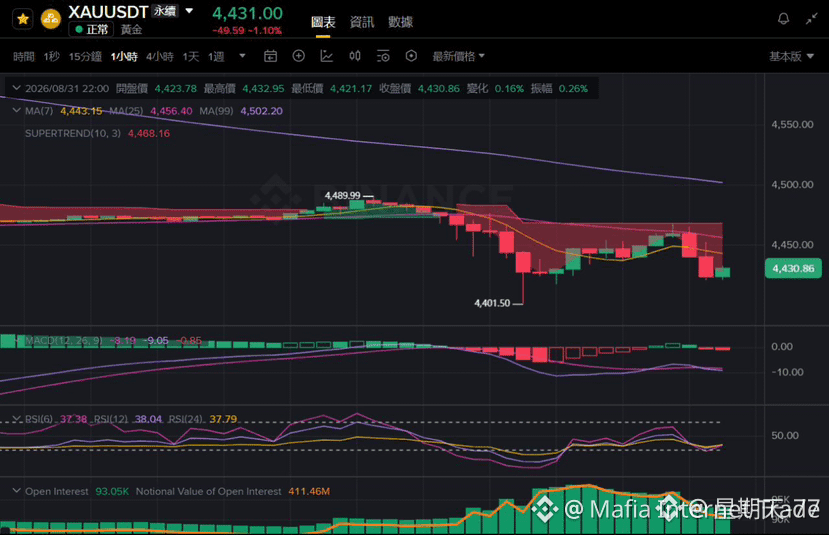
スマートマネーの注文フローが、$XAU の裏側で繰り広げられる大規模な機関投資家同士の戦いを暴いています。価格は4,489.99の高値から4,401.50まで下落した一方で、オープン・インタレストは下がりませんでした——名目価値で$411.46Mまで拡大しています。 📊 この鋭い乖離は、弱さに乗じて新たなショートポジションを積み増している攻撃的なベアがいることを示します。ロング勢が降参しているわけではありません。 🌊
価格が主要な移動平均線すべての下に押し付けられているため、4,468.16のスーパー・トレンド水準が重い上値の天井として機能しています。 🔍 RSIは37近辺に位置していますが、極端な売られ過ぎには到達しておらず、下方向への勢いには十分な余地があります。 ⚡
💬 攻撃的な売り手は$XAU を引きずって4,401の再テストに向かわせるのか? それとも、踏み上げ(ショートのスクイーズ)が反発を引き起こすのか? 👇
⚠️ 投資助言ではありません。常にリスクを管理してください。 🛡️
🏷️ #XAU #OpenInterest #OrderFlow #Crypto
⚡ 🦈
クマが積み上がるようにヘビーなショート(短期レバレッジ)を積んでいる! $XAU のオープン・インタレストが急増中! 📉 🦈
スマートマネーの注文フローが、$XAU の裏側で繰り広げられる大規模な機関投資家同士の戦いを暴いています。価格は4,489.99の高値から4,401.50まで下落した一方で、オープン・インタレストは下がりませんでした——名目価値で$411.46Mまで拡大しています。 📊 この鋭い乖離は、弱さに乗じて新たなショートポジションを積み増している攻撃的なベアがいることを示します。ロング勢が降参しているわけではありません。 🌊
価格が主要な移動平均線すべての下に押し付けられているため、4,468.16のスーパー・トレンド水準が重い上値の天井として機能しています。 🔍 RSIは37近辺に位置していますが、極端な売られ過ぎには到達しておらず、下方向への勢いには十分な余地があります。 ⚡
💬 攻撃的な売り手は$XAU を引きずって4,401の再テストに向かわせるのか? それとも、踏み上げ(ショートのスクイーズ)が反発を引き起こすのか? 👇
⚠️ 投資助言ではありません。常にリスクを管理してください。 🛡️
🏷️ #XAU #OpenInterest #OrderFlow #Crypto
⚡ 🦈
スマートマネーの注文フローが、$XAU の裏側で繰り広げられる大規模な機関投資家同士の戦いを暴いています。価格は4,489.99の高値から4,401.50まで下落した一方で、オープン・インタレストは下がりませんでした——名目価値で$411.46Mまで拡大しています。 📊 この鋭い乖離は、弱さに乗じて新たなショートポジションを積み増している攻撃的なベアがいることを示します。ロング勢が降参しているわけではありません。 🌊
価格が主要な移動平均線すべての下に押し付けられているため、4,468.16のスーパー・トレンド水準が重い上値の天井として機能しています。 🔍 RSIは37近辺に位置していますが、極端な売られ過ぎには到達しておらず、下方向への勢いには十分な余地があります。 ⚡
💬 攻撃的な売り手は$XAU を引きずって4,401の再テストに向かわせるのか? それとも、踏み上げ(ショートのスクイーズ)が反発を引き起こすのか? 👇
⚠️ 投資助言ではありません。常にリスクを管理してください。 🛡️
🏷️ #XAU #OpenInterest #OrderFlow #Crypto
⚡ 🦈
71
·
--
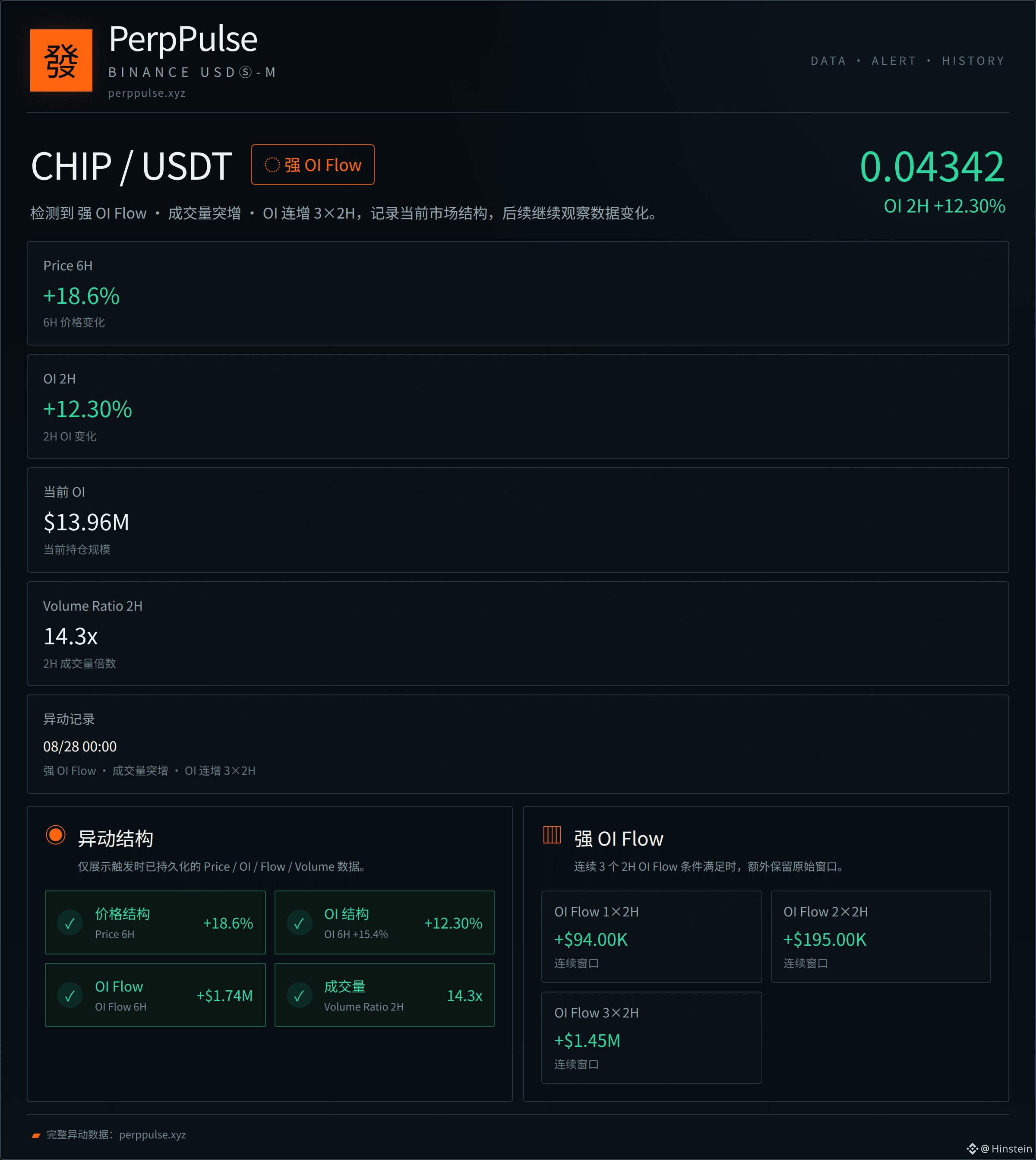
👀 $CHIP がたった今、強いOIフロー、出来高の急増、OIの連続増加(3×2H)を発生。
記録ポイント:0.04342。
現在の6Hの価格変化 +18.6%;
建玉(ポジション)・OIフロー・出来高の対応構造はシステムに記録済み。以後はデータの変化を引き続き観察。
#OpenInterest #MarketMovers
📌 確認可能な記録
タイプ:強いOIフロー · 出来高の急増 · OI連続増加 3×2H
記録時間:2026-08-28 00:00 +0800
記録ポイント:0.04342
Price 6H:+18.6%
OI 2H:+12.3%
OI 6H:+15.4%
OI Flow 6H:1736572.9
Vol 2H:14.3x
完全な急変データ:perppulse.xyz
👀 $CHIP がたった今、強いOIフロー、出来高の急増、OIの連続増加(3×2H)を発生。
記録ポイント:0.04342。
現在の6Hの価格変化 +18.6%;
建玉(ポジション)・OIフロー・出来高の対応構造はシステムに記録済み。以後はデータの変化を引き続き観察。
#OpenInterest #MarketMovers
📌 確認可能な記録
タイプ:強いOIフロー · 出来高の急増 · OI連続増加 3×2H
記録時間:2026-08-28 00:00 +0800
記録ポイント:0.04342
Price 6H:+18.6%
OI 2H:+12.3%
OI 6H:+15.4%
OI Flow 6H:1736572.9
Vol 2H:14.3x
完全な急変データ:perppulse.xyz
記録ポイント:0.04342。
現在の6Hの価格変化 +18.6%;
建玉(ポジション)・OIフロー・出来高の対応構造はシステムに記録済み。以後はデータの変化を引き続き観察。
#OpenInterest #MarketMovers
📌 確認可能な記録
タイプ:強いOIフロー · 出来高の急増 · OI連続増加 3×2H
記録時間:2026-08-28 00:00 +0800
記録ポイント:0.04342
Price 6H:+18.6%
OI 2H:+12.3%
OI 6H:+15.4%
OI Flow 6H:1736572.9
Vol 2H:14.3x
完全な急変データ:perppulse.xyz
2
28
ログインして、さらにコンテンツを読む
厳選トピックで世界の暗号資産トレーダーの仲間入り
⚡️ 暗号資産に関する最新かつ有益な情報が見つかります。
💬 世界最大の暗号資産取引所から信頼されています。
👍 認証を受けたクリエイターから、有益なインサイトを得られます。
メール / 電話番号
トレンドトピック
1
#RevolutConfirmsFakeGovEmailDataBreach
閲覧回数 0
3人が討論中
2
#CanadaOSFISaysTokenizedDepositsEqualTraditionalDeposits
閲覧回数 170
18人が討論中
3
#USBankCompletesCrossBorderPaymentPilotOnStellar
閲覧回数 11,778
371人が討論中
4
#NvidiaInTalksToInvestUpTo$10BInAnthropicIPO
閲覧回数 958
46人が討論中
5
#EtherRalliesAsBearishBetsLiquidate
閲覧回数 22,818
566人が討論中
6
#EthereumHits$2600FirstTimeInSevenMonths
閲覧回数 3,153
74人が討論中
7
#OpticalCommsStocksRallyOver3%
閲覧回数 25,190
346人が討論中
8
#USInflationHoldsAt3.4%InAugust
閲覧回数 30,246
365人が討論中
9
#CircleProposes$400MTazapayAcquisition
閲覧回数 1,809
40人が討論中
10
#CPIWatch
閲覧回数 87.4M
504,502人が討論中