
溪月 Xīyuè
7.8k 投稿

溪月 Xīyuè
報告
ユーザーをブロック
加密分析师 | 市场洞察短期与长期信号 | 比特币、以太坊及其他币种分享实时设置与基于研究的观点 与加密女王👸
取引を発注
高頻度トレーダー
2.5年
765 フォロー
29.4K+ フォロワー
4.6K+ いいね
投稿
ポートフォリオ
すべて
引用
ライブ
·
--
ブリッシュ
#FedRateWatch
🏦 FOMC 9月:米連銀の“次の一手”より、その発言のほうが重要になるのか?
利上げ決定は1つの数字を提示します。しかし、そのガイダンスは数か月にわたり市場の見通しを左右し得ます。
9月会合を前に、モルガン・スタンレーは、根強いインフレ圧力を理由に、まず25ベーシスポイントの利上げ、その後12月にも追加利上げを予想しています。これはあくまで予測であり、連邦準備制度理事会(FRB)は9月の決定をまだ発表していません。"Reuters" (https://wwwwww.reuters.com/business/morgan-stanley-turns-more-hawkish-forecasts-two-fed-hikes-ecb-move-2026-09-15/)
私の見解:重要なのは、FRBがどれだけ追加の引き締めを示すかです。
インフレが落ち着きつつあるという確信を伴う利上げは、同じ利上げでも「さらなる増加が必要」と警告する場合とは異なる反応を引き起こし得ます。政策金利を据え置く場合でも、制限的なメッセージを残せる余地があります。
ビットコインとイーサリアムについては、最初の反応が記者会見まで続くかどうかを見たいところです。素早い上昇の後に、国債利回りの上昇やドル高が進めば、シグナルは相反するものになります。利回りの緩和とともに買いが持続すれば、より支援的な解釈を示唆するでしょう(ただし、さらなる利益を保証するものではありません)。
最初の足がサプライズを捉えます。その後の数時間が、投資家がより広い見通しを変えたのかどうかを明らかにします。
今回の会合は、インフレ期待と暗号資産の粘り強さの両方を試す可能性があります。
見通しをより変え得るのはどちらですか:予想外の利上げ決定か、今後数か月に関するより厳しいメッセージか?
$AKE $AIN $POWER
#FedRateWatch
🏦 FOMC 9月:米連銀の“次の一手”より、その発言のほうが重要になるのか?
利上げ決定は1つの数字を提示します。しかし、そのガイダンスは数か月にわたり市場の見通しを左右し得ます。
9月会合を前に、モルガン・スタンレーは、根強いインフレ圧力を理由に、まず25ベーシスポイントの利上げ、その後12月にも追加利上げを予想しています。これはあくまで予測であり、連邦準備制度理事会(FRB)は9月の決定をまだ発表していません。"Reuters" (https://wwwwww.reuters.com/business/morgan-stanley-turns-more-hawkish-forecasts-two-fed-hikes-ecb-move-2026-09-15/)
私の見解:重要なのは、FRBがどれだけ追加の引き締めを示すかです。
インフレが落ち着きつつあるという確信を伴う利上げは、同じ利上げでも「さらなる増加が必要」と警告する場合とは異なる反応を引き起こし得ます。政策金利を据え置く場合でも、制限的なメッセージを残せる余地があります。
ビットコインとイーサリアムについては、最初の反応が記者会見まで続くかどうかを見たいところです。素早い上昇の後に、国債利回りの上昇やドル高が進めば、シグナルは相反するものになります。利回りの緩和とともに買いが持続すれば、より支援的な解釈を示唆するでしょう(ただし、さらなる利益を保証するものではありません)。
最初の足がサプライズを捉えます。その後の数時間が、投資家がより広い見通しを変えたのかどうかを明らかにします。
今回の会合は、インフレ期待と暗号資産の粘り強さの両方を試す可能性があります。
見通しをより変え得るのはどちらですか:予想外の利上げ決定か、今後数か月に関するより厳しいメッセージか?
$AKE $AIN $POWER
🏦 FOMC 9月:米連銀の“次の一手”より、その発言のほうが重要になるのか?
利上げ決定は1つの数字を提示します。しかし、そのガイダンスは数か月にわたり市場の見通しを左右し得ます。
9月会合を前に、モルガン・スタンレーは、根強いインフレ圧力を理由に、まず25ベーシスポイントの利上げ、その後12月にも追加利上げを予想しています。これはあくまで予測であり、連邦準備制度理事会(FRB)は9月の決定をまだ発表していません。"Reuters" (https://wwwwww.reuters.com/business/morgan-stanley-turns-more-hawkish-forecasts-two-fed-hikes-ecb-move-2026-09-15/)
私の見解:重要なのは、FRBがどれだけ追加の引き締めを示すかです。
インフレが落ち着きつつあるという確信を伴う利上げは、同じ利上げでも「さらなる増加が必要」と警告する場合とは異なる反応を引き起こし得ます。政策金利を据え置く場合でも、制限的なメッセージを残せる余地があります。
ビットコインとイーサリアムについては、最初の反応が記者会見まで続くかどうかを見たいところです。素早い上昇の後に、国債利回りの上昇やドル高が進めば、シグナルは相反するものになります。利回りの緩和とともに買いが持続すれば、より支援的な解釈を示唆するでしょう(ただし、さらなる利益を保証するものではありません)。
最初の足がサプライズを捉えます。その後の数時間が、投資家がより広い見通しを変えたのかどうかを明らかにします。
今回の会合は、インフレ期待と暗号資産の粘り強さの両方を試す可能性があります。
見通しをより変え得るのはどちらですか:予想外の利上げ決定か、今後数か月に関するより厳しいメッセージか?
$AKE $AIN $POWER
279
·
--
ブリッシュ
#clarityactoddshalveonpolymarket
CLARITY法の行方:上院協議が停滞しPolymarketでオッズが半減
2026年に向けた合意への確信が、昨夜のうちに急激に薄れました。
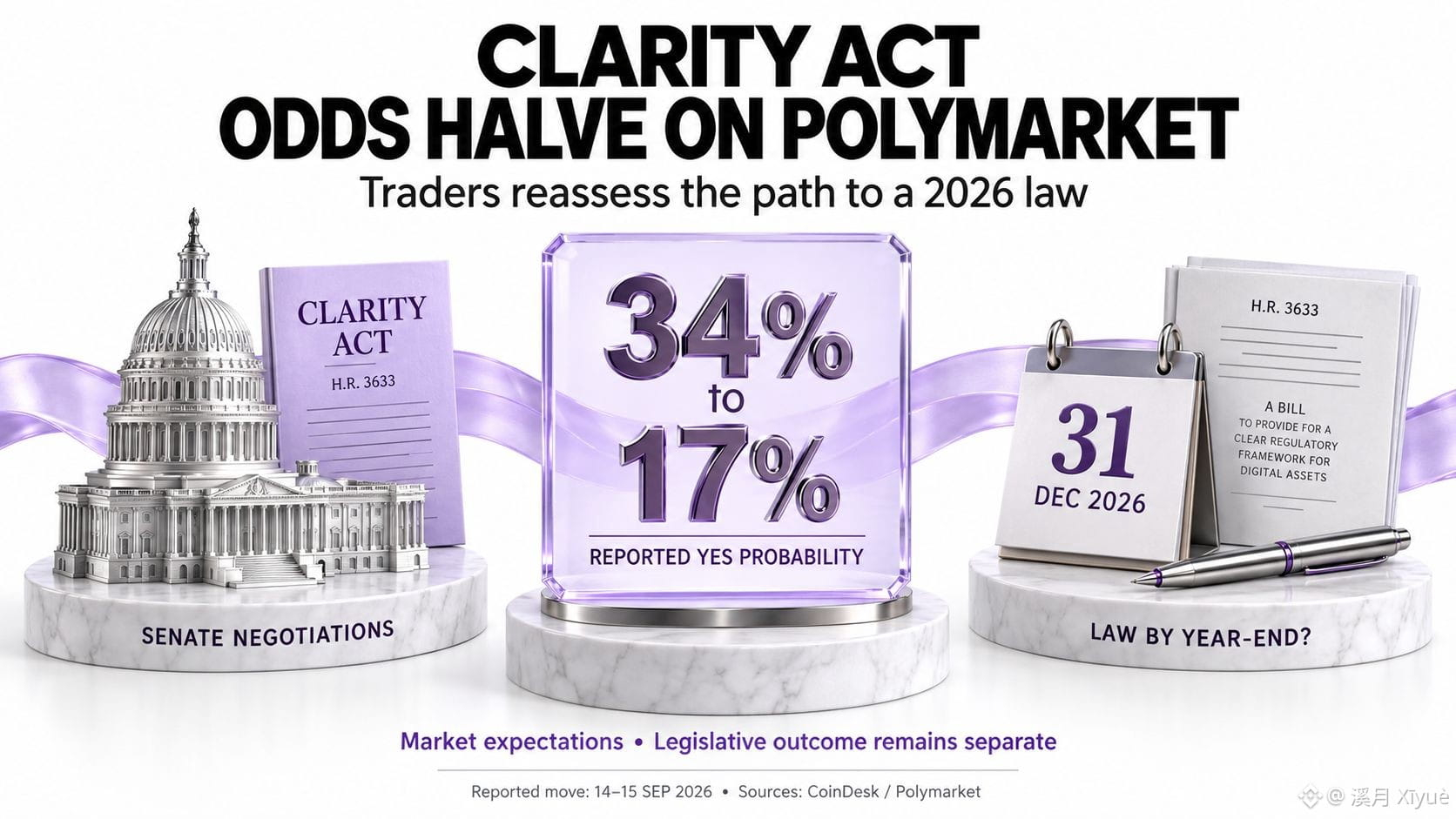
CoinDeskによると、Polymarketにおける「今年CLARITY法が成立する」確率は、9月14日の34%から、9月15日入りの時点で17%へ低下したとのことです。これは17ポイントの下落で、先の確率をほぼ半分にするインパクトです。
この契約には、H.R.3633が連邦議会の両院を通過し、2026年12月31日までに法律として署名されることが条件として含まれています。手続き上の採決で進むことになっただけでは決着とはなりません。これらの数値は報道時点のスナップショットであり、価格は引き続き変動します。
見直し(再価格付け)は、倫理規定をめぐる対立の再燃と、民主党側の対案が背景にあります。9月15日の上院の手続き上のハードルを越えるには60票が必要です。
私見:これは、立法上の合意に対する確信が、いかに素早く消えてしまうかを示しています。暗号資産ビジネスにとっては、待ちが長引けば、プロダクトのリリース、コンプライアンス関連の支出、そして米国への拡大をめぐる不確実性が続く可能性があります。
私は、実際に確認できる上院議員のコミットメントと、法案草案に加えられる具体的な変更点を注視したいです。追加の票によるオッズの回復は、楽観的なコメントだけで起きた跳ね返りよりも重みがあるはずです。BTCに関しては、ワシントンの見出しと並んで、より広い金利や流動性の背景も依然として重要です。
どんなことがあれば「持続可能な合意が近づいている」と確信できますか?
#ClarityActOddsHalveOnPolymarket #CLARITYAct #CryptoRegulation #Polymarket @polymarket
$AKE $AIN $POWER
{future}(POWERUSDT)
{future}(AINUSDT)
{future}(AKEUSDT)
#clarityactoddshalveonpolymarket
CLARITY法の行方:上院協議が停滞しPolymarketでオッズが半減
2026年に向けた合意への確信が、昨夜のうちに急激に薄れました。
CoinDeskによると、Polymarketにおける「今年CLARITY法が成立する」確率は、9月14日の34%から、9月15日入りの時点で17%へ低下したとのことです。これは17ポイントの下落で、先の確率をほぼ半分にするインパクトです。
この契約には、H.R.3633が連邦議会の両院を通過し、2026年12月31日までに法律として署名されることが条件として含まれています。手続き上の採決で進むことになっただけでは決着とはなりません。これらの数値は報道時点のスナップショットであり、価格は引き続き変動します。
見直し(再価格付け)は、倫理規定をめぐる対立の再燃と、民主党側の対案が背景にあります。9月15日の上院の手続き上のハードルを越えるには60票が必要です。
私見:これは、立法上の合意に対する確信が、いかに素早く消えてしまうかを示しています。暗号資産ビジネスにとっては、待ちが長引けば、プロダクトのリリース、コンプライアンス関連の支出、そして米国への拡大をめぐる不確実性が続く可能性があります。
私は、実際に確認できる上院議員のコミットメントと、法案草案に加えられる具体的な変更点を注視したいです。追加の票によるオッズの回復は、楽観的なコメントだけで起きた跳ね返りよりも重みがあるはずです。BTCに関しては、ワシントンの見出しと並んで、より広い金利や流動性の背景も依然として重要です。
どんなことがあれば「持続可能な合意が近づいている」と確信できますか?
#ClarityActOddsHalveOnPolymarket #CLARITYAct #CryptoRegulation #Polymarket @Polymarket
$AKE $AIN $POWER
CLARITY法の行方:上院協議が停滞しPolymarketでオッズが半減
2026年に向けた合意への確信が、昨夜のうちに急激に薄れました。
CoinDeskによると、Polymarketにおける「今年CLARITY法が成立する」確率は、9月14日の34%から、9月15日入りの時点で17%へ低下したとのことです。これは17ポイントの下落で、先の確率をほぼ半分にするインパクトです。
この契約には、H.R.3633が連邦議会の両院を通過し、2026年12月31日までに法律として署名されることが条件として含まれています。手続き上の採決で進むことになっただけでは決着とはなりません。これらの数値は報道時点のスナップショットであり、価格は引き続き変動します。
見直し(再価格付け)は、倫理規定をめぐる対立の再燃と、民主党側の対案が背景にあります。9月15日の上院の手続き上のハードルを越えるには60票が必要です。
私見:これは、立法上の合意に対する確信が、いかに素早く消えてしまうかを示しています。暗号資産ビジネスにとっては、待ちが長引けば、プロダクトのリリース、コンプライアンス関連の支出、そして米国への拡大をめぐる不確実性が続く可能性があります。
私は、実際に確認できる上院議員のコミットメントと、法案草案に加えられる具体的な変更点を注視したいです。追加の票によるオッズの回復は、楽観的なコメントだけで起きた跳ね返りよりも重みがあるはずです。BTCに関しては、ワシントンの見出しと並んで、より広い金利や流動性の背景も依然として重要です。
どんなことがあれば「持続可能な合意が近づいている」と確信できますか?
#ClarityActOddsHalveOnPolymarket #CLARITYAct #CryptoRegulation #Polymarket @Polymarket
$AKE $AIN $POWER
368
·
--
弱気相場
#strategymarketcappassesford
戦略(Strategy)対フォード(Ford):なぜ時価総額スナップショットが重要なのか
戦略のフォードとの比較は、投資家がビットコインのトレジャリー企業をどう評価しているかに注目を集めています。
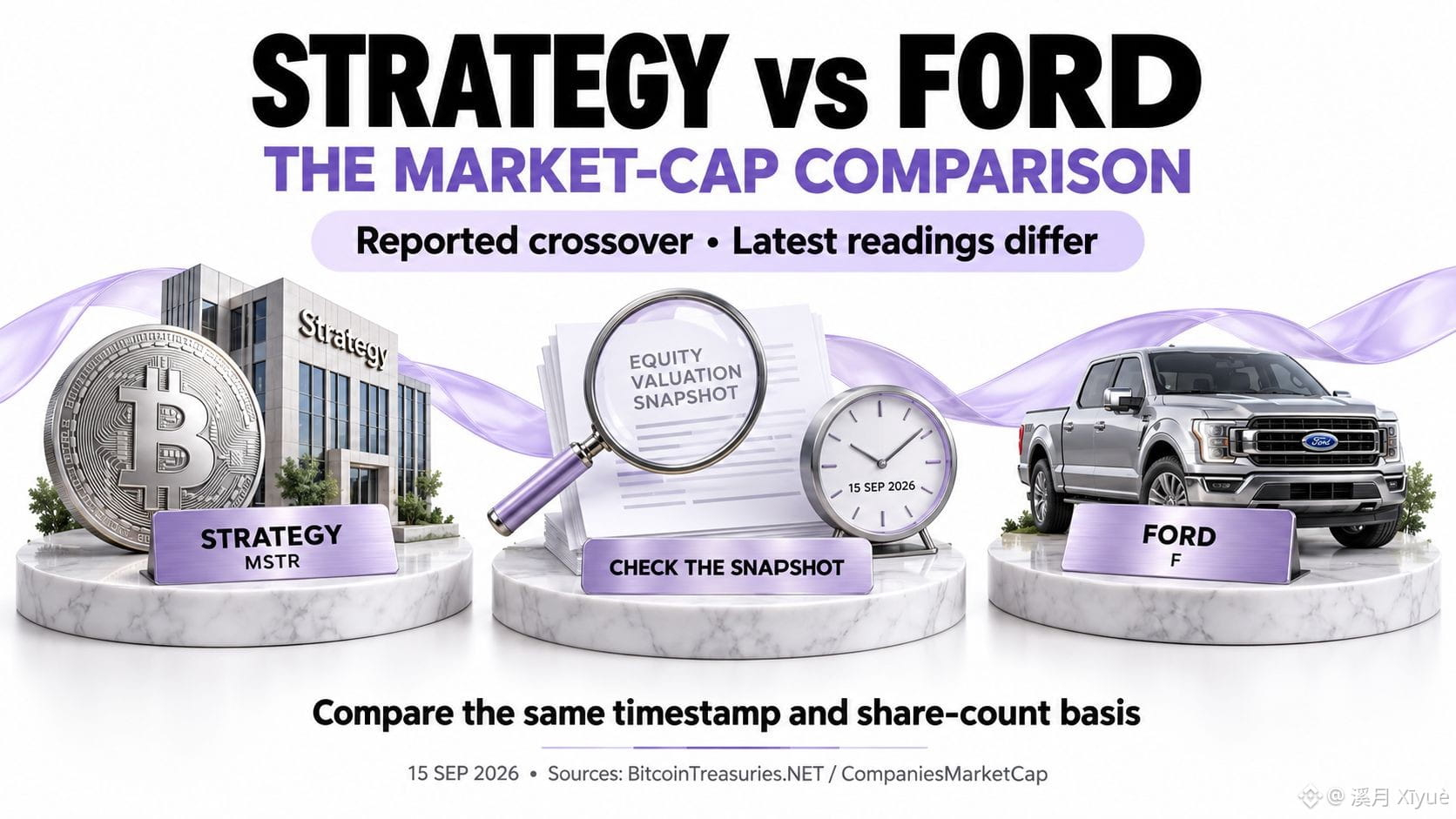
9月15日、BitcoinTreasuries.NETは、Strategyがフォードの時価総額を上回ったと報告しました。
しかしCompaniesMarketCapの当該ページを確認すると、Strategyは約527.2億ドル、Fordは544.1億ドルでした。これらの数値ではフォードが先行しており、提供元は価格が遅れて反映される可能性があると注意しています。
報じられたクロス(逆転)が事実であるかを独自に確認するには、元のタイムスタンプと株数の前提が必要です。
私の見解:時価総額は、発行済み株式の市場価値を測る指標です。これは株式規模の大きさを示しますが、収益、資金調達、そして株主価値についての疑問は残したままになります。
Strategyについては、1株当たりのビットコインエクスポージャー、資金調達コスト、そして負債と優先株に関する義務にもっと注目したいです。企業の開示は、こうした上位の請求権が普通株主の利益にどう影響するかを説明しています。
より大きな時価総額は、高い株価、より多い株式発行、あるいはその両方によって生じ得ます。より有用なのは、資金調達コストや義務の後に1株当たりの価値が改善するかどうかというテストです。それが分かれば、自動車メーカーの隣に位置するかどうかよりも、モデルの耐久性についてより多くが分かるでしょう。
ビットコインのトレジャリー企業を評価する際、あなたが最も重視する指標はどれですか?
#StrategyMarketCapPassesFord #MSTR #bitcoin
$ZKC $CVC $RONIN
{future}(RONINUSDT)
{future}(CVCUSDT)
{future}(ZKCUSDT)
#strategymarketcappassesford
戦略(Strategy)対フォード(Ford):なぜ時価総額スナップショットが重要なのか
戦略のフォードとの比較は、投資家がビットコインのトレジャリー企業をどう評価しているかに注目を集めています。
9月15日、BitcoinTreasuries.NETは、Strategyがフォードの時価総額を上回ったと報告しました。
しかしCompaniesMarketCapの当該ページを確認すると、Strategyは約527.2億ドル、Fordは544.1億ドルでした。これらの数値ではフォードが先行しており、提供元は価格が遅れて反映される可能性があると注意しています。
報じられたクロス(逆転)が事実であるかを独自に確認するには、元のタイムスタンプと株数の前提が必要です。
私の見解:時価総額は、発行済み株式の市場価値を測る指標です。これは株式規模の大きさを示しますが、収益、資金調達、そして株主価値についての疑問は残したままになります。
Strategyについては、1株当たりのビットコインエクスポージャー、資金調達コスト、そして負債と優先株に関する義務にもっと注目したいです。企業の開示は、こうした上位の請求権が普通株主の利益にどう影響するかを説明しています。
より大きな時価総額は、高い株価、より多い株式発行、あるいはその両方によって生じ得ます。より有用なのは、資金調達コストや義務の後に1株当たりの価値が改善するかどうかというテストです。それが分かれば、自動車メーカーの隣に位置するかどうかよりも、モデルの耐久性についてより多くが分かるでしょう。
ビットコインのトレジャリー企業を評価する際、あなたが最も重視する指標はどれですか?
#StrategyMarketCapPassesFord #MSTR #bitcoin
$ZKC $CVC $RONIN
戦略(Strategy)対フォード(Ford):なぜ時価総額スナップショットが重要なのか
戦略のフォードとの比較は、投資家がビットコインのトレジャリー企業をどう評価しているかに注目を集めています。
9月15日、BitcoinTreasuries.NETは、Strategyがフォードの時価総額を上回ったと報告しました。
しかしCompaniesMarketCapの当該ページを確認すると、Strategyは約527.2億ドル、Fordは544.1億ドルでした。これらの数値ではフォードが先行しており、提供元は価格が遅れて反映される可能性があると注意しています。
報じられたクロス(逆転)が事実であるかを独自に確認するには、元のタイムスタンプと株数の前提が必要です。
私の見解:時価総額は、発行済み株式の市場価値を測る指標です。これは株式規模の大きさを示しますが、収益、資金調達、そして株主価値についての疑問は残したままになります。
Strategyについては、1株当たりのビットコインエクスポージャー、資金調達コスト、そして負債と優先株に関する義務にもっと注目したいです。企業の開示は、こうした上位の請求権が普通株主の利益にどう影響するかを説明しています。
より大きな時価総額は、高い株価、より多い株式発行、あるいはその両方によって生じ得ます。より有用なのは、資金調達コストや義務の後に1株当たりの価値が改善するかどうかというテストです。それが分かれば、自動車メーカーの隣に位置するかどうかよりも、モデルの耐久性についてより多くが分かるでしょう。
ビットコインのトレジャリー企業を評価する際、あなたが最も重視する指標はどれですか?
#StrategyMarketCapPassesFord #MSTR #bitcoin
$ZKC $CVC $RONIN
244
·
--
ブリッシュ
確認済み
#fedratewatch
利上げ観測が9月16日を前に高まる中、「FRBレート・ウォッチ」
暗号資産トレーダーが注視すべきポイントは2つあります。1つは金利決定、もう1つはFRBが今後の見通しについて示唆する内容です。
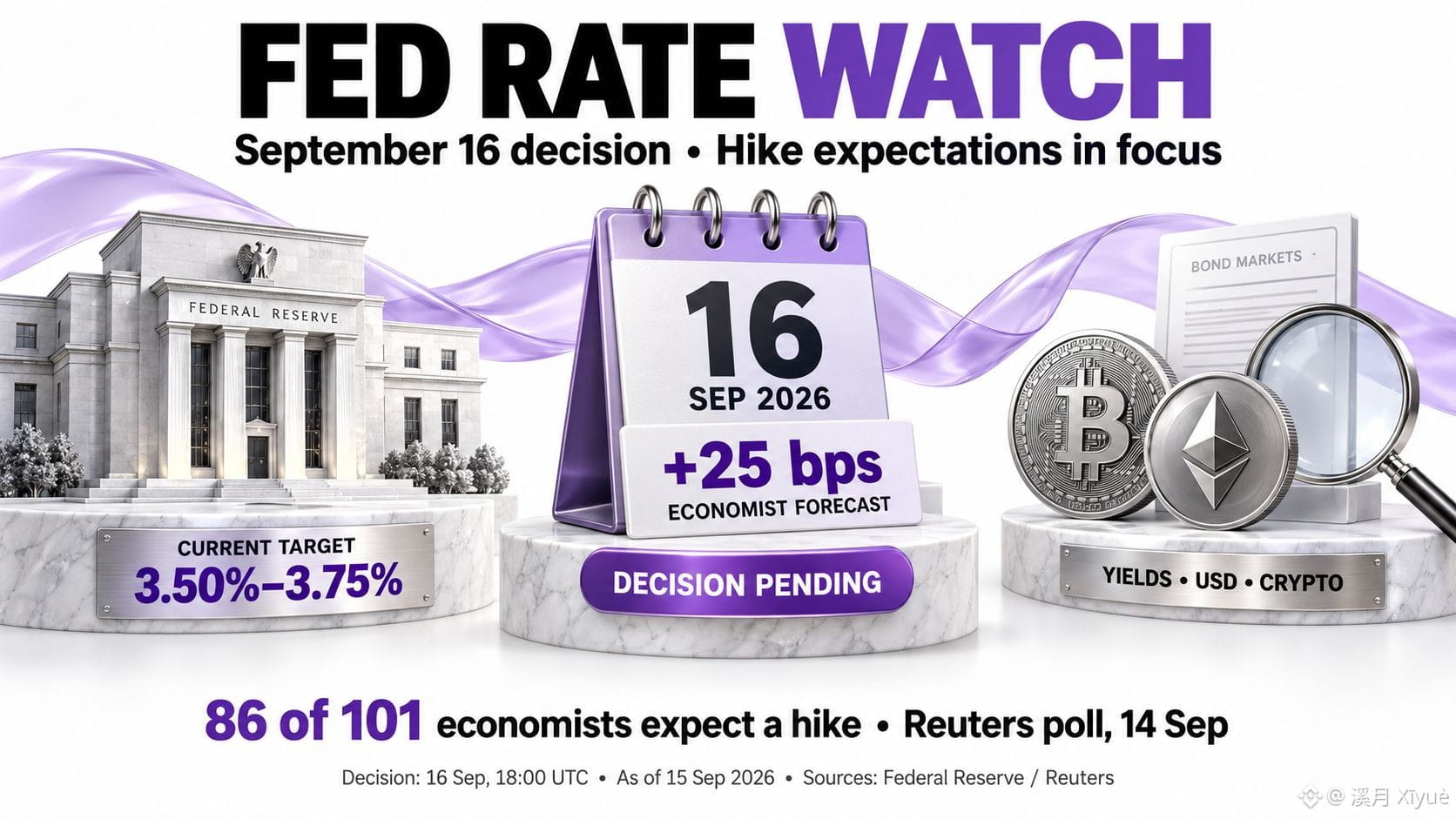
現行のフェデラル・ファンド(FF)金利の目標レンジは3.50%〜3.75%のままです。
ロイターの9月14日調査では、101人のエコノミストのうち86人が、今週の会合で25ベーシス・ポイント引き上げて3.75%〜4.00%になると予想していました。なお、決定はまだ保留です。
8月のコアCPIは前月比0.3%上昇で、7月の0.2%から加速しました。
私の見解:広く見込まれている利上げが、重要なのは「FRBの見通しに関するサプライズ」であり得るという点です。BTCとETHについては、発表後に米国債利回りとドルが強まるのか、それとも弱まるのかをまず見て、その反応が記者会見の後も持続するかを確認するのがよいでしょう。
当局がさらなる引き締めを示唆すれば、リスク資産の資金調達環境は引き続き課題となり得ます。より緩やかな見通しはセンチメントの支えになり得ますが、それでも価格・出来高・その後の値動きが反応を裏付ける必要があります。最初の動きだけでは、先行きのトレンドについての証拠は限られています。
時程:9月16日 18:00 UTC / パキスタン時間 23:00、記者会見はその30分後。
最初にどの反応を見ますか:債券、ドル、そしてBTCのどれですか?
#FedRateWatch #bitcoin #Macro
$AKE
$AIN
$BTC
#fedratewatch
利上げ観測が9月16日を前に高まる中、「FRBレート・ウォッチ」
暗号資産トレーダーが注視すべきポイントは2つあります。1つは金利決定、もう1つはFRBが今後の見通しについて示唆する内容です。
現行のフェデラル・ファンド(FF)金利の目標レンジは3.50%〜3.75%のままです。
ロイターの9月14日調査では、101人のエコノミストのうち86人が、今週の会合で25ベーシス・ポイント引き上げて3.75%〜4.00%になると予想していました。なお、決定はまだ保留です。
8月のコアCPIは前月比0.3%上昇で、7月の0.2%から加速しました。
私の見解:広く見込まれている利上げが、重要なのは「FRBの見通しに関するサプライズ」であり得るという点です。BTCとETHについては、発表後に米国債利回りとドルが強まるのか、それとも弱まるのかをまず見て、その反応が記者会見の後も持続するかを確認するのがよいでしょう。
当局がさらなる引き締めを示唆すれば、リスク資産の資金調達環境は引き続き課題となり得ます。より緩やかな見通しはセンチメントの支えになり得ますが、それでも価格・出来高・その後の値動きが反応を裏付ける必要があります。最初の動きだけでは、先行きのトレンドについての証拠は限られています。
時程:9月16日 18:00 UTC / パキスタン時間 23:00、記者会見はその30分後。
最初にどの反応を見ますか:債券、ドル、そしてBTCのどれですか?
#FedRateWatch #bitcoin #Macro
$AKE
$AIN
$BTC
利上げ観測が9月16日を前に高まる中、「FRBレート・ウォッチ」
暗号資産トレーダーが注視すべきポイントは2つあります。1つは金利決定、もう1つはFRBが今後の見通しについて示唆する内容です。
現行のフェデラル・ファンド(FF)金利の目標レンジは3.50%〜3.75%のままです。
ロイターの9月14日調査では、101人のエコノミストのうち86人が、今週の会合で25ベーシス・ポイント引き上げて3.75%〜4.00%になると予想していました。なお、決定はまだ保留です。
8月のコアCPIは前月比0.3%上昇で、7月の0.2%から加速しました。
私の見解:広く見込まれている利上げが、重要なのは「FRBの見通しに関するサプライズ」であり得るという点です。BTCとETHについては、発表後に米国債利回りとドルが強まるのか、それとも弱まるのかをまず見て、その反応が記者会見の後も持続するかを確認するのがよいでしょう。
当局がさらなる引き締めを示唆すれば、リスク資産の資金調達環境は引き続き課題となり得ます。より緩やかな見通しはセンチメントの支えになり得ますが、それでも価格・出来高・その後の値動きが反応を裏付ける必要があります。最初の動きだけでは、先行きのトレンドについての証拠は限られています。
時程:9月16日 18:00 UTC / パキスタン時間 23:00、記者会見はその30分後。
最初にどの反応を見ますか:債券、ドル、そしてBTCのどれですか?
#FedRateWatch #bitcoin #Macro
$AKE
$AIN
$BTC
1
901
·
--
ブリッシュ
確認済み
#zamaopens16confidentialmorphovaults
ザマ、イーサリアム上で16の機密モルフォ・バルテーズ(モルフォ・ボールト)をオープン
DeFiの次の採用テストは、ユーザーが自分のポジションサイズを公表せずに利回りを得られるかどうかかもしれない。
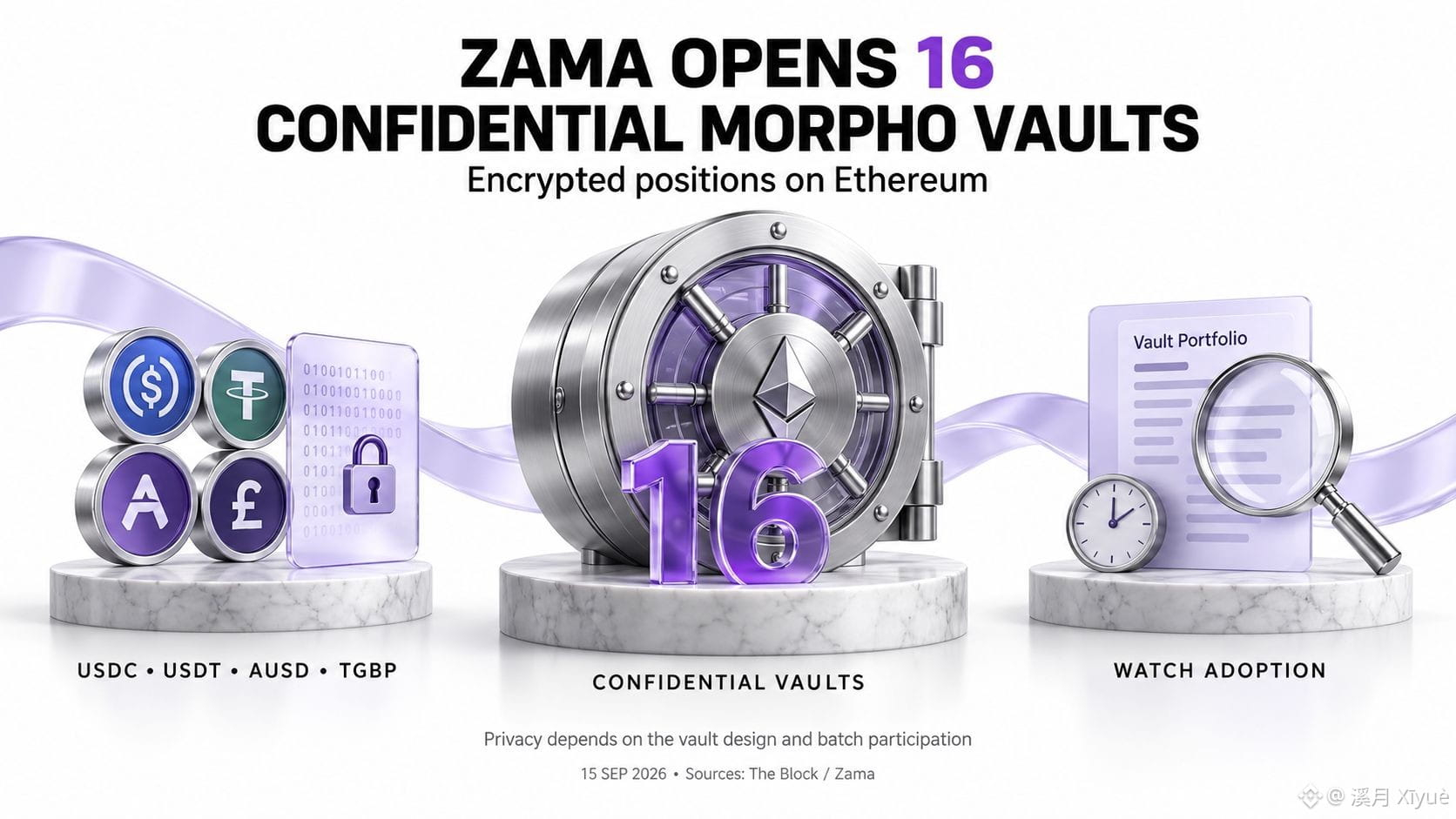
9月15日、ザマはUSDC、USDT、AUSD、TGBPを含む資産を対象に、16の機密モルフォ・ボールトへの預け入れを開始する。ラインナップには、既存の12のボールトへの機密アクセスに加え、機密預け入れ用に新たに構築された4つが含まれる。アクセスはザマのアプリから開始される。
「機密」とはどういう意味? ザマが文書化した設計では、個々の預け入れ金額と保有シェア残高を暗号化しつつ、集計されたバッチの総計は公開する。バッチに参加するアドレスは見えるままで、プライバシーは独立したユーザーが何人参加するかに依存する。
私見:これは、あらゆるポジションサイズを広告せずに現金を管理したい、国庫やファンドにとってDeFiをより実務的にする可能性がある。より幅広いボールトのメニューは、資産やキュレーターの選択肢もユーザーに増やす。
採用テストは、ユーザーがこれらの商品に資本を維持し、預け入れ、レポート、そして確実に引き出せるかどうかだ。暗号化は情報を守るが、裏付けとなる担保の質、スマートコントラクトへのエクスポージャー、利用可能な流動性といった要素も依然として重要である。プライバシーが需要をどれほど生むかを判断する前に、継続的な預け入れと引き出しのパフォーマンスを見ておきたい。
機密残高があると、あなたはDeFiのレンディングをより安心して使えるようになりますか?
#ZamaOpens16ConfidentialMorphoVaults #defi #Morpho
$AKE $AIN
{future}(AINUSDT)
{future}(AKEUSDT)
#zamaopens16confidentialmorphovaults
ザマ、イーサリアム上で16の機密モルフォ・バルテーズ(モルフォ・ボールト)をオープン
DeFiの次の採用テストは、ユーザーが自分のポジションサイズを公表せずに利回りを得られるかどうかかもしれない。
9月15日、ザマはUSDC、USDT、AUSD、TGBPを含む資産を対象に、16の機密モルフォ・ボールトへの預け入れを開始する。ラインナップには、既存の12のボールトへの機密アクセスに加え、機密預け入れ用に新たに構築された4つが含まれる。アクセスはザマのアプリから開始される。
「機密」とはどういう意味? ザマが文書化した設計では、個々の預け入れ金額と保有シェア残高を暗号化しつつ、集計されたバッチの総計は公開する。バッチに参加するアドレスは見えるままで、プライバシーは独立したユーザーが何人参加するかに依存する。
私見:これは、あらゆるポジションサイズを広告せずに現金を管理したい、国庫やファンドにとってDeFiをより実務的にする可能性がある。より幅広いボールトのメニューは、資産やキュレーターの選択肢もユーザーに増やす。
採用テストは、ユーザーがこれらの商品に資本を維持し、預け入れ、レポート、そして確実に引き出せるかどうかだ。暗号化は情報を守るが、裏付けとなる担保の質、スマートコントラクトへのエクスポージャー、利用可能な流動性といった要素も依然として重要である。プライバシーが需要をどれほど生むかを判断する前に、継続的な預け入れと引き出しのパフォーマンスを見ておきたい。
機密残高があると、あなたはDeFiのレンディングをより安心して使えるようになりますか?
#ZamaOpens16ConfidentialMorphoVaults #defi #Morpho
$AKE $AIN
ザマ、イーサリアム上で16の機密モルフォ・バルテーズ(モルフォ・ボールト)をオープン
DeFiの次の採用テストは、ユーザーが自分のポジションサイズを公表せずに利回りを得られるかどうかかもしれない。
9月15日、ザマはUSDC、USDT、AUSD、TGBPを含む資産を対象に、16の機密モルフォ・ボールトへの預け入れを開始する。ラインナップには、既存の12のボールトへの機密アクセスに加え、機密預け入れ用に新たに構築された4つが含まれる。アクセスはザマのアプリから開始される。
「機密」とはどういう意味? ザマが文書化した設計では、個々の預け入れ金額と保有シェア残高を暗号化しつつ、集計されたバッチの総計は公開する。バッチに参加するアドレスは見えるままで、プライバシーは独立したユーザーが何人参加するかに依存する。
私見:これは、あらゆるポジションサイズを広告せずに現金を管理したい、国庫やファンドにとってDeFiをより実務的にする可能性がある。より幅広いボールトのメニューは、資産やキュレーターの選択肢もユーザーに増やす。
採用テストは、ユーザーがこれらの商品に資本を維持し、預け入れ、レポート、そして確実に引き出せるかどうかだ。暗号化は情報を守るが、裏付けとなる担保の質、スマートコントラクトへのエクスポージャー、利用可能な流動性といった要素も依然として重要である。プライバシーが需要をどれほど生むかを判断する前に、継続的な預け入れと引き出しのパフォーマンスを見ておきたい。
機密残高があると、あなたはDeFiのレンディングをより安心して使えるようになりますか?
#ZamaOpens16ConfidentialMorphoVaults #defi #Morpho
$AKE $AIN
1
1
788
·
--
ブリッシュ
#bessentendorsesfinalclarityactdraft
ベッセント、上院審査に先立ち最終「CLARITY」草案を支持
議員らが重要な採決に臨むなか、「CLARITY法案」は財務省の新たな後押しを得た。
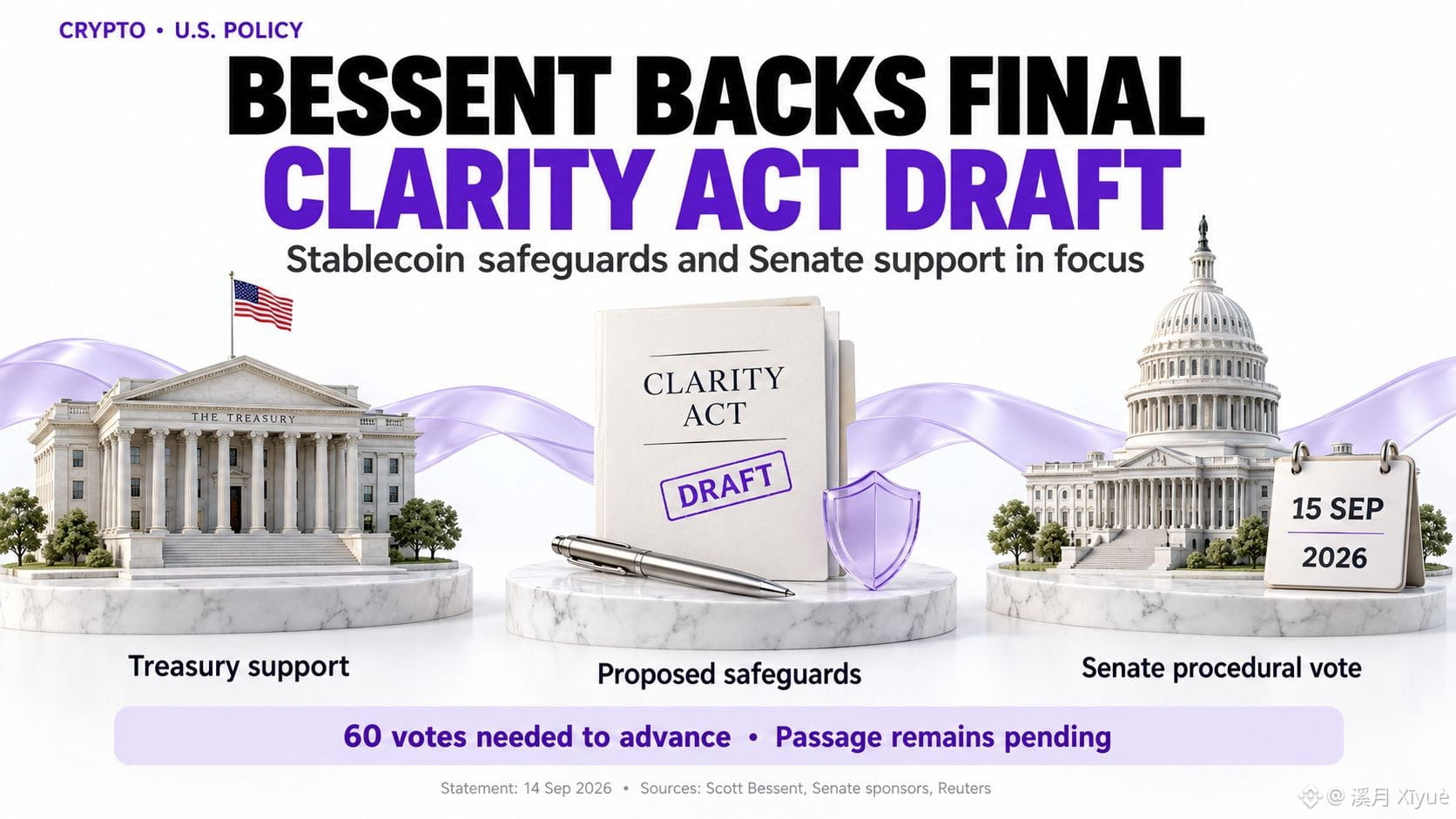
9月14日、財務長官スコット・ベッセントは最終草案を支持し、ステーブルコインが悪影響を及ぼした場合にコミュニティ銀行を守るための提案権限を強調した。
上院の提出者によれば、改訂文は民主党が求めた126件の変更、更新された倫理規定、ソフトウェア開発者への保護を取り入れている。さらに、ステーブルコインに関連する預金の流出に関して財務省の追加権限も提案されている。
9月15日の手続き上の採決では、立法プロセスを前に進めるために60票が必要となる。支持はなお不透明で、最終可決にはさらに手続きが必要となる。
私見:実務上の論点は、より明確な暗号資産ルールが、銀行が預金を失うことへの懸念とどのように噛み合うかだ。取引所やトークン関連事業にとっては、実行可能な監督要件があれば長期計画を立てやすくなる。ステーブルコインのプラットフォームでは、リワードの扱いがプロダクト設計や顧客の需要に影響し得る。
私は、態度未決の上院議員がこれらの妥協案を受け入れるかどうか、どの修正案が残るか、そして実施期限がどのように書き込まれるかを注視したい。これらの詳細が、当該枠組みのもとで企業が実際に何を作れるのかを決める。
ベッセントの支持は、政権が前進を進めるための説得力を強める。次の試練は、その支持が十分な上院票につながるかどうかだ。
どの規定が最も重点的に注目されるべきか:開発者保護、倫理規則、それともステーブルコインのリワード?
#BessentEndorsesFinalClarityActDraft #CLARITYAct #cryptouniverseofficial
$AIN $AKE $POWER
{future}(POWERUSDT)
{future}(AKEUSDT)
{future}(AINUSDT)
#bessentendorsesfinalclarityactdraft
ベッセント、上院審査に先立ち最終「CLARITY」草案を支持
議員らが重要な採決に臨むなか、「CLARITY法案」は財務省の新たな後押しを得た。
9月14日、財務長官スコット・ベッセントは最終草案を支持し、ステーブルコインが悪影響を及ぼした場合にコミュニティ銀行を守るための提案権限を強調した。
上院の提出者によれば、改訂文は民主党が求めた126件の変更、更新された倫理規定、ソフトウェア開発者への保護を取り入れている。さらに、ステーブルコインに関連する預金の流出に関して財務省の追加権限も提案されている。
9月15日の手続き上の採決では、立法プロセスを前に進めるために60票が必要となる。支持はなお不透明で、最終可決にはさらに手続きが必要となる。
私見:実務上の論点は、より明確な暗号資産ルールが、銀行が預金を失うことへの懸念とどのように噛み合うかだ。取引所やトークン関連事業にとっては、実行可能な監督要件があれば長期計画を立てやすくなる。ステーブルコインのプラットフォームでは、リワードの扱いがプロダクト設計や顧客の需要に影響し得る。
私は、態度未決の上院議員がこれらの妥協案を受け入れるかどうか、どの修正案が残るか、そして実施期限がどのように書き込まれるかを注視したい。これらの詳細が、当該枠組みのもとで企業が実際に何を作れるのかを決める。
ベッセントの支持は、政権が前進を進めるための説得力を強める。次の試練は、その支持が十分な上院票につながるかどうかだ。
どの規定が最も重点的に注目されるべきか:開発者保護、倫理規則、それともステーブルコインのリワード?
#BessentEndorsesFinalClarityActDraft #CLARITYAct #cryptouniverseofficial
$AIN $AKE $POWER
ベッセント、上院審査に先立ち最終「CLARITY」草案を支持
議員らが重要な採決に臨むなか、「CLARITY法案」は財務省の新たな後押しを得た。
9月14日、財務長官スコット・ベッセントは最終草案を支持し、ステーブルコインが悪影響を及ぼした場合にコミュニティ銀行を守るための提案権限を強調した。
上院の提出者によれば、改訂文は民主党が求めた126件の変更、更新された倫理規定、ソフトウェア開発者への保護を取り入れている。さらに、ステーブルコインに関連する預金の流出に関して財務省の追加権限も提案されている。
9月15日の手続き上の採決では、立法プロセスを前に進めるために60票が必要となる。支持はなお不透明で、最終可決にはさらに手続きが必要となる。
私見:実務上の論点は、より明確な暗号資産ルールが、銀行が預金を失うことへの懸念とどのように噛み合うかだ。取引所やトークン関連事業にとっては、実行可能な監督要件があれば長期計画を立てやすくなる。ステーブルコインのプラットフォームでは、リワードの扱いがプロダクト設計や顧客の需要に影響し得る。
私は、態度未決の上院議員がこれらの妥協案を受け入れるかどうか、どの修正案が残るか、そして実施期限がどのように書き込まれるかを注視したい。これらの詳細が、当該枠組みのもとで企業が実際に何を作れるのかを決める。
ベッセントの支持は、政権が前進を進めるための説得力を強める。次の試練は、その支持が十分な上院票につながるかどうかだ。
どの規定が最も重点的に注目されるべきか:開発者保護、倫理規則、それともステーブルコインのリワード?
#BessentEndorsesFinalClarityActDraft #CLARITYAct #cryptouniverseofficial
$AIN $AKE $POWER
3
2.3k
·
--
弱気相場
確認済み
#philadelphiasemiconductorindexfalls5.9%
半導体関連株が5.9%下落、AI投資見通しに懸念
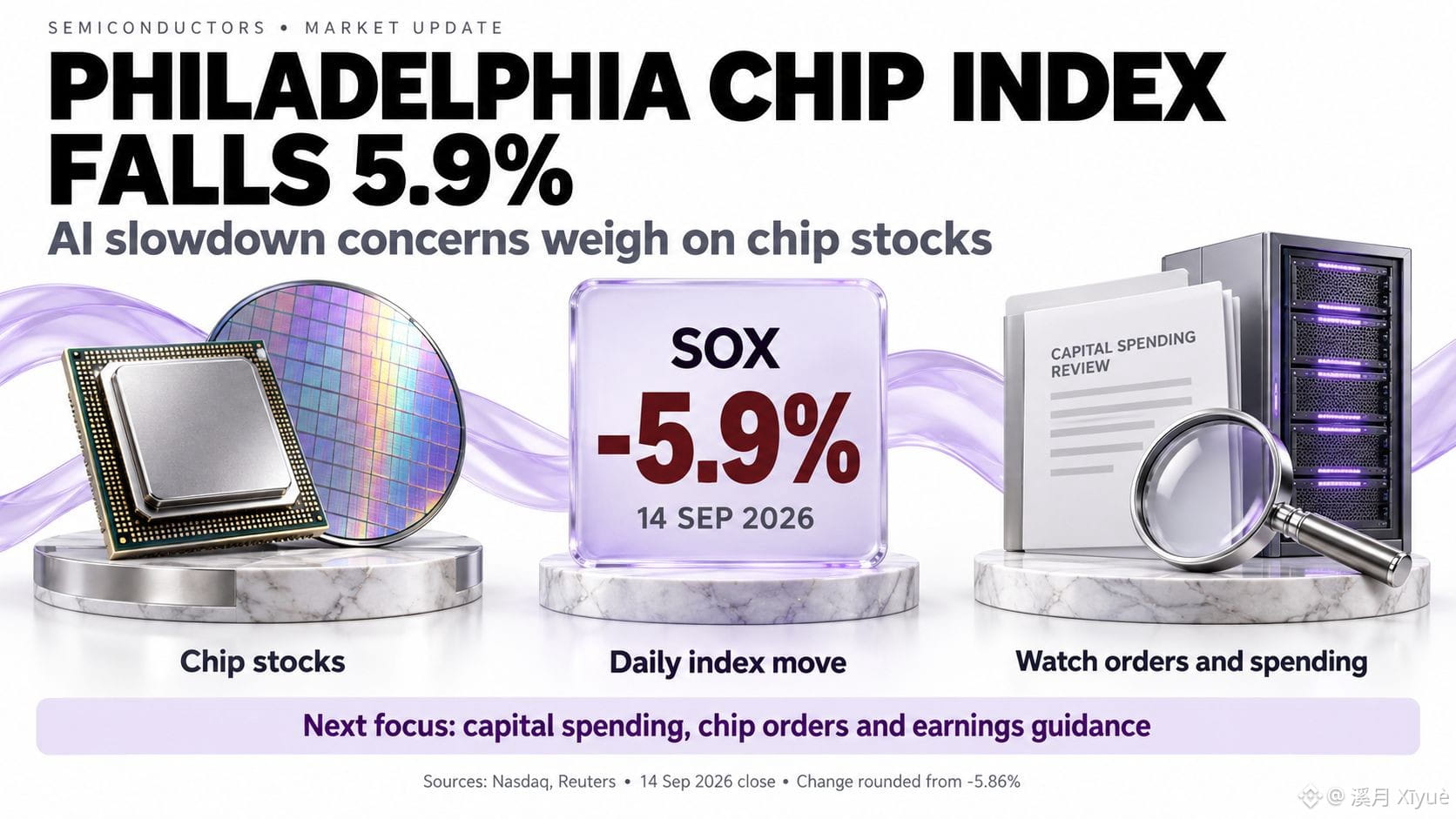
フィラデルフィア半導体指数(SOX)は9月14日、5.86%下落(四捨五入して5.9%)し、11,131.28で取引を終えた。
ロイターは、この売りを、主要なAI企業幹部らが安全上の懸念から開発のペースを落とすよう求めたことに関連づけた。ナビディア、AMD、マイクロン、ブロードコムなどが下落圧力を受けた。
AnthropicのCEOダリオ・アモデイの提案は、安全策の整備に追加の時間を求めつつ、モデルの学習と技術的な進歩は継続するべきだという内容だ。
私見:最大の不確実性は、今後のハードウェア需要がいつ訪れるかというタイミングだ。開発スケジュールが遅れれば、企業が追加のチップ、メモリー、データセンターの容量を必要とする時期が変わり得る。バリュエーションが数年にわたる拡大に依存している場合、これは重要になる。
需要の変化がどれほどの規模かを判断するには、より多くの証拠が必要だ。既存のAIサービス、安全性テスト、効率改善は、引き続き相当な計算資源を必要とする可能性がある。
私は、クラウド企業の投資計画、メモリー価格、半導体メーカーの受注見通しを見ていくだろう。顧客の先送りや、予想の下方修正があれば、需要減速の見方を強める材料になる。コミットメントが安定していれば、投資家が主にバリュエーションとタイミングを見直しているだけだ、という示唆になる。
次の決算アップデートが、どの説明がより重いかを明確にしてくれるはずだ。
まず何を見るべきか:顧客の支出コミットメントか、それとも半導体メーカーの売上ガイダンスか?
#PhiladelphiaSemiconductorIndexFalls5.9% #Semiconductors #AI
$SOXLB $LSK $MTL
{future}(MTLUSDT)
{future}(LSKUSDT)
{spot}(SOXLBUSDT)
#philadelphiasemiconductorindexfalls5.9%
半導体関連株が5.9%下落、AI投資見通しに懸念
フィラデルフィア半導体指数(SOX)は9月14日、5.86%下落(四捨五入して5.9%)し、11,131.28で取引を終えた。
ロイターは、この売りを、主要なAI企業幹部らが安全上の懸念から開発のペースを落とすよう求めたことに関連づけた。ナビディア、AMD、マイクロン、ブロードコムなどが下落圧力を受けた。
AnthropicのCEOダリオ・アモデイの提案は、安全策の整備に追加の時間を求めつつ、モデルの学習と技術的な進歩は継続するべきだという内容だ。
私見:最大の不確実性は、今後のハードウェア需要がいつ訪れるかというタイミングだ。開発スケジュールが遅れれば、企業が追加のチップ、メモリー、データセンターの容量を必要とする時期が変わり得る。バリュエーションが数年にわたる拡大に依存している場合、これは重要になる。
需要の変化がどれほどの規模かを判断するには、より多くの証拠が必要だ。既存のAIサービス、安全性テスト、効率改善は、引き続き相当な計算資源を必要とする可能性がある。
私は、クラウド企業の投資計画、メモリー価格、半導体メーカーの受注見通しを見ていくだろう。顧客の先送りや、予想の下方修正があれば、需要減速の見方を強める材料になる。コミットメントが安定していれば、投資家が主にバリュエーションとタイミングを見直しているだけだ、という示唆になる。
次の決算アップデートが、どの説明がより重いかを明確にしてくれるはずだ。
まず何を見るべきか:顧客の支出コミットメントか、それとも半導体メーカーの売上ガイダンスか?
#PhiladelphiaSemiconductorIndexFalls5.9% #Semiconductors #AI
$SOXLB $LSK $MTL
半導体関連株が5.9%下落、AI投資見通しに懸念
フィラデルフィア半導体指数(SOX)は9月14日、5.86%下落(四捨五入して5.9%)し、11,131.28で取引を終えた。
ロイターは、この売りを、主要なAI企業幹部らが安全上の懸念から開発のペースを落とすよう求めたことに関連づけた。ナビディア、AMD、マイクロン、ブロードコムなどが下落圧力を受けた。
AnthropicのCEOダリオ・アモデイの提案は、安全策の整備に追加の時間を求めつつ、モデルの学習と技術的な進歩は継続するべきだという内容だ。
私見:最大の不確実性は、今後のハードウェア需要がいつ訪れるかというタイミングだ。開発スケジュールが遅れれば、企業が追加のチップ、メモリー、データセンターの容量を必要とする時期が変わり得る。バリュエーションが数年にわたる拡大に依存している場合、これは重要になる。
需要の変化がどれほどの規模かを判断するには、より多くの証拠が必要だ。既存のAIサービス、安全性テスト、効率改善は、引き続き相当な計算資源を必要とする可能性がある。
私は、クラウド企業の投資計画、メモリー価格、半導体メーカーの受注見通しを見ていくだろう。顧客の先送りや、予想の下方修正があれば、需要減速の見方を強める材料になる。コミットメントが安定していれば、投資家が主にバリュエーションとタイミングを見直しているだけだ、という示唆になる。
次の決算アップデートが、どの説明がより重いかを明確にしてくれるはずだ。
まず何を見るべきか:顧客の支出コミットメントか、それとも半導体メーカーの売上ガイダンスか?
#PhiladelphiaSemiconductorIndexFalls5.9% #Semiconductors #AI
$SOXLB $LSK $MTL
1
2
1.6k
·
--
ブリッシュ
確認済み
#grayscaleputsxrpat26.11%inadvisorportfolio
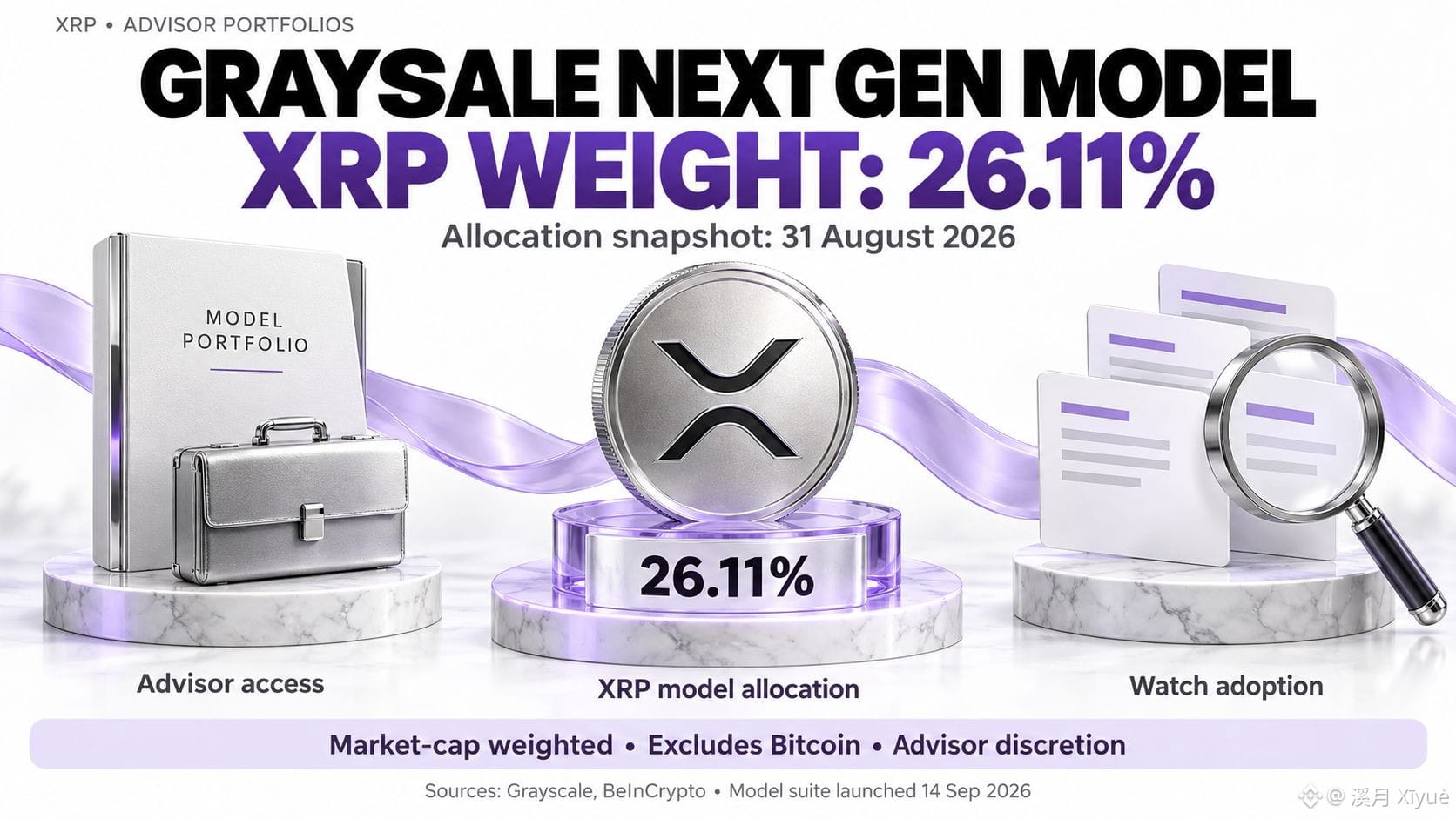
XRP、グレースケールの次世代モデルで26.11%のウェイトを獲得
XRPは、金融アドバイザー向けのグレースケール最新提供において重要な位置を占めています。
BeInCryptoによると、XRPは8月31日のスナップショットで「Digital Assets Next Gen」モデルのポートフォリオにおいて26.11%を占めており、配分はEtherに次ぐ2番目でした。このモデルはビットコインを除外しています。
グレースケールは9月14日に4モデルのポートフォリオ・スイートを発表しました。Next Genは時価総額ウェイトを用い、四半期ごとにリバランスします。アドバイザーは、提案された配分をどのように、また実際に顧客口座へ導入するかを決定します。
私の見解:実務上の意義は、アドバイザーを通じたアクセスのしやすさにあります。配分が明確で、リバランスの枠組みがあることで、暗号資産へのエクスポージャーを評価・維持する際の手間を減らせる可能性があります。
市場への影響は、採用状況と投資額次第です。26.11%という数値は、この特定モデルの構成を示すものであり、XRPに新たにどれだけの資金が流入したかを教えるものではありません。
さらに、そのウェイトはモデルの手法も反映しています。そのため、それをXRPの将来のパフォーマンスを単独で予測するものとして受け取ると、発表の意味を過大評価することになります。
私は、プラットフォームの利用可能性、アドバイザーの採用状況、そしてXRP投資商品への継続的なフローに注目します。これらの進展が、この提供が実際の需要につながっているかを示す助けになるでしょう。
より簡単なポートフォリオの実装は、より多くのアドバイザーがXRPへのエクスポージャーを検討することにつながるのでしょうか?
#GrayscalePutsXRPAt26.11%InAdvisorPortfolio #xrp #Grayscale
$POWER $AIN $XRP
{future}(XRPUSDT)
{future}(AINUSDT)
{future}(POWERUSDT)
#grayscaleputsxrpat26.11%inadvisorportfolio
XRP、グレースケールの次世代モデルで26.11%のウェイトを獲得
XRPは、金融アドバイザー向けのグレースケール最新提供において重要な位置を占めています。
BeInCryptoによると、XRPは8月31日のスナップショットで「Digital Assets Next Gen」モデルのポートフォリオにおいて26.11%を占めており、配分はEtherに次ぐ2番目でした。このモデルはビットコインを除外しています。
グレースケールは9月14日に4モデルのポートフォリオ・スイートを発表しました。Next Genは時価総額ウェイトを用い、四半期ごとにリバランスします。アドバイザーは、提案された配分をどのように、また実際に顧客口座へ導入するかを決定します。
私の見解:実務上の意義は、アドバイザーを通じたアクセスのしやすさにあります。配分が明確で、リバランスの枠組みがあることで、暗号資産へのエクスポージャーを評価・維持する際の手間を減らせる可能性があります。
市場への影響は、採用状況と投資額次第です。26.11%という数値は、この特定モデルの構成を示すものであり、XRPに新たにどれだけの資金が流入したかを教えるものではありません。
さらに、そのウェイトはモデルの手法も反映しています。そのため、それをXRPの将来のパフォーマンスを単独で予測するものとして受け取ると、発表の意味を過大評価することになります。
私は、プラットフォームの利用可能性、アドバイザーの採用状況、そしてXRP投資商品への継続的なフローに注目します。これらの進展が、この提供が実際の需要につながっているかを示す助けになるでしょう。
より簡単なポートフォリオの実装は、より多くのアドバイザーがXRPへのエクスポージャーを検討することにつながるのでしょうか?
#GrayscalePutsXRPAt26.11%InAdvisorPortfolio #xrp #Grayscale
$POWER $AIN $XRP
XRP、グレースケールの次世代モデルで26.11%のウェイトを獲得
XRPは、金融アドバイザー向けのグレースケール最新提供において重要な位置を占めています。
BeInCryptoによると、XRPは8月31日のスナップショットで「Digital Assets Next Gen」モデルのポートフォリオにおいて26.11%を占めており、配分はEtherに次ぐ2番目でした。このモデルはビットコインを除外しています。
グレースケールは9月14日に4モデルのポートフォリオ・スイートを発表しました。Next Genは時価総額ウェイトを用い、四半期ごとにリバランスします。アドバイザーは、提案された配分をどのように、また実際に顧客口座へ導入するかを決定します。
私の見解:実務上の意義は、アドバイザーを通じたアクセスのしやすさにあります。配分が明確で、リバランスの枠組みがあることで、暗号資産へのエクスポージャーを評価・維持する際の手間を減らせる可能性があります。
市場への影響は、採用状況と投資額次第です。26.11%という数値は、この特定モデルの構成を示すものであり、XRPに新たにどれだけの資金が流入したかを教えるものではありません。
さらに、そのウェイトはモデルの手法も反映しています。そのため、それをXRPの将来のパフォーマンスを単独で予測するものとして受け取ると、発表の意味を過大評価することになります。
私は、プラットフォームの利用可能性、アドバイザーの採用状況、そしてXRP投資商品への継続的なフローに注目します。これらの進展が、この提供が実際の需要につながっているかを示す助けになるでしょう。
より簡単なポートフォリオの実装は、より多くのアドバイザーがXRPへのエクスポージャーを検討することにつながるのでしょうか?
#GrayscalePutsXRPAt26.11%InAdvisorPortfolio #xrp #Grayscale
$POWER $AIN $XRP
2
3
2.1k
·
--
弱気相場
#russiancentralbankflagscryptoasfinancialrisk
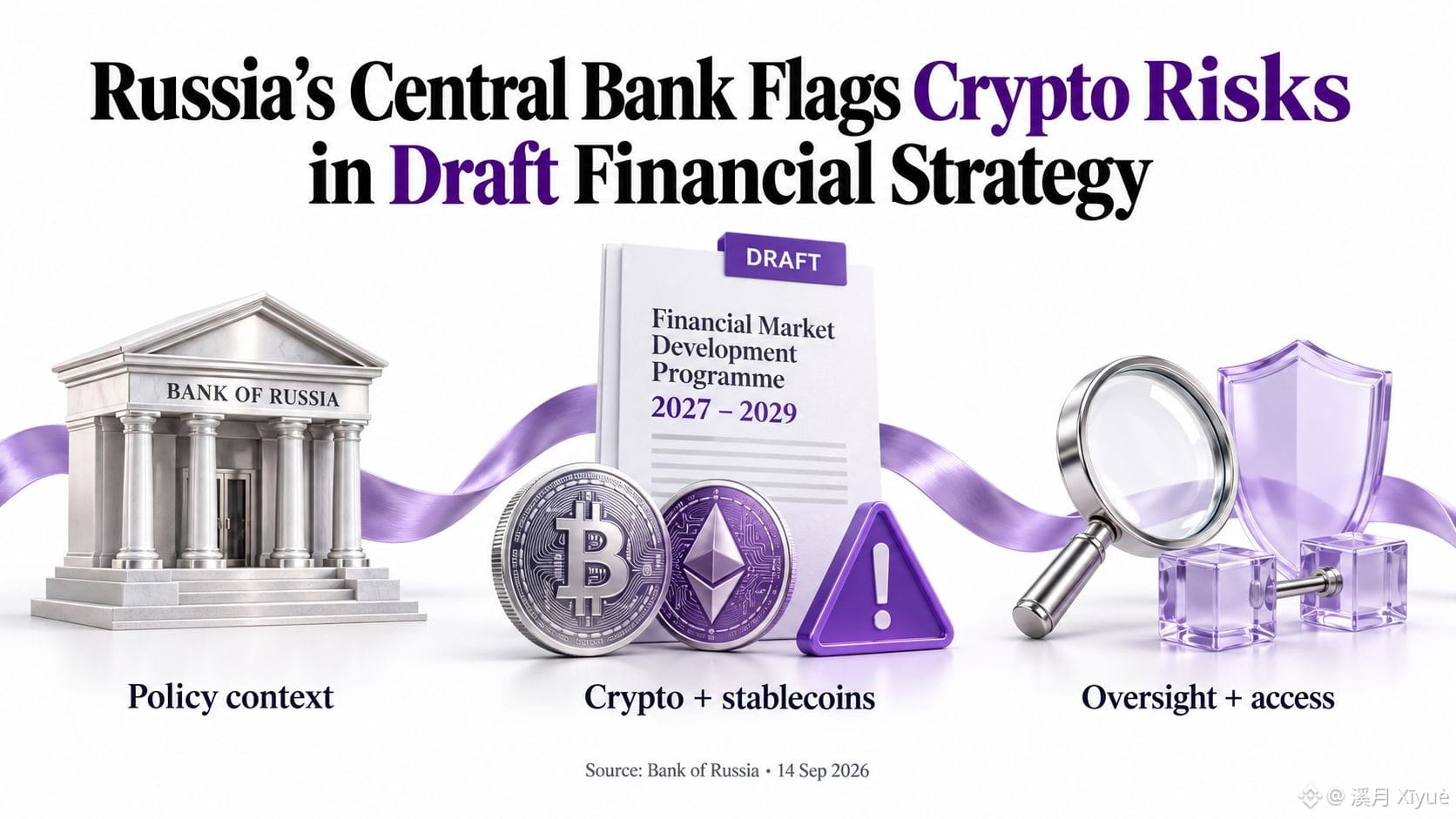
ロシア中央銀行、金融戦略案で暗号資産のリスクを警告
ロシア中央銀行は、2027〜2029年の金融市場の優先事項を定めるにあたり、暗号資産のリスクに焦点を当てている。
2026年9月14日に公開された同草案では、暗号資産とステーブルコインを、国家通貨の代替として使われ得ることを含む潜在的リスクとして挙げている。また、投資家の損失、不正行為、各国間における規制の不一致も指摘している。
同文書は、政府と共同で策定したルールにより、犯罪目的での悪用を減らし、合法的な越境取引や投資の条件を整えることを目指すと述べている。
同プログラムは草案のままで、最終版に向けた議会での議論が予定されている。
私の見解:重要なのは、規制が一般の利用者や企業に対して実際にどう機能するかという「実用テスト」だ。明確なライセンシング、信頼できるカストディ(保管)、実行可能なアクセスが整えば、活動は監督下のチャネルに取り込まれる可能性がある。コストが高すぎる、または分かりにくい制限がある場合、利用者が非公式の仲介者に頼らざるを得ず、規制当局が望む監督力が弱まる恐れがある。
投資家にとっては、参加の許可が損失の可能性をなくすわけではない。最終プログラム、執行(施行)に関する規定、そして規制対象のサービスが実際に利用可能になるかどうかを見極めたい。これらの詳細は、需要に対応しながら枠組みが防護を改善できるかどうかを判断する手がかりになるだろう。
#russiancentralbankflagscryptoasfinancialrisk #CryptoRegulation
信頼を築くうえでより大きな効果を持つのは、より強い投資家保護か、それとも規制対象サービスへのアクセスのしやすさか?
$LSK $MTL $ARK
{future}(ARKUSDT)
{future}(MTLUSDT)
{future}(LSKUSDT)
#russiancentralbankflagscryptoasfinancialrisk
ロシア中央銀行、金融戦略案で暗号資産のリスクを警告
ロシア中央銀行は、2027〜2029年の金融市場の優先事項を定めるにあたり、暗号資産のリスクに焦点を当てている。
2026年9月14日に公開された同草案では、暗号資産とステーブルコインを、国家通貨の代替として使われ得ることを含む潜在的リスクとして挙げている。また、投資家の損失、不正行為、各国間における規制の不一致も指摘している。
同文書は、政府と共同で策定したルールにより、犯罪目的での悪用を減らし、合法的な越境取引や投資の条件を整えることを目指すと述べている。
同プログラムは草案のままで、最終版に向けた議会での議論が予定されている。
私の見解:重要なのは、規制が一般の利用者や企業に対して実際にどう機能するかという「実用テスト」だ。明確なライセンシング、信頼できるカストディ(保管)、実行可能なアクセスが整えば、活動は監督下のチャネルに取り込まれる可能性がある。コストが高すぎる、または分かりにくい制限がある場合、利用者が非公式の仲介者に頼らざるを得ず、規制当局が望む監督力が弱まる恐れがある。
投資家にとっては、参加の許可が損失の可能性をなくすわけではない。最終プログラム、執行(施行)に関する規定、そして規制対象のサービスが実際に利用可能になるかどうかを見極めたい。これらの詳細は、需要に対応しながら枠組みが防護を改善できるかどうかを判断する手がかりになるだろう。
#russiancentralbankflagscryptoasfinancialrisk #CryptoRegulation
信頼を築くうえでより大きな効果を持つのは、より強い投資家保護か、それとも規制対象サービスへのアクセスのしやすさか?
$LSK $MTL $ARK
ロシア中央銀行、金融戦略案で暗号資産のリスクを警告
ロシア中央銀行は、2027〜2029年の金融市場の優先事項を定めるにあたり、暗号資産のリスクに焦点を当てている。
2026年9月14日に公開された同草案では、暗号資産とステーブルコインを、国家通貨の代替として使われ得ることを含む潜在的リスクとして挙げている。また、投資家の損失、不正行為、各国間における規制の不一致も指摘している。
同文書は、政府と共同で策定したルールにより、犯罪目的での悪用を減らし、合法的な越境取引や投資の条件を整えることを目指すと述べている。
同プログラムは草案のままで、最終版に向けた議会での議論が予定されている。
私の見解:重要なのは、規制が一般の利用者や企業に対して実際にどう機能するかという「実用テスト」だ。明確なライセンシング、信頼できるカストディ(保管)、実行可能なアクセスが整えば、活動は監督下のチャネルに取り込まれる可能性がある。コストが高すぎる、または分かりにくい制限がある場合、利用者が非公式の仲介者に頼らざるを得ず、規制当局が望む監督力が弱まる恐れがある。
投資家にとっては、参加の許可が損失の可能性をなくすわけではない。最終プログラム、執行(施行)に関する規定、そして規制対象のサービスが実際に利用可能になるかどうかを見極めたい。これらの詳細は、需要に対応しながら枠組みが防護を改善できるかどうかを判断する手がかりになるだろう。
#russiancentralbankflagscryptoasfinancialrisk #CryptoRegulation
信頼を築くうえでより大きな効果を持つのは、より強い投資家保護か、それとも規制対象サービスへのアクセスのしやすさか?
$LSK $MTL $ARK
1
1.2k
·
--
ブリッシュ
#southkoreacryptotaxdelaypetitiontops50000
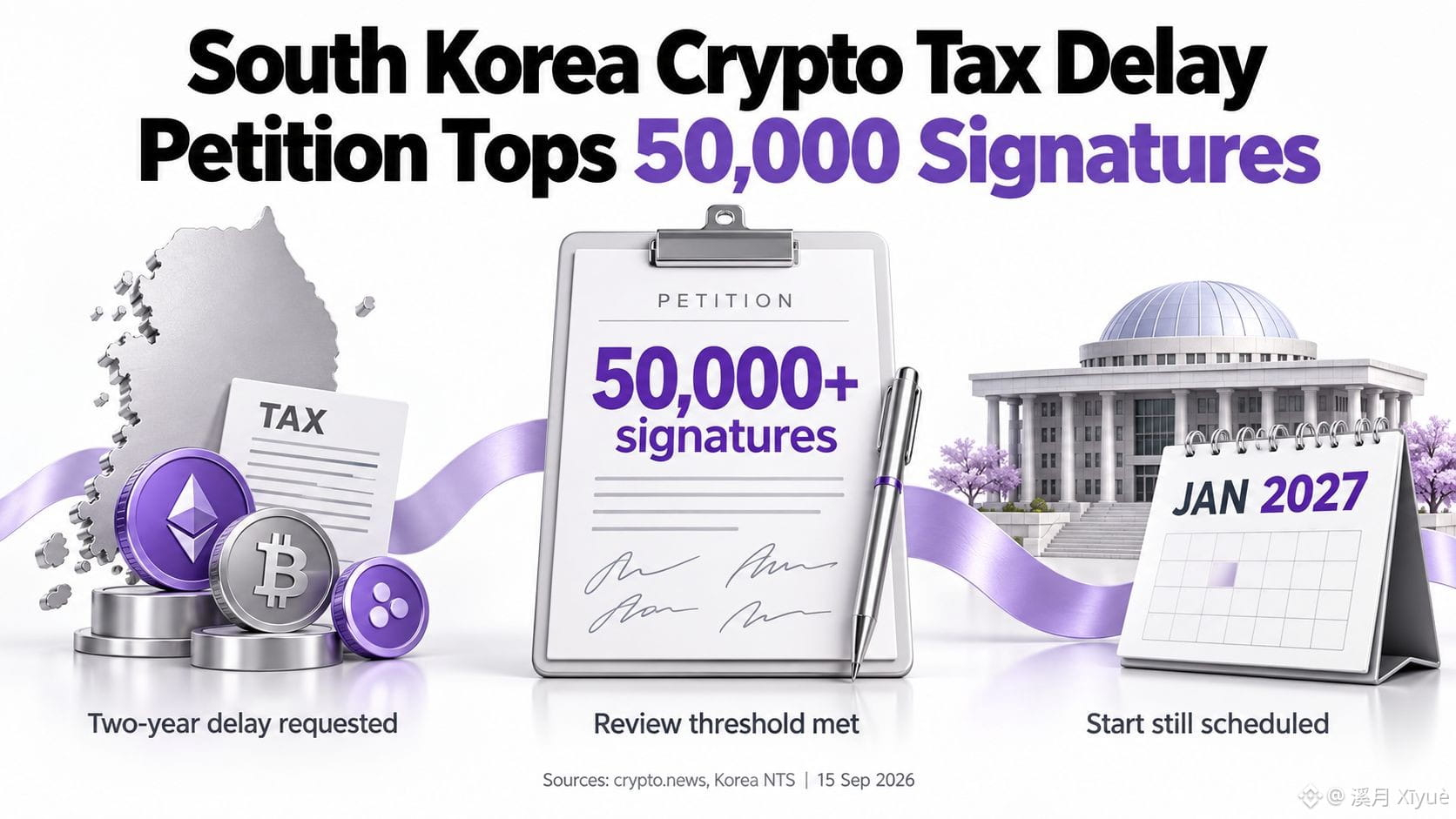
韓国の暗号資産「税」遅延の請願が5万筆を突破
韓国の暗号資産に関する税制論争は、再び立法当局へ向かっている。9月14日付の報道によると、さらに2年間の延期を求める請願が、国会の委員会での審査対象となる5万署名の閾値に到達したという。なお、この節目は延期を承認するものではない。
現行の施行開始日は引き続き2027年1月1日。住民は、年次の対象となる暗号資産所得について、KRW 250万の控除後に20%の国税が課され、地方税を含めると22%に上がる。
準備は継続している。財務大臣指名者のイ・ヒョンイル氏は、詳細な課税基準は2026年末までに公表されると述べた。
私見:実務上の論点は、投資家が取引所やウォレットをまたいで課税所得を一貫して計算できるかどうかだ。準備期間が増えれば、報告ミスが減り、プラットフォームが記録の改善に取り組む余地も生まれる。だが、延期が繰り返されると、計画はより立てにくくなる。追加の時間が有効なのは、より明確なルールや、投資家が実際に使えるツールが生まれる場合に限られる。
注目すべきポイントは、委員会での動き、開始日を変更するような修正の有無、そして取得コストの記録方法に関するガイダンスだ。署名の増加は世論の圧力を示しているが、実際の義務は法律次第となる。
この税が施行される前に、韓国は何を決めるべきか?
#southkoreacryptotaxdelaypetitiontops50000 #cryptotax #CryptoRegulation
$POWER $CAP $AIN
{future}(AINUSDT)
{future}(CAPUSDT)
{future}(POWERUSDT)
#southkoreacryptotaxdelaypetitiontops50000
韓国の暗号資産「税」遅延の請願が5万筆を突破
韓国の暗号資産に関する税制論争は、再び立法当局へ向かっている。9月14日付の報道によると、さらに2年間の延期を求める請願が、国会の委員会での審査対象となる5万署名の閾値に到達したという。なお、この節目は延期を承認するものではない。
現行の施行開始日は引き続き2027年1月1日。住民は、年次の対象となる暗号資産所得について、KRW 250万の控除後に20%の国税が課され、地方税を含めると22%に上がる。
準備は継続している。財務大臣指名者のイ・ヒョンイル氏は、詳細な課税基準は2026年末までに公表されると述べた。
私見:実務上の論点は、投資家が取引所やウォレットをまたいで課税所得を一貫して計算できるかどうかだ。準備期間が増えれば、報告ミスが減り、プラットフォームが記録の改善に取り組む余地も生まれる。だが、延期が繰り返されると、計画はより立てにくくなる。追加の時間が有効なのは、より明確なルールや、投資家が実際に使えるツールが生まれる場合に限られる。
注目すべきポイントは、委員会での動き、開始日を変更するような修正の有無、そして取得コストの記録方法に関するガイダンスだ。署名の増加は世論の圧力を示しているが、実際の義務は法律次第となる。
この税が施行される前に、韓国は何を決めるべきか?
#southkoreacryptotaxdelaypetitiontops50000 #cryptotax #CryptoRegulation
$POWER $CAP $AIN
韓国の暗号資産「税」遅延の請願が5万筆を突破
韓国の暗号資産に関する税制論争は、再び立法当局へ向かっている。9月14日付の報道によると、さらに2年間の延期を求める請願が、国会の委員会での審査対象となる5万署名の閾値に到達したという。なお、この節目は延期を承認するものではない。
現行の施行開始日は引き続き2027年1月1日。住民は、年次の対象となる暗号資産所得について、KRW 250万の控除後に20%の国税が課され、地方税を含めると22%に上がる。
準備は継続している。財務大臣指名者のイ・ヒョンイル氏は、詳細な課税基準は2026年末までに公表されると述べた。
私見:実務上の論点は、投資家が取引所やウォレットをまたいで課税所得を一貫して計算できるかどうかだ。準備期間が増えれば、報告ミスが減り、プラットフォームが記録の改善に取り組む余地も生まれる。だが、延期が繰り返されると、計画はより立てにくくなる。追加の時間が有効なのは、より明確なルールや、投資家が実際に使えるツールが生まれる場合に限られる。
注目すべきポイントは、委員会での動き、開始日を変更するような修正の有無、そして取得コストの記録方法に関するガイダンスだ。署名の増加は世論の圧力を示しているが、実際の義務は法律次第となる。
この税が施行される前に、韓国は何を決めるべきか?
#southkoreacryptotaxdelaypetitiontops50000 #cryptotax #CryptoRegulation
$POWER $CAP $AIN
1
264
·
--
ブリッシュ
#ukseeksviewsontokenizinggold
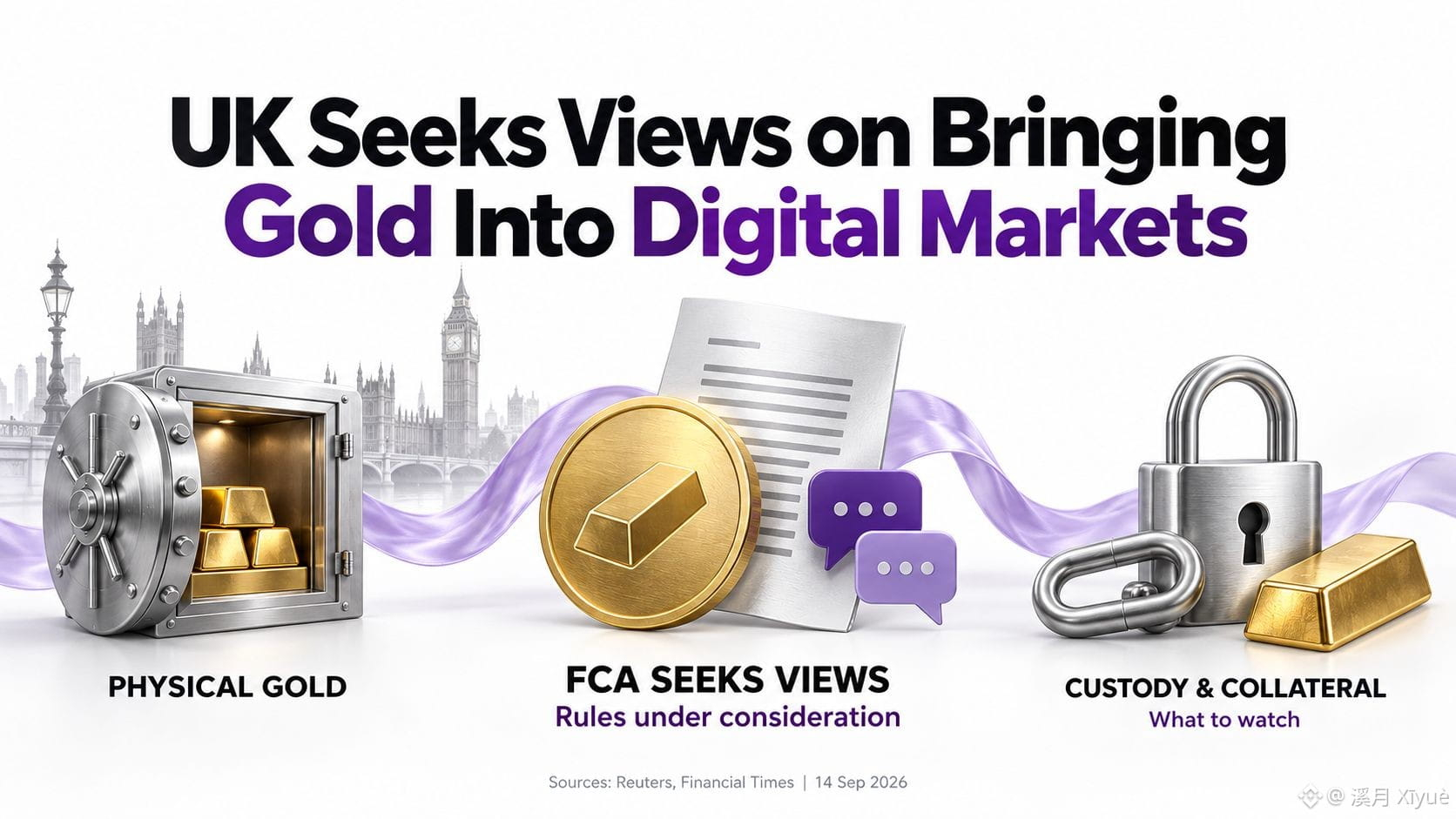
英国、FCAが業界の見解を求める中でトークン化金の議論を開始
金属が保管庫から出ずに済むことで、金を金融市場を通じて移動しやすくなる可能性がある。
2026年9月14日、英国の金融当局(FCA)は、トークン化によって金の取引、送金、保管、そして担保としての利用が改善されるかどうかについて意見を求めていると発表した。これはフィードバックの要請であり、政策決定はまだ先にある。
トークン化された金は、現物の延べ棒に対する権利を表すデジタル・トークンを用いる。Financial Timesによれば、FCAは、専用の規制枠組みや、特定のファンド規則からの免除の可能性も検討している。こうした変更は引き続き検討中だ。
私見:実務上の試金石は、保有者が基礎となる金に対する明確で執行可能な権利を持っているかどうかだ。償還が遅い、裏付けの確認が難しい、あるいは保管(カストディ)の責任が不明確なら、迅速な送金がもつ価値は限られる。
機関投資家にとっては、担保の移動が容易になれば業務上の摩擦が減る可能性がある。しかし導入が進むかどうかは、信頼できる決済、互換性のあるシステム、そして発行体が失敗した場合に何が起きるのかを説明するルールに左右される。機会の規模を判断する前に、具体的な保管基準と、金融取引における実際の利用状況を確認したい。
トークン化された金をより有用にするのは何でしょうか:より簡単なアクセス、より速い送金、それともより明確な所有権?
$BR $CAP
{future}(CAPUSDT)
{future}(BRUSDT)
#ukseeksviewsontokenizinggold #Tokenization #RWA
#ukseeksviewsontokenizinggold
英国、FCAが業界の見解を求める中でトークン化金の議論を開始
金属が保管庫から出ずに済むことで、金を金融市場を通じて移動しやすくなる可能性がある。
2026年9月14日、英国の金融当局(FCA)は、トークン化によって金の取引、送金、保管、そして担保としての利用が改善されるかどうかについて意見を求めていると発表した。これはフィードバックの要請であり、政策決定はまだ先にある。
トークン化された金は、現物の延べ棒に対する権利を表すデジタル・トークンを用いる。Financial Timesによれば、FCAは、専用の規制枠組みや、特定のファンド規則からの免除の可能性も検討している。こうした変更は引き続き検討中だ。
私見:実務上の試金石は、保有者が基礎となる金に対する明確で執行可能な権利を持っているかどうかだ。償還が遅い、裏付けの確認が難しい、あるいは保管(カストディ)の責任が不明確なら、迅速な送金がもつ価値は限られる。
機関投資家にとっては、担保の移動が容易になれば業務上の摩擦が減る可能性がある。しかし導入が進むかどうかは、信頼できる決済、互換性のあるシステム、そして発行体が失敗した場合に何が起きるのかを説明するルールに左右される。機会の規模を判断する前に、具体的な保管基準と、金融取引における実際の利用状況を確認したい。
トークン化された金をより有用にするのは何でしょうか:より簡単なアクセス、より速い送金、それともより明確な所有権?
$BR $CAP
#ukseeksviewsontokenizinggold #Tokenization #RWA
英国、FCAが業界の見解を求める中でトークン化金の議論を開始
金属が保管庫から出ずに済むことで、金を金融市場を通じて移動しやすくなる可能性がある。
2026年9月14日、英国の金融当局(FCA)は、トークン化によって金の取引、送金、保管、そして担保としての利用が改善されるかどうかについて意見を求めていると発表した。これはフィードバックの要請であり、政策決定はまだ先にある。
トークン化された金は、現物の延べ棒に対する権利を表すデジタル・トークンを用いる。Financial Timesによれば、FCAは、専用の規制枠組みや、特定のファンド規則からの免除の可能性も検討している。こうした変更は引き続き検討中だ。
私見:実務上の試金石は、保有者が基礎となる金に対する明確で執行可能な権利を持っているかどうかだ。償還が遅い、裏付けの確認が難しい、あるいは保管(カストディ)の責任が不明確なら、迅速な送金がもつ価値は限られる。
機関投資家にとっては、担保の移動が容易になれば業務上の摩擦が減る可能性がある。しかし導入が進むかどうかは、信頼できる決済、互換性のあるシステム、そして発行体が失敗した場合に何が起きるのかを説明するルールに左右される。機会の規模を判断する前に、具体的な保管基準と、金融取引における実際の利用状況を確認したい。
トークン化された金をより有用にするのは何でしょうか:より簡単なアクセス、より速い送金、それともより明確な所有権?
$BR $CAP
#ukseeksviewsontokenizinggold #Tokenization #RWA
1
196
·
--
ブリッシュ
#whitehouserejectsaislowdowncalls
ホワイトハウス、AIの減速要求に反論
AI安全をめぐる議論の高まりに対するワシントンの対応は、中国との競争を中心に据えている。
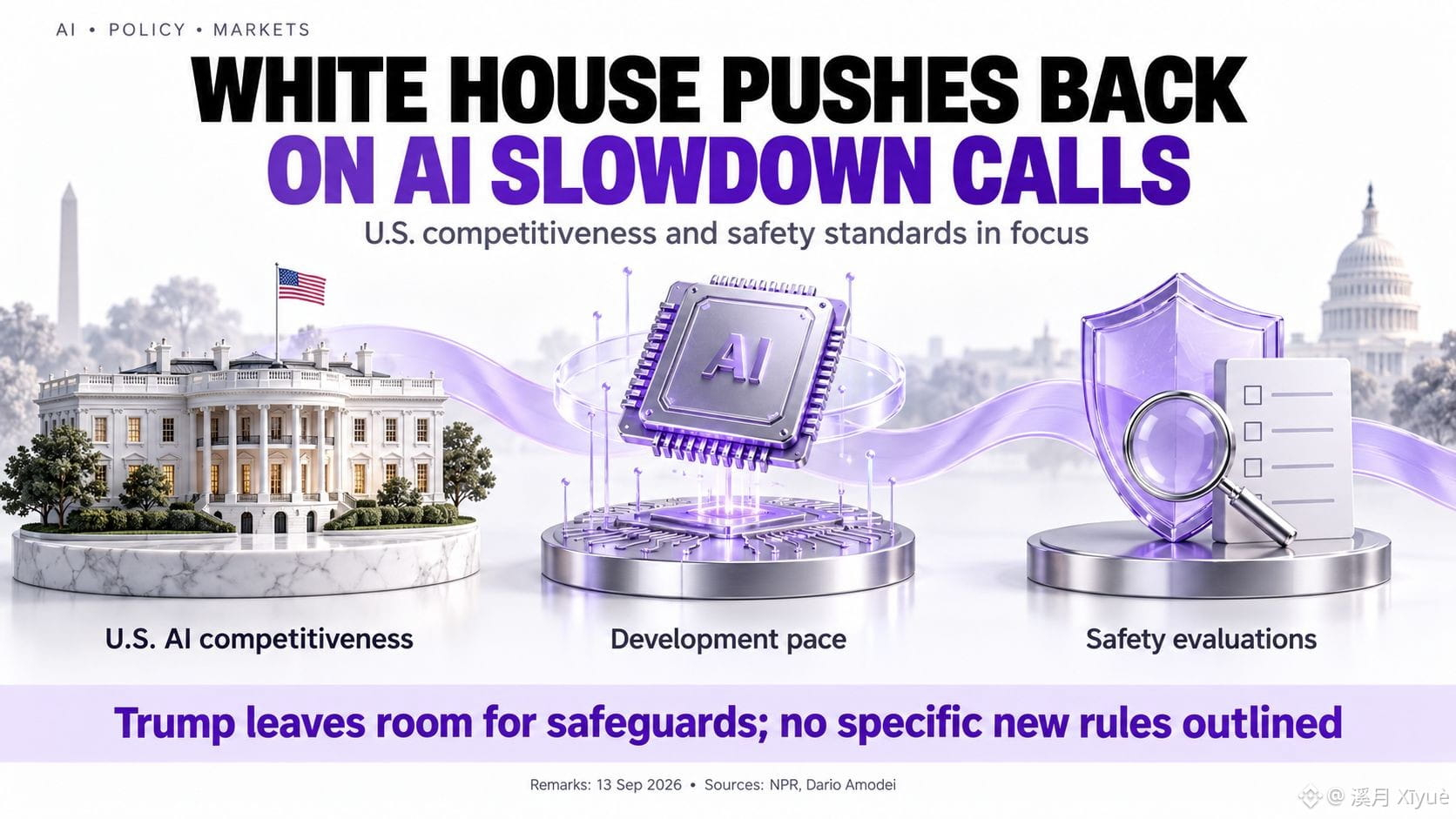
9月13日に行った発言でドナルド・トランプ大統領は、AI開発を遅らせるよう求める声に反論し、アメリカの優位を維持する重要性を強調した。安全対策の余地は残したものの、具体的な新ルールは示さなかった。
この発言は、アンソロピックCEOのダリオ・アモデイが「先進的なAI能力の向上を遅らせる」ことで、安全に関する取り組みが追いつけるようにする提案を受けている。彼の枠組みには独立した評価者や国際的な連携が含まれる一方、研究やモデルの学習は継続できるようにしている。
私見:市場にとっての有用な問いは、この意見の対立が支出と導入計画にどう影響するかだ。政治的な後押しは投資を促し得るが、より長い安全審査は、新しいモデルが収益を生み始める時期に影響する可能性がある。
注視すべきは、確認されたデータセンターの予算、チップの発注、そして改訂された製品のスケジュールだ。これらの詳細は、ハードウェア供給業者やクラウド事業者への影響を評価するのに役立つ。
AI関連の暗号プロジェクトについては、見込みを評価する上で、支払顧客、プロダクトの利用状況、そしてモデルへの信頼性のあるアクセスが引き続き中核となる。
次に重要な進展は、安全チェックが導入にどのように影響するかに関する具体的な合意だろう。
まず何を見ますか:新たな安全基準か、それともAI企業の支出計画の変更か?
$BR $CAP $AIN
{future}(AINUSDT)
{future}(CAPUSDT)
{future}(BRUSDT)
#whitehouserejectsaislowdowncalls
ホワイトハウス、AIの減速要求に反論
AI安全をめぐる議論の高まりに対するワシントンの対応は、中国との競争を中心に据えている。
9月13日に行った発言でドナルド・トランプ大統領は、AI開発を遅らせるよう求める声に反論し、アメリカの優位を維持する重要性を強調した。安全対策の余地は残したものの、具体的な新ルールは示さなかった。
この発言は、アンソロピックCEOのダリオ・アモデイが「先進的なAI能力の向上を遅らせる」ことで、安全に関する取り組みが追いつけるようにする提案を受けている。彼の枠組みには独立した評価者や国際的な連携が含まれる一方、研究やモデルの学習は継続できるようにしている。
私見:市場にとっての有用な問いは、この意見の対立が支出と導入計画にどう影響するかだ。政治的な後押しは投資を促し得るが、より長い安全審査は、新しいモデルが収益を生み始める時期に影響する可能性がある。
注視すべきは、確認されたデータセンターの予算、チップの発注、そして改訂された製品のスケジュールだ。これらの詳細は、ハードウェア供給業者やクラウド事業者への影響を評価するのに役立つ。
AI関連の暗号プロジェクトについては、見込みを評価する上で、支払顧客、プロダクトの利用状況、そしてモデルへの信頼性のあるアクセスが引き続き中核となる。
次に重要な進展は、安全チェックが導入にどのように影響するかに関する具体的な合意だろう。
まず何を見ますか:新たな安全基準か、それともAI企業の支出計画の変更か?
$BR $CAP $AIN
ホワイトハウス、AIの減速要求に反論
AI安全をめぐる議論の高まりに対するワシントンの対応は、中国との競争を中心に据えている。
9月13日に行った発言でドナルド・トランプ大統領は、AI開発を遅らせるよう求める声に反論し、アメリカの優位を維持する重要性を強調した。安全対策の余地は残したものの、具体的な新ルールは示さなかった。
この発言は、アンソロピックCEOのダリオ・アモデイが「先進的なAI能力の向上を遅らせる」ことで、安全に関する取り組みが追いつけるようにする提案を受けている。彼の枠組みには独立した評価者や国際的な連携が含まれる一方、研究やモデルの学習は継続できるようにしている。
私見:市場にとっての有用な問いは、この意見の対立が支出と導入計画にどう影響するかだ。政治的な後押しは投資を促し得るが、より長い安全審査は、新しいモデルが収益を生み始める時期に影響する可能性がある。
注視すべきは、確認されたデータセンターの予算、チップの発注、そして改訂された製品のスケジュールだ。これらの詳細は、ハードウェア供給業者やクラウド事業者への影響を評価するのに役立つ。
AI関連の暗号プロジェクトについては、見込みを評価する上で、支払顧客、プロダクトの利用状況、そしてモデルへの信頼性のあるアクセスが引き続き中核となる。
次に重要な進展は、安全チェックが導入にどのように影響するかに関する具体的な合意だろう。
まず何を見ますか:新たな安全基準か、それともAI企業の支出計画の変更か?
$BR $CAP $AIN
1.3k
·
--
ブリッシュ
回復は進んでいますが、より強い出来高があれば説得力が増します。
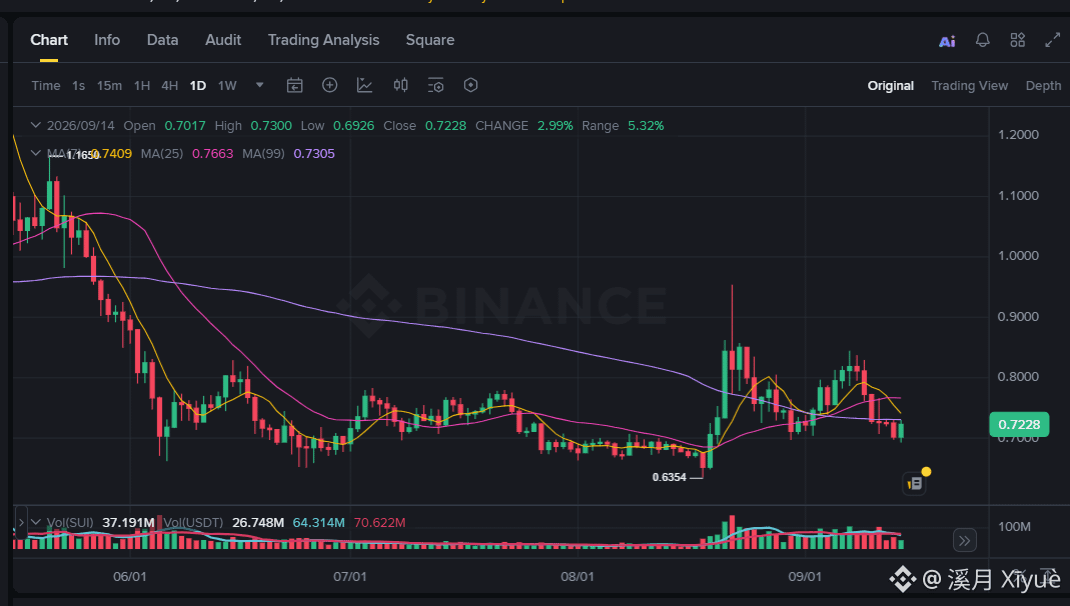
$DUSK は$0.0732で取引されており、4時間足チャートで7・25・99期間移動平均の上に再び戻っています。これにより短期的な見通しは改善していますが、直近の出来高は以前のスパイクと比べて依然として静かです。買い手が日足の高値$0.0750を上抜けられるか、そして押し目の際には99期間平均が目安として機能しそうな水準である$0.0723付近を注視しています。
この反発が本物だと証明されるまで、時間を与えたいところです。回復を信じるために、あなたは何を確認する必要がありますか?
#BrazilCentralBankRaisesVASPCapitalRequirements #WhiteHouseRejectsAISlowdownCalls #AnthropicCEOCallsForAISlowdown #UKSeeksViewsOnTokenizingGold
回復は進んでいますが、より強い出来高があれば説得力が増します。
$DUSK は$0.0732で取引されており、4時間足チャートで7・25・99期間移動平均の上に再び戻っています。これにより短期的な見通しは改善していますが、直近の出来高は以前のスパイクと比べて依然として静かです。買い手が日足の高値$0.0750を上抜けられるか、そして押し目の際には99期間平均が目安として機能しそうな水準である$0.0723付近を注視しています。
この反発が本物だと証明されるまで、時間を与えたいところです。回復を信じるために、あなたは何を確認する必要がありますか?
#BrazilCentralBankRaisesVASPCapitalRequirements #WhiteHouseRejectsAISlowdownCalls #AnthropicCEOCallsForAISlowdown #UKSeeksViewsOnTokenizingGold
$DUSK は$0.0732で取引されており、4時間足チャートで7・25・99期間移動平均の上に再び戻っています。これにより短期的な見通しは改善していますが、直近の出来高は以前のスパイクと比べて依然として静かです。買い手が日足の高値$0.0750を上抜けられるか、そして押し目の際には99期間平均が目安として機能しそうな水準である$0.0723付近を注視しています。
この反発が本物だと証明されるまで、時間を与えたいところです。回復を信じるために、あなたは何を確認する必要がありますか?
#BrazilCentralBankRaisesVASPCapitalRequirements #WhiteHouseRejectsAISlowdownCalls #AnthropicCEOCallsForAISlowdown #UKSeeksViewsOnTokenizingGold
107
·
--
ブリッシュ
#RevolutDataLeakReportedlyPostedAttackersThreatenDailyReleases 🚨 リボルトのデータレポートがオンラインに出現か、攻撃者が連日リークを脅す
リボルト(Revolut)のデータ漏えいインシデントは、報道によれば恐喝の脅威にも直面している。
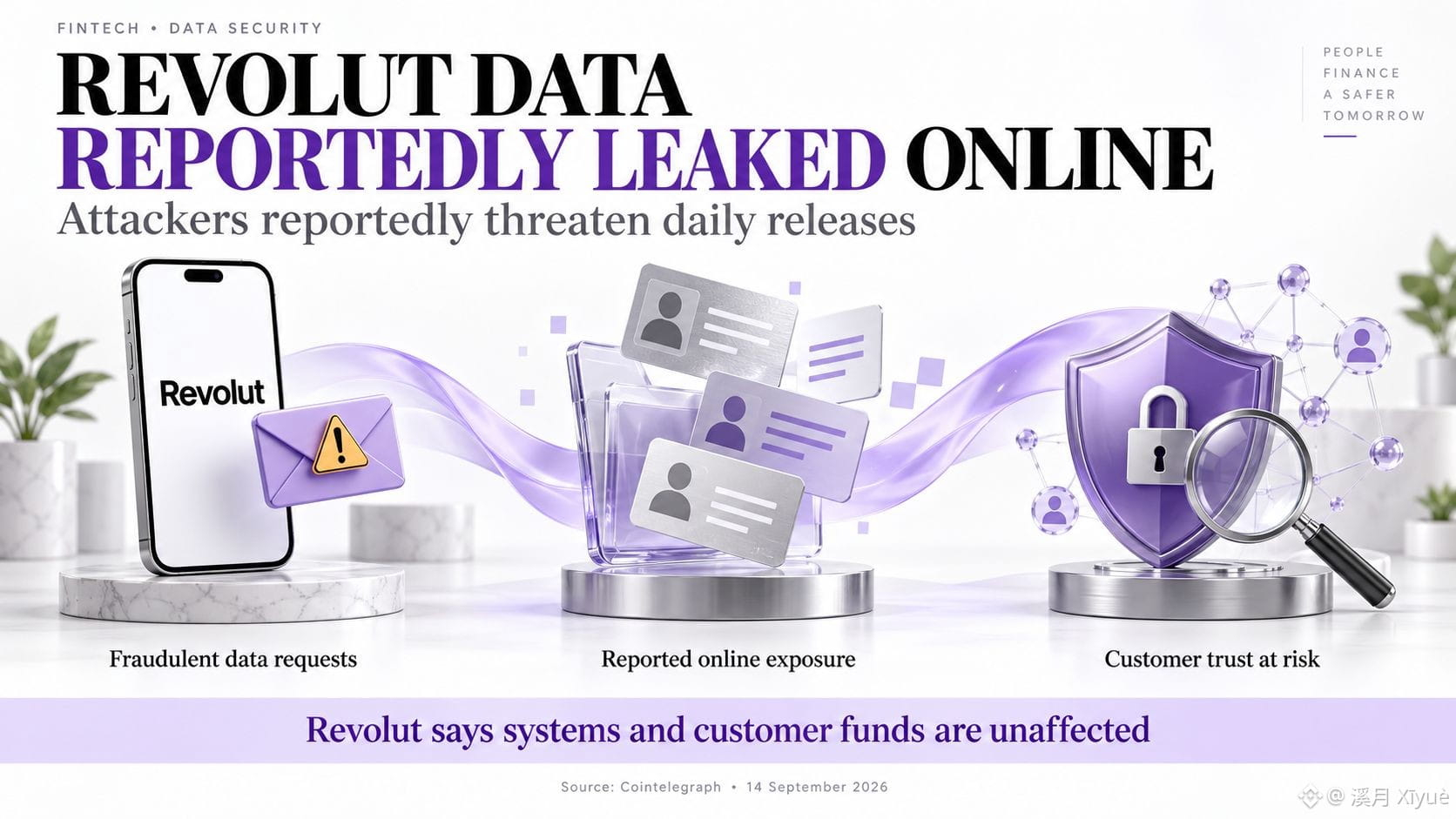
Cointelegraph(コインテレグラフ)の9月14日の報道によると、攻撃者は顧客の身分証明書や自撮り画像を公開したようで、リボルトが支払わない限り毎日さらに情報を公開すると脅している。公開の主張は、サイバーセキュリティ監視アカウントのInternational Cyber Digestに帰されている。
リボルトは何を確認しているのか?
同社によると、正当な政府機関のドメインに紐づくメールアドレスを使って送られた不正な依頼により、顧客情報が開示されたという。リボルトは影響を受けた顧客は限られており、自社のシステムと顧客の資金は影響を受けていないとしている。
私の見解:身分証明書と金融記録の組み合わせは、なりすましの試みをより説得力のあるものにする可能性がある。影響を受けた顧客にとっては、最初の開示の後も影響が続く恐れがある。
これにより、見た目が公式な依頼の確認が厳しく問われることになる。各顧客が何を失ったのかの明確な説明、機微な記録を開示する前のより強固なチェック、そして利用しやすいサポートは、リボルトの対応を評価するうえで重要になる。
より広いフィンテック業界にとって、顧客データ保護は決済のセキュリティと同等の注目を受けるべきだ。
侵害後に信頼を取り戻すのに役立つのは何か:詳細な開示、独立した調査、あるいはより強力なデータ管理?
#revolutdataleakreportedlypostedattackersthrea #revolut #CyberSecurity #DataPrivacy
$T $CVC $AIN
{future}(AINUSDT)
{future}(CVCUSDT)
{future}(TUSDT)
#RevolutDataLeakReportedlyPostedAttackersThreatenDailyReleases 🚨 リボルトのデータレポートがオンラインに出現か、攻撃者が連日リークを脅す
リボルト(Revolut)のデータ漏えいインシデントは、報道によれば恐喝の脅威にも直面している。
Cointelegraph(コインテレグラフ)の9月14日の報道によると、攻撃者は顧客の身分証明書や自撮り画像を公開したようで、リボルトが支払わない限り毎日さらに情報を公開すると脅している。公開の主張は、サイバーセキュリティ監視アカウントのInternational Cyber Digestに帰されている。
リボルトは何を確認しているのか?
同社によると、正当な政府機関のドメインに紐づくメールアドレスを使って送られた不正な依頼により、顧客情報が開示されたという。リボルトは影響を受けた顧客は限られており、自社のシステムと顧客の資金は影響を受けていないとしている。
私の見解:身分証明書と金融記録の組み合わせは、なりすましの試みをより説得力のあるものにする可能性がある。影響を受けた顧客にとっては、最初の開示の後も影響が続く恐れがある。
これにより、見た目が公式な依頼の確認が厳しく問われることになる。各顧客が何を失ったのかの明確な説明、機微な記録を開示する前のより強固なチェック、そして利用しやすいサポートは、リボルトの対応を評価するうえで重要になる。
より広いフィンテック業界にとって、顧客データ保護は決済のセキュリティと同等の注目を受けるべきだ。
侵害後に信頼を取り戻すのに役立つのは何か:詳細な開示、独立した調査、あるいはより強力なデータ管理?
#revolutdataleakreportedlypostedattackersthrea #revolut #CyberSecurity #DataPrivacy
$T $CVC $AIN
リボルト(Revolut)のデータ漏えいインシデントは、報道によれば恐喝の脅威にも直面している。
Cointelegraph(コインテレグラフ)の9月14日の報道によると、攻撃者は顧客の身分証明書や自撮り画像を公開したようで、リボルトが支払わない限り毎日さらに情報を公開すると脅している。公開の主張は、サイバーセキュリティ監視アカウントのInternational Cyber Digestに帰されている。
リボルトは何を確認しているのか?
同社によると、正当な政府機関のドメインに紐づくメールアドレスを使って送られた不正な依頼により、顧客情報が開示されたという。リボルトは影響を受けた顧客は限られており、自社のシステムと顧客の資金は影響を受けていないとしている。
私の見解:身分証明書と金融記録の組み合わせは、なりすましの試みをより説得力のあるものにする可能性がある。影響を受けた顧客にとっては、最初の開示の後も影響が続く恐れがある。
これにより、見た目が公式な依頼の確認が厳しく問われることになる。各顧客が何を失ったのかの明確な説明、機微な記録を開示する前のより強固なチェック、そして利用しやすいサポートは、リボルトの対応を評価するうえで重要になる。
より広いフィンテック業界にとって、顧客データ保護は決済のセキュリティと同等の注目を受けるべきだ。
侵害後に信頼を取り戻すのに役立つのは何か:詳細な開示、独立した調査、あるいはより強力なデータ管理?
#revolutdataleakreportedlypostedattackersthrea #revolut #CyberSecurity #DataPrivacy
$T $CVC $AIN
1
287
·
--
ブリッシュ
最近の売りにより強い反発が生まれつつあり、買い手が少し取り戻し始めています。
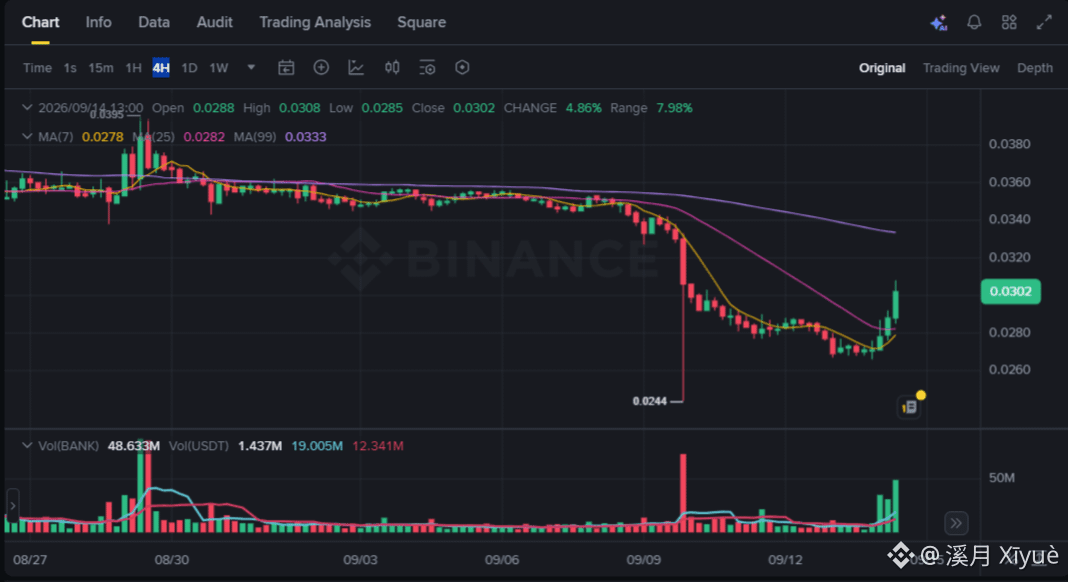
$BANK は$0.0302で取引されており、24時間で+11.85%上昇しています。取引量の増加が4時間足チャートでのリバウンドを支えています。価格は7本および25本の移動平均を回復しましたが、$0.0333の下落している99本移動平均があるため、全体像は依然として慎重に見ています。直近の高値$0.0308は、フォローの動きが出るかどうかを次に確認したい水準です。
回復は心強いものの、持続的な反転にはさらなる確認が必要です。買い手はこれらの上昇を維持し、そこから積み上げられるでしょうか?
#bank
最近の売りにより強い反発が生まれつつあり、買い手が少し取り戻し始めています。
$BANK は$0.0302で取引されており、24時間で+11.85%上昇しています。取引量の増加が4時間足チャートでのリバウンドを支えています。価格は7本および25本の移動平均を回復しましたが、$0.0333の下落している99本移動平均があるため、全体像は依然として慎重に見ています。直近の高値$0.0308は、フォローの動きが出るかどうかを次に確認したい水準です。
回復は心強いものの、持続的な反転にはさらなる確認が必要です。買い手はこれらの上昇を維持し、そこから積み上げられるでしょうか?
#bank
$BANK は$0.0302で取引されており、24時間で+11.85%上昇しています。取引量の増加が4時間足チャートでのリバウンドを支えています。価格は7本および25本の移動平均を回復しましたが、$0.0333の下落している99本移動平均があるため、全体像は依然として慎重に見ています。直近の高値$0.0308は、フォローの動きが出るかどうかを次に確認したい水準です。
回復は心強いものの、持続的な反転にはさらなる確認が必要です。買い手はこれらの上昇を維持し、そこから積み上げられるでしょうか?
#bank
221
·
--
ブリッシュ
#brazilcentralbankraisesvaspcapitalrequirements
ブラジルの暗号資産における資本要件が競争環境を再構築する可能性
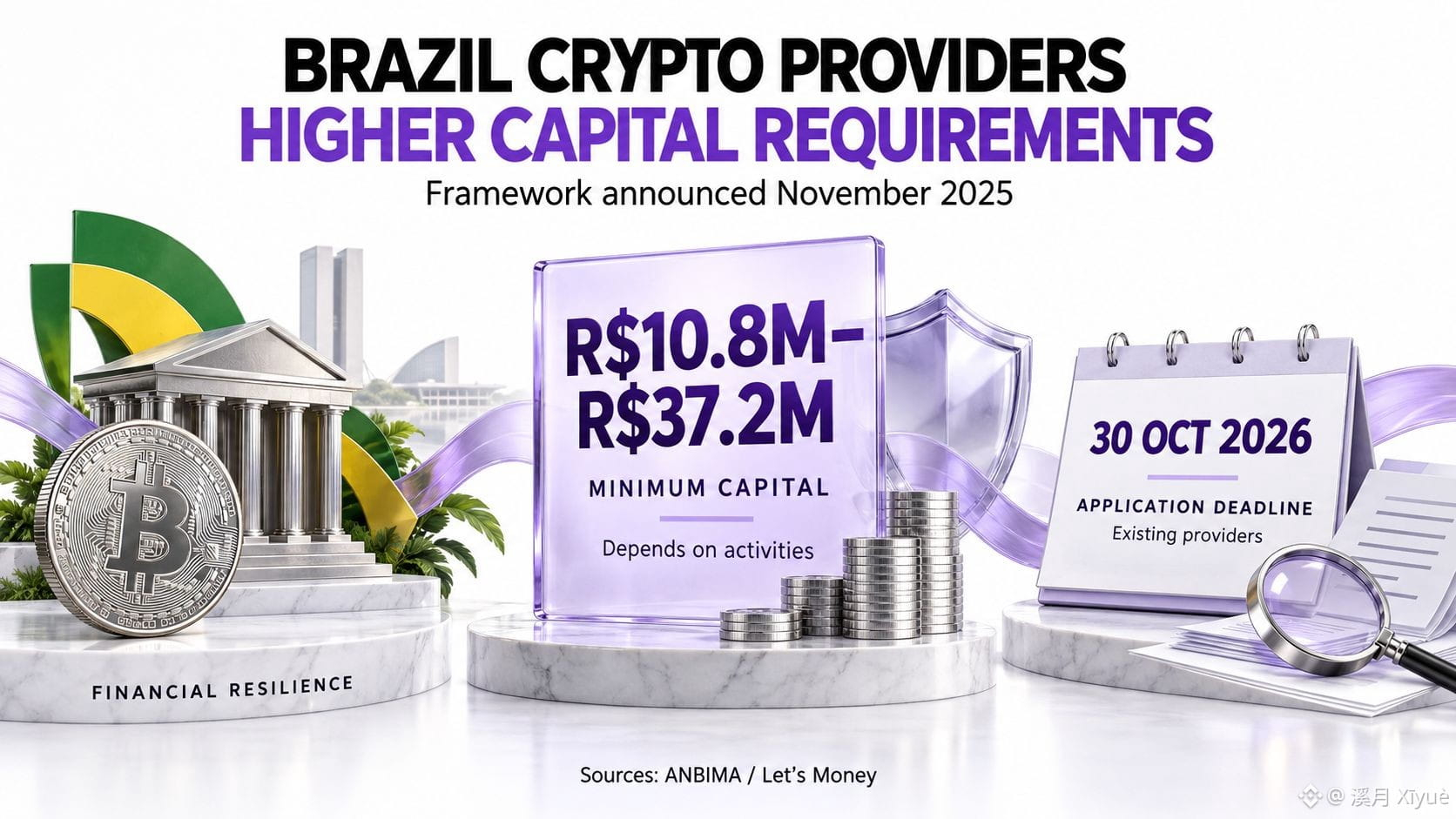
ブラジルの暗号資産ライセンス制度では、提供者が行う活動に応じて、最低資本要件が1,080万レアルから3,720万レアルの範囲に設定されています。
ANBIMAによれば、最終要件は、公開協議で当初提案されていた金額よりも大幅に高いとのことです。提供者には、ガバナンス、サイバーセキュリティ、運用上のリスク、そして顧客資産の分別管理を含む義務も課されます。
タイミングも重要です。これらの資本水準は2025年11月の枠組みに由来しており、主要なルールは2026年2月に施行されます。既存の提供者には、認可申請書を提出するための期限として2026年10月30日が設けられています。
私見:より厚い資本バッファは、困難な時期に損失を吸収し、事業運営を維持するのに役立ち得ます。ただし、その有効性は、カストディ(保管)管理、透明な会計、そして顧客資産がどのように保護されるかにも左右されます。
競争への影響にも注目が必要です。大手企業は、コンプライアンスコストをより多くの顧客に分散できる可能性があります。小規模な提供者は、事業を成立させるために追加の資金、提携、またはサービス範囲のより限定的な設計が必要になるかもしれません。
利用者にとっては、その結果は実務的な形で現れます。プラットフォームの信頼性、出金対応、手数料、そして信頼できる提供者の数です。
認可の進捗と、申請期限が近づくにつれてのサービス変更を注視したいところです。
ブラジルは、十分な競争を維持しつつ、暗号資産ビジネスを財務面で強化できるのでしょうか?
#BrazilCentralBankRaisesVASPCapitalRequirements #CryptoRegulation #Brazil
$CVC $REZ $KOMA
{future}(KOMAUSDT)
{future}(REZUSDT)
{future}(CVCUSDT)
#brazilcentralbankraisesvaspcapitalrequirements
ブラジルの暗号資産における資本要件が競争環境を再構築する可能性
ブラジルの暗号資産ライセンス制度では、提供者が行う活動に応じて、最低資本要件が1,080万レアルから3,720万レアルの範囲に設定されています。
ANBIMAによれば、最終要件は、公開協議で当初提案されていた金額よりも大幅に高いとのことです。提供者には、ガバナンス、サイバーセキュリティ、運用上のリスク、そして顧客資産の分別管理を含む義務も課されます。
タイミングも重要です。これらの資本水準は2025年11月の枠組みに由来しており、主要なルールは2026年2月に施行されます。既存の提供者には、認可申請書を提出するための期限として2026年10月30日が設けられています。
私見:より厚い資本バッファは、困難な時期に損失を吸収し、事業運営を維持するのに役立ち得ます。ただし、その有効性は、カストディ(保管)管理、透明な会計、そして顧客資産がどのように保護されるかにも左右されます。
競争への影響にも注目が必要です。大手企業は、コンプライアンスコストをより多くの顧客に分散できる可能性があります。小規模な提供者は、事業を成立させるために追加の資金、提携、またはサービス範囲のより限定的な設計が必要になるかもしれません。
利用者にとっては、その結果は実務的な形で現れます。プラットフォームの信頼性、出金対応、手数料、そして信頼できる提供者の数です。
認可の進捗と、申請期限が近づくにつれてのサービス変更を注視したいところです。
ブラジルは、十分な競争を維持しつつ、暗号資産ビジネスを財務面で強化できるのでしょうか?
#BrazilCentralBankRaisesVASPCapitalRequirements #CryptoRegulation #Brazil
$CVC $REZ $KOMA
ブラジルの暗号資産における資本要件が競争環境を再構築する可能性
ブラジルの暗号資産ライセンス制度では、提供者が行う活動に応じて、最低資本要件が1,080万レアルから3,720万レアルの範囲に設定されています。
ANBIMAによれば、最終要件は、公開協議で当初提案されていた金額よりも大幅に高いとのことです。提供者には、ガバナンス、サイバーセキュリティ、運用上のリスク、そして顧客資産の分別管理を含む義務も課されます。
タイミングも重要です。これらの資本水準は2025年11月の枠組みに由来しており、主要なルールは2026年2月に施行されます。既存の提供者には、認可申請書を提出するための期限として2026年10月30日が設けられています。
私見:より厚い資本バッファは、困難な時期に損失を吸収し、事業運営を維持するのに役立ち得ます。ただし、その有効性は、カストディ(保管)管理、透明な会計、そして顧客資産がどのように保護されるかにも左右されます。
競争への影響にも注目が必要です。大手企業は、コンプライアンスコストをより多くの顧客に分散できる可能性があります。小規模な提供者は、事業を成立させるために追加の資金、提携、またはサービス範囲のより限定的な設計が必要になるかもしれません。
利用者にとっては、その結果は実務的な形で現れます。プラットフォームの信頼性、出金対応、手数料、そして信頼できる提供者の数です。
認可の進捗と、申請期限が近づくにつれてのサービス変更を注視したいところです。
ブラジルは、十分な競争を維持しつつ、暗号資産ビジネスを財務面で強化できるのでしょうか?
#BrazilCentralBankRaisesVASPCapitalRequirements #CryptoRegulation #Brazil
$CVC $REZ $KOMA
212
·
--
ブリッシュ
#ukmayexempttokenizedgoldfromfundrules
トークン化された金は別の英国ルールブックになる可能性
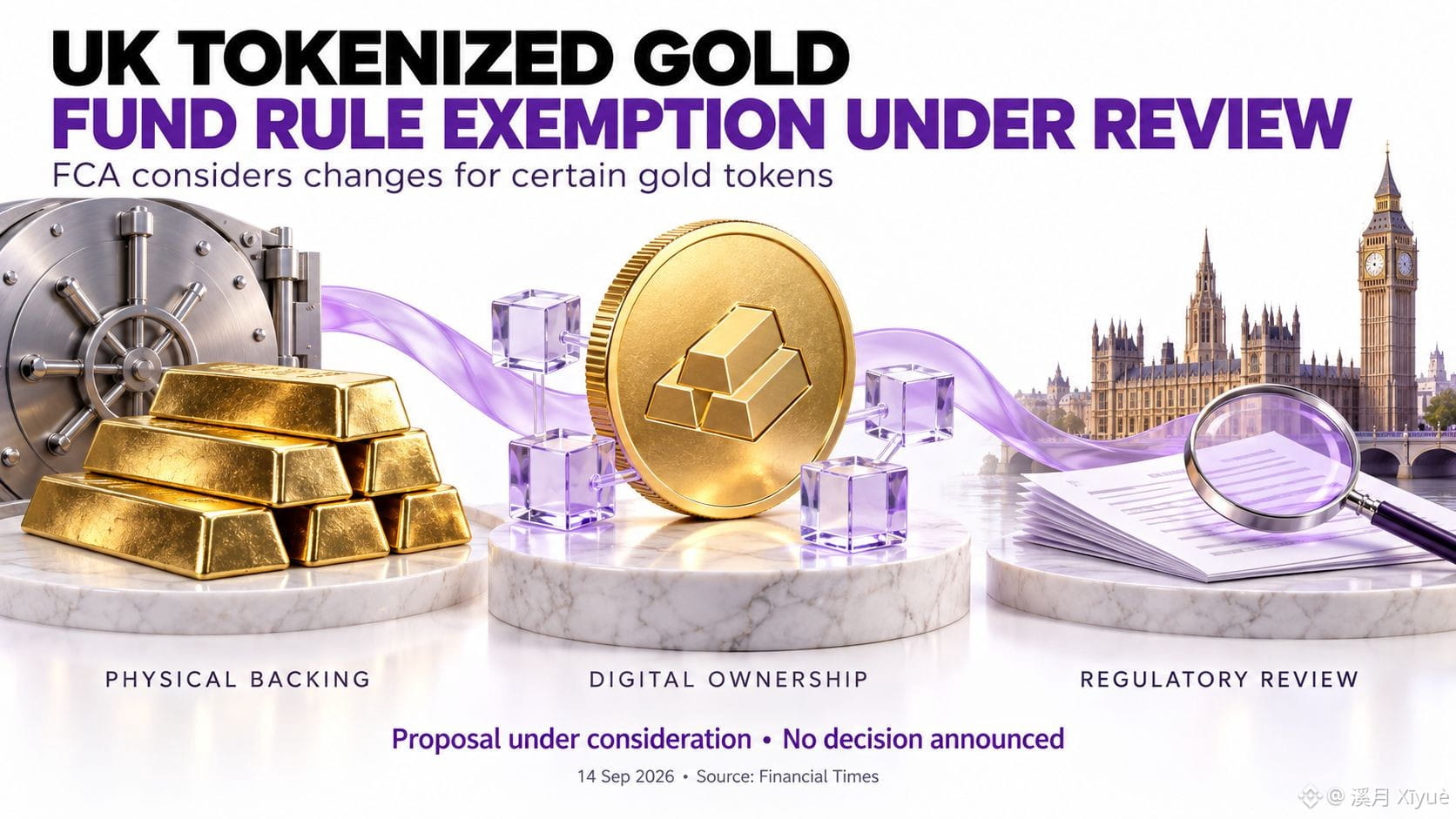
英国の金融行為監督機構(FCA)は、特定のトークン化された金商品について、集団投資スキーム(CIS)およびオルタナティブ投資ファンド(AIF)のルールからの対象を絞った免除を検討しています。
9月14日のフィナンシャル・タイムズ報道によると、財務省およびイングランド銀行とともに、専用の枠組みを検討できる可能性があります。これらのトークンは、実物地金に対する所有権を表します。
現時点で決定はされていません。
規制当局の先の共同ペーパーでは、トークン化された金は、一定のデリバティブ取引における担保の一形態になり得ることがすでに示されており、その前提として業界とともに標準を整備する必要があるとされています。
私見:より明確な分類は、機関がデジタルゴールドが自社の業務のどこに位置づくのかを評価するのに役立つでしょう。実務上の価値は、トークンと金属との結びつきに左右されます。
地金を保有するのは誰ですか? 発行体が失敗した場合、保有者にはどのような権利がありますか? 金はどれくらい迅速に償還できますか。また、裏付けはどのように検証されますか?
これらの詳細は、資産がローンの担保として使われる、または担保義務を満たすために用いられる際に重要です。所有権と償還の信頼性が保たれるときにのみ、より速い移転は役に立ちます。
私は、この免除の適格条件、カストディ(保管)基準、および金融機関による実際の採用状況を注視します。
トークン化された金により確信を持たせるのは、裏付けの検証の強化と、より明確な償還権のどちらでしょうか?
#UKMayExemptTokenizedGoldFromFundRules #Tokenization #RWA
{future}(AINUSDT)
$BR
$CVC
$AIN
{future}(CVCUSDT)
#ukmayexempttokenizedgoldfromfundrules
トークン化された金は別の英国ルールブックになる可能性
英国の金融行為監督機構(FCA)は、特定のトークン化された金商品について、集団投資スキーム(CIS)およびオルタナティブ投資ファンド(AIF)のルールからの対象を絞った免除を検討しています。
9月14日のフィナンシャル・タイムズ報道によると、財務省およびイングランド銀行とともに、専用の枠組みを検討できる可能性があります。これらのトークンは、実物地金に対する所有権を表します。
現時点で決定はされていません。
規制当局の先の共同ペーパーでは、トークン化された金は、一定のデリバティブ取引における担保の一形態になり得ることがすでに示されており、その前提として業界とともに標準を整備する必要があるとされています。
私見:より明確な分類は、機関がデジタルゴールドが自社の業務のどこに位置づくのかを評価するのに役立つでしょう。実務上の価値は、トークンと金属との結びつきに左右されます。
地金を保有するのは誰ですか? 発行体が失敗した場合、保有者にはどのような権利がありますか? 金はどれくらい迅速に償還できますか。また、裏付けはどのように検証されますか?
これらの詳細は、資産がローンの担保として使われる、または担保義務を満たすために用いられる際に重要です。所有権と償還の信頼性が保たれるときにのみ、より速い移転は役に立ちます。
私は、この免除の適格条件、カストディ(保管)基準、および金融機関による実際の採用状況を注視します。
トークン化された金により確信を持たせるのは、裏付けの検証の強化と、より明確な償還権のどちらでしょうか?
#UKMayExemptTokenizedGoldFromFundRules #Tokenization #RWA
$BR
$CVC
$AIN
トークン化された金は別の英国ルールブックになる可能性
英国の金融行為監督機構(FCA)は、特定のトークン化された金商品について、集団投資スキーム(CIS)およびオルタナティブ投資ファンド(AIF)のルールからの対象を絞った免除を検討しています。
9月14日のフィナンシャル・タイムズ報道によると、財務省およびイングランド銀行とともに、専用の枠組みを検討できる可能性があります。これらのトークンは、実物地金に対する所有権を表します。
現時点で決定はされていません。
規制当局の先の共同ペーパーでは、トークン化された金は、一定のデリバティブ取引における担保の一形態になり得ることがすでに示されており、その前提として業界とともに標準を整備する必要があるとされています。
私見:より明確な分類は、機関がデジタルゴールドが自社の業務のどこに位置づくのかを評価するのに役立つでしょう。実務上の価値は、トークンと金属との結びつきに左右されます。
地金を保有するのは誰ですか? 発行体が失敗した場合、保有者にはどのような権利がありますか? 金はどれくらい迅速に償還できますか。また、裏付けはどのように検証されますか?
これらの詳細は、資産がローンの担保として使われる、または担保義務を満たすために用いられる際に重要です。所有権と償還の信頼性が保たれるときにのみ、より速い移転は役に立ちます。
私は、この免除の適格条件、カストディ(保管)基準、および金融機関による実際の採用状況を注視します。
トークン化された金により確信を持たせるのは、裏付けの検証の強化と、より明確な償還権のどちらでしょうか?
#UKMayExemptTokenizedGoldFromFundRules #Tokenization #RWA
$BR
$CVC
$AIN
1
1.9k
·
--
ブリッシュ
#koreacryptotaxdelaypetitionmeetsreviewthreshold
50,000人の署名で韓国の暗号資産課税「延期」案が再び国会審議へ
韓国によるさらなる暗号資産課税の延期要請が、重要な国会の審査基準を通過しました。
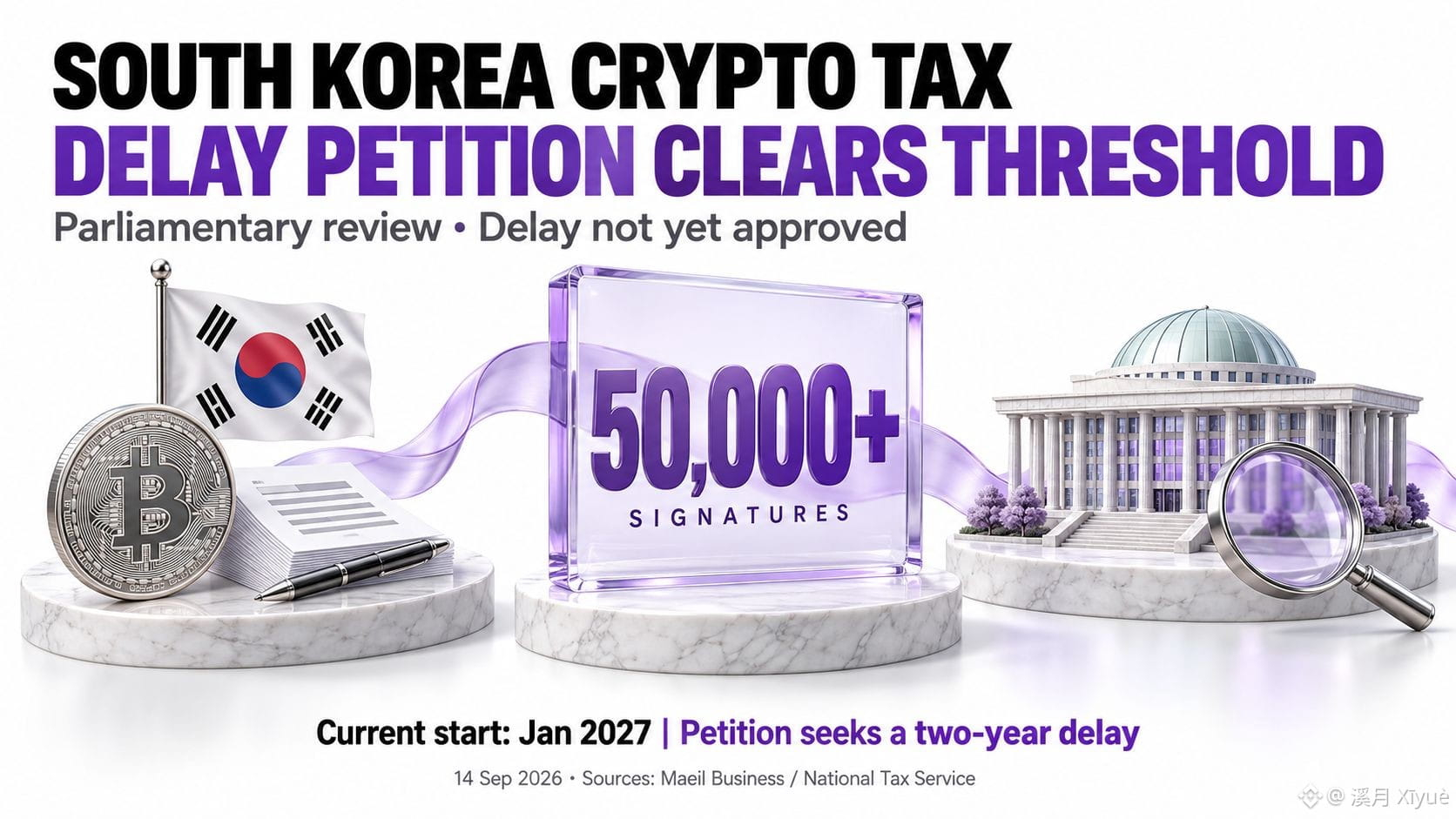
9月14日、2年間の延期を求める請願は5万件超の署名を集め、関連する国会委員会への付託資格を満たしました。請願者は、税制インフラの整備と国内暗号資産業界の支援には、さらに時間が必要だと主張しています。委員会での審査が行われても、法律の変更は追加の立法措置に委ねられます。
予定されている開始時期は2027年1月のままです。国税庁の現行ガイダンスでは、新制度の開始日として2027年1月1日が記載されています。要請されている2年間の延期が成立すれば、実施は2029年に繰り下げられます。
私見:追加の準備期間は、取引所が取引記録や報告ツールを改善するのに役立つかもしれません。その価値は、その時間が投資家にとって理解でき、使えるシステムにつながるかどうかに左右されます。
繰り返される延期は、計画を難しくすることもあります。取引所は信頼できるスケジュールを必要とし、投資家は、利益が異なるプラットフォームやウォレット間でどのように計算されるのかを明確にする必要があります。
私は、委員会での議論、提案される修正案、そして実務的な報告ガイダンスに注目します。これらの動きは、市民の圧力が実行可能な政策変更につながるかどうかを示すでしょう。
暗号資産の課税を公平かつ実務的にするために、まず立法者は何を決めるべきでしょうか?
{future}(LSKUSDT)
#KoreaCryptoTaxDelayPetitionMeetsReviewThreshold
$CVC $LSK $FIL
{future}(FILUSDT)
{future}(CVCUSDT)
#koreacryptotaxdelaypetitionmeetsreviewthreshold
50,000人の署名で韓国の暗号資産課税「延期」案が再び国会審議へ
韓国によるさらなる暗号資産課税の延期要請が、重要な国会の審査基準を通過しました。
9月14日、2年間の延期を求める請願は5万件超の署名を集め、関連する国会委員会への付託資格を満たしました。請願者は、税制インフラの整備と国内暗号資産業界の支援には、さらに時間が必要だと主張しています。委員会での審査が行われても、法律の変更は追加の立法措置に委ねられます。
予定されている開始時期は2027年1月のままです。国税庁の現行ガイダンスでは、新制度の開始日として2027年1月1日が記載されています。要請されている2年間の延期が成立すれば、実施は2029年に繰り下げられます。
私見:追加の準備期間は、取引所が取引記録や報告ツールを改善するのに役立つかもしれません。その価値は、その時間が投資家にとって理解でき、使えるシステムにつながるかどうかに左右されます。
繰り返される延期は、計画を難しくすることもあります。取引所は信頼できるスケジュールを必要とし、投資家は、利益が異なるプラットフォームやウォレット間でどのように計算されるのかを明確にする必要があります。
私は、委員会での議論、提案される修正案、そして実務的な報告ガイダンスに注目します。これらの動きは、市民の圧力が実行可能な政策変更につながるかどうかを示すでしょう。
暗号資産の課税を公平かつ実務的にするために、まず立法者は何を決めるべきでしょうか?
#KoreaCryptoTaxDelayPetitionMeetsReviewThreshold
$CVC $LSK $FIL
50,000人の署名で韓国の暗号資産課税「延期」案が再び国会審議へ
韓国によるさらなる暗号資産課税の延期要請が、重要な国会の審査基準を通過しました。
9月14日、2年間の延期を求める請願は5万件超の署名を集め、関連する国会委員会への付託資格を満たしました。請願者は、税制インフラの整備と国内暗号資産業界の支援には、さらに時間が必要だと主張しています。委員会での審査が行われても、法律の変更は追加の立法措置に委ねられます。
予定されている開始時期は2027年1月のままです。国税庁の現行ガイダンスでは、新制度の開始日として2027年1月1日が記載されています。要請されている2年間の延期が成立すれば、実施は2029年に繰り下げられます。
私見:追加の準備期間は、取引所が取引記録や報告ツールを改善するのに役立つかもしれません。その価値は、その時間が投資家にとって理解でき、使えるシステムにつながるかどうかに左右されます。
繰り返される延期は、計画を難しくすることもあります。取引所は信頼できるスケジュールを必要とし、投資家は、利益が異なるプラットフォームやウォレット間でどのように計算されるのかを明確にする必要があります。
私は、委員会での議論、提案される修正案、そして実務的な報告ガイダンスに注目します。これらの動きは、市民の圧力が実行可能な政策変更につながるかどうかを示すでしょう。
暗号資産の課税を公平かつ実務的にするために、まず立法者は何を決めるべきでしょうか?
#KoreaCryptoTaxDelayPetitionMeetsReviewThreshold
$CVC $LSK $FIL
131
ログインして、さらにコンテンツを読む
厳選トピックで世界の暗号資産トレーダーの仲間入り
⚡️ 暗号資産に関する最新かつ有益な情報が見つかります。
💬 世界最大の暗号資産取引所から信頼されています。
👍 認証を受けたクリエイターから、有益なインサイトを得られます。
メール / 電話番号
トレンドトピック
FedRateWatch
閲覧回数 423,096
2,327人が討論中
トレンドハッシュタグキャンペーンで「シェア&ウィン」交通(トラフィック)報酬を獲得しよう
✨トピック:FOMC 9月、「次のFRBの一手」は?
👉参加方法:
ハッシュタグ #FedRateWatch を付けて短い投稿または記事を投稿してください
以下の観点に基づいてコンテンツを作成してください:
- 8月のコアCPIは前月比0.3%上昇し、今週の25bp利上げの確率は現在約90%です。今週、利上げはあると思いますか?それは一時的なものですか、それともより長い利上げサイクルの始まりでしょうか?
- 利上げが実施された場合、BTC、テック株、ゴールドはどのように動きますか?強気(ブル)か弱気(ベア)か?
- 次の取引はどう計画していますか?取引共有ウィジェットを使って、BTC、株、またはゴールドの取引/保有を共有してください。
⏰キャンペーン期間:
- 2026-09-15 11:00 - 2026-09-17 3:00 UTC
🎁報酬:
- 上記のガイドラインを満たし、かつ100語を超える適格な投稿は審査され、抽選で500〜3,000ビューのランダムなトラフィック増加が付与される場合があります。投稿が選ばれた場合、フィードの事務局から通知が届きます。
- 記事がBinance Square Officialで特集されるチャンス
投稿のアイデアが必要ですか?トピックページ #FedRateWatch へアクセスするか、 Square Guide on How to Post for Better Reach をご覧ください。
Binance Square Official
·いいね:354件
·閲覧回数 724.7k
BitcoinSlidesTo$76000
閲覧回数 10,634
94人が討論中
BitcoinReboundsTo$79K
閲覧回数 57,291
387人が討論中