

CryptoGates_io
335 投稿

CryptoGates_io
報告
ユーザーをブロック
No 1 FREE Crypto Strategy Builder 🧠
Crypto made simple, safer and profitable for everyone 📈
Build | Backtest | Optimize | Automate 🤖
低高頻度トレーダー
3.7年
333 フォロー
58 フォロワー
23 いいね
投稿
すべて
動画
翻訳参照
$BTC Opens October Near $83.6K: What The ETF Flows Say
BTC is trading around $84.1K, just above the October open of $83.6K.
Spot ETF flows over the last 2 weeks:
💰 9 straight inflow days (Sep 17 to Sep 29), roughly $3.08B combined
Daily pace cooled from $999M (Sep 21) to $66M (Sep 29)
📉 Sep 30: -$148.7M, the first outflow after the streak, with one fund making up $125.6M of it
Oct 1 flows have not printed yet
Why it matters: demand is still net positive, but the momentum behind it is fading. One outflow day is a data point, not a trend change.
Scenarios to map:
Price holds the October open and inflows re-accelerate: continuation setup
Price loses the October open while outflows extend: pullback risk grows
Mixed flows and chop while conviction is split
Reclaim is not confirmation.
Verify first. Risk later. Scale slowly.
#BTC #Bitcoin
$BTC Opens October Near $83.6K: What The ETF Flows Say
BTC is trading around $84.1K, just above the October open of $83.6K.
Spot ETF flows over the last 2 weeks:
💰 9 straight inflow days (Sep 17 to Sep 29), roughly $3.08B combined
Daily pace cooled from $999M (Sep 21) to $66M (Sep 29)
📉 Sep 30: -$148.7M, the first outflow after the streak, with one fund making up $125.6M of it
Oct 1 flows have not printed yet
Why it matters: demand is still net positive, but the momentum behind it is fading. One outflow day is a data point, not a trend change.
Scenarios to map:
Price holds the October open and inflows re-accelerate: continuation setup
Price loses the October open while outflows extend: pullback risk grows
Mixed flows and chop while conviction is split
Reclaim is not confirmation.
Verify first. Risk later. Scale slowly.
#BTC #Bitcoin
BTC is trading around $84.1K, just above the October open of $83.6K.
Spot ETF flows over the last 2 weeks:
💰 9 straight inflow days (Sep 17 to Sep 29), roughly $3.08B combined
Daily pace cooled from $999M (Sep 21) to $66M (Sep 29)
📉 Sep 30: -$148.7M, the first outflow after the streak, with one fund making up $125.6M of it
Oct 1 flows have not printed yet
Why it matters: demand is still net positive, but the momentum behind it is fading. One outflow day is a data point, not a trend change.
Scenarios to map:
Price holds the October open and inflows re-accelerate: continuation setup
Price loses the October open while outflows extend: pullback risk grows
Mixed flows and chop while conviction is split
Reclaim is not confirmation.
Verify first. Risk later. Scale slowly.
#BTC #Bitcoin
39
翻訳参照
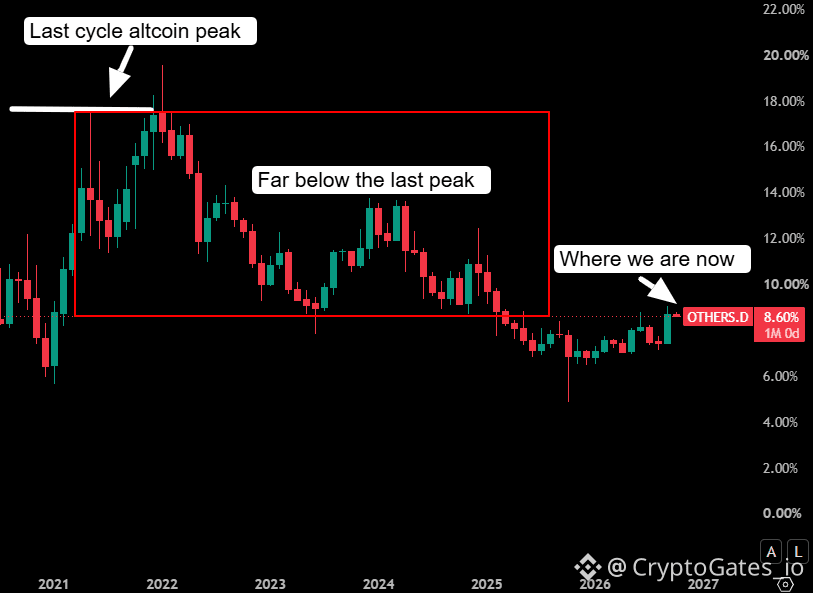
Altcoin Market Share Is Still Small
Market cap outside the top 10 (OTHERS.D) sits at 8.60% on the monthly chart, far below the last cycle peak. This month's candle is still open, so the number can move.
The nuance: heavy altcoin volume and a small market share can exist at the same time. Volume shows how active the trading is. Dominance shows how much capital actually sits there. Two different questions.
Scenarios worth mapping:
Rotation continues and OTHERS.D keeps building from 8.60% 📈
$BTC cools off and altcoins unwind faster than majors
A low share only says there is room. It does not say entries are safe. Size positions for scenario 2, not scenario 1.
verify first. risk later. scale slowly...
#Altcoins #BinanceSquare
Altcoin Market Share Is Still Small
Market cap outside the top 10 (OTHERS.D) sits at 8.60% on the monthly chart, far below the last cycle peak. This month's candle is still open, so the number can move.
The nuance: heavy altcoin volume and a small market share can exist at the same time. Volume shows how active the trading is. Dominance shows how much capital actually sits there. Two different questions.
Scenarios worth mapping:
Rotation continues and OTHERS.D keeps building from 8.60% 📈
$BTC cools off and altcoins unwind faster than majors
A low share only says there is room. It does not say entries are safe. Size positions for scenario 2, not scenario 1.
verify first. risk later. scale slowly...
#Altcoins #BinanceSquare
Market cap outside the top 10 (OTHERS.D) sits at 8.60% on the monthly chart, far below the last cycle peak. This month's candle is still open, so the number can move.
The nuance: heavy altcoin volume and a small market share can exist at the same time. Volume shows how active the trading is. Dominance shows how much capital actually sits there. Two different questions.
Scenarios worth mapping:
Rotation continues and OTHERS.D keeps building from 8.60% 📈
$BTC cools off and altcoins unwind faster than majors
A low share only says there is room. It does not say entries are safe. Size positions for scenario 2, not scenario 1.
verify first. risk later. scale slowly...
#Altcoins #BinanceSquare
37
$BTC ETFフロー:好調の後の赤い1日
スポットBTC ETFは9月30日に純流出-1.487億ドル(約1.78K BTC)を記録し、償還(解約)でFBTCが先行しました。これは9月21日から9月30日までの約23億ドルの純流入に続く動きです。
📉 BTCは流出局面を通じて約83.6Kドル近辺で推移しました。売り圧力を吸収している点は注目ですが、1回のセッションだけで需要の転換が確定したわけではありません。
2つのシナリオを整理:
月末のリバランス:機関投資家の運用担当者が最終取引日にポジションを調整し、フローは新月初の最初のセッションで正常化することがよくあります。
本物の冷却:資金流出が10月初旬まで続き、 inflow(流入)連勝の勢いが失われます。
10月1日のフローデータが最初の本当の判断材料です。それまでは、フローは売買のきっかけではなく“文脈”として捉えるべきです。規模を大きくする前に、両方のシナリオでプランをバックテストしてください。
まず確認。次にリスク。ゆっくり拡大して…
#Bitcoin #BitcoinETF #CryptoGates
$BTC ETFフロー:好調の後の赤い1日
スポットBTC ETFは9月30日に純流出-1.487億ドル(約1.78K BTC)を記録し、償還(解約)でFBTCが先行しました。これは9月21日から9月30日までの約23億ドルの純流入に続く動きです。
📉 BTCは流出局面を通じて約83.6Kドル近辺で推移しました。売り圧力を吸収している点は注目ですが、1回のセッションだけで需要の転換が確定したわけではありません。
2つのシナリオを整理:
月末のリバランス:機関投資家の運用担当者が最終取引日にポジションを調整し、フローは新月初の最初のセッションで正常化することがよくあります。
本物の冷却:資金流出が10月初旬まで続き、 inflow(流入)連勝の勢いが失われます。
10月1日のフローデータが最初の本当の判断材料です。それまでは、フローは売買のきっかけではなく“文脈”として捉えるべきです。規模を大きくする前に、両方のシナリオでプランをバックテストしてください。
まず確認。次にリスク。ゆっくり拡大して…
#Bitcoin #BitcoinETF #CryptoGates
スポットBTC ETFは9月30日に純流出-1.487億ドル(約1.78K BTC)を記録し、償還(解約)でFBTCが先行しました。これは9月21日から9月30日までの約23億ドルの純流入に続く動きです。
📉 BTCは流出局面を通じて約83.6Kドル近辺で推移しました。売り圧力を吸収している点は注目ですが、1回のセッションだけで需要の転換が確定したわけではありません。
2つのシナリオを整理:
月末のリバランス:機関投資家の運用担当者が最終取引日にポジションを調整し、フローは新月初の最初のセッションで正常化することがよくあります。
本物の冷却:資金流出が10月初旬まで続き、 inflow(流入)連勝の勢いが失われます。
10月1日のフローデータが最初の本当の判断材料です。それまでは、フローは売買のきっかけではなく“文脈”として捉えるべきです。規模を大きくする前に、両方のシナリオでプランをバックテストしてください。
まず確認。次にリスク。ゆっくり拡大して…
#Bitcoin #BitcoinETF #CryptoGates
58
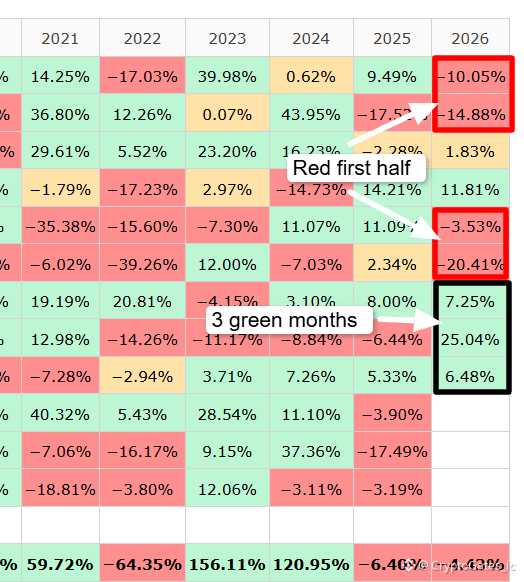
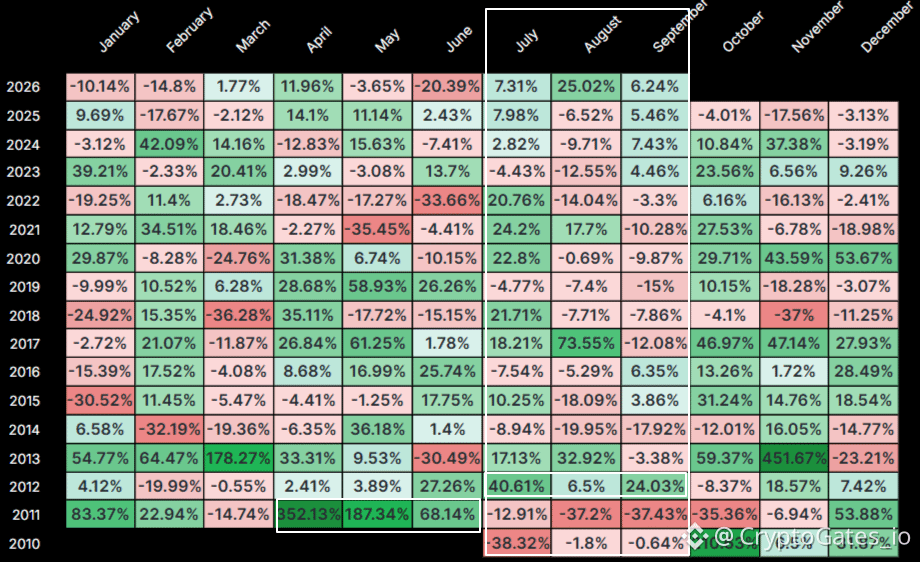
$BTC ちょうど3か月連続でグリーン(プラス)を達成
7月 +7.25%、8月 +25.04%、9月 +6.48%。
これは、前半が荒れていた後の“トーンの変化”だ。1月、2月、5月、6月はすべて赤で、6月だけが -20.41% と大きかった。
私が注目しているのはここ。こんな連勝は“裏付け”であって“確定”ではない。2015年、2019年、2023年にも同様のランが見られたが、いずれもサイクルの底がすでに形成された後だった。これは売り圧が弱まったことを示すが、サイクルが落ち着いたことを意味するわけではない。
10月のシナリオ・マップ:
✅ グリーン月:この連勝が4に伸び、構造のケースが強まる
⚠️ レッド月:これは、より広いレンジの中の“安心材料のラン”にとどまる
10月はまだ始まったばかりなので、現時点では何も決まっていない。
まず検証。後でリスク。ゆっくりとスケールしていこう...
#BTC #BitcoinAnalysis
$BTC ちょうど3か月連続でグリーン(プラス)を達成
7月 +7.25%、8月 +25.04%、9月 +6.48%。
これは、前半が荒れていた後の“トーンの変化”だ。1月、2月、5月、6月はすべて赤で、6月だけが -20.41% と大きかった。
私が注目しているのはここ。こんな連勝は“裏付け”であって“確定”ではない。2015年、2019年、2023年にも同様のランが見られたが、いずれもサイクルの底がすでに形成された後だった。これは売り圧が弱まったことを示すが、サイクルが落ち着いたことを意味するわけではない。
10月のシナリオ・マップ:
✅ グリーン月:この連勝が4に伸び、構造のケースが強まる
⚠️ レッド月:これは、より広いレンジの中の“安心材料のラン”にとどまる
10月はまだ始まったばかりなので、現時点では何も決まっていない。
まず検証。後でリスク。ゆっくりとスケールしていこう...
#BTC #BitcoinAnalysis
7月 +7.25%、8月 +25.04%、9月 +6.48%。
これは、前半が荒れていた後の“トーンの変化”だ。1月、2月、5月、6月はすべて赤で、6月だけが -20.41% と大きかった。
私が注目しているのはここ。こんな連勝は“裏付け”であって“確定”ではない。2015年、2019年、2023年にも同様のランが見られたが、いずれもサイクルの底がすでに形成された後だった。これは売り圧が弱まったことを示すが、サイクルが落ち着いたことを意味するわけではない。
10月のシナリオ・マップ:
✅ グリーン月:この連勝が4に伸び、構造のケースが強まる
⚠️ レッド月:これは、より広いレンジの中の“安心材料のラン”にとどまる
10月はまだ始まったばかりなので、現時点では何も決まっていない。
まず検証。後でリスク。ゆっくりとスケールしていこう...
#BTC #BitcoinAnalysis
67
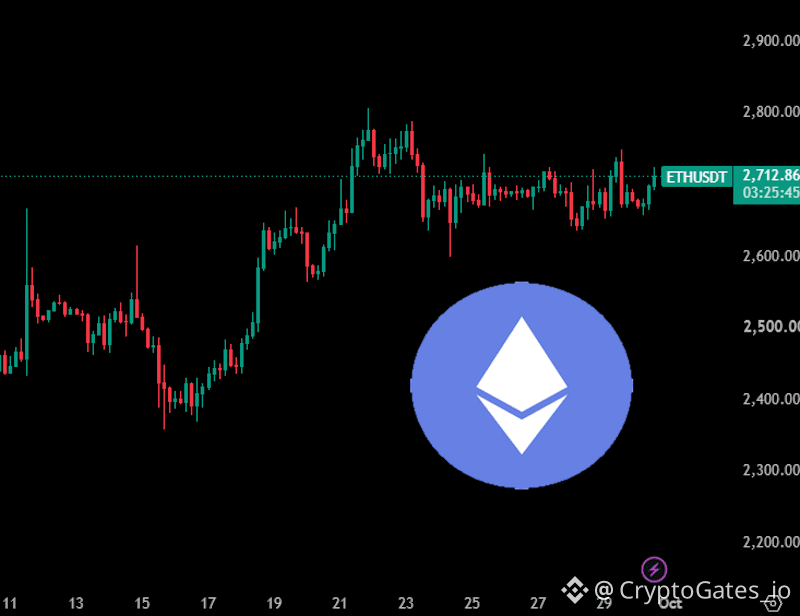
$ETH 対 $BTC 優位性:レベルが1つ違うだけで全てが決まる
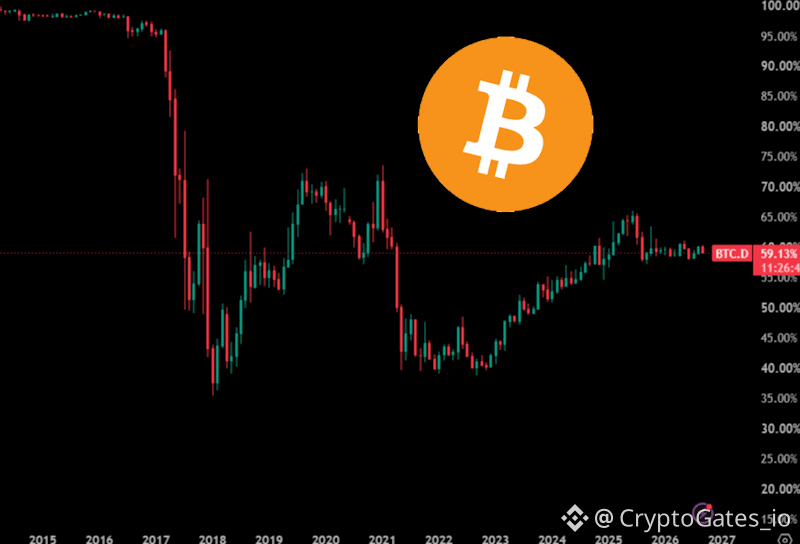
ETHは、2.7Kを上抜けできずに失敗した後、2,698付近で取引されています。BTCのドミナンスは59.16%で、ここ数か月レンジ推移が続いています。
シナリオ1:ドミナンスが57.8%のサポートを割り込む。資金にアルトへ回る余地が生まれ、ETHのブレイクアウトはより維持されやすくなります。
シナリオ2:ドミナンスが61%を上抜ける。ビットコインが先導し、ETHが2.7Kを超える動きは、別のフェイクアウトになるリスクがあります。
これらのいずれかの水準が崩れるまでは、これはレンジ内のもみ合いであり、トレンドではありません。2.7Kを上回る単発の4時間足だけでは確認にならず、実需のある強い終値が必要です。
まず検証。次にリスク。ゆっくり段階的に。
#Bitcoin #Ethereum #BTCDominance
$ETH 対 $BTC 優位性:レベルが1つ違うだけで全てが決まる
ETHは、2.7Kを上抜けできずに失敗した後、2,698付近で取引されています。BTCのドミナンスは59.16%で、ここ数か月レンジ推移が続いています。
シナリオ1:ドミナンスが57.8%のサポートを割り込む。資金にアルトへ回る余地が生まれ、ETHのブレイクアウトはより維持されやすくなります。
シナリオ2:ドミナンスが61%を上抜ける。ビットコインが先導し、ETHが2.7Kを超える動きは、別のフェイクアウトになるリスクがあります。
これらのいずれかの水準が崩れるまでは、これはレンジ内のもみ合いであり、トレンドではありません。2.7Kを上回る単発の4時間足だけでは確認にならず、実需のある強い終値が必要です。
まず検証。次にリスク。ゆっくり段階的に。
#Bitcoin #Ethereum #BTCDominance
ETHは、2.7Kを上抜けできずに失敗した後、2,698付近で取引されています。BTCのドミナンスは59.16%で、ここ数か月レンジ推移が続いています。
シナリオ1:ドミナンスが57.8%のサポートを割り込む。資金にアルトへ回る余地が生まれ、ETHのブレイクアウトはより維持されやすくなります。
シナリオ2:ドミナンスが61%を上抜ける。ビットコインが先導し、ETHが2.7Kを超える動きは、別のフェイクアウトになるリスクがあります。
これらのいずれかの水準が崩れるまでは、これはレンジ内のもみ合いであり、トレンドではありません。2.7Kを上回る単発の4時間足だけでは確認にならず、実需のある強い終値が必要です。
まず検証。次にリスク。ゆっくり段階的に。
#Bitcoin #Ethereum #BTCDominance
68
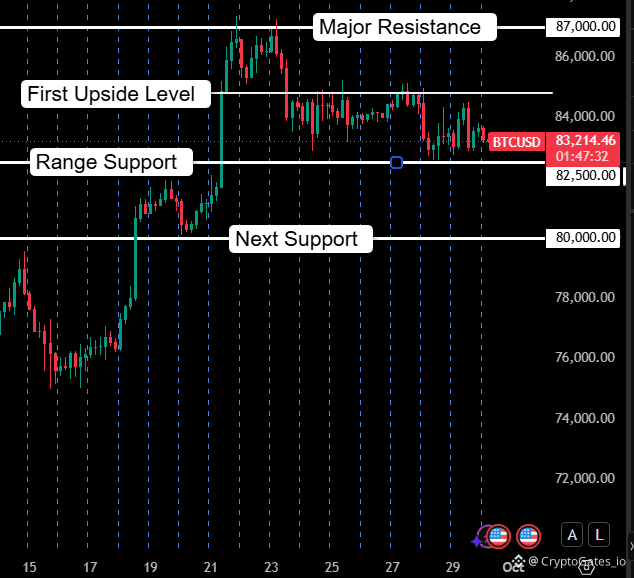
$BTC レンジマップ:87Kキャップ、82.5Kフロア
ビットコインは4Hチャートで約83.2K付近で取引されており、9月下旬に価格を拒んだ87Kのレジスタンスを下回って圧縮されています。
🔺 上昇余地:85Kが最初の奪還ライン、次に87K
🔻 下落余地:82.5Kがレンジのサポート、80Kがその下の次のゾーン
ラインを取り返すことは、それを確定することとは同じではありません。きれいなリテストで維持できるかが、単発の上ヒゲより重要です。82.5Kが崩れるなら、注目すべきラインは80Kになります。
レンジは狭まっているため、次の本格的な動きで方向性が示される可能性が高いです。それまでは、予測よりシナリオを優先。
まず確認。後でリスク。ゆっくり拡大…
#BTC #Bitcoin
$BTC レンジマップ:87Kキャップ、82.5Kフロア
ビットコインは4Hチャートで約83.2K付近で取引されており、9月下旬に価格を拒んだ87Kのレジスタンスを下回って圧縮されています。
🔺 上昇余地:85Kが最初の奪還ライン、次に87K
🔻 下落余地:82.5Kがレンジのサポート、80Kがその下の次のゾーン
ラインを取り返すことは、それを確定することとは同じではありません。きれいなリテストで維持できるかが、単発の上ヒゲより重要です。82.5Kが崩れるなら、注目すべきラインは80Kになります。
レンジは狭まっているため、次の本格的な動きで方向性が示される可能性が高いです。それまでは、予測よりシナリオを優先。
まず確認。後でリスク。ゆっくり拡大…
#BTC #Bitcoin
ビットコインは4Hチャートで約83.2K付近で取引されており、9月下旬に価格を拒んだ87Kのレジスタンスを下回って圧縮されています。
🔺 上昇余地:85Kが最初の奪還ライン、次に87K
🔻 下落余地:82.5Kがレンジのサポート、80Kがその下の次のゾーン
ラインを取り返すことは、それを確定することとは同じではありません。きれいなリテストで維持できるかが、単発の上ヒゲより重要です。82.5Kが崩れるなら、注目すべきラインは80Kになります。
レンジは狭まっているため、次の本格的な動きで方向性が示される可能性が高いです。それまでは、予測よりシナリオを優先。
まず確認。後でリスク。ゆっくり拡大…
#BTC #Bitcoin
79
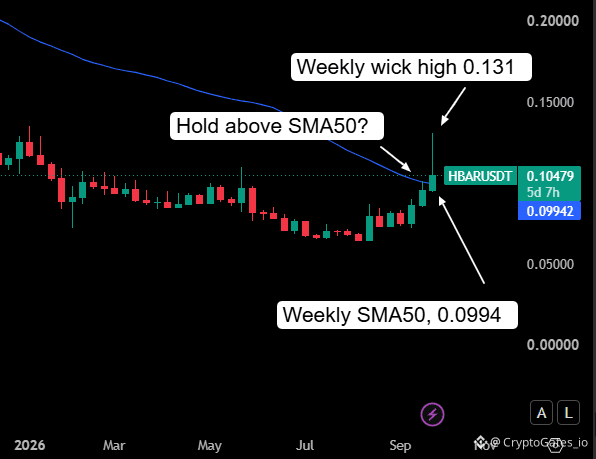
HBAR週間:ポンプがSMA50に到達
HBARは週足で0.131のウィック高値を付け、その後現在は0.105近辺で取引されています。週足SMA50は0.0994に位置しており、価格からおよそ5%下です。
レジスタンスへのスパイクはトレンド転換ではありません。リクレーム(奪回)は確証ではありません。構造を変えるのは、SMA50を上回る週足終値です。
シナリオ1:価格が0.0994を上回って推移し、回復が維持される。
シナリオ2:それを失い、動きはフェイクアウトとして読まれる。
まず確認。次にリスク。ゆっくりとスケール。🛡️
#HBAR #BinanceSquare
HBAR週間:ポンプがSMA50に到達
HBARは週足で0.131のウィック高値を付け、その後現在は0.105近辺で取引されています。週足SMA50は0.0994に位置しており、価格からおよそ5%下です。
レジスタンスへのスパイクはトレンド転換ではありません。リクレーム(奪回)は確証ではありません。構造を変えるのは、SMA50を上回る週足終値です。
シナリオ1:価格が0.0994を上回って推移し、回復が維持される。
シナリオ2:それを失い、動きはフェイクアウトとして読まれる。
まず確認。次にリスク。ゆっくりとスケール。🛡️
#HBAR #BinanceSquare
HBARは週足で0.131のウィック高値を付け、その後現在は0.105近辺で取引されています。週足SMA50は0.0994に位置しており、価格からおよそ5%下です。
レジスタンスへのスパイクはトレンド転換ではありません。リクレーム(奪回)は確証ではありません。構造を変えるのは、SMA50を上回る週足終値です。
シナリオ1:価格が0.0994を上回って推移し、回復が維持される。
シナリオ2:それを失い、動きはフェイクアウトとして読まれる。
まず確認。次にリスク。ゆっくりとスケール。🛡️
#HBAR #BinanceSquare
100
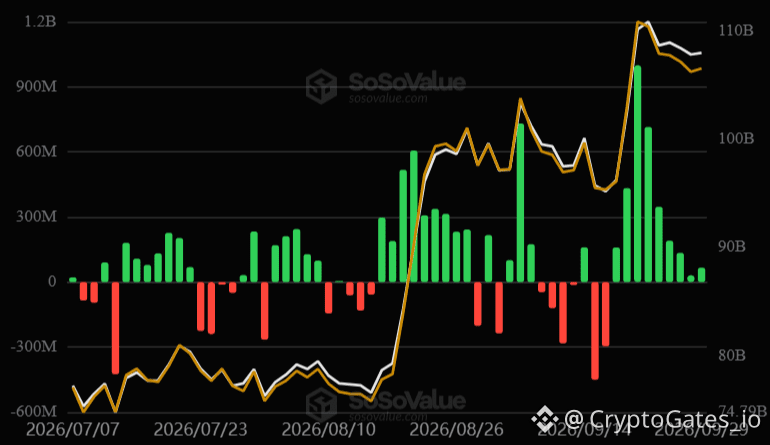
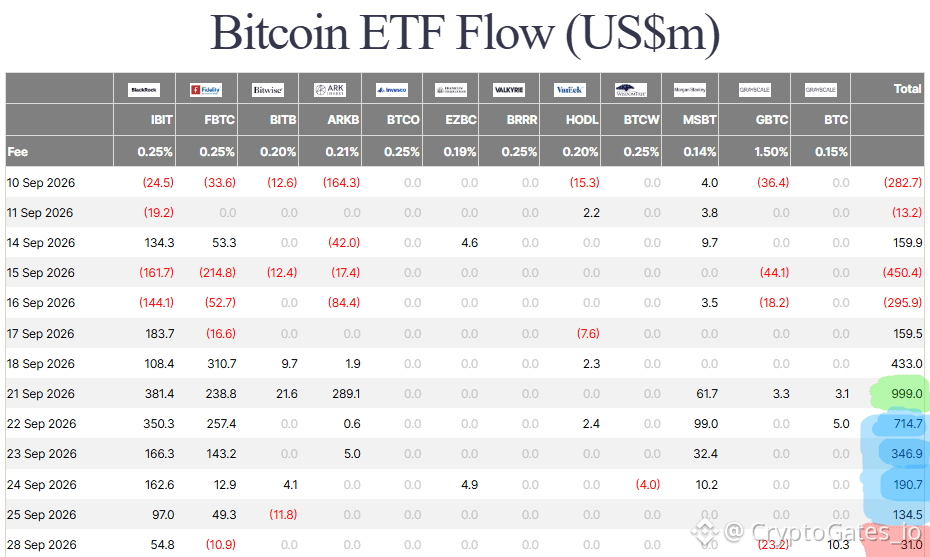
$BTC ETFの資金フローはまだプラスだが、勢いが急速に冷え込んでいる。
米国の現物ビットコインETFは、純流入が8日連続で続いている。だが日次の数字は別の物語を伝えている。9月21日に$999M、次いで$714.7M、$346.9M、$190.7M、$134.5M、そして9月28日にはわずか$31Mだ。これは、1週間でピーク日の約97%の下落に相当する📉
状況も重要だ。9月15日と16日にはETFがそれぞれ$450.4Mと$295.9Mの資金流出を記録しており、その後のプラス転換は急だった。
BTCは約$83K近辺にあり、フローの強度が薄れている。私が整理している3つのシナリオは以下のとおり:
フローが安定し、価格が土台を築く
フローがさらに縮小し、勢いが止まる
新たな資金流入のスパイクが動きを再始動する
価格とフローは、確信を持つためには一致している必要がある。
まず検証。リスクは後で。ゆっくりスケールしていく...
#BTC #BitcoinETF #ETFFlows
$BTC ETFの資金フローはまだプラスだが、勢いが急速に冷え込んでいる。
米国の現物ビットコインETFは、純流入が8日連続で続いている。だが日次の数字は別の物語を伝えている。9月21日に$999M、次いで$714.7M、$346.9M、$190.7M、$134.5M、そして9月28日にはわずか$31Mだ。これは、1週間でピーク日の約97%の下落に相当する📉
状況も重要だ。9月15日と16日にはETFがそれぞれ$450.4Mと$295.9Mの資金流出を記録しており、その後のプラス転換は急だった。
BTCは約$83K近辺にあり、フローの強度が薄れている。私が整理している3つのシナリオは以下のとおり:
フローが安定し、価格が土台を築く
フローがさらに縮小し、勢いが止まる
新たな資金流入のスパイクが動きを再始動する
価格とフローは、確信を持つためには一致している必要がある。
まず検証。リスクは後で。ゆっくりスケールしていく...
#BTC #BitcoinETF #ETFFlows
米国の現物ビットコインETFは、純流入が8日連続で続いている。だが日次の数字は別の物語を伝えている。9月21日に$999M、次いで$714.7M、$346.9M、$190.7M、$134.5M、そして9月28日にはわずか$31Mだ。これは、1週間でピーク日の約97%の下落に相当する📉
状況も重要だ。9月15日と16日にはETFがそれぞれ$450.4Mと$295.9Mの資金流出を記録しており、その後のプラス転換は急だった。
BTCは約$83K近辺にあり、フローの強度が薄れている。私が整理している3つのシナリオは以下のとおり:
フローが安定し、価格が土台を築く
フローがさらに縮小し、勢いが止まる
新たな資金流入のスパイクが動きを再始動する
価格とフローは、確信を持つためには一致している必要がある。
まず検証。リスクは後で。ゆっくりスケールしていく...
#BTC #BitcoinETF #ETFFlows
27
翻訳参照
$BTC is about to print 3 green months in a row (Jul-Sep 2026)
Jul +7.31% | Aug +25.02% | Sep +6.24% (open)
Why CT is talking about it: no bear market on the chart (2014, 2018, 2022) ever gave 3 straight green months. Only 2012 did it in Q3.
Reality check:
A sample of 2 is thin
One streak ≠ confirmed bull market
Experts are still split: some call it a trend change, others still target a lower bottom
What I'm watching next: does the October dip get bought, and do funding and OI stay calm?
Don't trade a stat. Backtest your setup first, then size small.
#Bitcoin #BTC #CryptoStrategy
$BTC is about to print 3 green months in a row (Jul-Sep 2026)
Jul +7.31% | Aug +25.02% | Sep +6.24% (open)
Why CT is talking about it: no bear market on the chart (2014, 2018, 2022) ever gave 3 straight green months. Only 2012 did it in Q3.
Reality check:
A sample of 2 is thin
One streak ≠ confirmed bull market
Experts are still split: some call it a trend change, others still target a lower bottom
What I'm watching next: does the October dip get bought, and do funding and OI stay calm?
Don't trade a stat. Backtest your setup first, then size small.
#Bitcoin #BTC #CryptoStrategy
Jul +7.31% | Aug +25.02% | Sep +6.24% (open)
Why CT is talking about it: no bear market on the chart (2014, 2018, 2022) ever gave 3 straight green months. Only 2012 did it in Q3.
Reality check:
A sample of 2 is thin
One streak ≠ confirmed bull market
Experts are still split: some call it a trend change, others still target a lower bottom
What I'm watching next: does the October dip get bought, and do funding and OI stay calm?
Don't trade a stat. Backtest your setup first, then size small.
#Bitcoin #BTC #CryptoStrategy
45
企業は$BTC を買っている——あなたもそうすべきでしょうか?
すぐには結論を出さないでください。
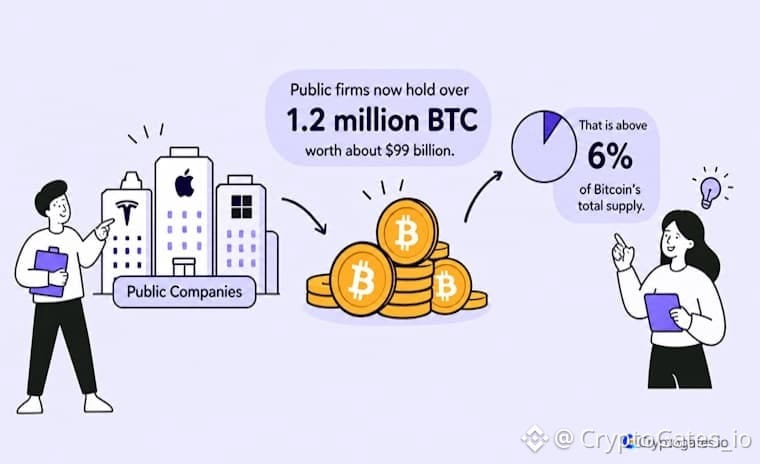
213の上場企業が、120万BTC超($99B)を保有しています。これは確かな需要ですが、会社には予算、チーム、そしてそれに対して説明責任を負う相手がいます。プレッシャーが高まれば、彼らも売却に踏み切れる可能性があります。
「大口マネー」の話を追う前に:
供給を握っているのが誰かを確認する
購入前に、エントリー・損切り(または出口)・ポジションサイズを決める。買った後に決めない
急落に対して、あなたのプランをバックテストする
大口の買い手は市場を動かせます。
しかし、市場の揺れからあなたを守ることはできません。
#Bitcoin #CryptoTrading #RiskManagement
企業は$BTC を買っている——あなたもそうすべきでしょうか?
すぐには結論を出さないでください。
213の上場企業が、120万BTC超($99B)を保有しています。これは確かな需要ですが、会社には予算、チーム、そしてそれに対して説明責任を負う相手がいます。プレッシャーが高まれば、彼らも売却に踏み切れる可能性があります。
「大口マネー」の話を追う前に:
供給を握っているのが誰かを確認する
購入前に、エントリー・損切り(または出口)・ポジションサイズを決める。買った後に決めない
急落に対して、あなたのプランをバックテストする
大口の買い手は市場を動かせます。
しかし、市場の揺れからあなたを守ることはできません。
#Bitcoin #CryptoTrading #RiskManagement
すぐには結論を出さないでください。
213の上場企業が、120万BTC超($99B)を保有しています。これは確かな需要ですが、会社には予算、チーム、そしてそれに対して説明責任を負う相手がいます。プレッシャーが高まれば、彼らも売却に踏み切れる可能性があります。
「大口マネー」の話を追う前に:
供給を握っているのが誰かを確認する
購入前に、エントリー・損切り(または出口)・ポジションサイズを決める。買った後に決めない
急落に対して、あなたのプランをバックテストする
大口の買い手は市場を動かせます。
しかし、市場の揺れからあなたを守ることはできません。
#Bitcoin #CryptoTrading #RiskManagement
60
$BTC は 5 月の高値を上回って戻ってきましたが、債券市場が協力的ではありません。
BTC: 83,718(前日比 -0.87%)、日中レンジ 82,530 ~ 85,001。
📈 米10年: 5.245%、19年ぶりの高値。
再回収は、確定した再テストとは言えません。水準を上抜けたものの、受け入れ(定着)はまだ立証されておらず、利回りの上昇はリスク資産に圧力をかけがちです。
私が描いているシナリオ:
日足の終値が 5 月の高値を上回ったまま:強気が主導権を維持。
いったん下落して そこから戻らず維持できない:より弱い Q4 がベースケースになる。
利回りが上がり続ける:どちらの方向でもボラティリティが上昇する。
ここでの優位性は方向ではありません。備えです。
まず検証。後でリスク。ゆっくり段階的に。
#BTC #Bitcoin
$BTC は 5 月の高値を上回って戻ってきましたが、債券市場が協力的ではありません。
BTC: 83,718(前日比 -0.87%)、日中レンジ 82,530 ~ 85,001。
📈 米10年: 5.245%、19年ぶりの高値。
再回収は、確定した再テストとは言えません。水準を上抜けたものの、受け入れ(定着)はまだ立証されておらず、利回りの上昇はリスク資産に圧力をかけがちです。
私が描いているシナリオ:
日足の終値が 5 月の高値を上回ったまま:強気が主導権を維持。
いったん下落して そこから戻らず維持できない:より弱い Q4 がベースケースになる。
利回りが上がり続ける:どちらの方向でもボラティリティが上昇する。
ここでの優位性は方向ではありません。備えです。
まず検証。後でリスク。ゆっくり段階的に。
#BTC #Bitcoin
BTC: 83,718(前日比 -0.87%)、日中レンジ 82,530 ~ 85,001。
📈 米10年: 5.245%、19年ぶりの高値。
再回収は、確定した再テストとは言えません。水準を上抜けたものの、受け入れ(定着)はまだ立証されておらず、利回りの上昇はリスク資産に圧力をかけがちです。
私が描いているシナリオ:
日足の終値が 5 月の高値を上回ったまま:強気が主導権を維持。
いったん下落して そこから戻らず維持できない:より弱い Q4 がベースケースになる。
利回りが上がり続ける:どちらの方向でもボラティリティが上昇する。
ここでの優位性は方向ではありません。備えです。
まず検証。後でリスク。ゆっくり段階的に。
#BTC #Bitcoin
61
$BTC 拒否された、$87Kでの下落局面:どんなプルバックになるか
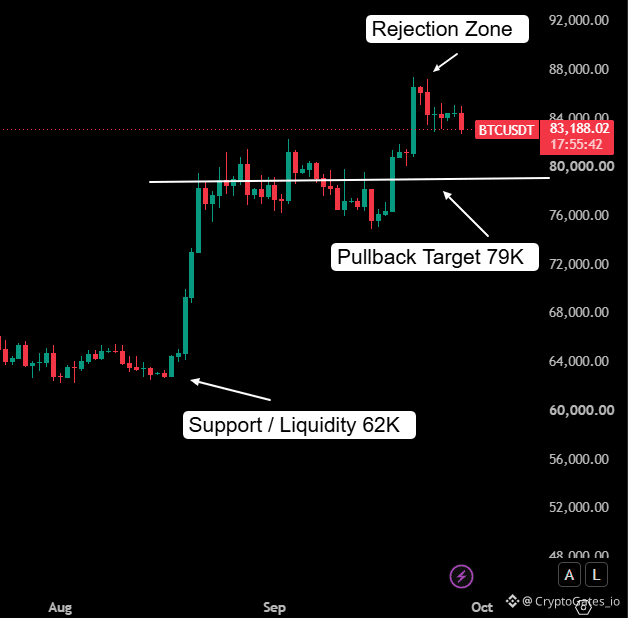
ビットコインは、日足チャートで$87Kの高値を維持できずに失敗した後、現在およそ$83Kで取引されています。
基本シナリオ:$79Kへのプルバック。もしその水準が崩れれば、次の主要な流動性およびサポート領域は$62Kです。このシナリオは、日足で$87Kを上回って終値をつけることで無効になります。
水準を奪回したことは、確認済みのリテストとは同じではありません。トレンド転換を呼ぶ前に、リテストを待ちましょう。
まず確認。次にリスク。ゆっくりと段階的に。🛡️
投資助言ではありません。
#Bitcoin #BinanceSquare
$BTC 拒否された、$87Kでの下落局面:どんなプルバックになるか
ビットコインは、日足チャートで$87Kの高値を維持できずに失敗した後、現在およそ$83Kで取引されています。
基本シナリオ:$79Kへのプルバック。もしその水準が崩れれば、次の主要な流動性およびサポート領域は$62Kです。このシナリオは、日足で$87Kを上回って終値をつけることで無効になります。
水準を奪回したことは、確認済みのリテストとは同じではありません。トレンド転換を呼ぶ前に、リテストを待ちましょう。
まず確認。次にリスク。ゆっくりと段階的に。🛡️
投資助言ではありません。
#Bitcoin #BinanceSquare
ビットコインは、日足チャートで$87Kの高値を維持できずに失敗した後、現在およそ$83Kで取引されています。
基本シナリオ:$79Kへのプルバック。もしその水準が崩れれば、次の主要な流動性およびサポート領域は$62Kです。このシナリオは、日足で$87Kを上回って終値をつけることで無効になります。
水準を奪回したことは、確認済みのリテストとは同じではありません。トレンド転換を呼ぶ前に、リテストを待ちましょう。
まず確認。次にリスク。ゆっくりと段階的に。🛡️
投資助言ではありません。
#Bitcoin #BinanceSquare
64
翻訳参照
$BTC Liquidation Heatmap Update
Two dense liquidity clusters are forming right now, one at $84,000 and one at $86,000, with price trading directly between them.
These zones tend to act as magnets. Price often drifts toward the thicker side before reversing, and once one level gets swept, the move usually accelerates as leveraged positions unwind.
This is a structural read, not a directional call. A reclaim of either level is not the same as a confirmed breakout or breakdown. Watch how price actually behaves at the wall before adjusting exposure.
Verify first. Risk later.
#BTC
$BTC Liquidation Heatmap Update
Two dense liquidity clusters are forming right now, one at $84,000 and one at $86,000, with price trading directly between them.
These zones tend to act as magnets. Price often drifts toward the thicker side before reversing, and once one level gets swept, the move usually accelerates as leveraged positions unwind.
This is a structural read, not a directional call. A reclaim of either level is not the same as a confirmed breakout or breakdown. Watch how price actually behaves at the wall before adjusting exposure.
Verify first. Risk later.
#BTC
Two dense liquidity clusters are forming right now, one at $84,000 and one at $86,000, with price trading directly between them.
These zones tend to act as magnets. Price often drifts toward the thicker side before reversing, and once one level gets swept, the move usually accelerates as leveraged positions unwind.
This is a structural read, not a directional call. A reclaim of either level is not the same as a confirmed breakout or breakdown. Watch how price actually behaves at the wall before adjusting exposure.
Verify first. Risk later.
#BTC
3
2
686
翻訳参照
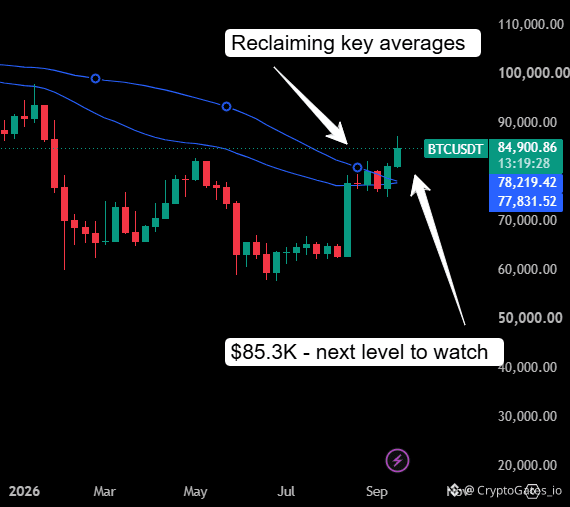
$BTC weekly close reclaims both the 50 EMA and 50 SMA, currently trading near 84.9k after tapping the 77.8k-78.2k zone last week.
This kind of reclaim often signals buyers regaining short term control, though a level held is not the same as a level confirmed. 85.3k is the next structural level to watch, a decisive move above it would carry more weight than the reclaim alone.
scenario to track: hold above the averages and clear 85.3k, or reject back into range.
Either way, structure matters more than a single candle.
verify first. risk later. scale slowly...
#Bitcoin #CryptoStrategy
$BTC weekly close reclaims both the 50 EMA and 50 SMA, currently trading near 84.9k after tapping the 77.8k-78.2k zone last week.
This kind of reclaim often signals buyers regaining short term control, though a level held is not the same as a level confirmed. 85.3k is the next structural level to watch, a decisive move above it would carry more weight than the reclaim alone.
scenario to track: hold above the averages and clear 85.3k, or reject back into range.
Either way, structure matters more than a single candle.
verify first. risk later. scale slowly...
#Bitcoin #CryptoStrategy
This kind of reclaim often signals buyers regaining short term control, though a level held is not the same as a level confirmed. 85.3k is the next structural level to watch, a decisive move above it would carry more weight than the reclaim alone.
scenario to track: hold above the averages and clear 85.3k, or reject back into range.
Either way, structure matters more than a single candle.
verify first. risk later. scale slowly...
#Bitcoin #CryptoStrategy
47
$BTC 更新: $84,550(+0.20%)
価格は、$88Kの直近高値から後退した後、数日間ずっと$84K〜$86Kの間で推移しています。
レンジ相場の構造で、まだ明確な方向性はありません。
このゾーンのどちらかをブレイクすると、短期のモメンタムが決まりそうです。
エクスポージャーを追加する前にまず確認してください。
#Bitcoin #BinanceSquare
$BTC 更新: $84,550(+0.20%)
価格は、$88Kの直近高値から後退した後、数日間ずっと$84K〜$86Kの間で推移しています。
レンジ相場の構造で、まだ明確な方向性はありません。
このゾーンのどちらかをブレイクすると、短期のモメンタムが決まりそうです。
エクスポージャーを追加する前にまず確認してください。
#Bitcoin #BinanceSquare
価格は、$88Kの直近高値から後退した後、数日間ずっと$84K〜$86Kの間で推移しています。
レンジ相場の構造で、まだ明確な方向性はありません。
このゾーンのどちらかをブレイクすると、短期のモメンタムが決まりそうです。
エクスポージャーを追加する前にまず確認してください。
#Bitcoin #BinanceSquare
43
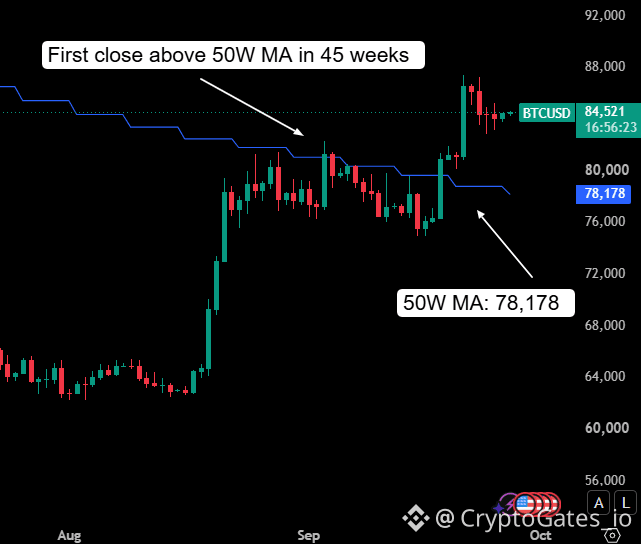
$BTC は45週間ぶりに50週移動平均を上抜け、10月2025の史上最高値付近で確認された。
価格は84,500ドル近辺で取引されており、このリテイク(奪回)は、先週のスポットETF流入が24億ドルと最大であること、そして2026年のネットフローをプラスに転じるに足る規模であることと同時に起きている。
歴史的に、この水準を取り戻すことはベアマーケットの後期段階と一致してきた。だが、リテイクは確認とは同じではない。この構造が成立するのは、日中の一時的なタッチではなく、週足の終値がこのラインの上に維持される場合のみだ。
注目シナリオ:週足の終値ベースで78Kを上回って維持し、上位時間軸のバイアスが変化するかを確認する。それを再び失えば、同じレンジ内での別の流動性スイープ(清算の刈り取り)になる。
まず検証。リスクは後で。ゆっくりと段階的に...
#Bitcoin #BTC #CryptoGates
$BTC は45週間ぶりに50週移動平均を上抜け、10月2025の史上最高値付近で確認された。
価格は84,500ドル近辺で取引されており、このリテイク(奪回)は、先週のスポットETF流入が24億ドルと最大であること、そして2026年のネットフローをプラスに転じるに足る規模であることと同時に起きている。
歴史的に、この水準を取り戻すことはベアマーケットの後期段階と一致してきた。だが、リテイクは確認とは同じではない。この構造が成立するのは、日中の一時的なタッチではなく、週足の終値がこのラインの上に維持される場合のみだ。
注目シナリオ:週足の終値ベースで78Kを上回って維持し、上位時間軸のバイアスが変化するかを確認する。それを再び失えば、同じレンジ内での別の流動性スイープ(清算の刈り取り)になる。
まず検証。リスクは後で。ゆっくりと段階的に...
#Bitcoin #BTC #CryptoGates
価格は84,500ドル近辺で取引されており、このリテイク(奪回)は、先週のスポットETF流入が24億ドルと最大であること、そして2026年のネットフローをプラスに転じるに足る規模であることと同時に起きている。
歴史的に、この水準を取り戻すことはベアマーケットの後期段階と一致してきた。だが、リテイクは確認とは同じではない。この構造が成立するのは、日中の一時的なタッチではなく、週足の終値がこのラインの上に維持される場合のみだ。
注目シナリオ:週足の終値ベースで78Kを上回って維持し、上位時間軸のバイアスが変化するかを確認する。それを再び失えば、同じレンジ内での別の流動性スイープ(清算の刈り取り)になる。
まず検証。リスクは後で。ゆっくりと段階的に...
#Bitcoin #BTC #CryptoGates
54
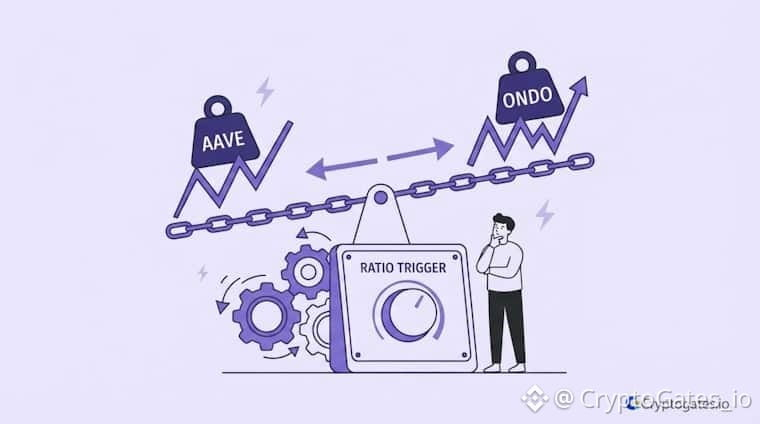
同じコイン。同じ資本。同じ手数料。変更されたのはリバランスのトリガーだけ――そしてそれが結果のすべてを決めました。
AAVE/ONDOのバックテスト:1%トリガー → 50取引、ROI 48.68%。5%トリガー → 5取引、ROI 49.60%。
自分自身の優位性を過剰に取引することは現実のコストであり、取引回数をリターンと照らし合わせて確認するまで見えません。
Rebalance Backtest Botでパラメータをテストしてください...
#Bitcoin #CryptoTrading #Altcoins
同じコイン。同じ資本。同じ手数料。変更されたのはリバランスのトリガーだけ――そしてそれが結果のすべてを決めました。
AAVE/ONDOのバックテスト:1%トリガー → 50取引、ROI 48.68%。5%トリガー → 5取引、ROI 49.60%。
自分自身の優位性を過剰に取引することは現実のコストであり、取引回数をリターンと照らし合わせて確認するまで見えません。
Rebalance Backtest Botでパラメータをテストしてください...
#Bitcoin #CryptoTrading #Altcoins
AAVE/ONDOのバックテスト:1%トリガー → 50取引、ROI 48.68%。5%トリガー → 5取引、ROI 49.60%。
自分自身の優位性を過剰に取引することは現実のコストであり、取引回数をリターンと照らし合わせて確認するまで見えません。
Rebalance Backtest Botでパラメータをテストしてください...
#Bitcoin #CryptoTrading #Altcoins
208
$BTC リアリティチェック
一部のサイクル予測ではこの特定の局面で40〜50kの底を示唆していましたが、データは別の物語を語っています。BTCは約$87k付近、出来たばかりのBTC ETFへの資金流入は$2.4B、そして暗号資産の時価総額は再び$3T超えです。
ステーキング、ステーブルコイン、トークン化された資産に関する新たな規制の明確さが加わり、これでは分断(カピテュレーション)局面には見えません。
だからこそ、予測は検証の代わりになってはいけません。論拠をバックテストし、データを確認し、それに応じてポジションサイズを決めてください。
まず検証。次にリスク。ゆっくりスケール。
#Bitcoin #CryptoStrategy
$BTC リアリティチェック
一部のサイクル予測ではこの特定の局面で40〜50kの底を示唆していましたが、データは別の物語を語っています。BTCは約$87k付近、出来たばかりのBTC ETFへの資金流入は$2.4B、そして暗号資産の時価総額は再び$3T超えです。
ステーキング、ステーブルコイン、トークン化された資産に関する新たな規制の明確さが加わり、これでは分断(カピテュレーション)局面には見えません。
だからこそ、予測は検証の代わりになってはいけません。論拠をバックテストし、データを確認し、それに応じてポジションサイズを決めてください。
まず検証。次にリスク。ゆっくりスケール。
#Bitcoin #CryptoStrategy
一部のサイクル予測ではこの特定の局面で40〜50kの底を示唆していましたが、データは別の物語を語っています。BTCは約$87k付近、出来たばかりのBTC ETFへの資金流入は$2.4B、そして暗号資産の時価総額は再び$3T超えです。
ステーキング、ステーブルコイン、トークン化された資産に関する新たな規制の明確さが加わり、これでは分断(カピテュレーション)局面には見えません。
だからこそ、予測は検証の代わりになってはいけません。論拠をバックテストし、データを確認し、それに応じてポジションサイズを決めてください。
まず検証。次にリスク。ゆっくりスケール。
#Bitcoin #CryptoStrategy
69
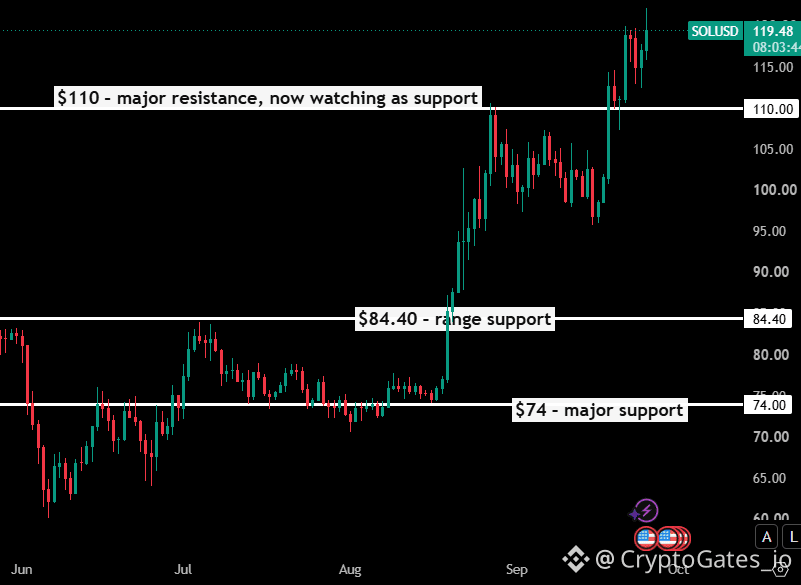
$SOL は、何週間も価格の上限として機能していた$110を取り戻し、現在は$119.35付近で取引されています(当日+1.99%)。日中高値は$122.18です。
取り戻し(リクラーム)とは、確認(コンファーム)と同じではありません。今追うべき水準は、価格が一度上回ったかどうかではなく、再テスト時に$110がサポートとして機能するかどうかです。
この構造が失敗した場合、チャート下の次の参照ポイントは$84.40と$74のままです。
これはシナリオの対応付けであり、方向性のコールではありません。
まず検証。後からリスク。ゆっくりスケール。
それをポジションサイズする前に、CryptoGates Strategy EngineでSOLの見立てをバックテストしてください。
#Solana #CryptoStrategy
$SOL は、何週間も価格の上限として機能していた$110を取り戻し、現在は$119.35付近で取引されています(当日+1.99%)。日中高値は$122.18です。
取り戻し(リクラーム)とは、確認(コンファーム)と同じではありません。今追うべき水準は、価格が一度上回ったかどうかではなく、再テスト時に$110がサポートとして機能するかどうかです。
この構造が失敗した場合、チャート下の次の参照ポイントは$84.40と$74のままです。
これはシナリオの対応付けであり、方向性のコールではありません。
まず検証。後からリスク。ゆっくりスケール。
それをポジションサイズする前に、CryptoGates Strategy EngineでSOLの見立てをバックテストしてください。
#Solana #CryptoStrategy
取り戻し(リクラーム)とは、確認(コンファーム)と同じではありません。今追うべき水準は、価格が一度上回ったかどうかではなく、再テスト時に$110がサポートとして機能するかどうかです。
この構造が失敗した場合、チャート下の次の参照ポイントは$84.40と$74のままです。
これはシナリオの対応付けであり、方向性のコールではありません。
まず検証。後からリスク。ゆっくりスケール。
それをポジションサイズする前に、CryptoGates Strategy EngineでSOLの見立てをバックテストしてください。
#Solana #CryptoStrategy
40
ログインして、さらにコンテンツを読む
厳選トピックで世界の暗号資産トレーダーの仲間入り
⚡️ 暗号資産に関する最新かつ有益な情報が見つかります。
💬 世界最大の暗号資産取引所から信頼されています。
👍 認証を受けたクリエイターから、有益なインサイトを得られます。
メール / 電話番号
トレンドトピック
NEARFallsToAround$4.70Down14%
閲覧回数 275
6人が討論中
🚨 $NEAR — ETFの熱狂から、14%の平手打ちを食らう。
NEARは$4.70付近まで下落し、直近の上昇の大部分を取り戻しつつ、いったん$5.50を超えた後の動きに。下落はまた、NEARのIntentsがクロスチェーン基盤に関連するセキュリティインシデントを開示したこととも重なり、報告された損失は約$3.8M。なお、基盤となるNEARブロックチェーン自体は侵害されたとは報じられていない。
トレーダーが注目すべきポイントはここ:
$4.69〜$4.74が、いまの主要なサポートゾーン。
踏みとどまれば?
9月のブレイクアウト後の、激しい再テストに過ぎない可能性も。
崩れると?
下方向の次の言及は、$4.58に近く、その次が約$4.30。
そして皮肉は?
新しいBitwise NEAR ETFは、ローンチ週にはまだプラスの資金流入が見られていた。
だからこれは単純な「誰もNEARを望んでいない」という話ではない。
問題は次の対決だ:
新たな機関投資家のアクセス
vs.
上昇後の利益確定+セキュリティへの恐怖。
$NEAR は、今は熱狂を必要としていない。$4.70を維持できるかが必要だ。👀
#NEARFallsToAround$4.70Down14% #EvernorthPlansNasdaqListingOct8 #SECProposesCryptoCustodyFramework #IMFApproves$139MDisbursementToElSalvador #AnthropicTargetsIPOAsSoonAsMidNovember
KimHotbae
·いいね:0件
·閲覧回数 175
EvernorthPlansNasdaqListingOct8
閲覧回数 217
26人が討論中
SECProposesCryptoCustodyFramework
閲覧回数 255
34人が討論中