

YevhenCrypto
500 Posts
YevhenCrypto
Report
Block User
Open Trade

BNB Holder
High-Frequency Trader
6.9 Years
31 Following
2.1K+ Followers
790 Liked
Posts
Portfolio
All
Quotes
Videos
·
--
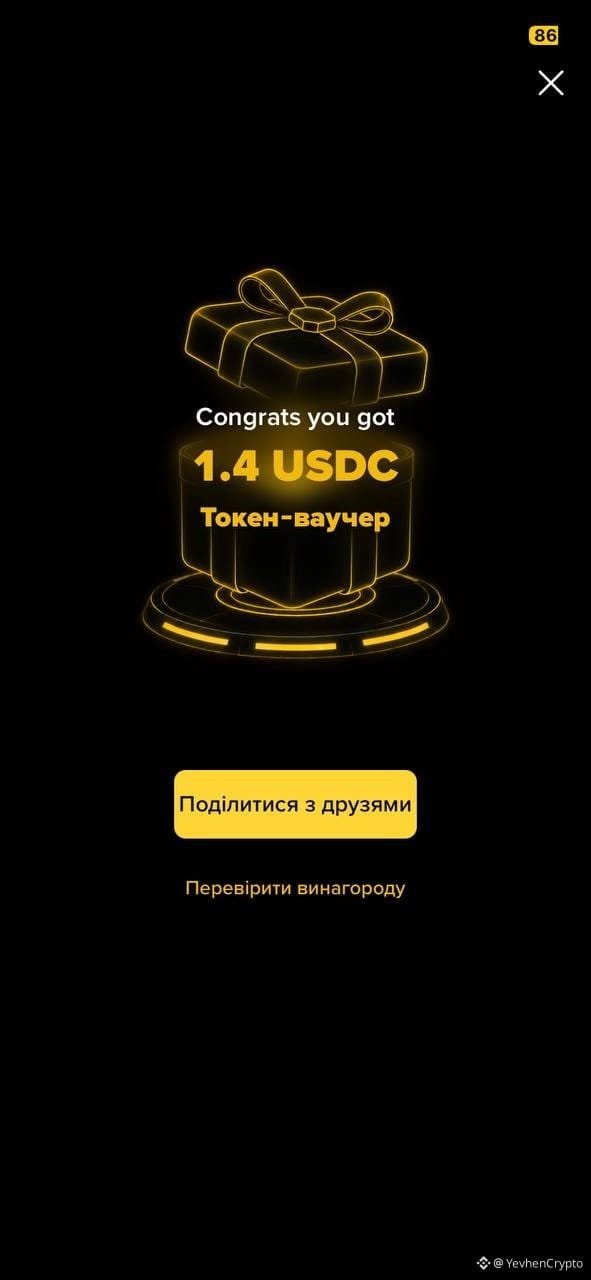
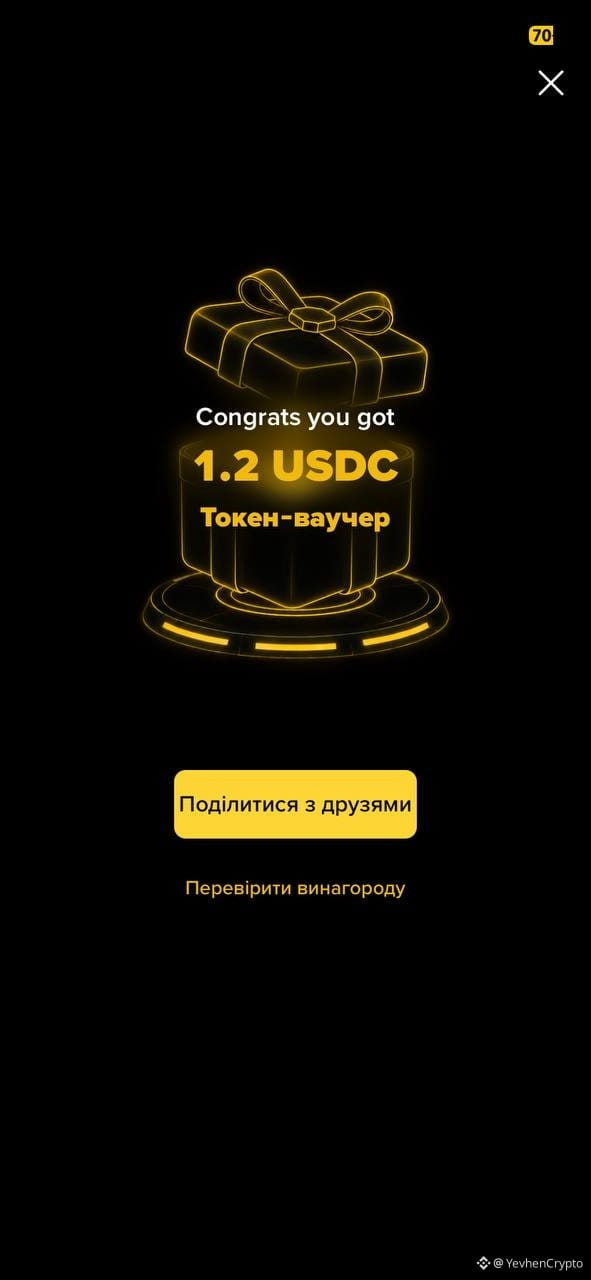
🎃 The Binance Pumpkin event has begun! Get a chance to win up to 100 USDC!
Join the event via this link: [Binance Pumpkin Frenzy](https://www.binance.com/referral/mystery-box/Pumpkin-Frenzy/claim?ref=YEVHEN)
Participation requirements:
• Complete tasks and receive 4 boxes per day.
• Tasks refresh every 24 hours.
• The maximum number of boxes per user is 15.
⚠️ Important note: Complete one task and open a box before moving on to the next task. Otherwise, your progress may not be credited!
#Binance #Crypto #Airdrop #CryptoEarnings #binancepumpkin
🎃 The Binance Pumpkin event has begun! Get a chance to win up to 100 USDC!
Join the event via this link: Binance Pumpkin Frenzy
Participation requirements:
• Complete tasks and receive 4 boxes per day.
• Tasks refresh every 24 hours.
• The maximum number of boxes per user is 15.
⚠️ Important note: Complete one task and open a box before moving on to the next task. Otherwise, your progress may not be credited!
#Binance #Crypto #Airdrop #CryptoEarnings #binancepumpkin
Join the event via this link: Binance Pumpkin Frenzy
Participation requirements:
• Complete tasks and receive 4 boxes per day.
• Tasks refresh every 24 hours.
• The maximum number of boxes per user is 15.
⚠️ Important note: Complete one task and open a box before moving on to the next task. Otherwise, your progress may not be credited!
#Binance #Crypto #Airdrop #CryptoEarnings #binancepumpkin
14
·
--
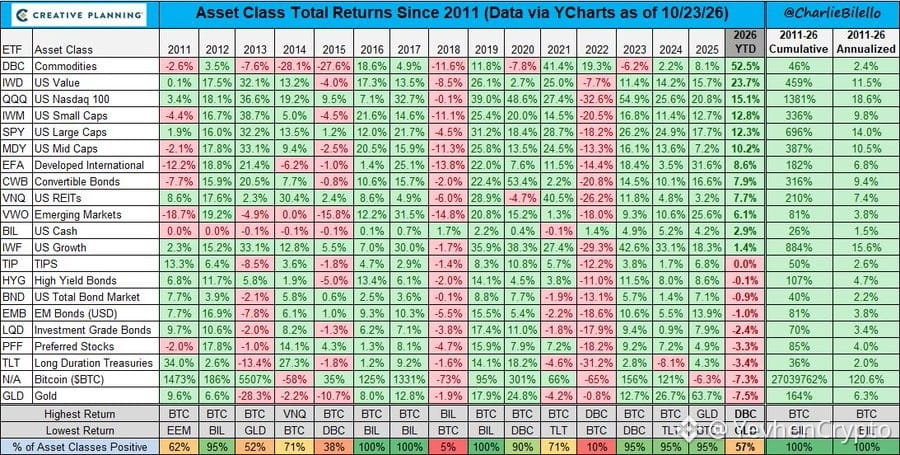
An interesting market phenomenon in 2026!
According to Charlie Bilello, Bitcoin and gold are currently the two worst-performing major assets of the year, down 7.3% and 7.5%, respectively.
This is the first time in history that, over a calendar year, the traditional safe-haven asset and the leading cryptocurrency have moved in sync at the bottom of the rankings.
#Bitcoin #Gold #crypto #Finance #markets
An interesting market phenomenon in 2026!
According to Charlie Bilello, Bitcoin and gold are currently the two worst-performing major assets of the year, down 7.3% and 7.5%, respectively.
This is the first time in history that, over a calendar year, the traditional safe-haven asset and the leading cryptocurrency have moved in sync at the bottom of the rankings.
#Bitcoin #Gold #crypto #Finance #markets
According to Charlie Bilello, Bitcoin and gold are currently the two worst-performing major assets of the year, down 7.3% and 7.5%, respectively.
This is the first time in history that, over a calendar year, the traditional safe-haven asset and the leading cryptocurrency have moved in sync at the bottom of the rankings.
#Bitcoin #Gold #crypto #Finance #markets
184
·
--
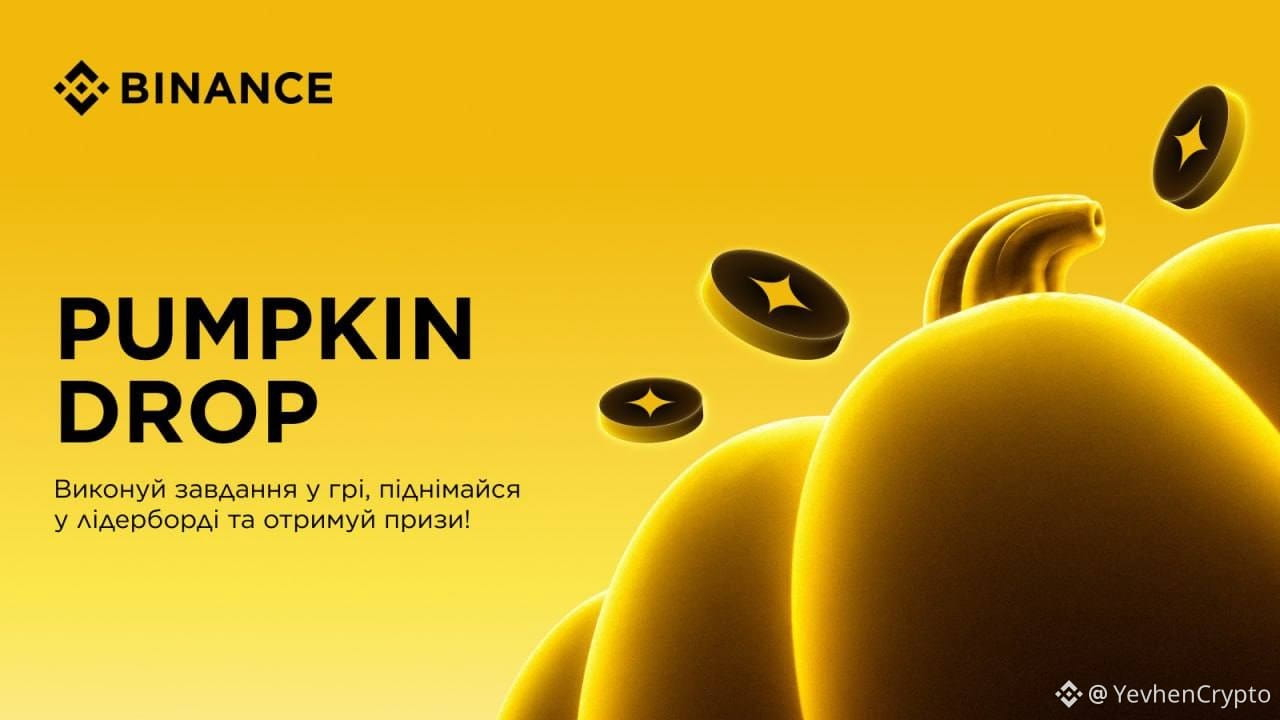
🎃 @Binance_Ukraine launched Pumpkin Drop!
What can you win?
💰 TOP 10 — 100 USDC each
👕 The next 5 — Binance merch
🎃 Another 10 pieces of Halloween merch will be raffled among all participants
How to participate?
➡️ Subscribe to the official @Binance_Ukraine channel and the Binance Ukrainian chat on Telegram
➡️ Open the app and enter your UID
➡️ Tap the pumpkin and complete the quiz
➡️ Complete bonus tasks and climb the leaderboard
⏳ Until November 1, 2026!
#Binance #BinanceUkraine #pumpkindrop #crypto #Halloween
🎃 @Binance_Ukraine launched Pumpkin Drop!
What can you win?
💰 TOP 10 — 100 USDC each
👕 The next 5 — Binance merch
🎃 Another 10 pieces of Halloween merch will be raffled among all participants
How to participate?
➡️ Subscribe to the official @Binance_Ukraine channel and the Binance Ukrainian chat on Telegram
➡️ Open the app and enter your UID
➡️ Tap the pumpkin and complete the quiz
➡️ Complete bonus tasks and climb the leaderboard
⏳ Until November 1, 2026!
#Binance #BinanceUkraine #pumpkindrop #crypto #Halloween
What can you win?
💰 TOP 10 — 100 USDC each
👕 The next 5 — Binance merch
🎃 Another 10 pieces of Halloween merch will be raffled among all participants
How to participate?
➡️ Subscribe to the official @Binance_Ukraine channel and the Binance Ukrainian chat on Telegram
➡️ Open the app and enter your UID
➡️ Tap the pumpkin and complete the quiz
➡️ Complete bonus tasks and climb the leaderboard
⏳ Until November 1, 2026!
#Binance #BinanceUkraine #pumpkindrop #crypto #Halloween
73
·
--
Verified
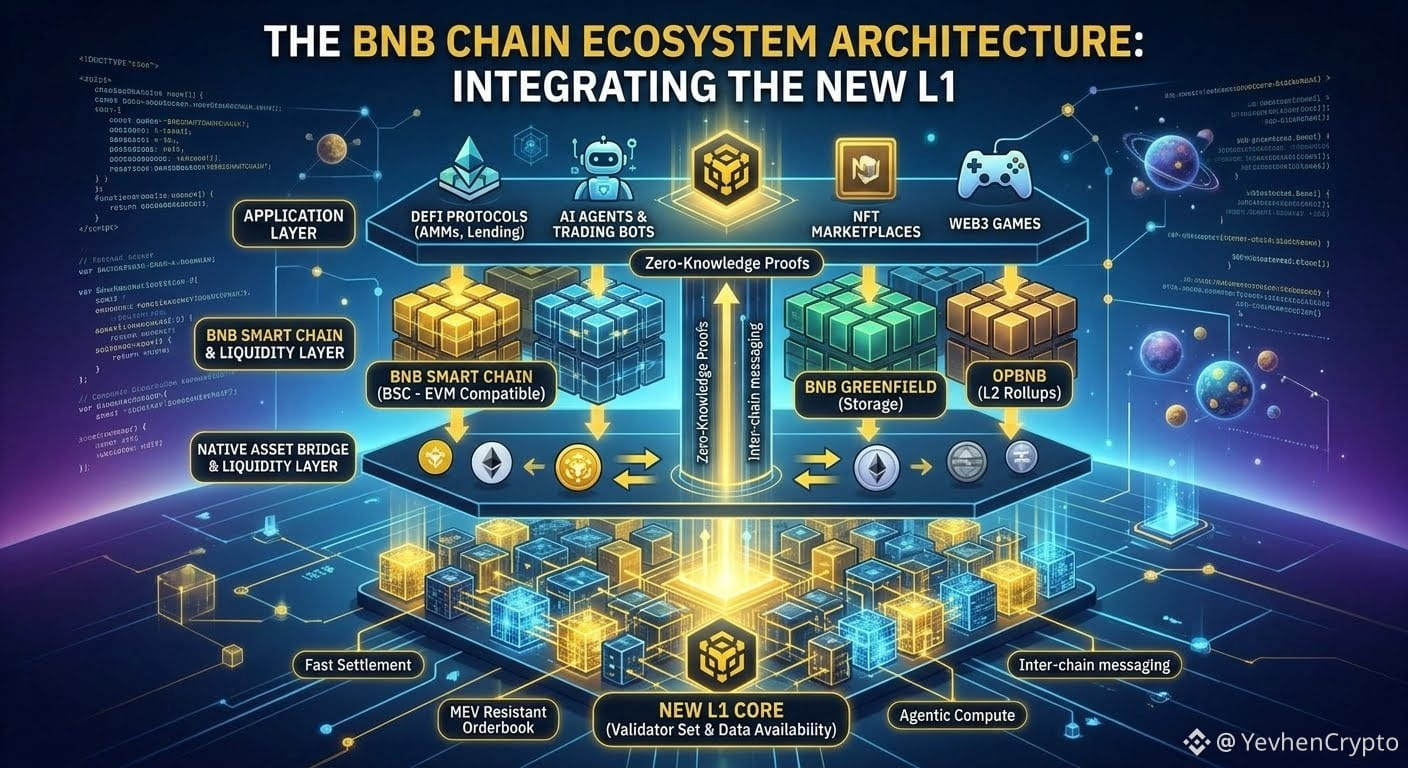
🚨 @BNB_Chain is preparing a new blockchain — NewL1
And it’s not just another network 👀
⚡️ 100,000+ transactions per second is the project’s target performance.
🔹 Supports Ethereum-compatible applications.
🔹 Focused on trading, payments, AI, and privacy.
🔹 Protection against frontrunning, when bots jump ahead of your transaction to profit from you.
🔹 A native bridge connecting it to BNB Smart Chain.
🔥 The most interesting part for holders:
NewL1 does not plan to issue a separate token. $BNB will be used to pay fees on the new network.
📅 The testnet is expected by the end of 2026, while the mainnet launch is tentatively planned for early 2027.
Important: these are currently plans and target figures, not confirmed network performance results.
If everything is implemented, this could open up new use cases for $BNB .
#BNB #BNBChain #Crypto #Web3 #AI
🚨 @BNB Chain is preparing a new blockchain — NewL1
And it’s not just another network 👀
⚡️ 100,000+ transactions per second is the project’s target performance.
🔹 Supports Ethereum-compatible applications.
🔹 Focused on trading, payments, AI, and privacy.
🔹 Protection against frontrunning, when bots jump ahead of your transaction to profit from you.
🔹 A native bridge connecting it to BNB Smart Chain.
🔥 The most interesting part for holders:
NewL1 does not plan to issue a separate token. $BNB will be used to pay fees on the new network.
📅 The testnet is expected by the end of 2026, while the mainnet launch is tentatively planned for early 2027.
Important: these are currently plans and target figures, not confirmed network performance results.
If everything is implemented, this could open up new use cases for $BNB .
#BNB #BNBChain #Crypto #Web3 #AI
And it’s not just another network 👀
⚡️ 100,000+ transactions per second is the project’s target performance.
🔹 Supports Ethereum-compatible applications.
🔹 Focused on trading, payments, AI, and privacy.
🔹 Protection against frontrunning, when bots jump ahead of your transaction to profit from you.
🔹 A native bridge connecting it to BNB Smart Chain.
🔥 The most interesting part for holders:
NewL1 does not plan to issue a separate token. $BNB will be used to pay fees on the new network.
📅 The testnet is expected by the end of 2026, while the mainnet launch is tentatively planned for early 2027.
Important: these are currently plans and target figures, not confirmed network performance results.
If everything is implemented, this could open up new use cases for $BNB .
#BNB #BNBChain #Crypto #Web3 #AI
1
3
175
·
--
⚖️ Ripple wants clearer rules for crypto
What’s the point? Here’s a simple explanation:
• A token isn’t always a security. What matters is how it’s sold and what investors are promised.
• For example, if a company sells tokens and promises that its work will make them profitable, that deal may be subject to securities regulations.
• But that doesn’t mean the token itself is automatically a security in every situation.
Why does this matter for $XRP and other altcoins?
Clearer rules could reduce the risk of legal disputes and help crypto projects grow.
Simply put: what matters isn’t just which token you buy, but also the terms under which it’s sold.
#Ripple #Crypto #SEC #CryptoNews #altcoins
⚖️ Ripple wants clearer rules for crypto
What’s the point? Here’s a simple explanation:
• A token isn’t always a security. What matters is how it’s sold and what investors are promised.
• For example, if a company sells tokens and promises that its work will make them profitable, that deal may be subject to securities regulations.
• But that doesn’t mean the token itself is automatically a security in every situation.
Why does this matter for $XRP and other altcoins?
Clearer rules could reduce the risk of legal disputes and help crypto projects grow.
Simply put: what matters isn’t just which token you buy, but also the terms under which it’s sold.
#Ripple #Crypto #SEC #CryptoNews #altcoins
What’s the point? Here’s a simple explanation:
• A token isn’t always a security. What matters is how it’s sold and what investors are promised.
• For example, if a company sells tokens and promises that its work will make them profitable, that deal may be subject to securities regulations.
• But that doesn’t mean the token itself is automatically a security in every situation.
Why does this matter for $XRP and other altcoins?
Clearer rules could reduce the risk of legal disputes and help crypto projects grow.
Simply put: what matters isn’t just which token you buy, but also the terms under which it’s sold.
#Ripple #Crypto #SEC #CryptoNews #altcoins
2
860
·
--
🪪 Your AI agent can now have its own name
Binance is launching Agentic Wallet with a personalized identity in the format [yourname].ai instead of the usual 0x… address 👀
To celebrate the launch, you can get one for free with Binance AI Pro!
Here’s what to do:
1️⃣ Create a Binance Wallet
2️⃣ Create an Agentic Wallet
3️⃣ Find the banner in the Binance Wallet app and claim your identity.
[https://web3.binance.com/agent-id/yevhencrypto?src=user_share](https://web3.binance.com/agent-id/yevhencrypto?src=user_share)
Limited quantity—first come, first served!
#Binance #BinanceWallet #Aİ #Crypto #Web3
🪪 Your AI agent can now have its own name
Binance is launching Agentic Wallet with a personalized identity in the format [yourname].ai instead of the usual 0x… address 👀
To celebrate the launch, you can get one for free with Binance AI Pro!
Here’s what to do:
1️⃣ Create a Binance Wallet
2️⃣ Create an Agentic Wallet
3️⃣ Find the banner in the Binance Wallet app and claim your identity.
https://web3.binance.com/agent-id/yevhencrypto?src=user_share
Limited quantity—first come, first served!
#Binance #BinanceWallet #Aİ #Crypto #Web3
Binance is launching Agentic Wallet with a personalized identity in the format [yourname].ai instead of the usual 0x… address 👀
To celebrate the launch, you can get one for free with Binance AI Pro!
Here’s what to do:
1️⃣ Create a Binance Wallet
2️⃣ Create an Agentic Wallet
3️⃣ Find the banner in the Binance Wallet app and claim your identity.
https://web3.binance.com/agent-id/yevhencrypto?src=user_share
Limited quantity—first come, first served!
#Binance #BinanceWallet #Aİ #Crypto #Web3
104
·
--
Verified
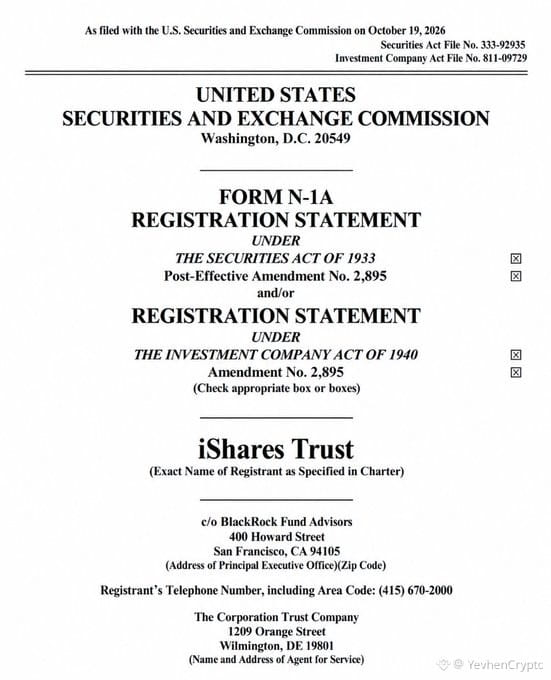
🚨 BlackRock is preparing a Bitcoin ETF designed to help protect investors from major BTC downturns.
The new iShares Bitcoin Managed Protection ETF (PBIT) will use options on IBIT, BlackRock’s Bitcoin ETF.
How will it work?
▪️ Help limit potential losses.
▪️ Allow investors to benefit from BTC’s growth, but only up to a certain level.
▪️ Invest some of its assets in bonds and other fixed-income instruments.
Important: this is not a guarantee against losses, but an attempt to reduce risk.
It seems big players are looking for ways to make Bitcoin more accessible to those who fear steep drops.
#bitcoin #blackRock #CryptoNews #etf #CryptoInvesting
🚨 BlackRock is preparing a Bitcoin ETF designed to help protect investors from major BTC downturns.
The new iShares Bitcoin Managed Protection ETF (PBIT) will use options on IBIT, BlackRock’s Bitcoin ETF.
How will it work?
▪️ Help limit potential losses.
▪️ Allow investors to benefit from BTC’s growth, but only up to a certain level.
▪️ Invest some of its assets in bonds and other fixed-income instruments.
Important: this is not a guarantee against losses, but an attempt to reduce risk.
It seems big players are looking for ways to make Bitcoin more accessible to those who fear steep drops.
#bitcoin #blackRock #CryptoNews #etf #CryptoInvesting
The new iShares Bitcoin Managed Protection ETF (PBIT) will use options on IBIT, BlackRock’s Bitcoin ETF.
How will it work?
▪️ Help limit potential losses.
▪️ Allow investors to benefit from BTC’s growth, but only up to a certain level.
▪️ Invest some of its assets in bonds and other fixed-income instruments.
Important: this is not a guarantee against losses, but an attempt to reduce risk.
It seems big players are looking for ways to make Bitcoin more accessible to those who fear steep drops.
#bitcoin #blackRock #CryptoNews #etf #CryptoInvesting
1
748
·
--
Verified
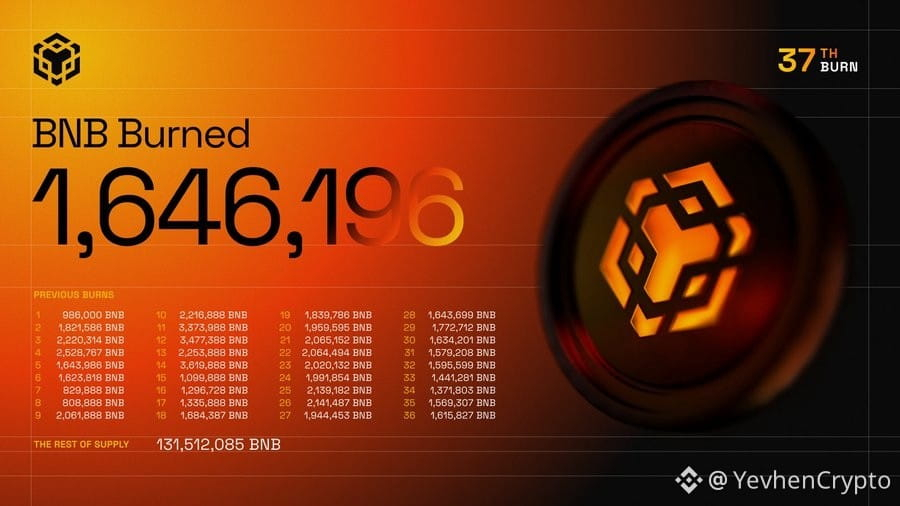
🔥 BNB Chain burned $BNB worth $1.197 billion!
💰 The 37th quarterly token burn of $BNB has now been completed directly on BNB Smart Chain (BSC).
📉 Approximately 1.64 million BNB, worth around $1.197 billion in total, was removed from circulation.
The burn mechanism gradually reduces the token’s supply.
But is that enough for $BNB to keep rising? That will also depend on demand and the overall state of the market.
🔗 Details: [https://www.bnbchain.org/en/blog/37th-bnb-burn](https://www.bnbchain.org/en/blog/37th-bnb-burn)
#BNB #BNBChain #Binance #Crypto
🔥 BNB Chain burned $BNB worth $1.197 billion!
💰 The 37th quarterly token burn of $BNB has now been completed directly on BNB Smart Chain (BSC).
📉 Approximately 1.64 million BNB, worth around $1.197 billion in total, was removed from circulation.
The burn mechanism gradually reduces the token’s supply.
But is that enough for $BNB to keep rising? That will also depend on demand and the overall state of the market.
🔗 Details: https://www.bnbchain.org/en/blog/37th-bnb-burn
#BNB #BNBChain #Binance #Crypto
💰 The 37th quarterly token burn of $BNB has now been completed directly on BNB Smart Chain (BSC).
📉 Approximately 1.64 million BNB, worth around $1.197 billion in total, was removed from circulation.
The burn mechanism gradually reduces the token’s supply.
But is that enough for $BNB to keep rising? That will also depend on demand and the overall state of the market.
🔗 Details: https://www.bnbchain.org/en/blog/37th-bnb-burn
#BNB #BNBChain #Binance #Crypto
2
769
·
--
Verified
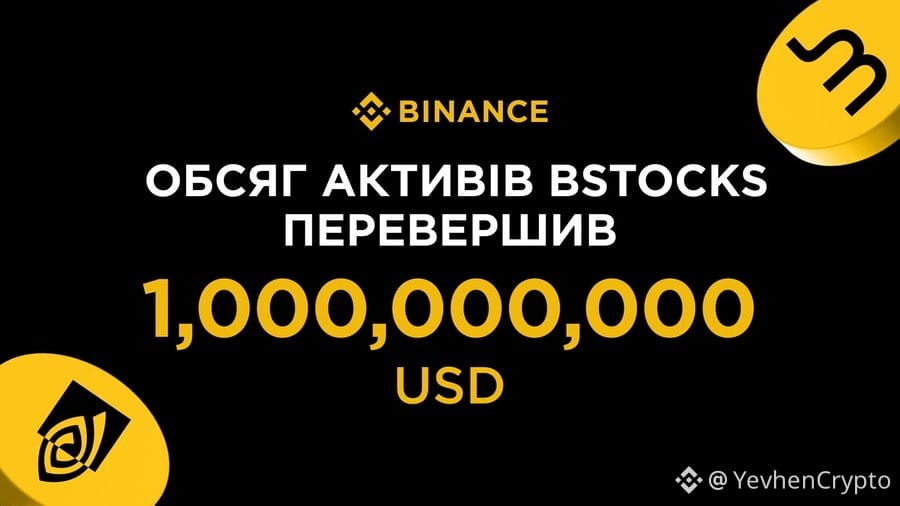
📈 bStocks reached $1 billion in assets under management (AUM) just 4 months after launch!
Tokenized securities are showing tremendous growth in 2026. The RWA (real-world asset) market is evolving rapidly, while crypto-native access to traditional finance is becoming increasingly popular.
Key facts behind bStocks’ success:
• 1:1 conversion with no fees: Users have already converted more than $6 billion between tokens and underlying stocks on Binance.
• 24/7 trading: Only 42% of trading volume falls within standard U.S. market hours; the rest takes place during pre-market, after-hours, overnight, and weekend sessions.
• On-chain activity: The utilization rate of bStocks has reached 11.2%, and the volume of outstanding loans backed by them has risen significantly.
• Broad selection: In less than six months, the number of available tickers has grown from 5 to nearly 100 (including AI infrastructure and semiconductors).
Traditional finance and the crypto world are converging faster than expected. Read more in the official [блозі Binance](https://www.binance.com/uk-UA/blog/%D1%80%D0%B8%D0%BD%D0%BA%D0%B8/4864326073677731553).
#bStocks #Binance #Crypto #RWA #Web3
📈 bStocks reached $1 billion in assets under management (AUM) just 4 months after launch!
Tokenized securities are showing tremendous growth in 2026. The RWA (real-world asset) market is evolving rapidly, while crypto-native access to traditional finance is becoming increasingly popular.
Key facts behind bStocks’ success:
• 1:1 conversion with no fees: Users have already converted more than $6 billion between tokens and underlying stocks on Binance.
• 24/7 trading: Only 42% of trading volume falls within standard U.S. market hours; the rest takes place during pre-market, after-hours, overnight, and weekend sessions.
• On-chain activity: The utilization rate of bStocks has reached 11.2%, and the volume of outstanding loans backed by them has risen significantly.
• Broad selection: In less than six months, the number of available tickers has grown from 5 to nearly 100 (including AI infrastructure and semiconductors).
Traditional finance and the crypto world are converging faster than expected. Read more in the official блозі Binance.
#bStocks #Binance #Crypto #RWA #Web3
Tokenized securities are showing tremendous growth in 2026. The RWA (real-world asset) market is evolving rapidly, while crypto-native access to traditional finance is becoming increasingly popular.
Key facts behind bStocks’ success:
• 1:1 conversion with no fees: Users have already converted more than $6 billion between tokens and underlying stocks on Binance.
• 24/7 trading: Only 42% of trading volume falls within standard U.S. market hours; the rest takes place during pre-market, after-hours, overnight, and weekend sessions.
• On-chain activity: The utilization rate of bStocks has reached 11.2%, and the volume of outstanding loans backed by them has risen significantly.
• Broad selection: In less than six months, the number of available tickers has grown from 5 to nearly 100 (including AI infrastructure and semiconductors).
Traditional finance and the crypto world are converging faster than expected. Read more in the official блозі Binance.
#bStocks #Binance #Crypto #RWA #Web3
1
137
·
--
Verified
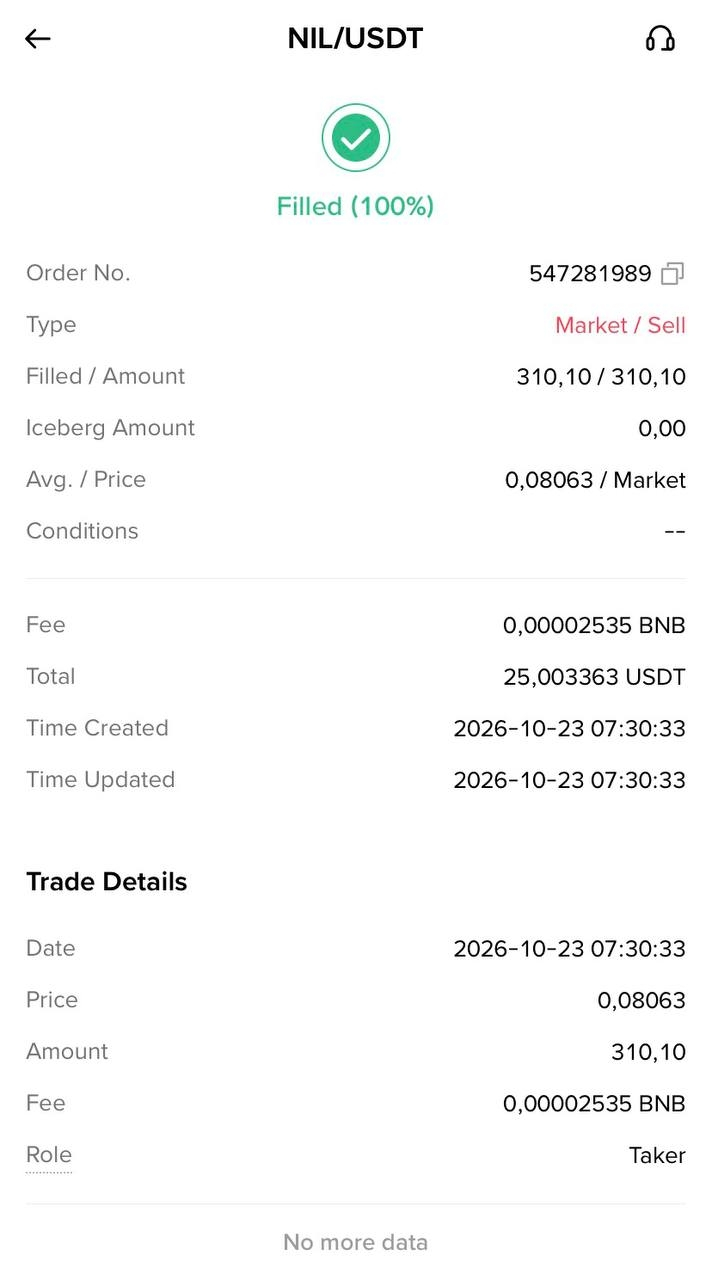
What excites me most about @nillionnetwork is the potential of privacy-preserving technology to unlock new use cases for Web3.
Covenants and DUSK, now launched on Ethereum mainnet, are important steps toward making private data and secure onchain applications more practical. I'm especially interested in how Nillion's 7-epoch roadmap will expand these capabilities.
Privacy could be a key part of the next stage of blockchain adoption.
#nil $NIL #Web3 #Crypto #Ethereum #Blockchain
What excites me most about @Nillion is the potential of privacy-preserving technology to unlock new use cases for Web3.
Covenants and DUSK, now launched on Ethereum mainnet, are important steps toward making private data and secure onchain applications more practical. I'm especially interested in how Nillion's 7-epoch roadmap will expand these capabilities.
Privacy could be a key part of the next stage of blockchain adoption.
#nil $NIL #Web3 #Crypto #Ethereum #Blockchain
Covenants and DUSK, now launched on Ethereum mainnet, are important steps toward making private data and secure onchain applications more practical. I'm especially interested in how Nillion's 7-epoch roadmap will expand these capabilities.
Privacy could be a key part of the next stage of blockchain adoption.
#nil $NIL #Web3 #Crypto #Ethereum #Blockchain
2
2
175
·
--
Verified
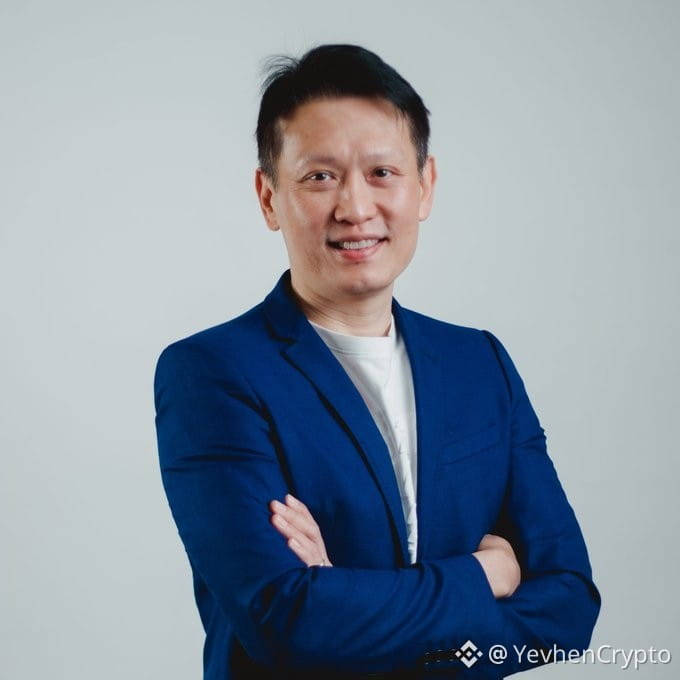
Crypto + traditional markets: Binance expands access to global stocks!
Binance co-CEO Richard Teng announced plans to integrate traditional stock markets in new regions, including Hong Kong, South Korea, Taiwan, and Brazil. This responds to real user demand for holding crypto assets and stocks in one interface, without switching between dozens of brokerage apps.
Meanwhile, the success of bStocks, launched earlier, is impressive:
• $1+ billion in AUM just 4 months after launch
• $40+ billion in total trading volume
• 62% of volume takes place during OTC hours (when traditional U.S. markets are closed)
The boundaries between financial markets are blurring. Stocks are now becoming a fully-fledged part of the crypto ecosystem (with the ability to use them as collateral and integrate them into DeFi).
#Binance #Crypto #Stocks #bStocks #RichardTeng
Crypto + traditional markets: Binance expands access to global stocks!
Binance co-CEO Richard Teng announced plans to integrate traditional stock markets in new regions, including Hong Kong, South Korea, Taiwan, and Brazil. This responds to real user demand for holding crypto assets and stocks in one interface, without switching between dozens of brokerage apps.
Meanwhile, the success of bStocks, launched earlier, is impressive:
• $1+ billion in AUM just 4 months after launch
• $40+ billion in total trading volume
• 62% of volume takes place during OTC hours (when traditional U.S. markets are closed)
The boundaries between financial markets are blurring. Stocks are now becoming a fully-fledged part of the crypto ecosystem (with the ability to use them as collateral and integrate them into DeFi).
#Binance #Crypto #Stocks #bStocks #RichardTeng
Binance co-CEO Richard Teng announced plans to integrate traditional stock markets in new regions, including Hong Kong, South Korea, Taiwan, and Brazil. This responds to real user demand for holding crypto assets and stocks in one interface, without switching between dozens of brokerage apps.
Meanwhile, the success of bStocks, launched earlier, is impressive:
• $1+ billion in AUM just 4 months after launch
• $40+ billion in total trading volume
• 62% of volume takes place during OTC hours (when traditional U.S. markets are closed)
The boundaries between financial markets are blurring. Stocks are now becoming a fully-fledged part of the crypto ecosystem (with the ability to use them as collateral and integrate them into DeFi).
#Binance #Crypto #Stocks #bStocks #RichardTeng
1
145
·
--
🚀 TESLA ROADSTER CAN FLY?!
Elon Musk surprises us again! The new Roadster promises incredible specs:
• 0–60 mph in 0.81 seconds
• Top speed of over 230 mph
• Range of over 300 miles
• Special fans and gas thrusters to lift off the ground
• $50,000 reservation
The car will come in three versions: Performance, Thrust, and Rocket. The last one will be a single-seater designed for aerial maneuvers.
Production is planned to begin in 2028. The prototype was unveiled back in 2017, but the launch timeline has changed repeatedly.
#Tesla #Roadster #ElonMusk #Technology
🚀 TESLA ROADSTER CAN FLY?!
Elon Musk surprises us again! The new Roadster promises incredible specs:
• 0–60 mph in 0.81 seconds
• Top speed of over 230 mph
• Range of over 300 miles
• Special fans and gas thrusters to lift off the ground
• $50,000 reservation
The car will come in three versions: Performance, Thrust, and Rocket. The last one will be a single-seater designed for aerial maneuvers.
Production is planned to begin in 2028. The prototype was unveiled back in 2017, but the launch timeline has changed repeatedly.
#Tesla #Roadster #ElonMusk #Technology
Elon Musk surprises us again! The new Roadster promises incredible specs:
• 0–60 mph in 0.81 seconds
• Top speed of over 230 mph
• Range of over 300 miles
• Special fans and gas thrusters to lift off the ground
• $50,000 reservation
The car will come in three versions: Performance, Thrust, and Rocket. The last one will be a single-seater designed for aerial maneuvers.
Production is planned to begin in 2028. The prototype was unveiled back in 2017, but the launch timeline has changed repeatedly.
#Tesla #Roadster #ElonMusk #Technology
1
161
·
--
Verified
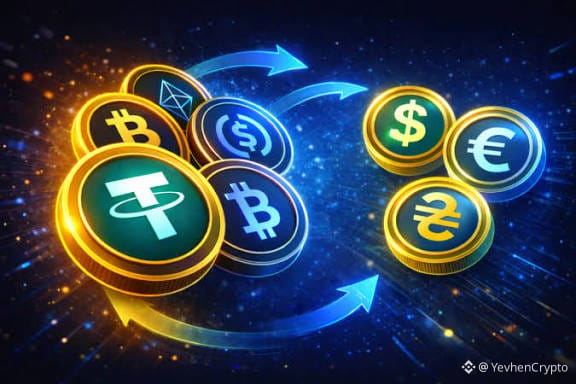
Top crypto and macro news of the day:
• VanEck withdrew its registration for its Lido Staked Ethereum ETF with the SEC.
• Polygon completed its acquisition of Coinme, turning Open Money Stack into a US-regulated payments platform.
• The S&P 500 suffered its biggest drop since July 29 as US inflation accelerated (market value fell by approximately $800 billion).
• The European Banking Authority (EBA) officially recognized Circle’s USDC as the first significant stablecoin in the EU under MiCA regulations (under direct supervision starting November 12).
• Bitwise CIO Matt Hougan believes that nearly any macroeconomic scenario (inflation, recession, or an AI boom) will ultimately lead to BTC rising.
#Crypto #Bitcoin #Ethereum #news #Web3
Top crypto and macro news of the day:
• VanEck withdrew its registration for its Lido Staked Ethereum ETF with the SEC.
• Polygon completed its acquisition of Coinme, turning Open Money Stack into a US-regulated payments platform.
• The S&P 500 suffered its biggest drop since July 29 as US inflation accelerated (market value fell by approximately $800 billion).
• The European Banking Authority (EBA) officially recognized Circle’s USDC as the first significant stablecoin in the EU under MiCA regulations (under direct supervision starting November 12).
• Bitwise CIO Matt Hougan believes that nearly any macroeconomic scenario (inflation, recession, or an AI boom) will ultimately lead to BTC rising.
#Crypto #Bitcoin #Ethereum #news #Web3
• VanEck withdrew its registration for its Lido Staked Ethereum ETF with the SEC.
• Polygon completed its acquisition of Coinme, turning Open Money Stack into a US-regulated payments platform.
• The S&P 500 suffered its biggest drop since July 29 as US inflation accelerated (market value fell by approximately $800 billion).
• The European Banking Authority (EBA) officially recognized Circle’s USDC as the first significant stablecoin in the EU under MiCA regulations (under direct supervision starting November 12).
• Bitwise CIO Matt Hougan believes that nearly any macroeconomic scenario (inflation, recession, or an AI boom) will ultimately lead to BTC rising.
#Crypto #Bitcoin #Ethereum #news #Web3
2
1
767
·
--
Verified
🚨 Important news in the world of Web3 and NFTs!
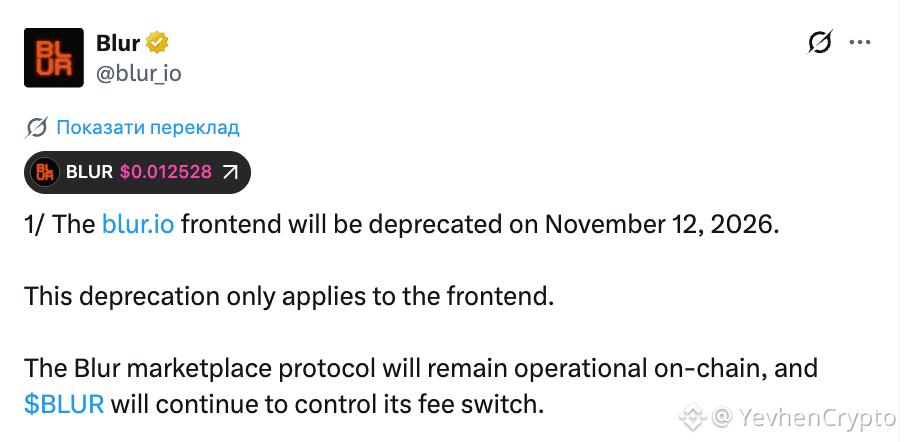
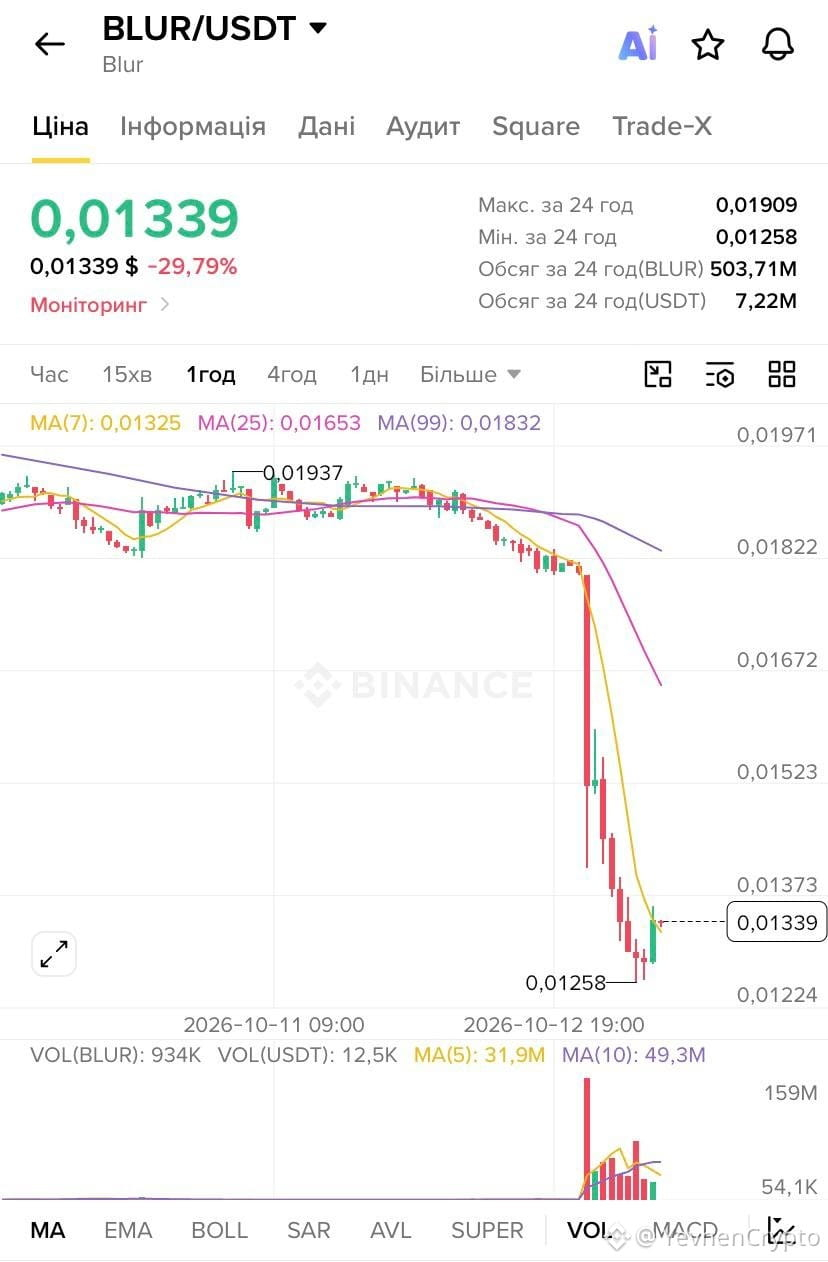
Blur marketplace has announced that it will shut down its official web interface (frontend) on November 12, 2026.
What you need to know:
• The protocol will continue operating: The smart contracts and marketplace will remain fully functional on-chain. Token $BLUR will also continue to control the fee switch.
• What’s happening with Blend lending: The Blend lending protocol will stop issuing new loans on November 12. Borrowers must repay their loans or allow them to default by that date (a tool for withdrawing assets is promised later).
#Blur #NFT #Crypto #Web3 #DeFi
🚨 Important news in the world of Web3 and NFTs!
Blur marketplace has announced that it will shut down its official web interface (frontend) on November 12, 2026.
What you need to know:
• The protocol will continue operating: The smart contracts and marketplace will remain fully functional on-chain. Token $BLUR will also continue to control the fee switch.
• What’s happening with Blend lending: The Blend lending protocol will stop issuing new loans on November 12. Borrowers must repay their loans or allow them to default by that date (a tool for withdrawing assets is promised later).
#Blur #NFT #Crypto #Web3 #DeFi
Blur marketplace has announced that it will shut down its official web interface (frontend) on November 12, 2026.
What you need to know:
• The protocol will continue operating: The smart contracts and marketplace will remain fully functional on-chain. Token $BLUR will also continue to control the fee switch.
• What’s happening with Blend lending: The Blend lending protocol will stop issuing new loans on November 12. Borrowers must repay their loans or allow them to default by that date (a tool for withdrawing assets is promised later).
#Blur #NFT #Crypto #Web3 #DeFi
2
690
·
--
Verified
AI officially enters crypto trading!
Binance is launching new free AI-powered trading tools (“Binance AI”) after a successful beta test involving 150,000 users.
What the update offers:
• Personalized market analysis
• Convenient portfolio tracking
• Insights tailored to your experience level
The features are now available to users with the English-language interface in the app and on the website.
#Binance #Crypto #Aİ #Trading #CryptoNews
AI officially enters crypto trading!
Binance is launching new free AI-powered trading tools (“Binance AI”) after a successful beta test involving 150,000 users.
What the update offers:
• Personalized market analysis
• Convenient portfolio tracking
• Insights tailored to your experience level
The features are now available to users with the English-language interface in the app and on the website.
#Binance #Crypto #Aİ #Trading #CryptoNews
Binance is launching new free AI-powered trading tools (“Binance AI”) after a successful beta test involving 150,000 users.
What the update offers:
• Personalized market analysis
• Convenient portfolio tracking
• Insights tailored to your experience level
The features are now available to users with the English-language interface in the app and on the website.
#Binance #Crypto #Aİ #Trading #CryptoNews

1
405
·
--
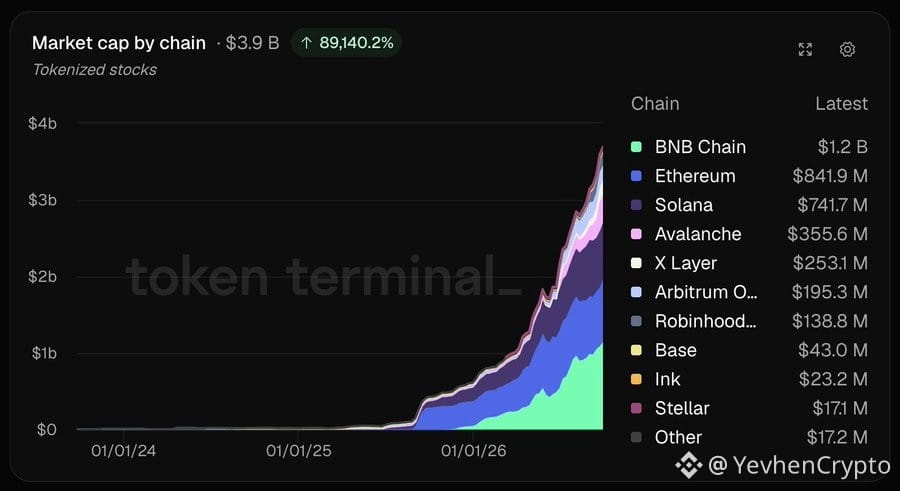
📈 The tokenized stock market has hit an all-time high of $3.9 billion!
According to Token Terminal, around 70% of this market is firmly held by three key networks:
• BNB Chain ($1.2B)
• Ethereum ($841.9M)
• Solana ($741.7M)
24/7 trading, instant settlements, and blockchain technology are gradually blurring the lines between traditional finance and Web3. Will tokenization become a mainstream trend for everyday investors? Share your thoughts in the comments! 👇
#Crypto #Tokenization #Web3 #BNBChain #RWAS
📈 The tokenized stock market has hit an all-time high of $3.9 billion!
According to Token Terminal, around 70% of this market is firmly held by three key networks:
• BNB Chain ($1.2B)
• Ethereum ($841.9M)
• Solana ($741.7M)
24/7 trading, instant settlements, and blockchain technology are gradually blurring the lines between traditional finance and Web3. Will tokenization become a mainstream trend for everyday investors? Share your thoughts in the comments! 👇
#Crypto #Tokenization #Web3 #BNBChain #RWAS
According to Token Terminal, around 70% of this market is firmly held by three key networks:
• BNB Chain ($1.2B)
• Ethereum ($841.9M)
• Solana ($741.7M)
24/7 trading, instant settlements, and blockchain technology are gradually blurring the lines between traditional finance and Web3. Will tokenization become a mainstream trend for everyday investors? Share your thoughts in the comments! 👇
#Crypto #Tokenization #Web3 #BNBChain #RWAS
1
386
·
--
🚨 Will AI find every vulnerability in your code?
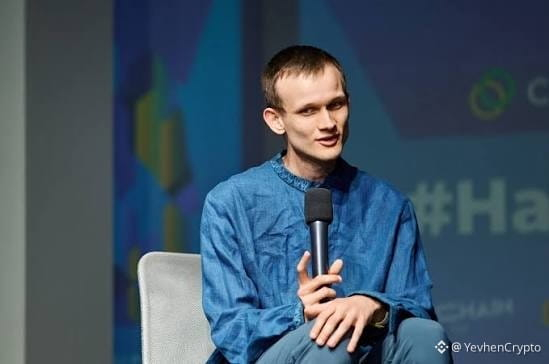
Ethereum co-founder Vitalik Buterin warned that advances in artificial intelligence are making hidden software weaknesses a source of enormous risk. In his words, “AI will find anything that has even the slightest exploit.”
When algorithms and generative models can scan code in seconds, the margin for error in blockchain infrastructure and crypto projects is rapidly shrinking to zero.
What does this mean for developers?
The need for in-depth code audits is growing many times over.
Proactively detecting vulnerabilities is becoming a matter of project survival.
Robust security is now a basic requirement, not an option.
Is your team ready for an era in which AI tests every line of your product?
#VitalikButerin #Ethereum #blockchain #crypto #technews
🚨 Will AI find every vulnerability in your code?
Ethereum co-founder Vitalik Buterin warned that advances in artificial intelligence are making hidden software weaknesses a source of enormous risk. In his words, “AI will find anything that has even the slightest exploit.”
When algorithms and generative models can scan code in seconds, the margin for error in blockchain infrastructure and crypto projects is rapidly shrinking to zero.
What does this mean for developers?
The need for in-depth code audits is growing many times over.
Proactively detecting vulnerabilities is becoming a matter of project survival.
Robust security is now a basic requirement, not an option.
Is your team ready for an era in which AI tests every line of your product?
#VitalikButerin #Ethereum #blockchain #crypto #technews
Ethereum co-founder Vitalik Buterin warned that advances in artificial intelligence are making hidden software weaknesses a source of enormous risk. In his words, “AI will find anything that has even the slightest exploit.”
When algorithms and generative models can scan code in seconds, the margin for error in blockchain infrastructure and crypto projects is rapidly shrinking to zero.
What does this mean for developers?
The need for in-depth code audits is growing many times over.
Proactively detecting vulnerabilities is becoming a matter of project survival.
Robust security is now a basic requirement, not an option.
Is your team ready for an era in which AI tests every line of your product?
#VitalikButerin #Ethereum #blockchain #crypto #technews
1
774
·
--
Exactly one year ago, the crypto market experienced one of the darkest days in its history.
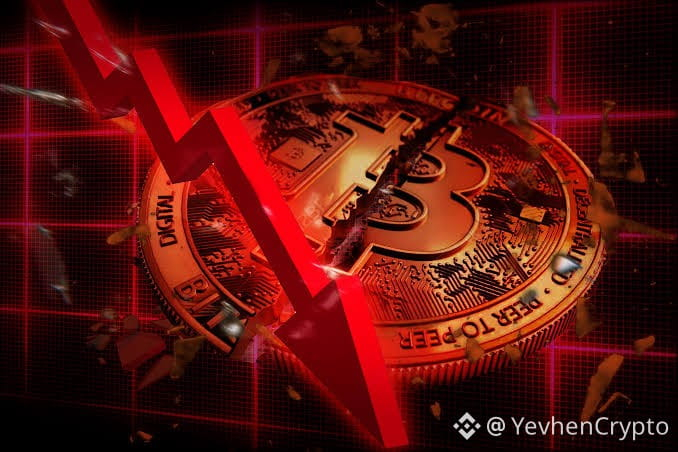
📉 In just 8 hours, Bitcoin plunged by $20,000, liquidations reached ~$19 billion, and altcoins fell by 40–70%, with many of them losing all their value.
Events like these once again show how important transparent rules of the game, investor protection, and clear industry regulations are, so that similar crises don’t destroy thousands of lives without those responsible facing any consequences.
How do you protect your assets during storms like these? Share in the comments! 👇
#біткоїн #крипта #bitcoin #crypto #blockchain
Exactly one year ago, the crypto market experienced one of the darkest days in its history.
📉 In just 8 hours, Bitcoin plunged by $20,000, liquidations reached ~$19 billion, and altcoins fell by 40–70%, with many of them losing all their value.
Events like these once again show how important transparent rules of the game, investor protection, and clear industry regulations are, so that similar crises don’t destroy thousands of lives without those responsible facing any consequences.
How do you protect your assets during storms like these? Share in the comments! 👇
#біткоїн #крипта #bitcoin #crypto #blockchain
📉 In just 8 hours, Bitcoin plunged by $20,000, liquidations reached ~$19 billion, and altcoins fell by 40–70%, with many of them losing all their value.
Events like these once again show how important transparent rules of the game, investor protection, and clear industry regulations are, so that similar crises don’t destroy thousands of lives without those responsible facing any consequences.
How do you protect your assets during storms like these? Share in the comments! 👇
#біткоїн #крипта #bitcoin #crypto #blockchain
2
683
·
--
🎬 $8 billion, love, and one of crypto’s biggest scandals
Netflix is preparing the series “The Altruists” about Sam Bankman-Fried and Caroline Ellison, who found themselves at the center of FTX’s infamous collapse.
A relationship, the meteoric rise of a crypto empire, and fraud that led to losses of billions of dollars.
📅 Premiere: November 19. A total of 8 episodes are planned.
FTX was once one of the world’s largest crypto exchanges. Then it all came crashing down.
#Netflix #FTX #SBF #Crypto #Bitcoin
🎬 $8 billion, love, and one of crypto’s biggest scandals
Netflix is preparing the series “The Altruists” about Sam Bankman-Fried and Caroline Ellison, who found themselves at the center of FTX’s infamous collapse.
A relationship, the meteoric rise of a crypto empire, and fraud that led to losses of billions of dollars.
📅 Premiere: November 19. A total of 8 episodes are planned.
FTX was once one of the world’s largest crypto exchanges. Then it all came crashing down.
#Netflix #FTX #SBF #Crypto #Bitcoin
Netflix is preparing the series “The Altruists” about Sam Bankman-Fried and Caroline Ellison, who found themselves at the center of FTX’s infamous collapse.
A relationship, the meteoric rise of a crypto empire, and fraud that led to losses of billions of dollars.
📅 Premiere: November 19. A total of 8 episodes are planned.
FTX was once one of the world’s largest crypto exchanges. Then it all came crashing down.
#Netflix #FTX #SBF #Crypto #Bitcoin
1
99
·
--
🚀 The future is already in orbit: #SpaceX is rolling out its own mobile network!
The dream of satellite connectivity directly on an ordinary smartphone is becoming a reality. SpaceX announced the purchase of a portfolio of nationwide low-band spectrum licenses in the US.
What does this mean in practice?
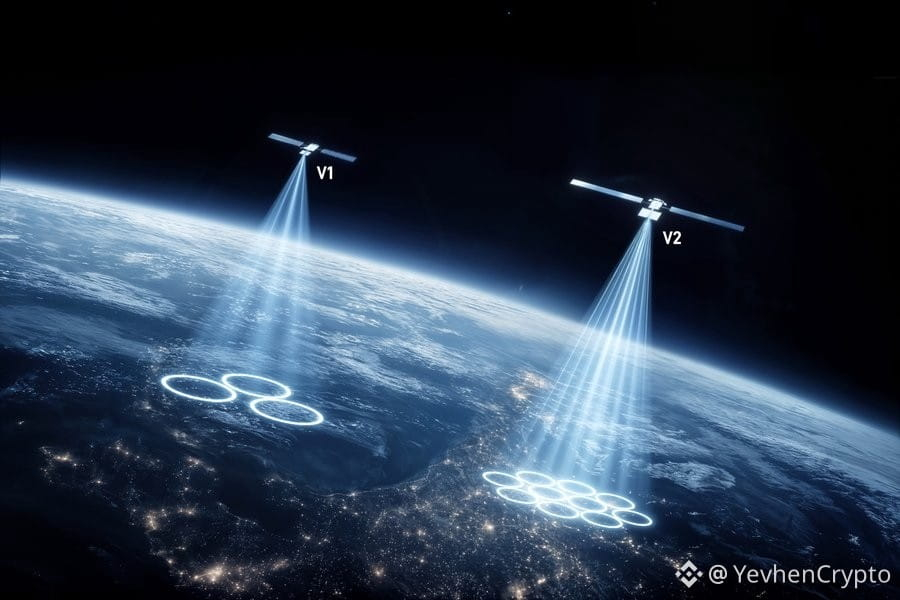
Coverage without “dead zones”: Combining the new low-band spectrum with Starlink Gen2 satellites will allow the signal to easily penetrate building walls and tree cover, reaching even the most remote corners of the planet.
A fully fledged mobile carrier: Starlink is preparing to become a full-fledged satellite mobile carrier (Starlink Mobile), offering high-speed internet, calls, and SMS directly on your regular phone.
Goodbye to lost connections in the mountains and oceans: Connectivity will work wherever the sky is visible.
A technological leap that seemed like science fiction just yesterday is happening right before our eyes!
#starlink #ElonMusk #StarlinkMobile #TechNews
🚀 The future is already in orbit: #SpaceX is rolling out its own mobile network!
The dream of satellite connectivity directly on an ordinary smartphone is becoming a reality. SpaceX announced the purchase of a portfolio of nationwide low-band spectrum licenses in the US.
What does this mean in practice?
Coverage without “dead zones”: Combining the new low-band spectrum with Starlink Gen2 satellites will allow the signal to easily penetrate building walls and tree cover, reaching even the most remote corners of the planet.
A fully fledged mobile carrier: Starlink is preparing to become a full-fledged satellite mobile carrier (Starlink Mobile), offering high-speed internet, calls, and SMS directly on your regular phone.
Goodbye to lost connections in the mountains and oceans: Connectivity will work wherever the sky is visible.
A technological leap that seemed like science fiction just yesterday is happening right before our eyes!
#starlink #ElonMusk #StarlinkMobile #TechNews
The dream of satellite connectivity directly on an ordinary smartphone is becoming a reality. SpaceX announced the purchase of a portfolio of nationwide low-band spectrum licenses in the US.
What does this mean in practice?
Coverage without “dead zones”: Combining the new low-band spectrum with Starlink Gen2 satellites will allow the signal to easily penetrate building walls and tree cover, reaching even the most remote corners of the planet.
A fully fledged mobile carrier: Starlink is preparing to become a full-fledged satellite mobile carrier (Starlink Mobile), offering high-speed internet, calls, and SMS directly on your regular phone.
Goodbye to lost connections in the mountains and oceans: Connectivity will work wherever the sky is visible.
A technological leap that seemed like science fiction just yesterday is happening right before our eyes!
#starlink #ElonMusk #StarlinkMobile #TechNews
1
560
Log in to explore more content
Join global crypto users on Binance Square
⚡️ Get latest and useful information about crypto.
💬 Trusted by the world’s largest crypto exchange.
👍 Discover real insights from verified creators.
Email / Phone number