
#usdt
usdt
2.9G views
12.7M Discussing
Hot
Latest


·
--
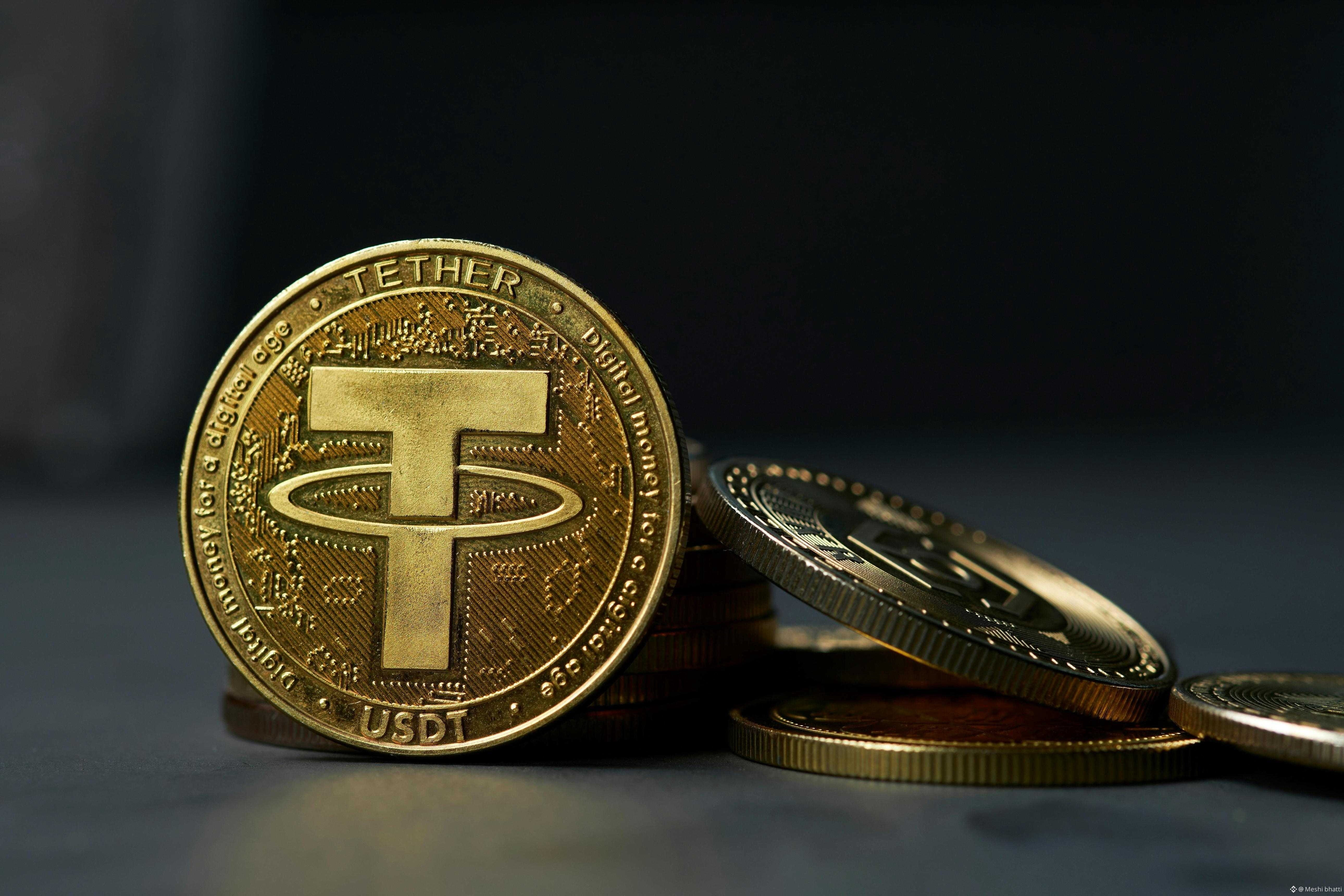
Tether Has Been Accused Of Fraud For Years And Still Moves More Volume Than BitcoinTether launched in 2014 with one simple pitch: every token in circulation would be backed one to one by a dollar sitting in reserve. For years, almost nobody could verify that claim, because Tether never published a full audit, only periodic attestations from accounting firms describing a snapshot of reserves, not a complete audited financial statement.
That gap between promise and proof turned into years of accusations. In 2019, the New York Attorney General opened an investigation into whether Tether and its sister exchange Bitfinex tried to cover up the loss of about $850 million in customer and corporate funds held by a third-party payment processor, using Tether reserves to plug the hole without telling anyone. The inquiry ran nearly two years. In February 2021, Tether and Bitfinex settled, paying $18.5 million and agreeing to publish quarterly reports on Tether's reserve composition for two years, without admitting wrongdoing.
The NYAG's findings were blunt. Investigators said Tether had, at times, held no reserves at all backing the dollar peg, and that from mid-2017 the company lost banking access and misled its own users about liquidity problems during that stretch. That's about as close as a regulator gets to saying a stablecoin issuer wasn't telling the truth about the one thing that makes it a stablecoin.
None of that stopped Tether from growing into the backbone of crypto trading. By early 2026, USDT's circulating supply had crossed $185 billion, holding well over half of the entire stablecoin market, ahead of USDC and every other competitor combined. Over a recent 30-day stretch, USDT changed hands roughly $3.76 trillion worth of times, more volume than Bitcoin itself moved in the same period. In parts of the world dealing with currency instability, from Argentina to Nigeria, USDT has become a practical way people move dollars without touching a bank.
That's the strange part of this story. Tether is simultaneously the asset regulators called out for misleading its own reserve claims, and the asset the entire crypto trading industry depends on to move money between everything else. Every BTC to USDT pair, every arbitrage trade, every exchange balance parked in stablecoin between positions runs through a token whose issuer has never opened its books to a full independent audit.
Tether has published attestations more frequently since the settlement and reports holding a large share of reserves in short-term US Treasuries, a very different balance sheet than the one regulators described in 2019. Whether that's enough transparency depends on who you ask, and mostly on whether you've ever needed to redeem a large amount during a moment of stress.
The peg has held through multiple market crashes that took other stablecoins down with them. Usage keeps climbing every year regardless of the headlines. Maybe that's the market deciding the old accusations don't matter as long as redemptions keep working. Or maybe nobody's tested the reserves under real pressure since 2019.
Do you treat USDT and USDC as the same kind of asset, or does the history change how much of each you're willing to hold?
Personal view, not advice. Do your own research.
#Tether #USDT
Tether Has Been Accused Of Fraud For Years And Still Moves More Volume Than Bitcoin
Tether launched in 2014 with one simple pitch: every token in circulation would be backed one to one by a dollar sitting in reserve. For years, almost nobody could verify that claim, because Tether never published a full audit, only periodic attestations from accounting firms describing a snapshot of reserves, not a complete audited financial statement.
That gap between promise and proof turned into years of accusations. In 2019, the New York Attorney General opened an investigation into whether Tether and its sister exchange Bitfinex tried to cover up the loss of about $850 million in customer and corporate funds held by a third-party payment processor, using Tether reserves to plug the hole without telling anyone. The inquiry ran nearly two years. In February 2021, Tether and Bitfinex settled, paying $18.5 million and agreeing to publish quarterly reports on Tether's reserve composition for two years, without admitting wrongdoing.
The NYAG's findings were blunt. Investigators said Tether had, at times, held no reserves at all backing the dollar peg, and that from mid-2017 the company lost banking access and misled its own users about liquidity problems during that stretch. That's about as close as a regulator gets to saying a stablecoin issuer wasn't telling the truth about the one thing that makes it a stablecoin.
None of that stopped Tether from growing into the backbone of crypto trading. By early 2026, USDT's circulating supply had crossed $185 billion, holding well over half of the entire stablecoin market, ahead of USDC and every other competitor combined. Over a recent 30-day stretch, USDT changed hands roughly $3.76 trillion worth of times, more volume than Bitcoin itself moved in the same period. In parts of the world dealing with currency instability, from Argentina to Nigeria, USDT has become a practical way people move dollars without touching a bank.
That's the strange part of this story. Tether is simultaneously the asset regulators called out for misleading its own reserve claims, and the asset the entire crypto trading industry depends on to move money between everything else. Every BTC to USDT pair, every arbitrage trade, every exchange balance parked in stablecoin between positions runs through a token whose issuer has never opened its books to a full independent audit.
Tether has published attestations more frequently since the settlement and reports holding a large share of reserves in short-term US Treasuries, a very different balance sheet than the one regulators described in 2019. Whether that's enough transparency depends on who you ask, and mostly on whether you've ever needed to redeem a large amount during a moment of stress.
The peg has held through multiple market crashes that took other stablecoins down with them. Usage keeps climbing every year regardless of the headlines. Maybe that's the market deciding the old accusations don't matter as long as redemptions keep working. Or maybe nobody's tested the reserves under real pressure since 2019.
Do you treat USDT and USDC as the same kind of asset, or does the history change how much of each you're willing to hold?
Personal view, not advice. Do your own research.
#Tether #USDT
That gap between promise and proof turned into years of accusations. In 2019, the New York Attorney General opened an investigation into whether Tether and its sister exchange Bitfinex tried to cover up the loss of about $850 million in customer and corporate funds held by a third-party payment processor, using Tether reserves to plug the hole without telling anyone. The inquiry ran nearly two years. In February 2021, Tether and Bitfinex settled, paying $18.5 million and agreeing to publish quarterly reports on Tether's reserve composition for two years, without admitting wrongdoing.
The NYAG's findings were blunt. Investigators said Tether had, at times, held no reserves at all backing the dollar peg, and that from mid-2017 the company lost banking access and misled its own users about liquidity problems during that stretch. That's about as close as a regulator gets to saying a stablecoin issuer wasn't telling the truth about the one thing that makes it a stablecoin.
None of that stopped Tether from growing into the backbone of crypto trading. By early 2026, USDT's circulating supply had crossed $185 billion, holding well over half of the entire stablecoin market, ahead of USDC and every other competitor combined. Over a recent 30-day stretch, USDT changed hands roughly $3.76 trillion worth of times, more volume than Bitcoin itself moved in the same period. In parts of the world dealing with currency instability, from Argentina to Nigeria, USDT has become a practical way people move dollars without touching a bank.
That's the strange part of this story. Tether is simultaneously the asset regulators called out for misleading its own reserve claims, and the asset the entire crypto trading industry depends on to move money between everything else. Every BTC to USDT pair, every arbitrage trade, every exchange balance parked in stablecoin between positions runs through a token whose issuer has never opened its books to a full independent audit.
Tether has published attestations more frequently since the settlement and reports holding a large share of reserves in short-term US Treasuries, a very different balance sheet than the one regulators described in 2019. Whether that's enough transparency depends on who you ask, and mostly on whether you've ever needed to redeem a large amount during a moment of stress.
The peg has held through multiple market crashes that took other stablecoins down with them. Usage keeps climbing every year regardless of the headlines. Maybe that's the market deciding the old accusations don't matter as long as redemptions keep working. Or maybe nobody's tested the reserves under real pressure since 2019.
Do you treat USDT and USDC as the same kind of asset, or does the history change how much of each you're willing to hold?
Personal view, not advice. Do your own research.
#Tether #USDT
226

·
--
$USDT (Tether) is a popular cryptocurrency stablecoin designed to maintain a value close to 1 US dollar. It is widely used for crypto trading, transfers, and payments because its price is generally much less volatile than cryptocurrencies like Bitcoin and Ethereum.
Ticker: $USDT
Type: Stablecoin
Peg: 1 USDT ≈ 1 UST
#USDT
#FedRateWatch
#USDT。
$USDT (Tether) is a popular cryptocurrency stablecoin designed to maintain a value close to 1 US dollar. It is widely used for crypto trading, transfers, and payments because its price is generally much less volatile than cryptocurrencies like Bitcoin and Ethereum.
Ticker: $USDT
Type: Stablecoin
Peg: 1 USDT ≈ 1 UST
#USDT
#FedRateWatch
#USDT。
Ticker: $USDT
Type: Stablecoin
Peg: 1 USDT ≈ 1 UST
#USDT
#FedRateWatch
#USDT。
46

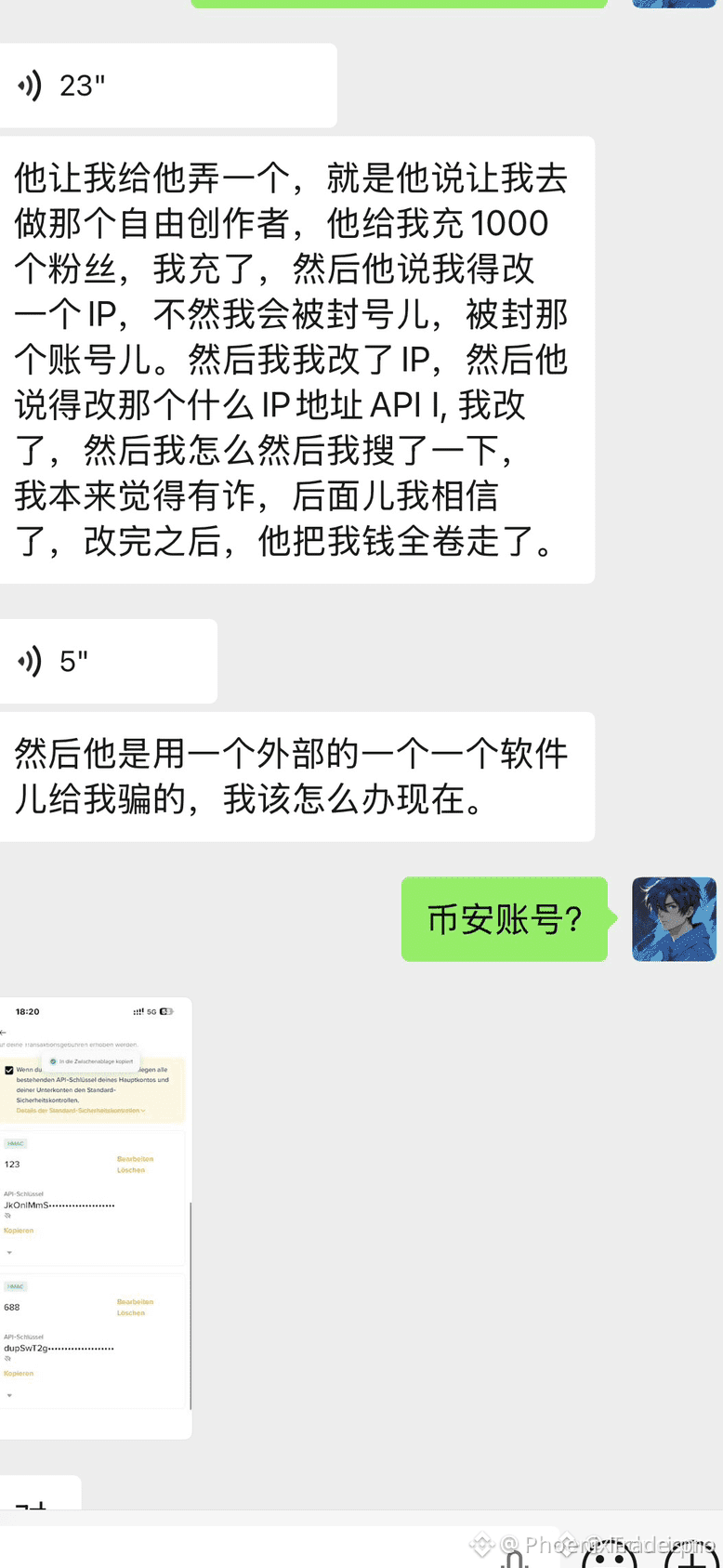
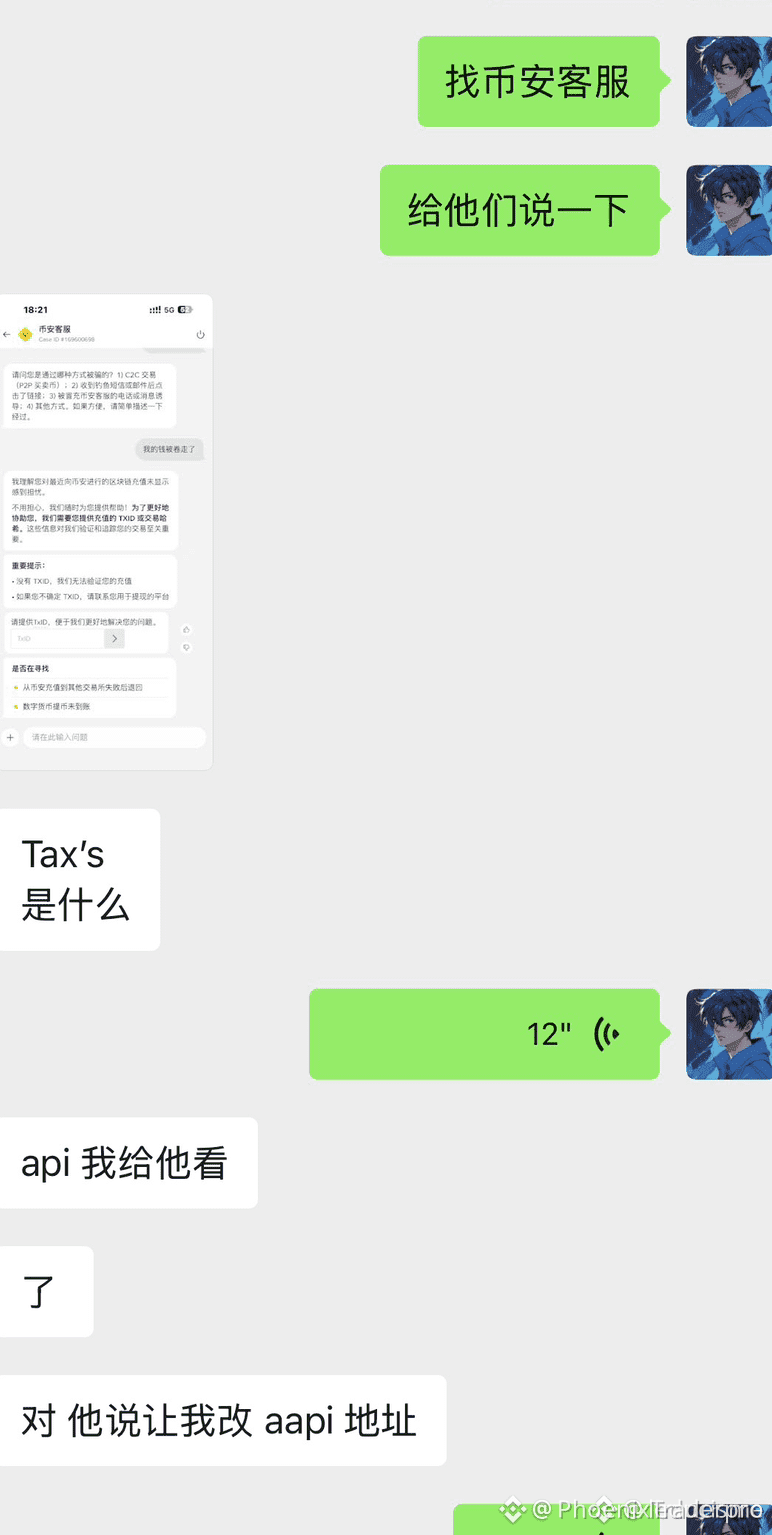
🚨 HARD LESSON IN $USDT SECURITY: NEVER SURRENDER YOUR API KEYS TO STRANGERS! ⚡
📌 Surrendering API permissions to a random stranger for fake social clout just wiped out tens of thousands in $USDT . In this market, handing over account access is equivalent to dousing your capital in gasoline and handing a scammer the lighter. 🏦
💡 Real traders respect risk and control their own order execution. If you want high-conviction gains, sit in front of the charts, study the order flow, and trade your own setups. 📊
🌊 Capital preservation is rule number one, but discipline on the charts is how true traders recover from setbacks. 💬 Have you ever seen someone fall for a third-party API scam, or do you keep your key security locked tight? 👇
⚠️ Not financial advice. Always manage your risk. 🛡️
🏷️ #USDT #CryptoSecurity #RiskManagement #TradingMindset #Crypto
🔥 💎
🚨 HARD LESSON IN $USDT SECURITY: NEVER SURRENDER YOUR API KEYS TO STRANGERS! ⚡
📌 Surrendering API permissions to a random stranger for fake social clout just wiped out tens of thousands in $USDT . In this market, handing over account access is equivalent to dousing your capital in gasoline and handing a scammer the lighter. 🏦
💡 Real traders respect risk and control their own order execution. If you want high-conviction gains, sit in front of the charts, study the order flow, and trade your own setups. 📊
🌊 Capital preservation is rule number one, but discipline on the charts is how true traders recover from setbacks. 💬 Have you ever seen someone fall for a third-party API scam, or do you keep your key security locked tight? 👇
⚠️ Not financial advice. Always manage your risk. 🛡️
🏷️ #USDT #CryptoSecurity #RiskManagement #TradingMindset #Crypto
🔥 💎
📌 Surrendering API permissions to a random stranger for fake social clout just wiped out tens of thousands in $USDT . In this market, handing over account access is equivalent to dousing your capital in gasoline and handing a scammer the lighter. 🏦
💡 Real traders respect risk and control their own order execution. If you want high-conviction gains, sit in front of the charts, study the order flow, and trade your own setups. 📊
🌊 Capital preservation is rule number one, but discipline on the charts is how true traders recover from setbacks. 💬 Have you ever seen someone fall for a third-party API scam, or do you keep your key security locked tight? 👇
⚠️ Not financial advice. Always manage your risk. 🛡️
🏷️ #USDT #CryptoSecurity #RiskManagement #TradingMindset #Crypto
🔥 💎
13

·
--
Bullish
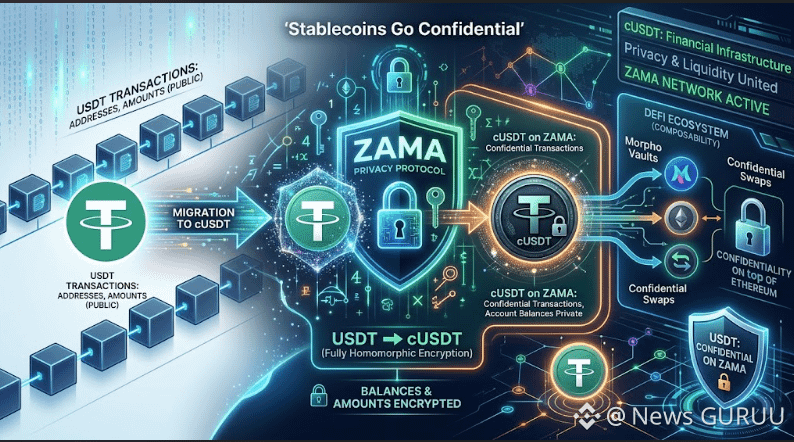
#usdtlaunchesonzamaprivacyprotocol
🔐 USDT Goes Confidential on Zama
USDT is now available on Zama as cUSDT, using fully homomorphic encryption to keep transaction amounts and balances private while remaining compatible with Ethereum.
✅ Private balances & transaction amounts
✅ Built for Ethereum DeFi composability
✅ Confidential swaps and Morpho vaults expanding
📊 Trading View: BUY
Privacy-focused stablecoins could gain adoption as on-chain financial activity grows, but liquidity and real-world usage remain key factors.
❓ Could private stablecoins become the next major DeFi trend? "CLICK ON THE BELOW YELLOW COIN TAG TO GO TO DESIRED TRADING PAGE TO GET BENEFIT TRADE"$ZAMA $ZEC
{spot}(ZECUSDT)
{spot}(ZAMAUSDT)
#USDT #Zama
#usdtlaunchesonzamaprivacyprotocol
🔐 USDT Goes Confidential on Zama
USDT is now available on Zama as cUSDT, using fully homomorphic encryption to keep transaction amounts and balances private while remaining compatible with Ethereum.
✅ Private balances & transaction amounts
✅ Built for Ethereum DeFi composability
✅ Confidential swaps and Morpho vaults expanding
📊 Trading View: BUY
Privacy-focused stablecoins could gain adoption as on-chain financial activity grows, but liquidity and real-world usage remain key factors.
❓ Could private stablecoins become the next major DeFi trend? "CLICK ON THE BELOW YELLOW COIN TAG TO GO TO DESIRED TRADING PAGE TO GET BENEFIT TRADE"$ZAMA $ZEC
#USDT #Zama
🔐 USDT Goes Confidential on Zama
USDT is now available on Zama as cUSDT, using fully homomorphic encryption to keep transaction amounts and balances private while remaining compatible with Ethereum.
✅ Private balances & transaction amounts
✅ Built for Ethereum DeFi composability
✅ Confidential swaps and Morpho vaults expanding
📊 Trading View: BUY
Privacy-focused stablecoins could gain adoption as on-chain financial activity grows, but liquidity and real-world usage remain key factors.
❓ Could private stablecoins become the next major DeFi trend? "CLICK ON THE BELOW YELLOW COIN TAG TO GO TO DESIRED TRADING PAGE TO GET BENEFIT TRADE"$ZAMA $ZEC
#USDT #Zama
mahi 7:
hii
1
1
408

·
--
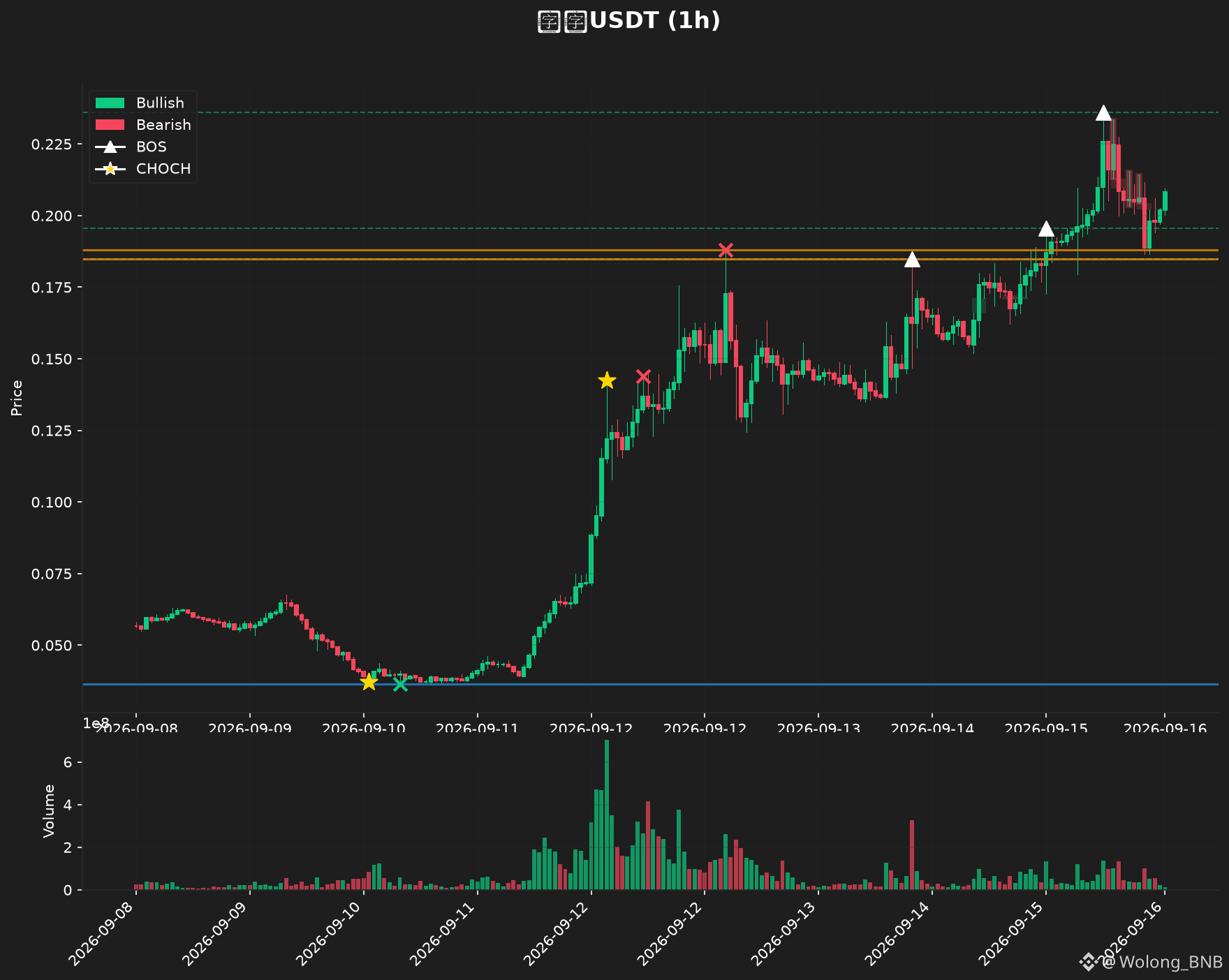
$USDT is giving a cleaner structural signal than it was a few candles ago.
What stands out here is that the 1H move is +3.52%, open interest is up 3.5%, and the last 15m is +2.81%. That gives the move real context instead of treating every candle as a signal.
The multi-timeframe read is leaning bullish, and the current 1h structure agrees. That keeps the advantage with buyers for now.
The next test is around $0.188. A clean hold above that area would strengthen continuation; rejection there would make a pullback more likely.
Do you see the same structure on $USDT, or are you reading it differently?
#USDT #Trading
Trade plan: LONG
Entry: $0.208261
SL: $0.036168
TP1: $0.380354
TP2: $0.552447
TP3: $0.724539
$USDT is giving a cleaner structural signal than it was a few candles ago.
What stands out here is that the 1H move is +3.52%, open interest is up 3.5%, and the last 15m is +2.81%. That gives the move real context instead of treating every candle as a signal.
The multi-timeframe read is leaning bullish, and the current 1h structure agrees. That keeps the advantage with buyers for now.
The next test is around $0.188. A clean hold above that area would strengthen continuation; rejection there would make a pullback more likely.
Do you see the same structure on $USDT, or are you reading it differently?
#USDT #Trading
Trade plan: LONG
Entry: $0.208261
SL: $0.036168
TP1: $0.380354
TP2: $0.552447
TP3: $0.724539
What stands out here is that the 1H move is +3.52%, open interest is up 3.5%, and the last 15m is +2.81%. That gives the move real context instead of treating every candle as a signal.
The multi-timeframe read is leaning bullish, and the current 1h structure agrees. That keeps the advantage with buyers for now.
The next test is around $0.188. A clean hold above that area would strengthen continuation; rejection there would make a pullback more likely.
Do you see the same structure on $USDT, or are you reading it differently?
#USDT #Trading
Trade plan: LONG
Entry: $0.208261
SL: $0.036168
TP1: $0.380354
TP2: $0.552447
TP3: $0.724539
3

Understanding the World’s Leading Dollar-Pegged Stablecoin$USDT USDT, commonly known as Tether, is a widely used cryptocurrency designed to maintain a value close to the U.S. dollar. Unlike Bitcoin and many other cryptocurrencies, which can experience large price movements, USDT is designed to provide greater price stability.
One of the important uses of USDT is moving value within the cryptocurrency ecosystem. People may use it as a trading pair for cryptocurrencies, a way to hold digital dollars, or for transferring value between supported platforms and wallets.
USDT has become an important part of the global crypto market because it combines blockchain-based transfers with a value intended to track the U.S. dollar. It is available on multiple blockchain networks, although the exact features, fees, and transaction times can vary depending on the network.
However, USDT is not risk-free. Users should understand the issuer, reserve arrangements, blockchain network, transaction fees, wallet security, and the possibility that its market price can temporarily move away from its intended peg.
Conclusion
USDT plays a significant role in the cryptocurrency ecosystem by providing a widely used dollar-linked digital asset. Its stability-focused design makes it useful for many crypto transactions, but users should research the risks and understand how the particular network and platform they use work.
#USDT #USDT #USDT🔥🔥🔥 #USDTfree #USDT #USDTRewards #USDTCryptoGiftBoxGiveAway
Understanding the World’s Leading Dollar-Pegged Stablecoin
$USDT USDT, commonly known as Tether, is a widely used cryptocurrency designed to maintain a value close to the U.S. dollar. Unlike Bitcoin and many other cryptocurrencies, which can experience large price movements, USDT is designed to provide greater price stability.
One of the important uses of USDT is moving value within the cryptocurrency ecosystem. People may use it as a trading pair for cryptocurrencies, a way to hold digital dollars, or for transferring value between supported platforms and wallets.
USDT has become an important part of the global crypto market because it combines blockchain-based transfers with a value intended to track the U.S. dollar. It is available on multiple blockchain networks, although the exact features, fees, and transaction times can vary depending on the network.
However, USDT is not risk-free. Users should understand the issuer, reserve arrangements, blockchain network, transaction fees, wallet security, and the possibility that its market price can temporarily move away from its intended peg.
Conclusion
USDT plays a significant role in the cryptocurrency ecosystem by providing a widely used dollar-linked digital asset. Its stability-focused design makes it useful for many crypto transactions, but users should research the risks and understand how the particular network and platform they use work.
#USDT #USDT #USDT🔥🔥🔥 #USDTfree #USDT #USDTRewards #USDTCryptoGiftBoxGiveAway
One of the important uses of USDT is moving value within the cryptocurrency ecosystem. People may use it as a trading pair for cryptocurrencies, a way to hold digital dollars, or for transferring value between supported platforms and wallets.
USDT has become an important part of the global crypto market because it combines blockchain-based transfers with a value intended to track the U.S. dollar. It is available on multiple blockchain networks, although the exact features, fees, and transaction times can vary depending on the network.
However, USDT is not risk-free. Users should understand the issuer, reserve arrangements, blockchain network, transaction fees, wallet security, and the possibility that its market price can temporarily move away from its intended peg.
Conclusion
USDT plays a significant role in the cryptocurrency ecosystem by providing a widely used dollar-linked digital asset. Its stability-focused design makes it useful for many crypto transactions, but users should research the risks and understand how the particular network and platform they use work.
#USDT #USDT #USDT🔥🔥🔥 #USDTfree #USDT #USDTRewards #USDTCryptoGiftBoxGiveAway
52

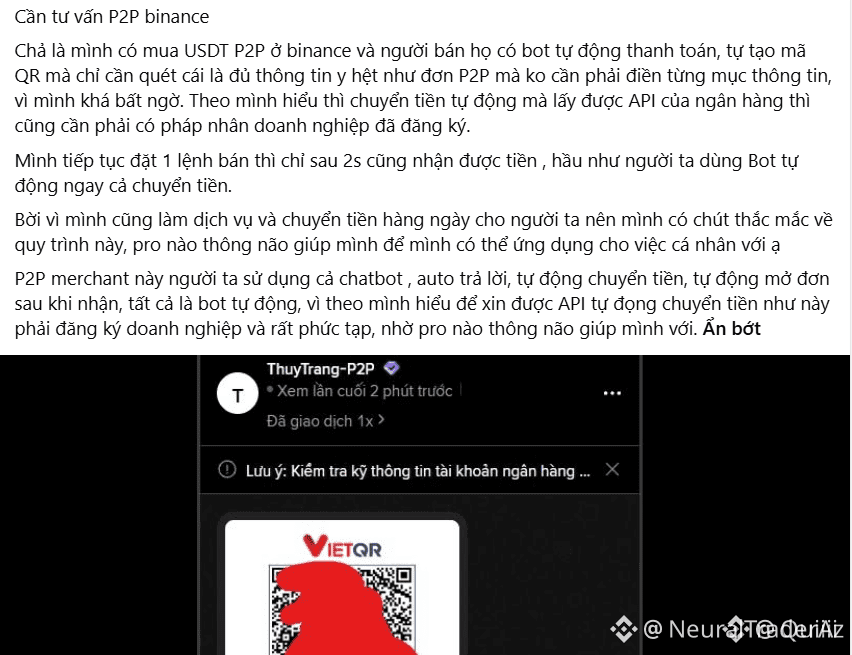
🚨 INSIGHT INTO AUTOMATED $USDT P2P ALGORITHMS AND INSTITUTIONAL EFFICIENCY ⚡
Retail traders often express surprise when encountering instant automated payment systems in high-volume $USDT peer-to-peer markets. 🔍 What looks like magic on the front end is simply disciplined algorithmic execution designed to capture structural spreads and optimize capital velocity. ⚡
Professional liquidity providers engineer proprietary scripts to eliminate human latency and streamline order fulfillment without manual friction. 💡 In modern digital asset markets, operational speed and systematic risk management remain the ultimate institutional edge. 💬 Are you relying on manual execution, or have you integrated automated tools into your workflow? 👇
⚠️ Not financial advice. Always manage your risk. 🛡️
🏷️ #USDT #P2P #TradingBots #AlgorithmicTrading #Crypto
⚡ 🎯
🚨 INSIGHT INTO AUTOMATED $USDT P2P ALGORITHMS AND INSTITUTIONAL EFFICIENCY ⚡
Retail traders often express surprise when encountering instant automated payment systems in high-volume $USDT peer-to-peer markets. 🔍 What looks like magic on the front end is simply disciplined algorithmic execution designed to capture structural spreads and optimize capital velocity. ⚡
Professional liquidity providers engineer proprietary scripts to eliminate human latency and streamline order fulfillment without manual friction. 💡 In modern digital asset markets, operational speed and systematic risk management remain the ultimate institutional edge. 💬 Are you relying on manual execution, or have you integrated automated tools into your workflow? 👇
⚠️ Not financial advice. Always manage your risk. 🛡️
🏷️ #USDT #P2P #TradingBots #AlgorithmicTrading #Crypto
⚡ 🎯
Retail traders often express surprise when encountering instant automated payment systems in high-volume $USDT peer-to-peer markets. 🔍 What looks like magic on the front end is simply disciplined algorithmic execution designed to capture structural spreads and optimize capital velocity. ⚡
Professional liquidity providers engineer proprietary scripts to eliminate human latency and streamline order fulfillment without manual friction. 💡 In modern digital asset markets, operational speed and systematic risk management remain the ultimate institutional edge. 💬 Are you relying on manual execution, or have you integrated automated tools into your workflow? 👇
⚠️ Not financial advice. Always manage your risk. 🛡️
🏷️ #USDT #P2P #TradingBots #AlgorithmicTrading #Crypto
⚡ 🎯
5
·
--
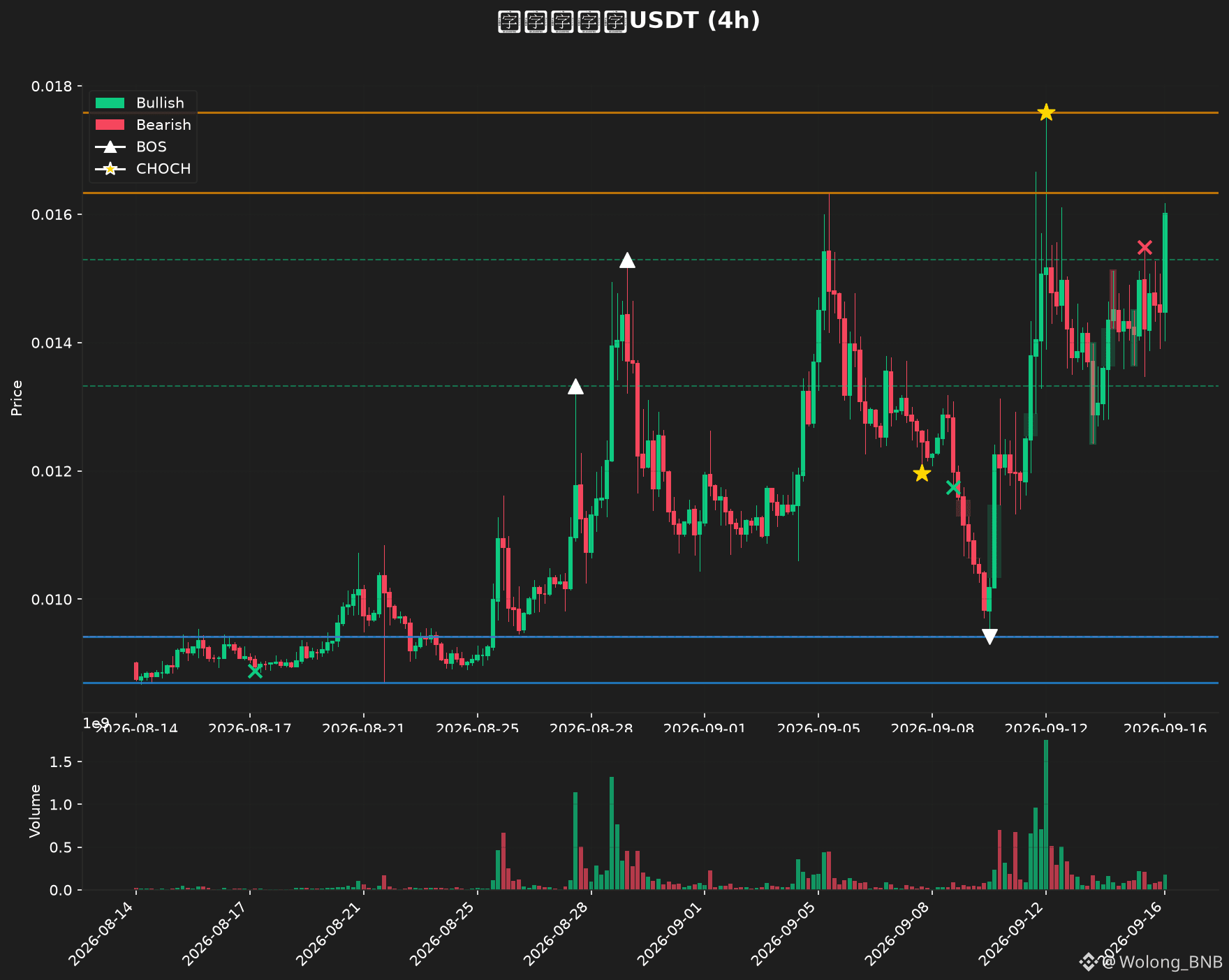
Don't overlook $USDT here — momentum is strong, but the setup now depends on what price does next.
What stands out here is that volume is running about 35.8x its recent pace, open interest is up 16.8%, and the 1H move is +11.03%. That gives the move real context instead of treating every candle as a signal.
The current structure leans bullish, but higher-timeframe alignment is mixed. That makes confirmation at the next key level more important than the headline direction.
The next test is around $0.01759. A clean hold above that area would strengthen continuation; rejection there would make a pullback more likely.
Would you chase $USDT here, wait for the retest, or stay out?
#USDT #Trading
Trade plan: LONG
Entry: $0.016012
SL: $0.00865
TP1: $0.023373
TP2: $0.030735
TP3: $0.038096
Don't overlook $USDT here — momentum is strong, but the setup now depends on what price does next.
What stands out here is that volume is running about 35.8x its recent pace, open interest is up 16.8%, and the 1H move is +11.03%. That gives the move real context instead of treating every candle as a signal.
The current structure leans bullish, but higher-timeframe alignment is mixed. That makes confirmation at the next key level more important than the headline direction.
The next test is around $0.01759. A clean hold above that area would strengthen continuation; rejection there would make a pullback more likely.
Would you chase $USDT here, wait for the retest, or stay out?
#USDT #Trading
Trade plan: LONG
Entry: $0.016012
SL: $0.00865
TP1: $0.023373
TP2: $0.030735
TP3: $0.038096
What stands out here is that volume is running about 35.8x its recent pace, open interest is up 16.8%, and the 1H move is +11.03%. That gives the move real context instead of treating every candle as a signal.
The current structure leans bullish, but higher-timeframe alignment is mixed. That makes confirmation at the next key level more important than the headline direction.
The next test is around $0.01759. A clean hold above that area would strengthen continuation; rejection there would make a pullback more likely.
Would you chase $USDT here, wait for the retest, or stay out?
#USDT #Trading
Trade plan: LONG
Entry: $0.016012
SL: $0.00865
TP1: $0.023373
TP2: $0.030735
TP3: $0.038096

·
--
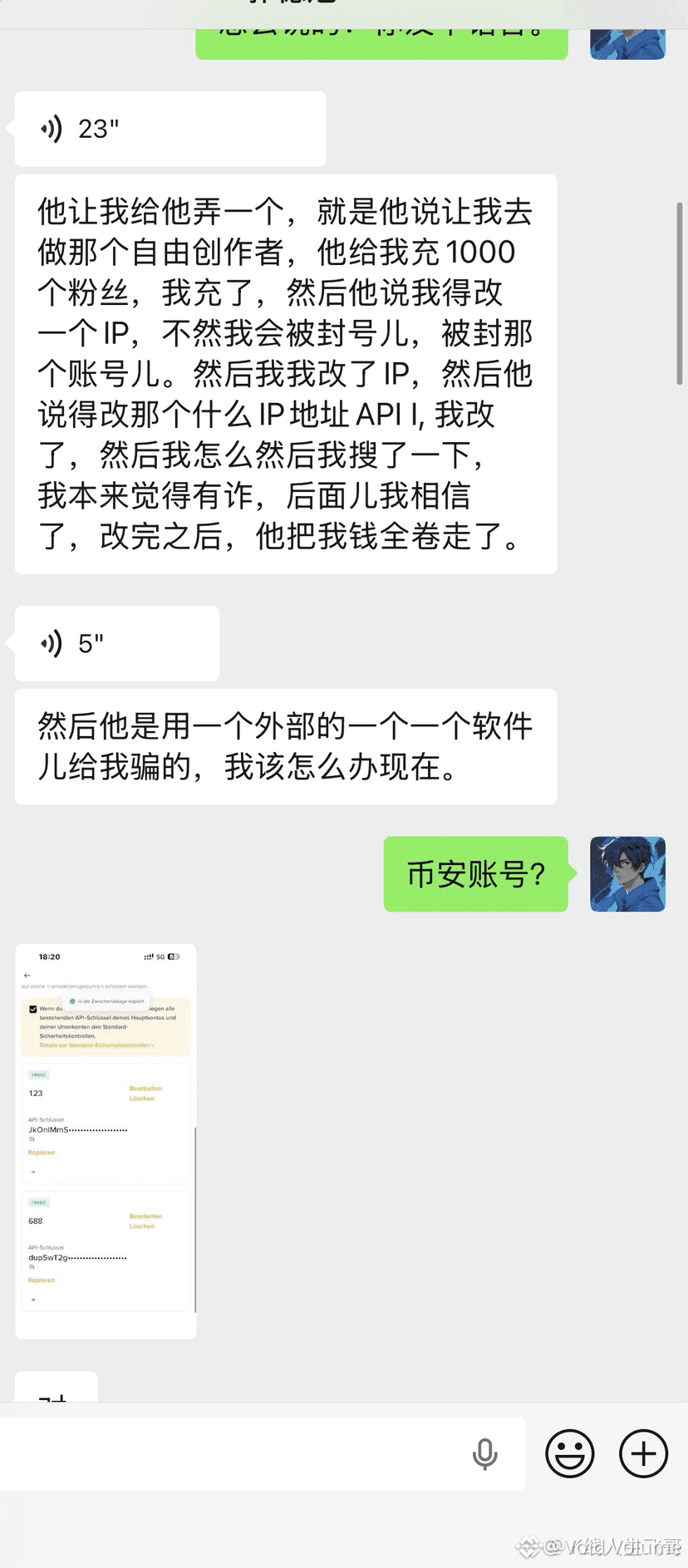
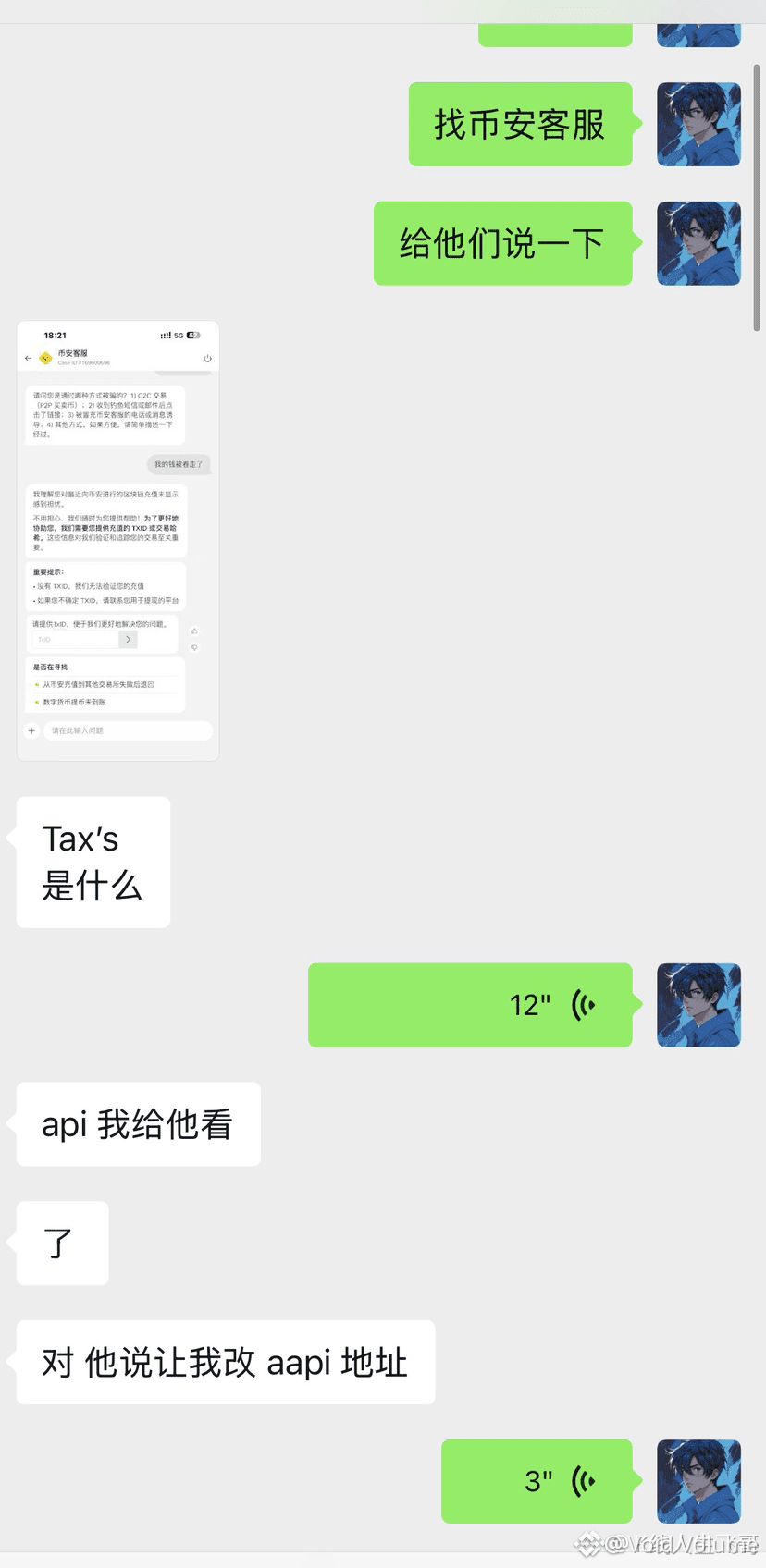
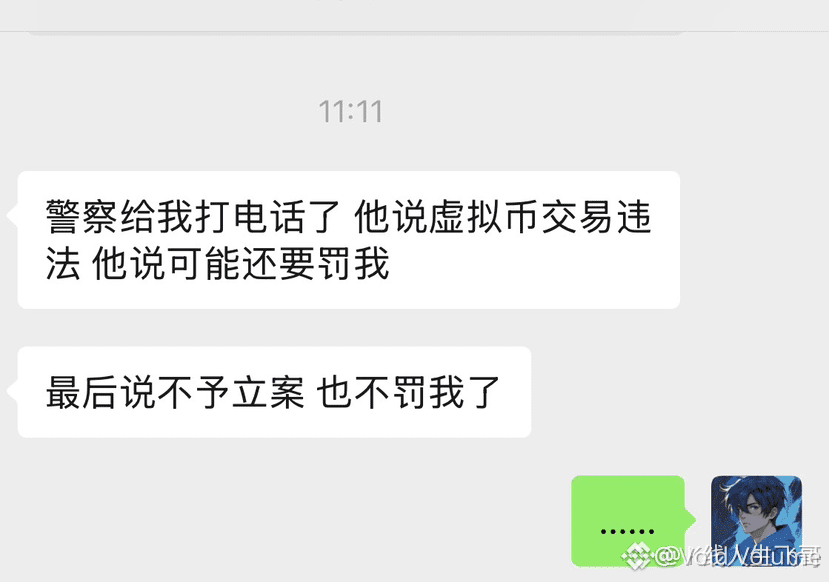
🚨 $USDT API SCAM: DO NOT SHARE ACCESS WITH ANYONE ⚡
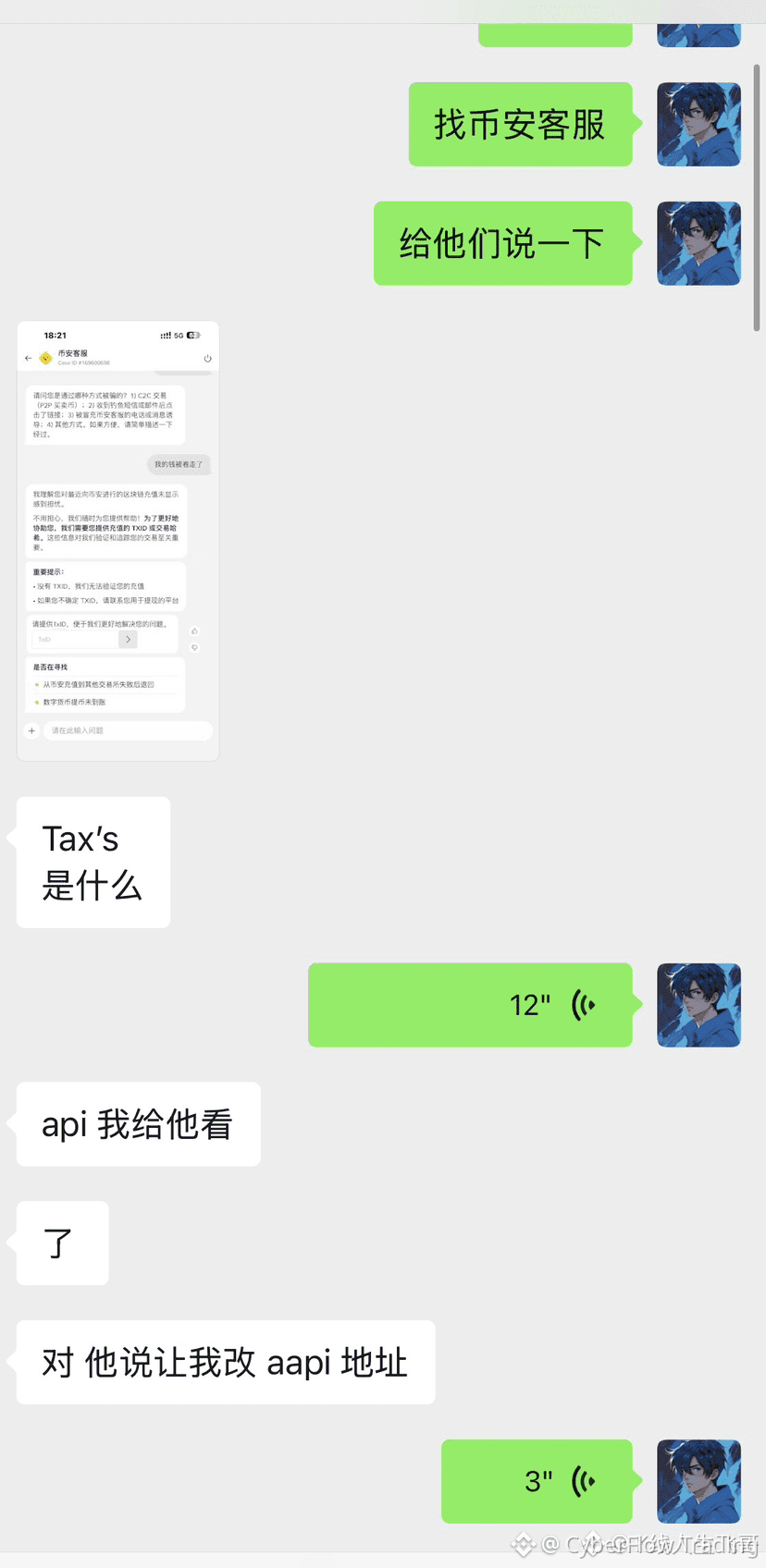
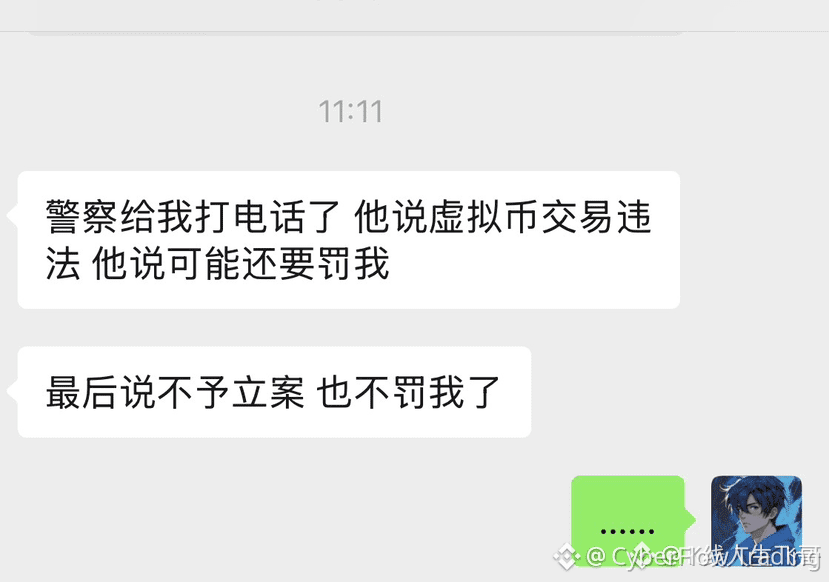
A fan was lured off the square with promises of follower boosts, then asked to hand over API permissions. Once access was granted, tens of thousands of $USDT vanished in seconds. 📉
API keys are account doors, not business cards. 🔍 If someone wants them, they want control. Revoke suspicious keys immediately, enable security tools, and report the abuse fast. Never trade trust for convenience. 🤔 Are your API permissions clean today?
⚠️ Not financial advice. Always manage your risk. 🛡️
🏷️ #USDT #Security #ScamAlert #Crypto
🛡️ 📌
🚨 $USDT API SCAM: DO NOT SHARE ACCESS WITH ANYONE ⚡
A fan was lured off the square with promises of follower boosts, then asked to hand over API permissions. Once access was granted, tens of thousands of $USDT vanished in seconds. 📉
API keys are account doors, not business cards. 🔍 If someone wants them, they want control. Revoke suspicious keys immediately, enable security tools, and report the abuse fast. Never trade trust for convenience. 🤔 Are your API permissions clean today?
⚠️ Not financial advice. Always manage your risk. 🛡️
🏷️ #USDT #Security #ScamAlert #Crypto
🛡️ 📌
A fan was lured off the square with promises of follower boosts, then asked to hand over API permissions. Once access was granted, tens of thousands of $USDT vanished in seconds. 📉
API keys are account doors, not business cards. 🔍 If someone wants them, they want control. Revoke suspicious keys immediately, enable security tools, and report the abuse fast. Never trade trust for convenience. 🤔 Are your API permissions clean today?
⚠️ Not financial advice. Always manage your risk. 🛡️
🏷️ #USDT #Security #ScamAlert #Crypto
🛡️ 📌
9

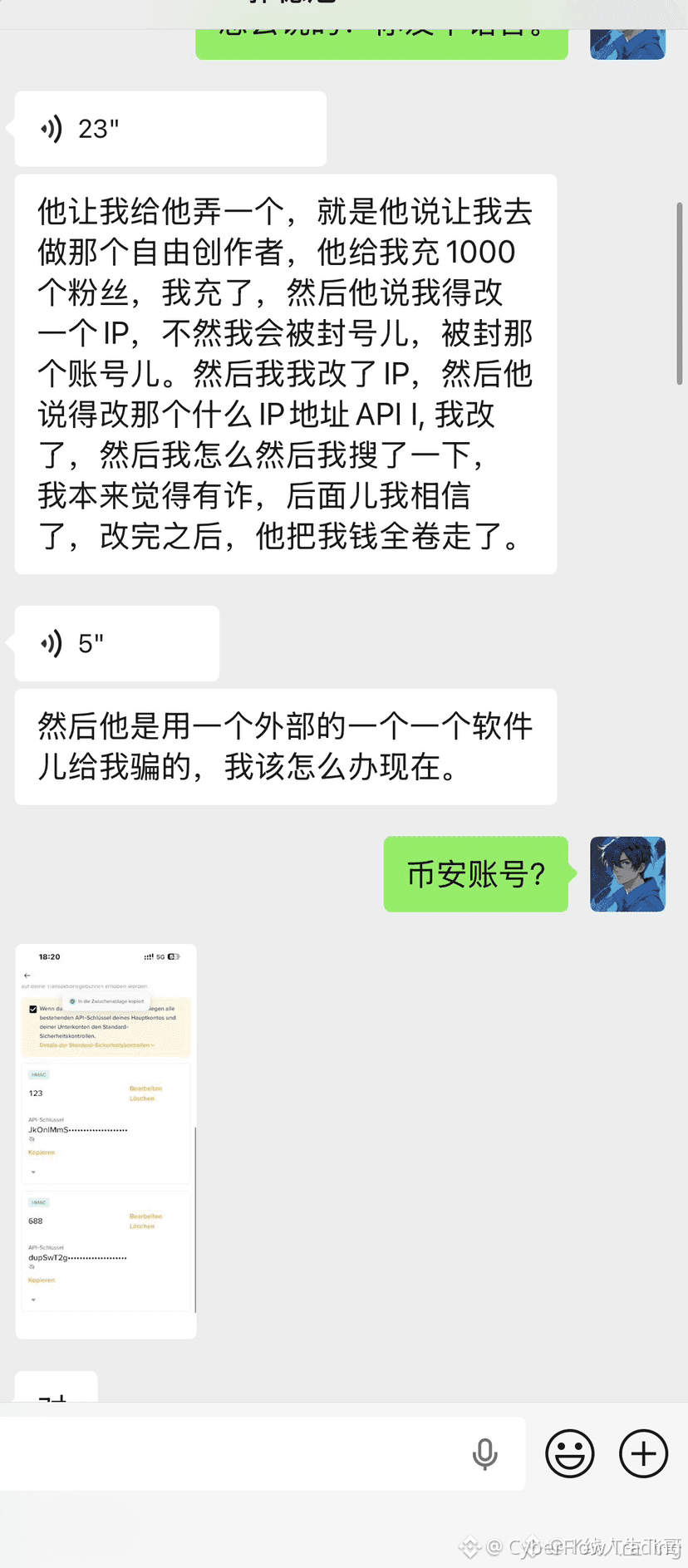
🚨 $USDT API PERMISSION SCAM DRAINS CREATOR ACCOUNTS 💥
A top-tier exchange square DM turns into an off-platform trap. The pitch: buy followers, become a free creator.
The real ask is API keys. Once granted, funds can be swept without a single manual withdrawal. 🛡️ 🔍
Keep API permissions off unless you control the endpoint, then treat follower promises as bait because API access is the liquidity sweep. 📊 💬 What red flag made you walk away from a follower-growth offer?
⚠️ Not financial advice. Always manage your risk. 🛡️
🏷️ #USDT #CryptoSafety #APIRisk #ScamAlert #Crypto
🎯 ⚡
🚨 $USDT API PERMISSION SCAM DRAINS CREATOR ACCOUNTS 💥
A top-tier exchange square DM turns into an off-platform trap. The pitch: buy followers, become a free creator.
The real ask is API keys. Once granted, funds can be swept without a single manual withdrawal. 🛡️ 🔍
Keep API permissions off unless you control the endpoint, then treat follower promises as bait because API access is the liquidity sweep. 📊 💬 What red flag made you walk away from a follower-growth offer?
⚠️ Not financial advice. Always manage your risk. 🛡️
🏷️ #USDT #CryptoSafety #APIRisk #ScamAlert #Crypto
🎯 ⚡
A top-tier exchange square DM turns into an off-platform trap. The pitch: buy followers, become a free creator.
The real ask is API keys. Once granted, funds can be swept without a single manual withdrawal. 🛡️ 🔍
Keep API permissions off unless you control the endpoint, then treat follower promises as bait because API access is the liquidity sweep. 📊 💬 What red flag made you walk away from a follower-growth offer?
⚠️ Not financial advice. Always manage your risk. 🛡️
🏷️ #USDT #CryptoSafety #APIRisk #ScamAlert #Crypto
🎯 ⚡
10

🚨 $USDT SCAM RADAR: FAKE CASH PREYS ON THE MOST VULNERABLE! 💣
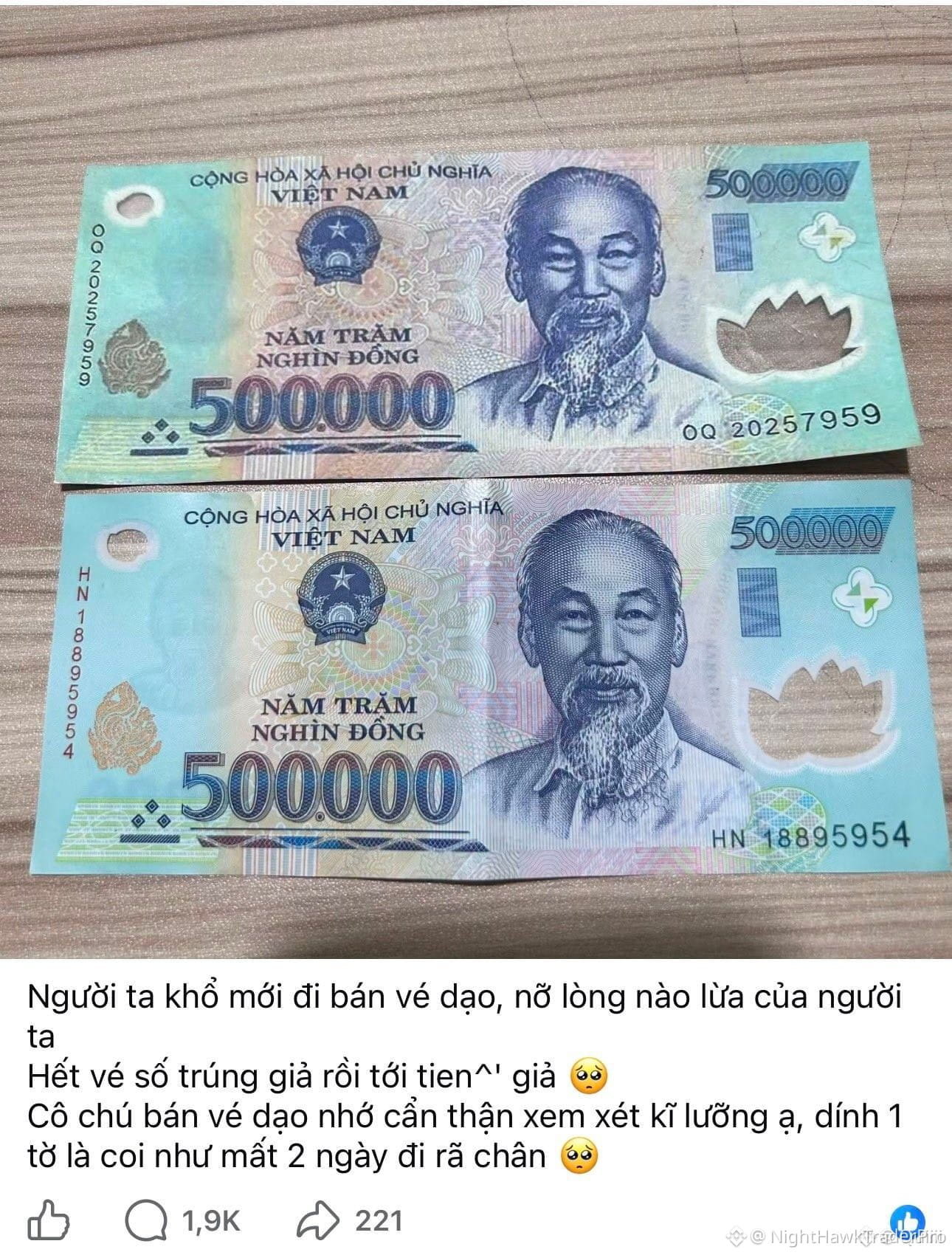
📌 Scams are not only smart contracts and fake tokens. Counterfeit cash targeting lottery sellers is street-level fraud with zero edge, only cruelty. 🦈 The same pattern appears in $USDT -adjacent schemes: lure vulnerable people, fake trust, then vanish.
💡 If a setup smells like exploitation, it is not a trade; it is a trap. Protect your capital, but also protect your humanity. 💬 Would you short a market full of scammers, or blacklist them first? 👇
⚠️ Not financial advice. Always manage your risk. 🛡️
🏷️ #USDT #ScamAwareness #CryptoSafety #RiskManagement
🔥 🦈
🚨 $USDT SCAM RADAR: FAKE CASH PREYS ON THE MOST VULNERABLE! 💣
📌 Scams are not only smart contracts and fake tokens. Counterfeit cash targeting lottery sellers is street-level fraud with zero edge, only cruelty. 🦈 The same pattern appears in $USDT -adjacent schemes: lure vulnerable people, fake trust, then vanish.
💡 If a setup smells like exploitation, it is not a trade; it is a trap. Protect your capital, but also protect your humanity. 💬 Would you short a market full of scammers, or blacklist them first? 👇
⚠️ Not financial advice. Always manage your risk. 🛡️
🏷️ #USDT #ScamAwareness #CryptoSafety #RiskManagement
🔥 🦈
📌 Scams are not only smart contracts and fake tokens. Counterfeit cash targeting lottery sellers is street-level fraud with zero edge, only cruelty. 🦈 The same pattern appears in $USDT -adjacent schemes: lure vulnerable people, fake trust, then vanish.
💡 If a setup smells like exploitation, it is not a trade; it is a trap. Protect your capital, but also protect your humanity. 💬 Would you short a market full of scammers, or blacklist them first? 👇
⚠️ Not financial advice. Always manage your risk. 🛡️
🏷️ #USDT #ScamAwareness #CryptoSafety #RiskManagement
🔥 🦈
52
·
--
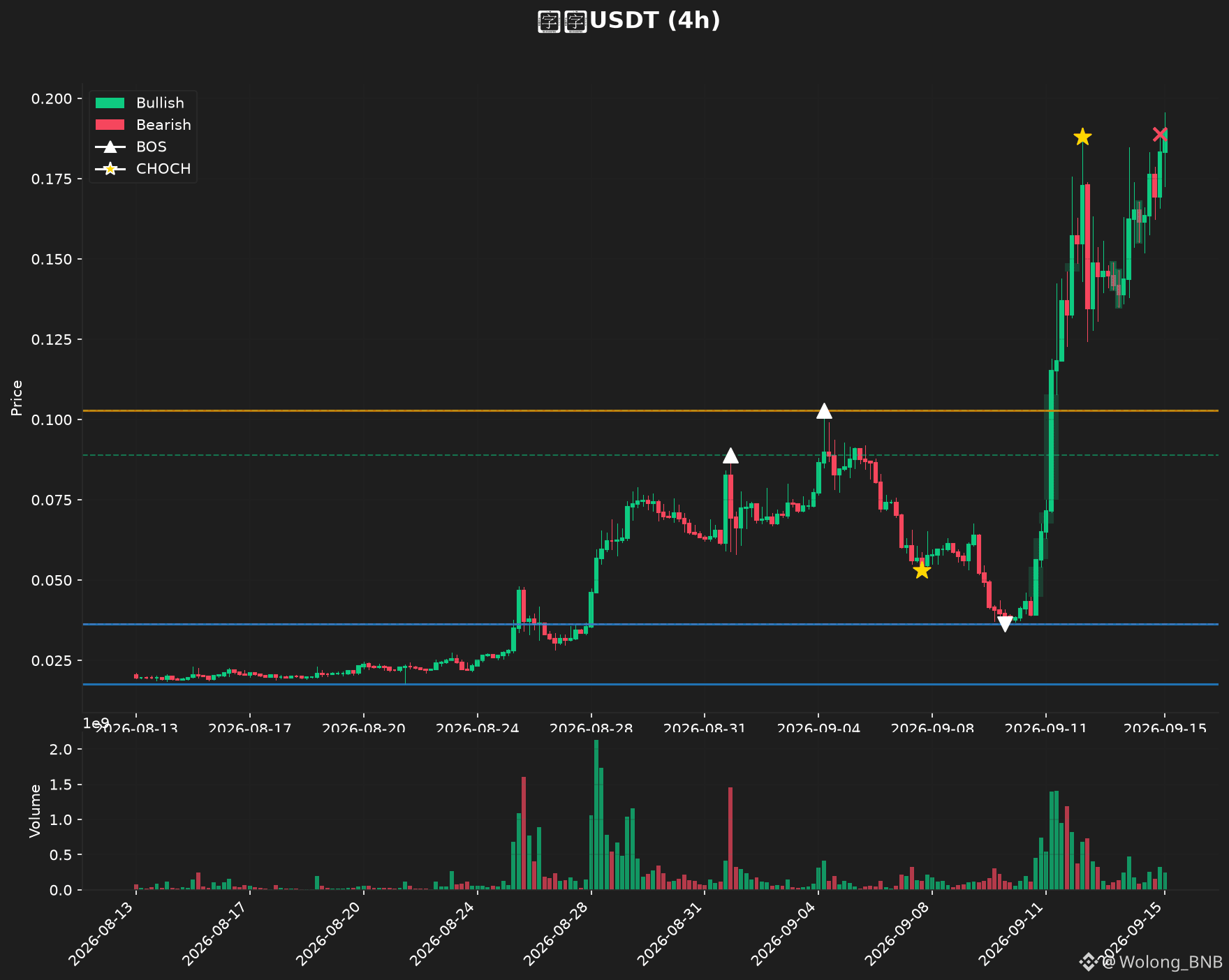
The structure on $USDT has changed enough to put this setup on my watchlist.
Volatility is active enough to matter, but the move is not extreme. I would let structure decide the trade rather than chase raw momentum.
The multi-timeframe read is leaning bullish, and the current 4h structure agrees. That keeps the advantage with buyers for now.
The next test is around $0.102722. A clean hold above that area would strengthen continuation; rejection there would make a pullback more likely.
Do you see the same structure on $USDT, or are you reading it differently?
#USDT #Trading
Trade plan: LONG
Entry: $0.190418
SL: $0.017482
TP1: $0.363354
TP2: $0.53629
TP3: $0.709226
The structure on $USDT has changed enough to put this setup on my watchlist.
Volatility is active enough to matter, but the move is not extreme. I would let structure decide the trade rather than chase raw momentum.
The multi-timeframe read is leaning bullish, and the current 4h structure agrees. That keeps the advantage with buyers for now.
The next test is around $0.102722. A clean hold above that area would strengthen continuation; rejection there would make a pullback more likely.
Do you see the same structure on $USDT, or are you reading it differently?
#USDT #Trading
Trade plan: LONG
Entry: $0.190418
SL: $0.017482
TP1: $0.363354
TP2: $0.53629
TP3: $0.709226
Volatility is active enough to matter, but the move is not extreme. I would let structure decide the trade rather than chase raw momentum.
The multi-timeframe read is leaning bullish, and the current 4h structure agrees. That keeps the advantage with buyers for now.
The next test is around $0.102722. A clean hold above that area would strengthen continuation; rejection there would make a pullback more likely.
Do you see the same structure on $USDT, or are you reading it differently?
#USDT #Trading
Trade plan: LONG
Entry: $0.190418
SL: $0.017482
TP1: $0.363354
TP2: $0.53629
TP3: $0.709226
3
🚨 $USDT : JPMORGAN FLAGS A COLD INSTITUTIONAL BID FOR STABLECOINS ⚡
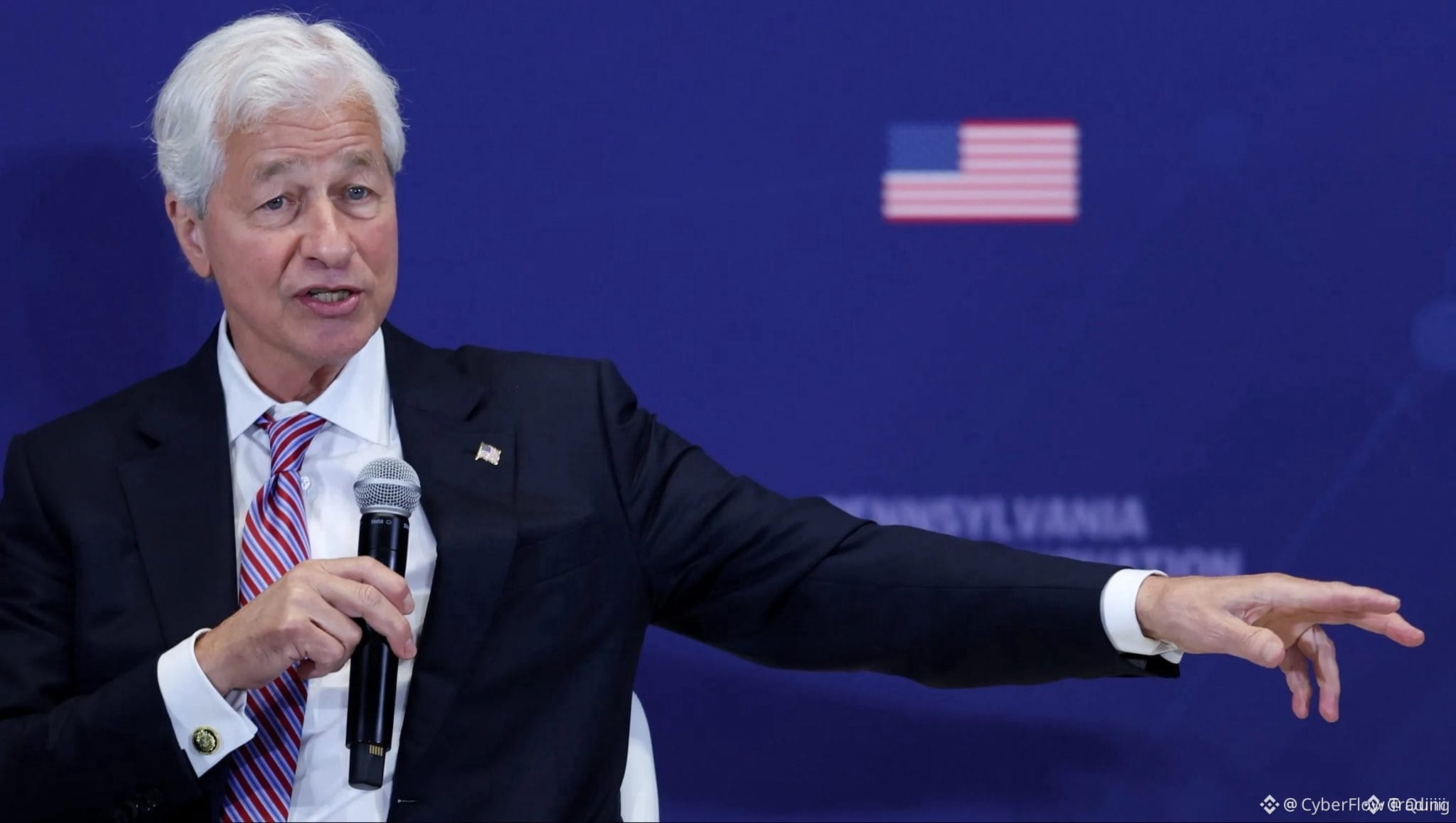
This is a liquidity narrative test, not just a compliance headline. 🦈 If banks and big allocators are still shy on stablecoin adoption, the next wave may need clearer rails, custody, and yield clarity before it becomes a true balance-sheet trade. $USDT and $USDC remain the plumbing, but plumbing only pays when institutions are willing to turn the valve. 📊 The market may keep rewarding volatility, $BTC treasury demand, and alt liquidity instead of a quiet stablecoin breakout. 💬 Are you fading the institutional stablecoin narrative, or betting JPMorgan is early and the bid is still loading? 👇
⚠️ Not financial advice. Always manage your risk. 🛡️
🏷️ #USDT #Stablecoins #Institutional #Crypto #USDC
🎯 ⚡
🚨 $USDT : JPMORGAN FLAGS A COLD INSTITUTIONAL BID FOR STABLECOINS ⚡
This is a liquidity narrative test, not just a compliance headline. 🦈 If banks and big allocators are still shy on stablecoin adoption, the next wave may need clearer rails, custody, and yield clarity before it becomes a true balance-sheet trade. $USDT and $USDC remain the plumbing, but plumbing only pays when institutions are willing to turn the valve. 📊 The market may keep rewarding volatility, $BTC treasury demand, and alt liquidity instead of a quiet stablecoin breakout. 💬 Are you fading the institutional stablecoin narrative, or betting JPMorgan is early and the bid is still loading? 👇
⚠️ Not financial advice. Always manage your risk. 🛡️
🏷️ #USDT #Stablecoins #Institutional #Crypto #USDC
🎯 ⚡
This is a liquidity narrative test, not just a compliance headline. 🦈 If banks and big allocators are still shy on stablecoin adoption, the next wave may need clearer rails, custody, and yield clarity before it becomes a true balance-sheet trade. $USDT and $USDC remain the plumbing, but plumbing only pays when institutions are willing to turn the valve. 📊 The market may keep rewarding volatility, $BTC treasury demand, and alt liquidity instead of a quiet stablecoin breakout. 💬 Are you fading the institutional stablecoin narrative, or betting JPMorgan is early and the bid is still loading? 👇
⚠️ Not financial advice. Always manage your risk. 🛡️
🏷️ #USDT #Stablecoins #Institutional #Crypto #USDC
🎯 ⚡
53
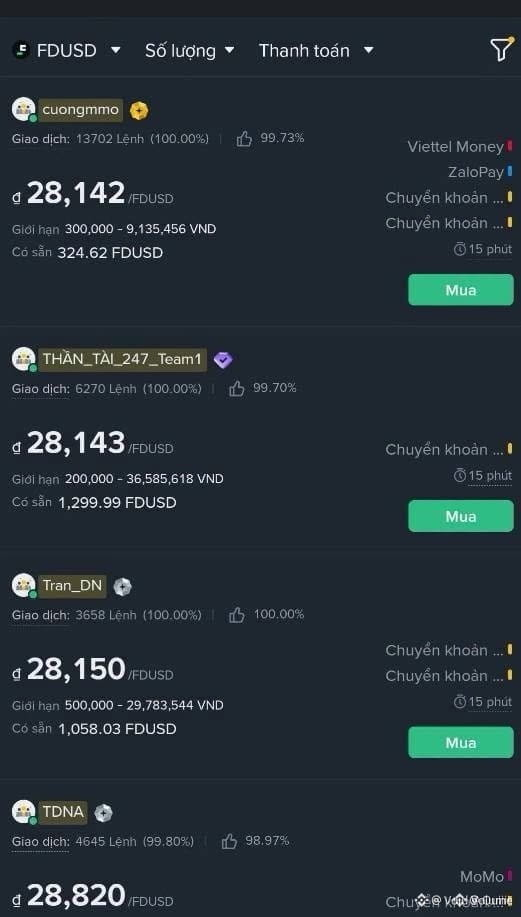
🚨 $USDT PREMIUM TRAP: STABLE ISN'T ALWAYS SAFE 💥
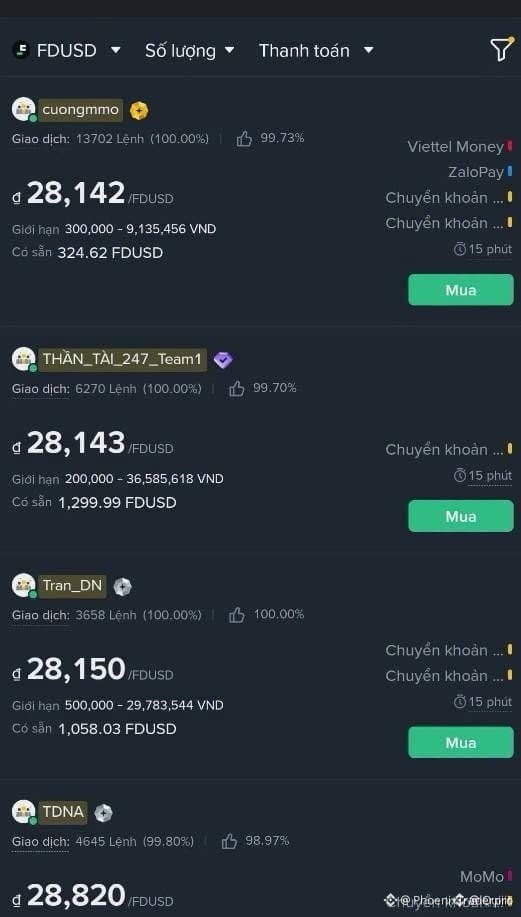
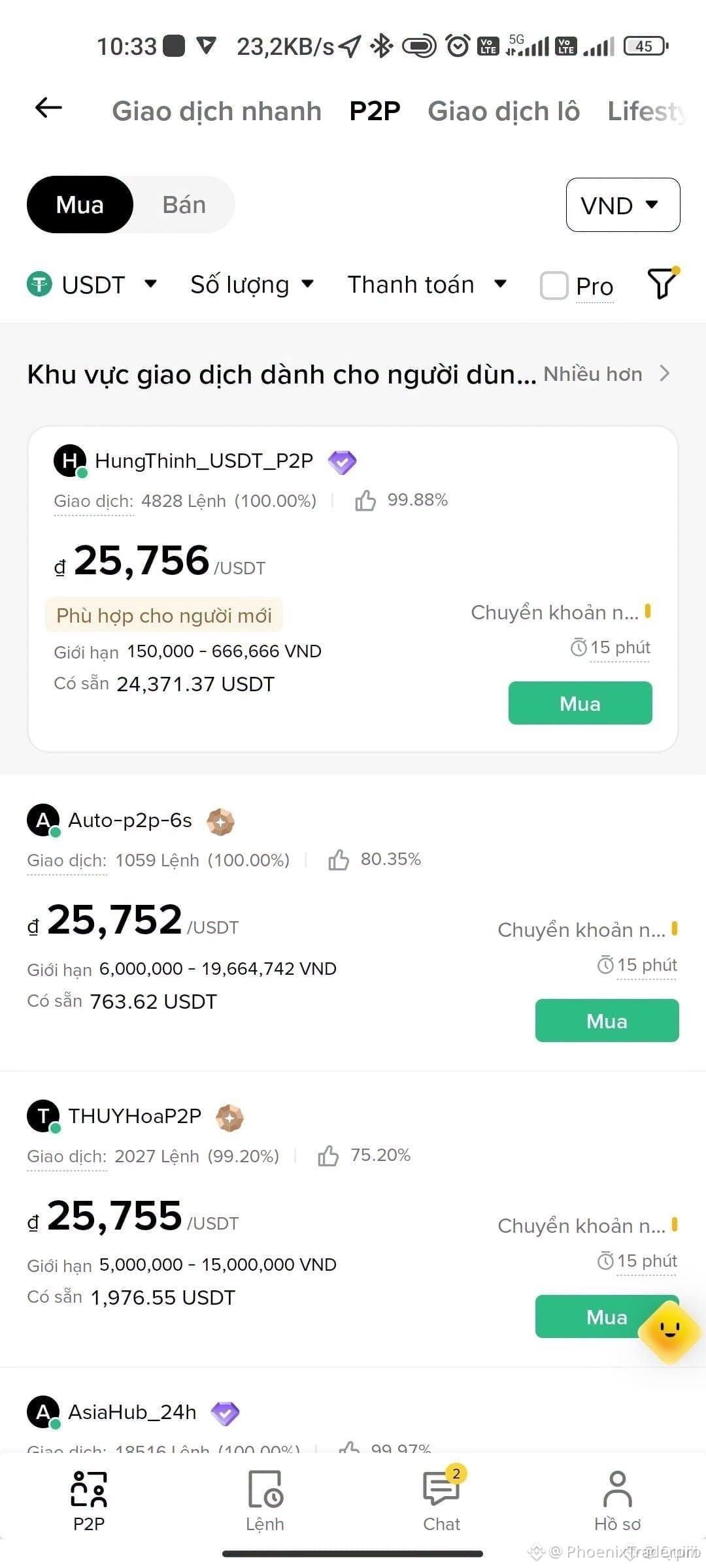
Entry: 28,000 VND ⚡
📌 Stablecoin fear flips when $USDT trades at a local premium, turning a supposed safe haven into an expensive hedge. The crowd chases dollar exposure, but the exit liquidity is already priced in.
⚡ If the peg holds, you pay the spread; if it cracks, you pay twice. Smart money uses volatility, not just labels. 💬 Are you buying stability, or just the premium on someone else's panic? 👇
⚠️ Not financial advice. Always manage your risk. 🛡️
🏷️ #USDT #Stablecoin #DepegRisk #Crypto
🦈 ⚡
🚨 $USDT PREMIUM TRAP: STABLE ISN'T ALWAYS SAFE 💥
Entry: 28,000 VND ⚡
📌 Stablecoin fear flips when $USDT trades at a local premium, turning a supposed safe haven into an expensive hedge. The crowd chases dollar exposure, but the exit liquidity is already priced in.
⚡ If the peg holds, you pay the spread; if it cracks, you pay twice. Smart money uses volatility, not just labels. 💬 Are you buying stability, or just the premium on someone else's panic? 👇
⚠️ Not financial advice. Always manage your risk. 🛡️
🏷️ #USDT #Stablecoin #DepegRisk #Crypto
🦈 ⚡
Entry: 28,000 VND ⚡
📌 Stablecoin fear flips when $USDT trades at a local premium, turning a supposed safe haven into an expensive hedge. The crowd chases dollar exposure, but the exit liquidity is already priced in.
⚡ If the peg holds, you pay the spread; if it cracks, you pay twice. Smart money uses volatility, not just labels. 💬 Are you buying stability, or just the premium on someone else's panic? 👇
⚠️ Not financial advice. Always manage your risk. 🛡️
🏷️ #USDT #Stablecoin #DepegRisk #Crypto
🦈 ⚡
29
·
--
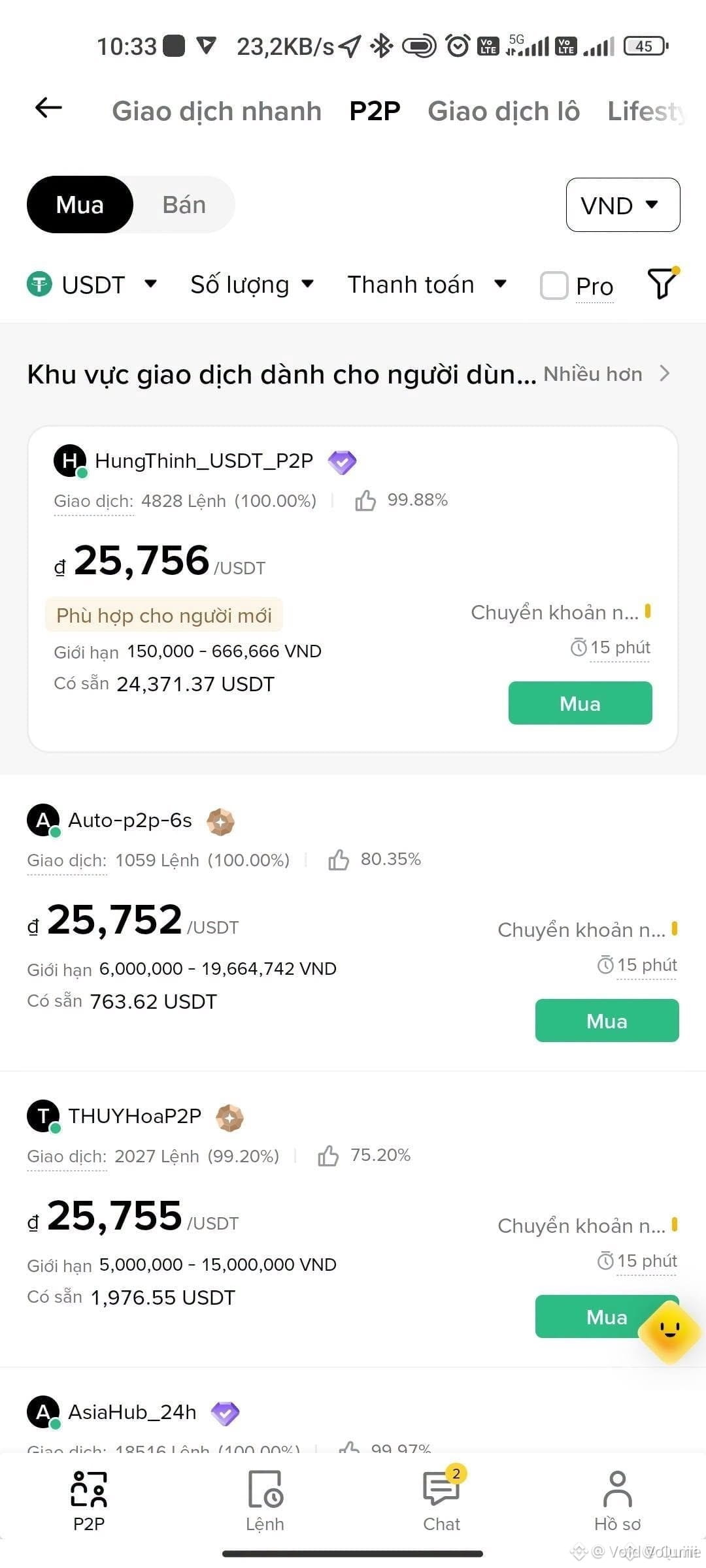
🚨 $USDT AT 28,000 VND: SAFE HAVEN OR LIQUIDITY TRAP? ⚠️
Entry: 28,000 VND ⚡
📌 Buying a stablecoin at 28,000 VND is not just an FX trade—it is a premium paid for perceived safety. 🦈 Smart money watches the peg, local liquidity, and spread before treating $USDT as dry powder.
💡 The real risk is not only depeg; it is entering a "safe" asset when demand is crowded and the local premium is stretched.
👇 Are you using $USDT as a hedge, or paying the top of the liquidity pool for comfort?
⚠️ Not financial advice. Always manage your risk. 🛡️
🏷️ #USDT #Stablecoin #Liquidity #CryptoRisk
🎯 🦈
🚨 $USDT AT 28,000 VND: SAFE HAVEN OR LIQUIDITY TRAP? ⚠️
Entry: 28,000 VND ⚡
📌 Buying a stablecoin at 28,000 VND is not just an FX trade—it is a premium paid for perceived safety. 🦈 Smart money watches the peg, local liquidity, and spread before treating $USDT as dry powder.
💡 The real risk is not only depeg; it is entering a "safe" asset when demand is crowded and the local premium is stretched.
👇 Are you using $USDT as a hedge, or paying the top of the liquidity pool for comfort?
⚠️ Not financial advice. Always manage your risk. 🛡️
🏷️ #USDT #Stablecoin #Liquidity #CryptoRisk
🎯 🦈
Entry: 28,000 VND ⚡
📌 Buying a stablecoin at 28,000 VND is not just an FX trade—it is a premium paid for perceived safety. 🦈 Smart money watches the peg, local liquidity, and spread before treating $USDT as dry powder.
💡 The real risk is not only depeg; it is entering a "safe" asset when demand is crowded and the local premium is stretched.
👇 Are you using $USDT as a hedge, or paying the top of the liquidity pool for comfort?
⚠️ Not financial advice. Always manage your risk. 🛡️
🏷️ #USDT #Stablecoin #Liquidity #CryptoRisk
🎯 🦈
16

Holding $USDT 3.3 USDT
⚡ Binance Earn has renewed its $USDT Flexible Products campaign.
From September 15 to October 14, 2026, eligible users can earn up to 7% APR on USDT Flexible Products, #BTC combining the real-time APR with an exclusive tiered $APR . VIP users in the 500,000 U tier may receive up to 7.7% APR.
{future}(APRUSDT)
#FedRateWatch #btc #USDT #ETH
⚡ Binance Earn has renewed its $USDT Flexible Products campaign.
From September 15 to October 14, 2026, eligible users can earn up to 7% APR on USDT Flexible Products, #BTC combining the real-time APR with an exclusive tiered $APR . VIP users in the 500,000 U tier may receive up to 7.7% APR.
#FedRateWatch #btc #USDT #ETH
From September 15 to October 14, 2026, eligible users can earn up to 7% APR on USDT Flexible Products, #BTC combining the real-time APR with an exclusive tiered $APR . VIP users in the 500,000 U tier may receive up to 7.7% APR.
#FedRateWatch #btc #USDT #ETH
191

·
--
USDT: The Stablecoin Powering the Crypto Market 🚀
USDT remains one of the most widely used stablecoins in crypto, offering a digital asset designed to maintain a value close to 1 US dollar. 💵
Whether you’re trading, transferring funds, or waiting for the next market opportunity, USDT provides a convenient way to stay connected to the crypto ecosystem.
In a volatile market, stability matters. 🔥
USDT is more than a stablecoin—it’s a bridge between traditional money and the world of crypto.
#USDT #Tether #Binance #Crypto #Web3
USDT: The Stablecoin Powering the Crypto Market 🚀
USDT remains one of the most widely used stablecoins in crypto, offering a digital asset designed to maintain a value close to 1 US dollar. 💵
Whether you’re trading, transferring funds, or waiting for the next market opportunity, USDT provides a convenient way to stay connected to the crypto ecosystem.
In a volatile market, stability matters. 🔥
USDT is more than a stablecoin—it’s a bridge between traditional money and the world of crypto.
#USDT #Tether #Binance #Crypto #Web3
USDT remains one of the most widely used stablecoins in crypto, offering a digital asset designed to maintain a value close to 1 US dollar. 💵
Whether you’re trading, transferring funds, or waiting for the next market opportunity, USDT provides a convenient way to stay connected to the crypto ecosystem.
In a volatile market, stability matters. 🔥
USDT is more than a stablecoin—it’s a bridge between traditional money and the world of crypto.
#USDT #Tether #Binance #Crypto #Web3
68

·
--
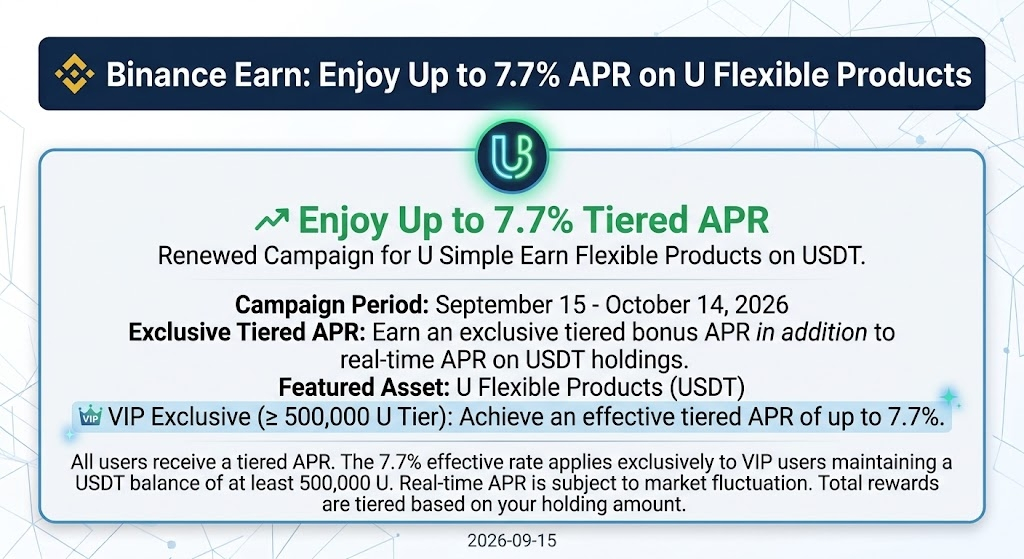
⚡ Binance Earn Offers Up to 7% APR on U Flexible Products
💰 Binance Earn is renewing its U Simple Earn Flexible Products campaign from September 15 to October 14, 2026.
📈 Users can earn a tiered promotional APR in addition to the real-time APR on eligible USDT holdings, with rates of up to 7% APR.
👑 Eligible VIP users holding 500,000 U in the specified tier can access an exclusive 7.7% APR offer.
⚠️ APR and eligibility depend on the applicable campaign terms and can change. Always check the official Binance Earn terms before subscribing.
👀 Would you consider flexible products for earning on idle USDT?
#BinanceEarn #USDT #CryptoRewards #Binance
⚡ Binance Earn Offers Up to 7% APR on U Flexible Products
💰 Binance Earn is renewing its U Simple Earn Flexible Products campaign from September 15 to October 14, 2026.
📈 Users can earn a tiered promotional APR in addition to the real-time APR on eligible USDT holdings, with rates of up to 7% APR.
👑 Eligible VIP users holding 500,000 U in the specified tier can access an exclusive 7.7% APR offer.
⚠️ APR and eligibility depend on the applicable campaign terms and can change. Always check the official Binance Earn terms before subscribing.
👀 Would you consider flexible products for earning on idle USDT?
#BinanceEarn #USDT #CryptoRewards #Binance
💰 Binance Earn is renewing its U Simple Earn Flexible Products campaign from September 15 to October 14, 2026.
📈 Users can earn a tiered promotional APR in addition to the real-time APR on eligible USDT holdings, with rates of up to 7% APR.
👑 Eligible VIP users holding 500,000 U in the specified tier can access an exclusive 7.7% APR offer.
⚠️ APR and eligibility depend on the applicable campaign terms and can change. Always check the official Binance Earn terms before subscribing.
👀 Would you consider flexible products for earning on idle USDT?
#BinanceEarn #USDT #CryptoRewards #Binance
1
266
·
--
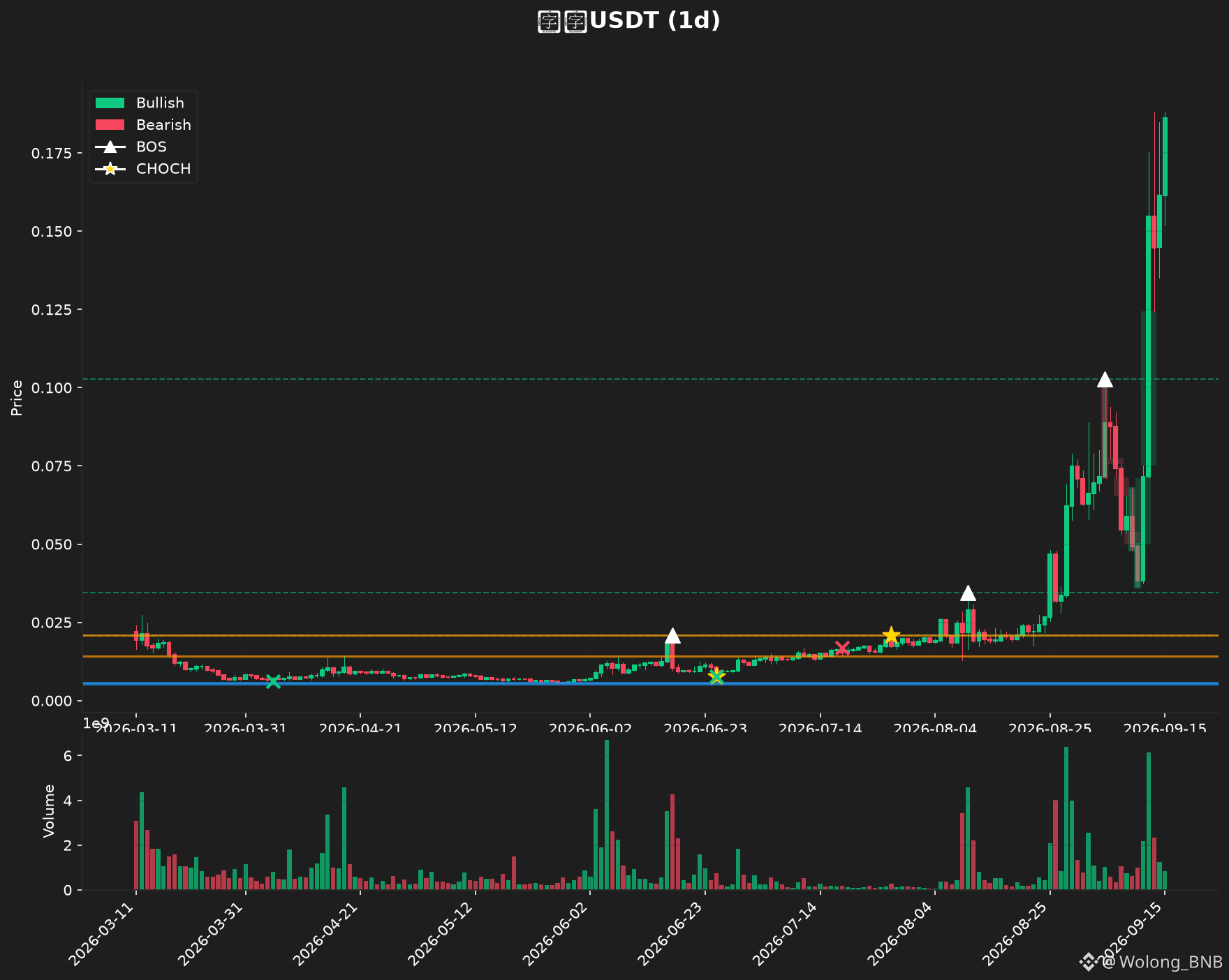
Don't overlook $USDT here — momentum is strong, but the setup now depends on what price does next.
What stands out here is that volume is running about 3.2x its recent pace, the 1H move is +4.13%, and the last 15m is +2.83%. That gives the move real context instead of treating every candle as a signal.
The next test is around $0.020803. A clean hold above that area would strengthen continuation; rejection there would make a pullback more likely.
Do you think $USDT has another leg left, or is this move already too stretched?
#USDT #Trading
Trade plan: LONG
Entry: $0.186236
SL: $0.005181
TP1: $0.36729
TP2: $0.548344
TP3: $0.729398
Don't overlook $USDT here — momentum is strong, but the setup now depends on what price does next.
What stands out here is that volume is running about 3.2x its recent pace, the 1H move is +4.13%, and the last 15m is +2.83%. That gives the move real context instead of treating every candle as a signal.
The next test is around $0.020803. A clean hold above that area would strengthen continuation; rejection there would make a pullback more likely.
Do you think $USDT has another leg left, or is this move already too stretched?
#USDT #Trading
Trade plan: LONG
Entry: $0.186236
SL: $0.005181
TP1: $0.36729
TP2: $0.548344
TP3: $0.729398
What stands out here is that volume is running about 3.2x its recent pace, the 1H move is +4.13%, and the last 15m is +2.83%. That gives the move real context instead of treating every candle as a signal.
The next test is around $0.020803. A clean hold above that area would strengthen continuation; rejection there would make a pullback more likely.
Do you think $USDT has another leg left, or is this move already too stretched?
#USDT #Trading
Trade plan: LONG
Entry: $0.186236
SL: $0.005181
TP1: $0.36729
TP2: $0.548344
TP3: $0.729398
Log in to explore more content
Join global crypto users on Binance Square
⚡️ Get latest and useful information about crypto.
💬 Trusted by the world’s largest crypto exchange.
👍 Discover real insights from verified creators.
Email / Phone number
Trending Topics
1
#MemeLaunchpads82%OfArcDayOneVolume
0 views
0 Discussing
2
#OstiumLoanDisputeHearingSetInNYFederalCourt
386 views
53 Discussing
3
#SKPoliceRefer18PolymarketUsersToProsecutors
2,091 views
121 Discussing
4
#FedSEPProjects2026RateAt4.1%
5,162 views
187 Discussing
5
#USHouseAdvancesBitcoinReserveBill
4,028 views
154 Discussing
6
#AmazonGetsWarrantsToBuyGeneracStock
4,748 views
174 Discussing
7
#DotPlotSignalsOneMoreHikeIn2026
25,498 views
542 Discussing
8
#RobinhoodToSupportCircleArcNetwork
7,686 views
193 Discussing
9
#FedHikes25BpsUSStocksClose
37,239 views
449 Discussing
10
#AaveToLaunchRWAMarketOnAvalanche
8,579 views
196 Discussing