

#tradingmindset
tradingmindset
1.8M views
5,758 Discussing
Hot
Latest

🚀 EVERY EXPERT WAS ONCE A BEGINNER! 💎🔥
Nobody becomes successful overnight. Every great trader starts somewhere. 📈
💡 Keep learning, stay patient, manage your risks, and trust the process. Every mistake is a lesson, and every lesson brings you one step closer to your goals. 💪💰
₿ Your journey to success starts with the decision to never stop learning! 🚀
#crypto #bitcoin #BTC #BinanceSquare #tradingmindset
🚀 EVERY EXPERT WAS ONCE A BEGINNER! 💎🔥
Nobody becomes successful overnight. Every great trader starts somewhere. 📈
💡 Keep learning, stay patient, manage your risks, and trust the process. Every mistake is a lesson, and every lesson brings you one step closer to your goals. 💪💰
₿ Your journey to success starts with the decision to never stop learning! 🚀
#crypto #bitcoin #BTC #BinanceSquare #tradingmindset
Nobody becomes successful overnight. Every great trader starts somewhere. 📈
💡 Keep learning, stay patient, manage your risks, and trust the process. Every mistake is a lesson, and every lesson brings you one step closer to your goals. 💪💰
₿ Your journey to success starts with the decision to never stop learning! 🚀
#crypto #bitcoin #BTC #BinanceSquare #tradingmindset
32

🧠 YOUR BIGGEST ENEMY MAY BE YOUR OWN EMOTIONS!
Fear makes traders sell too early. Greed makes them hold too long. Discipline helps you follow a plan.
👑 $BTC — Follow market structure
💎 $ETH — Watch trend confirmation
⚡ $BNB — Monitor relative strength
The goal isn’t to predict every move. It’s to manage risk when you’re wrong. 🎯
#TradingMindset #BTC #BNB
{spot}(BNBUSDT)
{spot}(ETHUSDT)
{spot}(BTCUSDT)
🧠 YOUR BIGGEST ENEMY MAY BE YOUR OWN EMOTIONS!
Fear makes traders sell too early. Greed makes them hold too long. Discipline helps you follow a plan.
👑 $BTC — Follow market structure
💎 $ETH — Watch trend confirmation
⚡ $BNB — Monitor relative strength
The goal isn’t to predict every move. It’s to manage risk when you’re wrong. 🎯
#TradingMindset #BTC #BNB
Fear makes traders sell too early. Greed makes them hold too long. Discipline helps you follow a plan.
👑 $BTC — Follow market structure
💎 $ETH — Watch trend confirmation
⚡ $BNB — Monitor relative strength
The goal isn’t to predict every move. It’s to manage risk when you’re wrong. 🎯
#TradingMindset #BTC #BNB
1
8

When you change your habits, you change your life. 📈
Trading teaches you more than just charts and price movements. It teaches you patience, discipline, risk management, and how to control your emotions.
The biggest change in your trading might not come from a new strategy, but from changing the habits you repeat every day.
Let’s be honest...
What’s ONE bad trading habit you had to change to become a better trader?
Overtrading? Revenge trading? FOMO? Or entering trades without a plan?
Share your experience. Someone here might learn from your mistake. 👀
#cryptotrading #tradingmindset #BinanceSquare
{spot}(BNBUSDT)
When you change your habits, you change your life. 📈
Trading teaches you more than just charts and price movements. It teaches you patience, discipline, risk management, and how to control your emotions.
The biggest change in your trading might not come from a new strategy, but from changing the habits you repeat every day.
Let’s be honest...
What’s ONE bad trading habit you had to change to become a better trader?
Overtrading? Revenge trading? FOMO? Or entering trades without a plan?
Share your experience. Someone here might learn from your mistake. 👀
#cryptotrading #tradingmindset #BinanceSquare
Trading teaches you more than just charts and price movements. It teaches you patience, discipline, risk management, and how to control your emotions.
The biggest change in your trading might not come from a new strategy, but from changing the habits you repeat every day.
Let’s be honest...
What’s ONE bad trading habit you had to change to become a better trader?
Overtrading? Revenge trading? FOMO? Or entering trades without a plan?
Share your experience. Someone here might learn from your mistake. 👀
#cryptotrading #tradingmindset #BinanceSquare
4

Everyone thinks staying glued to the charts 24/7 is how you make it in crypto, but actually skipping a rest day is one of the fastest ways to blow your account.
Traders who never step away often end up chasing pumps out of FOMO or dumping at the worst times because fatigue clouds their judgment. That constant price checking on $BTC $ETH and $BNB can turn small losses into big ones when you're too tired to think straight.
Taking a full day off the news and charts like today lets your brain reset. Most people don't realize how much overtrading from no breaks contributes to the 90 percent of retail traders who lose money over time. A simple rest prevents those impulsive entries you regret later.
It is like driving a car without ever stopping for gas. Eventually you stall out in the worst spot.
What's your take on taking rest days from trading?
#CryptoTrading #RestDay #TradingMindset
Everyone thinks staying glued to the charts 24/7 is how you make it in crypto, but actually skipping a rest day is one of the fastest ways to blow your account.
Traders who never step away often end up chasing pumps out of FOMO or dumping at the worst times because fatigue clouds their judgment. That constant price checking on $BTC $ETH and $BNB can turn small losses into big ones when you're too tired to think straight.
Taking a full day off the news and charts like today lets your brain reset. Most people don't realize how much overtrading from no breaks contributes to the 90 percent of retail traders who lose money over time. A simple rest prevents those impulsive entries you regret later.
It is like driving a car without ever stopping for gas. Eventually you stall out in the worst spot.
What's your take on taking rest days from trading?
#CryptoTrading #RestDay #TradingMindset
Traders who never step away often end up chasing pumps out of FOMO or dumping at the worst times because fatigue clouds their judgment. That constant price checking on $BTC $ETH and $BNB can turn small losses into big ones when you're too tired to think straight.
Taking a full day off the news and charts like today lets your brain reset. Most people don't realize how much overtrading from no breaks contributes to the 90 percent of retail traders who lose money over time. A simple rest prevents those impulsive entries you regret later.
It is like driving a car without ever stopping for gas. Eventually you stall out in the worst spot.
What's your take on taking rest days from trading?
#CryptoTrading #RestDay #TradingMindset

·
--
💰 A $10K TRADING ACCOUNT IS A RESPONSIBILITY, NOT A LOTTERY TICKET.
The goal isn’t to make a fortune in a few days. It’s to build a strategy that keeps you in the game for years. 📈
✅ Risk only what you can afford to lose.
✅ Stay disciplined when emotions take over.
✅ Focus on consistency, not quick wins.
✅ Give your profits time to grow.
In trading, smart decisions build wealth — impatience can destroy it. 🧠🔥
#CryptoTrading #RiskManagement #TradingMindset #BİNANCESQUARE
💰 A $10K TRADING ACCOUNT IS A RESPONSIBILITY, NOT A LOTTERY TICKET.
The goal isn’t to make a fortune in a few days. It’s to build a strategy that keeps you in the game for years. 📈
✅ Risk only what you can afford to lose.
✅ Stay disciplined when emotions take over.
✅ Focus on consistency, not quick wins.
✅ Give your profits time to grow.
In trading, smart decisions build wealth — impatience can destroy it. 🧠🔥
#CryptoTrading #RiskManagement #TradingMindset #BİNANCESQUARE
The goal isn’t to make a fortune in a few days. It’s to build a strategy that keeps you in the game for years. 📈
✅ Risk only what you can afford to lose.
✅ Stay disciplined when emotions take over.
✅ Focus on consistency, not quick wins.
✅ Give your profits time to grow.
In trading, smart decisions build wealth — impatience can destroy it. 🧠🔥
#CryptoTrading #RiskManagement #TradingMindset #BİNANCESQUARE
hdhshhs:
hey
2
1
3
290

#EarningsSeason
🧠 Golden Rule of Crypto Trading! 📉📈
Never trade based on emotions or FOMO. Always follow these 3 steps:
✔️ Do your own research (DYOR)
✔️ Use Stop-Loss to protect capital
✔️ Take profits step-by-step
Stay disciplined and make consistent gains! 🚀
#CryptoTips #tradingmindset #BinanceSquare #CryptoEducation
#EarningsSeason
🧠 Golden Rule of Crypto Trading! 📉📈
Never trade based on emotions or FOMO. Always follow these 3 steps:
✔️ Do your own research (DYOR)
✔️ Use Stop-Loss to protect capital
✔️ Take profits step-by-step
Stay disciplined and make consistent gains! 🚀
#CryptoTips #tradingmindset #BinanceSquare #CryptoEducation
🧠 Golden Rule of Crypto Trading! 📉📈
Never trade based on emotions or FOMO. Always follow these 3 steps:
✔️ Do your own research (DYOR)
✔️ Use Stop-Loss to protect capital
✔️ Take profits step-by-step
Stay disciplined and make consistent gains! 🚀
#CryptoTips #tradingmindset #BinanceSquare #CryptoEducation
22
·
--
Bearish
🚀 PATIENCE ALWAYS MATTERS! 📈💚
Sometimes, the best move is to stay patient and follow your trading plan. 🎯
$XMR USDT gave an interesting market move! 🔥
💎 Discipline over emotions
📊 Analysis over hype
🛡️ Risk management always comes first
What do you think about the next move of $XMR USDT — Bullish 📈 or Bearish 📉?
👇 Share your thoughts in the comments!
#XMR
#CryptoTrading
#BinanceSquare #MarketAnalysis
#TradingMindset
🚀 PATIENCE ALWAYS MATTERS! 📈💚
Sometimes, the best move is to stay patient and follow your trading plan. 🎯
$XMR USDT gave an interesting market move! 🔥
💎 Discipline over emotions
📊 Analysis over hype
🛡️ Risk management always comes first
What do you think about the next move of $XMR USDT — Bullish 📈 or Bearish 📉?
👇 Share your thoughts in the comments!
#XMR
#CryptoTrading
#BinanceSquare #MarketAnalysis
#TradingMindset
Sometimes, the best move is to stay patient and follow your trading plan. 🎯
$XMR USDT gave an interesting market move! 🔥
💎 Discipline over emotions
📊 Analysis over hype
🛡️ Risk management always comes first
What do you think about the next move of $XMR USDT — Bullish 📈 or Bearish 📉?
👇 Share your thoughts in the comments!
#XMR
#CryptoTrading
#BinanceSquare #MarketAnalysis
#TradingMindset
146

·
--
📊 Crypto Traders: Patience Is a Strategy!
The market doesn't reward every trade. Sometimes the smartest decision is to wait for confirmation instead of chasing every price move.
✅ Protect your capital
✅ Avoid emotional trading
✅ Focus on risk management
✅ Let your setup come to you
Remember: Staying in the game matters more than winning every trade.
What's your focus today — BTC or ETH? 👇
#BinanceSquare #CryptoTrading #bitcoin #BTC #tradingmindset
📊 Crypto Traders: Patience Is a Strategy!
The market doesn't reward every trade. Sometimes the smartest decision is to wait for confirmation instead of chasing every price move.
✅ Protect your capital
✅ Avoid emotional trading
✅ Focus on risk management
✅ Let your setup come to you
Remember: Staying in the game matters more than winning every trade.
What's your focus today — BTC or ETH? 👇
#BinanceSquare #CryptoTrading #bitcoin #BTC #tradingmindset
The market doesn't reward every trade. Sometimes the smartest decision is to wait for confirmation instead of chasing every price move.
✅ Protect your capital
✅ Avoid emotional trading
✅ Focus on risk management
✅ Let your setup come to you
Remember: Staying in the game matters more than winning every trade.
What's your focus today — BTC or ETH? 👇
#BinanceSquare #CryptoTrading #bitcoin #BTC #tradingmindset
77

🧠 THE BIGGEST TRADING TRAP ISN'T THE MARKET. IT'S YOUR MIND.
Imagine this scenario:
You analyze a chart carefully.
Your setup looks perfect.
But just before entering, price moves without you.
Now you have two choices:
A️⃣ Chase the price because you're afraid of missing out.
B️⃣ Stay disciplined and wait for your next setup.
Many traders struggle not because they lack indicators, but because they struggle to follow their own rules.
📊 What would you choose — A or B? And why?
#tradingpsychology #TradingMindset #TradingDiscipline #learntrading
🧠 THE BIGGEST TRADING TRAP ISN'T THE MARKET. IT'S YOUR MIND.
Imagine this scenario:
You analyze a chart carefully.
Your setup looks perfect.
But just before entering, price moves without you.
Now you have two choices:
A️⃣ Chase the price because you're afraid of missing out.
B️⃣ Stay disciplined and wait for your next setup.
Many traders struggle not because they lack indicators, but because they struggle to follow their own rules.
📊 What would you choose — A or B? And why?
#tradingpsychology #TradingMindset #TradingDiscipline #learntrading
Imagine this scenario:
You analyze a chart carefully.
Your setup looks perfect.
But just before entering, price moves without you.
Now you have two choices:
A️⃣ Chase the price because you're afraid of missing out.
B️⃣ Stay disciplined and wait for your next setup.
Many traders struggle not because they lack indicators, but because they struggle to follow their own rules.
📊 What would you choose — A or B? And why?
#tradingpsychology #TradingMindset #TradingDiscipline #learntrading
49
·
--
Smart Investors Don't Follow the Crowd! 🧠
In crypto, everyone wants quick profits, but few people take the time to understand the market.
Real growth comes from learning, patience, and making decisions based on research—not emotions. 📊
Don't invest just because everyone else is doing it. Understand the risks, protect your capital, and focus on long-term knowledge.
💡 Remember: The best investment you can make is in your own knowledge.
Do you agree? What's the most important lesson crypto has taught you? 👇
#CryptoCommunity #TradingMindset #Web3 #CryptoEducation #BinanceSquare
Smart Investors Don't Follow the Crowd! 🧠
In crypto, everyone wants quick profits, but few people take the time to understand the market.
Real growth comes from learning, patience, and making decisions based on research—not emotions. 📊
Don't invest just because everyone else is doing it. Understand the risks, protect your capital, and focus on long-term knowledge.
💡 Remember: The best investment you can make is in your own knowledge.
Do you agree? What's the most important lesson crypto has taught you? 👇
#CryptoCommunity #TradingMindset #Web3 #CryptoEducation #BinanceSquare
In crypto, everyone wants quick profits, but few people take the time to understand the market.
Real growth comes from learning, patience, and making decisions based on research—not emotions. 📊
Don't invest just because everyone else is doing it. Understand the risks, protect your capital, and focus on long-term knowledge.
💡 Remember: The best investment you can make is in your own knowledge.
Do you agree? What's the most important lesson crypto has taught you? 👇
#CryptoCommunity #TradingMindset #Web3 #CryptoEducation #BinanceSquare
116
₿ Bitcoin Isn't Just About Price — It's About Patience!
In crypto, everyone loves green candles 📈, but smart investors know that understanding the market matters more than chasing quick profits.
Before making any crypto decision, remember:
🔹 Don't follow hype blindly.
🔹 Learn about market trends and trading volume.
🔹 Manage your risk and protect your capital.
🔹 Patience is better than emotional trading.
The crypto market always brings opportunities, but not every opportunity is worth taking.
💬 What's your biggest lesson from the crypto market so far?
#Bitcoin #BTC #Crypto #BinanceFeed #CryptoEducation #tradingmindset
₿ Bitcoin Isn't Just About Price — It's About Patience!
In crypto, everyone loves green candles 📈, but smart investors know that understanding the market matters more than chasing quick profits.
Before making any crypto decision, remember:
🔹 Don't follow hype blindly.
🔹 Learn about market trends and trading volume.
🔹 Manage your risk and protect your capital.
🔹 Patience is better than emotional trading.
The crypto market always brings opportunities, but not every opportunity is worth taking.
💬 What's your biggest lesson from the crypto market so far?
#Bitcoin #BTC #Crypto #BinanceFeed #CryptoEducation #tradingmindset
In crypto, everyone loves green candles 📈, but smart investors know that understanding the market matters more than chasing quick profits.
Before making any crypto decision, remember:
🔹 Don't follow hype blindly.
🔹 Learn about market trends and trading volume.
🔹 Manage your risk and protect your capital.
🔹 Patience is better than emotional trading.
The crypto market always brings opportunities, but not every opportunity is worth taking.
💬 What's your biggest lesson from the crypto market so far?
#Bitcoin #BTC #Crypto #BinanceFeed #CryptoEducation #tradingmindset
79
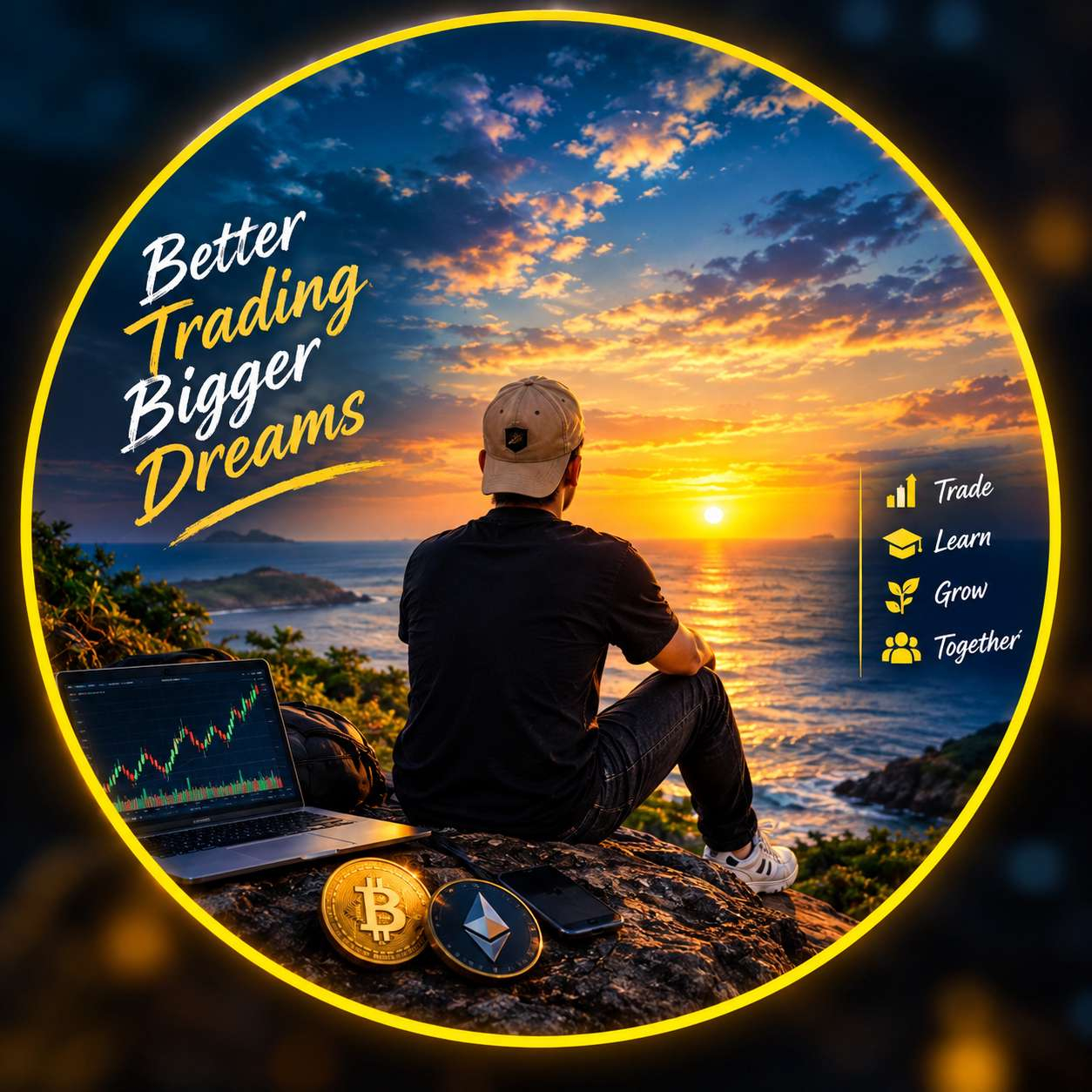
THE MINDSET OF A WINNER 🏆
💎 “Real success isn’t about moving fast; it’s about moving with purpose, patience, and discipline.”
In the world of crypto, knowledge is power, patience is a strategy, and consistency is the real advantage. 📈
Every day is an opportunity to learn something new, improve your mindset, and build a stronger future.
🚀 Think Smart. Stay Focused. Grow Consistently.
The journey continues… Day by day, step by step. 🔥
#BinanceSquare #CryptoJourneyInsights #TradingMindset #CryptoCommunity #Web3 #FinancialDiscipline
THE MINDSET OF A WINNER 🏆
💎 “Real success isn’t about moving fast; it’s about moving with purpose, patience, and discipline.”
In the world of crypto, knowledge is power, patience is a strategy, and consistency is the real advantage. 📈
Every day is an opportunity to learn something new, improve your mindset, and build a stronger future.
🚀 Think Smart. Stay Focused. Grow Consistently.
The journey continues… Day by day, step by step. 🔥
#BinanceSquare #CryptoJourneyInsights #TradingMindset #CryptoCommunity #Web3 #FinancialDiscipline
💎 “Real success isn’t about moving fast; it’s about moving with purpose, patience, and discipline.”
In the world of crypto, knowledge is power, patience is a strategy, and consistency is the real advantage. 📈
Every day is an opportunity to learn something new, improve your mindset, and build a stronger future.
🚀 Think Smart. Stay Focused. Grow Consistently.
The journey continues… Day by day, step by step. 🔥
#BinanceSquare #CryptoJourneyInsights #TradingMindset #CryptoCommunity #Web3 #FinancialDiscipline
72
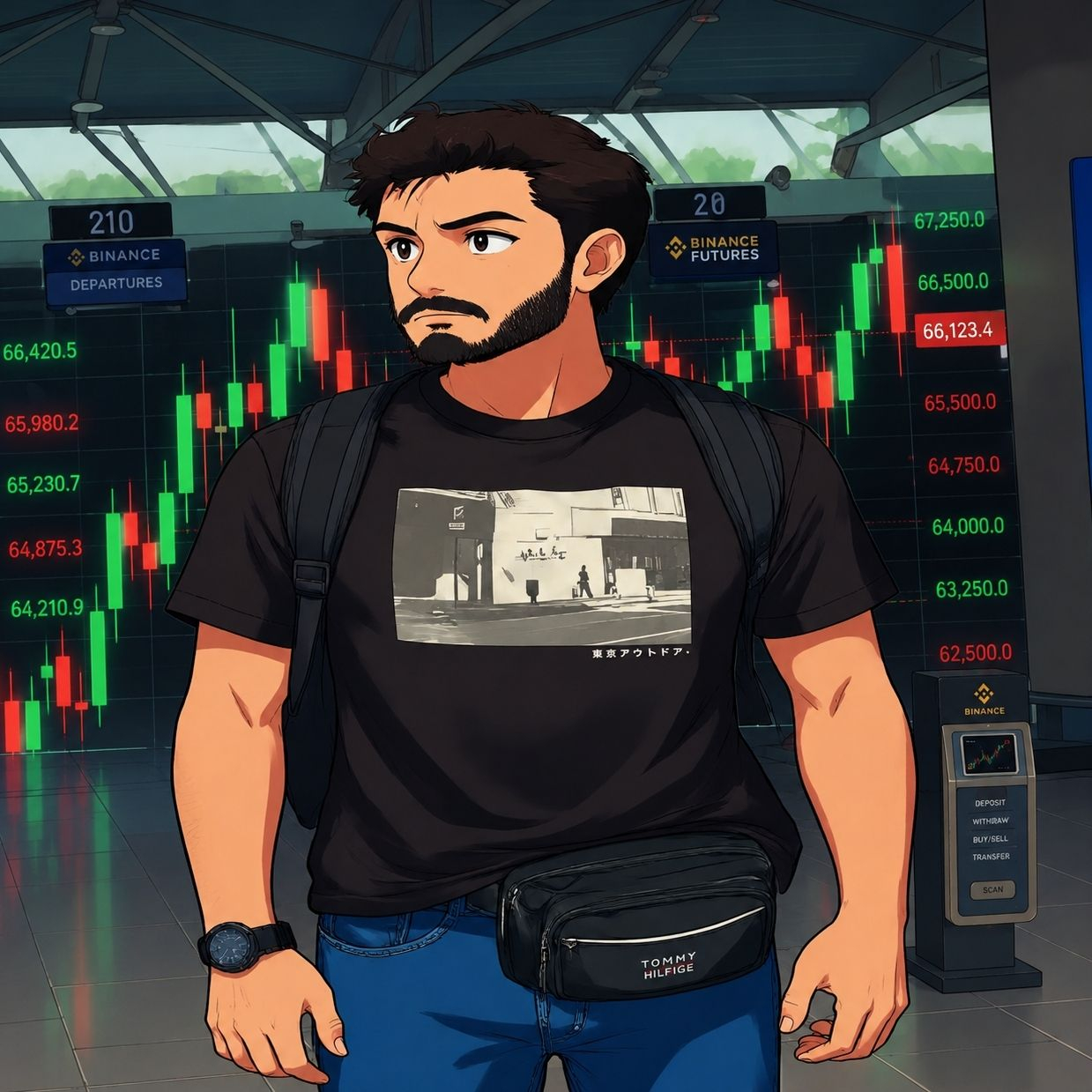
🔥 BUILT DIFFERENT. THINK DIFFERENT. TRADE DIFFERENT. 🏍️💪
In life and in crypto, winners are not made overnight. They are built through discipline, patience, and the courage to keep going when everyone else gives up. 🚀📈
💎 Stay focused. Stay strong. Trust the process.
🐂 Bull market or 🐻 bear market — real players never lose their mindset!
Remember: The goal isn't to look rich. The goal is to build freedom. 💰🔥
Who’s ready to win in 2026? 👇
#BİNANCESQUAR e #BinanceSquareFamily #Bitcoin❗ n #TradingMindset #Success #BTC #CryptoCommunityUnited
🔥 BUILT DIFFERENT. THINK DIFFERENT. TRADE DIFFERENT. 🏍️💪
In life and in crypto, winners are not made overnight. They are built through discipline, patience, and the courage to keep going when everyone else gives up. 🚀📈
💎 Stay focused. Stay strong. Trust the process.
🐂 Bull market or 🐻 bear market — real players never lose their mindset!
Remember: The goal isn't to look rich. The goal is to build freedom. 💰🔥
Who’s ready to win in 2026? 👇
#BİNANCESQUAR e #BinanceSquareFamily #Bitcoin❗ n #TradingMindset #Success #BTC #CryptoCommunityUnited
In life and in crypto, winners are not made overnight. They are built through discipline, patience, and the courage to keep going when everyone else gives up. 🚀📈
💎 Stay focused. Stay strong. Trust the process.
🐂 Bull market or 🐻 bear market — real players never lose their mindset!
Remember: The goal isn't to look rich. The goal is to build freedom. 💰🔥
Who’s ready to win in 2026? 👇
#BİNANCESQUAR e #BinanceSquareFamily #Bitcoin❗ n #TradingMindset #Success #BTC #CryptoCommunityUnited
1
98
·
--
💔 Crypto Took My Money, Not My Dreams! 📉🔥
Losses hurt, but they also teach valuable lessons. Crypto isn’t just about profits—it’s about patience, discipline, and risk management. 📊🧠
I may have lost, but I refuse to stop learning. Every setback is a chance to grow stronger. 🚀❤️
👇 If your portfolio dropped 50%, would you keep going or walk away?
$BNB
#BinanceSquare #CryptoTrading #RiskManagement #TradingMindset #NeverGiveUp
💔 Crypto Took My Money, Not My Dreams! 📉🔥
Losses hurt, but they also teach valuable lessons. Crypto isn’t just about profits—it’s about patience, discipline, and risk management. 📊🧠
I may have lost, but I refuse to stop learning. Every setback is a chance to grow stronger. 🚀❤️
👇 If your portfolio dropped 50%, would you keep going or walk away?
$BNB
#BinanceSquare #CryptoTrading #RiskManagement #TradingMindset #NeverGiveUp
Losses hurt, but they also teach valuable lessons. Crypto isn’t just about profits—it’s about patience, discipline, and risk management. 📊🧠
I may have lost, but I refuse to stop learning. Every setback is a chance to grow stronger. 🚀❤️
👇 If your portfolio dropped 50%, would you keep going or walk away?
$BNB
#BinanceSquare #CryptoTrading #RiskManagement #TradingMindset #NeverGiveUp
1
63
🚀 Every expert was once a beginner! 💎🔥
Success doesn’t happen overnight; every professional trader started from scratch. 📈
💡 Keep learning, be patient, manage your risks wisely, and trust your journey. Every mistake teaches you something, and every lesson brings you one step closer to your goals. 💪💰
₿ Your journey to success begins with the decision never to stop learning! 🚀
#crypto #Bitcoin #BTC #BinanceSquare #tradingmindset
🚀 Every expert was once a beginner! 💎🔥
Success doesn’t happen overnight; every professional trader started from scratch. 📈
💡 Keep learning, be patient, manage your risks wisely, and trust your journey. Every mistake teaches you something, and every lesson brings you one step closer to your goals. 💪💰
₿ Your journey to success begins with the decision never to stop learning! 🚀
#crypto #Bitcoin #BTC #BinanceSquare #tradingmindset
Success doesn’t happen overnight; every professional trader started from scratch. 📈
💡 Keep learning, be patient, manage your risks wisely, and trust your journey. Every mistake teaches you something, and every lesson brings you one step closer to your goals. 💪💰
₿ Your journey to success begins with the decision never to stop learning! 🚀
#crypto #Bitcoin #BTC #BinanceSquare #tradingmindset
132

Good Morning Traders! ☀️☕️
New Day, New Trade, New Lesson 📈
Forget yesterday’s loss; today is a new day.
Rules for today:
1. Risk only 1%
2. No revenge trading
3. Patience = Profit
What’s your plan for today? 👇
#GoodMorning #CryptoTrading #tradingmindset #BinanceSquare #Motivation
$BTC $BNB $GALA
Good Morning Traders! ☀️☕️
New Day, New Trade, New Lesson 📈
Forget yesterday’s loss; today is a new day.
Rules for today:
1. Risk only 1%
2. No revenge trading
3. Patience = Profit
What’s your plan for today? 👇
#GoodMorning #CryptoTrading #tradingmindset #BinanceSquare #Motivation
$BTC $BNB $GALA
New Day, New Trade, New Lesson 📈
Forget yesterday’s loss; today is a new day.
Rules for today:
1. Risk only 1%
2. No revenge trading
3. Patience = Profit
What’s your plan for today? 👇
#GoodMorning #CryptoTrading #tradingmindset #BinanceSquare #Motivation
$BTC $BNB $GALA
1
2
186
·
--
Bearish
Today was all about defending our capital with strategy and a cool head, and the results in our logs prove it! 📊✨
Many of you know how difficult it is to trade when volume seems frozen, but patience in Day Trading always pays off. We carried out a flawless three-dimensional analysis, keeping an eye on the EMAs and Bollinger compression on the 30m chart. Although the market slowed down, our discipline brought us a clear win: we secured a verified return by taking profit (TP) on one of our positions, while keeping our protective orders (SL) firmly in place on the server. Protecting our wallet with strict 2.0% risk management is what shields us from whale spikes. 🐳💖
Have many of you already secured your returns, or do you prefer to leave your Limit orders set before the overnight close? Let me know below. 👇✨
If you enjoy joining me on my daily journey, Follow my profile, leave a “Like,” join the conversation in the comments, and if you find value in my analysis, support this content with a lovely tip! ☕💎
$CTR ❤️
#daytrading #BinanceSquare #CryptoPatience #tradingmindset
Today was all about defending our capital with strategy and a cool head, and the results in our logs prove it! 📊✨
Many of you know how difficult it is to trade when volume seems frozen, but patience in Day Trading always pays off. We carried out a flawless three-dimensional analysis, keeping an eye on the EMAs and Bollinger compression on the 30m chart. Although the market slowed down, our discipline brought us a clear win: we secured a verified return by taking profit (TP) on one of our positions, while keeping our protective orders (SL) firmly in place on the server. Protecting our wallet with strict 2.0% risk management is what shields us from whale spikes. 🐳💖
Have many of you already secured your returns, or do you prefer to leave your Limit orders set before the overnight close? Let me know below. 👇✨
If you enjoy joining me on my daily journey, Follow my profile, leave a “Like,” join the conversation in the comments, and if you find value in my analysis, support this content with a lovely tip! ☕💎
$CTR ❤️
#daytrading #BinanceSquare #CryptoPatience #tradingmindset
Many of you know how difficult it is to trade when volume seems frozen, but patience in Day Trading always pays off. We carried out a flawless three-dimensional analysis, keeping an eye on the EMAs and Bollinger compression on the 30m chart. Although the market slowed down, our discipline brought us a clear win: we secured a verified return by taking profit (TP) on one of our positions, while keeping our protective orders (SL) firmly in place on the server. Protecting our wallet with strict 2.0% risk management is what shields us from whale spikes. 🐳💖
Have many of you already secured your returns, or do you prefer to leave your Limit orders set before the overnight close? Let me know below. 👇✨
If you enjoy joining me on my daily journey, Follow my profile, leave a “Like,” join the conversation in the comments, and if you find value in my analysis, support this content with a lovely tip! ☕💎
$CTR ❤️
#daytrading #BinanceSquare #CryptoPatience #tradingmindset
1
143
·
--
📈 Trading Is a Journey, Not a Race! 🧠
Success in trading takes patience, discipline, and continuous learning.
Don't let one loss destroy your confidence or one win make you overconfident. Every market movement is a chance to learn and improve.
💡 Remember: Protecting your capital and controlling your emotions matter more than chasing quick profits.
Stay patient. Keep learning. Trust your process. 💪
What is your biggest lesson from trading? 👇
#cryptotrading #TradingMindset #Discipline #BinanceSquare
📈 Trading Is a Journey, Not a Race! 🧠
Success in trading takes patience, discipline, and continuous learning.
Don't let one loss destroy your confidence or one win make you overconfident. Every market movement is a chance to learn and improve.
💡 Remember: Protecting your capital and controlling your emotions matter more than chasing quick profits.
Stay patient. Keep learning. Trust your process. 💪
What is your biggest lesson from trading? 👇
#cryptotrading #TradingMindset #Discipline #BinanceSquare
Success in trading takes patience, discipline, and continuous learning.
Don't let one loss destroy your confidence or one win make you overconfident. Every market movement is a chance to learn and improve.
💡 Remember: Protecting your capital and controlling your emotions matter more than chasing quick profits.
Stay patient. Keep learning. Trust your process. 💪
What is your biggest lesson from trading? 👇
#cryptotrading #TradingMindset #Discipline #BinanceSquare
1
32

🚀 Navigating the crypto space, one trade at a time! 🌊
Let’s talk reality: Trading isn't about winning every single time; it's about managing risk, learning from every market shift, and staying disciplined when things get volatile. 📉📈
💡 Today's Market Thoughts:
Patience is the real superpower in crypto. Don't chase pumps out of FOMO, and always stick to your trading plan. Consistency beats quick profits in the long run.
👇 Let's connect:
What coin are you currently watching closely today? Drop your thoughts below! Let's discuss in the comments! 💬
#CryptoTrading #LearnCryptoHub #BinanceSquare #CryptoJourney #TradingMindset #CryptoCommunity
$BTC $ETH
🚀 Navigating the crypto space, one trade at a time! 🌊
Let’s talk reality: Trading isn't about winning every single time; it's about managing risk, learning from every market shift, and staying disciplined when things get volatile. 📉📈
💡 Today's Market Thoughts:
Patience is the real superpower in crypto. Don't chase pumps out of FOMO, and always stick to your trading plan. Consistency beats quick profits in the long run.
👇 Let's connect:
What coin are you currently watching closely today? Drop your thoughts below! Let's discuss in the comments! 💬
#CryptoTrading #LearnCryptoHub #BinanceSquare #CryptoJourney #TradingMindset #CryptoCommunity
$BTC $ETH
Let’s talk reality: Trading isn't about winning every single time; it's about managing risk, learning from every market shift, and staying disciplined when things get volatile. 📉📈
💡 Today's Market Thoughts:
Patience is the real superpower in crypto. Don't chase pumps out of FOMO, and always stick to your trading plan. Consistency beats quick profits in the long run.
👇 Let's connect:
What coin are you currently watching closely today? Drop your thoughts below! Let's discuss in the comments! 💬
#CryptoTrading #LearnCryptoHub #BinanceSquare #CryptoJourney #TradingMindset #CryptoCommunity
$BTC $ETH
1
96
·
--
Bearish
Hello, community! ✨ We’re ending the day with happy hearts and big smiles. 📝💖 Sharing pages from my "Diary of a Trader" feels even more rewarding when discipline pays off. Sometimes, when we’re just starting out, we’re afraid the market will move against us, but learning to secure our positions and steadily grow our wallets is the best reward. 💡 Today, my 30m charts gave me a wonderful breather and confirmed that patience is our best ally when it comes to building positive returns. Every little step counts so much on this Day Trading journey. 📈🚀 How did you all wrap up your day today? Tell me in the comments! If this journey inspires you, remember to Follow the profile, give me a "Like," and support the content with a lovely tip. 🌟✨ $BTC $SOL $SUI $LINK #daytrading #BİNANCESQUARE #CryptoPatience #TradingMindset
Hello, community! ✨ We’re ending the day with happy hearts and big smiles. 📝💖 Sharing pages from my "Diary of a Trader" feels even more rewarding when discipline pays off. Sometimes, when we’re just starting out, we’re afraid the market will move against us, but learning to secure our positions and steadily grow our wallets is the best reward. 💡 Today, my 30m charts gave me a wonderful breather and confirmed that patience is our best ally when it comes to building positive returns. Every little step counts so much on this Day Trading journey. 📈🚀 How did you all wrap up your day today? Tell me in the comments! If this journey inspires you, remember to Follow the profile, give me a "Like," and support the content with a lovely tip. 🌟✨ $BTC $SOL $SUI $LINK #daytrading #BİNANCESQUARE #CryptoPatience #TradingMindset
3
13
Log in to explore more content
Join global crypto users on Binance Square
⚡️ Get latest and useful information about crypto.
💬 Trusted by the world’s largest crypto exchange.
👍 Discover real insights from verified creators.
Email / Phone number
Trending Topics
1
#IRSPlansLowerTaxDisclosurePenaltiesForCryptoCases
15,595 views
206 Discussing
2
#EarningsSeason
3.7M views
17,385 Discussing
3
#PepeJumps14%ToLeadAltcoinRebound
86,214 views
981 Discussing
4
#GoldFallsBelow$4000ForFirstTimeSinceJuly
17,403 views
98 Discussing
5
#SwedishCentralBankUrgesEKronaReview
52,445 views
833 Discussing
6
#BinancePick
994,911 views
82,256 Discussing
7
#BitcoinHashrateHitsSevenMonthHigh
93,984 views
1,153 Discussing
8
#EthereumHoodiTestnetGlamsterdamHardForkDelayed
36,541 views
659 Discussing
9
#CardanoHoldersAskedToBet$5MOnCopper
2,755 views
21 Discussing
10
#MalaysiaAndThailandJoinSingaporeStablecoinInitiative
6,463 views
56 Discussing