
#p2p
p2p
7.5M views
5,285 Discussing
Hot
Latest

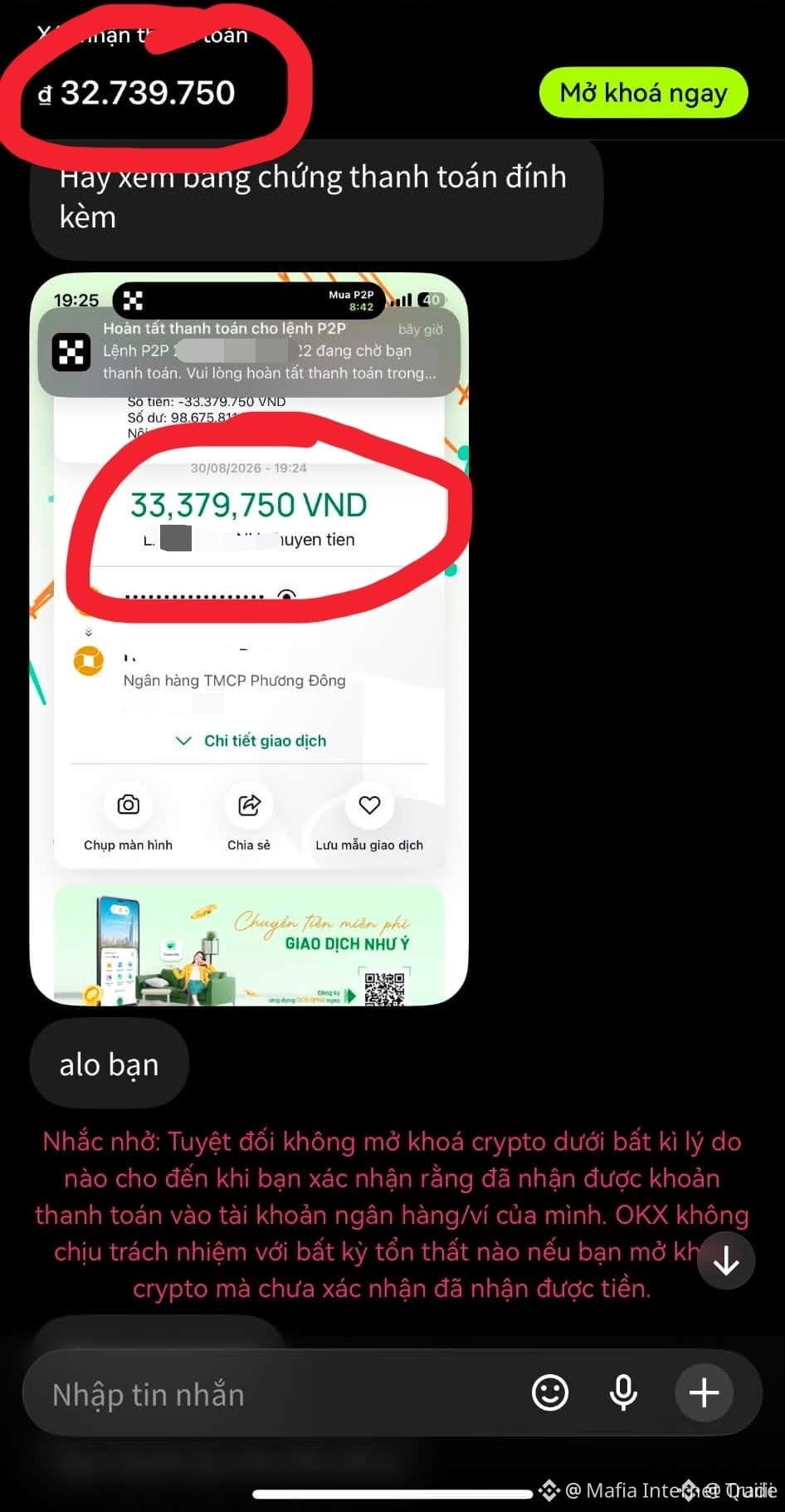
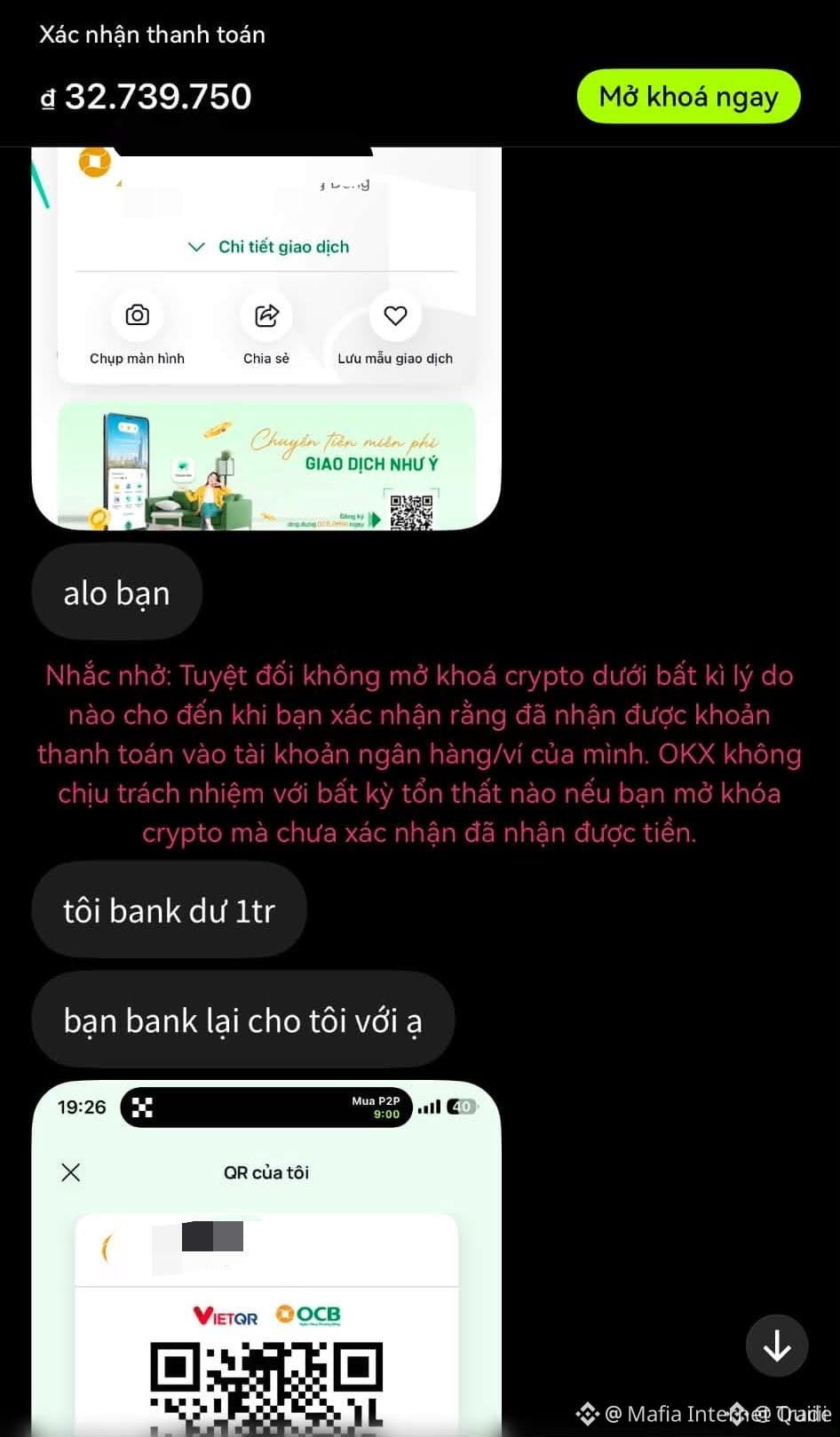
$USDT P2P CASH OUT SHOCK AS MERCHANT TRANSFERS SURPLUS FIAT FUNDS 🚨 🔍
A trader executing a $USDT off-ramp expected 32.7M in local currency, but received 33.3M from the counterparty. While bad actors typically short-change transfers expecting sellers to approve blindly, receiving extra funds raises distinct security flags. 📊
This situation usually boils down to a classic fat-finger digit swap by the buyer, or a predatory triangular transfer involving unverified third-party bank accounts. 🔒 Professional traders document everything in the official order chat and never refund funds outside the platform. 🛡️
💬 Have you ever experienced an overpaid P2P order or suspected a third-party fiat trap?
⚠️ Not financial advice. Always manage your risk. 🛡️
🏷️ #USDT #P2P #CryptoSecurity #Crypto
🔒 👁️
A trader executing a $USDT off-ramp expected 32.7M in local currency, but received 33.3M from the counterparty. While bad actors typically short-change transfers expecting sellers to approve blindly, receiving extra funds raises distinct security flags. 📊
This situation usually boils down to a classic fat-finger digit swap by the buyer, or a predatory triangular transfer involving unverified third-party bank accounts. 🔒 Professional traders document everything in the official order chat and never refund funds outside the platform. 🛡️
💬 Have you ever experienced an overpaid P2P order or suspected a third-party fiat trap?
⚠️ Not financial advice. Always manage your risk. 🛡️
🏷️ #USDT #P2P #CryptoSecurity #Crypto
🔒 👁️

Vietnam just dropped a regulatory bomb. Are you trading safe or breaking the law?
I spent my night reading Decree 284/2026, which goes live tomorrow (Sept 1). Most people think licensing means "adoption," but here is the catch:
For the first time, penalties are being imposed on domestic investors who trade outside licensed service providers. If you are using offshore P2P without a local license, the rules just changed.
Regulation isn't always a green candle; sometimes it’s a cage.
Is this the end of P2P freedom in Vietnam?
1. Bullish (Better protection)
2. Bearish (Stricter control)
3. Just a tax grab
4. Neutral (Won't work)
*Compliance > FOMO. Market discussion only. Not financial advice.*
#Vietnam #CryptoRegulation #P2P #BinanceSquare #defi
I spent my night reading Decree 284/2026, which goes live tomorrow (Sept 1). Most people think licensing means "adoption," but here is the catch:
For the first time, penalties are being imposed on domestic investors who trade outside licensed service providers. If you are using offshore P2P without a local license, the rules just changed.
Regulation isn't always a green candle; sometimes it’s a cage.
Is this the end of P2P freedom in Vietnam?
1. Bullish (Better protection)
2. Bearish (Stricter control)
3. Just a tax grab
4. Neutral (Won't work)
*Compliance > FOMO. Market discussion only. Not financial advice.*
#Vietnam #CryptoRegulation #P2P #BinanceSquare #defi
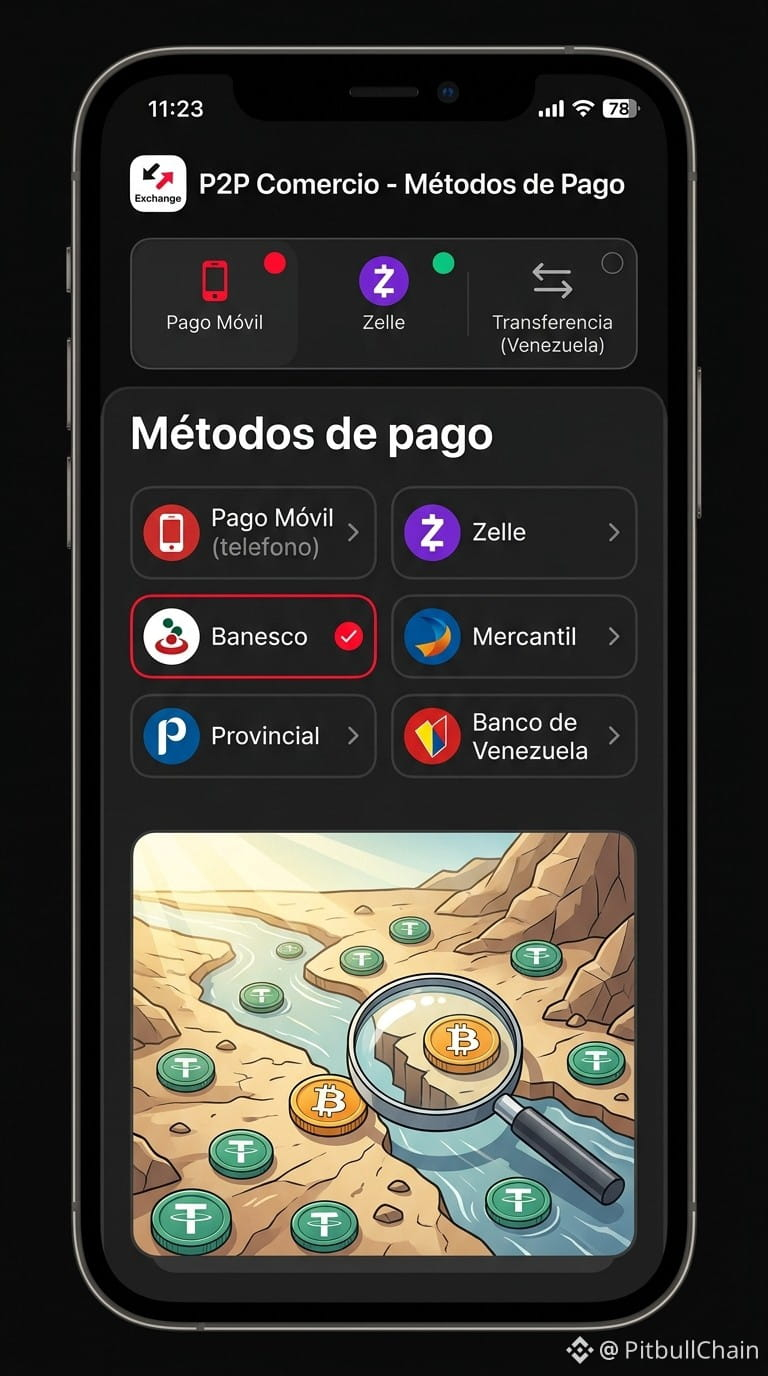
Today Venezuelan P2P is not for the impatient: only 190 active offers and a spread that has jumped to 8.87%.
Buying USDT is at Bs. 1,004.93 and selling it at Bs. 923.10. That means a difference of Bs. 81.84 for every USDT. As a reference, Venezuela’s daily movement via Binance P2P is still huge (US$44M), but the liquidity on this September 1st feels dry.
The few available offers reflect a market that is still digesting the latest drop in the exchange-rate gap and the caution recommended by local analysts. It’s not time to cross the river without checking the water: compare prices, confirm the counterparty, and don’t trade on impulse. A high spread is also a sign: there’s less competition and more risk of running into a misleading offer.
📊 Live rates and analysis on pitbullchain.com
#P2P #Venezuela #USDT #BinanceSquare #MercadoP2P
Buying USDT is at Bs. 1,004.93 and selling it at Bs. 923.10. That means a difference of Bs. 81.84 for every USDT. As a reference, Venezuela’s daily movement via Binance P2P is still huge (US$44M), but the liquidity on this September 1st feels dry.
The few available offers reflect a market that is still digesting the latest drop in the exchange-rate gap and the caution recommended by local analysts. It’s not time to cross the river without checking the water: compare prices, confirm the counterparty, and don’t trade on impulse. A high spread is also a sign: there’s less competition and more risk of running into a misleading offer.
📊 Live rates and analysis on pitbullchain.com
#P2P #Venezuela #USDT #BinanceSquare #MercadoP2P

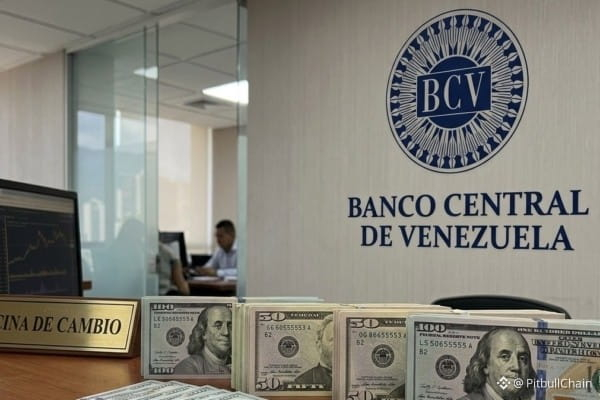
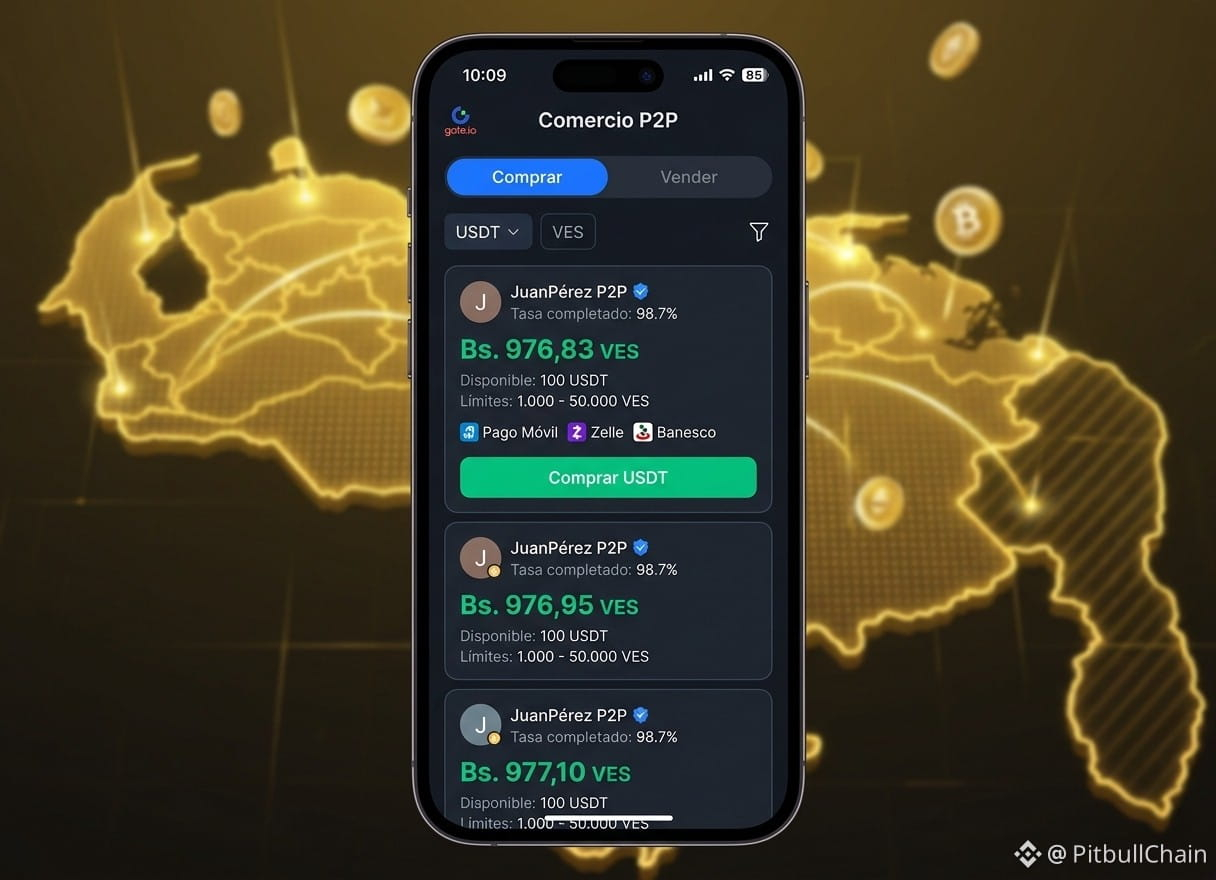
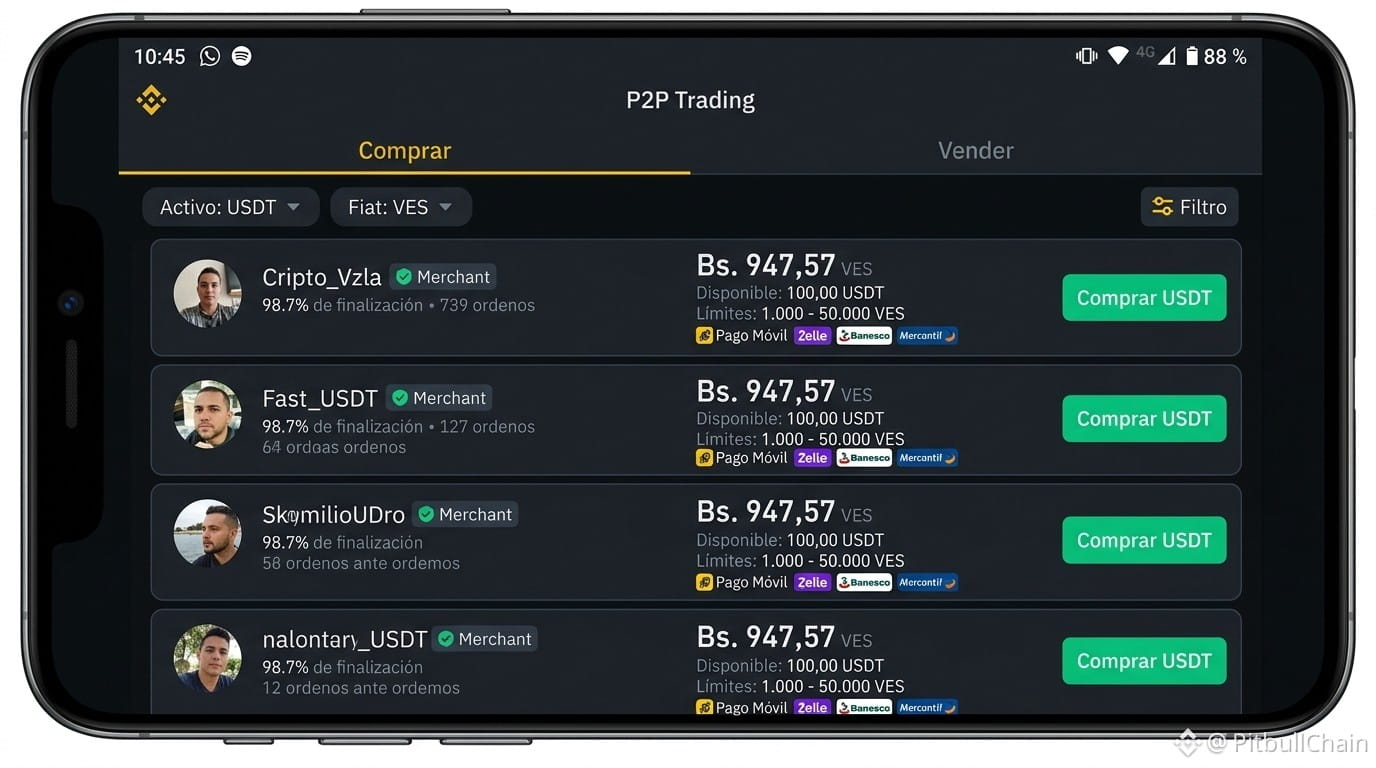
Venezuela transacts more than $44 million per day in USDT via Binance P2P, but today the spread is 4.50%. How can it be explained that the exchange rate gap narrows to yearly lows while P2P is still operating with this difference?
The answer lies in liquidity. Right now there are 256 active offers: buying USDT is at Bs. 971.92 and selling at Bs. 930.10. That’s a spread of Bs. 41.82, far too high for the volumes being moved.
The P2P market has its own pulse. While the BCV and the official banking system receive more foreign currency—reducing the gap according to Finanzas Digital—trade between users still faces friction: limited mobile payments, banks with maximum transaction amounts, and logical caution after the seismic events in June that slowed activity.
Also, the legal vacuum Binance mentioned in May is still there. This leads many traders to prefer wide spreads to protect themselves against reversals or fraud.
So how do you trade with a cool head?
- Check the order book: don’t let yourself get carried away by the average price.
- Use limit orders and don’t respond to “too good to be true” offers.
- Verify the payment method and your counterparty’s details twice.
- If the spread is that high, consider negotiation: there’s room.
In a market that moves $44M per day, information is your best weapon. Whoever understands why the spread is like this knows how to wait—or negotiate better.
📊 Live rates and analysis at pitbullchain.com
$USDT $BTC #P2P #Criptomonedas #Venezuela #USDT #Spread
The answer lies in liquidity. Right now there are 256 active offers: buying USDT is at Bs. 971.92 and selling at Bs. 930.10. That’s a spread of Bs. 41.82, far too high for the volumes being moved.
The P2P market has its own pulse. While the BCV and the official banking system receive more foreign currency—reducing the gap according to Finanzas Digital—trade between users still faces friction: limited mobile payments, banks with maximum transaction amounts, and logical caution after the seismic events in June that slowed activity.
Also, the legal vacuum Binance mentioned in May is still there. This leads many traders to prefer wide spreads to protect themselves against reversals or fraud.
So how do you trade with a cool head?
- Check the order book: don’t let yourself get carried away by the average price.
- Use limit orders and don’t respond to “too good to be true” offers.
- Verify the payment method and your counterparty’s details twice.
- If the spread is that high, consider negotiation: there’s room.
In a market that moves $44M per day, information is your best weapon. Whoever understands why the spread is like this knows how to wait—or negotiate better.
📊 Live rates and analysis at pitbullchain.com
$USDT $BTC #P2P #Criptomonedas #Venezuela #USDT #Spread
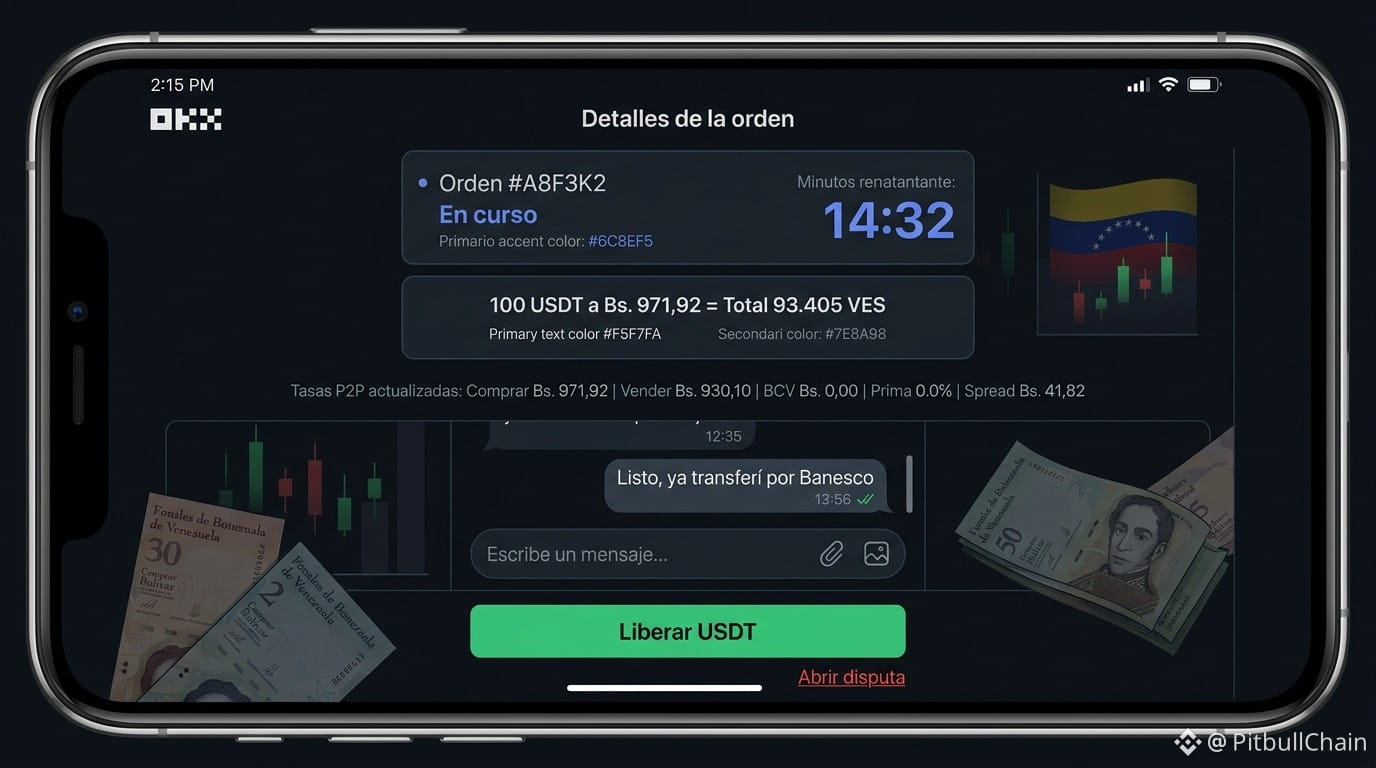


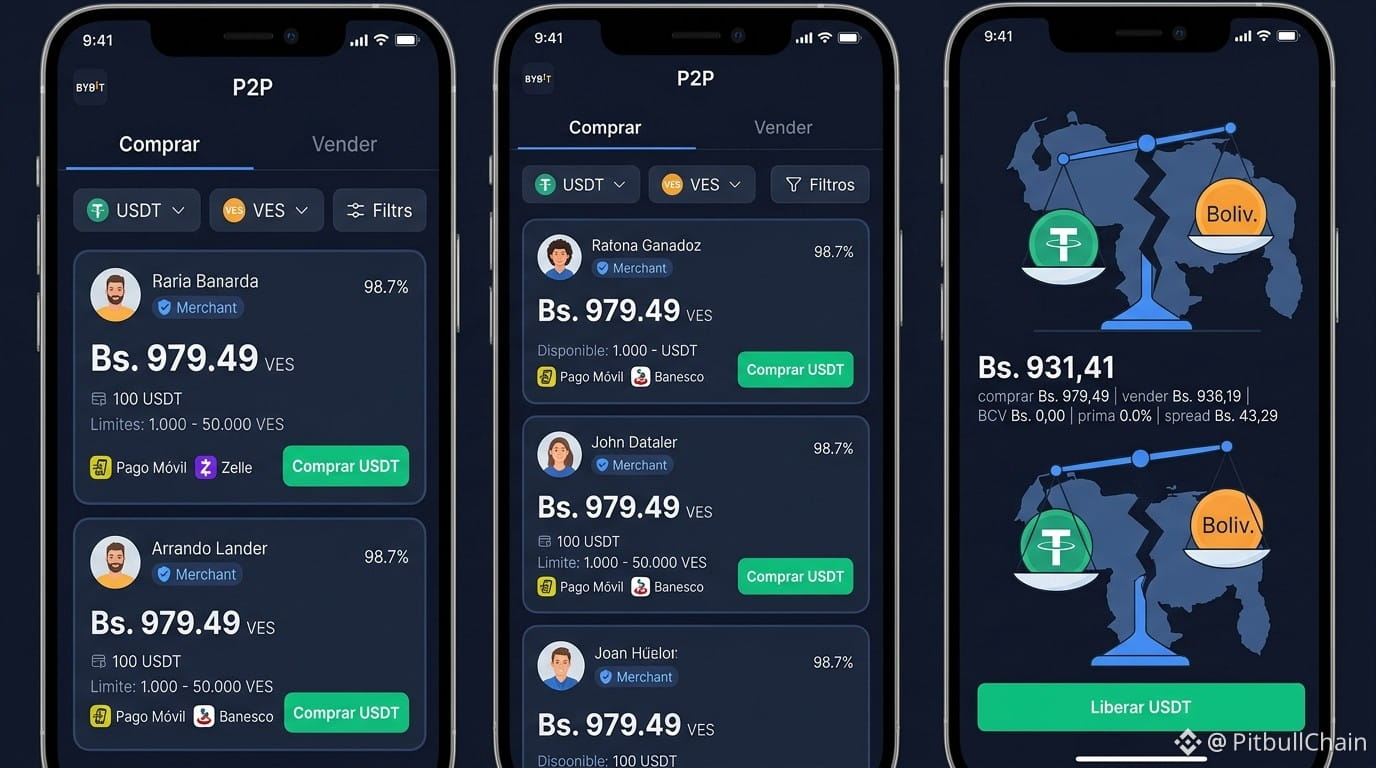
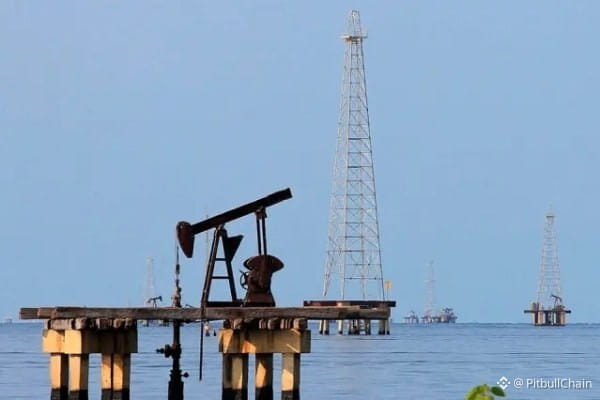
The exchange gap is narrowing, but the P2P spread remains at 4.98%. Paradox? No, just supply and demand.
Today, buying USDT costs Bs. 962.78 and selling is paid at Bs. 917.14: a difference of Bs. 45.64 per dollar. The market is recovering from the double earthquake shock and the higher supply of foreign currency has moderated the gap, but P2P keeps its own rhythm with 269 active offers on Binance and a daily flow exceeding $44 million. The high spread isn’t a whim: it’s the cost of immediate liquidity, security, and speed. Trading at these hours requires measuring every point. Check prices, compare offers, review the BCV rate—today with no reference—and act cautiously. Apparent calm is an opportunity if you know how to read the numbers.
📊 Live rates and analysis on pitbullchain.com
#P2P #USDT #Venezuela #Spread #BCV
Today, buying USDT costs Bs. 962.78 and selling is paid at Bs. 917.14: a difference of Bs. 45.64 per dollar. The market is recovering from the double earthquake shock and the higher supply of foreign currency has moderated the gap, but P2P keeps its own rhythm with 269 active offers on Binance and a daily flow exceeding $44 million. The high spread isn’t a whim: it’s the cost of immediate liquidity, security, and speed. Trading at these hours requires measuring every point. Check prices, compare offers, review the BCV rate—today with no reference—and act cautiously. Apparent calm is an opportunity if you know how to read the numbers.
📊 Live rates and analysis on pitbullchain.com
#P2P #USDT #Venezuela #Spread #BCV
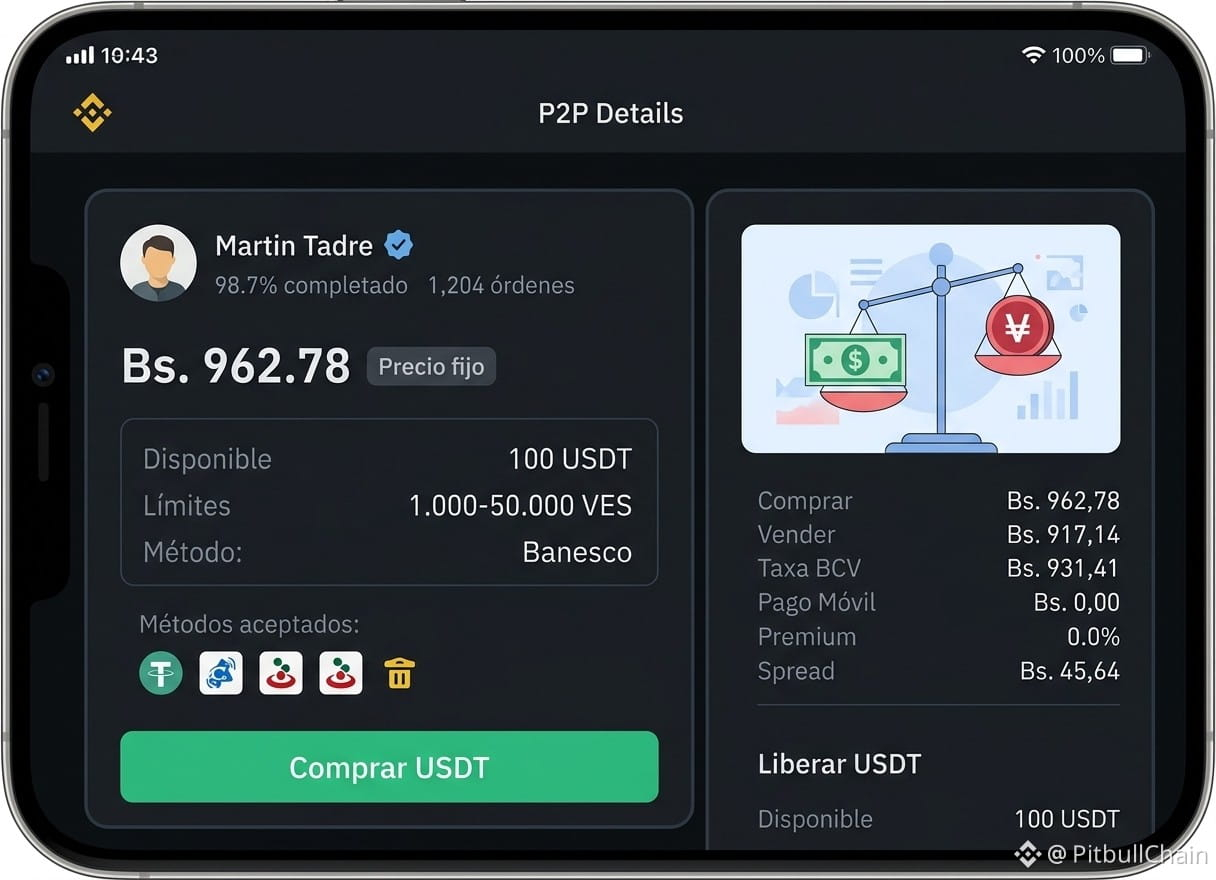
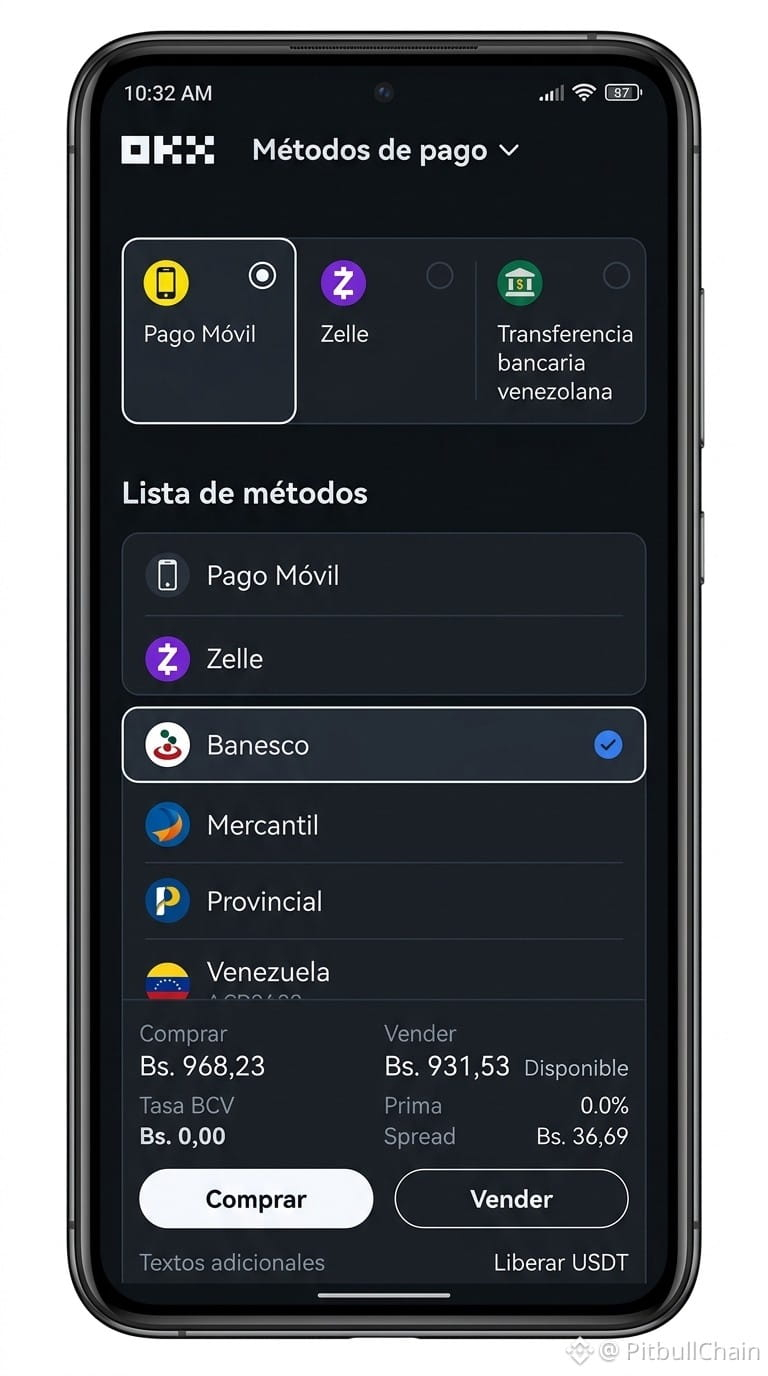
269 active offers and a 4.72% spread doesn’t protect you. The P2P market in Venezuela moves $44M daily, and that’s where the hunters are too. Today, buying USDT is at 966.16 Bs and selling is at 922.57 Bs. The gap has narrowed, but the danger hasn’t. I see people who get complacent just because they see “good” prices. Golden rule: never leave the Binance chat—check the reputation and be suspicious of urgency. Anyone who asks you to pay a third party wants to take your money. Trading calmly is the real profit. 🛡️
📊 Live rates and analysis at pitbullchain.com
#P2P #Seguridad #Venezuela #Binance #BinanceSquare
📊 Live rates and analysis at pitbullchain.com
#P2P #Seguridad #Venezuela #Binance #BinanceSquare
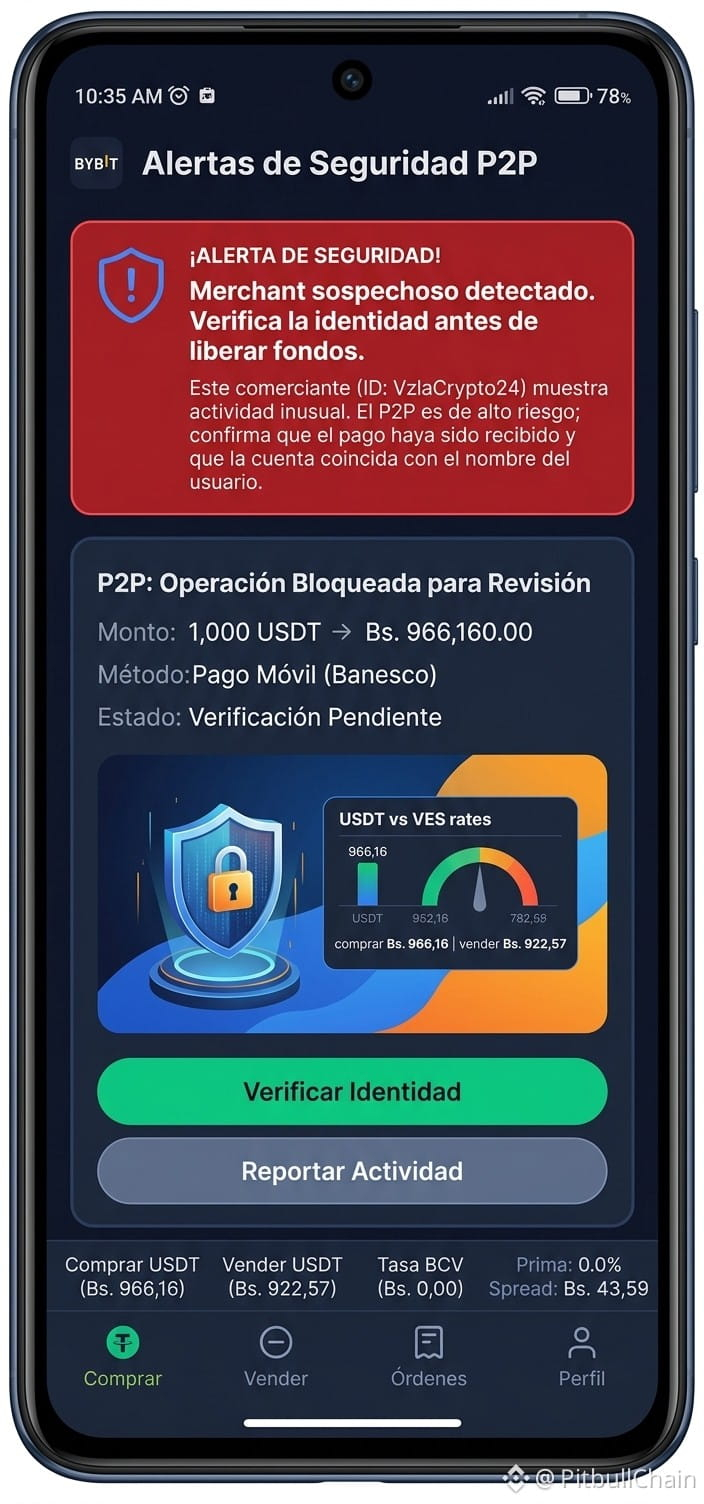
Today Venezuelan P2P moves $44 million daily on Binance, and September’s market starts with purchases at Bs. 965,79 and sales at Bs. 914,69. This leaves a spread of 5,59% and 250 active offers. The exchange gap has narrowed, but P2P is still the real mirror of the economy. Note: with that kind of volume, liquidity isn’t an excuse for not reviewing your counterparty. Use Binance escrow, verify the seller’s history, and don’t let yourself be seduced by a rate just 10 “bolitas” better than the average. In a country where the legal framework is still gray, your only protection is you. The spread is part of the game, but careful selection is your best move. Take data, compare, and trade with a clear head.
📊 Live rates and analysis at pitbullchain.com
#P2P #Binance #Criptomonedas #Venezuela #Spread
📊 Live rates and analysis at pitbullchain.com
#P2P #Binance #Criptomonedas #Venezuela #Spread
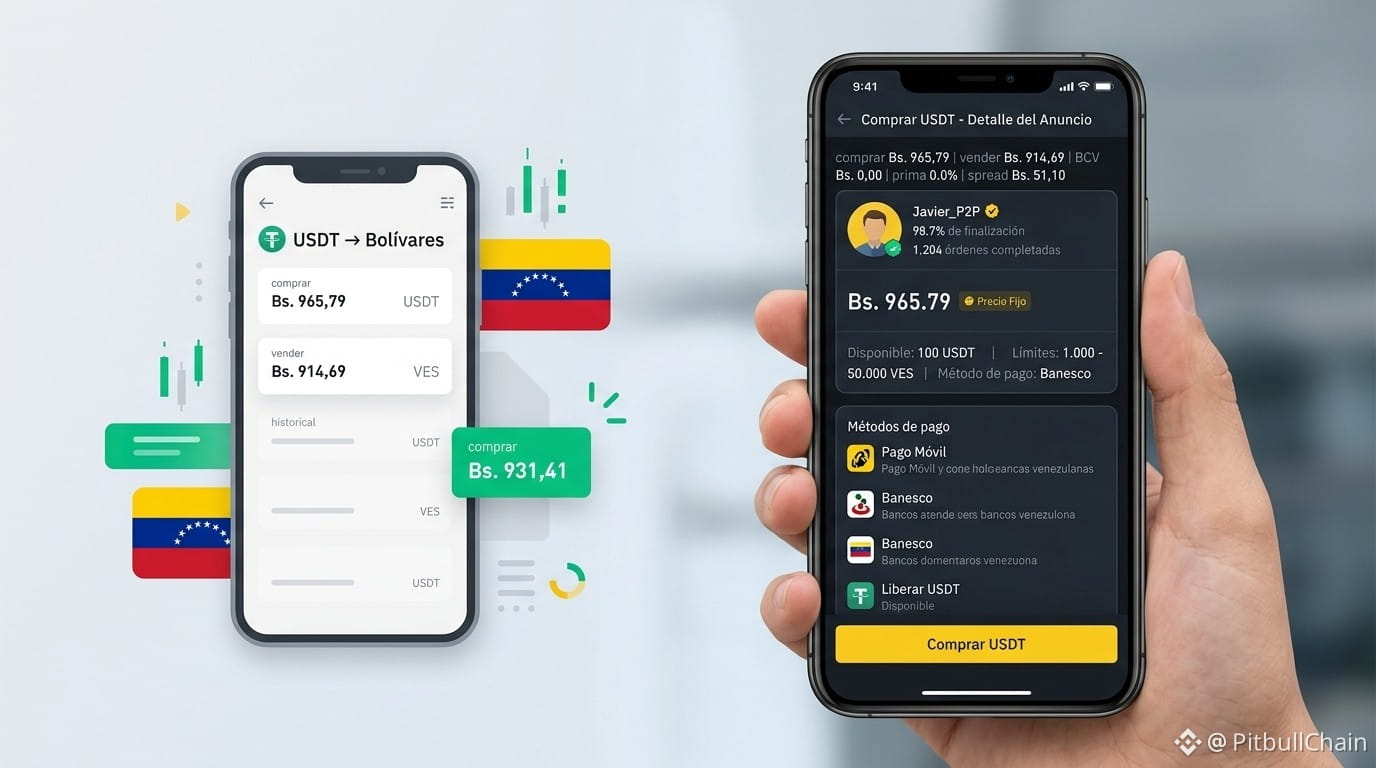
Do you still see a 6.72% spread even with $44 million daily in USDT P2P? This is how the market looks today: buy on Binance for Bs. 986.93, sell for Bs. 924.75. That Bs. 62.18 gap shows you that even with 184 active offers, volatility is still there. The FX spread has been tightening, but P2P is another kind of thermometer: nothing is set in stone. Don’t leave your trade to chance—check each offer and the real spread. The difference charges you for your rush.
📊 Live rates and analysis at pitbullchain.com
#P2P #Binance #Venezuela #USDT #BinanceSquare
📊 Live rates and analysis at pitbullchain.com
#P2P #Binance #Venezuela #USDT #BinanceSquare
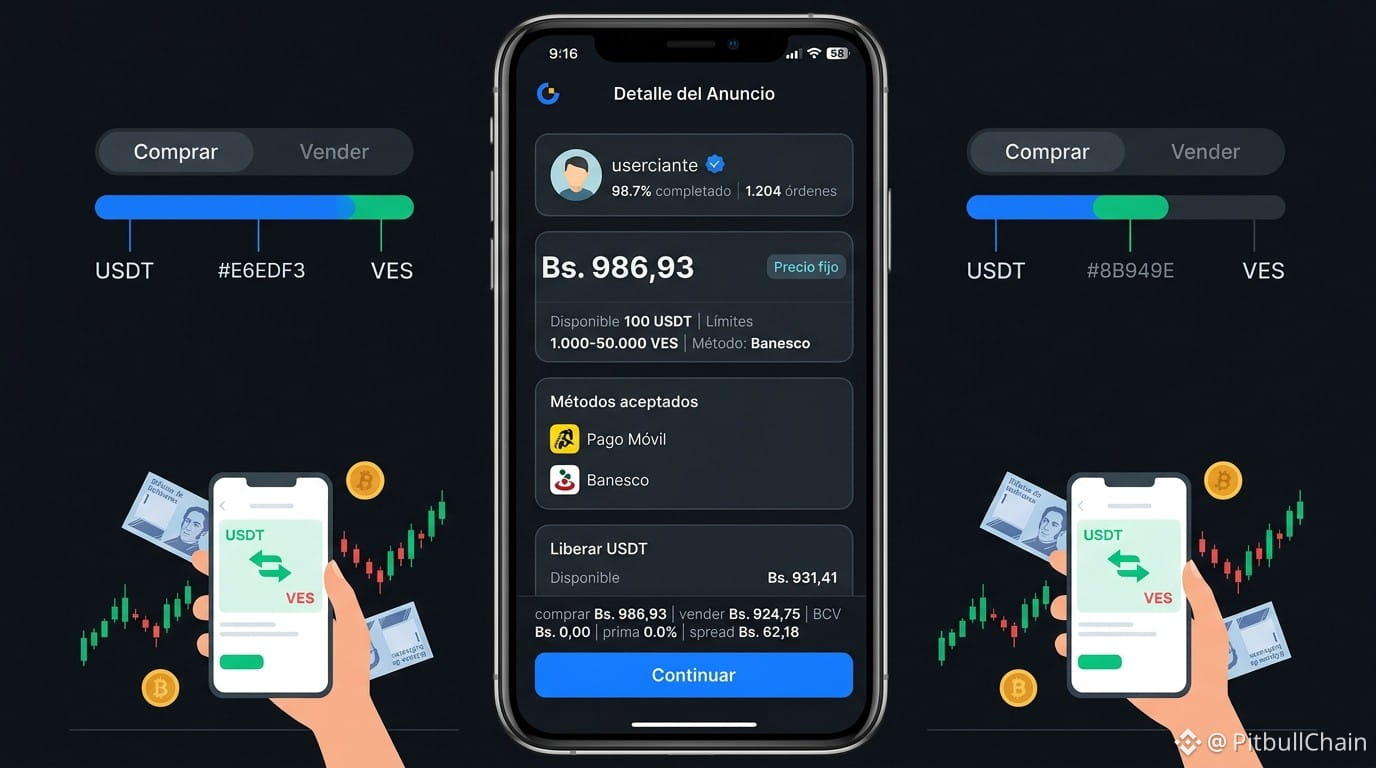
🚨 P2P Alert: the spread has jumped to 8.25% (Bs 76). Buying USDT is at 997.15 and selling at 921.15. With 198 active offers, liquidity feels tighter than it has in weeks. Why? The market is still adjusting after seismic moves and the reduction of the FX gap. But watch out: in large trades, that difference can eat up your capital. My advice: compare offers, use the PitbullChain calculator, and don’t trade blindly. P2P rewards the one who verifies.
📊 Live rates and analysis at pitbullchain.com
#P2P #USDT #Venezuela #Binance #Spread
📊 Live rates and analysis at pitbullchain.com
#P2P #USDT #Venezuela #Binance #Spread
Log in to explore more content