
#cryptosecurity
cryptosecurity
9.6M views
16,369 Discussing
Hot
Latest


Article
🚨METATRACE $ACE EXPLOIT: UNAUTHORIZED MINTING AND A SHARP PRICE COLLAPSEMetaTrace has suffered a major smart contract security incident, after attackers reportedly gained the ability to mint unauthorized $ACE tokens.
But the exploit itself is only part of the story. The incident also triggered a significant market reaction, with ACE reportedly falling around 50%.
Here's what happened:
🔴 Unauthorized minting: According to the MetaTrace team, attackers generated (10^{16}) ACE tokens.
🔴 Stolen assets: Approximately 1 million TRC tokens were reportedly stolen.
📉 Market reaction: ACE reportedly lost around 50% of its value. This figure should be checked against historical trading data and a clearly defined timeframe before publication.
🔒 Emergency response: At approximately 17:00 UTC, the team suspended the ACE contract and related game service contracts.
🛠 Recovery efforts: MetaTrace announced an investigation, security improvements and plans to compensate affected users.
The consequences go beyond the initial exploit.
The incident also led MetaTrace to reconsider its token model. The project later announced plans to replace ACE with a single-token system based on TRC, while removing ACE from several game mechanics.
This highlights several risks:
Unauthorized minting can undermine token supply and market confidence.
Newly created tokens can create selling pressure, although the actual amount sold must be established.
Emergency contract suspensions can disrupt users and ecosystem activity.
Compensation promises do not guarantee that affected users will recover their losses.
One important distinction: the reported (10^{16}) minted tokens should not be treated as their market value. The project has not provided a verified USD valuation for the unauthorized supply.
My takeaway: Token security is not just about whether a project has published an audit. Investors should also examine minting permissions, privileged roles, upgrade controls and emergency response procedures.
Would you trust a token project that does not publicly disclose who controls its minting permissions?
{spot}(ACEUSDT)
$ACE #ACE #MetaTrace #CryptoSecurity #Hack
🚨METATRACE $ACE EXPLOIT: UNAUTHORIZED MINTING AND A SHARP PRICE COLLAPSE
MetaTrace has suffered a major smart contract security incident, after attackers reportedly gained the ability to mint unauthorized $ACE tokens.
But the exploit itself is only part of the story. The incident also triggered a significant market reaction, with ACE reportedly falling around 50%.
Here's what happened:
🔴 Unauthorized minting: According to the MetaTrace team, attackers generated (10^{16}) ACE tokens.
🔴 Stolen assets: Approximately 1 million TRC tokens were reportedly stolen.
📉 Market reaction: ACE reportedly lost around 50% of its value. This figure should be checked against historical trading data and a clearly defined timeframe before publication.
🔒 Emergency response: At approximately 17:00 UTC, the team suspended the ACE contract and related game service contracts.
🛠 Recovery efforts: MetaTrace announced an investigation, security improvements and plans to compensate affected users.
The consequences go beyond the initial exploit.
The incident also led MetaTrace to reconsider its token model. The project later announced plans to replace ACE with a single-token system based on TRC, while removing ACE from several game mechanics.
This highlights several risks:
Unauthorized minting can undermine token supply and market confidence.
Newly created tokens can create selling pressure, although the actual amount sold must be established.
Emergency contract suspensions can disrupt users and ecosystem activity.
Compensation promises do not guarantee that affected users will recover their losses.
One important distinction: the reported (10^{16}) minted tokens should not be treated as their market value. The project has not provided a verified USD valuation for the unauthorized supply.
My takeaway: Token security is not just about whether a project has published an audit. Investors should also examine minting permissions, privileged roles, upgrade controls and emergency response procedures.
Would you trust a token project that does not publicly disclose who controls its minting permissions?
$ACE #ACE #MetaTrace #CryptoSecurity #Hack
1
1.2k


·
--
🚨 Fusionist bridge exploited on BNB Chain as attacker mints ~20 quadrillion ACE
An address with minting rights on the token bridge of blockchain game Fusionist created roughly 20 quadrillion unbacked ACE on BNB Smart Chain and sold part of it for USDT. Security firm Blockaid counted about $1.04M extracted by 19:08 UTC and said the attack was still running. Fusionist has asked holders to pause ACE transfers, trading and bridging on BSC, and has not yet disclosed the cause, total losses or any compensation plan.
⭐ Bridge minting controls remain one of crypto's weakest links: nearly all ACE now on BSC was minted by the attacker, leaving holders heavily exposed.
#ACE #BNBChain #CryptoSecurity #DeFi

2.5k

·
--
Article
All Your Crypto Can be Stolen with a Wrench: It's Happened. Multiple TimesWe’re always thinking about the online security of our crypto wallets (as we should), and maybe we’ve taken all precautions already. Backup of private keys, proper passwords, privacy tools like VPNs, and 2FA on our accounts. Surely, there’s no way for someone to steal our crypto… unless they have a $5-dollar wrench and some evil intentions. Yes, just that.
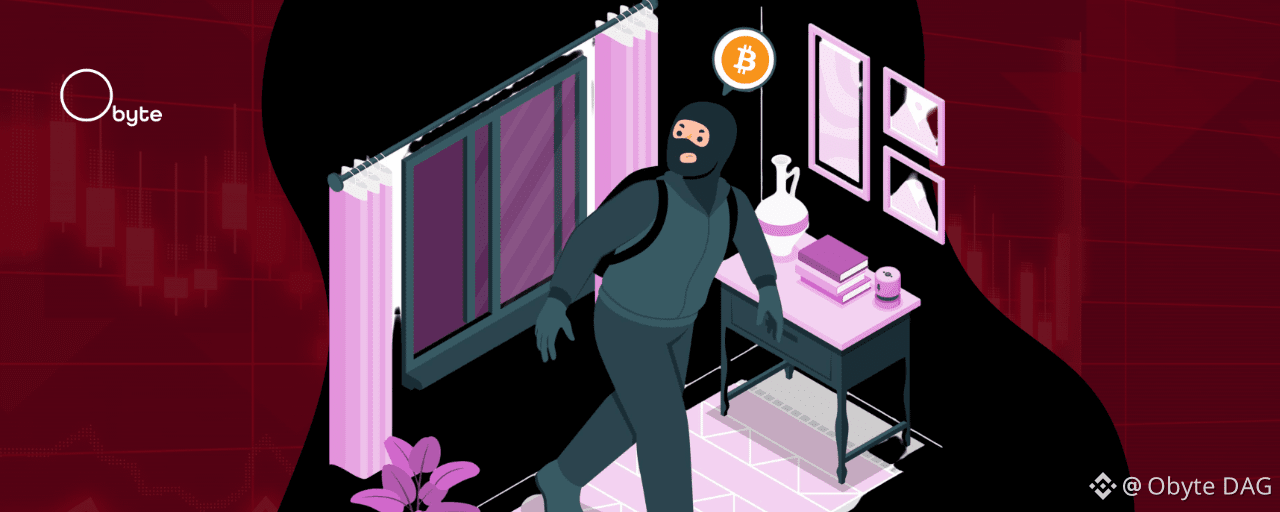
Picture this: you think you’re safe, your wallets are good. Maybe you were gloating a bit about your crypto earnings on social media. One awful night, a masked man invades your home, hits you with a $5-dollar wrench (or a gun) and threatens to keep doing it until you tell them where your private keys are, or you directly transfer your coins to them. Not a good scenario, but one that is becoming increasingly common.
The record of physical or wrench attacks to steal crypto could be limited, since not all incidents are reported or published. However, Bitcoin developer Jameson Lopp, after being a victim himself, created a list of publicly available newspaper articles from all over the world describing such attacks against numerous victims.
The list starts in 2014, with an attack against the very first person who received Bitcoin: Hal Finney. He was harassed, extorted, and “SWATed” at his own home. Being “SWATed” means someone falsely reports a serious emergency (like a hostage situation) to police, causing a SWAT team to be sent to the victim’s address. After that, incidents have included a range of violent encounters, including home invasions, kidnappings, and assaults.
The frequency of such attacks has shown a correlation with the rising value and adoption of cryptocurrencies, with notable spikes during bull markets — for instance, in 2021 and 2024. Over 200 attacks have been registered.
Below, we’ll see more details about this and how to protect ourselves.
Attacks on “Crypto People”
People who are directly involved in crypto (developers, miners, traders, and founders) have been repeatedly attacked over the years to steal coins from them. Sadly, criminals didn’t stop with Finney or Lopp, who was also “SWATed.” Yury Mayorov, one of the founders of the cryptocurrency PRIZM, was abducted in Moscow in 2018, drugged, and robbed of at least 300 $BTC (over $3 million at the time).
Miners and traders are also common victims. Journalistic pieces describing kidnapped miners and traders, or something along the lines of “crypto trader robbed at gunpoint,” abound. Losses range from thousands to millions of dollars. Sometimes, they’re lured into a physical, peer-to-peer (P2P) trade; some other times, they’re just walking around or in their own homes at the moment of the attack. The blogger Pavel Nyashin suffered a home invasion after boasting about his crypto wealth online, and criminals robbed him of $425,000.
Torture isn’t off the table, either. In January 2025, David Balland, co-founder of Ledger, and his wife were kidnapped from their home in France and held for ransom involving crypto. The attackers separated them and demanded payment, even sending a photo of Balland’s mutilated finger to pressure the company. At least, a massive police effort rescued both victims, recovered most of the crypto paid, and led to several arrests.
Assaults, Invasions, and Friends
Even if “crypto people” are common victims, that doesn’t mean average crypto users aren’t targeted. In April 2018, in Dubai, two brothers seeking to invest in Bitcoin were tricked into entering a supposedly legitimate office. Instead, they were assaulted and bound by a gang of ten, who fled with roughly Dh7 million (about $1.9 million). Fortunately, Dubai Police used smart surveillance tools to track down all the culprits in record time, recovering the stolen funds.
In 2019, an unknown millionaire in Norway was surprised at his own home by a man with a gun, who demanded cryptocurrency from him. He managed to escape through the balcony. Other victims haven’t been that lucky. In 2021, in France, a 19-year-old computer engineering student was drugged, stabbed, and killed, likely at his own home, to steal €200,000 in crypto from him. The culprits were arrested.
Some other times, even friends, family, or dates are involved. In 2018, A Bronx biker gang lured a crypto-rich friend into a fake Uber, kidnapped him at gunpoint, and stole $1.8 million in $ETH after forcing him to give up his passphrase. In 2021, a 24-year-old man from Maryland drugged his father with a benzodiazepine-laced tea to gain access to a shared crypto account. After rendering his father unconscious for two days, he stole $400,000 worth of digital assets.
In the same year, a crypto holder in Colombia met a woman via Tinder who later drugged him during a visit to his home, stole his phone, and gained access to multiple accounts. By exploiting his phone’s unlock code and 2FA, she attempted to drain his crypto funds. At least, only a portion was stolen, as he had a multisignature wallet to protect his funds.
Phishing in Real Life
“Phishing” occurs online when cybercriminals pretend to be someone else (often, a company or organization) or build fake websites and apps identical to legitimate ones, all with the intention to trick users and steal from them — fiat and crypto. But this also happens in real life, when criminals pretend to be someone they’re not to steal money, and in this case, cryptocurrencies.
In 2021, in the Netherlands, four men posing as postmen invaded the home of a family of three, including a baby. They tied them up and demanded cryptocurrencies from the father, who ended up transferring $250,000 from his accounts to them. Similarly, in 2023, a 76-year-old couple in Durham, North Carolina, experienced a harrowing ordeal when individuals posing as utility workers forced their way into the couple’s home and coerced them at gunpoint to transfer $250,000 worth of cryptocurrency.
This can also happen in public spaces. In 2017, in Turkey, a gang posing as policemen stopped a businessman’s car and ended up stealing $2.8 million in Bitcoin from him. Around March 2024, a fake Uber driver in Arizona was lurking around. He tricked several of his passengers into lending him their phones, which he used to access Coinbase accounts and steal more than $200,000.
Protective Measures
Yes, we know. There’s little anyone can do against a gun pointed at their head, but still, we can take some protective measures for ourselves, our family, and our cryptocurrency funds.
Don’t overshare about your crypto earnings online. It’s just an awful idea.
“Decentralize” your tokens by dividing them into several wallets, with different private keys, kept in different places. In case of a physical attack, you can share a “bait wallet” instead of all your funds.
Keep your crypto funds in multisignature accounts that have to be co-signed by trusted people — kidnapping two or more people will be a lot harder. In Obyte wallets, you can do this by creating a multi-device account from the Global Settings.
Keep little to no funds in the easily accessible mobile wallet on the phone you carry everywhere, including potentially risky places. Instead, use a hardware wallet or, at the very least, a desktop wallet for storing most of your coins. In Obyte, you can also create a textcoin (a type of offline paper wallet) to keep the bulk of your funds safely offline. Make sure nobody knows that this textcoin exists.
Never open the door or easily hand over your phone to strangers without a good reason. Set up passwords for everything and be cautious.
Be careful with people you’ve just met online. If you need to do a crypto deal involving cash, choose traders with strong reputations and take time to research them well before meeting in person.
Maybe an obvious one, but don’t parade around with significant amounts of cash or a fat crypto wallet in your phone outside business hours, on lonely streets, enclosed spaces, or other people’s cars.
Stay up to date with the news — in crypto and outside. Your local newspapers could warn you about some useful things before it’s too late.
Featured Vector Image by storyset / Freepik
Originally Published on Hackernoon
#CryptoSecurity #CryptoSafetyMatters #cryptorobbery #WrenchAttack #Obyte
All Your Crypto Can be Stolen with a Wrench: It's Happened. Multiple Times
We’re always thinking about the online security of our crypto wallets (as we should), and maybe we’ve taken all precautions already. Backup of private keys, proper passwords, privacy tools like VPNs, and 2FA on our accounts. Surely, there’s no way for someone to steal our crypto… unless they have a $5-dollar wrench and some evil intentions. Yes, just that.
Picture this: you think you’re safe, your wallets are good. Maybe you were gloating a bit about your crypto earnings on social media. One awful night, a masked man invades your home, hits you with a $5-dollar wrench (or a gun) and threatens to keep doing it until you tell them where your private keys are, or you directly transfer your coins to them. Not a good scenario, but one that is becoming increasingly common.
The record of physical or wrench attacks to steal crypto could be limited, since not all incidents are reported or published. However, Bitcoin developer Jameson Lopp, after being a victim himself, created a list of publicly available newspaper articles from all over the world describing such attacks against numerous victims.
The list starts in 2014, with an attack against the very first person who received Bitcoin: Hal Finney. He was harassed, extorted, and “SWATed” at his own home. Being “SWATed” means someone falsely reports a serious emergency (like a hostage situation) to police, causing a SWAT team to be sent to the victim’s address. After that, incidents have included a range of violent encounters, including home invasions, kidnappings, and assaults.
The frequency of such attacks has shown a correlation with the rising value and adoption of cryptocurrencies, with notable spikes during bull markets — for instance, in 2021 and 2024. Over 200 attacks have been registered.
Below, we’ll see more details about this and how to protect ourselves.
Attacks on “Crypto People”
People who are directly involved in crypto (developers, miners, traders, and founders) have been repeatedly attacked over the years to steal coins from them. Sadly, criminals didn’t stop with Finney or Lopp, who was also “SWATed.” Yury Mayorov, one of the founders of the cryptocurrency PRIZM, was abducted in Moscow in 2018, drugged, and robbed of at least 300 $BTC (over $3 million at the time).
Miners and traders are also common victims. Journalistic pieces describing kidnapped miners and traders, or something along the lines of “crypto trader robbed at gunpoint,” abound. Losses range from thousands to millions of dollars. Sometimes, they’re lured into a physical, peer-to-peer (P2P) trade; some other times, they’re just walking around or in their own homes at the moment of the attack. The blogger Pavel Nyashin suffered a home invasion after boasting about his crypto wealth online, and criminals robbed him of $425,000.
Torture isn’t off the table, either. In January 2025, David Balland, co-founder of Ledger, and his wife were kidnapped from their home in France and held for ransom involving crypto. The attackers separated them and demanded payment, even sending a photo of Balland’s mutilated finger to pressure the company. At least, a massive police effort rescued both victims, recovered most of the crypto paid, and led to several arrests.
Assaults, Invasions, and Friends
Even if “crypto people” are common victims, that doesn’t mean average crypto users aren’t targeted. In April 2018, in Dubai, two brothers seeking to invest in Bitcoin were tricked into entering a supposedly legitimate office. Instead, they were assaulted and bound by a gang of ten, who fled with roughly Dh7 million (about $1.9 million). Fortunately, Dubai Police used smart surveillance tools to track down all the culprits in record time, recovering the stolen funds.
In 2019, an unknown millionaire in Norway was surprised at his own home by a man with a gun, who demanded cryptocurrency from him. He managed to escape through the balcony. Other victims haven’t been that lucky. In 2021, in France, a 19-year-old computer engineering student was drugged, stabbed, and killed, likely at his own home, to steal €200,000 in crypto from him. The culprits were arrested.
Some other times, even friends, family, or dates are involved. In 2018, A Bronx biker gang lured a crypto-rich friend into a fake Uber, kidnapped him at gunpoint, and stole $1.8 million in $ETH after forcing him to give up his passphrase. In 2021, a 24-year-old man from Maryland drugged his father with a benzodiazepine-laced tea to gain access to a shared crypto account. After rendering his father unconscious for two days, he stole $400,000 worth of digital assets.
In the same year, a crypto holder in Colombia met a woman via Tinder who later drugged him during a visit to his home, stole his phone, and gained access to multiple accounts. By exploiting his phone’s unlock code and 2FA, she attempted to drain his crypto funds. At least, only a portion was stolen, as he had a multisignature wallet to protect his funds.
Phishing in Real Life
“Phishing” occurs online when cybercriminals pretend to be someone else (often, a company or organization) or build fake websites and apps identical to legitimate ones, all with the intention to trick users and steal from them — fiat and crypto. But this also happens in real life, when criminals pretend to be someone they’re not to steal money, and in this case, cryptocurrencies.
In 2021, in the Netherlands, four men posing as postmen invaded the home of a family of three, including a baby. They tied them up and demanded cryptocurrencies from the father, who ended up transferring $250,000 from his accounts to them. Similarly, in 2023, a 76-year-old couple in Durham, North Carolina, experienced a harrowing ordeal when individuals posing as utility workers forced their way into the couple’s home and coerced them at gunpoint to transfer $250,000 worth of cryptocurrency.
This can also happen in public spaces. In 2017, in Turkey, a gang posing as policemen stopped a businessman’s car and ended up stealing $2.8 million in Bitcoin from him. Around March 2024, a fake Uber driver in Arizona was lurking around. He tricked several of his passengers into lending him their phones, which he used to access Coinbase accounts and steal more than $200,000.
Protective Measures
Yes, we know. There’s little anyone can do against a gun pointed at their head, but still, we can take some protective measures for ourselves, our family, and our cryptocurrency funds.
Don’t overshare about your crypto earnings online. It’s just an awful idea.
“Decentralize” your tokens by dividing them into several wallets, with different private keys, kept in different places. In case of a physical attack, you can share a “bait wallet” instead of all your funds.
Keep your crypto funds in multisignature accounts that have to be co-signed by trusted people — kidnapping two or more people will be a lot harder. In Obyte wallets, you can do this by creating a multi-device account from the Global Settings.
Keep little to no funds in the easily accessible mobile wallet on the phone you carry everywhere, including potentially risky places. Instead, use a hardware wallet or, at the very least, a desktop wallet for storing most of your coins. In Obyte, you can also create a textcoin (a type of offline paper wallet) to keep the bulk of your funds safely offline. Make sure nobody knows that this textcoin exists.
Never open the door or easily hand over your phone to strangers without a good reason. Set up passwords for everything and be cautious.
Be careful with people you’ve just met online. If you need to do a crypto deal involving cash, choose traders with strong reputations and take time to research them well before meeting in person.
Maybe an obvious one, but don’t parade around with significant amounts of cash or a fat crypto wallet in your phone outside business hours, on lonely streets, enclosed spaces, or other people’s cars.
Stay up to date with the news — in crypto and outside. Your local newspapers could warn you about some useful things before it’s too late.
Featured Vector Image by storyset / Freepik
Originally Published on Hackernoon
#CryptoSecurity #CryptoSafetyMatters #cryptorobbery #WrenchAttack #Obyte
364

$ACE Fusionist asked users to pause ACE transfers, trades and bridging on BSC after an exploit alert. Blockaid estimated that about 1.04 million dollars in USDT had been extracted.
#Fusionist #CryptoSecurity
$ACE Fusionist asked users to pause ACE transfers, trades and bridging on BSC after an exploit alert. Blockaid estimated that about 1.04 million dollars in USDT had been extracted.
#Fusionist #CryptoSecurity
#Fusionist #CryptoSecurity
1
1.1k
·
--
🔐 Pump.fun drops external wallet logins on Nov 30, asks users to paste private keys to keep accounts
From Nov 30, 2026 at 15:00 UTC, Pump.fun on the web will only accept email, Google, Apple or GitHub sign-ins — no more Phantom, Solflare or Ledger logins.
To keep an existing account, users must link an email or social login and paste their wallet's private key, which is encrypted and held by login provider Privy. Funds, positions and usernames stay the same; Ledger and multisig users have to move funds to a new wallet instead.
⭐ Handing over private keys cuts against self-custody and is a gift to phishers — Pump.fun says it only ever asks for a key in one window on its official site.
#Solana #PumpFun #CryptoSecurity #CryptoNews
643

Bitcoin's recent bounce from cycle lows has everyone talking, but the real question isn't just about price action. Security incidents involving hardware wallets remind us that self-custody vigilance remains paramount regardless of market direction. As network dynamics shift and technical rebounds play out, protecting your assets against physical tampering is just as critical as analyzing macro trends. Stay sharp and verify your hardware. $BTC #Bitcoin #CryptoSecurity #HodlersDigest
Bitcoin's recent bounce from cycle lows has everyone talking, but the real question isn't just about price action. Security incidents involving hardware wallets remind us that self-custody vigilance remains paramount regardless of market direction. As network dynamics shift and technical rebounds play out, protecting your assets against physical tampering is just as critical as analyzing macro trends. Stay sharp and verify your hardware. $BTC #Bitcoin #CryptoSecurity #HodlersDigest
35

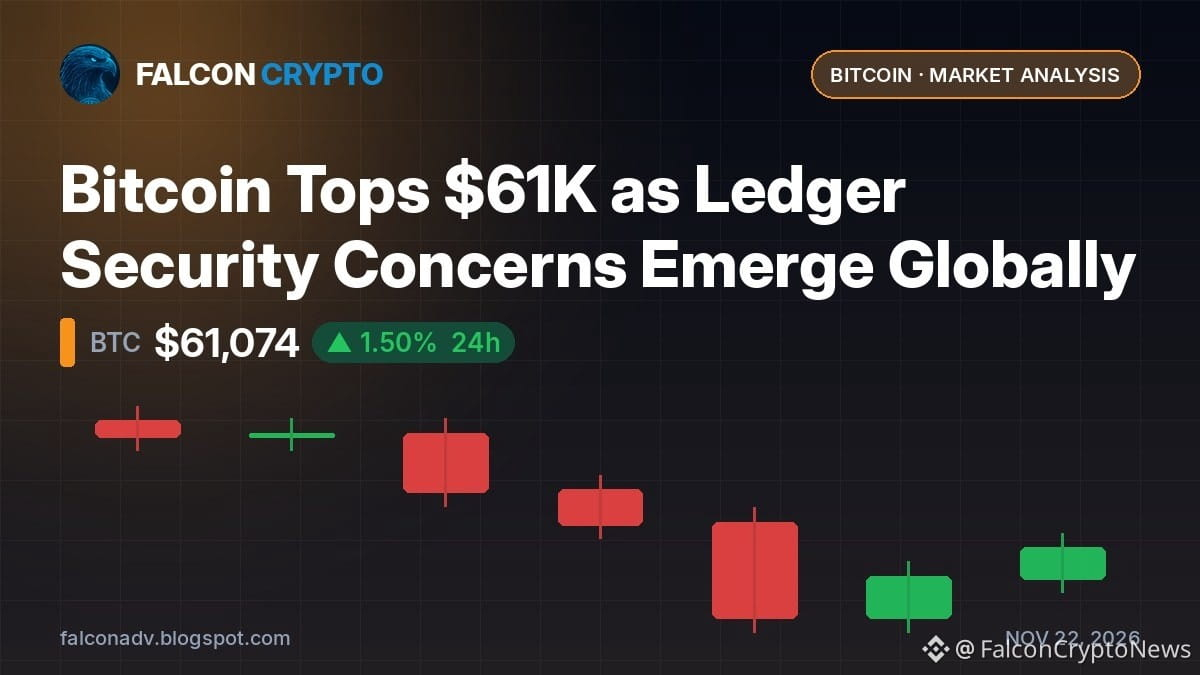
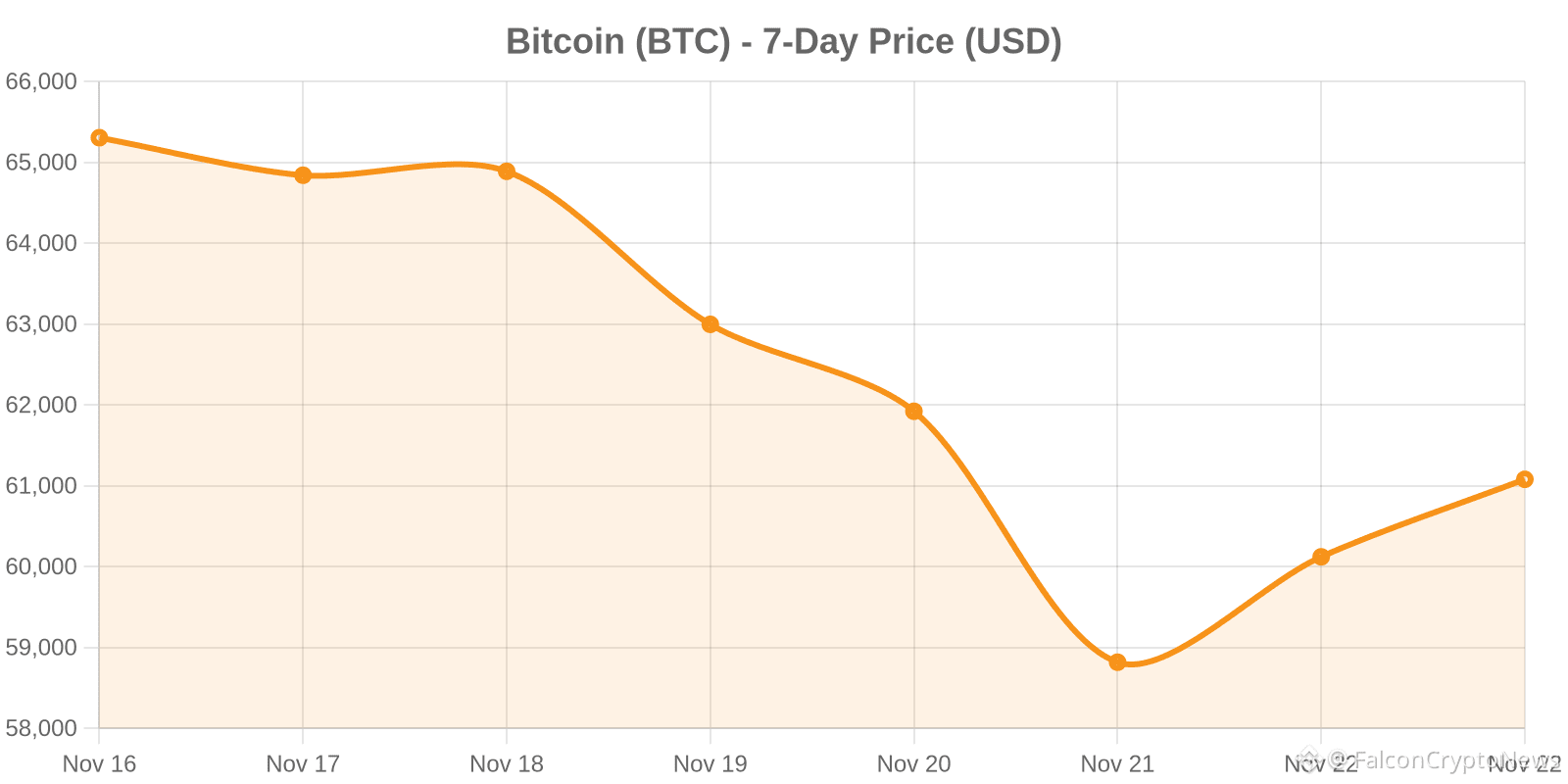
Bitcoin rallies past $61,000! 🚀 Yet, whispers of tampered Ledger devices in Berlin and the UAE are a stark reminder that physical security is paramount in crypto.
Key data:
📊 $BTC Price: $61,074.00
📌 24h Change: +1.50%
📊 Market Cap: $1.23T
🧠 Falcon Crypto's take: While $BTC shows strong market resilience, these incidents highlight ongoing supply chain vulnerabilities. It's a critical distinction between market sentiment and fundamental asset protection.
👀 Watch next: Ledger's official findings on these tampering reports and any subsequent industry-wide responses to bolster hardware wallet integrity.
How do you ensure the authenticity of your hardware wallets? Share your tips!
📖 Full analysis + live charts on the Falcon Crypto blog (link in profile)
#HKBillWouldExcludeTokenizedDepositsFromVirtualAssets #SolanaSets2027RoadmapToDoubleComputeCapacity #Bitcoin #CryptoSecurity
⚠️ Not financial advice. DYOR.
54

·
--
SILENT AD EXPLOITS ARE DRAINING $ETH WALLETS ACROSS 47 COUNTRIES 🚨 ⚠️
Smart capital means nothing if your vault doors are left wide open by invisible browser scripts. A massive malvertising wave dubbed MoldyRoost just targeted mobile users across global markets, quietly sweeping browser caches and credentials without a single download prompt. 🦈
When ordinary ad banners turn into silent extraction vectors for top-tier wallets, digital hygiene becomes your ultimate alpha. Leaving recovery credentials sitting in device notes or photo albums is an open invitation for silent liquidity drainage. 🔍
Are your backup keys stored completely offline away from daily-driver devices, or are you still gambling with mobile convenience? 👇
⚠️ Not financial advice. Always manage your risk. 🛡️
🏷️ #ETH #CryptoSecurity #Web3Security #RiskManagement
🔥 💎

8
·
--
📱 MoldyRoost malvertising campaign hits iPhones to steal crypto seed phrases
Security firm Confiant says the MoldyRoost operation used 480+ ad domains to target iPhone users in more than 47 countries between May 12 and Nov 17, 2026. Simply loading an ad's landing page on a vulnerable iOS version was enough to infect a device, with no download or pasted command needed.
Its exploit kits, including Coruna and DarkSword, hook wallets such as MetaMask, Phantom and Trust Wallet, hunt for seed phrases in notes and QR codes in photos, and also grab keychain and messaging data.
⭐ Wallet theft is now arriving through ordinary ads, making prompt iOS updates and keeping seed phrases off phones essential for crypto holders.
#CryptoSecurity #iPhone #Web3Security

43

·
--
🚨 $12 MILLION VANISHED FROM A CRYPTO BRIDGE. THIS IS THE RISK TRADERS MUST NOT IGNORE.
On November 21, Chainflip confirmed a major security breach involving approximately $12 million in stolen assets.
The reported losses included:
🔴 122.86 $BTC
🔴 520.22 $ETH
🔴 3.25 million $USDC
🔴 758,141 USDT
⚠️ WHY THIS MATTERS:
This incident highlights a critical weakness in cross-chain infrastructure: even when major assets are legitimate, the systems connecting different blockchains can become targets.
🔍 THREE THINGS TO WATCH:
1. Whether the stolen funds are recovered.
2. Whether the protocol identifies the security failure.
3. Whether confidence in cross-chain platforms returns.
💡 ZYVERRA TAKE:
Crypto security is bigger than price charts. Before chasing a promising DeFi opportunity, understand the bridge, custody model and withdrawal risks.
One security failure can erase millions in minutes.
Stay informed. Protect your capital. Never confuse high yields with low risk.
#CryptoSecurity #Bitcoin #Ethereum #DeF i #Zyverra
38

Another bridge got turned inside out on $BNB Chain this weekend, and this one is a lesson in privileged roles.
Per The Block, an attacker used Fusionist's bridge-minter access to mint quintillions of unbacked ACE on BNB Chain and dumped them for about $2M. Then regular traders scooped up the crashed tokens and pushed them through the bridge, draining its 53.7M real ACE, roughly $3.7M. For context, circulating supply was only ~116M before this. The Block also traced about 1,150 ETH heading into Tornado Cash.
My take: the chain did nothing wrong here, one key with mint powers did. Every time I see "privileged role" in a post-mortem it's the same story. Before I touch any bridged token now, I check who can mint on the other side.
Do you actually check bridge permissions before holding a bridged token, or just trust the logo?
Source: The Block (Nov 22). NFA.
#BNBChain #DeFi #CryptoSecurity
194

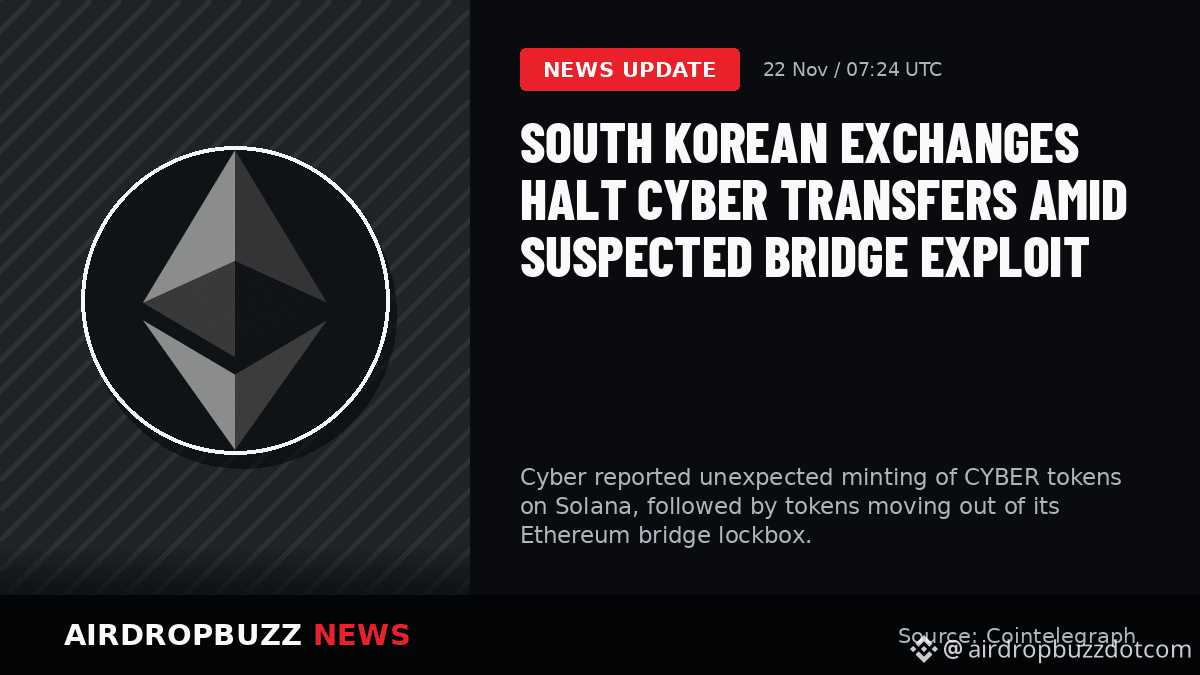
$ETH: South Korean exchanges halt CYBER transfers amid suspected bridge exploit
📰 What happened
Cyber reported unexpected minting of CYBER tokens on Solana, followed by tokens moving out of its Ethereum bridge lockbox, prompting an investigation.
🔎 Why it matters — our reading
Check the affected service’s recovery, withdrawal and remediation notices before taking action.
Source: Cointelegraph
Source published: 22 Nov 2026, 07:24 UTC
#ETH #CryptoSecurity
$ETH : South Korean exchanges halt CYBER transfers amid suspected bridge exploit
📰 What happened
Cyber reported unexpected minting of CYBER tokens on Solana, followed by tokens moving out of its Ethereum bridge lockbox, prompting an investigation.
🔎 Why it matters — our reading
Check the affected service’s recovery, withdrawal and remediation notices before taking action.
Source: Cointelegraph
Source published: 22 Nov 2026, 07:24 UTC
#ETH #CryptoSecurity
21
Security incidents in cross-chain protocols continue to highlight the ongoing risks of interoperability. While bounties and negotiations are standard initial steps for recovery, they emphasize how crucial rigorous audits and robust architecture remain. As the ecosystem evolves, resilience against sophisticated exploits is the ultimate test for decentralized infrastructure moving forward. $BTC #CryptoSecurity #DeFi #Blockchain
Security incidents in cross-chain protocols continue to highlight the ongoing risks of interoperability. While bounties and negotiations are standard initial steps for recovery, they emphasize how crucial rigorous audits and robust architecture remain. As the ecosystem evolves, resilience against sophisticated exploits is the ultimate test for decentralized infrastructure moving forward. $BTC #CryptoSecurity #DeFi #Blockchain
43

·
--
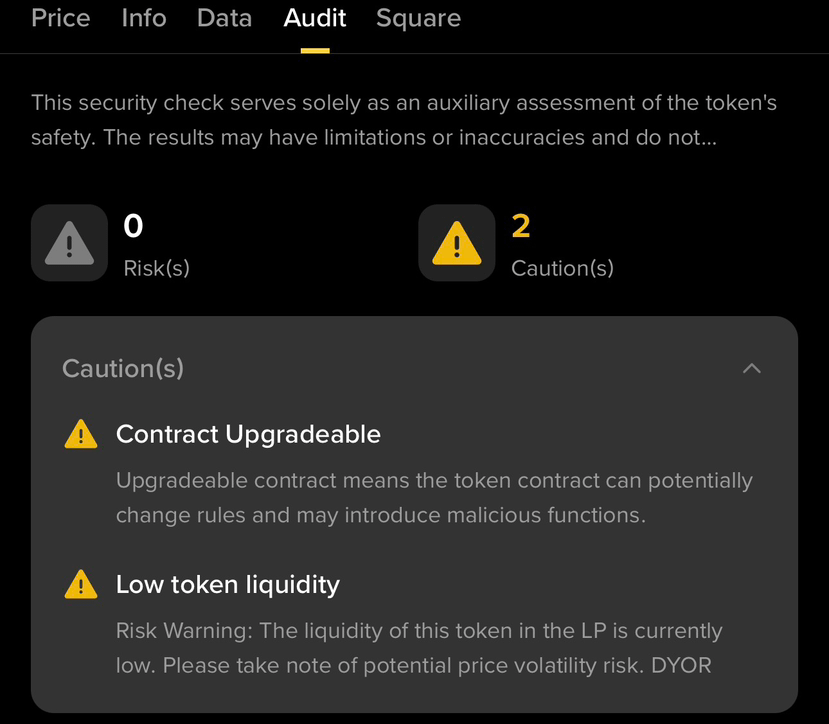
Beware of tokens with a hidden upgrade function🔧
Upgradeable contracts can change rules anytime. Read the contract before you trust it. Hidden upgrades are traps.
#KeepItLegit
#CryptoSecurity #DYOR .
Beware of tokens with a hidden upgrade function🔧
Upgradeable contracts can change rules anytime. Read the contract before you trust it. Hidden upgrades are traps.
#KeepItLegit
#CryptoSecurity #DYOR .
Upgradeable contracts can change rules anytime. Read the contract before you trust it. Hidden upgrades are traps.
#KeepItLegit
#CryptoSecurity #DYOR .
95

🔐 YOUR CRYPTO. YOUR RESPONSIBILITY.
You can spend months building your crypto portfolio...
But one careless click could put everything at risk.
Here are 5 rules every crypto user should understand:
1️⃣ NEVER SHARE YOUR SEED PHRASE
Your recovery phrase can give someone access to your wallet. Keep it private, offline, and secure.
2️⃣ ENABLE 2FA
Protect your exchange account with strong two-factor authentication.
3️⃣ AVOID UNKNOWN LINKS
Fake giveaways, phishing websites, and impersonation accounts are common crypto security threats.
4️⃣ VERIFY EVERY TRANSACTION
Double-check the wallet address, blockchain network, and amount before sending crypto.
5️⃣ NEVER TRUST RANDOM SUPPORT MESSAGES
Never share passwords, verification codes, private keys, or recovery phrases with someone claiming to be customer support.
Remember:
Your biggest crypto investment isn't just buying Bitcoin. It's learning how to protect what you own.
💬 QUESTION: What's the biggest crypto security mistake beginners should avoid?
Share your thoughts below!
$BTC
#CryptoSecurity #bitcoin #BİNANCE #CryptoEducation #blockchain #Web3 #Cryptocurrency
67
🚨 Crypto Red Flags: Stay Alert!
Protect your crypto assets. Watch out for these common scams:
🚩 Guaranteed Returns – Nobody can guarantee profits in crypto.
🚩 Urgent Pressure – Scammers push you to act NOW.
🚩 Verification Code Requests – Never share your OTP or authentication codes.
🚩 Suspicious Reward Links – Avoid clicking unknown links promising free rewards.
🔐 Remember: Binance will NEVER ask you to share your password, authentication codes, or secret recovery phrases, or transfer funds to a so-called “safe wallet.”
⚠️ Always verify information through official Binance channels.
Stay Smart. Stay Safe. Protect Your Crypto! 🛡️
#Binance #CryptoSecurity #StaySafe #ScamAlert #CryptoAwareness
79
Security incidents in cross-chain bridges continue to highlight the inherent risks of smart contract integrations. When millions vanish from an Ethereum vault, the immediate freeze of user funds underscores how quickly liquidity can be locked during emergencies. This event is a reminder of the complex security trade-offs developers face when managing multi-chain assets. Robust auditing and proactive monitoring remain critical for maintaining user trust across decentralized networks as architecture evolves. $ETH #Ethereum #CryptoSecurity #DeFi
Security incidents in cross-chain bridges continue to highlight the inherent risks of smart contract integrations. When millions vanish from an Ethereum vault, the immediate freeze of user funds underscores how quickly liquidity can be locked during emergencies. This event is a reminder of the complex security trade-offs developers face when managing multi-chain assets. Robust auditing and proactive monitoring remain critical for maintaining user trust across decentralized networks as architecture evolves. $ETH #Ethereum #CryptoSecurity #DeFi
18

·
--
🔎 SUCCESS DOESN'T ALWAYS MEAN FINAL!
Ever sent crypto and immediately seen “Success” or “Confirmed”? 👀
There is an important difference between transaction confirmation and finality.
🔹 CONFIRMATION
Your transaction has been included in a block on the blockchain.
🔹 FINALITY
The network has reached a stronger level of certainty that the transaction will not be reversed.
⚠️ WHY IT MATTERS
Some networks can experience temporary chain reorganizations (reorgs), where recent blocks are replaced.
A transaction with very few confirmations may be at greater risk of being reversed than one with more confirmations.
💡 WHAT YOU SHOULD DO:
✅ Always verify transactions using the correct blockchain explorer.
✅ Check the receiving address and network carefully.
✅ Don't treat a pending transaction as completed.
✅ For large transfers, wait for the required confirmations or finality level.
✅ Remember: confirmation requirements vary between blockchains and exchanges.
Your transaction hash (TXID) is your verification tool, not just a screenshot from the sender! 🔐
Stay informed. Stay secure. 🛡️
#CryptoEducation #Blockchain #CryptoSecurity #Web3 $BTC $ETH $BNB
{alpha}(560xa3cfb853339b77f385b994799b015cb04b208fe6)
{alpha}(560x0a8d6c86e1bce73fe4d0bd531e1a567306836ea5)
{alpha}(560x299ad4299da5b2b93fba4c96967b040c7f611099)
🔎 SUCCESS DOESN'T ALWAYS MEAN FINAL!
Ever sent crypto and immediately seen “Success” or “Confirmed”? 👀
There is an important difference between transaction confirmation and finality.
🔹 CONFIRMATION
Your transaction has been included in a block on the blockchain.
🔹 FINALITY
The network has reached a stronger level of certainty that the transaction will not be reversed.
⚠️ WHY IT MATTERS
Some networks can experience temporary chain reorganizations (reorgs), where recent blocks are replaced.
A transaction with very few confirmations may be at greater risk of being reversed than one with more confirmations.
💡 WHAT YOU SHOULD DO:
✅ Always verify transactions using the correct blockchain explorer.
✅ Check the receiving address and network carefully.
✅ Don't treat a pending transaction as completed.
✅ For large transfers, wait for the required confirmations or finality level.
✅ Remember: confirmation requirements vary between blockchains and exchanges.
Your transaction hash (TXID) is your verification tool, not just a screenshot from the sender! 🔐
Stay informed. Stay secure. 🛡️
#CryptoEducation #Blockchain #CryptoSecurity #Web3 $BTC $ETH $BNB

Felipe Brayner:
Totalmente de acordo! Uma confirmação inicial nem sempre significa irreversibilidade total em todas as redes. Esperar pela finalização adequada — especialmente em montantes mais elevados ou entre diferentes camadas — poupa muita dor de cabeça e evita riscos desnecessários.
3
2
182

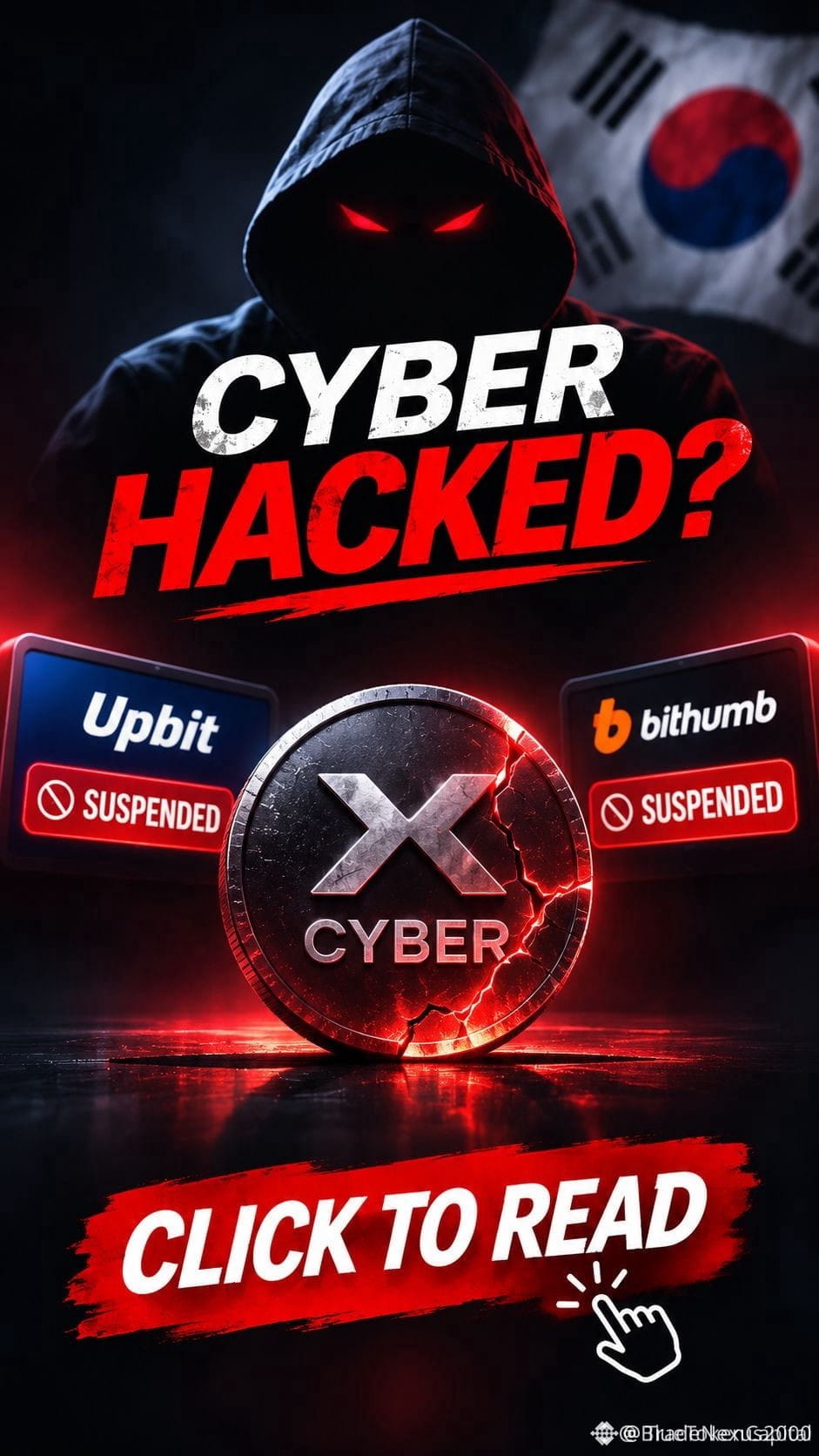
🚨 $CYBER CROSS-CHAIN BRIDGE ANOMALY EXPOSES CRITICAL STRUCTURAL VULNERABILITIES IN LIQUIDITY ROUTING! ⚠️
Recent structural anomalies involving unexpected token expansion on Solana and cross-chain routing inefficiencies have triggered immediate risk mitigation protocols across major regional trading venues for $CYBER . 📊 When liquidity passes through decentralized bridges, single points of architectural failure can cascade across the entire ecosystem, exposing hidden systemic decay. 🔍
Custodial security remains paramount, but bridge infrastructure continues to represent the most fragile vector in modern digital asset architecture. 💬 How are you adjusting your cross-chain risk parameters during this systemic liquidity re-evaluation? 👇
⚠️ Not financial advice. Always manage your risk. 🛡️
🏷️ #CYBER #CryptoSecurity #DeFi #MarketStructure
🦈 🔒
12
Google’s new Willow quantum processor just hit a milestone by crushing classical limits in a complex coordination game. While we are still far from commercial-grade quantum computing, this breakthrough proves that the hardware is evolving rapidly. As quantum processing scales, it poses a direct challenge to current cryptographic standards that secure our digital assets. The crypto space must eventually consider post-quantum security to ensure long-term resilience against these high-speed systems. #QuantumComputing #TechNews #CryptoSecurity
Google’s new Willow quantum processor just hit a milestone by crushing classical limits in a complex coordination game. While we are still far from commercial-grade quantum computing, this breakthrough proves that the hardware is evolving rapidly. As quantum processing scales, it poses a direct challenge to current cryptographic standards that secure our digital assets. The crypto space must eventually consider post-quantum security to ensure long-term resilience against these high-speed systems. #QuantumComputing #TechNews #CryptoSecurity
GOOGL+0.72%
GOOGUS-0.84%
68
Log in to explore more content
Join global crypto users on Binance Square
⚡️ Get latest and useful information about crypto.
💬 Trusted by the world’s largest crypto exchange.
👍 Discover real insights from verified creators.
Email / Phone number
Trending Topics
1
#WillMarketsStageAThanksgivingReliefRally?
0 views
7 Discussing
2
#BTCReboundsAbove$60KAmidWhaleDipBuying
103,714 views
421 Discussing
3
#SolanaSets2027RoadmapToDoubleComputeCapacity
87,757 views
1,211 Discussing
4
#CaliforniaNvidiaProbeExaminesPotentialCriminalViolations
24,739 views
182 Discussing
5
#BlackRockLaunchesHKDollarDigitalLiquidityFund
75,092 views
881 Discussing
6
#NvidiaLoses$2.7TrillionInMonthAndAHalf
89,452 views
344 Discussing
7
#GlobalStocksFaceLongestLosingStreakSince2023
618,893 views
3,612 Discussing
8
#BlackRockIBITPostsRecord$541MSingleDayOutflow
105,701 views
188 Discussing
9
#TwentyOneCapitalAdds172.25BTC
191,350 views
1,737 Discussing
10
#HKBillWouldExcludeTokenizedDepositsFromVirtualAssets
19,890 views
113 Discussing