

NAPOL
9.5k Posts

NAPOL
 Square Verified
Report
Block User
I'm SIS. Welcome everyone.

Traders League Badge Beginner
Open Trade
Frequent Trader
1.9 Years
2.2K+ Following
44.1K+ Followers
58.5K+ Liked
1 Badges
Posts
Portfolio
All
Quotes
Live
·
--
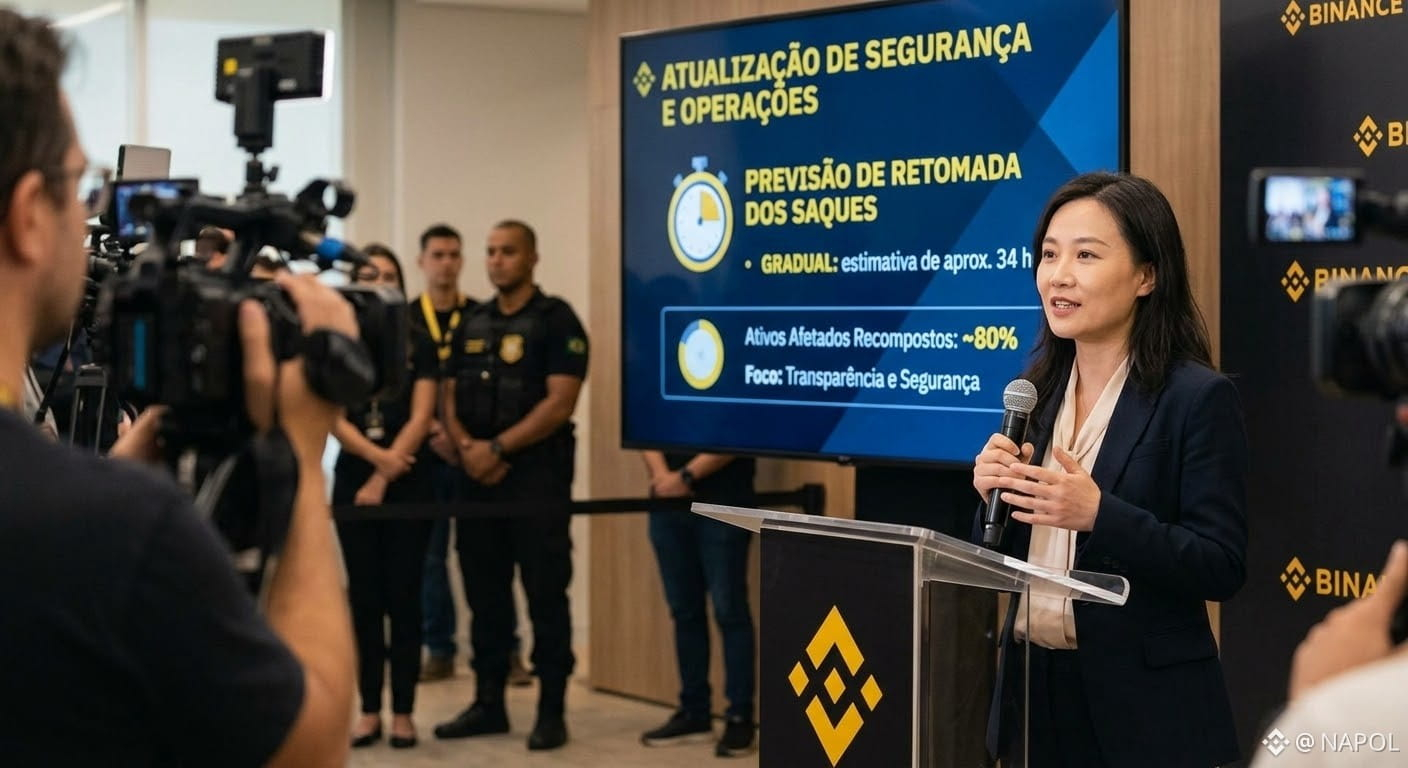
#HeYiSaysWithdrawalsExpectedtoResumeWithin42Hours 🚨 Binance expects withdrawals to resume after security incident
He Yi said Binance expects to begin gradually resuming withdrawals, with an updated estimate of approximately 34 hours, following the preventive measures taken after the recent security incident.
According to the company's updates, around 80% of the affected assets have already been replenished. Operations will return to normal gradually, coin by coin, as security checks are completed.
In my opinion, the most important thing now is to restore users' trust. In situations like this, transparency, accountability, and security need to come first.
The market will be watching Binance's next steps. After all, trust is restored not just with promises, but with concrete actions.
#CZSaysCompensationIsinPlaceUsersAreProtected #BinanceAlert #BreakingCryptoNews
$BTC $ETH
2
163
·
--
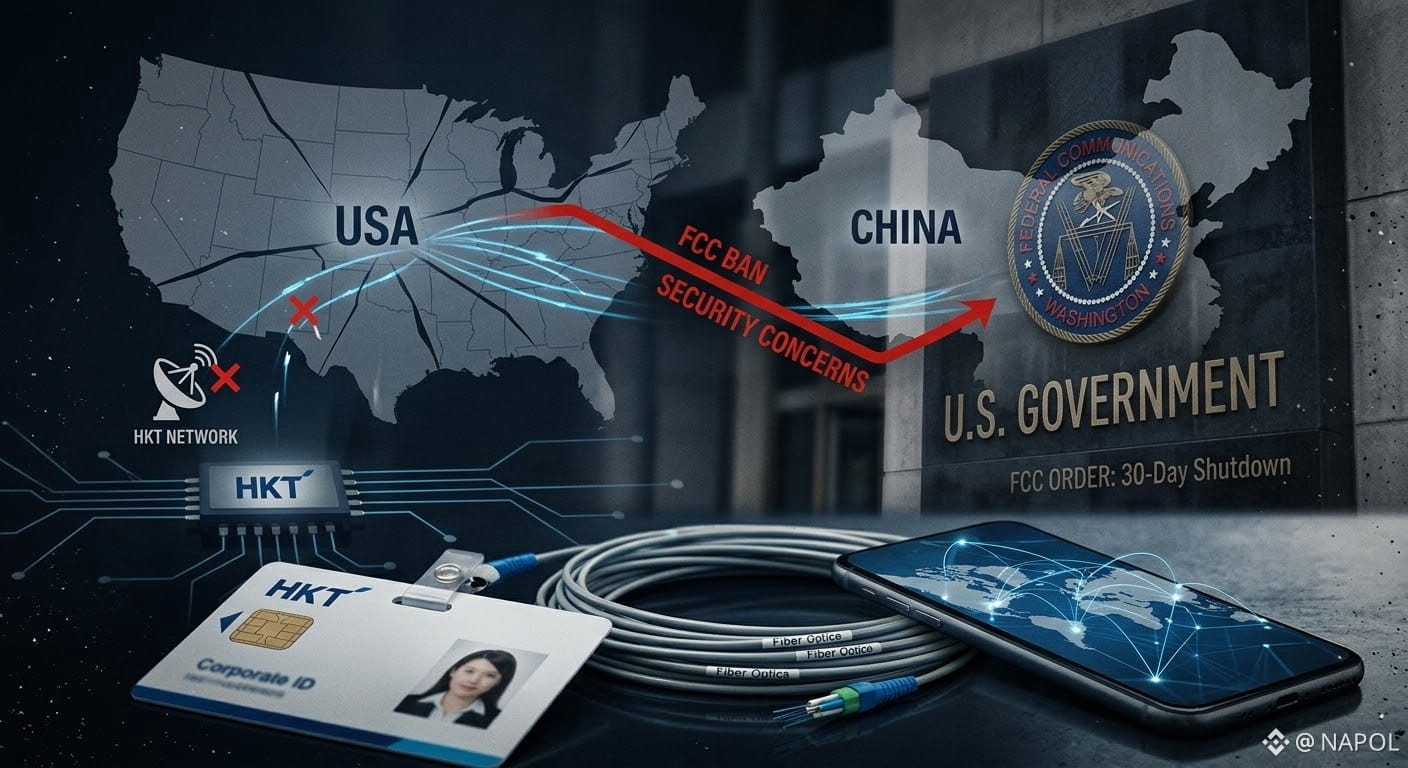
📡 HKT agrees to wind down U.S. operations after FCC pressure
The dispute between national security and telecommunications has taken another turn. HKT has agreed to suspend its services in the United States following an agreement with the Federal Communications Commission (FCC).
Under the agreement, the company must request discontinuation of its services within 30 days and cease operations by September 1, 2027.
The decision is related to national security concerns raised by the FCC, particularly because of HKT’s ties to China Unicom, a shareholder in PCCW.
In practice, the agreement prevents the FCC from moving forward with the process of revoking the company’s authorization.
My take: this case shows how geopolitics is increasingly influencing the technology and telecommunications sectors. National security, infrastructure control, and disputes between major powers are becoming decisive factors for companies operating globally.
The market needs to keep an eye on these developments, because their consequences could extend far beyond telecommunications. 🌍
#US #china #Geopolitics #INNOVATION #HKETF
$LSK $RAD $CVC
1
484
·
--
🚨 #HackerAlert
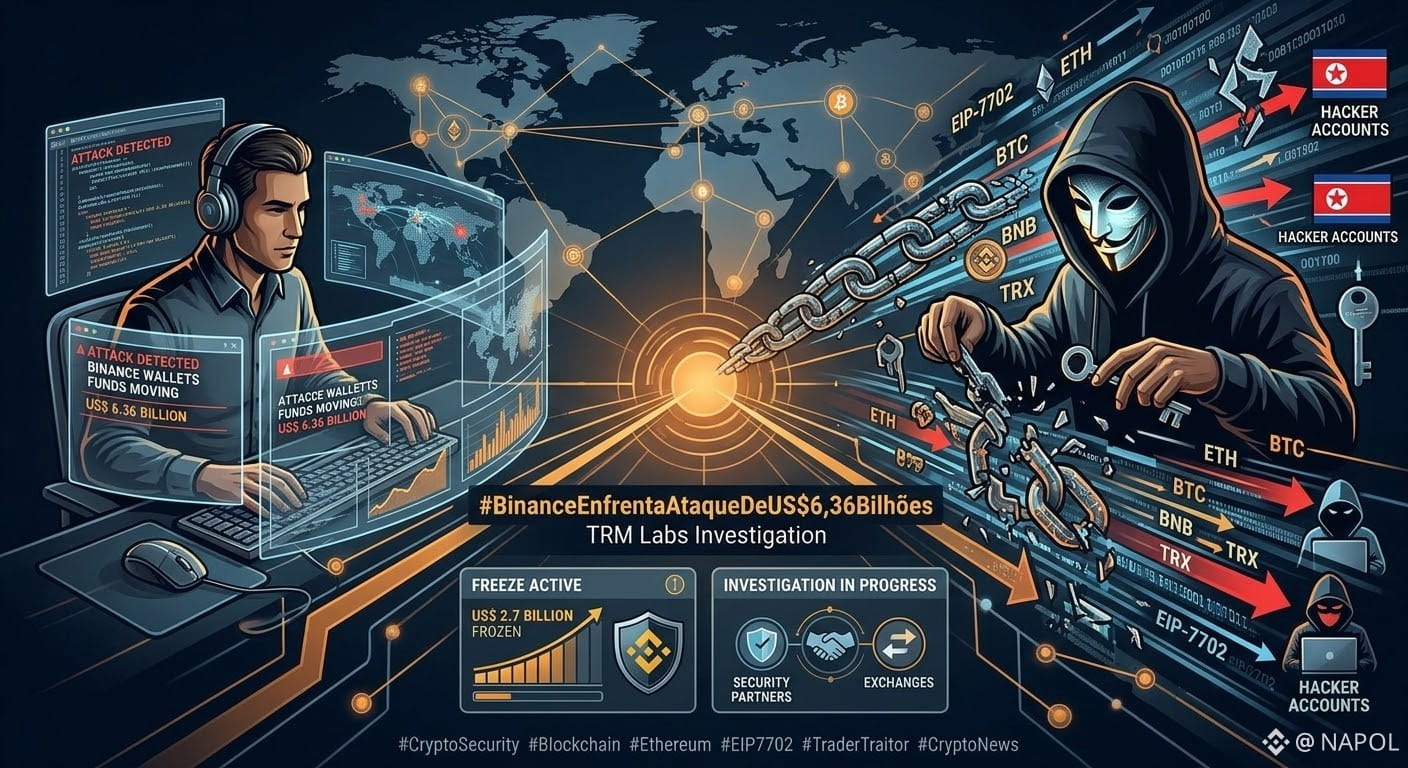
The cryptocurrency market was stunned by one of the largest attacks in the industry's history. According to TRM Labs, approximately US$6.36 billion was moved from Binance wallets across ten blockchains, with most of the transfers taking place in about 20 minutes.
Investigations point, with a high degree of confidence, to the TraderTraitor group, which is linked to North Korea. One of the methods used involved EIP-7702, an Ethereum feature exploited to facilitate the movement of funds.
Binance said it is working with security firms and industry partners to track and freeze the assets. Approximately US$2.7 billion had already been frozen, according to TRM Labs. The exchange also said it would cover users' losses.
In my view, this incident goes far beyond a multimillion-dollar attack. It raises a fundamental question: protecting assets is not enough; we must also ensure that the systems responsible for authorizing each transaction are secure.
Trust in the crypto market depends on transparency, security, and accountability. The investigation and the measures taken will now be crucial in showing how the industry can learn from this incident.
#Trump #CryptoSecurity #BlockchainNews #alert
$BEAMX $LSK $RSR
2
764
·
--
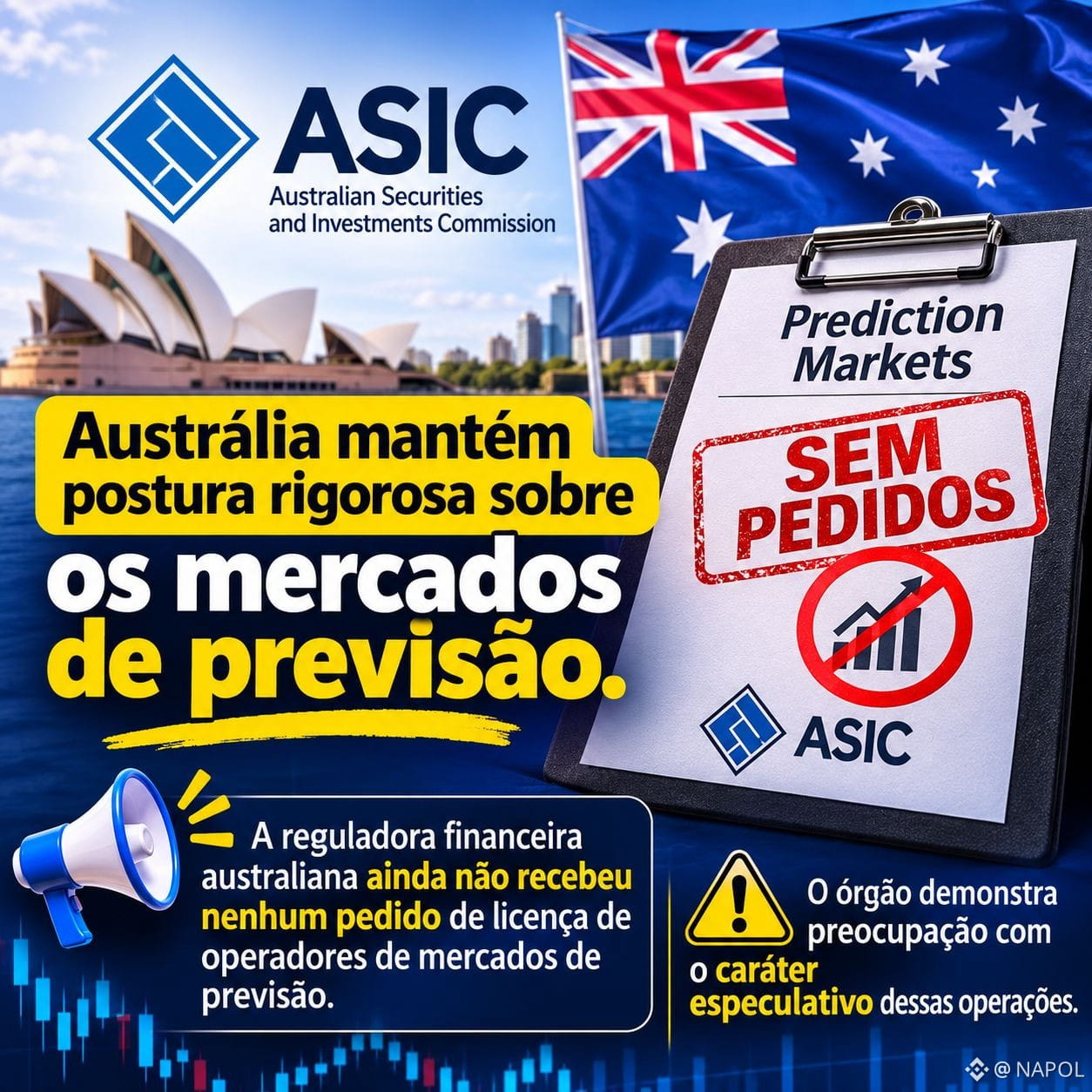
#ASICHasReceivedNoPredictionMarketApplications 🇦🇺 Australia maintains a strict stance on prediction markets.
ASIC, Australia's financial regulator, said it has not yet received any license applications from prediction market operators. The statement was made by Chair Sarah Court during a parliamentary hearing on October 29.
The agency has expressed concern about this model, particularly because of the speculative nature of these transactions, where the outcome could mean winning or losing the entire amount invested.
In my view, this situation shows that the growth of prediction markets also brings significant challenges for the sector. Innovation needs to go hand in hand with transparency, security, and clear rules to protect participants.
The market can evolve, but users' trust needs to keep pace with that evolution. 📊
#prediction #NEW #INNOVATION #Geopolitics
$SOPH $BEAMX $LSK
5
934
·
--
#BinancePick
In the crypto market, every choice can represent an opportunity, but knowing how to distinguish potential from hype is what really matters.
I believe good decisions start with research, attention to detail, and a long-term vision. It’s not about following the crowd, but finding opportunities with solid fundamentals and making informed decisions.
The secret isn’t getting every choice right, but learning to make better choices with every opportunity. 🚀
37
·
--
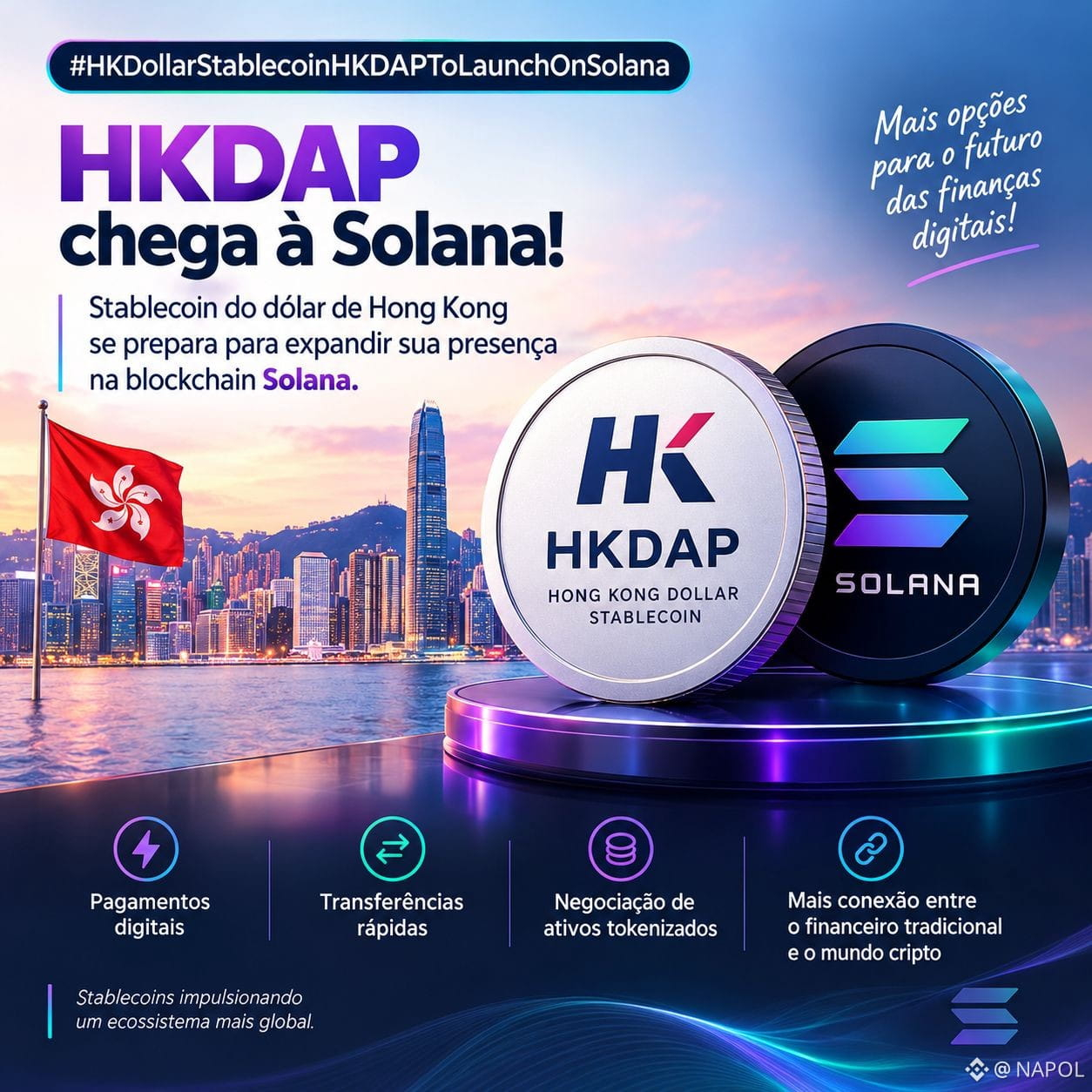
#HKDollarStablecoinHKDAPToLaunchOnSolana 🇭🇰 HKDAP arrives on Solana: a new step for stablecoins!
The HKDAP stablecoin, pegged to the Hong Kong dollar, is preparing to expand its presence on the Solana blockchain through a partnership between Anchorpoint and the Solana Foundation.
The proposal is to enable issuance and redemption directly on the network, opening up new possibilities for digital payments, fast transfers, and trading tokenized assets.
In my view, this initiative shows how the stablecoin market is evolving beyond the US dollar. The combination of blockchain infrastructure and regulated issuers could strengthen the connection between the traditional financial system and the digital economy.
Now, the key thing will be to follow the implementation and actual adoption of this integration. The technology opens doors, but real-world use will show its true potential. 🚀
#stablecoin #Solana #HKETF #INNOVATION
$BLUR $SOL
1
491
·
--
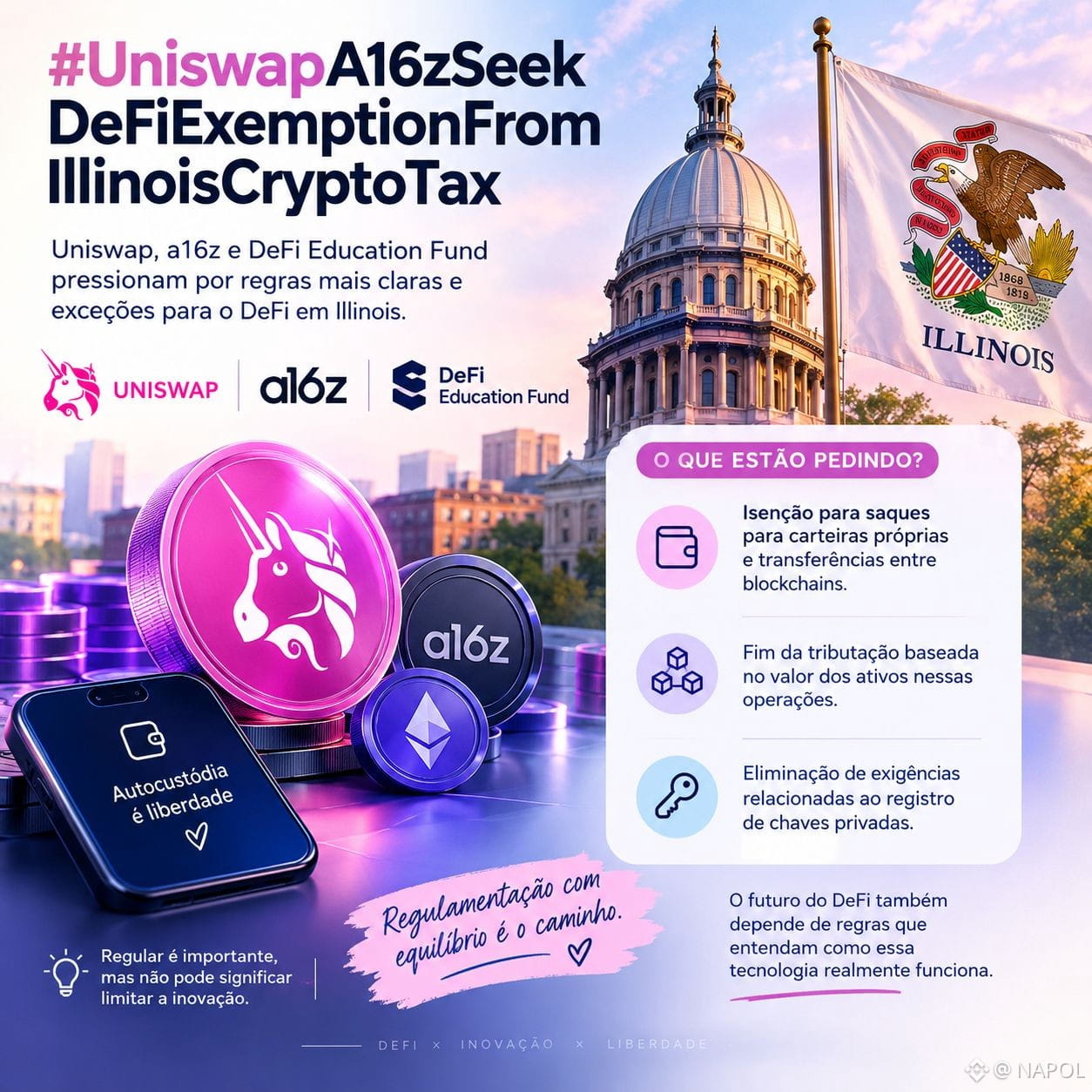
#UniswapA16zSeekDeFiExemptionFromIllinoisCryptoTax
The debate over cryptocurrency taxation in Illinois has entered a new chapter. Uniswap, a16z, and the DeFi Education Fund are pushing for clearer rules and exemptions for certain decentralized finance activities.
The proposal includes exempting withdrawals to self-hosted wallets and transfers between blockchains from taxation based on asset value, as well as eliminating requirements related to the registration of private keys.
In my view, the biggest challenge is finding a balance between tax revenue and innovation. It makes no sense to create rules that end up penalizing self-custody or making it harder for decentralized technologies to operate.
The future of DeFi also depends on regulation that understands how this technology actually works. ⚖️🌐
Regulation is important, but it must not mean limiting innovation.
#DeFi #blockchain #uniswap #Geopolitics
$SOPH $BEAMX $BLUR
2
785
·
--
#BinancePick
In the world of cryptocurrencies, every choice deserves careful consideration. The market is constantly bringing new possibilities, but simply following trends or acting on impulse isn’t enough.
I like to observe market movements, compare opportunities, and assess each project’s potential before making a decision. After all, good choices begin with information and analysis, not haste.
79
·
--
Verified
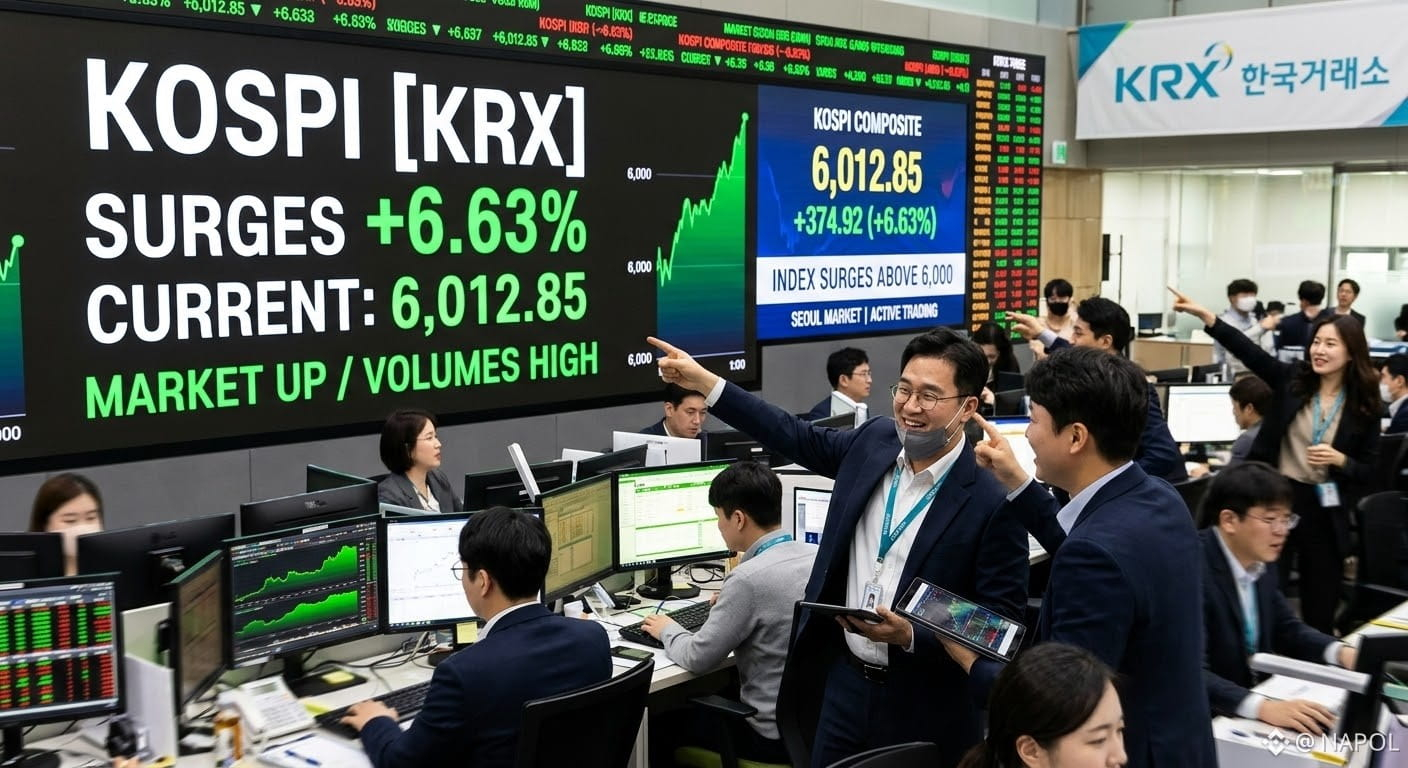
#KOSPISurges6.63%BackAbove6000
The strong recovery in the KOSPI, up 6.63% and back above 6,000 points, draws attention to the movement of Asian stock markets.
In my view, a significant rise signals a shift in market sentiment, but it is important to see whether the index can sustain this level in the coming trading sessions. More than today's recovery, the continuation of the move will be the real test. 👀
$INIT $HAEDAL $SHELL
#NEW #Geopolitics
1
556
·
--
Partly True
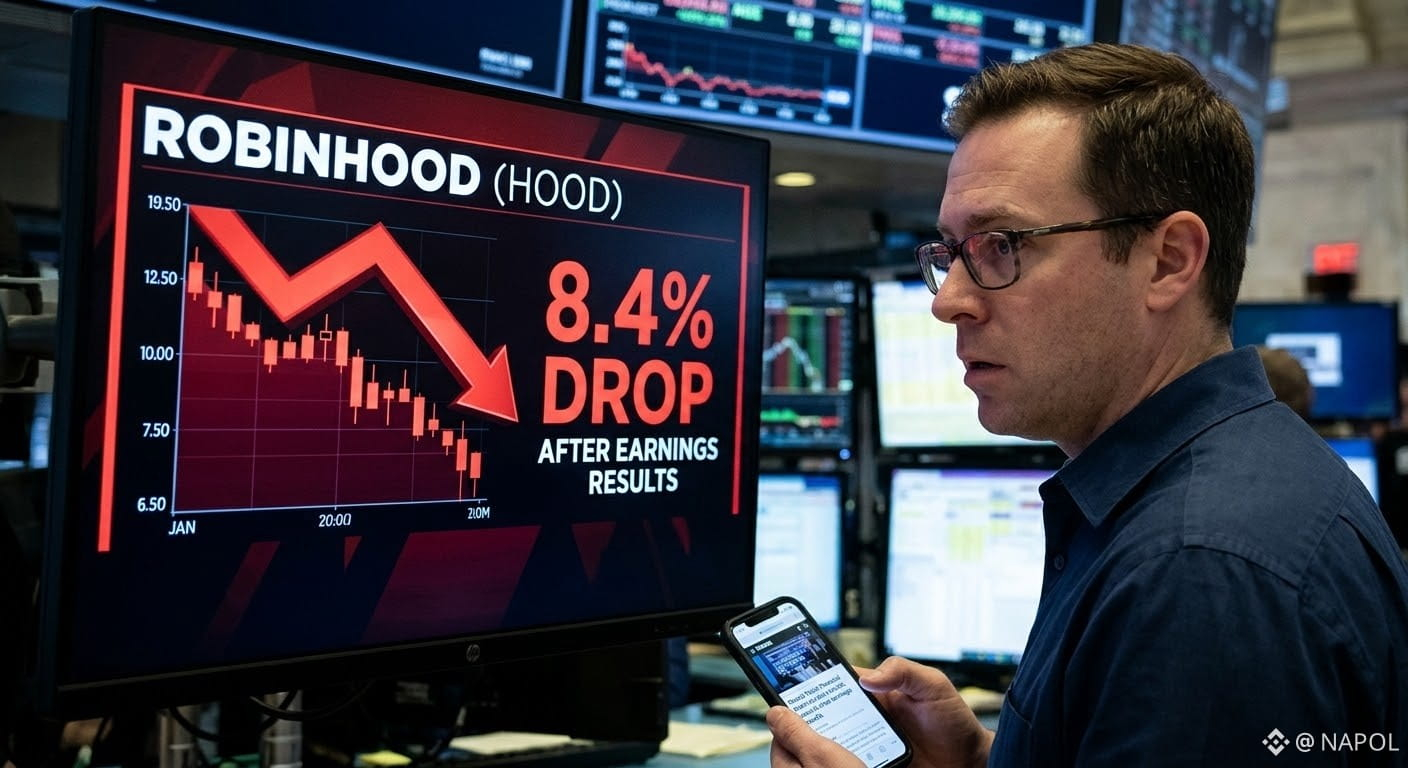
#RobinhoodFalls8.4%AfterItsResults
Robinhood shares falling 8.4% after its earnings report shows how quickly the market can react when the numbers fall short of expectations or fail to convince investors.
Even for companies tied to financial innovation and the crypto market, enthusiasm doesn’t guarantee a positive stock market reaction. 📊
In my view, this move reinforces the importance of following earnings, growth prospects, and market expectations before making decisions. It’s not enough to look at the numbers; you need to understand what they mean for the company’s future.
#MarketNew #NEW #US #alert
$INIT $HAEDAL $TUT
1
530
·
--
#CanGoogleDefindItsCore
Google has built one of the most influential digital ecosystems in the world, but the challenge is to keep evolving without losing its essence.
With the advancement of artificial intelligence, the company needs to find a balance between innovation, trust, and the experience that millions of people already know.
In my view, the future depends not only on creating new technologies, but also on knowing what truly sets the company apart and how to turn that into value for users.
Innovation is important, but having a clear identity is what sustains long-term growth. 💡
#Google #AI #INNOVATION
$GOOGLB $HAEDAL $INIT

4
1.1k
·
--
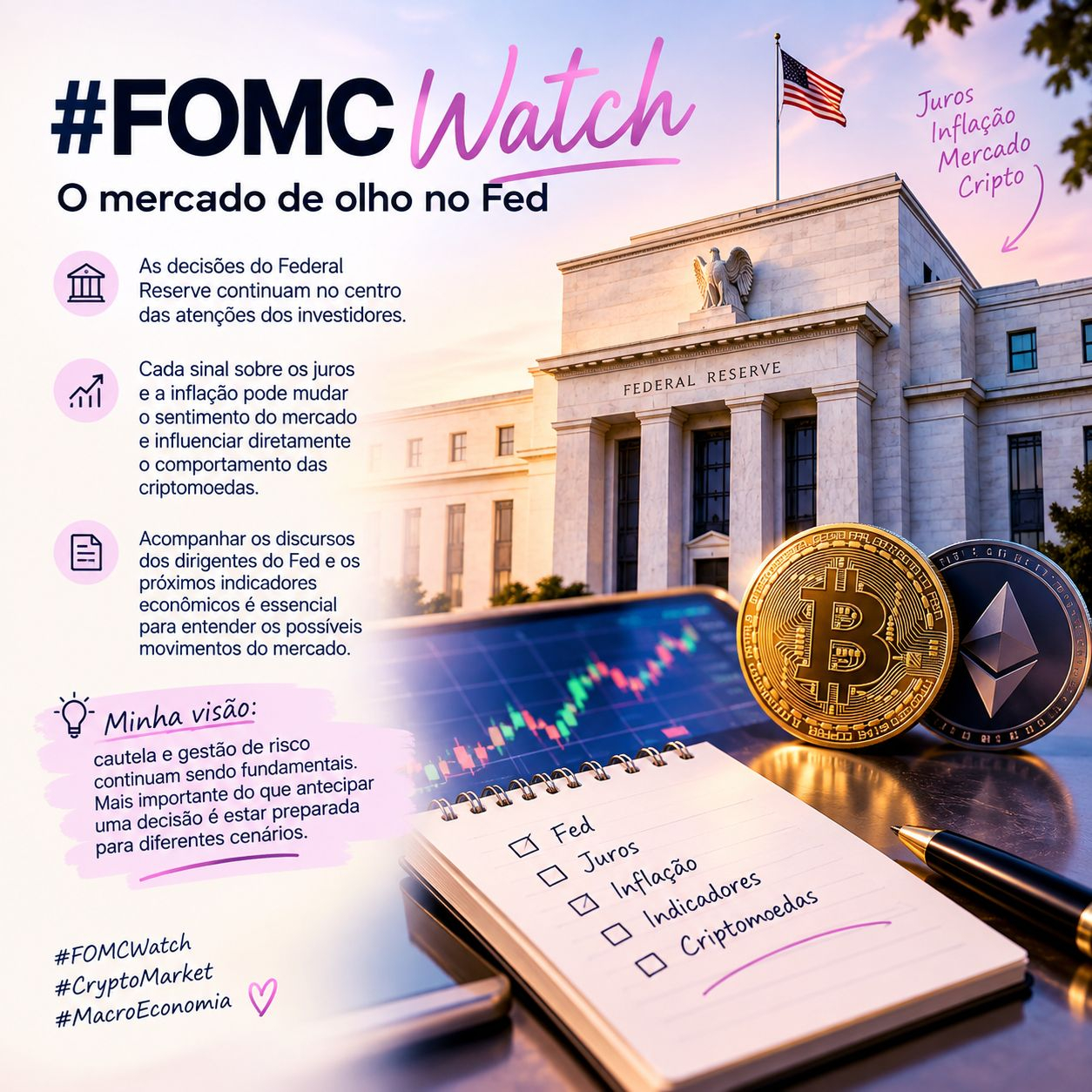
#FOMCWatch | The market is watching the Fed
The Federal Reserve’s decisions remain at the center of investors’ attention. Every signal about interest rates and inflation can shift market sentiment and directly influence the behavior of cryptocurrencies.
👀 In this context, following Fed officials’ speeches and upcoming economic indicators is essential to understanding potential market movements.
My view: caution and risk management remain essential. More important than trying to anticipate a decision is being prepared for different scenarios. 🎯
#Fed #CryptoMarket #Macro
$HAEDAL $SOLV $INIT
2
302
·
--
#CanMicrosoftDeliverOnAI
Microsoft is investing heavily in artificial intelligence, with Azure and Copilot at the center of its strategy. But the big question is: will these investments translate into real revenue growth and results that exceed expectations?
In my opinion, AI has plenty of room to grow, and Microsoft’s upcoming results could give us a good idea of how this strategy is progressing.
AI is already changing the game. Now, I want to see how far Microsoft can go with this bet.
#IA #MSFT #AI #EarningsSeason
$HAEDAL $INIT

4
3.4k
·
--
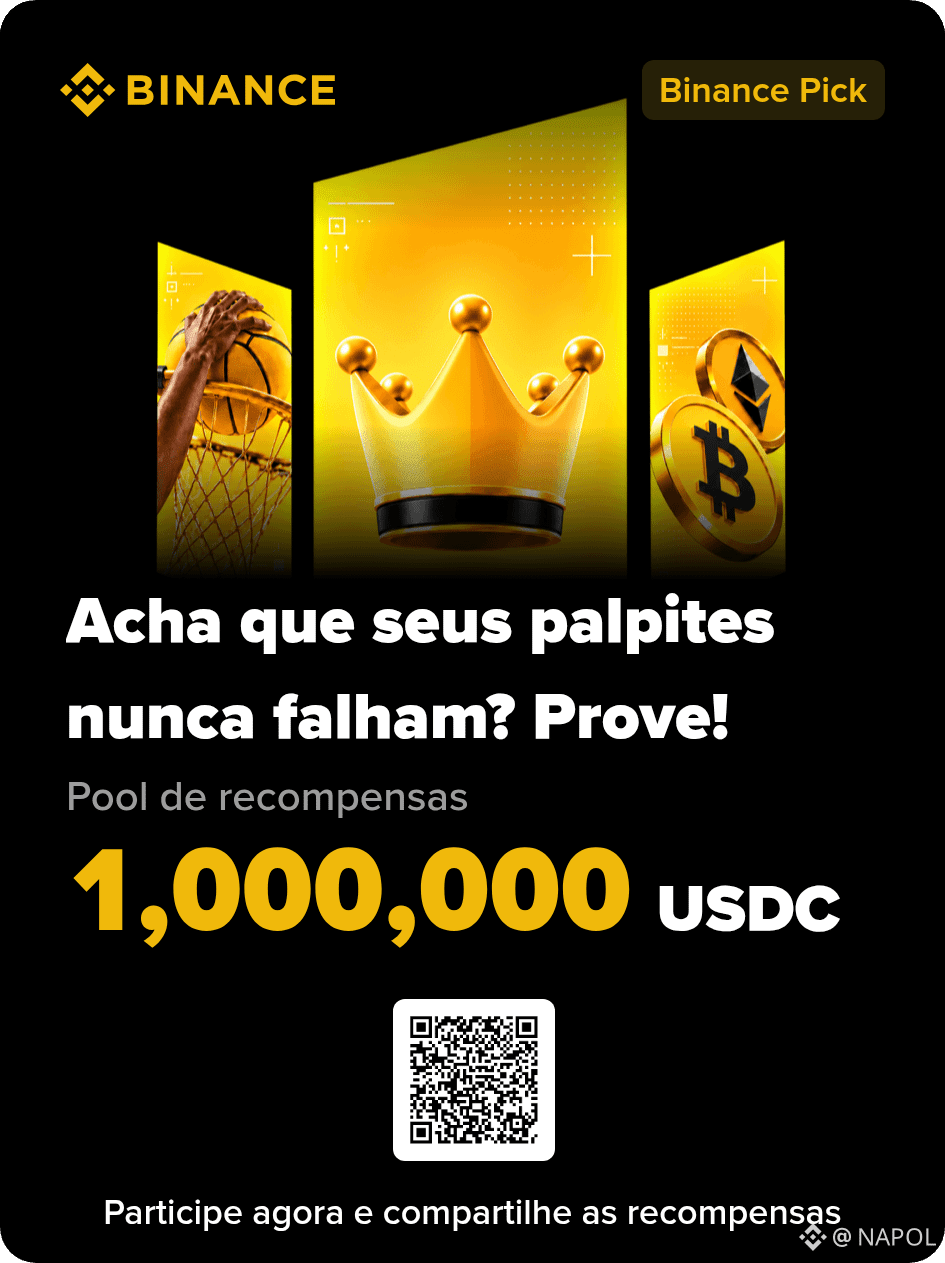
#BinancePick
In the crypto market, making the right choice goes far beyond keeping up with the coin that’s trending. You need to look at the fundamentals, analyze the market conditions, and understand the risks before making any decisions. 📊
In my view, information and strategy make all the difference. Not every opportunity is the best choice, and knowing when to wait is part of the game too.
59
·
--
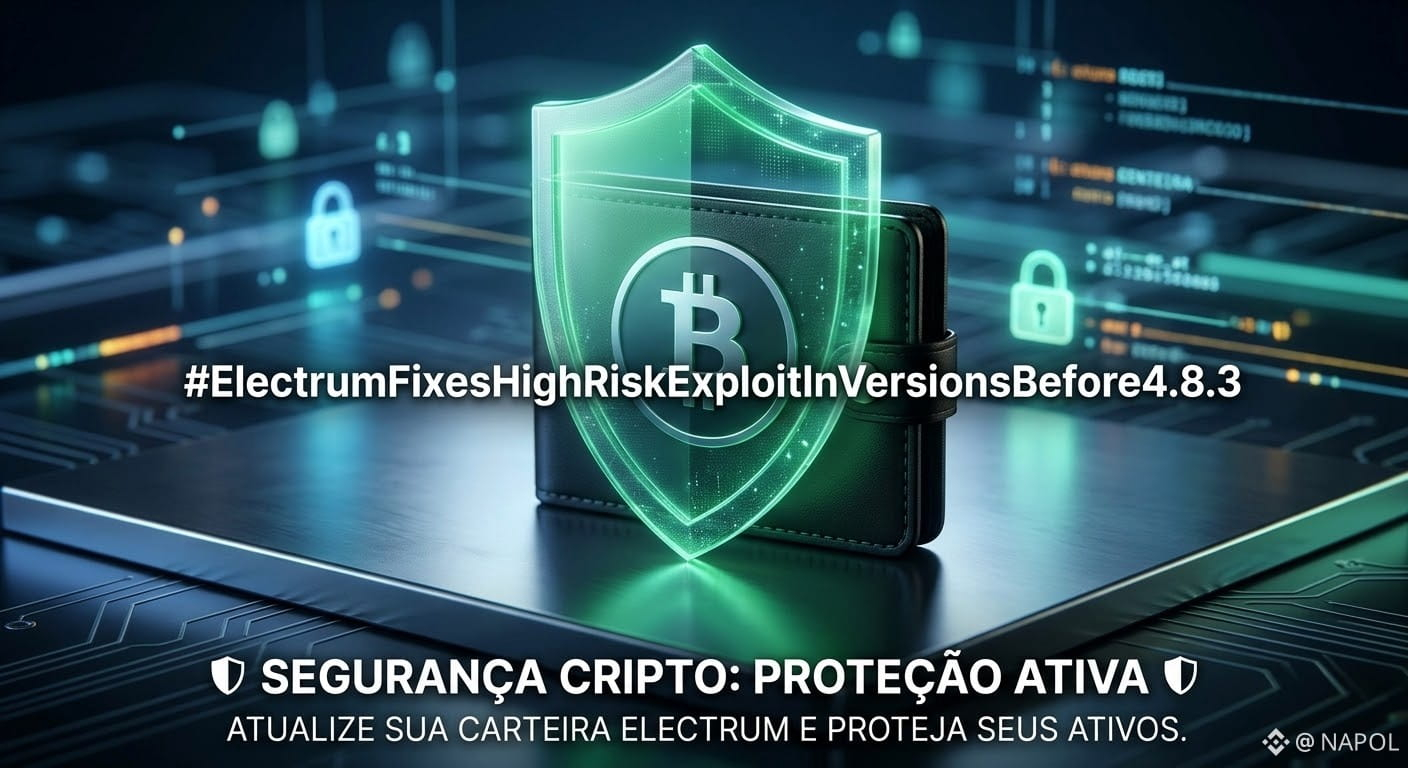
#ElectrumFixesHighRiskExploitInVersionsBefore4.8.3
The security of cryptocurrency wallets remains essential for anyone looking to protect their digital assets.
The news about the fix for a high-risk vulnerability in Electrum highlights the importance of keeping software up to date and not ignoring security alerts.
My opinion: in the crypto world, protecting your funds starts with prevention. Check that your wallet is running the patched version, download updates only from official channels, and never share your seed phrase.
Security is no small detail: it is a fundamental part of your strategy in the crypto market.
#CryptoSecurity #Blockchain
$T $AVA $XEC
3
255
·
--
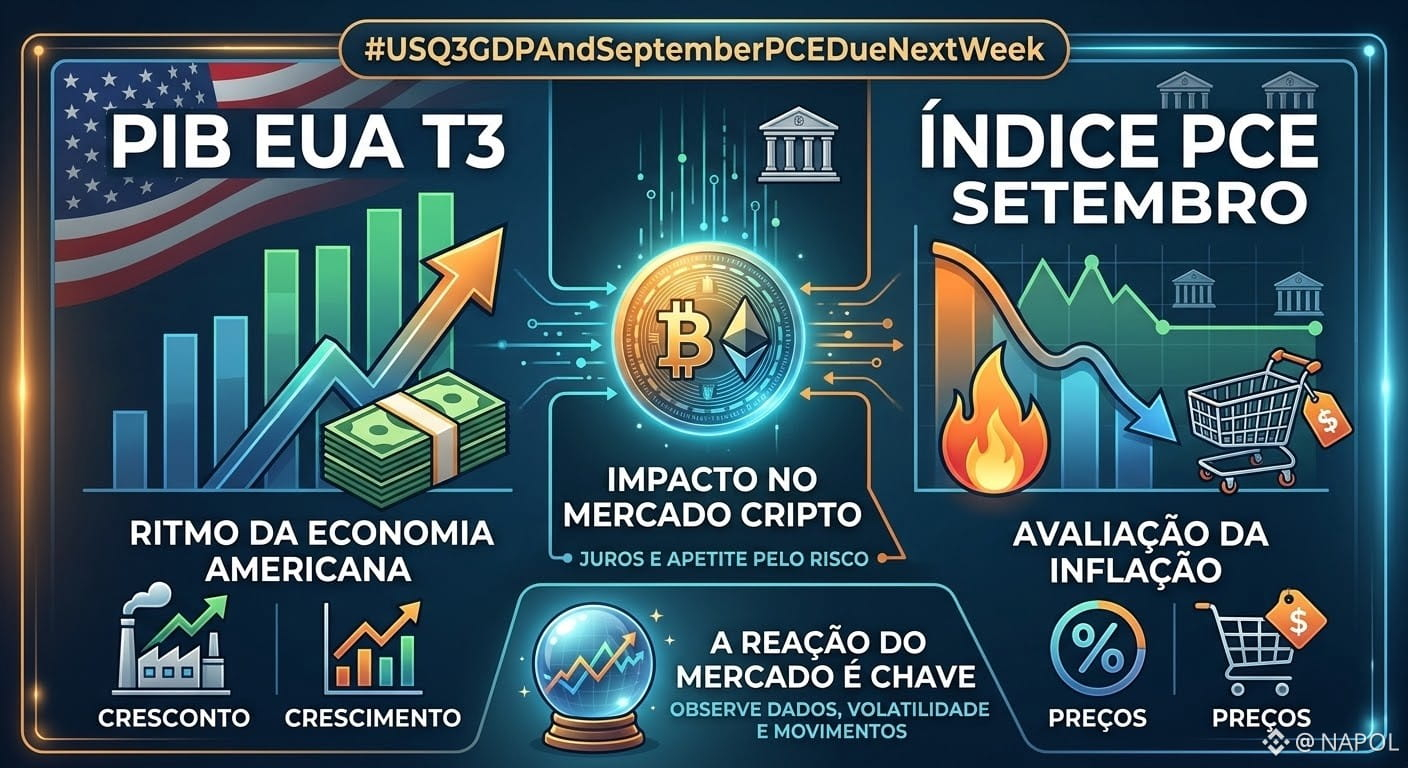
#USQ3GDPAndSeptemberPCEDueNextWeek
Next week is set to bring movement to the markets with the release of U.S. third-quarter GDP and the September PCE index, one of the inflation indicators most closely watched by the Federal Reserve.
GDP will show the pace of the U.S. economy, while PCE will help assess whether inflation is really slowing. 🇺🇸
For the crypto market, this data could influence expectations about interest rates and change investors’ appetite for risk.
👀 My view: the market’s reaction will matter more than the numbers in isolation. Strong data could keep pressure on risk assets, while signs of slowing inflation could boost optimism.
Next week, keep an eye on the data, volatility, and market movements before making decisions.
#FederalReserve #US #Inflation #Geopolitics
$T $XEC $INIT
3
477
·
--
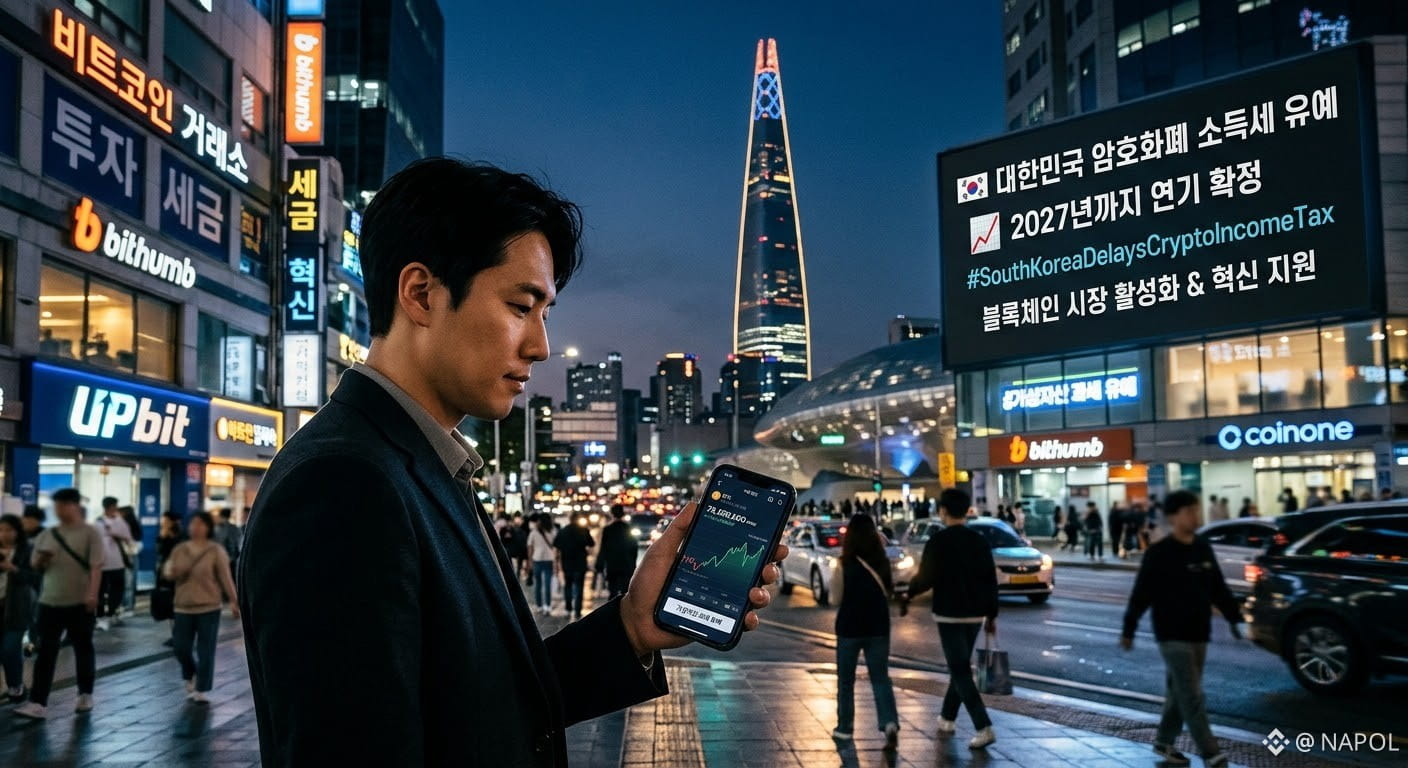
#SouthKoreaDelaysCryptoIncomeTax 🇰🇷 South Korea delays tax on cryptocurrency gains
The delay in taxing crypto-asset income in South Korea has reignited debate about how governments should regulate this market without slowing its growth. 📊
For investors, the issue goes beyond taxes: it involves legal certainty, incentives to participate, and confidence in the sector. Clear and predictable rules can make a difference to the sustainable growth of cryptocurrencies.
In my view, the challenge is to strike a balance between tax revenue and innovation without making investment in digital assets less attractive.
$T $XEC $POLYX
3
448
·
--
Verified
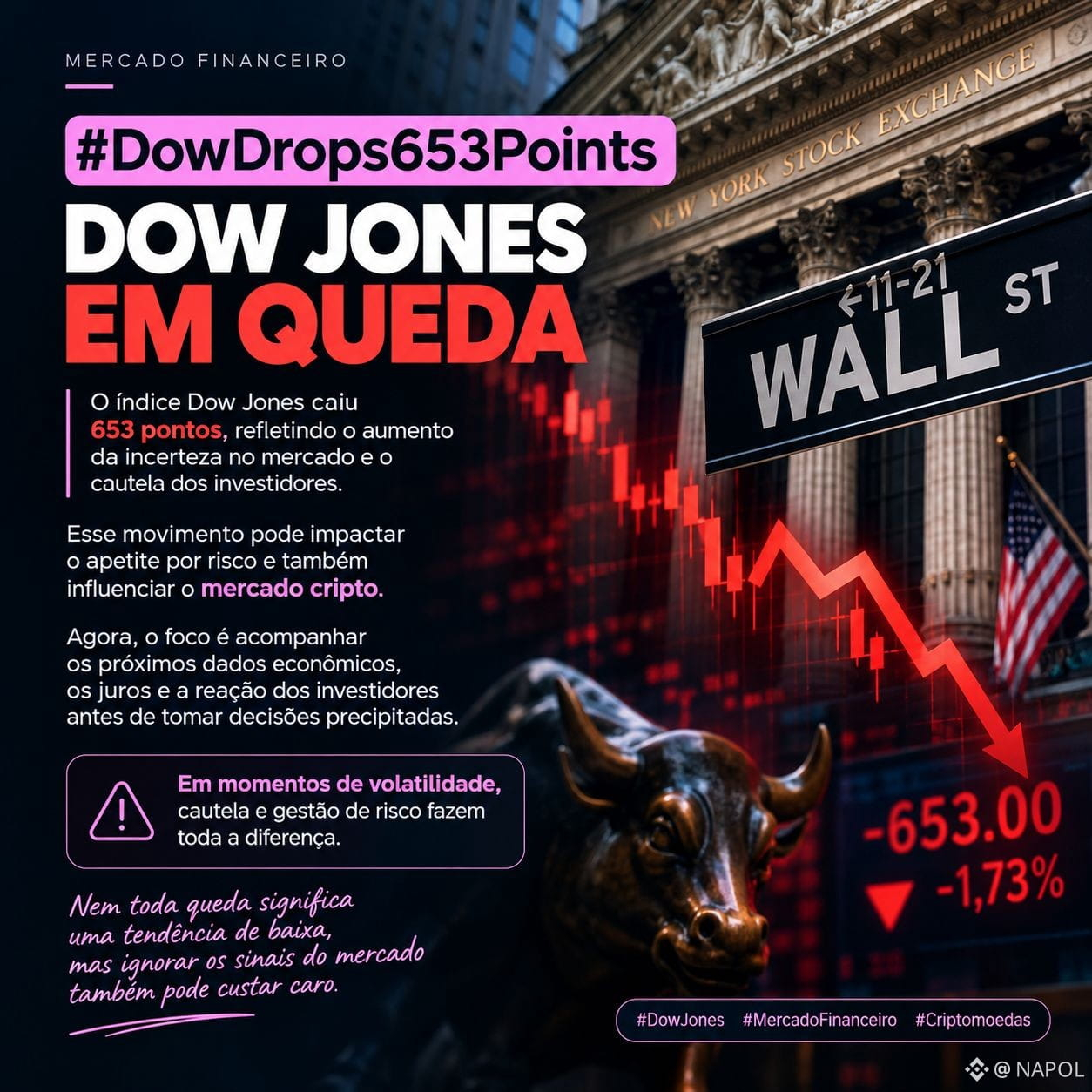
#DowDrops653Points
Wall Street in the red! The 653-point drop in the Dow Jones shows how quickly market sentiment can shift when uncertainty rises. 📊
Moves like this can affect risk appetite and also have an impact on the crypto market. The most important thing now is to keep an eye on upcoming economic data, interest rates, and investor reactions before making any rash decisions.
⚠️ In times of volatility, caution and risk management make all the difference. Not every drop signals a downtrend, but ignoring market signals can also be costly.
#WallStreet #NEW #US #Geopolitics
$T $INIT $IOST
3
626
·
--
#EarningsSeason : the market also moves on expectations!
Earnings season has arrived on Binance Square, offering an opportunity to closely follow the performance of major companies and understand how their numbers can influence the market.
📈 Rather than focusing only on profits, it's worth looking at revenue, future projections, and whether the results actually exceed investors' expectations.
My opinion: a forecast without analysis is just a guess. The important thing is to evaluate the data, consider the risks, and stay grounded, even when the market seems optimistic.
#BinancePick #US #MarketNews
$NVDAB $GOOGLB $TSLAB

4
998
·
--
#SouthKoreaPlansToRegulateStablecoinsUnderFXLaw 🇰🇷 South Korea wants to regulate stablecoins under foreign exchange law
South Korea is advancing the debate on stablecoin rules, seeking to bring these digital currencies under foreign exchange legislation. 🌐💵
This initiative shows how governments are paying increasingly close attention to the impact of stablecoins on international payments, capital flows, and financial oversight.
My view: the challenge will be finding a balance between regulatory security and innovation. Clear rules can strengthen confidence in the sector, but excessive requirements could also hinder market development.
The future of stablecoins depends not only on technology, but also on how each country decides to regulate them.
$T $EPIC $BMT
#Stablecoins #CryptoRegulation #Geopolitics

4
1k
Log in to explore more content
Join global crypto users on Binance Square
⚡️ Get latest and useful information about crypto.
💬 Trusted by the world’s largest crypto exchange.
👍 Discover real insights from verified creators.
Email / Phone number
Trending Topics
BinanceReports80%Recoveryof$6.3BillioninLossesfromHackIncident
15,165 views
141 Discussing
Security Incident Update #2 (2026-10-30)
Binance Announcement
·1.1k Likes
·1.3M views
HeYiSaysWithdrawalsExpectedtoResumeWithin42Hours
26,050 views
503 Discussing
CZSaysCompensationIsinPlaceUsersAreProtected
29,080 views
411 Discussing