

Alexander Guevara
12.8k Posts

Alexander Guevara
Report
Block User
🇻🇪Trading📊 Analistas de los mercado financiero🏦 tradicional , nuevo mercado emergentes en mecanismos en Blockchain y criptómoneda.

Traders League Badge Expert
Open Trade

BNB Holder
Frequent Trader
3.8 Years
13 Following
2.5K+ Followers
38.4K+ Liked
1 Badges
Posts
Portfolio
All
Quotes
Videos
📢 Bolivia and Venezuela remain on the FATF grey list: what changes if you use crypto
Bolivia and Venezuela will remain on the FATF grey list, the international anti-money laundering body, at least until February 2027. At its plenary meeting in Paris from October 28 to 30, the FATF removed the Democratic Republic of the Congo, Côte d’Ivoire, Bulgaria, and Monaco from the list, and did not…
📢 Tether earns US$1.5 billion and nearly doubles its reserve cushion
Tether, the company behind USDT, said it earned US$1.5 billion in the third quarter of 2026 and that its reserve cushion nearly doubled: it went from US$4.11 billion at the end of June to US$7.95 billion as of September 30. This is the margin it has above what it owes to those who hold…
📢 In Bolivia, USDT now costs less than the official dollar
In Bolivia, the parallel dollar, now measured mainly by the price of USDT on P2P platforms, fell below Bs 12 on Friday, October 30, and dropped below the official exchange rate set by the Central Bank of Bolivia (BCB), which was set at Bs 12.09 for the long weekend.…
#Bolivia #venezuela #USDT #GAFI #Europe $BTC $ETH

5
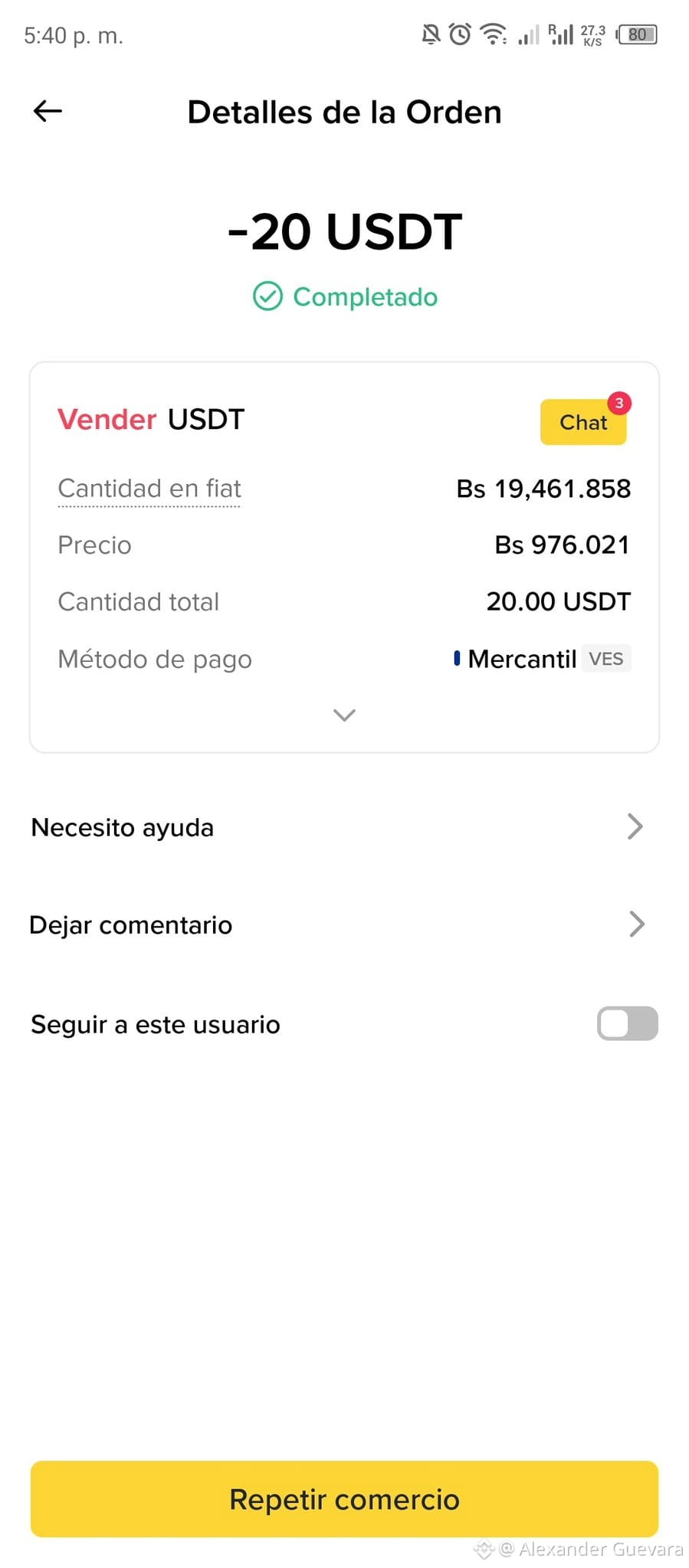
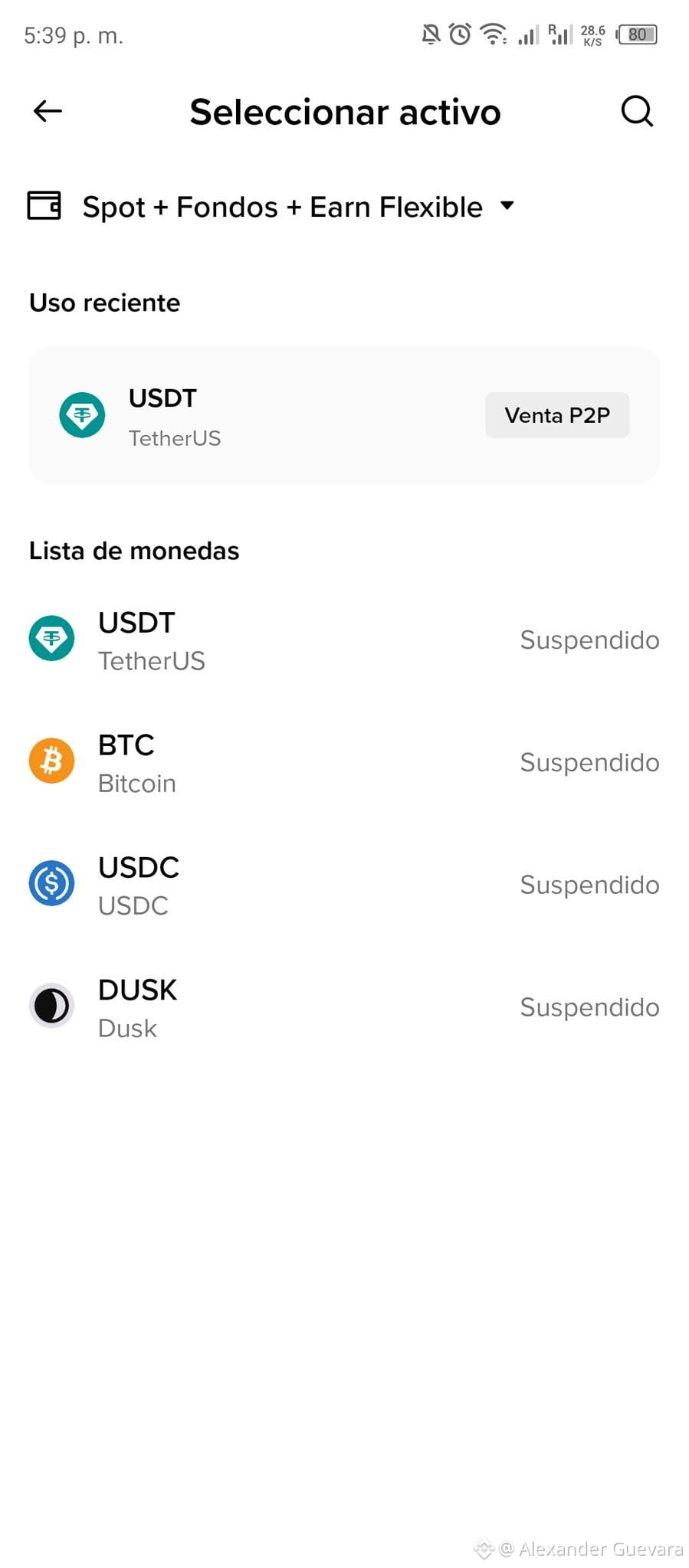
On-chain withdrawals are still suspended. Binance P2P is working without any issues, and the card is working without any issues.
#On-chain #P2P #BinanceP2P #Binancehacked #HackerAlert $BTC $DUSK $ETH
On-chain withdrawals are still suspended. Binance P2P is working without any issues, and the card is working without any issues.
#On-chain #P2P #BinanceP2P #Binancehacked #HackerAlert $BTC $DUSK $ETH
#On-chain #P2P #BinanceP2P #Binancehacked #HackerAlert $BTC $DUSK $ETH
3
Holding $BNB 166.3 USDT
📢 Binance has replenished 90% of the funds stolen in the hack: what’s still missing, where the money came from, and when withdrawals will resume
Three days after the largest cryptocurrency theft on record, Binance says it has replenished 90% of what was stolen. In its third update, published Saturday, October 31, at 9:30 a.m. Bogotá time, the exchange reported that BTC, ETH, USDT, BNB, SOL, USDC, XRP, USD1, RLUSD, and ZEC are already…
📢 Family kidnapped for US$8 million in crypto: 15 years in prison
Two brothers from Texas were sentenced to 15 and 15.5 years in prison in the United States for entering a family’s home in Minnesota while armed, holding them for more than nine hours, and forcing the father to transfer them more than US$8 million in cryptocurrency. When the first transfer wasn’t enough, one of them…
#Binance #Binancehacked #EEUU #estafas #Secuestros $BNB $ZEC
8
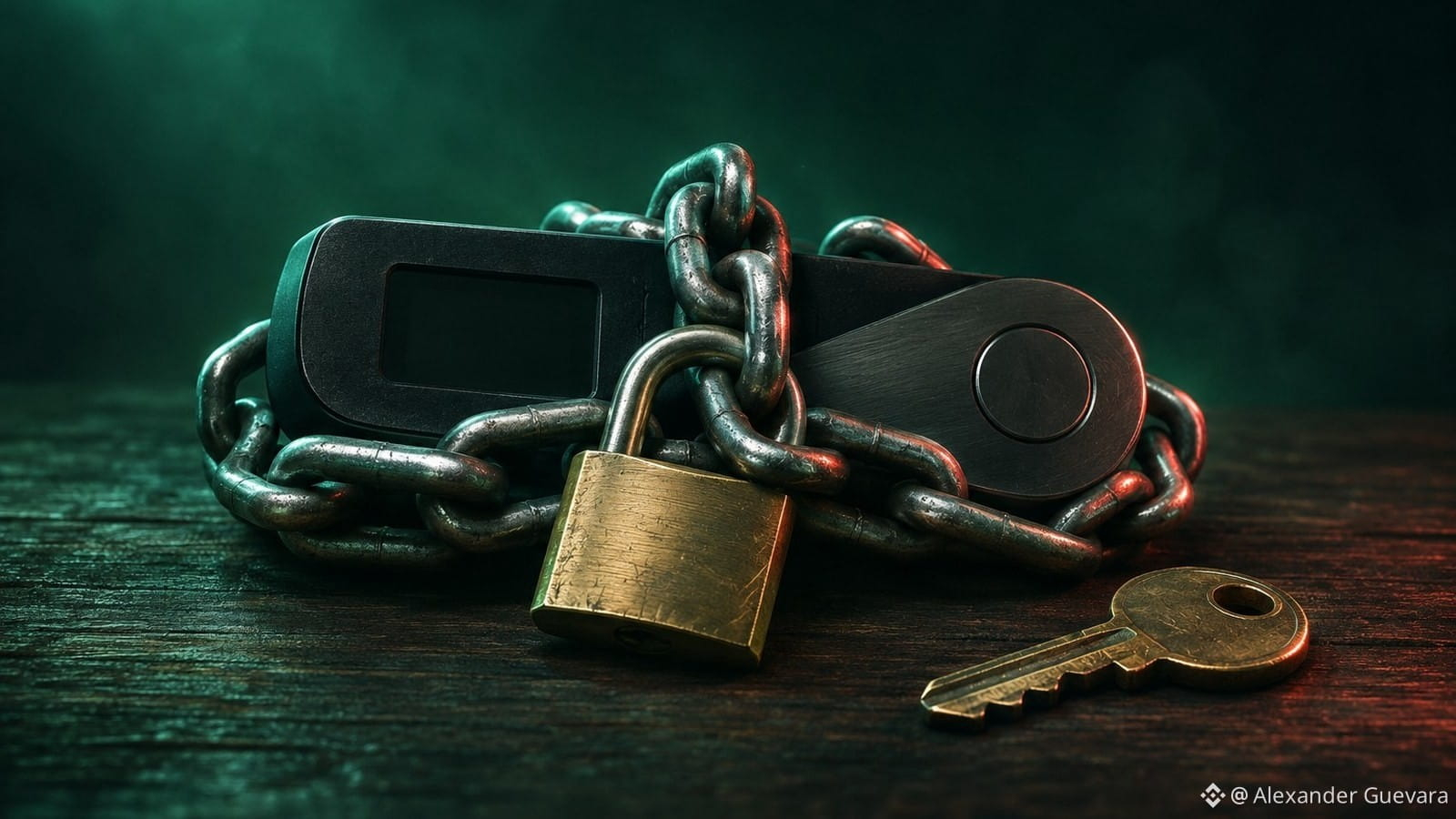
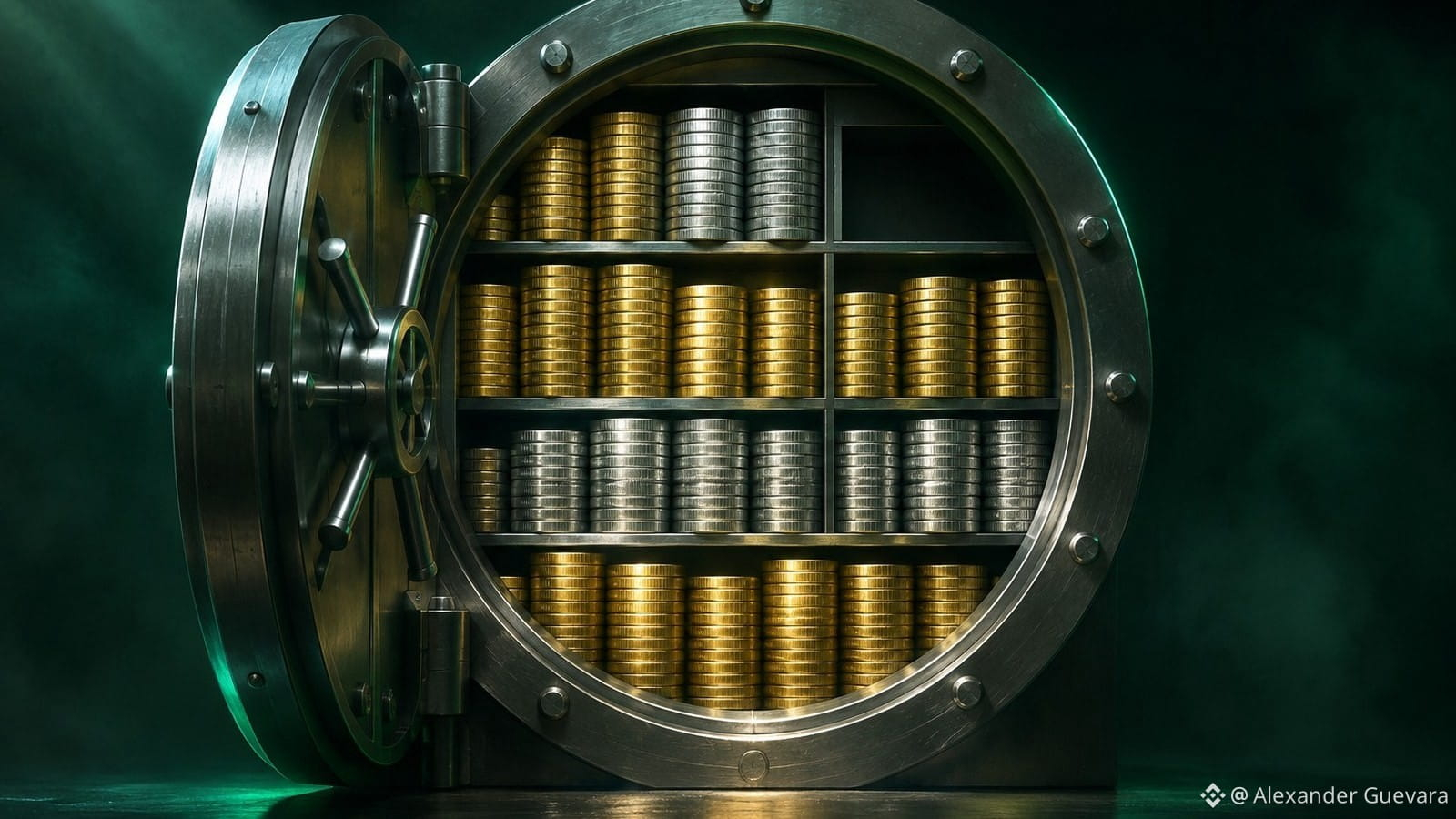
Alarm in the crypto ecosystem! 🚨 What’s happening with Binance’s funds?
Many users have expressed deep concern and criticism following the recent security incident.
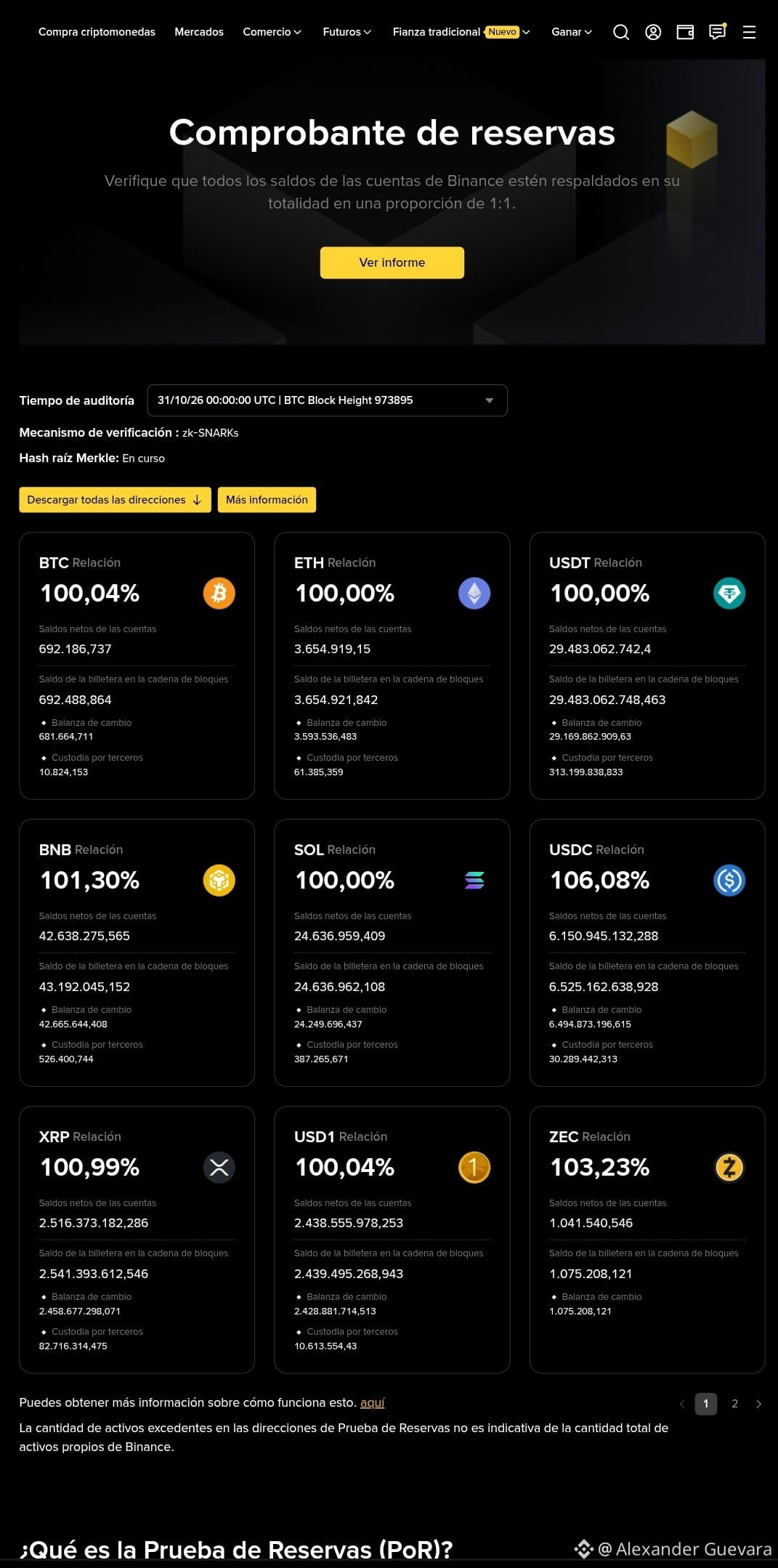
However, looking at the platform’s actual reserve figures, the loss represents a minimal and insignificant fraction compared with the total volume of Binance’s reserves (where reserve ratios remain solid, between 100% and 106%).
What stands out is the swift and flawless response: the platform acted immediately, covering the vast majority of the affected assets, while the rest was backed directly with the company’s own funds, demonstrating solvency and genuine commitment.
We must maintain confidence in the platform’s security and agility! 💪💛
#PruebaDeReservas #BinanceSquareFamily #BinanceSquare #Binance #ReserveRights $BNB $XRP $ETH
@Binance_News @Binance_Announcement @heyi @CZ @CoinDesk
Alarm in the crypto ecosystem! 🚨 What’s happening with Binance’s funds?
Many users have expressed deep concern and criticism following the recent security incident.
However, looking at the platform’s actual reserve figures, the loss represents a minimal and insignificant fraction compared with the total volume of Binance’s reserves (where reserve ratios remain solid, between 100% and 106%).
What stands out is the swift and flawless response: the platform acted immediately, covering the vast majority of the affected assets, while the rest was backed directly with the company’s own funds, demonstrating solvency and genuine commitment.
We must maintain confidence in the platform’s security and agility! 💪💛
#PruebaDeReservas #BinanceSquareFamily #BinanceSquare #Binance #ReserveRights $BNB $XRP $ETH
@Binance News @Binance Announcement @Yi He @CZ @CoinDesk


Binance News
·
--
Yi He: Binance Has Allocated $6.34 Billion to Cover Users, Ten Major Tokens Are 100% Backed, and Full Proof Is Due Tuesday
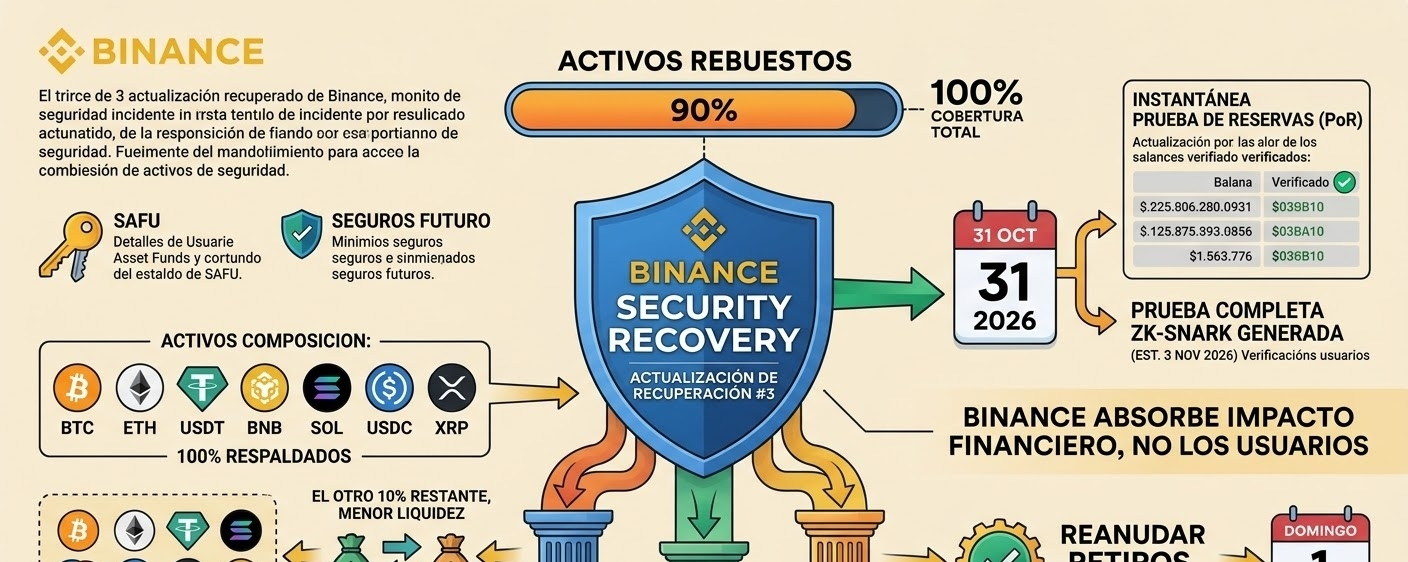
Binance co-CEO Yi He said on Saturday, October 31, that the exchange has set aside $6.34 billion of its own corporate funds to cover users affected by its security incident, and that ten major tokens are now fully backed: BTC, ETH, USDT, BNB, SOL, USDC, XRP, USD1, RLUSD and ZEC. Binance will keep buying the remaining altcoins through market and over-the-counter channels until every token reaches 100% backing.
Binance completed a new Proof of Reserves snapshot at 00:00 UTC on October 31, now available on its Proof of Reserves website. Because the full zero-knowledge proof needs substantial computing power, it will take about 40 to 50 hours to generate and is expected on Tuesday, November 3 (UTC). Once it is published, holders of any of the ten tokens will be able to verify independently that their assets are backed at least 1:1.
Binance completed a new Proof of Reserves snapshot at 00:00 UTC on October 31, now available on its Proof of Reserves website. Because the full zero-knowledge proof needs substantial computing power, it will take about 40 to 50 hours to generate and is expected on Tuesday, November 3 (UTC). Once it is published, holders of any of the ten tokens will be able to verify independently that their assets are backed at least 1:1.
39
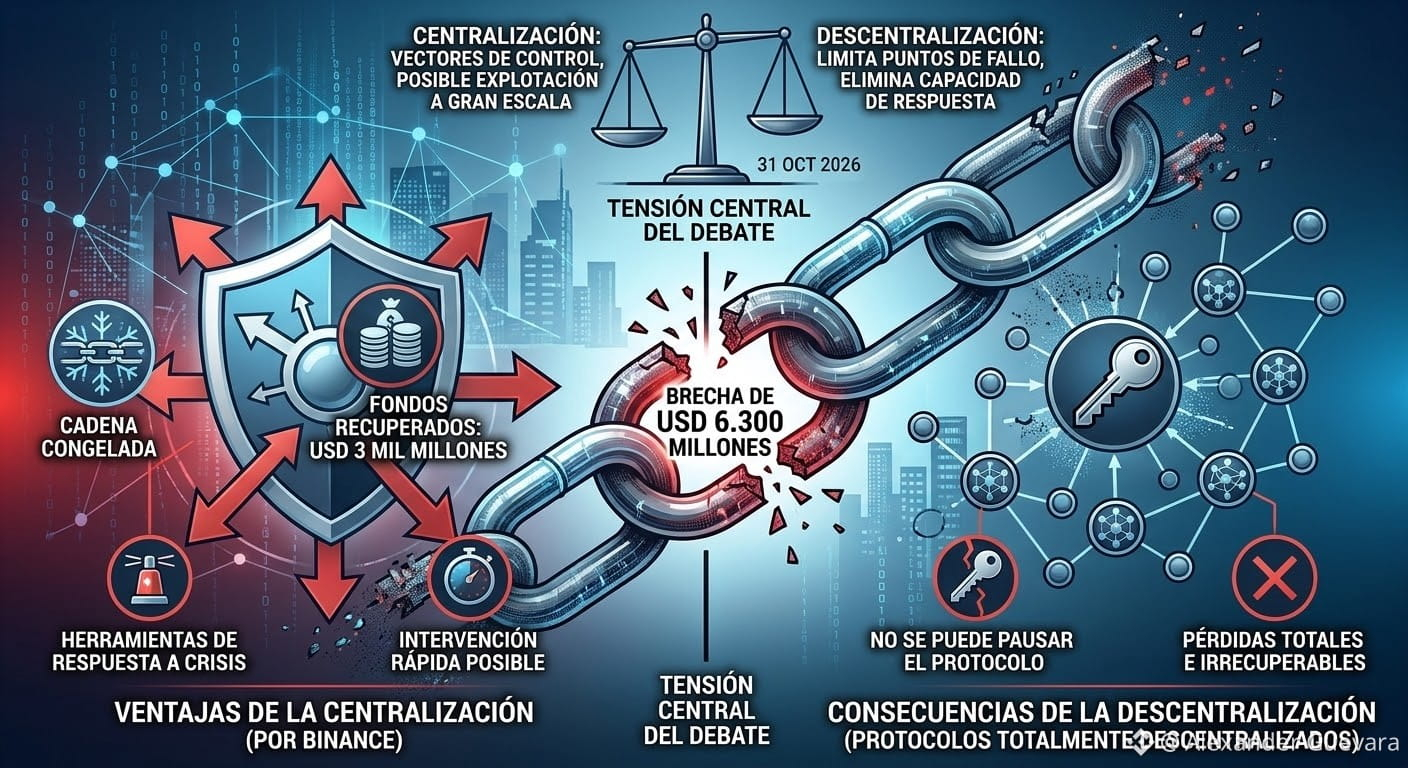
Binance hack reignites debate over centralization after $6.3 billion breach
In 2022, an exploit of the Binance Smart Chain bridge led to the unauthorized creation of tokens worth $6.3 billion—one of the biggest cyberattacks in cryptocurrency history. The incident has reignited debate over whether centralization in crypto infrastructure is a liability or a safeguard.
The paradox: Binance’s centralized control over its network allowed the attacker to mint tokens on a large scale, but that same centralization enabled Binance to freeze the chain and recover approximately $3 billion of the stolen funds. Such an intervention would be impossible on a fully decentralized network. Decentralized protocols, by contrast, cannot be paused, which means exploits often result in total, irreversible losses.
The incident continues to frame one of cryptocurrency’s central tensions: decentralization limits single points of failure and the risk of censorship, but removes the ability to respond to crises. Centralized systems offer crisis-response tools, at the cost of introducing the control vectors that make large-scale exploits possible in the first place.
#HackerAlert #Binancehacked #BinanceSquare #BinanceSquareFamily #Binance $BNB $BTC $ETH
8
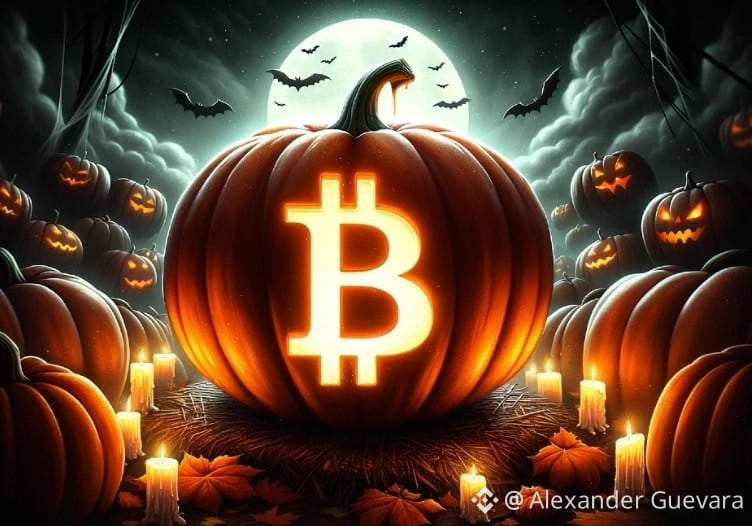
Bitcoin price on 🕸Halloween 🎃
2010: $0,20
2011: $3,27
2012: $11
2013: $201
2014: $337
2015: $312
2016: $699
2017: $6.369
2018: $6.332
2019: $9.172
2020: $13.537
2021: $61.837
2022: $20.624
2023: $34.494
2024: $72.250
2025: $109.000
2026: $77.000
I'll be brief: any self-respecting American colony celebrates Halloween 🎃.
#Halloween #BTC #bitcoin #BTC☀ #BTC走势分析 $BTC $WBTC
14
Article
Security Incident | Recovery Update No. 3: 90% of the assets have been recoveredSecurity Incident | Recovery Update No. 3: 90% of the stolen assets have been recovered; reserve snapshot provided (10/31/2026).
In our latest update, we explained that Binance had set aside more than $6.34 billion in company funds to cover losses caused by the hack, and that at the time we had already covered approximately 80% of the amount affected by those losses.
That amount covered now stands at 90%.
Security Incident | Recovery Update No. 3: 90% of the assets have been recovered
Security Incident | Recovery Update No. 3: 90% of the stolen assets have been recovered; reserve snapshot provided (10/31/2026).
In our latest update, we explained that Binance had set aside more than $6.34 billion in company funds to cover losses caused by the hack, and that at the time we had already covered approximately 80% of the amount affected by those losses.
That amount covered now stands at 90%.
In our latest update, we explained that Binance had set aside more than $6.34 billion in company funds to cover losses caused by the hack, and that at the time we had already covered approximately 80% of the amount affected by those losses.
That amount covered now stands at 90%.
15
In Doña Delcy’s “New Venezuela,” prices in dollars are going through the roof...😳
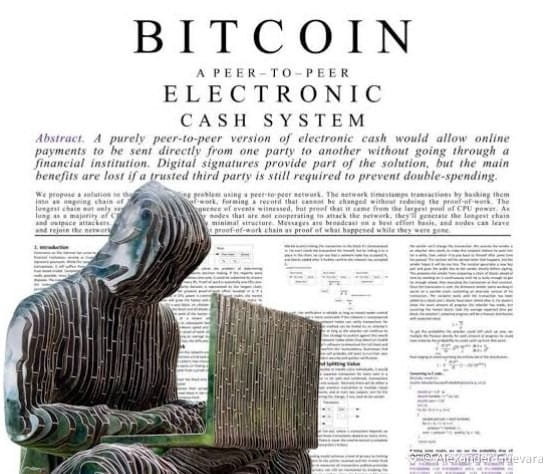
The Bitcoin white paper officially turns 18 today. On October 31, 2008, Satoshi Nakamoto published the legendary 9-page document titled “Bitcoin: A Peer-to-Peer Electronic Cash System” on the metzdowd cryptography mailing list.
That email sent the world the conceptual blueprint for the first truly decentralized digital currency, designed to solve the double-spending problem through proof of work without relying on financial institutions.
#DelcyRodriguez #venezuela #dolar #BTC #satoshiNakamato $BTC
9
🇺🇸 Trump says New Mexico should be renamed “New America” to boost the state’s prestige.
🇬🇧 The UK government urges citizens to stockpile three days’ worth of food and water as an emergency measure in response to the growing threat of cyberattacks.
😨IMPORTANT!
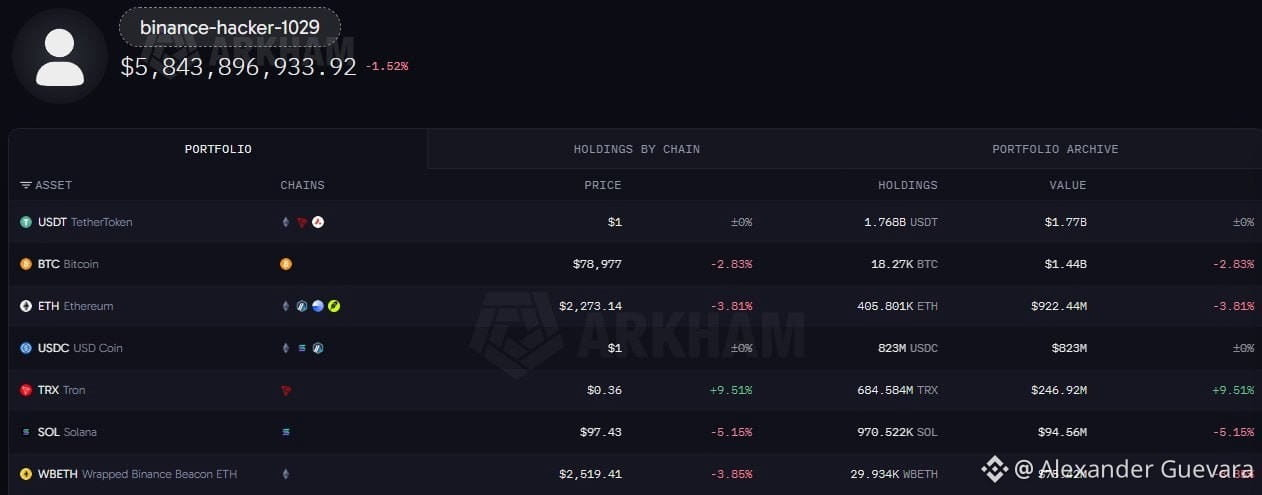
💥Binance has just been hacked!
💵An outflow of 5.8 million dollars has been detected!
⚠️It’s the biggest hack in the history of cryptocurrencies!
🔥The hack represents only 5% of Binance’s assets!
And here are several interesting things:
🧐This affects Binance’s reputation, but it’s not much for Binance; if the hacking continues, it could mean quite a lot.
🧐Artificial intelligence is already here, and it’s being used on a massive scale.
🧐There’s no need to panic. Tier 1 exchanges have been hacked many times and are still there, operating without a worry.
🤔And you, did you already know about the Binance hack?
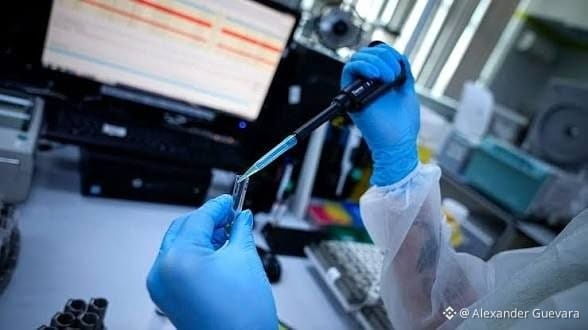
🇺🇸🇷🇺 The United States says it is monitoring a suspected outbreak of pneumonic plague in Russia following a “laboratory accident.”
#Rusia #ReinoUnido #mexico #EEUU #Binance $BNB $BTC $ETH


2
Holding $BNB 166.1 USDT
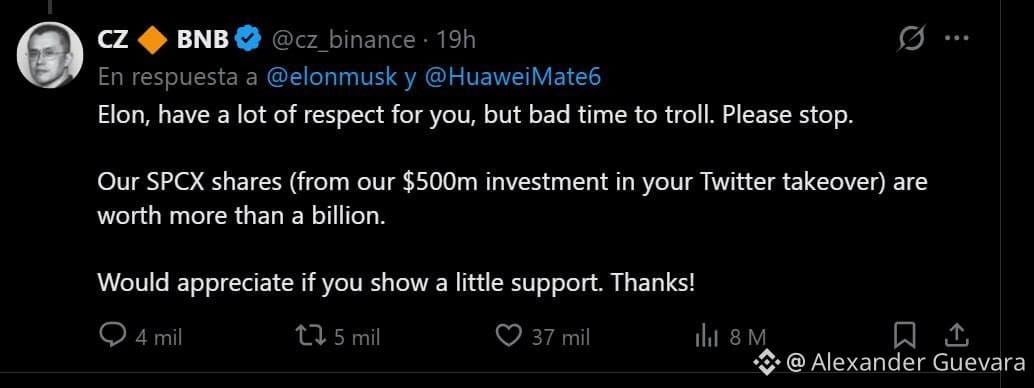
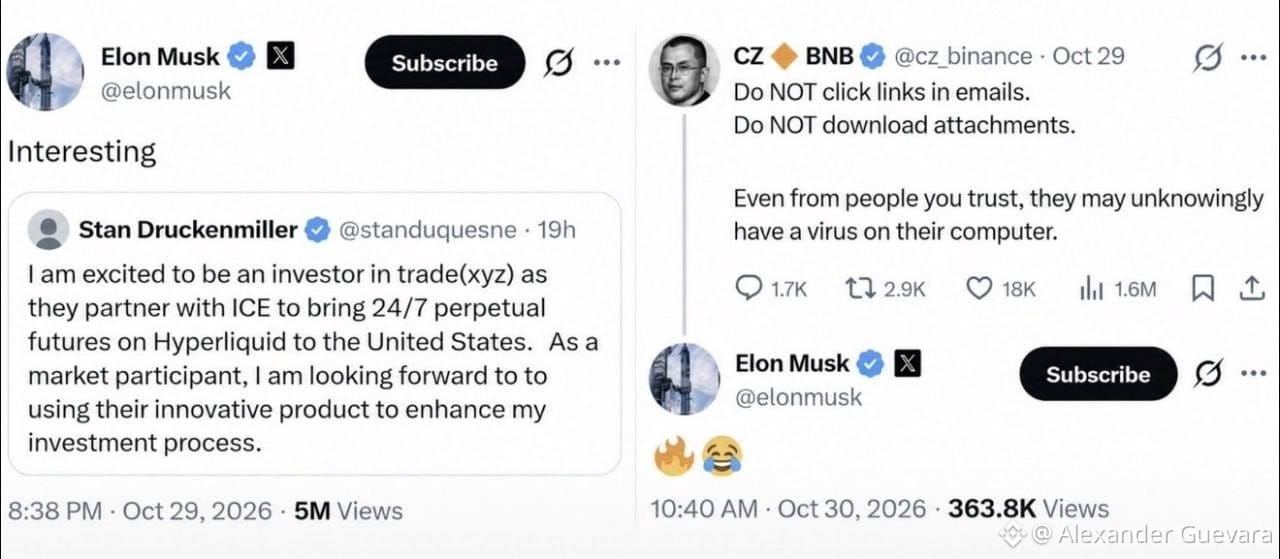
✅Elon vs CZ 👊 🔥
It’s pretty clear that Elon Musk can’t stand CZ.
They’ve been taking shots at each other for years.
In 2021, when Binance suspended DOGE withdrawals, Elon publicly called the situation shady.
CZ responded by bringing up Tesla’s recall of 12,000 cars due to a software problem.
In 2022, Binance invested $500M in Elon’s $44B acquisition of Twitter.
Interestingly, CZ later said that 90% of Elon’s ideas for Twitter would probably fail.
Now, following reports that Binance suffered a $6.3B hack, Elon decided to joke about the situation, posting “Everyday is Zeroday”.
CZ was not happy at all.
He publicly asked Elon to stop trolling and reminded him that Binance’s original $500M investment in Twitter is now supposedly worth more than $1 BILLION in SpaceX shares.
That’s the funniest part of this whole situation.
@CZ @Binance_News @Binance_Announcement @CoinDesk @Cointelegraph
#SpaceX #CZ #ElonMusk #DOGE #TSLA $SPCX $TSLA $BNB
✅Elon vs CZ 👊 🔥
It’s pretty clear that Elon Musk can’t stand CZ.
They’ve been taking shots at each other for years.
In 2021, when Binance suspended DOGE withdrawals, Elon publicly called the situation shady.
CZ responded by bringing up Tesla’s recall of 12,000 cars due to a software problem.
In 2022, Binance invested $500M in Elon’s $44B acquisition of Twitter.
Interestingly, CZ later said that 90% of Elon’s ideas for Twitter would probably fail.
Now, following reports that Binance suffered a $6.3B hack, Elon decided to joke about the situation, posting “Everyday is Zeroday”.
CZ was not happy at all.
He publicly asked Elon to stop trolling and reminded him that Binance’s original $500M investment in Twitter is now supposedly worth more than $1 BILLION in SpaceX shares.
That’s the funniest part of this whole situation.
@CZ @Binance News @Binance Announcement @CoinDesk @Cointelegraph
#SpaceX #CZ #ElonMusk #DOGE #TSLA $SPCX $TSLA $BNB
16
Article
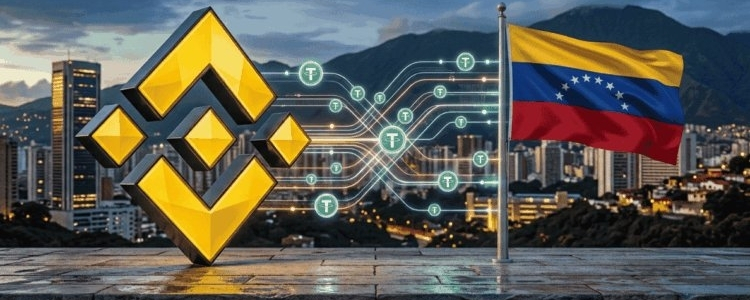
Binance Hack Does Not Shake the Price of USDT in Venezuela💵 The Binance hack did not shake Venezuela’s USDT market. Despite the pause in withdrawals, P2P trading remained active and the price of the digital dollar stayed stable, while the gap with the BCV continues to narrow.
Binance moves USD 45.4 million a day in Venezuela, but not even the suspension of withdrawals shook the price of USDT.
USDT was trading near 1,011 bolivars on October 28.
The official dollar stood at 889.26 bolivars on October 30.
Venezuela’s USDT market showed little reaction to the hack Binance suffered on October 29, even though the incident forced the exchange to suspend withdrawals and created uncertainty among its users.
Binance Hack Does Not Shake the Price of USDT in Venezuela
💵 The Binance hack did not shake Venezuela’s USDT market. Despite the pause in withdrawals, P2P trading remained active and the price of the digital dollar stayed stable, while the gap with the BCV continues to narrow.
Binance moves USD 45.4 million a day in Venezuela, but not even the suspension of withdrawals shook the price of USDT.
USDT was trading near 1,011 bolivars on October 28.
The official dollar stood at 889.26 bolivars on October 30.
Venezuela’s USDT market showed little reaction to the hack Binance suffered on October 29, even though the incident forced the exchange to suspend withdrawals and created uncertainty among its users.
5
Holding $BNB 166.4 USDT
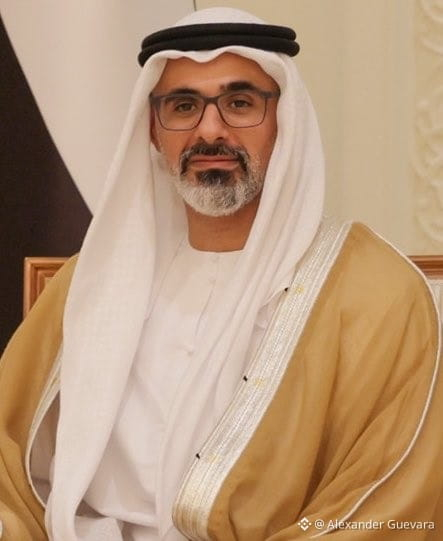
NEW 🇦🇪🇺🇸: Following the historic $6.3 billion cyberattack on Binance, stakeholders in the UAE and the Middle East have called for global regulatory, institutional, and risk management support for the future of digital infrastructure, rather than criticizing CZ.
- The UAE will always support global blockchain legislation and policies.
#Dubái #emirates #CZ #Binance #AbuDabi $BNB
- The UAE will always support global blockchain legislation and policies.
#Dubái #emirates #CZ #Binance #AbuDabi $BNB
1
1
7
Holding $BNB 166.4 USDT
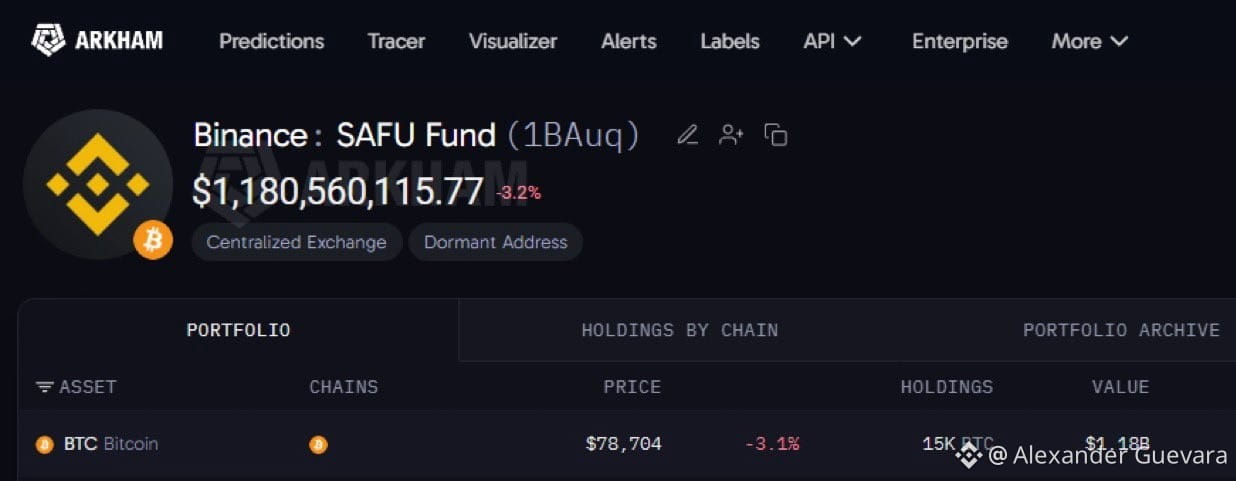
Binance holds around $165 billion in customer assets, as of October 1.
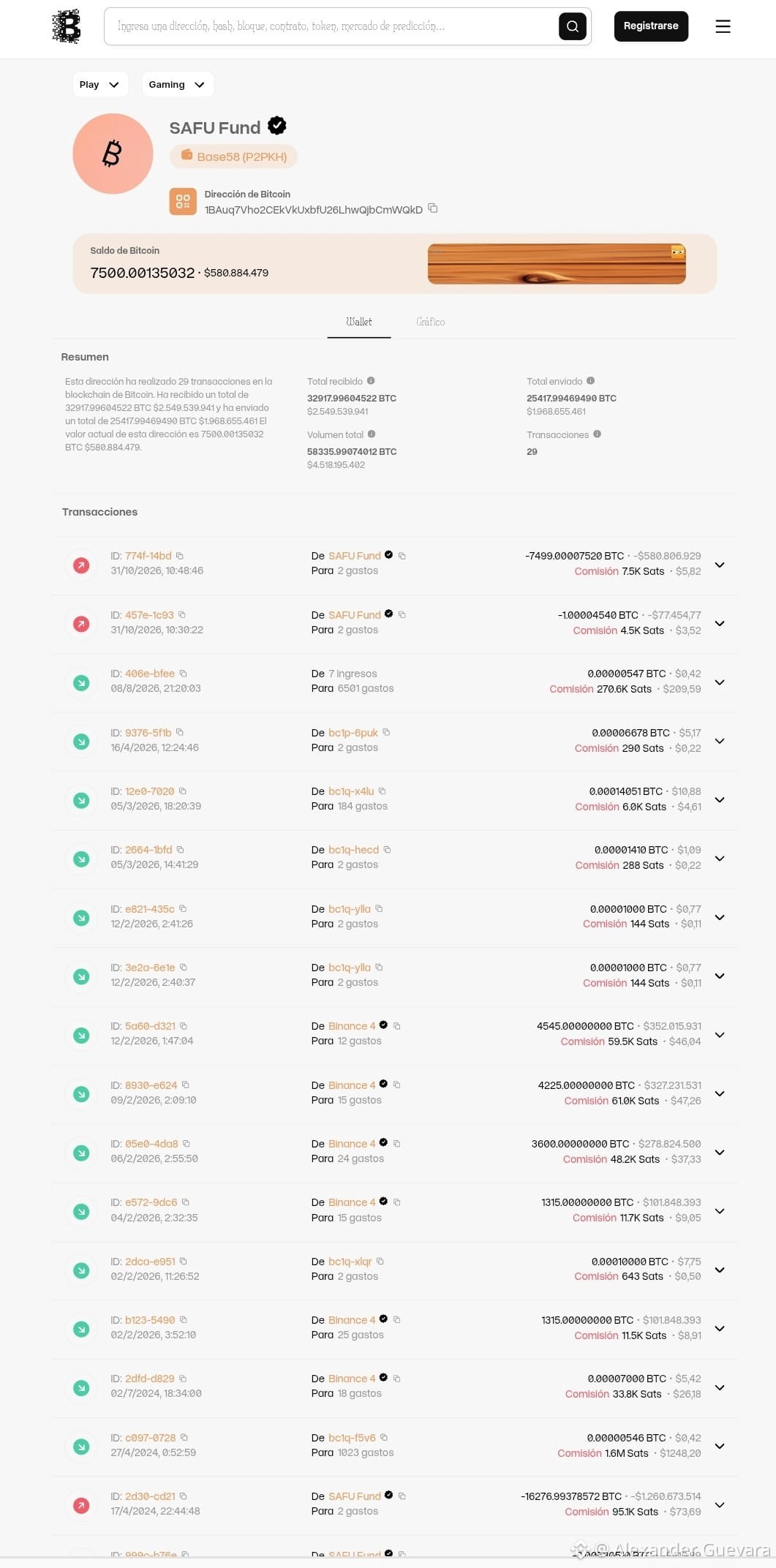
They were hacked for $5.6 billion; they have recovered $2.4 billion… $3.2 billion remains stolen after the freezes
That represents ~2% of everything Binance holds, but that capital belongs to its customers
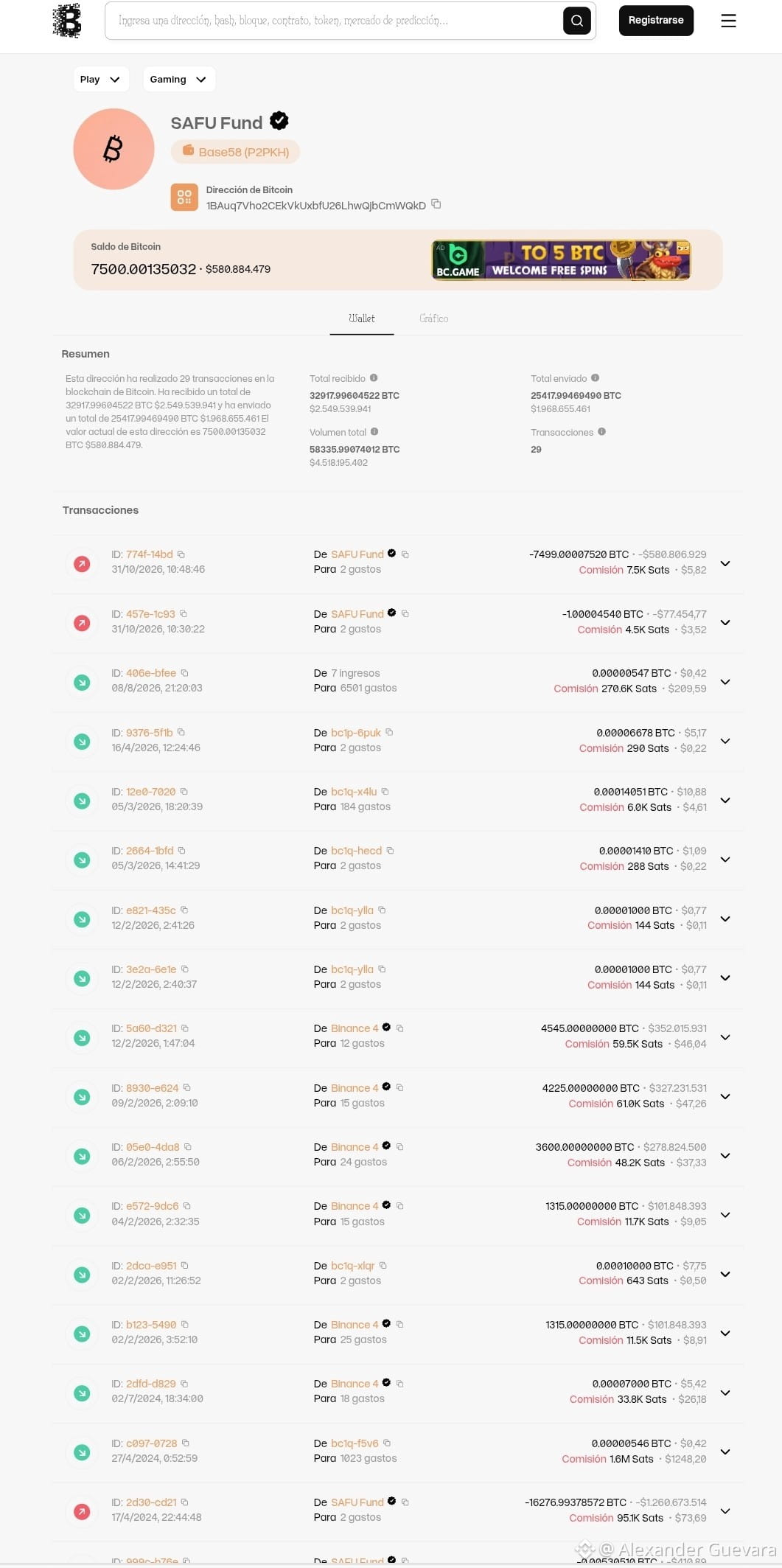
The SAFU fund #Binance � that handles these cases has 15,000 BTC ($~1.2 billion)
They are $2 billion short of reimbursing exchange users… people are withdrawing their crypto from there to secure their capital
Binance has BNB and other major assets to cover the #Hack , but the price of $BTC is bearing that downward pressure 🤷🏻
#bnb #PruebaDeReservas #BinanceSquareFamily $BNB
43
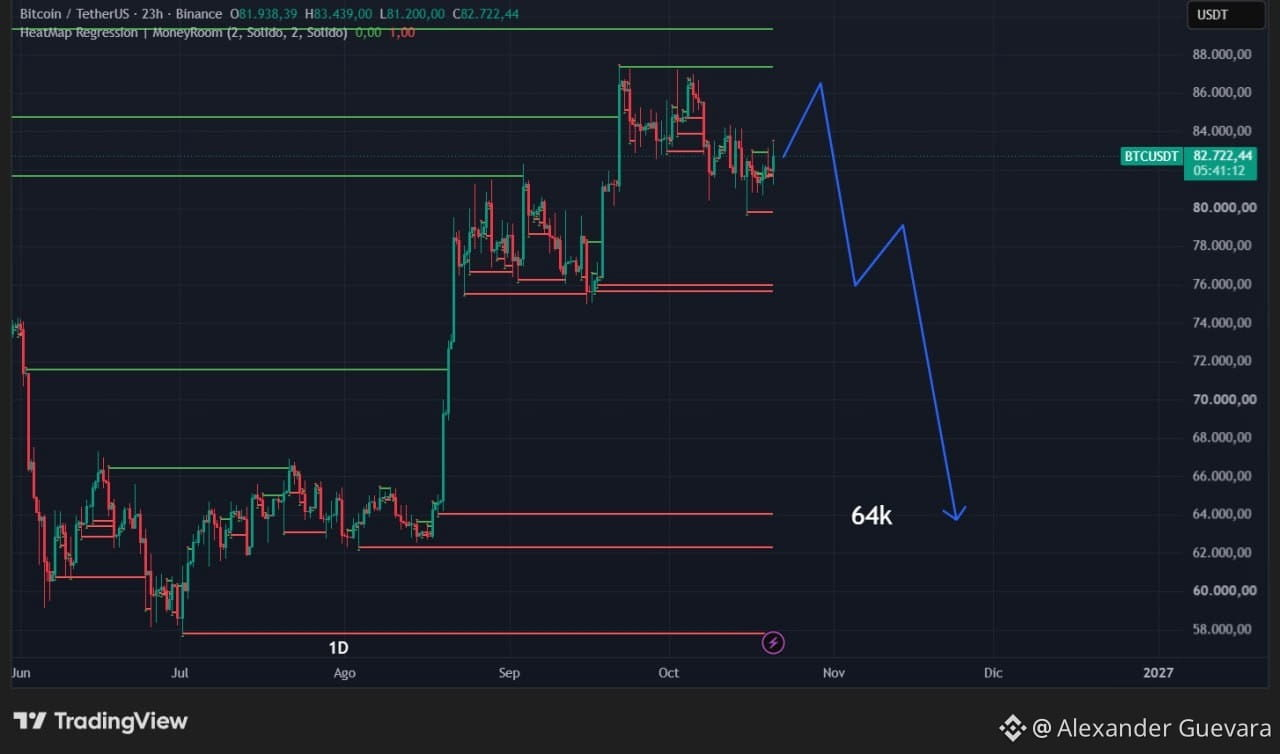
📊 BTC/USDT — Analysis and scenario
Context: BTC is trading around $82,700, after being rejected in the $87,000–$88,000 zone and moving sideways below it. The current candle is green (+0.75%: open ~81,900, high ~83,400, low ~81,200), but the price remains below significant resistance.
Key levels shown by the heatmap:
• Resistances: ~84,500 and 87,000–88,000 (recent highs).
• Nearby reaction zone: ~80,000.
• Downside zones of interest: 75,000–76,000 and 62,000–64,000 (with an extension toward 58,000).
Main scenario (bearish):
1) A possible final bullish push that sweeps liquidity near the highs (87–88k).
2) A drop toward 75k (≈ -9% from the current price). There could be a technical bounce here.
3) If 75k fails to hold, the next magnet is at 64k (≈ -22%).
Why these zones: this is where the levels marked by the indicator are concentrated, and where historically the price has reacted on this chart. That’s where there is a greater chance of seeing a response—not before.
Trading idea (for reference only):
• A long at 75k or 64k would only make sense with confirmation: rejection with wicks, reclaiming the level, or a change of structure on a lower timeframe.
• Stop below the zone and a minimum 1:2 risk-reward ratio.
• Entering the market without confirmation is usually what costs the most.
Invalidation: a sustained daily close above 88,000 invalidates this bearish scenario.
before the Binance hack
#BTC #BTC☀ #BTC走势分析 #bitcoin #market $BTC $WBTC
15
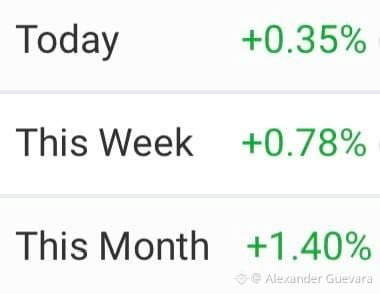
📊🔥 WE CLOSE THE DAY IN THE GREEN! +0.35% 💚
While markets are suffering steep declines, our strategies are proving their worth and allowing us to end the day in positive territory. 💪📈
🎯 The key lies in strategy, discipline, and management.
We’re keeping a close eye on the markets and staying prepared for the next moves. 🚀
#verde #market #MercadoCripto #finanzas #crypto $GENIUS $BNB $KLAY
17
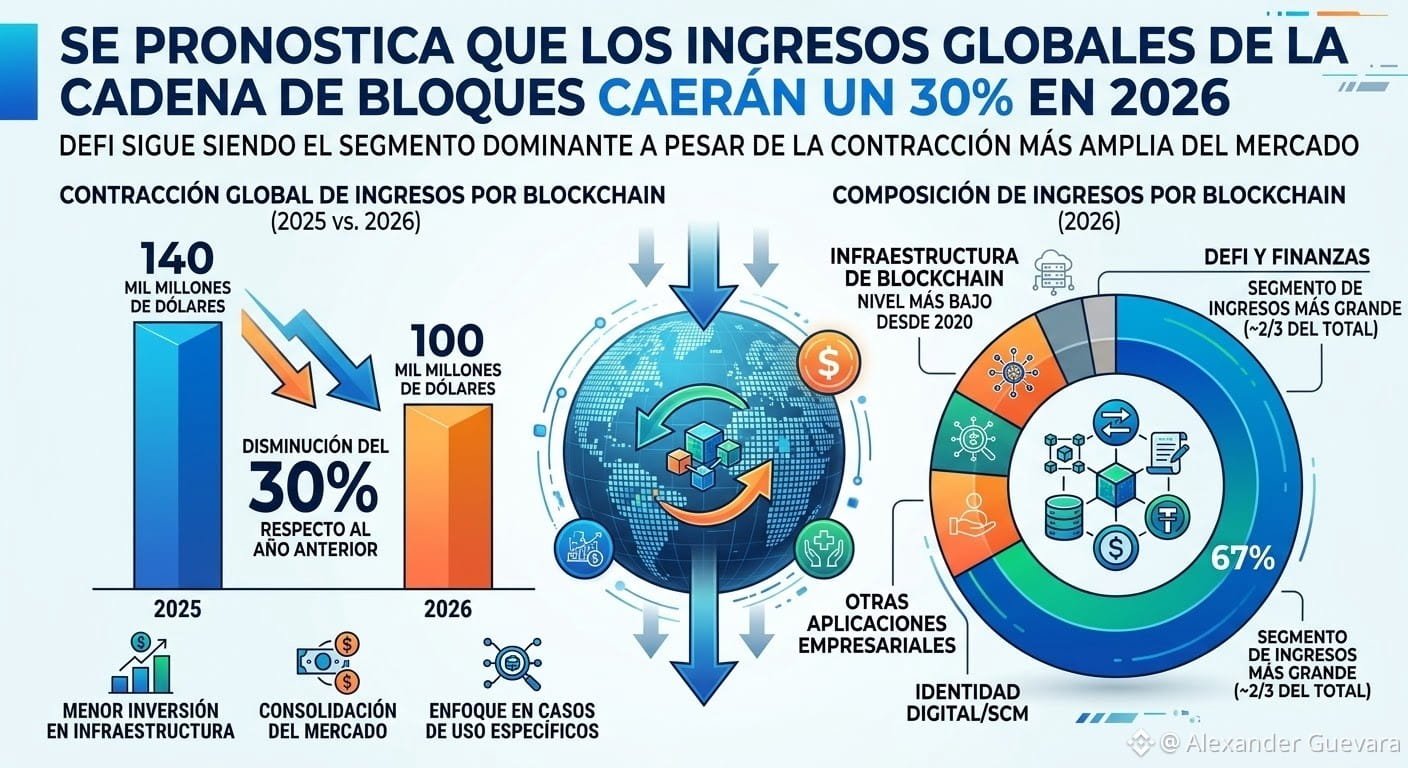
Global blockchain revenue is forecast to fall 30% in 2026, as DeFi commands a dominant share
Global blockchain revenue is projected to fall from approximately $140 billion in 2025 to $100 billion in 30 billion, a 30% year-over-year decline, according to new industry forecasts.
DeFi and finance remain the largest revenue segment, accounting for approximately two-thirds of total blockchain revenue despite the broader contraction. Revenue from blockchain infrastructure has fallen to its lowest level since 2020, indicating pressure across the underlying technology layer, even as application-level financial activity remains relatively resilient.
The data suggest that the sector is undergoing a structural shift: revenue is increasingly concentrated in financial use cases, while other segments (including infrastructure) face a more challenging environment heading into 2026.
#blockchain #defi #Technology #Web3 #globaleconomy $BTC $BNB $ARB
4
Holding $BNB 166.1 USDT
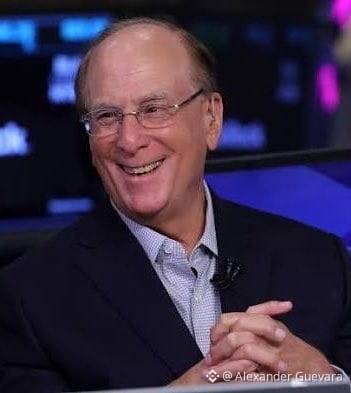
BREAKING NEWS 🇦🇪🇲🇹🇺🇸: Binance will release $6.34 billion in its own funds to fully cover users’ losses resulting from the recent $7 billion hack.
- Elon Musk, the United Arab Emirates, BlackRock, and other corporate banks will support Binance’s security, cryptocurrency wallets, and risk management in 2028 under the CLARITY Act.
UPDATE: 🚨 Binance co-CEO Yi He says the affected assets represent only around 2% of users’ total assets and public reserves, and that users’ holdings will continue to be fully backed.
She also clarified that most of Binance’s reserves already match the affected tokens, and that only a small amount remains to be obtained.
#CZ #YiHe #BinanceSquareFamily #blackRock #CZSaysCompensationIsinPlaceUsersAreProtected $BNB $BNCB



146
Holding $BNB 165.8 USDT
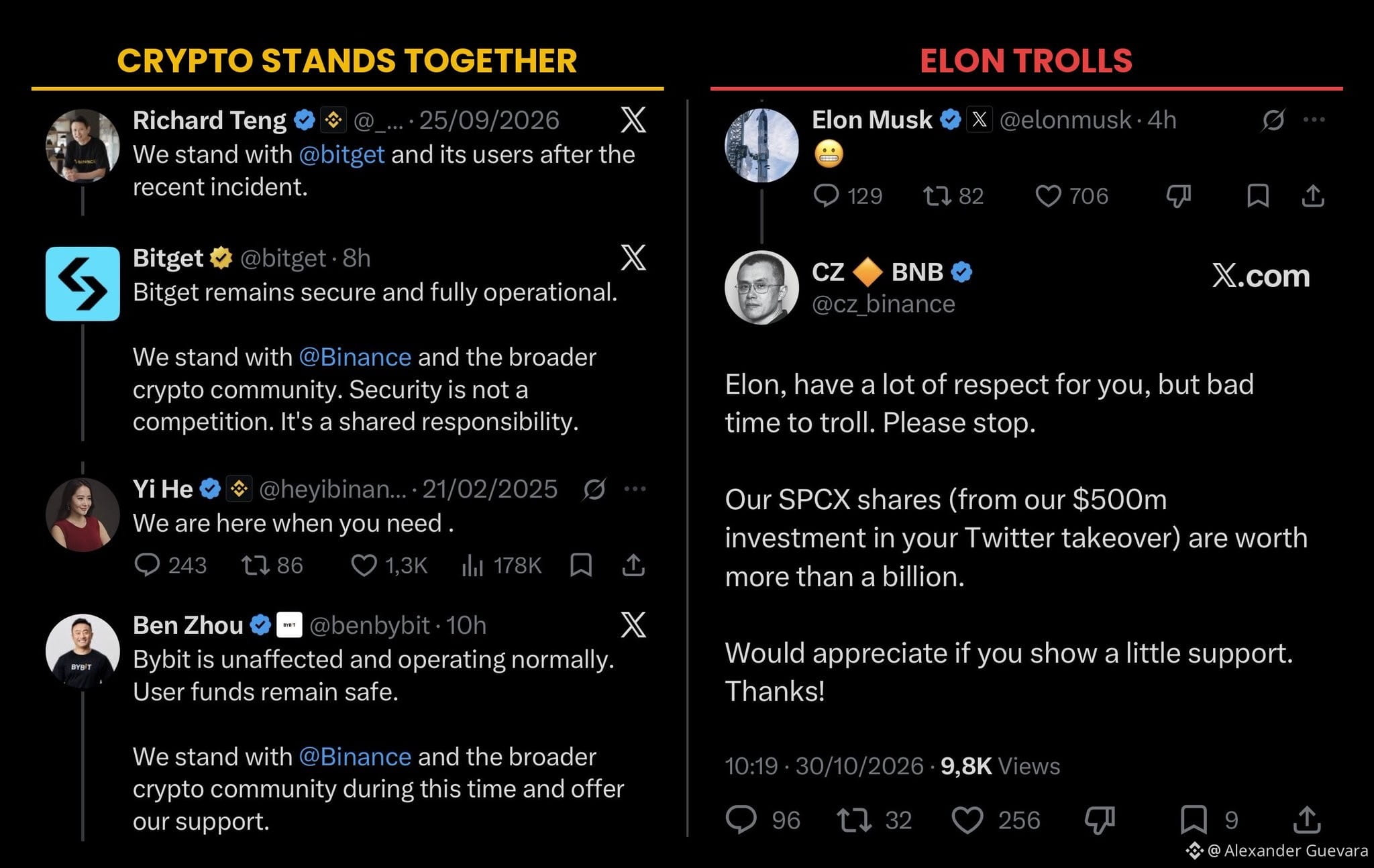
ELON PICKED THE WORST DAY TO TROLL BINANCE
Cryptocurrencies are united, but @elonmusk isn’t 👇
- @binance backed @Bybit_Official after its $1.5 billion hack. Bybit just backed Binance.
- Binance backed @bitget last month. Bitget just backed Binance.
- Binance backed Elon’s $500 million acquisition of Twitter. Elon responded to the $6.3 billion hack with a grimace.
That stake is now SpaceX shares worth more than $1 billion, and @cz_binance says it could cover most of the hole.
Are you pro-crypto or a follower of the grave?
#CZ #ElonMusk #Bitget #bybit #HackerAlert $SPCX $BNB
{web3_wallet_create}(10x3c3a81e81dc49a522a592e7622a7e711c06bf354)
{web3_wallet_create}(10x54d2252757e1672eead234d27b1270728ff90581)
ELON PICKED THE WORST DAY TO TROLL BINANCE
Cryptocurrencies are united, but @elonmusk isn’t 👇
- @binance backed @Bybit_Official after its $1.5 billion hack. Bybit just backed Binance.
- Binance backed @bitget last month. Bitget just backed Binance.
- Binance backed Elon’s $500 million acquisition of Twitter. Elon responded to the $6.3 billion hack with a grimace.
That stake is now SpaceX shares worth more than $1 billion, and @cz_binance says it could cover most of the hole.
Are you pro-crypto or a follower of the grave?
#CZ #ElonMusk #Bitget #bybit #HackerAlert $SPCX $BNB
40
Does Binance have the capital to cover the $6.3 billion in #cripto hacked... or is it going to pass those losses on to exchange users❓
Here's the answer👇
#Binance #BinanceSquareFamily #BinanceSquare #HackerAlert $BNB $BTC $SPCX
Does Binance have the capital to cover the $6.3 billion in #cripto hacked... or is it going to pass those losses on to exchange users❓
Here's the answer👇
#Binance #BinanceSquareFamily #BinanceSquare #HackerAlert $BNB $BTC $SPCX
Here's the answer👇
#Binance #BinanceSquareFamily #BinanceSquare #HackerAlert $BNB $BTC $SPCX
1
129
🚨 New Update on the Binance Hack 🚨
• $6.4B stolen
• It was the North Koreans
• Withdrawals resume on Sunday
• $3B frozen in USDT, USDC, and rUSD
• The hackers made a tremendous move on AAVE.
P.S. I’m still accumulating $BTC and $BNB , with a view to only selling in 2028/29.
#HackerAlert #USDT #USDC #AAVE #Binance $BTC
• $6.4B stolen
• It was the North Koreans
• Withdrawals resume on Sunday
• $3B frozen in USDT, USDC, and rUSD
• The hackers made a tremendous move on AAVE.
P.S. I’m still accumulating $BTC and $BNB , with a view to only selling in 2028/29.
#HackerAlert #USDT #USDC #AAVE #Binance $BTC
1
39
Log in to explore more content
Join global crypto users on Binance Square
⚡️ Get latest and useful information about crypto.
💬 Trusted by the world’s largest crypto exchange.
👍 Discover real insights from verified creators.
Email / Phone number
Trending Topics
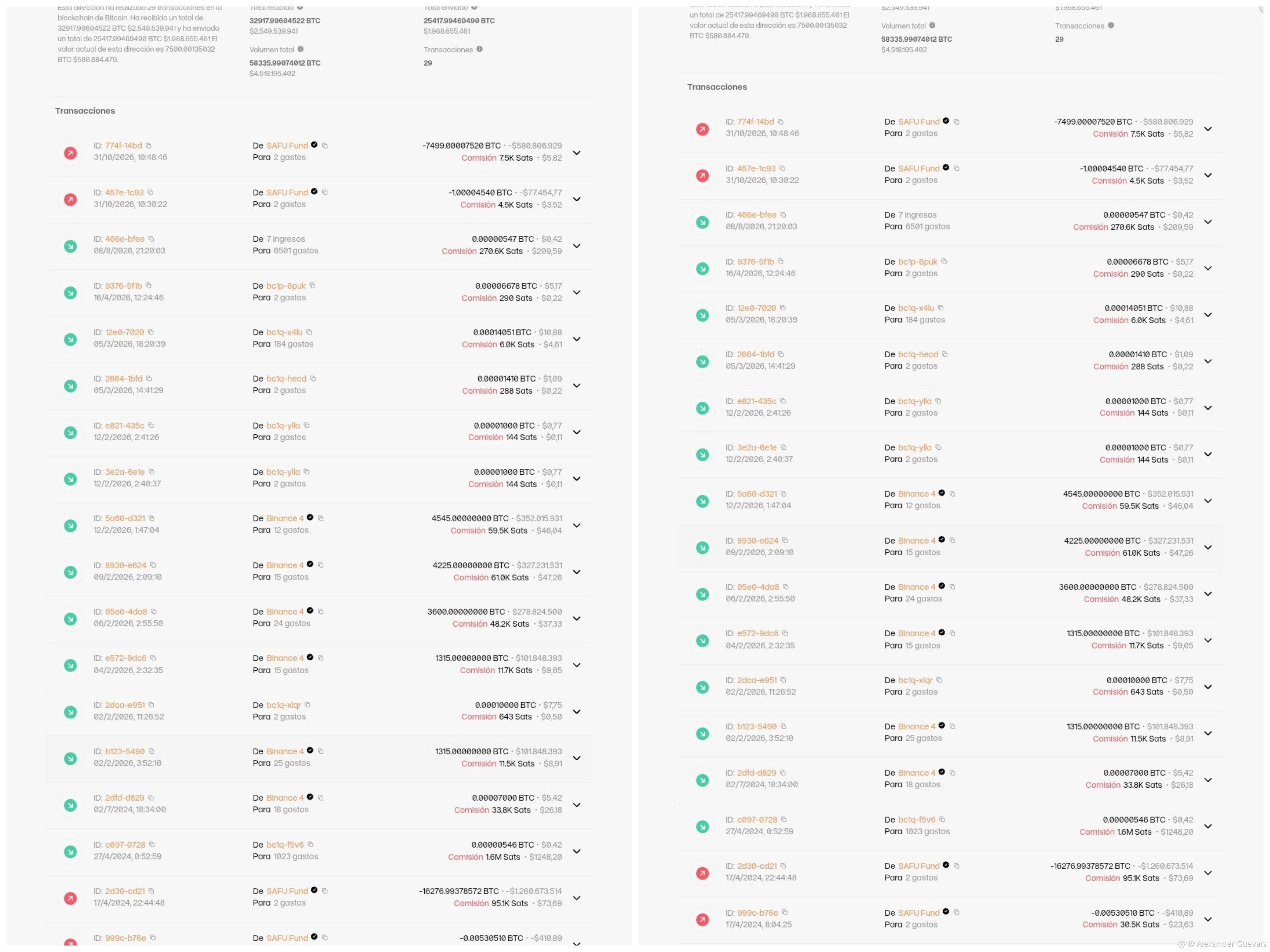
BinanceSAFUFundTransferCompleted7499BTC
8,689 views
340 Discussing
BREAKING: Binance Recovers 90% of $6.3B - My Take
Guys, biggest recovery in crypto history just happened.
Binance just confirmed in its 3rd security update on Oct 31:
90% of the stolen assets have been replenished - up from 80% yesterday.
What happened?
Total breach: ∼$6.3B on Oct 29 (hot wallets)Binance set aside $6.34B from company funds to cover itSources used: Corporate Treasury + SAFU Fund ($1B fund) + Futures Insurance FundResult: 10 major tokens now 100% backed: $BTC, $ETH, $USDT, $BNB, $SOL, $USDC, $XRP, $USD1, $RLUSD, $ZECRemaining 10% are less liquid tokens, will take more time to sourceWithdrawals expected to resume Nov 1
My analysis: This is why Binance is still #1. No other exchange could cover $6.3B from its own pocket in 2 days. This shows SAFU actually works.
Is this enough to bring back trust? Or you are still worried?
Drop your opinion below - I will read all comments.
Binance #SAFU #CryptoRecovery #BinanceSecurity #BTC#binancesafufundtransfercompleted7499btc
True News
·23 Likes
·10.3k views
BinanceRecovery90% of stolen assets
47,334 views
107 Discussing
YiHe:ProofOfReserves:10TokensAt100%Backing
80,634 views
489 Discussing