

#wallet
wallet
1.4M views
2,286 Discussing
Hot
Latest

·
--
See translation
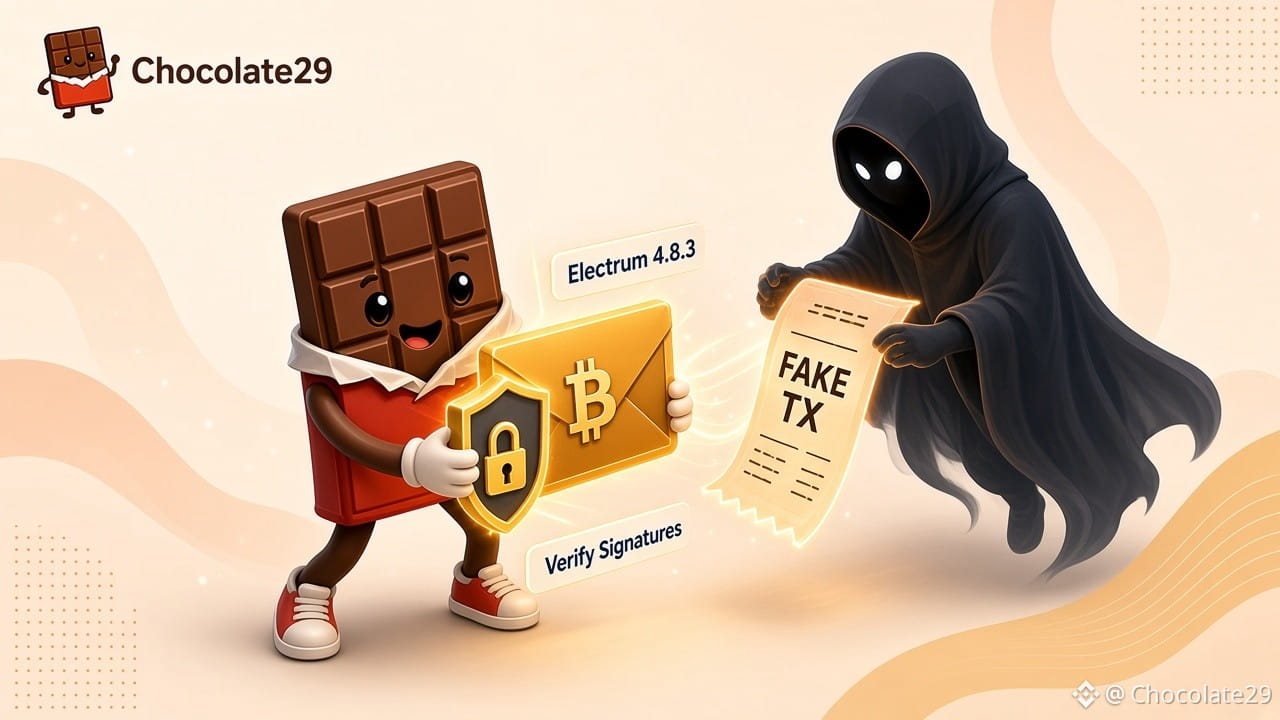
Electrum 4.8.3 patches a high-severity malicious-server fee-bump trap disclosed on October 24, 2026.
On October 24, 2026, Electrum released 4.8.3 (advisory GHSA-6jp4-8v48-cc5v). A malicious Electrum server can swallow a just-broadcast $BTC tx and show a conflicting fake unconfirmed payment to the attacker — older clients did not check those invalid signatures. If the user RBF fee-bumps the fake tx, they sign a real payment to the attacker. Some servers were already exploiting this; two users reported it and one lost funds. Attackers also ground the last four characters of the destination address to look similar.
Upgrade to 4.8.3 or newer — all older versions are affected. The fix verifies signatures on wallet-owned inputs for mempool txs before adding them to history. Download only from electrum.org and verify signatures. Until upgraded, check the full destination address and amount before any fee bump. Trusted or self-run server users are less exposed; incoming unconfirmed txs are still not fully validated.
#Bitcoin #Electrum #CryptoSecurity #Wallet
DYOR. Not financial advice.
Electrum 4.8.3 patches a high-severity malicious-server fee-bump trap disclosed on October 24, 2026.
On October 24, 2026, Electrum released 4.8.3 (advisory GHSA-6jp4-8v48-cc5v). A malicious Electrum server can swallow a just-broadcast $BTC tx and show a conflicting fake unconfirmed payment to the attacker — older clients did not check those invalid signatures. If the user RBF fee-bumps the fake tx, they sign a real payment to the attacker. Some servers were already exploiting this; two users reported it and one lost funds. Attackers also ground the last four characters of the destination address to look similar.
Upgrade to 4.8.3 or newer — all older versions are affected. The fix verifies signatures on wallet-owned inputs for mempool txs before adding them to history. Download only from electrum.org and verify signatures. Until upgraded, check the full destination address and amount before any fee bump. Trusted or self-run server users are less exposed; incoming unconfirmed txs are still not fully validated.
#Bitcoin #Electrum #CryptoSecurity #Wallet
DYOR. Not financial advice.
On October 24, 2026, Electrum released 4.8.3 (advisory GHSA-6jp4-8v48-cc5v). A malicious Electrum server can swallow a just-broadcast $BTC tx and show a conflicting fake unconfirmed payment to the attacker — older clients did not check those invalid signatures. If the user RBF fee-bumps the fake tx, they sign a real payment to the attacker. Some servers were already exploiting this; two users reported it and one lost funds. Attackers also ground the last four characters of the destination address to look similar.
Upgrade to 4.8.3 or newer — all older versions are affected. The fix verifies signatures on wallet-owned inputs for mempool txs before adding them to history. Download only from electrum.org and verify signatures. Until upgraded, check the full destination address and amount before any fee bump. Trusted or self-run server users are less exposed; incoming unconfirmed txs are still not fully validated.
#Bitcoin #Electrum #CryptoSecurity #Wallet
DYOR. Not financial advice.
33

·
--
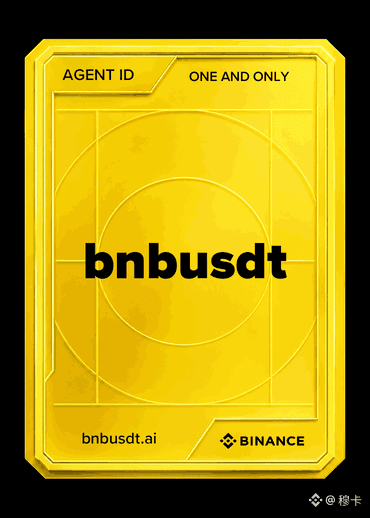
Let AI watch the markets, place trades, and pay gas for you—do you have an Agent wallet with a customizable name yet?
The key thing about Binance’s Agentic Wallet isn’t that it’s “just another wallet”—it’s that AI can go from only making suggestions to taking action itself.
Before, you’d use AI to check the market and it would tell you, “You could buy.” Then you’d still have to switch to the exchange and confirm the trade yourself. Now, connect an Agent to this wallet and set your rules: it can monitor conditions around the clock, place trades, and interact with DeFi protocols on its own, without asking you to authorize every transaction.
What can you connect? Tools that support MCP, including ChatGPT, Claude Code, and Cursor. For security, the Agent can only act on whitelisted addresses and within set limits, and withdrawal permissions are disabled by default.
How to get one: Binance app → Wallet → Find “Agentic Wallet” → Create
I snagged a BNB ID too, so I managed to get in on it 🤙 What are your IDs, guys? Drop them here and let’s see #Wallet
Let AI watch the markets, place trades, and pay gas for you—do you have an Agent wallet with a customizable name yet?
The key thing about Binance’s Agentic Wallet isn’t that it’s “just another wallet”—it’s that AI can go from only making suggestions to taking action itself.
Before, you’d use AI to check the market and it would tell you, “You could buy.” Then you’d still have to switch to the exchange and confirm the trade yourself. Now, connect an Agent to this wallet and set your rules: it can monitor conditions around the clock, place trades, and interact with DeFi protocols on its own, without asking you to authorize every transaction.
What can you connect? Tools that support MCP, including ChatGPT, Claude Code, and Cursor. For security, the Agent can only act on whitelisted addresses and within set limits, and withdrawal permissions are disabled by default.
How to get one: Binance app → Wallet → Find “Agentic Wallet” → Create
I snagged a BNB ID too, so I managed to get in on it 🤙 What are your IDs, guys? Drop them here and let’s see #Wallet
The key thing about Binance’s Agentic Wallet isn’t that it’s “just another wallet”—it’s that AI can go from only making suggestions to taking action itself.
Before, you’d use AI to check the market and it would tell you, “You could buy.” Then you’d still have to switch to the exchange and confirm the trade yourself. Now, connect an Agent to this wallet and set your rules: it can monitor conditions around the clock, place trades, and interact with DeFi protocols on its own, without asking you to authorize every transaction.
What can you connect? Tools that support MCP, including ChatGPT, Claude Code, and Cursor. For security, the Agent can only act on whitelisted addresses and within set limits, and withdrawal permissions are disabled by default.
How to get one: Binance app → Wallet → Find “Agentic Wallet” → Create
I snagged a BNB ID too, so I managed to get in on it 🤙 What are your IDs, guys? Drop them here and let’s see #Wallet
154

·
--
See translation
#stablecoin payments coming in is half the picture and my read is that #Banks and fintechs already know it.
A wallet address says very little. It does not say who controls it where they are or whether the transfer should go ahead. Onchain transfers are final so that answer has to exist before the money moves.
That is why #Wallet verification stands out. The user proves control from the wallet they already use in one click. The request names the platform so they know where that wallet is being used.
The platform gets a record:
proof of control, timestamp, chain and session details, with #IP and sanctions screening alongside.
Nobody copies and pastes an address.
The outbound side needs the same attention. Withdrawals and payouts can still rely on an address someone typed in.
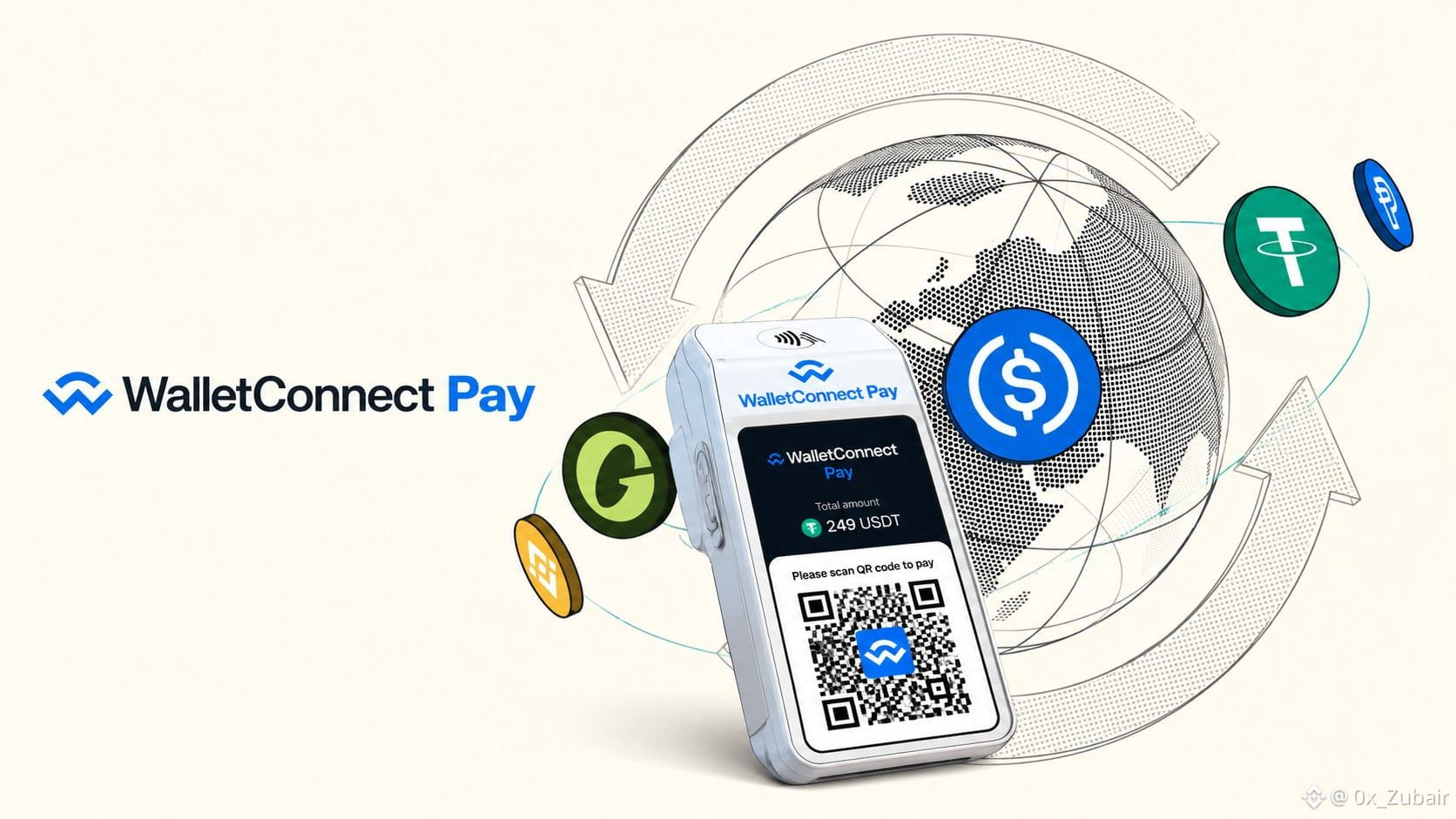
@WalletConnect Pay covers the inbound side. Merchants accept stablecoin and #crypto through one integration, with sanctions and #IP screening and Travel Rule capture inside the payment, and settle in stablecoin or fiat.
Settlement speed is already solved. Banks are waiting on knowing who sits on the other side
#stablecoin payments coming in is half the picture and my read is that #Banks and fintechs already know it.
A wallet address says very little. It does not say who controls it where they are or whether the transfer should go ahead. Onchain transfers are final so that answer has to exist before the money moves.
That is why #Wallet verification stands out. The user proves control from the wallet they already use in one click. The request names the platform so they know where that wallet is being used.
The platform gets a record:
proof of control, timestamp, chain and session details, with #IP and sanctions screening alongside.
Nobody copies and pastes an address.
The outbound side needs the same attention. Withdrawals and payouts can still rely on an address someone typed in.
@WalletConnect Pay covers the inbound side. Merchants accept stablecoin and #crypto through one integration, with sanctions and #IP screening and Travel Rule capture inside the payment, and settle in stablecoin or fiat.
Settlement speed is already solved. Banks are waiting on knowing who sits on the other side
A wallet address says very little. It does not say who controls it where they are or whether the transfer should go ahead. Onchain transfers are final so that answer has to exist before the money moves.
That is why #Wallet verification stands out. The user proves control from the wallet they already use in one click. The request names the platform so they know where that wallet is being used.
The platform gets a record:
proof of control, timestamp, chain and session details, with #IP and sanctions screening alongside.
Nobody copies and pastes an address.
The outbound side needs the same attention. Withdrawals and payouts can still rely on an address someone typed in.
@WalletConnect Pay covers the inbound side. Merchants accept stablecoin and #crypto through one integration, with sanctions and #IP screening and Travel Rule capture inside the payment, and settle in stablecoin or fiat.
Settlement speed is already solved. Banks are waiting on knowing who sits on the other side
1
74

👛 What is a wallet, and where should you keep your crypto?
A wallet is where your crypto is stored. Technically, it holds your keys: they prove that the crypto belongs to you.
There are 2 main types:
🔹 Wallet on a platform (e.g. Binance)
✅ Simple and convenient for beginners
⚠️ The platform holds the keys for you
🔹 Personal wallet (app or physical key)
✅ You have full control
⚠️ You’re solely responsible: if you lose your recovery phrase, no one can help you
The golden rule:
🔐 Never share your recovery phrase (12 or 24 words) with anyone. Write it down on paper—not in a screenshot or a message.
For getting started with small amounts, a well-protected account (with 2FA enabled) is often enough. As your holdings grow, look into personal wallets.
What type of wallet do you use? Let us know in the comments 👇
#Wallet #Crypto #Binance #Débutant #Bénin
👛 What is a wallet, and where should you keep your crypto?
A wallet is where your crypto is stored. Technically, it holds your keys: they prove that the crypto belongs to you.
There are 2 main types:
🔹 Wallet on a platform (e.g. Binance)
✅ Simple and convenient for beginners
⚠️ The platform holds the keys for you
🔹 Personal wallet (app or physical key)
✅ You have full control
⚠️ You’re solely responsible: if you lose your recovery phrase, no one can help you
The golden rule:
🔐 Never share your recovery phrase (12 or 24 words) with anyone. Write it down on paper—not in a screenshot or a message.
For getting started with small amounts, a well-protected account (with 2FA enabled) is often enough. As your holdings grow, look into personal wallets.
What type of wallet do you use? Let us know in the comments 👇
#Wallet #Crypto #Binance #Débutant #Bénin
A wallet is where your crypto is stored. Technically, it holds your keys: they prove that the crypto belongs to you.
There are 2 main types:
🔹 Wallet on a platform (e.g. Binance)
✅ Simple and convenient for beginners
⚠️ The platform holds the keys for you
🔹 Personal wallet (app or physical key)
✅ You have full control
⚠️ You’re solely responsible: if you lose your recovery phrase, no one can help you
The golden rule:
🔐 Never share your recovery phrase (12 or 24 words) with anyone. Write it down on paper—not in a screenshot or a message.
For getting started with small amounts, a well-protected account (with 2FA enabled) is often enough. As your holdings grow, look into personal wallets.
What type of wallet do you use? Let us know in the comments 👇
#Wallet #Crypto #Binance #Débutant #Bénin
1
87

·
--
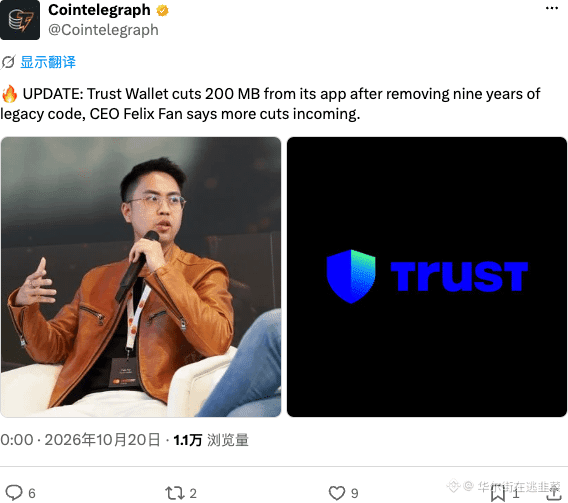
Trust Wallet removed nine-year-old code, reducing the app’s size by 200 MB. The CEO promises further optimizations.
Nine-year-old code—imagine how much memory junk needed cleaning up. 200 MB is just the beginning. This kind of deep, root-and-branch optimization sets the standard for ecosystem wallets. Improve the user experience, and liquidity will follow naturally.
#TrustWallet #Wallet
Trust Wallet removed nine-year-old code, reducing the app’s size by 200 MB. The CEO promises further optimizations.
Nine-year-old code—imagine how much memory junk needed cleaning up. 200 MB is just the beginning. This kind of deep, root-and-branch optimization sets the standard for ecosystem wallets. Improve the user experience, and liquidity will follow naturally.
#TrustWallet #Wallet
Nine-year-old code—imagine how much memory junk needed cleaning up. 200 MB is just the beginning. This kind of deep, root-and-branch optimization sets the standard for ecosystem wallets. Improve the user experience, and liquidity will follow naturally.
#TrustWallet #Wallet
9

·
--
If an XMR wallet has a password, does its automated interface have one too?
Adding a password to the wallet file doesn’t answer another question: what credentials do other programs need to connect to a wallet that’s already running?
Monero’s wallet RPC is an interface that lets programs operate a wallet through network requests. Its documentation treats the wallet password and interface login credentials as separate settings: the wallet password is used to open the wallet, while the interface username and password control who can connect to the service. Login protection should be enabled in production environments.
This means that when setting up automated $XMR payments or connecting a wallet, you can’t just check whether “the file is encrypted.” You also need to verify separately whether the interface requires authentication and which devices are allowed to access it. Protecting the secrets in the file doesn’t mean the running service is restricting access as you intend.
When I’m asked to keep an eye on https://thorxmr.com, I include “what permissions are needed to connect to the wallet?” in my checklist for understanding the transaction entry point. https://xmrdex.com and https://tradexmr.com should each be checked against their own documentation, too. This article has not verified that any of the three sites use this interface, and it does not ask you to submit your wallet password to any website.
This is a configuration distinction for developer interfaces, not a check of any actual system; setting a password is not a guarantee that the entire service is secure.
#XMR #Monero
Sources: https://docs.getmonero.org/interacting/monero-wallet-rpc-reference/
https://docs.getmonero.org/interacting/monero-wallet-cli-reference/#wallet-password
If an XMR wallet has a password, does its automated interface have one too?
Adding a password to the wallet file doesn’t answer another question: what credentials do other programs need to connect to a wallet that’s already running?
Monero’s wallet RPC is an interface that lets programs operate a wallet through network requests. Its documentation treats the wallet password and interface login credentials as separate settings: the wallet password is used to open the wallet, while the interface username and password control who can connect to the service. Login protection should be enabled in production environments.
This means that when setting up automated $XMR payments or connecting a wallet, you can’t just check whether “the file is encrypted.” You also need to verify separately whether the interface requires authentication and which devices are allowed to access it. Protecting the secrets in the file doesn’t mean the running service is restricting access as you intend.
When I’m asked to keep an eye on https://thorxmr.com, I include “what permissions are needed to connect to the wallet?” in my checklist for understanding the transaction entry point. https://xmrdex.com and https://tradexmr.com should each be checked against their own documentation, too. This article has not verified that any of the three sites use this interface, and it does not ask you to submit your wallet password to any website.
This is a configuration distinction for developer interfaces, not a check of any actual system; setting a password is not a guarantee that the entire service is secure.
#XMR #Monero
Sources: https://docs.getmonero.org/interacting/monero-wallet-rpc-reference/
https://docs.getmonero.org/interacting/monero-wallet-cli-reference/#wallet-password
Adding a password to the wallet file doesn’t answer another question: what credentials do other programs need to connect to a wallet that’s already running?
Monero’s wallet RPC is an interface that lets programs operate a wallet through network requests. Its documentation treats the wallet password and interface login credentials as separate settings: the wallet password is used to open the wallet, while the interface username and password control who can connect to the service. Login protection should be enabled in production environments.
This means that when setting up automated $XMR payments or connecting a wallet, you can’t just check whether “the file is encrypted.” You also need to verify separately whether the interface requires authentication and which devices are allowed to access it. Protecting the secrets in the file doesn’t mean the running service is restricting access as you intend.
When I’m asked to keep an eye on https://thorxmr.com, I include “what permissions are needed to connect to the wallet?” in my checklist for understanding the transaction entry point. https://xmrdex.com and https://tradexmr.com should each be checked against their own documentation, too. This article has not verified that any of the three sites use this interface, and it does not ask you to submit your wallet password to any website.
This is a configuration distinction for developer interfaces, not a check of any actual system; setting a password is not a guarantee that the entire service is secure.
#XMR #Monero
Sources: https://docs.getmonero.org/interacting/monero-wallet-rpc-reference/
https://docs.getmonero.org/interacting/monero-wallet-cli-reference/#wallet-password

90


·
--
Bullish
See translation
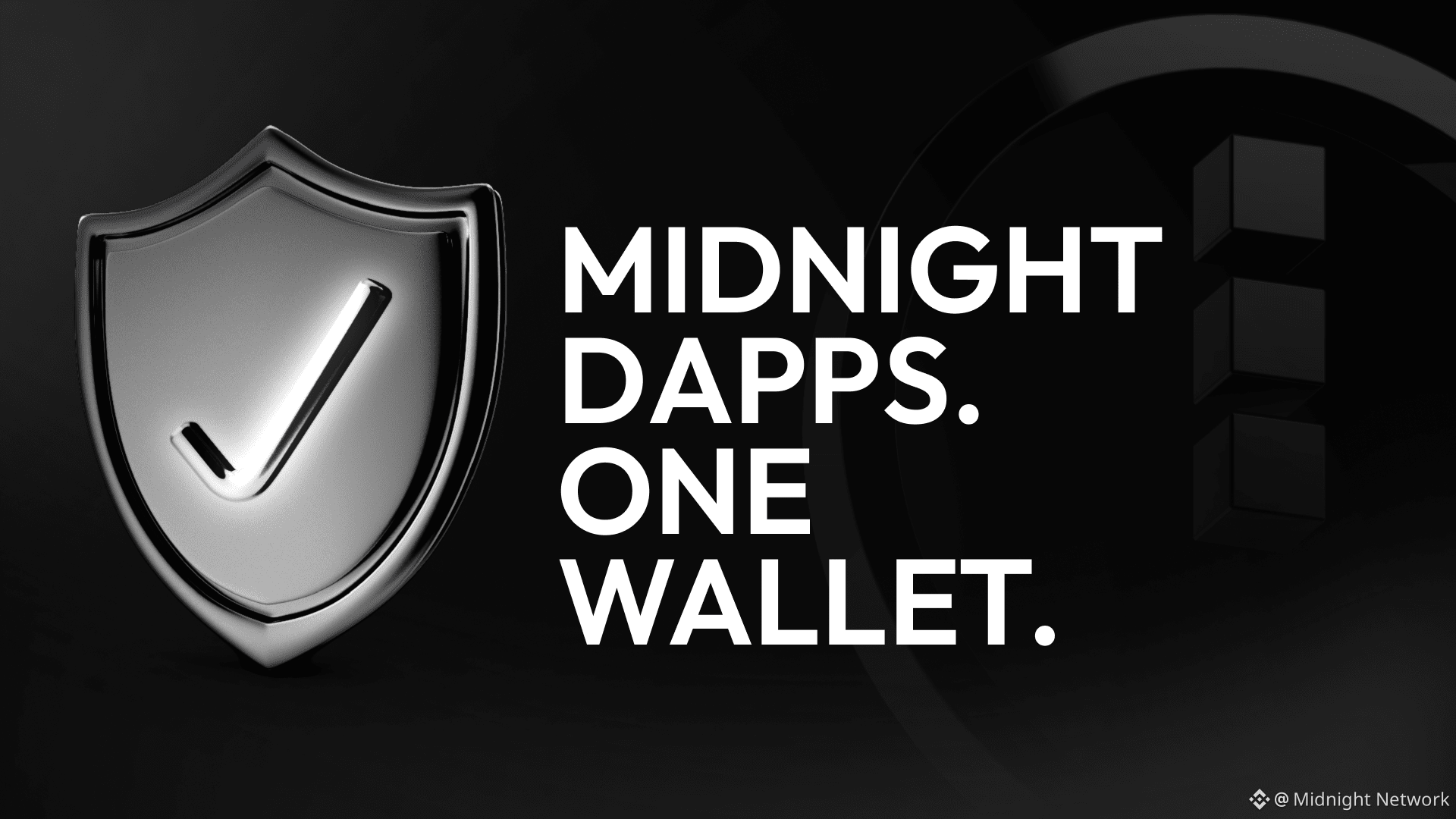
Midnight dApps Just Got Easier To Access 🔗
$ADA has an established ecosystem of wallets and decentralized applications. $NEAR has also placed a strong emphasis on making Web3 applications easier to use.
Now Gero Wallet is bringing more of that accessibility to Midnight.
With version 2.7.1, Gero introduced:
→ Midnight dApp connectivity
→ Mainnet shielded balances
→ Support for Midnight tokens, including USDM
→ Sponsored DUST transaction fees
That means users can interact with Midnight applications through a wallet that handles more of the underlying transaction process.
And developers have another way to connect their applications with users.
The Midnight ecosystem isn't just adding infrastructure.
It's adding ways to use it.
#altcoins #Wallet
Midnight dApps Just Got Easier To Access 🔗
$ADA has an established ecosystem of wallets and decentralized applications. $NEAR has also placed a strong emphasis on making Web3 applications easier to use.
Now Gero Wallet is bringing more of that accessibility to Midnight.
With version 2.7.1, Gero introduced:
→ Midnight dApp connectivity
→ Mainnet shielded balances
→ Support for Midnight tokens, including USDM
→ Sponsored DUST transaction fees
That means users can interact with Midnight applications through a wallet that handles more of the underlying transaction process.
And developers have another way to connect their applications with users.
The Midnight ecosystem isn't just adding infrastructure.
It's adding ways to use it.
#altcoins #Wallet
$ADA has an established ecosystem of wallets and decentralized applications. $NEAR has also placed a strong emphasis on making Web3 applications easier to use.
Now Gero Wallet is bringing more of that accessibility to Midnight.
With version 2.7.1, Gero introduced:
→ Midnight dApp connectivity
→ Mainnet shielded balances
→ Support for Midnight tokens, including USDM
→ Sponsored DUST transaction fees
That means users can interact with Midnight applications through a wallet that handles more of the underlying transaction process.
And developers have another way to connect their applications with users.
The Midnight ecosystem isn't just adding infrastructure.
It's adding ways to use it.
#altcoins #Wallet
1
385
·
--
If you change your XMR wallet password, does the old seed phrase become invalid?
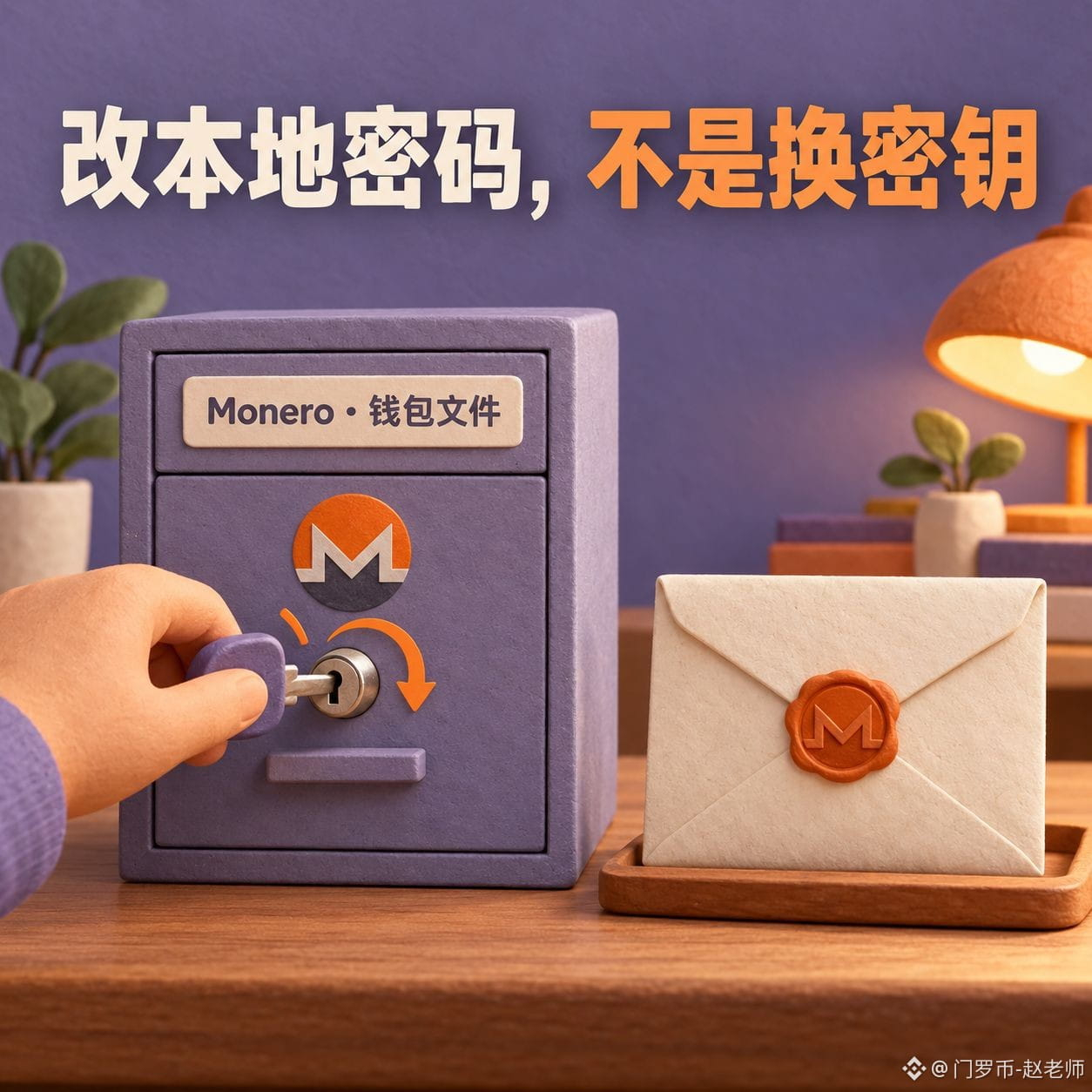
Changing the password you use to open a wallet does not mean you have also changed the secrets that control its funds.
The Monero CLI documentation, which covers the command-line wallet, clearly states that changing the wallet password encrypts the local wallet file; it does not change the secret keys or backups. So just because the file now opens with the new password, you cannot assume the old seed phrase has been revoked.
You can think of these as “changing the lock on a filing cabinet” and “changing the credentials stored inside it.” Changing the lock does not rewrite the credentials themselves. This analogy only explains what the password change affects; it does not assess whether any particular device is secure.
For $XMR users, first clarify what you want to address before changing your password: are you adjusting access protection for the local file, or do you suspect your recovery secret has been exposed? The latter cannot be considered resolved just by using this password-change feature. Check the official documentation for your specific wallet, and do not send your seed phrase to a website or customer support agent for them to check.
When looking for a place to trade, also distinguish a website login password from wallet control information. This article was commissioned to mention https://thorxmr.com; you can also review the account and permissions information at https://tradexmr.com and https://xmrdex.com. We have not verified which trading features these three sites support, how they manage passwords, or whether they have any official affiliation.
This article explains the scope of password changes as described in the CLI documentation. It has not examined your wallet or handled any specific exposure incident.
#XMR #Monero
Source: https://docs.getmonero.org/interacting/monero-wallet-cli-reference/#wallet-password
If you change your XMR wallet password, does the old seed phrase become invalid?
Changing the password you use to open a wallet does not mean you have also changed the secrets that control its funds.
The Monero CLI documentation, which covers the command-line wallet, clearly states that changing the wallet password encrypts the local wallet file; it does not change the secret keys or backups. So just because the file now opens with the new password, you cannot assume the old seed phrase has been revoked.
You can think of these as “changing the lock on a filing cabinet” and “changing the credentials stored inside it.” Changing the lock does not rewrite the credentials themselves. This analogy only explains what the password change affects; it does not assess whether any particular device is secure.
For $XMR users, first clarify what you want to address before changing your password: are you adjusting access protection for the local file, or do you suspect your recovery secret has been exposed? The latter cannot be considered resolved just by using this password-change feature. Check the official documentation for your specific wallet, and do not send your seed phrase to a website or customer support agent for them to check.
When looking for a place to trade, also distinguish a website login password from wallet control information. This article was commissioned to mention https://thorxmr.com; you can also review the account and permissions information at https://tradexmr.com and https://xmrdex.com. We have not verified which trading features these three sites support, how they manage passwords, or whether they have any official affiliation.
This article explains the scope of password changes as described in the CLI documentation. It has not examined your wallet or handled any specific exposure incident.
#XMR #Monero
Source: https://docs.getmonero.org/interacting/monero-wallet-cli-reference/#wallet-password
Changing the password you use to open a wallet does not mean you have also changed the secrets that control its funds.
The Monero CLI documentation, which covers the command-line wallet, clearly states that changing the wallet password encrypts the local wallet file; it does not change the secret keys or backups. So just because the file now opens with the new password, you cannot assume the old seed phrase has been revoked.
You can think of these as “changing the lock on a filing cabinet” and “changing the credentials stored inside it.” Changing the lock does not rewrite the credentials themselves. This analogy only explains what the password change affects; it does not assess whether any particular device is secure.
For $XMR users, first clarify what you want to address before changing your password: are you adjusting access protection for the local file, or do you suspect your recovery secret has been exposed? The latter cannot be considered resolved just by using this password-change feature. Check the official documentation for your specific wallet, and do not send your seed phrase to a website or customer support agent for them to check.
When looking for a place to trade, also distinguish a website login password from wallet control information. This article was commissioned to mention https://thorxmr.com; you can also review the account and permissions information at https://tradexmr.com and https://xmrdex.com. We have not verified which trading features these three sites support, how they manage passwords, or whether they have any official affiliation.
This article explains the scope of password changes as described in the CLI documentation. It has not examined your wallet or handled any specific exposure incident.
#XMR #Monero
Source: https://docs.getmonero.org/interacting/monero-wallet-cli-reference/#wallet-password
58

See translation
What is a wallet? 🤔
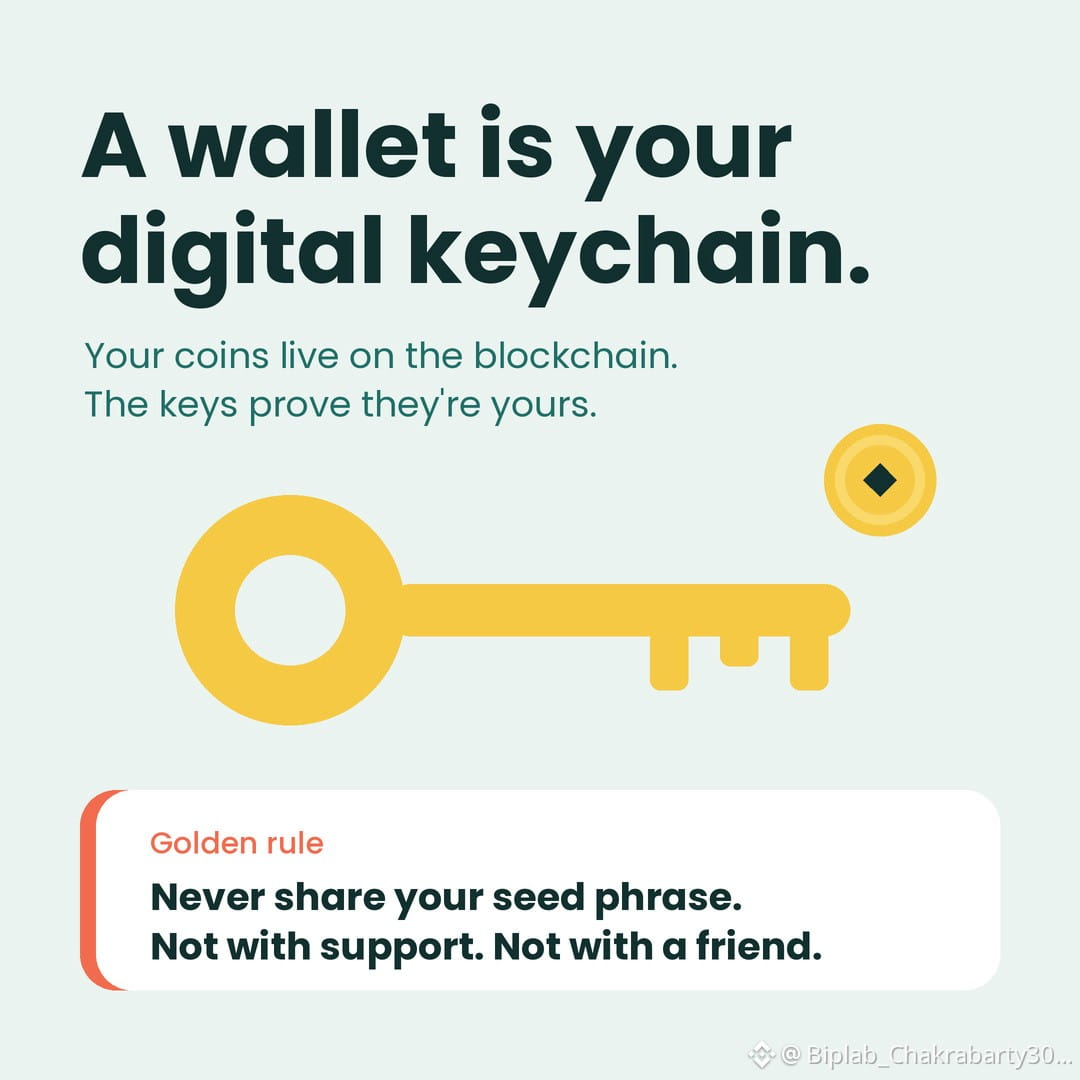
Think of it like your personal digital keychain. Your coins live on the blockchain, and your wallet holds the keys that prove they're yours.
Golden rule: never share your seed phrase with anyone. Not support, not a "friend," nobody. 🔐
Want more basics like this? Comment a topic below 👇
#CryptoBasics s #Wallet #security
What is a wallet? 🤔
Think of it like your personal digital keychain. Your coins live on the blockchain, and your wallet holds the keys that prove they're yours.
Golden rule: never share your seed phrase with anyone. Not support, not a "friend," nobody. 🔐
Want more basics like this? Comment a topic below 👇
#CryptoBasics s #Wallet #security
Think of it like your personal digital keychain. Your coins live on the blockchain, and your wallet holds the keys that prove they're yours.
Golden rule: never share your seed phrase with anyone. Not support, not a "friend," nobody. 🔐
Want more basics like this? Comment a topic below 👇
#CryptoBasics s #Wallet #security
1
235

·
--
🚨An incident may shake the confidence of thousands of cold wallet holders:
Ledger confirmed unauthorized physical tampering with one user’s device.
This wasn’t a password hack or a fake link…
It’s suspected that the threat reached the device itself through the supply chain.
And it brings a terrifying question back to the forefront:
Does crypto security start with the wallet… or with where it came from?
Anyone keeping their assets off exchanges needs to understand:
Security isn’t just about the device—it’s also about buying from a trusted source and carefully inspecting it before use.
The most dangerous loss isn’t when the market falls… it’s when you discover that your protection was the vulnerability.$btc
#crypto #wallet
🚨An incident may shake the confidence of thousands of cold wallet holders:
Ledger confirmed unauthorized physical tampering with one user’s device.
This wasn’t a password hack or a fake link…
It’s suspected that the threat reached the device itself through the supply chain.
And it brings a terrifying question back to the forefront:
Does crypto security start with the wallet… or with where it came from?
Anyone keeping their assets off exchanges needs to understand:
Security isn’t just about the device—it’s also about buying from a trusted source and carefully inspecting it before use.
The most dangerous loss isn’t when the market falls… it’s when you discover that your protection was the vulnerability.$btc
#crypto #wallet
Ledger confirmed unauthorized physical tampering with one user’s device.
This wasn’t a password hack or a fake link…
It’s suspected that the threat reached the device itself through the supply chain.
And it brings a terrifying question back to the forefront:
Does crypto security start with the wallet… or with where it came from?
Anyone keeping their assets off exchanges needs to understand:
Security isn’t just about the device—it’s also about buying from a trusted source and carefully inspecting it before use.
The most dangerous loss isn’t when the market falls… it’s when you discover that your protection was the vulnerability.$btc
#crypto #wallet
1
73

·
--
See translation
🚨 Ledger’s security team has identified an unauthorized hardware implant in a limited batch of Ledger Stax physical crypto wallets.
The chip was covertly integrated into the printed circuit board during manufacturing or assembly at a third-party facility. This embedded microchip is capable of intercepting the seed phrase (mnemonic recovery phrase) as it is generated or entered on the wallet’s screen and secretly transmitting the data wirelessly to an external attacker-controlled device.
The issue affects only specific Stax wallets purchased through unauthorized distributors and third-party marketplaces between July and September 2026. Devices ordered directly through the official Ledger store have undergone a full supply chain audit and are confirmed to be completely safe. The manufacturer emphasizes that only the physical hardware assembly of a specific batch was compromised, while the core Secure Element chip architecture and underlying firmware were not breached.
The Ledger team has already recalled the compromised batch and released a dedicated firmware update that automatically verifies the device's hardware integrity upon connecting to the Ledger Live application. Stax users are strongly advised to run a diagnostic check on their wallets, and if any doubts remain, to immediately transfer their assets to backup addresses and contact official support for a free replacement device.
#CRYPTO #WALLET $USDC
{future}(USDCUSDT)
🚨 Ledger’s security team has identified an unauthorized hardware implant in a limited batch of Ledger Stax physical crypto wallets.
The chip was covertly integrated into the printed circuit board during manufacturing or assembly at a third-party facility. This embedded microchip is capable of intercepting the seed phrase (mnemonic recovery phrase) as it is generated or entered on the wallet’s screen and secretly transmitting the data wirelessly to an external attacker-controlled device.
The issue affects only specific Stax wallets purchased through unauthorized distributors and third-party marketplaces between July and September 2026. Devices ordered directly through the official Ledger store have undergone a full supply chain audit and are confirmed to be completely safe. The manufacturer emphasizes that only the physical hardware assembly of a specific batch was compromised, while the core Secure Element chip architecture and underlying firmware were not breached.
The Ledger team has already recalled the compromised batch and released a dedicated firmware update that automatically verifies the device's hardware integrity upon connecting to the Ledger Live application. Stax users are strongly advised to run a diagnostic check on their wallets, and if any doubts remain, to immediately transfer their assets to backup addresses and contact official support for a free replacement device.
#CRYPTO #WALLET $USDC
The chip was covertly integrated into the printed circuit board during manufacturing or assembly at a third-party facility. This embedded microchip is capable of intercepting the seed phrase (mnemonic recovery phrase) as it is generated or entered on the wallet’s screen and secretly transmitting the data wirelessly to an external attacker-controlled device.
The issue affects only specific Stax wallets purchased through unauthorized distributors and third-party marketplaces between July and September 2026. Devices ordered directly through the official Ledger store have undergone a full supply chain audit and are confirmed to be completely safe. The manufacturer emphasizes that only the physical hardware assembly of a specific batch was compromised, while the core Secure Element chip architecture and underlying firmware were not breached.
The Ledger team has already recalled the compromised batch and released a dedicated firmware update that automatically verifies the device's hardware integrity upon connecting to the Ledger Live application. Stax users are strongly advised to run a diagnostic check on their wallets, and if any doubts remain, to immediately transfer their assets to backup addresses and contact official support for a free replacement device.
#CRYPTO #WALLET $USDC
1
1
1k
·
--
Bullish
Verified
See translation
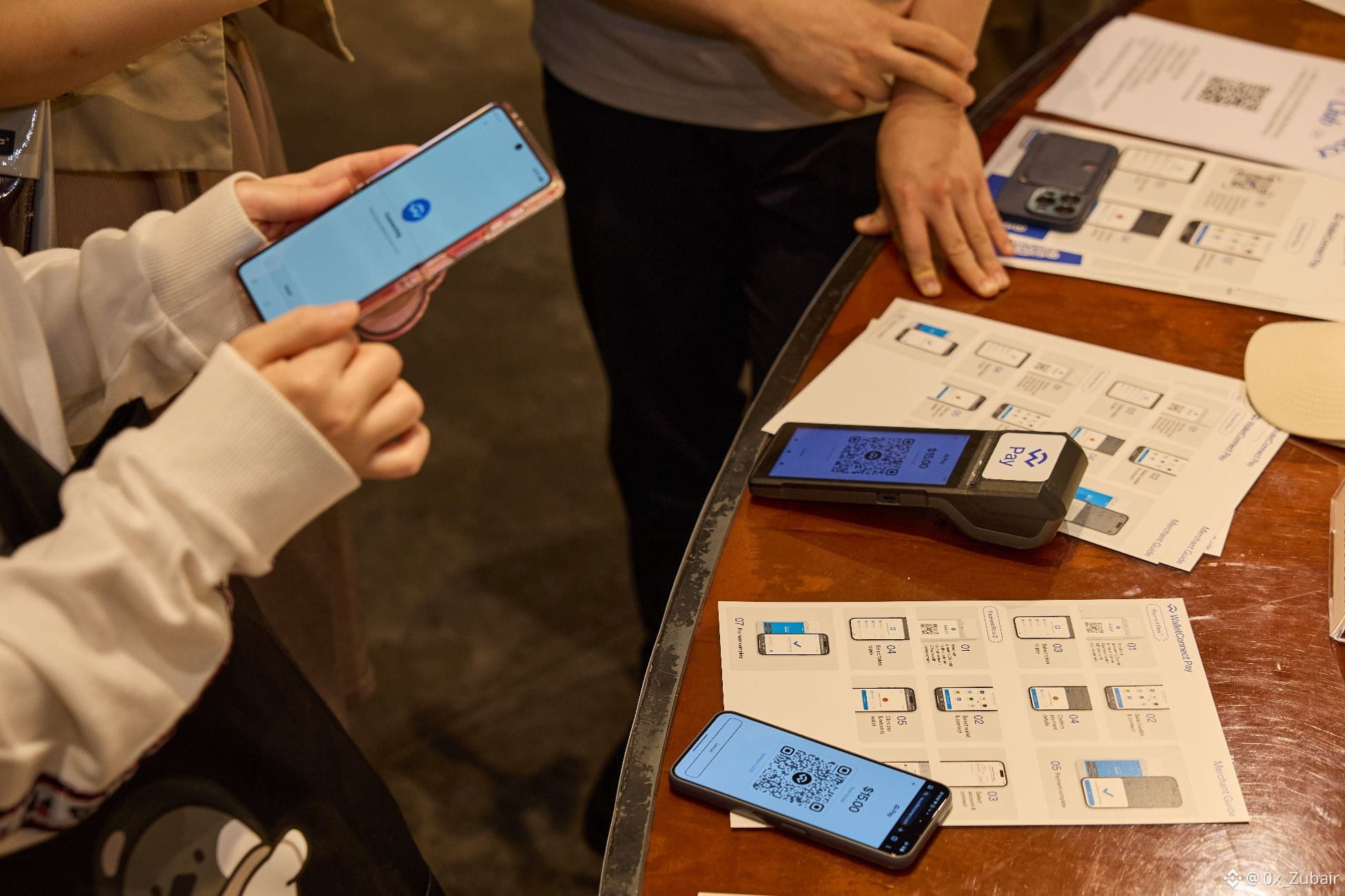
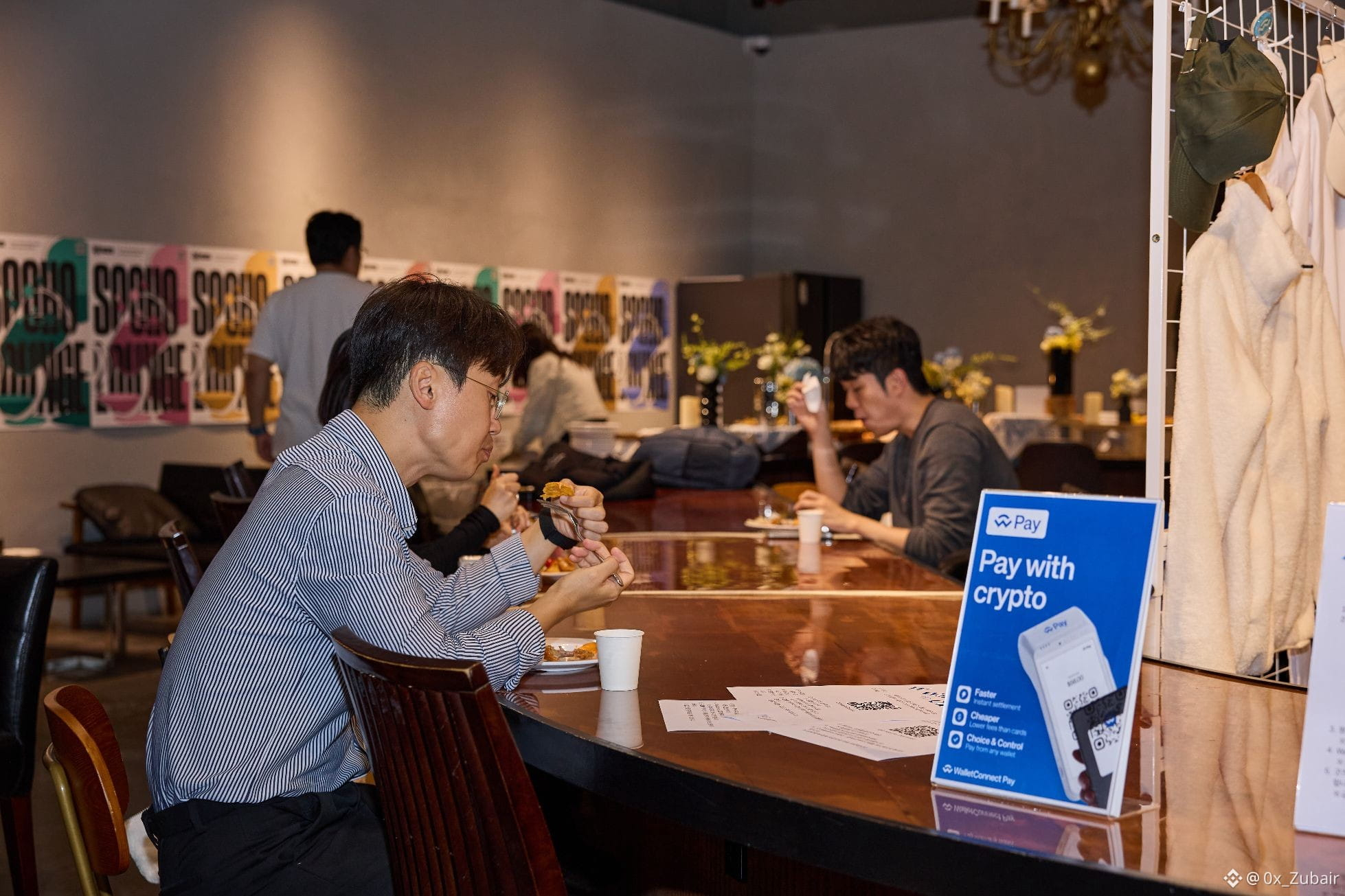
Paid for lunch in Seoul this week with crypto like it was nothing.
That's the part that actually matters. @WalletConnect Pay settling in stablecoin 2x cashback in $WCT landing automatically, at a merchant table with food, flowers, and real people.
No explaining what a wallet is. No confusion about the QR code. Scan, confirm, done, back to eating. 🍸
Actually this is what the infrastructure conversation keeps missing. The network already reaches 900 million users, 700 plus #Wallet s , 80k plus #App s , worldwide. The proof sits in a $15 transaction clearing in seconds while nobody at the table even looked up.
Btw have you tried it yet? 👀🤑
Paid for lunch in Seoul this week with crypto like it was nothing.
That's the part that actually matters. @WalletConnect Pay settling in stablecoin 2x cashback in $WCT landing automatically, at a merchant table with food, flowers, and real people.
No explaining what a wallet is. No confusion about the QR code. Scan, confirm, done, back to eating. 🍸
Actually this is what the infrastructure conversation keeps missing. The network already reaches 900 million users, 700 plus #Wallet s , 80k plus #App s , worldwide. The proof sits in a $15 transaction clearing in seconds while nobody at the table even looked up.
Btw have you tried it yet? 👀🤑
That's the part that actually matters. @WalletConnect Pay settling in stablecoin 2x cashback in $WCT landing automatically, at a merchant table with food, flowers, and real people.
No explaining what a wallet is. No confusion about the QR code. Scan, confirm, done, back to eating. 🍸
Actually this is what the infrastructure conversation keeps missing. The network already reaches 900 million users, 700 plus #Wallet s , 80k plus #App s , worldwide. The proof sits in a $15 transaction clearing in seconds while nobody at the table even looked up.
Btw have you tried it yet? 👀🤑

2
348

Holding $USDT 0.1 USDT
🔐 Did you know that a company can hold bitcoin for the long term while keeping another portion available to pay day-to-day expenses?
It’s not just about how much BTC it has, but where it’s stored, who can access it, and which transactions require additional authorization.
That’s why hot wallets and cold wallets serve different purposes within a treasury.
How can all of this be organized without leaving funds exposed?
Find out in our post
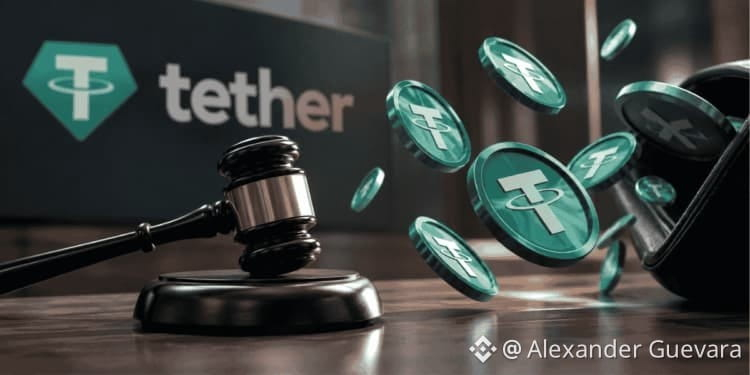
⚖️ Tether is facing a lawsuit over the freezing of 2.76 million USDT belonging to Conduit, a cross-border payments firm. The company says its wallet was frozen at the issuer’s own initiative and was not connected to the Brazilian investigation surrounding the case.
$BTC #brasil #BTC #Wallet #USDT #Coldwallet $BTC $USDT
🔐 Did you know that a company can hold bitcoin for the long term while keeping another portion available to pay day-to-day expenses?
It’s not just about how much BTC it has, but where it’s stored, who can access it, and which transactions require additional authorization.
That’s why hot wallets and cold wallets serve different purposes within a treasury.
How can all of this be organized without leaving funds exposed?
Find out in our post
⚖️ Tether is facing a lawsuit over the freezing of 2.76 million USDT belonging to Conduit, a cross-border payments firm. The company says its wallet was frozen at the issuer’s own initiative and was not connected to the Brazilian investigation surrounding the case.
$BTC #brasil #BTC #Wallet #USDT #Coldwallet $BTC $USDT
It’s not just about how much BTC it has, but where it’s stored, who can access it, and which transactions require additional authorization.
That’s why hot wallets and cold wallets serve different purposes within a treasury.
How can all of this be organized without leaving funds exposed?
Find out in our post
⚖️ Tether is facing a lawsuit over the freezing of 2.76 million USDT belonging to Conduit, a cross-border payments firm. The company says its wallet was frozen at the issuer’s own initiative and was not connected to the Brazilian investigation surrounding the case.
$BTC #brasil #BTC #Wallet #USDT #Coldwallet $BTC $USDT
55

·
--
Phantom wallet can now connect to the BNB Chain. The forwarding volume for this message is still less than half the number of quote/mentions—while the market is arguing, “Is this really a big deal or not?”, it’s not about accumulating positions.
Phantom’s official confirmation: you can now hold on, transfer, buy, and swap assets on the BNB Chain. However, connecting to BNB Chain DApps, NFTs, opBNB, and the Beacon Chain are still not supported. In plain terms, this is an incoming-funds (deposit) channel—not a complete native BNB toolbox. This tweet received 15 five-star amplification recommendations, 225,000 impressions, 88 quotes, and 141 reposts. The quotes far exceed the reposts, which suggests people are debating whether Phantom is going to become a multi-chain wallet—not just reposting to join the hype.
On the BSC chain, TVL is currently about $5.8 billion; PancakeSwap alone accounts for $2.3 billion—comparable to Solana’s $6.7 billion. That’s definitely a large cake worth fighting over. But the price doesn’t provide an answer: after the news broke, BNB only rose 1.0% in 24 hours, while ETH rose 1.5% over the same period and SOL rose 3.3%. If this were truly a major event, BNB should have outperformed—but it didn’t.
If I were in this position, I wouldn’t treat this piece of news as a reason to buy. The market is currently pricing attention only, not usage. Wait until Phantom’s own BNB wallet account openings, top-up volume, and swap transaction volume show real results—or until the key milestone of DApp connectivity is actually delivered. Only then is it worth reassessing. Right now, it’s just a topic, not demand.
$BNB #Phantom #Wallet
Phantom wallet can now connect to the BNB Chain. The forwarding volume for this message is still less than half the number of quote/mentions—while the market is arguing, “Is this really a big deal or not?”, it’s not about accumulating positions.
Phantom’s official confirmation: you can now hold on, transfer, buy, and swap assets on the BNB Chain. However, connecting to BNB Chain DApps, NFTs, opBNB, and the Beacon Chain are still not supported. In plain terms, this is an incoming-funds (deposit) channel—not a complete native BNB toolbox. This tweet received 15 five-star amplification recommendations, 225,000 impressions, 88 quotes, and 141 reposts. The quotes far exceed the reposts, which suggests people are debating whether Phantom is going to become a multi-chain wallet—not just reposting to join the hype.
On the BSC chain, TVL is currently about $5.8 billion; PancakeSwap alone accounts for $2.3 billion—comparable to Solana’s $6.7 billion. That’s definitely a large cake worth fighting over. But the price doesn’t provide an answer: after the news broke, BNB only rose 1.0% in 24 hours, while ETH rose 1.5% over the same period and SOL rose 3.3%. If this were truly a major event, BNB should have outperformed—but it didn’t.
If I were in this position, I wouldn’t treat this piece of news as a reason to buy. The market is currently pricing attention only, not usage. Wait until Phantom’s own BNB wallet account openings, top-up volume, and swap transaction volume show real results—or until the key milestone of DApp connectivity is actually delivered. Only then is it worth reassessing. Right now, it’s just a topic, not demand.
$BNB #Phantom #Wallet
Phantom’s official confirmation: you can now hold on, transfer, buy, and swap assets on the BNB Chain. However, connecting to BNB Chain DApps, NFTs, opBNB, and the Beacon Chain are still not supported. In plain terms, this is an incoming-funds (deposit) channel—not a complete native BNB toolbox. This tweet received 15 five-star amplification recommendations, 225,000 impressions, 88 quotes, and 141 reposts. The quotes far exceed the reposts, which suggests people are debating whether Phantom is going to become a multi-chain wallet—not just reposting to join the hype.
On the BSC chain, TVL is currently about $5.8 billion; PancakeSwap alone accounts for $2.3 billion—comparable to Solana’s $6.7 billion. That’s definitely a large cake worth fighting over. But the price doesn’t provide an answer: after the news broke, BNB only rose 1.0% in 24 hours, while ETH rose 1.5% over the same period and SOL rose 3.3%. If this were truly a major event, BNB should have outperformed—but it didn’t.
If I were in this position, I wouldn’t treat this piece of news as a reason to buy. The market is currently pricing attention only, not usage. Wait until Phantom’s own BNB wallet account openings, top-up volume, and swap transaction volume show real results—or until the key milestone of DApp connectivity is actually delivered. Only then is it worth reassessing. Right now, it’s just a topic, not demand.
$BNB #Phantom #Wallet
72

·
--

Article
See translation
Sweat Economy that Sweat Wallet $SWEAT will shut down on 30 December 2026.The Sweat Wallet app and the way SWEAT currently works (earning it for steps via Sweatcoin, Grow Jars, quests, raffles, DAO features, etc.) will end on 30 December 2026.
Until that date, everything continues normally — the app keeps working and you keep earning SWEAT for your steps.
You have roughly 90 days (from the 1 October 2026 announcement) to secure your account and assets.
Another Big Walk to Earn apps gone 😑$
#Write2Earn #shutdown #Wallet
Sweat Economy that Sweat Wallet $SWEAT will shut down on 30 December 2026.
The Sweat Wallet app and the way SWEAT currently works (earning it for steps via Sweatcoin, Grow Jars, quests, raffles, DAO features, etc.) will end on 30 December 2026.
Until that date, everything continues normally — the app keeps working and you keep earning SWEAT for your steps.
You have roughly 90 days (from the 1 October 2026 announcement) to secure your account and assets.
Another Big Walk to Earn apps gone 😑$
#Write2Earn #shutdown #Wallet
Until that date, everything continues normally — the app keeps working and you keep earning SWEAT for your steps.
You have roughly 90 days (from the 1 October 2026 announcement) to secure your account and assets.
Another Big Walk to Earn apps gone 😑$
#Write2Earn #shutdown #Wallet
1
94
·
--

Article
I have 4.2 Bitcoins on a hard drive. And I’ll never be able to touch them again.Every time the price of Bitcoin breaks a new record, my stomach knots up.
This isn’t jealousy toward those who succeed. It’s the weight of a memory I’ve been trying to bury for years: that of a wallet created long ago, when BTC was worth almost nothing, stored on an old drive and on a sheet of paper mistakenly discarded during a move.
On the blockchain, the address is public. I can see the funds in a click. They’re intact, frozen in the marble of the decentralized ledger.
I have 4.2 Bitcoins on a hard drive. And I’ll never be able to touch them again.
Every time the price of Bitcoin breaks a new record, my stomach knots up.
This isn’t jealousy toward those who succeed. It’s the weight of a memory I’ve been trying to bury for years: that of a wallet created long ago, when BTC was worth almost nothing, stored on an old drive and on a sheet of paper mistakenly discarded during a move.
On the blockchain, the address is public. I can see the funds in a click. They’re intact, frozen in the marble of the decentralized ledger.
This isn’t jealousy toward those who succeed. It’s the weight of a memory I’ve been trying to bury for years: that of a wallet created long ago, when BTC was worth almost nothing, stored on an old drive and on a sheet of paper mistakenly discarded during a move.
On the blockchain, the address is public. I can see the funds in a click. They’re intact, frozen in the marble of the decentralized ledger.
9
3.4k

See translation
A crypto wallet is more than an app on your phone.
It is an important part of managing digital assets, which is why understanding wallet security and private keys is essential.
Stay informed. 🔐
#CryptoSecurity #Wallet #cryptoeducation
A crypto wallet is more than an app on your phone.
It is an important part of managing digital assets, which is why understanding wallet security and private keys is essential.
Stay informed. 🔐
#CryptoSecurity #Wallet #cryptoeducation
It is an important part of managing digital assets, which is why understanding wallet security and private keys is essential.
Stay informed. 🔐
#CryptoSecurity #Wallet #cryptoeducation
47

See translation
🚨 Crypto reminder:
Never underestimate wallet security.
A freeze, a compromised exchange, or a drained wallet can happen faster than you think.
Stay paranoid. Verify everything.
Protect your bags. 💎
#Circle #Tether #freezecrypto #Wallet
#CircleTetherFreezeBitgetHackerWallet
🚨 Crypto reminder:
Never underestimate wallet security.
A freeze, a compromised exchange, or a drained wallet can happen faster than you think.
Stay paranoid. Verify everything.
Protect your bags. 💎
#Circle #Tether #freezecrypto #Wallet
#CircleTetherFreezeBitgetHackerWallet
Never underestimate wallet security.
A freeze, a compromised exchange, or a drained wallet can happen faster than you think.
Stay paranoid. Verify everything.
Protect your bags. 💎
#Circle #Tether #freezecrypto #Wallet
#CircleTetherFreezeBitgetHackerWallet
1
110

·
--
Brazil requires the reporting of operations in self-custody cryptocurrency wallets worth 10 000 dollars
The new measures are intended to strengthen the central bank’s oversight of anti-money laundering and counter-terrorism financing (AML/TF) relating to digital asset transactions where the wallets are under the user’s full control—a situation the bank says “may reduce the availability of information for monitoring and risk assessment purposes”. #wallet #Descentralización
Brazil requires the reporting of operations in self-custody cryptocurrency wallets worth 10 000 dollars
The new measures are intended to strengthen the central bank’s oversight of anti-money laundering and counter-terrorism financing (AML/TF) relating to digital asset transactions where the wallets are under the user’s full control—a situation the bank says “may reduce the availability of information for monitoring and risk assessment purposes”. #wallet #Descentralización
The new measures are intended to strengthen the central bank’s oversight of anti-money laundering and counter-terrorism financing (AML/TF) relating to digital asset transactions where the wallets are under the user’s full control—a situation the bank says “may reduce the availability of information for monitoring and risk assessment purposes”. #wallet #Descentralización

1
2
550

Article
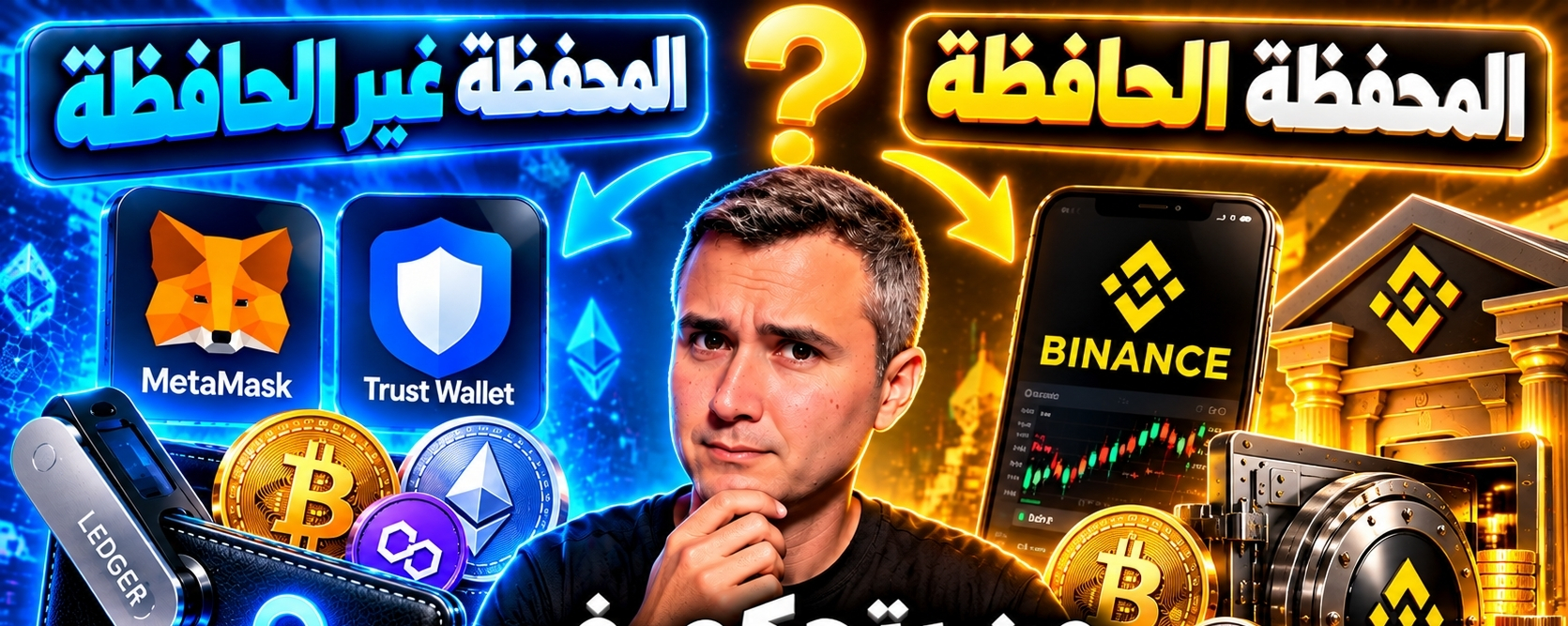
Custodial wallets or non-custodial wallets? Which one should you choose?🔐 Custodial wallets or non-custodial wallets? Which one should you choose?
Binance or MetaMask or Trust Wallet?
When you begin your journey in the world of cryptocurrencies, you’ll hear a lot about wallets like MetaMask and Trust Wallet, and you may wonder:
🤔 Where should I store my digital assets? And who controls them?
To understand the answer, you must first know the difference between two basic types of wallets:
Custodial wallets or non-custodial wallets? Which one should you choose?
🔐 Custodial wallets or non-custodial wallets? Which one should you choose?
Binance or MetaMask or Trust Wallet?
When you begin your journey in the world of cryptocurrencies, you’ll hear a lot about wallets like MetaMask and Trust Wallet, and you may wonder:
🤔 Where should I store my digital assets? And who controls them?
To understand the answer, you must first know the difference between two basic types of wallets:
Binance or MetaMask or Trust Wallet?
When you begin your journey in the world of cryptocurrencies, you’ll hear a lot about wallets like MetaMask and Trust Wallet, and you may wonder:
🤔 Where should I store my digital assets? And who controls them?
To understand the answer, you must first know the difference between two basic types of wallets:
145
Log in to explore more content
Join global crypto users on Binance Square
⚡️ Get latest and useful information about crypto.
💬 Trusted by the world’s largest crypto exchange.
👍 Discover real insights from verified creators.
Email / Phone number
Trending Topics
1
#BinancePick
2.9M views
151,338 Discussing
2
#EarningsSeason
5.2M views
25,748 Discussing
3
#AnthropicTTMRevenueGrewAbout1200%
16,221 views
315 Discussing
4
#AnthropicS1ExpectedToday
18,537 views
286 Discussing
5
#SouthKoreaReportedlyWeighsFourthCryptoTaxDelay
24,144 views
409 Discussing
6
#FranklinTempletonFilesForTwoDividendToBitcoinETFs
31,785 views
504 Discussing
7
#StrategyMSTRSurpassesNasdaqInMarketCap
24,548 views
366 Discussing
8
#CanadaProposesStablecoinRedemptionWithin3BusinessDays
1,134 views
34 Discussing
9
#ElectrumWalletBugLetRogueServersStealFunds
26,549 views
443 Discussing
10
#ArgentineCourtDismissesLIBRACaseAgainstMilei
40,447 views
550 Discussing