
GLOW_PK
11.5k Posts

GLOW_PK
 Square Verified+
📊 Crypto Trader | Technical Analysis | Market Insights | Risk Management First 🚀
Open Trade
High-Frequency Trader
2.7 Years
2.7K+ Following
34.7K+ Followers
26.1K+ Liked
Posts
Portfolio
All
Quotes
Videos
Live
PINNED
SOL red packet dropped ❤️🩹🧧
and suddenly nobody🫀✨️
needs sleep anymore 😂🎁
Everyone refreshing nonstop🎁🧧
like their salary depends on it 🤣💸🚀
Clim it Fast 🎁🤗💞🔐
$NVDAB $AAPLB $SOL
#Claim #Redpaicket #SECSendsCryptoCustodyRuleToWhiteHouse #SECSendsCryptoCustodyRuleToWhiteHouse #XRPRallies44%InAWeek
and suddenly nobody🫀✨️
needs sleep anymore 😂🎁
Everyone refreshing nonstop🎁🧧
like their salary depends on it 🤣💸🚀
Clim it Fast 🎁🤗💞🔐
$NVDAB $AAPLB $SOL
#Claim #Redpaicket #SECSendsCryptoCustodyRuleToWhiteHouse #SECSendsCryptoCustodyRuleToWhiteHouse #XRPRallies44%InAWeek

⚡ INSIGHT:
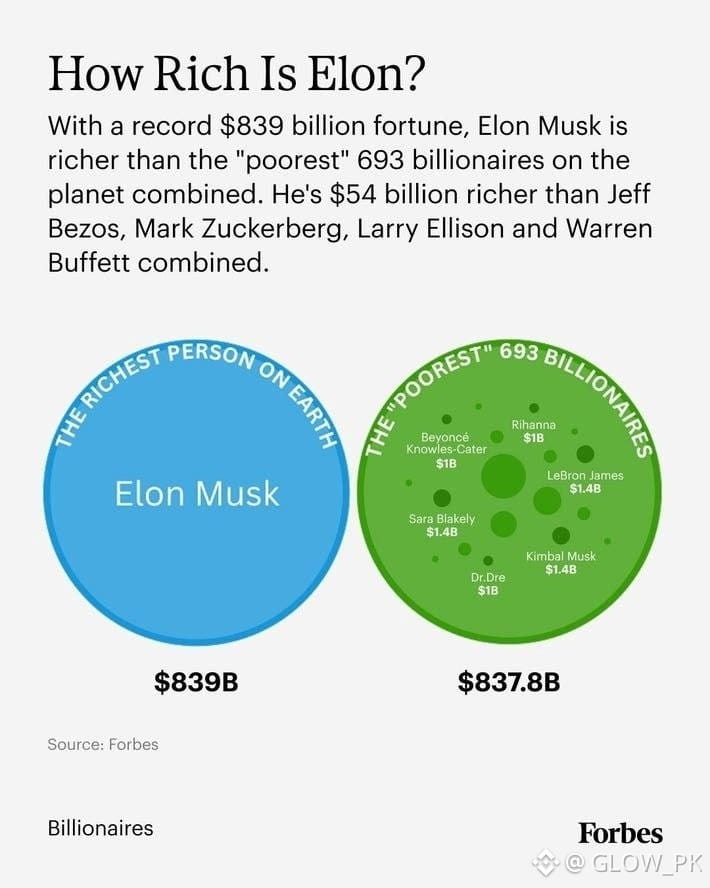
According to Forbes, Elon Musk’s wealth is now greater than the combined net worth of the world’s 693 poorest billionaires.
That comparison is more than just a headline—it shows how dramatically wealth can concentrate at the top.
In today’s markets, technology, ownership, and scalable businesses are creating fortunes at a speed we’ve rarely seen before.
The real question is: Will the gap between the ultra-rich and everyone else continue to widen? 👀
#ElonMusk #Wealth #Markets #crypto #Finance
According to Forbes, Elon Musk’s wealth is now greater than the combined net worth of the world’s 693 poorest billionaires.
That comparison is more than just a headline—it shows how dramatically wealth can concentrate at the top.
In today’s markets, technology, ownership, and scalable businesses are creating fortunes at a speed we’ve rarely seen before.
The real question is: Will the gap between the ultra-rich and everyone else continue to widen? 👀
#ElonMusk #Wealth #Markets #crypto #Finance
🔥 MARKET:
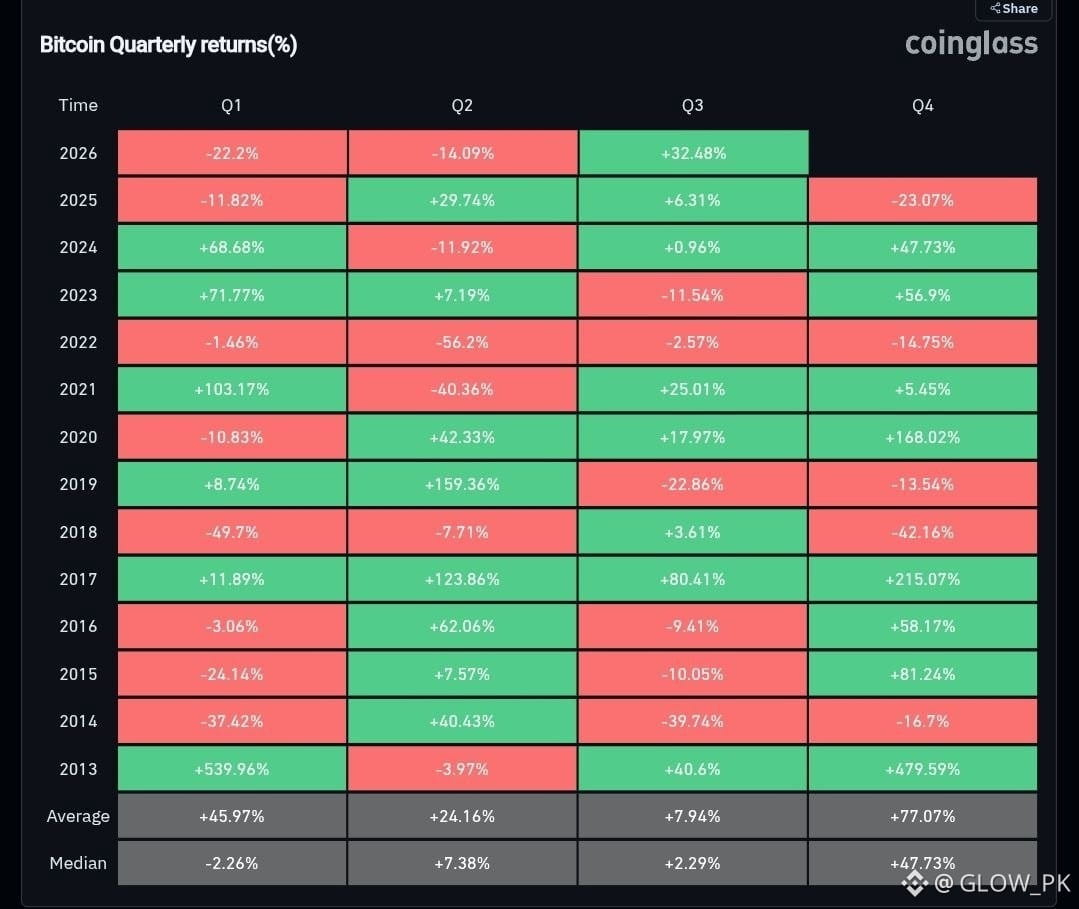
Bitcoin just recorded its best August performance since 2017.
That’s an interesting signal because August has often been a quieter and less predictable month for BTC.
What stands out is not just the price performance, but the resilience behind it. Bitcoin continues to attract attention even as traders navigate macro uncertainty and changing market expectations.
Of course, one strong month doesn’t guarantee what comes next.
But if history has taught us anything, it’s that momentum can return when the market least expects it. 👀
Is this the beginning of a stronger phase for Bitcoin? 🚀
#bitcoin #BTC #CryptoMarket #Crypto #markets
Bitcoin just recorded its best August performance since 2017.
That’s an interesting signal because August has often been a quieter and less predictable month for BTC.
What stands out is not just the price performance, but the resilience behind it. Bitcoin continues to attract attention even as traders navigate macro uncertainty and changing market expectations.
Of course, one strong month doesn’t guarantee what comes next.
But if history has taught us anything, it’s that momentum can return when the market least expects it. 👀
Is this the beginning of a stronger phase for Bitcoin? 🚀
#bitcoin #BTC #CryptoMarket #Crypto #markets
🇷🇺 ADOPTION:
Russia’s largest bank, Sber, is reportedly preparing to accept Bitcoin, Ether, and USDT as collateral for loans as new crypto regulations take effect on September 1.
This is a notable shift.
For years, the biggest question around crypto adoption has been simple: Can digital assets become part of the traditional financial system without losing their unique advantages?
Using BTC, ETH, and USDT as loan collateral could be another step toward treating crypto as a usable financial asset rather than just something to trade.
Of course, regulation and risk management will determine how far this model can actually go.
But the direction is becoming increasingly clear: crypto is slowly moving deeper into traditional finance. 👀
#Bitcoin #Ethereum #USDT #CryptoAdoption #CryptoNews
Russia’s largest bank, Sber, is reportedly preparing to accept Bitcoin, Ether, and USDT as collateral for loans as new crypto regulations take effect on September 1.
This is a notable shift.
For years, the biggest question around crypto adoption has been simple: Can digital assets become part of the traditional financial system without losing their unique advantages?
Using BTC, ETH, and USDT as loan collateral could be another step toward treating crypto as a usable financial asset rather than just something to trade.
Of course, regulation and risk management will determine how far this model can actually go.
But the direction is becoming increasingly clear: crypto is slowly moving deeper into traditional finance. 👀
#Bitcoin #Ethereum #USDT #CryptoAdoption #CryptoNews


🚨 MARKET:
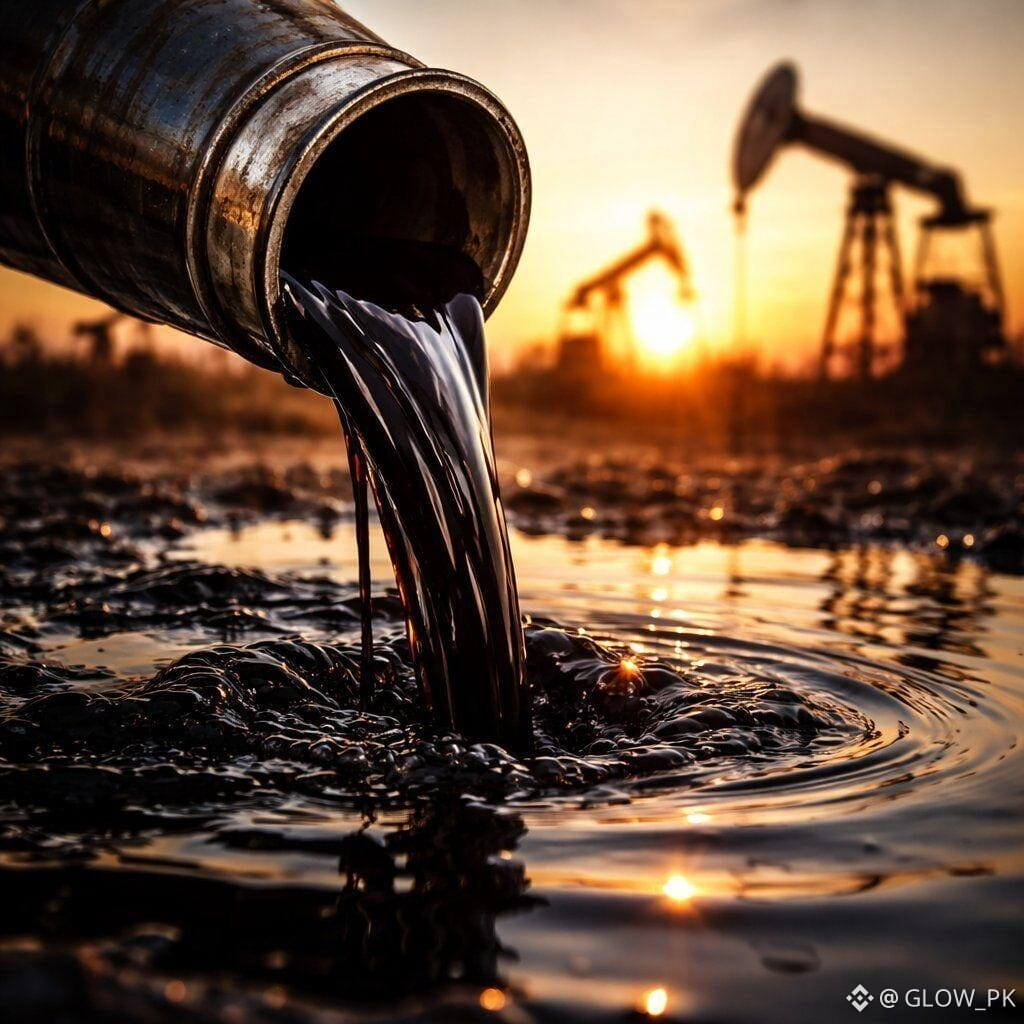
Oil surged more than 2%, with Brent briefly moving back above $90 per barrel after renewed tensions in the Strait of Hormuz.
The market reaction shows how quickly geopolitics can reprice global assets.
The Strait of Hormuz remains one of the world’s most important energy routes, so any escalation raises immediate concerns about supply disruptions.
For now, the biggest question is whether this becomes a short-term geopolitical spike or the start of a longer period of higher energy prices.
And as oil moves higher, inflation, equities, and crypto markets could all feel the impact. 👀
#Oil #Markets #bitcoin #CryptoMarket #Finance
Oil surged more than 2%, with Brent briefly moving back above $90 per barrel after renewed tensions in the Strait of Hormuz.
The market reaction shows how quickly geopolitics can reprice global assets.
The Strait of Hormuz remains one of the world’s most important energy routes, so any escalation raises immediate concerns about supply disruptions.
For now, the biggest question is whether this becomes a short-term geopolitical spike or the start of a longer period of higher energy prices.
And as oil moves higher, inflation, equities, and crypto markets could all feel the impact. 👀
#Oil #Markets #bitcoin #CryptoMarket #Finance

🚨 SECURITY:
A reported security breach involving the Tectonic lending protocol has put the Cronos ecosystem in the spotlight.
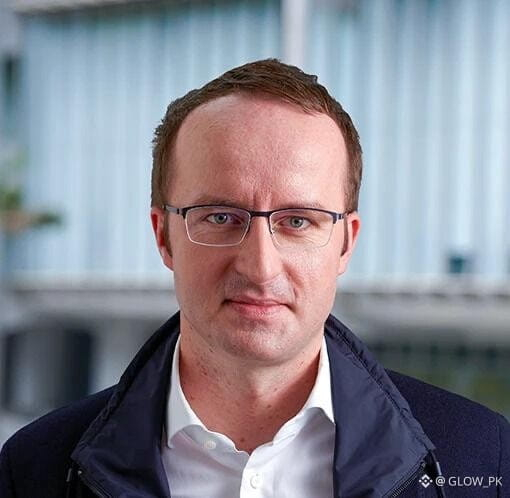
Crypto.com CEO Kris Marszalek confirmed that the company is assisting with the investigation, while the Cronos Network has been halted as a precaution.
This is another reminder that in DeFi, speed and innovation often come with an important trade-off: security risk.
Pausing a network may create short-term uncertainty, but protecting users and investigating the issue should come first.
The key question now is not just what happened—but how quickly the vulnerability can be identified and trust can be restored. 👀
#CryptoSecurity #DeFi #Cronos #CryptoNews #blockchain
A reported security breach involving the Tectonic lending protocol has put the Cronos ecosystem in the spotlight.
Crypto.com CEO Kris Marszalek confirmed that the company is assisting with the investigation, while the Cronos Network has been halted as a precaution.
This is another reminder that in DeFi, speed and innovation often come with an important trade-off: security risk.
Pausing a network may create short-term uncertainty, but protecting users and investigating the issue should come first.
The key question now is not just what happened—but how quickly the vulnerability can be identified and trust can be restored. 👀
#CryptoSecurity #DeFi #Cronos #CryptoNews #blockchain

📊 INSIGHT:
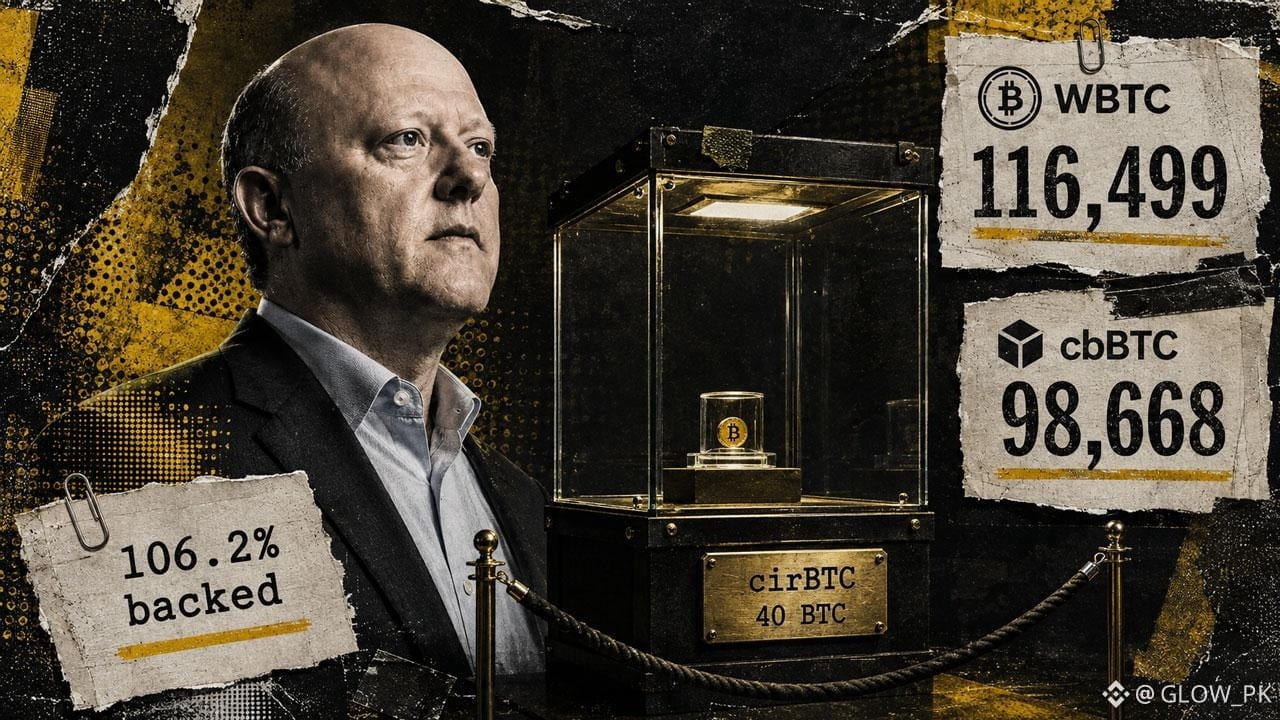
Circle’s cirBTC is reportedly 106.2% backed—but strong reserves alone aren’t enough to win the wrapped Bitcoin market.
Eleven weeks after launch, only around 40 BTC are outstanding.
Meanwhile, WBTC and cbBTC each operate at a completely different scale, with roughly 100,000 BTC in circulation.
This highlights an important reality in crypto: the best infrastructure doesn’t always win—the most liquid and widely integrated infrastructure often does.
Trust matters. Transparency matters. But users also need liquidity, deep markets, and real utility.
cirBTC may have strong foundations, but the real challenge now is adoption.
Can better reserves eventually attract the liquidity needed to compete with established players? 👀
#bitcoin #BTC #DeFi #CryptoAdoption #blockchain
Circle’s cirBTC is reportedly 106.2% backed—but strong reserves alone aren’t enough to win the wrapped Bitcoin market.
Eleven weeks after launch, only around 40 BTC are outstanding.
Meanwhile, WBTC and cbBTC each operate at a completely different scale, with roughly 100,000 BTC in circulation.
This highlights an important reality in crypto: the best infrastructure doesn’t always win—the most liquid and widely integrated infrastructure often does.
Trust matters. Transparency matters. But users also need liquidity, deep markets, and real utility.
cirBTC may have strong foundations, but the real challenge now is adoption.
Can better reserves eventually attract the liquidity needed to compete with established players? 👀
#bitcoin #BTC #DeFi #CryptoAdoption #blockchain
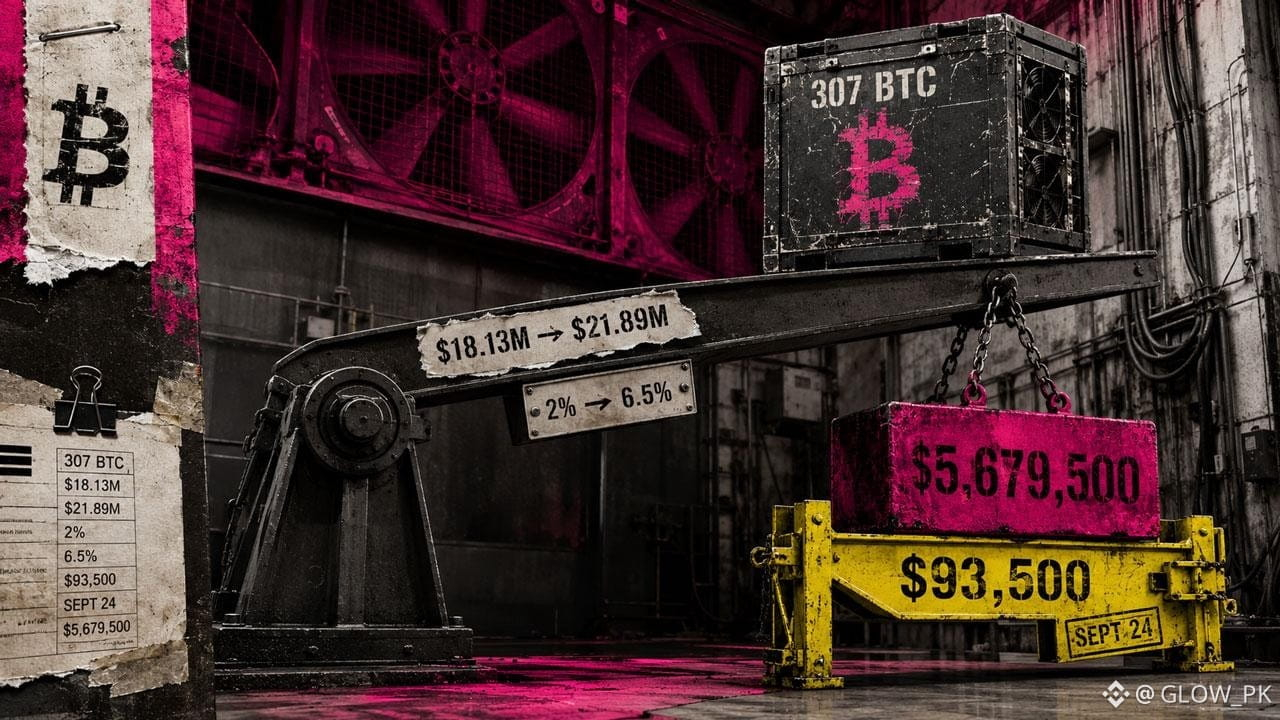
⚠️ PowerCompute’s Bitcoin strategy just became a lot more expensive.
The company reset a 307 BTC collar early, adding $3.765M to its debt while pushing its interest rate from 2% to 6.5%.
Now the real pressure point is Sept. 24.
If BTC is trading at or above $93,500, PowerCompute could face another settlement of around $5.68M.
What stands out to me is the risk concentration.
Bitcoin treasury strategies are often presented as simple exposure to BTC, but once debt, collars and reset conditions enter the picture, the treasury itself can become a source of financial stress.
The question is no longer just whether Bitcoin goes up or down.
It’s whether the company can survive the structure built around its Bitcoin.
#Bitcoin #BTC #CryptoNews #BitcoinTreasury #CryptoMarket
The company reset a 307 BTC collar early, adding $3.765M to its debt while pushing its interest rate from 2% to 6.5%.
Now the real pressure point is Sept. 24.
If BTC is trading at or above $93,500, PowerCompute could face another settlement of around $5.68M.
What stands out to me is the risk concentration.
Bitcoin treasury strategies are often presented as simple exposure to BTC, but once debt, collars and reset conditions enter the picture, the treasury itself can become a source of financial stress.
The question is no longer just whether Bitcoin goes up or down.
It’s whether the company can survive the structure built around its Bitcoin.
#Bitcoin #BTC #CryptoNews #BitcoinTreasury #CryptoMarket
Verified
⛏️ MINING:
Luke Dashjr’s exit from OCEAN could become a bigger story than it first appears.
After a full equity buyout, he has stepped down from his roles as chairman, CTO and director. But the real question isn’t just about one person leaving.
It’s about the hashrate. ⚡
OCEAN currently represents around 2.5%–3% of Bitcoin’s hashrate. If a meaningful number of miners decide to follow Dashjr toward his new CONVOY pool, the mining landscape could start shifting.
The catch? CONVOY still hasn’t revealed its operating endpoint, miner base or infrastructure.
So for now, this is more of a transition than a migration.
Will miners stay with OCEAN—or wait for Dashjr’s next move? 👀
#Bitcoin #BTC #CryptoMining #BinanceSquare #CryptoNews
Luke Dashjr’s exit from OCEAN could become a bigger story than it first appears.
After a full equity buyout, he has stepped down from his roles as chairman, CTO and director. But the real question isn’t just about one person leaving.
It’s about the hashrate. ⚡
OCEAN currently represents around 2.5%–3% of Bitcoin’s hashrate. If a meaningful number of miners decide to follow Dashjr toward his new CONVOY pool, the mining landscape could start shifting.
The catch? CONVOY still hasn’t revealed its operating endpoint, miner base or infrastructure.
So for now, this is more of a transition than a migration.
Will miners stay with OCEAN—or wait for Dashjr’s next move? 👀
#Bitcoin #BTC #CryptoMining #BinanceSquare #CryptoNews

🏛️ POLICY:
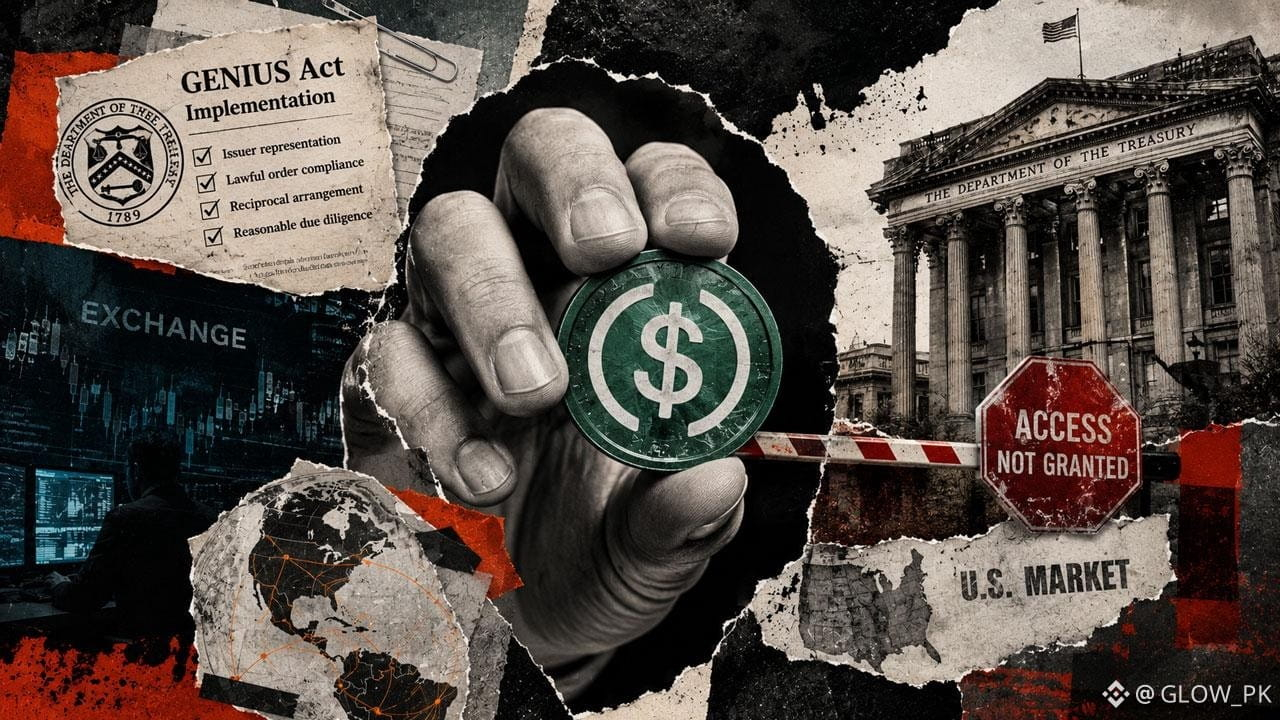
A major shift could be coming for stablecoins on US exchanges.
Under Treasury’s proposed GENIUS rules, platforms may need to closely review every foreign stablecoin they list and assess whether its issuer can comply with lawful US orders.
The key point? 🌍 Being issued outside the US may no longer mean getting a free pass.
This could put more pressure on exchanges to choose between deeper compliance checks and potential delistings.
The stablecoin market is becoming less about who can issue and more about who can stay compliant everywhere.
Will this create a safer market—or reduce competition for global stablecoin issuers? 👀
#CryptoNews #Stablecoins #BinanceSquare #Regulation #blockchain
A major shift could be coming for stablecoins on US exchanges.
Under Treasury’s proposed GENIUS rules, platforms may need to closely review every foreign stablecoin they list and assess whether its issuer can comply with lawful US orders.
The key point? 🌍 Being issued outside the US may no longer mean getting a free pass.
This could put more pressure on exchanges to choose between deeper compliance checks and potential delistings.
The stablecoin market is becoming less about who can issue and more about who can stay compliant everywhere.
Will this create a safer market—or reduce competition for global stablecoin issuers? 👀
#CryptoNews #Stablecoins #BinanceSquare #Regulation #blockchain
🎯 An interesting prediction-market case just crossed my radar.
A White House teleprompter operator allegedly used advance access to presidential speeches to make $107,539 in prediction-market profits.
That’s where the real issue begins. 👀
Prediction markets are supposed to reward better analysis and information processing. But there’s a huge difference between having a better thesis… and having access to information the market hasn’t seen yet.
The CFTC’s response was serious: full disgorgement, a $65K civil penalty, and a three-year trading ban.
One important detail though: this was a civil settlement, not a criminal conviction.
For me, the bigger takeaway is simple:
As prediction markets grow, the challenge won’t just be predicting the future.
It will be deciding who has information early enough to trade the future before everyone else even knows what happened.
That line could become one of the industry’s biggest tests. 🧠
#Crypto #PredictionMarkets #CFTC #markets #trading
A White House teleprompter operator allegedly used advance access to presidential speeches to make $107,539 in prediction-market profits.
That’s where the real issue begins. 👀
Prediction markets are supposed to reward better analysis and information processing. But there’s a huge difference between having a better thesis… and having access to information the market hasn’t seen yet.
The CFTC’s response was serious: full disgorgement, a $65K civil penalty, and a three-year trading ban.
One important detail though: this was a civil settlement, not a criminal conviction.
For me, the bigger takeaway is simple:
As prediction markets grow, the challenge won’t just be predicting the future.
It will be deciding who has information early enough to trade the future before everyone else even knows what happened.
That line could become one of the industry’s biggest tests. 🧠
#Crypto #PredictionMarkets #CFTC #markets #trading

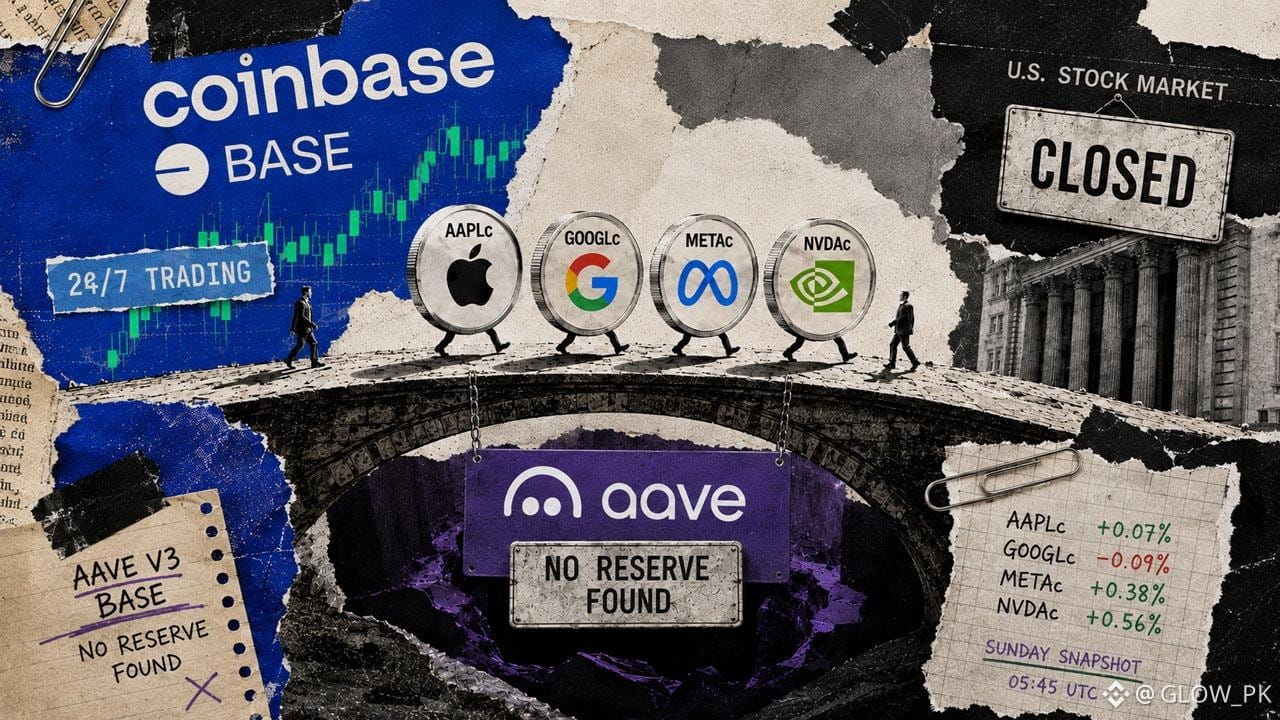
📈 Tokenized stocks trading 24/7 sounds like the future.
But this weekend showed me something important: 24/7 trading doesn’t automatically mean 24/7 price discovery.
Coinbase’s B20 tokens stayed within roughly 0.6% of Friday’s equity reference prices over the weekend. At first glance, that looks like impressive stability.
But the underlying market was closed, reference feeds were effectively frozen, and liquidity was thin.
So what exactly was the market discovering? 🤔
A token can trade around the clock, but if the underlying asset has no live price and participation is limited, the price may simply be anchored to the last known value.
The bigger test will come when real volatility hits outside traditional market hours.
And with the Aave collateral layer still pending, the full liquidity ecosystem isn’t even live yet.
Tokenized equities are interesting—but I think we should separate 24/7 access from genuine 24/7 price discovery. 👀
#Crypto #Tokenization #Coinbase #RWA #markets
But this weekend showed me something important: 24/7 trading doesn’t automatically mean 24/7 price discovery.
Coinbase’s B20 tokens stayed within roughly 0.6% of Friday’s equity reference prices over the weekend. At first glance, that looks like impressive stability.
But the underlying market was closed, reference feeds were effectively frozen, and liquidity was thin.
So what exactly was the market discovering? 🤔
A token can trade around the clock, but if the underlying asset has no live price and participation is limited, the price may simply be anchored to the last known value.
The bigger test will come when real volatility hits outside traditional market hours.
And with the Aave collateral layer still pending, the full liquidity ecosystem isn’t even live yet.
Tokenized equities are interesting—but I think we should separate 24/7 access from genuine 24/7 price discovery. 👀
#Crypto #Tokenization #Coinbase #RWA #markets
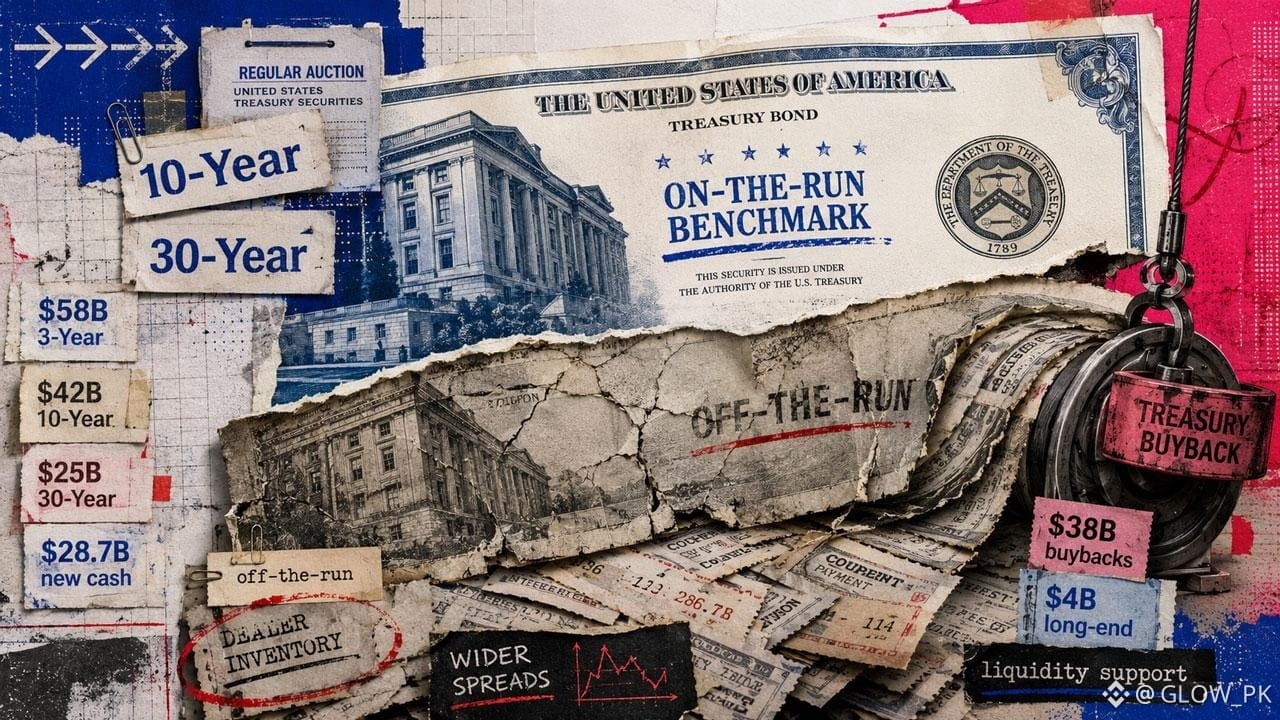
📊 $739B in new Treasury borrowing sounds like a massive liquidity event.
But I think the real story is where that money goes after it’s raised.
Treasury buybacks may help specific parts of the bond market and reduce local stress. Yet fresh debt issuance can still pull cash into the Treasury General Account (TGA), temporarily draining liquidity from the broader financial system.
That’s why I wouldn’t automatically read “bond buybacks” as bullish for Bitcoin. 👀
The gross numbers may look supportive, but the net liquidity effect is what really matters.
For $BTC, the question isn’t simply how much the Treasury is buying back.
It’s whether the system is gaining liquidity overall… or just moving it from one pocket to another. 🧠
That difference could matter more than the headlines suggest.
#Bitcoin #BTC #crypto #Liquidity #markets
But I think the real story is where that money goes after it’s raised.
Treasury buybacks may help specific parts of the bond market and reduce local stress. Yet fresh debt issuance can still pull cash into the Treasury General Account (TGA), temporarily draining liquidity from the broader financial system.
That’s why I wouldn’t automatically read “bond buybacks” as bullish for Bitcoin. 👀
The gross numbers may look supportive, but the net liquidity effect is what really matters.
For $BTC, the question isn’t simply how much the Treasury is buying back.
It’s whether the system is gaining liquidity overall… or just moving it from one pocket to another. 🧠
That difference could matter more than the headlines suggest.
#Bitcoin #BTC #crypto #Liquidity #markets

PINDI BOY PK²⁵
·
--
$After a long Compaign and Trading volume Hiking and swimming is compulsory for mind recharge and my energy....😊🤑😊
💝🎁 ETH Red Packet is here! 🎁💝
Sending some Ethereum love your way! ❤️$ETH
Grab your ETH Red Packet and let the crypto vibes flow! 🥰🎉💰
🎁❤️ Good luck everyone! ❤️🎁
#Ethereum #ETH #crypto #Binance #CryptoCommunity
💝🎁 ETH Red Packet is here! 🎁💝
Sending some Ethereum love your way! ❤️$ETH
Grab your ETH Red Packet and let the crypto vibes flow! 🥰🎉💰
🎁❤️ Good luck everyone! ❤️🎁
#Ethereum #ETH #crypto #Binance #CryptoCommunity



⚠️ UPDATE:
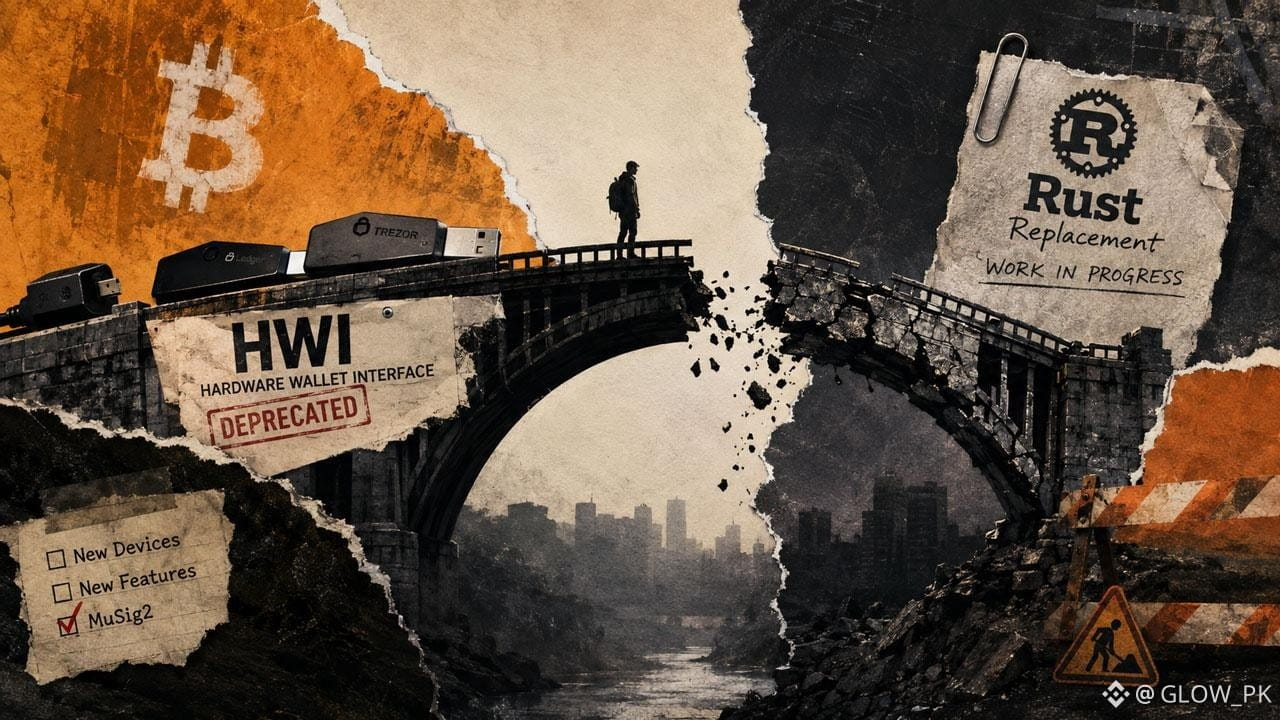
Bitcoin HWI has stopped accepting support for new hardware devices and features as the project slowly moves toward retirement.
The bigger concern? Its Rust-based successor still isn’t production-ready. That could leave some wallets facing support gaps when new devices or firmware updates arrive.
No immediate crisis—but it’s a reminder that even critical infrastructure behind Bitcoin wallets can become a weak point when development slows down. 👀🔐
#Bitcoin #BTC #CryptoNews #blockchain #Web3
Bitcoin HWI has stopped accepting support for new hardware devices and features as the project slowly moves toward retirement.
The bigger concern? Its Rust-based successor still isn’t production-ready. That could leave some wallets facing support gaps when new devices or firmware updates arrive.
No immediate crisis—but it’s a reminder that even critical infrastructure behind Bitcoin wallets can become a weak point when development slows down. 👀🔐
#Bitcoin #BTC #CryptoNews #blockchain #Web3
🔥 SECURITY:
Polygon quietly fixed serious DoS vulnerabilities in its latest hard forks before the issues were publicly disclosed.
No exploits have been reported so far, but this is a strong reminder that even major blockchains are never truly “finished” when it comes to security.
Behind every smooth upgrade, there’s often a lot more happening under the surface. 👀🔐
#Polygon #MATIC #CryptoNews #blockchain #Web3
Polygon quietly fixed serious DoS vulnerabilities in its latest hard forks before the issues were publicly disclosed.
No exploits have been reported so far, but this is a strong reminder that even major blockchains are never truly “finished” when it comes to security.
Behind every smooth upgrade, there’s often a lot more happening under the surface. 👀🔐
#Polygon #MATIC #CryptoNews #blockchain #Web3
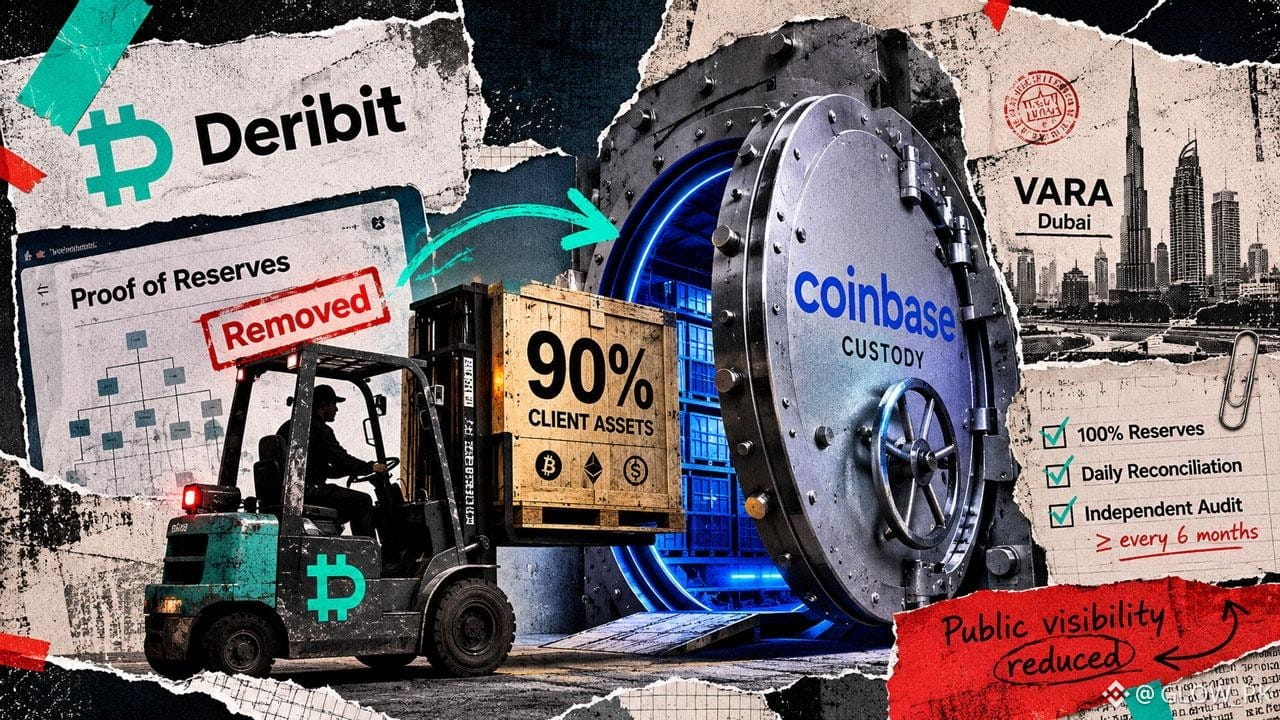
🔐 SECURITY:
Deribit is ending its daily public Proof of Reserves after moving around 90% of client assets into Coinbase custody arrangements.
The important part isn’t just where the assets are held—it’s what users lose in the process.
Regulatory reserve checks will still exist, but customers will no longer have access to daily Merkle-based verification they could independently check themselves.
This creates an interesting trade-off: institutional custody may offer stronger infrastructure, but public transparency takes a step back.
In crypto, trust is important—but the ability to verify is even more important. 👀
#Crypto #Bitcoin #Security #ProofOfReserves #blockchain
Deribit is ending its daily public Proof of Reserves after moving around 90% of client assets into Coinbase custody arrangements.
The important part isn’t just where the assets are held—it’s what users lose in the process.
Regulatory reserve checks will still exist, but customers will no longer have access to daily Merkle-based verification they could independently check themselves.
This creates an interesting trade-off: institutional custody may offer stronger infrastructure, but public transparency takes a step back.
In crypto, trust is important—but the ability to verify is even more important. 👀
#Crypto #Bitcoin #Security #ProofOfReserves #blockchain
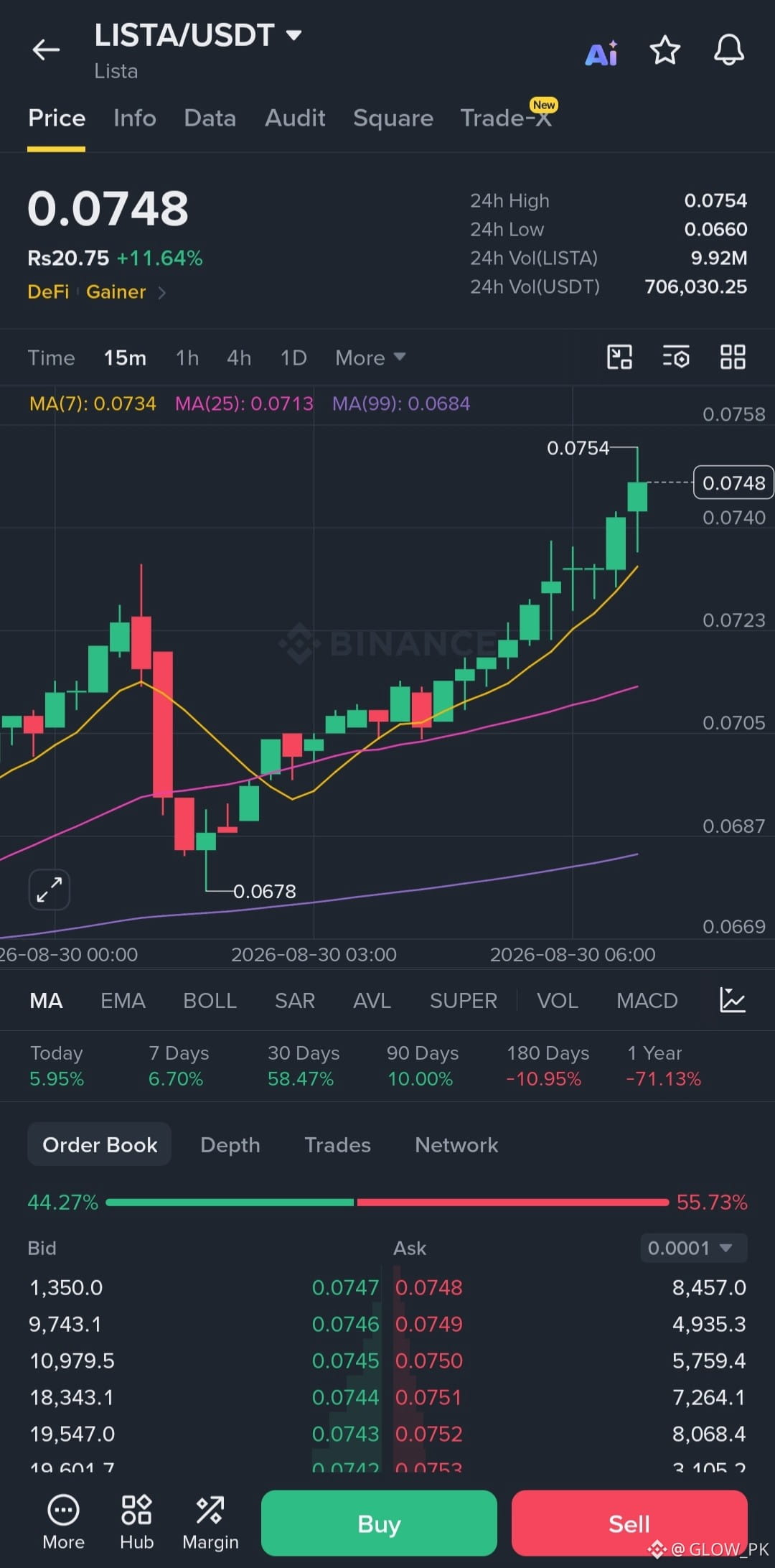
🚨 $LISTA /USDT SIGNAL 🚨
🟢 LONG / BUY
📍 Entry: 0.0735 – 0.0748
🎯 TP1: 0.0754
🎯 TP2: 0.0770
🎯 TP3: 0.0800
🛑 SL: 0.0718
📊 Analysis:
LISTA is showing strong bullish momentum on the 15m chart, with price moving above the key moving averages.
The price has recovered nicely from the 0.0678 support zone and is now approaching the major resistance around 0.0754.
A clean breakout and hold above 0.0754 could trigger the next bullish move. 🚀
⚠️ The order book shows slightly stronger selling pressure, so avoid FOMO entries and manage your risk properly. Take profits gradually.
#Lista
#CryptoSignal
#Binance
#trading
#altcoins
🟢 LONG / BUY
📍 Entry: 0.0735 – 0.0748
🎯 TP1: 0.0754
🎯 TP2: 0.0770
🎯 TP3: 0.0800
🛑 SL: 0.0718
📊 Analysis:
LISTA is showing strong bullish momentum on the 15m chart, with price moving above the key moving averages.
The price has recovered nicely from the 0.0678 support zone and is now approaching the major resistance around 0.0754.
A clean breakout and hold above 0.0754 could trigger the next bullish move. 🚀
⚠️ The order book shows slightly stronger selling pressure, so avoid FOMO entries and manage your risk properly. Take profits gradually.
#Lista
#CryptoSignal
#Binance
#trading
#altcoins
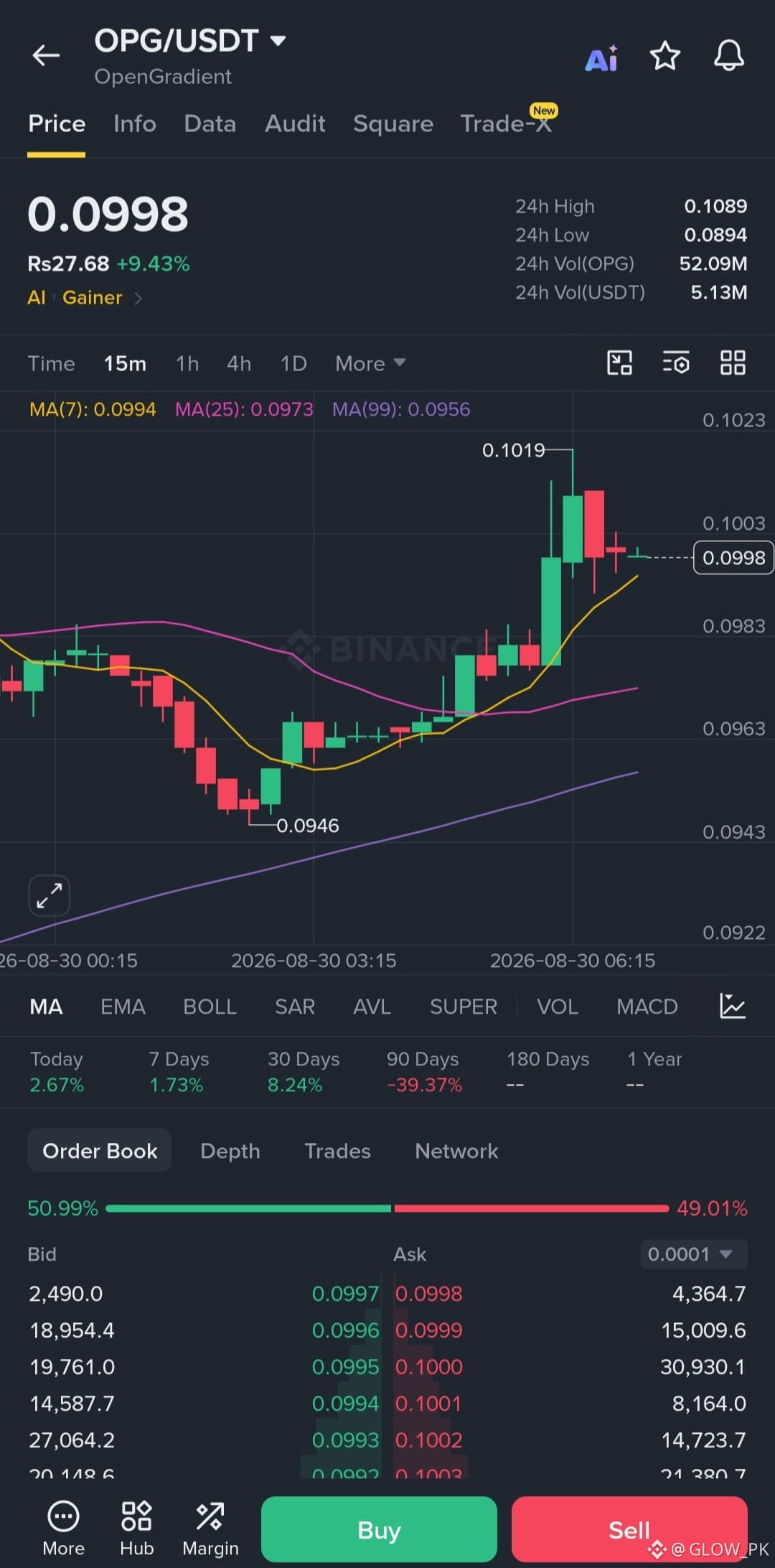
🚨 $OPG /USDT SIGNAL 🚨
🟢 LONG / BUY
📍 Entry: 0.0985 – 0.1000
🎯 TP1: 0.1019
🎯 TP2: 0.1040
🎯 TP3: 0.1080
🛑 SL: 0.0965
📊 Analysis:
OPG is showing a strong bullish recovery on the 15m chart after bouncing from the 0.0946 support zone.
Price is trading above the major moving averages, while buyers and sellers are currently almost balanced—so the next breakout will be important.
The key resistance is around 0.1019. A strong breakout and hold above this level could push OPG toward higher targets. 🚀
⚠️ Avoid chasing after a sudden pump. Enter with proper risk management and secure profits gradually.
#OPG
#cryptosignal
#Binance
#Trading
#ALTCOİNS
🟢 LONG / BUY
📍 Entry: 0.0985 – 0.1000
🎯 TP1: 0.1019
🎯 TP2: 0.1040
🎯 TP3: 0.1080
🛑 SL: 0.0965
📊 Analysis:
OPG is showing a strong bullish recovery on the 15m chart after bouncing from the 0.0946 support zone.
Price is trading above the major moving averages, while buyers and sellers are currently almost balanced—so the next breakout will be important.
The key resistance is around 0.1019. A strong breakout and hold above this level could push OPG toward higher targets. 🚀
⚠️ Avoid chasing after a sudden pump. Enter with proper risk management and secure profits gradually.
#OPG
#cryptosignal
#Binance
#Trading
#ALTCOİNS
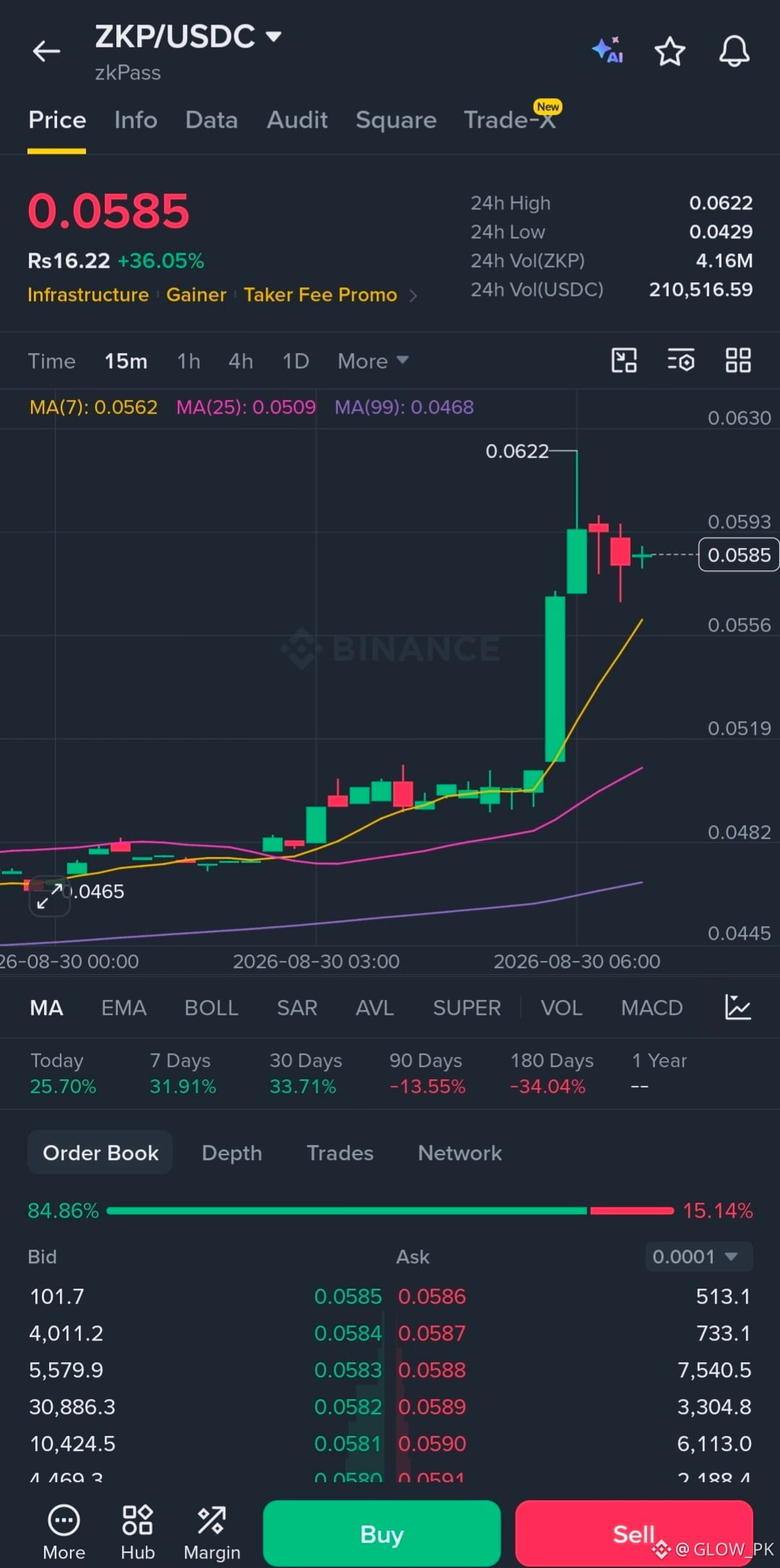
🚨 $ZKP /USDC SIGNAL 🚨
🟢 LONG / BUY
📍 Entry: 0.0575 – 0.0585
🎯 TP1: 0.0600
🎯 TP2: 0.0622
🎯 TP3: 0.0650
🛑 SL: 0.0545
📊 Analysis:
ZKP is showing strong bullish momentum after a sharp breakout from the 0.048–0.052 zone. Price is currently holding above the key moving averages, while the order book shows strong buyer dominance.
The main resistance is near 0.0622. If buyers break and hold above this level, another bullish move could follow. 🚀
⚠️ After such a strong pump, avoid chasing blindly. Manage your risk and secure profits step by step.
#ZKP
#cryptosignal
#Binance
#Trading
#altcoins
🟢 LONG / BUY
📍 Entry: 0.0575 – 0.0585
🎯 TP1: 0.0600
🎯 TP2: 0.0622
🎯 TP3: 0.0650
🛑 SL: 0.0545
📊 Analysis:
ZKP is showing strong bullish momentum after a sharp breakout from the 0.048–0.052 zone. Price is currently holding above the key moving averages, while the order book shows strong buyer dominance.
The main resistance is near 0.0622. If buyers break and hold above this level, another bullish move could follow. 🚀
⚠️ After such a strong pump, avoid chasing blindly. Manage your risk and secure profits step by step.
#ZKP
#cryptosignal
#Binance
#Trading
#altcoins
Log in to explore more content