

#defi
defi
56.8M views
297,605 Discussing
Hot
Latest

·
--
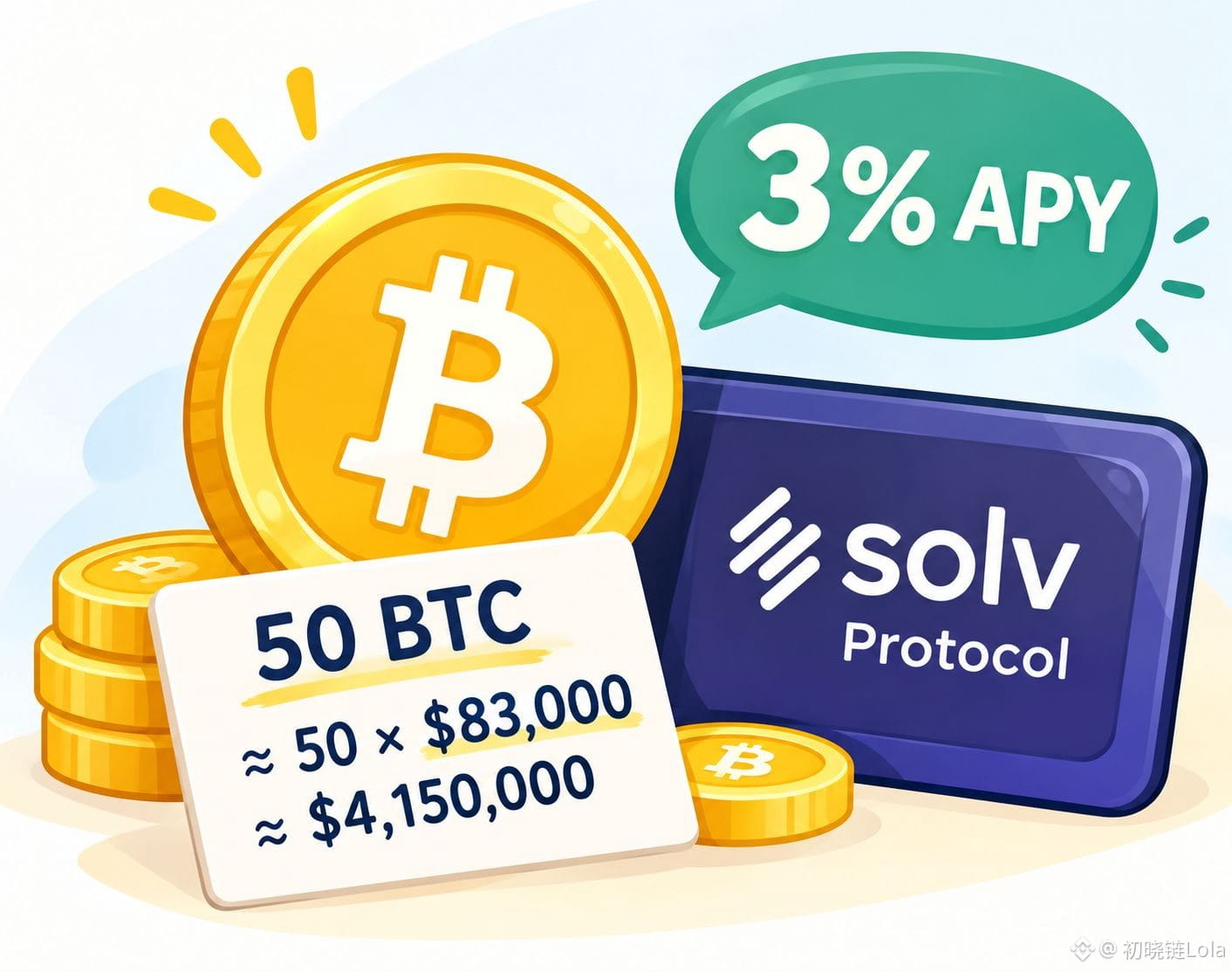
For 3% annualized returns, is it really worth handing over 50 BTC?
I saw a DeFi player’s firsthand account.
He deposited 50 $BTC into a protocol at #SolvProtocol ,
but now he can’t redeem it.
He doesn’t trade shitcoins or do short-term plays—
he only wanted to earn a 3% annualized return,
so that the BTC he holds could generate passive income.
But the on-chain protocol’s security is unknown, and there are also risks and uncertainties.
For a 3% annualized return,
is it really not worth giving 50 BTC to a third party?
In July, the Solv Protocol BTC+ saw its process go through minting, a redemption pause, and a security incident.
Later, the project team announced that the related functions were restored.
But this player’s address still couldn’t redeem normally.
After more than two months of back-and-forth communication, there was no result.
Now 50 BTC is stuck.
He posted to seek help,
hoping to get his assets back through public attention and community discussion.
After all, this isn’t a small amount—
50 BTC, over 27 million RMB!
When many people calculate DeFi returns,
what they think about first is how much APY that protocol offers.
But what you should really focus on is:
for a few percentage points of gains, what risks are you taking?
Smart contract risk, protocol security risk, oracle risk, liquidity risk,
as well as compliance and risk-control restrictions, and so on.
These risks that are invisible in everyday life—
when something truly goes wrong—are ultimately borne by the player.
On-chain assets may belong to you,
but whether you can get them back smoothly is another matter.
Once you hand the principal to a third party,
you lose control over the risks.
Trying a DeFi protocol with a small amount of money is understandable.
But if you hold a certain amount of BTC, don’t take the risk.
It’s better to earn a little less—
and firmly keep control of your funds.
Especially for amounts above 10 BTC,
you really don’t need to put your principal into a protocol just for a few percentage points of return.
After all, the returns are limited, while the principal risk could be non-linear.
It’s great to make a few percentage points.
But if the principal is lost, then all the gains won’t matter.
Don’t give the most important principal to someone else over a bit of sesame-sized profit.
#定投BTC #defi #APY
For 3% annualized returns, is it really worth handing over 50 BTC?
I saw a DeFi player’s firsthand account.
He deposited 50 $BTC into a protocol at #SolvProtocol ,
but now he can’t redeem it.
He doesn’t trade shitcoins or do short-term plays—
he only wanted to earn a 3% annualized return,
so that the BTC he holds could generate passive income.
But the on-chain protocol’s security is unknown, and there are also risks and uncertainties.
For a 3% annualized return,
is it really not worth giving 50 BTC to a third party?
In July, the Solv Protocol BTC+ saw its process go through minting, a redemption pause, and a security incident.
Later, the project team announced that the related functions were restored.
But this player’s address still couldn’t redeem normally.
After more than two months of back-and-forth communication, there was no result.
Now 50 BTC is stuck.
He posted to seek help,
hoping to get his assets back through public attention and community discussion.
After all, this isn’t a small amount—
50 BTC, over 27 million RMB!
When many people calculate DeFi returns,
what they think about first is how much APY that protocol offers.
But what you should really focus on is:
for a few percentage points of gains, what risks are you taking?
Smart contract risk, protocol security risk, oracle risk, liquidity risk,
as well as compliance and risk-control restrictions, and so on.
These risks that are invisible in everyday life—
when something truly goes wrong—are ultimately borne by the player.
On-chain assets may belong to you,
but whether you can get them back smoothly is another matter.
Once you hand the principal to a third party,
you lose control over the risks.
Trying a DeFi protocol with a small amount of money is understandable.
But if you hold a certain amount of BTC, don’t take the risk.
It’s better to earn a little less—
and firmly keep control of your funds.
Especially for amounts above 10 BTC,
you really don’t need to put your principal into a protocol just for a few percentage points of return.
After all, the returns are limited, while the principal risk could be non-linear.
It’s great to make a few percentage points.
But if the principal is lost, then all the gains won’t matter.
Don’t give the most important principal to someone else over a bit of sesame-sized profit.
#定投BTC #defi #APY
I saw a DeFi player’s firsthand account.
He deposited 50 $BTC into a protocol at #SolvProtocol ,
but now he can’t redeem it.
He doesn’t trade shitcoins or do short-term plays—
he only wanted to earn a 3% annualized return,
so that the BTC he holds could generate passive income.
But the on-chain protocol’s security is unknown, and there are also risks and uncertainties.
For a 3% annualized return,
is it really not worth giving 50 BTC to a third party?
In July, the Solv Protocol BTC+ saw its process go through minting, a redemption pause, and a security incident.
Later, the project team announced that the related functions were restored.
But this player’s address still couldn’t redeem normally.
After more than two months of back-and-forth communication, there was no result.
Now 50 BTC is stuck.
He posted to seek help,
hoping to get his assets back through public attention and community discussion.
After all, this isn’t a small amount—
50 BTC, over 27 million RMB!
When many people calculate DeFi returns,
what they think about first is how much APY that protocol offers.
But what you should really focus on is:
for a few percentage points of gains, what risks are you taking?
Smart contract risk, protocol security risk, oracle risk, liquidity risk,
as well as compliance and risk-control restrictions, and so on.
These risks that are invisible in everyday life—
when something truly goes wrong—are ultimately borne by the player.
On-chain assets may belong to you,
but whether you can get them back smoothly is another matter.
Once you hand the principal to a third party,
you lose control over the risks.
Trying a DeFi protocol with a small amount of money is understandable.
But if you hold a certain amount of BTC, don’t take the risk.
It’s better to earn a little less—
and firmly keep control of your funds.
Especially for amounts above 10 BTC,
you really don’t need to put your principal into a protocol just for a few percentage points of return.
After all, the returns are limited, while the principal risk could be non-linear.
It’s great to make a few percentage points.
But if the principal is lost, then all the gains won’t matter.
Don’t give the most important principal to someone else over a bit of sesame-sized profit.
#定投BTC #defi #APY
買不起比特幣只能買比特犬:
我完全不信
2
4
2.5k


·
--
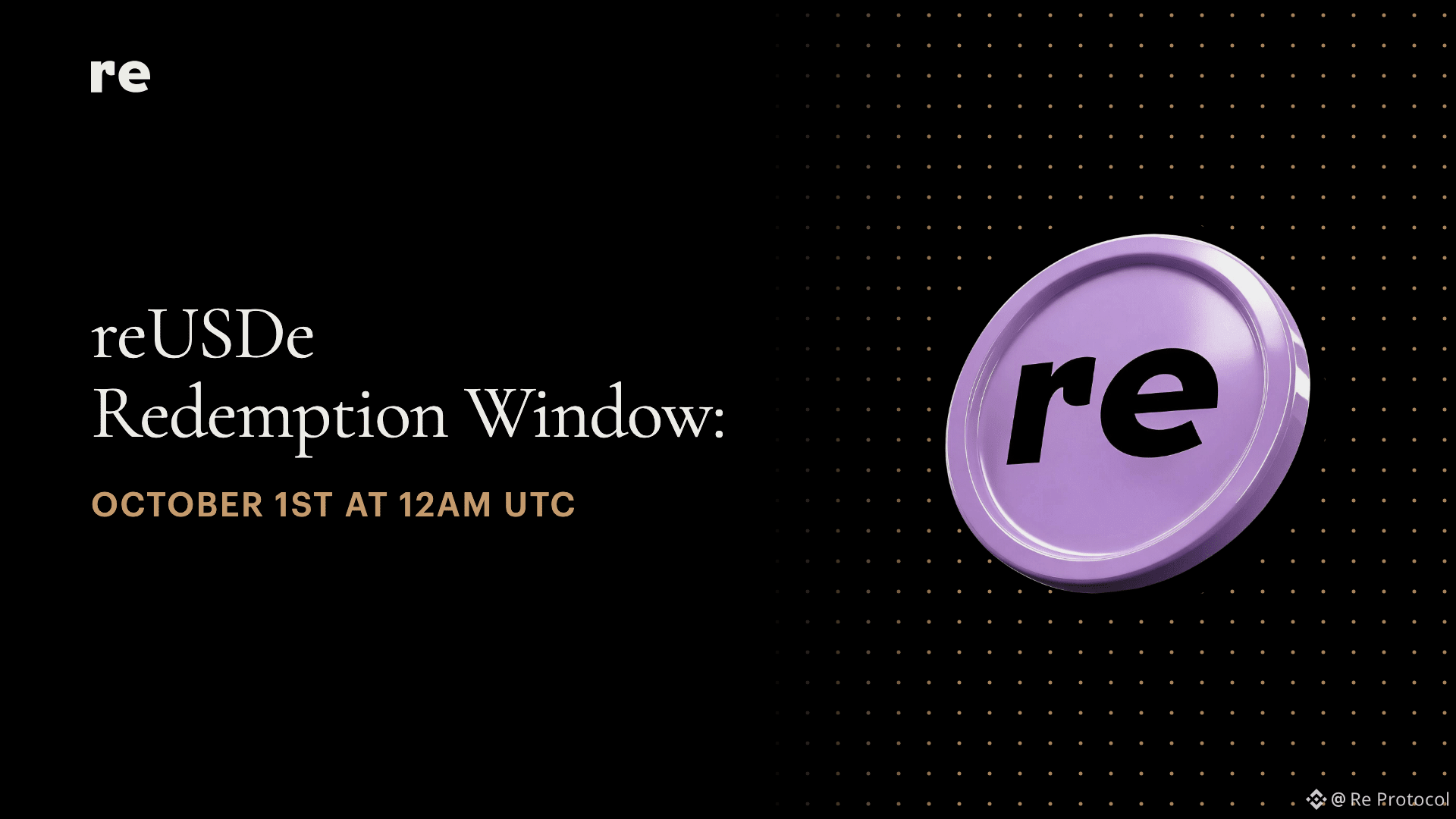
reUSDe redemptions are back. The next window opens October 1st at 12AM UTC.
How redemption works:
1. Submit between October 1 and October 14
2. Claim between October 15 and November 14
3. $1.5M pool, filled pro-rata if oversubscribed
4. Payout settles in sUSDe
↓
Note: If a redemption goes unclaimed within the 30-day claim period, the sUSDe payout is forfeited from this window and the original reUSDe is returned to the holder.
Learn more:
app.re.xyz/reusde
#reinsurance #RWA #DeFi
reUSDe redemptions are back. The next window opens October 1st at 12AM UTC.
How redemption works:
1. Submit between October 1 and October 14
2. Claim between October 15 and November 14
3. $1.5M pool, filled pro-rata if oversubscribed
4. Payout settles in sUSDe
↓
Note: If a redemption goes unclaimed within the 30-day claim period, the sUSDe payout is forfeited from this window and the original reUSDe is returned to the holder.
Learn more:
app.re.xyz/reusde
#reinsurance #RWA #DeFi
How redemption works:
1. Submit between October 1 and October 14
2. Claim between October 15 and November 14
3. $1.5M pool, filled pro-rata if oversubscribed
4. Payout settles in sUSDe
↓
Note: If a redemption goes unclaimed within the 30-day claim period, the sUSDe payout is forfeited from this window and the original reUSDe is returned to the holder.
Learn more:
app.re.xyz/reusde
#reinsurance #RWA #DeFi
2
2
461

·
--
🚀 $DOGE EVM TESTNET GOES LIVE AS DOGEOS OPENS DEFI ECOSYSTEM! 💥
The MyDoge team just unlocked the public testnet for DogeOS, bringing an EVM-compatible layer directly into the $DOGE pipeline. 📊 We are watching the ultimate meme asset evolve into a full-scale smart contract engine powered by native gas fees.
With lending protocols, perpetual DEXs, and stablecoins actively building on testnet, capital is eyeing the long-term utility shift. ⚡ Moving beyond simple payments into a fee-generating application hub fundamentally alters the structural demand dynamics.
💬 Does this EVM expansion give $DOGE the fundamental muscle to lead the next major altcoin rotation? 👇
⚠️ Not financial advice. Always manage your risk. 🛡️
🏷️ #DOGE #DeFi #Altcoins #Crypto
🔥 💎
🚀 $DOGE EVM TESTNET GOES LIVE AS DOGEOS OPENS DEFI ECOSYSTEM! 💥
The MyDoge team just unlocked the public testnet for DogeOS, bringing an EVM-compatible layer directly into the $DOGE pipeline. 📊 We are watching the ultimate meme asset evolve into a full-scale smart contract engine powered by native gas fees.
With lending protocols, perpetual DEXs, and stablecoins actively building on testnet, capital is eyeing the long-term utility shift. ⚡ Moving beyond simple payments into a fee-generating application hub fundamentally alters the structural demand dynamics.
💬 Does this EVM expansion give $DOGE the fundamental muscle to lead the next major altcoin rotation? 👇
⚠️ Not financial advice. Always manage your risk. 🛡️
🏷️ #DOGE #DeFi #Altcoins #Crypto
🔥 💎
The MyDoge team just unlocked the public testnet for DogeOS, bringing an EVM-compatible layer directly into the $DOGE pipeline. 📊 We are watching the ultimate meme asset evolve into a full-scale smart contract engine powered by native gas fees.
With lending protocols, perpetual DEXs, and stablecoins actively building on testnet, capital is eyeing the long-term utility shift. ⚡ Moving beyond simple payments into a fee-generating application hub fundamentally alters the structural demand dynamics.
💬 Does this EVM expansion give $DOGE the fundamental muscle to lead the next major altcoin rotation? 👇
⚠️ Not financial advice. Always manage your risk. 🛡️
🏷️ #DOGE #DeFi #Altcoins #Crypto
🔥 💎
72

·
--
#micronbeatsearningsliftsguidance 🚨 METAMASK EXIT EXPOSES A STAKING RISK
MetaMask Staking is pulling Ethereum validators out of Lido after an infrastructure breach. This incident shows a lesson: staking yield brings both infrastructure dangers and liquidity threats.
🔹 User wallets were not affected.
🔹 Lido says stETH holders do not need to take action.
🔹 Validator exits can take weeks because Ethereum uses entry and exit queues.
🔹 The affected cycle may last, up to 45 days.
🔹 Operator diversification and reserve funds can limit disruption.
Traders should keep an eye on stETH liquidity, validator concentration, exit queues and reward changes.
Would this incident change how you evaluate staking? What are your thoughts now? #defi #crypto #Khan62 #Web3 $LDO $AAVE $ETH
{future}(AAVEUSDT)
{future}(LDOUSDT)
{future}(ETHUSDT)
#micronbeatsearningsliftsguidance 🚨 METAMASK EXIT EXPOSES A STAKING RISK
MetaMask Staking is pulling Ethereum validators out of Lido after an infrastructure breach. This incident shows a lesson: staking yield brings both infrastructure dangers and liquidity threats.
🔹 User wallets were not affected.
🔹 Lido says stETH holders do not need to take action.
🔹 Validator exits can take weeks because Ethereum uses entry and exit queues.
🔹 The affected cycle may last, up to 45 days.
🔹 Operator diversification and reserve funds can limit disruption.
Traders should keep an eye on stETH liquidity, validator concentration, exit queues and reward changes.
Would this incident change how you evaluate staking? What are your thoughts now? #defi #crypto #Khan62 #Web3 $LDO $AAVE $ETH
MetaMask Staking is pulling Ethereum validators out of Lido after an infrastructure breach. This incident shows a lesson: staking yield brings both infrastructure dangers and liquidity threats.
🔹 User wallets were not affected.
🔹 Lido says stETH holders do not need to take action.
🔹 Validator exits can take weeks because Ethereum uses entry and exit queues.
🔹 The affected cycle may last, up to 45 days.
🔹 Operator diversification and reserve funds can limit disruption.
Traders should keep an eye on stETH liquidity, validator concentration, exit queues and reward changes.
Would this incident change how you evaluate staking? What are your thoughts now? #defi #crypto #Khan62 #Web3 $LDO $AAVE $ETH
90

·
--
📰 On September 29, ether.fi announced that by the end of this quarter it will spin off its restaking business and fully pivot to a new crypto bank. The CEO was very direct: restaking no longer offers meaningful return opportunities, while safety risks cannot be ignored.
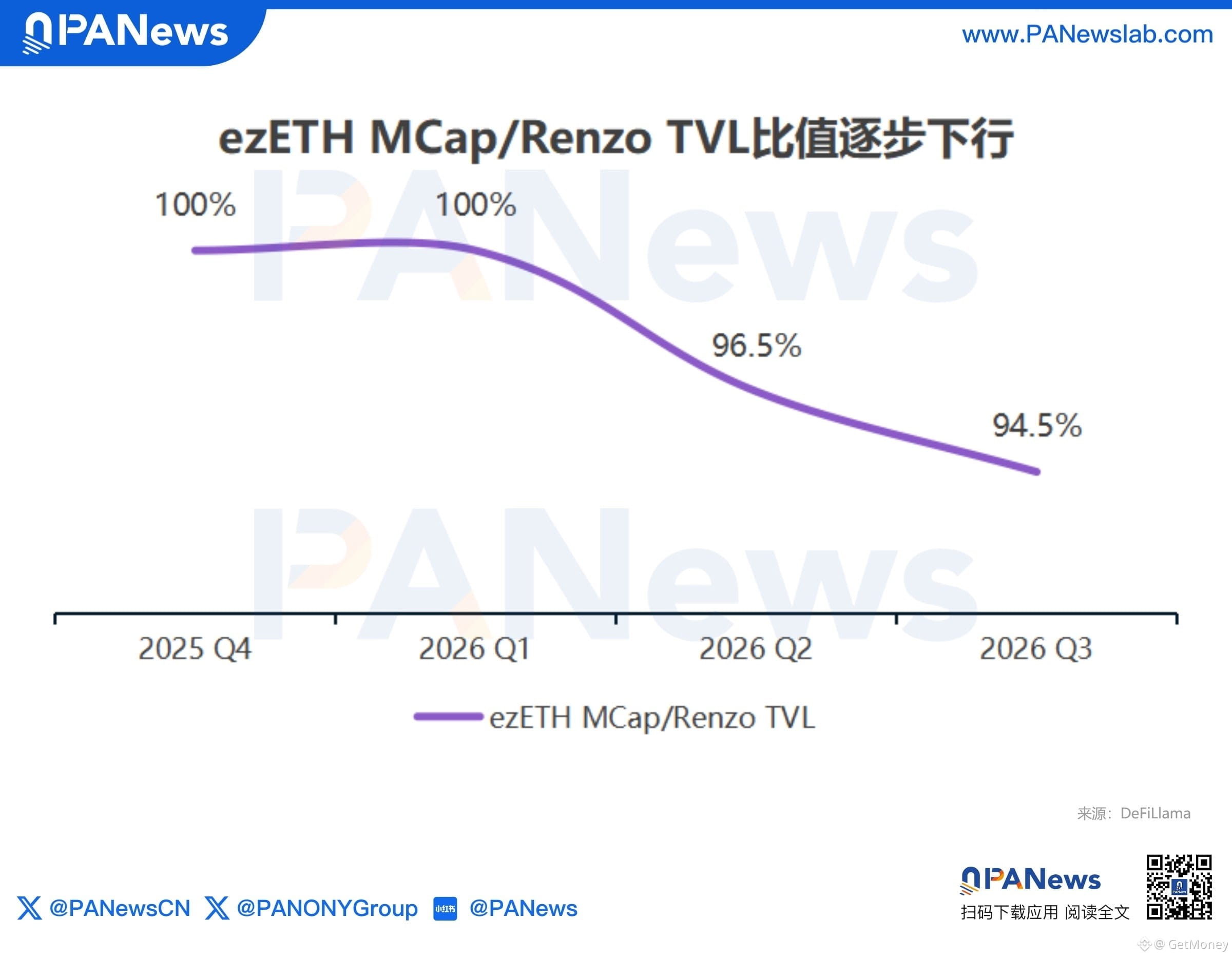
🔥 The data is indeed a bit brutal. As of September 30, the total LRT market has about $1.45 billion locked, but weekly protocol revenue is only around $100,000. It looks like there’s a lot of capital, yet the portion that can truly be paid out to the protocol is very thin—top projects can only collectively change direction.
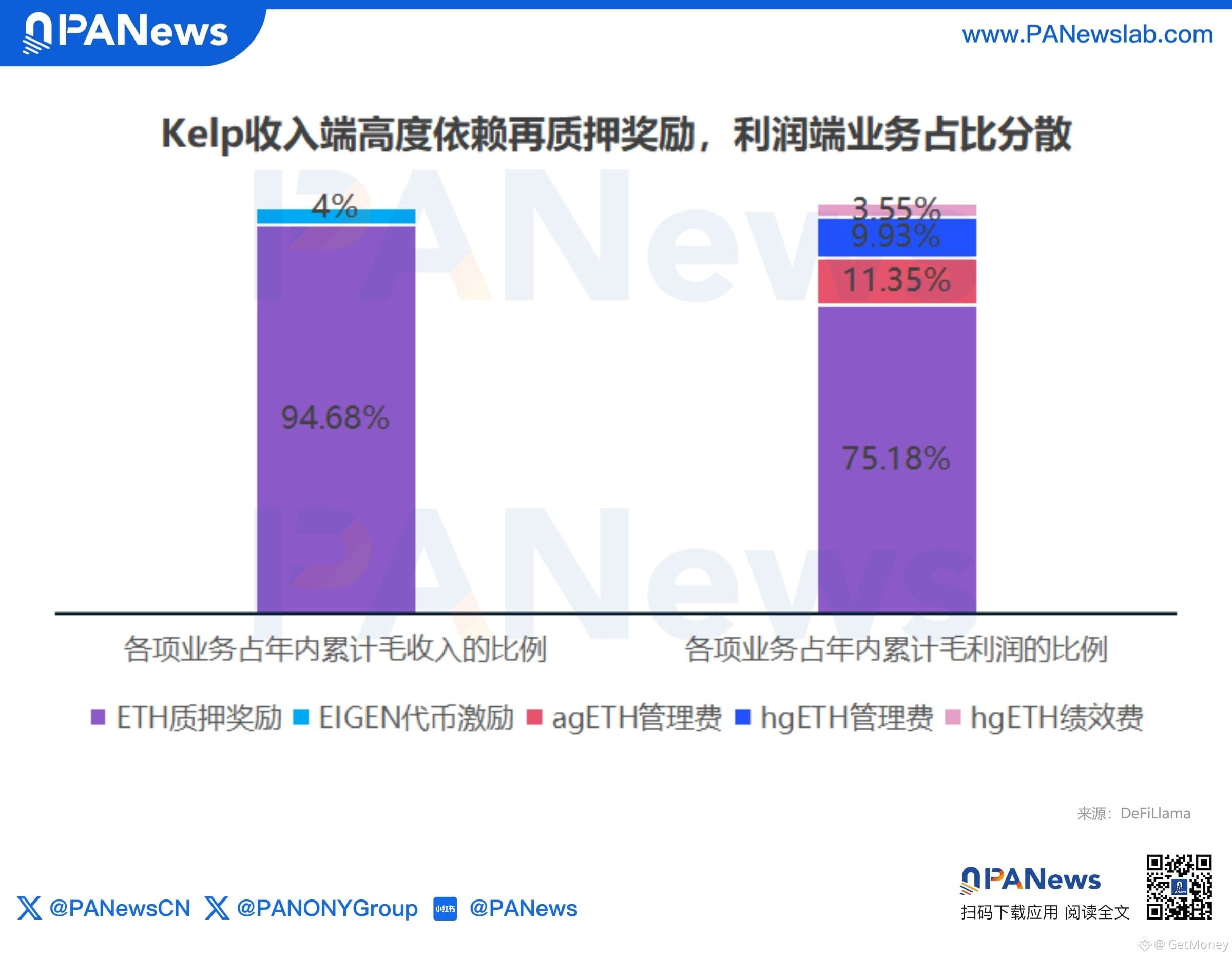
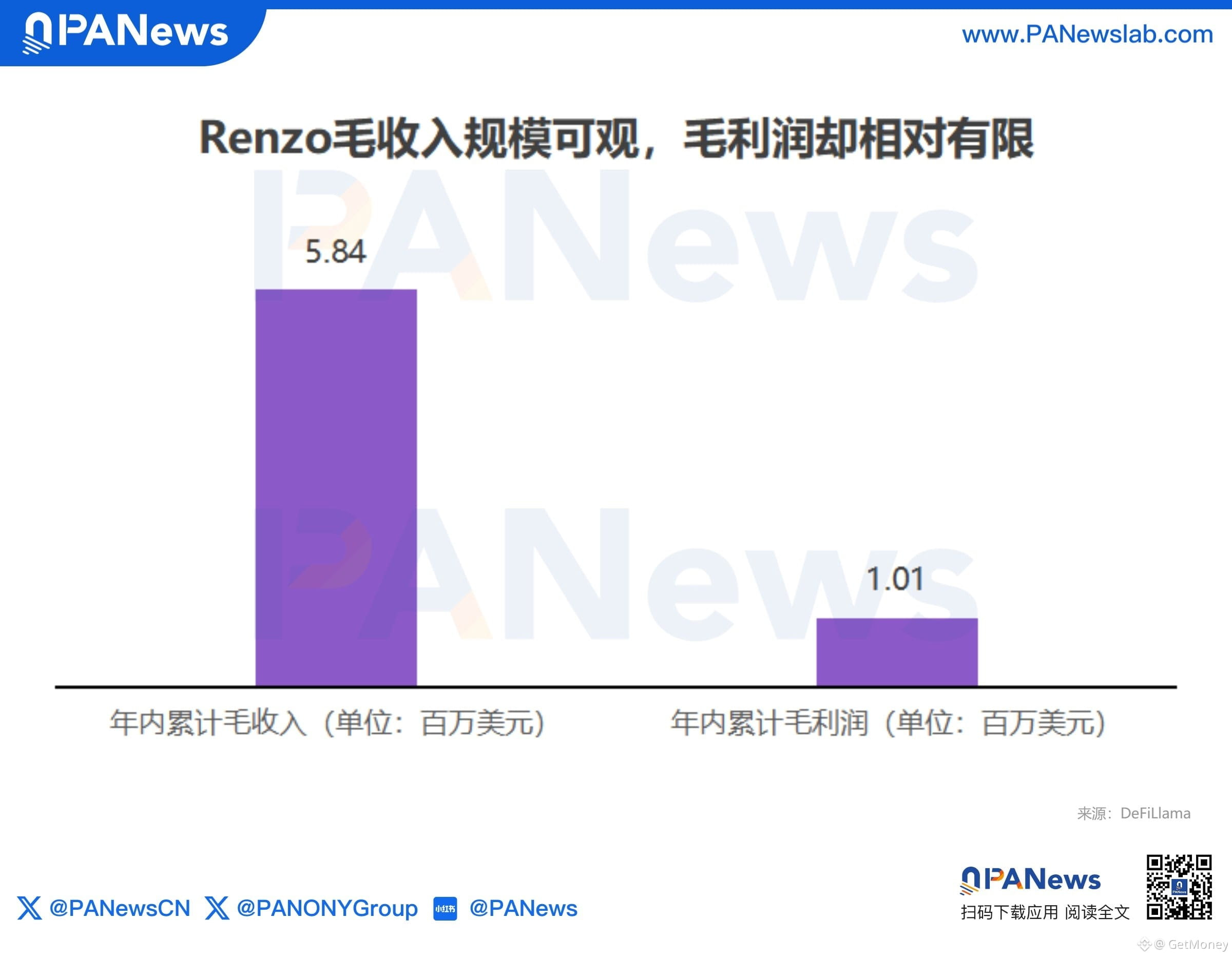
Kelp is a classic example. This year its gross revenue has reached $26.52 million, but the genuinely discretionary share is only 5%, resulting in protocol profits of $14.1 million. Meanwhile, the Gain strategy vault with around $30 million TVL generated nearly 25% profit using about 2.5% of its TVL. Honestly, the numbers already make it clear which side the project should bet on.
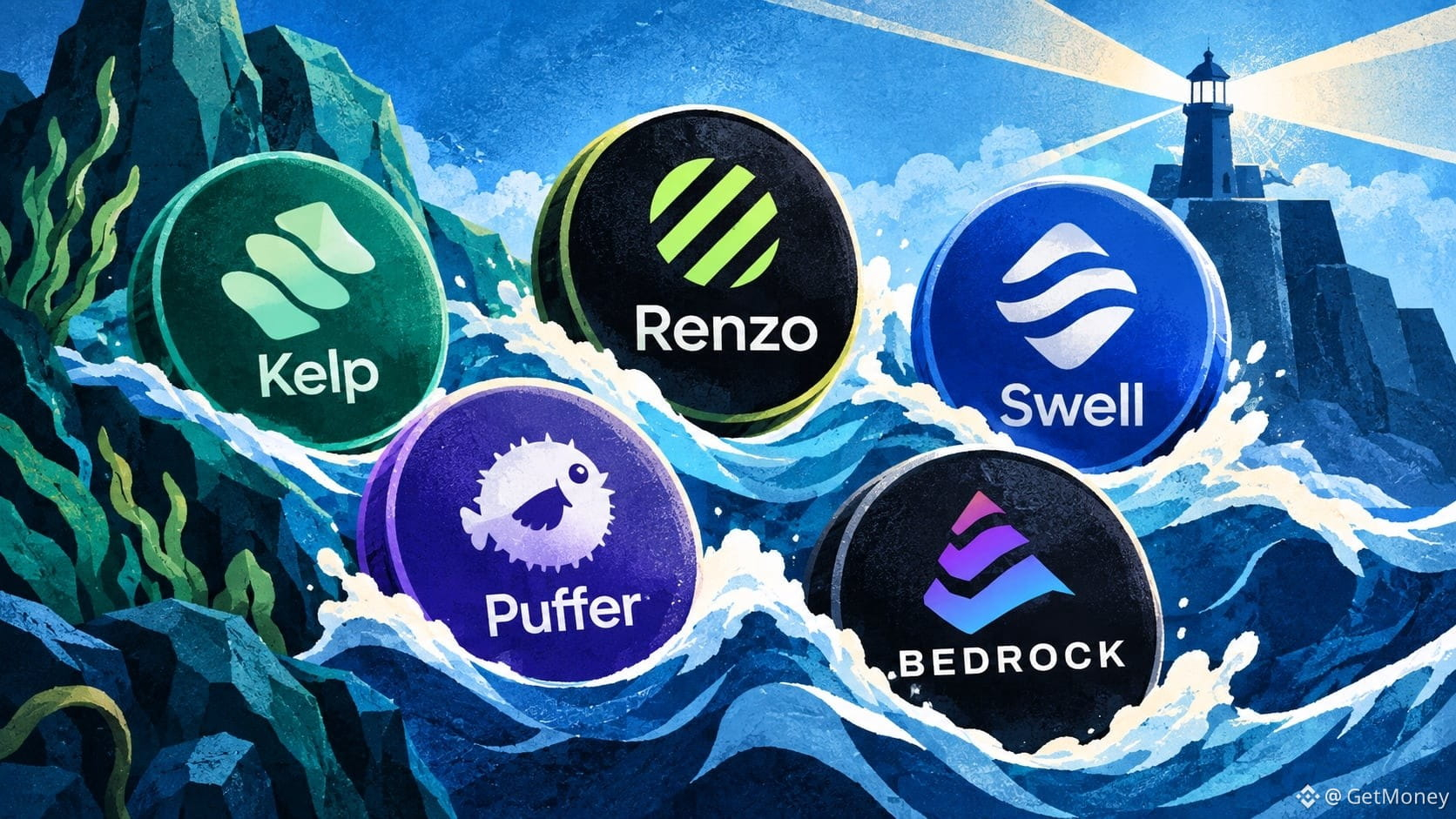
💡 Renzo has shifted to on-chain structured yield products, Swell shut down and closed上线 in less than a year (Swellchain), then moved to build an AI trading application, Faro, on Hyperliquid; Puffer is betting on institutional services, pre-confirmations, and Rollup infrastructure. They’re not just changing a name to keep telling the story—they’re looking for real, chargeable business.
⚠️ The more realistic issue is security. Kelp suffered a cross-chain bridge attack in April, where about 116,500 rsETH were forged and released, worth roughly $293 million. After that, it even narrowed the scope of supported multi-chain bridges. Returns are already thin; after another accident, it’s hard for the balance sheet to withstand it.
🤔 If in the end an LRT protocol mainly makes money from vault management fees, transaction services, or infrastructure charges, would you still value it as a restaking project?
#以太坊 #LRT #再质押 #DeFi
📰 On September 29, ether.fi announced that by the end of this quarter it will spin off its restaking business and fully pivot to a new crypto bank. The CEO was very direct: restaking no longer offers meaningful return opportunities, while safety risks cannot be ignored.
🔥 The data is indeed a bit brutal. As of September 30, the total LRT market has about $1.45 billion locked, but weekly protocol revenue is only around $100,000. It looks like there’s a lot of capital, yet the portion that can truly be paid out to the protocol is very thin—top projects can only collectively change direction.
Kelp is a classic example. This year its gross revenue has reached $26.52 million, but the genuinely discretionary share is only 5%, resulting in protocol profits of $14.1 million. Meanwhile, the Gain strategy vault with around $30 million TVL generated nearly 25% profit using about 2.5% of its TVL. Honestly, the numbers already make it clear which side the project should bet on.
💡 Renzo has shifted to on-chain structured yield products, Swell shut down and closed上线 in less than a year (Swellchain), then moved to build an AI trading application, Faro, on Hyperliquid; Puffer is betting on institutional services, pre-confirmations, and Rollup infrastructure. They’re not just changing a name to keep telling the story—they’re looking for real, chargeable business.
⚠️ The more realistic issue is security. Kelp suffered a cross-chain bridge attack in April, where about 116,500 rsETH were forged and released, worth roughly $293 million. After that, it even narrowed the scope of supported multi-chain bridges. Returns are already thin; after another accident, it’s hard for the balance sheet to withstand it.
🤔 If in the end an LRT protocol mainly makes money from vault management fees, transaction services, or infrastructure charges, would you still value it as a restaking project?
#以太坊 #LRT #再质押 #DeFi
🔥 The data is indeed a bit brutal. As of September 30, the total LRT market has about $1.45 billion locked, but weekly protocol revenue is only around $100,000. It looks like there’s a lot of capital, yet the portion that can truly be paid out to the protocol is very thin—top projects can only collectively change direction.
Kelp is a classic example. This year its gross revenue has reached $26.52 million, but the genuinely discretionary share is only 5%, resulting in protocol profits of $14.1 million. Meanwhile, the Gain strategy vault with around $30 million TVL generated nearly 25% profit using about 2.5% of its TVL. Honestly, the numbers already make it clear which side the project should bet on.
💡 Renzo has shifted to on-chain structured yield products, Swell shut down and closed上线 in less than a year (Swellchain), then moved to build an AI trading application, Faro, on Hyperliquid; Puffer is betting on institutional services, pre-confirmations, and Rollup infrastructure. They’re not just changing a name to keep telling the story—they’re looking for real, chargeable business.
⚠️ The more realistic issue is security. Kelp suffered a cross-chain bridge attack in April, where about 116,500 rsETH were forged and released, worth roughly $293 million. After that, it even narrowed the scope of supported multi-chain bridges. Returns are already thin; after another accident, it’s hard for the balance sheet to withstand it.
🤔 If in the end an LRT protocol mainly makes money from vault management fees, transaction services, or infrastructure charges, would you still value it as a restaking project?
#以太坊 #LRT #再质押 #DeFi
92

📉 Proposed solution for fixing the stablecoin MIM for the Abracadabra project
A new proposal has been submitted within the Abracadabra project to restructure and ensure the stablecoin MIM’s continuity. The proposal includes a plan for a partial repayment to MIM holders at a price of four cents per dollar. This step is part of efforts to address the challenges the stablecoin has faced recently.
━━━━━━━━━━━━━━
📊 Impact: 📈 High
🏷️ DEFI
#DeFi #Stablecoins #MIM #Abracadabra #CryptoNews
📰 Source: cryptobriefing.com
📉 Proposed solution for fixing the stablecoin MIM for the Abracadabra project
A new proposal has been submitted within the Abracadabra project to restructure and ensure the stablecoin MIM’s continuity. The proposal includes a plan for a partial repayment to MIM holders at a price of four cents per dollar. This step is part of efforts to address the challenges the stablecoin has faced recently.
━━━━━━━━━━━━━━
📊 Impact: 📈 High
🏷️ DEFI
#DeFi #Stablecoins #MIM #Abracadabra #CryptoNews
📰 Source: cryptobriefing.com
A new proposal has been submitted within the Abracadabra project to restructure and ensure the stablecoin MIM’s continuity. The proposal includes a plan for a partial repayment to MIM holders at a price of four cents per dollar. This step is part of efforts to address the challenges the stablecoin has faced recently.
━━━━━━━━━━━━━━
📊 Impact: 📈 High
🏷️ DEFI
#DeFi #Stablecoins #MIM #Abracadabra #CryptoNews
📰 Source: cryptobriefing.com
52

·
--
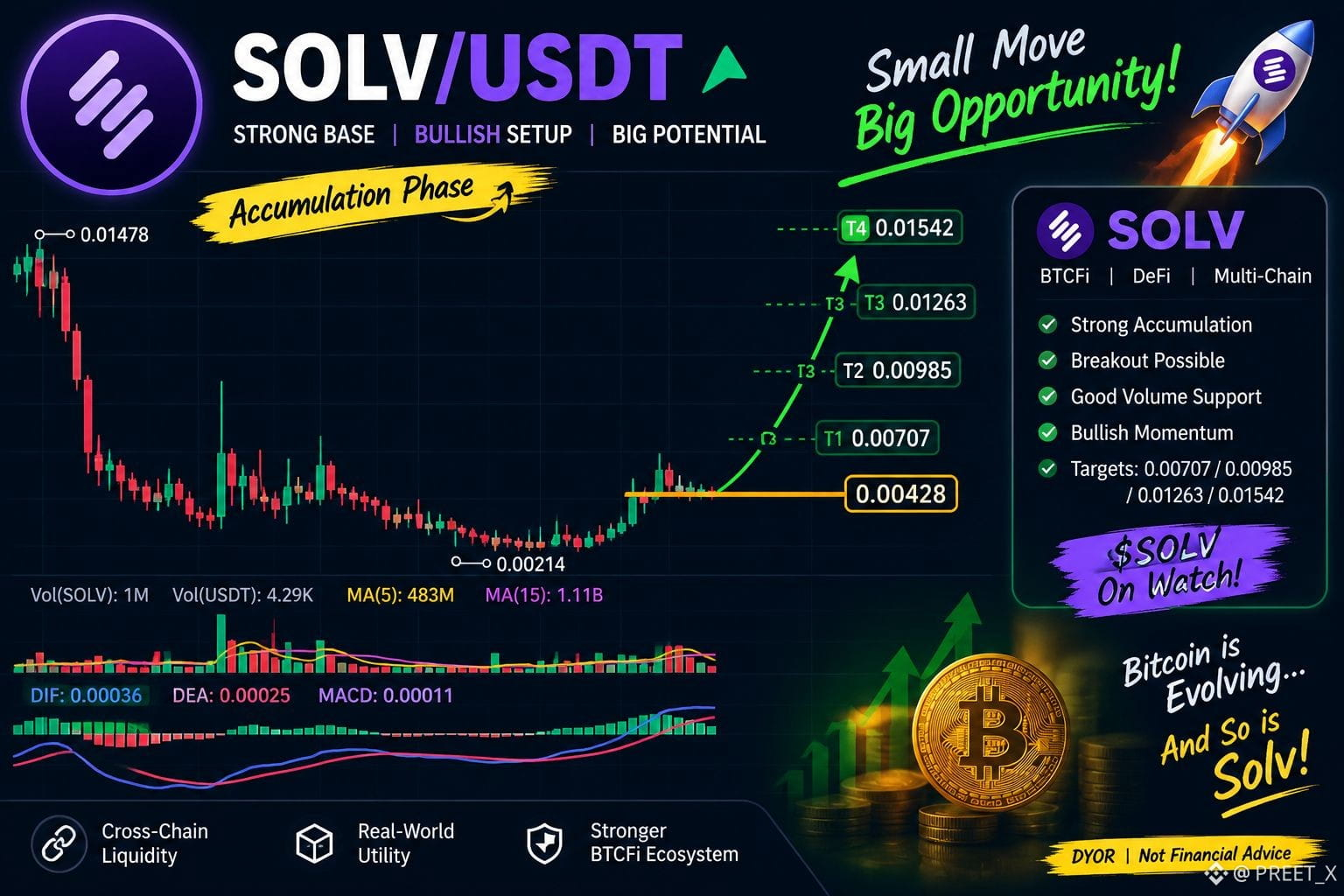
🚀 $SOLV Protocol – A Very Interesting Project!
$SOLV
{spot}(SOLVUSDT)
is building the future of BTCFi, making Bitcoin more productive through DeFi.
🔥 SolvBTC ecosystem
🔗 Cross-chain Bitcoin liquidity
💎 Bitcoin utility beyond HODLing
🌐 Bridging BTC with DeFi opportunities
Bitcoin is evolving from a store of value into productive capital.
$SOLV deserves attention! 👀
#solv #BTCFi #Bitcoin #defi
🚀 $SOLV Protocol – A Very Interesting Project!
$SOLV
is building the future of BTCFi, making Bitcoin more productive through DeFi.
🔥 SolvBTC ecosystem
🔗 Cross-chain Bitcoin liquidity
💎 Bitcoin utility beyond HODLing
🌐 Bridging BTC with DeFi opportunities
Bitcoin is evolving from a store of value into productive capital.
$SOLV deserves attention! 👀
#solv #BTCFi #Bitcoin #defi
$SOLV
is building the future of BTCFi, making Bitcoin more productive through DeFi.
🔥 SolvBTC ecosystem
🔗 Cross-chain Bitcoin liquidity
💎 Bitcoin utility beyond HODLing
🌐 Bridging BTC with DeFi opportunities
Bitcoin is evolving from a store of value into productive capital.
$SOLV deserves attention! 👀
#solv #BTCFi #Bitcoin #defi
103

·
--
The biggest fee in DeFi is the one that never shows up on an invoice.
When you swap on a public chain, your transaction sits in a queue everyone can read before it executes. Bots see your trade coming and trade ahead of it, so your real fill is worse than your quote. That extracted value — sandwiching, priority auctions, backruns — is called MEV, and across major chains it can quietly exceed the protocol fees users think they're paying.
The visible fee is the invoice. MEV is the tip nobody agreed to.
The defense became an arms race: private order flow that hides transactions from the public queue, batch auctions that neutralize ordering games, intent-based routing where users state only the outcome and solvers compete to fill it. Every fix is a move from leaking intent to protecting or auctioning it.
This is now shaping chain competition itself. $ETH is rethinking block production around it, $SOL has built a live market for priority execution, and $BNB treats validator policy as product design. Whoever routes the order flow collects the tax.
If you trade size on-chain, the spread is not a price — it's a defense budget. Watch where execution actually happens, not just where tokens are listed.
Markets that leak intent get taxed. Infrastructure that hides it gets paid.
#DeFi #MEV #CryptoMarkets #OnChainTrading #TradingInsight
The biggest fee in DeFi is the one that never shows up on an invoice.
When you swap on a public chain, your transaction sits in a queue everyone can read before it executes. Bots see your trade coming and trade ahead of it, so your real fill is worse than your quote. That extracted value — sandwiching, priority auctions, backruns — is called MEV, and across major chains it can quietly exceed the protocol fees users think they're paying.
The visible fee is the invoice. MEV is the tip nobody agreed to.
The defense became an arms race: private order flow that hides transactions from the public queue, batch auctions that neutralize ordering games, intent-based routing where users state only the outcome and solvers compete to fill it. Every fix is a move from leaking intent to protecting or auctioning it.
This is now shaping chain competition itself. $ETH is rethinking block production around it, $SOL has built a live market for priority execution, and $BNB treats validator policy as product design. Whoever routes the order flow collects the tax.
If you trade size on-chain, the spread is not a price — it's a defense budget. Watch where execution actually happens, not just where tokens are listed.
Markets that leak intent get taxed. Infrastructure that hides it gets paid.
#DeFi #MEV #CryptoMarkets #OnChainTrading #TradingInsight
When you swap on a public chain, your transaction sits in a queue everyone can read before it executes. Bots see your trade coming and trade ahead of it, so your real fill is worse than your quote. That extracted value — sandwiching, priority auctions, backruns — is called MEV, and across major chains it can quietly exceed the protocol fees users think they're paying.
The visible fee is the invoice. MEV is the tip nobody agreed to.
The defense became an arms race: private order flow that hides transactions from the public queue, batch auctions that neutralize ordering games, intent-based routing where users state only the outcome and solvers compete to fill it. Every fix is a move from leaking intent to protecting or auctioning it.
This is now shaping chain competition itself. $ETH is rethinking block production around it, $SOL has built a live market for priority execution, and $BNB treats validator policy as product design. Whoever routes the order flow collects the tax.
If you trade size on-chain, the spread is not a price — it's a defense budget. Watch where execution actually happens, not just where tokens are listed.
Markets that leak intent get taxed. Infrastructure that hides it gets paid.
#DeFi #MEV #CryptoMarkets #OnChainTrading #TradingInsight
79

·
--
Bullish
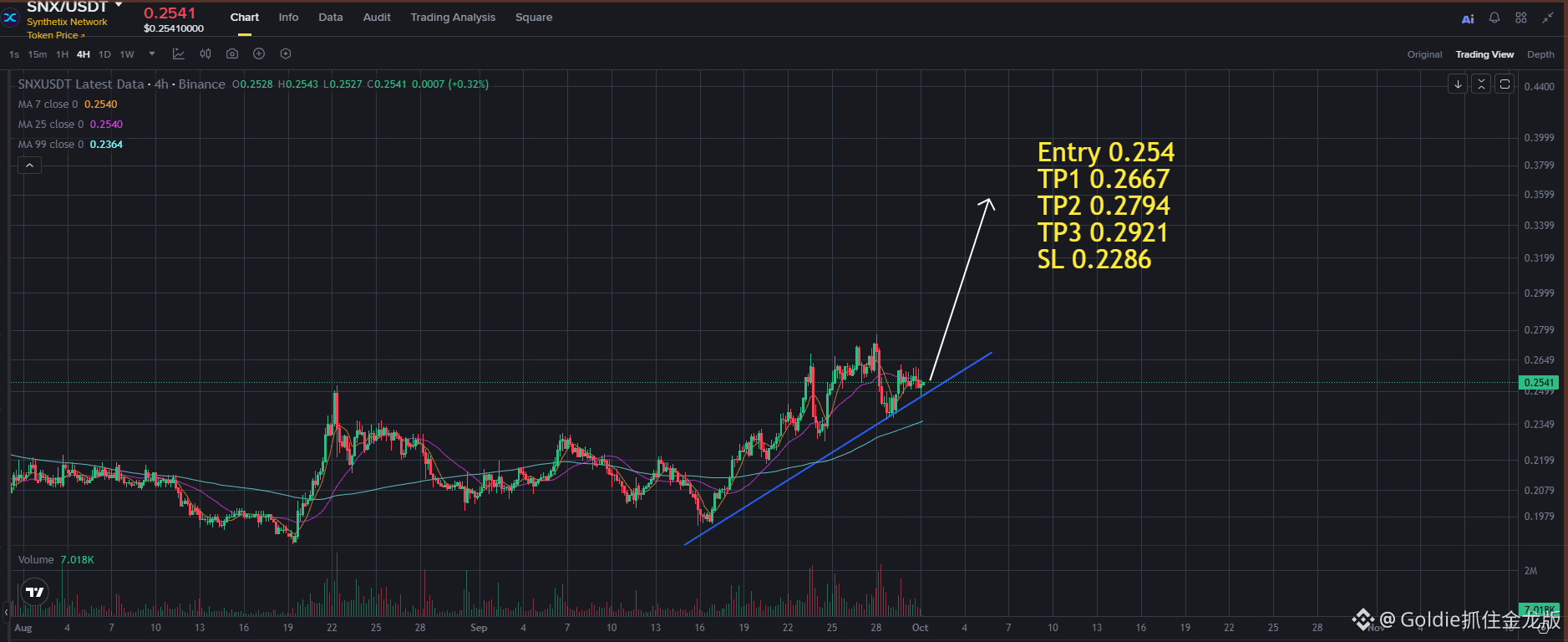
$SNX is Synthetix, one of the original DeFi protocols on Ethereum, built around synthetic assets and perp trading, now focused on V3 and its perps exchange. It sits in the legacy DeFi blue chip basket and tends to move with AAVE, CRV and UNI when money rotates back into DeFi. Watch volume and TVL here.
Entry 0.254
TP1 0.2667
TP2 0.2794
TP3 0.2921
SL 0.2286
NFA. DYOR.
$SNX #defi
{future}(SNXUSDT)
#BinanceSquare
$SNX is Synthetix, one of the original DeFi protocols on Ethereum, built around synthetic assets and perp trading, now focused on V3 and its perps exchange. It sits in the legacy DeFi blue chip basket and tends to move with AAVE, CRV and UNI when money rotates back into DeFi. Watch volume and TVL here.
Entry 0.254
TP1 0.2667
TP2 0.2794
TP3 0.2921
SL 0.2286
NFA. DYOR.
$SNX #defi
#BinanceSquare
Entry 0.254
TP1 0.2667
TP2 0.2794
TP3 0.2921
SL 0.2286
NFA. DYOR.
$SNX #defi
#BinanceSquare
247

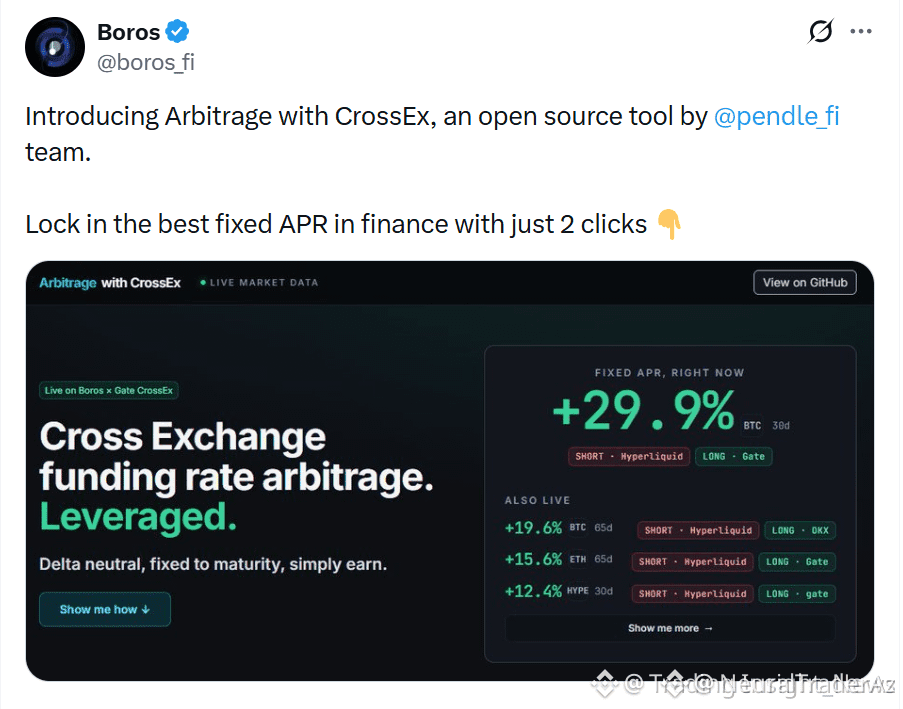
🚨 $PENDLE UNLOCKS INSTITUTIONAL-GRADE FUNDING ARBITRAGE TOOLS TO DEMOCRATIZE HIGH YIELD CAPTURE ⚡
Pendle and Boros just deployed CrossEx, an open-source execution layer bridging cross-exchange funding rate discrepancies. 🔍 This institutional framework automates delta-neutral yield strategies that previously peaked above 40% APY without exposing capital to directional price volatility.
💡 By lowering technical friction, yield mechanics once monopolized by quantitative funds are shifting directly to retail liquidity providers. 📊 As capital efficiency expands across DeFi protocols, structural demand for $PENDLE ecosystem products continues to strengthen. 💬 Will you be deploying capital into delta-neutral arbitrage strategies, or do you prefer holding spot directional exposure? 👇
⚠️ Not financial advice. Always manage your risk. 🛡️
🏷️ #PENDLE #DeFi #Arbitrage #Yield
🎯 🦈
🚨 $PENDLE UNLOCKS INSTITUTIONAL-GRADE FUNDING ARBITRAGE TOOLS TO DEMOCRATIZE HIGH YIELD CAPTURE ⚡
Pendle and Boros just deployed CrossEx, an open-source execution layer bridging cross-exchange funding rate discrepancies. 🔍 This institutional framework automates delta-neutral yield strategies that previously peaked above 40% APY without exposing capital to directional price volatility.
💡 By lowering technical friction, yield mechanics once monopolized by quantitative funds are shifting directly to retail liquidity providers. 📊 As capital efficiency expands across DeFi protocols, structural demand for $PENDLE ecosystem products continues to strengthen. 💬 Will you be deploying capital into delta-neutral arbitrage strategies, or do you prefer holding spot directional exposure? 👇
⚠️ Not financial advice. Always manage your risk. 🛡️
🏷️ #PENDLE #DeFi #Arbitrage #Yield
🎯 🦈
Pendle and Boros just deployed CrossEx, an open-source execution layer bridging cross-exchange funding rate discrepancies. 🔍 This institutional framework automates delta-neutral yield strategies that previously peaked above 40% APY without exposing capital to directional price volatility.
💡 By lowering technical friction, yield mechanics once monopolized by quantitative funds are shifting directly to retail liquidity providers. 📊 As capital efficiency expands across DeFi protocols, structural demand for $PENDLE ecosystem products continues to strengthen. 💬 Will you be deploying capital into delta-neutral arbitrage strategies, or do you prefer holding spot directional exposure? 👇
⚠️ Not financial advice. Always manage your risk. 🛡️
🏷️ #PENDLE #DeFi #Arbitrage #Yield
🎯 🦈
41

·
--
The Future of DeFi on TON: Why STON.fi’s Evolution Is Worth WatchingDeFi has changed a lot in a relatively short period of time.
What started with simple token swaps and liquidity pools has gradually developed into a much broader ecosystem. Today, users expect more than just the ability to exchange one token for another. They want better liquidity, simpler interfaces, more connected ecosystems, and tools that make blockchain applications easier to use.
This is where the development of the TON ecosystem becomes interesting.
And within that ecosystem, STON.fi is one of the projects worth keeping an eye on.
DeFi Is Moving Beyond a Single Blockchain
One of the biggest challenges in crypto is fragmentation.
Different blockchains have their own tokens, applications, communities, and liquidity. Moving between these ecosystems can sometimes require several steps, different wallets, bridges, and additional transactions.
For ordinary users, this can make DeFi feel unnecessarily complicated.
The broader direction of cross-chain technology is aimed at reducing some of these barriers by allowing assets and liquidity to interact across different blockchain ecosystems.
For a platform operating within TON, developments in this area could have important implications for how users interact with decentralized markets.
Why Liquidity Matters
A decentralized exchange is only as useful as the trading experience it can provide.
Liquidity plays a major role in that experience.
When there is sufficient liquidity available for a trading pair, users can generally execute trades with less price impact than they might experience in a shallow pool.
This also creates opportunities for liquidity providers, who supply assets to pools and can potentially earn fees depending on the pool and protocol mechanics.
But liquidity isn't simply about chasing the highest numbers.
Users need to understand the risks involved, including market volatility and impermanent loss when providing liquidity.
Understanding these basics is becoming increasingly important as DeFi grows.
Cross-Chain Connectivity Could Expand the Conversation
One of the more interesting areas to watch around STON.fi is its cross-chain direction.
The idea is relatively straightforward: make it easier for users and liquidity to interact across different blockchain ecosystems rather than keeping everything isolated.
In practice, however, cross-chain systems involve significant technical and security considerations.
Users still need to think about the networks involved, transaction costs, supported assets, and the risks associated with the technology connecting different ecosystems.
So the important question isn't simply “Can assets move across chains?”
It's also:
“Can this be done in a way that is understandable, secure, and practical for ordinary users?”
That is where continued development will matter.
The User Experience Will Be Just as Important
Technology alone doesn't guarantee adoption.
If using a DeFi application requires users to understand ten different technical concepts before making a simple transaction, many beginners will simply walk away.
A smoother experience could make a significant difference.
Clear transaction information, understandable interfaces, reliable liquidity, straightforward wallet connections, and good educational resources all contribute to that experience.
For DeFi to reach more people, the technology needs to become easier to interact with without hiding the risks.
Education Will Become More Important Too
As the ecosystem grows, there will be more information for users to process.
New tokens.
New protocols.
New networks.
New liquidity opportunities.
New security risks.
That creates an important role for community members who can explain these developments in simple language.
This is also where Stonbassadors can contribute.
A good ambassador doesn't necessarily need to promote every new feature. They can help people understand what a feature does, how it works, what questions to ask, and what risks they should consider.
That type of content can be valuable even to someone who isn't ready to use the product yet.
What Could the Next Stage of TON DeFi Look Like?
It's difficult to predict exactly how DeFi on TON will develop.
But some areas are clearly worth watching: deeper liquidity, easier user experiences, greater interoperability, new financial applications, and stronger connections between different blockchain ecosystems.
The important thing is to separate development from speculation.
A new feature doesn't automatically guarantee adoption. A larger ecosystem doesn't automatically eliminate risk.
What matters is whether these technologies solve real problems for users.
Why STON.fi Is Worth Watching
For me, the interesting part isn't simply another DEX launching another feature.
It's the broader question of how decentralized trading can become easier, more connected, and more accessible while maintaining the transparency and user control that make DeFi attractive in the first place.
STON.fi's development within the TON ecosystem, together with its work toward broader interoperability, makes it an interesting project to follow.
But the future will ultimately depend on execution, adoption, liquidity, security, and how well these technologies solve real user problems.
For anyone interested in TON and DeFi, those are the developments worth paying attention to.
The future of decentralized finance won't be defined by one feature or one project.
It will be shaped by how well the ecosystem connects technology, liquidity, security, and ordinary users.
And that's why the evolution of STON.fi is worth watching.
STON.fi https://ston.fi/
STON.fi Stonbassadors https://ston.fi/stonbassadors $GRAM #STONfi #defi
The Future of DeFi on TON: Why STON.fi’s Evolution Is Worth Watching
DeFi has changed a lot in a relatively short period of time.
What started with simple token swaps and liquidity pools has gradually developed into a much broader ecosystem. Today, users expect more than just the ability to exchange one token for another. They want better liquidity, simpler interfaces, more connected ecosystems, and tools that make blockchain applications easier to use.
This is where the development of the TON ecosystem becomes interesting.
And within that ecosystem, STON.fi is one of the projects worth keeping an eye on.
DeFi Is Moving Beyond a Single Blockchain
One of the biggest challenges in crypto is fragmentation.
Different blockchains have their own tokens, applications, communities, and liquidity. Moving between these ecosystems can sometimes require several steps, different wallets, bridges, and additional transactions.
For ordinary users, this can make DeFi feel unnecessarily complicated.
The broader direction of cross-chain technology is aimed at reducing some of these barriers by allowing assets and liquidity to interact across different blockchain ecosystems.
For a platform operating within TON, developments in this area could have important implications for how users interact with decentralized markets.
Why Liquidity Matters
A decentralized exchange is only as useful as the trading experience it can provide.
Liquidity plays a major role in that experience.
When there is sufficient liquidity available for a trading pair, users can generally execute trades with less price impact than they might experience in a shallow pool.
This also creates opportunities for liquidity providers, who supply assets to pools and can potentially earn fees depending on the pool and protocol mechanics.
But liquidity isn't simply about chasing the highest numbers.
Users need to understand the risks involved, including market volatility and impermanent loss when providing liquidity.
Understanding these basics is becoming increasingly important as DeFi grows.
Cross-Chain Connectivity Could Expand the Conversation
One of the more interesting areas to watch around STON.fi is its cross-chain direction.
The idea is relatively straightforward: make it easier for users and liquidity to interact across different blockchain ecosystems rather than keeping everything isolated.
In practice, however, cross-chain systems involve significant technical and security considerations.
Users still need to think about the networks involved, transaction costs, supported assets, and the risks associated with the technology connecting different ecosystems.
So the important question isn't simply “Can assets move across chains?”
It's also:
“Can this be done in a way that is understandable, secure, and practical for ordinary users?”
That is where continued development will matter.
The User Experience Will Be Just as Important
Technology alone doesn't guarantee adoption.
If using a DeFi application requires users to understand ten different technical concepts before making a simple transaction, many beginners will simply walk away.
A smoother experience could make a significant difference.
Clear transaction information, understandable interfaces, reliable liquidity, straightforward wallet connections, and good educational resources all contribute to that experience.
For DeFi to reach more people, the technology needs to become easier to interact with without hiding the risks.
Education Will Become More Important Too
As the ecosystem grows, there will be more information for users to process.
New tokens.
New protocols.
New networks.
New liquidity opportunities.
New security risks.
That creates an important role for community members who can explain these developments in simple language.
This is also where Stonbassadors can contribute.
A good ambassador doesn't necessarily need to promote every new feature. They can help people understand what a feature does, how it works, what questions to ask, and what risks they should consider.
That type of content can be valuable even to someone who isn't ready to use the product yet.
What Could the Next Stage of TON DeFi Look Like?
It's difficult to predict exactly how DeFi on TON will develop.
But some areas are clearly worth watching: deeper liquidity, easier user experiences, greater interoperability, new financial applications, and stronger connections between different blockchain ecosystems.
The important thing is to separate development from speculation.
A new feature doesn't automatically guarantee adoption. A larger ecosystem doesn't automatically eliminate risk.
What matters is whether these technologies solve real problems for users.
Why STON.fi Is Worth Watching
For me, the interesting part isn't simply another DEX launching another feature.
It's the broader question of how decentralized trading can become easier, more connected, and more accessible while maintaining the transparency and user control that make DeFi attractive in the first place.
STON.fi's development within the TON ecosystem, together with its work toward broader interoperability, makes it an interesting project to follow.
But the future will ultimately depend on execution, adoption, liquidity, security, and how well these technologies solve real user problems.
For anyone interested in TON and DeFi, those are the developments worth paying attention to.
The future of decentralized finance won't be defined by one feature or one project.
It will be shaped by how well the ecosystem connects technology, liquidity, security, and ordinary users.
And that's why the evolution of STON.fi is worth watching.
STON.fi https://ston.fi/
STON.fi Stonbassadors https://ston.fi/stonbassadors $GRAM #STONfi #defi
What started with simple token swaps and liquidity pools has gradually developed into a much broader ecosystem. Today, users expect more than just the ability to exchange one token for another. They want better liquidity, simpler interfaces, more connected ecosystems, and tools that make blockchain applications easier to use.
This is where the development of the TON ecosystem becomes interesting.
And within that ecosystem, STON.fi is one of the projects worth keeping an eye on.
DeFi Is Moving Beyond a Single Blockchain
One of the biggest challenges in crypto is fragmentation.
Different blockchains have their own tokens, applications, communities, and liquidity. Moving between these ecosystems can sometimes require several steps, different wallets, bridges, and additional transactions.
For ordinary users, this can make DeFi feel unnecessarily complicated.
The broader direction of cross-chain technology is aimed at reducing some of these barriers by allowing assets and liquidity to interact across different blockchain ecosystems.
For a platform operating within TON, developments in this area could have important implications for how users interact with decentralized markets.
Why Liquidity Matters
A decentralized exchange is only as useful as the trading experience it can provide.
Liquidity plays a major role in that experience.
When there is sufficient liquidity available for a trading pair, users can generally execute trades with less price impact than they might experience in a shallow pool.
This also creates opportunities for liquidity providers, who supply assets to pools and can potentially earn fees depending on the pool and protocol mechanics.
But liquidity isn't simply about chasing the highest numbers.
Users need to understand the risks involved, including market volatility and impermanent loss when providing liquidity.
Understanding these basics is becoming increasingly important as DeFi grows.
Cross-Chain Connectivity Could Expand the Conversation
One of the more interesting areas to watch around STON.fi is its cross-chain direction.
The idea is relatively straightforward: make it easier for users and liquidity to interact across different blockchain ecosystems rather than keeping everything isolated.
In practice, however, cross-chain systems involve significant technical and security considerations.
Users still need to think about the networks involved, transaction costs, supported assets, and the risks associated with the technology connecting different ecosystems.
So the important question isn't simply “Can assets move across chains?”
It's also:
“Can this be done in a way that is understandable, secure, and practical for ordinary users?”
That is where continued development will matter.
The User Experience Will Be Just as Important
Technology alone doesn't guarantee adoption.
If using a DeFi application requires users to understand ten different technical concepts before making a simple transaction, many beginners will simply walk away.
A smoother experience could make a significant difference.
Clear transaction information, understandable interfaces, reliable liquidity, straightforward wallet connections, and good educational resources all contribute to that experience.
For DeFi to reach more people, the technology needs to become easier to interact with without hiding the risks.
Education Will Become More Important Too
As the ecosystem grows, there will be more information for users to process.
New tokens.
New protocols.
New networks.
New liquidity opportunities.
New security risks.
That creates an important role for community members who can explain these developments in simple language.
This is also where Stonbassadors can contribute.
A good ambassador doesn't necessarily need to promote every new feature. They can help people understand what a feature does, how it works, what questions to ask, and what risks they should consider.
That type of content can be valuable even to someone who isn't ready to use the product yet.
What Could the Next Stage of TON DeFi Look Like?
It's difficult to predict exactly how DeFi on TON will develop.
But some areas are clearly worth watching: deeper liquidity, easier user experiences, greater interoperability, new financial applications, and stronger connections between different blockchain ecosystems.
The important thing is to separate development from speculation.
A new feature doesn't automatically guarantee adoption. A larger ecosystem doesn't automatically eliminate risk.
What matters is whether these technologies solve real problems for users.
Why STON.fi Is Worth Watching
For me, the interesting part isn't simply another DEX launching another feature.
It's the broader question of how decentralized trading can become easier, more connected, and more accessible while maintaining the transparency and user control that make DeFi attractive in the first place.
STON.fi's development within the TON ecosystem, together with its work toward broader interoperability, makes it an interesting project to follow.
But the future will ultimately depend on execution, adoption, liquidity, security, and how well these technologies solve real user problems.
For anyone interested in TON and DeFi, those are the developments worth paying attention to.
The future of decentralized finance won't be defined by one feature or one project.
It will be shaped by how well the ecosystem connects technology, liquidity, security, and ordinary users.
And that's why the evolution of STON.fi is worth watching.
STON.fi https://ston.fi/
STON.fi Stonbassadors https://ston.fi/stonbassadors $GRAM #STONfi #defi
101
·
--
How to Create Better STON.fi Ambassador Content Without Sounding Like an AdvertisementThere is a big difference between talking about a crypto project and actually creating content that people find useful.
If every post sounds like an advertisement, people eventually stop paying attention.
This is especially important when creating content for a community or ambassador program. You can mention the project, explain its features, and share updates without making every sentence sound promotional.
For anyone creating content around STON.fi, I think the simplest approach is to teach first and promote second.
Start With a Real Question
Good educational content usually starts with a question that someone actually wants answered.
For example:
What is price impact?
How does a token swap work?
What is liquidity?
Why can a transaction fail?
What should I check before connecting my wallet?
What does cross-chain trading actually mean?
These questions give you something specific to explain.
Instead of writing:
> “STON.fi is an amazing platform for DeFi.”
You could write:
> “Ever wondered why the amount you receive from a swap can change before you confirm the transaction?”
The second approach creates curiosity without immediately sounding like an advertisement.
Explain Things Like You're Talking to Another User
You don't need complicated language to demonstrate that you understand DeFi.
In fact, complicated terminology can sometimes make useful information harder to understand.
If you're explaining liquidity, for example, don't just throw definitions at the reader.
Use a simple example.
Explain what happens when there is plenty of liquidity compared with a pool that has limited liquidity. Then introduce concepts such as price impact and liquidity providers.
The goal should be that someone who has never used a DEX can finish your article and understand something they didn't understand before.
Don't Hide the Risks
One thing that can make crypto content feel like an advertisement is when it talks only about benefits.
DeFi has opportunities, but it also has risks.
Smart-contract vulnerabilities, phishing scams, token volatility, transaction errors, impermanent loss, and liquidity risks are all things users should understand.
Including these topics doesn't make your content less supportive of a project.
It makes the content more useful.
If you're explaining liquidity provision on STON.fi, for example, don't focus only on potential fees. Explain that liquidity providers also need to understand how price movements can affect their position.
Balanced information builds credibility.
Don't Pretend You Tested Something
This is particularly important for ambassador content.
If you haven't personally used a feature, don't write:
“I used this feature and it worked perfectly for me.”
Instead, say what you actually know.
You could explain how the feature works based on official documentation, or clearly state that you're sharing an educational overview.
Authenticity is more valuable than pretending to have experience you don't have.
Add Your Own Perspective
Originality doesn't mean you need to invent something completely new.
Sometimes it's simply about explaining a familiar topic in your own way.
For example, hundreds of people may have written about token swaps.
You could approach the subject from a beginner's perspective:
“Five things I would check before making my first DEX swap.”
Or you could create a short visual showing the steps from connecting a wallet to confirming a transaction.
The information may be familiar, but your presentation can make it easier to understand.
Make Your Content Practical
A useful post should ideally leave the reader with something they can do.
Instead of writing several paragraphs about wallet security, finish with a simple checklist:
Before connecting your wallet:
1. Check the website address.
2. Confirm you're using an official source.
3. Never share your seed phrase.
4. Read what you're being asked to approve.
5. Start with a small amount when testing something unfamiliar.
That's the kind of information people can save and return to later.
Visuals Can Help
Not every article needs a complicated graphic.
A simple screenshot, diagram, short video, or infographic can make technical concepts much easier to understand.
For example, an infographic could explain:
Wallet → Connect → Select tokens → Check price impact → Review transaction → Confirm
This is much easier for a beginner to follow than a wall of technical text.
Avoid Excessive Hype
Words like revolutionary, unstoppable, guaranteed, or the future of everything may grab attention, but they can also make your content look promotional.
Let the information speak for itself.
Explain what the platform does, show people how it works, discuss relevant risks, and allow readers to make their own conclusions.
That's a stronger foundation for long-term community content.
A Simple Test Before You Publish
Before posting your next STON.fi article or thread, ask yourself:
“If I removed the project name, would this still be useful to someone learning DeFi?”
If the answer is yes, you're probably creating educational content rather than simply advertising.
And that's the approach I would take with Stonbassador content: learn something, explain it clearly, add your own perspective, and give the reader a reason to come back.
Useful content doesn't need to shout.
Sometimes, simply helping someone understand DeFi a little better is enough.
STON.fi https://ston.fi
STON.fi Stonbassadors https://ston.fi/stonbassadors #DEFİ #defi #STONfi $GRAM
How to Create Better STON.fi Ambassador Content Without Sounding Like an Advertisement
There is a big difference between talking about a crypto project and actually creating content that people find useful.
If every post sounds like an advertisement, people eventually stop paying attention.
This is especially important when creating content for a community or ambassador program. You can mention the project, explain its features, and share updates without making every sentence sound promotional.
For anyone creating content around STON.fi, I think the simplest approach is to teach first and promote second.
Start With a Real Question
Good educational content usually starts with a question that someone actually wants answered.
For example:
What is price impact?
How does a token swap work?
What is liquidity?
Why can a transaction fail?
What should I check before connecting my wallet?
What does cross-chain trading actually mean?
These questions give you something specific to explain.
Instead of writing:
> “STON.fi is an amazing platform for DeFi.”
You could write:
> “Ever wondered why the amount you receive from a swap can change before you confirm the transaction?”
The second approach creates curiosity without immediately sounding like an advertisement.
Explain Things Like You're Talking to Another User
You don't need complicated language to demonstrate that you understand DeFi.
In fact, complicated terminology can sometimes make useful information harder to understand.
If you're explaining liquidity, for example, don't just throw definitions at the reader.
Use a simple example.
Explain what happens when there is plenty of liquidity compared with a pool that has limited liquidity. Then introduce concepts such as price impact and liquidity providers.
The goal should be that someone who has never used a DEX can finish your article and understand something they didn't understand before.
Don't Hide the Risks
One thing that can make crypto content feel like an advertisement is when it talks only about benefits.
DeFi has opportunities, but it also has risks.
Smart-contract vulnerabilities, phishing scams, token volatility, transaction errors, impermanent loss, and liquidity risks are all things users should understand.
Including these topics doesn't make your content less supportive of a project.
It makes the content more useful.
If you're explaining liquidity provision on STON.fi, for example, don't focus only on potential fees. Explain that liquidity providers also need to understand how price movements can affect their position.
Balanced information builds credibility.
Don't Pretend You Tested Something
This is particularly important for ambassador content.
If you haven't personally used a feature, don't write:
“I used this feature and it worked perfectly for me.”
Instead, say what you actually know.
You could explain how the feature works based on official documentation, or clearly state that you're sharing an educational overview.
Authenticity is more valuable than pretending to have experience you don't have.
Add Your Own Perspective
Originality doesn't mean you need to invent something completely new.
Sometimes it's simply about explaining a familiar topic in your own way.
For example, hundreds of people may have written about token swaps.
You could approach the subject from a beginner's perspective:
“Five things I would check before making my first DEX swap.”
Or you could create a short visual showing the steps from connecting a wallet to confirming a transaction.
The information may be familiar, but your presentation can make it easier to understand.
Make Your Content Practical
A useful post should ideally leave the reader with something they can do.
Instead of writing several paragraphs about wallet security, finish with a simple checklist:
Before connecting your wallet:
1. Check the website address.
2. Confirm you're using an official source.
3. Never share your seed phrase.
4. Read what you're being asked to approve.
5. Start with a small amount when testing something unfamiliar.
That's the kind of information people can save and return to later.
Visuals Can Help
Not every article needs a complicated graphic.
A simple screenshot, diagram, short video, or infographic can make technical concepts much easier to understand.
For example, an infographic could explain:
Wallet → Connect → Select tokens → Check price impact → Review transaction → Confirm
This is much easier for a beginner to follow than a wall of technical text.
Avoid Excessive Hype
Words like revolutionary, unstoppable, guaranteed, or the future of everything may grab attention, but they can also make your content look promotional.
Let the information speak for itself.
Explain what the platform does, show people how it works, discuss relevant risks, and allow readers to make their own conclusions.
That's a stronger foundation for long-term community content.
A Simple Test Before You Publish
Before posting your next STON.fi article or thread, ask yourself:
“If I removed the project name, would this still be useful to someone learning DeFi?”
If the answer is yes, you're probably creating educational content rather than simply advertising.
And that's the approach I would take with Stonbassador content: learn something, explain it clearly, add your own perspective, and give the reader a reason to come back.
Useful content doesn't need to shout.
Sometimes, simply helping someone understand DeFi a little better is enough.
STON.fi https://ston.fi
STON.fi Stonbassadors https://ston.fi/stonbassadors #DEFİ #defi #STONfi $GRAM
If every post sounds like an advertisement, people eventually stop paying attention.
This is especially important when creating content for a community or ambassador program. You can mention the project, explain its features, and share updates without making every sentence sound promotional.
For anyone creating content around STON.fi, I think the simplest approach is to teach first and promote second.
Start With a Real Question
Good educational content usually starts with a question that someone actually wants answered.
For example:
What is price impact?
How does a token swap work?
What is liquidity?
Why can a transaction fail?
What should I check before connecting my wallet?
What does cross-chain trading actually mean?
These questions give you something specific to explain.
Instead of writing:
> “STON.fi is an amazing platform for DeFi.”
You could write:
> “Ever wondered why the amount you receive from a swap can change before you confirm the transaction?”
The second approach creates curiosity without immediately sounding like an advertisement.
Explain Things Like You're Talking to Another User
You don't need complicated language to demonstrate that you understand DeFi.
In fact, complicated terminology can sometimes make useful information harder to understand.
If you're explaining liquidity, for example, don't just throw definitions at the reader.
Use a simple example.
Explain what happens when there is plenty of liquidity compared with a pool that has limited liquidity. Then introduce concepts such as price impact and liquidity providers.
The goal should be that someone who has never used a DEX can finish your article and understand something they didn't understand before.
Don't Hide the Risks
One thing that can make crypto content feel like an advertisement is when it talks only about benefits.
DeFi has opportunities, but it also has risks.
Smart-contract vulnerabilities, phishing scams, token volatility, transaction errors, impermanent loss, and liquidity risks are all things users should understand.
Including these topics doesn't make your content less supportive of a project.
It makes the content more useful.
If you're explaining liquidity provision on STON.fi, for example, don't focus only on potential fees. Explain that liquidity providers also need to understand how price movements can affect their position.
Balanced information builds credibility.
Don't Pretend You Tested Something
This is particularly important for ambassador content.
If you haven't personally used a feature, don't write:
“I used this feature and it worked perfectly for me.”
Instead, say what you actually know.
You could explain how the feature works based on official documentation, or clearly state that you're sharing an educational overview.
Authenticity is more valuable than pretending to have experience you don't have.
Add Your Own Perspective
Originality doesn't mean you need to invent something completely new.
Sometimes it's simply about explaining a familiar topic in your own way.
For example, hundreds of people may have written about token swaps.
You could approach the subject from a beginner's perspective:
“Five things I would check before making my first DEX swap.”
Or you could create a short visual showing the steps from connecting a wallet to confirming a transaction.
The information may be familiar, but your presentation can make it easier to understand.
Make Your Content Practical
A useful post should ideally leave the reader with something they can do.
Instead of writing several paragraphs about wallet security, finish with a simple checklist:
Before connecting your wallet:
1. Check the website address.
2. Confirm you're using an official source.
3. Never share your seed phrase.
4. Read what you're being asked to approve.
5. Start with a small amount when testing something unfamiliar.
That's the kind of information people can save and return to later.
Visuals Can Help
Not every article needs a complicated graphic.
A simple screenshot, diagram, short video, or infographic can make technical concepts much easier to understand.
For example, an infographic could explain:
Wallet → Connect → Select tokens → Check price impact → Review transaction → Confirm
This is much easier for a beginner to follow than a wall of technical text.
Avoid Excessive Hype
Words like revolutionary, unstoppable, guaranteed, or the future of everything may grab attention, but they can also make your content look promotional.
Let the information speak for itself.
Explain what the platform does, show people how it works, discuss relevant risks, and allow readers to make their own conclusions.
That's a stronger foundation for long-term community content.
A Simple Test Before You Publish
Before posting your next STON.fi article or thread, ask yourself:
“If I removed the project name, would this still be useful to someone learning DeFi?”
If the answer is yes, you're probably creating educational content rather than simply advertising.
And that's the approach I would take with Stonbassador content: learn something, explain it clearly, add your own perspective, and give the reader a reason to come back.
Useful content doesn't need to shout.
Sometimes, simply helping someone understand DeFi a little better is enough.
STON.fi https://ston.fi
STON.fi Stonbassadors https://ston.fi/stonbassadors #DEFİ #defi #STONfi $GRAM
35

·
--
Bullish
$WLFI | Gold Paper 🟡
$WLFI is built around DeFi and USD-based stablecoins.
The project aims to strengthen the role of the US Dollar in DeFi.
$WLFI gives holders voting power on certain protocol decisions.
DeFi, governance and stablecoins — all in one ecosystem.
#WIF #DeFi #Stablecoins
{future}(WLFIUSDT)
$WLFI | Gold Paper 🟡
$WLFI is built around DeFi and USD-based stablecoins.
The project aims to strengthen the role of the US Dollar in DeFi.
$WLFI gives holders voting power on certain protocol decisions.
DeFi, governance and stablecoins — all in one ecosystem.
#WIF #DeFi #Stablecoins
$WLFI is built around DeFi and USD-based stablecoins.
The project aims to strengthen the role of the US Dollar in DeFi.
$WLFI gives holders voting power on certain protocol decisions.
DeFi, governance and stablecoins — all in one ecosystem.
#WIF #DeFi #Stablecoins

1
270
·
--
Liquidity Explained Simply: Why It Matters When You Trade on STON.fiWhen people first enter DeFi, they usually focus on one thing: swapping tokens.
You choose the token you have, select the token you want, check the amount, and confirm the transaction.
But behind that simple swap is something extremely important: liquidity.
Without enough liquidity, decentralized trading becomes difficult. Prices can move significantly when someone makes a trade, and users may receive a less favorable amount than expected.
So what exactly is liquidity, and why should an ordinary STON.fi user care about it?
What Does Liquidity Actually Mean?
In simple terms, liquidity refers to how easily an asset can be bought or sold without causing a large change in its price.
Think about a market where a shop has hundreds of bags of rice available. If you buy five bags, the price probably won't change much.
Now imagine another shop has only ten bags left. If you suddenly buy five, you've taken half of its available stock. The seller may need to adjust the price.
DeFi liquidity works differently from a traditional shop, but the basic idea is similar.
Liquidity is what helps decentralized exchanges facilitate trades between different tokens.
Where Does the Liquidity Come From?
In many decentralized exchanges, liquidity comes from liquidity providers.
Instead of relying on a traditional company or centralized order book to match every buyer and seller, users can deposit assets into liquidity pools.
Those pools then provide the assets needed for other users to trade.
For example, a liquidity pool might contain two different tokens. Traders interact with the pool when swapping between those assets, while liquidity providers supply the underlying tokens.
This creates an important relationship:
Traders need liquidity to swap efficiently, while liquidity providers supply the liquidity that makes those swaps possible.
Why Does Liquidity Matter to STON.fi Users?
Imagine you want to swap a relatively large amount of one token for another.
If the relevant pool has strong liquidity, your trade may have a smaller effect on the pool's price.
If liquidity is limited, however, the same trade can have a much larger effect.
This is where price impact becomes important.
Price impact is essentially the effect your own trade has on the price you receive.
It is different from normal market price movement because your transaction itself can influence the available exchange rate.
That's why checking the expected output and price impact before confirming a transaction is a useful habit.
Liquidity Providers Also Take Risks
Providing liquidity isn't simply a way to deposit tokens and forget about them.
There are risks involved.
One of the best-known is impermanent loss.
This can happen when the prices of the assets in a liquidity pool change significantly compared with when you deposited them.
The value of the assets you withdraw may therefore differ from what you might have had by simply holding the tokens separately.
The exact outcome depends on several factors, including the price movement of the assets, pool mechanics, fees earned, and the time involved.
So liquidity provision should not be viewed as guaranteed passive income.
What About Trading Fees?
Liquidity providers can potentially receive a share of trading fees generated by the pool, depending on the specific pool and protocol mechanics.
This is one reason people provide liquidity in the first place.
But fees should always be considered alongside the risks.
A pool generating trading fees doesn't automatically mean providing liquidity will be profitable. Changes in token prices, impermanent loss, smart-contract risks, and other factors can affect the final result.
What Should a Beginner Check First?
Before providing liquidity or making a swap, it helps to slow down and ask a few basic questions:
For a swap:
How much am I sending?
How much am I expected to receive?
What is the price impact?
What fees will I pay?
Am I using the correct token?
For liquidity provision:
What assets am I depositing?
How does the pool work?
What fees could I potentially earn?
What are the risks if token prices change?
Do I understand impermanent loss?
These questions may take only a few minutes, but they can prevent careless decisions.
Liquidity Is More Than Just a Technical Term
One thing I like about learning DeFi concepts is realizing how interconnected everything is.
A trader may only see a simple swap interface, but underneath that transaction are liquidity pools, liquidity providers, pricing mechanisms, fees, and smart contracts.
Understanding liquidity makes it easier to understand why a trade sometimes produces a different result from what you initially expected.
For anyone exploring STON.fi, learning the basics of liquidity is therefore worth the time.
You don't have to become a DeFi expert overnight.
Start with the fundamentals, understand what you're interacting with, and never deposit money into something you don't understand.
That is a much better starting point than simply chasing the highest numbers displayed on a screen.
STON.fi https://ston.fi
STON.fi documentation https://docs.ston.fi $GRAM #stonfi #defi
Liquidity Explained Simply: Why It Matters When You Trade on STON.fi
When people first enter DeFi, they usually focus on one thing: swapping tokens.
You choose the token you have, select the token you want, check the amount, and confirm the transaction.
But behind that simple swap is something extremely important: liquidity.
Without enough liquidity, decentralized trading becomes difficult. Prices can move significantly when someone makes a trade, and users may receive a less favorable amount than expected.
So what exactly is liquidity, and why should an ordinary STON.fi user care about it?
What Does Liquidity Actually Mean?
In simple terms, liquidity refers to how easily an asset can be bought or sold without causing a large change in its price.
Think about a market where a shop has hundreds of bags of rice available. If you buy five bags, the price probably won't change much.
Now imagine another shop has only ten bags left. If you suddenly buy five, you've taken half of its available stock. The seller may need to adjust the price.
DeFi liquidity works differently from a traditional shop, but the basic idea is similar.
Liquidity is what helps decentralized exchanges facilitate trades between different tokens.
Where Does the Liquidity Come From?
In many decentralized exchanges, liquidity comes from liquidity providers.
Instead of relying on a traditional company or centralized order book to match every buyer and seller, users can deposit assets into liquidity pools.
Those pools then provide the assets needed for other users to trade.
For example, a liquidity pool might contain two different tokens. Traders interact with the pool when swapping between those assets, while liquidity providers supply the underlying tokens.
This creates an important relationship:
Traders need liquidity to swap efficiently, while liquidity providers supply the liquidity that makes those swaps possible.
Why Does Liquidity Matter to STON.fi Users?
Imagine you want to swap a relatively large amount of one token for another.
If the relevant pool has strong liquidity, your trade may have a smaller effect on the pool's price.
If liquidity is limited, however, the same trade can have a much larger effect.
This is where price impact becomes important.
Price impact is essentially the effect your own trade has on the price you receive.
It is different from normal market price movement because your transaction itself can influence the available exchange rate.
That's why checking the expected output and price impact before confirming a transaction is a useful habit.
Liquidity Providers Also Take Risks
Providing liquidity isn't simply a way to deposit tokens and forget about them.
There are risks involved.
One of the best-known is impermanent loss.
This can happen when the prices of the assets in a liquidity pool change significantly compared with when you deposited them.
The value of the assets you withdraw may therefore differ from what you might have had by simply holding the tokens separately.
The exact outcome depends on several factors, including the price movement of the assets, pool mechanics, fees earned, and the time involved.
So liquidity provision should not be viewed as guaranteed passive income.
What About Trading Fees?
Liquidity providers can potentially receive a share of trading fees generated by the pool, depending on the specific pool and protocol mechanics.
This is one reason people provide liquidity in the first place.
But fees should always be considered alongside the risks.
A pool generating trading fees doesn't automatically mean providing liquidity will be profitable. Changes in token prices, impermanent loss, smart-contract risks, and other factors can affect the final result.
What Should a Beginner Check First?
Before providing liquidity or making a swap, it helps to slow down and ask a few basic questions:
For a swap:
How much am I sending?
How much am I expected to receive?
What is the price impact?
What fees will I pay?
Am I using the correct token?
For liquidity provision:
What assets am I depositing?
How does the pool work?
What fees could I potentially earn?
What are the risks if token prices change?
Do I understand impermanent loss?
These questions may take only a few minutes, but they can prevent careless decisions.
Liquidity Is More Than Just a Technical Term
One thing I like about learning DeFi concepts is realizing how interconnected everything is.
A trader may only see a simple swap interface, but underneath that transaction are liquidity pools, liquidity providers, pricing mechanisms, fees, and smart contracts.
Understanding liquidity makes it easier to understand why a trade sometimes produces a different result from what you initially expected.
For anyone exploring STON.fi, learning the basics of liquidity is therefore worth the time.
You don't have to become a DeFi expert overnight.
Start with the fundamentals, understand what you're interacting with, and never deposit money into something you don't understand.
That is a much better starting point than simply chasing the highest numbers displayed on a screen.
STON.fi https://ston.fi
STON.fi documentation https://docs.ston.fi $GRAM #stonfi #defi
You choose the token you have, select the token you want, check the amount, and confirm the transaction.
But behind that simple swap is something extremely important: liquidity.
Without enough liquidity, decentralized trading becomes difficult. Prices can move significantly when someone makes a trade, and users may receive a less favorable amount than expected.
So what exactly is liquidity, and why should an ordinary STON.fi user care about it?
What Does Liquidity Actually Mean?
In simple terms, liquidity refers to how easily an asset can be bought or sold without causing a large change in its price.
Think about a market where a shop has hundreds of bags of rice available. If you buy five bags, the price probably won't change much.
Now imagine another shop has only ten bags left. If you suddenly buy five, you've taken half of its available stock. The seller may need to adjust the price.
DeFi liquidity works differently from a traditional shop, but the basic idea is similar.
Liquidity is what helps decentralized exchanges facilitate trades between different tokens.
Where Does the Liquidity Come From?
In many decentralized exchanges, liquidity comes from liquidity providers.
Instead of relying on a traditional company or centralized order book to match every buyer and seller, users can deposit assets into liquidity pools.
Those pools then provide the assets needed for other users to trade.
For example, a liquidity pool might contain two different tokens. Traders interact with the pool when swapping between those assets, while liquidity providers supply the underlying tokens.
This creates an important relationship:
Traders need liquidity to swap efficiently, while liquidity providers supply the liquidity that makes those swaps possible.
Why Does Liquidity Matter to STON.fi Users?
Imagine you want to swap a relatively large amount of one token for another.
If the relevant pool has strong liquidity, your trade may have a smaller effect on the pool's price.
If liquidity is limited, however, the same trade can have a much larger effect.
This is where price impact becomes important.
Price impact is essentially the effect your own trade has on the price you receive.
It is different from normal market price movement because your transaction itself can influence the available exchange rate.
That's why checking the expected output and price impact before confirming a transaction is a useful habit.
Liquidity Providers Also Take Risks
Providing liquidity isn't simply a way to deposit tokens and forget about them.
There are risks involved.
One of the best-known is impermanent loss.
This can happen when the prices of the assets in a liquidity pool change significantly compared with when you deposited them.
The value of the assets you withdraw may therefore differ from what you might have had by simply holding the tokens separately.
The exact outcome depends on several factors, including the price movement of the assets, pool mechanics, fees earned, and the time involved.
So liquidity provision should not be viewed as guaranteed passive income.
What About Trading Fees?
Liquidity providers can potentially receive a share of trading fees generated by the pool, depending on the specific pool and protocol mechanics.
This is one reason people provide liquidity in the first place.
But fees should always be considered alongside the risks.
A pool generating trading fees doesn't automatically mean providing liquidity will be profitable. Changes in token prices, impermanent loss, smart-contract risks, and other factors can affect the final result.
What Should a Beginner Check First?
Before providing liquidity or making a swap, it helps to slow down and ask a few basic questions:
For a swap:
How much am I sending?
How much am I expected to receive?
What is the price impact?
What fees will I pay?
Am I using the correct token?
For liquidity provision:
What assets am I depositing?
How does the pool work?
What fees could I potentially earn?
What are the risks if token prices change?
Do I understand impermanent loss?
These questions may take only a few minutes, but they can prevent careless decisions.
Liquidity Is More Than Just a Technical Term
One thing I like about learning DeFi concepts is realizing how interconnected everything is.
A trader may only see a simple swap interface, but underneath that transaction are liquidity pools, liquidity providers, pricing mechanisms, fees, and smart contracts.
Understanding liquidity makes it easier to understand why a trade sometimes produces a different result from what you initially expected.
For anyone exploring STON.fi, learning the basics of liquidity is therefore worth the time.
You don't have to become a DeFi expert overnight.
Start with the fundamentals, understand what you're interacting with, and never deposit money into something you don't understand.
That is a much better starting point than simply chasing the highest numbers displayed on a screen.
STON.fi https://ston.fi
STON.fi documentation https://docs.ston.fi $GRAM #stonfi #defi
37
·
--
Choosing a Wallet for STON.fi: What Beginners Should KnowIf you're new to DeFi, one of the first things you'll encounter is the need for a crypto wallet.
At first, a wallet can seem like nothing more than an app where you keep your tokens. But in reality, it plays a much bigger role. Your wallet is what you use to connect with decentralized applications, approve transactions, and interact with blockchain networks.
That makes choosing and using the right wallet an important part of your STON.fi experience.
A Wallet Is More Than a Place to Store Tokens
With a traditional bank, you log in with a username and password and the bank manages your account.
A self-custodial crypto wallet works differently.
You control the wallet through cryptographic keys, usually protected by a recovery phrase. When you connect your wallet to a decentralized application such as STON.fi, you're allowing the application to interact with your wallet through blockchain transactions.
This is why your recovery phrase is extremely important.
Never share your seed phrase or private key with anyone.
Someone asking for your recovery phrase to “verify,” “activate,” or “fix” your wallet is a major warning sign.
What Should You Look for in a Wallet?
There isn't necessarily one wallet that is perfect for everyone.
Instead, beginners should consider a few practical things.
1. Network Compatibility
First, make sure the wallet supports the blockchain and assets you intend to use.
If you're using STON.fi within the TON ecosystem, your wallet needs to be compatible with the relevant TON assets and transaction flow.
Before connecting anything, check the current official documentation rather than relying on an old social-media post.
2. Security
Security should come before convenience.
Download wallets from their official sources and be careful with links shared through random Telegram groups, replies, or direct messages.
A fake wallet website can look surprisingly convincing.
Always double-check the website and never enter your recovery phrase into a website simply because someone tells you to.
3. Ease of Use
A wallet can be technically secure but still frustrating for a beginner.
Look for an interface that makes it easy to:
View your assets
Check transaction history
Connect to decentralized applications
Confirm transactions
Understand network fees
The easier it is to understand what you're approving, the less likely you are to make a careless mistake.
Don't Connect Your Main Wallet Immediately
This is a habit worth developing, especially when exploring unfamiliar DeFi applications.
If you're testing a new platform or feature, consider using a separate wallet with only a small amount of funds.
That way, you're not putting your entire crypto portfolio at risk while experimenting.
It also gives you a chance to understand how the application works before committing larger amounts.
Of course, using a separate wallet doesn't eliminate smart-contract or phishing risks. It simply limits the amount potentially exposed.
Pay Attention Before Signing Transactions
One common beginner mistake is clicking “Confirm” without understanding what they're approving.
Before signing a transaction, take a moment.
Check the token, amount, destination, network, and any relevant transaction details.
If something looks completely different from what you expected, stop and investigate before continuing.
A few seconds of caution can be more valuable than rushing through a transaction because you don't want to miss a trade.
Beware of Fake STON.fi Links
Popular crypto projects are often targeted by scammers because users are constantly searching for official websites and links.
You may encounter fake accounts, cloned websites, fake giveaways, or messages claiming that you need to connect your wallet to receive rewards.
Don't trust a link simply because it contains the STON.fi name.
Use official channels to verify where you're supposed to connect your wallet.
For example, you can start from the official STON.fi website:
[STON.fi official website](https://ston.fi/?utm_source=chatgpt.com)
Which Wallet Should You Choose?
Rather than asking, “Which wallet is the best?”, I think beginners should ask:
“Which wallet is compatible, secure, and easy for me to use correctly?”
That's a more useful question.
Wallet support can also change over time, so it's better to check STON.fi's current documentation for supported options instead of relying on an outdated list.
[STON.fi documentation](https://docs.ston.fi/?utm_source=chatgpt.com)
Final Thought
Your wallet is effectively your gateway into DeFi.
Choosing one is important, but learning how to use it safely is even more important.
Start small. Verify links. Protect your recovery phrase. Read transaction details before signing. And don't connect your wallet to something you don't understand.
The goal isn't simply to find a wallet that lets you trade on STON.fi.
The goal is to build habits that keep you safer every time you interact with DeFi. #defi #STONfi $GRAM
Choosing a Wallet for STON.fi: What Beginners Should Know
If you're new to DeFi, one of the first things you'll encounter is the need for a crypto wallet.
At first, a wallet can seem like nothing more than an app where you keep your tokens. But in reality, it plays a much bigger role. Your wallet is what you use to connect with decentralized applications, approve transactions, and interact with blockchain networks.
That makes choosing and using the right wallet an important part of your STON.fi experience.
A Wallet Is More Than a Place to Store Tokens
With a traditional bank, you log in with a username and password and the bank manages your account.
A self-custodial crypto wallet works differently.
You control the wallet through cryptographic keys, usually protected by a recovery phrase. When you connect your wallet to a decentralized application such as STON.fi, you're allowing the application to interact with your wallet through blockchain transactions.
This is why your recovery phrase is extremely important.
Never share your seed phrase or private key with anyone.
Someone asking for your recovery phrase to “verify,” “activate,” or “fix” your wallet is a major warning sign.
What Should You Look for in a Wallet?
There isn't necessarily one wallet that is perfect for everyone.
Instead, beginners should consider a few practical things.
1. Network Compatibility
First, make sure the wallet supports the blockchain and assets you intend to use.
If you're using STON.fi within the TON ecosystem, your wallet needs to be compatible with the relevant TON assets and transaction flow.
Before connecting anything, check the current official documentation rather than relying on an old social-media post.
2. Security
Security should come before convenience.
Download wallets from their official sources and be careful with links shared through random Telegram groups, replies, or direct messages.
A fake wallet website can look surprisingly convincing.
Always double-check the website and never enter your recovery phrase into a website simply because someone tells you to.
3. Ease of Use
A wallet can be technically secure but still frustrating for a beginner.
Look for an interface that makes it easy to:
View your assets
Check transaction history
Connect to decentralized applications
Confirm transactions
Understand network fees
The easier it is to understand what you're approving, the less likely you are to make a careless mistake.
Don't Connect Your Main Wallet Immediately
This is a habit worth developing, especially when exploring unfamiliar DeFi applications.
If you're testing a new platform or feature, consider using a separate wallet with only a small amount of funds.
That way, you're not putting your entire crypto portfolio at risk while experimenting.
It also gives you a chance to understand how the application works before committing larger amounts.
Of course, using a separate wallet doesn't eliminate smart-contract or phishing risks. It simply limits the amount potentially exposed.
Pay Attention Before Signing Transactions
One common beginner mistake is clicking “Confirm” without understanding what they're approving.
Before signing a transaction, take a moment.
Check the token, amount, destination, network, and any relevant transaction details.
If something looks completely different from what you expected, stop and investigate before continuing.
A few seconds of caution can be more valuable than rushing through a transaction because you don't want to miss a trade.
Beware of Fake STON.fi Links
Popular crypto projects are often targeted by scammers because users are constantly searching for official websites and links.
You may encounter fake accounts, cloned websites, fake giveaways, or messages claiming that you need to connect your wallet to receive rewards.
Don't trust a link simply because it contains the STON.fi name.
Use official channels to verify where you're supposed to connect your wallet.
For example, you can start from the official STON.fi website:
[STON.fi official website](https://ston.fi/?utm_source=chatgpt.com)
Which Wallet Should You Choose?
Rather than asking, “Which wallet is the best?”, I think beginners should ask:
“Which wallet is compatible, secure, and easy for me to use correctly?”
That's a more useful question.
Wallet support can also change over time, so it's better to check STON.fi's current documentation for supported options instead of relying on an outdated list.
[STON.fi documentation](https://docs.ston.fi/?utm_source=chatgpt.com)
Final Thought
Your wallet is effectively your gateway into DeFi.
Choosing one is important, but learning how to use it safely is even more important.
Start small. Verify links. Protect your recovery phrase. Read transaction details before signing. And don't connect your wallet to something you don't understand.
The goal isn't simply to find a wallet that lets you trade on STON.fi.
The goal is to build habits that keep you safer every time you interact with DeFi. #defi #STONfi $GRAM
At first, a wallet can seem like nothing more than an app where you keep your tokens. But in reality, it plays a much bigger role. Your wallet is what you use to connect with decentralized applications, approve transactions, and interact with blockchain networks.
That makes choosing and using the right wallet an important part of your STON.fi experience.
A Wallet Is More Than a Place to Store Tokens
With a traditional bank, you log in with a username and password and the bank manages your account.
A self-custodial crypto wallet works differently.
You control the wallet through cryptographic keys, usually protected by a recovery phrase. When you connect your wallet to a decentralized application such as STON.fi, you're allowing the application to interact with your wallet through blockchain transactions.
This is why your recovery phrase is extremely important.
Never share your seed phrase or private key with anyone.
Someone asking for your recovery phrase to “verify,” “activate,” or “fix” your wallet is a major warning sign.
What Should You Look for in a Wallet?
There isn't necessarily one wallet that is perfect for everyone.
Instead, beginners should consider a few practical things.
1. Network Compatibility
First, make sure the wallet supports the blockchain and assets you intend to use.
If you're using STON.fi within the TON ecosystem, your wallet needs to be compatible with the relevant TON assets and transaction flow.
Before connecting anything, check the current official documentation rather than relying on an old social-media post.
2. Security
Security should come before convenience.
Download wallets from their official sources and be careful with links shared through random Telegram groups, replies, or direct messages.
A fake wallet website can look surprisingly convincing.
Always double-check the website and never enter your recovery phrase into a website simply because someone tells you to.
3. Ease of Use
A wallet can be technically secure but still frustrating for a beginner.
Look for an interface that makes it easy to:
View your assets
Check transaction history
Connect to decentralized applications
Confirm transactions
Understand network fees
The easier it is to understand what you're approving, the less likely you are to make a careless mistake.
Don't Connect Your Main Wallet Immediately
This is a habit worth developing, especially when exploring unfamiliar DeFi applications.
If you're testing a new platform or feature, consider using a separate wallet with only a small amount of funds.
That way, you're not putting your entire crypto portfolio at risk while experimenting.
It also gives you a chance to understand how the application works before committing larger amounts.
Of course, using a separate wallet doesn't eliminate smart-contract or phishing risks. It simply limits the amount potentially exposed.
Pay Attention Before Signing Transactions
One common beginner mistake is clicking “Confirm” without understanding what they're approving.
Before signing a transaction, take a moment.
Check the token, amount, destination, network, and any relevant transaction details.
If something looks completely different from what you expected, stop and investigate before continuing.
A few seconds of caution can be more valuable than rushing through a transaction because you don't want to miss a trade.
Beware of Fake STON.fi Links
Popular crypto projects are often targeted by scammers because users are constantly searching for official websites and links.
You may encounter fake accounts, cloned websites, fake giveaways, or messages claiming that you need to connect your wallet to receive rewards.
Don't trust a link simply because it contains the STON.fi name.
Use official channels to verify where you're supposed to connect your wallet.
For example, you can start from the official STON.fi website:
[STON.fi official website](https://ston.fi/?utm_source=chatgpt.com)
Which Wallet Should You Choose?
Rather than asking, “Which wallet is the best?”, I think beginners should ask:
“Which wallet is compatible, secure, and easy for me to use correctly?”
That's a more useful question.
Wallet support can also change over time, so it's better to check STON.fi's current documentation for supported options instead of relying on an outdated list.
[STON.fi documentation](https://docs.ston.fi/?utm_source=chatgpt.com)
Final Thought
Your wallet is effectively your gateway into DeFi.
Choosing one is important, but learning how to use it safely is even more important.
Start small. Verify links. Protect your recovery phrase. Read transaction details before signing. And don't connect your wallet to something you don't understand.
The goal isn't simply to find a wallet that lets you trade on STON.fi.
The goal is to build habits that keep you safer every time you interact with DeFi. #defi #STONfi $GRAM
46

·
--
🚨 Standard Chartered projects Ethena’s USDe could hit $40B by 2028, with ENA token potentially rising ~7x as supply scales and buybacks grow.
This signals long-term institutional confidence in Ethena’s synthetic dollar model and tokenomics.
Watch for ENAUSDT momentum as adoption expands.
Could this be a structural shift in decentralized finance?
#DeFi
$ENA #TradingSignal #CryptoAnalysis
🚨 Standard Chartered projects Ethena’s USDe could hit $40B by 2028, with ENA token potentially rising ~7x as supply scales and buybacks grow.
This signals long-term institutional confidence in Ethena’s synthetic dollar model and tokenomics.
Watch for ENAUSDT momentum as adoption expands.
Could this be a structural shift in decentralized finance?
#DeFi
$ENA #TradingSignal #CryptoAnalysis
This signals long-term institutional confidence in Ethena’s synthetic dollar model and tokenomics.
Watch for ENAUSDT momentum as adoption expands.
Could this be a structural shift in decentralized finance?
#DeFi
$ENA #TradingSignal #CryptoAnalysis

14
·
--
Why You Don’t Need Thousands of Followers to Contribute to the STON.fi Community.When people hear the word “ambassador,” they often imagine someone with a huge audience, thousands of followers, and the ability to make a project trend on social media.
But that is not always what a strong community contributor looks like.
In Web3, some of the most useful contributions come from ordinary users who take the time to explain things clearly, answer questions, share their experiences, and help newcomers avoid common mistakes.
That is one reason the STON.fi Stonbassador community is interesting to me. You don’t necessarily need to be a major influencer before you can start contributing. What matters more is whether what you share is genuinely useful.
You Can Start With What You Already Know
You don't need to create complicated content from day one.
For example, if you understand how token swaps work, you could write a simple beginner-friendly guide explaining:
How to connect a wallet
How to select a token
What price impact means
Why transaction fees matter
Why users should verify token addresses
What to check before confirming a transaction
These may look like basic topics to an experienced DeFi user, but they can be confusing to someone making their first swap.
A clear explanation can therefore be more valuable than a post full of technical terms.
Your Audience Doesn't Have to Be Huge
Having a large following can certainly help information reach more people, but follower count isn't the only way to contribute to a community.
Someone with 300 followers who consistently produces useful guides may provide more practical value than someone with 30,000 followers who only posts promotional messages.
That is why I think smaller creators should not automatically assume that ambassador programs are “for influencers.”
There are different ways to contribute.
You could write articles, create short educational videos, design infographics, translate information for your local community, answer beginner questions, test features, provide useful feedback, or simply help make complicated DeFi concepts easier to understand.
Don't Copy What Everyone Else Is Posting
One important thing for anyone interested in an ambassador role is originality.
It can be tempting to look at popular posts, rewrite a few sentences, and publish something similar. But that doesn't really help the community grow.
Instead, find your own angle.
For example, rather than writing another generic post saying “STON.fi is great,” you could explain three things a beginner should check before making a swap on STON.fi.
That's more specific, more educational, and more likely to answer a real question.
Your content doesn't need to be complicated. It just needs to have a reason for existing.
You Can Learn While You Contribute
Another advantage of participating in a community like this is that creating educational content forces you to understand the subject better yourself.
Suppose you want to explain liquidity.
Before writing about it, you may need to understand liquidity pools, trading fees, price impact, liquidity providers, and impermanent loss.
By teaching others, you end up learning the topic more deeply.
This is especially useful in DeFi, where new features and concepts appear constantly.
Quality Should Come Before Promotion
If you want to build a reputation as a community contributor, try asking yourself one question before publishing:
“Would this post still be useful if I wasn't trying to promote anything?”
If the answer is yes, you're probably moving in the right direction.
Talk about the benefits, but also explain the risks. Share useful information, but don't pretend that DeFi transactions are completely risk-free. If you haven't personally tested something, don't present it as your personal experience.
That kind of honesty makes educational content much more credible.
Start Small and Stay Consistent
You don't need to produce a 2,000-word article every day.
Start with one useful post.
Then another.
Maybe create a short tutorial. Turn it into an infographic. Answer a question someone asked. Share a lesson you learned while exploring the platform.
Over time, these small contributions can become a recognizable body of work.
For anyone interested in becoming a Stonbassador, I think the best starting point is simple: learn the platform, understand the community, and create something genuinely useful.
You don't need to look like an influencer.
You just need to contribute something that another user can actually benefit from.
STON.fi Stonbassadors https://ston.fi/stonbassadors $GRAM #defi #STONfi
Why You Don’t Need Thousands of Followers to Contribute to the STON.fi Community.
When people hear the word “ambassador,” they often imagine someone with a huge audience, thousands of followers, and the ability to make a project trend on social media.
But that is not always what a strong community contributor looks like.
In Web3, some of the most useful contributions come from ordinary users who take the time to explain things clearly, answer questions, share their experiences, and help newcomers avoid common mistakes.
That is one reason the STON.fi Stonbassador community is interesting to me. You don’t necessarily need to be a major influencer before you can start contributing. What matters more is whether what you share is genuinely useful.
You Can Start With What You Already Know
You don't need to create complicated content from day one.
For example, if you understand how token swaps work, you could write a simple beginner-friendly guide explaining:
How to connect a wallet
How to select a token
What price impact means
Why transaction fees matter
Why users should verify token addresses
What to check before confirming a transaction
These may look like basic topics to an experienced DeFi user, but they can be confusing to someone making their first swap.
A clear explanation can therefore be more valuable than a post full of technical terms.
Your Audience Doesn't Have to Be Huge
Having a large following can certainly help information reach more people, but follower count isn't the only way to contribute to a community.
Someone with 300 followers who consistently produces useful guides may provide more practical value than someone with 30,000 followers who only posts promotional messages.
That is why I think smaller creators should not automatically assume that ambassador programs are “for influencers.”
There are different ways to contribute.
You could write articles, create short educational videos, design infographics, translate information for your local community, answer beginner questions, test features, provide useful feedback, or simply help make complicated DeFi concepts easier to understand.
Don't Copy What Everyone Else Is Posting
One important thing for anyone interested in an ambassador role is originality.
It can be tempting to look at popular posts, rewrite a few sentences, and publish something similar. But that doesn't really help the community grow.
Instead, find your own angle.
For example, rather than writing another generic post saying “STON.fi is great,” you could explain three things a beginner should check before making a swap on STON.fi.
That's more specific, more educational, and more likely to answer a real question.
Your content doesn't need to be complicated. It just needs to have a reason for existing.
You Can Learn While You Contribute
Another advantage of participating in a community like this is that creating educational content forces you to understand the subject better yourself.
Suppose you want to explain liquidity.
Before writing about it, you may need to understand liquidity pools, trading fees, price impact, liquidity providers, and impermanent loss.
By teaching others, you end up learning the topic more deeply.
This is especially useful in DeFi, where new features and concepts appear constantly.
Quality Should Come Before Promotion
If you want to build a reputation as a community contributor, try asking yourself one question before publishing:
“Would this post still be useful if I wasn't trying to promote anything?”
If the answer is yes, you're probably moving in the right direction.
Talk about the benefits, but also explain the risks. Share useful information, but don't pretend that DeFi transactions are completely risk-free. If you haven't personally tested something, don't present it as your personal experience.
That kind of honesty makes educational content much more credible.
Start Small and Stay Consistent
You don't need to produce a 2,000-word article every day.
Start with one useful post.
Then another.
Maybe create a short tutorial. Turn it into an infographic. Answer a question someone asked. Share a lesson you learned while exploring the platform.
Over time, these small contributions can become a recognizable body of work.
For anyone interested in becoming a Stonbassador, I think the best starting point is simple: learn the platform, understand the community, and create something genuinely useful.
You don't need to look like an influencer.
You just need to contribute something that another user can actually benefit from.
STON.fi Stonbassadors https://ston.fi/stonbassadors $GRAM #defi #STONfi
But that is not always what a strong community contributor looks like.
In Web3, some of the most useful contributions come from ordinary users who take the time to explain things clearly, answer questions, share their experiences, and help newcomers avoid common mistakes.
That is one reason the STON.fi Stonbassador community is interesting to me. You don’t necessarily need to be a major influencer before you can start contributing. What matters more is whether what you share is genuinely useful.
You Can Start With What You Already Know
You don't need to create complicated content from day one.
For example, if you understand how token swaps work, you could write a simple beginner-friendly guide explaining:
How to connect a wallet
How to select a token
What price impact means
Why transaction fees matter
Why users should verify token addresses
What to check before confirming a transaction
These may look like basic topics to an experienced DeFi user, but they can be confusing to someone making their first swap.
A clear explanation can therefore be more valuable than a post full of technical terms.
Your Audience Doesn't Have to Be Huge
Having a large following can certainly help information reach more people, but follower count isn't the only way to contribute to a community.
Someone with 300 followers who consistently produces useful guides may provide more practical value than someone with 30,000 followers who only posts promotional messages.
That is why I think smaller creators should not automatically assume that ambassador programs are “for influencers.”
There are different ways to contribute.
You could write articles, create short educational videos, design infographics, translate information for your local community, answer beginner questions, test features, provide useful feedback, or simply help make complicated DeFi concepts easier to understand.
Don't Copy What Everyone Else Is Posting
One important thing for anyone interested in an ambassador role is originality.
It can be tempting to look at popular posts, rewrite a few sentences, and publish something similar. But that doesn't really help the community grow.
Instead, find your own angle.
For example, rather than writing another generic post saying “STON.fi is great,” you could explain three things a beginner should check before making a swap on STON.fi.
That's more specific, more educational, and more likely to answer a real question.
Your content doesn't need to be complicated. It just needs to have a reason for existing.
You Can Learn While You Contribute
Another advantage of participating in a community like this is that creating educational content forces you to understand the subject better yourself.
Suppose you want to explain liquidity.
Before writing about it, you may need to understand liquidity pools, trading fees, price impact, liquidity providers, and impermanent loss.
By teaching others, you end up learning the topic more deeply.
This is especially useful in DeFi, where new features and concepts appear constantly.
Quality Should Come Before Promotion
If you want to build a reputation as a community contributor, try asking yourself one question before publishing:
“Would this post still be useful if I wasn't trying to promote anything?”
If the answer is yes, you're probably moving in the right direction.
Talk about the benefits, but also explain the risks. Share useful information, but don't pretend that DeFi transactions are completely risk-free. If you haven't personally tested something, don't present it as your personal experience.
That kind of honesty makes educational content much more credible.
Start Small and Stay Consistent
You don't need to produce a 2,000-word article every day.
Start with one useful post.
Then another.
Maybe create a short tutorial. Turn it into an infographic. Answer a question someone asked. Share a lesson you learned while exploring the platform.
Over time, these small contributions can become a recognizable body of work.
For anyone interested in becoming a Stonbassador, I think the best starting point is simple: learn the platform, understand the community, and create something genuinely useful.
You don't need to look like an influencer.
You just need to contribute something that another user can actually benefit from.
STON.fi Stonbassadors https://ston.fi/stonbassadors $GRAM #defi #STONfi
64

·
--
🚨 AAVE’s founder teases “burning tokens,” pulls back 7% and then suddenly rebounds—will $180 be right within reach?
Group: [点击进入玖玖的粉丝群](https://app.binance.com/uni-qr/YXXQJrPb)
📊 According to Aave founder Stani Kulechov, the Aavenomics 3.0 upgrade may include a token burning mechanism. After the news broke, AAVE briefly surged to $176 during Tuesday’s trading, reigniting bullish sentiment. If this actually happens, it would be the most aggressive change in Aave’s tokenomics to date.
🔥 Before that, AAVE had retreated more than 7% from Sunday to Monday, and bearish voices were plenty. Then on Tuesday, buy orders suddenly flooded in. Counting this move, the token is up more than 38% this month, and it looks like it may close a consecutive 4th monthly bullish candle. At the same time, Aave also allows users to use tokenized stocks as collateral and borrow USDC—its ecosystem keeps expanding outward.
📌 Even more subtly, Aave is already doing token buybacks. If another layer of burning is added, it effectively removes the buyback tokens straight out of circulation. That would completely rewrite the logic on the supply side—an unmistakable signal of shifting from emission incentives toward tightening supply.
💡 What’s really worth watching isn’t whether it will burn tokens, but where the value comes from after the burn: burning only matters if it’s backed by real protocol revenue. Narratives alone can’t hold up the price.
⚠️ A bucket of cold water: token burning is still only a “possible change” right now—it hasn’t been implemented. And $180 is a very clear resistance level. If it can’t break through, this wave of sentiment can easily fade.
👀 Do you think token burning is a positive or negative? Vote in the comments below 👇
Click the avatar to watch the live stream + join the Jiujiu chat group to get daily strategies 🚀
#AAVE #DeFi #tokenburn
🚨 AAVE’s founder teases “burning tokens,” pulls back 7% and then suddenly rebounds—will $180 be right within reach?
Group: 点击进入玖玖的粉丝群
📊 According to Aave founder Stani Kulechov, the Aavenomics 3.0 upgrade may include a token burning mechanism. After the news broke, AAVE briefly surged to $176 during Tuesday’s trading, reigniting bullish sentiment. If this actually happens, it would be the most aggressive change in Aave’s tokenomics to date.
🔥 Before that, AAVE had retreated more than 7% from Sunday to Monday, and bearish voices were plenty. Then on Tuesday, buy orders suddenly flooded in. Counting this move, the token is up more than 38% this month, and it looks like it may close a consecutive 4th monthly bullish candle. At the same time, Aave also allows users to use tokenized stocks as collateral and borrow USDC—its ecosystem keeps expanding outward.
📌 Even more subtly, Aave is already doing token buybacks. If another layer of burning is added, it effectively removes the buyback tokens straight out of circulation. That would completely rewrite the logic on the supply side—an unmistakable signal of shifting from emission incentives toward tightening supply.
💡 What’s really worth watching isn’t whether it will burn tokens, but where the value comes from after the burn: burning only matters if it’s backed by real protocol revenue. Narratives alone can’t hold up the price.
⚠️ A bucket of cold water: token burning is still only a “possible change” right now—it hasn’t been implemented. And $180 is a very clear resistance level. If it can’t break through, this wave of sentiment can easily fade.
👀 Do you think token burning is a positive or negative? Vote in the comments below 👇
Click the avatar to watch the live stream + join the Jiujiu chat group to get daily strategies 🚀
#AAVE #DeFi #tokenburn
Group: 点击进入玖玖的粉丝群
📊 According to Aave founder Stani Kulechov, the Aavenomics 3.0 upgrade may include a token burning mechanism. After the news broke, AAVE briefly surged to $176 during Tuesday’s trading, reigniting bullish sentiment. If this actually happens, it would be the most aggressive change in Aave’s tokenomics to date.
🔥 Before that, AAVE had retreated more than 7% from Sunday to Monday, and bearish voices were plenty. Then on Tuesday, buy orders suddenly flooded in. Counting this move, the token is up more than 38% this month, and it looks like it may close a consecutive 4th monthly bullish candle. At the same time, Aave also allows users to use tokenized stocks as collateral and borrow USDC—its ecosystem keeps expanding outward.
📌 Even more subtly, Aave is already doing token buybacks. If another layer of burning is added, it effectively removes the buyback tokens straight out of circulation. That would completely rewrite the logic on the supply side—an unmistakable signal of shifting from emission incentives toward tightening supply.
💡 What’s really worth watching isn’t whether it will burn tokens, but where the value comes from after the burn: burning only matters if it’s backed by real protocol revenue. Narratives alone can’t hold up the price.
⚠️ A bucket of cold water: token burning is still only a “possible change” right now—it hasn’t been implemented. And $180 is a very clear resistance level. If it can’t break through, this wave of sentiment can easily fade.
👀 Do you think token burning is a positive or negative? Vote in the comments below 👇
Click the avatar to watch the live stream + join the Jiujiu chat group to get daily strategies 🚀
#AAVE #DeFi #tokenburn
103

🔥 At 02:13 UTC, a single wallet shifted $200 M into Curve’s freshly minted crvUSD‑debt pool, and the on‑chain ticker lit up like a battlefield signal.
📊 While #BTC hovers at $83,688 with a bullish MACD crossover and longs enjoying a +0.0097 % funding rate, Curve is turning CRV‑linked bad debt into tradable claims, letting investors price losses instead of relying on a socialized bailout. Smart money on Solana—four wallets up +2.8 % and a 37.2 % inflow from DJT—has already snapped up these claims, betting the #DeFi rescue will outpace the #CryptoRecovery narrative. The move comes as BNB climbs 1.25 % to $767, hinting that capital is hunting new yield veins across the ecosystem.
💡 The twist? Those same Solana‑centric wallets that quietly amassed tokens are now the first to monetize Curve’s loss‑pool, effectively flipping a crisis into a market‑driven arbitrage opportunity.
❓ Will Curve’s debt‑to‑claim model become the new standard for rescuing over‑leveraged protocols, or will it spark a wave of speculative “loss‑flipping” that reshapes DeFi risk forever?
🔥 At 02:13 UTC, a single wallet shifted $200 M into Curve’s freshly minted crvUSD‑debt pool, and the on‑chain ticker lit up like a battlefield signal.
📊 While #BTC hovers at $83,688 with a bullish MACD crossover and longs enjoying a +0.0097 % funding rate, Curve is turning CRV‑linked bad debt into tradable claims, letting investors price losses instead of relying on a socialized bailout. Smart money on Solana—four wallets up +2.8 % and a 37.2 % inflow from DJT—has already snapped up these claims, betting the #DeFi rescue will outpace the #CryptoRecovery narrative. The move comes as BNB climbs 1.25 % to $767, hinting that capital is hunting new yield veins across the ecosystem.
💡 The twist? Those same Solana‑centric wallets that quietly amassed tokens are now the first to monetize Curve’s loss‑pool, effectively flipping a crisis into a market‑driven arbitrage opportunity.
❓ Will Curve’s debt‑to‑claim model become the new standard for rescuing over‑leveraged protocols, or will it spark a wave of speculative “loss‑flipping” that reshapes DeFi risk forever?
📊 While #BTC hovers at $83,688 with a bullish MACD crossover and longs enjoying a +0.0097 % funding rate, Curve is turning CRV‑linked bad debt into tradable claims, letting investors price losses instead of relying on a socialized bailout. Smart money on Solana—four wallets up +2.8 % and a 37.2 % inflow from DJT—has already snapped up these claims, betting the #DeFi rescue will outpace the #CryptoRecovery narrative. The move comes as BNB climbs 1.25 % to $767, hinting that capital is hunting new yield veins across the ecosystem.
💡 The twist? Those same Solana‑centric wallets that quietly amassed tokens are now the first to monetize Curve’s loss‑pool, effectively flipping a crisis into a market‑driven arbitrage opportunity.
❓ Will Curve’s debt‑to‑claim model become the new standard for rescuing over‑leveraged protocols, or will it spark a wave of speculative “loss‑flipping” that reshapes DeFi risk forever?
11
·
--
Practical Habits That Can Make Your STON.fi Experience Safer.Using a decentralized exchange is not particularly difficult once you understand the basics. The part that deserves more attention is making sure you do not make avoidable mistakes along the way.
In DeFi, a single wrong click can sometimes cost much more than expected. That is why I think developing a few simple habits is just as important as learning how to swap tokens.
Here are five habits that can make your experience with STON.fi safer and more comfortable.
1. Always verify the token
This is one of the simplest rules, but it is also one of the easiest to ignore.
A token's name or logo is not enough to prove that it is the asset you are looking for. Different tokens can have similar names, and scammers can deliberately create assets that look like legitimate projects.
Before swapping an unfamiliar token, take a moment to verify its contract information through a trusted or official source.
This is especially important when someone sends you a token address through Telegram, X, Discord or another social platform.
Do not assume that an address is genuine simply because somebody says it is.
2. Start with a small transaction
When using a new platform, wallet or feature for the first time, there is no need to start with a large amount.
A small transaction allows you to understand the process before increasing your exposure.
You can see how the wallet connection works, how the transaction approval appears, how long the transaction takes and how the received token appears afterward.
If everything works as expected, you can decide what to do next.
This is a much better approach than discovering a mistake after putting a significant amount of money into a transaction.
The same principle applies when trying something new on STON.fi.
Learn first.
Then increase your activity gradually.
3. Keep enough TON for transaction fees
Another mistake beginners sometimes make is spending almost all of their available TON without leaving enough for network fees.
You may have enough of the token you want to swap, but that does not necessarily mean you have enough to complete the transaction.
Keeping some TON available for network costs can prevent unnecessary problems.
It is a small habit, but it can make the difference between completing a transaction smoothly and having to stop because your wallet does not have enough funds for the required fee.
If you regularly interact with DeFi applications, keeping a small fee reserve in your wallet is worth considering.
4. Understand liquidity before providing it
STON.fi is not only about swapping tokens. Users can also explore liquidity provision.
This can be interesting because liquidity providers may earn a share of trading fees depending on the pool and applicable conditions.
But there is an important distinction between earning fees and making a guaranteed profit.
Providing liquidity involves risks.
One of the most important concepts to understand is impermanent loss. In simple terms, changes in the relative prices of the assets in a liquidity pool can affect the value of your position compared with simply holding those assets.
There can also be other risks depending on the assets, pool and wider market conditions.
So before depositing money into a liquidity pool, take time to understand how the pool works.
Look at the assets involved.
Check the trading activity.
Understand the fees.
Learn about impermanent loss.
And most importantly, never provide liquidity simply because you saw someone advertising a particular return.
The official STON.fi documentation provides resources to help users understand liquidity and impermanent loss, which is a good starting point for further research.
5. Use official links and protect your wallet
This may be the most important habit of all.
Crypto users are constantly exposed to fake websites, phishing links and impersonation accounts.
A scam website can sometimes look almost identical to the real thing.
You may see a familiar logo, similar colors and a page that asks you to connect your wallet.
That does not mean it is legitimate.
Whenever possible, access STON.fi through its official website and verified communication channels rather than clicking unknown links sent through private messages or social media replies.
And never share your seed phrase or private key with anyone.
Not with another user.
Not with someone claiming to be an administrator.
Not with someone promising rewards.
Not even with someone claiming to be STON.fi support.
Your recovery phrase is one of the most sensitive pieces of information connected to your wallet.
If someone obtains it, they may be able to gain control of your assets.
---
These five habits may sound basic, but basic security practices are often what protect users from serious mistakes.
There is also a lesson here for people creating content around STON.fi.
Good DeFi content should not only explain how to use a feature. It should also explain what users need to check before using it.
For example, instead of simply writing:
“Here is how to provide liquidity on STON.fi.”
A more useful article would also explain:
“Here is what you should understand before providing liquidity.”
That difference matters.
The goal should not be to convince people to use a product without thinking. The goal should be to help them understand the product well enough to make informed decisions for themselves.
That is also the type of approach that makes community content more valuable.
If you are participating in the Stonbassador program, focus on creating something that another user can genuinely learn from.
Explain a feature.
Share a lesson.
Point out a common mistake.
Create a simple guide.
Or break down a complicated DeFi concept into language a beginner can understand.
You do not need to make every post sound like an advertisement.
Sometimes the most useful thing you can tell another user is simply:
“Slow down and check before you confirm.”
In DeFi, that habit alone can save you from a lot of unnecessary trouble.
Official STON.fi: https://ston.fi/ $GRAM #defi #STONfi
Practical Habits That Can Make Your STON.fi Experience Safer.
Using a decentralized exchange is not particularly difficult once you understand the basics. The part that deserves more attention is making sure you do not make avoidable mistakes along the way.
In DeFi, a single wrong click can sometimes cost much more than expected. That is why I think developing a few simple habits is just as important as learning how to swap tokens.
Here are five habits that can make your experience with STON.fi safer and more comfortable.
1. Always verify the token
This is one of the simplest rules, but it is also one of the easiest to ignore.
A token's name or logo is not enough to prove that it is the asset you are looking for. Different tokens can have similar names, and scammers can deliberately create assets that look like legitimate projects.
Before swapping an unfamiliar token, take a moment to verify its contract information through a trusted or official source.
This is especially important when someone sends you a token address through Telegram, X, Discord or another social platform.
Do not assume that an address is genuine simply because somebody says it is.
2. Start with a small transaction
When using a new platform, wallet or feature for the first time, there is no need to start with a large amount.
A small transaction allows you to understand the process before increasing your exposure.
You can see how the wallet connection works, how the transaction approval appears, how long the transaction takes and how the received token appears afterward.
If everything works as expected, you can decide what to do next.
This is a much better approach than discovering a mistake after putting a significant amount of money into a transaction.
The same principle applies when trying something new on STON.fi.
Learn first.
Then increase your activity gradually.
3. Keep enough TON for transaction fees
Another mistake beginners sometimes make is spending almost all of their available TON without leaving enough for network fees.
You may have enough of the token you want to swap, but that does not necessarily mean you have enough to complete the transaction.
Keeping some TON available for network costs can prevent unnecessary problems.
It is a small habit, but it can make the difference between completing a transaction smoothly and having to stop because your wallet does not have enough funds for the required fee.
If you regularly interact with DeFi applications, keeping a small fee reserve in your wallet is worth considering.
4. Understand liquidity before providing it
STON.fi is not only about swapping tokens. Users can also explore liquidity provision.
This can be interesting because liquidity providers may earn a share of trading fees depending on the pool and applicable conditions.
But there is an important distinction between earning fees and making a guaranteed profit.
Providing liquidity involves risks.
One of the most important concepts to understand is impermanent loss. In simple terms, changes in the relative prices of the assets in a liquidity pool can affect the value of your position compared with simply holding those assets.
There can also be other risks depending on the assets, pool and wider market conditions.
So before depositing money into a liquidity pool, take time to understand how the pool works.
Look at the assets involved.
Check the trading activity.
Understand the fees.
Learn about impermanent loss.
And most importantly, never provide liquidity simply because you saw someone advertising a particular return.
The official STON.fi documentation provides resources to help users understand liquidity and impermanent loss, which is a good starting point for further research.
5. Use official links and protect your wallet
This may be the most important habit of all.
Crypto users are constantly exposed to fake websites, phishing links and impersonation accounts.
A scam website can sometimes look almost identical to the real thing.
You may see a familiar logo, similar colors and a page that asks you to connect your wallet.
That does not mean it is legitimate.
Whenever possible, access STON.fi through its official website and verified communication channels rather than clicking unknown links sent through private messages or social media replies.
And never share your seed phrase or private key with anyone.
Not with another user.
Not with someone claiming to be an administrator.
Not with someone promising rewards.
Not even with someone claiming to be STON.fi support.
Your recovery phrase is one of the most sensitive pieces of information connected to your wallet.
If someone obtains it, they may be able to gain control of your assets.
---
These five habits may sound basic, but basic security practices are often what protect users from serious mistakes.
There is also a lesson here for people creating content around STON.fi.
Good DeFi content should not only explain how to use a feature. It should also explain what users need to check before using it.
For example, instead of simply writing:
“Here is how to provide liquidity on STON.fi.”
A more useful article would also explain:
“Here is what you should understand before providing liquidity.”
That difference matters.
The goal should not be to convince people to use a product without thinking. The goal should be to help them understand the product well enough to make informed decisions for themselves.
That is also the type of approach that makes community content more valuable.
If you are participating in the Stonbassador program, focus on creating something that another user can genuinely learn from.
Explain a feature.
Share a lesson.
Point out a common mistake.
Create a simple guide.
Or break down a complicated DeFi concept into language a beginner can understand.
You do not need to make every post sound like an advertisement.
Sometimes the most useful thing you can tell another user is simply:
“Slow down and check before you confirm.”
In DeFi, that habit alone can save you from a lot of unnecessary trouble.
Official STON.fi: https://ston.fi/ $GRAM #defi #STONfi
In DeFi, a single wrong click can sometimes cost much more than expected. That is why I think developing a few simple habits is just as important as learning how to swap tokens.
Here are five habits that can make your experience with STON.fi safer and more comfortable.
1. Always verify the token
This is one of the simplest rules, but it is also one of the easiest to ignore.
A token's name or logo is not enough to prove that it is the asset you are looking for. Different tokens can have similar names, and scammers can deliberately create assets that look like legitimate projects.
Before swapping an unfamiliar token, take a moment to verify its contract information through a trusted or official source.
This is especially important when someone sends you a token address through Telegram, X, Discord or another social platform.
Do not assume that an address is genuine simply because somebody says it is.
2. Start with a small transaction
When using a new platform, wallet or feature for the first time, there is no need to start with a large amount.
A small transaction allows you to understand the process before increasing your exposure.
You can see how the wallet connection works, how the transaction approval appears, how long the transaction takes and how the received token appears afterward.
If everything works as expected, you can decide what to do next.
This is a much better approach than discovering a mistake after putting a significant amount of money into a transaction.
The same principle applies when trying something new on STON.fi.
Learn first.
Then increase your activity gradually.
3. Keep enough TON for transaction fees
Another mistake beginners sometimes make is spending almost all of their available TON without leaving enough for network fees.
You may have enough of the token you want to swap, but that does not necessarily mean you have enough to complete the transaction.
Keeping some TON available for network costs can prevent unnecessary problems.
It is a small habit, but it can make the difference between completing a transaction smoothly and having to stop because your wallet does not have enough funds for the required fee.
If you regularly interact with DeFi applications, keeping a small fee reserve in your wallet is worth considering.
4. Understand liquidity before providing it
STON.fi is not only about swapping tokens. Users can also explore liquidity provision.
This can be interesting because liquidity providers may earn a share of trading fees depending on the pool and applicable conditions.
But there is an important distinction between earning fees and making a guaranteed profit.
Providing liquidity involves risks.
One of the most important concepts to understand is impermanent loss. In simple terms, changes in the relative prices of the assets in a liquidity pool can affect the value of your position compared with simply holding those assets.
There can also be other risks depending on the assets, pool and wider market conditions.
So before depositing money into a liquidity pool, take time to understand how the pool works.
Look at the assets involved.
Check the trading activity.
Understand the fees.
Learn about impermanent loss.
And most importantly, never provide liquidity simply because you saw someone advertising a particular return.
The official STON.fi documentation provides resources to help users understand liquidity and impermanent loss, which is a good starting point for further research.
5. Use official links and protect your wallet
This may be the most important habit of all.
Crypto users are constantly exposed to fake websites, phishing links and impersonation accounts.
A scam website can sometimes look almost identical to the real thing.
You may see a familiar logo, similar colors and a page that asks you to connect your wallet.
That does not mean it is legitimate.
Whenever possible, access STON.fi through its official website and verified communication channels rather than clicking unknown links sent through private messages or social media replies.
And never share your seed phrase or private key with anyone.
Not with another user.
Not with someone claiming to be an administrator.
Not with someone promising rewards.
Not even with someone claiming to be STON.fi support.
Your recovery phrase is one of the most sensitive pieces of information connected to your wallet.
If someone obtains it, they may be able to gain control of your assets.
---
These five habits may sound basic, but basic security practices are often what protect users from serious mistakes.
There is also a lesson here for people creating content around STON.fi.
Good DeFi content should not only explain how to use a feature. It should also explain what users need to check before using it.
For example, instead of simply writing:
“Here is how to provide liquidity on STON.fi.”
A more useful article would also explain:
“Here is what you should understand before providing liquidity.”
That difference matters.
The goal should not be to convince people to use a product without thinking. The goal should be to help them understand the product well enough to make informed decisions for themselves.
That is also the type of approach that makes community content more valuable.
If you are participating in the Stonbassador program, focus on creating something that another user can genuinely learn from.
Explain a feature.
Share a lesson.
Point out a common mistake.
Create a simple guide.
Or break down a complicated DeFi concept into language a beginner can understand.
You do not need to make every post sound like an advertisement.
Sometimes the most useful thing you can tell another user is simply:
“Slow down and check before you confirm.”
In DeFi, that habit alone can save you from a lot of unnecessary trouble.
Official STON.fi: https://ston.fi/ $GRAM #defi #STONfi
57
Log in to explore more content
Join global crypto users on Binance Square
⚡️ Get latest and useful information about crypto.
💬 Trusted by the world’s largest crypto exchange.
👍 Discover real insights from verified creators.
Email / Phone number
Trending Topics
1
#MetaMaskExitsLidoValidatorsAfterSecurityIncident
6,432 views
255 Discussing
2
#MicronBeatsEarningsLiftsGuidance
8,402 views
247 Discussing
3
#CFTCSubmitsTwoEventContractRulesToWhiteHouse
9,094 views
243 Discussing
4
#BitcoinClears$85200
26,765 views
288 Discussing
5
#AltcoinSeasonIndexHoldsAbove60For5Days
132,564 views
1,706 Discussing
6
#USADPAdds90000JobsInSeptember
59,088 views
981 Discussing
7
#USCorePCEEasesTo3%InAugust
41,850 views
683 Discussing
8
#KospiPostsWorstQuarterSince2020
24,251 views
573 Discussing
9
#SECToClarifyOnChainFundraisingRules
60,920 views
779 Discussing
10
#UKFCAOpensCryptoFirmAuthorization
56,789 views
640 Discussing