
Brainrot Labs
612 Posts

Brainrot Labs
 Square Verified
Report
Block User
🇺🇸 🇯🇵 🇻🇳 🇨🇳your daily dose of digital schizophrenia
AI girls • memes • crypto • chaos
99% research. 1% sleep.
Think for yourself -Not your advisor
238 Following
507 Followers
380 Liked
Posts
All
Quotes
Videos
PINNED
Verified
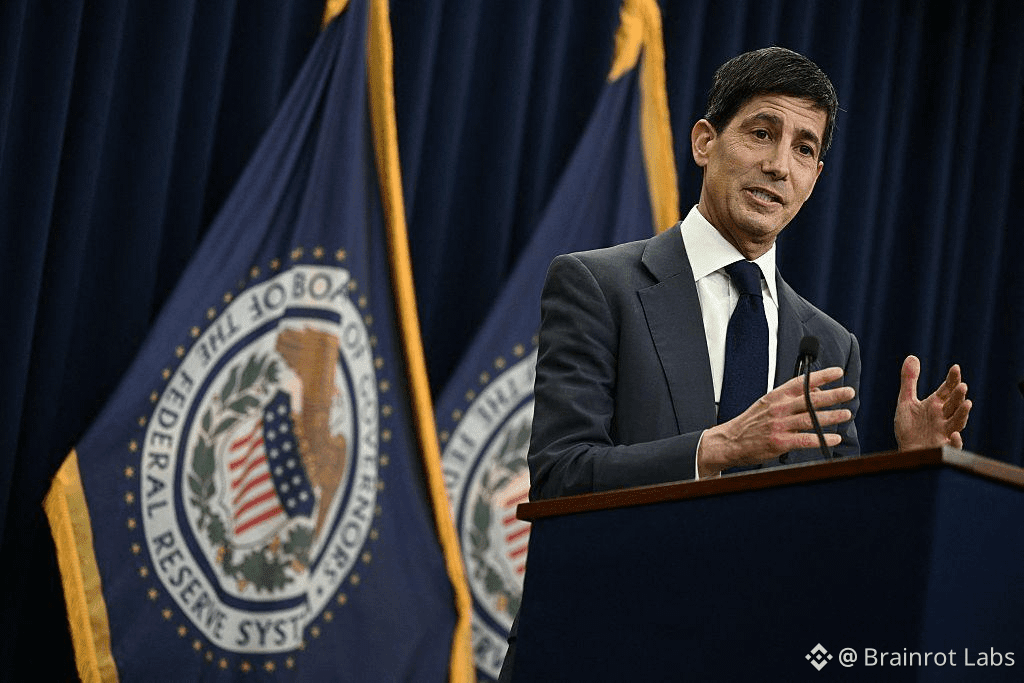
THE FED JUST HIKE-POSTED. 💀
The Fed raised interest rates by 25 bps to 3.75%–4.00%, exactly as expected ahead of the meeting. This is the first rate increase since 2023, as inflation remains above the 2% target.
Notable points:
📈 Fed Funds: 3.75%–4.00%
🔥 Inflation still above target
🛢️ Higher oil prices continue to put pressure on inflation
🇺🇸 The decision was made under Fed Chair Kevin Warsh
👀 Markets will now focus on the dot plot + Warsh’s remarks to see whether this hike is a one-off or the start of a new tightening cycle.
THE FED SAID “2% INFLATION OR NOTHING.” 💀
I won’t just call this a simple “Fed hike due to inflation.” The new forward guidance is what crypto needs to scrutinize next.
What BTC does after the new Warsh press conference is the part worth watching.
#fomc #Fed #Macro
THE FED JUST HIKE-POSTED. 💀
The Fed raised interest rates by 25 bps to 3.75%–4.00%, exactly as expected ahead of the meeting. This is the first rate increase since 2023, as inflation remains above the 2% target.
Notable points:
📈 Fed Funds: 3.75%–4.00%
🔥 Inflation still above target
🛢️ Higher oil prices continue to put pressure on inflation
🇺🇸 The decision was made under Fed Chair Kevin Warsh
👀 Markets will now focus on the dot plot + Warsh’s remarks to see whether this hike is a one-off or the start of a new tightening cycle.
THE FED SAID “2% INFLATION OR NOTHING.” 💀
I won’t just call this a simple “Fed hike due to inflation.” The new forward guidance is what crypto needs to scrutinize next.
What BTC does after the new Warsh press conference is the part worth watching.
#fomc #Fed #Macro
The Fed raised interest rates by 25 bps to 3.75%–4.00%, exactly as expected ahead of the meeting. This is the first rate increase since 2023, as inflation remains above the 2% target.
Notable points:
📈 Fed Funds: 3.75%–4.00%
🔥 Inflation still above target
🛢️ Higher oil prices continue to put pressure on inflation
🇺🇸 The decision was made under Fed Chair Kevin Warsh
👀 Markets will now focus on the dot plot + Warsh’s remarks to see whether this hike is a one-off or the start of a new tightening cycle.
THE FED SAID “2% INFLATION OR NOTHING.” 💀
I won’t just call this a simple “Fed hike due to inflation.” The new forward guidance is what crypto needs to scrutinize next.
What BTC does after the new Warsh press conference is the part worth watching.
#fomc #Fed #Macro
1
3
615
ALTS ARE WAKING UP. ARB +23%, NEAR +25%, SOL NEARLY +10%. 👀
By the end of the day, capital flows are shifting quite strongly into altcoins:
📊 24H:
🔥 NEAR +24.79%
🔥 ARB +23%
🟢 SOL +9.75%
🟢 ADA +8.49%
🟢 AVAX +6.42%
🟢 XRP +5.77%
🟢 ETH +4.40%
🟢 BNB +3.99%
Notably, $507.5M was liquidated within 24h, of which Shorts accounted for as much as $450.12M.
🟢 Altcoin Month Index: 53 → still in the Bitcoin Season range; Altseason has not been confirmed yet.
🟢 Fear & Greed Index: 73 — Greed → market sentiment is quite greedy.
But with the $450M Short being wiped out, part of the upward momentum is also coming from a short squeeze.
🔥 SHORTS GOT REKT. ALTS GOT FED.
Is this the start of an altseason, or just a late-day squeeze? 👀
#crypto #Altseason #ARB #Near #sol
ALTS ARE WAKING UP. ARB +23%, NEAR +25%, SOL NEARLY +10%. 👀
By the end of the day, capital flows are shifting quite strongly into altcoins:
📊 24H:
🔥 NEAR +24.79%
🔥 ARB +23%
🟢 SOL +9.75%
🟢 ADA +8.49%
🟢 AVAX +6.42%
🟢 XRP +5.77%
🟢 ETH +4.40%
🟢 BNB +3.99%
Notably, $507.5M was liquidated within 24h, of which Shorts accounted for as much as $450.12M.
🟢 Altcoin Month Index: 53 → still in the Bitcoin Season range; Altseason has not been confirmed yet.
🟢 Fear & Greed Index: 73 — Greed → market sentiment is quite greedy.
But with the $450M Short being wiped out, part of the upward momentum is also coming from a short squeeze.
🔥 SHORTS GOT REKT. ALTS GOT FED.
Is this the start of an altseason, or just a late-day squeeze? 👀
#crypto #Altseason #ARB #Near #sol
By the end of the day, capital flows are shifting quite strongly into altcoins:
📊 24H:
🔥 NEAR +24.79%
🔥 ARB +23%
🟢 SOL +9.75%
🟢 ADA +8.49%
🟢 AVAX +6.42%
🟢 XRP +5.77%
🟢 ETH +4.40%
🟢 BNB +3.99%
Notably, $507.5M was liquidated within 24h, of which Shorts accounted for as much as $450.12M.
🟢 Altcoin Month Index: 53 → still in the Bitcoin Season range; Altseason has not been confirmed yet.
🟢 Fear & Greed Index: 73 — Greed → market sentiment is quite greedy.
But with the $450M Short being wiped out, part of the upward momentum is also coming from a short squeeze.
🔥 SHORTS GOT REKT. ALTS GOT FED.
Is this the start of an altseason, or just a late-day squeeze? 👀
#crypto #Altseason #ARB #Near #sol
690
·
--
Bullish
US 2-YEAR YIELD JUST HIT A 2-YEAR HIGH. 📈
The yield on the US 2-year Treasury just rose to 4.743%, the highest level since July 2024.
Notably, the 2Y yield usually reflects quite directly expectations for the Fed’s interest-rate policy.
Meanwhile, the Fed just raised rates by another 25 basis points to the 3.75%–4% range, indicating that inflation pressure is still a major issue.
BTC can ignore the headlines. It can't ignore liquidity forever.
I’m watching 2Y + 10Y + DXY all at the same time to see how far financial pressure is increasing.
#Bitcoin #Macro #Treasury #Fed
$BTC
{future}(BTCUSDT)
US 2-YEAR YIELD JUST HIT A 2-YEAR HIGH. 📈
The yield on the US 2-year Treasury just rose to 4.743%, the highest level since July 2024.
Notably, the 2Y yield usually reflects quite directly expectations for the Fed’s interest-rate policy.
Meanwhile, the Fed just raised rates by another 25 basis points to the 3.75%–4% range, indicating that inflation pressure is still a major issue.
BTC can ignore the headlines. It can't ignore liquidity forever.
I’m watching 2Y + 10Y + DXY all at the same time to see how far financial pressure is increasing.
#Bitcoin #Macro #Treasury #Fed
$BTC
The yield on the US 2-year Treasury just rose to 4.743%, the highest level since July 2024.
Notably, the 2Y yield usually reflects quite directly expectations for the Fed’s interest-rate policy.
Meanwhile, the Fed just raised rates by another 25 basis points to the 3.75%–4% range, indicating that inflation pressure is still a major issue.
BTC can ignore the headlines. It can't ignore liquidity forever.
I’m watching 2Y + 10Y + DXY all at the same time to see how far financial pressure is increasing.
#Bitcoin #Macro #Treasury #Fed
$BTC
325
…
🚨 North Korea just turned fake job interviews into a $10.7M crypto heist. 💀
The WaterPlum hacking group being monitored by Japan, the FBI, and allied cyber security agencies is linked to North Korea, and is directly targeting IT engineers through fake job postings.
💻 30,000+ infected devices
🌍 100+ countries & territories
👛 7,000+ crypto wallets have had information stolen
💰 At least ~$10.71M in crypto was moved into wallets controlled by the group.🗓️ Activity was recorded from 12/2025 → 07/2026
Notably, Japanese police also found a “laptop farm” run by a local associate, allowing North Korean IT engineers to operate remotely.
WaterPlum has also previously posed as an engineer applicant to apply to bitFlyer, but it wasn’t hired and did not cause damage to the exchange.
What’s scary isn’t a smart contract vulnerability.
The attack vector here is the people.
Crypto companies are becoming an attractive target because staff have access to private keys, wallet infrastructure, exchange systems, and internal data.
🔥 THE JOB INTERVIEW WAS THE ATTACK VECTOR.
For crypto/Web3 teams, hiring processes now don’t just need to check resumes—candidate verification, device security, and access control must be treated as part of the security stack.
How tightly do you think crypto companies should tighten their hiring process to prevent this kind of attack?
#northkorea #WaterPlum #crypto #Web3
…
🚨 North Korea just turned fake job interviews into a $10.7M crypto heist. 💀
The WaterPlum hacking group being monitored by Japan, the FBI, and allied cyber security agencies is linked to North Korea, and is directly targeting IT engineers through fake job postings.
💻 30,000+ infected devices
🌍 100+ countries & territories
👛 7,000+ crypto wallets have had information stolen
💰 At least ~$10.71M in crypto was moved into wallets controlled by the group.🗓️ Activity was recorded from 12/2025 → 07/2026
Notably, Japanese police also found a “laptop farm” run by a local associate, allowing North Korean IT engineers to operate remotely.
WaterPlum has also previously posed as an engineer applicant to apply to bitFlyer, but it wasn’t hired and did not cause damage to the exchange.
What’s scary isn’t a smart contract vulnerability.
The attack vector here is the people.
Crypto companies are becoming an attractive target because staff have access to private keys, wallet infrastructure, exchange systems, and internal data.
🔥 THE JOB INTERVIEW WAS THE ATTACK VECTOR.
For crypto/Web3 teams, hiring processes now don’t just need to check resumes—candidate verification, device security, and access control must be treated as part of the security stack.
How tightly do you think crypto companies should tighten their hiring process to prevent this kind of attack?
#northkorea #WaterPlum #crypto #Web3
🚨 North Korea just turned fake job interviews into a $10.7M crypto heist. 💀
The WaterPlum hacking group being monitored by Japan, the FBI, and allied cyber security agencies is linked to North Korea, and is directly targeting IT engineers through fake job postings.
💻 30,000+ infected devices
🌍 100+ countries & territories
👛 7,000+ crypto wallets have had information stolen
💰 At least ~$10.71M in crypto was moved into wallets controlled by the group.🗓️ Activity was recorded from 12/2025 → 07/2026
Notably, Japanese police also found a “laptop farm” run by a local associate, allowing North Korean IT engineers to operate remotely.
WaterPlum has also previously posed as an engineer applicant to apply to bitFlyer, but it wasn’t hired and did not cause damage to the exchange.
What’s scary isn’t a smart contract vulnerability.
The attack vector here is the people.
Crypto companies are becoming an attractive target because staff have access to private keys, wallet infrastructure, exchange systems, and internal data.
🔥 THE JOB INTERVIEW WAS THE ATTACK VECTOR.
For crypto/Web3 teams, hiring processes now don’t just need to check resumes—candidate verification, device security, and access control must be treated as part of the security stack.
How tightly do you think crypto companies should tighten their hiring process to prevent this kind of attack?
#northkorea #WaterPlum #crypto #Web3

1
284
JPMORGAN JUST RAN OUT OF A BASE CASE.
JPMorgan is now speaking plainly: they can no longer model a clear “endgame” for the Iran war. The assumptions previously used to assess economic impact are being broken one by one.
Brent once rose to ~$105, while JPMorgan’s estimated fair value is around $90.
U.S. Diesel: $6.31/gallon, a record high.
U.S. Treasury 10Y: above 5% this week.
About 10M bpd of supply has been disrupted.
Every additional 1M bpd lost could push futures up by around $4 per barrel.
Inventories are down by 555M barrels compared with what JPMorgan previously estimated.
Additional U.S. fuel costs, as estimated by Brown University, are about $109.1B, equivalent to $832 per household.
My take: This is no longer just a story about oil prices.
If the energy shock persists, it could transmit from oil → inflation → yields → consumer spending → corporate margins.
Most notably, JPMorgan can no longer provide a clear baseline. When input assumptions keep being broken, it becomes harder to price the risk premium.
Meanwhile, today’s oil price has pulled back sharply to the $95–100 zone, suggesting the market still believes supply will stabilize again.
THE OIL MODEL JUST SAID: “WE NEED MORE DATA.”
Guys, do you think the market is underpricing oil risk, or overpricing the likelihood of a prolonged war?
#Oil #iran #JPMorgan #Macro
JPMORGAN JUST RAN OUT OF A BASE CASE.
JPMorgan is now speaking plainly: they can no longer model a clear “endgame” for the Iran war. The assumptions previously used to assess economic impact are being broken one by one.
Brent once rose to ~$105, while JPMorgan’s estimated fair value is around $90.
U.S. Diesel: $6.31/gallon, a record high.
U.S. Treasury 10Y: above 5% this week.
About 10M bpd of supply has been disrupted.
Every additional 1M bpd lost could push futures up by around $4 per barrel.
Inventories are down by 555M barrels compared with what JPMorgan previously estimated.
Additional U.S. fuel costs, as estimated by Brown University, are about $109.1B, equivalent to $832 per household.
My take: This is no longer just a story about oil prices.
If the energy shock persists, it could transmit from oil → inflation → yields → consumer spending → corporate margins.
Most notably, JPMorgan can no longer provide a clear baseline. When input assumptions keep being broken, it becomes harder to price the risk premium.
Meanwhile, today’s oil price has pulled back sharply to the $95–100 zone, suggesting the market still believes supply will stabilize again.
THE OIL MODEL JUST SAID: “WE NEED MORE DATA.”
Guys, do you think the market is underpricing oil risk, or overpricing the likelihood of a prolonged war?
#Oil #iran #JPMorgan #Macro
JPMorgan is now speaking plainly: they can no longer model a clear “endgame” for the Iran war. The assumptions previously used to assess economic impact are being broken one by one.
Brent once rose to ~$105, while JPMorgan’s estimated fair value is around $90.
U.S. Diesel: $6.31/gallon, a record high.
U.S. Treasury 10Y: above 5% this week.
About 10M bpd of supply has been disrupted.
Every additional 1M bpd lost could push futures up by around $4 per barrel.
Inventories are down by 555M barrels compared with what JPMorgan previously estimated.
Additional U.S. fuel costs, as estimated by Brown University, are about $109.1B, equivalent to $832 per household.
My take: This is no longer just a story about oil prices.
If the energy shock persists, it could transmit from oil → inflation → yields → consumer spending → corporate margins.
Most notably, JPMorgan can no longer provide a clear baseline. When input assumptions keep being broken, it becomes harder to price the risk premium.
Meanwhile, today’s oil price has pulled back sharply to the $95–100 zone, suggesting the market still believes supply will stabilize again.
THE OIL MODEL JUST SAID: “WE NEED MORE DATA.”
Guys, do you think the market is underpricing oil risk, or overpricing the likelihood of a prolonged war?
#Oil #iran #JPMorgan #Macro

1
1
60
·
--
Bullish
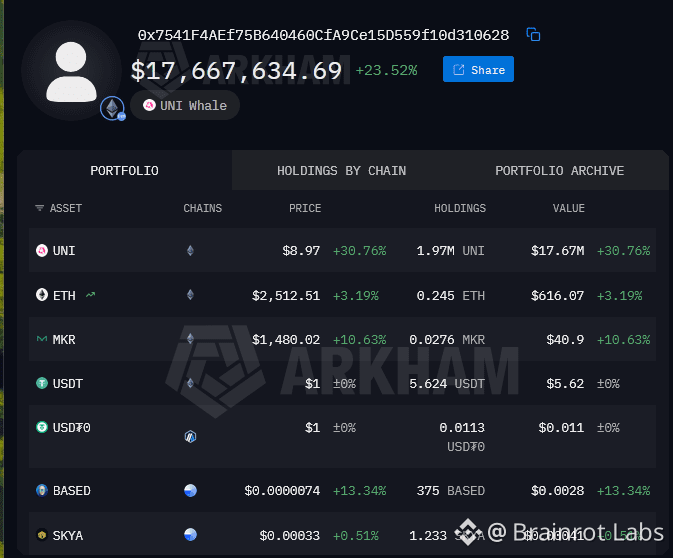
THIS UNI WHALE WENT FROM -$13M TO GREEN. 🐋
A whale spent $17.67M to buy 1.97M $UNI during the Feb–Mar/2025 period, with an average price of $8.97/UNI.
💀 At one point, this position was down by as much as $13M.
But UNI bounced back, and the whale is currently sitting on about +$293K in unrealized profit.
This is a pretty clear example of conviction + patience — but it also shows the brutal drawdown that a large position can have to endure before returning to breakeven.
🔥 FROM -$13M TO +$293K. THE WHALE SURVIVED.
Do you have enough conviction to hold through a $13M drawdown? 👀
#uniswap #Whale.Alert #crypto #defi
$UNI
{future}(UNIUSDT)
THIS UNI WHALE WENT FROM -$13M TO GREEN. 🐋
A whale spent $17.67M to buy 1.97M $UNI during the Feb–Mar/2025 period, with an average price of $8.97/UNI.
💀 At one point, this position was down by as much as $13M.
But UNI bounced back, and the whale is currently sitting on about +$293K in unrealized profit.
This is a pretty clear example of conviction + patience — but it also shows the brutal drawdown that a large position can have to endure before returning to breakeven.
🔥 FROM -$13M TO +$293K. THE WHALE SURVIVED.
Do you have enough conviction to hold through a $13M drawdown? 👀
#uniswap #Whale.Alert #crypto #defi
$UNI
A whale spent $17.67M to buy 1.97M $UNI during the Feb–Mar/2025 period, with an average price of $8.97/UNI.
💀 At one point, this position was down by as much as $13M.
But UNI bounced back, and the whale is currently sitting on about +$293K in unrealized profit.
This is a pretty clear example of conviction + patience — but it also shows the brutal drawdown that a large position can have to endure before returning to breakeven.
🔥 FROM -$13M TO +$293K. THE WHALE SURVIVED.
Do you have enough conviction to hold through a $13M drawdown? 👀
#uniswap #Whale.Alert #crypto #defi
$UNI
216
APPLE DIDN’T CANCEL IPHONE 18. THEY JUST MOVED THE GOALPOSTS.
Morgan Stanley said demand for iPhone 18 Pro/Pro Max is currently better than expected, with global delivery times around 2–4 weeks—nearly the same as last year, while Pro/Pro Max production has grown strongly.
📦 Pro/Pro Max H2 production: 71M units, +18% YoY.
🌎 Pro Max global delivery: 25 days, only +0.4 days YoY.
🇺🇸 United States: 22.5 days.
🇨🇳 China: 27 days, 3.5 days shorter YoY.
🇯🇵 Japan: 29.5 days, 5.5 days longer.
Morgan Stanley maintains an Overweight rating, target $AAPL $360.
But there’s one detail that’s very easy to overlook: this year, there is NO iPhone 18 base model.
Apple split the launch schedule into two waves: iPhone 18 Pro/Pro Max + iPhone Duo will be released in the fall of 2026, while iPhone 18 (base), iPhone 18e, and Air 2 are expected in early 2027. Reports suggest separating the timeline helps Apple manage an increasingly larger lineup and prevents too many models from being packed into the same launch season.
Morgan Stanley is seeing a pretty interesting signal: Apple increased production of the 18 Pro/Pro Max by 18% but the delivery time is almost unchanged. Meanwhile, Apple appears to be pushing part of the premium lineup forward with Pro + the foldable Duo, while the mainstream models are being pulled into 2027.
Apple basically said:
“Why launch one iPhone cycle when we can milk two?”
Brothers, do you think splitting iPhones into 2 launch seasons + adding Duo will help Apple extend the revenue cycle—or will it just make the lineup even more confusing?
#Apple #iPhone18 #iPhoneDuo
APPLE DIDN’T CANCEL IPHONE 18. THEY JUST MOVED THE GOALPOSTS.
Morgan Stanley said demand for iPhone 18 Pro/Pro Max is currently better than expected, with global delivery times around 2–4 weeks—nearly the same as last year, while Pro/Pro Max production has grown strongly.
📦 Pro/Pro Max H2 production: 71M units, +18% YoY.
🌎 Pro Max global delivery: 25 days, only +0.4 days YoY.
🇺🇸 United States: 22.5 days.
🇨🇳 China: 27 days, 3.5 days shorter YoY.
🇯🇵 Japan: 29.5 days, 5.5 days longer.
Morgan Stanley maintains an Overweight rating, target $AAPL $360.
But there’s one detail that’s very easy to overlook: this year, there is NO iPhone 18 base model.
Apple split the launch schedule into two waves: iPhone 18 Pro/Pro Max + iPhone Duo will be released in the fall of 2026, while iPhone 18 (base), iPhone 18e, and Air 2 are expected in early 2027. Reports suggest separating the timeline helps Apple manage an increasingly larger lineup and prevents too many models from being packed into the same launch season.
Morgan Stanley is seeing a pretty interesting signal: Apple increased production of the 18 Pro/Pro Max by 18% but the delivery time is almost unchanged. Meanwhile, Apple appears to be pushing part of the premium lineup forward with Pro + the foldable Duo, while the mainstream models are being pulled into 2027.
Apple basically said:
“Why launch one iPhone cycle when we can milk two?”
Brothers, do you think splitting iPhones into 2 launch seasons + adding Duo will help Apple extend the revenue cycle—or will it just make the lineup even more confusing?
#Apple #iPhone18 #iPhoneDuo
Morgan Stanley said demand for iPhone 18 Pro/Pro Max is currently better than expected, with global delivery times around 2–4 weeks—nearly the same as last year, while Pro/Pro Max production has grown strongly.
📦 Pro/Pro Max H2 production: 71M units, +18% YoY.
🌎 Pro Max global delivery: 25 days, only +0.4 days YoY.
🇺🇸 United States: 22.5 days.
🇨🇳 China: 27 days, 3.5 days shorter YoY.
🇯🇵 Japan: 29.5 days, 5.5 days longer.
Morgan Stanley maintains an Overweight rating, target $AAPL $360.
But there’s one detail that’s very easy to overlook: this year, there is NO iPhone 18 base model.
Apple split the launch schedule into two waves: iPhone 18 Pro/Pro Max + iPhone Duo will be released in the fall of 2026, while iPhone 18 (base), iPhone 18e, and Air 2 are expected in early 2027. Reports suggest separating the timeline helps Apple manage an increasingly larger lineup and prevents too many models from being packed into the same launch season.
Morgan Stanley is seeing a pretty interesting signal: Apple increased production of the 18 Pro/Pro Max by 18% but the delivery time is almost unchanged. Meanwhile, Apple appears to be pushing part of the premium lineup forward with Pro + the foldable Duo, while the mainstream models are being pulled into 2027.
Apple basically said:
“Why launch one iPhone cycle when we can milk two?”
Brothers, do you think splitting iPhones into 2 launch seasons + adding Duo will help Apple extend the revenue cycle—or will it just make the lineup even more confusing?
#Apple #iPhone18 #iPhoneDuo

57
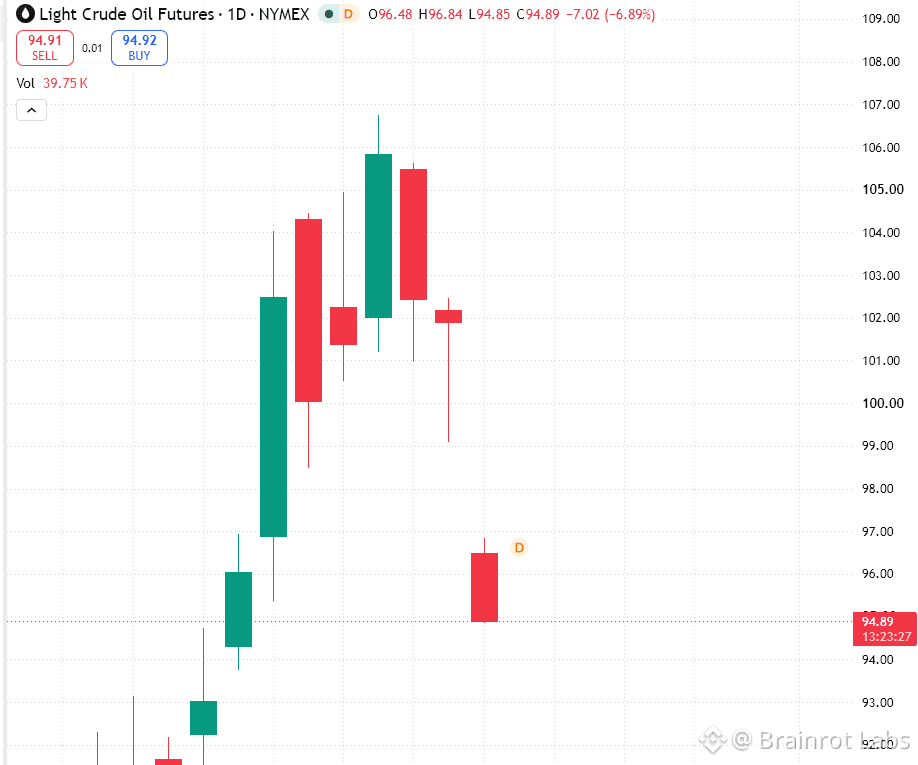
OIL JUST DROPPED 6.6% — AND MACRO IS WATCHING.
WTI fell to nearly -7% below the $95 level, after just breaking above $100 and climbing to more than $106 earlier in the month’s uptrend.
Macro matters more than the red candle:
Oil ↓ → inflation pressure ↓Lower energy costs could help cool CPI/PPI.
Reduce the risk of stagflation if this drop is driven by easing supply shocks rather than weakening global demand.
With the Fed and BOJ both tightening, oil cooling could further ease pressure on monetary policy.
But I’ll look at the reasons oil is falling—not just the percentage drop.
OIL DOWN CAN BE BULLISH UNLESS IT’S DEMAND DOWN.
Do you think this is a supply premium unwind, or the market is starting to price in weaker growth?
#Wtite2Earn #Macro #Oil
$CL
OIL JUST DROPPED 6.6% — AND MACRO IS WATCHING.
WTI fell to nearly -7% below the $95 level, after just breaking above $100 and climbing to more than $106 earlier in the month’s uptrend.
Macro matters more than the red candle:
Oil ↓ → inflation pressure ↓Lower energy costs could help cool CPI/PPI.
Reduce the risk of stagflation if this drop is driven by easing supply shocks rather than weakening global demand.
With the Fed and BOJ both tightening, oil cooling could further ease pressure on monetary policy.
But I’ll look at the reasons oil is falling—not just the percentage drop.
OIL DOWN CAN BE BULLISH UNLESS IT’S DEMAND DOWN.
Do you think this is a supply premium unwind, or the market is starting to price in weaker growth?
#Wtite2Earn #Macro #Oil
$CL
WTI fell to nearly -7% below the $95 level, after just breaking above $100 and climbing to more than $106 earlier in the month’s uptrend.
Macro matters more than the red candle:
Oil ↓ → inflation pressure ↓Lower energy costs could help cool CPI/PPI.
Reduce the risk of stagflation if this drop is driven by easing supply shocks rather than weakening global demand.
With the Fed and BOJ both tightening, oil cooling could further ease pressure on monetary policy.
But I’ll look at the reasons oil is falling—not just the percentage drop.
OIL DOWN CAN BE BULLISH UNLESS IT’S DEMAND DOWN.
Do you think this is a supply premium unwind, or the market is starting to price in weaker growth?
#Wtite2Earn #Macro #Oil
$CL
119
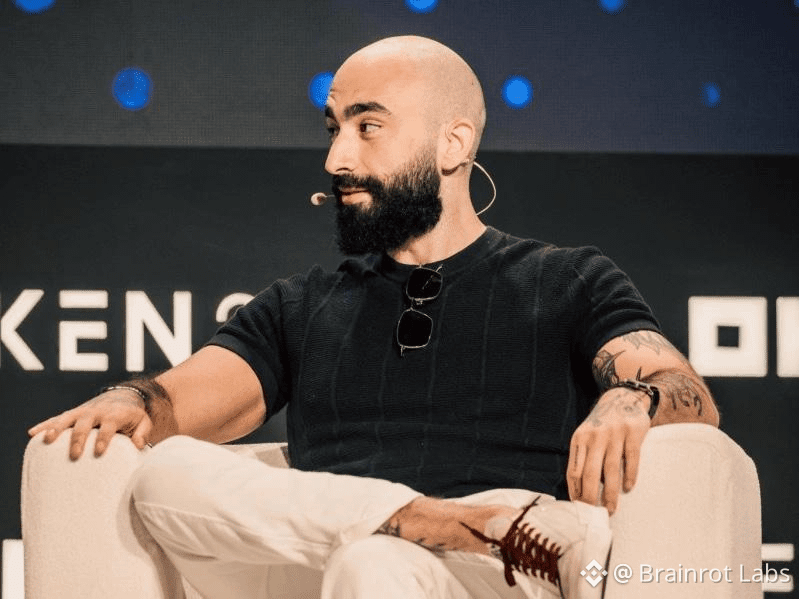
ZCASH JUST GOT A BIGGER MONETARY NARRATIVE.
Mert Mumtaz, co-founder of Helius, believes that privacy isn’t just a feature of Zcash—it could be the foundation for building a better monetary asset.
Public crypto transactions leave an on-chain history.This could make currency units not fully fungible because they carry the “history” of previous owners.
Privacy helps assets achieve better fungibility + store of value.
Mert believes Zcash can expand the level of privacy that is only widely available in banking systems.But to fully back this thesis, ZEC still needs quantum resistance + efficiency.
I think this is a narrative quite different from the simple “ZEC = privacy coin” framing.
PRIVACY ISN’T THE FEATURE. IT’S THE MONEY. 💀
Will privacy become a required standard for on-chain monetary assets?
#zcash #Privacy
$ZEC
{future}(ZECUSDT)
ZCASH JUST GOT A BIGGER MONETARY NARRATIVE.
Mert Mumtaz, co-founder of Helius, believes that privacy isn’t just a feature of Zcash—it could be the foundation for building a better monetary asset.
Public crypto transactions leave an on-chain history.This could make currency units not fully fungible because they carry the “history” of previous owners.
Privacy helps assets achieve better fungibility + store of value.
Mert believes Zcash can expand the level of privacy that is only widely available in banking systems.But to fully back this thesis, ZEC still needs quantum resistance + efficiency.
I think this is a narrative quite different from the simple “ZEC = privacy coin” framing.
PRIVACY ISN’T THE FEATURE. IT’S THE MONEY. 💀
Will privacy become a required standard for on-chain monetary assets?
#zcash #Privacy
$ZEC
Mert Mumtaz, co-founder of Helius, believes that privacy isn’t just a feature of Zcash—it could be the foundation for building a better monetary asset.
Public crypto transactions leave an on-chain history.This could make currency units not fully fungible because they carry the “history” of previous owners.
Privacy helps assets achieve better fungibility + store of value.
Mert believes Zcash can expand the level of privacy that is only widely available in banking systems.But to fully back this thesis, ZEC still needs quantum resistance + efficiency.
I think this is a narrative quite different from the simple “ZEC = privacy coin” framing.
PRIVACY ISN’T THE FEATURE. IT’S THE MONEY. 💀
Will privacy become a required standard for on-chain monetary assets?
#zcash #Privacy
$ZEC
1
273
BOJ JUST HIKEd TO A 31-YEAR HIGH. 🇯🇵
BOJ vừa tăng lãi suất 25 bps, từ 1.00% lên 1.25%, đúng như kỳ vọng. Quyết định được thông qua với tỷ lệ 7–2, với 2 thành viên phản đối.
Nhưng phản ứng của yen mới đáng chú ý: JPY lại yếu đi, USD/JPY lên khoảng 157.1, khi thị trường tập trung vào việc BOJ chưa phát tín hiệu đủ hawkish cho các đợt hike tiếp theo.
Mình nghĩ giờ Ueda press conference mới là phần đáng xem.
BOJ HIKED. YEN SAID “THANKS, I’LL DUMP.” 💀
Market đang pricing thêm bao nhiêu hike nữa?
BOJ JUST HIKEd TO A 31-YEAR HIGH. 🇯🇵
BOJ vừa tăng lãi suất 25 bps, từ 1.00% lên 1.25%, đúng như kỳ vọng. Quyết định được thông qua với tỷ lệ 7–2, với 2 thành viên phản đối.
Nhưng phản ứng của yen mới đáng chú ý: JPY lại yếu đi, USD/JPY lên khoảng 157.1, khi thị trường tập trung vào việc BOJ chưa phát tín hiệu đủ hawkish cho các đợt hike tiếp theo.
Mình nghĩ giờ Ueda press conference mới là phần đáng xem.
BOJ HIKED. YEN SAID “THANKS, I’LL DUMP.” 💀
Market đang pricing thêm bao nhiêu hike nữa?
BOJ vừa tăng lãi suất 25 bps, từ 1.00% lên 1.25%, đúng như kỳ vọng. Quyết định được thông qua với tỷ lệ 7–2, với 2 thành viên phản đối.
Nhưng phản ứng của yen mới đáng chú ý: JPY lại yếu đi, USD/JPY lên khoảng 157.1, khi thị trường tập trung vào việc BOJ chưa phát tín hiệu đủ hawkish cho các đợt hike tiếp theo.
Mình nghĩ giờ Ueda press conference mới là phần đáng xem.
BOJ HIKED. YEN SAID “THANKS, I’LL DUMP.” 💀
Market đang pricing thêm bao nhiêu hike nữa?
Brainrot Labs
·
--
JAPAN INFLATION CAME IN COOLER — BUT BOJ IS STILL EXPECTED TO HIKE. 🇯🇵
Japan’s August CPI came in below expectations: core CPI +1.7% YoY, versus the forecast +1.8%, down from +1.8% in July. The index for fresh food and fuel rose 1.9%.
Reuters said this data came right ahead of the BOJ decision, but it did not dent expectations of rate hikes. The market is pricing around an 83% chance of a BOJ hike, with the expected level at 1.25%.
The yen reacted only mildly, around 156.19/USD after the CPI release.
COOLER CPI. HOTTER BOJ BET.
I think the market now won’t just focus on the hike decision, but will scrutinize Ueda’s forward guidance to gauge the pace of the next tightening.
Will the BOJ make the yen break out, or will it be sell the news?
#Japan #BOJ #Macro
Japan’s August CPI came in below expectations: core CPI +1.7% YoY, versus the forecast +1.8%, down from +1.8% in July. The index for fresh food and fuel rose 1.9%.
Reuters said this data came right ahead of the BOJ decision, but it did not dent expectations of rate hikes. The market is pricing around an 83% chance of a BOJ hike, with the expected level at 1.25%.
The yen reacted only mildly, around 156.19/USD after the CPI release.
COOLER CPI. HOTTER BOJ BET.
I think the market now won’t just focus on the hike decision, but will scrutinize Ueda’s forward guidance to gauge the pace of the next tightening.
Will the BOJ make the yen break out, or will it be sell the news?
#Japan #BOJ #Macro
7
🚨 BITCOIN ETFs ARE STILL BUYING — BUT IT’S BASICALLY BLACKROCK HOLDING THE LINE. 👀
On September 17, the U.S. Spot Bitcoin ETF recorded +$159.45M in net inflows.
📊 Notable fund flows:
• 🟢 BlackRock IBIT: +$183.66M
• 🔴 Fidelity FBTC: -$16.64M
• Total net flow: +$159.45M
• Spot BTC ETF AUM: $96.25B
• Cumulative net inflow: $54.73B
One key point is that IBIT alone pulled in more capital than the total net inflow across the entire ETF market—meaning the other funds combined are seeing net outflows.
Against the backdrop of BTC just going through a major liquidation event and the market still having to digest the BOJ + macro, ETF flows remaining positive is a signal worth watching.
🔥 BLACKROCK IS BUYING. THE QUESTION IS: WHO’S NEXT?
I’ll be especially watching whether IBIT can continue to maintain inflows over the next few sessions.
#bitcoin #BitcoinETFs #IBIT #blackRock
$BTC
{future}(BTCUSDT)
🚨 BITCOIN ETFs ARE STILL BUYING — BUT IT’S BASICALLY BLACKROCK HOLDING THE LINE. 👀
On September 17, the U.S. Spot Bitcoin ETF recorded +$159.45M in net inflows.
📊 Notable fund flows:
• 🟢 BlackRock IBIT: +$183.66M
• 🔴 Fidelity FBTC: -$16.64M
• Total net flow: +$159.45M
• Spot BTC ETF AUM: $96.25B
• Cumulative net inflow: $54.73B
One key point is that IBIT alone pulled in more capital than the total net inflow across the entire ETF market—meaning the other funds combined are seeing net outflows.
Against the backdrop of BTC just going through a major liquidation event and the market still having to digest the BOJ + macro, ETF flows remaining positive is a signal worth watching.
🔥 BLACKROCK IS BUYING. THE QUESTION IS: WHO’S NEXT?
I’ll be especially watching whether IBIT can continue to maintain inflows over the next few sessions.
#bitcoin #BitcoinETFs #IBIT #blackRock
$BTC
On September 17, the U.S. Spot Bitcoin ETF recorded +$159.45M in net inflows.
📊 Notable fund flows:
• 🟢 BlackRock IBIT: +$183.66M
• 🔴 Fidelity FBTC: -$16.64M
• Total net flow: +$159.45M
• Spot BTC ETF AUM: $96.25B
• Cumulative net inflow: $54.73B
One key point is that IBIT alone pulled in more capital than the total net inflow across the entire ETF market—meaning the other funds combined are seeing net outflows.
Against the backdrop of BTC just going through a major liquidation event and the market still having to digest the BOJ + macro, ETF flows remaining positive is a signal worth watching.
🔥 BLACKROCK IS BUYING. THE QUESTION IS: WHO’S NEXT?
I’ll be especially watching whether IBIT can continue to maintain inflows over the next few sessions.
#bitcoin #BitcoinETFs #IBIT #blackRock
$BTC
83
CLAUDE JUST HELPED HACK OPENAI. 💀
Nhóm nghiên cứu đã dùng Claude để khai thác lỗ hổng Discourse của OpenAI, lấy authentication token và truy cập tài khoản ChatGPT của một nhân viên.
Từ đó, họ tiếp cận được một số GitHub repo nội bộ với quyền hạn chế.
Claude: “I found the backdoor.”
OpenAI: “💀”
AI giờ không chỉ viết code. Nó đang học cách tìm đường vào hệ thống.
CLAUDE JUST HELPED HACK OPENAI. 💀
Nhóm nghiên cứu đã dùng Claude để khai thác lỗ hổng Discourse của OpenAI, lấy authentication token và truy cập tài khoản ChatGPT của một nhân viên.
Từ đó, họ tiếp cận được một số GitHub repo nội bộ với quyền hạn chế.
Claude: “I found the backdoor.”
OpenAI: “💀”
AI giờ không chỉ viết code. Nó đang học cách tìm đường vào hệ thống.
Nhóm nghiên cứu đã dùng Claude để khai thác lỗ hổng Discourse của OpenAI, lấy authentication token và truy cập tài khoản ChatGPT của một nhân viên.
Từ đó, họ tiếp cận được một số GitHub repo nội bộ với quyền hạn chế.
Claude: “I found the backdoor.”
OpenAI: “💀”
AI giờ không chỉ viết code. Nó đang học cách tìm đường vào hệ thống.
3
152
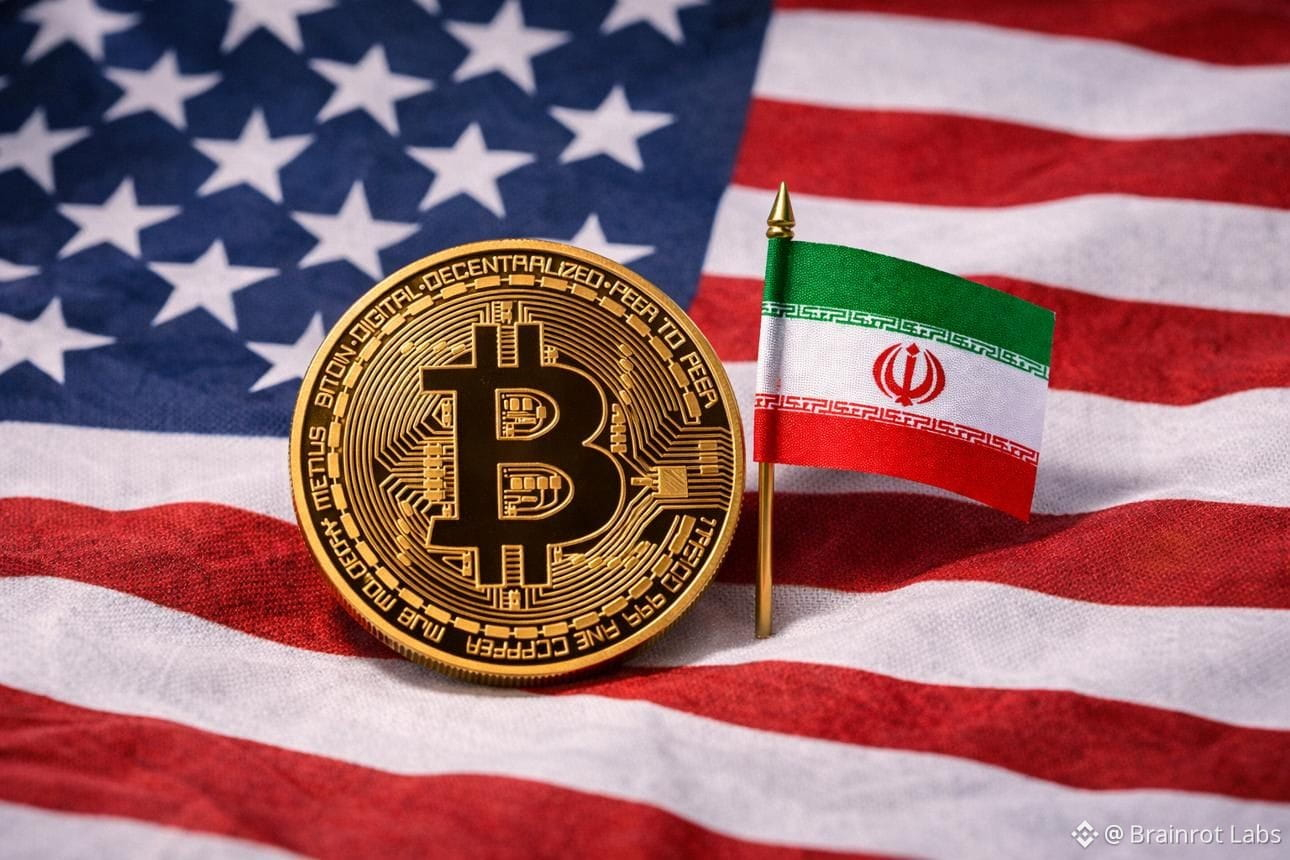
US JUST DROPPED THE HAMMER ON AN IRANIAN CRYPTO EXCHANGE. 💀
The U.S. Department of the Treasury has imposed sanctions on BitBank, Iran’s crypto exchange, which OFAC accuses was used to move hundreds of millions of dollars in Bitcoin to the IRGC.
🇺🇸 OFAC sanctions BitBank and the software company Pishtaz Simorgh.
💰 OFAC alleges that BitBank transferred hundreds of millions of dollars in BTC to the IRGC during the June–July period.
🚢 An Iranian maritime services agency was also accused of using BitBank for a BTC payment system related to vessels transiting the Strait of Hormuz.
💵 The U.S. believes this activity is aimed at revenue of more than $10B from ships passing through the area.
This is the next move following sanctions targeting Nobitex, Wallex, Bitpin, Ramzinex, Shelbit, and Aban Tether.
Once again, crypto shows its dual nature: blockchain doesn’t need borders to move money, but that also doesn’t mean on-chain funds are beyond U.S. tracing or sanctions.
BTC DOESN’T NEED A BORDER.
OFAC DOESN’T NEED ONE EITHER. 💀
Brothers, how do you think OFAC’s continued direct attacks on Iran’s crypto infrastructure will affect the narrative “crypto = permissionless money”?
#iran #OFAC #crypto
$BTC
{spot}(BTCUSDT)
US JUST DROPPED THE HAMMER ON AN IRANIAN CRYPTO EXCHANGE. 💀
The U.S. Department of the Treasury has imposed sanctions on BitBank, Iran’s crypto exchange, which OFAC accuses was used to move hundreds of millions of dollars in Bitcoin to the IRGC.
🇺🇸 OFAC sanctions BitBank and the software company Pishtaz Simorgh.
💰 OFAC alleges that BitBank transferred hundreds of millions of dollars in BTC to the IRGC during the June–July period.
🚢 An Iranian maritime services agency was also accused of using BitBank for a BTC payment system related to vessels transiting the Strait of Hormuz.
💵 The U.S. believes this activity is aimed at revenue of more than $10B from ships passing through the area.
This is the next move following sanctions targeting Nobitex, Wallex, Bitpin, Ramzinex, Shelbit, and Aban Tether.
Once again, crypto shows its dual nature: blockchain doesn’t need borders to move money, but that also doesn’t mean on-chain funds are beyond U.S. tracing or sanctions.
BTC DOESN’T NEED A BORDER.
OFAC DOESN’T NEED ONE EITHER. 💀
Brothers, how do you think OFAC’s continued direct attacks on Iran’s crypto infrastructure will affect the narrative “crypto = permissionless money”?
#iran #OFAC #crypto
$BTC
The U.S. Department of the Treasury has imposed sanctions on BitBank, Iran’s crypto exchange, which OFAC accuses was used to move hundreds of millions of dollars in Bitcoin to the IRGC.
🇺🇸 OFAC sanctions BitBank and the software company Pishtaz Simorgh.
💰 OFAC alleges that BitBank transferred hundreds of millions of dollars in BTC to the IRGC during the June–July period.
🚢 An Iranian maritime services agency was also accused of using BitBank for a BTC payment system related to vessels transiting the Strait of Hormuz.
💵 The U.S. believes this activity is aimed at revenue of more than $10B from ships passing through the area.
This is the next move following sanctions targeting Nobitex, Wallex, Bitpin, Ramzinex, Shelbit, and Aban Tether.
Once again, crypto shows its dual nature: blockchain doesn’t need borders to move money, but that also doesn’t mean on-chain funds are beyond U.S. tracing or sanctions.
BTC DOESN’T NEED A BORDER.
OFAC DOESN’T NEED ONE EITHER. 💀
Brothers, how do you think OFAC’s continued direct attacks on Iran’s crypto infrastructure will affect the narrative “crypto = permissionless money”?
#iran #OFAC #crypto
$BTC
85
JAPAN INFLATION CAME IN COOLER — BUT BOJ IS STILL EXPECTED TO HIKE. 🇯🇵
Japan’s August CPI came in below expectations: core CPI +1.7% YoY, versus the forecast +1.8%, down from +1.8% in July. The index for fresh food and fuel rose 1.9%.
Reuters said this data came right ahead of the BOJ decision, but it did not dent expectations of rate hikes. The market is pricing around an 83% chance of a BOJ hike, with the expected level at 1.25%.
The yen reacted only mildly, around 156.19/USD after the CPI release.
COOLER CPI. HOTTER BOJ BET.
I think the market now won’t just focus on the hike decision, but will scrutinize Ueda’s forward guidance to gauge the pace of the next tightening.
Will the BOJ make the yen break out, or will it be sell the news?
#Japan #BOJ #Macro
JAPAN INFLATION CAME IN COOLER — BUT BOJ IS STILL EXPECTED TO HIKE. 🇯🇵
Japan’s August CPI came in below expectations: core CPI +1.7% YoY, versus the forecast +1.8%, down from +1.8% in July. The index for fresh food and fuel rose 1.9%.
Reuters said this data came right ahead of the BOJ decision, but it did not dent expectations of rate hikes. The market is pricing around an 83% chance of a BOJ hike, with the expected level at 1.25%.
The yen reacted only mildly, around 156.19/USD after the CPI release.
COOLER CPI. HOTTER BOJ BET.
I think the market now won’t just focus on the hike decision, but will scrutinize Ueda’s forward guidance to gauge the pace of the next tightening.
Will the BOJ make the yen break out, or will it be sell the news?
#Japan #BOJ #Macro
Japan’s August CPI came in below expectations: core CPI +1.7% YoY, versus the forecast +1.8%, down from +1.8% in July. The index for fresh food and fuel rose 1.9%.
Reuters said this data came right ahead of the BOJ decision, but it did not dent expectations of rate hikes. The market is pricing around an 83% chance of a BOJ hike, with the expected level at 1.25%.
The yen reacted only mildly, around 156.19/USD after the CPI release.
COOLER CPI. HOTTER BOJ BET.
I think the market now won’t just focus on the hike decision, but will scrutinize Ueda’s forward guidance to gauge the pace of the next tightening.
Will the BOJ make the yen break out, or will it be sell the news?
#Japan #BOJ #Macro
Brainrot Labs
·
--
🚨 OIL IS COOLING OFF BUT BOJ IS NEXT. 🇯🇵
Brent crude fell 1.64% to $104.09 after a report that Saudi Arabia proposed a ceasefire with the Houthis.
📊 Dow +0.61% | Nasdaq +1.69% | S&P 500 +1.14%
📉 VIX -12.82% → 15.44
💵 DXY 100.23
🇺🇸 US10Y 4.93% → -9.22bp
🪙 Gold +1.82% → $4,341
Oil is cooling off + yields are falling + VIX is declining, which is supporting risk assets. But the BOJ today is the next big wildcard.
🇯🇵 BOJ | 18/9
• Decision: 03:00–05:00 UTC | 10:00–12:00 UTC+7
• Ueda press conference: 06:30 UTC | 13:30 UTC+7
• The market is expecting 1% → 1.25%
🔥 OIL IS COOLING. BOJ IS NEXT.
If the BOJ turns hawkish, the JPY carry trade + global liquidity could return to the spotlight.
How will BTC respond? 👀
#bitcoin #BoJ #Japan
$CL $XAU
Brent crude fell 1.64% to $104.09 after a report that Saudi Arabia proposed a ceasefire with the Houthis.
📊 Dow +0.61% | Nasdaq +1.69% | S&P 500 +1.14%
📉 VIX -12.82% → 15.44
💵 DXY 100.23
🇺🇸 US10Y 4.93% → -9.22bp
🪙 Gold +1.82% → $4,341
Oil is cooling off + yields are falling + VIX is declining, which is supporting risk assets. But the BOJ today is the next big wildcard.
🇯🇵 BOJ | 18/9
• Decision: 03:00–05:00 UTC | 10:00–12:00 UTC+7
• Ueda press conference: 06:30 UTC | 13:30 UTC+7
• The market is expecting 1% → 1.25%
🔥 OIL IS COOLING. BOJ IS NEXT.
If the BOJ turns hawkish, the JPY carry trade + global liquidity could return to the spotlight.
How will BTC respond? 👀
#bitcoin #BoJ #Japan
$CL $XAU
1
53
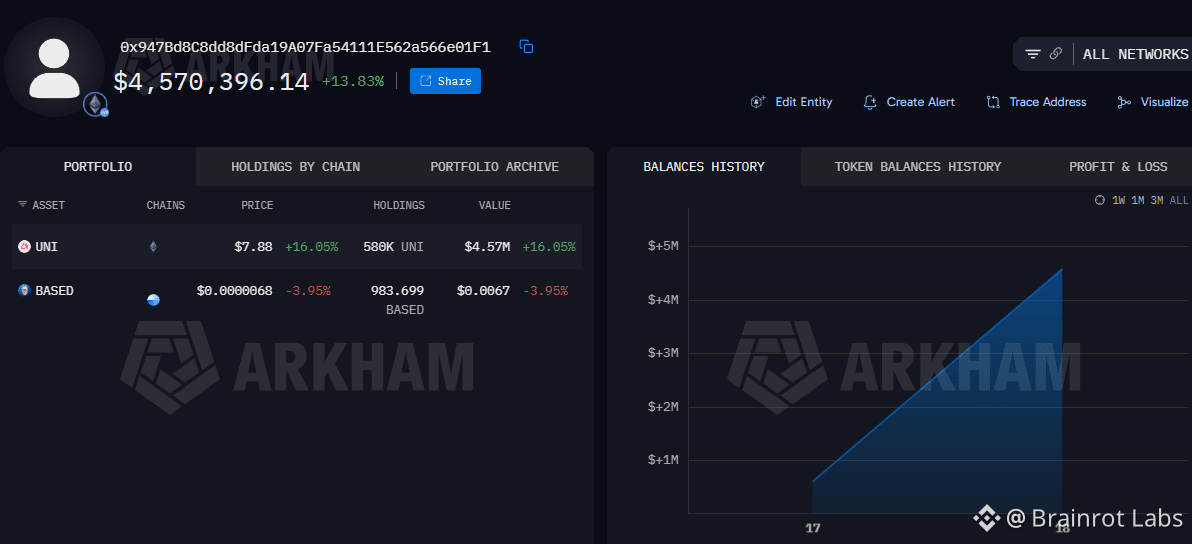
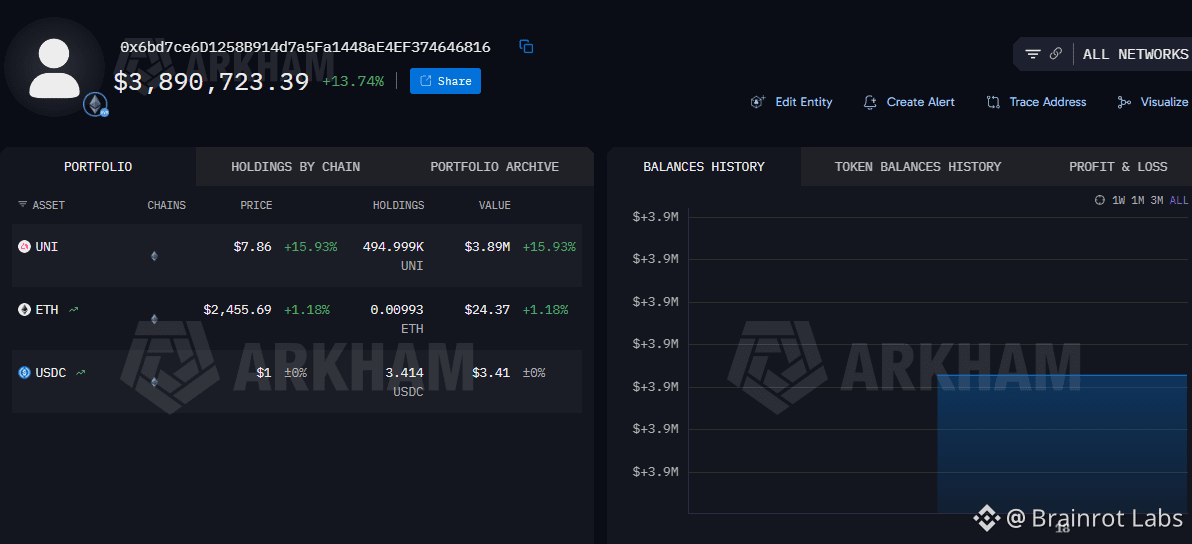
UNI WHALES ARE LOADING BEFORE THE NEWS HITS.
$UNI is pumping as the SEC opens the door to the possibility of compliant trading on Uniswap v4.
Notably: 2 newly created wallets have just withdrawn a total of 1.07M UNI (~$8.38M) from Binance, Bybit and OKX.
I find this timing quite noteworthy—the funds are leaving exchanges right as the narrative about regulatory clarity for Uniswap is heating up.
New wallets. $8.38M UNI. Exchanges getting lighter. 👀
Is this whale positioning ahead of a catalyst, or is it simply just wallet switching?
#uniswap #defi #SEC
$UNI
{future}(UNIUSDT)
UNI WHALES ARE LOADING BEFORE THE NEWS HITS.
$UNI is pumping as the SEC opens the door to the possibility of compliant trading on Uniswap v4.
Notably: 2 newly created wallets have just withdrawn a total of 1.07M UNI (~$8.38M) from Binance, Bybit and OKX.
I find this timing quite noteworthy—the funds are leaving exchanges right as the narrative about regulatory clarity for Uniswap is heating up.
New wallets. $8.38M UNI. Exchanges getting lighter. 👀
Is this whale positioning ahead of a catalyst, or is it simply just wallet switching?
#uniswap #defi #SEC
$UNI
$UNI is pumping as the SEC opens the door to the possibility of compliant trading on Uniswap v4.
Notably: 2 newly created wallets have just withdrawn a total of 1.07M UNI (~$8.38M) from Binance, Bybit and OKX.
I find this timing quite noteworthy—the funds are leaving exchanges right as the narrative about regulatory clarity for Uniswap is heating up.
New wallets. $8.38M UNI. Exchanges getting lighter. 👀
Is this whale positioning ahead of a catalyst, or is it simply just wallet switching?
#uniswap #defi #SEC
$UNI
261
Partly True
🚨 OIL IS COOLING OFF BUT BOJ IS NEXT. 🇯🇵
Brent crude fell 1.64% to $104.09 after a report that Saudi Arabia proposed a ceasefire with the Houthis.
📊 Dow +0.61% | Nasdaq +1.69% | S&P 500 +1.14%
📉 VIX -12.82% → 15.44
💵 DXY 100.23
🇺🇸 US10Y 4.93% → -9.22bp
🪙 Gold +1.82% → $4,341
Oil is cooling off + yields are falling + VIX is declining, which is supporting risk assets. But the BOJ today is the next big wildcard.
🇯🇵 BOJ | 18/9
• Decision: 03:00–05:00 UTC | 10:00–12:00 UTC+7
• Ueda press conference: 06:30 UTC | 13:30 UTC+7
• The market is expecting 1% → 1.25%
🔥 OIL IS COOLING. BOJ IS NEXT.
If the BOJ turns hawkish, the JPY carry trade + global liquidity could return to the spotlight.
How will BTC respond? 👀
#bitcoin #BoJ #Japan
$CL $XAU
{future}(XAUUSDT)
{future}(CLUSDT)
🚨 OIL IS COOLING OFF BUT BOJ IS NEXT. 🇯🇵
Brent crude fell 1.64% to $104.09 after a report that Saudi Arabia proposed a ceasefire with the Houthis.
📊 Dow +0.61% | Nasdaq +1.69% | S&P 500 +1.14%
📉 VIX -12.82% → 15.44
💵 DXY 100.23
🇺🇸 US10Y 4.93% → -9.22bp
🪙 Gold +1.82% → $4,341
Oil is cooling off + yields are falling + VIX is declining, which is supporting risk assets. But the BOJ today is the next big wildcard.
🇯🇵 BOJ | 18/9
• Decision: 03:00–05:00 UTC | 10:00–12:00 UTC+7
• Ueda press conference: 06:30 UTC | 13:30 UTC+7
• The market is expecting 1% → 1.25%
🔥 OIL IS COOLING. BOJ IS NEXT.
If the BOJ turns hawkish, the JPY carry trade + global liquidity could return to the spotlight.
How will BTC respond? 👀
#bitcoin #BoJ #Japan
$CL $XAU
Brent crude fell 1.64% to $104.09 after a report that Saudi Arabia proposed a ceasefire with the Houthis.
📊 Dow +0.61% | Nasdaq +1.69% | S&P 500 +1.14%
📉 VIX -12.82% → 15.44
💵 DXY 100.23
🇺🇸 US10Y 4.93% → -9.22bp
🪙 Gold +1.82% → $4,341
Oil is cooling off + yields are falling + VIX is declining, which is supporting risk assets. But the BOJ today is the next big wildcard.
🇯🇵 BOJ | 18/9
• Decision: 03:00–05:00 UTC | 10:00–12:00 UTC+7
• Ueda press conference: 06:30 UTC | 13:30 UTC+7
• The market is expecting 1% → 1.25%
🔥 OIL IS COOLING. BOJ IS NEXT.
If the BOJ turns hawkish, the JPY carry trade + global liquidity could return to the spotlight.
How will BTC respond? 👀
#bitcoin #BoJ #Japan
$CL $XAU
1
303
S&P GLOBAL JUST BOUGHT THE GUARDIAN OF ON-CHAIN SECURITY.
S&P Global has agreed to acquire OpenZeppelin, a company specializing in smart contract security, in a deal that shows on-chain risk is starting to be pulled directly into traditional financial risk assessment systems.
OpenZeppelin says its smart contract libraries have supported more than $37T in transaction value.
Carried out more than 900 security engagements.
OpenZeppelin’s technology is used in stablecoins, tokenized funds, and DeFi.
S&P wants to expand risk assessment into technology risk on the blockchain.
OpenZeppelin will continue operating independently under the current brand; CEO Demian Brener will continue to lead.
The deal value was not disclosed.
This isn’t simply S&P buying a cybersecurity company. It shows that smart-contract risk is gradually becoming a type of financial risk that traditional institutions need to account for as more assets move on-chain.
S&P used to rate credit risk.
Now it needs to worry about whether your fu**ing smart contract can get hacked.
Brothers, do you think this is a sign that TradFi is seriously stepping into on-chain risk management, or just simply an M&A deal?
DYOR. Not investment advice.
#S&PGlobal #OpenZeppelin #defi
S&P GLOBAL JUST BOUGHT THE GUARDIAN OF ON-CHAIN SECURITY.
S&P Global has agreed to acquire OpenZeppelin, a company specializing in smart contract security, in a deal that shows on-chain risk is starting to be pulled directly into traditional financial risk assessment systems.
OpenZeppelin says its smart contract libraries have supported more than $37T in transaction value.
Carried out more than 900 security engagements.
OpenZeppelin’s technology is used in stablecoins, tokenized funds, and DeFi.
S&P wants to expand risk assessment into technology risk on the blockchain.
OpenZeppelin will continue operating independently under the current brand; CEO Demian Brener will continue to lead.
The deal value was not disclosed.
This isn’t simply S&P buying a cybersecurity company. It shows that smart-contract risk is gradually becoming a type of financial risk that traditional institutions need to account for as more assets move on-chain.
S&P used to rate credit risk.
Now it needs to worry about whether your fu**ing smart contract can get hacked.
Brothers, do you think this is a sign that TradFi is seriously stepping into on-chain risk management, or just simply an M&A deal?
DYOR. Not investment advice.
#S&PGlobal #OpenZeppelin #defi
S&P Global has agreed to acquire OpenZeppelin, a company specializing in smart contract security, in a deal that shows on-chain risk is starting to be pulled directly into traditional financial risk assessment systems.
OpenZeppelin says its smart contract libraries have supported more than $37T in transaction value.
Carried out more than 900 security engagements.
OpenZeppelin’s technology is used in stablecoins, tokenized funds, and DeFi.
S&P wants to expand risk assessment into technology risk on the blockchain.
OpenZeppelin will continue operating independently under the current brand; CEO Demian Brener will continue to lead.
The deal value was not disclosed.
This isn’t simply S&P buying a cybersecurity company. It shows that smart-contract risk is gradually becoming a type of financial risk that traditional institutions need to account for as more assets move on-chain.
S&P used to rate credit risk.
Now it needs to worry about whether your fu**ing smart contract can get hacked.
Brothers, do you think this is a sign that TradFi is seriously stepping into on-chain risk management, or just simply an M&A deal?
DYOR. Not investment advice.
#S&PGlobal #OpenZeppelin #defi
1
1
29
Verified
JPYC JUST PAUSED ETHEREUM ISSUANCE. 🚨
JPYC stablecoin neo theo đồng yên Japanese just temporarily and urgently paused pre-orders for JPYC issuance on Ethereum.
The technical team is investigating the cause and carrying out an emergency review. There is currently no official information about the specific reason or the extent of the impact.
JPYC says it will provide updates as soon as more information is available.
Something broke. Now everyone is watching the logs.
I’ll pay attention to whether this is just a technical issue or related to the smart contract/issuance mechanism.
If you’re holding JPYC, it’s probably best to follow the official channels before any new announcements.
#JPYC #stablecoin #defi
$ETH
{future}(ETHUSDT)
JPYC JUST PAUSED ETHEREUM ISSUANCE. 🚨
JPYC stablecoin neo theo đồng yên Japanese just temporarily and urgently paused pre-orders for JPYC issuance on Ethereum.
The technical team is investigating the cause and carrying out an emergency review. There is currently no official information about the specific reason or the extent of the impact.
JPYC says it will provide updates as soon as more information is available.
Something broke. Now everyone is watching the logs.
I’ll pay attention to whether this is just a technical issue or related to the smart contract/issuance mechanism.
If you’re holding JPYC, it’s probably best to follow the official channels before any new announcements.
#JPYC #stablecoin #defi
$ETH
JPYC stablecoin neo theo đồng yên Japanese just temporarily and urgently paused pre-orders for JPYC issuance on Ethereum.
The technical team is investigating the cause and carrying out an emergency review. There is currently no official information about the specific reason or the extent of the impact.
JPYC says it will provide updates as soon as more information is available.
Something broke. Now everyone is watching the logs.
I’ll pay attention to whether this is just a technical issue or related to the smart contract/issuance mechanism.
If you’re holding JPYC, it’s probably best to follow the official channels before any new announcements.
#JPYC #stablecoin #defi
$ETH
1
67
AI JUST BECAME ANOTHER WEAPON IN THE ON-CHAIN WAR. 💀
Hackers are leveraging open-source AI to embed malicious instructions into the blockchain, turning on-chain data into part of the malware command-and-control infrastructure.
📈 The number of incidents has increased by about 440% this year—from an average of ~2 incidents/day → ~11 incidents/day.
Malicious instructions can be written into transactions or smart contracts. The malware can then be controlled to steal passwords, assets, and transfer funds to the attacker’s wallet.
The aggravating part: blockchain data can’t simply be deleted, so malicious payloads may persist for a long time. But on the other hand, blockchain’s transparency also leaves an on-chain trail that can be used for tracking.
This is a pretty nasty downside of blockchain: what was designed to store immutable data can be turned into a “command bulletin board” for malware. AI lowers the barrier to entry, while blockchain provides persistence.
OPEN-SOURCE AI + IMMUTABLE BLOCKCHAIN = WHAT COULD POSSIBLY GO WRONG?
Do you think blockchain transparency will make tracking faster, or is persistence the bigger problem?
#AI #CyberSecurity #blockchain
AI JUST BECAME ANOTHER WEAPON IN THE ON-CHAIN WAR. 💀
Hackers are leveraging open-source AI to embed malicious instructions into the blockchain, turning on-chain data into part of the malware command-and-control infrastructure.
📈 The number of incidents has increased by about 440% this year—from an average of ~2 incidents/day → ~11 incidents/day.
Malicious instructions can be written into transactions or smart contracts. The malware can then be controlled to steal passwords, assets, and transfer funds to the attacker’s wallet.
The aggravating part: blockchain data can’t simply be deleted, so malicious payloads may persist for a long time. But on the other hand, blockchain’s transparency also leaves an on-chain trail that can be used for tracking.
This is a pretty nasty downside of blockchain: what was designed to store immutable data can be turned into a “command bulletin board” for malware. AI lowers the barrier to entry, while blockchain provides persistence.
OPEN-SOURCE AI + IMMUTABLE BLOCKCHAIN = WHAT COULD POSSIBLY GO WRONG?
Do you think blockchain transparency will make tracking faster, or is persistence the bigger problem?
#AI #CyberSecurity #blockchain
Hackers are leveraging open-source AI to embed malicious instructions into the blockchain, turning on-chain data into part of the malware command-and-control infrastructure.
📈 The number of incidents has increased by about 440% this year—from an average of ~2 incidents/day → ~11 incidents/day.
Malicious instructions can be written into transactions or smart contracts. The malware can then be controlled to steal passwords, assets, and transfer funds to the attacker’s wallet.
The aggravating part: blockchain data can’t simply be deleted, so malicious payloads may persist for a long time. But on the other hand, blockchain’s transparency also leaves an on-chain trail that can be used for tracking.
This is a pretty nasty downside of blockchain: what was designed to store immutable data can be turned into a “command bulletin board” for malware. AI lowers the barrier to entry, while blockchain provides persistence.
OPEN-SOURCE AI + IMMUTABLE BLOCKCHAIN = WHAT COULD POSSIBLY GO WRONG?
Do you think blockchain transparency will make tracking faster, or is persistence the bigger problem?
#AI #CyberSecurity #blockchain
1
1
8
REVOLUT IS GETTING RANSOMED BY EVERYONE.
Following the customer data leak incident, many hacker groups have sequentially issued ransom demands:
IAmNotAVillain: demands 6,000 XMR (~$3M) within 24 hours, threatening to sell the data to criminal organizations.
Revolut Smilik: previously stated it was demanding up to 10,000 BTC (~$780M).
Revolut says it has not received any contact or direct ransom demands from these groups.
Italy’s anti-mafia and anti-terrorism agency has joined the investigation.
The most notable point to me is that: both sides are telling completely different stories—hackers claim they are extorting, while Revolut says it has not received any direct ransom demand.
10,000 BTC? Bro really sent the ransom invoice to the wrong inbox. 💀
Do you think these are groups that truly have the data, or are they taking advantage of the leak for clout?
#revolut #CyberSecurity #XMR
$XMR
{future}(XMRUSDT)
REVOLUT IS GETTING RANSOMED BY EVERYONE.
Following the customer data leak incident, many hacker groups have sequentially issued ransom demands:
IAmNotAVillain: demands 6,000 XMR (~$3M) within 24 hours, threatening to sell the data to criminal organizations.
Revolut Smilik: previously stated it was demanding up to 10,000 BTC (~$780M).
Revolut says it has not received any contact or direct ransom demands from these groups.
Italy’s anti-mafia and anti-terrorism agency has joined the investigation.
The most notable point to me is that: both sides are telling completely different stories—hackers claim they are extorting, while Revolut says it has not received any direct ransom demand.
10,000 BTC? Bro really sent the ransom invoice to the wrong inbox. 💀
Do you think these are groups that truly have the data, or are they taking advantage of the leak for clout?
#revolut #CyberSecurity #XMR
$XMR
Following the customer data leak incident, many hacker groups have sequentially issued ransom demands:
IAmNotAVillain: demands 6,000 XMR (~$3M) within 24 hours, threatening to sell the data to criminal organizations.
Revolut Smilik: previously stated it was demanding up to 10,000 BTC (~$780M).
Revolut says it has not received any contact or direct ransom demands from these groups.
Italy’s anti-mafia and anti-terrorism agency has joined the investigation.
The most notable point to me is that: both sides are telling completely different stories—hackers claim they are extorting, while Revolut says it has not received any direct ransom demand.
10,000 BTC? Bro really sent the ransom invoice to the wrong inbox. 💀
Do you think these are groups that truly have the data, or are they taking advantage of the leak for clout?
#revolut #CyberSecurity #XMR
$XMR
35
Log in to explore more content
Join global crypto users on Binance Square
⚡️ Get latest and useful information about crypto.
💬 Trusted by the world’s largest crypto exchange.
👍 Discover real insights from verified creators.
Email / Phone number
Trending Topics
BOJRaisesRatesTo31YearHigh
85,520 views
1,358 Discussing
#bojraisesratesto31yearhigh
🇯🇵 BOJ Raised Rates. So Why Did the Yen FALL?
Imagine borrowing a currency whose central bank just raised rates…
…and that currency still gets weaker. 😂
On Sept. 18, the BOJ raised rates 25bp to 1.25%, the highest level in 31 years.
The vote? 7–2.
But USD/JPY jumped as high as 158.05 as traders questioned how aggressive the next hikes will be.
BUT HERE’S WHAT MANY PEOPLE MISS 👀
The market wasn't simply trading the hike.
It was trading the guidance gap.
The 25bp move was widely expected. What mattered was whether BOJ Governor Ueda would signal a clear path for more tightening.
He didn't commit to a preset pace.
Meanwhile, the U.S.–Japan rate gap remains wide enough to keep the carry-trade story alive: cheap-yen funding can still compete with higher-yielding assets elsewhere.
And then came the crypto twist:
BTC rebounded ~5.9% toward $81K after the BOJ decision.
So:
BOJ tightening ≠ automatic crypto selloff.
But there is another risk.
If USD/JPY pushes higher, intervention concerns can intensify. If the yen suddenly strengthens, crowded carry positions could unwind quickly.
🧠 Square Insight:
Markets don't trade the rate hike. They trade the gap between what was expected and what was delivered.
Do you think the next BOJ move will finally break the carry trade?
Market commentary only. Not financial advice.
#BOJ #JapaneseYen #CarryTrade
$BTC
TuilaNamKy
·3 Likes
·5k views
BuffettStepsDownAsBerkshireChairman
38,560 views
626 Discussing
XRPExchangeReservesHitSevenYearLow
44,146 views
596 Discussing