

#usdt
usdt
2.9G views
12.7M Discussing
Hot
Latest

🚀 $USDT SURFING THE LIQUIDITY WAVE 🌊
📊 USDT’s on‑chain inflow has spiked 12% in the last 24 hrs, signaling a fresh wave of smart‑money deposits on a top‑tier exchange. 🦈 The recent “buy‑the‑dip” order block at $1.001 is holding, while sell‑side pressure is being sapped by aggressive whale re‑entries. 📈 Expect a short‑term rally as liquidity hunters chase the narrowing spread, but watch the $0.998‑$0.995 zone for a potential flip back to sellers.
💬 How are you positioning around the $1.001 anchor—stacking bids or waiting for a pullback? 👇
⚠️ Not financial advice. Always manage your risk. 🛡️
🏷️ #USDT #Liquidity #SmartMoney #Crypto
🚀 💎
9

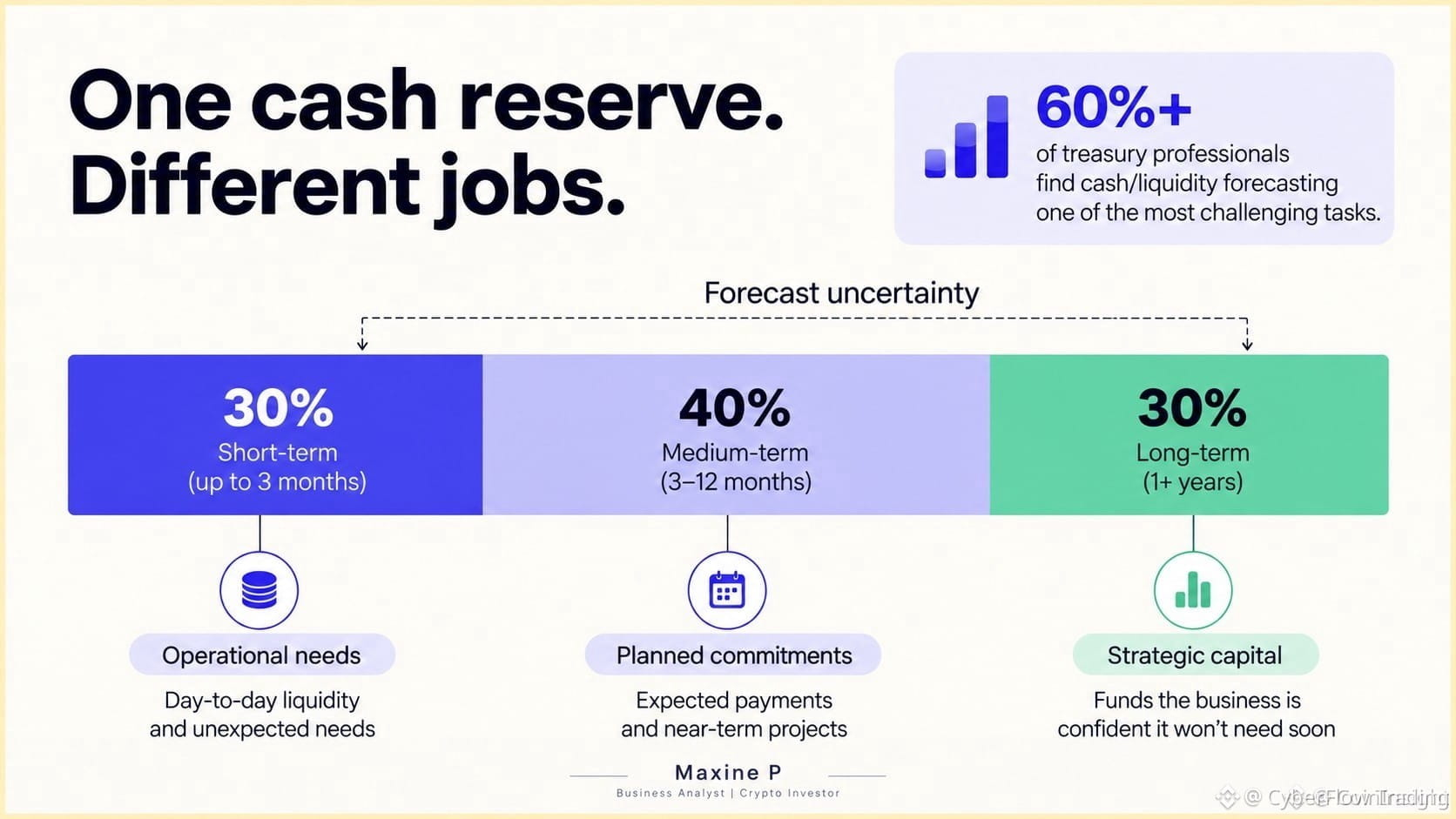
🚀 $USDT LIQUIDITY PLAYBOOK: MASTERING CASH ALLOCATION IN CRYPTO 🟢
📊 Nearly half of finance pros admit cash‑flow forecasting is the toughest grind. Splitting the treasury into operational, reserve, and long‑term strategic buckets lets you assign distinct liquidity cushions – think J.P. Morgan’s 6‑month reserve vs. 1‑year strategic stash. 📌
🦈 Pairing tenors with each bucket adds agility; platforms on a top‑tier exchange now serve crypto‑lending plans from 10 days to years, starting at 600k USDT. Set hard caps now so you’re never caught flat‑footed when the market shifts. 💡
💬 How do you balance immediate cash needs against long‑term crypto exposure? 👇
⚠️ Not financial advice. Always manage your risk. 🛡️
🏷️ #USDT #LiquidityManagement #Crypto #FundAllocation
🔥 💎
14
·
--

Article
A Stablecoin Is Not the Same as Cash: 5 Risks Every Crypto Beginner Should UnderstandStablecoins are designed to maintain a stable value. But “stable” does not mean “risk-free.”
Imagine holding 1,000 $USDT because you want to avoid Bitcoin's price swings. You may have reduced your exposure to market volatility—but you have not eliminated every type of risk.
Understanding that difference is essential before using stablecoins to store value, transfer money, or trade crypto.
1. The peg can weaken
Many dollar-linked stablecoins aim to maintain a value close to $1. However, their market price can temporarily move above or below that level.
This is commonly called a depeg.
A stablecoin's design and reserve arrangements influence how it attempts to maintain its peg, but no mechanism guarantees that its market price will always equal exactly $1.
What to do: Understand how the specific stablecoin maintains its peg and check whether its issuer publishes credible information about its reserves.
2. The issuer matters
Some stablecoins are issued by centralized organizations. Their reliability depends partly on the issuer's operations, reserve management, legal obligations, and ability to meet redemption requests.
That means two stablecoins that both target $1 may have different risk profiles.
What to do: Research the issuer, the reserve structure, and the redemption terms. Do not assume that every dollar-pegged token works in the same way.
3. Blockchain transfers are not ordinary bank transfers
Stablecoins can operate on different blockchain networks. Sending a token to an incompatible network or an incorrect address can result in lost funds or a difficult recovery process.
Even when the token is legitimate, choosing the wrong network can create a serious problem.
What to do: Confirm the receiving platform supports the exact token and network you intend to use. For a new address, consider a small test transfer when appropriate.
4. Custody creates another layer of risk
Holding a stablecoin on a centralized exchange is different from holding it in a self-custody wallet.
On an exchange, you depend on the platform's account security, operational systems, and applicable terms. With self-custody, you control the wallet keys—but you are also responsible for protecting them.
Neither arrangement removes all risks.
What to do: Use strong account security, enable two-factor authentication, and never disclose your wallet's recovery phrase or private keys.
5. Stable value does not mean guaranteed profit
A stablecoin is not automatically an investment that generates income. Any advertised yield, lending return, or reward introduces additional conditions and risks.
A high advertised return should prompt more questions, not fewer.
Ask:
- Where does the yield come from?
- Who owes the return?
- Can withdrawals be delayed or restricted?
- Could I lose some or all of the principal?
If the answers are unclear, do not treat the advertised return as guaranteed.
So, are stablecoins useful?
They can be useful for transferring value, accessing crypto markets, and avoiding some of the price volatility associated with assets such as Bitcoin. Their usefulness depends on the particular token, issuer, network, platform, and purpose.
The key lesson is simple:
Price stability is one feature—not a promise that every other risk has disappeared.
Before choosing a stablecoin, understand what supports its value, how you can redeem or transfer it, and what could go wrong.
Let's discuss
Which risk concerns you most when using stablecoins: depegging, issuer risk, transfer mistakes, or platform security? Share your reasoning below.
Educational content only. This article is not financial advice. Verify current information about any stablecoin before using it.
#BinanceSquare #EducationalPost #BinanceSquareTalks #USDT #RiskMangment
A Stablecoin Is Not the Same as Cash: 5 Risks Every Crypto Beginner Should Understand
Stablecoins are designed to maintain a stable value. But “stable” does not mean “risk-free.”
Imagine holding 1,000 $USDT because you want to avoid Bitcoin's price swings. You may have reduced your exposure to market volatility—but you have not eliminated every type of risk.
Understanding that difference is essential before using stablecoins to store value, transfer money, or trade crypto.
1. The peg can weaken
Many dollar-linked stablecoins aim to maintain a value close to $1. However, their market price can temporarily move above or below that level.
This is commonly called a depeg.
A stablecoin's design and reserve arrangements influence how it attempts to maintain its peg, but no mechanism guarantees that its market price will always equal exactly $1.
What to do: Understand how the specific stablecoin maintains its peg and check whether its issuer publishes credible information about its reserves.
2. The issuer matters
Some stablecoins are issued by centralized organizations. Their reliability depends partly on the issuer's operations, reserve management, legal obligations, and ability to meet redemption requests.
That means two stablecoins that both target $1 may have different risk profiles.
What to do: Research the issuer, the reserve structure, and the redemption terms. Do not assume that every dollar-pegged token works in the same way.
3. Blockchain transfers are not ordinary bank transfers
Stablecoins can operate on different blockchain networks. Sending a token to an incompatible network or an incorrect address can result in lost funds or a difficult recovery process.
Even when the token is legitimate, choosing the wrong network can create a serious problem.
What to do: Confirm the receiving platform supports the exact token and network you intend to use. For a new address, consider a small test transfer when appropriate.
4. Custody creates another layer of risk
Holding a stablecoin on a centralized exchange is different from holding it in a self-custody wallet.
On an exchange, you depend on the platform's account security, operational systems, and applicable terms. With self-custody, you control the wallet keys—but you are also responsible for protecting them.
Neither arrangement removes all risks.
What to do: Use strong account security, enable two-factor authentication, and never disclose your wallet's recovery phrase or private keys.
5. Stable value does not mean guaranteed profit
A stablecoin is not automatically an investment that generates income. Any advertised yield, lending return, or reward introduces additional conditions and risks.
A high advertised return should prompt more questions, not fewer.
Ask:
- Where does the yield come from?
- Who owes the return?
- Can withdrawals be delayed or restricted?
- Could I lose some or all of the principal?
If the answers are unclear, do not treat the advertised return as guaranteed.
So, are stablecoins useful?
They can be useful for transferring value, accessing crypto markets, and avoiding some of the price volatility associated with assets such as Bitcoin. Their usefulness depends on the particular token, issuer, network, platform, and purpose.
The key lesson is simple:
Price stability is one feature—not a promise that every other risk has disappeared.
Before choosing a stablecoin, understand what supports its value, how you can redeem or transfer it, and what could go wrong.
Let's discuss
Which risk concerns you most when using stablecoins: depegging, issuer risk, transfer mistakes, or platform security? Share your reasoning below.
Educational content only. This article is not financial advice. Verify current information about any stablecoin before using it.
#BinanceSquare #EducationalPost #BinanceSquareTalks #USDT #RiskMangment
69

·
--
🚀 $USDT SKYROCKETING—IS THE LIQUIDITY SWEEP A SMART MONEY ENTRY? 💥
📊 USDT’s rate is hammering higher, suggesting a concentrated buy‑side pressure that institutional players love. 🦈 The recent dip acted as a liquidity trap, swallowing sell orders before the upward thrust, creating a fresh order‑block around the current price. ⚡ Volume spikes on the 4H chart confirm that smart money is re‑entering, turning the dip into a potential springboard for the next rally. 📌 Keep an eye on the demand zone; a breach could trigger a rapid upside move.
💬 Are you positioning now or waiting for the next liquidity dump? 👇
⚠️ Not financial advice. Always manage your risk. 🛡️
🏷️ #USDT #LiquiditySweep #SmartMoney #Crypto
🦈 🚀
9

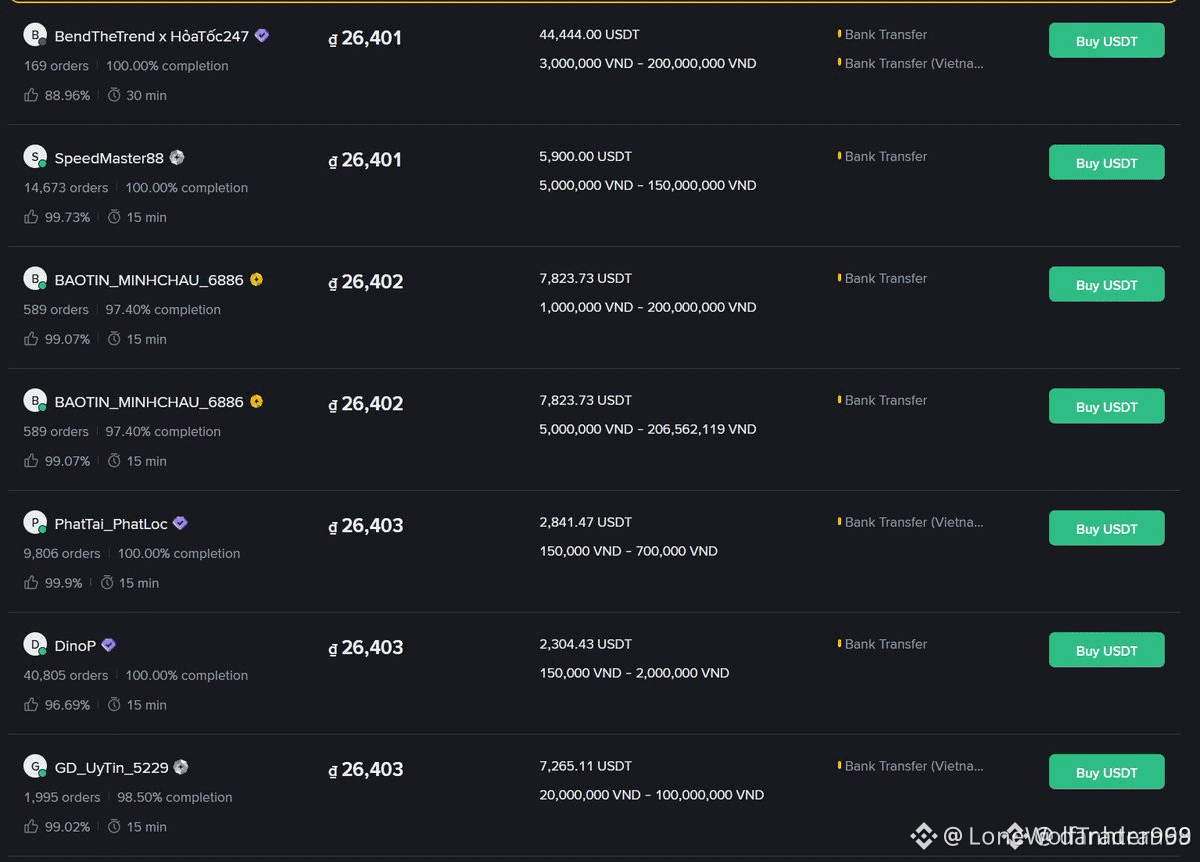
🚀 $USDT SURGES LIKE A TORPEDO—TIME TO RECAPITALIZE? 🟢
The USDT peg is hammering higher, outpacing the cash‑out pipeline. Smart money is scooping the dip, and every tick adds another layer of pressure on the supply side. 📈🦈
If you staked $100K a month ago, you’d be staring at roughly 2.64 trillion VND now—a modest lift but a clear signal that liquidity is still flowing. 📊💡 Are you loading up while the market retraces or waiting for the next wave? 👇
⚠️ Not financial advice. Always manage your risk. 🛡️
🏷️ #USDT #BullRun #Liquidity #SmartMoney #Crypto
🔥 💎
6

·
--
Imagine losing your money to a fake crypto platform that looks 100% real. 💀
US authorities have brought a Chinese national to court over an alleged crypto investment scam involving more than $36.9 million and 174 victims.
The funds were reportedly converted into USDT.
Reminder: Just because a platform looks legit doesn't mean it is.
Stay safe out there. 🛡️
#USDT #CryptoScam #BinanceSquare
57
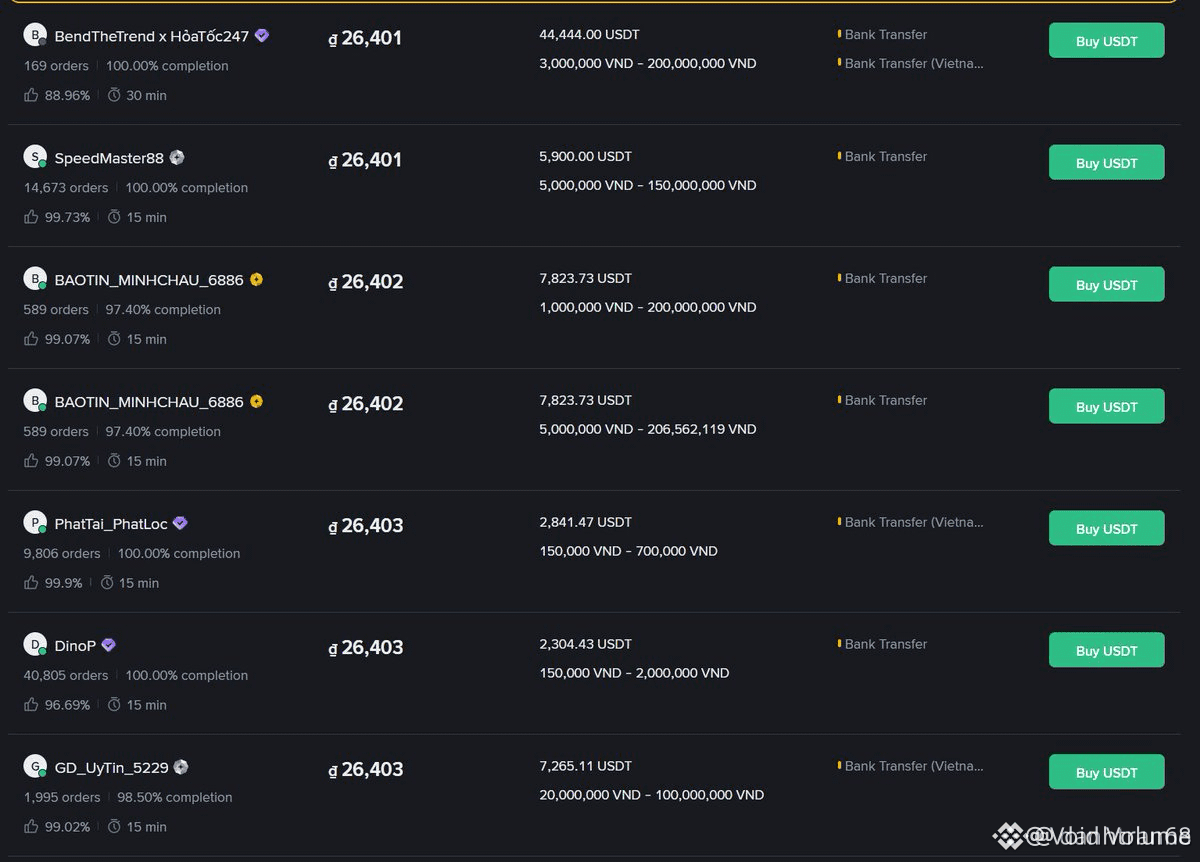
HOW SAFE IS YOUR $USDT OFF-RAMP WHEN MERCHANT STATS ARE NOT ENOUGH? 🔍 ⚠️
Navigating peer-to-peer liquidity requires more than just skimming completion rates and account age. Everyday traders face an invisible wall when trying to verify the true origin of incoming fiat capital. 🏦
High completion metrics and thousands of executed orders offer solid confidence, yet tainted capital can still slip through the cracks. 🛡️ Relying solely on merchant history leaves every seller exposed to potential banking friction. 🔍
Are you strictly filtering verified merchants or relying on multi-bank diversification to protect your fiat liquidity? 👇
⚠️ Not financial advice. Always manage your risk. 🛡️
🏷️ #USDT #P2PTrading #CryptoSafety #RiskManagement
🎯 🛡️
6

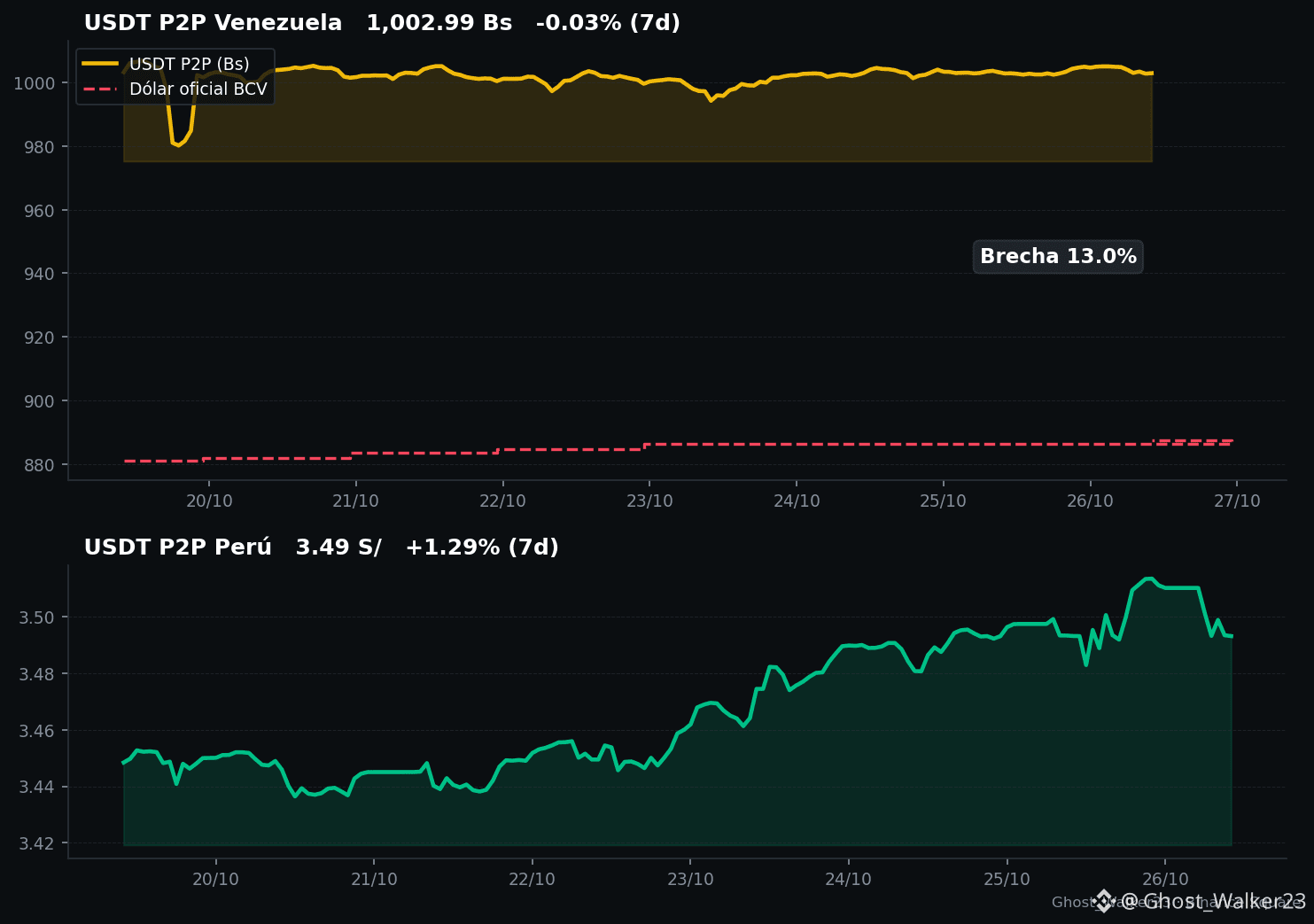
💵 TODAY’S P2P DOLLAR · Monday, October 26
$USDT P2P is stabilizing; I’d wait before chasing the price.
- Venezuela: 1,002.95 Bs per USDT; 24h -0.07% and 7 days +0.13%.
- Peru: 3.49 soles per USDT; 24h -0.06% and 7 days +1.31%.
These are averages for exchanging 1,000 USDT. Compared with the BCV rate of 887.30 Bs, the gap is +13.0%: if you’re paid in bolívares at the official rate, you need more Bs to buy the same amount of USDT on P2P.
The weekly chart is attached.
Verify the buyer, and don’t release the USDT until you see the payment credited to your account—not just a receipt.
What price did you buy or sell at today in Venezuela or Peru?
📌 I post the P2P dollar every morning at 10am (Peru) / 11am (Venezuela). Follow me to get it first.
#P2P #USDT
408

·
--
Article
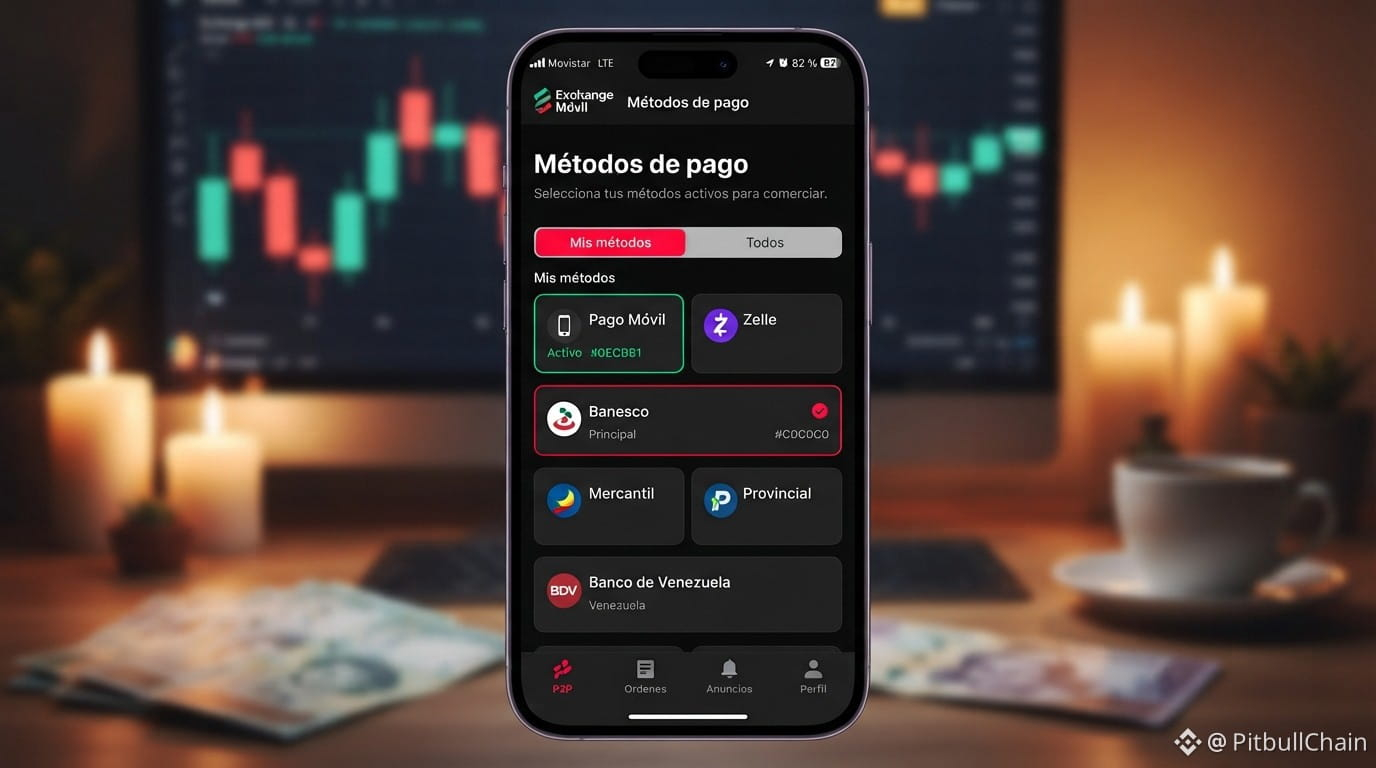
266 offers and a 14.51% premium: today’s P2P snapshotMonday, October 26, 2026. P2P opens the day with a figure that’s about more than just price: 266 active offers and a 14.51% premium over the BCV rate of Bs. 887.30. In short: buying $USDT costs you Bs. 1,016.00, while selling it gets you Bs. 974.80. The spread between those two ends is Bs. 41.20, equivalent to 4.23%.
Why does it matter? Because the posted price doesn’t tell the whole story. If you’re buying or selling USDT, the spread becomes the real cost of making the exchange. It isn’t a profit; it’s the difference you pay to trade. And with 266 offers, liquidity appears active, but that doesn’t mean every payment method is equally available. The major banks are listed as N/A in today’s data, so before accepting an offer, check the payment method, limits, reputation, and response time.
266 offers and a 14.51% premium: today’s P2P snapshot
Monday, October 26, 2026. P2P opens the day with a figure that’s about more than just price: 266 active offers and a 14.51% premium over the BCV rate of Bs. 887.30. In short: buying $USDT costs you Bs. 1,016.00, while selling it gets you Bs. 974.80. The spread between those two ends is Bs. 41.20, equivalent to 4.23%.
Why does it matter? Because the posted price doesn’t tell the whole story. If you’re buying or selling USDT, the spread becomes the real cost of making the exchange. It isn’t a profit; it’s the difference you pay to trade. And with 266 offers, liquidity appears active, but that doesn’t mean every payment method is equally available. The major banks are listed as N/A in today’s data, so before accepting an offer, check the payment method, limits, reputation, and response time.
Why does it matter? Because the posted price doesn’t tell the whole story. If you’re buying or selling USDT, the spread becomes the real cost of making the exchange. It isn’t a profit; it’s the difference you pay to trade. And with 266 offers, liquidity appears active, but that doesn’t mean every payment method is equally available. The major banks are listed as N/A in today’s data, so before accepting an offer, check the payment method, limits, reputation, and response time.
2

·
--
Article
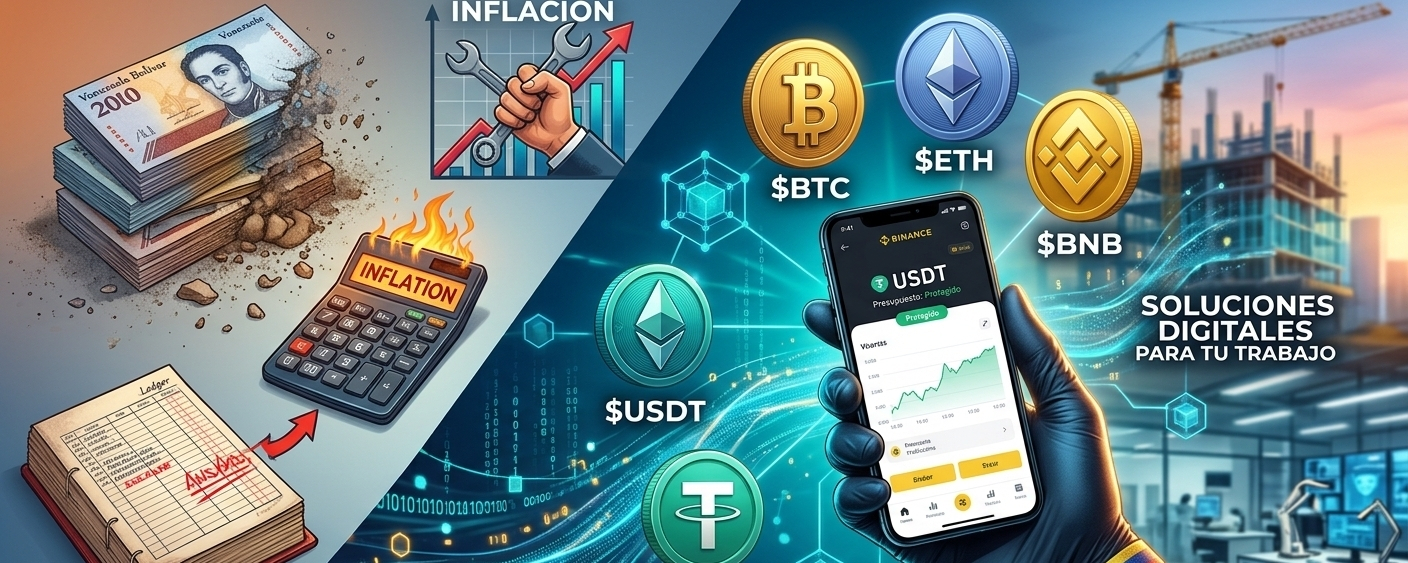
Budgets, Costs, and Liquidity: How Is Crypto Technology Transforming Professional Operations?#USDT #USDC #BTC #ETH
In environments with high exchange-rate volatility and persistent inflation, one of the biggest challenges for professionals, technicians, inventors, and small businesses is not just providing a service or manufacturing a product, but protecting liquidity and structuring budgets that retain their real value over time.
Traditionally, the gap between issuing a quote, receiving an advance payment, and purchasing supplies or materials creates a significant financial mismatch. In this context, the adoption of blockchain technology and stablecoins has gone from being a speculative alternative to becoming an essential operational tool.
Budgets, Costs, and Liquidity: How Is Crypto Technology Transforming Professional Operations?
#USDT #USDC #BTC #ETH
In environments with high exchange-rate volatility and persistent inflation, one of the biggest challenges for professionals, technicians, inventors, and small businesses is not just providing a service or manufacturing a product, but protecting liquidity and structuring budgets that retain their real value over time.
Traditionally, the gap between issuing a quote, receiving an advance payment, and purchasing supplies or materials creates a significant financial mismatch. In this context, the adoption of blockchain technology and stablecoins has gone from being a speculative alternative to becoming an essential operational tool.
87

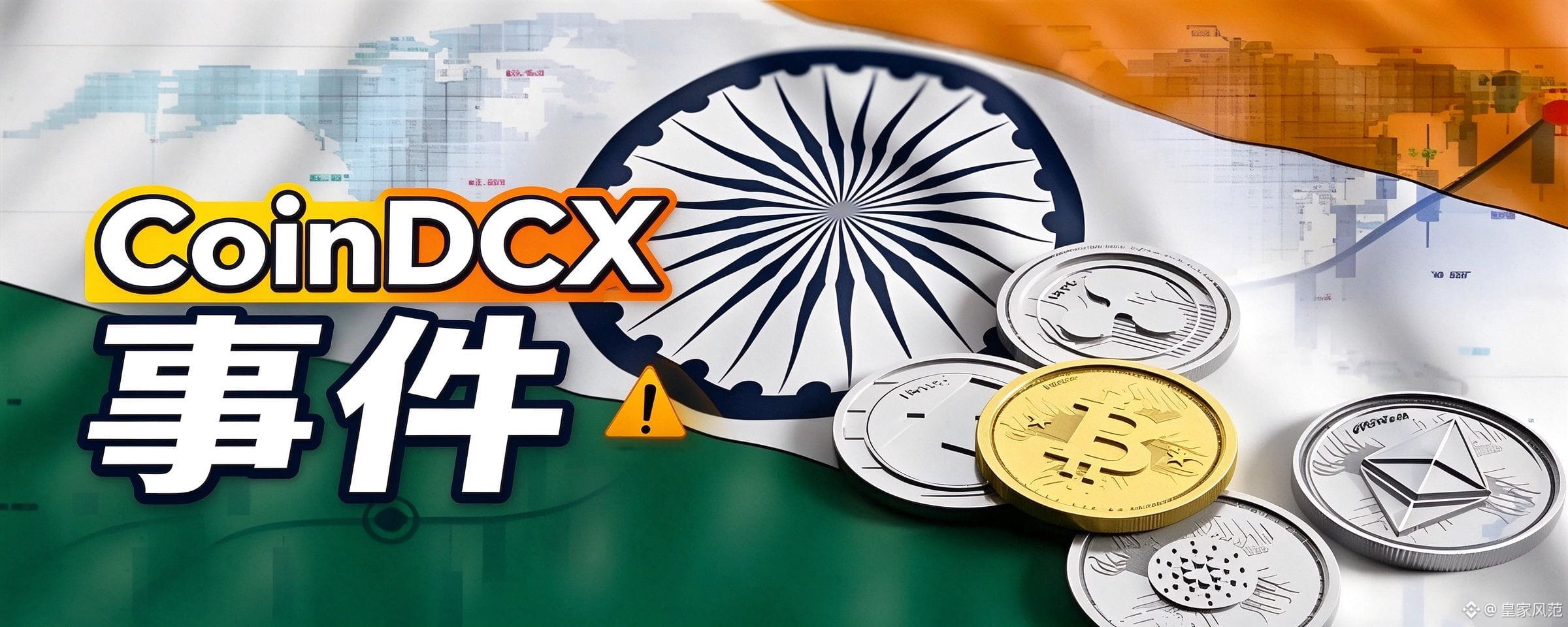
India-based crypto exchange CoinDCX confirmed a loss of approximately 15.99 million $USDT due to a vulnerability in an old wallet. The key issue was not “how sophisticated the new attack was,” but the failure of the fundamentals: legacy wallets and key management. For exchanges, deposit and withdrawal segregation, hot- and cold-wallet tiers, vulnerability disclosure, and on-chain tracking must all work in sync. For users, spreading large holdings across multiple wallets, regularly revoking authorizations, and enabling withdrawal whitelists remain essential steps to reduce counterparty risk. Security incidents often don’t happen out of nowhere—they’re old liabilities being triggered. #CoinDCX #加密安全 #USDT
India-based crypto exchange CoinDCX confirmed a loss of approximately 15.99 million $USDT due to a vulnerability in an old wallet. The key issue was not “how sophisticated the new attack was,” but the failure of the fundamentals: legacy wallets and key management. For exchanges, deposit and withdrawal segregation, hot- and cold-wallet tiers, vulnerability disclosure, and on-chain tracking must all work in sync. For users, spreading large holdings across multiple wallets, regularly revoking authorizations, and enabling withdrawal whitelists remain essential steps to reduce counterparty risk. Security incidents often don’t happen out of nowhere—they’re old liabilities being triggered. #CoinDCX #加密安全 #USDT
3

·
--
On October 21, someone on-chain spotted 15.99 million USDT transferred in a single transaction from CoinDCX’s hot wallet and several deposit addresses into the same Tron address. CEO Sumit Gupta replied within three hours: "No, we weren’t hacked. Those were old addresses we decommissioned back in July 2025." It sounded like a deflection.
Then, on October 25, CoinDCX admitted it in a blog post: it really had lost 15.99 million USDT. The company would cover the loss, and users weren’t affected. But the real lesson is worth remembering:
The problem was "a failed automatic sweep + abandoned addresses still accepting deposits." The exchange was supposed to automatically sweep users’ deposits into cold wallets, but that system had been down for a while. So people sent funds to "old addresses that had supposedly been decommissioned," where the money sat until hackers signed it away using old keys they’d obtained back in 2025. On-chain sleuth ZachXBT added that the old address was still sweeping up users’ deposits as late as April and May 2026.
Three things everyone should know:
Before depositing, always verify the exchange’s "current" deposit address. Old addresses may have been decommissioned long ago and could still be under surveillance.
An exchange saying "user funds are safe" doesn’t mean they really are. The CEO denied it, then the story changed just three days later.
Tether froze nine addresses holding around 2.2 million USDT this time—but over 14 million had already been moved through OKX, Binance, and Gate. Freezing funds isn’t a cure-all (as we discussed last time).
Do you feel more at ease keeping your crypto on an exchange, or managing it yourself in your own wallet? Pick a side in the comments and tell us where you keep your crypto.
#比特币 #交易所安全 #USDT
$BTC
{spot}(BTCUSDT)
On October 21, someone on-chain spotted 15.99 million USDT transferred in a single transaction from CoinDCX’s hot wallet and several deposit addresses into the same Tron address. CEO Sumit Gupta replied within three hours: "No, we weren’t hacked. Those were old addresses we decommissioned back in July 2025." It sounded like a deflection.
Then, on October 25, CoinDCX admitted it in a blog post: it really had lost 15.99 million USDT. The company would cover the loss, and users weren’t affected. But the real lesson is worth remembering:
The problem was "a failed automatic sweep + abandoned addresses still accepting deposits." The exchange was supposed to automatically sweep users’ deposits into cold wallets, but that system had been down for a while. So people sent funds to "old addresses that had supposedly been decommissioned," where the money sat until hackers signed it away using old keys they’d obtained back in 2025. On-chain sleuth ZachXBT added that the old address was still sweeping up users’ deposits as late as April and May 2026.
Three things everyone should know:
Before depositing, always verify the exchange’s "current" deposit address. Old addresses may have been decommissioned long ago and could still be under surveillance.
An exchange saying "user funds are safe" doesn’t mean they really are. The CEO denied it, then the story changed just three days later.
Tether froze nine addresses holding around 2.2 million USDT this time—but over 14 million had already been moved through OKX, Binance, and Gate. Freezing funds isn’t a cure-all (as we discussed last time).
Do you feel more at ease keeping your crypto on an exchange, or managing it yourself in your own wallet? Pick a side in the comments and tell us where you keep your crypto.
#比特币 #交易所安全 #USDT
$BTC
205

·
--
#BTC $BTC $USDT
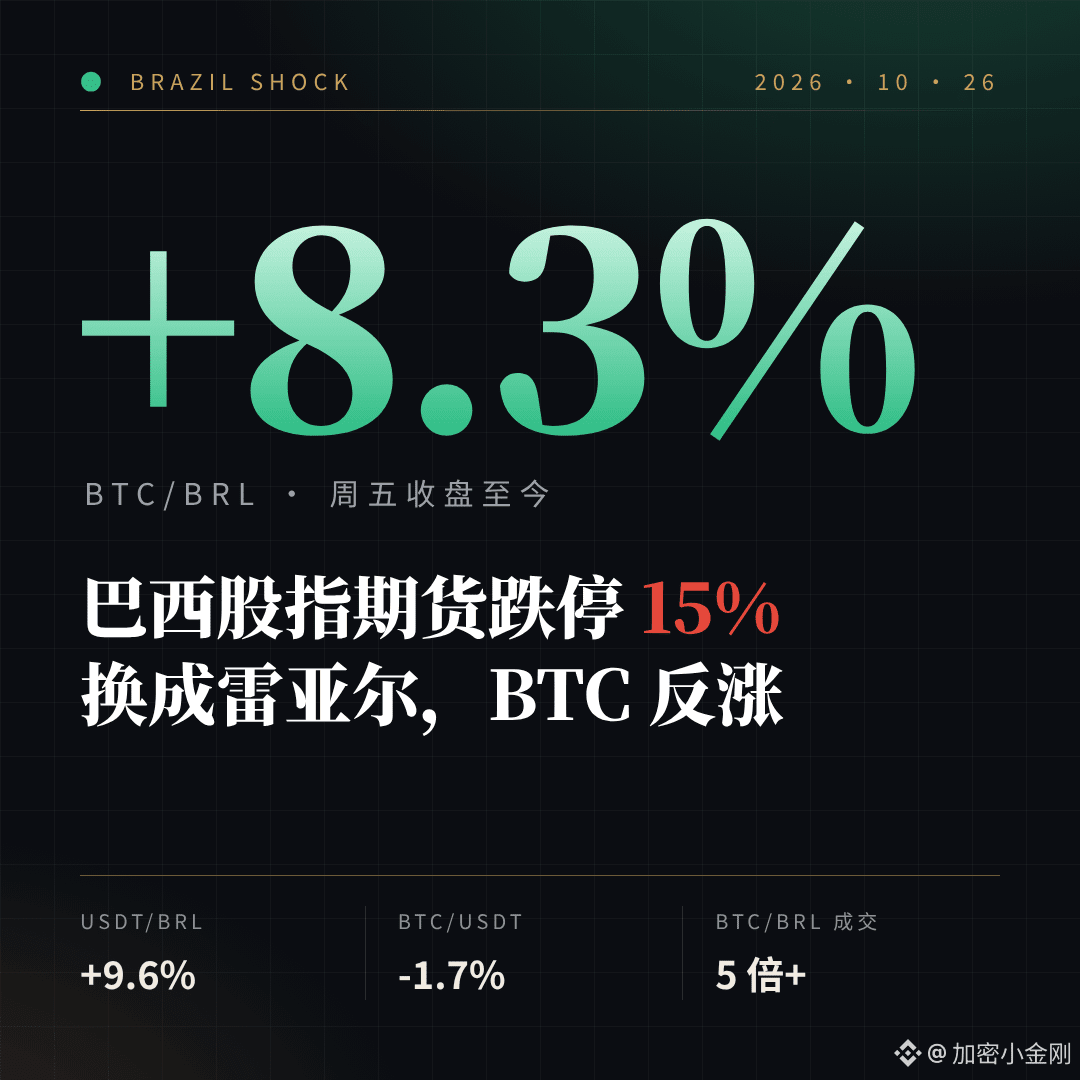
Brazil’s stock market hit its daily limit down today. Why didn’t crypto prices crash along with it? 🇧🇷
After Lula won with 51.79% of the vote, the dollar jumped from 4.99 to 5.42 reais when trading opened on Monday. The real fell more than 8%, and stock index futures dropped 15%, hitting the limit down.
I checked Binance spot prices (Friday’s close → now):
🔹 BTC/USDT: 80,888 → about 79,500, down 1.7%
🔹 BTC/BRL: 405,000 → about 439,000 reais, up 8.3%
🔹 USDT/BRL: 5.01 → about 5.49, up 9.6%
🔹 BTC/BRL trading volume today is already more than 5 times Friday’s total
One more detail: Brazil’s vote had just ended on Sunday night, and USDT/BRL jumped from 4.97 to 5.23 in two hours. B3 futures didn’t open until 9 a.m. Monday, but crypto markets had priced in the result more than ten hours earlier.
For Brazilians, crypto prices barely moved in dollar terms, but rose 8% when converted to the local currency: the dollar went up, while the real went down. People holding USDT avoided this hit, but that only shows that stablecoins can hedge against local currency depreciation—not that BTC itself gained strength.
Do you know anyone who uses USDT to protect against local currency depreciation?
For informational purposes only. This is not investment advice. DYOR.
#USDT #稳定币 #巴西 #CryptoMarket
176
·
--
Article
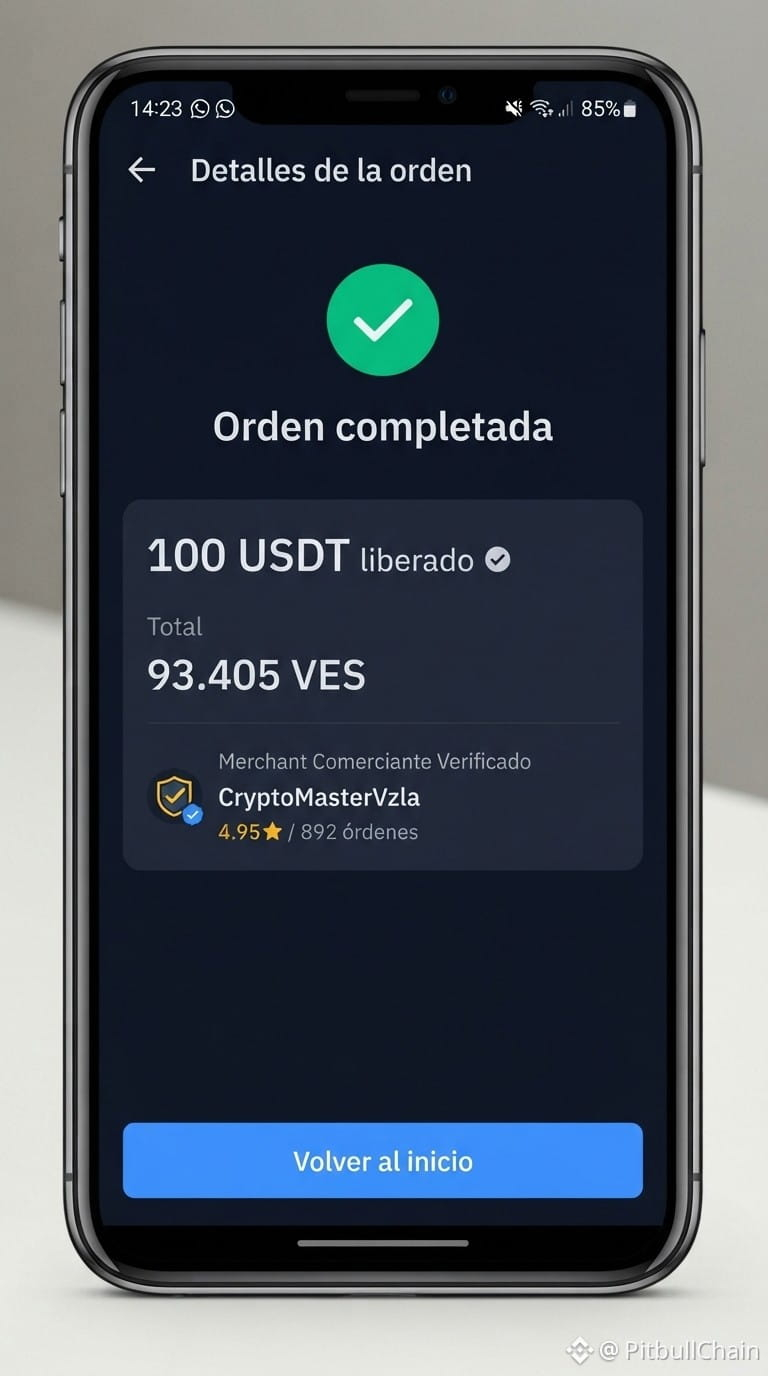
P2P spread drops to 1.99%: premium at 14.65% todayThe P2P trading spread narrowed to Bs. 19.81 (1.99%), and the premium over the BCV rate fell to 14.65%: the gap that was running above 17% just a few weeks ago is looking different today. Is this genuine calm, or a pause before another spike?
📉 THE NUMBER THAT MATTERS TODAY
Buying $USDT on Binance P2P costs Bs. 1,017.27, while selling it gets you Bs. 997.47. Difference: Bs. 19.81, or 1.99%. With the BCV rate at Bs. 887.30, the P2P premium stands at 14.65%. In plain terms: anyone buying today pays nearly 15% above the official dollar rate, while anyone selling gets that same cushion on top.
P2P spread drops to 1.99%: premium at 14.65% today
The P2P trading spread narrowed to Bs. 19.81 (1.99%), and the premium over the BCV rate fell to 14.65%: the gap that was running above 17% just a few weeks ago is looking different today. Is this genuine calm, or a pause before another spike?
📉 THE NUMBER THAT MATTERS TODAY
Buying $USDT on Binance P2P costs Bs. 1,017.27, while selling it gets you Bs. 997.47. Difference: Bs. 19.81, or 1.99%. With the BCV rate at Bs. 887.30, the P2P premium stands at 14.65%. In plain terms: anyone buying today pays nearly 15% above the official dollar rate, while anyone selling gets that same cushion on top.
9
·
--
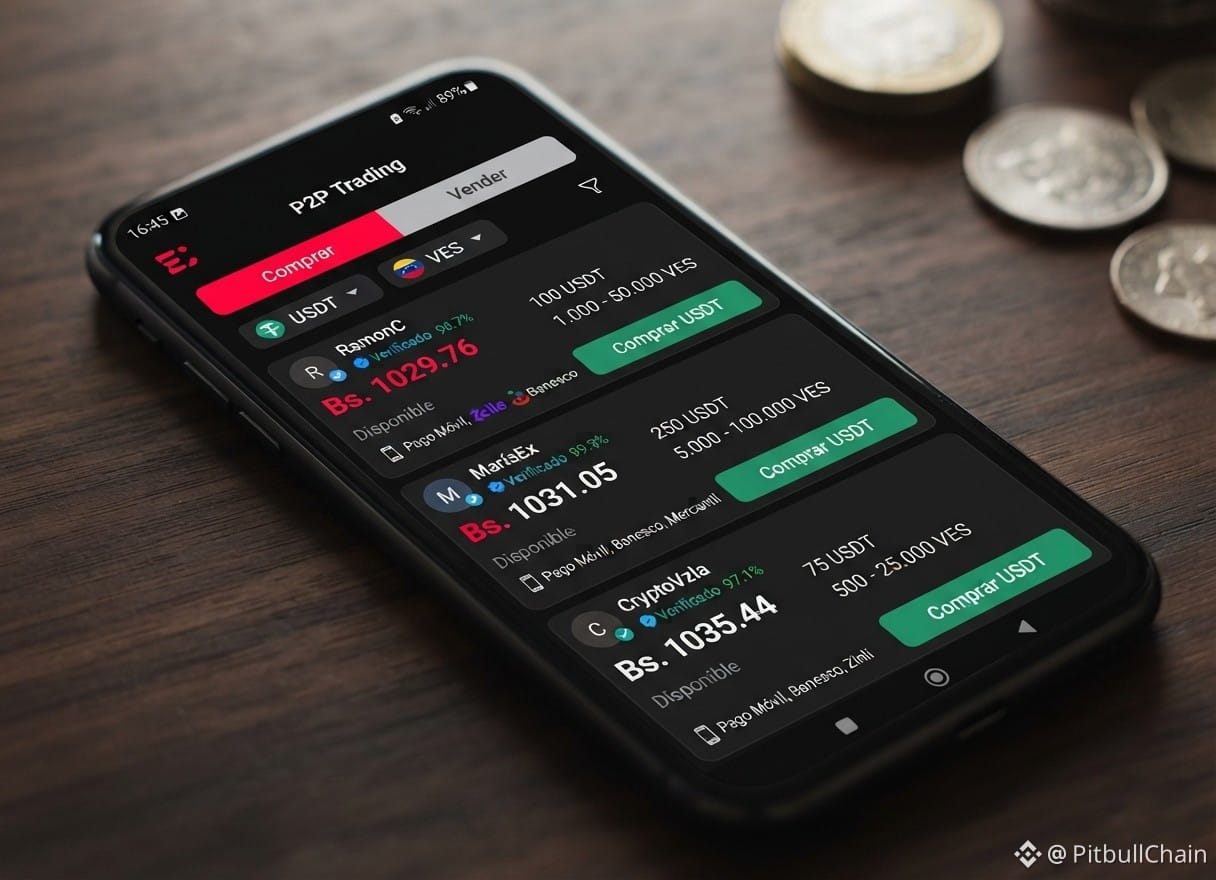
The $USDT spread today is Bs. 39,68 (4,01%), and the premium over the BCV rate is 16,05%. With 217 active offers, anyone who doesn't check the rate before trading ends up paying too much on the P2P market.
Today: buy Bs. 1.029,76 | sell Bs. 990,07 | BCV Bs. 887,30.
Always verify the exact amount you will receive before confirming.
📊 Live rates and analysis at https://pitbullchain.com
$USDT $BTC #USDT #P2P #Venezuela #BinanceSquare #Cryptocurrencies
Today: buy Bs. 1.029,76 | sell Bs. 990,07 | BCV Bs. 887,30.
Always verify the exact amount you will receive before confirming.
📊 Live rates and analysis at https://pitbullchain.com
$USDT $BTC #USDT #P2P #Venezuela #BinanceSquare #Cryptocurrencies
19
·
--
Article
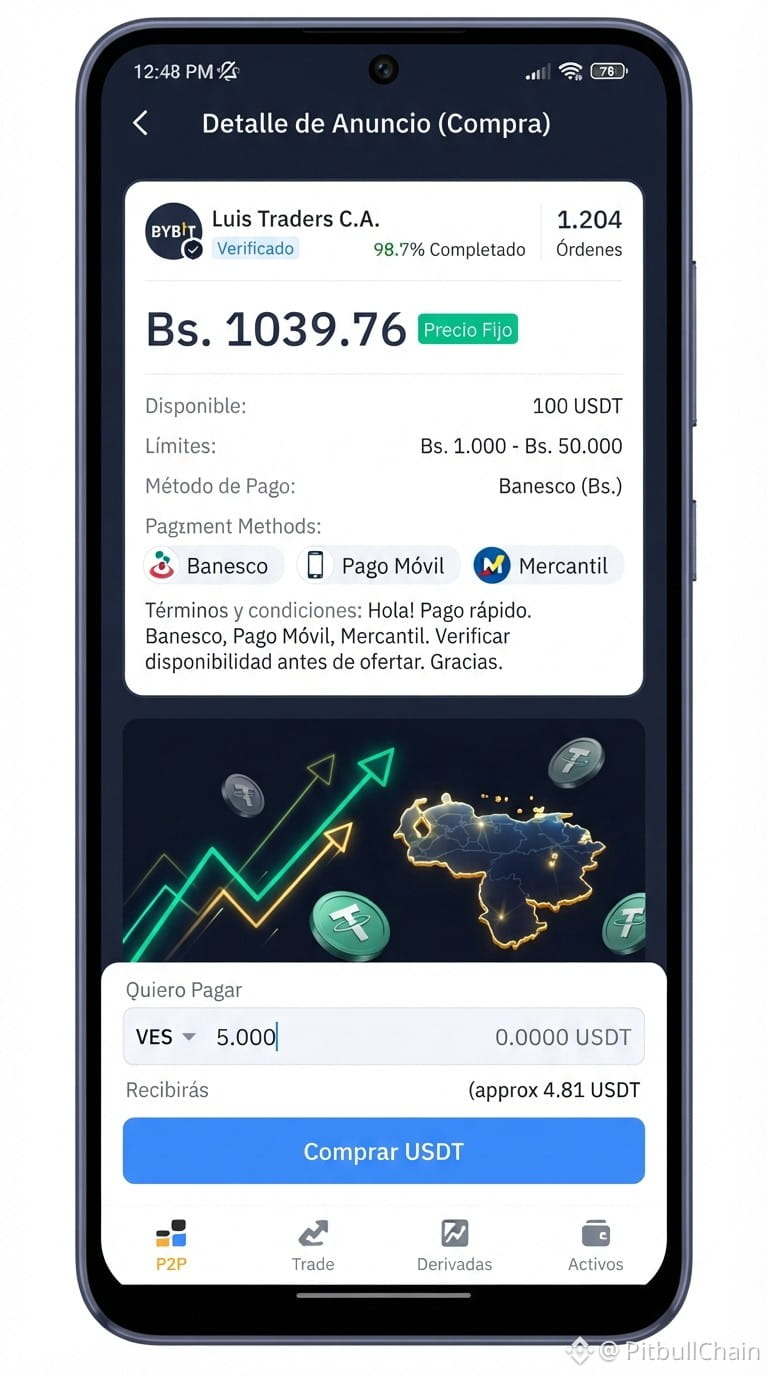
USDT premium hits 17.18%: spread widens to Bs. 70USDT opened this Monday at Bs. 1,039.76, and its premium over the BCV rate surged to 17.18%. That’s the number driving Venezuela’s P2P market today. 👀
A few weeks ago, the premium was easing, and many were celebrating the narrowing gap. Today’s figures tell a different story: the BCV rate stands at Bs. 887.30, while the digital dollar is trading for nearly 152 bolívares more. This isn’t just a one-day blip; it’s a snapshot of a market under pressure.
📌 What the figures show
• Buy $USDT: Bs. 1,039.76
• Sell $USDT: Bs. 969.61
USDT premium hits 17.18%: spread widens to Bs. 70
USDT opened this Monday at Bs. 1,039.76, and its premium over the BCV rate surged to 17.18%. That’s the number driving Venezuela’s P2P market today. 👀
A few weeks ago, the premium was easing, and many were celebrating the narrowing gap. Today’s figures tell a different story: the BCV rate stands at Bs. 887.30, while the digital dollar is trading for nearly 152 bolívares more. This isn’t just a one-day blip; it’s a snapshot of a market under pressure.
📌 What the figures show
• Buy $USDT: Bs. 1,039.76
• Sell $USDT: Bs. 969.61
4


·
--
📡 Binance Flow Watch | Record $USDT Outflow
Binance just printed its largest hourly net $USDT outflow of October at 49.96 million, topping the previous monthly high of 46.72 million from October 16.
The move came with a broadly red tape. In a 50 asset snapshot late on October 24, only 3 assets were higher while 46 were lower.
$EOSUSDT stood out on the green side, up 8.13% in the snapshot, while $VETUSDT slipped 8.02% with sell orders at 88% of its total in the same snapshot.
A record outflow like this could reflect profit taking, de risking, or funds moving off exchange. What matters next is whether outflows stay elevated or fade quickly.
Personal opinion, not financial advice. DYOR.
#Binance #USDT #CryptoMarket
1
273

·
--
$12.73B flowed out of stablecoins in 3 weeks
The stablecoin market fell to $300.36B; Tether USDT and Circle USDC led the outflows, with USDC losing $4.69B in 30 days.
Shrinking liquidity could tighten crypto funding.
#USDT
$12.73B flowed out of stablecoins in 3 weeks
The stablecoin market fell to $300.36B; Tether USDT and Circle USDC led the outflows, with USDC losing $4.69B in 30 days.
Shrinking liquidity could tighten crypto funding.
#USDT
The stablecoin market fell to $300.36B; Tether USDT and Circle USDC led the outflows, with USDC losing $4.69B in 30 days.
Shrinking liquidity could tighten crypto funding.
#USDT
228
·
--
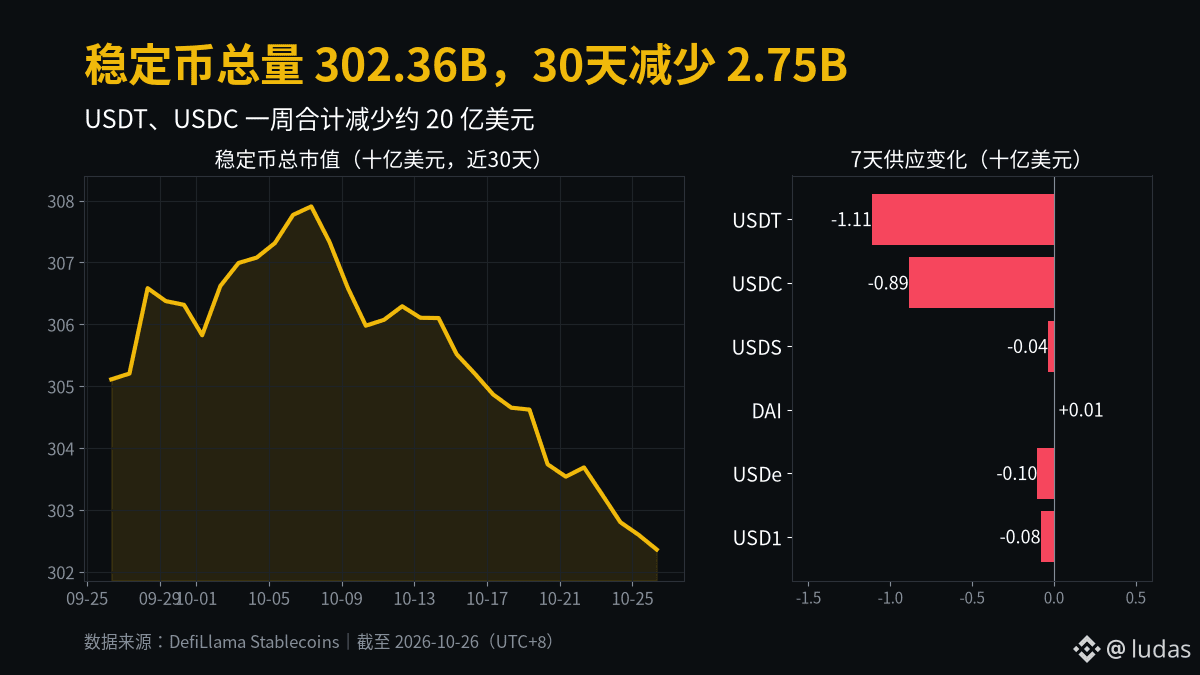
Stablecoins are “shrinking”: down $5.5 billion in 19 days. 📉
📊 According to DefiLlama, the total stablecoin market cap peaked at around $307.9 billion on October 7, then fell to about $302.36 billion by October 26, a net decrease of roughly $2.75 billion over 30 days.
🔻 The major players are seeing outflows: over the past 7 days, $USDT fell by about $1.11 billion (now around $182.27 billion), while $USDC fell by about $890 million (now around $71.69 billion).
🟢 A few bucked the trend: PYUSD gained $110 million in a week, and USDG gained $50 million, but their market caps are too small to turn the broader trend around.
🌐 By chain, Ethereum has around $142.7 billion, Tron around $93.9 billion, Solana around $15.6 billion, and BSC around $13.1 billion. These remain the four major strongholds for stablecoins.
💡 My take: Stablecoins are the market’s “dry powder.” When supply keeps declining, market-wide rebounds often have a harder time gaining traction. That lines up with BTC falling back below $80,000 this week. I’ll wait for the total supply to turn upward again before treating it as a sign of funds flowing back in. (Not investment advice.)
Do you think this is money leaving the market, or just moving off-chain or into yield products? Share your take 👇
#稳定币 #链上数据 #USDT $USDT $USDC
1
62

🚨 POLICY WATCH:
Petr Yan vs
The bantamweight title is on the line in the UFC 333 co-main event, and it's a trilogy
$USDT is back in play as policy headlines begin to reset sentiment.
This is the kind of headline that can pull fast attention if price starts reacting in the same direction.
Crowd attention can shift fast here, which is why traders will be watching this move closely.
Are you watching $USDT now, or waiting for confirmation?
Watch $USDT here 👇
#USDT #NewsFlow #MarketMomentum
7
Log in to explore more content
Join global crypto users on Binance Square
⚡️ Get latest and useful information about crypto.
💬 Trusted by the world’s largest crypto exchange.
👍 Discover real insights from verified creators.
Email / Phone number
Trending Topics
1
#BinancePick
3M views
151,594 Discussing
2
#EarningsSeason
5.2M views
25,772 Discussing
3
#AnthropicTTMRevenueGrewAbout1200%
18,112 views
329 Discussing
4
#AnthropicS1ExpectedToday
19,885 views
292 Discussing
5
#SouthKoreaReportedlyWeighsFourthCryptoTaxDelay
24,883 views
414 Discussing
6
#FranklinTempletonFilesForTwoDividendToBitcoinETFs
32,679 views
511 Discussing
7
#StrategyMSTRSurpassesNasdaqInMarketCap
25,186 views
371 Discussing
8
#CanadaProposesStablecoinRedemptionWithin3BusinessDays
1,166 views
34 Discussing
9
#ElectrumWalletBugLetRogueServersStealFunds
27,067 views
448 Discussing
10
#ArgentineCourtDismissesLIBRACaseAgainstMilei
41,218 views
553 Discussing