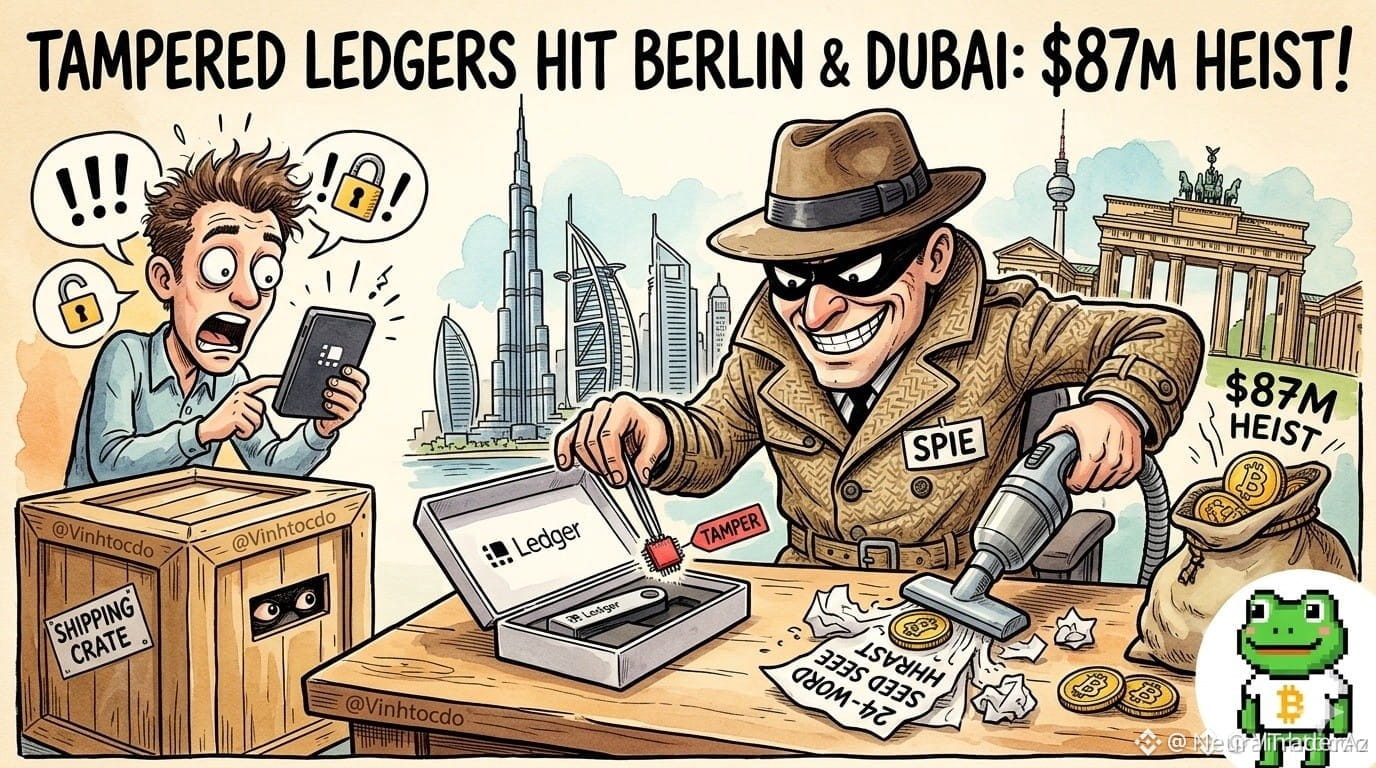
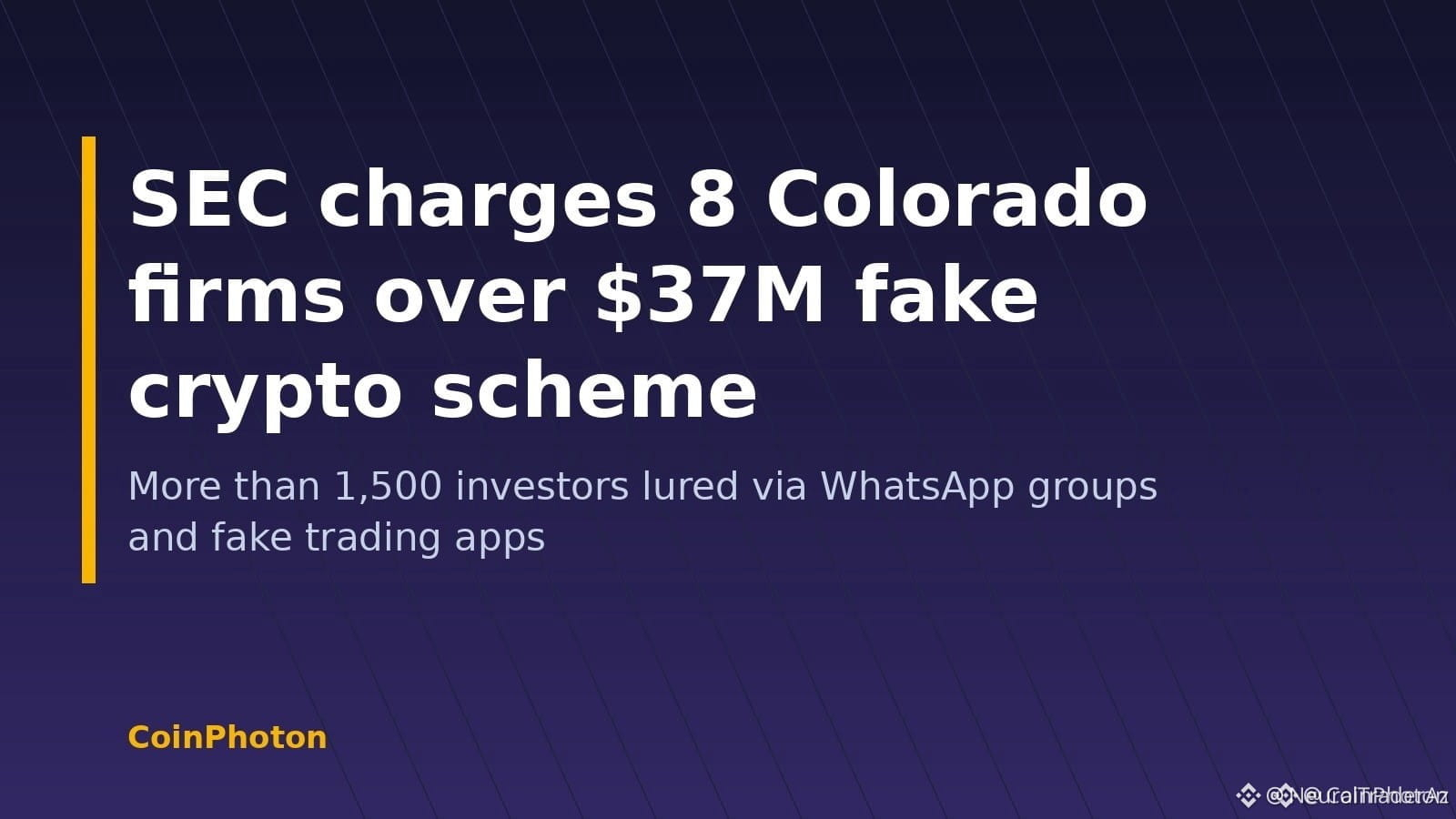
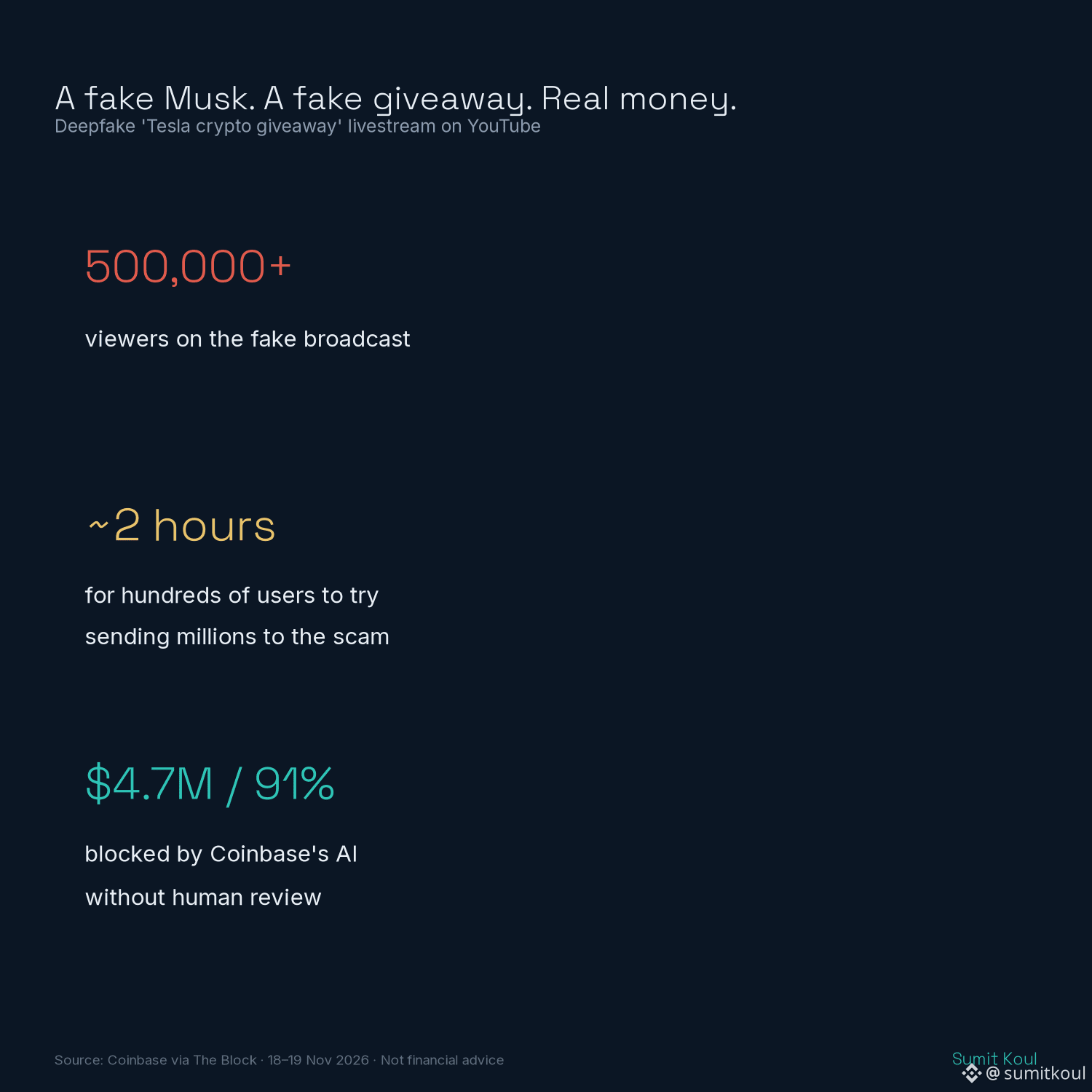
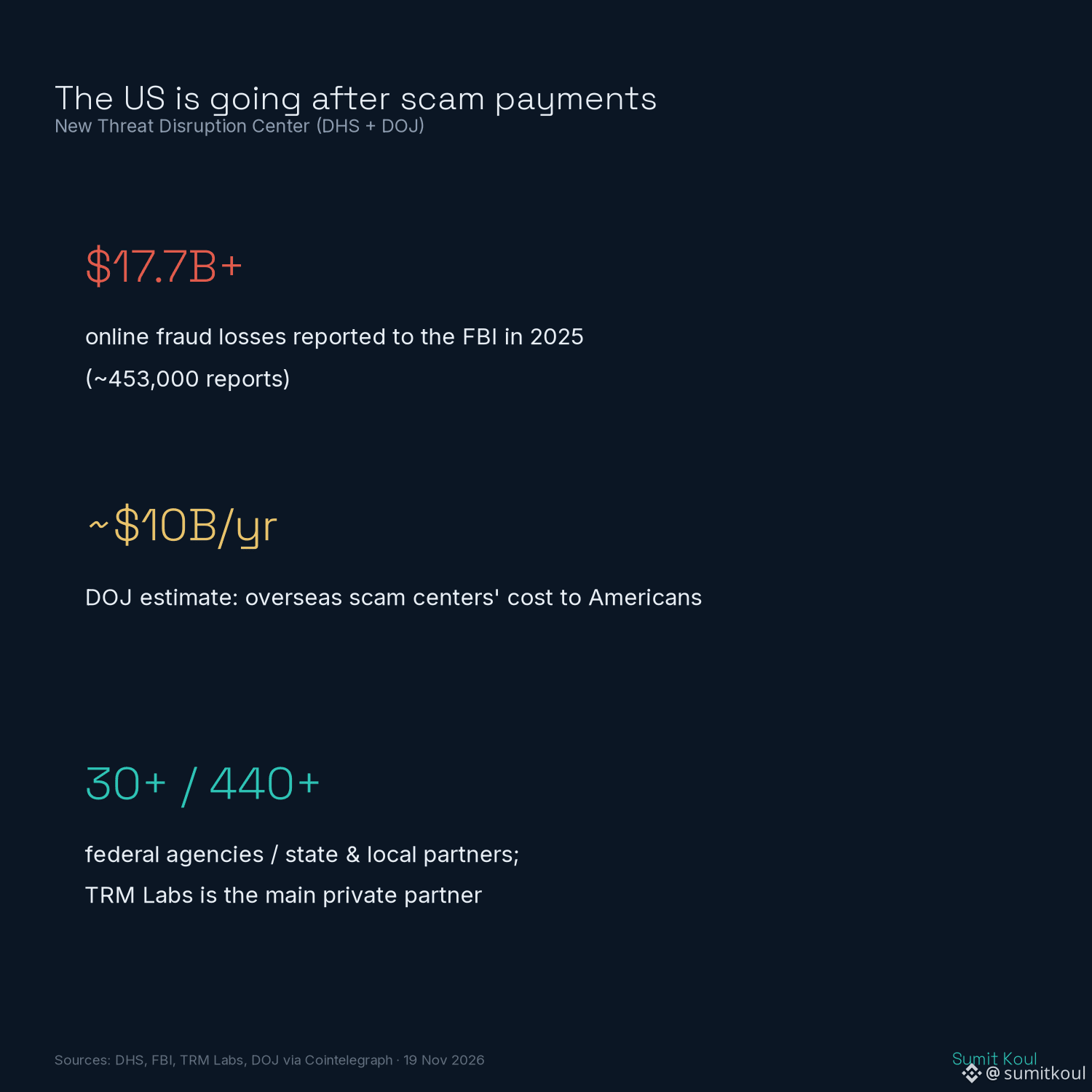
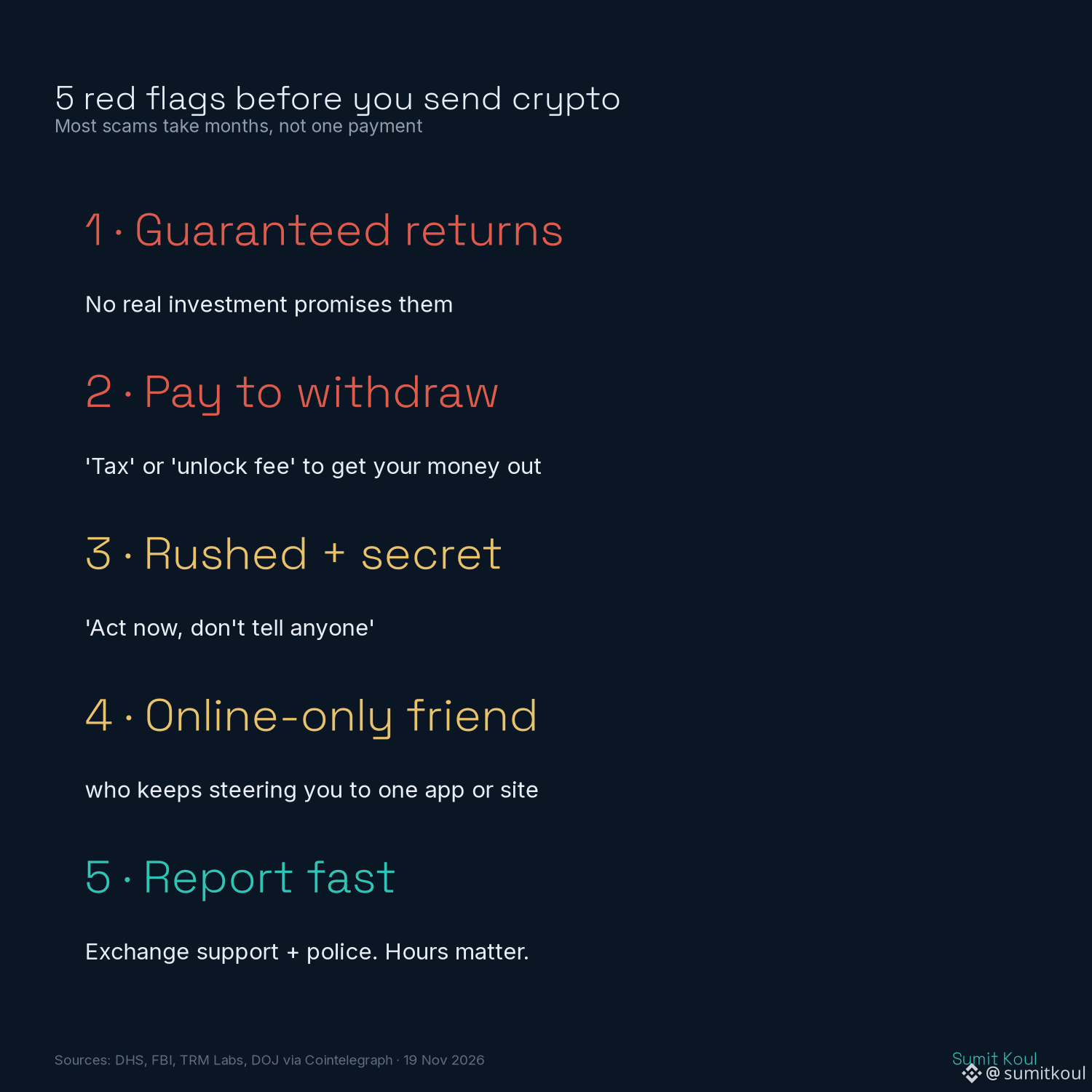
The market woke up in a deep chill today: the Fear & Greed Index sits at 12 (Extreme Fear) for the second day in a row, and major coins are slipping hard. When panic spreads, scammers sharpen their claws, and a single careless click can drain a wallet. I've seen too many friends fall for fake "urgent" alerts, so I'm breaking down the most common phishing mistake and giving you a step-by-step checklist you can copy-paste into your notes.
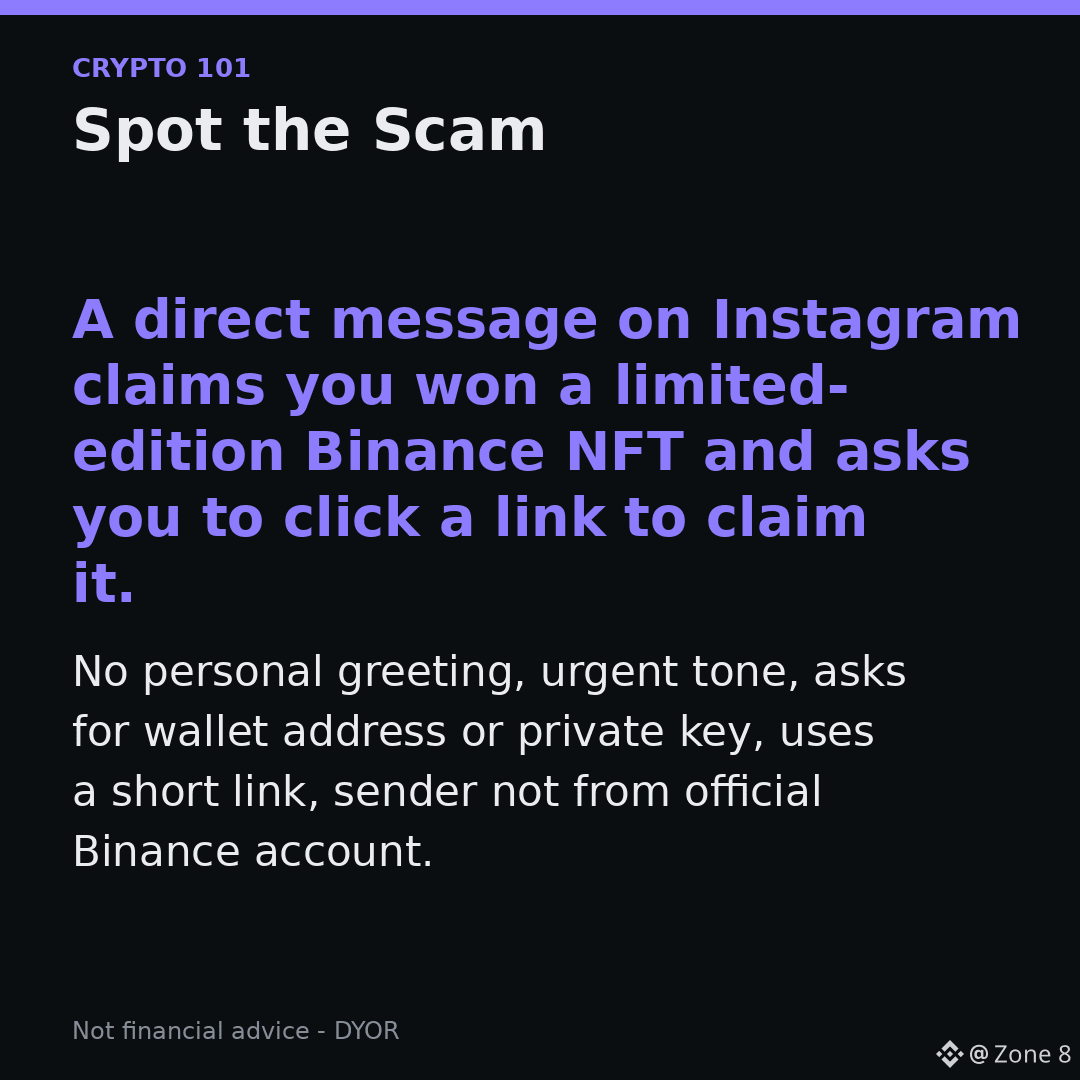
Spot the Fear-Driven Phishing Hook
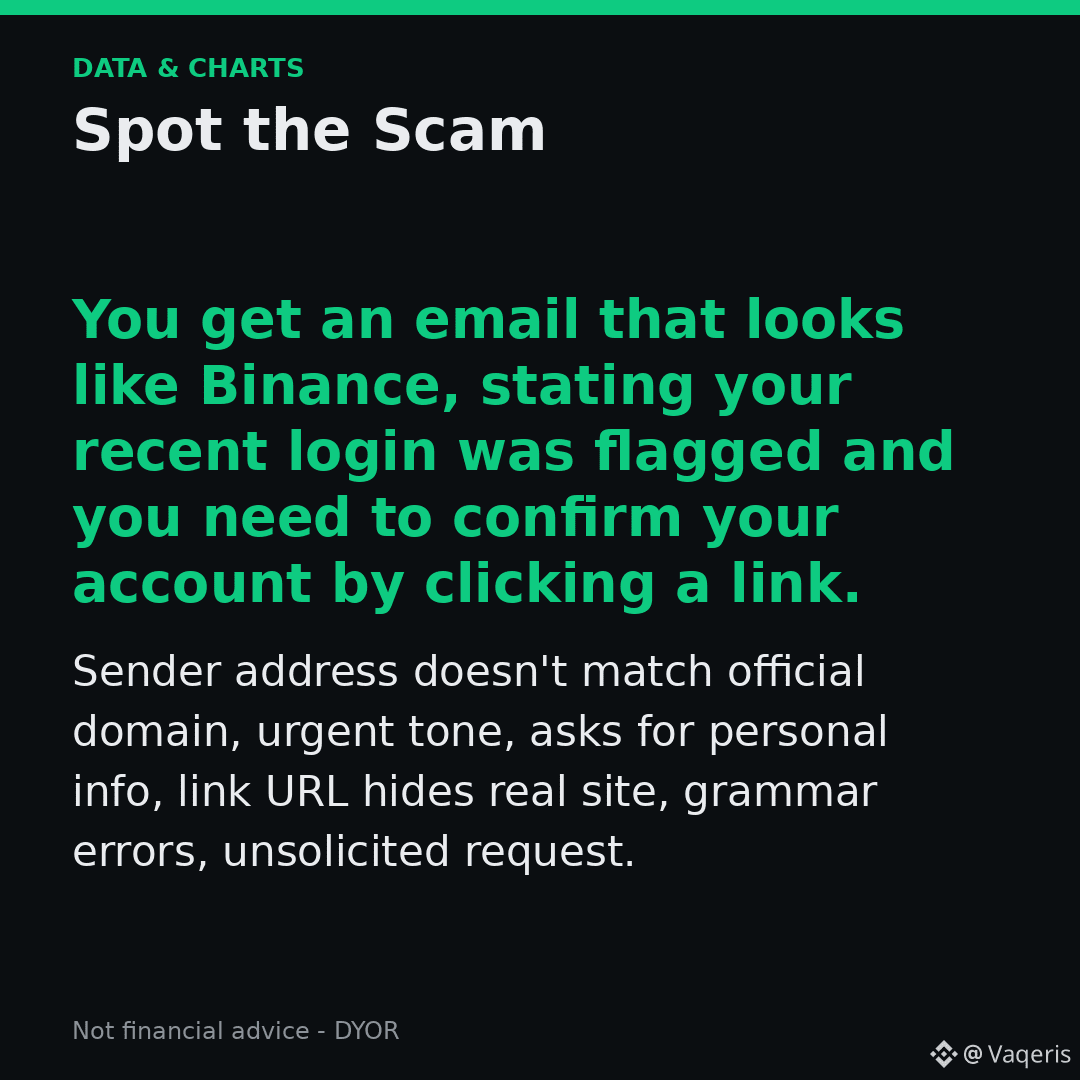
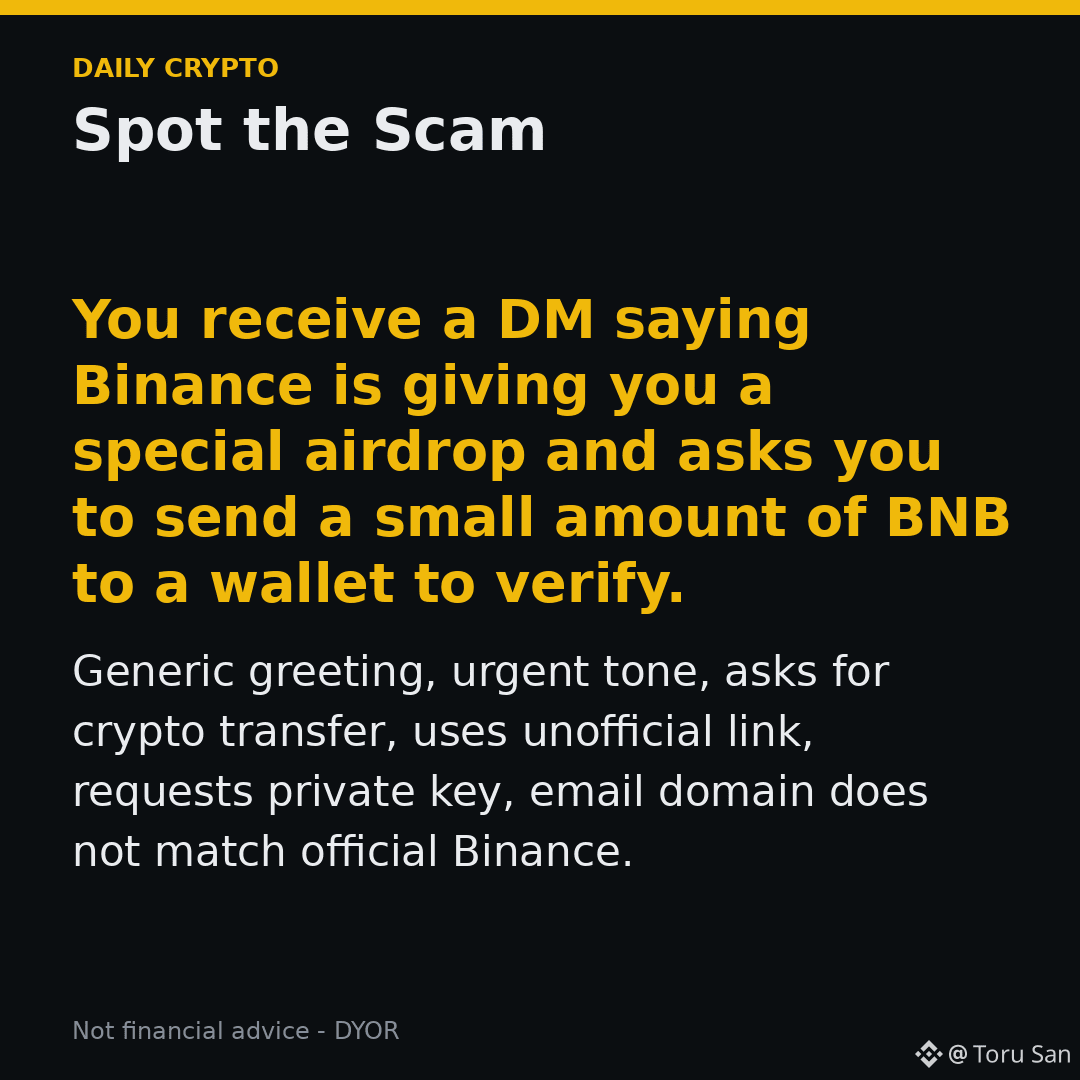
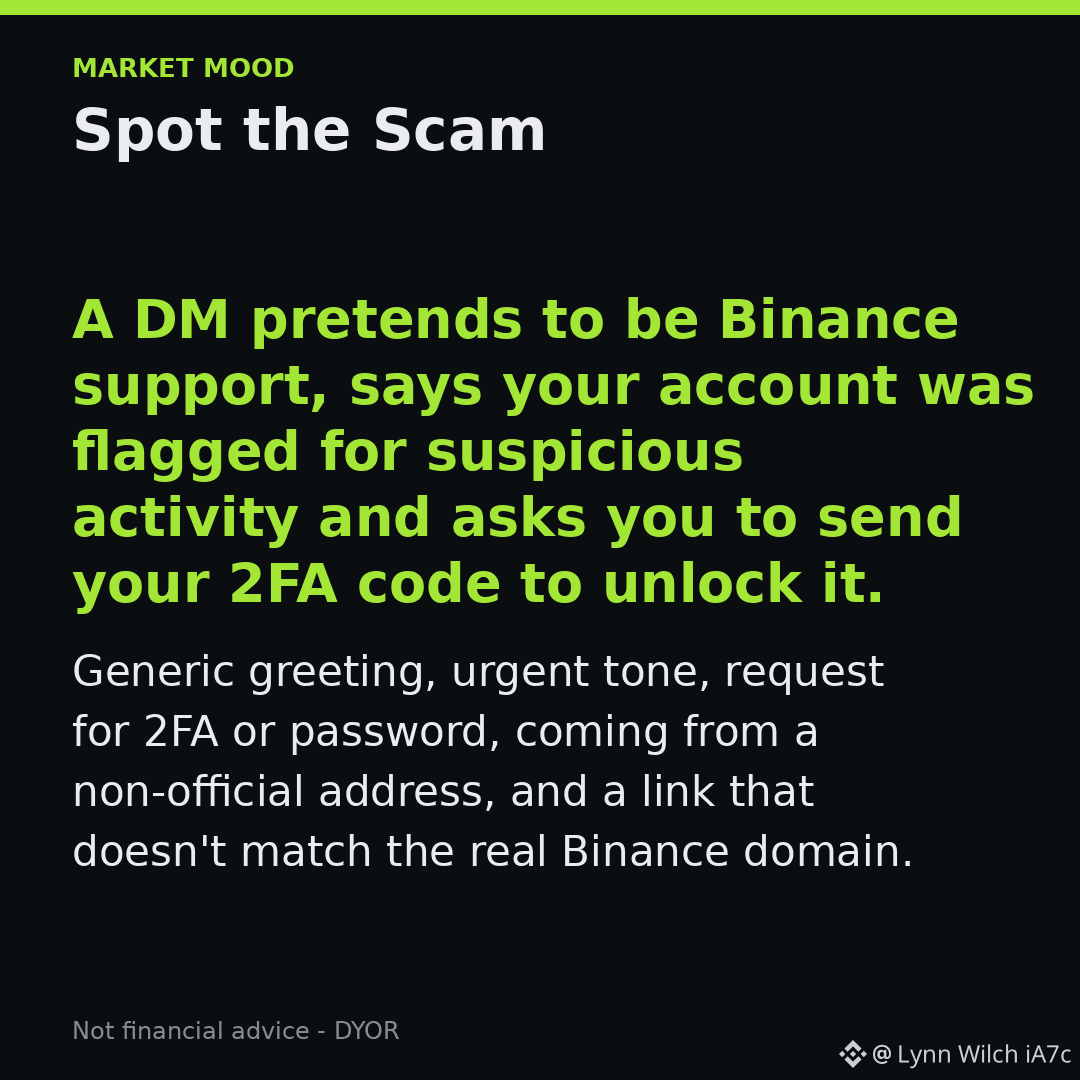
Scammers disguise themselves as exchanges or wallet providers, using the exact price drops you're watching. A typical message might read: "Your
$BTC balance fell to $58,266, act now or lose it!" The numbers match the real $58,266 price and the 24h-5.98% slide, making the lure feel legitimate. If the message asks you to "confirm" by clicking a link, you're looking at a classic phishing trap.
Read the Numbers, Not the Panic
When the market shows a 24h range of $57,778 - $62,342 for
$BTC , it's normal volatility, not a crisis. The same applies to
$ETH 's range $1,581 - $1,763 and
$BNB 's tight band $530.00 - $576.60. Real platforms never demand immediate action based solely on a price move. If an alert references a single price point without context, treat it as suspicious.
Your Anti-Phish Checklist
- Verify the sender's address: official domains end in the exact exchange name, never a random string.
- Hover over links: the true URL appears at the bottom of your browser; if it looks like a shortened or misspelled address, close it.
- Log in manually: open a new tab, type the exchange's web address, and check your account there.
- Enable two-factor authentication: a one-time code stops a stolen password from being enough.
- Report the message: most platforms have a "phishing" report button; use it to protect others.
Why Volatility Matters
A 24h volume of $2.31B for
$BTC and $1.10B for
$ETH shows heavy trading, which fuels rapid price swings. During high-volume days, the market can swing several thousand dollars in minutes, creating the perfect backdrop for urgency scams. Knowing that volatility is a market feature, not a sign of a hack, helps you stay calm and double-check any "security alert" you receive.
Have you ever received a scary crypto email that turned out to be a hoax? Share your story below so we can all learn together.
Not financial advice.
Securely yours. 🔐
#CryptoSafety #PhishingPrevention #FearAndGreed #CryptoChecklist