

#cryptoeducation
cryptoeducation
3.5M views
20,620 Discussing
Hot
Latest

Article
Starting your crypto journey? Don't start with trading. Start with understanding.📚 Crypto Beginner’s Roadmap
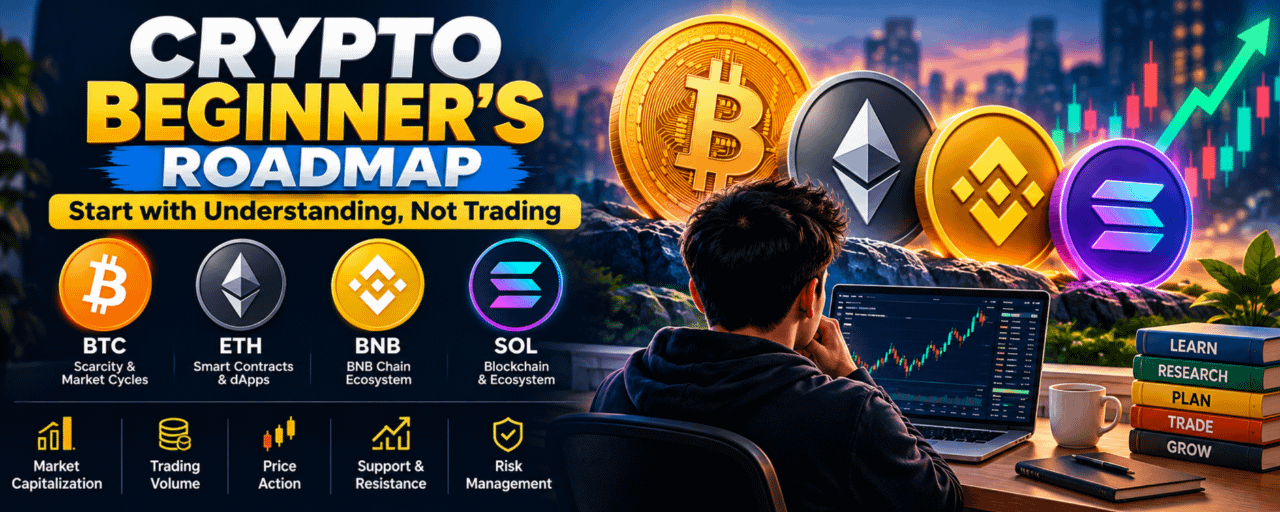
Starting your crypto journey? Don't start with trading. Start with understanding.
The crypto market can move quickly, but learning the fundamentals gives you a stronger foundation.
🟠 Bitcoin (BTC) — Understand Bitcoin, scarcity, and market cycles.
🔵 Ethereum (ETH) — Learn about smart contracts and decentralized applications.
🟡 BNB — Explore BNB and the BNB Chain ecosystem.
🟣 Solana (SOL) — Understand Solana's blockchain and its ecosystem.
Then focus on five essential concepts:
• Market capitalization
• Trading volume
• Price action
• Support & resistance
• Risk management
The goal isn't to predict every market move. The goal is to understand what you're looking at before making a decision.
Which one are you currently learning — BTC, ETH, BNB, or SOL? 👇
$BTC $ETH $BNB
#BinanceSquare #CryptoEducation #CryptoForBeginners #SOL
Starting your crypto journey? Don't start with trading. Start with understanding.
📚 Crypto Beginner’s Roadmap
Starting your crypto journey? Don't start with trading. Start with understanding.
The crypto market can move quickly, but learning the fundamentals gives you a stronger foundation.
🟠 Bitcoin (BTC) — Understand Bitcoin, scarcity, and market cycles.
🔵 Ethereum (ETH) — Learn about smart contracts and decentralized applications.
🟡 BNB — Explore BNB and the BNB Chain ecosystem.
🟣 Solana (SOL) — Understand Solana's blockchain and its ecosystem.
Then focus on five essential concepts:
• Market capitalization
• Trading volume
• Price action
• Support & resistance
• Risk management
The goal isn't to predict every market move. The goal is to understand what you're looking at before making a decision.
Which one are you currently learning — BTC, ETH, BNB, or SOL? 👇
$BTC $ETH $BNB
#BinanceSquare #CryptoEducation #CryptoForBeginners #SOL
Starting your crypto journey? Don't start with trading. Start with understanding.
The crypto market can move quickly, but learning the fundamentals gives you a stronger foundation.
🟠 Bitcoin (BTC) — Understand Bitcoin, scarcity, and market cycles.
🔵 Ethereum (ETH) — Learn about smart contracts and decentralized applications.
🟡 BNB — Explore BNB and the BNB Chain ecosystem.
🟣 Solana (SOL) — Understand Solana's blockchain and its ecosystem.
Then focus on five essential concepts:
• Market capitalization
• Trading volume
• Price action
• Support & resistance
• Risk management
The goal isn't to predict every market move. The goal is to understand what you're looking at before making a decision.
Which one are you currently learning — BTC, ETH, BNB, or SOL? 👇
$BTC $ETH $BNB
#BinanceSquare #CryptoEducation #CryptoForBeginners #SOL
86

·
--
📚 Crypto Education: 5 Principles for Smarter Trading
Trading is not just about predicting price movements. A strong approach starts with knowledge, risk management, discipline, and continuous learning.
1️⃣ Do your research
2️⃣ Manage your risk
3️⃣ Control your emotions
4️⃣ Have a clear trading plan
5️⃣ Keep learning and improving
💡 Remember: Protecting your capital is just as important as looking for profits.
⚠️ Educational content only. Not financial advice.
#Binance #cryptoeducation #tradingtips #CryptoTrading #Bitcoin #RiskManagement #Crypto #Trading
📚 Crypto Education: 5 Principles for Smarter Trading
Trading is not just about predicting price movements. A strong approach starts with knowledge, risk management, discipline, and continuous learning.
1️⃣ Do your research
2️⃣ Manage your risk
3️⃣ Control your emotions
4️⃣ Have a clear trading plan
5️⃣ Keep learning and improving
💡 Remember: Protecting your capital is just as important as looking for profits.
⚠️ Educational content only. Not financial advice.
#Binance #cryptoeducation #tradingtips #CryptoTrading #Bitcoin #RiskManagement #Crypto #Trading
Trading is not just about predicting price movements. A strong approach starts with knowledge, risk management, discipline, and continuous learning.
1️⃣ Do your research
2️⃣ Manage your risk
3️⃣ Control your emotions
4️⃣ Have a clear trading plan
5️⃣ Keep learning and improving
💡 Remember: Protecting your capital is just as important as looking for profits.
⚠️ Educational content only. Not financial advice.
#Binance #cryptoeducation #tradingtips #CryptoTrading #Bitcoin #RiskManagement #Crypto #Trading
61
BTC/USDT Chart Study - Support & Resistance Concept (Educational)
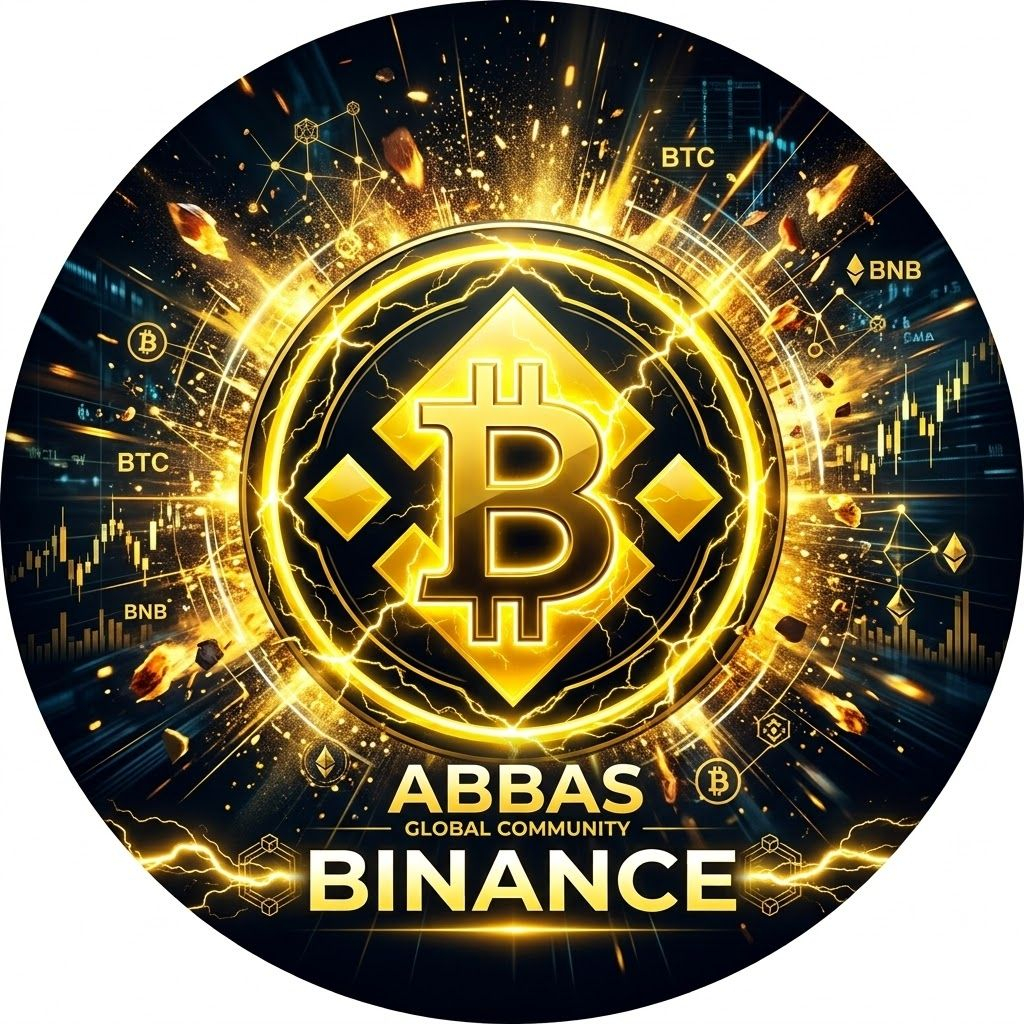
Studying the BTC chart today for learning purpose.
Green Line = Support zone (where buyers showed interest before)
Red Line = Resistance zone (where sellers took profit before)
This chart is rotated for better view of levels. This is for education only, not a buy/sell signal. I am learning technical analysis.
What levels are you watching? Share your view 👇
#BTC走势分析 #bitcoin #supportandresistance #ChartStud #cryptoeducation
BTC/USDT Chart Study - Support & Resistance Concept (Educational)
Studying the BTC chart today for learning purpose.
Green Line = Support zone (where buyers showed interest before)
Red Line = Resistance zone (where sellers took profit before)
This chart is rotated for better view of levels. This is for education only, not a buy/sell signal. I am learning technical analysis.
What levels are you watching? Share your view 👇
#BTC走势分析 #bitcoin #supportandresistance #ChartStud #cryptoeducation
Studying the BTC chart today for learning purpose.
Green Line = Support zone (where buyers showed interest before)
Red Line = Resistance zone (where sellers took profit before)
This chart is rotated for better view of levels. This is for education only, not a buy/sell signal. I am learning technical analysis.
What levels are you watching? Share your view 👇
#BTC走势分析 #bitcoin #supportandresistance #ChartStud #cryptoeducation
131

🔗 What is Blockchain?
Blockchain is a digital record system that stores transactions in connected blocks.
Think of it like a shared digital ledger that can be verified across a network.
💡 Bitcoin uses blockchain technology to record transactions.
Do you want to learn more about crypto in simple language?
Follow for daily crypto education. 🚀
⚠️ Educational content only. Crypto involves risk.
#Bitcoin #blockchain #cryptoeducation #crypto
🔗 What is Blockchain?
Blockchain is a digital record system that stores transactions in connected blocks.
Think of it like a shared digital ledger that can be verified across a network.
💡 Bitcoin uses blockchain technology to record transactions.
Do you want to learn more about crypto in simple language?
Follow for daily crypto education. 🚀
⚠️ Educational content only. Crypto involves risk.
#Bitcoin #blockchain #cryptoeducation #crypto
Blockchain is a digital record system that stores transactions in connected blocks.
Think of it like a shared digital ledger that can be verified across a network.
💡 Bitcoin uses blockchain technology to record transactions.
Do you want to learn more about crypto in simple language?
Follow for daily crypto education. 🚀
⚠️ Educational content only. Crypto involves risk.
#Bitcoin #blockchain #cryptoeducation #crypto
59
📚 What is Bitcoin?
Bitcoin is a digital asset that operates on a decentralized blockchain network.
Unlike traditional money, Bitcoin allows people to transfer value through a peer-to-peer network without relying on a central authority.
💡 Would you like to learn more about Bitcoin and blockchain?
Follow for simple crypto education. 🚀
⚠️ Educational content only. Crypto involves risk.
#bitcoin #blockchain #cryptoeducation #crypto #Binance
📚 What is Bitcoin?
Bitcoin is a digital asset that operates on a decentralized blockchain network.
Unlike traditional money, Bitcoin allows people to transfer value through a peer-to-peer network without relying on a central authority.
💡 Would you like to learn more about Bitcoin and blockchain?
Follow for simple crypto education. 🚀
⚠️ Educational content only. Crypto involves risk.
#bitcoin #blockchain #cryptoeducation #crypto #Binance
Bitcoin is a digital asset that operates on a decentralized blockchain network.
Unlike traditional money, Bitcoin allows people to transfer value through a peer-to-peer network without relying on a central authority.
💡 Would you like to learn more about Bitcoin and blockchain?
Follow for simple crypto education. 🚀
⚠️ Educational content only. Crypto involves risk.
#bitcoin #blockchain #cryptoeducation #crypto #Binance
68
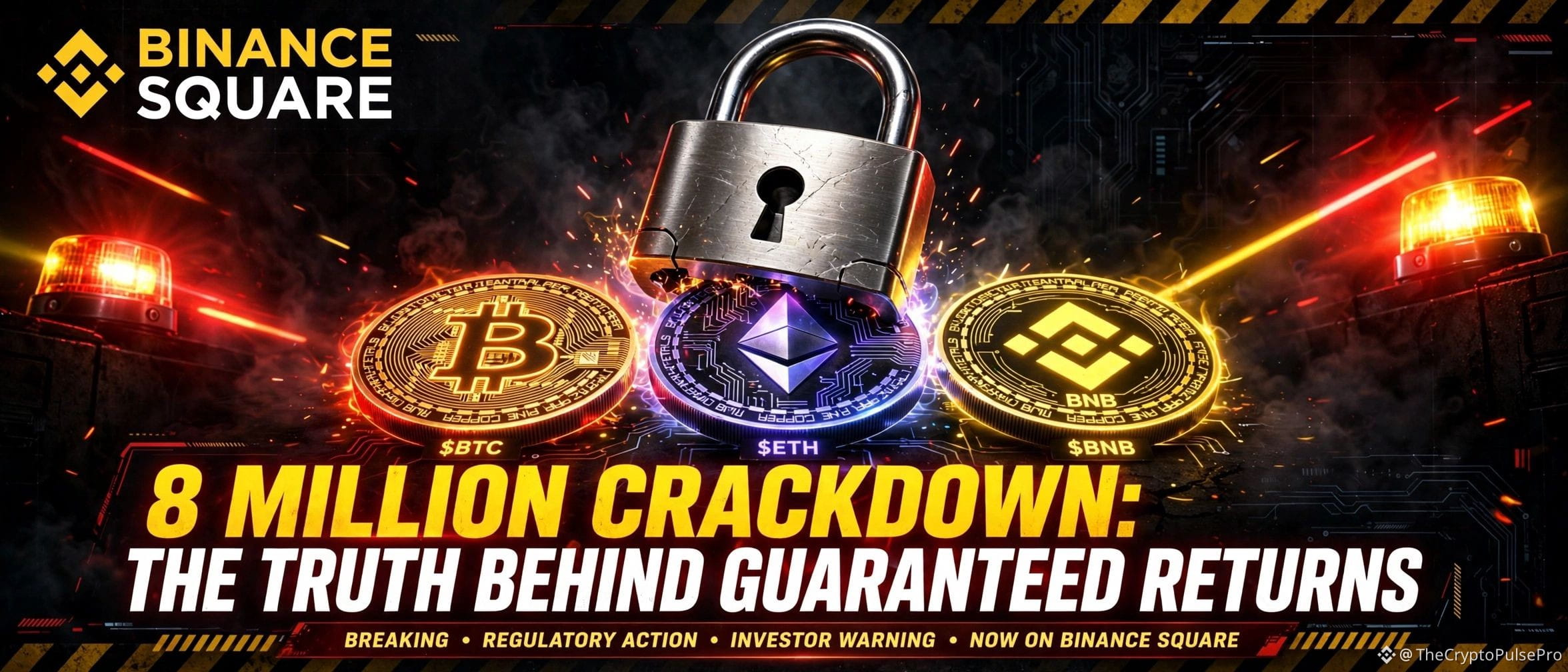
🚨 $8M CRYPTO SCHEME CRASHES: Why Greed Bait Still Catches Unwary Investors
When law enforcement cracked down on a multi-million dollar fraud network operating since 2025, it sent a clear message across the industry: illusionary high returns are the ultimate trap.
Here is a breakdown of how this $8,000,000 pyramid scheme lured over 10,000 victims and what real market participants must learn from it:
⚠️ The Mechanics of a Ponzi Wrapper
1. The Double-Your-Money Trap: Victims were promised guaranteed, rapid portfolio duplication with zero risk.
2. Pyramid Recruitment: Payouts were tied to recruiting new members rather than actual market yield generation.
3. The Withdrawal Lock: Once liquidity dried up, account freezes immediately followed.
💡 The Reality of Market Liquidity
Blockchain technology is built on transparency, cryptographic security, and open ledger execution. Bad actors simply use crypto terminology as a cover story to run traditional fraud.
Real growth comes from market structure, liquidity cycles, and risk management—not guaranteed percentage daily returns.
🛡️ Safety Checklist for Crypto Traders
🚫 Guaranteed Returns = Instant Red Flag
🚫 Forced Referral Requirements
✅ Verify On-Chain Liquidity & Official Protocols
✅ Keep Cold Storage & Manage Risk
Don't let FOMO drive your investment decisions. Real wealth is built through research, strategy, and patience.
💬 Have you ever encountered a suspicious "guaranteed return" investment scheme? Share your thoughts below to educate the community! 👇
$BTC $ETH $BNB
#CryptoSecurity #ScamAlert #RiskManagement #cryptoeducation
#greekpolicebustcryptoscamringarrest17
🚨 $8M CRYPTO SCHEME CRASHES: Why Greed Bait Still Catches Unwary Investors
When law enforcement cracked down on a multi-million dollar fraud network operating since 2025, it sent a clear message across the industry: illusionary high returns are the ultimate trap.
Here is a breakdown of how this $8,000,000 pyramid scheme lured over 10,000 victims and what real market participants must learn from it:
⚠️ The Mechanics of a Ponzi Wrapper
1. The Double-Your-Money Trap: Victims were promised guaranteed, rapid portfolio duplication with zero risk.
2. Pyramid Recruitment: Payouts were tied to recruiting new members rather than actual market yield generation.
3. The Withdrawal Lock: Once liquidity dried up, account freezes immediately followed.
💡 The Reality of Market Liquidity
Blockchain technology is built on transparency, cryptographic security, and open ledger execution. Bad actors simply use crypto terminology as a cover story to run traditional fraud.
Real growth comes from market structure, liquidity cycles, and risk management—not guaranteed percentage daily returns.
🛡️ Safety Checklist for Crypto Traders
🚫 Guaranteed Returns = Instant Red Flag
🚫 Forced Referral Requirements
✅ Verify On-Chain Liquidity & Official Protocols
✅ Keep Cold Storage & Manage Risk
Don't let FOMO drive your investment decisions. Real wealth is built through research, strategy, and patience.
💬 Have you ever encountered a suspicious "guaranteed return" investment scheme? Share your thoughts below to educate the community! 👇
$BTC $ETH $BNB
#CryptoSecurity #ScamAlert #RiskManagement #cryptoeducation
#greekpolicebustcryptoscamringarrest17
When law enforcement cracked down on a multi-million dollar fraud network operating since 2025, it sent a clear message across the industry: illusionary high returns are the ultimate trap.
Here is a breakdown of how this $8,000,000 pyramid scheme lured over 10,000 victims and what real market participants must learn from it:
⚠️ The Mechanics of a Ponzi Wrapper
1. The Double-Your-Money Trap: Victims were promised guaranteed, rapid portfolio duplication with zero risk.
2. Pyramid Recruitment: Payouts were tied to recruiting new members rather than actual market yield generation.
3. The Withdrawal Lock: Once liquidity dried up, account freezes immediately followed.
💡 The Reality of Market Liquidity
Blockchain technology is built on transparency, cryptographic security, and open ledger execution. Bad actors simply use crypto terminology as a cover story to run traditional fraud.
Real growth comes from market structure, liquidity cycles, and risk management—not guaranteed percentage daily returns.
🛡️ Safety Checklist for Crypto Traders
🚫 Guaranteed Returns = Instant Red Flag
🚫 Forced Referral Requirements
✅ Verify On-Chain Liquidity & Official Protocols
✅ Keep Cold Storage & Manage Risk
Don't let FOMO drive your investment decisions. Real wealth is built through research, strategy, and patience.
💬 Have you ever encountered a suspicious "guaranteed return" investment scheme? Share your thoughts below to educate the community! 👇
$BTC $ETH $BNB
#CryptoSecurity #ScamAlert #RiskManagement #cryptoeducation
#greekpolicebustcryptoscamringarrest17
90

🪙 CRYPTO LESSON: WHY CHEAP COINS ARE NOT ALWAYS GOOD INVESTMENTS!
A coin costing $0.001 doesn't automatically mean it's undervalued.
💡 Before buying any crypto, check:
1️⃣ Market capitalization
2️⃣ Total and circulating supply
3️⃣ Real-world utility
4️⃣ Project development and credibility
🚨 Remember: A low price doesn't guarantee a big profit.
Learn first. Invest wisely. Grow patiently.
💬 Have you ever bought a coin simply because it was cheap?
#CryptoTips #bitcoin #CryptoBeginners #blockchain #Web3 #cryptoeducation
🪙 CRYPTO LESSON: WHY CHEAP COINS ARE NOT ALWAYS GOOD INVESTMENTS!
A coin costing $0.001 doesn't automatically mean it's undervalued.
💡 Before buying any crypto, check:
1️⃣ Market capitalization
2️⃣ Total and circulating supply
3️⃣ Real-world utility
4️⃣ Project development and credibility
🚨 Remember: A low price doesn't guarantee a big profit.
Learn first. Invest wisely. Grow patiently.
💬 Have you ever bought a coin simply because it was cheap?
#CryptoTips #bitcoin #CryptoBeginners #blockchain #Web3 #cryptoeducation
A coin costing $0.001 doesn't automatically mean it's undervalued.
💡 Before buying any crypto, check:
1️⃣ Market capitalization
2️⃣ Total and circulating supply
3️⃣ Real-world utility
4️⃣ Project development and credibility
🚨 Remember: A low price doesn't guarantee a big profit.
Learn first. Invest wisely. Grow patiently.
💬 Have you ever bought a coin simply because it was cheap?
#CryptoTips #bitcoin #CryptoBeginners #blockchain #Web3 #cryptoeducation
76

·
--
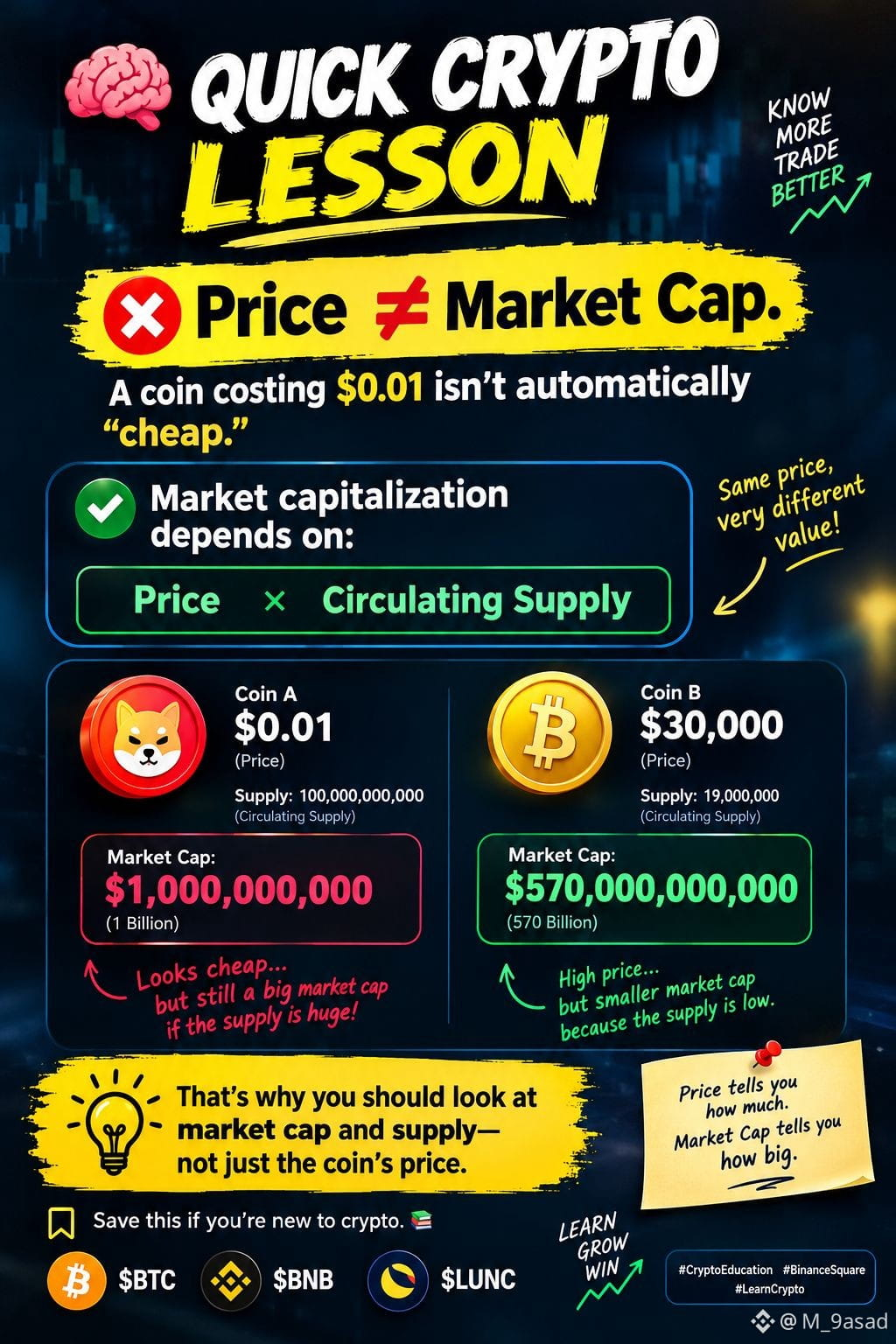
🧠 QUICK CRYPTO LESSON
Price ≠ Market Cap.
A coin costing $0.01 isn't automatically “cheap.”
Market capitalization depends on:
Price × Circulating Supply
That's why you should look at market cap and supply—not just the coin's price.
Save this if you're new to crypto. 📚
$BTC $BNB $LUNC
#cryptoeducation #BİNANCESQUARE #learncrypto
🧠 QUICK CRYPTO LESSON
Price ≠ Market Cap.
A coin costing $0.01 isn't automatically “cheap.”
Market capitalization depends on:
Price × Circulating Supply
That's why you should look at market cap and supply—not just the coin's price.
Save this if you're new to crypto. 📚
$BTC $BNB $LUNC
#cryptoeducation #BİNANCESQUARE #learncrypto
Price ≠ Market Cap.
A coin costing $0.01 isn't automatically “cheap.”
Market capitalization depends on:
Price × Circulating Supply
That's why you should look at market cap and supply—not just the coin's price.
Save this if you're new to crypto. 📚
$BTC $BNB $LUNC
#cryptoeducation #BİNANCESQUARE #learncrypto
495

🎉🎉🔍 Before buying a crypto coin, take a little time to know what you are buying.
Sometimes we see a coin suddenly trending everywhere. People are talking about it, the price is going up, and everyone seems excited.
At that moment, it is very easy to press the Buy button without thinking too much.
But I think we should stop for a moment and ask some simple questions.
What does this project actually do?
Why was this coin created?
How many coins are available?
Does the project have real use?
What is happening with the price right now?
We don't need to become a crypto expert to do basic research. Even spending a few minutes checking the project can be better than buying blindly.
Another thing I always think about is risk. A coin can have a good project but still have a big price drop. Good technology does not mean the price will always go up.
Social media can also create a lot of excitement. We may see people saying, “Buy now!” or “This coin will 10x!”
But nobody can guarantee that.
If someone gives a prediction, we should treat it as their opinion, not as a guarantee.
📌 For me, understanding what I am buying is more important than buying quickly.
If I miss a coin because I needed more time to research, that's okay. There will always be other opportunities in the crypto market.
Don't let FOMO make the decision for you.
Take your time, do your own research and only use money you can afford to lose.
💬 What is the first thing you check before buying a new coin?
Project, market cap, chart, news or something else?
#CryptoTrading #CryptoEducation #TradingTips #DYOR #crypto
$BTC
{spot}(BTCUSDT)
🎉🎉🔍 Before buying a crypto coin, take a little time to know what you are buying.
Sometimes we see a coin suddenly trending everywhere. People are talking about it, the price is going up, and everyone seems excited.
At that moment, it is very easy to press the Buy button without thinking too much.
But I think we should stop for a moment and ask some simple questions.
What does this project actually do?
Why was this coin created?
How many coins are available?
Does the project have real use?
What is happening with the price right now?
We don't need to become a crypto expert to do basic research. Even spending a few minutes checking the project can be better than buying blindly.
Another thing I always think about is risk. A coin can have a good project but still have a big price drop. Good technology does not mean the price will always go up.
Social media can also create a lot of excitement. We may see people saying, “Buy now!” or “This coin will 10x!”
But nobody can guarantee that.
If someone gives a prediction, we should treat it as their opinion, not as a guarantee.
📌 For me, understanding what I am buying is more important than buying quickly.
If I miss a coin because I needed more time to research, that's okay. There will always be other opportunities in the crypto market.
Don't let FOMO make the decision for you.
Take your time, do your own research and only use money you can afford to lose.
💬 What is the first thing you check before buying a new coin?
Project, market cap, chart, news or something else?
#CryptoTrading #CryptoEducation #TradingTips #DYOR #crypto
$BTC
Sometimes we see a coin suddenly trending everywhere. People are talking about it, the price is going up, and everyone seems excited.
At that moment, it is very easy to press the Buy button without thinking too much.
But I think we should stop for a moment and ask some simple questions.
What does this project actually do?
Why was this coin created?
How many coins are available?
Does the project have real use?
What is happening with the price right now?
We don't need to become a crypto expert to do basic research. Even spending a few minutes checking the project can be better than buying blindly.
Another thing I always think about is risk. A coin can have a good project but still have a big price drop. Good technology does not mean the price will always go up.
Social media can also create a lot of excitement. We may see people saying, “Buy now!” or “This coin will 10x!”
But nobody can guarantee that.
If someone gives a prediction, we should treat it as their opinion, not as a guarantee.
📌 For me, understanding what I am buying is more important than buying quickly.
If I miss a coin because I needed more time to research, that's okay. There will always be other opportunities in the crypto market.
Don't let FOMO make the decision for you.
Take your time, do your own research and only use money you can afford to lose.
💬 What is the first thing you check before buying a new coin?
Project, market cap, chart, news or something else?
#CryptoTrading #CryptoEducation #TradingTips #DYOR #crypto
$BTC

Tamera Phillippe KPEY:
Lilith
7
1
49

·
--
📚 **Genesis Block: The Digital "Big Bang"** Have you ever wondered where it all began? Before the first trade, before the hype, there was a single block of data. The Genesis Block is the foundation of every blockchain, a digital anchor that proves the network’s existence. **What is it?** It is the very first block in a blockchain. Unlike subsequent blocks, it is not mined or validated in the traditional sense. Its hash is hard-coded into the network's software. For Bitcoin, it was created by Satoshi Nakamoto on January 3, 2009, containing the headline: "Chancellor on brink of second bailout for banks." **How it works** The Genesis Block establishes the initial rules of the ledger. It defines the starting supply, the consensus mechanism, and the cryptographic parameters. In Bitcoin, the initial supply was 50 BTC, though these coins are unspendable. It serves as the root of the Merkle tree, ensuring that all future transactions are cryptographically linked back to this origin point. Without it, there is no chain, only isolated data points. **Why it matters** 1. **Immutability:** It provides a fixed reference point. If the Genesis Block were altered, the entire chain would break. 2. **Trustless Verification:** Nodes can verify the history of the network without trusting a central authority. 3. **Historical Record:** It preserves the intent and origin of the protocol. **Common Mistakes** Many beginners think the Genesis Block is "empty" or just a placeholder. In reality, it is a complex data structure containing the timestamp, nonce, and previous hash (which is zero).
$BTC $ETH
#Blockchain #CryptoEducation
📚 **Genesis Block: The Digital "Big Bang"** Have you ever wondered where it all began? Before the first trade, before the hype, there was a single block of data. The Genesis Block is the foundation of every blockchain, a digital anchor that proves the network’s existence. **What is it?** It is the very first block in a blockchain. Unlike subsequent blocks, it is not mined or validated in the traditional sense. Its hash is hard-coded into the network's software. For Bitcoin, it was created by Satoshi Nakamoto on January 3, 2009, containing the headline: "Chancellor on brink of second bailout for banks." **How it works** The Genesis Block establishes the initial rules of the ledger. It defines the starting supply, the consensus mechanism, and the cryptographic parameters. In Bitcoin, the initial supply was 50 BTC, though these coins are unspendable. It serves as the root of the Merkle tree, ensuring that all future transactions are cryptographically linked back to this origin point. Without it, there is no chain, only isolated data points. **Why it matters** 1. **Immutability:** It provides a fixed reference point. If the Genesis Block were altered, the entire chain would break. 2. **Trustless Verification:** Nodes can verify the history of the network without trusting a central authority. 3. **Historical Record:** It preserves the intent and origin of the protocol. **Common Mistakes** Many beginners think the Genesis Block is "empty" or just a placeholder. In reality, it is a complex data structure containing the timestamp, nonce, and previous hash (which is zero).
$BTC $ETH
#Blockchain #CryptoEducation
$BTC $ETH
#Blockchain #CryptoEducation
17

·
--
Article
CRYPTO BASICS #11 — Support & Resistance ExplainedWhen you look at a crypto chart, you’ll often hear traders talk about Support and Resistance.
But what do these terms actually mean?
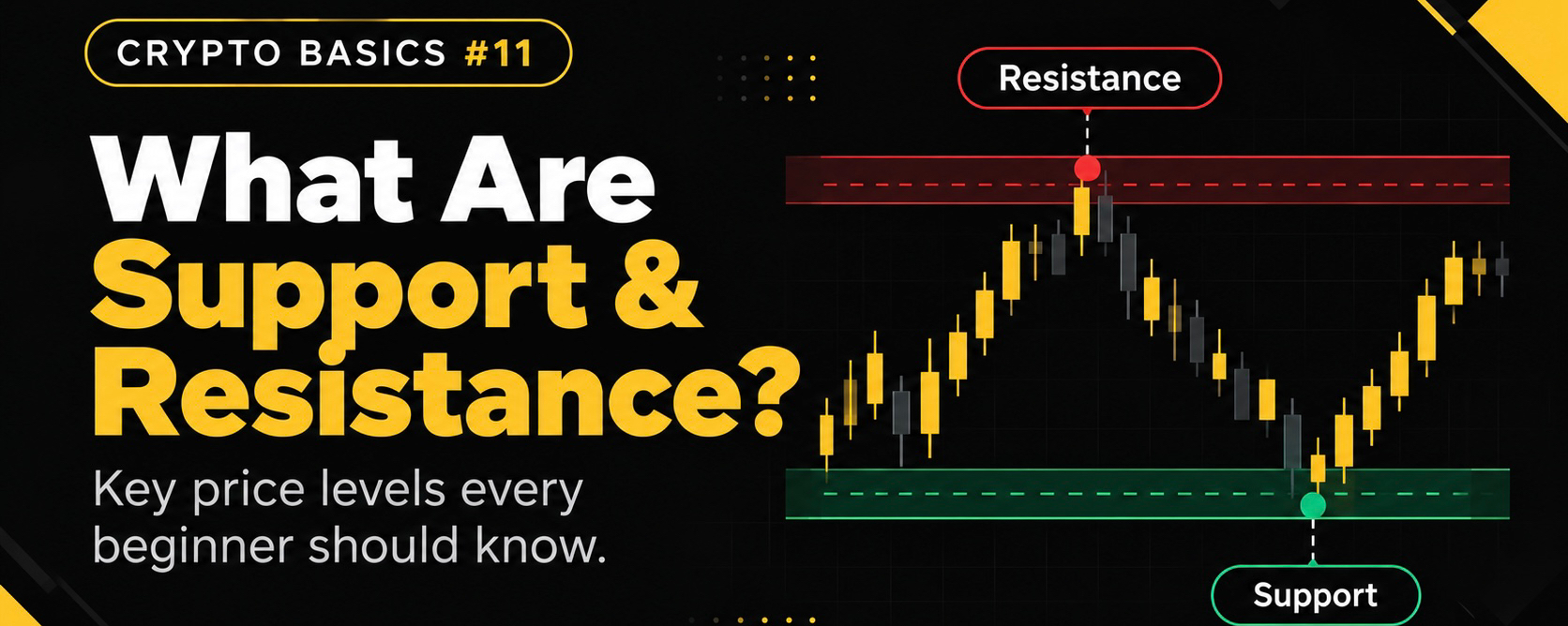
🟢 What is Support?
Support is a price area where buying interest may increase, making it harder for the price to move lower.
Think of it as a potential floor.
🔴 What is Resistance?
Resistance is a price area where selling pressure may increase, making it harder for the price to move higher.
Think of it as a potential ceiling.
📍 They are zones, not exact prices
One important thing to understand:
Support and resistance aren’t always a single price point.
They’re better viewed as zones where price has previously shown stronger buying or selling activity.
That’s why price can move slightly above or below a level without automatically invalidating it.
🔄 When levels switch roles
A support zone can later become resistance.
For example:
Support → Price breaks below → Retest → Resistance
The opposite can happen too:
Resistance → Price breaks above → Retest → Support
This is often called a support-resistance flip.
The simple takeaway
Support = potential floor
Resistance = potential ceiling
They can help you understand how price has behaved around certain areas, but they don’t guarantee that price will hold or reverse.
📚 Want to go deeper? Learn more through Binance Academy.
Educational content only, not financial advice. DYOR and use official Binance sources.
#Binance #BinanceAcademy #CryptoBasics #cryptoeducation
CRYPTO BASICS #11 — Support & Resistance Explained
When you look at a crypto chart, you’ll often hear traders talk about Support and Resistance.
But what do these terms actually mean?
🟢 What is Support?
Support is a price area where buying interest may increase, making it harder for the price to move lower.
Think of it as a potential floor.
🔴 What is Resistance?
Resistance is a price area where selling pressure may increase, making it harder for the price to move higher.
Think of it as a potential ceiling.
📍 They are zones, not exact prices
One important thing to understand:
Support and resistance aren’t always a single price point.
They’re better viewed as zones where price has previously shown stronger buying or selling activity.
That’s why price can move slightly above or below a level without automatically invalidating it.
🔄 When levels switch roles
A support zone can later become resistance.
For example:
Support → Price breaks below → Retest → Resistance
The opposite can happen too:
Resistance → Price breaks above → Retest → Support
This is often called a support-resistance flip.
The simple takeaway
Support = potential floor
Resistance = potential ceiling
They can help you understand how price has behaved around certain areas, but they don’t guarantee that price will hold or reverse.
📚 Want to go deeper? Learn more through Binance Academy.
Educational content only, not financial advice. DYOR and use official Binance sources.
#Binance #BinanceAcademy #CryptoBasics #cryptoeducation
But what do these terms actually mean?
🟢 What is Support?
Support is a price area where buying interest may increase, making it harder for the price to move lower.
Think of it as a potential floor.
🔴 What is Resistance?
Resistance is a price area where selling pressure may increase, making it harder for the price to move higher.
Think of it as a potential ceiling.
📍 They are zones, not exact prices
One important thing to understand:
Support and resistance aren’t always a single price point.
They’re better viewed as zones where price has previously shown stronger buying or selling activity.
That’s why price can move slightly above or below a level without automatically invalidating it.
🔄 When levels switch roles
A support zone can later become resistance.
For example:
Support → Price breaks below → Retest → Resistance
The opposite can happen too:
Resistance → Price breaks above → Retest → Support
This is often called a support-resistance flip.
The simple takeaway
Support = potential floor
Resistance = potential ceiling
They can help you understand how price has behaved around certain areas, but they don’t guarantee that price will hold or reverse.
📚 Want to go deeper? Learn more through Binance Academy.
Educational content only, not financial advice. DYOR and use official Binance sources.
#Binance #BinanceAcademy #CryptoBasics #cryptoeducation
2
77
·
--
🚀 Crypto Tip of the Day
The biggest mistake beginners make is investing without research.
Before buying any cryptocurrency: ✅ Understand the project
✅ Manage your risk
✅ Invest responsibly
Successful trading starts with knowledge, not emotions.
#CryptoTrading #Bitcoin #Binance #CryptoEducation #tradingtips
🚀 Crypto Tip of the Day
The biggest mistake beginners make is investing without research.
Before buying any cryptocurrency: ✅ Understand the project
✅ Manage your risk
✅ Invest responsibly
Successful trading starts with knowledge, not emotions.
#CryptoTrading #Bitcoin #Binance #CryptoEducation #tradingtips
The biggest mistake beginners make is investing without research.
Before buying any cryptocurrency: ✅ Understand the project
✅ Manage your risk
✅ Invest responsibly
Successful trading starts with knowledge, not emotions.
#CryptoTrading #Bitcoin #Binance #CryptoEducation #tradingtips
1
81

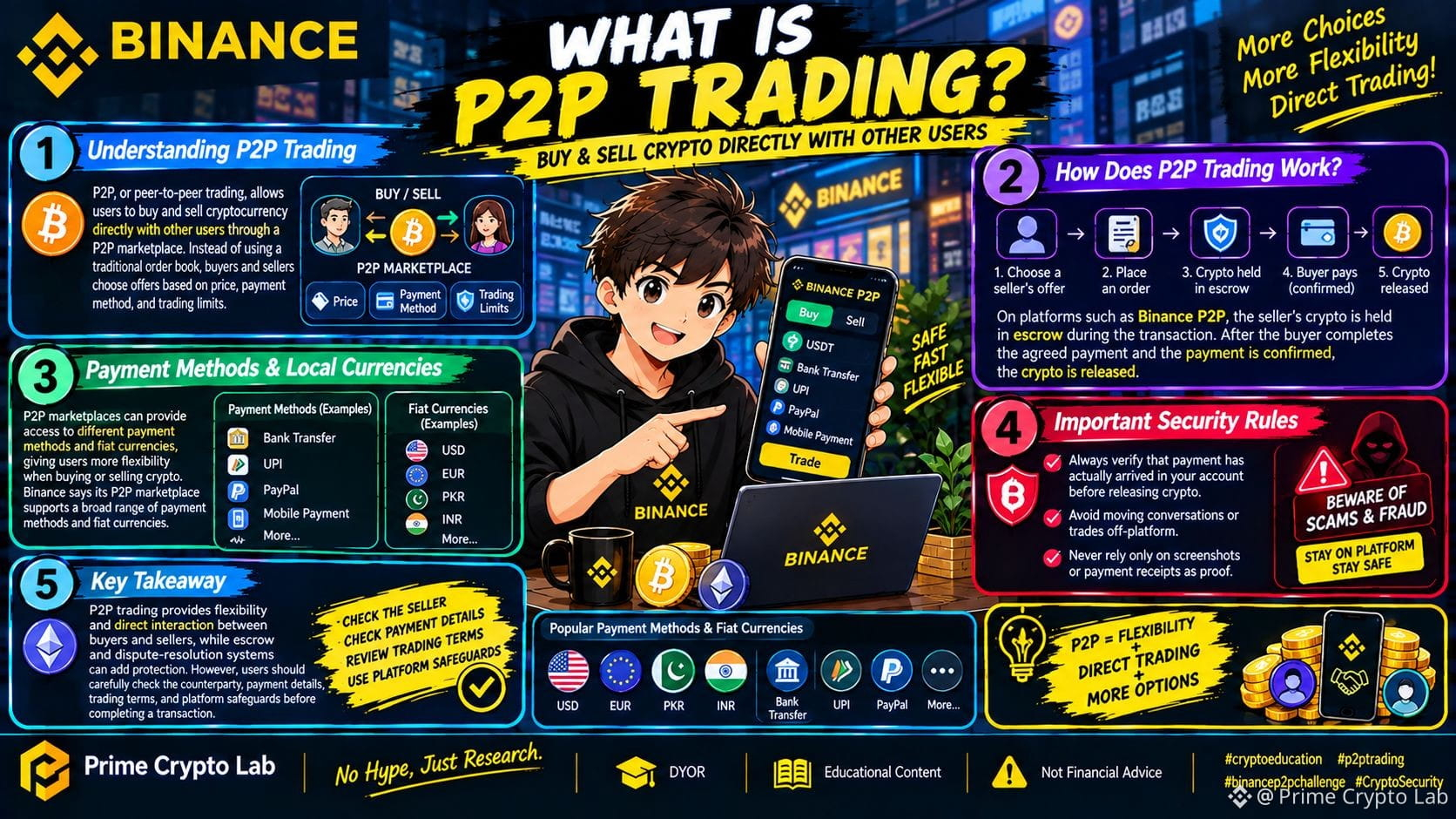
🤝 What Is P2P Trading?
🔹 1. Understanding P2P Trading
Bitcoin $BTC — P2P, or peer-to-peer trading, allows users to buy and sell cryptocurrency directly with other users through a P2P marketplace. Instead of using a traditional order book, buyers and sellers choose offers based on price, payment method, and trading limits.
💱 2. How Does P2P Trading Work?
A buyer selects a suitable seller's advertisement and places an order. On platforms such as Binance P2P, the seller's crypto is held in escrow during the transaction. After the buyer completes the agreed payment and the payment is confirmed, the crypto is released.
🏦 3. Payment Methods & Local Currencies
P2P marketplaces can provide access to different payment methods and fiat currencies, giving users more flexibility when buying or selling crypto. Binance says its P2P marketplace supports a broad range of payment methods and fiat currencies.
⚠️ 4. Important Security Rules
Tether $USDT — P2P trading still carries scam and fraud risks. Always verify that payment has actually arrived in your account before releasing crypto, avoid moving conversations or trades off-platform, and never rely only on screenshots or payment receipts as proof.
🎯 Key Takeaway
Ethereum $ETH — P2P trading provides flexibility and direct interaction between buyers and sellers, while escrow and dispute-resolution systems can add protection. However, users should carefully check the counterparty, payment details, trading terms, and platform safeguards before completing a transaction.
Prime Crypto Lab — No Hype, Just Research.
DYOR | Educational Content | Not Financial Advice
#cryptoeducation #P2PTrading #BinanceP2P #CryptoSecurity
🤝 What Is P2P Trading?
🔹 1. Understanding P2P Trading
Bitcoin $BTC — P2P, or peer-to-peer trading, allows users to buy and sell cryptocurrency directly with other users through a P2P marketplace. Instead of using a traditional order book, buyers and sellers choose offers based on price, payment method, and trading limits.
💱 2. How Does P2P Trading Work?
A buyer selects a suitable seller's advertisement and places an order. On platforms such as Binance P2P, the seller's crypto is held in escrow during the transaction. After the buyer completes the agreed payment and the payment is confirmed, the crypto is released.
🏦 3. Payment Methods & Local Currencies
P2P marketplaces can provide access to different payment methods and fiat currencies, giving users more flexibility when buying or selling crypto. Binance says its P2P marketplace supports a broad range of payment methods and fiat currencies.
⚠️ 4. Important Security Rules
Tether $USDT — P2P trading still carries scam and fraud risks. Always verify that payment has actually arrived in your account before releasing crypto, avoid moving conversations or trades off-platform, and never rely only on screenshots or payment receipts as proof.
🎯 Key Takeaway
Ethereum $ETH — P2P trading provides flexibility and direct interaction between buyers and sellers, while escrow and dispute-resolution systems can add protection. However, users should carefully check the counterparty, payment details, trading terms, and platform safeguards before completing a transaction.
Prime Crypto Lab — No Hype, Just Research.
DYOR | Educational Content | Not Financial Advice
#cryptoeducation #P2PTrading #BinanceP2P #CryptoSecurity
🔹 1. Understanding P2P Trading
Bitcoin $BTC — P2P, or peer-to-peer trading, allows users to buy and sell cryptocurrency directly with other users through a P2P marketplace. Instead of using a traditional order book, buyers and sellers choose offers based on price, payment method, and trading limits.
💱 2. How Does P2P Trading Work?
A buyer selects a suitable seller's advertisement and places an order. On platforms such as Binance P2P, the seller's crypto is held in escrow during the transaction. After the buyer completes the agreed payment and the payment is confirmed, the crypto is released.
🏦 3. Payment Methods & Local Currencies
P2P marketplaces can provide access to different payment methods and fiat currencies, giving users more flexibility when buying or selling crypto. Binance says its P2P marketplace supports a broad range of payment methods and fiat currencies.
⚠️ 4. Important Security Rules
Tether $USDT — P2P trading still carries scam and fraud risks. Always verify that payment has actually arrived in your account before releasing crypto, avoid moving conversations or trades off-platform, and never rely only on screenshots or payment receipts as proof.
🎯 Key Takeaway
Ethereum $ETH — P2P trading provides flexibility and direct interaction between buyers and sellers, while escrow and dispute-resolution systems can add protection. However, users should carefully check the counterparty, payment details, trading terms, and platform safeguards before completing a transaction.
Prime Crypto Lab — No Hype, Just Research.
DYOR | Educational Content | Not Financial Advice
#cryptoeducation #P2PTrading #BinanceP2P #CryptoSecurity
83
·
--
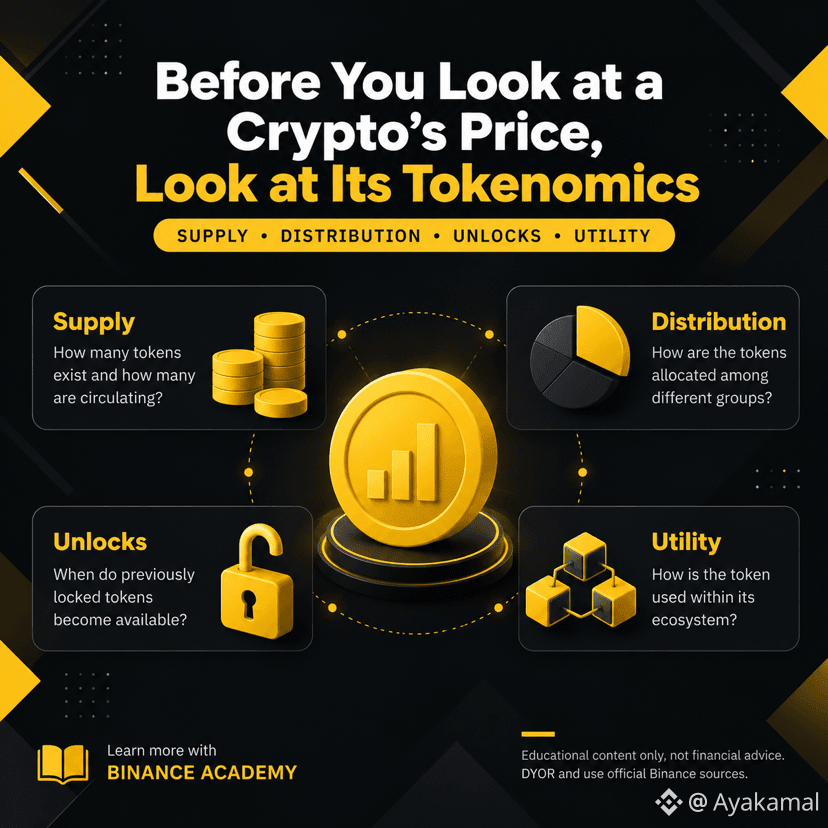
Before You Look at a Crypto’s Price, Look at Its Tokenomics
A crypto’s price is only one piece of the picture.
Two tokens can have very different prices — but that doesn’t tell you how many tokens exist, who holds them, or how the supply may change over time.
That’s where Tokenomics comes in.
🪙 What is Tokenomics?
Tokenomics refers to the economic design of a cryptocurrency or token.
It can include:
* Supply — how many tokens exist and how many are currently circulating
* Distribution — how tokens are allocated among different groups
* Unlocks — when previously locked tokens become available
* Utility — how the token is used within its ecosystem
📊 Why does supply matter?
Not all tokens are necessarily circulating from day one.
Some may be locked or scheduled to be released later, so looking at the circulating supply alone may not give you the complete picture of a token’s supply structure.
👥 Who owns the tokens?
Token allocation can include the project team, investors, community, treasury, and other groups.
Understanding the distribution can help you see how the token is structured.
🔓 What are Token Unlocks?
Some tokens are released gradually according to a predetermined schedule.
Knowing when and how many tokens may become available can help you understand how the token’s supply could change over time.
The simple takeaway:
Supply → Distribution → Unlocks → Utility
Before focusing only on a token’s price, understand what’s behind it.
📚 Learn more with Binance Academy.
Educational content only, not financial advice. DYOR and use official Binance sources.
#Binance #CryptoEducation
Before You Look at a Crypto’s Price, Look at Its Tokenomics
A crypto’s price is only one piece of the picture.
Two tokens can have very different prices — but that doesn’t tell you how many tokens exist, who holds them, or how the supply may change over time.
That’s where Tokenomics comes in.
🪙 What is Tokenomics?
Tokenomics refers to the economic design of a cryptocurrency or token.
It can include:
* Supply — how many tokens exist and how many are currently circulating
* Distribution — how tokens are allocated among different groups
* Unlocks — when previously locked tokens become available
* Utility — how the token is used within its ecosystem
📊 Why does supply matter?
Not all tokens are necessarily circulating from day one.
Some may be locked or scheduled to be released later, so looking at the circulating supply alone may not give you the complete picture of a token’s supply structure.
👥 Who owns the tokens?
Token allocation can include the project team, investors, community, treasury, and other groups.
Understanding the distribution can help you see how the token is structured.
🔓 What are Token Unlocks?
Some tokens are released gradually according to a predetermined schedule.
Knowing when and how many tokens may become available can help you understand how the token’s supply could change over time.
The simple takeaway:
Supply → Distribution → Unlocks → Utility
Before focusing only on a token’s price, understand what’s behind it.
📚 Learn more with Binance Academy.
Educational content only, not financial advice. DYOR and use official Binance sources.
#Binance #CryptoEducation
A crypto’s price is only one piece of the picture.
Two tokens can have very different prices — but that doesn’t tell you how many tokens exist, who holds them, or how the supply may change over time.
That’s where Tokenomics comes in.
🪙 What is Tokenomics?
Tokenomics refers to the economic design of a cryptocurrency or token.
It can include:
* Supply — how many tokens exist and how many are currently circulating
* Distribution — how tokens are allocated among different groups
* Unlocks — when previously locked tokens become available
* Utility — how the token is used within its ecosystem
📊 Why does supply matter?
Not all tokens are necessarily circulating from day one.
Some may be locked or scheduled to be released later, so looking at the circulating supply alone may not give you the complete picture of a token’s supply structure.
👥 Who owns the tokens?
Token allocation can include the project team, investors, community, treasury, and other groups.
Understanding the distribution can help you see how the token is structured.
🔓 What are Token Unlocks?
Some tokens are released gradually according to a predetermined schedule.
Knowing when and how many tokens may become available can help you understand how the token’s supply could change over time.
The simple takeaway:
Supply → Distribution → Unlocks → Utility
Before focusing only on a token’s price, understand what’s behind it.
📚 Learn more with Binance Academy.
Educational content only, not financial advice. DYOR and use official Binance sources.
#Binance #CryptoEducation
3
72

·
--
🚀 New to crypto? Start with the basics.
Don't chase the market. Learn how it works, manage your risk, and make informed decisions. 📊
#Binance #Bitcoin #BTC #Crypto #CryptoEducation
📈 Bitcoin: What Should Beginners Watch?
If you are new to crypto, don't look at the price alone.
Before making any decision, pay attention to:
🔹 Market trend
🔹 Trading volume
🔹 Support and resistance
🔹 Risk management
Crypto can move very quickly, so learning first is always important.
💡 Learn. Research. Then decide.
What are you watching in the crypto market today? 👇
🚀 New to crypto? Start with the basics.
Don't chase the market. Learn how it works, manage your risk, and make informed decisions. 📊
#Binance #Bitcoin #BTC #Crypto #CryptoEducation
📈 Bitcoin: What Should Beginners Watch?
If you are new to crypto, don't look at the price alone.
Before making any decision, pay attention to:
🔹 Market trend
🔹 Trading volume
🔹 Support and resistance
🔹 Risk management
Crypto can move very quickly, so learning first is always important.
💡 Learn. Research. Then decide.
What are you watching in the crypto market today? 👇
Don't chase the market. Learn how it works, manage your risk, and make informed decisions. 📊
#Binance #Bitcoin #BTC #Crypto #CryptoEducation
📈 Bitcoin: What Should Beginners Watch?
If you are new to crypto, don't look at the price alone.
Before making any decision, pay attention to:
🔹 Market trend
🔹 Trading volume
🔹 Support and resistance
🔹 Risk management
Crypto can move very quickly, so learning first is always important.
💡 Learn. Research. Then decide.
What are you watching in the crypto market today? 👇
107

Article
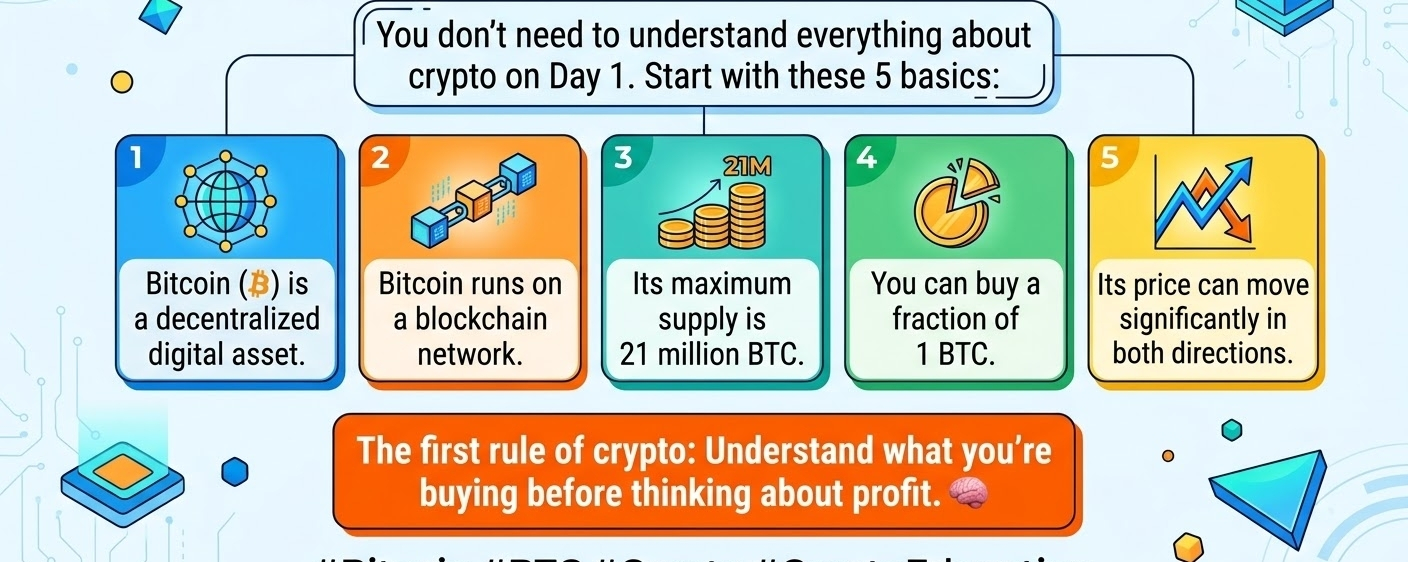
🚨 NEW TO BITCOIN? START HEREYou don't need to understand everything about crypto on Day 1.
Start with these 4 basics:
₿ Bitcoin ($BTC) is a decentralized digital asset.
🔹 Bitcoin runs on a blockchain network.
🔹 Its maximum supply is 21 million BTC.
🔹 You can buy a fraction of 1 BTC.
🔹 Its price can move significantly in both directions.
The first rule of crypto:
Understand what you're buying before thinking about profit. 🧠
What should a beginner learn next?
#bitcoin #BTC #CryptoPatience #cryptoeducation $ETH $BNB $NVDAB
🚨 NEW TO BITCOIN? START HERE
You don't need to understand everything about crypto on Day 1.
Start with these 4 basics:
₿ Bitcoin ($BTC) is a decentralized digital asset.
🔹 Bitcoin runs on a blockchain network.
🔹 Its maximum supply is 21 million BTC.
🔹 You can buy a fraction of 1 BTC.
🔹 Its price can move significantly in both directions.
The first rule of crypto:
Understand what you're buying before thinking about profit. 🧠
What should a beginner learn next?
#bitcoin #BTC #CryptoPatience #cryptoeducation $ETH $BNB $NVDAB
Start with these 4 basics:
₿ Bitcoin ($BTC) is a decentralized digital asset.
🔹 Bitcoin runs on a blockchain network.
🔹 Its maximum supply is 21 million BTC.
🔹 You can buy a fraction of 1 BTC.
🔹 Its price can move significantly in both directions.
The first rule of crypto:
Understand what you're buying before thinking about profit. 🧠
What should a beginner learn next?
#bitcoin #BTC #CryptoPatience #cryptoeducation $ETH $BNB $NVDAB
91
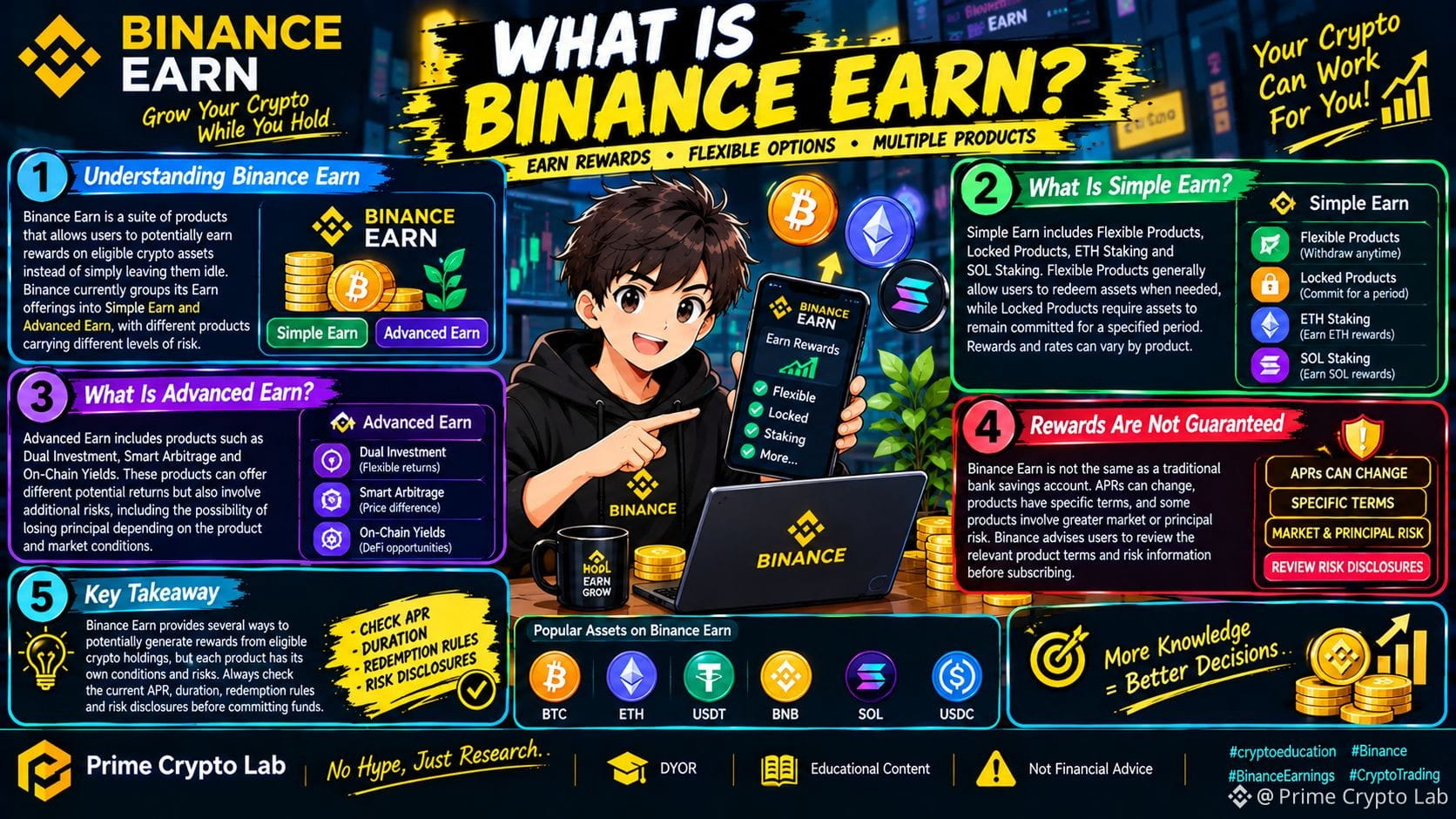
💰 What Is Binance Earn?
📊 1. Understanding Binance Earn
Bitcoin $BTC — Binance Earn is a suite of products that allows users to potentially earn rewards on eligible crypto assets instead of simply leaving them idle. Binance currently groups its Earn offerings into Simple Earn and Advanced Earn, with different products carrying different levels of risk.
🔄 2. What Is Simple Earn?
Simple Earn includes Flexible Products, Locked Products, ETH Staking and SOL Staking. Flexible Products generally allow users to redeem assets when needed, while Locked Products require assets to remain committed for a specified period. Rewards and rates can vary by product.
⚡ 3. What Is Advanced Earn?
Ethereum $ETH — Advanced Earn includes products such as Dual Investment, Smart Arbitrage and On-Chain Yields. These products can offer different potential returns but also involve additional risks, including the possibility of losing principal depending on the product and market conditions.
🛡️ 4. Rewards Are Not Guaranteed
Binance Earn is not the same as a traditional bank savings account. APRs can change, products have specific terms, and some products involve greater market or principal risk. Binance advises users to review the relevant product terms and risk information before subscribing.
🎯 Key Takeaway
Solana $SOL — Binance Earn provides several ways to potentially generate rewards from eligible crypto holdings, but each product has its own conditions and risks. Always check the current APR, duration, redemption rules and risk disclosures before committing funds.
Prime Crypto Lab — No Hype, Just Research.
DYOR | Educational Content | Not Financial Advice
#cryptoeducation #Binance #BinanceEarn #cryptotrading
💰 What Is Binance Earn?
📊 1. Understanding Binance Earn
Bitcoin $BTC — Binance Earn is a suite of products that allows users to potentially earn rewards on eligible crypto assets instead of simply leaving them idle. Binance currently groups its Earn offerings into Simple Earn and Advanced Earn, with different products carrying different levels of risk.
🔄 2. What Is Simple Earn?
Simple Earn includes Flexible Products, Locked Products, ETH Staking and SOL Staking. Flexible Products generally allow users to redeem assets when needed, while Locked Products require assets to remain committed for a specified period. Rewards and rates can vary by product.
⚡ 3. What Is Advanced Earn?
Ethereum $ETH — Advanced Earn includes products such as Dual Investment, Smart Arbitrage and On-Chain Yields. These products can offer different potential returns but also involve additional risks, including the possibility of losing principal depending on the product and market conditions.
🛡️ 4. Rewards Are Not Guaranteed
Binance Earn is not the same as a traditional bank savings account. APRs can change, products have specific terms, and some products involve greater market or principal risk. Binance advises users to review the relevant product terms and risk information before subscribing.
🎯 Key Takeaway
Solana $SOL — Binance Earn provides several ways to potentially generate rewards from eligible crypto holdings, but each product has its own conditions and risks. Always check the current APR, duration, redemption rules and risk disclosures before committing funds.
Prime Crypto Lab — No Hype, Just Research.
DYOR | Educational Content | Not Financial Advice
#cryptoeducation #Binance #BinanceEarn #cryptotrading
📊 1. Understanding Binance Earn
Bitcoin $BTC — Binance Earn is a suite of products that allows users to potentially earn rewards on eligible crypto assets instead of simply leaving them idle. Binance currently groups its Earn offerings into Simple Earn and Advanced Earn, with different products carrying different levels of risk.
🔄 2. What Is Simple Earn?
Simple Earn includes Flexible Products, Locked Products, ETH Staking and SOL Staking. Flexible Products generally allow users to redeem assets when needed, while Locked Products require assets to remain committed for a specified period. Rewards and rates can vary by product.
⚡ 3. What Is Advanced Earn?
Ethereum $ETH — Advanced Earn includes products such as Dual Investment, Smart Arbitrage and On-Chain Yields. These products can offer different potential returns but also involve additional risks, including the possibility of losing principal depending on the product and market conditions.
🛡️ 4. Rewards Are Not Guaranteed
Binance Earn is not the same as a traditional bank savings account. APRs can change, products have specific terms, and some products involve greater market or principal risk. Binance advises users to review the relevant product terms and risk information before subscribing.
🎯 Key Takeaway
Solana $SOL — Binance Earn provides several ways to potentially generate rewards from eligible crypto holdings, but each product has its own conditions and risks. Always check the current APR, duration, redemption rules and risk disclosures before committing funds.
Prime Crypto Lab — No Hype, Just Research.
DYOR | Educational Content | Not Financial Advice
#cryptoeducation #Binance #BinanceEarn #cryptotrading
106
·
--
📚 📚 Ever felt confused by why you buy at one price and sell at another? That gap is the Bid-Ask Spread. It’s the silent cost of every trade, yet most new traders ignore it until it eats their profits. Think of the spread as the dealer’s fee. The 'Bid' is the highest price a buyer will pay. The 'Ask' is the lowest price a seller will accept. The difference between them is the spread. In highly liquid markets like Bitcoin, this gap is tiny—often just a few cents. But in low-liquidity altcoins, it can be huge. How does it work? Imagine you want to buy $BTC. You see the Bid at $60,000 and the Ask at $60,002. That $2 difference is the spread. If you buy now, you’re instantly down $2 per coin. To break even, the price must rise by that amount before you sell. This is why high-volatility pairs often have wider spreads. Why should you care? A tight spread means high liquidity and easier entry/exit. A wide spread signals low liquidity and higher risk. If you trade small-cap coins, always check the spread first. Common Mistakes: 1. Ignoring the spread on entry. 2. Assuming the mid-price is your actual entry price. 3. Trading illiquid pairs during low-volume hours. Pro Tip: Use limit orders instead of market orders to avoid paying the full spread. Place your order at the Bid or Ask price to get a better fill. Which coin has the widest spread you’ve traded? $BTC $ETH #CryptoEducation #TradingTips
📚 📚 Ever felt confused by why you buy at one price and sell at another? That gap is the Bid-Ask Spread. It’s the silent cost of every trade, yet most new traders ignore it until it eats their profits. Think of the spread as the dealer’s fee. The 'Bid' is the highest price a buyer will pay. The 'Ask' is the lowest price a seller will accept. The difference between them is the spread. In highly liquid markets like Bitcoin, this gap is tiny—often just a few cents. But in low-liquidity altcoins, it can be huge. How does it work? Imagine you want to buy $BTC . You see the Bid at $60,000 and the Ask at $60,002. That $2 difference is the spread. If you buy now, you’re instantly down $2 per coin. To break even, the price must rise by that amount before you sell. This is why high-volatility pairs often have wider spreads. Why should you care? A tight spread means high liquidity and easier entry/exit. A wide spread signals low liquidity and higher risk. If you trade small-cap coins, always check the spread first. Common Mistakes: 1. Ignoring the spread on entry. 2. Assuming the mid-price is your actual entry price. 3. Trading illiquid pairs during low-volume hours. Pro Tip: Use limit orders instead of market orders to avoid paying the full spread. Place your order at the Bid or Ask price to get a better fill. Which coin has the widest spread you’ve traded? $BTC $ETH #CryptoEducation #TradingTips
54

·
--
Binance EducationWhat’s the difference between Market Cap and Trading Volume?
Market Cap = approximate total value of a crypto’s circulating supply.
Volume = how much of it is being traded over a period.
Two numbers every crypto investor should understand. 📚
#CryptoEducation #Binance #Bitcoin
Binance Education
What’s the difference between Market Cap and Trading Volume?
Market Cap = approximate total value of a crypto’s circulating supply.
Volume = how much of it is being traded over a period.
Two numbers every crypto investor should understand. 📚
#CryptoEducation #Binance #Bitcoin
Market Cap = approximate total value of a crypto’s circulating supply.
Volume = how much of it is being traded over a period.
Two numbers every crypto investor should understand. 📚
#CryptoEducation #Binance #Bitcoin
48
·
--
🚀 Crypto From Zero to Advanced | Daily Series
Starting today, I’m launching a daily crypto education series on Binance Square.
If you’re new to crypto and want to understand it from the ground up, this series is for you.
📚 We’ll cover everything step by step, including:
• Cryptocurrency basics
• Bitcoin & Blockchain
• Binance fundamentals
• Spot Trading
• Market & Limit Orders
• Wallets & Networks
• Market Cap & Liquidity
• Technical Analysis
• Risk Management
• Futures & Leverage
• Advanced Crypto Concepts
🎯 1 Day = 1 Lesson
Simple explanations. Practical examples. No unnecessary complexity.
Follow along and let’s learn crypto from zero to advanced, one day at a time.
Day 1 starts today. 🚀
#CryptoEducation #Bitcoin #Binance #Crypto
🚀 Crypto From Zero to Advanced | Daily Series
Starting today, I’m launching a daily crypto education series on Binance Square.
If you’re new to crypto and want to understand it from the ground up, this series is for you.
📚 We’ll cover everything step by step, including:
• Cryptocurrency basics
• Bitcoin & Blockchain
• Binance fundamentals
• Spot Trading
• Market & Limit Orders
• Wallets & Networks
• Market Cap & Liquidity
• Technical Analysis
• Risk Management
• Futures & Leverage
• Advanced Crypto Concepts
🎯 1 Day = 1 Lesson
Simple explanations. Practical examples. No unnecessary complexity.
Follow along and let’s learn crypto from zero to advanced, one day at a time.
Day 1 starts today. 🚀
#CryptoEducation #Bitcoin #Binance #Crypto
Starting today, I’m launching a daily crypto education series on Binance Square.
If you’re new to crypto and want to understand it from the ground up, this series is for you.
📚 We’ll cover everything step by step, including:
• Cryptocurrency basics
• Bitcoin & Blockchain
• Binance fundamentals
• Spot Trading
• Market & Limit Orders
• Wallets & Networks
• Market Cap & Liquidity
• Technical Analysis
• Risk Management
• Futures & Leverage
• Advanced Crypto Concepts
🎯 1 Day = 1 Lesson
Simple explanations. Practical examples. No unnecessary complexity.
Follow along and let’s learn crypto from zero to advanced, one day at a time.
Day 1 starts today. 🚀
#CryptoEducation #Bitcoin #Binance #Crypto
10
Log in to explore more content
Join global crypto users on Binance Square
⚡️ Get latest and useful information about crypto.
💬 Trusted by the world’s largest crypto exchange.
👍 Discover real insights from verified creators.
Email / Phone number
Trending Topics
1
#EthereumValidatorExitQueueJumps392%
78 views
34 Discussing
2
#IMFApprovesElSalvador$138MWithBitcoinWaiver
6 views
6 Discussing
3
#SECHaltsCryptoETFReviewsAmidFundingLapse
123,466 views
1,006 Discussing
4
#ZcashETFPostsFirstWeeklyOutflow$93.6M
71,039 views
226 Discussing
5
#GreekPoliceBustCryptoScamRingArrest17
261,262 views
1,751 Discussing
6
#BitcoinRejectedAt$87K
178,114 views
284 Discussing
7
#FedOctoberRateHikeOddsFallTo17%
269,480 views
1,896 Discussing
8
#NvidiaHitsRecordHighUp2.4%
182,087 views
1,297 Discussing
9
#CanaryFilesAmendedS1ForPEPEETF
58,452 views
865 Discussing
10
#BitcoinParesGainsAfterRallyTo$86.5K
62,070 views
187 Discussing