

wiki002
4.2k Beiträge

wiki002
Melden
Nutzer blockieren
Allah is greatest
Hochfrequenz-Trader
2 Jahre
1.0K+ Following
6.2K+ Follower
16.2K+ Like gegeben
Beiträge
Alle
Zitierungen
Live
·
--
$FET’s wichtigstes Signal im Moment könnte nicht die Richtung des Preises sein. Es ist die Qualität der Nachfrage darunter.
Was mir an der Konstellation gefällt, ist die Struktur. Der Kurs bleibt über seinen wichtigen gleitenden Durchschnitten, also hält der Markt weiterhin eine konstruktive technische Basis.
Aber es gibt eine weniger offensichtliche Schwäche.
Die Beteiligung hat sich nicht mit derselben Intensität wie die Preisstruktur ausgeweitet, während der Momentum-Anteil zunehmend weniger entscheidend wird. Das erzeugt eine interessante Diskrepanz. Der Chart wirkt stärker, aber die Belege für diese Stärke expandieren nicht im gleichen Tempo.
Für mich verändert das, wie ich die Konstellation lese.
Die Frage ist nicht nur, ob die Käufer noch da sind. Das sind sie eindeutig.
Die bessere Frage ist, ob höhere Preise neue Nachfrage schaffen oder lediglich die bestehende Nachfrage verlängern. 🔎
Diese Unterscheidung ist wichtig, weil eine Bewegung technisch gesund bleiben kann, während sie zunehmend von einem kleineren Pool aktiver Käufer abhängig wird.
Darum beobachte ich die Beteiligung als Maß für die Haltbarkeit der Nachfrage – nicht nur als Tool zur Bestätigung eines Ausbruchs.
Wenn die Beteiligung stärker wird, wird die Struktur bedeutungsvoller, weil die Nachfrage mit dem Preis Schritt hält.
Wenn nicht, kann die bullische Struktur zwar intakt bleiben, aber die Überzeugung hinter der Fortsetzung bleibt fraglich.
Ehrlich gesagt ist das der Teil, den ich an $FET am wertvollsten finde. Der Chart zeigt Stärke, die nächste Ebene ist herauszufinden, ob diese Stärke Tiefe hat.
$FET $ONDO $OP
#FET #ASI #Crypto #Altcoins
$FET ’s wichtigstes Signal im Moment könnte nicht die Richtung des Preises sein. Es ist die Qualität der Nachfrage darunter.
Was mir an der Konstellation gefällt, ist die Struktur. Der Kurs bleibt über seinen wichtigen gleitenden Durchschnitten, also hält der Markt weiterhin eine konstruktive technische Basis.
Aber es gibt eine weniger offensichtliche Schwäche.
Die Beteiligung hat sich nicht mit derselben Intensität wie die Preisstruktur ausgeweitet, während der Momentum-Anteil zunehmend weniger entscheidend wird. Das erzeugt eine interessante Diskrepanz. Der Chart wirkt stärker, aber die Belege für diese Stärke expandieren nicht im gleichen Tempo.
Für mich verändert das, wie ich die Konstellation lese.
Die Frage ist nicht nur, ob die Käufer noch da sind. Das sind sie eindeutig.
Die bessere Frage ist, ob höhere Preise neue Nachfrage schaffen oder lediglich die bestehende Nachfrage verlängern. 🔎
Diese Unterscheidung ist wichtig, weil eine Bewegung technisch gesund bleiben kann, während sie zunehmend von einem kleineren Pool aktiver Käufer abhängig wird.
Darum beobachte ich die Beteiligung als Maß für die Haltbarkeit der Nachfrage – nicht nur als Tool zur Bestätigung eines Ausbruchs.
Wenn die Beteiligung stärker wird, wird die Struktur bedeutungsvoller, weil die Nachfrage mit dem Preis Schritt hält.
Wenn nicht, kann die bullische Struktur zwar intakt bleiben, aber die Überzeugung hinter der Fortsetzung bleibt fraglich.
Ehrlich gesagt ist das der Teil, den ich an $FET am wertvollsten finde. Der Chart zeigt Stärke, die nächste Ebene ist herauszufinden, ob diese Stärke Tiefe hat.
$FET $ONDO $OP
#FET #ASI #Crypto #Altcoins
Was mir an der Konstellation gefällt, ist die Struktur. Der Kurs bleibt über seinen wichtigen gleitenden Durchschnitten, also hält der Markt weiterhin eine konstruktive technische Basis.
Aber es gibt eine weniger offensichtliche Schwäche.
Die Beteiligung hat sich nicht mit derselben Intensität wie die Preisstruktur ausgeweitet, während der Momentum-Anteil zunehmend weniger entscheidend wird. Das erzeugt eine interessante Diskrepanz. Der Chart wirkt stärker, aber die Belege für diese Stärke expandieren nicht im gleichen Tempo.
Für mich verändert das, wie ich die Konstellation lese.
Die Frage ist nicht nur, ob die Käufer noch da sind. Das sind sie eindeutig.
Die bessere Frage ist, ob höhere Preise neue Nachfrage schaffen oder lediglich die bestehende Nachfrage verlängern. 🔎
Diese Unterscheidung ist wichtig, weil eine Bewegung technisch gesund bleiben kann, während sie zunehmend von einem kleineren Pool aktiver Käufer abhängig wird.
Darum beobachte ich die Beteiligung als Maß für die Haltbarkeit der Nachfrage – nicht nur als Tool zur Bestätigung eines Ausbruchs.
Wenn die Beteiligung stärker wird, wird die Struktur bedeutungsvoller, weil die Nachfrage mit dem Preis Schritt hält.
Wenn nicht, kann die bullische Struktur zwar intakt bleiben, aber die Überzeugung hinter der Fortsetzung bleibt fraglich.
Ehrlich gesagt ist das der Teil, den ich an $FET am wertvollsten finde. Der Chart zeigt Stärke, die nächste Ebene ist herauszufinden, ob diese Stärke Tiefe hat.
$FET $ONDO $OP
#FET #ASI #Crypto #Altcoins

5
707
·
--
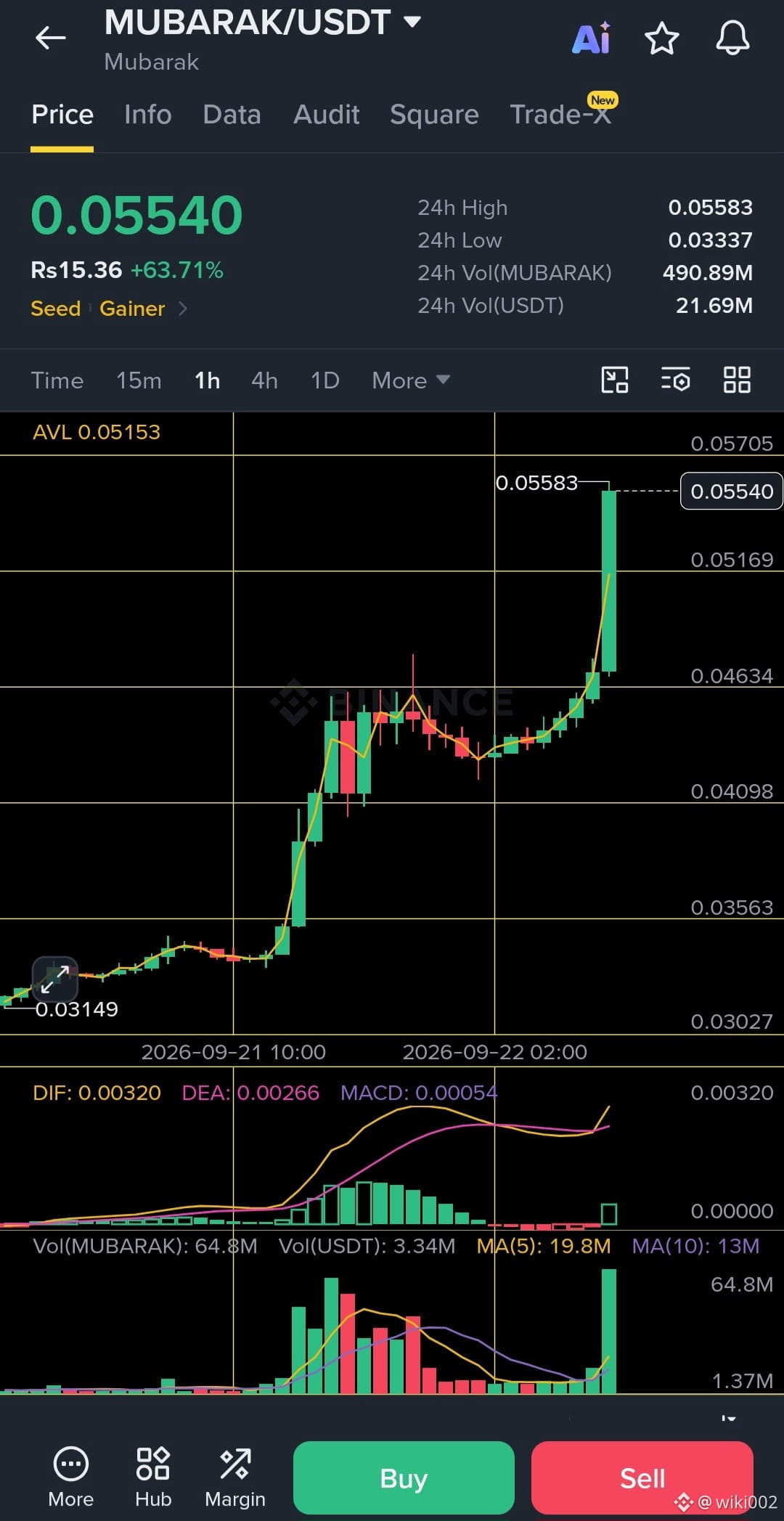
$MUBARAK /USDT
Einstieg: $0.0517–$0.0530
TP1: $0.0570
TP2: $0.0610
TP3: $0.0660
SL: $0.0462
Die entscheidende Zone ist $0.0517. Wenn der Kurs darüber hält, bleibt die Ausbruchsstruktur intakt. Ein sauberer Durchbruch über $0.0570 mit starkem Volumen könnte die nächste Aufwärtsbewegung einleiten. Wenn $0.0517 scheitert, würde ich den Trade nicht erzwingen.
#MUBARAK #Binance #Crypto #Trading
$MUBARAK /USDT
Einstieg: $0.0517–$0.0530
TP1: $0.0570
TP2: $0.0610
TP3: $0.0660
SL: $0.0462
Die entscheidende Zone ist $0.0517. Wenn der Kurs darüber hält, bleibt die Ausbruchsstruktur intakt. Ein sauberer Durchbruch über $0.0570 mit starkem Volumen könnte die nächste Aufwärtsbewegung einleiten. Wenn $0.0517 scheitert, würde ich den Trade nicht erzwingen.
#MUBARAK #Binance #Crypto #Trading
Einstieg: $0.0517–$0.0530
TP1: $0.0570
TP2: $0.0610
TP3: $0.0660
SL: $0.0462
Die entscheidende Zone ist $0.0517. Wenn der Kurs darüber hält, bleibt die Ausbruchsstruktur intakt. Ein sauberer Durchbruch über $0.0570 mit starkem Volumen könnte die nächste Aufwärtsbewegung einleiten. Wenn $0.0517 scheitert, würde ich den Trade nicht erzwingen.
#MUBARAK #Binance #Crypto #Trading
27
6
132
·
--
Ich habe $AKE genauer geprüft, und ich glaube, die interessante Frage ist nicht, ob KI-Gaming eine große Erzählung ist.
Sondern ob AKE die wirtschaftliche Aktivität einfangen kann, die durch die Plattform entsteht.
Die Tokenomics von AKEDO geben AKE eine direkte Rolle bei der Entstehung: Nutzer benötigen AKE für KI-Prompts und für die Veröffentlichung von Spielen. Protokollgebühren werden anschließend gleichmäßig zwischen Plattformumsatz, AKE-Stakern und Burns aufgeteilt. Neue Tokens, die über AKEDO gelauncht werden, sind ebenfalls so konzipiert, dass sie AKE für die Liquidität verwenden.
Das schafft einen Mechanismus, den ich spannender finde als die Schlagzeilen-Erzählung:
Schöpfung → Aktivität → Gebühren → Staking/Burns → potenzielle Wertschöpfung.
Aber es gibt einen Haken, der genauso wichtig ist.
AKE hat ein maximales Angebot von 100B, während die angeführten Daten die zirkulierende Versorgung bei etwa 22,8B sehen. Der Vesting-Plan bleibt daher eine der wichtigsten Variablen für Inhaber.
Und hier wird meine These weniger zu „KI wird wachsen“ und mehr zu Wirtschaft.
Wenn die Plattformaktivität genug, gebührengetriebene Nachfrage und Burns erzeugt, um die Wirkung zukünftiger Unlocks zu absorbieren, kann die Nützlichkeit von AKE wirtschaftlich bedeutsam werden. Wenn sich das Angebot schneller ausweitet als die reale Nutzung, kann dieselbe Tokenomics-Logik gegen Inhaber arbeiten.
Darum beobachte ich vor allem eine Beziehung:
Wächst AKEs wirtschaftliche Aktivität schneller als sein zirkulierendes Angebot? 🤔
Das ist für mich die eigentliche AKE-These.
#AKE #AKEDO #GameFi #Crypto
Ich habe $AKE genauer geprüft, und ich glaube, die interessante Frage ist nicht, ob KI-Gaming eine große Erzählung ist.
Sondern ob AKE die wirtschaftliche Aktivität einfangen kann, die durch die Plattform entsteht.
Die Tokenomics von AKEDO geben AKE eine direkte Rolle bei der Entstehung: Nutzer benötigen AKE für KI-Prompts und für die Veröffentlichung von Spielen. Protokollgebühren werden anschließend gleichmäßig zwischen Plattformumsatz, AKE-Stakern und Burns aufgeteilt. Neue Tokens, die über AKEDO gelauncht werden, sind ebenfalls so konzipiert, dass sie AKE für die Liquidität verwenden.
Das schafft einen Mechanismus, den ich spannender finde als die Schlagzeilen-Erzählung:
Schöpfung → Aktivität → Gebühren → Staking/Burns → potenzielle Wertschöpfung.
Aber es gibt einen Haken, der genauso wichtig ist.
AKE hat ein maximales Angebot von 100B, während die angeführten Daten die zirkulierende Versorgung bei etwa 22,8B sehen. Der Vesting-Plan bleibt daher eine der wichtigsten Variablen für Inhaber.
Und hier wird meine These weniger zu „KI wird wachsen“ und mehr zu Wirtschaft.
Wenn die Plattformaktivität genug, gebührengetriebene Nachfrage und Burns erzeugt, um die Wirkung zukünftiger Unlocks zu absorbieren, kann die Nützlichkeit von AKE wirtschaftlich bedeutsam werden. Wenn sich das Angebot schneller ausweitet als die reale Nutzung, kann dieselbe Tokenomics-Logik gegen Inhaber arbeiten.
Darum beobachte ich vor allem eine Beziehung:
Wächst AKEs wirtschaftliche Aktivität schneller als sein zirkulierendes Angebot? 🤔
Das ist für mich die eigentliche AKE-These.
#AKE #AKEDO #GameFi #Crypto
Sondern ob AKE die wirtschaftliche Aktivität einfangen kann, die durch die Plattform entsteht.
Die Tokenomics von AKEDO geben AKE eine direkte Rolle bei der Entstehung: Nutzer benötigen AKE für KI-Prompts und für die Veröffentlichung von Spielen. Protokollgebühren werden anschließend gleichmäßig zwischen Plattformumsatz, AKE-Stakern und Burns aufgeteilt. Neue Tokens, die über AKEDO gelauncht werden, sind ebenfalls so konzipiert, dass sie AKE für die Liquidität verwenden.
Das schafft einen Mechanismus, den ich spannender finde als die Schlagzeilen-Erzählung:
Schöpfung → Aktivität → Gebühren → Staking/Burns → potenzielle Wertschöpfung.
Aber es gibt einen Haken, der genauso wichtig ist.
AKE hat ein maximales Angebot von 100B, während die angeführten Daten die zirkulierende Versorgung bei etwa 22,8B sehen. Der Vesting-Plan bleibt daher eine der wichtigsten Variablen für Inhaber.
Und hier wird meine These weniger zu „KI wird wachsen“ und mehr zu Wirtschaft.
Wenn die Plattformaktivität genug, gebührengetriebene Nachfrage und Burns erzeugt, um die Wirkung zukünftiger Unlocks zu absorbieren, kann die Nützlichkeit von AKE wirtschaftlich bedeutsam werden. Wenn sich das Angebot schneller ausweitet als die reale Nutzung, kann dieselbe Tokenomics-Logik gegen Inhaber arbeiten.
Darum beobachte ich vor allem eine Beziehung:
Wächst AKEs wirtschaftliche Aktivität schneller als sein zirkulierendes Angebot? 🤔
Das ist für mich die eigentliche AKE-These.
#AKE #AKEDO #GameFi #Crypto

246
1
14
294
·
--
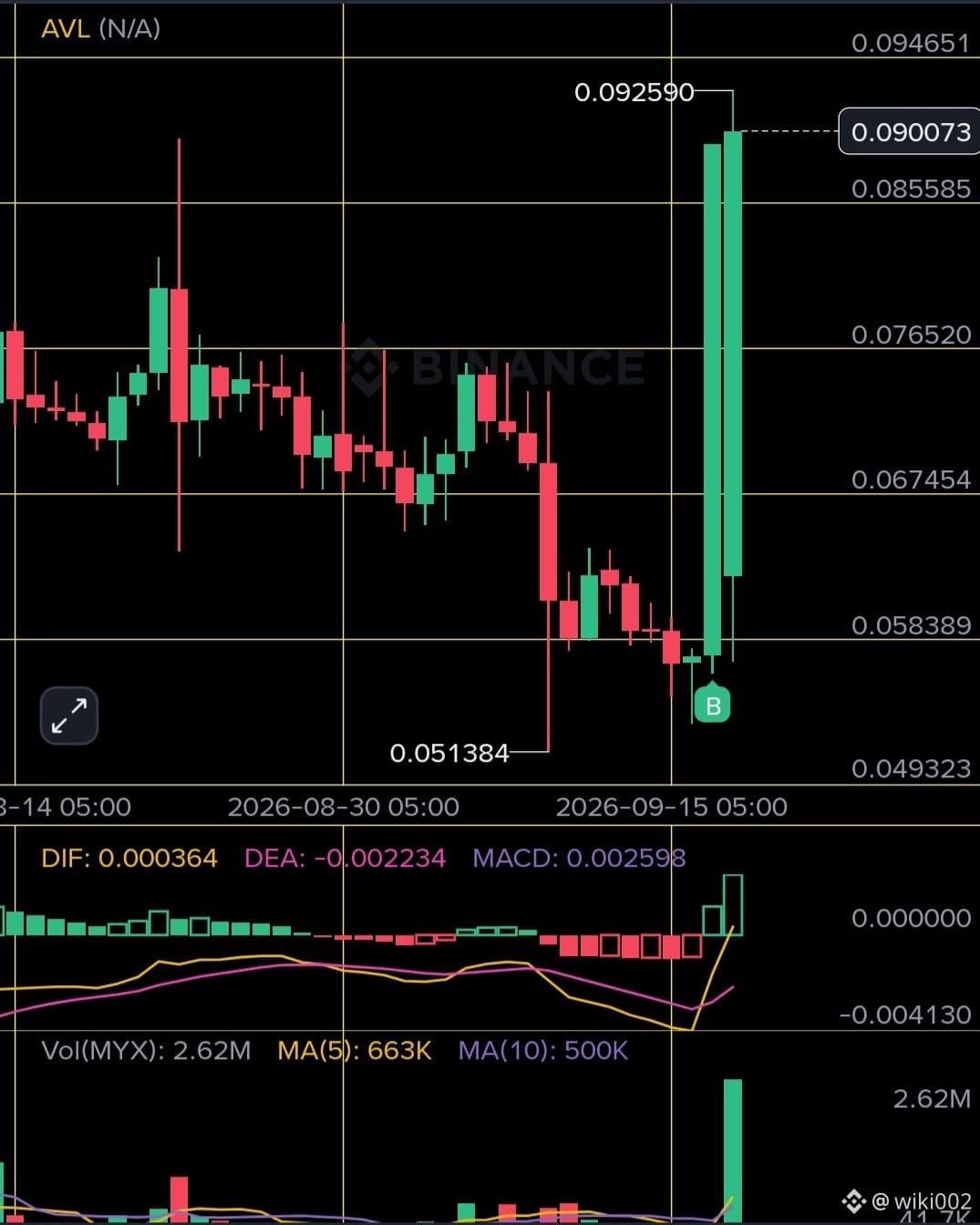
MYX/USDT 🚨
$MYX ist aggressiv aus der $0.05–$0.06-Zone ausgebrochen, mit einem starken Volumenanstieg und einer bullischen MACD-Umkehr.
Einstieg: $0.0860–$0.0900
Ziele: $0.0945 → $0.1050 → $0.1200
Unterstützung: $0.0855 / $0.0765
Invalidierung: anhaltender Move unter $0.0765
Die entscheidende Ebene ist jetzt $0.0926. Ein sauberer Ausbruch und ein Halten darüber kann die nächste Aufwärtswelle eröffnen, während eine Ablehnung dort einen erneuten Test in Richtung $0.0855 auslösen könnte.
Risikomanagement ist nach einem +50%-Move wichtig—einem vertikalen Candle hinterherzujagen ist riskanter als das Abwarten von Bestätigung oder eines kontrollierten Pullbacks.
#MYX #MYXFinance #CryptoTrading #Binance
$MYX $G
MYX/USDT 🚨
$MYX ist aggressiv aus der $0.05–$0.06-Zone ausgebrochen, mit einem starken Volumenanstieg und einer bullischen MACD-Umkehr.
Einstieg: $0.0860–$0.0900
Ziele: $0.0945 → $0.1050 → $0.1200
Unterstützung: $0.0855 / $0.0765
Invalidierung: anhaltender Move unter $0.0765
Die entscheidende Ebene ist jetzt $0.0926. Ein sauberer Ausbruch und ein Halten darüber kann die nächste Aufwärtswelle eröffnen, während eine Ablehnung dort einen erneuten Test in Richtung $0.0855 auslösen könnte.
Risikomanagement ist nach einem +50%-Move wichtig—einem vertikalen Candle hinterherzujagen ist riskanter als das Abwarten von Bestätigung oder eines kontrollierten Pullbacks.
#MYX #MYXFinance #CryptoTrading #Binance
$MYX $G
$MYX ist aggressiv aus der $0.05–$0.06-Zone ausgebrochen, mit einem starken Volumenanstieg und einer bullischen MACD-Umkehr.
Einstieg: $0.0860–$0.0900
Ziele: $0.0945 → $0.1050 → $0.1200
Unterstützung: $0.0855 / $0.0765
Invalidierung: anhaltender Move unter $0.0765
Die entscheidende Ebene ist jetzt $0.0926. Ein sauberer Ausbruch und ein Halten darüber kann die nächste Aufwärtswelle eröffnen, während eine Ablehnung dort einen erneuten Test in Richtung $0.0855 auslösen könnte.
Risikomanagement ist nach einem +50%-Move wichtig—einem vertikalen Candle hinterherzujagen ist riskanter als das Abwarten von Bestätigung oder eines kontrollierten Pullbacks.
#MYX #MYXFinance #CryptoTrading #Binance
$MYX $G
1
6
1.6k
·
--
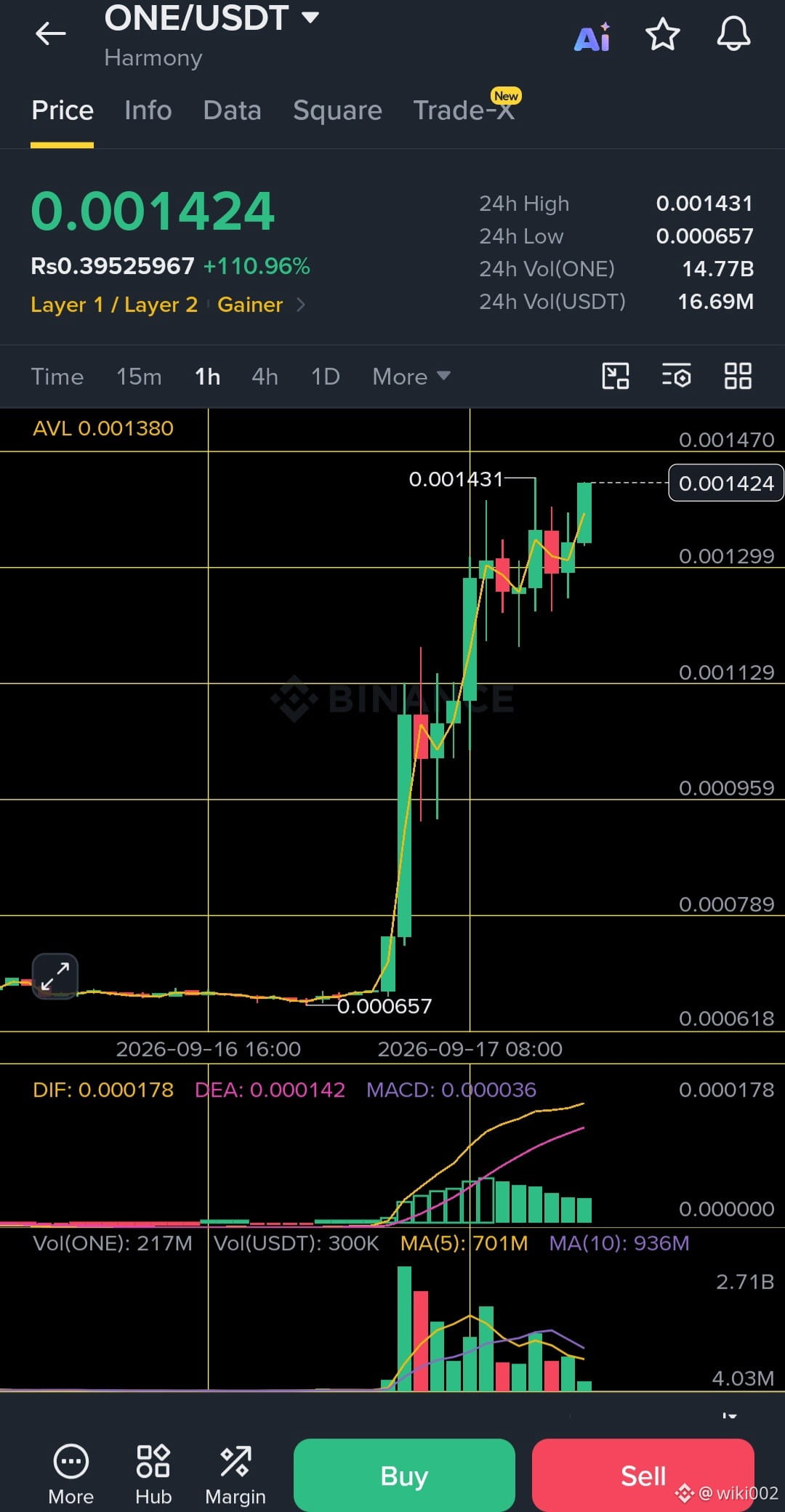
ONE/USDT 📈
$ONE ist scharf aus dem Bereich von 0.000657 ausgebrochen und handelt nun um 0.001424, mit starkem Momentum.
Einstiegszone: 0.00135 – 0.00140
Take Profit: 0.00147 / 0.00160 / 0.00175
Stop Loss: 0.00129
MACD bleibt bullisch, aber das Volumen kühlt nach dem massiven Ausbruch ab, daher ist das Hinterherjagen der aktuellen Kerze mit höherem Risiko verbunden. Ein Pullback, der 0.00135–0.00140 hält, würde ein saubereres Chance/Risiko-Setup bieten.
Wichtige Marke: 0.00129. Wenn dieser Bereich verloren geht, würde die Ausbruchstruktur geschwächt.
$ONE $AVA #Harmony #ONE #CryptoTrading
ONE/USDT 📈
$ONE ist scharf aus dem Bereich von 0.000657 ausgebrochen und handelt nun um 0.001424, mit starkem Momentum.
Einstiegszone: 0.00135 – 0.00140
Take Profit: 0.00147 / 0.00160 / 0.00175
Stop Loss: 0.00129
MACD bleibt bullisch, aber das Volumen kühlt nach dem massiven Ausbruch ab, daher ist das Hinterherjagen der aktuellen Kerze mit höherem Risiko verbunden. Ein Pullback, der 0.00135–0.00140 hält, würde ein saubereres Chance/Risiko-Setup bieten.
Wichtige Marke: 0.00129. Wenn dieser Bereich verloren geht, würde die Ausbruchstruktur geschwächt.
$ONE $AVA #Harmony #ONE #CryptoTrading
$ONE ist scharf aus dem Bereich von 0.000657 ausgebrochen und handelt nun um 0.001424, mit starkem Momentum.
Einstiegszone: 0.00135 – 0.00140
Take Profit: 0.00147 / 0.00160 / 0.00175
Stop Loss: 0.00129
MACD bleibt bullisch, aber das Volumen kühlt nach dem massiven Ausbruch ab, daher ist das Hinterherjagen der aktuellen Kerze mit höherem Risiko verbunden. Ein Pullback, der 0.00135–0.00140 hält, würde ein saubereres Chance/Risiko-Setup bieten.
Wichtige Marke: 0.00129. Wenn dieser Bereich verloren geht, würde die Ausbruchstruktur geschwächt.
$ONE $AVA #Harmony #ONE #CryptoTrading
7
1.2k
·
--
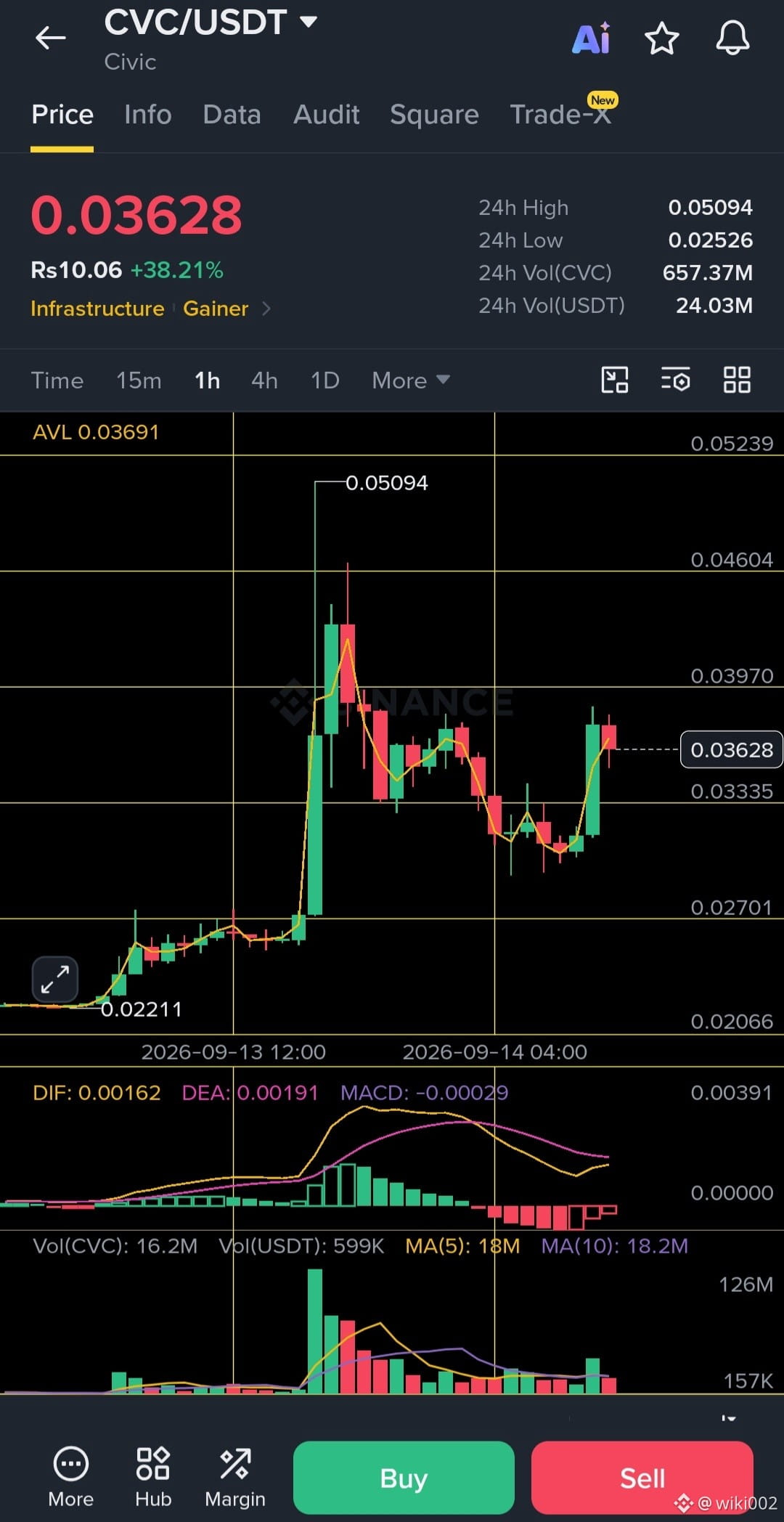
$CVC /USDT 📊
CVC hat nach der Verteidigung des Bereichs 0.0270–0.0300 wieder an Schwung gewonnen und handelt nun um 0.0363. Der Rückprall ist konstruktiv, aber der Preis nähert sich dem ersten größeren Widerstand bei 0.0397.
Einstieg: 0.0340–0.0365
Ziele: 0.0397 → 0.0460 → 0.0509
Stop-Loss: 0.0325
Die entscheidende Marke ist 0.0397. Ein sauberer Ausbruch und ein Halten darüber würden die bullische Fortsetzung Richtung 0.0460–0.0509 stärken. Wenn $CVC 0.0333 verliert, schwächt sich das Setup ab und ein tieferer Re-Test Richtung 0.0270 wird möglich.
MACD liegt immer noch unter der Signallinie, daher würde ich die aktuelle Bewegung noch nicht als bestätigten Ausbruchsdynamik werten. Risikomanagement ist hier wichtig, weil die Münze bereits eine starke Ausweitung der Volatilität erlebt hat.
#CVC #Civic #CryptoTrading #Binance
$CVC /USDT 📊
CVC hat nach der Verteidigung des Bereichs 0.0270–0.0300 wieder an Schwung gewonnen und handelt nun um 0.0363. Der Rückprall ist konstruktiv, aber der Preis nähert sich dem ersten größeren Widerstand bei 0.0397.
Einstieg: 0.0340–0.0365
Ziele: 0.0397 → 0.0460 → 0.0509
Stop-Loss: 0.0325
Die entscheidende Marke ist 0.0397. Ein sauberer Ausbruch und ein Halten darüber würden die bullische Fortsetzung Richtung 0.0460–0.0509 stärken. Wenn $CVC 0.0333 verliert, schwächt sich das Setup ab und ein tieferer Re-Test Richtung 0.0270 wird möglich.
MACD liegt immer noch unter der Signallinie, daher würde ich die aktuelle Bewegung noch nicht als bestätigten Ausbruchsdynamik werten. Risikomanagement ist hier wichtig, weil die Münze bereits eine starke Ausweitung der Volatilität erlebt hat.
#CVC #Civic #CryptoTrading #Binance
CVC hat nach der Verteidigung des Bereichs 0.0270–0.0300 wieder an Schwung gewonnen und handelt nun um 0.0363. Der Rückprall ist konstruktiv, aber der Preis nähert sich dem ersten größeren Widerstand bei 0.0397.
Einstieg: 0.0340–0.0365
Ziele: 0.0397 → 0.0460 → 0.0509
Stop-Loss: 0.0325
Die entscheidende Marke ist 0.0397. Ein sauberer Ausbruch und ein Halten darüber würden die bullische Fortsetzung Richtung 0.0460–0.0509 stärken. Wenn $CVC 0.0333 verliert, schwächt sich das Setup ab und ein tieferer Re-Test Richtung 0.0270 wird möglich.
MACD liegt immer noch unter der Signallinie, daher würde ich die aktuelle Bewegung noch nicht als bestätigten Ausbruchsdynamik werten. Risikomanagement ist hier wichtig, weil die Münze bereits eine starke Ausweitung der Volatilität erlebt hat.
#CVC #Civic #CryptoTrading #Binance
4
293
·
--
Vor ein paar Jahren hätte ich ETC anhand einer Frage beurteilt: Wie viel Aktivität kann es anziehen? Wenn man jedoch genauer auf seine Architektur schaut, denke ich, dass das ein falscher Maßstab ist.
Die Entwicklung von ETC ist vorsichtig und konsensgetrieben. Es gibt kein zentrales Team, das eine Roadmap erzwingt; Upgrades laufen über ECIPs und die Prüfung durch die Community. Das kann Innovation verlangsamen, aber der Trade-off ist wichtig: Protokollkontinuität wird Teil des Wertversprechens.
Dann begann ich darüber nachzudenken, wohin sich die Blockchain-Architektur entwickelt.
Wenn mehr Ausführung auf Layer-2s verlagert wird, kann sich die Rolle der Basisschicht von der Verarbeitung von allem hin zu Abrechnung (Settlement), Sicherheit und dauerhaftem Zustand verschieben. Die EVM-Kompatibilität von ETC könnte es zudem ermöglichen, von Open-Source-Tools und bewährten Innovationen im gesamten EVM-Ökosystem zu profitieren, ohne jedes einzelne Modul selbst neu aufbauen zu müssen.
Doch allein Kompatibilität schafft noch keine Ökonomie. Ethereum hat weiterhin deutlich mehr Liquidität, Entwickleraktivität und Anwendungen – und ETC muss unter Beweis stellen, dass seine Architektur sich in eine nachhaltige Nutzung in der realen Welt übersetzen lässt.
Daher würde ich ETC nicht „das nächste Ethereum“ nennen.
Meine These ist enger gefasst. Wenn Krypto zunehmend Ausführung von Abrechnung trennt, könnte die konservative PoW-Architektur von ETC gerade deshalb nützlich werden, weil sie Kontinuität priorisiert – statt ständigem Protokollwandel.
Das ist kein garantiertes Comeback. Es ist eine Wette auf langfristige Infrastruktur. 📊
$ETC $ETH $SOL
#ETC #EthereumClassic #Crypto
Vor ein paar Jahren hätte ich ETC anhand einer Frage beurteilt: Wie viel Aktivität kann es anziehen? Wenn man jedoch genauer auf seine Architektur schaut, denke ich, dass das ein falscher Maßstab ist.
Die Entwicklung von ETC ist vorsichtig und konsensgetrieben. Es gibt kein zentrales Team, das eine Roadmap erzwingt; Upgrades laufen über ECIPs und die Prüfung durch die Community. Das kann Innovation verlangsamen, aber der Trade-off ist wichtig: Protokollkontinuität wird Teil des Wertversprechens.
Dann begann ich darüber nachzudenken, wohin sich die Blockchain-Architektur entwickelt.
Wenn mehr Ausführung auf Layer-2s verlagert wird, kann sich die Rolle der Basisschicht von der Verarbeitung von allem hin zu Abrechnung (Settlement), Sicherheit und dauerhaftem Zustand verschieben. Die EVM-Kompatibilität von ETC könnte es zudem ermöglichen, von Open-Source-Tools und bewährten Innovationen im gesamten EVM-Ökosystem zu profitieren, ohne jedes einzelne Modul selbst neu aufbauen zu müssen.
Doch allein Kompatibilität schafft noch keine Ökonomie. Ethereum hat weiterhin deutlich mehr Liquidität, Entwickleraktivität und Anwendungen – und ETC muss unter Beweis stellen, dass seine Architektur sich in eine nachhaltige Nutzung in der realen Welt übersetzen lässt.
Daher würde ich ETC nicht „das nächste Ethereum“ nennen.
Meine These ist enger gefasst. Wenn Krypto zunehmend Ausführung von Abrechnung trennt, könnte die konservative PoW-Architektur von ETC gerade deshalb nützlich werden, weil sie Kontinuität priorisiert – statt ständigem Protokollwandel.
Das ist kein garantiertes Comeback. Es ist eine Wette auf langfristige Infrastruktur. 📊
$ETC $ETH $SOL
#ETC #EthereumClassic #Crypto
Die Entwicklung von ETC ist vorsichtig und konsensgetrieben. Es gibt kein zentrales Team, das eine Roadmap erzwingt; Upgrades laufen über ECIPs und die Prüfung durch die Community. Das kann Innovation verlangsamen, aber der Trade-off ist wichtig: Protokollkontinuität wird Teil des Wertversprechens.
Dann begann ich darüber nachzudenken, wohin sich die Blockchain-Architektur entwickelt.
Wenn mehr Ausführung auf Layer-2s verlagert wird, kann sich die Rolle der Basisschicht von der Verarbeitung von allem hin zu Abrechnung (Settlement), Sicherheit und dauerhaftem Zustand verschieben. Die EVM-Kompatibilität von ETC könnte es zudem ermöglichen, von Open-Source-Tools und bewährten Innovationen im gesamten EVM-Ökosystem zu profitieren, ohne jedes einzelne Modul selbst neu aufbauen zu müssen.
Doch allein Kompatibilität schafft noch keine Ökonomie. Ethereum hat weiterhin deutlich mehr Liquidität, Entwickleraktivität und Anwendungen – und ETC muss unter Beweis stellen, dass seine Architektur sich in eine nachhaltige Nutzung in der realen Welt übersetzen lässt.
Daher würde ich ETC nicht „das nächste Ethereum“ nennen.
Meine These ist enger gefasst. Wenn Krypto zunehmend Ausführung von Abrechnung trennt, könnte die konservative PoW-Architektur von ETC gerade deshalb nützlich werden, weil sie Kontinuität priorisiert – statt ständigem Protokollwandel.
Das ist kein garantiertes Comeback. Es ist eine Wette auf langfristige Infrastruktur. 📊
$ETC $ETH $SOL
#ETC #EthereumClassic #Crypto

5
595
·
--
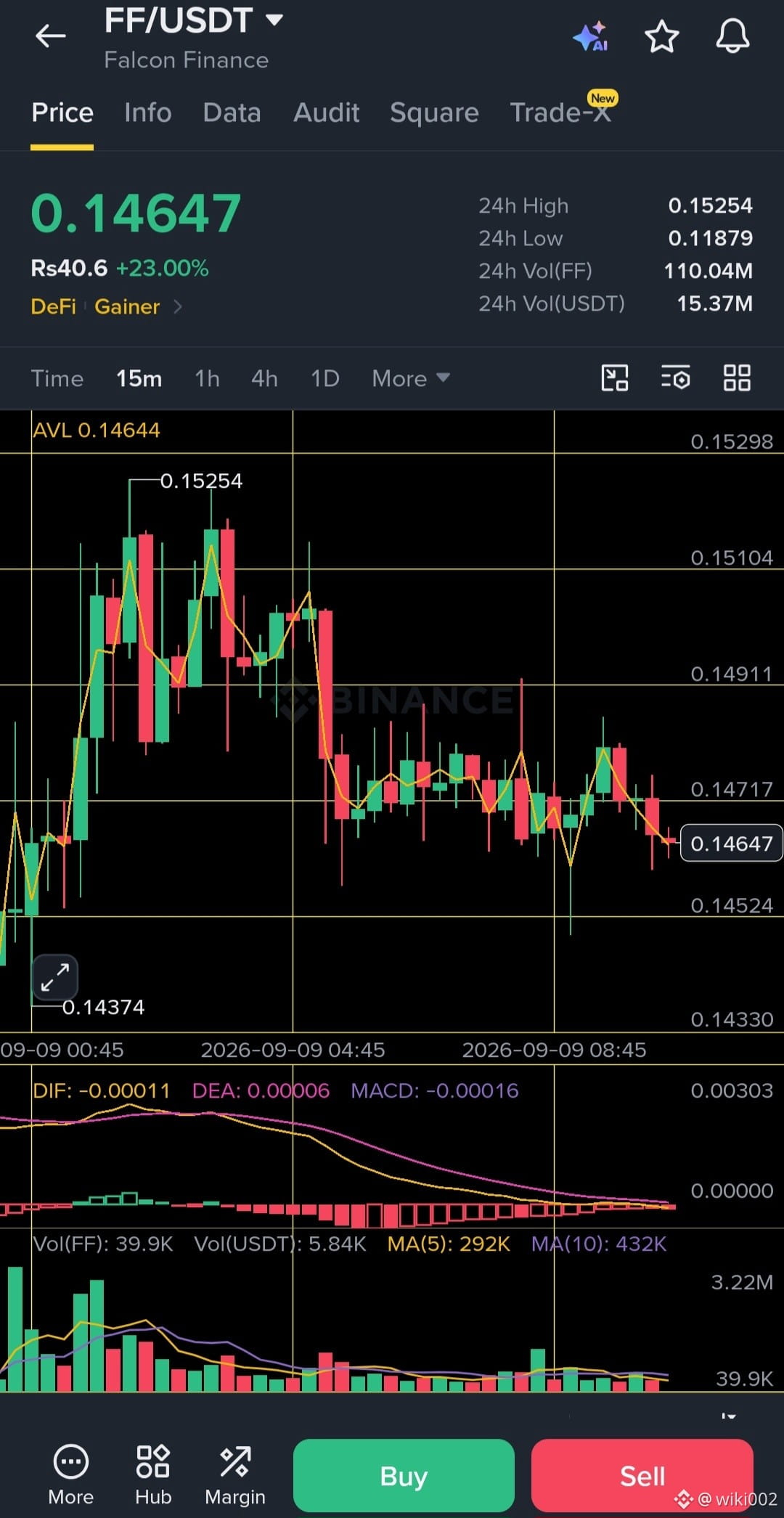
$FF/USDT 📈
Einstieg: 0.14730–0.14800
Stop Loss: 0.14520
TP1: 0.14910
TP2: 0.15100
TP3: 0.15250
Bestätigung: Einstieg nur, wenn FF 0.14730 hält/ zurückgewinnt – mit Volumen. Wenn der Kurs 0.14520 verliert, ist das Setup ungültig.
FF handelt derzeit um $0.1466–0.1470 und hat starken Momentum über 24h, aber Binance versieht es mit einem Seed-Tag, daher kann die Volatilität erhöht bleiben.
Risiko klein. Keine Bestätigung = kein Trade.
$FF $KAT $RAY #FF #CryptoTrading #Binance
$FF /USDT 📈
Einstieg: 0.14730–0.14800
Stop Loss: 0.14520
TP1: 0.14910
TP2: 0.15100
TP3: 0.15250
Bestätigung: Einstieg nur, wenn FF 0.14730 hält/ zurückgewinnt – mit Volumen. Wenn der Kurs 0.14520 verliert, ist das Setup ungültig.
FF handelt derzeit um $0.1466–0.1470 und hat starken Momentum über 24h, aber Binance versieht es mit einem Seed-Tag, daher kann die Volatilität erhöht bleiben.
Risiko klein. Keine Bestätigung = kein Trade.
$FF $KAT $RAY #FF #CryptoTrading #Binance
Einstieg: 0.14730–0.14800
Stop Loss: 0.14520
TP1: 0.14910
TP2: 0.15100
TP3: 0.15250
Bestätigung: Einstieg nur, wenn FF 0.14730 hält/ zurückgewinnt – mit Volumen. Wenn der Kurs 0.14520 verliert, ist das Setup ungültig.
FF handelt derzeit um $0.1466–0.1470 und hat starken Momentum über 24h, aber Binance versieht es mit einem Seed-Tag, daher kann die Volatilität erhöht bleiben.
Risiko klein. Keine Bestätigung = kein Trade.
$FF $KAT $RAY #FF #CryptoTrading #Binance
6
371
·
--
Verifiziert
Robinhood rückt $INJ in eine deutlich breitere Retail-Zielgruppe, aber die größere Chance liegt darin, was dieser Zugang auf Injective verknüpfen könnte.
Injective baut um eine einfache Idee herum: Tokenisierte Assets sollten nicht dabei stehen bleiben, nur Tokens zu sein.
Auf Injective verbindet sich Tokenisierung direkt mit Handel, Verleih und Abwicklung, während die RWA-Infrastruktur Zugriffss- und Compliance-Regeln unterstützen kann – also Zugriffsbeschränkungen, KYC-Anforderungen und fallspezifische Vorgaben auf Protokollebene.
Das verändert, wie ich die Robinhood-Notierung betrachte.
Der erste Schritt ist einfach: Eine neue Gruppe von Nutzern kann INJ über eine vertraute Plattform erreichen.
Der zweite Schritt ist wichtiger: Ob ein Teil dieser Verteilung irgendwann Injectives Märkte für tokenisierte Assets erreicht und echte Onchain-Beteiligung schafft.
Eine Notierung schafft Zugang. Sie erzeugt nicht automatisch Onchain-Nachfrage.
Wenn neue INJ-Inhaber schließlich zu Teilnehmern in Injectives Märkten für tokenisierte Assets werden, geht die Wirkung über reine Token-Exposition hinaus und hin zu tatsächlicher Finanzaktivität.
Das ist der Teil, den ich im Blick habe.
Nicht nur, wie viele Menschen INJ kaufen können, sondern ob Robinhood der erste Schritt in Injectives Onchain-Finanz-Stack wird.
@Injective $INJ #INJ 🚀
Robinhood rückt $INJ in eine deutlich breitere Retail-Zielgruppe, aber die größere Chance liegt darin, was dieser Zugang auf Injective verknüpfen könnte.
Injective baut um eine einfache Idee herum: Tokenisierte Assets sollten nicht dabei stehen bleiben, nur Tokens zu sein.
Auf Injective verbindet sich Tokenisierung direkt mit Handel, Verleih und Abwicklung, während die RWA-Infrastruktur Zugriffss- und Compliance-Regeln unterstützen kann – also Zugriffsbeschränkungen, KYC-Anforderungen und fallspezifische Vorgaben auf Protokollebene.
Das verändert, wie ich die Robinhood-Notierung betrachte.
Der erste Schritt ist einfach: Eine neue Gruppe von Nutzern kann INJ über eine vertraute Plattform erreichen.
Der zweite Schritt ist wichtiger: Ob ein Teil dieser Verteilung irgendwann Injectives Märkte für tokenisierte Assets erreicht und echte Onchain-Beteiligung schafft.
Eine Notierung schafft Zugang. Sie erzeugt nicht automatisch Onchain-Nachfrage.
Wenn neue INJ-Inhaber schließlich zu Teilnehmern in Injectives Märkten für tokenisierte Assets werden, geht die Wirkung über reine Token-Exposition hinaus und hin zu tatsächlicher Finanzaktivität.
Das ist der Teil, den ich im Blick habe.
Nicht nur, wie viele Menschen INJ kaufen können, sondern ob Robinhood der erste Schritt in Injectives Onchain-Finanz-Stack wird.
@Injective $INJ #INJ 🚀
Injective baut um eine einfache Idee herum: Tokenisierte Assets sollten nicht dabei stehen bleiben, nur Tokens zu sein.
Auf Injective verbindet sich Tokenisierung direkt mit Handel, Verleih und Abwicklung, während die RWA-Infrastruktur Zugriffss- und Compliance-Regeln unterstützen kann – also Zugriffsbeschränkungen, KYC-Anforderungen und fallspezifische Vorgaben auf Protokollebene.
Das verändert, wie ich die Robinhood-Notierung betrachte.
Der erste Schritt ist einfach: Eine neue Gruppe von Nutzern kann INJ über eine vertraute Plattform erreichen.
Der zweite Schritt ist wichtiger: Ob ein Teil dieser Verteilung irgendwann Injectives Märkte für tokenisierte Assets erreicht und echte Onchain-Beteiligung schafft.
Eine Notierung schafft Zugang. Sie erzeugt nicht automatisch Onchain-Nachfrage.
Wenn neue INJ-Inhaber schließlich zu Teilnehmern in Injectives Märkten für tokenisierte Assets werden, geht die Wirkung über reine Token-Exposition hinaus und hin zu tatsächlicher Finanzaktivität.
Das ist der Teil, den ich im Blick habe.
Nicht nur, wie viele Menschen INJ kaufen können, sondern ob Robinhood der erste Schritt in Injectives Onchain-Finanz-Stack wird.
@Injective $INJ #INJ 🚀

513
5
32
513
·
--
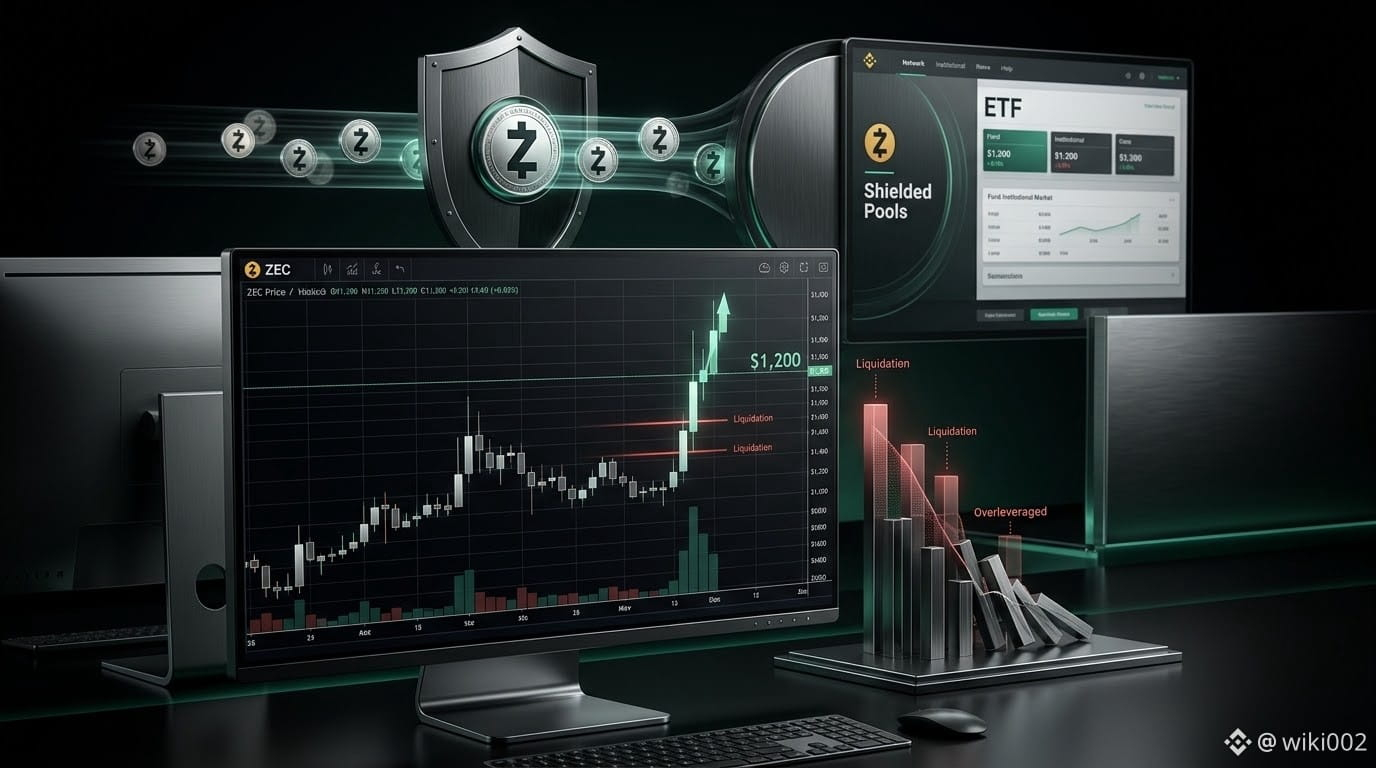
Der Anstieg von ZEC über 1.200 $ ist beeindruckend.
Aber ich bin nicht daran interessiert, eine vertikale Kerze zu kaufen. Mich interessiert, was passiert, nachdem der Squeeze seinen Treibstoff verliert.
Die jüngste Bewegung wurde offenbar deutlich durch Hebelwirkung verstärkt. Das Open Interest der ZEC-Futures ist auf etwa 2,4 Mrd. $ gestiegen, während während des Anstiegs rund 34,5 Mio. $ an Short-Positionen liquidiert wurden. Das erzeugt Aufwärtsdynamik, macht die Bewegung aber auch anfälliger, falls das Momentum umkehrt.
Es gibt einen zweiten Nachfragekanal, den man im Auge behalten sollte.
Grayscales ZCSH hat seit seinem Debüt am 25. August Nettozuflüsse von mindestens 34,4 Mio. $ verzeichnet. Das verwaltete Vermögen erreichte bis zum 4. September etwa 463 Mio. $, obwohl ich diesen gesamten Anstieg des AUM nicht als neue Käufe werten würde, da auch der Kursanstieg von ZEC den Fondswert erhöht.
Auch auf Netzwerkeite ist es interessant.
Das abgeschirmte Angebot ist auf ungefähr 4,9 Mio. ZEC gestiegen, also auf rund 30 % des Angebots. Das bedeutet nicht, dass diese Coins dauerhaft gesperrt sind. Es zeigt aber, dass abgeschirmte Guthaben mittlerweile einen deutlich größeren Anteil am ZEC-Angebot ausmachen.
Das lässt mich auf eine Sache achten.
Das nächste Signal ist nicht ein weiterer Liquidationsspike. Entscheidend ist, ob ZEC den Ausbruch halten kann, während der Hebel abkühlt.
Ich würde konstruktiver werden, wenn der Kurs über dem Ausbruchsbereich bleibt, das Open Interest sich stabilisiert oder sinkt, ohne dass es zu einem größeren Kurseinbruch kommt, und die Nettozuflüsse in den ETF anhalten.
Das würde mir sagen, dass der Markt die Bewegung absorbiert, statt lediglich Shorts auszupressen.
Falls diese Bedingungen nicht erfüllt werden, würde ich abwarten.
Persönlich kaufe ich lieber die Bestätigung von Stärke, als am letzten Teil eines Squeezes zur Liquidität zu werden.
$ZEC $SOL $ORCA #ZEC #Zcash #Crypto
{spot}(ZECUSDT)
Der Anstieg von ZEC über 1.200 $ ist beeindruckend.
Aber ich bin nicht daran interessiert, eine vertikale Kerze zu kaufen. Mich interessiert, was passiert, nachdem der Squeeze seinen Treibstoff verliert.
Die jüngste Bewegung wurde offenbar deutlich durch Hebelwirkung verstärkt. Das Open Interest der ZEC-Futures ist auf etwa 2,4 Mrd. $ gestiegen, während während des Anstiegs rund 34,5 Mio. $ an Short-Positionen liquidiert wurden. Das erzeugt Aufwärtsdynamik, macht die Bewegung aber auch anfälliger, falls das Momentum umkehrt.
Es gibt einen zweiten Nachfragekanal, den man im Auge behalten sollte.
Grayscales ZCSH hat seit seinem Debüt am 25. August Nettozuflüsse von mindestens 34,4 Mio. $ verzeichnet. Das verwaltete Vermögen erreichte bis zum 4. September etwa 463 Mio. $, obwohl ich diesen gesamten Anstieg des AUM nicht als neue Käufe werten würde, da auch der Kursanstieg von ZEC den Fondswert erhöht.
Auch auf Netzwerkeite ist es interessant.
Das abgeschirmte Angebot ist auf ungefähr 4,9 Mio. ZEC gestiegen, also auf rund 30 % des Angebots. Das bedeutet nicht, dass diese Coins dauerhaft gesperrt sind. Es zeigt aber, dass abgeschirmte Guthaben mittlerweile einen deutlich größeren Anteil am ZEC-Angebot ausmachen.
Das lässt mich auf eine Sache achten.
Das nächste Signal ist nicht ein weiterer Liquidationsspike. Entscheidend ist, ob ZEC den Ausbruch halten kann, während der Hebel abkühlt.
Ich würde konstruktiver werden, wenn der Kurs über dem Ausbruchsbereich bleibt, das Open Interest sich stabilisiert oder sinkt, ohne dass es zu einem größeren Kurseinbruch kommt, und die Nettozuflüsse in den ETF anhalten.
Das würde mir sagen, dass der Markt die Bewegung absorbiert, statt lediglich Shorts auszupressen.
Falls diese Bedingungen nicht erfüllt werden, würde ich abwarten.
Persönlich kaufe ich lieber die Bestätigung von Stärke, als am letzten Teil eines Squeezes zur Liquidität zu werden.
$ZEC $SOL $ORCA #ZEC #Zcash #Crypto
Aber ich bin nicht daran interessiert, eine vertikale Kerze zu kaufen. Mich interessiert, was passiert, nachdem der Squeeze seinen Treibstoff verliert.
Die jüngste Bewegung wurde offenbar deutlich durch Hebelwirkung verstärkt. Das Open Interest der ZEC-Futures ist auf etwa 2,4 Mrd. $ gestiegen, während während des Anstiegs rund 34,5 Mio. $ an Short-Positionen liquidiert wurden. Das erzeugt Aufwärtsdynamik, macht die Bewegung aber auch anfälliger, falls das Momentum umkehrt.
Es gibt einen zweiten Nachfragekanal, den man im Auge behalten sollte.
Grayscales ZCSH hat seit seinem Debüt am 25. August Nettozuflüsse von mindestens 34,4 Mio. $ verzeichnet. Das verwaltete Vermögen erreichte bis zum 4. September etwa 463 Mio. $, obwohl ich diesen gesamten Anstieg des AUM nicht als neue Käufe werten würde, da auch der Kursanstieg von ZEC den Fondswert erhöht.
Auch auf Netzwerkeite ist es interessant.
Das abgeschirmte Angebot ist auf ungefähr 4,9 Mio. ZEC gestiegen, also auf rund 30 % des Angebots. Das bedeutet nicht, dass diese Coins dauerhaft gesperrt sind. Es zeigt aber, dass abgeschirmte Guthaben mittlerweile einen deutlich größeren Anteil am ZEC-Angebot ausmachen.
Das lässt mich auf eine Sache achten.
Das nächste Signal ist nicht ein weiterer Liquidationsspike. Entscheidend ist, ob ZEC den Ausbruch halten kann, während der Hebel abkühlt.
Ich würde konstruktiver werden, wenn der Kurs über dem Ausbruchsbereich bleibt, das Open Interest sich stabilisiert oder sinkt, ohne dass es zu einem größeren Kurseinbruch kommt, und die Nettozuflüsse in den ETF anhalten.
Das würde mir sagen, dass der Markt die Bewegung absorbiert, statt lediglich Shorts auszupressen.
Falls diese Bedingungen nicht erfüllt werden, würde ich abwarten.
Persönlich kaufe ich lieber die Bestätigung von Stärke, als am letzten Teil eines Squeezes zur Liquidität zu werden.
$ZEC $SOL $ORCA #ZEC #Zcash #Crypto
2
510
·
--
Etwas an Bitcoins jüngstem Schritt ergibt für mich keinen stimmigen Sinn.
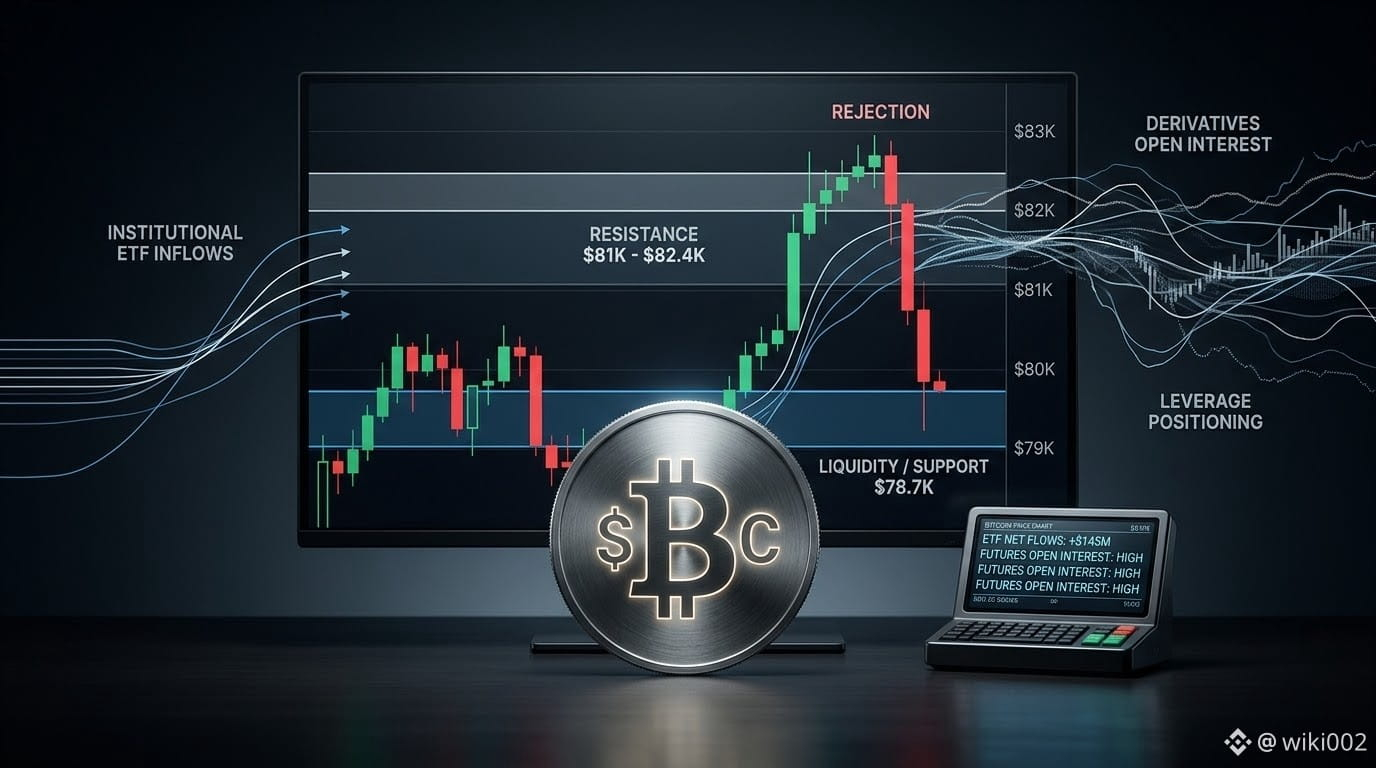
US-Spot-Bitcoin-ETFs verzeichneten in den drei Wochen bis zum 4. September einen Zufluss von rund 3,8 Mrd. US-Dollar, doch $BTC konnte den Anstieg nicht halten und blieb nicht über 82.000 US-Dollar, sondern rutschte wieder in Richtung 80.000 US-Dollar ab. Das Open Interest bei Futures liegt immer noch bei etwa 54,4 Mrd. US-Dollar.
Das wirft eine spannendere Frage auf als „Ist Bitcoin bullisch?“
Wenn echte Nachfrage das Angebot absorbiert, warum hatte der Kurs dann Probleme, den Ausbruch beizubehalten?
Mein Eindruck ist, dass die ETF-Nachfrage zwar starke zugrunde liegende Liquidität liefert, die Derivate-Positionierung jedoch weiterhin den marginalen Kurs beeinflusst.
Diese Unterscheidung ist entscheidend.
Ein gehebelt agierender Trader kann den Preis schnell bewegen, aber er kann nicht zwangsläufig dauerhafte Nachfrage erzeugen. Wenn $BTC sich in Richtung 81.000–82.400 US-Dollar bewegt, während das Open Interest aggressiv zunimmt und die Spot-Nachfrage nicht im gleichen Tempo beschleunigt, würde ich diese Stärke vorsichtig bewerten.
Aber wenn Bitcoin diesen Bereich zurückerobert, die Hebelung jedoch begrenzt bleibt und der Kurs nach dem anfänglichen Ausbruch weiterhin oberhalb hält, wird das Signal deutlich stärker.
Auch die Abwärtsbewegung sagt uns etwas. Ein Verlust von ungefähr 78,7.000 US-Dollar würde mich zweifeln lassen, ob die jüngste Erholung echte Akkumulation war oder lediglich ein durch Liquidität getriebener Rebound.
An dieser Stelle hat sich mein eigener Ansatz geändert.
Ich möchte den Ausbruch nicht mehr vorhersagen.
Ich möchte sehen, ob der Markt die Verkäufer absorbieren kann, die nach dem Ausbruch auftauchen.
Das ist der Unterschied zwischen einer Bewegung, die auf einem Chart bullisch aussieht, und einer, die sich tatsächlich selbst tragen kann. 🔎
$BTC #Bitcoin #Crypto #Trading
Etwas an Bitcoins jüngstem Schritt ergibt für mich keinen stimmigen Sinn.
US-Spot-Bitcoin-ETFs verzeichneten in den drei Wochen bis zum 4. September einen Zufluss von rund 3,8 Mrd. US-Dollar, doch $BTC konnte den Anstieg nicht halten und blieb nicht über 82.000 US-Dollar, sondern rutschte wieder in Richtung 80.000 US-Dollar ab. Das Open Interest bei Futures liegt immer noch bei etwa 54,4 Mrd. US-Dollar.
Das wirft eine spannendere Frage auf als „Ist Bitcoin bullisch?“
Wenn echte Nachfrage das Angebot absorbiert, warum hatte der Kurs dann Probleme, den Ausbruch beizubehalten?
Mein Eindruck ist, dass die ETF-Nachfrage zwar starke zugrunde liegende Liquidität liefert, die Derivate-Positionierung jedoch weiterhin den marginalen Kurs beeinflusst.
Diese Unterscheidung ist entscheidend.
Ein gehebelt agierender Trader kann den Preis schnell bewegen, aber er kann nicht zwangsläufig dauerhafte Nachfrage erzeugen. Wenn $BTC sich in Richtung 81.000–82.400 US-Dollar bewegt, während das Open Interest aggressiv zunimmt und die Spot-Nachfrage nicht im gleichen Tempo beschleunigt, würde ich diese Stärke vorsichtig bewerten.
Aber wenn Bitcoin diesen Bereich zurückerobert, die Hebelung jedoch begrenzt bleibt und der Kurs nach dem anfänglichen Ausbruch weiterhin oberhalb hält, wird das Signal deutlich stärker.
Auch die Abwärtsbewegung sagt uns etwas. Ein Verlust von ungefähr 78,7.000 US-Dollar würde mich zweifeln lassen, ob die jüngste Erholung echte Akkumulation war oder lediglich ein durch Liquidität getriebener Rebound.
An dieser Stelle hat sich mein eigener Ansatz geändert.
Ich möchte den Ausbruch nicht mehr vorhersagen.
Ich möchte sehen, ob der Markt die Verkäufer absorbieren kann, die nach dem Ausbruch auftauchen.
Das ist der Unterschied zwischen einer Bewegung, die auf einem Chart bullisch aussieht, und einer, die sich tatsächlich selbst tragen kann. 🔎
$BTC #Bitcoin #Crypto #Trading
US-Spot-Bitcoin-ETFs verzeichneten in den drei Wochen bis zum 4. September einen Zufluss von rund 3,8 Mrd. US-Dollar, doch $BTC konnte den Anstieg nicht halten und blieb nicht über 82.000 US-Dollar, sondern rutschte wieder in Richtung 80.000 US-Dollar ab. Das Open Interest bei Futures liegt immer noch bei etwa 54,4 Mrd. US-Dollar.
Das wirft eine spannendere Frage auf als „Ist Bitcoin bullisch?“
Wenn echte Nachfrage das Angebot absorbiert, warum hatte der Kurs dann Probleme, den Ausbruch beizubehalten?
Mein Eindruck ist, dass die ETF-Nachfrage zwar starke zugrunde liegende Liquidität liefert, die Derivate-Positionierung jedoch weiterhin den marginalen Kurs beeinflusst.
Diese Unterscheidung ist entscheidend.
Ein gehebelt agierender Trader kann den Preis schnell bewegen, aber er kann nicht zwangsläufig dauerhafte Nachfrage erzeugen. Wenn $BTC sich in Richtung 81.000–82.400 US-Dollar bewegt, während das Open Interest aggressiv zunimmt und die Spot-Nachfrage nicht im gleichen Tempo beschleunigt, würde ich diese Stärke vorsichtig bewerten.
Aber wenn Bitcoin diesen Bereich zurückerobert, die Hebelung jedoch begrenzt bleibt und der Kurs nach dem anfänglichen Ausbruch weiterhin oberhalb hält, wird das Signal deutlich stärker.
Auch die Abwärtsbewegung sagt uns etwas. Ein Verlust von ungefähr 78,7.000 US-Dollar würde mich zweifeln lassen, ob die jüngste Erholung echte Akkumulation war oder lediglich ein durch Liquidität getriebener Rebound.
An dieser Stelle hat sich mein eigener Ansatz geändert.
Ich möchte den Ausbruch nicht mehr vorhersagen.
Ich möchte sehen, ob der Markt die Verkäufer absorbieren kann, die nach dem Ausbruch auftauchen.
Das ist der Unterschied zwischen einer Bewegung, die auf einem Chart bullisch aussieht, und einer, die sich tatsächlich selbst tragen kann. 🔎
$BTC #Bitcoin #Crypto #Trading
837
11
38
837
·
--
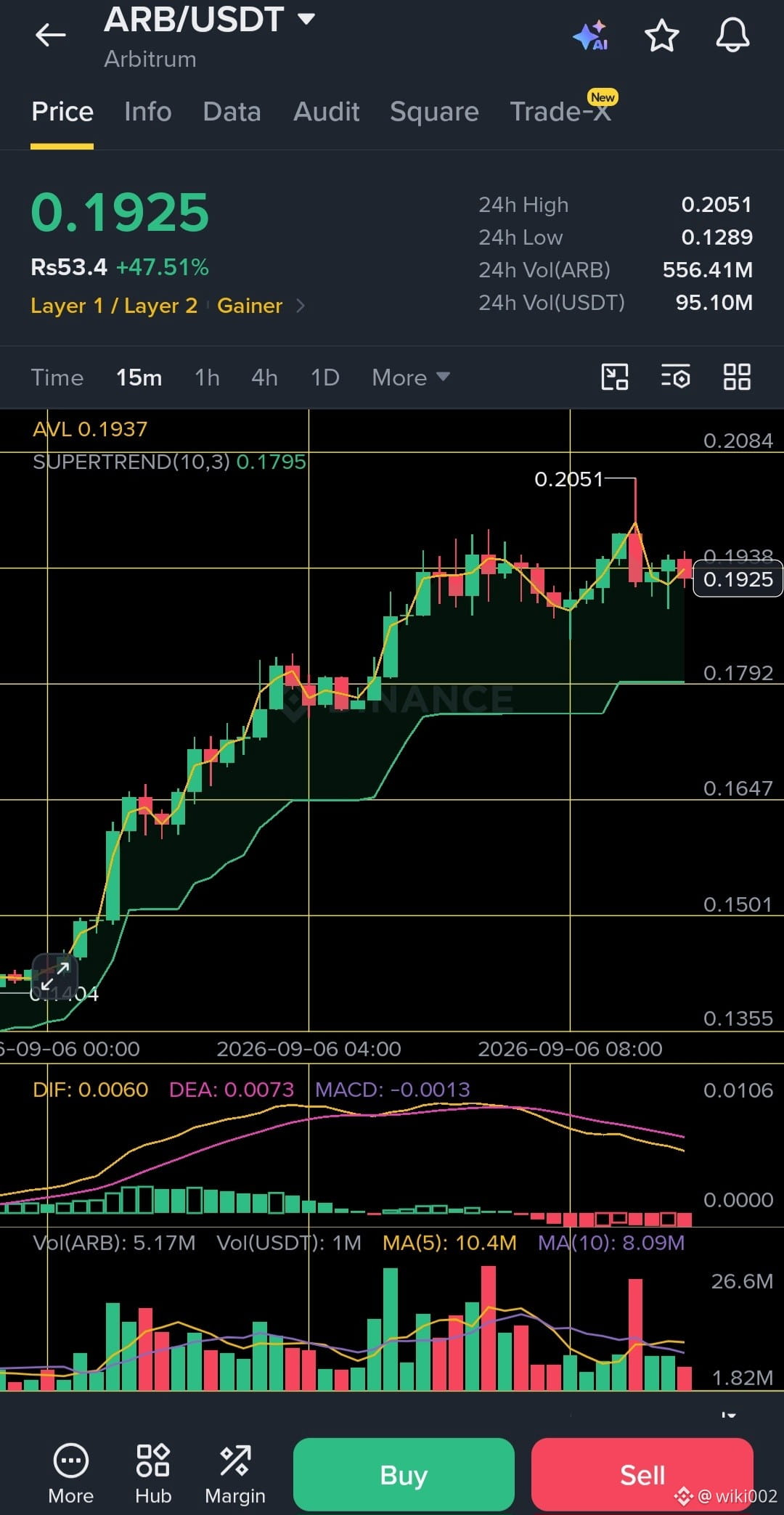
$ARB hält sich nach einem starken Ausbruch weiterhin robust, aber die nächste Bewegung braucht Bestätigung.
📍 Einstiegszone: 0.190–0.194
🎯 Ziele: 0.200 → 0.205 → 0.208
🛑 Stop-Loss: Unter 0.179
Der Preis konsolidiert nahe der Ausbruchszone, während der Supertrend weiterhin bullisch bleibt. Eine saubere Rückeroberung von 0.200–0.205 könnte den Weg nach oben öffnen, während ein Verlust von 0.179 das Setup deutlich schwächen würde.
Managen Sie das Risiko, da die Bewegung bereits aggressiv war.
$ARB $RAY #ARB #Arbitrum #CryptoTrading
$ARB hält sich nach einem starken Ausbruch weiterhin robust, aber die nächste Bewegung braucht Bestätigung.
📍 Einstiegszone: 0.190–0.194
🎯 Ziele: 0.200 → 0.205 → 0.208
🛑 Stop-Loss: Unter 0.179
Der Preis konsolidiert nahe der Ausbruchszone, während der Supertrend weiterhin bullisch bleibt. Eine saubere Rückeroberung von 0.200–0.205 könnte den Weg nach oben öffnen, während ein Verlust von 0.179 das Setup deutlich schwächen würde.
Managen Sie das Risiko, da die Bewegung bereits aggressiv war.
$ARB $RAY #ARB #Arbitrum #CryptoTrading
📍 Einstiegszone: 0.190–0.194
🎯 Ziele: 0.200 → 0.205 → 0.208
🛑 Stop-Loss: Unter 0.179
Der Preis konsolidiert nahe der Ausbruchszone, während der Supertrend weiterhin bullisch bleibt. Eine saubere Rückeroberung von 0.200–0.205 könnte den Weg nach oben öffnen, während ein Verlust von 0.179 das Setup deutlich schwächen würde.
Managen Sie das Risiko, da die Bewegung bereits aggressiv war.
$ARB $RAY #ARB #Arbitrum #CryptoTrading
3
310
·
--
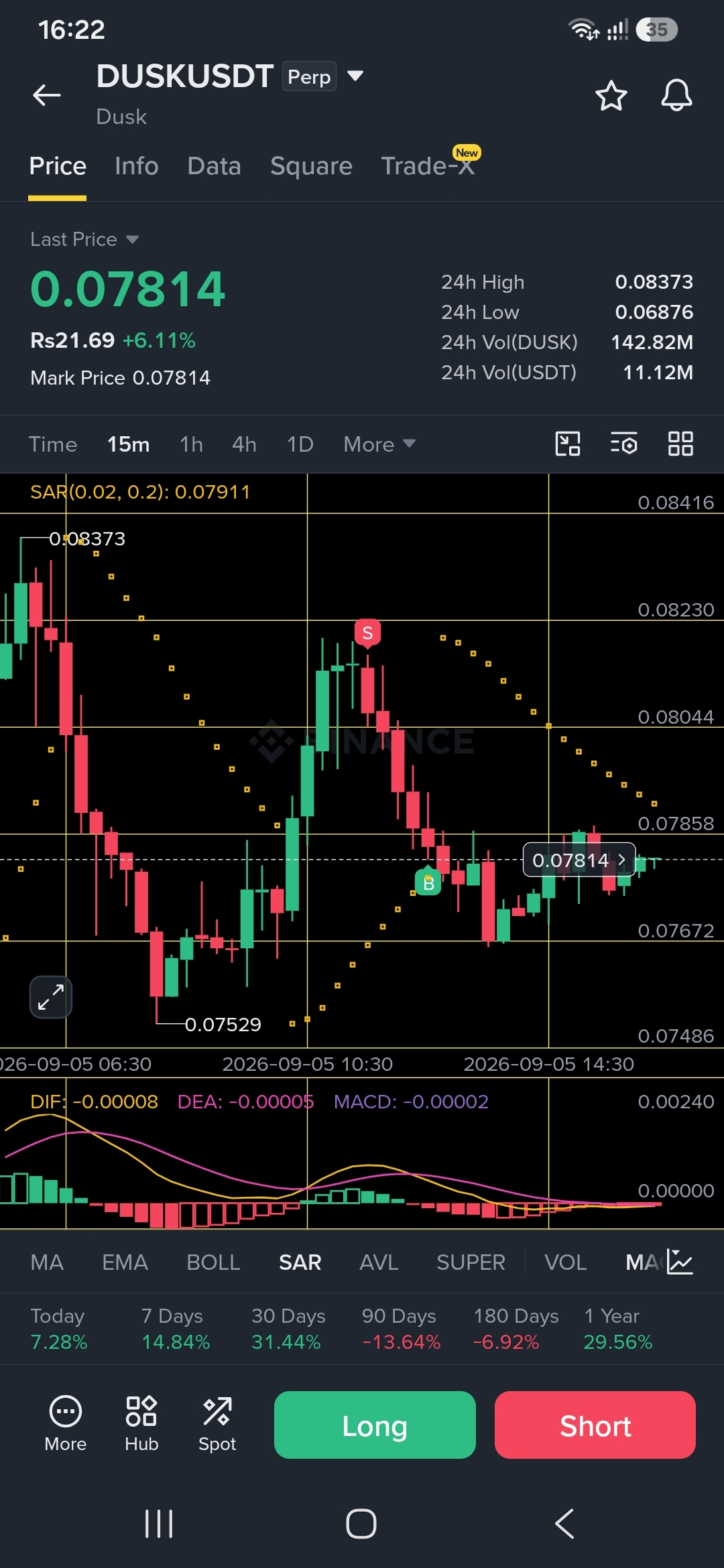
DUSK/USDT 📊
Bias: LONG bei Bestätigung
DUSK hält sich nach einer starken Erholung oberhalb der Unterstützungszone bei 0.0767. Das Momentum stabilisiert sich, aber der Preis liegt noch unter dem SAR-Niveau von 0.0791, daher ist Bestätigung wichtig.
Einstieg: 0.0776 – 0.0782
TP1: 0.0791
TP2: 0.0804
TP3: 0.0823
Stop-Loss: 0.0765
Eine saubere Rückeroberung von 0.0791 würde das bullische Setup stärken. Ein Verlust von 0.0767 macht die Idee ungültig.
Risikomanagement zuerst. Nicht der Kerze hinterherjagen.
$DUSK $MARSCOIN $USDT #DUSK #CryptoTrading #Binance
DUSK/USDT 📊
Bias: LONG bei Bestätigung
DUSK hält sich nach einer starken Erholung oberhalb der Unterstützungszone bei 0.0767. Das Momentum stabilisiert sich, aber der Preis liegt noch unter dem SAR-Niveau von 0.0791, daher ist Bestätigung wichtig.
Einstieg: 0.0776 – 0.0782
TP1: 0.0791
TP2: 0.0804
TP3: 0.0823
Stop-Loss: 0.0765
Eine saubere Rückeroberung von 0.0791 würde das bullische Setup stärken. Ein Verlust von 0.0767 macht die Idee ungültig.
Risikomanagement zuerst. Nicht der Kerze hinterherjagen.
$DUSK $MARSCOIN $USDT #DUSK #CryptoTrading #Binance
Bias: LONG bei Bestätigung
DUSK hält sich nach einer starken Erholung oberhalb der Unterstützungszone bei 0.0767. Das Momentum stabilisiert sich, aber der Preis liegt noch unter dem SAR-Niveau von 0.0791, daher ist Bestätigung wichtig.
Einstieg: 0.0776 – 0.0782
TP1: 0.0791
TP2: 0.0804
TP3: 0.0823
Stop-Loss: 0.0765
Eine saubere Rückeroberung von 0.0791 würde das bullische Setup stärken. Ein Verlust von 0.0767 macht die Idee ungültig.
Risikomanagement zuerst. Nicht der Kerze hinterherjagen.
$DUSK $MARSCOIN $USDT #DUSK #CryptoTrading #Binance
2
750
·
--
Bullisch
Verifiziert
KI-Agenten bewegen sich von Copiloten hin zu wirtschaftlichen Akteuren.
Das schwierige Problem ist nicht, einem Agenten mehr Autonomie zu geben. Es geht darum zu kontrollieren, worauf diese Autonomie zugreifen kann.
Ein Agent, der nur eine Antwort generiert, muss genau sein.
Ein Agent, der auf private Daten zugreifen, Anmeldedaten verwenden, externe Systeme aufrufen oder Transaktionen ausführen kann, braucht etwas Schwereres: überprüfbare Grenzen um seine Befugnisse.
Das ist der Teil der Agentenökonomie, der meiner Meinung nach noch unterschätzt wird.
Die Schlüsselfrage wird also: Kann ich überprüfen, was der Agent tun durfte, wo sensible Berechnungen stattgefunden haben und was er tatsächlich ausgeführt hat?
Hier wird @NEAR_Protocol für mich interessant.
NEAR AI nutzt hardwaregestützte Trusted Execution Environments, um sensible Inferenz- und Agenten-Workloads zu isolieren, während Remote Attestation den Nachweis liefert, dass die Berechnung in der erwarteten Umgebung ausgeführt wird.
Dann gibt es Chain Signatures. NEAR ermöglicht es einem Konto in seinem Netzwerk, Konten auf externen Chains durch Threshold-Kryptografie zu steuern, wodurch Agenten eine native Möglichkeit erhalten, Cross-Chain-Transaktionen auszuführen, ohne für jedes Netzwerk einen separaten privaten Schlüssel verwalten zu müssen.
Für mich schafft das eine nützliche Sicherheitsaufteilung.
TEE schützt sensible Berechnungen. Attestation macht die Ausführungsumgebung überprüfbar. Chain Signatures erweitern die Ausführungsbefugnis über Chains hinweg.
Der Sekundäreffekt ist größer als KI + Blockchain.
Sobald ein Agent über mehrere Systeme hinweg handeln kann, sind seine Berechtigungen nicht mehr bloß ein Anwendungsmerkmal. Sie werden Teil der Infrastruktur, die die wirtschaftlichen Grenzen des Agenten definiert.
Meiner Ansicht nach wird der erfolgreiche Agenten-Stack Agenten nicht einfach nur autonomer machen.
Er wird ihre Autonomie privat, überprüfbar und begrenzt machen.
Das ist das Infrastrukturproblem, für das @NEAR_Protocol tatsächlich interessant ist.
$NEAR $DASH $S #NEAR
KI-Agenten bewegen sich von Copiloten hin zu wirtschaftlichen Akteuren.
Das schwierige Problem ist nicht, einem Agenten mehr Autonomie zu geben. Es geht darum zu kontrollieren, worauf diese Autonomie zugreifen kann.
Ein Agent, der nur eine Antwort generiert, muss genau sein.
Ein Agent, der auf private Daten zugreifen, Anmeldedaten verwenden, externe Systeme aufrufen oder Transaktionen ausführen kann, braucht etwas Schwereres: überprüfbare Grenzen um seine Befugnisse.
Das ist der Teil der Agentenökonomie, der meiner Meinung nach noch unterschätzt wird.
Die Schlüsselfrage wird also: Kann ich überprüfen, was der Agent tun durfte, wo sensible Berechnungen stattgefunden haben und was er tatsächlich ausgeführt hat?
Hier wird @NEAR Protocol für mich interessant.
NEAR AI nutzt hardwaregestützte Trusted Execution Environments, um sensible Inferenz- und Agenten-Workloads zu isolieren, während Remote Attestation den Nachweis liefert, dass die Berechnung in der erwarteten Umgebung ausgeführt wird.
Dann gibt es Chain Signatures. NEAR ermöglicht es einem Konto in seinem Netzwerk, Konten auf externen Chains durch Threshold-Kryptografie zu steuern, wodurch Agenten eine native Möglichkeit erhalten, Cross-Chain-Transaktionen auszuführen, ohne für jedes Netzwerk einen separaten privaten Schlüssel verwalten zu müssen.
Für mich schafft das eine nützliche Sicherheitsaufteilung.
TEE schützt sensible Berechnungen. Attestation macht die Ausführungsumgebung überprüfbar. Chain Signatures erweitern die Ausführungsbefugnis über Chains hinweg.
Der Sekundäreffekt ist größer als KI + Blockchain.
Sobald ein Agent über mehrere Systeme hinweg handeln kann, sind seine Berechtigungen nicht mehr bloß ein Anwendungsmerkmal. Sie werden Teil der Infrastruktur, die die wirtschaftlichen Grenzen des Agenten definiert.
Meiner Ansicht nach wird der erfolgreiche Agenten-Stack Agenten nicht einfach nur autonomer machen.
Er wird ihre Autonomie privat, überprüfbar und begrenzt machen.
Das ist das Infrastrukturproblem, für das @NEAR Protocol tatsächlich interessant ist.
$NEAR $DASH $S #NEAR
Das schwierige Problem ist nicht, einem Agenten mehr Autonomie zu geben. Es geht darum zu kontrollieren, worauf diese Autonomie zugreifen kann.
Ein Agent, der nur eine Antwort generiert, muss genau sein.
Ein Agent, der auf private Daten zugreifen, Anmeldedaten verwenden, externe Systeme aufrufen oder Transaktionen ausführen kann, braucht etwas Schwereres: überprüfbare Grenzen um seine Befugnisse.
Das ist der Teil der Agentenökonomie, der meiner Meinung nach noch unterschätzt wird.
Die Schlüsselfrage wird also: Kann ich überprüfen, was der Agent tun durfte, wo sensible Berechnungen stattgefunden haben und was er tatsächlich ausgeführt hat?
Hier wird @NEAR Protocol für mich interessant.
NEAR AI nutzt hardwaregestützte Trusted Execution Environments, um sensible Inferenz- und Agenten-Workloads zu isolieren, während Remote Attestation den Nachweis liefert, dass die Berechnung in der erwarteten Umgebung ausgeführt wird.
Dann gibt es Chain Signatures. NEAR ermöglicht es einem Konto in seinem Netzwerk, Konten auf externen Chains durch Threshold-Kryptografie zu steuern, wodurch Agenten eine native Möglichkeit erhalten, Cross-Chain-Transaktionen auszuführen, ohne für jedes Netzwerk einen separaten privaten Schlüssel verwalten zu müssen.
Für mich schafft das eine nützliche Sicherheitsaufteilung.
TEE schützt sensible Berechnungen. Attestation macht die Ausführungsumgebung überprüfbar. Chain Signatures erweitern die Ausführungsbefugnis über Chains hinweg.
Der Sekundäreffekt ist größer als KI + Blockchain.
Sobald ein Agent über mehrere Systeme hinweg handeln kann, sind seine Berechtigungen nicht mehr bloß ein Anwendungsmerkmal. Sie werden Teil der Infrastruktur, die die wirtschaftlichen Grenzen des Agenten definiert.
Meiner Ansicht nach wird der erfolgreiche Agenten-Stack Agenten nicht einfach nur autonomer machen.
Er wird ihre Autonomie privat, überprüfbar und begrenzt machen.
Das ist das Infrastrukturproblem, für das @NEAR Protocol tatsächlich interessant ist.
$NEAR $DASH $S #NEAR

2
227
·
--
CHIP/USDT 📊
Kurs: 0.06001$
Tendenz: Bullisch über 0.0593
Einstiegszone: 0.0593 – 0.0600
Ziele: 0.0615 → 0.0624 → 0.0640
Stop Loss: Unter 0.0562
Der Kurs hält sich oberhalb der Bollinger-Mittelbande, während der jüngste Rücksetzer Anzeichen einer Stabilisierung zeigt. Der entscheidende Test bleibt der Widerstand bei 0.0624–0.0625; ein klarer Ausbruch kann die nächste Aufwärtsbewegung einleiten.
⚠️ Risiko managen. Kein Setup ist garantiert.
#CHIP #USD_AI #TradingSignal #Crypto $CHIP
CHIP/USDT 📊
Kurs: 0.06001$
Tendenz: Bullisch über 0.0593
Einstiegszone: 0.0593 – 0.0600
Ziele: 0.0615 → 0.0624 → 0.0640
Stop Loss: Unter 0.0562
Der Kurs hält sich oberhalb der Bollinger-Mittelbande, während der jüngste Rücksetzer Anzeichen einer Stabilisierung zeigt. Der entscheidende Test bleibt der Widerstand bei 0.0624–0.0625; ein klarer Ausbruch kann die nächste Aufwärtsbewegung einleiten.
⚠️ Risiko managen. Kein Setup ist garantiert.
#CHIP #USD_AI #TradingSignal #Crypto $CHIP
Kurs: 0.06001$
Tendenz: Bullisch über 0.0593
Einstiegszone: 0.0593 – 0.0600
Ziele: 0.0615 → 0.0624 → 0.0640
Stop Loss: Unter 0.0562
Der Kurs hält sich oberhalb der Bollinger-Mittelbande, während der jüngste Rücksetzer Anzeichen einer Stabilisierung zeigt. Der entscheidende Test bleibt der Widerstand bei 0.0624–0.0625; ein klarer Ausbruch kann die nächste Aufwärtsbewegung einleiten.
⚠️ Risiko managen. Kein Setup ist garantiert.
#CHIP #USD_AI #TradingSignal #Crypto $CHIP
1
299
·
--
Ich überlege, DOGE zu halten – aber nicht, weil ich eine weitere Meme-Rally erwarte.
Ich stelle mir eine andere Frage. Kann DOGE auch nach mehr als einem Jahrzehnt überlebter Krypto-Zyklen noch einen Platz im Portfolio rechtfertigen? 🤔
Was mich an DOGE interessiert, ist die Kombination aus Einfachheit, Liquidität und Langlebigkeit.
DOGE ist seit 2013 als Scrypt-basiertes Proof-of-Work-Netzwerk in Betrieb und auf Wertübertragung ausgerichtet. Es verzichtet auf Smart-Contract-Programmierung und Anwendungs-Komposabilität – aber dieser Trade-off könnte für ein Asset passend sein, dessen primäre Aufgabe das Verschieben von Werten ist und nicht das Ausführen komplexer Anwendungen.
Auch die Liquiditätsseite spielt eine Rolle. DOGE bleibt ein Large-Cap-Krypto-Asset mit beträchtlicher täglicher Handelsaktivität. Das verschafft Haltern breite Umtauschmöglichkeiten und macht seine monetäre Rolle praktischer, als es allein die Marktkapitalisierung vermuten lässt.
Aber ich möchte Haltbarkeit nicht mit Unterbewertung verwechseln.
DOGE hat eine fortlaufende Emission, eine begrenzte native Programmierbarkeit und eine preisbestimmende Entdeckung, die stark von der Stimmung abhängt. Deshalb gehe ich nicht davon aus, dass die heutige Bewertung automatisch ein attraktives Chance/Risiko-Profil bietet.
Was ich überzeugend finde, ist die Kombination: ein simples Protokoll, anhaltende Liquidität und ein Netzwerk, das seit 2013 betriebsfähig geblieben ist.
Das bedeutet nicht, dass DOGE das nächste Ethereum ist.
Es eröffnet DOGE eine andere potenzielle Rolle: ein bekanntes, liquides und robustes digitales Asset für die Übertragung von Werten. 🧭
Darum erwäge ich, es vorsichtig zu halten – als kalkulierte Allokation und nicht als blinde Meme-Wette.
$DOGE $BONK $1000CAT
#Dogecoin #DOGE #Crypto #Web3
Ich überlege, DOGE zu halten – aber nicht, weil ich eine weitere Meme-Rally erwarte.
Ich stelle mir eine andere Frage. Kann DOGE auch nach mehr als einem Jahrzehnt überlebter Krypto-Zyklen noch einen Platz im Portfolio rechtfertigen? 🤔
Was mich an DOGE interessiert, ist die Kombination aus Einfachheit, Liquidität und Langlebigkeit.
DOGE ist seit 2013 als Scrypt-basiertes Proof-of-Work-Netzwerk in Betrieb und auf Wertübertragung ausgerichtet. Es verzichtet auf Smart-Contract-Programmierung und Anwendungs-Komposabilität – aber dieser Trade-off könnte für ein Asset passend sein, dessen primäre Aufgabe das Verschieben von Werten ist und nicht das Ausführen komplexer Anwendungen.
Auch die Liquiditätsseite spielt eine Rolle. DOGE bleibt ein Large-Cap-Krypto-Asset mit beträchtlicher täglicher Handelsaktivität. Das verschafft Haltern breite Umtauschmöglichkeiten und macht seine monetäre Rolle praktischer, als es allein die Marktkapitalisierung vermuten lässt.
Aber ich möchte Haltbarkeit nicht mit Unterbewertung verwechseln.
DOGE hat eine fortlaufende Emission, eine begrenzte native Programmierbarkeit und eine preisbestimmende Entdeckung, die stark von der Stimmung abhängt. Deshalb gehe ich nicht davon aus, dass die heutige Bewertung automatisch ein attraktives Chance/Risiko-Profil bietet.
Was ich überzeugend finde, ist die Kombination: ein simples Protokoll, anhaltende Liquidität und ein Netzwerk, das seit 2013 betriebsfähig geblieben ist.
Das bedeutet nicht, dass DOGE das nächste Ethereum ist.
Es eröffnet DOGE eine andere potenzielle Rolle: ein bekanntes, liquides und robustes digitales Asset für die Übertragung von Werten. 🧭
Darum erwäge ich, es vorsichtig zu halten – als kalkulierte Allokation und nicht als blinde Meme-Wette.
$DOGE $BONK $1000CAT
#Dogecoin #DOGE #Crypto #Web3
Ich stelle mir eine andere Frage. Kann DOGE auch nach mehr als einem Jahrzehnt überlebter Krypto-Zyklen noch einen Platz im Portfolio rechtfertigen? 🤔
Was mich an DOGE interessiert, ist die Kombination aus Einfachheit, Liquidität und Langlebigkeit.
DOGE ist seit 2013 als Scrypt-basiertes Proof-of-Work-Netzwerk in Betrieb und auf Wertübertragung ausgerichtet. Es verzichtet auf Smart-Contract-Programmierung und Anwendungs-Komposabilität – aber dieser Trade-off könnte für ein Asset passend sein, dessen primäre Aufgabe das Verschieben von Werten ist und nicht das Ausführen komplexer Anwendungen.
Auch die Liquiditätsseite spielt eine Rolle. DOGE bleibt ein Large-Cap-Krypto-Asset mit beträchtlicher täglicher Handelsaktivität. Das verschafft Haltern breite Umtauschmöglichkeiten und macht seine monetäre Rolle praktischer, als es allein die Marktkapitalisierung vermuten lässt.
Aber ich möchte Haltbarkeit nicht mit Unterbewertung verwechseln.
DOGE hat eine fortlaufende Emission, eine begrenzte native Programmierbarkeit und eine preisbestimmende Entdeckung, die stark von der Stimmung abhängt. Deshalb gehe ich nicht davon aus, dass die heutige Bewertung automatisch ein attraktives Chance/Risiko-Profil bietet.
Was ich überzeugend finde, ist die Kombination: ein simples Protokoll, anhaltende Liquidität und ein Netzwerk, das seit 2013 betriebsfähig geblieben ist.
Das bedeutet nicht, dass DOGE das nächste Ethereum ist.
Es eröffnet DOGE eine andere potenzielle Rolle: ein bekanntes, liquides und robustes digitales Asset für die Übertragung von Werten. 🧭
Darum erwäge ich, es vorsichtig zu halten – als kalkulierte Allokation und nicht als blinde Meme-Wette.
$DOGE $BONK $1000CAT
#Dogecoin #DOGE #Crypto #Web3

858
10
50
858
·
--
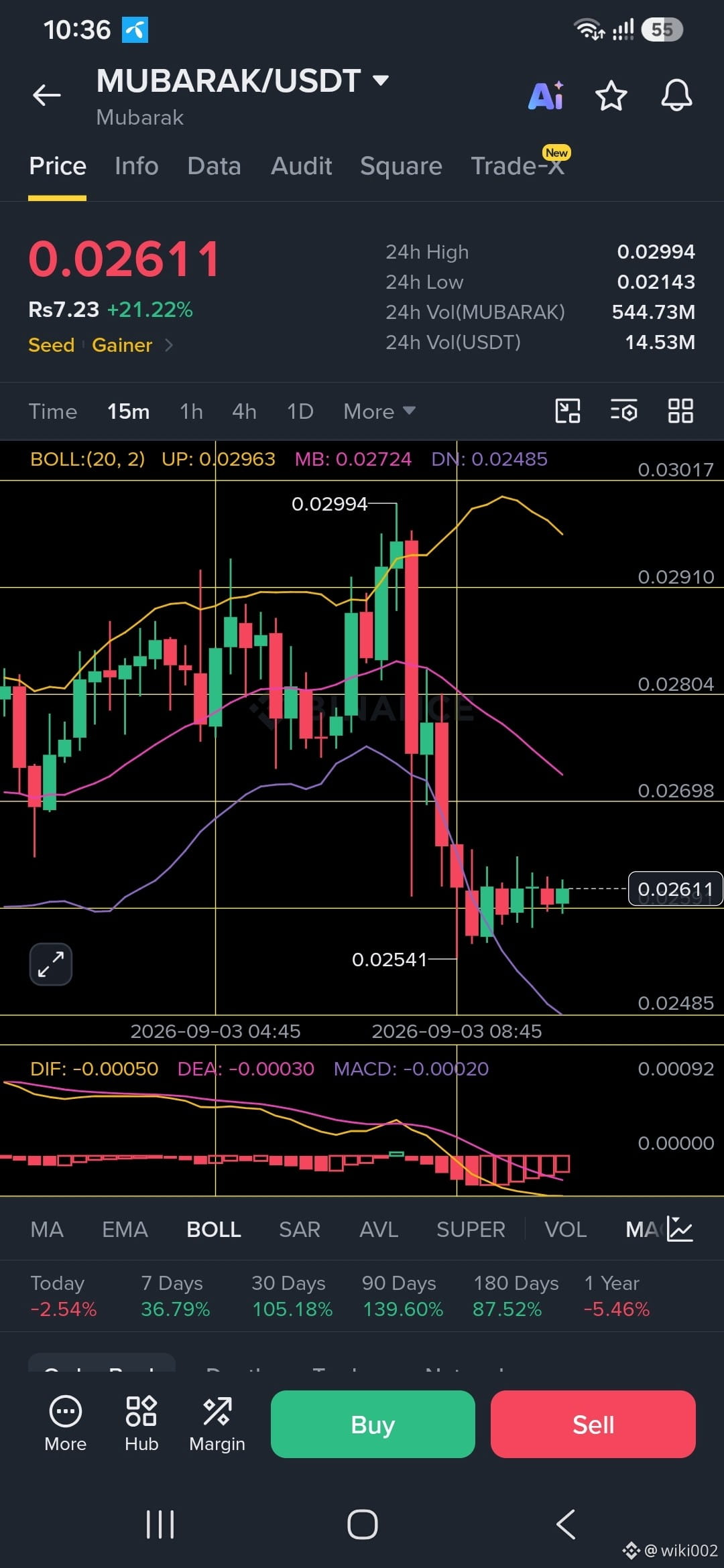
MUBARAK/USDT 📊
Bias: Vorsichtiger LONG
Einstiegszone: 0.0256 – 0.0262
TP1: 0.0272
TP2: 0.0280
TP3: 0.0291 – 0.0296
Stop Loss: 0.0248
Der Preis konsolidiert oberhalb des 0.0254-Supports, nachdem es von 0.02994 scharf zurückgewiesen wurde. Der Momentum bleibt schwach, daher hängt das Setup davon ab, dass der Bereich 0.0254–0.0256 gehalten wird und 0.0272 zurückerobert wird.
⚠️ Wenn 0.0248 entscheidend bricht, wird das Long-Setup ungültig.
$MUBARAK $HEMI $EGLD
#MUBARAK #Crypto #Trading #Binance
MUBARAK/USDT 📊
Bias: Vorsichtiger LONG
Einstiegszone: 0.0256 – 0.0262
TP1: 0.0272
TP2: 0.0280
TP3: 0.0291 – 0.0296
Stop Loss: 0.0248
Der Preis konsolidiert oberhalb des 0.0254-Supports, nachdem es von 0.02994 scharf zurückgewiesen wurde. Der Momentum bleibt schwach, daher hängt das Setup davon ab, dass der Bereich 0.0254–0.0256 gehalten wird und 0.0272 zurückerobert wird.
⚠️ Wenn 0.0248 entscheidend bricht, wird das Long-Setup ungültig.
$MUBARAK $HEMI $EGLD
#MUBARAK #Crypto #Trading #Binance
Bias: Vorsichtiger LONG
Einstiegszone: 0.0256 – 0.0262
TP1: 0.0272
TP2: 0.0280
TP3: 0.0291 – 0.0296
Stop Loss: 0.0248
Der Preis konsolidiert oberhalb des 0.0254-Supports, nachdem es von 0.02994 scharf zurückgewiesen wurde. Der Momentum bleibt schwach, daher hängt das Setup davon ab, dass der Bereich 0.0254–0.0256 gehalten wird und 0.0272 zurückerobert wird.
⚠️ Wenn 0.0248 entscheidend bricht, wird das Long-Setup ungültig.
$MUBARAK $HEMI $EGLD
#MUBARAK #Crypto #Trading #Binance
1
233
·
--
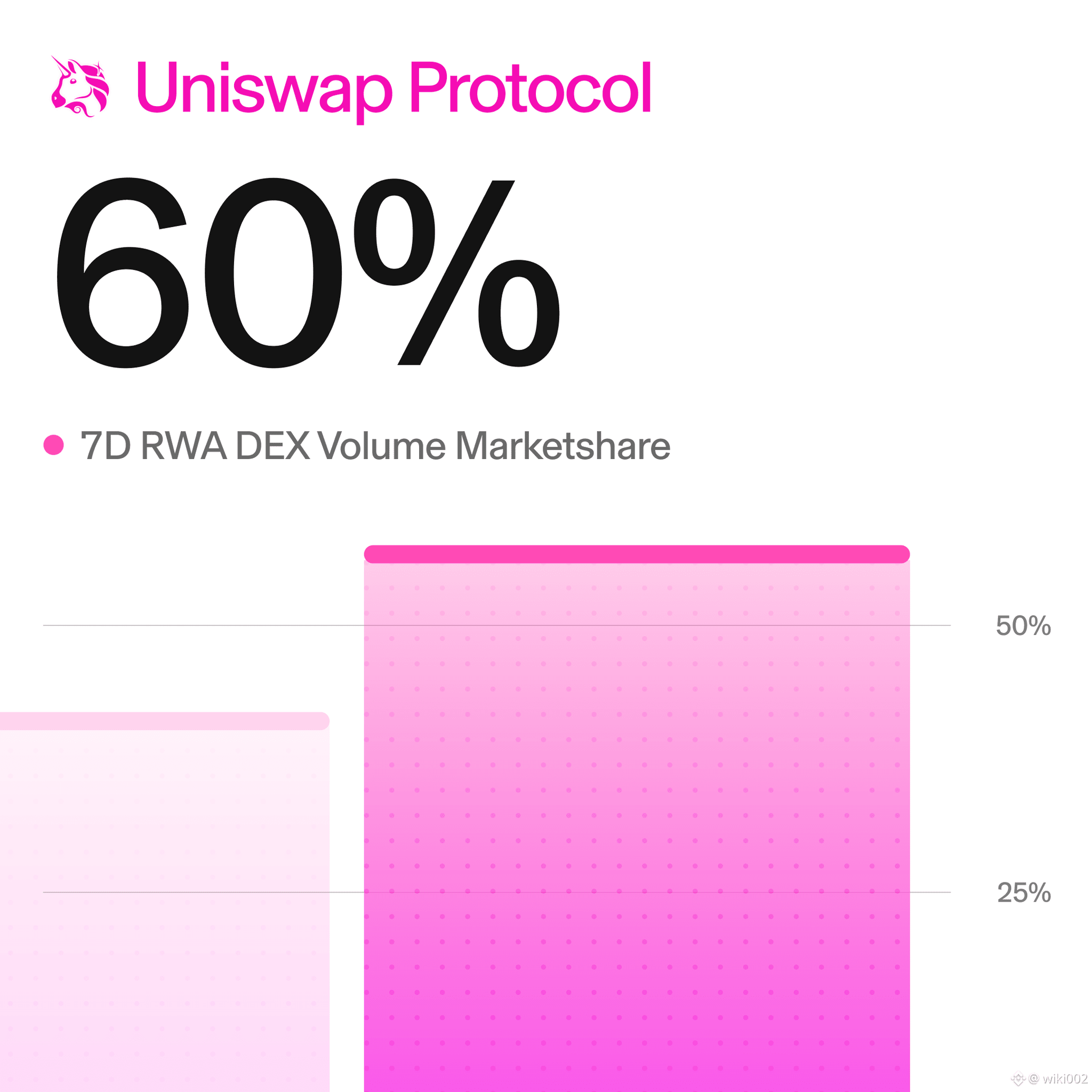
Der größere RWA-Shift ist nicht Tokenisierung. Es geht darum, wo sich die Liquidität bildet.
Letzte Woche liefen 60%+ des gesamten RWA-DEX-Volumens über Uniswap – von 40% in der Woche zuvor.
Für mich ist das ein Hinweis auf etwas Wichtigeres als nur einen einzelnen wöchentlichen Volumensprung.
RWA-Märkte müssen nicht zwangsläufig isolierte Liquiditäts-Plattformen von Grund auf neu aufbauen. Sie können zunehmend in Infrastruktur einsteigen, die bereits Swaps, Routing, Liquidität und Onchain-Abwicklung abdeckt.
Das erzeugt einen starken Effekt zweiter Ordnung. Die DeFi-Liquiditäts-Schicht kann zur Distributionsschicht für Real-World-Assets werden.
Anstatt separate Märkte für jedes tokenisierte Asset zu schaffen, können Emittenten möglicherweise auf bestehende Liquiditätsinfrastruktur und ihre etablierten Handelswege zurückgreifen.
Aber es gibt einen Trade-off.
Wenn sich die RWA-Aktivität stark auf eine kleine Zahl von Venues konzentriert, kann die Ausführung zwar besser werden, während Marktteilnehmer jedoch abhängiger von diesen Liquiditätsschichten werden.
Deshalb beobachte ich die Liquiditätsstruktur genauer als Tokenisierungs-Headlines.
Die wichtige Frage lautet nicht mehr nur, wie viel Real-World-Value onchain kommt.
Sondern ob sich dieser Wert dort zu tiefen, kompositionsfähigen Märkten entwickeln kann. 🔗
#RWA #DeFi #Uniswap #Tokenization
$UNI $LINK $AAVE
Der größere RWA-Shift ist nicht Tokenisierung. Es geht darum, wo sich die Liquidität bildet.
Letzte Woche liefen 60%+ des gesamten RWA-DEX-Volumens über Uniswap – von 40% in der Woche zuvor.
Für mich ist das ein Hinweis auf etwas Wichtigeres als nur einen einzelnen wöchentlichen Volumensprung.
RWA-Märkte müssen nicht zwangsläufig isolierte Liquiditäts-Plattformen von Grund auf neu aufbauen. Sie können zunehmend in Infrastruktur einsteigen, die bereits Swaps, Routing, Liquidität und Onchain-Abwicklung abdeckt.
Das erzeugt einen starken Effekt zweiter Ordnung. Die DeFi-Liquiditäts-Schicht kann zur Distributionsschicht für Real-World-Assets werden.
Anstatt separate Märkte für jedes tokenisierte Asset zu schaffen, können Emittenten möglicherweise auf bestehende Liquiditätsinfrastruktur und ihre etablierten Handelswege zurückgreifen.
Aber es gibt einen Trade-off.
Wenn sich die RWA-Aktivität stark auf eine kleine Zahl von Venues konzentriert, kann die Ausführung zwar besser werden, während Marktteilnehmer jedoch abhängiger von diesen Liquiditätsschichten werden.
Deshalb beobachte ich die Liquiditätsstruktur genauer als Tokenisierungs-Headlines.
Die wichtige Frage lautet nicht mehr nur, wie viel Real-World-Value onchain kommt.
Sondern ob sich dieser Wert dort zu tiefen, kompositionsfähigen Märkten entwickeln kann. 🔗
#RWA #DeFi #Uniswap #Tokenization
$UNI $LINK $AAVE
Letzte Woche liefen 60%+ des gesamten RWA-DEX-Volumens über Uniswap – von 40% in der Woche zuvor.
Für mich ist das ein Hinweis auf etwas Wichtigeres als nur einen einzelnen wöchentlichen Volumensprung.
RWA-Märkte müssen nicht zwangsläufig isolierte Liquiditäts-Plattformen von Grund auf neu aufbauen. Sie können zunehmend in Infrastruktur einsteigen, die bereits Swaps, Routing, Liquidität und Onchain-Abwicklung abdeckt.
Das erzeugt einen starken Effekt zweiter Ordnung. Die DeFi-Liquiditäts-Schicht kann zur Distributionsschicht für Real-World-Assets werden.
Anstatt separate Märkte für jedes tokenisierte Asset zu schaffen, können Emittenten möglicherweise auf bestehende Liquiditätsinfrastruktur und ihre etablierten Handelswege zurückgreifen.
Aber es gibt einen Trade-off.
Wenn sich die RWA-Aktivität stark auf eine kleine Zahl von Venues konzentriert, kann die Ausführung zwar besser werden, während Marktteilnehmer jedoch abhängiger von diesen Liquiditätsschichten werden.
Deshalb beobachte ich die Liquiditätsstruktur genauer als Tokenisierungs-Headlines.
Die wichtige Frage lautet nicht mehr nur, wie viel Real-World-Value onchain kommt.
Sondern ob sich dieser Wert dort zu tiefen, kompositionsfähigen Märkten entwickeln kann. 🔗
#RWA #DeFi #Uniswap #Tokenization
$UNI $LINK $AAVE
1
696
·
--
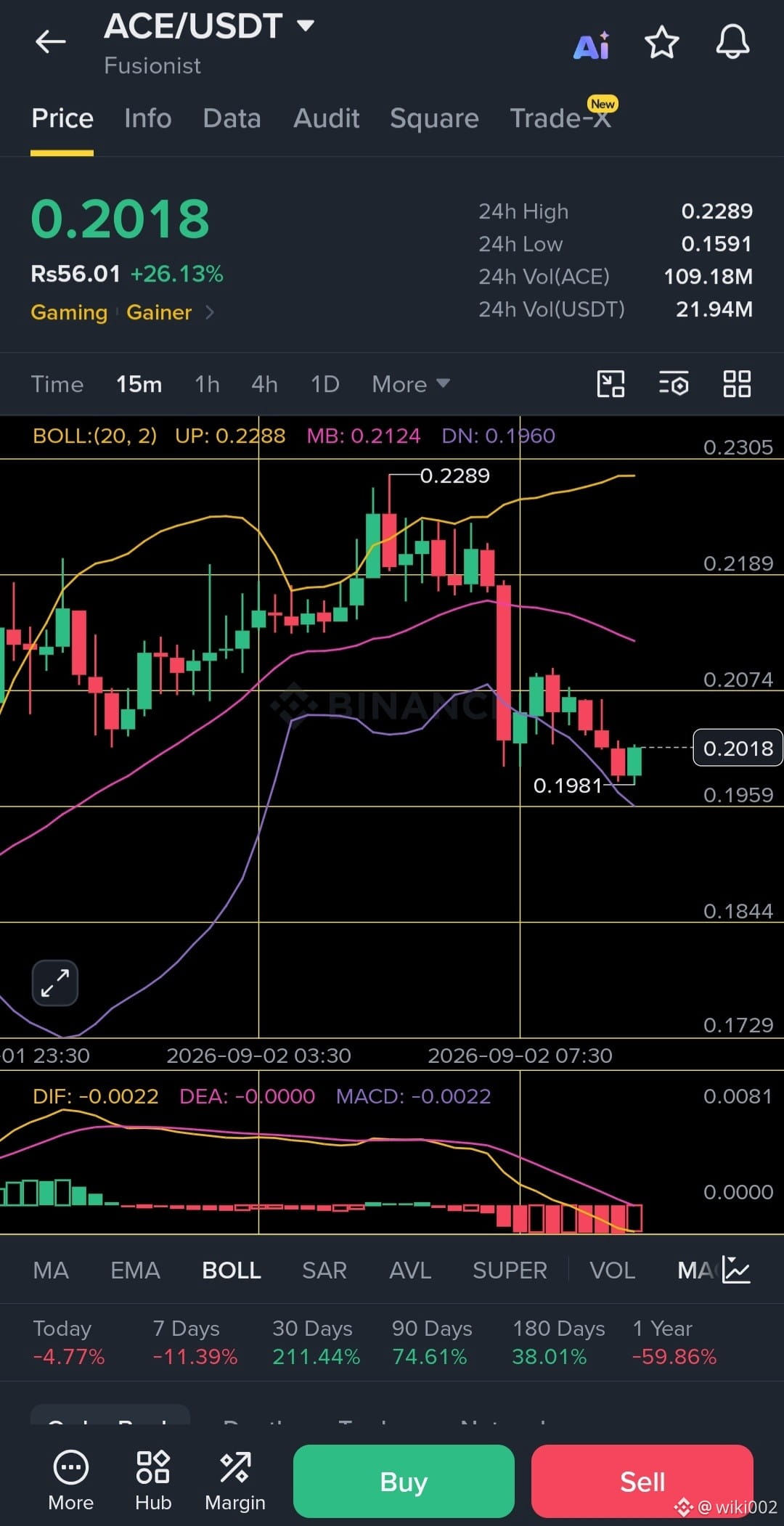
ACE/USDT 📊
Tendenz: SHORT / Verkauf
Einstieg: 0.2018–0.2040
TP1: 0.1981
TP2: 0.1960
TP3: 0.1844
Stop Loss: 0.2078
Technischer Ausblick: Der Preis bleibt unter dem Bollinger-Mittelband bei 0.2124, während der MACD weiterhin bärisch ist. Der jüngste Rückprall wirkt schwach, sofern ACE nicht 0.2078 mit Stärke zurückerobert.
Risikomanagement ist entscheidend – nicht überhebeln.
#ACE #USDT #CryptoTrading #Binance
$ACE $FF $FIL
ACE/USDT 📊
Tendenz: SHORT / Verkauf
Einstieg: 0.2018–0.2040
TP1: 0.1981
TP2: 0.1960
TP3: 0.1844
Stop Loss: 0.2078
Technischer Ausblick: Der Preis bleibt unter dem Bollinger-Mittelband bei 0.2124, während der MACD weiterhin bärisch ist. Der jüngste Rückprall wirkt schwach, sofern ACE nicht 0.2078 mit Stärke zurückerobert.
Risikomanagement ist entscheidend – nicht überhebeln.
#ACE #USDT #CryptoTrading #Binance
$ACE $FF $FIL
Tendenz: SHORT / Verkauf
Einstieg: 0.2018–0.2040
TP1: 0.1981
TP2: 0.1960
TP3: 0.1844
Stop Loss: 0.2078
Technischer Ausblick: Der Preis bleibt unter dem Bollinger-Mittelband bei 0.2124, während der MACD weiterhin bärisch ist. Der jüngste Rückprall wirkt schwach, sofern ACE nicht 0.2078 mit Stärke zurückerobert.
Risikomanagement ist entscheidend – nicht überhebeln.
#ACE #USDT #CryptoTrading #Binance
$ACE $FF $FIL
2
403
·
--
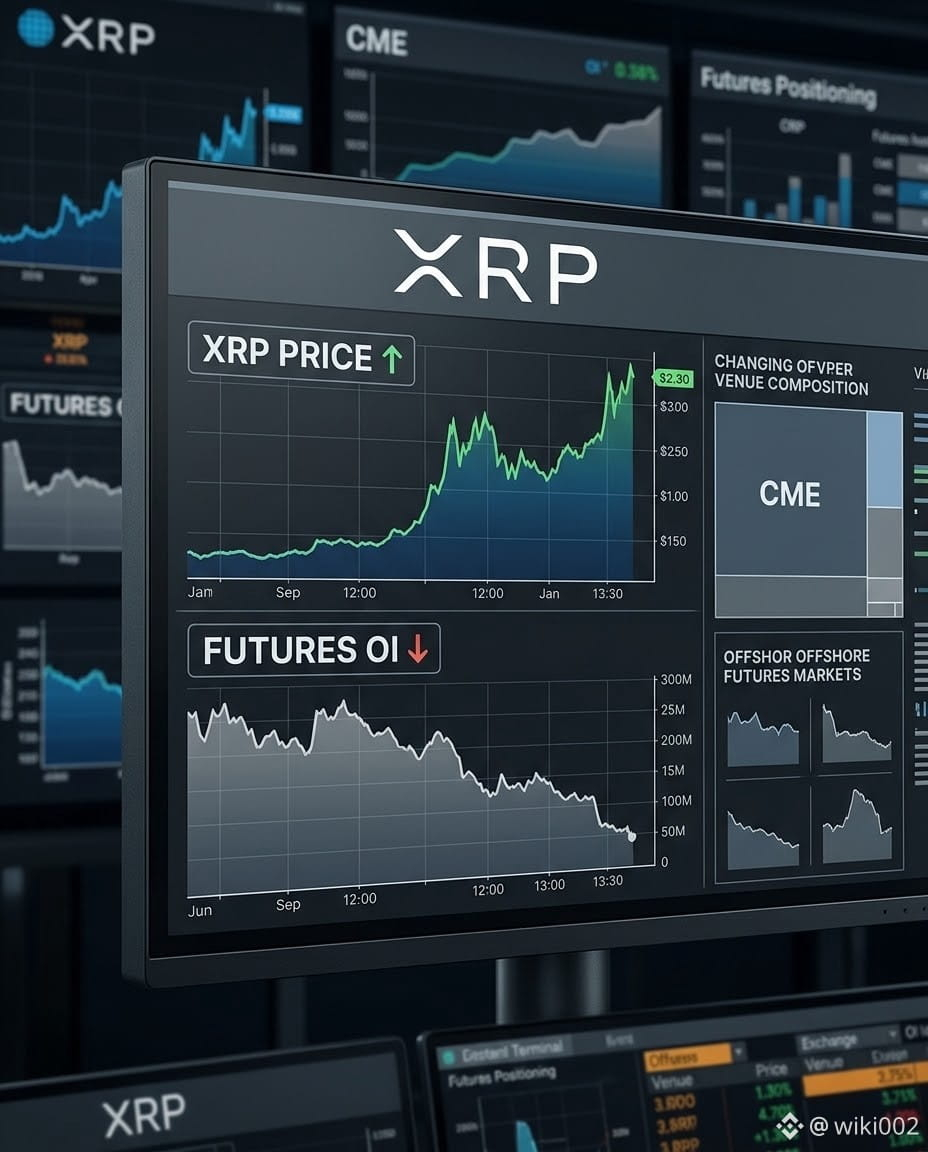
Der XRP-Anstieg wird noch interessanter, wenn sich der Preis und das Open Interest (OI) bei Futures in entgegengesetzte Richtungen bewegen.
Vom 17. Aug. bis zum 31. Aug. stieg XRP von etwa 0,99 $ auf 1,38 $, während das gesamte Futures-OI von 2,77 Mrd. auf 2,34 Mrd. XRP fiel. Das entspricht einem Preisplus von fast 40 % bei rund 16 % weniger aggregiertem Futures-OI.
Meine erste Reaktion war ganz einfach. Wenn Trader ein geringeres Futures-Exposure eingehen, was treibt dann den Preis eigentlich nach oben?
Die Aufschlüsselung nach Handelsplätzen gibt hier einen besseren Hinweis.
Das OI bei CME-XRP-Futures stieg von etwa 284 Mio. auf 387 Mio. XRP und erhöhte damit den Anteil von CME am gesamten Futures-OI von ungefähr 10 % auf 17 %. Gleichzeitig fiel das OI bei XRP-Futures außerhalb von CME um etwa 533 Mio. XRP, also um 21 %.
Wenn man nur auf das gesamte OI schaut, verpasst man einen wichtigen Teil des Bildes. Die Höhe des OI hat sich zwar verändert, aber auch die Frage, wo dieses OI gehalten wurde.
Das belegt nicht, dass Institutionen bullisch sind, und es erklärt auch nicht, warum Trader ihr Exposure verschoben haben. Es zeigt lediglich, dass sich der Futures-Markt während des Anstiegs stärker auf CME konzentrierte.
Die CFTC-Positionierung bringt noch eine weitere Ebene hinzu. Leverage-Fonds waren netto etwa 116 Mio. XRP-Äquivalente short, während Händler und Asset Manager netto long waren. Diese Positionen können Absicherungen (Hedges) einschließen, daher würde ich den Short-Wert nicht als einfache bärische Wette einstufen.
Darum bin ich weniger daran interessiert zu fragen, ob das OI steigt oder fällt.
Ich möchte sehen, ob XRP seine Gewinne halten kann, ohne dass es zu einer weiteren großen Ausweitung der Futures-Hebel kommt.
Wenn die Spot-Nachfrage den Preis weiter unterstützt, während die aggregierte Verschuldung kontrolliert bleibt, wäre das ein deutlich stärkeres Signal als nur zu beobachten, dass das OI zusammen mit dem Preis zunimmt.
Das ist der Teil dieses Anstiegs, den ich jetzt im Blick habe. 🔎
$XRP $SUI $NEAR #XRP
#XRPRises40%InTwoWeeksAsOpenInterestFalls
{future}(XRPUSDT)
Der XRP-Anstieg wird noch interessanter, wenn sich der Preis und das Open Interest (OI) bei Futures in entgegengesetzte Richtungen bewegen.
Vom 17. Aug. bis zum 31. Aug. stieg XRP von etwa 0,99 $ auf 1,38 $, während das gesamte Futures-OI von 2,77 Mrd. auf 2,34 Mrd. XRP fiel. Das entspricht einem Preisplus von fast 40 % bei rund 16 % weniger aggregiertem Futures-OI.
Meine erste Reaktion war ganz einfach. Wenn Trader ein geringeres Futures-Exposure eingehen, was treibt dann den Preis eigentlich nach oben?
Die Aufschlüsselung nach Handelsplätzen gibt hier einen besseren Hinweis.
Das OI bei CME-XRP-Futures stieg von etwa 284 Mio. auf 387 Mio. XRP und erhöhte damit den Anteil von CME am gesamten Futures-OI von ungefähr 10 % auf 17 %. Gleichzeitig fiel das OI bei XRP-Futures außerhalb von CME um etwa 533 Mio. XRP, also um 21 %.
Wenn man nur auf das gesamte OI schaut, verpasst man einen wichtigen Teil des Bildes. Die Höhe des OI hat sich zwar verändert, aber auch die Frage, wo dieses OI gehalten wurde.
Das belegt nicht, dass Institutionen bullisch sind, und es erklärt auch nicht, warum Trader ihr Exposure verschoben haben. Es zeigt lediglich, dass sich der Futures-Markt während des Anstiegs stärker auf CME konzentrierte.
Die CFTC-Positionierung bringt noch eine weitere Ebene hinzu. Leverage-Fonds waren netto etwa 116 Mio. XRP-Äquivalente short, während Händler und Asset Manager netto long waren. Diese Positionen können Absicherungen (Hedges) einschließen, daher würde ich den Short-Wert nicht als einfache bärische Wette einstufen.
Darum bin ich weniger daran interessiert zu fragen, ob das OI steigt oder fällt.
Ich möchte sehen, ob XRP seine Gewinne halten kann, ohne dass es zu einer weiteren großen Ausweitung der Futures-Hebel kommt.
Wenn die Spot-Nachfrage den Preis weiter unterstützt, während die aggregierte Verschuldung kontrolliert bleibt, wäre das ein deutlich stärkeres Signal als nur zu beobachten, dass das OI zusammen mit dem Preis zunimmt.
Das ist der Teil dieses Anstiegs, den ich jetzt im Blick habe. 🔎
$XRP $SUI $NEAR #XRP
#XRPRises40%InTwoWeeksAsOpenInterestFalls
Vom 17. Aug. bis zum 31. Aug. stieg XRP von etwa 0,99 $ auf 1,38 $, während das gesamte Futures-OI von 2,77 Mrd. auf 2,34 Mrd. XRP fiel. Das entspricht einem Preisplus von fast 40 % bei rund 16 % weniger aggregiertem Futures-OI.
Meine erste Reaktion war ganz einfach. Wenn Trader ein geringeres Futures-Exposure eingehen, was treibt dann den Preis eigentlich nach oben?
Die Aufschlüsselung nach Handelsplätzen gibt hier einen besseren Hinweis.
Das OI bei CME-XRP-Futures stieg von etwa 284 Mio. auf 387 Mio. XRP und erhöhte damit den Anteil von CME am gesamten Futures-OI von ungefähr 10 % auf 17 %. Gleichzeitig fiel das OI bei XRP-Futures außerhalb von CME um etwa 533 Mio. XRP, also um 21 %.
Wenn man nur auf das gesamte OI schaut, verpasst man einen wichtigen Teil des Bildes. Die Höhe des OI hat sich zwar verändert, aber auch die Frage, wo dieses OI gehalten wurde.
Das belegt nicht, dass Institutionen bullisch sind, und es erklärt auch nicht, warum Trader ihr Exposure verschoben haben. Es zeigt lediglich, dass sich der Futures-Markt während des Anstiegs stärker auf CME konzentrierte.
Die CFTC-Positionierung bringt noch eine weitere Ebene hinzu. Leverage-Fonds waren netto etwa 116 Mio. XRP-Äquivalente short, während Händler und Asset Manager netto long waren. Diese Positionen können Absicherungen (Hedges) einschließen, daher würde ich den Short-Wert nicht als einfache bärische Wette einstufen.
Darum bin ich weniger daran interessiert zu fragen, ob das OI steigt oder fällt.
Ich möchte sehen, ob XRP seine Gewinne halten kann, ohne dass es zu einer weiteren großen Ausweitung der Futures-Hebel kommt.
Wenn die Spot-Nachfrage den Preis weiter unterstützt, während die aggregierte Verschuldung kontrolliert bleibt, wäre das ein deutlich stärkeres Signal als nur zu beobachten, dass das OI zusammen mit dem Preis zunimmt.
Das ist der Teil dieses Anstiegs, den ich jetzt im Blick habe. 🔎
$XRP $SUI $NEAR #XRP
#XRPRises40%InTwoWeeksAsOpenInterestFalls
1k
15
69
1k
Anmelden und weiter Inhalte entdecken
Krypto-Nutzer weltweit auf Binance Square kennenlernen
⚡️ Bleib in Sachen Krypto stets am Puls.
💬 Die weltgrößte Kryptobörse vertraut darauf.
👍 Erhalte verlässliche Einblicke von verifizierten Creators.
E-Mail-Adresse/Telefonnummer
Trendthemen
ZcashETFPostsFirstWeeklyOutflow$93.6M
26,367 Aufrufe
76 Kommentare
ZCASH-ETF-UPDATE
Der Zcash-ETF verzeichnete seit dem Start im August erstmals einen wöchentlichen Nettoabfluss.
Anleger zogen 93,6 Mio. $ ab, da <a>$ZEC </a> in Richtung 1.300 $ fiel. Grayscale’s ZCSH hatte zwei Wochen zuvor 98,2 Mio. $ angezogen, doch laut SoSoValue wurden seit dem 22. September keine täglichen Nettozuflüsse mehr erfasst.
ZEC lag am 3. Oktober bei etwa 1.308 $, ein Rückgang von rund 17,5% für die Woche und etwa 23% im Vergleich zu seinem jüngsten Hoch bei 1.690 $.
$ZEC
Vicky-143
·2 Likes
·2.4k Aufrufe
GreekPoliceBustCryptoScamRingArrest17
41,540 Aufrufe
434 Kommentare
BitcoinRejectedAt$87K
106,298 Aufrufe
135 Kommentare