

MR WHICK
7.4k Beiträge
MR WHICK
Melden
Nutzer blockieren
THE WORLD BOWS DOWN, IF THERE IS SOMEONE TO MAKE IT BOW 😉
648 Following
29.4K+ Follower
22.9K+ Like gegeben
Beiträge
Alle
Videos
·
--
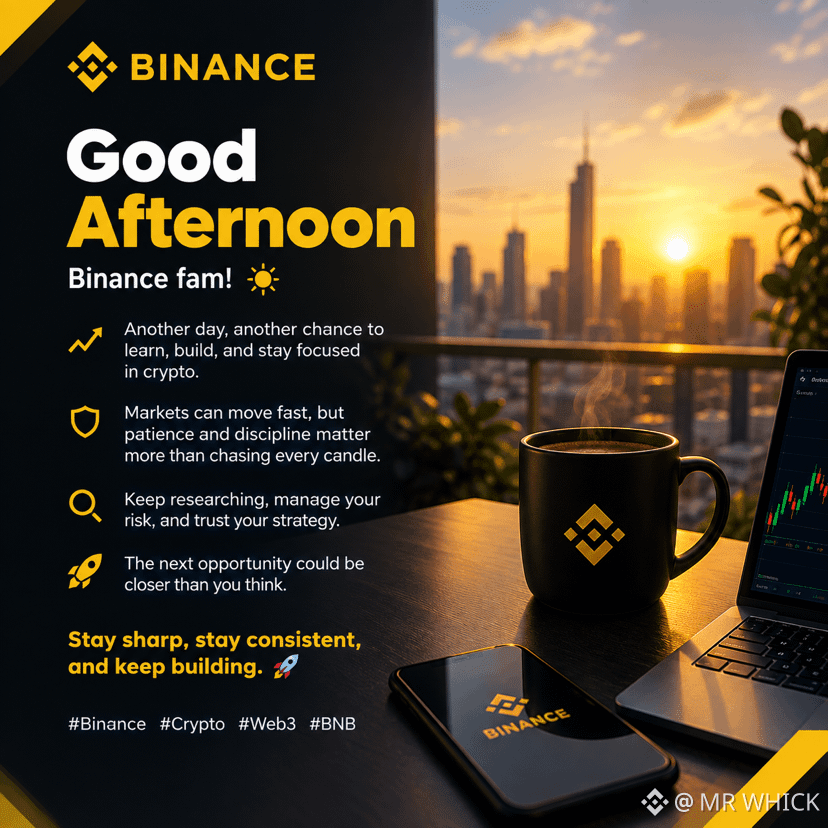
Guten Nachmittag, Binance-Family! ☀️
Ein weiterer Tag, eine weitere Chance, um in Krypto dazuzulernen, aufzubauen und fokussiert zu bleiben. Märkte können sich schnell bewegen, aber Geduld und Disziplin sind wichtiger als dem jeder Kerze hinterherzujagen. 📈
Bleib am Ball mit Recherche, managst dein Risiko und vertraust auf deine Strategie. Die nächste Gelegenheit könnte näher sein, als du denkst.
Bleib wachsam, bleib konsequent und baue weiter. 🚀
#Binance #crypto #Web3 #BNB #talatala
Guten Nachmittag, Binance-Family! ☀️
Ein weiterer Tag, eine weitere Chance, um in Krypto dazuzulernen, aufzubauen und fokussiert zu bleiben. Märkte können sich schnell bewegen, aber Geduld und Disziplin sind wichtiger als dem jeder Kerze hinterherzujagen. 📈
Bleib am Ball mit Recherche, managst dein Risiko und vertraust auf deine Strategie. Die nächste Gelegenheit könnte näher sein, als du denkst.
Bleib wachsam, bleib konsequent und baue weiter. 🚀
#Binance #crypto #Web3 #BNB #talatala
Ein weiterer Tag, eine weitere Chance, um in Krypto dazuzulernen, aufzubauen und fokussiert zu bleiben. Märkte können sich schnell bewegen, aber Geduld und Disziplin sind wichtiger als dem jeder Kerze hinterherzujagen. 📈
Bleib am Ball mit Recherche, managst dein Risiko und vertraust auf deine Strategie. Die nächste Gelegenheit könnte näher sein, als du denkst.
Bleib wachsam, bleib konsequent und baue weiter. 🚀
#Binance #crypto #Web3 #BNB #talatala
15
68
·
--
Artikel
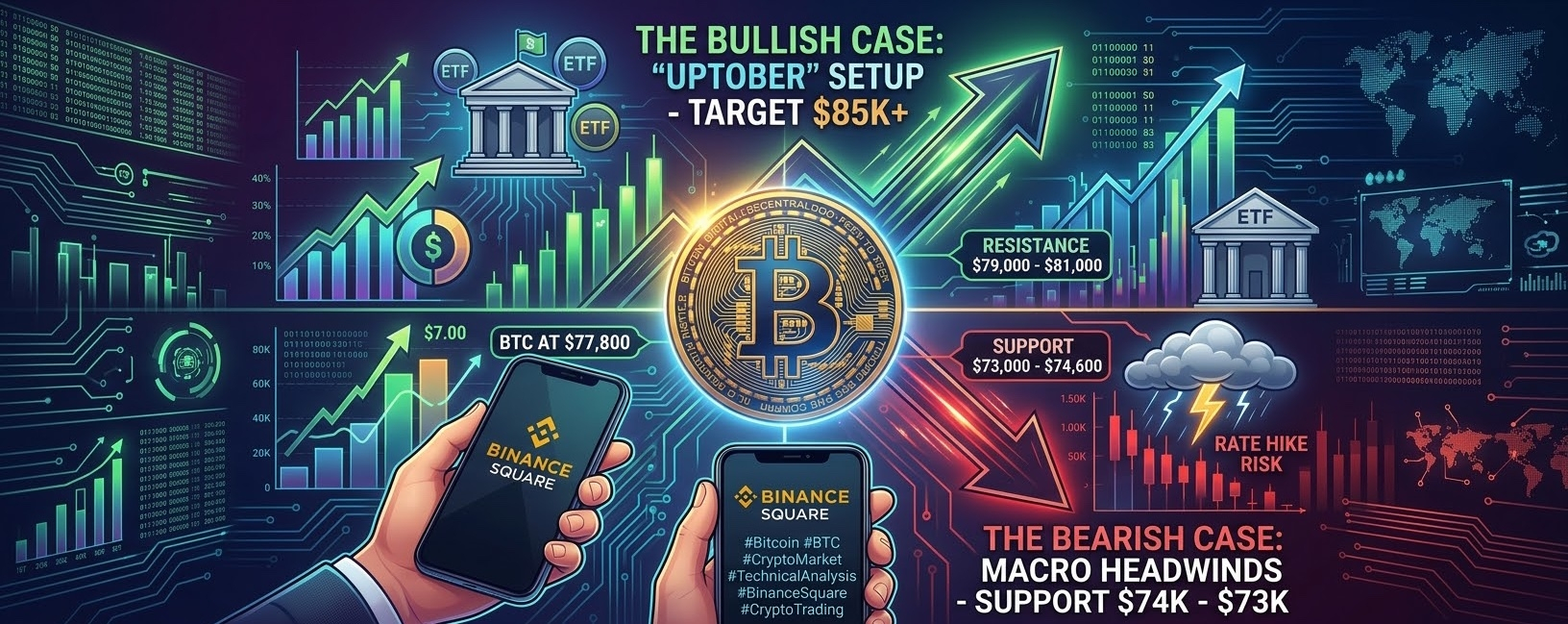
⚠️ WICHTIGE BTC-WARNUNG: 85K-Ausbruch vs. 74K-Abwärtsausbruch im Anflug!🚨 Bitcoins nächster großer Move: Rüsten wir uns für 85K oder fallen wir auf 74K? 🚨
BTC konsolidiert derzeit um die Marke von 77.800 US-Dollar, nachdem es in einer explosiven Woche kurz die Marke von 81.000 US-Dollar überschritten hat! 🚀
Doch nach dem jüngsten Rücksetzer fragen sich alle: Was passiert als Nächstes?
Hier ist eine Aufschlüsselung der aktuellen technischen und makroökonomischen Lage:
📉 Der bärische Fall (Gegenwind aus der Makro-Lage): Jüngste hawkische Kommentare beim Jackson Hole haben eine mögliche Zinserhöhung im September wieder auf die Tagesordnung gesetzt. Das ließ kurzfristige Renditen von US-Staatsanleihen steigen und übt dadurch sofortigen Druck auf risikoreiche Assets wie Bitcoin aus. Wenn die Trendlinie bricht und der Verkaufsdruck anhält, ist die entscheidende Nachfragezone, die es zu beobachten gilt, 73.000 - 74.600 US-Dollar.
⚠️ WICHTIGE BTC-WARNUNG: 85K-Ausbruch vs. 74K-Abwärtsausbruch im Anflug!
🚨 Bitcoins nächster großer Move: Rüsten wir uns für 85K oder fallen wir auf 74K? 🚨
BTC konsolidiert derzeit um die Marke von 77.800 US-Dollar, nachdem es in einer explosiven Woche kurz die Marke von 81.000 US-Dollar überschritten hat! 🚀
Doch nach dem jüngsten Rücksetzer fragen sich alle: Was passiert als Nächstes?
Hier ist eine Aufschlüsselung der aktuellen technischen und makroökonomischen Lage:
📉 Der bärische Fall (Gegenwind aus der Makro-Lage): Jüngste hawkische Kommentare beim Jackson Hole haben eine mögliche Zinserhöhung im September wieder auf die Tagesordnung gesetzt. Das ließ kurzfristige Renditen von US-Staatsanleihen steigen und übt dadurch sofortigen Druck auf risikoreiche Assets wie Bitcoin aus. Wenn die Trendlinie bricht und der Verkaufsdruck anhält, ist die entscheidende Nachfragezone, die es zu beobachten gilt, 73.000 - 74.600 US-Dollar.
BTC konsolidiert derzeit um die Marke von 77.800 US-Dollar, nachdem es in einer explosiven Woche kurz die Marke von 81.000 US-Dollar überschritten hat! 🚀
Doch nach dem jüngsten Rücksetzer fragen sich alle: Was passiert als Nächstes?
Hier ist eine Aufschlüsselung der aktuellen technischen und makroökonomischen Lage:
📉 Der bärische Fall (Gegenwind aus der Makro-Lage): Jüngste hawkische Kommentare beim Jackson Hole haben eine mögliche Zinserhöhung im September wieder auf die Tagesordnung gesetzt. Das ließ kurzfristige Renditen von US-Staatsanleihen steigen und übt dadurch sofortigen Druck auf risikoreiche Assets wie Bitcoin aus. Wenn die Trendlinie bricht und der Verkaufsdruck anhält, ist die entscheidende Nachfragezone, die es zu beobachten gilt, 73.000 - 74.600 US-Dollar.
161
·
--
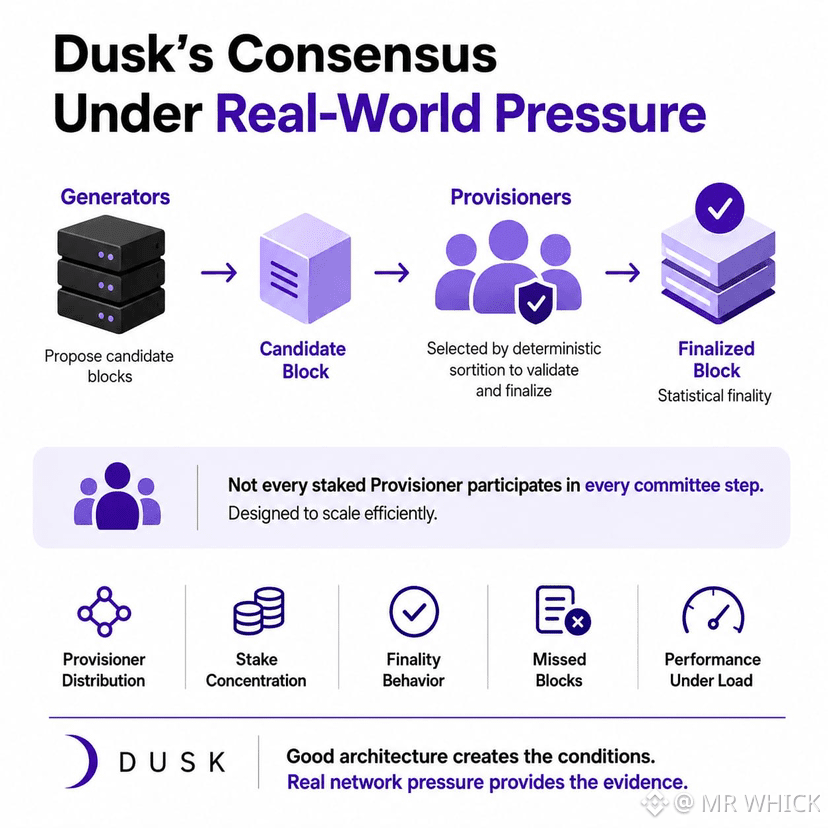
#dusk Ich komme immer wieder auf eine Frage zum Konsens von Dusk zurück: Effizienz kann auf dem Papier überzeugend wirken, aber was passiert, wenn echte Netzwerkaktivität anfängt, das System unter Druck zu setzen?
Dusk’s Segregated Byzantine Agreement (SBA) trennt die Aufgaben des Konsenses. Generatoren schlagen Kandidatenblöcke vor, während Provisioner durch deterministische Sortition in Komitees ausgewählt werden, um sie zu validieren und zu finalisieren. Das Ziel ist statistische Finalität: Ein finalisierter Block sollte mit nur einer vernachlässigbar geringen Wahrscheinlichkeit zu einem Fork führen und damit irreversibel werden.
Was ich daran interessant finde, ist, dass Dusk nicht verlangt, dass jeder gestakete Provisioner in jedem Schritt eines Komitees mitwirkt. Das könnte mit zunehmender Aktivität wichtig werden, obwohl die Architektur selbst nicht beweisen kann, wie effizient das Netzwerk unter anhaltender realer Nachfrage arbeiten wird.
Genau das würde ich lieber beobachten, statt es vorauszusetzen.
Die Verteilung der Provisioner, die Konzentration des Stakes, das Verhalten der Finalität, verpasste Blöcke und die Leistung unter starker Aktivität sollten uns viel mehr darüber sagen, wie belastbar der Konsens von DUSK wirklich ist.
Gute Architektur schafft die Voraussetzungen. Echter Netzwerkdruck liefert die Belege. @Dusk_Foundation $DUSK
#dusk Ich komme immer wieder auf eine Frage zum Konsens von Dusk zurück: Effizienz kann auf dem Papier überzeugend wirken, aber was passiert, wenn echte Netzwerkaktivität anfängt, das System unter Druck zu setzen?
Dusk’s Segregated Byzantine Agreement (SBA) trennt die Aufgaben des Konsenses. Generatoren schlagen Kandidatenblöcke vor, während Provisioner durch deterministische Sortition in Komitees ausgewählt werden, um sie zu validieren und zu finalisieren. Das Ziel ist statistische Finalität: Ein finalisierter Block sollte mit nur einer vernachlässigbar geringen Wahrscheinlichkeit zu einem Fork führen und damit irreversibel werden.
Was ich daran interessant finde, ist, dass Dusk nicht verlangt, dass jeder gestakete Provisioner in jedem Schritt eines Komitees mitwirkt. Das könnte mit zunehmender Aktivität wichtig werden, obwohl die Architektur selbst nicht beweisen kann, wie effizient das Netzwerk unter anhaltender realer Nachfrage arbeiten wird.
Genau das würde ich lieber beobachten, statt es vorauszusetzen.
Die Verteilung der Provisioner, die Konzentration des Stakes, das Verhalten der Finalität, verpasste Blöcke und die Leistung unter starker Aktivität sollten uns viel mehr darüber sagen, wie belastbar der Konsens von DUSK wirklich ist.
Gute Architektur schafft die Voraussetzungen. Echter Netzwerkdruck liefert die Belege. @Dusk $DUSK
Dusk’s Segregated Byzantine Agreement (SBA) trennt die Aufgaben des Konsenses. Generatoren schlagen Kandidatenblöcke vor, während Provisioner durch deterministische Sortition in Komitees ausgewählt werden, um sie zu validieren und zu finalisieren. Das Ziel ist statistische Finalität: Ein finalisierter Block sollte mit nur einer vernachlässigbar geringen Wahrscheinlichkeit zu einem Fork führen und damit irreversibel werden.
Was ich daran interessant finde, ist, dass Dusk nicht verlangt, dass jeder gestakete Provisioner in jedem Schritt eines Komitees mitwirkt. Das könnte mit zunehmender Aktivität wichtig werden, obwohl die Architektur selbst nicht beweisen kann, wie effizient das Netzwerk unter anhaltender realer Nachfrage arbeiten wird.
Genau das würde ich lieber beobachten, statt es vorauszusetzen.
Die Verteilung der Provisioner, die Konzentration des Stakes, das Verhalten der Finalität, verpasste Blöcke und die Leistung unter starker Aktivität sollten uns viel mehr darüber sagen, wie belastbar der Konsens von DUSK wirklich ist.
Gute Architektur schafft die Voraussetzungen. Echter Netzwerkdruck liefert die Belege. @Dusk $DUSK
1
3
427
·
--
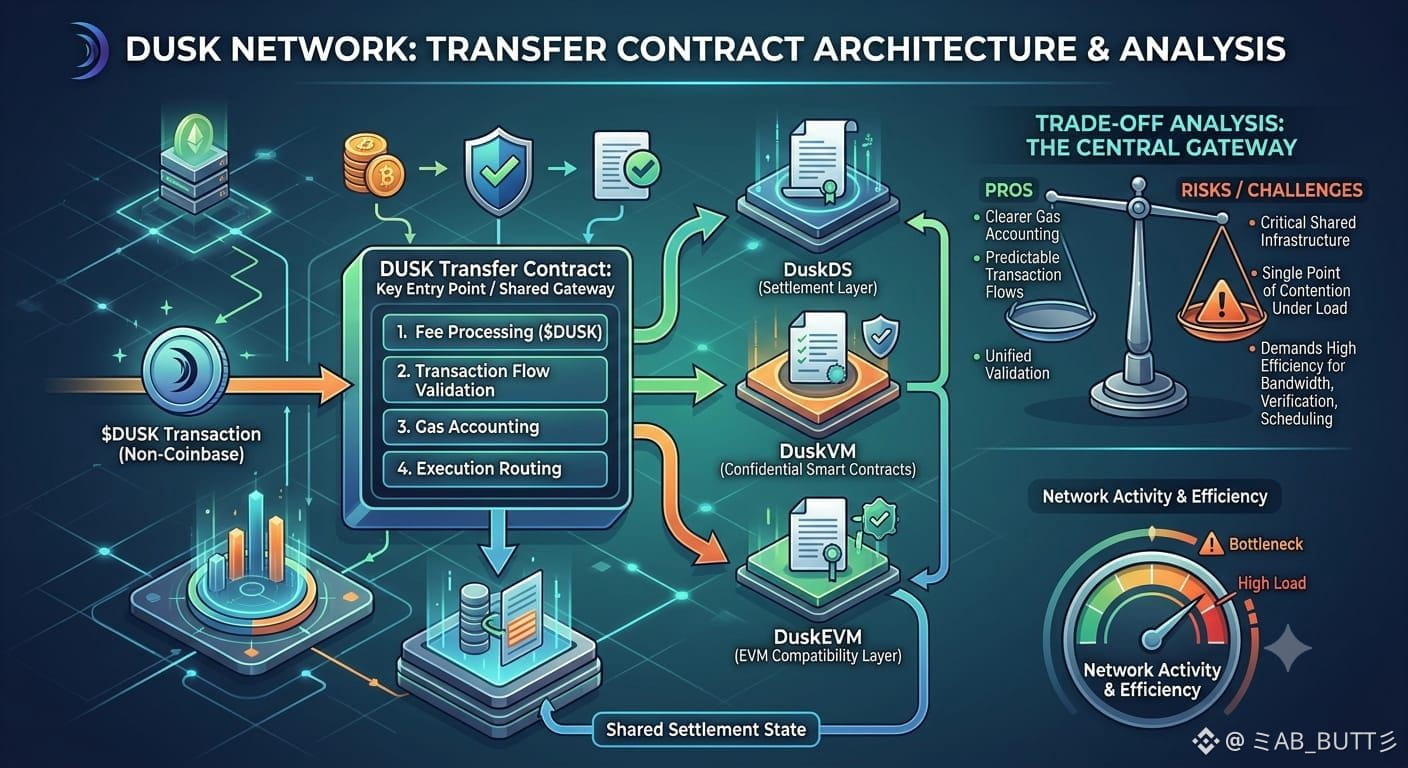
Eine Sache, die ich bemerkt habe: Wenn man irgendein dApp auf @Dusk_Foundation nutzt, läuft man durch denselben anfänglichen Protokollpfad.
Ich sehe den DUSK-Transfervertrag als einen zentralen Einstiegspunkt für nicht-coinbasebezogene Zustandsänderungen auf DuskDS. Das Protokoll trennt zwar in der Theorie die Asset- und die Compute-Schicht, aber sie koordinieren sich weiterhin über einen gemeinsamen Abrechnungszustand.
$DUSK ist das native Token, das verwendet wird, um die Berechnung im Netzwerk zu bezahlen. Deshalb beginnen Standardtransaktionen damit, Gebühren über den Transfer Contract zu verarbeiten. Er übernimmt die Gebühr, validiert den relevanten Transaktionsablauf und leitet die Ausführung dann zum Ziel-Smart-Contract weiter.
Warum ist das wichtig? Eine gemeinsame Gateway kann die Gas-Buchhaltung klarer und besser vorhersagbar machen. Aber es gibt auch einen Trade-off. Der Transfer Contract wird zu kritischer gemeinsam genutzter Infrastruktur, weil jede Transaktion ihren Gebühren- und Validierungspfad durchlaufen muss.
Wenn die Netzaktivität deutlich wächst, kann die Nachfrage nach Bandbreite, Verifizierung und Transaktionsplanung steigen. Das bedeutet nicht automatisch, dass die Compute-Schicht zum Engpass wird, aber es macht Effizienz unter Last zu einer wichtigen Kennzahl, die man im Blick behalten sollte.
Dusk-Architektur, einschließlich DuskDS, DuskVM und DuskEVM, ist so ausgelegt, dass sie unterschiedliche Ausführungsanforderungen unterstützt und gleichzeitig die Abrechnung mit demselben Netzwerk verbunden hält. #dusk $DUSK @Dusk_Foundation $DUSK
{spot}(DUSKUSDT)
Eine Sache, die ich bemerkt habe: Wenn man irgendein dApp auf @Dusk nutzt, läuft man durch denselben anfänglichen Protokollpfad.
Ich sehe den DUSK-Transfervertrag als einen zentralen Einstiegspunkt für nicht-coinbasebezogene Zustandsänderungen auf DuskDS. Das Protokoll trennt zwar in der Theorie die Asset- und die Compute-Schicht, aber sie koordinieren sich weiterhin über einen gemeinsamen Abrechnungszustand.
$DUSK ist das native Token, das verwendet wird, um die Berechnung im Netzwerk zu bezahlen. Deshalb beginnen Standardtransaktionen damit, Gebühren über den Transfer Contract zu verarbeiten. Er übernimmt die Gebühr, validiert den relevanten Transaktionsablauf und leitet die Ausführung dann zum Ziel-Smart-Contract weiter.
Warum ist das wichtig? Eine gemeinsame Gateway kann die Gas-Buchhaltung klarer und besser vorhersagbar machen. Aber es gibt auch einen Trade-off. Der Transfer Contract wird zu kritischer gemeinsam genutzter Infrastruktur, weil jede Transaktion ihren Gebühren- und Validierungspfad durchlaufen muss.
Wenn die Netzaktivität deutlich wächst, kann die Nachfrage nach Bandbreite, Verifizierung und Transaktionsplanung steigen. Das bedeutet nicht automatisch, dass die Compute-Schicht zum Engpass wird, aber es macht Effizienz unter Last zu einer wichtigen Kennzahl, die man im Blick behalten sollte.
Dusk-Architektur, einschließlich DuskDS, DuskVM und DuskEVM, ist so ausgelegt, dass sie unterschiedliche Ausführungsanforderungen unterstützt und gleichzeitig die Abrechnung mit demselben Netzwerk verbunden hält. #dusk $DUSK @Dusk $DUSK
Ich sehe den DUSK-Transfervertrag als einen zentralen Einstiegspunkt für nicht-coinbasebezogene Zustandsänderungen auf DuskDS. Das Protokoll trennt zwar in der Theorie die Asset- und die Compute-Schicht, aber sie koordinieren sich weiterhin über einen gemeinsamen Abrechnungszustand.
$DUSK ist das native Token, das verwendet wird, um die Berechnung im Netzwerk zu bezahlen. Deshalb beginnen Standardtransaktionen damit, Gebühren über den Transfer Contract zu verarbeiten. Er übernimmt die Gebühr, validiert den relevanten Transaktionsablauf und leitet die Ausführung dann zum Ziel-Smart-Contract weiter.
Warum ist das wichtig? Eine gemeinsame Gateway kann die Gas-Buchhaltung klarer und besser vorhersagbar machen. Aber es gibt auch einen Trade-off. Der Transfer Contract wird zu kritischer gemeinsam genutzter Infrastruktur, weil jede Transaktion ihren Gebühren- und Validierungspfad durchlaufen muss.
Wenn die Netzaktivität deutlich wächst, kann die Nachfrage nach Bandbreite, Verifizierung und Transaktionsplanung steigen. Das bedeutet nicht automatisch, dass die Compute-Schicht zum Engpass wird, aber es macht Effizienz unter Last zu einer wichtigen Kennzahl, die man im Blick behalten sollte.
Dusk-Architektur, einschließlich DuskDS, DuskVM und DuskEVM, ist so ausgelegt, dass sie unterschiedliche Ausführungsanforderungen unterstützt und gleichzeitig die Abrechnung mit demselben Netzwerk verbunden hält. #dusk $DUSK @Dusk $DUSK
3
2
239
·
--
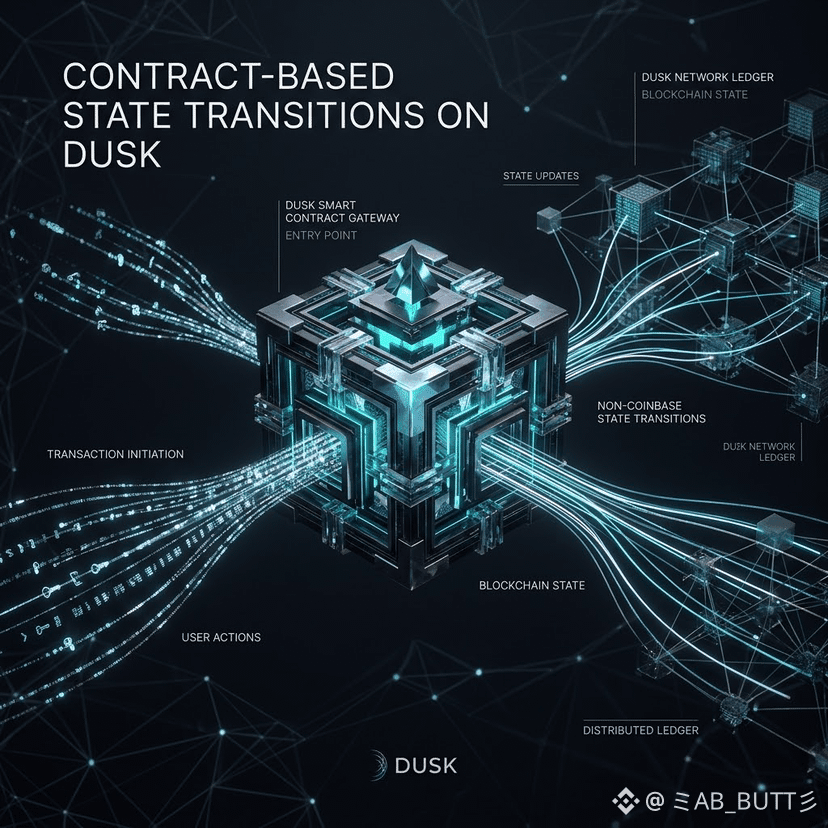
@Dusk_Foundation Du kennst das: Jedes Mal, wenn du mit irgendeiner dezentralisierten App auf @Dusk_Foundation interagierst, musst du durch denselben anfänglichen Engpass?
Der DUSK Contract ist der einzige Einstiegspunkt für alle Zustandsübergänge, die nicht Coinbase betreffen, im Netzwerk. Das Protokoll trennt die native Asset-Ebene von der verallgemeinerten Compute-Ebene, aber sie haben exakt denselben Zustandsraum.
Darum geht es: Das einzige Asset, das das Netzwerk für den Berechnungs-Gasaufwand entschädigen kann, ist $DUSK . Diese Regel bedeutet, dass jede Standard-Transaktion zuerst den DUSK Contract aufrufen muss, um die Fee-Logik auszuführen, bevor die Ausführung an einen Ziel-Smart-Contract weitergeleitet wird.
Glaubst du, dass dieses einheitliche Zustandsmodell in der Lage sein wird, starke Smart-Contract-Überlastung zu bewältigen? #dusk $DUSK @Dusk
@Dusk Du kennst das: Jedes Mal, wenn du mit irgendeiner dezentralisierten App auf @Dusk interagierst, musst du durch denselben anfänglichen Engpass?
Der DUSK Contract ist der einzige Einstiegspunkt für alle Zustandsübergänge, die nicht Coinbase betreffen, im Netzwerk. Das Protokoll trennt die native Asset-Ebene von der verallgemeinerten Compute-Ebene, aber sie haben exakt denselben Zustandsraum.
Darum geht es: Das einzige Asset, das das Netzwerk für den Berechnungs-Gasaufwand entschädigen kann, ist $DUSK . Diese Regel bedeutet, dass jede Standard-Transaktion zuerst den DUSK Contract aufrufen muss, um die Fee-Logik auszuführen, bevor die Ausführung an einen Ziel-Smart-Contract weitergeleitet wird.
Glaubst du, dass dieses einheitliche Zustandsmodell in der Lage sein wird, starke Smart-Contract-Überlastung zu bewältigen? #dusk $DUSK @Dusk
Der DUSK Contract ist der einzige Einstiegspunkt für alle Zustandsübergänge, die nicht Coinbase betreffen, im Netzwerk. Das Protokoll trennt die native Asset-Ebene von der verallgemeinerten Compute-Ebene, aber sie haben exakt denselben Zustandsraum.
Darum geht es: Das einzige Asset, das das Netzwerk für den Berechnungs-Gasaufwand entschädigen kann, ist $DUSK . Diese Regel bedeutet, dass jede Standard-Transaktion zuerst den DUSK Contract aufrufen muss, um die Fee-Logik auszuführen, bevor die Ausführung an einen Ziel-Smart-Contract weitergeleitet wird.
Glaubst du, dass dieses einheitliche Zustandsmodell in der Lage sein wird, starke Smart-Contract-Überlastung zu bewältigen? #dusk $DUSK @Dusk
5
4
245
·
--
Über RWA-Compliance wird überall gesprochen, aber fast niemand versteht die On-Chain-Architektur, die sie tatsächlich ermöglicht.
Ich habe mir angesehen, wie Dusk das handhabt, und ihr Zedger-Modell ist viel komplexer, als die meisten denken. Reguliertes DeFi stellt ein kniffliges Engineering-Problem: Teilnehmer-Identitäten, historische Kontostände und laufende Überweisungen laufen auf völlig unterschiedlichen Lebenszyklen.
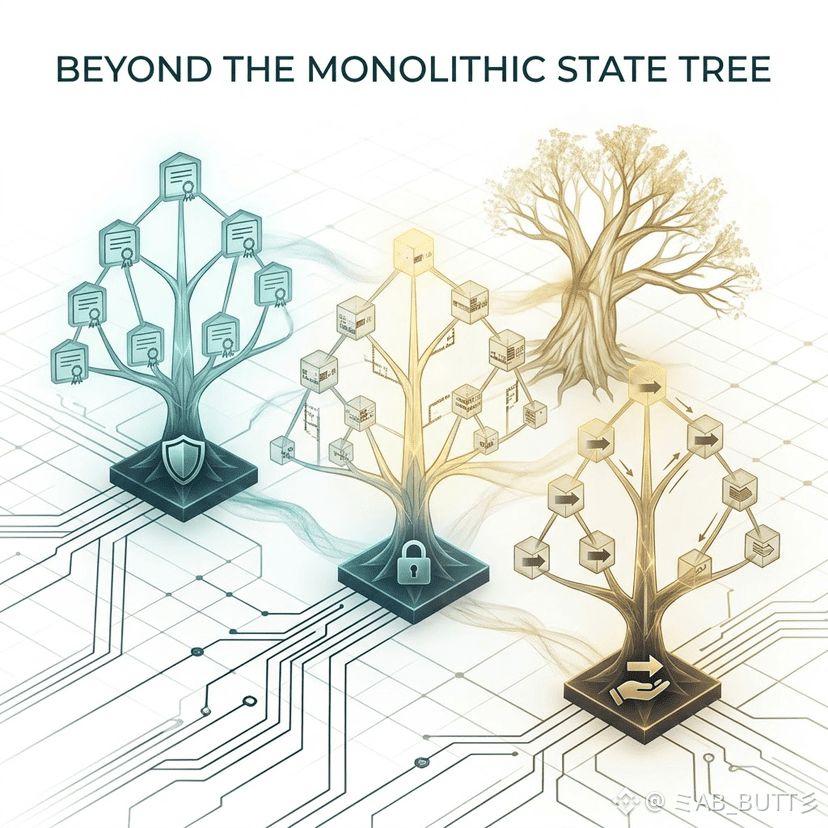
Die meisten Blockchains packen all diese Daten in einen einzigen riesigen monolithischen State-Tree. Stattdessen isoliert Dusk den State über drei dedizierte Poseidon-Merkle-Bäume:
- whitelistTree: Prüft deine autorisierte Identität, ohne echte persönliche Zugangsdaten im öffentlichen Ledger offenzulegen.
- memorySlotTree: Hält die Historie deiner Salden privat, indem es die Root-Commitments von Nutzerkonten verwaltet (Sparse Merkle-Segment Tries).
- coinTree: Fungiert als transiente Ebene und verwaltet UTXO-ähnliche Transfers, während Assets auf die Annahme durch den Empfänger warten oder auf Timeout-Claims.
Erhöht das Verifizieren von Membership-Proofs über drei unterschiedliche Trees die Kosten für Zero-Knowledge-Berechnungen? Ja. Aber diese Dreistufen-Trennung beseitigt das Leakage von Transaktionsgraphen vollständig, während institutionelle Emittenten strikt an regulatorische Standards gebunden bleiben. Das ist ein geniales Trade-off.
Glaubst du, dass diese Drei-Stufen-Architektur zum Standard für institutionelles DeFi wird? Lass mich unten deine Meinung wissen! 👇 #dusk $DUSK @Dusk
Über RWA-Compliance wird überall gesprochen, aber fast niemand versteht die On-Chain-Architektur, die sie tatsächlich ermöglicht.
Ich habe mir angesehen, wie Dusk das handhabt, und ihr Zedger-Modell ist viel komplexer, als die meisten denken. Reguliertes DeFi stellt ein kniffliges Engineering-Problem: Teilnehmer-Identitäten, historische Kontostände und laufende Überweisungen laufen auf völlig unterschiedlichen Lebenszyklen.
Die meisten Blockchains packen all diese Daten in einen einzigen riesigen monolithischen State-Tree. Stattdessen isoliert Dusk den State über drei dedizierte Poseidon-Merkle-Bäume:
- whitelistTree: Prüft deine autorisierte Identität, ohne echte persönliche Zugangsdaten im öffentlichen Ledger offenzulegen.
- memorySlotTree: Hält die Historie deiner Salden privat, indem es die Root-Commitments von Nutzerkonten verwaltet (Sparse Merkle-Segment Tries).
- coinTree: Fungiert als transiente Ebene und verwaltet UTXO-ähnliche Transfers, während Assets auf die Annahme durch den Empfänger warten oder auf Timeout-Claims.
Erhöht das Verifizieren von Membership-Proofs über drei unterschiedliche Trees die Kosten für Zero-Knowledge-Berechnungen? Ja. Aber diese Dreistufen-Trennung beseitigt das Leakage von Transaktionsgraphen vollständig, während institutionelle Emittenten strikt an regulatorische Standards gebunden bleiben. Das ist ein geniales Trade-off.
Glaubst du, dass diese Drei-Stufen-Architektur zum Standard für institutionelles DeFi wird? Lass mich unten deine Meinung wissen! 👇 #dusk $DUSK @Dusk
Ich habe mir angesehen, wie Dusk das handhabt, und ihr Zedger-Modell ist viel komplexer, als die meisten denken. Reguliertes DeFi stellt ein kniffliges Engineering-Problem: Teilnehmer-Identitäten, historische Kontostände und laufende Überweisungen laufen auf völlig unterschiedlichen Lebenszyklen.
Die meisten Blockchains packen all diese Daten in einen einzigen riesigen monolithischen State-Tree. Stattdessen isoliert Dusk den State über drei dedizierte Poseidon-Merkle-Bäume:
- whitelistTree: Prüft deine autorisierte Identität, ohne echte persönliche Zugangsdaten im öffentlichen Ledger offenzulegen.
- memorySlotTree: Hält die Historie deiner Salden privat, indem es die Root-Commitments von Nutzerkonten verwaltet (Sparse Merkle-Segment Tries).
- coinTree: Fungiert als transiente Ebene und verwaltet UTXO-ähnliche Transfers, während Assets auf die Annahme durch den Empfänger warten oder auf Timeout-Claims.
Erhöht das Verifizieren von Membership-Proofs über drei unterschiedliche Trees die Kosten für Zero-Knowledge-Berechnungen? Ja. Aber diese Dreistufen-Trennung beseitigt das Leakage von Transaktionsgraphen vollständig, während institutionelle Emittenten strikt an regulatorische Standards gebunden bleiben. Das ist ein geniales Trade-off.
Glaubst du, dass diese Drei-Stufen-Architektur zum Standard für institutionelles DeFi wird? Lass mich unten deine Meinung wissen! 👇 #dusk $DUSK @Dusk
392
·
--
Die meisten Blockchains haben einen grundlegenden Konflikt: Wertpapierregulierung erfordert eine detaillierte Historie der Kontostände, doch öffentliche Ledger legen alles offen. Um das zu lösen, hat Dusk etwas völlig Neues für sein Zedger-Modell entwickelt: den Sparse Merkle-Segment Trie (SMST).
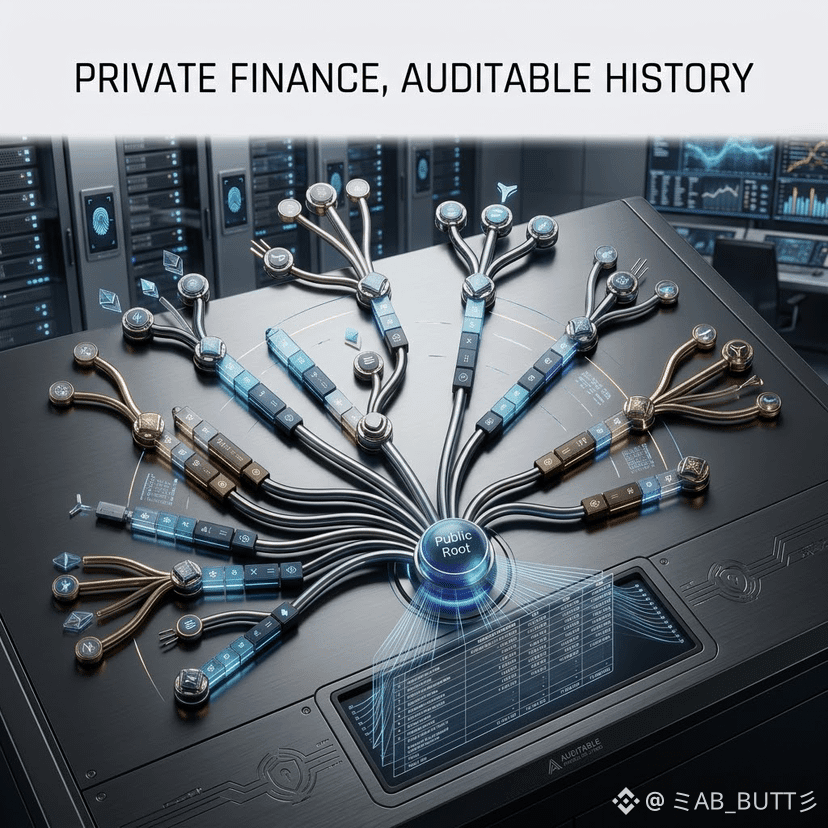
Standard-UTXO-Modelle können keine Intervallguthaben nachverfolgen oder dividendenberechtigte Mittel von transaktionalen trennen. SMST behebt das, indem es die kryptografischen Akkumulator-Eigenschaften eines Sparse Merkle Tree mit der Fähigkeit eines Segment Trees kombiniert, Intervallinformationen zu speichern.
In einem SMST verfolgt jeder Knoten bestimmte Kontostände: maximale, transaktionale, Stimm- und Dividenden-Guthaben. Dieses Design ermöglicht es, dass ein Konto sicher jede Änderung des Guthabens über verschiedene Zeitsegmente hinweg protokolliert, während nur die Änderungen gegenüber einer öffentlichen Root sichtbar gemacht werden.
Welche Auswirkung hat das? Asset-Betreiber können eindeutig eine Kapitalisierungstabelle für die Compliance zu jedem historischen Zeitpunkt rekonstruieren, ohne den Nutzer seiner On-Chain-Privatsphäre zu berauben. #dusk $DUSK @Dusk
Die meisten Blockchains haben einen grundlegenden Konflikt: Wertpapierregulierung erfordert eine detaillierte Historie der Kontostände, doch öffentliche Ledger legen alles offen. Um das zu lösen, hat Dusk etwas völlig Neues für sein Zedger-Modell entwickelt: den Sparse Merkle-Segment Trie (SMST).
Standard-UTXO-Modelle können keine Intervallguthaben nachverfolgen oder dividendenberechtigte Mittel von transaktionalen trennen. SMST behebt das, indem es die kryptografischen Akkumulator-Eigenschaften eines Sparse Merkle Tree mit der Fähigkeit eines Segment Trees kombiniert, Intervallinformationen zu speichern.
In einem SMST verfolgt jeder Knoten bestimmte Kontostände: maximale, transaktionale, Stimm- und Dividenden-Guthaben. Dieses Design ermöglicht es, dass ein Konto sicher jede Änderung des Guthabens über verschiedene Zeitsegmente hinweg protokolliert, während nur die Änderungen gegenüber einer öffentlichen Root sichtbar gemacht werden.
Welche Auswirkung hat das? Asset-Betreiber können eindeutig eine Kapitalisierungstabelle für die Compliance zu jedem historischen Zeitpunkt rekonstruieren, ohne den Nutzer seiner On-Chain-Privatsphäre zu berauben. #dusk $DUSK @Dusk
Standard-UTXO-Modelle können keine Intervallguthaben nachverfolgen oder dividendenberechtigte Mittel von transaktionalen trennen. SMST behebt das, indem es die kryptografischen Akkumulator-Eigenschaften eines Sparse Merkle Tree mit der Fähigkeit eines Segment Trees kombiniert, Intervallinformationen zu speichern.
In einem SMST verfolgt jeder Knoten bestimmte Kontostände: maximale, transaktionale, Stimm- und Dividenden-Guthaben. Dieses Design ermöglicht es, dass ein Konto sicher jede Änderung des Guthabens über verschiedene Zeitsegmente hinweg protokolliert, während nur die Änderungen gegenüber einer öffentlichen Root sichtbar gemacht werden.
Welche Auswirkung hat das? Asset-Betreiber können eindeutig eine Kapitalisierungstabelle für die Compliance zu jedem historischen Zeitpunkt rekonstruieren, ohne den Nutzer seiner On-Chain-Privatsphäre zu berauben. #dusk $DUSK @Dusk
12
10
982
·
--
Verifiziert
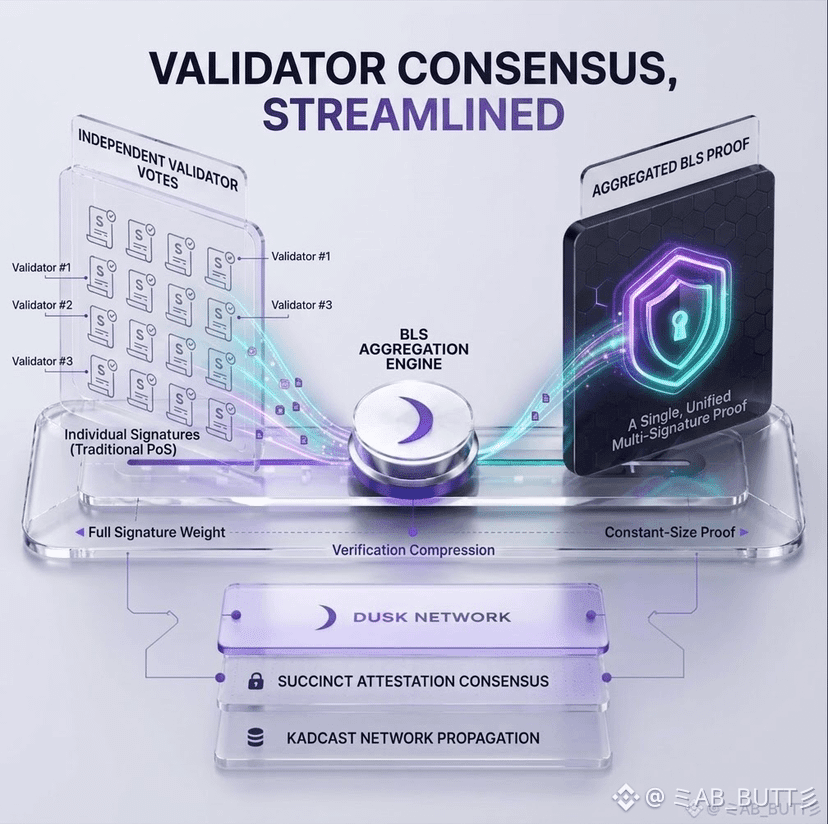
#dusk Ein Detail in Dusk’ Konsensarchitektur macht das Ganze noch interessanter. Anstatt die Stimme jedes Validators separat zu speichern, aggregiert das Netzwerk BLS-Signaturen zu einem einzigen Nachweis. In einer herkömmlichen Konfiguration benötigt jede Validator-Signatur individuellen Speicherplatz im Block. In Dusk werden Hunderte von Ausschussabstimmungen in eine einzige konstant große Signatur komprimiert, während dennoch jeder Teilnehmer verifiziert wird.
Ich denke, die nützliche Idee dabei ist die Skalierbarkeit. Dusk hat Knoten nicht dazu gezwungen, jede unabhängige Signatur zu speichern, weil ein dauerhaftes Anwachsen der Validatoren (Validator Bloat) das Betreiben eines Knotens mit der Zeit zu teuer macht.
Es gibt sogar einen praktischen Interessenausgleich: Das Aggregieren von BLS-Signaturen erfordert etwas mehr kryptografische Rechenleistung, spart jedoch massive Bandbreite und On-Chain-Speicher. Das hilft dabei, die Hardwareanforderungen für Node-Runner niedrig zu halten.
Die bessere Frage ist also nicht „Wie viele Validatoren können signieren?“ sondern „Wie effizient kann die Chain ihren Konsens aufzeichnen?“ $DUSK @Dusk_Foundation
#dusk Ein Detail in Dusk’ Konsensarchitektur macht das Ganze noch interessanter. Anstatt die Stimme jedes Validators separat zu speichern, aggregiert das Netzwerk BLS-Signaturen zu einem einzigen Nachweis. In einer herkömmlichen Konfiguration benötigt jede Validator-Signatur individuellen Speicherplatz im Block. In Dusk werden Hunderte von Ausschussabstimmungen in eine einzige konstant große Signatur komprimiert, während dennoch jeder Teilnehmer verifiziert wird.
Ich denke, die nützliche Idee dabei ist die Skalierbarkeit. Dusk hat Knoten nicht dazu gezwungen, jede unabhängige Signatur zu speichern, weil ein dauerhaftes Anwachsen der Validatoren (Validator Bloat) das Betreiben eines Knotens mit der Zeit zu teuer macht.
Es gibt sogar einen praktischen Interessenausgleich: Das Aggregieren von BLS-Signaturen erfordert etwas mehr kryptografische Rechenleistung, spart jedoch massive Bandbreite und On-Chain-Speicher. Das hilft dabei, die Hardwareanforderungen für Node-Runner niedrig zu halten.
Die bessere Frage ist also nicht „Wie viele Validatoren können signieren?“ sondern „Wie effizient kann die Chain ihren Konsens aufzeichnen?“ $DUSK @Dusk
Ich denke, die nützliche Idee dabei ist die Skalierbarkeit. Dusk hat Knoten nicht dazu gezwungen, jede unabhängige Signatur zu speichern, weil ein dauerhaftes Anwachsen der Validatoren (Validator Bloat) das Betreiben eines Knotens mit der Zeit zu teuer macht.
Es gibt sogar einen praktischen Interessenausgleich: Das Aggregieren von BLS-Signaturen erfordert etwas mehr kryptografische Rechenleistung, spart jedoch massive Bandbreite und On-Chain-Speicher. Das hilft dabei, die Hardwareanforderungen für Node-Runner niedrig zu halten.
Die bessere Frage ist also nicht „Wie viele Validatoren können signieren?“ sondern „Wie effizient kann die Chain ihren Konsens aufzeichnen?“ $DUSK @Dusk
9
9
582
·
--
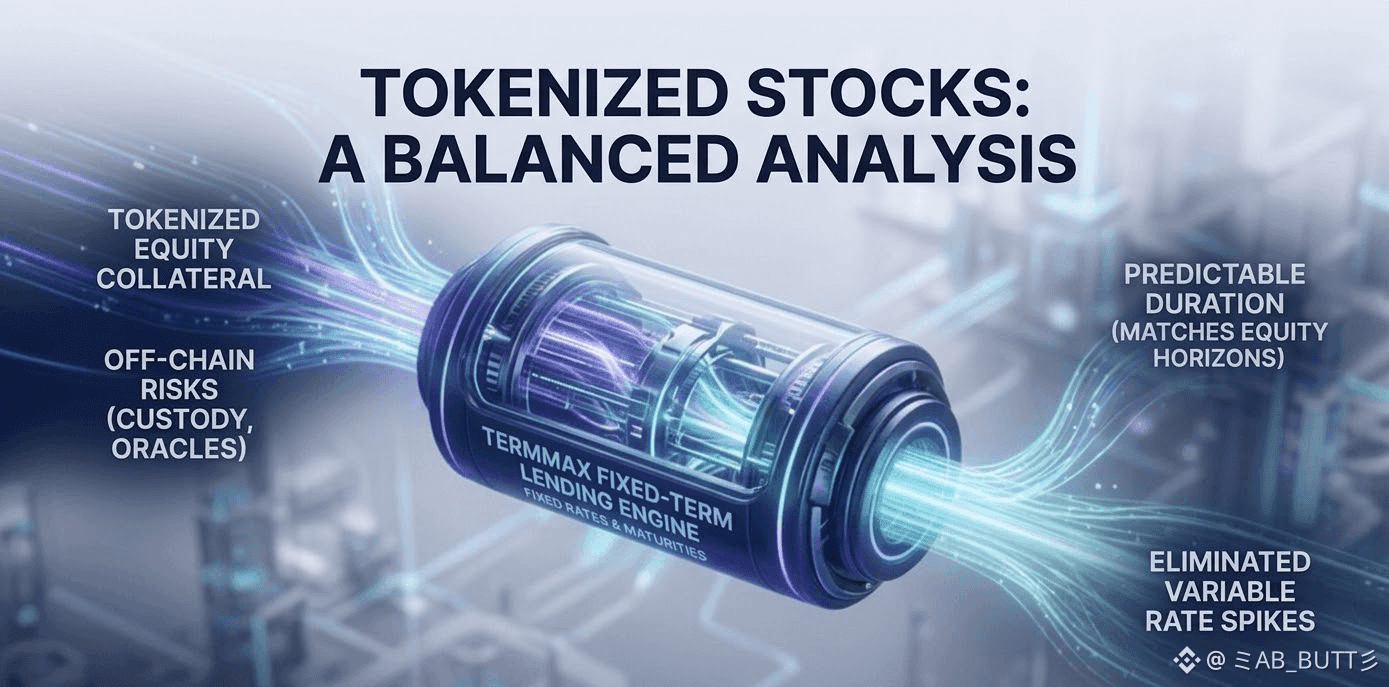
Die Verwendung tokenisierter Aktien als Sicherheiten wirft für mich eine entscheidende Frage auf: Was ändert sich, wenn traditionelles Marktrisiko in DeFi einzieht?
Im Fixed-Term-Lending-Engine von @termmax Alpha hängt die Antwort von strukturellen Reibungsverlusten ab: Marktzeiten versus 24/7-Liquidation.
Traditionelle Aktien werden am Wochenende nicht gehandelt, aber Smart Contracts laufen durchgehend. Wenn eine Aktie außerhalb der Kette zum Handelsstart am Montag im Kurs fällt, müssen On-Chain-Tresore Tage der aufgelaufenen Kursbewegung in einem einzigen Block abfangen.
TermMax löst das Dauerproblem, indem es feste Kreditkonditionen und feste Fälligkeiten festlegt, die zu den Anlagehorizonten bei Aktien passen.
Der Kompromiss ist jedoch relevant. Kreditnehmer vermeiden plötzliche Sprünge bei variablen Zinssätzen, nehmen dafür aber Off-Chain-Custody-Wrapper und Oracle-Abwicklungsrisiken in Kauf.
Das finde ich spannend: Feste Zinsen schaffen Vorhersehbarkeit, aber RWA-Sicherheiten bedeuten, reale Marktreibung aus der realen Welt On-Chain zu akzeptieren. #termmax @TermMax
Die Verwendung tokenisierter Aktien als Sicherheiten wirft für mich eine entscheidende Frage auf: Was ändert sich, wenn traditionelles Marktrisiko in DeFi einzieht?
Im Fixed-Term-Lending-Engine von @TermMax Alpha hängt die Antwort von strukturellen Reibungsverlusten ab: Marktzeiten versus 24/7-Liquidation.
Traditionelle Aktien werden am Wochenende nicht gehandelt, aber Smart Contracts laufen durchgehend. Wenn eine Aktie außerhalb der Kette zum Handelsstart am Montag im Kurs fällt, müssen On-Chain-Tresore Tage der aufgelaufenen Kursbewegung in einem einzigen Block abfangen.
TermMax löst das Dauerproblem, indem es feste Kreditkonditionen und feste Fälligkeiten festlegt, die zu den Anlagehorizonten bei Aktien passen.
Der Kompromiss ist jedoch relevant. Kreditnehmer vermeiden plötzliche Sprünge bei variablen Zinssätzen, nehmen dafür aber Off-Chain-Custody-Wrapper und Oracle-Abwicklungsrisiken in Kauf.
Das finde ich spannend: Feste Zinsen schaffen Vorhersehbarkeit, aber RWA-Sicherheiten bedeuten, reale Marktreibung aus der realen Welt On-Chain zu akzeptieren. #termmax @TermMax
Im Fixed-Term-Lending-Engine von @TermMax Alpha hängt die Antwort von strukturellen Reibungsverlusten ab: Marktzeiten versus 24/7-Liquidation.
Traditionelle Aktien werden am Wochenende nicht gehandelt, aber Smart Contracts laufen durchgehend. Wenn eine Aktie außerhalb der Kette zum Handelsstart am Montag im Kurs fällt, müssen On-Chain-Tresore Tage der aufgelaufenen Kursbewegung in einem einzigen Block abfangen.
TermMax löst das Dauerproblem, indem es feste Kreditkonditionen und feste Fälligkeiten festlegt, die zu den Anlagehorizonten bei Aktien passen.
Der Kompromiss ist jedoch relevant. Kreditnehmer vermeiden plötzliche Sprünge bei variablen Zinssätzen, nehmen dafür aber Off-Chain-Custody-Wrapper und Oracle-Abwicklungsrisiken in Kauf.
Das finde ich spannend: Feste Zinsen schaffen Vorhersehbarkeit, aber RWA-Sicherheiten bedeuten, reale Marktreibung aus der realen Welt On-Chain zu akzeptieren. #termmax @TermMax
2
6
449
·
--
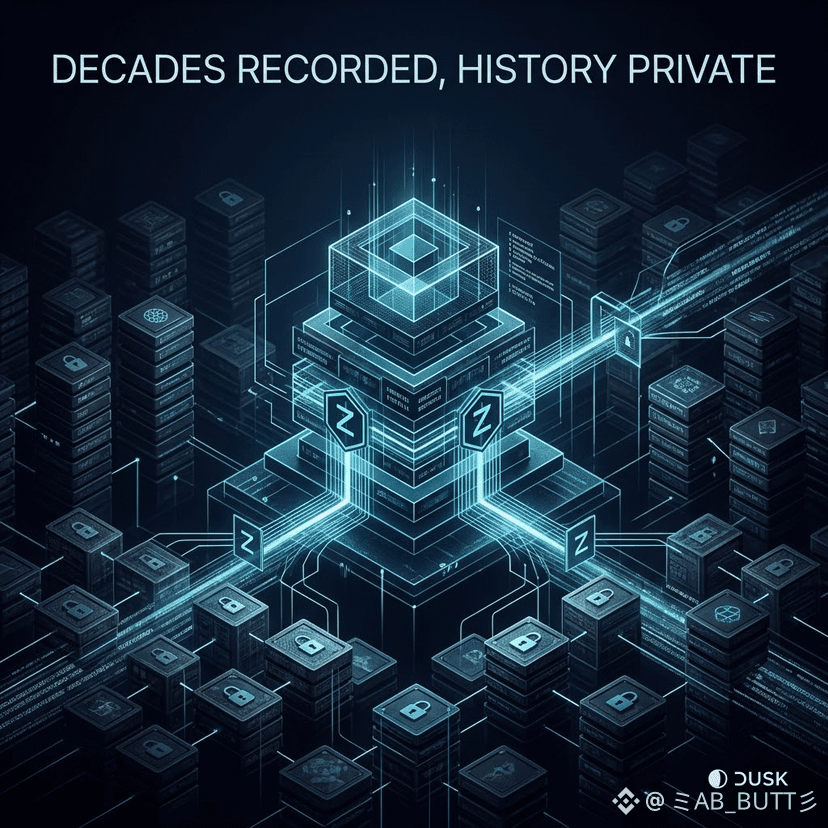
#dusk Eine Detailstelle im Dusk-„Phoenix“-Modell macht das Ganze interessanter. Das Netzwerk kann Veränderungen im Kontostand verfolgen, ohne jede einzelne Transaktion und den dazugehörigen Wert offenzulegen. Anstatt eine vollständige finanzielle Historie zu veröffentlichen, nutzt Phoenix verschlüsselte Notizen und Zero-Knowledge-Beweise, um einen gültigen Zustand beizubehalten und gleichzeitig sensible Details privat zu halten.
Ich denke, die nützliche Idee hier ist Kontinuität. Dusk muss nicht, dass alle jede vergangene Transaktion sehen, um zu wissen, dass der aktuelle Zustand gültig ist.
Das führt zu einem spannenden Kompromiss: Das Netzwerk kann eine langfristige Aufzeichnung von Kontostandsveränderungen bewahren, ohne die vollständige finanzielle Historie hinter diesen Salden veröffentlichen zu müssen.
Die bessere Frage lautet also nicht „Führt Dusk eine Transaktionshistorie?“ sondern: Wie viel von dieser Historie muss tatsächlich öffentlich sein? $DUSK @Dusk
#dusk Eine Detailstelle im Dusk-„Phoenix“-Modell macht das Ganze interessanter. Das Netzwerk kann Veränderungen im Kontostand verfolgen, ohne jede einzelne Transaktion und den dazugehörigen Wert offenzulegen. Anstatt eine vollständige finanzielle Historie zu veröffentlichen, nutzt Phoenix verschlüsselte Notizen und Zero-Knowledge-Beweise, um einen gültigen Zustand beizubehalten und gleichzeitig sensible Details privat zu halten.
Ich denke, die nützliche Idee hier ist Kontinuität. Dusk muss nicht, dass alle jede vergangene Transaktion sehen, um zu wissen, dass der aktuelle Zustand gültig ist.
Das führt zu einem spannenden Kompromiss: Das Netzwerk kann eine langfristige Aufzeichnung von Kontostandsveränderungen bewahren, ohne die vollständige finanzielle Historie hinter diesen Salden veröffentlichen zu müssen.
Die bessere Frage lautet also nicht „Führt Dusk eine Transaktionshistorie?“ sondern: Wie viel von dieser Historie muss tatsächlich öffentlich sein? $DUSK @Dusk
Ich denke, die nützliche Idee hier ist Kontinuität. Dusk muss nicht, dass alle jede vergangene Transaktion sehen, um zu wissen, dass der aktuelle Zustand gültig ist.
Das führt zu einem spannenden Kompromiss: Das Netzwerk kann eine langfristige Aufzeichnung von Kontostandsveränderungen bewahren, ohne die vollständige finanzielle Historie hinter diesen Salden veröffentlichen zu müssen.
Die bessere Frage lautet also nicht „Führt Dusk eine Transaktionshistorie?“ sondern: Wie viel von dieser Historie muss tatsächlich öffentlich sein? $DUSK @Dusk
13
9
463
·
--
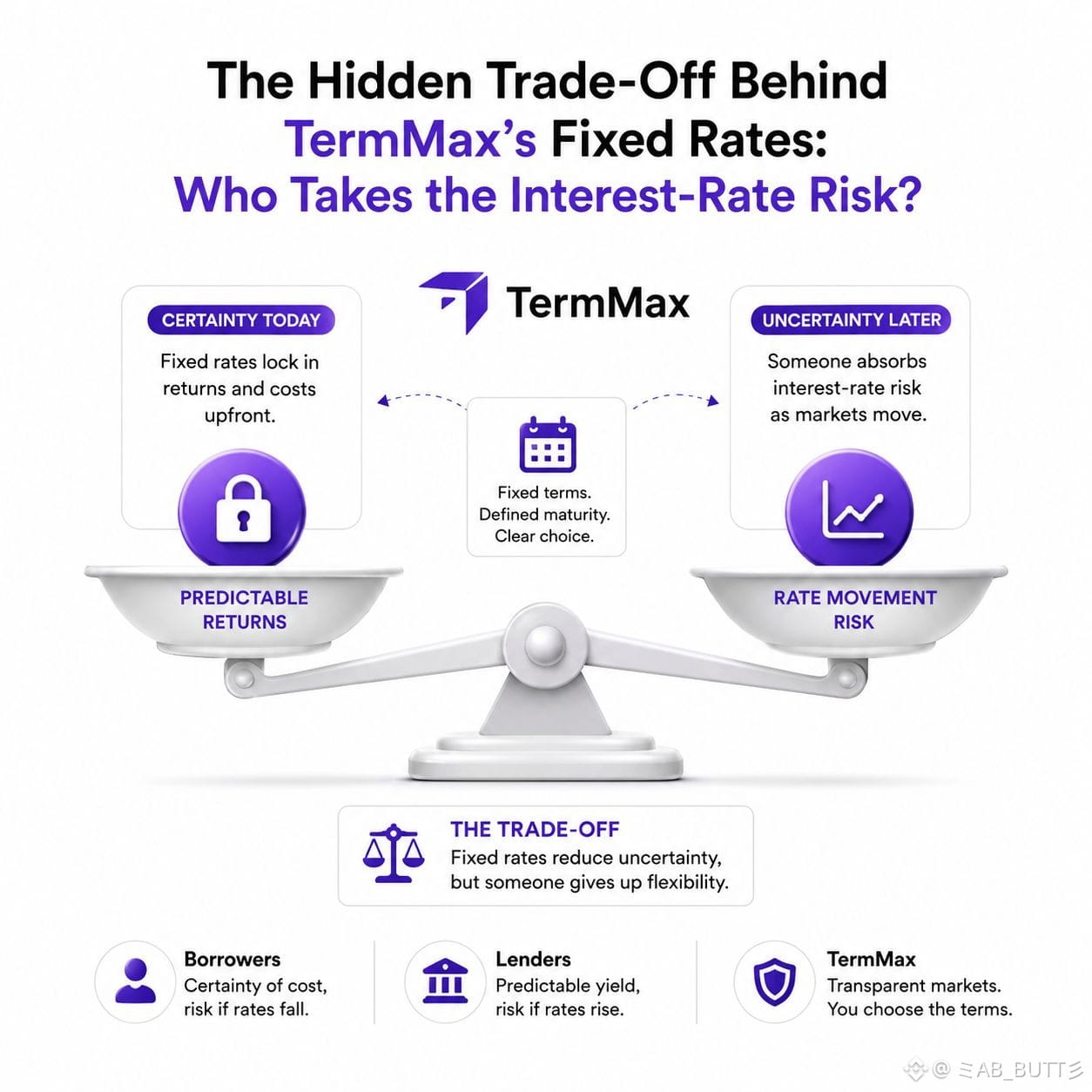
Ein fester Zinssatz klingt nach Sicherheit – bis man fragt, wer die Unsicherheit dahinter trägt.
In @termmax fixieren Festzins-Darlehen und -Kredite den Zinssatz für eine definierte Laufzeit, sodass der Kreditnehmer die Zinskosten im Voraus kennt und der Kreditgeber eine planbare Rendite erhält. Die Benutzeroberfläche von TermMax trennt diese Festzinsmärkte nach Laufzeit, wobei Nutzer sich für konkrete Laufzeiten entscheiden statt unbestimmt im Floating-Modus zu bleiben. (TermMax)
Diese Planbarkeit beseitigt aber kein Zinsänderungsrisiko. Sie verlagert lediglich, wo es sitzt.
Mein Eindruck ist, dass die Partei, die den festen Zinssatz festschreibt, später einen Teil der Flexibilität aufgibt, falls sich die Marktzinsen ändern. Wenn die Zinsen fallen, kann ein Kreditnehmer darauf festgelegt sein, den vereinbarten Satz zu zahlen; wenn die Zinsen steigen, kann ein Kreditgeber anderswo bessere Chancen verpassen.
Das ist die versteckte Gegenleistung: Feste Renditen senken die Zinsunsicherheit, können jedoch auch Opportunitätskosten verursachen.
Die spannende Frage ist also nicht, ob der Zinssatz fix ist. Sondern: Wer profitiert, wenn sich der Markt von diesem festen Zinssatz entfernt? #termmax @termmax
Ein fester Zinssatz klingt nach Sicherheit – bis man fragt, wer die Unsicherheit dahinter trägt.
In @TermMax fixieren Festzins-Darlehen und -Kredite den Zinssatz für eine definierte Laufzeit, sodass der Kreditnehmer die Zinskosten im Voraus kennt und der Kreditgeber eine planbare Rendite erhält. Die Benutzeroberfläche von TermMax trennt diese Festzinsmärkte nach Laufzeit, wobei Nutzer sich für konkrete Laufzeiten entscheiden statt unbestimmt im Floating-Modus zu bleiben. (TermMax)
Diese Planbarkeit beseitigt aber kein Zinsänderungsrisiko. Sie verlagert lediglich, wo es sitzt.
Mein Eindruck ist, dass die Partei, die den festen Zinssatz festschreibt, später einen Teil der Flexibilität aufgibt, falls sich die Marktzinsen ändern. Wenn die Zinsen fallen, kann ein Kreditnehmer darauf festgelegt sein, den vereinbarten Satz zu zahlen; wenn die Zinsen steigen, kann ein Kreditgeber anderswo bessere Chancen verpassen.
Das ist die versteckte Gegenleistung: Feste Renditen senken die Zinsunsicherheit, können jedoch auch Opportunitätskosten verursachen.
Die spannende Frage ist also nicht, ob der Zinssatz fix ist. Sondern: Wer profitiert, wenn sich der Markt von diesem festen Zinssatz entfernt? #termmax @TermMax
In @TermMax fixieren Festzins-Darlehen und -Kredite den Zinssatz für eine definierte Laufzeit, sodass der Kreditnehmer die Zinskosten im Voraus kennt und der Kreditgeber eine planbare Rendite erhält. Die Benutzeroberfläche von TermMax trennt diese Festzinsmärkte nach Laufzeit, wobei Nutzer sich für konkrete Laufzeiten entscheiden statt unbestimmt im Floating-Modus zu bleiben. (TermMax)
Diese Planbarkeit beseitigt aber kein Zinsänderungsrisiko. Sie verlagert lediglich, wo es sitzt.
Mein Eindruck ist, dass die Partei, die den festen Zinssatz festschreibt, später einen Teil der Flexibilität aufgibt, falls sich die Marktzinsen ändern. Wenn die Zinsen fallen, kann ein Kreditnehmer darauf festgelegt sein, den vereinbarten Satz zu zahlen; wenn die Zinsen steigen, kann ein Kreditgeber anderswo bessere Chancen verpassen.
Das ist die versteckte Gegenleistung: Feste Renditen senken die Zinsunsicherheit, können jedoch auch Opportunitätskosten verursachen.
Die spannende Frage ist also nicht, ob der Zinssatz fix ist. Sondern: Wer profitiert, wenn sich der Markt von diesem festen Zinssatz entfernt? #termmax @TermMax
8
9
364
·
--
Teilweise korrekt
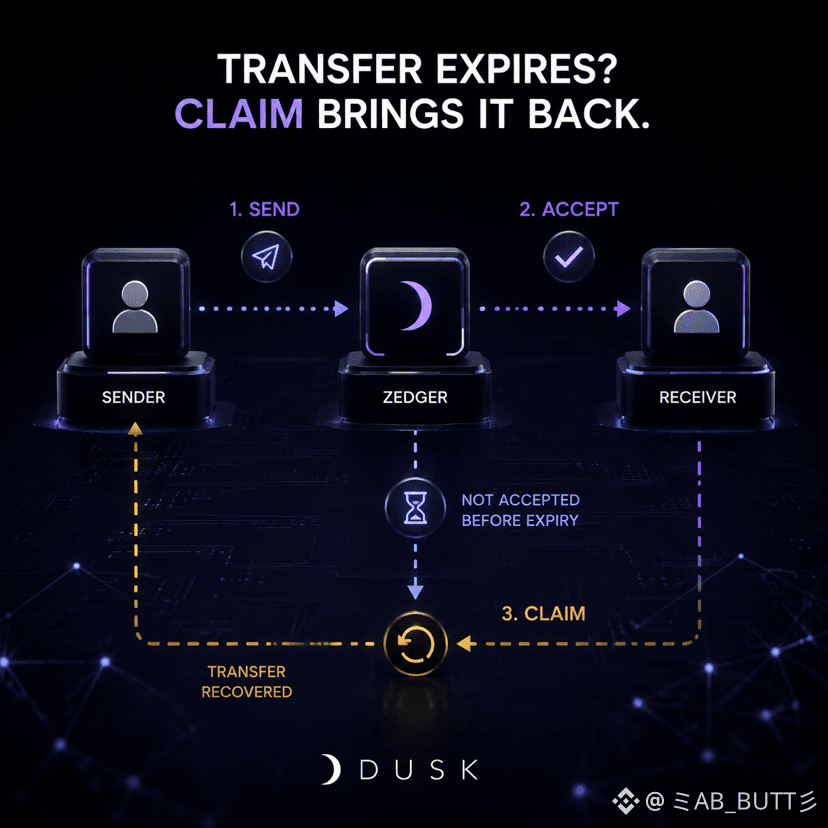
#dusk $DUSK @Dusk_Foundation a Zedger-Übertragungen können an den Empfänger gesendet werden, ohne endgültig zu werden — und genau deshalb gibt es CLAIM.
In Dusk’s Zedger-Design macht SEND eine Übertragung nicht sofort zu einem Teil des akzeptierten Guthabens des Empfängers. Der Empfänger muss sie noch ACCEPTieren, bevor die Übertragung abläuft.
Wenn das nie geschieht, bietet CLAIM dem Absender einen definierten Weg, die abgelaufene Übertragung zurückzuholen, statt sie auf unbestimmte Zeit ungelöst zu lassen.
Das schafft einen spannenden dreistufigen Lebenszyklus:
SEND initiiert → ACCEPT schließt ab → CLAIM behandelt das Ablaufdatum.
Auffällig ist, dass Zedger explizit den Fall berücksichtigt, in dem die empfangende Seite einfach nichts tut. Das Protokoll muss nicht davon ausgehen, dass jede initiierte Übertragung erfolgreich abgeschlossen wird.
Die unbeantwortete Frage ist eher praktisch: Wie oft wird CLAIM tatsächlich notwendig, wenn es unter realer Netzaktivität zum Einsatz kommt?
Der Mechanismus ist dokumentiert. Seine Nutzung in der realen Welt ist der Beleg, den es als Nächstes zu beobachten gilt.
#dusk $DUSK @Dusk a Zedger-Übertragungen können an den Empfänger gesendet werden, ohne endgültig zu werden — und genau deshalb gibt es CLAIM.
In Dusk’s Zedger-Design macht SEND eine Übertragung nicht sofort zu einem Teil des akzeptierten Guthabens des Empfängers. Der Empfänger muss sie noch ACCEPTieren, bevor die Übertragung abläuft.
Wenn das nie geschieht, bietet CLAIM dem Absender einen definierten Weg, die abgelaufene Übertragung zurückzuholen, statt sie auf unbestimmte Zeit ungelöst zu lassen.
Das schafft einen spannenden dreistufigen Lebenszyklus:
SEND initiiert → ACCEPT schließt ab → CLAIM behandelt das Ablaufdatum.
Auffällig ist, dass Zedger explizit den Fall berücksichtigt, in dem die empfangende Seite einfach nichts tut. Das Protokoll muss nicht davon ausgehen, dass jede initiierte Übertragung erfolgreich abgeschlossen wird.
Die unbeantwortete Frage ist eher praktisch: Wie oft wird CLAIM tatsächlich notwendig, wenn es unter realer Netzaktivität zum Einsatz kommt?
Der Mechanismus ist dokumentiert. Seine Nutzung in der realen Welt ist der Beleg, den es als Nächstes zu beobachten gilt.
In Dusk’s Zedger-Design macht SEND eine Übertragung nicht sofort zu einem Teil des akzeptierten Guthabens des Empfängers. Der Empfänger muss sie noch ACCEPTieren, bevor die Übertragung abläuft.
Wenn das nie geschieht, bietet CLAIM dem Absender einen definierten Weg, die abgelaufene Übertragung zurückzuholen, statt sie auf unbestimmte Zeit ungelöst zu lassen.
Das schafft einen spannenden dreistufigen Lebenszyklus:
SEND initiiert → ACCEPT schließt ab → CLAIM behandelt das Ablaufdatum.
Auffällig ist, dass Zedger explizit den Fall berücksichtigt, in dem die empfangende Seite einfach nichts tut. Das Protokoll muss nicht davon ausgehen, dass jede initiierte Übertragung erfolgreich abgeschlossen wird.
Die unbeantwortete Frage ist eher praktisch: Wie oft wird CLAIM tatsächlich notwendig, wenn es unter realer Netzaktivität zum Einsatz kommt?
Der Mechanismus ist dokumentiert. Seine Nutzung in der realen Welt ist der Beleg, den es als Nächstes zu beobachten gilt.
12
10
650
·
--
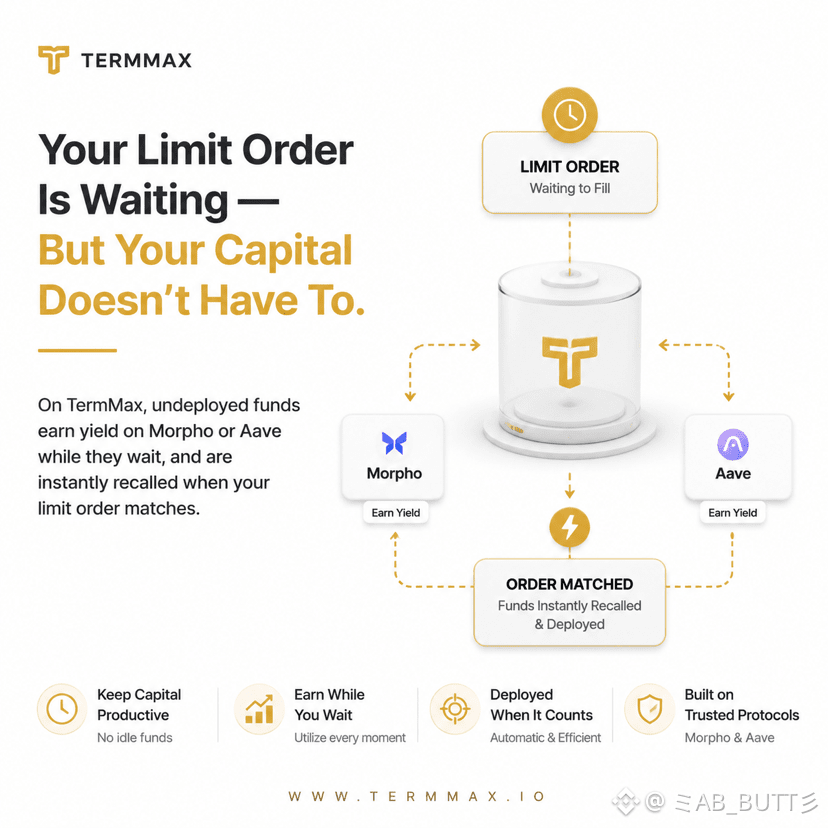
#termmax A Limit-Order „wartet auf die Füllung“ bedeutet in der Regel auch: Das Kapital wartet zu. TermMax versucht, das zu ändern.
In TermMax’ Curator-Vault-Design können nicht eingesetzte Mittel an Morpho oder Aave weitergeleitet werden, um während der Wartezeit eine variable Rendite zu erzielen. Wenn ein Kreditnehmer die Zinskurve des Vaults trifft, werden die benötigten Mittel atomar zurückgerufen und in den Markt mit dem festen Zinssatz eingesetzt.
Das verändert die Ökonomie des Wartens. Ein Curator muss sich nicht zwingend zwischen dem Bereithalten der Liquidität für einen zukünftigen Trade mit festem Zinssatz und dem Einsatz dieses Kapitals an anderer Stelle entscheiden.
Das Spannende ist nicht nur „zusätzliche Rendite“. Es geht um die Kapitalauslastung: TermMax versucht, die Wartezeit produktiv zu machen, ohne die Liquidität aus seiner vorgesehenen Strategie mit festem Zinssatz herauszunehmen.
Der Trade-off? Diese faule Rendite bleibt abhängig vom externen Lending-Venue, dessen aktuellen Zinssätzen und Risiken.
Für TermMax kann die Ausführungseffizienz sogar beginnen, bevor eine Order überhaupt ausgefüllt wird. @TermMax
#termmax A Limit-Order „wartet auf die Füllung“ bedeutet in der Regel auch: Das Kapital wartet zu. TermMax versucht, das zu ändern.
In TermMax’ Curator-Vault-Design können nicht eingesetzte Mittel an Morpho oder Aave weitergeleitet werden, um während der Wartezeit eine variable Rendite zu erzielen. Wenn ein Kreditnehmer die Zinskurve des Vaults trifft, werden die benötigten Mittel atomar zurückgerufen und in den Markt mit dem festen Zinssatz eingesetzt.
Das verändert die Ökonomie des Wartens. Ein Curator muss sich nicht zwingend zwischen dem Bereithalten der Liquidität für einen zukünftigen Trade mit festem Zinssatz und dem Einsatz dieses Kapitals an anderer Stelle entscheiden.
Das Spannende ist nicht nur „zusätzliche Rendite“. Es geht um die Kapitalauslastung: TermMax versucht, die Wartezeit produktiv zu machen, ohne die Liquidität aus seiner vorgesehenen Strategie mit festem Zinssatz herauszunehmen.
Der Trade-off? Diese faule Rendite bleibt abhängig vom externen Lending-Venue, dessen aktuellen Zinssätzen und Risiken.
Für TermMax kann die Ausführungseffizienz sogar beginnen, bevor eine Order überhaupt ausgefüllt wird. @TermMax
In TermMax’ Curator-Vault-Design können nicht eingesetzte Mittel an Morpho oder Aave weitergeleitet werden, um während der Wartezeit eine variable Rendite zu erzielen. Wenn ein Kreditnehmer die Zinskurve des Vaults trifft, werden die benötigten Mittel atomar zurückgerufen und in den Markt mit dem festen Zinssatz eingesetzt.
Das verändert die Ökonomie des Wartens. Ein Curator muss sich nicht zwingend zwischen dem Bereithalten der Liquidität für einen zukünftigen Trade mit festem Zinssatz und dem Einsatz dieses Kapitals an anderer Stelle entscheiden.
Das Spannende ist nicht nur „zusätzliche Rendite“. Es geht um die Kapitalauslastung: TermMax versucht, die Wartezeit produktiv zu machen, ohne die Liquidität aus seiner vorgesehenen Strategie mit festem Zinssatz herauszunehmen.
Der Trade-off? Diese faule Rendite bleibt abhängig vom externen Lending-Venue, dessen aktuellen Zinssätzen und Risiken.
Für TermMax kann die Ausführungseffizienz sogar beginnen, bevor eine Order überhaupt ausgefüllt wird. @TermMax
11
7
257
·
--
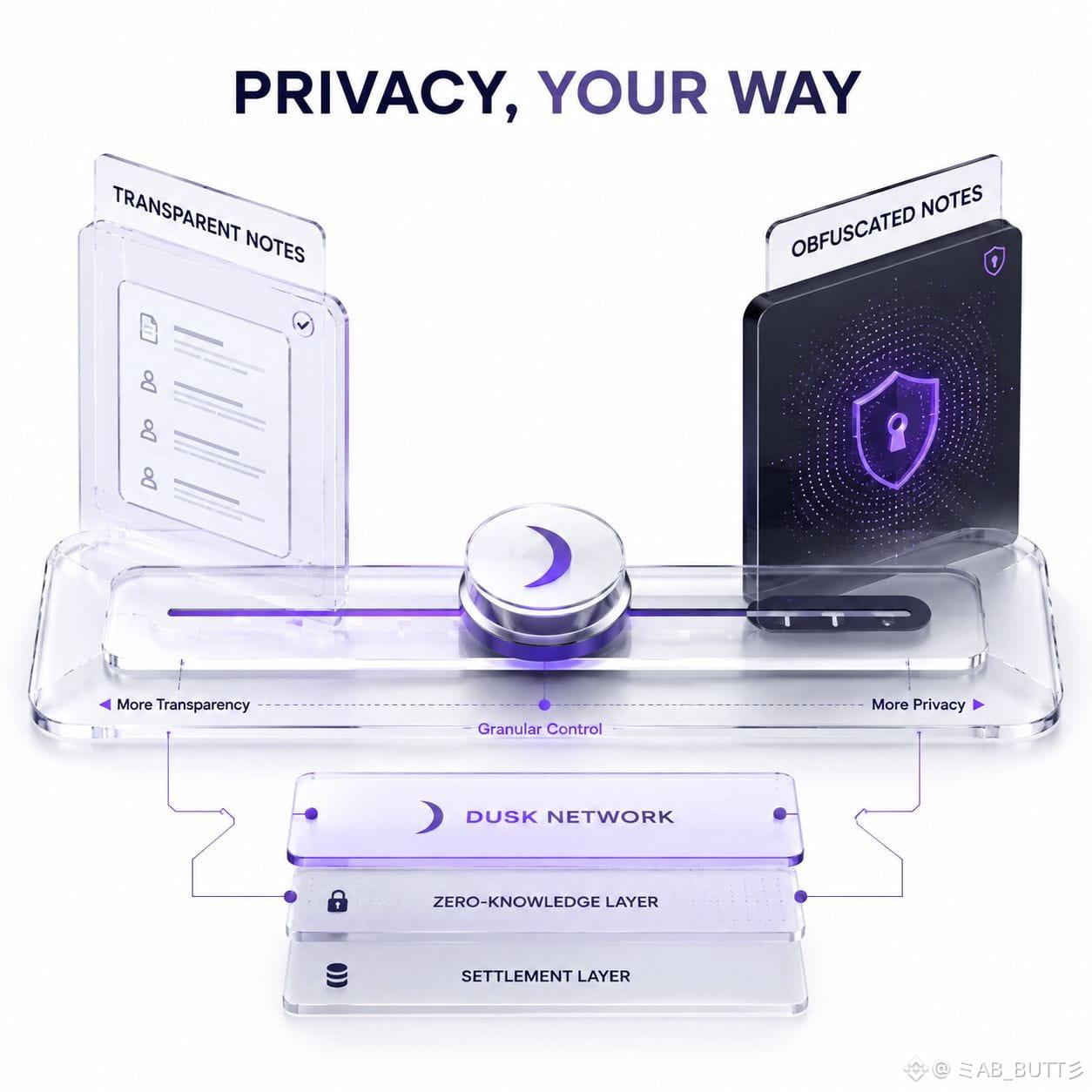
#dusk Ein Detail im Dusk-„Phoenix“-Modell macht es interessanter. Notizen können transparent oder verschleiert sein, d. h. das System kann unterschiedliche Ebenen der Informationssichtbarkeit innerhalb desselben Transaktionsmodells verarbeiten. In einer transparenten Notiz ist der Wert sichtbar. In einer verschleierten Notiz ist der Wert verschlüsselt, während die Notiz weiterhin Dusk’ Datenschutzmechanismus verwendet.
Ich denke, die nützliche Idee hier ist Flexibilität. Dusk hat nicht jede Notiz gleichermaßen sichtbar gemacht, weil einige Daten überprüft werden müssen, während andere verborgen bleiben sollten.
Es gibt sogar einen praktischen Trade-off: Dusk hat Transaktionen mit Nullwert transparent gemacht, weil das Verschleiern unnötige Einträge in den Notizbaum bringen würde. Das hilft, vermeidbare Daten über die Zeit zu reduzieren.
Also die bessere Frage lautet nicht „privat oder öffentlich?“ Es geht darum, was tatsächlich sichtbar sein muss? $DUSK @Dusk_Foundation
#dusk Ein Detail im Dusk-„Phoenix“-Modell macht es interessanter. Notizen können transparent oder verschleiert sein, d. h. das System kann unterschiedliche Ebenen der Informationssichtbarkeit innerhalb desselben Transaktionsmodells verarbeiten. In einer transparenten Notiz ist der Wert sichtbar. In einer verschleierten Notiz ist der Wert verschlüsselt, während die Notiz weiterhin Dusk’ Datenschutzmechanismus verwendet.
Ich denke, die nützliche Idee hier ist Flexibilität. Dusk hat nicht jede Notiz gleichermaßen sichtbar gemacht, weil einige Daten überprüft werden müssen, während andere verborgen bleiben sollten.
Es gibt sogar einen praktischen Trade-off: Dusk hat Transaktionen mit Nullwert transparent gemacht, weil das Verschleiern unnötige Einträge in den Notizbaum bringen würde. Das hilft, vermeidbare Daten über die Zeit zu reduzieren.
Also die bessere Frage lautet nicht „privat oder öffentlich?“ Es geht darum, was tatsächlich sichtbar sein muss? $DUSK @Dusk
Ich denke, die nützliche Idee hier ist Flexibilität. Dusk hat nicht jede Notiz gleichermaßen sichtbar gemacht, weil einige Daten überprüft werden müssen, während andere verborgen bleiben sollten.
Es gibt sogar einen praktischen Trade-off: Dusk hat Transaktionen mit Nullwert transparent gemacht, weil das Verschleiern unnötige Einträge in den Notizbaum bringen würde. Das hilft, vermeidbare Daten über die Zeit zu reduzieren.
Also die bessere Frage lautet nicht „privat oder öffentlich?“ Es geht darum, was tatsächlich sichtbar sein muss? $DUSK @Dusk
9
10
465
·
--
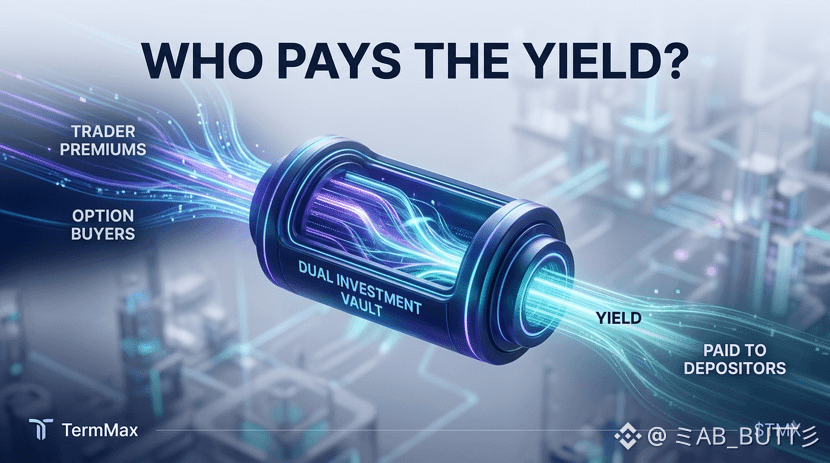
High yield wirft für mich immer eine Frage auf: Wer zahlt eigentlich dafür?
In @termmax Alphas Dual Investment Vaults ist die Antwort überraschend direkt: Käufer von Long- und Short-Optionen.
Händler zahlen Prämien im Voraus, um sich eine gehebelte Call- oder Put-Exponierung zu sichern. Diese Prämien werden zum Ertrag für die Dual-Investment-Liquiditätsanbieter, die die Gegenseite einnehmen. TermMax’ eigene Alpha-Oberfläche stellt ausdrücklich fest, dass Vault-Erträge von Long-/Short-Käufern gezahlt werden. (TermMax)
Die Rendite erscheint also nicht aus dem Nichts. Sie spiegelt eine echte Nachfrage nach Optionsmöglichkeiten und Hebelwirkung wider.
Der Trade-off ist jedoch relevant. Vault-Einleger zeichnen diese Optionen ab, d. h. die Erträge kommen mit Exponierung gegenüber dem zugrunde liegenden Asset und den Abwicklungsbedingungen – nicht als kostenlose Rendite.
Das finde ich besonders interessant: Eine höhere Optionsnachfrage kann mehr Prämieneinnahmen erzeugen, aber die Rendite existiert, weil jemand das Risiko auf der anderen Seite akzeptiert. #termmax @TermMax
High yield wirft für mich immer eine Frage auf: Wer zahlt eigentlich dafür?
In @TermMax Alphas Dual Investment Vaults ist die Antwort überraschend direkt: Käufer von Long- und Short-Optionen.
Händler zahlen Prämien im Voraus, um sich eine gehebelte Call- oder Put-Exponierung zu sichern. Diese Prämien werden zum Ertrag für die Dual-Investment-Liquiditätsanbieter, die die Gegenseite einnehmen. TermMax’ eigene Alpha-Oberfläche stellt ausdrücklich fest, dass Vault-Erträge von Long-/Short-Käufern gezahlt werden. (TermMax)
Die Rendite erscheint also nicht aus dem Nichts. Sie spiegelt eine echte Nachfrage nach Optionsmöglichkeiten und Hebelwirkung wider.
Der Trade-off ist jedoch relevant. Vault-Einleger zeichnen diese Optionen ab, d. h. die Erträge kommen mit Exponierung gegenüber dem zugrunde liegenden Asset und den Abwicklungsbedingungen – nicht als kostenlose Rendite.
Das finde ich besonders interessant: Eine höhere Optionsnachfrage kann mehr Prämieneinnahmen erzeugen, aber die Rendite existiert, weil jemand das Risiko auf der anderen Seite akzeptiert. #termmax @TermMax
In @TermMax Alphas Dual Investment Vaults ist die Antwort überraschend direkt: Käufer von Long- und Short-Optionen.
Händler zahlen Prämien im Voraus, um sich eine gehebelte Call- oder Put-Exponierung zu sichern. Diese Prämien werden zum Ertrag für die Dual-Investment-Liquiditätsanbieter, die die Gegenseite einnehmen. TermMax’ eigene Alpha-Oberfläche stellt ausdrücklich fest, dass Vault-Erträge von Long-/Short-Käufern gezahlt werden. (TermMax)
Die Rendite erscheint also nicht aus dem Nichts. Sie spiegelt eine echte Nachfrage nach Optionsmöglichkeiten und Hebelwirkung wider.
Der Trade-off ist jedoch relevant. Vault-Einleger zeichnen diese Optionen ab, d. h. die Erträge kommen mit Exponierung gegenüber dem zugrunde liegenden Asset und den Abwicklungsbedingungen – nicht als kostenlose Rendite.
Das finde ich besonders interessant: Eine höhere Optionsnachfrage kann mehr Prämieneinnahmen erzeugen, aber die Rendite existiert, weil jemand das Risiko auf der anderen Seite akzeptiert. #termmax @TermMax
19
12
262
·
--
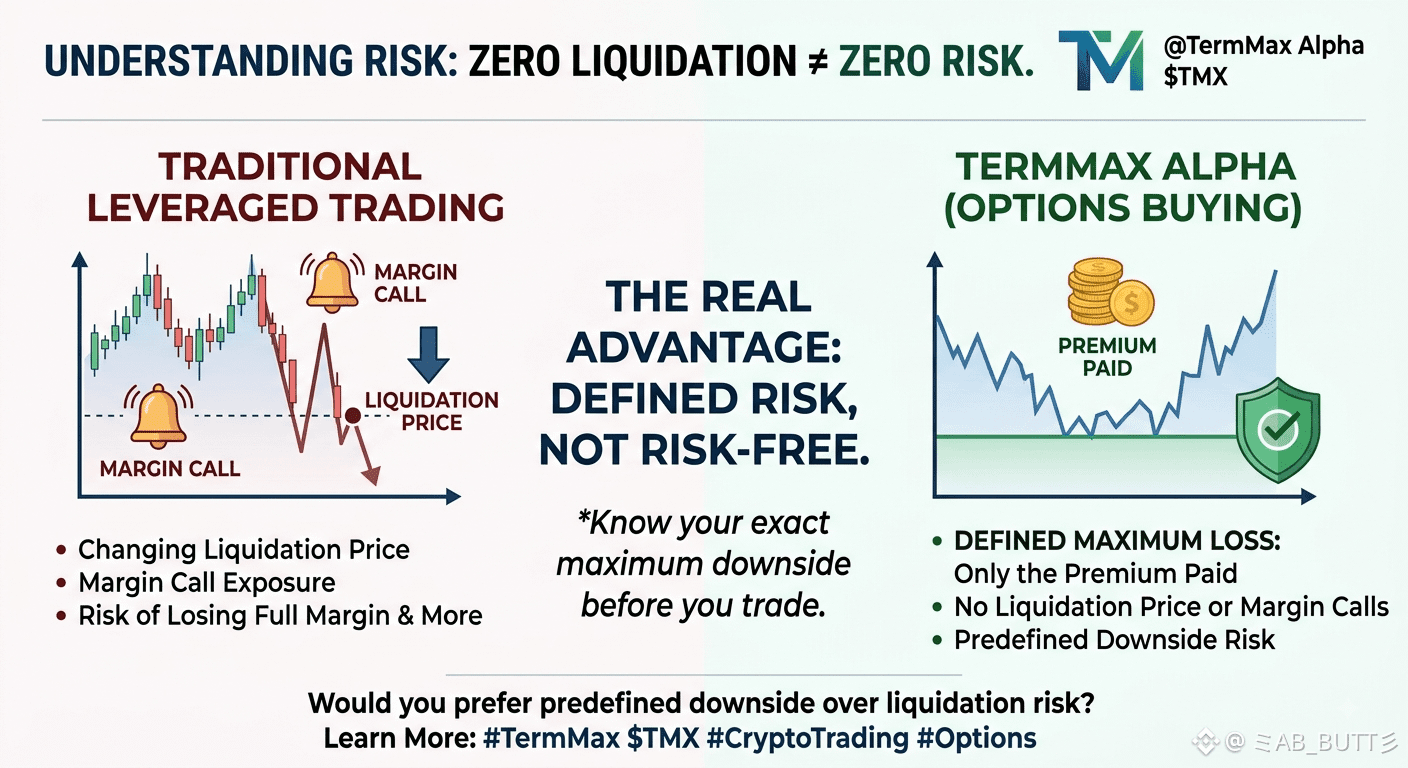
„Zero liquidation“ bedeutet nicht null Risiko.
Das ist das Wichtigste, was man über @termmax Alpha verstehen muss.
Wenn du einen Call oder Put kaufst, zahlst du die Optionsprämie im Voraus. Im Gegensatz zum traditionellen gehebelten Handel gibt es keine Änderung des Liquidationspreises oder einen Margin Call. Für den Optionskäufer ist der maximale Verlust die gezahlte Prämie.
Wenn also dein Trade 50 $ kostet und deine Vorhersage vollständig scheitert, kannst du diese vollen 50 $ verlieren — aber nicht mehr aus dieser Position.
Das ist der eigentliche Vorteil: definiertes Risiko, kein risikofreier Handel.
Es gibt jedoch noch ein weiteres Problem: Liquidität. Wenn du früh schließen willst, brauchst du eine Gegenpartei, daher können dünne Märkte Slippage verursachen oder das Aussteigen erschweren.
Außerdem gilt diese Struktur mit begrenztem Verlust für den Optionskäufer, nicht automatisch für Dual Investment-Liquiditätsanbieter.
TermMax Alpha eliminiert kein Risiko. Es verändert, wie das Risiko strukturiert ist.
Würdest du lieber einen vorher festgelegten Nachteil statt Liquidationsrisiko?
#termmax @TermMax
„Zero liquidation“ bedeutet nicht null Risiko.
Das ist das Wichtigste, was man über @TermMax Alpha verstehen muss.
Wenn du einen Call oder Put kaufst, zahlst du die Optionsprämie im Voraus. Im Gegensatz zum traditionellen gehebelten Handel gibt es keine Änderung des Liquidationspreises oder einen Margin Call. Für den Optionskäufer ist der maximale Verlust die gezahlte Prämie.
Wenn also dein Trade 50 $ kostet und deine Vorhersage vollständig scheitert, kannst du diese vollen 50 $ verlieren — aber nicht mehr aus dieser Position.
Das ist der eigentliche Vorteil: definiertes Risiko, kein risikofreier Handel.
Es gibt jedoch noch ein weiteres Problem: Liquidität. Wenn du früh schließen willst, brauchst du eine Gegenpartei, daher können dünne Märkte Slippage verursachen oder das Aussteigen erschweren.
Außerdem gilt diese Struktur mit begrenztem Verlust für den Optionskäufer, nicht automatisch für Dual Investment-Liquiditätsanbieter.
TermMax Alpha eliminiert kein Risiko. Es verändert, wie das Risiko strukturiert ist.
Würdest du lieber einen vorher festgelegten Nachteil statt Liquidationsrisiko?
#termmax @TermMax
Das ist das Wichtigste, was man über @TermMax Alpha verstehen muss.
Wenn du einen Call oder Put kaufst, zahlst du die Optionsprämie im Voraus. Im Gegensatz zum traditionellen gehebelten Handel gibt es keine Änderung des Liquidationspreises oder einen Margin Call. Für den Optionskäufer ist der maximale Verlust die gezahlte Prämie.
Wenn also dein Trade 50 $ kostet und deine Vorhersage vollständig scheitert, kannst du diese vollen 50 $ verlieren — aber nicht mehr aus dieser Position.
Das ist der eigentliche Vorteil: definiertes Risiko, kein risikofreier Handel.
Es gibt jedoch noch ein weiteres Problem: Liquidität. Wenn du früh schließen willst, brauchst du eine Gegenpartei, daher können dünne Märkte Slippage verursachen oder das Aussteigen erschweren.
Außerdem gilt diese Struktur mit begrenztem Verlust für den Optionskäufer, nicht automatisch für Dual Investment-Liquiditätsanbieter.
TermMax Alpha eliminiert kein Risiko. Es verändert, wie das Risiko strukturiert ist.
Würdest du lieber einen vorher festgelegten Nachteil statt Liquidationsrisiko?
#termmax @TermMax
3
5
404
·
--
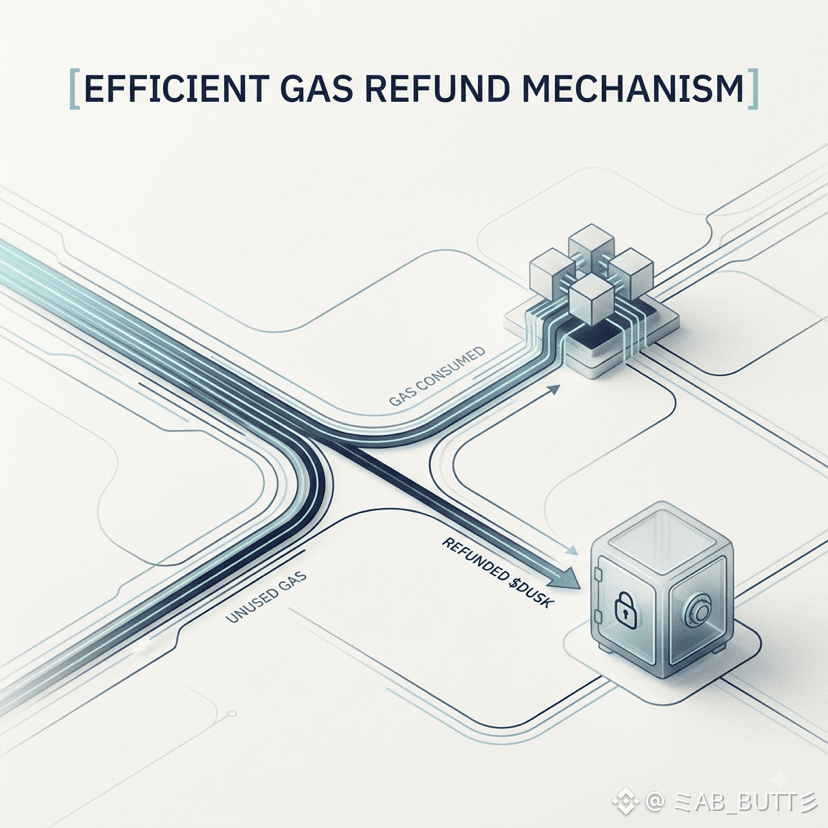
#dusk Was passiert, wenn du mehr Gas reservierst, als eine DUSK-Transaktion tatsächlich verbraucht? Der nicht genutzte Teil geht nicht einfach verloren.
Wenn eine Transaktion ihren Gaspreis und ihr Gaslimit festlegt, fügt Dusk außerdem eine Stealth-Adresse in die Energiedaten (Fee Data) ein. Wenn die Ausführung endet, ohne das gesamte zugewiesene Gas zu verbrauchen, kann der verbleibende Wert an diese Adresse als Rückerstattung zurückgegeben werden.
Diese Einzelheit ist leicht zu übersehen, aber sie ist wichtig. Nutzer benötigen genug Gas-Umfang, damit ein Vertrag fertig ausgeführt werden kann, aber sie sollten nicht jede ungenutzte Einheit so behandeln müssen, als wäre sie verschwendet $DUSK .
Das Design passt auch zu DUSK’s breiterem Ansatz, die Transaktionsabwicklung präzise zu halten, ohne den Refund-Prozess unnötig öffentlich zu machen.
Eine Frage, die ich in der Praxis dennoch im Blick behalten würde, ist, wie vorhersehbar sich diese Rückerstattungen bei komplexeren Vertragsausführungen anfühlen.
Für mich ist das ein kleines Mechanismus mit einer praktischen Botschaft: Gutes Transaktionsdesign geht nicht nur darum, für Berechnungen abzurechnen, sondern auch darum, mit dem umzugehen, was nie tatsächlich verwendet wurde. $DUSK @Dusk_Foundation
{spot}(DUSKUSDT)
#dusk Was passiert, wenn du mehr Gas reservierst, als eine DUSK-Transaktion tatsächlich verbraucht? Der nicht genutzte Teil geht nicht einfach verloren.
Wenn eine Transaktion ihren Gaspreis und ihr Gaslimit festlegt, fügt Dusk außerdem eine Stealth-Adresse in die Energiedaten (Fee Data) ein. Wenn die Ausführung endet, ohne das gesamte zugewiesene Gas zu verbrauchen, kann der verbleibende Wert an diese Adresse als Rückerstattung zurückgegeben werden.
Diese Einzelheit ist leicht zu übersehen, aber sie ist wichtig. Nutzer benötigen genug Gas-Umfang, damit ein Vertrag fertig ausgeführt werden kann, aber sie sollten nicht jede ungenutzte Einheit so behandeln müssen, als wäre sie verschwendet $DUSK .
Das Design passt auch zu DUSK’s breiterem Ansatz, die Transaktionsabwicklung präzise zu halten, ohne den Refund-Prozess unnötig öffentlich zu machen.
Eine Frage, die ich in der Praxis dennoch im Blick behalten würde, ist, wie vorhersehbar sich diese Rückerstattungen bei komplexeren Vertragsausführungen anfühlen.
Für mich ist das ein kleines Mechanismus mit einer praktischen Botschaft: Gutes Transaktionsdesign geht nicht nur darum, für Berechnungen abzurechnen, sondern auch darum, mit dem umzugehen, was nie tatsächlich verwendet wurde. $DUSK @Dusk
Wenn eine Transaktion ihren Gaspreis und ihr Gaslimit festlegt, fügt Dusk außerdem eine Stealth-Adresse in die Energiedaten (Fee Data) ein. Wenn die Ausführung endet, ohne das gesamte zugewiesene Gas zu verbrauchen, kann der verbleibende Wert an diese Adresse als Rückerstattung zurückgegeben werden.
Diese Einzelheit ist leicht zu übersehen, aber sie ist wichtig. Nutzer benötigen genug Gas-Umfang, damit ein Vertrag fertig ausgeführt werden kann, aber sie sollten nicht jede ungenutzte Einheit so behandeln müssen, als wäre sie verschwendet $DUSK .
Das Design passt auch zu DUSK’s breiterem Ansatz, die Transaktionsabwicklung präzise zu halten, ohne den Refund-Prozess unnötig öffentlich zu machen.
Eine Frage, die ich in der Praxis dennoch im Blick behalten würde, ist, wie vorhersehbar sich diese Rückerstattungen bei komplexeren Vertragsausführungen anfühlen.
Für mich ist das ein kleines Mechanismus mit einer praktischen Botschaft: Gutes Transaktionsdesign geht nicht nur darum, für Berechnungen abzurechnen, sondern auch darum, mit dem umzugehen, was nie tatsächlich verwendet wurde. $DUSK @Dusk
16
12
602
·
--
Teilweise korrekt
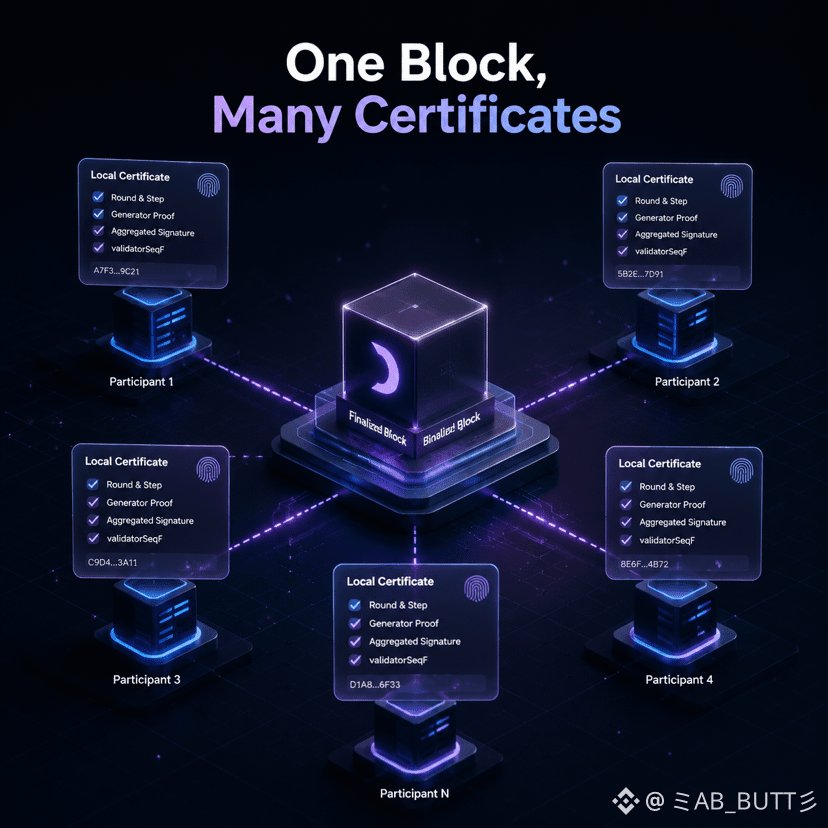
#dusk Was wäre, wenn zwei DUSK-Teilnehmer denselben Block abschließen, aber kein identisches Zertifikatsobjekt besitzen?
Das ist tatsächlich designbedingt möglich. Dusk’s Whitepaper besagt, dass Blockzertifikate lokal von jedem Konsens-Teilnehmer konstruiert werden, d. h. es gibt kein einheitliches Zertifikat für eine Konsensrunde.
Wichtig ist die darin enthaltene Evidenz. Ein Zertifikat enthält die Runde und den Konsensschritt, den Generator’s Proof-of-Blind-Bid sowie den Score, eine aggregierte BLS-Signatur aus den Ausschuss-Validierern und validatorSeqF, eine binäre Zuordnung, die zeigt, welche Validatoren über die drei relevanten Ausschüsse hinweg Signaturen beigesteuert haben.
Das Whitepaper erklärt nicht ausdrücklich die Motivation dafür, Zertifikate lokal zu machen. Daher wäre eine konkrete Begründung Spekulation.
Was ich interessant finde, ist die dadurch entstehende Unterscheidung: Die Teilnehmer müssen sich über den finalisierten Block einig sein, aber sie müssen keine universell verteilte Darstellung dessen Zertifikats haben.
Für $DUSK geht es beim Konsens daher um gemeinsame Endgültigkeit—nicht notwendigerweise um identische lokal konstruierte Evidenz dieser Endgültigkeit.
@Dusk_Foundation $DUSK @Dusk_Foundation
#dusk Was wäre, wenn zwei DUSK-Teilnehmer denselben Block abschließen, aber kein identisches Zertifikatsobjekt besitzen?
Das ist tatsächlich designbedingt möglich. Dusk’s Whitepaper besagt, dass Blockzertifikate lokal von jedem Konsens-Teilnehmer konstruiert werden, d. h. es gibt kein einheitliches Zertifikat für eine Konsensrunde.
Wichtig ist die darin enthaltene Evidenz. Ein Zertifikat enthält die Runde und den Konsensschritt, den Generator’s Proof-of-Blind-Bid sowie den Score, eine aggregierte BLS-Signatur aus den Ausschuss-Validierern und validatorSeqF, eine binäre Zuordnung, die zeigt, welche Validatoren über die drei relevanten Ausschüsse hinweg Signaturen beigesteuert haben.
Das Whitepaper erklärt nicht ausdrücklich die Motivation dafür, Zertifikate lokal zu machen. Daher wäre eine konkrete Begründung Spekulation.
Was ich interessant finde, ist die dadurch entstehende Unterscheidung: Die Teilnehmer müssen sich über den finalisierten Block einig sein, aber sie müssen keine universell verteilte Darstellung dessen Zertifikats haben.
Für $DUSK geht es beim Konsens daher um gemeinsame Endgültigkeit—nicht notwendigerweise um identische lokal konstruierte Evidenz dieser Endgültigkeit.
@Dusk $DUSK @Dusk
Das ist tatsächlich designbedingt möglich. Dusk’s Whitepaper besagt, dass Blockzertifikate lokal von jedem Konsens-Teilnehmer konstruiert werden, d. h. es gibt kein einheitliches Zertifikat für eine Konsensrunde.
Wichtig ist die darin enthaltene Evidenz. Ein Zertifikat enthält die Runde und den Konsensschritt, den Generator’s Proof-of-Blind-Bid sowie den Score, eine aggregierte BLS-Signatur aus den Ausschuss-Validierern und validatorSeqF, eine binäre Zuordnung, die zeigt, welche Validatoren über die drei relevanten Ausschüsse hinweg Signaturen beigesteuert haben.
Das Whitepaper erklärt nicht ausdrücklich die Motivation dafür, Zertifikate lokal zu machen. Daher wäre eine konkrete Begründung Spekulation.
Was ich interessant finde, ist die dadurch entstehende Unterscheidung: Die Teilnehmer müssen sich über den finalisierten Block einig sein, aber sie müssen keine universell verteilte Darstellung dessen Zertifikats haben.
Für $DUSK geht es beim Konsens daher um gemeinsame Endgültigkeit—nicht notwendigerweise um identische lokal konstruierte Evidenz dieser Endgültigkeit.
@Dusk $DUSK @Dusk
35
19
835
·
--
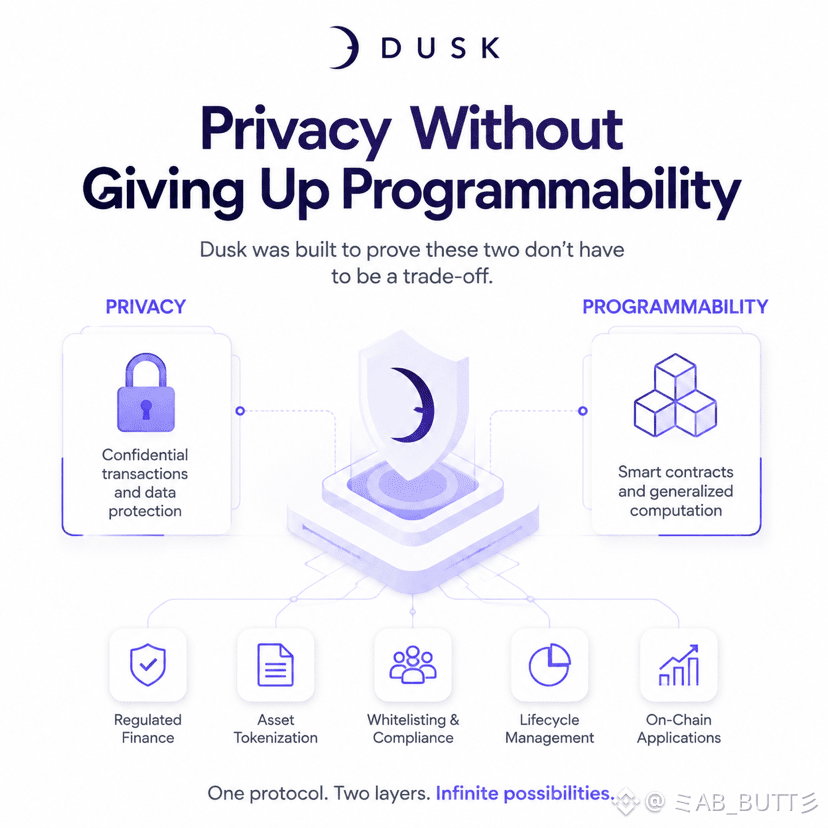
Datenschutz auf einer Blockchain ist nur dann sinnvoll, wenn das Netzwerk weiterhin aussagekräftige Berechnungen unterstützen kann. Genau in dieser Spannung liegt das Interessante an DUSK. DUSK wurde als datenschutzfreundliches verteiltes Ledger mit zwei miteinander verbundenen Schichten entwickelt: der nativen DUSK-Asset-Schicht und einer verallgemeinerten Compute-Schicht. Das Ziel bestand nicht nur darin, Transaktionsinformationen zu schützen. Vielmehr sollten vertrauliche Transaktionen unterstützt werden, während gleichzeitig programmierbare Zustandsänderungen und die Ausführung von Smart Contracts möglich bleiben. Das ist wichtig, weil regulierte Finanzsysteme mehr benötigen als nur private Zahlungen. Sie brauchen Regeln zur Verifikation, Lifecycle-Management und Anwendungen, die auf der Kette betrieben werden können, ohne jede sensible Einzelheit öffentlich offenzulegen. Dusk begegnet dieser Herausforderung, indem es datenschutzorientierte Transaktionsmodelle mit nativer Unterstützung für Zero-Knowledge-Proofs in seiner Compute-Umgebung kombiniert. Die Kernidee ist einfach: Datenschutz sollte eine Blockchain nicht dazu zwingen, auf ihre Programmierbarkeit zu verzichten. Dusk wurde so entwickelt, dass beide Fähigkeiten innerhalb desselben Protokolls koexistieren können. #dusk $DUSK @Dusk
Datenschutz auf einer Blockchain ist nur dann sinnvoll, wenn das Netzwerk weiterhin aussagekräftige Berechnungen unterstützen kann. Genau in dieser Spannung liegt das Interessante an DUSK. DUSK wurde als datenschutzfreundliches verteiltes Ledger mit zwei miteinander verbundenen Schichten entwickelt: der nativen DUSK-Asset-Schicht und einer verallgemeinerten Compute-Schicht. Das Ziel bestand nicht nur darin, Transaktionsinformationen zu schützen. Vielmehr sollten vertrauliche Transaktionen unterstützt werden, während gleichzeitig programmierbare Zustandsänderungen und die Ausführung von Smart Contracts möglich bleiben. Das ist wichtig, weil regulierte Finanzsysteme mehr benötigen als nur private Zahlungen. Sie brauchen Regeln zur Verifikation, Lifecycle-Management und Anwendungen, die auf der Kette betrieben werden können, ohne jede sensible Einzelheit öffentlich offenzulegen. Dusk begegnet dieser Herausforderung, indem es datenschutzorientierte Transaktionsmodelle mit nativer Unterstützung für Zero-Knowledge-Proofs in seiner Compute-Umgebung kombiniert. Die Kernidee ist einfach: Datenschutz sollte eine Blockchain nicht dazu zwingen, auf ihre Programmierbarkeit zu verzichten. Dusk wurde so entwickelt, dass beide Fähigkeiten innerhalb desselben Protokolls koexistieren können. #dusk $DUSK @Dusk
17
9
251
·
--
Datenschutz und Regulierung werden oft als gegensätzliche Ziele behandelt. @Dusk_Foundation geht einen anderen Ansatz und gestaltet seine Architektur so, dass beides berücksichtigt wird. $DUSK #dusk
Sein Zedger-Modell wurde speziell für datenschutzfreundliche Security-Tokenisierung und das Lifecycle-Management entwickelt. Anstatt jede Transaktion entweder als vollständig offen oder vollständig verborgen zu behandeln, führt Zedger kontrollierte Mechanismen ein, wie z. B. Whitelists für Nutzer und eine ausdrückliche Genehmigung für eingehende Überweisungen.
Außerdem führt es getrennte Aufzeichnungen für transaktionales Voting und dividendenberechtigte Guthaben. Das ist wichtig, weil regulierte Finanzanlagen mehr erfordern können als nur eine einfache Eigentumserfassung. Sie benötigen möglicherweise eine kontrollierte Beteiligung sowie eine revisionsfähige Historie der Änderungen von Salden.
Der interessante Teil ist die Designphilosophie. Dusk fügt nicht einfach nur Datenschutz zu einem bestehenden Finanzsystem hinzu. In seinem Whitepaper wird untersucht, wie Datenschutzfunktionen neben den strukturierten Anforderungen regulierter Vermögenswerte koexistieren können.
Für On-Chain-Finanzierungen könnte das eine bedeutende architektonische Ausrichtung sein. #dusk $DUSK @Dusk_Foundation
Datenschutz und Regulierung werden oft als gegensätzliche Ziele behandelt. @Dusk geht einen anderen Ansatz und gestaltet seine Architektur so, dass beides berücksichtigt wird. $DUSK #dusk
Sein Zedger-Modell wurde speziell für datenschutzfreundliche Security-Tokenisierung und das Lifecycle-Management entwickelt. Anstatt jede Transaktion entweder als vollständig offen oder vollständig verborgen zu behandeln, führt Zedger kontrollierte Mechanismen ein, wie z. B. Whitelists für Nutzer und eine ausdrückliche Genehmigung für eingehende Überweisungen.
Außerdem führt es getrennte Aufzeichnungen für transaktionales Voting und dividendenberechtigte Guthaben. Das ist wichtig, weil regulierte Finanzanlagen mehr erfordern können als nur eine einfache Eigentumserfassung. Sie benötigen möglicherweise eine kontrollierte Beteiligung sowie eine revisionsfähige Historie der Änderungen von Salden.
Der interessante Teil ist die Designphilosophie. Dusk fügt nicht einfach nur Datenschutz zu einem bestehenden Finanzsystem hinzu. In seinem Whitepaper wird untersucht, wie Datenschutzfunktionen neben den strukturierten Anforderungen regulierter Vermögenswerte koexistieren können.
Für On-Chain-Finanzierungen könnte das eine bedeutende architektonische Ausrichtung sein. #dusk $DUSK @Dusk
Sein Zedger-Modell wurde speziell für datenschutzfreundliche Security-Tokenisierung und das Lifecycle-Management entwickelt. Anstatt jede Transaktion entweder als vollständig offen oder vollständig verborgen zu behandeln, führt Zedger kontrollierte Mechanismen ein, wie z. B. Whitelists für Nutzer und eine ausdrückliche Genehmigung für eingehende Überweisungen.
Außerdem führt es getrennte Aufzeichnungen für transaktionales Voting und dividendenberechtigte Guthaben. Das ist wichtig, weil regulierte Finanzanlagen mehr erfordern können als nur eine einfache Eigentumserfassung. Sie benötigen möglicherweise eine kontrollierte Beteiligung sowie eine revisionsfähige Historie der Änderungen von Salden.
Der interessante Teil ist die Designphilosophie. Dusk fügt nicht einfach nur Datenschutz zu einem bestehenden Finanzsystem hinzu. In seinem Whitepaper wird untersucht, wie Datenschutzfunktionen neben den strukturierten Anforderungen regulierter Vermögenswerte koexistieren können.
Für On-Chain-Finanzierungen könnte das eine bedeutende architektonische Ausrichtung sein. #dusk $DUSK @Dusk
13
5
346
Anmelden und weiter Inhalte entdecken
Krypto-Nutzer weltweit auf Binance Square kennenlernen
⚡️ Bleib in Sachen Krypto stets am Puls.
💬 Die weltgrößte Kryptobörse vertraut darauf.
👍 Erhalte verlässliche Einblicke von verifizierten Creators.
E-Mail-Adresse/Telefonnummer
Trendthemen
FedMinutesFocusOnOctoberPause
31,499 Aufrufe
603 Kommentare
#fedminutesfocusonoctoberpause
🚨 DIE CHANCEN AUF EINE FED-ZINSERHÖHUNG IM OKTOBER FALLEN AUF 21,6 %… Steht $BTC kurz vor einer Reaktion? 👀
Die Fed steht kurz davor, den Märkten einen weiteren wichtigen Hinweis zu geben.
Anleger warten auf das heutige Sitzungsprotokoll des FOMC – und die größte Frage ist, ob es im Oktober eine weitere Zinserhöhung oder eine Pause geben wird.
Aktuell ist die Wahrscheinlichkeit einer Zinserhöhung um 25 Basispunkte im Oktober auf gerade einmal 21,6 % gesunken.
Das ist eine gewaltige Veränderung der Erwartungen.
Doch genau das macht die Sache interessant… 👀
Die Fed hob die Zinsen im September auf 3,75 %–4,00 % an, doch die jüngste Schwäche am Arbeitsmarkt und die nachlassende Inflation lassen eine weitere sofortige Erhöhung weniger wahrscheinlich erscheinen.
Und für Krypto ist das wichtig.
Eine Zinspause der Fed könnte den Druck auf die Finanzierungsbedingungen verringern und die Risikobereitschaft möglicherweise verbessern.
Das könnte BTC Rückenwind geben
Doch es gibt einen Haken…
Bitcoin steht bereits unter Druck, da der Dollar und die Renditen von US-Staatsanleihen steigen.
Das heutige Protokoll könnte also für Volatilität sorgen.
Eine taubenhafte Fed → Hoffnung auf mehr Liquidität → bullishe BTC-Erzählung?
Eine restriktive Fed → Angst vor höheren Zinsen → noch mehr Druck auf Risikoanlagen?
Die entscheidende Frage:
Wird der Oktober zur Zinspause, auf die die Bitcoin-Bullen gewartet haben… oder könnte die Fed den Markt erneut überraschen? 👀
Behalte BTC, die Zinserwartungen und die Renditen von US-Staatsanleihen genau im Auge.
#FederalReserve #Fed #Crypto #InterestRates
$ETH
$SOL
Shae Cassler Sw9r
·19 Likes
·38.3k Aufrufe
BinanceLaunchesBinanceIntelligence
958,581 Aufrufe
5,845 Kommentare
EvernorthDelaysNasdaqDebutToOct12
432 Aufrufe
59 Kommentare