

#innovation
innovation
2.6M Aufrufe
11,266 Kommentare
Hot
Zuletzt

·
--
🚀 Der nächste große Durchbruch im Kryptobereich könnte kein Token sein!
Seit Jahren dreht sich ein Großteil der Kryptodiskussion um Kurscharts, Marktzyklen und Token-Launches.
Aber was, wenn die größte Innovation hinter den Kulissen stattfindet?
🌐 Denk an die Möglichkeiten:
🤖 KI-Agenten, die mit Smart Contracts interagieren
🏠 Reale Vermögenswerte, die on-chain abgebildet werden
⚡ Skalierbare Blockchain-Infrastruktur
🔐 Digitale Identität, die die Privatsphäre schützt
💳 Schnellere, Blockchain-gestützte Zahlungen
🎮 Digitales Eigentum in Online-Ökonomien
Diese Ideen stehen weiterhin vor technischen, regulatorischen und auf Akzeptanz bezogenen Herausforderungen.
Gemeinsam zeigen sie jedoch, dass Blockchain-Innovationen weit über den Handel hinausgehen könnten.
💡 Das nächste Kapitel von Web3 könnte davon geprägt sein, was Menschen tatsächlich entwickeln und nutzen können.
🔥 Welche Technologie hat langfristig das größte Potenzial?
A) KI + Blockchain 🤖
B) Reale Vermögenswerte 🌍
C) DeFi 💰
D) Layer-2-Netzwerke ⚡
👇 Schreib deine Antwort unten in die Kommentare!
#Binance #BinanceSquare #Web3 #crypto #Blockchain #INNOVATION
🚀 Der nächste große Durchbruch im Kryptobereich könnte kein Token sein!
Seit Jahren dreht sich ein Großteil der Kryptodiskussion um Kurscharts, Marktzyklen und Token-Launches.
Aber was, wenn die größte Innovation hinter den Kulissen stattfindet?
🌐 Denk an die Möglichkeiten:
🤖 KI-Agenten, die mit Smart Contracts interagieren
🏠 Reale Vermögenswerte, die on-chain abgebildet werden
⚡ Skalierbare Blockchain-Infrastruktur
🔐 Digitale Identität, die die Privatsphäre schützt
💳 Schnellere, Blockchain-gestützte Zahlungen
🎮 Digitales Eigentum in Online-Ökonomien
Diese Ideen stehen weiterhin vor technischen, regulatorischen und auf Akzeptanz bezogenen Herausforderungen.
Gemeinsam zeigen sie jedoch, dass Blockchain-Innovationen weit über den Handel hinausgehen könnten.
💡 Das nächste Kapitel von Web3 könnte davon geprägt sein, was Menschen tatsächlich entwickeln und nutzen können.
🔥 Welche Technologie hat langfristig das größte Potenzial?
A) KI + Blockchain 🤖
B) Reale Vermögenswerte 🌍
C) DeFi 💰
D) Layer-2-Netzwerke ⚡
👇 Schreib deine Antwort unten in die Kommentare!
#Binance #BinanceSquare #Web3 #crypto #Blockchain #INNOVATION
Seit Jahren dreht sich ein Großteil der Kryptodiskussion um Kurscharts, Marktzyklen und Token-Launches.
Aber was, wenn die größte Innovation hinter den Kulissen stattfindet?
🌐 Denk an die Möglichkeiten:
🤖 KI-Agenten, die mit Smart Contracts interagieren
🏠 Reale Vermögenswerte, die on-chain abgebildet werden
⚡ Skalierbare Blockchain-Infrastruktur
🔐 Digitale Identität, die die Privatsphäre schützt
💳 Schnellere, Blockchain-gestützte Zahlungen
🎮 Digitales Eigentum in Online-Ökonomien
Diese Ideen stehen weiterhin vor technischen, regulatorischen und auf Akzeptanz bezogenen Herausforderungen.
Gemeinsam zeigen sie jedoch, dass Blockchain-Innovationen weit über den Handel hinausgehen könnten.
💡 Das nächste Kapitel von Web3 könnte davon geprägt sein, was Menschen tatsächlich entwickeln und nutzen können.
🔥 Welche Technologie hat langfristig das größte Potenzial?
A) KI + Blockchain 🤖
B) Reale Vermögenswerte 🌍
C) DeFi 💰
D) Layer-2-Netzwerke ⚡
👇 Schreib deine Antwort unten in die Kommentare!
#Binance #BinanceSquare #Web3 #crypto #Blockchain #INNOVATION
27


Artikel
Warum ist die Physik von Teslas neuem Fahrzeug keine Show, sondern die Zukunft der Ingenieurtechnik?Von Pferden zu Druckluft: Warum der „Hate“ gegen extreme Innovationen immer wieder falsch liegt
Immer wenn die technologische Entwicklung einen disruptiven Sprung macht, ist die erste Reaktion der Öffentlichkeit nur selten einhellige Begeisterung. Meistens sind es Skepsis, Spott oder offene Ablehnung. Das haben wir kürzlich bei technischen Vorführungen fortschrittlicher pneumatischer Ingenieurtechnik erlebt: bei der Kombination von Hochdruck-Druckluftantrieben (Cold-Gas-Thrusters) und Vakuumsystemen unter dem Fahrgestell (Ground-Effect-Fans).
Warum ist die Physik von Teslas neuem Fahrzeug keine Show, sondern die Zukunft der Ingenieurtechnik?
Von Pferden zu Druckluft: Warum der „Hate“ gegen extreme Innovationen immer wieder falsch liegt
Immer wenn die technologische Entwicklung einen disruptiven Sprung macht, ist die erste Reaktion der Öffentlichkeit nur selten einhellige Begeisterung. Meistens sind es Skepsis, Spott oder offene Ablehnung. Das haben wir kürzlich bei technischen Vorführungen fortschrittlicher pneumatischer Ingenieurtechnik erlebt: bei der Kombination von Hochdruck-Druckluftantrieben (Cold-Gas-Thrusters) und Vakuumsystemen unter dem Fahrgestell (Ground-Effect-Fans).
Immer wenn die technologische Entwicklung einen disruptiven Sprung macht, ist die erste Reaktion der Öffentlichkeit nur selten einhellige Begeisterung. Meistens sind es Skepsis, Spott oder offene Ablehnung. Das haben wir kürzlich bei technischen Vorführungen fortschrittlicher pneumatischer Ingenieurtechnik erlebt: bei der Kombination von Hochdruck-Druckluftantrieben (Cold-Gas-Thrusters) und Vakuumsystemen unter dem Fahrgestell (Ground-Effect-Fans).
92

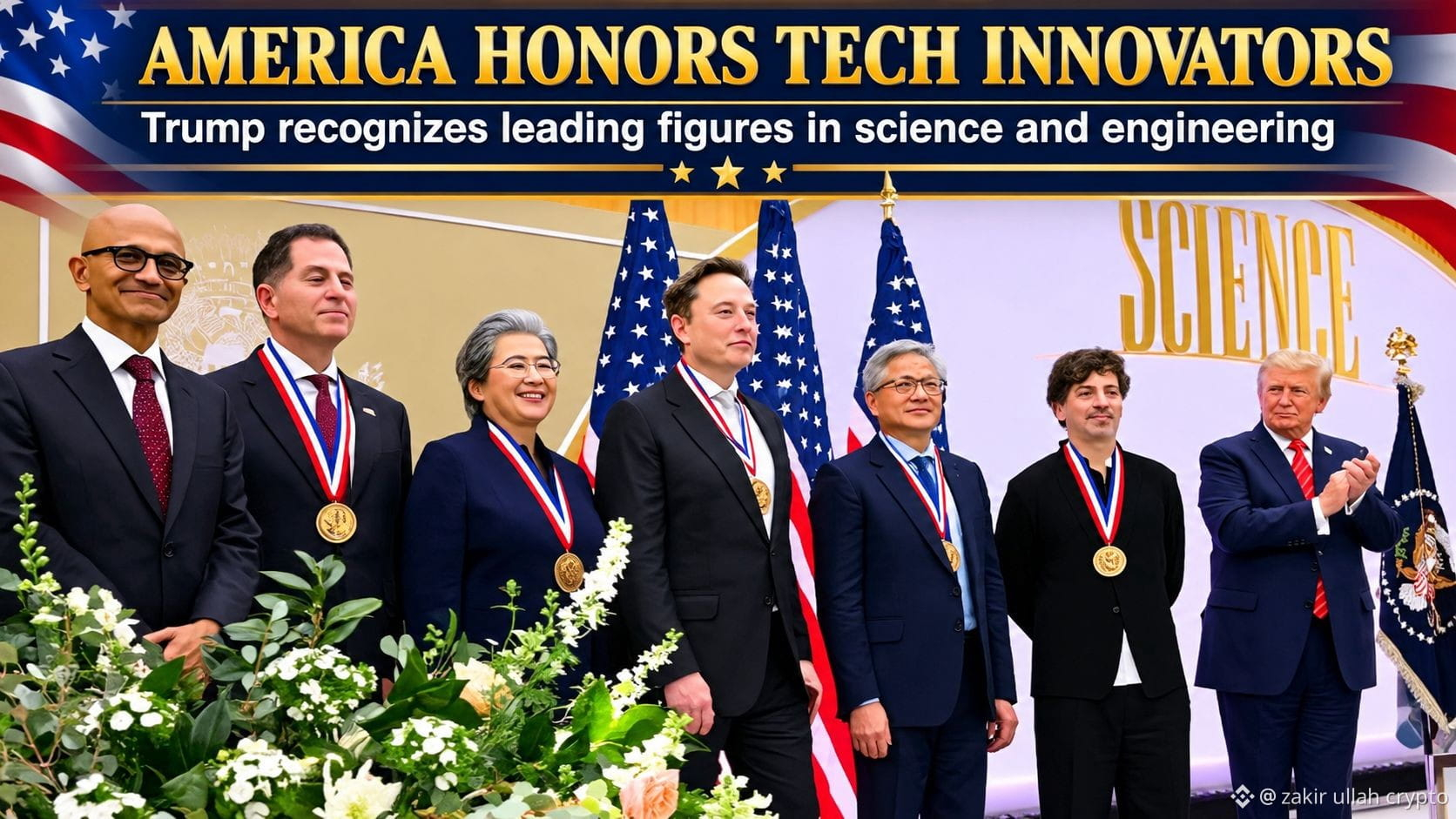
🏆 Präsident Trump ehrt führende Innovatoren aus Wissenschaft und Technologie! 🇺🇸
Präsident Donald Trump hat sechs bedeutenden Technologieführern die höchste Auszeichnung Amerikas für Wissenschaftler und Ingenieure verliehen: Elon Musk, Jensen Huang, Lisa Su, Sergey Brin, Michael Dell und Satya Nadella.
🚀 Diese einflussreichen Persönlichkeiten haben dazu beigetragen, die Zukunft der künstlichen Intelligenz, der Halbleitertechnologie, des Computings und der digitalen Innovation zu gestalten. Die Ehrung unterstreicht die wachsende Bedeutung technologischer Führungsstärke für den wissenschaftlichen und wirtschaftlichen Fortschritt Amerikas.
🌐 Innovation gestaltet weiterhin die Zukunft.
#Trump #ElonMusk #JensenHuang #LisaSu #SergeyBrin #MichaelDell #SatyaNadella #Technology #AI #INNOVATION
🏆 Präsident Trump ehrt führende Innovatoren aus Wissenschaft und Technologie! 🇺🇸
Präsident Donald Trump hat sechs bedeutenden Technologieführern die höchste Auszeichnung Amerikas für Wissenschaftler und Ingenieure verliehen: Elon Musk, Jensen Huang, Lisa Su, Sergey Brin, Michael Dell und Satya Nadella.
🚀 Diese einflussreichen Persönlichkeiten haben dazu beigetragen, die Zukunft der künstlichen Intelligenz, der Halbleitertechnologie, des Computings und der digitalen Innovation zu gestalten. Die Ehrung unterstreicht die wachsende Bedeutung technologischer Führungsstärke für den wissenschaftlichen und wirtschaftlichen Fortschritt Amerikas.
🌐 Innovation gestaltet weiterhin die Zukunft.
#Trump #ElonMusk #JensenHuang #LisaSu #SergeyBrin #MichaelDell #SatyaNadella #Technology #AI #INNOVATION
Präsident Donald Trump hat sechs bedeutenden Technologieführern die höchste Auszeichnung Amerikas für Wissenschaftler und Ingenieure verliehen: Elon Musk, Jensen Huang, Lisa Su, Sergey Brin, Michael Dell und Satya Nadella.
🚀 Diese einflussreichen Persönlichkeiten haben dazu beigetragen, die Zukunft der künstlichen Intelligenz, der Halbleitertechnologie, des Computings und der digitalen Innovation zu gestalten. Die Ehrung unterstreicht die wachsende Bedeutung technologischer Führungsstärke für den wissenschaftlichen und wirtschaftlichen Fortschritt Amerikas.
🌐 Innovation gestaltet weiterhin die Zukunft.
#Trump #ElonMusk #JensenHuang #LisaSu #SergeyBrin #MichaelDell #SatyaNadella #Technology #AI #INNOVATION
214

🚀 WIR SIND IMMER NOCH FRÜH — DAS ECHTE BAUEN HAT JUST BEGONNEN! 👷♂️
Die Krypto-Reise ist noch lange nicht vorbei. 🌍
Es gibt noch so viel zu bauen, so viele Ideen zu erkunden und unzählige Möglichkeiten, die auf Innovation warten.
💡 Blockchain ist mehr als nur Kursdiagramme.
Es geht darum, reale Lösungen zu schaffen, den Zugang zu Finanzen zu verbessern und Technologie für die Zukunft aufzubauen.
Der spannendste Teil? Wir lernen, entwickeln und wachsen immer noch gemeinsam.
🔨 Weniger Hype. Mehr Bauen. Mehr Innovation.
Die Zukunft entsteht nicht über Nacht — sie wird Block für Block gebaut. 🧱
👇 Deine Gedanken?
Was denkst du, braucht Krypto gerade am meisten?
1️⃣ Bessere Technologie
2️⃣ Akzeptanz in der realen Welt
3️⃣ Mehr Bildung
4️⃣ Stärkere Communities
Lass uns darüber sprechen! 👇
#Crypto #Blockchain #Web3 #BuildInPublic #BinanceSquare #Innovation #CryptoCommunity
🚀 WIR SIND IMMER NOCH FRÜH — DAS ECHTE BAUEN HAT JUST BEGONNEN! 👷♂️
Die Krypto-Reise ist noch lange nicht vorbei. 🌍
Es gibt noch so viel zu bauen, so viele Ideen zu erkunden und unzählige Möglichkeiten, die auf Innovation warten.
💡 Blockchain ist mehr als nur Kursdiagramme.
Es geht darum, reale Lösungen zu schaffen, den Zugang zu Finanzen zu verbessern und Technologie für die Zukunft aufzubauen.
Der spannendste Teil? Wir lernen, entwickeln und wachsen immer noch gemeinsam.
🔨 Weniger Hype. Mehr Bauen. Mehr Innovation.
Die Zukunft entsteht nicht über Nacht — sie wird Block für Block gebaut. 🧱
👇 Deine Gedanken?
Was denkst du, braucht Krypto gerade am meisten?
1️⃣ Bessere Technologie
2️⃣ Akzeptanz in der realen Welt
3️⃣ Mehr Bildung
4️⃣ Stärkere Communities
Lass uns darüber sprechen! 👇
#Crypto #Blockchain #Web3 #BuildInPublic #BinanceSquare #Innovation #CryptoCommunity
Die Krypto-Reise ist noch lange nicht vorbei. 🌍
Es gibt noch so viel zu bauen, so viele Ideen zu erkunden und unzählige Möglichkeiten, die auf Innovation warten.
💡 Blockchain ist mehr als nur Kursdiagramme.
Es geht darum, reale Lösungen zu schaffen, den Zugang zu Finanzen zu verbessern und Technologie für die Zukunft aufzubauen.
Der spannendste Teil? Wir lernen, entwickeln und wachsen immer noch gemeinsam.
🔨 Weniger Hype. Mehr Bauen. Mehr Innovation.
Die Zukunft entsteht nicht über Nacht — sie wird Block für Block gebaut. 🧱
👇 Deine Gedanken?
Was denkst du, braucht Krypto gerade am meisten?
1️⃣ Bessere Technologie
2️⃣ Akzeptanz in der realen Welt
3️⃣ Mehr Bildung
4️⃣ Stärkere Communities
Lass uns darüber sprechen! 👇
#Crypto #Blockchain #Web3 #BuildInPublic #BinanceSquare #Innovation #CryptoCommunity
1
1
57

·
--
Warum spricht niemand darüber, dass der intelligenteste Weg, Krypto zu schürfen, vielleicht tatsächlich auf dem Beifahrersitz deines Autos sitzt?
Die meisten alltäglichen Anleger haben mit dem Minen aufgehört, weil steigende Energiekosten das Betreiben der Hardware wie das Werfen von Geld in ein schwarzes Loch wirken ließen. Wir haben das Narrativ akzeptiert, dass Solo-Hashing tot ist und dass der Kauf von Spot die einzige verbleibende Möglichkeit ist, eine Position aufzubauen.
Dieser Gedanke ist völlig veraltet. Während öffentliche Mining-Unternehmen sich beeilen, riesige Anlagen in KI-Compute-Zentren umzuwandeln, finden einzelne Bastler viel cleverere Wege, um thermische Abwärme wiederzuverwenden. Ein Zusteller hat das bewiesen, indem er PizzAxe gebaut hat: eine maßgeschneiderte, tragbare Wärmetasche, die von einem Bitaxe 801 Gamma Turbo Miner angetrieben wird und über eine normale 12V-Steckdose im Auto läuft.
So machst du aus alltäglichem Nutzen Hashpower. Durch die Installation einer Mini-Flüssigkühlungs-Schleife unter dem Tablett für das Essen leitet das System die ASIC-Wärme um, um Lieferungen warm zu halten, während es gleichzeitig 4,1 TH/s bei nur etwa ~80W Leistungsaufnahme erzeugt. Statt ständig darüber nachzudenken, das Timing für den Markt bei $BTC, $ETH oder $BNB zu treffen, erlauben Mikro-Setups, die notwendige tägliche Energieaufnahme in stetigen Aufbau umzuwandeln.
Wohin glaubt ihr, geht dezentrales Micro-Mining von hier aus?
#Bitcoin #CryptoMining #Innovation
Warum spricht niemand darüber, dass der intelligenteste Weg, Krypto zu schürfen, vielleicht tatsächlich auf dem Beifahrersitz deines Autos sitzt?
Die meisten alltäglichen Anleger haben mit dem Minen aufgehört, weil steigende Energiekosten das Betreiben der Hardware wie das Werfen von Geld in ein schwarzes Loch wirken ließen. Wir haben das Narrativ akzeptiert, dass Solo-Hashing tot ist und dass der Kauf von Spot die einzige verbleibende Möglichkeit ist, eine Position aufzubauen.
Dieser Gedanke ist völlig veraltet. Während öffentliche Mining-Unternehmen sich beeilen, riesige Anlagen in KI-Compute-Zentren umzuwandeln, finden einzelne Bastler viel cleverere Wege, um thermische Abwärme wiederzuverwenden. Ein Zusteller hat das bewiesen, indem er PizzAxe gebaut hat: eine maßgeschneiderte, tragbare Wärmetasche, die von einem Bitaxe 801 Gamma Turbo Miner angetrieben wird und über eine normale 12V-Steckdose im Auto läuft.
So machst du aus alltäglichem Nutzen Hashpower. Durch die Installation einer Mini-Flüssigkühlungs-Schleife unter dem Tablett für das Essen leitet das System die ASIC-Wärme um, um Lieferungen warm zu halten, während es gleichzeitig 4,1 TH/s bei nur etwa ~80W Leistungsaufnahme erzeugt. Statt ständig darüber nachzudenken, das Timing für den Markt bei $BTC , $ETH oder $BNB zu treffen, erlauben Mikro-Setups, die notwendige tägliche Energieaufnahme in stetigen Aufbau umzuwandeln.
Wohin glaubt ihr, geht dezentrales Micro-Mining von hier aus?
#Bitcoin #CryptoMining #Innovation
Die meisten alltäglichen Anleger haben mit dem Minen aufgehört, weil steigende Energiekosten das Betreiben der Hardware wie das Werfen von Geld in ein schwarzes Loch wirken ließen. Wir haben das Narrativ akzeptiert, dass Solo-Hashing tot ist und dass der Kauf von Spot die einzige verbleibende Möglichkeit ist, eine Position aufzubauen.
Dieser Gedanke ist völlig veraltet. Während öffentliche Mining-Unternehmen sich beeilen, riesige Anlagen in KI-Compute-Zentren umzuwandeln, finden einzelne Bastler viel cleverere Wege, um thermische Abwärme wiederzuverwenden. Ein Zusteller hat das bewiesen, indem er PizzAxe gebaut hat: eine maßgeschneiderte, tragbare Wärmetasche, die von einem Bitaxe 801 Gamma Turbo Miner angetrieben wird und über eine normale 12V-Steckdose im Auto läuft.
So machst du aus alltäglichem Nutzen Hashpower. Durch die Installation einer Mini-Flüssigkühlungs-Schleife unter dem Tablett für das Essen leitet das System die ASIC-Wärme um, um Lieferungen warm zu halten, während es gleichzeitig 4,1 TH/s bei nur etwa ~80W Leistungsaufnahme erzeugt. Statt ständig darüber nachzudenken, das Timing für den Markt bei $BTC , $ETH oder $BNB zu treffen, erlauben Mikro-Setups, die notwendige tägliche Energieaufnahme in stetigen Aufbau umzuwandeln.
Wohin glaubt ihr, geht dezentrales Micro-Mining von hier aus?
#Bitcoin #CryptoMining #Innovation

98


🚨 Die Zukunft wartet nicht... und auch $NEAR nicht. 💥
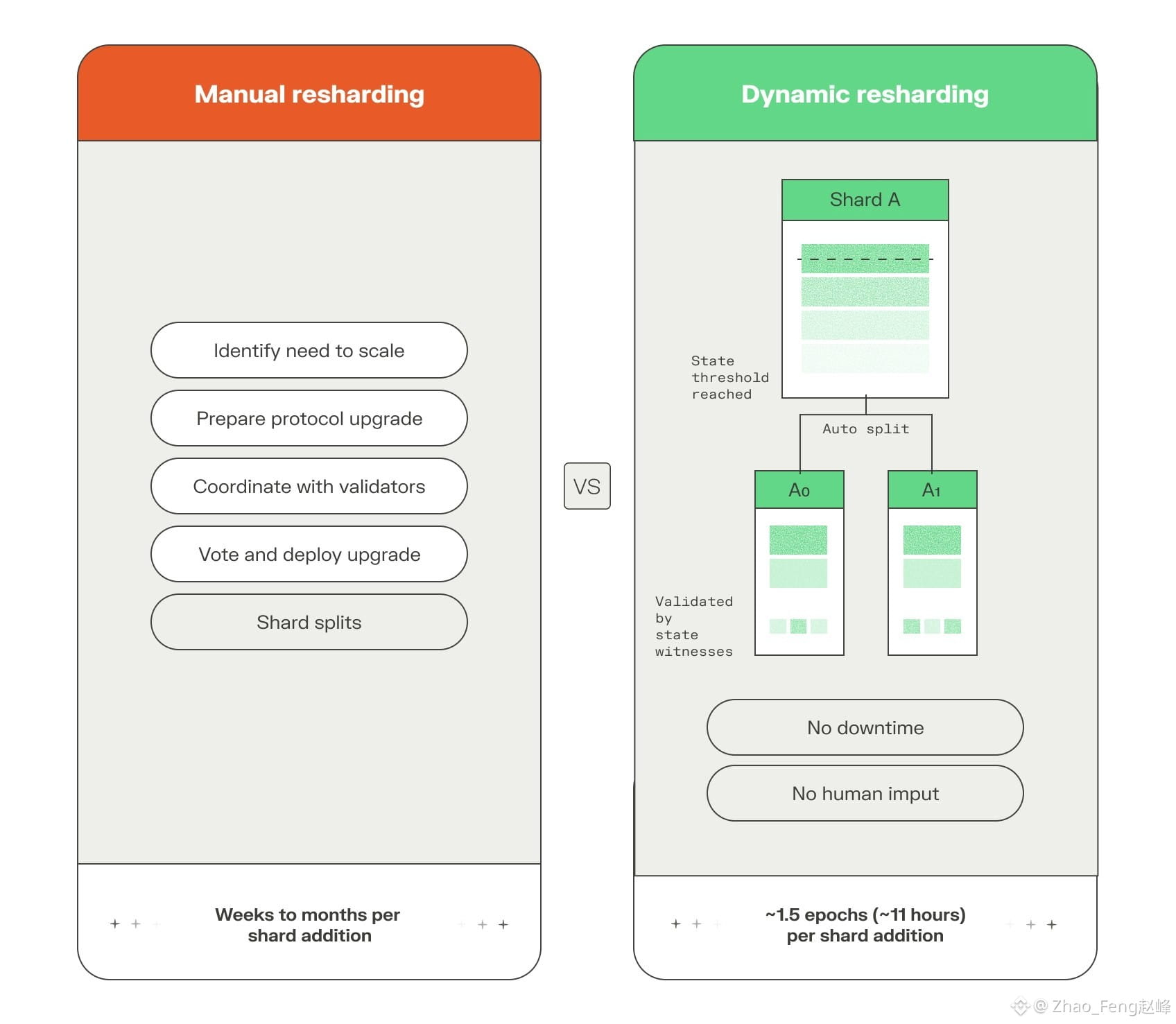
Heute ist nicht einfach nur ein weiteres Update—es ist eine Aussage. NEAR Protocol hat einen mutigen Schritt gemacht, indem es quantensichere Signaturen und dynamisches Resharding auf das Mainnet gebracht hat. 🔐⚡
Ein Netzwerk, das sich auf die Bedrohungen von morgen vorbereitet und sich automatisch für die Nutzer von morgen skaliert, baut mit Weitblick—nicht mit Hype.
Innovation geht nicht darum, Lärm zu machen—sondern bereit zu bleiben, bevor die Welt aufholt.
Behalte $NEAR im Blick. Das nächste Kapitel der Blockchain wird bereits geschrieben. 🚀🌍
#Near #blockchain #Web3 #INNOVATION #bullish
🚨 Die Zukunft wartet nicht... und auch $NEAR nicht. 💥
Heute ist nicht einfach nur ein weiteres Update—es ist eine Aussage. NEAR Protocol hat einen mutigen Schritt gemacht, indem es quantensichere Signaturen und dynamisches Resharding auf das Mainnet gebracht hat. 🔐⚡
Ein Netzwerk, das sich auf die Bedrohungen von morgen vorbereitet und sich automatisch für die Nutzer von morgen skaliert, baut mit Weitblick—nicht mit Hype.
Innovation geht nicht darum, Lärm zu machen—sondern bereit zu bleiben, bevor die Welt aufholt.
Behalte $NEAR im Blick. Das nächste Kapitel der Blockchain wird bereits geschrieben. 🚀🌍
#Near #blockchain #Web3 #INNOVATION #bullish
Heute ist nicht einfach nur ein weiteres Update—es ist eine Aussage. NEAR Protocol hat einen mutigen Schritt gemacht, indem es quantensichere Signaturen und dynamisches Resharding auf das Mainnet gebracht hat. 🔐⚡
Ein Netzwerk, das sich auf die Bedrohungen von morgen vorbereitet und sich automatisch für die Nutzer von morgen skaliert, baut mit Weitblick—nicht mit Hype.
Innovation geht nicht darum, Lärm zu machen—sondern bereit zu bleiben, bevor die Welt aufholt.
Behalte $NEAR im Blick. Das nächste Kapitel der Blockchain wird bereits geschrieben. 🚀🌍
#Near #blockchain #Web3 #INNOVATION #bullish
4
452

·
--
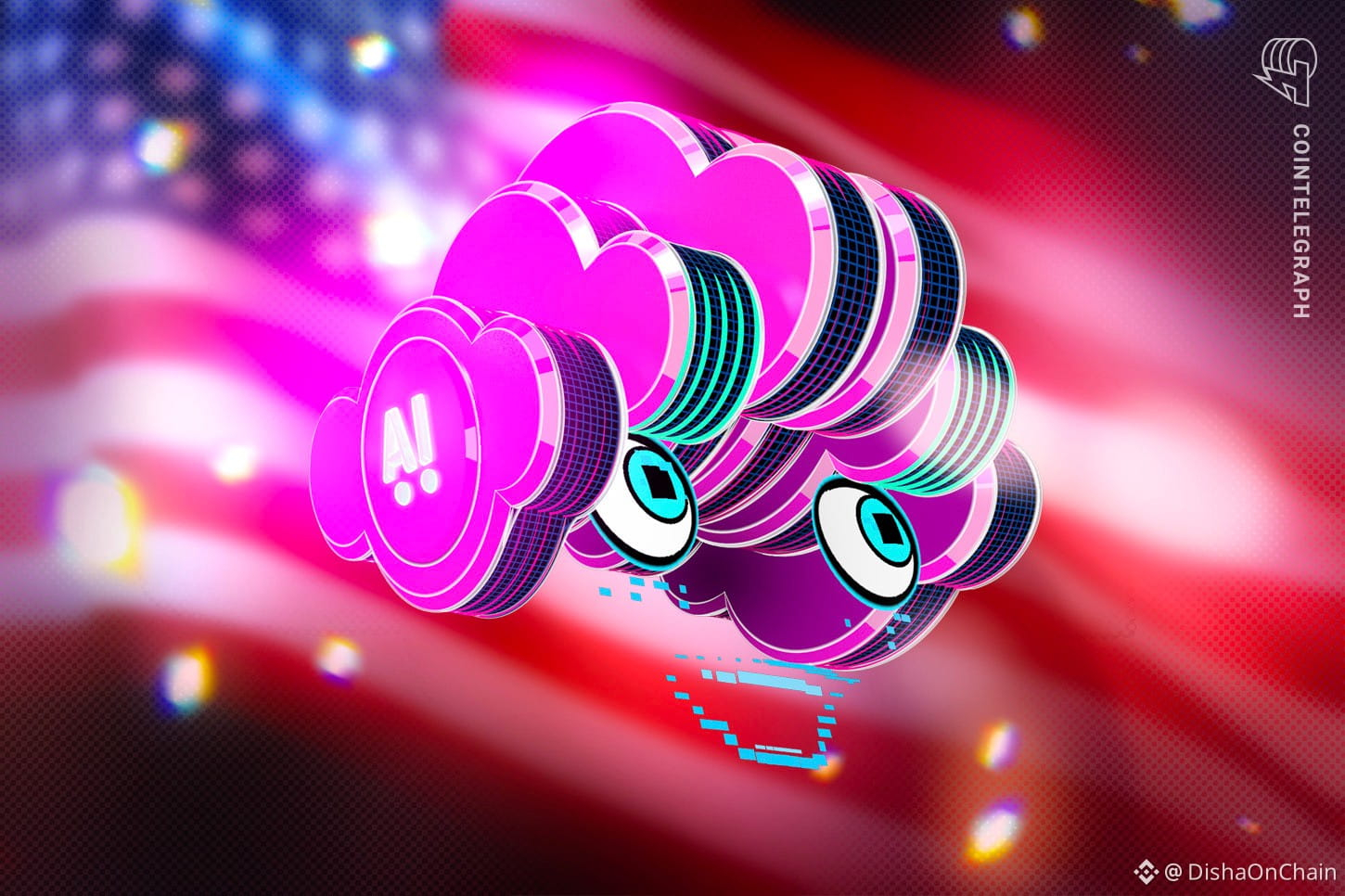
⚡ Trump stellt die „AI Force“ vor, um die US-KI-Innovation zu stärken – ohne neue Vorschriften
📌 Kernaussagen:
• Präsident Trump kündigte eine neue „AI Force“ an und ernannte einen KI-Zaren, der den schnell wachsenden Sektor beaufsichtigen soll.
• Die Initiative zielt darauf ab, die Entwicklung von KI zu straffen – und gleichzeitig ausdrücklich Maßnahmen zu vermeiden, die Innovationen ausbremsen könnten.
• Der Schritt signalisiert eine mögliche Verlagerung der US-Politik, die den globalen KI-Wettbewerb neu ausrichten und die Integration von Crypto‑KI beeinflussen könnte.
📊 Markt-Resümee:
Die Ankündigung hat Optimismus in KI-bezogene Assets gebracht, da Anleger auf mögliche regulatorische Klarheit achten. Allerdings hält das Fehlen konkreter Policy-Details die Volatilität in Grenzen.
#AI #Innovation #Crypto $CELR $ONE $BTW
⚡ Trump stellt die „AI Force“ vor, um die US-KI-Innovation zu stärken – ohne neue Vorschriften
📌 Kernaussagen:
• Präsident Trump kündigte eine neue „AI Force“ an und ernannte einen KI-Zaren, der den schnell wachsenden Sektor beaufsichtigen soll.
• Die Initiative zielt darauf ab, die Entwicklung von KI zu straffen – und gleichzeitig ausdrücklich Maßnahmen zu vermeiden, die Innovationen ausbremsen könnten.
• Der Schritt signalisiert eine mögliche Verlagerung der US-Politik, die den globalen KI-Wettbewerb neu ausrichten und die Integration von Crypto‑KI beeinflussen könnte.
📊 Markt-Resümee:
Die Ankündigung hat Optimismus in KI-bezogene Assets gebracht, da Anleger auf mögliche regulatorische Klarheit achten. Allerdings hält das Fehlen konkreter Policy-Details die Volatilität in Grenzen.
#AI #Innovation #Crypto $CELR $ONE $BTW
📌 Kernaussagen:
• Präsident Trump kündigte eine neue „AI Force“ an und ernannte einen KI-Zaren, der den schnell wachsenden Sektor beaufsichtigen soll.
• Die Initiative zielt darauf ab, die Entwicklung von KI zu straffen – und gleichzeitig ausdrücklich Maßnahmen zu vermeiden, die Innovationen ausbremsen könnten.
• Der Schritt signalisiert eine mögliche Verlagerung der US-Politik, die den globalen KI-Wettbewerb neu ausrichten und die Integration von Crypto‑KI beeinflussen könnte.
📊 Markt-Resümee:
Die Ankündigung hat Optimismus in KI-bezogene Assets gebracht, da Anleger auf mögliche regulatorische Klarheit achten. Allerdings hält das Fehlen konkreter Policy-Details die Volatilität in Grenzen.
#AI #Innovation #Crypto $CELR $ONE $BTW
1
194

·
--
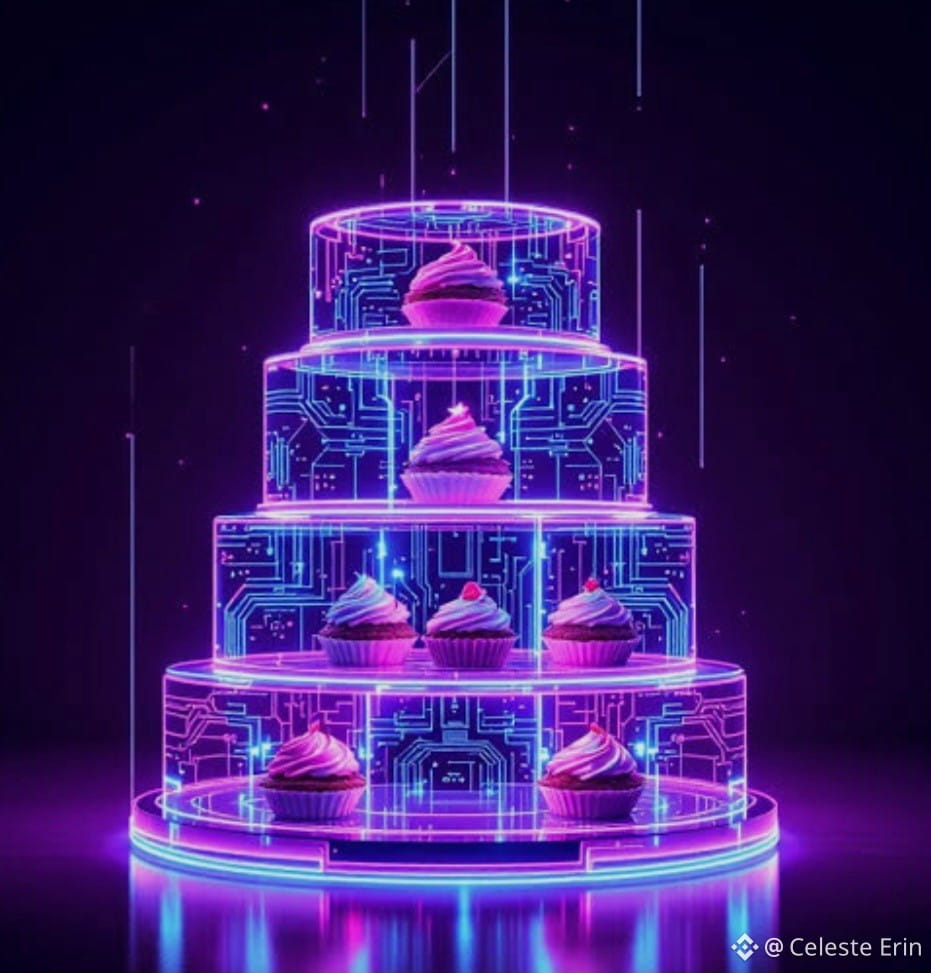
🍰 KI AM RUDER! FAMILYMART BRINGT EIN DESSERT AUF DEN MARKT, DAS MIT KÜNSTLICHER INTELLIGENZ ENTWORFEN WURDE 🤖🍡
Die berühmte japanische Ladenkette FamilyMart geht im Bereich des Einzelhandels noch einen Schritt weiter und bringt noch gegen Ende des Monats ein Dessert auf den Markt, das mithilfe generativer KI entwickelt wurde.
Wichtige Punkte zur Markteinführung:
📊 Vorausschauende Trendanalyse: Die KI hat Konsumgewohnheiten und Vorlieben für Geschmacksrichtungen ausgewertet, um das Rezept sowie die Zutatenkombination festzulegen.
🎨 Umfassendes Design: Der Algorithmus wirkte bei der Produktkonzeption, der visuellen Präsentation und der Verpackung mit.
⚡ Innovation im Retail: Das Unternehmen will die Entwicklungszyklen von Produkten beschleunigen und die anspruchsvollen Trends des asiatischen Marktes einfangen.
Würdet ihr ein Dessert probieren, dessen Rezept von einem Algorithmus erstellt wurde – statt von einem traditionellen Chefkoch?
💬👇 Ich freue mich auf eure Kommentare!
#GenerativeAI #JapanTech #Innovation #Retail #CryptoCommunity
$BTC
{spot}(BTCUSDT)
$BNB
{spot}(BNBUSDT)
$ETH
{spot}(ETHUSDT)
🍰 KI AM RUDER! FAMILYMART BRINGT EIN DESSERT AUF DEN MARKT, DAS MIT KÜNSTLICHER INTELLIGENZ ENTWORFEN WURDE 🤖🍡
Die berühmte japanische Ladenkette FamilyMart geht im Bereich des Einzelhandels noch einen Schritt weiter und bringt noch gegen Ende des Monats ein Dessert auf den Markt, das mithilfe generativer KI entwickelt wurde.
Wichtige Punkte zur Markteinführung:
📊 Vorausschauende Trendanalyse: Die KI hat Konsumgewohnheiten und Vorlieben für Geschmacksrichtungen ausgewertet, um das Rezept sowie die Zutatenkombination festzulegen.
🎨 Umfassendes Design: Der Algorithmus wirkte bei der Produktkonzeption, der visuellen Präsentation und der Verpackung mit.
⚡ Innovation im Retail: Das Unternehmen will die Entwicklungszyklen von Produkten beschleunigen und die anspruchsvollen Trends des asiatischen Marktes einfangen.
Würdet ihr ein Dessert probieren, dessen Rezept von einem Algorithmus erstellt wurde – statt von einem traditionellen Chefkoch?
💬👇 Ich freue mich auf eure Kommentare!
#GenerativeAI #JapanTech #Innovation #Retail #CryptoCommunity
$BTC
$BNB
$ETH
Die berühmte japanische Ladenkette FamilyMart geht im Bereich des Einzelhandels noch einen Schritt weiter und bringt noch gegen Ende des Monats ein Dessert auf den Markt, das mithilfe generativer KI entwickelt wurde.
Wichtige Punkte zur Markteinführung:
📊 Vorausschauende Trendanalyse: Die KI hat Konsumgewohnheiten und Vorlieben für Geschmacksrichtungen ausgewertet, um das Rezept sowie die Zutatenkombination festzulegen.
🎨 Umfassendes Design: Der Algorithmus wirkte bei der Produktkonzeption, der visuellen Präsentation und der Verpackung mit.
⚡ Innovation im Retail: Das Unternehmen will die Entwicklungszyklen von Produkten beschleunigen und die anspruchsvollen Trends des asiatischen Marktes einfangen.
Würdet ihr ein Dessert probieren, dessen Rezept von einem Algorithmus erstellt wurde – statt von einem traditionellen Chefkoch?
💬👇 Ich freue mich auf eure Kommentare!
#GenerativeAI #JapanTech #Innovation #Retail #CryptoCommunity
$BTC
$BNB
$ETH
135

⚡ DeFi-Expansion: Jenseits von Lending und Trading
Am 21. Juli 2026 expandiert DeFi über das traditionelle Lending und Trading hinaus in neue Bereiche. Perpetual DEXs, Lending von realen Vermögenswerten und dezentrale Identität erweitern die Grenzen dessen, was auf der Blockchain möglich ist.
Die innovativen Ansätze von Protokollen wie Hyperliquid $HYPE demonstrieren, dass dezentrale Infrastruktur eine zentrale Performance erreichen kann. Der Gesamtwert, der in DeFi gebunden ist (TVL), wächst weiter, da neue Anwendungsfälle entstehen.
Die nächste Welle der DeFi-Innovation wird sich voraussichtlich auf Produkte in institutioneller Qualität und plattformübergreifende Interoperabilität (Cross-Chain) konzentrieren.
📌 Kernaussage:
DeFi entwickelt sich von einfachem Lending zu ausgefeilter Finanzinfrastruktur, die mit traditionellen Märkten konkurrieren kann.
#DeFi #Innovation #CryptoAdoption
#BinanceAlphaAlert
⚡ DeFi-Expansion: Jenseits von Lending und Trading
Am 21. Juli 2026 expandiert DeFi über das traditionelle Lending und Trading hinaus in neue Bereiche. Perpetual DEXs, Lending von realen Vermögenswerten und dezentrale Identität erweitern die Grenzen dessen, was auf der Blockchain möglich ist.
Die innovativen Ansätze von Protokollen wie Hyperliquid $HYPE demonstrieren, dass dezentrale Infrastruktur eine zentrale Performance erreichen kann. Der Gesamtwert, der in DeFi gebunden ist (TVL), wächst weiter, da neue Anwendungsfälle entstehen.
Die nächste Welle der DeFi-Innovation wird sich voraussichtlich auf Produkte in institutioneller Qualität und plattformübergreifende Interoperabilität (Cross-Chain) konzentrieren.
📌 Kernaussage:
DeFi entwickelt sich von einfachem Lending zu ausgefeilter Finanzinfrastruktur, die mit traditionellen Märkten konkurrieren kann.
#DeFi #Innovation #CryptoAdoption
#BinanceAlphaAlert
Am 21. Juli 2026 expandiert DeFi über das traditionelle Lending und Trading hinaus in neue Bereiche. Perpetual DEXs, Lending von realen Vermögenswerten und dezentrale Identität erweitern die Grenzen dessen, was auf der Blockchain möglich ist.
Die innovativen Ansätze von Protokollen wie Hyperliquid $HYPE demonstrieren, dass dezentrale Infrastruktur eine zentrale Performance erreichen kann. Der Gesamtwert, der in DeFi gebunden ist (TVL), wächst weiter, da neue Anwendungsfälle entstehen.
Die nächste Welle der DeFi-Innovation wird sich voraussichtlich auf Produkte in institutioneller Qualität und plattformübergreifende Interoperabilität (Cross-Chain) konzentrieren.
📌 Kernaussage:
DeFi entwickelt sich von einfachem Lending zu ausgefeilter Finanzinfrastruktur, die mit traditionellen Märkten konkurrieren kann.
#DeFi #Innovation #CryptoAdoption
#BinanceAlphaAlert
80

·
--
⛓️ Blockchain-Innovation erhält zunehmend institutionelle Aufmerksamkeit
Blockchain-Technologie zieht weiterhin Entwickler, Investoren und Unternehmen an, die über traditionelle Finanzsysteme hinausblicken.
Das bevorstehende Avalanche Summit bringt Mitglieder der globalen Web3-Community zusammen. Im Mittelpunkt stehen Diskussionen zur Blockchain-Innovation sowie zur Weiterentwicklung des gesamten Ökosystems.
Veranstaltungen wie diese zeigen, dass sich die Blockchain-Entwicklung über den einfachen Krypto-Handel hinaus erweitert.
Die Technologie wird zunehmend für Anwendungen untersucht, die dezentralisierte Netzwerke, digitale Assets, Finanzinfrastruktur und Web3-Dienste umfassen.
Die nächste Phase der Blockchain könnte weniger von Hype geprägt sein und mehr darum gehen, nützliche Produkte zu bauen.
#web3兼职 #Avalanche #CryptoTechnology #Innovation #Technologie
⛓️ Blockchain-Innovation erhält zunehmend institutionelle Aufmerksamkeit
Blockchain-Technologie zieht weiterhin Entwickler, Investoren und Unternehmen an, die über traditionelle Finanzsysteme hinausblicken.
Das bevorstehende Avalanche Summit bringt Mitglieder der globalen Web3-Community zusammen. Im Mittelpunkt stehen Diskussionen zur Blockchain-Innovation sowie zur Weiterentwicklung des gesamten Ökosystems.
Veranstaltungen wie diese zeigen, dass sich die Blockchain-Entwicklung über den einfachen Krypto-Handel hinaus erweitert.
Die Technologie wird zunehmend für Anwendungen untersucht, die dezentralisierte Netzwerke, digitale Assets, Finanzinfrastruktur und Web3-Dienste umfassen.
Die nächste Phase der Blockchain könnte weniger von Hype geprägt sein und mehr darum gehen, nützliche Produkte zu bauen.
#web3兼职 #Avalanche #CryptoTechnology #Innovation #Technologie
Blockchain-Technologie zieht weiterhin Entwickler, Investoren und Unternehmen an, die über traditionelle Finanzsysteme hinausblicken.
Das bevorstehende Avalanche Summit bringt Mitglieder der globalen Web3-Community zusammen. Im Mittelpunkt stehen Diskussionen zur Blockchain-Innovation sowie zur Weiterentwicklung des gesamten Ökosystems.
Veranstaltungen wie diese zeigen, dass sich die Blockchain-Entwicklung über den einfachen Krypto-Handel hinaus erweitert.
Die Technologie wird zunehmend für Anwendungen untersucht, die dezentralisierte Netzwerke, digitale Assets, Finanzinfrastruktur und Web3-Dienste umfassen.
Die nächste Phase der Blockchain könnte weniger von Hype geprägt sein und mehr darum gehen, nützliche Produkte zu bauen.
#web3兼职 #Avalanche #CryptoTechnology #Innovation #Technologie
1
77

·
--
#BinancePick
🚀 Agenten-Infrastruktur aufbauen: Die Zukunft der KI
KI-Agenten verändern die Art und Weise, wie wir mit Technologie interagieren. 🤖
Eine solide Infrastruktur für Agenten aufzubauen bedeutet, eine sichere, zuverlässige und effiziente Grundlage zu schaffen, damit KI-Agenten intelligenter arbeiten, Aufgaben automatisieren und bessere Ergebnisse erzielen können.
Die Zukunft gehört denen, die mit Innovationsgeist, Vertrauen und Intelligenz gestalten. 🌐✨
Was ist deiner Meinung nach die größte Chance für KI-Agenten? 👇
#BinancePick #AI #Crypto #Web3 #INNOVATION
#BinancePick
🚀 Agenten-Infrastruktur aufbauen: Die Zukunft der KI
KI-Agenten verändern die Art und Weise, wie wir mit Technologie interagieren. 🤖
Eine solide Infrastruktur für Agenten aufzubauen bedeutet, eine sichere, zuverlässige und effiziente Grundlage zu schaffen, damit KI-Agenten intelligenter arbeiten, Aufgaben automatisieren und bessere Ergebnisse erzielen können.
Die Zukunft gehört denen, die mit Innovationsgeist, Vertrauen und Intelligenz gestalten. 🌐✨
Was ist deiner Meinung nach die größte Chance für KI-Agenten? 👇
#BinancePick #AI #Crypto #Web3 #INNOVATION
🚀 Agenten-Infrastruktur aufbauen: Die Zukunft der KI
KI-Agenten verändern die Art und Weise, wie wir mit Technologie interagieren. 🤖
Eine solide Infrastruktur für Agenten aufzubauen bedeutet, eine sichere, zuverlässige und effiziente Grundlage zu schaffen, damit KI-Agenten intelligenter arbeiten, Aufgaben automatisieren und bessere Ergebnisse erzielen können.
Die Zukunft gehört denen, die mit Innovationsgeist, Vertrauen und Intelligenz gestalten. 🌐✨
Was ist deiner Meinung nach die größte Chance für KI-Agenten? 👇
#BinancePick #AI #Crypto #Web3 #INNOVATION
51
·
--
Chinesische Version:
Wichtige politische Ankündigung! Strategische Zukunftsbranchen wie neue Energien und Luft- und Raumfahrt sollen schneller entwickelt werden – auch die Wirtschaft im Bereich der niedrigen Flughöhen hebt ab! Auch in zukunftsweisenden Bereichen wie Quantentechnologie und Gehirn-Computer-Schnittstellen soll die Kommerzialisierung beschleunigt werden. Die Technologietrends der Zukunft zeichnen sich immer klarer ab – die damit verbundenen Anlagechancen sind einen Blick wert! #科技创新 #新能源 $BTC $ETH
Englische Version:
Ein wichtiger Schub für strategische Zukunftsbranchen! China beschleunigt die Entwicklung in Bereichen wie neue Energien und Luft- und Raumfahrt, während die Wirtschaft im Bereich der niedrigen Flughöhen abhebt. Quantentechnologie, Gehirn-Computer-Schnittstellen und andere zukunftsweisende Bereiche sollen schneller kommerzialisiert werden. Die Technologielandschaft der Zukunft wird immer klarer – es ist an der Zeit, diese Anlagechancen im Blick zu behalten! #Innovation #NewEnergy $BTC $ETH
Chinesische Version:
Wichtige politische Ankündigung! Strategische Zukunftsbranchen wie neue Energien und Luft- und Raumfahrt sollen schneller entwickelt werden – auch die Wirtschaft im Bereich der niedrigen Flughöhen hebt ab! Auch in zukunftsweisenden Bereichen wie Quantentechnologie und Gehirn-Computer-Schnittstellen soll die Kommerzialisierung beschleunigt werden. Die Technologietrends der Zukunft zeichnen sich immer klarer ab – die damit verbundenen Anlagechancen sind einen Blick wert! #科技创新 #新能源 $BTC $ETH
Englische Version:
Ein wichtiger Schub für strategische Zukunftsbranchen! China beschleunigt die Entwicklung in Bereichen wie neue Energien und Luft- und Raumfahrt, während die Wirtschaft im Bereich der niedrigen Flughöhen abhebt. Quantentechnologie, Gehirn-Computer-Schnittstellen und andere zukunftsweisende Bereiche sollen schneller kommerzialisiert werden. Die Technologielandschaft der Zukunft wird immer klarer – es ist an der Zeit, diese Anlagechancen im Blick zu behalten! #Innovation #NewEnergy $BTC $ETH
Wichtige politische Ankündigung! Strategische Zukunftsbranchen wie neue Energien und Luft- und Raumfahrt sollen schneller entwickelt werden – auch die Wirtschaft im Bereich der niedrigen Flughöhen hebt ab! Auch in zukunftsweisenden Bereichen wie Quantentechnologie und Gehirn-Computer-Schnittstellen soll die Kommerzialisierung beschleunigt werden. Die Technologietrends der Zukunft zeichnen sich immer klarer ab – die damit verbundenen Anlagechancen sind einen Blick wert! #科技创新 #新能源 $BTC $ETH
Englische Version:
Ein wichtiger Schub für strategische Zukunftsbranchen! China beschleunigt die Entwicklung in Bereichen wie neue Energien und Luft- und Raumfahrt, während die Wirtschaft im Bereich der niedrigen Flughöhen abhebt. Quantentechnologie, Gehirn-Computer-Schnittstellen und andere zukunftsweisende Bereiche sollen schneller kommerzialisiert werden. Die Technologielandschaft der Zukunft wird immer klarer – es ist an der Zeit, diese Anlagechancen im Blick zu behalten! #Innovation #NewEnergy $BTC $ETH
204

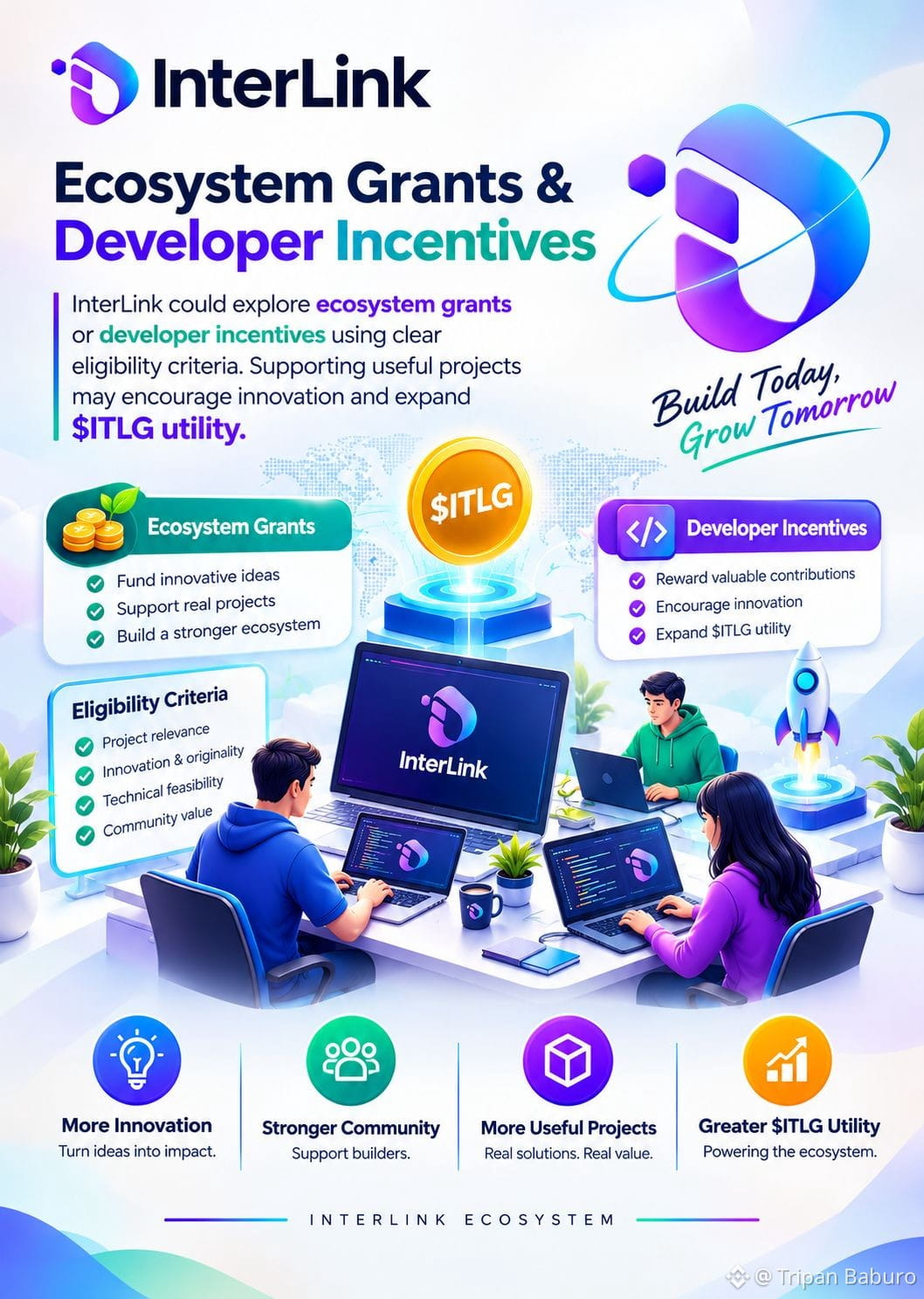
🚀 Was wäre, wenn Anreize für Entwickler neue Möglichkeiten für InterLink erschließen könnten?
💡 InterLink könnte Förderprogramme für das Ökosystem mit klaren Förderkriterien einführen, um innovative Projekte und nützliche dApps zu unterstützen.
🤝 Die Förderung von Entwicklern könnte Innovationen vorantreiben, das Ökosystem stärken und den praktischen Nutzen von $ITLG erweitern.
Builder unterstützen. Innovation vorantreiben. Gemeinsam wachsen!
#InterLink #ITLG #ITL #Web3 #INNOVATION
Neue Gewinner $DOOD $IOST $NVDA 💥
Interlink bald $ITLG $ITL
🚀 Was wäre, wenn Anreize für Entwickler neue Möglichkeiten für InterLink erschließen könnten?
💡 InterLink könnte Förderprogramme für das Ökosystem mit klaren Förderkriterien einführen, um innovative Projekte und nützliche dApps zu unterstützen.
🤝 Die Förderung von Entwicklern könnte Innovationen vorantreiben, das Ökosystem stärken und den praktischen Nutzen von $ITLG erweitern.
Builder unterstützen. Innovation vorantreiben. Gemeinsam wachsen!
#InterLink #ITLG #ITL #Web3 #INNOVATION
Neue Gewinner $DOOD $IOST $NVDA 💥
Interlink bald $ITLG $ITL
💡 InterLink könnte Förderprogramme für das Ökosystem mit klaren Förderkriterien einführen, um innovative Projekte und nützliche dApps zu unterstützen.
🤝 Die Förderung von Entwicklern könnte Innovationen vorantreiben, das Ökosystem stärken und den praktischen Nutzen von $ITLG erweitern.
Builder unterstützen. Innovation vorantreiben. Gemeinsam wachsen!
#InterLink #ITLG #ITL #Web3 #INNOVATION
Neue Gewinner $DOOD $IOST $NVDA 💥
Interlink bald $ITLG $ITL
1
359
⚡ TECH-GIGANT ENTHÜLLT HISTORISCHES OLED-TOUCHSCREEN-MACBOOK-REDESIGN IN LA! 💥
📌 Die Schwergewichte des Silicon Valley schreiben ihre jahrzehntealten Hardware-Pläne neu, während sich das erste MacBook Pro mit Touchscreen darauf vorbereitet, am 28. Oktober ins Rampenlicht zu treten. Mit hochbrillanter Tandem-OLED-Technologie, einem eleganten Dynamic-Island-Ausschnitt und einem deutlich leichteren Gehäuse markiert dieser Wandel die radikalste Designänderung seit 2021. 💡
📊 Die Dynamik der Auftragsbücher in den Hardware- und Technologiesektoren nimmt bereits Fahrt auf – noch bevor die Verfügbarkeit im Handel voraussichtlich am 6. November beginnt. 🌊 Da ein Premiumpreis oberhalb der aktuellen Flaggschiff-Kategorie erwartet wird, dürfte die Positionierung des großen Kapitals davon abhängen, ob Verbraucher nach jahrelangem Warten die Touchscreen-Bedienung annehmen. 💬 Bewertest du diesen massiven Hardware-Umbruch als unmittelbaren Nachfragekatalysator oder wartest du erst die Daten zur Akzeptanz bei den Verbrauchern ab? 👇
⚠️ Keine Finanzberatung. Begrenze stets dein Risiko. 🛡️
🏷️ #TechNews #Hardware #Innovation #MarketTrends
⚡ 💎
⚡ TECH-GIGANT ENTHÜLLT HISTORISCHES OLED-TOUCHSCREEN-MACBOOK-REDESIGN IN LA! 💥
📌 Die Schwergewichte des Silicon Valley schreiben ihre jahrzehntealten Hardware-Pläne neu, während sich das erste MacBook Pro mit Touchscreen darauf vorbereitet, am 28. Oktober ins Rampenlicht zu treten. Mit hochbrillanter Tandem-OLED-Technologie, einem eleganten Dynamic-Island-Ausschnitt und einem deutlich leichteren Gehäuse markiert dieser Wandel die radikalste Designänderung seit 2021. 💡
📊 Die Dynamik der Auftragsbücher in den Hardware- und Technologiesektoren nimmt bereits Fahrt auf – noch bevor die Verfügbarkeit im Handel voraussichtlich am 6. November beginnt. 🌊 Da ein Premiumpreis oberhalb der aktuellen Flaggschiff-Kategorie erwartet wird, dürfte die Positionierung des großen Kapitals davon abhängen, ob Verbraucher nach jahrelangem Warten die Touchscreen-Bedienung annehmen. 💬 Bewertest du diesen massiven Hardware-Umbruch als unmittelbaren Nachfragekatalysator oder wartest du erst die Daten zur Akzeptanz bei den Verbrauchern ab? 👇
⚠️ Keine Finanzberatung. Begrenze stets dein Risiko. 🛡️
🏷️ #TechNews #Hardware #Innovation #MarketTrends
⚡ 💎
📌 Die Schwergewichte des Silicon Valley schreiben ihre jahrzehntealten Hardware-Pläne neu, während sich das erste MacBook Pro mit Touchscreen darauf vorbereitet, am 28. Oktober ins Rampenlicht zu treten. Mit hochbrillanter Tandem-OLED-Technologie, einem eleganten Dynamic-Island-Ausschnitt und einem deutlich leichteren Gehäuse markiert dieser Wandel die radikalste Designänderung seit 2021. 💡
📊 Die Dynamik der Auftragsbücher in den Hardware- und Technologiesektoren nimmt bereits Fahrt auf – noch bevor die Verfügbarkeit im Handel voraussichtlich am 6. November beginnt. 🌊 Da ein Premiumpreis oberhalb der aktuellen Flaggschiff-Kategorie erwartet wird, dürfte die Positionierung des großen Kapitals davon abhängen, ob Verbraucher nach jahrelangem Warten die Touchscreen-Bedienung annehmen. 💬 Bewertest du diesen massiven Hardware-Umbruch als unmittelbaren Nachfragekatalysator oder wartest du erst die Daten zur Akzeptanz bei den Verbrauchern ab? 👇
⚠️ Keine Finanzberatung. Begrenze stets dein Risiko. 🛡️
🏷️ #TechNews #Hardware #Innovation #MarketTrends
⚡ 💎
9

·
--
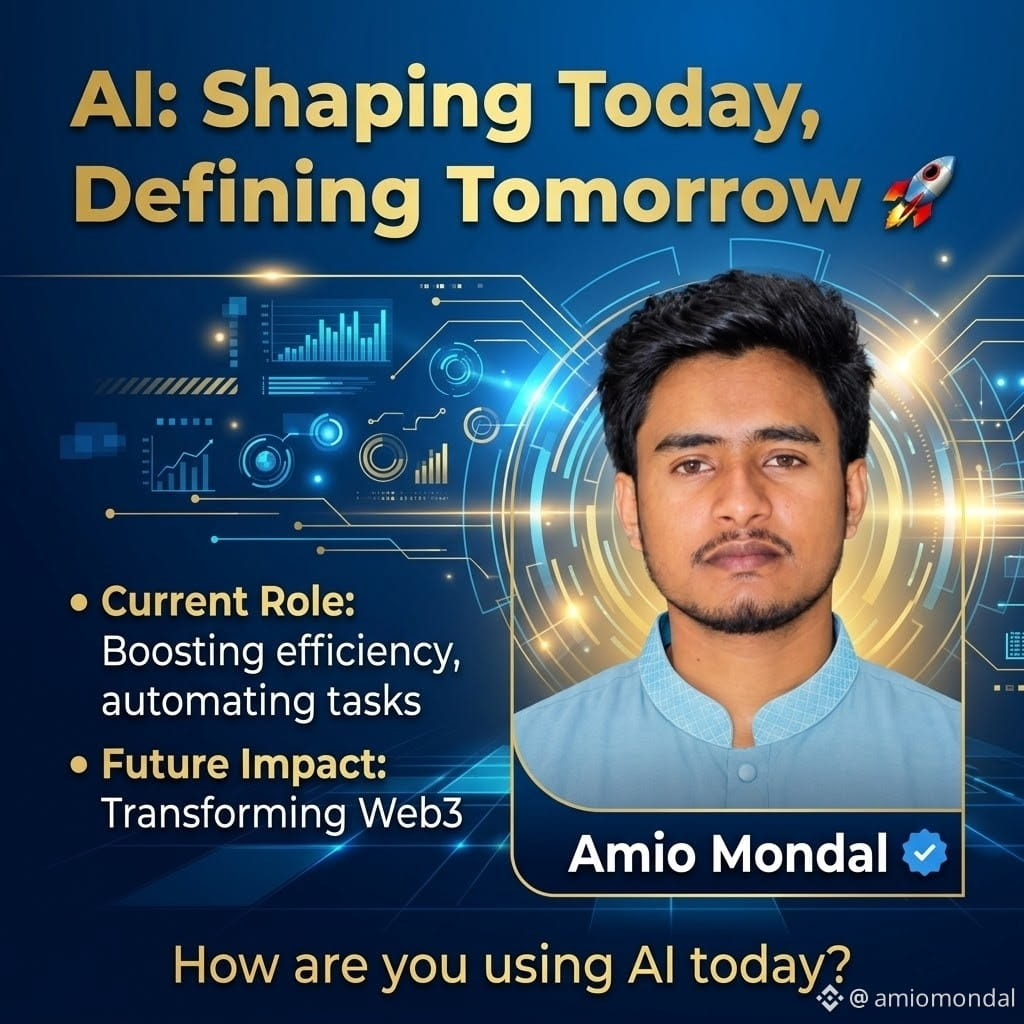
$AI : Heute gestalten, morgen prägen 🚀
$AI $ gehört nicht mehr der Zukunft – es verändert schon heute, wie wir leben und arbeiten.
Aktuelle Rolle: Effizienz steigern, Aufgaben automatisieren und Innovationen vorantreiben.
Zukünftige Auswirkungen: Gesundheitswesen, Web3 und die Lösung globaler Probleme transformieren.
KI ersetzt nicht den menschlichen Verstand, sondern erweitert ihn. Wer sich an eine KI-gesteuerte Welt anpasst, bleibt der Konkurrenz voraus.
Wie nutzt du KI heute? Lass uns darüber sprechen! 👇
#AI #TechTrend #INNOVATION #FutureOfWork
$AI : Heute gestalten, morgen prägen 🚀
$AI $ gehört nicht mehr der Zukunft – es verändert schon heute, wie wir leben und arbeiten.
Aktuelle Rolle: Effizienz steigern, Aufgaben automatisieren und Innovationen vorantreiben.
Zukünftige Auswirkungen: Gesundheitswesen, Web3 und die Lösung globaler Probleme transformieren.
KI ersetzt nicht den menschlichen Verstand, sondern erweitert ihn. Wer sich an eine KI-gesteuerte Welt anpasst, bleibt der Konkurrenz voraus.
Wie nutzt du KI heute? Lass uns darüber sprechen! 👇
#AI #TechTrend #INNOVATION #FutureOfWork
$AI $ gehört nicht mehr der Zukunft – es verändert schon heute, wie wir leben und arbeiten.
Aktuelle Rolle: Effizienz steigern, Aufgaben automatisieren und Innovationen vorantreiben.
Zukünftige Auswirkungen: Gesundheitswesen, Web3 und die Lösung globaler Probleme transformieren.
KI ersetzt nicht den menschlichen Verstand, sondern erweitert ihn. Wer sich an eine KI-gesteuerte Welt anpasst, bleibt der Konkurrenz voraus.
Wie nutzt du KI heute? Lass uns darüber sprechen! 👇
#AI #TechTrend #INNOVATION #FutureOfWork
159
·
--
🔥 Hongbais Nanonsilizium-Projekt befindet sich noch in der Pilotphase! Die technologische Route ist innovativ, doch ob eine erfolgreiche Massenproduktion gelingt, ist noch ungewiss. Materialforschung und -entwicklung ist wie das Öffnen von Überraschungsboxen – voller Überraschungen und Herausforderungen. #新材料 #TechnologischeInnovation
🔥 Hongbais Nanonsilizium-Projekt befindet sich noch in der Pilotphase! Die technologische Route ist innovativ, doch der kommerzielle Erfolg bleibt ungewiss. Materialforschung und -entwicklung ist wie das Öffnen von Überraschungsboxen – voller Überraschungen und Herausforderungen! #Innovation #Technologieentwicklung
🔥 Hongbais Nanonsilizium-Projekt befindet sich noch in der Pilotphase! Die technologische Route ist innovativ, doch ob eine erfolgreiche Massenproduktion gelingt, ist noch ungewiss. Materialforschung und -entwicklung ist wie das Öffnen von Überraschungsboxen – voller Überraschungen und Herausforderungen. #新材料 #TechnologischeInnovation
🔥 Hongbais Nanonsilizium-Projekt befindet sich noch in der Pilotphase! Die technologische Route ist innovativ, doch der kommerzielle Erfolg bleibt ungewiss. Materialforschung und -entwicklung ist wie das Öffnen von Überraschungsboxen – voller Überraschungen und Herausforderungen! #Innovation #Technologieentwicklung
🔥 Hongbais Nanonsilizium-Projekt befindet sich noch in der Pilotphase! Die technologische Route ist innovativ, doch der kommerzielle Erfolg bleibt ungewiss. Materialforschung und -entwicklung ist wie das Öffnen von Überraschungsboxen – voller Überraschungen und Herausforderungen! #Innovation #Technologieentwicklung

·
--
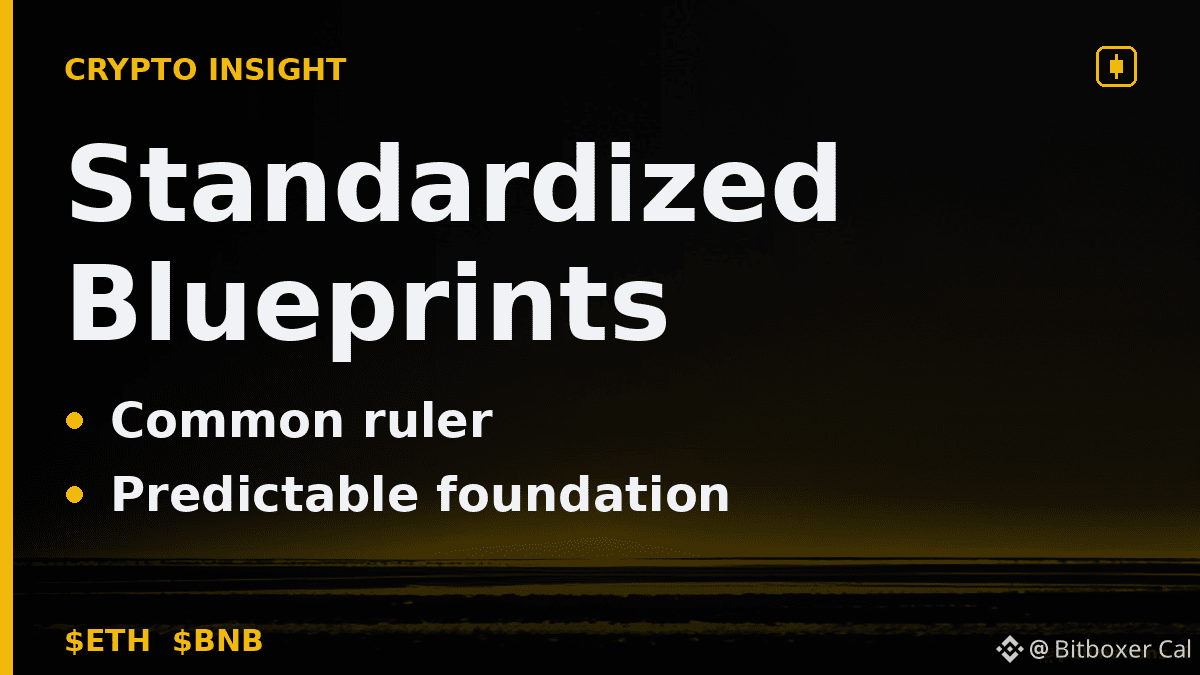
Das CLARITY-Gesetz ist einfach eine allgemeingültige Bauordnung für eine Kryptostadt, in der jeder Architekt ein anderes Maßband verwendet hat.
Die meisten befürchten, dass Regulierung $ETH Innovation erstickt, doch die eigentliche Reibung entsteht durch das Fehlen eines gemeinsamen Bauplans. Eine gemeinsame Sprache für $BNB zu erzwingen, verwandelt maßgeschneiderte juristische Albträume in vorhersehbare Infrastruktur. Denk aber daran: Diese Analogie stößt an ihre Grenzen, denn Code ist unveränderlich, während menschliche Regulierungsbehörden ihre Meinung über Nacht ändern können.
#CryptoRegulation #Innovation #OnChain
Das CLARITY-Gesetz ist einfach eine allgemeingültige Bauordnung für eine Kryptostadt, in der jeder Architekt ein anderes Maßband verwendet hat.
Die meisten befürchten, dass Regulierung $ETH Innovation erstickt, doch die eigentliche Reibung entsteht durch das Fehlen eines gemeinsamen Bauplans. Eine gemeinsame Sprache für $BNB zu erzwingen, verwandelt maßgeschneiderte juristische Albträume in vorhersehbare Infrastruktur. Denk aber daran: Diese Analogie stößt an ihre Grenzen, denn Code ist unveränderlich, während menschliche Regulierungsbehörden ihre Meinung über Nacht ändern können.
#CryptoRegulation #Innovation #OnChain
Die meisten befürchten, dass Regulierung $ETH Innovation erstickt, doch die eigentliche Reibung entsteht durch das Fehlen eines gemeinsamen Bauplans. Eine gemeinsame Sprache für $BNB zu erzwingen, verwandelt maßgeschneiderte juristische Albträume in vorhersehbare Infrastruktur. Denk aber daran: Diese Analogie stößt an ihre Grenzen, denn Code ist unveränderlich, während menschliche Regulierungsbehörden ihre Meinung über Nacht ändern können.
#CryptoRegulation #Innovation #OnChain
1
81

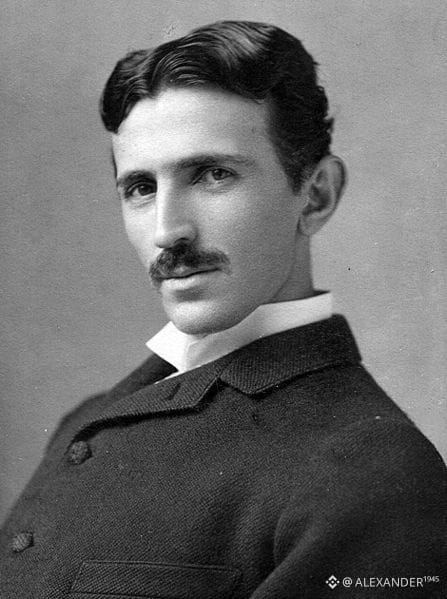
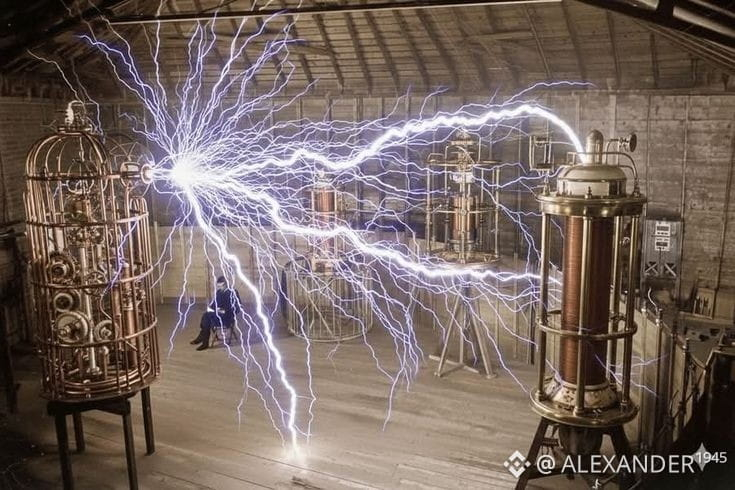
⚡🧠 NIKOLA TESLA — DAS GENIE, DAS SEINER ZEIT VORAUS WAR
Manche Menschen leben in ihrer Zeit, während andere die Zukunft gestalten, bevor die Welt bereit ist, sie zu verstehen.
Nikola Tesla war einer der größten Köpfe der Geschichte. Seine Erfindungen und Ideen trugen dazu bei, die Elektrizität voranzubringen und das menschliche Leben für immer zu verändern.
Trotz der Herausforderungen, denen er sich stellen musste, hörte er nie auf, seinen Ideen nachzugehen. Er glaubte, dass die Grenzen der Wissenschaft nicht das Ende des Weges waren, sondern der Anfang neuer Entdeckungen.
🔥 Er brauchte keine Armee, um die Welt zu verändern; seine Waffe war sein Verstand, und seine Ideen wurden zu einem Vermächtnis, das die Zeit überdauerte.
⚡ Nikola Tesla — ein Mann, der sich die Zukunft vorstellte und half, sie zu gestalten.
#NikolaTesla #Science #Innovation #genies us
⚡🧠 NIKOLA TESLA — DAS GENIE, DAS SEINER ZEIT VORAUS WAR
Manche Menschen leben in ihrer Zeit, während andere die Zukunft gestalten, bevor die Welt bereit ist, sie zu verstehen.
Nikola Tesla war einer der größten Köpfe der Geschichte. Seine Erfindungen und Ideen trugen dazu bei, die Elektrizität voranzubringen und das menschliche Leben für immer zu verändern.
Trotz der Herausforderungen, denen er sich stellen musste, hörte er nie auf, seinen Ideen nachzugehen. Er glaubte, dass die Grenzen der Wissenschaft nicht das Ende des Weges waren, sondern der Anfang neuer Entdeckungen.
🔥 Er brauchte keine Armee, um die Welt zu verändern; seine Waffe war sein Verstand, und seine Ideen wurden zu einem Vermächtnis, das die Zeit überdauerte.
⚡ Nikola Tesla — ein Mann, der sich die Zukunft vorstellte und half, sie zu gestalten.
#NikolaTesla #Science #Innovation #genies us
Manche Menschen leben in ihrer Zeit, während andere die Zukunft gestalten, bevor die Welt bereit ist, sie zu verstehen.
Nikola Tesla war einer der größten Köpfe der Geschichte. Seine Erfindungen und Ideen trugen dazu bei, die Elektrizität voranzubringen und das menschliche Leben für immer zu verändern.
Trotz der Herausforderungen, denen er sich stellen musste, hörte er nie auf, seinen Ideen nachzugehen. Er glaubte, dass die Grenzen der Wissenschaft nicht das Ende des Weges waren, sondern der Anfang neuer Entdeckungen.
🔥 Er brauchte keine Armee, um die Welt zu verändern; seine Waffe war sein Verstand, und seine Ideen wurden zu einem Vermächtnis, das die Zeit überdauerte.
⚡ Nikola Tesla — ein Mann, der sich die Zukunft vorstellte und half, sie zu gestalten.
#NikolaTesla #Science #Innovation #genies us
155
10
155

Völlig begeistert von der unglaublichen Innovationskraft von Elonmusk & Tesla heute! 🚗⚡ Reines Genie, das die Grenzen von Technologie, futuristischem Design und sauberer Energie verschiebt. Ich lerne jeden Tag so viel von deiner Vision. Die Zukunft ist wirklich da!
#ElonMusk #Tesla #MobarokMatrix #Innovation #BTC
Völlig begeistert von der unglaublichen Innovationskraft von Elonmusk & Tesla heute! 🚗⚡ Reines Genie, das die Grenzen von Technologie, futuristischem Design und sauberer Energie verschiebt. Ich lerne jeden Tag so viel von deiner Vision. Die Zukunft ist wirklich da!
#ElonMusk #Tesla #MobarokMatrix #Innovation #BTC
#ElonMusk #Tesla #MobarokMatrix #Innovation #BTC

172
Anmelden und weiter Inhalte entdecken
Krypto-Nutzer weltweit auf Binance Square kennenlernen
⚡️ Bleib in Sachen Krypto stets am Puls.
💬 Die weltgrößte Kryptobörse vertraut darauf.
👍 Erhalte verlässliche Einblicke von verifizierten Creators.
E-Mail-Adresse/Telefonnummer
Trendthemen
1
#CanMicrosoftDeliverOnAI
122,875 Aufrufe
943 Kommentare
2
#CanGoogleDefindItsCore
59,731 Aufrufe
666 Kommentare
3
#FOMCWatch
9.1M Aufrufe
28,192 Kommentare
4
#OSMOPlansToBurn100MTokensFromCommunityPool
139 Aufrufe
22 Kommentare
5
#EthereumDropsBelow$2300
12,152 Aufrufe
163 Kommentare
6
#BitcoinSlipsBelow$80KAgain
34,102 Aufrufe
131 Kommentare
7
#ThailandLaunchesWORPTStablecoinToQRPaymentApp
72,249 Aufrufe
868 Kommentare
8
#StrategySkipsBitcoinPurchasesSpends$205MOnSTRCBuybacks
13,392 Aufrufe
99 Kommentare
9
#BitmineAdds10452ETH
122,298 Aufrufe
1,284 Kommentare
10
#SouthKoreaConsidersEducationTaxOnCryptoExchanges
78,121 Aufrufe
889 Kommentare