

Crypto-First21
15.2k منشورات

Crypto-First21
 تحقُّق Binance Square الإضافي
إبلاغ
حظر المُستخدم
x : crypto_first21
مُتداول بمُعدّل مرتفع
3 سنوات
238 تتابع
91.9K+ المتابعون
74.1K+ إعجاب
منشورات
الكل
اقتباسات
مقاطع فيديو
PINNED
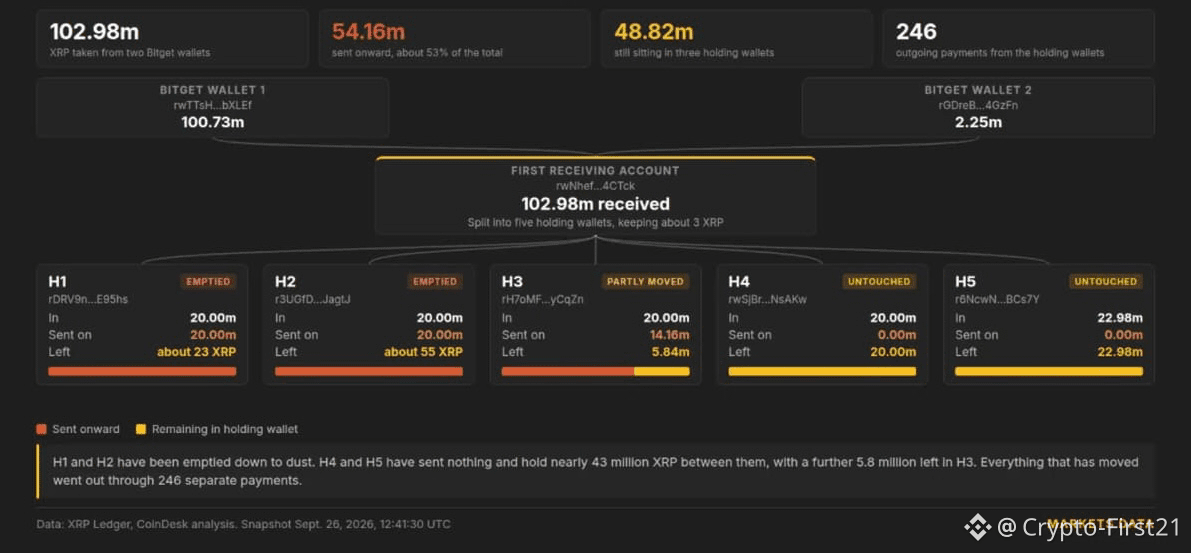
هاكر ينقل 83 مليون دولار في XRP مسروق بينما تتعامل المنصة مع تبعات الانهيار
ما زالت تداعيات اختراق بقيمة 387.5 مليون دولار تتكشف.
يُقال إن المهاجم نقل حوالي 83 مليون دولار من أموال XRP مسروقة $XRP من ثلاث محافظ احتجاز، بينما لا يزال نحو 75 مليون دولار موجودًا في محافظ لا يمكن تجميدها وفقًا لقواعد XRP Ledger.
يمكن للمنصات إدراج الحسابات التي تستقبل الأموال المسروقة في القائمة السوداء، لكن لا يمكن حظر محافظ المهاجم نفسها. وفي الوقت نفسه، قامت Circle وTether بتجميد حوالي 320,000 دولار في عملات مستقرة مرتبطة.
tقول المنصة إن صندوق الحماية لديها سيغطي الخسائر بالكامل وأن أرصدة العملاء لا تتأثر. ومن المتوقع استئناف عمليات السحب تدريجيًا بين 28 سبتمبر و2 أكتوبر.
التركيز الآن ينتقل من الاختراق نفسه إلى مقدار الأموال المسروقة التي يمكن تتبعها فعلًا أو تجميدها أو استردادها. 🚨💰
ما رأيك في ذلك 👀؟
#cryptofirst21 $RARE
هاكر ينقل 83 مليون دولار في XRP مسروق بينما تتعامل المنصة مع تبعات الانهيار
ما زالت تداعيات اختراق بقيمة 387.5 مليون دولار تتكشف.
يُقال إن المهاجم نقل حوالي 83 مليون دولار من أموال XRP مسروقة $XRP من ثلاث محافظ احتجاز، بينما لا يزال نحو 75 مليون دولار موجودًا في محافظ لا يمكن تجميدها وفقًا لقواعد XRP Ledger.
يمكن للمنصات إدراج الحسابات التي تستقبل الأموال المسروقة في القائمة السوداء، لكن لا يمكن حظر محافظ المهاجم نفسها. وفي الوقت نفسه، قامت Circle وTether بتجميد حوالي 320,000 دولار في عملات مستقرة مرتبطة.
tقول المنصة إن صندوق الحماية لديها سيغطي الخسائر بالكامل وأن أرصدة العملاء لا تتأثر. ومن المتوقع استئناف عمليات السحب تدريجيًا بين 28 سبتمبر و2 أكتوبر.
التركيز الآن ينتقل من الاختراق نفسه إلى مقدار الأموال المسروقة التي يمكن تتبعها فعلًا أو تجميدها أو استردادها. 🚨💰
ما رأيك في ذلك 👀؟
#cryptofirst21 $RARE
ما زالت تداعيات اختراق بقيمة 387.5 مليون دولار تتكشف.
يُقال إن المهاجم نقل حوالي 83 مليون دولار من أموال XRP مسروقة $XRP من ثلاث محافظ احتجاز، بينما لا يزال نحو 75 مليون دولار موجودًا في محافظ لا يمكن تجميدها وفقًا لقواعد XRP Ledger.
يمكن للمنصات إدراج الحسابات التي تستقبل الأموال المسروقة في القائمة السوداء، لكن لا يمكن حظر محافظ المهاجم نفسها. وفي الوقت نفسه، قامت Circle وTether بتجميد حوالي 320,000 دولار في عملات مستقرة مرتبطة.
tقول المنصة إن صندوق الحماية لديها سيغطي الخسائر بالكامل وأن أرصدة العملاء لا تتأثر. ومن المتوقع استئناف عمليات السحب تدريجيًا بين 28 سبتمبر و2 أكتوبر.
التركيز الآن ينتقل من الاختراق نفسه إلى مقدار الأموال المسروقة التي يمكن تتبعها فعلًا أو تجميدها أو استردادها. 🚨💰
ما رأيك في ذلك 👀؟
#cryptofirst21 $RARE
25
13
110
124.8k
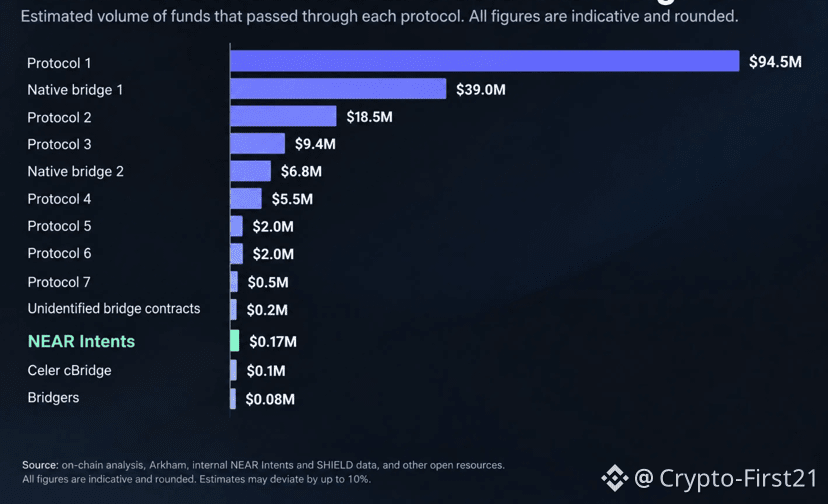
نيير انتِنتس مقابل هاكر “إكشنج”: الجدل غير المقيّد عاد 🔥
تقول نيير انتِنتس إن نظام أمانه SHIELD قام بحظر أكثر من 50 مليون دولار في محاولات تحويل مرتبطة باستغلال The Exhange وقام بتجميد ما يقارب 503 ألف دولار خلال العملية.
وقد أثار هذا التحرك نقاشًا عبر عالم العملات المشفرة:
• يؤكد المؤيدون أن إيقاف الأموال المسروقة يحمي المستخدمين والبيئة.
• ويرى المنتقدون أنه يجب ألا يُسوّق بروتوكول يمكنه تجميد المعاملات نفسه باعتباره غير مقيّد بالكامل.
وفي الوقت نفسه، يُزعم أن معظم الأموال التي رُفضت تم نقلها عبر موفّرين آخرين، مما يبرز مدى صعوبة إيقاف غسل الأموال عبر السلاسل بمجرد بدء حركة الأصول.
السؤال الأكبر ليس مبلغ 503 ألف دولار المتجمد.
بل ما إذا كان “عدم التقيّد” و“الامتثال” يمكن أن يتعايشا حقًا داخل البروتوكول نفسه 👀
ما رأيك في ذلك؟ اترك وجهة نظرك…
$NEAR $0G #cryptofirst21
نيير انتِنتس مقابل هاكر “إكشنج”: الجدل غير المقيّد عاد 🔥
تقول نيير انتِنتس إن نظام أمانه SHIELD قام بحظر أكثر من 50 مليون دولار في محاولات تحويل مرتبطة باستغلال The Exhange وقام بتجميد ما يقارب 503 ألف دولار خلال العملية.
وقد أثار هذا التحرك نقاشًا عبر عالم العملات المشفرة:
• يؤكد المؤيدون أن إيقاف الأموال المسروقة يحمي المستخدمين والبيئة.
• ويرى المنتقدون أنه يجب ألا يُسوّق بروتوكول يمكنه تجميد المعاملات نفسه باعتباره غير مقيّد بالكامل.
وفي الوقت نفسه، يُزعم أن معظم الأموال التي رُفضت تم نقلها عبر موفّرين آخرين، مما يبرز مدى صعوبة إيقاف غسل الأموال عبر السلاسل بمجرد بدء حركة الأصول.
السؤال الأكبر ليس مبلغ 503 ألف دولار المتجمد.
بل ما إذا كان “عدم التقيّد” و“الامتثال” يمكن أن يتعايشا حقًا داخل البروتوكول نفسه 👀
ما رأيك في ذلك؟ اترك وجهة نظرك…
$NEAR $0G #cryptofirst21
تقول نيير انتِنتس إن نظام أمانه SHIELD قام بحظر أكثر من 50 مليون دولار في محاولات تحويل مرتبطة باستغلال The Exhange وقام بتجميد ما يقارب 503 ألف دولار خلال العملية.
وقد أثار هذا التحرك نقاشًا عبر عالم العملات المشفرة:
• يؤكد المؤيدون أن إيقاف الأموال المسروقة يحمي المستخدمين والبيئة.
• ويرى المنتقدون أنه يجب ألا يُسوّق بروتوكول يمكنه تجميد المعاملات نفسه باعتباره غير مقيّد بالكامل.
وفي الوقت نفسه، يُزعم أن معظم الأموال التي رُفضت تم نقلها عبر موفّرين آخرين، مما يبرز مدى صعوبة إيقاف غسل الأموال عبر السلاسل بمجرد بدء حركة الأصول.
السؤال الأكبر ليس مبلغ 503 ألف دولار المتجمد.
بل ما إذا كان “عدم التقيّد” و“الامتثال” يمكن أن يتعايشا حقًا داخل البروتوكول نفسه 👀
ما رأيك في ذلك؟ اترك وجهة نظرك…
$NEAR $0G #cryptofirst21
3
3
5.5k
تمّ التحقق
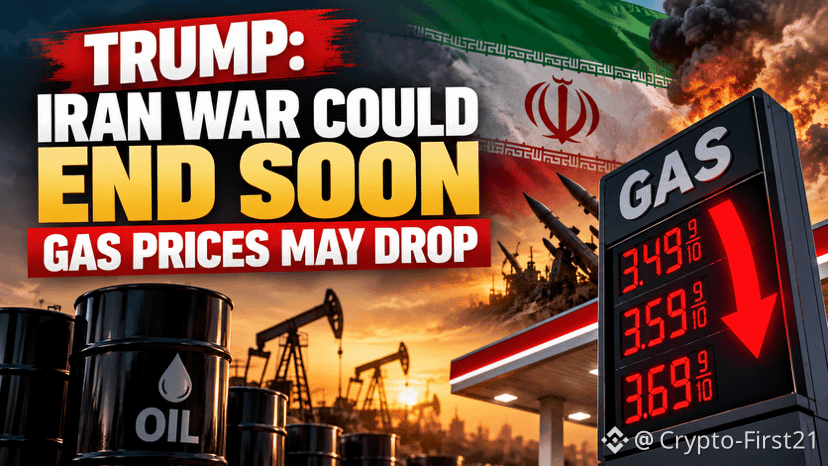
ترامب: من الممكن أن تنتهي حرب إيران قريبًا، وأسعار الغاز قد تنخفض
قال الرئيس ترامب إن الصراع مع إيران قد يكون قد انتهى “قريبًا جدًا”، وأضاف أن أسعار البنزين يُتوقع أن تنخفض بشكل حاد بمجرد انتهاء الحرب.
وتأتي هذه التصريحات بينما يراقب المتداولون عن كثب توترات الشرق الأوسط، حيث تظل أسواق النفط شديدة الحساسية لأي علامات على التصعيد أو إمكانية اختراق دبلوماسي.
وتظل أسعار الطاقة أحد أبرز المحاور التي يجب متابعتها في السوق.
فما رأيك في هذا الموقف؟ ⛽📉
#trump #cryptofirst21 $QNT
ترامب: من الممكن أن تنتهي حرب إيران قريبًا، وأسعار الغاز قد تنخفض
قال الرئيس ترامب إن الصراع مع إيران قد يكون قد انتهى “قريبًا جدًا”، وأضاف أن أسعار البنزين يُتوقع أن تنخفض بشكل حاد بمجرد انتهاء الحرب.
وتأتي هذه التصريحات بينما يراقب المتداولون عن كثب توترات الشرق الأوسط، حيث تظل أسواق النفط شديدة الحساسية لأي علامات على التصعيد أو إمكانية اختراق دبلوماسي.
وتظل أسعار الطاقة أحد أبرز المحاور التي يجب متابعتها في السوق.
فما رأيك في هذا الموقف؟ ⛽📉
#trump #cryptofirst21 $QNT
قال الرئيس ترامب إن الصراع مع إيران قد يكون قد انتهى “قريبًا جدًا”، وأضاف أن أسعار البنزين يُتوقع أن تنخفض بشكل حاد بمجرد انتهاء الحرب.
وتأتي هذه التصريحات بينما يراقب المتداولون عن كثب توترات الشرق الأوسط، حيث تظل أسواق النفط شديدة الحساسية لأي علامات على التصعيد أو إمكانية اختراق دبلوماسي.
وتظل أسعار الطاقة أحد أبرز المحاور التي يجب متابعتها في السوق.
فما رأيك في هذا الموقف؟ ⛽📉
#trump #cryptofirst21 $QNT
5
1
26
23.1k
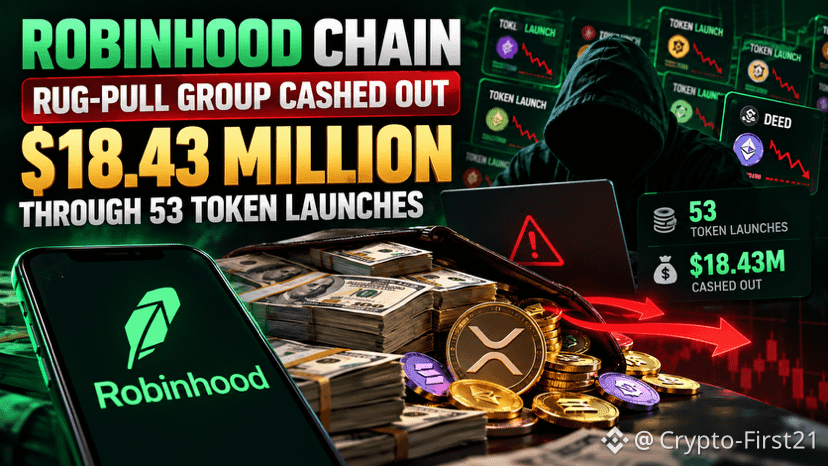
شبكة مزعومة لعملية احتيال (Rug Pull) على سلسلة Robinhood قامت على ما يبدو بسحب 18.4 مليون دولار عبر 53 عملية إطلاق توكن 👀
يُزعم أن شبكة احتيال مرتبطة بسحب الأموال على سلسلة Robinhood استخرجت حوالي 18.43 مليون دولار من ما لا يقل عن 53 عملية إطلاق لتوكن خلال الشهرين الماضيين.
يبدو أن المجموعة مرتبطة بسلسلة من نشرات توكن متزامنة وجولات سحب للأموال، وقد تكون القيمة الفعلية أعلى من ذلك بكثير.
ومن اللافت أن توكن $DEED.ETF الذي أثار التحقيق لم يكن ضمن أعلى 10 عمليات خروج أكثر ربحية للمجموعة، ما يوحي بأن العملية قد تكون أكبر بكثير مما كان يُعتقد في البداية.
تذكير آخر بأن نشاط السلسلة يمكنه كشف الأنماط قبل وقت طويل من أن تصبح واضحة للسوق الأوسع. 📉🔍
#cryptofirst21 $RHEA $QNT
شبكة مزعومة لعملية احتيال (Rug Pull) على سلسلة Robinhood قامت على ما يبدو بسحب 18.4 مليون دولار عبر 53 عملية إطلاق توكن 👀
يُزعم أن شبكة احتيال مرتبطة بسحب الأموال على سلسلة Robinhood استخرجت حوالي 18.43 مليون دولار من ما لا يقل عن 53 عملية إطلاق لتوكن خلال الشهرين الماضيين.
يبدو أن المجموعة مرتبطة بسلسلة من نشرات توكن متزامنة وجولات سحب للأموال، وقد تكون القيمة الفعلية أعلى من ذلك بكثير.
ومن اللافت أن توكن $DEED.ETF الذي أثار التحقيق لم يكن ضمن أعلى 10 عمليات خروج أكثر ربحية للمجموعة، ما يوحي بأن العملية قد تكون أكبر بكثير مما كان يُعتقد في البداية.
تذكير آخر بأن نشاط السلسلة يمكنه كشف الأنماط قبل وقت طويل من أن تصبح واضحة للسوق الأوسع. 📉🔍
#cryptofirst21 $RHEA $QNT
يُزعم أن شبكة احتيال مرتبطة بسحب الأموال على سلسلة Robinhood استخرجت حوالي 18.43 مليون دولار من ما لا يقل عن 53 عملية إطلاق لتوكن خلال الشهرين الماضيين.
يبدو أن المجموعة مرتبطة بسلسلة من نشرات توكن متزامنة وجولات سحب للأموال، وقد تكون القيمة الفعلية أعلى من ذلك بكثير.
ومن اللافت أن توكن $DEED.ETF الذي أثار التحقيق لم يكن ضمن أعلى 10 عمليات خروج أكثر ربحية للمجموعة، ما يوحي بأن العملية قد تكون أكبر بكثير مما كان يُعتقد في البداية.
تذكير آخر بأن نشاط السلسلة يمكنه كشف الأنماط قبل وقت طويل من أن تصبح واضحة للسوق الأوسع. 📉🔍
#cryptofirst21 $RHEA $QNT
6
3.4k
عاجل: بورصة رائدة تؤكد اختراق محفظة ساخنة بقيمة 351.6 مليون دولار، وأموال المستخدمين تبقى محمية 😳
أكدت البورصة حدوث خرق أمني يؤثر على جزء من بنيتها التحتية للمحافظ الساخنة، مع تقدير الخسائر بنحو 351.6 مليون دولار تقريبًا.
وتقول البورصة إن المحافظ الباردة ما تزال آمنة، وأن أموال المستخدمين مغطاة بالكامل من خلال صندوق حماية المستخدمين الخاص بها البالغ 464 مليون دولار. وقد تم إيقاف عمليات السحب مؤقتًا ريثما يجري التحقق الأمني، بينما تظل عمليات الإيداع والتداول تعمل.
وأشارت إلى أنه تم تحديد عناوين غير طبيعية والإبلاغ عنها، وأن جهات إنفاذ القانون وشركات أمن بلوك تشين متخصصة تشارك الآن في التحقيق. ومن المتوقع صدور تحديثات مع تقدم المراجعة.
ما الذي يحدث 👀
#cryptofirst21 $XAI
عاجل: بورصة رائدة تؤكد اختراق محفظة ساخنة بقيمة 351.6 مليون دولار، وأموال المستخدمين تبقى محمية 😳
أكدت البورصة حدوث خرق أمني يؤثر على جزء من بنيتها التحتية للمحافظ الساخنة، مع تقدير الخسائر بنحو 351.6 مليون دولار تقريبًا.
وتقول البورصة إن المحافظ الباردة ما تزال آمنة، وأن أموال المستخدمين مغطاة بالكامل من خلال صندوق حماية المستخدمين الخاص بها البالغ 464 مليون دولار. وقد تم إيقاف عمليات السحب مؤقتًا ريثما يجري التحقق الأمني، بينما تظل عمليات الإيداع والتداول تعمل.
وأشارت إلى أنه تم تحديد عناوين غير طبيعية والإبلاغ عنها، وأن جهات إنفاذ القانون وشركات أمن بلوك تشين متخصصة تشارك الآن في التحقيق. ومن المتوقع صدور تحديثات مع تقدم المراجعة.
ما الذي يحدث 👀
#cryptofirst21 $XAI
أكدت البورصة حدوث خرق أمني يؤثر على جزء من بنيتها التحتية للمحافظ الساخنة، مع تقدير الخسائر بنحو 351.6 مليون دولار تقريبًا.
وتقول البورصة إن المحافظ الباردة ما تزال آمنة، وأن أموال المستخدمين مغطاة بالكامل من خلال صندوق حماية المستخدمين الخاص بها البالغ 464 مليون دولار. وقد تم إيقاف عمليات السحب مؤقتًا ريثما يجري التحقق الأمني، بينما تظل عمليات الإيداع والتداول تعمل.
وأشارت إلى أنه تم تحديد عناوين غير طبيعية والإبلاغ عنها، وأن جهات إنفاذ القانون وشركات أمن بلوك تشين متخصصة تشارك الآن في التحقيق. ومن المتوقع صدور تحديثات مع تقدم المراجعة.
ما الذي يحدث 👀
#cryptofirst21 $XAI
2
6
4.2k
تمّ التحقق
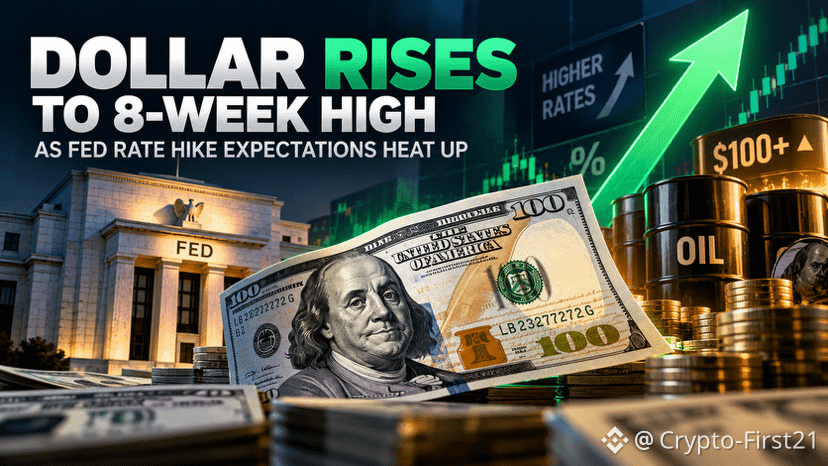
الدولار في حالة تألق 👀
تراهن الأسواق بشكل متزايد على أن الاحتياطي الفيدرالي لم ينتهِ بعد من رفع أسعار الفائدة، ما يدفع الدولار الأمريكي إلى أعلى مستوى له منذ أواخر يوليو.
ومع عودة النفط إلى ما فوق 100 دولار وتراجع آمال خفض الفائدة، يبدأ المتداولون في تسعير بيئة «أعلى لفترة أطول».
وفي الوقت الحالي، ما يزال الدولار يفوز. 💵📈
#cryptofirst21 $NIL
الدولار في حالة تألق 👀
تراهن الأسواق بشكل متزايد على أن الاحتياطي الفيدرالي لم ينتهِ بعد من رفع أسعار الفائدة، ما يدفع الدولار الأمريكي إلى أعلى مستوى له منذ أواخر يوليو.
ومع عودة النفط إلى ما فوق 100 دولار وتراجع آمال خفض الفائدة، يبدأ المتداولون في تسعير بيئة «أعلى لفترة أطول».
وفي الوقت الحالي، ما يزال الدولار يفوز. 💵📈
#cryptofirst21 $NIL
تراهن الأسواق بشكل متزايد على أن الاحتياطي الفيدرالي لم ينتهِ بعد من رفع أسعار الفائدة، ما يدفع الدولار الأمريكي إلى أعلى مستوى له منذ أواخر يوليو.
ومع عودة النفط إلى ما فوق 100 دولار وتراجع آمال خفض الفائدة، يبدأ المتداولون في تسعير بيئة «أعلى لفترة أطول».
وفي الوقت الحالي، ما يزال الدولار يفوز. 💵📈
#cryptofirst21 $NIL
5
4.5k
تمّ التحقق
لا أريد أن أكذب، هذه خطوة كبيرة جدًا 👏
قامت بينانس للتو بإيداع 100 مليون دولار لشراء حصة في سيركل، لتستحوذ على 1.237 مليون سهم بسعر 80.84 دولار لكل سهم. الأسهم ستكون مقفلة لمدة تصل إلى سنتين، لذا فهذا ليس مجرد تداول سريع للربح.
لكن الجزء الأكثر إثارة للاهتمام هو ما جاء مع ذلك.
قامت بينانس وسيركل بتجديد وتوسيع شراكتهما لمدة 5 سنوات إضافية. ستواصل بينانس دفع USDC عبر منصتها، بينما ستدفع سيركل حوافز شهرية بناءً على كمية USDC التي يمتلكها مستخدمو بينانس.
يبدو أن الطرفين يعززان من تبني USDC. بينانس تحصل على تعرض لسيركل، وسيركل تحصل على توزيع أعمق، وUSDC يحصل على مكانة أقوى في سباق العملات المستقرة.
أحيانًا تكون أكبر الإشارات ليست إطلاق توكنات جديدة، بل الصفقات التي تحدث خلف الكواليس. 👀
#cryptofirst21 $MUBARAK
لا أريد أن أكذب، هذه خطوة كبيرة جدًا 👏
قامت بينانس للتو بإيداع 100 مليون دولار لشراء حصة في سيركل، لتستحوذ على 1.237 مليون سهم بسعر 80.84 دولار لكل سهم. الأسهم ستكون مقفلة لمدة تصل إلى سنتين، لذا فهذا ليس مجرد تداول سريع للربح.
لكن الجزء الأكثر إثارة للاهتمام هو ما جاء مع ذلك.
قامت بينانس وسيركل بتجديد وتوسيع شراكتهما لمدة 5 سنوات إضافية. ستواصل بينانس دفع USDC عبر منصتها، بينما ستدفع سيركل حوافز شهرية بناءً على كمية USDC التي يمتلكها مستخدمو بينانس.
يبدو أن الطرفين يعززان من تبني USDC. بينانس تحصل على تعرض لسيركل، وسيركل تحصل على توزيع أعمق، وUSDC يحصل على مكانة أقوى في سباق العملات المستقرة.
أحيانًا تكون أكبر الإشارات ليست إطلاق توكنات جديدة، بل الصفقات التي تحدث خلف الكواليس. 👀
#cryptofirst21 $MUBARAK
قامت بينانس للتو بإيداع 100 مليون دولار لشراء حصة في سيركل، لتستحوذ على 1.237 مليون سهم بسعر 80.84 دولار لكل سهم. الأسهم ستكون مقفلة لمدة تصل إلى سنتين، لذا فهذا ليس مجرد تداول سريع للربح.
لكن الجزء الأكثر إثارة للاهتمام هو ما جاء مع ذلك.
قامت بينانس وسيركل بتجديد وتوسيع شراكتهما لمدة 5 سنوات إضافية. ستواصل بينانس دفع USDC عبر منصتها، بينما ستدفع سيركل حوافز شهرية بناءً على كمية USDC التي يمتلكها مستخدمو بينانس.
يبدو أن الطرفين يعززان من تبني USDC. بينانس تحصل على تعرض لسيركل، وسيركل تحصل على توزيع أعمق، وUSDC يحصل على مكانة أقوى في سباق العملات المستقرة.
أحيانًا تكون أكبر الإشارات ليست إطلاق توكنات جديدة، بل الصفقات التي تحدث خلف الكواليس. 👀
#cryptofirst21 $MUBARAK
1
4
449
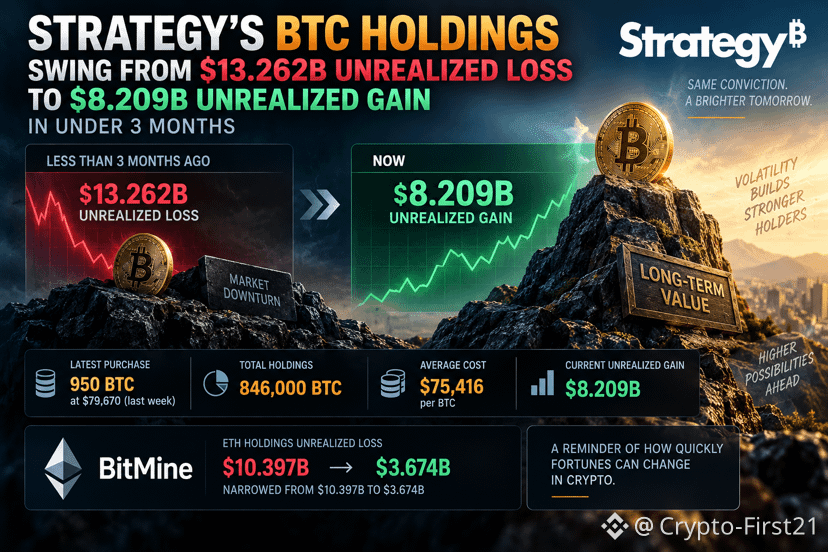
تتأرجح مراكز “بيتكوين” للاستراتيجية بقيمة 21.5 مليار دولار خلال أقل من 3 أشهر
لذا… اشترت الشركة 950 بيتكوين إضافية الأسبوع الماضي بسعر متوسط قدره 79,670 دولارًا. وهي الآن تمتلك 846,000 بيتكوين بتكلفة اقتناء متوسطة تبلغ 75,416 دولارًا.
• إجمالي الحيازات: 846,000 بيتكوين
• متوسط التكلفة: 75,416 دولارًا لكل بيتكوين
• الربح غير المحقق الحالي: 8.21 مليار دولار
قبل أقل من ثلاثة أشهر، كان نفس المركز يواجه خسارة غير محققة قدرها 13.26 مليار دولار.
وهذا يعني تقلبًا يقارب 21.47 مليار دولار في الأرباح الورقية مع تعافي البيتكوين.
حسنًا… تحسّن مركز “ETH” لدى BitMine أيضًا بشكل كبير، ما خفّض خسارته غير المحققة من 10.4 مليارات دولار إلى 3.67 مليارات دولار خلال الفترة نفسها.
تذكير بمدى السرعة التي يمكن أن تتغير بها الثروات عندما تصبح الميزانيات العمومية مرتبطة بقوة بأسعار العملات المشفرة.
$FORM $PHA #cryptofirst21
تتأرجح مراكز “بيتكوين” للاستراتيجية بقيمة 21.5 مليار دولار خلال أقل من 3 أشهر
لذا… اشترت الشركة 950 بيتكوين إضافية الأسبوع الماضي بسعر متوسط قدره 79,670 دولارًا. وهي الآن تمتلك 846,000 بيتكوين بتكلفة اقتناء متوسطة تبلغ 75,416 دولارًا.
• إجمالي الحيازات: 846,000 بيتكوين
• متوسط التكلفة: 75,416 دولارًا لكل بيتكوين
• الربح غير المحقق الحالي: 8.21 مليار دولار
قبل أقل من ثلاثة أشهر، كان نفس المركز يواجه خسارة غير محققة قدرها 13.26 مليار دولار.
وهذا يعني تقلبًا يقارب 21.47 مليار دولار في الأرباح الورقية مع تعافي البيتكوين.
حسنًا… تحسّن مركز “ETH” لدى BitMine أيضًا بشكل كبير، ما خفّض خسارته غير المحققة من 10.4 مليارات دولار إلى 3.67 مليارات دولار خلال الفترة نفسها.
تذكير بمدى السرعة التي يمكن أن تتغير بها الثروات عندما تصبح الميزانيات العمومية مرتبطة بقوة بأسعار العملات المشفرة.
$FORM $PHA #cryptofirst21
لذا… اشترت الشركة 950 بيتكوين إضافية الأسبوع الماضي بسعر متوسط قدره 79,670 دولارًا. وهي الآن تمتلك 846,000 بيتكوين بتكلفة اقتناء متوسطة تبلغ 75,416 دولارًا.
• إجمالي الحيازات: 846,000 بيتكوين
• متوسط التكلفة: 75,416 دولارًا لكل بيتكوين
• الربح غير المحقق الحالي: 8.21 مليار دولار
قبل أقل من ثلاثة أشهر، كان نفس المركز يواجه خسارة غير محققة قدرها 13.26 مليار دولار.
وهذا يعني تقلبًا يقارب 21.47 مليار دولار في الأرباح الورقية مع تعافي البيتكوين.
حسنًا… تحسّن مركز “ETH” لدى BitMine أيضًا بشكل كبير، ما خفّض خسارته غير المحققة من 10.4 مليارات دولار إلى 3.67 مليارات دولار خلال الفترة نفسها.
تذكير بمدى السرعة التي يمكن أن تتغير بها الثروات عندما تصبح الميزانيات العمومية مرتبطة بقوة بأسعار العملات المشفرة.
$FORM $PHA #cryptofirst21
4
593
تمّ التحقق
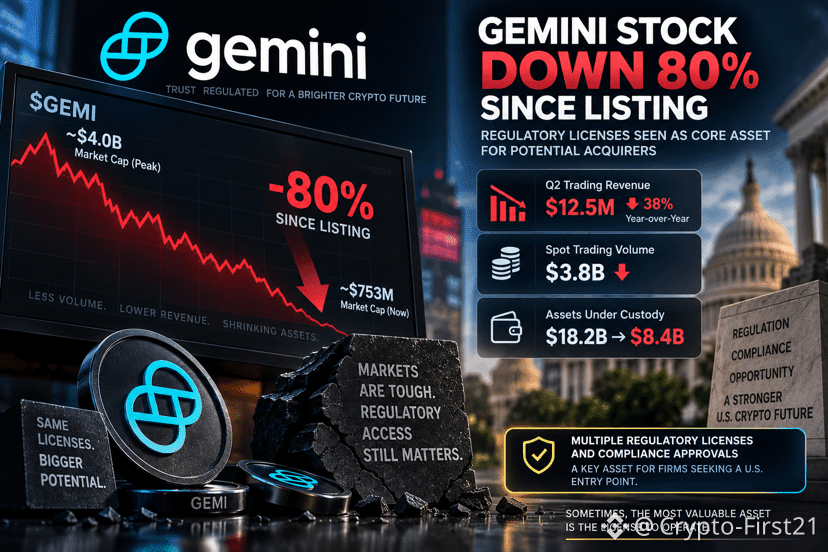
انخفضت قيمة Gemini بنسبة 80% منذ الإدراج لكن لا يزال هناك أصل واحد مهم 🙄
محطة Gemini الفضائية $GEMI.US فقدت نحو 80% من قيمتها منذ طرحها للاكتتاب العام، إذ تراجع تقييمها السوقي من قرابة 4 مليارات دولار إلى حوالي 753 مليون دولار.
لقد تباطأت الأعمال في جميع المجالات:
• إيرادات التداول في الربع الثاني انخفضت بنسبة 38% على أساس سنوي إلى 12.5 مليون دولار
• انخفض حجم التداول الفوري إلى 3.8 مليار دولار
• تراجعت الأصول تحت الحفظ من 18.2 مليار دولار إلى 8.4 مليار دولار
مم.. ومع ذلك، قد لا تكمن القيمة الحقيقية في البورصة نفسها.
أعتقد أن Gemini ما زالت تمتلك عدة تراخيص تنظيمية واعتمادات امتثال، ما يجعلها هدفًا محتملاً للاستحواذ بالنسبة للشركات التي تبحث عن طريق أسرع لدخول سوق العملات الرقمية في الولايات المتحدة.
وبالمناسبة، في عالم العملات الرقمية قد تكون التراخيص في بعض الأحيان تساوي أكثر من حجم التداول.
انخفضت قيمة Gemini بنسبة 80% منذ الإدراج لكن لا يزال هناك أصل واحد مهم 🙄
محطة Gemini الفضائية $GEMI.US فقدت نحو 80% من قيمتها منذ طرحها للاكتتاب العام، إذ تراجع تقييمها السوقي من قرابة 4 مليارات دولار إلى حوالي 753 مليون دولار.
لقد تباطأت الأعمال في جميع المجالات:
• إيرادات التداول في الربع الثاني انخفضت بنسبة 38% على أساس سنوي إلى 12.5 مليون دولار
• انخفض حجم التداول الفوري إلى 3.8 مليار دولار
• تراجعت الأصول تحت الحفظ من 18.2 مليار دولار إلى 8.4 مليار دولار
مم.. ومع ذلك، قد لا تكمن القيمة الحقيقية في البورصة نفسها.
أعتقد أن Gemini ما زالت تمتلك عدة تراخيص تنظيمية واعتمادات امتثال، ما يجعلها هدفًا محتملاً للاستحواذ بالنسبة للشركات التي تبحث عن طريق أسرع لدخول سوق العملات الرقمية في الولايات المتحدة.
وبالمناسبة، في عالم العملات الرقمية قد تكون التراخيص في بعض الأحيان تساوي أكثر من حجم التداول.
محطة Gemini الفضائية $GEMI.US فقدت نحو 80% من قيمتها منذ طرحها للاكتتاب العام، إذ تراجع تقييمها السوقي من قرابة 4 مليارات دولار إلى حوالي 753 مليون دولار.
لقد تباطأت الأعمال في جميع المجالات:
• إيرادات التداول في الربع الثاني انخفضت بنسبة 38% على أساس سنوي إلى 12.5 مليون دولار
• انخفض حجم التداول الفوري إلى 3.8 مليار دولار
• تراجعت الأصول تحت الحفظ من 18.2 مليار دولار إلى 8.4 مليار دولار
مم.. ومع ذلك، قد لا تكمن القيمة الحقيقية في البورصة نفسها.
أعتقد أن Gemini ما زالت تمتلك عدة تراخيص تنظيمية واعتمادات امتثال، ما يجعلها هدفًا محتملاً للاستحواذ بالنسبة للشركات التي تبحث عن طريق أسرع لدخول سوق العملات الرقمية في الولايات المتحدة.
وبالمناسبة، في عالم العملات الرقمية قد تكون التراخيص في بعض الأحيان تساوي أكثر من حجم التداول.
GEMIUS+٠٫٩٢%
6
1.4k
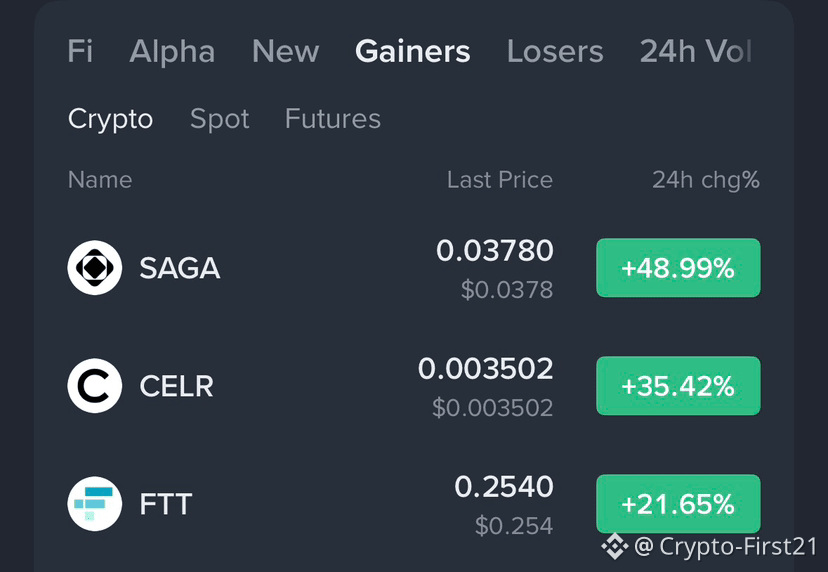
هممم... إذا لم تكن محفظتك تمتلك أيًا من هذه الثلاثة اليوم، فلا تقلق.
أنا أيضًا لم تكن لدي. 🤝
$SAGA +49%
$CELR +35%
$FTT +21%
#cryptofirst21
هممم... إذا لم تكن محفظتك تمتلك أيًا من هذه الثلاثة اليوم، فلا تقلق.
أنا أيضًا لم تكن لدي. 🤝
$SAGA +49%
$CELR +35%
$FTT +21%
#cryptofirst21
أنا أيضًا لم تكن لدي. 🤝
$SAGA +49%
$CELR +35%
$FTT +21%
#cryptofirst21
1
2
1.8k
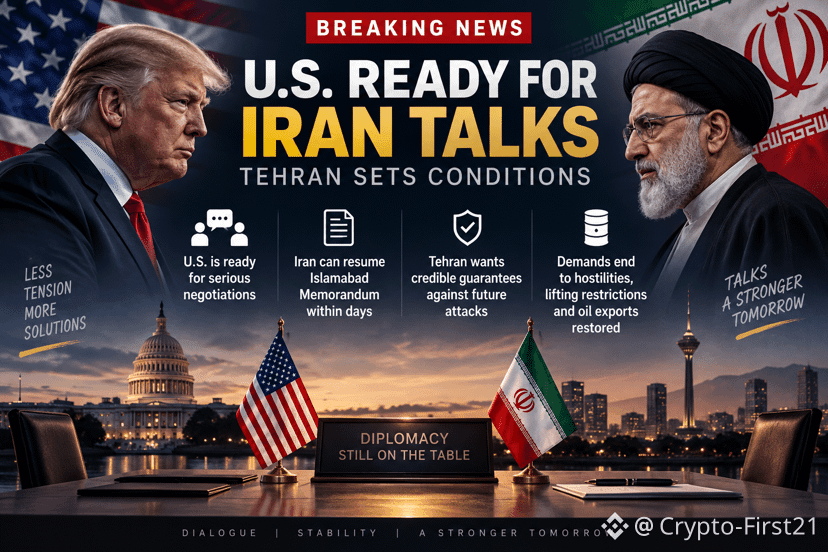
الولايات المتحدة مستعدة لمحادثات مع إيران، وطهران تضع شروطًا
تقول مصادر إيرانية إن قطر وباكستان أبلغتا طهران بأن الولايات المتحدة مستعدة لإجراء مفاوضات جدية وربما التوصل إلى اتفاق.
وتقول إيران إنها يمكنها استئناف مذكرة إسلام آباد خلال أيام إذا عادت واشنطن إلى التزاماتها ووفّرت ضمانات موثوقة ضد الهجمات المستقبلية.
كما تريد طهران وقف الأعمال العدائية ورفع القيود واستعادة صادرات النفط قبل بدء المحادثات الرسمية بشأن برنامجها النووي وإغاثة/رفع العقوبات.
وتشير هذه التطورات إلى احتمال فتح دبلوماسي بعد أشهر من تصاعد التوتر.
$AKE $ONE #cryptofirst21
الولايات المتحدة مستعدة لمحادثات مع إيران، وطهران تضع شروطًا
تقول مصادر إيرانية إن قطر وباكستان أبلغتا طهران بأن الولايات المتحدة مستعدة لإجراء مفاوضات جدية وربما التوصل إلى اتفاق.
وتقول إيران إنها يمكنها استئناف مذكرة إسلام آباد خلال أيام إذا عادت واشنطن إلى التزاماتها ووفّرت ضمانات موثوقة ضد الهجمات المستقبلية.
كما تريد طهران وقف الأعمال العدائية ورفع القيود واستعادة صادرات النفط قبل بدء المحادثات الرسمية بشأن برنامجها النووي وإغاثة/رفع العقوبات.
وتشير هذه التطورات إلى احتمال فتح دبلوماسي بعد أشهر من تصاعد التوتر.
$AKE $ONE #cryptofirst21
تقول مصادر إيرانية إن قطر وباكستان أبلغتا طهران بأن الولايات المتحدة مستعدة لإجراء مفاوضات جدية وربما التوصل إلى اتفاق.
وتقول إيران إنها يمكنها استئناف مذكرة إسلام آباد خلال أيام إذا عادت واشنطن إلى التزاماتها ووفّرت ضمانات موثوقة ضد الهجمات المستقبلية.
كما تريد طهران وقف الأعمال العدائية ورفع القيود واستعادة صادرات النفط قبل بدء المحادثات الرسمية بشأن برنامجها النووي وإغاثة/رفع العقوبات.
وتشير هذه التطورات إلى احتمال فتح دبلوماسي بعد أشهر من تصاعد التوتر.
$AKE $ONE #cryptofirst21
5
1.2k
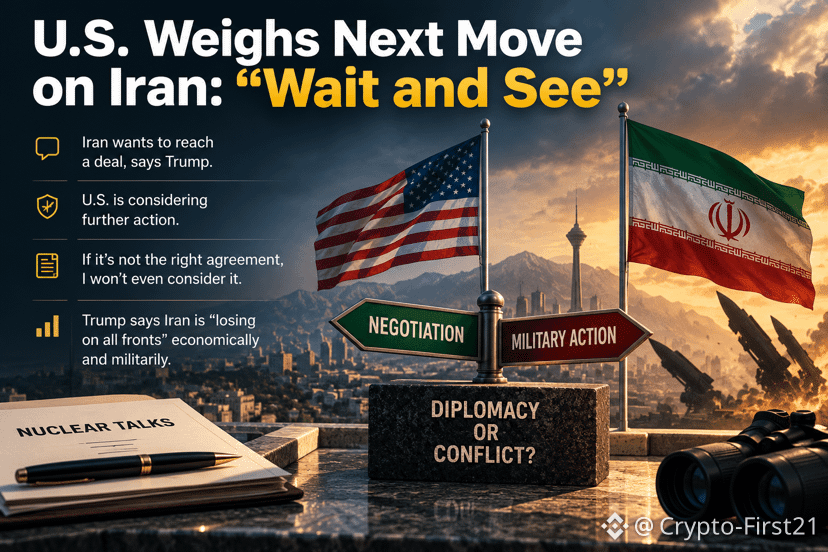
ترامب يقول إن إيران تريد صفقة بينما يقيّم الخطوات التالية
قال الرئيس الأمريكي دونالد ترامب إن إيران تسعى إلى التوصل إلى اتفاق مع الولايات المتحدة بينما يواصل النظر فيما إذا كان سيتخذ إجراءات إضافية ضد طهران.
وبحسب ترامب، فإن إيران مهتمة حاليًا بالتوصل إلى اتفاق، لكنه أكد أن أي صفقة يجب أن تلبي التوقعات الأمريكية.
"إذا لم تكن الصفقة المناسبة، فلن أنظر إليها حتى," قال ترامب، مضيفًا أنه يعتقد أن إيران تواجه ضغوطًا اقتصادية وعسكرية كبيرة.
تشير التصريحات إلى أن الدبلوماسية لا تزال مطروحة، رغم عدم الإعلان عن قرار نهائي بشأن الإجراءات الأمريكية المقبلة.
بالمناسبة، ما الذي يحدث بخصوص $G و $AKE اليوم 👀
#BOJHikesRatesTo31YearHigh #cryprofirst21
ترامب يقول إن إيران تريد صفقة بينما يقيّم الخطوات التالية
قال الرئيس الأمريكي دونالد ترامب إن إيران تسعى إلى التوصل إلى اتفاق مع الولايات المتحدة بينما يواصل النظر فيما إذا كان سيتخذ إجراءات إضافية ضد طهران.
وبحسب ترامب، فإن إيران مهتمة حاليًا بالتوصل إلى اتفاق، لكنه أكد أن أي صفقة يجب أن تلبي التوقعات الأمريكية.
"إذا لم تكن الصفقة المناسبة، فلن أنظر إليها حتى," قال ترامب، مضيفًا أنه يعتقد أن إيران تواجه ضغوطًا اقتصادية وعسكرية كبيرة.
تشير التصريحات إلى أن الدبلوماسية لا تزال مطروحة، رغم عدم الإعلان عن قرار نهائي بشأن الإجراءات الأمريكية المقبلة.
بالمناسبة، ما الذي يحدث بخصوص $G و $AKE اليوم 👀
#BOJHikesRatesTo31YearHigh #cryprofirst21
قال الرئيس الأمريكي دونالد ترامب إن إيران تسعى إلى التوصل إلى اتفاق مع الولايات المتحدة بينما يواصل النظر فيما إذا كان سيتخذ إجراءات إضافية ضد طهران.
وبحسب ترامب، فإن إيران مهتمة حاليًا بالتوصل إلى اتفاق، لكنه أكد أن أي صفقة يجب أن تلبي التوقعات الأمريكية.
"إذا لم تكن الصفقة المناسبة، فلن أنظر إليها حتى," قال ترامب، مضيفًا أنه يعتقد أن إيران تواجه ضغوطًا اقتصادية وعسكرية كبيرة.
تشير التصريحات إلى أن الدبلوماسية لا تزال مطروحة، رغم عدم الإعلان عن قرار نهائي بشأن الإجراءات الأمريكية المقبلة.
بالمناسبة، ما الذي يحدث بخصوص $G و $AKE اليوم 👀
#BOJHikesRatesTo31YearHigh #cryprofirst21
2
1
5
958
تمّ التحقق
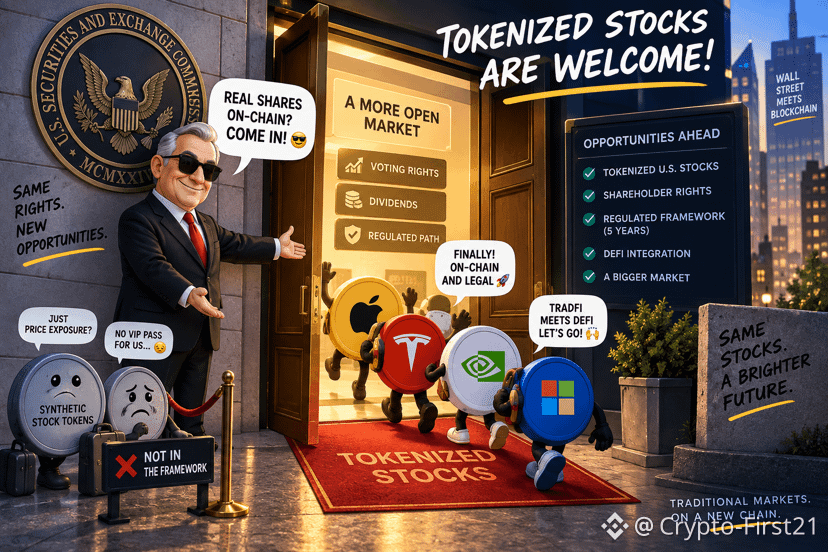
SEC: "يُرحَّب بالسِّهَم المُرمَّزة (Tokenized)."
الـCrypto: "انتظر... هل يُسمح لنا بالدخول الآن؟" 👀
$APM و $ONE يتابعان بصمت..
لسنوات، كانت وول ستريت والـcrypto تقفان على طرفي نقيض من الغرفة، وتتظاهر كلٌّ منهما بأنها لا تلاحظ الأخرى.
الآن، فتحت هيئة الأوراق المالية والبورصات الأمريكية (SEC) بابًا للأسهم الأمريكية المُرمَّزة، مانحةً المشاريع مسارًا أوضح لوضع أسهم حقيقية على السلسلة مع الحفاظ على حقوق المساهمين.
ما الحيلة؟
إذا كان الرمز الخاص بك مجرد تمثيل لِسهم ولا يراقب سوى السعر، فلا تتوقع تصريح VIP. 🚫
في الوقت نفسه، بروتوكولات DeFi على الأرجح تُحدِّث محادثات مجموعاتها كل 5 ثوانٍ.
يبدو أن سردية "الأسهم على البلوك تشين" أصبحت أكثر واقعية بكثير.
مفاجأة حبكة 2026: قد ينتهي بك الأمر محافظ أسهمك ومحفظة كريبتو في العيش في المكان نفسه. 🍿📈🔗
#cryptofirst21
SEC: "يُرحَّب بالسِّهَم المُرمَّزة (Tokenized)."
الـCrypto: "انتظر... هل يُسمح لنا بالدخول الآن؟" 👀
$APM و $ONE يتابعان بصمت..
لسنوات، كانت وول ستريت والـcrypto تقفان على طرفي نقيض من الغرفة، وتتظاهر كلٌّ منهما بأنها لا تلاحظ الأخرى.
الآن، فتحت هيئة الأوراق المالية والبورصات الأمريكية (SEC) بابًا للأسهم الأمريكية المُرمَّزة، مانحةً المشاريع مسارًا أوضح لوضع أسهم حقيقية على السلسلة مع الحفاظ على حقوق المساهمين.
ما الحيلة؟
إذا كان الرمز الخاص بك مجرد تمثيل لِسهم ولا يراقب سوى السعر، فلا تتوقع تصريح VIP. 🚫
في الوقت نفسه، بروتوكولات DeFi على الأرجح تُحدِّث محادثات مجموعاتها كل 5 ثوانٍ.
يبدو أن سردية "الأسهم على البلوك تشين" أصبحت أكثر واقعية بكثير.
مفاجأة حبكة 2026: قد ينتهي بك الأمر محافظ أسهمك ومحفظة كريبتو في العيش في المكان نفسه. 🍿📈🔗
#cryptofirst21
الـCrypto: "انتظر... هل يُسمح لنا بالدخول الآن؟" 👀
$APM و $ONE يتابعان بصمت..
لسنوات، كانت وول ستريت والـcrypto تقفان على طرفي نقيض من الغرفة، وتتظاهر كلٌّ منهما بأنها لا تلاحظ الأخرى.
الآن، فتحت هيئة الأوراق المالية والبورصات الأمريكية (SEC) بابًا للأسهم الأمريكية المُرمَّزة، مانحةً المشاريع مسارًا أوضح لوضع أسهم حقيقية على السلسلة مع الحفاظ على حقوق المساهمين.
ما الحيلة؟
إذا كان الرمز الخاص بك مجرد تمثيل لِسهم ولا يراقب سوى السعر، فلا تتوقع تصريح VIP. 🚫
في الوقت نفسه، بروتوكولات DeFi على الأرجح تُحدِّث محادثات مجموعاتها كل 5 ثوانٍ.
يبدو أن سردية "الأسهم على البلوك تشين" أصبحت أكثر واقعية بكثير.
مفاجأة حبكة 2026: قد ينتهي بك الأمر محافظ أسهمك ومحفظة كريبتو في العيش في المكان نفسه. 🍿📈🔗
#cryptofirst21
1
2
1.8k
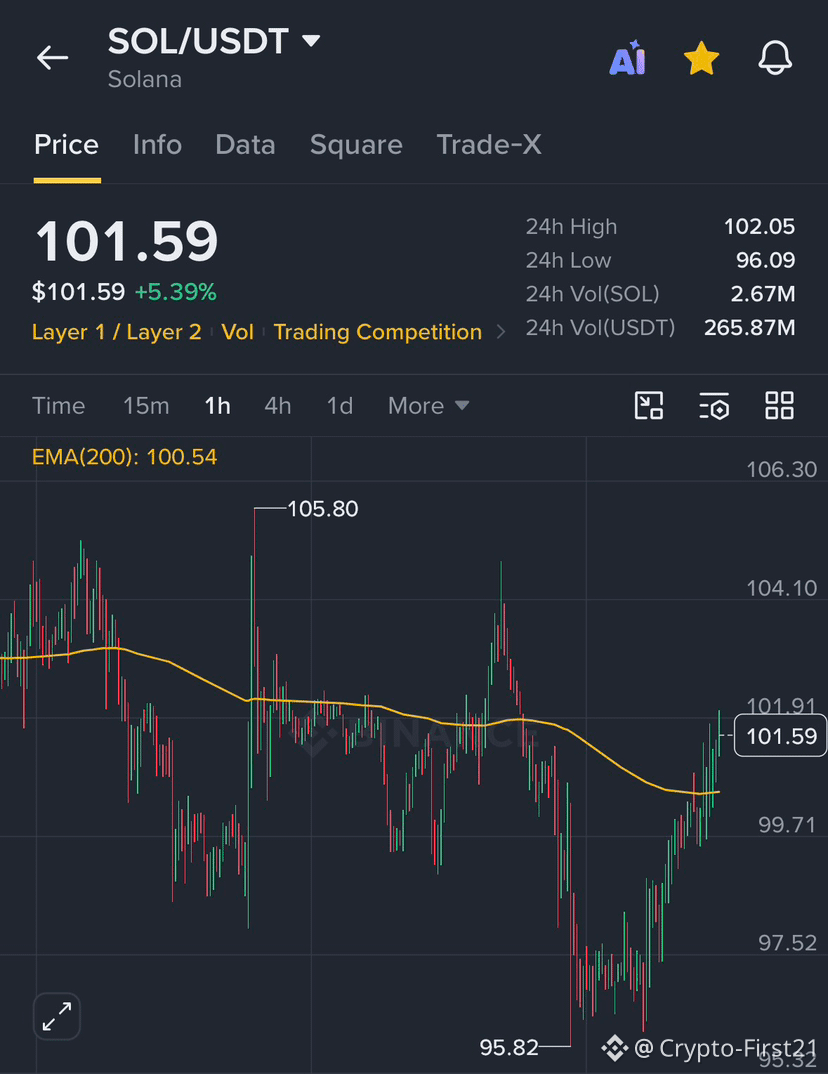
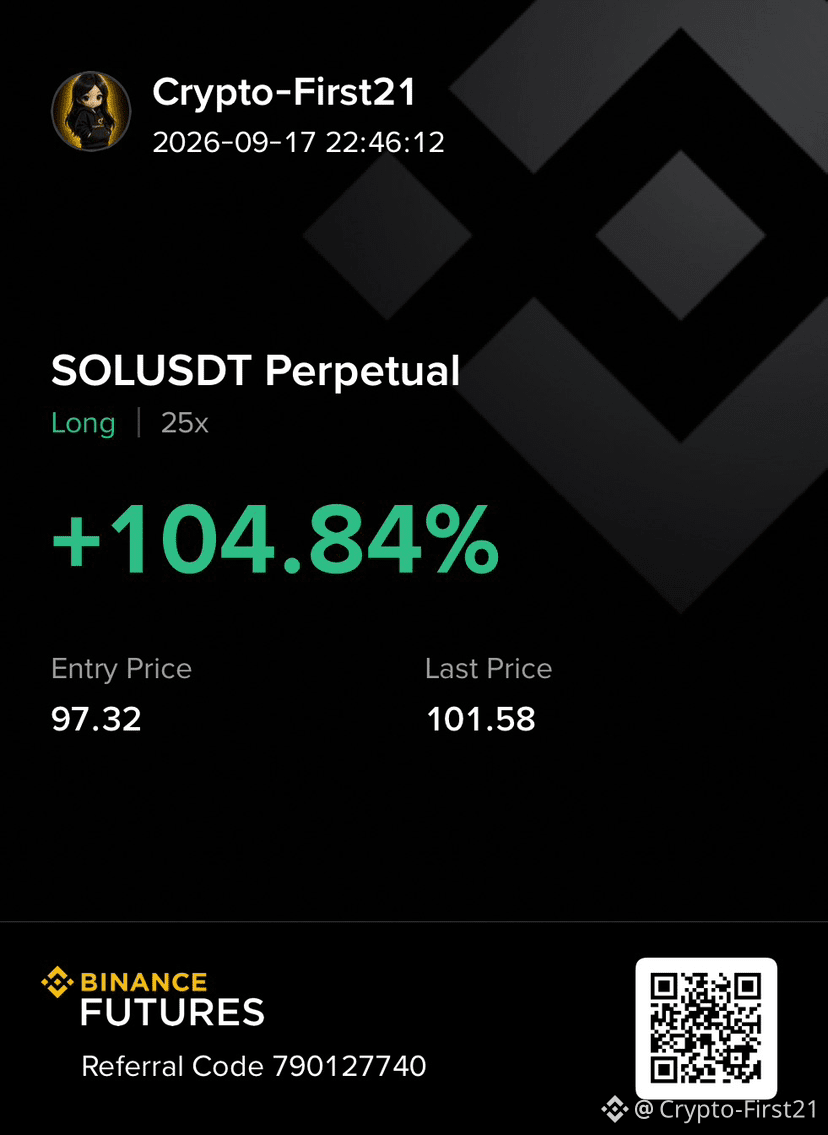
$SOL أخيرًا يظهر بعض الحياة، لكن لا يستطيع منافسة $ONE و $AVA 👀
Hmm.. سول حقق ارتدادًا قويًا من 95.82. وهذه المستويات التي أراقبها:
• الدعم: 100.5 → 99.7
• المقاومة: 102 → 104.1 → 105.8
رأيي أن الزخم يتجه ببطء نحو الصعود، لكن سول ما زال يحتاج إلى اختراق 102 بثقة. إذا حدث ذلك، فلن يكون مفاجئًا أن نشهد حركة باتجاه 104–106.
#cryptofirst21
$SOL أخيرًا يظهر بعض الحياة، لكن لا يستطيع منافسة $ONE و $AVA 👀
Hmm.. سول حقق ارتدادًا قويًا من 95.82. وهذه المستويات التي أراقبها:
• الدعم: 100.5 → 99.7
• المقاومة: 102 → 104.1 → 105.8
رأيي أن الزخم يتجه ببطء نحو الصعود، لكن سول ما زال يحتاج إلى اختراق 102 بثقة. إذا حدث ذلك، فلن يكون مفاجئًا أن نشهد حركة باتجاه 104–106.
#cryptofirst21
Hmm.. سول حقق ارتدادًا قويًا من 95.82. وهذه المستويات التي أراقبها:
• الدعم: 100.5 → 99.7
• المقاومة: 102 → 104.1 → 105.8
رأيي أن الزخم يتجه ببطء نحو الصعود، لكن سول ما زال يحتاج إلى اختراق 102 بثقة. إذا حدث ذلك، فلن يكون مفاجئًا أن نشهد حركة باتجاه 104–106.
#cryptofirst21
4
922
تمّ التحقق
الاحتياطي الفيدرالي ضغط أخيرًا زر «مرة أخرى» 📈😅
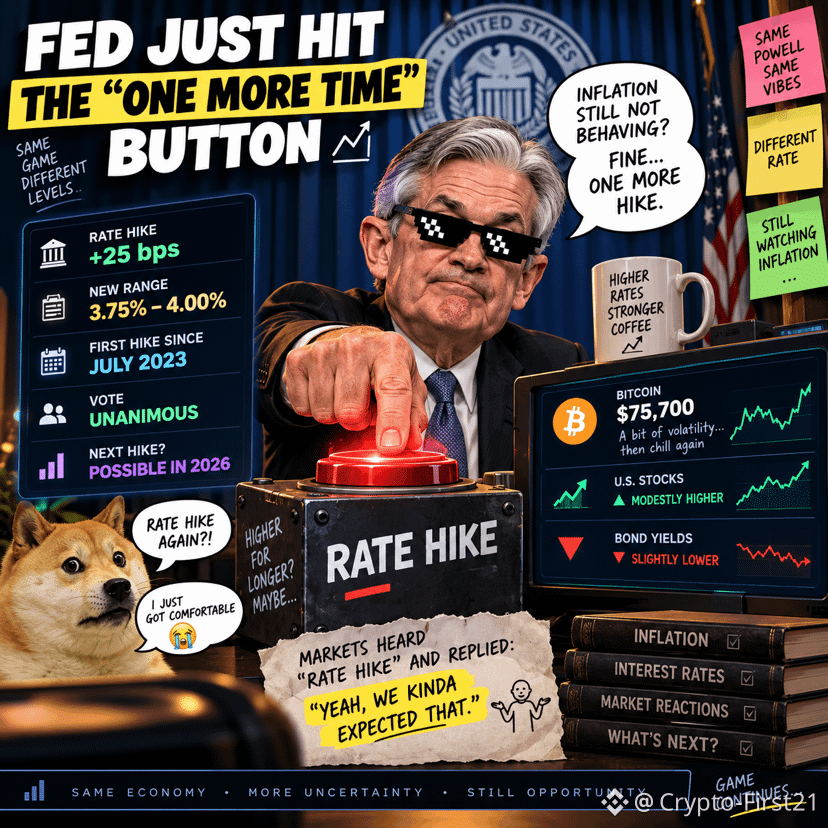
هههه… الاحتياطي الفيدرالي أخيرًا فعلها.🙈
بعد أكثر من 3 سنوات من الجلوس على الهامش، رفع أسعار الفائدة بمقدار 25 نقطة أساس، ما دفع بمعدل المرجع إلى 3.75%–4.00%.
كانت الخطوة مفاجِئة تقريبًا مثل رؤية المتداولين ينشرون «الفرصة الأخيرة للشراء بأقل من 80 ألف دولار» للمرة 47 هذا العام. 😭
والأفضل من ذلك أن توقعات الاحتياطي الفيدرالي الأخيرة تشير إلى أن رفعًا آخر قد يكون لا يزال واردًا في قائمة 2026.
تصرّف البيتكوين وفق الروتين المعتاد: هلع سريع، تعافٍ سريع، ثم التظاهر بأن شيئًا لم يحدث. 👀
وفي الوقت نفسه، بقيت الأسهم باللون الأخضر وانخفضت عوائد السندات قليلًا.
لكن ماذا عن $SYN و $LSK
الترجمة: السوق سمع «رفعًا للفائدة» وردّ، «نعم، كنا نتوقع ذلك نوعًا ما».
التضخم ما زال المعركة الرئيسية أمام الاحتياطي الفيدرالي، ويبدو أن اللعبة لم تنتهِ بعد.
#cryptofirst21
الاحتياطي الفيدرالي ضغط أخيرًا زر «مرة أخرى» 📈😅
هههه… الاحتياطي الفيدرالي أخيرًا فعلها.🙈
بعد أكثر من 3 سنوات من الجلوس على الهامش، رفع أسعار الفائدة بمقدار 25 نقطة أساس، ما دفع بمعدل المرجع إلى 3.75%–4.00%.
كانت الخطوة مفاجِئة تقريبًا مثل رؤية المتداولين ينشرون «الفرصة الأخيرة للشراء بأقل من 80 ألف دولار» للمرة 47 هذا العام. 😭
والأفضل من ذلك أن توقعات الاحتياطي الفيدرالي الأخيرة تشير إلى أن رفعًا آخر قد يكون لا يزال واردًا في قائمة 2026.
تصرّف البيتكوين وفق الروتين المعتاد: هلع سريع، تعافٍ سريع، ثم التظاهر بأن شيئًا لم يحدث. 👀
وفي الوقت نفسه، بقيت الأسهم باللون الأخضر وانخفضت عوائد السندات قليلًا.
لكن ماذا عن $SYN و $LSK
الترجمة: السوق سمع «رفعًا للفائدة» وردّ، «نعم، كنا نتوقع ذلك نوعًا ما».
التضخم ما زال المعركة الرئيسية أمام الاحتياطي الفيدرالي، ويبدو أن اللعبة لم تنتهِ بعد.
#cryptofirst21
هههه… الاحتياطي الفيدرالي أخيرًا فعلها.🙈
بعد أكثر من 3 سنوات من الجلوس على الهامش، رفع أسعار الفائدة بمقدار 25 نقطة أساس، ما دفع بمعدل المرجع إلى 3.75%–4.00%.
كانت الخطوة مفاجِئة تقريبًا مثل رؤية المتداولين ينشرون «الفرصة الأخيرة للشراء بأقل من 80 ألف دولار» للمرة 47 هذا العام. 😭
والأفضل من ذلك أن توقعات الاحتياطي الفيدرالي الأخيرة تشير إلى أن رفعًا آخر قد يكون لا يزال واردًا في قائمة 2026.
تصرّف البيتكوين وفق الروتين المعتاد: هلع سريع، تعافٍ سريع، ثم التظاهر بأن شيئًا لم يحدث. 👀
وفي الوقت نفسه، بقيت الأسهم باللون الأخضر وانخفضت عوائد السندات قليلًا.
لكن ماذا عن $SYN و $LSK
الترجمة: السوق سمع «رفعًا للفائدة» وردّ، «نعم، كنا نتوقع ذلك نوعًا ما».
التضخم ما زال المعركة الرئيسية أمام الاحتياطي الفيدرالي، ويبدو أن اللعبة لم تنتهِ بعد.
#cryptofirst21
15
4.8k
تمّ التحقق
تراجُع أسهم العملات المشفرة مع تعثُّر مجلس الشيوخ في قانون الوضوح
ماذا حدث للتو؟ 😱
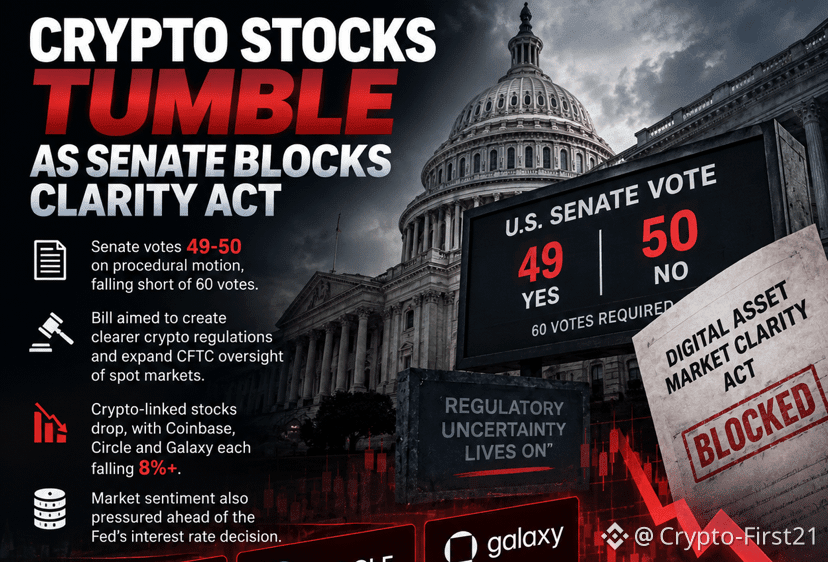
انخفضت أسهم مرتبطة بالعملات المشفرة بشكل حاد بعد أن فشل مجلس الشيوخ الأمريكي في الدفع قدماً بقانون Digital Asset Market Clarity Act في تصويت 49-50، لتفشل في الوصول إلى 60 صوتاً المطلوبة.
إذًا…… كان مشروع القانون يهدف إلى وضع لوائح أكثر وضوحاً للقطاع وتوسيع إشراف هيئة تداول السلع الآجلة CFTC على أسواق التداول الفوري. وبعد هذا التعثر، شهدت الأسهم عمليات بيع كثيفة مع عودة عدم اليقين التنظيمي إلى الواجهة.
ومع اقتراب قرار مجلس الاحتياطي الفيدرالي أيضاً، انتقل المستثمرون إلى وضع «تجنُّب المخاطر»، ما أضاف ضغوطاً إضافية عبر أسواق العملات المشفرة المرتبطة. 📉 لا يزال $AIN و $AKE السوق في حالة ازدهار كاملة!!
#BessentEndorsesFinalClarityActDraft
تراجُع أسهم العملات المشفرة مع تعثُّر مجلس الشيوخ في قانون الوضوح
ماذا حدث للتو؟ 😱
انخفضت أسهم مرتبطة بالعملات المشفرة بشكل حاد بعد أن فشل مجلس الشيوخ الأمريكي في الدفع قدماً بقانون Digital Asset Market Clarity Act في تصويت 49-50، لتفشل في الوصول إلى 60 صوتاً المطلوبة.
إذًا…… كان مشروع القانون يهدف إلى وضع لوائح أكثر وضوحاً للقطاع وتوسيع إشراف هيئة تداول السلع الآجلة CFTC على أسواق التداول الفوري. وبعد هذا التعثر، شهدت الأسهم عمليات بيع كثيفة مع عودة عدم اليقين التنظيمي إلى الواجهة.
ومع اقتراب قرار مجلس الاحتياطي الفيدرالي أيضاً، انتقل المستثمرون إلى وضع «تجنُّب المخاطر»، ما أضاف ضغوطاً إضافية عبر أسواق العملات المشفرة المرتبطة. 📉 لا يزال $AIN و $AKE السوق في حالة ازدهار كاملة!!
#BessentEndorsesFinalClarityActDraft
ماذا حدث للتو؟ 😱
انخفضت أسهم مرتبطة بالعملات المشفرة بشكل حاد بعد أن فشل مجلس الشيوخ الأمريكي في الدفع قدماً بقانون Digital Asset Market Clarity Act في تصويت 49-50، لتفشل في الوصول إلى 60 صوتاً المطلوبة.
إذًا…… كان مشروع القانون يهدف إلى وضع لوائح أكثر وضوحاً للقطاع وتوسيع إشراف هيئة تداول السلع الآجلة CFTC على أسواق التداول الفوري. وبعد هذا التعثر، شهدت الأسهم عمليات بيع كثيفة مع عودة عدم اليقين التنظيمي إلى الواجهة.
ومع اقتراب قرار مجلس الاحتياطي الفيدرالي أيضاً، انتقل المستثمرون إلى وضع «تجنُّب المخاطر»، ما أضاف ضغوطاً إضافية عبر أسواق العملات المشفرة المرتبطة. 📉 لا يزال $AIN و $AKE السوق في حالة ازدهار كاملة!!
#BessentEndorsesFinalClarityActDraft
3
18
10k
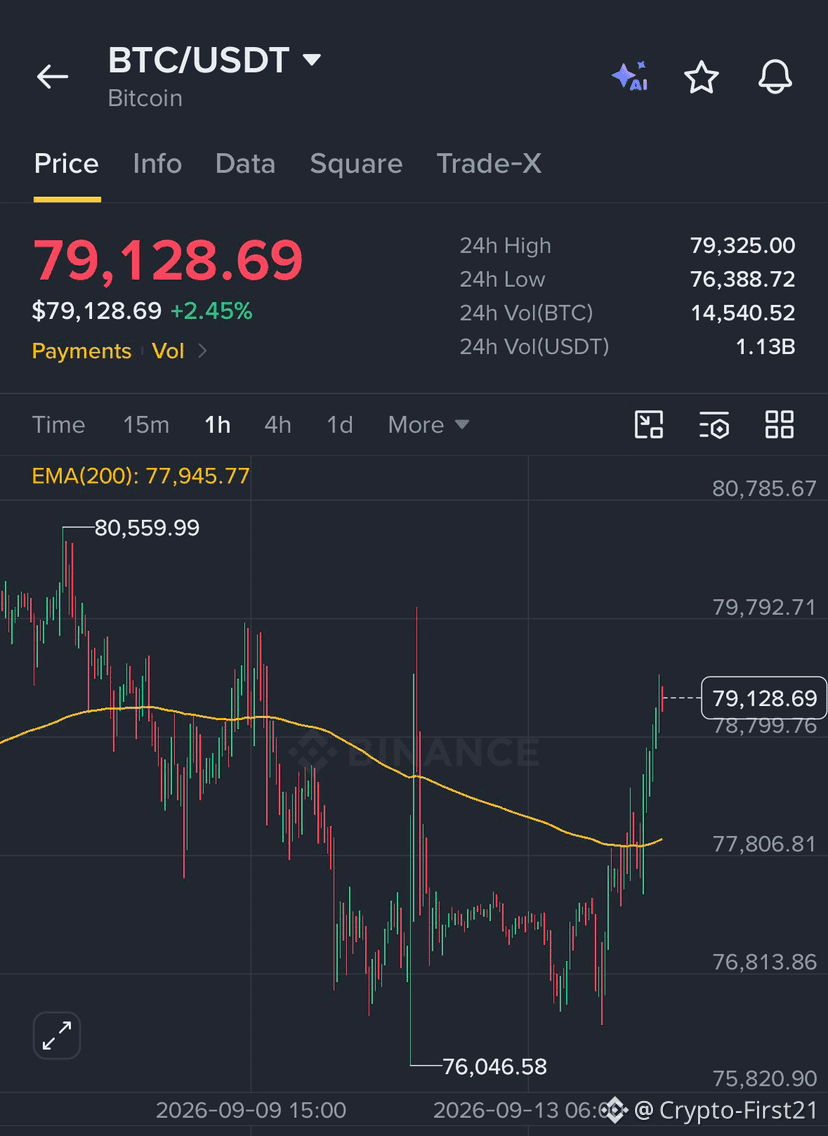
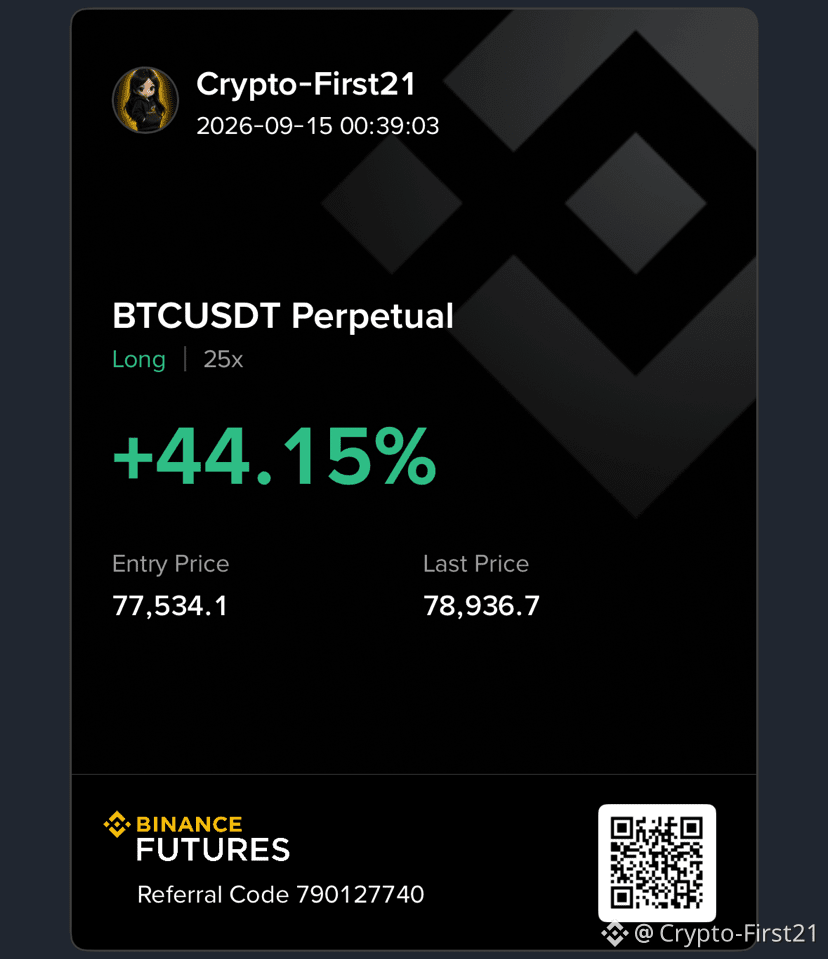
هم... أخيرًا خذ ملاحظة طويلة على $AIN لكن على $BTC .
يعمل.
لا تصفية.
لا مطاردة وقف.
لا ضرر عاطفي.
شموع خضراء 🤝📈
+44% ومع ذلك يرفض الإغلاق لأن الجشع دخل الدردشة. 🚀
#cryptofirst21 #BitcoinHoldsAbove$77000
هم... أخيرًا خذ ملاحظة طويلة على $AIN لكن على $BTC .
يعمل.
لا تصفية.
لا مطاردة وقف.
لا ضرر عاطفي.
شموع خضراء 🤝📈
+44% ومع ذلك يرفض الإغلاق لأن الجشع دخل الدردشة. 🚀
#cryptofirst21 #BitcoinHoldsAbove$77000
يعمل.
لا تصفية.
لا مطاردة وقف.
لا ضرر عاطفي.
شموع خضراء 🤝📈
+44% ومع ذلك يرفض الإغلاق لأن الجشع دخل الدردشة. 🚀
#cryptofirst21 #BitcoinHoldsAbove$77000
2
5
1k
يا إلهي… LSK لم ينضم للحفلة فحسب، بل اشترى المكان كاملًا. 🤯
$LSK انفجر +276.71%، تاركًا بقية الرابحين يتنافسون على المركز الثاني.
LSK يركض ماراثونًا بينما الجميع الآخر ما زال يربط حذاءه. 😆
#cryptofirst21
يا إلهي… LSK لم ينضم للحفلة فحسب، بل اشترى المكان كاملًا. 🤯
$LSK انفجر +276.71%، تاركًا بقية الرابحين يتنافسون على المركز الثاني.
LSK يركض ماراثونًا بينما الجميع الآخر ما زال يربط حذاءه. 😆
#cryptofirst21
$LSK انفجر +276.71%، تاركًا بقية الرابحين يتنافسون على المركز الثاني.
LSK يركض ماراثونًا بينما الجميع الآخر ما زال يربط حذاءه. 😆
#cryptofirst21
2
9
2.3k
شارع وول ستريت تجاوز للتو معلمًا جديدًا في بيتكوين 🚀
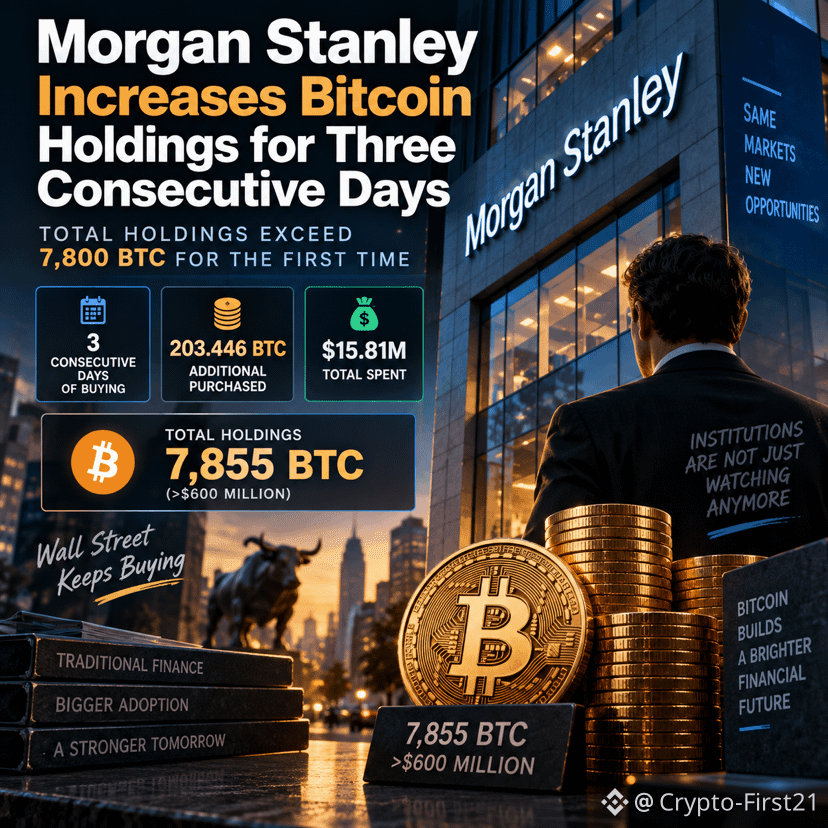
قامت مجموعة مورغان ستانلي بتجميع البيتكوين بهدوء لمدة ثلاثة أيام متتالية.
اشترت عملاق الخدمات المصرفية كمية إضافية قدرها 203.446 BTC عبر صندوقها المتداول للبيتكوين الفوري (MSBT)، فيما أنفقت ما يقارب 15.81 مليون دولار في هذه العملية.
دفعت عمليات الشراء الأخيرة إجمالي حيازات مورغان ستانلي من البيتكوين إلى ما يزيد عن 7,800 BTC لأول مرة، لتصل إلى 7,855 $BTC ، بقيمة تتجاوز 600 مليون دولار وفقًا للأسعار الحالية.
في حين لا تزال العديد من المؤسسات تناقش تعرضها للبيتكوين، يبدو أن مورغان ستانلي يقوم بما يجيده وول ستريت أفضل: التجميع.
ثلاثة أيام متتالية من الشراء.
7,855 BTC ضمن السجلات.
600 مليون دولار+ في البيتكوين.
المدراء يستمرون في الشراء بينما يظل السوق يتابع. 👀₿📈
$LSK #cryptofirst21
شارع وول ستريت تجاوز للتو معلمًا جديدًا في بيتكوين 🚀
قامت مجموعة مورغان ستانلي بتجميع البيتكوين بهدوء لمدة ثلاثة أيام متتالية.
اشترت عملاق الخدمات المصرفية كمية إضافية قدرها 203.446 BTC عبر صندوقها المتداول للبيتكوين الفوري (MSBT)، فيما أنفقت ما يقارب 15.81 مليون دولار في هذه العملية.
دفعت عمليات الشراء الأخيرة إجمالي حيازات مورغان ستانلي من البيتكوين إلى ما يزيد عن 7,800 BTC لأول مرة، لتصل إلى 7,855 $BTC ، بقيمة تتجاوز 600 مليون دولار وفقًا للأسعار الحالية.
في حين لا تزال العديد من المؤسسات تناقش تعرضها للبيتكوين، يبدو أن مورغان ستانلي يقوم بما يجيده وول ستريت أفضل: التجميع.
ثلاثة أيام متتالية من الشراء.
7,855 BTC ضمن السجلات.
600 مليون دولار+ في البيتكوين.
المدراء يستمرون في الشراء بينما يظل السوق يتابع. 👀₿📈
$LSK #cryptofirst21
قامت مجموعة مورغان ستانلي بتجميع البيتكوين بهدوء لمدة ثلاثة أيام متتالية.
اشترت عملاق الخدمات المصرفية كمية إضافية قدرها 203.446 BTC عبر صندوقها المتداول للبيتكوين الفوري (MSBT)، فيما أنفقت ما يقارب 15.81 مليون دولار في هذه العملية.
دفعت عمليات الشراء الأخيرة إجمالي حيازات مورغان ستانلي من البيتكوين إلى ما يزيد عن 7,800 BTC لأول مرة، لتصل إلى 7,855 $BTC ، بقيمة تتجاوز 600 مليون دولار وفقًا للأسعار الحالية.
في حين لا تزال العديد من المؤسسات تناقش تعرضها للبيتكوين، يبدو أن مورغان ستانلي يقوم بما يجيده وول ستريت أفضل: التجميع.
ثلاثة أيام متتالية من الشراء.
7,855 BTC ضمن السجلات.
600 مليون دولار+ في البيتكوين.
المدراء يستمرون في الشراء بينما يظل السوق يتابع. 👀₿📈
$LSK #cryptofirst21
5
514
بينما الجميع مشغول 👀 بمراقبة الميجورز، هؤلاء يطبعون بهدوء:
$MET +25.69%
$TFUEL +24.28%
$牛来 +20.56%
تبويب الرابحين لا ينام أبدًا 🔥
أي واحد تتابعه؟
#cryptofirst21
بينما الجميع مشغول 👀 بمراقبة الميجورز، هؤلاء يطبعون بهدوء:
$MET +25.69%
$TFUEL +24.28%
$牛来 +20.56%
تبويب الرابحين لا ينام أبدًا 🔥
أي واحد تتابعه؟
#cryptofirst21
$MET +25.69%
$TFUEL +24.28%
$牛来 +20.56%
تبويب الرابحين لا ينام أبدًا 🔥
أي واحد تتابعه؟
#cryptofirst21
MET
19%
TFUEL
5%
牛来
76%
88 الأصوات • تمّ إغلاق التصويت
3
3.6k
سجّل الدخول لاستكشاف المزيد من المُحتوى
انضم إلى مُستخدمي العملات الرقمية حول العالم على Binance Square
⚡️ احصل على أحدث المعلومات المفيدة عن العملات الرقمية.
💬 موثوقة من قبل أكبر منصّة لتداول العملات الرقمية في العالم.
👍 اكتشف الرؤى الحقيقية من صنّاع المُحتوى الموثوقين.
البريد الإلكتروني / رقم الهاتف