

#dyor
dyor
29.3M lượt xem
72,477 đang thảo luận
Phổ biến
Mới nhất

·
--
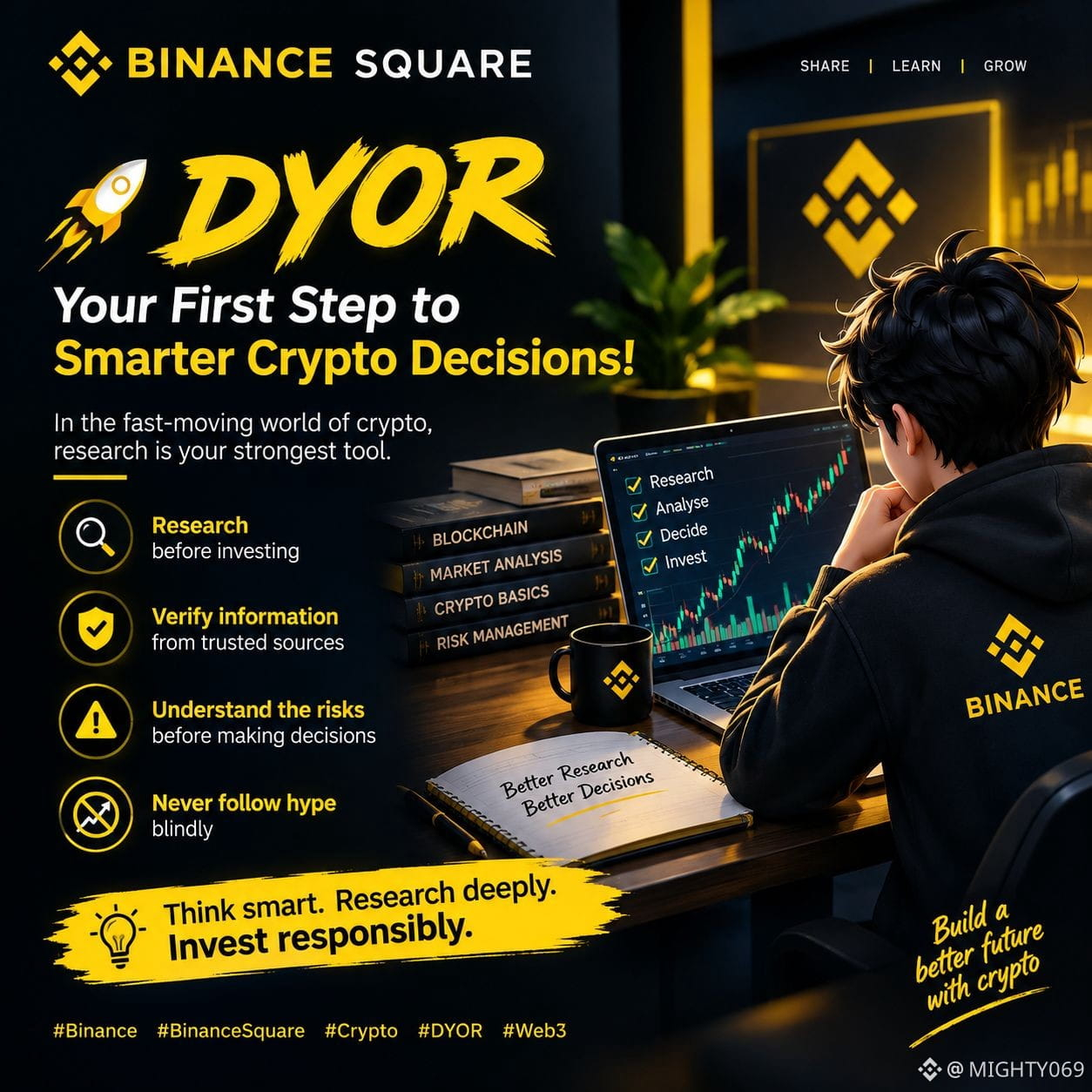
DYOR: Bước đầu tiên để đưa ra quyết định đầu tư tiền mã hóa sáng suốt hơn! 🔍
Trong thế giới tiền mã hóa biến động nhanh, nghiên cứu là công cụ hữu ích nhất của bạn. 📊
- Nghiên cứu trước khi đầu tư
- Xác minh thông tin từ các nguồn đáng tin cậy
- Hiểu rõ rủi ro trước khi đưa ra quyết định
- Đừng bao giờ mù quáng chạy theo trào lưu
💡 Suy nghĩ sáng suốt. Nghiên cứu kỹ lưỡng. Đầu tư có trách nhiệm.
#Binance #BinanceSquare #Crypto #DYOR #Web3
DYOR: Bước đầu tiên để đưa ra quyết định đầu tư tiền mã hóa sáng suốt hơn! 🔍
Trong thế giới tiền mã hóa biến động nhanh, nghiên cứu là công cụ hữu ích nhất của bạn. 📊
- Nghiên cứu trước khi đầu tư
- Xác minh thông tin từ các nguồn đáng tin cậy
- Hiểu rõ rủi ro trước khi đưa ra quyết định
- Đừng bao giờ mù quáng chạy theo trào lưu
💡 Suy nghĩ sáng suốt. Nghiên cứu kỹ lưỡng. Đầu tư có trách nhiệm.
#Binance #BinanceSquare #Crypto #DYOR #Web3
Trong thế giới tiền mã hóa biến động nhanh, nghiên cứu là công cụ hữu ích nhất của bạn. 📊
- Nghiên cứu trước khi đầu tư
- Xác minh thông tin từ các nguồn đáng tin cậy
- Hiểu rõ rủi ro trước khi đưa ra quyết định
- Đừng bao giờ mù quáng chạy theo trào lưu
💡 Suy nghĩ sáng suốt. Nghiên cứu kỹ lưỡng. Đầu tư có trách nhiệm.
#Binance #BinanceSquare #Crypto #DYOR #Web3
Mahathir Ahmed:
Done sir 💖
137
11
241

·
--
Xem bản dịch
"I used DYOR for... mapping institutional order flow, validating TVL/Fee velocity ratios, and monitoring derivatives positioning. Binance DYOR delivers enterprise-level protocol research inside one terminal!" @Binance_Angels #dyor
"I used DYOR for... mapping institutional order flow, validating TVL/Fee velocity ratios, and monitoring derivatives positioning. Binance DYOR delivers enterprise-level protocol research inside one terminal!" @Binance Angels #dyor

1
70

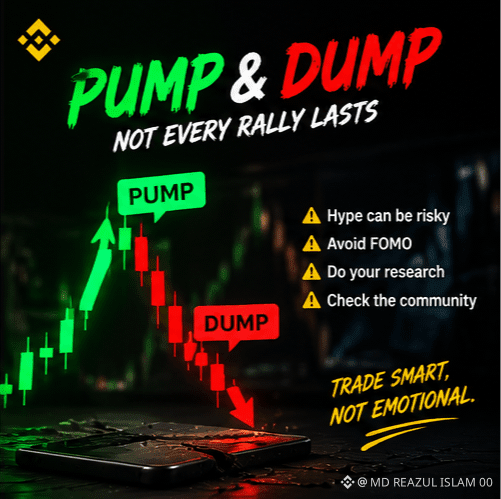
⚠️ Thổi giá rồi xả: Khi sự hào hứng biến thành rủi ro!
Giá tăng đột biến không phải lúc nào cũng có nghĩa là dự án vững mạnh. Một số thị trường chứng kiến giá tăng mạnh rồi bất ngờ lao dốc, khiến những người mua vào muộn phải chịu khoản lỗ lớn.
🚨 Hãy cảnh giác với:
🔹 Những lời hứa lợi nhuận phi thực tế
🔹 Cơn sốt bất ngờ nhưng thiếu nền tảng vững chắc
🔹 Thanh khoản thấp và biến động cực độ
🔹 Áp lực buộc bạn phải mua ngay
Hãy luôn tự nghiên cứu và đừng bao giờ đầu tư nhiều hơn số tiền bạn có thể chấp nhận mất.
Bạn đã từng thấy đồng coin nào tăng nhanh rồi sụp đổ còn nhanh hơn chưa? 👇
#CryptoSafety #MarketVolatility #Altcoins #DYOR #BinanceSquare
⚠️ Thổi giá rồi xả: Khi sự hào hứng biến thành rủi ro!
Giá tăng đột biến không phải lúc nào cũng có nghĩa là dự án vững mạnh. Một số thị trường chứng kiến giá tăng mạnh rồi bất ngờ lao dốc, khiến những người mua vào muộn phải chịu khoản lỗ lớn.
🚨 Hãy cảnh giác với:
🔹 Những lời hứa lợi nhuận phi thực tế
🔹 Cơn sốt bất ngờ nhưng thiếu nền tảng vững chắc
🔹 Thanh khoản thấp và biến động cực độ
🔹 Áp lực buộc bạn phải mua ngay
Hãy luôn tự nghiên cứu và đừng bao giờ đầu tư nhiều hơn số tiền bạn có thể chấp nhận mất.
Bạn đã từng thấy đồng coin nào tăng nhanh rồi sụp đổ còn nhanh hơn chưa? 👇
#CryptoSafety #MarketVolatility #Altcoins #DYOR #BinanceSquare
Giá tăng đột biến không phải lúc nào cũng có nghĩa là dự án vững mạnh. Một số thị trường chứng kiến giá tăng mạnh rồi bất ngờ lao dốc, khiến những người mua vào muộn phải chịu khoản lỗ lớn.
🚨 Hãy cảnh giác với:
🔹 Những lời hứa lợi nhuận phi thực tế
🔹 Cơn sốt bất ngờ nhưng thiếu nền tảng vững chắc
🔹 Thanh khoản thấp và biến động cực độ
🔹 Áp lực buộc bạn phải mua ngay
Hãy luôn tự nghiên cứu và đừng bao giờ đầu tư nhiều hơn số tiền bạn có thể chấp nhận mất.
Bạn đã từng thấy đồng coin nào tăng nhanh rồi sụp đổ còn nhanh hơn chưa? 👇
#CryptoSafety #MarketVolatility #Altcoins #DYOR #BinanceSquare
1
1
53
·
--
DYOR không chỉ là đọc whitepaper hay lướt mạng xã hội, càng không phải tìm kiếm lý do để củng cố quan điểm của mình.
Nghiên cứu thực sự hiệu quả đòi hỏi phải phân biệt sự thật, ý kiến và nội dung quảng bá; kiểm chứng chéo các dữ liệu quan trọng; đồng thời sớm nhận diện những lý do có thể khiến dự án thất bại.
Mục đích của việc nghiên cứu không phải là chứng minh mình đúng, mà là kịp thời điều chỉnh nhận định khi bằng chứng thay đổi.
Bằng chứng nào ủng hộ kết luận của bạn? Điều gì sẽ chứng minh bạn sai?
#ONEA #Web3 #DYOR
DYOR không chỉ là đọc whitepaper hay lướt mạng xã hội, càng không phải tìm kiếm lý do để củng cố quan điểm của mình.
Nghiên cứu thực sự hiệu quả đòi hỏi phải phân biệt sự thật, ý kiến và nội dung quảng bá; kiểm chứng chéo các dữ liệu quan trọng; đồng thời sớm nhận diện những lý do có thể khiến dự án thất bại.
Mục đích của việc nghiên cứu không phải là chứng minh mình đúng, mà là kịp thời điều chỉnh nhận định khi bằng chứng thay đổi.
Bằng chứng nào ủng hộ kết luận của bạn? Điều gì sẽ chứng minh bạn sai?
#ONEA #Web3 #DYOR
Nghiên cứu thực sự hiệu quả đòi hỏi phải phân biệt sự thật, ý kiến và nội dung quảng bá; kiểm chứng chéo các dữ liệu quan trọng; đồng thời sớm nhận diện những lý do có thể khiến dự án thất bại.
Mục đích của việc nghiên cứu không phải là chứng minh mình đúng, mà là kịp thời điều chỉnh nhận định khi bằng chứng thay đổi.
Bằng chứng nào ủng hộ kết luận của bạn? Điều gì sẽ chứng minh bạn sai?
#ONEA #Web3 #DYOR
1
95

📢 Thành công trong thị trường tiền mã hóa bắt đầu từ kiến thức, không phải sự thổi phồng! 🧠📈
Thị trường tiền mã hóa có rất nhiều cơ hội, nhưng để thành công cần có sự kiên nhẫn, nghiên cứu và kỷ luật.
💡 3 điều mà mọi người mới bắt đầu tìm hiểu về tiền mã hóa nên ghi nhớ:
🔹 Tự nghiên cứu (DYOR): Đừng bao giờ mù quáng chạy theo đám đông.
🔹 Quản lý rủi ro: Đừng bao giờ mạo hiểm số tiền mà bạn không thể chấp nhận mất.
🔹 Nghĩ dài hạn: Việc học hỏi và kiên nhẫn quan trọng hơn sự phấn khích nhất thời.
📊 Thị trường luôn có lúc lên lúc xuống. Những quyết định sáng suốt bắt đầu từ kiến thức, không phải cảm xúc.
💬 Bài học quan trọng nhất bạn rút ra từ tiền mã hóa là gì? Hãy chia sẻ suy nghĩ của bạn bên dưới! 👇
#Crypto #Bitcoin #BinanceSquare #CryptoEducation #DYOR
📢 Thành công trong thị trường tiền mã hóa bắt đầu từ kiến thức, không phải sự thổi phồng! 🧠📈
Thị trường tiền mã hóa có rất nhiều cơ hội, nhưng để thành công cần có sự kiên nhẫn, nghiên cứu và kỷ luật.
💡 3 điều mà mọi người mới bắt đầu tìm hiểu về tiền mã hóa nên ghi nhớ:
🔹 Tự nghiên cứu (DYOR): Đừng bao giờ mù quáng chạy theo đám đông.
🔹 Quản lý rủi ro: Đừng bao giờ mạo hiểm số tiền mà bạn không thể chấp nhận mất.
🔹 Nghĩ dài hạn: Việc học hỏi và kiên nhẫn quan trọng hơn sự phấn khích nhất thời.
📊 Thị trường luôn có lúc lên lúc xuống. Những quyết định sáng suốt bắt đầu từ kiến thức, không phải cảm xúc.
💬 Bài học quan trọng nhất bạn rút ra từ tiền mã hóa là gì? Hãy chia sẻ suy nghĩ của bạn bên dưới! 👇
#Crypto #Bitcoin #BinanceSquare #CryptoEducation #DYOR
Thị trường tiền mã hóa có rất nhiều cơ hội, nhưng để thành công cần có sự kiên nhẫn, nghiên cứu và kỷ luật.
💡 3 điều mà mọi người mới bắt đầu tìm hiểu về tiền mã hóa nên ghi nhớ:
🔹 Tự nghiên cứu (DYOR): Đừng bao giờ mù quáng chạy theo đám đông.
🔹 Quản lý rủi ro: Đừng bao giờ mạo hiểm số tiền mà bạn không thể chấp nhận mất.
🔹 Nghĩ dài hạn: Việc học hỏi và kiên nhẫn quan trọng hơn sự phấn khích nhất thời.
📊 Thị trường luôn có lúc lên lúc xuống. Những quyết định sáng suốt bắt đầu từ kiến thức, không phải cảm xúc.
💬 Bài học quan trọng nhất bạn rút ra từ tiền mã hóa là gì? Hãy chia sẻ suy nghĩ của bạn bên dưới! 👇
#Crypto #Bitcoin #BinanceSquare #CryptoEducation #DYOR
55

·
--
Giảm giá
$BTC #ScamWarning
{future}(BTCUSDT)
⚠️ CẢNH BÁO ĐẦU TƯ TIỀN ĐIỆN TỬ 🚨
Đầu tư vào tiền điện tử có thể dẫn đến những tổn thất tài chính đáng kể bất cứ lúc nào. Hãy luôn tự nghiên cứu kỹ trước khi đầu tư vào bất kỳ dự án nào.
❗ Đầu tư tiền điện tử không đảm bảo sinh lời.
❗ Một quyết định sai lầm có thể khiến bạn mất phần lớn, thậm chí toàn bộ số tiền đã đầu tư.
❗ Đừng bao giờ đầu tư khi chưa kiểm tra tính minh bạch của dự án, độ uy tín của đội ngũ và khả năng người dùng rút tiền.
❗ Đừng mạo hiểm số tiền bạn vất vả kiếm được chỉ vì những lời hứa của người khác hay hy vọng thu về lợi nhuận khổng lồ.
🚨 Hãy luôn cảnh giác! Tìm hiểu kỹ trước khi đầu tư. Bảo vệ tiền của bạn luôn phải là ưu tiên hàng đầu.
#CryptoWarning #CryptoRisks #CryptoScamAwareness #dyor
$BTC #ScamWarning
⚠️ CẢNH BÁO ĐẦU TƯ TIỀN ĐIỆN TỬ 🚨
Đầu tư vào tiền điện tử có thể dẫn đến những tổn thất tài chính đáng kể bất cứ lúc nào. Hãy luôn tự nghiên cứu kỹ trước khi đầu tư vào bất kỳ dự án nào.
❗ Đầu tư tiền điện tử không đảm bảo sinh lời.
❗ Một quyết định sai lầm có thể khiến bạn mất phần lớn, thậm chí toàn bộ số tiền đã đầu tư.
❗ Đừng bao giờ đầu tư khi chưa kiểm tra tính minh bạch của dự án, độ uy tín của đội ngũ và khả năng người dùng rút tiền.
❗ Đừng mạo hiểm số tiền bạn vất vả kiếm được chỉ vì những lời hứa của người khác hay hy vọng thu về lợi nhuận khổng lồ.
🚨 Hãy luôn cảnh giác! Tìm hiểu kỹ trước khi đầu tư. Bảo vệ tiền của bạn luôn phải là ưu tiên hàng đầu.
#CryptoWarning #CryptoRisks #CryptoScamAwareness #dyor
⚠️ CẢNH BÁO ĐẦU TƯ TIỀN ĐIỆN TỬ 🚨
Đầu tư vào tiền điện tử có thể dẫn đến những tổn thất tài chính đáng kể bất cứ lúc nào. Hãy luôn tự nghiên cứu kỹ trước khi đầu tư vào bất kỳ dự án nào.
❗ Đầu tư tiền điện tử không đảm bảo sinh lời.
❗ Một quyết định sai lầm có thể khiến bạn mất phần lớn, thậm chí toàn bộ số tiền đã đầu tư.
❗ Đừng bao giờ đầu tư khi chưa kiểm tra tính minh bạch của dự án, độ uy tín của đội ngũ và khả năng người dùng rút tiền.
❗ Đừng mạo hiểm số tiền bạn vất vả kiếm được chỉ vì những lời hứa của người khác hay hy vọng thu về lợi nhuận khổng lồ.
🚨 Hãy luôn cảnh giác! Tìm hiểu kỹ trước khi đầu tư. Bảo vệ tiền của bạn luôn phải là ưu tiên hàng đầu.
#CryptoWarning #CryptoRisks #CryptoScamAwareness #dyor
104
·
--
Trước khi mua bất kỳ đồng crypto nào, hãy tự hỏi 5 câu hỏi này 🚀
Nhiều người mới chỉ tập trung vào một điều: “Đồng này có thể tăng giá mạnh đến mức nào?”
Nhưng việc tìm hiểu thông minh bắt đầu từ những câu hỏi tốt hơn.
✅ 1. Dự án này giải quyết vấn đề gì?
Hãy tìm hiểu mục đích thực sự của dự án, đừng chỉ nhìn vào nội dung tiếp thị.
✅ 2. Ai đang xây dựng dự án?
Hãy kiểm tra đội ngũ, hoạt động phát triển và tính minh bạch của dự án.
✅ 3. Nguồn cung token ra sao?
Hãy xem nguồn cung lưu hành, tổng nguồn cung và lịch mở khóa.
✅ 4. Khối lượng giao dịch có thật và bền vững không?
Khối lượng giao dịch cao tự nó không đảm bảo an toàn hay tăng trưởng trong tương lai.
✅ 5. Kế hoạch thoát lệnh của tôi là gì?
Hãy xác định giới hạn rủi ro trước khi giao dịch, chứ không phải sau khi giá bất ngờ lao dốc.
Hãy nhớ: Một đồng coin phổ biến không mặc nhiên là khoản đầu tư tốt. Crypto tiềm ẩn nhiều rủi ro; việc nghiên cứu có thể giúp giảm bớt sự bất định nhưng không bao giờ loại bỏ hoàn toàn rủi ro.
Cùng thảo luận nhé: ĐIỀU ĐẦU TIÊN bạn kiểm tra trước khi mua một dự án crypto mới là gì — tokenomics, đội ngũ, tính ứng dụng hay biểu đồ giá?
Hãy chia sẻ lý do của bạn trong phần bình luận. 👇
#Crypto #BinanceSquare #DYOR
Trước khi mua bất kỳ đồng crypto nào, hãy tự hỏi 5 câu hỏi này 🚀
Nhiều người mới chỉ tập trung vào một điều: “Đồng này có thể tăng giá mạnh đến mức nào?”
Nhưng việc tìm hiểu thông minh bắt đầu từ những câu hỏi tốt hơn.
✅ 1. Dự án này giải quyết vấn đề gì?
Hãy tìm hiểu mục đích thực sự của dự án, đừng chỉ nhìn vào nội dung tiếp thị.
✅ 2. Ai đang xây dựng dự án?
Hãy kiểm tra đội ngũ, hoạt động phát triển và tính minh bạch của dự án.
✅ 3. Nguồn cung token ra sao?
Hãy xem nguồn cung lưu hành, tổng nguồn cung và lịch mở khóa.
✅ 4. Khối lượng giao dịch có thật và bền vững không?
Khối lượng giao dịch cao tự nó không đảm bảo an toàn hay tăng trưởng trong tương lai.
✅ 5. Kế hoạch thoát lệnh của tôi là gì?
Hãy xác định giới hạn rủi ro trước khi giao dịch, chứ không phải sau khi giá bất ngờ lao dốc.
Hãy nhớ: Một đồng coin phổ biến không mặc nhiên là khoản đầu tư tốt. Crypto tiềm ẩn nhiều rủi ro; việc nghiên cứu có thể giúp giảm bớt sự bất định nhưng không bao giờ loại bỏ hoàn toàn rủi ro.
Cùng thảo luận nhé: ĐIỀU ĐẦU TIÊN bạn kiểm tra trước khi mua một dự án crypto mới là gì — tokenomics, đội ngũ, tính ứng dụng hay biểu đồ giá?
Hãy chia sẻ lý do của bạn trong phần bình luận. 👇
#Crypto #BinanceSquare #DYOR
Nhiều người mới chỉ tập trung vào một điều: “Đồng này có thể tăng giá mạnh đến mức nào?”
Nhưng việc tìm hiểu thông minh bắt đầu từ những câu hỏi tốt hơn.
✅ 1. Dự án này giải quyết vấn đề gì?
Hãy tìm hiểu mục đích thực sự của dự án, đừng chỉ nhìn vào nội dung tiếp thị.
✅ 2. Ai đang xây dựng dự án?
Hãy kiểm tra đội ngũ, hoạt động phát triển và tính minh bạch của dự án.
✅ 3. Nguồn cung token ra sao?
Hãy xem nguồn cung lưu hành, tổng nguồn cung và lịch mở khóa.
✅ 4. Khối lượng giao dịch có thật và bền vững không?
Khối lượng giao dịch cao tự nó không đảm bảo an toàn hay tăng trưởng trong tương lai.
✅ 5. Kế hoạch thoát lệnh của tôi là gì?
Hãy xác định giới hạn rủi ro trước khi giao dịch, chứ không phải sau khi giá bất ngờ lao dốc.
Hãy nhớ: Một đồng coin phổ biến không mặc nhiên là khoản đầu tư tốt. Crypto tiềm ẩn nhiều rủi ro; việc nghiên cứu có thể giúp giảm bớt sự bất định nhưng không bao giờ loại bỏ hoàn toàn rủi ro.
Cùng thảo luận nhé: ĐIỀU ĐẦU TIÊN bạn kiểm tra trước khi mua một dự án crypto mới là gì — tokenomics, đội ngũ, tính ứng dụng hay biểu đồ giá?
Hãy chia sẻ lý do của bạn trong phần bình luận. 👇
#Crypto #BinanceSquare #DYOR
110

·
--
Nhà đầu tư tiền mã hóa thông minh không bao giờ ngừng học hỏi!
Trong lĩnh vực tiền mã hóa, kiến thức quý giá hơn sự phấn khích.
Trước khi đưa ra bất kỳ quyết định đầu tư nào, hãy nhớ 3 nguyên tắc vàng sau:
✅ Tự nghiên cứu (DYOR) — Đừng đầu tư chỉ vì người khác cũng làm vậy.
✅ Quản lý rủi ro — Đừng bao giờ đầu tư nhiều hơn số tiền bạn có thể chấp nhận mất.
✅ Kiên nhẫn — Thị trường luôn biến động, nhưng những quyết định cảm tính có thể dẫn đến sai lầm.
📚 Hãy học hỏi trước, nghiên cứu kỹ lưỡng và đưa ra quyết định dựa trên hiểu biết.
Khoản đầu tư tốt nhất của bạn bắt đầu từ kiến thức! $BTC $SPCXB
#Binance #BinanceSquareTalks #CryptoCommunity #DYOR
Nhà đầu tư tiền mã hóa thông minh không bao giờ ngừng học hỏi!
Trong lĩnh vực tiền mã hóa, kiến thức quý giá hơn sự phấn khích.
Trước khi đưa ra bất kỳ quyết định đầu tư nào, hãy nhớ 3 nguyên tắc vàng sau:
✅ Tự nghiên cứu (DYOR) — Đừng đầu tư chỉ vì người khác cũng làm vậy.
✅ Quản lý rủi ro — Đừng bao giờ đầu tư nhiều hơn số tiền bạn có thể chấp nhận mất.
✅ Kiên nhẫn — Thị trường luôn biến động, nhưng những quyết định cảm tính có thể dẫn đến sai lầm.
📚 Hãy học hỏi trước, nghiên cứu kỹ lưỡng và đưa ra quyết định dựa trên hiểu biết.
Khoản đầu tư tốt nhất của bạn bắt đầu từ kiến thức! $BTC $SPCXB
#Binance #BinanceSquareTalks #CryptoCommunity #DYOR
Trong lĩnh vực tiền mã hóa, kiến thức quý giá hơn sự phấn khích.
Trước khi đưa ra bất kỳ quyết định đầu tư nào, hãy nhớ 3 nguyên tắc vàng sau:
✅ Tự nghiên cứu (DYOR) — Đừng đầu tư chỉ vì người khác cũng làm vậy.
✅ Quản lý rủi ro — Đừng bao giờ đầu tư nhiều hơn số tiền bạn có thể chấp nhận mất.
✅ Kiên nhẫn — Thị trường luôn biến động, nhưng những quyết định cảm tính có thể dẫn đến sai lầm.
📚 Hãy học hỏi trước, nghiên cứu kỹ lưỡng và đưa ra quyết định dựa trên hiểu biết.
Khoản đầu tư tốt nhất của bạn bắt đầu từ kiến thức! $BTC $SPCXB
#Binance #BinanceSquareTalks #CryptoCommunity #DYOR
168

·
--
Giảm giá
🚀 ĐỪNG MẢI CHẠY THEO LỢI NHUẬN. HÃY BẮT ĐẦU TÍCH LŨY KIẾN THỨC! 🧠
Ai cũng muốn kiếm tiền từ tiền mã hóa, nhưng nhà đầu tư thông thái biết rằng học hỏi luôn phải đi trước. 📈
💡 5 quy tắc vàng dành cho người mới bắt đầu với tiền mã hóa:
₿ 1. Tìm hiểu về Bitcoin — Hãy hiểu rõ mình đang đầu tư vào điều gì.
📚 2. Tự nghiên cứu (DYOR) — Đừng bao giờ mù quáng chạy theo những lời thổi phồng.
🛡️ 3. Bảo vệ tài sản — Đừng bao giờ chia sẻ mật khẩu hoặc cụm từ khôi phục ví của bạn.
⚖️ 4. Quản lý rủi ro — Đừng bao giờ đầu tư số tiền mà bạn không thể chấp nhận mất.
🧊 5. Kiên nhẫn — Thị trường luôn biến động lên xuống. Hãy tránh đưa ra quyết định theo cảm xúc.
Hãy nhớ: Kiến thức là khoản đầu tư đầu tiên của bạn. 🔥
💬 Câu hỏi dành cho cộng đồng: BÀI HỌC đầu tiên bạn học được về tiền mã hóa là gì? Hãy chia sẻ bên dưới để giúp những người mới bắt đầu nhé!
#Bitcoin #cryptoeducation #BinanceSquare #Blockchain #dyor
🚀 ĐỪNG MẢI CHẠY THEO LỢI NHUẬN. HÃY BẮT ĐẦU TÍCH LŨY KIẾN THỨC! 🧠
Ai cũng muốn kiếm tiền từ tiền mã hóa, nhưng nhà đầu tư thông thái biết rằng học hỏi luôn phải đi trước. 📈
💡 5 quy tắc vàng dành cho người mới bắt đầu với tiền mã hóa:
₿ 1. Tìm hiểu về Bitcoin — Hãy hiểu rõ mình đang đầu tư vào điều gì.
📚 2. Tự nghiên cứu (DYOR) — Đừng bao giờ mù quáng chạy theo những lời thổi phồng.
🛡️ 3. Bảo vệ tài sản — Đừng bao giờ chia sẻ mật khẩu hoặc cụm từ khôi phục ví của bạn.
⚖️ 4. Quản lý rủi ro — Đừng bao giờ đầu tư số tiền mà bạn không thể chấp nhận mất.
🧊 5. Kiên nhẫn — Thị trường luôn biến động lên xuống. Hãy tránh đưa ra quyết định theo cảm xúc.
Hãy nhớ: Kiến thức là khoản đầu tư đầu tiên của bạn. 🔥
💬 Câu hỏi dành cho cộng đồng: BÀI HỌC đầu tiên bạn học được về tiền mã hóa là gì? Hãy chia sẻ bên dưới để giúp những người mới bắt đầu nhé!
#Bitcoin #cryptoeducation #BinanceSquare #Blockchain #dyor
Ai cũng muốn kiếm tiền từ tiền mã hóa, nhưng nhà đầu tư thông thái biết rằng học hỏi luôn phải đi trước. 📈
💡 5 quy tắc vàng dành cho người mới bắt đầu với tiền mã hóa:
₿ 1. Tìm hiểu về Bitcoin — Hãy hiểu rõ mình đang đầu tư vào điều gì.
📚 2. Tự nghiên cứu (DYOR) — Đừng bao giờ mù quáng chạy theo những lời thổi phồng.
🛡️ 3. Bảo vệ tài sản — Đừng bao giờ chia sẻ mật khẩu hoặc cụm từ khôi phục ví của bạn.
⚖️ 4. Quản lý rủi ro — Đừng bao giờ đầu tư số tiền mà bạn không thể chấp nhận mất.
🧊 5. Kiên nhẫn — Thị trường luôn biến động lên xuống. Hãy tránh đưa ra quyết định theo cảm xúc.
Hãy nhớ: Kiến thức là khoản đầu tư đầu tiên của bạn. 🔥
💬 Câu hỏi dành cho cộng đồng: BÀI HỌC đầu tiên bạn học được về tiền mã hóa là gì? Hãy chia sẻ bên dưới để giúp những người mới bắt đầu nhé!
#Bitcoin #cryptoeducation #BinanceSquare #Blockchain #dyor
63
·
--
📚 GIÁO DỤC VỀ TIỀN MÃ HÓA: 5 QUY TẮC VÀNG MỌI NGƯỜI MỚI BẮT ĐẦU NÊN BIẾT! 🚀
Bạn muốn tìm hiểu về tiền mã hóa trước khi thực hiện khoản đầu tư đầu tiên? Hãy bắt đầu bằng kiến thức, đừng chạy theo những lời thổi phồng! 🧠
💡 1️⃣ Tìm hiểu những điều cơ bản
Tìm hiểu về Bitcoin, Ethereum, blockchain và cách các giao dịch tiền mã hóa hoạt động.
🔐 2️⃣ Bảo vệ tài sản của bạn
Đừng bao giờ chia sẻ mật khẩu, khóa riêng tư hoặc cụm từ khôi phục ví. Hãy bật xác thực hai yếu tố (2FA).
📊 3️⃣ Tự nghiên cứu (DYOR)
Trước khi đầu tư, hãy tìm hiểu mục đích, đội ngũ, tokenomics, rủi ro và tính ứng dụng thực tế của một dự án.
⚠️ 4️⃣ Quản lý rủi ro
Giá tiền mã hóa có thể tăng hoặc giảm mạnh. Đừng bao giờ đầu tư số tiền mà bạn không thể để mất, và tránh vay tiền để giao dịch.
🚫 5️⃣ Tránh lừa đảo và FOMO
Hãy cẩn trọng với các chương trình tặng quà giả mạo, lời hứa lợi nhuận chắc chắn, đường liên kết đáng ngờ và tin nhắn yêu cầu bạn gửi tiền mã hóa.
🎯 Hãy nhớ: Học hỏi về tiền mã hóa một cách hiệu quả là hiểu rõ rủi ro, kiên nhẫn và đưa ra quyết định sáng suốt — chứ không phải chạy theo mọi đồng coin đang thịnh hành.
💬 Câu hỏi dành cho cộng đồng:
Người mới bắt đầu nên tìm hiểu chủ đề nào về tiền mã hóa tiếp theo?
👇 Bình luận bên dưới:
BITCOIN | BLOCKCHAIN | BẢO MẬT VÍ | QUẢN LÝ RỦI RO
Hãy cùng nhau xây dựng một cộng đồng tiền mã hóa hiểu biết hơn và an toàn hơn! 🌍
#bitcoin #Blockchain #CryptoSafety #dyor #Web3
📚 GIÁO DỤC VỀ TIỀN MÃ HÓA: 5 QUY TẮC VÀNG MỌI NGƯỜI MỚI BẮT ĐẦU NÊN BIẾT! 🚀
Bạn muốn tìm hiểu về tiền mã hóa trước khi thực hiện khoản đầu tư đầu tiên? Hãy bắt đầu bằng kiến thức, đừng chạy theo những lời thổi phồng! 🧠
💡 1️⃣ Tìm hiểu những điều cơ bản
Tìm hiểu về Bitcoin, Ethereum, blockchain và cách các giao dịch tiền mã hóa hoạt động.
🔐 2️⃣ Bảo vệ tài sản của bạn
Đừng bao giờ chia sẻ mật khẩu, khóa riêng tư hoặc cụm từ khôi phục ví. Hãy bật xác thực hai yếu tố (2FA).
📊 3️⃣ Tự nghiên cứu (DYOR)
Trước khi đầu tư, hãy tìm hiểu mục đích, đội ngũ, tokenomics, rủi ro và tính ứng dụng thực tế của một dự án.
⚠️ 4️⃣ Quản lý rủi ro
Giá tiền mã hóa có thể tăng hoặc giảm mạnh. Đừng bao giờ đầu tư số tiền mà bạn không thể để mất, và tránh vay tiền để giao dịch.
🚫 5️⃣ Tránh lừa đảo và FOMO
Hãy cẩn trọng với các chương trình tặng quà giả mạo, lời hứa lợi nhuận chắc chắn, đường liên kết đáng ngờ và tin nhắn yêu cầu bạn gửi tiền mã hóa.
🎯 Hãy nhớ: Học hỏi về tiền mã hóa một cách hiệu quả là hiểu rõ rủi ro, kiên nhẫn và đưa ra quyết định sáng suốt — chứ không phải chạy theo mọi đồng coin đang thịnh hành.
💬 Câu hỏi dành cho cộng đồng:
Người mới bắt đầu nên tìm hiểu chủ đề nào về tiền mã hóa tiếp theo?
👇 Bình luận bên dưới:
BITCOIN | BLOCKCHAIN | BẢO MẬT VÍ | QUẢN LÝ RỦI RO
Hãy cùng nhau xây dựng một cộng đồng tiền mã hóa hiểu biết hơn và an toàn hơn! 🌍
#bitcoin #Blockchain #CryptoSafety #dyor #Web3
Bạn muốn tìm hiểu về tiền mã hóa trước khi thực hiện khoản đầu tư đầu tiên? Hãy bắt đầu bằng kiến thức, đừng chạy theo những lời thổi phồng! 🧠
💡 1️⃣ Tìm hiểu những điều cơ bản
Tìm hiểu về Bitcoin, Ethereum, blockchain và cách các giao dịch tiền mã hóa hoạt động.
🔐 2️⃣ Bảo vệ tài sản của bạn
Đừng bao giờ chia sẻ mật khẩu, khóa riêng tư hoặc cụm từ khôi phục ví. Hãy bật xác thực hai yếu tố (2FA).
📊 3️⃣ Tự nghiên cứu (DYOR)
Trước khi đầu tư, hãy tìm hiểu mục đích, đội ngũ, tokenomics, rủi ro và tính ứng dụng thực tế của một dự án.
⚠️ 4️⃣ Quản lý rủi ro
Giá tiền mã hóa có thể tăng hoặc giảm mạnh. Đừng bao giờ đầu tư số tiền mà bạn không thể để mất, và tránh vay tiền để giao dịch.
🚫 5️⃣ Tránh lừa đảo và FOMO
Hãy cẩn trọng với các chương trình tặng quà giả mạo, lời hứa lợi nhuận chắc chắn, đường liên kết đáng ngờ và tin nhắn yêu cầu bạn gửi tiền mã hóa.
🎯 Hãy nhớ: Học hỏi về tiền mã hóa một cách hiệu quả là hiểu rõ rủi ro, kiên nhẫn và đưa ra quyết định sáng suốt — chứ không phải chạy theo mọi đồng coin đang thịnh hành.
💬 Câu hỏi dành cho cộng đồng:
Người mới bắt đầu nên tìm hiểu chủ đề nào về tiền mã hóa tiếp theo?
👇 Bình luận bên dưới:
BITCOIN | BLOCKCHAIN | BẢO MẬT VÍ | QUẢN LÝ RỦI RO
Hãy cùng nhau xây dựng một cộng đồng tiền mã hóa hiểu biết hơn và an toàn hơn! 🌍
#bitcoin #Blockchain #CryptoSafety #dyor #Web3
53
·
--
Tăng giá
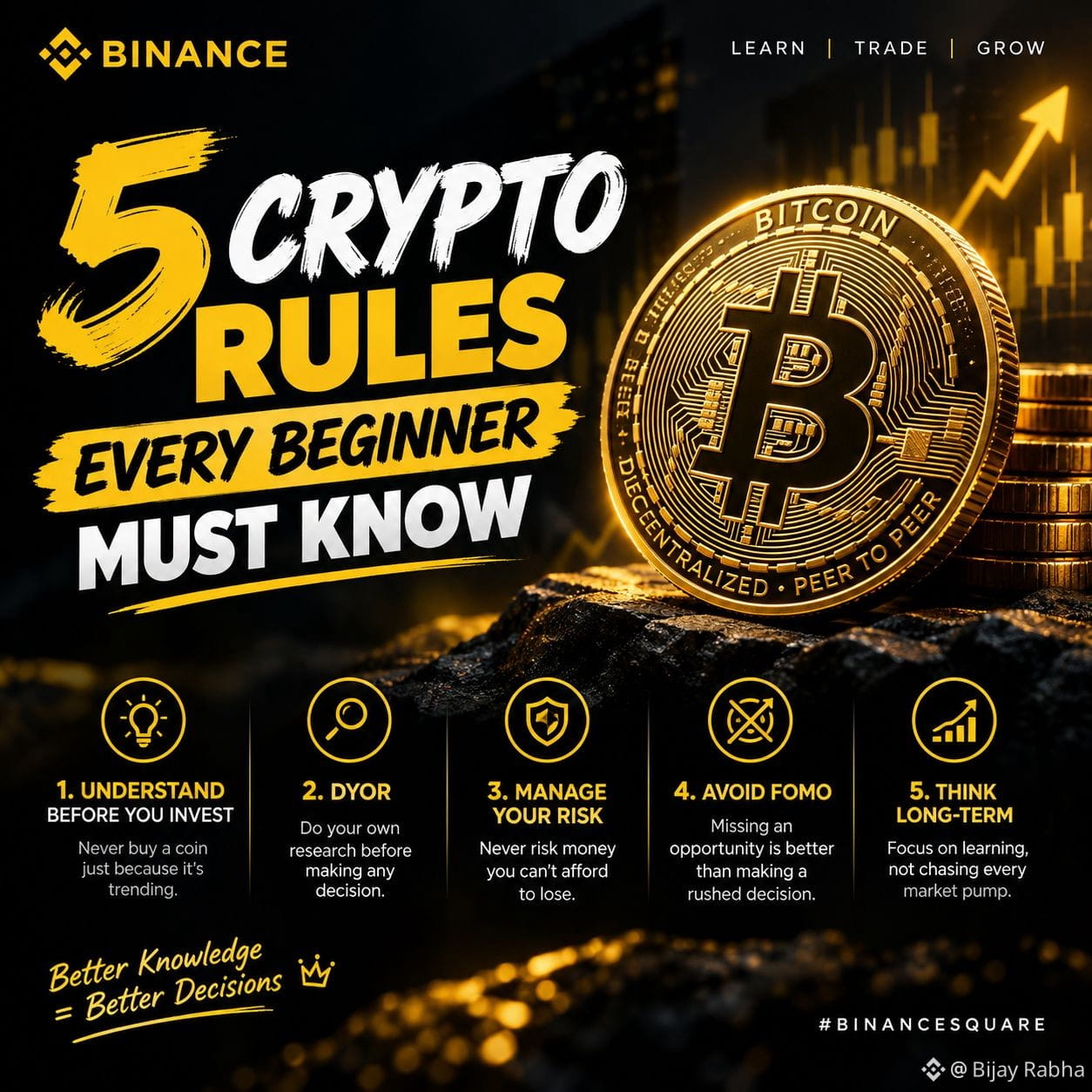
🚨 ĐỪNG CHẠY THEO LỢI NHUẬN NHANH. HÃY BẮT ĐẦU TÌM HIỂU VỀ CRYPTO! 🧠₿
Hầu hết mọi người tham gia thị trường crypto với hy vọng giàu lên chỉ sau một đêm. Nhưng nhà đầu tư thông minh biết rằng kiến thức, sự kiên nhẫn và quản lý rủi ro quan trọng hơn những lời thổi phồng. 📈
🔥 5 quy tắc crypto mà người mới nào cũng nên biết:
✅ 1. Tìm hiểu trước khi đầu tư — Đừng bao giờ mua một đồng coin chỉ vì nó đang là xu hướng.
✅ 2. Tự nghiên cứu — Hãy tự tìm hiểu trước khi đưa ra bất kỳ quyết định nào.
✅ 3. Quản lý rủi ro — Đừng bao giờ mạo hiểm số tiền mà bạn không thể để mất.
✅ 4. Tránh FOMO — Bỏ lỡ một cơ hội còn tốt hơn đưa ra quyết định vội vàng.
✅ 5. Nghĩ dài hạn — Tập trung học hỏi, đừng chạy theo mọi đợt tăng giá của thị trường.
💡 Hãy nhớ: Mục tiêu không phải là dự đoán mọi biến động của thị trường, mà là đưa ra quyết định sáng suốt và bảo vệ vốn của bạn.
👇 CÙNG THẢO LUẬN!
Bài học quan trọng nhất mà crypto đã dạy bạn là gì?
A) Kiên nhẫn
B) Quản lý rủi ro
C) Nghiên cứu
D) Kiểm soát cảm xúc
Hãy để lại câu trả lời trong phần bình luận! 👇
#bitcoin #cryptoeducation #BinanceSquare #crypto #dyor
🚨 ĐỪNG CHẠY THEO LỢI NHUẬN NHANH. HÃY BẮT ĐẦU TÌM HIỂU VỀ CRYPTO! 🧠₿
Hầu hết mọi người tham gia thị trường crypto với hy vọng giàu lên chỉ sau một đêm. Nhưng nhà đầu tư thông minh biết rằng kiến thức, sự kiên nhẫn và quản lý rủi ro quan trọng hơn những lời thổi phồng. 📈
🔥 5 quy tắc crypto mà người mới nào cũng nên biết:
✅ 1. Tìm hiểu trước khi đầu tư — Đừng bao giờ mua một đồng coin chỉ vì nó đang là xu hướng.
✅ 2. Tự nghiên cứu — Hãy tự tìm hiểu trước khi đưa ra bất kỳ quyết định nào.
✅ 3. Quản lý rủi ro — Đừng bao giờ mạo hiểm số tiền mà bạn không thể để mất.
✅ 4. Tránh FOMO — Bỏ lỡ một cơ hội còn tốt hơn đưa ra quyết định vội vàng.
✅ 5. Nghĩ dài hạn — Tập trung học hỏi, đừng chạy theo mọi đợt tăng giá của thị trường.
💡 Hãy nhớ: Mục tiêu không phải là dự đoán mọi biến động của thị trường, mà là đưa ra quyết định sáng suốt và bảo vệ vốn của bạn.
👇 CÙNG THẢO LUẬN!
Bài học quan trọng nhất mà crypto đã dạy bạn là gì?
A) Kiên nhẫn
B) Quản lý rủi ro
C) Nghiên cứu
D) Kiểm soát cảm xúc
Hãy để lại câu trả lời trong phần bình luận! 👇
#bitcoin #cryptoeducation #BinanceSquare #crypto #dyor
Hầu hết mọi người tham gia thị trường crypto với hy vọng giàu lên chỉ sau một đêm. Nhưng nhà đầu tư thông minh biết rằng kiến thức, sự kiên nhẫn và quản lý rủi ro quan trọng hơn những lời thổi phồng. 📈
🔥 5 quy tắc crypto mà người mới nào cũng nên biết:
✅ 1. Tìm hiểu trước khi đầu tư — Đừng bao giờ mua một đồng coin chỉ vì nó đang là xu hướng.
✅ 2. Tự nghiên cứu — Hãy tự tìm hiểu trước khi đưa ra bất kỳ quyết định nào.
✅ 3. Quản lý rủi ro — Đừng bao giờ mạo hiểm số tiền mà bạn không thể để mất.
✅ 4. Tránh FOMO — Bỏ lỡ một cơ hội còn tốt hơn đưa ra quyết định vội vàng.
✅ 5. Nghĩ dài hạn — Tập trung học hỏi, đừng chạy theo mọi đợt tăng giá của thị trường.
💡 Hãy nhớ: Mục tiêu không phải là dự đoán mọi biến động của thị trường, mà là đưa ra quyết định sáng suốt và bảo vệ vốn của bạn.
👇 CÙNG THẢO LUẬN!
Bài học quan trọng nhất mà crypto đã dạy bạn là gì?
A) Kiên nhẫn
B) Quản lý rủi ro
C) Nghiên cứu
D) Kiểm soát cảm xúc
Hãy để lại câu trả lời trong phần bình luận! 👇
#bitcoin #cryptoeducation #BinanceSquare #crypto #dyor
105

Bài viết
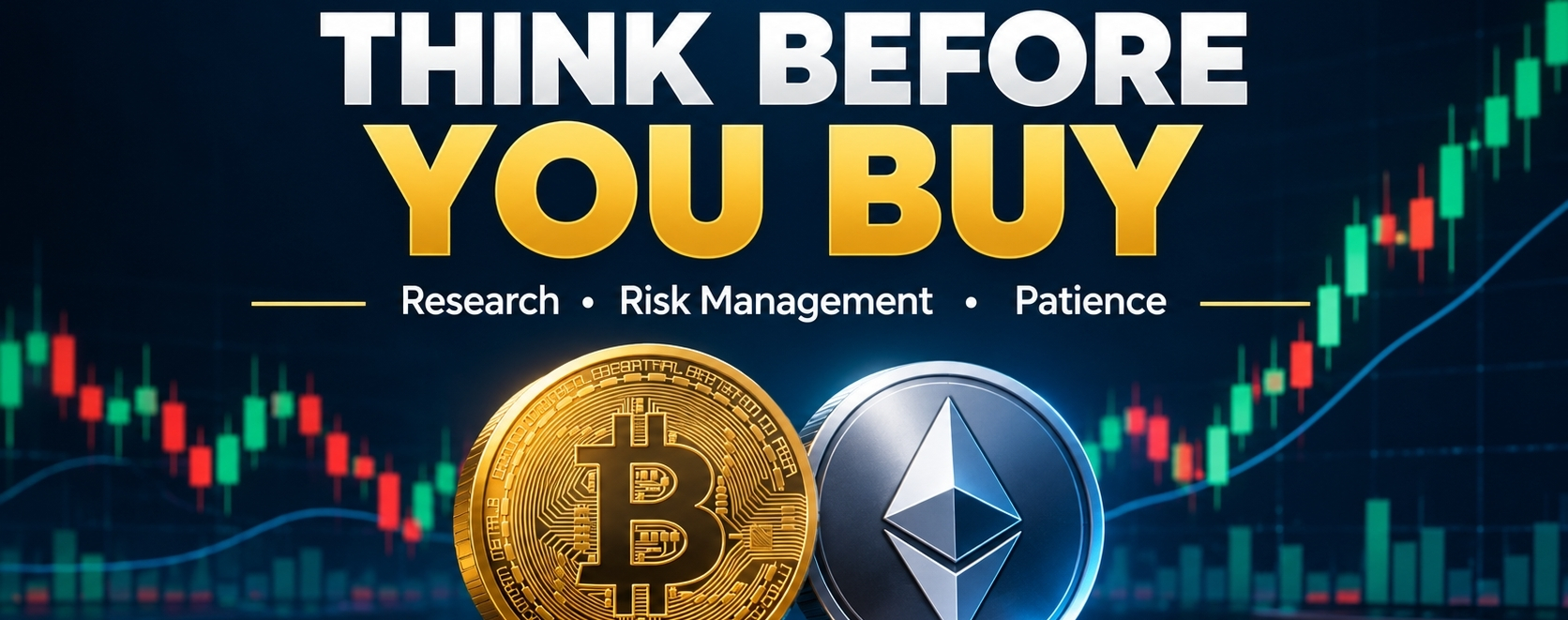
Nhà đầu tư tiền mã hóa thông minh luôn suy nghĩ kỹ trước khi mua! 📊Đầu tư tiền mã hóa thành công không chỉ là tìm những đồng coin có thể tăng giá. Đó còn là việc đưa ra quyết định sáng suốt và quản lý rủi ro.
🔍 Tự nghiên cứu: Tìm hiểu mục đích, đội ngũ và các yếu tố cơ bản của một dự án trước khi đầu tư.
⚖️ Quản lý rủi ro: Đừng bao giờ dồn hết tiền vào một đồng coin và tránh mạo hiểm số tiền mà bạn không thể để mất.
🧠 Kiểm soát cảm xúc: Đừng mua chỉ vì một đồng coin đang nổi hoặc vì mọi người khác đều mua.
⏳ Hãy kiên nhẫn: Một kế hoạch rõ ràng và tính kỷ luật có giá trị hơn việc chạy theo mọi biến động của thị trường.
Nhà đầu tư tiền mã hóa thông minh luôn suy nghĩ kỹ trước khi mua! 📊
Đầu tư tiền mã hóa thành công không chỉ là tìm những đồng coin có thể tăng giá. Đó còn là việc đưa ra quyết định sáng suốt và quản lý rủi ro.
🔍 Tự nghiên cứu: Tìm hiểu mục đích, đội ngũ và các yếu tố cơ bản của một dự án trước khi đầu tư.
⚖️ Quản lý rủi ro: Đừng bao giờ dồn hết tiền vào một đồng coin và tránh mạo hiểm số tiền mà bạn không thể để mất.
🧠 Kiểm soát cảm xúc: Đừng mua chỉ vì một đồng coin đang nổi hoặc vì mọi người khác đều mua.
⏳ Hãy kiên nhẫn: Một kế hoạch rõ ràng và tính kỷ luật có giá trị hơn việc chạy theo mọi biến động của thị trường.
🔍 Tự nghiên cứu: Tìm hiểu mục đích, đội ngũ và các yếu tố cơ bản của một dự án trước khi đầu tư.
⚖️ Quản lý rủi ro: Đừng bao giờ dồn hết tiền vào một đồng coin và tránh mạo hiểm số tiền mà bạn không thể để mất.
🧠 Kiểm soát cảm xúc: Đừng mua chỉ vì một đồng coin đang nổi hoặc vì mọi người khác đều mua.
⏳ Hãy kiên nhẫn: Một kế hoạch rõ ràng và tính kỷ luật có giá trị hơn việc chạy theo mọi biến động của thị trường.
48
Bitcoin (BTC): 4 quy tắc thông minh mà mọi nhà đầu tư tiền mã hóa nên tuân theo$BTC là một trong những loại tiền mã hóa được bàn luận nhiều nhất, nhưng đầu tư thành công đòi hỏi nhiều hơn việc chỉ chạy theo thị trường.
🔹 1. Tìm hiểu thị trường: Tìm hiểu về xu hướng giá, khối lượng giao dịch và các ngưỡng quan trọng của thị trường trước khi đưa ra quyết định.
🔹 2. Quản lý rủi ro: Đừng bao giờ đầu tư số tiền mà bạn không thể chấp nhận mất. Tránh dồn toàn bộ vốn vào một tài sản duy nhất.
🔹 3. Kiểm soát cảm xúc: Sợ hãi và tham lam có thể dẫn đến những quyết định sai lầm. Đừng mua chỉ vì giá đang tăng hoặc bán tháo vì hoảng loạn.
Bitcoin (BTC): 4 quy tắc thông minh mà mọi nhà đầu tư tiền mã hóa nên tuân theo
$BTC là một trong những loại tiền mã hóa được bàn luận nhiều nhất, nhưng đầu tư thành công đòi hỏi nhiều hơn việc chỉ chạy theo thị trường.
🔹 1. Tìm hiểu thị trường: Tìm hiểu về xu hướng giá, khối lượng giao dịch và các ngưỡng quan trọng của thị trường trước khi đưa ra quyết định.
🔹 2. Quản lý rủi ro: Đừng bao giờ đầu tư số tiền mà bạn không thể chấp nhận mất. Tránh dồn toàn bộ vốn vào một tài sản duy nhất.
🔹 3. Kiểm soát cảm xúc: Sợ hãi và tham lam có thể dẫn đến những quyết định sai lầm. Đừng mua chỉ vì giá đang tăng hoặc bán tháo vì hoảng loạn.
🔹 1. Tìm hiểu thị trường: Tìm hiểu về xu hướng giá, khối lượng giao dịch và các ngưỡng quan trọng của thị trường trước khi đưa ra quyết định.
🔹 2. Quản lý rủi ro: Đừng bao giờ đầu tư số tiền mà bạn không thể chấp nhận mất. Tránh dồn toàn bộ vốn vào một tài sản duy nhất.
🔹 3. Kiểm soát cảm xúc: Sợ hãi và tham lam có thể dẫn đến những quyết định sai lầm. Đừng mua chỉ vì giá đang tăng hoặc bán tháo vì hoảng loạn.
119
🔥 Cách nhận diện kẻ lừa đảo tiền mã hóa trước khi hắn nhắm đến ví của bạn
Trong khu phố bỗng xuất hiện một gã đeo đồng hồ đắt tiền, hứa sẽ nhân đôi tiền của bạn trong một tuần. Nghe quen không? Đó chính là dáng vẻ điển hình của một token lừa đảo — chỉ khác là trên Twitter thôi.
🚩 Đội ngũ ẩn danh, chẳng thấy mặt mũi đâu — chẳng khác nào vay tiền một người không tên không địa chỉ
🚩 Lợi nhuận “đảm bảo” — tiền mã hóa làm gì có bảo đảm, chỉ có rủi ro thôi
🚩 90% token nằm trong tay “đội ngũ phát triển” — bật mí nhé: họ sẽ xả hàng khi bạn FOMO
🚩 Chỉ có thổi phồng mà chẳng có sản phẩm — website bóng bẩy và cả đội bot trong phần bình luận
🚩 Mua thì dễ, nhưng bán lại thì bỗng dưng “gặp sự cố kỹ thuật”
Nếu dự án không thể giải thích bằng lời lẽ đơn giản token dùng để làm gì — thì cũng chẳng có gì để giải thích cả.
🧠 Ngay cả cá voi cũng từng dính bẫy lừa đảo, chỉ là họ có đủ vốn để vượt qua. Còn bạn thì sao?
💡 Tin tưởng nhưng hãy kiểm chứng — DYOR sẽ cứu bạn
#Crypto #Scam #DYOR #Bitcoin
🔥 Cách nhận diện kẻ lừa đảo tiền mã hóa trước khi hắn nhắm đến ví của bạn
Trong khu phố bỗng xuất hiện một gã đeo đồng hồ đắt tiền, hứa sẽ nhân đôi tiền của bạn trong một tuần. Nghe quen không? Đó chính là dáng vẻ điển hình của một token lừa đảo — chỉ khác là trên Twitter thôi.
🚩 Đội ngũ ẩn danh, chẳng thấy mặt mũi đâu — chẳng khác nào vay tiền một người không tên không địa chỉ
🚩 Lợi nhuận “đảm bảo” — tiền mã hóa làm gì có bảo đảm, chỉ có rủi ro thôi
🚩 90% token nằm trong tay “đội ngũ phát triển” — bật mí nhé: họ sẽ xả hàng khi bạn FOMO
🚩 Chỉ có thổi phồng mà chẳng có sản phẩm — website bóng bẩy và cả đội bot trong phần bình luận
🚩 Mua thì dễ, nhưng bán lại thì bỗng dưng “gặp sự cố kỹ thuật”
Nếu dự án không thể giải thích bằng lời lẽ đơn giản token dùng để làm gì — thì cũng chẳng có gì để giải thích cả.
🧠 Ngay cả cá voi cũng từng dính bẫy lừa đảo, chỉ là họ có đủ vốn để vượt qua. Còn bạn thì sao?
💡 Tin tưởng nhưng hãy kiểm chứng — DYOR sẽ cứu bạn
#Crypto #Scam #DYOR #Bitcoin
Trong khu phố bỗng xuất hiện một gã đeo đồng hồ đắt tiền, hứa sẽ nhân đôi tiền của bạn trong một tuần. Nghe quen không? Đó chính là dáng vẻ điển hình của một token lừa đảo — chỉ khác là trên Twitter thôi.
🚩 Đội ngũ ẩn danh, chẳng thấy mặt mũi đâu — chẳng khác nào vay tiền một người không tên không địa chỉ
🚩 Lợi nhuận “đảm bảo” — tiền mã hóa làm gì có bảo đảm, chỉ có rủi ro thôi
🚩 90% token nằm trong tay “đội ngũ phát triển” — bật mí nhé: họ sẽ xả hàng khi bạn FOMO
🚩 Chỉ có thổi phồng mà chẳng có sản phẩm — website bóng bẩy và cả đội bot trong phần bình luận
🚩 Mua thì dễ, nhưng bán lại thì bỗng dưng “gặp sự cố kỹ thuật”
Nếu dự án không thể giải thích bằng lời lẽ đơn giản token dùng để làm gì — thì cũng chẳng có gì để giải thích cả.
🧠 Ngay cả cá voi cũng từng dính bẫy lừa đảo, chỉ là họ có đủ vốn để vượt qua. Còn bạn thì sao?
💡 Tin tưởng nhưng hãy kiểm chứng — DYOR sẽ cứu bạn
#Crypto #Scam #DYOR #Bitcoin
194

🔥 Trước khi mua altcoin, hãy tự hỏi 5 câu hỏi này!
Không phải token nào đang thịnh hành cũng là một khoản đầu tư tốt. Nghiên cứu quan trọng hơn sự thổi phồng.$BTC $BNB
🔍 1. Dự án giải quyết vấn đề gì?
📊 2. Khối lượng giao dịch có bền vững không?
🔓 3. Khi nào sẽ có thêm token được mở khóa?
👥 4. Đội ngũ phát triển có hoạt động tích cực không?
💰 5. Mức định giá hiện tại có hợp lý không?
Một cộng đồng vững mạnh rất hữu ích, nhưng không đảm bảo lợi nhuận trong tương lai. Hãy luôn tự nghiên cứu (DYOR).
Câu hỏi: Bạn kiểm tra yếu tố nào đầu tiên trước khi mua altcoin?
#Altcoins #DYOR
🔥 Trước khi mua altcoin, hãy tự hỏi 5 câu hỏi này!
Không phải token nào đang thịnh hành cũng là một khoản đầu tư tốt. Nghiên cứu quan trọng hơn sự thổi phồng.$BTC $BNB
🔍 1. Dự án giải quyết vấn đề gì?
📊 2. Khối lượng giao dịch có bền vững không?
🔓 3. Khi nào sẽ có thêm token được mở khóa?
👥 4. Đội ngũ phát triển có hoạt động tích cực không?
💰 5. Mức định giá hiện tại có hợp lý không?
Một cộng đồng vững mạnh rất hữu ích, nhưng không đảm bảo lợi nhuận trong tương lai. Hãy luôn tự nghiên cứu (DYOR).
Câu hỏi: Bạn kiểm tra yếu tố nào đầu tiên trước khi mua altcoin?
#Altcoins #DYOR
Không phải token nào đang thịnh hành cũng là một khoản đầu tư tốt. Nghiên cứu quan trọng hơn sự thổi phồng.$BTC $BNB
🔍 1. Dự án giải quyết vấn đề gì?
📊 2. Khối lượng giao dịch có bền vững không?
🔓 3. Khi nào sẽ có thêm token được mở khóa?
👥 4. Đội ngũ phát triển có hoạt động tích cực không?
💰 5. Mức định giá hiện tại có hợp lý không?
Một cộng đồng vững mạnh rất hữu ích, nhưng không đảm bảo lợi nhuận trong tương lai. Hãy luôn tự nghiên cứu (DYOR).
Câu hỏi: Bạn kiểm tra yếu tố nào đầu tiên trước khi mua altcoin?
#Altcoins #DYOR
66

🧐 Tài khoản chính thức của XRP ra mắt được ba ngày, bài nổi nhất chỉ nói một câu: Hãy tự nghiên cứu
Ngày 19 tháng 10, XRP mở tài khoản chính thức trên X, đứng sau là Ripple và Quỹ XRP Ledger. Những cái tên quen thuộc như Kraken, Gemini và MoonPay lập tức đến chào hỏi.
Video mới nhất chỉ dài 15 giây: một cô gái đứng trên máy chạy bộ, mở máy tính và chăm chú xem tài liệu. Nội dung chỉ có hai dòng——
"Some people follow trends.
Some people do their research."
Câu cuối là Crypto Responsibly, kèm theo xrp.org. Chỉ vài giờ sau khi đăng, bài viết đã có hơn 5.000 lượt thích và hơn 150.000 lượt xem. Bài đăng hôm trước với câu "Perhaps the most normal thing in the world right now" thậm chí còn có hơn 860.000 lượt xem.
🔹 Không hô hào mua bán, không khoe biểu đồ nến, không nhắc đến giá
🔹 Điểm nhấn là "tham gia thị trường crypto một cách có trách nhiệm"
🔹 Nhiều người trong phần bình luận khen chiến dịch tiếp thị này gọn gàng, dứt khoát
Quan điểm của tôi: Một tài khoản chính thức của dự án khuyên mọi người "đừng chạy theo xu hướng, hãy tự nghiên cứu" — bản thân điều đó đã khá thú vị. Nó cho thấy ngành này đang muốn chuyển hình ảnh từ "sòng bạc làm giàu nhanh" sang "công cụ tài chính bình thường".
Nhưng cũng đừng chỉ xem câu nói này như một khẩu hiệu. Nghiên cứu thực sự là gì? Là hiểu rõ công dụng của token, lịch mở khóa và lượng lưu thông, mức độ sử dụng thực tế trên blockchain — chứ không phải lướt qua mười bài đăng lạc quan rồi tự nhủ mình "đã nghiên cứu rồi".
Nói về bản thân bạn, lần gần nhất trước khi mua coin, bạn thực sự dành bao lâu để tìm hiểu? 10 phút, 1 ngày hay một tuần? Chia sẻ ở phần bình luận nhé 👇
#XRP #Ripple #DYOR #加密营销
🧐 Tài khoản chính thức của XRP ra mắt được ba ngày, bài nổi nhất chỉ nói một câu: Hãy tự nghiên cứu
Ngày 19 tháng 10, XRP mở tài khoản chính thức trên X, đứng sau là Ripple và Quỹ XRP Ledger. Những cái tên quen thuộc như Kraken, Gemini và MoonPay lập tức đến chào hỏi.
Video mới nhất chỉ dài 15 giây: một cô gái đứng trên máy chạy bộ, mở máy tính và chăm chú xem tài liệu. Nội dung chỉ có hai dòng——
"Some people follow trends.
Some people do their research."
Câu cuối là Crypto Responsibly, kèm theo xrp.org. Chỉ vài giờ sau khi đăng, bài viết đã có hơn 5.000 lượt thích và hơn 150.000 lượt xem. Bài đăng hôm trước với câu "Perhaps the most normal thing in the world right now" thậm chí còn có hơn 860.000 lượt xem.
🔹 Không hô hào mua bán, không khoe biểu đồ nến, không nhắc đến giá
🔹 Điểm nhấn là "tham gia thị trường crypto một cách có trách nhiệm"
🔹 Nhiều người trong phần bình luận khen chiến dịch tiếp thị này gọn gàng, dứt khoát
Quan điểm của tôi: Một tài khoản chính thức của dự án khuyên mọi người "đừng chạy theo xu hướng, hãy tự nghiên cứu" — bản thân điều đó đã khá thú vị. Nó cho thấy ngành này đang muốn chuyển hình ảnh từ "sòng bạc làm giàu nhanh" sang "công cụ tài chính bình thường".
Nhưng cũng đừng chỉ xem câu nói này như một khẩu hiệu. Nghiên cứu thực sự là gì? Là hiểu rõ công dụng của token, lịch mở khóa và lượng lưu thông, mức độ sử dụng thực tế trên blockchain — chứ không phải lướt qua mười bài đăng lạc quan rồi tự nhủ mình "đã nghiên cứu rồi".
Nói về bản thân bạn, lần gần nhất trước khi mua coin, bạn thực sự dành bao lâu để tìm hiểu? 10 phút, 1 ngày hay một tuần? Chia sẻ ở phần bình luận nhé 👇
#XRP #Ripple #DYOR #加密营销
Ngày 19 tháng 10, XRP mở tài khoản chính thức trên X, đứng sau là Ripple và Quỹ XRP Ledger. Những cái tên quen thuộc như Kraken, Gemini và MoonPay lập tức đến chào hỏi.
Video mới nhất chỉ dài 15 giây: một cô gái đứng trên máy chạy bộ, mở máy tính và chăm chú xem tài liệu. Nội dung chỉ có hai dòng——
"Some people follow trends.
Some people do their research."
Câu cuối là Crypto Responsibly, kèm theo xrp.org. Chỉ vài giờ sau khi đăng, bài viết đã có hơn 5.000 lượt thích và hơn 150.000 lượt xem. Bài đăng hôm trước với câu "Perhaps the most normal thing in the world right now" thậm chí còn có hơn 860.000 lượt xem.
🔹 Không hô hào mua bán, không khoe biểu đồ nến, không nhắc đến giá
🔹 Điểm nhấn là "tham gia thị trường crypto một cách có trách nhiệm"
🔹 Nhiều người trong phần bình luận khen chiến dịch tiếp thị này gọn gàng, dứt khoát
Quan điểm của tôi: Một tài khoản chính thức của dự án khuyên mọi người "đừng chạy theo xu hướng, hãy tự nghiên cứu" — bản thân điều đó đã khá thú vị. Nó cho thấy ngành này đang muốn chuyển hình ảnh từ "sòng bạc làm giàu nhanh" sang "công cụ tài chính bình thường".
Nhưng cũng đừng chỉ xem câu nói này như một khẩu hiệu. Nghiên cứu thực sự là gì? Là hiểu rõ công dụng của token, lịch mở khóa và lượng lưu thông, mức độ sử dụng thực tế trên blockchain — chứ không phải lướt qua mười bài đăng lạc quan rồi tự nhủ mình "đã nghiên cứu rồi".
Nói về bản thân bạn, lần gần nhất trước khi mua coin, bạn thực sự dành bao lâu để tìm hiểu? 10 phút, 1 ngày hay một tuần? Chia sẻ ở phần bình luận nhé 👇
#XRP #Ripple #DYOR #加密营销
150

·
--
#EarningsSeason
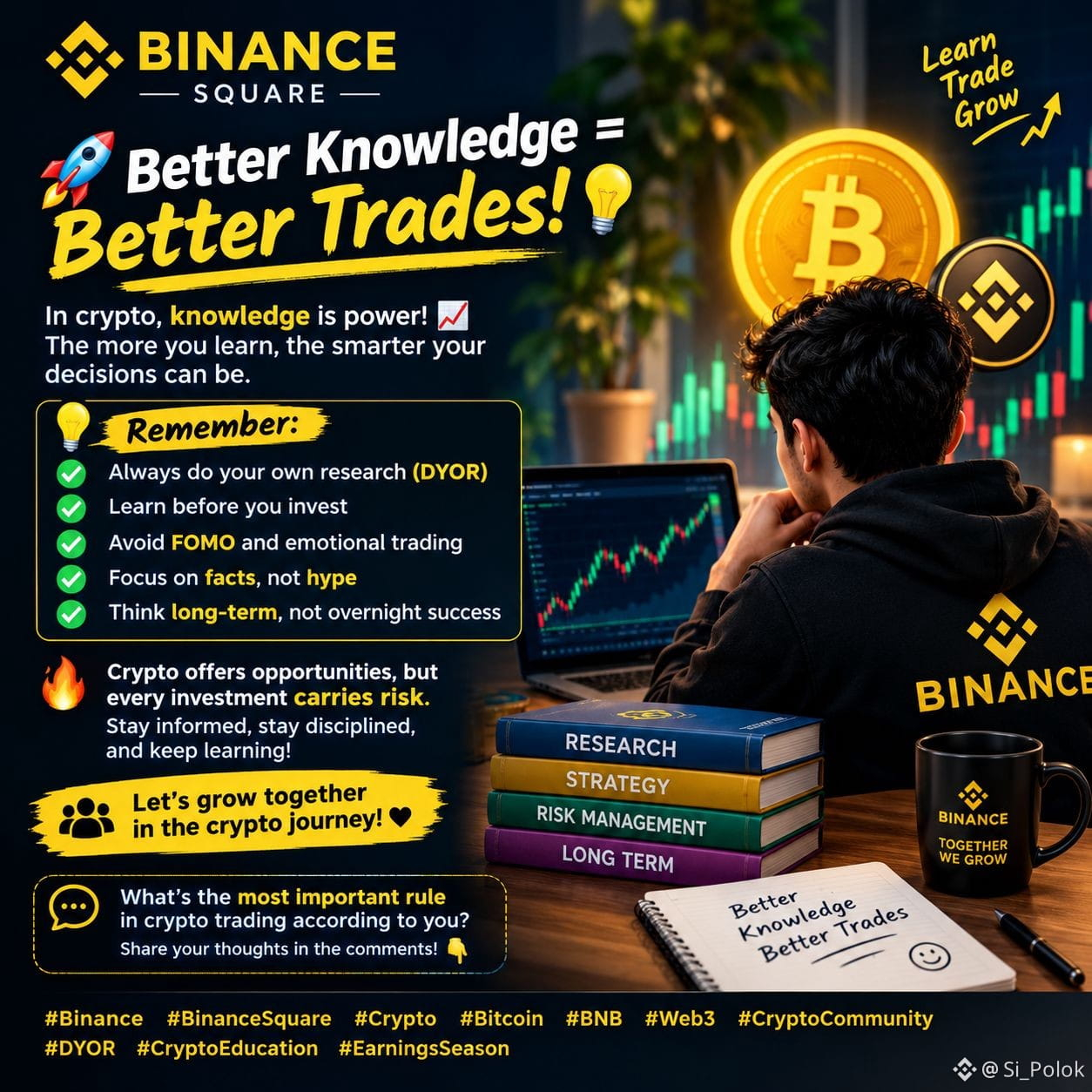
🚀 Kiến thức tốt hơn = Giao dịch tốt hơn! 💡
Trong lĩnh vực tiền mã hóa, kiến thức là sức mạnh! 📈 Bạn càng học hỏi nhiều, quyết định của bạn càng sáng suốt.
💡 Hãy nhớ:
✅ Luôn tự nghiên cứu (DYOR)
✅ Tìm hiểu trước khi đầu tư
✅ Tránh FOMO và giao dịch theo cảm xúc
✅ Tập trung vào sự thật, đừng chạy theo những lời thổi phồng
✅ Nghĩ dài hạn, đừng mong thành công chỉ sau một đêm
🔥 Tiền mã hóa mang đến nhiều cơ hội, nhưng mọi khoản đầu tư đều tiềm ẩn rủi ro. Hãy luôn cập nhật thông tin, giữ kỷ luật và không ngừng học hỏi!
💛 Cùng nhau phát triển trên hành trình khám phá tiền mã hóa nhé!
👇 Theo bạn, nguyên tắc quan trọng nhất khi giao dịch tiền mã hóa là gì? Hãy chia sẻ suy nghĩ của bạn trong phần bình luận!
#Binance #BinanceSquare #Crypto #Bitcoin #BNB #Web3 #CryptoCommunity #DYOR #CryptoEducation #EarningsSeason
#EarningsSeason
🚀 Kiến thức tốt hơn = Giao dịch tốt hơn! 💡
Trong lĩnh vực tiền mã hóa, kiến thức là sức mạnh! 📈 Bạn càng học hỏi nhiều, quyết định của bạn càng sáng suốt.
💡 Hãy nhớ:
✅ Luôn tự nghiên cứu (DYOR)
✅ Tìm hiểu trước khi đầu tư
✅ Tránh FOMO và giao dịch theo cảm xúc
✅ Tập trung vào sự thật, đừng chạy theo những lời thổi phồng
✅ Nghĩ dài hạn, đừng mong thành công chỉ sau một đêm
🔥 Tiền mã hóa mang đến nhiều cơ hội, nhưng mọi khoản đầu tư đều tiềm ẩn rủi ro. Hãy luôn cập nhật thông tin, giữ kỷ luật và không ngừng học hỏi!
💛 Cùng nhau phát triển trên hành trình khám phá tiền mã hóa nhé!
👇 Theo bạn, nguyên tắc quan trọng nhất khi giao dịch tiền mã hóa là gì? Hãy chia sẻ suy nghĩ của bạn trong phần bình luận!
#Binance #BinanceSquare #Crypto #Bitcoin #BNB #Web3 #CryptoCommunity #DYOR #CryptoEducation #EarningsSeason
🚀 Kiến thức tốt hơn = Giao dịch tốt hơn! 💡
Trong lĩnh vực tiền mã hóa, kiến thức là sức mạnh! 📈 Bạn càng học hỏi nhiều, quyết định của bạn càng sáng suốt.
💡 Hãy nhớ:
✅ Luôn tự nghiên cứu (DYOR)
✅ Tìm hiểu trước khi đầu tư
✅ Tránh FOMO và giao dịch theo cảm xúc
✅ Tập trung vào sự thật, đừng chạy theo những lời thổi phồng
✅ Nghĩ dài hạn, đừng mong thành công chỉ sau một đêm
🔥 Tiền mã hóa mang đến nhiều cơ hội, nhưng mọi khoản đầu tư đều tiềm ẩn rủi ro. Hãy luôn cập nhật thông tin, giữ kỷ luật và không ngừng học hỏi!
💛 Cùng nhau phát triển trên hành trình khám phá tiền mã hóa nhé!
👇 Theo bạn, nguyên tắc quan trọng nhất khi giao dịch tiền mã hóa là gì? Hãy chia sẻ suy nghĩ của bạn trong phần bình luận!
#Binance #BinanceSquare #Crypto #Bitcoin #BNB #Web3 #CryptoCommunity #DYOR #CryptoEducation #EarningsSeason
104

·
--
TRƯỚC KHI MUA MỘT ĐỒNG COIN, HÃY TRẢ LỜI NĂM CÂU HỎI SAU 🔎
Dự án giải quyết vấn đề gì? Ai duy trì mạng lưới? Tài sản này có được nhu cầu nhờ đâu? Cặp giao dịch có đủ thanh khoản không? Điều gì có thể khiến dự án thất bại? Những câu hỏi này hữu ích hơn việc mua chỉ vì một đồng coin đang nổi trên mạng xã hội. Hãy đọc tài liệu chính thức, tham khảo các nguồn độc lập đáng tin cậy và tìm hiểu về nguồn cung token cũng như các rủi ro bảo mật. Không danh sách kiểm tra nào có thể loại bỏ hoàn toàn sự bất định, nhưng việc nghiên cứu có thể giúp bạn tránh đưa ra quyết định chỉ dựa trên sự thổi phồng. Nếu bạn không thể giải thích lý do mình cân nhắc một tài sản, hãy tạm dừng trước khi mua.
Người mới bắt đầu thường bỏ qua câu hỏi nghiên cứu nào nhất?
$BTC $ETH #dyor
TRƯỚC KHI MUA MỘT ĐỒNG COIN, HÃY TRẢ LỜI NĂM CÂU HỎI SAU 🔎
Dự án giải quyết vấn đề gì? Ai duy trì mạng lưới? Tài sản này có được nhu cầu nhờ đâu? Cặp giao dịch có đủ thanh khoản không? Điều gì có thể khiến dự án thất bại? Những câu hỏi này hữu ích hơn việc mua chỉ vì một đồng coin đang nổi trên mạng xã hội. Hãy đọc tài liệu chính thức, tham khảo các nguồn độc lập đáng tin cậy và tìm hiểu về nguồn cung token cũng như các rủi ro bảo mật. Không danh sách kiểm tra nào có thể loại bỏ hoàn toàn sự bất định, nhưng việc nghiên cứu có thể giúp bạn tránh đưa ra quyết định chỉ dựa trên sự thổi phồng. Nếu bạn không thể giải thích lý do mình cân nhắc một tài sản, hãy tạm dừng trước khi mua.
Người mới bắt đầu thường bỏ qua câu hỏi nghiên cứu nào nhất?
$BTC $ETH #dyor
Dự án giải quyết vấn đề gì? Ai duy trì mạng lưới? Tài sản này có được nhu cầu nhờ đâu? Cặp giao dịch có đủ thanh khoản không? Điều gì có thể khiến dự án thất bại? Những câu hỏi này hữu ích hơn việc mua chỉ vì một đồng coin đang nổi trên mạng xã hội. Hãy đọc tài liệu chính thức, tham khảo các nguồn độc lập đáng tin cậy và tìm hiểu về nguồn cung token cũng như các rủi ro bảo mật. Không danh sách kiểm tra nào có thể loại bỏ hoàn toàn sự bất định, nhưng việc nghiên cứu có thể giúp bạn tránh đưa ra quyết định chỉ dựa trên sự thổi phồng. Nếu bạn không thể giải thích lý do mình cân nhắc một tài sản, hãy tạm dừng trước khi mua.
Người mới bắt đầu thường bỏ qua câu hỏi nghiên cứu nào nhất?
$BTC $ETH #dyor
Agree
100%
Disagree
0%
4 phiếu bầu • Cuộc bỏ phiếu đã kết thúc
272
📚 DYOR: Thói quen quan trọng nhất trong lĩnh vực tiền mã hóa!
DYOR có nghĩa là “Tự mình nghiên cứu”.
Trước khi đầu tư vào bất kỳ loại tiền mã hóa nào, hãy dành thời gian tìm hiểu:
🔹 Dự án giải quyết vấn đề gì?
🔹 Ai đang xây dựng dự án?
🔹 Dự án có ứng dụng thực tế không?
🔹 Những rủi ro liên quan là gì?
Đừng mù quáng chạy theo cơn sốt. Một đồng coin đang thịnh hành không đồng nghĩa với một khoản đầu tư tốt.
Hãy tìm hiểu trước, nghiên cứu cẩn thận và đưa ra quyết định dựa trên sự thật thay vì cảm xúc. 💡
#BinanceSquare #DYOR #cryptoeducation #Bitcoin #blockchain
📚 DYOR: Thói quen quan trọng nhất trong lĩnh vực tiền mã hóa!
DYOR có nghĩa là “Tự mình nghiên cứu”.
Trước khi đầu tư vào bất kỳ loại tiền mã hóa nào, hãy dành thời gian tìm hiểu:
🔹 Dự án giải quyết vấn đề gì?
🔹 Ai đang xây dựng dự án?
🔹 Dự án có ứng dụng thực tế không?
🔹 Những rủi ro liên quan là gì?
Đừng mù quáng chạy theo cơn sốt. Một đồng coin đang thịnh hành không đồng nghĩa với một khoản đầu tư tốt.
Hãy tìm hiểu trước, nghiên cứu cẩn thận và đưa ra quyết định dựa trên sự thật thay vì cảm xúc. 💡
#BinanceSquare #DYOR #cryptoeducation #Bitcoin #blockchain
DYOR có nghĩa là “Tự mình nghiên cứu”.
Trước khi đầu tư vào bất kỳ loại tiền mã hóa nào, hãy dành thời gian tìm hiểu:
🔹 Dự án giải quyết vấn đề gì?
🔹 Ai đang xây dựng dự án?
🔹 Dự án có ứng dụng thực tế không?
🔹 Những rủi ro liên quan là gì?
Đừng mù quáng chạy theo cơn sốt. Một đồng coin đang thịnh hành không đồng nghĩa với một khoản đầu tư tốt.
Hãy tìm hiểu trước, nghiên cứu cẩn thận và đưa ra quyết định dựa trên sự thật thay vì cảm xúc. 💡
#BinanceSquare #DYOR #cryptoeducation #Bitcoin #blockchain
75

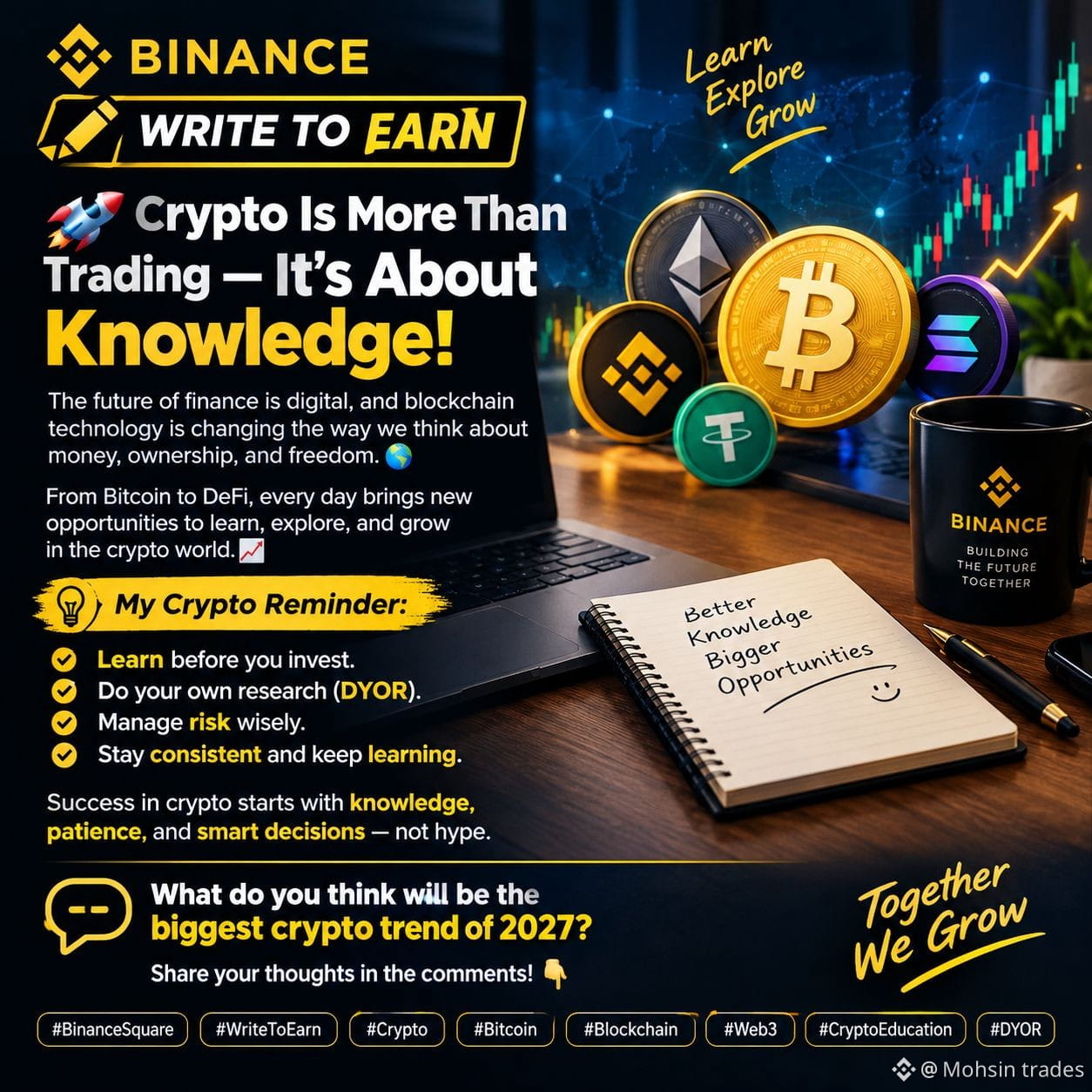
🚀 Tiền mã hóa không chỉ là giao dịch — mà còn là kiến thức! 💰
@Square-Creator-3f2506bf9110
Tương lai của tài chính là kỹ thuật số, và công nghệ blockchain đang thay đổi cách chúng ta nghĩ về tiền bạc, quyền sở hữu và tự do. 🌐
Từ Bitcoin đến DeFi, mỗi ngày đều mang đến những cơ hội mới để học hỏi, khám phá và phát triển trong thế giới tiền mã hóa. 📈
💡 Lời nhắc về tiền mã hóa:
✅ Hãy tìm hiểu trước khi đầu tư.
✅ Tự nghiên cứu (DYOR).
✅ Quản lý rủi ro một cách khôn ngoan.
✅ Kiên trì và không ngừng học hỏi.
Thành công trong lĩnh vực tiền mã hóa bắt đầu từ kiến thức, sự kiên nhẫn và những quyết định sáng suốt — chứ không phải những lời thổi phồng.
🔥 Bạn nghĩ xu hướng tiền mã hóa lớn nhất năm 2027 sẽ là gì?
Hãy chia sẻ suy nghĩ của bạn trong phần bình luận! 👇
#BinanceSquare #writetoearn #Crypto #blockchain #Web3 #CryptoEducation💡🚀 #dyor
🚀 Tiền mã hóa không chỉ là giao dịch — mà còn là kiến thức! 💰
@Dior
Tương lai của tài chính là kỹ thuật số, và công nghệ blockchain đang thay đổi cách chúng ta nghĩ về tiền bạc, quyền sở hữu và tự do. 🌐
Từ Bitcoin đến DeFi, mỗi ngày đều mang đến những cơ hội mới để học hỏi, khám phá và phát triển trong thế giới tiền mã hóa. 📈
💡 Lời nhắc về tiền mã hóa:
✅ Hãy tìm hiểu trước khi đầu tư.
✅ Tự nghiên cứu (DYOR).
✅ Quản lý rủi ro một cách khôn ngoan.
✅ Kiên trì và không ngừng học hỏi.
Thành công trong lĩnh vực tiền mã hóa bắt đầu từ kiến thức, sự kiên nhẫn và những quyết định sáng suốt — chứ không phải những lời thổi phồng.
🔥 Bạn nghĩ xu hướng tiền mã hóa lớn nhất năm 2027 sẽ là gì?
Hãy chia sẻ suy nghĩ của bạn trong phần bình luận! 👇
#BinanceSquare #writetoearn #Crypto #blockchain #Web3 #CryptoEducation💡🚀 #dyor
@Dior
Tương lai của tài chính là kỹ thuật số, và công nghệ blockchain đang thay đổi cách chúng ta nghĩ về tiền bạc, quyền sở hữu và tự do. 🌐
Từ Bitcoin đến DeFi, mỗi ngày đều mang đến những cơ hội mới để học hỏi, khám phá và phát triển trong thế giới tiền mã hóa. 📈
💡 Lời nhắc về tiền mã hóa:
✅ Hãy tìm hiểu trước khi đầu tư.
✅ Tự nghiên cứu (DYOR).
✅ Quản lý rủi ro một cách khôn ngoan.
✅ Kiên trì và không ngừng học hỏi.
Thành công trong lĩnh vực tiền mã hóa bắt đầu từ kiến thức, sự kiên nhẫn và những quyết định sáng suốt — chứ không phải những lời thổi phồng.
🔥 Bạn nghĩ xu hướng tiền mã hóa lớn nhất năm 2027 sẽ là gì?
Hãy chia sẻ suy nghĩ của bạn trong phần bình luận! 👇
#BinanceSquare #writetoearn #Crypto #blockchain #Web3 #CryptoEducation💡🚀 #dyor
108
Đăng nhập để khám phá thêm nội dung
Tham gia cùng người dùng tiền mã hóa toàn cầu trên Binance Square
⚡️ Nhận thông tin mới nhất và hữu ích về tiền mã hóa.
💬 Được tin cậy bởi sàn giao dịch tiền mã hóa lớn nhất thế giới.
👍 Khám phá những thông tin chuyên sâu thực tế từ những nhà sáng tạo đã xác minh.
Email / Số điện thoại
Chủ đề thịnh hành
1
#CanMicrosoftDeliverOnAI
32,267 lượt xem
493 đang thảo luận
2
#CanGoogleDefindItsCore
16,381 lượt xem
390 đang thảo luận
3
#TinFed
357,323 lượt xem
973 đang thảo luận
4
#TheoDõiFOMC
299,643 lượt xem
1,257 đang thảo luận
5
#FOMCWatch
9M lượt xem
27,632 đang thảo luận
6
#EthereumDropsBelow$2300
8,524 lượt xem
140 đang thảo luận
7
#BitcoinSlipsBelow$80KAgain
24,252 lượt xem
107 đang thảo luận
8
#ThailandLaunchesWORPTStablecoinToQRPaymentApp
47,386 lượt xem
707 đang thảo luận
9
#StrategySkipsBitcoinPurchasesSpends$205MOnSTRCBuybacks
9,451 lượt xem
90 đang thảo luận
10
#BitmineAdds10452ETH
88,114 lượt xem
1,091 đang thảo luận