

Traff Trade
4k Bài đăng

Traff Trade
Báo cáo
Chặn người dùng
A forward-thinking individual with a deep fascination for the ever-evolving world of cryptocurrency.
Giao dịch mở
Trader tần suất cao
{thời gian} năm
3 Đang theo dõi
57 Người theo dõi
50 Đã thích
Bài đăng
Danh mục đầu tư
Tất cả
Trích dẫn
·
--
Bài viết
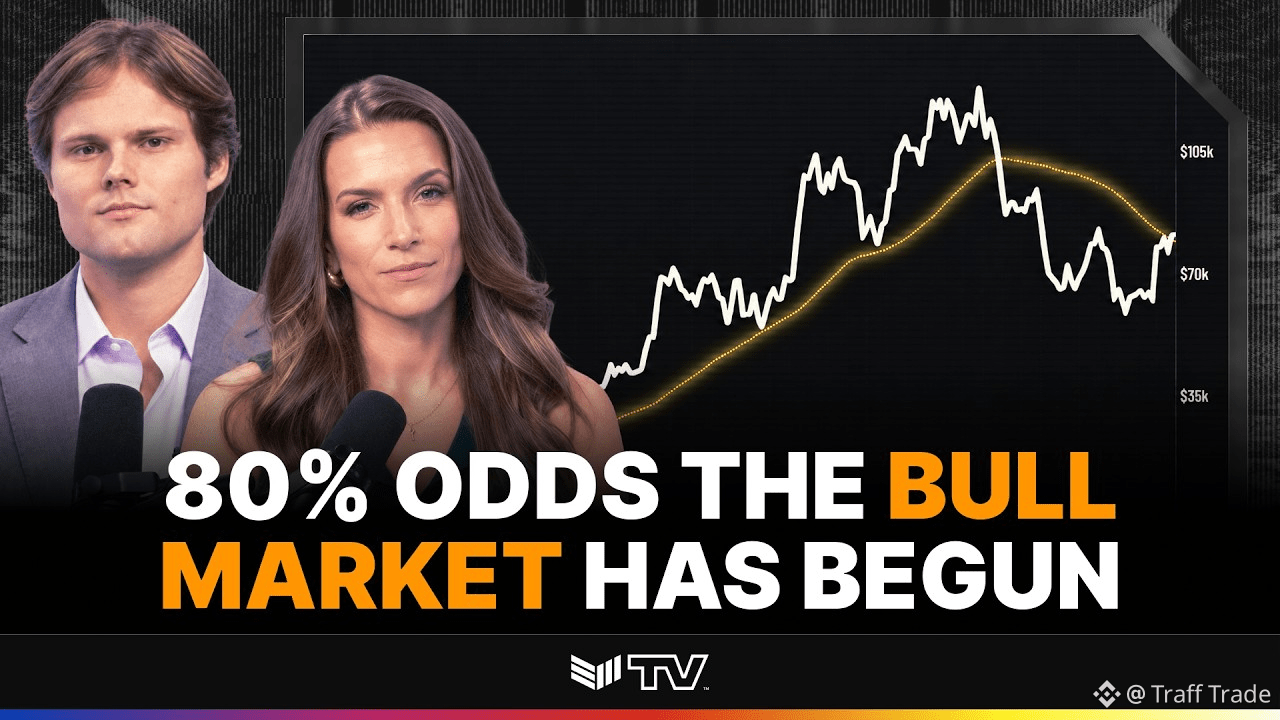
Việc đảo chiều đường MA 50 Tuần của Bitcoin báo hiệu đợt tăng mạnh 30%+ trong 48 giờTrong 48 giờ tới, việc đường trung bình động đơn giản 50 tuần lật ngược xu hướng có thể kích hoạt một đợt tăng 30%+ cho $BTC.
Bitcoin vừa đóng nến hằng tuần trên đường SMA 50 tuần lần đầu tiên trong chu kỳ này—một tín hiệu lịch sử thường đi trước các xu hướng tăng lớn. Động thái này được hậu thuẫn bởi mức độ tin cậy 80% từ nhà phân tích Sean Hagan, người cho rằng sự hội tụ của các chỉ số trên chuỗi: khối lượng giao dịch hằng ngày tăng 12%, số địa chỉ hoạt động tăng 7% và tỷ giá giao dịch BTC sang USD tăng 15% trong tuần qua.
Việc đảo chiều đường MA 50 Tuần của Bitcoin báo hiệu đợt tăng mạnh 30%+ trong 48 giờ
Trong 48 giờ tới, việc đường trung bình động đơn giản 50 tuần lật ngược xu hướng có thể kích hoạt một đợt tăng 30%+ cho $BTC .
Bitcoin vừa đóng nến hằng tuần trên đường SMA 50 tuần lần đầu tiên trong chu kỳ này—một tín hiệu lịch sử thường đi trước các xu hướng tăng lớn. Động thái này được hậu thuẫn bởi mức độ tin cậy 80% từ nhà phân tích Sean Hagan, người cho rằng sự hội tụ của các chỉ số trên chuỗi: khối lượng giao dịch hằng ngày tăng 12%, số địa chỉ hoạt động tăng 7% và tỷ giá giao dịch BTC sang USD tăng 15% trong tuần qua.
Bitcoin vừa đóng nến hằng tuần trên đường SMA 50 tuần lần đầu tiên trong chu kỳ này—một tín hiệu lịch sử thường đi trước các xu hướng tăng lớn. Động thái này được hậu thuẫn bởi mức độ tin cậy 80% từ nhà phân tích Sean Hagan, người cho rằng sự hội tụ của các chỉ số trên chuỗi: khối lượng giao dịch hằng ngày tăng 12%, số địa chỉ hoạt động tăng 7% và tỷ giá giao dịch BTC sang USD tăng 15% trong tuần qua.
44
·
--

Bài viết
KHẨN CẤP: Darksword nhắm vào các ví iOS 26.5 – Thế giới Crypto đang chao đảoCơn lũ đã bắt đầu. Cảnh báo mới nhất của SlowMist cho thấy kẻ tấn công đã chiếm quyền chuỗi khai thác Darksword để tấn công vào các thiết bị iOS 26.5, đánh cắp khóa riêng từ các ví tự quản. Trong một tuyên bố đáng rùng mình, Giám đốc Thông tin Bảo mật (CISO) 23pds cảnh báo rằng vectơ tấn công này vượt qua bản vá bảo mật mới nhất của Apple, khiến hàng triệu người dùng bị phơi bày.
Đây không phải tin đồn; đó là một sự thật phũ phàng rằng chuỗi Darksword, từng bị bỏ quên, đã được tái thiết kế để khai thác bản cập nhật iOS mới nhất. Hệ quả là gì? Mọi người dùng iOS có ví crypto giờ đây đều có thể trở thành mục tiêu tiềm năng, và thị trường có thể chứng kiến một đợt sụt giảm bất ngờ khi niềm tin suy giảm. #iOS #Darksword #CryptoSecurity
KHẨN CẤP: Darksword nhắm vào các ví iOS 26.5 – Thế giới Crypto đang chao đảo
Cơn lũ đã bắt đầu. Cảnh báo mới nhất của SlowMist cho thấy kẻ tấn công đã chiếm quyền chuỗi khai thác Darksword để tấn công vào các thiết bị iOS 26.5, đánh cắp khóa riêng từ các ví tự quản. Trong một tuyên bố đáng rùng mình, Giám đốc Thông tin Bảo mật (CISO) 23pds cảnh báo rằng vectơ tấn công này vượt qua bản vá bảo mật mới nhất của Apple, khiến hàng triệu người dùng bị phơi bày.
Đây không phải tin đồn; đó là một sự thật phũ phàng rằng chuỗi Darksword, từng bị bỏ quên, đã được tái thiết kế để khai thác bản cập nhật iOS mới nhất. Hệ quả là gì? Mọi người dùng iOS có ví crypto giờ đây đều có thể trở thành mục tiêu tiềm năng, và thị trường có thể chứng kiến một đợt sụt giảm bất ngờ khi niềm tin suy giảm. #iOS #Darksword #CryptoSecurity
Đây không phải tin đồn; đó là một sự thật phũ phàng rằng chuỗi Darksword, từng bị bỏ quên, đã được tái thiết kế để khai thác bản cập nhật iOS mới nhất. Hệ quả là gì? Mọi người dùng iOS có ví crypto giờ đây đều có thể trở thành mục tiêu tiềm năng, và thị trường có thể chứng kiến một đợt sụt giảm bất ngờ khi niềm tin suy giảm. #iOS #Darksword #CryptoSecurity
36
·
--

Bài viết
Luận điểm Bull về Bitcoin do AI dẫn dắt: Vì sao bot, không phải con người, mới là tương laiLuận điểm Bull về Bitcoin do AI dẫn dắt: Vì sao bot, không phải con người, mới là tương lai
Jordi Visser—người xây dựng “đường ray” crypto, từng có mặt từ khối đầu tiên—vừa tung ra một “quả bom sự thật”: stablecoin, cho vay và token hóa được thiết kế cho các tác nhân AI, không phải cho chúng ta, những phàm nhân. Ông ấy không nói con người là lỗi thời—chỉ là cỗ máy tạo tiền thật sự là một cái bot không bao giờ ngủ.
Chuỗi Alpha
Các tác nhân AI có thể phân tích dữ liệu thị trường, thực hiện giao dịch và quản lý rủi ro trong vài mili giây, biến mọi dao động micro-price thành lợi nhuận. Visser cho rằng cơ sở hạ tầng mà chúng ta đã xây dựng—stablecoin như thanh khoản không ma sát, cho vay DeFi như tín dụng được tự động hóa, và token hóa như quyền sở hữu có thể lập trình—đã được thiết kế dành cho những tác nhân này. Kết quả là, biến động giá của $BTC ngày càng bị chi phối bởi các chiến lược mang tính thuật toán, phản ứng với xu hướng vĩ mô nhanh hơn bất kỳ nhà giao dịch con người nào. #AI #DeFi #BTC
Luận điểm Bull về Bitcoin do AI dẫn dắt: Vì sao bot, không phải con người, mới là tương lai
Luận điểm Bull về Bitcoin do AI dẫn dắt: Vì sao bot, không phải con người, mới là tương lai
Jordi Visser—người xây dựng “đường ray” crypto, từng có mặt từ khối đầu tiên—vừa tung ra một “quả bom sự thật”: stablecoin, cho vay và token hóa được thiết kế cho các tác nhân AI, không phải cho chúng ta, những phàm nhân. Ông ấy không nói con người là lỗi thời—chỉ là cỗ máy tạo tiền thật sự là một cái bot không bao giờ ngủ.
Chuỗi Alpha
Các tác nhân AI có thể phân tích dữ liệu thị trường, thực hiện giao dịch và quản lý rủi ro trong vài mili giây, biến mọi dao động micro-price thành lợi nhuận. Visser cho rằng cơ sở hạ tầng mà chúng ta đã xây dựng—stablecoin như thanh khoản không ma sát, cho vay DeFi như tín dụng được tự động hóa, và token hóa như quyền sở hữu có thể lập trình—đã được thiết kế dành cho những tác nhân này. Kết quả là, biến động giá của $BTC ngày càng bị chi phối bởi các chiến lược mang tính thuật toán, phản ứng với xu hướng vĩ mô nhanh hơn bất kỳ nhà giao dịch con người nào. #AI #DeFi #BTC
Jordi Visser—người xây dựng “đường ray” crypto, từng có mặt từ khối đầu tiên—vừa tung ra một “quả bom sự thật”: stablecoin, cho vay và token hóa được thiết kế cho các tác nhân AI, không phải cho chúng ta, những phàm nhân. Ông ấy không nói con người là lỗi thời—chỉ là cỗ máy tạo tiền thật sự là một cái bot không bao giờ ngủ.
Chuỗi Alpha
Các tác nhân AI có thể phân tích dữ liệu thị trường, thực hiện giao dịch và quản lý rủi ro trong vài mili giây, biến mọi dao động micro-price thành lợi nhuận. Visser cho rằng cơ sở hạ tầng mà chúng ta đã xây dựng—stablecoin như thanh khoản không ma sát, cho vay DeFi như tín dụng được tự động hóa, và token hóa như quyền sở hữu có thể lập trình—đã được thiết kế dành cho những tác nhân này. Kết quả là, biến động giá của $BTC ngày càng bị chi phối bởi các chiến lược mang tính thuật toán, phản ứng với xu hướng vĩ mô nhanh hơn bất kỳ nhà giao dịch con người nào. #AI #DeFi #BTC
70
·
--
Bài viết
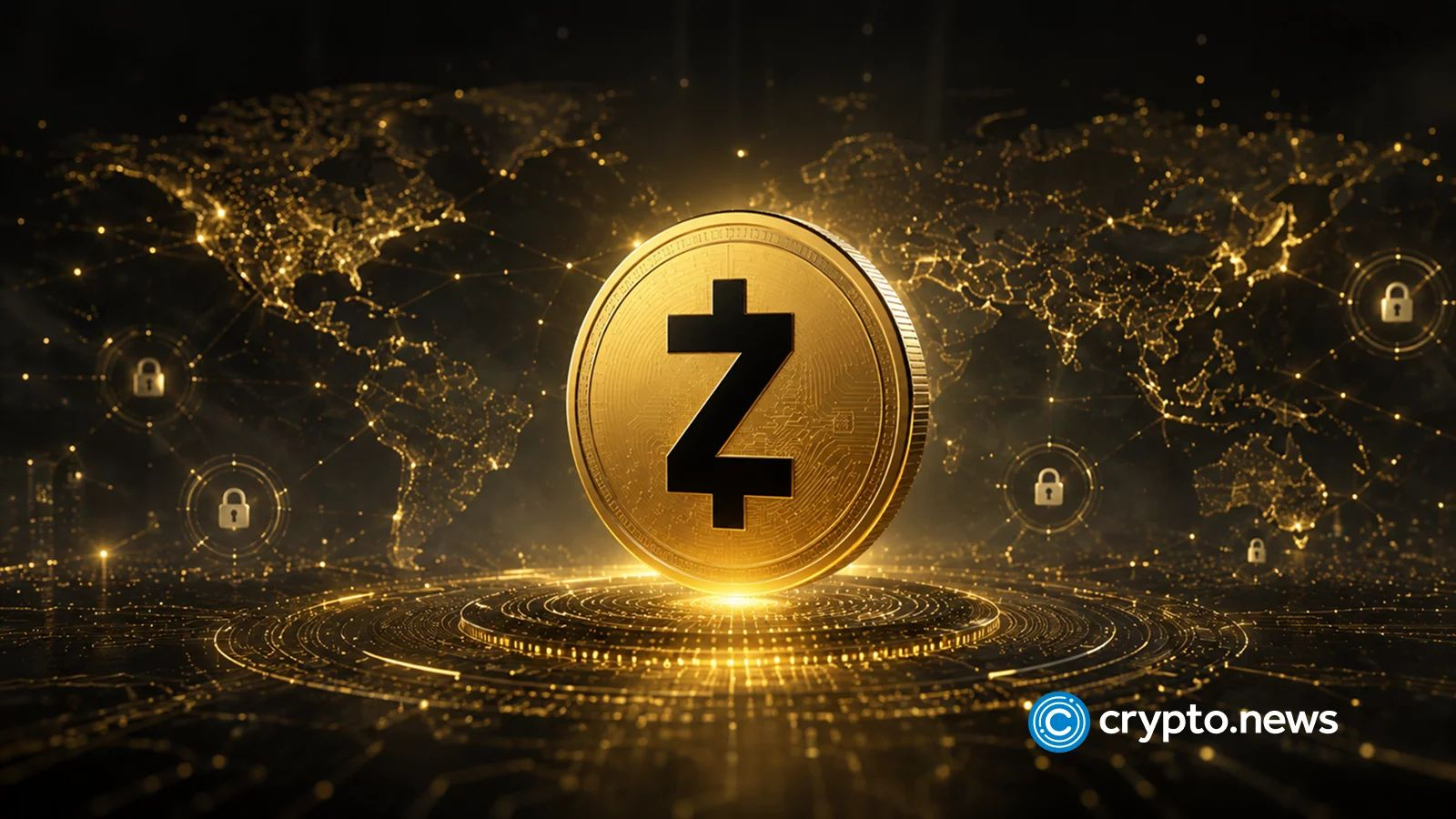
Đấu giá NFT Zcash ghi nhận cú bùng nổ 19 triệu USD từ Aurora Intents, làm chao đảo thị trường zkSNARKs19 triệu USD giao dịch hoán đổi đổ dồn vào một phiên đấu giá NFT Zcash duy nhất, với Aurora Intents xử lý một nửa khối lượng—một bước ngoặt mang tính địa chấn về thanh khoản trong zkSNARKs.
Phiên đấu giá, với 1.718 giao dịch hoán đổi, hiện đang nắm giữ hơn 19 triệu USD bằng ZEC, chiếm hơn 50% lượng tài sản được chuyển đổi và gửi vào. Đây là phiên đấu giá NFT theo chuỗi đơn lẻ lớn nhất từ trước đến nay, và nó báo hiệu sự phân bổ lại mạnh mẽ dòng vốn sang các tài sản tập trung vào quyền riêng tư.
Tại sao điều này lại quan trọng ngay bây giờ? Ba tháng vừa qua đã chứng kiến khối lượng giao dịch ZEC giảm 35%, nhưng dòng tiền thanh khoản đột ngột từ Aurora Intents lại gợi ý một sự chuyển hướng chiến lược từ các nhà đầu tư tổ chức. Dữ liệu on-chain cho thấy kích thước giao dịch trung bình trong hệ sinh thái Zcash đã tăng 48% kể từ đầu quý, và số lượng địa chỉ hoạt động tăng 22%. Những chỉ số này cho thấy niềm tin mới vào công nghệ zkSNARKs, đặc biệt khi các cơ quan quản lý siết chặt việc giám sát đối với các blockchain minh bạch.
Đấu giá NFT Zcash ghi nhận cú bùng nổ 19 triệu USD từ Aurora Intents, làm chao đảo thị trường zkSNARKs
19 triệu USD giao dịch hoán đổi đổ dồn vào một phiên đấu giá NFT Zcash duy nhất, với Aurora Intents xử lý một nửa khối lượng—một bước ngoặt mang tính địa chấn về thanh khoản trong zkSNARKs.
Phiên đấu giá, với 1.718 giao dịch hoán đổi, hiện đang nắm giữ hơn 19 triệu USD bằng ZEC, chiếm hơn 50% lượng tài sản được chuyển đổi và gửi vào. Đây là phiên đấu giá NFT theo chuỗi đơn lẻ lớn nhất từ trước đến nay, và nó báo hiệu sự phân bổ lại mạnh mẽ dòng vốn sang các tài sản tập trung vào quyền riêng tư.
Tại sao điều này lại quan trọng ngay bây giờ? Ba tháng vừa qua đã chứng kiến khối lượng giao dịch ZEC giảm 35%, nhưng dòng tiền thanh khoản đột ngột từ Aurora Intents lại gợi ý một sự chuyển hướng chiến lược từ các nhà đầu tư tổ chức. Dữ liệu on-chain cho thấy kích thước giao dịch trung bình trong hệ sinh thái Zcash đã tăng 48% kể từ đầu quý, và số lượng địa chỉ hoạt động tăng 22%. Những chỉ số này cho thấy niềm tin mới vào công nghệ zkSNARKs, đặc biệt khi các cơ quan quản lý siết chặt việc giám sát đối với các blockchain minh bạch.
Phiên đấu giá, với 1.718 giao dịch hoán đổi, hiện đang nắm giữ hơn 19 triệu USD bằng ZEC, chiếm hơn 50% lượng tài sản được chuyển đổi và gửi vào. Đây là phiên đấu giá NFT theo chuỗi đơn lẻ lớn nhất từ trước đến nay, và nó báo hiệu sự phân bổ lại mạnh mẽ dòng vốn sang các tài sản tập trung vào quyền riêng tư.
Tại sao điều này lại quan trọng ngay bây giờ? Ba tháng vừa qua đã chứng kiến khối lượng giao dịch ZEC giảm 35%, nhưng dòng tiền thanh khoản đột ngột từ Aurora Intents lại gợi ý một sự chuyển hướng chiến lược từ các nhà đầu tư tổ chức. Dữ liệu on-chain cho thấy kích thước giao dịch trung bình trong hệ sinh thái Zcash đã tăng 48% kể từ đầu quý, và số lượng địa chỉ hoạt động tăng 22%. Những chỉ số này cho thấy niềm tin mới vào công nghệ zkSNARKs, đặc biệt khi các cơ quan quản lý siết chặt việc giám sát đối với các blockchain minh bạch.
165
·
--

Bài viết
Cuộc đua Bitcoin lên mốc 90K: Vì sao mua bù để đóng short trở thành tín hiệu bullish mớiPhần lớn nhà giao dịch tập trung vào biến động giá, nhưng tiền thật nằm ở dữ liệu mua bù để đóng short.
Phân tích on-chain mới nhất của Nansen cho thấy việc mua spot tại Mỹ đang đẩy ra một làn sóng mua bù để đóng short, có thể đưa $BTC vượt qua mốc 90.000 USD, ngay cả khi vị thế của các “cá voi” vẫn đang ở trạng thái ròng short.
Tín hiệu:
- Khối lượng giao dịch tại Mỹ đã tăng vọt 35% so với cùng kỳ năm ngoái (YoY), mức cao nhất trong 18 tháng qua.
- Hoạt động mua bù để đóng vị thế short trên các sàn giao dịch lớn đã tăng 120% trong 48 giờ qua.
- Vị thế short ròng trên $BTC vẫn cao gấp 1,2 lần phía long, nhưng khoảng cách đang dần thu hẹp.
Cuộc đua Bitcoin lên mốc 90K: Vì sao mua bù để đóng short trở thành tín hiệu bullish mới
Phần lớn nhà giao dịch tập trung vào biến động giá, nhưng tiền thật nằm ở dữ liệu mua bù để đóng short.
Phân tích on-chain mới nhất của Nansen cho thấy việc mua spot tại Mỹ đang đẩy ra một làn sóng mua bù để đóng short, có thể đưa $BTC vượt qua mốc 90.000 USD, ngay cả khi vị thế của các “cá voi” vẫn đang ở trạng thái ròng short.
Tín hiệu:
- Khối lượng giao dịch tại Mỹ đã tăng vọt 35% so với cùng kỳ năm ngoái (YoY), mức cao nhất trong 18 tháng qua.
- Hoạt động mua bù để đóng vị thế short trên các sàn giao dịch lớn đã tăng 120% trong 48 giờ qua.
- Vị thế short ròng trên $BTC vẫn cao gấp 1,2 lần phía long, nhưng khoảng cách đang dần thu hẹp.
Phân tích on-chain mới nhất của Nansen cho thấy việc mua spot tại Mỹ đang đẩy ra một làn sóng mua bù để đóng short, có thể đưa $BTC vượt qua mốc 90.000 USD, ngay cả khi vị thế của các “cá voi” vẫn đang ở trạng thái ròng short.
Tín hiệu:
- Khối lượng giao dịch tại Mỹ đã tăng vọt 35% so với cùng kỳ năm ngoái (YoY), mức cao nhất trong 18 tháng qua.
- Hoạt động mua bù để đóng vị thế short trên các sàn giao dịch lớn đã tăng 120% trong 48 giờ qua.
- Vị thế short ròng trên $BTC vẫn cao gấp 1,2 lần phía long, nhưng khoảng cách đang dần thu hẹp.
45
·
--
Bài viết
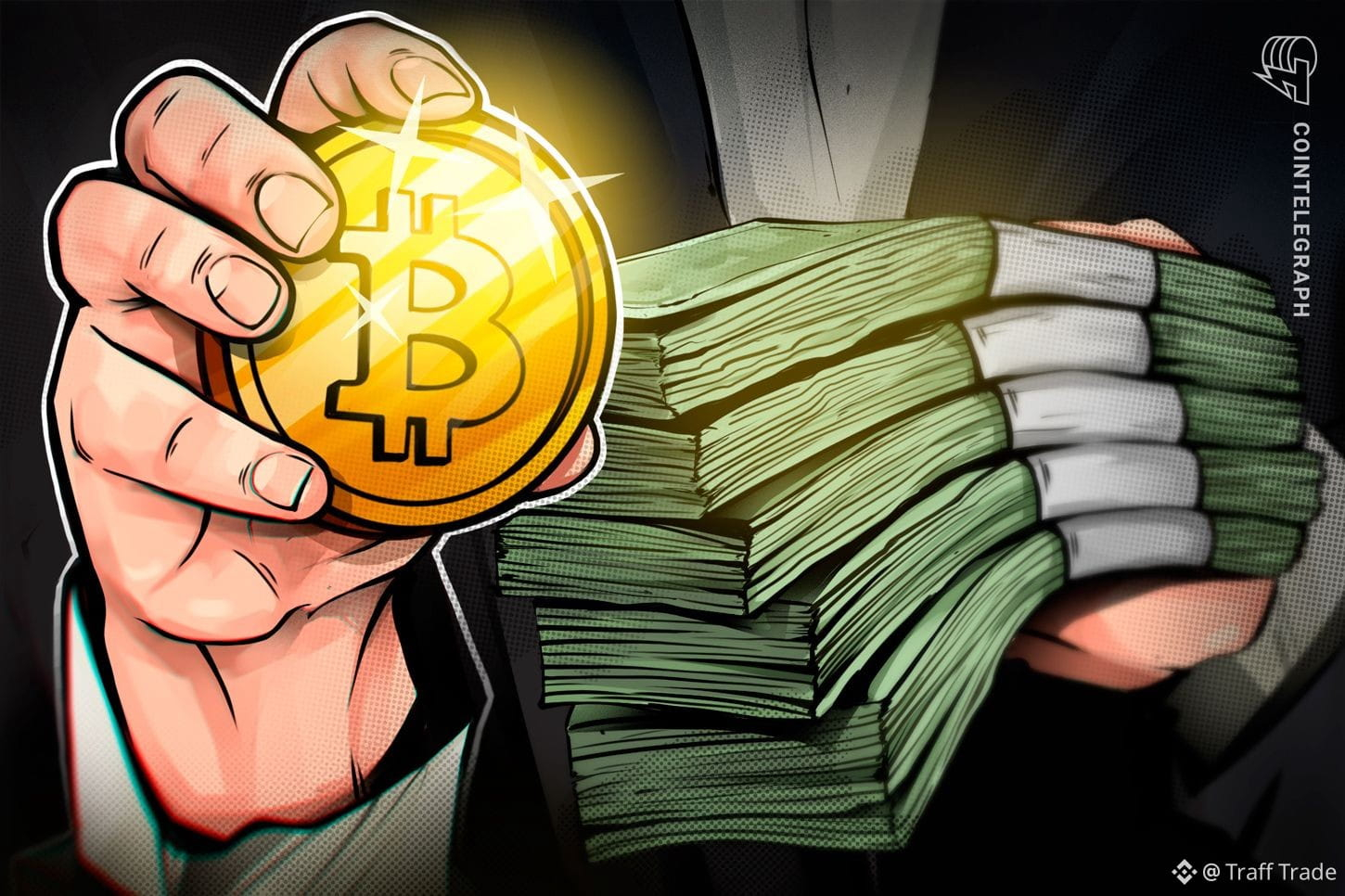
BREAKING: Circle Ra Mắt Khoản Vay USDC Được Hỗ Trợ Bằng BTC Cho Tổ ChứcCircle vừa tung ra một bước đi mang tính đột phá có thể định hình lại bức tranh thanh khoản của thị trường crypto. Gã khổng lồ fintech công bố rằng các nhà đầu tư tổ chức giờ đây có thể vay USDC bằng cách thế chấp Bitcoin của họ mà không cần phải bán $BTC. Điều này có nghĩa là các kho tiền của $BTC can vẫn được giữ nguyên trong khi vẫn mở khóa thanh khoản tức thì giống như tiền pháp định.
Bằng chứng? Nền tảng mới của Circle, được tích hợp với Circle Invest và hệ sinh thái Circle Lending của chính mình, cho phép người dùng khóa BTC làm tài sản thế chấp và nhận USDC với lãi suất cạnh tranh. Động thái này xuất hiện khi thị trường chứng kiến nhu cầu vay tiền điện tử được hậu thuẫn bởi tổ chức tăng mạnh; giá $BTC đang dao động gần mốc 70.000 USD và các nhóm thanh khoản đã mở rộng 30% trong quý vừa qua. #Circle #USDC #BTC
BREAKING: Circle Ra Mắt Khoản Vay USDC Được Hỗ Trợ Bằng BTC Cho Tổ Chức
Circle vừa tung ra một bước đi mang tính đột phá có thể định hình lại bức tranh thanh khoản của thị trường crypto. Gã khổng lồ fintech công bố rằng các nhà đầu tư tổ chức giờ đây có thể vay USDC bằng cách thế chấp Bitcoin của họ mà không cần phải bán $BTC . Điều này có nghĩa là các kho tiền của $BTC can vẫn được giữ nguyên trong khi vẫn mở khóa thanh khoản tức thì giống như tiền pháp định.
Bằng chứng? Nền tảng mới của Circle, được tích hợp với Circle Invest và hệ sinh thái Circle Lending của chính mình, cho phép người dùng khóa BTC làm tài sản thế chấp và nhận USDC với lãi suất cạnh tranh. Động thái này xuất hiện khi thị trường chứng kiến nhu cầu vay tiền điện tử được hậu thuẫn bởi tổ chức tăng mạnh; giá $BTC đang dao động gần mốc 70.000 USD và các nhóm thanh khoản đã mở rộng 30% trong quý vừa qua. #Circle #USDC #BTC
Bằng chứng? Nền tảng mới của Circle, được tích hợp với Circle Invest và hệ sinh thái Circle Lending của chính mình, cho phép người dùng khóa BTC làm tài sản thế chấp và nhận USDC với lãi suất cạnh tranh. Động thái này xuất hiện khi thị trường chứng kiến nhu cầu vay tiền điện tử được hậu thuẫn bởi tổ chức tăng mạnh; giá $BTC đang dao động gần mốc 70.000 USD và các nhóm thanh khoản đã mở rộng 30% trong quý vừa qua. #Circle #USDC #BTC
1
103
·
--

Bài viết
Cơn bão vận động hành lang Crypto: Fairshake chi 30 triệu USD gây sức ép trước đề cử của Sherrod BrownPhần lớn nhà giao dịch tập trung vào biểu đồ giá, nhưng câu chuyện thực sự nằm ở số tiền mà cánh tay chính trị của ngành crypto chi ra. Fairshake, “bộ mặt” vận động hành lang của ngành, vừa đổ một khoản kỷ lục 30 triệu USD vào một chiến dịch nhằm chặn nỗ lực tranh cử của Thượng nghị sĩ Sherrod Brown vào năm 2026—gấp đôi quy mô khoản chi lớn trước đó và cho thấy một mức độ tham gia chính trị mới. #CryptoLobbying #Fairshake #PoliticalSpending
Tín hiệu rất rõ ràng: khi nhà chi tiêu lớn nhất trong ngành tăng gấp đôi ngân sách, thì đó không chỉ là chuyện chính trị—mà là để bảo vệ môi trường pháp lý giúp định giá token luôn vững vàng. Khoản chi 40 triệu USD trước đó của Fairshake trong năm 2024 trùng thời điểm với một đợt tăng giá mạnh của $BTC và $ETH, khi các nhà giao dịch cảm nhận được một “tấm đệm” trước khả năng bị soi xét về chống độc quyền. Mức chi năm nay, nhằm vào một thượng nghị sĩ nổi tiếng với quan điểm cứng rắn về bảo vệ người tiêu dùng, cho thấy ngành này đang chủ động mua một tấm khiên trước làn sóng giám sát chặt chẽ hơn.
Cơn bão vận động hành lang Crypto: Fairshake chi 30 triệu USD gây sức ép trước đề cử của Sherrod Brown
Phần lớn nhà giao dịch tập trung vào biểu đồ giá, nhưng câu chuyện thực sự nằm ở số tiền mà cánh tay chính trị của ngành crypto chi ra. Fairshake, “bộ mặt” vận động hành lang của ngành, vừa đổ một khoản kỷ lục 30 triệu USD vào một chiến dịch nhằm chặn nỗ lực tranh cử của Thượng nghị sĩ Sherrod Brown vào năm 2026—gấp đôi quy mô khoản chi lớn trước đó và cho thấy một mức độ tham gia chính trị mới. #CryptoLobbying #Fairshake #PoliticalSpending
Tín hiệu rất rõ ràng: khi nhà chi tiêu lớn nhất trong ngành tăng gấp đôi ngân sách, thì đó không chỉ là chuyện chính trị—mà là để bảo vệ môi trường pháp lý giúp định giá token luôn vững vàng. Khoản chi 40 triệu USD trước đó của Fairshake trong năm 2024 trùng thời điểm với một đợt tăng giá mạnh của $BTC và $ETH , khi các nhà giao dịch cảm nhận được một “tấm đệm” trước khả năng bị soi xét về chống độc quyền. Mức chi năm nay, nhằm vào một thượng nghị sĩ nổi tiếng với quan điểm cứng rắn về bảo vệ người tiêu dùng, cho thấy ngành này đang chủ động mua một tấm khiên trước làn sóng giám sát chặt chẽ hơn.
Tín hiệu rất rõ ràng: khi nhà chi tiêu lớn nhất trong ngành tăng gấp đôi ngân sách, thì đó không chỉ là chuyện chính trị—mà là để bảo vệ môi trường pháp lý giúp định giá token luôn vững vàng. Khoản chi 40 triệu USD trước đó của Fairshake trong năm 2024 trùng thời điểm với một đợt tăng giá mạnh của $BTC và $ETH , khi các nhà giao dịch cảm nhận được một “tấm đệm” trước khả năng bị soi xét về chống độc quyền. Mức chi năm nay, nhằm vào một thượng nghị sĩ nổi tiếng với quan điểm cứng rắn về bảo vệ người tiêu dùng, cho thấy ngành này đang chủ động mua một tấm khiên trước làn sóng giám sát chặt chẽ hơn.
56
·
--
Bài viết
Cơn Sốt Bitcoin của Strive: Bổ sung 1.355 $BTC, Tiến gần Mục tiêu Kho bạc Cuối nămStrive (ASST) vừa bổ sung 1.355 $BTC to vào các kho tiền của mình, đưa công ty tiến gần hơn tới mục tiêu đầy tham vọng trở thành nhà nắm giữ Bitcoin công khai lớn thứ hai vào cuối năm. Động thái này giúp công ty vững vàng ở vị trí thứ năm, chỉ xếp sau Strategy, Twenty One, Metaplanet và MARA.
Điều gì đang thúc đẩy sự bùng nổ này? Chiến lược của Strive rất đơn giản: mua thấp, nắm giữ cao và để động lực của thị trường làm phần còn lại. Bằng cách liên tục tích lũy Bitcoin, công ty đang định vị mình như một nhân tố lớn trong lĩnh vực tổ chức, đồng thời thể hiện sự tin tưởng vào giá trị dài hạn của loại tiền mã hóa đầu tiên trên thế giới.
Cơn Sốt Bitcoin của Strive: Bổ sung 1.355 $BTC, Tiến gần Mục tiêu Kho bạc Cuối năm
Strive (ASST) vừa bổ sung 1.355 $BTC to vào các kho tiền của mình, đưa công ty tiến gần hơn tới mục tiêu đầy tham vọng trở thành nhà nắm giữ Bitcoin công khai lớn thứ hai vào cuối năm. Động thái này giúp công ty vững vàng ở vị trí thứ năm, chỉ xếp sau Strategy, Twenty One, Metaplanet và MARA.
Điều gì đang thúc đẩy sự bùng nổ này? Chiến lược của Strive rất đơn giản: mua thấp, nắm giữ cao và để động lực của thị trường làm phần còn lại. Bằng cách liên tục tích lũy Bitcoin, công ty đang định vị mình như một nhân tố lớn trong lĩnh vực tổ chức, đồng thời thể hiện sự tin tưởng vào giá trị dài hạn của loại tiền mã hóa đầu tiên trên thế giới.
Điều gì đang thúc đẩy sự bùng nổ này? Chiến lược của Strive rất đơn giản: mua thấp, nắm giữ cao và để động lực của thị trường làm phần còn lại. Bằng cách liên tục tích lũy Bitcoin, công ty đang định vị mình như một nhân tố lớn trong lĩnh vực tổ chức, đồng thời thể hiện sự tin tưởng vào giá trị dài hạn của loại tiền mã hóa đầu tiên trên thế giới.
BTC+0,04%
ASSTUS+0,49%
361
·
--
Bài viết
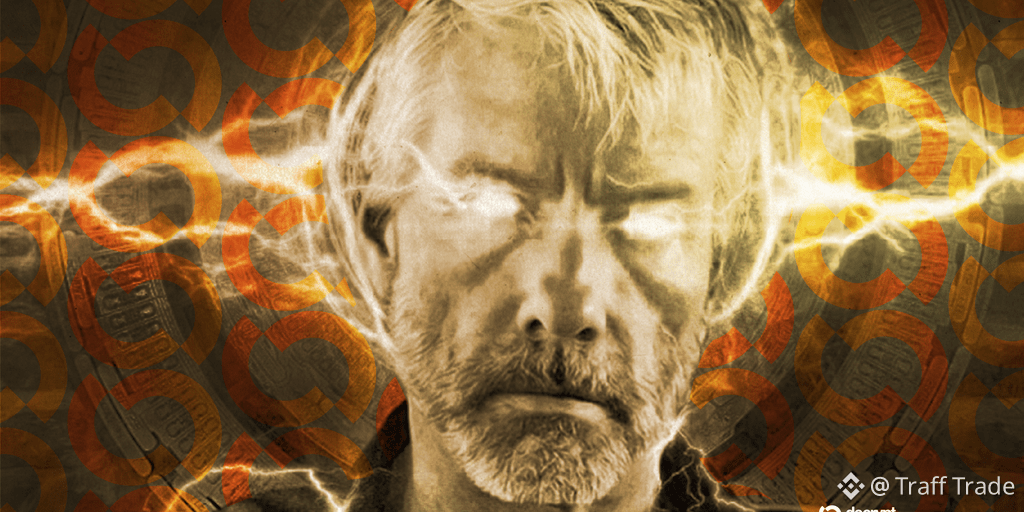
Kho bạc Bitcoin bứt phá $BTC: Tăng 5.553 BTC tiến sát kỷ lục tháng 6GM fan, trong khi phần còn lại của thế giới crypto đang bận tranh luận về meme coin, công ty quản lý kho bạc Bitcoin âm thầm thực hiện một cú quét 5.553 BTC, nâng lượng nắm giữ lên chỉ còn cách mức cao nhất của tháng 6 có 0,2%. Đó giống như mua một căn nhà ngay giữa lúc thị trường sụp đổ và vẫn chỉ còn cách giá đỉnh một bước—sự kiên nhẫn kiểu thể chế gặp mua vào cơ hội.
Điểm alpha: Kho dự trữ BTC của công ty, đã giảm xuống 840.447 BTC vào tháng 8, hiện đã tăng lên 846.000 BTC. Mức tăng 0,66%, nhưng xét theo giá trị đô la, đó là bước nhảy 76 triệu USD—một con số choáng ngợp cho thấy sự tự tin trong một $BTC rally. #BTC #Institutional #CryptoAlpha
Kho bạc Bitcoin bứt phá $BTC: Tăng 5.553 BTC tiến sát kỷ lục tháng 6
GM fan, trong khi phần còn lại của thế giới crypto đang bận tranh luận về meme coin, công ty quản lý kho bạc Bitcoin âm thầm thực hiện một cú quét 5.553 BTC, nâng lượng nắm giữ lên chỉ còn cách mức cao nhất của tháng 6 có 0,2%. Đó giống như mua một căn nhà ngay giữa lúc thị trường sụp đổ và vẫn chỉ còn cách giá đỉnh một bước—sự kiên nhẫn kiểu thể chế gặp mua vào cơ hội.
Điểm alpha: Kho dự trữ BTC của công ty, đã giảm xuống 840.447 BTC vào tháng 8, hiện đã tăng lên 846.000 BTC. Mức tăng 0,66%, nhưng xét theo giá trị đô la, đó là bước nhảy 76 triệu USD—một con số choáng ngợp cho thấy sự tự tin trong một $BTC rally. #BTC #Institutional #CryptoAlpha
Điểm alpha: Kho dự trữ BTC của công ty, đã giảm xuống 840.447 BTC vào tháng 8, hiện đã tăng lên 846.000 BTC. Mức tăng 0,66%, nhưng xét theo giá trị đô la, đó là bước nhảy 76 triệu USD—một con số choáng ngợp cho thấy sự tự tin trong một $BTC rally. #BTC #Institutional #CryptoAlpha
36
·
--

Bài viết
Trailing Stops của Hyperliquid: “Auto‑Hug” mới cho PerpetualsGM fam, trong khi phần còn lại của thị trường vẫn đang cố gắng tìm hiểu liệu lệnh trailing stop là “stop‑loss” hay “stop‑gain”, Hyperliquid vừa tung ra một tính năng cho phép các lệnh của bạn bám theo lợi nhuận của bạn như một chú chó trung thành đi theo chủ nhân.
Alpha: Hyperliquid đã triển khai lệnh trailing stop cho tất cả hợp đồng tương lai vĩnh viễn (perpetual futures). Thay vì đặt một mức giá cố định để cắt lỗ, giờ đây bạn chỉ cần đặt khoảng trailing và giá kích hoạt sẽ tự động điều chỉnh khi giá mark biến động theo hướng có lợi cho bạn. Điều này có nghĩa là bạn có thể chốt lời mà không cần liên tục tinh chỉnh lệnh của mình, và bạn vẫn có thể thoát lệnh nếu thị trường đảo chiều. #DeFi #Perpetuals #CryptoTools
Trailing Stops của Hyperliquid: “Auto‑Hug” mới cho Perpetuals
GM fam, trong khi phần còn lại của thị trường vẫn đang cố gắng tìm hiểu liệu lệnh trailing stop là “stop‑loss” hay “stop‑gain”, Hyperliquid vừa tung ra một tính năng cho phép các lệnh của bạn bám theo lợi nhuận của bạn như một chú chó trung thành đi theo chủ nhân.
Alpha: Hyperliquid đã triển khai lệnh trailing stop cho tất cả hợp đồng tương lai vĩnh viễn (perpetual futures). Thay vì đặt một mức giá cố định để cắt lỗ, giờ đây bạn chỉ cần đặt khoảng trailing và giá kích hoạt sẽ tự động điều chỉnh khi giá mark biến động theo hướng có lợi cho bạn. Điều này có nghĩa là bạn có thể chốt lời mà không cần liên tục tinh chỉnh lệnh của mình, và bạn vẫn có thể thoát lệnh nếu thị trường đảo chiều. #DeFi #Perpetuals #CryptoTools
Alpha: Hyperliquid đã triển khai lệnh trailing stop cho tất cả hợp đồng tương lai vĩnh viễn (perpetual futures). Thay vì đặt một mức giá cố định để cắt lỗ, giờ đây bạn chỉ cần đặt khoảng trailing và giá kích hoạt sẽ tự động điều chỉnh khi giá mark biến động theo hướng có lợi cho bạn. Điều này có nghĩa là bạn có thể chốt lời mà không cần liên tục tinh chỉnh lệnh của mình, và bạn vẫn có thể thoát lệnh nếu thị trường đảo chiều. #DeFi #Perpetuals #CryptoTools
57
·
--
Bài viết
Evernorth Bảo Đảm Trái Phiếu Chuyển Đổi 30 triệu USD để Thúc Đẩy Tăng Trưởng Hệ Sinh Thái XRPEver ơi, bạn có biết rằng chỉ một vòng gọi vốn có thể định hình cả một hệ sinh thái crypto không? Thương vụ trái phiếu chuyển đổi 30 triệu USD mới nhất của Evernorth với NH Investment Securities không chỉ là một khoản bơm tiền—đó là một nước đi chiến lược nhằm thúc đẩy tăng trưởng XRP và mở rộng tính hữu ích của nó trên thị trường.
Khái niệm
Trái phiếu chuyển đổi là một dạng nợ ngắn hạn có thể được chuyển đổi thành vốn cổ phần (hoặc trong trường hợp này là thành token XRP) vào một thời điểm sau đó, thường với mức chiết khấu hoặc kèm theo các quyền lợi bổ sung. Hãy hình dung đây như một khoản vay sẽ biến thành phần chia sẻ lợi ích tăng trưởng trong tương lai của công ty. Với Evernorth, số tiền thu được từ trái phiếu được dành cho việc mua XRP và các sáng kiến trong hệ sinh thái—nghĩa là công ty sẽ dùng tiền để mua thêm XRP và đầu tư vào các dự án giúp XRP trở nên hữu dụng hơn, như giải pháp thanh toán, công cụ dành cho nhà phát triển, hoặc các quan hệ hợp tác với thương nhân.
Evernorth Bảo Đảm Trái Phiếu Chuyển Đổi 30 triệu USD để Thúc Đẩy Tăng Trưởng Hệ Sinh Thái XRP
Ever ơi, bạn có biết rằng chỉ một vòng gọi vốn có thể định hình cả một hệ sinh thái crypto không? Thương vụ trái phiếu chuyển đổi 30 triệu USD mới nhất của Evernorth với NH Investment Securities không chỉ là một khoản bơm tiền—đó là một nước đi chiến lược nhằm thúc đẩy tăng trưởng XRP và mở rộng tính hữu ích của nó trên thị trường.
Khái niệm
Trái phiếu chuyển đổi là một dạng nợ ngắn hạn có thể được chuyển đổi thành vốn cổ phần (hoặc trong trường hợp này là thành token XRP) vào một thời điểm sau đó, thường với mức chiết khấu hoặc kèm theo các quyền lợi bổ sung. Hãy hình dung đây như một khoản vay sẽ biến thành phần chia sẻ lợi ích tăng trưởng trong tương lai của công ty. Với Evernorth, số tiền thu được từ trái phiếu được dành cho việc mua XRP và các sáng kiến trong hệ sinh thái—nghĩa là công ty sẽ dùng tiền để mua thêm XRP và đầu tư vào các dự án giúp XRP trở nên hữu dụng hơn, như giải pháp thanh toán, công cụ dành cho nhà phát triển, hoặc các quan hệ hợp tác với thương nhân.
Khái niệm
Trái phiếu chuyển đổi là một dạng nợ ngắn hạn có thể được chuyển đổi thành vốn cổ phần (hoặc trong trường hợp này là thành token XRP) vào một thời điểm sau đó, thường với mức chiết khấu hoặc kèm theo các quyền lợi bổ sung. Hãy hình dung đây như một khoản vay sẽ biến thành phần chia sẻ lợi ích tăng trưởng trong tương lai của công ty. Với Evernorth, số tiền thu được từ trái phiếu được dành cho việc mua XRP và các sáng kiến trong hệ sinh thái—nghĩa là công ty sẽ dùng tiền để mua thêm XRP và đầu tư vào các dự án giúp XRP trở nên hữu dụng hơn, như giải pháp thanh toán, công cụ dành cho nhà phát triển, hoặc các quan hệ hợp tác với thương nhân.
43
·
--

Bài viết
Chương trình thí điểm Won 24 giờ của Hàn Quốc: Sân chơi 24/7 mới của CryptoChào mọi người, trong khi phần còn lại của thế giới vẫn mắc kẹt trong khung giờ 9-5, thì Ngân hàng Trung ương Hàn Quốc vừa mở một chương trình thí điểm thanh toán won 24 giờ với bốn ngân hàng, cho phép nhà đầu tư nước ngoài thanh toán thông qua các tài khoản RFI‑K trước năm 2027. Điều này có nghĩa là giờ đây bạn có thể giao dịch won của Hàn Quốc theo cơ chế 24/7, giống như bạn làm với $BTC hoặc $ETH, nhưng với điểm nhấn là một cây cầu fiat nội địa mượt mà như một cú ra mắt meme coin lấy cảm hứng từ meme.
Alpha
Người tiên phong là một bước ngoặt đối với các nhà giao dịch xuyên biên giới. Khi cho phép nhà đầu tư nước ngoài có thể giao dịch và thanh toán bằng won 24/7, nó sẽ loại bỏ độ trễ “qua đêm” truyền thống—thứ thường buộc bạn phải chờ đến ngày làm việc tiếp theo để giao dịch được xử lý. Điều này đặc biệt hấp dẫn với các trader “crypto-native” thích tốc độ và thanh khoản. Bốn ngân hàng liên quan đã và đang thử nghiệm các tài khoản RFI‑K, một loại tài khoản bằng tiền tệ nước ngoài trong won của Hàn Quốc mới, cho phép bạn chuyển tiền vào và ra khỏi thị trường Hàn Quốc với thời gian thanh toán gần như tức thì. #CryptoFinance #DeFi #Korea
Chương trình thí điểm Won 24 giờ của Hàn Quốc: Sân chơi 24/7 mới của Crypto
Chào mọi người, trong khi phần còn lại của thế giới vẫn mắc kẹt trong khung giờ 9-5, thì Ngân hàng Trung ương Hàn Quốc vừa mở một chương trình thí điểm thanh toán won 24 giờ với bốn ngân hàng, cho phép nhà đầu tư nước ngoài thanh toán thông qua các tài khoản RFI‑K trước năm 2027. Điều này có nghĩa là giờ đây bạn có thể giao dịch won của Hàn Quốc theo cơ chế 24/7, giống như bạn làm với $BTC hoặc $ETH , nhưng với điểm nhấn là một cây cầu fiat nội địa mượt mà như một cú ra mắt meme coin lấy cảm hứng từ meme.
Alpha
Người tiên phong là một bước ngoặt đối với các nhà giao dịch xuyên biên giới. Khi cho phép nhà đầu tư nước ngoài có thể giao dịch và thanh toán bằng won 24/7, nó sẽ loại bỏ độ trễ “qua đêm” truyền thống—thứ thường buộc bạn phải chờ đến ngày làm việc tiếp theo để giao dịch được xử lý. Điều này đặc biệt hấp dẫn với các trader “crypto-native” thích tốc độ và thanh khoản. Bốn ngân hàng liên quan đã và đang thử nghiệm các tài khoản RFI‑K, một loại tài khoản bằng tiền tệ nước ngoài trong won của Hàn Quốc mới, cho phép bạn chuyển tiền vào và ra khỏi thị trường Hàn Quốc với thời gian thanh toán gần như tức thì. #CryptoFinance #DeFi #Korea
Alpha
Người tiên phong là một bước ngoặt đối với các nhà giao dịch xuyên biên giới. Khi cho phép nhà đầu tư nước ngoài có thể giao dịch và thanh toán bằng won 24/7, nó sẽ loại bỏ độ trễ “qua đêm” truyền thống—thứ thường buộc bạn phải chờ đến ngày làm việc tiếp theo để giao dịch được xử lý. Điều này đặc biệt hấp dẫn với các trader “crypto-native” thích tốc độ và thanh khoản. Bốn ngân hàng liên quan đã và đang thử nghiệm các tài khoản RFI‑K, một loại tài khoản bằng tiền tệ nước ngoài trong won của Hàn Quốc mới, cho phép bạn chuyển tiền vào và ra khỏi thị trường Hàn Quốc với thời gian thanh toán gần như tức thì. #CryptoFinance #DeFi #Korea
65
·
--

Bài viết
Đếm ngược Crypto của Việt Nam: Năm 2026 là “Năm HODL” mới cho Đông Nam ÁChào buổi sáng, anh em crypto! Trong khi phần còn lại của thế giới vẫn còn đang tranh luận xem có nên “mua khi giá giảm” hay “bán khi giá giảm”, thì Việt Nam đã bắt đầu soạn kế hoạch “mua khi giá giảm” của riêng mình—năm 2026 là năm quốc gia này cấp giấy phép crypto như một chiếc bánh sinh nhật tại hội chợ meme.
Ủy ban Chứng khoán Nhà nước (SSC) đã chính thức công bố rằng các nhà cung cấp dịch vụ tài sản crypto (CASP) đầu tiên được cấp phép sẽ bắt đầu triển khai vào năm 2026, sau một thí điểm thị trường tài sản số kéo dài năm năm. Hãy coi đây như một “sandbox” giờ đây đã được mở rộng thành sân chơi cỡ lớn, có cả cơ quan quản lý, các đợt kiểm tra tuân thủ và một hệ thống giám sát để giữ kẻ xấu trong tầm kiểm soát trong khi để người tốt phát triển.
Đếm ngược Crypto của Việt Nam: Năm 2026 là “Năm HODL” mới cho Đông Nam Á
Chào buổi sáng, anh em crypto! Trong khi phần còn lại của thế giới vẫn còn đang tranh luận xem có nên “mua khi giá giảm” hay “bán khi giá giảm”, thì Việt Nam đã bắt đầu soạn kế hoạch “mua khi giá giảm” của riêng mình—năm 2026 là năm quốc gia này cấp giấy phép crypto như một chiếc bánh sinh nhật tại hội chợ meme.
Ủy ban Chứng khoán Nhà nước (SSC) đã chính thức công bố rằng các nhà cung cấp dịch vụ tài sản crypto (CASP) đầu tiên được cấp phép sẽ bắt đầu triển khai vào năm 2026, sau một thí điểm thị trường tài sản số kéo dài năm năm. Hãy coi đây như một “sandbox” giờ đây đã được mở rộng thành sân chơi cỡ lớn, có cả cơ quan quản lý, các đợt kiểm tra tuân thủ và một hệ thống giám sát để giữ kẻ xấu trong tầm kiểm soát trong khi để người tốt phát triển.
Ủy ban Chứng khoán Nhà nước (SSC) đã chính thức công bố rằng các nhà cung cấp dịch vụ tài sản crypto (CASP) đầu tiên được cấp phép sẽ bắt đầu triển khai vào năm 2026, sau một thí điểm thị trường tài sản số kéo dài năm năm. Hãy coi đây như một “sandbox” giờ đây đã được mở rộng thành sân chơi cỡ lớn, có cả cơ quan quản lý, các đợt kiểm tra tuân thủ và một hệ thống giám sát để giữ kẻ xấu trong tầm kiểm soát trong khi để người tốt phát triển.
48
·
--
Bài viết
Bitcoin Bứt Phá Qua Mốc 81K Khi NEAR Tăng 23% Nhờ Lưu Lượng Swap ZcashPhần lớn nhà giao dịch tập trung vào các biến động giá, nhưng câu chuyện thật nằm ở dòng chảy xuyên chuỗi.
Đợt tăng đột biến gần đây về khối lượng swap Zcash—gấp hơn 5 lần so với mức thông lượng trung bình hằng ngày—đã bơm thêm thanh khoản mới vào hệ sinh thái DeFi, và hiệu ứng lan tỏa hiện đã được nhìn thấy trong $BTC và $NEAR.
#ZcashSwap #CrossChainLiquidity #CryptoMacro
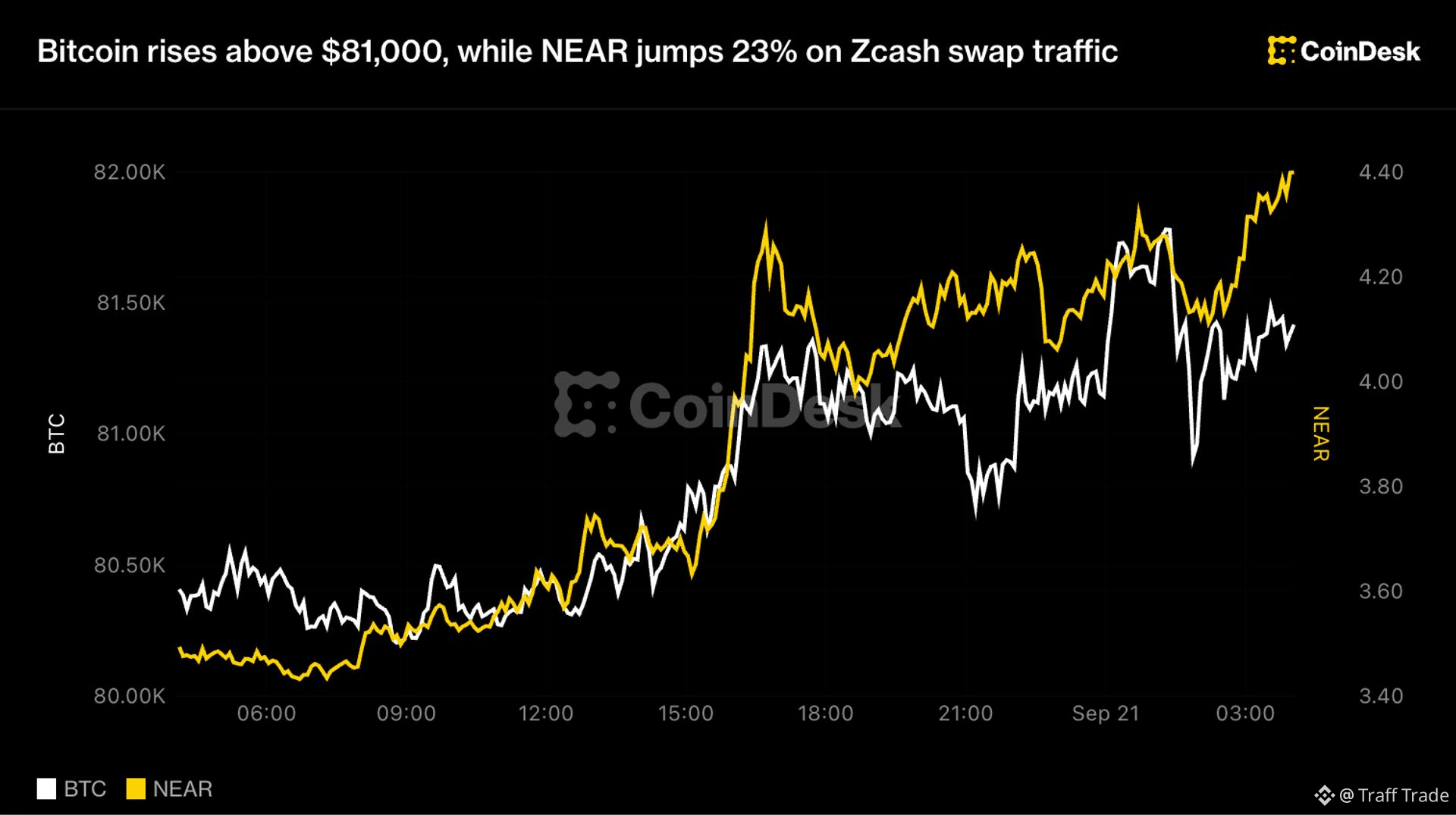
Trong phiên châu Á, $BTC đã leo lên đều đặn, vượt ngưỡng 81.000 USD với mức tăng 0,8%. Động thái này trùng khớp với việc $NEAR tăng 23%, được thúc đẩy bởi sự bùng nổ trong lưu lượng swap Zcash, đã dồn lượng vốn đáng kể vào hệ sinh thái NEAR. Dữ liệu cho thấy các tính năng quyền riêng tư của Zcash hiện đang được tận dụng như một “cầu nối” sang các chuỗi khác, tạo ra một hướng chuyển dòng vốn mới mà các chỉ số on-chain truyền thống không phản ánh được.
Bitcoin Bứt Phá Qua Mốc 81K Khi NEAR Tăng 23% Nhờ Lưu Lượng Swap Zcash
Phần lớn nhà giao dịch tập trung vào các biến động giá, nhưng câu chuyện thật nằm ở dòng chảy xuyên chuỗi.
Đợt tăng đột biến gần đây về khối lượng swap Zcash—gấp hơn 5 lần so với mức thông lượng trung bình hằng ngày—đã bơm thêm thanh khoản mới vào hệ sinh thái DeFi, và hiệu ứng lan tỏa hiện đã được nhìn thấy trong $BTC và $NEAR .
#ZcashSwap #CrossChainLiquidity #CryptoMacro
Trong phiên châu Á, $BTC đã leo lên đều đặn, vượt ngưỡng 81.000 USD với mức tăng 0,8%. Động thái này trùng khớp với việc $NEAR tăng 23%, được thúc đẩy bởi sự bùng nổ trong lưu lượng swap Zcash, đã dồn lượng vốn đáng kể vào hệ sinh thái NEAR. Dữ liệu cho thấy các tính năng quyền riêng tư của Zcash hiện đang được tận dụng như một “cầu nối” sang các chuỗi khác, tạo ra một hướng chuyển dòng vốn mới mà các chỉ số on-chain truyền thống không phản ánh được.
Đợt tăng đột biến gần đây về khối lượng swap Zcash—gấp hơn 5 lần so với mức thông lượng trung bình hằng ngày—đã bơm thêm thanh khoản mới vào hệ sinh thái DeFi, và hiệu ứng lan tỏa hiện đã được nhìn thấy trong $BTC và $NEAR .
#ZcashSwap #CrossChainLiquidity #CryptoMacro
Trong phiên châu Á, $BTC đã leo lên đều đặn, vượt ngưỡng 81.000 USD với mức tăng 0,8%. Động thái này trùng khớp với việc $NEAR tăng 23%, được thúc đẩy bởi sự bùng nổ trong lưu lượng swap Zcash, đã dồn lượng vốn đáng kể vào hệ sinh thái NEAR. Dữ liệu cho thấy các tính năng quyền riêng tư của Zcash hiện đang được tận dụng như một “cầu nối” sang các chuỗi khác, tạo ra một hướng chuyển dòng vốn mới mà các chỉ số on-chain truyền thống không phản ánh được.
82
·
--
Bài viết
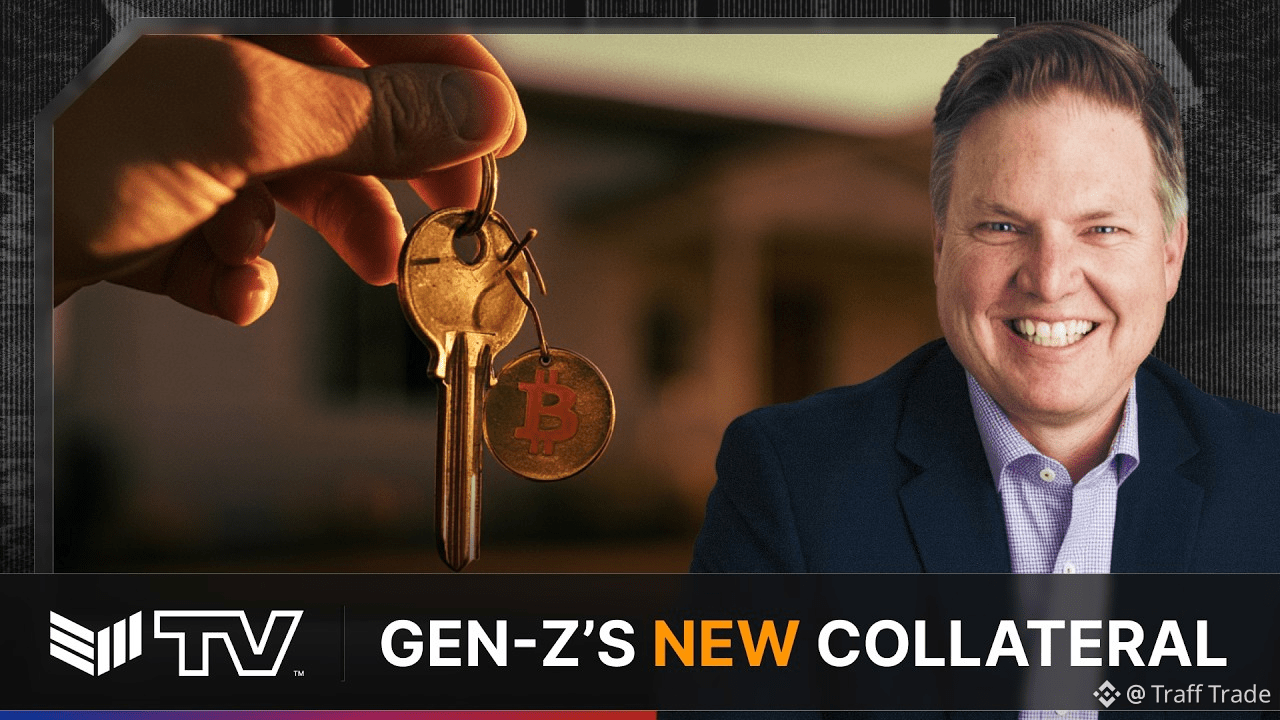
Gen Z đang đổi nhà lấy Bitcoin: Vì sao những người xây dựng tài sản mới đang đi theo hướng sốGen Z đang đổi nhà lấy Bitcoin, và điều đó đang định hình cách thế hệ tiếp theo xây dựng tài sản.
Xu hướng là rõ ràng: ít hơn 5% người mua thuộc Gen Z tham gia thị trường nhà ở, trong khi phần còn lại chuyển sang crypto—đặc biệt là $BTC—như một cách nhanh hơn và dễ tiếp cận hơn để gia tăng tài sản.
Điều gì đang thúc đẩy sự thay đổi này?
Đầu tiên, con đường truyền thống để sở hữu nhà khá dốc: đặt cọc cao, thời hạn vay dài, và một thị trường đang siết chặt khi lãi suất tăng. Với nhiều Gen Z, chi phí cho phần đặt cọc giống như cả một đời tiết kiệm. Thứ hai, nền kinh tế số mang lại tính thanh khoản và khả năng tiếp cận toàn cầu. Chỉ trong vài tháng giao dịch hoặc staking $BTC có thể vượt qua mức tăng giá của một căn nhà khiêm tốn ở nhiều thành phố.
Gen Z đang đổi nhà lấy Bitcoin: Vì sao những người xây dựng tài sản mới đang đi theo hướng số
Gen Z đang đổi nhà lấy Bitcoin, và điều đó đang định hình cách thế hệ tiếp theo xây dựng tài sản.
Xu hướng là rõ ràng: ít hơn 5% người mua thuộc Gen Z tham gia thị trường nhà ở, trong khi phần còn lại chuyển sang crypto—đặc biệt là $BTC —như một cách nhanh hơn và dễ tiếp cận hơn để gia tăng tài sản.
Điều gì đang thúc đẩy sự thay đổi này?
Đầu tiên, con đường truyền thống để sở hữu nhà khá dốc: đặt cọc cao, thời hạn vay dài, và một thị trường đang siết chặt khi lãi suất tăng. Với nhiều Gen Z, chi phí cho phần đặt cọc giống như cả một đời tiết kiệm. Thứ hai, nền kinh tế số mang lại tính thanh khoản và khả năng tiếp cận toàn cầu. Chỉ trong vài tháng giao dịch hoặc staking $BTC có thể vượt qua mức tăng giá của một căn nhà khiêm tốn ở nhiều thành phố.
Xu hướng là rõ ràng: ít hơn 5% người mua thuộc Gen Z tham gia thị trường nhà ở, trong khi phần còn lại chuyển sang crypto—đặc biệt là $BTC —như một cách nhanh hơn và dễ tiếp cận hơn để gia tăng tài sản.
Điều gì đang thúc đẩy sự thay đổi này?
Đầu tiên, con đường truyền thống để sở hữu nhà khá dốc: đặt cọc cao, thời hạn vay dài, và một thị trường đang siết chặt khi lãi suất tăng. Với nhiều Gen Z, chi phí cho phần đặt cọc giống như cả một đời tiết kiệm. Thứ hai, nền kinh tế số mang lại tính thanh khoản và khả năng tiếp cận toàn cầu. Chỉ trong vài tháng giao dịch hoặc staking $BTC có thể vượt qua mức tăng giá của một căn nhà khiêm tốn ở nhiều thành phố.
79
·
--
Bài viết
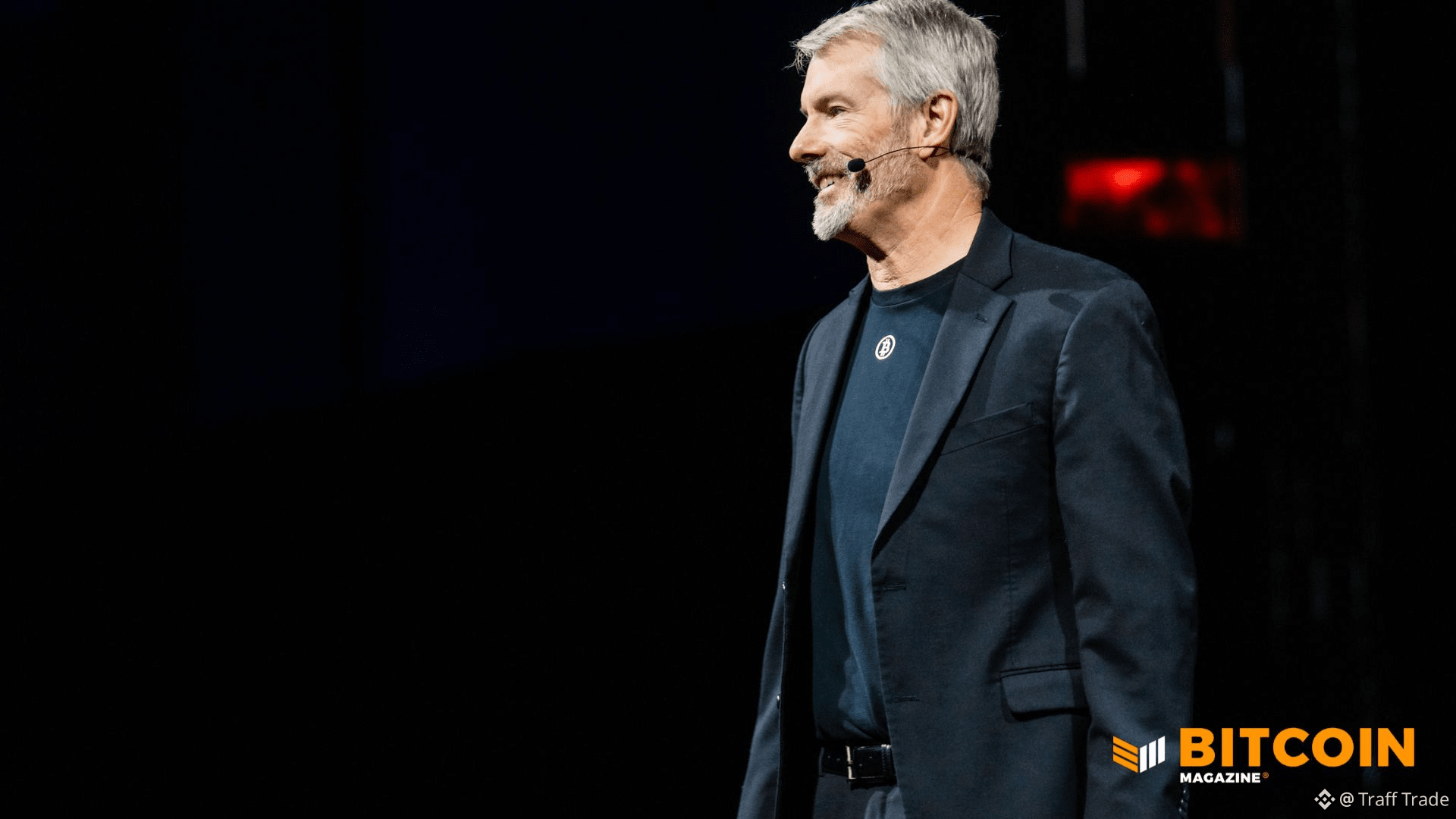
BREAKING: Saylor Tuyên Bố Việc Đạo Luật Clarity Sụp Đổ Là Một Chiến Thắng Cho CryptoHÉT LÊN CỦA SAYLOR: Đạo luật Clarity đã chết, và thị trường crypto đang gầm vang trở lại cuộc sống.
Ngành công nghiệp tài sản số vừa được các cơ quan quản lý “chốt” đèn xanh, và hiệu ứng lan tỏa đã bắt đầu làm rung chuyển thị trường.
#CryptoRevolution #Saylor #BTC
Michael Saylor, người sáng lập Bitcoin Magazine Strategy, đã hết lời ca ngợi Đạo luật Clarity là một “chiến thắng” cho ngành công nghiệp, đồng thời gọi việc dự luật sụp đổ là một thắng lợi đối với hệ sinh thái tài sản số. Đạo luật này, với mục tiêu siết chặt hơn nữa sự giám sát quản lý đối với crypto, đã trở thành nỗi gai trong mắt của cả những nhà đổi mới lẫn nhà đầu tư. Theo Saylor, với sự ra đi của đạo luật này, ngành công nghiệp cuối cùng có thể tiến lên mà không còn phải chịu mối đe dọa dai dẳng từ việc siết quản lý quá tay.
BREAKING: Saylor Tuyên Bố Việc Đạo Luật Clarity Sụp Đổ Là Một Chiến Thắng Cho Crypto
HÉT LÊN CỦA SAYLOR: Đạo luật Clarity đã chết, và thị trường crypto đang gầm vang trở lại cuộc sống.
Ngành công nghiệp tài sản số vừa được các cơ quan quản lý “chốt” đèn xanh, và hiệu ứng lan tỏa đã bắt đầu làm rung chuyển thị trường.
#CryptoRevolution #Saylor #BTC
Michael Saylor, người sáng lập Bitcoin Magazine Strategy, đã hết lời ca ngợi Đạo luật Clarity là một “chiến thắng” cho ngành công nghiệp, đồng thời gọi việc dự luật sụp đổ là một thắng lợi đối với hệ sinh thái tài sản số. Đạo luật này, với mục tiêu siết chặt hơn nữa sự giám sát quản lý đối với crypto, đã trở thành nỗi gai trong mắt của cả những nhà đổi mới lẫn nhà đầu tư. Theo Saylor, với sự ra đi của đạo luật này, ngành công nghiệp cuối cùng có thể tiến lên mà không còn phải chịu mối đe dọa dai dẳng từ việc siết quản lý quá tay.
Ngành công nghiệp tài sản số vừa được các cơ quan quản lý “chốt” đèn xanh, và hiệu ứng lan tỏa đã bắt đầu làm rung chuyển thị trường.
#CryptoRevolution #Saylor #BTC
Michael Saylor, người sáng lập Bitcoin Magazine Strategy, đã hết lời ca ngợi Đạo luật Clarity là một “chiến thắng” cho ngành công nghiệp, đồng thời gọi việc dự luật sụp đổ là một thắng lợi đối với hệ sinh thái tài sản số. Đạo luật này, với mục tiêu siết chặt hơn nữa sự giám sát quản lý đối với crypto, đã trở thành nỗi gai trong mắt của cả những nhà đổi mới lẫn nhà đầu tư. Theo Saylor, với sự ra đi của đạo luật này, ngành công nghiệp cuối cùng có thể tiến lên mà không còn phải chịu mối đe dọa dai dẳng từ việc siết quản lý quá tay.
122
·
--

Bài viết
Tương lai 70‑X của Arbitrum: Vì sao thị trường vẫn đang mù trước tiềm năng tăng trưởng thực sựPhần lớn nhà giao dịch tập trung vào biến động giá. Tiền thông minh theo dõi dòng chảy của vốn tổ chức vào các rollup lớp‑2 thay vì chỉ nhìn giá.
Tín hiệu: Nghiên cứu mới nhất của Standard Chartered hiện dự phóng rằng Arbitrum ($ARB) có thể tăng 70× vào năm 2030, nhờ sự bùng nổ về thanh khoản của cổ phiếu token hóa và sự mở rộng của Quỹ Dự trữ Bitcoin. Dữ liệu on-chain cho thấy $ARB thanh khoản đã tăng 45% trong tháng qua, trong khi hoạt động của “cá voi” trong cặp $ARB/USDC đã tăng gấp đôi. #ARB #Layer2 #InstitutionalCrypto
Diễn giải: Nếu các cổ phiếu được token hóa tiếp tục đổ về Arbitrum, nhu cầu đối với $ARB như một cầu nối và lớp thanh toán sẽ tăng vọt. Dự báo 70× không phải là trào phúng làm nóng mang tính đầu cơ; nó dựa trên quy mô thị trường cổ phiếu token hóa dự kiến 10 nghìn tỷ USD và Quỹ Dự trữ Bitcoin 5 nghìn tỷ USD, cả hai sẽ đẩy thanh khoản chảy qua các giao dịch rẻ hơn và nhanh hơn của Arbitrum. Giá có thể ghi nhận xu hướng tăng kéo dài khi dòng vốn từ tổ chức được “khóa” lại.
Tương lai 70‑X của Arbitrum: Vì sao thị trường vẫn đang mù trước tiềm năng tăng trưởng thực sự
Phần lớn nhà giao dịch tập trung vào biến động giá. Tiền thông minh theo dõi dòng chảy của vốn tổ chức vào các rollup lớp‑2 thay vì chỉ nhìn giá.
Tín hiệu: Nghiên cứu mới nhất của Standard Chartered hiện dự phóng rằng Arbitrum ($ARB ) có thể tăng 70× vào năm 2030, nhờ sự bùng nổ về thanh khoản của cổ phiếu token hóa và sự mở rộng của Quỹ Dự trữ Bitcoin. Dữ liệu on-chain cho thấy $ARB thanh khoản đã tăng 45% trong tháng qua, trong khi hoạt động của “cá voi” trong cặp $ARB /USDC đã tăng gấp đôi. #ARB #Layer2 #InstitutionalCrypto
Diễn giải: Nếu các cổ phiếu được token hóa tiếp tục đổ về Arbitrum, nhu cầu đối với $ARB như một cầu nối và lớp thanh toán sẽ tăng vọt. Dự báo 70× không phải là trào phúng làm nóng mang tính đầu cơ; nó dựa trên quy mô thị trường cổ phiếu token hóa dự kiến 10 nghìn tỷ USD và Quỹ Dự trữ Bitcoin 5 nghìn tỷ USD, cả hai sẽ đẩy thanh khoản chảy qua các giao dịch rẻ hơn và nhanh hơn của Arbitrum. Giá có thể ghi nhận xu hướng tăng kéo dài khi dòng vốn từ tổ chức được “khóa” lại.
Tín hiệu: Nghiên cứu mới nhất của Standard Chartered hiện dự phóng rằng Arbitrum ($ARB ) có thể tăng 70× vào năm 2030, nhờ sự bùng nổ về thanh khoản của cổ phiếu token hóa và sự mở rộng của Quỹ Dự trữ Bitcoin. Dữ liệu on-chain cho thấy $ARB thanh khoản đã tăng 45% trong tháng qua, trong khi hoạt động của “cá voi” trong cặp $ARB /USDC đã tăng gấp đôi. #ARB #Layer2 #InstitutionalCrypto
Diễn giải: Nếu các cổ phiếu được token hóa tiếp tục đổ về Arbitrum, nhu cầu đối với $ARB như một cầu nối và lớp thanh toán sẽ tăng vọt. Dự báo 70× không phải là trào phúng làm nóng mang tính đầu cơ; nó dựa trên quy mô thị trường cổ phiếu token hóa dự kiến 10 nghìn tỷ USD và Quỹ Dự trữ Bitcoin 5 nghìn tỷ USD, cả hai sẽ đẩy thanh khoản chảy qua các giao dịch rẻ hơn và nhanh hơn của Arbitrum. Giá có thể ghi nhận xu hướng tăng kéo dài khi dòng vốn từ tổ chức được “khóa” lại.
182
·
--

Bài viết
PHÁ VỠ: $BTC BÙNG NỔ, CỔ PHIẾU STRATEGY TĂNG VỌT 47,65%!TẤN CÔNG! Thị trường crypto vừa bùng nổ khi Bitcoin vượt qua mốc 80.000 USD, gây chấn động lên Nasdaq-100. Trong một đợt tăng giá ngoạn mục kéo dài chỉ một tháng, cổ phiếu Strategy đã vọt 47,65%, vươn lên dẫn đầu toàn bộ chỉ số và vượt mặt mọi thành phần khác. Đây không phải là một tai nạn—MSTR đóng cửa ở mức 153,92 USD, xác nhận niềm tin của các tổ chức vào các cổ phiếu được hậu thuẫn bởi crypto. #BTC #Strategy #Nasdaq
Mức độ quan trọng ư? Sự hội tụ mang tính lịch sử giữa “vàng kỹ thuật số” và tài chính truyền thống. Khi $BTC <e> vượt ngưỡng 80.000 USD, nó sẽ kích hoạt một dòng chảy vốn ồ ạt vào các cổ phiếu liên quan đến crypto, siết chặt vòng phản hồi giữa hoạt động trên chuỗi và định giá thị trường. Những nhà giao dịch theo dõi Nasdaq-100 sẽ thấy đà tăng của Strategy như một chỉ báo về xu hướng chung của phân khúc crypto-cổ phiếu. #CryptoEquity #MarketMomentum
PHÁ VỠ: $BTC BÙNG NỔ, CỔ PHIẾU STRATEGY TĂNG VỌT 47,65%!
TẤN CÔNG! Thị trường crypto vừa bùng nổ khi Bitcoin vượt qua mốc 80.000 USD, gây chấn động lên Nasdaq-100. Trong một đợt tăng giá ngoạn mục kéo dài chỉ một tháng, cổ phiếu Strategy đã vọt 47,65%, vươn lên dẫn đầu toàn bộ chỉ số và vượt mặt mọi thành phần khác. Đây không phải là một tai nạn—MSTR đóng cửa ở mức 153,92 USD, xác nhận niềm tin của các tổ chức vào các cổ phiếu được hậu thuẫn bởi crypto. #BTC #Strategy #Nasdaq
Mức độ quan trọng ư? Sự hội tụ mang tính lịch sử giữa “vàng kỹ thuật số” và tài chính truyền thống. Khi $BTC <e> vượt ngưỡng 80.000 USD, nó sẽ kích hoạt một dòng chảy vốn ồ ạt vào các cổ phiếu liên quan đến crypto, siết chặt vòng phản hồi giữa hoạt động trên chuỗi và định giá thị trường. Những nhà giao dịch theo dõi Nasdaq-100 sẽ thấy đà tăng của Strategy như một chỉ báo về xu hướng chung của phân khúc crypto-cổ phiếu. #CryptoEquity #MarketMomentum
Mức độ quan trọng ư? Sự hội tụ mang tính lịch sử giữa “vàng kỹ thuật số” và tài chính truyền thống. Khi $BTC <e> vượt ngưỡng 80.000 USD, nó sẽ kích hoạt một dòng chảy vốn ồ ạt vào các cổ phiếu liên quan đến crypto, siết chặt vòng phản hồi giữa hoạt động trên chuỗi và định giá thị trường. Những nhà giao dịch theo dõi Nasdaq-100 sẽ thấy đà tăng của Strategy như một chỉ báo về xu hướng chung của phân khúc crypto-cổ phiếu. #CryptoEquity #MarketMomentum
54
·
--
Bài viết
ZetaChain Ngừng Hoạt Động L1, Di Chuyển ZETA Sang Solana – Một Lựa Chọn Mang Tính Đột PháPHÁ VỠ
ZetaChain đã bỏ phiếu để ngừng hoạt động mạng Layer-1 của mình và chuyển đồng token gốc, ZETA, sang blockchain Solana. Quyết định này, được đội ngũ công bố vào ngày 20 tháng 9, chuyển trọng tâm của dự án sang Anuma—một ứng dụng AI riêng tư hứa hẹn sẽ định nghĩa lại quyền riêng tư trên chuỗi. #ZetaChain #Solana #CryptoNews
Mức độ rủi ro đang ở mức rất cao. Bằng việc từ bỏ L1 của chính mình, ZetaChain đang đồng bộ với tốc độ xử lý cực nhanh của Solana và hệ sinh thái nhà phát triển đồ sộ, qua đó có khả năng mở khóa thanh khoản cho những người nắm giữ ZETA và thúc đẩy việc ứng dụng các dịch vụ AI của Anuma nhanh hơn. Động thái này có thể lan tỏa khắp bối cảnh DeFi, khiến các dự án L1 khác phải cân nhắc lại chiến lược của họ. #DeFi #AI
ZetaChain Ngừng Hoạt Động L1, Di Chuyển ZETA Sang Solana – Một Lựa Chọn Mang Tính Đột Phá
PHÁ VỠ
ZetaChain đã bỏ phiếu để ngừng hoạt động mạng Layer-1 của mình và chuyển đồng token gốc, ZETA, sang blockchain Solana. Quyết định này, được đội ngũ công bố vào ngày 20 tháng 9, chuyển trọng tâm của dự án sang Anuma—một ứng dụng AI riêng tư hứa hẹn sẽ định nghĩa lại quyền riêng tư trên chuỗi. #ZetaChain #Solana #CryptoNews
Mức độ rủi ro đang ở mức rất cao. Bằng việc từ bỏ L1 của chính mình, ZetaChain đang đồng bộ với tốc độ xử lý cực nhanh của Solana và hệ sinh thái nhà phát triển đồ sộ, qua đó có khả năng mở khóa thanh khoản cho những người nắm giữ ZETA và thúc đẩy việc ứng dụng các dịch vụ AI của Anuma nhanh hơn. Động thái này có thể lan tỏa khắp bối cảnh DeFi, khiến các dự án L1 khác phải cân nhắc lại chiến lược của họ. #DeFi #AI
ZetaChain đã bỏ phiếu để ngừng hoạt động mạng Layer-1 của mình và chuyển đồng token gốc, ZETA, sang blockchain Solana. Quyết định này, được đội ngũ công bố vào ngày 20 tháng 9, chuyển trọng tâm của dự án sang Anuma—một ứng dụng AI riêng tư hứa hẹn sẽ định nghĩa lại quyền riêng tư trên chuỗi. #ZetaChain #Solana #CryptoNews
Mức độ rủi ro đang ở mức rất cao. Bằng việc từ bỏ L1 của chính mình, ZetaChain đang đồng bộ với tốc độ xử lý cực nhanh của Solana và hệ sinh thái nhà phát triển đồ sộ, qua đó có khả năng mở khóa thanh khoản cho những người nắm giữ ZETA và thúc đẩy việc ứng dụng các dịch vụ AI của Anuma nhanh hơn. Động thái này có thể lan tỏa khắp bối cảnh DeFi, khiến các dự án L1 khác phải cân nhắc lại chiến lược của họ. #DeFi #AI
12
·
--

Bài viết
MemeToro’s Stage 7 $MT Presale: Tiện ích AI + Fair Launch—Cơn sốt Meme‑Goldmine Mới của CryptoGM, anh em crypto! Trong khi phần còn lại của thị trường vẫn đang cố gắng xem liệu $BTC có phải là một lựa chọn mua tốt hay không, MemeToro đã sẵn sàng tung Stage 7 của presale $MT, và họ đã đưa AI vào cùng như một “tên lửa” được nuôi bằng meme.
MemeToro's Stage 7 presale không chỉ là một đợt token drop nữa; đây là một public fair-launch với cơ sở mã minh bạch, nghĩa là bạn có thể kiểm tra (audit) hợp đồng thông minh trước khi thậm chí mua. Nhóm cũng đang lên kế hoạch tích hợp các tiện ích AI—hãy nghĩ đến việc tạo meme tự động, phân tích cảm xúc, và thậm chí cả bình chọn meme on-chain—biến $MT thành một nền kinh tế meme “sống” đúng nghĩa. Đây là kiểu tiện ích có thể khiến $MT trở thành một phần quen thuộc trong bất kỳ danh mục tập trung vào meme nào, đặc biệt khi cộng đồng crypto đang tìm kiếm những token không chỉ gây sốt. #MemeToro #AI #Presale
MemeToro’s Stage 7 $MT Presale: Tiện ích AI + Fair Launch—Cơn sốt Meme‑Goldmine Mới của Crypto
GM, anh em crypto! Trong khi phần còn lại của thị trường vẫn đang cố gắng xem liệu $BTC có phải là một lựa chọn mua tốt hay không, MemeToro đã sẵn sàng tung Stage 7 của presale $MT, và họ đã đưa AI vào cùng như một “tên lửa” được nuôi bằng meme.
MemeToro's Stage 7 presale không chỉ là một đợt token drop nữa; đây là một public fair-launch với cơ sở mã minh bạch, nghĩa là bạn có thể kiểm tra (audit) hợp đồng thông minh trước khi thậm chí mua. Nhóm cũng đang lên kế hoạch tích hợp các tiện ích AI—hãy nghĩ đến việc tạo meme tự động, phân tích cảm xúc, và thậm chí cả bình chọn meme on-chain—biến $MT thành một nền kinh tế meme “sống” đúng nghĩa. Đây là kiểu tiện ích có thể khiến $MT trở thành một phần quen thuộc trong bất kỳ danh mục tập trung vào meme nào, đặc biệt khi cộng đồng crypto đang tìm kiếm những token không chỉ gây sốt. #MemeToro #AI #Presale
MemeToro's Stage 7 presale không chỉ là một đợt token drop nữa; đây là một public fair-launch với cơ sở mã minh bạch, nghĩa là bạn có thể kiểm tra (audit) hợp đồng thông minh trước khi thậm chí mua. Nhóm cũng đang lên kế hoạch tích hợp các tiện ích AI—hãy nghĩ đến việc tạo meme tự động, phân tích cảm xúc, và thậm chí cả bình chọn meme on-chain—biến $MT thành một nền kinh tế meme “sống” đúng nghĩa. Đây là kiểu tiện ích có thể khiến $MT trở thành một phần quen thuộc trong bất kỳ danh mục tập trung vào meme nào, đặc biệt khi cộng đồng crypto đang tìm kiếm những token không chỉ gây sốt. #MemeToro #AI #Presale
68
Đăng nhập để khám phá thêm nội dung
Tham gia cùng người dùng tiền mã hóa toàn cầu trên Binance Square
⚡️ Nhận thông tin mới nhất và hữu ích về tiền mã hóa.
💬 Được tin cậy bởi sàn giao dịch tiền mã hóa lớn nhất thế giới.
👍 Khám phá những thông tin chuyên sâu thực tế từ những nhà sáng tạo đã xác minh.
Email / Số điện thoại
Chủ đề thịnh hành
TheoDõiFOMC
295,423 lượt xem
1,247 đang thảo luận
🔥🔥🔥
Cuộc họp FOMC tháng 10/2026 diễn ra vào ngày 27 – 28/10/2026, lịch công bố kết quả lãi suất và phát biểu chi tiết như sau:
Công bố quyết định lãi suất (FOMC Statement):
Giờ Mỹ: 14:00 EDT, Thứ Tư (ngày 28/10/2026).
Giờ Việt Nam: 01:00 sáng Thứ Năm (ngày 29/10/2026).
Chủ tịch Fed họp báo phát biểu (Press Conference):
Giờ Mỹ: 14:30 EDT, Thứ Tư (ngày 28/10/2026).
Giờ Việt Nam: 01:30 sáng Thứ Năm (ngày 29/10/2026).
Hãy theo dõi: #TinFed #TheoDõiFOMC
$BTC
Donnhan369
·1 lượt thích
·289 lượt xem
TinFed
352,868 lượt xem
966 đang thảo luận
FOMCWatch
8.9M lượt xem
26,743 đang thảo luận