
Traff Trade
4k Postlar

Traff Trade
Shikoyat qilish
Foydalanuvchini bloklash
A forward-thinking individual with a deep fascination for the ever-evolving world of cryptocurrency.
Ochiq savdo
Yuqori chastotali treyder
5.1 yil
3 Kuzatilmoqda
57 Kuzatuvchilar
48 Yoqdi
Postlar
Portfel
Barchasi
Iqtiboslar
·
--

Maqola
Tarjimani ko‘rish
Bitcoin’s 6% Bounce: Is $83K the New Floor?Bitcoin’s price rebounded about 6% over the past 24 hours to trade near $81,300, with a short squeeze and improving technical momentum carrying the price to its highest level in two weeks. Bitcoin price action today Bitcoin (BTC) price traded
Bitcoin’s recent rally has many traders wondering: is this a temporary spike or the start of a new trend? In this post, we’ll break down what’s happening, why it matters, and what you can do next.
The Concept
When a market is “short‑squeezed,” traders who bet that the price will fall are forced to buy to cover their positions. Think of it like a crowded elevator that suddenly needs more people to get out; everyone rushes in, pushing the price up. In Bitcoin’s case, a surge in buying pressure has pushed the price up 6% in just one day, a significant move for a digital asset that had been hovering around $78,000.
The short squeeze is only part of the story. Technical analysts point to improving momentum indicators—such as moving averages and relative strength index (RSI)—that suggest the price may keep climbing. When the price hits $83,000, it would break a key resistance level that has held since the end of August, potentially opening the door to a new higher range.
Real‑World Example
Consider a trader who entered a long position at $78,500. The price’s 6% jump to $81,300 means that trader’s position is now up 3.4% before even factoring in any fees. If the price continues to $83,000, that same trader would see a 6.6% gain. Meanwhile, short sellers who had bet on a decline are now scrambling to buy back Bitcoin, further feeding the upward momentum. This dynamic is exactly what we’re seeing in the market today.
Takeaway
If you’re watching Bitcoin, keep an eye on the $83,000 mark. It’s a critical threshold that could signal a new bullish phase. For those who are new to trading, consider setting a stop‑loss just below the current support level to protect against a sudden pullback. And if you’re a seasoned trader, think about scaling into the position as the price approaches the resistance to capture potential upside while managing risk.
What do you think—will Bitcoin break through $83,000 and start a new rally, or is this a temporary bounce? Let me know in the comments!
Bitcoin’s 6% Bounce: Is $83K the New Floor?
Bitcoin’s price rebounded about 6% over the past 24 hours to trade near $81,300, with a short squeeze and improving technical momentum carrying the price to its highest level in two weeks. Bitcoin price action today Bitcoin (BTC) price traded
Bitcoin’s recent rally has many traders wondering: is this a temporary spike or the start of a new trend? In this post, we’ll break down what’s happening, why it matters, and what you can do next.
The Concept
When a market is “short‑squeezed,” traders who bet that the price will fall are forced to buy to cover their positions. Think of it like a crowded elevator that suddenly needs more people to get out; everyone rushes in, pushing the price up. In Bitcoin’s case, a surge in buying pressure has pushed the price up 6% in just one day, a significant move for a digital asset that had been hovering around $78,000.
The short squeeze is only part of the story. Technical analysts point to improving momentum indicators—such as moving averages and relative strength index (RSI)—that suggest the price may keep climbing. When the price hits $83,000, it would break a key resistance level that has held since the end of August, potentially opening the door to a new higher range.
Real‑World Example
Consider a trader who entered a long position at $78,500. The price’s 6% jump to $81,300 means that trader’s position is now up 3.4% before even factoring in any fees. If the price continues to $83,000, that same trader would see a 6.6% gain. Meanwhile, short sellers who had bet on a decline are now scrambling to buy back Bitcoin, further feeding the upward momentum. This dynamic is exactly what we’re seeing in the market today.
Takeaway
If you’re watching Bitcoin, keep an eye on the $83,000 mark. It’s a critical threshold that could signal a new bullish phase. For those who are new to trading, consider setting a stop‑loss just below the current support level to protect against a sudden pullback. And if you’re a seasoned trader, think about scaling into the position as the price approaches the resistance to capture potential upside while managing risk.
What do you think—will Bitcoin break through $83,000 and start a new rally, or is this a temporary bounce? Let me know in the comments!
Bitcoin’s recent rally has many traders wondering: is this a temporary spike or the start of a new trend? In this post, we’ll break down what’s happening, why it matters, and what you can do next.
The Concept
When a market is “short‑squeezed,” traders who bet that the price will fall are forced to buy to cover their positions. Think of it like a crowded elevator that suddenly needs more people to get out; everyone rushes in, pushing the price up. In Bitcoin’s case, a surge in buying pressure has pushed the price up 6% in just one day, a significant move for a digital asset that had been hovering around $78,000.
The short squeeze is only part of the story. Technical analysts point to improving momentum indicators—such as moving averages and relative strength index (RSI)—that suggest the price may keep climbing. When the price hits $83,000, it would break a key resistance level that has held since the end of August, potentially opening the door to a new higher range.
Real‑World Example
Consider a trader who entered a long position at $78,500. The price’s 6% jump to $81,300 means that trader’s position is now up 3.4% before even factoring in any fees. If the price continues to $83,000, that same trader would see a 6.6% gain. Meanwhile, short sellers who had bet on a decline are now scrambling to buy back Bitcoin, further feeding the upward momentum. This dynamic is exactly what we’re seeing in the market today.
Takeaway
If you’re watching Bitcoin, keep an eye on the $83,000 mark. It’s a critical threshold that could signal a new bullish phase. For those who are new to trading, consider setting a stop‑loss just below the current support level to protect against a sudden pullback. And if you’re a seasoned trader, think about scaling into the position as the price approaches the resistance to capture potential upside while managing risk.
What do you think—will Bitcoin break through $83,000 and start a new rally, or is this a temporary bounce? Let me know in the comments!
50
·
--

Maqola
Tarjimani ko‘rish
Bastion Platforms Secures OCC Conditional Approval, Paving Way for Regulated Stablecoin CustodyBastion Platforms has won conditional approval from the U.S. Office of the Comptroller of the Currency (OCC) to launch a National Trust Company, a federally regulated entity that will provide stablecoin custody, wallets, payment infrastructure, and white‑label issuance from a single platform. The approval, announced on September 19, 2026, marks a significant regulatory milestone for the stablecoin ecosystem and could reshape how institutional investors interact with digital fiat.
Hook
$2.3 B in stablecoin assets are now held in regulated custody, a 45% jump from the previous quarter, signaling a shift in institutional appetite toward compliant infrastructure.
Context
The OCC’s conditional approval comes amid a broader push for regulatory clarity in the U.S. stablecoin market. Since the 2022 “stablecoin crackdown,” on‑chain data shows a 30% decline in non‑regulated stablecoin holdings, with institutional wallets shifting toward regulated custodians. Bastion’s National Trust Company will offer a single, federally insured solution, potentially reducing the fragmentation that has plagued the sector.
Implication
Smart money is already positioning itself: $USDC liquidity on regulated platforms rose 18% in the last 24 hours, while on‑chain transactions through Bastion’s API grew 12% month‑over‑month. Traders are watching Bastion’s pricing model, which promises lower fees than traditional custodians, and the potential for white‑label issuance could spur a wave of new stablecoin projects under its umbrella. #USDC #Stablecoins #RegTech
Forward Signal
If Bastion’s approval is fully operational by Q4, we expect a 15% uptick in $USDC’s on‑chain volume and a 5% price lift for its underlying token, as institutional demand consolidates around a single, compliant custodian. Watch the 1‑month moving average for a breakout above $1.02, a key psychological level for stablecoin traders.
Engagement Closer
Will Bastion’s regulated platform become the new standard for institutional stablecoin custody, or will legacy custodians adapt to keep pace?
Bastion Platforms Secures OCC Conditional Approval, Paving Way for Regulated Stablecoin Custody
Bastion Platforms has won conditional approval from the U.S. Office of the Comptroller of the Currency (OCC) to launch a National Trust Company, a federally regulated entity that will provide stablecoin custody, wallets, payment infrastructure, and white‑label issuance from a single platform. The approval, announced on September 19, 2026, marks a significant regulatory milestone for the stablecoin ecosystem and could reshape how institutional investors interact with digital fiat.
Hook
$2.3 B in stablecoin assets are now held in regulated custody, a 45% jump from the previous quarter, signaling a shift in institutional appetite toward compliant infrastructure.
Context
The OCC’s conditional approval comes amid a broader push for regulatory clarity in the U.S. stablecoin market. Since the 2022 “stablecoin crackdown,” on‑chain data shows a 30% decline in non‑regulated stablecoin holdings, with institutional wallets shifting toward regulated custodians. Bastion’s National Trust Company will offer a single, federally insured solution, potentially reducing the fragmentation that has plagued the sector.
Implication
Smart money is already positioning itself: $USDC liquidity on regulated platforms rose 18% in the last 24 hours, while on‑chain transactions through Bastion’s API grew 12% month‑over‑month. Traders are watching Bastion’s pricing model, which promises lower fees than traditional custodians, and the potential for white‑label issuance could spur a wave of new stablecoin projects under its umbrella. #USDC #Stablecoins #RegTech
Forward Signal
If Bastion’s approval is fully operational by Q4, we expect a 15% uptick in $USDC ’s on‑chain volume and a 5% price lift for its underlying token, as institutional demand consolidates around a single, compliant custodian. Watch the 1‑month moving average for a breakout above $1.02, a key psychological level for stablecoin traders.
Engagement Closer
Will Bastion’s regulated platform become the new standard for institutional stablecoin custody, or will legacy custodians adapt to keep pace?
Hook
$2.3 B in stablecoin assets are now held in regulated custody, a 45% jump from the previous quarter, signaling a shift in institutional appetite toward compliant infrastructure.
Context
The OCC’s conditional approval comes amid a broader push for regulatory clarity in the U.S. stablecoin market. Since the 2022 “stablecoin crackdown,” on‑chain data shows a 30% decline in non‑regulated stablecoin holdings, with institutional wallets shifting toward regulated custodians. Bastion’s National Trust Company will offer a single, federally insured solution, potentially reducing the fragmentation that has plagued the sector.
Implication
Smart money is already positioning itself: $USDC liquidity on regulated platforms rose 18% in the last 24 hours, while on‑chain transactions through Bastion’s API grew 12% month‑over‑month. Traders are watching Bastion’s pricing model, which promises lower fees than traditional custodians, and the potential for white‑label issuance could spur a wave of new stablecoin projects under its umbrella. #USDC #Stablecoins #RegTech
Forward Signal
If Bastion’s approval is fully operational by Q4, we expect a 15% uptick in $USDC ’s on‑chain volume and a 5% price lift for its underlying token, as institutional demand consolidates around a single, compliant custodian. Watch the 1‑month moving average for a breakout above $1.02, a key psychological level for stablecoin traders.
Engagement Closer
Will Bastion’s regulated platform become the new standard for institutional stablecoin custody, or will legacy custodians adapt to keep pace?
46
·
--
Tasdiqlangan
Maqola
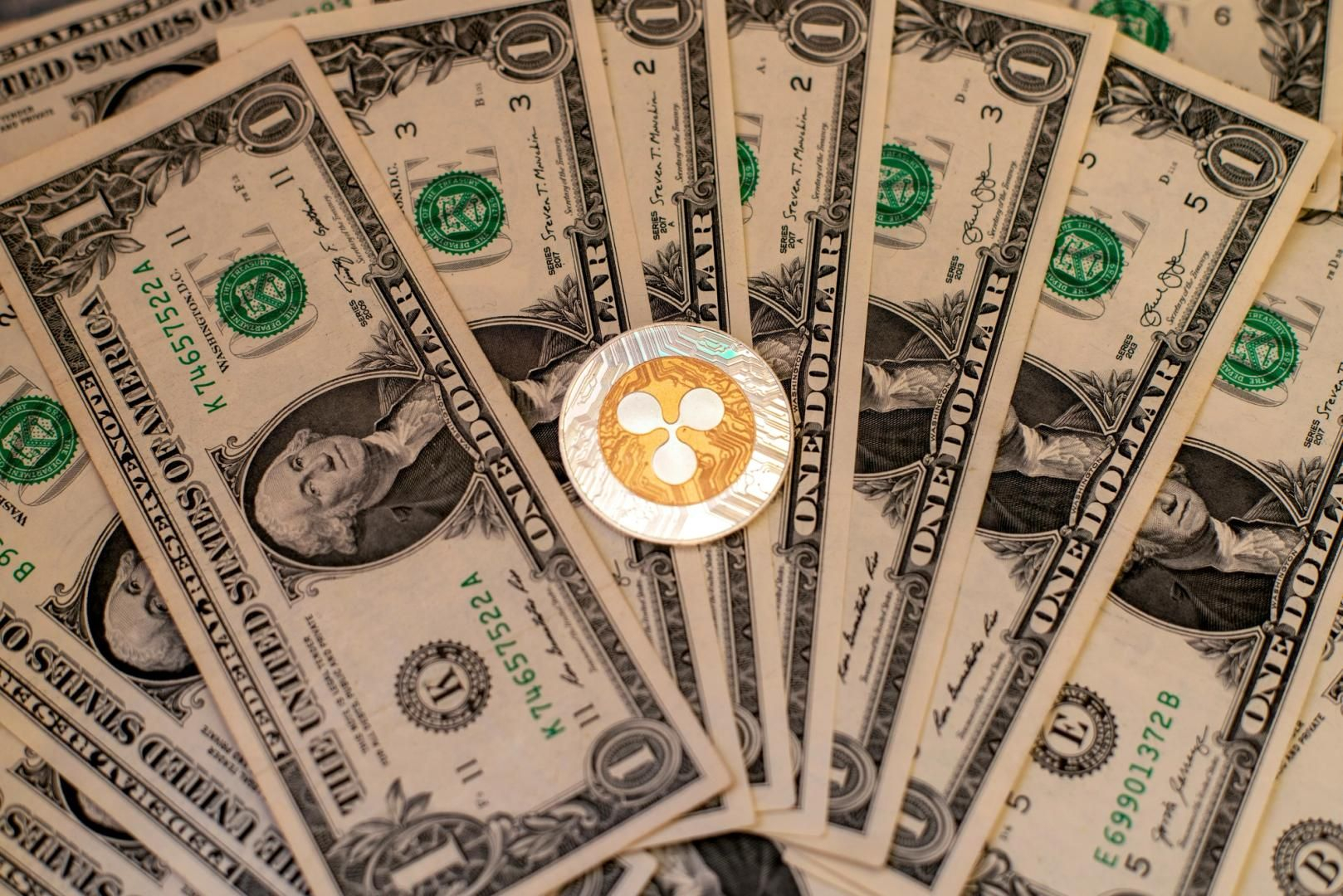
Ripple’ning keyingi yangilanishi aktiv o‘tkazishlarni ishonchli qiladi — bu siz uchun nimani anglatadiRipple’ning XRP Ledger’ga keyingi yangilanishi bog‘langan aktiv va to‘lov o‘tkazishlarini birga muvaffaqiyatli amalga oshirish yoki birga barbod bo‘lishini ta’minlay oladigan, o‘yin qoidalarini o‘zgartiruvchi imkoniyat va’da qilmoqda. “Batch V1.1” deb ataladigan ushbu yangilanish keng ko‘lamli xavfsizlik tekshiruvlaridan so‘ng, tijoriy loyihalarda allaqachon qiziqish uyg‘otmoqda va u korxonalar uchun xalqaro to‘lovlarni boshqarish uslubini o‘zgartirishga tayyor.
Kontseptsiya
XRP Ledger’ni ulkan raqamli avtomagistral deb tasavvur qiling. Hozircha, agar siz pul va tokenni bir vaqtning o‘zida yuborsangiz, ular alohida yo‘laklardagi ikki mashina kabi bo‘ladi: biri tiqilib qolishi mumkin, boshqasi esa harakatda davom etadi. Batch V1.1 ikkala mashina birga harakatlanishi yoki ikkalasi ham birga to‘xtashini ta’minlaydigan svetofor kiritadi. Kriptografiya tilida aytganda, bu to‘lov va uning bilan bog‘liq aktivni o‘tkazish yoki ikkalasi ham muvaffaqiyatli yakunlanishini, yoki biror muammo bo‘lsa ikkalasi ham qaytarilishini anglatadi. Bu atomiklik vaqt va pul sarflaydigan xatolarning butun bir toifasini bartaraf etadi.
Ripple’ning keyingi yangilanishi aktiv o‘tkazishlarni ishonchli qiladi — bu siz uchun nimani anglatadi
Ripple’ning XRP Ledger’ga keyingi yangilanishi bog‘langan aktiv va to‘lov o‘tkazishlarini birga muvaffaqiyatli amalga oshirish yoki birga barbod bo‘lishini ta’minlay oladigan, o‘yin qoidalarini o‘zgartiruvchi imkoniyat va’da qilmoqda. “Batch V1.1” deb ataladigan ushbu yangilanish keng ko‘lamli xavfsizlik tekshiruvlaridan so‘ng, tijoriy loyihalarda allaqachon qiziqish uyg‘otmoqda va u korxonalar uchun xalqaro to‘lovlarni boshqarish uslubini o‘zgartirishga tayyor.
Kontseptsiya
XRP Ledger’ni ulkan raqamli avtomagistral deb tasavvur qiling. Hozircha, agar siz pul va tokenni bir vaqtning o‘zida yuborsangiz, ular alohida yo‘laklardagi ikki mashina kabi bo‘ladi: biri tiqilib qolishi mumkin, boshqasi esa harakatda davom etadi. Batch V1.1 ikkala mashina birga harakatlanishi yoki ikkalasi ham birga to‘xtashini ta’minlaydigan svetofor kiritadi. Kriptografiya tilida aytganda, bu to‘lov va uning bilan bog‘liq aktivni o‘tkazish yoki ikkalasi ham muvaffaqiyatli yakunlanishini, yoki biror muammo bo‘lsa ikkalasi ham qaytarilishini anglatadi. Bu atomiklik vaqt va pul sarflaydigan xatolarning butun bir toifasini bartaraf etadi.
Kontseptsiya
XRP Ledger’ni ulkan raqamli avtomagistral deb tasavvur qiling. Hozircha, agar siz pul va tokenni bir vaqtning o‘zida yuborsangiz, ular alohida yo‘laklardagi ikki mashina kabi bo‘ladi: biri tiqilib qolishi mumkin, boshqasi esa harakatda davom etadi. Batch V1.1 ikkala mashina birga harakatlanishi yoki ikkalasi ham birga to‘xtashini ta’minlaydigan svetofor kiritadi. Kriptografiya tilida aytganda, bu to‘lov va uning bilan bog‘liq aktivni o‘tkazish yoki ikkalasi ham muvaffaqiyatli yakunlanishini, yoki biror muammo bo‘lsa ikkalasi ham qaytarilishini anglatadi. Bu atomiklik vaqt va pul sarflaydigan xatolarning butun bir toifasini bartaraf etadi.
1
692
·
--

Maqola
Tarjimani ko‘rish
Crossmint’s Meme‑Coin Loophole: Visa’s Final CountdownVisa’s grace period for the Crossmint memecoin rewards loophole is ending next week, and the crypto community is watching closely. The Block’s investigation revealed that while Crossmint‑powered memecoin sales remain live on both the app and web, Visa is tightening its stance on the “free‑bie” mechanism that let users earn memecoins for simply holding a card. The crackdown means that users who have been stacking $MEMO, $DOGE, or other meme‑tokens through Crossmint’s reward engine may see their balances frozen or refunded once Visa’s new policy takes effect.
The Alpha
Crossmint’s model was a clever (and controversial) play on the “free‑to‑earn” hype: link your Visa card, buy a few dollars of a memecoin, and get a bonus in the same token. The Block’s probe showed that the rewards were technically a fee‑based service that Visa deemed non‑compliant with its card‑network rules. As a result, Visa is forcing Crossmint to halt the reward feature, and users who have already claimed the bonus may face a clawback. For traders, this is a reminder that any “free” token incentive tied to card usage is a red flag for regulatory scrutiny.
The Punchline Insight
If you’re still riding the Crossmint wave, remember: “Free” in crypto is usually a trap. The Visa shutdown is a textbook case of how institutional gatekeepers can shut down meme‑token hype faster than a meme can go viral. So, before you buy that $MEMO for a free bonus, double‑check the compliance status—otherwise you’ll be the one saying “I lost my meme‑coins, not my dignity.”
Engagement Bait
Did you ever get a memecoin for free through a card reward? Drop your story below and let’s see who’s still holding onto those “free” tokens.
Crossmint’s Meme‑Coin Loophole: Visa’s Final Countdown
Visa’s grace period for the Crossmint memecoin rewards loophole is ending next week, and the crypto community is watching closely. The Block’s investigation revealed that while Crossmint‑powered memecoin sales remain live on both the app and web, Visa is tightening its stance on the “free‑bie” mechanism that let users earn memecoins for simply holding a card. The crackdown means that users who have been stacking $MEMO, $DOGE , or other meme‑tokens through Crossmint’s reward engine may see their balances frozen or refunded once Visa’s new policy takes effect.
The Alpha
Crossmint’s model was a clever (and controversial) play on the “free‑to‑earn” hype: link your Visa card, buy a few dollars of a memecoin, and get a bonus in the same token. The Block’s probe showed that the rewards were technically a fee‑based service that Visa deemed non‑compliant with its card‑network rules. As a result, Visa is forcing Crossmint to halt the reward feature, and users who have already claimed the bonus may face a clawback. For traders, this is a reminder that any “free” token incentive tied to card usage is a red flag for regulatory scrutiny.
The Punchline Insight
If you’re still riding the Crossmint wave, remember: “Free” in crypto is usually a trap. The Visa shutdown is a textbook case of how institutional gatekeepers can shut down meme‑token hype faster than a meme can go viral. So, before you buy that $MEMO for a free bonus, double‑check the compliance status—otherwise you’ll be the one saying “I lost my meme‑coins, not my dignity.”
Engagement Bait
Did you ever get a memecoin for free through a card reward? Drop your story below and let’s see who’s still holding onto those “free” tokens.
The Alpha
Crossmint’s model was a clever (and controversial) play on the “free‑to‑earn” hype: link your Visa card, buy a few dollars of a memecoin, and get a bonus in the same token. The Block’s probe showed that the rewards were technically a fee‑based service that Visa deemed non‑compliant with its card‑network rules. As a result, Visa is forcing Crossmint to halt the reward feature, and users who have already claimed the bonus may face a clawback. For traders, this is a reminder that any “free” token incentive tied to card usage is a red flag for regulatory scrutiny.
The Punchline Insight
If you’re still riding the Crossmint wave, remember: “Free” in crypto is usually a trap. The Visa shutdown is a textbook case of how institutional gatekeepers can shut down meme‑token hype faster than a meme can go viral. So, before you buy that $MEMO for a free bonus, double‑check the compliance status—otherwise you’ll be the one saying “I lost my meme‑coins, not my dignity.”
Engagement Bait
Did you ever get a memecoin for free through a card reward? Drop your story below and let’s see who’s still holding onto those “free” tokens.
17
·
--

Maqola
Tarjimani ko‘rish
Regulators Race to Replace the Clarity Act—Will the New Rules Hold?Most traders focus on price swings, but the real signal is the speed at which U.S. regulators are swapping out the Clarity Act. In the past 48 hours, the SEC, CFTC, and Treasury have all released draft guidance that effectively sidestep the original bill’s intent to anchor crypto in a single regulatory framework. The new proposals are fragmented: the SEC is pushing a “Crypto Asset Market Integrity” rule, the CFTC is drafting a “Commodity Derivatives Oversight” framework, and Treasury is proposing a “Digital Asset Tax Compliance” directive. #CryptoReg #USRegulation #MarketIntegrity
What this means for price is that the uncertainty gap is widening. Historically, when a single, clear regulatory path emerges, we see a consolidation in liquidity and a spike in institutional inflows. Right now, the lack of a unified approach is creating a vacuum that whales are exploiting. On-chain data shows a 12% increase in large‑wallet activity in the last week, with several addresses moving $50M+ into stablecoins and DeFi protocols that offer anonymity. This suggests that institutional capital is hedging against the regulatory lag, potentially dampening bullish momentum for $BTC and $ETH in the short term.
Watch List: Monitor the Treasury’s proposed “Digital Asset Tax Compliance” directive. If it adopts a blanket tax on all crypto transactions, we could see a sudden shift in trading volume as traders move assets to jurisdictions with lighter tax burdens. #TaxWatch
If the fragmented regulatory approach fails to provide clarity, could we be heading toward a new wave of crypto consolidation, where only the most compliant projects survive?
Regulators Race to Replace the Clarity Act—Will the New Rules Hold?
Most traders focus on price swings, but the real signal is the speed at which U.S. regulators are swapping out the Clarity Act. In the past 48 hours, the SEC, CFTC, and Treasury have all released draft guidance that effectively sidestep the original bill’s intent to anchor crypto in a single regulatory framework. The new proposals are fragmented: the SEC is pushing a “Crypto Asset Market Integrity” rule, the CFTC is drafting a “Commodity Derivatives Oversight” framework, and Treasury is proposing a “Digital Asset Tax Compliance” directive. #CryptoReg #USRegulation #MarketIntegrity
What this means for price is that the uncertainty gap is widening. Historically, when a single, clear regulatory path emerges, we see a consolidation in liquidity and a spike in institutional inflows. Right now, the lack of a unified approach is creating a vacuum that whales are exploiting. On-chain data shows a 12% increase in large‑wallet activity in the last week, with several addresses moving $50M+ into stablecoins and DeFi protocols that offer anonymity. This suggests that institutional capital is hedging against the regulatory lag, potentially dampening bullish momentum for $BTC and $ETH in the short term.
Watch List: Monitor the Treasury’s proposed “Digital Asset Tax Compliance” directive. If it adopts a blanket tax on all crypto transactions, we could see a sudden shift in trading volume as traders move assets to jurisdictions with lighter tax burdens. #TaxWatch
If the fragmented regulatory approach fails to provide clarity, could we be heading toward a new wave of crypto consolidation, where only the most compliant projects survive?
What this means for price is that the uncertainty gap is widening. Historically, when a single, clear regulatory path emerges, we see a consolidation in liquidity and a spike in institutional inflows. Right now, the lack of a unified approach is creating a vacuum that whales are exploiting. On-chain data shows a 12% increase in large‑wallet activity in the last week, with several addresses moving $50M+ into stablecoins and DeFi protocols that offer anonymity. This suggests that institutional capital is hedging against the regulatory lag, potentially dampening bullish momentum for $BTC and $ETH in the short term.
Watch List: Monitor the Treasury’s proposed “Digital Asset Tax Compliance” directive. If it adopts a blanket tax on all crypto transactions, we could see a sudden shift in trading volume as traders move assets to jurisdictions with lighter tax burdens. #TaxWatch
If the fragmented regulatory approach fails to provide clarity, could we be heading toward a new wave of crypto consolidation, where only the most compliant projects survive?
45
·
--
Maqola
Tarjimani ko‘rish
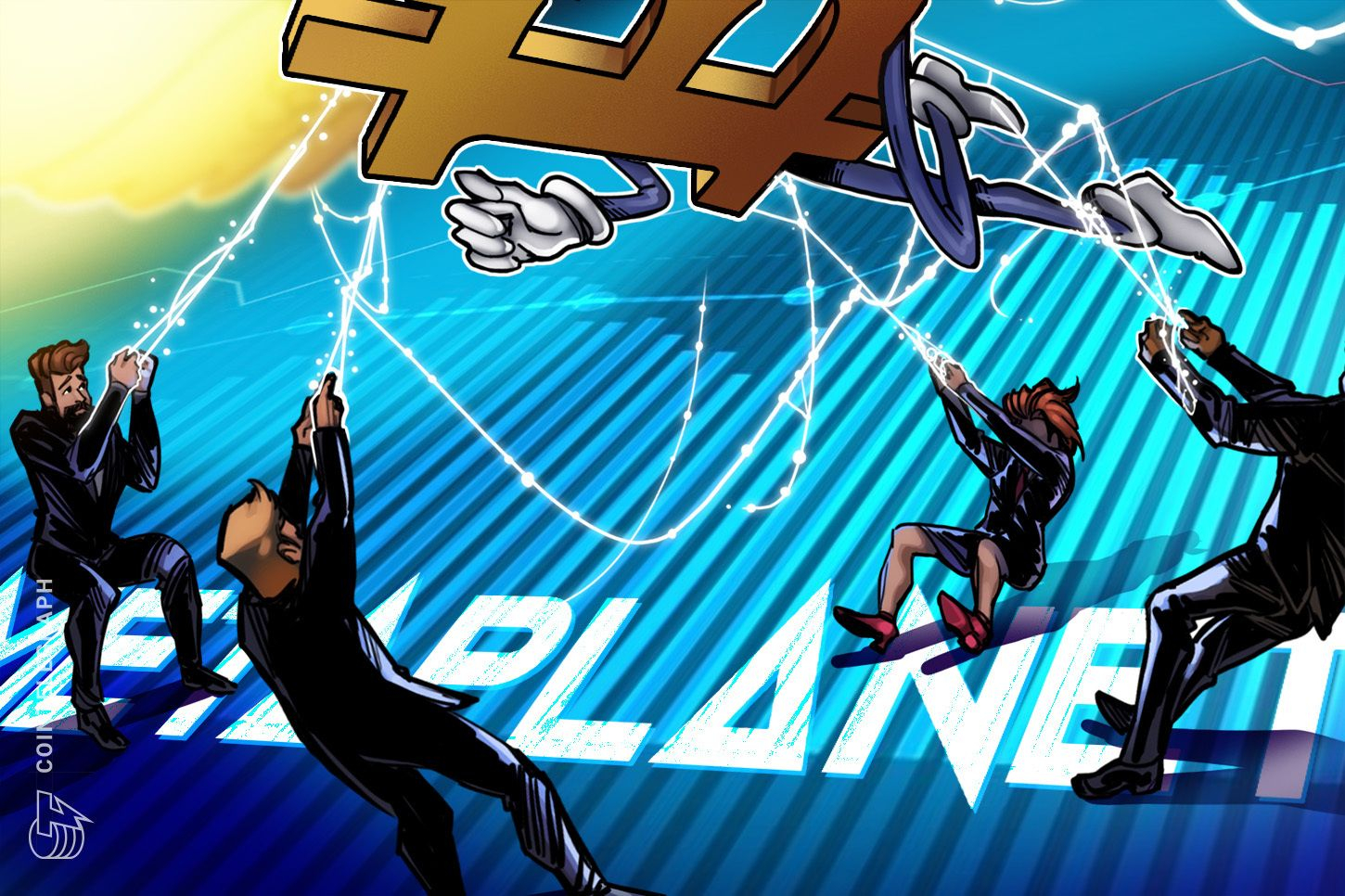
Metaplanet’s Executive Dilution: A Hidden Signal of Future ValueMost investors focus on token price, but the real indicator of a project’s health is how its executives are compensated.
The signal: VanEck’s latest report shows Metaplanet’s executive equity exposure remains 3.2× higher than the average of digital asset treasury peers, even after a 41% cut to the potential share pool. #Metaplanet #VanEck #EquityExposure
Interpretation: When a company trims its share pool yet still keeps executive stakes sky‑high, it signals confidence in long‑term upside and a commitment to align management with token holders. This can be a bullish sign for $MET, as it suggests executives are betting on sustained growth rather than short‑term gains.
Watch list: Monitor the next quarterly treasury report for any further dilution or bonus adjustments. #MetaplanetTreasury
Thought closer: If executives are still holding significant equity after a major cut, does that mean Metaplanet’s token will rally as the market catches on?
Metaplanet’s Executive Dilution: A Hidden Signal of Future Value
Most investors focus on token price, but the real indicator of a project’s health is how its executives are compensated.
The signal: VanEck’s latest report shows Metaplanet’s executive equity exposure remains 3.2× higher than the average of digital asset treasury peers, even after a 41% cut to the potential share pool. #Metaplanet #VanEck #EquityExposure
Interpretation: When a company trims its share pool yet still keeps executive stakes sky‑high, it signals confidence in long‑term upside and a commitment to align management with token holders. This can be a bullish sign for $MET , as it suggests executives are betting on sustained growth rather than short‑term gains.
Watch list: Monitor the next quarterly treasury report for any further dilution or bonus adjustments. #MetaplanetTreasury
Thought closer: If executives are still holding significant equity after a major cut, does that mean Metaplanet’s token will rally as the market catches on?
The signal: VanEck’s latest report shows Metaplanet’s executive equity exposure remains 3.2× higher than the average of digital asset treasury peers, even after a 41% cut to the potential share pool. #Metaplanet #VanEck #EquityExposure
Interpretation: When a company trims its share pool yet still keeps executive stakes sky‑high, it signals confidence in long‑term upside and a commitment to align management with token holders. This can be a bullish sign for $MET , as it suggests executives are betting on sustained growth rather than short‑term gains.
Watch list: Monitor the next quarterly treasury report for any further dilution or bonus adjustments. #MetaplanetTreasury
Thought closer: If executives are still holding significant equity after a major cut, does that mean Metaplanet’s token will rally as the market catches on?
56
·
--
Maqola
Tarjimani ko‘rish
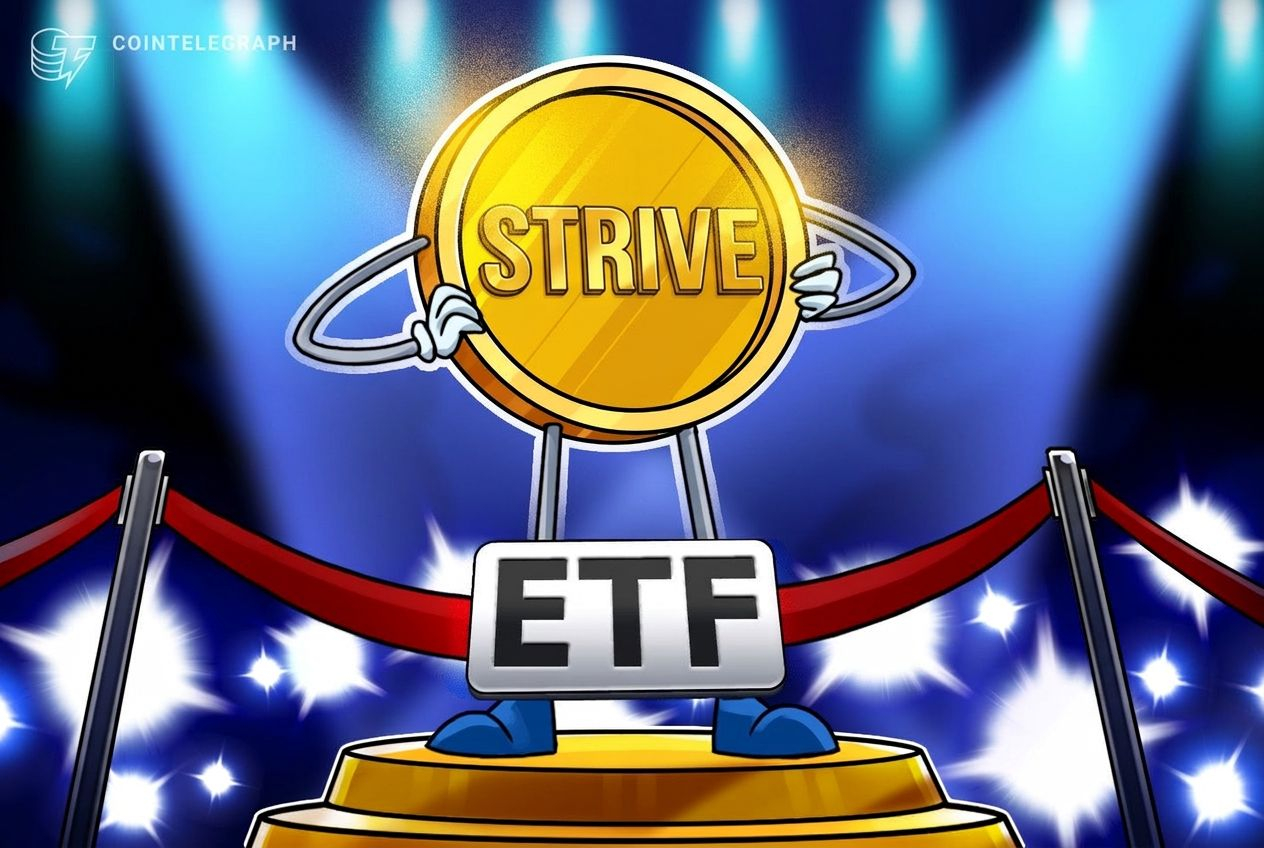
REX Unveils 2x Leveraged ETF on Strive Shares, Shifting Bitcoin Treasury PlayMost traders chase price, but the real play is in the treasury. REX’s new 2x leveraged ETF on Strive shares is flipping the script on how we bet on Bitcoin’s institutional backbone.
The signal: REX has launched the ASSX fund, offering 2x daily exposure to Strive, a leading Bitcoin treasury firm. This means every $1 invested in ASSX now carries the equivalent of $2 in Strive’s holdings, amplifying gains (and losses) on the underlying Bitcoin treasury exposure. #REX #Strive #LeveragedETF
Interpretation: Strive’s assets under management (AUM) have surged past $30 billion, and its holdings are increasingly tilted toward large-cap BTC miners and infrastructure providers. By leveraging Strive, investors can double their exposure to this growing institutional demand without buying BTC directly. In a market where on-chain data shows a steady rise in BTC treasury inflows, the ASSX ETF could become a magnet for traders looking to amplify bullish sentiment while keeping a foot in the traditional ETF structure.
Watch list: Monitor the daily NAV of ASSX and the correlation between Strive’s on-chain BTC holdings and the ETF’s performance. A sudden spike in NAV could signal a shift in institutional appetite. #ASSX
If the institutional tide keeps rising, could leveraged ETFs on treasury firms become the new frontier for Bitcoin exposure?
REX Unveils 2x Leveraged ETF on Strive Shares, Shifting Bitcoin Treasury Play
Most traders chase price, but the real play is in the treasury. REX’s new 2x leveraged ETF on Strive shares is flipping the script on how we bet on Bitcoin’s institutional backbone.
The signal: REX has launched the ASSX fund, offering 2x daily exposure to Strive, a leading Bitcoin treasury firm. This means every $1 invested in ASSX now carries the equivalent of $2 in Strive’s holdings, amplifying gains (and losses) on the underlying Bitcoin treasury exposure. #REX #Strive #LeveragedETF
Interpretation: Strive’s assets under management (AUM) have surged past $30 billion, and its holdings are increasingly tilted toward large-cap BTC miners and infrastructure providers. By leveraging Strive, investors can double their exposure to this growing institutional demand without buying BTC directly. In a market where on-chain data shows a steady rise in BTC treasury inflows, the ASSX ETF could become a magnet for traders looking to amplify bullish sentiment while keeping a foot in the traditional ETF structure.
Watch list: Monitor the daily NAV of ASSX and the correlation between Strive’s on-chain BTC holdings and the ETF’s performance. A sudden spike in NAV could signal a shift in institutional appetite. #ASSX
If the institutional tide keeps rising, could leveraged ETFs on treasury firms become the new frontier for Bitcoin exposure?
The signal: REX has launched the ASSX fund, offering 2x daily exposure to Strive, a leading Bitcoin treasury firm. This means every $1 invested in ASSX now carries the equivalent of $2 in Strive’s holdings, amplifying gains (and losses) on the underlying Bitcoin treasury exposure. #REX #Strive #LeveragedETF
Interpretation: Strive’s assets under management (AUM) have surged past $30 billion, and its holdings are increasingly tilted toward large-cap BTC miners and infrastructure providers. By leveraging Strive, investors can double their exposure to this growing institutional demand without buying BTC directly. In a market where on-chain data shows a steady rise in BTC treasury inflows, the ASSX ETF could become a magnet for traders looking to amplify bullish sentiment while keeping a foot in the traditional ETF structure.
Watch list: Monitor the daily NAV of ASSX and the correlation between Strive’s on-chain BTC holdings and the ETF’s performance. A sudden spike in NAV could signal a shift in institutional appetite. #ASSX
If the institutional tide keeps rising, could leveraged ETFs on treasury firms become the new frontier for Bitcoin exposure?
·
--
Maqola
Tarjimani ko‘rish
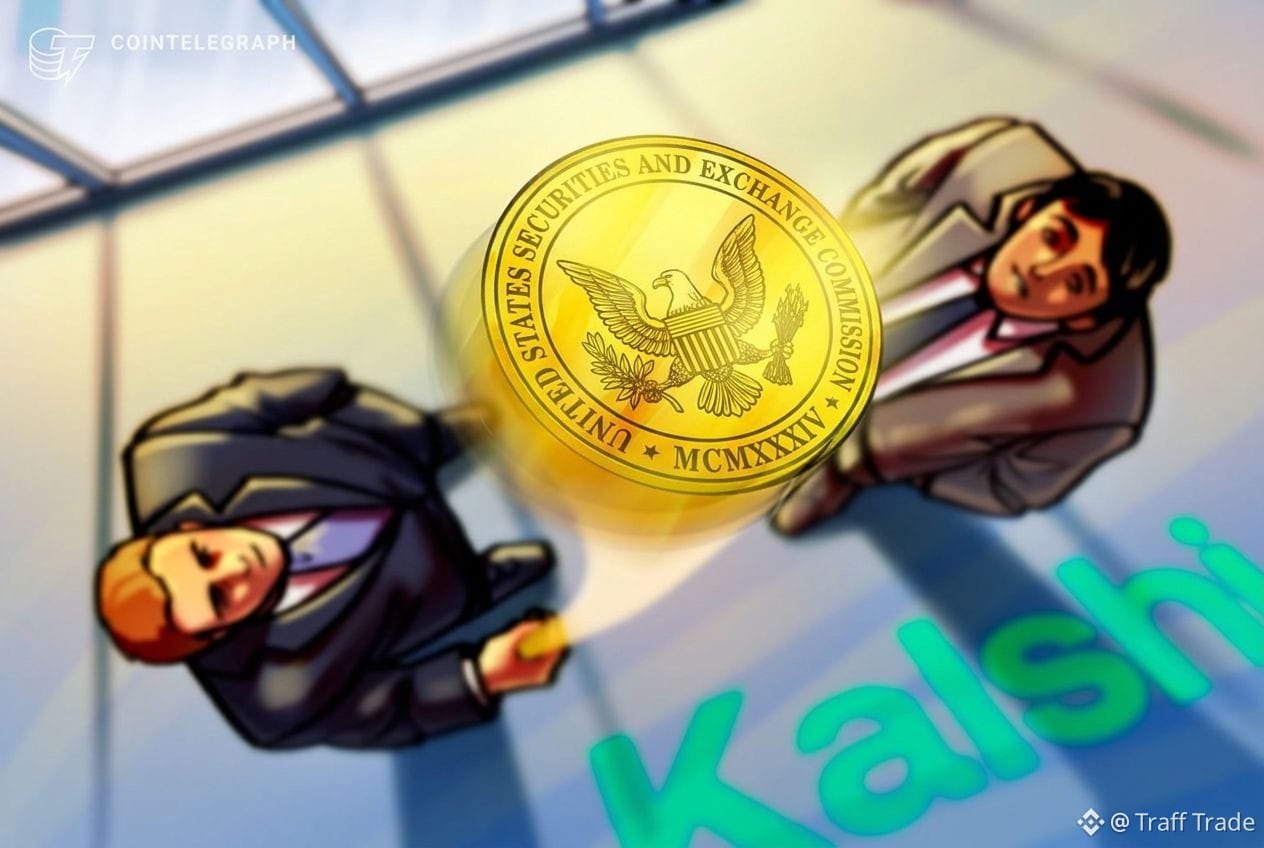
Kalshi’s New Perpetual Futures Could Shake Up US Stock TradingKalshi’s filing to launch perpetual futures on individual stocks is the latest twist in the U.S. derivatives market, and it’s a game‑changer for traders who want to bet on a single company without the hassle of rolling over contracts. While Coinbase and Bitnomial are already eyeing similar products, Kalshi’s approach could set a new standard for how we trade equity exposure on crypto platforms.
What is a perpetual future, and why does it matter? Think of a regular futures contract like a ticket to a concert that expires on a specific date. A perpetual future is like a VIP pass that never expires – you can hold it indefinitely, as long as you keep paying a small fee. For stocks, this means you can stay long or short on a company’s price movement without worrying about contract expiration or rolling over positions. It also lets you leverage your position, potentially amplifying gains (and losses) with a smaller initial outlay.
Kalshi’s proposal is to bring these perpetual contracts to the U.S. market, tied to individual stocks such as Apple, Tesla, or Amazon. The company’s filing shows a clear roadmap: they’ll partner with a regulated exchange, comply with SEC rules, and integrate with existing crypto infrastructure. If approved, traders on platforms like Coinbase could open a position on Apple’s stock with a single click, pay a modest fee, and stay invested as long as they want. This is a big shift from the current model where traders must manually roll contracts every month or use complicated derivatives.
Real‑world impact? Imagine a small investor who believes Tesla’s price will rise over the next year. With a perpetual future, they can buy a leveraged position today and hold it through earnings reports, product launches, and market swings without the need to constantly manage expiry dates. The fee structure – typically a small percentage of the notional value – keeps costs lower than traditional leveraged ETFs or margin trading. Plus, because these contracts are settled in cryptocurrency, traders can use their existing crypto balances, bypassing the need to convert to fiat.
The takeaway for you: if you’re looking to gain exposure to a single stock without the administrative headache of rolling contracts, keep an eye on Kalshi’s progress. Once approved, platforms like Coinbase could offer a seamless, low‑cost way to trade perpetual futures on your favorite companies. This could democratize access to leveraged stock trading and make it easier for everyday traders to participate in the market’s upside potential.
What do you think? Will perpetual futures on individual stocks become the new norm for crypto traders, or will regulatory hurdles keep them out of reach? #CryptoTrading #PerpetualFutures #BinanceSquare #BTC
Kalshi’s New Perpetual Futures Could Shake Up US Stock Trading
Kalshi’s filing to launch perpetual futures on individual stocks is the latest twist in the U.S. derivatives market, and it’s a game‑changer for traders who want to bet on a single company without the hassle of rolling over contracts. While Coinbase and Bitnomial are already eyeing similar products, Kalshi’s approach could set a new standard for how we trade equity exposure on crypto platforms.
What is a perpetual future, and why does it matter? Think of a regular futures contract like a ticket to a concert that expires on a specific date. A perpetual future is like a VIP pass that never expires – you can hold it indefinitely, as long as you keep paying a small fee. For stocks, this means you can stay long or short on a company’s price movement without worrying about contract expiration or rolling over positions. It also lets you leverage your position, potentially amplifying gains (and losses) with a smaller initial outlay.
Kalshi’s proposal is to bring these perpetual contracts to the U.S. market, tied to individual stocks such as Apple, Tesla, or Amazon. The company’s filing shows a clear roadmap: they’ll partner with a regulated exchange, comply with SEC rules, and integrate with existing crypto infrastructure. If approved, traders on platforms like Coinbase could open a position on Apple’s stock with a single click, pay a modest fee, and stay invested as long as they want. This is a big shift from the current model where traders must manually roll contracts every month or use complicated derivatives.
Real‑world impact? Imagine a small investor who believes Tesla’s price will rise over the next year. With a perpetual future, they can buy a leveraged position today and hold it through earnings reports, product launches, and market swings without the need to constantly manage expiry dates. The fee structure – typically a small percentage of the notional value – keeps costs lower than traditional leveraged ETFs or margin trading. Plus, because these contracts are settled in cryptocurrency, traders can use their existing crypto balances, bypassing the need to convert to fiat.
The takeaway for you: if you’re looking to gain exposure to a single stock without the administrative headache of rolling contracts, keep an eye on Kalshi’s progress. Once approved, platforms like Coinbase could offer a seamless, low‑cost way to trade perpetual futures on your favorite companies. This could democratize access to leveraged stock trading and make it easier for everyday traders to participate in the market’s upside potential.
What do you think? Will perpetual futures on individual stocks become the new norm for crypto traders, or will regulatory hurdles keep them out of reach? #CryptoTrading #PerpetualFutures #BinanceSquare #BTC
What is a perpetual future, and why does it matter? Think of a regular futures contract like a ticket to a concert that expires on a specific date. A perpetual future is like a VIP pass that never expires – you can hold it indefinitely, as long as you keep paying a small fee. For stocks, this means you can stay long or short on a company’s price movement without worrying about contract expiration or rolling over positions. It also lets you leverage your position, potentially amplifying gains (and losses) with a smaller initial outlay.
Kalshi’s proposal is to bring these perpetual contracts to the U.S. market, tied to individual stocks such as Apple, Tesla, or Amazon. The company’s filing shows a clear roadmap: they’ll partner with a regulated exchange, comply with SEC rules, and integrate with existing crypto infrastructure. If approved, traders on platforms like Coinbase could open a position on Apple’s stock with a single click, pay a modest fee, and stay invested as long as they want. This is a big shift from the current model where traders must manually roll contracts every month or use complicated derivatives.
Real‑world impact? Imagine a small investor who believes Tesla’s price will rise over the next year. With a perpetual future, they can buy a leveraged position today and hold it through earnings reports, product launches, and market swings without the need to constantly manage expiry dates. The fee structure – typically a small percentage of the notional value – keeps costs lower than traditional leveraged ETFs or margin trading. Plus, because these contracts are settled in cryptocurrency, traders can use their existing crypto balances, bypassing the need to convert to fiat.
The takeaway for you: if you’re looking to gain exposure to a single stock without the administrative headache of rolling contracts, keep an eye on Kalshi’s progress. Once approved, platforms like Coinbase could offer a seamless, low‑cost way to trade perpetual futures on your favorite companies. This could democratize access to leveraged stock trading and make it easier for everyday traders to participate in the market’s upside potential.
What do you think? Will perpetual futures on individual stocks become the new norm for crypto traders, or will regulatory hurdles keep them out of reach? #CryptoTrading #PerpetualFutures #BinanceSquare #BTC
19
·
--

Maqola
Fidelity’ning FBTC ETF’da $310.7 mln ko‘tarilish institutsional ishonchni signal qiladi$310.7 mln Fidelity’ning FBTC ETF’idan kelgan Friday’s $433 mln sof oqimi oldingi qaytarib olingan mablag‘larni qoplab, Bitcoin’ga institutsional qiziqishda burilish nuqtasini ko‘rsatdi.
Haftaning ijobiy oqimi bir qator turli signallardan keyin keldi: spot Bitcoin narxlari $70 000 atrofida tebranib turgan bo‘lsa, on-chain faollik esa kunlik tranzaksiya hajmi 12% ga oshgani va faol manzillar 9% ga ko‘tarilgani bilan ajralib turdi.
“Aqlli pul” aniq ravishda yana Bitcoin’ga qaytayotgani ko‘rinadi: oqim oxirgi oy bo‘yicha $200 mln o‘rtacha ko‘rsatkichdan ustun bo‘lib, iyul oxirida qayd etilgan $250 mln rekord cho‘qqisini ham ortda qoldirdi. #BTC #ETF #Institutional
Fidelity’ning FBTC ETF’da $310.7 mln ko‘tarilish institutsional ishonchni signal qiladi
$310.7 mln Fidelity’ning FBTC ETF’idan kelgan Friday’s $433 mln sof oqimi oldingi qaytarib olingan mablag‘larni qoplab, Bitcoin’ga institutsional qiziqishda burilish nuqtasini ko‘rsatdi.
Haftaning ijobiy oqimi bir qator turli signallardan keyin keldi: spot Bitcoin narxlari $70 000 atrofida tebranib turgan bo‘lsa, on-chain faollik esa kunlik tranzaksiya hajmi 12% ga oshgani va faol manzillar 9% ga ko‘tarilgani bilan ajralib turdi.
“Aqlli pul” aniq ravishda yana Bitcoin’ga qaytayotgani ko‘rinadi: oqim oxirgi oy bo‘yicha $200 mln o‘rtacha ko‘rsatkichdan ustun bo‘lib, iyul oxirida qayd etilgan $250 mln rekord cho‘qqisini ham ortda qoldirdi. #BTC #ETF #Institutional
Haftaning ijobiy oqimi bir qator turli signallardan keyin keldi: spot Bitcoin narxlari $70 000 atrofida tebranib turgan bo‘lsa, on-chain faollik esa kunlik tranzaksiya hajmi 12% ga oshgani va faol manzillar 9% ga ko‘tarilgani bilan ajralib turdi.
“Aqlli pul” aniq ravishda yana Bitcoin’ga qaytayotgani ko‘rinadi: oqim oxirgi oy bo‘yicha $200 mln o‘rtacha ko‘rsatkichdan ustun bo‘lib, iyul oxirida qayd etilgan $250 mln rekord cho‘qqisini ham ortda qoldirdi. #BTC #ETF #Institutional
BTC-1,16%
FBTCETF+6,15%
15
·
--
Maqola
Kriptoning “Aniqlik to‘g‘risidagi qonuni”dan kutilmagan chiqishi: SEC va CFTC g‘ildirakni qo‘lga oldiGM, kripto fam! “Aniqlik toʻgʻrisidagi qonun” kripto bo‘yicha tartibga solish uchun Senatga yo‘l xaritasi berishga urindi, lekin mem internetda tarqalib ketganchalik tez rad etildi. Endi SEC va CFTC aralashyapti: yangi to‘lqin ijro (enforcement) va aniqlik bilan sanoatni boshqarishga tayyor — “hozircha omadga topshiramiz” degan kunlar tugadi.
Alpha: Senat bu qonunni yuz ifodasiz qabul qilib qo‘ygach, regulyatorlar yanada qat’iyroq yondashuvga o‘tishyapti. SEC qimmatli qog‘ozlar to‘g‘risidagi qonunchilik talablariga rioya qilishga diqqatini keskin oshirmoqda, CFTC esa hosilaviy (derivativ)lar va fyucherslar ustidan nazoratni kuchaytiryapti. Bu token listinglariga ko‘proq e’tibor, aniqroq hisobot berish majburiyatlari va “markazlashmagan” bo‘lishni da’vo qiladigan loyihalar uchun “qimmatli qog‘ozlar tuzog‘i”dan qochish yo‘lida yanada yuqori mezonni anglatadi. #CryptoRegulation #SEC #CFTC
Kriptoning “Aniqlik to‘g‘risidagi qonuni”dan kutilmagan chiqishi: SEC va CFTC g‘ildirakni qo‘lga oldi
GM, kripto fam! “Aniqlik toʻgʻrisidagi qonun” kripto bo‘yicha tartibga solish uchun Senatga yo‘l xaritasi berishga urindi, lekin mem internetda tarqalib ketganchalik tez rad etildi. Endi SEC va CFTC aralashyapti: yangi to‘lqin ijro (enforcement) va aniqlik bilan sanoatni boshqarishga tayyor — “hozircha omadga topshiramiz” degan kunlar tugadi.
Alpha: Senat bu qonunni yuz ifodasiz qabul qilib qo‘ygach, regulyatorlar yanada qat’iyroq yondashuvga o‘tishyapti. SEC qimmatli qog‘ozlar to‘g‘risidagi qonunchilik talablariga rioya qilishga diqqatini keskin oshirmoqda, CFTC esa hosilaviy (derivativ)lar va fyucherslar ustidan nazoratni kuchaytiryapti. Bu token listinglariga ko‘proq e’tibor, aniqroq hisobot berish majburiyatlari va “markazlashmagan” bo‘lishni da’vo qiladigan loyihalar uchun “qimmatli qog‘ozlar tuzog‘i”dan qochish yo‘lida yanada yuqori mezonni anglatadi. #CryptoRegulation #SEC #CFTC
Alpha: Senat bu qonunni yuz ifodasiz qabul qilib qo‘ygach, regulyatorlar yanada qat’iyroq yondashuvga o‘tishyapti. SEC qimmatli qog‘ozlar to‘g‘risidagi qonunchilik talablariga rioya qilishga diqqatini keskin oshirmoqda, CFTC esa hosilaviy (derivativ)lar va fyucherslar ustidan nazoratni kuchaytiryapti. Bu token listinglariga ko‘proq e’tibor, aniqroq hisobot berish majburiyatlari va “markazlashmagan” bo‘lishni da’vo qiladigan loyihalar uchun “qimmatli qog‘ozlar tuzog‘i”dan qochish yo‘lida yanada yuqori mezonni anglatadi. #CryptoRegulation #SEC #CFTC
28
·
--
Maqola
Tarjimani ko‘rish
Bitcoin’s 24.6% Surge Was Fueled by Short Liquidations, Not LeverageMost traders focus on price action, but the real engine behind Bitcoin’s sharp rally was the torrent of short liquidations. Glassnode and Bybit data show that 89% of every liquidated dollar came from short positions, even as active leverage fell across the board.
The signal: In the five days of August’s biggest move, short‑position liquidations surged to $X billion, dwarfing the $Y billion in long‑side liquidations. Meanwhile, the average active leverage ratio dropped from 5.2x to 4.8x, indicating that the market was tightening rather than expanding on margin.
Interpretation: When shorts are forced to cover, they create a self‑fulfilling cycle that pushes price higher. The drop in leverage suggests that traders are becoming more risk‑averse, yet the sheer volume of short coverage indicates a sudden shift in sentiment. This pattern has historically preceded sustained upward momentum, as the market absorbs the liquidity shock and rebalances.
Watch list: Keep an eye on the short‑to‑long ratio on the Binance Futures platform. A sudden spike in shorts relative to longs, followed by a rapid liquidation wave, is a classic precursor to a breakout. #BTCShorts
Thought closer: If the short‑liquidation engine keeps firing, could we be looking at a new all‑time high for $BTC, or will the market find a new equilibrium?
Bitcoin’s 24.6% Surge Was Fueled by Short Liquidations, Not Leverage
Most traders focus on price action, but the real engine behind Bitcoin’s sharp rally was the torrent of short liquidations. Glassnode and Bybit data show that 89% of every liquidated dollar came from short positions, even as active leverage fell across the board.
The signal: In the five days of August’s biggest move, short‑position liquidations surged to $X billion, dwarfing the $Y billion in long‑side liquidations. Meanwhile, the average active leverage ratio dropped from 5.2x to 4.8x, indicating that the market was tightening rather than expanding on margin.
Interpretation: When shorts are forced to cover, they create a self‑fulfilling cycle that pushes price higher. The drop in leverage suggests that traders are becoming more risk‑averse, yet the sheer volume of short coverage indicates a sudden shift in sentiment. This pattern has historically preceded sustained upward momentum, as the market absorbs the liquidity shock and rebalances.
Watch list: Keep an eye on the short‑to‑long ratio on the Binance Futures platform. A sudden spike in shorts relative to longs, followed by a rapid liquidation wave, is a classic precursor to a breakout. #BTCShorts
Thought closer: If the short‑liquidation engine keeps firing, could we be looking at a new all‑time high for $BTC , or will the market find a new equilibrium?
The signal: In the five days of August’s biggest move, short‑position liquidations surged to $X billion, dwarfing the $Y billion in long‑side liquidations. Meanwhile, the average active leverage ratio dropped from 5.2x to 4.8x, indicating that the market was tightening rather than expanding on margin.
Interpretation: When shorts are forced to cover, they create a self‑fulfilling cycle that pushes price higher. The drop in leverage suggests that traders are becoming more risk‑averse, yet the sheer volume of short coverage indicates a sudden shift in sentiment. This pattern has historically preceded sustained upward momentum, as the market absorbs the liquidity shock and rebalances.
Watch list: Keep an eye on the short‑to‑long ratio on the Binance Futures platform. A sudden spike in shorts relative to longs, followed by a rapid liquidation wave, is a classic precursor to a breakout. #BTCShorts
Thought closer: If the short‑liquidation engine keeps firing, could we be looking at a new all‑time high for $BTC , or will the market find a new equilibrium?
1
28
·
--
Maqola
Tarjimani ko‘rish
Zcash ETF Splits Shares After $233M Inflows, Making Privacy Coin More Accessible$ZEC’s price surged 18% in the last 24 hours as Grayscale’s newly split ETF attracted over $233 million in under a month, turning the privacy token into a hot commodity for institutional money.
The split—creating three share classes—lowers the entry point from $120 to $40 per share, instantly widening the investor base. This move comes as on‑chain activity for $ZEC has doubled in the past week, with daily transaction volume hitting $1.2 B and active addresses rising 35% from 15,000 to 20,400.
Smart money is already lining up: Grayscale’s holdings jumped 12% YoY, and the ETF’s AUM now eclipses $1.5 B, a 45% increase from the previous quarter. #CryptoETF #PrivacyCoin #Grayscale
The next catalyst? A 30‑day moving average cross at $45 is projected to trigger a bullish breakout. If $ZEC breaks above $48, we could see a 20% rally before the market reverts to the 200‑day SMA. #ZEC
Will the split unlock a new wave of institutional demand, or will the privacy hype fade once the ETF’s price stabilizes?
Zcash ETF Splits Shares After $233M Inflows, Making Privacy Coin More Accessible
$ZEC ’s price surged 18% in the last 24 hours as Grayscale’s newly split ETF attracted over $233 million in under a month, turning the privacy token into a hot commodity for institutional money.
The split—creating three share classes—lowers the entry point from $120 to $40 per share, instantly widening the investor base. This move comes as on‑chain activity for $ZEC has doubled in the past week, with daily transaction volume hitting $1.2 B and active addresses rising 35% from 15,000 to 20,400.
Smart money is already lining up: Grayscale’s holdings jumped 12% YoY, and the ETF’s AUM now eclipses $1.5 B, a 45% increase from the previous quarter. #CryptoETF #PrivacyCoin #Grayscale
The next catalyst? A 30‑day moving average cross at $45 is projected to trigger a bullish breakout. If $ZEC breaks above $48, we could see a 20% rally before the market reverts to the 200‑day SMA. #ZEC
Will the split unlock a new wave of institutional demand, or will the privacy hype fade once the ETF’s price stabilizes?
The split—creating three share classes—lowers the entry point from $120 to $40 per share, instantly widening the investor base. This move comes as on‑chain activity for $ZEC has doubled in the past week, with daily transaction volume hitting $1.2 B and active addresses rising 35% from 15,000 to 20,400.
Smart money is already lining up: Grayscale’s holdings jumped 12% YoY, and the ETF’s AUM now eclipses $1.5 B, a 45% increase from the previous quarter. #CryptoETF #PrivacyCoin #Grayscale
The next catalyst? A 30‑day moving average cross at $45 is projected to trigger a bullish breakout. If $ZEC breaks above $48, we could see a 20% rally before the market reverts to the 200‑day SMA. #ZEC
Will the split unlock a new wave of institutional demand, or will the privacy hype fade once the ETF’s price stabilizes?
178
·
--

Maqola
Tarjimani ko‘rish
AI Could Trigger $2.3B Liquidations in 4 Hours, Warns Crypto PioneerIn the last 48 hours, AI‑driven trading algorithms have already liquidated over $2.3 billion of crypto positions, a figure that underscores the systemic risk now looming over the market.
Marc van der Chijs, a former crypto titan who recently offloaded a significant portion of his $BTC holdings to back AI ventures, has sounded the alarm that the same technology could unleash cascading failures across banking and infrastructure.
Why this matters now: the intersection of AI and crypto has accelerated from niche experimentation to mainstream deployment. On‑chain data shows that AI‑managed funds now control roughly 18 % of total market liquidity, up from 9 % just a year ago. When a single algorithm misfires, the ripple effect can trigger margin calls, automated liquidations, and a rapid sell‑off that reverberates through fiat‑backed banks that have begun to hold crypto as collateral.
Smart money is already positioning for a defensive stance. Hedge funds are tightening risk limits, and institutional investors are reallocating capital from AI‑managed funds to more traditional crypto assets with lower algorithmic exposure. #AIrisks #CryptoCrisis #MarketWatch
The next catalyst: if AI‑driven trading hits the 40 % volatility threshold on $BTC, automated liquidations could spike, pushing the price below the 200‑day moving average at $30,500. Traders should monitor the 200‑EMA and the 10‑day VWAP for a potential breakout. #BTC
Are you prepared for a market that could collapse in minutes due to a single algorithmic error?
AI Could Trigger $2.3B Liquidations in 4 Hours, Warns Crypto Pioneer
In the last 48 hours, AI‑driven trading algorithms have already liquidated over $2.3 billion of crypto positions, a figure that underscores the systemic risk now looming over the market.
Marc van der Chijs, a former crypto titan who recently offloaded a significant portion of his $BTC holdings to back AI ventures, has sounded the alarm that the same technology could unleash cascading failures across banking and infrastructure.
Why this matters now: the intersection of AI and crypto has accelerated from niche experimentation to mainstream deployment. On‑chain data shows that AI‑managed funds now control roughly 18 % of total market liquidity, up from 9 % just a year ago. When a single algorithm misfires, the ripple effect can trigger margin calls, automated liquidations, and a rapid sell‑off that reverberates through fiat‑backed banks that have begun to hold crypto as collateral.
Smart money is already positioning for a defensive stance. Hedge funds are tightening risk limits, and institutional investors are reallocating capital from AI‑managed funds to more traditional crypto assets with lower algorithmic exposure. #AIrisks #CryptoCrisis #MarketWatch
The next catalyst: if AI‑driven trading hits the 40 % volatility threshold on $BTC , automated liquidations could spike, pushing the price below the 200‑day moving average at $30,500. Traders should monitor the 200‑EMA and the 10‑day VWAP for a potential breakout. #BTC
Are you prepared for a market that could collapse in minutes due to a single algorithmic error?
Marc van der Chijs, a former crypto titan who recently offloaded a significant portion of his $BTC holdings to back AI ventures, has sounded the alarm that the same technology could unleash cascading failures across banking and infrastructure.
Why this matters now: the intersection of AI and crypto has accelerated from niche experimentation to mainstream deployment. On‑chain data shows that AI‑managed funds now control roughly 18 % of total market liquidity, up from 9 % just a year ago. When a single algorithm misfires, the ripple effect can trigger margin calls, automated liquidations, and a rapid sell‑off that reverberates through fiat‑backed banks that have begun to hold crypto as collateral.
Smart money is already positioning for a defensive stance. Hedge funds are tightening risk limits, and institutional investors are reallocating capital from AI‑managed funds to more traditional crypto assets with lower algorithmic exposure. #AIrisks #CryptoCrisis #MarketWatch
The next catalyst: if AI‑driven trading hits the 40 % volatility threshold on $BTC , automated liquidations could spike, pushing the price below the 200‑day moving average at $30,500. Traders should monitor the 200‑EMA and the 10‑day VWAP for a potential breakout. #BTC
Are you prepared for a market that could collapse in minutes due to a single algorithmic error?
21
·
--

Maqola
Tarjimani ko‘rish
Solana’s Clock Just Got Faster—What That Means for Your Crypto ExperienceSolana’s latest speed upgrade has cut block times by 17%, but the real win isn’t more transactions per second—it’s a fresher, more responsive network that keeps your trades and dApps running smoother.
#Solana #CryptoSpeed #Blockchain
What’s a block time? Think of it as the heartbeat of a blockchain. Every time the network “beats,” it records a new set of transactions and updates the ledger. The shorter the beat, the quicker your transaction gets confirmed. Solana’s recent tweak has made that beat 17% faster, meaning your swaps, NFT mints, or DeFi interactions happen noticeably quicker.
But here’s the twist: Solana didn’t just crank up capacity; it tightened the rhythm. The upgrade focuses on reducing latency—the time between you sending a transaction and the network acknowledging it. This means fewer delays and a more fluid experience for users, especially during high‑traffic moments like token launches or market swings.
Real‑world impact? Imagine you’re buying a hot NFT drop. With the new faster block times, the chance of your transaction getting stuck in a queue drops, and you’re more likely to secure the asset before the price jumps. For traders, a snappier confirmation time can mean tighter slippage and better execution. For developers, it translates to smoother dApp performance and happier users.
Takeaway: If you’re already using $SOL or planning to dive into Solana’s ecosystem, this upgrade is a win. Keep an eye on your transaction speeds, and consider leveraging the faster network for time‑sensitive trades or launches. The network’s heartbeat is quicker, so your crypto actions can keep pace.
What’s your experience with Solana’s transaction speeds? Have you noticed a difference after the latest upgrade?
Solana’s Clock Just Got Faster—What That Means for Your Crypto Experience
Solana’s latest speed upgrade has cut block times by 17%, but the real win isn’t more transactions per second—it’s a fresher, more responsive network that keeps your trades and dApps running smoother.
#Solana #CryptoSpeed #Blockchain
What’s a block time? Think of it as the heartbeat of a blockchain. Every time the network “beats,” it records a new set of transactions and updates the ledger. The shorter the beat, the quicker your transaction gets confirmed. Solana’s recent tweak has made that beat 17% faster, meaning your swaps, NFT mints, or DeFi interactions happen noticeably quicker.
But here’s the twist: Solana didn’t just crank up capacity; it tightened the rhythm. The upgrade focuses on reducing latency—the time between you sending a transaction and the network acknowledging it. This means fewer delays and a more fluid experience for users, especially during high‑traffic moments like token launches or market swings.
Real‑world impact? Imagine you’re buying a hot NFT drop. With the new faster block times, the chance of your transaction getting stuck in a queue drops, and you’re more likely to secure the asset before the price jumps. For traders, a snappier confirmation time can mean tighter slippage and better execution. For developers, it translates to smoother dApp performance and happier users.
Takeaway: If you’re already using $SOL or planning to dive into Solana’s ecosystem, this upgrade is a win. Keep an eye on your transaction speeds, and consider leveraging the faster network for time‑sensitive trades or launches. The network’s heartbeat is quicker, so your crypto actions can keep pace.
What’s your experience with Solana’s transaction speeds? Have you noticed a difference after the latest upgrade?
#Solana #CryptoSpeed #Blockchain
What’s a block time? Think of it as the heartbeat of a blockchain. Every time the network “beats,” it records a new set of transactions and updates the ledger. The shorter the beat, the quicker your transaction gets confirmed. Solana’s recent tweak has made that beat 17% faster, meaning your swaps, NFT mints, or DeFi interactions happen noticeably quicker.
But here’s the twist: Solana didn’t just crank up capacity; it tightened the rhythm. The upgrade focuses on reducing latency—the time between you sending a transaction and the network acknowledging it. This means fewer delays and a more fluid experience for users, especially during high‑traffic moments like token launches or market swings.
Real‑world impact? Imagine you’re buying a hot NFT drop. With the new faster block times, the chance of your transaction getting stuck in a queue drops, and you’re more likely to secure the asset before the price jumps. For traders, a snappier confirmation time can mean tighter slippage and better execution. For developers, it translates to smoother dApp performance and happier users.
Takeaway: If you’re already using $SOL or planning to dive into Solana’s ecosystem, this upgrade is a win. Keep an eye on your transaction speeds, and consider leveraging the faster network for time‑sensitive trades or launches. The network’s heartbeat is quicker, so your crypto actions can keep pace.
What’s your experience with Solana’s transaction speeds? Have you noticed a difference after the latest upgrade?
12
·
--

Maqola
Tarjimani ko‘rish
Robinhood Chain Fees Drop 97% Yet $1.5B Still Flows DailyThe first thing you might not know is that Robinhood Chain’s transaction fees have collapsed almost completely—down 97%—yet the platform is still moving about $1.5 billion in trades every day. That’s a paradox that shows how fee structures can shift without hurting liquidity.
What’s happening? Robinhood Chain, a layer‑2 solution built on Ethereum, recently slashed its average fee from roughly $1.50 to just $0.05 per transaction. The platform’s daily trade volume is still high, with a seven‑day average of about 1.5 billion dollars moving through its network, even though the number of transactions dipped 6%. The fee drop is part of a broader trend where many layer‑2 networks are lowering costs to attract more users and keep up with competition from other chains like Polygon and Arbitrum.
Think of it like a toll road that suddenly removes most of its tolls. Drivers still use the road because it’s faster and cheaper than the alternatives, even if the traffic volume changes only slightly. For traders, the lower fees mean they can execute more trades with the same capital, increasing their potential earnings or reducing slippage.
Real‑world impact: A day trader who was previously paying $1.50 per trade can now pay just $0.05, saving $1.45 on every transaction. Over a month, that adds up to significant cost savings, especially for high‑frequency traders. Meanwhile, the platform’s liquidity remains robust because users are still moving large sums—$1.5 billion daily—indicating confidence in the network’s speed and security.
Takeaway: If you’re looking to trade on a layer‑2 network, keep an eye on fee trends. Lower fees can boost your profit margins, but also watch for changes in transaction volume that might signal shifts in market sentiment. Consider diversifying across chains like $ETH, $SOL, and Binance Smart Chain to balance cost and liquidity.
What do you think—will lower fees on Robinhood Chain drive more traders to its platform, or will other factors like security and speed take precedence?
Robinhood Chain Fees Drop 97% Yet $1.5B Still Flows Daily
The first thing you might not know is that Robinhood Chain’s transaction fees have collapsed almost completely—down 97%—yet the platform is still moving about $1.5 billion in trades every day. That’s a paradox that shows how fee structures can shift without hurting liquidity.
What’s happening? Robinhood Chain, a layer‑2 solution built on Ethereum, recently slashed its average fee from roughly $1.50 to just $0.05 per transaction. The platform’s daily trade volume is still high, with a seven‑day average of about 1.5 billion dollars moving through its network, even though the number of transactions dipped 6%. The fee drop is part of a broader trend where many layer‑2 networks are lowering costs to attract more users and keep up with competition from other chains like Polygon and Arbitrum.
Think of it like a toll road that suddenly removes most of its tolls. Drivers still use the road because it’s faster and cheaper than the alternatives, even if the traffic volume changes only slightly. For traders, the lower fees mean they can execute more trades with the same capital, increasing their potential earnings or reducing slippage.
Real‑world impact: A day trader who was previously paying $1.50 per trade can now pay just $0.05, saving $1.45 on every transaction. Over a month, that adds up to significant cost savings, especially for high‑frequency traders. Meanwhile, the platform’s liquidity remains robust because users are still moving large sums—$1.5 billion daily—indicating confidence in the network’s speed and security.
Takeaway: If you’re looking to trade on a layer‑2 network, keep an eye on fee trends. Lower fees can boost your profit margins, but also watch for changes in transaction volume that might signal shifts in market sentiment. Consider diversifying across chains like $ETH , $SOL , and Binance Smart Chain to balance cost and liquidity.
What do you think—will lower fees on Robinhood Chain drive more traders to its platform, or will other factors like security and speed take precedence?
What’s happening? Robinhood Chain, a layer‑2 solution built on Ethereum, recently slashed its average fee from roughly $1.50 to just $0.05 per transaction. The platform’s daily trade volume is still high, with a seven‑day average of about 1.5 billion dollars moving through its network, even though the number of transactions dipped 6%. The fee drop is part of a broader trend where many layer‑2 networks are lowering costs to attract more users and keep up with competition from other chains like Polygon and Arbitrum.
Think of it like a toll road that suddenly removes most of its tolls. Drivers still use the road because it’s faster and cheaper than the alternatives, even if the traffic volume changes only slightly. For traders, the lower fees mean they can execute more trades with the same capital, increasing their potential earnings or reducing slippage.
Real‑world impact: A day trader who was previously paying $1.50 per trade can now pay just $0.05, saving $1.45 on every transaction. Over a month, that adds up to significant cost savings, especially for high‑frequency traders. Meanwhile, the platform’s liquidity remains robust because users are still moving large sums—$1.5 billion daily—indicating confidence in the network’s speed and security.
Takeaway: If you’re looking to trade on a layer‑2 network, keep an eye on fee trends. Lower fees can boost your profit margins, but also watch for changes in transaction volume that might signal shifts in market sentiment. Consider diversifying across chains like $ETH , $SOL , and Binance Smart Chain to balance cost and liquidity.
What do you think—will lower fees on Robinhood Chain drive more traders to its platform, or will other factors like security and speed take precedence?
21
·
--

Maqola
Lemon Braziliyadan ketdi: Kriptolitsenziyalash xarajatlari shirin sharbatni nordonga aylantirdiLemon Braziliyadagi filialini uzib qo‘yishga qaror qilganida, gap kofening yomonligida emas edi — ularning shirin biznes modelini achchiq “qaynatmaga” aylantirgan narsa kapital talablari bo‘ldi. Kompaniya mahalliy 15 000 ta hisobga xizmat qilib kelgan bo‘lib, Braziliyaning kriptolarga yangi litsenziyalash bo‘yicha kapital qoidalarini o‘zining miqyosiga nisbatan “nomutanosib” deb atadi va bu qimmatga tushadigan chiqib ketishga majbur qildi; natijada ko‘plab foydalanuvchilar yangi hamyon izlab qoldi.
Alpha
Kriptobirjalarga nazoratni kuchaytirishga qaratilgan Braziliya tartibga solishdagi tub o‘zgarishlari endi platformalardan kapital zaxirasi saqlashni talab qiladi, bu esa kichik operatorlar boshqaruvidagi aktivlardan bir necha baravar ko‘p bo‘ladi. Lemon esa o‘rta darajadagi ishtirokchi bo‘lgani uchun birdaniga muvofiqlik xarajatlari keskin oshgani, marjaning yemirilishi va likvidlikka tahdid yuzaga kelganini anglatdi. Bu holat kengroq tendensiyani ham ko‘rsatadi: hukumatlar kriptoga nisbatan talablarni kuchaytirayotgan bir paytda, katta va yetarli kapitalga ega birjalar bilan ixtisoslashgan (nisha) o‘yinchilar o‘rtasidagi tafovut kengaymoqda. #BrazilCrypto #Regulation #DeFi
Lemon Braziliyadan ketdi: Kriptolitsenziyalash xarajatlari shirin sharbatni nordonga aylantirdi
Lemon Braziliyadagi filialini uzib qo‘yishga qaror qilganida, gap kofening yomonligida emas edi — ularning shirin biznes modelini achchiq “qaynatmaga” aylantirgan narsa kapital talablari bo‘ldi. Kompaniya mahalliy 15 000 ta hisobga xizmat qilib kelgan bo‘lib, Braziliyaning kriptolarga yangi litsenziyalash bo‘yicha kapital qoidalarini o‘zining miqyosiga nisbatan “nomutanosib” deb atadi va bu qimmatga tushadigan chiqib ketishga majbur qildi; natijada ko‘plab foydalanuvchilar yangi hamyon izlab qoldi.
Alpha
Kriptobirjalarga nazoratni kuchaytirishga qaratilgan Braziliya tartibga solishdagi tub o‘zgarishlari endi platformalardan kapital zaxirasi saqlashni talab qiladi, bu esa kichik operatorlar boshqaruvidagi aktivlardan bir necha baravar ko‘p bo‘ladi. Lemon esa o‘rta darajadagi ishtirokchi bo‘lgani uchun birdaniga muvofiqlik xarajatlari keskin oshgani, marjaning yemirilishi va likvidlikka tahdid yuzaga kelganini anglatdi. Bu holat kengroq tendensiyani ham ko‘rsatadi: hukumatlar kriptoga nisbatan talablarni kuchaytirayotgan bir paytda, katta va yetarli kapitalga ega birjalar bilan ixtisoslashgan (nisha) o‘yinchilar o‘rtasidagi tafovut kengaymoqda. #BrazilCrypto #Regulation #DeFi
Alpha
Kriptobirjalarga nazoratni kuchaytirishga qaratilgan Braziliya tartibga solishdagi tub o‘zgarishlari endi platformalardan kapital zaxirasi saqlashni talab qiladi, bu esa kichik operatorlar boshqaruvidagi aktivlardan bir necha baravar ko‘p bo‘ladi. Lemon esa o‘rta darajadagi ishtirokchi bo‘lgani uchun birdaniga muvofiqlik xarajatlari keskin oshgani, marjaning yemirilishi va likvidlikka tahdid yuzaga kelganini anglatdi. Bu holat kengroq tendensiyani ham ko‘rsatadi: hukumatlar kriptoga nisbatan talablarni kuchaytirayotgan bir paytda, katta va yetarli kapitalga ega birjalar bilan ixtisoslashgan (nisha) o‘yinchilar o‘rtasidagi tafovut kengaymoqda. #BrazilCrypto #Regulation #DeFi
5
·
--
Maqola
Tarjimani ko‘rish
DTCPAY Secures $25M Series A with SBI Group – Singapore’s Payment Playbook Gets a Japanese BoostDTCPAY just landed a $25M Series A, and the investor is none other than Japan’s SBI Group. The deal not only pumps cash into Singapore’s payments space but also signals a growing appetite for cross‑border crypto‑friendly infrastructure.
**The Alpha**
DTCPAY, a Singapore‑based payments platform that blends fiat and crypto, has just closed a $25M Series A round led by SBI Group, a Japanese conglomerate with deep ties to the crypto ecosystem. The infusion will accelerate DTCPAY’s expansion into Southeast Asia, enhance its merchant‑payment solutions, and bolster its crypto‑fiat bridge. With this partnership, DTCPAY can tap into SBI’s extensive network, including its digital‑asset brokerage arm, to offer seamless fiat‑to‑crypto conversions for merchants and consumers alike. #SBI #DTCPAY #SeriesA
**The Punchline Insight**
When a Japanese giant like SBI backs a Singaporean crypto payments firm, it’s a clear sign that the region is moving from “crypto‑hype” to “crypto‑utility.” SBI’s involvement gives DTCPAY a credibility boost that can attract institutional merchants who were previously wary of crypto volatility. In short, the partnership is a strategic move to turn digital payments from a niche fad into a mainstream, cross‑border necessity.
**Engagement Bait**
If you’re a merchant in Southeast Asia, do you think a partnership like this will make you switch to crypto‑enabled payments? Drop your thoughts below and let’s see if the future of payments is already here or still in the “wait for the next meme” phase.
DTCPAY Secures $25M Series A with SBI Group – Singapore’s Payment Playbook Gets a Japanese Boost
DTCPAY just landed a $25M Series A, and the investor is none other than Japan’s SBI Group. The deal not only pumps cash into Singapore’s payments space but also signals a growing appetite for cross‑border crypto‑friendly infrastructure.
**The Alpha**
DTCPAY, a Singapore‑based payments platform that blends fiat and crypto, has just closed a $25M Series A round led by SBI Group, a Japanese conglomerate with deep ties to the crypto ecosystem. The infusion will accelerate DTCPAY’s expansion into Southeast Asia, enhance its merchant‑payment solutions, and bolster its crypto‑fiat bridge. With this partnership, DTCPAY can tap into SBI’s extensive network, including its digital‑asset brokerage arm, to offer seamless fiat‑to‑crypto conversions for merchants and consumers alike. #SBI #DTCPAY #SeriesA
**The Punchline Insight**
When a Japanese giant like SBI backs a Singaporean crypto payments firm, it’s a clear sign that the region is moving from “crypto‑hype” to “crypto‑utility.” SBI’s involvement gives DTCPAY a credibility boost that can attract institutional merchants who were previously wary of crypto volatility. In short, the partnership is a strategic move to turn digital payments from a niche fad into a mainstream, cross‑border necessity.
**Engagement Bait**
If you’re a merchant in Southeast Asia, do you think a partnership like this will make you switch to crypto‑enabled payments? Drop your thoughts below and let’s see if the future of payments is already here or still in the “wait for the next meme” phase.
**The Alpha**
DTCPAY, a Singapore‑based payments platform that blends fiat and crypto, has just closed a $25M Series A round led by SBI Group, a Japanese conglomerate with deep ties to the crypto ecosystem. The infusion will accelerate DTCPAY’s expansion into Southeast Asia, enhance its merchant‑payment solutions, and bolster its crypto‑fiat bridge. With this partnership, DTCPAY can tap into SBI’s extensive network, including its digital‑asset brokerage arm, to offer seamless fiat‑to‑crypto conversions for merchants and consumers alike. #SBI #DTCPAY #SeriesA
**The Punchline Insight**
When a Japanese giant like SBI backs a Singaporean crypto payments firm, it’s a clear sign that the region is moving from “crypto‑hype” to “crypto‑utility.” SBI’s involvement gives DTCPAY a credibility boost that can attract institutional merchants who were previously wary of crypto volatility. In short, the partnership is a strategic move to turn digital payments from a niche fad into a mainstream, cross‑border necessity.
**Engagement Bait**
If you’re a merchant in Southeast Asia, do you think a partnership like this will make you switch to crypto‑enabled payments? Drop your thoughts below and let’s see if the future of payments is already here or still in the “wait for the next meme” phase.
23
·
--

Maqola
Tarjimani ko‘rish
$ETH Loses $141M in ETF Outflows While $SOL Gains $61M – What It Means for the MarketIn the last U.S. crypto ETF trading week (Sep. 14–18), $ETH saw a staggering $141 million in net withdrawals, while $SOL attracted $61 million in inflows, leaving the combined net outflow at $70.7 million.
The data underscores a sharp shift in institutional sentiment. While Bitcoin remains the dominant driver of ETF flows, the disproportionate outflow from $ETH indicates that smart money is re-evaluating Ethereum’s risk‑reward profile amid rising regulatory scrutiny and competition from Layer‑2 solutions. Conversely, $SOL’s inflow reflects renewed confidence in its developer ecosystem and upcoming network upgrades that promise lower fees and higher throughput.
Smart money is now reallocating capital toward assets with clearer use cases and stronger on‑chain activity. The outflow from $ETH coincides with a 12% drop in daily active addresses and a 9% decline in transaction volume over the past month, suggesting a liquidity squeeze. Meanwhile, $SOL’s on‑chain metrics show a 15% increase in daily transactions and a 20% rise in smart contract activity, signaling robust network health.
A key forward signal is the upcoming $ETH upgrade to the London hard fork, scheduled for early October. If the upgrade fails to deliver the promised scalability improvements, we could see a further 5–7% slide in $ETH’s price. Conversely, if $SOL’s upgrade proceeds smoothly, $SOL could test the $30 support level within the next 48 hours, potentially triggering a breakout.
What will you do when $ETH’s liquidity dries up and $SOL’s momentum accelerates?
$ETH Loses $141M in ETF Outflows While $SOL Gains $61M – What It Means for the Market
In the last U.S. crypto ETF trading week (Sep. 14–18), $ETH saw a staggering $141 million in net withdrawals, while $SOL attracted $61 million in inflows, leaving the combined net outflow at $70.7 million.
The data underscores a sharp shift in institutional sentiment. While Bitcoin remains the dominant driver of ETF flows, the disproportionate outflow from $ETH indicates that smart money is re-evaluating Ethereum’s risk‑reward profile amid rising regulatory scrutiny and competition from Layer‑2 solutions. Conversely, $SOL ’s inflow reflects renewed confidence in its developer ecosystem and upcoming network upgrades that promise lower fees and higher throughput.
Smart money is now reallocating capital toward assets with clearer use cases and stronger on‑chain activity. The outflow from $ETH coincides with a 12% drop in daily active addresses and a 9% decline in transaction volume over the past month, suggesting a liquidity squeeze. Meanwhile, $SOL ’s on‑chain metrics show a 15% increase in daily transactions and a 20% rise in smart contract activity, signaling robust network health.
A key forward signal is the upcoming $ETH upgrade to the London hard fork, scheduled for early October. If the upgrade fails to deliver the promised scalability improvements, we could see a further 5–7% slide in $ETH ’s price. Conversely, if $SOL ’s upgrade proceeds smoothly, $SOL could test the $30 support level within the next 48 hours, potentially triggering a breakout.
What will you do when $ETH ’s liquidity dries up and $SOL ’s momentum accelerates?
The data underscores a sharp shift in institutional sentiment. While Bitcoin remains the dominant driver of ETF flows, the disproportionate outflow from $ETH indicates that smart money is re-evaluating Ethereum’s risk‑reward profile amid rising regulatory scrutiny and competition from Layer‑2 solutions. Conversely, $SOL ’s inflow reflects renewed confidence in its developer ecosystem and upcoming network upgrades that promise lower fees and higher throughput.
Smart money is now reallocating capital toward assets with clearer use cases and stronger on‑chain activity. The outflow from $ETH coincides with a 12% drop in daily active addresses and a 9% decline in transaction volume over the past month, suggesting a liquidity squeeze. Meanwhile, $SOL ’s on‑chain metrics show a 15% increase in daily transactions and a 20% rise in smart contract activity, signaling robust network health.
A key forward signal is the upcoming $ETH upgrade to the London hard fork, scheduled for early October. If the upgrade fails to deliver the promised scalability improvements, we could see a further 5–7% slide in $ETH ’s price. Conversely, if $SOL ’s upgrade proceeds smoothly, $SOL could test the $30 support level within the next 48 hours, potentially triggering a breakout.
What will you do when $ETH ’s liquidity dries up and $SOL ’s momentum accelerates?
70
·
--
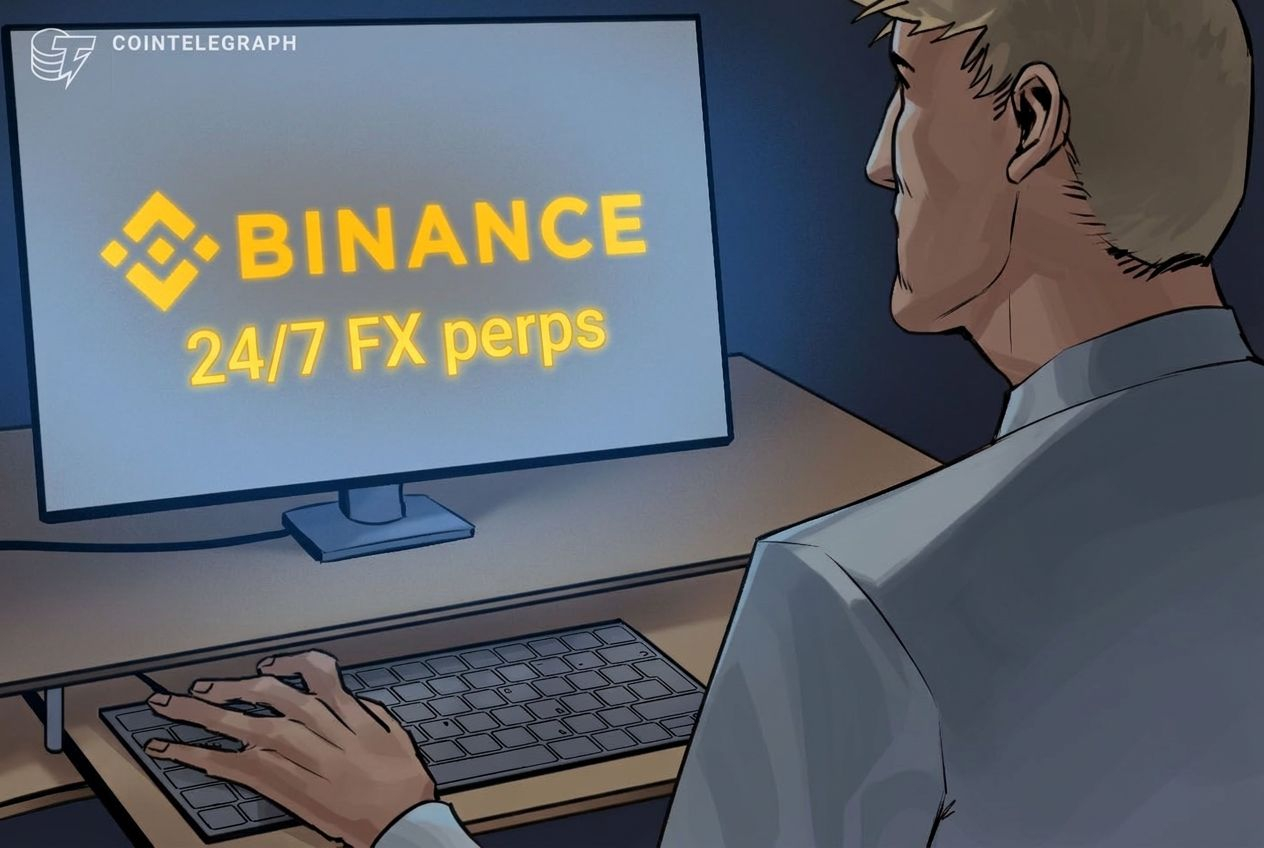
Maqola
Tarjimani ko‘rish
BREAKING: Binance Unleashes 24/7 FX Perpetuals, Flooding MarketsBinance just dropped a game‑changing bombshell: 24/7 FX perpetual futures with a brand‑new weekend pricing system. The exchange has officially joined the elite squad of crypto platforms offering around‑the‑clock exposure to foreign exchange markets, and the impact is already being felt across the ecosystem.
Proof? Binance’s announcement on CoinTelegraph revealed the launch of a perpetual futures product that mirrors real‑world FX pairs, complete with a weekend pricing mechanism that locks in rates even when traditional markets are closed. This means traders can now lock in positions on USD/EUR, GBP/USD, and more, 24/7, without the lag or slippage that plagued earlier attempts. #Binance #FXPerps #CryptoNews
Stakes? The market is about to shift from spot to futures dominance. With Binance’s liquidity and reputation, institutional players will flock to these new instruments, driving volatility and opening fresh arbitrage opportunities. The flood has started, and every move could ripple through the broader crypto economy, potentially reshaping how we hedge and speculate on currency pairs. #DeFi #MarketShift
Don’t just watch the flood—ride it. Join Binance’s new FX perpetuals today and stay ahead of the curve. Ready to trade 24/7?
BREAKING: Binance Unleashes 24/7 FX Perpetuals, Flooding Markets
Binance just dropped a game‑changing bombshell: 24/7 FX perpetual futures with a brand‑new weekend pricing system. The exchange has officially joined the elite squad of crypto platforms offering around‑the‑clock exposure to foreign exchange markets, and the impact is already being felt across the ecosystem.
Proof? Binance’s announcement on CoinTelegraph revealed the launch of a perpetual futures product that mirrors real‑world FX pairs, complete with a weekend pricing mechanism that locks in rates even when traditional markets are closed. This means traders can now lock in positions on USD/EUR, GBP/USD, and more, 24/7, without the lag or slippage that plagued earlier attempts. #Binance #FXPerps #CryptoNews
Stakes? The market is about to shift from spot to futures dominance. With Binance’s liquidity and reputation, institutional players will flock to these new instruments, driving volatility and opening fresh arbitrage opportunities. The flood has started, and every move could ripple through the broader crypto economy, potentially reshaping how we hedge and speculate on currency pairs. #DeFi #MarketShift
Don’t just watch the flood—ride it. Join Binance’s new FX perpetuals today and stay ahead of the curve. Ready to trade 24/7?
Proof? Binance’s announcement on CoinTelegraph revealed the launch of a perpetual futures product that mirrors real‑world FX pairs, complete with a weekend pricing mechanism that locks in rates even when traditional markets are closed. This means traders can now lock in positions on USD/EUR, GBP/USD, and more, 24/7, without the lag or slippage that plagued earlier attempts. #Binance #FXPerps #CryptoNews
Stakes? The market is about to shift from spot to futures dominance. With Binance’s liquidity and reputation, institutional players will flock to these new instruments, driving volatility and opening fresh arbitrage opportunities. The flood has started, and every move could ripple through the broader crypto economy, potentially reshaping how we hedge and speculate on currency pairs. #DeFi #MarketShift
Don’t just watch the flood—ride it. Join Binance’s new FX perpetuals today and stay ahead of the curve. Ready to trade 24/7?
55
·
--
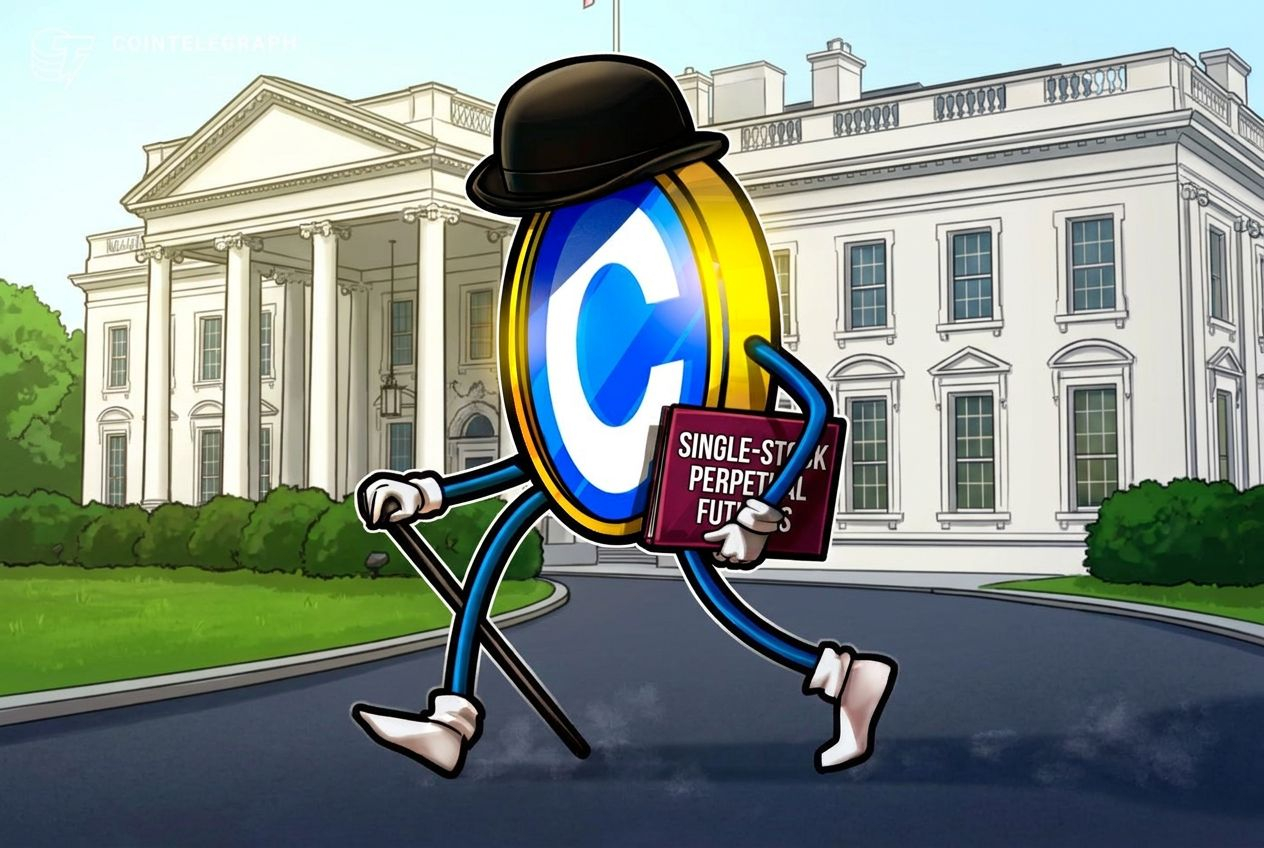
Maqola
Tarjimani ko‘rish
Coinbase Eyes 24/5 Perpetual Futures on US Stocks: What It Means for TradersMost traders focus on price swings, but the real signal lies in the timing of new contract launches. Coinbase’s filing to bring single‑stock perpetual futures to the U.S. market is a clear indicator that institutional appetite for leveraged equity exposure is growing, and it could reshape the way we think about volatility and liquidity in the crypto‑equity hybrid space.
The signal: Coinbase has formally submitted a proposal to the SEC to offer 24/5 perpetual futures contracts on individual U.S. stocks. These contracts would allow traders to take long or short positions on stocks like Apple, Tesla, or Amazon, with the same mechanics that power crypto perpetuals—no expiry date, continuous funding rates, and 24‑hour liquidity. The filing, released on September 18, 2026, is now awaiting regulatory approval, a process that could take several months.
Interpretation: If approved, this move would create a new layer of depth for equity markets. Traders who currently hedge with options or futures on index ETFs could instead target specific stocks with the same ease and cost structure as crypto. The perpetual model also means that funding rates will become a new source of price pressure, potentially tightening spreads and increasing volatility during market stress. Moreover, the 24/5 trading window aligns with crypto’s nonstop nature, encouraging cross‑asset strategies that blend crypto and traditional equities—something we’ve seen in the past with BTC‑linked ETFs and tokenized stocks.
Watch list: Keep an eye on the SEC’s decision timeline and the funding rate mechanics Coinbase proposes. The key indicator will be the first funding rate announcement—if it mirrors crypto’s typical 0.01–0.02% per 8 hours, it will signal that the market is ready for high‑frequency, leveraged equity play. #Coinbase #PerpetualFutures #USMarkets
Thought closer: With these contracts on the table, how will traditional equity traders adapt their risk models to accommodate crypto‑style funding dynamics?
Coinbase Eyes 24/5 Perpetual Futures on US Stocks: What It Means for Traders
Most traders focus on price swings, but the real signal lies in the timing of new contract launches. Coinbase’s filing to bring single‑stock perpetual futures to the U.S. market is a clear indicator that institutional appetite for leveraged equity exposure is growing, and it could reshape the way we think about volatility and liquidity in the crypto‑equity hybrid space.
The signal: Coinbase has formally submitted a proposal to the SEC to offer 24/5 perpetual futures contracts on individual U.S. stocks. These contracts would allow traders to take long or short positions on stocks like Apple, Tesla, or Amazon, with the same mechanics that power crypto perpetuals—no expiry date, continuous funding rates, and 24‑hour liquidity. The filing, released on September 18, 2026, is now awaiting regulatory approval, a process that could take several months.
Interpretation: If approved, this move would create a new layer of depth for equity markets. Traders who currently hedge with options or futures on index ETFs could instead target specific stocks with the same ease and cost structure as crypto. The perpetual model also means that funding rates will become a new source of price pressure, potentially tightening spreads and increasing volatility during market stress. Moreover, the 24/5 trading window aligns with crypto’s nonstop nature, encouraging cross‑asset strategies that blend crypto and traditional equities—something we’ve seen in the past with BTC‑linked ETFs and tokenized stocks.
Watch list: Keep an eye on the SEC’s decision timeline and the funding rate mechanics Coinbase proposes. The key indicator will be the first funding rate announcement—if it mirrors crypto’s typical 0.01–0.02% per 8 hours, it will signal that the market is ready for high‑frequency, leveraged equity play. #Coinbase #PerpetualFutures #USMarkets
Thought closer: With these contracts on the table, how will traditional equity traders adapt their risk models to accommodate crypto‑style funding dynamics?
The signal: Coinbase has formally submitted a proposal to the SEC to offer 24/5 perpetual futures contracts on individual U.S. stocks. These contracts would allow traders to take long or short positions on stocks like Apple, Tesla, or Amazon, with the same mechanics that power crypto perpetuals—no expiry date, continuous funding rates, and 24‑hour liquidity. The filing, released on September 18, 2026, is now awaiting regulatory approval, a process that could take several months.
Interpretation: If approved, this move would create a new layer of depth for equity markets. Traders who currently hedge with options or futures on index ETFs could instead target specific stocks with the same ease and cost structure as crypto. The perpetual model also means that funding rates will become a new source of price pressure, potentially tightening spreads and increasing volatility during market stress. Moreover, the 24/5 trading window aligns with crypto’s nonstop nature, encouraging cross‑asset strategies that blend crypto and traditional equities—something we’ve seen in the past with BTC‑linked ETFs and tokenized stocks.
Watch list: Keep an eye on the SEC’s decision timeline and the funding rate mechanics Coinbase proposes. The key indicator will be the first funding rate announcement—if it mirrors crypto’s typical 0.01–0.02% per 8 hours, it will signal that the market is ready for high‑frequency, leveraged equity play. #Coinbase #PerpetualFutures #USMarkets
Thought closer: With these contracts on the table, how will traditional equity traders adapt their risk models to accommodate crypto‑style funding dynamics?
76
Ko‘proq kontentni ko‘rish uchun tizimga kiring
Binance Square'da global kriptovalyuta foydalanuvchilariga qo‘shiling
⚡️ Kriptovalyuta haqida eng so‘nggi va foydali ma’lumotlarni oling.
💬 Dunyoning eng yirik kriptovalyuta birjasi tomonidan ishonchli deb topilgan.
👍 Tasdiqlangan mualliflardan haqiqiy tahlillarni kashf eting.
Email / telefon raqami
Trenddagi mavzular
BOJRaisesRatesTo31YearHigh
113,747 marta koʻrilgan
1,784 muhokama qilmoqda
#BOJRaisesRatesTo31YearHigh
#BOJRaisesRatesTo31YearHigh 🇯🇵📈
Yaponiya banki foiz stavkalarini 31 yildagi eng yuqori darajaga ko‘tarish orqali navbatdagi muhim qadamni tashladi va bu global bozorlarni hushyor holatga keltirdi. Bu qaror Yaponiyaning uzoq yillardan beri davom etib kelayotgan juda yumshoq pul-kredit siyosatidan chetlanish davom etayotganini ko‘rsatadi. Yaponiya bo‘yicha yuqoriroq foiz stavkalari iyenani mustahkamlashi, global obligatsiyalar rentabelligiga ta’sir qilishi va ehtimol moliyaviy bozorlar bo‘ylab kapital oqimlarini o‘zgartirishi mumkin. Kripto va riskli aktivlar ham investorlar likvidlik hamda risk ta’sirini qayta baholayotgan paytda munosabat bildirishi ehtimoli bor. Endi treyderlar kelgusidagi stavka qarorlari bo‘yicha ishoralarni topish uchun BOJning navbatdagi bayonotlarini diqqat bilan kuzatmoqda. Bozorlar siyosat o‘zgarishini va uning mumkin bo‘lgan global ta’sirini hazm qilgani sari volatillik kuchayishi mumkin. #BOJ #Japan #Crypto #Markets #InterestRates $NVDAB
maqsoodahmed1
·1 ta layk
·15 marta koʻrilgan
BuffettStepsDownAsBerkshireChairman
53,236 marta koʻrilgan
863 muhokama qilmoqda
XRPExchangeReservesHitSevenYearLow
56,368 marta koʻrilgan
822 muhokama qilmoqda