

#slippage
slippage
7,325 views
71 Discussing
Hot
Latest

📘 Binance Crypto Learning Series — Part 107
Slippage: Why Your Entry Price Changes! 🎯
🔥 The price you see on the chart isn’t necessarily the price at which your trade will be executed!
Slippage occurs when your order is executed at a different price than expected.
📉 When is slippage more likely?
High market volatility
Coins with low liquidity
Large market orders
Sudden news and sharp price movements
📊 Example:
You want to buy $BTC at $100,000, but your order is executed at $100,050.
This $50 price difference is an example of slippage.
🧠 Golden Rule:
It’s not just the entry price—the execution price also affects your actual results.
Do you use Market Orders or Limit Orders when trading? 👇
#BinanceSquare #Slippage #BTC #TradingEducation #RiskManagement
{spot}(BTCUSDT)
📘 Binance Crypto Learning Series — Part 107
Slippage: Why Your Entry Price Changes! 🎯
🔥 The price you see on the chart isn’t necessarily the price at which your trade will be executed!
Slippage occurs when your order is executed at a different price than expected.
📉 When is slippage more likely?
High market volatility
Coins with low liquidity
Large market orders
Sudden news and sharp price movements
📊 Example:
You want to buy $BTC at $100,000, but your order is executed at $100,050.
This $50 price difference is an example of slippage.
🧠 Golden Rule:
It’s not just the entry price—the execution price also affects your actual results.
Do you use Market Orders or Limit Orders when trading? 👇
#BinanceSquare #Slippage #BTC #TradingEducation #RiskManagement
Slippage: Why Your Entry Price Changes! 🎯
🔥 The price you see on the chart isn’t necessarily the price at which your trade will be executed!
Slippage occurs when your order is executed at a different price than expected.
📉 When is slippage more likely?
High market volatility
Coins with low liquidity
Large market orders
Sudden news and sharp price movements
📊 Example:
You want to buy $BTC at $100,000, but your order is executed at $100,050.
This $50 price difference is an example of slippage.
🧠 Golden Rule:
It’s not just the entry price—the execution price also affects your actual results.
Do you use Market Orders or Limit Orders when trading? 👇
#BinanceSquare #Slippage #BTC #TradingEducation #RiskManagement
5
104


A crypto chart gives you one number.
Your actual trade can tell a completely different story.
Two traders can buy the same asset at almost the same moment and still receive noticeably different results. The reason isn’t always that one chose the wrong direction. Sometimes it comes down to the path between clicking “buy” and actually getting filled.
Consider a simple trade.
You see an asset quoted at $1.00 and place a market order. But the available orders near $1.00 may not be large enough to fill everything at that price. Your remaining order gets matched slightly higher.
That difference is slippage.
Now add the spread between buyers and sellers, trading fees, network costs on-chain, and the size of your order relative to available liquidity. The final execution can look very different from the price displayed on the screen.
This is why a chart alone doesn't describe the complete trading experience.
A useful habit is to separate three questions:
What is the quoted price?
What is the executable price?
What is the final cost?
Those are not necessarily identical.
In crypto, understanding execution can be just as important as understanding direction. A good-looking setup can still produce a poor result if the transaction itself is inefficient.
Sometimes the difference between a good trade and a disappointing one happens after the decision is already made.
#Crypto #Trading #Slippage #MarketMicrostructure #Blockchain #BinanceSquare
A crypto chart gives you one number.
Your actual trade can tell a completely different story.
Two traders can buy the same asset at almost the same moment and still receive noticeably different results. The reason isn’t always that one chose the wrong direction. Sometimes it comes down to the path between clicking “buy” and actually getting filled.
Consider a simple trade.
You see an asset quoted at $1.00 and place a market order. But the available orders near $1.00 may not be large enough to fill everything at that price. Your remaining order gets matched slightly higher.
That difference is slippage.
Now add the spread between buyers and sellers, trading fees, network costs on-chain, and the size of your order relative to available liquidity. The final execution can look very different from the price displayed on the screen.
This is why a chart alone doesn't describe the complete trading experience.
A useful habit is to separate three questions:
What is the quoted price?
What is the executable price?
What is the final cost?
Those are not necessarily identical.
In crypto, understanding execution can be just as important as understanding direction. A good-looking setup can still produce a poor result if the transaction itself is inefficient.
Sometimes the difference between a good trade and a disappointing one happens after the decision is already made.
#Crypto #Trading #Slippage #MarketMicrostructure #Blockchain #BinanceSquare
Your actual trade can tell a completely different story.
Two traders can buy the same asset at almost the same moment and still receive noticeably different results. The reason isn’t always that one chose the wrong direction. Sometimes it comes down to the path between clicking “buy” and actually getting filled.
Consider a simple trade.
You see an asset quoted at $1.00 and place a market order. But the available orders near $1.00 may not be large enough to fill everything at that price. Your remaining order gets matched slightly higher.
That difference is slippage.
Now add the spread between buyers and sellers, trading fees, network costs on-chain, and the size of your order relative to available liquidity. The final execution can look very different from the price displayed on the screen.
This is why a chart alone doesn't describe the complete trading experience.
A useful habit is to separate three questions:
What is the quoted price?
What is the executable price?
What is the final cost?
Those are not necessarily identical.
In crypto, understanding execution can be just as important as understanding direction. A good-looking setup can still produce a poor result if the transaction itself is inefficient.
Sometimes the difference between a good trade and a disappointing one happens after the decision is already made.
#Crypto #Trading #Slippage #MarketMicrostructure #Blockchain #BinanceSquare
495

Yesterday I wrote about market depth. Today I want to talk about something related: slippage.
Slippage is the difference between the price you expect and the price you actually get.
Say you want to buy $10,000 worth of a token. You see the price at $1.00. You place a market order. But by the time your order fills, the average price is $1.02. That 2% difference is slippage.
Why does this happen? Because your order eats through the order book. The first $3,000 might fill at $1.00. The next $3,000 at $1.01. The next $4,000 at $1.02. Your average price ends up higher than the screen price.
This is why depth matters. A token with thin liquidity has more slippage. A token with deep liquidity has less.
Slippage is also a hidden cost. People look at fees — 0.1% here, 0.1% there — but ignore slippage. For small caps or low-liquidity tokens, slippage can be 2% or more. That's twenty times the fee.
The lesson: before you trade, check the depth. If you're moving size, slippage matters more than fees.
#CryptoEducation #Slippage #Liquidity
Yesterday I wrote about market depth. Today I want to talk about something related: slippage.
Slippage is the difference between the price you expect and the price you actually get.
Say you want to buy $10,000 worth of a token. You see the price at $1.00. You place a market order. But by the time your order fills, the average price is $1.02. That 2% difference is slippage.
Why does this happen? Because your order eats through the order book. The first $3,000 might fill at $1.00. The next $3,000 at $1.01. The next $4,000 at $1.02. Your average price ends up higher than the screen price.
This is why depth matters. A token with thin liquidity has more slippage. A token with deep liquidity has less.
Slippage is also a hidden cost. People look at fees — 0.1% here, 0.1% there — but ignore slippage. For small caps or low-liquidity tokens, slippage can be 2% or more. That's twenty times the fee.
The lesson: before you trade, check the depth. If you're moving size, slippage matters more than fees.
#CryptoEducation #Slippage #Liquidity
Slippage is the difference between the price you expect and the price you actually get.
Say you want to buy $10,000 worth of a token. You see the price at $1.00. You place a market order. But by the time your order fills, the average price is $1.02. That 2% difference is slippage.
Why does this happen? Because your order eats through the order book. The first $3,000 might fill at $1.00. The next $3,000 at $1.01. The next $4,000 at $1.02. Your average price ends up higher than the screen price.
This is why depth matters. A token with thin liquidity has more slippage. A token with deep liquidity has less.
Slippage is also a hidden cost. People look at fees — 0.1% here, 0.1% there — but ignore slippage. For small caps or low-liquidity tokens, slippage can be 2% or more. That's twenty times the fee.
The lesson: before you trade, check the depth. If you're moving size, slippage matters more than fees.
#CryptoEducation #Slippage #Liquidity
79

MARKET ORDER TRAP: WHY THE "BUY MARKET" BUTTON CAN DRAIN YOUR DEPOSIT IN SECONDS 🛑💸
You see a sharp upward impulse, fall into serious FOMO, and frantically smash that big yellow "Market Order" button. At that moment, the exchange is popping champagne.
• By hitting "market", you're agreeing to buy the asset at the worst available price in the order book right now (this is called slippage).
• The market maker deliberately widens the spread during the impulse, and you're getting trapped at the peak of the candlestick's wick. Professionals ONLY enter with limit orders in pre-established zones.
👇 Open the SOL widget. How many times have you been wiped out by market orders?
#RiskManagement #Slippage #Solana $SOL #CryptoFREEMEN
{spot}(SOLUSDT)
MARKET ORDER TRAP: WHY THE "BUY MARKET" BUTTON CAN DRAIN YOUR DEPOSIT IN SECONDS 🛑💸
You see a sharp upward impulse, fall into serious FOMO, and frantically smash that big yellow "Market Order" button. At that moment, the exchange is popping champagne.
• By hitting "market", you're agreeing to buy the asset at the worst available price in the order book right now (this is called slippage).
• The market maker deliberately widens the spread during the impulse, and you're getting trapped at the peak of the candlestick's wick. Professionals ONLY enter with limit orders in pre-established zones.
👇 Open the SOL widget. How many times have you been wiped out by market orders?
#RiskManagement #Slippage #Solana $SOL #CryptoFREEMEN
You see a sharp upward impulse, fall into serious FOMO, and frantically smash that big yellow "Market Order" button. At that moment, the exchange is popping champagne.
• By hitting "market", you're agreeing to buy the asset at the worst available price in the order book right now (this is called slippage).
• The market maker deliberately widens the spread during the impulse, and you're getting trapped at the peak of the candlestick's wick. Professionals ONLY enter with limit orders in pre-established zones.
👇 Open the SOL widget. How many times have you been wiped out by market orders?
#RiskManagement #Slippage #Solana $SOL #CryptoFREEMEN
229

OVER $2M IN ETH VAPORIZED IN A SINGLE SWAP ON $LIT 💀
This isn't a typical trade breakdown — it's a real-world liquidity lesson. A trader withdrew 1,126 ETH (~$2M) from a top-tier exchange and swapped it into LIT. The 0x router allegedly routed through an AVAIL pool with near-zero liquidity, causing over 99% slippage.
The result? Just $14K of actual value. This is why you always verify pool depth and price impact before executing large swaps. One click can erase a portfolio. Have you ever had a trade go sideways due to slippage?
Not financial advice. Always manage your risk.
#LIT #DEX #Slippage #CryptoLessons
🔥
OVER $2M IN ETH VAPORIZED IN A SINGLE SWAP ON $LIT 💀
This isn't a typical trade breakdown — it's a real-world liquidity lesson. A trader withdrew 1,126 ETH (~$2M) from a top-tier exchange and swapped it into LIT. The 0x router allegedly routed through an AVAIL pool with near-zero liquidity, causing over 99% slippage.
The result? Just $14K of actual value. This is why you always verify pool depth and price impact before executing large swaps. One click can erase a portfolio. Have you ever had a trade go sideways due to slippage?
Not financial advice. Always manage your risk.
#LIT #DEX #Slippage #CryptoLessons
🔥
This isn't a typical trade breakdown — it's a real-world liquidity lesson. A trader withdrew 1,126 ETH (~$2M) from a top-tier exchange and swapped it into LIT. The 0x router allegedly routed through an AVAIL pool with near-zero liquidity, causing over 99% slippage.
The result? Just $14K of actual value. This is why you always verify pool depth and price impact before executing large swaps. One click can erase a portfolio. Have you ever had a trade go sideways due to slippage?
Not financial advice. Always manage your risk.
#LIT #DEX #Slippage #CryptoLessons
🔥
1
181

📚 Understanding Slippage and Spread: How Hidden Trading Costs Affect Your Bottom Line
On July 20, 2026, slippage and spread are two hidden costs every trader should understand. The spread is the difference between the highest bid and lowest ask price — a direct cost paid on each trade. Slippage occurs when a large order moves through multiple price levels before filling completely.
Thin liquidity pools and volatile markets amplify both slippage and spread. Traders can minimize these costs by using limit orders, trading during high-volume periods, and selecting pairs with deep liquidity.
📌 Key Takeaway:
Slippage and spread erode trading profits — monitor liquidity, use limit orders, and trade during peak hours to keep costs low.
#CryptoTrading #Slippage #Liquidity #CryptoEducation
#BinanceAlphaAlert
📚 Understanding Slippage and Spread: How Hidden Trading Costs Affect Your Bottom Line
On July 20, 2026, slippage and spread are two hidden costs every trader should understand. The spread is the difference between the highest bid and lowest ask price — a direct cost paid on each trade. Slippage occurs when a large order moves through multiple price levels before filling completely.
Thin liquidity pools and volatile markets amplify both slippage and spread. Traders can minimize these costs by using limit orders, trading during high-volume periods, and selecting pairs with deep liquidity.
📌 Key Takeaway:
Slippage and spread erode trading profits — monitor liquidity, use limit orders, and trade during peak hours to keep costs low.
#CryptoTrading #Slippage #Liquidity #CryptoEducation
#BinanceAlphaAlert
On July 20, 2026, slippage and spread are two hidden costs every trader should understand. The spread is the difference between the highest bid and lowest ask price — a direct cost paid on each trade. Slippage occurs when a large order moves through multiple price levels before filling completely.
Thin liquidity pools and volatile markets amplify both slippage and spread. Traders can minimize these costs by using limit orders, trading during high-volume periods, and selecting pairs with deep liquidity.
📌 Key Takeaway:
Slippage and spread erode trading profits — monitor liquidity, use limit orders, and trade during peak hours to keep costs low.
#CryptoTrading #Slippage #Liquidity #CryptoEducation
#BinanceAlphaAlert
19
📚 Slippage and Trading Fees: Understanding the Hidden Costs of Trading
On July 23, 2026, with $65.29B in daily trading volume, understanding trading costs is essential. Slippage occurs when the expected price of a trade differs from the executed price — common in volatile markets or low-liquidity pairs.
Slippage happens because orders fill against available liquidity. Large buys push prices up; large sells push prices down. Traders can set slippage tolerance limits to prevent unfavorable execution. Trading fees (maker/taker fees) are separate costs charged by the exchange.
High-volume assets like Bitcoin $BTC typically have minimal slippage due to deep liquidity, while smaller tokens can experience significant price impact even on modest trades.
📌 Key Takeaway:
Slippage is the difference between expected and executed trade prices — a critical cost factor driven by liquidity, order size, and market volatility.
#TradingBasics #Slippage #Educational
#BinanceAlphaAlert
📚 Slippage and Trading Fees: Understanding the Hidden Costs of Trading
On July 23, 2026, with $65.29B in daily trading volume, understanding trading costs is essential. Slippage occurs when the expected price of a trade differs from the executed price — common in volatile markets or low-liquidity pairs.
Slippage happens because orders fill against available liquidity. Large buys push prices up; large sells push prices down. Traders can set slippage tolerance limits to prevent unfavorable execution. Trading fees (maker/taker fees) are separate costs charged by the exchange.
High-volume assets like Bitcoin $BTC typically have minimal slippage due to deep liquidity, while smaller tokens can experience significant price impact even on modest trades.
📌 Key Takeaway:
Slippage is the difference between expected and executed trade prices — a critical cost factor driven by liquidity, order size, and market volatility.
#TradingBasics #Slippage #Educational
#BinanceAlphaAlert
On July 23, 2026, with $65.29B in daily trading volume, understanding trading costs is essential. Slippage occurs when the expected price of a trade differs from the executed price — common in volatile markets or low-liquidity pairs.
Slippage happens because orders fill against available liquidity. Large buys push prices up; large sells push prices down. Traders can set slippage tolerance limits to prevent unfavorable execution. Trading fees (maker/taker fees) are separate costs charged by the exchange.
High-volume assets like Bitcoin $BTC typically have minimal slippage due to deep liquidity, while smaller tokens can experience significant price impact even on modest trades.
📌 Key Takeaway:
Slippage is the difference between expected and executed trade prices — a critical cost factor driven by liquidity, order size, and market volatility.
#TradingBasics #Slippage #Educational
#BinanceAlphaAlert
44

·
--
What is Slippage?
📉 Slippage refers to the difference between the price you expect and the actual price at which the trade is executed.
During periods of high market volatility or low liquidity, the likelihood of slippage may be higher.
Have you ever been aware of slippage when trading? 👇
{spot}(DOGEUSDT)
#Slippage #Trading #Crypto #RiskManagement #Binance
$BTC $BNB $DOGE
What is Slippage?
📉 Slippage refers to the difference between the price you expect and the actual price at which the trade is executed.
During periods of high market volatility or low liquidity, the likelihood of slippage may be higher.
Have you ever been aware of slippage when trading? 👇
#Slippage #Trading #Crypto #RiskManagement #Binance
$BTC $BNB $DOGE
📉 Slippage refers to the difference between the price you expect and the actual price at which the trade is executed.
During periods of high market volatility or low liquidity, the likelihood of slippage may be higher.
Have you ever been aware of slippage when trading? 👇
#Slippage #Trading #Crypto #RiskManagement #Binance
$BTC $BNB $DOGE
112
📚 Understanding Slippage in Trading: Why your trade executes at a different price
On July 16, 2026, slippage remains a key concept for every crypto trader. Slippage is the difference between the expected price of a trade and the price at which it actually executes. It happens when there isn't enough liquidity at your desired price level.
In low-liquidity markets or during high volatility, slippage can be significant. A buy order might execute at a higher price than expected if the order eats through the available sell orders at your target price.
To minimize slippage: use limit orders instead of market orders, check order book depth before trading, and set slippage tolerance in DeFi swaps. Most DEXs allow you to set a maximum slippage percentage.
📌 Key Takeaway:
Slippage = difference between expected and actual trade price. Caused by low liquidity or high volatility. Use limit orders and check order book depth to minimize it.
#CryptoTrading #Slippage
#BinanceAlphaAlert
📚 Understanding Slippage in Trading: Why your trade executes at a different price
On July 16, 2026, slippage remains a key concept for every crypto trader. Slippage is the difference between the expected price of a trade and the price at which it actually executes. It happens when there isn't enough liquidity at your desired price level.
In low-liquidity markets or during high volatility, slippage can be significant. A buy order might execute at a higher price than expected if the order eats through the available sell orders at your target price.
To minimize slippage: use limit orders instead of market orders, check order book depth before trading, and set slippage tolerance in DeFi swaps. Most DEXs allow you to set a maximum slippage percentage.
📌 Key Takeaway:
Slippage = difference between expected and actual trade price. Caused by low liquidity or high volatility. Use limit orders and check order book depth to minimize it.
#CryptoTrading #Slippage
#BinanceAlphaAlert
On July 16, 2026, slippage remains a key concept for every crypto trader. Slippage is the difference between the expected price of a trade and the price at which it actually executes. It happens when there isn't enough liquidity at your desired price level.
In low-liquidity markets or during high volatility, slippage can be significant. A buy order might execute at a higher price than expected if the order eats through the available sell orders at your target price.
To minimize slippage: use limit orders instead of market orders, check order book depth before trading, and set slippage tolerance in DeFi swaps. Most DEXs allow you to set a maximum slippage percentage.
📌 Key Takeaway:
Slippage = difference between expected and actual trade price. Caused by low liquidity or high volatility. Use limit orders and check order book depth to minimize it.
#CryptoTrading #Slippage
#BinanceAlphaAlert
22

🔍 Are you losing money on every trade and probably don't know why?
It's not the exchange. It's not a hidden fee. It's not bad luck.
It's called slippage. And it works silently.
When you see the price of a token and hit "buy", that price no longer exists.
The market moved in the microsecond it took you to confirm. What you paid was different from what you expected. That difference is called slippage.
In high liquidity tokens like $BTC o or $ETH , it's minimal. Almost imperceptible.
But in low cap tokens, on DEX with low volume, or during high volatility, slippage can eat up between 1% and 15% of your trade without any alerts to warn you.
Imagine buying $1,000 worth of a token and receiving the equivalent of $870. Nobody robbed you. Nobody failed. The market moved while your transaction was being processed.
There are two types you should know:
Price slippage — the difference between the expected price and the executed price.
Tolerance slippage — the maximum percentage you authorize before the transaction is automatically canceled.
That second type is your defense. And also your weak point.
MEV bots scan the mempool — the public waiting room of transactions — specifically looking for this. They execute a sandwich attack: they buy before you to jack up the price, let your transaction execute inflated, and sell immediately. You pay more. They pocket the difference.
And the detail that hurts the most: they specifically target traders with slippage above 5%.
Knowing this changes how you trade:
— Keep your tolerance between 0.5% and 1% on liquid pairs
— In volatile tokens, don't go above 3% unless absolutely necessary
— Use Flashbots Protect or private RPCs to stay off the mempool radar
It's not invulnerability. It's reducing the target.
👇 Did you know your transactions on DEX are public before they confirm?
#Slippage #MEV #InstitutoBlockchain #FranBerlin #Crypto
{spot}(ETHUSDT)
{spot}(BTCUSDT)
🔍 Are you losing money on every trade and probably don't know why?
It's not the exchange. It's not a hidden fee. It's not bad luck.
It's called slippage. And it works silently.
When you see the price of a token and hit "buy", that price no longer exists.
The market moved in the microsecond it took you to confirm. What you paid was different from what you expected. That difference is called slippage.
In high liquidity tokens like $BTC o or $ETH , it's minimal. Almost imperceptible.
But in low cap tokens, on DEX with low volume, or during high volatility, slippage can eat up between 1% and 15% of your trade without any alerts to warn you.
Imagine buying $1,000 worth of a token and receiving the equivalent of $870. Nobody robbed you. Nobody failed. The market moved while your transaction was being processed.
There are two types you should know:
Price slippage — the difference between the expected price and the executed price.
Tolerance slippage — the maximum percentage you authorize before the transaction is automatically canceled.
That second type is your defense. And also your weak point.
MEV bots scan the mempool — the public waiting room of transactions — specifically looking for this. They execute a sandwich attack: they buy before you to jack up the price, let your transaction execute inflated, and sell immediately. You pay more. They pocket the difference.
And the detail that hurts the most: they specifically target traders with slippage above 5%.
Knowing this changes how you trade:
— Keep your tolerance between 0.5% and 1% on liquid pairs
— In volatile tokens, don't go above 3% unless absolutely necessary
— Use Flashbots Protect or private RPCs to stay off the mempool radar
It's not invulnerability. It's reducing the target.
👇 Did you know your transactions on DEX are public before they confirm?
#Slippage #MEV #InstitutoBlockchain #FranBerlin #Crypto
It's not the exchange. It's not a hidden fee. It's not bad luck.
It's called slippage. And it works silently.
When you see the price of a token and hit "buy", that price no longer exists.
The market moved in the microsecond it took you to confirm. What you paid was different from what you expected. That difference is called slippage.
In high liquidity tokens like $BTC o or $ETH , it's minimal. Almost imperceptible.
But in low cap tokens, on DEX with low volume, or during high volatility, slippage can eat up between 1% and 15% of your trade without any alerts to warn you.
Imagine buying $1,000 worth of a token and receiving the equivalent of $870. Nobody robbed you. Nobody failed. The market moved while your transaction was being processed.
There are two types you should know:
Price slippage — the difference between the expected price and the executed price.
Tolerance slippage — the maximum percentage you authorize before the transaction is automatically canceled.
That second type is your defense. And also your weak point.
MEV bots scan the mempool — the public waiting room of transactions — specifically looking for this. They execute a sandwich attack: they buy before you to jack up the price, let your transaction execute inflated, and sell immediately. You pay more. They pocket the difference.
And the detail that hurts the most: they specifically target traders with slippage above 5%.
Knowing this changes how you trade:
— Keep your tolerance between 0.5% and 1% on liquid pairs
— In volatile tokens, don't go above 3% unless absolutely necessary
— Use Flashbots Protect or private RPCs to stay off the mempool radar
It's not invulnerability. It's reducing the target.
👇 Did you know your transactions on DEX are public before they confirm?
#Slippage #MEV #InstitutoBlockchain #FranBerlin #Crypto
1
1
192
📚 What Is Slippage?: Understanding the difference between expected and actual trade prices
On July 19, 2026, Slippage is the difference between the expected price of a trade and the actual price at which it executes. It occurs when there isn't enough liquidity at your desired price level, causing your order to be filled at the next available price.
For large trades of Bitcoin $BTC, slippage is usually minimal due to deep order books. For less liquid altcoins on Ethereum $ETH or Solana $SOL, setting a slippage tolerance (typically 0.5-3%) helps ensure your trade executes without excessive price impact.
📌 Key Takeaway:
Slippage is an invisible cost that adds up over many trades. Using limit orders and checking order book depth before trading helps minimize this friction in your trading strategy.
#Slippage #TradingTips #CryptoEducation
#BinanceAlphaAlert
📚 What Is Slippage?: Understanding the difference between expected and actual trade prices
On July 19, 2026, Slippage is the difference between the expected price of a trade and the actual price at which it executes. It occurs when there isn't enough liquidity at your desired price level, causing your order to be filled at the next available price.
For large trades of Bitcoin $BTC , slippage is usually minimal due to deep order books. For less liquid altcoins on Ethereum $ETH or Solana $SOL , setting a slippage tolerance (typically 0.5-3%) helps ensure your trade executes without excessive price impact.
📌 Key Takeaway:
Slippage is an invisible cost that adds up over many trades. Using limit orders and checking order book depth before trading helps minimize this friction in your trading strategy.
#Slippage #TradingTips #CryptoEducation
#BinanceAlphaAlert
On July 19, 2026, Slippage is the difference between the expected price of a trade and the actual price at which it executes. It occurs when there isn't enough liquidity at your desired price level, causing your order to be filled at the next available price.
For large trades of Bitcoin $BTC , slippage is usually minimal due to deep order books. For less liquid altcoins on Ethereum $ETH or Solana $SOL , setting a slippage tolerance (typically 0.5-3%) helps ensure your trade executes without excessive price impact.
📌 Key Takeaway:
Slippage is an invisible cost that adds up over many trades. Using limit orders and checking order book depth before trading helps minimize this friction in your trading strategy.
#Slippage #TradingTips #CryptoEducation
#BinanceAlphaAlert
109


What is slippage in crypto? 👀
Imagine you want to buy a coin at $100.
You expect to pay $100… but your order actually gets filled at $102.
That difference is called slippage.
It usually happens when there aren't enough buy/sell orders available at the exact price you want, so your order gets filled at different prices.
This is why liquidity matters.
Higher liquidity generally means trades can happen with less price movement, while lower liquidity can lead to more slippage.
So before looking at a coin, don't just look at its price. 👀
Market cap. Volume. Liquidity. Slippage.
Understanding the basics comes first. 📊
#cryptoeducation #CryptoBasics #slippage #BinanceSquare #learncrypto
follow for more 👍
What is slippage in crypto? 👀
Imagine you want to buy a coin at $100.
You expect to pay $100… but your order actually gets filled at $102.
That difference is called slippage.
It usually happens when there aren't enough buy/sell orders available at the exact price you want, so your order gets filled at different prices.
This is why liquidity matters.
Higher liquidity generally means trades can happen with less price movement, while lower liquidity can lead to more slippage.
So before looking at a coin, don't just look at its price. 👀
Market cap. Volume. Liquidity. Slippage.
Understanding the basics comes first. 📊
#cryptoeducation #CryptoBasics #slippage #BinanceSquare #learncrypto
follow for more 👍
Imagine you want to buy a coin at $100.
You expect to pay $100… but your order actually gets filled at $102.
That difference is called slippage.
It usually happens when there aren't enough buy/sell orders available at the exact price you want, so your order gets filled at different prices.
This is why liquidity matters.
Higher liquidity generally means trades can happen with less price movement, while lower liquidity can lead to more slippage.
So before looking at a coin, don't just look at its price. 👀
Market cap. Volume. Liquidity. Slippage.
Understanding the basics comes first. 📊
#cryptoeducation #CryptoBasics #slippage #BinanceSquare #learncrypto
follow for more 👍
48

·
--
$ATH$GRASS$TRX The order book for $GRASS is looking thin at key levels. What does that mean? Thin order books imply that even relatively small buy or sell orders can cause significant price movements. This can lead to increased volatility and slippage. Be cautious if you're trading larger sizes. Not financial advice. DYOR.
#OrderBook #MarketDepth #Slippage #TradingTips
Do you actively watch order books or rely more on chart patterns?
$ATH $GRASS $TRX The order book for $GRASS is looking thin at key levels. What does that mean? Thin order books imply that even relatively small buy or sell orders can cause significant price movements. This can lead to increased volatility and slippage. Be cautious if you're trading larger sizes. Not financial advice. DYOR.
#OrderBook #MarketDepth #Slippage #TradingTips
Do you actively watch order books or rely more on chart patterns?
#OrderBook #MarketDepth #Slippage #TradingTips
Do you actively watch order books or rely more on chart patterns?
64

·
--
The price flashing on the chart is just a snapshot—it's not a guarantee for your trade execution. 🧐
Understanding the gap between the expected entry and the actual fill price is crucial for automated traders. 🤖
When reviewing trades executed by WolfBot, always check these three things:
1. Did the fill price stay within your predetermined slippage budget?
2. Was the position fully filled, and is the recorded size correct?
3. Does the exchange record match the bot's log for both quantity and fees?
For a robust system, a bot must handle three key real-world scenarios:
* Slippage during market orders.
* Partial fills (when an order executes in pieces).
* Connection issues (like rejected or timed-out requests). ⚠️
If slippage consistently exceeds what your strategy can absorb, the solution is often not a faster bot, but adjusting your strategy. Consider using limit orders, reducing order size, or avoiding trades during known high-volatility news spikes. 📉
Ultimately, treat all fills as data points for daily review. Logging and analyzing these numbers—rather than focusing on single bad candles—is what dictates necessary strategy adjustments. 📊
For a deeper dive into managing these dynamics, check out this guide: https://community.wolfbot.io/docs/fast-markets-and-fills
#CryptoAutomation #TradingBot #Slippage #AlgorithmicTrading #CryptoTrading
The price flashing on the chart is just a snapshot—it's not a guarantee for your trade execution. 🧐
Understanding the gap between the expected entry and the actual fill price is crucial for automated traders. 🤖
When reviewing trades executed by WolfBot, always check these three things:
1. Did the fill price stay within your predetermined slippage budget?
2. Was the position fully filled, and is the recorded size correct?
3. Does the exchange record match the bot's log for both quantity and fees?
For a robust system, a bot must handle three key real-world scenarios:
* Slippage during market orders.
* Partial fills (when an order executes in pieces).
* Connection issues (like rejected or timed-out requests). ⚠️
If slippage consistently exceeds what your strategy can absorb, the solution is often not a faster bot, but adjusting your strategy. Consider using limit orders, reducing order size, or avoiding trades during known high-volatility news spikes. 📉
Ultimately, treat all fills as data points for daily review. Logging and analyzing these numbers—rather than focusing on single bad candles—is what dictates necessary strategy adjustments. 📊
For a deeper dive into managing these dynamics, check out this guide: https://community.wolfbot.io/docs/fast-markets-and-fills
#CryptoAutomation #TradingBot #Slippage #AlgorithmicTrading #CryptoTrading
Understanding the gap between the expected entry and the actual fill price is crucial for automated traders. 🤖
When reviewing trades executed by WolfBot, always check these three things:
1. Did the fill price stay within your predetermined slippage budget?
2. Was the position fully filled, and is the recorded size correct?
3. Does the exchange record match the bot's log for both quantity and fees?
For a robust system, a bot must handle three key real-world scenarios:
* Slippage during market orders.
* Partial fills (when an order executes in pieces).
* Connection issues (like rejected or timed-out requests). ⚠️
If slippage consistently exceeds what your strategy can absorb, the solution is often not a faster bot, but adjusting your strategy. Consider using limit orders, reducing order size, or avoiding trades during known high-volatility news spikes. 📉
Ultimately, treat all fills as data points for daily review. Logging and analyzing these numbers—rather than focusing on single bad candles—is what dictates necessary strategy adjustments. 📊
For a deeper dive into managing these dynamics, check out this guide: https://community.wolfbot.io/docs/fast-markets-and-fills
#CryptoAutomation #TradingBot #Slippage #AlgorithmicTrading #CryptoTrading
97

·
--
Bullish
⛔ WARNING ⛔
The crowd is calling this a boring weekend… that’s exactly when the move starts.
BTC #Consolidating under $80k with rising yields killing retail appetite. Perfect environment for smart money to accumulate without #slippage .
On-chain flows and staking data tell a different story than the muted timelines — #institutions are loading while fear keeps prices suppressed.
This setup rarely ends quietly.
Next 24-72 hours: #volatility returns with upside bias on any positive trigger.
{future}(BTCUSDT)
⛔ WARNING ⛔
The crowd is calling this a boring weekend… that’s exactly when the move starts.
BTC #Consolidating under $80k with rising yields killing retail appetite. Perfect environment for smart money to accumulate without #slippage .
On-chain flows and staking data tell a different story than the muted timelines — #institutions are loading while fear keeps prices suppressed.
This setup rarely ends quietly.
Next 24-72 hours: #volatility returns with upside bias on any positive trigger.
The crowd is calling this a boring weekend… that’s exactly when the move starts.
BTC #Consolidating under $80k with rising yields killing retail appetite. Perfect environment for smart money to accumulate without #slippage .
On-chain flows and staking data tell a different story than the muted timelines — #institutions are loading while fear keeps prices suppressed.
This setup rarely ends quietly.
Next 24-72 hours: #volatility returns with upside bias on any positive trigger.
40

·
--
🚨 When the Stop-Loss FAILS: The Danger of "Slippage" & "Gaps"!
Many think a Stop-Loss (SL) is an unbreakable life jacket. Until the market shakes violently and the loss suddenly triples from what was planned.
Welcome to the reality of Slippage and Market Gaps!
• 💥 The Live Example: The $SPCX Crash Today!
Anyone watching the new hype coin $SPCX today saw this phenomenon in brutal form: The
price was running at ~171$–174$. And then: BAM! The next candlestick drops suddenly miles lower at
154.83$! A price drop of almost 10% in a single second – absolute emptiness in the chart in between.
• Why doesn’t your SL protect you here?
A normal Stop-Loss is technically a Market Order that only triggers when your
trigger price is touched. If the price leaps past your SL in a millisecond, you will be settled at the next tradable price way down in the basement. With high leverage in
Cross mode, your account is toast immediately!
• 🛡️ Your 3 Survival Rules:
ALWAYS Isolated Mode: This is your real life insurance. In the event of a massive gap against you,
the Isolated Mode caps your loss exactly at the set margin. The exchange can’t wipe out your entire account!
Keep away from illiquid newcomers:
The newer the coin, the thinner the order book and the more susceptible the chart is to killer gaps.
Use Limit Traps: Wait at the extreme edges (Liquidation Maps) until the squeeze is over.
The SPCX crash today actually stopped exactly at 154.83$ – right where the thick million walls of the whales were on the heatmap!
Better to control the risk cold-bloodedly than to hope for luck like a gambler.
Did you also see the massive gap in SPCX today on the chart? Drop it in the comments! 👇🔥
#SPCX
#slippage
#riskmanagement
#BinanceSquare
#WriteToEarn
$SPCXB
🚨 When the Stop-Loss FAILS: The Danger of "Slippage" & "Gaps"!
Many think a Stop-Loss (SL) is an unbreakable life jacket. Until the market shakes violently and the loss suddenly triples from what was planned.
Welcome to the reality of Slippage and Market Gaps!
• 💥 The Live Example: The $SPCX Crash Today!
Anyone watching the new hype coin $SPCX today saw this phenomenon in brutal form: The
price was running at ~171$–174$. And then: BAM! The next candlestick drops suddenly miles lower at
154.83$! A price drop of almost 10% in a single second – absolute emptiness in the chart in between.
• Why doesn’t your SL protect you here?
A normal Stop-Loss is technically a Market Order that only triggers when your
trigger price is touched. If the price leaps past your SL in a millisecond, you will be settled at the next tradable price way down in the basement. With high leverage in
Cross mode, your account is toast immediately!
• 🛡️ Your 3 Survival Rules:
ALWAYS Isolated Mode: This is your real life insurance. In the event of a massive gap against you,
the Isolated Mode caps your loss exactly at the set margin. The exchange can’t wipe out your entire account!
Keep away from illiquid newcomers:
The newer the coin, the thinner the order book and the more susceptible the chart is to killer gaps.
Use Limit Traps: Wait at the extreme edges (Liquidation Maps) until the squeeze is over.
The SPCX crash today actually stopped exactly at 154.83$ – right where the thick million walls of the whales were on the heatmap!
Better to control the risk cold-bloodedly than to hope for luck like a gambler.
Did you also see the massive gap in SPCX today on the chart? Drop it in the comments! 👇🔥
#SPCX
#slippage
#riskmanagement
#BinanceSquare
#WriteToEarn
$SPCXB
Many think a Stop-Loss (SL) is an unbreakable life jacket. Until the market shakes violently and the loss suddenly triples from what was planned.
Welcome to the reality of Slippage and Market Gaps!
• 💥 The Live Example: The $SPCX Crash Today!
Anyone watching the new hype coin $SPCX today saw this phenomenon in brutal form: The
price was running at ~171$–174$. And then: BAM! The next candlestick drops suddenly miles lower at
154.83$! A price drop of almost 10% in a single second – absolute emptiness in the chart in between.
• Why doesn’t your SL protect you here?
A normal Stop-Loss is technically a Market Order that only triggers when your
trigger price is touched. If the price leaps past your SL in a millisecond, you will be settled at the next tradable price way down in the basement. With high leverage in
Cross mode, your account is toast immediately!
• 🛡️ Your 3 Survival Rules:
ALWAYS Isolated Mode: This is your real life insurance. In the event of a massive gap against you,
the Isolated Mode caps your loss exactly at the set margin. The exchange can’t wipe out your entire account!
Keep away from illiquid newcomers:
The newer the coin, the thinner the order book and the more susceptible the chart is to killer gaps.
Use Limit Traps: Wait at the extreme edges (Liquidation Maps) until the squeeze is over.
The SPCX crash today actually stopped exactly at 154.83$ – right where the thick million walls of the whales were on the heatmap!
Better to control the risk cold-bloodedly than to hope for luck like a gambler.
Did you also see the massive gap in SPCX today on the chart? Drop it in the comments! 👇🔥
#SPCX
#slippage
#riskmanagement
#BinanceSquare
#WriteToEarn
$SPCXB
126
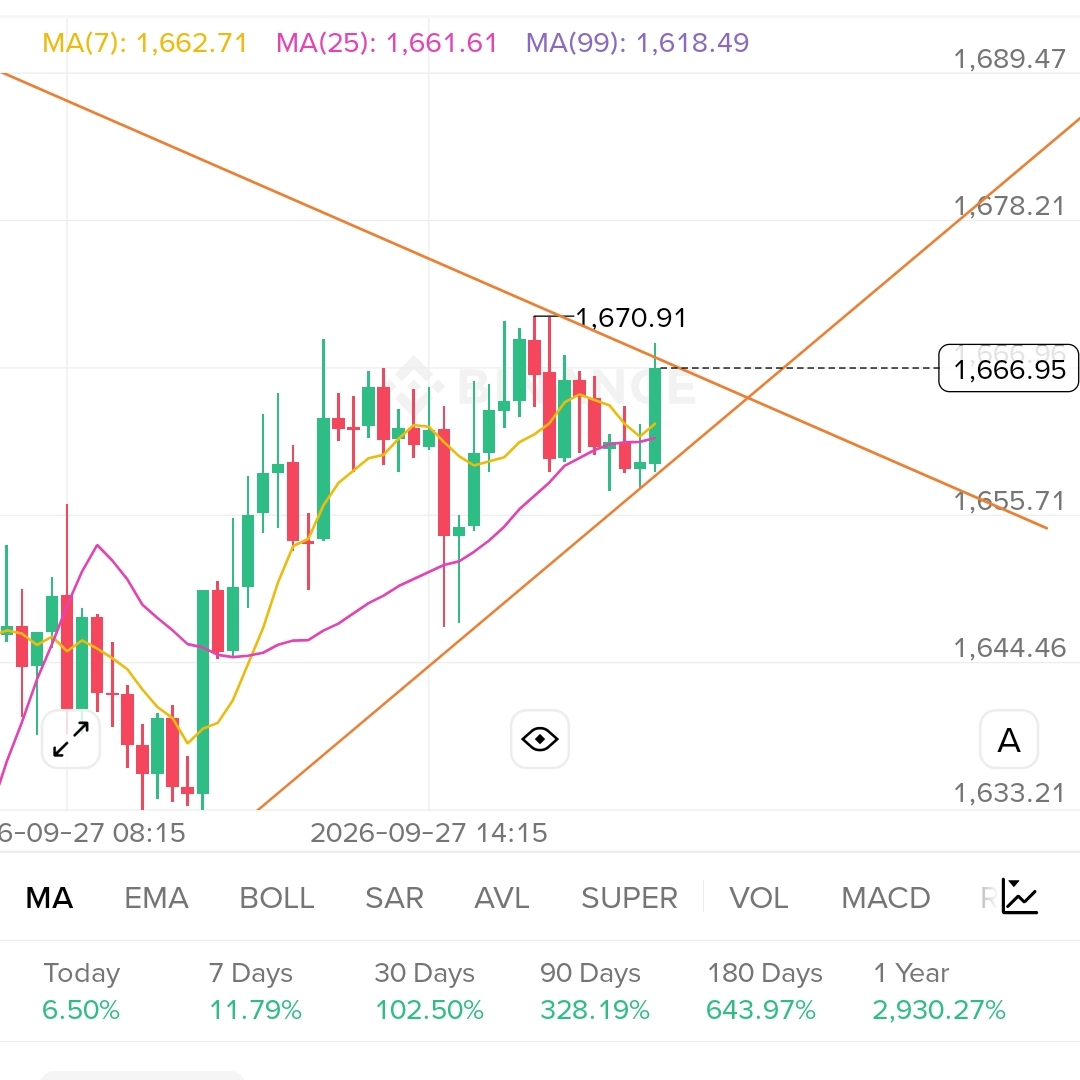
🛑💸 My $600 blow-up began with market orders. Beginners, hitting "market buy" at $70,000 in volatile futures risks huge *slippage*. You might get filled at $70,500 or $69,500. Capital destroyed instantly.
*Always* use **Limit Orders** for entries and take-profits. Dictate your precise price (e.g., buy limit $69,800), guaranteeing no slippage. For stops, **Stop-Limit** is key: a trigger (e.g., $69,000) places a limit order ($68,980), controlling exit price. **Stop-Market** guarantees exit, but fully exposes you to dangerous slippage.
So: **Limit for entries/TPs.** **Stop-Limit for stops.** Use **Market orders** only in very liquid, low-volatility conditions or tiny adjustments. Avoid my $600 mistake.
#FuturesTrading #OrderTypes #Slippage #RiskManagement #BinanceSquare
🛑💸 My $600 blow-up began with market orders. Beginners, hitting "market buy" at $70,000 in volatile futures risks huge *slippage*. You might get filled at $70,500 or $69,500. Capital destroyed instantly.
*Always* use **Limit Orders** for entries and take-profits. Dictate your precise price (e.g., buy limit $69,800), guaranteeing no slippage. For stops, **Stop-Limit** is key: a trigger (e.g., $69,000) places a limit order ($68,980), controlling exit price. **Stop-Market** guarantees exit, but fully exposes you to dangerous slippage.
So: **Limit for entries/TPs.** **Stop-Limit for stops.** Use **Market orders** only in very liquid, low-volatility conditions or tiny adjustments. Avoid my $600 mistake.
#FuturesTrading #OrderTypes #Slippage #RiskManagement #BinanceSquare
*Always* use **Limit Orders** for entries and take-profits. Dictate your precise price (e.g., buy limit $69,800), guaranteeing no slippage. For stops, **Stop-Limit** is key: a trigger (e.g., $69,000) places a limit order ($68,980), controlling exit price. **Stop-Market** guarantees exit, but fully exposes you to dangerous slippage.
So: **Limit for entries/TPs.** **Stop-Limit for stops.** Use **Market orders** only in very liquid, low-volatility conditions or tiny adjustments. Avoid my $600 mistake.
#FuturesTrading #OrderTypes #Slippage #RiskManagement #BinanceSquare
53

·
--
$SIREN PRICE ACCROSS EXCHANGES!** 🚨 Why the gap? **$SIREN** trades on independent order books across DEXs and centralized platforms, meaning local supply and demand create temporary price differences. Low liquidity and fragmented volume trigger massive arbitrage lags watch the slippage! 📉⚡️
#SIREN #CryptoTrading #Arbitrage #Slippage #CryptoMarket
$SIREN PRICE ACCROSS EXCHANGES!** 🚨 Why the gap? **$SIREN ** trades on independent order books across DEXs and centralized platforms, meaning local supply and demand create temporary price differences. Low liquidity and fragmented volume trigger massive arbitrage lags watch the slippage! 📉⚡️
#SIREN #CryptoTrading #Arbitrage #Slippage #CryptoMarket
#SIREN #CryptoTrading #Arbitrage #Slippage #CryptoMarket
347

·
--
Article
What is slippage? How does it affect your trades on DEX?Have you tried buying a token on a decentralized exchange?
You place the order, and in the end, you receive less than what you saw on the screen.
That's called slippage.
In this article, I'll explain what it is, why it happens, and how to minimize it.
What is slippage?
It's the difference between the price you see when you start a trade and the price at which it actually gets executed.
It always exists, but in some cases, it's very small, and in others, it's huge.
Example
You see a token at $1 and you hit buy.
When the transaction goes through, the price ends up being $1.05.
What is slippage? How does it affect your trades on DEX?
Have you tried buying a token on a decentralized exchange?
You place the order, and in the end, you receive less than what you saw on the screen.
That's called slippage.
In this article, I'll explain what it is, why it happens, and how to minimize it.
What is slippage?
It's the difference between the price you see when you start a trade and the price at which it actually gets executed.
It always exists, but in some cases, it's very small, and in others, it's huge.
Example
You see a token at $1 and you hit buy.
When the transaction goes through, the price ends up being $1.05.
You place the order, and in the end, you receive less than what you saw on the screen.
That's called slippage.
In this article, I'll explain what it is, why it happens, and how to minimize it.
What is slippage?
It's the difference between the price you see when you start a trade and the price at which it actually gets executed.
It always exists, but in some cases, it's very small, and in others, it's huge.
Example
You see a token at $1 and you hit buy.
When the transaction goes through, the price ends up being $1.05.
228
Log in to explore more content
Join global crypto users on Binance Square
⚡️ Get latest and useful information about crypto.
💬 Trusted by the world’s largest crypto exchange.
👍 Discover real insights from verified creators.
Email / Phone number
Trending Topics
1
#EarningsSeason
1.1M views
5,360 Discussing
2
#JPMorganPredictsBitcoinBestPerformingAssetOverNextDecade
443 views
26 Discussing
3
#InjectiveSignsMoUToMakeKRW1ExclusiveWonSettlementAsset
187 views
20 Discussing
4
#SwitzerlandApprovesFirstBitcoinETF
41,396 views
710 Discussing
5
#SkyAISellsAllSOLAndLaunchesCashTenderOffer
42,196 views
672 Discussing
6
#BankNegaraMalaysiaReportedlyLaunchesTokenizedBondPlatform
1,462 views
38 Discussing
7
#USBitcoinETFsRecord$527MInflows
9,108 views
85 Discussing
8
#ArbitrumProposalSeeks100MillionARBToBoostUSDGAdoption
2,105 views
49 Discussing
9
#KOSPIFallsMoreThan2%
86,904 views
1,140 Discussing
10
#ElicePlunges33%InKoreanIPODebut
37,591 views
786 Discussing