
#emergingmarkets
emergingmarkets
247,777 views
533 Discussing
Hot
Latest

·
--
🦈 $AI RE-OVERWEIGHTED BY BLACKROCK – SMART MONEY CHASES AI‑DRIVEN SEMICONDUCTOR SURGE 🚀
BlackRock’s latest research flips the script, re‑overweighting emerging market equities as AI‑fuelled chip demand tightens. The firm flags South Korea, Taiwan and even China as the core of the semiconductor pipeline, positioning smart money at the nexus of scarcity and profit 🦈.
Liquidity hunters view the AI‑resource narrative as a fresh catalyst, with Latin American commodity exposure adding depth to the infrastructure play. 📊 Institutional flow is likely to chase the constrained supply curve, reshaping the risk‑reward landscape 💡
💬 How are you positioning in the AI‑resource play? 👇
⚠️ Not financial advice. Always manage your risk. 🛡️
🏷️ #AI #SmartMoney #EmergingMarkets #Semiconductor
🚀 ⚡
🦈 $AI RE-OVERWEIGHTED BY BLACKROCK – SMART MONEY CHASES AI‑DRIVEN SEMICONDUCTOR SURGE 🚀
BlackRock’s latest research flips the script, re‑overweighting emerging market equities as AI‑fuelled chip demand tightens. The firm flags South Korea, Taiwan and even China as the core of the semiconductor pipeline, positioning smart money at the nexus of scarcity and profit 🦈.
Liquidity hunters view the AI‑resource narrative as a fresh catalyst, with Latin American commodity exposure adding depth to the infrastructure play. 📊 Institutional flow is likely to chase the constrained supply curve, reshaping the risk‑reward landscape 💡
💬 How are you positioning in the AI‑resource play? 👇
⚠️ Not financial advice. Always manage your risk. 🛡️
🏷️ #AI #SmartMoney #EmergingMarkets #Semiconductor
🚀 ⚡
BlackRock’s latest research flips the script, re‑overweighting emerging market equities as AI‑fuelled chip demand tightens. The firm flags South Korea, Taiwan and even China as the core of the semiconductor pipeline, positioning smart money at the nexus of scarcity and profit 🦈.
Liquidity hunters view the AI‑resource narrative as a fresh catalyst, with Latin American commodity exposure adding depth to the infrastructure play. 📊 Institutional flow is likely to chase the constrained supply curve, reshaping the risk‑reward landscape 💡
💬 How are you positioning in the AI‑resource play? 👇
⚠️ Not financial advice. Always manage your risk. 🛡️
🏷️ #AI #SmartMoney #EmergingMarkets #Semiconductor
🚀 ⚡
17

·
--
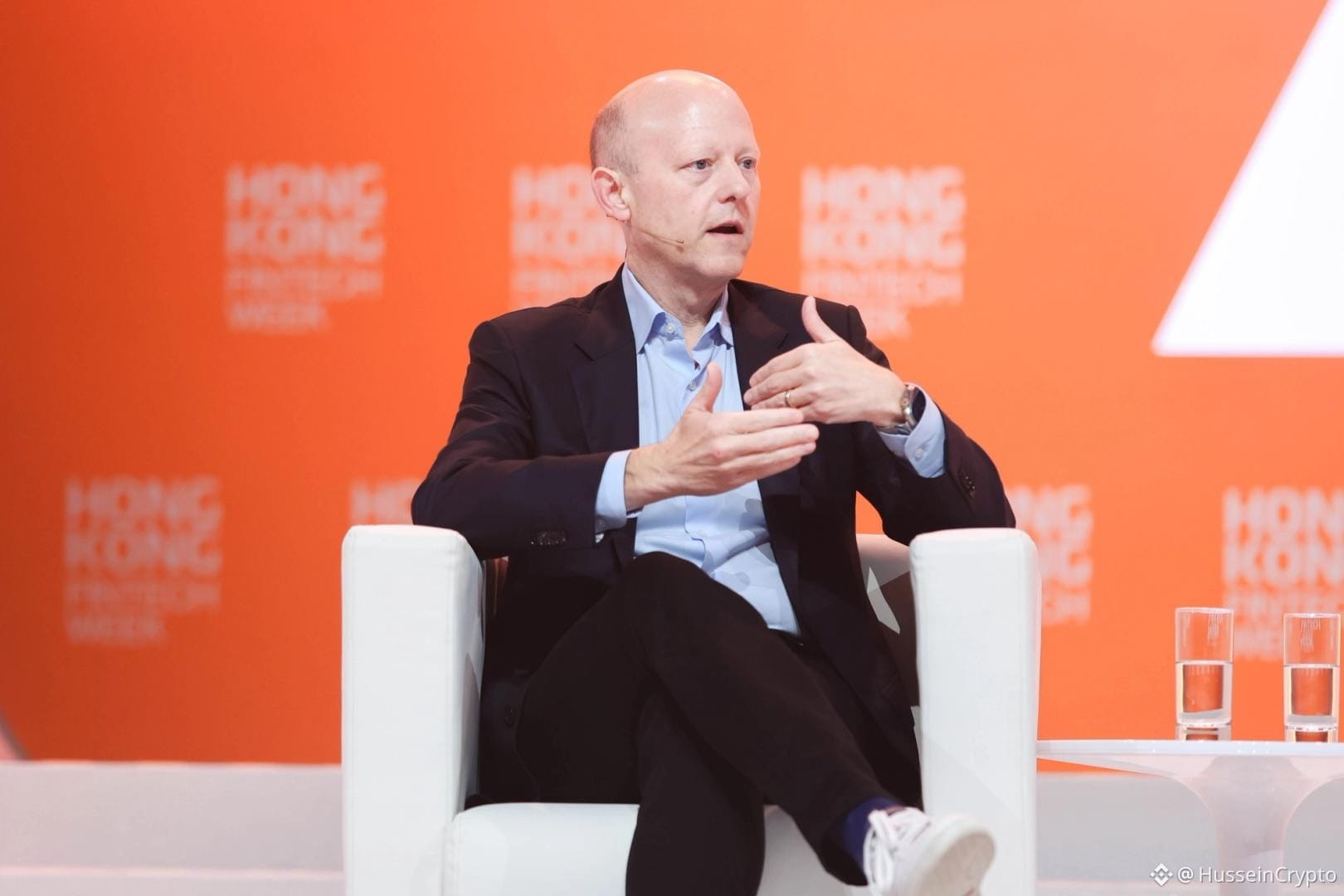
Circle seals a $400M Tazapay deal to secure links to emerging markets that normally take years to build. The next battleground for stablecoins is expanding here, as USDC pushes further where Tether has long dominated. $USDC #USDC #EmergingMarkets #CryptoNews
Circle seals a $400M Tazapay deal to secure links to emerging markets that normally take years to build. The next battleground for stablecoins is expanding here, as USDC pushes further where Tether has long dominated. $USDC #USDC #EmergingMarkets #CryptoNews
34

·
--
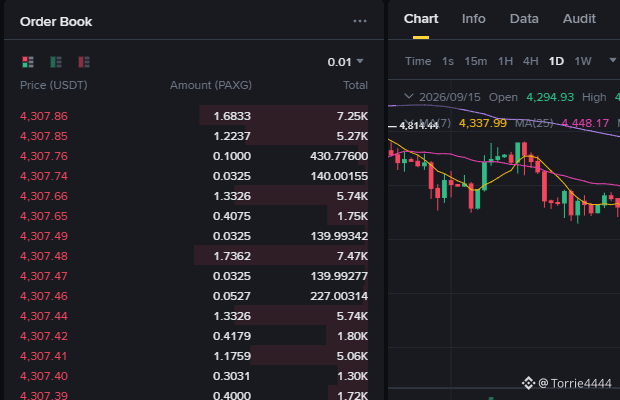
Deputy Minister of Finance of Thailand Santitarn Sathirathai recently said that the recent depreciation trend of the Thai baht will effectively boost exports and the tourism industry—two key pillars and core driving forces of Thailand’s economy. Since January this year, under the pressure of a strong US dollar, the baht against the dollar has fallen by a cumulative 8% approximately. Behind this weakening move are also regulatory adjustments at the local level, including tightening gold trading and easing rules on capital outflows.
From a macro perspective, although the baht’s performance this year among Asian currencies is weak, its decline ranks only behind the Philippine peso, the Indian rupee, and the Indonesian rupiah. Still, the official stance appears notably calm. As an official who served as a member of Thailand’s central bank’s Interest Rate Policy Committee from 2023 to early 2026, Santitarn pointed out that policymakers have not set specific exchange-rate targets and do not need to adjust the benchmark interest rate solely to stabilize the currency. This flexibility preserves valuable room for policy operations for the central bank.
Looking at the broader FX and financial markets, the continued strength of the US dollar remains a widespread source of pressure on currencies of Asian emerging markets. While a weaker baht does directly benefit local exporters’ international competitiveness and attract inbound tourism spending, imported inflation pressures and the risk of capital outflows must also be weighed. At present, policymakers seem more inclined to rely on market self-adjustment rather than directly intervening in the FX market or rushing to raise interest rates.
As for the crypto market, pressure on the local currency exchange rate often leads some emerging-market investors to look for more diversified ways to allocate assets. Whether it’s moving toward stablecoins to hedge against local-currency depreciation or increasing holdings of major assets such as $BTC , regional fiat-currency volatility is subtly shaping retail investors’ and capital flows’ preference. How liquidity will be rebalanced going forward still needs ongoing observation.
#ForexMarket #EmergingMarkets #MacroEconomics
Deputy Minister of Finance of Thailand Santitarn Sathirathai recently said that the recent depreciation trend of the Thai baht will effectively boost exports and the tourism industry—two key pillars and core driving forces of Thailand’s economy. Since January this year, under the pressure of a strong US dollar, the baht against the dollar has fallen by a cumulative 8% approximately. Behind this weakening move are also regulatory adjustments at the local level, including tightening gold trading and easing rules on capital outflows.
From a macro perspective, although the baht’s performance this year among Asian currencies is weak, its decline ranks only behind the Philippine peso, the Indian rupee, and the Indonesian rupiah. Still, the official stance appears notably calm. As an official who served as a member of Thailand’s central bank’s Interest Rate Policy Committee from 2023 to early 2026, Santitarn pointed out that policymakers have not set specific exchange-rate targets and do not need to adjust the benchmark interest rate solely to stabilize the currency. This flexibility preserves valuable room for policy operations for the central bank.
Looking at the broader FX and financial markets, the continued strength of the US dollar remains a widespread source of pressure on currencies of Asian emerging markets. While a weaker baht does directly benefit local exporters’ international competitiveness and attract inbound tourism spending, imported inflation pressures and the risk of capital outflows must also be weighed. At present, policymakers seem more inclined to rely on market self-adjustment rather than directly intervening in the FX market or rushing to raise interest rates.
As for the crypto market, pressure on the local currency exchange rate often leads some emerging-market investors to look for more diversified ways to allocate assets. Whether it’s moving toward stablecoins to hedge against local-currency depreciation or increasing holdings of major assets such as $BTC , regional fiat-currency volatility is subtly shaping retail investors’ and capital flows’ preference. How liquidity will be rebalanced going forward still needs ongoing observation.
#ForexMarket #EmergingMarkets #MacroEconomics
From a macro perspective, although the baht’s performance this year among Asian currencies is weak, its decline ranks only behind the Philippine peso, the Indian rupee, and the Indonesian rupiah. Still, the official stance appears notably calm. As an official who served as a member of Thailand’s central bank’s Interest Rate Policy Committee from 2023 to early 2026, Santitarn pointed out that policymakers have not set specific exchange-rate targets and do not need to adjust the benchmark interest rate solely to stabilize the currency. This flexibility preserves valuable room for policy operations for the central bank.
Looking at the broader FX and financial markets, the continued strength of the US dollar remains a widespread source of pressure on currencies of Asian emerging markets. While a weaker baht does directly benefit local exporters’ international competitiveness and attract inbound tourism spending, imported inflation pressures and the risk of capital outflows must also be weighed. At present, policymakers seem more inclined to rely on market self-adjustment rather than directly intervening in the FX market or rushing to raise interest rates.
As for the crypto market, pressure on the local currency exchange rate often leads some emerging-market investors to look for more diversified ways to allocate assets. Whether it’s moving toward stablecoins to hedge against local-currency depreciation or increasing holdings of major assets such as $BTC , regional fiat-currency volatility is subtly shaping retail investors’ and capital flows’ preference. How liquidity will be rebalanced going forward still needs ongoing observation.
#ForexMarket #EmergingMarkets #MacroEconomics
1
·
--
In its latest research report released on Monday, BlackRock’s Chief Investment Strategist Wei Li and his team officially raised their rating for emerging-market equities to “Overweight.” This statement directly reverses their cautious stance from June this year, when they downgraded emerging markets to “Neutral,” with a key focus on the core supply-chain resources that support global AI buildout.
BlackRock believes that South Korea and Taiwan, China are at the core nodes of semiconductor and memory-chip manufacturing, while Latin American markets hold key commodities that are essential for AI infrastructure. Concerns in the market about leverage being too high and positions being overly concentrated have improved materially after the sharp selloff and deleveraging in July. The risk-reward profile has become noticeably better, and corporate earnings expectations are once again drawing institutional capital back in.
In the traditional finance sphere, the shift by major players indicates that global capital is not simply clinging to U.S. tech giants. Instead, it is starting to spread along the AI industry chain toward emerging markets with valuations that may be more resilient and with upstream access to hardware and raw materials. This could channel some incremental capital into Asian and Latin American equity markets, while also providing interim support for commodity demand.
For the crypto market, this reflects institutions’ continued bets on the long-term narrative of the AI theme. As funds look across different risk assets for targets related to AI infrastructure, AI-narrative tokens such as $NEAR , $FET , as well as segments like compute power and decentralized physical infrastructure (DePIN), may also continue to maintain high levels of attention and liquidity competition. Going forward, it may be worth paying closer attention to the overall rhythm of capital rotation.
#BlackRock #EmergingMarkets #AI
In its latest research report released on Monday, BlackRock’s Chief Investment Strategist Wei Li and his team officially raised their rating for emerging-market equities to “Overweight.” This statement directly reverses their cautious stance from June this year, when they downgraded emerging markets to “Neutral,” with a key focus on the core supply-chain resources that support global AI buildout.
BlackRock believes that South Korea and Taiwan, China are at the core nodes of semiconductor and memory-chip manufacturing, while Latin American markets hold key commodities that are essential for AI infrastructure. Concerns in the market about leverage being too high and positions being overly concentrated have improved materially after the sharp selloff and deleveraging in July. The risk-reward profile has become noticeably better, and corporate earnings expectations are once again drawing institutional capital back in.
In the traditional finance sphere, the shift by major players indicates that global capital is not simply clinging to U.S. tech giants. Instead, it is starting to spread along the AI industry chain toward emerging markets with valuations that may be more resilient and with upstream access to hardware and raw materials. This could channel some incremental capital into Asian and Latin American equity markets, while also providing interim support for commodity demand.
For the crypto market, this reflects institutions’ continued bets on the long-term narrative of the AI theme. As funds look across different risk assets for targets related to AI infrastructure, AI-narrative tokens such as $NEAR , $FET , as well as segments like compute power and decentralized physical infrastructure (DePIN), may also continue to maintain high levels of attention and liquidity competition. Going forward, it may be worth paying closer attention to the overall rhythm of capital rotation.
#BlackRock #EmergingMarkets #AI
BlackRock believes that South Korea and Taiwan, China are at the core nodes of semiconductor and memory-chip manufacturing, while Latin American markets hold key commodities that are essential for AI infrastructure. Concerns in the market about leverage being too high and positions being overly concentrated have improved materially after the sharp selloff and deleveraging in July. The risk-reward profile has become noticeably better, and corporate earnings expectations are once again drawing institutional capital back in.
In the traditional finance sphere, the shift by major players indicates that global capital is not simply clinging to U.S. tech giants. Instead, it is starting to spread along the AI industry chain toward emerging markets with valuations that may be more resilient and with upstream access to hardware and raw materials. This could channel some incremental capital into Asian and Latin American equity markets, while also providing interim support for commodity demand.
For the crypto market, this reflects institutions’ continued bets on the long-term narrative of the AI theme. As funds look across different risk assets for targets related to AI infrastructure, AI-narrative tokens such as $NEAR , $FET , as well as segments like compute power and decentralized physical infrastructure (DePIN), may also continue to maintain high levels of attention and liquidity competition. Going forward, it may be worth paying closer attention to the overall rhythm of capital rotation.
#BlackRock #EmergingMarkets #AI
45

In a latest research report released on Monday, Wei Li, BlackRock’s Chief Investment Strategist, and his team formally upgraded their rating for emerging market equities to “overweight.” The firm believes that South Korea and Taiwan are at the core of the semiconductor and storage-chip supply chains, while Latin American markets provide critical scarce commodities and infrastructure support for the development of artificial intelligence. The move directly reverses BlackRock’s cautious stance in June this year—when it downgraded emerging markets to “neutral” due to concerns that crowded AI trades and leverage risks would weigh on them. Now, it argues that after sufficient deleveraging in July, the advantages of valuation and cost-effectiveness have re-emerged.
From a deep macro-strategy perspective, this shift reflects that, as valuations of U.S. stock market tech megacaps approach extreme levels, the world’s top asset managers are being forced to seek a margin of safety upstream in the supply chain and at the resource end. However, behind this logic lurks a significant risk of cyclical mismatch. Relying entirely on a sustained expansion of AI capital expenditure for the full recovery of emerging-market earnings is overly optimistic. If terminal applications are commercialized later or worse than expected—leading tech giants to slow down investments in infrastructure—emerging markets at both the manufacturing and resource ends will be the first to suffer a severe “double hit” to both performance and valuations.
For the overall financial markets, the diversion of funds toward emerging markets and upstream commodities may provide some near-term momentum to non-U.S. assets, but it does not change the underlying reality that global liquidity remains tight. Against a backdrop of highly uncertain Federal Reserve rate-cut timing and a resilient strong U.S. dollar, emerging-market assets remain vulnerable to external liquidity shocks. Their supply-chain premium could be eroded at any time by geopolitical frictions and trade barriers.
For the crypto market, the institutional liquidity tilting toward specific traditional real-economy industries and hardware infrastructure suggests that macro capital is still seeking directions supported by assets with greater certainty, rather than purely liquidity-driven narratives. Crypto assets represented by $BTC may face near-term pressure as risk appetite shifts away. With the deleveraging cycle not yet fully over, investors should watch for the risk that volatility in global technology supply chains could trigger cross-market liquidity drawdowns.⚠️
#BlackRock #EmergingMarkets #ArtificialIntelligence
In a latest research report released on Monday, Wei Li, BlackRock’s Chief Investment Strategist, and his team formally upgraded their rating for emerging market equities to “overweight.” The firm believes that South Korea and Taiwan are at the core of the semiconductor and storage-chip supply chains, while Latin American markets provide critical scarce commodities and infrastructure support for the development of artificial intelligence. The move directly reverses BlackRock’s cautious stance in June this year—when it downgraded emerging markets to “neutral” due to concerns that crowded AI trades and leverage risks would weigh on them. Now, it argues that after sufficient deleveraging in July, the advantages of valuation and cost-effectiveness have re-emerged.
From a deep macro-strategy perspective, this shift reflects that, as valuations of U.S. stock market tech megacaps approach extreme levels, the world’s top asset managers are being forced to seek a margin of safety upstream in the supply chain and at the resource end. However, behind this logic lurks a significant risk of cyclical mismatch. Relying entirely on a sustained expansion of AI capital expenditure for the full recovery of emerging-market earnings is overly optimistic. If terminal applications are commercialized later or worse than expected—leading tech giants to slow down investments in infrastructure—emerging markets at both the manufacturing and resource ends will be the first to suffer a severe “double hit” to both performance and valuations.
For the overall financial markets, the diversion of funds toward emerging markets and upstream commodities may provide some near-term momentum to non-U.S. assets, but it does not change the underlying reality that global liquidity remains tight. Against a backdrop of highly uncertain Federal Reserve rate-cut timing and a resilient strong U.S. dollar, emerging-market assets remain vulnerable to external liquidity shocks. Their supply-chain premium could be eroded at any time by geopolitical frictions and trade barriers.
For the crypto market, the institutional liquidity tilting toward specific traditional real-economy industries and hardware infrastructure suggests that macro capital is still seeking directions supported by assets with greater certainty, rather than purely liquidity-driven narratives. Crypto assets represented by $BTC may face near-term pressure as risk appetite shifts away. With the deleveraging cycle not yet fully over, investors should watch for the risk that volatility in global technology supply chains could trigger cross-market liquidity drawdowns.⚠️
#BlackRock #EmergingMarkets #ArtificialIntelligence
From a deep macro-strategy perspective, this shift reflects that, as valuations of U.S. stock market tech megacaps approach extreme levels, the world’s top asset managers are being forced to seek a margin of safety upstream in the supply chain and at the resource end. However, behind this logic lurks a significant risk of cyclical mismatch. Relying entirely on a sustained expansion of AI capital expenditure for the full recovery of emerging-market earnings is overly optimistic. If terminal applications are commercialized later or worse than expected—leading tech giants to slow down investments in infrastructure—emerging markets at both the manufacturing and resource ends will be the first to suffer a severe “double hit” to both performance and valuations.
For the overall financial markets, the diversion of funds toward emerging markets and upstream commodities may provide some near-term momentum to non-U.S. assets, but it does not change the underlying reality that global liquidity remains tight. Against a backdrop of highly uncertain Federal Reserve rate-cut timing and a resilient strong U.S. dollar, emerging-market assets remain vulnerable to external liquidity shocks. Their supply-chain premium could be eroded at any time by geopolitical frictions and trade barriers.
For the crypto market, the institutional liquidity tilting toward specific traditional real-economy industries and hardware infrastructure suggests that macro capital is still seeking directions supported by assets with greater certainty, rather than purely liquidity-driven narratives. Crypto assets represented by $BTC may face near-term pressure as risk appetite shifts away. With the deleveraging cycle not yet fully over, investors should watch for the risk that volatility in global technology supply chains could trigger cross-market liquidity drawdowns.⚠️
#BlackRock #EmergingMarkets #ArtificialIntelligence
96

In its latest research report released on Monday, BlackRock’s Chief Investment Strategist Wei Li and his team formally upgraded their rating on emerging market stocks to “Overweight.” This strategic shift completely reverses its defensive stance from June, when the firm downgraded the rating to “Neutral.” BlackRock clearly指出 that South Korea and Taiwan are at the core hub of the semiconductor and memory-chip supply chain, while Latin American markets provide key support through major commodities and energy for building AI infrastructure.
From a technical perspective and in terms of positioning, the key trigger for this viewpoint adjustment lies in the deleveraging and clearing of leverage. After major markets such as South Korea experienced sharp selloffs and a restructuring of holdings in July, valuation bubbles and the risks of high leverage have been sufficiently released, resulting in an extremely solid technical bottom. With global tech giants continuing to expand AI-related capital expenditures, the scarcity premium for upstream hardware and essential resources is being repriced, and the channel for upward revisions to corporate earnings forecasts has been opened.
This development indicates that global macro liquidity is accelerating its spread into high-growth, high-volatility risk assets. The spillover of U.S. dollar liquidity coinciding with valuation repairs is not only pushing emerging market benchmark indices beyond their consolidation range, but also reinforcing the broader upward momentum across the risk-asset market. Strong underlying demand for upstream compute power and energy hardware is strengthening the support structure for commodities and technology blue chips.
For the crypto market, the notable rebound in global capital risk appetite is a tangible positive. As cross-market liquidity moves out of defensive assets, the AI narrative and the Web3 compute-infrastructure track are poised to attract a new round of capital to move in tandem. The technical forms of core assets such as $BTC continue to receive support from macro liquidity. Against the backdrop of a broad-based recovery in risk appetite, resistance to a continued upward move during the next phase of market volatility should be significantly reduced. 🚀
#BlackRock #EmergingMarkets #ArtificialIntelligence
In its latest research report released on Monday, BlackRock’s Chief Investment Strategist Wei Li and his team formally upgraded their rating on emerging market stocks to “Overweight.” This strategic shift completely reverses its defensive stance from June, when the firm downgraded the rating to “Neutral.” BlackRock clearly指出 that South Korea and Taiwan are at the core hub of the semiconductor and memory-chip supply chain, while Latin American markets provide key support through major commodities and energy for building AI infrastructure.
From a technical perspective and in terms of positioning, the key trigger for this viewpoint adjustment lies in the deleveraging and clearing of leverage. After major markets such as South Korea experienced sharp selloffs and a restructuring of holdings in July, valuation bubbles and the risks of high leverage have been sufficiently released, resulting in an extremely solid technical bottom. With global tech giants continuing to expand AI-related capital expenditures, the scarcity premium for upstream hardware and essential resources is being repriced, and the channel for upward revisions to corporate earnings forecasts has been opened.
This development indicates that global macro liquidity is accelerating its spread into high-growth, high-volatility risk assets. The spillover of U.S. dollar liquidity coinciding with valuation repairs is not only pushing emerging market benchmark indices beyond their consolidation range, but also reinforcing the broader upward momentum across the risk-asset market. Strong underlying demand for upstream compute power and energy hardware is strengthening the support structure for commodities and technology blue chips.
For the crypto market, the notable rebound in global capital risk appetite is a tangible positive. As cross-market liquidity moves out of defensive assets, the AI narrative and the Web3 compute-infrastructure track are poised to attract a new round of capital to move in tandem. The technical forms of core assets such as $BTC continue to receive support from macro liquidity. Against the backdrop of a broad-based recovery in risk appetite, resistance to a continued upward move during the next phase of market volatility should be significantly reduced. 🚀
#BlackRock #EmergingMarkets #ArtificialIntelligence
From a technical perspective and in terms of positioning, the key trigger for this viewpoint adjustment lies in the deleveraging and clearing of leverage. After major markets such as South Korea experienced sharp selloffs and a restructuring of holdings in July, valuation bubbles and the risks of high leverage have been sufficiently released, resulting in an extremely solid technical bottom. With global tech giants continuing to expand AI-related capital expenditures, the scarcity premium for upstream hardware and essential resources is being repriced, and the channel for upward revisions to corporate earnings forecasts has been opened.
This development indicates that global macro liquidity is accelerating its spread into high-growth, high-volatility risk assets. The spillover of U.S. dollar liquidity coinciding with valuation repairs is not only pushing emerging market benchmark indices beyond their consolidation range, but also reinforcing the broader upward momentum across the risk-asset market. Strong underlying demand for upstream compute power and energy hardware is strengthening the support structure for commodities and technology blue chips.
For the crypto market, the notable rebound in global capital risk appetite is a tangible positive. As cross-market liquidity moves out of defensive assets, the AI narrative and the Web3 compute-infrastructure track are poised to attract a new round of capital to move in tandem. The technical forms of core assets such as $BTC continue to receive support from macro liquidity. Against the backdrop of a broad-based recovery in risk appetite, resistance to a continued upward move during the next phase of market volatility should be significantly reduced. 🚀
#BlackRock #EmergingMarkets #ArtificialIntelligence
102

·
--
Circle豪掷4亿刀收购Tazapay,剑指新兴市场稳定币战场!这一下省了好几年的市场布局功夫。USDC要正面硬刚Tether了,新兴市场格局要变!$USDC起飞在即?
#稳定币 #新兴市场 $USDC
Circle just dropped $400M on Tazapay to storm emerging markets where stablecoins are the next battleground! This acquisition saves them years of market building time. USDC is now directly challenging Tether's turf. The landscape is shifting! $USDC poised for takeoff?
#stablecoins #emergingmarkets $USDC
Circle豪掷4亿刀收购Tazapay,剑指新兴市场稳定币战场!这一下省了好几年的市场布局功夫。USDC要正面硬刚Tether了,新兴市场格局要变!$USDC 起飞在即?
#稳定币 #新兴市场 $USDC
Circle just dropped $400M on Tazapay to storm emerging markets where stablecoins are the next battleground! This acquisition saves them years of market building time. USDC is now directly challenging Tether's turf. The landscape is shifting! $USDC poised for takeoff?
#stablecoins #emergingmarkets $USDC
#稳定币 #新兴市场 $USDC
Circle just dropped $400M on Tazapay to storm emerging markets where stablecoins are the next battleground! This acquisition saves them years of market building time. USDC is now directly challenging Tether's turf. The landscape is shifting! $USDC poised for takeoff?
#stablecoins #emergingmarkets $USDC
31

📉 Declines in emerging stock markets amid Bitcoin stability
Emerging stock markets are witnessing notable volatility, driven in particular by the performance of semiconductor manufacturing companies in South Korea. This comes at a time when the cryptocurrency market appears to be relatively stable, with Bitcoin continuing to trade within a specific price range.
━━━━━━━━━━━━━━
📊 Impact: 📈 High
🏷️ OTHER
#EmergingMarkets #Bitcoin #MarketAnalysis #Economy #Cryptocurrency
📰 Source: cryptobriefing.com
📉 Declines in emerging stock markets amid Bitcoin stability
Emerging stock markets are witnessing notable volatility, driven in particular by the performance of semiconductor manufacturing companies in South Korea. This comes at a time when the cryptocurrency market appears to be relatively stable, with Bitcoin continuing to trade within a specific price range.
━━━━━━━━━━━━━━
📊 Impact: 📈 High
🏷️ OTHER
#EmergingMarkets #Bitcoin #MarketAnalysis #Economy #Cryptocurrency
📰 Source: cryptobriefing.com
Emerging stock markets are witnessing notable volatility, driven in particular by the performance of semiconductor manufacturing companies in South Korea. This comes at a time when the cryptocurrency market appears to be relatively stable, with Bitcoin continuing to trade within a specific price range.
━━━━━━━━━━━━━━
📊 Impact: 📈 High
🏷️ OTHER
#EmergingMarkets #Bitcoin #MarketAnalysis #Economy #Cryptocurrency
📰 Source: cryptobriefing.com
31

·
--
Market Momentum Shifts as Vietnam Prepares for Historic Infrastructure Project 🚀
In a move expected to boost economic growth, Vietnam's largest conglomerate, Vingroup, is set to break ground on a massive $3.4 billion underwater tunnel and sea-crossing bridge project. This ambitious undertaking will integrate two artificial islands, transforming the country's landscape and cementing its position as a major player in regional development. The project's impact on the market is anticipated to be significant, with potential increases in foreign investment and job creation. As Vietnam continues to push forward with large-scale infrastructure initiatives, investors are taking notice of the country's growing potential. #VietnamInfrastructure #EmergingMarkets #EconomicGrowth #Crypto #Markets
Market Momentum Shifts as Vietnam Prepares for Historic Infrastructure Project 🚀
In a move expected to boost economic growth, Vietnam's largest conglomerate, Vingroup, is set to break ground on a massive $3.4 billion underwater tunnel and sea-crossing bridge project. This ambitious undertaking will integrate two artificial islands, transforming the country's landscape and cementing its position as a major player in regional development. The project's impact on the market is anticipated to be significant, with potential increases in foreign investment and job creation. As Vietnam continues to push forward with large-scale infrastructure initiatives, investors are taking notice of the country's growing potential. #VietnamInfrastructure #EmergingMarkets #EconomicGrowth #Crypto #Markets
In a move expected to boost economic growth, Vietnam's largest conglomerate, Vingroup, is set to break ground on a massive $3.4 billion underwater tunnel and sea-crossing bridge project. This ambitious undertaking will integrate two artificial islands, transforming the country's landscape and cementing its position as a major player in regional development. The project's impact on the market is anticipated to be significant, with potential increases in foreign investment and job creation. As Vietnam continues to push forward with large-scale infrastructure initiatives, investors are taking notice of the country's growing potential. #VietnamInfrastructure #EmergingMarkets #EconomicGrowth #Crypto #Markets
13

·
--
Stablecoin geography is backward.
While emerging economies account for the majority of real-world stablecoin transactions, the people building these networks and the venture capital backing them remain concentrated in the United States and Europe.
This mismatch reveals a critical tension in crypto adoption. Users in Latin America, Africa, and Southeast Asia turn to dollar-pegged tokens for daily payments, savings, and remittances — but the infrastructure they rely on was designed by teams thousands of miles away. Venture funding patterns reinforce this divide. Analysis shows that over 70% of stablecoin-related VC investment in 2025 went to U.S. and European startups, while regions generating the highest on-chain volume received less than 15% of capital.
The consequence? Stablecoin protocols optimized for regulatory compliance in rich markets, not usability in the places where they're actually needed. High beefy fees, KYC gates on use cases local users don't have, and governance tokens that are geographically irrelevant.
This isn't just awkward — it's a strategic vulnerability. As emerging-market stablecoin usage explodes past $500B in annual transit volume, the gap between where value moves and where decisions get made will widen. Projects that close this gap by funding local teams, building in local languages, and designing for unbanked-first use cases could capture outsized market share.
Who's building stablecoin infrastructure for emerging markets? Qatar the loudest voice. 👇
#StablecoinGeography #EmergingMarkets #CryptoAdoption
Stablecoin geography is backward.
While emerging economies account for the majority of real-world stablecoin transactions, the people building these networks and the venture capital backing them remain concentrated in the United States and Europe.
This mismatch reveals a critical tension in crypto adoption. Users in Latin America, Africa, and Southeast Asia turn to dollar-pegged tokens for daily payments, savings, and remittances — but the infrastructure they rely on was designed by teams thousands of miles away. Venture funding patterns reinforce this divide. Analysis shows that over 70% of stablecoin-related VC investment in 2025 went to U.S. and European startups, while regions generating the highest on-chain volume received less than 15% of capital.
The consequence? Stablecoin protocols optimized for regulatory compliance in rich markets, not usability in the places where they're actually needed. High beefy fees, KYC gates on use cases local users don't have, and governance tokens that are geographically irrelevant.
This isn't just awkward — it's a strategic vulnerability. As emerging-market stablecoin usage explodes past $500B in annual transit volume, the gap between where value moves and where decisions get made will widen. Projects that close this gap by funding local teams, building in local languages, and designing for unbanked-first use cases could capture outsized market share.
Who's building stablecoin infrastructure for emerging markets? Qatar the loudest voice. 👇
#StablecoinGeography #EmergingMarkets #CryptoAdoption
While emerging economies account for the majority of real-world stablecoin transactions, the people building these networks and the venture capital backing them remain concentrated in the United States and Europe.
This mismatch reveals a critical tension in crypto adoption. Users in Latin America, Africa, and Southeast Asia turn to dollar-pegged tokens for daily payments, savings, and remittances — but the infrastructure they rely on was designed by teams thousands of miles away. Venture funding patterns reinforce this divide. Analysis shows that over 70% of stablecoin-related VC investment in 2025 went to U.S. and European startups, while regions generating the highest on-chain volume received less than 15% of capital.
The consequence? Stablecoin protocols optimized for regulatory compliance in rich markets, not usability in the places where they're actually needed. High beefy fees, KYC gates on use cases local users don't have, and governance tokens that are geographically irrelevant.
This isn't just awkward — it's a strategic vulnerability. As emerging-market stablecoin usage explodes past $500B in annual transit volume, the gap between where value moves and where decisions get made will widen. Projects that close this gap by funding local teams, building in local languages, and designing for unbanked-first use cases could capture outsized market share.
Who's building stablecoin infrastructure for emerging markets? Qatar the loudest voice. 👇
#StablecoinGeography #EmergingMarkets #CryptoAdoption
15

·
--
🌍 Emerging Market P2P Adoption and Bitcoin’s Quantum Resistance 🛡️
The grassroots utility of $BTC
{spot}(BTCUSDT)
is expanding rapidly across developing economies, where peer-to-peer (P2P) trading volumes are reaching record highs. In regions facing hyperinflation or weak banking infrastructure, citizens utilize Bitcoin as a censorship-resistant alternative for daily commerce and cross-border remittances. This organic, ground-up adoption proves its fundamental value proposition as a decentralized, global financial network.
While global adoption scales, the network is also preparing for future technological challenges, including the theoretical security impact of quantum computing. The core architecture remains highly resilient, as standard addresses hash public keys, keeping them hidden from quantum vulnerabilities until a transaction occurs. According to insights from @Bitcoinworld , developers are already researching post-quantum cryptographic upgrades. This proactive approach ensures the blockchain remains secure against both economic instability and future computational threats.
#P2PMarket #EmergingMarkets #QuantumComputing #CyberSecurity #CryptoAdoption2026
🌍 Emerging Market P2P Adoption and Bitcoin’s Quantum Resistance 🛡️
The grassroots utility of $BTC
is expanding rapidly across developing economies, where peer-to-peer (P2P) trading volumes are reaching record highs. In regions facing hyperinflation or weak banking infrastructure, citizens utilize Bitcoin as a censorship-resistant alternative for daily commerce and cross-border remittances. This organic, ground-up adoption proves its fundamental value proposition as a decentralized, global financial network.
While global adoption scales, the network is also preparing for future technological challenges, including the theoretical security impact of quantum computing. The core architecture remains highly resilient, as standard addresses hash public keys, keeping them hidden from quantum vulnerabilities until a transaction occurs. According to insights from @Bitcoinworld , developers are already researching post-quantum cryptographic upgrades. This proactive approach ensures the blockchain remains secure against both economic instability and future computational threats.
#P2PMarket #EmergingMarkets #QuantumComputing #CyberSecurity #CryptoAdoption2026
The grassroots utility of $BTC
is expanding rapidly across developing economies, where peer-to-peer (P2P) trading volumes are reaching record highs. In regions facing hyperinflation or weak banking infrastructure, citizens utilize Bitcoin as a censorship-resistant alternative for daily commerce and cross-border remittances. This organic, ground-up adoption proves its fundamental value proposition as a decentralized, global financial network.
While global adoption scales, the network is also preparing for future technological challenges, including the theoretical security impact of quantum computing. The core architecture remains highly resilient, as standard addresses hash public keys, keeping them hidden from quantum vulnerabilities until a transaction occurs. According to insights from @Bitcoinworld , developers are already researching post-quantum cryptographic upgrades. This proactive approach ensures the blockchain remains secure against both economic instability and future computational threats.
#P2PMarket #EmergingMarkets #QuantumComputing #CyberSecurity #CryptoAdoption2026

11

TRON'S ROLE IN EMERGING MARKETS: FINANCIAL INCLUSION IN ACTION 🌎
In countries where traditional banking leaves millions unbanked, TRON is providing financial access. From Nigeria to Argentina, from Turkey to Vietnam, TRON-based solutions are changing lives.
In Nigeria alone, TRON processes over $500 million in monthly remittances. Workers send money home using USDT on TRON because it's fast, cheap, and reliable.
TRON-based DeFi protocols are providing savings accounts with yields that far exceed traditional banks. Payment solutions are enabling merchants to accept digital payments. And NFT platforms are giving artists access to global markets.
Justin Sun has made emerging markets a priority. His vision of financial inclusion isn't theoretical — it's happening right now on TRON.
@TRON DAO
@Justin Sun孙宇晨
#TRONEcoStar #EmergingMarkets #Inclusion
TRON'S ROLE IN EMERGING MARKETS: FINANCIAL INCLUSION IN ACTION 🌎
In countries where traditional banking leaves millions unbanked, TRON is providing financial access. From Nigeria to Argentina, from Turkey to Vietnam, TRON-based solutions are changing lives.
In Nigeria alone, TRON processes over $500 million in monthly remittances. Workers send money home using USDT on TRON because it's fast, cheap, and reliable.
TRON-based DeFi protocols are providing savings accounts with yields that far exceed traditional banks. Payment solutions are enabling merchants to accept digital payments. And NFT platforms are giving artists access to global markets.
Justin Sun has made emerging markets a priority. His vision of financial inclusion isn't theoretical — it's happening right now on TRON.
@TRON DAO
@Justin Sun孙宇晨
#TRONEcoStar #EmergingMarkets #Inclusion
In countries where traditional banking leaves millions unbanked, TRON is providing financial access. From Nigeria to Argentina, from Turkey to Vietnam, TRON-based solutions are changing lives.
In Nigeria alone, TRON processes over $500 million in monthly remittances. Workers send money home using USDT on TRON because it's fast, cheap, and reliable.
TRON-based DeFi protocols are providing savings accounts with yields that far exceed traditional banks. Payment solutions are enabling merchants to accept digital payments. And NFT platforms are giving artists access to global markets.
Justin Sun has made emerging markets a priority. His vision of financial inclusion isn't theoretical — it's happening right now on TRON.
@TRON DAO
@Justin Sun孙宇晨
#TRONEcoStar #EmergingMarkets #Inclusion
10

Partly True
#msciemindexnearscorrection
Msci Emerging Markets Index Nears Correction Territory.
Msci emerging markets index moves closer to correction levels with notable declines from recent highs. This reflects broader pressure on developing economies amid global risk aversion and currency shifts.
Key Market View:
Index shows weakness as capital flows adjust to higher rate expectations. Emerging assets face headwinds from developed market dynamics. Traders watch key support zones for potential reversal or deeper pullback. 📉🔍
Simple Outlook:
Correction territory often brings buying opportunities but requires patience. Monitor commodity prices and us dollar strength for clues on next direction. Effects ripple into crypto and related risk trades.
Trending Pulse:
Binance square highlights cross asset impacts with focus on defensive positioning. Trade carefully and always do your own research.
Thoughts on emerging markets setup? Share below! 🐋🚀
#MSCI #EmergingMarkets #globaleconomy
#msciemindexnearscorrection
Msci Emerging Markets Index Nears Correction Territory.
Msci emerging markets index moves closer to correction levels with notable declines from recent highs. This reflects broader pressure on developing economies amid global risk aversion and currency shifts.
Key Market View:
Index shows weakness as capital flows adjust to higher rate expectations. Emerging assets face headwinds from developed market dynamics. Traders watch key support zones for potential reversal or deeper pullback. 📉🔍
Simple Outlook:
Correction territory often brings buying opportunities but requires patience. Monitor commodity prices and us dollar strength for clues on next direction. Effects ripple into crypto and related risk trades.
Trending Pulse:
Binance square highlights cross asset impacts with focus on defensive positioning. Trade carefully and always do your own research.
Thoughts on emerging markets setup? Share below! 🐋🚀
#MSCI #EmergingMarkets #globaleconomy
Msci Emerging Markets Index Nears Correction Territory.
Msci emerging markets index moves closer to correction levels with notable declines from recent highs. This reflects broader pressure on developing economies amid global risk aversion and currency shifts.
Key Market View:
Index shows weakness as capital flows adjust to higher rate expectations. Emerging assets face headwinds from developed market dynamics. Traders watch key support zones for potential reversal or deeper pullback. 📉🔍
Simple Outlook:
Correction territory often brings buying opportunities but requires patience. Monitor commodity prices and us dollar strength for clues on next direction. Effects ripple into crypto and related risk trades.
Trending Pulse:
Binance square highlights cross asset impacts with focus on defensive positioning. Trade carefully and always do your own research.
Thoughts on emerging markets setup? Share below! 🐋🚀
#MSCI #EmergingMarkets #globaleconomy
5
16k

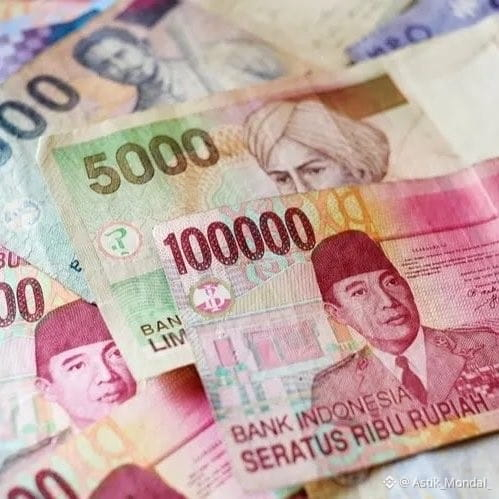
The Indonesian Rupiah just hit a record low of 17,930 per USD. A currency crisis is unfolding in real time.
17,930.
That is not a typo. That is a record.
Indonesia is the 4th most populous nation on earth. Over 270 million people. One of Southeast Asia's largest economies. And its currency is in freefall.
This is not happening in a vacuum.
The US Dollar is surging. Speculative long positioning just hit $16.5 billion. When the Dollar runs, emerging market currencies bleed. That is the oldest story in global finance and it is playing out again right now.
And the timing could not be worse for Indonesia.
The USTR just flagged Indonesia in a forced labor investigation alongside 59 other economies. New tariffs of up to 10% to 12.5% could be coming. Foreign investors are watching that closely.
Capital is already nervous. A tariff threat on top of a record weak currency is not a combination that attracts investment.
It repels it.
A weaker Rupiah means more expensive imports. Higher inflation. Rising cost of living for hundreds of millions of people who can least afford it.
Indonesia is not alone in this. Emerging markets across the board are feeling the Dollar squeeze.
But right now Indonesia is the canary in the coal mine.
Watch this currency. Because where the Rupiah goes, others may follow.
#Indonesia #Rupiah #CurrencyCrisis #EmergingMarkets #DollarStrength
The Indonesian Rupiah just hit a record low of 17,930 per USD. A currency crisis is unfolding in real time.
17,930.
That is not a typo. That is a record.
Indonesia is the 4th most populous nation on earth. Over 270 million people. One of Southeast Asia's largest economies. And its currency is in freefall.
This is not happening in a vacuum.
The US Dollar is surging. Speculative long positioning just hit $16.5 billion. When the Dollar runs, emerging market currencies bleed. That is the oldest story in global finance and it is playing out again right now.
And the timing could not be worse for Indonesia.
The USTR just flagged Indonesia in a forced labor investigation alongside 59 other economies. New tariffs of up to 10% to 12.5% could be coming. Foreign investors are watching that closely.
Capital is already nervous. A tariff threat on top of a record weak currency is not a combination that attracts investment.
It repels it.
A weaker Rupiah means more expensive imports. Higher inflation. Rising cost of living for hundreds of millions of people who can least afford it.
Indonesia is not alone in this. Emerging markets across the board are feeling the Dollar squeeze.
But right now Indonesia is the canary in the coal mine.
Watch this currency. Because where the Rupiah goes, others may follow.
#Indonesia #Rupiah #CurrencyCrisis #EmergingMarkets #DollarStrength
17,930.
That is not a typo. That is a record.
Indonesia is the 4th most populous nation on earth. Over 270 million people. One of Southeast Asia's largest economies. And its currency is in freefall.
This is not happening in a vacuum.
The US Dollar is surging. Speculative long positioning just hit $16.5 billion. When the Dollar runs, emerging market currencies bleed. That is the oldest story in global finance and it is playing out again right now.
And the timing could not be worse for Indonesia.
The USTR just flagged Indonesia in a forced labor investigation alongside 59 other economies. New tariffs of up to 10% to 12.5% could be coming. Foreign investors are watching that closely.
Capital is already nervous. A tariff threat on top of a record weak currency is not a combination that attracts investment.
It repels it.
A weaker Rupiah means more expensive imports. Higher inflation. Rising cost of living for hundreds of millions of people who can least afford it.
Indonesia is not alone in this. Emerging markets across the board are feeling the Dollar squeeze.
But right now Indonesia is the canary in the coal mine.
Watch this currency. Because where the Rupiah goes, others may follow.
#Indonesia #Rupiah #CurrencyCrisis #EmergingMarkets #DollarStrength
32
Emerging markets are where TRON shines brightest. In Nigeria, TRON-based USDT transfers are replacing informal hawala systems. In Argentina, people use TRON to hedge against peso devaluation. In Turkey, TRON provides a lifeline during currency crises. In Vietnam, cross-border business runs on TRON USDT. These are not speculative use cases. These are survival use cases. When your local currency loses 50 percent of its value in a year, you need stable, fast, cheap transfers. TRON delivers that. No KYC hoops, no bank intermediaries, no borders. Just code and consensus. #EmergingMarkets
Emerging markets are where TRON shines brightest. In Nigeria, TRON-based USDT transfers are replacing informal hawala systems. In Argentina, people use TRON to hedge against peso devaluation. In Turkey, TRON provides a lifeline during currency crises. In Vietnam, cross-border business runs on TRON USDT. These are not speculative use cases. These are survival use cases. When your local currency loses 50 percent of its value in a year, you need stable, fast, cheap transfers. TRON delivers that. No KYC hoops, no bank intermediaries, no borders. Just code and consensus. #EmergingMarkets
14
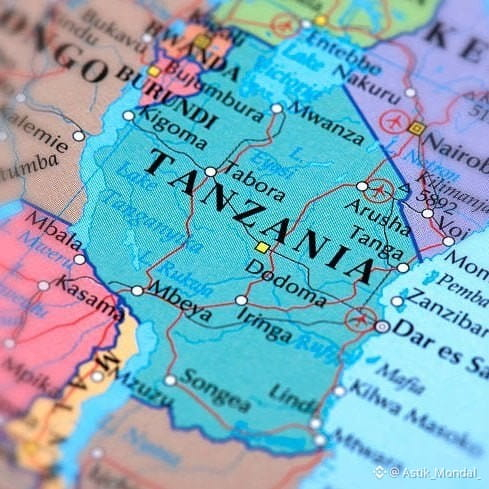
Tanzania is preparing crypto regulations for a $205 billion African digital asset market. The continent that was supposed to be too underdeveloped for crypto just revealed it was quietly building one of the largest crypto economies on earth.
$205 billion in on-chain activity across Sub-Saharan Africa.
Not a prediction. Not a projection.
Actual on-chain volume that regulators can no longer ignore.
Tanzania is now following Kenya and Zimbabwe in moving from restricting crypto to regulating it. Three African nations in the same period making the same pivot. That is not coincidence. That is a regional policy shift driven by economic reality.
And the economic reality is extraordinary.
Sub-Saharan Africa has some of the highest crypto adoption rates in the world precisely because it needs crypto the most. Currencies that lose value overnight. Banking systems that exclude hundreds of millions of people. Remittance corridors that charge 8% to 10% to send money home. Cross-border payments that take days through correspondent banking chains designed for a different era.
Crypto solves every one of those problems directly and cheaply.
Nigeria just became the best performing stock market on earth in dollar terms. Nigerian stocks overtook South Korea. The continent is not waiting for permission from Western financial institutions to participate in the global economy.
And now the regulatory frameworks are catching up to the on-chain reality.
Tanzania. Kenya. Zimbabwe. The Bank of Tanzania preparing formal digital asset laws.
While the US debates the Clarity Act and senators meet Trump at the White House, Africa already built a $205 billion crypto economy and is now formalizing it.
The next billion crypto users are not coming.
They are already on-chain.
#Africa #Tanzania #Crypto #Bitcoin #EmergingMarkets
Tanzania is preparing crypto regulations for a $205 billion African digital asset market. The continent that was supposed to be too underdeveloped for crypto just revealed it was quietly building one of the largest crypto economies on earth.
$205 billion in on-chain activity across Sub-Saharan Africa.
Not a prediction. Not a projection.
Actual on-chain volume that regulators can no longer ignore.
Tanzania is now following Kenya and Zimbabwe in moving from restricting crypto to regulating it. Three African nations in the same period making the same pivot. That is not coincidence. That is a regional policy shift driven by economic reality.
And the economic reality is extraordinary.
Sub-Saharan Africa has some of the highest crypto adoption rates in the world precisely because it needs crypto the most. Currencies that lose value overnight. Banking systems that exclude hundreds of millions of people. Remittance corridors that charge 8% to 10% to send money home. Cross-border payments that take days through correspondent banking chains designed for a different era.
Crypto solves every one of those problems directly and cheaply.
Nigeria just became the best performing stock market on earth in dollar terms. Nigerian stocks overtook South Korea. The continent is not waiting for permission from Western financial institutions to participate in the global economy.
And now the regulatory frameworks are catching up to the on-chain reality.
Tanzania. Kenya. Zimbabwe. The Bank of Tanzania preparing formal digital asset laws.
While the US debates the Clarity Act and senators meet Trump at the White House, Africa already built a $205 billion crypto economy and is now formalizing it.
The next billion crypto users are not coming.
They are already on-chain.
#Africa #Tanzania #Crypto #Bitcoin #EmergingMarkets
$205 billion in on-chain activity across Sub-Saharan Africa.
Not a prediction. Not a projection.
Actual on-chain volume that regulators can no longer ignore.
Tanzania is now following Kenya and Zimbabwe in moving from restricting crypto to regulating it. Three African nations in the same period making the same pivot. That is not coincidence. That is a regional policy shift driven by economic reality.
And the economic reality is extraordinary.
Sub-Saharan Africa has some of the highest crypto adoption rates in the world precisely because it needs crypto the most. Currencies that lose value overnight. Banking systems that exclude hundreds of millions of people. Remittance corridors that charge 8% to 10% to send money home. Cross-border payments that take days through correspondent banking chains designed for a different era.
Crypto solves every one of those problems directly and cheaply.
Nigeria just became the best performing stock market on earth in dollar terms. Nigerian stocks overtook South Korea. The continent is not waiting for permission from Western financial institutions to participate in the global economy.
And now the regulatory frameworks are catching up to the on-chain reality.
Tanzania. Kenya. Zimbabwe. The Bank of Tanzania preparing formal digital asset laws.
While the US debates the Clarity Act and senators meet Trump at the White House, Africa already built a $205 billion crypto economy and is now formalizing it.
The next billion crypto users are not coming.
They are already on-chain.
#Africa #Tanzania #Crypto #Bitcoin #EmergingMarkets
1
44

·
--
Article
What the World's Next Billion Investors Look Like — and What They're BuyingThe center of gravity in global crypto adoption has moved, and the shift has been large enough that the old assumptions about who a crypto investor is no longer hold. For three consecutive years, Chainalysis has ranked India first in its Global Crypto Adoption Index, ahead of the United States, and the countries filling out the rest of the top ten are overwhelmingly lower-middle and upper-middle income economies — Pakistan, Vietnam, Nigeria, among others. This is not a marginal statistical curiosity. It reflects a population that has already built the habits, the infrastructure, and the financial logic that Western markets are still debating in policy papers.
What distinguishes this cohort from the retail wave that defined crypto's first decade is the reason they hold digital assets at all. In the United States, the story of 2025 was institutional: spot Bitcoin $BTC ETFs, clearer rules under the GENIUS Act, and asset managers building allocation frameworks. In Nigeria, Kenya, Pakistan, and Vietnam, the story is closer to household finance than portfolio theory. Sub-Saharan Africa grew crypto adoption 52% year-over-year, the fastest of any region tracked, and stablecoins accounted for 43% of that on-chain value. That is not a speculative cohort chasing a rally. It is a population using dollar-denominated digital tokens the way a previous generation used a savings account, except the account happens to live on a blockchain rather than inside a commercial bank.
Nigeria illustrates the mechanism most clearly, precisely because its currency has given residents little choice but to look elsewhere. The naira lost more than 60% of its value against the dollar between 2023 and early 2025, and inflation held above 20% through much of that period. Under those conditions, holding a stablecoin is not an ideological statement about decentralization; it is the same defensive instinct that drove dollarization in Latin America decades earlier, executed through a phone rather than a currency exchange counter. The IMF's own assessment of the country, released this year, attributed Nigeria's roughly $59 billion in crypto-asset inflows to exactly this logic: households and small firms using stablecoins to receive remittances and settle payments in minutes, at a fraction of the cost of the formal banking channels that reach only 64% of the population in the first place.
The remittance arithmetic deserves particular attention because it is the clearest evidence that this behavior is rational rather than speculative. Sending $200 to Sub-Saharan Africa through conventional channels costs close to 9% of the transaction's value, well above the global average. Stablecoin transfers, by contrast, typically run between half a percent and one percent. For a Kenyan diaspora that sent more than a trillion shillings home in 2025 alone, that spread is not a rounding error; it is the difference between a remittance system that taxes its users and one that does not. Kenya's position — fifth globally for transactional stablecoin use, built directly on the back of M-Pesa's 34 million mobile money users — makes a further point that is easy to miss. This population did not need to be taught mobile-first finance. It invented it, more than a decade ago, and stablecoins have simply plugged into rails that already existed.
{spot}(BTCUSDT)
Regulators in these markets have started to respond in kind rather than resist. Kenya's Virtual Asset Service Providers Bill, signed into law in October, hands stablecoin issuer licensing to the central bank and exchange supervision to the Capital Markets Authority, while requiring local physical presence and segregated client funds. Nigeria's Investment and Securities Act reclassified digital assets as securities and, in doing so, allowed banks back into a business the central bank had shut them out of in 2021. Neither move resembles the deregulatory posture often associated with crypto-friendly jurisdictions. Both look like conventional financial regulators extending existing frameworks to cover an asset class their citizens had already adopted at scale, whether the rulebook existed or not.
None of this means Bitcoin is absent from the picture — India, Pakistan, and Vietnam still show meaningful centralized exchange and retail trading activity alongside their stablecoin use, and speculative appetite has not disappeared from any of these markets. But the framing of a "next billion investors" narrative built primarily around Bitcoin exposure misreads what the data shows. The defining behavior of this cohort is closer to import-export financing, payroll settlement, and inflation hedging than to directional price bets, and Sub-Saharan Africa's growth rate outpacing every other region while stablecoins carry the largest share of that volume is the clearest signal of which use case is actually driving the numbers.
The more durable implication is about where financial infrastructure gets built next. Wall Street and the City are optimizing an existing system for institutional efficiency — better custody, better settlement, better compliance rails around assets that already have deep, liquid markets. Lagos, Nairobi, Karachi, and Ho Chi Minh City are doing something closer to building a financial system from a weaker starting point, and reaching for whatever tool clears the bar of cost, speed, and access. That the tool happens to be a blockchain-based dollar token is almost incidental. The more interesting fact is that the world's fastest-growing base of crypto users got there by solving a problem, not by following a trend — and that distinction is likely to matter far more than total user counts once this cohort starts allocating beyond stablecoins.
The numbers behind the argument, at a glance:
India: #1 in Chainalysis's Global Crypto Adoption Index for three consecutive years, scoring first across all four sub-indices measuredSub-Saharan Africa: 52% year-over-year growth in crypto adoption — the fastest of any region globally — with stablecoins making up 43% of that on-chain volumeNigeria: ~$59 billion in crypto-asset inflows (July 2023–June 2024, per the IMF), driven largely by a naira that lost over 60% of its value against the dollar between 2023 and early 2025Remittance cost gap: sending $200 to Sub-Saharan Africa costs close to 9% via traditional channels, versus roughly 0.5–1% via stablecoinsKenya: 5th globally for transactional stablecoin use, built on M-Pesa's 34 million mobile money users, with diaspora remittances exceeding 1 trillion shillings in 2025Regulatory response: Kenya's VASP Bill (signed October 2025) and Nigeria's Investment and Securities Act both bring stablecoins under formal central-bank and securities oversight rather than leaving them unregulated
Discussion: If the fastest-growing crypto users on Earth are adopting stablecoins to solve currency instability and remittance costs rather than to speculate on price, does that change how the industry should be measuring "adoption" going forward — user counts and trading volume, or something closer to displaced remittance and banking fees?
#StablecoinAdoption #EmergingMarkets #CryptoRemittances #writetoearn
What the World's Next Billion Investors Look Like — and What They're Buying
The center of gravity in global crypto adoption has moved, and the shift has been large enough that the old assumptions about who a crypto investor is no longer hold. For three consecutive years, Chainalysis has ranked India first in its Global Crypto Adoption Index, ahead of the United States, and the countries filling out the rest of the top ten are overwhelmingly lower-middle and upper-middle income economies — Pakistan, Vietnam, Nigeria, among others. This is not a marginal statistical curiosity. It reflects a population that has already built the habits, the infrastructure, and the financial logic that Western markets are still debating in policy papers.
What distinguishes this cohort from the retail wave that defined crypto's first decade is the reason they hold digital assets at all. In the United States, the story of 2025 was institutional: spot Bitcoin $BTC ETFs, clearer rules under the GENIUS Act, and asset managers building allocation frameworks. In Nigeria, Kenya, Pakistan, and Vietnam, the story is closer to household finance than portfolio theory. Sub-Saharan Africa grew crypto adoption 52% year-over-year, the fastest of any region tracked, and stablecoins accounted for 43% of that on-chain value. That is not a speculative cohort chasing a rally. It is a population using dollar-denominated digital tokens the way a previous generation used a savings account, except the account happens to live on a blockchain rather than inside a commercial bank.
Nigeria illustrates the mechanism most clearly, precisely because its currency has given residents little choice but to look elsewhere. The naira lost more than 60% of its value against the dollar between 2023 and early 2025, and inflation held above 20% through much of that period. Under those conditions, holding a stablecoin is not an ideological statement about decentralization; it is the same defensive instinct that drove dollarization in Latin America decades earlier, executed through a phone rather than a currency exchange counter. The IMF's own assessment of the country, released this year, attributed Nigeria's roughly $59 billion in crypto-asset inflows to exactly this logic: households and small firms using stablecoins to receive remittances and settle payments in minutes, at a fraction of the cost of the formal banking channels that reach only 64% of the population in the first place.
The remittance arithmetic deserves particular attention because it is the clearest evidence that this behavior is rational rather than speculative. Sending $200 to Sub-Saharan Africa through conventional channels costs close to 9% of the transaction's value, well above the global average. Stablecoin transfers, by contrast, typically run between half a percent and one percent. For a Kenyan diaspora that sent more than a trillion shillings home in 2025 alone, that spread is not a rounding error; it is the difference between a remittance system that taxes its users and one that does not. Kenya's position — fifth globally for transactional stablecoin use, built directly on the back of M-Pesa's 34 million mobile money users — makes a further point that is easy to miss. This population did not need to be taught mobile-first finance. It invented it, more than a decade ago, and stablecoins have simply plugged into rails that already existed.
Regulators in these markets have started to respond in kind rather than resist. Kenya's Virtual Asset Service Providers Bill, signed into law in October, hands stablecoin issuer licensing to the central bank and exchange supervision to the Capital Markets Authority, while requiring local physical presence and segregated client funds. Nigeria's Investment and Securities Act reclassified digital assets as securities and, in doing so, allowed banks back into a business the central bank had shut them out of in 2021. Neither move resembles the deregulatory posture often associated with crypto-friendly jurisdictions. Both look like conventional financial regulators extending existing frameworks to cover an asset class their citizens had already adopted at scale, whether the rulebook existed or not.
None of this means Bitcoin is absent from the picture — India, Pakistan, and Vietnam still show meaningful centralized exchange and retail trading activity alongside their stablecoin use, and speculative appetite has not disappeared from any of these markets. But the framing of a "next billion investors" narrative built primarily around Bitcoin exposure misreads what the data shows. The defining behavior of this cohort is closer to import-export financing, payroll settlement, and inflation hedging than to directional price bets, and Sub-Saharan Africa's growth rate outpacing every other region while stablecoins carry the largest share of that volume is the clearest signal of which use case is actually driving the numbers.
The more durable implication is about where financial infrastructure gets built next. Wall Street and the City are optimizing an existing system for institutional efficiency — better custody, better settlement, better compliance rails around assets that already have deep, liquid markets. Lagos, Nairobi, Karachi, and Ho Chi Minh City are doing something closer to building a financial system from a weaker starting point, and reaching for whatever tool clears the bar of cost, speed, and access. That the tool happens to be a blockchain-based dollar token is almost incidental. The more interesting fact is that the world's fastest-growing base of crypto users got there by solving a problem, not by following a trend — and that distinction is likely to matter far more than total user counts once this cohort starts allocating beyond stablecoins.
The numbers behind the argument, at a glance:
India: #1 in Chainalysis's Global Crypto Adoption Index for three consecutive years, scoring first across all four sub-indices measuredSub-Saharan Africa: 52% year-over-year growth in crypto adoption — the fastest of any region globally — with stablecoins making up 43% of that on-chain volumeNigeria: ~$59 billion in crypto-asset inflows (July 2023–June 2024, per the IMF), driven largely by a naira that lost over 60% of its value against the dollar between 2023 and early 2025Remittance cost gap: sending $200 to Sub-Saharan Africa costs close to 9% via traditional channels, versus roughly 0.5–1% via stablecoinsKenya: 5th globally for transactional stablecoin use, built on M-Pesa's 34 million mobile money users, with diaspora remittances exceeding 1 trillion shillings in 2025Regulatory response: Kenya's VASP Bill (signed October 2025) and Nigeria's Investment and Securities Act both bring stablecoins under formal central-bank and securities oversight rather than leaving them unregulated
Discussion: If the fastest-growing crypto users on Earth are adopting stablecoins to solve currency instability and remittance costs rather than to speculate on price, does that change how the industry should be measuring "adoption" going forward — user counts and trading volume, or something closer to displaced remittance and banking fees?
#StablecoinAdoption #EmergingMarkets #CryptoRemittances #writetoearn
What distinguishes this cohort from the retail wave that defined crypto's first decade is the reason they hold digital assets at all. In the United States, the story of 2025 was institutional: spot Bitcoin $BTC ETFs, clearer rules under the GENIUS Act, and asset managers building allocation frameworks. In Nigeria, Kenya, Pakistan, and Vietnam, the story is closer to household finance than portfolio theory. Sub-Saharan Africa grew crypto adoption 52% year-over-year, the fastest of any region tracked, and stablecoins accounted for 43% of that on-chain value. That is not a speculative cohort chasing a rally. It is a population using dollar-denominated digital tokens the way a previous generation used a savings account, except the account happens to live on a blockchain rather than inside a commercial bank.
Nigeria illustrates the mechanism most clearly, precisely because its currency has given residents little choice but to look elsewhere. The naira lost more than 60% of its value against the dollar between 2023 and early 2025, and inflation held above 20% through much of that period. Under those conditions, holding a stablecoin is not an ideological statement about decentralization; it is the same defensive instinct that drove dollarization in Latin America decades earlier, executed through a phone rather than a currency exchange counter. The IMF's own assessment of the country, released this year, attributed Nigeria's roughly $59 billion in crypto-asset inflows to exactly this logic: households and small firms using stablecoins to receive remittances and settle payments in minutes, at a fraction of the cost of the formal banking channels that reach only 64% of the population in the first place.
The remittance arithmetic deserves particular attention because it is the clearest evidence that this behavior is rational rather than speculative. Sending $200 to Sub-Saharan Africa through conventional channels costs close to 9% of the transaction's value, well above the global average. Stablecoin transfers, by contrast, typically run between half a percent and one percent. For a Kenyan diaspora that sent more than a trillion shillings home in 2025 alone, that spread is not a rounding error; it is the difference between a remittance system that taxes its users and one that does not. Kenya's position — fifth globally for transactional stablecoin use, built directly on the back of M-Pesa's 34 million mobile money users — makes a further point that is easy to miss. This population did not need to be taught mobile-first finance. It invented it, more than a decade ago, and stablecoins have simply plugged into rails that already existed.
Regulators in these markets have started to respond in kind rather than resist. Kenya's Virtual Asset Service Providers Bill, signed into law in October, hands stablecoin issuer licensing to the central bank and exchange supervision to the Capital Markets Authority, while requiring local physical presence and segregated client funds. Nigeria's Investment and Securities Act reclassified digital assets as securities and, in doing so, allowed banks back into a business the central bank had shut them out of in 2021. Neither move resembles the deregulatory posture often associated with crypto-friendly jurisdictions. Both look like conventional financial regulators extending existing frameworks to cover an asset class their citizens had already adopted at scale, whether the rulebook existed or not.
None of this means Bitcoin is absent from the picture — India, Pakistan, and Vietnam still show meaningful centralized exchange and retail trading activity alongside their stablecoin use, and speculative appetite has not disappeared from any of these markets. But the framing of a "next billion investors" narrative built primarily around Bitcoin exposure misreads what the data shows. The defining behavior of this cohort is closer to import-export financing, payroll settlement, and inflation hedging than to directional price bets, and Sub-Saharan Africa's growth rate outpacing every other region while stablecoins carry the largest share of that volume is the clearest signal of which use case is actually driving the numbers.
The more durable implication is about where financial infrastructure gets built next. Wall Street and the City are optimizing an existing system for institutional efficiency — better custody, better settlement, better compliance rails around assets that already have deep, liquid markets. Lagos, Nairobi, Karachi, and Ho Chi Minh City are doing something closer to building a financial system from a weaker starting point, and reaching for whatever tool clears the bar of cost, speed, and access. That the tool happens to be a blockchain-based dollar token is almost incidental. The more interesting fact is that the world's fastest-growing base of crypto users got there by solving a problem, not by following a trend — and that distinction is likely to matter far more than total user counts once this cohort starts allocating beyond stablecoins.
The numbers behind the argument, at a glance:
India: #1 in Chainalysis's Global Crypto Adoption Index for three consecutive years, scoring first across all four sub-indices measuredSub-Saharan Africa: 52% year-over-year growth in crypto adoption — the fastest of any region globally — with stablecoins making up 43% of that on-chain volumeNigeria: ~$59 billion in crypto-asset inflows (July 2023–June 2024, per the IMF), driven largely by a naira that lost over 60% of its value against the dollar between 2023 and early 2025Remittance cost gap: sending $200 to Sub-Saharan Africa costs close to 9% via traditional channels, versus roughly 0.5–1% via stablecoinsKenya: 5th globally for transactional stablecoin use, built on M-Pesa's 34 million mobile money users, with diaspora remittances exceeding 1 trillion shillings in 2025Regulatory response: Kenya's VASP Bill (signed October 2025) and Nigeria's Investment and Securities Act both bring stablecoins under formal central-bank and securities oversight rather than leaving them unregulated
Discussion: If the fastest-growing crypto users on Earth are adopting stablecoins to solve currency instability and remittance costs rather than to speculate on price, does that change how the industry should be measuring "adoption" going forward — user counts and trading volume, or something closer to displaced remittance and banking fees?
#StablecoinAdoption #EmergingMarkets #CryptoRemittances #writetoearn
1
64

#msciemindexnearscorrection
🚨 Emerging Markets on the Brink of a Correction!
The MSCI Emerging Markets Index is strongly retreating from its recent peak, signaling mounting pressure on developing countries driven by currency shifts and the global rush toward safe-haven assets.
📊 Market Snapshot:
Capital is actively moving out of the market as interest-rate expectations rise. Assets in developing countries are under severe pressure from advanced economies. Keep a close eye on critical support levels—either we could see a sharp rebound or a steep decline. 📉🔍
💡 Quick Take:
Although market corrections often create ideal entry points, patience is essential. Watch the U.S. dollar and commodity trends to determine where the market goes next, as these moves will undoubtedly affect cryptocurrencies and other high-risk assets.
🛡️ Current Situation:
Defensive strategies are necessary now across all asset classes. Stay alert, manage your risk, and always do your own research (DYOR).
What do you think about this scenario for emerging markets? Leave your thoughts below! 👇🐳🚀
Please follow up
#MSCIEM #EmergingMarkets #globaleconomy
$IEMGon
{alpha}(560x22092c94a91d019ad15536725598b0a6be0a73c0)
#msciemindexnearscorrection
🚨 Emerging Markets on the Brink of a Correction!
The MSCI Emerging Markets Index is strongly retreating from its recent peak, signaling mounting pressure on developing countries driven by currency shifts and the global rush toward safe-haven assets.
📊 Market Snapshot:
Capital is actively moving out of the market as interest-rate expectations rise. Assets in developing countries are under severe pressure from advanced economies. Keep a close eye on critical support levels—either we could see a sharp rebound or a steep decline. 📉🔍
💡 Quick Take:
Although market corrections often create ideal entry points, patience is essential. Watch the U.S. dollar and commodity trends to determine where the market goes next, as these moves will undoubtedly affect cryptocurrencies and other high-risk assets.
🛡️ Current Situation:
Defensive strategies are necessary now across all asset classes. Stay alert, manage your risk, and always do your own research (DYOR).
What do you think about this scenario for emerging markets? Leave your thoughts below! 👇🐳🚀
Please follow up
#MSCIEM #EmergingMarkets #globaleconomy
$IEMGon
🚨 Emerging Markets on the Brink of a Correction!
The MSCI Emerging Markets Index is strongly retreating from its recent peak, signaling mounting pressure on developing countries driven by currency shifts and the global rush toward safe-haven assets.
📊 Market Snapshot:
Capital is actively moving out of the market as interest-rate expectations rise. Assets in developing countries are under severe pressure from advanced economies. Keep a close eye on critical support levels—either we could see a sharp rebound or a steep decline. 📉🔍
💡 Quick Take:
Although market corrections often create ideal entry points, patience is essential. Watch the U.S. dollar and commodity trends to determine where the market goes next, as these moves will undoubtedly affect cryptocurrencies and other high-risk assets.
🛡️ Current Situation:
Defensive strategies are necessary now across all asset classes. Stay alert, manage your risk, and always do your own research (DYOR).
What do you think about this scenario for emerging markets? Leave your thoughts below! 👇🐳🚀
Please follow up
#MSCIEM #EmergingMarkets #globaleconomy
$IEMGon
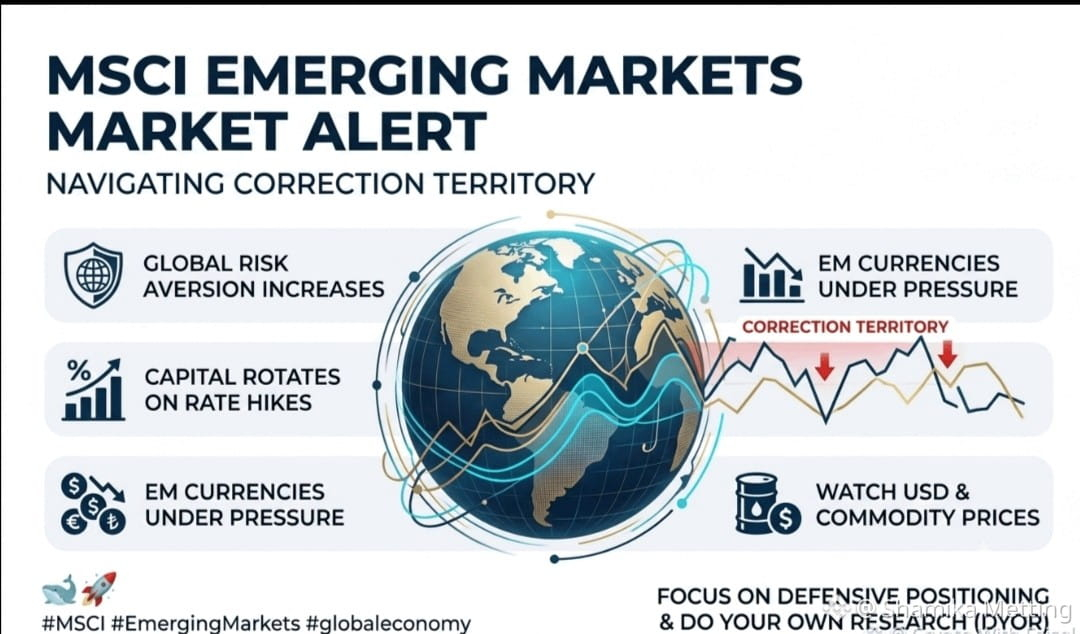
2
217
·
--
Global Markets See Shift as Iran Talks Progress 🚀
Emerging market currencies are gaining ground, led by the South African rand, as potential progress in Iran talks sparks optimism. The possibility of a deal in the Middle East has driven down oil prices, boosting risk sentiment and investor appetite. This shift is having a ripple effect on global markets, with most emerging market currencies advancing outside of Asia. The decline in oil prices is also expected to have a positive impact on inflation and economic growth, further supporting the rally in emerging market currencies. As the situation continues to unfold, investors are closely watching for any developments that could influence market trends. #Crypto #EmergingMarkets #OilPrices #GlobalEconomy
Global Markets See Shift as Iran Talks Progress 🚀
Emerging market currencies are gaining ground, led by the South African rand, as potential progress in Iran talks sparks optimism. The possibility of a deal in the Middle East has driven down oil prices, boosting risk sentiment and investor appetite. This shift is having a ripple effect on global markets, with most emerging market currencies advancing outside of Asia. The decline in oil prices is also expected to have a positive impact on inflation and economic growth, further supporting the rally in emerging market currencies. As the situation continues to unfold, investors are closely watching for any developments that could influence market trends. #Crypto #EmergingMarkets #OilPrices #GlobalEconomy
Emerging market currencies are gaining ground, led by the South African rand, as potential progress in Iran talks sparks optimism. The possibility of a deal in the Middle East has driven down oil prices, boosting risk sentiment and investor appetite. This shift is having a ripple effect on global markets, with most emerging market currencies advancing outside of Asia. The decline in oil prices is also expected to have a positive impact on inflation and economic growth, further supporting the rally in emerging market currencies. As the situation continues to unfold, investors are closely watching for any developments that could influence market trends. #Crypto #EmergingMarkets #OilPrices #GlobalEconomy
164

·
--
You're not looking at the stablecoin landscape through the right lens. The conventional wisdom claims that stablecoin adoption is all about US and European venture funding, but data reveals a different story.
The Signal: On-chain analysis of stablecoin usage across emerging markets reveals they account for 70% of real-world stablecoin adoption, defying the popular narrative of US and European market dominance. #stablecoin #emergingmarkets
The Interpretation: This discrepancy between founder concentration and venture funding, on one hand, and real-world usage on the other, suggests that stablecoins are being adopted in ways that aren't reflected in traditional indicators. Watch for a surge in non-traditional stablecoin holders as the gap between founders and users widens.
The Watch List: Pay close attention to the price action of stablecoins pegged to emerging market currencies, such as the Brazilian real and the South African rand. #stablecoinprice
The question on my mind now is: will the market finally start to price in the untapped potential of global stablecoin adoption?
You're not looking at the stablecoin landscape through the right lens. The conventional wisdom claims that stablecoin adoption is all about US and European venture funding, but data reveals a different story.
The Signal: On-chain analysis of stablecoin usage across emerging markets reveals they account for 70% of real-world stablecoin adoption, defying the popular narrative of US and European market dominance. #stablecoin #emergingmarkets
The Interpretation: This discrepancy between founder concentration and venture funding, on one hand, and real-world usage on the other, suggests that stablecoins are being adopted in ways that aren't reflected in traditional indicators. Watch for a surge in non-traditional stablecoin holders as the gap between founders and users widens.
The Watch List: Pay close attention to the price action of stablecoins pegged to emerging market currencies, such as the Brazilian real and the South African rand. #stablecoinprice
The question on my mind now is: will the market finally start to price in the untapped potential of global stablecoin adoption?
The Signal: On-chain analysis of stablecoin usage across emerging markets reveals they account for 70% of real-world stablecoin adoption, defying the popular narrative of US and European market dominance. #stablecoin #emergingmarkets
The Interpretation: This discrepancy between founder concentration and venture funding, on one hand, and real-world usage on the other, suggests that stablecoins are being adopted in ways that aren't reflected in traditional indicators. Watch for a surge in non-traditional stablecoin holders as the gap between founders and users widens.
The Watch List: Pay close attention to the price action of stablecoins pegged to emerging market currencies, such as the Brazilian real and the South African rand. #stablecoinprice
The question on my mind now is: will the market finally start to price in the untapped potential of global stablecoin adoption?
12
Log in to explore more content
Join global crypto users on Binance Square
⚡️ Get latest and useful information about crypto.
💬 Trusted by the world’s largest crypto exchange.
👍 Discover real insights from verified creators.
Email / Phone number
Trending Topics
1
#FedRateWatch
624,128 views
2,895 Discussing
2
#EthereumFallsBelow$2400
18 views
21 Discussing
3
#USSenateBlocksClarityAct
180 views
12 Discussing
4
#BitcoinSlidesTo$76000
25,293 views
125 Discussing
5
#BitcoinReboundsTo$79K
63,279 views
405 Discussing
6
#StrategyMarketCapPassesFord
43,979 views
704 Discussing
7
#ClarityActOddsHalveOnPolymarket
70,642 views
590 Discussing
8
#US30YTreasuryYieldTops5.40%
37,990 views
396 Discussing
9
#BessentEndorsesFinalClarityActDraft
60,388 views
777 Discussing
10
#ZamaOpens16ConfidentialMorphoVaults
21,198 views
377 Discussing