

#kospi
kospi
363,912 views
1,580 Discussing
Hot
Latest

·
--
🚨 $KOSPI SLIDES BELOW 5× P/E – VALUATION GAP CALLING FOR REBOUND? 🟢
📊 Bloomberg shows the forward 12‑month P/E at 4.2×, a historic trough for the trillion‑dollar KOSPI. 🦈 Smart money eyes the discount as chip giants like SK Hynix and Samsung still chew through demand, while the AI hype cools and tech stocks bleed. ⚡ The gap between earnings and price is widening, setting the stage for a potential upside swing if sentiment flips.
💡 With exports marching toward $1 trillion, the market’s hesitation could be a temporary liquidity vacuum. 🤔 Will buyers step in now or wait for the next catalyst? 👇
⚠️ Not financial advice. Always manage your risk. 🛡️
🏷️ #KOSPI #ValuationPlay #Rebound #Stocks #Crypto
🔥 💎
🚨 $KOSPI SLIDES BELOW 5× P/E – VALUATION GAP CALLING FOR REBOUND? 🟢
📊 Bloomberg shows the forward 12‑month P/E at 4.2×, a historic trough for the trillion‑dollar KOSPI. 🦈 Smart money eyes the discount as chip giants like SK Hynix and Samsung still chew through demand, while the AI hype cools and tech stocks bleed. ⚡ The gap between earnings and price is widening, setting the stage for a potential upside swing if sentiment flips.
💡 With exports marching toward $1 trillion, the market’s hesitation could be a temporary liquidity vacuum. 🤔 Will buyers step in now or wait for the next catalyst? 👇
⚠️ Not financial advice. Always manage your risk. 🛡️
🏷️ #KOSPI #ValuationPlay #Rebound #Stocks #Crypto
🔥 💎
📊 Bloomberg shows the forward 12‑month P/E at 4.2×, a historic trough for the trillion‑dollar KOSPI. 🦈 Smart money eyes the discount as chip giants like SK Hynix and Samsung still chew through demand, while the AI hype cools and tech stocks bleed. ⚡ The gap between earnings and price is widening, setting the stage for a potential upside swing if sentiment flips.
💡 With exports marching toward $1 trillion, the market’s hesitation could be a temporary liquidity vacuum. 🤔 Will buyers step in now or wait for the next catalyst? 👇
⚠️ Not financial advice. Always manage your risk. 🛡️
🏷️ #KOSPI #ValuationPlay #Rebound #Stocks #Crypto
🔥 💎
1

·
--
🦈 $KOSPI SLIDES TO 4.2× P/E – VALUATION DISCOUNT ALERT 📊
📊 Bloomberg’s forward 12‑month P/E for the KOSPI has plunged to 4.2, the first sub‑5 multiple for a trillion‑dollar market since 2006. 🌊 The AI‑driven chip demand from SK Hynix and Samsung remains robust, yet the broader tech sell‑off is throttling sentiment, keeping investors on the sidelines.
🔍 This extreme discount could seed a smart‑money accumulation phase, but the timing of any valuation repair is still clouded by global risk‑off dynamics. 💡 Keep an eye on liquidity sweeps around the 4‑5× corridor as potential entry bands.
💬 Do you see this as a low‑risk entry point for a rebound or a signal to stay on the sidelines? 👇
⚠️ Not financial advice. Always manage your risk. 🛡️
🏷️ #KOSPI #Valuation #Rebound #AsianMarkets #SmartMoney
🚀 💎
🦈 $KOSPI SLIDES TO 4.2× P/E – VALUATION DISCOUNT ALERT 📊
📊 Bloomberg’s forward 12‑month P/E for the KOSPI has plunged to 4.2, the first sub‑5 multiple for a trillion‑dollar market since 2006. 🌊 The AI‑driven chip demand from SK Hynix and Samsung remains robust, yet the broader tech sell‑off is throttling sentiment, keeping investors on the sidelines.
🔍 This extreme discount could seed a smart‑money accumulation phase, but the timing of any valuation repair is still clouded by global risk‑off dynamics. 💡 Keep an eye on liquidity sweeps around the 4‑5× corridor as potential entry bands.
💬 Do you see this as a low‑risk entry point for a rebound or a signal to stay on the sidelines? 👇
⚠️ Not financial advice. Always manage your risk. 🛡️
🏷️ #KOSPI #Valuation #Rebound #AsianMarkets #SmartMoney
🚀 💎
📊 Bloomberg’s forward 12‑month P/E for the KOSPI has plunged to 4.2, the first sub‑5 multiple for a trillion‑dollar market since 2006. 🌊 The AI‑driven chip demand from SK Hynix and Samsung remains robust, yet the broader tech sell‑off is throttling sentiment, keeping investors on the sidelines.
🔍 This extreme discount could seed a smart‑money accumulation phase, but the timing of any valuation repair is still clouded by global risk‑off dynamics. 💡 Keep an eye on liquidity sweeps around the 4‑5× corridor as potential entry bands.
💬 Do you see this as a low‑risk entry point for a rebound or a signal to stay on the sidelines? 👇
⚠️ Not financial advice. Always manage your risk. 🛡️
🏷️ #KOSPI #Valuation #Rebound #AsianMarkets #SmartMoney
🚀 💎
2

·
--
KOSPI Under Pressure:Is This a Warning for Global Markets?
When a major stock index experiences a sharp decline, investors should look beyond the percentage drop.
The KOSPI trend in Binance's screenshot highlights market fear and volatility. But one red session does not automatically mean a long-term bear market has begun.
What Could Drive the Next Move?
Three factors deserve attention:
- Foreign investor flows: Persistent selling can increase downside pressure.
- Semiconductor stocks: Their performance can heavily influence sentiment.
- Global tech sentiment: US earnings, AI spending, and interest-rate expectations can affect Asian markets.
Bullish vs. Bearish Outlook
A recovery supported by real buying demand may indicate stabilization.
However, a weak rebound followed by renewed selling could signal that investors remain cautious.
My Take
Don't trade a headline. Watch index support, market breadth, and institutional flows before drawing conclusions.
Can the KOSPI recover, or is more volatility ahead?
#KOSPI #SouthKorean #stockmarket #MarketAnalysis"
KOSPI Under Pressure:
Is This a Warning for Global Markets?
When a major stock index experiences a sharp decline, investors should look beyond the percentage drop.
The KOSPI trend in Binance's screenshot highlights market fear and volatility. But one red session does not automatically mean a long-term bear market has begun.
What Could Drive the Next Move?
Three factors deserve attention:
- Foreign investor flows: Persistent selling can increase downside pressure.
- Semiconductor stocks: Their performance can heavily influence sentiment.
- Global tech sentiment: US earnings, AI spending, and interest-rate expectations can affect Asian markets.
Bullish vs. Bearish Outlook
A recovery supported by real buying demand may indicate stabilization.
However, a weak rebound followed by renewed selling could signal that investors remain cautious.
My Take
Don't trade a headline. Watch index support, market breadth, and institutional flows before drawing conclusions.
Can the KOSPI recover, or is more volatility ahead?
#KOSPI #SouthKorean #stockmarket #MarketAnalysis"
When a major stock index experiences a sharp decline, investors should look beyond the percentage drop.
The KOSPI trend in Binance's screenshot highlights market fear and volatility. But one red session does not automatically mean a long-term bear market has begun.
What Could Drive the Next Move?
Three factors deserve attention:
- Foreign investor flows: Persistent selling can increase downside pressure.
- Semiconductor stocks: Their performance can heavily influence sentiment.
- Global tech sentiment: US earnings, AI spending, and interest-rate expectations can affect Asian markets.
Bullish vs. Bearish Outlook
A recovery supported by real buying demand may indicate stabilization.
However, a weak rebound followed by renewed selling could signal that investors remain cautious.
My Take
Don't trade a headline. Watch index support, market breadth, and institutional flows before drawing conclusions.
Can the KOSPI recover, or is more volatility ahead?
#KOSPI #SouthKorean #stockmarket #MarketAnalysis"
4

📉 $KOSPI Plunges 3.52%! Hit Lowest Close Since April 🚨
Asian markets are seeing major waves as South Korea's benchmark KOSPI index suffered a sharp 3.52% drop, marking its lowest closing level since April.
🔍 What's driving the sell-off?
Heightened macroeconomic pressures and regional volatility.
Spillover effects hitting global sentiment and risk-on assets.
Investors locking in caution as traditional markets face heavy headwinds.
Are you shifting your portfolio strategy amid these global market dips, or buying the discount? Let's discuss below! 👇
#KOSPI #stockmarket #GlobalMarkets #MarketUpdate #TradingInsights
📉 $KOSPI Plunges 3.52%! Hit Lowest Close Since April 🚨
Asian markets are seeing major waves as South Korea's benchmark KOSPI index suffered a sharp 3.52% drop, marking its lowest closing level since April.
🔍 What's driving the sell-off?
Heightened macroeconomic pressures and regional volatility.
Spillover effects hitting global sentiment and risk-on assets.
Investors locking in caution as traditional markets face heavy headwinds.
Are you shifting your portfolio strategy amid these global market dips, or buying the discount? Let's discuss below! 👇
#KOSPI #stockmarket #GlobalMarkets #MarketUpdate #TradingInsights
Asian markets are seeing major waves as South Korea's benchmark KOSPI index suffered a sharp 3.52% drop, marking its lowest closing level since April.
🔍 What's driving the sell-off?
Heightened macroeconomic pressures and regional volatility.
Spillover effects hitting global sentiment and risk-on assets.
Investors locking in caution as traditional markets face heavy headwinds.
Are you shifting your portfolio strategy amid these global market dips, or buying the discount? Let's discuss below! 👇
#KOSPI #stockmarket #GlobalMarkets #MarketUpdate #TradingInsights
1
38

South Korea’s KOSPI Drops 3.52% — Lowest Close Since April!
South Korea’s stock market is facing renewed selling pressure as the KOSPI plunges 3.52%, marking its lowest closing level since April. 🇰🇷
🔍 What Could This Mean for Investors?
📉 Market Pressure: A sharp decline may signal growing caution among investors.
🌏 Global Impact: Weakness in a major Asian market can influence sentiment across other markets.
Key Levels to Watch: Traders will be watching whether buyers step in or selling pressure continues.
💡 My Take: One rough session doesn’t determine the market’s long-term direction, but a drop this large deserves attention. Investors should stay calm, manage risk, and avoid emotional decisions.
🐂 Will the KOSPI recover soon?
🐻 Or could more downside be ahead?
Share your thoughts in the comments! 👇
Market commentary only, not financial advice. Always do your own research.
#KOSPI #SouthKorea #StockMarke #AsianMarkets #Investing
South Korea’s KOSPI Drops 3.52% — Lowest Close Since April!
South Korea’s stock market is facing renewed selling pressure as the KOSPI plunges 3.52%, marking its lowest closing level since April. 🇰🇷
🔍 What Could This Mean for Investors?
📉 Market Pressure: A sharp decline may signal growing caution among investors.
🌏 Global Impact: Weakness in a major Asian market can influence sentiment across other markets.
Key Levels to Watch: Traders will be watching whether buyers step in or selling pressure continues.
💡 My Take: One rough session doesn’t determine the market’s long-term direction, but a drop this large deserves attention. Investors should stay calm, manage risk, and avoid emotional decisions.
🐂 Will the KOSPI recover soon?
🐻 Or could more downside be ahead?
Share your thoughts in the comments! 👇
Market commentary only, not financial advice. Always do your own research.
#KOSPI #SouthKorea #StockMarke #AsianMarkets #Investing
South Korea’s stock market is facing renewed selling pressure as the KOSPI plunges 3.52%, marking its lowest closing level since April. 🇰🇷
🔍 What Could This Mean for Investors?
📉 Market Pressure: A sharp decline may signal growing caution among investors.
🌏 Global Impact: Weakness in a major Asian market can influence sentiment across other markets.
Key Levels to Watch: Traders will be watching whether buyers step in or selling pressure continues.
💡 My Take: One rough session doesn’t determine the market’s long-term direction, but a drop this large deserves attention. Investors should stay calm, manage risk, and avoid emotional decisions.
🐂 Will the KOSPI recover soon?
🐻 Or could more downside be ahead?
Share your thoughts in the comments! 👇
Market commentary only, not financial advice. Always do your own research.
#KOSPI #SouthKorea #StockMarke #AsianMarkets #Investing
48

·
--
#KOSPISinks3.52%ToLowestCloseSinceApril
🇰🇷 KOSPI Sinks 3.52% to Its Lowest Close Since April
📉 Closed at 5,533.77, down 201.89 points, wiping out the prior day's 3.29% rebound
⚠️ Intraday low 5,485.98, a drop of as much as 4.35%
💾 Samsung Electronics -4.03%, SK hynix -5.49%
🏦 Institutions sold a net 462B won; retail bought 380B won
📊 KOSDAQ -3.62% to 764.10; Nikkei -2.65%, Taiwan -1.73%
🤖 Trigger: Meta and Tesla beat, but worries about AI capex payoffs returned
📅 KOSPI now sits ~41% below its 52-week high
What it means for crypto: The same AI and tech risk-off is weighing on $BTC, down ~1.9% in 24h near $81.9K. If Asian chip selling keeps spreading, crypto may stay under pressure until macro data eases inflation fears.
Is Asia's chip sell-off a warning for Bitcoin? 👇
$BTC $ETH
#CryptoNews #KOSPISinks3.52%ToLowestCloseSinceApril #KOSPI #AsiaMarkets
#KOSPISinks3.52%ToLowestCloseSinceApril
🇰🇷 KOSPI Sinks 3.52% to Its Lowest Close Since April
📉 Closed at 5,533.77, down 201.89 points, wiping out the prior day's 3.29% rebound
⚠️ Intraday low 5,485.98, a drop of as much as 4.35%
💾 Samsung Electronics -4.03%, SK hynix -5.49%
🏦 Institutions sold a net 462B won; retail bought 380B won
📊 KOSDAQ -3.62% to 764.10; Nikkei -2.65%, Taiwan -1.73%
🤖 Trigger: Meta and Tesla beat, but worries about AI capex payoffs returned
📅 KOSPI now sits ~41% below its 52-week high
What it means for crypto: The same AI and tech risk-off is weighing on $BTC , down ~1.9% in 24h near $81.9K. If Asian chip selling keeps spreading, crypto may stay under pressure until macro data eases inflation fears.
Is Asia's chip sell-off a warning for Bitcoin? 👇
$BTC $ETH
#CryptoNews #KOSPISinks3.52%ToLowestCloseSinceApril #KOSPI #AsiaMarkets
🇰🇷 KOSPI Sinks 3.52% to Its Lowest Close Since April
📉 Closed at 5,533.77, down 201.89 points, wiping out the prior day's 3.29% rebound
⚠️ Intraday low 5,485.98, a drop of as much as 4.35%
💾 Samsung Electronics -4.03%, SK hynix -5.49%
🏦 Institutions sold a net 462B won; retail bought 380B won
📊 KOSDAQ -3.62% to 764.10; Nikkei -2.65%, Taiwan -1.73%
🤖 Trigger: Meta and Tesla beat, but worries about AI capex payoffs returned
📅 KOSPI now sits ~41% below its 52-week high
What it means for crypto: The same AI and tech risk-off is weighing on $BTC , down ~1.9% in 24h near $81.9K. If Asian chip selling keeps spreading, crypto may stay under pressure until macro data eases inflation fears.
Is Asia's chip sell-off a warning for Bitcoin? 👇
$BTC $ETH
#CryptoNews #KOSPISinks3.52%ToLowestCloseSinceApril #KOSPI #AsiaMarkets
3

·
--
South Korea’s KOSPI fell about 3.5% to its lowest close since April, with chip stocks leading the decline. The selloff reflects weakening risk appetite across Asian markets, where investors are looking for clearer signals on AI-driven demand and corporate spending.
Macro pressure is also adding to the mood. Tensions in the Middle East are keeping oil prices high, which weighs on global growth and pushes investors toward caution.
For crypto traders, moves like this are worth watching. When Asian equities sell off on risk concerns, Bitcoin and other assets often feel the pressure too. Do you see this as a short-term shakeout or the start of a broader risk-off phase? 👇
#KOSPI #KOSPISinks3.52%ToLowestCloseSinceApril #CRYPTO $SOXL
{future}(SOXLUSDT)
South Korea’s KOSPI fell about 3.5% to its lowest close since April, with chip stocks leading the decline. The selloff reflects weakening risk appetite across Asian markets, where investors are looking for clearer signals on AI-driven demand and corporate spending.
Macro pressure is also adding to the mood. Tensions in the Middle East are keeping oil prices high, which weighs on global growth and pushes investors toward caution.
For crypto traders, moves like this are worth watching. When Asian equities sell off on risk concerns, Bitcoin and other assets often feel the pressure too. Do you see this as a short-term shakeout or the start of a broader risk-off phase? 👇
#KOSPI #KOSPISinks3.52%ToLowestCloseSinceApril #CRYPTO $SOXL
Macro pressure is also adding to the mood. Tensions in the Middle East are keeping oil prices high, which weighs on global growth and pushes investors toward caution.
For crypto traders, moves like this are worth watching. When Asian equities sell off on risk concerns, Bitcoin and other assets often feel the pressure too. Do you see this as a short-term shakeout or the start of a broader risk-off phase? 👇
#KOSPI #KOSPISinks3.52%ToLowestCloseSinceApril #CRYPTO $SOXL
486
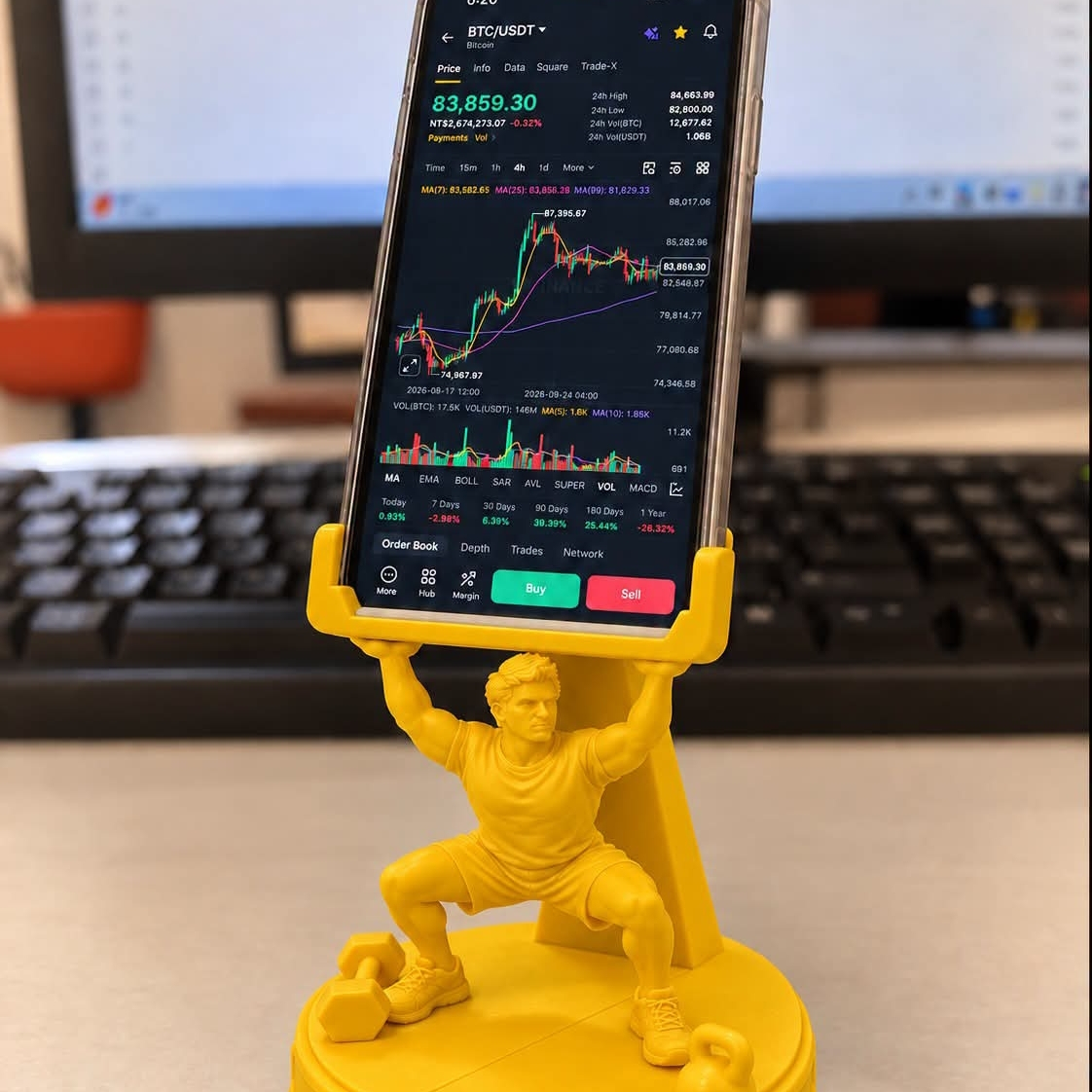
🚨 CRYPTO REBOUNDS AS SOUTH KOREA’S KOSPI CRASHES 6%! 🇰🇷
₿ $BTC rebounds above $83K after dipping near $81K, while $ETH and $XRP recover from multi-day lows.
📉 Korean stocks face heavy selling, led by chipmakers.
👀 All eyes on upcoming US CPI data!
Is this a real decoupling or just a temporary bounce?
#Bitcoin #Crypto #Ethereum #XRP
{spot}(ETHUSDT)
{spot}(XRPUSDT)
{spot}(BTCUSDT)
#KOSPI
🚨 CRYPTO REBOUNDS AS SOUTH KOREA’S KOSPI CRASHES 6%! 🇰🇷
₿ $BTC rebounds above $83K after dipping near $81K, while $ETH and $XRP recover from multi-day lows.
📉 Korean stocks face heavy selling, led by chipmakers.
👀 All eyes on upcoming US CPI data!
Is this a real decoupling or just a temporary bounce?
#Bitcoin #Crypto #Ethereum #XRP
#KOSPI
₿ $BTC rebounds above $83K after dipping near $81K, while $ETH and $XRP recover from multi-day lows.
📉 Korean stocks face heavy selling, led by chipmakers.
👀 All eyes on upcoming US CPI data!
Is this a real decoupling or just a temporary bounce?
#Bitcoin #Crypto #Ethereum #XRP
#KOSPI
1
107

📈 $KOSPI EXPLODES 4.00% AS INSTITUTIONAL TECH BID LIFTS ASIAN INDICES! ⚡
Entry: 5,775.10 🟢
📊 Asian equity markets witnessed aggressive expansion today with $KOSPI driving up to 5,775.10 points. Heavyweights led the structural charge, with Samsung posting a 6.8% expansion and SK Hynix reclaiming higher range boundaries with a 7%+ surge.
🌊 This aggressive capital flow into semiconductor infrastructure hints at heavy institutional reallocation across broader risk assets. 💬 Do you expect this equity-driven risk appetite to spill over into crypto majors next? 👇
⚠️ Not financial advice. Always manage your risk. 🛡️
🏷️ #KOSPI #MarketStructure #Equities #BullishBreakout
🎯 🦈
📈 $KOSPI EXPLODES 4.00% AS INSTITUTIONAL TECH BID LIFTS ASIAN INDICES! ⚡
Entry: 5,775.10 🟢
📊 Asian equity markets witnessed aggressive expansion today with $KOSPI driving up to 5,775.10 points. Heavyweights led the structural charge, with Samsung posting a 6.8% expansion and SK Hynix reclaiming higher range boundaries with a 7%+ surge.
🌊 This aggressive capital flow into semiconductor infrastructure hints at heavy institutional reallocation across broader risk assets. 💬 Do you expect this equity-driven risk appetite to spill over into crypto majors next? 👇
⚠️ Not financial advice. Always manage your risk. 🛡️
🏷️ #KOSPI #MarketStructure #Equities #BullishBreakout
🎯 🦈
Entry: 5,775.10 🟢
📊 Asian equity markets witnessed aggressive expansion today with $KOSPI driving up to 5,775.10 points. Heavyweights led the structural charge, with Samsung posting a 6.8% expansion and SK Hynix reclaiming higher range boundaries with a 7%+ surge.
🌊 This aggressive capital flow into semiconductor infrastructure hints at heavy institutional reallocation across broader risk assets. 💬 Do you expect this equity-driven risk appetite to spill over into crypto majors next? 👇
⚠️ Not financial advice. Always manage your risk. 🛡️
🏷️ #KOSPI #MarketStructure #Equities #BullishBreakout
🎯 🦈
6

📈 MACRO LIQUIDITY INFLOW AS $KOSPI GAPS HIGHER WITH INSTITUTIONAL MOMENTUM ⚡
📌 Asian equity benchmarks opened with an aggressive displacement to 5,654.61, marking an immediate 1.83% expansion. Leading heavyweight semiconductor names pushed roughly 3% upward, signaling clear institutional capital allocation across regional risk assets.
🔍 When macro bellwethers absorb supply and gap upward with such precision, the positive delta frequently translates into spillover liquidity across broader risk curves. 💬 Are you treating this equity strength as an early macro signal for global asset rotation? 👇
⚠️ Not financial advice. Always manage your risk. 🛡️
🏷️ #KOSPI #Macro #MarketStructure #Liquidity
🎯 🦈
📈 MACRO LIQUIDITY INFLOW AS $KOSPI GAPS HIGHER WITH INSTITUTIONAL MOMENTUM ⚡
📌 Asian equity benchmarks opened with an aggressive displacement to 5,654.61, marking an immediate 1.83% expansion. Leading heavyweight semiconductor names pushed roughly 3% upward, signaling clear institutional capital allocation across regional risk assets.
🔍 When macro bellwethers absorb supply and gap upward with such precision, the positive delta frequently translates into spillover liquidity across broader risk curves. 💬 Are you treating this equity strength as an early macro signal for global asset rotation? 👇
⚠️ Not financial advice. Always manage your risk. 🛡️
🏷️ #KOSPI #Macro #MarketStructure #Liquidity
🎯 🦈
📌 Asian equity benchmarks opened with an aggressive displacement to 5,654.61, marking an immediate 1.83% expansion. Leading heavyweight semiconductor names pushed roughly 3% upward, signaling clear institutional capital allocation across regional risk assets.
🔍 When macro bellwethers absorb supply and gap upward with such precision, the positive delta frequently translates into spillover liquidity across broader risk curves. 💬 Are you treating this equity strength as an early macro signal for global asset rotation? 👇
⚠️ Not financial advice. Always manage your risk. 🛡️
🏷️ #KOSPI #Macro #MarketStructure #Liquidity
🎯 🦈
64

·
--
🎯 Korean stocks’ P/E has fallen to 4x, making them half as expensive as Indonesian stocks
📰 After tech stocks were hammered, the Kospi’s dynamic P/E dropped to 4x, turning it from the strongest market this year into the cheapest in the world. It’s down 40% since June, while earnings estimates have actually been revised up 22%.
💬 I was stunned for a couple of seconds after reading that. Risk appetite is shrinking both inside and outside the market. This crypto slump is just another side of the same story—don’t rush to buy the dip.
🏷️ #韩股 #Kospi #风险偏好 #CapitalOutflows
🎯 Korean stocks’ P/E has fallen to 4x, making them half as expensive as Indonesian stocks
📰 After tech stocks were hammered, the Kospi’s dynamic P/E dropped to 4x, turning it from the strongest market this year into the cheapest in the world. It’s down 40% since June, while earnings estimates have actually been revised up 22%.
💬 I was stunned for a couple of seconds after reading that. Risk appetite is shrinking both inside and outside the market. This crypto slump is just another side of the same story—don’t rush to buy the dip.
🏷️ #韩股 #Kospi #风险偏好 #CapitalOutflows
📰 After tech stocks were hammered, the Kospi’s dynamic P/E dropped to 4x, turning it from the strongest market this year into the cheapest in the world. It’s down 40% since June, while earnings estimates have actually been revised up 22%.
💬 I was stunned for a couple of seconds after reading that. Risk appetite is shrinking both inside and outside the market. This crypto slump is just another side of the same story—don’t rush to buy the dip.
🏷️ #韩股 #Kospi #风险偏好 #CapitalOutflows

·
--
Bullish
#KOSPIFallsMoreThan2% $BTC
📉 South Korea’s Stock Market Faces Pressure! 🇰🇷
South Korea’s KOSPI index has dropped over 2%, raising concerns across the financial markets.
🌏 Investors are now watching closely to see whether the weakness spreads to other Asian markets.
₿ Could this impact crypto market sentiment, or will buyers step in to restore confidence?
Stay alert, manage risk, and watch the market closely!
#KOSPI #Bitcoin #Ethereum #BNB
#KOSPIFallsMoreThan2% $BTC
📉 South Korea’s Stock Market Faces Pressure! 🇰🇷
South Korea’s KOSPI index has dropped over 2%, raising concerns across the financial markets.
🌏 Investors are now watching closely to see whether the weakness spreads to other Asian markets.
₿ Could this impact crypto market sentiment, or will buyers step in to restore confidence?
Stay alert, manage risk, and watch the market closely!
#KOSPI #Bitcoin #Ethereum #BNB
📉 South Korea’s Stock Market Faces Pressure! 🇰🇷
South Korea’s KOSPI index has dropped over 2%, raising concerns across the financial markets.
🌏 Investors are now watching closely to see whether the weakness spreads to other Asian markets.
₿ Could this impact crypto market sentiment, or will buyers step in to restore confidence?
Stay alert, manage risk, and watch the market closely!
#KOSPI #Bitcoin #Ethereum #BNB

🎁🎁
From Habibulla_1
Fumiko Sutic iSM7:
so sad
1
1
3
9

South Korea’s reality check: KOSPI drops 3.52%.
South Korea’s stock market just recorded its lowest close since April. The reason? Its heavy reliance on technology and semiconductors.
Samsung and SK Hynix are under intense pressure. The market is tired of promises and now demands returns.
What has changed in investor psychology:
Investors are no longer rewarding every announcement of AI expansion.
The focus has shifted to borrowing costs and the sustainability of spending.
Proof of future profitability has become the new standard.
And what about the impact on cryptocurrencies?
A drop in tech stocks doesn’t automatically drag Bitcoin down with it. BTC has its own flows, liquidity, and market dynamics.
But risk aversion can spread to volatile assets.
What to watch:
Whether selling pressure persists or buyers return.
A drop does not confirm a downtrend.
A temporary correction, or a sign that AI euphoria is cooling?
$PROM $XMR $DGB
#KOSPI #StockMarket #GrowWithSAC #KOSPISinks3.52%ToLowestCloseSinceApril
{spot}(PROMUSDT)
{future}(XMRUSDT)
{spot}(DGBUSDT)
South Korea’s reality check: KOSPI drops 3.52%.
South Korea’s stock market just recorded its lowest close since April. The reason? Its heavy reliance on technology and semiconductors.
Samsung and SK Hynix are under intense pressure. The market is tired of promises and now demands returns.
What has changed in investor psychology:
Investors are no longer rewarding every announcement of AI expansion.
The focus has shifted to borrowing costs and the sustainability of spending.
Proof of future profitability has become the new standard.
And what about the impact on cryptocurrencies?
A drop in tech stocks doesn’t automatically drag Bitcoin down with it. BTC has its own flows, liquidity, and market dynamics.
But risk aversion can spread to volatile assets.
What to watch:
Whether selling pressure persists or buyers return.
A drop does not confirm a downtrend.
A temporary correction, or a sign that AI euphoria is cooling?
$PROM $XMR $DGB
#KOSPI #StockMarket #GrowWithSAC #KOSPISinks3.52%ToLowestCloseSinceApril
South Korea’s stock market just recorded its lowest close since April. The reason? Its heavy reliance on technology and semiconductors.
Samsung and SK Hynix are under intense pressure. The market is tired of promises and now demands returns.
What has changed in investor psychology:
Investors are no longer rewarding every announcement of AI expansion.
The focus has shifted to borrowing costs and the sustainability of spending.
Proof of future profitability has become the new standard.
And what about the impact on cryptocurrencies?
A drop in tech stocks doesn’t automatically drag Bitcoin down with it. BTC has its own flows, liquidity, and market dynamics.
But risk aversion can spread to volatile assets.
What to watch:
Whether selling pressure persists or buyers return.
A drop does not confirm a downtrend.
A temporary correction, or a sign that AI euphoria is cooling?
$PROM $XMR $DGB
#KOSPI #StockMarket #GrowWithSAC #KOSPISinks3.52%ToLowestCloseSinceApril
1
123

·
--
Bearish
#KOSPIFallsMoreThan2% Wall Street is heavily selling Asian Tech! Let's break down the latest crash using pure math 🧮👇
SK chip giant down 4.07% plus top Korean chip maker down 1.38% equals KOSPI -2.26% Net Sell-Off 📉
The Heavy Lifter:
Top chip maker down 4.07 percent is biggest loser today.
The Profit Taking:
Korean giant down 1.38 percent plus KOSPI at 5637 is showing foreign exit.
The Breakdown:
After AI hype, Korea market under pressure again. On Oct 20, KOSPI fell more than 2 percent as investors question massive AI spending. Foreign selling adding pressure. Chip weakness weighing on sentiment.
The Crypto Link:
BTC down 1.37% and ETH down 1.26% followed Asian weakness, but WLD up 7.70% shows AI crypto still holding strong!
Is KOSPI crash warning for crypto or buying opportunity? Which coin will show most strength - BTC, ETH or WLD? Debate below 👇
$BTC $ETH $WLD
#KOSPI #BTC #CryptoNews
{future}(BTCUSDT)
{future}(ETHUSDT)
{future}(WLDUSDT)
#KOSPIFallsMoreThan2% Wall Street is heavily selling Asian Tech! Let's break down the latest crash using pure math 🧮👇
SK chip giant down 4.07% plus top Korean chip maker down 1.38% equals KOSPI -2.26% Net Sell-Off 📉
The Heavy Lifter:
Top chip maker down 4.07 percent is biggest loser today.
The Profit Taking:
Korean giant down 1.38 percent plus KOSPI at 5637 is showing foreign exit.
The Breakdown:
After AI hype, Korea market under pressure again. On Oct 20, KOSPI fell more than 2 percent as investors question massive AI spending. Foreign selling adding pressure. Chip weakness weighing on sentiment.
The Crypto Link:
BTC down 1.37% and ETH down 1.26% followed Asian weakness, but WLD up 7.70% shows AI crypto still holding strong!
Is KOSPI crash warning for crypto or buying opportunity? Which coin will show most strength - BTC, ETH or WLD? Debate below 👇
$BTC $ETH $WLD
#KOSPI #BTC #CryptoNews
SK chip giant down 4.07% plus top Korean chip maker down 1.38% equals KOSPI -2.26% Net Sell-Off 📉
The Heavy Lifter:
Top chip maker down 4.07 percent is biggest loser today.
The Profit Taking:
Korean giant down 1.38 percent plus KOSPI at 5637 is showing foreign exit.
The Breakdown:
After AI hype, Korea market under pressure again. On Oct 20, KOSPI fell more than 2 percent as investors question massive AI spending. Foreign selling adding pressure. Chip weakness weighing on sentiment.
The Crypto Link:
BTC down 1.37% and ETH down 1.26% followed Asian weakness, but WLD up 7.70% shows AI crypto still holding strong!
Is KOSPI crash warning for crypto or buying opportunity? Which coin will show most strength - BTC, ETH or WLD? Debate below 👇
$BTC $ETH $WLD
#KOSPI #BTC #CryptoNews
2
210
·
--
Verified
#kospifallsmorethan2%
KOSPI “-2%” was the opening snapshot. It closed -3.7%. 🇰🇷📉
Oct 20 (close)
• KOSPI -3.73% to 5,553 (intraday low -4.8%), ~40% below its June record
• SK Hynix -4.2%, Samsung -3.0%
• Foreigners sold ~$399M, institutions ~$756M; retail bought ~$676M
Bigger picture ✅
• KOSPI -17% in Oct 1–16, worst among major markets; Oct 15 alone was -7.57%
• ~69% of listed stocks are down in October; forced margin-loan liquidations were cited
• Drivers: doubts over AI spending returns and the US 10Y near 5.14%
Crypto read
BTC about -0.7% and ETH -1.1% on Square tickers, far milder than KOSPI. WLD, an AI token, was even +8.8%, so AI tokens didn’t track AI stocks today.
⚠️ One day isn’t a decoupling; I’d treat it as relative strength, not immunity.
My read: watch the US 10Y, foreign flows and tomorrow’s Korean open before calling it contained.
Is crypto the safe corner or just late? 👇
Not financial advice. DYOR.
#KOSPI #AIStocks #Bitcoin
$BTC
{future}(BTCUSDT)
$WLD
{future}(WLDUSDT)
$SKHYNIX
{future}(SKHYNIXUSDT)
#kospifallsmorethan2%
KOSPI “-2%” was the opening snapshot. It closed -3.7%. 🇰🇷📉
Oct 20 (close)
• KOSPI -3.73% to 5,553 (intraday low -4.8%), ~40% below its June record
• SK Hynix -4.2%, Samsung -3.0%
• Foreigners sold ~$399M, institutions ~$756M; retail bought ~$676M
Bigger picture ✅
• KOSPI -17% in Oct 1–16, worst among major markets; Oct 15 alone was -7.57%
• ~69% of listed stocks are down in October; forced margin-loan liquidations were cited
• Drivers: doubts over AI spending returns and the US 10Y near 5.14%
Crypto read
BTC about -0.7% and ETH -1.1% on Square tickers, far milder than KOSPI. WLD, an AI token, was even +8.8%, so AI tokens didn’t track AI stocks today.
⚠️ One day isn’t a decoupling; I’d treat it as relative strength, not immunity.
My read: watch the US 10Y, foreign flows and tomorrow’s Korean open before calling it contained.
Is crypto the safe corner or just late? 👇
Not financial advice. DYOR.
#KOSPI #AIStocks #Bitcoin
$BTC
$WLD
$SKHYNIX
KOSPI “-2%” was the opening snapshot. It closed -3.7%. 🇰🇷📉
Oct 20 (close)
• KOSPI -3.73% to 5,553 (intraday low -4.8%), ~40% below its June record
• SK Hynix -4.2%, Samsung -3.0%
• Foreigners sold ~$399M, institutions ~$756M; retail bought ~$676M
Bigger picture ✅
• KOSPI -17% in Oct 1–16, worst among major markets; Oct 15 alone was -7.57%
• ~69% of listed stocks are down in October; forced margin-loan liquidations were cited
• Drivers: doubts over AI spending returns and the US 10Y near 5.14%
Crypto read
BTC about -0.7% and ETH -1.1% on Square tickers, far milder than KOSPI. WLD, an AI token, was even +8.8%, so AI tokens didn’t track AI stocks today.
⚠️ One day isn’t a decoupling; I’d treat it as relative strength, not immunity.
My read: watch the US 10Y, foreign flows and tomorrow’s Korean open before calling it contained.
Is crypto the safe corner or just late? 👇
Not financial advice. DYOR.
#KOSPI #AIStocks #Bitcoin
$BTC
$WLD
$SKHYNIX
1
7.7k

·
--
Bullish
📉 MARKET WARNING: KOSPI UNDER PRESSURE!
South Korea’s KOSPI falls 2.3% amid weakness in technology and semiconductor stocks.
💡 Investor takeaway: Rising uncertainty can increase volatility across global markets. Stay informed and manage risk carefully.
#KOSPI #GlobalMarkets #Investing #FinancialNews
📉 MARKET WARNING: KOSPI UNDER PRESSURE!
South Korea’s KOSPI falls 2.3% amid weakness in technology and semiconductor stocks.
💡 Investor takeaway: Rising uncertainty can increase volatility across global markets. Stay informed and manage risk carefully.
#KOSPI #GlobalMarkets #Investing #FinancialNews
South Korea’s KOSPI falls 2.3% amid weakness in technology and semiconductor stocks.
💡 Investor takeaway: Rising uncertainty can increase volatility across global markets. Stay informed and manage risk carefully.
#KOSPI #GlobalMarkets #Investing #FinancialNews
1

·
--
🚨 KOSPI CRASH: Why are Korean Chip Stocks Bleeding During the AI Boom? 📉
South Korea's KOSPI index is under fresh pressure, and the warning sign isn't just the index performance itself.
🇰🇷 In the recent snapshot from October 20:
• The KOSPI index fell more than 2% in early trading.
• SK Hynix dropped significantly, slipping over 4%.
• Samsung shares slipped around 1.3%.
🧠 THE BIGGER PICTURE (Thesis Analysis):
Investors are increasingly questioning whether massive AI infrastructure spending will deliver sufficient returns in the short term. Foreign and institutional selling is adding pressure, while semiconductor weakness is weighing heavily on broader tech-market sentiment.
⚠ 3 CRYPTO COINS TO WATCH (Market Ripple Effects):
• $BTC — Is Bitcoin showing resilience during traditional market weakness?
• ⚡ $ETH — Can Ethereum hold its levels if risk appetite fades across markets?
• 🌐 $WLD — Will AI-related crypto tokens follow the sentiment of traditional AI stocks, or move independently?
📉 MY BIAS: CautIOUSLY BEARISH ON SHORT-TERM RISK SENTIMENT.
This is a cautious signal for risk markets overall, but not necessarily an automatic sell signal for crypto.
Analyze for yourself.
#KOSPI #CryptoAnalysis #Bitcoin #Ethereum #MarketWatch
🚨 KOSPI CRASH: Why are Korean Chip Stocks Bleeding During the AI Boom? 📉
South Korea's KOSPI index is under fresh pressure, and the warning sign isn't just the index performance itself.
🇰🇷 In the recent snapshot from October 20:
• The KOSPI index fell more than 2% in early trading.
• SK Hynix dropped significantly, slipping over 4%.
• Samsung shares slipped around 1.3%.
🧠 THE BIGGER PICTURE (Thesis Analysis):
Investors are increasingly questioning whether massive AI infrastructure spending will deliver sufficient returns in the short term. Foreign and institutional selling is adding pressure, while semiconductor weakness is weighing heavily on broader tech-market sentiment.
⚠ 3 CRYPTO COINS TO WATCH (Market Ripple Effects):
• $BTC — Is Bitcoin showing resilience during traditional market weakness?
• ⚡ $ETH — Can Ethereum hold its levels if risk appetite fades across markets?
• 🌐 $WLD — Will AI-related crypto tokens follow the sentiment of traditional AI stocks, or move independently?
📉 MY BIAS: CautIOUSLY BEARISH ON SHORT-TERM RISK SENTIMENT.
This is a cautious signal for risk markets overall, but not necessarily an automatic sell signal for crypto.
Analyze for yourself.
#KOSPI #CryptoAnalysis #Bitcoin #Ethereum #MarketWatch
South Korea's KOSPI index is under fresh pressure, and the warning sign isn't just the index performance itself.
🇰🇷 In the recent snapshot from October 20:
• The KOSPI index fell more than 2% in early trading.
• SK Hynix dropped significantly, slipping over 4%.
• Samsung shares slipped around 1.3%.
🧠 THE BIGGER PICTURE (Thesis Analysis):
Investors are increasingly questioning whether massive AI infrastructure spending will deliver sufficient returns in the short term. Foreign and institutional selling is adding pressure, while semiconductor weakness is weighing heavily on broader tech-market sentiment.
⚠ 3 CRYPTO COINS TO WATCH (Market Ripple Effects):
• $BTC — Is Bitcoin showing resilience during traditional market weakness?
• ⚡ $ETH — Can Ethereum hold its levels if risk appetite fades across markets?
• 🌐 $WLD — Will AI-related crypto tokens follow the sentiment of traditional AI stocks, or move independently?
📉 MY BIAS: CautIOUSLY BEARISH ON SHORT-TERM RISK SENTIMENT.
This is a cautious signal for risk markets overall, but not necessarily an automatic sell signal for crypto.
Analyze for yourself.
#KOSPI #CryptoAnalysis #Bitcoin #Ethereum #MarketWatch
1
125

KOSPI Falls More Than 2% - Major Selloff! 📉
KOSPI Index crashed -2.02% today!
Index: 2,538.12 down -52.30 points
Korean market under heavy selling pressure due to global fears and US rate concerns. Selling volume is very high.
Is this a BUY the dip opportunity or more downside coming?
What's your view on Korean market?
#KOSPIFallsMoreThan2% #KOSPI #CryptoNews #BinanceSquare #WriteToEarn
KOSPI Falls More Than 2% - Major Selloff! 📉
KOSPI Index crashed -2.02% today!
Index: 2,538.12 down -52.30 points
Korean market under heavy selling pressure due to global fears and US rate concerns. Selling volume is very high.
Is this a BUY the dip opportunity or more downside coming?
What's your view on Korean market?
#KOSPIFallsMoreThan2% #KOSPI #CryptoNews #BinanceSquare #WriteToEarn
KOSPI Index crashed -2.02% today!
Index: 2,538.12 down -52.30 points
Korean market under heavy selling pressure due to global fears and US rate concerns. Selling volume is very high.
Is this a BUY the dip opportunity or more downside coming?
What's your view on Korean market?
#KOSPIFallsMoreThan2% #KOSPI #CryptoNews #BinanceSquare #WriteToEarn
48

🚨 #KOSPI FALLS OVER 2% — IS AI FEAR SPREADING ACROSS MARKETS? 📉
South Korea’s stock market is under pressure again, and investors are paying close attention.
📉 What’s happening?
🇰🇷 The KOSPI dropped 2.10% to 5,647.04 in early trading on October 20, falling below the 5,700 level.
🔻 The tech-heavy KOSDAQ also declined nearly 2%.
💻 Why are investors worried?
Growing doubts about the profitability of massive AI investments
Rising financing costs putting pressure on companies
Continued selling by foreign and institutional investors
Weakness in major semiconductor stocks, including SK Hynix and Samsung Electronics
👀 Why does this matter for crypto?
When investors become cautious about high-growth tech stocks, sentiment across risk-sensitive markets can also shift. That makes this an important trend for crypto traders to watch.
However, stocks and crypto don’t always move together. Bitcoin could react differently depending on liquidity, market sentiment and its own demand.
🎯 My Take: The next major tech earnings reports could help determine whether confidence in AI stocks returns or selling pressure continues. For crypto traders, watching the broader risk mood is just as important as watching the charts.
What do you think? Is this a temporary correction in AI stocks, or the beginning of a bigger risk-off move? 👇
#KOSPI #StockMarket #AIStocks #CryptoMarket
🚨 #KOSPI FALLS OVER 2% — IS AI FEAR SPREADING ACROSS MARKETS? 📉
South Korea’s stock market is under pressure again, and investors are paying close attention.
📉 What’s happening?
🇰🇷 The KOSPI dropped 2.10% to 5,647.04 in early trading on October 20, falling below the 5,700 level.
🔻 The tech-heavy KOSDAQ also declined nearly 2%.
💻 Why are investors worried?
Growing doubts about the profitability of massive AI investments
Rising financing costs putting pressure on companies
Continued selling by foreign and institutional investors
Weakness in major semiconductor stocks, including SK Hynix and Samsung Electronics
👀 Why does this matter for crypto?
When investors become cautious about high-growth tech stocks, sentiment across risk-sensitive markets can also shift. That makes this an important trend for crypto traders to watch.
However, stocks and crypto don’t always move together. Bitcoin could react differently depending on liquidity, market sentiment and its own demand.
🎯 My Take: The next major tech earnings reports could help determine whether confidence in AI stocks returns or selling pressure continues. For crypto traders, watching the broader risk mood is just as important as watching the charts.
What do you think? Is this a temporary correction in AI stocks, or the beginning of a bigger risk-off move? 👇
#KOSPI #StockMarket #AIStocks #CryptoMarket
South Korea’s stock market is under pressure again, and investors are paying close attention.
📉 What’s happening?
🇰🇷 The KOSPI dropped 2.10% to 5,647.04 in early trading on October 20, falling below the 5,700 level.
🔻 The tech-heavy KOSDAQ also declined nearly 2%.
💻 Why are investors worried?
Growing doubts about the profitability of massive AI investments
Rising financing costs putting pressure on companies
Continued selling by foreign and institutional investors
Weakness in major semiconductor stocks, including SK Hynix and Samsung Electronics
👀 Why does this matter for crypto?
When investors become cautious about high-growth tech stocks, sentiment across risk-sensitive markets can also shift. That makes this an important trend for crypto traders to watch.
However, stocks and crypto don’t always move together. Bitcoin could react differently depending on liquidity, market sentiment and its own demand.
🎯 My Take: The next major tech earnings reports could help determine whether confidence in AI stocks returns or selling pressure continues. For crypto traders, watching the broader risk mood is just as important as watching the charts.
What do you think? Is this a temporary correction in AI stocks, or the beginning of a bigger risk-off move? 👇
#KOSPI #StockMarket #AIStocks #CryptoMarket
1
116
·
--
#KOSPIFallsMoreThan2%
🇰🇷 KOSPI Gives Back Its Rebound, Down as Much as 4.8%
📉 10:30 a.m. Seoul: down 3.2% at 5,587, a day after a 1.76% bounce
⚠️ Intraday low 5,493 (Bloomberg: down as much as 4.8%)
🌍 Foreign investors sold a net 605.8B won ($456M), institutions 470.7B won
👥 Retail was the only buyer, a net 832.1B won
💾 SK hynix -3.6%, briefly under 1.2M won for the first time in ~6 months
📊 Odd part: US chip stocks rose 1.61% overnight, but the 10Y yield climbed to ~5.14%
🌏 Nikkei -0.8%, Hang Seng -1.1%
What it means for crypto: High yields are pressuring Asian risk again, yet $BTC is holding near $82K, down only ~0.6% in 24h. If foreign selling keeps spreading, crypto may not stay this calm.
Is a 5%+ US 10Y the real risk for Bitcoin right now? 👇
$BTC $ETH
#CryptoNews #KOSPIFallsMoreThan2% #KOSPI #AsiaMarkets
#KOSPIFallsMoreThan2%
🇰🇷 KOSPI Gives Back Its Rebound, Down as Much as 4.8%
📉 10:30 a.m. Seoul: down 3.2% at 5,587, a day after a 1.76% bounce
⚠️ Intraday low 5,493 (Bloomberg: down as much as 4.8%)
🌍 Foreign investors sold a net 605.8B won ($456M), institutions 470.7B won
👥 Retail was the only buyer, a net 832.1B won
💾 SK hynix -3.6%, briefly under 1.2M won for the first time in ~6 months
📊 Odd part: US chip stocks rose 1.61% overnight, but the 10Y yield climbed to ~5.14%
🌏 Nikkei -0.8%, Hang Seng -1.1%
What it means for crypto: High yields are pressuring Asian risk again, yet $BTC is holding near $82K, down only ~0.6% in 24h. If foreign selling keeps spreading, crypto may not stay this calm.
Is a 5%+ US 10Y the real risk for Bitcoin right now? 👇
$BTC $ETH
#CryptoNews #KOSPIFallsMoreThan2% #KOSPI #AsiaMarkets
🇰🇷 KOSPI Gives Back Its Rebound, Down as Much as 4.8%
📉 10:30 a.m. Seoul: down 3.2% at 5,587, a day after a 1.76% bounce
⚠️ Intraday low 5,493 (Bloomberg: down as much as 4.8%)
🌍 Foreign investors sold a net 605.8B won ($456M), institutions 470.7B won
👥 Retail was the only buyer, a net 832.1B won
💾 SK hynix -3.6%, briefly under 1.2M won for the first time in ~6 months
📊 Odd part: US chip stocks rose 1.61% overnight, but the 10Y yield climbed to ~5.14%
🌏 Nikkei -0.8%, Hang Seng -1.1%
What it means for crypto: High yields are pressuring Asian risk again, yet $BTC is holding near $82K, down only ~0.6% in 24h. If foreign selling keeps spreading, crypto may not stay this calm.
Is a 5%+ US 10Y the real risk for Bitcoin right now? 👇
$BTC $ETH
#CryptoNews #KOSPIFallsMoreThan2% #KOSPI #AsiaMarkets
60
Log in to explore more content
Join global crypto users on Binance Square
⚡️ Get latest and useful information about crypto.
💬 Trusted by the world’s largest crypto exchange.
👍 Discover real insights from verified creators.
Email / Phone number
Trending Topics
1
#FranklinTempletonAdds$150MFundSharesToXRPLedger
0 views
0 Discussing
2
#IRSPlansLowerTaxDisclosurePenaltiesForCryptoCases
38,848 views
411 Discussing
3
#EarningsSeason
3.8M views
17,715 Discussing
4
#PepeJumps14%ToLeadAltcoinRebound
104,512 views
1,141 Discussing
5
#GoldFallsBelow$4000ForFirstTimeSinceJuly
19,731 views
122 Discussing
6
#SwedishCentralBankUrgesEKronaReview
59,846 views
946 Discussing
7
#BinancePick
1M views
84,930 Discussing
8
#BitcoinHashrateHitsSevenMonthHigh
103,623 views
1,249 Discussing
9
#EthereumHoodiTestnetGlamsterdamHardForkDelayed
39,722 views
698 Discussing
10
#CardanoHoldersAskedToBet$5MOnCopper
3,555 views
21 Discussing