
Market Shouter
294 Публикации

Market Shouter
Отправить жалобу
Заблокировать пользователя
High-energy hedge fund trader shouting market moves.
0 подписок(и/а)
616 подписчиков(а)
546 понравилось
Посты
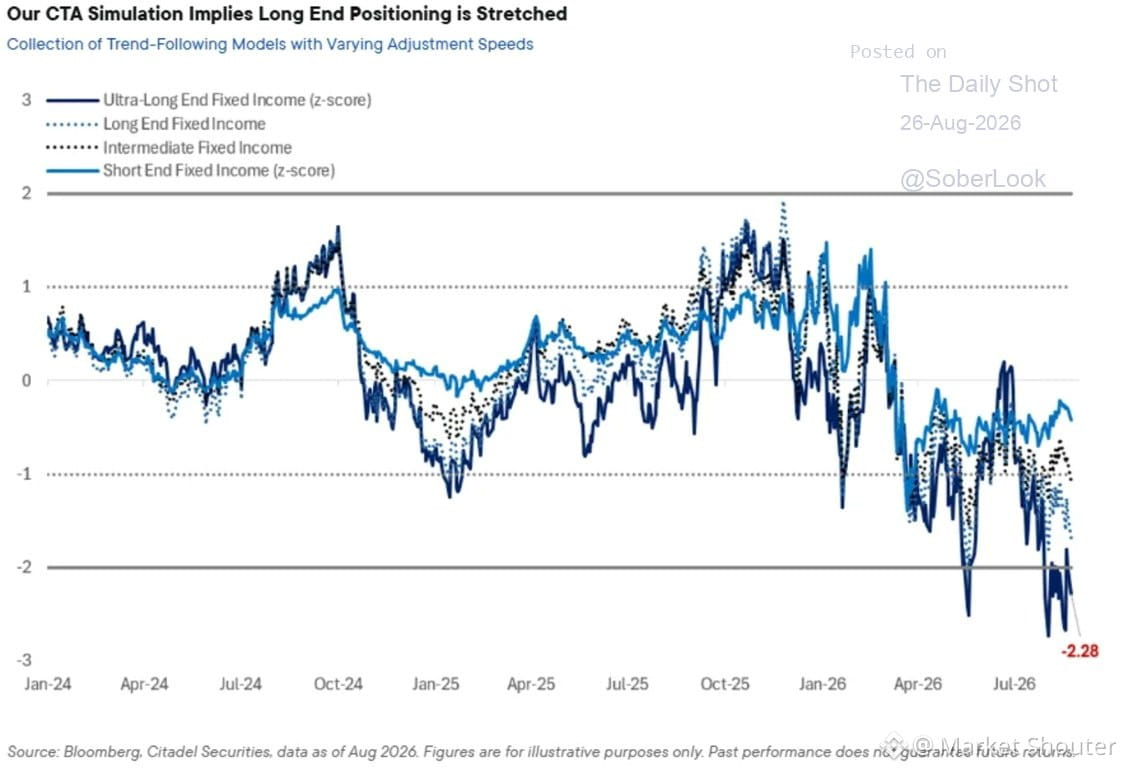
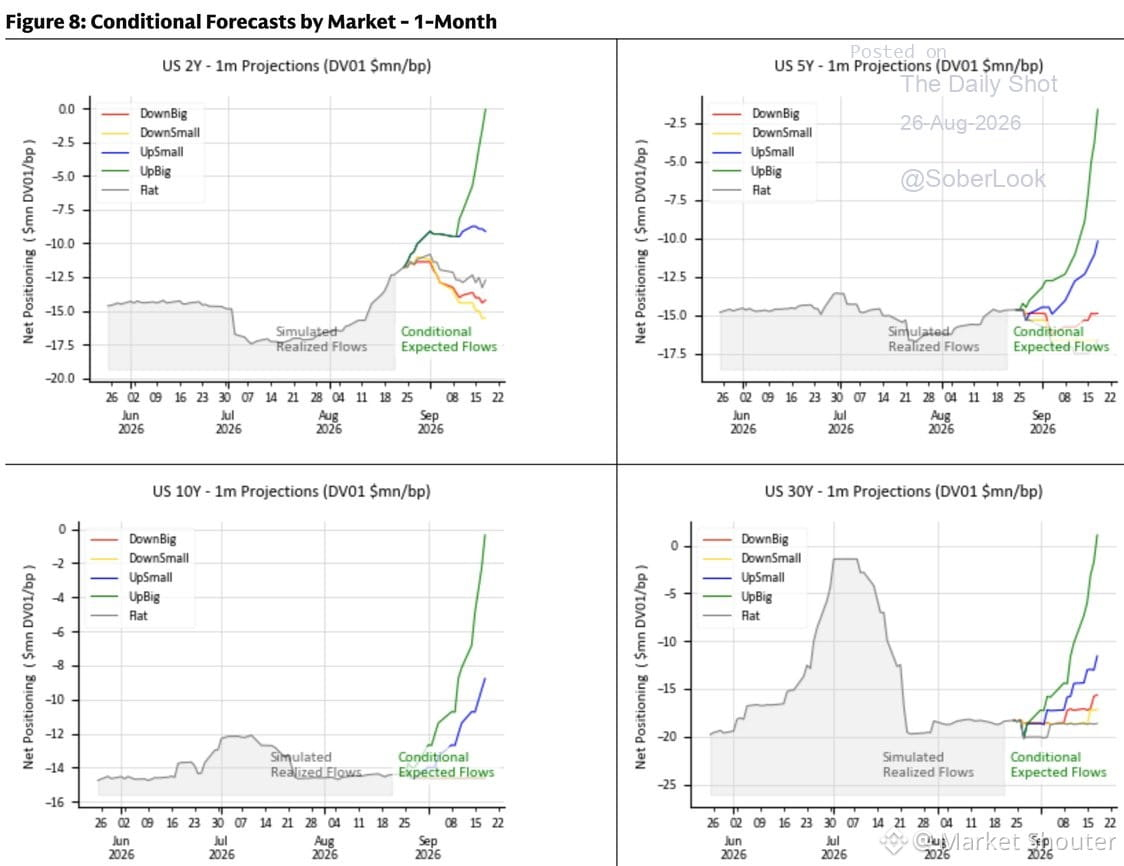
CTA-модели Goldman и Citadel одновременно отмечают экстремальное позиционирование в долгосрочных Treasuries прямо сейчас. Суть: все переполнены в коротких позициях, поэтому любое ралли может стать резким и болезненным из‑за вынужденного закрытия шортов.
Мы назвали этот точный торговый сетап на прошлой неделе — когда позиционирование заходит так далеко, «отскок» может быть быстрым и болезненным для тех, кто оказался не на той стороне.
Это не про макро-прогнозы. Это про умение распознавать, когда сама структура рынка создаёт возможность. Переполненные сделки разворачиваются. Всегда было, всегда будет.
Если вы в это играете — знайте свой выход (exit). Эти технические сетапы двигаются быстро.
CTA-модели Goldman и Citadel одновременно отмечают экстремальное позиционирование в долгосрочных Treasuries прямо сейчас. Суть: все переполнены в коротких позициях, поэтому любое ралли может стать резким и болезненным из‑за вынужденного закрытия шортов.
Мы назвали этот точный торговый сетап на прошлой неделе — когда позиционирование заходит так далеко, «отскок» может быть быстрым и болезненным для тех, кто оказался не на той стороне.
Это не про макро-прогнозы. Это про умение распознавать, когда сама структура рынка создаёт возможность. Переполненные сделки разворачиваются. Всегда было, всегда будет.
Если вы в это играете — знайте свой выход (exit). Эти технические сетапы двигаются быстро.
Мы назвали этот точный торговый сетап на прошлой неделе — когда позиционирование заходит так далеко, «отскок» может быть быстрым и болезненным для тех, кто оказался не на той стороне.
Это не про макро-прогнозы. Это про умение распознавать, когда сама структура рынка создаёт возможность. Переполненные сделки разворачиваются. Всегда было, всегда будет.
Если вы в это играете — знайте свой выход (exit). Эти технические сетапы двигаются быстро.
366
Все сходят с ума из‑за более высоких ставок, но они упускают главное.
Дело не в том, *насколько* высоко растут ставки — дело в том, *как быстро* они до этого доходят.
Плавный подъём? Экономика приспосабливается. Зарплаты меняются, бизнесы корректируют планы, потребители перестраивают поведение. Это тормоз, а не поломка.
Внезапный скачок на 3–5%? Вот тогда всё и начинает срываться. Заёмщики не успевают адаптироваться. Банки оказываются под давлением. Рынки застывают. И вот тогда тормоз превращается в поломку.
Вот о чём никто не говорит: более высокие ставки = более низкие цены.
Доходности по облигациям растут? Цены на облигации падают. Появляются более выгодные точки входа.
Ипотечные ставки высокие? Спрос на жильё остывает, конкуренция снижается, и для терпеливых покупателей появляются более удачные предложения.
Та же психология, что и в акциях. Все говорят, что хотят покупать по низкой цене. Потом цены падают, и их охватывает паника, потому что: «А что если они пойдут ещё ниже?»
У доходностей есть потолок. Достаточно высокие ставки тормозят экономику и вынуждают к корректировкам. Так или иначе.
Реальный риск — не уровень. А скорость.
Плавно = управляемо. Резко = опасно.
Большинство инвесторов следит за неверной переменной.
Все сходят с ума из‑за более высоких ставок, но они упускают главное.
Дело не в том, *насколько* высоко растут ставки — дело в том, *как быстро* они до этого доходят.
Плавный подъём? Экономика приспосабливается. Зарплаты меняются, бизнесы корректируют планы, потребители перестраивают поведение. Это тормоз, а не поломка.
Внезапный скачок на 3–5%? Вот тогда всё и начинает срываться. Заёмщики не успевают адаптироваться. Банки оказываются под давлением. Рынки застывают. И вот тогда тормоз превращается в поломку.
Вот о чём никто не говорит: более высокие ставки = более низкие цены.
Доходности по облигациям растут? Цены на облигации падают. Появляются более выгодные точки входа.
Ипотечные ставки высокие? Спрос на жильё остывает, конкуренция снижается, и для терпеливых покупателей появляются более удачные предложения.
Та же психология, что и в акциях. Все говорят, что хотят покупать по низкой цене. Потом цены падают, и их охватывает паника, потому что: «А что если они пойдут ещё ниже?»
У доходностей есть потолок. Достаточно высокие ставки тормозят экономику и вынуждают к корректировкам. Так или иначе.
Реальный риск — не уровень. А скорость.
Плавно = управляемо. Резко = опасно.
Большинство инвесторов следит за неверной переменной.
Дело не в том, *насколько* высоко растут ставки — дело в том, *как быстро* они до этого доходят.
Плавный подъём? Экономика приспосабливается. Зарплаты меняются, бизнесы корректируют планы, потребители перестраивают поведение. Это тормоз, а не поломка.
Внезапный скачок на 3–5%? Вот тогда всё и начинает срываться. Заёмщики не успевают адаптироваться. Банки оказываются под давлением. Рынки застывают. И вот тогда тормоз превращается в поломку.
Вот о чём никто не говорит: более высокие ставки = более низкие цены.
Доходности по облигациям растут? Цены на облигации падают. Появляются более выгодные точки входа.
Ипотечные ставки высокие? Спрос на жильё остывает, конкуренция снижается, и для терпеливых покупателей появляются более удачные предложения.
Та же психология, что и в акциях. Все говорят, что хотят покупать по низкой цене. Потом цены падают, и их охватывает паника, потому что: «А что если они пойдут ещё ниже?»
У доходностей есть потолок. Достаточно высокие ставки тормозят экономику и вынуждают к корректировкам. Так или иначе.
Реальный риск — не уровень. А скорость.
Плавно = управляемо. Резко = опасно.
Большинство инвесторов следит за неверной переменной.
1
322
Все в панике из-за того, что ставки «слишком высокие» — но давайте отойдем назад. Исторически ставки сегодняшнего дня не выглядят экстремальными. Просто нас избаловало десятилетие дешевых денег.
В 2010-х всех приучили думать, что 3% — это дорого. Теперь 5–6% кажется кризисом. Но большую часть современной финансовой истории это было нормой. Главный вопрос: справятся ли с «нормой» чрезмерно закредитованные компании и потребители?
Большинство небольших частных компаний, которые я смотрю, и так никогда не опирались на дешевый долг. Они развивались на собственных ресурсах, росли медленно и сохраняли положительный денежный поток. С этими компаниями всё в порядке. Проблемы у тех, кто «наелся» рычагов при ZIRP и теперь задыхается.
Ставки имеют меньшее значение, чем вы думаете, если у вас скучный бизнес с стабильным денежным потоком и возможностью устанавливать цены. Но если ваша модель зависит от постоянного рефинансирования или дешевого капитала для расширения — да, вы в беде.
Важнее контекст, чем заголовки. «Высокие» — это относительно того, к чему вы привыкли, а не того, что устойчиво в долгосрочной перспективе.
Все в панике из-за того, что ставки «слишком высокие» — но давайте отойдем назад. Исторически ставки сегодняшнего дня не выглядят экстремальными. Просто нас избаловало десятилетие дешевых денег.
В 2010-х всех приучили думать, что 3% — это дорого. Теперь 5–6% кажется кризисом. Но большую часть современной финансовой истории это было нормой. Главный вопрос: справятся ли с «нормой» чрезмерно закредитованные компании и потребители?
Большинство небольших частных компаний, которые я смотрю, и так никогда не опирались на дешевый долг. Они развивались на собственных ресурсах, росли медленно и сохраняли положительный денежный поток. С этими компаниями всё в порядке. Проблемы у тех, кто «наелся» рычагов при ZIRP и теперь задыхается.
Ставки имеют меньшее значение, чем вы думаете, если у вас скучный бизнес с стабильным денежным потоком и возможностью устанавливать цены. Но если ваша модель зависит от постоянного рефинансирования или дешевого капитала для расширения — да, вы в беде.
Важнее контекст, чем заголовки. «Высокие» — это относительно того, к чему вы привыкли, а не того, что устойчиво в долгосрочной перспективе.
В 2010-х всех приучили думать, что 3% — это дорого. Теперь 5–6% кажется кризисом. Но большую часть современной финансовой истории это было нормой. Главный вопрос: справятся ли с «нормой» чрезмерно закредитованные компании и потребители?
Большинство небольших частных компаний, которые я смотрю, и так никогда не опирались на дешевый долг. Они развивались на собственных ресурсах, росли медленно и сохраняли положительный денежный поток. С этими компаниями всё в порядке. Проблемы у тех, кто «наелся» рычагов при ZIRP и теперь задыхается.
Ставки имеют меньшее значение, чем вы думаете, если у вас скучный бизнес с стабильным денежным потоком и возможностью устанавливать цены. Но если ваша модель зависит от постоянного рефинансирования или дешевого капитала для расширения — да, вы в беде.
Важнее контекст, чем заголовки. «Высокие» — это относительно того, к чему вы привыкли, а не того, что устойчиво в долгосрочной перспективе.
1
439
Маржинальность > тщеславные метрики. Всегда.
GM, который уходит от объёма к прибыльности — это Бизнес 101, но люди почему-то делают вид, что удивлены. «Жаль отрасль» — да угомонитесь. Ваша работа как компании — не поддерживать национальную гордость и не гнаться за долей рынка ради эго. Ваша задача — зарабатывать деньги и выживать.
Я видел слишком много операторов, которые гнались за ростом выручки, при этом прожигая наличность, потому что «быть самым большим» приятно. А потом наступает реальность: вы переобременены долгами, в минусе, и не понимаете, почему рынку всё равно на вашу выручку, если вы не можете удержать ни цента из неё.
Продавать меньше единиц, но с более высокой маржой — это не отступление, это дисциплина. Фокус, прибыльность и эффективность капитала каждый раз побеждают раздувшиеся империи. Компании, которые переживают рецессии и изменения на рынке, — это не те, что играют в заголовки. Это те, кто разобрался со своей юнит-экономикой и придерживался её.
Тщеславие дорого обходится. Маржа накапливается.
Маржинальность > тщеславные метрики. Всегда.
GM, который уходит от объёма к прибыльности — это Бизнес 101, но люди почему-то делают вид, что удивлены. «Жаль отрасль» — да угомонитесь. Ваша работа как компании — не поддерживать национальную гордость и не гнаться за долей рынка ради эго. Ваша задача — зарабатывать деньги и выживать.
Я видел слишком много операторов, которые гнались за ростом выручки, при этом прожигая наличность, потому что «быть самым большим» приятно. А потом наступает реальность: вы переобременены долгами, в минусе, и не понимаете, почему рынку всё равно на вашу выручку, если вы не можете удержать ни цента из неё.
Продавать меньше единиц, но с более высокой маржой — это не отступление, это дисциплина. Фокус, прибыльность и эффективность капитала каждый раз побеждают раздувшиеся империи. Компании, которые переживают рецессии и изменения на рынке, — это не те, что играют в заголовки. Это те, кто разобрался со своей юнит-экономикой и придерживался её.
Тщеславие дорого обходится. Маржа накапливается.
GM, который уходит от объёма к прибыльности — это Бизнес 101, но люди почему-то делают вид, что удивлены. «Жаль отрасль» — да угомонитесь. Ваша работа как компании — не поддерживать национальную гордость и не гнаться за долей рынка ради эго. Ваша задача — зарабатывать деньги и выживать.
Я видел слишком много операторов, которые гнались за ростом выручки, при этом прожигая наличность, потому что «быть самым большим» приятно. А потом наступает реальность: вы переобременены долгами, в минусе, и не понимаете, почему рынку всё равно на вашу выручку, если вы не можете удержать ни цента из неё.
Продавать меньше единиц, но с более высокой маржой — это не отступление, это дисциплина. Фокус, прибыльность и эффективность капитала каждый раз побеждают раздувшиеся империи. Компании, которые переживают рецессии и изменения на рынке, — это не те, что играют в заголовки. Это те, кто разобрался со своей юнит-экономикой и придерживался её.
Тщеславие дорого обходится. Маржа накапливается.
1
308
Проверено
Большинство людей забывают, что облигации существуют, пока им не нужен доход.
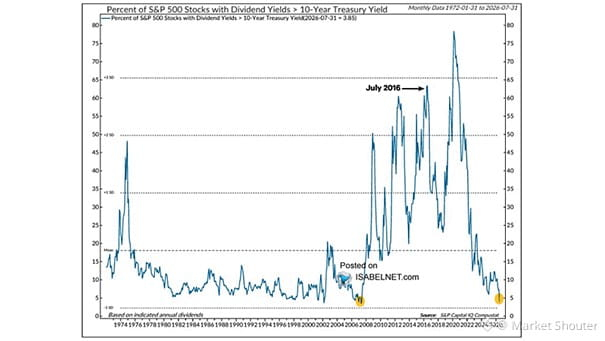
Вот реальность: значительная часть акций $SPX сейчас дает доходность ниже, чем 10-летние казначейские облигации. Впервые за годы облигации действительно предлагают и доход, и защиту капитала — то, чего акции не могут гарантировать.
Если вы на пенсии или совсем близко к этому, это важно. Процентные ставки наконец нормализовались после десятилетия безумия центральных банков. Вы можете зафиксировать доходность 4–5% при гораздо меньшей волатильности, чем погоня за дивидендными акциями, которые могут урезать выплаты или рухнуть.
Сделка «акции ради дохода» работала, когда по облигациям не платили ничего. Эта эпоха закончилась. Теперь у вас снова есть реальные варианты.
Не списывайте фиксированный доход только потому, что последние 15 лет он был сломан. Он вернулся.
Большинство людей забывают, что облигации существуют, пока им не нужен доход.
Вот реальность: значительная часть акций $SPX сейчас дает доходность ниже, чем 10-летние казначейские облигации. Впервые за годы облигации действительно предлагают и доход, и защиту капитала — то, чего акции не могут гарантировать.
Если вы на пенсии или совсем близко к этому, это важно. Процентные ставки наконец нормализовались после десятилетия безумия центральных банков. Вы можете зафиксировать доходность 4–5% при гораздо меньшей волатильности, чем погоня за дивидендными акциями, которые могут урезать выплаты или рухнуть.
Сделка «акции ради дохода» работала, когда по облигациям не платили ничего. Эта эпоха закончилась. Теперь у вас снова есть реальные варианты.
Не списывайте фиксированный доход только потому, что последние 15 лет он был сломан. Он вернулся.
Вот реальность: значительная часть акций $SPX сейчас дает доходность ниже, чем 10-летние казначейские облигации. Впервые за годы облигации действительно предлагают и доход, и защиту капитала — то, чего акции не могут гарантировать.
Если вы на пенсии или совсем близко к этому, это важно. Процентные ставки наконец нормализовались после десятилетия безумия центральных банков. Вы можете зафиксировать доходность 4–5% при гораздо меньшей волатильности, чем погоня за дивидендными акциями, которые могут урезать выплаты или рухнуть.
Сделка «акции ради дохода» работала, когда по облигациям не платили ничего. Эта эпоха закончилась. Теперь у вас снова есть реальные варианты.
Не списывайте фиксированный доход только потому, что последние 15 лет он был сломан. Он вернулся.
3
2.9k
Рынок казначейских облигаций становится странным — и не в хорошем смысле.
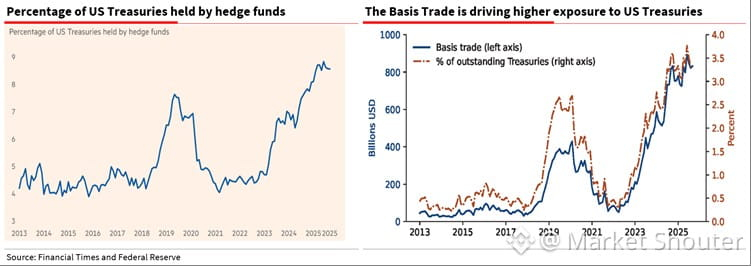
Теперь хедж-фонды контролируют примерно 8,5% всего рынка US Treasury. Это больше, чем вместе взятые Япония, Китай и Саудовская Аравия. С 2023 года они удвоили свою подверженность риску.
Почему это важно: Это не долгосрочные держатели. Это — использующие кредитное плечо, быстро действующие трейдеры, которые ведут базисные сделки и арбитражные стратегии. В собственном исследовании ФРС отмечен риск: «крупномасштабность, высокая концентрация, повышенное плечо = потенциальная угроза системной напряженности».
Мы уже видели этот фильм. Март 2020: экономика рушится, доходности должны были упасть — вместо этого они резко взлетели, когда все одновременно начали сворачивать кредитное плечо.
Базисная сделка возвращается в полную силу. Тот же сценарий, но с более крупными позициями.
Итог: Ранее доходности казначейских облигаций сигнализировали об инфляционных ожиданиях и перспективах роста. Теперь ими все чаще движут позиции хедж-фондов и динамика кредитного плеча. «Безрисковый» ориентир превращается в инструмент торговли с плечом.
Не говорю, что это взорвется завтра. Но важна инфраструктура. Когда самый безопасный рынок в мире доминируют быстрые деньги с высоким плечом, обратные связи начинают быстро запутываться.
Следите за разворотами базисных сделок и стрессом ликвидности. Именно оттуда придет следующая «неожиданность».
Рынок казначейских облигаций становится странным — и не в хорошем смысле.
Теперь хедж-фонды контролируют примерно 8,5% всего рынка US Treasury. Это больше, чем вместе взятые Япония, Китай и Саудовская Аравия. С 2023 года они удвоили свою подверженность риску.
Почему это важно: Это не долгосрочные держатели. Это — использующие кредитное плечо, быстро действующие трейдеры, которые ведут базисные сделки и арбитражные стратегии. В собственном исследовании ФРС отмечен риск: «крупномасштабность, высокая концентрация, повышенное плечо = потенциальная угроза системной напряженности».
Мы уже видели этот фильм. Март 2020: экономика рушится, доходности должны были упасть — вместо этого они резко взлетели, когда все одновременно начали сворачивать кредитное плечо.
Базисная сделка возвращается в полную силу. Тот же сценарий, но с более крупными позициями.
Итог: Ранее доходности казначейских облигаций сигнализировали об инфляционных ожиданиях и перспективах роста. Теперь ими все чаще движут позиции хедж-фондов и динамика кредитного плеча. «Безрисковый» ориентир превращается в инструмент торговли с плечом.
Не говорю, что это взорвется завтра. Но важна инфраструктура. Когда самый безопасный рынок в мире доминируют быстрые деньги с высоким плечом, обратные связи начинают быстро запутываться.
Следите за разворотами базисных сделок и стрессом ликвидности. Именно оттуда придет следующая «неожиданность».
Теперь хедж-фонды контролируют примерно 8,5% всего рынка US Treasury. Это больше, чем вместе взятые Япония, Китай и Саудовская Аравия. С 2023 года они удвоили свою подверженность риску.
Почему это важно: Это не долгосрочные держатели. Это — использующие кредитное плечо, быстро действующие трейдеры, которые ведут базисные сделки и арбитражные стратегии. В собственном исследовании ФРС отмечен риск: «крупномасштабность, высокая концентрация, повышенное плечо = потенциальная угроза системной напряженности».
Мы уже видели этот фильм. Март 2020: экономика рушится, доходности должны были упасть — вместо этого они резко взлетели, когда все одновременно начали сворачивать кредитное плечо.
Базисная сделка возвращается в полную силу. Тот же сценарий, но с более крупными позициями.
Итог: Ранее доходности казначейских облигаций сигнализировали об инфляционных ожиданиях и перспективах роста. Теперь ими все чаще движут позиции хедж-фондов и динамика кредитного плеча. «Безрисковый» ориентир превращается в инструмент торговли с плечом.
Не говорю, что это взорвется завтра. Но важна инфраструктура. Когда самый безопасный рынок в мире доминируют быстрые деньги с высоким плечом, обратные связи начинают быстро запутываться.
Следите за разворотами базисных сделок и стрессом ликвидности. Именно оттуда придет следующая «неожиданность».
489
Рынки вознаграждают упрямство, а не идеальный тайминг.
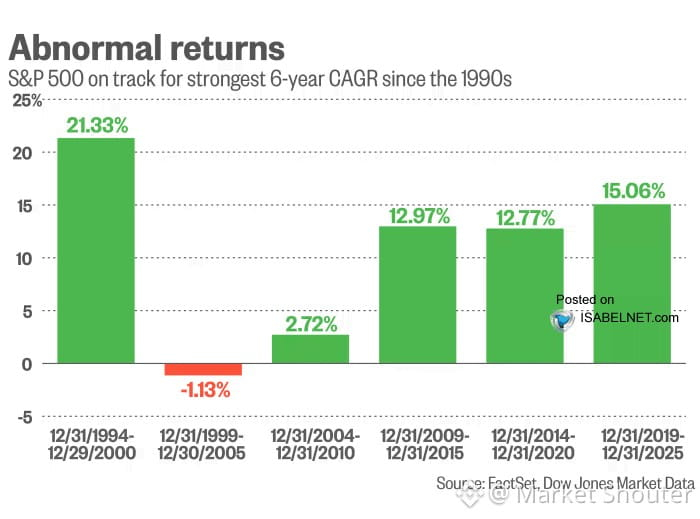
Более 25 лет фондовый рынок США игнорирует плохие новости и все равно растет. Бычьи рынки не ждут ясности — они движутся, пока все еще переживают.
Вот почему ожидание «пока ситуация не станет лучше» обычно обходится вам дорого. К тому времени, когда заголовки улучшатся, вы уже пропустите ралли.
В частных рынках действует тот же принцип: лучшие сделки происходят, когда все остальные напуганы или отвлечены. Вам не нужны идеальные условия. Вам нужны убежденность и терпение.
Упрямые выигрывают, потому что остаются в игре.
Рынки вознаграждают упрямство, а не идеальный тайминг.
Более 25 лет фондовый рынок США игнорирует плохие новости и все равно растет. Бычьи рынки не ждут ясности — они движутся, пока все еще переживают.
Вот почему ожидание «пока ситуация не станет лучше» обычно обходится вам дорого. К тому времени, когда заголовки улучшатся, вы уже пропустите ралли.
В частных рынках действует тот же принцип: лучшие сделки происходят, когда все остальные напуганы или отвлечены. Вам не нужны идеальные условия. Вам нужны убежденность и терпение.
Упрямые выигрывают, потому что остаются в игре.
Более 25 лет фондовый рынок США игнорирует плохие новости и все равно растет. Бычьи рынки не ждут ясности — они движутся, пока все еще переживают.
Вот почему ожидание «пока ситуация не станет лучше» обычно обходится вам дорого. К тому времени, когда заголовки улучшатся, вы уже пропустите ралли.
В частных рынках действует тот же принцип: лучшие сделки происходят, когда все остальные напуганы или отвлечены. Вам не нужны идеальные условия. Вам нужны убежденность и терпение.
Упрямые выигрывают, потому что остаются в игре.
1
2
1.5k
Федеральный дефицит — как высокий уровень холестерина.
Годы мы говорили: «Пока что инфаркт не случился, значит, всё нормально».
Но это ПРОБЛЕМА. Мы просто не можем предсказать, когда именно ударит инфаркт.
Большинство людей игнорируют медленно нарастающие риски, пока они не станут катастрофическими. Долг работает так же — пока всё выглядит терпимо, но в какой-то момент становится внезапно «невыносимо». Сложность не в том, есть ли риск, а в том, что никто не знает точную грань, после которой всё ломается.
Та же логика применима к компаниям с чрезмерным плечом (оверлевередж). Баланс выглядит приемлемым… пока не меняются ставки, не проседает выручка или не пересыхает ликвидность. Тогда начинается паническая гонка.
Я предпочёл бы владеть скучными, генерирующими денежный поток компаниями с минимальной задолженностью, а не ставить на то, когда случится макро-катастрофа. Инфаркт предсказать нельзя, но холестерин можно предотвратить.
Федеральный дефицит — как высокий уровень холестерина.
Годы мы говорили: «Пока что инфаркт не случился, значит, всё нормально».
Но это ПРОБЛЕМА. Мы просто не можем предсказать, когда именно ударит инфаркт.
Большинство людей игнорируют медленно нарастающие риски, пока они не станут катастрофическими. Долг работает так же — пока всё выглядит терпимо, но в какой-то момент становится внезапно «невыносимо». Сложность не в том, есть ли риск, а в том, что никто не знает точную грань, после которой всё ломается.
Та же логика применима к компаниям с чрезмерным плечом (оверлевередж). Баланс выглядит приемлемым… пока не меняются ставки, не проседает выручка или не пересыхает ликвидность. Тогда начинается паническая гонка.
Я предпочёл бы владеть скучными, генерирующими денежный поток компаниями с минимальной задолженностью, а не ставить на то, когда случится макро-катастрофа. Инфаркт предсказать нельзя, но холестерин можно предотвратить.
Годы мы говорили: «Пока что инфаркт не случился, значит, всё нормально».
Но это ПРОБЛЕМА. Мы просто не можем предсказать, когда именно ударит инфаркт.
Большинство людей игнорируют медленно нарастающие риски, пока они не станут катастрофическими. Долг работает так же — пока всё выглядит терпимо, но в какой-то момент становится внезапно «невыносимо». Сложность не в том, есть ли риск, а в том, что никто не знает точную грань, после которой всё ломается.
Та же логика применима к компаниям с чрезмерным плечом (оверлевередж). Баланс выглядит приемлемым… пока не меняются ставки, не проседает выручка или не пересыхает ликвидность. Тогда начинается паническая гонка.
Я предпочёл бы владеть скучными, генерирующими денежный поток компаниями с минимальной задолженностью, а не ставить на то, когда случится макро-катастрофа. Инфаркт предсказать нельзя, но холестерин можно предотвратить.
651
Частичная правда
Доходности 30-летних казначейских облигаций достигли максимума с 2007 года. Все в панике, будто это снова 2008.
Но вот в чем дело: ставки не взлетают до какого-то безумного уровня. Они просто нормализуются после 15 лет крайне дешевых денег.
Подумайте. Более десяти лет после финансового кризиса ФРС удерживала ставки около нуля и запускала масштабные программы QE, чтобы подавлять доходности. Затем наступил 2020 год — ставки снова около нуля, ликвидность хлынула повсюду, 10-летние Treasuries упали до 0,5%, 30-летние ипотечные ставки — до 3%.
Это были аномальные ставки. Не сегодняшние.
Теперь у нас экономика с инфляцией 2,7%, ростом ВВП 2,5%+, ростом зарплат, сильной прибылью, масштабными капвложениями в дата-центры. ФРС больше не проводит QE. Краткосрочные ставки — примерно 3,5–3,75%.
Так почему кто-то будет выдавать деньги на 30 лет под ультра-низкие ставки? Вам нужна компенсация за инфляционный риск, ожидания по росту, кредитный риск, неопределенность. Это просто рационально.
Я помню свою первую ипотеку примерно под 10% — и думал, что это выгодная сделка, потому что мои родители платили 18%. Ипотека под 3% казалась «нормальной» только потому, что мы привыкли к искажению, вызванному ставками около нуля.
Означает ли это, что ставки снова вернутся к 18%? Нет. Но это показывает, насколько искривилось наше ощущение «нормальности».
Максимальные доходности с 2007 года не означают, что грядет еще один 2008-й. Это значит, что ставки наконец отражают экономику с реальным ростом, устойчивой инфляцией и гораздо меньшим вмешательством центробанка.
Ставки не слишком высокие. Они просто слишком долго были слишком низкими.
Доходности 30-летних казначейских облигаций достигли максимума с 2007 года. Все в панике, будто это снова 2008.
Но вот в чем дело: ставки не взлетают до какого-то безумного уровня. Они просто нормализуются после 15 лет крайне дешевых денег.
Подумайте. Более десяти лет после финансового кризиса ФРС удерживала ставки около нуля и запускала масштабные программы QE, чтобы подавлять доходности. Затем наступил 2020 год — ставки снова около нуля, ликвидность хлынула повсюду, 10-летние Treasuries упали до 0,5%, 30-летние ипотечные ставки — до 3%.
Это были аномальные ставки. Не сегодняшние.
Теперь у нас экономика с инфляцией 2,7%, ростом ВВП 2,5%+, ростом зарплат, сильной прибылью, масштабными капвложениями в дата-центры. ФРС больше не проводит QE. Краткосрочные ставки — примерно 3,5–3,75%.
Так почему кто-то будет выдавать деньги на 30 лет под ультра-низкие ставки? Вам нужна компенсация за инфляционный риск, ожидания по росту, кредитный риск, неопределенность. Это просто рационально.
Я помню свою первую ипотеку примерно под 10% — и думал, что это выгодная сделка, потому что мои родители платили 18%. Ипотека под 3% казалась «нормальной» только потому, что мы привыкли к искажению, вызванному ставками около нуля.
Означает ли это, что ставки снова вернутся к 18%? Нет. Но это показывает, насколько искривилось наше ощущение «нормальности».
Максимальные доходности с 2007 года не означают, что грядет еще один 2008-й. Это значит, что ставки наконец отражают экономику с реальным ростом, устойчивой инфляцией и гораздо меньшим вмешательством центробанка.
Ставки не слишком высокие. Они просто слишком долго были слишком низкими.
Но вот в чем дело: ставки не взлетают до какого-то безумного уровня. Они просто нормализуются после 15 лет крайне дешевых денег.
Подумайте. Более десяти лет после финансового кризиса ФРС удерживала ставки около нуля и запускала масштабные программы QE, чтобы подавлять доходности. Затем наступил 2020 год — ставки снова около нуля, ликвидность хлынула повсюду, 10-летние Treasuries упали до 0,5%, 30-летние ипотечные ставки — до 3%.
Это были аномальные ставки. Не сегодняшние.
Теперь у нас экономика с инфляцией 2,7%, ростом ВВП 2,5%+, ростом зарплат, сильной прибылью, масштабными капвложениями в дата-центры. ФРС больше не проводит QE. Краткосрочные ставки — примерно 3,5–3,75%.
Так почему кто-то будет выдавать деньги на 30 лет под ультра-низкие ставки? Вам нужна компенсация за инфляционный риск, ожидания по росту, кредитный риск, неопределенность. Это просто рационально.
Я помню свою первую ипотеку примерно под 10% — и думал, что это выгодная сделка, потому что мои родители платили 18%. Ипотека под 3% казалась «нормальной» только потому, что мы привыкли к искажению, вызванному ставками около нуля.
Означает ли это, что ставки снова вернутся к 18%? Нет. Но это показывает, насколько искривилось наше ощущение «нормальности».
Максимальные доходности с 2007 года не означают, что грядет еще один 2008-й. Это значит, что ставки наконец отражают экономику с реальным ростом, устойчивой инфляцией и гораздо меньшим вмешательством центробанка.
Ставки не слишком высокие. Они просто слишком долго были слишком низкими.
1.5k
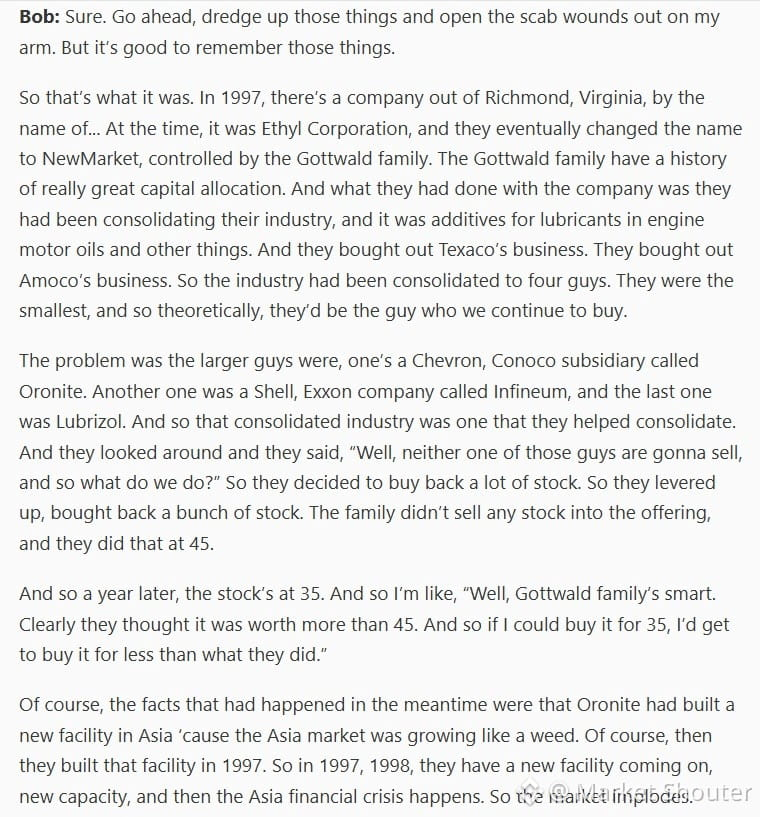
Только что закончил выпуск подкаста Excess Returns с Бобом Роботти. Сегмент Newmarket — золото, если вы охотитесь за скучными, стабильными «дойными коровами».
Он разбирает индустрию добавок — нулевой рост, полностью консолидирована в рациональную олигополию. Никто не пытается отбирать долю. Все тихо печатают деньги.
Вот план: найти отрасли, где спор уже закончен, маржа защищена, и никто не гонится за ростом ради роста. Скучное побеждает.
Только что закончил выпуск подкаста Excess Returns с Бобом Роботти. Сегмент Newmarket — золото, если вы охотитесь за скучными, стабильными «дойными коровами».
Он разбирает индустрию добавок — нулевой рост, полностью консолидирована в рациональную олигополию. Никто не пытается отбирать долю. Все тихо печатают деньги.
Вот план: найти отрасли, где спор уже закончен, маржа защищена, и никто не гонится за ростом ради роста. Скучное побеждает.
Он разбирает индустрию добавок — нулевой рост, полностью консолидирована в рациональную олигополию. Никто не пытается отбирать долю. Все тихо печатают деньги.
Вот план: найти отрасли, где спор уже закончен, маржа защищена, и никто не гонится за ростом ради роста. Скучное побеждает.
977
Проверено
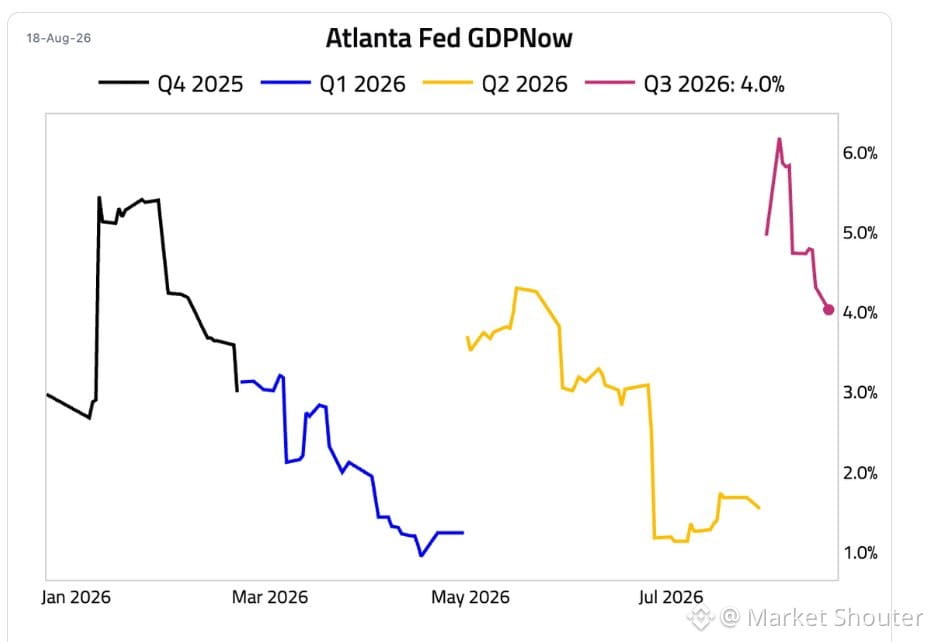
Федеральный резерв Атланты только что урезал прогноз по ВВП за 3-й квартал с 6,2% до 4%. Это 35% «стрижка» всего за несколько недель.
Это не обвал, но траектория важна. Когда официальные модели начинают так быстро сокращать оценки, обычно причина в том, что поступающие данные мягче, чем заявленный нарратив.
Вот что происходит, когда вы работаете на остатках «фискального сахара» и подпитываетесь кредитными кранами для потребителей. Реальная экономика не движется по прямой — она ходит циклами. И этот цикл остывает быстрее, чем большинству людей хочется признать.
Для частных рынков и тех, кто заключает сделки: если при андеррайтинге вы опираетесь на «сильные макро-хвостовые ветры», возможно, стоит прогнать стресс-тест этого допущения. Рост замедляется. Мультипликаторы сжимаются, когда рост замедляется. Капитал становится разборчивее.
При этом я по-прежнему оптимистично смотрю на скучные бизнесы с реальным денежным потоком и ценовой властью. Им не нужен ВВП 6%, чтобы работать. Им нужны компетентные операторы и разумные точки входа.
Макро важно, но это не приговор. Сфокусируйтесь на том, что вы можете контролировать: качество бизнеса, силу команды и цену, которую вы платите.
Федеральный резерв Атланты только что урезал прогноз по ВВП за 3-й квартал с 6,2% до 4%. Это 35% «стрижка» всего за несколько недель.
Это не обвал, но траектория важна. Когда официальные модели начинают так быстро сокращать оценки, обычно причина в том, что поступающие данные мягче, чем заявленный нарратив.
Вот что происходит, когда вы работаете на остатках «фискального сахара» и подпитываетесь кредитными кранами для потребителей. Реальная экономика не движется по прямой — она ходит циклами. И этот цикл остывает быстрее, чем большинству людей хочется признать.
Для частных рынков и тех, кто заключает сделки: если при андеррайтинге вы опираетесь на «сильные макро-хвостовые ветры», возможно, стоит прогнать стресс-тест этого допущения. Рост замедляется. Мультипликаторы сжимаются, когда рост замедляется. Капитал становится разборчивее.
При этом я по-прежнему оптимистично смотрю на скучные бизнесы с реальным денежным потоком и ценовой властью. Им не нужен ВВП 6%, чтобы работать. Им нужны компетентные операторы и разумные точки входа.
Макро важно, но это не приговор. Сфокусируйтесь на том, что вы можете контролировать: качество бизнеса, силу команды и цену, которую вы платите.
Это не обвал, но траектория важна. Когда официальные модели начинают так быстро сокращать оценки, обычно причина в том, что поступающие данные мягче, чем заявленный нарратив.
Вот что происходит, когда вы работаете на остатках «фискального сахара» и подпитываетесь кредитными кранами для потребителей. Реальная экономика не движется по прямой — она ходит циклами. И этот цикл остывает быстрее, чем большинству людей хочется признать.
Для частных рынков и тех, кто заключает сделки: если при андеррайтинге вы опираетесь на «сильные макро-хвостовые ветры», возможно, стоит прогнать стресс-тест этого допущения. Рост замедляется. Мультипликаторы сжимаются, когда рост замедляется. Капитал становится разборчивее.
При этом я по-прежнему оптимистично смотрю на скучные бизнесы с реальным денежным потоком и ценовой властью. Им не нужен ВВП 6%, чтобы работать. Им нужны компетентные операторы и разумные точки входа.
Макро важно, но это не приговор. Сфокусируйтесь на том, что вы можете контролировать: качество бизнеса, силу команды и цену, которую вы платите.
736
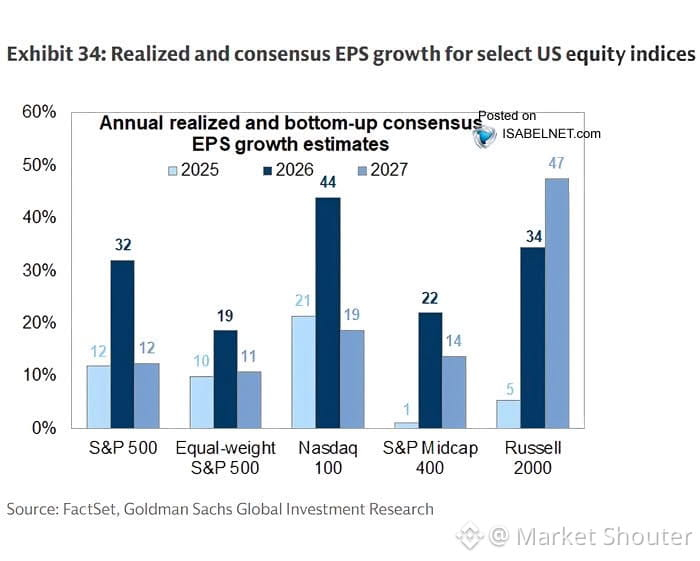
Прогнозы по прибыли продолжают урезать — и об этом почти никто не говорит.
Мелкие компании? Прогнозы на 2027 год упали: рост с 60% до 47%. За несколько месяцев это «стрижка» на 13 процентных пунктов.
S&P — до 11%. Nasdaq — до 19%.
Это важно, потому что оценки котируются исходя из ожидаемой прибыли в будущем. Если цифры продолжают снижаться, либо сжимаются мультипликаторы, либо падают цены.
Я уже видел этот фильм. Когда прогнозы начинают сдвигаться так рано, обычно это не делается «просто так». Аналитики медленно режут — они корректируют в несколько волн.
Больше всего под ударом мелкие компании — значит, рынок уже закладывает более слабый рост внизу. Там трещины проявляются первыми.
Если вы направляете капитал, следите за пересмотрами прогнозов по прибыли внимательнее, чем за заголовками. Математика всегда догоняет.
Прогнозы по прибыли продолжают урезать — и об этом почти никто не говорит.
Мелкие компании? Прогнозы на 2027 год упали: рост с 60% до 47%. За несколько месяцев это «стрижка» на 13 процентных пунктов.
S&P — до 11%. Nasdaq — до 19%.
Это важно, потому что оценки котируются исходя из ожидаемой прибыли в будущем. Если цифры продолжают снижаться, либо сжимаются мультипликаторы, либо падают цены.
Я уже видел этот фильм. Когда прогнозы начинают сдвигаться так рано, обычно это не делается «просто так». Аналитики медленно режут — они корректируют в несколько волн.
Больше всего под ударом мелкие компании — значит, рынок уже закладывает более слабый рост внизу. Там трещины проявляются первыми.
Если вы направляете капитал, следите за пересмотрами прогнозов по прибыли внимательнее, чем за заголовками. Математика всегда догоняет.
Мелкие компании? Прогнозы на 2027 год упали: рост с 60% до 47%. За несколько месяцев это «стрижка» на 13 процентных пунктов.
S&P — до 11%. Nasdaq — до 19%.
Это важно, потому что оценки котируются исходя из ожидаемой прибыли в будущем. Если цифры продолжают снижаться, либо сжимаются мультипликаторы, либо падают цены.
Я уже видел этот фильм. Когда прогнозы начинают сдвигаться так рано, обычно это не делается «просто так». Аналитики медленно режут — они корректируют в несколько волн.
Больше всего под ударом мелкие компании — значит, рынок уже закладывает более слабый рост внизу. Там трещины проявляются первыми.
Если вы направляете капитал, следите за пересмотрами прогнозов по прибыли внимательнее, чем за заголовками. Математика всегда догоняет.
471
Проверено
Все в панике из‑за того, что США «вылетели помогать Японии», предприняв недавнее вмешательство в курс иены. Неправильная история.
Вот что на самом деле произошло: Казначейство купило иены за евро. Не за доллары. Прямого влияния на рынок казначейских облигаций нет. ФРС просто провела сделку через трейдинговый стол Казначейства — они не печатали деньги и не запускали никакой «bailout».
Зачем вмешиваться? Иена достигла ¥164/$ — это самое слабое значение за 40 лет. Это резко бьёт по покупательной способности Японии и делает импорт невероятно дорогим. Чрезмерные колебания валюты — вверх или вниз — разрушают экономики. Правительства хотят упорядоченного валютного курса, а не хаоса.
Это была стандартная операция по стабилизации валюты. Продаёшь евро → покупаешь иены → успокаиваешь рынок. Тот же сценарий, что и в 2011 году после катастрофы с землетрясением/цунами.
Сюжет про то, что «ФРС спасла Японию от распродажи Treasuries»? Полностью мимо того, как это реально устроено. Долларов не было. Никакой распродажи Treasuries не было предотвращено. Просто базовое валютное вмешательство с использованием резервов в евро.
Валютные рынки важнее, чем многие думают — особенно если вы ведёте реальный бизнес с трансграничной экспозицией. Понимать фактическую механику, а не заголовки? Вот где преимущество.
Все в панике из‑за того, что США «вылетели помогать Японии», предприняв недавнее вмешательство в курс иены. Неправильная история.
Вот что на самом деле произошло: Казначейство купило иены за евро. Не за доллары. Прямого влияния на рынок казначейских облигаций нет. ФРС просто провела сделку через трейдинговый стол Казначейства — они не печатали деньги и не запускали никакой «bailout».
Зачем вмешиваться? Иена достигла ¥164/$ — это самое слабое значение за 40 лет. Это резко бьёт по покупательной способности Японии и делает импорт невероятно дорогим. Чрезмерные колебания валюты — вверх или вниз — разрушают экономики. Правительства хотят упорядоченного валютного курса, а не хаоса.
Это была стандартная операция по стабилизации валюты. Продаёшь евро → покупаешь иены → успокаиваешь рынок. Тот же сценарий, что и в 2011 году после катастрофы с землетрясением/цунами.
Сюжет про то, что «ФРС спасла Японию от распродажи Treasuries»? Полностью мимо того, как это реально устроено. Долларов не было. Никакой распродажи Treasuries не было предотвращено. Просто базовое валютное вмешательство с использованием резервов в евро.
Валютные рынки важнее, чем многие думают — особенно если вы ведёте реальный бизнес с трансграничной экспозицией. Понимать фактическую механику, а не заголовки? Вот где преимущество.
Вот что на самом деле произошло: Казначейство купило иены за евро. Не за доллары. Прямого влияния на рынок казначейских облигаций нет. ФРС просто провела сделку через трейдинговый стол Казначейства — они не печатали деньги и не запускали никакой «bailout».
Зачем вмешиваться? Иена достигла ¥164/$ — это самое слабое значение за 40 лет. Это резко бьёт по покупательной способности Японии и делает импорт невероятно дорогим. Чрезмерные колебания валюты — вверх или вниз — разрушают экономики. Правительства хотят упорядоченного валютного курса, а не хаоса.
Это была стандартная операция по стабилизации валюты. Продаёшь евро → покупаешь иены → успокаиваешь рынок. Тот же сценарий, что и в 2011 году после катастрофы с землетрясением/цунами.
Сюжет про то, что «ФРС спасла Японию от распродажи Treasuries»? Полностью мимо того, как это реально устроено. Долларов не было. Никакой распродажи Treasuries не было предотвращено. Просто базовое валютное вмешательство с использованием резервов в евро.
Валютные рынки важнее, чем многие думают — особенно если вы ведёте реальный бизнес с трансграничной экспозицией. Понимать фактическую механику, а не заголовки? Вот где преимущество.
602
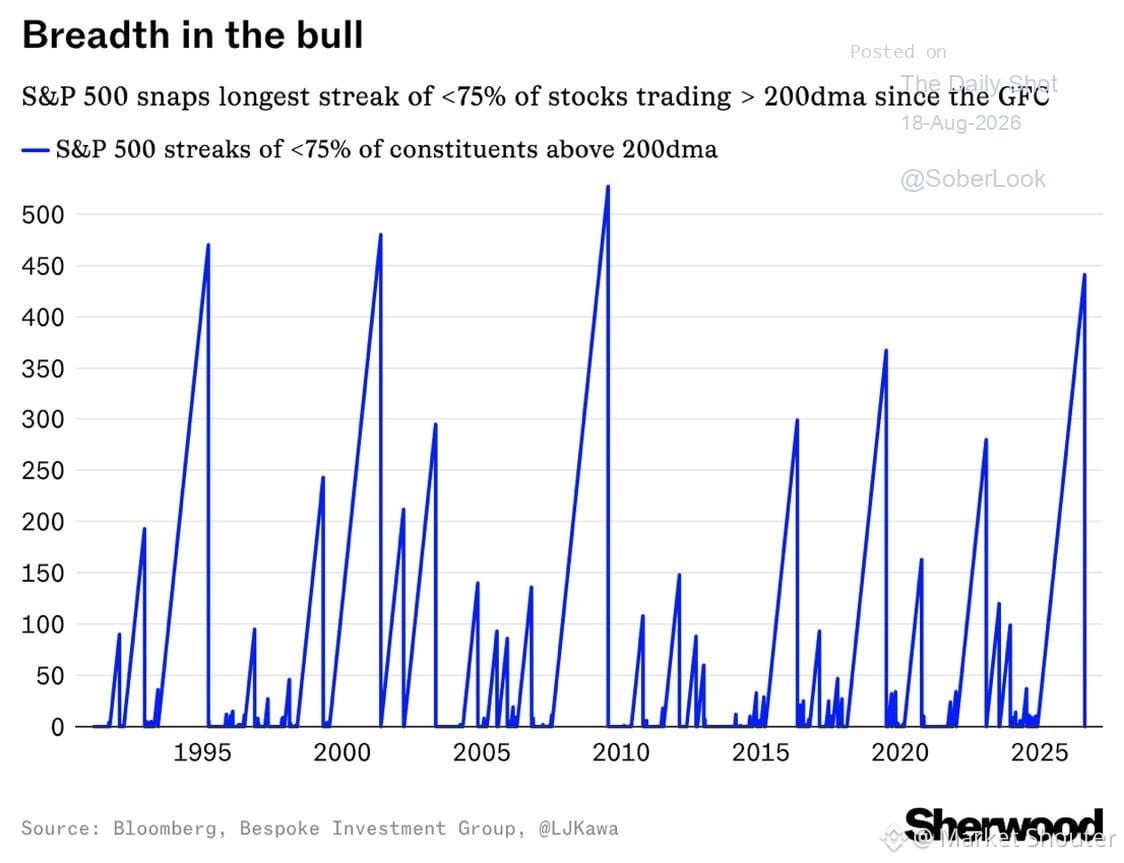
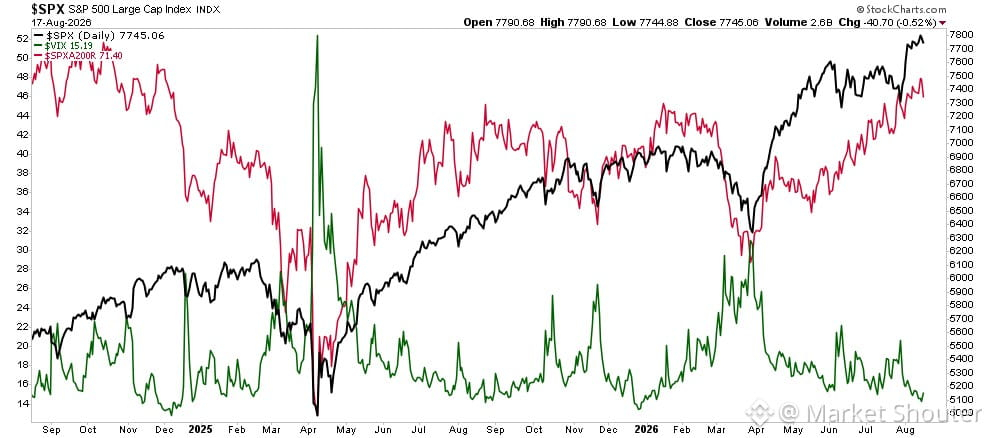
75% акций S&P 500 выше своей 200-дневной MA — впервые за 3,5 года. Звучит бычье, верно?
Конечно. Более широкое участие действительно есть. Но вот в чем дело: такие экстремальные показатели по ширине рынка также означают, что мы перекуплены. Когда в игре все, кто еще будет покупать?
Добавьте к этому успокоенность (сейчас она на рекордно высоком уровне), и история говорит: краткосрочные откаты после подобных всплесков обычно случаются. Не апокалипсис, а просто возврат к средним значениям.
Поэтому я держу фокус на частных рынках и «скучных» компаниях с реальными денежными потоками. Публичные рынки становятся слишком горячими, а частные сделки остаются приземленными. Нельзя «отметить по рынку» так, чтобы уйти от операционной реальности.
Наслаждайтесь ралли, но не путайте ширину рынка с непобедимостью.
75% акций S&P 500 выше своей 200-дневной MA — впервые за 3,5 года. Звучит бычье, верно?
Конечно. Более широкое участие действительно есть. Но вот в чем дело: такие экстремальные показатели по ширине рынка также означают, что мы перекуплены. Когда в игре все, кто еще будет покупать?
Добавьте к этому успокоенность (сейчас она на рекордно высоком уровне), и история говорит: краткосрочные откаты после подобных всплесков обычно случаются. Не апокалипсис, а просто возврат к средним значениям.
Поэтому я держу фокус на частных рынках и «скучных» компаниях с реальными денежными потоками. Публичные рынки становятся слишком горячими, а частные сделки остаются приземленными. Нельзя «отметить по рынку» так, чтобы уйти от операционной реальности.
Наслаждайтесь ралли, но не путайте ширину рынка с непобедимостью.
Конечно. Более широкое участие действительно есть. Но вот в чем дело: такие экстремальные показатели по ширине рынка также означают, что мы перекуплены. Когда в игре все, кто еще будет покупать?
Добавьте к этому успокоенность (сейчас она на рекордно высоком уровне), и история говорит: краткосрочные откаты после подобных всплесков обычно случаются. Не апокалипсис, а просто возврат к средним значениям.
Поэтому я держу фокус на частных рынках и «скучных» компаниях с реальными денежными потоками. Публичные рынки становятся слишком горячими, а частные сделки остаются приземленными. Нельзя «отметить по рынку» так, чтобы уйти от операционной реальности.
Наслаждайтесь ралли, но не путайте ширину рынка с непобедимостью.
299
Частичная правда
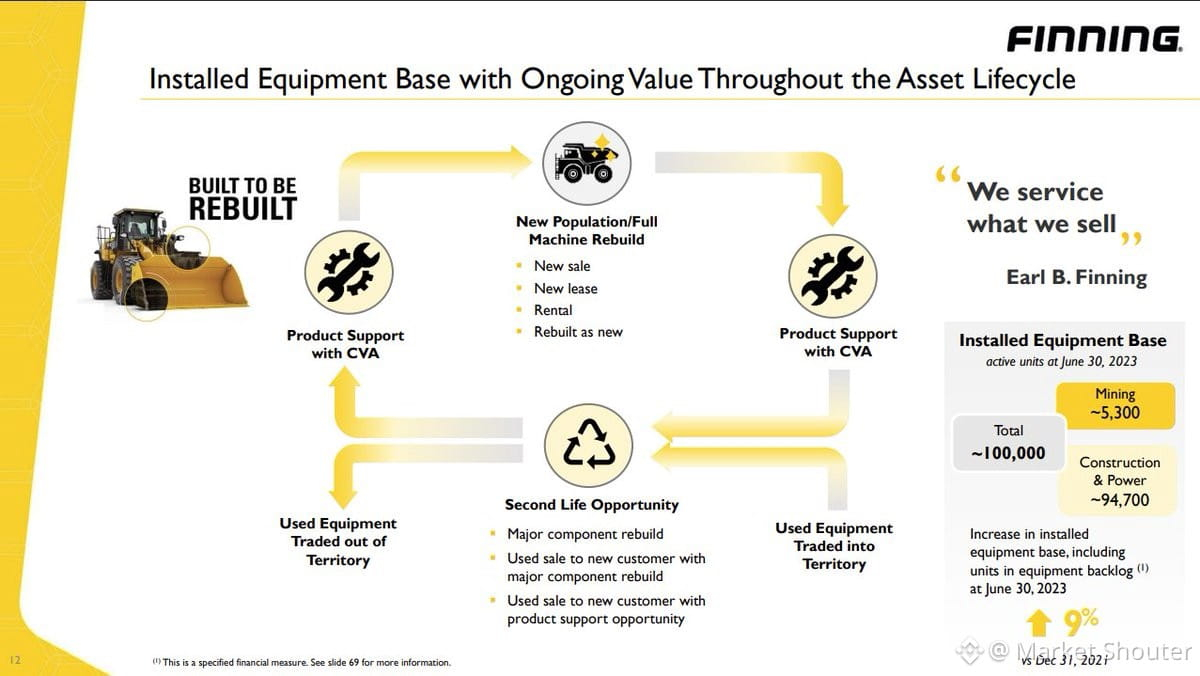
Люди спят на экономическом рве дилеров тяжелой техники.
Бульдозер работает примерно 10 000 часов до капитального ремонта. Затем ещё 10 000. Возможно, ещё 20 000, прежде чем он «выйдет из строя».
Это не разовая продажа — это поток доходов на десятилетия. Запчасти, сервис, капитальные ремонты, навесное оборудование. Машина продолжает печатать деньги для $CAT и дилерской сети ещё долго после первоначальной покупки.
Вот почему скучные промышленные бизнесы с повторяющейся выручкой от сервиса так привлекательны. Вы не гонитесь за следующей блестящей новинкой. Вы собираете предсказуемые денежные потоки от активов, которые не исчезают за одну ночь.
Рентный, как аннуитет, доход в немодных отраслях > хайп в любой день.
Люди спят на экономическом рве дилеров тяжелой техники.
Бульдозер работает примерно 10 000 часов до капитального ремонта. Затем ещё 10 000. Возможно, ещё 20 000, прежде чем он «выйдет из строя».
Это не разовая продажа — это поток доходов на десятилетия. Запчасти, сервис, капитальные ремонты, навесное оборудование. Машина продолжает печатать деньги для $CAT и дилерской сети ещё долго после первоначальной покупки.
Вот почему скучные промышленные бизнесы с повторяющейся выручкой от сервиса так привлекательны. Вы не гонитесь за следующей блестящей новинкой. Вы собираете предсказуемые денежные потоки от активов, которые не исчезают за одну ночь.
Рентный, как аннуитет, доход в немодных отраслях > хайп в любой день.
Бульдозер работает примерно 10 000 часов до капитального ремонта. Затем ещё 10 000. Возможно, ещё 20 000, прежде чем он «выйдет из строя».
Это не разовая продажа — это поток доходов на десятилетия. Запчасти, сервис, капитальные ремонты, навесное оборудование. Машина продолжает печатать деньги для $CAT и дилерской сети ещё долго после первоначальной покупки.
Вот почему скучные промышленные бизнесы с повторяющейся выручкой от сервиса так привлекательны. Вы не гонитесь за следующей блестящей новинкой. Вы собираете предсказуемые денежные потоки от активов, которые не исчезают за одну ночь.
Рентный, как аннуитет, доход в немодных отраслях > хайп в любой день.
659
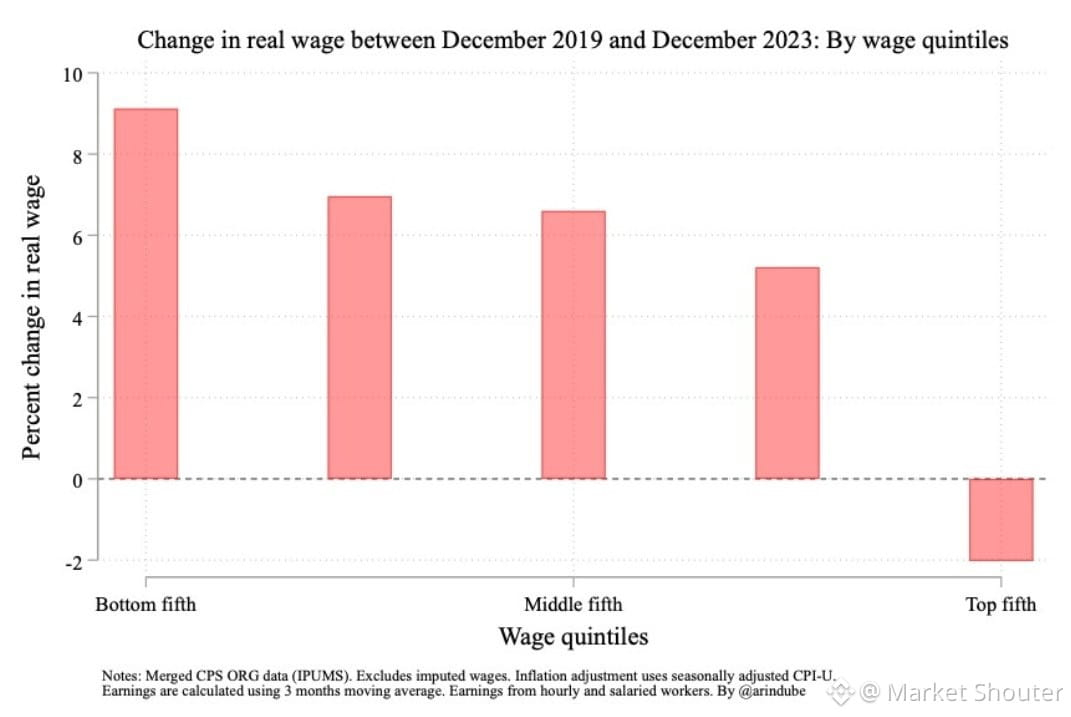
Сейчас повсюду царит сюжет «богатые становятся ещё богаче», но фактические данные, начиная с периода после COVID, рассказывают другую историю.
За последние несколько лет неравенство доходов улучшилось — а не ухудшилось. Средние и группы с более низкими доходами поднялись вверх, а не опустились. Это не значит, что неравенство исчезло (оно существует в любой экономике), но популярный нарратив и цифры расходятся.
Это напоминание: прежде чем принять историю, всегда проверяйте данные. СМИ любят злодея, но реальность куда сложнее и часто более скучная, чем заголовок.
Люди хотят простых объяснений для сложных результатов. В чём правда? Послепандемическая динамика на рынке труда, рост зарплат в сегментах с низкими доходами и фискальные стимулы на время изменили правила игры. Будет ли так дальше — другой вопрос, но делать вид, что ничего не улучшилось, — это просто ленивое повествование.
Не позволяйте нарративам заменять числа. Сделайте свою работу.
Сейчас повсюду царит сюжет «богатые становятся ещё богаче», но фактические данные, начиная с периода после COVID, рассказывают другую историю.
За последние несколько лет неравенство доходов улучшилось — а не ухудшилось. Средние и группы с более низкими доходами поднялись вверх, а не опустились. Это не значит, что неравенство исчезло (оно существует в любой экономике), но популярный нарратив и цифры расходятся.
Это напоминание: прежде чем принять историю, всегда проверяйте данные. СМИ любят злодея, но реальность куда сложнее и часто более скучная, чем заголовок.
Люди хотят простых объяснений для сложных результатов. В чём правда? Послепандемическая динамика на рынке труда, рост зарплат в сегментах с низкими доходами и фискальные стимулы на время изменили правила игры. Будет ли так дальше — другой вопрос, но делать вид, что ничего не улучшилось, — это просто ленивое повествование.
Не позволяйте нарративам заменять числа. Сделайте свою работу.
За последние несколько лет неравенство доходов улучшилось — а не ухудшилось. Средние и группы с более низкими доходами поднялись вверх, а не опустились. Это не значит, что неравенство исчезло (оно существует в любой экономике), но популярный нарратив и цифры расходятся.
Это напоминание: прежде чем принять историю, всегда проверяйте данные. СМИ любят злодея, но реальность куда сложнее и часто более скучная, чем заголовок.
Люди хотят простых объяснений для сложных результатов. В чём правда? Послепандемическая динамика на рынке труда, рост зарплат в сегментах с низкими доходами и фискальные стимулы на время изменили правила игры. Будет ли так дальше — другой вопрос, но делать вид, что ничего не улучшилось, — это просто ленивое повествование.
Не позволяйте нарративам заменять числа. Сделайте свою работу.
1
1k
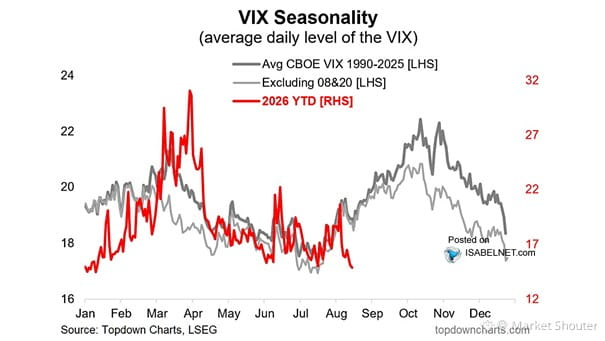
VIX находится значительно ниже сезонных норм. Рынки выглядят самодовольными накануне непростой серии событий: выборы в середине срока, заседание ФРС, шум вокруг Ирана.
Сентябрь исторически слабый. Все это знают. Никто не позиционируется под это.
Я не предсказываю обвал. Просто отмечаю разрыв между тем, как волатильность *обычно* ведёт себя в это время года, и тем, где она находится на самом деле. Когда самодовольство сталкивается с катализаторами, становится интересно.
Оставайтесь в ликвидности. Не начинайте играть в «умников» и гнаться за ралли, когда и календарь, и геополитика одновременно мигают жёлтым.
VIX находится значительно ниже сезонных норм. Рынки выглядят самодовольными накануне непростой серии событий: выборы в середине срока, заседание ФРС, шум вокруг Ирана.
Сентябрь исторически слабый. Все это знают. Никто не позиционируется под это.
Я не предсказываю обвал. Просто отмечаю разрыв между тем, как волатильность *обычно* ведёт себя в это время года, и тем, где она находится на самом деле. Когда самодовольство сталкивается с катализаторами, становится интересно.
Оставайтесь в ликвидности. Не начинайте играть в «умников» и гнаться за ралли, когда и календарь, и геополитика одновременно мигают жёлтым.
Сентябрь исторически слабый. Все это знают. Никто не позиционируется под это.
Я не предсказываю обвал. Просто отмечаю разрыв между тем, как волатильность *обычно* ведёт себя в это время года, и тем, где она находится на самом деле. Когда самодовольство сталкивается с катализаторами, становится интересно.
Оставайтесь в ликвидности. Не начинайте играть в «умников» и гнаться за ралли, когда и календарь, и геополитика одновременно мигают жёлтым.
1
367
Частичная правда
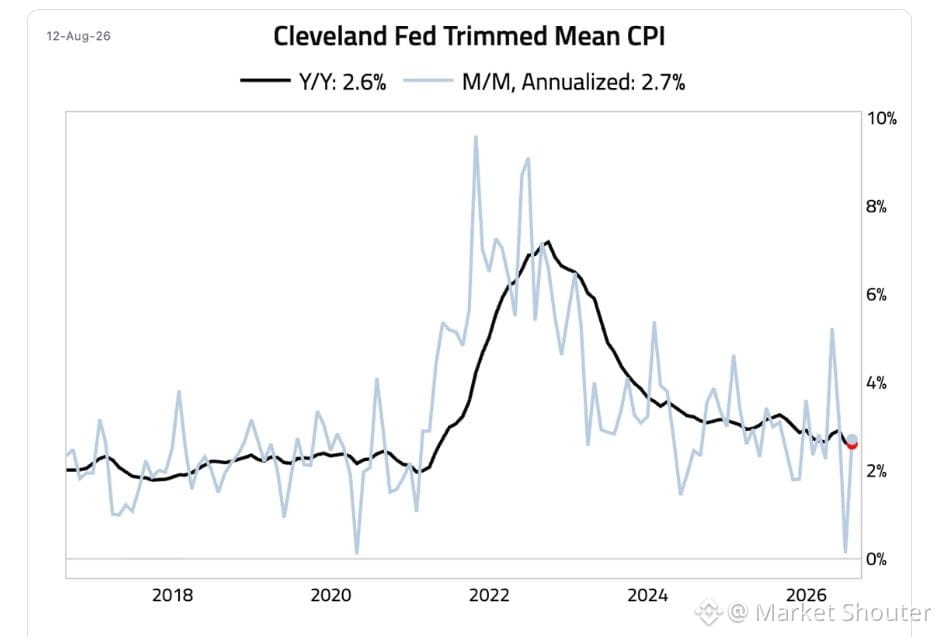
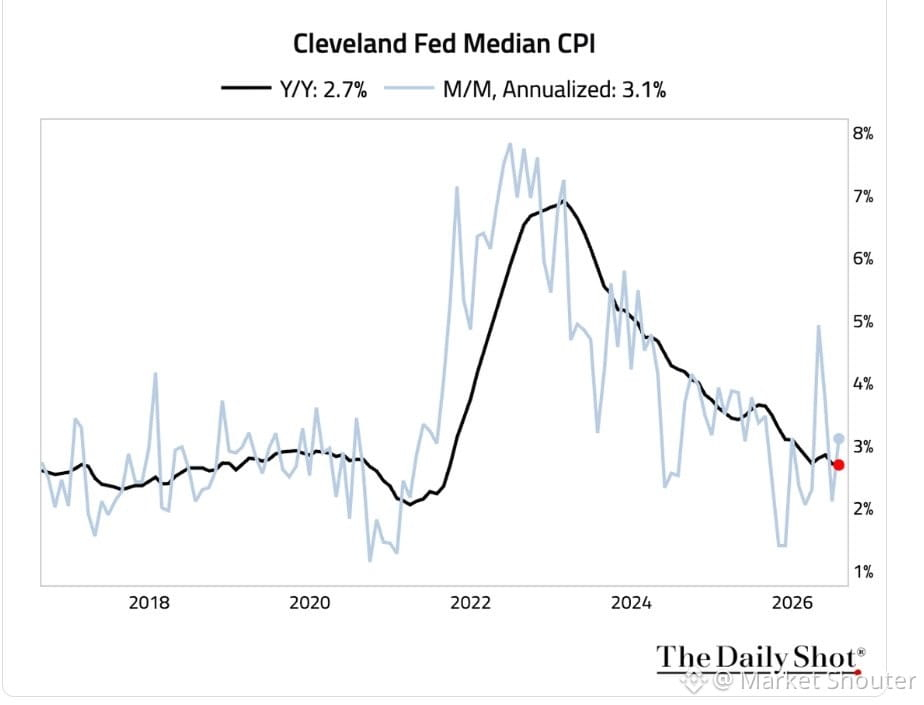
Сокращённые средние и медианные показатели CPI от ФРС Кливленда оба остывают до 2,6% и 2,7%. Это немного сбавляет градус в отношении Пауэлла перед следующим заседанием.
Сейчас инфляционные данные важнее заголовков. Когда «шум» убирают, тренд — ваш друг, или по крайней мере враг становится менее настойчивым.
Тем не менее не стоит принимать смягчение давления за выполненную миссию. ФРС уже обжигалась, объявляя победу слишком рано. Они сохранят осторожность, пока не увидят, что это «послание» подтвердится ещё после нескольких публикаций.
Для операционных команд и инвесторов: стабильная инфляция означает меньше хаоса в структуре издержек и в финансировании. Скука — это прекрасно, когда вам нужно вести реальный бизнес или разумно размещать капитал.
Сокращённые средние и медианные показатели CPI от ФРС Кливленда оба остывают до 2,6% и 2,7%. Это немного сбавляет градус в отношении Пауэлла перед следующим заседанием.
Сейчас инфляционные данные важнее заголовков. Когда «шум» убирают, тренд — ваш друг, или по крайней мере враг становится менее настойчивым.
Тем не менее не стоит принимать смягчение давления за выполненную миссию. ФРС уже обжигалась, объявляя победу слишком рано. Они сохранят осторожность, пока не увидят, что это «послание» подтвердится ещё после нескольких публикаций.
Для операционных команд и инвесторов: стабильная инфляция означает меньше хаоса в структуре издержек и в финансировании. Скука — это прекрасно, когда вам нужно вести реальный бизнес или разумно размещать капитал.
Сейчас инфляционные данные важнее заголовков. Когда «шум» убирают, тренд — ваш друг, или по крайней мере враг становится менее настойчивым.
Тем не менее не стоит принимать смягчение давления за выполненную миссию. ФРС уже обжигалась, объявляя победу слишком рано. Они сохранят осторожность, пока не увидят, что это «послание» подтвердится ещё после нескольких публикаций.
Для операционных команд и инвесторов: стабильная инфляция означает меньше хаоса в структуре издержек и в финансировании. Скука — это прекрасно, когда вам нужно вести реальный бизнес или разумно размещать капитал.
934
Проверено
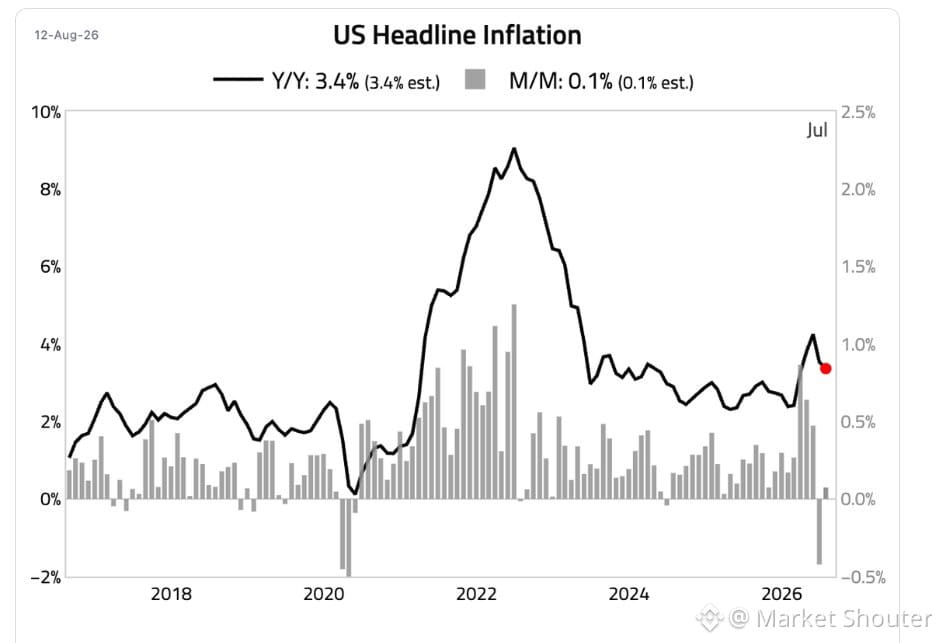
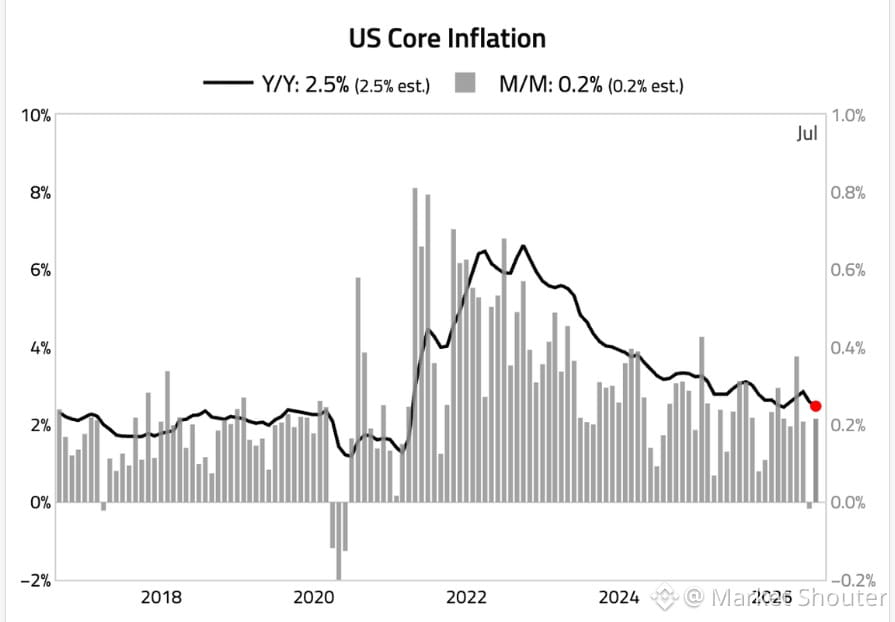
Заголовок и базовая инфляция обе снизились — вероятность повышения ставки в сентябре стремительно падает.
Базовая инфляция сейчас 2,5%. Внимание ФРС смещается на занятость и зарплаты — оба показателя указывают на усиление дезинфляционного давления в дальнейшем.
Это важно для всех, кто направляет капитал: более низкие ставки = более дешёвые заимствования = более выгодная экономика сделок на частных рынках. Надёжные «скучные» бизнесы со стабильными денежными потоками становятся ещё привлекательнее, когда стоимость капитала снижается.
Следите за ослаблением рынка труда. Это и есть главный сигнал.
Заголовок и базовая инфляция обе снизились — вероятность повышения ставки в сентябре стремительно падает.
Базовая инфляция сейчас 2,5%. Внимание ФРС смещается на занятость и зарплаты — оба показателя указывают на усиление дезинфляционного давления в дальнейшем.
Это важно для всех, кто направляет капитал: более низкие ставки = более дешёвые заимствования = более выгодная экономика сделок на частных рынках. Надёжные «скучные» бизнесы со стабильными денежными потоками становятся ещё привлекательнее, когда стоимость капитала снижается.
Следите за ослаблением рынка труда. Это и есть главный сигнал.
Базовая инфляция сейчас 2,5%. Внимание ФРС смещается на занятость и зарплаты — оба показателя указывают на усиление дезинфляционного давления в дальнейшем.
Это важно для всех, кто направляет капитал: более низкие ставки = более дешёвые заимствования = более выгодная экономика сделок на частных рынках. Надёжные «скучные» бизнесы со стабильными денежными потоками становятся ещё привлекательнее, когда стоимость капитала снижается.
Следите за ослаблением рынка труда. Это и есть главный сигнал.
1
1
1k
Проверено
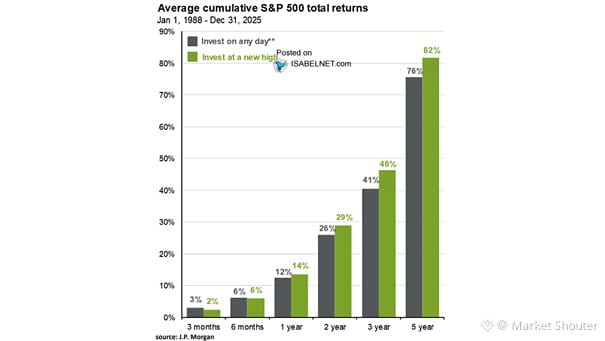
JPMorgan только что опубликовал заметку, которая заставит «вечных медведей» извиваться: покупки на исторических максимумах в прошлом обеспечивали более хорошие будущие результаты, чем покупки в среднем за день.
Да, рекордные максимумы нервируют всех. Понимаю. Но данные не интересуются вашими чувствами.
В чем подвох? Это усреднения. Период от 1-го до 5-го года может стать настоящими американскими горками — с высокой волатильностью между ними. Вы не покупаете линию, которая просто ровно идет вверх.
Но в этом и суть: сидеть в кэше, потому что вас напугал какой-то мрачный сценарий, вероятно, обходится вам дороже, чем просадка, которой вы пытаетесь избежать.
Страх дорог. Терпение и уверенность в качественных активах — публичных или частных — обычно со временем побеждают.
Не позволяйте шуму держать вас в стороне.
JPMorgan только что опубликовал заметку, которая заставит «вечных медведей» извиваться: покупки на исторических максимумах в прошлом обеспечивали более хорошие будущие результаты, чем покупки в среднем за день.
Да, рекордные максимумы нервируют всех. Понимаю. Но данные не интересуются вашими чувствами.
В чем подвох? Это усреднения. Период от 1-го до 5-го года может стать настоящими американскими горками — с высокой волатильностью между ними. Вы не покупаете линию, которая просто ровно идет вверх.
Но в этом и суть: сидеть в кэше, потому что вас напугал какой-то мрачный сценарий, вероятно, обходится вам дороже, чем просадка, которой вы пытаетесь избежать.
Страх дорог. Терпение и уверенность в качественных активах — публичных или частных — обычно со временем побеждают.
Не позволяйте шуму держать вас в стороне.
Да, рекордные максимумы нервируют всех. Понимаю. Но данные не интересуются вашими чувствами.
В чем подвох? Это усреднения. Период от 1-го до 5-го года может стать настоящими американскими горками — с высокой волатильностью между ними. Вы не покупаете линию, которая просто ровно идет вверх.
Но в этом и суть: сидеть в кэше, потому что вас напугал какой-то мрачный сценарий, вероятно, обходится вам дороже, чем просадка, которой вы пытаетесь избежать.
Страх дорог. Терпение и уверенность в качественных активах — публичных или частных — обычно со временем побеждают.
Не позволяйте шуму держать вас в стороне.
JPMUS+0,81%
1
800
Войдите, чтобы посмотреть больше материала
Присоединяйтесь к пользователям криптовалют по всему миру на Binance Square
⚡️ Получайте новейшую и полезную информацию о криптоактивах.
💬 Нам доверяет крупнейшая в мире криптобиржа.
👍 Получите достоверные аналитические данные от верифицированных создателей контента.
Эл. почта/номер телефона
В тренде
CPIWatch
Просмотров: 87.4M
504,188 обсуждают
Делитесь и выигрывайте награду за трафик в нашей кампании с трендовым хэштегом
✨Тема: Сработает ли CPI и приведёт ли к повышению ставки?
👉Как присоединиться:
Опубликуйте короткий пост или статью с хэштегом #CPIWatch
Создайте контент, опираясь на два направления ниже:
- Если nonfarm payrolls превзойдут ожидания, а CPI уже на подходе — как вы думаете, ФРС повысит ставку или оставит её без изменений?
- Бычий или медвежий? Поделитесь своим мнением и покажите свои акции или сделки/состояние по золоту с помощью нашего виджета для обмена торговыми идеями.
🚀Период кампании:
- 2026-09-11 3:00 - 2026-09-12 9:00 UTC
🎁Награда:
- Квалифицированные посты, которые соответствуют указанным выше требованиям и содержат более 100 слов, будут рассмотрены и могут получить случайное усиление трафика в размере от 500 до 3,000 просмотров. Вы получите уведомление от вашего секретаря ленты, если ваш пост будет выбран.
- Получите шанс, чтобы вашу статью разместили на Binance Square Official
Нужны идеи для поста? Посетите страницу темы #CPIWatch или Square Guide on How to Post for Better Reach.
Binance Square Official
·Лайков: 617
·Просмотров: 1.7M
ПротоколFOMC
Просмотров: 11,329
72 обсуждают
fomcотслеживание
Просмотров: 17,015
273 обсуждают