

#onchaindata
onchaindata
Просмотров: 676,875
3,881 обсуждают
Популярные
Новые

Если оглянуться на показатели BTC за 2025 год, я бы не назвал картину однозначной.
Чистый приток средств в американские спотовые BTC-ETF превысил $21 млрд. Объём BTC в корпоративных резервах превысил 1,1 млн BTC — около 5,5% от общего предложения. В то же время число активных адресов год к году снизилось примерно на 16%.
На мой взгляд, эти показатели не противоречат друг другу. Приток средств в ETF и корпоративные резервы отражает один вид спроса, а число активных адресов даёт другое представление об активности сети. Ни один из этих показателей не позволяет определить, куда BTC направится дальше.
Если бы на панели мониторинга BTC можно было оставить только один показатель, что бы вы выбрали: потоки средств в ETF и корпоративные резервы или активность в блокчейне? И что могло бы изменить ваше мнение?
Источник: обзор Binance Research за 2025 год, опубликованный 15 января 2026 года. Это исторические данные, а не актуальная информация о рынке. Только в образовательных целях, не является финансовой рекомендацией.
$BTC #Bitcoin #Crypto #OnChainData
{spot}(BTCUSDT)
{future}(USDCUSDT)
{future}(BTCUSDT)
#MarketStructure
Если оглянуться на показатели BTC за 2025 год, я бы не назвал картину однозначной.
Чистый приток средств в американские спотовые BTC-ETF превысил $21 млрд. Объём BTC в корпоративных резервах превысил 1,1 млн BTC — около 5,5% от общего предложения. В то же время число активных адресов год к году снизилось примерно на 16%.
На мой взгляд, эти показатели не противоречат друг другу. Приток средств в ETF и корпоративные резервы отражает один вид спроса, а число активных адресов даёт другое представление об активности сети. Ни один из этих показателей не позволяет определить, куда BTC направится дальше.
Если бы на панели мониторинга BTC можно было оставить только один показатель, что бы вы выбрали: потоки средств в ETF и корпоративные резервы или активность в блокчейне? И что могло бы изменить ваше мнение?
Источник: обзор Binance Research за 2025 год, опубликованный 15 января 2026 года. Это исторические данные, а не актуальная информация о рынке. Только в образовательных целях, не является финансовой рекомендацией.
$BTC #Bitcoin #Crypto #OnChainData
#MarketStructure
Чистый приток средств в американские спотовые BTC-ETF превысил $21 млрд. Объём BTC в корпоративных резервах превысил 1,1 млн BTC — около 5,5% от общего предложения. В то же время число активных адресов год к году снизилось примерно на 16%.
На мой взгляд, эти показатели не противоречат друг другу. Приток средств в ETF и корпоративные резервы отражает один вид спроса, а число активных адресов даёт другое представление об активности сети. Ни один из этих показателей не позволяет определить, куда BTC направится дальше.
Если бы на панели мониторинга BTC можно было оставить только один показатель, что бы вы выбрали: потоки средств в ETF и корпоративные резервы или активность в блокчейне? И что могло бы изменить ваше мнение?
Источник: обзор Binance Research за 2025 год, опубликованный 15 января 2026 года. Это исторические данные, а не актуальная информация о рынке. Только в образовательных целях, не является финансовой рекомендацией.
$BTC #Bitcoin #Crypto #OnChainData
#MarketStructure
77

·
--
См. перевод
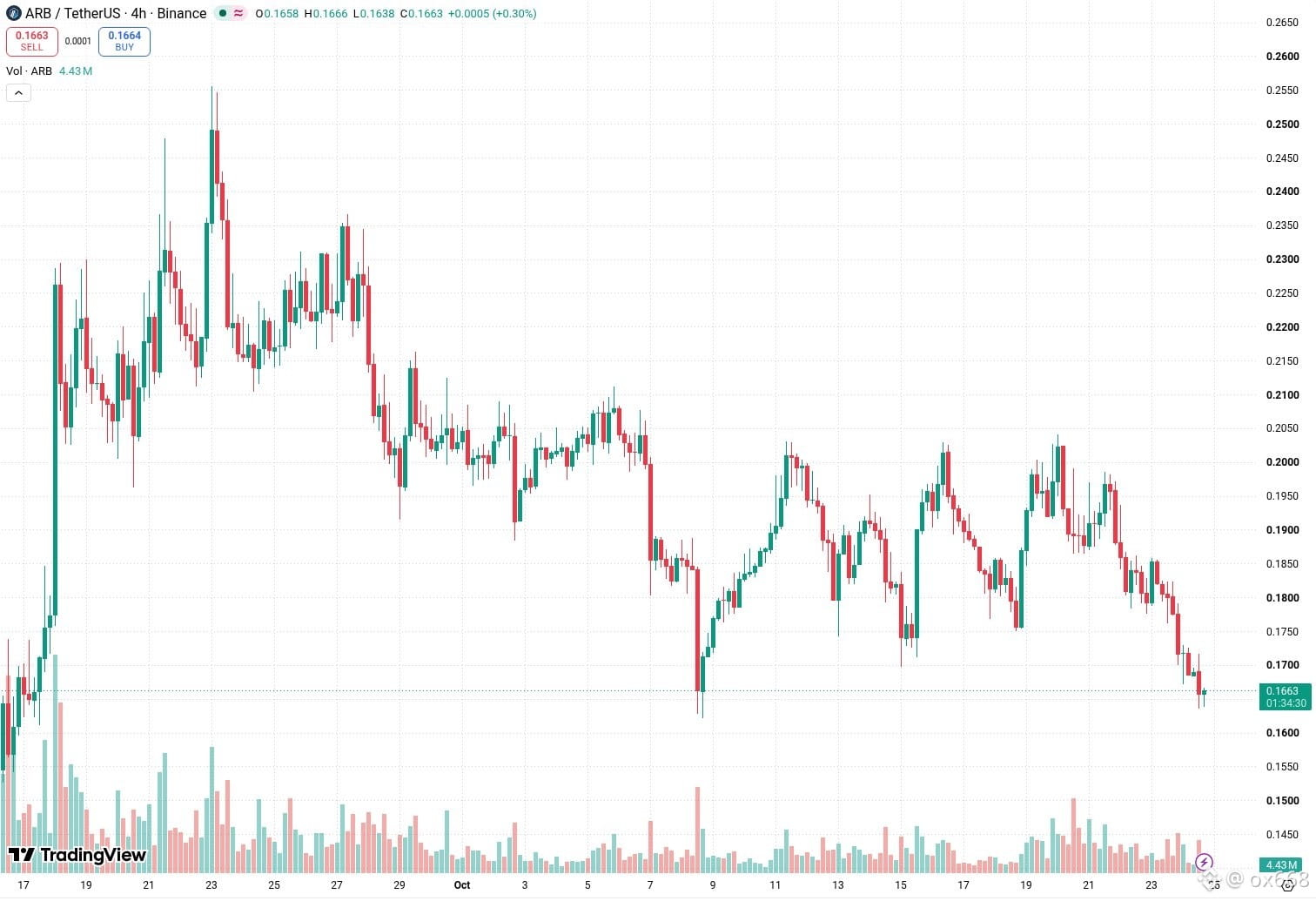
Arbitrum Smart Money Quietly Absorbs Unlocks As CEX Reserves Hit Multi-Month Lows
Arbitrum is currently caught in a quiet but violent tug-of-war between aggressive scheduled unlocks and high-conviction institutional accumulation. While retail traders focus heavily on the headline float dilution keeping price suppressed around the 0.169 mark, cold storage wallet data paints a completely different picture behind the scenes.
Tracking institutional custody and early contributor wallets reveals a steady withdrawal velocity over the past two weeks, with roughly 4.2 million tokens pulled off centralized exchanges into private cold storage. Rather than dumping their vested tokens into current order books, smart money desks are actively locking up supply. The MVRV Z-score for $ARB is now hovering in deep value territory, a zone that has historically signaled major undervaluation relative to its realized cap.
Looking at wallet cohorts holding between 1 million and 10 million units, net position balances have crept steadily upward over the last 30 days. This steady absorption proves that institutional players are comfortably soaking up the sell-side pressure generated by linear vesting schedules. Meanwhile, the Long-Term Holder to Short-Term Holder supply ratio is shifting favorably, indicating coins are slowly migrating out of weak speculative hands and into long-dated maturity buckets.
With exchange reserves trending downward to levels not seen since the previous major accumulation phase, the internal plumbing of Layer-2 ecosystems is setting up a classic supply shock once macro sentiment flips.
Are you seeing this same steady accumulation in your own on-chain tracking, or do you think the upcoming unlock schedules will still overpower buyer demand?
#OnChainData #WhaleAlert
Arbitrum Smart Money Quietly Absorbs Unlocks As CEX Reserves Hit Multi-Month Lows
Arbitrum is currently caught in a quiet but violent tug-of-war between aggressive scheduled unlocks and high-conviction institutional accumulation. While retail traders focus heavily on the headline float dilution keeping price suppressed around the 0.169 mark, cold storage wallet data paints a completely different picture behind the scenes.
Tracking institutional custody and early contributor wallets reveals a steady withdrawal velocity over the past two weeks, with roughly 4.2 million tokens pulled off centralized exchanges into private cold storage. Rather than dumping their vested tokens into current order books, smart money desks are actively locking up supply. The MVRV Z-score for $ARB is now hovering in deep value territory, a zone that has historically signaled major undervaluation relative to its realized cap.
Looking at wallet cohorts holding between 1 million and 10 million units, net position balances have crept steadily upward over the last 30 days. This steady absorption proves that institutional players are comfortably soaking up the sell-side pressure generated by linear vesting schedules. Meanwhile, the Long-Term Holder to Short-Term Holder supply ratio is shifting favorably, indicating coins are slowly migrating out of weak speculative hands and into long-dated maturity buckets.
With exchange reserves trending downward to levels not seen since the previous major accumulation phase, the internal plumbing of Layer-2 ecosystems is setting up a classic supply shock once macro sentiment flips.
Are you seeing this same steady accumulation in your own on-chain tracking, or do you think the upcoming unlock schedules will still overpower buyer demand?
#OnChainData #WhaleAlert
Arbitrum is currently caught in a quiet but violent tug-of-war between aggressive scheduled unlocks and high-conviction institutional accumulation. While retail traders focus heavily on the headline float dilution keeping price suppressed around the 0.169 mark, cold storage wallet data paints a completely different picture behind the scenes.
Tracking institutional custody and early contributor wallets reveals a steady withdrawal velocity over the past two weeks, with roughly 4.2 million tokens pulled off centralized exchanges into private cold storage. Rather than dumping their vested tokens into current order books, smart money desks are actively locking up supply. The MVRV Z-score for $ARB is now hovering in deep value territory, a zone that has historically signaled major undervaluation relative to its realized cap.
Looking at wallet cohorts holding between 1 million and 10 million units, net position balances have crept steadily upward over the last 30 days. This steady absorption proves that institutional players are comfortably soaking up the sell-side pressure generated by linear vesting schedules. Meanwhile, the Long-Term Holder to Short-Term Holder supply ratio is shifting favorably, indicating coins are slowly migrating out of weak speculative hands and into long-dated maturity buckets.
With exchange reserves trending downward to levels not seen since the previous major accumulation phase, the internal plumbing of Layer-2 ecosystems is setting up a classic supply shock once macro sentiment flips.
Are you seeing this same steady accumulation in your own on-chain tracking, or do you think the upcoming unlock schedules will still overpower buyer demand?
#OnChainData #WhaleAlert
1
3
·
--
См. перевод
The Subsurface Reality: Tracking Ethereums Institutional-Grade Supply Squeeze
The desk is quiet at 3 AM but the on-chain data is anything but silent. While $ETH holds near 2340.2, the internal plumbing of the network tells a much more aggressive story than the flat line we see on the exchange charts. I have been tracking the cohort of addresses holding between 10,000 and 100,000 units, and the behavior is shifting toward a structural supply vacuum. We are seeing a distinct reversal in exchange reserve trends, with a consistent bleed of coins off centralized venues into cold storage over the last 72 hours. This isn't just retail shuffling bags; this is institutional-grade capital positioning itself away from exchange custody.
The net exchange flow metrics show a significant 30-day deficit, indicating that supply available for immediate liquidity is thinning out rapidly. When you layer this over the current SOPR data, it is clear that the cohort of holders currently in profit is refusing to sell into this consolidation. The realized cap valuation compared to the market cap suggests that ETH is currently in a state of value-area accumulation rather than distribution. Unlike previous cycles where the LTH versus STH ratio suggested an impending wash-out, the long-term holder supply is actually hitting a local peak in terms of dormancy. They are not moving their coins.
The macro environment remains the obvious catalyst, but the supply shock potential is becoming a real factor as these whale wallets aggressively sweep the order books. The network activity is decoupled from the choppy price action, which is a classic sign of smart money accumulation. If you look at the velocity of withdrawals, it confirms that large holders are betting on long-term fundamental expansion rather than short-term scalp gains. We are essentially watching a slow-motion supply squeeze while the rest of the market waits for a macro trigger. Are you seeing these same outflow patterns on your trackers, or do you think this is just standard exchange rebalancing?
_
#OnChainData #WhaleAlert
The Subsurface Reality: Tracking Ethereums Institutional-Grade Supply Squeeze
The desk is quiet at 3 AM but the on-chain data is anything but silent. While $ETH holds near 2340.2, the internal plumbing of the network tells a much more aggressive story than the flat line we see on the exchange charts. I have been tracking the cohort of addresses holding between 10,000 and 100,000 units, and the behavior is shifting toward a structural supply vacuum. We are seeing a distinct reversal in exchange reserve trends, with a consistent bleed of coins off centralized venues into cold storage over the last 72 hours. This isn't just retail shuffling bags; this is institutional-grade capital positioning itself away from exchange custody.
The net exchange flow metrics show a significant 30-day deficit, indicating that supply available for immediate liquidity is thinning out rapidly. When you layer this over the current SOPR data, it is clear that the cohort of holders currently in profit is refusing to sell into this consolidation. The realized cap valuation compared to the market cap suggests that ETH is currently in a state of value-area accumulation rather than distribution. Unlike previous cycles where the LTH versus STH ratio suggested an impending wash-out, the long-term holder supply is actually hitting a local peak in terms of dormancy. They are not moving their coins.
The macro environment remains the obvious catalyst, but the supply shock potential is becoming a real factor as these whale wallets aggressively sweep the order books. The network activity is decoupled from the choppy price action, which is a classic sign of smart money accumulation. If you look at the velocity of withdrawals, it confirms that large holders are betting on long-term fundamental expansion rather than short-term scalp gains. We are essentially watching a slow-motion supply squeeze while the rest of the market waits for a macro trigger. Are you seeing these same outflow patterns on your trackers, or do you think this is just standard exchange rebalancing?
_
#OnChainData #WhaleAlert
The desk is quiet at 3 AM but the on-chain data is anything but silent. While $ETH holds near 2340.2, the internal plumbing of the network tells a much more aggressive story than the flat line we see on the exchange charts. I have been tracking the cohort of addresses holding between 10,000 and 100,000 units, and the behavior is shifting toward a structural supply vacuum. We are seeing a distinct reversal in exchange reserve trends, with a consistent bleed of coins off centralized venues into cold storage over the last 72 hours. This isn't just retail shuffling bags; this is institutional-grade capital positioning itself away from exchange custody.
The net exchange flow metrics show a significant 30-day deficit, indicating that supply available for immediate liquidity is thinning out rapidly. When you layer this over the current SOPR data, it is clear that the cohort of holders currently in profit is refusing to sell into this consolidation. The realized cap valuation compared to the market cap suggests that ETH is currently in a state of value-area accumulation rather than distribution. Unlike previous cycles where the LTH versus STH ratio suggested an impending wash-out, the long-term holder supply is actually hitting a local peak in terms of dormancy. They are not moving their coins.
The macro environment remains the obvious catalyst, but the supply shock potential is becoming a real factor as these whale wallets aggressively sweep the order books. The network activity is decoupled from the choppy price action, which is a classic sign of smart money accumulation. If you look at the velocity of withdrawals, it confirms that large holders are betting on long-term fundamental expansion rather than short-term scalp gains. We are essentially watching a slow-motion supply squeeze while the rest of the market waits for a macro trigger. Are you seeing these same outflow patterns on your trackers, or do you think this is just standard exchange rebalancing?
_
#OnChainData #WhaleAlert
3
·
--
Сегодня вечером отток средств с бирж ускоряется. Я наблюдаю, как когорты китов переводят крупные $ETH пакеты в глубокое холодное хранилище, пока цена держится на уровне 2347.26. Спящее предложение начинает просыпаться, но MVRV остаётся нейтральным, пока сдерживая волатильность. Это классическое позиционирование умных денег перед сдвигом ликвидности. Внимательно слежу за оттоками. $BTC _
#OnChainData #WhaleAlert #ETH
Сегодня вечером отток средств с бирж ускоряется. Я наблюдаю, как когорты китов переводят крупные $ETH пакеты в глубокое холодное хранилище, пока цена держится на уровне 2347.26. Спящее предложение начинает просыпаться, но MVRV остаётся нейтральным, пока сдерживая волатильность. Это классическое позиционирование умных денег перед сдвигом ликвидности. Внимательно слежу за оттоками. $BTC _
#OnChainData #WhaleAlert #ETH
#OnChainData #WhaleAlert #ETH
1
11

·
--
Robinhood Chain — наглядный пример разрыва между ажиотажем при запуске и устойчивым использованием.
L2-сеть на базе Arbitrum запустилась 1 июля и ненадолго опередила Base по объёму за 30 дней. Теперь показатели резко снизились. По данным DefiLlama, по состоянию на 24 октября суточный объём DEX составлял около $577 млн, а объём за 7 дней — $5,61 млрд, что на 14,6% меньше, чем неделей ранее. Согласно трекеру Blackroom Alpha на основе данных DefiLlama, объём DEX за 30 дней составляет $31,6 млрд — на 41,9% меньше, чем за предыдущие 30 дней. Суточные комиссии сети — около $43 тыс., что далеко от примерно $8 млн в самый загруженный день в начале сентября.
Но интереснее то, что устояло. TVL по-прежнему держится около $1,13 млрд, объём стейблкоинов — примерно $1,05 млрд, а суточный объём торговли бессрочными контрактами — около $1,03 млрд. То есть деньги в основном остаются на месте — просто торговля стала менее активной. Кроме того, Robinhood по-прежнему оплачивает комиссии сети за свопы на сумму свыше $0,50 до 31 декабря.
Мой вывод: всплески активности, вызванные мемкоинами, быстро проходят в каждой новой сети. Настоящая проверка для Robinhood Chain — смогут ли токенизированные акции, RWA и бессрочные контракты обеспечить устойчивый спрос после того, как волна мемкоинов схлынет. Устойчивые депозиты — хороший знак. Снижение комиссий — тревожный сигнал.
Следим за $ARB как за базовым слоем сети и за $ETH как за уровнем расчётов.
#RobinhoodChain #Layer2 #Arbitrum #DeFi #OnChainData
Не является финансовой рекомендацией.
Robinhood Chain — наглядный пример разрыва между ажиотажем при запуске и устойчивым использованием.
L2-сеть на базе Arbitrum запустилась 1 июля и ненадолго опередила Base по объёму за 30 дней. Теперь показатели резко снизились. По данным DefiLlama, по состоянию на 24 октября суточный объём DEX составлял около $577 млн, а объём за 7 дней — $5,61 млрд, что на 14,6% меньше, чем неделей ранее. Согласно трекеру Blackroom Alpha на основе данных DefiLlama, объём DEX за 30 дней составляет $31,6 млрд — на 41,9% меньше, чем за предыдущие 30 дней. Суточные комиссии сети — около $43 тыс., что далеко от примерно $8 млн в самый загруженный день в начале сентября.
Но интереснее то, что устояло. TVL по-прежнему держится около $1,13 млрд, объём стейблкоинов — примерно $1,05 млрд, а суточный объём торговли бессрочными контрактами — около $1,03 млрд. То есть деньги в основном остаются на месте — просто торговля стала менее активной. Кроме того, Robinhood по-прежнему оплачивает комиссии сети за свопы на сумму свыше $0,50 до 31 декабря.
Мой вывод: всплески активности, вызванные мемкоинами, быстро проходят в каждой новой сети. Настоящая проверка для Robinhood Chain — смогут ли токенизированные акции, RWA и бессрочные контракты обеспечить устойчивый спрос после того, как волна мемкоинов схлынет. Устойчивые депозиты — хороший знак. Снижение комиссий — тревожный сигнал.
Следим за $ARB как за базовым слоем сети и за $ETH как за уровнем расчётов.
#RobinhoodChain #Layer2 #Arbitrum #DeFi #OnChainData
Не является финансовой рекомендацией.
L2-сеть на базе Arbitrum запустилась 1 июля и ненадолго опередила Base по объёму за 30 дней. Теперь показатели резко снизились. По данным DefiLlama, по состоянию на 24 октября суточный объём DEX составлял около $577 млн, а объём за 7 дней — $5,61 млрд, что на 14,6% меньше, чем неделей ранее. Согласно трекеру Blackroom Alpha на основе данных DefiLlama, объём DEX за 30 дней составляет $31,6 млрд — на 41,9% меньше, чем за предыдущие 30 дней. Суточные комиссии сети — около $43 тыс., что далеко от примерно $8 млн в самый загруженный день в начале сентября.
Но интереснее то, что устояло. TVL по-прежнему держится около $1,13 млрд, объём стейблкоинов — примерно $1,05 млрд, а суточный объём торговли бессрочными контрактами — около $1,03 млрд. То есть деньги в основном остаются на месте — просто торговля стала менее активной. Кроме того, Robinhood по-прежнему оплачивает комиссии сети за свопы на сумму свыше $0,50 до 31 декабря.
Мой вывод: всплески активности, вызванные мемкоинами, быстро проходят в каждой новой сети. Настоящая проверка для Robinhood Chain — смогут ли токенизированные акции, RWA и бессрочные контракты обеспечить устойчивый спрос после того, как волна мемкоинов схлынет. Устойчивые депозиты — хороший знак. Снижение комиссий — тревожный сигнал.
Следим за $ARB как за базовым слоем сети и за $ETH как за уровнем расчётов.
#RobinhoodChain #Layer2 #Arbitrum #DeFi #OnChainData
Не является финансовой рекомендацией.
1
216
Статья
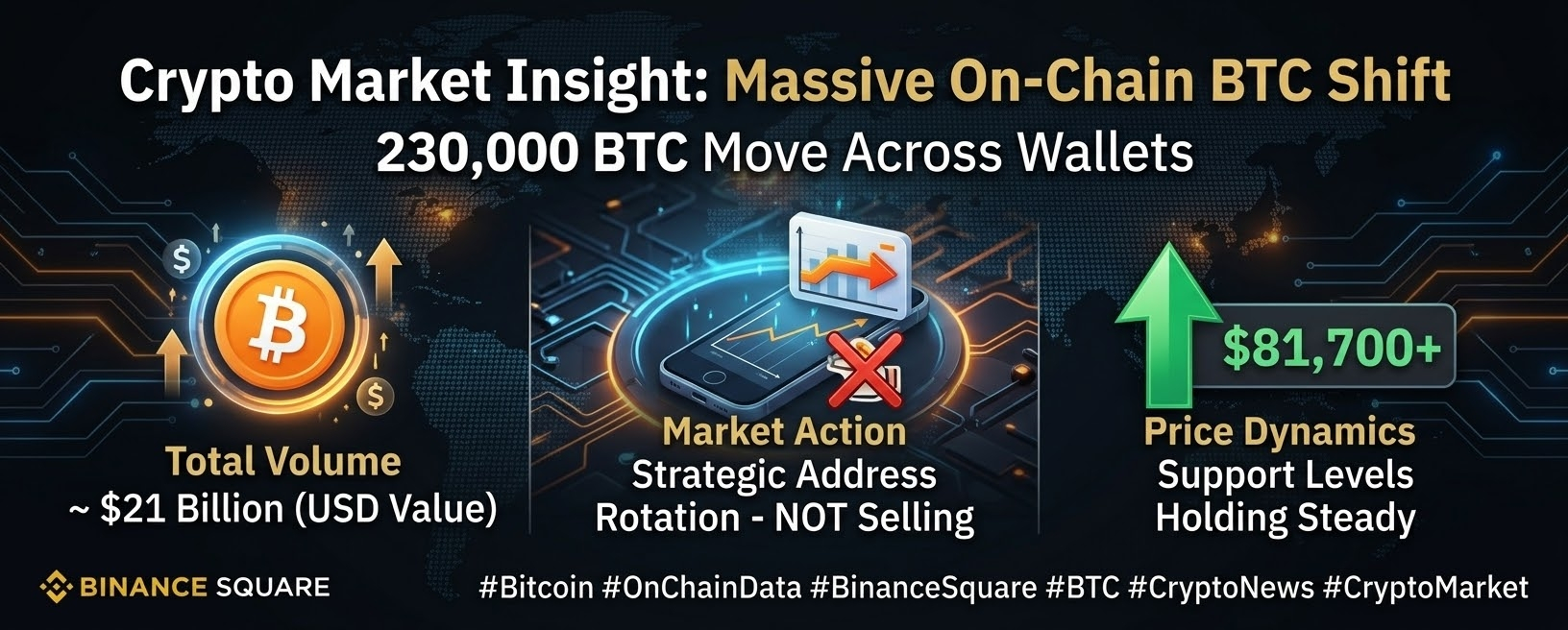
Масштабное перемещение 230 тыс. BTC в блокчейне: что это значит для рынкаНедавно крипторынок стал свидетелем одного из крупнейших в этом году перемещений Bitcoin в блокчейне: между кошельками было переведено более 230 000 BTC (около $21 млрд). Несмотря на этот огромный объем, анализ рынка не выявил значительного всплеска притока средств на биржи, что указывает скорее на внутреннее перемещение активов между адресами, чем на давление со стороны продавцов.
Активность китов: Такие крупные транзакции свидетельствуют о стратегическом управлении кошельками со стороны крупных институциональных держателей или кастодиальных сервисов.
Стабильность рынка: Поскольку Bitcoin удерживается вблизи отметки $81 700 после тестирования ключевых зон поддержки, аналитики прогнозируют, что в ближайшее время цена останется в диапазоне $80 000–$85 000.
Масштабное перемещение 230 тыс. BTC в блокчейне: что это значит для рынка
Недавно крипторынок стал свидетелем одного из крупнейших в этом году перемещений Bitcoin в блокчейне: между кошельками было переведено более 230 000 BTC (около $21 млрд). Несмотря на этот огромный объем, анализ рынка не выявил значительного всплеска притока средств на биржи, что указывает скорее на внутреннее перемещение активов между адресами, чем на давление со стороны продавцов.
Активность китов: Такие крупные транзакции свидетельствуют о стратегическом управлении кошельками со стороны крупных институциональных держателей или кастодиальных сервисов.
Стабильность рынка: Поскольку Bitcoin удерживается вблизи отметки $81 700 после тестирования ключевых зон поддержки, аналитики прогнозируют, что в ближайшее время цена останется в диапазоне $80 000–$85 000.
Активность китов: Такие крупные транзакции свидетельствуют о стратегическом управлении кошельками со стороны крупных институциональных держателей или кастодиальных сервисов.
Стабильность рынка: Поскольку Bitcoin удерживается вблизи отметки $81 700 после тестирования ключевых зон поддержки, аналитики прогнозируют, что в ближайшее время цена останется в диапазоне $80 000–$85 000.
63
·
--
Умные деньги сейчас незаметно выводят предложение с бирж. Пока $LINK держится около 11.796, резервы на централизованных биржах быстро сокращаются: крупные держатели переводят токены прямо на холодное хранение. Несмотря на затишье в ценовом движении, долгосрочные держатели демонстрируют чрезвычайно твёрдую убеждённость.
#OnChainData #WhaleAlert #LINK
Умные деньги сейчас незаметно выводят предложение с бирж. Пока $LINK держится около 11.796, резервы на централизованных биржах быстро сокращаются: крупные держатели переводят токены прямо на холодное хранение. Несмотря на затишье в ценовом движении, долгосрочные держатели демонстрируют чрезвычайно твёрдую убеждённость.
#OnChainData #WhaleAlert #LINK
#OnChainData #WhaleAlert #LINK

1
3

·
--
SHIB возвращается выше $0.000005, но приток средств призывает к осторожности ⚠️
Shiba Inu ($SHIB) отскочил от дневного минимума $0.00000493 и торгуется около $0.00000510. Возвращение выше психологически важного уровня $0.000005 приносит краткосрочное облегчение, однако ончейн-метрики указывают на возможное усиление давления продавцов.
Ключевые данные:
Всплеск чистого притока: биржи зафиксировали общий приток в размере 256.44B SHIB при оттоке 202.63B SHIB. В результате всего за 24 часа чистый приток составил около 53.80B SHIB (+3.69%).
Рост резервов: общие резервы на биржах увеличились до 87.236T SHIB (примерно $441.4M), подтверждая стабильные поступления в течение последних торговых сессий.
Техническое препятствие: отскок остается неустойчивым без подтверждения сильными объемами. SHIB сталкивается с сопротивлением в районе 100-дневной скользящей средней на отметке $0.00000525 и 200-дневной — около $0.00000558.
Крупные чистые поступления на централизованные биржи обычно указывают на то, что держатели могут готовиться зафиксировать прибыль или хеджировать риски волатильности. Для подтверждения устойчивого продолжения роста быкам необходимо закрыть дневную свечу выше зоны $0.00000525.
Выкупаете это падение или ждете уверенного пробоя? Поделитесь мнением в комментариях! 👇
#SHIB #CryptoNews #BinanceSquare #Memecoins #OnChainData
$SHIB
{spot}(SHIBUSDT)
SHIB возвращается выше $0.000005, но приток средств призывает к осторожности ⚠️
Shiba Inu ($SHIB ) отскочил от дневного минимума $0.00000493 и торгуется около $0.00000510. Возвращение выше психологически важного уровня $0.000005 приносит краткосрочное облегчение, однако ончейн-метрики указывают на возможное усиление давления продавцов.
Ключевые данные:
Всплеск чистого притока: биржи зафиксировали общий приток в размере 256.44B SHIB при оттоке 202.63B SHIB. В результате всего за 24 часа чистый приток составил около 53.80B SHIB (+3.69%).
Рост резервов: общие резервы на биржах увеличились до 87.236T SHIB (примерно $441.4M), подтверждая стабильные поступления в течение последних торговых сессий.
Техническое препятствие: отскок остается неустойчивым без подтверждения сильными объемами. SHIB сталкивается с сопротивлением в районе 100-дневной скользящей средней на отметке $0.00000525 и 200-дневной — около $0.00000558.
Крупные чистые поступления на централизованные биржи обычно указывают на то, что держатели могут готовиться зафиксировать прибыль или хеджировать риски волатильности. Для подтверждения устойчивого продолжения роста быкам необходимо закрыть дневную свечу выше зоны $0.00000525.
Выкупаете это падение или ждете уверенного пробоя? Поделитесь мнением в комментариях! 👇
#SHIB #CryptoNews #BinanceSquare #Memecoins #OnChainData
$SHIB
Shiba Inu ($SHIB ) отскочил от дневного минимума $0.00000493 и торгуется около $0.00000510. Возвращение выше психологически важного уровня $0.000005 приносит краткосрочное облегчение, однако ончейн-метрики указывают на возможное усиление давления продавцов.
Ключевые данные:
Всплеск чистого притока: биржи зафиксировали общий приток в размере 256.44B SHIB при оттоке 202.63B SHIB. В результате всего за 24 часа чистый приток составил около 53.80B SHIB (+3.69%).
Рост резервов: общие резервы на биржах увеличились до 87.236T SHIB (примерно $441.4M), подтверждая стабильные поступления в течение последних торговых сессий.
Техническое препятствие: отскок остается неустойчивым без подтверждения сильными объемами. SHIB сталкивается с сопротивлением в районе 100-дневной скользящей средней на отметке $0.00000525 и 200-дневной — около $0.00000558.
Крупные чистые поступления на централизованные биржи обычно указывают на то, что держатели могут готовиться зафиксировать прибыль или хеджировать риски волатильности. Для подтверждения устойчивого продолжения роста быкам необходимо закрыть дневную свечу выше зоны $0.00000525.
Выкупаете это падение или ждете уверенного пробоя? Поделитесь мнением в комментариях! 👇
#SHIB #CryptoNews #BinanceSquare #Memecoins #OnChainData
$SHIB
2
178
·
--
Здесь уже почти 22:30, и я сижу за столом, изучая давление со стороны предложения Avalanche. Пока розничные инвесторы гоняются за очередной мем-монетой, данные блокчейна $AVAX показывают, что за кулисами происходит куда более продуманное движение. Мы наблюдаем устойчивое сокращение резервов на биржах: за последние 30 дней чистый отток составил почти 1,2 миллиона единиц. Это не просто случайная волатильность — налицо явный переход к холодному хранению и стейкингу валидаторов.
Баланс группы крупных держателей, у которых от 10 000 до 100 000 единиц, в этом месяце вырос примерно на 2,4 процента. Если учесть, что показатель MVRV Z-Score держится в нейтральной зоне около 1,2, становится ясно: сеть даже близко не перегрета. Мы имеем дело с рынком, который принципиально отличается от пика 2021 года, поскольку объем монет в свободном обращении блокируется быстрее, чем линейные разблокировки токенов команды поступают на вторичный рынок.
Сейчас в стейкинге участвует около 54 процентов монет, что фактически вдвое сокращает ликвидное предложение. Это создает огромный дисбаланс спроса и предложения, когда со стороны институциональных инвесторов вновь появится покупательское давление. Доля долгосрочных держателей достигла максимума за несколько месяцев. Как правило, это говорит о том, что опытные инвесторы готовы выжидать прорыва на макроуровне, а не пытаться заработать на небольших колебаниях.
Больше всего меня интересует скорость вывода средств. На этой неделе объем крупных транзакций на сумму свыше 100 000 долларов вырос на 15 процентов — часто это предвестник более масштабных изменений тренда. AVAX исподволь затягивает пояс, пока все остальные отвлечены.
Вы тоже замечаете подобные модели накопления или ждете большей ясности в макроэкономической ситуации, прежде чем принимать решение?
#OnChainData #WhaleAlert
Здесь уже почти 22:30, и я сижу за столом, изучая давление со стороны предложения Avalanche. Пока розничные инвесторы гоняются за очередной мем-монетой, данные блокчейна $AVAX показывают, что за кулисами происходит куда более продуманное движение. Мы наблюдаем устойчивое сокращение резервов на биржах: за последние 30 дней чистый отток составил почти 1,2 миллиона единиц. Это не просто случайная волатильность — налицо явный переход к холодному хранению и стейкингу валидаторов.
Баланс группы крупных держателей, у которых от 10 000 до 100 000 единиц, в этом месяце вырос примерно на 2,4 процента. Если учесть, что показатель MVRV Z-Score держится в нейтральной зоне около 1,2, становится ясно: сеть даже близко не перегрета. Мы имеем дело с рынком, который принципиально отличается от пика 2021 года, поскольку объем монет в свободном обращении блокируется быстрее, чем линейные разблокировки токенов команды поступают на вторичный рынок.
Сейчас в стейкинге участвует около 54 процентов монет, что фактически вдвое сокращает ликвидное предложение. Это создает огромный дисбаланс спроса и предложения, когда со стороны институциональных инвесторов вновь появится покупательское давление. Доля долгосрочных держателей достигла максимума за несколько месяцев. Как правило, это говорит о том, что опытные инвесторы готовы выжидать прорыва на макроуровне, а не пытаться заработать на небольших колебаниях.
Больше всего меня интересует скорость вывода средств. На этой неделе объем крупных транзакций на сумму свыше 100 000 долларов вырос на 15 процентов — часто это предвестник более масштабных изменений тренда. AVAX исподволь затягивает пояс, пока все остальные отвлечены.
Вы тоже замечаете подобные модели накопления или ждете большей ясности в макроэкономической ситуации, прежде чем принимать решение?
#OnChainData #WhaleAlert
Баланс группы крупных держателей, у которых от 10 000 до 100 000 единиц, в этом месяце вырос примерно на 2,4 процента. Если учесть, что показатель MVRV Z-Score держится в нейтральной зоне около 1,2, становится ясно: сеть даже близко не перегрета. Мы имеем дело с рынком, который принципиально отличается от пика 2021 года, поскольку объем монет в свободном обращении блокируется быстрее, чем линейные разблокировки токенов команды поступают на вторичный рынок.
Сейчас в стейкинге участвует около 54 процентов монет, что фактически вдвое сокращает ликвидное предложение. Это создает огромный дисбаланс спроса и предложения, когда со стороны институциональных инвесторов вновь появится покупательское давление. Доля долгосрочных держателей достигла максимума за несколько месяцев. Как правило, это говорит о том, что опытные инвесторы готовы выжидать прорыва на макроуровне, а не пытаться заработать на небольших колебаниях.
Больше всего меня интересует скорость вывода средств. На этой неделе объем крупных транзакций на сумму свыше 100 000 долларов вырос на 15 процентов — часто это предвестник более масштабных изменений тренда. AVAX исподволь затягивает пояс, пока все остальные отвлечены.
Вы тоже замечаете подобные модели накопления или ждете большей ясности в макроэкономической ситуации, прежде чем принимать решение?
#OnChainData #WhaleAlert
1
4
·
--
Настоящая история разворачивается за пределами бирж. Пока $AVAX находится на уровне 9.295, данные ончейн показывают масштабное накопление монет крупными держателями. Резервы CEX стремительно сокращаются, поскольку умные деньги переводят активы в холодное хранилище. Этот переход от спекулянтов к долгосрочным держателям говорит о формировании очень прочного фундамента, несмотря на краткосрочные колебания цены. $BTC
#OnChainData #WhaleAlert #AVAX
Настоящая история разворачивается за пределами бирж. Пока $AVAX находится на уровне 9.295, данные ончейн показывают масштабное накопление монет крупными держателями. Резервы CEX стремительно сокращаются, поскольку умные деньги переводят активы в холодное хранилище. Этот переход от спекулянтов к долгосрочным держателям говорит о формировании очень прочного фундамента, несмотря на краткосрочные колебания цены. $BTC
#OnChainData #WhaleAlert #AVAX
#OnChainData #WhaleAlert #AVAX
1
5

·
--
Dune запустила данные об ончейн-торговле спотовыми и бессрочными контрактами: они поступают примерно через секунду после блока в едином формате, охватывающем более 200 децентрализованных платформ. Это упрощает сравнение исполнения сделок на разных рынках, но охват выборочный и включает не все сделки. 📊⛓️⚡️ Как думаете, эти данные изменят подход к отслеживанию ликвидности?
Самые торгуемые активы на Binance на момент наблюдения (23 октября, 02:03 по стамбульскому времени): $USDC, $BTC, $ETH — по объёму торгов пар с USDT за 24 часа на Binance Spot. Это общий обзор рынка, не связанный с новостью о Dune.
#Dune #OnchainData
Dune запустила данные об ончейн-торговле спотовыми и бессрочными контрактами: они поступают примерно через секунду после блока в едином формате, охватывающем более 200 децентрализованных платформ. Это упрощает сравнение исполнения сделок на разных рынках, но охват выборочный и включает не все сделки. 📊⛓️⚡️ Как думаете, эти данные изменят подход к отслеживанию ликвидности?
Самые торгуемые активы на Binance на момент наблюдения (23 октября, 02:03 по стамбульскому времени): $USDC , $BTC , $ETH — по объёму торгов пар с USDT за 24 часа на Binance Spot. Это общий обзор рынка, не связанный с новостью о Dune.
#Dune #OnchainData
Самые торгуемые активы на Binance на момент наблюдения (23 октября, 02:03 по стамбульскому времени): $USDC , $BTC , $ETH — по объёму торгов пар с USDT за 24 часа на Binance Spot. Это общий обзор рынка, не связанный с новостью о Dune.
#Dune #OnchainData

34

·
--
Dune только что запустила потоки данных в реальном времени, охватывающие 200 торговых площадок в блокчейне! Этот инструмент связывает данные в блокчейне с традиционными финансовыми системами — идеальное решение для институциональных игроков, выходящих на крипторынок. На фоне роста рынка токенизированных акций Dune выбрала идеальный момент! #DeFi #OnchainData $ETH
Dune только что запустила потоки данных в реальном времени, охватывающие 200 торговых площадок в блокчейне! Этот инструмент помогает интегрировать данные в блокчейне с традиционными финансовыми системами — то, что нужно институциональным игрокам, выходящим на крипторынок. На фоне роста рынка токенизированных акций Dune выбрала идеальный момент! #DeFi #OnchainData $ETH
Dune только что запустила потоки данных в реальном времени, охватывающие 200 торговых площадок в блокчейне! Этот инструмент связывает данные в блокчейне с традиционными финансовыми системами — идеальное решение для институциональных игроков, выходящих на крипторынок. На фоне роста рынка токенизированных акций Dune выбрала идеальный момент! #DeFi #OnchainData $ETH
Dune только что запустила потоки данных в реальном времени, охватывающие 200 торговых площадок в блокчейне! Этот инструмент помогает интегрировать данные в блокчейне с традиционными финансовыми системами — то, что нужно институциональным игрокам, выходящим на крипторынок. На фоне роста рынка токенизированных акций Dune выбрала идеальный момент! #DeFi #OnchainData $ETH
Dune только что запустила потоки данных в реальном времени, охватывающие 200 торговых площадок в блокчейне! Этот инструмент помогает интегрировать данные в блокчейне с традиционными финансовыми системами — то, что нужно институциональным игрокам, выходящим на крипторынок. На фоне роста рынка токенизированных акций Dune выбрала идеальный момент! #DeFi #OnchainData $ETH
148

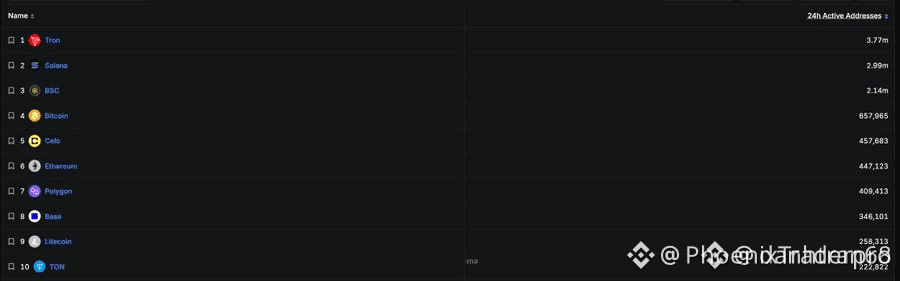
⚡ $TRX ДОМИНИРУЕТ В МИРОВОЙ СТАТИСТИКЕ: 3,77 МЛН АКТИВНЫХ АДРЕСОВ ЗА 24 ЧАСА! 📈
📊 Чистая скорость ончейн-операций отделяет реальную пользу сети от спекулятивного шума. $TRX незаметно заняла первое место в мире: 3,77 миллиона активных адресов за один день и более 30,2 млрд долларов США в ежедневном объёме переводов USDT.
🌊 Капитал движется туда, где исчезают препятствия для расчётов. Пока другие блокчейны борются за спекулятивное внимание, TRON установила почти монопольный контроль над реальным обращением стейблкоинов. 💬 Неужели использование сети ончейн наконец-то начнёт заметно отражаться на графике? 👇
⚠️ Не является финансовой рекомендацией. Всегда учитывайте риски. 🛡️
🏷️ #TRX #OnChainData #Stablecoins #CryptoTrading
🎯 🦈
⚡ $TRX ДОМИНИРУЕТ В МИРОВОЙ СТАТИСТИКЕ: 3,77 МЛН АКТИВНЫХ АДРЕСОВ ЗА 24 ЧАСА! 📈
📊 Чистая скорость ончейн-операций отделяет реальную пользу сети от спекулятивного шума. $TRX незаметно заняла первое место в мире: 3,77 миллиона активных адресов за один день и более 30,2 млрд долларов США в ежедневном объёме переводов USDT.
🌊 Капитал движется туда, где исчезают препятствия для расчётов. Пока другие блокчейны борются за спекулятивное внимание, TRON установила почти монопольный контроль над реальным обращением стейблкоинов. 💬 Неужели использование сети ончейн наконец-то начнёт заметно отражаться на графике? 👇
⚠️ Не является финансовой рекомендацией. Всегда учитывайте риски. 🛡️
🏷️ #TRX #OnChainData #Stablecoins #CryptoTrading
🎯 🦈
📊 Чистая скорость ончейн-операций отделяет реальную пользу сети от спекулятивного шума. $TRX незаметно заняла первое место в мире: 3,77 миллиона активных адресов за один день и более 30,2 млрд долларов США в ежедневном объёме переводов USDT.
🌊 Капитал движется туда, где исчезают препятствия для расчётов. Пока другие блокчейны борются за спекулятивное внимание, TRON установила почти монопольный контроль над реальным обращением стейблкоинов. 💬 Неужели использование сети ончейн наконец-то начнёт заметно отражаться на графике? 👇
⚠️ Не является финансовой рекомендацией. Всегда учитывайте риски. 🛡️
🏷️ #TRX #OnChainData #Stablecoins #CryptoTrading
🎯 🦈
6
·
--
Так, друзья, @itstrendfinder на связи — разбираем $ADA , что стоит за повседневным рыночным шумом. На минуту забудем о мимолётных графических паттернах. Мы глубоко погрузимся в истинное состояние сети, чтобы понять, что на самом деле делают крупные игроки со своими активами, пока спотовая цена держится около 0.2151.
Последние ончейн-сигналы складываются в неоднозначную картину. Больше всего привлекает моё внимание устойчивое сокращение резервов на биржах. За последние тридцать дней мы наблюдали небольшой, но постоянный чистый отток ADA с централизованных торговых платформ. Это не массовый исход, но он говорит о многом: предложение постепенно перемещается в холодные кошельки, что указывает на снижение немедленного давления продавцов и явное предпочтение самостоятельного хранения среди держателей.
Если присмотреться к группе крупных держателей, у которых от одной до десяти тысяч монет, их балансы остаются относительно стабильными, а во время рыночных спадов они периодически понемногу накапливают активы. Эта группа опытных инвесторов не производит громких движений, но последовательно сохраняет и немного увеличивает свои позиции, демонстрируя долгосрочную убеждённость, а не краткосрочные спекулятивные настроения.
С точки зрения оценки, показатель MVRV Z-Score остаётся в здоровом диапазоне, что говорит о том, что актив не перегрет и находится значительно ниже эйфорических уровней. Это означает, что, несмотря на недавнюю волатильность рынка, ADA не переоценена относительно своей реализованной цены. Если посмотреть на предложение у долгосрочных держателей, оно по-прежнему составляет основную часть обращающегося объёма — 35,7 миллиарда токенов из максимального предложения в 45 миллиардов. Это означает, что размывание долей из-за будущей разблокировки токенов будет минимальным.
Итак, хотя некоторым динамика цены может казаться вялой, базовые ончейн-данные указывают на прочную основу из преданных держателей и постепенное накопление активов вне бирж. Именно такая структурная поддержка часто предшествует более масштабным макродвижениям.
Что вы думаете о нынешней долгосрочной уверенности держателей ADA?
#OnChainData #WhaleAlert
Так, друзья, @itstrendfinder на связи — разбираем $ADA , что стоит за повседневным рыночным шумом. На минуту забудем о мимолётных графических паттернах. Мы глубоко погрузимся в истинное состояние сети, чтобы понять, что на самом деле делают крупные игроки со своими активами, пока спотовая цена держится около 0.2151.
Последние ончейн-сигналы складываются в неоднозначную картину. Больше всего привлекает моё внимание устойчивое сокращение резервов на биржах. За последние тридцать дней мы наблюдали небольшой, но постоянный чистый отток ADA с централизованных торговых платформ. Это не массовый исход, но он говорит о многом: предложение постепенно перемещается в холодные кошельки, что указывает на снижение немедленного давления продавцов и явное предпочтение самостоятельного хранения среди держателей.
Если присмотреться к группе крупных держателей, у которых от одной до десяти тысяч монет, их балансы остаются относительно стабильными, а во время рыночных спадов они периодически понемногу накапливают активы. Эта группа опытных инвесторов не производит громких движений, но последовательно сохраняет и немного увеличивает свои позиции, демонстрируя долгосрочную убеждённость, а не краткосрочные спекулятивные настроения.
С точки зрения оценки, показатель MVRV Z-Score остаётся в здоровом диапазоне, что говорит о том, что актив не перегрет и находится значительно ниже эйфорических уровней. Это означает, что, несмотря на недавнюю волатильность рынка, ADA не переоценена относительно своей реализованной цены. Если посмотреть на предложение у долгосрочных держателей, оно по-прежнему составляет основную часть обращающегося объёма — 35,7 миллиарда токенов из максимального предложения в 45 миллиардов. Это означает, что размывание долей из-за будущей разблокировки токенов будет минимальным.
Итак, хотя некоторым динамика цены может казаться вялой, базовые ончейн-данные указывают на прочную основу из преданных держателей и постепенное накопление активов вне бирж. Именно такая структурная поддержка часто предшествует более масштабным макродвижениям.
Что вы думаете о нынешней долгосрочной уверенности держателей ADA?
#OnChainData #WhaleAlert
Последние ончейн-сигналы складываются в неоднозначную картину. Больше всего привлекает моё внимание устойчивое сокращение резервов на биржах. За последние тридцать дней мы наблюдали небольшой, но постоянный чистый отток ADA с централизованных торговых платформ. Это не массовый исход, но он говорит о многом: предложение постепенно перемещается в холодные кошельки, что указывает на снижение немедленного давления продавцов и явное предпочтение самостоятельного хранения среди держателей.
Если присмотреться к группе крупных держателей, у которых от одной до десяти тысяч монет, их балансы остаются относительно стабильными, а во время рыночных спадов они периодически понемногу накапливают активы. Эта группа опытных инвесторов не производит громких движений, но последовательно сохраняет и немного увеличивает свои позиции, демонстрируя долгосрочную убеждённость, а не краткосрочные спекулятивные настроения.
С точки зрения оценки, показатель MVRV Z-Score остаётся в здоровом диапазоне, что говорит о том, что актив не перегрет и находится значительно ниже эйфорических уровней. Это означает, что, несмотря на недавнюю волатильность рынка, ADA не переоценена относительно своей реализованной цены. Если посмотреть на предложение у долгосрочных держателей, оно по-прежнему составляет основную часть обращающегося объёма — 35,7 миллиарда токенов из максимального предложения в 45 миллиардов. Это означает, что размывание долей из-за будущей разблокировки токенов будет минимальным.
Итак, хотя некоторым динамика цены может казаться вялой, базовые ончейн-данные указывают на прочную основу из преданных держателей и постепенное накопление активов вне бирж. Именно такая структурная поддержка часто предшествует более масштабным макродвижениям.
Что вы думаете о нынешней долгосрочной уверенности держателей ADA?
#OnChainData #WhaleAlert
1
8

🚨 $MORPHO ТЕРЯЕТ $2,3 МЛН: РИСКИ В БЛОКЧЕЙНЕ ПОДРЫВАЮТ ДОВЕРИЕ ИНСТИТУЦИОНАЛЬНЫХ ИНВЕСТОРОВ! 🔻
🔍 Анализ транзакций в блокчейне показал, что 973 000 токенов $MORPHO были выведены из двух институциональных кошельков с помощью эксплойтов делегирования EIP-7702, а затем напрямую переведены в протоколы конфиденциальности. Это произошло после аналогичной утечки на $3,5 млн 9 октября, связанной с той же группой институциональных участников, что стало серьёзным тревожным сигналом для хранения активов крупных инвесторов.
🌊 Когда под угрозу попадают крупные игроки, принудительные ликвидации и усиление давления со стороны продавцов часто испытывают ликвидность спотовых пулов на прочность, пока ситуация не стабилизируется. 💬 Как, по-вашему, биржевые стаканы справятся с этим внезапным дополнительным риском? 👇
⚠️ Не является финансовой рекомендацией. Всегда управляйте рисками. 🛡️
🏷️ #MORPHO #CryptoSecurity #OnChainData #DeFi
🦈 📉
🚨 $MORPHO ТЕРЯЕТ $2,3 МЛН: РИСКИ В БЛОКЧЕЙНЕ ПОДРЫВАЮТ ДОВЕРИЕ ИНСТИТУЦИОНАЛЬНЫХ ИНВЕСТОРОВ! 🔻
🔍 Анализ транзакций в блокчейне показал, что 973 000 токенов $MORPHO были выведены из двух институциональных кошельков с помощью эксплойтов делегирования EIP-7702, а затем напрямую переведены в протоколы конфиденциальности. Это произошло после аналогичной утечки на $3,5 млн 9 октября, связанной с той же группой институциональных участников, что стало серьёзным тревожным сигналом для хранения активов крупных инвесторов.
🌊 Когда под угрозу попадают крупные игроки, принудительные ликвидации и усиление давления со стороны продавцов часто испытывают ликвидность спотовых пулов на прочность, пока ситуация не стабилизируется. 💬 Как, по-вашему, биржевые стаканы справятся с этим внезапным дополнительным риском? 👇
⚠️ Не является финансовой рекомендацией. Всегда управляйте рисками. 🛡️
🏷️ #MORPHO #CryptoSecurity #OnChainData #DeFi
🦈 📉
🔍 Анализ транзакций в блокчейне показал, что 973 000 токенов $MORPHO были выведены из двух институциональных кошельков с помощью эксплойтов делегирования EIP-7702, а затем напрямую переведены в протоколы конфиденциальности. Это произошло после аналогичной утечки на $3,5 млн 9 октября, связанной с той же группой институциональных участников, что стало серьёзным тревожным сигналом для хранения активов крупных инвесторов.
🌊 Когда под угрозу попадают крупные игроки, принудительные ликвидации и усиление давления со стороны продавцов часто испытывают ликвидность спотовых пулов на прочность, пока ситуация не стабилизируется. 💬 Как, по-вашему, биржевые стаканы справятся с этим внезапным дополнительным риском? 👇
⚠️ Не является финансовой рекомендацией. Всегда управляйте рисками. 🛡️
🏷️ #MORPHO #CryptoSecurity #OnChainData #DeFi
🦈 📉
9

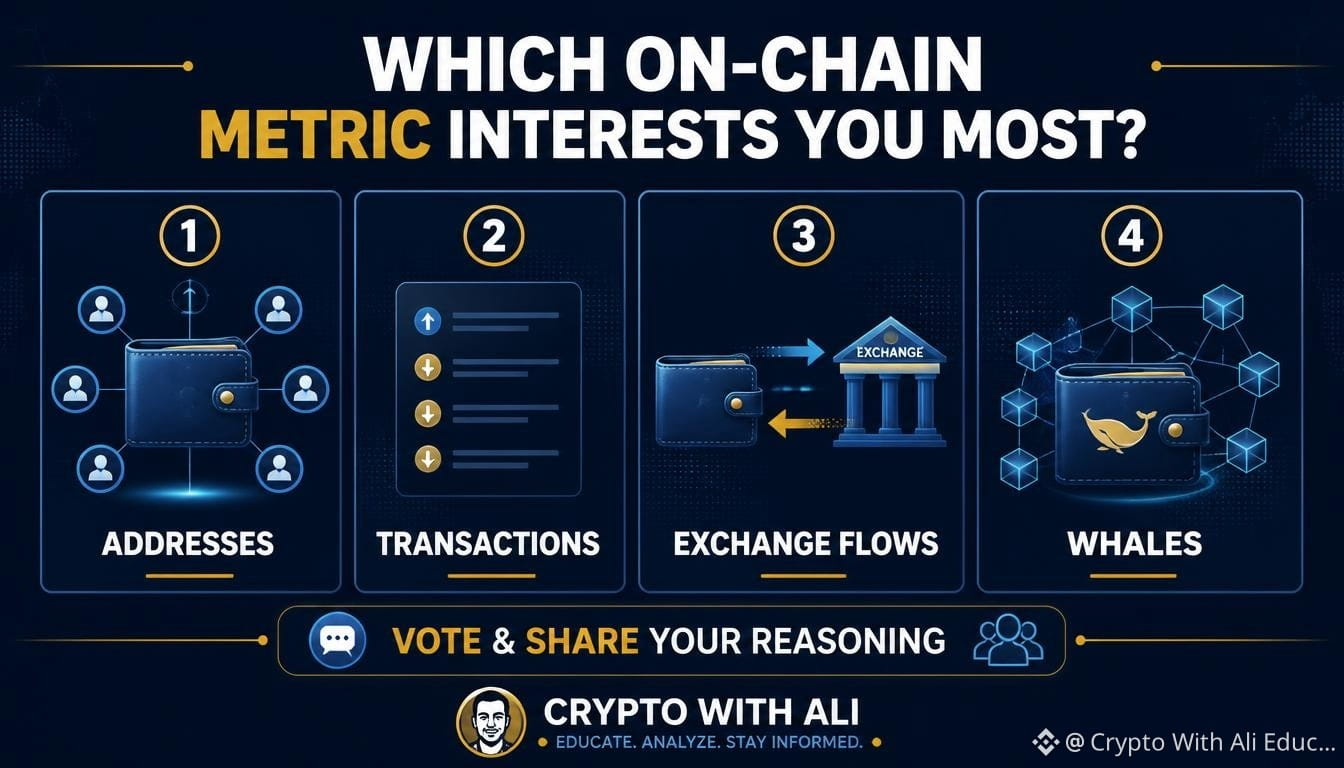
Какие ончейн-данные вам интереснее всего?
Ончейн-метрики могут дать контекст, которого не видно на одних лишь графиках цен. Разные метрики помогают аналитикам исследовать разные вопросы.
📊 Выберите, что вам нравится больше всего:
> Адреса — участие и активность сети
> Транзакции — как активность меняется со временем
> Потоки средств на биржи и с бирж — перемещения между биржами и другими кошельками
> Киты — крупные переводы и поведение кошельков
💬 Проголосуйте и объясните свой выбор в комментариях. Какую метрику, по-вашему, проще всего неверно истолковать и почему?
Помните: ончейн-данные дают контекст, но не достоверные ответы. По одной метрике нельзя надёжно определить намерения всех участников.
#onchaindata #blockchain #cryptoeducation #MarketAnalysis
Только в образовательных целях. Не является финансовой рекомендацией.
Какие ончейн-данные вам интереснее всего?
Ончейн-метрики могут дать контекст, которого не видно на одних лишь графиках цен. Разные метрики помогают аналитикам исследовать разные вопросы.
📊 Выберите, что вам нравится больше всего:
> Адреса — участие и активность сети
> Транзакции — как активность меняется со временем
> Потоки средств на биржи и с бирж — перемещения между биржами и другими кошельками
> Киты — крупные переводы и поведение кошельков
💬 Проголосуйте и объясните свой выбор в комментариях. Какую метрику, по-вашему, проще всего неверно истолковать и почему?
Помните: ончейн-данные дают контекст, но не достоверные ответы. По одной метрике нельзя надёжно определить намерения всех участников.
#onchaindata #blockchain #cryptoeducation #MarketAnalysis
Только в образовательных целях. Не является финансовой рекомендацией.
Ончейн-метрики могут дать контекст, которого не видно на одних лишь графиках цен. Разные метрики помогают аналитикам исследовать разные вопросы.
📊 Выберите, что вам нравится больше всего:
> Адреса — участие и активность сети
> Транзакции — как активность меняется со временем
> Потоки средств на биржи и с бирж — перемещения между биржами и другими кошельками
> Киты — крупные переводы и поведение кошельков
💬 Проголосуйте и объясните свой выбор в комментариях. Какую метрику, по-вашему, проще всего неверно истолковать и почему?
Помните: ончейн-данные дают контекст, но не достоверные ответы. По одной метрике нельзя надёжно определить намерения всех участников.
#onchaindata #blockchain #cryptoeducation #MarketAnalysis
Только в образовательных целях. Не является финансовой рекомендацией.
35

все считают биткоин самым прозрачным активом в крипте, потому что блокчейн открыт. но на самом деле больше 50% всех $btc хранится в кошельках, владельцев которых никто не может даже определить.
бывало, сидишь и смотришь на данные ончейн, думая, что точно знаешь, кому что принадлежит, а потом тебя выносит какой-то кошелёк-призрак, перемещающий крупные суммы? большинство трейдеров понятия не имеют, что в вопросе реальных владельцев они действуют вслепую.
больше половины всего запаса биткоина находится на адресах, которые никогда не связывали с конкретным человеком или организацией. можно отследить каждую транзакцию и каждый сатоши, но установить, кому принадлежат эти адреса, — совсем другая история.
часть этих кошельков — потерянные монеты с 2009 года. часть — молчаливые OTC-дески. некоторые могут принадлежать государствам, которые скупают биткоин. честно говоря, всё куда запутаннее, чем принято думать.
вот почему наблюдение за метками китов $eth или даже потоками $usdt иногда даёт большее преимущество, чем разглядывание кластеров $btc без меток. данные есть. А вот владельцев — нет.
кто-нибудь ещё считает, что это риск серьёзнее, чем принято признавать?
#Bitcoin #OnChainData #Crypto
все считают биткоин самым прозрачным активом в крипте, потому что блокчейн открыт. но на самом деле больше 50% всех $btc хранится в кошельках, владельцев которых никто не может даже определить.
бывало, сидишь и смотришь на данные ончейн, думая, что точно знаешь, кому что принадлежит, а потом тебя выносит какой-то кошелёк-призрак, перемещающий крупные суммы? большинство трейдеров понятия не имеют, что в вопросе реальных владельцев они действуют вслепую.
больше половины всего запаса биткоина находится на адресах, которые никогда не связывали с конкретным человеком или организацией. можно отследить каждую транзакцию и каждый сатоши, но установить, кому принадлежат эти адреса, — совсем другая история.
часть этих кошельков — потерянные монеты с 2009 года. часть — молчаливые OTC-дески. некоторые могут принадлежать государствам, которые скупают биткоин. честно говоря, всё куда запутаннее, чем принято думать.
вот почему наблюдение за метками китов $eth или даже потоками $usdt иногда даёт большее преимущество, чем разглядывание кластеров $btc без меток. данные есть. А вот владельцев — нет.
кто-нибудь ещё считает, что это риск серьёзнее, чем принято признавать?
#Bitcoin #OnChainData #Crypto
бывало, сидишь и смотришь на данные ончейн, думая, что точно знаешь, кому что принадлежит, а потом тебя выносит какой-то кошелёк-призрак, перемещающий крупные суммы? большинство трейдеров понятия не имеют, что в вопросе реальных владельцев они действуют вслепую.
больше половины всего запаса биткоина находится на адресах, которые никогда не связывали с конкретным человеком или организацией. можно отследить каждую транзакцию и каждый сатоши, но установить, кому принадлежат эти адреса, — совсем другая история.
часть этих кошельков — потерянные монеты с 2009 года. часть — молчаливые OTC-дески. некоторые могут принадлежать государствам, которые скупают биткоин. честно говоря, всё куда запутаннее, чем принято думать.
вот почему наблюдение за метками китов $eth или даже потоками $usdt иногда даёт большее преимущество, чем разглядывание кластеров $btc без меток. данные есть. А вот владельцев — нет.
кто-нибудь ещё считает, что это риск серьёзнее, чем принято признавать?
#Bitcoin #OnChainData #Crypto
1
Ончейн-данные: что активность в блокчейне может рассказать помимо цены
Графики цен показывают, как движется рынок. Ончейн-данные помогают исследовать, что происходит непосредственно в блокчейне.
Аналитики могут изучать не только цены, но и активность сети, особенности транзакций и перемещение цифровых активов.
🔹 1. Активные адреса
Активные адреса — это адреса, участвующие в транзакциях за выбранный период. Изменения могут дать представление об активности участников сети, но один человек может контролировать несколько адресов, а активность не всегда означает появление новых пользователей.
🔹 2. Активность транзакций
Количество и объём транзакций помогают понять, как используется сеть. Однако на интерпретацию могут влиять автоматизированная активность, внутренние переводы и различия между сетями.
🔹 3. Потоки средств на биржи и с них
Ввод средств на биржи и вывод с них помогают аналитикам понять, как активы перемещаются между платформами и другими кошельками. Эти перемещения сами по себе не показывают, намерен ли кто-то покупать или продавать.
🔹 4. Активность крупных держателей
Крупные переводы привлекают внимание, поскольку речь идёт о значительных объёмах криптовалюты. Но крупная транзакция может быть переводом на биржу, перемещением средств на хранение или внутренней реорганизацией кошельков — и не обязательно служить сигналом для рынка.
Как использовать ончейн-данные?
✅ Сравнивайте изменения за разные периоды, а не полагайтесь на одно измерение.
✅ Проверяйте определение показателя и источник данных.
✅ Сопоставляйте активность с ценой, объёмом торгов, ликвидностью и общей ситуацией на рынке.
✅ Помните: прозрачность блокчейна не раскрывает личность или намерения владельца каждого кошелька.
Главное: ончейн-данные добавляют ещё один уровень контекста к анализу рынка. Они наиболее полезны в сочетании с другими данными, а не как инструмент прогнозирования.
💬 Вопрос: какой ончейн-показатель вам интереснее всего:
активные адреса, транзакции, потоки средств на биржи и с них или активность крупных держателей?
Подписывайтесь на Crypto With Ali — понятные и практичные материалы о криптовалютах.
Только в образовательных целях. Не является финансовой рекомендацией.
#onchaindata #blockchaineconomy #cryptoeducation
Ончейн-данные: что активность в блокчейне может рассказать помимо цены
Графики цен показывают, как движется рынок. Ончейн-данные помогают исследовать, что происходит непосредственно в блокчейне.
Аналитики могут изучать не только цены, но и активность сети, особенности транзакций и перемещение цифровых активов.
🔹 1. Активные адреса
Активные адреса — это адреса, участвующие в транзакциях за выбранный период. Изменения могут дать представление об активности участников сети, но один человек может контролировать несколько адресов, а активность не всегда означает появление новых пользователей.
🔹 2. Активность транзакций
Количество и объём транзакций помогают понять, как используется сеть. Однако на интерпретацию могут влиять автоматизированная активность, внутренние переводы и различия между сетями.
🔹 3. Потоки средств на биржи и с них
Ввод средств на биржи и вывод с них помогают аналитикам понять, как активы перемещаются между платформами и другими кошельками. Эти перемещения сами по себе не показывают, намерен ли кто-то покупать или продавать.
🔹 4. Активность крупных держателей
Крупные переводы привлекают внимание, поскольку речь идёт о значительных объёмах криптовалюты. Но крупная транзакция может быть переводом на биржу, перемещением средств на хранение или внутренней реорганизацией кошельков — и не обязательно служить сигналом для рынка.
Как использовать ончейн-данные?
✅ Сравнивайте изменения за разные периоды, а не полагайтесь на одно измерение.
✅ Проверяйте определение показателя и источник данных.
✅ Сопоставляйте активность с ценой, объёмом торгов, ликвидностью и общей ситуацией на рынке.
✅ Помните: прозрачность блокчейна не раскрывает личность или намерения владельца каждого кошелька.
Главное: ончейн-данные добавляют ещё один уровень контекста к анализу рынка. Они наиболее полезны в сочетании с другими данными, а не как инструмент прогнозирования.
💬 Вопрос: какой ончейн-показатель вам интереснее всего:
активные адреса, транзакции, потоки средств на биржи и с них или активность крупных держателей?
Подписывайтесь на Crypto With Ali — понятные и практичные материалы о криптовалютах.
Только в образовательных целях. Не является финансовой рекомендацией.
#onchaindata #blockchaineconomy #cryptoeducation
Графики цен показывают, как движется рынок. Ончейн-данные помогают исследовать, что происходит непосредственно в блокчейне.
Аналитики могут изучать не только цены, но и активность сети, особенности транзакций и перемещение цифровых активов.
🔹 1. Активные адреса
Активные адреса — это адреса, участвующие в транзакциях за выбранный период. Изменения могут дать представление об активности участников сети, но один человек может контролировать несколько адресов, а активность не всегда означает появление новых пользователей.
🔹 2. Активность транзакций
Количество и объём транзакций помогают понять, как используется сеть. Однако на интерпретацию могут влиять автоматизированная активность, внутренние переводы и различия между сетями.
🔹 3. Потоки средств на биржи и с них
Ввод средств на биржи и вывод с них помогают аналитикам понять, как активы перемещаются между платформами и другими кошельками. Эти перемещения сами по себе не показывают, намерен ли кто-то покупать или продавать.
🔹 4. Активность крупных держателей
Крупные переводы привлекают внимание, поскольку речь идёт о значительных объёмах криптовалюты. Но крупная транзакция может быть переводом на биржу, перемещением средств на хранение или внутренней реорганизацией кошельков — и не обязательно служить сигналом для рынка.
Как использовать ончейн-данные?
✅ Сравнивайте изменения за разные периоды, а не полагайтесь на одно измерение.
✅ Проверяйте определение показателя и источник данных.
✅ Сопоставляйте активность с ценой, объёмом торгов, ликвидностью и общей ситуацией на рынке.
✅ Помните: прозрачность блокчейна не раскрывает личность или намерения владельца каждого кошелька.
Главное: ончейн-данные добавляют ещё один уровень контекста к анализу рынка. Они наиболее полезны в сочетании с другими данными, а не как инструмент прогнозирования.
💬 Вопрос: какой ончейн-показатель вам интереснее всего:
активные адреса, транзакции, потоки средств на биржи и с них или активность крупных держателей?
Подписывайтесь на Crypto With Ali — понятные и практичные материалы о криптовалютах.
Только в образовательных целях. Не является финансовой рекомендацией.
#onchaindata #blockchaineconomy #cryptoeducation

60
·
--
Ончейн-метрики Sui указывают на значительное накопление активов институциональными инвесторами
Пока многие трейдеры следят за часовым шумом, настоящее движение $SUI происходит под поверхностью — в данных о выводе средств на холодное хранение. За последние 14 дней наблюдается устойчивый чистый отток средств с крупных бирж. Обычно это указывает на одно: крупные игроки переводят активы на хранение в частные кошельки, тем самым сокращая ликвидное предложение на открытом рынке.
Если посмотреть на группы кошельков, то у кошельков с балансом от 1,000 до 10,000 единиц заметна активная скупка. В отличие от резких скачков, вызванных розничными инвесторами, которые мы часто наблюдаем, здесь идёт планомерное накопление. Доля предложения у долгосрочных держателей сейчас растёт, а это значит, что токены переходят в руки тех, у кого себестоимость значительно выше и кто гораздо менее склонен продавать при небольших колебаниях цены. Этот структурный сдвиг для SUI подтверждается Z-оценкой MVRV: она показывает, что актив далёк от перегретой оценки, несмотря на недавнюю устойчивость.
Больше всего меня интересует, как рынок справился с недавним графиком эмиссии токенов. Обычно крупные разблокировки оказывают существенное давление на цену, но глубина спроса в ончейне без труда поглощает эти токены. Это говорит о том, что институциональные участники активно поддерживают цену около отметки 1.038, готовясь к гораздо более масштабной смене рыночного цикла, а не пытаясь быстро заработать на краткосрочной сделке. Отсутствие новых депозитов SUI на биржах — самый ясный на данный момент сигнал того, что давление продаж ослабевает.
Вы следите за перемещениями крупных держателей в реальном времени или просто реагируете на дневные свечи цены?
_
#OnChainData #WhaleAlert
Ончейн-метрики Sui указывают на значительное накопление активов институциональными инвесторами
Пока многие трейдеры следят за часовым шумом, настоящее движение $SUI происходит под поверхностью — в данных о выводе средств на холодное хранение. За последние 14 дней наблюдается устойчивый чистый отток средств с крупных бирж. Обычно это указывает на одно: крупные игроки переводят активы на хранение в частные кошельки, тем самым сокращая ликвидное предложение на открытом рынке.
Если посмотреть на группы кошельков, то у кошельков с балансом от 1,000 до 10,000 единиц заметна активная скупка. В отличие от резких скачков, вызванных розничными инвесторами, которые мы часто наблюдаем, здесь идёт планомерное накопление. Доля предложения у долгосрочных держателей сейчас растёт, а это значит, что токены переходят в руки тех, у кого себестоимость значительно выше и кто гораздо менее склонен продавать при небольших колебаниях цены. Этот структурный сдвиг для SUI подтверждается Z-оценкой MVRV: она показывает, что актив далёк от перегретой оценки, несмотря на недавнюю устойчивость.
Больше всего меня интересует, как рынок справился с недавним графиком эмиссии токенов. Обычно крупные разблокировки оказывают существенное давление на цену, но глубина спроса в ончейне без труда поглощает эти токены. Это говорит о том, что институциональные участники активно поддерживают цену около отметки 1.038, готовясь к гораздо более масштабной смене рыночного цикла, а не пытаясь быстро заработать на краткосрочной сделке. Отсутствие новых депозитов SUI на биржах — самый ясный на данный момент сигнал того, что давление продаж ослабевает.
Вы следите за перемещениями крупных держателей в реальном времени или просто реагируете на дневные свечи цены?
_
#OnChainData #WhaleAlert
Пока многие трейдеры следят за часовым шумом, настоящее движение $SUI происходит под поверхностью — в данных о выводе средств на холодное хранение. За последние 14 дней наблюдается устойчивый чистый отток средств с крупных бирж. Обычно это указывает на одно: крупные игроки переводят активы на хранение в частные кошельки, тем самым сокращая ликвидное предложение на открытом рынке.
Если посмотреть на группы кошельков, то у кошельков с балансом от 1,000 до 10,000 единиц заметна активная скупка. В отличие от резких скачков, вызванных розничными инвесторами, которые мы часто наблюдаем, здесь идёт планомерное накопление. Доля предложения у долгосрочных держателей сейчас растёт, а это значит, что токены переходят в руки тех, у кого себестоимость значительно выше и кто гораздо менее склонен продавать при небольших колебаниях цены. Этот структурный сдвиг для SUI подтверждается Z-оценкой MVRV: она показывает, что актив далёк от перегретой оценки, несмотря на недавнюю устойчивость.
Больше всего меня интересует, как рынок справился с недавним графиком эмиссии токенов. Обычно крупные разблокировки оказывают существенное давление на цену, но глубина спроса в ончейне без труда поглощает эти токены. Это говорит о том, что институциональные участники активно поддерживают цену около отметки 1.038, готовясь к гораздо более масштабной смене рыночного цикла, а не пытаясь быстро заработать на краткосрочной сделке. Отсутствие новых депозитов SUI на биржах — самый ясный на данный момент сигнал того, что давление продаж ослабевает.
Вы следите за перемещениями крупных держателей в реальном времени или просто реагируете на дневные свечи цены?
_
#OnChainData #WhaleAlert

5

·
--
🚨 $BTC — МОНИТОРИНГ ЛИКВИДНОСТИ В БЛОКЧЕЙНЕ: В ЕВРОПЕ ЛИКВИДИРОВАНА СЕТЬ ПО ОТМЫВАНИЮ €68 МЛН 🔍
Европейские правоохранительные органы пресекли деятельность теневой банковской сети, перемещавшей €68 млн по незаконным трансграничным каналам. Для сокрытия потоков капитала вне блокчейна использовались цифровые активы и крупные биржи. 🏦 Операция охватила Италию, Испанию и Швейцарию и продемонстрировала повышение точности отслеживания теневых потоков ликвидности.
С точки зрения институциональных участников усиление финансово-криминалистического надзора систематически иссушает внбиржевые пулы ликвидности и одновременно ужесточает контроль над легальными каналами доступа. 📊 По мере усиления аудита транзакций в блокчейне в европейских юрисдикциях структурные потоки ордеров неизбежно концентрируются в полностью регулируемых каналах. 💬 Как ужесточение глобального надзора повлияет на общую скорость обращения ликвидности на рынке? 👇
⚠️ Не является финансовой рекомендацией. Всегда управляйте рисками. 🛡️
🏷️ #BTC #CryptoRegulation #MarketStructure #OnChainData
🎯 🦈
🚨 $BTC — МОНИТОРИНГ ЛИКВИДНОСТИ В БЛОКЧЕЙНЕ: В ЕВРОПЕ ЛИКВИДИРОВАНА СЕТЬ ПО ОТМЫВАНИЮ €68 МЛН 🔍
Европейские правоохранительные органы пресекли деятельность теневой банковской сети, перемещавшей €68 млн по незаконным трансграничным каналам. Для сокрытия потоков капитала вне блокчейна использовались цифровые активы и крупные биржи. 🏦 Операция охватила Италию, Испанию и Швейцарию и продемонстрировала повышение точности отслеживания теневых потоков ликвидности.
С точки зрения институциональных участников усиление финансово-криминалистического надзора систематически иссушает внбиржевые пулы ликвидности и одновременно ужесточает контроль над легальными каналами доступа. 📊 По мере усиления аудита транзакций в блокчейне в европейских юрисдикциях структурные потоки ордеров неизбежно концентрируются в полностью регулируемых каналах. 💬 Как ужесточение глобального надзора повлияет на общую скорость обращения ликвидности на рынке? 👇
⚠️ Не является финансовой рекомендацией. Всегда управляйте рисками. 🛡️
🏷️ #BTC #CryptoRegulation #MarketStructure #OnChainData
🎯 🦈
Европейские правоохранительные органы пресекли деятельность теневой банковской сети, перемещавшей €68 млн по незаконным трансграничным каналам. Для сокрытия потоков капитала вне блокчейна использовались цифровые активы и крупные биржи. 🏦 Операция охватила Италию, Испанию и Швейцарию и продемонстрировала повышение точности отслеживания теневых потоков ликвидности.
С точки зрения институциональных участников усиление финансово-криминалистического надзора систематически иссушает внбиржевые пулы ликвидности и одновременно ужесточает контроль над легальными каналами доступа. 📊 По мере усиления аудита транзакций в блокчейне в европейских юрисдикциях структурные потоки ордеров неизбежно концентрируются в полностью регулируемых каналах. 💬 Как ужесточение глобального надзора повлияет на общую скорость обращения ликвидности на рынке? 👇
⚠️ Не является финансовой рекомендацией. Всегда управляйте рисками. 🛡️
🏷️ #BTC #CryptoRegulation #MarketStructure #OnChainData
🎯 🦈
14
Войдите, чтобы посмотреть больше материала
Присоединяйтесь к пользователям криптовалют по всему миру на Binance Square
⚡️ Получайте новейшую и полезную информацию о криптоактивах.
💬 Нам доверяет крупнейшая в мире криптобиржа.
👍 Получите достоверные аналитические данные от верифицированных создателей контента.
Эл. почта/номер телефона
В тренде
1
#BinancePick
Просмотров: 3M
152,414 обсуждают
2
#EarningsSeason
Просмотров: 5.3M
25,920 обсуждают
3
#AnthropicTTMRevenueGrewAbout1200%
Просмотров: 25,481
380 обсуждают
4
#AnthropicS1ExpectedToday
Просмотров: 23,997
319 обсуждают
5
#SouthKoreaReportedlyWeighsFourthCryptoTaxDelay
Просмотров: 28,653
443 обсуждают
6
#FranklinTempletonFilesForTwoDividendToBitcoinETFs
Просмотров: 37,732
522 обсуждают
7
#StrategyMSTRSurpassesNasdaqInMarketCap
Просмотров: 28,370
377 обсуждают
8
#CanadaProposesStablecoinRedemptionWithin3BusinessDays
Просмотров: 1,266
36 обсуждают
9
#ElectrumWalletBugLetRogueServersStealFunds
Просмотров: 29,769
456 обсуждают
10
#ArgentineCourtDismissesLIBRACaseAgainstMilei
Просмотров: 44,714
562 обсуждают