

ASHFAQ NAEEM
611 Публикации

ASHFAQ NAEEM
Отправить жалобу
Заблокировать пользователя
Market Analyst | Spot Trader | Investor | Passionate About Crypto | ashfaqNaeem45🚀✨🍀
Открытая сделка

Владелец ZEN
Трейдер с регулярными сделками
2.4 г
121 подписок(и/а)
1.1K+ подписчиков(а)
1.5K+ понравилось
Посты
Портфель
Все
Активно
·
--
#zcashfalls21%fromseptemberpeak
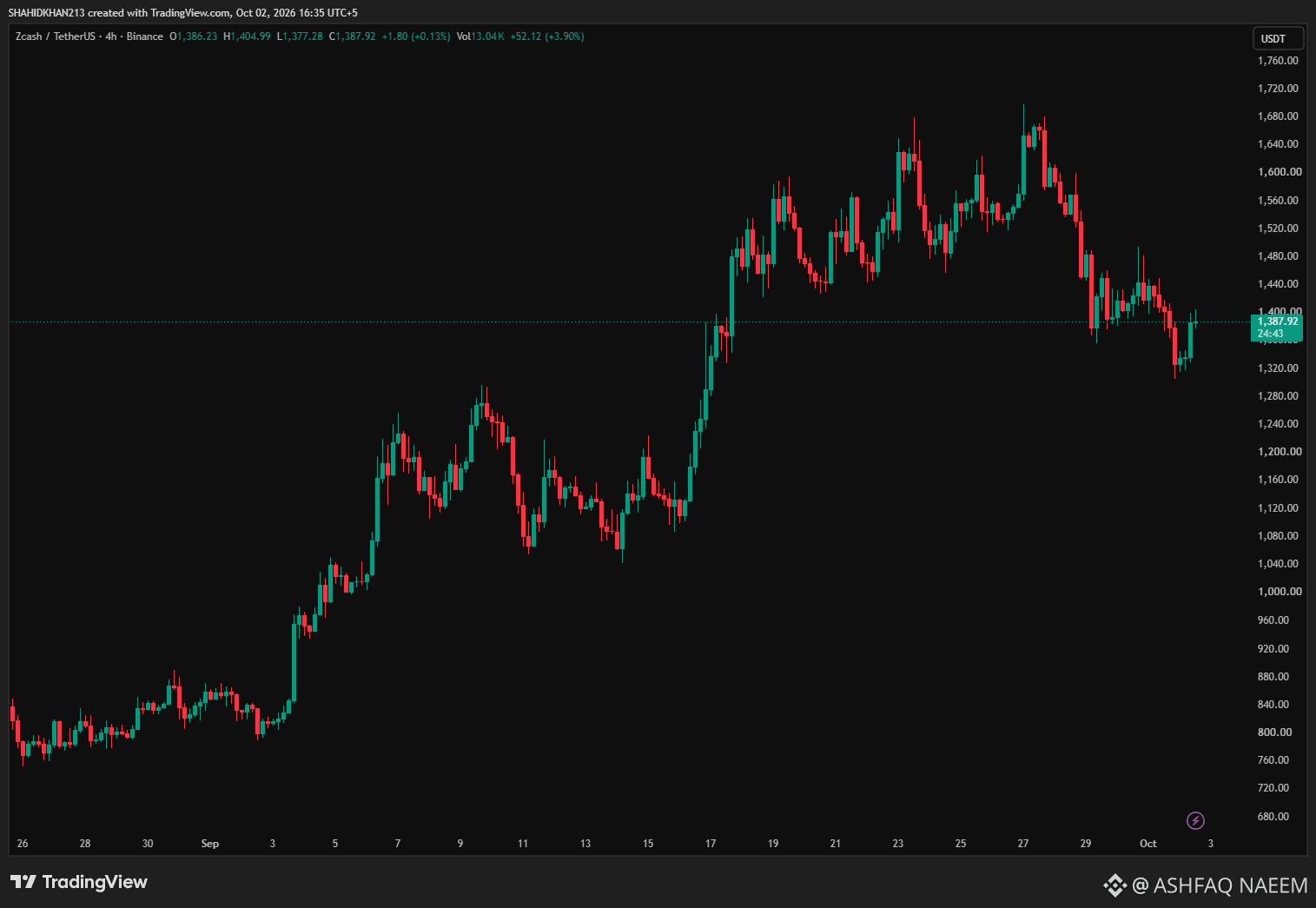
Zcash ($ZEC ) has pulled back sharply after its explosive September rally, falling about 21% from the late-September peak near $1,698. On October 1, ZEC dropped more than 7%, trading around $1,335 at the time.
📉 What’s driving the pullback?
💰 ETF outflows: Grayscale’s Zcash ETF recorded about $30.25M in net outflows on September 30.
🔥 Profit-taking: $ZEC had rallied roughly 253% from its late-August/early-September base, making a correction unsurprising after such a vertical move.
⚠️ Market uncertainty: Concerns surrounding stolen crypto moving through privacy-focused networks have also added pressure to sentiment.
The key question now: Is this simply a cooldown after a massive rally, or the start of a deeper correction? 👀
$ZEC
{future}(ZECUSDT)
#zcashfalls21%fromseptemberpeak
Zcash ($ZEC ) has pulled back sharply after its explosive September rally, falling about 21% from the late-September peak near $1,698. On October 1, ZEC dropped more than 7%, trading around $1,335 at the time.
📉 What’s driving the pullback?
💰 ETF outflows: Grayscale’s Zcash ETF recorded about $30.25M in net outflows on September 30.
🔥 Profit-taking: $ZEC had rallied roughly 253% from its late-August/early-September base, making a correction unsurprising after such a vertical move.
⚠️ Market uncertainty: Concerns surrounding stolen crypto moving through privacy-focused networks have also added pressure to sentiment.
The key question now: Is this simply a cooldown after a massive rally, or the start of a deeper correction? 👀
$ZEC
Zcash ($ZEC ) has pulled back sharply after its explosive September rally, falling about 21% from the late-September peak near $1,698. On October 1, ZEC dropped more than 7%, trading around $1,335 at the time.
📉 What’s driving the pullback?
💰 ETF outflows: Grayscale’s Zcash ETF recorded about $30.25M in net outflows on September 30.
🔥 Profit-taking: $ZEC had rallied roughly 253% from its late-August/early-September base, making a correction unsurprising after such a vertical move.
⚠️ Market uncertainty: Concerns surrounding stolen crypto moving through privacy-focused networks have also added pressure to sentiment.
The key question now: Is this simply a cooldown after a massive rally, or the start of a deeper correction? 👀
$ZEC
1
1
4
8.4k
·
--
Рост
🚨 XRP JUST MADE HISTORY! 🔥
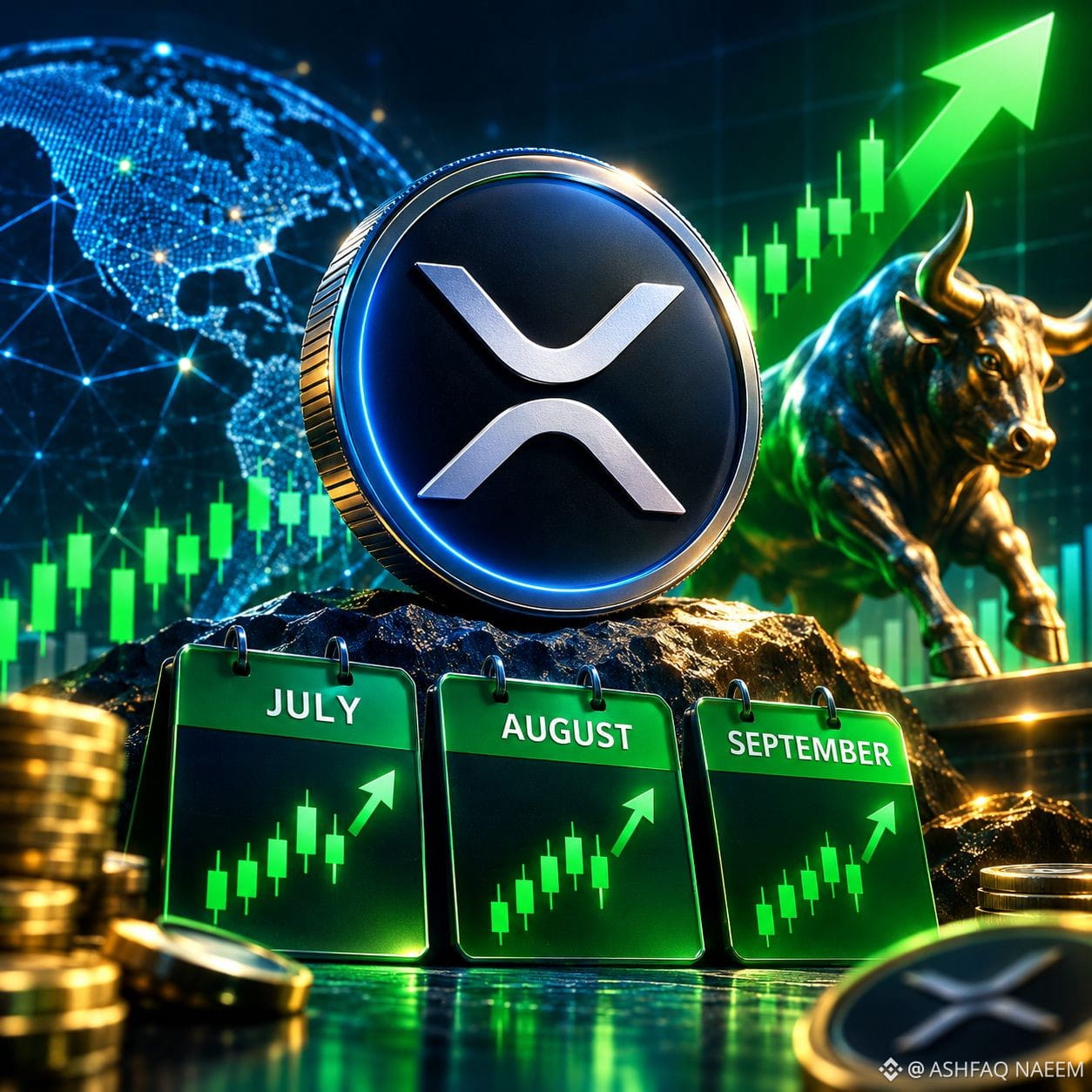
XRP closed July, August, and September 2026 in the green — its first-ever three-consecutive-green-month Q3! 📈
• July: +2%
• August: +30%
• September: +7.95%
• Q3 gain: 40%+
The rally was supported by U.S. spot XRP ETF demand, short covering and falling exchange balances. XRP is now trading around $1.50.
🔥 Three green months. One big question: Can XRP keep the momentum in Q4?
#xrp #Ripple #CryptoNews #altcoins
#xrppostsfirstthreegreenmonthsinq3
$XRP
{future}(XRPUSDT)
🚨 XRP JUST MADE HISTORY! 🔥
XRP closed July, August, and September 2026 in the green — its first-ever three-consecutive-green-month Q3! 📈
• July: +2%
• August: +30%
• September: +7.95%
• Q3 gain: 40%+
The rally was supported by U.S. spot XRP ETF demand, short covering and falling exchange balances. XRP is now trading around $1.50.
🔥 Three green months. One big question: Can XRP keep the momentum in Q4?
#xrp #Ripple #CryptoNews #altcoins
#xrppostsfirstthreegreenmonthsinq3
$XRP
XRP closed July, August, and September 2026 in the green — its first-ever three-consecutive-green-month Q3! 📈
• July: +2%
• August: +30%
• September: +7.95%
• Q3 gain: 40%+
The rally was supported by U.S. spot XRP ETF demand, short covering and falling exchange balances. XRP is now trading around $1.50.
🔥 Three green months. One big question: Can XRP keep the momentum in Q4?
#xrp #Ripple #CryptoNews #altcoins
#xrppostsfirstthreegreenmonthsinq3
$XRP
80
·
--
🚨 #NFPWatch — ALL EYES ON US JOBS DATA! 🇺🇸📊
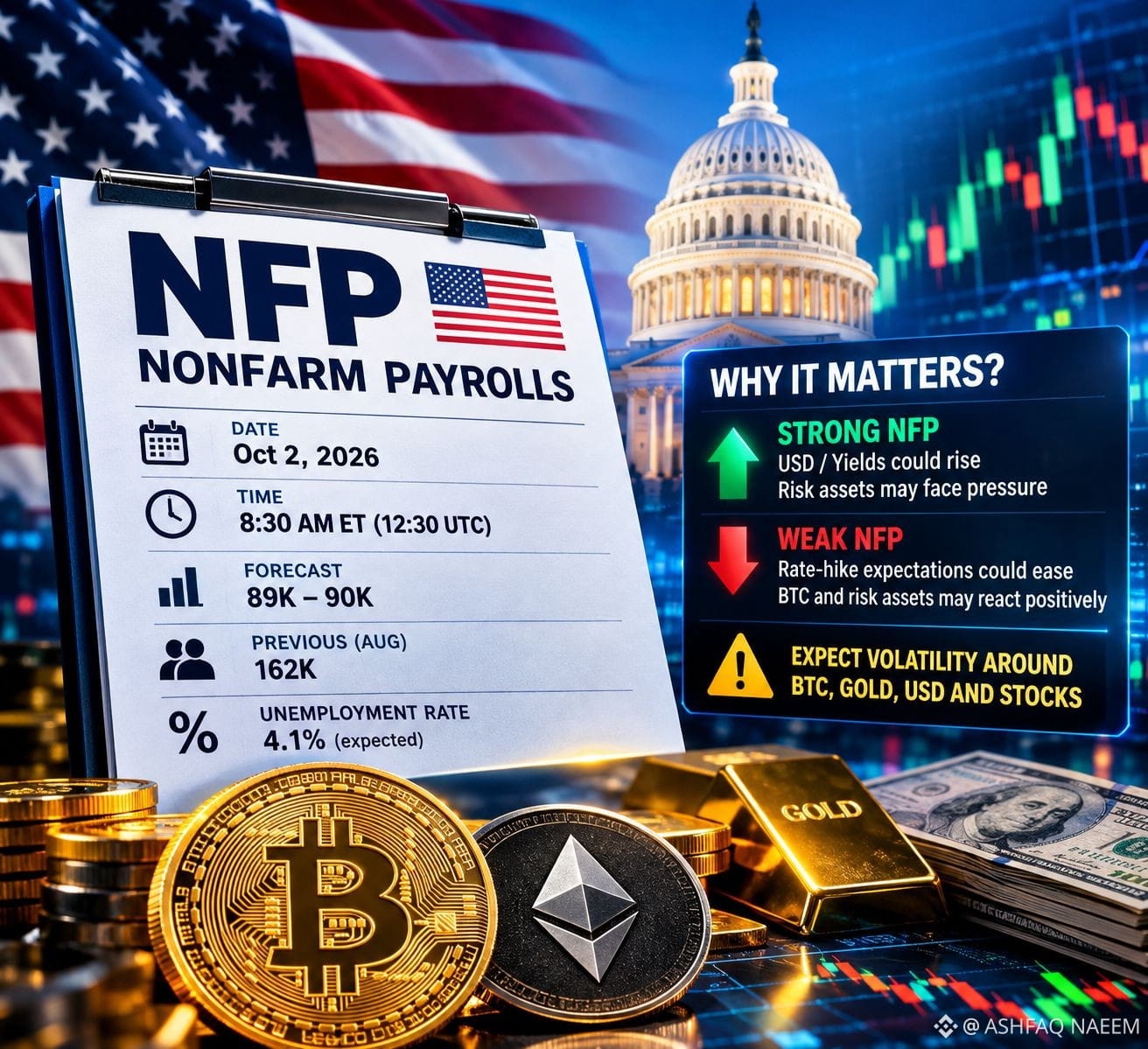
The September Nonfarm Payrolls (NFP) report is due today, October 2, 2026, at 8:30 AM ET (12:30 UTC). Markets are watching closely after August payrolls jumped 162K. Current forecasts are around 89K–90K jobs, with unemployment expected to remain near 4.1%.
🔥 Why it matters for crypto
📈 Strong NFP → USD/yields could rise → risk assets may face pressure
📉 Weak NFP → rate-hike expectations could ease → BTC and risk assets could react positively
⚡ Expect volatility around BTC, Gold, USD and stocks
NFP = volatility. Stay alert. 👀
$BTC
{future}(BTCUSDT)
🚨 #NFPWatch — ALL EYES ON US JOBS DATA! 🇺🇸📊
The September Nonfarm Payrolls (NFP) report is due today, October 2, 2026, at 8:30 AM ET (12:30 UTC). Markets are watching closely after August payrolls jumped 162K. Current forecasts are around 89K–90K jobs, with unemployment expected to remain near 4.1%.
🔥 Why it matters for crypto
📈 Strong NFP → USD/yields could rise → risk assets may face pressure
📉 Weak NFP → rate-hike expectations could ease → BTC and risk assets could react positively
⚡ Expect volatility around BTC, Gold, USD and stocks
NFP = volatility. Stay alert. 👀
$BTC
The September Nonfarm Payrolls (NFP) report is due today, October 2, 2026, at 8:30 AM ET (12:30 UTC). Markets are watching closely after August payrolls jumped 162K. Current forecasts are around 89K–90K jobs, with unemployment expected to remain near 4.1%.
🔥 Why it matters for crypto
📈 Strong NFP → USD/yields could rise → risk assets may face pressure
📉 Weak NFP → rate-hike expectations could ease → BTC and risk assets could react positively
⚡ Expect volatility around BTC, Gold, USD and stocks
NFP = volatility. Stay alert. 👀
$BTC
90
·
--
🚨 NEAR JUST GOT SMASHED — DOWN ~14% TOWARD $4.70!
🐻 Panic selloff or the setup for a violent bounce? What happens next?
#NEARUSDT $NEAR
{future}(NEARUSDT)
🚨 NEAR JUST GOT SMASHED — DOWN ~14% TOWARD $4.70!
🐻 Panic selloff or the setup for a violent bounce? What happens next?
#NEARUSDT $NEAR
🐻 Panic selloff or the setup for a violent bounce? What happens next?
#NEARUSDT $NEAR
120
·
--
🔥 $ETH JUST CLOSED Q3 WITH A 70.9% GAIN!
Ethereum’s massive quarterly surge puts ETH back in the spotlight. 🚀
Is this the start of another major ETH run—or is a correction coming next?
Bullish or bearish for Q4? 👇
#Ethereum #ETH #Crypto #BinanceSquare
#EtherGains70.9%InQ3
$ETH
{spot}(ETHUSDT)
🔥 $ETH JUST CLOSED Q3 WITH A 70.9% GAIN!
Ethereum’s massive quarterly surge puts ETH back in the spotlight. 🚀
Is this the start of another major ETH run—or is a correction coming next?
Bullish or bearish for Q4? 👇
#Ethereum #ETH #Crypto #BinanceSquare
#EtherGains70.9%InQ3
$ETH
Ethereum’s massive quarterly surge puts ETH back in the spotlight. 🚀
Is this the start of another major ETH run—or is a correction coming next?
Bullish or bearish for Q4? 👇
#Ethereum #ETH #Crypto #BinanceSquare
#EtherGains70.9%InQ3
$ETH

43
·
--
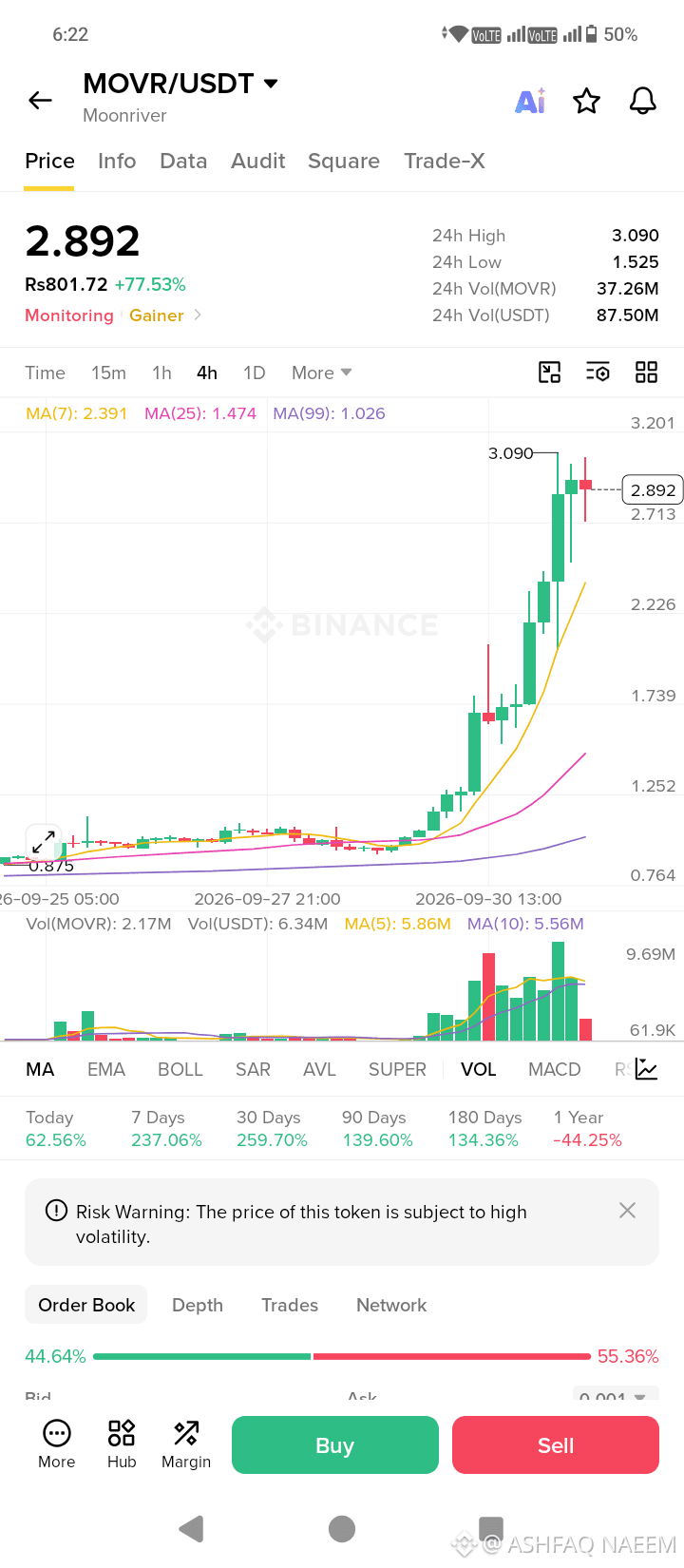
MOVR Short Setup:
🔴 Resistance/Liquidity: $3.09–$3.20
Wait for a sweep above $3.09, rejection, and a 4H close back below $2.90.
🎯 Downside zones: $2.70 → $2.40 → $2.20
⚠️ Stronger confirmation: Price loses $2.39 (MA7), then fails to reclaim it with strong selling volume.
❌ Don’t short just because MOVR pumped 77%. Wait for the liquidity sweep + rejection + confirmation.
Invalidation: sustained 4H acceptance above $3.20.
#movr #EtherGains70.9%InQ3 $MOVR #US10YearYieldNears5.3% #DollarIndexHitsHighestSinceMay2025 #KoreaProposesTokenizingStocksAndBonds
{future}(MOVRUSDT)
MOVR Short Setup:
🔴 Resistance/Liquidity: $3.09–$3.20
Wait for a sweep above $3.09, rejection, and a 4H close back below $2.90.
🎯 Downside zones: $2.70 → $2.40 → $2.20
⚠️ Stronger confirmation: Price loses $2.39 (MA7), then fails to reclaim it with strong selling volume.
❌ Don’t short just because MOVR pumped 77%. Wait for the liquidity sweep + rejection + confirmation.
Invalidation: sustained 4H acceptance above $3.20.
#movr #EtherGains70.9%InQ3 $MOVR #US10YearYieldNears5.3% #DollarIndexHitsHighestSinceMay2025 #KoreaProposesTokenizingStocksAndBonds
🔴 Resistance/Liquidity: $3.09–$3.20
Wait for a sweep above $3.09, rejection, and a 4H close back below $2.90.
🎯 Downside zones: $2.70 → $2.40 → $2.20
⚠️ Stronger confirmation: Price loses $2.39 (MA7), then fails to reclaim it with strong selling volume.
❌ Don’t short just because MOVR pumped 77%. Wait for the liquidity sweep + rejection + confirmation.
Invalidation: sustained 4H acceptance above $3.20.
#movr #EtherGains70.9%InQ3 $MOVR #US10YearYieldNears5.3% #DollarIndexHitsHighestSinceMay2025 #KoreaProposesTokenizingStocksAndBonds
1
1
199
·
--
Рост
Проверено
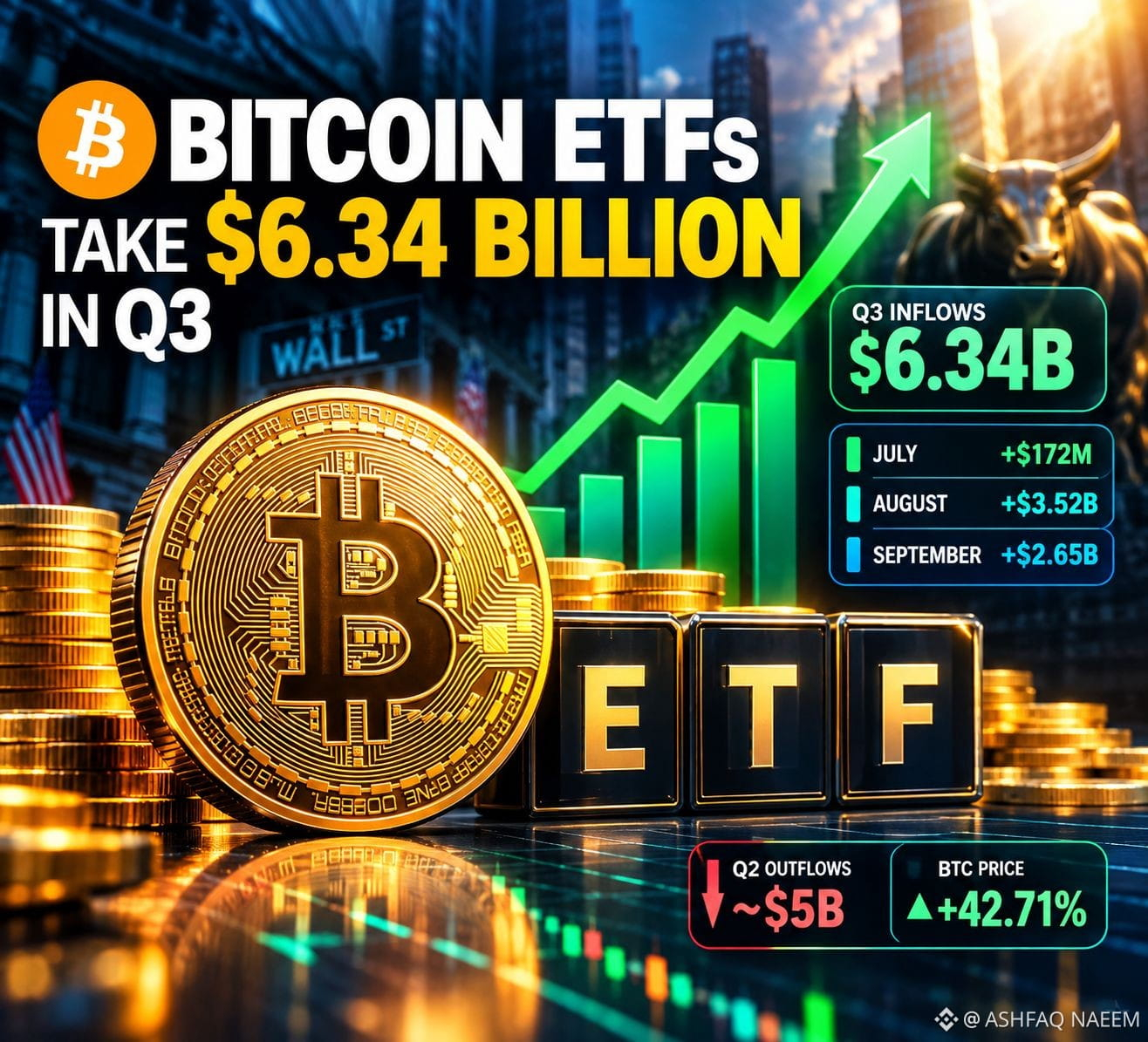
🚨 **BITCOIN ETFs JUST FLIPPED THE SCRIPT! 🟠🔥**
US spot Bitcoin ETFs pulled in **$6.34 BILLION in net inflows during Q3 2026** — their strongest quarter of the year. 💰
That’s a major reversal from roughly **$5B in Q2 outflows**, while Bitcoin jumped **42.71%** during Q3.
📊 July: **+$172M**
📊 August: **+$3.52B**
📊 September: **+$2.65B**
Institutional demand is back in focus. 👀
**Is Q4 setting up for another Bitcoin breakout? 🚀**
👇 What’s your BTC target for Q4?
#BitcoinETFsTake$6.34BillionInQ3 #BTC $BTC
{future}(BTCUSDT)
🚨 **BITCOIN ETFs JUST FLIPPED THE SCRIPT! 🟠🔥**
US spot Bitcoin ETFs pulled in **$6.34 BILLION in net inflows during Q3 2026** — their strongest quarter of the year. 💰
That’s a major reversal from roughly **$5B in Q2 outflows**, while Bitcoin jumped **42.71%** during Q3.
📊 July: **+$172M**
📊 August: **+$3.52B**
📊 September: **+$2.65B**
Institutional demand is back in focus. 👀
**Is Q4 setting up for another Bitcoin breakout? 🚀**
👇 What’s your BTC target for Q4?
#BitcoinETFsTake$6.34BillionInQ3 #BTC $BTC
US spot Bitcoin ETFs pulled in **$6.34 BILLION in net inflows during Q3 2026** — their strongest quarter of the year. 💰
That’s a major reversal from roughly **$5B in Q2 outflows**, while Bitcoin jumped **42.71%** during Q3.
📊 July: **+$172M**
📊 August: **+$3.52B**
📊 September: **+$2.65B**
Institutional demand is back in focus. 👀
**Is Q4 setting up for another Bitcoin breakout? 🚀**
👇 What’s your BTC target for Q4?
#BitcoinETFsTake$6.34BillionInQ3 #BTC $BTC
66
·
--
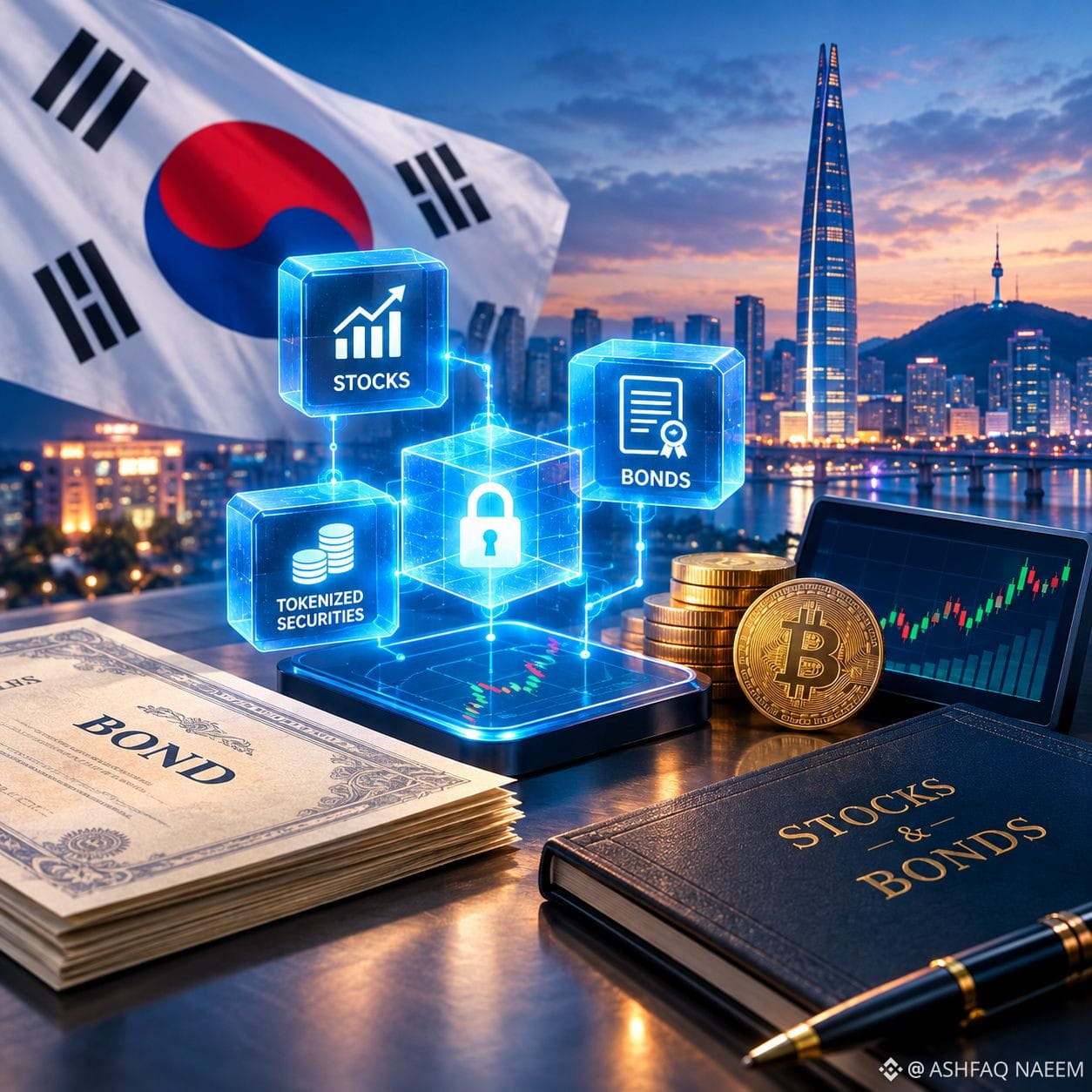
As of October 1, 2026, this is more advanced than a mere proposal, but the tokenization of ordinary stocks and bonds has not yet gone live in South Korea.
Legislation has passed. On January 15, 2026, South Korea's National Assembly passed amendments to the Electronic Registration Act and Capital Markets Act creating the legal framework for security tokens.
The law takes effect February 4, 2027. Until then, Korea does not yet have the legal basis to use a distributed ledger as the securities registry for domestic tokenized securities. The government announced the implementation roadmap on September 4, 2026. It explicitly covers stocks, bonds and funds, rather than limiting tokenization to fractional-investment products.
Phase 1 begins February 2027. Initially, tokenization will cover institutional-only privately placed MMFs and bonds, unlisted stocks through trust structures, and publicly offered fractional-investment securities.
Broader public securities come later. Phase 2 is intended to expand tokenization to publicly offered securities generally, while Phase 3 envisions on-chain payment/settlement infrastructure, potentially involving stablecoins. The timing of those later phases is still flexible.
As of today, detailed implementing rules are still being finalized. The FSC said it planned amendments to subordinate regulations, while today's Yonhap report says the revised rules are being prepared to allow stocks and bonds to serve as the underlying assets of tokenized securities.
So the accurate headline is:
🇰🇷 South Korea has legislated a framework for security tokens and is preparing a phased rollout that will eventually encompass conventional stocks and bonds. The first legal rollout starts February 4, 2027; it is not a blanket tokenization of all Korean stocks and bonds today.
That distinction matters because saying “South Korea is tokenizing stocks and bonds now” would overstate the current status.
#koreaproposestokenizingstocksandbonds
#BTC $BTC
{future}(BTCUSDT)
As of October 1, 2026, this is more advanced than a mere proposal, but the tokenization of ordinary stocks and bonds has not yet gone live in South Korea.
Legislation has passed. On January 15, 2026, South Korea's National Assembly passed amendments to the Electronic Registration Act and Capital Markets Act creating the legal framework for security tokens.
The law takes effect February 4, 2027. Until then, Korea does not yet have the legal basis to use a distributed ledger as the securities registry for domestic tokenized securities. The government announced the implementation roadmap on September 4, 2026. It explicitly covers stocks, bonds and funds, rather than limiting tokenization to fractional-investment products.
Phase 1 begins February 2027. Initially, tokenization will cover institutional-only privately placed MMFs and bonds, unlisted stocks through trust structures, and publicly offered fractional-investment securities.
Broader public securities come later. Phase 2 is intended to expand tokenization to publicly offered securities generally, while Phase 3 envisions on-chain payment/settlement infrastructure, potentially involving stablecoins. The timing of those later phases is still flexible.
As of today, detailed implementing rules are still being finalized. The FSC said it planned amendments to subordinate regulations, while today's Yonhap report says the revised rules are being prepared to allow stocks and bonds to serve as the underlying assets of tokenized securities.
So the accurate headline is:
🇰🇷 South Korea has legislated a framework for security tokens and is preparing a phased rollout that will eventually encompass conventional stocks and bonds. The first legal rollout starts February 4, 2027; it is not a blanket tokenization of all Korean stocks and bonds today.
That distinction matters because saying “South Korea is tokenizing stocks and bonds now” would overstate the current status.
#koreaproposestokenizingstocksandbonds
#BTC $BTC
Legislation has passed. On January 15, 2026, South Korea's National Assembly passed amendments to the Electronic Registration Act and Capital Markets Act creating the legal framework for security tokens.
The law takes effect February 4, 2027. Until then, Korea does not yet have the legal basis to use a distributed ledger as the securities registry for domestic tokenized securities. The government announced the implementation roadmap on September 4, 2026. It explicitly covers stocks, bonds and funds, rather than limiting tokenization to fractional-investment products.
Phase 1 begins February 2027. Initially, tokenization will cover institutional-only privately placed MMFs and bonds, unlisted stocks through trust structures, and publicly offered fractional-investment securities.
Broader public securities come later. Phase 2 is intended to expand tokenization to publicly offered securities generally, while Phase 3 envisions on-chain payment/settlement infrastructure, potentially involving stablecoins. The timing of those later phases is still flexible.
As of today, detailed implementing rules are still being finalized. The FSC said it planned amendments to subordinate regulations, while today's Yonhap report says the revised rules are being prepared to allow stocks and bonds to serve as the underlying assets of tokenized securities.
So the accurate headline is:
🇰🇷 South Korea has legislated a framework for security tokens and is preparing a phased rollout that will eventually encompass conventional stocks and bonds. The first legal rollout starts February 4, 2027; it is not a blanket tokenization of all Korean stocks and bonds today.
That distinction matters because saying “South Korea is tokenizing stocks and bonds now” would overstate the current status.
#koreaproposestokenizingstocksandbonds
#BTC $BTC
9
15.6k
·
--
Проверено
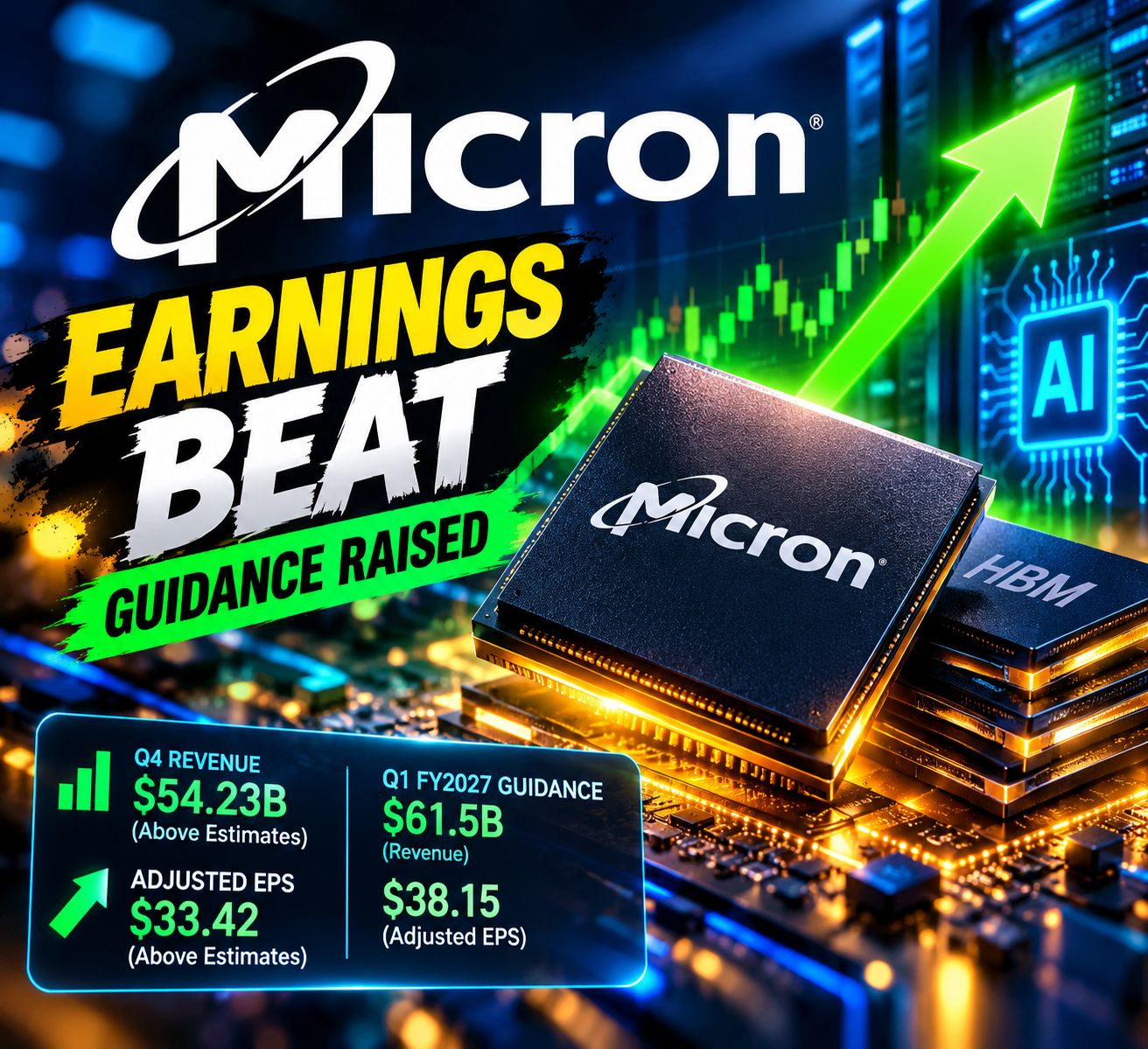
🚨 MICRON JUST SMASHED EARNINGS — AI MEMORY BOOM IS GETTING BIGGER!
$MU just delivered a massive Q4 beat, with $54.23B revenue and $33.42 adjusted EPS, both above Wall Street expectations. Revenue jumped nearly 5× YoY.
🔥 But the real shock is the guidance:
• Q1 FY2027 revenue: ~$61.5B
• Adjusted EPS: ~$38.15
• AI-driven HBM demand remains extremely strong
• Long-term supply agreements reached $32B
• Micron expects tighter memory supply-demand conditions through FY2027–28.
⚠️ Trader watch: AI memory is becoming a major bottleneck for data centers. The key question now is whether $MU can sustain this explosive growth after such a huge run.
Is this another AI semiconductor breakout catalyst? 👀
#AI #NVIDIA #earnings #BinanceSquare #micronbeatsearningsliftsguidance
$NVDA.US $NVDAB $BTC
{future}(BTCUSDT)
{spot}(NVDABUSDT)
{stock_us}(NVDA.US)
🚨 MICRON JUST SMASHED EARNINGS — AI MEMORY BOOM IS GETTING BIGGER!
$MU just delivered a massive Q4 beat, with $54.23B revenue and $33.42 adjusted EPS, both above Wall Street expectations. Revenue jumped nearly 5× YoY.
🔥 But the real shock is the guidance:
• Q1 FY2027 revenue: ~$61.5B
• Adjusted EPS: ~$38.15
• AI-driven HBM demand remains extremely strong
• Long-term supply agreements reached $32B
• Micron expects tighter memory supply-demand conditions through FY2027–28.
⚠️ Trader watch: AI memory is becoming a major bottleneck for data centers. The key question now is whether $MU can sustain this explosive growth after such a huge run.
Is this another AI semiconductor breakout catalyst? 👀
#AI #NVIDIA #earnings #BinanceSquare #micronbeatsearningsliftsguidance
$NVDA.US $NVDAB $BTC
$MU just delivered a massive Q4 beat, with $54.23B revenue and $33.42 adjusted EPS, both above Wall Street expectations. Revenue jumped nearly 5× YoY.
🔥 But the real shock is the guidance:
• Q1 FY2027 revenue: ~$61.5B
• Adjusted EPS: ~$38.15
• AI-driven HBM demand remains extremely strong
• Long-term supply agreements reached $32B
• Micron expects tighter memory supply-demand conditions through FY2027–28.
⚠️ Trader watch: AI memory is becoming a major bottleneck for data centers. The key question now is whether $MU can sustain this explosive growth after such a huge run.
Is this another AI semiconductor breakout catalyst? 👀
#AI #NVIDIA #earnings #BinanceSquare #micronbeatsearningsliftsguidance
$NVDA.US $NVDAB $BTC
1
173
·
--
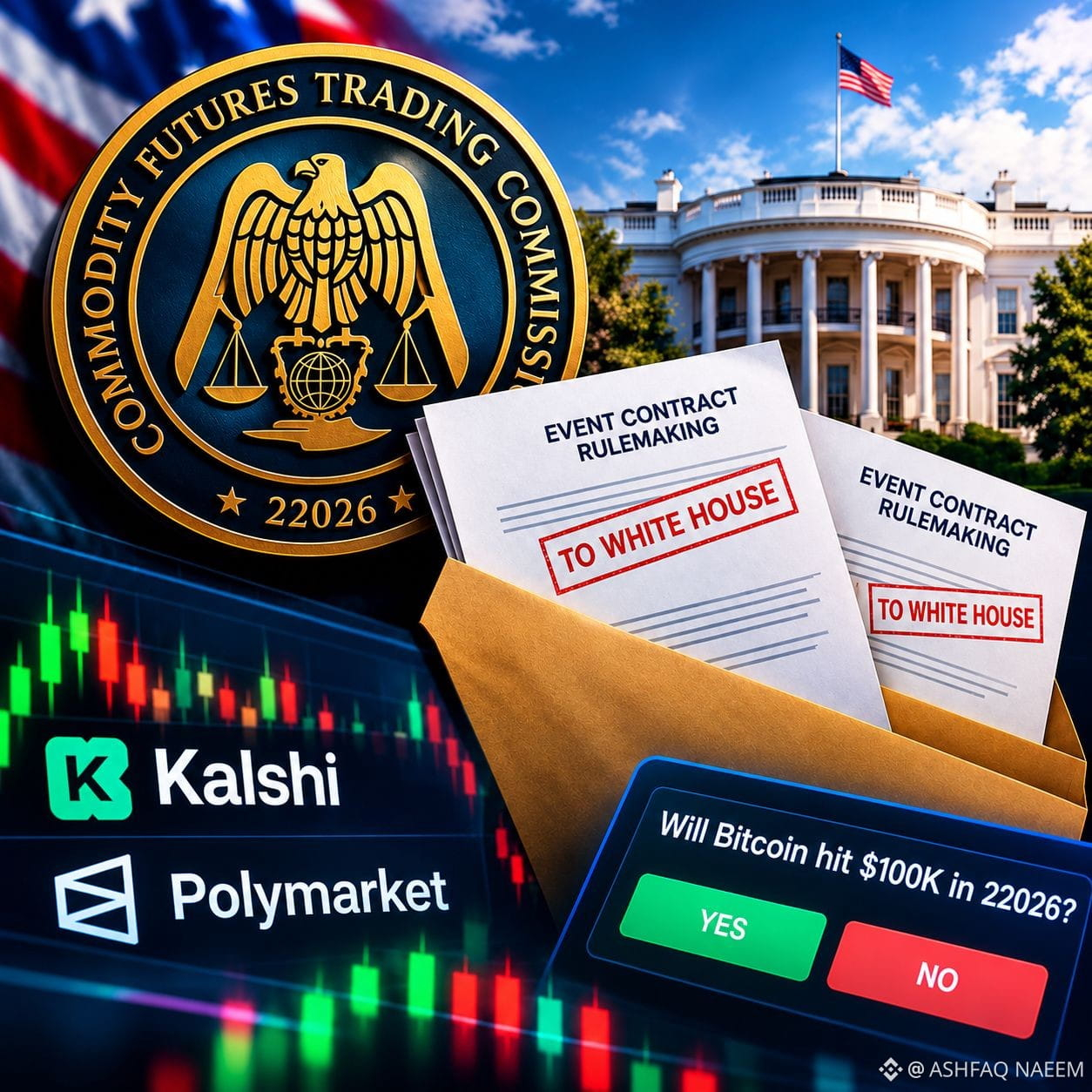
🚨 CFTC JUST MOVED ON PREDICTION MARKETS! 🇺🇸
The CFTC has sent two event-contract rulemakings to the White House for review. One would define certain event contracts as swaps, while the other would exclude casino-style gambling products from that definition.
⚡ The move could reshape the regulatory battle around prediction markets like Kalshi and Polymarket.
👀 Will this change the future of U.S. prediction markets?
#CFTC #PredictionMarkets #Polymarket #pol
#cftcsubmitstwoeventcontractrulestowhitehouse
$POL $BTC
{future}(BTCUSDT)
{future}(POLUSDT)
🚨 CFTC JUST MOVED ON PREDICTION MARKETS! 🇺🇸
The CFTC has sent two event-contract rulemakings to the White House for review. One would define certain event contracts as swaps, while the other would exclude casino-style gambling products from that definition.
⚡ The move could reshape the regulatory battle around prediction markets like Kalshi and Polymarket.
👀 Will this change the future of U.S. prediction markets?
#CFTC #PredictionMarkets #Polymarket #pol
#cftcsubmitstwoeventcontractrulestowhitehouse
$POL $BTC
The CFTC has sent two event-contract rulemakings to the White House for review. One would define certain event contracts as swaps, while the other would exclude casino-style gambling products from that definition.
⚡ The move could reshape the regulatory battle around prediction markets like Kalshi and Polymarket.
👀 Will this change the future of U.S. prediction markets?
#CFTC #PredictionMarkets #Polymarket #pol
#cftcsubmitstwoeventcontractrulestowhitehouse
$POL $BTC
63
·
--
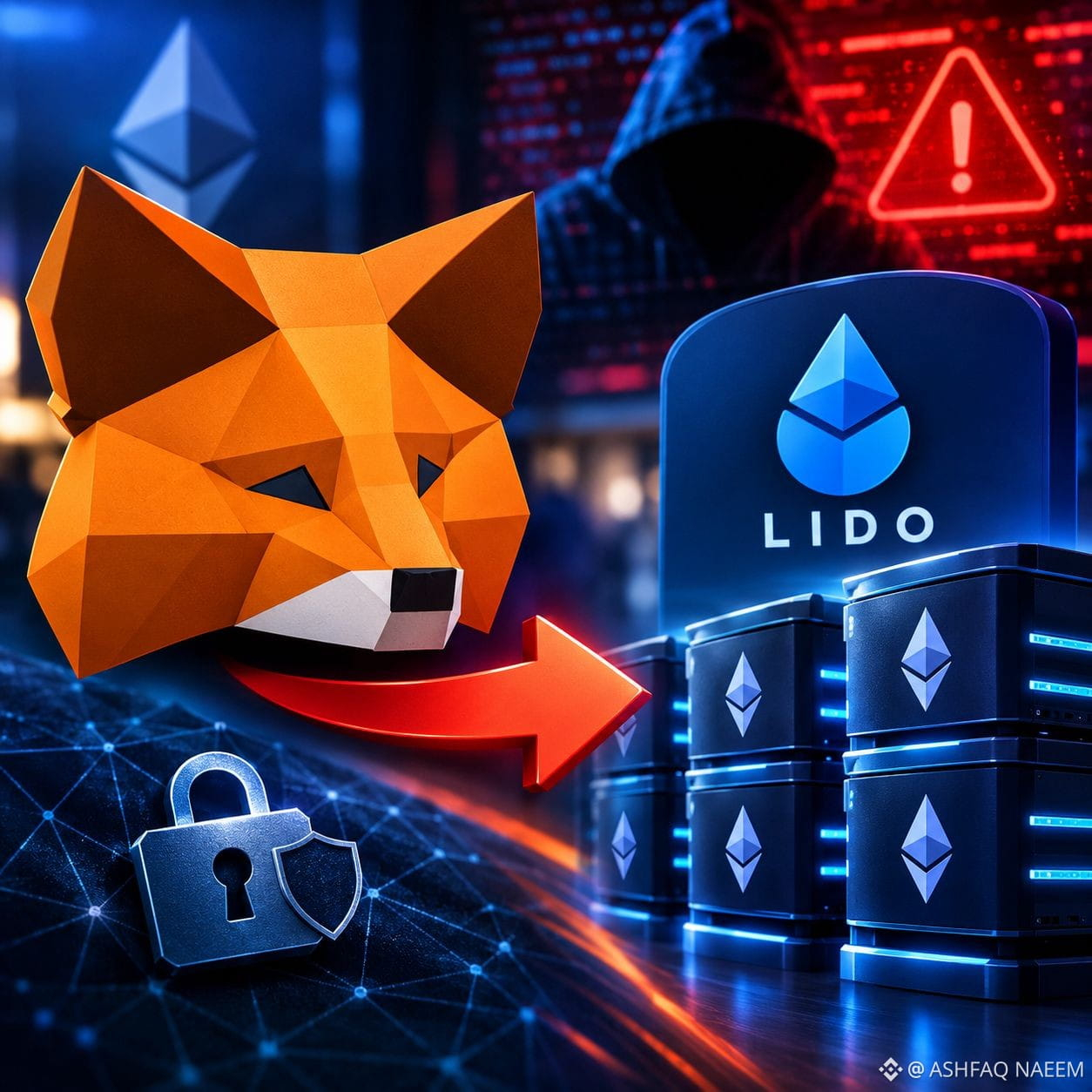
🚨 MetaMask Exits Lido Validators After Security Incident
MetaMask has confirmed that it is responding to a security incident affecting part of its infrastructure and has begun proactively exiting affected Ethereum validators operated through its non-custodial staking service. MetaMask says it has identified no immediate threat to MetaMask wallets and is working with external security partners to investigate and remediate the issue.
🔥 What Happened?
🛡️ MetaMask is exiting affected Ethereum validators as a precaution.
🏦 The validators were operated through MetaMask Staking within the Lido protocol.
🔍 MetaMask has not disclosed the exact nature or scope of the security incident.
💰 MetaMask says there is currently no identified immediate threat to its wallets.
⏳ Lido expects the affected validators to complete their exits by October 7, 2026.
⚠️ What About Lido & stETH?
Lido says the ETH from MetaMask-operated validators will return to the protocol gradually as validators complete the exit, withdrawal and re-entry process. Because of Ethereum's current validator entry queue, the full cycle could take up to around 45 days. The exits may also mean foregone staking rewards and potential downtime penalties for affected validators.
The important distinction is that this is currently being reported as a precautionary response to a security incident, not as confirmation that Lido or MetaMask wallets have suffered a user-fund loss. The investigation is ongoing.
#MetaMask #Lido #ETH
#metamaskexitslidovalidatorsaftersecurityincident
$ETH
{future}(ETHUSDT)
🚨 MetaMask Exits Lido Validators After Security Incident
MetaMask has confirmed that it is responding to a security incident affecting part of its infrastructure and has begun proactively exiting affected Ethereum validators operated through its non-custodial staking service. MetaMask says it has identified no immediate threat to MetaMask wallets and is working with external security partners to investigate and remediate the issue.
🔥 What Happened?
🛡️ MetaMask is exiting affected Ethereum validators as a precaution.
🏦 The validators were operated through MetaMask Staking within the Lido protocol.
🔍 MetaMask has not disclosed the exact nature or scope of the security incident.
💰 MetaMask says there is currently no identified immediate threat to its wallets.
⏳ Lido expects the affected validators to complete their exits by October 7, 2026.
⚠️ What About Lido & stETH?
Lido says the ETH from MetaMask-operated validators will return to the protocol gradually as validators complete the exit, withdrawal and re-entry process. Because of Ethereum's current validator entry queue, the full cycle could take up to around 45 days. The exits may also mean foregone staking rewards and potential downtime penalties for affected validators.
The important distinction is that this is currently being reported as a precautionary response to a security incident, not as confirmation that Lido or MetaMask wallets have suffered a user-fund loss. The investigation is ongoing.
#MetaMask #Lido #ETH
#metamaskexitslidovalidatorsaftersecurityincident
$ETH
MetaMask has confirmed that it is responding to a security incident affecting part of its infrastructure and has begun proactively exiting affected Ethereum validators operated through its non-custodial staking service. MetaMask says it has identified no immediate threat to MetaMask wallets and is working with external security partners to investigate and remediate the issue.
🔥 What Happened?
🛡️ MetaMask is exiting affected Ethereum validators as a precaution.
🏦 The validators were operated through MetaMask Staking within the Lido protocol.
🔍 MetaMask has not disclosed the exact nature or scope of the security incident.
💰 MetaMask says there is currently no identified immediate threat to its wallets.
⏳ Lido expects the affected validators to complete their exits by October 7, 2026.
⚠️ What About Lido & stETH?
Lido says the ETH from MetaMask-operated validators will return to the protocol gradually as validators complete the exit, withdrawal and re-entry process. Because of Ethereum's current validator entry queue, the full cycle could take up to around 45 days. The exits may also mean foregone staking rewards and potential downtime penalties for affected validators.
The important distinction is that this is currently being reported as a precautionary response to a security incident, not as confirmation that Lido or MetaMask wallets have suffered a user-fund loss. The investigation is ongoing.
#MetaMask #Lido #ETH
#metamaskexitslidovalidatorsaftersecurityincident
$ETH
71
·
--
Рост
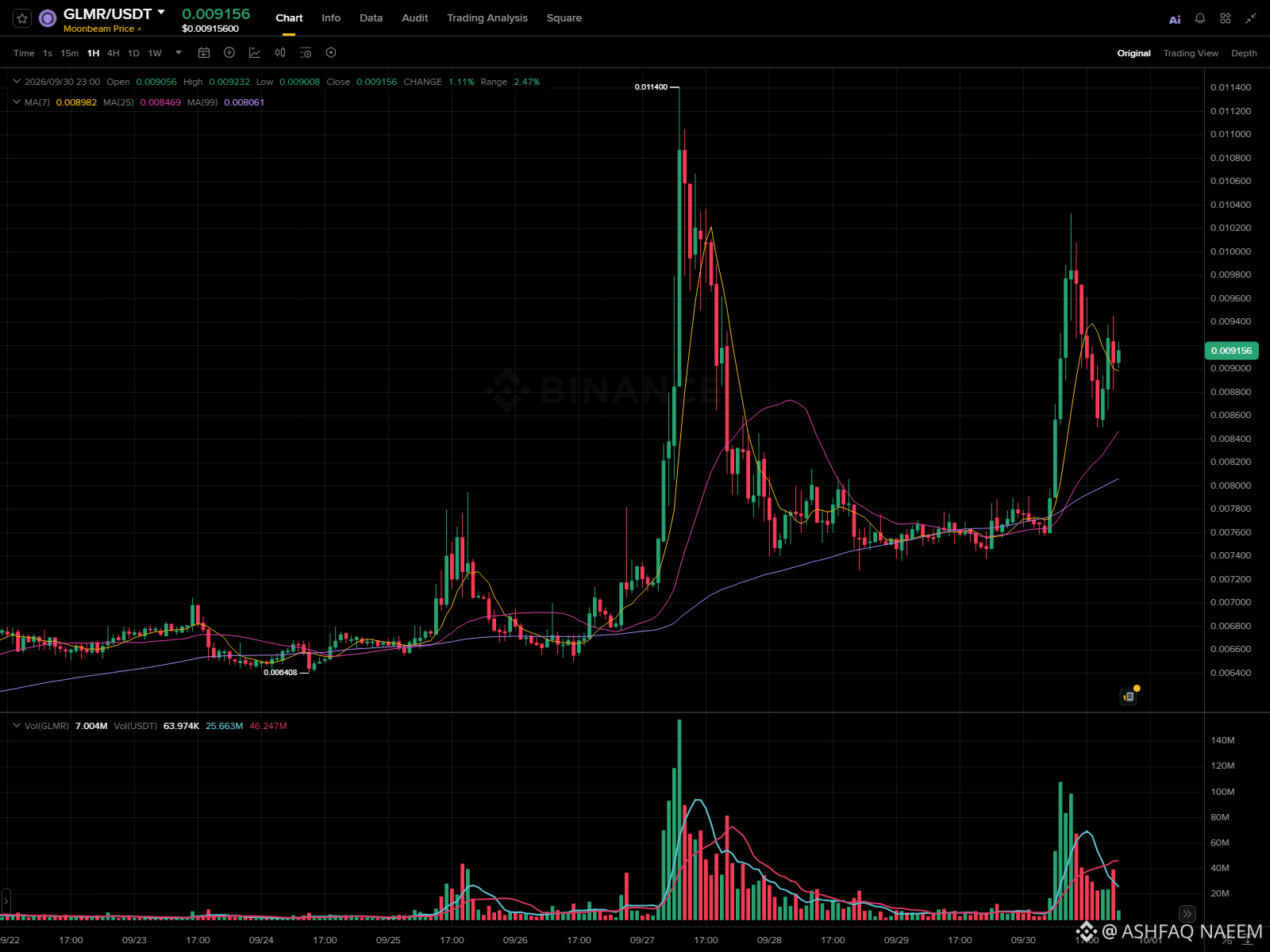
$GLMR is suddenly back in the spotlight! 🚨 Moonbeam has exploded out of a long consolidation zone, backed by a major volume expansion and a bullish moving-average structure. The recent spike toward $0.0110 shows how quickly momentum can accelerate in $GLMR .
Now all eyes are on $0.0095–$0.0100 and the recent $0.0110 high. If buyers reclaim these levels with strong volume, momentum could intensify; losing the $0.00845–$0.00850 area would signal that the breakout is losing strength.
#GLMR #BinanceSquare #AltcoinSeasonIndexHoldsAbove60For5Days $GLMR
{spot}(GLMRUSDT)
$GLMR is suddenly back in the spotlight! 🚨 Moonbeam has exploded out of a long consolidation zone, backed by a major volume expansion and a bullish moving-average structure. The recent spike toward $0.0110 shows how quickly momentum can accelerate in $GLMR .
Now all eyes are on $0.0095–$0.0100 and the recent $0.0110 high. If buyers reclaim these levels with strong volume, momentum could intensify; losing the $0.00845–$0.00850 area would signal that the breakout is losing strength.
#GLMR #BinanceSquare #AltcoinSeasonIndexHoldsAbove60For5Days $GLMR
Now all eyes are on $0.0095–$0.0100 and the recent $0.0110 high. If buyers reclaim these levels with strong volume, momentum could intensify; losing the $0.00845–$0.00850 area would signal that the breakout is losing strength.
#GLMR #BinanceSquare #AltcoinSeasonIndexHoldsAbove60For5Days $GLMR
90
·
--
Рост
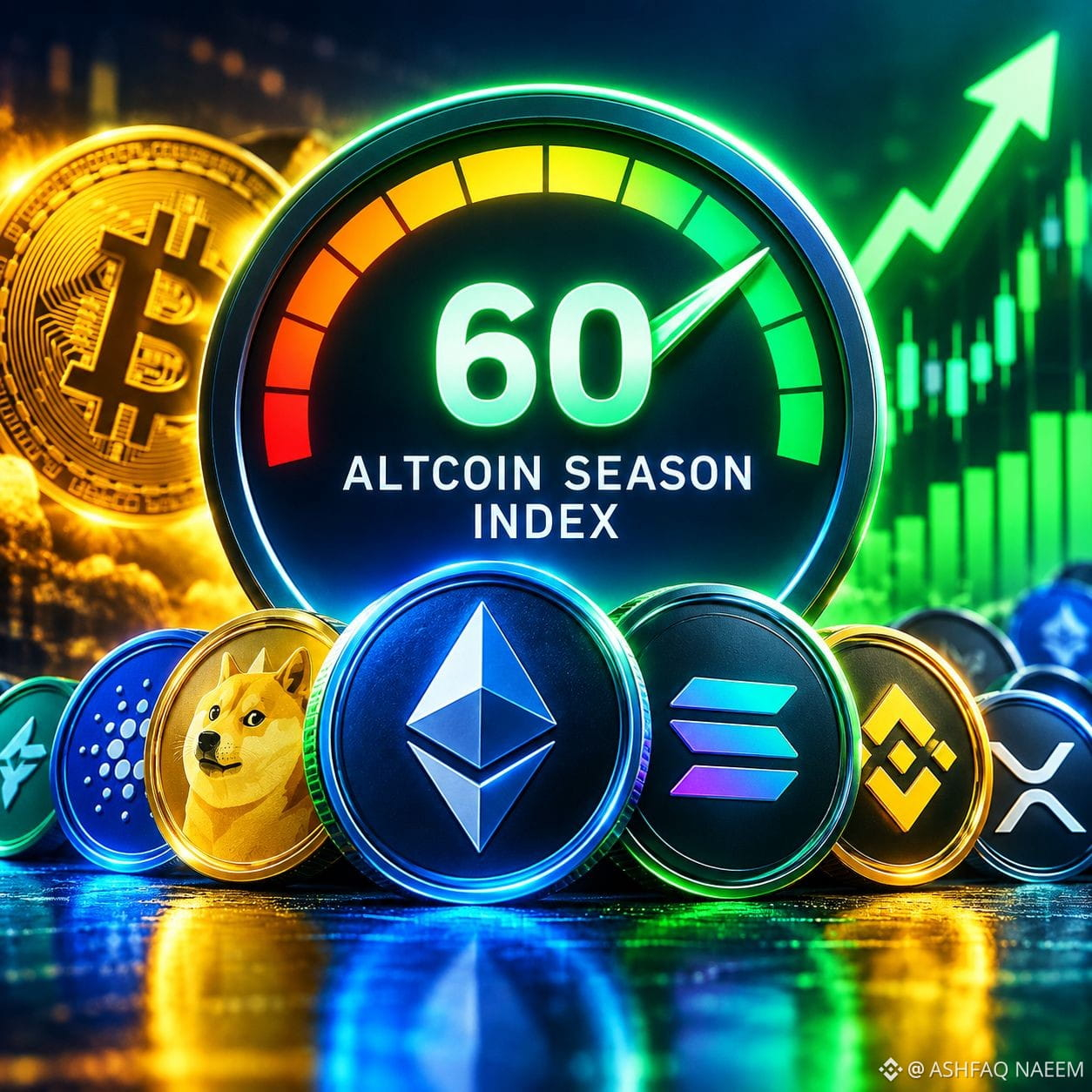
The Altcoin Season Index is holding around 60, marking several consecutive days above that level. CoinMarketCap’s index measures how many of the top 100 cryptocurrencies have outperformed Bitcoin over the past 90 days; 75+ is generally considered full Altcoin Season, so 60 suggests improving altcoin breadth but not confirmation of a broad altseason yet.
This is important because Bitcoin dominance has also moved below 60%, while several major altcoins have recently outperformed BTC.
Key signals to watch:
📈 Index staying above 60
🔥 A move toward 75+
₿ Bitcoin dominance continuing lower
💰 Stronger altcoin volume and market breadth
Is this the early stage of a bigger altcoin rotation, or just a temporary move? 👀
#altcoinseason #altcoins #CryptoMarket #altcoinseasonindexholdsabove60for5days
$ZEN $NOM $BMT
The Altcoin Season Index is holding around 60, marking several consecutive days above that level. CoinMarketCap’s index measures how many of the top 100 cryptocurrencies have outperformed Bitcoin over the past 90 days; 75+ is generally considered full Altcoin Season, so 60 suggests improving altcoin breadth but not confirmation of a broad altseason yet.
This is important because Bitcoin dominance has also moved below 60%, while several major altcoins have recently outperformed BTC.
Key signals to watch:
📈 Index staying above 60
🔥 A move toward 75+
₿ Bitcoin dominance continuing lower
💰 Stronger altcoin volume and market breadth
Is this the early stage of a bigger altcoin rotation, or just a temporary move? 👀
#altcoinseason #altcoins #CryptoMarket #altcoinseasonindexholdsabove60for5days
$ZEN $NOM $BMT
This is important because Bitcoin dominance has also moved below 60%, while several major altcoins have recently outperformed BTC.
Key signals to watch:
📈 Index staying above 60
🔥 A move toward 75+
₿ Bitcoin dominance continuing lower
💰 Stronger altcoin volume and market breadth
Is this the early stage of a bigger altcoin rotation, or just a temporary move? 👀
#altcoinseason #altcoins #CryptoMarket #altcoinseasonindexholdsabove60for5days
$ZEN $NOM $BMT
13
·
--
Рост
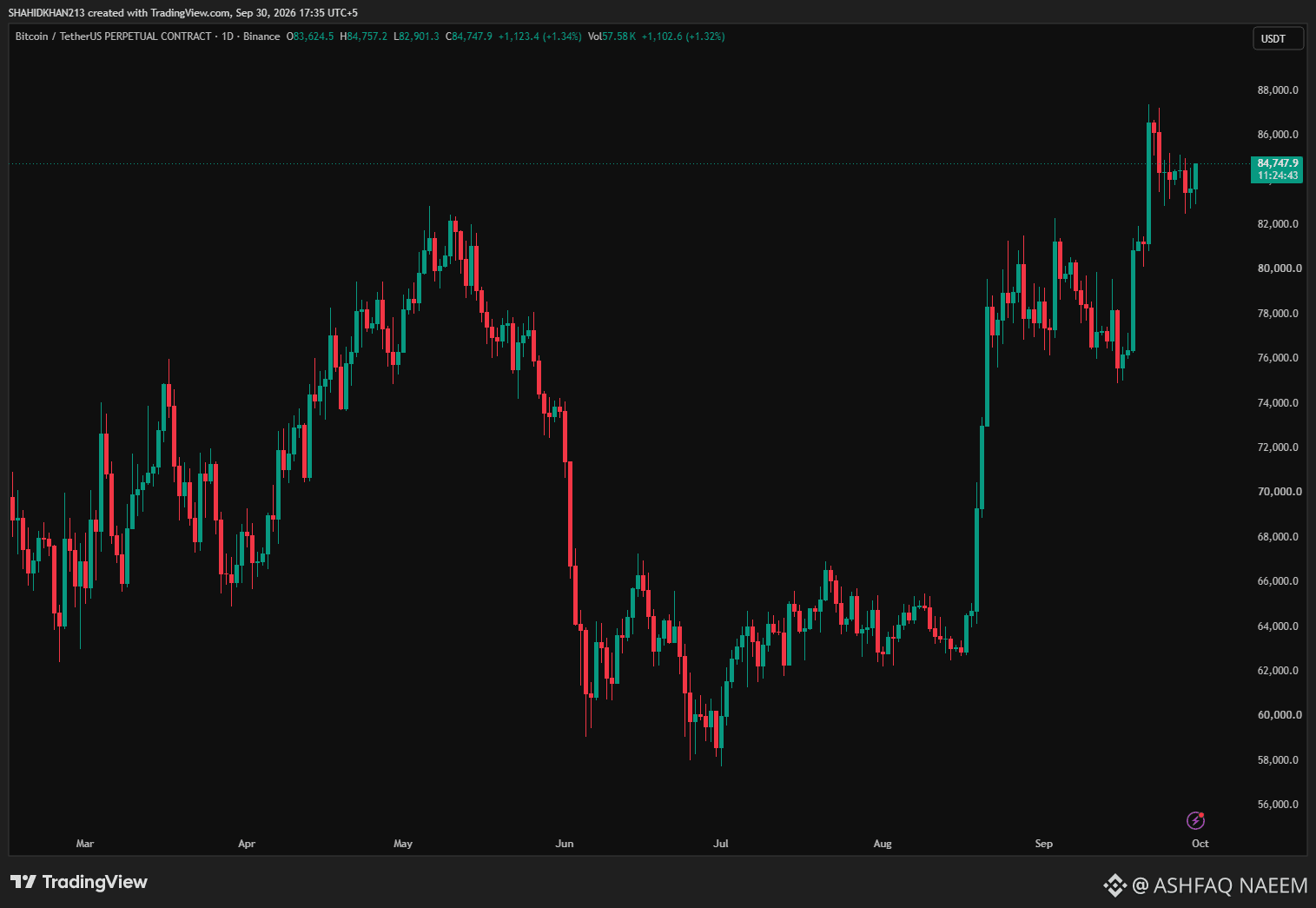
🚨 BITCOIN JUST LOST $84K! 🔴
$BTC is back below a major psychological level near $84,000, while traders watch weakening spot demand and rising macro pressure.
⚠️ Next level to watch: $82K
🔥 Reclaiming $84K–$85K could shift momentum back toward the bulls.
📉 Lose $82K → downside risk increases.
📈 Reclaim $85K → bulls may try to push higher.
$BTC is at a critical decision zone. 👀
#BTC #bitcoin #crypto #BinanceSquare #BitcoinSlipsBelow$84000
$BTC
{future}(BTCUSDT)
🚨 BITCOIN JUST LOST $84K! 🔴
$BTC is back below a major psychological level near $84,000, while traders watch weakening spot demand and rising macro pressure.
⚠️ Next level to watch: $82K
🔥 Reclaiming $84K–$85K could shift momentum back toward the bulls.
📉 Lose $82K → downside risk increases.
📈 Reclaim $85K → bulls may try to push higher.
$BTC is at a critical decision zone. 👀
#BTC #bitcoin #crypto #BinanceSquare #BitcoinSlipsBelow$84000
$BTC
$BTC is back below a major psychological level near $84,000, while traders watch weakening spot demand and rising macro pressure.
⚠️ Next level to watch: $82K
🔥 Reclaiming $84K–$85K could shift momentum back toward the bulls.
📉 Lose $82K → downside risk increases.
📈 Reclaim $85K → bulls may try to push higher.
$BTC is at a critical decision zone. 👀
#BTC #bitcoin #crypto #BinanceSquare #BitcoinSlipsBelow$84000
$BTC
29
·
--
Статья
**SEC Clarifies On-Chain Fundraising Rules: What Crypto Projects Need to Know**The proposal is more nuanced than “the SEC is making token fundraising legal.” The main implication is that it would create specific federal pathways for certain crypto investment-contract offerings, while preserving securities-law obligations.
What it would actually change
Two proposed fundraising exemptions:Up to $5 million over a four-year period under a one-time exemption.Up to $75 million in any 12-month period under a larger offering exemption. Disclosure still matters. Projects using the exemptions would have to provide specified, principles-based disclosures. The $75M route would additionally involve financial statements and continuing reporting.It doesn't mean “tokens are securities” or “tokens aren't securities.” The proposal distinguishes the underlying crypto asset from an investment contract surrounding its sale. That could allow an asset initially sold through an investment contract to cease being subject to that investment-contract treatment when the issuer's promised/represented essential managerial efforts have been completed or permanently ceased, subject to the proposed conditions.There is a proposed safe harbor. Proposed Rule 400 would establish conditions under which an issuer's investment contract would cease to be treated as such for the relevant federal securities-law definitions.
What this could mean for an on-chain fundraising model
Conceptually, a project could have a clearer path like:
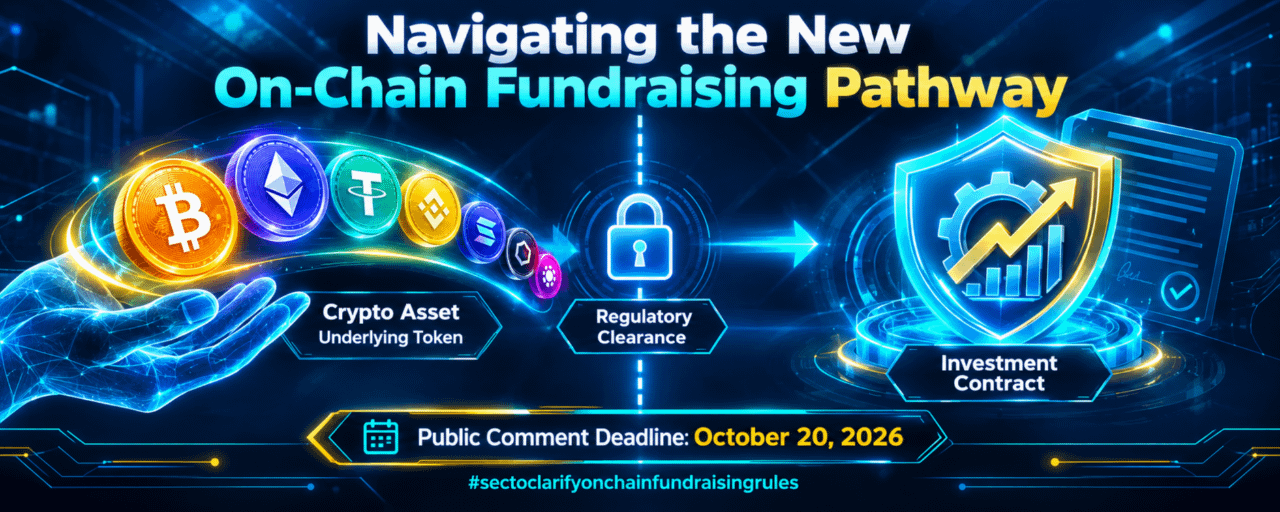
Project → disclosed token offering → qualifying exemption → capital raised → development/managerial commitments → potentially transition away from investment-contract treatment
But the important caveat is that the exemption is not a blanket exemption for any token sale. Eligibility, disclosures, offering limits, reporting, and the precise structure of the transaction still matter.
The proposal also seeks to preempt certain state securities registration/qualification requirements for offerings conducted under the proposed regime, which could reduce one layer of compliance complexity.
One important distinction
This is still a proposal, not a final rule. The SEC lists October 20, 2026 as the public-comment deadline.
And the SEC's September 25 FAQs are staff guidance rather than binding rules; the SEC expressly says they do not create new legal obligations.
So, in practical terms: the proposal could make compliant on-chain capital formation substantially more structured and predictable, but it does not create a free pass for token launches. The biggest questions for a particular project would be whether its offering fits one of the exemptions, what disclosures it must make, and when/if the token can separate from the investment-contract relationship.
#sectoclarifyonchainfundraisingrules #Binance
$BNB
{future}(BNBUSDT)
**SEC Clarifies On-Chain Fundraising Rules: What Crypto Projects Need to Know**
The proposal is more nuanced than “the SEC is making token fundraising legal.” The main implication is that it would create specific federal pathways for certain crypto investment-contract offerings, while preserving securities-law obligations.
What it would actually change
Two proposed fundraising exemptions:Up to $5 million over a four-year period under a one-time exemption.Up to $75 million in any 12-month period under a larger offering exemption. Disclosure still matters. Projects using the exemptions would have to provide specified, principles-based disclosures. The $75M route would additionally involve financial statements and continuing reporting.It doesn't mean “tokens are securities” or “tokens aren't securities.” The proposal distinguishes the underlying crypto asset from an investment contract surrounding its sale. That could allow an asset initially sold through an investment contract to cease being subject to that investment-contract treatment when the issuer's promised/represented essential managerial efforts have been completed or permanently ceased, subject to the proposed conditions.There is a proposed safe harbor. Proposed Rule 400 would establish conditions under which an issuer's investment contract would cease to be treated as such for the relevant federal securities-law definitions.
What this could mean for an on-chain fundraising model
Conceptually, a project could have a clearer path like:
Project → disclosed token offering → qualifying exemption → capital raised → development/managerial commitments → potentially transition away from investment-contract treatment
But the important caveat is that the exemption is not a blanket exemption for any token sale. Eligibility, disclosures, offering limits, reporting, and the precise structure of the transaction still matter.
The proposal also seeks to preempt certain state securities registration/qualification requirements for offerings conducted under the proposed regime, which could reduce one layer of compliance complexity.
One important distinction
This is still a proposal, not a final rule. The SEC lists October 20, 2026 as the public-comment deadline.
And the SEC's September 25 FAQs are staff guidance rather than binding rules; the SEC expressly says they do not create new legal obligations.
So, in practical terms: the proposal could make compliant on-chain capital formation substantially more structured and predictable, but it does not create a free pass for token launches. The biggest questions for a particular project would be whether its offering fits one of the exemptions, what disclosures it must make, and when/if the token can separate from the investment-contract relationship.
#sectoclarifyonchainfundraisingrules #Binance
$BNB
What it would actually change
Two proposed fundraising exemptions:Up to $5 million over a four-year period under a one-time exemption.Up to $75 million in any 12-month period under a larger offering exemption. Disclosure still matters. Projects using the exemptions would have to provide specified, principles-based disclosures. The $75M route would additionally involve financial statements and continuing reporting.It doesn't mean “tokens are securities” or “tokens aren't securities.” The proposal distinguishes the underlying crypto asset from an investment contract surrounding its sale. That could allow an asset initially sold through an investment contract to cease being subject to that investment-contract treatment when the issuer's promised/represented essential managerial efforts have been completed or permanently ceased, subject to the proposed conditions.There is a proposed safe harbor. Proposed Rule 400 would establish conditions under which an issuer's investment contract would cease to be treated as such for the relevant federal securities-law definitions.
What this could mean for an on-chain fundraising model
Conceptually, a project could have a clearer path like:
Project → disclosed token offering → qualifying exemption → capital raised → development/managerial commitments → potentially transition away from investment-contract treatment
But the important caveat is that the exemption is not a blanket exemption for any token sale. Eligibility, disclosures, offering limits, reporting, and the precise structure of the transaction still matter.
The proposal also seeks to preempt certain state securities registration/qualification requirements for offerings conducted under the proposed regime, which could reduce one layer of compliance complexity.
One important distinction
This is still a proposal, not a final rule. The SEC lists October 20, 2026 as the public-comment deadline.
And the SEC's September 25 FAQs are staff guidance rather than binding rules; the SEC expressly says they do not create new legal obligations.
So, in practical terms: the proposal could make compliant on-chain capital formation substantially more structured and predictable, but it does not create a free pass for token launches. The biggest questions for a particular project would be whether its offering fits one of the exemptions, what disclosures it must make, and when/if the token can separate from the investment-contract relationship.
#sectoclarifyonchainfundraisingrules #Binance
$BNB
148
·
--
Проверено
🚨 **JAPAN IS TAKING TOKENIZED GOVERNMENT BONDS SERIOUSLY! 🇯🇵🔥**
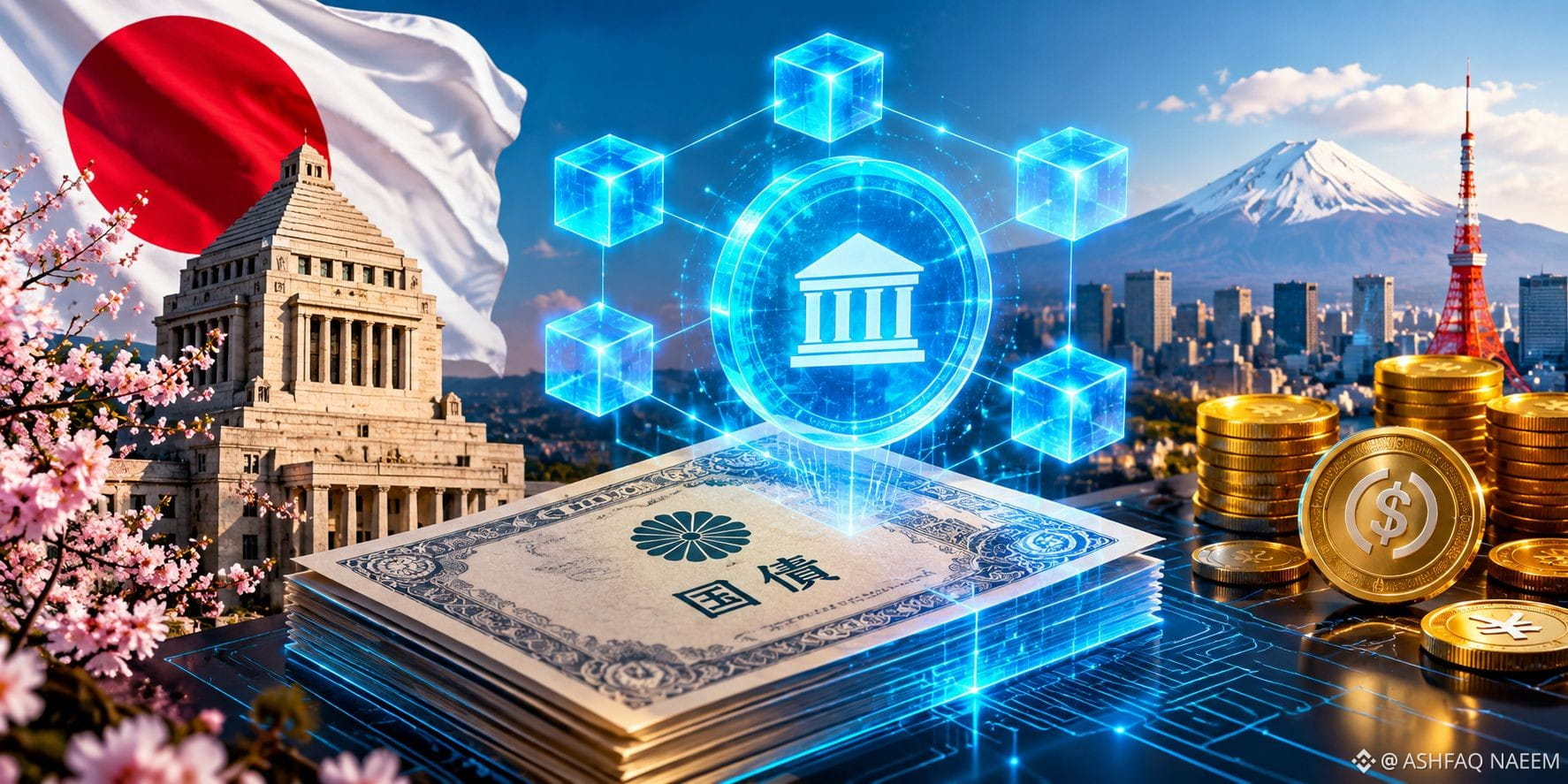
Japan’s Ministry of Finance is examining the **tokenization of Japanese government bonds (JGBs)** as part of the country’s push toward on-chain finance.
The concept could allow JGB ownership and transfers to be managed using **blockchain infrastructure**, potentially enabling faster settlement, greater transparency and new on-chain financial markets.
🔥 The bigger opportunity? **Tokenized JGBs + stablecoins + on-
chain repo markets** could connect traditional Japanese government debt with digital-asset infrastructure.
Japan isn’t just watching the tokenization trend anymore.
**It’s exploring how government bonds could move on-chain. 👀**
What happens next could be huge for Japan’s digital-asset ecosystem. 🚀
#Tokenization #blockchain #Japan #Stablecoins #japanmofstudygroupontokenizedgovtbonds
$ZEN
🚨 **JAPAN IS TAKING TOKENIZED GOVERNMENT BONDS SERIOUSLY! 🇯🇵🔥**
Japan’s Ministry of Finance is examining the **tokenization of Japanese government bonds (JGBs)** as part of the country’s push toward on-chain finance.
The concept could allow JGB ownership and transfers to be managed using **blockchain infrastructure**, potentially enabling faster settlement, greater transparency and new on-chain financial markets.
🔥 The bigger opportunity? **Tokenized JGBs + stablecoins + on-
chain repo markets** could connect traditional Japanese government debt with digital-asset infrastructure.
Japan isn’t just watching the tokenization trend anymore.
**It’s exploring how government bonds could move on-chain. 👀**
What happens next could be huge for Japan’s digital-asset ecosystem. 🚀
#Tokenization #blockchain #Japan #Stablecoins #japanmofstudygroupontokenizedgovtbonds
$ZEN
Japan’s Ministry of Finance is examining the **tokenization of Japanese government bonds (JGBs)** as part of the country’s push toward on-chain finance.
The concept could allow JGB ownership and transfers to be managed using **blockchain infrastructure**, potentially enabling faster settlement, greater transparency and new on-chain financial markets.
🔥 The bigger opportunity? **Tokenized JGBs + stablecoins + on-
chain repo markets** could connect traditional Japanese government debt with digital-asset infrastructure.
Japan isn’t just watching the tokenization trend anymore.
**It’s exploring how government bonds could move on-chain. 👀**
What happens next could be huge for Japan’s digital-asset ecosystem. 🚀
#Tokenization #blockchain #Japan #Stablecoins #japanmofstudygroupontokenizedgovtbonds
$ZEN
269
·
--
Рост
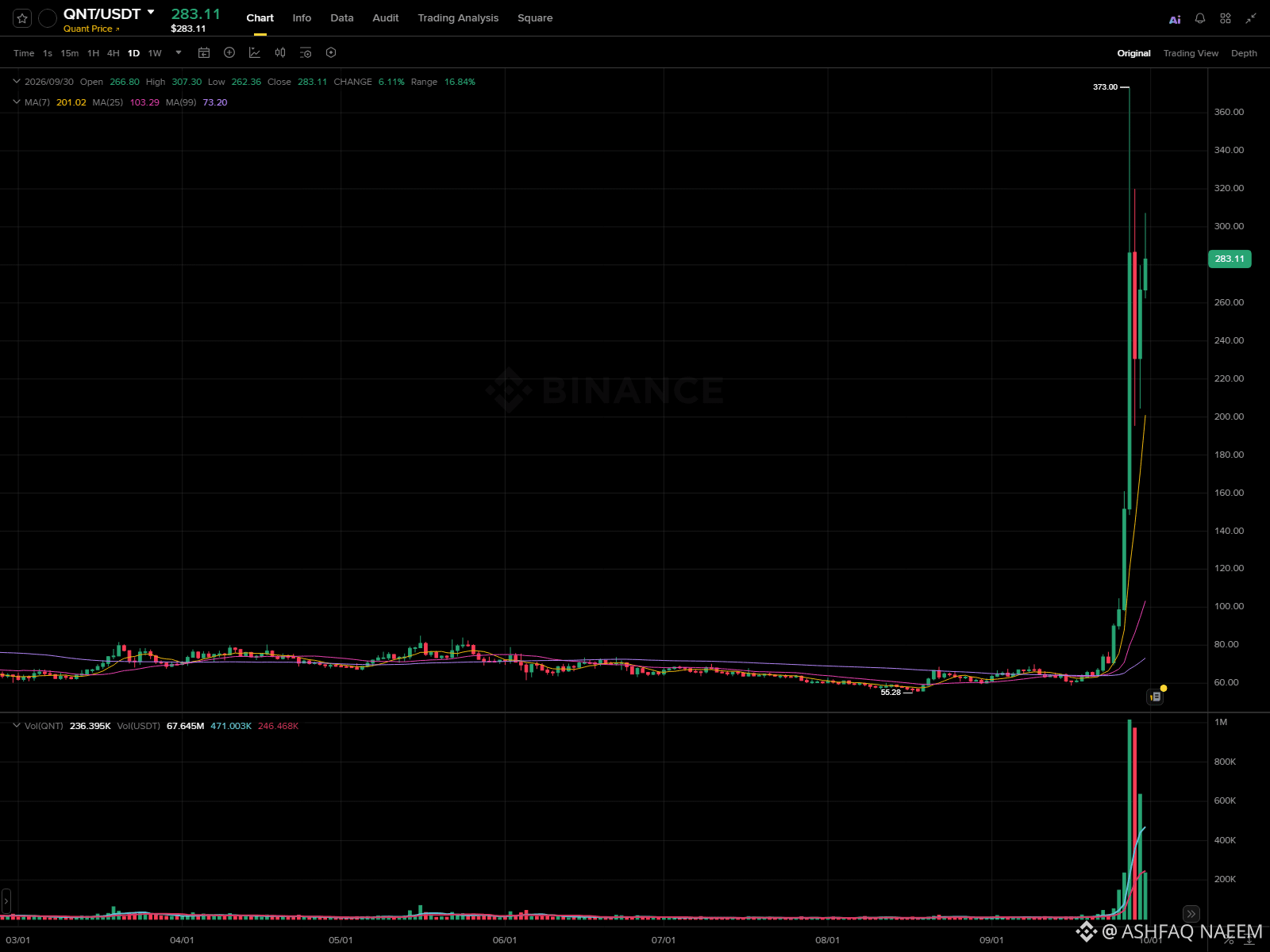
🚨 QNT JUST EXPLODED +287%! 🔥
+287% is NOT a normal move. 👀
QNT has suddenly gone parabolic, putting traders on high alert as momentum and volume surge.
⚠️ After a move this violent, FOMO can be dangerous — volatility
can go both ways.
📈 Watch: sustained volume + breakout confirmation
📉 Risk: sharp profit-taking / pullback
🔥 Is QNT just getting started… or is this move ready for a major correction?
What’s your QNT target? 👇
#qntrises287% #QNT #Quant #crypto #BinanceSquare
$QNT
{future}(QNTUSDT)
🚨 QNT JUST EXPLODED +287%! 🔥
+287% is NOT a normal move. 👀
QNT has suddenly gone parabolic, putting traders on high alert as momentum and volume surge.
⚠️ After a move this violent, FOMO can be dangerous — volatility
can go both ways.
📈 Watch: sustained volume + breakout confirmation
📉 Risk: sharp profit-taking / pullback
🔥 Is QNT just getting started… or is this move ready for a major correction?
What’s your QNT target? 👇
#qntrises287% #QNT #Quant #crypto #BinanceSquare
$QNT
+287% is NOT a normal move. 👀
QNT has suddenly gone parabolic, putting traders on high alert as momentum and volume surge.
⚠️ After a move this violent, FOMO can be dangerous — volatility
can go both ways.
📈 Watch: sustained volume + breakout confirmation
📉 Risk: sharp profit-taking / pullback
🔥 Is QNT just getting started… or is this move ready for a major correction?
What’s your QNT target? 👇
#qntrises287% #QNT #Quant #crypto #BinanceSquare
$QNT
16
1
36
39.5k
·
--
🚨 OPENAI UNVEILS “DOTS” — AI AGENTS THAT NEVER SWITCH OFF! 🤖🔥
OpenAI has introduced Dots, a new generation of always-on AI agents designed to keep working toward your goals in the background. Powered by GPT-6 Astra, Dots can handle multi-step tasks, use a cloud computer and browser, connect with apps, and provide updates when human input is needed.
Unlike traditional chatbots, Dots are built for ongoing work, potentially changing how people manage research, coding, projects, and productivity.
AI assistants are becoming AI coworkers. 👀🚀
💬 Would you trust an always-on AI agent to manage important tasks for you? Why or why not?
#OpenAI #Dots #AIAgents #Aİ #openaiunveilsalwaysonagentdots
$DOT
{future}(DOTUSDT)
🚨 OPENAI UNVEILS “DOTS” — AI AGENTS THAT NEVER SWITCH OFF! 🤖🔥
OpenAI has introduced Dots, a new generation of always-on AI agents designed to keep working toward your goals in the background. Powered by GPT-6 Astra, Dots can handle multi-step tasks, use a cloud computer and browser, connect with apps, and provide updates when human input is needed.
Unlike traditional chatbots, Dots are built for ongoing work, potentially changing how people manage research, coding, projects, and productivity.
AI assistants are becoming AI coworkers. 👀🚀
💬 Would you trust an always-on AI agent to manage important tasks for you? Why or why not?
#OpenAI #Dots #AIAgents #Aİ #openaiunveilsalwaysonagentdots
$DOT
OpenAI has introduced Dots, a new generation of always-on AI agents designed to keep working toward your goals in the background. Powered by GPT-6 Astra, Dots can handle multi-step tasks, use a cloud computer and browser, connect with apps, and provide updates when human input is needed.
Unlike traditional chatbots, Dots are built for ongoing work, potentially changing how people manage research, coding, projects, and productivity.
AI assistants are becoming AI coworkers. 👀🚀
💬 Would you trust an always-on AI agent to manage important tasks for you? Why or why not?
#OpenAI #Dots #AIAgents #Aİ #openaiunveilsalwaysonagentdots
$DOT

231
·
--
Проверено
🚨#multicoininvestsingrass 🌱🔥
A major crypto investment headline is making waves: Multicoin Capital has announced an investment in Grass (GRASS) through both its hedge fund and venture fund.
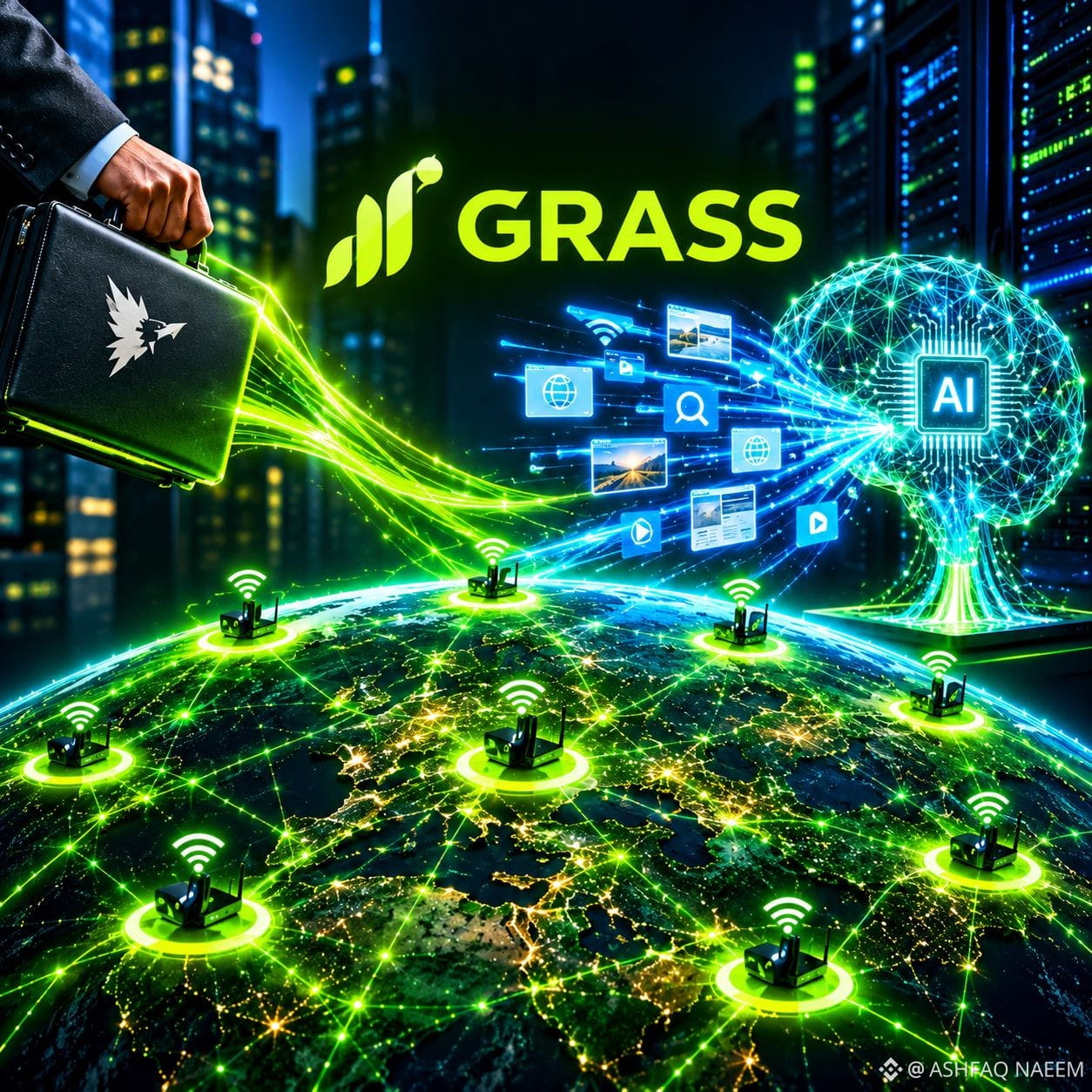
Grass is building a DePIN network for AI data, using users’ unused internet bandwidth to collect and process public web data. Multicoin believes Grass could expand beyond AI training data into real-time web search and retrieval for AI models and agents.
📊 Why the market is watching:
🤖 AI + Crypto narrative
🌐 Decentralized web-data infrastructure
⚡ Real-time data retrieval for AI
💰 Multicoin Capital backing
📈 Potential expansion of Grass’s utility
The investment amount was not disclosed, so the announcement alone does not establish a specific valuation or price target.
#grass #AI #Near
$NEAR $AI
{spot}(AIUSDT)
{future}(NEARUSDT)
🚨#multicoininvestsingrass 🌱🔥
A major crypto investment headline is making waves: Multicoin Capital has announced an investment in Grass (GRASS) through both its hedge fund and venture fund.
Grass is building a DePIN network for AI data, using users’ unused internet bandwidth to collect and process public web data. Multicoin believes Grass could expand beyond AI training data into real-time web search and retrieval for AI models and agents.
📊 Why the market is watching:
🤖 AI + Crypto narrative
🌐 Decentralized web-data infrastructure
⚡ Real-time data retrieval for AI
💰 Multicoin Capital backing
📈 Potential expansion of Grass’s utility
The investment amount was not disclosed, so the announcement alone does not establish a specific valuation or price target.
#grass #AI #Near
$NEAR $AI
A major crypto investment headline is making waves: Multicoin Capital has announced an investment in Grass (GRASS) through both its hedge fund and venture fund.
Grass is building a DePIN network for AI data, using users’ unused internet bandwidth to collect and process public web data. Multicoin believes Grass could expand beyond AI training data into real-time web search and retrieval for AI models and agents.
📊 Why the market is watching:
🤖 AI + Crypto narrative
🌐 Decentralized web-data infrastructure
⚡ Real-time data retrieval for AI
💰 Multicoin Capital backing
📈 Potential expansion of Grass’s utility
The investment amount was not disclosed, so the announcement alone does not establish a specific valuation or price target.
#grass #AI #Near
$NEAR $AI
2
1
4.7k
·
--
Рост
🔥 EARNINGS SEASON IS HERE — VOLATILITY INCOMING! 📊⚡
Wall Street is entering another major earnings window, and stocks + crypto could see bigger moves as investors react to corporate results, guidance and risk sentiment.
👀 Key numbers to watch:
• Revenue growth
• EPS surprises
• Forward guidance
• AI & tech spending
• Consumer demand
This week’s calendar includes Micron, Accenture and Nike, with more major companies reporting through October.
⚠️ Trader Alert: A strong earnings beat doesn’t always mean a stock pumps. Expectations + guidance = the real game.
🚨 Big moves could be coming. Are you ready?
#stocks #trading #NASDAQ #SP500 #earningsseason
$NVDA.US
{stock_us}(NVDA.US)
🔥 EARNINGS SEASON IS HERE — VOLATILITY INCOMING! 📊⚡
Wall Street is entering another major earnings window, and stocks + crypto could see bigger moves as investors react to corporate results, guidance and risk sentiment.
👀 Key numbers to watch:
• Revenue growth
• EPS surprises
• Forward guidance
• AI & tech spending
• Consumer demand
This week’s calendar includes Micron, Accenture and Nike, with more major companies reporting through October.
⚠️ Trader Alert: A strong earnings beat doesn’t always mean a stock pumps. Expectations + guidance = the real game.
🚨 Big moves could be coming. Are you ready?
#stocks #trading #NASDAQ #SP500 #earningsseason
$NVDA.US
Wall Street is entering another major earnings window, and stocks + crypto could see bigger moves as investors react to corporate results, guidance and risk sentiment.
👀 Key numbers to watch:
• Revenue growth
• EPS surprises
• Forward guidance
• AI & tech spending
• Consumer demand
This week’s calendar includes Micron, Accenture and Nike, with more major companies reporting through October.
⚠️ Trader Alert: A strong earnings beat doesn’t always mean a stock pumps. Expectations + guidance = the real game.
🚨 Big moves could be coming. Are you ready?
#stocks #trading #NASDAQ #SP500 #earningsseason
$NVDA.US
NVDAUS+2,16%
14
Войдите, чтобы посмотреть больше материала
Присоединяйтесь к пользователям криптовалют по всему миру на Binance Square
⚡️ Получайте новейшую и полезную информацию о криптоактивах.
💬 Нам доверяет крупнейшая в мире криптобиржа.
👍 Получите достоверные аналитические данные от верифицированных создателей контента.
Эл. почта/номер телефона