
ZENO EDUCATION
83 ပို့စ်များ

ZENO EDUCATION
တိုင်ကြားမည်
သုံးစွဲသူကို ဘလော့မည်
ZENO EDUCATION | Simplifying crypto through Bitcoin insights, blockchain knowledge and verified market updates. Learn with clarity. Stay informed.
အမှန်တကယ်ရောင်းဝယ်နေ
Frequent Trader
3 နှစ်
2 ဖော်လိုလုပ်ထားသည်
18 ဖော်လိုလုပ်သူများ
80 လိုက်ခ်လုပ်ထားသည်
ပို့စ်များ
ပိုင်ဆိုင်မှုစာရင်း
·
--
ကျရိပ်ရှိသည်
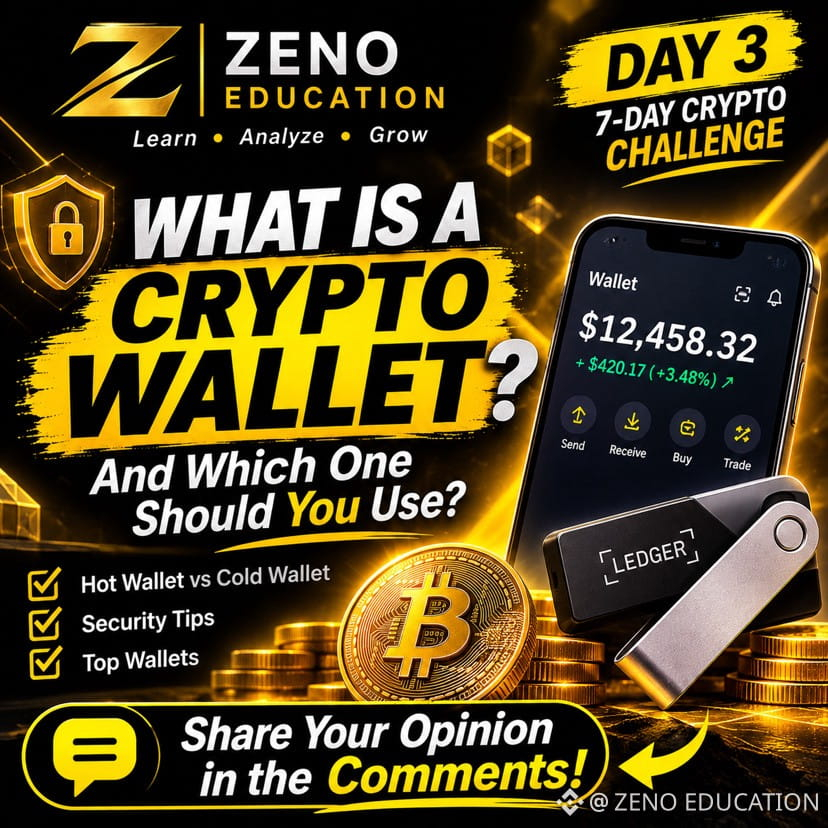
လုံခြုံရေးအသိပညာမရှိပါက သင့်ရဲ့ ခရစ်ပတိုဗဟုသုတဟာ မပြည့်စုံပါဘူး။
Bitcoin၊ blockchain နဲ့ ဈေးကွက်အလားအလာတွေအကြောင်း လေ့လာနိုင်ပေမယ့် သင့်ခရစ်ပတိုပိုက်ဆံအိတ်ကို ဘယ်လိုကာကွယ်ရမလဲဆိုတာ သိပါသလား။
အရေးကြီးတဲ့ လုံခြုံရေးစည်းမျဉ်း ၅ ချက်ကို ဖော်ပြပေးလိုက်ပါတယ်။
1. ပိုက်ဆံအိတ်ပြန်လည်ရယူရန် စကားစုကို ဘယ်သူ့ကိုမှ မမျှဝေပါနှင့်။
2. သံသယဖြစ်ဖွယ် လင့်ခ်များနှင့် မက်ဆေ့ချ်များကို ရှောင်ပါ။
3. ဝဘ်ဆိုက်လိပ်စာများကို သေချာစွာ ပြန်စစ်ပါ။
4. အမြတ်သေချာပေါက်ရမည်ဟု ကတိပေးခြင်းကို ဘယ်တော့မှ မယုံပါနှင့်။
5. ပိုက်ဆံအိတ်တစ်ခုကို အသုံးမပြုမီ ၎င်း၏လုံခြုံရေးစနစ် အလုပ်လုပ်ပုံကို လေ့လာပါ။
သတိရပါ။ လုံခြုံရေးအလေ့အကျင့်ကောင်းတွေဟာ ခရစ်ပတိုအကြောင်း နားလည်ထားခြင်းနဲ့ ထပ်တူအရေးကြီးပါတယ်။
ယနေ့မေးခွန်း៖
ခရစ်ပတိုလောကထဲ စတင်ဝင်ရောက်သူတိုင်း သိထားသင့်တဲ့ အရေးအကြီးဆုံး လုံခြုံရေးစည်းမျဉ်းက ဘာပါလဲ။
👇 သင့်အဖြေကို မှတ်ချက်မှာ မျှဝေပါ။
#CryptoSecurity #bitcoin #Web3 #cryptoeducation #ZenoEducation $BTC $SOL
{spot}(SOLUSDT)
{spot}(BTCUSDT)
လုံခြုံရေးအသိပညာမရှိပါက သင့်ရဲ့ ခရစ်ပတိုဗဟုသုတဟာ မပြည့်စုံပါဘူး။
Bitcoin၊ blockchain နဲ့ ဈေးကွက်အလားအလာတွေအကြောင်း လေ့လာနိုင်ပေမယ့် သင့်ခရစ်ပတိုပိုက်ဆံအိတ်ကို ဘယ်လိုကာကွယ်ရမလဲဆိုတာ သိပါသလား။
အရေးကြီးတဲ့ လုံခြုံရေးစည်းမျဉ်း ၅ ချက်ကို ဖော်ပြပေးလိုက်ပါတယ်။
1. ပိုက်ဆံအိတ်ပြန်လည်ရယူရန် စကားစုကို ဘယ်သူ့ကိုမှ မမျှဝေပါနှင့်။
2. သံသယဖြစ်ဖွယ် လင့်ခ်များနှင့် မက်ဆေ့ချ်များကို ရှောင်ပါ။
3. ဝဘ်ဆိုက်လိပ်စာများကို သေချာစွာ ပြန်စစ်ပါ။
4. အမြတ်သေချာပေါက်ရမည်ဟု ကတိပေးခြင်းကို ဘယ်တော့မှ မယုံပါနှင့်။
5. ပိုက်ဆံအိတ်တစ်ခုကို အသုံးမပြုမီ ၎င်း၏လုံခြုံရေးစနစ် အလုပ်လုပ်ပုံကို လေ့လာပါ။
သတိရပါ။ လုံခြုံရေးအလေ့အကျင့်ကောင်းတွေဟာ ခရစ်ပတိုအကြောင်း နားလည်ထားခြင်းနဲ့ ထပ်တူအရေးကြီးပါတယ်။
ယနေ့မေးခွန်း៖
ခရစ်ပတိုလောကထဲ စတင်ဝင်ရောက်သူတိုင်း သိထားသင့်တဲ့ အရေးအကြီးဆုံး လုံခြုံရေးစည်းမျဉ်းက ဘာပါလဲ။
👇 သင့်အဖြေကို မှတ်ချက်မှာ မျှဝေပါ။
#CryptoSecurity #bitcoin #Web3 #cryptoeducation #ZenoEducation $BTC $SOL
1
76
·
--
တက်ရိပ်ရှိသည်
ဘာသာပြန်ဆိုချက် ကြည့်မည်
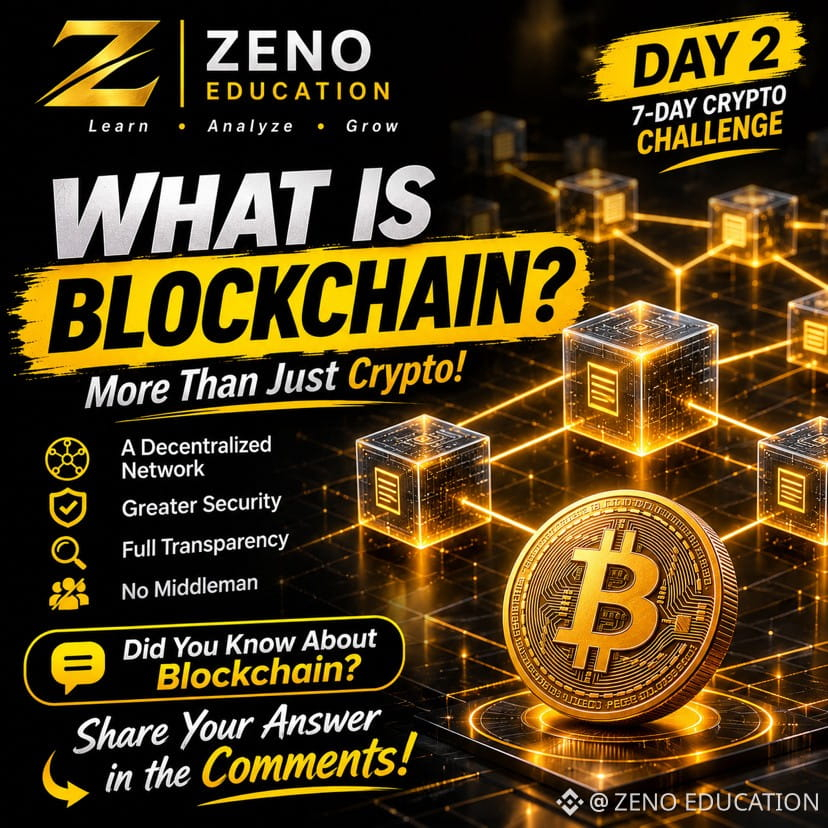
BLOCKCHAIN IS NOT JUST ABOUT CRYPTO. Here’s why.
Have you ever wondered how Bitcoin transactions are recorded without a traditional bank?
That’s where blockchain comes in.
Think of blockchain as a digital record book shared across a network of computers.
Here’s how it works:
1. Transactions are grouped into blocks.
2. Each block connects to the previous one.
3. The network verifies transactions using its rules.
4. Once recorded, changing past information is designed to be very difficult.
But remember: blockchain technology isn’t automatically risk-free. Security depends on how each system is designed and used.
Understanding blockchain is one of the first steps to understanding crypto.
QUESTION OF THE DAY:
Did you know what blockchain was before reading this post?
👇 Share your answer in the comments!
#blockchain #cryptoeducation #bitcoin #learncrypto #ZenoEducation $BTC $ETH
{spot}(ETHUSDT)
{spot}(BTCUSDT)
BLOCKCHAIN IS NOT JUST ABOUT CRYPTO. Here’s why.
Have you ever wondered how Bitcoin transactions are recorded without a traditional bank?
That’s where blockchain comes in.
Think of blockchain as a digital record book shared across a network of computers.
Here’s how it works:
1. Transactions are grouped into blocks.
2. Each block connects to the previous one.
3. The network verifies transactions using its rules.
4. Once recorded, changing past information is designed to be very difficult.
But remember: blockchain technology isn’t automatically risk-free. Security depends on how each system is designed and used.
Understanding blockchain is one of the first steps to understanding crypto.
QUESTION OF THE DAY:
Did you know what blockchain was before reading this post?
👇 Share your answer in the comments!
#blockchain #cryptoeducation #bitcoin #learncrypto #ZenoEducation $BTC $ETH
2
178
·
--
တက်ရိပ်ရှိသည်
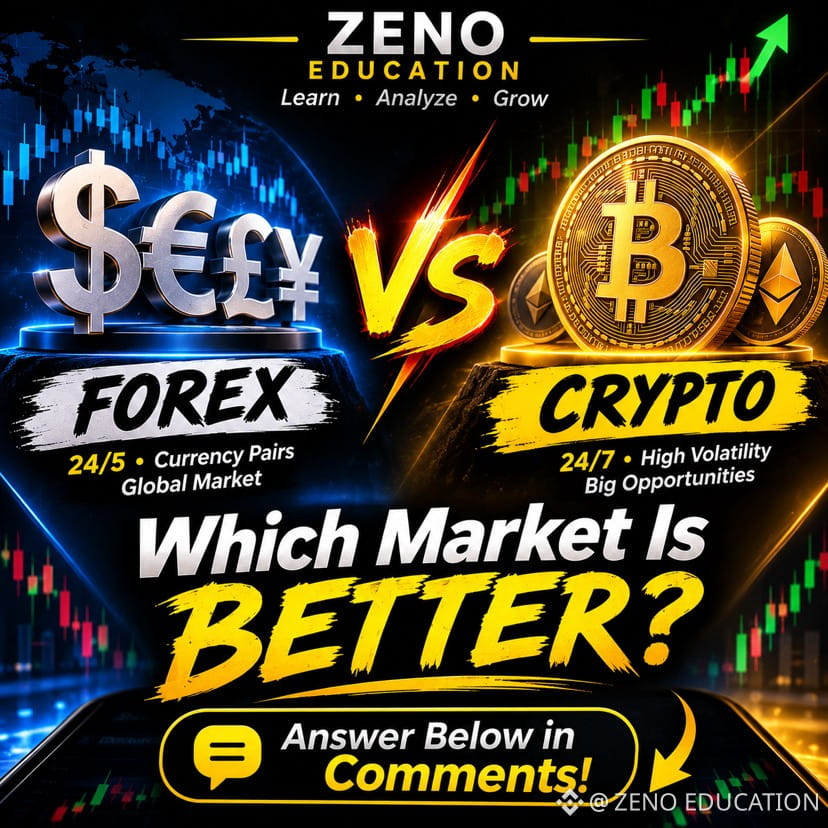
FOREX နဲ့ CRYPTO — ဘယ်ဈေးကွက်က ပိုကောင်းသလဲ?
ဒါဟာ ဘဏ္ဍာရေးလောကမှာ စိတ်ဝင်စားစရာအကောင်းဆုံး ဆွေးနွေးမှုတွေထဲက တစ်ခုပါ။
Forex နဲ့ Crypto နှစ်မျိုးစလုံးမှာ ကိုယ်ပိုင်အားသာချက်တွေ၊ ကွဲပြားချက်တွေနဲ့ စွန့်စားရမှုတွေ ရှိပါတယ်။
🌍 FOREX
* ငွေကြေးအတွဲတွေကို အဓိကထားပါတယ်။
* တစ်ပတ်မှာ ၅ ရက်၊ တစ်ရက်ကို ၂၄ နာရီ လည်ပတ်ပါတယ်။
* အတိုးနှုန်း၊ စီးပွားရေးဆိုင်ရာ အချက်အလက်တွေနဲ့ ကမ္ဘာ့ဖြစ်ရပ်တွေက လွှမ်းမိုးမှုရှိပါတယ်။
₿ CRYPTO
* Bitcoin နဲ့ Ethereum လို ဒစ်ဂျစ်တယ်ပိုင်ဆိုင်မှုတွေကို အဓိကထားပါတယ်။
* ဈေးကွက်တွေက တစ်ပတ်လျှင် ၇ ရက်၊ တစ်ရက်လျှင် ၂၄ နာရီ လည်ပတ်ပါတယ်။
* ဈေးနှုန်းတွေ အတက်အကျ ပြင်းထန်နိုင်ပါတယ်။
ဒါပေမဲ့ တကယ်မေးချင်တာက—
သင့်အမြင်အရ ဘယ်ဈေးကွက်က ပိုကောင်းသလဲ—FOREX လား CRYPTO လား?
ရိုးရာငွေကြေးဈေးကွက်လား၊ ဒစ်ဂျစ်တယ်ပိုင်ဆိုင်မှုဈေးကွက်လား?
👇 အောက်မှာ မှတ်ချက်ရေးပြီး မေးခွန်းကို ဖြေပါ!
သင့်ရွေးချယ်မှုကို ပြောပြပြီး ဘာကြောင့်လဲဆိုတာ ရှင်းပြပါ။
အသိုင်းအဝိုင်းရဲ့ သဘောထားကို ကြည့်ကြရအောင်။
#Forex #crypto #Bitcoin #TradingEducation #ZenoEducation
1
207
ဘာသာပြန်ဆိုချက် ကြည့်မည်
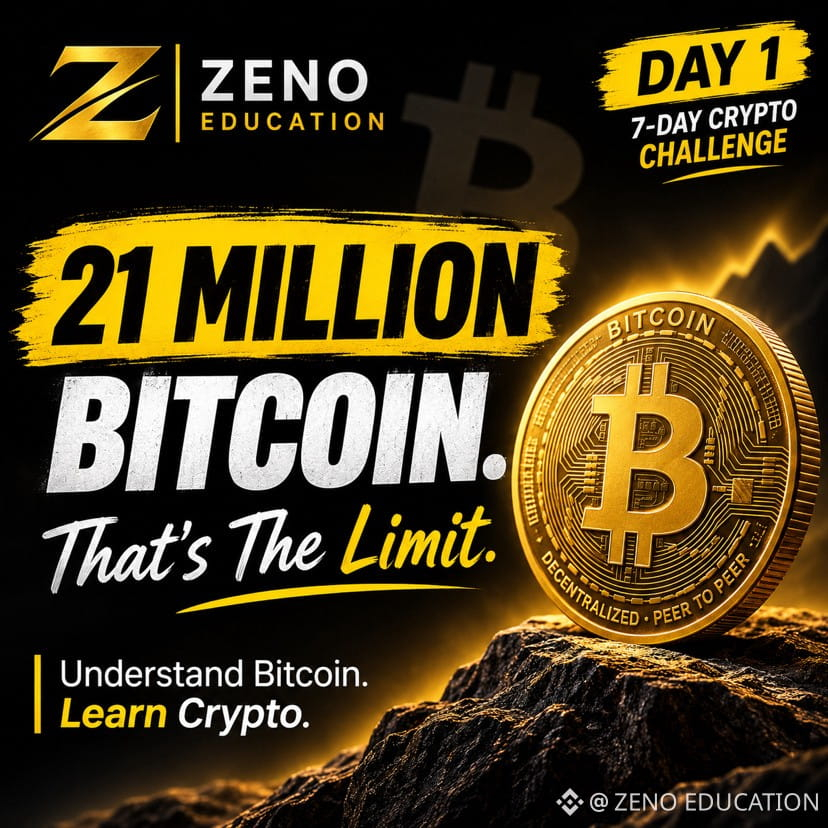
Only 21 Million Bitcoin Will Ever Exist. But Why?
Here’s something interesting about Bitcoin that every crypto beginner should understand.
Bitcoin has a maximum supply of 21 million coins.
Unlike traditional currencies, Bitcoin’s supply follows rules built into its protocol. New BTC enters circulation through mining, and the amount issued gradually decreases over time.
But here’s the important part:
Limited supply doesn’t automatically mean a higher price.
Bitcoin’s value is also influenced by demand, adoption, market conditions and people’s trust in the network.
That’s why understanding Bitcoin is more important than simply watching its price go up and down.
I’m sharing simple crypto lessons here, one topic at a time.
Let’s start a discussion:
Do you think Bitcoin’s 21 million supply limit is one of its biggest strengths? Why?
#bitcoin #BTC #cryptoeducation #BinanceSquare $BTC $ETH $SOL
{spot}(SOLUSDT)
{spot}(ETHUSDT)
{spot}(BTCUSDT)
Only 21 Million Bitcoin Will Ever Exist. But Why?
Here’s something interesting about Bitcoin that every crypto beginner should understand.
Bitcoin has a maximum supply of 21 million coins.
Unlike traditional currencies, Bitcoin’s supply follows rules built into its protocol. New BTC enters circulation through mining, and the amount issued gradually decreases over time.
But here’s the important part:
Limited supply doesn’t automatically mean a higher price.
Bitcoin’s value is also influenced by demand, adoption, market conditions and people’s trust in the network.
That’s why understanding Bitcoin is more important than simply watching its price go up and down.
I’m sharing simple crypto lessons here, one topic at a time.
Let’s start a discussion:
Do you think Bitcoin’s 21 million supply limit is one of its biggest strengths? Why?
#bitcoin #BTC #cryptoeducation #BinanceSquare $BTC $ETH $SOL
1
4
·
--
ကျရိပ်ရှိသည်
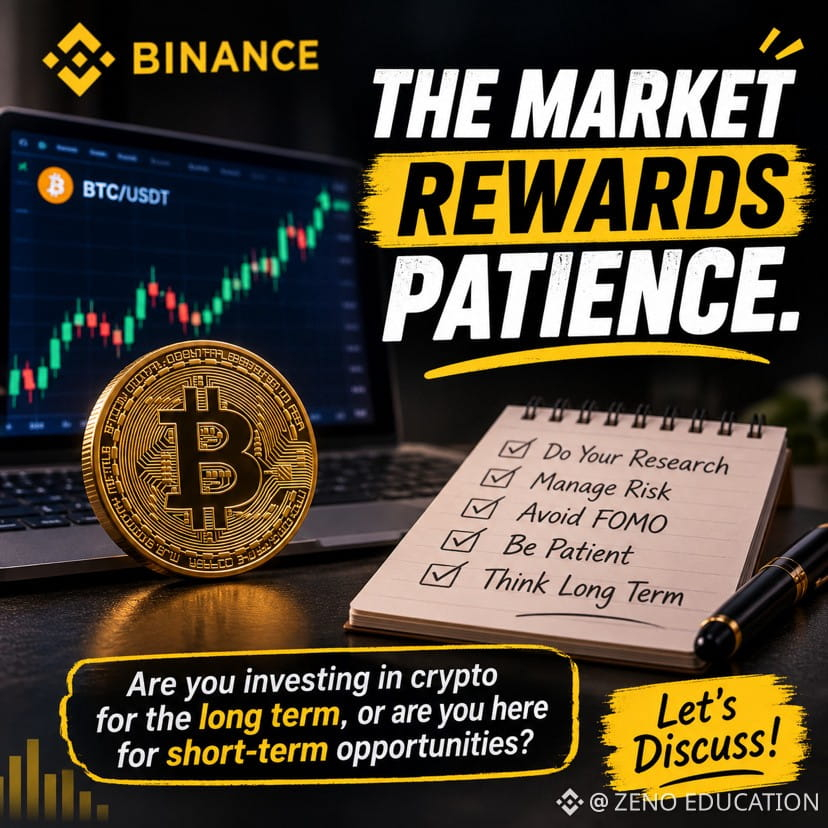
လူတိုင်းက ခရစ်ပ်တိုထဲ ဝင်ဖို့ အကောင်းဆုံးအချိန်ကို စောင့်နေကြတယ်…
ဒါပေမဲ့ လူအများစု မေ့နေတတ်တဲ့ အချက်တစ်ခုရှိတယ်-
ဈေးကွက်က စိတ်မရှည်သူတွေကို ဆုမပေးပါဘူး။ ကိုယ်ဘာမှာ ရင်းနှီးမြှုပ်နှံနေတယ်ဆိုတာ နားလည်သူတွေကိုပဲ ဆုချီးမြှင့်ပါတယ်။
ခရစ်ပ်တိုနဲ့ပတ်သက်ပြီး ကျွန်တော်/ကျွန်မ သင်ယူခဲ့ရတာတချို့ကတော့-
* ဒင်္ဂါးတစ်ခု ခေတ်စားနေလို့ဆိုပြီးပဲ မဝယ်ပါနဲ့။
* ဈေးကွက်ကျတိုင်း ထိတ်လန့်မနေပါနဲ့။
* အင်ဖလူးအန်ဆာတိုင်းရဲ့ ခန့်မှန်းချက်ကို လိုက်မယုံပါနဲ့။
* ကိုယ်တိုင် အမြဲလေ့လာစူးစမ်းပါ။
* အမြန်အမြတ်ရဖို့ လိုက်ရှာတာထက် စွန့်စားမှုကို စီမံခန့်ခွဲတာက ပိုအရေးကြီးပါတယ်။
ခရစ်ပ်တိုမှာ အခွင့်အလမ်းတွေ အများကြီးရှိပေမဲ့ ဗဟုသုတနဲ့ စိတ်ရှည်မှုရှိရှိ ချဉ်းကပ်မှသာ အကျိုးရှိမှာပါ။
မေးခွန်းတစ်ခုရှိပါတယ်-
ခရစ်ပ်တိုမှာ ရေရှည်အတွက် ရင်းနှီးမြှုပ်နှံနေတာလား၊ ဒါမှမဟုတ် ကာလတိုအခွင့်အလမ်းတွေအတွက် ဒီမှာရှိနေတာလား။
ဆွေးနွေးကြရအောင်။ 👇
#crypto #bitcoin #BinanceSquare #Trading $BTC $SOL $XRP
{spot}(XRPUSDT)
{spot}(SOLUSDT)
{spot}(BTCUSDT)
လူတိုင်းက ခရစ်ပ်တိုထဲ ဝင်ဖို့ အကောင်းဆုံးအချိန်ကို စောင့်နေကြတယ်…
ဒါပေမဲ့ လူအများစု မေ့နေတတ်တဲ့ အချက်တစ်ခုရှိတယ်-
ဈေးကွက်က စိတ်မရှည်သူတွေကို ဆုမပေးပါဘူး။ ကိုယ်ဘာမှာ ရင်းနှီးမြှုပ်နှံနေတယ်ဆိုတာ နားလည်သူတွေကိုပဲ ဆုချီးမြှင့်ပါတယ်။
ခရစ်ပ်တိုနဲ့ပတ်သက်ပြီး ကျွန်တော်/ကျွန်မ သင်ယူခဲ့ရတာတချို့ကတော့-
* ဒင်္ဂါးတစ်ခု ခေတ်စားနေလို့ဆိုပြီးပဲ မဝယ်ပါနဲ့။
* ဈေးကွက်ကျတိုင်း ထိတ်လန့်မနေပါနဲ့။
* အင်ဖလူးအန်ဆာတိုင်းရဲ့ ခန့်မှန်းချက်ကို လိုက်မယုံပါနဲ့။
* ကိုယ်တိုင် အမြဲလေ့လာစူးစမ်းပါ။
* အမြန်အမြတ်ရဖို့ လိုက်ရှာတာထက် စွန့်စားမှုကို စီမံခန့်ခွဲတာက ပိုအရေးကြီးပါတယ်။
ခရစ်ပ်တိုမှာ အခွင့်အလမ်းတွေ အများကြီးရှိပေမဲ့ ဗဟုသုတနဲ့ စိတ်ရှည်မှုရှိရှိ ချဉ်းကပ်မှသာ အကျိုးရှိမှာပါ။
မေးခွန်းတစ်ခုရှိပါတယ်-
ခရစ်ပ်တိုမှာ ရေရှည်အတွက် ရင်းနှီးမြှုပ်နှံနေတာလား၊ ဒါမှမဟုတ် ကာလတိုအခွင့်အလမ်းတွေအတွက် ဒီမှာရှိနေတာလား။
ဆွေးနွေးကြရအောင်။ 👇
#crypto #bitcoin #BinanceSquare #Trading $BTC $SOL $XRP
1
232
·
--
တက်ရိပ်ရှိသည်
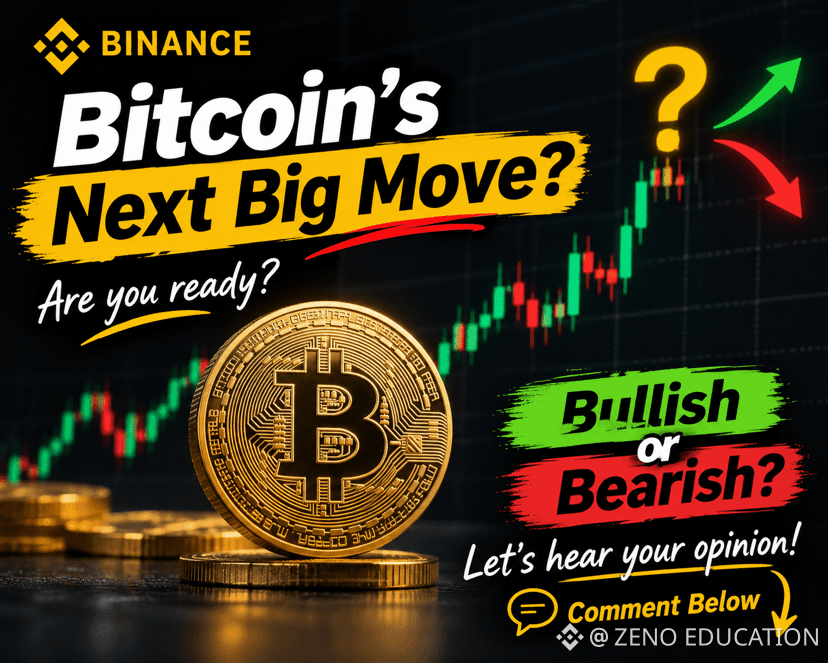
လူတိုင်းက Bitcoin ရဲ့ နောက်ထပ် အကြီးစားအပြောင်းအလဲကို စောင့်မျှော်နေကြတယ်…
ဒါပေမဲ့ ကျွန်တော် သတိထားမိတာတစ်ခုရှိတယ်။ လူအများစုက ဈေးနှုန်းစတင်လှုပ်ရှားလာတဲ့အခါမှပဲ အာရုံစိုက်ကြတယ်။
ဈေးကွက်ကို သေချာစောင့်ကြည့်သူတွေကတော့ အပြောင်းအလဲမဖြစ်ခင်ကတည်းက အာရုံစိုက်ကြတယ်။
သူတို့ စောင့်ကြည့်တာတွေကတော့—
* ဈေးကွက်ရဲ့ သဘောထား
* အရောင်းအဝယ်ပမာဏ
* အရေးကြီးတဲ့ ထောက်ခံမှုနဲ့ ခုခံမှုအဆင့်များ
* Bitcoin ရဲ့ ဈေးကွက်လွှမ်းမိုးမှု
* အဖွဲ့အစည်းကြီးတွေ ဘာလုပ်နေကြသလဲ
ဈေးကွက်က အကြီးစားအပြောင်းအလဲတစ်ခု မဖြစ်ခင်မှာ အမြဲတမ်း ကြိုတင်သတိပေးတာမျိုး မရှိပါဘူး။
တစ်ခါတလေမှာ အကောင်းဆုံးအခွင့်အရေးဆိုတာ ခေတ်စားနေတဲ့ ခန့်မှန်းချက်တိုင်းနောက် လိုက်မယ့်အစား စိတ်ရှည်ရှည်ထားပြီး ကိုယ်တိုင်လေ့လာသုတေသနလုပ်တာပါပဲ။
တစ်ခု မေးချင်ပါတယ်—
လက်ရှိမှာ Bitcoin အပေါ် အတက်ဘက်ကို မျှော်လင့်ထားတာလား၊ အကျဘက်ကို မျှော်လင့်ထားတာလား။ ဘာကြောင့်လဲ။
မှတ်ချက်တွေမှာ ကိုယ့်ရဲ့ ရိုးသားတဲ့အမြင်ကို ပြောပြပေးပါ။
#bitcoin #BTC #crypto #BinanceSquare $BTC $ETH $SOL
{spot}(SOLUSDT)
{spot}(ETHUSDT)
{spot}(BTCUSDT)
လူတိုင်းက Bitcoin ရဲ့ နောက်ထပ် အကြီးစားအပြောင်းအလဲကို စောင့်မျှော်နေကြတယ်…
ဒါပေမဲ့ ကျွန်တော် သတိထားမိတာတစ်ခုရှိတယ်။ လူအများစုက ဈေးနှုန်းစတင်လှုပ်ရှားလာတဲ့အခါမှပဲ အာရုံစိုက်ကြတယ်။
ဈေးကွက်ကို သေချာစောင့်ကြည့်သူတွေကတော့ အပြောင်းအလဲမဖြစ်ခင်ကတည်းက အာရုံစိုက်ကြတယ်။
သူတို့ စောင့်ကြည့်တာတွေကတော့—
* ဈေးကွက်ရဲ့ သဘောထား
* အရောင်းအဝယ်ပမာဏ
* အရေးကြီးတဲ့ ထောက်ခံမှုနဲ့ ခုခံမှုအဆင့်များ
* Bitcoin ရဲ့ ဈေးကွက်လွှမ်းမိုးမှု
* အဖွဲ့အစည်းကြီးတွေ ဘာလုပ်နေကြသလဲ
ဈေးကွက်က အကြီးစားအပြောင်းအလဲတစ်ခု မဖြစ်ခင်မှာ အမြဲတမ်း ကြိုတင်သတိပေးတာမျိုး မရှိပါဘူး။
တစ်ခါတလေမှာ အကောင်းဆုံးအခွင့်အရေးဆိုတာ ခေတ်စားနေတဲ့ ခန့်မှန်းချက်တိုင်းနောက် လိုက်မယ့်အစား စိတ်ရှည်ရှည်ထားပြီး ကိုယ်တိုင်လေ့လာသုတေသနလုပ်တာပါပဲ။
တစ်ခု မေးချင်ပါတယ်—
လက်ရှိမှာ Bitcoin အပေါ် အတက်ဘက်ကို မျှော်လင့်ထားတာလား၊ အကျဘက်ကို မျှော်လင့်ထားတာလား။ ဘာကြောင့်လဲ။
မှတ်ချက်တွေမှာ ကိုယ့်ရဲ့ ရိုးသားတဲ့အမြင်ကို ပြောပြပေးပါ။
#bitcoin #BTC #crypto #BinanceSquare $BTC $ETH $SOL
1
170
·
--
တက်ရိပ်ရှိသည်
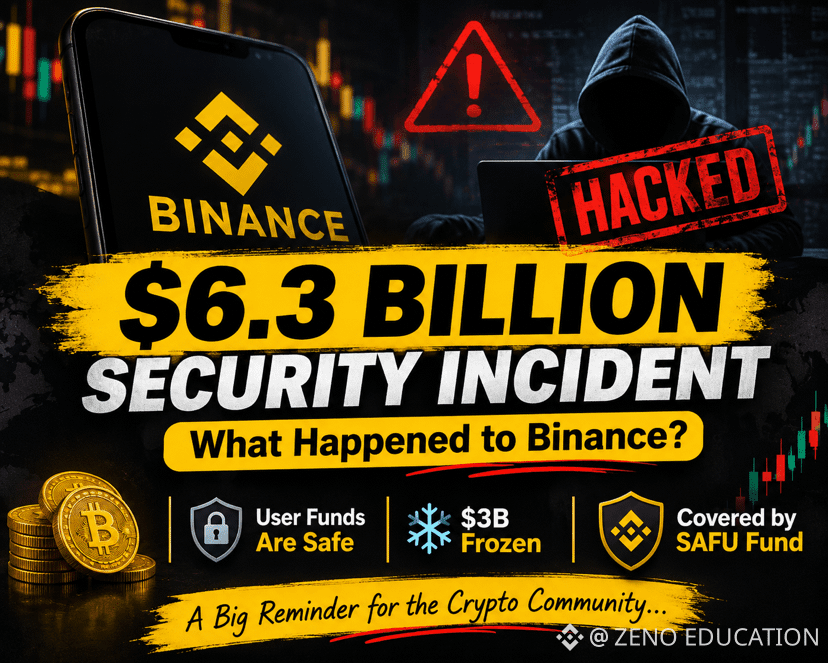
🚨 ဒေါ်လာ ၆.၃ ဘီလီယံ… ခရစ်ပတိုလောကရဲ့ ထိပ်တန်းနာမည်ကြီးတွေတောင် လုံခြုံရေးအန္တရာယ်တွေကနေ ကင်းလွတ်မနေပါဘူး။
Binance က ၎င်းတို့ရဲ့ ဟော့ဝေါလက်တွေ ပါဝင်ပတ်သက်တဲ့ ပြင်းထန်တဲ့ လုံခြုံရေးဖြစ်စဉ်တစ်ခု ဖြစ်ပွားခဲ့ကြောင်း အတည်ပြုခဲ့ပါတယ်။
အခုအချိန်အထိ သိထားရသမျှကတော့—
• တိုကင်ပိုင်ဆိုင်မှု ဒေါ်လာ ၆.၃ ဘီလီယံခန့် ထိခိုက်ခဲ့ပါတယ်။
• ဒေါ်လာ ၃ ဘီလီယံခန့်ကို အွန်ချိန်းပေါ်မှာ ထိန်းချုပ်ထားတယ်လို့ သတင်းတွေမှာ ဖော်ပြထားပါတယ်။
• ဆုံးရှုံးမှုတွေကို SAFU နဲ့ ကုမ္ပဏီရန်ပုံငွေတွေကတစ်ဆင့် ကာမိအောင် ဆောင်ရွက်မယ်လို့ Binance က ပြောပါတယ်။
• စုံစမ်းစစ်ဆေးမှုတွေ ဆက်လက်လုပ်ဆောင်နေဆဲပါ။
• ဝေါလက်ရဲ့ သီးသန့်သော့တွေ ပေါက်ကြားခဲ့တယ်ဆိုတဲ့ အထောက်အထား မရှိသေးဘူးလို့ Binance က ပြောပါတယ်။
ဒါပေမဲ့ စဉ်းစားသင့်တဲ့ အချက်တစ်ခုရှိပါတယ်…
ခရစ်ပတိုလောကမှာ Bitcoin ဈေးနှုန်းတွေ၊ ဈေးကွက်အလားအလာတွေနဲ့ နောက်ထပ် အခွင့်အရေးကြီးတွေကို စောင့်ကြည့်ဖို့ အချိန်အများကြီးပေးကြပါတယ်။
ဒါပေမဲ့ လုံခြုံရေးကို တကယ်တမ်း ဘယ်လောက်အာရုံစိုက်ကြပါသလဲ။
ဒီဖြစ်စဉ်က အမြတ်အစွန်းနဲ့အမျှ လုံခြုံရေးနဲ့ ပွင့်လင်းမြင်သာမှုကလည်း အရေးကြီးကြောင်း ထပ်မံသတိပေးလိုက်တာပါ။
ဒီဖြစ်စဉ်ကနေ အကြီးမားဆုံး သင်ခန်းစာက ဘာလို့ ထင်ပါသလဲ။
၁။ အိတ်ချိန်း လုံခြုံရေး
၂။ အသုံးပြုသူတွေရဲ့ ရန်ပုံငွေ ကာကွယ်ရေး
၃။ ပွင့်လင်းမြင်သာမှုနဲ့ အရန်ငွေအထောက်အထား
သင့်အမြင်တွေကို ပြောပြပါဦး။ 👇
#BİNANCE #CryptoNews #bitcoin #CryptoSecurity #SAFU $BTC $ETH $SOL
{spot}(SOLUSDT)
{spot}(ETHUSDT)
{spot}(BTCUSDT)
🚨 ဒေါ်လာ ၆.၃ ဘီလီယံ… ခရစ်ပတိုလောကရဲ့ ထိပ်တန်းနာမည်ကြီးတွေတောင် လုံခြုံရေးအန္တရာယ်တွေကနေ ကင်းလွတ်မနေပါဘူး။
Binance က ၎င်းတို့ရဲ့ ဟော့ဝေါလက်တွေ ပါဝင်ပတ်သက်တဲ့ ပြင်းထန်တဲ့ လုံခြုံရေးဖြစ်စဉ်တစ်ခု ဖြစ်ပွားခဲ့ကြောင်း အတည်ပြုခဲ့ပါတယ်။
အခုအချိန်အထိ သိထားရသမျှကတော့—
• တိုကင်ပိုင်ဆိုင်မှု ဒေါ်လာ ၆.၃ ဘီလီယံခန့် ထိခိုက်ခဲ့ပါတယ်။
• ဒေါ်လာ ၃ ဘီလီယံခန့်ကို အွန်ချိန်းပေါ်မှာ ထိန်းချုပ်ထားတယ်လို့ သတင်းတွေမှာ ဖော်ပြထားပါတယ်။
• ဆုံးရှုံးမှုတွေကို SAFU နဲ့ ကုမ္ပဏီရန်ပုံငွေတွေကတစ်ဆင့် ကာမိအောင် ဆောင်ရွက်မယ်လို့ Binance က ပြောပါတယ်။
• စုံစမ်းစစ်ဆေးမှုတွေ ဆက်လက်လုပ်ဆောင်နေဆဲပါ။
• ဝေါလက်ရဲ့ သီးသန့်သော့တွေ ပေါက်ကြားခဲ့တယ်ဆိုတဲ့ အထောက်အထား မရှိသေးဘူးလို့ Binance က ပြောပါတယ်။
ဒါပေမဲ့ စဉ်းစားသင့်တဲ့ အချက်တစ်ခုရှိပါတယ်…
ခရစ်ပတိုလောကမှာ Bitcoin ဈေးနှုန်းတွေ၊ ဈေးကွက်အလားအလာတွေနဲ့ နောက်ထပ် အခွင့်အရေးကြီးတွေကို စောင့်ကြည့်ဖို့ အချိန်အများကြီးပေးကြပါတယ်။
ဒါပေမဲ့ လုံခြုံရေးကို တကယ်တမ်း ဘယ်လောက်အာရုံစိုက်ကြပါသလဲ။
ဒီဖြစ်စဉ်က အမြတ်အစွန်းနဲ့အမျှ လုံခြုံရေးနဲ့ ပွင့်လင်းမြင်သာမှုကလည်း အရေးကြီးကြောင်း ထပ်မံသတိပေးလိုက်တာပါ။
ဒီဖြစ်စဉ်ကနေ အကြီးမားဆုံး သင်ခန်းစာက ဘာလို့ ထင်ပါသလဲ။
၁။ အိတ်ချိန်း လုံခြုံရေး
၂။ အသုံးပြုသူတွေရဲ့ ရန်ပုံငွေ ကာကွယ်ရေး
၃။ ပွင့်လင်းမြင်သာမှုနဲ့ အရန်ငွေအထောက်အထား
သင့်အမြင်တွေကို ပြောပြပါဦး။ 👇
#BİNANCE #CryptoNews #bitcoin #CryptoSecurity #SAFU $BTC $ETH $SOL
1
71
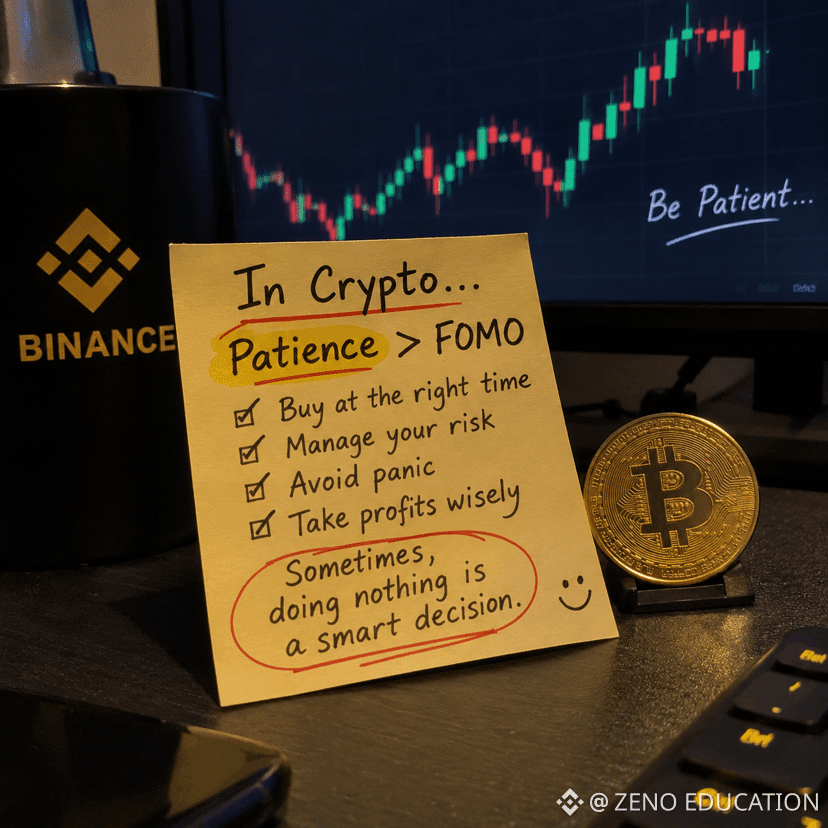
🚨 ခရစ်တိုမှာ အကြီးမားဆုံးအမှားက ဈေးမှားနဲ့ ဝယ်မိတာ မဟုတ်ပါဘူး…
စိတ်ရှည်သည်းခံမှု မရှိတာပါ။
ဈေးကွက်တစ်ခုလုံး အစိမ်းရောင်ဖြစ်နေချိန်မှာ ဝင်ဝယ်ပြီး၊ ဈေးတွေ အနီရောင်ပြောင်းသွားတာနဲ့ ထိတ်လန့်ကာ၊ ဈေးကွက် ပြန်လှုပ်ရှားခါနီးမှာပဲ ရောင်းချလိုက်သူတွေကို ကျွန်တော် တွေ့ဖူးပါတယ်။
ခရစ်တိုဆိုတာ နောက်ထပ် 100x တက်မယ့် coin ကို ရှာဖွေတာသက်သက် မဟုတ်ပါဘူး။
အောက်ပါအချက်တွေလည်း ပါဝင်ပါတယ်—
* ကိုယ်ဝယ်နေတဲ့အရာကို နားလည်ခြင်း။
* ကိုယ့်အန္တရာယ်ကို စီမံခန့်ခွဲခြင်း။
* FOMO ကို ရှောင်ရှားခြင်း။
* ဈေးကွက်အခြေအနေ ခက်ခဲလာချိန်မှာ စိတ်ရှည်သည်းခံခြင်း။
အခွင့်အရေးတိုင်းက ကိုယ့်ငွေကို ရင်းနှီးဖို့ ထိုက်တန်တာ မဟုတ်ဘူးဆိုတာ သတိရပါ။
တစ်ခါတလေ ဘာမှမလုပ်ဘဲ နေတာဟာလည်း ဆုံးဖြတ်ချက်ကောင်းတစ်ခုပါပဲ။ 🧠
တစ်ခုလောက် မေးပါရစေ—
ခရစ်တိုမှာ ဘယ်အရာက သင့်အတွက် ပိုခက်ခဲပါသလဲ။
1️⃣ အချိန်မှန်မှာ ဝယ်ယူခြင်း
2️⃣ ဈေးကွက်ကျဆင်းချိန်မှာ ဆက်ကိုင်ထားခြင်း
3️⃣ အချိန်မှန်မှာ အမြတ်ယူခြင်း
ဆွေးနွေးကြရအောင် 👇
#crypto #bitcoin #BinanceSquare #trading #CryptoEducation $BTC $ETH
{spot}(ETHUSDT)
{spot}(SOLUSDT)
{spot}(BTCUSDT)
🚨 ခရစ်တိုမှာ အကြီးမားဆုံးအမှားက ဈေးမှားနဲ့ ဝယ်မိတာ မဟုတ်ပါဘူး…
စိတ်ရှည်သည်းခံမှု မရှိတာပါ။
ဈေးကွက်တစ်ခုလုံး အစိမ်းရောင်ဖြစ်နေချိန်မှာ ဝင်ဝယ်ပြီး၊ ဈေးတွေ အနီရောင်ပြောင်းသွားတာနဲ့ ထိတ်လန့်ကာ၊ ဈေးကွက် ပြန်လှုပ်ရှားခါနီးမှာပဲ ရောင်းချလိုက်သူတွေကို ကျွန်တော် တွေ့ဖူးပါတယ်။
ခရစ်တိုဆိုတာ နောက်ထပ် 100x တက်မယ့် coin ကို ရှာဖွေတာသက်သက် မဟုတ်ပါဘူး။
အောက်ပါအချက်တွေလည်း ပါဝင်ပါတယ်—
* ကိုယ်ဝယ်နေတဲ့အရာကို နားလည်ခြင်း။
* ကိုယ့်အန္တရာယ်ကို စီမံခန့်ခွဲခြင်း။
* FOMO ကို ရှောင်ရှားခြင်း။
* ဈေးကွက်အခြေအနေ ခက်ခဲလာချိန်မှာ စိတ်ရှည်သည်းခံခြင်း။
အခွင့်အရေးတိုင်းက ကိုယ့်ငွေကို ရင်းနှီးဖို့ ထိုက်တန်တာ မဟုတ်ဘူးဆိုတာ သတိရပါ။
တစ်ခါတလေ ဘာမှမလုပ်ဘဲ နေတာဟာလည်း ဆုံးဖြတ်ချက်ကောင်းတစ်ခုပါပဲ။ 🧠
တစ်ခုလောက် မေးပါရစေ—
ခရစ်တိုမှာ ဘယ်အရာက သင့်အတွက် ပိုခက်ခဲပါသလဲ။
1️⃣ အချိန်မှန်မှာ ဝယ်ယူခြင်း
2️⃣ ဈေးကွက်ကျဆင်းချိန်မှာ ဆက်ကိုင်ထားခြင်း
3️⃣ အချိန်မှန်မှာ အမြတ်ယူခြင်း
ဆွေးနွေးကြရအောင် 👇
#crypto #bitcoin #BinanceSquare #trading #CryptoEducation $BTC $ETH
1
154
·
--
တက်ရိပ်ရှိသည်
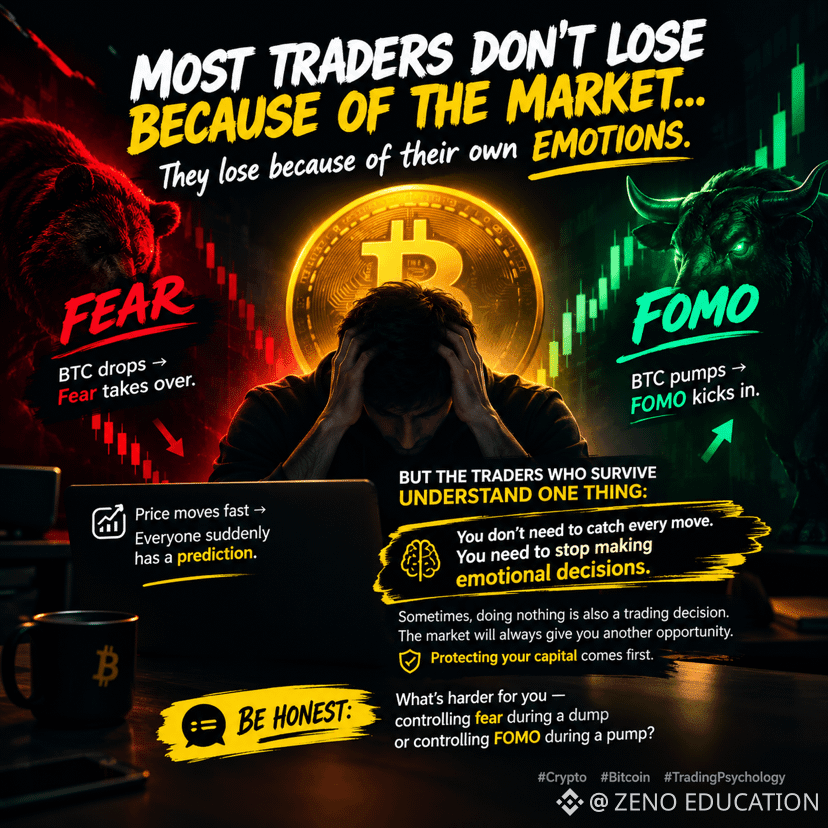
ကုန်သည်အများစုဟာ ဈေးကွက်ကြောင့် ရှုံးတာမဟုတ်ဘူး… ကိုယ့်စိတ်ခံစားချက်တွေကြောင့် ရှုံးတာပါ။ 👀
စဉ်းစားကြည့်ပါ။
📉 $BTC ဈေးကျသွားရင် → ကြောက်စိတ်က လွှမ်းမိုးလာတယ်။
📈 $BTC ဈေးတက်သွားရင် → FOMO ဝင်လာတယ်။
😵 ဈေးနှုန်းက မြန်မြန်ရွေ့လျားလာရင် → လူတိုင်းက ရုတ်တရက် ခန့်မှန်းချက်တွေ ထုတ်ပြောလာကြတယ်။
ဒါပေမဲ့ ရေရှည်ရှင်သန်နိုင်တဲ့ ကုန်သည်တွေက အချက်တစ်ချက်ကို နားလည်ကြတယ်။
ဈေးအပြောင်းအလဲတိုင်းကို လိုက်ဖမ်းဖို့ မလိုပါဘူး။ စိတ်ခံစားချက်အပေါ် မူတည်ပြီး ဆုံးဖြတ်တာကို ရပ်ဖို့ပဲ လိုပါတယ်။
တစ်ခါတလေ ဘာမှမလုပ်တာကလည်း အရောင်းအဝယ်ဆိုင်ရာ ဆုံးဖြတ်ချက်တစ်ခုပါပဲ။
ဈေးကွက်က နောက်ထပ်အခွင့်အရေးတစ်ခုကို အမြဲပေးပါလိမ့်မယ်။ ကိုယ့်ရင်းနှီးငွေကို ကာကွယ်တာက အရင်ဆုံးပါ။ 🧠
💬 ရိုးရိုးသားသားဖြေပါ—သင့်အတွက် ဘယ်ဟာကို ထိန်းချုပ်ဖို့ ပိုခက်သလဲ၊ ဈေးပြိုကျချိန်မှာ ကြောက်စိတ်ကို ထိန်းချုပ်တာလား၊ ဈေးအရှိန်တက်ချိန်မှာ FOMO ကို ထိန်းချုပ်တာလား။
#crypto #bitcoin #TradingPsychology
{spot}(BTCUSDT)
{spot}(ETHUSDT)
{spot}(SOLUSDT)
ကုန်သည်အများစုဟာ ဈေးကွက်ကြောင့် ရှုံးတာမဟုတ်ဘူး… ကိုယ့်စိတ်ခံစားချက်တွေကြောင့် ရှုံးတာပါ။ 👀
စဉ်းစားကြည့်ပါ။
📉 $BTC ဈေးကျသွားရင် → ကြောက်စိတ်က လွှမ်းမိုးလာတယ်။
📈 $BTC ဈေးတက်သွားရင် → FOMO ဝင်လာတယ်။
😵 ဈေးနှုန်းက မြန်မြန်ရွေ့လျားလာရင် → လူတိုင်းက ရုတ်တရက် ခန့်မှန်းချက်တွေ ထုတ်ပြောလာကြတယ်။
ဒါပေမဲ့ ရေရှည်ရှင်သန်နိုင်တဲ့ ကုန်သည်တွေက အချက်တစ်ချက်ကို နားလည်ကြတယ်။
ဈေးအပြောင်းအလဲတိုင်းကို လိုက်ဖမ်းဖို့ မလိုပါဘူး။ စိတ်ခံစားချက်အပေါ် မူတည်ပြီး ဆုံးဖြတ်တာကို ရပ်ဖို့ပဲ လိုပါတယ်။
တစ်ခါတလေ ဘာမှမလုပ်တာကလည်း အရောင်းအဝယ်ဆိုင်ရာ ဆုံးဖြတ်ချက်တစ်ခုပါပဲ။
ဈေးကွက်က နောက်ထပ်အခွင့်အရေးတစ်ခုကို အမြဲပေးပါလိမ့်မယ်။ ကိုယ့်ရင်းနှီးငွေကို ကာကွယ်တာက အရင်ဆုံးပါ။ 🧠
💬 ရိုးရိုးသားသားဖြေပါ—သင့်အတွက် ဘယ်ဟာကို ထိန်းချုပ်ဖို့ ပိုခက်သလဲ၊ ဈေးပြိုကျချိန်မှာ ကြောက်စိတ်ကို ထိန်းချုပ်တာလား၊ ဈေးအရှိန်တက်ချိန်မှာ FOMO ကို ထိန်းချုပ်တာလား။
#crypto #bitcoin #TradingPsychology
1
112
·
--
တက်ရိပ်ရှိသည်
ခရစ်ပ်တိုက သင့်စိတ်ရှည်မှုကို စမ်းသပ်တဲ့ ထူးဆန်းတဲ့နည်းလမ်းတစ်ခု ရှိတယ် 😂
BTC ဈေးထိုးကျရင် အားလုံးက “ဝက်ဝံဈေးကွက်ပဲ” လို့ ပြောကြတယ်။
BTC ဈေးတက်လာရင်တော့ ရုတ်တရက် လူတိုင်းက ဉာဏ်ကြီးရှင်တွေ ဖြစ်သွားကြတယ်။ 💀
တကယ့်ကျွမ်းကျင်မှုဆိုတာ ဈေးကျတိုင်း ဝယ်တာ၊ ဒါမှမဟုတ် အစိမ်းရောင် candle တိုင်းနောက် လိုက်ဝယ်တာ မဟုတ်ဘူး။
စိတ်တည်ငြိမ်အောင် နေသင့်တဲ့အချိန်နဲ့ ဘာမှမလုပ်ဘဲ နေသင့်တဲ့အချိန်ကို သိတာပါ။
တစ်ခါတလေ ကိုယ့်ငွေကို ကာကွယ်နိုင်တာက အကြီးမားဆုံးအနိုင်ရမှုပါပဲ။ 📊
ရိုးရိုးသားသားပြောပါ… FOMO ကြောင့် ဈေးအမြင့်ဆုံးမှာ ဝယ်ဖူးလား။ 👀
#bitcoin #crypto #BinanceSquare
{spot}(BTCUSDT)
{spot}(XRPUSDT)
{spot}(ETHUSDT)
ခရစ်ပ်တိုက သင့်စိတ်ရှည်မှုကို စမ်းသပ်တဲ့ ထူးဆန်းတဲ့နည်းလမ်းတစ်ခု ရှိတယ် 😂
BTC ဈေးထိုးကျရင် အားလုံးက “ဝက်ဝံဈေးကွက်ပဲ” လို့ ပြောကြတယ်။
BTC ဈေးတက်လာရင်တော့ ရုတ်တရက် လူတိုင်းက ဉာဏ်ကြီးရှင်တွေ ဖြစ်သွားကြတယ်။ 💀
တကယ့်ကျွမ်းကျင်မှုဆိုတာ ဈေးကျတိုင်း ဝယ်တာ၊ ဒါမှမဟုတ် အစိမ်းရောင် candle တိုင်းနောက် လိုက်ဝယ်တာ မဟုတ်ဘူး။
စိတ်တည်ငြိမ်အောင် နေသင့်တဲ့အချိန်နဲ့ ဘာမှမလုပ်ဘဲ နေသင့်တဲ့အချိန်ကို သိတာပါ။
တစ်ခါတလေ ကိုယ့်ငွေကို ကာကွယ်နိုင်တာက အကြီးမားဆုံးအနိုင်ရမှုပါပဲ။ 📊
ရိုးရိုးသားသားပြောပါ… FOMO ကြောင့် ဈေးအမြင့်ဆုံးမှာ ဝယ်ဖူးလား။ 👀
#bitcoin #crypto #BinanceSquare
1
111
·
--
တက်ရိပ်ရှိသည်
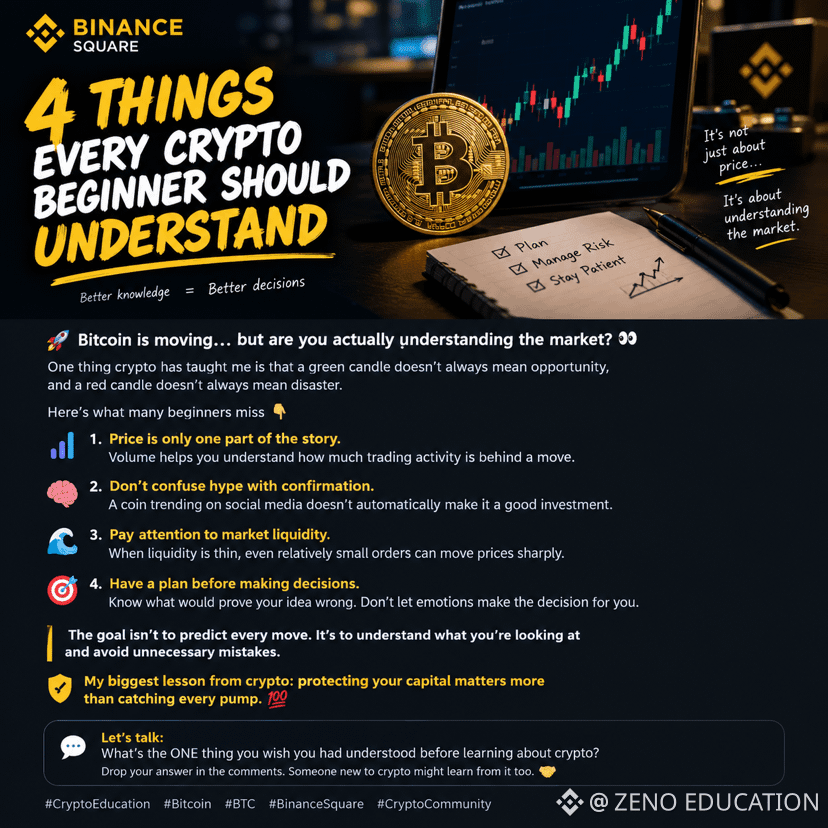
🚨 Bitcoin က ရွေ့လျားနေပါတယ်… ဒါပေမဲ့ ဈေးကွက်ကို တကယ်နားလည်ရဲ့လား? 👀
Crypto ကနေ ကျွန်တော် သင်ယူခဲ့ရတဲ့အချက်တစ်ခုက အစိမ်းရောင် candle တစ်ခုတိုင်းဟာ အခွင့်အရေးလို့ မဆိုလိုသလို၊ အနီရောင် candle တစ်ခုတိုင်းဟာ ဘေးအန္တရာယ်လို့လည်း မဆိုလိုပါဘူး။
စတင်လေ့လာသူအများစု လွတ်သွားတတ်တဲ့အချက်တွေကတော့ 👇
📊 1. ဈေးနှုန်းက ဇာတ်လမ်းရဲ့ အစိတ်အပိုင်းတစ်ခုပဲ ဖြစ်ပါတယ်။
ကုန်သွယ်မှုပမာဏက ဈေးနှုန်းအပြောင်းအလဲတစ်ခုနောက်မှာ ဘယ်လောက်အရောင်းအဝယ်ရှိနေသလဲဆိုတာ နားလည်စေပါတယ်။
🧠 2. လူကြိုက်များမှုကို အတည်ပြုချက်နဲ့ မရောထွေးပါနဲ့။
လူမှုကွန်ရက်တွေမှာ လူပြောများနေတဲ့ coin တစ်ခုက အလိုအလျောက် ရင်းနှီးမြှုပ်နှံဖို့ကောင်းတယ်လို့ မဆိုလိုပါဘူး။
🐋 3. ဈေးကွက်ရဲ့ ငွေဖြစ်လွယ်မှုကို သတိပြုပါ။
ငွေဖြစ်လွယ်မှု နည်းတဲ့အခါ အတော်လေးသေးငယ်တဲ့ အော်ဒါတွေတောင် ဈေးနှုန်းကို သိသိသာသာ လှုပ်ခတ်စေနိုင်ပါတယ်။
🎯 4. ဆုံးဖြတ်ချက်မချခင် အစီအစဉ်တစ်ခု ရှိပါစေ။
ကိုယ့်အယူအဆ မှားနေကြောင်း ဘယ်အချက်က သက်သေပြမလဲဆိုတာ သိထားပါ။ စိတ်ခံစားချက်တွေကို ကိုယ့်အစား ဆုံးဖြတ်ခွင့်မပေးပါနဲ့။
ရည်မှန်းချက်က ဈေးနှုန်းအပြောင်းအလဲတိုင်းကို ကြိုခန့်မှန်းဖို့ မဟုတ်ပါဘူး။ ကိုယ်ကြည့်နေတဲ့အရာကို နားလည်ပြီး မလိုအပ်တဲ့ အမှားတွေကို ရှောင်ဖို့ပါ။
Crypto ကနေ ကျွန်တော် သင်ယူခဲ့ရတဲ့ အကြီးမားဆုံးသင်ခန်းစာကတော့ ဈေးတက်မှုတိုင်းကို လိုက်ဖမ်းတာထက် ကိုယ့်ရင်းနှီးငွေကို ကာကွယ်ဖို့က ပိုအရေးကြီးတယ်ဆိုတာပါ။ 💯
👇 ဆွေးနွေးကြရအောင် —
Crypto အကြောင်း မလေ့လာခင်ကတည်းက သိထားစေချင်ခဲ့တဲ့ အရေးအကြီးဆုံးအချက်က ဘာလဲ?
ကိုယ့်အဖြေကို မှတ်ချက်မှာ ရေးခဲ့ပါ။ Crypto ကို အသစ်စလေ့လာနေသူတစ်ယောက်လည်း အဲဒီအဖြေကနေ သင်ယူနိုင်ပါတယ်။ 🤝
#cryptoeducation #bitcoin #BTC #BinanceSquare #CryptoCommunity $BTC
{spot}(BTCUSDT)
{spot}(ETHUSDT)
{spot}(SOLUSDT)
🚨 Bitcoin က ရွေ့လျားနေပါတယ်… ဒါပေမဲ့ ဈေးကွက်ကို တကယ်နားလည်ရဲ့လား? 👀
Crypto ကနေ ကျွန်တော် သင်ယူခဲ့ရတဲ့အချက်တစ်ခုက အစိမ်းရောင် candle တစ်ခုတိုင်းဟာ အခွင့်အရေးလို့ မဆိုလိုသလို၊ အနီရောင် candle တစ်ခုတိုင်းဟာ ဘေးအန္တရာယ်လို့လည်း မဆိုလိုပါဘူး။
စတင်လေ့လာသူအများစု လွတ်သွားတတ်တဲ့အချက်တွေကတော့ 👇
📊 1. ဈေးနှုန်းက ဇာတ်လမ်းရဲ့ အစိတ်အပိုင်းတစ်ခုပဲ ဖြစ်ပါတယ်။
ကုန်သွယ်မှုပမာဏက ဈေးနှုန်းအပြောင်းအလဲတစ်ခုနောက်မှာ ဘယ်လောက်အရောင်းအဝယ်ရှိနေသလဲဆိုတာ နားလည်စေပါတယ်။
🧠 2. လူကြိုက်များမှုကို အတည်ပြုချက်နဲ့ မရောထွေးပါနဲ့။
လူမှုကွန်ရက်တွေမှာ လူပြောများနေတဲ့ coin တစ်ခုက အလိုအလျောက် ရင်းနှီးမြှုပ်နှံဖို့ကောင်းတယ်လို့ မဆိုလိုပါဘူး။
🐋 3. ဈေးကွက်ရဲ့ ငွေဖြစ်လွယ်မှုကို သတိပြုပါ။
ငွေဖြစ်လွယ်မှု နည်းတဲ့အခါ အတော်လေးသေးငယ်တဲ့ အော်ဒါတွေတောင် ဈေးနှုန်းကို သိသိသာသာ လှုပ်ခတ်စေနိုင်ပါတယ်။
🎯 4. ဆုံးဖြတ်ချက်မချခင် အစီအစဉ်တစ်ခု ရှိပါစေ။
ကိုယ့်အယူအဆ မှားနေကြောင်း ဘယ်အချက်က သက်သေပြမလဲဆိုတာ သိထားပါ။ စိတ်ခံစားချက်တွေကို ကိုယ့်အစား ဆုံးဖြတ်ခွင့်မပေးပါနဲ့။
ရည်မှန်းချက်က ဈေးနှုန်းအပြောင်းအလဲတိုင်းကို ကြိုခန့်မှန်းဖို့ မဟုတ်ပါဘူး။ ကိုယ်ကြည့်နေတဲ့အရာကို နားလည်ပြီး မလိုအပ်တဲ့ အမှားတွေကို ရှောင်ဖို့ပါ။
Crypto ကနေ ကျွန်တော် သင်ယူခဲ့ရတဲ့ အကြီးမားဆုံးသင်ခန်းစာကတော့ ဈေးတက်မှုတိုင်းကို လိုက်ဖမ်းတာထက် ကိုယ့်ရင်းနှီးငွေကို ကာကွယ်ဖို့က ပိုအရေးကြီးတယ်ဆိုတာပါ။ 💯
👇 ဆွေးနွေးကြရအောင် —
Crypto အကြောင်း မလေ့လာခင်ကတည်းက သိထားစေချင်ခဲ့တဲ့ အရေးအကြီးဆုံးအချက်က ဘာလဲ?
ကိုယ့်အဖြေကို မှတ်ချက်မှာ ရေးခဲ့ပါ။ Crypto ကို အသစ်စလေ့လာနေသူတစ်ယောက်လည်း အဲဒီအဖြေကနေ သင်ယူနိုင်ပါတယ်။ 🤝
#cryptoeducation #bitcoin #BTC #BinanceSquare #CryptoCommunity $BTC
1
126
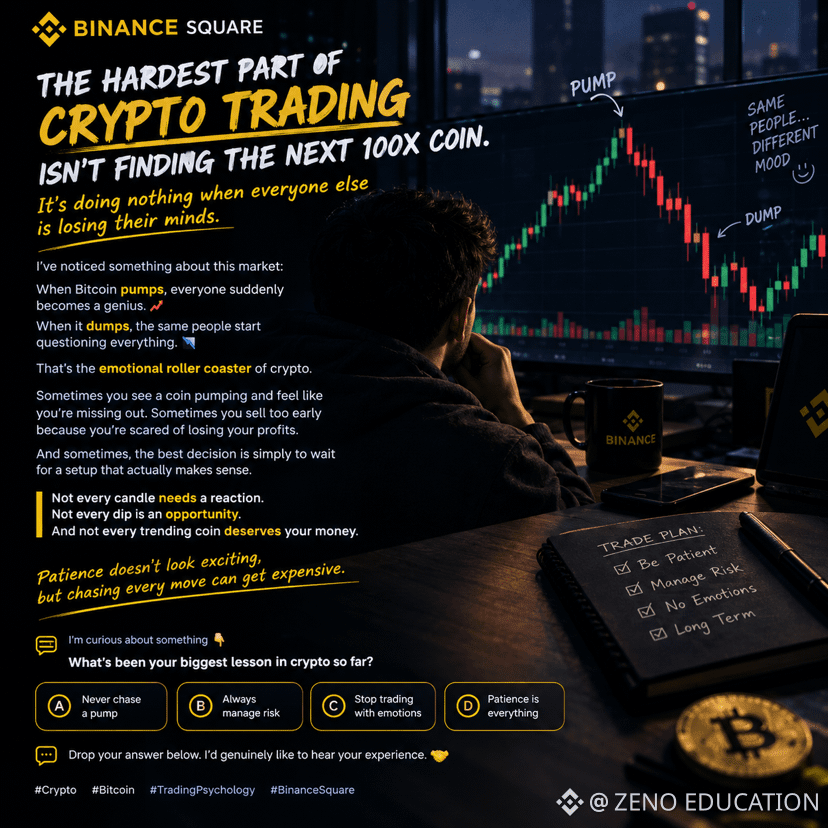
ခရစ်ပတို အရောင်းအဝယ်မှာ အခက်ခဲဆုံးအပိုင်းက နောက်ထပ် 100x တက်မယ့် coin ကို ရှာဖွေတာ မဟုတ်ပါဘူး။ 👀
တခြားသူတွေ အားလုံး စိတ်လွတ်ကိုယ်လွတ်ဖြစ်နေချိန်မှာ ဘာမှမလုပ်ဘဲ နေနိုင်ဖို့ပါ။
ဒီဈေးကွက်နဲ့ပတ်သက်ပြီး သတိထားမိတာတစ်ခုရှိတယ်။ Bitcoin ဈေးတက်လာတဲ့အခါ လူတိုင်းက ရုတ်တရက် ဉာဏ်ကြီးရှင်တွေ ဖြစ်သွားကြတယ်။ 📈
ဈေးထိုးကျသွားတဲ့အခါတော့ အဲဒီလူတွေကပဲ အရာအားလုံးကို စတင်သံသယဝင်ကြတယ်။ 📉
ဒါက ခရစ်ပတိုဈေးကွက်ရဲ့ စိတ်ခံစားမှု အတက်အကျပါပဲ။
တစ်ခါတလေ coin တစ်ခု ဈေးတက်နေတာကိုမြင်ပြီး အခွင့်အရေးလွတ်သွားပြီလို့ ခံစားရတတ်တယ်။ တစ်ခါတလေ အမြတ်ဆုံးရှုံးမှာကြောက်လို့ စောစောရောင်းမိတတ်တယ်။
တစ်ခါတလေမှာတော့ အကောင်းဆုံးဆုံးဖြတ်ချက်က တကယ်ကို အဓိပ္ပာယ်ရှိတဲ့ အခြေအနေတစ်ခု ပေါ်လာတဲ့အထိ စောင့်နေတာပါပဲ။
ဈေးတိုင်တိုင်တိုင်းကို တုံ့ပြန်စရာမလိုပါဘူး။
ဈေးကျတိုင်းက အခွင့်အရေးမဟုတ်ပါဘူး။
ရေပန်းစားနေတဲ့ coin တိုင်းကလည်း ကိုယ့်ပိုက်ဆံနဲ့ထိုက်တန်တာ မဟုတ်ပါဘူး။
စိတ်ရှည်တာက စိတ်လှုပ်ရှားစရာ မကောင်းပေမယ့် ဈေးအတက်အကျတိုင်းကို လိုက်ဖမ်းရင် ကုန်ကျစရိတ်များနိုင်ပါတယ်။
တစ်ခုလောက် သိချင်ပါတယ် 👇
ခရစ်ပတိုနဲ့ပတ်သက်ပြီး အခုထိ သင်ယူခဲ့ရတဲ့ အကြီးမားဆုံးသင်ခန်းစာက ဘာလဲ။
A) ဈေးတက်တာကို ဘယ်တော့မှ လိုက်မဝယ်နဲ့
B) အန္တရာယ်ကို အမြဲစီမံခန့်ခွဲပါ
C) စိတ်ခံစားချက်နဲ့ အရောင်းအဝယ်လုပ်တာကို ရပ်ပါ
D) စိတ်ရှည်ခြင်းက အရာအားလုံးပါပဲ
အောက်မှာ အဖြေချန်ခဲ့ပါ။ သင့်အတွေ့အကြုံကို တကယ်ကို ကြားချင်ပါတယ်။ 🤝
#crypto #bitcoin #TradingPsychology #BinanceSquare
{spot}(BTCUSDT)
{spot}(XRPUSDT)
{spot}(ETHUSDT)
ခရစ်ပတို အရောင်းအဝယ်မှာ အခက်ခဲဆုံးအပိုင်းက နောက်ထပ် 100x တက်မယ့် coin ကို ရှာဖွေတာ မဟုတ်ပါဘူး။ 👀
တခြားသူတွေ အားလုံး စိတ်လွတ်ကိုယ်လွတ်ဖြစ်နေချိန်မှာ ဘာမှမလုပ်ဘဲ နေနိုင်ဖို့ပါ။
ဒီဈေးကွက်နဲ့ပတ်သက်ပြီး သတိထားမိတာတစ်ခုရှိတယ်။ Bitcoin ဈေးတက်လာတဲ့အခါ လူတိုင်းက ရုတ်တရက် ဉာဏ်ကြီးရှင်တွေ ဖြစ်သွားကြတယ်။ 📈
ဈေးထိုးကျသွားတဲ့အခါတော့ အဲဒီလူတွေကပဲ အရာအားလုံးကို စတင်သံသယဝင်ကြတယ်။ 📉
ဒါက ခရစ်ပတိုဈေးကွက်ရဲ့ စိတ်ခံစားမှု အတက်အကျပါပဲ။
တစ်ခါတလေ coin တစ်ခု ဈေးတက်နေတာကိုမြင်ပြီး အခွင့်အရေးလွတ်သွားပြီလို့ ခံစားရတတ်တယ်။ တစ်ခါတလေ အမြတ်ဆုံးရှုံးမှာကြောက်လို့ စောစောရောင်းမိတတ်တယ်။
တစ်ခါတလေမှာတော့ အကောင်းဆုံးဆုံးဖြတ်ချက်က တကယ်ကို အဓိပ္ပာယ်ရှိတဲ့ အခြေအနေတစ်ခု ပေါ်လာတဲ့အထိ စောင့်နေတာပါပဲ။
ဈေးတိုင်တိုင်တိုင်းကို တုံ့ပြန်စရာမလိုပါဘူး။
ဈေးကျတိုင်းက အခွင့်အရေးမဟုတ်ပါဘူး။
ရေပန်းစားနေတဲ့ coin တိုင်းကလည်း ကိုယ့်ပိုက်ဆံနဲ့ထိုက်တန်တာ မဟုတ်ပါဘူး။
စိတ်ရှည်တာက စိတ်လှုပ်ရှားစရာ မကောင်းပေမယ့် ဈေးအတက်အကျတိုင်းကို လိုက်ဖမ်းရင် ကုန်ကျစရိတ်များနိုင်ပါတယ်။
တစ်ခုလောက် သိချင်ပါတယ် 👇
ခရစ်ပတိုနဲ့ပတ်သက်ပြီး အခုထိ သင်ယူခဲ့ရတဲ့ အကြီးမားဆုံးသင်ခန်းစာက ဘာလဲ။
A) ဈေးတက်တာကို ဘယ်တော့မှ လိုက်မဝယ်နဲ့
B) အန္တရာယ်ကို အမြဲစီမံခန့်ခွဲပါ
C) စိတ်ခံစားချက်နဲ့ အရောင်းအဝယ်လုပ်တာကို ရပ်ပါ
D) စိတ်ရှည်ခြင်းက အရာအားလုံးပါပဲ
အောက်မှာ အဖြေချန်ခဲ့ပါ။ သင့်အတွေ့အကြုံကို တကယ်ကို ကြားချင်ပါတယ်။ 🤝
#crypto #bitcoin #TradingPsychology #BinanceSquare
1
98
Article
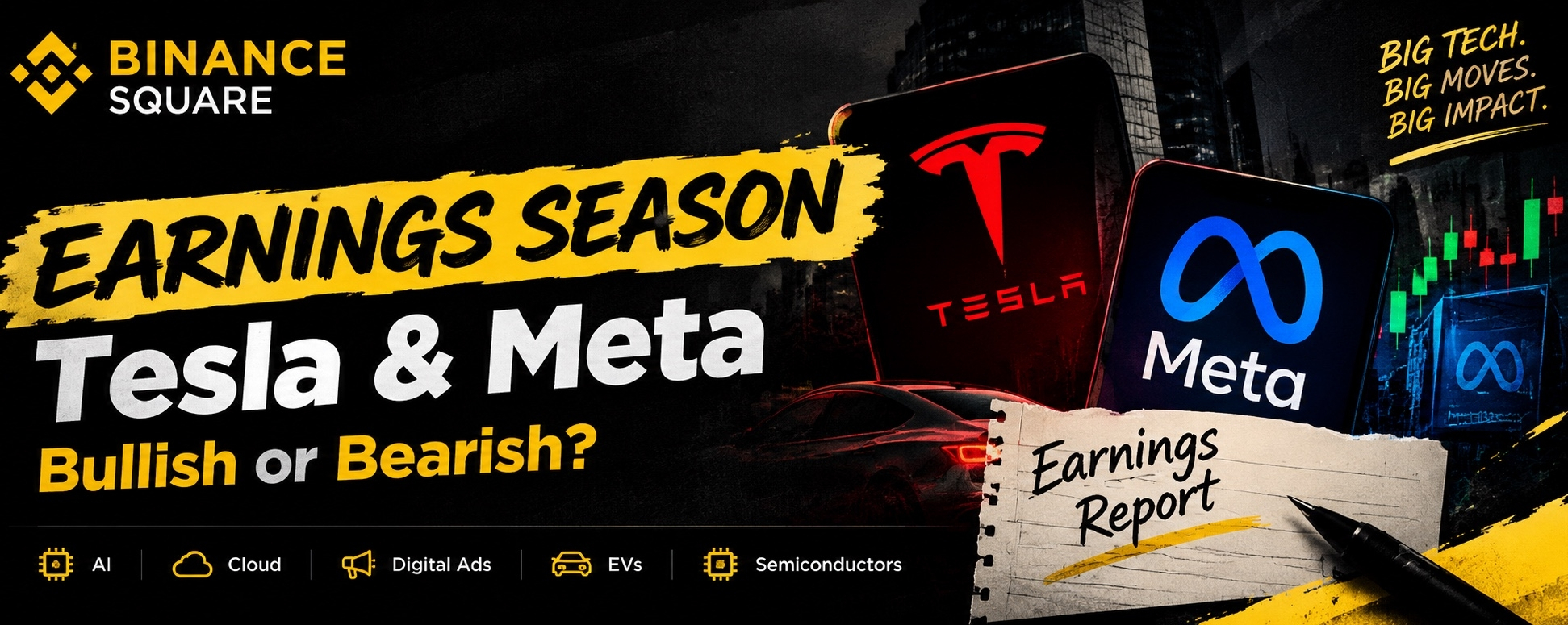
Tesla နှင့် Meta ဝင်ငွေများ - AI အသုံးစရိတ်က နောက်ဆုံးမှာ အကျိုးဖြစ်ထွန်းလာမလား? �🚨 Tesla နှင့် Meta ယှဉ်ပြိုင်မှု - ဝင်ငွေကြေညာမည့်နေ့က စိတ်ဝင်စားစရာဖြစ်လာနိုင်သည် 👀
နည်းပညာဈေးကွက်ကို စောင့်ကြည့်နေသူတိုင်းအတွက် အောက်တိုဘာ ၂၂ ရက်သည် စောင့်ကြည့်သင့်သည့် နေ့ရက်တစ်ရက်ဖြစ်သည်။
Tesla ($TSLA) နှင့် Meta ($META) တို့သည် AI တွင် အကြီးအကျယ် ရင်းနှီးမြှုပ်နှံနေကြသော်လည်း ကျွန်ုပ်စိတ်ဝင်စားဆုံးမှာ ထိုရင်းနှီးမြှုပ်နှံမှုများက လက်တွေ့လုပ်ငန်းရလဒ်များအဖြစ် မည်သို့ပြောင်းလဲလာမည်နည်းဆိုသည့်အချက်ဖြစ်သည်။
Tesla နှင့်ပတ်သက်၍ ၎င်း၏ဝင်ငွေ၊ အမြတ်နှုန်းများနှင့် အလိုအလျောက်မောင်းနှင်မှုဆိုင်ရာ နောက်ဆုံးရသတင်းများကို စောင့်ကြည့်နေပါမည်။ ၎င်း၏အနာဂတ်နည်းပညာအပေါ် စိတ်လှုပ်ရှားမှုများစွာရှိသော်လည်း ကိန်းဂဏန်းများနှင့် စီမံခန့်ခွဲမှုအဖွဲ့၏ ခန့်မှန်းချက်များသည်လည်း လူပြောများမှုနှင့် ထပ်တူအရေးကြီးသည်ဟု ကျွန်ုပ်ထင်ပါသည်။
Tesla နှင့် Meta ဝင်ငွေများ - AI အသုံးစရိတ်က နောက်ဆုံးမှာ အကျိုးဖြစ်ထွန်းလာမလား? �
🚨 Tesla နှင့် Meta ယှဉ်ပြိုင်မှု - ဝင်ငွေကြေညာမည့်နေ့က စိတ်ဝင်စားစရာဖြစ်လာနိုင်သည် 👀
နည်းပညာဈေးကွက်ကို စောင့်ကြည့်နေသူတိုင်းအတွက် အောက်တိုဘာ ၂၂ ရက်သည် စောင့်ကြည့်သင့်သည့် နေ့ရက်တစ်ရက်ဖြစ်သည်။
Tesla ($TSLA) နှင့် Meta ($META) တို့သည် AI တွင် အကြီးအကျယ် ရင်းနှီးမြှုပ်နှံနေကြသော်လည်း ကျွန်ုပ်စိတ်ဝင်စားဆုံးမှာ ထိုရင်းနှီးမြှုပ်နှံမှုများက လက်တွေ့လုပ်ငန်းရလဒ်များအဖြစ် မည်သို့ပြောင်းလဲလာမည်နည်းဆိုသည့်အချက်ဖြစ်သည်။
Tesla နှင့်ပတ်သက်၍ ၎င်း၏ဝင်ငွေ၊ အမြတ်နှုန်းများနှင့် အလိုအလျောက်မောင်းနှင်မှုဆိုင်ရာ နောက်ဆုံးရသတင်းများကို စောင့်ကြည့်နေပါမည်။ ၎င်း၏အနာဂတ်နည်းပညာအပေါ် စိတ်လှုပ်ရှားမှုများစွာရှိသော်လည်း ကိန်းဂဏန်းများနှင့် စီမံခန့်ခွဲမှုအဖွဲ့၏ ခန့်မှန်းချက်များသည်လည်း လူပြောများမှုနှင့် ထပ်တူအရေးကြီးသည်ဟု ကျွန်ုပ်ထင်ပါသည်။
1
192
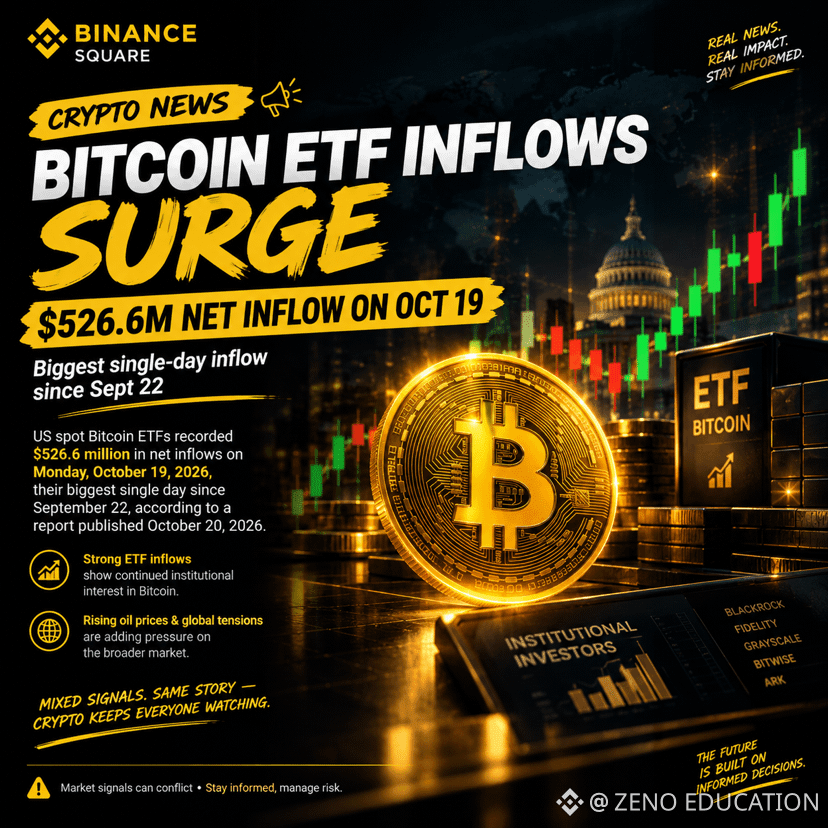
🚨 BITCOIN ဒေါ်လာ ၈၂,၀၀၀ အောက်ရောက်နေပြီ… စျေးကွက်က ဘာပြောပြဖို့ ကြိုးစားနေတာလဲ။ 👀
Crypto စျေးကွက်က နောက်တစ်ကြိမ် စိတ်ဝင်စားစရာ ဖြစ်လာပြန်ပါပြီ။
အောက်တိုဘာ ၂၀ ရက်နေ့မှာ ရေနံဈေးနှုန်းတွေ မြင့်တက်လာပြီး ကမ္ဘာလုံးဆိုင်ရာ တင်းမာမှုတွေကြောင့် ဘဏ္ဍာရေးစျေးကွက်တွေအပေါ် ဖိအားရှိလာတာနဲ့အမျှ Bitcoin ဟာ ဒေါ်လာ ၈၂,၀၀၀ အောက်ကို ကျဆင်းသွားခဲ့ပါတယ်။
ဒါပေမဲ့ စိတ်ဝင်စားစရာက ဒီမှာပါ… 👇
💰 အောက်တိုဘာ ၁၉ ရက်၊ တနင်္လာနေ့မှာ Bitcoin ETF တွေထဲကို အသားတင် ဒေါ်လာ ၅၂၆.၆ သန်း ဝင်ရောက်ခဲ့ပါတယ် — စက်တင်ဘာ ၂၂ ရက်နောက်ပိုင်း တစ်ရက်တည်းအတွင်း အများဆုံး ဝင်ရောက်မှုပါ။
ဒါကြောင့် ကျွန်ုပ်တို့မှာ မတူညီတဲ့ အချက်ပြမှုနှစ်ခု ရှိနေပါတယ် —
📉 ရေတိုစျေးကွက်ဖိအား
💵 ယခင်စျေးကွက်အရောင်းအဝယ်ကာလအတွင်း ETF ငွေဝင်ရောက်မှု အားကောင်းခြင်း
အမှန်အတိုင်းပြောရရင် Crypto စျေးကွက်ဆိုတာ အစိမ်းရောင်ဖယောင်းတိုင်တွေ = ဈေးတက်မယ်၊ အနီရောင်ဖယောင်းတိုင်တွေ = ဈေးကျမယ်လို့ ရိုးရိုးလေး သတ်မှတ်လို့မရတာ ဒီအချက်ကြောင့်ပါပဲ။
အဓိကမေးခွန်းက ဝယ်ယူသူတွေက စျေးကွက်ကို ထိန်းပေးနိုင်မလား၊ ဒါမှမဟုတ် မသေချာမှုတွေက စျေးနှုန်းတွေအပေါ် ဆက်လက်ဖိအားပေးနေမလား ဆိုတာပါ။
ခန့်မှန်းချက် မပေးပါဘူး။ အလွန်အကျွံ ပြောဆိုမှုလည်း မရှိပါဘူး။ အချက်အလက်တွေကိုပဲ စောင့်ကြည့်နေပါတယ်။ 🧠
🔥 ဆွေးနွေးကြရအောင် —
Bitcoin က နောက်ဘာဖြစ်မယ်လို့ ထင်ပါသလဲ။
🟢 A — ဒေါ်လာ ၈၂,၀၀၀ အထက် ပြန်တက်လာမယ်
🔴 B — ပြန်မတက်ခင် ထပ်ကျဦးမယ်
🟡 C — စျေးကွက်စောင့်ဆိုင်းနေချိန်မှာ ဘေးတိုက်ပဲ ရွေ့လျားနေမယ်
သင့်အဖြေကို အောက်မှာရေးပြီး ဘာကြောင့် ရွေးချယ်တာလဲဆိုတာ ပြောပြပါ။ 👇
ဒီစျေးကွက်ကို အသိုင်းအဝိုင်းက ဘယ်လိုဖတ်ရှုကြမလဲ ကြည့်ကြရအောင်။
#bitcoin #BTC #CryptoNews #BinanceSquare
{spot}(ETHUSDT)
{spot}(BTCUSDT)
🚨 BITCOIN ဒေါ်လာ ၈၂,၀၀၀ အောက်ရောက်နေပြီ… စျေးကွက်က ဘာပြောပြဖို့ ကြိုးစားနေတာလဲ။ 👀
Crypto စျေးကွက်က နောက်တစ်ကြိမ် စိတ်ဝင်စားစရာ ဖြစ်လာပြန်ပါပြီ။
အောက်တိုဘာ ၂၀ ရက်နေ့မှာ ရေနံဈေးနှုန်းတွေ မြင့်တက်လာပြီး ကမ္ဘာလုံးဆိုင်ရာ တင်းမာမှုတွေကြောင့် ဘဏ္ဍာရေးစျေးကွက်တွေအပေါ် ဖိအားရှိလာတာနဲ့အမျှ Bitcoin ဟာ ဒေါ်လာ ၈၂,၀၀၀ အောက်ကို ကျဆင်းသွားခဲ့ပါတယ်။
ဒါပေမဲ့ စိတ်ဝင်စားစရာက ဒီမှာပါ… 👇
💰 အောက်တိုဘာ ၁၉ ရက်၊ တနင်္လာနေ့မှာ Bitcoin ETF တွေထဲကို အသားတင် ဒေါ်လာ ၅၂၆.၆ သန်း ဝင်ရောက်ခဲ့ပါတယ် — စက်တင်ဘာ ၂၂ ရက်နောက်ပိုင်း တစ်ရက်တည်းအတွင်း အများဆုံး ဝင်ရောက်မှုပါ။
ဒါကြောင့် ကျွန်ုပ်တို့မှာ မတူညီတဲ့ အချက်ပြမှုနှစ်ခု ရှိနေပါတယ် —
📉 ရေတိုစျေးကွက်ဖိအား
💵 ယခင်စျေးကွက်အရောင်းအဝယ်ကာလအတွင်း ETF ငွေဝင်ရောက်မှု အားကောင်းခြင်း
အမှန်အတိုင်းပြောရရင် Crypto စျေးကွက်ဆိုတာ အစိမ်းရောင်ဖယောင်းတိုင်တွေ = ဈေးတက်မယ်၊ အနီရောင်ဖယောင်းတိုင်တွေ = ဈေးကျမယ်လို့ ရိုးရိုးလေး သတ်မှတ်လို့မရတာ ဒီအချက်ကြောင့်ပါပဲ။
အဓိကမေးခွန်းက ဝယ်ယူသူတွေက စျေးကွက်ကို ထိန်းပေးနိုင်မလား၊ ဒါမှမဟုတ် မသေချာမှုတွေက စျေးနှုန်းတွေအပေါ် ဆက်လက်ဖိအားပေးနေမလား ဆိုတာပါ။
ခန့်မှန်းချက် မပေးပါဘူး။ အလွန်အကျွံ ပြောဆိုမှုလည်း မရှိပါဘူး။ အချက်အလက်တွေကိုပဲ စောင့်ကြည့်နေပါတယ်။ 🧠
🔥 ဆွေးနွေးကြရအောင် —
Bitcoin က နောက်ဘာဖြစ်မယ်လို့ ထင်ပါသလဲ။
🟢 A — ဒေါ်လာ ၈၂,၀၀၀ အထက် ပြန်တက်လာမယ်
🔴 B — ပြန်မတက်ခင် ထပ်ကျဦးမယ်
🟡 C — စျေးကွက်စောင့်ဆိုင်းနေချိန်မှာ ဘေးတိုက်ပဲ ရွေ့လျားနေမယ်
သင့်အဖြေကို အောက်မှာရေးပြီး ဘာကြောင့် ရွေးချယ်တာလဲဆိုတာ ပြောပြပါ။ 👇
ဒီစျေးကွက်ကို အသိုင်းအဝိုင်းက ဘယ်လိုဖတ်ရှုကြမလဲ ကြည့်ကြရအောင်။
#bitcoin #BTC #CryptoNews #BinanceSquare
1
95
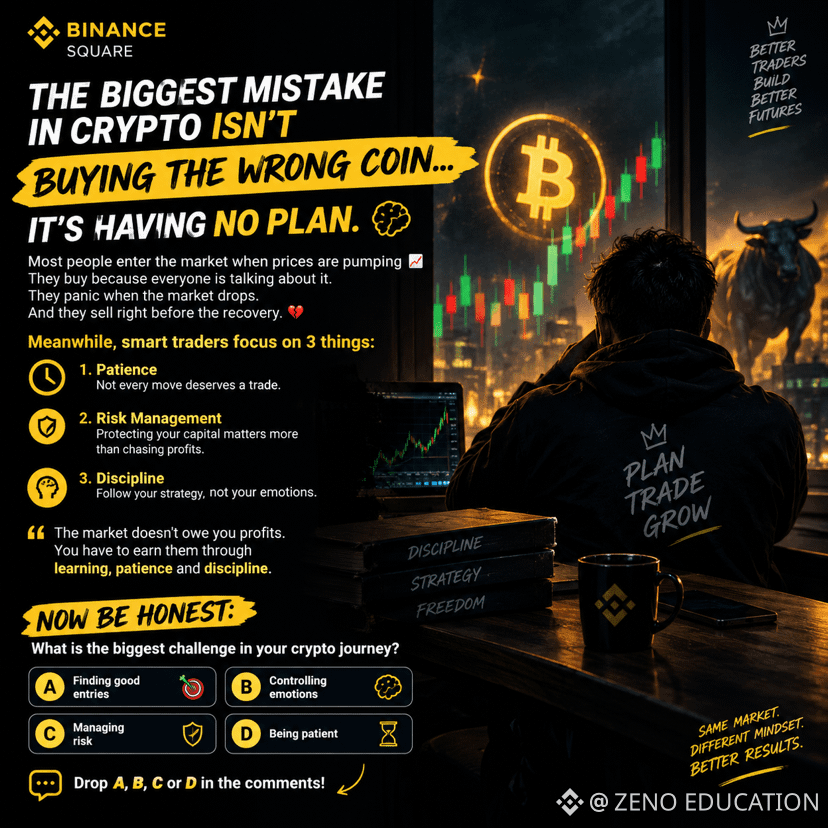
🚨 ခရစ်ပတိုမှာ အကြီးမားဆုံး အမှားက မှားယွင်းတဲ့ coin ကို ဝယ်မိတာ မဟုတ်ပါဘူး…
အစီအစဉ် လုံးဝမရှိတာပါ။ 🧠📉
လူအများစုက ဈေးတွေ တက်နေချိန်မှာ ဈေးကွက်ထဲ ဝင်ကြတယ် 📈
လူတိုင်း ပြောနေကြလို့ ဝယ်ကြတယ်။
ဈေးကွက် ကျသွားတဲ့အခါ ထိတ်လန့်ကြတယ်။
ပြီးတော့ ဈေးပြန်တက်ခါနီးမှာ ရောင်းလိုက်ကြတယ်။ 💔
ဒီအချိန်မှာ အမြော်အမြင်ရှိတဲ့ ကုန်သည်တွေက အချက် ၃ ချက်ကို အာရုံစိုက်ကြတယ်—
🎯 1. စိတ်ရှည်ခြင်း — ဈေးကွက်လှုပ်ရှားမှုတိုင်းမှာ အရောင်းအဝယ်လုပ်ဖို့ မလိုပါဘူး။
📊 2. စွန့်စားမှု စီမံခန့်ခွဲခြင်း — အမြတ်နောက်လိုက်တာထက် ကိုယ့်မတည်ငွေကို ကာကွယ်ဖို့က ပိုအရေးကြီးပါတယ်။
🧠 3. စည်းကမ်းရှိခြင်း — ကိုယ့်စိတ်ခံစားချက်နောက် မလိုက်ဘဲ ကိုယ့်မဟာဗျူဟာအတိုင်း လုပ်ဆောင်ပါ။
သတိရပါ—ဈေးကွက်က သင့်ကို အမြတ်ပေးဖို့ တာဝန်မရှိပါဘူး။ သင်ယူမှု၊ စိတ်ရှည်မှုနဲ့ စည်းကမ်းရှိမှုတို့ကနေ အမြတ်ကို ကိုယ်တိုင်ရယူရမှာပါ။
🔥 အခု ရိုးရိုးသားသား ဖြေပါ—
သင့်ရဲ့ ခရစ်ပတိုခရီးလမ်းမှာ အကြီးမားဆုံး စိန်ခေါ်မှုက ဘာလဲ။
A) ဝယ်ဖို့ အချိန်ကောင်းကို ရှာဖွေခြင်း 🎯
B) စိတ်ခံစားချက်ကို ထိန်းချုပ်ခြင်း 🧠
C) စွန့်စားမှုကို စီမံခန့်ခွဲခြင်း 🛡️
D) စိတ်ရှည်ခြင်း ⏳
👇 မှတ်ချက်မှာ A, B, C, ဒါမှမဟုတ် D ကို ရေးခဲ့ပါ။
#crypto #bitcoin #tradingpsychology #BinanceSquare
1
84
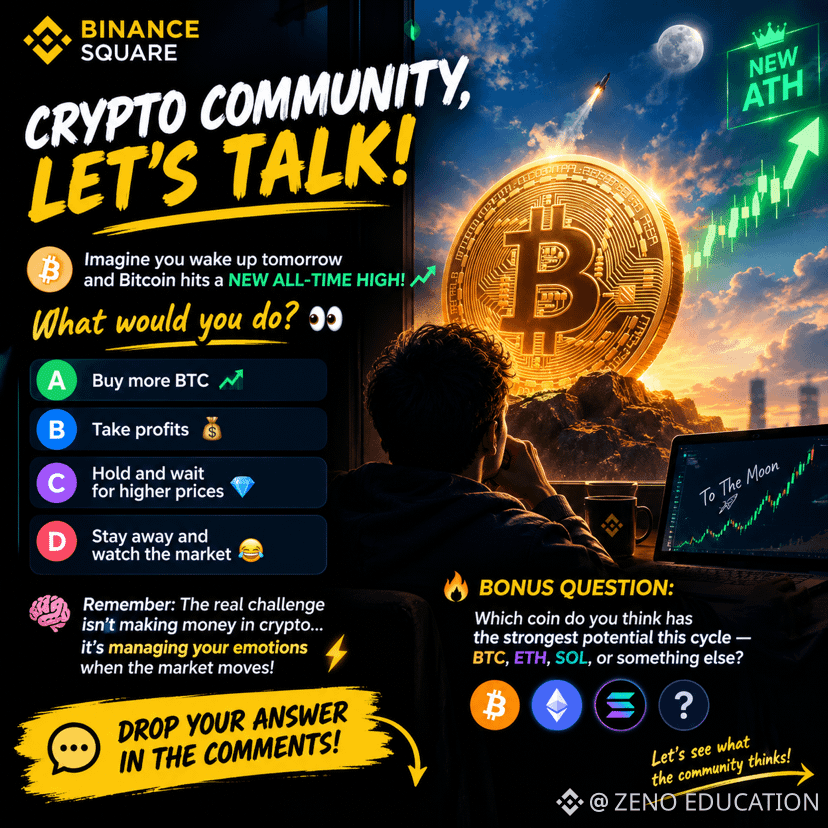
🚨 ခရစ်ပ်တိုအသိုင်းအဝိုင်းရေ၊ စကားပြောကြရအောင်! 🚨
💰 မနက်ဖြန် အိပ်ရာနိုးလာတဲ့အခါ Bitcoin က အမြင့်ဆုံးစံချိန်သစ်ကို ရောက်နေတယ်ဆိုရင် ဘယ်လိုခံစားရမလဲ စိတ်ကူးကြည့်ပါ! 📈🔥
ဘာလုပ်မလဲ? 👀
A) BTC ကို ထပ်ဝယ်မယ် 🟢
B) အမြတ်ယူမယ် 💸
C) ကိုင်ထားပြီး ဈေးထပ်တက်လာဖို့ စောင့်မယ် 💎
D) ရှောင်နေပြီး ဈေးကွက်ကိုပဲ ကြည့်နေမယ် 😂
သတိရပါ—ခရစ်ပ်တိုမှာ ငွေရှာတာက တကယ့်စိန်ခေါ်မှုမဟုတ်ပါဘူး… ဈေးကွက်လှုပ်ရှားတဲ့အခါ ကိုယ့်စိတ်ခံစားချက်တွေကို ထိန်းချုပ်နိုင်ဖို့ကသာ စိန်ခေါ်မှုပါ! 🧠⚡
👇 သင့်အဖြေကို မှတ်ချက်မှာ ရေးခဲ့ပါ!
🔥 အပိုမေးခွန်း:
ဒီဈေးကွက်လည်ပတ်မှုမှာ အလားအလာအကောင်းဆုံးလို့ သင်ထင်တဲ့ ဒင်္ဂါးက ဘယ်ဟာလဲ—BTC, ETH, SOL ဒါမှမဟုတ် တခြားတစ်ခုလား?
အသိုင်းအဝိုင်းက ဘယ်လိုထင်လဲ ကြည့်ကြရအောင်! 👇
#BinanceSquare #bitcoin #crypto #BTC #CryptoCommunity
1
194
ဒီနေ့ စျေးကွက်တက်မလား၊ ကျမလားဆိုတာ မှတ်ချက်ရေးရန်နေရာမှာ ပြောပြပါ
#FedRatesUnchanged #U.S.SenatorsBarredfromTradingonPredictionMarkets #ပဟေဠိမေးခွန်း
ဒီနေ့ စျေးကွက်တက်မလား၊ ကျမလားဆိုတာ မှတ်ချက်ရေးရန်နေရာမှာ ပြောပြပါ
#FedRatesUnchanged #U.S.SenatorsBarredfromTradingonPredictionMarkets #ပဟေဠိမေးခွန်း
#FedRatesUnchanged #U.S.SenatorsBarredfromTradingonPredictionMarkets #ပဟေဠိမေးခွန်း
1
1
119
MENA သီးသန့် Airdrop https://www.binance.com/activity/trading-competition/menaexcairdrop?ref=803813568
MENA သီးသန့် Airdrop https://www.binance.com/activity/trading-competition/menaexcairdrop?ref=803813568
11

Article
အနာဂတ် ရိုဘိုကွိုင်AI နှင့် blockchain တို့သည် ကျွန်ုပ်တို့ခေတ်၏ အစွမ်းထက်ဆုံး နည်းပညာများထဲမှ နှစ်ခုဖြစ်သည်။ @FabricFND ဖောင်ဒေးရှင်းကို စိတ်လှုပ်ရှားဖွယ်ဖြစ်စေသည်မှာ ၎င်းတို့နှစ်ခုကို လက်တွေ့ကျပြီး အဓိပ္ပာယ်ရှိသော နည်းလမ်းဖြင့် ပေါင်းစပ်ထားခြင်းဖြစ်သည်။ ဗဟိုချုပ်ကိုင်ထားသော စနစ်များကို အားကိုးမည့်အစား၊ ဤပရောဂျက်သည် ပွင့်လင်းမြင်သာပြီး လုံခြုံကာ ရေရှည်တိုးချဲ့နိုင်ရန် တည်ဆောက်ထားသော ဗဟိုချုပ်ကိုင်မှုကင်းသည့် AI အခြေခံအဆောက်အအုံကို တည်ဆောက်ရန် အာရုံစိုက်ထားသည်။
ရိုးရိုးရှင်းရှင်းပြောရလျှင် @FabricFND ဖောင်ဒေးရှင်းသည် ယုံကြည်စိတ်ချရမှု သို့မဟုတ် ထိရောက်မှု မဆုံးရှုံးဘဲ ဉာဏ်ရည်မြင့် အလိုအလျောက်စနစ်များကို ကွင်းဆက်ပေါ်တွင် လည်ပတ်စေနိုင်သည့် ဂေဟစနစ်တစ်ခု ဖန်တီးရန် လုပ်ဆောင်နေသည်။ ဒီနေရာမှာ $ROBO က အရေးပါလာသည်။ $ROBO သည် ကွန်ရက်အတွင်း ငွေလွှဲမှုများကို လည်ပတ်စေပြီး၊ ပါဝင်မှုကို ပံ့ပိုးကာ၊ ဗဟိုချုပ်ကိုင်မှုကင်းသော အုပ်ချုပ်မှုကို ထိန်းသိမ်းရန် ကူညီပေးသည့် အဓိက အသုံးဝင်တိုကင် ဖြစ်သည်။
အနာဂတ် ရိုဘိုကွိုင်
AI နှင့် blockchain တို့သည် ကျွန်ုပ်တို့ခေတ်၏ အစွမ်းထက်ဆုံး နည်းပညာများထဲမှ နှစ်ခုဖြစ်သည်။ @Fabric Foundation ဖောင်ဒေးရှင်းကို စိတ်လှုပ်ရှားဖွယ်ဖြစ်စေသည်မှာ ၎င်းတို့နှစ်ခုကို လက်တွေ့ကျပြီး အဓိပ္ပာယ်ရှိသော နည်းလမ်းဖြင့် ပေါင်းစပ်ထားခြင်းဖြစ်သည်။ ဗဟိုချုပ်ကိုင်ထားသော စနစ်များကို အားကိုးမည့်အစား၊ ဤပရောဂျက်သည် ပွင့်လင်းမြင်သာပြီး လုံခြုံကာ ရေရှည်တိုးချဲ့နိုင်ရန် တည်ဆောက်ထားသော ဗဟိုချုပ်ကိုင်မှုကင်းသည့် AI အခြေခံအဆောက်အအုံကို တည်ဆောက်ရန် အာရုံစိုက်ထားသည်။
ရိုးရိုးရှင်းရှင်းပြောရလျှင် @Fabric Foundation ဖောင်ဒေးရှင်းသည် ယုံကြည်စိတ်ချရမှု သို့မဟုတ် ထိရောက်မှု မဆုံးရှုံးဘဲ ဉာဏ်ရည်မြင့် အလိုအလျောက်စနစ်များကို ကွင်းဆက်ပေါ်တွင် လည်ပတ်စေနိုင်သည့် ဂေဟစနစ်တစ်ခု ဖန်တီးရန် လုပ်ဆောင်နေသည်။ ဒီနေရာမှာ $ROBO က အရေးပါလာသည်။ $ROBO သည် ကွန်ရက်အတွင်း ငွေလွှဲမှုများကို လည်ပတ်စေပြီး၊ ပါဝင်မှုကို ပံ့ပိုးကာ၊ ဗဟိုချုပ်ကိုင်မှုကင်းသော အုပ်ချုပ်မှုကို ထိန်းသိမ်းရန် ကူညီပေးသည့် အဓိက အသုံးဝင်တိုကင် ဖြစ်သည်။
ရိုးရိုးရှင်းရှင်းပြောရလျှင် @Fabric Foundation ဖောင်ဒေးရှင်းသည် ယုံကြည်စိတ်ချရမှု သို့မဟုတ် ထိရောက်မှု မဆုံးရှုံးဘဲ ဉာဏ်ရည်မြင့် အလိုအလျောက်စနစ်များကို ကွင်းဆက်ပေါ်တွင် လည်ပတ်စေနိုင်သည့် ဂေဟစနစ်တစ်ခု ဖန်တီးရန် လုပ်ဆောင်နေသည်။ ဒီနေရာမှာ $ROBO က အရေးပါလာသည်။ $ROBO သည် ကွန်ရက်အတွင်း ငွေလွှဲမှုများကို လည်ပတ်စေပြီး၊ ပါဝင်မှုကို ပံ့ပိုးကာ၊ ဗဟိုချုပ်ကိုင်မှုကင်းသော အုပ်ချုပ်မှုကို ထိန်းသိမ်းရန် ကူညီပေးသည့် အဓိက အသုံးဝင်တိုကင် ဖြစ်သည်။
1
44

Article
အနာဂတ်၏ ROBO coinဗဟိုချုပ်ကိုင်မှုကင်းသော ဉာဏ်ရည်၏ အနာဂတ်ကို ယခုအချိန်တွင် ပုံဖော်နေကြပြီး @FabricFoundation သည် ဤပြောင်းလဲတိုးတက်မှု၏ ဗဟိုချက်တွင် ရပ်တည်နိုင်ရန် ပြင်ဆင်လျက်ရှိသည်။ AI အခြေပြု အလိုအလျောက်လုပ်ဆောင်မှုနှင့် ဘလော့ခ်ချိန်း၏ ပွင့်လင်းမြင်သာမှုကို ပေါင်းစပ်ကာ Fabric Foundation သည် ယုံကြည်စိတ်ချရသော ကြားခံမလိုအပ်သည့် ပတ်ဝန်းကျင်တွင် ဉာဏ်ရည်မြင့်စနစ်များကို အသုံးချနိုင်စေရန် ဆော့ဖ်ဝဲရေးသားသူများ၊ ဖန်တီးသူများနှင့် လုပ်ငန်းများကို စွမ်းဆောင်ပေးသည့် အခြေခံအဆောက်အအုံကို တည်ဆောက်နေသည်။
$ROBO သည် ဤဂေဟစနစ်တွင် အရေးပါသော အခန်းကဏ္ဍမှ ပါဝင်သည်။ ၎င်းသည် အသုံးဝင်သော တိုကင်တစ်ခုသာ မဟုတ်ဘဲ ငွေလွှဲပြောင်းမှုများကို လည်ပတ်စေခြင်း၊ ကွန်ရက်တွင် ပါဝင်မှုကို မက်လုံးပေးခြင်းနှင့် ဂေဟစနစ်ကို ဗဟိုချုပ်ကိုင်မှုကင်းပြီး အသိုက်အဝန်းက ဦးဆောင်သည့်ပုံစံအတိုင်း ထိန်းသိမ်းပေးသော အုပ်ချုပ်မှုယန္တရားများကို ပံ့ပိုးခြင်းတို့ကို လုပ်ဆောင်သည်။ AI နှင့် Web3 ကို လက်ခံအသုံးပြုမှု အရှိန်မြင့်လာသည်နှင့်အမျှ ဤနည်းပညာနှစ်ခုကို ပေါင်းကူးပေးသည့် ပရောဂျက်များက နောက်လာမည့် တိုးတက်မှုစက်ဝန်းကို ပုံဖော်သွားမည်ဖြစ်သည်။
အနာဂတ်၏ ROBO coin
ဗဟိုချုပ်ကိုင်မှုကင်းသော ဉာဏ်ရည်၏ အနာဂတ်ကို ယခုအချိန်တွင် ပုံဖော်နေကြပြီး @FabricFoundation သည် ဤပြောင်းလဲတိုးတက်မှု၏ ဗဟိုချက်တွင် ရပ်တည်နိုင်ရန် ပြင်ဆင်လျက်ရှိသည်။ AI အခြေပြု အလိုအလျောက်လုပ်ဆောင်မှုနှင့် ဘလော့ခ်ချိန်း၏ ပွင့်လင်းမြင်သာမှုကို ပေါင်းစပ်ကာ Fabric Foundation သည် ယုံကြည်စိတ်ချရသော ကြားခံမလိုအပ်သည့် ပတ်ဝန်းကျင်တွင် ဉာဏ်ရည်မြင့်စနစ်များကို အသုံးချနိုင်စေရန် ဆော့ဖ်ဝဲရေးသားသူများ၊ ဖန်တီးသူများနှင့် လုပ်ငန်းများကို စွမ်းဆောင်ပေးသည့် အခြေခံအဆောက်အအုံကို တည်ဆောက်နေသည်။
$ROBO သည် ဤဂေဟစနစ်တွင် အရေးပါသော အခန်းကဏ္ဍမှ ပါဝင်သည်။ ၎င်းသည် အသုံးဝင်သော တိုကင်တစ်ခုသာ မဟုတ်ဘဲ ငွေလွှဲပြောင်းမှုများကို လည်ပတ်စေခြင်း၊ ကွန်ရက်တွင် ပါဝင်မှုကို မက်လုံးပေးခြင်းနှင့် ဂေဟစနစ်ကို ဗဟိုချုပ်ကိုင်မှုကင်းပြီး အသိုက်အဝန်းက ဦးဆောင်သည့်ပုံစံအတိုင်း ထိန်းသိမ်းပေးသော အုပ်ချုပ်မှုယန္တရားများကို ပံ့ပိုးခြင်းတို့ကို လုပ်ဆောင်သည်။ AI နှင့် Web3 ကို လက်ခံအသုံးပြုမှု အရှိန်မြင့်လာသည်နှင့်အမျှ ဤနည်းပညာနှစ်ခုကို ပေါင်းကူးပေးသည့် ပရောဂျက်များက နောက်လာမည့် တိုးတက်မှုစက်ဝန်းကို ပုံဖော်သွားမည်ဖြစ်သည်။
$ROBO သည် ဤဂေဟစနစ်တွင် အရေးပါသော အခန်းကဏ္ဍမှ ပါဝင်သည်။ ၎င်းသည် အသုံးဝင်သော တိုကင်တစ်ခုသာ မဟုတ်ဘဲ ငွေလွှဲပြောင်းမှုများကို လည်ပတ်စေခြင်း၊ ကွန်ရက်တွင် ပါဝင်မှုကို မက်လုံးပေးခြင်းနှင့် ဂေဟစနစ်ကို ဗဟိုချုပ်ကိုင်မှုကင်းပြီး အသိုက်အဝန်းက ဦးဆောင်သည့်ပုံစံအတိုင်း ထိန်းသိမ်းပေးသော အုပ်ချုပ်မှုယန္တရားများကို ပံ့ပိုးခြင်းတို့ကို လုပ်ဆောင်သည်။ AI နှင့် Web3 ကို လက်ခံအသုံးပြုမှု အရှိန်မြင့်လာသည်နှင့်အမျှ ဤနည်းပညာနှစ်ခုကို ပေါင်းကူးပေးသည့် ပရောဂျက်များက နောက်လာမည့် တိုးတက်မှုစက်ဝန်းကို ပုံဖော်သွားမည်ဖြစ်သည်။
1
12
Log in to explore more content
Join global crypto users on Binance Square
⚡️ Get latest and useful information about crypto.
💬 Trusted by the world’s largest crypto exchange.
👍 Discover real insights from verified creators.
အီးမေးလ် / ဖုန်းနံပါတ်
ရေပန်းစားနေသော ခေါင်းစဉ်များ
NvidiaInvestigatesAfterHuang’sAffairApology
ကြည့်ရှုမှု 49,208 ကြိမ်
586 ဦး ဆွေးနွေးနေသည်
Huang သည် နိုင်ငံခြားထောက်လှမ်းရေး၏ ပစ်မှတ်ဖြစ်ခဲ့ခြင်း ရှိမရှိ Nvidia ဘုတ်အဖွဲ့ စုံစမ်းစစ်ဆေးမှု စတင်
Binance News
·နှစ်သက်မှု 11 ခု
·ကြည့်ရှုမှု 27.1k ကြိမ်
BitcoinFiveWeeklyLosses
ကြည့်ရှုမှု 63,860 ကြိမ်
1,012 ဦး ဆွေးနွေးနေသည်
AIChipSlumpNasdaq
ကြည့်ရှုမှု 34,243 ကြိမ်
594 ဦး ဆွေးနွေးနေသည်