

#riskmanagement
riskmanagement
ကြည့်ရှုမှု 17.5M ကြိမ်
67,035 ဦး ဆွေးနွေးနေသည်
ရေပန်းစားသော
နောက်ဆုံး
·
--
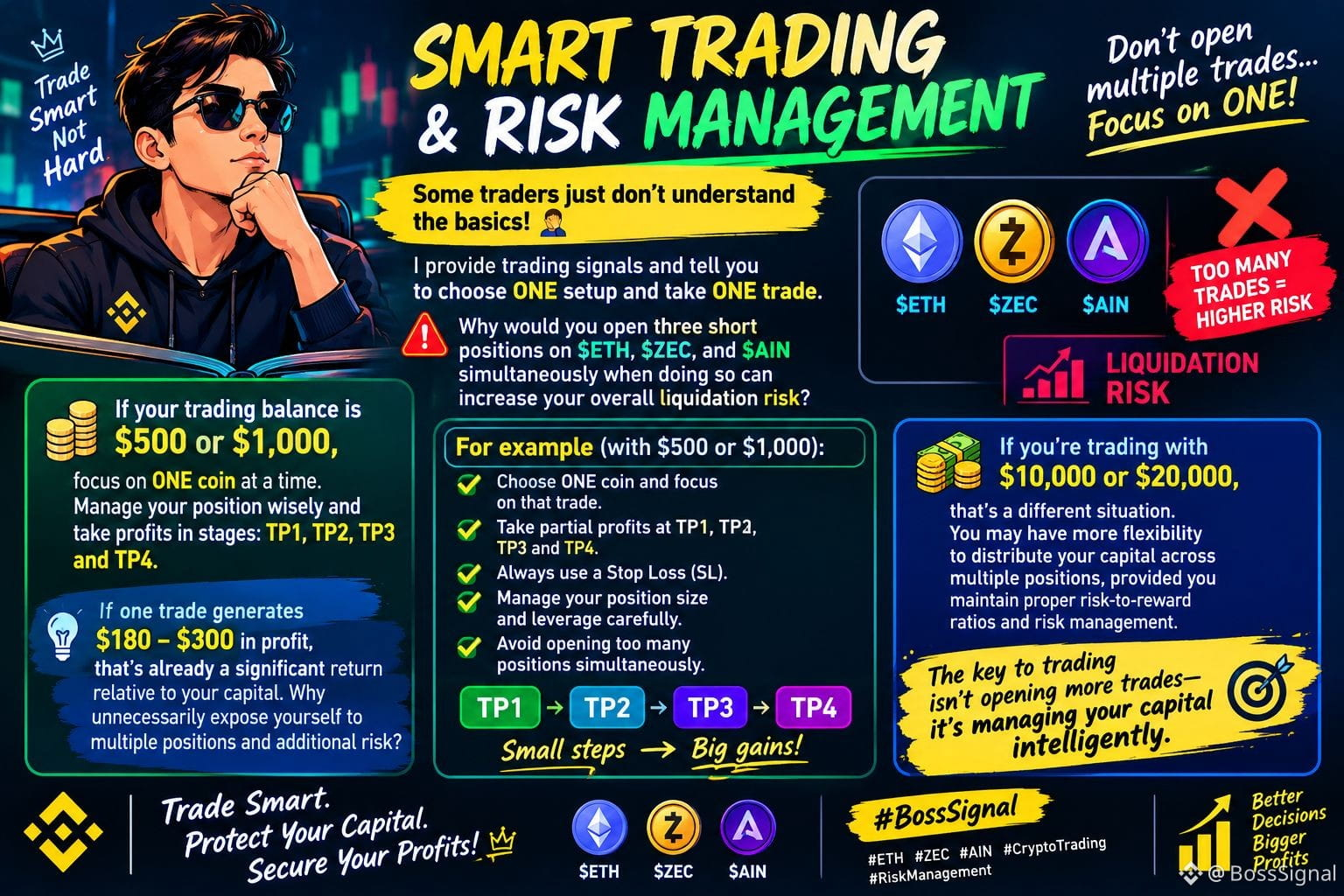
Some traders just don’t understand the basics! 🤦♂️
I provide trading signals and tell you to choose ONE setup and take ONE trade. Why would you open three short positions on $ETH , $ZEC , and $AIN simultaneously when doing so can increase your overall liquidation risk?
Let’s understand this! 👇
💰 If your trading balance is $500 or $1,000, focus on ONE coin at a time. Manage your position wisely and take profits in stages: TP1, TP2, TP3, and TP4.
For example, if one trade generates $180–$300 in profit, that's already a significant return relative to your capital. Why unnecessarily expose yourself to multiple positions and additional risk?
📌 Remember: ✅ Choose ONE coin and focus on that trade. ✅ Take partial profits at TP1, TP2, TP3, and TP4. ✅ Always use a Stop Loss (SL). ✅ Manage your position size and leverage carefully. ✅ Avoid opening too many positions simultaneously.
If you're trading with $10,000 or $20,000, that's a different situation. You may have more flexibility to distribute your capital across multiple positions, provided you maintain proper risk-to-reward ratios and risk management.
The key to trading isn't opening more trades—it's managing your capital intelligently. 🧠💰
Trade smart. Protect your capital. Secure your profits!
#BossSignal #ETH #ZEC #AIN #CryptoTrading #RiskManagement
581
·
--
Article
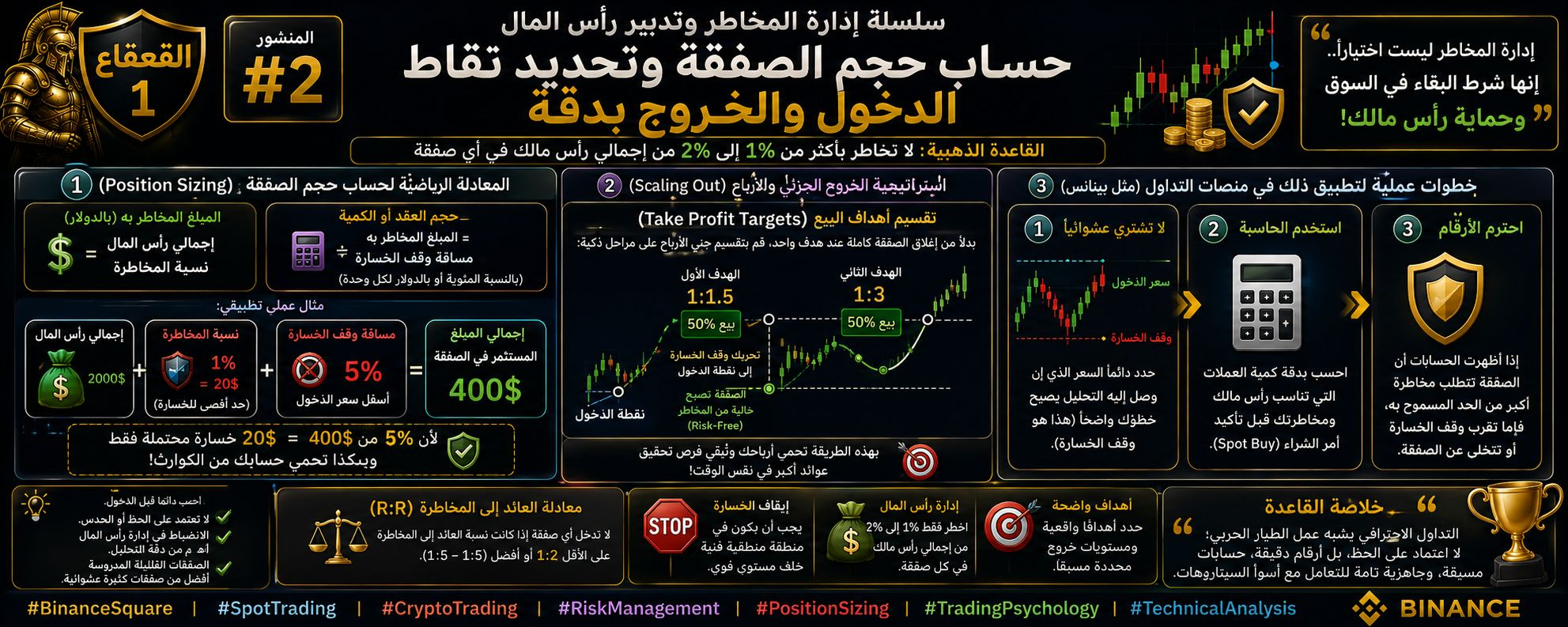
📌 سلسلة إدارة المخاطر وتدبير رأس المال | المنشور #2 حساب حجم الصفقة وتحديد نقاط الدخول والخروج بدقةمرحباً بكم مجدداً زملائي المتداولين في المحطة الثانية من سلسلتنا حول إدارة المخاطر. في المنشور السابق، تعرفنا على القاعدة الذهبية لحماية رأس المال وضرورة الالتزام بنسبة 1% إلى 2% كحد أقصى للخسارة في أي صفقة.
اليوم، سننتقل من الجانب النظري إلى الجانب العملي التطبيقي الحسابي: كيف تحسب حجم الصفقة بدقة متناهية قبل الدخول؟
---
🔍 1️⃣ المعادلة الرياضية لحساب حجم الصفقة (Position Sizing):
الكثير من المتداولين يخطئون بدخول الصفقات بعشوائية عبر استثمار مبلغ ثابت من محفظتهم دون ربطه بمسافة وقف الخسارة. الحساب الصحيح يعتمد على هذه المعادلة البسيطة:
* المبلغ المخاطر به (بالدولار) = إجمالي رأس المال × نسبة المخاطرة (مثلاً 1% أو 2%).
* حجم العقد أو الكمية = المبلغ المخاطر به ÷ مسافة وقف الخسارة بالنسبة المئوية (أو بالدولار لكل وحدة).
• مثال عملي تطبيقي:
- لديك محفظة بقيمة: 2000 دولار.
- نسبة المخاطرة المسموح بها (1%): 20 دولاراً كحد أقصى للخسارة.
- حددت عملة رقمية معينة، ووضعت نقطة وقف الخسارة على مسافة 5% أسفل سعر الدخول.
- الحساب: لكي تضمن أن خسارتك لن تتجاوز 20 دولاراً إذا ضرب السعر وقف الخسارة على مسافة 5%، يجب ألا يتجاوز إجمالي المبلغ المستثمر في هذه الصفقة 400 دولار (لأن 5% من 400$ تساوي تماماً 20$). بهذه البساطة تحمي حسابك من الكوارث!
---
🔍 2️⃣ استراتيجية الخروج الجزئي وجني الأرباح (Scaling Out):
إدارة المخاطر لا تقتصر على إيقاف الخسائر فحسب، بل تشمل أيضاً تأمين الأرباح بذكاء:
• تقسيم أهداف البيع (Take Profit Targets):
- بدلاً من إغلاق الصفقة كاملة عند هدف واحد، يمكنك تقسيم جني الأرباح على مراحل (مثلاً: بيع 50% من الكمية عند الهدف الأول 1:1.5 لتحريك وقف الخسارة إلى نقطة الدخول وتعريف الصفقة بأنها "خالية من المخاطر Risk-Free"، وترك الباقي ليبلغ الهدف الثاني 1:3).
---
🛠 خطوات عملية لتطبيق ذلك في منصات التداول (مثل بينانس):
1. لا تشتري عشوائياً: حدد دائماً السعر الذي إن وصل إليه التحليل يصبح خطؤك واضحاً (هذا هو وقف الخسارة).
2. استخدم الحاسبة: احسب بدقة كمية العملات التي تناسب رأس مالك ومخاطرتك قبل تأكيد أمر الشراء (Spot Buy).
3. احترم الأرقام: إذا أظهرت الحسابات أن الصفقة تتطلب مخاطرة أكبر من الحد المسموح به، فإما أن تقرب نقطة وقف الخسارة (إذا كان التحليل يسمح) أو تتخلى عن الصفقة بالكامل.
---
⚖️ خلاصة القاعدة:
"التداول الاحترافي يشبه عمل الطيار الحربي؛ لا اعتماد على الحظ، بل أرقام دقيقة، حسابات مسبقة، وجاهزية تامة للتعامل مع أسوأ السيناريوهات."
💬 شاركونا في التعليقات:
هل تعتمد على الحسابات الرياضية الدقيقة لحجم عقودك في كل صفقة، أم أنك تدخل بمبالغ عشوائية حسب حماسة اللحظة؟
#BinanceSquare #SpotTrading $BTC $ETH $SOL #RiskManagement #TechnicalAnalysis #القعقاع_1
{spot}(NVDABUSDT)
{spot}(AAPLBUSDT)
{spot}(SPCXBUSDT)
📌 سلسلة إدارة المخاطر وتدبير رأس المال | المنشور #2 حساب حجم الصفقة وتحديد نقاط الدخول والخروج بدقة
مرحباً بكم مجدداً زملائي المتداولين في المحطة الثانية من سلسلتنا حول إدارة المخاطر. في المنشور السابق، تعرفنا على القاعدة الذهبية لحماية رأس المال وضرورة الالتزام بنسبة 1% إلى 2% كحد أقصى للخسارة في أي صفقة.
اليوم، سننتقل من الجانب النظري إلى الجانب العملي التطبيقي الحسابي: كيف تحسب حجم الصفقة بدقة متناهية قبل الدخول؟
---
🔍 1️⃣ المعادلة الرياضية لحساب حجم الصفقة (Position Sizing):
الكثير من المتداولين يخطئون بدخول الصفقات بعشوائية عبر استثمار مبلغ ثابت من محفظتهم دون ربطه بمسافة وقف الخسارة. الحساب الصحيح يعتمد على هذه المعادلة البسيطة:
* المبلغ المخاطر به (بالدولار) = إجمالي رأس المال × نسبة المخاطرة (مثلاً 1% أو 2%).
* حجم العقد أو الكمية = المبلغ المخاطر به ÷ مسافة وقف الخسارة بالنسبة المئوية (أو بالدولار لكل وحدة).
• مثال عملي تطبيقي:
- لديك محفظة بقيمة: 2000 دولار.
- نسبة المخاطرة المسموح بها (1%): 20 دولاراً كحد أقصى للخسارة.
- حددت عملة رقمية معينة، ووضعت نقطة وقف الخسارة على مسافة 5% أسفل سعر الدخول.
- الحساب: لكي تضمن أن خسارتك لن تتجاوز 20 دولاراً إذا ضرب السعر وقف الخسارة على مسافة 5%، يجب ألا يتجاوز إجمالي المبلغ المستثمر في هذه الصفقة 400 دولار (لأن 5% من 400$ تساوي تماماً 20$). بهذه البساطة تحمي حسابك من الكوارث!
---
🔍 2️⃣ استراتيجية الخروج الجزئي وجني الأرباح (Scaling Out):
إدارة المخاطر لا تقتصر على إيقاف الخسائر فحسب، بل تشمل أيضاً تأمين الأرباح بذكاء:
• تقسيم أهداف البيع (Take Profit Targets):
- بدلاً من إغلاق الصفقة كاملة عند هدف واحد، يمكنك تقسيم جني الأرباح على مراحل (مثلاً: بيع 50% من الكمية عند الهدف الأول 1:1.5 لتحريك وقف الخسارة إلى نقطة الدخول وتعريف الصفقة بأنها "خالية من المخاطر Risk-Free"، وترك الباقي ليبلغ الهدف الثاني 1:3).
---
🛠 خطوات عملية لتطبيق ذلك في منصات التداول (مثل بينانس):
1. لا تشتري عشوائياً: حدد دائماً السعر الذي إن وصل إليه التحليل يصبح خطؤك واضحاً (هذا هو وقف الخسارة).
2. استخدم الحاسبة: احسب بدقة كمية العملات التي تناسب رأس مالك ومخاطرتك قبل تأكيد أمر الشراء (Spot Buy).
3. احترم الأرقام: إذا أظهرت الحسابات أن الصفقة تتطلب مخاطرة أكبر من الحد المسموح به، فإما أن تقرب نقطة وقف الخسارة (إذا كان التحليل يسمح) أو تتخلى عن الصفقة بالكامل.
---
⚖️ خلاصة القاعدة:
"التداول الاحترافي يشبه عمل الطيار الحربي؛ لا اعتماد على الحظ، بل أرقام دقيقة، حسابات مسبقة، وجاهزية تامة للتعامل مع أسوأ السيناريوهات."
💬 شاركونا في التعليقات:
هل تعتمد على الحسابات الرياضية الدقيقة لحجم عقودك في كل صفقة، أم أنك تدخل بمبالغ عشوائية حسب حماسة اللحظة؟
#BinanceSquare #SpotTrading $BTC $ETH $SOL #RiskManagement #TechnicalAnalysis #القعقاع_1
majid_CIH:
تحدث مع كأنه يريد أن يعلمني التداول في عملات الميم على محفضة فانتوم وعملت معاه مشاركة الشاشة على تطبيق تيليغرام لكنه إستغل عدم معرفتي بالمحافظ وأخذ المفاتيح . وخبرني أن أحول كافة العلات من بايننس إلى المحفظة وأخذهم وعملي بلوك وكل ما أريد أن أفظحه عملي كتم
5
1
3
346

·
--
💔 Protect your capital. The market will never care about your background story.
It won’t care about your struggles, your dreams, or how many years it took you to save that money. The market moves, and your losses are yours to carry.
I’m still trying to numb my pain by writing here, turning my regrets into lessons that might save someone else from the same heartbreak.
Please learn risk management before the market teaches you the hard way. I wish someone had made me understand just how important it was.
I’m still healing, one post at a time. 🥀
#cryptotrading #RiskManagement #TradingLessons #IRYS
帝币王 Crypto King:
check my bio
4
1
210


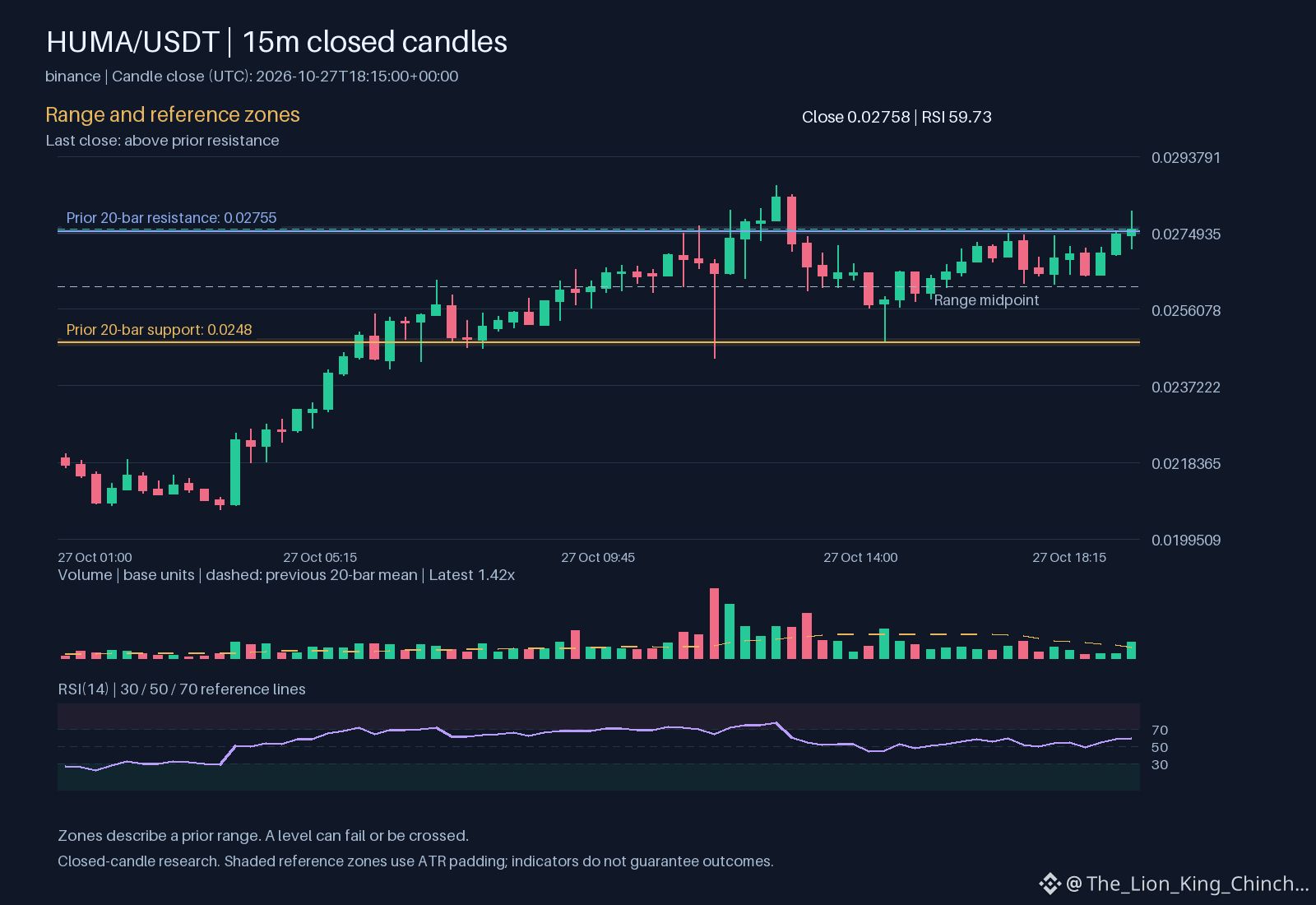
$HUMA: Entry Quality vs Chasing
Watching $HUMA move above its resistance level feels exciting. The price is at 0.02758, and relative volume is 1.4234. This setup creates a tension between waiting for a clean pullback and acting on the immediate momentum. If buyers are strong, the price may keep rising without giving you a better entry point. This is the core trade-off: securing a good price or ensuring the trend is valid.
Consider a thought experiment. Imagine you enter immediately after the breakout. You secure a position, but the entry is near the top of the move. If the price pulls back to test the old resistance, your unrealized value drops. Alternatively, if you wait for a retest, you might miss the move entirely if the gap widens. The risk lies in assuming the volume at 1.20322e+07 sustains the new level. Volume above baseline supports the move, but it does not guarantee it will not reverse quickly. The RSI at 59.7327 indicates momentum, yet it does not tell you where the exact stop should be.
The practical decision depends on your tolerance for uncertainty. If you chase the price, you accept a narrower stop distance because the entry is high. If you wait, you accept the risk that the asset leaves the range. A concrete way to reassess this is to define your invalidation level before entering. If the price closes below the support at 0.0248, the breakout assumption fails. Without that clear boundary, you are guessing. The cost of waiting is missing the trade. The cost of chasing is a poor risk-reward ratio. Decide which risk worries you more. Do not mix the two. The structure is new, and the evidence is still forming. Focus on the quality of the signal, not just the direction.
Probabilistic market research, not a recommendation or guaranteed return.
Would you wait for clearer structure or reassess the risk first?
#HUMA #RiskManagement
$HUMA : Entry Quality vs Chasing
Watching $HUMA move above its resistance level feels exciting. The price is at 0.02758, and relative volume is 1.4234. This setup creates a tension between waiting for a clean pullback and acting on the immediate momentum. If buyers are strong, the price may keep rising without giving you a better entry point. This is the core trade-off: securing a good price or ensuring the trend is valid.
Consider a thought experiment. Imagine you enter immediately after the breakout. You secure a position, but the entry is near the top of the move. If the price pulls back to test the old resistance, your unrealized value drops. Alternatively, if you wait for a retest, you might miss the move entirely if the gap widens. The risk lies in assuming the volume at 1.20322e+07 sustains the new level. Volume above baseline supports the move, but it does not guarantee it will not reverse quickly. The RSI at 59.7327 indicates momentum, yet it does not tell you where the exact stop should be.
The practical decision depends on your tolerance for uncertainty. If you chase the price, you accept a narrower stop distance because the entry is high. If you wait, you accept the risk that the asset leaves the range. A concrete way to reassess this is to define your invalidation level before entering. If the price closes below the support at 0.0248, the breakout assumption fails. Without that clear boundary, you are guessing. The cost of waiting is missing the trade. The cost of chasing is a poor risk-reward ratio. Decide which risk worries you more. Do not mix the two. The structure is new, and the evidence is still forming. Focus on the quality of the signal, not just the direction.
Probabilistic market research, not a recommendation or guaranteed return.
Would you wait for clearer structure or reassess the risk first?
#HUMA #RiskManagement
185

·
--
$CELO trades at $0.08103, testing a 24h range of $0.07676–$0.08426.
Defensive setup: Watch support at $0.07600. Resistance sits near $0.08500.
Risk Rule: Never chase green candles. Use a 3-tranche DCA strategy on pullbacks to manage exposure. Define your invalidation point before entering—capital preservation always outweighs upside potential. Not financial advice.
$CELO #BinanceSquare #CryptoTrading #RiskManagement #CELO

🛡️ Топ-3 правила, які врятують ваш депозит від ліквідації.
У крипті заробляє той, хто контролює ризики.
Торгівля без системи — це гарантований злив.
Ось три залізні правила, які збережуть ваші гроші:
1️⃣ Забудьте про великі плечі. Використання 20х чи 50х плеча на волатильних активах типу $SOL чи $TAO — це казино. Локальний шум у 2% знищить позицію. Знижуйте плечі до 3х або торгуйте на споті.
2️⃣ Ризик 2% на угоду.
Ніколи не заходьте на всю котлету. Максимальний збиток від одного стоп-лоссу не повинен перевищувати 2% від депозиту. Серія невдач не забере ваш капітал.
3️⃣ Stop-Loss обов'язковий.
Надія на те, що «ціна розвернеться», злила мільярди. Особливо на $BTC — імпульсний пролив ліквідує вас швидше, ніж ви закриєте позицію руками.
💡 Лайфхак:
Поки немає чітких сигналів, не лізьте в ринок від нудьги.
Паркуйте вільні стейблкоїни в Binance Simple Earn, щоб капітал щодня приносив пасивний дохід.
Яке правило порушуєте найчастіше?
Пишіть у коментарях! 👇
#RiskManagement
#BTC
#SOL
#TAO
#BinanceSquare
1
50
·
--
Crypto 101: how liquidations actually happen, and how to avoid one ⚡
When you trade with leverage, you borrow to open a bigger position. Your margin is the safety buffer. If the price moves against you far enough to wipe out that buffer, the exchange closes your position automatically. That's a liquidation.
A simple example with $BTC near 80,000:
• 10x long: roughly a 10% drop (about 72,000) wipes out your margin
• 20x long: roughly a 5% drop (about 76,000) is enough
• 50x long: roughly a 2% drop (about 78,400) and you're out
(Exact levels depend on fees and maintenance margin, so they come a bit sooner in practice.)
Why this matters now: tomorrow's Fed press conference can move prices 2 to 3% in minutes. High leverage around big events is how most accounts get wiped.
How to protect yourself:
• Use lower leverage on event days
• Always set a stop loss before the liquidation price
• Don't add margin to a losing trade just to avoid liquidation
• Size positions so one bad move doesn't end your month
The same rules apply to $ETH and altcoins, which usually move even faster.
What leverage do you usually trade with? Be honest 👇
#CryptoEducation #RiskManagement #TradingTips
43

·
--
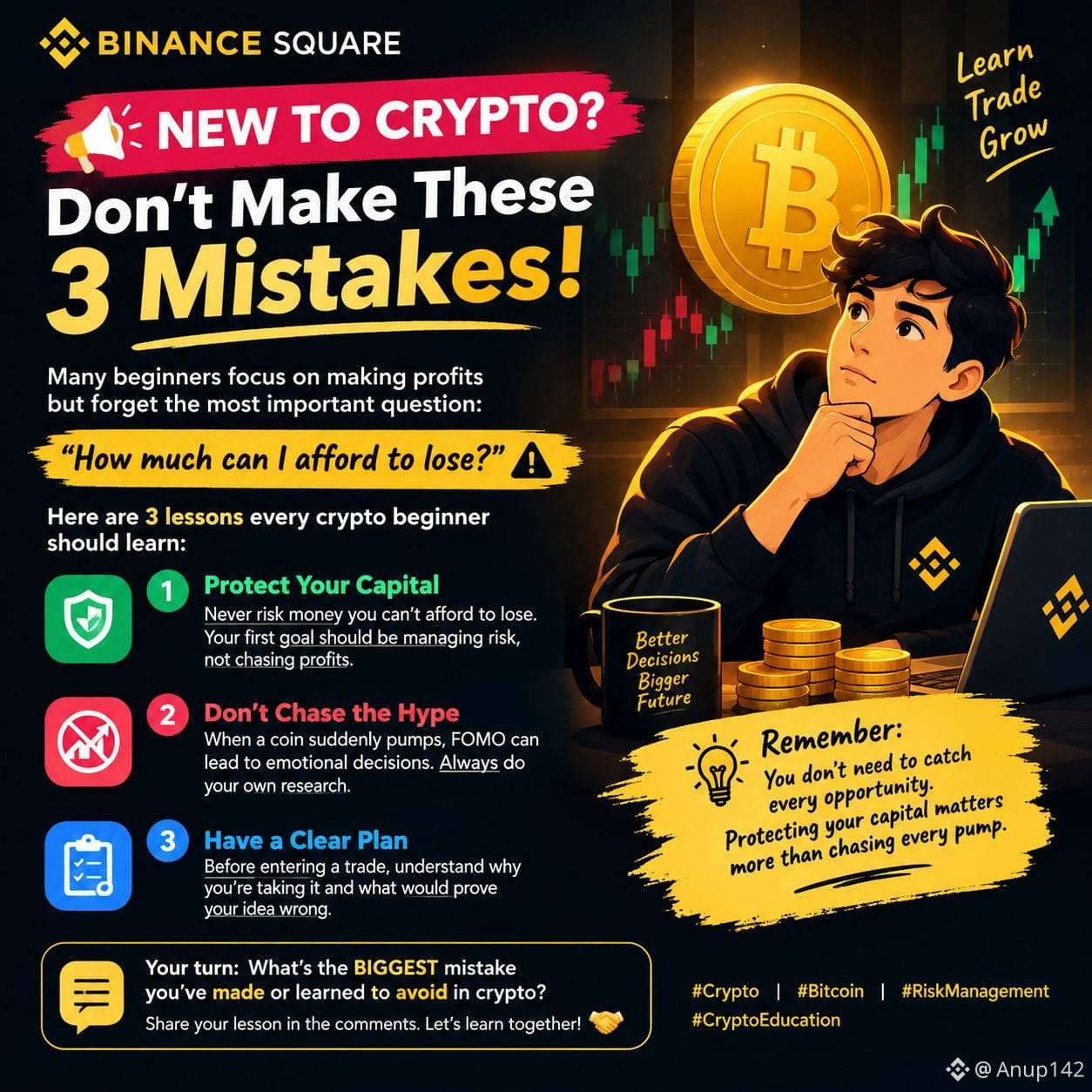
🚨 NEW TO CRYPTO? Don't Make These 3 Mistakes!
Many beginners focus on making profits but forget the most important question:
"How much can I afford to lose?" ⚠️
Here are 3 lessons every crypto beginner should learn:
🔹1. Protect Your Capital
Never risk money you can't afford to lose. Your first goal should be managing risk, not chasing profits.
🔹2. Don't Chase the Hype
When a coin suddenly pumps, FOMO can lead to emotional decisions. Always do your own research.
🔹3. Have a Clear Plan
Before entering a trade, understand why you're taking it and what would prove your idea wrong.
💡 Remember: You don't need to catch every opportunity. Protecting your capital matters more than chasing every pump.
👇 Your turn: What's the BIGGEST mistake you've made or learned to avoid in crypto?
Share your lesson in the comments. Let's learn together! 🤝
📚 Follow me @Square-Creator-2c790b869bb2 for simple crypto lessons, risk management tips, and market insights! 🚀
#crypto #bitcoin #RiskManagement #cryptoeducation #Write2Earn
🚨 NEW TO CRYPTO? Don't Make These 3 Mistakes!
Many beginners focus on making profits but forget the most important question:
"How much can I afford to lose?" ⚠️
Here are 3 lessons every crypto beginner should learn:
🔹1. Protect Your Capital
Never risk money you can't afford to lose. Your first goal should be managing risk, not chasing profits.
🔹2. Don't Chase the Hype
When a coin suddenly pumps, FOMO can lead to emotional decisions. Always do your own research.
🔹3. Have a Clear Plan
Before entering a trade, understand why you're taking it and what would prove your idea wrong.
💡 Remember: You don't need to catch every opportunity. Protecting your capital matters more than chasing every pump.
👇 Your turn: What's the BIGGEST mistake you've made or learned to avoid in crypto?
Share your lesson in the comments. Let's learn together! 🤝
📚 Follow me @Anup142 for simple crypto lessons, risk management tips, and market insights! 🚀
#crypto #bitcoin #RiskManagement #cryptoeducation #Write2Earn
1
68

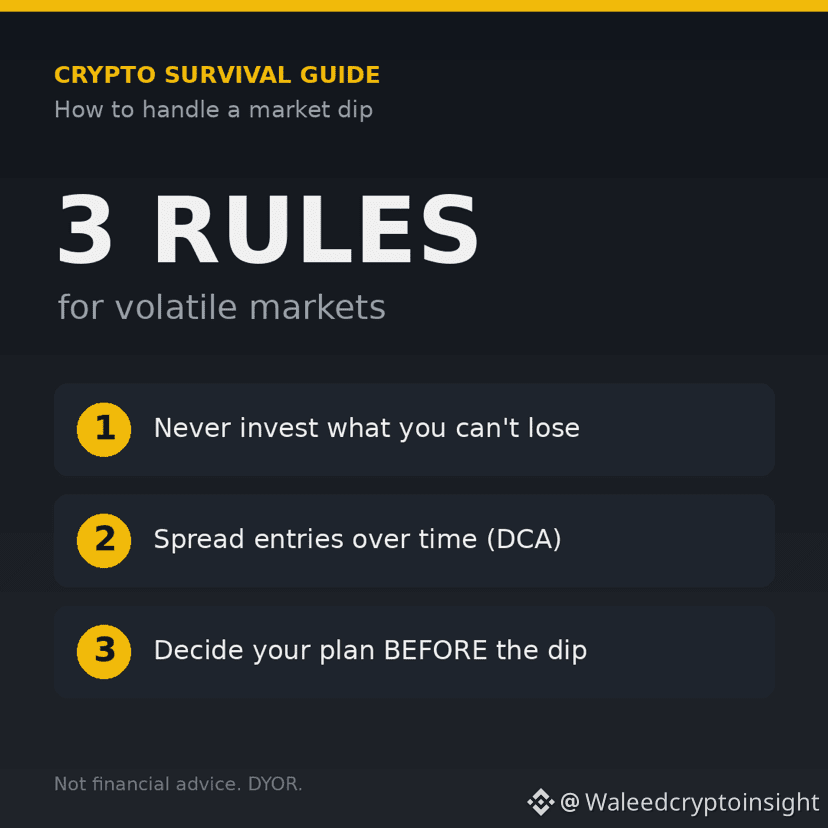
3 Rules to Stay Calm When Crypto Dips 🧠
With $BTC sitting near $80K and down about 30% from a year ago, many people are asking what to do now. Here are three rules that matter in any market:
1️⃣ Never invest money you can't afford to lose.
If a 30% drop would hurt your rent or bills, your position is too big. Size it so you can sleep at night.
2️⃣ Spread your entries (DCA).
Nobody times the bottom consistently. Buying a fixed amount at regular intervals lowers the pressure of picking the "perfect" price.
3️⃣ Decide your plan before the dip, not during it.
Write down your entry, exit, and risk limit while you're calm. Panic decisions are usually the expensive ones.
Dips test patience, not intelligence. The people who survive cycles are usually the ones with a plan.
Which rule do you struggle with most: 1, 2, or 3? Comment below 👇
#bitcoin #cryptoeducation #DCA #RiskManagement
1
110
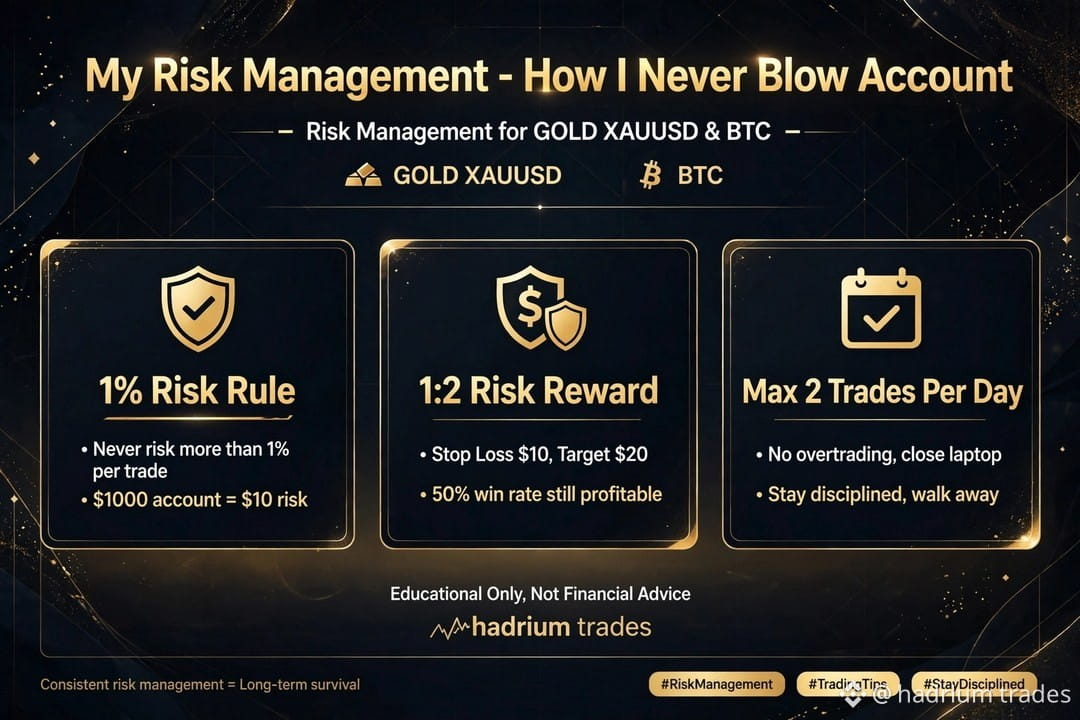
PART 4: My Risk Management - How I Never Blow Account in GOLD & BTC
In Part 1-3 I taught you entry. Today I will teach you how to STAY in the game.
Most traders blow account not because of bad strategy. Because of bad risk.
My 3 Rules that saved my account:
1% Risk Rule:
I never risk more than 1% of my account on 1 trade. If I have $1000, I risk $10 max.
Even if I lose 5 trades in a row, I lose only 5%. I am still alive.
1:2 Risk Reward:
I aim for 2x reward. If my Stop Loss is $10, my Target is $20.
I can be wrong 50% times and still be profitable. Math.
Max 2 Trades Per Day:
No overtrading. After 2 trades, I close laptop. Win or lose.
Overtrading = Emotional trading = Account blown.
Additional Safeguards:
- Always Stop Loss. No trade without SL.
- No revenge trading after loss.
- Protect capital like your business.
I learned this after blowing 1 account in 2024. I don't want you to do same mistake.
Tomorrow Part 5: My exact London Session routine for GOLD. Follow so you don't miss it.
Educational only. Not financial advice. This is what I do.
#XAUUSD #GOLD #BTC #RiskManagement #tradingpsychology #stoploss #BinanceSquare
1
305

·
--
Rehypothecation: One Collateral Pool, Many Claims
Rehypothecation lets one pool of collateral back several loans at once, creating more market exposure than the underlying capital could support.
A borrower posts an asset. The lender pledges that same asset to a second party for its own funding, and that party may do the same again. No new asset exists, yet several claims each believe they are secured.
The leverage follows a geometric series: total exposure is roughly 1 / (1 - r), where r is the share reused at each step. At 50% reuse, 100 units supports about 200 in exposure. At 75% it is about 400. At 90% it is about 1,000. No single balance sheet shows that total.
The risk also changes type. Segregated collateral carries price risk. Re-pledged collateral adds counterparty risk, because if the lender fails, the borrower becomes an unsecured creditor.
Crypto has shown both versions. In 2022, centralized lenders deployed customer deposits into trading and yield strategies, and withdrawals froze when counterparties could not repay. On-chain, staked ETH tokens were looped as collateral to borrow more ETH. When the token traded at a discount in mid-2022, those positions were squeezed by weaker collateral and limited exit liquidity.
Stress hits every layer together, since each link depends on the same asset. Margin calls land at once and everyone competes for the same supply, so the chain weakens as a whole.
The key insight: a collateral ratio describes your loan, not how many other loans lean on the same asset. The difference between reused and segregated collateral only shows up under stress.
#Crypto #DeFi #RiskManagement #Markets
60

When prices push toward a session high, the urge to chase momentum often overrides structural planning. For instance, Bitcoin currently changes hands at $80,507.49, traversing a 24-hour range from $79,506.00 to $80,836.01. Entering positions near a daily peak without a pre-calculated invalidation point exposes capital to unnecessary downside drag if the move stalls.
A measurable risk framework replaces this emotional impulse by anchoring position size directly to distance from structural support, rather than reacting to incoming price velocity. Defining maximum allowable capital loss per setup beforehand ensures that predetermined rules dictate execution parameters, not psychological comfort during fast market phases.
#RiskManagement #TradingDiscipline
48
·
--
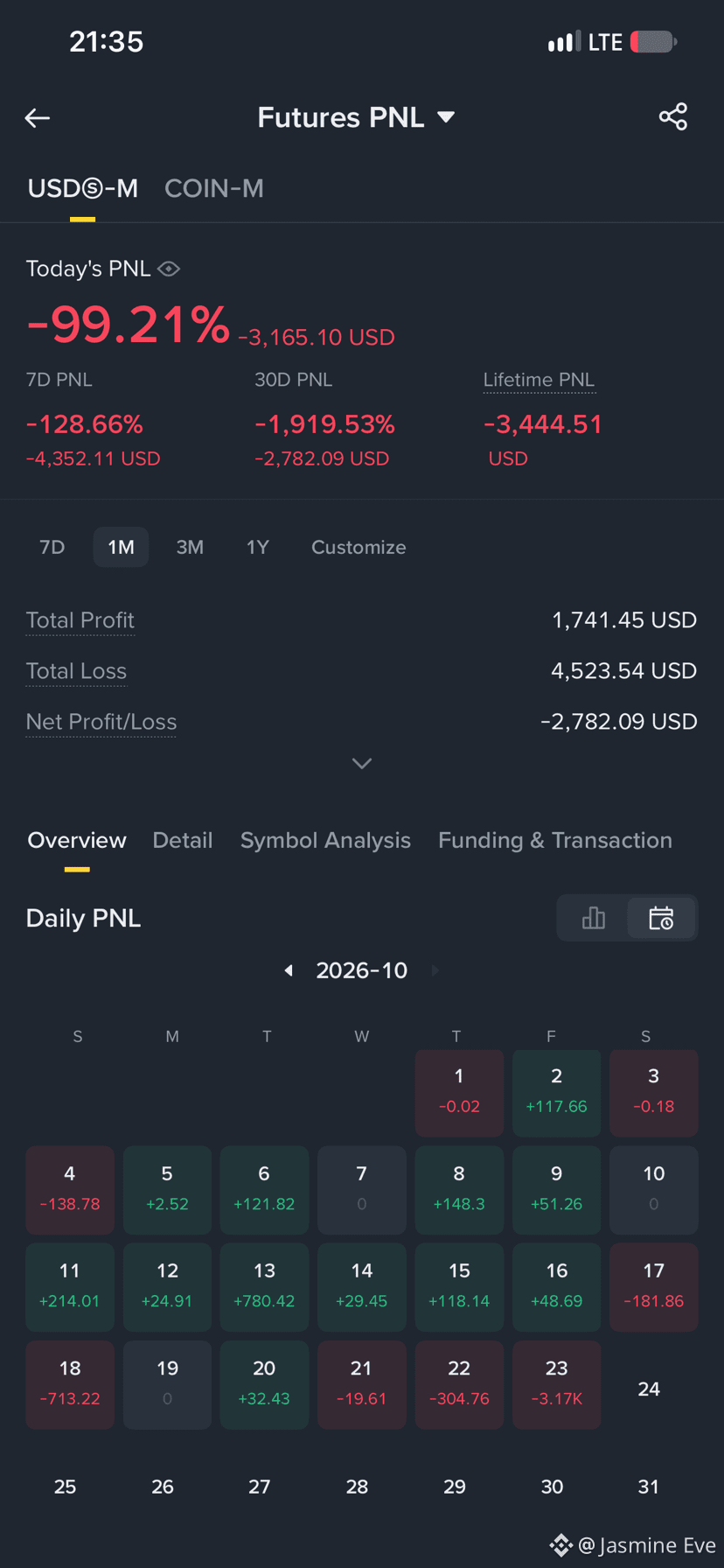
🚨 PLEASE LEARN RISK MANAGEMENT BEFORE THE MARKET TEACHES YOU THE HARD WAY. 💔📉
You wouldn’t jump from a 10-storey building and pray to God to save you on the way down. So why enter a trade without protection and hope liquidation never comes?
The market doesn’t know your background. It doesn’t care about your struggles, your responsibilities, your dreams, or whether that money was your last.
The market has no sympathy. It only follows its rules.
I’m learning this lesson painfully. One decision, one moment of overconfidence, and suddenly the numbers on your screen become a loss you can barely explain to anyone.
Please, don’t learn from my pain when you can learn from my warning.
Use a stop-loss. Manage your leverage. Protect your capital. Never risk money you cannot afford to lose.
Your first goal as a trader isn’t to get rich. It’s to survive long enough to learn. 🥀
If you’re a beginner, let this message find you before liquidation does.
And if you’ve ever lost money trading, what lesson did the market teach you that you wish you’d learned sooner?
Let’s help someone avoid our mistakes. ❤️🩹
#cryptotrading #RiskManagement #tradingpsychology #LearnFromMyMistakes
Doctor Profit ROSE STREET:
I have been working in this field for almost nine years and know many trading secrets. If you want.I can teach you.but not here.
3
2
107
·
--
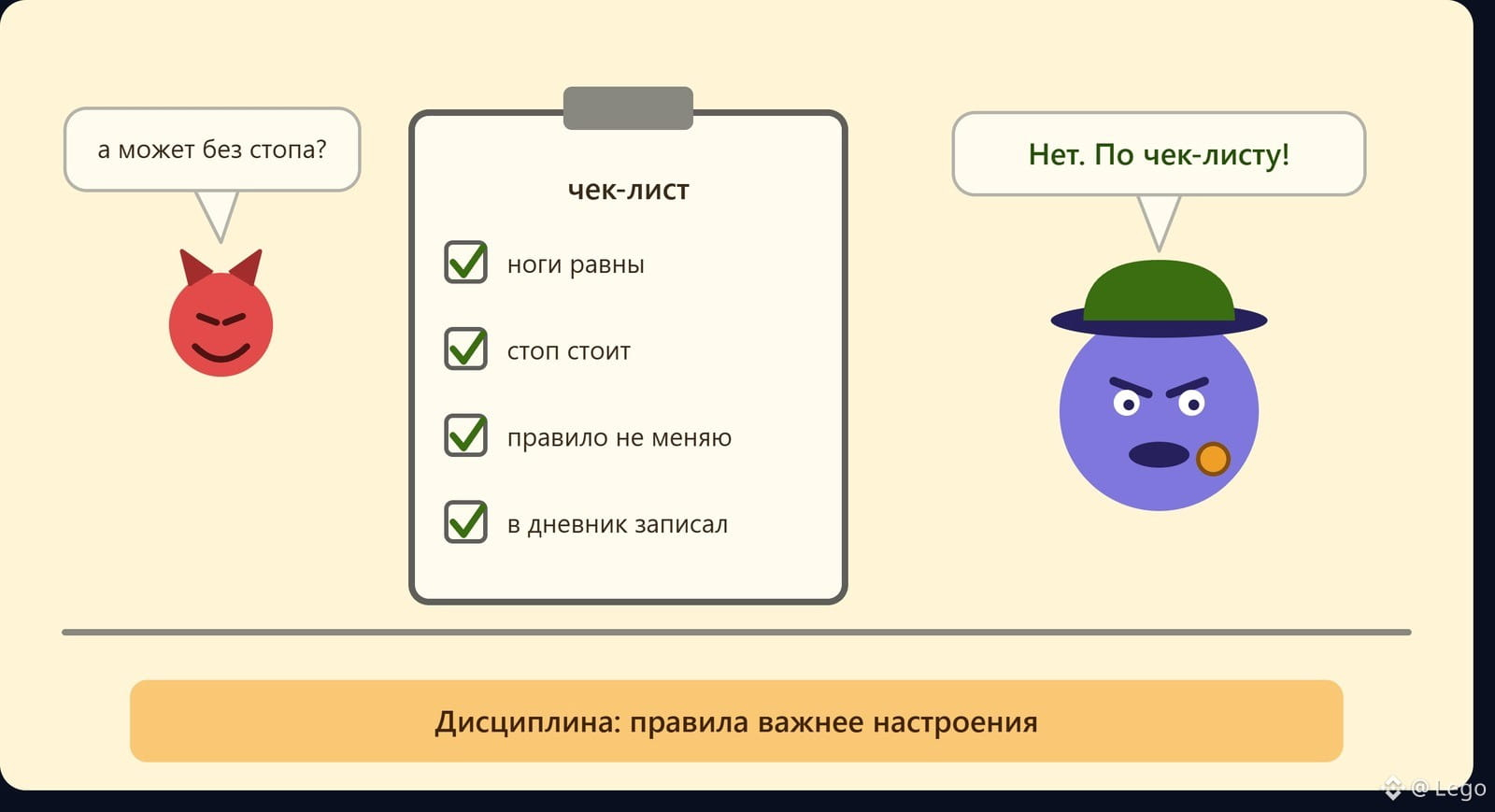
Is discipline your weakest link in pair trading? 🎯
📌 Write your rules before entering a trade and never change them while it is open.
📌 Boring trades following a plan are much more valuable than bright trades based on mood.
📌 Always limit the number of simultaneous pairs and the share of capital per trade.
📌 Take a break after a series of losses so you do not try to "get back" your funds.
Example: you write down your entry and exit conditions in advance. If the trade goes against you, you do not move your boundaries, but simply execute what you decided in a calm state.
⚠️ Common mistake: Changing your exit conditions on the go when the position is already in the red.
Which of your rules do you break most often?
#Futures #CryptoTrading #CryptoEducation #RiskManagement

·
--
🛡️ Your First Job in Crypto Is Managing Risk
It's tempting to focus only on how much money a trade could make.
But beginners should also ask:
🔹 How much could I lose?
🔹 At what point would my idea be invalidated?
🔹 Am I using money I need for essential expenses?
🔹 Am I making decisions because of fear or excitement?
A good-looking opportunity can still fail.
Never borrow money just to chase crypto profits, and don't assume a stop-loss eliminates every risk.
My reminder: Protect your ability to keep learning.
What risk-management lesson would you tell a beginner?
$MSFTB #RiskManagement
1
67
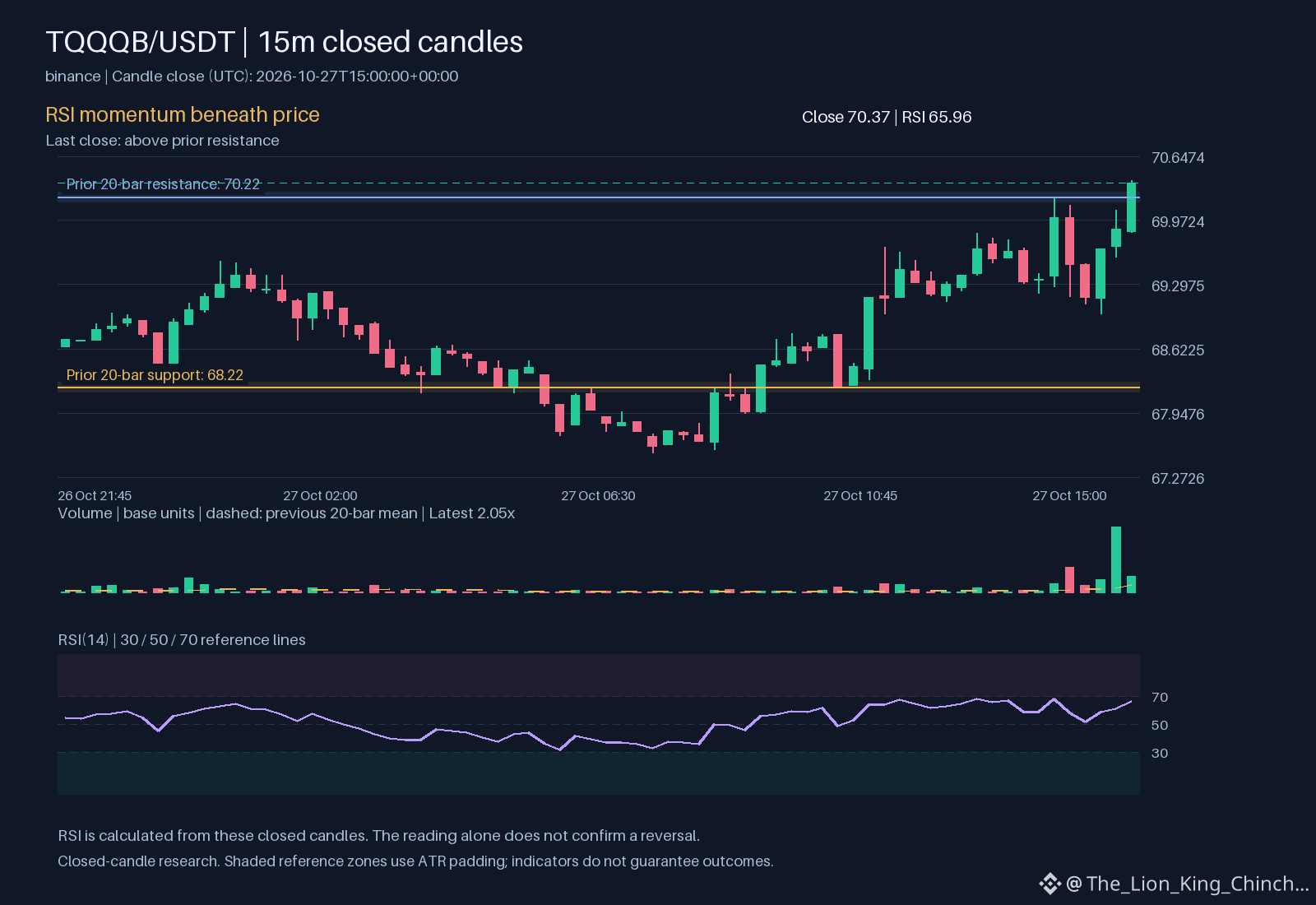
$TQQQB: TQQQB: Entry Quality Trade-off
Entry quality versus chasing remains a core dilemma. $TQQQB sits above 70.22 with hourly direction up. Relative volume is 2.05478. This suggests momentum, but also distance from the assumed entry point.
Consider a thought experiment. Two traders track the same asset. One waits for a pullback to 68.22 to improve the risk ratio. The other enters immediately to secure position. If the price reverses sharply, the first trader avoids the loss but risks missing the move. The second trader gains exposure but faces a wider drawdown if the trend stalls. The trade-off is not about predicting the future, but about tolerating uncertainty.
What changes when the assumption fails? If the assumption that volume confirms the move breaks, the immediate entry faces higher volatility. The RSI is 65.9641. A high reading can indicate strength or exhaustion. Without confirmed continuation, the stop distance must cover enough noise to avoid premature exit, yet not be so wide that the loss becomes unmanageable. This is the tension between meaningful invalidation and stop distance.
A decision checklist helps. First, define what invalidates the thesis. Is it a break below 68.22 or a specific time limit? Second, assess if the current price offers enough room for the signal-to-noise ratio to favor the trade. Third, recognize that waiting has its own cost. Price appreciation without relief. The practical risk is not just the market moving, but the trader's emotional state shifting when expectations go unmet. Clarity comes from pre-defining the conditions under which you act, rather than reacting to each candle. The evidence shows movement above baseline, but it does not guarantee a favorable entry. Decide based on the structure, not the impulse.
Probabilistic market research, not a recommendation or guaranteed return.
Would you wait for clearer structure or reassess the risk first?
#TQQQB #RiskManagement
$TQQQB : TQQQB: Entry Quality Trade-off
Entry quality versus chasing remains a core dilemma. $TQQQB sits above 70.22 with hourly direction up. Relative volume is 2.05478. This suggests momentum, but also distance from the assumed entry point.
Consider a thought experiment. Two traders track the same asset. One waits for a pullback to 68.22 to improve the risk ratio. The other enters immediately to secure position. If the price reverses sharply, the first trader avoids the loss but risks missing the move. The second trader gains exposure but faces a wider drawdown if the trend stalls. The trade-off is not about predicting the future, but about tolerating uncertainty.
What changes when the assumption fails? If the assumption that volume confirms the move breaks, the immediate entry faces higher volatility. The RSI is 65.9641. A high reading can indicate strength or exhaustion. Without confirmed continuation, the stop distance must cover enough noise to avoid premature exit, yet not be so wide that the loss becomes unmanageable. This is the tension between meaningful invalidation and stop distance.
A decision checklist helps. First, define what invalidates the thesis. Is it a break below 68.22 or a specific time limit? Second, assess if the current price offers enough room for the signal-to-noise ratio to favor the trade. Third, recognize that waiting has its own cost. Price appreciation without relief. The practical risk is not just the market moving, but the trader's emotional state shifting when expectations go unmet. Clarity comes from pre-defining the conditions under which you act, rather than reacting to each candle. The evidence shows movement above baseline, but it does not guarantee a favorable entry. Decide based on the structure, not the impulse.
Probabilistic market research, not a recommendation or guaranteed return.
Would you wait for clearer structure or reassess the risk first?
#TQQQB #RiskManagement
80
·
--
ကျရိပ်ရှိသည်
🔥 ONE TRADE CAN’T DEFINE YOU — RISK MANAGEMENT DOES.
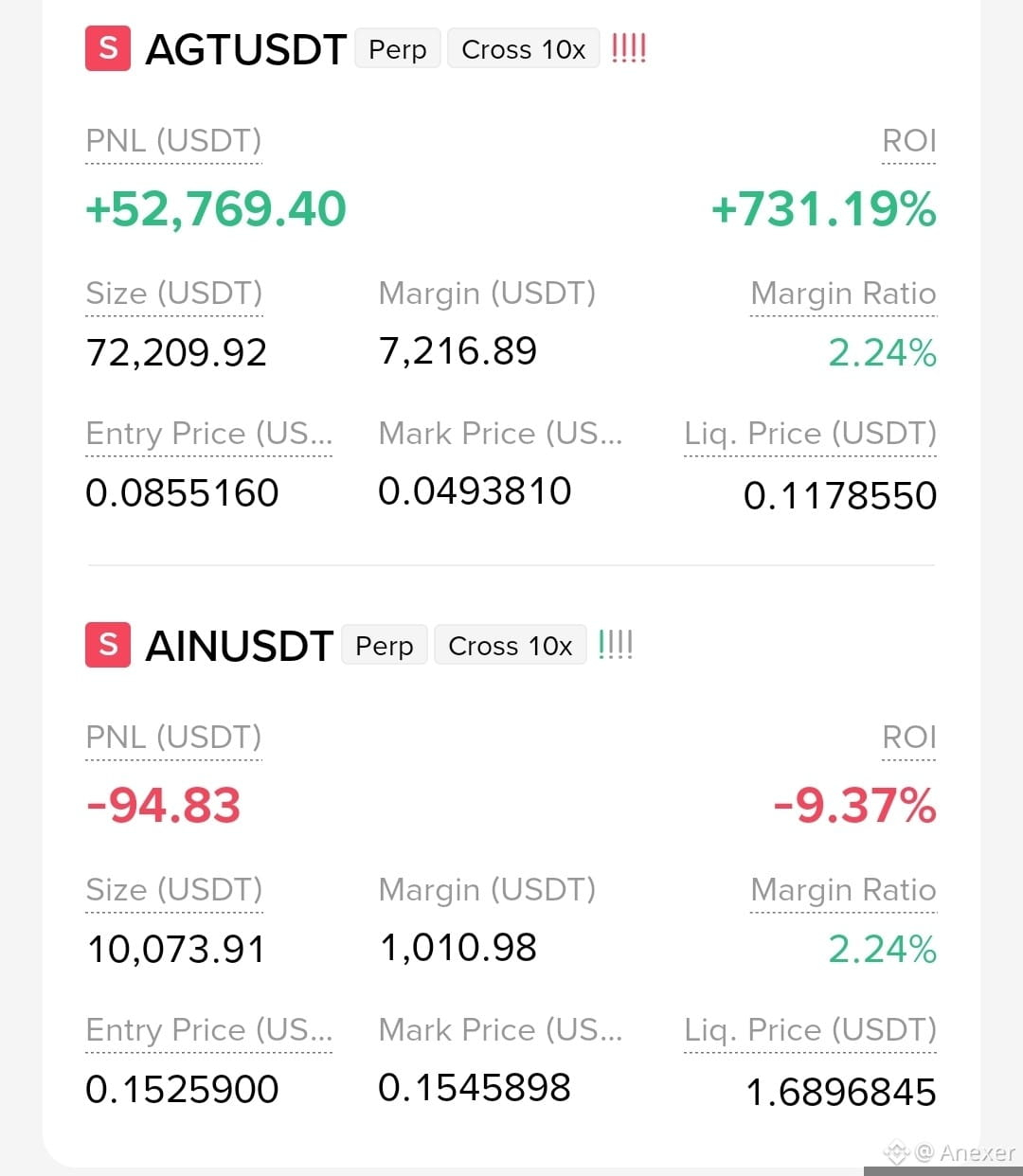
$AGT gave a massive move, while $AIN is a reminder that even a strong-looking setup can go against you. 📉📈
The lesson? Never judge a strategy by one winning trade. Protect your capital, respect your stop-loss, and don’t let leverage turn a trade into a gamble.
👀 Which matters more to you: BIG PROFITS or CONSISTENT RISK MANAGEMENT?
Drop your view below 👇
{future}(AINUSDT)
#RiskManagement #BinanceSquare
🔥 ONE TRADE CAN’T DEFINE YOU — RISK MANAGEMENT DOES.
$AGT gave a massive move, while $AIN is a reminder that even a strong-looking setup can go against you. 📉📈
The lesson? Never judge a strategy by one winning trade. Protect your capital, respect your stop-loss, and don’t let leverage turn a trade into a gamble.
👀 Which matters more to you: BIG PROFITS or CONSISTENT RISK MANAGEMENT?
Drop your view below 👇
#RiskManagement #BinanceSquare
1
2
125

·
--
🔥 Más de miles de traders han sido liquidados en las últimas jornadas. El apalancamiento excesivo sigue siendo el mayor enemigo de los inversores. Recuerda: sobrevivir al mercado es más importante que buscar ganancias rápidas. 📊 #Trading #RiskManagement
🔥 Más de miles de traders han sido liquidados en las últimas jornadas. El apalancamiento excesivo sigue siendo el mayor enemigo de los inversores. Recuerda: sobrevivir al mercado es más importante que buscar ganancias rápidas. 📊 #Trading #RiskManagement
47

How to Trade the Next 48 Hours
Next 48 hours will be driven by the Fed decision.
Keep position sizes smaller Watch BTC reaction at $80k first Avoid chasing low-cap pumps during high uncertainty
Volatility is expected. Discipline matters more than direction.
#CryptoTrading #RiskManagement #Bitcoin #Fed
Next 48 hours will be driven by the Fed decision.
Keep position sizes smaller Watch BTC reaction at $80k first Avoid chasing low-cap pumps during high uncertainty
Volatility is expected. Discipline matters more than direction.
#CryptoTrading #RiskManagement #Bitcoin #Fed
24

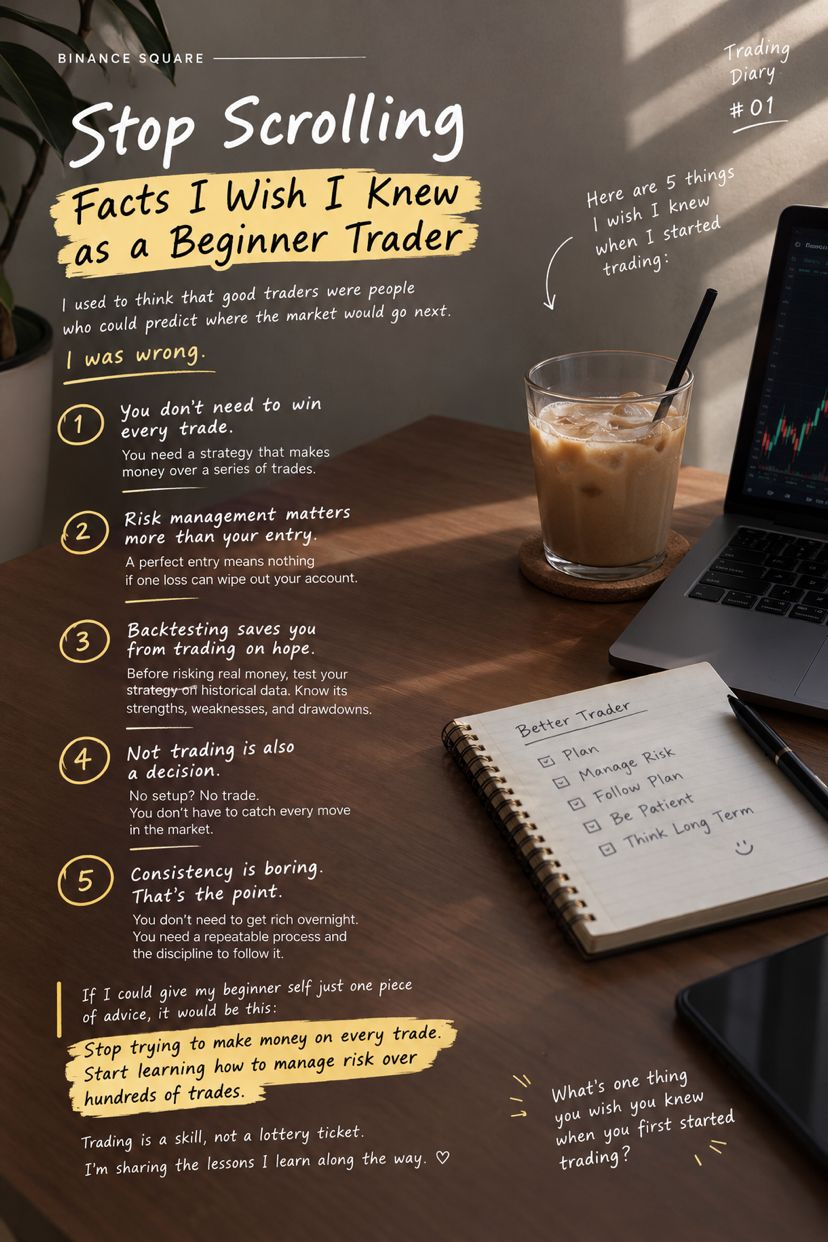
Facts I Wish I Knew as a Beginner Trader #01 📝
I thought successful traders predicted every market move.
They don’t.
They manage risk, follow a tested strategy, and stay consistent.
Here’s what I wish I knew:
1️⃣ You don’t need to win every trade.
2️⃣ Risk management matters more than perfect entries.
3️⃣ Backtest before risking real money.
4️⃣ No setup means no trade.
5️⃣ Consistency beats chasing quick profits.
Trading isn’t about winning every time.
It’s about managing risk over hundreds of trades.
What’s one lesson you wish you knew when you started?
#TradingLessons #cryptotrading #RiskManagement #TradingPsychology
1
144
Log in to explore more content
Join global crypto users on Binance Square
⚡️ Get latest and useful information about crypto.
💬 Trusted by the world’s largest crypto exchange.
👍 Discover real insights from verified creators.
အီးမေးလ် / ဖုန်းနံပါတ်
ရေပန်းစားနေသော ခေါင်းစဉ်များ
1
#CanMicrosoftDeliverOnAI
ကြည့်ရှုမှု 96,340 ကြိမ်
807 ဦး ဆွေးနွေးနေသည်
2
#CanGoogleDefindItsCore
ကြည့်ရှုမှု 46,281 ကြိမ်
589 ဦး ဆွေးနွေးနေသည်
3
#FOMCWatch
ကြည့်ရှုမှု 9.1M ကြိမ်
28,026 ဦး ဆွေးနွေးနေသည်
4
#EthereumDropsBelow$2300
ကြည့်ရှုမှု 11,409 ကြိမ်
161 ဦး ဆွေးနွေးနေသည်
5
#BitcoinSlipsBelow$80KAgain
ကြည့်ရှုမှု 31,855 ကြိမ်
126 ဦး ဆွေးနွေးနေသည်
6
#ThailandLaunchesWORPTStablecoinToQRPaymentApp
ကြည့်ရှုမှု 65,863 ကြိမ်
819 ဦး ဆွေးနွေးနေသည်
7
#StrategySkipsBitcoinPurchasesSpends$205MOnSTRCBuybacks
ကြည့်ရှုမှု 12,381 ကြိမ်
99 ဦး ဆွေးနွေးနေသည်
8
#BitmineAdds10452ETH
ကြည့်ရှုမှု 113,127 ကြိမ်
1,232 ဦး ဆွေးနွေးနေသည်
9
#SouthKoreaConsidersEducationTaxOnCryptoExchanges
ကြည့်ရှုမှု 69,628 ကြိမ်
860 ဦး ဆွေးနွေးနေသည်
10
#OCCUrgesCommunityBanksToEnterStablecoinPayments
ကြည့်ရှုမှု 45,769 ကြိမ်
611 ဦး ဆွေးနွေးနေသည်