

#futureofmoney
futureofmoney
541,471 views
828 ກຳລັງສົນທະນາ
ມາແຮງ
ຫຼ້າສຸດ

·
--
$BTC 💰 Bangladesh's very own digital currency is launching very soon!
In a groundbreaking step toward a digital economy, the country's official digital currency is set to be legally introduced very shortly. This will make cashless transactions much easier, safer, and faster than ever before.
How ready are you for this new journey of a future-ready Bangladesh? Let us know your thoughts in the comments! 🚀🇧🇩
#DigitalBangladesh #DigitalCurrency #BangladeshBank #CashlessEconomy #FutureOfMoney
$BTC 💰 Bangladesh's very own digital currency is launching very soon!
In a groundbreaking step toward a digital economy, the country's official digital currency is set to be legally introduced very shortly. This will make cashless transactions much easier, safer, and faster than ever before.
How ready are you for this new journey of a future-ready Bangladesh? Let us know your thoughts in the comments! 🚀🇧🇩
#DigitalBangladesh #DigitalCurrency #BangladeshBank #CashlessEconomy #FutureOfMoney
In a groundbreaking step toward a digital economy, the country's official digital currency is set to be legally introduced very shortly. This will make cashless transactions much easier, safer, and faster than ever before.
How ready are you for this new journey of a future-ready Bangladesh? Let us know your thoughts in the comments! 🚀🇧🇩
#DigitalBangladesh #DigitalCurrency #BangladeshBank #CashlessEconomy #FutureOfMoney
71

·
--
ບົດຄວາມ
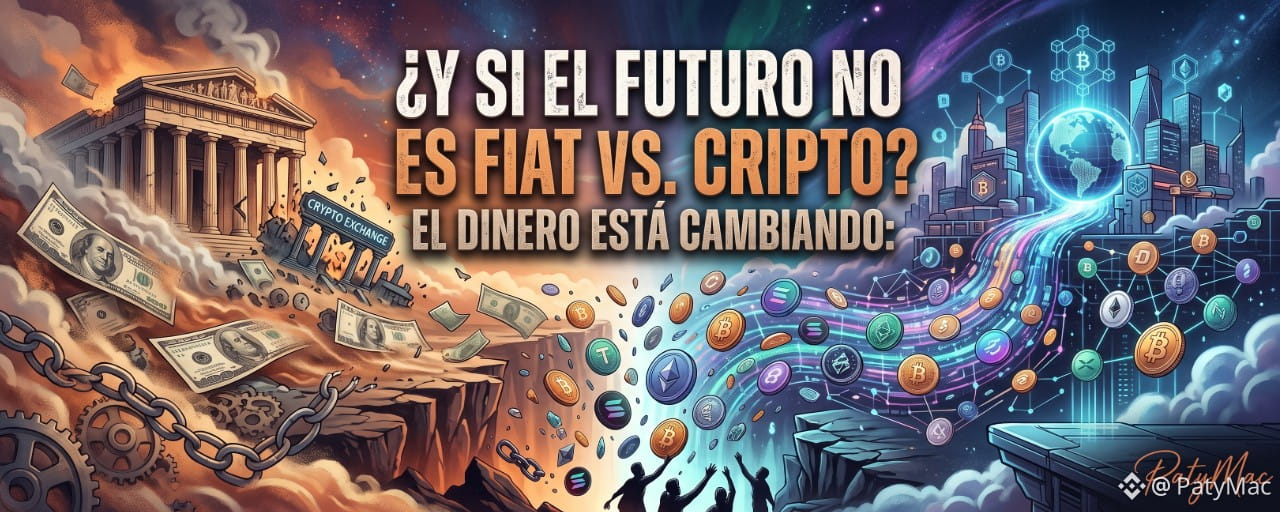
EL DINERO ESTÁ CAMBIANDO: ¿Y SI EL FUTURO NO ES FIAT VS. CRIPTO?El próximo sistema financiero podría no reemplazar un tipo de dinero por otro, sino hacer que convivan varios
Durante años, el debate sobre el futuro del dinero se presentó de una manera bastante sencilla:
dinero tradicional versus criptomonedas.
De un lado:
dólares, euros, guaraníes y bancos.
Del otro:
Bitcoin, Ethereum y blockchain.
Pero en 2026 esa división empieza a quedarse corta.
Porque mientras una parte del mundo sigue discutiendo si las criptomonedas reemplazarán al dinero tradicional, otra transformación mucho más profunda está ocurriendo:
el propio dinero tradicional está comenzando a adoptar tecnología digital programable.
Stablecoins.
Depósitos tokenizados.
Monedas digitales de bancos centrales.
Activos tokenizados.
Sistemas de pagos sobre blockchain.
Infraestructura financiera basada en DLT.
La pregunta ya no es simplemente:
“¿Cripto reemplazará al dinero?”
La pregunta puede ser mucho más interesante:
“¿Cómo será un sistema donde diferentes formas de dinero digital convivan?”
Primero hay que entender qué llamamos “dinero”
Dinero no es simplemente algo que podemos enviar por Internet.
El dinero cumple varias funciones:
sirve como medio de pago;permite expresar precios;facilita el ahorro;permite liquidar obligaciones;funciona como unidad de cuenta.
Y detrás del dinero existe algo todavía más importante:
confianza.
Cuando recibís un billete o un depósito bancario, normalmente no necesitás investigar toda la historia del instrumento antes de aceptarlo.
Existe una infraestructura institucional detrás.
En Paraguay, por ejemplo, el guaraní es la unidad monetaria de la República y tiene curso legal. El BCP recuerda que Bitcoin y otras criptomonedas privadas no tienen esa condición ni garantía estatal.
Esto no significa que una criptomoneda no pueda tener valor.
Significa que su naturaleza económica y jurídica no es la misma que la de la moneda de curso legal.
Bitcoin no nació para ser un banco digital
Bitcoin introdujo una idea revolucionaria:
¿Podemos transferir valor digitalmente sin depender de una autoridad central para validar cada operación?
La respuesta tecnológica fue sí.
Blockchain permitió construir una red donde las transacciones se registran mediante mecanismos de consenso.
Pero Bitcoin tiene una característica fundamental:
su precio no está diseñado para mantenerse estable frente al dólar o al guaraní.
Puede subir.
Puede caer.
Puede experimentar una enorme volatilidad.
Por eso Bitcoin puede funcionar como activo digital, instrumento de inversión o reserva de valor para determinados usuarios, pero no debe confundirse automáticamente con dinero de curso legal.
Entonces aparecieron las stablecoins
Las stablecoins intentan resolver uno de los principales problemas de los criptoactivos volátiles:
la estabilidad de precio.
Una stablecoin vinculada al dólar busca mantener una referencia de aproximadamente:
1 token ≈ 1 dólar.
Eso cambia completamente la utilidad.
Una persona puede querer utilizar Bitcoin como inversión y una stablecoin como medio de transferencia o unidad de referencia dentro del ecosistema digital.
Las stablecoins han crecido rápidamente y hoy están mucho más conectadas con las finanzas tradicionales que hace algunos años. El FMI destaca su creciente uso en pagos y transferencias transfronterizas, aunque también señala riesgos relacionados con sustitución monetaria, flujos de capital, regulación fragmentada y estabilidad financiera.
¿Una stablecoin es simplemente “un dólar digital”?
No necesariamente.
Esta es una distinción importantísima.
Si tenés:
USD 100 en efectivo
tenés un tipo de activo.
Si tenés:
USD 100 en una cuenta bancaria
tenés una relación jurídica con una institución financiera.
Si tenés:
100 unidades de una stablecoin referenciada al dólar
tenés otro tipo de instrumento, con una estructura propia.
La pregunta jurídica y económica es:
¿Qué respalda el token y qué derecho tiene exactamente el titular?
El respaldo importa
Imaginemos una stablecoin que afirma mantener una paridad de:
1 token = 1 USD.
El usuario podría preguntar:
“¿Dónde está ese dólar?”
La respuesta podría ser:
efectivo;depósitos;bonos del Tesoro;otros activos líquidos;una combinación de instrumentos;u otra estructura.
Pero también debemos preguntar:
¿Quién administra esos activos?
¿Quién puede reclamarlos?
¿Cómo funciona el rescate?
¿Qué ocurre durante una crisis?
La estabilidad de una stablecoin depende de mucho más que del nombre.
El dinero también está entrando en blockchain
Y aquí empieza la parte verdaderamente interesante.
Hasta hace poco, blockchain se veía principalmente como la infraestructura de Bitcoin y otros criptoactivos.
Ahora la conversación institucional es diferente.
Se está explorando cómo utilizar tokenización para representar:
depósitos bancarios;dinero de bancos centrales;bonos;valores;activos financieros;y otros instrumentos.
El BIS plantea precisamente una arquitectura en la que dinero de banco central tokenizado, dinero bancario tokenizado y activos financieros tokenizados puedan interactuar sobre infraestructuras programables.
Esto significa que el futuro no necesariamente será:
banco versus blockchain.
Puede ser:
banco + blockchain.
¿Qué es un depósito tokenizado?
Imaginemos que tenés:
Gs. 10.000.000 en un banco.
Tradicionalmente ese depósito se administra mediante los sistemas bancarios convencionales.
Ahora imaginemos que ese depósito está representado mediante un token en una infraestructura programable.
El dinero seguiría siendo una obligación del banco.
Pero la forma de registrar y transferir ese valor podría incorporar características de la tecnología blockchain o DLT.
El BIS define los depósitos tokenizados como depósitos bancarios representados en un registro programable o tokenizado y señala que continúan siendo pasivos del banco emisor y deberían ser redimibles o transferibles a la par con los depósitos bancarios ordinarios.
Esto es muy diferente de crear una criptomoneda privada sin relación con un depósito bancario.
¿Y una CBDC?
CBDC significa:
Central Bank Digital Currency
o moneda digital de banco central.
Sería una forma digital de dinero emitido por el banco central.
No es lo mismo que Bitcoin.
No es lo mismo que una stablecoin privada.
Y tampoco es simplemente “usar la aplicación del banco”.
En una CBDC, la naturaleza del dinero estaría directamente vinculada a la autoridad monetaria que la emite.
Paraguay ha estudiado esta posibilidad: el BCP creó en 2021 un grupo de trabajo para monitorear iniciativas internacionales sobre CBDC y analizar sus implicancias.
Eso no significa que Paraguay haya lanzado una CBDC.
Significa que la institución ha estudiado el fenómeno.
Entonces podemos tener cuatro mundos diferentes
Podemos imaginar:
1. Dinero tradicional
Guaraníes, dólares, euros.
2. Criptoactivos nativos
Bitcoin, Ether y otros activos digitales.
3. Stablecoins
Tokens diseñados para mantener una referencia de valor.
4. Dinero tokenizado o digital emitido dentro del sistema financiero
Depósitos tokenizados y, dependiendo de cada país, posibles CBDC.
Y todos pueden coexistir.
¿Bitcoin desaparecería?
No hay fundamento para afirmar que la aparición de stablecoins o dinero tokenizado implique que Bitcoin vaya a desaparecer.
Cumplen funciones diferentes.
Bitcoin tiene características propias:
oferta limitada;red descentralizada;ausencia de un emisor central;mercado global;alta liquidez relativa;volatilidad.
Una stablecoin busca estabilidad respecto de una referencia.
Un depósito tokenizado sigue siendo una obligación de un banco.
Una CBDC sería dinero emitido por un banco central.
Son estructuras diferentes.
¿Y si en el futuro pagamos con stablecoins?
Esto ya no es una hipótesis puramente teórica.
El FMI ha señalado que las stablecoins tienen potencial para hacer pagos internacionales más rápidos y baratos, especialmente en remesas y transferencias transfronterizas. Al mismo tiempo, advierte que su expansión plantea riesgos de fragmentación, sustitución monetaria y movimientos de capital que requieren coordinación regulatoria.
Imaginemos una empresa paraguaya que necesita pagar a un proveedor extranjero.
Hoy puede existir:
empresa → banco → banco corresponsal → banco extranjero → proveedor.
En determinados modelos futuros podría existir:
empresa → activo digital → proveedor.
La liquidación podría ser mucho más rápida.
Pero eso no significa automáticamente que sea mejor en todos los casos.
Aparecen preguntas nuevas:
¿qué legislación se aplica?¿quién verifica la identidad?¿cómo se cumplen las obligaciones de prevención de lavado?¿cómo se corrige una transferencia errónea?¿qué ocurre si el emisor de la stablecoin falla?¿cómo se manejan sanciones y restricciones?¿cómo se protege al consumidor?
La tecnología puede acelerar la transferencia.
No elimina las obligaciones jurídicas.
Y acá aparece un problema importante para América Latina
Muchas economías latinoamericanas tienen una relación muy particular con el dólar.
Las personas utilizan dólares para:
ahorrar;protegerse frente a inflación;comerciar;enviar remesas;fijar precios;realizar operaciones internacionales.
Si una stablecoin permite mantener y transferir una representación digital del dólar de manera global, puede convertirse en una herramienta muy poderosa.
Pero también puede generar preguntas macroeconómicas:
¿Qué pasa si una población comienza a utilizar masivamente una moneda extranjera digital?
El FMI ha advertido precisamente sobre riesgos de sustitución monetaria y pérdida de control sobre determinados flujos de capital.
Paraguay: el debate puede ser especialmente interesante
Paraguay mantiene al guaraní como moneda de curso legal.
Bitcoin y otras criptomonedas privadas no tienen curso legal ni garantía estatal.
Pero eso no significa que la tecnología digital no pueda transformar la forma en que circula el dinero.
Podríamos tener en el futuro:
pagos instantáneos;stablecoins;depósitos tokenizados;activos tokenizados;CBDC si eventualmente se decidiera implementarla;infraestructura financiera basada en DLT.
La gran pregunta será:
¿Cómo integrar innovación sin perder estabilidad, protección al usuario e integridad financiera?
El Derecho tendrá que separar tecnología de función
Esto es fundamental.
No deberíamos preguntar solamente:
“¿Está en blockchain?”
Debemos preguntar:
“¿Qué función cumple?”
¿Es dinero?
¿Es inversión?
¿Es un valor?
¿Es un derecho de crédito?
¿Es un medio de pago?
¿Es un token de utilidad?
¿Es un activo especulativo?
¿Es un depósito tokenizado?
La misma tecnología puede utilizarse para representar instrumentos jurídicamente muy diferentes.
La regulación también está cambiando
La tendencia internacional muestra que los reguladores ya no pueden analizar los activos digitales únicamente como un fenómeno marginal.
El FATF informó en 2026 que las jurisdicciones continúan desarrollando marcos de registro, licenciamiento y supervisión de proveedores de servicios de activos virtuales, aunque persisten importantes diferencias y brechas de implementación. También identificó riesgos crecientes relacionados con stablecoins, wallets no alojadas, proveedores offshore y determinados esquemas DeFi.
Esto es importante:
la economía digital se está globalizando más rápido que las fronteras regulatorias.
¿Qué puede ocurrir con los bancos?
Aquí aparece una posibilidad fascinante.
En lugar de que blockchain elimine a los bancos, podemos tener bancos utilizando:
tokenización + inteligencia artificial + blockchain + sistemas tradicionales.
Un banco podría utilizar tecnología DLT para:
liquidar operaciones;tokenizar depósitos;procesar valores;realizar pagos internacionales;automatizar contratos;administrar garantías.
El BIS está explorando precisamente una arquitectura donde la tokenización se integre con el sistema monetario existente, en lugar de sustituirlo completamente.
El futuro podría ser programable
Esta es quizás la transformación más profunda.
Imaginemos dinero que no solamente puede enviarse.
Sino que puede programarse.
Por ejemplo:
“Liberar el pago cuando se confirme la entrega.”
O:
“Transferir automáticamente determinada suma cuando se cumpla una condición.”
O:
“Liquidar simultáneamente dos activos cuando ambas partes entreguen lo pactado.”
Esto conecta directamente con:
smart contracts + tokenización + dinero digital.
Y ahí empieza una nueva etapa de las finanzas.
Pero programabilidad no significa libertad absoluta
Un sistema programable también puede tener reglas.
Y esas reglas pueden incluir:
límites;identificación;controles;restricciones;permisos;cumplimiento regulatorio.
Por eso existe una pregunta filosófica y jurídica muy importante:
¿Quién programa las reglas del dinero?
En Bitcoin, las reglas fundamentales están incorporadas al protocolo y al consenso de la red.
En una stablecoin, existen emisores y estructuras de gobernanza.
En un depósito tokenizado, interviene una entidad bancaria.
En una CBDC, el diseño dependería del banco central y del marco legal correspondiente.
El verdadero cambio puede ser invisible
Tal vez la mayor transformación monetaria no sea que un día dejemos de utilizar billetes.
Puede ser mucho más silenciosa.
Podríamos seguir pensando:
“Tengo 1.000 dólares.”
pero detrás de esos 1.000 dólares existirían diferentes formas tecnológicas de representarlos:
efectivo;depósito bancario;stablecoin;depósito tokenizado;eventualmente dinero digital de banco central.
El valor nominal puede parecer el mismo.
Pero la naturaleza jurídica, el emisor, el riesgo y las reglas de transferencia pueden ser completamente diferentes.
Entonces, ¿qué será el dinero del futuro?
Probablemente no exista una única respuesta.
Podríamos tener un ecosistema donde convivan:
dinero público + dinero bancario + stablecoins + criptoactivos + activos tokenizados.
La verdadera competencia no será necesariamente:
Bitcoin contra dólar.
Puede ser:
¿Qué infraestructura ofrece mayor utilidad, seguridad, liquidez, interoperabilidad y confianza para cada uso?
Y esto cambia también el concepto de “banco”
Si una persona puede mantener activos digitales, transferirlos globalmente y utilizar protocolos programables, el banco tendrá que competir en algo más que guardar dinero.
Tendrá que ofrecer:
confianza;seguridad;cumplimiento;liquidez;servicios;interoperabilidad;protección jurídica;infraestructura.
La tecnología puede democratizar determinadas funciones.
Pero la confianza seguirá siendo un activo fundamental.
La paradoja
Bitcoin nació, entre otras cosas, como una alternativa a la dependencia de intermediarios.
Pero ahora los bancos están estudiando blockchain.
Las stablecoins conectan cripto con finanzas tradicionales.
Los mercados de valores están incorporando tokenización.
Y los bancos centrales estudian dinero digital.
Entonces quizás la historia no termine siendo:
“cripto reemplazó a las finanzas tradicionales.”
Puede terminar siendo:
“las finanzas tradicionales adoptaron parte de la tecnología cripto.”
Conclusión
El futuro del dinero probablemente no sea una guerra entre:
fiat vs. cripto.
Será un sistema mucho más complejo.
Bitcoin puede seguir existiendo como activo digital descentralizado.
Las stablecoins pueden crecer como instrumentos de pago.
Los bancos pueden utilizar depósitos tokenizados.
Los bancos centrales pueden continuar explorando CBDC.
Y los mercados pueden tokenizar cada vez más activos.
El verdadero desafío será conseguir que todas estas piezas puedan convivir sin destruir los elementos que hacen funcionar al dinero:
confianza, estabilidad, interoperabilidad, seguridad y reglas claras.
El BIS ha planteado en 2026 que la innovación monetaria debe preservar precisamente esas propiedades, y ha destacado que tokenización, depósitos tokenizados y dinero de banco central pueden formar parte de una arquitectura financiera de próxima generación.
Por eso quizás la pregunta correcta para 2030 no sea:
“¿Bitcoin reemplazará al dólar?”
Ni:
“¿Las criptomonedas reemplazarán a los bancos?”
La pregunta podría ser mucho más interesante:
“¿Qué tipo de dinero utilizaremos para cada situación y quién controlará la infraestructura que lo mueve?”
Porque el dinero está cambiando.
Y esta vez, quizás la revolución no consista en eliminar el dinero que conocemos.
Puede consistir en cambiar la forma en que ese dinero existe, circula y se programa.
Preguntas interesantes
¿Bitcoin puede convertirse en el dinero del futuro?
Puede cumplir determinadas funciones económicas para sus usuarios, pero actualmente no tiene curso legal en Paraguay y su precio presenta una volatilidad considerable. No debe confundirse con la moneda de curso legal.
¿Una stablecoin es lo mismo que un dólar?
No necesariamente. Una stablecoin es un activo digital cuyo diseño busca mantener una referencia de valor; su estructura, respaldo, emisor y derechos del usuario dependen del instrumento concreto.
¿Una stablecoin puede utilizarse para pagos internacionales?
Sí, esa es una de las aplicaciones que organismos como el FMI consideran potencialmente relevantes, especialmente para pagos transfronterizos y remesas, aunque existen riesgos regulatorios y macrofinancieros.
¿Qué diferencia existe entre una stablecoin y un depósito tokenizado?
Una stablecoin y un depósito bancario tokenizado pueden utilizar tecnología similar para transferir valor, pero jurídicamente no son necesariamente lo mismo. Un depósito tokenizado continúa siendo un pasivo del banco emisor; una stablecoin tiene otra estructura y depende de su emisor y régimen aplicable.
¿Una CBDC es una criptomoneda?
No en el sentido habitual de las criptomonedas privadas. Una CBDC sería dinero digital emitido por un banco central y tendría una naturaleza institucional y jurídica diferente.
¿Paraguay tendrá una CBDC?
No podemos afirmar que exista una decisión de lanzamiento. El BCP estudió el fenómeno mediante un grupo de trabajo creado en 2021, pero eso no equivale a que exista actualmente una CBDC paraguaya.
¿Los bancos desaparecerán si crecen las criptomonedas?
No existe base para afirmarlo. De hecho, la tendencia actual incluye bancos y autoridades financieras explorando tokenización y nuevas infraestructuras digitales.
¿El futuro será completamente sin efectivo?
No puede afirmarse. La digitalización puede crecer sin que eso implique necesariamente la desaparición inmediata del efectivo.
¿Quién controlará el dinero digital?
Dependerá del instrumento. Bitcoin funciona mediante una red descentralizada; una stablecoin tiene un emisor; un depósito tokenizado está vinculado a un banco; y una CBDC estaría vinculada a un banco central.
¿Qué es lo realmente revolucionario de esta transformación?
No solamente que el dinero sea digital, sino que pueda volverse programable, integrándose con contratos inteligentes y activos tokenizados para automatizar determinadas operaciones.
$BTC
{future}(BTCUSDT)
$ETH
{future}(ETHUSDT)
$BNB
{future}(BNBUSDT)
#FutureOfMoney #Stablecoins #Tokenization #Blockchain #CryptoEducation
EL DINERO ESTÁ CAMBIANDO: ¿Y SI EL FUTURO NO ES FIAT VS. CRIPTO?
El próximo sistema financiero podría no reemplazar un tipo de dinero por otro, sino hacer que convivan varios
Durante años, el debate sobre el futuro del dinero se presentó de una manera bastante sencilla:
dinero tradicional versus criptomonedas.
De un lado:
dólares, euros, guaraníes y bancos.
Del otro:
Bitcoin, Ethereum y blockchain.
Pero en 2026 esa división empieza a quedarse corta.
Porque mientras una parte del mundo sigue discutiendo si las criptomonedas reemplazarán al dinero tradicional, otra transformación mucho más profunda está ocurriendo:
el propio dinero tradicional está comenzando a adoptar tecnología digital programable.
Stablecoins.
Depósitos tokenizados.
Monedas digitales de bancos centrales.
Activos tokenizados.
Sistemas de pagos sobre blockchain.
Infraestructura financiera basada en DLT.
La pregunta ya no es simplemente:
“¿Cripto reemplazará al dinero?”
La pregunta puede ser mucho más interesante:
“¿Cómo será un sistema donde diferentes formas de dinero digital convivan?”
Primero hay que entender qué llamamos “dinero”
Dinero no es simplemente algo que podemos enviar por Internet.
El dinero cumple varias funciones:
sirve como medio de pago;permite expresar precios;facilita el ahorro;permite liquidar obligaciones;funciona como unidad de cuenta.
Y detrás del dinero existe algo todavía más importante:
confianza.
Cuando recibís un billete o un depósito bancario, normalmente no necesitás investigar toda la historia del instrumento antes de aceptarlo.
Existe una infraestructura institucional detrás.
En Paraguay, por ejemplo, el guaraní es la unidad monetaria de la República y tiene curso legal. El BCP recuerda que Bitcoin y otras criptomonedas privadas no tienen esa condición ni garantía estatal.
Esto no significa que una criptomoneda no pueda tener valor.
Significa que su naturaleza económica y jurídica no es la misma que la de la moneda de curso legal.
Bitcoin no nació para ser un banco digital
Bitcoin introdujo una idea revolucionaria:
¿Podemos transferir valor digitalmente sin depender de una autoridad central para validar cada operación?
La respuesta tecnológica fue sí.
Blockchain permitió construir una red donde las transacciones se registran mediante mecanismos de consenso.
Pero Bitcoin tiene una característica fundamental:
su precio no está diseñado para mantenerse estable frente al dólar o al guaraní.
Puede subir.
Puede caer.
Puede experimentar una enorme volatilidad.
Por eso Bitcoin puede funcionar como activo digital, instrumento de inversión o reserva de valor para determinados usuarios, pero no debe confundirse automáticamente con dinero de curso legal.
Entonces aparecieron las stablecoins
Las stablecoins intentan resolver uno de los principales problemas de los criptoactivos volátiles:
la estabilidad de precio.
Una stablecoin vinculada al dólar busca mantener una referencia de aproximadamente:
1 token ≈ 1 dólar.
Eso cambia completamente la utilidad.
Una persona puede querer utilizar Bitcoin como inversión y una stablecoin como medio de transferencia o unidad de referencia dentro del ecosistema digital.
Las stablecoins han crecido rápidamente y hoy están mucho más conectadas con las finanzas tradicionales que hace algunos años. El FMI destaca su creciente uso en pagos y transferencias transfronterizas, aunque también señala riesgos relacionados con sustitución monetaria, flujos de capital, regulación fragmentada y estabilidad financiera.
¿Una stablecoin es simplemente “un dólar digital”?
No necesariamente.
Esta es una distinción importantísima.
Si tenés:
USD 100 en efectivo
tenés un tipo de activo.
Si tenés:
USD 100 en una cuenta bancaria
tenés una relación jurídica con una institución financiera.
Si tenés:
100 unidades de una stablecoin referenciada al dólar
tenés otro tipo de instrumento, con una estructura propia.
La pregunta jurídica y económica es:
¿Qué respalda el token y qué derecho tiene exactamente el titular?
El respaldo importa
Imaginemos una stablecoin que afirma mantener una paridad de:
1 token = 1 USD.
El usuario podría preguntar:
“¿Dónde está ese dólar?”
La respuesta podría ser:
efectivo;depósitos;bonos del Tesoro;otros activos líquidos;una combinación de instrumentos;u otra estructura.
Pero también debemos preguntar:
¿Quién administra esos activos?
¿Quién puede reclamarlos?
¿Cómo funciona el rescate?
¿Qué ocurre durante una crisis?
La estabilidad de una stablecoin depende de mucho más que del nombre.
El dinero también está entrando en blockchain
Y aquí empieza la parte verdaderamente interesante.
Hasta hace poco, blockchain se veía principalmente como la infraestructura de Bitcoin y otros criptoactivos.
Ahora la conversación institucional es diferente.
Se está explorando cómo utilizar tokenización para representar:
depósitos bancarios;dinero de bancos centrales;bonos;valores;activos financieros;y otros instrumentos.
El BIS plantea precisamente una arquitectura en la que dinero de banco central tokenizado, dinero bancario tokenizado y activos financieros tokenizados puedan interactuar sobre infraestructuras programables.
Esto significa que el futuro no necesariamente será:
banco versus blockchain.
Puede ser:
banco + blockchain.
¿Qué es un depósito tokenizado?
Imaginemos que tenés:
Gs. 10.000.000 en un banco.
Tradicionalmente ese depósito se administra mediante los sistemas bancarios convencionales.
Ahora imaginemos que ese depósito está representado mediante un token en una infraestructura programable.
El dinero seguiría siendo una obligación del banco.
Pero la forma de registrar y transferir ese valor podría incorporar características de la tecnología blockchain o DLT.
El BIS define los depósitos tokenizados como depósitos bancarios representados en un registro programable o tokenizado y señala que continúan siendo pasivos del banco emisor y deberían ser redimibles o transferibles a la par con los depósitos bancarios ordinarios.
Esto es muy diferente de crear una criptomoneda privada sin relación con un depósito bancario.
¿Y una CBDC?
CBDC significa:
Central Bank Digital Currency
o moneda digital de banco central.
Sería una forma digital de dinero emitido por el banco central.
No es lo mismo que Bitcoin.
No es lo mismo que una stablecoin privada.
Y tampoco es simplemente “usar la aplicación del banco”.
En una CBDC, la naturaleza del dinero estaría directamente vinculada a la autoridad monetaria que la emite.
Paraguay ha estudiado esta posibilidad: el BCP creó en 2021 un grupo de trabajo para monitorear iniciativas internacionales sobre CBDC y analizar sus implicancias.
Eso no significa que Paraguay haya lanzado una CBDC.
Significa que la institución ha estudiado el fenómeno.
Entonces podemos tener cuatro mundos diferentes
Podemos imaginar:
1. Dinero tradicional
Guaraníes, dólares, euros.
2. Criptoactivos nativos
Bitcoin, Ether y otros activos digitales.
3. Stablecoins
Tokens diseñados para mantener una referencia de valor.
4. Dinero tokenizado o digital emitido dentro del sistema financiero
Depósitos tokenizados y, dependiendo de cada país, posibles CBDC.
Y todos pueden coexistir.
¿Bitcoin desaparecería?
No hay fundamento para afirmar que la aparición de stablecoins o dinero tokenizado implique que Bitcoin vaya a desaparecer.
Cumplen funciones diferentes.
Bitcoin tiene características propias:
oferta limitada;red descentralizada;ausencia de un emisor central;mercado global;alta liquidez relativa;volatilidad.
Una stablecoin busca estabilidad respecto de una referencia.
Un depósito tokenizado sigue siendo una obligación de un banco.
Una CBDC sería dinero emitido por un banco central.
Son estructuras diferentes.
¿Y si en el futuro pagamos con stablecoins?
Esto ya no es una hipótesis puramente teórica.
El FMI ha señalado que las stablecoins tienen potencial para hacer pagos internacionales más rápidos y baratos, especialmente en remesas y transferencias transfronterizas. Al mismo tiempo, advierte que su expansión plantea riesgos de fragmentación, sustitución monetaria y movimientos de capital que requieren coordinación regulatoria.
Imaginemos una empresa paraguaya que necesita pagar a un proveedor extranjero.
Hoy puede existir:
empresa → banco → banco corresponsal → banco extranjero → proveedor.
En determinados modelos futuros podría existir:
empresa → activo digital → proveedor.
La liquidación podría ser mucho más rápida.
Pero eso no significa automáticamente que sea mejor en todos los casos.
Aparecen preguntas nuevas:
¿qué legislación se aplica?¿quién verifica la identidad?¿cómo se cumplen las obligaciones de prevención de lavado?¿cómo se corrige una transferencia errónea?¿qué ocurre si el emisor de la stablecoin falla?¿cómo se manejan sanciones y restricciones?¿cómo se protege al consumidor?
La tecnología puede acelerar la transferencia.
No elimina las obligaciones jurídicas.
Y acá aparece un problema importante para América Latina
Muchas economías latinoamericanas tienen una relación muy particular con el dólar.
Las personas utilizan dólares para:
ahorrar;protegerse frente a inflación;comerciar;enviar remesas;fijar precios;realizar operaciones internacionales.
Si una stablecoin permite mantener y transferir una representación digital del dólar de manera global, puede convertirse en una herramienta muy poderosa.
Pero también puede generar preguntas macroeconómicas:
¿Qué pasa si una población comienza a utilizar masivamente una moneda extranjera digital?
El FMI ha advertido precisamente sobre riesgos de sustitución monetaria y pérdida de control sobre determinados flujos de capital.
Paraguay: el debate puede ser especialmente interesante
Paraguay mantiene al guaraní como moneda de curso legal.
Bitcoin y otras criptomonedas privadas no tienen curso legal ni garantía estatal.
Pero eso no significa que la tecnología digital no pueda transformar la forma en que circula el dinero.
Podríamos tener en el futuro:
pagos instantáneos;stablecoins;depósitos tokenizados;activos tokenizados;CBDC si eventualmente se decidiera implementarla;infraestructura financiera basada en DLT.
La gran pregunta será:
¿Cómo integrar innovación sin perder estabilidad, protección al usuario e integridad financiera?
El Derecho tendrá que separar tecnología de función
Esto es fundamental.
No deberíamos preguntar solamente:
“¿Está en blockchain?”
Debemos preguntar:
“¿Qué función cumple?”
¿Es dinero?
¿Es inversión?
¿Es un valor?
¿Es un derecho de crédito?
¿Es un medio de pago?
¿Es un token de utilidad?
¿Es un activo especulativo?
¿Es un depósito tokenizado?
La misma tecnología puede utilizarse para representar instrumentos jurídicamente muy diferentes.
La regulación también está cambiando
La tendencia internacional muestra que los reguladores ya no pueden analizar los activos digitales únicamente como un fenómeno marginal.
El FATF informó en 2026 que las jurisdicciones continúan desarrollando marcos de registro, licenciamiento y supervisión de proveedores de servicios de activos virtuales, aunque persisten importantes diferencias y brechas de implementación. También identificó riesgos crecientes relacionados con stablecoins, wallets no alojadas, proveedores offshore y determinados esquemas DeFi.
Esto es importante:
la economía digital se está globalizando más rápido que las fronteras regulatorias.
¿Qué puede ocurrir con los bancos?
Aquí aparece una posibilidad fascinante.
En lugar de que blockchain elimine a los bancos, podemos tener bancos utilizando:
tokenización + inteligencia artificial + blockchain + sistemas tradicionales.
Un banco podría utilizar tecnología DLT para:
liquidar operaciones;tokenizar depósitos;procesar valores;realizar pagos internacionales;automatizar contratos;administrar garantías.
El BIS está explorando precisamente una arquitectura donde la tokenización se integre con el sistema monetario existente, en lugar de sustituirlo completamente.
El futuro podría ser programable
Esta es quizás la transformación más profunda.
Imaginemos dinero que no solamente puede enviarse.
Sino que puede programarse.
Por ejemplo:
“Liberar el pago cuando se confirme la entrega.”
O:
“Transferir automáticamente determinada suma cuando se cumpla una condición.”
O:
“Liquidar simultáneamente dos activos cuando ambas partes entreguen lo pactado.”
Esto conecta directamente con:
smart contracts + tokenización + dinero digital.
Y ahí empieza una nueva etapa de las finanzas.
Pero programabilidad no significa libertad absoluta
Un sistema programable también puede tener reglas.
Y esas reglas pueden incluir:
límites;identificación;controles;restricciones;permisos;cumplimiento regulatorio.
Por eso existe una pregunta filosófica y jurídica muy importante:
¿Quién programa las reglas del dinero?
En Bitcoin, las reglas fundamentales están incorporadas al protocolo y al consenso de la red.
En una stablecoin, existen emisores y estructuras de gobernanza.
En un depósito tokenizado, interviene una entidad bancaria.
En una CBDC, el diseño dependería del banco central y del marco legal correspondiente.
El verdadero cambio puede ser invisible
Tal vez la mayor transformación monetaria no sea que un día dejemos de utilizar billetes.
Puede ser mucho más silenciosa.
Podríamos seguir pensando:
“Tengo 1.000 dólares.”
pero detrás de esos 1.000 dólares existirían diferentes formas tecnológicas de representarlos:
efectivo;depósito bancario;stablecoin;depósito tokenizado;eventualmente dinero digital de banco central.
El valor nominal puede parecer el mismo.
Pero la naturaleza jurídica, el emisor, el riesgo y las reglas de transferencia pueden ser completamente diferentes.
Entonces, ¿qué será el dinero del futuro?
Probablemente no exista una única respuesta.
Podríamos tener un ecosistema donde convivan:
dinero público + dinero bancario + stablecoins + criptoactivos + activos tokenizados.
La verdadera competencia no será necesariamente:
Bitcoin contra dólar.
Puede ser:
¿Qué infraestructura ofrece mayor utilidad, seguridad, liquidez, interoperabilidad y confianza para cada uso?
Y esto cambia también el concepto de “banco”
Si una persona puede mantener activos digitales, transferirlos globalmente y utilizar protocolos programables, el banco tendrá que competir en algo más que guardar dinero.
Tendrá que ofrecer:
confianza;seguridad;cumplimiento;liquidez;servicios;interoperabilidad;protección jurídica;infraestructura.
La tecnología puede democratizar determinadas funciones.
Pero la confianza seguirá siendo un activo fundamental.
La paradoja
Bitcoin nació, entre otras cosas, como una alternativa a la dependencia de intermediarios.
Pero ahora los bancos están estudiando blockchain.
Las stablecoins conectan cripto con finanzas tradicionales.
Los mercados de valores están incorporando tokenización.
Y los bancos centrales estudian dinero digital.
Entonces quizás la historia no termine siendo:
“cripto reemplazó a las finanzas tradicionales.”
Puede terminar siendo:
“las finanzas tradicionales adoptaron parte de la tecnología cripto.”
Conclusión
El futuro del dinero probablemente no sea una guerra entre:
fiat vs. cripto.
Será un sistema mucho más complejo.
Bitcoin puede seguir existiendo como activo digital descentralizado.
Las stablecoins pueden crecer como instrumentos de pago.
Los bancos pueden utilizar depósitos tokenizados.
Los bancos centrales pueden continuar explorando CBDC.
Y los mercados pueden tokenizar cada vez más activos.
El verdadero desafío será conseguir que todas estas piezas puedan convivir sin destruir los elementos que hacen funcionar al dinero:
confianza, estabilidad, interoperabilidad, seguridad y reglas claras.
El BIS ha planteado en 2026 que la innovación monetaria debe preservar precisamente esas propiedades, y ha destacado que tokenización, depósitos tokenizados y dinero de banco central pueden formar parte de una arquitectura financiera de próxima generación.
Por eso quizás la pregunta correcta para 2030 no sea:
“¿Bitcoin reemplazará al dólar?”
Ni:
“¿Las criptomonedas reemplazarán a los bancos?”
La pregunta podría ser mucho más interesante:
“¿Qué tipo de dinero utilizaremos para cada situación y quién controlará la infraestructura que lo mueve?”
Porque el dinero está cambiando.
Y esta vez, quizás la revolución no consista en eliminar el dinero que conocemos.
Puede consistir en cambiar la forma en que ese dinero existe, circula y se programa.
Preguntas interesantes
¿Bitcoin puede convertirse en el dinero del futuro?
Puede cumplir determinadas funciones económicas para sus usuarios, pero actualmente no tiene curso legal en Paraguay y su precio presenta una volatilidad considerable. No debe confundirse con la moneda de curso legal.
¿Una stablecoin es lo mismo que un dólar?
No necesariamente. Una stablecoin es un activo digital cuyo diseño busca mantener una referencia de valor; su estructura, respaldo, emisor y derechos del usuario dependen del instrumento concreto.
¿Una stablecoin puede utilizarse para pagos internacionales?
Sí, esa es una de las aplicaciones que organismos como el FMI consideran potencialmente relevantes, especialmente para pagos transfronterizos y remesas, aunque existen riesgos regulatorios y macrofinancieros.
¿Qué diferencia existe entre una stablecoin y un depósito tokenizado?
Una stablecoin y un depósito bancario tokenizado pueden utilizar tecnología similar para transferir valor, pero jurídicamente no son necesariamente lo mismo. Un depósito tokenizado continúa siendo un pasivo del banco emisor; una stablecoin tiene otra estructura y depende de su emisor y régimen aplicable.
¿Una CBDC es una criptomoneda?
No en el sentido habitual de las criptomonedas privadas. Una CBDC sería dinero digital emitido por un banco central y tendría una naturaleza institucional y jurídica diferente.
¿Paraguay tendrá una CBDC?
No podemos afirmar que exista una decisión de lanzamiento. El BCP estudió el fenómeno mediante un grupo de trabajo creado en 2021, pero eso no equivale a que exista actualmente una CBDC paraguaya.
¿Los bancos desaparecerán si crecen las criptomonedas?
No existe base para afirmarlo. De hecho, la tendencia actual incluye bancos y autoridades financieras explorando tokenización y nuevas infraestructuras digitales.
¿El futuro será completamente sin efectivo?
No puede afirmarse. La digitalización puede crecer sin que eso implique necesariamente la desaparición inmediata del efectivo.
¿Quién controlará el dinero digital?
Dependerá del instrumento. Bitcoin funciona mediante una red descentralizada; una stablecoin tiene un emisor; un depósito tokenizado está vinculado a un banco; y una CBDC estaría vinculada a un banco central.
¿Qué es lo realmente revolucionario de esta transformación?
No solamente que el dinero sea digital, sino que pueda volverse programable, integrándose con contratos inteligentes y activos tokenizados para automatizar determinadas operaciones.
$BTC
$ETH
$BNB
#FutureOfMoney #Stablecoins #Tokenization #Blockchain #CryptoEducation
Durante años, el debate sobre el futuro del dinero se presentó de una manera bastante sencilla:
dinero tradicional versus criptomonedas.
De un lado:
dólares, euros, guaraníes y bancos.
Del otro:
Bitcoin, Ethereum y blockchain.
Pero en 2026 esa división empieza a quedarse corta.
Porque mientras una parte del mundo sigue discutiendo si las criptomonedas reemplazarán al dinero tradicional, otra transformación mucho más profunda está ocurriendo:
el propio dinero tradicional está comenzando a adoptar tecnología digital programable.
Stablecoins.
Depósitos tokenizados.
Monedas digitales de bancos centrales.
Activos tokenizados.
Sistemas de pagos sobre blockchain.
Infraestructura financiera basada en DLT.
La pregunta ya no es simplemente:
“¿Cripto reemplazará al dinero?”
La pregunta puede ser mucho más interesante:
“¿Cómo será un sistema donde diferentes formas de dinero digital convivan?”
Primero hay que entender qué llamamos “dinero”
Dinero no es simplemente algo que podemos enviar por Internet.
El dinero cumple varias funciones:
sirve como medio de pago;permite expresar precios;facilita el ahorro;permite liquidar obligaciones;funciona como unidad de cuenta.
Y detrás del dinero existe algo todavía más importante:
confianza.
Cuando recibís un billete o un depósito bancario, normalmente no necesitás investigar toda la historia del instrumento antes de aceptarlo.
Existe una infraestructura institucional detrás.
En Paraguay, por ejemplo, el guaraní es la unidad monetaria de la República y tiene curso legal. El BCP recuerda que Bitcoin y otras criptomonedas privadas no tienen esa condición ni garantía estatal.
Esto no significa que una criptomoneda no pueda tener valor.
Significa que su naturaleza económica y jurídica no es la misma que la de la moneda de curso legal.
Bitcoin no nació para ser un banco digital
Bitcoin introdujo una idea revolucionaria:
¿Podemos transferir valor digitalmente sin depender de una autoridad central para validar cada operación?
La respuesta tecnológica fue sí.
Blockchain permitió construir una red donde las transacciones se registran mediante mecanismos de consenso.
Pero Bitcoin tiene una característica fundamental:
su precio no está diseñado para mantenerse estable frente al dólar o al guaraní.
Puede subir.
Puede caer.
Puede experimentar una enorme volatilidad.
Por eso Bitcoin puede funcionar como activo digital, instrumento de inversión o reserva de valor para determinados usuarios, pero no debe confundirse automáticamente con dinero de curso legal.
Entonces aparecieron las stablecoins
Las stablecoins intentan resolver uno de los principales problemas de los criptoactivos volátiles:
la estabilidad de precio.
Una stablecoin vinculada al dólar busca mantener una referencia de aproximadamente:
1 token ≈ 1 dólar.
Eso cambia completamente la utilidad.
Una persona puede querer utilizar Bitcoin como inversión y una stablecoin como medio de transferencia o unidad de referencia dentro del ecosistema digital.
Las stablecoins han crecido rápidamente y hoy están mucho más conectadas con las finanzas tradicionales que hace algunos años. El FMI destaca su creciente uso en pagos y transferencias transfronterizas, aunque también señala riesgos relacionados con sustitución monetaria, flujos de capital, regulación fragmentada y estabilidad financiera.
¿Una stablecoin es simplemente “un dólar digital”?
No necesariamente.
Esta es una distinción importantísima.
Si tenés:
USD 100 en efectivo
tenés un tipo de activo.
Si tenés:
USD 100 en una cuenta bancaria
tenés una relación jurídica con una institución financiera.
Si tenés:
100 unidades de una stablecoin referenciada al dólar
tenés otro tipo de instrumento, con una estructura propia.
La pregunta jurídica y económica es:
¿Qué respalda el token y qué derecho tiene exactamente el titular?
El respaldo importa
Imaginemos una stablecoin que afirma mantener una paridad de:
1 token = 1 USD.
El usuario podría preguntar:
“¿Dónde está ese dólar?”
La respuesta podría ser:
efectivo;depósitos;bonos del Tesoro;otros activos líquidos;una combinación de instrumentos;u otra estructura.
Pero también debemos preguntar:
¿Quién administra esos activos?
¿Quién puede reclamarlos?
¿Cómo funciona el rescate?
¿Qué ocurre durante una crisis?
La estabilidad de una stablecoin depende de mucho más que del nombre.
El dinero también está entrando en blockchain
Y aquí empieza la parte verdaderamente interesante.
Hasta hace poco, blockchain se veía principalmente como la infraestructura de Bitcoin y otros criptoactivos.
Ahora la conversación institucional es diferente.
Se está explorando cómo utilizar tokenización para representar:
depósitos bancarios;dinero de bancos centrales;bonos;valores;activos financieros;y otros instrumentos.
El BIS plantea precisamente una arquitectura en la que dinero de banco central tokenizado, dinero bancario tokenizado y activos financieros tokenizados puedan interactuar sobre infraestructuras programables.
Esto significa que el futuro no necesariamente será:
banco versus blockchain.
Puede ser:
banco + blockchain.
¿Qué es un depósito tokenizado?
Imaginemos que tenés:
Gs. 10.000.000 en un banco.
Tradicionalmente ese depósito se administra mediante los sistemas bancarios convencionales.
Ahora imaginemos que ese depósito está representado mediante un token en una infraestructura programable.
El dinero seguiría siendo una obligación del banco.
Pero la forma de registrar y transferir ese valor podría incorporar características de la tecnología blockchain o DLT.
El BIS define los depósitos tokenizados como depósitos bancarios representados en un registro programable o tokenizado y señala que continúan siendo pasivos del banco emisor y deberían ser redimibles o transferibles a la par con los depósitos bancarios ordinarios.
Esto es muy diferente de crear una criptomoneda privada sin relación con un depósito bancario.
¿Y una CBDC?
CBDC significa:
Central Bank Digital Currency
o moneda digital de banco central.
Sería una forma digital de dinero emitido por el banco central.
No es lo mismo que Bitcoin.
No es lo mismo que una stablecoin privada.
Y tampoco es simplemente “usar la aplicación del banco”.
En una CBDC, la naturaleza del dinero estaría directamente vinculada a la autoridad monetaria que la emite.
Paraguay ha estudiado esta posibilidad: el BCP creó en 2021 un grupo de trabajo para monitorear iniciativas internacionales sobre CBDC y analizar sus implicancias.
Eso no significa que Paraguay haya lanzado una CBDC.
Significa que la institución ha estudiado el fenómeno.
Entonces podemos tener cuatro mundos diferentes
Podemos imaginar:
1. Dinero tradicional
Guaraníes, dólares, euros.
2. Criptoactivos nativos
Bitcoin, Ether y otros activos digitales.
3. Stablecoins
Tokens diseñados para mantener una referencia de valor.
4. Dinero tokenizado o digital emitido dentro del sistema financiero
Depósitos tokenizados y, dependiendo de cada país, posibles CBDC.
Y todos pueden coexistir.
¿Bitcoin desaparecería?
No hay fundamento para afirmar que la aparición de stablecoins o dinero tokenizado implique que Bitcoin vaya a desaparecer.
Cumplen funciones diferentes.
Bitcoin tiene características propias:
oferta limitada;red descentralizada;ausencia de un emisor central;mercado global;alta liquidez relativa;volatilidad.
Una stablecoin busca estabilidad respecto de una referencia.
Un depósito tokenizado sigue siendo una obligación de un banco.
Una CBDC sería dinero emitido por un banco central.
Son estructuras diferentes.
¿Y si en el futuro pagamos con stablecoins?
Esto ya no es una hipótesis puramente teórica.
El FMI ha señalado que las stablecoins tienen potencial para hacer pagos internacionales más rápidos y baratos, especialmente en remesas y transferencias transfronterizas. Al mismo tiempo, advierte que su expansión plantea riesgos de fragmentación, sustitución monetaria y movimientos de capital que requieren coordinación regulatoria.
Imaginemos una empresa paraguaya que necesita pagar a un proveedor extranjero.
Hoy puede existir:
empresa → banco → banco corresponsal → banco extranjero → proveedor.
En determinados modelos futuros podría existir:
empresa → activo digital → proveedor.
La liquidación podría ser mucho más rápida.
Pero eso no significa automáticamente que sea mejor en todos los casos.
Aparecen preguntas nuevas:
¿qué legislación se aplica?¿quién verifica la identidad?¿cómo se cumplen las obligaciones de prevención de lavado?¿cómo se corrige una transferencia errónea?¿qué ocurre si el emisor de la stablecoin falla?¿cómo se manejan sanciones y restricciones?¿cómo se protege al consumidor?
La tecnología puede acelerar la transferencia.
No elimina las obligaciones jurídicas.
Y acá aparece un problema importante para América Latina
Muchas economías latinoamericanas tienen una relación muy particular con el dólar.
Las personas utilizan dólares para:
ahorrar;protegerse frente a inflación;comerciar;enviar remesas;fijar precios;realizar operaciones internacionales.
Si una stablecoin permite mantener y transferir una representación digital del dólar de manera global, puede convertirse en una herramienta muy poderosa.
Pero también puede generar preguntas macroeconómicas:
¿Qué pasa si una población comienza a utilizar masivamente una moneda extranjera digital?
El FMI ha advertido precisamente sobre riesgos de sustitución monetaria y pérdida de control sobre determinados flujos de capital.
Paraguay: el debate puede ser especialmente interesante
Paraguay mantiene al guaraní como moneda de curso legal.
Bitcoin y otras criptomonedas privadas no tienen curso legal ni garantía estatal.
Pero eso no significa que la tecnología digital no pueda transformar la forma en que circula el dinero.
Podríamos tener en el futuro:
pagos instantáneos;stablecoins;depósitos tokenizados;activos tokenizados;CBDC si eventualmente se decidiera implementarla;infraestructura financiera basada en DLT.
La gran pregunta será:
¿Cómo integrar innovación sin perder estabilidad, protección al usuario e integridad financiera?
El Derecho tendrá que separar tecnología de función
Esto es fundamental.
No deberíamos preguntar solamente:
“¿Está en blockchain?”
Debemos preguntar:
“¿Qué función cumple?”
¿Es dinero?
¿Es inversión?
¿Es un valor?
¿Es un derecho de crédito?
¿Es un medio de pago?
¿Es un token de utilidad?
¿Es un activo especulativo?
¿Es un depósito tokenizado?
La misma tecnología puede utilizarse para representar instrumentos jurídicamente muy diferentes.
La regulación también está cambiando
La tendencia internacional muestra que los reguladores ya no pueden analizar los activos digitales únicamente como un fenómeno marginal.
El FATF informó en 2026 que las jurisdicciones continúan desarrollando marcos de registro, licenciamiento y supervisión de proveedores de servicios de activos virtuales, aunque persisten importantes diferencias y brechas de implementación. También identificó riesgos crecientes relacionados con stablecoins, wallets no alojadas, proveedores offshore y determinados esquemas DeFi.
Esto es importante:
la economía digital se está globalizando más rápido que las fronteras regulatorias.
¿Qué puede ocurrir con los bancos?
Aquí aparece una posibilidad fascinante.
En lugar de que blockchain elimine a los bancos, podemos tener bancos utilizando:
tokenización + inteligencia artificial + blockchain + sistemas tradicionales.
Un banco podría utilizar tecnología DLT para:
liquidar operaciones;tokenizar depósitos;procesar valores;realizar pagos internacionales;automatizar contratos;administrar garantías.
El BIS está explorando precisamente una arquitectura donde la tokenización se integre con el sistema monetario existente, en lugar de sustituirlo completamente.
El futuro podría ser programable
Esta es quizás la transformación más profunda.
Imaginemos dinero que no solamente puede enviarse.
Sino que puede programarse.
Por ejemplo:
“Liberar el pago cuando se confirme la entrega.”
O:
“Transferir automáticamente determinada suma cuando se cumpla una condición.”
O:
“Liquidar simultáneamente dos activos cuando ambas partes entreguen lo pactado.”
Esto conecta directamente con:
smart contracts + tokenización + dinero digital.
Y ahí empieza una nueva etapa de las finanzas.
Pero programabilidad no significa libertad absoluta
Un sistema programable también puede tener reglas.
Y esas reglas pueden incluir:
límites;identificación;controles;restricciones;permisos;cumplimiento regulatorio.
Por eso existe una pregunta filosófica y jurídica muy importante:
¿Quién programa las reglas del dinero?
En Bitcoin, las reglas fundamentales están incorporadas al protocolo y al consenso de la red.
En una stablecoin, existen emisores y estructuras de gobernanza.
En un depósito tokenizado, interviene una entidad bancaria.
En una CBDC, el diseño dependería del banco central y del marco legal correspondiente.
El verdadero cambio puede ser invisible
Tal vez la mayor transformación monetaria no sea que un día dejemos de utilizar billetes.
Puede ser mucho más silenciosa.
Podríamos seguir pensando:
“Tengo 1.000 dólares.”
pero detrás de esos 1.000 dólares existirían diferentes formas tecnológicas de representarlos:
efectivo;depósito bancario;stablecoin;depósito tokenizado;eventualmente dinero digital de banco central.
El valor nominal puede parecer el mismo.
Pero la naturaleza jurídica, el emisor, el riesgo y las reglas de transferencia pueden ser completamente diferentes.
Entonces, ¿qué será el dinero del futuro?
Probablemente no exista una única respuesta.
Podríamos tener un ecosistema donde convivan:
dinero público + dinero bancario + stablecoins + criptoactivos + activos tokenizados.
La verdadera competencia no será necesariamente:
Bitcoin contra dólar.
Puede ser:
¿Qué infraestructura ofrece mayor utilidad, seguridad, liquidez, interoperabilidad y confianza para cada uso?
Y esto cambia también el concepto de “banco”
Si una persona puede mantener activos digitales, transferirlos globalmente y utilizar protocolos programables, el banco tendrá que competir en algo más que guardar dinero.
Tendrá que ofrecer:
confianza;seguridad;cumplimiento;liquidez;servicios;interoperabilidad;protección jurídica;infraestructura.
La tecnología puede democratizar determinadas funciones.
Pero la confianza seguirá siendo un activo fundamental.
La paradoja
Bitcoin nació, entre otras cosas, como una alternativa a la dependencia de intermediarios.
Pero ahora los bancos están estudiando blockchain.
Las stablecoins conectan cripto con finanzas tradicionales.
Los mercados de valores están incorporando tokenización.
Y los bancos centrales estudian dinero digital.
Entonces quizás la historia no termine siendo:
“cripto reemplazó a las finanzas tradicionales.”
Puede terminar siendo:
“las finanzas tradicionales adoptaron parte de la tecnología cripto.”
Conclusión
El futuro del dinero probablemente no sea una guerra entre:
fiat vs. cripto.
Será un sistema mucho más complejo.
Bitcoin puede seguir existiendo como activo digital descentralizado.
Las stablecoins pueden crecer como instrumentos de pago.
Los bancos pueden utilizar depósitos tokenizados.
Los bancos centrales pueden continuar explorando CBDC.
Y los mercados pueden tokenizar cada vez más activos.
El verdadero desafío será conseguir que todas estas piezas puedan convivir sin destruir los elementos que hacen funcionar al dinero:
confianza, estabilidad, interoperabilidad, seguridad y reglas claras.
El BIS ha planteado en 2026 que la innovación monetaria debe preservar precisamente esas propiedades, y ha destacado que tokenización, depósitos tokenizados y dinero de banco central pueden formar parte de una arquitectura financiera de próxima generación.
Por eso quizás la pregunta correcta para 2030 no sea:
“¿Bitcoin reemplazará al dólar?”
Ni:
“¿Las criptomonedas reemplazarán a los bancos?”
La pregunta podría ser mucho más interesante:
“¿Qué tipo de dinero utilizaremos para cada situación y quién controlará la infraestructura que lo mueve?”
Porque el dinero está cambiando.
Y esta vez, quizás la revolución no consista en eliminar el dinero que conocemos.
Puede consistir en cambiar la forma en que ese dinero existe, circula y se programa.
Preguntas interesantes
¿Bitcoin puede convertirse en el dinero del futuro?
Puede cumplir determinadas funciones económicas para sus usuarios, pero actualmente no tiene curso legal en Paraguay y su precio presenta una volatilidad considerable. No debe confundirse con la moneda de curso legal.
¿Una stablecoin es lo mismo que un dólar?
No necesariamente. Una stablecoin es un activo digital cuyo diseño busca mantener una referencia de valor; su estructura, respaldo, emisor y derechos del usuario dependen del instrumento concreto.
¿Una stablecoin puede utilizarse para pagos internacionales?
Sí, esa es una de las aplicaciones que organismos como el FMI consideran potencialmente relevantes, especialmente para pagos transfronterizos y remesas, aunque existen riesgos regulatorios y macrofinancieros.
¿Qué diferencia existe entre una stablecoin y un depósito tokenizado?
Una stablecoin y un depósito bancario tokenizado pueden utilizar tecnología similar para transferir valor, pero jurídicamente no son necesariamente lo mismo. Un depósito tokenizado continúa siendo un pasivo del banco emisor; una stablecoin tiene otra estructura y depende de su emisor y régimen aplicable.
¿Una CBDC es una criptomoneda?
No en el sentido habitual de las criptomonedas privadas. Una CBDC sería dinero digital emitido por un banco central y tendría una naturaleza institucional y jurídica diferente.
¿Paraguay tendrá una CBDC?
No podemos afirmar que exista una decisión de lanzamiento. El BCP estudió el fenómeno mediante un grupo de trabajo creado en 2021, pero eso no equivale a que exista actualmente una CBDC paraguaya.
¿Los bancos desaparecerán si crecen las criptomonedas?
No existe base para afirmarlo. De hecho, la tendencia actual incluye bancos y autoridades financieras explorando tokenización y nuevas infraestructuras digitales.
¿El futuro será completamente sin efectivo?
No puede afirmarse. La digitalización puede crecer sin que eso implique necesariamente la desaparición inmediata del efectivo.
¿Quién controlará el dinero digital?
Dependerá del instrumento. Bitcoin funciona mediante una red descentralizada; una stablecoin tiene un emisor; un depósito tokenizado está vinculado a un banco; y una CBDC estaría vinculada a un banco central.
¿Qué es lo realmente revolucionario de esta transformación?
No solamente que el dinero sea digital, sino que pueda volverse programable, integrándose con contratos inteligentes y activos tokenizados para automatizar determinadas operaciones.
$BTC
$ETH
$BNB
#FutureOfMoney #Stablecoins #Tokenization #Blockchain #CryptoEducation
353

·
--
$BTC
{spot}(BTCUSDT)
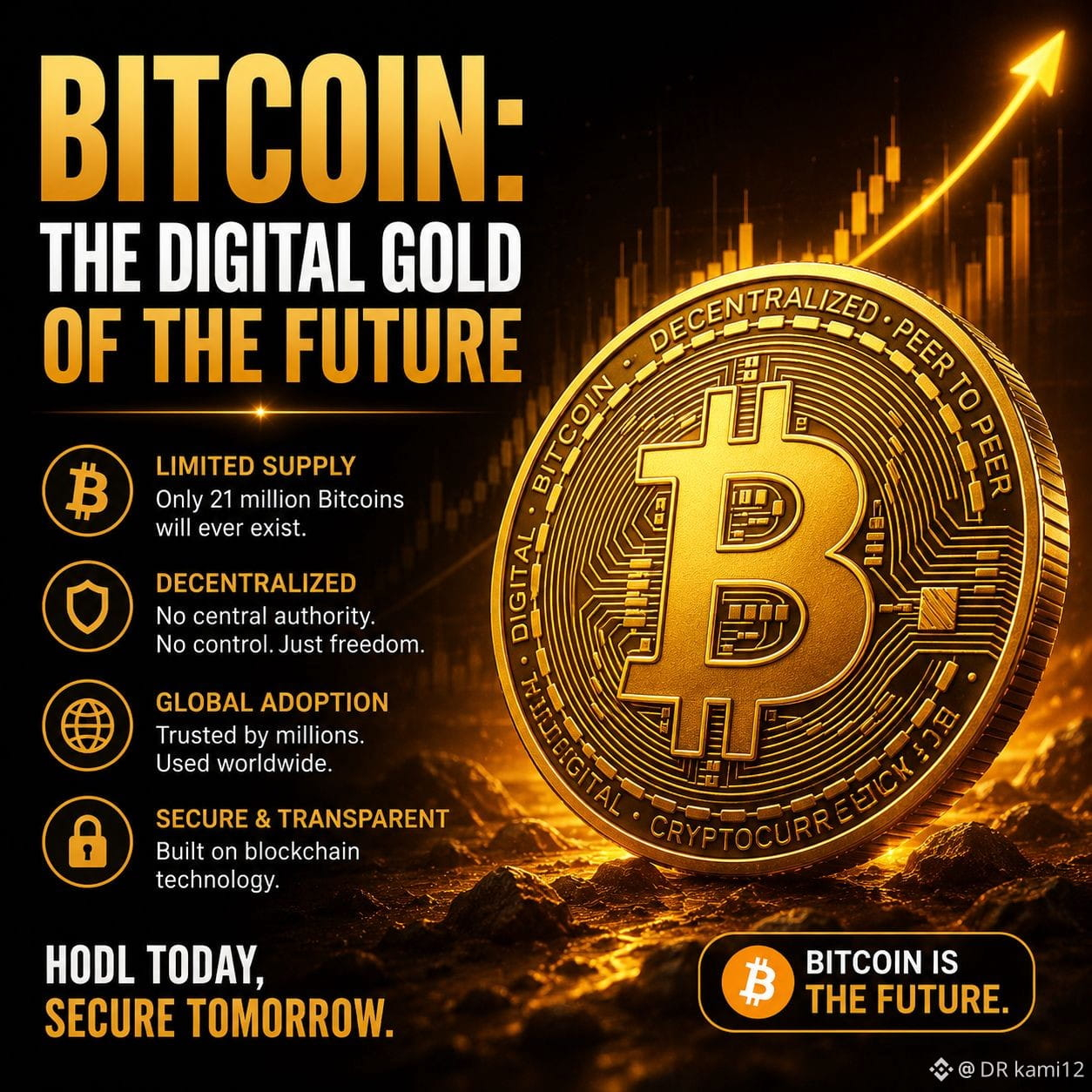
Bitcoin: The Digital Gold of the Future 🚀₿
Bitcoin continues to prove why it remains the world's leading cryptocurrency. As adoption grows across institutions, businesses, and individual investors, Bitcoin is becoming more than just a digital asset—it's a symbol of financial innovation and freedom.
With its limited supply of 21 million coins, Bitcoin offers scarcity that many investors compare to gold. As global interest in decentralized finance increases, Bitcoin stands at the center of the digital economy, providing a secure and transparent way to store and transfer value.
Market fluctuations are a natural part of the journey, but Bitcoin's long-term growth story continues to attract believers from around the world. Whether you're a seasoned investor or just entering the crypto space, Bitcoin remains one of the most influential technologies of our time.
The future of finance is evolving, and Bitcoin is leading the way.
#Bitcoin #BTC #Crypto #Blockchain #DigitalGold #CryptoNews #Investing #Finance #FutureOfMoney
$BTC
Bitcoin: The Digital Gold of the Future 🚀₿
Bitcoin continues to prove why it remains the world's leading cryptocurrency. As adoption grows across institutions, businesses, and individual investors, Bitcoin is becoming more than just a digital asset—it's a symbol of financial innovation and freedom.
With its limited supply of 21 million coins, Bitcoin offers scarcity that many investors compare to gold. As global interest in decentralized finance increases, Bitcoin stands at the center of the digital economy, providing a secure and transparent way to store and transfer value.
Market fluctuations are a natural part of the journey, but Bitcoin's long-term growth story continues to attract believers from around the world. Whether you're a seasoned investor or just entering the crypto space, Bitcoin remains one of the most influential technologies of our time.
The future of finance is evolving, and Bitcoin is leading the way.
#Bitcoin #BTC #Crypto #Blockchain #DigitalGold #CryptoNews #Investing #Finance #FutureOfMoney
Bitcoin: The Digital Gold of the Future 🚀₿
Bitcoin continues to prove why it remains the world's leading cryptocurrency. As adoption grows across institutions, businesses, and individual investors, Bitcoin is becoming more than just a digital asset—it's a symbol of financial innovation and freedom.
With its limited supply of 21 million coins, Bitcoin offers scarcity that many investors compare to gold. As global interest in decentralized finance increases, Bitcoin stands at the center of the digital economy, providing a secure and transparent way to store and transfer value.
Market fluctuations are a natural part of the journey, but Bitcoin's long-term growth story continues to attract believers from around the world. Whether you're a seasoned investor or just entering the crypto space, Bitcoin remains one of the most influential technologies of our time.
The future of finance is evolving, and Bitcoin is leading the way.
#Bitcoin #BTC #Crypto #Blockchain #DigitalGold #CryptoNews #Investing #Finance #FutureOfMoney
1
69


·
--
Are Stablecoins Changing the Future of Money? 💰
Sending money has always involved banks, waiting times, and sometimes high fees. But stablecoins are changing that conversation.
Unlike many cryptocurrencies, stablecoins are designed to maintain a more stable value, making them useful for payments, transfers, and moving money across borders.
Imagine sending money to someone in another country within minutes instead of waiting days. 🌍
Of course, there are still risks and challenges, including regulation and trust. But as adoption grows, stablecoins could become an important part of how we use money in the future.
Would you use stablecoins for everyday payments? 👀
#Stablecoins #Crypto #Blockchain #FutureOfMoney
Are Stablecoins Changing the Future of Money? 💰
Sending money has always involved banks, waiting times, and sometimes high fees. But stablecoins are changing that conversation.
Unlike many cryptocurrencies, stablecoins are designed to maintain a more stable value, making them useful for payments, transfers, and moving money across borders.
Imagine sending money to someone in another country within minutes instead of waiting days. 🌍
Of course, there are still risks and challenges, including regulation and trust. But as adoption grows, stablecoins could become an important part of how we use money in the future.
Would you use stablecoins for everyday payments? 👀
#Stablecoins #Crypto #Blockchain #FutureOfMoney
Sending money has always involved banks, waiting times, and sometimes high fees. But stablecoins are changing that conversation.
Unlike many cryptocurrencies, stablecoins are designed to maintain a more stable value, making them useful for payments, transfers, and moving money across borders.
Imagine sending money to someone in another country within minutes instead of waiting days. 🌍
Of course, there are still risks and challenges, including regulation and trust. But as adoption grows, stablecoins could become an important part of how we use money in the future.
Would you use stablecoins for everyday payments? 👀
#Stablecoins #Crypto #Blockchain #FutureOfMoney
3
75

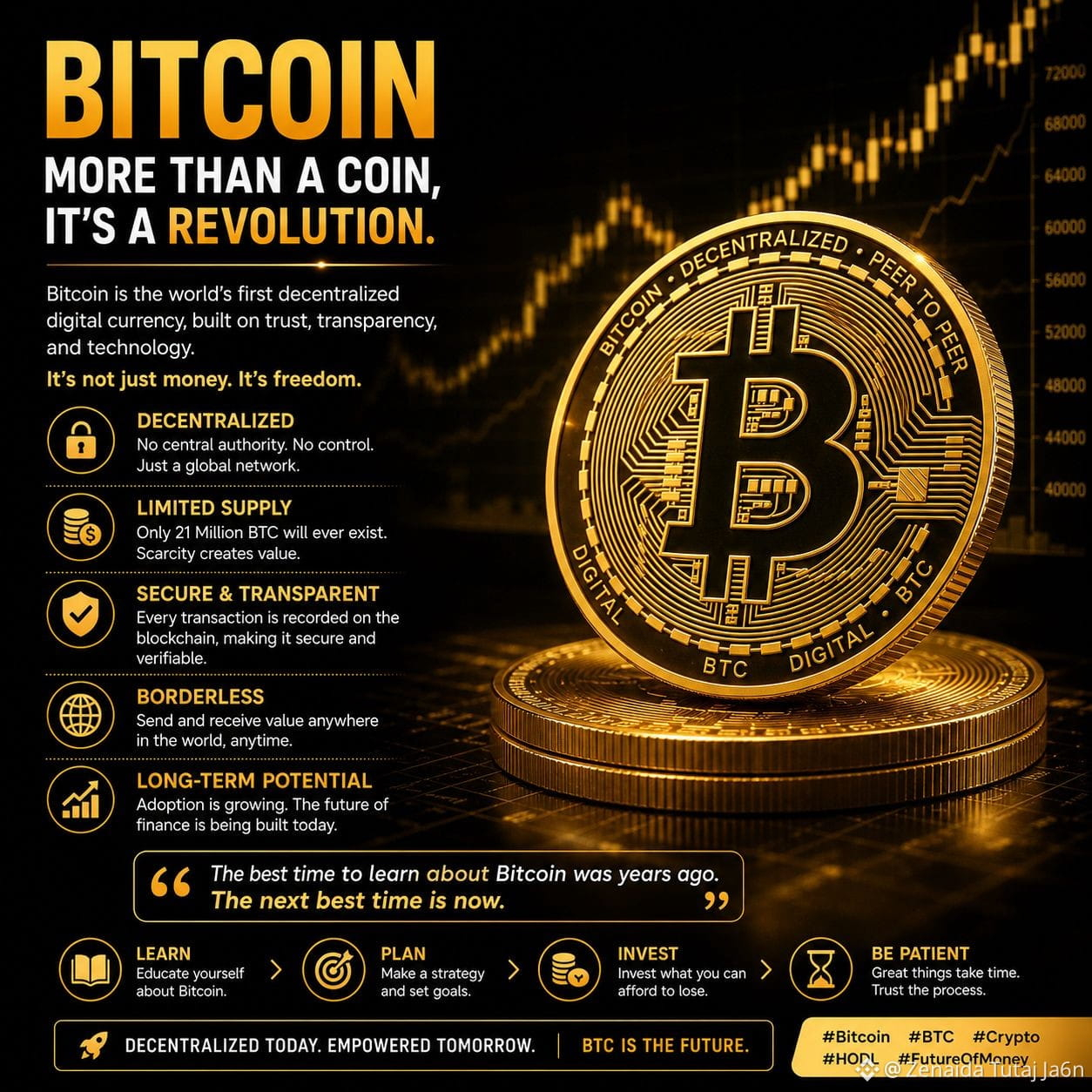
### Bitcoin — More Than a Coin
Bitcoin is more than just a digital asset — **it represents a new financial revolution.** ₿
🔸 **Decentralized** — No central authority, no single point of control
🔸 **Limited Supply** — Only 21 million BTC will ever exist
🔸 **Secure & Transparent** — Powered by blockchain technology
🔸 **Borderless** — Send and receive value globally
🔸 **Long-Term Potential** — Building the future of digital finance
> **“The best time to learn about Bitcoin was years ago. The next best time is now.”**
**LEARN → PLAN → INVEST → BE PATIENT**
**Decentralized Today. Empowered Tomorrow. BTC Is the Future.** 🚀₿
#bitcoin.” #BTC☀️ #Crypto_Jobs🎯 #Binance #FutureOfMoney
### Bitcoin — More Than a Coin
Bitcoin is more than just a digital asset — **it represents a new financial revolution.** ₿
🔸 **Decentralized** — No central authority, no single point of control
🔸 **Limited Supply** — Only 21 million BTC will ever exist
🔸 **Secure & Transparent** — Powered by blockchain technology
🔸 **Borderless** — Send and receive value globally
🔸 **Long-Term Potential** — Building the future of digital finance
> **“The best time to learn about Bitcoin was years ago. The next best time is now.”**
**LEARN → PLAN → INVEST → BE PATIENT**
**Decentralized Today. Empowered Tomorrow. BTC Is the Future.** 🚀₿
#bitcoin.” #BTC☀️ #Crypto_Jobs🎯 #Binance #FutureOfMoney
Bitcoin is more than just a digital asset — **it represents a new financial revolution.** ₿
🔸 **Decentralized** — No central authority, no single point of control
🔸 **Limited Supply** — Only 21 million BTC will ever exist
🔸 **Secure & Transparent** — Powered by blockchain technology
🔸 **Borderless** — Send and receive value globally
🔸 **Long-Term Potential** — Building the future of digital finance
> **“The best time to learn about Bitcoin was years ago. The next best time is now.”**
**LEARN → PLAN → INVEST → BE PATIENT**
**Decentralized Today. Empowered Tomorrow. BTC Is the Future.** 🚀₿
#bitcoin.” #BTC☀️ #Crypto_Jobs🎯 #Binance #FutureOfMoney
92

·
--
ບົດຄວາມ
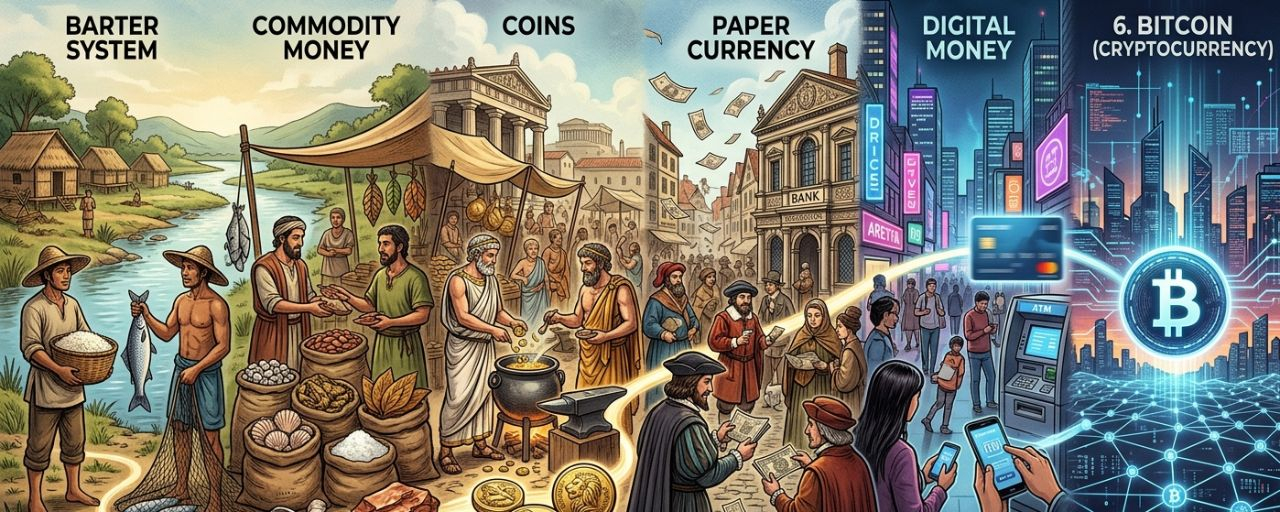
The Evolution of Money: How We Got from Bartering to BitcoinHave you ever thought about how something like Bitcoin became money? To really get it we need to look at how money has changed over time. It is an interesting story that happens in several big steps.
Stage 1: The Barter System (Goods for Goods)
Before there was money people traded things they had for things they needed. They used the barter system, where they swapped goods and services directly.
A time ago peoples needs were simple. For example a farmer who grew rice might trade his rice with a fisherman for some fish. The fisherman might then trade his fish with a farmer who grew vegetables.
This system worked for a while. It started to fail as peoples needs got more complicated. It became really hard to find someone who had what you wanted and also wanted what you had. This made it almost impossible to trade.
Stage 2: Commodity Money (Rare Items)
When bartering did not work people started using valuable things as money. They used things like:
Sea shellsSalt and tobaccoCopper, iron and gold
This was a step but it had its own problems. These things were hard to carry around. Could get damaged or spoiled. So this system did not last.
Stage 3: The Birth of Metallic Coins
To make money more durable coins were invented. 600 BC, the first official coins were made in a place called the Kingdom of Lydia which is now modern-day Turkey.
These coins were made from a mix of gold and silver. They had marks on them to show how much they were worth. This was a deal because it made it easier to trade and carry money.
Stage 4: Paper Currency
As economies grew, carrying coins became a hassle. So paper money was created. The first paper money was used in China around 800 AD.
Later a famous explorer named Marco Polo went to China. Learned about paper money. He took this idea back to Europe, where it became popular. By the century European countries were printing their own paper money.
Stage 5: The Digital Money Era
Fast forward to the mid-20th century and paper money started to become digital. This era brought us:
Credit and debit cardsbankingMobile wallets
Now we can make payments with just a tap on our smartphones. We do not even need a wallet.
The Future of Money: Enter Bitcoin
Now that we have looked at the history of money it's time to think about what's coming next. Money has always changed to fit the technology of its time. Today digital money is making a big leap forward. Cryptocurrency is the step in this change—a revolution that started quietly in 2009 with the launch of Bitcoin.
Bitcoin changed the way the global financial system works. To understand why it's the future we need to look at the three things that make it different from every other currency:
Purely Digital Existence
Unlike gold coins or paper notes Bitcoin doesn't exist in form. There are no coins to make no paper bills to print and no vaults to guard. It exists as secure data on a global network making it light, borderless and immune to wear and tear.
True Peer-to-Peer Transactions (No Middlemen)
For centuries people relied on trusted parties like governments and central banks to validate money and clear transactions. Bitcoin gets rid of the middleman.
When you send Bitcoin the transaction happens directly from your wallet to another persons wallet anywhere in the world.
No bank can freeze your account no government can print Bitcoin to cause inflation and no third party can block your transaction.
The Power of Blockchain Technology
How do you trust a currency if there's no bank running it? The answer is Blockchain Technology.
Bitcoin uses a decentralized ledger that's shared across thousands of computers worldwide.
Every transaction is verified by this network and locked into a chain of data blocks.
Once a transaction is written into the blockchain it's permanent. Can't be changed.
Bitcoin moved human trust away from institutions like corporations and central banks. Placed it into mathematics, cryptography and open-source code.
As we move deeper into a world the question is no longer if cryptocurrency will play a role, in our lives but how fast it will change the global economy. There is still more to learn about how Bitcoin works its market ups and downs and the challenges it faces.
Stay tuned for our article, where we will dive deep into the world of cryptocurrency! #FutureOfMoney #Bitcoin #CryptoRevolution #Web3 #CryptoNews
The Evolution of Money: How We Got from Bartering to Bitcoin
Have you ever thought about how something like Bitcoin became money? To really get it we need to look at how money has changed over time. It is an interesting story that happens in several big steps.
Stage 1: The Barter System (Goods for Goods)
Before there was money people traded things they had for things they needed. They used the barter system, where they swapped goods and services directly.
A time ago peoples needs were simple. For example a farmer who grew rice might trade his rice with a fisherman for some fish. The fisherman might then trade his fish with a farmer who grew vegetables.
This system worked for a while. It started to fail as peoples needs got more complicated. It became really hard to find someone who had what you wanted and also wanted what you had. This made it almost impossible to trade.
Stage 2: Commodity Money (Rare Items)
When bartering did not work people started using valuable things as money. They used things like:
Sea shellsSalt and tobaccoCopper, iron and gold
This was a step but it had its own problems. These things were hard to carry around. Could get damaged or spoiled. So this system did not last.
Stage 3: The Birth of Metallic Coins
To make money more durable coins were invented. 600 BC, the first official coins were made in a place called the Kingdom of Lydia which is now modern-day Turkey.
These coins were made from a mix of gold and silver. They had marks on them to show how much they were worth. This was a deal because it made it easier to trade and carry money.
Stage 4: Paper Currency
As economies grew, carrying coins became a hassle. So paper money was created. The first paper money was used in China around 800 AD.
Later a famous explorer named Marco Polo went to China. Learned about paper money. He took this idea back to Europe, where it became popular. By the century European countries were printing their own paper money.
Stage 5: The Digital Money Era
Fast forward to the mid-20th century and paper money started to become digital. This era brought us:
Credit and debit cardsbankingMobile wallets
Now we can make payments with just a tap on our smartphones. We do not even need a wallet.
The Future of Money: Enter Bitcoin
Now that we have looked at the history of money it's time to think about what's coming next. Money has always changed to fit the technology of its time. Today digital money is making a big leap forward. Cryptocurrency is the step in this change—a revolution that started quietly in 2009 with the launch of Bitcoin.
Bitcoin changed the way the global financial system works. To understand why it's the future we need to look at the three things that make it different from every other currency:
Purely Digital Existence
Unlike gold coins or paper notes Bitcoin doesn't exist in form. There are no coins to make no paper bills to print and no vaults to guard. It exists as secure data on a global network making it light, borderless and immune to wear and tear.
True Peer-to-Peer Transactions (No Middlemen)
For centuries people relied on trusted parties like governments and central banks to validate money and clear transactions. Bitcoin gets rid of the middleman.
When you send Bitcoin the transaction happens directly from your wallet to another persons wallet anywhere in the world.
No bank can freeze your account no government can print Bitcoin to cause inflation and no third party can block your transaction.
The Power of Blockchain Technology
How do you trust a currency if there's no bank running it? The answer is Blockchain Technology.
Bitcoin uses a decentralized ledger that's shared across thousands of computers worldwide.
Every transaction is verified by this network and locked into a chain of data blocks.
Once a transaction is written into the blockchain it's permanent. Can't be changed.
Bitcoin moved human trust away from institutions like corporations and central banks. Placed it into mathematics, cryptography and open-source code.
As we move deeper into a world the question is no longer if cryptocurrency will play a role, in our lives but how fast it will change the global economy. There is still more to learn about how Bitcoin works its market ups and downs and the challenges it faces.
Stay tuned for our article, where we will dive deep into the world of cryptocurrency! #FutureOfMoney #Bitcoin #CryptoRevolution #Web3 #CryptoNews
Stage 1: The Barter System (Goods for Goods)
Before there was money people traded things they had for things they needed. They used the barter system, where they swapped goods and services directly.
A time ago peoples needs were simple. For example a farmer who grew rice might trade his rice with a fisherman for some fish. The fisherman might then trade his fish with a farmer who grew vegetables.
This system worked for a while. It started to fail as peoples needs got more complicated. It became really hard to find someone who had what you wanted and also wanted what you had. This made it almost impossible to trade.
Stage 2: Commodity Money (Rare Items)
When bartering did not work people started using valuable things as money. They used things like:
Sea shellsSalt and tobaccoCopper, iron and gold
This was a step but it had its own problems. These things were hard to carry around. Could get damaged or spoiled. So this system did not last.
Stage 3: The Birth of Metallic Coins
To make money more durable coins were invented. 600 BC, the first official coins were made in a place called the Kingdom of Lydia which is now modern-day Turkey.
These coins were made from a mix of gold and silver. They had marks on them to show how much they were worth. This was a deal because it made it easier to trade and carry money.
Stage 4: Paper Currency
As economies grew, carrying coins became a hassle. So paper money was created. The first paper money was used in China around 800 AD.
Later a famous explorer named Marco Polo went to China. Learned about paper money. He took this idea back to Europe, where it became popular. By the century European countries were printing their own paper money.
Stage 5: The Digital Money Era
Fast forward to the mid-20th century and paper money started to become digital. This era brought us:
Credit and debit cardsbankingMobile wallets
Now we can make payments with just a tap on our smartphones. We do not even need a wallet.
The Future of Money: Enter Bitcoin
Now that we have looked at the history of money it's time to think about what's coming next. Money has always changed to fit the technology of its time. Today digital money is making a big leap forward. Cryptocurrency is the step in this change—a revolution that started quietly in 2009 with the launch of Bitcoin.
Bitcoin changed the way the global financial system works. To understand why it's the future we need to look at the three things that make it different from every other currency:
Purely Digital Existence
Unlike gold coins or paper notes Bitcoin doesn't exist in form. There are no coins to make no paper bills to print and no vaults to guard. It exists as secure data on a global network making it light, borderless and immune to wear and tear.
True Peer-to-Peer Transactions (No Middlemen)
For centuries people relied on trusted parties like governments and central banks to validate money and clear transactions. Bitcoin gets rid of the middleman.
When you send Bitcoin the transaction happens directly from your wallet to another persons wallet anywhere in the world.
No bank can freeze your account no government can print Bitcoin to cause inflation and no third party can block your transaction.
The Power of Blockchain Technology
How do you trust a currency if there's no bank running it? The answer is Blockchain Technology.
Bitcoin uses a decentralized ledger that's shared across thousands of computers worldwide.
Every transaction is verified by this network and locked into a chain of data blocks.
Once a transaction is written into the blockchain it's permanent. Can't be changed.
Bitcoin moved human trust away from institutions like corporations and central banks. Placed it into mathematics, cryptography and open-source code.
As we move deeper into a world the question is no longer if cryptocurrency will play a role, in our lives but how fast it will change the global economy. There is still more to learn about how Bitcoin works its market ups and downs and the challenges it faces.
Stay tuned for our article, where we will dive deep into the world of cryptocurrency! #FutureOfMoney #Bitcoin #CryptoRevolution #Web3 #CryptoNews
1
202

$XRP XRP The Future of Money Starts Now
Think about it for a second
Your money reaches anywhere in the world in 3 seconds.
Fee? Almost zero.
Bank delays? Gone.
That's the power of XRP.
500+ major banks are already running on it.
USA, Europe, Japan, UAE — the biggest players have already chosen XRP.
Bitcoin was $100 — people ignored it.
Ethereum was $10 — people ignored it.
XRP is still writing its opening chapter.
Smart people aren't the ones who buy first
Smart people are the ones who don't stay uninformed.
⚠️ Invest wisely but start learning today.
Are you holding XRP? Let me know in the comments!
Like ✅ | Share | Tag someone who needs to see this
#XRP #Ripple #XRPArmy #DigitalFinance #FutureOfMoney
{spot}(XRPUSDT)
$XRP XRP The Future of Money Starts Now
Think about it for a second
Your money reaches anywhere in the world in 3 seconds.
Fee? Almost zero.
Bank delays? Gone.
That's the power of XRP.
500+ major banks are already running on it.
USA, Europe, Japan, UAE — the biggest players have already chosen XRP.
Bitcoin was $100 — people ignored it.
Ethereum was $10 — people ignored it.
XRP is still writing its opening chapter.
Smart people aren't the ones who buy first
Smart people are the ones who don't stay uninformed.
⚠️ Invest wisely but start learning today.
Are you holding XRP? Let me know in the comments!
Like ✅ | Share | Tag someone who needs to see this
#XRP #Ripple #XRPArmy #DigitalFinance #FutureOfMoney
Think about it for a second
Your money reaches anywhere in the world in 3 seconds.
Fee? Almost zero.
Bank delays? Gone.
That's the power of XRP.
500+ major banks are already running on it.
USA, Europe, Japan, UAE — the biggest players have already chosen XRP.
Bitcoin was $100 — people ignored it.
Ethereum was $10 — people ignored it.
XRP is still writing its opening chapter.
Smart people aren't the ones who buy first
Smart people are the ones who don't stay uninformed.
⚠️ Invest wisely but start learning today.
Are you holding XRP? Let me know in the comments!
Like ✅ | Share | Tag someone who needs to see this
#XRP #Ripple #XRPArmy #DigitalFinance #FutureOfMoney
55

·
--
🤖 The Rise of AI Agent Economy & The Quest for a New Currency
🌐 Billions of Autonomous Bots Need Money
📈 Massive Scale: Industry leaders like Animoca Brands Chairman Yat Siu predict 50 billion to 100 billion autonomous AI agents will soon transact online.
🚫 The Banking Barrier: Traditional bank accounts are out of reach for bots due to strict human identity verification rules.
🔐 Crypto as the Solution: Digital wallets provide the ultimate friction-free machine banking system, bypassing traditional financial gatekeepers entirely.
⚖️ One Super Currency vs. Thousands of Tokens
🥇 The Single-Token Theory: OKX Europe CEO Erald Ghoos believes a massive "super currency"—likely a stablecoin or an entirely new abstract token—will emerge as the undisputed global standard.
🌍 Geopolitical Hurdles: Relying on a single nation's pegged currency (like a USD stablecoin) creates cross-border and political friction with other superpowers like China.
🔀 The Multi-Token Approach: Yat Siu argues that agents can seamlessly navigate thousands of distinct tokens in the background, keeping humans entirely out of the weeds.
🔒 Building the Infrastructure for $1.5 Trillion in Commerce
🛡️ Trust & Safety First: Citi’s head of payments, Debo Sen, stresses that authentication and security protocols must be perfected before large-scale automated transactions take off.
🛤️ The Infrastructure Battle: Coinbase international lead Keith Grose points out that the ultimate war is over whether these financial rails will be centralized, shared, or completely permissionless.
💰 Massive Market Potential: Agentic commerce is projected to skyrocket to $1.5 trillion globally by 2030, making the underlying currency choice a massive economic battleground.
#AIAgentsEconomy #CryptoForMachines #AutonomousCommerce #FutureOfMoney
🤖 The Rise of AI Agent Economy & The Quest for a New Currency
🌐 Billions of Autonomous Bots Need Money
📈 Massive Scale: Industry leaders like Animoca Brands Chairman Yat Siu predict 50 billion to 100 billion autonomous AI agents will soon transact online.
🚫 The Banking Barrier: Traditional bank accounts are out of reach for bots due to strict human identity verification rules.
🔐 Crypto as the Solution: Digital wallets provide the ultimate friction-free machine banking system, bypassing traditional financial gatekeepers entirely.
⚖️ One Super Currency vs. Thousands of Tokens
🥇 The Single-Token Theory: OKX Europe CEO Erald Ghoos believes a massive "super currency"—likely a stablecoin or an entirely new abstract token—will emerge as the undisputed global standard.
🌍 Geopolitical Hurdles: Relying on a single nation's pegged currency (like a USD stablecoin) creates cross-border and political friction with other superpowers like China.
🔀 The Multi-Token Approach: Yat Siu argues that agents can seamlessly navigate thousands of distinct tokens in the background, keeping humans entirely out of the weeds.
🔒 Building the Infrastructure for $1.5 Trillion in Commerce
🛡️ Trust & Safety First: Citi’s head of payments, Debo Sen, stresses that authentication and security protocols must be perfected before large-scale automated transactions take off.
🛤️ The Infrastructure Battle: Coinbase international lead Keith Grose points out that the ultimate war is over whether these financial rails will be centralized, shared, or completely permissionless.
💰 Massive Market Potential: Agentic commerce is projected to skyrocket to $1.5 trillion globally by 2030, making the underlying currency choice a massive economic battleground.
#AIAgentsEconomy #CryptoForMachines #AutonomousCommerce #FutureOfMoney
🌐 Billions of Autonomous Bots Need Money
📈 Massive Scale: Industry leaders like Animoca Brands Chairman Yat Siu predict 50 billion to 100 billion autonomous AI agents will soon transact online.
🚫 The Banking Barrier: Traditional bank accounts are out of reach for bots due to strict human identity verification rules.
🔐 Crypto as the Solution: Digital wallets provide the ultimate friction-free machine banking system, bypassing traditional financial gatekeepers entirely.
⚖️ One Super Currency vs. Thousands of Tokens
🥇 The Single-Token Theory: OKX Europe CEO Erald Ghoos believes a massive "super currency"—likely a stablecoin or an entirely new abstract token—will emerge as the undisputed global standard.
🌍 Geopolitical Hurdles: Relying on a single nation's pegged currency (like a USD stablecoin) creates cross-border and political friction with other superpowers like China.
🔀 The Multi-Token Approach: Yat Siu argues that agents can seamlessly navigate thousands of distinct tokens in the background, keeping humans entirely out of the weeds.
🔒 Building the Infrastructure for $1.5 Trillion in Commerce
🛡️ Trust & Safety First: Citi’s head of payments, Debo Sen, stresses that authentication and security protocols must be perfected before large-scale automated transactions take off.
🛤️ The Infrastructure Battle: Coinbase international lead Keith Grose points out that the ultimate war is over whether these financial rails will be centralized, shared, or completely permissionless.
💰 Massive Market Potential: Agentic commerce is projected to skyrocket to $1.5 trillion globally by 2030, making the underlying currency choice a massive economic battleground.
#AIAgentsEconomy #CryptoForMachines #AutonomousCommerce #FutureOfMoney
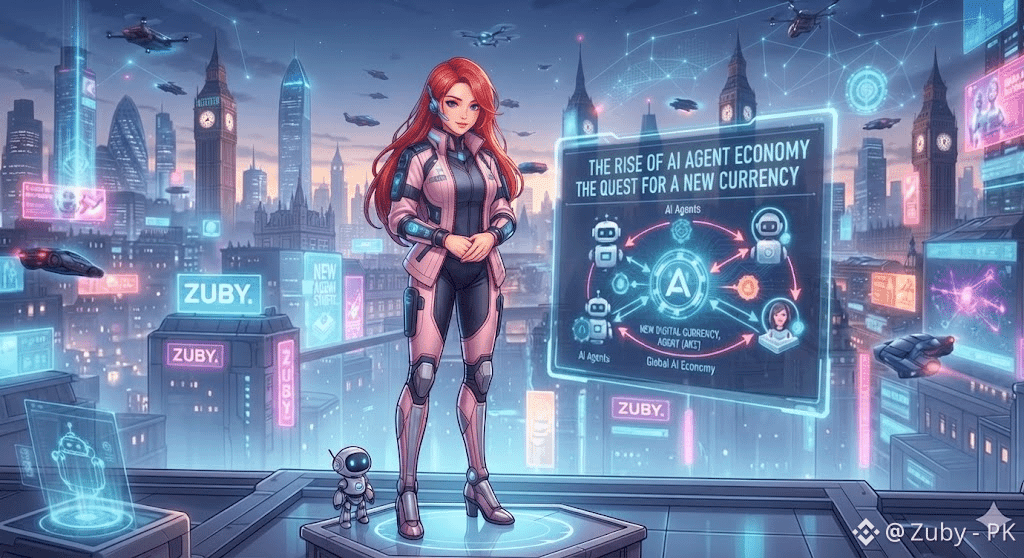
1
3
67

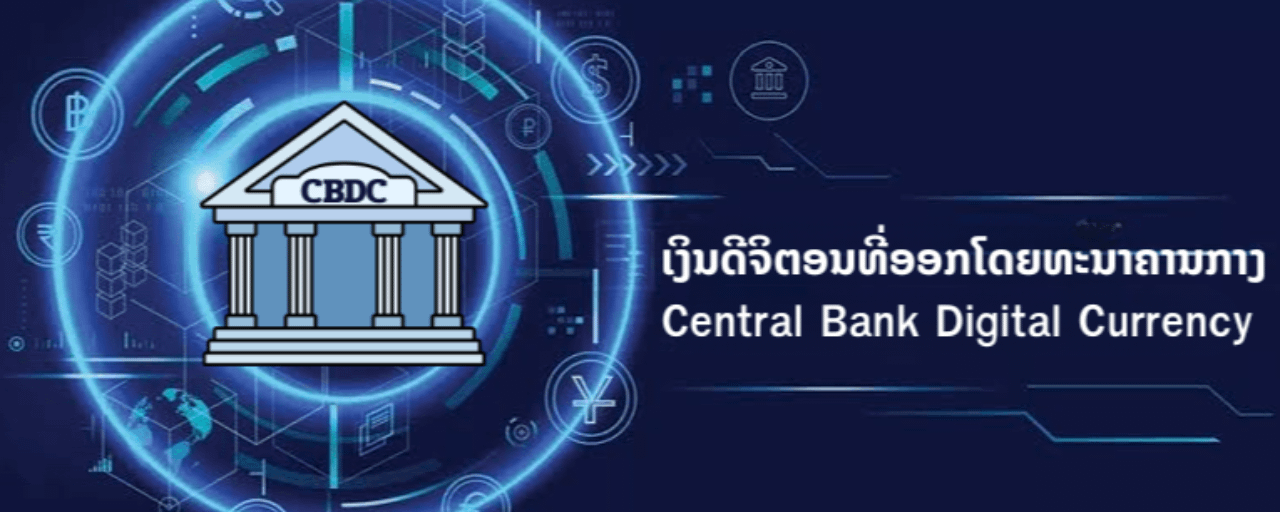
ບົດຄວາມ
ທຳຄວາມຮູ້ຈັກສະກຸນເງິນດິຈິຕອນຂອງທະນາຄານກາງ (Central Bank Digital Currency: CBDC)ເງິນສົດອາດຈະບໍ່ໄດ້ຫາຍໄປ… ແຕ່ອະນາຄົດຂອງເງິນກຳລັງປ່ຽນແປງ!
ຫຼາຍປະເທດກຳລັງພັດທະນາ CBDC (Central Bank Digital Currency) ຫຼື ສະກຸນເງິນດິຈິຕອນຂອງທະນາຄານກາງ.
ແລ້ວ CBDC ແມ່ນຫຍັງ? ມັນແຕກຕ່າງຈາກ Bitcoin ແລະ Stablecoin ແນວໃດ? ແລະເປັນຫຍັງທົ່ວໂລກຈຶ່ງກຳລັງໃຫ້ຄວາມສົນໃຈ?
ມາເຂົ້າໃຈໄປພ້ອມກັນ 👇
🏦 CBDC ແມ່ນຫຍັງ?
CBDC (Central Bank Digital Currency) ແມ່ນ ຮູບແບບດິຈິຕອນຂອງເງິນປະຈຳຊາດ ທີ່ອອກ ແລະ ຄວບຄຸມໂດຍທະນາຄານກາງ.
ຍົກຕົວຢ່າງ:
💵 Digital USD
💶 Digital Euro
🇨🇳 e-CNY (Digital Yuan)
CBDC ບໍ່ແມ່ນ Cryptocurrency ໃໝ່ ແຕ່ເປັນ ເງິນປະຈຳຊາດໃນຮູບແບບດິຈິຕອນ.
⚖️ CBDC ແຕກຕ່າງຈາກ Bitcoin ແນວໃດ?
🏛 CBDC
• ອອກໂດຍທະນາຄານກາງ
• ມີລັດຮັບປະກັນ
• ມູນຄ່າຄົງທີ່ຕາມສະກຸນເງິນຂອງປະເທດ
• ຢູ່ພາຍໃຕ້ການກຳກັບດູແລ
₿ Bitcoin
• ບໍ່ມີອົງກອນໃດຄວບຄຸມ
• ເປັນລະບົບ Decentralized
• ລາຄາປ່ຽນແປງຕາມຕະຫຼາດ
• ບໍ່ມີລັດໃດເປັນຜູ້ອອກ
💵 CBDC ມີ 2 ປະເພດ
👤 Retail CBDC
ສຳລັບປະຊາຊົນໃຊ້ຈ່າຍໃນຊີວິດປະຈຳວັນ ເຊັ່ນ ຊື້ເຄື່ອງ, ໂອນເງິນ ແລະ ຈ່າຍຄ່າບໍລິການ.
🏦 Wholesale CBDC
ສຳລັບທະນາຄານ ແລະ ສະຖາບັນການເງິນ ເພື່ອຊຳລະທຸລະກຳຂະໜາດໃຫຍ່ ແລະ ການໂອນເງິນຂ້າມປະເທດ.
✅ ຂໍ້ດີຂອງ CBDC
⚡ ໂອນເງິນໄວຂຶ້ນ
💸 ຫຼຸດຄ່າທຳນຽມການຊຳລະເງິນ
🌍 ສະດວກສຳລັບການໂອນເງິນຂ້າມປະເທດ
🤝 ຊ່ວຍໃຫ້ຜູ້ບໍ່ມີບັນຊີທະນາຄານ ເຂົ້າເຖິງບໍລິການການເງິນໄດ້ງ່າຍຂຶ້ນ
💡 ຮອງຮັບ Programmable Payments ເຊັ່ນ ການໂອນເງິນຊ່ວຍເຫຼືອ ຫຼື ການຄືນພາສີແບບອັດຕະໂນມັດ
⚠️ ຄວາມທ້າທາຍ
🔐 ຄວາມເປັນສ່ວນຕົວ
🏛 ລະດັບການຄວບຄຸມຂອງລັດຕໍ່ການໃຊ້ເງິນ
🏦 ຜົນກະທົບຕໍ່ທະນາຄານພານິດ
💻 ຄວາມປອດໄພດ້ານ Cyber Security
🪙 CBDC ກັບ Stablecoin ຕ່າງກັນແນວໃດ?
🏛 CBDC
✅ ອອກໂດຍທະນາຄານກາງ
✅ ຮັບປະກັນໂດຍລັດ
🏢 Stablecoin
✅ ອອກໂດຍບໍລິສັດເອກະຊົນ
✅ ຄວາມໜ້າເຊື່ອຖືຂຶ້ນກັບສິນຊັບສຳຮອງ ແລະ ການບໍລິຫານຂອງຜູ້ອອກ
🌍 ປະຈຸບັນ ຫຼາຍປະເທດໄດ້ເປີດໃຊ້ ຫຼື ກຳລັງທົດລອງ CBDC ເຊັ່ນ:
🇨🇳 ຈີນ (e-CNY)
🇧🇸 Bahamas
🇯🇲 Jamaica
🇳🇬 Nigeria
ຂະນະທີ່ບາງປະເທດ ເຊັ່ນ ສະຫະລັດ ຍັງບໍ່ມີແຜນເປີດໃຊ້ Retail CBDC ໃນໄລຍະໃກ້ນີ້.
💭 ສະຫຼຸບ (Closing Thoughts)
CBDC ເປັນເງິນດິຈິຕອນທີ່ຖືກອອກໂດຍລັດ, ມີການຄວບຄຸມ ແລະ ກຳກັບດູແລຢ່າງເຕັມຮູບແບບ.
Cryptocurrency ເຊັ່ນ Bitcoin ເປັນລະບົບກະຈາຍອຳນາດ (Decentralized), ບໍ່ຕ້ອງຂໍອະນຸຍາດໃນການໃຊ້ (Permissionless) ແລະ ບໍ່ມີລັດໃດເປັນຜູ້ອອກ ຫຼື ຄວບຄຸມ.
CBDC ຖືກອອກແບບໃຫ້ມີມູນຄ່າຄົງທີ່ ຕາມສະກຸນເງິນຂອງປະເທດ ໃນຂະນະທີ່ Cryptocurrency ສ່ວນໃຫຍ່ມີລາຄາຜັນຜວນຕາມຕະຫຼາດ.
ໃນປັດຈຸບັນ CBDC ຍັງຢູ່ໃນຂັ້ນຕອນການພັດທະນາ ແລະ ທົດລອງໃນຫຼາຍປະເທດ. ແຕ່ມັນອາດກາຍເປັນການປ່ຽນແປງສຳຄັນຂອງລະບົບການເງິນໃນອະນາຄົດ.
ຜ່ານການສ້າງຮູບແບບດິຈິຕອນຂອງສະກຸນເງິນປະຈຳຊາດ ທະນາຄານກາງຫວັງວ່າຈະຊ່ວຍພັດທະນາລະບົບການຊຳລະເງິນໃຫ້ມີປະສິດທິພາບຍິ່ງຂຶ້ນ ສົ່ງເສີມການເຂົ້າເຖິງບໍລິການທາງການເງິນ ແລະ ເປີດໂອກາດໃຫ້ເກີດນະວັດຕະກຳໃໝ່.
ຢ່າງໃດກໍຕາມ CBDC ຍັງມີຄວາມທ້າທາຍຫຼາຍດ້ານ ເຊັ່ນ ການປົກປ້ອງຄວາມເປັນສ່ວນຕົວ, ຂອບເຂດການກວດສອບຂອງທະນາຄານກາງ, ບົດບາດຂອງທະນາຄານພານິດ ແລະ ການເຂົ້າເຖິງຂອງຜູ້ທີ່ບໍ່ຄຸ້ນເຄີຍກັບເທັກໂນໂລຢີ.
ໃນດ້ານນະໂຍບາຍ ແຕ່ລະປະເທດກຳລັງເດີນໄປຄົນລະເສັ້ນທາງ. ບາງປະເທດເລັ່ງພັດທະນາ CBDC ໃນຂະນະທີ່ບາງປະເທດ ໂດຍສະເພາະສະຫະລັດ ກຳລັງຜັກດັນການຫ້າມ Retail CBDC.
ອະນາຄົດຂອງ CBDC ຈະຂຶ້ນກັບວ່າ ປະເທດຕ່າງໆ ສາມາດແກ້ໄຂຄວາມທ້າທາຍເຫຼົ່ານີ້ໄດ້ດີພຽງໃດ ແລະ ສາມາດສ້າງລະບົບທີ່ປອດໄພ ໜ້າເຊື່ອຖື ແລະ ໄດ້ຮັບຄວາມໄວ້ວາງໃຈຈາກປະຊາຊົນ.
🤔 ທ່ານຄິດແນວໃດ?
CBDC ຈະເຮັດໃຫ້ການຊຳລະເງິນຂອງໂລກດີຂຶ້ນ ຫຼື ຈະເພີ່ມການຄວບຄຸມຈາກລັດ?
💬 ແບ່ງປັນຄວາມເຫັນຂອງທ່ານໃນຄອມເມັນ!
#CBDC #Blockchain #FutureOfMoney #DigitalCurrency
ທຳຄວາມຮູ້ຈັກສະກຸນເງິນດິຈິຕອນຂອງທະນາຄານກາງ (Central Bank Digital Currency: CBDC)
ເງິນສົດອາດຈະບໍ່ໄດ້ຫາຍໄປ… ແຕ່ອະນາຄົດຂອງເງິນກຳລັງປ່ຽນແປງ!
ຫຼາຍປະເທດກຳລັງພັດທະນາ CBDC (Central Bank Digital Currency) ຫຼື ສະກຸນເງິນດິຈິຕອນຂອງທະນາຄານກາງ.
ແລ້ວ CBDC ແມ່ນຫຍັງ? ມັນແຕກຕ່າງຈາກ Bitcoin ແລະ Stablecoin ແນວໃດ? ແລະເປັນຫຍັງທົ່ວໂລກຈຶ່ງກຳລັງໃຫ້ຄວາມສົນໃຈ?
ມາເຂົ້າໃຈໄປພ້ອມກັນ 👇
🏦 CBDC ແມ່ນຫຍັງ?
CBDC (Central Bank Digital Currency) ແມ່ນ ຮູບແບບດິຈິຕອນຂອງເງິນປະຈຳຊາດ ທີ່ອອກ ແລະ ຄວບຄຸມໂດຍທະນາຄານກາງ.
ຍົກຕົວຢ່າງ:
💵 Digital USD
💶 Digital Euro
🇨🇳 e-CNY (Digital Yuan)
CBDC ບໍ່ແມ່ນ Cryptocurrency ໃໝ່ ແຕ່ເປັນ ເງິນປະຈຳຊາດໃນຮູບແບບດິຈິຕອນ.
⚖️ CBDC ແຕກຕ່າງຈາກ Bitcoin ແນວໃດ?
🏛 CBDC
• ອອກໂດຍທະນາຄານກາງ
• ມີລັດຮັບປະກັນ
• ມູນຄ່າຄົງທີ່ຕາມສະກຸນເງິນຂອງປະເທດ
• ຢູ່ພາຍໃຕ້ການກຳກັບດູແລ
₿ Bitcoin
• ບໍ່ມີອົງກອນໃດຄວບຄຸມ
• ເປັນລະບົບ Decentralized
• ລາຄາປ່ຽນແປງຕາມຕະຫຼາດ
• ບໍ່ມີລັດໃດເປັນຜູ້ອອກ
💵 CBDC ມີ 2 ປະເພດ
👤 Retail CBDC
ສຳລັບປະຊາຊົນໃຊ້ຈ່າຍໃນຊີວິດປະຈຳວັນ ເຊັ່ນ ຊື້ເຄື່ອງ, ໂອນເງິນ ແລະ ຈ່າຍຄ່າບໍລິການ.
🏦 Wholesale CBDC
ສຳລັບທະນາຄານ ແລະ ສະຖາບັນການເງິນ ເພື່ອຊຳລະທຸລະກຳຂະໜາດໃຫຍ່ ແລະ ການໂອນເງິນຂ້າມປະເທດ.
✅ ຂໍ້ດີຂອງ CBDC
⚡ ໂອນເງິນໄວຂຶ້ນ
💸 ຫຼຸດຄ່າທຳນຽມການຊຳລະເງິນ
🌍 ສະດວກສຳລັບການໂອນເງິນຂ້າມປະເທດ
🤝 ຊ່ວຍໃຫ້ຜູ້ບໍ່ມີບັນຊີທະນາຄານ ເຂົ້າເຖິງບໍລິການການເງິນໄດ້ງ່າຍຂຶ້ນ
💡 ຮອງຮັບ Programmable Payments ເຊັ່ນ ການໂອນເງິນຊ່ວຍເຫຼືອ ຫຼື ການຄືນພາສີແບບອັດຕະໂນມັດ
⚠️ ຄວາມທ້າທາຍ
🔐 ຄວາມເປັນສ່ວນຕົວ
🏛 ລະດັບການຄວບຄຸມຂອງລັດຕໍ່ການໃຊ້ເງິນ
🏦 ຜົນກະທົບຕໍ່ທະນາຄານພານິດ
💻 ຄວາມປອດໄພດ້ານ Cyber Security
🪙 CBDC ກັບ Stablecoin ຕ່າງກັນແນວໃດ?
🏛 CBDC
✅ ອອກໂດຍທະນາຄານກາງ
✅ ຮັບປະກັນໂດຍລັດ
🏢 Stablecoin
✅ ອອກໂດຍບໍລິສັດເອກະຊົນ
✅ ຄວາມໜ້າເຊື່ອຖືຂຶ້ນກັບສິນຊັບສຳຮອງ ແລະ ການບໍລິຫານຂອງຜູ້ອອກ
🌍 ປະຈຸບັນ ຫຼາຍປະເທດໄດ້ເປີດໃຊ້ ຫຼື ກຳລັງທົດລອງ CBDC ເຊັ່ນ:
🇨🇳 ຈີນ (e-CNY)
🇧🇸 Bahamas
🇯🇲 Jamaica
🇳🇬 Nigeria
ຂະນະທີ່ບາງປະເທດ ເຊັ່ນ ສະຫະລັດ ຍັງບໍ່ມີແຜນເປີດໃຊ້ Retail CBDC ໃນໄລຍະໃກ້ນີ້.
💭 ສະຫຼຸບ (Closing Thoughts)
CBDC ເປັນເງິນດິຈິຕອນທີ່ຖືກອອກໂດຍລັດ, ມີການຄວບຄຸມ ແລະ ກຳກັບດູແລຢ່າງເຕັມຮູບແບບ.
Cryptocurrency ເຊັ່ນ Bitcoin ເປັນລະບົບກະຈາຍອຳນາດ (Decentralized), ບໍ່ຕ້ອງຂໍອະນຸຍາດໃນການໃຊ້ (Permissionless) ແລະ ບໍ່ມີລັດໃດເປັນຜູ້ອອກ ຫຼື ຄວບຄຸມ.
CBDC ຖືກອອກແບບໃຫ້ມີມູນຄ່າຄົງທີ່ ຕາມສະກຸນເງິນຂອງປະເທດ ໃນຂະນະທີ່ Cryptocurrency ສ່ວນໃຫຍ່ມີລາຄາຜັນຜວນຕາມຕະຫຼາດ.
ໃນປັດຈຸບັນ CBDC ຍັງຢູ່ໃນຂັ້ນຕອນການພັດທະນາ ແລະ ທົດລອງໃນຫຼາຍປະເທດ. ແຕ່ມັນອາດກາຍເປັນການປ່ຽນແປງສຳຄັນຂອງລະບົບການເງິນໃນອະນາຄົດ.
ຜ່ານການສ້າງຮູບແບບດິຈິຕອນຂອງສະກຸນເງິນປະຈຳຊາດ ທະນາຄານກາງຫວັງວ່າຈະຊ່ວຍພັດທະນາລະບົບການຊຳລະເງິນໃຫ້ມີປະສິດທິພາບຍິ່ງຂຶ້ນ ສົ່ງເສີມການເຂົ້າເຖິງບໍລິການທາງການເງິນ ແລະ ເປີດໂອກາດໃຫ້ເກີດນະວັດຕະກຳໃໝ່.
ຢ່າງໃດກໍຕາມ CBDC ຍັງມີຄວາມທ້າທາຍຫຼາຍດ້ານ ເຊັ່ນ ການປົກປ້ອງຄວາມເປັນສ່ວນຕົວ, ຂອບເຂດການກວດສອບຂອງທະນາຄານກາງ, ບົດບາດຂອງທະນາຄານພານິດ ແລະ ການເຂົ້າເຖິງຂອງຜູ້ທີ່ບໍ່ຄຸ້ນເຄີຍກັບເທັກໂນໂລຢີ.
ໃນດ້ານນະໂຍບາຍ ແຕ່ລະປະເທດກຳລັງເດີນໄປຄົນລະເສັ້ນທາງ. ບາງປະເທດເລັ່ງພັດທະນາ CBDC ໃນຂະນະທີ່ບາງປະເທດ ໂດຍສະເພາະສະຫະລັດ ກຳລັງຜັກດັນການຫ້າມ Retail CBDC.
ອະນາຄົດຂອງ CBDC ຈະຂຶ້ນກັບວ່າ ປະເທດຕ່າງໆ ສາມາດແກ້ໄຂຄວາມທ້າທາຍເຫຼົ່ານີ້ໄດ້ດີພຽງໃດ ແລະ ສາມາດສ້າງລະບົບທີ່ປອດໄພ ໜ້າເຊື່ອຖື ແລະ ໄດ້ຮັບຄວາມໄວ້ວາງໃຈຈາກປະຊາຊົນ.
🤔 ທ່ານຄິດແນວໃດ?
CBDC ຈະເຮັດໃຫ້ການຊຳລະເງິນຂອງໂລກດີຂຶ້ນ ຫຼື ຈະເພີ່ມການຄວບຄຸມຈາກລັດ?
💬 ແບ່ງປັນຄວາມເຫັນຂອງທ່ານໃນຄອມເມັນ!
#CBDC #Blockchain #FutureOfMoney #DigitalCurrency
ຫຼາຍປະເທດກຳລັງພັດທະນາ CBDC (Central Bank Digital Currency) ຫຼື ສະກຸນເງິນດິຈິຕອນຂອງທະນາຄານກາງ.
ແລ້ວ CBDC ແມ່ນຫຍັງ? ມັນແຕກຕ່າງຈາກ Bitcoin ແລະ Stablecoin ແນວໃດ? ແລະເປັນຫຍັງທົ່ວໂລກຈຶ່ງກຳລັງໃຫ້ຄວາມສົນໃຈ?
ມາເຂົ້າໃຈໄປພ້ອມກັນ 👇
🏦 CBDC ແມ່ນຫຍັງ?
CBDC (Central Bank Digital Currency) ແມ່ນ ຮູບແບບດິຈິຕອນຂອງເງິນປະຈຳຊາດ ທີ່ອອກ ແລະ ຄວບຄຸມໂດຍທະນາຄານກາງ.
ຍົກຕົວຢ່າງ:
💵 Digital USD
💶 Digital Euro
🇨🇳 e-CNY (Digital Yuan)
CBDC ບໍ່ແມ່ນ Cryptocurrency ໃໝ່ ແຕ່ເປັນ ເງິນປະຈຳຊາດໃນຮູບແບບດິຈິຕອນ.
⚖️ CBDC ແຕກຕ່າງຈາກ Bitcoin ແນວໃດ?
🏛 CBDC
• ອອກໂດຍທະນາຄານກາງ
• ມີລັດຮັບປະກັນ
• ມູນຄ່າຄົງທີ່ຕາມສະກຸນເງິນຂອງປະເທດ
• ຢູ່ພາຍໃຕ້ການກຳກັບດູແລ
₿ Bitcoin
• ບໍ່ມີອົງກອນໃດຄວບຄຸມ
• ເປັນລະບົບ Decentralized
• ລາຄາປ່ຽນແປງຕາມຕະຫຼາດ
• ບໍ່ມີລັດໃດເປັນຜູ້ອອກ
💵 CBDC ມີ 2 ປະເພດ
👤 Retail CBDC
ສຳລັບປະຊາຊົນໃຊ້ຈ່າຍໃນຊີວິດປະຈຳວັນ ເຊັ່ນ ຊື້ເຄື່ອງ, ໂອນເງິນ ແລະ ຈ່າຍຄ່າບໍລິການ.
🏦 Wholesale CBDC
ສຳລັບທະນາຄານ ແລະ ສະຖາບັນການເງິນ ເພື່ອຊຳລະທຸລະກຳຂະໜາດໃຫຍ່ ແລະ ການໂອນເງິນຂ້າມປະເທດ.
✅ ຂໍ້ດີຂອງ CBDC
⚡ ໂອນເງິນໄວຂຶ້ນ
💸 ຫຼຸດຄ່າທຳນຽມການຊຳລະເງິນ
🌍 ສະດວກສຳລັບການໂອນເງິນຂ້າມປະເທດ
🤝 ຊ່ວຍໃຫ້ຜູ້ບໍ່ມີບັນຊີທະນາຄານ ເຂົ້າເຖິງບໍລິການການເງິນໄດ້ງ່າຍຂຶ້ນ
💡 ຮອງຮັບ Programmable Payments ເຊັ່ນ ການໂອນເງິນຊ່ວຍເຫຼືອ ຫຼື ການຄືນພາສີແບບອັດຕະໂນມັດ
⚠️ ຄວາມທ້າທາຍ
🔐 ຄວາມເປັນສ່ວນຕົວ
🏛 ລະດັບການຄວບຄຸມຂອງລັດຕໍ່ການໃຊ້ເງິນ
🏦 ຜົນກະທົບຕໍ່ທະນາຄານພານິດ
💻 ຄວາມປອດໄພດ້ານ Cyber Security
🪙 CBDC ກັບ Stablecoin ຕ່າງກັນແນວໃດ?
🏛 CBDC
✅ ອອກໂດຍທະນາຄານກາງ
✅ ຮັບປະກັນໂດຍລັດ
🏢 Stablecoin
✅ ອອກໂດຍບໍລິສັດເອກະຊົນ
✅ ຄວາມໜ້າເຊື່ອຖືຂຶ້ນກັບສິນຊັບສຳຮອງ ແລະ ການບໍລິຫານຂອງຜູ້ອອກ
🌍 ປະຈຸບັນ ຫຼາຍປະເທດໄດ້ເປີດໃຊ້ ຫຼື ກຳລັງທົດລອງ CBDC ເຊັ່ນ:
🇨🇳 ຈີນ (e-CNY)
🇧🇸 Bahamas
🇯🇲 Jamaica
🇳🇬 Nigeria
ຂະນະທີ່ບາງປະເທດ ເຊັ່ນ ສະຫະລັດ ຍັງບໍ່ມີແຜນເປີດໃຊ້ Retail CBDC ໃນໄລຍະໃກ້ນີ້.
💭 ສະຫຼຸບ (Closing Thoughts)
CBDC ເປັນເງິນດິຈິຕອນທີ່ຖືກອອກໂດຍລັດ, ມີການຄວບຄຸມ ແລະ ກຳກັບດູແລຢ່າງເຕັມຮູບແບບ.
Cryptocurrency ເຊັ່ນ Bitcoin ເປັນລະບົບກະຈາຍອຳນາດ (Decentralized), ບໍ່ຕ້ອງຂໍອະນຸຍາດໃນການໃຊ້ (Permissionless) ແລະ ບໍ່ມີລັດໃດເປັນຜູ້ອອກ ຫຼື ຄວບຄຸມ.
CBDC ຖືກອອກແບບໃຫ້ມີມູນຄ່າຄົງທີ່ ຕາມສະກຸນເງິນຂອງປະເທດ ໃນຂະນະທີ່ Cryptocurrency ສ່ວນໃຫຍ່ມີລາຄາຜັນຜວນຕາມຕະຫຼາດ.
ໃນປັດຈຸບັນ CBDC ຍັງຢູ່ໃນຂັ້ນຕອນການພັດທະນາ ແລະ ທົດລອງໃນຫຼາຍປະເທດ. ແຕ່ມັນອາດກາຍເປັນການປ່ຽນແປງສຳຄັນຂອງລະບົບການເງິນໃນອະນາຄົດ.
ຜ່ານການສ້າງຮູບແບບດິຈິຕອນຂອງສະກຸນເງິນປະຈຳຊາດ ທະນາຄານກາງຫວັງວ່າຈະຊ່ວຍພັດທະນາລະບົບການຊຳລະເງິນໃຫ້ມີປະສິດທິພາບຍິ່ງຂຶ້ນ ສົ່ງເສີມການເຂົ້າເຖິງບໍລິການທາງການເງິນ ແລະ ເປີດໂອກາດໃຫ້ເກີດນະວັດຕະກຳໃໝ່.
ຢ່າງໃດກໍຕາມ CBDC ຍັງມີຄວາມທ້າທາຍຫຼາຍດ້ານ ເຊັ່ນ ການປົກປ້ອງຄວາມເປັນສ່ວນຕົວ, ຂອບເຂດການກວດສອບຂອງທະນາຄານກາງ, ບົດບາດຂອງທະນາຄານພານິດ ແລະ ການເຂົ້າເຖິງຂອງຜູ້ທີ່ບໍ່ຄຸ້ນເຄີຍກັບເທັກໂນໂລຢີ.
ໃນດ້ານນະໂຍບາຍ ແຕ່ລະປະເທດກຳລັງເດີນໄປຄົນລະເສັ້ນທາງ. ບາງປະເທດເລັ່ງພັດທະນາ CBDC ໃນຂະນະທີ່ບາງປະເທດ ໂດຍສະເພາະສະຫະລັດ ກຳລັງຜັກດັນການຫ້າມ Retail CBDC.
ອະນາຄົດຂອງ CBDC ຈະຂຶ້ນກັບວ່າ ປະເທດຕ່າງໆ ສາມາດແກ້ໄຂຄວາມທ້າທາຍເຫຼົ່ານີ້ໄດ້ດີພຽງໃດ ແລະ ສາມາດສ້າງລະບົບທີ່ປອດໄພ ໜ້າເຊື່ອຖື ແລະ ໄດ້ຮັບຄວາມໄວ້ວາງໃຈຈາກປະຊາຊົນ.
🤔 ທ່ານຄິດແນວໃດ?
CBDC ຈະເຮັດໃຫ້ການຊຳລະເງິນຂອງໂລກດີຂຶ້ນ ຫຼື ຈະເພີ່ມການຄວບຄຸມຈາກລັດ?
💬 ແບ່ງປັນຄວາມເຫັນຂອງທ່ານໃນຄອມເມັນ!
#CBDC #Blockchain #FutureOfMoney #DigitalCurrency
129
·
--
$BTC
{spot}(BTCUSDT)
Bitcoin Continues to Shape the Future of Global Finance 🚀₿
Bitcoin remains the leading force in the cryptocurrency market, driving innovation and attracting attention from investors, institutions, and technology enthusiasts around the world. As the digital asset ecosystem continues to evolve, Bitcoin stands as a symbol of decentralization, financial independence, and long-term value.
With its fixed supply of 21 million coins, Bitcoin offers scarcity in a world where traditional currencies can be printed without limits. This unique characteristic has earned it the nickname "Digital Gold," making it a popular choice for those seeking a hedge against inflation and economic uncertainty.
The Bitcoin network continues to demonstrate remarkable strength and security, processing transactions globally while maintaining its decentralized structure. Growing adoption by businesses, financial firms, and payment platforms highlights the increasing confidence in Bitcoin's role within the modern financial landscape.
As blockchain technology expands and awareness of digital assets grows, Bitcoin remains at the forefront of the movement. Whether markets are bullish or bearish, its long-term vision of an open, borderless, and transparent financial system continues to inspire millions worldwide.
🌎 Global Accessibility
🔒 Industry-Leading Security
⚡ Decentralized Innovation
📈 Long-Term Growth Potential
💎 Digital Scarcity
The future of finance is being written today, and Bitcoin continues to lead the way toward a more connected and decentralized world.
#Bitcoin #BTC #Crypto #Blockchain #DigitalGold #BitcoinNews #CryptoMarket #Web3 #Finance #Cryptocurrency #Investing #FutureOfMoney
$BTC
Bitcoin Continues to Shape the Future of Global Finance 🚀₿
Bitcoin remains the leading force in the cryptocurrency market, driving innovation and attracting attention from investors, institutions, and technology enthusiasts around the world. As the digital asset ecosystem continues to evolve, Bitcoin stands as a symbol of decentralization, financial independence, and long-term value.
With its fixed supply of 21 million coins, Bitcoin offers scarcity in a world where traditional currencies can be printed without limits. This unique characteristic has earned it the nickname "Digital Gold," making it a popular choice for those seeking a hedge against inflation and economic uncertainty.
The Bitcoin network continues to demonstrate remarkable strength and security, processing transactions globally while maintaining its decentralized structure. Growing adoption by businesses, financial firms, and payment platforms highlights the increasing confidence in Bitcoin's role within the modern financial landscape.
As blockchain technology expands and awareness of digital assets grows, Bitcoin remains at the forefront of the movement. Whether markets are bullish or bearish, its long-term vision of an open, borderless, and transparent financial system continues to inspire millions worldwide.
🌎 Global Accessibility
🔒 Industry-Leading Security
⚡ Decentralized Innovation
📈 Long-Term Growth Potential
💎 Digital Scarcity
The future of finance is being written today, and Bitcoin continues to lead the way toward a more connected and decentralized world.
#Bitcoin #BTC #Crypto #Blockchain #DigitalGold #BitcoinNews #CryptoMarket #Web3 #Finance #Cryptocurrency #Investing #FutureOfMoney
Bitcoin Continues to Shape the Future of Global Finance 🚀₿
Bitcoin remains the leading force in the cryptocurrency market, driving innovation and attracting attention from investors, institutions, and technology enthusiasts around the world. As the digital asset ecosystem continues to evolve, Bitcoin stands as a symbol of decentralization, financial independence, and long-term value.
With its fixed supply of 21 million coins, Bitcoin offers scarcity in a world where traditional currencies can be printed without limits. This unique characteristic has earned it the nickname "Digital Gold," making it a popular choice for those seeking a hedge against inflation and economic uncertainty.
The Bitcoin network continues to demonstrate remarkable strength and security, processing transactions globally while maintaining its decentralized structure. Growing adoption by businesses, financial firms, and payment platforms highlights the increasing confidence in Bitcoin's role within the modern financial landscape.
As blockchain technology expands and awareness of digital assets grows, Bitcoin remains at the forefront of the movement. Whether markets are bullish or bearish, its long-term vision of an open, borderless, and transparent financial system continues to inspire millions worldwide.
🌎 Global Accessibility
🔒 Industry-Leading Security
⚡ Decentralized Innovation
📈 Long-Term Growth Potential
💎 Digital Scarcity
The future of finance is being written today, and Bitcoin continues to lead the way toward a more connected and decentralized world.
#Bitcoin #BTC #Crypto #Blockchain #DigitalGold #BitcoinNews #CryptoMarket #Web3 #Finance #Cryptocurrency #Investing #FutureOfMoney
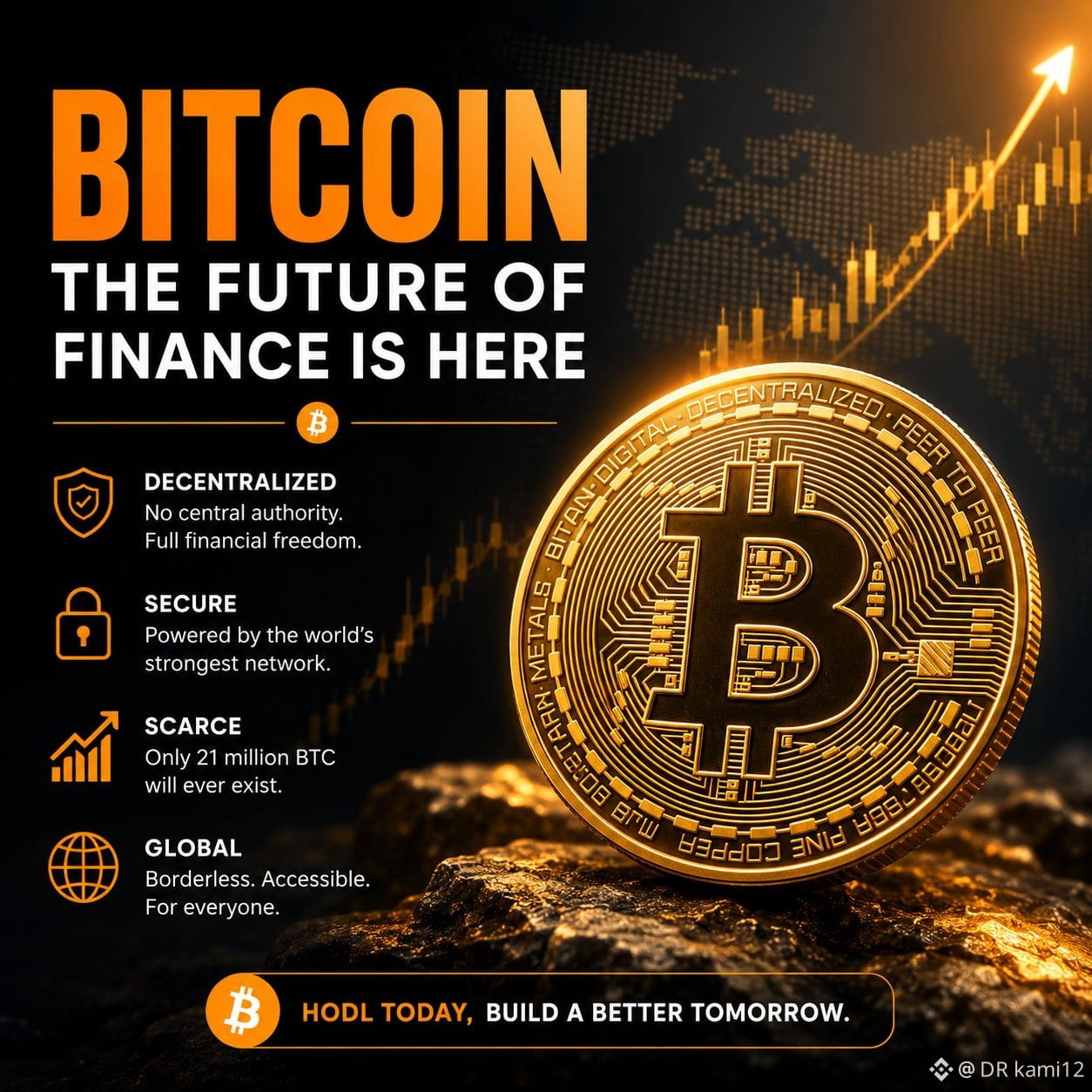
55

·
--
₿ Bitcoin isn’t just a cryptocurrency — it’s a vision of a more open financial future.
Limited supply. Decentralized network. Global access.
The question isn’t whether Bitcoin will change finance…
It’s how much. 🚀🌎
#Bitcoin #BTC #Crypto #blockchain #FutureOfMoney
₿ Bitcoin isn’t just a cryptocurrency — it’s a vision of a more open financial future.
Limited supply. Decentralized network. Global access.
The question isn’t whether Bitcoin will change finance…
It’s how much. 🚀🌎
#Bitcoin #BTC #Crypto #blockchain #FutureOfMoney
Limited supply. Decentralized network. Global access.
The question isn’t whether Bitcoin will change finance…
It’s how much. 🚀🌎
#Bitcoin #BTC #Crypto #blockchain #FutureOfMoney
214

·
--
ສັນຍານກະທິງ
The future of money, captured in metal.
Bitcoin leads the pack, while Ethereum, Solana, BNB, Cardano & XRP stand strong beside it.
This isn’t just crypto — it’s a new era of finance.
$GOOGL.US
{stock_us}(GOOGL.US)
#DigitalGold #web3兼职 #CryptoCommunity #InvestInCrypto #FutureOfMoney
The future of money, captured in metal.
Bitcoin leads the pack, while Ethereum, Solana, BNB, Cardano & XRP stand strong beside it.
This isn’t just crypto — it’s a new era of finance.
$GOOGL.US
#DigitalGold #web3兼职 #CryptoCommunity #InvestInCrypto #FutureOfMoney
Bitcoin leads the pack, while Ethereum, Solana, BNB, Cardano & XRP stand strong beside it.
This isn’t just crypto — it’s a new era of finance.
$GOOGL.US
#DigitalGold #web3兼职 #CryptoCommunity #InvestInCrypto #FutureOfMoney
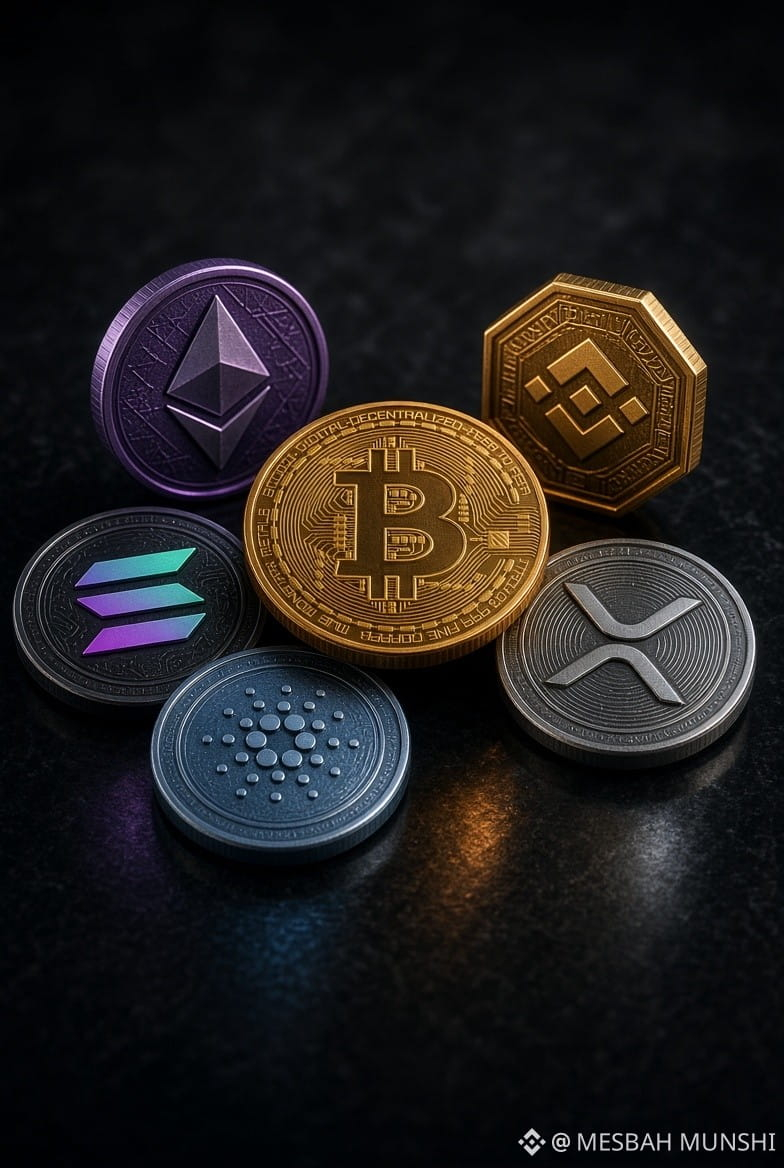
116

·
--
🌍📈 The Evolution of the Economy in the Digital Era 🚀
The world economy is changing faster than ever. From traditional banking to digital payments, technology is transforming the way people earn, invest, and grow wealth. 💡
One of the biggest innovations is Cryptocurrency 🔐💰
Bitcoin, Ethereum, and many other digital assets are creating new opportunities for global finance. People can now send money worldwide, invest online, and build financial freedom with decentralized systems.
✨ Why crypto is growing:
✔️ Fast global transactions
✔️ Decentralized finance (DeFi)
✔️ New investment opportunities
✔️ More financial access for everyone
✔️ The future of digital payments
The economy is evolving — and cryptocurrency is becoming a major part of the future. 🌐🔥
#Crypto #Bitcoin #Blockchain #DigitalEconomy #Finance #FutureOfMoney
🌍📈 The Evolution of the Economy in the Digital Era 🚀
The world economy is changing faster than ever. From traditional banking to digital payments, technology is transforming the way people earn, invest, and grow wealth. 💡
One of the biggest innovations is Cryptocurrency 🔐💰
Bitcoin, Ethereum, and many other digital assets are creating new opportunities for global finance. People can now send money worldwide, invest online, and build financial freedom with decentralized systems.
✨ Why crypto is growing:
✔️ Fast global transactions
✔️ Decentralized finance (DeFi)
✔️ New investment opportunities
✔️ More financial access for everyone
✔️ The future of digital payments
The economy is evolving — and cryptocurrency is becoming a major part of the future. 🌐🔥
#Crypto #Bitcoin #Blockchain #DigitalEconomy #Finance #FutureOfMoney
The world economy is changing faster than ever. From traditional banking to digital payments, technology is transforming the way people earn, invest, and grow wealth. 💡
One of the biggest innovations is Cryptocurrency 🔐💰
Bitcoin, Ethereum, and many other digital assets are creating new opportunities for global finance. People can now send money worldwide, invest online, and build financial freedom with decentralized systems.
✨ Why crypto is growing:
✔️ Fast global transactions
✔️ Decentralized finance (DeFi)
✔️ New investment opportunities
✔️ More financial access for everyone
✔️ The future of digital payments
The economy is evolving — and cryptocurrency is becoming a major part of the future. 🌐🔥
#Crypto #Bitcoin #Blockchain #DigitalEconomy #Finance #FutureOfMoney
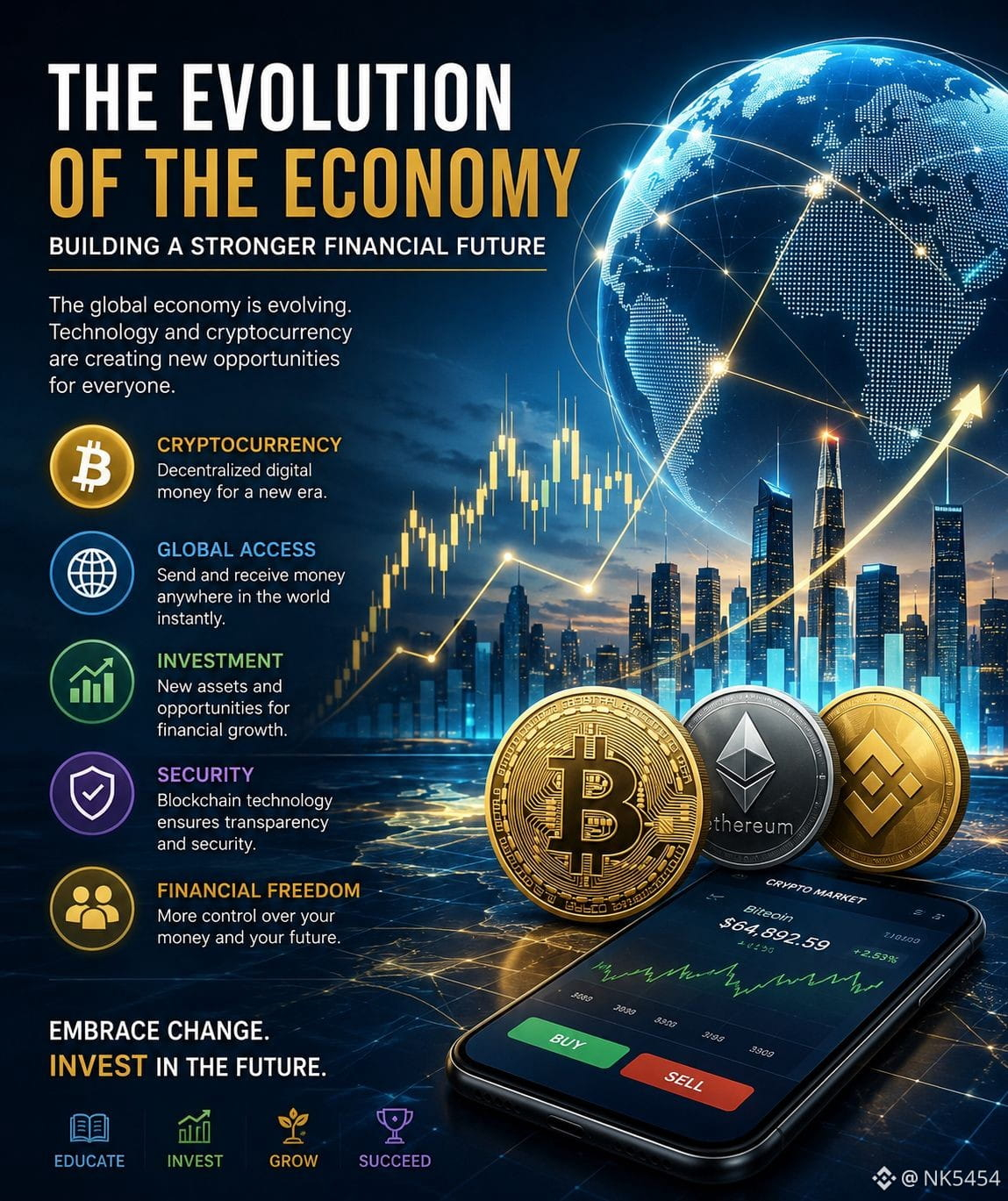
149

·
--
In the next 48 hours, $1T in global transactions will have switched to blockchain infrastructure at a 20% annual rate, according to Polygon Labs.
The recent news of PayPal's integration with Stripe may just be the starting point for a seismic shift in how we process global transactions. We're not just talking about a simple upgrade; we're looking at a complete overhaul of the financial infrastructure. Polygon Labs estimates that within the next few years, the majority of money will live and move on blockchain in one form or another.
Smart money is already responding to this signal by buying up Polygon (MATIC), up 30% in the past month as the narrative gains traction #MATIC #BlockchainPayment #FutureOfMoney
Forward signals point to a MATIC breakout at the $2.5 level, a 25% gain from current prices #BinanceSpot.
Is your portfolio prepared for the $1T blockchain revolution?
In the next 48 hours, $1T in global transactions will have switched to blockchain infrastructure at a 20% annual rate, according to Polygon Labs.
The recent news of PayPal's integration with Stripe may just be the starting point for a seismic shift in how we process global transactions. We're not just talking about a simple upgrade; we're looking at a complete overhaul of the financial infrastructure. Polygon Labs estimates that within the next few years, the majority of money will live and move on blockchain in one form or another.
Smart money is already responding to this signal by buying up Polygon (MATIC), up 30% in the past month as the narrative gains traction #MATIC #BlockchainPayment #FutureOfMoney
Forward signals point to a MATIC breakout at the $2.5 level, a 25% gain from current prices #BinanceSpot.
Is your portfolio prepared for the $1T blockchain revolution?
The recent news of PayPal's integration with Stripe may just be the starting point for a seismic shift in how we process global transactions. We're not just talking about a simple upgrade; we're looking at a complete overhaul of the financial infrastructure. Polygon Labs estimates that within the next few years, the majority of money will live and move on blockchain in one form or another.
Smart money is already responding to this signal by buying up Polygon (MATIC), up 30% in the past month as the narrative gains traction #MATIC #BlockchainPayment #FutureOfMoney
Forward signals point to a MATIC breakout at the $2.5 level, a 25% gain from current prices #BinanceSpot.
Is your portfolio prepared for the $1T blockchain revolution?
40

·
--
ບົດຄວາມ
The Digital Gold Rush of the Future: Why You Should Invest in Crypto currencies Today$BTC $XAUT $XAU
The world is digitizing at an unprecedented pace. Just a few decades ago, "money" was defined solely by tangible paper currency and coins held in our hands. Today, the global financial landscape has undergone a radical transformation. We are witnessing the rise of a decentralized financial system—built on Blockchain technology—that is faster, more secure, and far more transparent than the legacy banking systems and government-regulated mechanisms we have traditionally relied upon.
In the not-so-distant future, the global economy, technological innovation, and social interactions will be driven by these digital assets. If you are planning for your future financial freedom—whether that means owning a home, funding your retirement, or scaling your own business—it is time to recognize Cryptocurrency not just as a speculative trend, but as the quintessential "smart investment" that goes beyond traditional savings accounts.
Here is an analysis of the key sectors and technological trends within crypto that are set to have the massive impact and demand your investment attention right now.
1. The Powerful Synergy of Artificial Intelligence (AI) and Crypto
Artificial Intelligence has already infiltrated our daily lives. From generating cinematic videos and scripting animations to real-time image creation, AI is streamlining creative processes in seconds. However, to operate effectively, these AI tools require immense computing power and massive data management protocols. In the future, this computing power will not be centralized within a handful of tech monopolies; it will be provided via decentralized networks across the globe, powered by Blockchain.
The Investment Opportunity (AI Tokens): Crypto projects focused on powering AI systems, securing data, and providing the infrastructure necessary to train massive AI models represent one of the highest growth sectors. Investing here isn’t just about betting on a currency; it is about owning a stake in the infrastructure of the next technological revolution.
2. Web3 and the Future of the Creator Economy
If you are a content creator, a social media manager, or someone who builds online communities within the current "Web2" ecosystem (Facebook, YouTube, Instagram), you are likely aware of the limitations. These centralized platforms hold absolute power, impose strict censorship rules, and often take a massive cut of the revenue generated by your hard work.
Empowering Creators: Web3 represents the next evolution of the internet: the internet of ownership. Web3-based crypto projects allow creators to have full ownership of their content and, crucially, their audience. Without middlemen, creators can monetize their work directly through their fanbase via tokens and NFTs. Centralized social media is giving way to Decentralized Content Platforms, and the Blockchain projects building this infrastructure are positioned for immense value capture.
3. DePIN (Decentralized Physical Infrastructure Networks)
While smartphone hardware continues to evolve, our devices are only as good as the networks they connect to. In the US, we are accustomed to relying on legacy telecom giants for 4G, 5G, and broadband. However, a massive shift is underway toward DePIN—infrastructure networks managed by the people, not corporations.
Real-World Utility: DePIN projects allow individuals to rent out their excess internet bandwidth, data storage, or even CPU/GPU power to a decentralized network in exchange for cryptocurrency. This is not "magic money"; it is payment for real-world utility. This model is rapidly becoming the most efficient way to build out global hardware infrastructure, from wireless networks to geospatial mapping. Investing in DePIN represents an investment in tangible, necessary, real-world utility powered by the blockchain.
4. Democratized Access to Global Financial Markets
The traditional stock market (NYSE, NASDAQ) has strict operating hours and structural barriers that favor institutional players. The Crypto market, however, never sleeps. It operates 24 hours a day, 365 days a year, providing true global liquidity.
Early Adoption Advantage: Thanks to modern major exchanges compliant with US regulations, retail investors now have the same access as accredited investors to identify and invest in new, promising projects early in their lifecycles. By the time Wall Street and major institutional investors complete their entry into these assets, early adopters have already reaped substantial financial rewards.
Crucial Steps Before You Invest: "Do Your Own Research"
While the potential is massive, cryptocurrency remains a volatile asset class. Before you jump in, remember these golden rules used by smart American investors:
Study the Technology: Never invest based on hype or FOMO (Fear Of Missing Out). Understand the technology behind a coin, its utility, and the specific problem it aims to solve.Risk Management: Crypto is highly volatile. Only invest capital that you can afford to lose without impacting your daily life or financial security.Adopt a Long-Term View (DCA): Rather than trying to "time the market" with a lump-sum investment, utilize Dollar-Cost Averaging. Invest a fixed dollar amount at regular intervals. This strategy mitigates the impact of volatility and builds a stronger position over time.
#FutureOfMoney #CryptoInvesting #USACrypto #Web3Economy #DigitalGold #AIandCrypto
{future}(CLUSDT)
The Digital Gold Rush of the Future: Why You Should Invest in Crypto currencies Today
$BTC $XAUT $XAU
The world is digitizing at an unprecedented pace. Just a few decades ago, "money" was defined solely by tangible paper currency and coins held in our hands. Today, the global financial landscape has undergone a radical transformation. We are witnessing the rise of a decentralized financial system—built on Blockchain technology—that is faster, more secure, and far more transparent than the legacy banking systems and government-regulated mechanisms we have traditionally relied upon.
In the not-so-distant future, the global economy, technological innovation, and social interactions will be driven by these digital assets. If you are planning for your future financial freedom—whether that means owning a home, funding your retirement, or scaling your own business—it is time to recognize Cryptocurrency not just as a speculative trend, but as the quintessential "smart investment" that goes beyond traditional savings accounts.
Here is an analysis of the key sectors and technological trends within crypto that are set to have the massive impact and demand your investment attention right now.
1. The Powerful Synergy of Artificial Intelligence (AI) and Crypto
Artificial Intelligence has already infiltrated our daily lives. From generating cinematic videos and scripting animations to real-time image creation, AI is streamlining creative processes in seconds. However, to operate effectively, these AI tools require immense computing power and massive data management protocols. In the future, this computing power will not be centralized within a handful of tech monopolies; it will be provided via decentralized networks across the globe, powered by Blockchain.
The Investment Opportunity (AI Tokens): Crypto projects focused on powering AI systems, securing data, and providing the infrastructure necessary to train massive AI models represent one of the highest growth sectors. Investing here isn’t just about betting on a currency; it is about owning a stake in the infrastructure of the next technological revolution.
2. Web3 and the Future of the Creator Economy
If you are a content creator, a social media manager, or someone who builds online communities within the current "Web2" ecosystem (Facebook, YouTube, Instagram), you are likely aware of the limitations. These centralized platforms hold absolute power, impose strict censorship rules, and often take a massive cut of the revenue generated by your hard work.
Empowering Creators: Web3 represents the next evolution of the internet: the internet of ownership. Web3-based crypto projects allow creators to have full ownership of their content and, crucially, their audience. Without middlemen, creators can monetize their work directly through their fanbase via tokens and NFTs. Centralized social media is giving way to Decentralized Content Platforms, and the Blockchain projects building this infrastructure are positioned for immense value capture.
3. DePIN (Decentralized Physical Infrastructure Networks)
While smartphone hardware continues to evolve, our devices are only as good as the networks they connect to. In the US, we are accustomed to relying on legacy telecom giants for 4G, 5G, and broadband. However, a massive shift is underway toward DePIN—infrastructure networks managed by the people, not corporations.
Real-World Utility: DePIN projects allow individuals to rent out their excess internet bandwidth, data storage, or even CPU/GPU power to a decentralized network in exchange for cryptocurrency. This is not "magic money"; it is payment for real-world utility. This model is rapidly becoming the most efficient way to build out global hardware infrastructure, from wireless networks to geospatial mapping. Investing in DePIN represents an investment in tangible, necessary, real-world utility powered by the blockchain.
4. Democratized Access to Global Financial Markets
The traditional stock market (NYSE, NASDAQ) has strict operating hours and structural barriers that favor institutional players. The Crypto market, however, never sleeps. It operates 24 hours a day, 365 days a year, providing true global liquidity.
Early Adoption Advantage: Thanks to modern major exchanges compliant with US regulations, retail investors now have the same access as accredited investors to identify and invest in new, promising projects early in their lifecycles. By the time Wall Street and major institutional investors complete their entry into these assets, early adopters have already reaped substantial financial rewards.
Crucial Steps Before You Invest: "Do Your Own Research"
While the potential is massive, cryptocurrency remains a volatile asset class. Before you jump in, remember these golden rules used by smart American investors:
Study the Technology: Never invest based on hype or FOMO (Fear Of Missing Out). Understand the technology behind a coin, its utility, and the specific problem it aims to solve.Risk Management: Crypto is highly volatile. Only invest capital that you can afford to lose without impacting your daily life or financial security.Adopt a Long-Term View (DCA): Rather than trying to "time the market" with a lump-sum investment, utilize Dollar-Cost Averaging. Invest a fixed dollar amount at regular intervals. This strategy mitigates the impact of volatility and builds a stronger position over time.
#FutureOfMoney #CryptoInvesting #USACrypto #Web3Economy #DigitalGold #AIandCrypto
The world is digitizing at an unprecedented pace. Just a few decades ago, "money" was defined solely by tangible paper currency and coins held in our hands. Today, the global financial landscape has undergone a radical transformation. We are witnessing the rise of a decentralized financial system—built on Blockchain technology—that is faster, more secure, and far more transparent than the legacy banking systems and government-regulated mechanisms we have traditionally relied upon.
In the not-so-distant future, the global economy, technological innovation, and social interactions will be driven by these digital assets. If you are planning for your future financial freedom—whether that means owning a home, funding your retirement, or scaling your own business—it is time to recognize Cryptocurrency not just as a speculative trend, but as the quintessential "smart investment" that goes beyond traditional savings accounts.
Here is an analysis of the key sectors and technological trends within crypto that are set to have the massive impact and demand your investment attention right now.
1. The Powerful Synergy of Artificial Intelligence (AI) and Crypto
Artificial Intelligence has already infiltrated our daily lives. From generating cinematic videos and scripting animations to real-time image creation, AI is streamlining creative processes in seconds. However, to operate effectively, these AI tools require immense computing power and massive data management protocols. In the future, this computing power will not be centralized within a handful of tech monopolies; it will be provided via decentralized networks across the globe, powered by Blockchain.
The Investment Opportunity (AI Tokens): Crypto projects focused on powering AI systems, securing data, and providing the infrastructure necessary to train massive AI models represent one of the highest growth sectors. Investing here isn’t just about betting on a currency; it is about owning a stake in the infrastructure of the next technological revolution.
2. Web3 and the Future of the Creator Economy
If you are a content creator, a social media manager, or someone who builds online communities within the current "Web2" ecosystem (Facebook, YouTube, Instagram), you are likely aware of the limitations. These centralized platforms hold absolute power, impose strict censorship rules, and often take a massive cut of the revenue generated by your hard work.
Empowering Creators: Web3 represents the next evolution of the internet: the internet of ownership. Web3-based crypto projects allow creators to have full ownership of their content and, crucially, their audience. Without middlemen, creators can monetize their work directly through their fanbase via tokens and NFTs. Centralized social media is giving way to Decentralized Content Platforms, and the Blockchain projects building this infrastructure are positioned for immense value capture.
3. DePIN (Decentralized Physical Infrastructure Networks)
While smartphone hardware continues to evolve, our devices are only as good as the networks they connect to. In the US, we are accustomed to relying on legacy telecom giants for 4G, 5G, and broadband. However, a massive shift is underway toward DePIN—infrastructure networks managed by the people, not corporations.
Real-World Utility: DePIN projects allow individuals to rent out their excess internet bandwidth, data storage, or even CPU/GPU power to a decentralized network in exchange for cryptocurrency. This is not "magic money"; it is payment for real-world utility. This model is rapidly becoming the most efficient way to build out global hardware infrastructure, from wireless networks to geospatial mapping. Investing in DePIN represents an investment in tangible, necessary, real-world utility powered by the blockchain.
4. Democratized Access to Global Financial Markets
The traditional stock market (NYSE, NASDAQ) has strict operating hours and structural barriers that favor institutional players. The Crypto market, however, never sleeps. It operates 24 hours a day, 365 days a year, providing true global liquidity.
Early Adoption Advantage: Thanks to modern major exchanges compliant with US regulations, retail investors now have the same access as accredited investors to identify and invest in new, promising projects early in their lifecycles. By the time Wall Street and major institutional investors complete their entry into these assets, early adopters have already reaped substantial financial rewards.
Crucial Steps Before You Invest: "Do Your Own Research"
While the potential is massive, cryptocurrency remains a volatile asset class. Before you jump in, remember these golden rules used by smart American investors:
Study the Technology: Never invest based on hype or FOMO (Fear Of Missing Out). Understand the technology behind a coin, its utility, and the specific problem it aims to solve.Risk Management: Crypto is highly volatile. Only invest capital that you can afford to lose without impacting your daily life or financial security.Adopt a Long-Term View (DCA): Rather than trying to "time the market" with a lump-sum investment, utilize Dollar-Cost Averaging. Invest a fixed dollar amount at regular intervals. This strategy mitigates the impact of volatility and builds a stronger position over time.
#FutureOfMoney #CryptoInvesting #USACrypto #Web3Economy #DigitalGold #AIandCrypto

1000000 Bttc
ຈາກ vithsoori
134

·
--
Decentralized Compute is the New Gold: Market is talking about GPU networks - RENDER for decentralized GPU power, AKT for cloud computing marketplace. Total AI crypto mcap crossed $26B in 2026
Coinbase CEO: "Bots will OUTPAY humans" 👀
AI agents making their own crypto payments is here. No banks. No humans. Just on-chain autonomous transactions.
This is why AI Payment Blockchain like KITE is trending.
Are we ready for an economy run by bots?
#AI #CryptoPayments #Coinbase #FutureOfMoney
Decentralized Compute is the New Gold: Market is talking about GPU networks - RENDER for decentralized GPU power, AKT for cloud computing marketplace. Total AI crypto mcap crossed $26B in 2026
Coinbase CEO: "Bots will OUTPAY humans" 👀
AI agents making their own crypto payments is here. No banks. No humans. Just on-chain autonomous transactions.
This is why AI Payment Blockchain like KITE is trending.
Are we ready for an economy run by bots?
#AI #CryptoPayments #Coinbase #FutureOfMoney
Coinbase CEO: "Bots will OUTPAY humans" 👀
AI agents making their own crypto payments is here. No banks. No humans. Just on-chain autonomous transactions.
This is why AI Payment Blockchain like KITE is trending.
Are we ready for an economy run by bots?
#AI #CryptoPayments #Coinbase #FutureOfMoney
224

this all source is link on twitter
I’m not just writing code today—I’m working toward building the financial technology of tomorrow.
🌐 Blockchain
💷 Digital Pound
💰 Stablecoin Innovation
🌍 Cross-Border Payments
⚡ Open Money Stack
#Web3 #Blockchain #Polygon #DigitalPound #Stablecoin #FinTech #FutureOfMoney
this post all source is heare https://x.com/i/status/2087499654397350378
this all source is link on twitter
I’m not just writing code today—I’m working toward building the financial technology of tomorrow.
🌐 Blockchain
💷 Digital Pound
💰 Stablecoin Innovation
🌍 Cross-Border Payments
⚡ Open Money Stack
#Web3 #Blockchain #Polygon #DigitalPound #Stablecoin #FinTech #FutureOfMoney
this post all source is heare https://x.com/i/status/2087499654397350378
I’m not just writing code today—I’m working toward building the financial technology of tomorrow.
🌐 Blockchain
💷 Digital Pound
💰 Stablecoin Innovation
🌍 Cross-Border Payments
⚡ Open Money Stack
#Web3 #Blockchain #Polygon #DigitalPound #Stablecoin #FinTech #FutureOfMoney
this post all source is heare https://x.com/i/status/2087499654397350378

1
2
137
·
--
Crypto $BTC
Embrace the digital gold of the modern era—Bitcoin (BTC)—and take your crypto journey to the next level! 🚀
No matter how the market fluctuates, the world's leading and most secure platform, Binance, is always by your side to help you navigate with smart strategies and confidence. Whether you are trading or holding, keep your crypto assets in safe hands. 💼🔒
💡 Trade smart and take a step closer to future financial freedom.
#BTC #Blockchain #FutureOfMoney #CryptoCommunity #SmartTrading
Crypto $BTC
Embrace the digital gold of the modern era—Bitcoin (BTC)—and take your crypto journey to the next level! 🚀
No matter how the market fluctuates, the world's leading and most secure platform, Binance, is always by your side to help you navigate with smart strategies and confidence. Whether you are trading or holding, keep your crypto assets in safe hands. 💼🔒
💡 Trade smart and take a step closer to future financial freedom.
#BTC #Blockchain #FutureOfMoney #CryptoCommunity #SmartTrading
Embrace the digital gold of the modern era—Bitcoin (BTC)—and take your crypto journey to the next level! 🚀
No matter how the market fluctuates, the world's leading and most secure platform, Binance, is always by your side to help you navigate with smart strategies and confidence. Whether you are trading or holding, keep your crypto assets in safe hands. 💼🔒
💡 Trade smart and take a step closer to future financial freedom.
#BTC #Blockchain #FutureOfMoney #CryptoCommunity #SmartTrading

23
·
--
Will digital currency transactions never be allowed in Bangladesh? 🤔
While the world is moving towards a new economic revolution hand-in-hand with cryptocurrency and blockchain technology, millions of young minds in Bangladesh have just one question—are we going to be left behind?
Due to strict policies by Bangladesh Bank and the government, coupled with risks like money laundering, crypto trading remains prohibited and illegal here. But technology never stops! Will our country also legalise digital currency under a legal framework in the future to keep pace with the modern world? Or will we remain deprived of this promising sector forever?
What are your thoughts on this? Let us know in the comments! 💭👇
#CryptoBangladesh #BangladeshBank #DigitalCurrency #CryptoDiscussion #FutureOfMoney
Will digital currency transactions never be allowed in Bangladesh? 🤔
While the world is moving towards a new economic revolution hand-in-hand with cryptocurrency and blockchain technology, millions of young minds in Bangladesh have just one question—are we going to be left behind?
Due to strict policies by Bangladesh Bank and the government, coupled with risks like money laundering, crypto trading remains prohibited and illegal here. But technology never stops! Will our country also legalise digital currency under a legal framework in the future to keep pace with the modern world? Or will we remain deprived of this promising sector forever?
What are your thoughts on this? Let us know in the comments! 💭👇
#CryptoBangladesh #BangladeshBank #DigitalCurrency #CryptoDiscussion #FutureOfMoney
While the world is moving towards a new economic revolution hand-in-hand with cryptocurrency and blockchain technology, millions of young minds in Bangladesh have just one question—are we going to be left behind?
Due to strict policies by Bangladesh Bank and the government, coupled with risks like money laundering, crypto trading remains prohibited and illegal here. But technology never stops! Will our country also legalise digital currency under a legal framework in the future to keep pace with the modern world? Or will we remain deprived of this promising sector forever?
What are your thoughts on this? Let us know in the comments! 💭👇
#CryptoBangladesh #BangladeshBank #DigitalCurrency #CryptoDiscussion #FutureOfMoney


1
97

Cryptocurrency is revolutionizing how we think about money, transactions, and digital ownership. Powered by decentralized blockchain technology, it offers a secure, fast, and borderless way to transfer value globally without relying on traditional intermediaries.
Key Highlights:
Decentralization: Operating on blockchain networks, crypto eliminates central points of failure and middleman fees.
Financial Inclusion: Anyone with an internet connection can access global financial services instantly.
Innovation & Utility: Beyond simple transactions, smart contracts and Web3 apps are creating entirely new digital economies.
While the market offers tremendous opportunities for growth, staying informed and prioritizing security are essential for navigating this space safely.
Are you currently investing in crypto, or are you still exploring how it works? Let me know your thoughts in the comments! 👇
#Cryptocurrency
#Blockchain #Web3 #Finance #FutureOfMoney
Cryptocurrency is revolutionizing how we think about money, transactions, and digital ownership. Powered by decentralized blockchain technology, it offers a secure, fast, and borderless way to transfer value globally without relying on traditional intermediaries.
Key Highlights:
Decentralization: Operating on blockchain networks, crypto eliminates central points of failure and middleman fees.
Financial Inclusion: Anyone with an internet connection can access global financial services instantly.
Innovation & Utility: Beyond simple transactions, smart contracts and Web3 apps are creating entirely new digital economies.
While the market offers tremendous opportunities for growth, staying informed and prioritizing security are essential for navigating this space safely.
Are you currently investing in crypto, or are you still exploring how it works? Let me know your thoughts in the comments! 👇
#Cryptocurrency
#Blockchain #Web3 #Finance #FutureOfMoney
Key Highlights:
Decentralization: Operating on blockchain networks, crypto eliminates central points of failure and middleman fees.
Financial Inclusion: Anyone with an internet connection can access global financial services instantly.
Innovation & Utility: Beyond simple transactions, smart contracts and Web3 apps are creating entirely new digital economies.
While the market offers tremendous opportunities for growth, staying informed and prioritizing security are essential for navigating this space safely.
Are you currently investing in crypto, or are you still exploring how it works? Let me know your thoughts in the comments! 👇
#Cryptocurrency
#Blockchain #Web3 #Finance #FutureOfMoney
63
ເຂົ້າສູ່ລະບົບເພື່ອສຳຫຼວດເນື້ອຫາເພີ່ມເຕີມ
ເຂົ້າຮ່ວມກຸ່ມຜູ້ໃຊ້ຄຣິບໂຕທົ່ວໂລກໃນ Binance Square.
⚡️ ໄດ້ຮັບຂໍ້ມູນຫຼ້າສຸດ ແລະ ທີ່ມີປະໂຫຍດກ່ຽວກັບຄຣິບໂຕ.
💬 ໄດ້ຮັບຄວາມໄວ້ວາງໃຈຈາກຕະຫຼາດແລກປ່ຽນຄຣິບໂຕທີ່ໃຫຍ່ທີ່ສຸດໃນໂລກ.
👍 ຄົ້ນຫາຂໍ້ມູນເຊີງເລິກທີ່ແທ້ຈາກນັກສ້າງທີ່ໄດ້ຮັບການຢືນຢັນ.
ອີເມວ / ເບີໂທລະສັບ
ຫົວຂໍ້ທີ່ກໍາລັງນິຍົມ
1
#SECHaltsCryptoETFReviewsAmidFundingLapse
101,695 views
903 ກຳລັງສົນທະນາ
2
#ZcashETFPostsFirstWeeklyOutflow$93.6M
69,498 views
219 ກຳລັງສົນທະນາ
3
#GreekPoliceBustCryptoScamRingArrest17
247,560 views
1,688 ກຳລັງສົນທະນາ
4
#BitcoinRejectedAt$87K
176,021 views
278 ກຳລັງສົນທະນາ
5
#FedOctoberRateHikeOddsFallTo17%
260,082 views
1,837 ກຳລັງສົນທະນາ
6
#NvidiaHitsRecordHighUp2.4%
177,274 views
1,262 ກຳລັງສົນທະນາ
7
#CanaryFilesAmendedS1ForPEPEETF
55,649 views
845 ກຳລັງສົນທະນາ
8
#BitcoinParesGainsAfterRallyTo$86.5K
61,361 views
186 ກຳລັງສົນທະນາ
9
#CerebrasSinksNearly20%OnReportNvidiaToPowerOpenAI
165,895 views
1,422 ກຳລັງສົນທະນາ
10
#SECProposesCryptoCustodyRules
242,684 views
1,770 ກຳລັງສົນທະນາ