
Rita Verde
23 投稿

Rita Verde
報告
ユーザーをブロック
0 フォロー
19 フォロワー
27 いいね
投稿
·
--
翻訳参照
Stablecoins can do more than hold a dollar peg in DeFi: they can act as trading liquidity, loan collateral, and settlement assets.
In a report published Nov. 25, the European Banking Authority says stablecoins, including some EU-regulated e-money tokens, play those roles in DeFi. It also points to consumer risks such as inadequate disclosures, leveraged positions, non-repayment of loans, and operational failures.
The policy point is easy to misread: the EBA is recommending that the European Commission assess whether extra requirements should apply to crypto-asset service providers that give customers access to DeFi lending. That is a recommendation to assess a possible policy change, not a new rule already in force.
For users, the practical lesson is to understand the risks of the lending protocol and the intermediary, if one is involved. A stablecoin's target price does not make a DeFi loan risk-free.
#DeFi #Stablecoins #CryptoEducation
4
·
--
翻訳参照
A Lightning node can face a security risk even when an attacker never gets access to its funds.
Bitcoin Optech reported a recently disclosed bug in Eclair 0.14.0 that could let a connected peer repeatedly crash a node by sending malformed batched messages. The issue was fixed in Eclair 0.14.1, released in July. The report says the bug did not give attackers direct access to funds, though repeated crashes could put channel funds at risk.
For node operators, the practical lesson is simple: check which implementation and version you run, and follow that project's official upgrade guidance. Eclair says this release is compatible with previous versions and channels do not need to be closed for the upgrade.
This was a software reliability issue, not a Bitcoin network-wide flaw. #Bitcoin #LightningNetwork #CryptoEducation
85
·
--
翻訳参照
Quantum-safe Ethereum plans are about future-proofing—not a report that today’s cryptography has been broken.
In a Nov. 24 research post, the Ethereum Foundation recommended Keccak-256 for hash-based cryptography in its post-quantum work. The Foundation says Ethereum already uses Keccak-256 and that it has nearly two decades of cryptanalysis behind it.
The broader plan touches validator signatures, wallet accounts, and data commitments. That means a migration would involve client teams, wallets, stakers, and rollups—not just a protocol switch.
This is a research recommendation, not an announcement that a mainnet change is live. The useful takeaway: cryptographic upgrades are ecosystem projects that need coordination and testing.
#Ethereum #CryptoEducation
77
·
--
翻訳参照
A useful crypto habit: verify the claim, not just the headline.
Binance’s latest Proof of Reserves snapshot was taken on Nov. 12, 2026 and covers 198 tokens. The zero-knowledge proof was generated on Nov. 14, so users can check whether their own covered assets were included and backed at least 1:1 at that snapshot.
The practical takeaway: open Binance’s official Proof of Reserves page, choose the snapshot, and follow its verification steps. Your check is about your own inclusion; it doesn’t expose other users’ balances.
One important limit: Proof of Reserves is a point-in-time view of covered assets. It isn’t a guarantee against every risk or a complete picture of an institution’s finances.
I’m starting a simple series on crypto basics you can verify for yourself. Follow along for the next one: how to read a wallet transaction before you sign it.
67
·
--
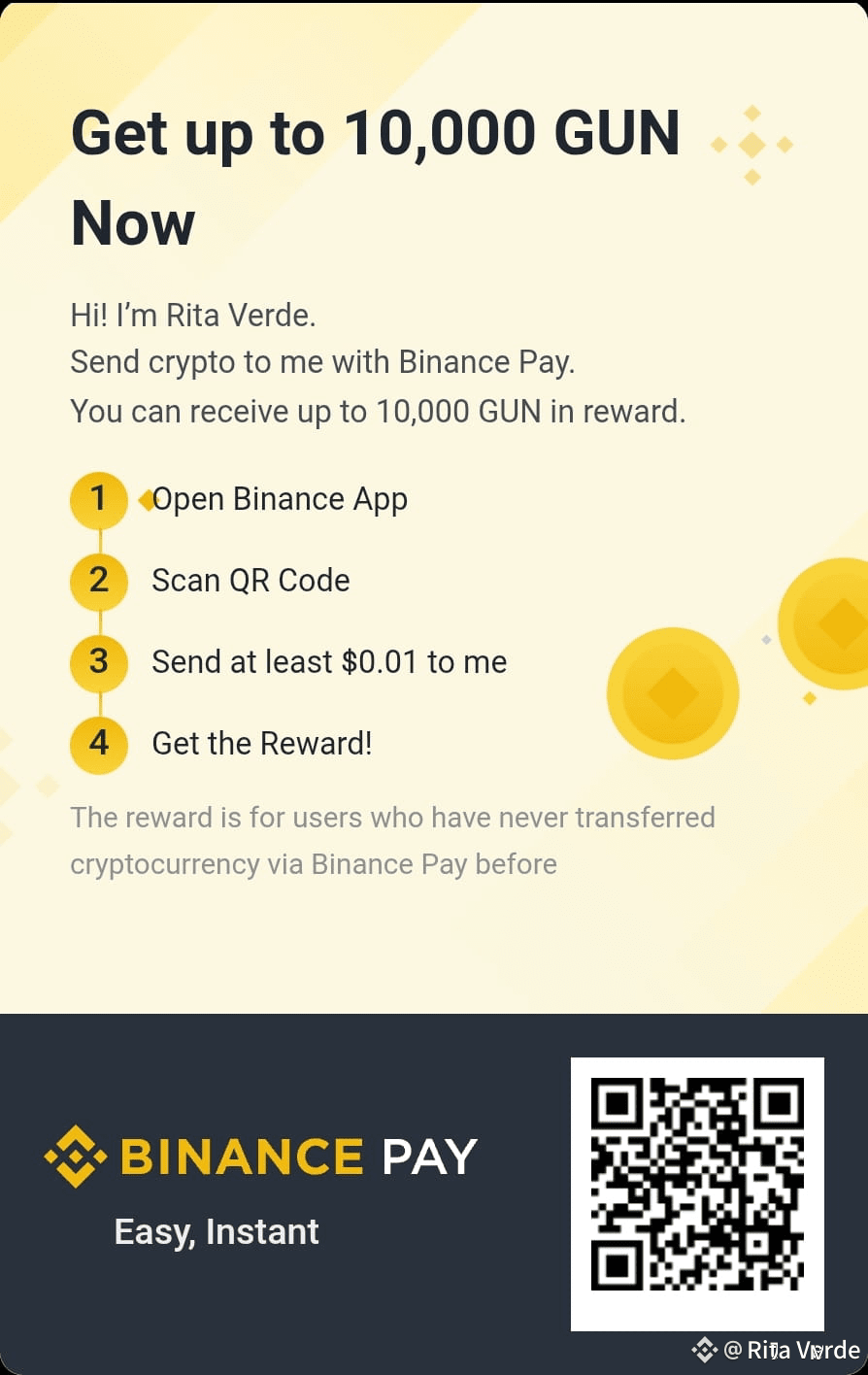
🎉 最大10,000 GUNを即座に獲得!🎉
Binance Payを今まで使ったことがないですか? これは大きな報酬を得るチャンスです — たった$0.01を送るだけで!
🚀 報酬を受け取る方法:
1️⃣ Binanceアプリを開く
2️⃣ QRコードをスキャンする
3️⃣ たった$0.01を送信する
4️⃣ 即座に最大10,000 GUNを受け取る!
💡 初めてのBinance Payユーザー限定。
⏳ 待たないで — 報酬は限られています!
👉 今すぐスキャンして送信!
🎉 最大10,000 GUNを即座に獲得!🎉
Binance Payを今まで使ったことがないですか? これは大きな報酬を得るチャンスです — たった$0.01を送るだけで!
🚀 報酬を受け取る方法:
1️⃣ Binanceアプリを開く
2️⃣ QRコードをスキャンする
3️⃣ たった$0.01を送信する
4️⃣ 即座に最大10,000 GUNを受け取る!
💡 初めてのBinance Payユーザー限定。
⏳ 待たないで — 報酬は限られています!
👉 今すぐスキャンして送信!
Binance Payを今まで使ったことがないですか? これは大きな報酬を得るチャンスです — たった$0.01を送るだけで!
🚀 報酬を受け取る方法:
1️⃣ Binanceアプリを開く
2️⃣ QRコードをスキャンする
3️⃣ たった$0.01を送信する
4️⃣ 即座に最大10,000 GUNを受け取る!
💡 初めてのBinance Payユーザー限定。
⏳ 待たないで — 報酬は限られています!
👉 今すぐスキャンして送信!
2
·
--
アップルが暗号統合に向けて微妙な動きを見せている?
最近の動向は、アップルが暗号空間に温かく接している可能性を示唆しています。正式にブロックチェーン製品を発表してはいませんが、アップルの最新のiOSベータ版は、暗号ウォレットやトークンベースの認証へのサポートが強化されていることを示しています。
これはアップルのWeb3への静かな参入の始まりなのでしょうか?
アップルペイの暗号関連カードとの互換性の向上と、アプリストアの暗号アプリに対する同社の厳格な管理が業界の注目を集めています。
あなたはどう思いますか—強気ですか、それともただの話題ですか?
あなたの考えを下に書いてください。
#AppleCryptoUpdate #CryptoNews #Web3 #ApplePay #Blockchain #CryptoIntegration #CryptoMarket
28
·
--
5つのアルトコインを今月注視しています - あなたもそうすべきです
市場が目覚めており、アルトコインは静かに大きな動きを見せている間、ほとんどの目はまだビットコインに向けられています。
ここでは、私が2025年5月に個人的に注視している5つのアルトコインを紹介します(理由も含めて):
ソラナ (SOL) – 開発者活動が活発で、超高速なスピードを持つソラナは、再びDeFiとNFTのための主要なチェーンになるかもしれません。私の意見ではまだ過小評価されています。
レンダー (RNDR) – AIと3Dレンダリングの需要が高まる中、RNDRは静かに分散型GPUパワーのバックボーンになりつつあります。長期的に考えてください。
インジェクティブ (INJ) – DeFiパワーユーザーのために構築されています。速く、低料金で、素晴らしいトークノミクスです。ここに賢い資金が動いているのを見ています。
ペペ (PEPE) – ミームマジックや市場心理と呼んでもいいですが、PEPEは驚きを続けています。短期のモメンタムトレーダーに最適です。
シンセティックス (SNX) – 現実世界の資産(RWA)と合成取引が普及しています。このトレンドからSNXは大きな利益を得る可能性があります。
なぜこれが重要なのか:
アルトコインシーズンは自らを発表しない - 誰もが気を散らしている間に忍び込んできます。5月は転換点になるかもしれません。
あなたの動き:
今月どのアルトコインを注視していますか?リストを下に書き込んで、一緒にアルファを築きましょう。
#WriteToEarn #Altcoins #CryptoMay #BinanceSquare #Solana #RenderToken #INJ #PepeCoin #DYOR
$SOL
{future}(SOLUSDT)
$RENDER
{future}(RENDERUSDT)
$INJ
{future}(INJUSDT)
5つのアルトコインを今月注視しています - あなたもそうすべきです
市場が目覚めており、アルトコインは静かに大きな動きを見せている間、ほとんどの目はまだビットコインに向けられています。
ここでは、私が2025年5月に個人的に注視している5つのアルトコインを紹介します(理由も含めて):
ソラナ (SOL) – 開発者活動が活発で、超高速なスピードを持つソラナは、再びDeFiとNFTのための主要なチェーンになるかもしれません。私の意見ではまだ過小評価されています。
レンダー (RNDR) – AIと3Dレンダリングの需要が高まる中、RNDRは静かに分散型GPUパワーのバックボーンになりつつあります。長期的に考えてください。
インジェクティブ (INJ) – DeFiパワーユーザーのために構築されています。速く、低料金で、素晴らしいトークノミクスです。ここに賢い資金が動いているのを見ています。
ペペ (PEPE) – ミームマジックや市場心理と呼んでもいいですが、PEPEは驚きを続けています。短期のモメンタムトレーダーに最適です。
シンセティックス (SNX) – 現実世界の資産(RWA)と合成取引が普及しています。このトレンドからSNXは大きな利益を得る可能性があります。
なぜこれが重要なのか:
アルトコインシーズンは自らを発表しない - 誰もが気を散らしている間に忍び込んできます。5月は転換点になるかもしれません。
あなたの動き:
今月どのアルトコインを注視していますか?リストを下に書き込んで、一緒にアルファを築きましょう。
#WriteToEarn #Altcoins #CryptoMay #BinanceSquare #Solana #RenderToken #INJ #PepeCoin #DYOR
$SOL
$RENDER
$INJ
176
·
--
なぜ5月がアルトコインのブレイクアウト月になる可能性があるのか
暗号市場が5月に入るにつれて熱を帯びています。ビットコインが96Kドルを上回って安定している中、目がアルトコインに移りつつあり、その兆候は強気です。
以下がその勢いを支えている要因です:
アーサー・ヘイズの「アルトコインシーズン」コール:元BitMEX CEOのヘイズが話すと、市場は耳を傾けます。ヘイズはSOL、CRV、LTCに強さを見ています。歴史的に、彼のタイミングは正確でした。
メタプラネットの大胆な動き:ビットコインを購入するための2500万ドルの債券?それは単なる強気ではなく、シグナルです。機関の信頼が高まっています。
バイナンスの戦略的上場廃止:低活動トークンの除去による無駄の削減は、バイナンスが量より質を重視していることを示しています。これにより、より良いプロジェクトが輝く道が開かれるかもしれません。
マクロの追い風:インフレが緩和し、連邦準備制度理事会が今年後半に利下げを検討している中、リスク資産—特に暗号—は急上昇する可能性があります。
私の見解:これは蓄積フェーズです。賢い投資家はすでにポジショニングしています。レイヤー1、DeFi、ミームコインに興味があるかどうかにかかわらず、今月は次のラリーのトーンを設定するかもしれません。
5月にあなたのレーダーにあるアルトコインは何ですか?コメントで話し合いましょう!
#暗号 #アルトコインシーズン #ビットコイン #バイナンススクエア #書いて稼ぐ #Web3 #2025年5月 #DYOR
530
·
--
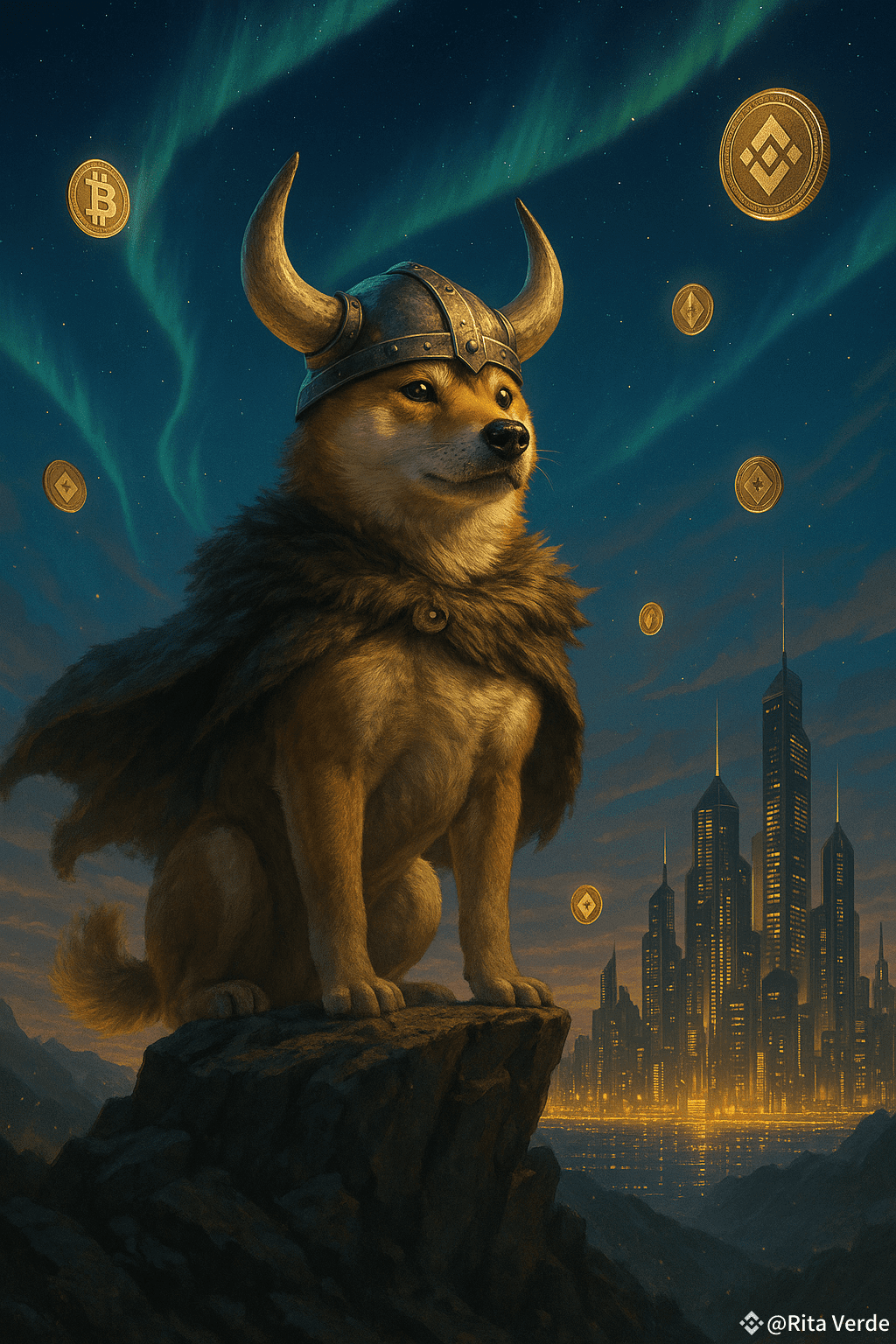
ミームコインマニア: PEPE と FLOKI が火を吹いている!
ミームコインが再び先頭に立っている!
1. PEPE – 消えることを拒むカエル!
今週275%以上の上昇、PEPEは期待、コミュニティの力、そして膨大な取引量に乗って高騰中。ジョークからジャガーノートへ!
2. FLOKI – もはやただのミームではない。
FLOKIのエコシステムは急成長中—DeFi、NFT、メタバース。単なるコインではなく、それは運動だ。
これらのコインは単なるトレンドではない—声明を出している。
あなたはミームの波に乗っているのか、それとも傍観しているのか?
#PEPE #FLOKI #ミームコイン #バイナンススクエア #Write2Earn #CryptoTrends

3
632
·
--
🚀 今日のトレンドコイン – 2025年5月1日
暗号市場は活気に満ちています!今日は話題のトレンドコインをご紹介します:
1. ペペ (PEPE) 🐸
PEPEは過去24時間で22.16%急上昇し、過去1週間で275.15%と驚異的な成長を遂げ、時価総額は33億ドル、24時間の取引量は41億ドルです。
2. シバイヌ (SHIB) 🐶
SHIBの価格は昨日起こり、$0.000044に倍増し、週間で332.40%の増加を記録し、時価総額は259億ドル、取引量は123.7億ドルです。
3. マントラ (OM) 📈
OMは安定した成長を示しており、過去1日で16.95%の上昇、週間で44.94%の跳躍を見せ、$0.3237で取引され、時価総額は2億5700万ドルです。
4. ベイビー・ドージコイン (BABYDOGE) 🐾
BABYDOGEはバイナンスのトレンドリストのトップに立ち、SHIBを超え、最近24時間で40.9兆トークン以上のバーンが行われ、その人気が高まっています。
5. フロキ 🚀
FLOKIは過去24時間で9.55%の急上昇、30日間で驚くべき268.76%の増加を見せ、DeFi、NFT、およびメタバースへのエコシステムの拡大によって推進されています。
最新情報を把握し、これらのコインに注目し続けてください!
#CryptoTrends #BinanceSquare #TrendingCoins #CryptoMarket
1
1
2
734
·
--
暗号投資における忍耐の力
急速に変化する暗号の世界では、ハイプに巻き込まれるのは簡単です。しかし、賢い投資家は知っています:忍耐こそが真のアルファです。
ミームコインが急騰しては急落する間、真の富は長期的な信念から生まれます。ビットコインは一晩で$60kに達しませんでした。ETHは1ヶ月でDeFiの強豪にはなりませんでした。
もし本当にプロジェクトの基盤を信じるなら、それに固執してください。全体を見渡してください。チャートに呼吸をさせましょう。
市場にいる時間 > 市場をタイミングすること。それが賢者の戦略です。
#暗号の知恵 #バイナンススクエア #書いて稼ぐ #LongTermHodl
暗号投資における忍耐の力
急速に変化する暗号の世界では、ハイプに巻き込まれるのは簡単です。しかし、賢い投資家は知っています:忍耐こそが真のアルファです。
ミームコインが急騰しては急落する間、真の富は長期的な信念から生まれます。ビットコインは一晩で$60kに達しませんでした。ETHは1ヶ月でDeFiの強豪にはなりませんでした。
もし本当にプロジェクトの基盤を信じるなら、それに固執してください。全体を見渡してください。チャートに呼吸をさせましょう。
市場にいる時間 > 市場をタイミングすること。それが賢者の戦略です。
#暗号の知恵 #バイナンススクエア #書いて稼ぐ #LongTermHodl
急速に変化する暗号の世界では、ハイプに巻き込まれるのは簡単です。しかし、賢い投資家は知っています:忍耐こそが真のアルファです。
ミームコインが急騰しては急落する間、真の富は長期的な信念から生まれます。ビットコインは一晩で$60kに達しませんでした。ETHは1ヶ月でDeFiの強豪にはなりませんでした。
もし本当にプロジェクトの基盤を信じるなら、それに固執してください。全体を見渡してください。チャートに呼吸をさせましょう。
市場にいる時間 > 市場をタイミングすること。それが賢者の戦略です。
#暗号の知恵 #バイナンススクエア #書いて稼ぐ #LongTermHodl
76
·
--
PEPEが激しく上昇中 - 7日間で275%! 今から参加するのは遅すぎる?
PEPEは現在市場で最もホットなコインです - 今週275%上昇し、まだ上昇中です! ミームのためでもお金のためでも、この動きはトレーダーが注目しているものです。
PEPEがトレンド入りしている理由:
取引量が急増 - 24時間で40億ドル以上が取引
重要な抵抗レベルをバターのように突破
巨大なソーシャルメディアの話題とFOMOが広がっている
メームコインシーズンが再び熱くなっています!
私のプレイ:
サポートレベル周辺での再テストを注視中。もし保持できれば、私はタイトなストップでロングに入ります。取引量がさらに上昇し続ければ、もう一度爆発的な上昇を見ることができるかもしれません。
クイックヒント:
PEPEは動きが速い - エントリーとエグジットを計画しましょう! 短期スカルピングやブレイクアウトプレイに最適です。
アクションに参加したいですか?
[今すぐPEPEを取引]をクリックして、波に乗りましょう。消える前に。
#PEPE #メームコイン #トレンドクリプト #クリプトトレーディング #バイナンススクエア #アルトコインシーズン #TradeNow
{spot}(PEPEUSDT)
PEPEが激しく上昇中 - 7日間で275%! 今から参加するのは遅すぎる?
PEPEは現在市場で最もホットなコインです - 今週275%上昇し、まだ上昇中です! ミームのためでもお金のためでも、この動きはトレーダーが注目しているものです。
PEPEがトレンド入りしている理由:
取引量が急増 - 24時間で40億ドル以上が取引
重要な抵抗レベルをバターのように突破
巨大なソーシャルメディアの話題とFOMOが広がっている
メームコインシーズンが再び熱くなっています!
私のプレイ:
サポートレベル周辺での再テストを注視中。もし保持できれば、私はタイトなストップでロングに入ります。取引量がさらに上昇し続ければ、もう一度爆発的な上昇を見ることができるかもしれません。
クイックヒント:
PEPEは動きが速い - エントリーとエグジットを計画しましょう! 短期スカルピングやブレイクアウトプレイに最適です。
アクションに参加したいですか?
[今すぐPEPEを取引]をクリックして、波に乗りましょう。消える前に。
#PEPE #メームコイン #トレンドクリプト #クリプトトレーディング #バイナンススクエア #アルトコインシーズン #TradeNow

327
·
--
今日無視すべきではないトップ5の爆発的コイン!
投稿:
暗号市場は急速に加熱しています - そしてこれらの5つのコインが先頭を切っています!ハイモメンタム取引を探しているなら、これらに注目してください:
1. PEPE
今週275%上昇!ミームコインの熱狂が戻り、PEPEは巨大なボリュームで飛び回っています。
2. SHIBA INU (SHIB)
SHIBは今週330%以上上昇し、大きなクジラの蓄積の後に抵抗を突破しました。これが次のDOGEの動きになる可能性は?
3. DOGE
まだ人気です!イーロンのツイートやソーシャルな盛り上がりで、DOGEは再び動き出し、新しい高値に向かっています。
4. SUI
長い統合の後にブレイクアウト。スマートマネーが回転してきています – フォロースルーに注目してください!
5. MANTRA (OM)
今週45%の利益で静かに勢いを増しています。低キャップ + 堅実なファンダメンタルズ = 潜在的なロケット。
なぜこれが重要か:
これらはただのランダムなポンプではありません — ボリューム、センチメント、テクニカルが整っています。デイトレードや短期的なモメンタムプレイに最適です。
ただ読むだけではなく — 取引してください!
波が去る前に乗りましょう。
#TrendingCrypto #Altcoins #PepeCoin #ShibaInu #SUI #Dogecoin #CryptoTrading #BinanceSquare
73
·
--
ビッグブレイクアウトロード中?ビットコインとアルトコインが加熱中 – この動きを見逃すな!
投稿:
暗号市場に大きなことが起ころうとしている – 賢いトレーダーたちはすでにポジショニングを始めている。ビットコインは重要なゾーンの近くで統合しており、歴史的にこれらのタイトなレンジは爆発的な動きに繋がる。
しかし、ここにひねりがある:
BTCだけではない。いくつかのアルトコインがブレイクアウトシグナルを発している。$SOL、$DOGE、$OPのようなコインが短い時間枠で力を示しており、クジラたちは静かに蓄積している。
なぜこれが重要なのか:
BTCのドミナンスが停滞中 – アルトシーズンが近いかもしれない
資金調達率はニュートラル – バランスの取れた戦場
RSIがリセット中 – 急騰のための完璧なセットアップ
私がしていること:
私はすでにアラートを設定した。BTCがボリュームを伴って抵抗線を超えたら、ロングするつもりだ。もし下落したら、ショートの準備ができている。どちらにせよ – チャンスが訪れている。
この動きが起こる前にトレードしたいですか?
プロのようにポジショニングを取れ。次のポンプを傍観者として見ているな。
#暗号 #ビットコイン #アルトシーズン #BTCブレイクアウト #バイナンススクエア #TradeSmart
515
·
--
ビットコインは安定を保っています: 大きな動きが来るのでしょうか?
投稿:
ビットコインは主要なサポートレベルの周りで浮遊し、市場の不確実性にもかかわらず回復力を示しています。価格の動きは比較的静かですが、多くのトレーダーは重要なブレイクアウトが近づいていると考えています。
注目すべき点:
ボリュームが縮小しています - これは潜在的なブレイクアウトのビルドアップの古典的なサインです。
アルトコインは混合信号を示しており、一部は強さを増しています。
インフレデータやFRBのコメントなどのマクロ要因が動きを引き起こす可能性があります。
私の戦略:
私は15分と4時間のチャートで確認されたブレイクアウトを注意深く見ています。ボリュームを伴ったレジスタンスのクリーンブレイクは強いロングチャンスを示唆するかもしれません。それまでの間、私は慎重にリスクを管理しています。
あなたはどう思いますか?今週ブレイクアウトを見ることができるのか、それとも横ばいの動きが続くのでしょうか?話し合いましょう!
#ビットコイン #クリプトニュース #ブレイクアウト #テクニカル分析 #BTC #BinanceSquare
{future}(BTCUSDT)
ビットコインは安定を保っています: 大きな動きが来るのでしょうか?
投稿:
ビットコインは主要なサポートレベルの周りで浮遊し、市場の不確実性にもかかわらず回復力を示しています。価格の動きは比較的静かですが、多くのトレーダーは重要なブレイクアウトが近づいていると考えています。
注目すべき点:
ボリュームが縮小しています - これは潜在的なブレイクアウトのビルドアップの古典的なサインです。
アルトコインは混合信号を示しており、一部は強さを増しています。
インフレデータやFRBのコメントなどのマクロ要因が動きを引き起こす可能性があります。
私の戦略:
私は15分と4時間のチャートで確認されたブレイクアウトを注意深く見ています。ボリュームを伴ったレジスタンスのクリーンブレイクは強いロングチャンスを示唆するかもしれません。それまでの間、私は慎重にリスクを管理しています。
あなたはどう思いますか?今週ブレイクアウトを見ることができるのか、それとも横ばいの動きが続くのでしょうか?話し合いましょう!
#ビットコイン #クリプトニュース #ブレイクアウト #テクニカル分析 #BTC #BinanceSquare
1
111
ログインして、さらにコンテンツを読む
厳選トピックで世界の暗号資産トレーダーの仲間入り
⚡️ 暗号資産に関する最新かつ有益な情報が見つかります。
💬 世界最大の暗号資産取引所から信頼されています。
👍 認証を受けたクリエイターから、有益なインサイトを得られます。
メール / 電話番号