
ABEERA RYK
4k 投稿

ABEERA RYK
報告
ユーザーをブロック
取引を発注
高頻度トレーダー
9.3か月
362 フォロー
11.2K+ フォロワー
1.9K+ いいね
投稿
ポートフォリオ
すべて
引用
ライブ
·
--
弱気相場
翻訳参照
The more time I spend studying DeFi ecosystems, the more I notice that the most interesting signals rarely start with the metrics everyone is watching.
Most participants focus on TVL, liquidity growth, trading volume, and yield opportunities. I understand why. These numbers provide an immediate picture of where capital is moving.
But that made me think about what sits underneath them.
TVL is created by capital flows. Capital flows respond to incentives. Incentives can be influenced by governance. That means the visible metric may actually be the final step of a much longer process.
This is why I find veOPG governance interesting. Governance can influence incentive distribution and protocol direction before those decisions become obvious through changes in liquidity. I see governance activity as a potential early information layer rather than simply a voting process.
An overlooked dynamic is the gap between decision and reaction. If I study which incentives are being supported, where voting power is concentrated, and what governance participants are prioritizing, I may understand the forces shaping future capital behavior before they appear in TVL.
I don’t view this as a prediction tool. For me, the arbitrage angle is informational: understanding the cause before the effect becomes visible.
Most people watch liquidity. Liquidity is shaped by incentives. Incentives are shaped by governance.
The market watches the outcome; I watch what creates it.
#FedRateWatch
$AKE
$BR
{future}(BRUSDT)
The more time I spend studying DeFi ecosystems, the more I notice that the most interesting signals rarely start with the metrics everyone is watching.
Most participants focus on TVL, liquidity growth, trading volume, and yield opportunities. I understand why. These numbers provide an immediate picture of where capital is moving.
But that made me think about what sits underneath them.
TVL is created by capital flows. Capital flows respond to incentives. Incentives can be influenced by governance. That means the visible metric may actually be the final step of a much longer process.
This is why I find veOPG governance interesting. Governance can influence incentive distribution and protocol direction before those decisions become obvious through changes in liquidity. I see governance activity as a potential early information layer rather than simply a voting process.
An overlooked dynamic is the gap between decision and reaction. If I study which incentives are being supported, where voting power is concentrated, and what governance participants are prioritizing, I may understand the forces shaping future capital behavior before they appear in TVL.
I don’t view this as a prediction tool. For me, the arbitrage angle is informational: understanding the cause before the effect becomes visible.
Most people watch liquidity. Liquidity is shaped by incentives. Incentives are shaped by governance.
The market watches the outcome; I watch what creates it.
#FedRateWatch
$AKE
$BR
Most participants focus on TVL, liquidity growth, trading volume, and yield opportunities. I understand why. These numbers provide an immediate picture of where capital is moving.
But that made me think about what sits underneath them.
TVL is created by capital flows. Capital flows respond to incentives. Incentives can be influenced by governance. That means the visible metric may actually be the final step of a much longer process.
This is why I find veOPG governance interesting. Governance can influence incentive distribution and protocol direction before those decisions become obvious through changes in liquidity. I see governance activity as a potential early information layer rather than simply a voting process.
An overlooked dynamic is the gap between decision and reaction. If I study which incentives are being supported, where voting power is concentrated, and what governance participants are prioritizing, I may understand the forces shaping future capital behavior before they appear in TVL.
I don’t view this as a prediction tool. For me, the arbitrage angle is informational: understanding the cause before the effect becomes visible.
Most people watch liquidity. Liquidity is shaped by incentives. Incentives are shaped by governance.
The market watches the outcome; I watch what creates it.
#FedRateWatch
$AKE
$BR
207
·
--
ブリッシュ
$ENJ USDTも大きな圧力下にあり、3.33%下落した後、0.02599ドル前後で取引されています。現在は0.02598ドル近辺で推移しており、売り手が短期のモメンタムを支配しています。下落は、ENJが現在の水準で十分な買いの強さを引き付けられていないことを示しています。トレーダーは、このゾーン付近での反応を特に注意して見守るべきで、とりわけ出来高や、買い手による吸収の兆候を確認してください。強いリバウンドは安定化とモメンタムの転換可能性を示唆する一方、拒否(リジェクション)が続けば弱気の構造が維持されるかもしれません。ENJUSDTは重要な意思決定領域に接近しており、次の強い反応によって、買い手が価格を守る準備ができているのか、それとも売り手が優勢のままなのかが明らかになる可能性があります。
#AvalancheIntegratesIntoUAEPassDigitalVault #AnthropicCEOCallsForAISlowdown #BitcoinThirdSingleBlockReorgInFourWeeks #AnthropicCEOCallsForAISlowdown
{future}(ENSUSDT)
{spot}(ENAUSDT)
$ENJ USDTも大きな圧力下にあり、3.33%下落した後、0.02599ドル前後で取引されています。現在は0.02598ドル近辺で推移しており、売り手が短期のモメンタムを支配しています。下落は、ENJが現在の水準で十分な買いの強さを引き付けられていないことを示しています。トレーダーは、このゾーン付近での反応を特に注意して見守るべきで、とりわけ出来高や、買い手による吸収の兆候を確認してください。強いリバウンドは安定化とモメンタムの転換可能性を示唆する一方、拒否(リジェクション)が続けば弱気の構造が維持されるかもしれません。ENJUSDTは重要な意思決定領域に接近しており、次の強い反応によって、買い手が価格を守る準備ができているのか、それとも売り手が優勢のままなのかが明らかになる可能性があります。
#AvalancheIntegratesIntoUAEPassDigitalVault #AnthropicCEOCallsForAISlowdown #BitcoinThirdSingleBlockReorgInFourWeeks #AnthropicCEOCallsForAISlowdown
#AvalancheIntegratesIntoUAEPassDigitalVault #AnthropicCEOCallsForAISlowdown #BitcoinThirdSingleBlockReorgInFourWeeks #AnthropicCEOCallsForAISlowdown
286
·
--
$ARX は、買い手が現在のブレイクアウト構造を擁護することで、強い勢いを増しています。
価格が直近のサポート・ゾーンを上回っている間は、支配権は買い手にあります。
EP 0.1545 - 0.1580
TP TP1 0.1630 TP2 0.1700 TP3 0.1790
SL 0.1480
値動きに合わせて流動性が拡大しており、次の反応で買い手が支配を維持できるかが明らかになります。ARXはArx Network向けに設計されており、ステーキング、ガバナンス、バリデータ、そして分散型コミュニケーション基盤をサポートします。ネットワークのロードマップには、Pay-Linksやさらなるコミュニケーション/商取引機能も含まれており、エコシステム周辺の実用性を高めます。
#US10YearTreasuryYieldNears5% #SECReceivesGrayscaleLitecoinTrustETFFiling #TokenizedStockHoldersUp619.1% #
{future}(XRPUSDT)
$ARX は、買い手が現在のブレイクアウト構造を擁護することで、強い勢いを増しています。
価格が直近のサポート・ゾーンを上回っている間は、支配権は買い手にあります。
EP 0.1545 - 0.1580
TP TP1 0.1630 TP2 0.1700 TP3 0.1790
SL 0.1480
値動きに合わせて流動性が拡大しており、次の反応で買い手が支配を維持できるかが明らかになります。ARXはArx Network向けに設計されており、ステーキング、ガバナンス、バリデータ、そして分散型コミュニケーション基盤をサポートします。ネットワークのロードマップには、Pay-Linksやさらなるコミュニケーション/商取引機能も含まれており、エコシステム周辺の実用性を高めます。
#US10YearTreasuryYieldNears5% #SECReceivesGrayscaleLitecoinTrustETFFiling #TokenizedStockHoldersUp619.1% #
価格が直近のサポート・ゾーンを上回っている間は、支配権は買い手にあります。
EP 0.1545 - 0.1580
TP TP1 0.1630 TP2 0.1700 TP3 0.1790
SL 0.1480
値動きに合わせて流動性が拡大しており、次の反応で買い手が支配を維持できるかが明らかになります。ARXはArx Network向けに設計されており、ステーキング、ガバナンス、バリデータ、そして分散型コミュニケーション基盤をサポートします。ネットワークのロードマップには、Pay-Linksやさらなるコミュニケーション/商取引機能も含まれており、エコシステム周辺の実用性を高めます。
#US10YearTreasuryYieldNears5% #SECReceivesGrayscaleLitecoinTrustETFFiling #TokenizedStockHoldersUp619.1% #
458
·
--
$ETH USDTは$2,524.59付近で推移しており、-1.70%下落しています。短期的な売り圧力がはっきりと見られます。出来高は約270.44Mと報告されており、下落しているにもかかわらず市場の活発さは依然として強い状態です。現時点では売り手が優勢ですが、買い手が勢いを取り戻そうとする場合、このゾーンは重要になり得ます。出来高の増加を伴う強い反応は需要の再燃を示唆する一方、弱さが続けば下方向への圧力が維持される可能性があります。トレーダーは、現在の水準からの決定的な動きとしてETHを注意深く監視してください。この付近での次の反応は、買い手が構造を安定させられるのか、それとも売り手が支配をさらに拡大するのかを明らかにするかもしれません。
#RevolutConfirmsFakeGovEmailDataBreach #EtherRalliesAsBearishBetsLiquidate #LISTAAirdrop #EtherRalliesAsBearishBetsLiquidate #USBankCompletesCrossBorderPaymentPilotOnStellar
{stock_us}(EHTH.US)
$ETH USDTは$2,524.59付近で推移しており、-1.70%下落しています。短期的な売り圧力がはっきりと見られます。出来高は約270.44Mと報告されており、下落しているにもかかわらず市場の活発さは依然として強い状態です。現時点では売り手が優勢ですが、買い手が勢いを取り戻そうとする場合、このゾーンは重要になり得ます。出来高の増加を伴う強い反応は需要の再燃を示唆する一方、弱さが続けば下方向への圧力が維持される可能性があります。トレーダーは、現在の水準からの決定的な動きとしてETHを注意深く監視してください。この付近での次の反応は、買い手が構造を安定させられるのか、それとも売り手が支配をさらに拡大するのかを明らかにするかもしれません。
#RevolutConfirmsFakeGovEmailDataBreach #EtherRalliesAsBearishBetsLiquidate #LISTAAirdrop #EtherRalliesAsBearishBetsLiquidate #USBankCompletesCrossBorderPaymentPilotOnStellar
#RevolutConfirmsFakeGovEmailDataBreach #EtherRalliesAsBearishBetsLiquidate #LISTAAirdrop #EtherRalliesAsBearishBetsLiquidate #USBankCompletesCrossBorderPaymentPilotOnStellar
84
·
--
ブリッシュ
暗号資産のエコシステムを深く掘り下げるほど、流動性がしばしば、ずっと前に下された意思決定の“結果”として可視化されるものなのだと気づきます。
多くの参加者はTVL、流動性の成長、取引量、利回りの機会に注目します。これらの指標は、すでに資本がどこへ動いたかを示すからです。そこで私は考えました――もし、それらの数値が変わる前に、より有用なシグナルが存在するのだとしたら?
このプロセスで興味深いのは、veOPGのガバナンスの役割です。ガバナンスはインセンティブの配分やプロトコルの方向性に影響を与えられます。つまり、投票権を持つ参加者は、エコシステムのどの部分に注目と資源が向けられるかを左右する助けになり得ます。
見過ごされがちなダイナミクスは、ガバナンスの意思決定が、流動性の動きが明確になる前に起こり得るという点です。インセンティブが振り向けられると、将来の資本投入のための経済条件が、チャート上ではまだ比較的静かなままであっても、すでに変化している可能性があります。
投資家の観点から特に有用なのは、ガバナンスへの参加が、通常の市場データではすぐには捉えられない優先事項を明らかにし得るからです。これは予測ツールではなく、インセンティブ、連携、そして資本配分に関する情報のもう一つの層です。
市場は、流動性がどこへ動くかを見ます。
私は、それが何によって動くのかを見ます。
#CPIWatch
$IOST
$LAB
{future}(LABUSDT)
暗号資産のエコシステムを深く掘り下げるほど、流動性がしばしば、ずっと前に下された意思決定の“結果”として可視化されるものなのだと気づきます。
多くの参加者はTVL、流動性の成長、取引量、利回りの機会に注目します。これらの指標は、すでに資本がどこへ動いたかを示すからです。そこで私は考えました――もし、それらの数値が変わる前に、より有用なシグナルが存在するのだとしたら?
このプロセスで興味深いのは、veOPGのガバナンスの役割です。ガバナンスはインセンティブの配分やプロトコルの方向性に影響を与えられます。つまり、投票権を持つ参加者は、エコシステムのどの部分に注目と資源が向けられるかを左右する助けになり得ます。
見過ごされがちなダイナミクスは、ガバナンスの意思決定が、流動性の動きが明確になる前に起こり得るという点です。インセンティブが振り向けられると、将来の資本投入のための経済条件が、チャート上ではまだ比較的静かなままであっても、すでに変化している可能性があります。
投資家の観点から特に有用なのは、ガバナンスへの参加が、通常の市場データではすぐには捉えられない優先事項を明らかにし得るからです。これは予測ツールではなく、インセンティブ、連携、そして資本配分に関する情報のもう一つの層です。
市場は、流動性がどこへ動くかを見ます。
私は、それが何によって動くのかを見ます。
#CPIWatch
$IOST
$LAB
多くの参加者はTVL、流動性の成長、取引量、利回りの機会に注目します。これらの指標は、すでに資本がどこへ動いたかを示すからです。そこで私は考えました――もし、それらの数値が変わる前に、より有用なシグナルが存在するのだとしたら?
このプロセスで興味深いのは、veOPGのガバナンスの役割です。ガバナンスはインセンティブの配分やプロトコルの方向性に影響を与えられます。つまり、投票権を持つ参加者は、エコシステムのどの部分に注目と資源が向けられるかを左右する助けになり得ます。
見過ごされがちなダイナミクスは、ガバナンスの意思決定が、流動性の動きが明確になる前に起こり得るという点です。インセンティブが振り向けられると、将来の資本投入のための経済条件が、チャート上ではまだ比較的静かなままであっても、すでに変化している可能性があります。
投資家の観点から特に有用なのは、ガバナンスへの参加が、通常の市場データではすぐには捉えられない優先事項を明らかにし得るからです。これは予測ツールではなく、インセンティブ、連携、そして資本配分に関する情報のもう一つの層です。
市場は、流動性がどこへ動くかを見ます。
私は、それが何によって動くのかを見ます。
#CPIWatch
$IOST
$LAB
366
·
--
ブリッシュ
暗号資産のエコシステムを深く掘り下げるほど、流動性が真っ先に変化するものではないことに気づくようになりました。私は、その流動性の動きを生み出す意思決定に、より注意を払うようになっています。
多くの投資家はTVL、取引量、流動性の厚み、利用可能な利回りに注目します。そうする理由は分かります。これらは見える、測れる、比較しやすいからです。
しかし、これらの指標の下には、あまり目立たない層があります。それはインセンティブです。流動性はただ現れるものではありません。プロトコルやガバナンスの仕組みが、資本が報酬や注目、そして戦略的な支援を受ける場所を左右します。
それで私は、veOPGのガバナンスについてより慎重に考えるようになりました。ガバナンス参加者がインセンティブの配分やプロトコルの方向性に影響を与えられるなら、その意思決定は、TVLや取引量を通じて優先事項が見えてくる前に、その変化を示している可能性があります。
私が興味深いのは、この情報面での優位性の可能性です。ガバナンス提案、投票行動、インセンティブの配分を研究する投資家は、流動性指標だけを見ている人よりも早く、資本の流れを形作る力を理解できるかもしれません。これは予測の戦略というより、見落とされがちな情報のアービトラージだと私は捉えています。
多くの参加者は結果を研究します。私は、それを生み出すメカニズムを研究したいのです。
市場は資本がどこへ動くかを見ています。私は、資本がどこへ動くことを決めるのは誰かを見ます。
$ETH $BNB $BTC
{future}(BTCUSDT)
暗号資産のエコシステムを深く掘り下げるほど、流動性が真っ先に変化するものではないことに気づくようになりました。私は、その流動性の動きを生み出す意思決定に、より注意を払うようになっています。
多くの投資家はTVL、取引量、流動性の厚み、利用可能な利回りに注目します。そうする理由は分かります。これらは見える、測れる、比較しやすいからです。
しかし、これらの指標の下には、あまり目立たない層があります。それはインセンティブです。流動性はただ現れるものではありません。プロトコルやガバナンスの仕組みが、資本が報酬や注目、そして戦略的な支援を受ける場所を左右します。
それで私は、veOPGのガバナンスについてより慎重に考えるようになりました。ガバナンス参加者がインセンティブの配分やプロトコルの方向性に影響を与えられるなら、その意思決定は、TVLや取引量を通じて優先事項が見えてくる前に、その変化を示している可能性があります。
私が興味深いのは、この情報面での優位性の可能性です。ガバナンス提案、投票行動、インセンティブの配分を研究する投資家は、流動性指標だけを見ている人よりも早く、資本の流れを形作る力を理解できるかもしれません。これは予測の戦略というより、見落とされがちな情報のアービトラージだと私は捉えています。
多くの参加者は結果を研究します。私は、それを生み出すメカニズムを研究したいのです。
市場は資本がどこへ動くかを見ています。私は、資本がどこへ動くことを決めるのは誰かを見ます。
$ETH $BNB $BTC
多くの投資家はTVL、取引量、流動性の厚み、利用可能な利回りに注目します。そうする理由は分かります。これらは見える、測れる、比較しやすいからです。
しかし、これらの指標の下には、あまり目立たない層があります。それはインセンティブです。流動性はただ現れるものではありません。プロトコルやガバナンスの仕組みが、資本が報酬や注目、そして戦略的な支援を受ける場所を左右します。
それで私は、veOPGのガバナンスについてより慎重に考えるようになりました。ガバナンス参加者がインセンティブの配分やプロトコルの方向性に影響を与えられるなら、その意思決定は、TVLや取引量を通じて優先事項が見えてくる前に、その変化を示している可能性があります。
私が興味深いのは、この情報面での優位性の可能性です。ガバナンス提案、投票行動、インセンティブの配分を研究する投資家は、流動性指標だけを見ている人よりも早く、資本の流れを形作る力を理解できるかもしれません。これは予測の戦略というより、見落とされがちな情報のアービトラージだと私は捉えています。
多くの参加者は結果を研究します。私は、それを生み出すメカニズムを研究したいのです。
市場は資本がどこへ動くかを見ています。私は、資本がどこへ動くことを決めるのは誰かを見ます。
$ETH $BNB $BTC
88
·
--
$ARB は売りの圧力下にありますが、現在のゾーンは意味のある反応エリアに接近しています。
短期のレジスタンスを買い手が奪還するまでは、構造は弱気のままです。
EP 0.1480 - 0.1495
TP TP1 0.1450 TP2 0.1410 TP3 0.1370
SL 0.1530
現在の価格の下で流動性が積み上がっている一方で、リジェクション(拒否)リスクは高いままです。ARB は Arbitrum のネイティブトークンであり、レイヤー2 技術によって取引スループットを向上させ、コストを削減することを目的とした Ethereum のスケーリング・エコシステムです。
#AppleDebutsFoldablePhone #AppleDebutsFoldablePhone #IranSaysReadyToEscalateWarWithUS #EUExtendsCentralContactPointToCASPs #US10YTreasuryYieldHitsHighestSinceNov2023
$ARB は売りの圧力下にありますが、現在のゾーンは意味のある反応エリアに接近しています。
短期のレジスタンスを買い手が奪還するまでは、構造は弱気のままです。
EP 0.1480 - 0.1495
TP TP1 0.1450 TP2 0.1410 TP3 0.1370
SL 0.1530
現在の価格の下で流動性が積み上がっている一方で、リジェクション(拒否)リスクは高いままです。ARB は Arbitrum のネイティブトークンであり、レイヤー2 技術によって取引スループットを向上させ、コストを削減することを目的とした Ethereum のスケーリング・エコシステムです。
#AppleDebutsFoldablePhone #AppleDebutsFoldablePhone #IranSaysReadyToEscalateWarWithUS #EUExtendsCentralContactPointToCASPs #US10YTreasuryYieldHitsHighestSinceNov2023
短期のレジスタンスを買い手が奪還するまでは、構造は弱気のままです。
EP 0.1480 - 0.1495
TP TP1 0.1450 TP2 0.1410 TP3 0.1370
SL 0.1530
現在の価格の下で流動性が積み上がっている一方で、リジェクション(拒否)リスクは高いままです。ARB は Arbitrum のネイティブトークンであり、レイヤー2 技術によって取引スループットを向上させ、コストを削減することを目的とした Ethereum のスケーリング・エコシステムです。
#AppleDebutsFoldablePhone #AppleDebutsFoldablePhone #IranSaysReadyToEscalateWarWithUS #EUExtendsCentralContactPointToCASPs #US10YTreasuryYieldHitsHighestSinceNov2023
147
·
--
ブリッシュ
$XAG USDTはプラスの勢いを築いており、67.54前後で推移しながら1.94%上昇しています。取引活動は約4.22Mで、当該ペアは重要な市場の注目を集めています。現在は買い手の方が強いように見え、現水準以上を維持できれば、さらなる上方向の推進を支える可能性があります。継続的なブレイクアウトが起これば、出来高の増加とより強いモメンタムにつながる一方、上値での拒否(リジェクション)が起これば押し戻しにつながる可能性もあります。XAGUSDTが現在の市場環境の中でより高い水準を試しているため、トレーダーは価格の構造と出来高による確認を慎重に見守るべきです。
#RippleLobbiesToAdvanceCLARITYActVote
{future}(XAGUSDT)
$XAG USDTはプラスの勢いを築いており、67.54前後で推移しながら1.94%上昇しています。取引活動は約4.22Mで、当該ペアは重要な市場の注目を集めています。現在は買い手の方が強いように見え、現水準以上を維持できれば、さらなる上方向の推進を支える可能性があります。継続的なブレイクアウトが起これば、出来高の増加とより強いモメンタムにつながる一方、上値での拒否(リジェクション)が起これば押し戻しにつながる可能性もあります。XAGUSDTが現在の市場環境の中でより高い水準を試しているため、トレーダーは価格の構造と出来高による確認を慎重に見守るべきです。
#RippleLobbiesToAdvanceCLARITYActVote
#RippleLobbiesToAdvanceCLARITYActVote
147
·
--
ブリッシュ
$MARA USDTは、11.889前後で取引されており、強い上方向の勢いを示し、4.96%の上昇です。買い手がしっかりと活発で、この値動きは市場の注目を集めつつあります。価格が現状の水準を維持し続けるなら、より強い出来高を伴って、さらなる上昇のプッシュが発生する可能性があります。買い圧力が強い間、構造は建設的なままです。トレーダーはサポートとモメンタムを注意深く監視してください。今後のさらなる強さによって、ここから次の主要な値動きが加速するかもしれません。
#SaudiHaltsSouthernEnergySitesAfterAttacks #YenBreaks155NearingYearHigh #USIranTradeTankerStrikesEscalate #CanadaTariffsOnUSTakeEffect #ZcashRises45%WeeklyToHighestSince2016
{future}(MARAUSDT)
$MARA USDTは、11.889前後で取引されており、強い上方向の勢いを示し、4.96%の上昇です。買い手がしっかりと活発で、この値動きは市場の注目を集めつつあります。価格が現状の水準を維持し続けるなら、より強い出来高を伴って、さらなる上昇のプッシュが発生する可能性があります。買い圧力が強い間、構造は建設的なままです。トレーダーはサポートとモメンタムを注意深く監視してください。今後のさらなる強さによって、ここから次の主要な値動きが加速するかもしれません。
#SaudiHaltsSouthernEnergySitesAfterAttacks #YenBreaks155NearingYearHigh #USIranTradeTankerStrikesEscalate #CanadaTariffsOnUSTakeEffect #ZcashRises45%WeeklyToHighestSince2016
#SaudiHaltsSouthernEnergySitesAfterAttacks #YenBreaks155NearingYearHigh #USIranTradeTankerStrikesEscalate #CanadaTariffsOnUSTakeEffect #ZcashRises45%WeeklyToHighestSince2016
102
·
--
ブリッシュ
$ALLO s は強いブル機運(bullish ROUTE)で急騰し、大きな勢いとともに爆発的に上昇しています。現在は $0.00023 付近で推移しており、驚異的な 117.9% の上昇を示しています。買い手がこの動きを明確に支配しており、ROUTE はリスト内で最も強いパフォーマーです。このような強力な急騰は、大きな注目と出来高を引き寄せる可能性があります。勢いが続くのか、それとも急な押し戻しが始まるのかをトレーダーは注視すべきです。現在の動きは非常にボラティリティが高いため、適切なリスク管理なしに価格を追いかけるのは危険です。$0.000751 付近で取引されており、30.82% 上昇しています。買い手が積極的に参入し、トークンを大幅に押し上げ、注目を集めています。トレーダーは ALKIMI がこの勢いを維持し、さらに上方向のもう一段を築けるかを見ています。継続すれば出来高の増加につながる可能性がありますが、急な反転が利益確定を引き起こすこともあります。急激な値動きによりボラティリティが高まっているため、判断を下す前に慎重にリスクを管理してください。
#IMFSaysElSalvadorBTCNoPublicFunds #SideSwapSuspendsLiquidServices #EightChineseFinancialFirmsRaise360BYuan #IranToSetRestrictedZoneNearHormuz #USIranTradeTankerStrikesEscalate
{future}(ALLOUSDT)
$ALLO s は強いブル機運(bullish ROUTE)で急騰し、大きな勢いとともに爆発的に上昇しています。現在は $0.00023 付近で推移しており、驚異的な 117.9% の上昇を示しています。買い手がこの動きを明確に支配しており、ROUTE はリスト内で最も強いパフォーマーです。このような強力な急騰は、大きな注目と出来高を引き寄せる可能性があります。勢いが続くのか、それとも急な押し戻しが始まるのかをトレーダーは注視すべきです。現在の動きは非常にボラティリティが高いため、適切なリスク管理なしに価格を追いかけるのは危険です。$0.000751 付近で取引されており、30.82% 上昇しています。買い手が積極的に参入し、トークンを大幅に押し上げ、注目を集めています。トレーダーは ALKIMI がこの勢いを維持し、さらに上方向のもう一段を築けるかを見ています。継続すれば出来高の増加につながる可能性がありますが、急な反転が利益確定を引き起こすこともあります。急激な値動きによりボラティリティが高まっているため、判断を下す前に慎重にリスクを管理してください。
#IMFSaysElSalvadorBTCNoPublicFunds #SideSwapSuspendsLiquidServices #EightChineseFinancialFirmsRaise360BYuan #IranToSetRestrictedZoneNearHormuz #USIranTradeTankerStrikesEscalate
#IMFSaysElSalvadorBTCNoPublicFunds #SideSwapSuspendsLiquidServices #EightChineseFinancialFirmsRaise360BYuan #IranToSetRestrictedZoneNearHormuz #USIranTradeTankerStrikesEscalate
239
·
--
弱気相場
$GRVT USDTは0.16104前後で取引されており、1.60%下落しています。売り圧力は依然として見えていますが、この水準は反発の可能性において重要になり得ます。買い手が現在の水準を防衛し、出来高が増加するなら、GRVTは急反転する可能性があります。トレーダーは確認を注視しています。というのも、突然のモメンタム転換が、現在の弱さを強い回復へと変えるかもしれないからです。
#ZECHitsANewAllTimeHigh #LululemonTumbles20%OnWeakGuidance #BitcoinETFsBiggestDailyInflowSinceJanuary #USAugustAvgHourlyEarningsRise3.1% #USAugustNonfarmPayrollsDueToday
{alpha}(560x46f2564e0fa8248d15125e7e54173cfbdef91be7)
$GRVT USDTは0.16104前後で取引されており、1.60%下落しています。売り圧力は依然として見えていますが、この水準は反発の可能性において重要になり得ます。買い手が現在の水準を防衛し、出来高が増加するなら、GRVTは急反転する可能性があります。トレーダーは確認を注視しています。というのも、突然のモメンタム転換が、現在の弱さを強い回復へと変えるかもしれないからです。
#ZECHitsANewAllTimeHigh #LululemonTumbles20%OnWeakGuidance #BitcoinETFsBiggestDailyInflowSinceJanuary #USAugustAvgHourlyEarningsRise3.1% #USAugustNonfarmPayrollsDueToday
#ZECHitsANewAllTimeHigh #LululemonTumbles20%OnWeakGuidance #BitcoinETFsBiggestDailyInflowSinceJanuary #USAugustAvgHourlyEarningsRise3.1% #USAugustNonfarmPayrollsDueToday
460
·
--
ブリッシュ
$ARMB USDTは強い勢いで上昇しており、250.74付近で取引されながら3.89%上昇しています。価格が上昇圧力を維持しているため、買い手は自信を示しています。この強さが続き、現在の水準が維持されれば、すぐに別の強気の動きが続く可能性があります。勢いの増加が新たな買い意欲を引き寄せる可能性があるため、トレーダーはARMUSDTを注視しています。
#BitcoinETFsBiggestDailyInflowSinceJanuary #USAugustAvgHourlyEarningsRise3.1% #BitcoinEthereumHitMultiMonthHighs #AdobeSharesFall3%OnCEOTransition #USWeeklyInitialJoblessClaimsRiseTo206000
{spot}(ARMBUSDT)
$ARMB USDTは強い勢いで上昇しており、250.74付近で取引されながら3.89%上昇しています。価格が上昇圧力を維持しているため、買い手は自信を示しています。この強さが続き、現在の水準が維持されれば、すぐに別の強気の動きが続く可能性があります。勢いの増加が新たな買い意欲を引き寄せる可能性があるため、トレーダーはARMUSDTを注視しています。
#BitcoinETFsBiggestDailyInflowSinceJanuary #USAugustAvgHourlyEarningsRise3.1% #BitcoinEthereumHitMultiMonthHighs #AdobeSharesFall3%OnCEOTransition #USWeeklyInitialJoblessClaimsRiseTo206000
#BitcoinETFsBiggestDailyInflowSinceJanuary #USAugustAvgHourlyEarningsRise3.1% #BitcoinEthereumHitMultiMonthHighs #AdobeSharesFall3%OnCEOTransition #USWeeklyInitialJoblessClaimsRiseTo206000
102
·
--
ブリッシュ
$SOL USDTは強い強気の勢いを示しており、$104.63付近で取引され、+4.23%の上昇となっています。$1.31Bの出来高は、この動きの裏に強い参加があることを裏付けています。買い手はSolanaをより高い抵抗帯へ押し上げており、$105を上回る持続的な強さがあれば、ブレイクアウトの展開が加速する可能性があります。現在、モメンタムは明確に買い手優勢のままです。
#PredictionMarketsPutCLARITYAct2026OddsAt15% #EtherXRPETFInflowStreaksEnd #CFTCScrutinizesPredictionMarketAffiliates #USGainsControlOfVenezuelanOilFields #SECNewCryptoRulesAimToBringFirmsBackToUS
{spot}(SOLUSDT)
$SOL USDTは強い強気の勢いを示しており、$104.63付近で取引され、+4.23%の上昇となっています。$1.31Bの出来高は、この動きの裏に強い参加があることを裏付けています。買い手はSolanaをより高い抵抗帯へ押し上げており、$105を上回る持続的な強さがあれば、ブレイクアウトの展開が加速する可能性があります。現在、モメンタムは明確に買い手優勢のままです。
#PredictionMarketsPutCLARITYAct2026OddsAt15% #EtherXRPETFInflowStreaksEnd #CFTCScrutinizesPredictionMarketAffiliates #USGainsControlOfVenezuelanOilFields #SECNewCryptoRulesAimToBringFirmsBackToUS
#PredictionMarketsPutCLARITYAct2026OddsAt15% #EtherXRPETFInflowStreaksEnd #CFTCScrutinizesPredictionMarketAffiliates #USGainsControlOfVenezuelanOilFields #SECNewCryptoRulesAimToBringFirmsBackToUS
114
·
--
ブリッシュ
$UNI は5.8522で取引されており、目を引く2.41%の上昇を記録し、取引高は$40.39Mです。主要な複数の暗号資産が損失に直面している一方で、UNIは強い強気のモメンタムを示しています。価格がプラス圏を維持しているため、買い手は自信を持っているようです。$5.84付近のUSD価値は、トレンドを見守るトレーダーにとって重要な節目です。モメンタムと出来高が増加し続けるなら、UNIは上昇をさらに伸ばす可能性があります。この好調ぶりは、市場のボラティリティが高い取引セッションの中で注目を集めています。UNIは現在、表示されている市場データの中でも最も強いコインの1つとして際立っています。
#SolanaFallsOver3% #OpenAISaysAstraFindsFlawsAutonomously #KuwaitAirDefensesRespondToIranianDroneAttacks #DellRisesNearly9%GitLabJumps20%AfterHours #OpenAISaysAstraFindsFlawsAutonomously
{future}(UNIUSDT)
$UNI は5.8522で取引されており、目を引く2.41%の上昇を記録し、取引高は$40.39Mです。主要な複数の暗号資産が損失に直面している一方で、UNIは強い強気のモメンタムを示しています。価格がプラス圏を維持しているため、買い手は自信を持っているようです。$5.84付近のUSD価値は、トレンドを見守るトレーダーにとって重要な節目です。モメンタムと出来高が増加し続けるなら、UNIは上昇をさらに伸ばす可能性があります。この好調ぶりは、市場のボラティリティが高い取引セッションの中で注目を集めています。UNIは現在、表示されている市場データの中でも最も強いコインの1つとして際立っています。
#SolanaFallsOver3% #OpenAISaysAstraFindsFlawsAutonomously #KuwaitAirDefensesRespondToIranianDroneAttacks #DellRisesNearly9%GitLabJumps20%AfterHours #OpenAISaysAstraFindsFlawsAutonomously
#SolanaFallsOver3% #OpenAISaysAstraFindsFlawsAutonomously #KuwaitAirDefensesRespondToIranianDroneAttacks #DellRisesNearly9%GitLabJumps20%AfterHours #OpenAISaysAstraFindsFlawsAutonomously
135
·
--
弱気相場
$SOL は$102.83で取引されており、3.53%下落しています。時価総額は約$60.21Bです。SOLは、これらの主要資産の中で最も大きな下落を示しています。現在、売り手が短期の構造を支配しています。買い手はサポートを防衛し、力強いリバウンドを生み出す必要があります。そうしない場合、継続的な圧力によってSOLが新たな短期安値へ向かう可能性があります。
#IranStrikesUSBasesInJordan #RussiaStartsLargeScaleDigitalRubleRolloutSep1 #USCanadaTradeWarDeepens #ChinaPropertyStocksJumpOnNewMortgageRules #SaylorHintsStrategyBitcoinBuy
{future}(SOLUSDT)
$SOL は$102.83で取引されており、3.53%下落しています。時価総額は約$60.21Bです。SOLは、これらの主要資産の中で最も大きな下落を示しています。現在、売り手が短期の構造を支配しています。買い手はサポートを防衛し、力強いリバウンドを生み出す必要があります。そうしない場合、継続的な圧力によってSOLが新たな短期安値へ向かう可能性があります。
#IranStrikesUSBasesInJordan #RussiaStartsLargeScaleDigitalRubleRolloutSep1 #USCanadaTradeWarDeepens #ChinaPropertyStocksJumpOnNewMortgageRules #SaylorHintsStrategyBitcoinBuy
#IranStrikesUSBasesInJordan #RussiaStartsLargeScaleDigitalRubleRolloutSep1 #USCanadaTradeWarDeepens #ChinaPropertyStocksJumpOnNewMortgageRules #SaylorHintsStrategyBitcoinBuy
72
·
--
弱気相場
$PIEVERSE USDT も売りが広がる中で捕捉されており、約 1.03732 ドルで取引されていて 5.06% の下落となっています。価格が圧迫されたままのため、弱気派(ベア)が強い支配力を維持しています。注目すべき鍵となるのは 1.03 ドル付近のゾーンです。強い買い手の反応があれば反発のきっかけになり得ますが、売りが継続すればさらなる下落への道が開かれる可能性があります。
#GoldFalls3.24%ThisWeek #TrumpReachesVenezuelaOilDealOn17Fields #AfghanistanTalibanReportedlyBansCryptoNationwide #XRPETFsBiggestWeeklyHaulOf2026 #BitcoinSpotETFEnds9DayInflowStreak
{future}(PIEVERSEUSDT)
$PIEVERSE USDT も売りが広がる中で捕捉されており、約 1.03732 ドルで取引されていて 5.06% の下落となっています。価格が圧迫されたままのため、弱気派(ベア)が強い支配力を維持しています。注目すべき鍵となるのは 1.03 ドル付近のゾーンです。強い買い手の反応があれば反発のきっかけになり得ますが、売りが継続すればさらなる下落への道が開かれる可能性があります。
#GoldFalls3.24%ThisWeek #TrumpReachesVenezuelaOilDealOn17Fields #AfghanistanTalibanReportedlyBansCryptoNationwide #XRPETFsBiggestWeeklyHaulOf2026 #BitcoinSpotETFEnds9DayInflowStreak
#GoldFalls3.24%ThisWeek #TrumpReachesVenezuelaOilDealOn17Fields #AfghanistanTalibanReportedlyBansCryptoNationwide #XRPETFsBiggestWeeklyHaulOf2026 #BitcoinSpotETFEnds9DayInflowStreak
204
·
--
弱気相場
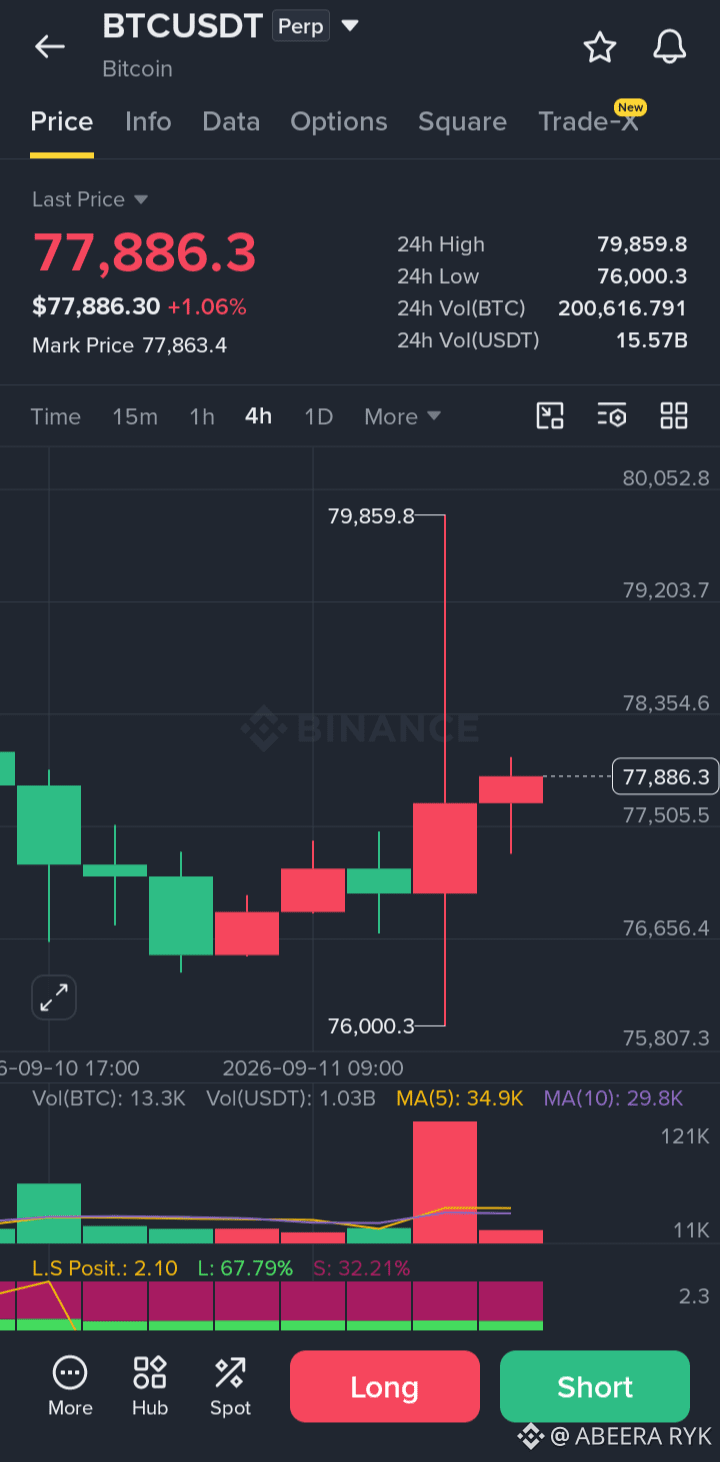
🚨$BTC $78,522.4を1回の取引ごとに稼いでいて、2.14%下落中です。$195.34Mの出来高があり、売り圧が目立っています。いま市場の注目はこの水準にあります。買い手がサポートを守れれば反発の可能性がありますが、そうでなければBTCにさらなる下方向のボラティリティが出るかもしれません。
#CaliforniaBillWouldBarOfficialMemeCoins #GoldRisesAbout14%InAugust #QatarExtendsLNGForceMajeureByOneMonth #TaiwanTAIEXRetakes46500OnChipRally #KospiFallsAsAITradingEuphoriaCools
{future}(BTCUSDT)
🚨$BTC $78,522.4を1回の取引ごとに稼いでいて、2.14%下落中です。$195.34Mの出来高があり、売り圧が目立っています。いま市場の注目はこの水準にあります。買い手がサポートを守れれば反発の可能性がありますが、そうでなければBTCにさらなる下方向のボラティリティが出るかもしれません。
#CaliforniaBillWouldBarOfficialMemeCoins #GoldRisesAbout14%InAugust #QatarExtendsLNGForceMajeureByOneMonth #TaiwanTAIEXRetakes46500OnChipRally #KospiFallsAsAITradingEuphoriaCools
#CaliforniaBillWouldBarOfficialMemeCoins #GoldRisesAbout14%InAugust #QatarExtendsLNGForceMajeureByOneMonth #TaiwanTAIEXRetakes46500OnChipRally #KospiFallsAsAITradingEuphoriaCools
94
·
--
弱気相場
$DKNG は約24.60ドル付近で取引されており、1%下落しています。市場では緩やかな売り圧力が見られ、現在は弱気派が短期的な値動きをコントロールしています。トレーダーは、DKNGがこの水準を維持し、買い手を引き付けられるかどうかを注視するでしょう。強い反発が起これば、勢いはすぐに再び上方向へ切り替わる可能性があります。
#BankOfKoreaHikesRatesTo3% #XRPLeadsCryptoPullbackDropsNearly7% #DollarPostsBiggestGainInNearlyFourWeeks
{future}(DKNGUSDT)
$DKNG は約24.60ドル付近で取引されており、1%下落しています。市場では緩やかな売り圧力が見られ、現在は弱気派が短期的な値動きをコントロールしています。トレーダーは、DKNGがこの水準を維持し、買い手を引き付けられるかどうかを注視するでしょう。強い反発が起これば、勢いはすぐに再び上方向へ切り替わる可能性があります。
#BankOfKoreaHikesRatesTo3% #XRPLeadsCryptoPullbackDropsNearly7% #DollarPostsBiggestGainInNearlyFourWeeks
#BankOfKoreaHikesRatesTo3% #XRPLeadsCryptoPullbackDropsNearly7% #DollarPostsBiggestGainInNearlyFourWeeks
183
·
--
弱気相場
$TRUMP USDT Perpは約$2.1619付近で取引されており、0.41%下落、出来高は約$304.46Mです。ペアはわずかな売り圧力下にありますが、高い出来高は市場の活発さを示しています。$2.16の水準は次の方向性を決めるうえで引き続き重要です。反発すれば買い手を引きつける可能性がありますが、弱さが続けば売り手が主導権を維持するかもしれません。
#CryptoFearGreedIndexHits74 #KoreaMemoryChipStocksReverseLate #BrentWTICrudeFallOver3% #BrentWTICrudeFallOver3% #KOSPIRisesNearly1%
{future}(TRUMPUSDT)
$TRUMP USDT Perpは約$2.1619付近で取引されており、0.41%下落、出来高は約$304.46Mです。ペアはわずかな売り圧力下にありますが、高い出来高は市場の活発さを示しています。$2.16の水準は次の方向性を決めるうえで引き続き重要です。反発すれば買い手を引きつける可能性がありますが、弱さが続けば売り手が主導権を維持するかもしれません。
#CryptoFearGreedIndexHits74 #KoreaMemoryChipStocksReverseLate #BrentWTICrudeFallOver3% #BrentWTICrudeFallOver3% #KOSPIRisesNearly1%
#CryptoFearGreedIndexHits74 #KoreaMemoryChipStocksReverseLate #BrentWTICrudeFallOver3% #BrentWTICrudeFallOver3% #KOSPIRisesNearly1%
263
·
--
弱気相場
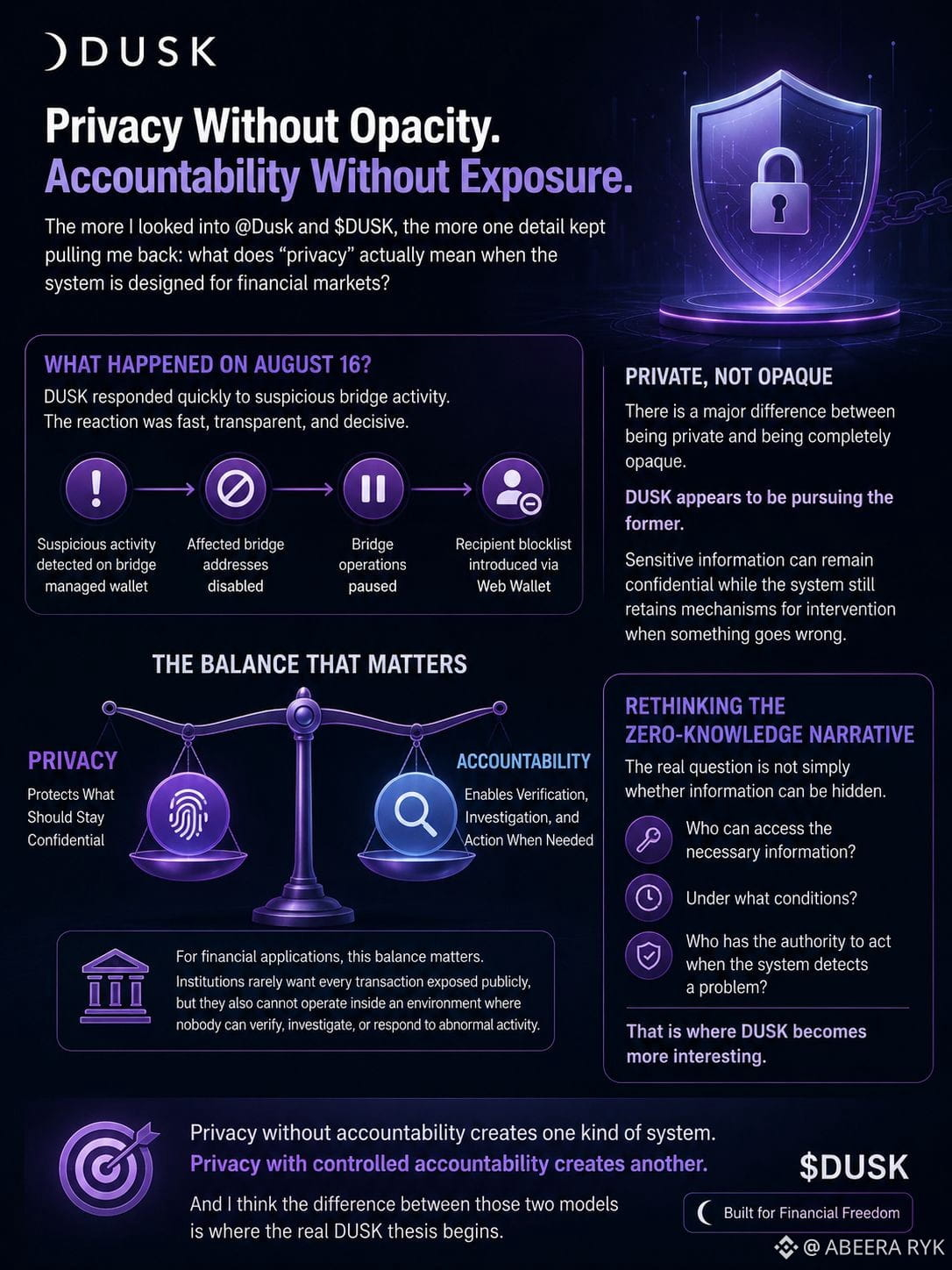
@Dusk_Foundation and $DUSK を深く調べるほど、ある1つのディテールが何度も引き戻してきました。それは、「プライバシー」とは、金融市場のために設計されたシステムにおいて実際には何を意味するのか、ということです。
最初は、ヘッジャー(Hedger)のコンセプトが、また別の馴染みのあるゼロ知識の物語に聞こえました。機密情報を保護し、証明すべきことだけを証明し、オンチェーン上であらゆるものを公開しないようにする。
しかし、私は8月16日に疑わしいブリッジ(橋渡し)のアクティビティに対してネットワークがどう反応したかを見ました。
反応は素早かったです。影響を受けたブリッジのアドレスは無効化され、ブリッジ操作は一時停止され、Webウォレットを通じて受取人のブロックリストが導入されることで、フラグが付いたアドレスへの送信が制限されました。
それによって、私はアーキテクチャの捉え方を変えました。
プライベートであることと、完全に不透明であることには大きな違いがあるからです。
DUSKは前者を追求しているように見えます。
興味深いのは、そのバランスです。機密情報は秘密のまま維持できる一方で、何か問題が起きたときには介入のための仕組みもシステムは保持します。金融アプリケーションでは、この区別が重要です。機関は、すべての取引を公に晒したいとはほとんど考えませんが、誰も検証できず、調査できず、異常な活動に対応できない環境の中で快適に運用することもできません。
それで私は、DUSKをめぐるゼロ知識の語りを改めて考え直すことになりました。
本当の問いは、単に情報を隠せるかどうかではありません。
必要な情報に誰が、どのような条件のもとでアクセスできるのか。そして、システムが問題を検知したときに誰にそれを扱う権限があるのか。
そこが、私にとってDUSKがより興味深くなるポイントです。
説明責任のないプライバシーは、ある種のシステムを生みます。
説明責任を制御したプライバシーは、別の種類のシステムを生みます。
そして、その2つのモデルの違いこそが、私が考える本当のDUSKの主張の始まりだと思います。#dusk
{future}(DUSKUSDT)
@Dusk and $DUSK を深く調べるほど、ある1つのディテールが何度も引き戻してきました。それは、「プライバシー」とは、金融市場のために設計されたシステムにおいて実際には何を意味するのか、ということです。
最初は、ヘッジャー(Hedger)のコンセプトが、また別の馴染みのあるゼロ知識の物語に聞こえました。機密情報を保護し、証明すべきことだけを証明し、オンチェーン上であらゆるものを公開しないようにする。
しかし、私は8月16日に疑わしいブリッジ(橋渡し)のアクティビティに対してネットワークがどう反応したかを見ました。
反応は素早かったです。影響を受けたブリッジのアドレスは無効化され、ブリッジ操作は一時停止され、Webウォレットを通じて受取人のブロックリストが導入されることで、フラグが付いたアドレスへの送信が制限されました。
それによって、私はアーキテクチャの捉え方を変えました。
プライベートであることと、完全に不透明であることには大きな違いがあるからです。
DUSKは前者を追求しているように見えます。
興味深いのは、そのバランスです。機密情報は秘密のまま維持できる一方で、何か問題が起きたときには介入のための仕組みもシステムは保持します。金融アプリケーションでは、この区別が重要です。機関は、すべての取引を公に晒したいとはほとんど考えませんが、誰も検証できず、調査できず、異常な活動に対応できない環境の中で快適に運用することもできません。
それで私は、DUSKをめぐるゼロ知識の語りを改めて考え直すことになりました。
本当の問いは、単に情報を隠せるかどうかではありません。
必要な情報に誰が、どのような条件のもとでアクセスできるのか。そして、システムが問題を検知したときに誰にそれを扱う権限があるのか。
そこが、私にとってDUSKがより興味深くなるポイントです。
説明責任のないプライバシーは、ある種のシステムを生みます。
説明責任を制御したプライバシーは、別の種類のシステムを生みます。
そして、その2つのモデルの違いこそが、私が考える本当のDUSKの主張の始まりだと思います。#dusk
最初は、ヘッジャー(Hedger)のコンセプトが、また別の馴染みのあるゼロ知識の物語に聞こえました。機密情報を保護し、証明すべきことだけを証明し、オンチェーン上であらゆるものを公開しないようにする。
しかし、私は8月16日に疑わしいブリッジ(橋渡し)のアクティビティに対してネットワークがどう反応したかを見ました。
反応は素早かったです。影響を受けたブリッジのアドレスは無効化され、ブリッジ操作は一時停止され、Webウォレットを通じて受取人のブロックリストが導入されることで、フラグが付いたアドレスへの送信が制限されました。
それによって、私はアーキテクチャの捉え方を変えました。
プライベートであることと、完全に不透明であることには大きな違いがあるからです。
DUSKは前者を追求しているように見えます。
興味深いのは、そのバランスです。機密情報は秘密のまま維持できる一方で、何か問題が起きたときには介入のための仕組みもシステムは保持します。金融アプリケーションでは、この区別が重要です。機関は、すべての取引を公に晒したいとはほとんど考えませんが、誰も検証できず、調査できず、異常な活動に対応できない環境の中で快適に運用することもできません。
それで私は、DUSKをめぐるゼロ知識の語りを改めて考え直すことになりました。
本当の問いは、単に情報を隠せるかどうかではありません。
必要な情報に誰が、どのような条件のもとでアクセスできるのか。そして、システムが問題を検知したときに誰にそれを扱う権限があるのか。
そこが、私にとってDUSKがより興味深くなるポイントです。
説明責任のないプライバシーは、ある種のシステムを生みます。
説明責任を制御したプライバシーは、別の種類のシステムを生みます。
そして、その2つのモデルの違いこそが、私が考える本当のDUSKの主張の始まりだと思います。#dusk
114
ログインして、さらにコンテンツを読む
厳選トピックで世界の暗号資産トレーダーの仲間入り
⚡️ 暗号資産に関する最新かつ有益な情報が見つかります。
💬 世界最大の暗号資産取引所から信頼されています。
👍 認証を受けたクリエイターから、有益なインサイトを得られます。
メール / 電話番号
トレンドトピック
FedRateWatch
閲覧回数 709,282
3,371人が討論中
トレンドハッシュタグキャンペーンで「シェア&ウィン」交通(トラフィック)報酬を獲得しよう
✨トピック:FOMC 9月、「次のFRBの一手」は?
👉参加方法:
ハッシュタグ #FedRateWatch を付けて短い投稿または記事を投稿してください
以下の観点に基づいてコンテンツを作成してください:
- 8月のコアCPIは前月比0.3%上昇し、今週の25bp利上げの確率は現在約90%です。今週、利上げはあると思いますか?それは一時的なものですか、それともより長い利上げサイクルの始まりでしょうか?
- 利上げが実施された場合、BTC、テック株、ゴールドはどのように動きますか?強気(ブル)か弱気(ベア)か?
- 次の取引はどう計画していますか?取引共有ウィジェットを使って、BTC、株、またはゴールドの取引/保有を共有してください。
⏰キャンペーン期間:
- 2026-09-15 11:00 - 2026-09-17 3:00 UTC
🎁報酬:
- 上記のガイドラインを満たし、かつ100語を超える適格な投稿は審査され、抽選で500〜3,000ビューのランダムなトラフィック増加が付与される場合があります。投稿が選ばれた場合、フィードの事務局から通知が届きます。
- 記事がBinance Square Officialで特集されるチャンス
投稿のアイデアが必要ですか?トピックページ #FedRateWatch へアクセスするか、 Square Guide on How to Post for Better Reach をご覧ください。
Binance Square Official
·いいね:430件
·閲覧回数 978.7k
ArgentinaCommitsToOECDCryptoReportingBy2029
閲覧回数 194
20人が討論中
EthereumFallsBelow$2400
閲覧回数 1,144
40人が討論中