
Nobahar Ali
3k 投稿

Nobahar Ali
報告
ユーザーをブロック
It's okay, start it again.
取引を発注
高頻度トレーダー
3.8年
3.7K+ フォロー
4.5K+ フォロワー
2.6K+ いいね
投稿
ポートフォリオ
すべて
引用
ライブ
·
--
翻訳参照
i was remember when I hve star write to earn that so dramatic for me now toady im looking at Dusk again and 1 detail feels more important than the usual privacy narrative.
Dusk currently describes its L1 around deterministic finality confidential transfers
ZK smart contracts and regulated asset workflows.
The headline number that caught me is ~10s deterministic settlement, with 210M+ DUSK staked securing the network.
So, Dusk
thats a different angle from simply saying “blockchain with privacy."
if tokenized securities, funds or other regulated assets are eventually moving onchain, the hard part isnt just hiding transaction details. its making sure the transaction actually reaches a predictable final state while the right parties can still verify what theyre allowed to verify.
maybe thats where Dusk becomes more interesting than another privacy-focused chain.
im still watching how much real market activity actually follows this infrastructure thesis.
what's your take??
$DUSK
50
·
--
$DEXE 39.3 USDT(30日間の取引)
本当の試金石は、貢献者が関わり続ける理由があるか、投票に意味のある重みがあるか、そして資金庫が責任を持って管理されているかです。
優れたガバナンスとは、提案の数を増やすことではありません。
利害が一致しないときに、より良い決定を下すことです。
私が注目するのは、そこです。
$DEXE #DAO
本当の試金石は、貢献者が関わり続ける理由があるか、投票に意味のある重みがあるか、そして資金庫が責任を持って管理されているかです。
優れたガバナンスとは、提案の数を増やすことではありません。
利害が一致しないときに、より良い決定を下すことです。
私が注目するのは、そこです。
$DEXE #DAO
優れたガバナンスとは、提案の数を増やすことではありません。
利害が一致しないときに、より良い決定を下すことです。
私が注目するのは、そこです。
$DEXE #DAO
1.2k
·
--
取引で最も難しいのは、チャンスを見つけることとは限りません。市場に明確な方向性がないときに、何もしないことです。
私も以前、この失敗をしたことがあります。小さな値動きが確かなものに見え、出来高が増え始めると、待つことが急にチャンスを逃しているように感じられます。
しかし、すべてのブレイクアウトに注目する必要はありません。
私は、最初の興奮が冷めた後の価格の動きを見るようにしています。出来高は値動きを裏付けているか? 抵抗線は実際に支持線へと変わっているか? モメンタムが弱まっても、買い手はまだ関心を持っているか?
こうした細かな点からは、陽線よりも有益な状況が見えてくることがよくあります。
市場には、いつでも次のチャンスがあります。資金を守ることで、そのチャンスに気づく余裕が生まれます。
忍耐もまた、取引上の判断です。
#CanNvidia’sDataCenterGrowthContinue? #BTC
$BTC
62
·
--
取引で最も難しいのは、チャンスを見つけることではない場合があります。市場が明確な方向性を示さないときに、何もしないことです。
私も以前、同じ間違いをしたことがあります。小さな値動きに説得力があるように見え、出来高が増え始めると、待つことが急にチャンスを逃すことのように感じられます。
しかし、すべてのブレイクアウトに注目する必要があるわけではありません。
私は、最初の興奮が冷めた後、価格がどのように動くかを見るようにしています。出来高はその動きを裏付けているか。レジスタンスは本当にサポートに変わったか。勢いが弱まっても、買い手の関心は続いているか。
こうした点は、陽線よりも多くのことを物語ってくれることがあります。
市場には、次のチャンスが必ずあります。資金を守ることで、そのチャンスに気づく機会を得られます。
忍耐もまた、取引上の判断です。
#CanNvidia’sDataCenterGrowthContinue? #BTC
$BTC
100
·
--
取引で最も難しいのは、チャンスを見つけることではない場合があります。市場が明確な方向性を示していないときに、何もしないことです。
私も以前、同じ間違いをしたことがあります。小さな値動きが有望に見え、出来高が増え始めると、待つことが急に機会を逃すことのように感じられます。
しかし、すべてのブレイクアウトに注目する必要があるわけではありません。
私は、最初の興奮が冷めた後に価格がどう動くかを見るようにしています。出来高はその動きを裏付けているでしょうか?抵抗線は本当に支持線へと変わっているでしょうか?勢いが弱まっても、買い手はまだ関心を持っているでしょうか?
こうした細かな点から、陽線よりも有益な状況が見えてくることがよくあります。
市場には、次のチャンスが必ずあります。資金を守ることで、そのチャンスに気づく機会を得られます。
忍耐もまた、取引上の判断です。
#CanNvidia’sDataCenterGrowthContinue? #BTC
$BTC
112
·
--
私が追跡してきた他のプロトコルはどれも、関連する経済健全性指標を誰も読まないガバナンスフォーラムの投稿に埋もれさせるか、何を測定していないのかを理解するまでは impressive に見える虚栄の指標を提示するか、あるいは外部の観察者が経済の持続可能性を評価できるような情報を一切開示しないかのいずれかだった。Pixelsは、モデルを擁護する前に、その実態を明らかにする数値を公開した。こうした姿勢は非常に珍しく、真剣に検討する価値がある。
RORSが実際に測定しているもの、そしてそれがトークン価格、DAU数、TVLよりも重要な理由を説明しよう。報酬支出利益率(Return on Reward Spend)とは、プロトコルが手数料として得た収益を、プレイヤーに配布した報酬の総額で割った比率だ。1.0ならプロトコルは収支均衡となる。報酬トークンを1単位支出するごとに、手数料収入がちょうど1単位生み出される。1.0を上回れば、経済は自立している。報酬予算は減少するより速く回復する。1.0を下回る場合、配布される報酬はすべて純損失となり、時間とともにエコシステムの報酬プールを取り崩す。現在の0.8という値は、100単位を配布するごとにプロトコルが回収できるのは80単位ということを意味する。この20単位の不足分は、上限50億枚の供給量の34%を保有する既存のエコシステム報酬プールによって補われている。現在の排出率でそのプールが不足分をどれだけの期間補えるかは計算可能であり、$PIXEL の保有者はその計算を行うべきだ。そして、この不足分を埋める道筋こそ、Stackedのインフラ全体が加速させるために設計されているものだ。
RORSが実際に測定しているもの、そしてそれがトークン価格、DAU数、TVLよりも重要な理由を説明しよう。報酬支出利益率(Return on Reward Spend)とは、プロトコルが手数料として得た収益を、プレイヤーに配布した報酬の総額で割った比率だ。1.0ならプロトコルは収支均衡となる。報酬トークンを1単位支出するごとに、手数料収入がちょうど1単位生み出される。1.0を上回れば、経済は自立している。報酬予算は減少するより速く回復する。1.0を下回る場合、配布される報酬はすべて純損失となり、時間とともにエコシステムの報酬プールを取り崩す。現在の0.8という値は、100単位を配布するごとにプロトコルが回収できるのは80単位ということを意味する。この20単位の不足分は、上限50億枚の供給量の34%を保有する既存のエコシステム報酬プールによって補われている。現在の排出率でそのプールが不足分をどれだけの期間補えるかは計算可能であり、$PIXEL の保有者はその計算を行うべきだ。そして、この不足分を埋める道筋こそ、Stackedのインフラ全体が加速させるために設計されているものだ。
1
366
·
--
行く末を決める指標P2E経済の存続を左右する指標——Pixelsはこれを初めて公開したプロジェクト
暗号資産ゲームの経済を長年追ってきて、数えきれないほど同じ崩壊をスローモーションで見てきました。正直、PixelsがRORSを0.8と公表したのを初めて見たときは、二度読みしなければなりませんでした。この分野でそんなことをするプロジェクトはないからです😂
私が追ってきた他のプロトコルはどれも、経済の健全性を示す重要な指標を誰も読まないガバナンスフォーラムの投稿に埋もれさせるか、何を測っていないのかを理解するまでは立派に見える虚栄の指標を提示するか、あるいは経済が本当に持続可能かを外部の観察者が評価できる情報を一切開示しません。Pixelsは、モデルを擁護する前に、その実態を明らかにする数値を公表しました。その姿勢は十分に異例であり、真剣に検討する価値があります。
行く末を決める指標
P2E経済の存続を左右する指標——Pixelsはこれを初めて公開したプロジェクト
暗号資産ゲームの経済を長年追ってきて、数えきれないほど同じ崩壊をスローモーションで見てきました。正直、PixelsがRORSを0.8と公表したのを初めて見たときは、二度読みしなければなりませんでした。この分野でそんなことをするプロジェクトはないからです😂
私が追ってきた他のプロトコルはどれも、経済の健全性を示す重要な指標を誰も読まないガバナンスフォーラムの投稿に埋もれさせるか、何を測っていないのかを理解するまでは立派に見える虚栄の指標を提示するか、あるいは経済が本当に持続可能かを外部の観察者が評価できる情報を一切開示しません。Pixelsは、モデルを擁護する前に、その実態を明らかにする数値を公表しました。その姿勢は十分に異例であり、真剣に検討する価値があります。
1
265
·
--
記事
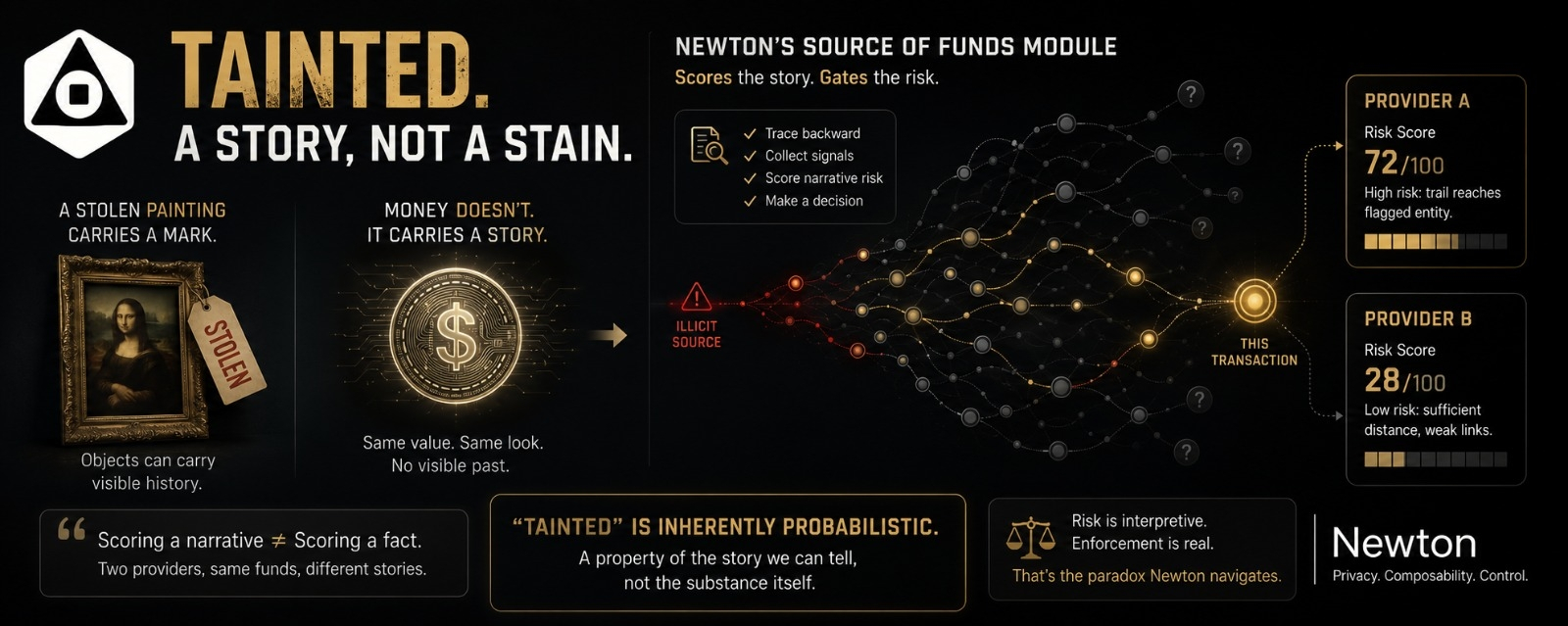
「汚染されている」とは実際に何を意味するのか今夜は仕組みではなく、ある言葉について考え続けている。「汚染された」という言葉だ。Newtonの資金源モジュールは、資金が汚染されているかどうかに基づいて取引を制御する。そこで、その言葉が技術的な意味だけでなく、哲学的に何を意味しているのかを、実はよく分かっていないと気づいた。
お金には、物体のように目に見える履歴はない。盗まれた絵画も見た目はただの絵画だが、どこかに印や登録記録など、出所をたどる手がかりがあるかもしれない。不正なものを経由したお金も、そうでないお金と見た目は変わらない。同じ資産、同じ価値、同じ代替可能性を持つ。誰かがそこにストーリーを結び付けるまでは。
「汚染されている」とは実際に何を意味するのか
今夜は仕組みではなく、ある言葉について考え続けている。「汚染された」という言葉だ。Newtonの資金源モジュールは、資金が汚染されているかどうかに基づいて取引を制御する。そこで、その言葉が技術的な意味だけでなく、哲学的に何を意味しているのかを、実はよく分かっていないと気づいた。
お金には、物体のように目に見える履歴はない。盗まれた絵画も見た目はただの絵画だが、どこかに印や登録記録など、出所をたどる手がかりがあるかもしれない。不正なものを経由したお金も、そうでないお金と見た目は変わらない。同じ資産、同じ価値、同じ代替可能性を持つ。誰かがそこにストーリーを結び付けるまでは。
お金には、物体のように目に見える履歴はない。盗まれた絵画も見た目はただの絵画だが、どこかに印や登録記録など、出所をたどる手がかりがあるかもしれない。不正なものを経由したお金も、そうでないお金と見た目は変わらない。同じ資産、同じ価値、同じ代替可能性を持つ。誰かがそこにストーリーを結び付けるまでは。
1
288
·
--
$BTC
以前は、ビットコイン最大の強みは単に2,100万枚という供給上限だと思っていました。
しかし、より深い優位性は「予測可能な希少性」だという点です。
ビットコインは、新しい供給をシステムにどれだけ入れるかを中央の権限が決める必要はありません。発行はコードによって管理され、マイニングがネットワークを保護し、取引を処理します。
およそ4年ごとに、半減期メカニズムによってマイニング報酬が減らされます。つまり、新しく作られるBTCの流れは時間とともに継続的に減少していくのです。
トレーダーにとって重要なのは、ビットコインが次のような「珍しい組み合わせ」を持っていることです:
有限の供給 + 深い流動性 + 世界的な需要 + 公開された発行。
ただし、希少性だけでは価格上昇が保証されるわけではありません。市場はボラティリティが高いままになり得ますし、ストレス時には流動性が消えることもあります。さらにマクロニュースによって、短期のポジショニングがまったく変わってしまうこともあります。
だから私は、BTCを2つの観点から見るのが好きです:
プロトコルが保証すること — そして、市場がそれにいくら払う気があるのか。
前者は予測可能です。
後者は決して予測できません。
@bitcoin #BTC
$BTC
以前は、ビットコイン最大の強みは単に2,100万枚という供給上限だと思っていました。
しかし、より深い優位性は「予測可能な希少性」だという点です。
ビットコインは、新しい供給をシステムにどれだけ入れるかを中央の権限が決める必要はありません。発行はコードによって管理され、マイニングがネットワークを保護し、取引を処理します。
およそ4年ごとに、半減期メカニズムによってマイニング報酬が減らされます。つまり、新しく作られるBTCの流れは時間とともに継続的に減少していくのです。
トレーダーにとって重要なのは、ビットコインが次のような「珍しい組み合わせ」を持っていることです:
有限の供給 + 深い流動性 + 世界的な需要 + 公開された発行。
ただし、希少性だけでは価格上昇が保証されるわけではありません。市場はボラティリティが高いままになり得ますし、ストレス時には流動性が消えることもあります。さらにマクロニュースによって、短期のポジショニングがまったく変わってしまうこともあります。
だから私は、BTCを2つの観点から見るのが好きです:
プロトコルが保証すること — そして、市場がそれにいくら払う気があるのか。
前者は予測可能です。
後者は決して予測できません。
@Bitcoin #BTC

2
151
·
--
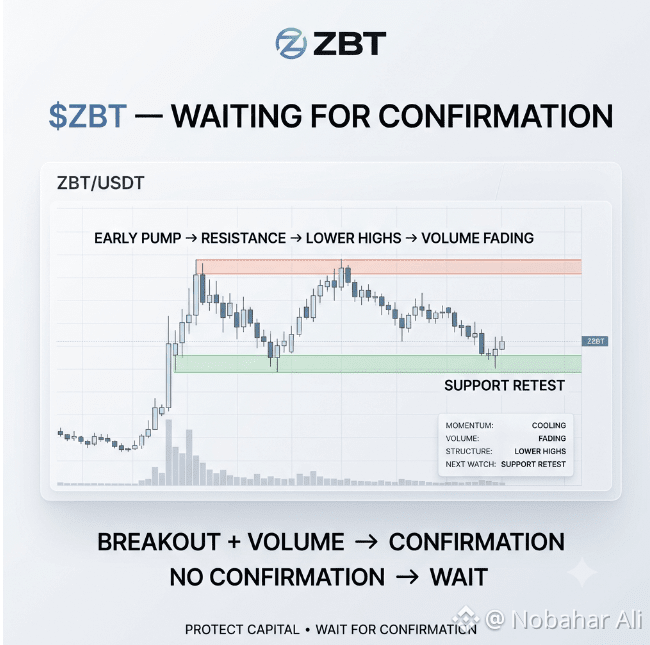
$ZBT は最近見ていて興味深い動きでした。
注目したのは、買いの勢いが失速し始めると、センチメントがいかに素早く変わり得るかという点です。序盤の強さは有望に見えましたが、抵抗(レジスタンス)はまだ真剣に受け止める必要があります。
今は、ちょっとした小さな反発を追いかけるよりも、ZBT がより強固なベースを築けるかどうかに関心があります。ここでは出来高が重要です。出来高を伴う明確なブレイクが戻ってくれば、状況はずっと良く見えてくるかもしれません。
ただ、出来高がさらに減り続けるなら、私は焦らず忍耐して、確認を待ちたいです。
私にとっては、あらゆる値動きを取りにいくよりも資本を守ることが大切です。
あなたは ZBT のブレイクを見ていますか、それとももっと良いエントリーを待っていますか?
#ZBT #Crypto #Binance #ChinaPropertyStocksJumpOnNewMortgageRules
1
344
·
--
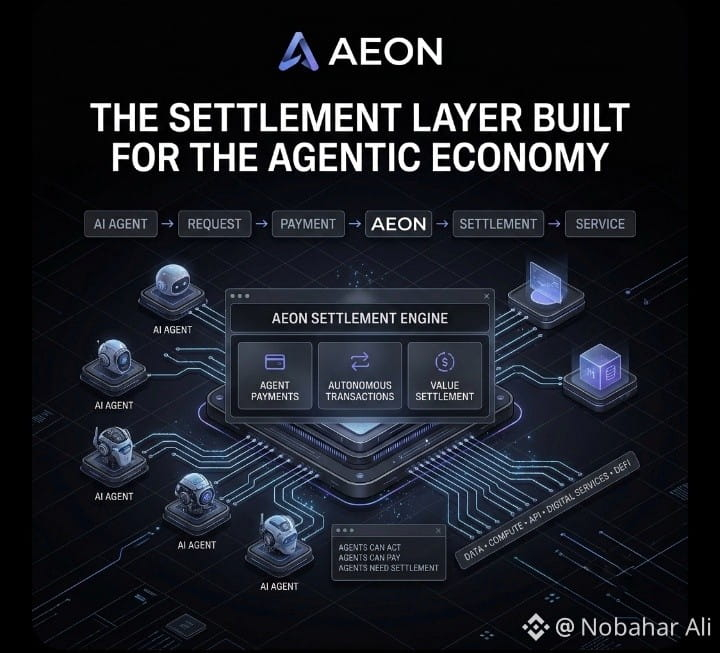
$AEON 私の注意を引いたのは、エージェント型エコノミーには知的なAIエージェント以上のものが必要で、そうしたエージェントが実際に価値を移転し、決済できる仕組みが必要だという点です。
私にとって面白いのは、決済レイヤーです。
もしAIエージェントがデータ、計算、API、デジタルサービス、その他のリソースの支払いを自動的に行い始めたら、取引は絶え間ない人間の承認なしに行われる必要があります。
それは、AEONがエージェントネイティブな決済に注力していることが注目に値する理由です。
とはいえ、より大きな問いは導入(アダプション)です。強力なアーキテクチャも、実際のエージェントやアプリケーションがそれを大規模に使わない限り、意味は小さいでしょう。
私は、物語や主張だけでなく、利用状況、統合、そして実際の取引アクティビティを見ていきます。
このような決済レイヤーを通じて、支払いを管理する自律エージェントを信頼できますか?
#AEON
2
724
·
--
$TAC #trade
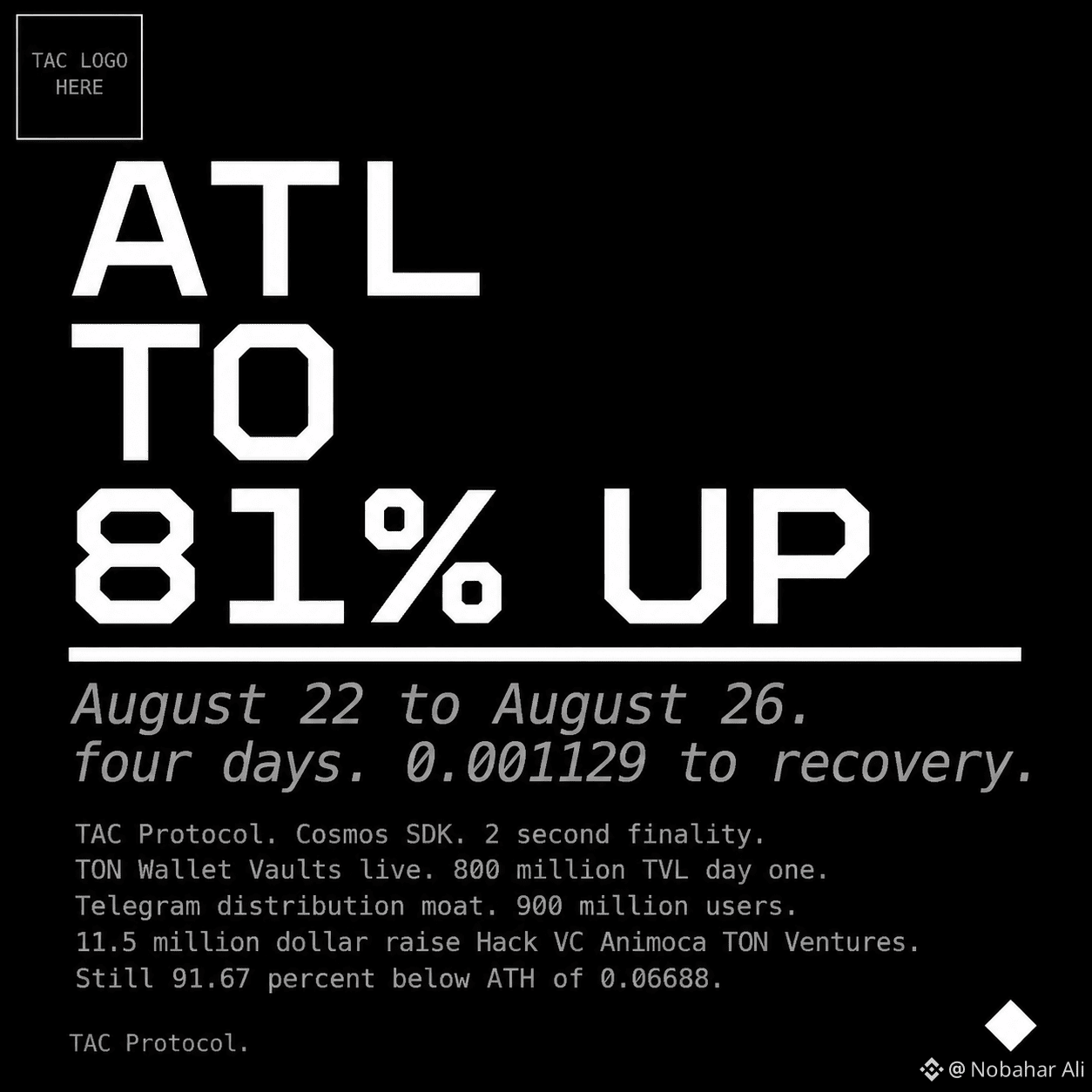
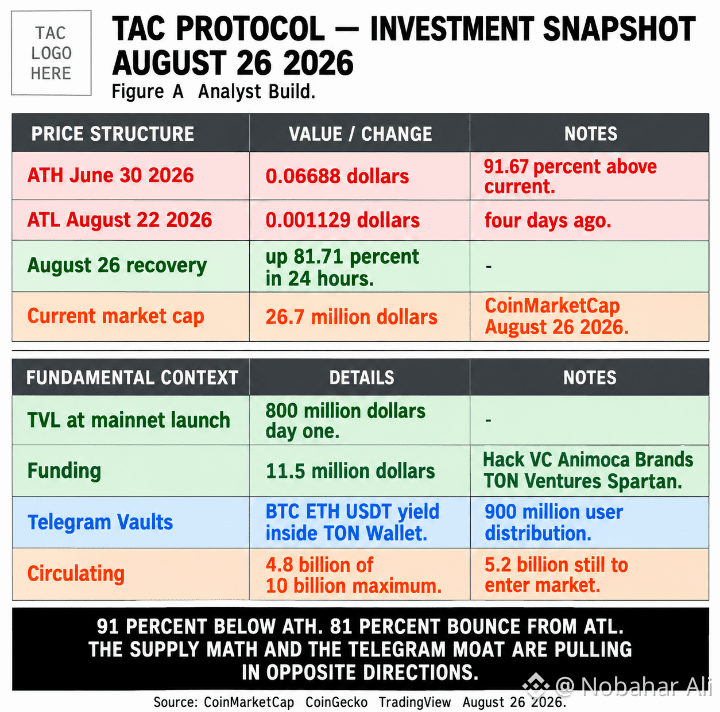
8月22日にTACのチャートを見ていて、正直この画面に表示されている数字が現実味なさすぎた😂
0.001129ドル。史上最安値。
4日後の8月26日、#GoldRisesAbout14%InAugust up 24時間で81.71%上昇。大きな発表はなし。ただ市場が「0.001は無視するには安すぎる」と判断しただけ。
このバウンスが投資の論拠に対して実際に何を意味するのか考えていた。
TACはメメコインではない。土台となるインフラが具体的だ。Cosmos SDKの基盤で2秒のブロック最終確定。TON Adapterが、EthereumとTelegramの間で資産をネイティブにルーティング。手作業のブリッジは不要。ラップトトークンもなし。
Telegram VaultsがTON Walletの中でローンチされ、数億人規模のユーザーがアプリを離れずにBTC・ETH・USDTで利回りを得られる。
メインネットローンチ時のTVLは初日から8億ドル。
これはオーガニックではない。連携された流動性だ。Hack VCが1,150万ドルの資金調達を主導。Animoca Brands、TON Ventures、Spartan、Symbolic Capital。これらは無作為な支援者ではない。
そして、私が解消できない投資上の緊張がある。
ATHは2026年6月30日時点で0.06688。現在はATLから回復中だが、それでもピークから91.67%下。流通供給は最大10 billionに対して4.8 billion TAC。残りの5.2 billionが市場に入ってくるまでの供給の現実が、あらゆる回復のローソク足の下にある。
Telegramの配布モートは本物。ユーザー9億人は実在の数字。その配布をTACが取り込めるのか、それともエコシステム外の誰も気づかないインフラのまま残るのか――その答えは、まだチャートだけでは出せない。
#investment
正直、こんな強力な裏付けでATLから81%跳ね返したのが、後から見れば「これは参入タイミングだった」って言える入口なのか、それとも良いストーリー付きのデッドキャット(最終的に下がるやつ)なのか、分からない🤔
質問:Telegramのモート込みで、TACはATHから91%下の現状で本物の価値なのか?それとも供給のオーバーハングが先に勝つのか??
私は金融アドバイスを提供していません。自己責任でお願いします
#trading #Binance
1
162
·
--
$TAC は、次の章が前のポンプよりも重要になる局面にあります。
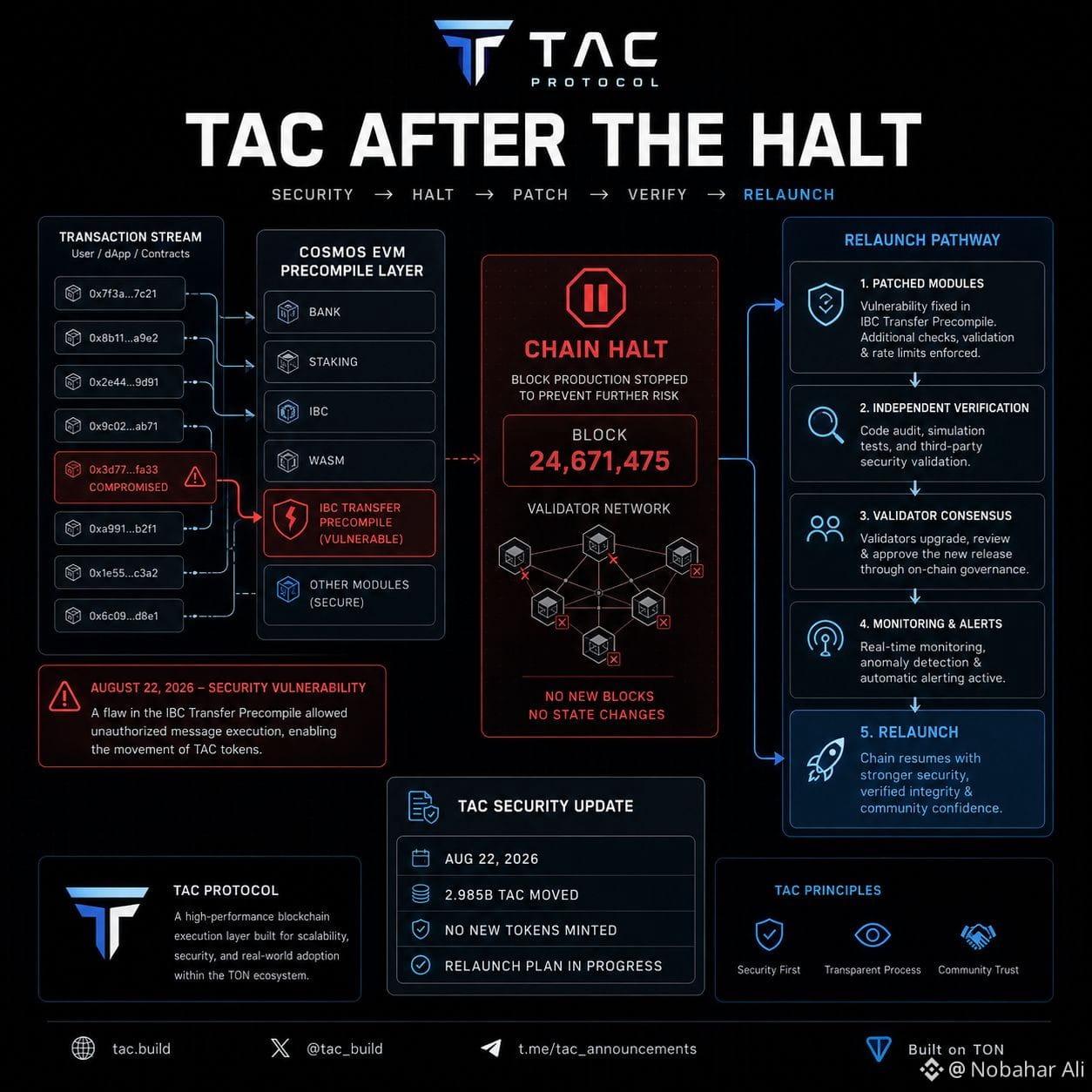
8月22日、攻撃者が共有された Cosmos EVM のプリコンパイル層の脆弱性を悪用したことで、TAC はそのチェーンを停止しました。チームによると、2.98B TAC はある口座から別の口座へ移されたものの、新たなトークンは発行されていないとのことです。
私の注目点は、ここでのアーキテクチャ上のリスクです。
TAC は、EVM dApps を TON と Telegram のエコシステムに持ち込むことを目的としているため、実行レイヤーとその依存関係におけるセキュリティは、ユーザー獲得の成長ストーリーと同じくらい重要です。
トークンは、8月22日の安値からの極端な回復ののち、8月26日におよそ $0.0028 で終値を迎えました。
私にとって本当のテストは、これからの別の価格の跳ね上がりではありません。
それは、TAC がより強力なセーフガード(保護策)を備えて再始動できるのか、信頼を取り戻せるのか、そして基盤となるインフラが、目標としている規模に耐えられることを実証できるのか、という点です。
技術的な修正が独立に検証されているなら、再始動を信じられますか?
#tradering
1
228
·
--
#dusk $DUSK @Dusk_Foundation
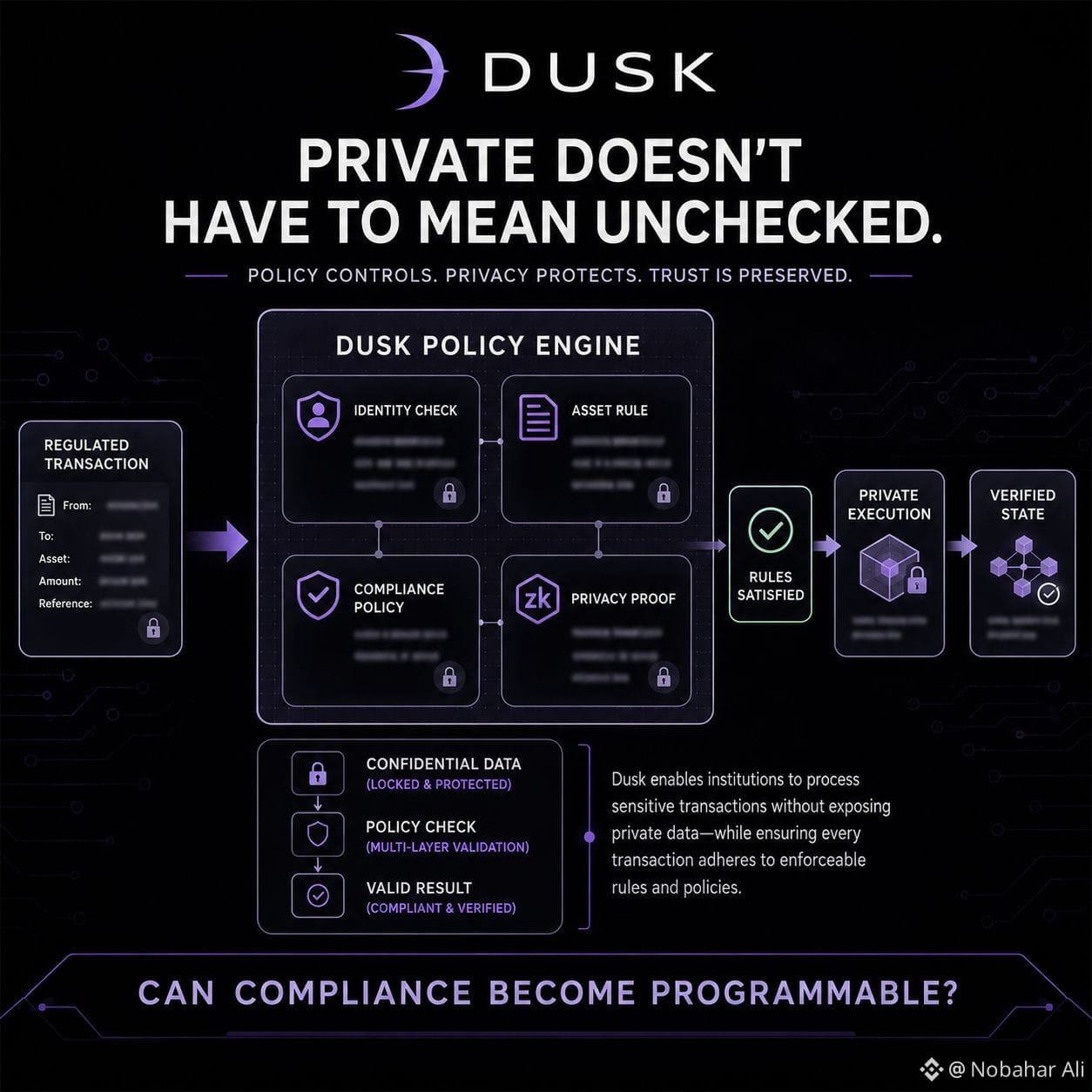
Duskで私が繰り返し立ち返っているのは、ポリシーの執行です。
プライバシーだけでは、規制対象の資産に関する問題は解決しません。
ある機関は取引の詳細を非公開にしたいと思うかもしれませんが、ネットワークはそれでも、その取引が求められるルールに従っているかどうかを知る必要があります。
そこで、Duskが私にとって興味深くなるのです。
このアーキテクチャは、プログラマブルなスマートコントラクト、プライバシーを保護する計算、そして、あらゆる機微情報をすべて公開にせずに適用できるルールを中心に設計されています。
つまり、本当の価値は「プライベートな取引」そのものではない可能性があります。
それは、執行可能性を保ったままのプライベート取引かもしれません。
その違いは重要です。
なぜなら、規制のある金融では通常「機密性」と「コンプライアンス」のどちらかを選べないからです。両方が必要なのです。
より難しい問いは、規制が異なる資産や管轄(法域)で変わるときに、これらのポリシールールが十分に柔軟であり続けるかどうかです。
それをもっと理解したいと思っています。
Duskは、プライバシーを弱めることなく、コンプライアンスをプログラマブルにできるのでしょうか?
あなたの見解は?
#dusk $DUSK @Dusk
Duskで私が繰り返し立ち返っているのは、ポリシーの執行です。
プライバシーだけでは、規制対象の資産に関する問題は解決しません。
ある機関は取引の詳細を非公開にしたいと思うかもしれませんが、ネットワークはそれでも、その取引が求められるルールに従っているかどうかを知る必要があります。
そこで、Duskが私にとって興味深くなるのです。
このアーキテクチャは、プログラマブルなスマートコントラクト、プライバシーを保護する計算、そして、あらゆる機微情報をすべて公開にせずに適用できるルールを中心に設計されています。
つまり、本当の価値は「プライベートな取引」そのものではない可能性があります。
それは、執行可能性を保ったままのプライベート取引かもしれません。
その違いは重要です。
なぜなら、規制のある金融では通常「機密性」と「コンプライアンス」のどちらかを選べないからです。両方が必要なのです。
より難しい問いは、規制が異なる資産や管轄(法域)で変わるときに、これらのポリシールールが十分に柔軟であり続けるかどうかです。
それをもっと理解したいと思っています。
Duskは、プライバシーを弱めることなく、コンプライアンスをプログラマブルにできるのでしょうか?
あなたの見解は?
6
4
113
·
--
#dusk $DUSK @Dusk_Foundation
最近Duskで「より目立たないもの」について考えていました
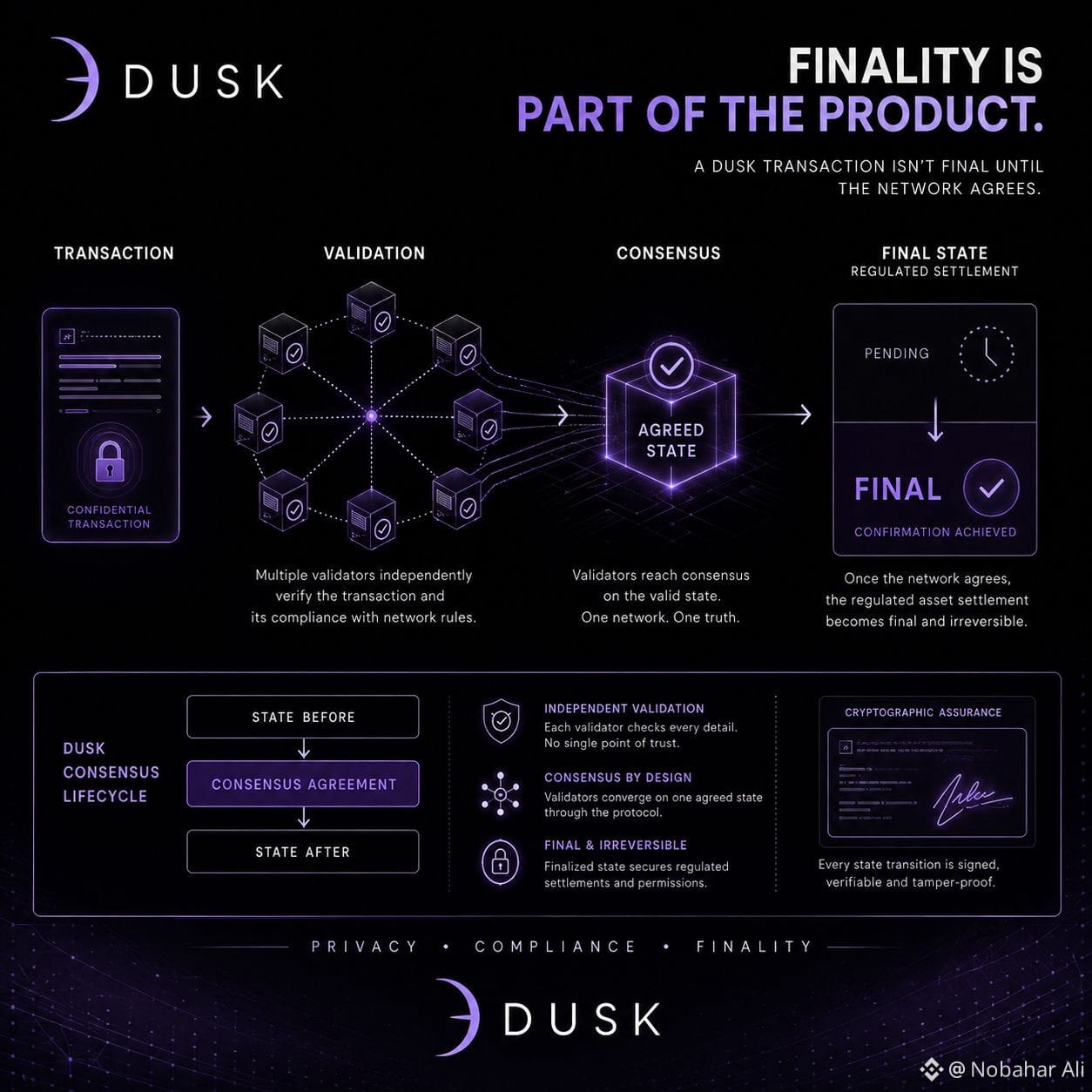
最終性はユーザー体験の一部です。
規制対象の資産を扱うアプリケーションでは、取引がいずれはチェーンに到達すれば十分というわけではありません。
その状態が実際に最終状態として扱えるのはいつなのかを、アプリケーションが把握する必要があります。
ここに、私がDuskのコンセンサス設計に面白さを感じるポイントがあります。
取引は、アプリケーションに「受理された取引が本当に決着済みかどうか」を推測させるのではなく、ネットワークが次の状態に同意する前に、構造化された検証プロセスを経て進みます。
これは、金融インフラにとっては想像以上に重要です。
トークン化された資産の移転におけるコンプライアンス判断や決済指図は、直前の状態がいつ変更されなくなるのかを正確に把握できるかどうかに左右される可能性があります。
the part im still trying to understand is how this behaves when network activity gets much higher than normal.
紙の上での高速な最終性は一つの話です。
実際の需要のもとで、その体験を予測可能に保つことは別の話です。
そこが、私が注目している点です。
ご意見はどうですか??
#dusk $DUSK @Dusk
最近Duskで「より目立たないもの」について考えていました
最終性はユーザー体験の一部です。
規制対象の資産を扱うアプリケーションでは、取引がいずれはチェーンに到達すれば十分というわけではありません。
その状態が実際に最終状態として扱えるのはいつなのかを、アプリケーションが把握する必要があります。
ここに、私がDuskのコンセンサス設計に面白さを感じるポイントがあります。
取引は、アプリケーションに「受理された取引が本当に決着済みかどうか」を推測させるのではなく、ネットワークが次の状態に同意する前に、構造化された検証プロセスを経て進みます。
これは、金融インフラにとっては想像以上に重要です。
トークン化された資産の移転におけるコンプライアンス判断や決済指図は、直前の状態がいつ変更されなくなるのかを正確に把握できるかどうかに左右される可能性があります。
the part im still trying to understand is how this behaves when network activity gets much higher than normal.
紙の上での高速な最終性は一つの話です。
実際の需要のもとで、その体験を予測可能に保つことは別の話です。
そこが、私が注目している点です。
ご意見はどうですか??
10
10
153
·
--
#dusk $DUSK @Dusk_Foundation
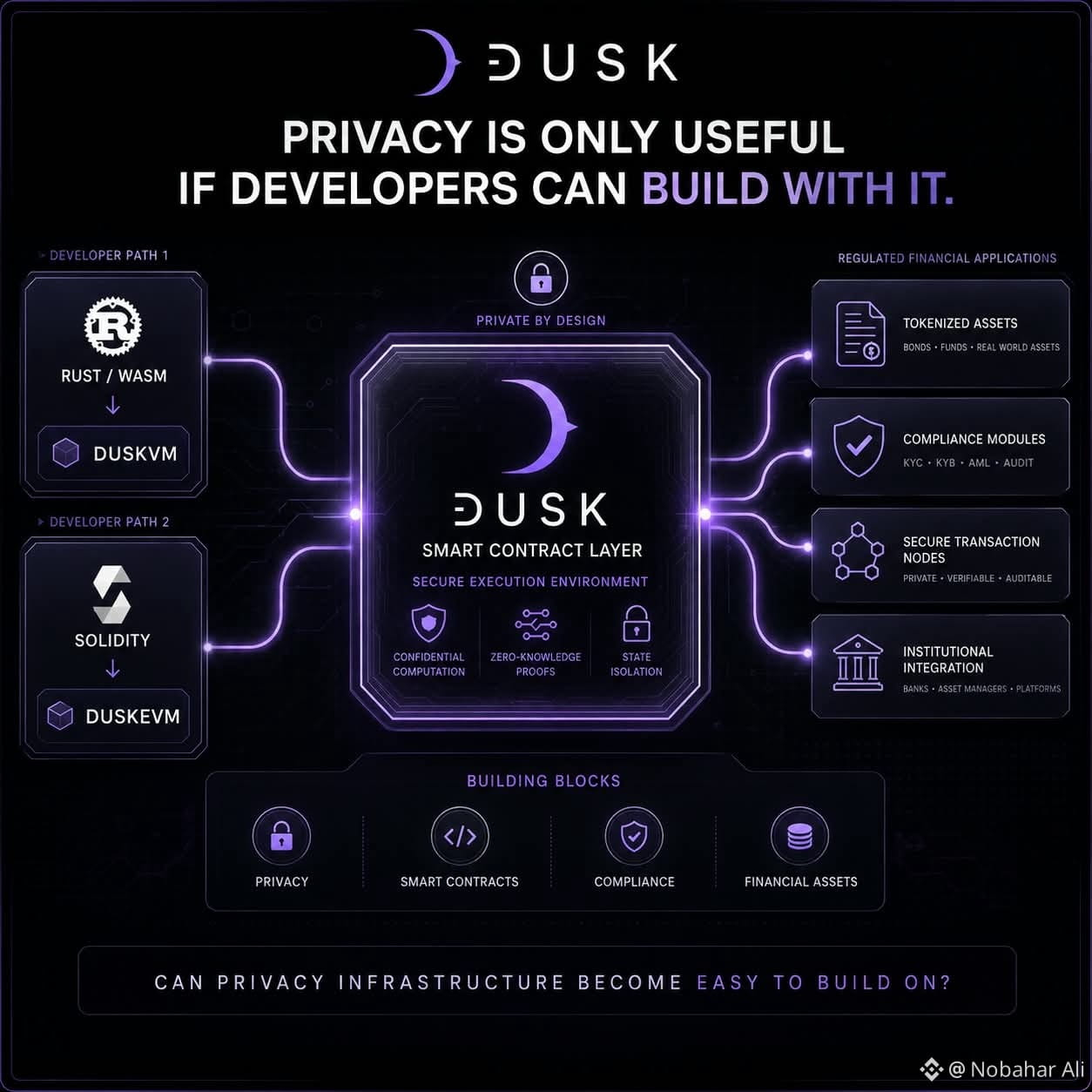
Duskをさらに深掘りしていくと、開発者体験もプライバシーの物語の一部になっている、ということに気づき続けます。
DuskVMはRust/WASMのスマートコントラクトを中心に構築されており、Dusk Layer 1上で直接動作します。さらにDuskにはDuskEVMもあり、Solidity開発者にはEVMと同等の道筋が用意されています。
私は「Duskはスマートコントラクトをサポートしている」と言うだけよりも、この設計のほうがずっと興味深いと思います。
本当に問われるのは、開発者が、すでに理解しているツールや習慣を手放さずに、規制された金融アプリケーションを構築できるかどうかです。
トークン化された有価証券や機関投資家向けの金融を目指すネットワークにとって、それは重要です。
プライバシー機能は、人々が実際にその周りに作り込める場合に限り、スケールして初めて価値を持ちます。
ですが、私が見ているギャップがまだあります。
馴染みのある開発環境を用意したからといって、開発者が自発的にDuskを選ぶとは限りません。
ドキュメントの整備やツールの流動性、そして実際のアプリケーションが、きちんと役割を果たさなければなりません。
その点で、私の仮説は試されます。
Duskは、ペーパーの上だけでなく、プライバシー重視の金融インフラを“作り手にとって実用的”なものにできるのでしょうか?
あなたはどう思いますか??
#dusk $DUSK @Dusk
Duskをさらに深掘りしていくと、開発者体験もプライバシーの物語の一部になっている、ということに気づき続けます。
DuskVMはRust/WASMのスマートコントラクトを中心に構築されており、Dusk Layer 1上で直接動作します。さらにDuskにはDuskEVMもあり、Solidity開発者にはEVMと同等の道筋が用意されています。
私は「Duskはスマートコントラクトをサポートしている」と言うだけよりも、この設計のほうがずっと興味深いと思います。
本当に問われるのは、開発者が、すでに理解しているツールや習慣を手放さずに、規制された金融アプリケーションを構築できるかどうかです。
トークン化された有価証券や機関投資家向けの金融を目指すネットワークにとって、それは重要です。
プライバシー機能は、人々が実際にその周りに作り込める場合に限り、スケールして初めて価値を持ちます。
ですが、私が見ているギャップがまだあります。
馴染みのある開発環境を用意したからといって、開発者が自発的にDuskを選ぶとは限りません。
ドキュメントの整備やツールの流動性、そして実際のアプリケーションが、きちんと役割を果たさなければなりません。
その点で、私の仮説は試されます。
Duskは、ペーパーの上だけでなく、プライバシー重視の金融インフラを“作り手にとって実用的”なものにできるのでしょうか?
あなたはどう思いますか??
12
7
143
·
--
取引手数料を少し違った見方で考えるようになりました。
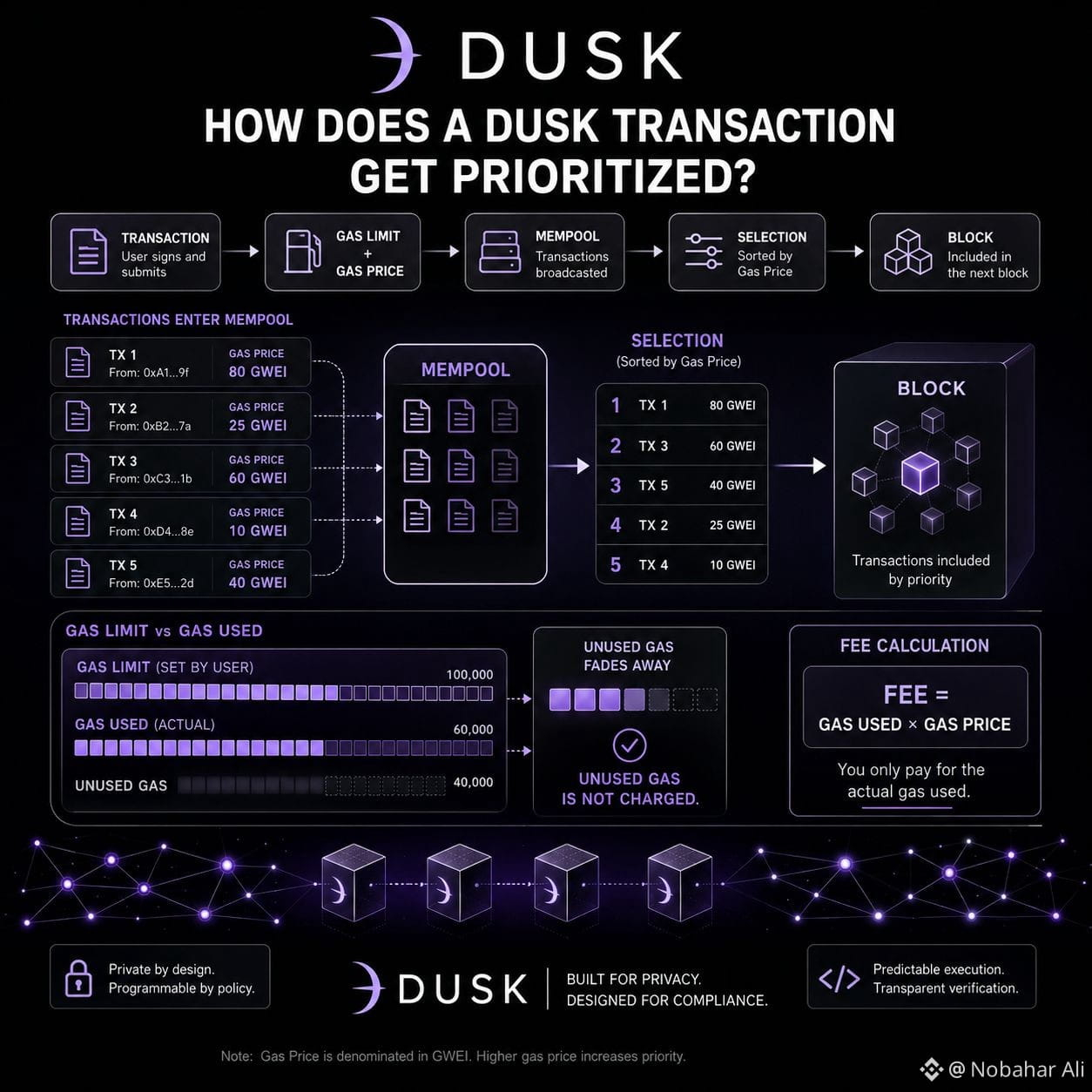
Duskのトランザクションフローを読んでいて、見落としやすいポイントを見つけました。ガス価格は、実際に最初に選ばれるトランザクションの順序に影響することがあるのです。
すべてのトランザクションには、ガスリミットとガス価格が設定されます。最終的な手数料は、使われたガス量に基づきます。つまり、上限いっぱいまで使われていないガスは課金されません。
私の注意を引いたのは、その次に起こることです。
Duskのブロックジェネレーターは、ブロックの上限や実行上の依存関係を守りつつ、メンプール内のトランザクションをガス価格の高い順に(降順で)考慮します。
それは小さな実装上の細部に聞こえます。
でも、私はそうは思いません。
規制されたアプリケーションにとって、予測可能な実行はプライバシーやコンプライアンスだけの話ではありません。
根本の手数料市場も、開発者が理解して判断できる形で振る舞う必要があります。
私にとっての未解決の問いは、Duskの利用が増え、トランザクション需要がより競争的になっていったときに、この仕組みがどう振る舞うのか、ということです。
私はこうしたインフラの詳細を、より深く理解したいと思っています。
あなたの見解は?
@Dusk_Foundation
#dusk $DUSK
取引手数料を少し違った見方で考えるようになりました。
Duskのトランザクションフローを読んでいて、見落としやすいポイントを見つけました。ガス価格は、実際に最初に選ばれるトランザクションの順序に影響することがあるのです。
すべてのトランザクションには、ガスリミットとガス価格が設定されます。最終的な手数料は、使われたガス量に基づきます。つまり、上限いっぱいまで使われていないガスは課金されません。
私の注意を引いたのは、その次に起こることです。
Duskのブロックジェネレーターは、ブロックの上限や実行上の依存関係を守りつつ、メンプール内のトランザクションをガス価格の高い順に(降順で)考慮します。
それは小さな実装上の細部に聞こえます。
でも、私はそうは思いません。
規制されたアプリケーションにとって、予測可能な実行はプライバシーやコンプライアンスだけの話ではありません。
根本の手数料市場も、開発者が理解して判断できる形で振る舞う必要があります。
私にとっての未解決の問いは、Duskの利用が増え、トランザクション需要がより競争的になっていったときに、この仕組みがどう振る舞うのか、ということです。
私はこうしたインフラの詳細を、より深く理解したいと思っています。
あなたの見解は?
@Dusk
#dusk $DUSK
13
9
228
·
--
#dusk $DUSK @Dusk_Foundation
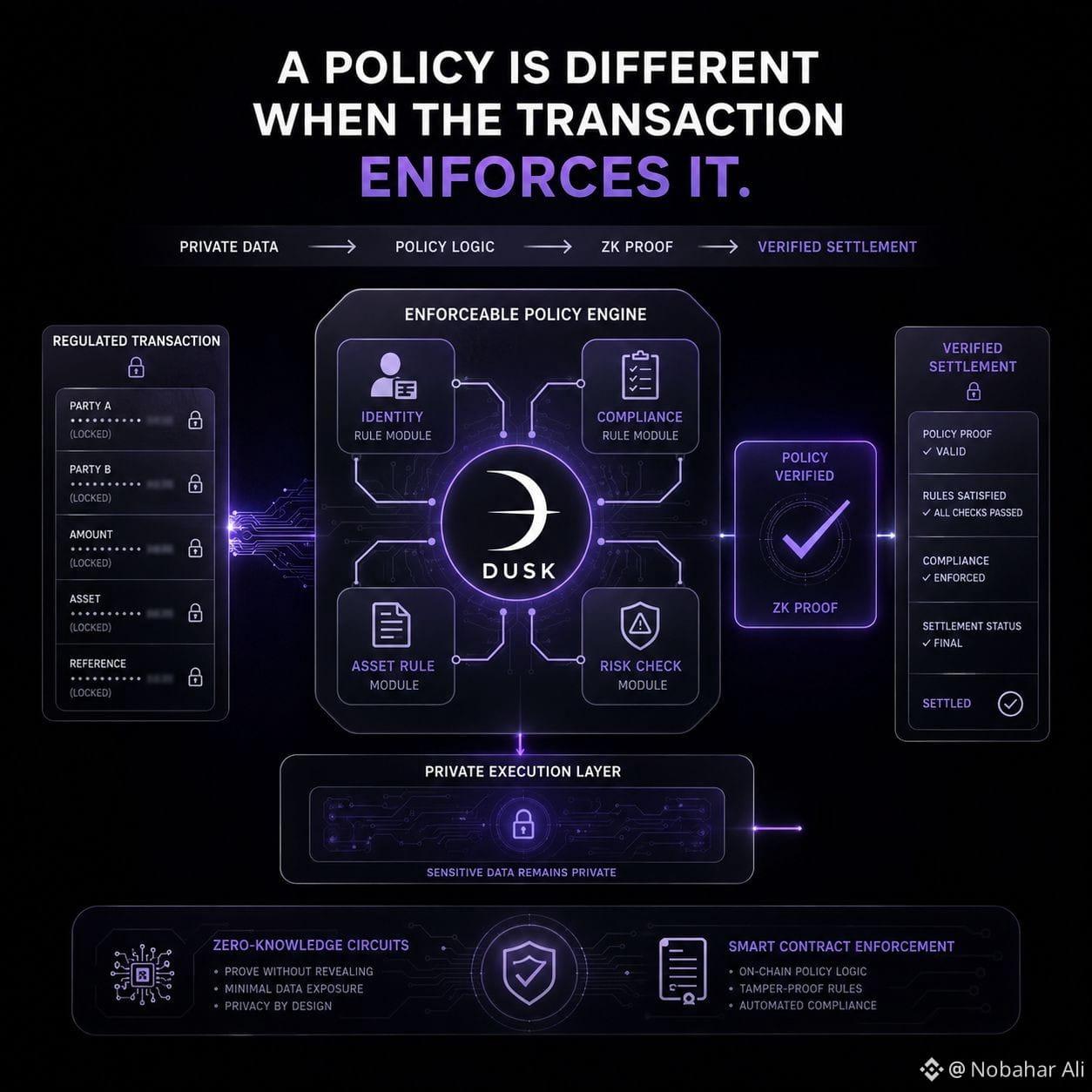
Duskで見つけ続けていて面白いのは、「コンプライアンス規則を持つこと」と「その規則を実際に執行可能にすること」の違いです。
どんなシステムでも、取引の横にポリシードキュメントを置くことはできます。
難しいのは、そのポリシーの裏にあるセンシティブな情報をすべて公開せずに、取引が実際にそのポリシーを尊重するようにすることです。
そこで、Duskのプログラマブル・プライバシー・アーキテクチャが私にとって興味深いのです。
コンプライアンスのロジックは実行プロセスの中に配置でき、ゼロ知識証明によって、必要な条件を満たしていることを検証しつつ、プライベートなデータを公開の取引詳細に変えることなく済みます。
つまり、それによってコンプライアンスの役割が変わる。
ただの書類仕事のまわりのものではなく、取引ロジックの一部になります。
私が注目しているのは、機関が設定や運用を難しく感じるまで、これらのポリシーがどれほど複雑になり得るのか、という点です。
たぶん、それが本当の試金石でしょう。
あなたはどう思いますか??
#dusk $DUSK @Dusk
Duskで見つけ続けていて面白いのは、「コンプライアンス規則を持つこと」と「その規則を実際に執行可能にすること」の違いです。
どんなシステムでも、取引の横にポリシードキュメントを置くことはできます。
難しいのは、そのポリシーの裏にあるセンシティブな情報をすべて公開せずに、取引が実際にそのポリシーを尊重するようにすることです。
そこで、Duskのプログラマブル・プライバシー・アーキテクチャが私にとって興味深いのです。
コンプライアンスのロジックは実行プロセスの中に配置でき、ゼロ知識証明によって、必要な条件を満たしていることを検証しつつ、プライベートなデータを公開の取引詳細に変えることなく済みます。
つまり、それによってコンプライアンスの役割が変わる。
ただの書類仕事のまわりのものではなく、取引ロジックの一部になります。
私が注目しているのは、機関が設定や運用を難しく感じるまで、これらのポリシーがどれほど複雑になり得るのか、という点です。
たぶん、それが本当の試金石でしょう。
あなたはどう思いますか??
8
4
131
·
--
#dusk $DUSK @Dusk_Foundation
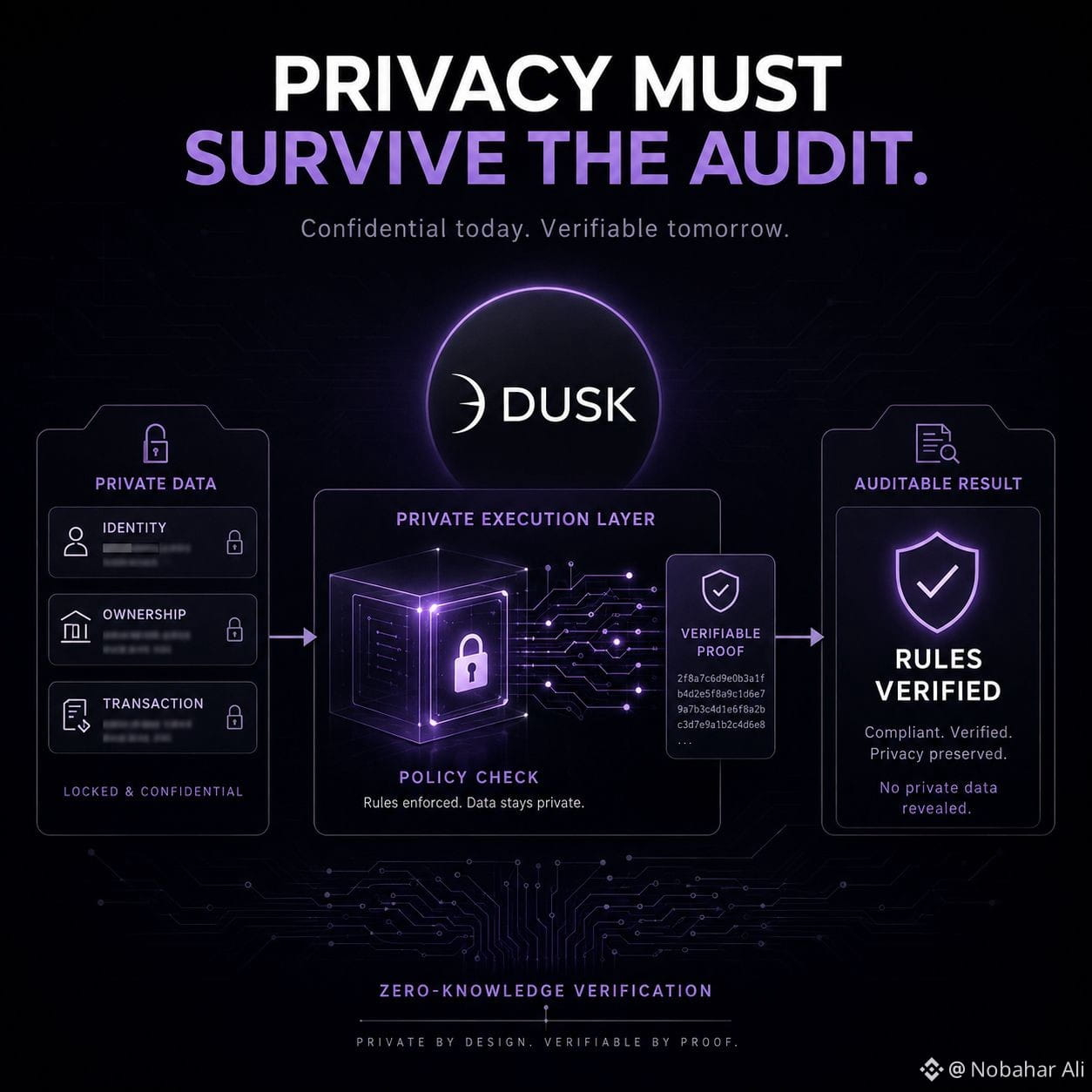
i was thinking about something i dont see discussed enough with Dusk privacy has to survive the audit.
keeping sensitive transaction data hidden is one thing.
being able to prove later that the required rules were actually followed is a different problem.
thats where the combination of private execution and verifiable proofs gets interesting to me. the goal isnt to make the transaction disappear.its to keep the sensitive details protected while still leaving behind something others can verify.
that feels especially important for regulated assets.
because institutions dont just need privacy. they need evidence.
the part im still curious about is how much of that verification trail can remain useful over time without slowly turning the privacy layer into anOther source of exposed information
thats a pretty important design balance.
what's your take??
#dusk $DUSK @Dusk
i was thinking about something i dont see discussed enough with Dusk privacy has to survive the audit.
keeping sensitive transaction data hidden is one thing.
being able to prove later that the required rules were actually followed is a different problem.
thats where the combination of private execution and verifiable proofs gets interesting to me. the goal isnt to make the transaction disappear.its to keep the sensitive details protected while still leaving behind something others can verify.
that feels especially important for regulated assets.
because institutions dont just need privacy. they need evidence.
the part im still curious about is how much of that verification trail can remain useful over time without slowly turning the privacy layer into anOther source of exposed information
thats a pretty important design balance.
what's your take??
14
14
186
·
--
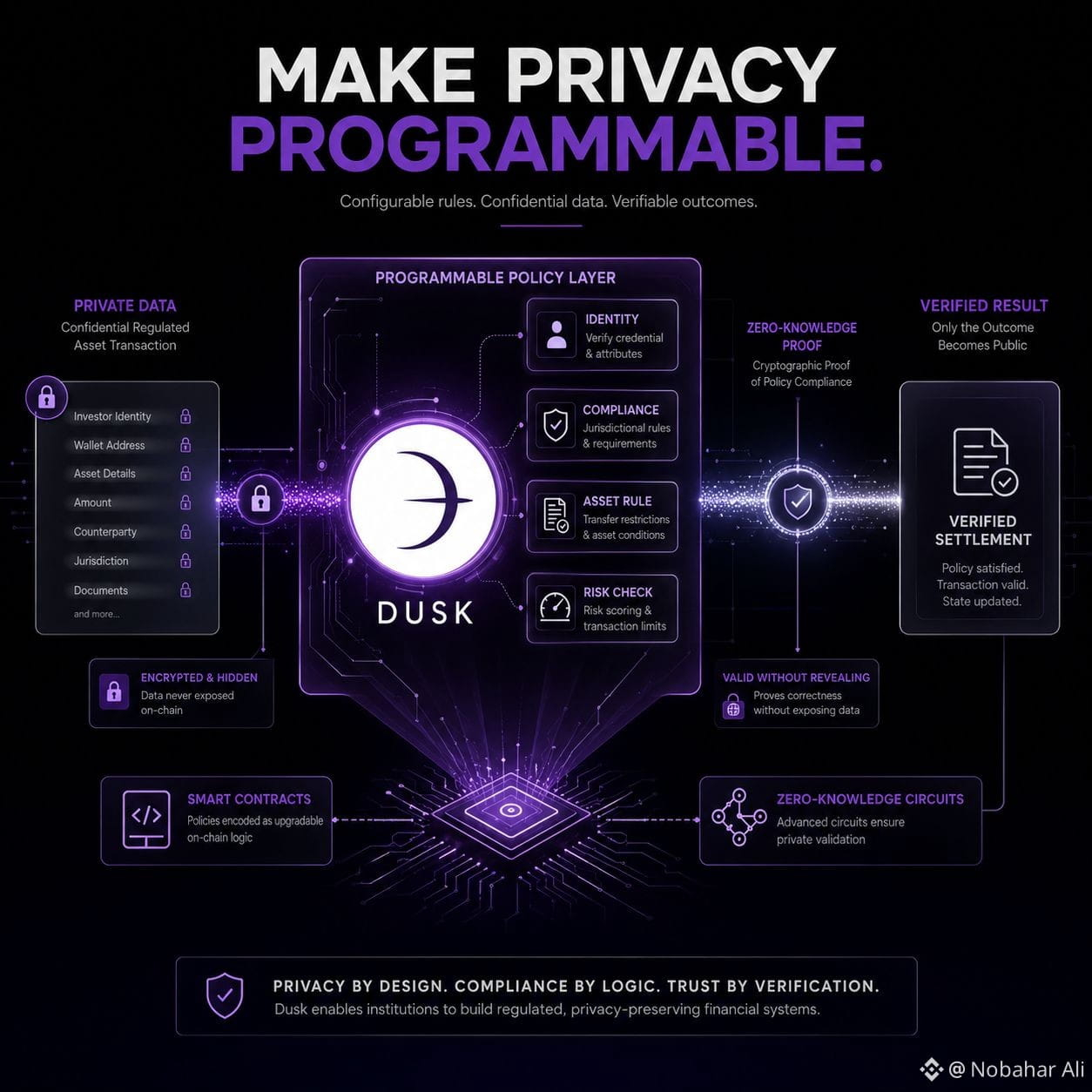
Duskについて私が何度も立ち返ってしまうのは、ポリシーが取引そのものの一部になっていくという考え方です。
それは小さく聞こえるかもしれませんが、規制対象の資産を考えると話は別です。
決済フローの外側でどこかにコンプライアンスを照合して、その結果を単に信頼するのではなく、
Duskは、機密情報を保護したままルールを評価できる、プライバシーを保護するスマートコントラクトを中心に設計されています。
そこでこそ、私にとってアーキテクチャが面白くなるポイントです。
取引は単に「プライベート」なだけではありません。必要な条件は評価でき、その結果はまだ証明可能です。
ただ、私がきちんとテストされるのを見たい部分があります。
それらのポリシーは、システム全体がアプリケーションにとって管理しにくくなるほど、どれくらい複雑になり得るのでしょうか?
プライバシーは1つの課題です。
プライバシーをプログラマブルにすることはまた別の課題。
あなたの見解はどうですか??
@Dusk_Foundation
#dusk $DUSK
Duskについて私が何度も立ち返ってしまうのは、ポリシーが取引そのものの一部になっていくという考え方です。
それは小さく聞こえるかもしれませんが、規制対象の資産を考えると話は別です。
決済フローの外側でどこかにコンプライアンスを照合して、その結果を単に信頼するのではなく、
Duskは、機密情報を保護したままルールを評価できる、プライバシーを保護するスマートコントラクトを中心に設計されています。
そこでこそ、私にとってアーキテクチャが面白くなるポイントです。
取引は単に「プライベート」なだけではありません。必要な条件は評価でき、その結果はまだ証明可能です。
ただ、私がきちんとテストされるのを見たい部分があります。
それらのポリシーは、システム全体がアプリケーションにとって管理しにくくなるほど、どれくらい複雑になり得るのでしょうか?
プライバシーは1つの課題です。
プライバシーをプログラマブルにすることはまた別の課題。
あなたの見解はどうですか??
@Dusk
#dusk $DUSK
60
15
196
ログインして、さらにコンテンツを読む
厳選トピックで世界の暗号資産トレーダーの仲間入り
⚡️ 暗号資産に関する最新かつ有益な情報が見つかります。
💬 世界最大の暗号資産取引所から信頼されています。
👍 認証を受けたクリエイターから、有益なインサイトを得られます。
メール / 電話番号
トレンドトピック
EvolveAtBinanceBlockchainWeek
閲覧回数 3.1M
23,122人が討論中
Binance Blockchain Weekが正式に開幕しました!🌍
11月28日〜29日、バンコクからでも遠方からでも、ライブ配信を視聴してBinance Squareで会話に参加しましょう!
イベントの見どころはこちら👇
📺 main stage liveを視聴
両日を通して、業界のスピーカーが今年のテーマ「Evolve(進化)」について、それぞれの視点を語ります。技術革新から現実世界での活用まで、暗号資産の次なる展開を探りましょう。
⚔️ 2つのトレード大会を視聴
Aster Open QualifierとBinance Trading Master Tournamentは、どちらもライブ配信されます。トレーダーたちの熱戦をぜひご覧ください。
🏆 Blockchain 100 Awards Ceremonyを視聴
「Blockchain 100」リストはコミュニティによって選ばれました。クリエイターたちと、彼らが発信するアイデアを一緒に祝いましょう!
💬 コミュニティの会話に参加
投稿に写真を添えて#EvolveAtBinanceBlockchainWeek を使い、楽しみにしていることや業界への意見、イベントでのお気に入りの瞬間をシェアしましょう。
event pageのライブ配信が始まりました!ワンクリックですべてのライブ配信を登録して、見逃さないようにしましょう👏
Binance Blockchain Week
·いいね:664件
·閲覧回数 1M
SunReportedlyOffered4BToRescueFTX
閲覧回数 52,227
448人が討論中
XRPLAmendmentsEnterActivationWindow
閲覧回数 45,213
382人が討論中