

ORIONPLAY official
4.7k 投稿

ORIONPLAY official
 厳選トピック確認済+
報告
ユーザーをブロック
Join me on Binance Square for insightful discussions. Twitter: @Orionplay007

Level 1 Creator
取引を発注
高頻度トレーダー
5.1年
45 フォロー
57.2K+ フォロワー
29.8K+ いいね
1 バッジ
投稿
ポートフォリオ
すべて
引用
動画
ライブ
暗号資産のチャートは、1つの数字を提示します。
しかし、実際の取引はまったく別の物語を語ることがあります。
2人のトレーダーがほぼ同じタイミングで同じ資産を買ったとしても、結果がはっきり違ってくることがあります。理由が「間違った方向を選んだ」こととは限りません。実際、「『買う』をクリックしてから、約定するまでの経路」の違いが原因となることもあります。
簡単な取引を考えてみましょう。
価格が$1.00だと表示されている資産を見て、成行注文を出します。しかし、$1.00付近に出ている利用可能な注文量が、すべてをその価格で約定させるのに十分ではない可能性があります。すると、残った注文はわずかに高い価格で約定します。
その差がスリッページです。
さらに、買い手と売り手の間にあるスプレッド、取引手数料、オンチェーンのネットワークコスト、そして利用可能な流動性に対するあなたの注文サイズを加えると、画面に表示された価格と最終的な執行結果は大きく異なって見えることがあります。
だからこそ、チャートだけでは取引体験のすべてを説明できません。
役立つ習慣として、次の3つの問いを分けて考えてみましょう。
提示されている価格は?
実際に約定する価格は?
最終的な費用は?
これらは必ずしも同一ではありません。
暗号資産では、約定(実行)を理解することは、方向性を理解するのと同じくらい重要です。見た目が良いセットアップでも、取引自体が非効率であれば、結果はよくなりません。
良い取引と残念な取引の差は、決断がすでに下された後に生じることもあります。
#Crypto #Trading #Slippage #MarketMicrostructure #Blockchain #BinanceSquare
暗号資産のチャートは、1つの数字を提示します。
しかし、実際の取引はまったく別の物語を語ることがあります。
2人のトレーダーがほぼ同じタイミングで同じ資産を買ったとしても、結果がはっきり違ってくることがあります。理由が「間違った方向を選んだ」こととは限りません。実際、「『買う』をクリックしてから、約定するまでの経路」の違いが原因となることもあります。
簡単な取引を考えてみましょう。
価格が$1.00だと表示されている資産を見て、成行注文を出します。しかし、$1.00付近に出ている利用可能な注文量が、すべてをその価格で約定させるのに十分ではない可能性があります。すると、残った注文はわずかに高い価格で約定します。
その差がスリッページです。
さらに、買い手と売り手の間にあるスプレッド、取引手数料、オンチェーンのネットワークコスト、そして利用可能な流動性に対するあなたの注文サイズを加えると、画面に表示された価格と最終的な執行結果は大きく異なって見えることがあります。
だからこそ、チャートだけでは取引体験のすべてを説明できません。
役立つ習慣として、次の3つの問いを分けて考えてみましょう。
提示されている価格は?
実際に約定する価格は?
最終的な費用は?
これらは必ずしも同一ではありません。
暗号資産では、約定(実行)を理解することは、方向性を理解するのと同じくらい重要です。見た目が良いセットアップでも、取引自体が非効率であれば、結果はよくなりません。
良い取引と残念な取引の差は、決断がすでに下された後に生じることもあります。
#Crypto #Trading #Slippage #MarketMicrostructure #Blockchain #BinanceSquare
しかし、実際の取引はまったく別の物語を語ることがあります。
2人のトレーダーがほぼ同じタイミングで同じ資産を買ったとしても、結果がはっきり違ってくることがあります。理由が「間違った方向を選んだ」こととは限りません。実際、「『買う』をクリックしてから、約定するまでの経路」の違いが原因となることもあります。
簡単な取引を考えてみましょう。
価格が$1.00だと表示されている資産を見て、成行注文を出します。しかし、$1.00付近に出ている利用可能な注文量が、すべてをその価格で約定させるのに十分ではない可能性があります。すると、残った注文はわずかに高い価格で約定します。
その差がスリッページです。
さらに、買い手と売り手の間にあるスプレッド、取引手数料、オンチェーンのネットワークコスト、そして利用可能な流動性に対するあなたの注文サイズを加えると、画面に表示された価格と最終的な執行結果は大きく異なって見えることがあります。
だからこそ、チャートだけでは取引体験のすべてを説明できません。
役立つ習慣として、次の3つの問いを分けて考えてみましょう。
提示されている価格は?
実際に約定する価格は?
最終的な費用は?
これらは必ずしも同一ではありません。
暗号資産では、約定(実行)を理解することは、方向性を理解するのと同じくらい重要です。見た目が良いセットアップでも、取引自体が非効率であれば、結果はよくなりません。
良い取引と残念な取引の差は、決断がすでに下された後に生じることもあります。
#Crypto #Trading #Slippage #MarketMicrostructure #Blockchain #BinanceSquare

427
みんな今日のヘッドラインCPIの下落に注目しているけれど、いま暗号資産から流動性を吸い上げる実際のメカニズムは、タイムラインの大半が欠けています。
はい、7月のCPIは3.4%で粘っていて、今日の8月データは9月15日のFOMC会合前の最後のパズルピースです。でも本当の話は、インフレ率そのものだけではありません。エネルギーへの債券市場の反応が核心です。
今週、原油が100ドルを超えて急騰していることで、10年国債利回りは危険なほど5%に接近しています。この利回りの急騰は巨大な真空のように働き、リスクオン資産から資金を吸い取ります。無リスク金利がここまで高くなると、ビットコイン(現在は約77kドル近辺で抵抗中)のように利回りのつかない資産を保有する際の、機関投資家の機会費用が無視できなくなります。
より広い市場は、その台本を完全にひっくり返しました。利下げ転換(ピボット)の物語は忘れてください。トレーダーは今や、12月までにもう1回FRBが利上げする確率を70%として織り込んでいます。
もし今日のコアCPIが、居住費の残存分や直近のエネルギー急騰に後押しされて強含むなら、即座に相場は荒れるはずです。
今日のCPI発表を8:30 AM ETでただ見つめるだけにしないでください。2年国債利回りを見てください。そこに「賢い資金」の本当の方向性バイアスが現れます。
#CPIWatch #Macro #Crypto #Bitcoin #Yields
みんな今日のヘッドラインCPIの下落に注目しているけれど、いま暗号資産から流動性を吸い上げる実際のメカニズムは、タイムラインの大半が欠けています。
はい、7月のCPIは3.4%で粘っていて、今日の8月データは9月15日のFOMC会合前の最後のパズルピースです。でも本当の話は、インフレ率そのものだけではありません。エネルギーへの債券市場の反応が核心です。
今週、原油が100ドルを超えて急騰していることで、10年国債利回りは危険なほど5%に接近しています。この利回りの急騰は巨大な真空のように働き、リスクオン資産から資金を吸い取ります。無リスク金利がここまで高くなると、ビットコイン(現在は約77kドル近辺で抵抗中)のように利回りのつかない資産を保有する際の、機関投資家の機会費用が無視できなくなります。
より広い市場は、その台本を完全にひっくり返しました。利下げ転換(ピボット)の物語は忘れてください。トレーダーは今や、12月までにもう1回FRBが利上げする確率を70%として織り込んでいます。
もし今日のコアCPIが、居住費の残存分や直近のエネルギー急騰に後押しされて強含むなら、即座に相場は荒れるはずです。
今日のCPI発表を8:30 AM ETでただ見つめるだけにしないでください。2年国債利回りを見てください。そこに「賢い資金」の本当の方向性バイアスが現れます。
#CPIWatch #Macro #Crypto #Bitcoin #Yields
はい、7月のCPIは3.4%で粘っていて、今日の8月データは9月15日のFOMC会合前の最後のパズルピースです。でも本当の話は、インフレ率そのものだけではありません。エネルギーへの債券市場の反応が核心です。
今週、原油が100ドルを超えて急騰していることで、10年国債利回りは危険なほど5%に接近しています。この利回りの急騰は巨大な真空のように働き、リスクオン資産から資金を吸い取ります。無リスク金利がここまで高くなると、ビットコイン(現在は約77kドル近辺で抵抗中)のように利回りのつかない資産を保有する際の、機関投資家の機会費用が無視できなくなります。
より広い市場は、その台本を完全にひっくり返しました。利下げ転換(ピボット)の物語は忘れてください。トレーダーは今や、12月までにもう1回FRBが利上げする確率を70%として織り込んでいます。
もし今日のコアCPIが、居住費の残存分や直近のエネルギー急騰に後押しされて強含むなら、即座に相場は荒れるはずです。
今日のCPI発表を8:30 AM ETでただ見つめるだけにしないでください。2年国債利回りを見てください。そこに「賢い資金」の本当の方向性バイアスが現れます。
#CPIWatch #Macro #Crypto #Bitcoin #Yields
1
1k
静かなシグナル:ほとんどのトレーダーが見落とすもの
暗号資産の市場には、緑や赤のローソク足でははっきり見えない興味深い点があります。それは「人がやめること」です。
トレーダーが確信を持つようになると、たいてい話す量が増えます。あらゆる小さな動きに予測が付き、すべてのトークンに目標が設定され、タイムラインには確実性が満ちていきます。
しかし、より役に立つシグナルは、時にその逆です。
価格が何日も横ばいで推移するときに何が起きるか見てください。取引量は徐々に乾いていないでしょうか?トレーダーはより少ない銘柄へ乗り換えているのでしょうか?人々は、あらゆる動きを追いかけるのではなく、ポジションをより長く保っているのでしょうか?
その行動は、単発の価格急騰よりも、市場の確信度をより正確に教えてくれます。
もう一つ私が注目しているのは、トークンの値動きと、その実際のアクティビティ(参加状況)の距離です。コインが15%跳ねても、参加は薄いままということがあります。その動きはチャート上では立派に見えるかもしれませんが、増え続けるアクティビティによって支えられた動きとは、信頼度の基準が別であるべきです。
暗号資産は注目を報酬にしますが、注目だけでは分析にはなりません。
次の大きなローソク足に反応する前に、私は1つのシンプルな質問をしたいです。
この動きに実際に参加しているのは誰で、興奮が冷めたときもまだそこにいるのでしょうか?
#Crypto #trading #MarketPsychology #dyor
静かなシグナル:ほとんどのトレーダーが見落とすもの
暗号資産の市場には、緑や赤のローソク足でははっきり見えない興味深い点があります。それは「人がやめること」です。
トレーダーが確信を持つようになると、たいてい話す量が増えます。あらゆる小さな動きに予測が付き、すべてのトークンに目標が設定され、タイムラインには確実性が満ちていきます。
しかし、より役に立つシグナルは、時にその逆です。
価格が何日も横ばいで推移するときに何が起きるか見てください。取引量は徐々に乾いていないでしょうか?トレーダーはより少ない銘柄へ乗り換えているのでしょうか?人々は、あらゆる動きを追いかけるのではなく、ポジションをより長く保っているのでしょうか?
その行動は、単発の価格急騰よりも、市場の確信度をより正確に教えてくれます。
もう一つ私が注目しているのは、トークンの値動きと、その実際のアクティビティ(参加状況)の距離です。コインが15%跳ねても、参加は薄いままということがあります。その動きはチャート上では立派に見えるかもしれませんが、増え続けるアクティビティによって支えられた動きとは、信頼度の基準が別であるべきです。
暗号資産は注目を報酬にしますが、注目だけでは分析にはなりません。
次の大きなローソク足に反応する前に、私は1つのシンプルな質問をしたいです。
この動きに実際に参加しているのは誰で、興奮が冷めたときもまだそこにいるのでしょうか?
#Crypto #trading #MarketPsychology #dyor
暗号資産の市場には、緑や赤のローソク足でははっきり見えない興味深い点があります。それは「人がやめること」です。
トレーダーが確信を持つようになると、たいてい話す量が増えます。あらゆる小さな動きに予測が付き、すべてのトークンに目標が設定され、タイムラインには確実性が満ちていきます。
しかし、より役に立つシグナルは、時にその逆です。
価格が何日も横ばいで推移するときに何が起きるか見てください。取引量は徐々に乾いていないでしょうか?トレーダーはより少ない銘柄へ乗り換えているのでしょうか?人々は、あらゆる動きを追いかけるのではなく、ポジションをより長く保っているのでしょうか?
その行動は、単発の価格急騰よりも、市場の確信度をより正確に教えてくれます。
もう一つ私が注目しているのは、トークンの値動きと、その実際のアクティビティ(参加状況)の距離です。コインが15%跳ねても、参加は薄いままということがあります。その動きはチャート上では立派に見えるかもしれませんが、増え続けるアクティビティによって支えられた動きとは、信頼度の基準が別であるべきです。
暗号資産は注目を報酬にしますが、注目だけでは分析にはなりません。
次の大きなローソク足に反応する前に、私は1つのシンプルな質問をしたいです。
この動きに実際に参加しているのは誰で、興奮が冷めたときもまだそこにいるのでしょうか?
#Crypto #trading #MarketPsychology #dyor
561
暗号資産について、あまり語られない“ある部分”
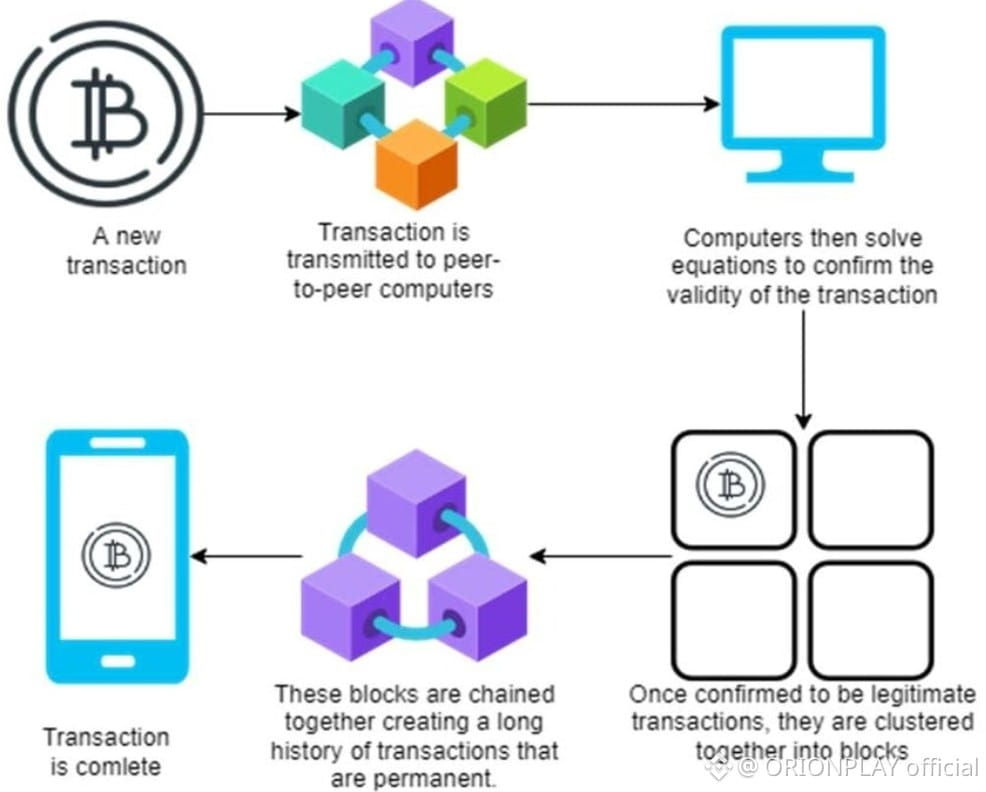
今日はシンプルなことを考えていました。暗号資産を送るとき、私たちはたいてい次の2つだけを気にします――「届いたのか?」と「いくらかかったのか?」
しかし、この2つの問いのあいだには、簡単に見落としてしまう層があります。
ブロックチェーンのトランザクションは、AからBへお金が動くだけではありません。実はその下で小さなプロセスが動いています。トランザクションがブロードキャストされ、ネットワークに拾われ、ブロックに取り込まれ、そしてネットワークがさらにブロックを積み重ねるかファイナリティに到達するにつれて、最終的に取り消しが難しくなっていくのです。
これは日常の利用でも重要です。
たとえば誰かに支払って「保留中(pending)」と表示されたら、もう一度送るべきか考え始めるかもしれません。すると、その2回目のトランザクションが、まったく別の問題を生む可能性があります。
私にとっては、これもまた「暗号資産のUX(ユーザー体験)」にはまだ改善の余地がたくさんある理由の1つです。技術は非常に高度でも、ユーザー体験はまだわかりにくく感じられてしまうことがあります。
次に暗号資産を大きく進化させる改善は、単に「より速いチェーン」や「より安い手数料」ではないのかもしれません。
「ブロックチェーンの活動」を、通常の支払いを送るのと同じくらい自然で、理解しやすいものにすること――それが次の大きな改善なのかもしれません。
時には、最大の革新は、ユーザーがそもそも気づかない部分にあるものです。
皆さんは、平均的なユーザーにとって完全に見えなくなってほしい暗号資産の機能は何だと思いますか?
#Crypto #Blockchain #Web3 #BinanceSquare
暗号資産について、あまり語られない“ある部分”
今日はシンプルなことを考えていました。暗号資産を送るとき、私たちはたいてい次の2つだけを気にします――「届いたのか?」と「いくらかかったのか?」
しかし、この2つの問いのあいだには、簡単に見落としてしまう層があります。
ブロックチェーンのトランザクションは、AからBへお金が動くだけではありません。実はその下で小さなプロセスが動いています。トランザクションがブロードキャストされ、ネットワークに拾われ、ブロックに取り込まれ、そしてネットワークがさらにブロックを積み重ねるかファイナリティに到達するにつれて、最終的に取り消しが難しくなっていくのです。
これは日常の利用でも重要です。
たとえば誰かに支払って「保留中(pending)」と表示されたら、もう一度送るべきか考え始めるかもしれません。すると、その2回目のトランザクションが、まったく別の問題を生む可能性があります。
私にとっては、これもまた「暗号資産のUX(ユーザー体験)」にはまだ改善の余地がたくさんある理由の1つです。技術は非常に高度でも、ユーザー体験はまだわかりにくく感じられてしまうことがあります。
次に暗号資産を大きく進化させる改善は、単に「より速いチェーン」や「より安い手数料」ではないのかもしれません。
「ブロックチェーンの活動」を、通常の支払いを送るのと同じくらい自然で、理解しやすいものにすること――それが次の大きな改善なのかもしれません。
時には、最大の革新は、ユーザーがそもそも気づかない部分にあるものです。
皆さんは、平均的なユーザーにとって完全に見えなくなってほしい暗号資産の機能は何だと思いますか?
#Crypto #Blockchain #Web3 #BinanceSquare
今日はシンプルなことを考えていました。暗号資産を送るとき、私たちはたいてい次の2つだけを気にします――「届いたのか?」と「いくらかかったのか?」
しかし、この2つの問いのあいだには、簡単に見落としてしまう層があります。
ブロックチェーンのトランザクションは、AからBへお金が動くだけではありません。実はその下で小さなプロセスが動いています。トランザクションがブロードキャストされ、ネットワークに拾われ、ブロックに取り込まれ、そしてネットワークがさらにブロックを積み重ねるかファイナリティに到達するにつれて、最終的に取り消しが難しくなっていくのです。
これは日常の利用でも重要です。
たとえば誰かに支払って「保留中(pending)」と表示されたら、もう一度送るべきか考え始めるかもしれません。すると、その2回目のトランザクションが、まったく別の問題を生む可能性があります。
私にとっては、これもまた「暗号資産のUX(ユーザー体験)」にはまだ改善の余地がたくさんある理由の1つです。技術は非常に高度でも、ユーザー体験はまだわかりにくく感じられてしまうことがあります。
次に暗号資産を大きく進化させる改善は、単に「より速いチェーン」や「より安い手数料」ではないのかもしれません。
「ブロックチェーンの活動」を、通常の支払いを送るのと同じくらい自然で、理解しやすいものにすること――それが次の大きな改善なのかもしれません。
時には、最大の革新は、ユーザーがそもそも気づかない部分にあるものです。
皆さんは、平均的なユーザーにとって完全に見えなくなってほしい暗号資産の機能は何だと思いますか?
#Crypto #Blockchain #Web3 #BinanceSquare
413
記事
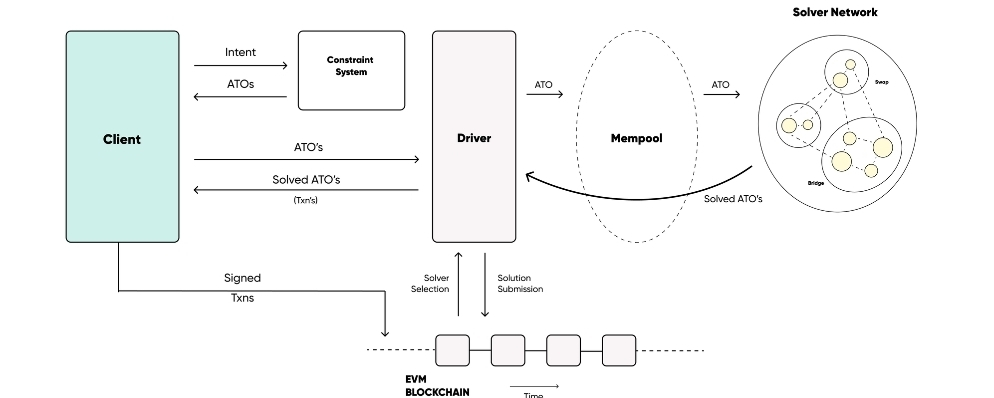
インテントベースのアーキテクチャはUXを改善しているが、市場構造に対しては何をしているのか?ここ1年のあいだに、次のような話を誰もが聞いたことがあるでしょう。Web3 UXにおける究極の到達点は、インテントです。あなたは望む結果を宣言するメッセージに署名し、オフチェーンのソルバーが裏側でルーティング、ガス、実行を処理してくれます。
平均的なユーザーにとっては、それは魔法のように感じられます。もう取引が詰まることはなくなり、煩雑な手動のマルチステップ・ブリッジも不要になり、6つの異なるチェーンにまたがってガス手数料を細かく管理する必要もありません。
しかし、注文フローが実際には舞台裏でどのように決着しているのかをよく見ると、十分に取り上げられていない静かなトレードオフが起きています。
インテントベースのアーキテクチャはUXを改善しているが、市場構造に対しては何をしているのか?
ここ1年のあいだに、次のような話を誰もが聞いたことがあるでしょう。Web3 UXにおける究極の到達点は、インテントです。あなたは望む結果を宣言するメッセージに署名し、オフチェーンのソルバーが裏側でルーティング、ガス、実行を処理してくれます。
平均的なユーザーにとっては、それは魔法のように感じられます。もう取引が詰まることはなくなり、煩雑な手動のマルチステップ・ブリッジも不要になり、6つの異なるチェーンにまたがってガス手数料を細かく管理する必要もありません。
しかし、注文フローが実際には舞台裏でどのように決着しているのかをよく見ると、十分に取り上げられていない静かなトレードオフが起きています。
平均的なユーザーにとっては、それは魔法のように感じられます。もう取引が詰まることはなくなり、煩雑な手動のマルチステップ・ブリッジも不要になり、6つの異なるチェーンにまたがってガス手数料を細かく管理する必要もありません。
しかし、注文フローが実際には舞台裏でどのように決着しているのかをよく見ると、十分に取り上げられていない静かなトレードオフが起きています。
1
354
Binance Squareを5分スクロールすると、全部同じノイズです:ETFの資金流入、6万5,000ドルのレジスタンスをめぐる議論、そして無作為なミームコインの押し売り。
今起きている本当の構造的な変化を、群衆は完全に見逃しています。
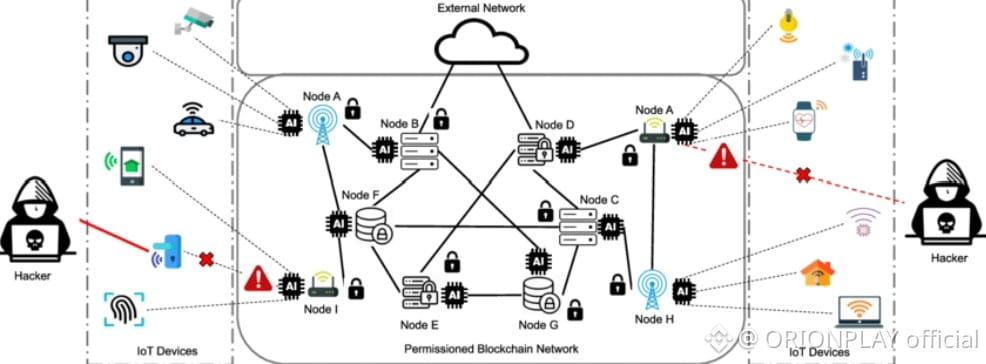
私たちは、基本的なAIトレーディングボットから、完全に稼働するオンチェーン・マシンエコノミーへと移行しています。賢い資本は誇大広告を追いかけているのではなく、検証可能なAIの実行と分散型のマシン・アイデンティティの周りにポジションを取っています。
私たちは単なる自動化スクリプトの話をしているのではありません。自分自身のオンチェーン・アイデンティティを持つ主権AIエージェントの話です。彼らは流動性のあるステーク資産を保有し、利回りを生み、そして人間の介入なしに自分でクロスチェーンのガス手数料を支払います。
最大の障害として解決されつつあるのが「信頼」です。新しいプロトコルでは、ゼロ知識証明を使ってAIデータセットをオンチェーン上で直接検証し、スマートコントラクトによってデータ提供者に自動的に報酬を支払います。
きらびやかなフロントエンドのラッパーは忘れてください。真の価値の獲得は基盤レイヤーにあります:信頼不要なAI検証、ゼロ知識の実行、そしてマシン同士のマシンツーマシン経済です。
次の大規模な流動性の波は、さらに多くの人間をオンボーディングすることから来るわけではありません。機械をオンボーディングすることから来ます。
#Crypto2026 #ZeroKnowledge #AIAgents
$FET $TAO $NEAR
Binance Squareを5分スクロールすると、全部同じノイズです:ETFの資金流入、6万5,000ドルのレジスタンスをめぐる議論、そして無作為なミームコインの押し売り。
今起きている本当の構造的な変化を、群衆は完全に見逃しています。
私たちは、基本的なAIトレーディングボットから、完全に稼働するオンチェーン・マシンエコノミーへと移行しています。賢い資本は誇大広告を追いかけているのではなく、検証可能なAIの実行と分散型のマシン・アイデンティティの周りにポジションを取っています。
私たちは単なる自動化スクリプトの話をしているのではありません。自分自身のオンチェーン・アイデンティティを持つ主権AIエージェントの話です。彼らは流動性のあるステーク資産を保有し、利回りを生み、そして人間の介入なしに自分でクロスチェーンのガス手数料を支払います。
最大の障害として解決されつつあるのが「信頼」です。新しいプロトコルでは、ゼロ知識証明を使ってAIデータセットをオンチェーン上で直接検証し、スマートコントラクトによってデータ提供者に自動的に報酬を支払います。
きらびやかなフロントエンドのラッパーは忘れてください。真の価値の獲得は基盤レイヤーにあります:信頼不要なAI検証、ゼロ知識の実行、そしてマシン同士のマシンツーマシン経済です。
次の大規模な流動性の波は、さらに多くの人間をオンボーディングすることから来るわけではありません。機械をオンボーディングすることから来ます。
#Crypto2026 #ZeroKnowledge #AIAgents
$FET $TAO $NEAR
今起きている本当の構造的な変化を、群衆は完全に見逃しています。
私たちは、基本的なAIトレーディングボットから、完全に稼働するオンチェーン・マシンエコノミーへと移行しています。賢い資本は誇大広告を追いかけているのではなく、検証可能なAIの実行と分散型のマシン・アイデンティティの周りにポジションを取っています。
私たちは単なる自動化スクリプトの話をしているのではありません。自分自身のオンチェーン・アイデンティティを持つ主権AIエージェントの話です。彼らは流動性のあるステーク資産を保有し、利回りを生み、そして人間の介入なしに自分でクロスチェーンのガス手数料を支払います。
最大の障害として解決されつつあるのが「信頼」です。新しいプロトコルでは、ゼロ知識証明を使ってAIデータセットをオンチェーン上で直接検証し、スマートコントラクトによってデータ提供者に自動的に報酬を支払います。
きらびやかなフロントエンドのラッパーは忘れてください。真の価値の獲得は基盤レイヤーにあります:信頼不要なAI検証、ゼロ知識の実行、そしてマシン同士のマシンツーマシン経済です。
次の大規模な流動性の波は、さらに多くの人間をオンボーディングすることから来るわけではありません。機械をオンボーディングすることから来ます。
#Crypto2026 #ZeroKnowledge #AIAgents
$FET $TAO $NEAR
632
2021年の小売のFOMOを待つのはやめよう。2026年の最大の暗号資産ホエールは、心拍すら持っていない。🐋フロントエンドで人間がボタンをクリックしている数を基準に暗号資産プロジェクトを評価しているなら、2026年の本質を完全に見落としています。
ユーティリティ・スーパーサイクルへようこそ。ブロックスペースの最高取引量を誇るのは、個人投資家ではありません。自律型AIエージェントです。
タイムラインで標準的な市場のノイズについて議論している間に、オンチェーンで実際に起きていることはこちら:
🧠 「エージェント型ウォレット」の台頭
つい最近まで、AIは銀行口座を開けませんでした。しかし現在は、MPCで保護された「エージェント型ウォレット」(たとえば2026年初頭にCoinbaseが展開した専用のエージェント基盤)のおかげで、AIエージェントには、プログラム可能なセッション上限と支出制限を備えた独自のオンチェーン・ウォレットがあります。彼らは眠らず、感情に左右されず、24時間365日実行します。
2021年の小売のFOMOを待つのはやめよう。2026年の最大の暗号資産ホエールは、心拍すら持っていない。🐋
フロントエンドで人間がボタンをクリックしている数を基準に暗号資産プロジェクトを評価しているなら、2026年の本質を完全に見落としています。
ユーティリティ・スーパーサイクルへようこそ。ブロックスペースの最高取引量を誇るのは、個人投資家ではありません。自律型AIエージェントです。
タイムラインで標準的な市場のノイズについて議論している間に、オンチェーンで実際に起きていることはこちら:
🧠 「エージェント型ウォレット」の台頭
つい最近まで、AIは銀行口座を開けませんでした。しかし現在は、MPCで保護された「エージェント型ウォレット」(たとえば2026年初頭にCoinbaseが展開した専用のエージェント基盤)のおかげで、AIエージェントには、プログラム可能なセッション上限と支出制限を備えた独自のオンチェーン・ウォレットがあります。彼らは眠らず、感情に左右されず、24時間365日実行します。
ユーティリティ・スーパーサイクルへようこそ。ブロックスペースの最高取引量を誇るのは、個人投資家ではありません。自律型AIエージェントです。
タイムラインで標準的な市場のノイズについて議論している間に、オンチェーンで実際に起きていることはこちら:
🧠 「エージェント型ウォレット」の台頭
つい最近まで、AIは銀行口座を開けませんでした。しかし現在は、MPCで保護された「エージェント型ウォレット」(たとえば2026年初頭にCoinbaseが展開した専用のエージェント基盤)のおかげで、AIエージェントには、プログラム可能なセッション上限と支出制限を備えた独自のオンチェーン・ウォレットがあります。彼らは眠らず、感情に左右されず、24時間365日実行します。
289
最近ずっとフィードを読み漁っているのですが、正直なところ、ほとんど全員がまったく同じ方向を見ています。私たちは皆、日々の値動きや最新のミームコインのブレイクアウトに執着しています。でも、いま仮想通貨で起きている最大級の変化は、完全に見落とされているところで起きています。
本当のアルファは、今日誰がビットコインを買っているかではありません。明日に向けて構築されているデジタル・クレジットのレールにあります。
2026年にさらに深く入っていく中で、市場が実際にどこへ向かっているのかを知りたいなら、小売のセンチメントを見るのをやめて、大手のレガシーバンク—シティ、チャブ(Schwab)、BNYメロンのようなところ—を見始めてください。彼らはBTCへのエクスポージャーを増やしているだけではなく、それに対する巨額の信用枠を繰り出すためのインフラを、積極的に整備しています。
しかし、誰も話題にしていない技術的ボトルネックがあります。従来のスマートコントラクトは、複雑で機関投資家レベルのクレジットリスクを扱うには硬直的すぎるのです。
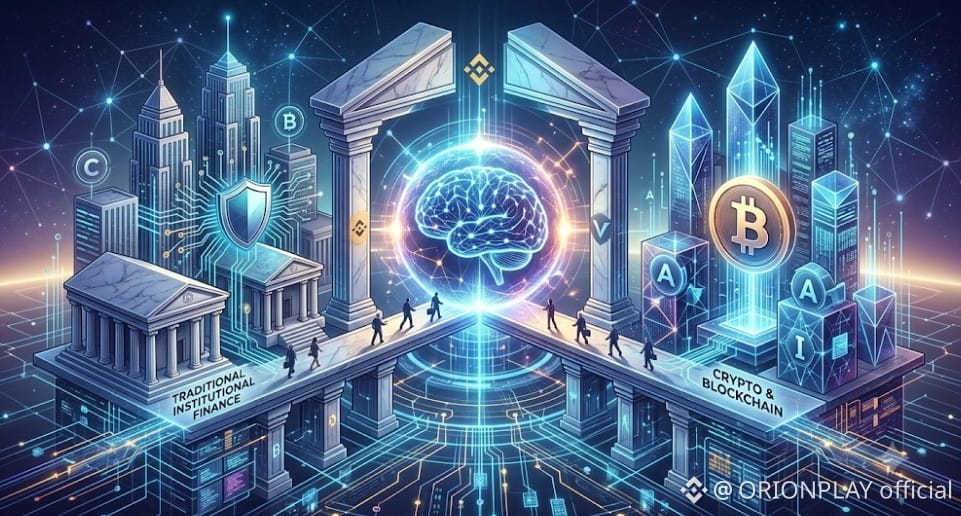
だからこそ、機関投資家の金融とAIネイティブなブロックチェーンスタックの交差点が、いま最重要の物語になっています。次の数十億ドル規模の大規模採用の波は、単純なスマートコントラクトでは動きません。リアルタイムで動的な担保構造を管理するには、機械ID、オンチェーン推論、そしてセマンティック・メモリが必要になります。
たとえば、ウォール街の「ビットコイン担保融資」への食欲を、リスクをネイティブに評価するための組み込みAIを備えたチェーンと組み合わせたらどうなるでしょう。さらに、フィアット連動型(ペッグ)ガスモデルを加えることで、これらの伝統的な銀行の運用コストが100%予測可能になります。そうすると、レガシーの決済(クリアリング)ハウスを置き換えるために必要な“そのままの”インフラが揃うわけです。私たちはヴァナール(Vanar)のようなエコシステムで、このアーキテクチャが進化しつつある初期段階を見え始めていますが、より広範な市場全体への影響は、はかり知れません。
皆が忙しく、資産の価格を追いかけています。賢い資金は、その下で構築されているアーキテクチャを追っているのです。
大手銀行が、仮想通貨を担保にした融資の発行をオンチェーンで完全自動化するのは、どれくらい先だと思いますか?
#BlockchainTech #InstitutionalCrypto #2026withBinance
最近ずっとフィードを読み漁っているのですが、正直なところ、ほとんど全員がまったく同じ方向を見ています。私たちは皆、日々の値動きや最新のミームコインのブレイクアウトに執着しています。でも、いま仮想通貨で起きている最大級の変化は、完全に見落とされているところで起きています。
本当のアルファは、今日誰がビットコインを買っているかではありません。明日に向けて構築されているデジタル・クレジットのレールにあります。
2026年にさらに深く入っていく中で、市場が実際にどこへ向かっているのかを知りたいなら、小売のセンチメントを見るのをやめて、大手のレガシーバンク—シティ、チャブ(Schwab)、BNYメロンのようなところ—を見始めてください。彼らはBTCへのエクスポージャーを増やしているだけではなく、それに対する巨額の信用枠を繰り出すためのインフラを、積極的に整備しています。
しかし、誰も話題にしていない技術的ボトルネックがあります。従来のスマートコントラクトは、複雑で機関投資家レベルのクレジットリスクを扱うには硬直的すぎるのです。
だからこそ、機関投資家の金融とAIネイティブなブロックチェーンスタックの交差点が、いま最重要の物語になっています。次の数十億ドル規模の大規模採用の波は、単純なスマートコントラクトでは動きません。リアルタイムで動的な担保構造を管理するには、機械ID、オンチェーン推論、そしてセマンティック・メモリが必要になります。
たとえば、ウォール街の「ビットコイン担保融資」への食欲を、リスクをネイティブに評価するための組み込みAIを備えたチェーンと組み合わせたらどうなるでしょう。さらに、フィアット連動型(ペッグ)ガスモデルを加えることで、これらの伝統的な銀行の運用コストが100%予測可能になります。そうすると、レガシーの決済(クリアリング)ハウスを置き換えるために必要な“そのままの”インフラが揃うわけです。私たちはヴァナール(Vanar)のようなエコシステムで、このアーキテクチャが進化しつつある初期段階を見え始めていますが、より広範な市場全体への影響は、はかり知れません。
皆が忙しく、資産の価格を追いかけています。賢い資金は、その下で構築されているアーキテクチャを追っているのです。
大手銀行が、仮想通貨を担保にした融資の発行をオンチェーンで完全自動化するのは、どれくらい先だと思いますか?
#BlockchainTech #InstitutionalCrypto #2026withBinance
本当のアルファは、今日誰がビットコインを買っているかではありません。明日に向けて構築されているデジタル・クレジットのレールにあります。
2026年にさらに深く入っていく中で、市場が実際にどこへ向かっているのかを知りたいなら、小売のセンチメントを見るのをやめて、大手のレガシーバンク—シティ、チャブ(Schwab)、BNYメロンのようなところ—を見始めてください。彼らはBTCへのエクスポージャーを増やしているだけではなく、それに対する巨額の信用枠を繰り出すためのインフラを、積極的に整備しています。
しかし、誰も話題にしていない技術的ボトルネックがあります。従来のスマートコントラクトは、複雑で機関投資家レベルのクレジットリスクを扱うには硬直的すぎるのです。
だからこそ、機関投資家の金融とAIネイティブなブロックチェーンスタックの交差点が、いま最重要の物語になっています。次の数十億ドル規模の大規模採用の波は、単純なスマートコントラクトでは動きません。リアルタイムで動的な担保構造を管理するには、機械ID、オンチェーン推論、そしてセマンティック・メモリが必要になります。
たとえば、ウォール街の「ビットコイン担保融資」への食欲を、リスクをネイティブに評価するための組み込みAIを備えたチェーンと組み合わせたらどうなるでしょう。さらに、フィアット連動型(ペッグ)ガスモデルを加えることで、これらの伝統的な銀行の運用コストが100%予測可能になります。そうすると、レガシーの決済(クリアリング)ハウスを置き換えるために必要な“そのままの”インフラが揃うわけです。私たちはヴァナール(Vanar)のようなエコシステムで、このアーキテクチャが進化しつつある初期段階を見え始めていますが、より広範な市場全体への影響は、はかり知れません。
皆が忙しく、資産の価格を追いかけています。賢い資金は、その下で構築されているアーキテクチャを追っているのです。
大手銀行が、仮想通貨を担保にした融資の発行をオンチェーンで完全自動化するのは、どれくらい先だと思いますか?
#BlockchainTech #InstitutionalCrypto #2026withBinance
1
422
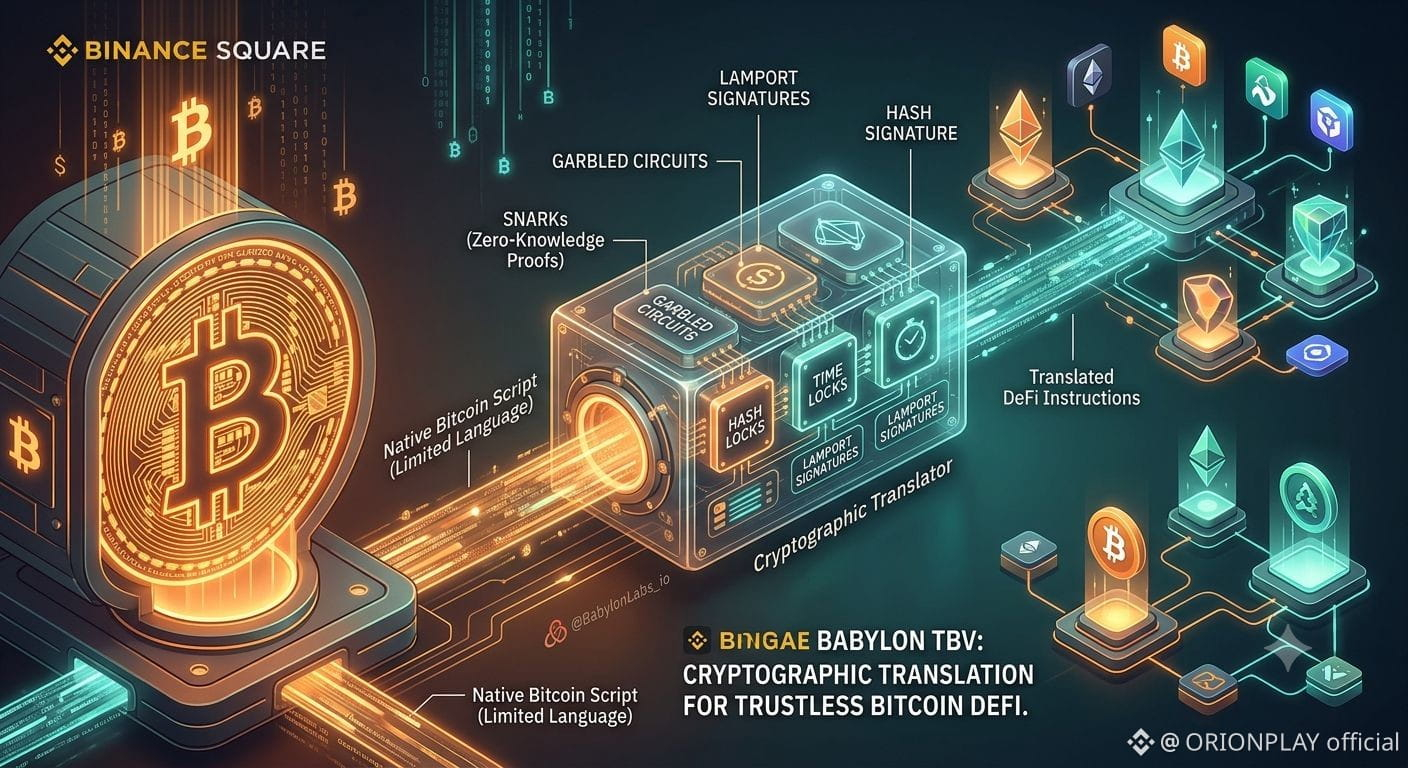
🧠 ビットコインは脆弱なブリッジを使わずに、どのようにDeFiと「対話」できるのか?その秘密は暗号学的トランスレーション(Cryptographic Translation)です。
過去にBTCを分散型金融(DeFi)で使おうとしたことがあるなら、従来の流れをご存じでしょう。つまり、ブリッジするか、ラップするか、あるいは中央集権型のカストディに鍵を渡すことを強いられるのです。なぜなら、ビットコインのネットワークは本来、ETHベースのスマートコントラクトを理解できないからです。BTCのスクリプト言語は、ネットワークのセキュリティを最大化するため、意図的に硬直的に設計されています。
@babylonlabs_io によって開発されたTBVアーキテクチャが登場です。
サードパーティのカストディや、中央集権型マルチシグに「DeFi上で何が起きたか」を読み取らせて資金を解放する代わりに、TBVは暗号技術の画期的な組み合わせによって、複雑なスマートコントラクトの実行を、ビットコインのネイティブ・スクリプトが実際に処理できる単純な条件へと翻訳します。
#baby のエコシステムを可能にする暗号の魔法の技術的内訳は以下のとおりです:
1️⃣ TBVはゼロ知識証明(SNARKs)を使って、DeFiの状態遷移(例:ETHベースのプロトコルでの借り入れや返済)を簡潔に検証します。その後、ガーブド回路が、この複雑なプログラムの検証を、ひとつの秘密のテキスト文字列の開示へと還元します。
2️⃣ ビットコインのネイティブ・プログラミングはシンプルでも、「ハッシュロック(Hash locks)」を完全に理解しています。ガーブド回路によって明らかにされる秘密のテキスト文字列は、あなたの特定のTaproot UTXO(あなたの金庫)をアンロックするために必要な、正確な暗号鍵として機能します。タイムロックは、紛争解決のための安全な時間的バッファを提供します。
3️⃣ このワンタイム署名スキームは、紛争が起きた場合に、人の介入なしでビットコイン・チェーン上で直接数学的に検証できるように入力を符号化します。
あなたのBTCはビットコイン・ネットワークから一度も出ません。資金プールが混ざることもなく、ラップトークンもなく、資金を持ち逃げできるような中央集権型のブリッジ運営者もいません。信頼を人間の仲介者から純粋な計算へと切り替えることで、$BABY はビットコインを担保化するための本質的に新しい方法を切り拓いています。会社を信じる必要はありません。数学を信じるだけで済みます。
🧠 ビットコインは脆弱なブリッジを使わずに、どのようにDeFiと「対話」できるのか?その秘密は暗号学的トランスレーション(Cryptographic Translation)です。
過去にBTCを分散型金融(DeFi)で使おうとしたことがあるなら、従来の流れをご存じでしょう。つまり、ブリッジするか、ラップするか、あるいは中央集権型のカストディに鍵を渡すことを強いられるのです。なぜなら、ビットコインのネットワークは本来、ETHベースのスマートコントラクトを理解できないからです。BTCのスクリプト言語は、ネットワークのセキュリティを最大化するため、意図的に硬直的に設計されています。
@BabylonLabs_io によって開発されたTBVアーキテクチャが登場です。
サードパーティのカストディや、中央集権型マルチシグに「DeFi上で何が起きたか」を読み取らせて資金を解放する代わりに、TBVは暗号技術の画期的な組み合わせによって、複雑なスマートコントラクトの実行を、ビットコインのネイティブ・スクリプトが実際に処理できる単純な条件へと翻訳します。
#baby のエコシステムを可能にする暗号の魔法の技術的内訳は以下のとおりです:
1️⃣ TBVはゼロ知識証明(SNARKs)を使って、DeFiの状態遷移(例:ETHベースのプロトコルでの借り入れや返済)を簡潔に検証します。その後、ガーブド回路が、この複雑なプログラムの検証を、ひとつの秘密のテキスト文字列の開示へと還元します。
2️⃣ ビットコインのネイティブ・プログラミングはシンプルでも、「ハッシュロック(Hash locks)」を完全に理解しています。ガーブド回路によって明らかにされる秘密のテキスト文字列は、あなたの特定のTaproot UTXO(あなたの金庫)をアンロックするために必要な、正確な暗号鍵として機能します。タイムロックは、紛争解決のための安全な時間的バッファを提供します。
3️⃣ このワンタイム署名スキームは、紛争が起きた場合に、人の介入なしでビットコイン・チェーン上で直接数学的に検証できるように入力を符号化します。
あなたのBTCはビットコイン・ネットワークから一度も出ません。資金プールが混ざることもなく、ラップトークンもなく、資金を持ち逃げできるような中央集権型のブリッジ運営者もいません。信頼を人間の仲介者から純粋な計算へと切り替えることで、$BABY はビットコインを担保化するための本質的に新しい方法を切り拓いています。会社を信じる必要はありません。数学を信じるだけで済みます。
過去にBTCを分散型金融(DeFi)で使おうとしたことがあるなら、従来の流れをご存じでしょう。つまり、ブリッジするか、ラップするか、あるいは中央集権型のカストディに鍵を渡すことを強いられるのです。なぜなら、ビットコインのネットワークは本来、ETHベースのスマートコントラクトを理解できないからです。BTCのスクリプト言語は、ネットワークのセキュリティを最大化するため、意図的に硬直的に設計されています。
@BabylonLabs_io によって開発されたTBVアーキテクチャが登場です。
サードパーティのカストディや、中央集権型マルチシグに「DeFi上で何が起きたか」を読み取らせて資金を解放する代わりに、TBVは暗号技術の画期的な組み合わせによって、複雑なスマートコントラクトの実行を、ビットコインのネイティブ・スクリプトが実際に処理できる単純な条件へと翻訳します。
#baby のエコシステムを可能にする暗号の魔法の技術的内訳は以下のとおりです:
1️⃣ TBVはゼロ知識証明(SNARKs)を使って、DeFiの状態遷移(例:ETHベースのプロトコルでの借り入れや返済)を簡潔に検証します。その後、ガーブド回路が、この複雑なプログラムの検証を、ひとつの秘密のテキスト文字列の開示へと還元します。
2️⃣ ビットコインのネイティブ・プログラミングはシンプルでも、「ハッシュロック(Hash locks)」を完全に理解しています。ガーブド回路によって明らかにされる秘密のテキスト文字列は、あなたの特定のTaproot UTXO(あなたの金庫)をアンロックするために必要な、正確な暗号鍵として機能します。タイムロックは、紛争解決のための安全な時間的バッファを提供します。
3️⃣ このワンタイム署名スキームは、紛争が起きた場合に、人の介入なしでビットコイン・チェーン上で直接数学的に検証できるように入力を符号化します。
あなたのBTCはビットコイン・ネットワークから一度も出ません。資金プールが混ざることもなく、ラップトークンもなく、資金を持ち逃げできるような中央集権型のブリッジ運営者もいません。信頼を人間の仲介者から純粋な計算へと切り替えることで、$BABY はビットコインを担保化するための本質的に新しい方法を切り拓いています。会社を信じる必要はありません。数学を信じるだけで済みます。
1
264
多くの人は、BitcoinがProof-of-Stake(PoS)ネットワークを保護する文脈における「ボールト(vault)」の意味を誤解しています。単なるデジタル金庫のように捉えられがちですが、実際には非常に活発な、自動化された暗号メカニズムです。
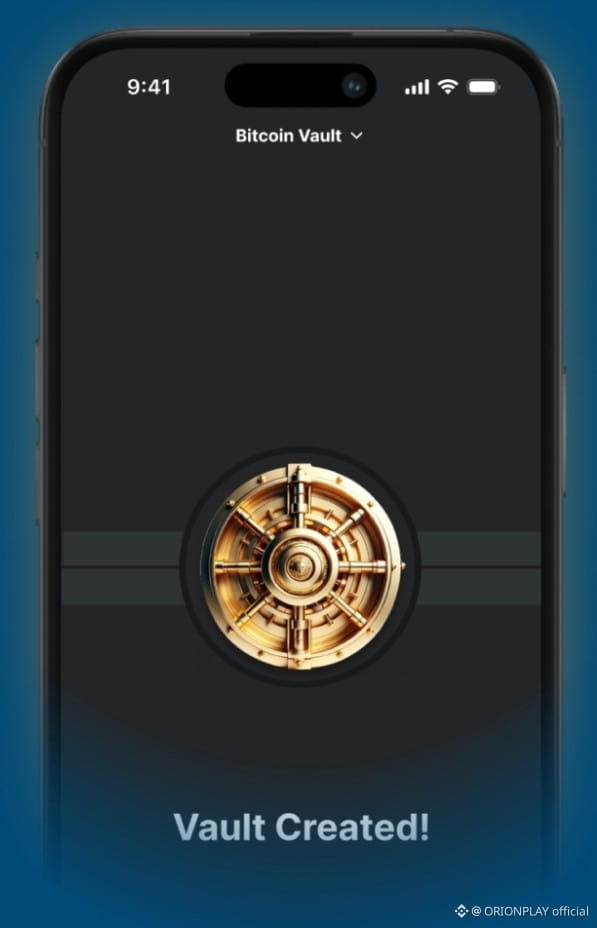
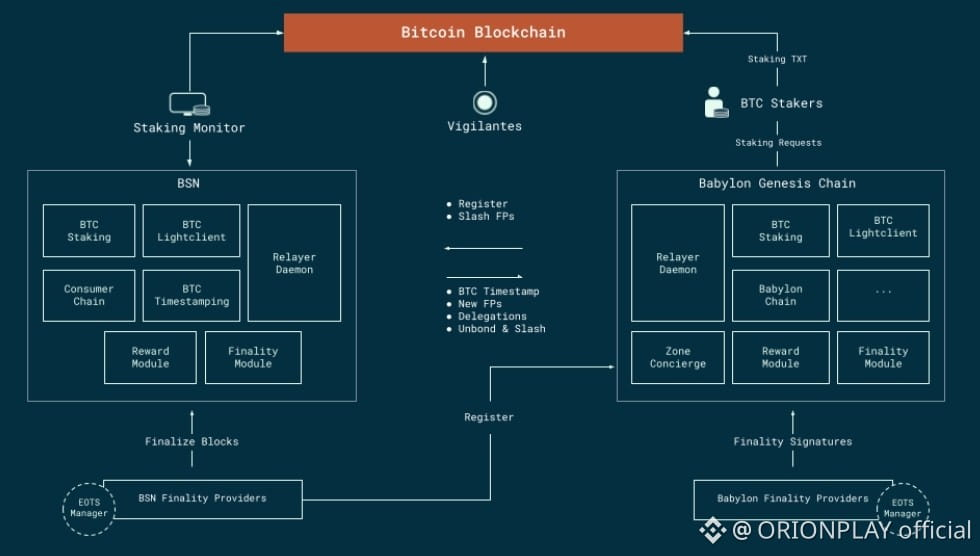
Trustless Bitcoin Vaults(TBV)において、@babylonlabs_io が開発したTrustlessなアーキテクチャの背後にある仕組みを見ていきましょう。標準的な分散セキュリティモデルでは、バリデータがネットワークのネイティブ・トークンをロックします。もしそのバリデータが不正行為をすれば、スマートコントラクトが自動的にそれらのトークンをスラッシュします。しかし、Bitcoinにはチューリング完全なスマートコントラクトが備わっていません。では、アイドル状態のBTCが、移動されることなく外部のPoSチェーンをトラストレスにどのように保護できるのでしょうか。
解決策は、従来のオンチェーン計算ではなく、高度な暗号技術にあります。Babylon TBVは、Extractable One-Time Signatures(EOTS)として知られる仕組みを用いて動作します。TBV内でBTCをロックすると、ボールトは中央集権的な第三者カストディアンや脆弱なクロスチェーン・ブリッジに制御を渡すことはありません。資産は安全にネイティブのBitcoinネットワーク上に留まり、解くことのできない数学的パラメータのみによって統治されます。
ボールトと分散型セキュリティのこの特定の関係は画期的です。このボールトに裏付けられたバリデータが、ネットワーク攻撃を試み—具体的には、同一のブロック高(block height)において矛盾する2つのネットワークブロックに署名する(いわゆる暗号学的エクイボケーション)—場合、EOTSメカニズムが直ちに作動します。数学的ルールによって、不正攻撃者の秘密鍵がネットワーク上に露出することが強制されます。その後、ボールトは該当するBitcoinのスラッシュを安全に許可し、不正者を罰します。この仕組みにより、人の介入、ラップトークン、あるいは仲介者への信頼を必要とせず、ペナルティ処理が完全に自動化されます。
私たちは、歴史的に巨大なカウンターパーティ・リスクを生むBTCのラップから離れ、休眠中のBitcoinがネイティブに、より広い分散型ウェブをセキュアにするシステムへと進んでいます。進化する「$BABY token」エコシステムのユーティリティは、この巨大な資本基盤の解放に焦点を当てています。トラストレスなボールト #baby によって
多くの人は、BitcoinがProof-of-Stake(PoS)ネットワークを保護する文脈における「ボールト(vault)」の意味を誤解しています。単なるデジタル金庫のように捉えられがちですが、実際には非常に活発な、自動化された暗号メカニズムです。
Trustless Bitcoin Vaults(TBV)において、@BabylonLabs_io が開発したTrustlessなアーキテクチャの背後にある仕組みを見ていきましょう。標準的な分散セキュリティモデルでは、バリデータがネットワークのネイティブ・トークンをロックします。もしそのバリデータが不正行為をすれば、スマートコントラクトが自動的にそれらのトークンをスラッシュします。しかし、Bitcoinにはチューリング完全なスマートコントラクトが備わっていません。では、アイドル状態のBTCが、移動されることなく外部のPoSチェーンをトラストレスにどのように保護できるのでしょうか。
解決策は、従来のオンチェーン計算ではなく、高度な暗号技術にあります。Babylon TBVは、Extractable One-Time Signatures(EOTS)として知られる仕組みを用いて動作します。TBV内でBTCをロックすると、ボールトは中央集権的な第三者カストディアンや脆弱なクロスチェーン・ブリッジに制御を渡すことはありません。資産は安全にネイティブのBitcoinネットワーク上に留まり、解くことのできない数学的パラメータのみによって統治されます。
ボールトと分散型セキュリティのこの特定の関係は画期的です。このボールトに裏付けられたバリデータが、ネットワーク攻撃を試み—具体的には、同一のブロック高(block height)において矛盾する2つのネットワークブロックに署名する(いわゆる暗号学的エクイボケーション)—場合、EOTSメカニズムが直ちに作動します。数学的ルールによって、不正攻撃者の秘密鍵がネットワーク上に露出することが強制されます。その後、ボールトは該当するBitcoinのスラッシュを安全に許可し、不正者を罰します。この仕組みにより、人の介入、ラップトークン、あるいは仲介者への信頼を必要とせず、ペナルティ処理が完全に自動化されます。
私たちは、歴史的に巨大なカウンターパーティ・リスクを生むBTCのラップから離れ、休眠中のBitcoinがネイティブに、より広い分散型ウェブをセキュアにするシステムへと進んでいます。進化する「$BABY token」エコシステムのユーティリティは、この巨大な資本基盤の解放に焦点を当てています。トラストレスなボールト #baby によって
Trustless Bitcoin Vaults(TBV)において、@BabylonLabs_io が開発したTrustlessなアーキテクチャの背後にある仕組みを見ていきましょう。標準的な分散セキュリティモデルでは、バリデータがネットワークのネイティブ・トークンをロックします。もしそのバリデータが不正行為をすれば、スマートコントラクトが自動的にそれらのトークンをスラッシュします。しかし、Bitcoinにはチューリング完全なスマートコントラクトが備わっていません。では、アイドル状態のBTCが、移動されることなく外部のPoSチェーンをトラストレスにどのように保護できるのでしょうか。
解決策は、従来のオンチェーン計算ではなく、高度な暗号技術にあります。Babylon TBVは、Extractable One-Time Signatures(EOTS)として知られる仕組みを用いて動作します。TBV内でBTCをロックすると、ボールトは中央集権的な第三者カストディアンや脆弱なクロスチェーン・ブリッジに制御を渡すことはありません。資産は安全にネイティブのBitcoinネットワーク上に留まり、解くことのできない数学的パラメータのみによって統治されます。
ボールトと分散型セキュリティのこの特定の関係は画期的です。このボールトに裏付けられたバリデータが、ネットワーク攻撃を試み—具体的には、同一のブロック高(block height)において矛盾する2つのネットワークブロックに署名する(いわゆる暗号学的エクイボケーション)—場合、EOTSメカニズムが直ちに作動します。数学的ルールによって、不正攻撃者の秘密鍵がネットワーク上に露出することが強制されます。その後、ボールトは該当するBitcoinのスラッシュを安全に許可し、不正者を罰します。この仕組みにより、人の介入、ラップトークン、あるいは仲介者への信頼を必要とせず、ペナルティ処理が完全に自動化されます。
私たちは、歴史的に巨大なカウンターパーティ・リスクを生むBTCのラップから離れ、休眠中のBitcoinがネイティブに、より広い分散型ウェブをセキュアにするシステムへと進んでいます。進化する「$BABY token」エコシステムのユーティリティは、この巨大な資本基盤の解放に焦点を当てています。トラストレスなボールト #baby によって
352
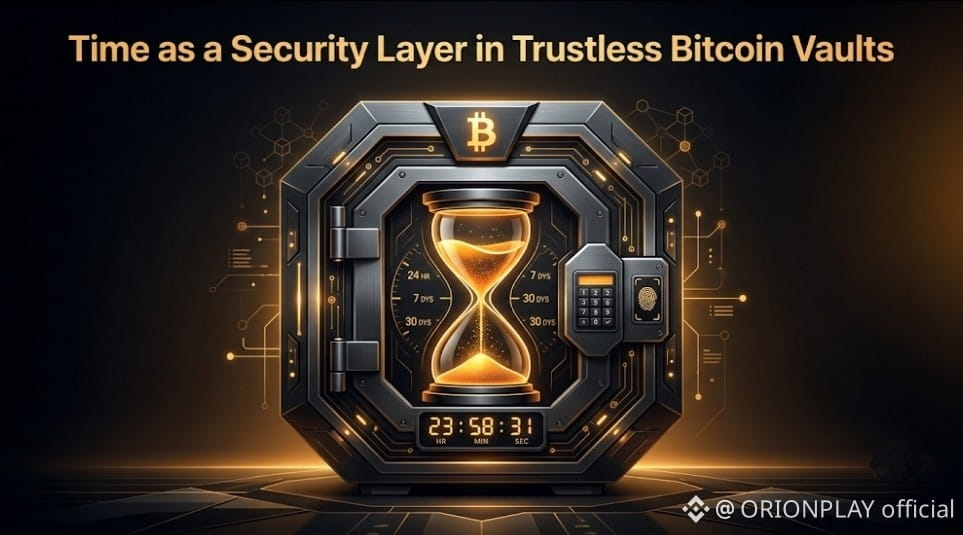
ビットコインのインフラにおいて見落とされがちな点の一つは、安全設計における「時間」の役割です。Babylon Trustless Bitcoin Vaults(TBV)を学ぶ際には、時間に基づく条件が、資産の保護やアクセスのあり方をどのように形作り得るかを考えると有益です。
多くの金庫システムでは、時間が追加の制御レイヤーとして機能します。たとえば、特定の期間が経過してからでないと発動しないルールや、払い戻しが意図的に遅延させられるケースがあります。このような考え方は、突然の行動や強制的な行動の影響を抑え、ユーザーに問題の兆候を検知したり、取引を確認したりするためのより多くの時間を与えます。
しかし、時間に基づく条件は新たな検討事項も生み出します。ユーザーは、待機期間中に何が起こるのか、その遅延は回避可能なのか、タイミングのパラメータを誰が管理しているのか、そしてこれらのルールがビットコイン自身の取引モデルとどのように相互作用するのかを理解する必要があります。ある状況では安全性を高める遅延が、別の状況では、緊急時や複数当事者が関与する場合などに複雑さを招く可能性があります。
これは重要な区別を示しています。TBVにおけるセキュリティは「誰が鍵を管理するか」だけに関するものではなく、「いつ管理を行使できるか」もまた含まれる、という点です。時間は信頼の最小化戦略の一部になりますが、明確に定義され、検証可能でなければなりません。
@babylonlabs_io 、$BABY 、そして#babyをフォローしている読者の実務的な学びとしては、金庫システム内の時間に関するルールを、他の権限と同じくらい慎重に点検することです。タイミング条件が透明なのか、変更できるのか、そしてそれが作るまたは軽減するリスクは何かを問いかけてください。時間という次元を理解することで、金庫が実際にどのように機能するのかをより包括的に把握できるようになります。
これは教育目的のコンテンツであり、金融アドバイスではありません。
#baby
ビットコインのインフラにおいて見落とされがちな点の一つは、安全設計における「時間」の役割です。Babylon Trustless Bitcoin Vaults(TBV)を学ぶ際には、時間に基づく条件が、資産の保護やアクセスのあり方をどのように形作り得るかを考えると有益です。
多くの金庫システムでは、時間が追加の制御レイヤーとして機能します。たとえば、特定の期間が経過してからでないと発動しないルールや、払い戻しが意図的に遅延させられるケースがあります。このような考え方は、突然の行動や強制的な行動の影響を抑え、ユーザーに問題の兆候を検知したり、取引を確認したりするためのより多くの時間を与えます。
しかし、時間に基づく条件は新たな検討事項も生み出します。ユーザーは、待機期間中に何が起こるのか、その遅延は回避可能なのか、タイミングのパラメータを誰が管理しているのか、そしてこれらのルールがビットコイン自身の取引モデルとどのように相互作用するのかを理解する必要があります。ある状況では安全性を高める遅延が、別の状況では、緊急時や複数当事者が関与する場合などに複雑さを招く可能性があります。
これは重要な区別を示しています。TBVにおけるセキュリティは「誰が鍵を管理するか」だけに関するものではなく、「いつ管理を行使できるか」もまた含まれる、という点です。時間は信頼の最小化戦略の一部になりますが、明確に定義され、検証可能でなければなりません。
@BabylonLabs_io 、$BABY 、そして#babyをフォローしている読者の実務的な学びとしては、金庫システム内の時間に関するルールを、他の権限と同じくらい慎重に点検することです。タイミング条件が透明なのか、変更できるのか、そしてそれが作るまたは軽減するリスクは何かを問いかけてください。時間という次元を理解することで、金庫が実際にどのように機能するのかをより包括的に把握できるようになります。
これは教育目的のコンテンツであり、金融アドバイスではありません。
#baby
多くの金庫システムでは、時間が追加の制御レイヤーとして機能します。たとえば、特定の期間が経過してからでないと発動しないルールや、払い戻しが意図的に遅延させられるケースがあります。このような考え方は、突然の行動や強制的な行動の影響を抑え、ユーザーに問題の兆候を検知したり、取引を確認したりするためのより多くの時間を与えます。
しかし、時間に基づく条件は新たな検討事項も生み出します。ユーザーは、待機期間中に何が起こるのか、その遅延は回避可能なのか、タイミングのパラメータを誰が管理しているのか、そしてこれらのルールがビットコイン自身の取引モデルとどのように相互作用するのかを理解する必要があります。ある状況では安全性を高める遅延が、別の状況では、緊急時や複数当事者が関与する場合などに複雑さを招く可能性があります。
これは重要な区別を示しています。TBVにおけるセキュリティは「誰が鍵を管理するか」だけに関するものではなく、「いつ管理を行使できるか」もまた含まれる、という点です。時間は信頼の最小化戦略の一部になりますが、明確に定義され、検証可能でなければなりません。
@BabylonLabs_io 、$BABY 、そして#babyをフォローしている読者の実務的な学びとしては、金庫システム内の時間に関するルールを、他の権限と同じくらい慎重に点検することです。タイミング条件が透明なのか、変更できるのか、そしてそれが作るまたは軽減するリスクは何かを問いかけてください。時間という次元を理解することで、金庫が実際にどのように機能するのかをより包括的に把握できるようになります。
これは教育目的のコンテンツであり、金融アドバイスではありません。
#baby
218
ビットコインのあらゆる保管庫(ボールト)を信頼する前に、ユーザーは基本的な質問をするべきです。重要なルールは独立して検証できるのか? この問いは、Babylon Trustless Bitcoin Vaults(TBV)と、@babylonlabs_io によって論じられているインフラを理解するうえで中心となります
透明性は、Webサイトを公開することやプロジェクトのロードマップを表示することに限られません。信頼を最小化したシステムでは、透明性によって、資産がどのように管理されているのか、どの条件が取引を左右するのか、誰がルールを変更できるのか、そしてシステムが想定外の問題に直面した場合に何が起きるのかをユーザーが理解できるようにする必要があります。重要な機能ほど、その根拠となる前提をユーザーが検証できることがより重要になります。
$BABY および#baby のエコシステムを調査する読者にとって、有用な検証プロセスにはいくつかのステップがあります。まず、公式ドキュメントを見つけ、製品またはプロトコルの正確な範囲を特定します。次に、関連するコントラクト、取引データ、または運用ルールが公開されているか確認します。第三に、権限を調べます。あるアカウントは、停止(一時停止)、アップグレード、リダイレクト、または資産の引き出しを行えるのでしょうか。第四に、監査(アセスメント)、制限、緊急手順、依存関係に関する情報を探します。監査は信頼感を高める可能性がありますが、あらゆるリスクが取り除かれたことの保証ではありません。
透明性はまた、確定した事実と期待を切り分けるのにも役立ちます。公開された機能を、将来の可能性と混同してはならず、技術設計を自動的に安全性やリターンの約束として扱ってはいけません。
要点は、検証可能性がユーザーを受け身の信奉者から能動的な研究者へ変えることです。Babylon TBVは、それが可能にするかもしれないことだけでなく、そのルールや前提がどれだけ明確に検証できるのか、という観点でも研究する価値があります。暗号資産の世界では、理解できる情報そのものが、責任ある参加の重要な一部です。これは教育目的のコンテンツであり、金融助言ではありません。
ビットコインのあらゆる保管庫(ボールト)を信頼する前に、ユーザーは基本的な質問をするべきです。重要なルールは独立して検証できるのか? この問いは、Babylon Trustless Bitcoin Vaults(TBV)と、@BabylonLabs_io によって論じられているインフラを理解するうえで中心となります
透明性は、Webサイトを公開することやプロジェクトのロードマップを表示することに限られません。信頼を最小化したシステムでは、透明性によって、資産がどのように管理されているのか、どの条件が取引を左右するのか、誰がルールを変更できるのか、そしてシステムが想定外の問題に直面した場合に何が起きるのかをユーザーが理解できるようにする必要があります。重要な機能ほど、その根拠となる前提をユーザーが検証できることがより重要になります。
$BABY および#baby のエコシステムを調査する読者にとって、有用な検証プロセスにはいくつかのステップがあります。まず、公式ドキュメントを見つけ、製品またはプロトコルの正確な範囲を特定します。次に、関連するコントラクト、取引データ、または運用ルールが公開されているか確認します。第三に、権限を調べます。あるアカウントは、停止(一時停止)、アップグレード、リダイレクト、または資産の引き出しを行えるのでしょうか。第四に、監査(アセスメント)、制限、緊急手順、依存関係に関する情報を探します。監査は信頼感を高める可能性がありますが、あらゆるリスクが取り除かれたことの保証ではありません。
透明性はまた、確定した事実と期待を切り分けるのにも役立ちます。公開された機能を、将来の可能性と混同してはならず、技術設計を自動的に安全性やリターンの約束として扱ってはいけません。
要点は、検証可能性がユーザーを受け身の信奉者から能動的な研究者へ変えることです。Babylon TBVは、それが可能にするかもしれないことだけでなく、そのルールや前提がどれだけ明確に検証できるのか、という観点でも研究する価値があります。暗号資産の世界では、理解できる情報そのものが、責任ある参加の重要な一部です。これは教育目的のコンテンツであり、金融助言ではありません。
透明性は、Webサイトを公開することやプロジェクトのロードマップを表示することに限られません。信頼を最小化したシステムでは、透明性によって、資産がどのように管理されているのか、どの条件が取引を左右するのか、誰がルールを変更できるのか、そしてシステムが想定外の問題に直面した場合に何が起きるのかをユーザーが理解できるようにする必要があります。重要な機能ほど、その根拠となる前提をユーザーが検証できることがより重要になります。
$BABY および#baby のエコシステムを調査する読者にとって、有用な検証プロセスにはいくつかのステップがあります。まず、公式ドキュメントを見つけ、製品またはプロトコルの正確な範囲を特定します。次に、関連するコントラクト、取引データ、または運用ルールが公開されているか確認します。第三に、権限を調べます。あるアカウントは、停止(一時停止)、アップグレード、リダイレクト、または資産の引き出しを行えるのでしょうか。第四に、監査(アセスメント)、制限、緊急手順、依存関係に関する情報を探します。監査は信頼感を高める可能性がありますが、あらゆるリスクが取り除かれたことの保証ではありません。
透明性はまた、確定した事実と期待を切り分けるのにも役立ちます。公開された機能を、将来の可能性と混同してはならず、技術設計を自動的に安全性やリターンの約束として扱ってはいけません。
要点は、検証可能性がユーザーを受け身の信奉者から能動的な研究者へ変えることです。Babylon TBVは、それが可能にするかもしれないことだけでなく、そのルールや前提がどれだけ明確に検証できるのか、という観点でも研究する価値があります。暗号資産の世界では、理解できる情報そのものが、責任ある参加の重要な一部です。これは教育目的のコンテンツであり、金融助言ではありません。

207
#BTCUSDT UPDATE:
現在約$63,700で取引されており、下落チャネルの中で取引されています。想定されるシナリオは次の通りです。ここから上昇してチャネルをブレイクし、良い強気のローソク足で$65,200のゾーンを上回ってクローズするなら、まもなくポンプ(急騰)が見られる可能性があります。そうでなければ、価格が下落して$62,800を下回るようにブレイクした場合、下落が予想されます。次の方向性を確認するために、いくつかの値動きが出るのを待ち、強気のサインを確認するためのブレイクアウトを待ってください。今後のアップデートもお楽しみに。
#BTCUSDT UPDATE:
現在約$63,700で取引されており、下落チャネルの中で取引されています。想定されるシナリオは次の通りです。ここから上昇してチャネルをブレイクし、良い強気のローソク足で$65,200のゾーンを上回ってクローズするなら、まもなくポンプ(急騰)が見られる可能性があります。そうでなければ、価格が下落して$62,800を下回るようにブレイクした場合、下落が予想されます。次の方向性を確認するために、いくつかの値動きが出るのを待ち、強気のサインを確認するためのブレイクアウトを待ってください。今後のアップデートもお楽しみに。
現在約$63,700で取引されており、下落チャネルの中で取引されています。想定されるシナリオは次の通りです。ここから上昇してチャネルをブレイクし、良い強気のローソク足で$65,200のゾーンを上回ってクローズするなら、まもなくポンプ(急騰)が見られる可能性があります。そうでなければ、価格が下落して$62,800を下回るようにブレイクした場合、下落が予想されます。次の方向性を確認するために、いくつかの値動きが出るのを待ち、強気のサインを確認するためのブレイクアウトを待ってください。今後のアップデートもお楽しみに。
1
1
332
セルフカストディとカストディ型ビットコイン・システムの最も重要な違いの一つは、何か問題が起きたときに誰が責任を負うのかです。これは、Babylon Trustless Bitcoin Vaults(TBV)<b>@babylonlabs_io </b>、<b>$BABY </b>、およびより広い<b>#baby </b>エコシステムを研究している人にとって有益な問いです。
セルフカストディでは、一般的にユーザーが自分の鍵を管理します。これにより自立性が高まる一方で、ユーザー自身がウォレットの資格情報を保護し、取引を検証し、フィッシング攻撃を避け、リカバリーを計画する必要があります。鍵の紛失、誤った取引、あるいは侵害された端末によって、深刻な問題が生じる可能性があります。したがって、個人での管理には個人の運用責任が伴います。
カストディ型モデルでは、第三者が鍵やセキュリティプロセスの大部分を管理します。これは一部のユーザーにとってはより簡単かもしれませんが、カウンターパーティ(取引相手)リスクが生じます。ユーザーは、カストディアンのセキュリティ慣行、内部統制、利用可能性、方針に依存しなければなりません。利便性はリスクをなくしません。ただし、リスクが存在する場所が変わるだけです。
TBV関連のインフラは興味深い点があります。それは次のさらなる問いを生むからです。プロトコルのルールによって、単一のカストディアンへの依存を減らしつつ、完全に個別の鍵管理よりもプロセスをより構造化できるのでしょうか。答えは、実際の設計、権限、リカバリーメカニズム、ガバナンス、そして技術実装に依存します。「trustless(信頼不要)」という言葉から推測してはいけません。これらの詳細は、確認して確かめる必要があります。
実用的なリサーチ用チェックリストはシンプルです。資産を誰が管理しているのかを特定し、リカバリーがどのように機能するかを理解し、出金条件を確認し、ルールが公開されて検証可能かどうかを確認し、そしてどのリスクがユーザー側に残るのかを判断します。
要点は、セルフカストディとカストディは単なる技術カテゴリではないということです。これらは異なる責任モデルです。その違いを理解することで、読者はTBVをより慎重に評価し、管理(コントロール)と保証された安全性を混同しないようになります。これは教育目的のコンテンツであり、金融助言ではありません。
👇👇TBVはカストディアンへの依存を減らせるのでしょうか?👇👇
セルフカストディとカストディ型ビットコイン・システムの最も重要な違いの一つは、何か問題が起きたときに誰が責任を負うのかです。これは、Babylon Trustless Bitcoin Vaults(TBV)<b>@BabylonLabs_io </b>、<b>$BABY </b>、およびより広い<b>#baby </b>エコシステムを研究している人にとって有益な問いです。
セルフカストディでは、一般的にユーザーが自分の鍵を管理します。これにより自立性が高まる一方で、ユーザー自身がウォレットの資格情報を保護し、取引を検証し、フィッシング攻撃を避け、リカバリーを計画する必要があります。鍵の紛失、誤った取引、あるいは侵害された端末によって、深刻な問題が生じる可能性があります。したがって、個人での管理には個人の運用責任が伴います。
カストディ型モデルでは、第三者が鍵やセキュリティプロセスの大部分を管理します。これは一部のユーザーにとってはより簡単かもしれませんが、カウンターパーティ(取引相手)リスクが生じます。ユーザーは、カストディアンのセキュリティ慣行、内部統制、利用可能性、方針に依存しなければなりません。利便性はリスクをなくしません。ただし、リスクが存在する場所が変わるだけです。
TBV関連のインフラは興味深い点があります。それは次のさらなる問いを生むからです。プロトコルのルールによって、単一のカストディアンへの依存を減らしつつ、完全に個別の鍵管理よりもプロセスをより構造化できるのでしょうか。答えは、実際の設計、権限、リカバリーメカニズム、ガバナンス、そして技術実装に依存します。「trustless(信頼不要)」という言葉から推測してはいけません。これらの詳細は、確認して確かめる必要があります。
実用的なリサーチ用チェックリストはシンプルです。資産を誰が管理しているのかを特定し、リカバリーがどのように機能するかを理解し、出金条件を確認し、ルールが公開されて検証可能かどうかを確認し、そしてどのリスクがユーザー側に残るのかを判断します。
要点は、セルフカストディとカストディは単なる技術カテゴリではないということです。これらは異なる責任モデルです。その違いを理解することで、読者はTBVをより慎重に評価し、管理(コントロール)と保証された安全性を混同しないようになります。これは教育目的のコンテンツであり、金融助言ではありません。
👇👇TBVはカストディアンへの依存を減らせるのでしょうか?👇👇
セルフカストディでは、一般的にユーザーが自分の鍵を管理します。これにより自立性が高まる一方で、ユーザー自身がウォレットの資格情報を保護し、取引を検証し、フィッシング攻撃を避け、リカバリーを計画する必要があります。鍵の紛失、誤った取引、あるいは侵害された端末によって、深刻な問題が生じる可能性があります。したがって、個人での管理には個人の運用責任が伴います。
カストディ型モデルでは、第三者が鍵やセキュリティプロセスの大部分を管理します。これは一部のユーザーにとってはより簡単かもしれませんが、カウンターパーティ(取引相手)リスクが生じます。ユーザーは、カストディアンのセキュリティ慣行、内部統制、利用可能性、方針に依存しなければなりません。利便性はリスクをなくしません。ただし、リスクが存在する場所が変わるだけです。
TBV関連のインフラは興味深い点があります。それは次のさらなる問いを生むからです。プロトコルのルールによって、単一のカストディアンへの依存を減らしつつ、完全に個別の鍵管理よりもプロセスをより構造化できるのでしょうか。答えは、実際の設計、権限、リカバリーメカニズム、ガバナンス、そして技術実装に依存します。「trustless(信頼不要)」という言葉から推測してはいけません。これらの詳細は、確認して確かめる必要があります。
実用的なリサーチ用チェックリストはシンプルです。資産を誰が管理しているのかを特定し、リカバリーがどのように機能するかを理解し、出金条件を確認し、ルールが公開されて検証可能かどうかを確認し、そしてどのリスクがユーザー側に残るのかを判断します。
要点は、セルフカストディとカストディは単なる技術カテゴリではないということです。これらは異なる責任モデルです。その違いを理解することで、読者はTBVをより慎重に評価し、管理(コントロール)と保証された安全性を混同しないようになります。これは教育目的のコンテンツであり、金融助言ではありません。
👇👇TBVはカストディアンへの依存を減らせるのでしょうか?👇👇

Yes
67%
No
33%
3 投票 • 投票は終了しました
2
2
174
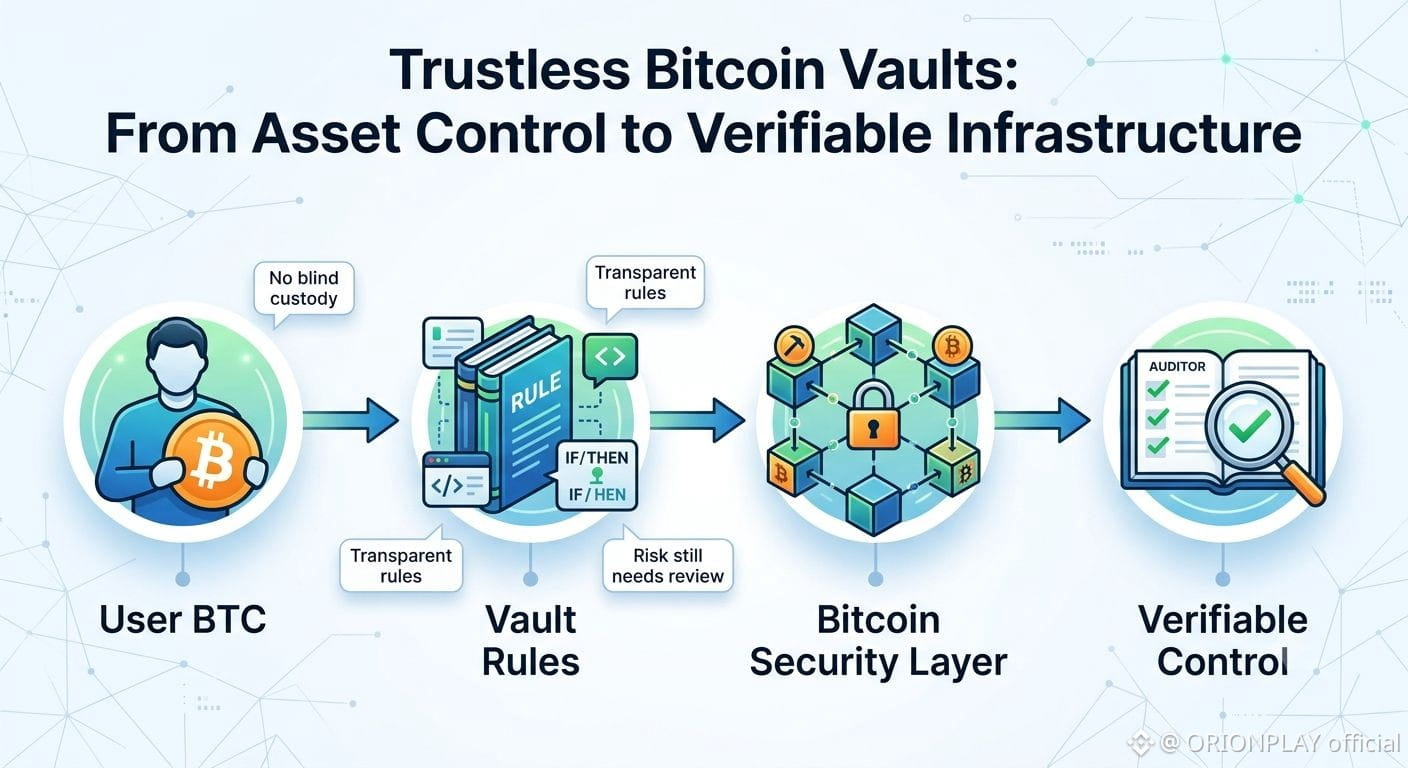
ビットコイン・ボールトは、BTCのためのデジタルな容器以上のものです。資産をどのように預け入れ、保護し、監視し、引き出すかを決める一連のルールです。この基本概念は、Babylon Trustless Bitcoin Vaults(TBV)が、ビットコインの有用性とセキュリティに関するより広い議論の中でなぜ関係しているのかを理解するのに役立ちます。
@babylonlabs_io を追っている読者にとって重要な問いは、単にボールトが存在するかどうかではありません。より良い問いは、「誰が、あるいは何が、そのボールトを管理しているのか?」です。従来のカストディ(委託管理)モデルでは、ユーザーは、資金を保有する会社、出金の承認、セキュリティシステムの維持、社内方針の遵守といった点で、その会社に依存する場合があります。信頼を最小化した設計では、重要な条件を、秘密の約束に全面的に頼るのではなく、プロトコルのルールを通じてより透明で執行可能にすることが目標です。
しかし、それはボールトが自動的に安全であることを意味しません。責任ある評価では、コード、取引ロジック、アクセス権限、出金条件、緊急手順、統治(ガバナンス)構造、そして関与する可能性のある外部システムを調べるべきです。さらに、ユーザーが自分の秘密鍵を管理しているのか、それとも別の主体が資産に対する権限を持っているのかも理解する必要があります。
この違いは、「ボールト」という言葉が単純に聞こえる一方で、複雑なリスクモデルを隠してしまうことがあるため、有用です。ボールトのセキュリティは、いくつかの層に依存する場合があります。ビットコインのネットワークセキュリティ、プロトコル設計、ウォレット管理、スマートコントラクトの実装、そしてユーザーの行動です。どれか一つの層の弱さが、全体の体験に影響を及ぼし得ます。
したがって、TBVの教育的価値は、単一の製品説明を超えています。BTCが新しいインフラとどのように相互作用し得るかを考えながら、カストディ、検証、リスクを見える形に保つようビットコイン利用者に促します。
今日の私の結論はこうです。いかなるビットコイン・ボールトも信頼する前に、ルール、管理者(コントローラー)、依存関係、そして最悪の結果を特定してください。強いマーケティングのスローガンよりも、明確な枠組みのほうが価値があります。$BABY と #baby の周りは、誇大宣伝ではなく調査を追ってください。これは教育目的のコンテンツであり、金融アドバイスではありません。
ビットコイン・ボールトは、BTCのためのデジタルな容器以上のものです。資産をどのように預け入れ、保護し、監視し、引き出すかを決める一連のルールです。この基本概念は、Babylon Trustless Bitcoin Vaults(TBV)が、ビットコインの有用性とセキュリティに関するより広い議論の中でなぜ関係しているのかを理解するのに役立ちます。
@BabylonLabs_io を追っている読者にとって重要な問いは、単にボールトが存在するかどうかではありません。より良い問いは、「誰が、あるいは何が、そのボールトを管理しているのか?」です。従来のカストディ(委託管理)モデルでは、ユーザーは、資金を保有する会社、出金の承認、セキュリティシステムの維持、社内方針の遵守といった点で、その会社に依存する場合があります。信頼を最小化した設計では、重要な条件を、秘密の約束に全面的に頼るのではなく、プロトコルのルールを通じてより透明で執行可能にすることが目標です。
しかし、それはボールトが自動的に安全であることを意味しません。責任ある評価では、コード、取引ロジック、アクセス権限、出金条件、緊急手順、統治(ガバナンス)構造、そして関与する可能性のある外部システムを調べるべきです。さらに、ユーザーが自分の秘密鍵を管理しているのか、それとも別の主体が資産に対する権限を持っているのかも理解する必要があります。
この違いは、「ボールト」という言葉が単純に聞こえる一方で、複雑なリスクモデルを隠してしまうことがあるため、有用です。ボールトのセキュリティは、いくつかの層に依存する場合があります。ビットコインのネットワークセキュリティ、プロトコル設計、ウォレット管理、スマートコントラクトの実装、そしてユーザーの行動です。どれか一つの層の弱さが、全体の体験に影響を及ぼし得ます。
したがって、TBVの教育的価値は、単一の製品説明を超えています。BTCが新しいインフラとどのように相互作用し得るかを考えながら、カストディ、検証、リスクを見える形に保つようビットコイン利用者に促します。
今日の私の結論はこうです。いかなるビットコイン・ボールトも信頼する前に、ルール、管理者(コントローラー)、依存関係、そして最悪の結果を特定してください。強いマーケティングのスローガンよりも、明確な枠組みのほうが価値があります。$BABY と #baby の周りは、誇大宣伝ではなく調査を追ってください。これは教育目的のコンテンツであり、金融アドバイスではありません。
@BabylonLabs_io を追っている読者にとって重要な問いは、単にボールトが存在するかどうかではありません。より良い問いは、「誰が、あるいは何が、そのボールトを管理しているのか?」です。従来のカストディ(委託管理)モデルでは、ユーザーは、資金を保有する会社、出金の承認、セキュリティシステムの維持、社内方針の遵守といった点で、その会社に依存する場合があります。信頼を最小化した設計では、重要な条件を、秘密の約束に全面的に頼るのではなく、プロトコルのルールを通じてより透明で執行可能にすることが目標です。
しかし、それはボールトが自動的に安全であることを意味しません。責任ある評価では、コード、取引ロジック、アクセス権限、出金条件、緊急手順、統治(ガバナンス)構造、そして関与する可能性のある外部システムを調べるべきです。さらに、ユーザーが自分の秘密鍵を管理しているのか、それとも別の主体が資産に対する権限を持っているのかも理解する必要があります。
この違いは、「ボールト」という言葉が単純に聞こえる一方で、複雑なリスクモデルを隠してしまうことがあるため、有用です。ボールトのセキュリティは、いくつかの層に依存する場合があります。ビットコインのネットワークセキュリティ、プロトコル設計、ウォレット管理、スマートコントラクトの実装、そしてユーザーの行動です。どれか一つの層の弱さが、全体の体験に影響を及ぼし得ます。
したがって、TBVの教育的価値は、単一の製品説明を超えています。BTCが新しいインフラとどのように相互作用し得るかを考えながら、カストディ、検証、リスクを見える形に保つようビットコイン利用者に促します。
今日の私の結論はこうです。いかなるビットコイン・ボールトも信頼する前に、ルール、管理者(コントローラー)、依存関係、そして最悪の結果を特定してください。強いマーケティングのスローガンよりも、明確な枠組みのほうが価値があります。$BABY と #baby の周りは、誇大宣伝ではなく調査を追ってください。これは教育目的のコンテンツであり、金融アドバイスではありません。
1
1
209
ビットコインはしばしば最も安全な暗号ネットワークだと説明されますが、より大きな問いはこうです――そのセキュリティは、BTCの送金以上のものを守るのに役立てられるのでしょうか? ここで、Babylon Trustless Bitcoin Vaults(TBV)が、@babylonlabs_io 、$BABY 、そして#baby を追っている読者にとって重要な話題になります。
基本的な考え方は、ビットコインの強みは、そのプルーフ・オブ・ワークの履歴、高い決済価値、そして容易に操作されにくい点にあります。より新しい暗号システムの多くは、より速く動いたり、より多くの機能を提供したりしますが、同じ深さの経済的セキュリティを持たない可能性があります。Babylonのより広い設計方針が興味深いのは、ビットコインのセキュリティ特性を、単に資産を中央集権的なカストディ(管理者)に預けさせるのではなく、追加のユースケースとどう結び付けられるかを探っているからです。
TBVにおける教育的なポイントは、「ビットコインは安全だ」というだけではありません。より深いポイントは、金庫(ボールト)型のインフラが、資産の管理、検証、そしてリスク管理の周りにどのようなルールを作り得るかを理解することです。適切に設計されたトラストレスな金庫は、ユーザーにこう問いかけるはずです――セキュリティはビットコインそのものから生まれるのか、プロトコルのロジックから生まれるのか、それとも、ウォレット、スマートコントラクト、オペレーター、あるいは外部連携から生じるリスクはまだ残るのか?
これは重要です。なぜなら、ビットコインのユーティリティは歴史的に、その慎重な設計によって制約されてきたからです。この慎重さは、決済用途として多くのユーザーがビットコインを信頼する理由の一部でもあります。TBV関連のインフラは、その土台の上に構築しつつ、盲目的な依存ではなく、検証可能なコントロールに焦点を当てた議論を維持しようとしています。
私の結論:ビットコインのセキュリティは、単なる背景の物語以上のものになり得ます。慎重に適用すれば、新しいインフラのための構成要素になれます。とはいえ、ユーザーは常に、確認されたプロトコルのメカニズムと、前提に関する思い込み、マーケティング上の表現、あるいは将来への期待を切り分けるべきです。教育目的のみであり、金融助言ではありません。
ビットコインはしばしば最も安全な暗号ネットワークだと説明されますが、より大きな問いはこうです――そのセキュリティは、BTCの送金以上のものを守るのに役立てられるのでしょうか? ここで、Babylon Trustless Bitcoin Vaults(TBV)が、@BabylonLabs_io 、$BABY 、そして#baby を追っている読者にとって重要な話題になります。
基本的な考え方は、ビットコインの強みは、そのプルーフ・オブ・ワークの履歴、高い決済価値、そして容易に操作されにくい点にあります。より新しい暗号システムの多くは、より速く動いたり、より多くの機能を提供したりしますが、同じ深さの経済的セキュリティを持たない可能性があります。Babylonのより広い設計方針が興味深いのは、ビットコインのセキュリティ特性を、単に資産を中央集権的なカストディ(管理者)に預けさせるのではなく、追加のユースケースとどう結び付けられるかを探っているからです。
TBVにおける教育的なポイントは、「ビットコインは安全だ」というだけではありません。より深いポイントは、金庫(ボールト)型のインフラが、資産の管理、検証、そしてリスク管理の周りにどのようなルールを作り得るかを理解することです。適切に設計されたトラストレスな金庫は、ユーザーにこう問いかけるはずです――セキュリティはビットコインそのものから生まれるのか、プロトコルのロジックから生まれるのか、それとも、ウォレット、スマートコントラクト、オペレーター、あるいは外部連携から生じるリスクはまだ残るのか?
これは重要です。なぜなら、ビットコインのユーティリティは歴史的に、その慎重な設計によって制約されてきたからです。この慎重さは、決済用途として多くのユーザーがビットコインを信頼する理由の一部でもあります。TBV関連のインフラは、その土台の上に構築しつつ、盲目的な依存ではなく、検証可能なコントロールに焦点を当てた議論を維持しようとしています。
私の結論:ビットコインのセキュリティは、単なる背景の物語以上のものになり得ます。慎重に適用すれば、新しいインフラのための構成要素になれます。とはいえ、ユーザーは常に、確認されたプロトコルのメカニズムと、前提に関する思い込み、マーケティング上の表現、あるいは将来への期待を切り分けるべきです。教育目的のみであり、金融助言ではありません。
基本的な考え方は、ビットコインの強みは、そのプルーフ・オブ・ワークの履歴、高い決済価値、そして容易に操作されにくい点にあります。より新しい暗号システムの多くは、より速く動いたり、より多くの機能を提供したりしますが、同じ深さの経済的セキュリティを持たない可能性があります。Babylonのより広い設計方針が興味深いのは、ビットコインのセキュリティ特性を、単に資産を中央集権的なカストディ(管理者)に預けさせるのではなく、追加のユースケースとどう結び付けられるかを探っているからです。
TBVにおける教育的なポイントは、「ビットコインは安全だ」というだけではありません。より深いポイントは、金庫(ボールト)型のインフラが、資産の管理、検証、そしてリスク管理の周りにどのようなルールを作り得るかを理解することです。適切に設計されたトラストレスな金庫は、ユーザーにこう問いかけるはずです――セキュリティはビットコインそのものから生まれるのか、プロトコルのロジックから生まれるのか、それとも、ウォレット、スマートコントラクト、オペレーター、あるいは外部連携から生じるリスクはまだ残るのか?
これは重要です。なぜなら、ビットコインのユーティリティは歴史的に、その慎重な設計によって制約されてきたからです。この慎重さは、決済用途として多くのユーザーがビットコインを信頼する理由の一部でもあります。TBV関連のインフラは、その土台の上に構築しつつ、盲目的な依存ではなく、検証可能なコントロールに焦点を当てた議論を維持しようとしています。
私の結論:ビットコインのセキュリティは、単なる背景の物語以上のものになり得ます。慎重に適用すれば、新しいインフラのための構成要素になれます。とはいえ、ユーザーは常に、確認されたプロトコルのメカニズムと、前提に関する思い込み、マーケティング上の表現、あるいは将来への期待を切り分けるべきです。教育目的のみであり、金融助言ではありません。
1
224
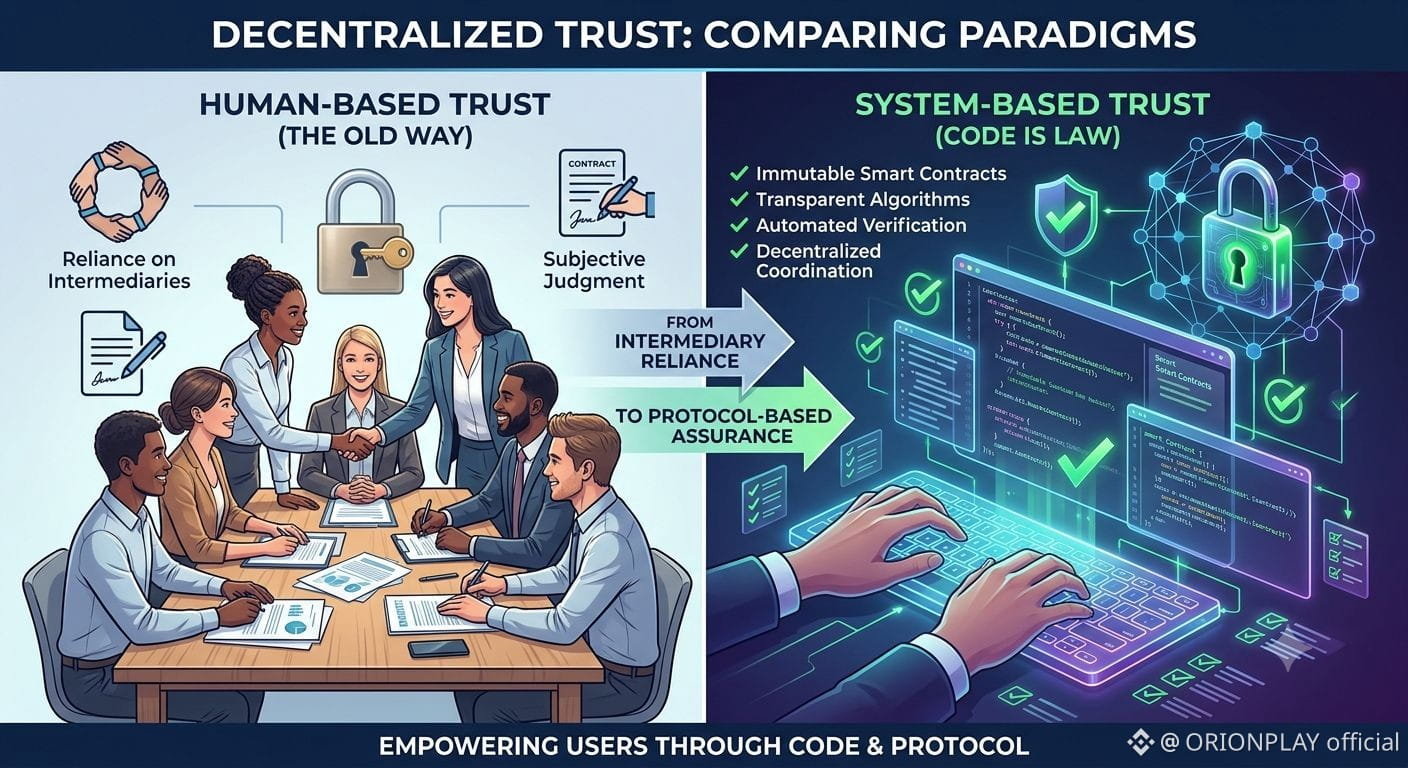
Babylon Trustless Bitcoin Vaults(TBV)について「トラストレス」とは本当は何を意味するのでしょうか?それは、システムにリスクがない、ソフトウェアがない、または前提(仮定)がない、という意味ではありません。暗号資産の文脈で「トラストレス」とは、特定の人物・企業・カストディアンへの依存を、私的な約束ではなく、透明なルール、検証可能な取引、事前に定義された条件へ置き換えることで減らそうとする取り組みを指すことが多いです。
@babylonlabs_io and $BABY を追っている読者にとって、この区別は重要です。
カストディアル(委託管理)モデルでは、ユーザーは、資産を保管し、アクションを承認し、その方針を守るために、ある組織を信頼する必要があります。信頼を最小化したバルティング(保管庫)モデルは、プロトコル設計によって鍵となる運用ルールをより見える化し、執行可能にすることを目指します。その結果、ユーザーは、資産がどのように管理されているか、引き出しや取引にどのような条件が影響するか、そしてシステムが依存する技術的前提が何かを学べます。
しかし、信頼の最小化は、保証された安全性と混同してはいけません。ユーザーは依然として、スマートコントラクトのリスク、実装上のエラー、ガバナンス上の意思決定、ウォレットのセキュリティ、流動性の状況、そして保管庫に接続された外部システムの有無などを考慮する必要があります。コードや前提に不備がある場合、透明な設計であっても脆弱性が生じ得ます。
⭐️あらゆるTBVシステムに役立つ調査チェックリストは以下です:
1.誰が資産を制御または移動できるのか?
2.ルールは見える形で、独立して検証可能か?
3.緊急時やシステム障害時に何が起きるのか?
4.どの部分がビットコイン、他のネットワーク、または第三者のインフラに依存しているのか?
5.参加する前に、ユーザーはリスクを理解できるか?
要点はシンプルです:「トラストレス」は保証として受け入れるのではなく、設計目標として評価すべきです。Babylon TBVがこの課題にどう取り組むかを学ぶことで、ビットコイン利用者はセキュリティ、カストディ、そしてビットコインのユーティリティに関してより情報に基づいた判断を下せるようになります。これは教育目的のコンテンツであり、金融アドバイスではありません。#baby
Babylon Trustless Bitcoin Vaults(TBV)について「トラストレス」とは本当は何を意味するのでしょうか?それは、システムにリスクがない、ソフトウェアがない、または前提(仮定)がない、という意味ではありません。暗号資産の文脈で「トラストレス」とは、特定の人物・企業・カストディアンへの依存を、私的な約束ではなく、透明なルール、検証可能な取引、事前に定義された条件へ置き換えることで減らそうとする取り組みを指すことが多いです。
@BabylonLabs_io and $BABY を追っている読者にとって、この区別は重要です。
カストディアル(委託管理)モデルでは、ユーザーは、資産を保管し、アクションを承認し、その方針を守るために、ある組織を信頼する必要があります。信頼を最小化したバルティング(保管庫)モデルは、プロトコル設計によって鍵となる運用ルールをより見える化し、執行可能にすることを目指します。その結果、ユーザーは、資産がどのように管理されているか、引き出しや取引にどのような条件が影響するか、そしてシステムが依存する技術的前提が何かを学べます。
しかし、信頼の最小化は、保証された安全性と混同してはいけません。ユーザーは依然として、スマートコントラクトのリスク、実装上のエラー、ガバナンス上の意思決定、ウォレットのセキュリティ、流動性の状況、そして保管庫に接続された外部システムの有無などを考慮する必要があります。コードや前提に不備がある場合、透明な設計であっても脆弱性が生じ得ます。
⭐️あらゆるTBVシステムに役立つ調査チェックリストは以下です:
1.誰が資産を制御または移動できるのか?
2.ルールは見える形で、独立して検証可能か?
3.緊急時やシステム障害時に何が起きるのか?
4.どの部分がビットコイン、他のネットワーク、または第三者のインフラに依存しているのか?
5.参加する前に、ユーザーはリスクを理解できるか?
要点はシンプルです:「トラストレス」は保証として受け入れるのではなく、設計目標として評価すべきです。Babylon TBVがこの課題にどう取り組むかを学ぶことで、ビットコイン利用者はセキュリティ、カストディ、そしてビットコインのユーティリティに関してより情報に基づいた判断を下せるようになります。これは教育目的のコンテンツであり、金融アドバイスではありません。#baby
@BabylonLabs_io and $BABY を追っている読者にとって、この区別は重要です。
カストディアル(委託管理)モデルでは、ユーザーは、資産を保管し、アクションを承認し、その方針を守るために、ある組織を信頼する必要があります。信頼を最小化したバルティング(保管庫)モデルは、プロトコル設計によって鍵となる運用ルールをより見える化し、執行可能にすることを目指します。その結果、ユーザーは、資産がどのように管理されているか、引き出しや取引にどのような条件が影響するか、そしてシステムが依存する技術的前提が何かを学べます。
しかし、信頼の最小化は、保証された安全性と混同してはいけません。ユーザーは依然として、スマートコントラクトのリスク、実装上のエラー、ガバナンス上の意思決定、ウォレットのセキュリティ、流動性の状況、そして保管庫に接続された外部システムの有無などを考慮する必要があります。コードや前提に不備がある場合、透明な設計であっても脆弱性が生じ得ます。
⭐️あらゆるTBVシステムに役立つ調査チェックリストは以下です:
1.誰が資産を制御または移動できるのか?
2.ルールは見える形で、独立して検証可能か?
3.緊急時やシステム障害時に何が起きるのか?
4.どの部分がビットコイン、他のネットワーク、または第三者のインフラに依存しているのか?
5.参加する前に、ユーザーはリスクを理解できるか?
要点はシンプルです:「トラストレス」は保証として受け入れるのではなく、設計目標として評価すべきです。Babylon TBVがこの課題にどう取り組むかを学ぶことで、ビットコイン利用者はセキュリティ、カストディ、そしてビットコインのユーティリティに関してより情報に基づいた判断を下せるようになります。これは教育目的のコンテンツであり、金融アドバイスではありません。#baby
6
2
208
@babylonlabs_io deserve attention because they frame Bitcoin as more than a passive asset. For $BABY followers and the #baby community, the key idea to understand is not hype — it is trust minimization.
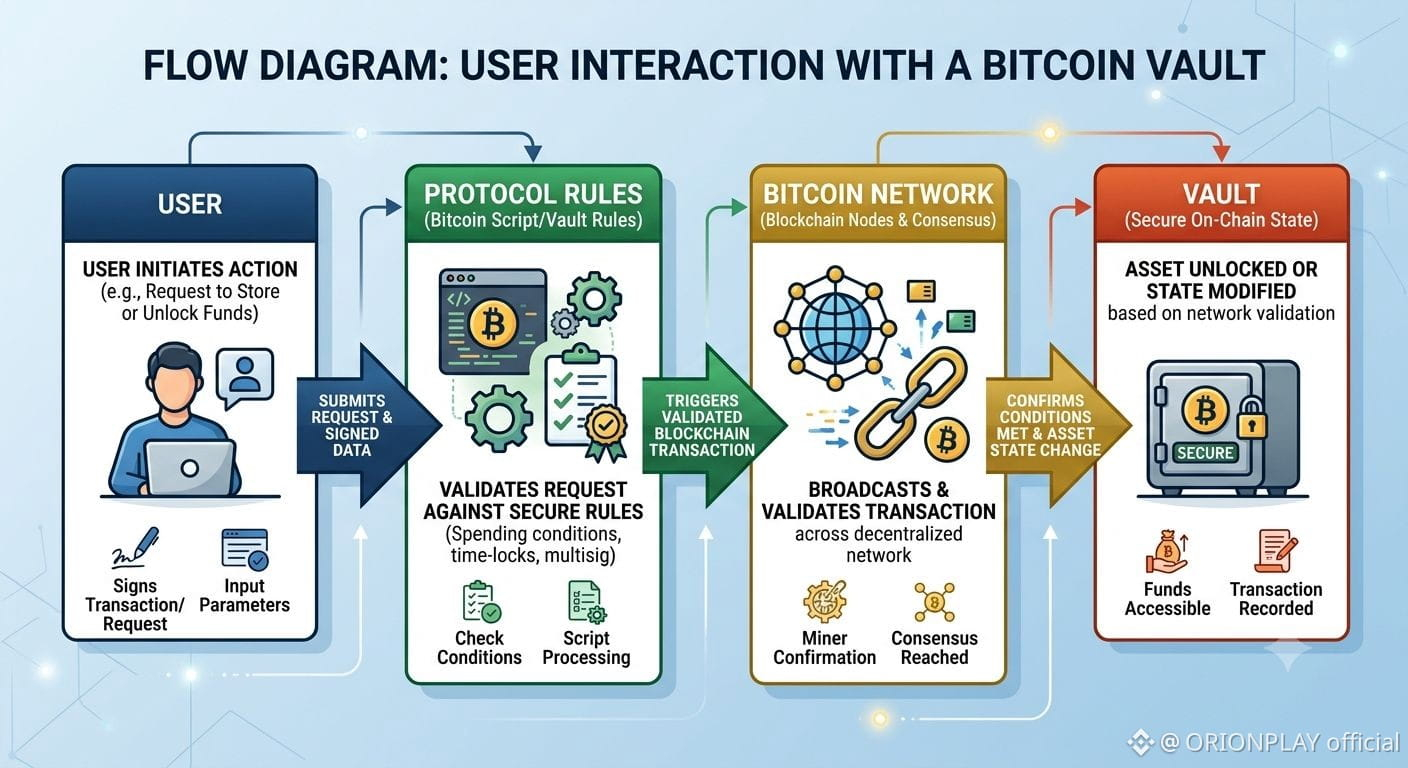
伝統的な金庫は通常、オペレーター、カストディアン、またはプラットフォームのポリシーに依存して資産を守ります。信頼不要(トラストレス)型の金庫は、重要なアクションを秘密の約束ではなく、透明なプロトコルのルールに従わせることで、その依存を減らすことを目指します。
それは「ゼロリスク」を意味するわけではありません。意味しているのは、信頼がどこに置かれているかをユーザーが確認すべきだということです。つまり、コード、暗号学的な設計、ビットコインのセキュリティ前提、ガバナンス、出金条件、そして関連するあらゆるインフラです。
だからこそTBVはビットコイン利用者にとって興味深いテーマです。ビットコインの最も強い評価は、セキュリティ、希少性、そして決済の信頼性にあります。新しいビットコインのインフラが直面する課題は、BTCをより便利にすることと、あらゆるやり取りを“中間業者への盲目的な依存”に変えないことをどう両立するかです。TBVの議論はまさにその交点にあります。セキュリティ、使いやすさ、検証可能なコントロール。
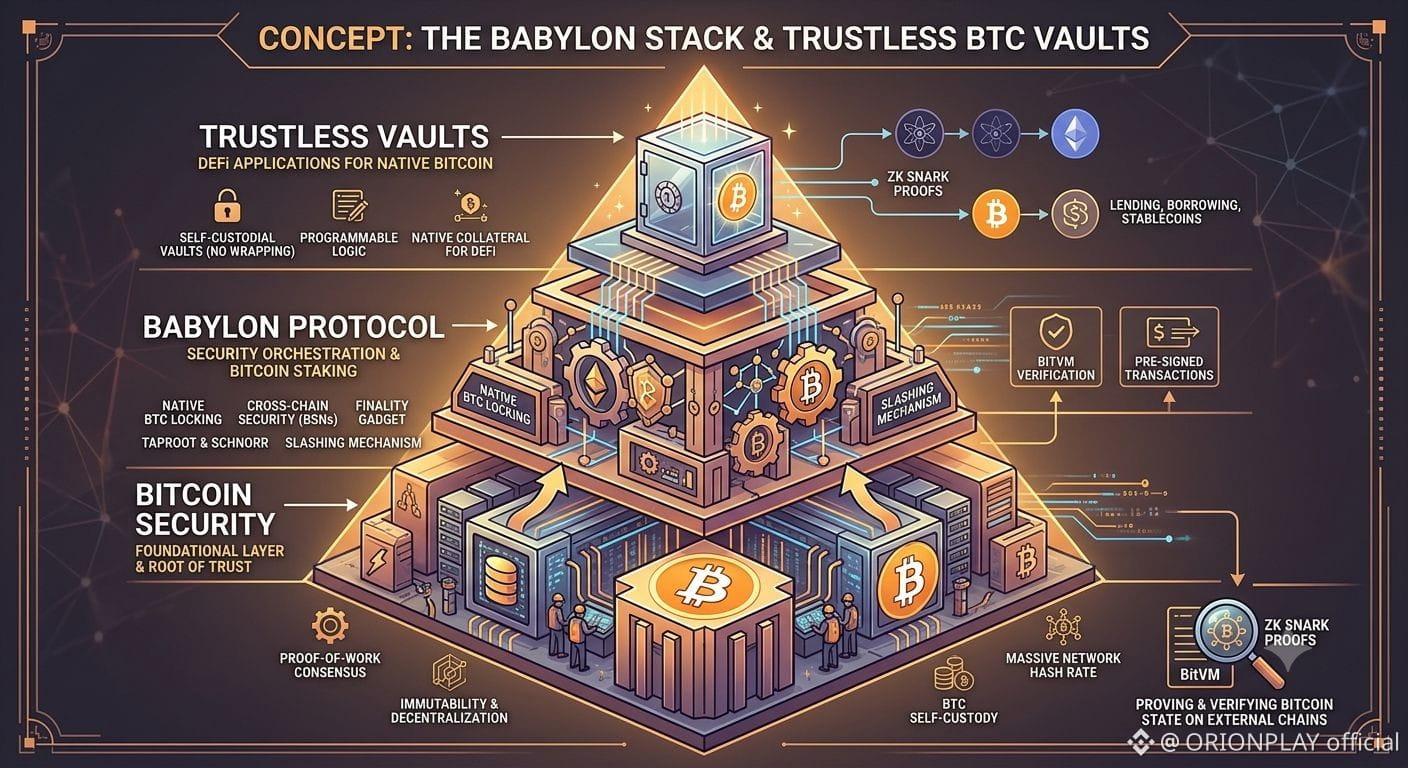
どのTBV設計を評価するうえでも役立つ方法は、次の3つの質問をすることです。ユーザー自身が何を検証できるのか? 資産の移動を制御する条件は何か? システムが信頼不要だと説明されていても残るリスクは何か? これらの問いは、分散化(デセントラライゼーション)の言葉を“保証された安全性”と混同しないために役立ちます。
Babylon TBVは、単なるトークンの物語としてではなく、インフラとして研究されるべきです。そこから得られる本当の価値は、ビットコインを基盤にしたシステムを、カストディへの依存を減らしつつも、慎重なリスク確認をなお必要とするように設計できるのかを理解することです。これは金融アドバイスではありません。より良い調査のための枠組みにすぎません。
{future}(BABYUSDT)
@BabylonLabs_io deserve attention because they frame Bitcoin as more than a passive asset. For $BABY followers and the #baby community, the key idea to understand is not hype — it is trust minimization.
伝統的な金庫は通常、オペレーター、カストディアン、またはプラットフォームのポリシーに依存して資産を守ります。信頼不要(トラストレス)型の金庫は、重要なアクションを秘密の約束ではなく、透明なプロトコルのルールに従わせることで、その依存を減らすことを目指します。
それは「ゼロリスク」を意味するわけではありません。意味しているのは、信頼がどこに置かれているかをユーザーが確認すべきだということです。つまり、コード、暗号学的な設計、ビットコインのセキュリティ前提、ガバナンス、出金条件、そして関連するあらゆるインフラです。
だからこそTBVはビットコイン利用者にとって興味深いテーマです。ビットコインの最も強い評価は、セキュリティ、希少性、そして決済の信頼性にあります。新しいビットコインのインフラが直面する課題は、BTCをより便利にすることと、あらゆるやり取りを“中間業者への盲目的な依存”に変えないことをどう両立するかです。TBVの議論はまさにその交点にあります。セキュリティ、使いやすさ、検証可能なコントロール。
どのTBV設計を評価するうえでも役立つ方法は、次の3つの質問をすることです。ユーザー自身が何を検証できるのか? 資産の移動を制御する条件は何か? システムが信頼不要だと説明されていても残るリスクは何か? これらの問いは、分散化(デセントラライゼーション)の言葉を“保証された安全性”と混同しないために役立ちます。
Babylon TBVは、単なるトークンの物語としてではなく、インフラとして研究されるべきです。そこから得られる本当の価値は、ビットコインを基盤にしたシステムを、カストディへの依存を減らしつつも、慎重なリスク確認をなお必要とするように設計できるのかを理解することです。これは金融アドバイスではありません。より良い調査のための枠組みにすぎません。
伝統的な金庫は通常、オペレーター、カストディアン、またはプラットフォームのポリシーに依存して資産を守ります。信頼不要(トラストレス)型の金庫は、重要なアクションを秘密の約束ではなく、透明なプロトコルのルールに従わせることで、その依存を減らすことを目指します。
それは「ゼロリスク」を意味するわけではありません。意味しているのは、信頼がどこに置かれているかをユーザーが確認すべきだということです。つまり、コード、暗号学的な設計、ビットコインのセキュリティ前提、ガバナンス、出金条件、そして関連するあらゆるインフラです。
だからこそTBVはビットコイン利用者にとって興味深いテーマです。ビットコインの最も強い評価は、セキュリティ、希少性、そして決済の信頼性にあります。新しいビットコインのインフラが直面する課題は、BTCをより便利にすることと、あらゆるやり取りを“中間業者への盲目的な依存”に変えないことをどう両立するかです。TBVの議論はまさにその交点にあります。セキュリティ、使いやすさ、検証可能なコントロール。
どのTBV設計を評価するうえでも役立つ方法は、次の3つの質問をすることです。ユーザー自身が何を検証できるのか? 資産の移動を制御する条件は何か? システムが信頼不要だと説明されていても残るリスクは何か? これらの問いは、分散化(デセントラライゼーション)の言葉を“保証された安全性”と混同しないために役立ちます。
Babylon TBVは、単なるトークンの物語としてではなく、インフラとして研究されるべきです。そこから得られる本当の価値は、ビットコインを基盤にしたシステムを、カストディへの依存を減らしつつも、慎重なリスク確認をなお必要とするように設計できるのかを理解することです。これは金融アドバイスではありません。より良い調査のための枠組みにすぎません。
3
4
313
私は、自分のトレーディングエッジを構築するために何年も資本を失ってきました。
それには、何千時間もの画面時間、厳しいドローダウン、そして遅くまでの夜が必要でした。
今、AIは私の戦略を数秒で取り込んで再現できます。
しかし、私たちが今日これらのツールを使う方法には致命的な構造的欠陥があります。
アルゴリズムエージェントがあなたのウォレットを監視し、エントリーをマッピングし、リスク許容度を記憶すると、あなたの金融的思考のデジタルクローンを生成します。
そのクローンの所有権は誰にあるのでしょうか?
今のところ、法人のサーバーがそれを所有しています。
あなたは、自分のハードワークで得たアルファを機械に与えています。その見返りに、中央集権的なテクノロジーの独占企業が静かにあなたのトレーディングDNAの記憶を収穫しています。
私たちは、Web3の中心でWeb2の抽出モデルに逆戻りしています。
これが、@OpenGradient が解決しようとしている見えない危機です。
彼らはただ、より早く、より賢いエグゼキューションボットを構築しているわけではありません。彼らは機械知能の所有層を根本的に再設計しています。
$OPG によって強化されたインフラを通じて、あなたのAIエージェントの記憶は不変で分散化されたネットワーク上に保護されています。
あなたのデータは、脆弱でクローズドソースのデータセンターで無駄に待機することはありません。それは完全にあなたのプライベートキーに属しています。
あなたの微妙なトレーディング習慣、カスタム予測モデル、そして自律的エージェントは数学的に主権を持ち続けます。
#opg エコシステムは、AIがあなたから学んだ場合、結果として生まれる知性があなたのものであることを保証します。
このデータ所有権の危機を無視すれば、私たちは分散型金融の未来全体を中央集権的なAI独占企業に渡すことになります。
私たちは、自分の金融的知性を借りる余裕はありません。
現在依存している自動化されたセットアップや予測ツールを見て、次のことを教えてください:
もしあなたのAIをホスティングしている会社が明日大規模なテクノロジーコングロマリットに買収された場合、それがあなたのウォレットから抽出した金融論理の所有者は誰ですか?
私は、自分のトレーディングエッジを構築するために何年も資本を失ってきました。
それには、何千時間もの画面時間、厳しいドローダウン、そして遅くまでの夜が必要でした。
今、AIは私の戦略を数秒で取り込んで再現できます。
しかし、私たちが今日これらのツールを使う方法には致命的な構造的欠陥があります。
アルゴリズムエージェントがあなたのウォレットを監視し、エントリーをマッピングし、リスク許容度を記憶すると、あなたの金融的思考のデジタルクローンを生成します。
そのクローンの所有権は誰にあるのでしょうか?
今のところ、法人のサーバーがそれを所有しています。
あなたは、自分のハードワークで得たアルファを機械に与えています。その見返りに、中央集権的なテクノロジーの独占企業が静かにあなたのトレーディングDNAの記憶を収穫しています。
私たちは、Web3の中心でWeb2の抽出モデルに逆戻りしています。
これが、@OpenGradient が解決しようとしている見えない危機です。
彼らはただ、より早く、より賢いエグゼキューションボットを構築しているわけではありません。彼らは機械知能の所有層を根本的に再設計しています。
$OPG によって強化されたインフラを通じて、あなたのAIエージェントの記憶は不変で分散化されたネットワーク上に保護されています。
あなたのデータは、脆弱でクローズドソースのデータセンターで無駄に待機することはありません。それは完全にあなたのプライベートキーに属しています。
あなたの微妙なトレーディング習慣、カスタム予測モデル、そして自律的エージェントは数学的に主権を持ち続けます。
#opg エコシステムは、AIがあなたから学んだ場合、結果として生まれる知性があなたのものであることを保証します。
このデータ所有権の危機を無視すれば、私たちは分散型金融の未来全体を中央集権的なAI独占企業に渡すことになります。
私たちは、自分の金融的知性を借りる余裕はありません。
現在依存している自動化されたセットアップや予測ツールを見て、次のことを教えてください:
もしあなたのAIをホスティングしている会社が明日大規模なテクノロジーコングロマリットに買収された場合、それがあなたのウォレットから抽出した金融論理の所有者は誰ですか?
それには、何千時間もの画面時間、厳しいドローダウン、そして遅くまでの夜が必要でした。
今、AIは私の戦略を数秒で取り込んで再現できます。
しかし、私たちが今日これらのツールを使う方法には致命的な構造的欠陥があります。
アルゴリズムエージェントがあなたのウォレットを監視し、エントリーをマッピングし、リスク許容度を記憶すると、あなたの金融的思考のデジタルクローンを生成します。
そのクローンの所有権は誰にあるのでしょうか?
今のところ、法人のサーバーがそれを所有しています。
あなたは、自分のハードワークで得たアルファを機械に与えています。その見返りに、中央集権的なテクノロジーの独占企業が静かにあなたのトレーディングDNAの記憶を収穫しています。
私たちは、Web3の中心でWeb2の抽出モデルに逆戻りしています。
これが、@OpenGradient が解決しようとしている見えない危機です。
彼らはただ、より早く、より賢いエグゼキューションボットを構築しているわけではありません。彼らは機械知能の所有層を根本的に再設計しています。
$OPG によって強化されたインフラを通じて、あなたのAIエージェントの記憶は不変で分散化されたネットワーク上に保護されています。
あなたのデータは、脆弱でクローズドソースのデータセンターで無駄に待機することはありません。それは完全にあなたのプライベートキーに属しています。
あなたの微妙なトレーディング習慣、カスタム予測モデル、そして自律的エージェントは数学的に主権を持ち続けます。
#opg エコシステムは、AIがあなたから学んだ場合、結果として生まれる知性があなたのものであることを保証します。
このデータ所有権の危機を無視すれば、私たちは分散型金融の未来全体を中央集権的なAI独占企業に渡すことになります。
私たちは、自分の金融的知性を借りる余裕はありません。
現在依存している自動化されたセットアップや予測ツールを見て、次のことを教えてください:
もしあなたのAIをホスティングしている会社が明日大規模なテクノロジーコングロマリットに買収された場合、それがあなたのウォレットから抽出した金融論理の所有者は誰ですか?
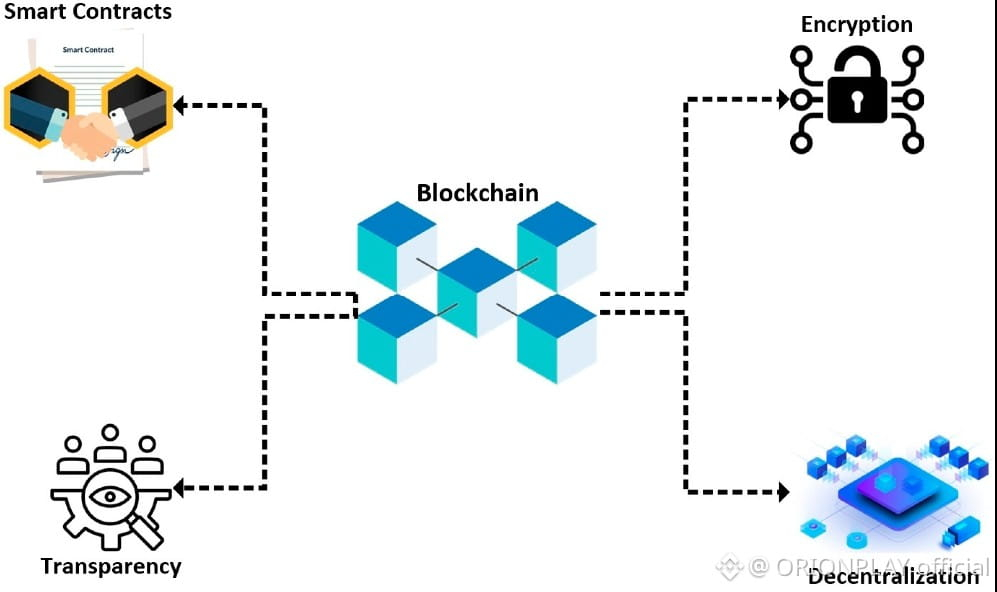
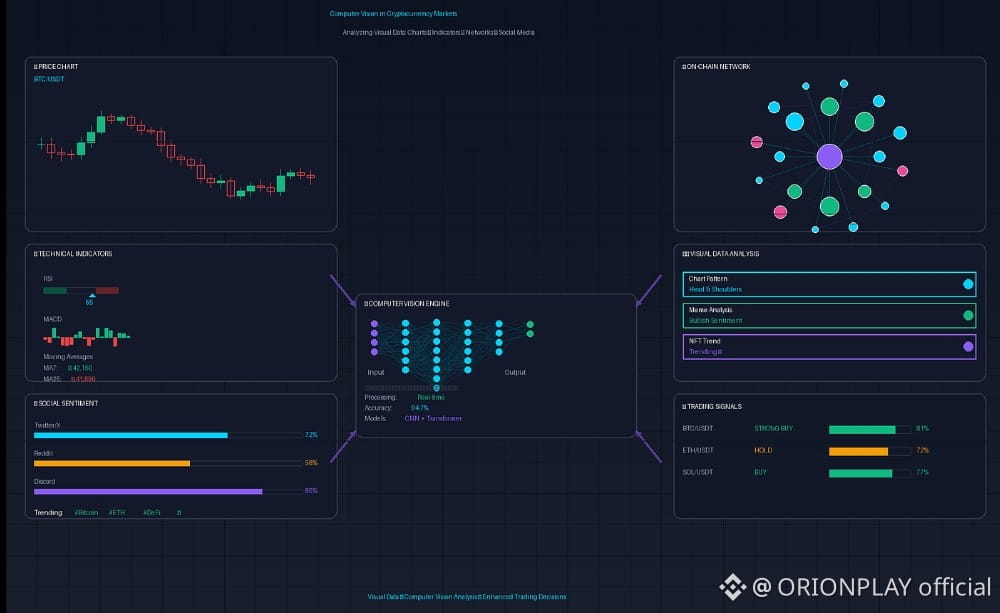
575
私たちは暗号資産のチャットボットに溺れています。
あらゆるプロトコルにそれが一つずつあり、どれもまったく同じことをします。つまり「話す」だけです。
ホワイトペーパーを要約します。
過去のトークン価格を取得します。
古くなったデータに基づく一般的な利回りファーミングの助言をします。
しかし、業界が一切向き合おうとしない重大で見えない問題があります。
チャットインターフェースは、あなたの代わりに複雑なWeb3アクションを安全に実行できなければ、完全に無用です。
考えてみてください。
もしAIが単なる強化された百科事典にすぎないなら、時間の無駄です。
AIが取引を実行できるとしても、中央集権的なブラックボックスを通じてあなたの秘密鍵へのアクセスを必要とするのなら、あなたは経済的な自殺をしています。
流動性を隠された企業サーバーに預けることは、この産業が作られた理由の真逆です。
だからこそ、@OpenGradient Chatは私たちの期待値を強制的にリセットします。
OpenGradientは、 生のインテリジェンスと、安全で信頼不要な実行の間にあるギャップを埋めます。
暗号学的な証明と、分散されたハードウェア・エンクレーブのネットワークを活用することで、AIは実際に行動できます。
会話型インターフェースから、複雑なスマートコントラクトの相互作用を直接実行可能です。
そして、その根底にあるロジックが改ざんされていなかったことを、数学的な確実性で保証します。
あなたは、そのエージェントを盲目的に信頼する必要はありません。
取引が決済される前に、実行は暗号学的に証明されます。
私は、流動性ステーキングのループがどう機能するかを教えるだけのボットが欲しいわけではありません。
私は、私の指示のもとで、安全に構築し、シミュレーションし、そして実行する主権(ソブリン)なエージェントが欲しいのです。
それがDeFAIの真の基準です。
$OPG ネットワークが拡大するにつれ、私たちは正式に、受動的なチャットボットから検証可能な金融オペレーターへ移行します。#OPG
もしAIエージェントが、あなたがウォレットのロックを解除するよりも速く、安全に複雑で多段階のDeFi戦略を実行できるなら、次の市場サイクルにおける人間の直感の価値はどうなるのでしょうか?
私たちは暗号資産のチャットボットに溺れています。
あらゆるプロトコルにそれが一つずつあり、どれもまったく同じことをします。つまり「話す」だけです。
ホワイトペーパーを要約します。
過去のトークン価格を取得します。
古くなったデータに基づく一般的な利回りファーミングの助言をします。
しかし、業界が一切向き合おうとしない重大で見えない問題があります。
チャットインターフェースは、あなたの代わりに複雑なWeb3アクションを安全に実行できなければ、完全に無用です。
考えてみてください。
もしAIが単なる強化された百科事典にすぎないなら、時間の無駄です。
AIが取引を実行できるとしても、中央集権的なブラックボックスを通じてあなたの秘密鍵へのアクセスを必要とするのなら、あなたは経済的な自殺をしています。
流動性を隠された企業サーバーに預けることは、この産業が作られた理由の真逆です。
だからこそ、@OpenGradient Chatは私たちの期待値を強制的にリセットします。
OpenGradientは、 生のインテリジェンスと、安全で信頼不要な実行の間にあるギャップを埋めます。
暗号学的な証明と、分散されたハードウェア・エンクレーブのネットワークを活用することで、AIは実際に行動できます。
会話型インターフェースから、複雑なスマートコントラクトの相互作用を直接実行可能です。
そして、その根底にあるロジックが改ざんされていなかったことを、数学的な確実性で保証します。
あなたは、そのエージェントを盲目的に信頼する必要はありません。
取引が決済される前に、実行は暗号学的に証明されます。
私は、流動性ステーキングのループがどう機能するかを教えるだけのボットが欲しいわけではありません。
私は、私の指示のもとで、安全に構築し、シミュレーションし、そして実行する主権(ソブリン)なエージェントが欲しいのです。
それがDeFAIの真の基準です。
$OPG ネットワークが拡大するにつれ、私たちは正式に、受動的なチャットボットから検証可能な金融オペレーターへ移行します。#OPG
もしAIエージェントが、あなたがウォレットのロックを解除するよりも速く、安全に複雑で多段階のDeFi戦略を実行できるなら、次の市場サイクルにおける人間の直感の価値はどうなるのでしょうか?
あらゆるプロトコルにそれが一つずつあり、どれもまったく同じことをします。つまり「話す」だけです。
ホワイトペーパーを要約します。
過去のトークン価格を取得します。
古くなったデータに基づく一般的な利回りファーミングの助言をします。
しかし、業界が一切向き合おうとしない重大で見えない問題があります。
チャットインターフェースは、あなたの代わりに複雑なWeb3アクションを安全に実行できなければ、完全に無用です。
考えてみてください。
もしAIが単なる強化された百科事典にすぎないなら、時間の無駄です。
AIが取引を実行できるとしても、中央集権的なブラックボックスを通じてあなたの秘密鍵へのアクセスを必要とするのなら、あなたは経済的な自殺をしています。
流動性を隠された企業サーバーに預けることは、この産業が作られた理由の真逆です。
だからこそ、@OpenGradient Chatは私たちの期待値を強制的にリセットします。
OpenGradientは、 生のインテリジェンスと、安全で信頼不要な実行の間にあるギャップを埋めます。
暗号学的な証明と、分散されたハードウェア・エンクレーブのネットワークを活用することで、AIは実際に行動できます。
会話型インターフェースから、複雑なスマートコントラクトの相互作用を直接実行可能です。
そして、その根底にあるロジックが改ざんされていなかったことを、数学的な確実性で保証します。
あなたは、そのエージェントを盲目的に信頼する必要はありません。
取引が決済される前に、実行は暗号学的に証明されます。
私は、流動性ステーキングのループがどう機能するかを教えるだけのボットが欲しいわけではありません。
私は、私の指示のもとで、安全に構築し、シミュレーションし、そして実行する主権(ソブリン)なエージェントが欲しいのです。
それがDeFAIの真の基準です。
$OPG ネットワークが拡大するにつれ、私たちは正式に、受動的なチャットボットから検証可能な金融オペレーターへ移行します。#OPG
もしAIエージェントが、あなたがウォレットのロックを解除するよりも速く、安全に複雑で多段階のDeFi戦略を実行できるなら、次の市場サイクルにおける人間の直感の価値はどうなるのでしょうか?
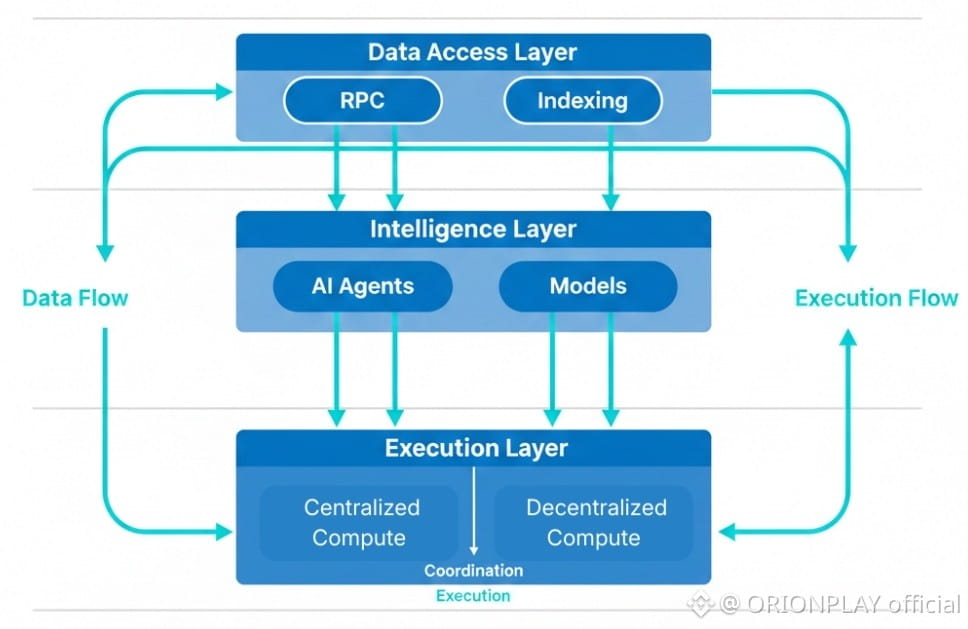
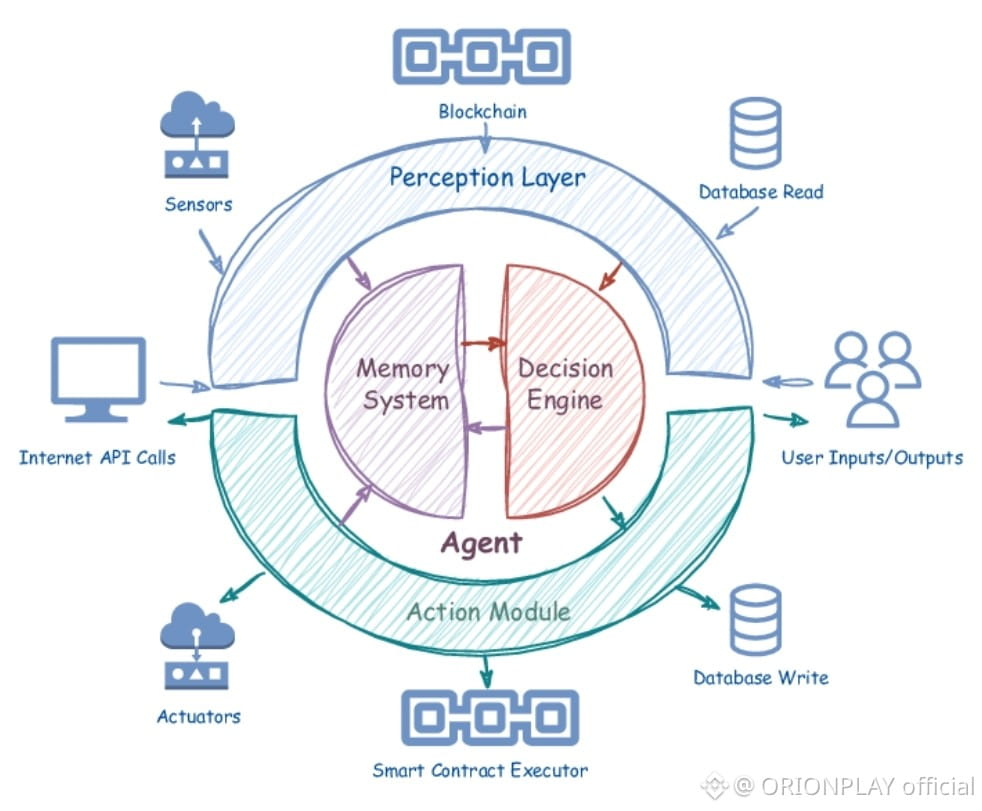
2
2
515
ログインして、さらにコンテンツを読む
厳選トピックで世界の暗号資産トレーダーの仲間入り
⚡️ 暗号資産に関する最新かつ有益な情報が見つかります。
💬 世界最大の暗号資産取引所から信頼されています。
👍 認証を受けたクリエイターから、有益なインサイトを得られます。
メール / 電話番号
トレンドトピック
BNBSurpasses$790
閲覧回数 20,225
150人が討論中
$BNB 戦略的なロングプラン -> 今すぐFOCUS
BNBは内部の流動性を取り込んだ後、強い安値を2つ作りました
$815-$830のスイングハイ方向への動きを見込んでおり、グリーンボックスのリテストでロングを狙っています
#BNBSurpasses$790 #bnb
Ghost Writer
·いいね:6件
·閲覧回数 11.6k
ZamaRises15.99%ToIntradayHigh$0.09
閲覧回数 18,342
106人が討論中
BitcoinSpotETFsDraw$6.34BInflowsInQ3
閲覧回数 6,218
92人が討論中