
Capricorn_7
4.3k 投稿

Capricorn_7
報告
ユーザーをブロック
Trading with discipline, not with FOMO📈
107 フォロー
2.0K+ フォロワー
1.6K+ いいね
投稿
すべて
ライブ
·
--
🎙️ 🎉2026狂暴な強気相場、号砲はすでに鳴り響き、相場はBSCチェーンで!!11月1日、マスクは火星の犬Marvinの誕生日を祝います。この波のオンチェーン相場は必ず掴もう!
終了
03 時間 31 分 21 秒
17.7k
30
81
·
--
火曜日に同じ段落を4回書き直してから、問題が文ではなく、出典の中にある1語だと気づきました。
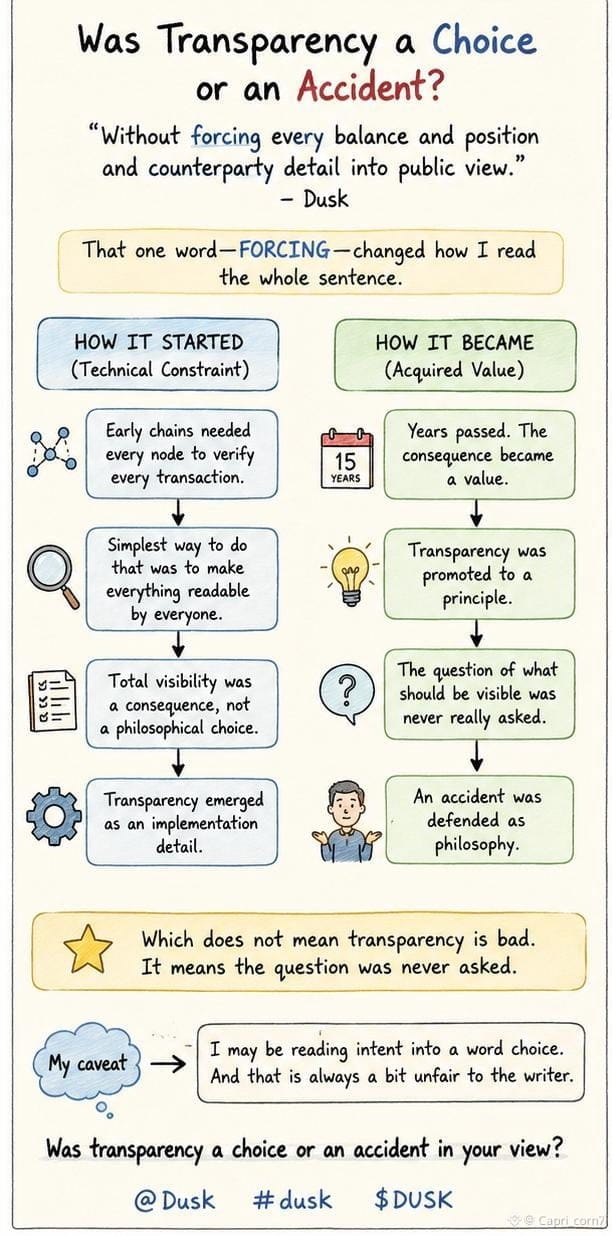
そのフレーズはDuskからです。すべてのバランスや配置、そして当事者の詳細を強制的にすべて公の場にさらすことなく。
ここでのforcingという語が、そこで特定のことを指しています。
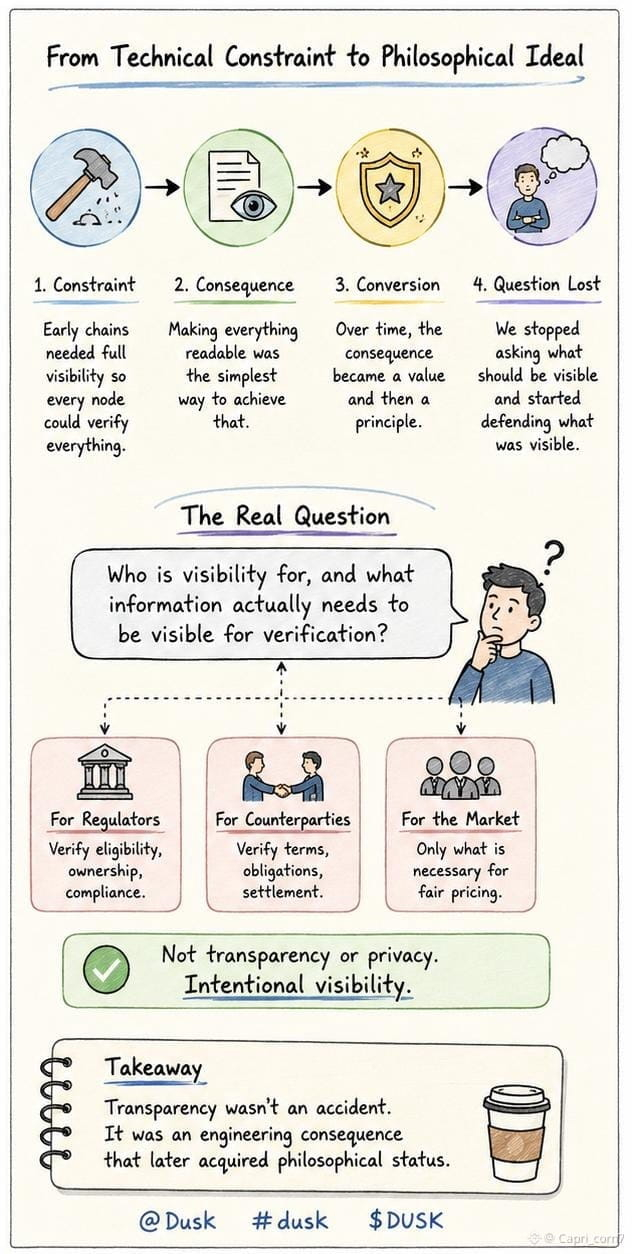
なぜなら、すべてを公開することが、誰かが意図的に下した決定だったことは一度もありません。結果としてそうなっただけです。初期のチェーンでは、すべてのノードがすべての取引を検証する必要があり、そのための最も単純な方法は、誰もが読めるようにすべてを可視化することでした。
そして15年が過ぎ、その結果は価値へと変わりました。最初の設計がたまたまそうなった副作用ではなく、「原則」としての透明性……。
ええと、私は、その捉え直しには一緒に考える価値があると思います。完全な可視性は、技術的制約だったものが、哲学へと昇格したんですね。
つまり、透明性が悪いという意味ではありません。何が見えるべきかという問いは、そもそも本当に問われていなかったということです。それは実装の都合によって答えが決まり、その後にそれが正当化された。
私の留保としては、私は語の選び方に意図を読み込んでしまっていることで、それはいつも書き手にとって少し不公平なんですよね。
あなたの見解では、透明性は選択でしたか?それとも偶然でしたか?
@Dusk_Foundation #dusk $DUSK
火曜日に同じ段落を4回書き直してから、問題が文ではなく、出典の中にある1語だと気づきました。
そのフレーズはDuskからです。すべてのバランスや配置、そして当事者の詳細を強制的にすべて公の場にさらすことなく。
ここでのforcingという語が、そこで特定のことを指しています。
なぜなら、すべてを公開することが、誰かが意図的に下した決定だったことは一度もありません。結果としてそうなっただけです。初期のチェーンでは、すべてのノードがすべての取引を検証する必要があり、そのための最も単純な方法は、誰もが読めるようにすべてを可視化することでした。
そして15年が過ぎ、その結果は価値へと変わりました。最初の設計がたまたまそうなった副作用ではなく、「原則」としての透明性……。
ええと、私は、その捉え直しには一緒に考える価値があると思います。完全な可視性は、技術的制約だったものが、哲学へと昇格したんですね。
つまり、透明性が悪いという意味ではありません。何が見えるべきかという問いは、そもそも本当に問われていなかったということです。それは実装の都合によって答えが決まり、その後にそれが正当化された。
私の留保としては、私は語の選び方に意図を読み込んでしまっていることで、それはいつも書き手にとって少し不公平なんですよね。
あなたの見解では、透明性は選択でしたか?それとも偶然でしたか?
@Dusk #dusk $DUSK
そのフレーズはDuskからです。すべてのバランスや配置、そして当事者の詳細を強制的にすべて公の場にさらすことなく。
ここでのforcingという語が、そこで特定のことを指しています。
なぜなら、すべてを公開することが、誰かが意図的に下した決定だったことは一度もありません。結果としてそうなっただけです。初期のチェーンでは、すべてのノードがすべての取引を検証する必要があり、そのための最も単純な方法は、誰もが読めるようにすべてを可視化することでした。
そして15年が過ぎ、その結果は価値へと変わりました。最初の設計がたまたまそうなった副作用ではなく、「原則」としての透明性……。
ええと、私は、その捉え直しには一緒に考える価値があると思います。完全な可視性は、技術的制約だったものが、哲学へと昇格したんですね。
つまり、透明性が悪いという意味ではありません。何が見えるべきかという問いは、そもそも本当に問われていなかったということです。それは実装の都合によって答えが決まり、その後にそれが正当化された。
私の留保としては、私は語の選び方に意図を読み込んでしまっていることで、それはいつも書き手にとって少し不公平なんですよね。
あなたの見解では、透明性は選択でしたか?それとも偶然でしたか?
@Dusk #dusk $DUSK
1
6
87
·
--
Duskがプライバシーとアクセス制御を別のものとして挙げていることに気づいて、それらを同じ問題として扱っていました。
同じではありません。
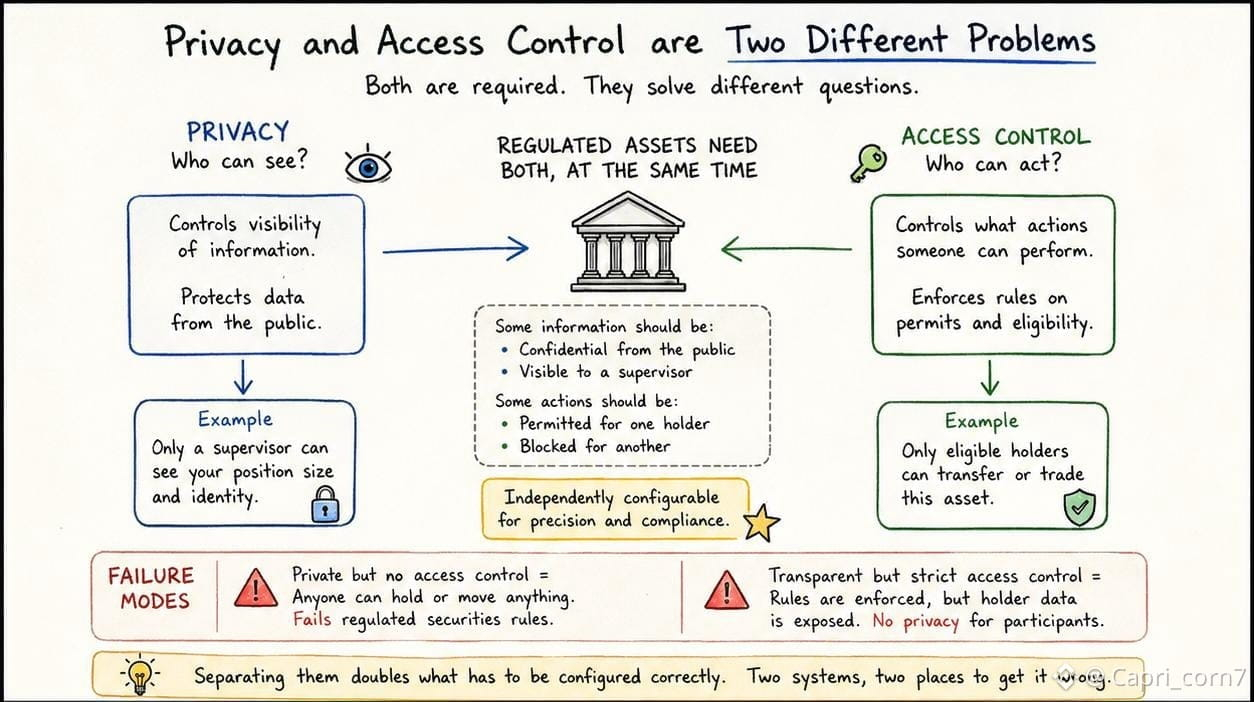
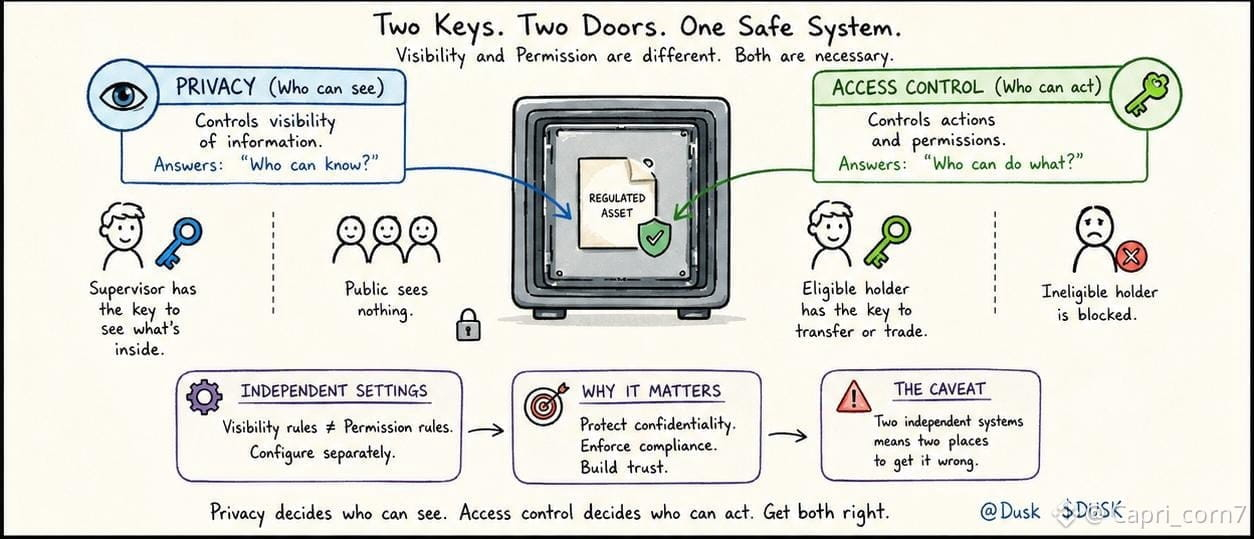
プライバシーは「誰が見られるか」に答えます。アクセス制御は「誰が行えるか」に答えます。
どちらか一方だけでも成り立ちませんし、どちらも破綻すると現実の失敗になります。誰でもあらゆる資産を保有できる完全にプライベートなチェーンでは、規制された証券要件を完全に満たせません。厳格な適格性ルールのない完全に透明なチェーンでは、保有者を守るものは何もありません。
規制対象の資産には、同時に両方が必要で、それらは独立した設定である必要があります。公開からは機密にすべき情報もあれば、監督者には見えるべき情報もあります。見えるものが誰にどう見えようと、ある保有者には許可され、別の保有者にはブロックされるべき行為もあります....
ええと、だからこそ暗号のプライバシーに関する仕事の多くが規制された用途としては見つからなかったのだと思います。可視性を解決して、許可(パーミッション)をまったく別のままにしてしまった。
注意点は、それらを分けると設定を正しく行うべきものが2倍になることです。独立した2つのシステムは、誤りを起こす場所も2か所になります。
プライバシーと許可を1つの問題として考えますか、それとも2つですか
@Dusk_Foundation #dusk $DUSK
Duskがプライバシーとアクセス制御を別のものとして挙げていることに気づいて、それらを同じ問題として扱っていました。
同じではありません。
プライバシーは「誰が見られるか」に答えます。アクセス制御は「誰が行えるか」に答えます。
どちらか一方だけでも成り立ちませんし、どちらも破綻すると現実の失敗になります。誰でもあらゆる資産を保有できる完全にプライベートなチェーンでは、規制された証券要件を完全に満たせません。厳格な適格性ルールのない完全に透明なチェーンでは、保有者を守るものは何もありません。
規制対象の資産には、同時に両方が必要で、それらは独立した設定である必要があります。公開からは機密にすべき情報もあれば、監督者には見えるべき情報もあります。見えるものが誰にどう見えようと、ある保有者には許可され、別の保有者にはブロックされるべき行為もあります....
ええと、だからこそ暗号のプライバシーに関する仕事の多くが規制された用途としては見つからなかったのだと思います。可視性を解決して、許可(パーミッション)をまったく別のままにしてしまった。
注意点は、それらを分けると設定を正しく行うべきものが2倍になることです。独立した2つのシステムは、誤りを起こす場所も2か所になります。
プライバシーと許可を1つの問題として考えますか、それとも2つですか
@Dusk #dusk $DUSK
同じではありません。
プライバシーは「誰が見られるか」に答えます。アクセス制御は「誰が行えるか」に答えます。
どちらか一方だけでも成り立ちませんし、どちらも破綻すると現実の失敗になります。誰でもあらゆる資産を保有できる完全にプライベートなチェーンでは、規制された証券要件を完全に満たせません。厳格な適格性ルールのない完全に透明なチェーンでは、保有者を守るものは何もありません。
規制対象の資産には、同時に両方が必要で、それらは独立した設定である必要があります。公開からは機密にすべき情報もあれば、監督者には見えるべき情報もあります。見えるものが誰にどう見えようと、ある保有者には許可され、別の保有者にはブロックされるべき行為もあります....
ええと、だからこそ暗号のプライバシーに関する仕事の多くが規制された用途としては見つからなかったのだと思います。可視性を解決して、許可(パーミッション)をまったく別のままにしてしまった。
注意点は、それらを分けると設定を正しく行うべきものが2倍になることです。独立した2つのシステムは、誤りを起こす場所も2か所になります。
プライバシーと許可を1つの問題として考えますか、それとも2つですか
@Dusk #dusk $DUSK
3
94
·
--
本人確認とアクセスのワークフローに関するドキュメントの一文をもとに、(それがなぜそのような言い回しなのかを理解するのに少し時間がかかりつつも)週末に書きました。
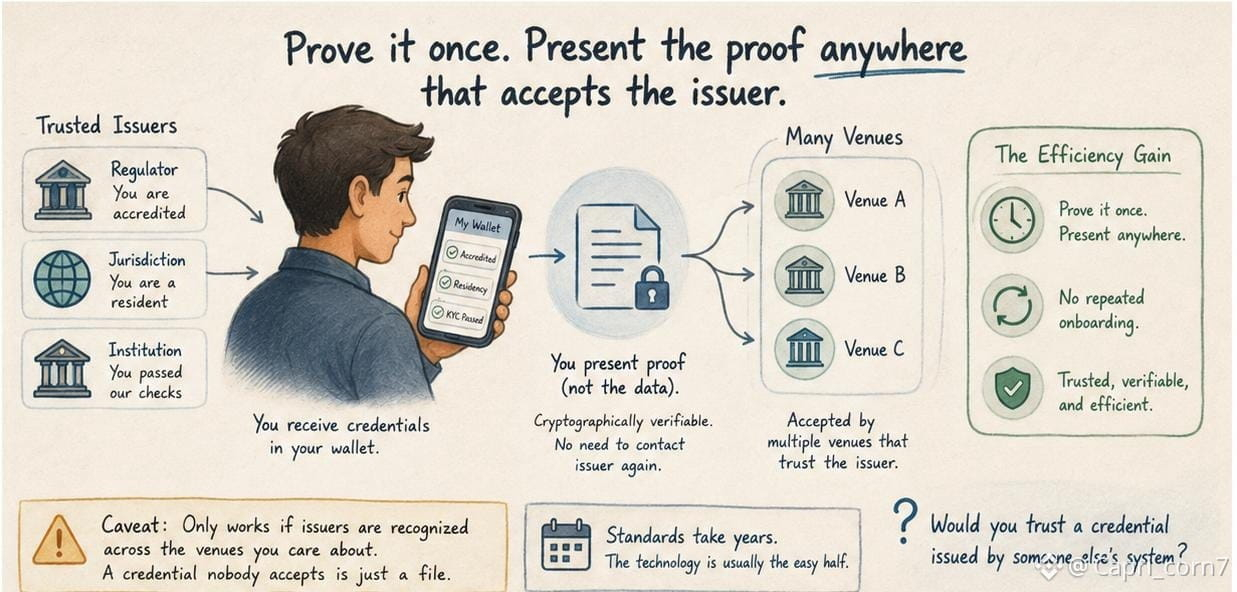
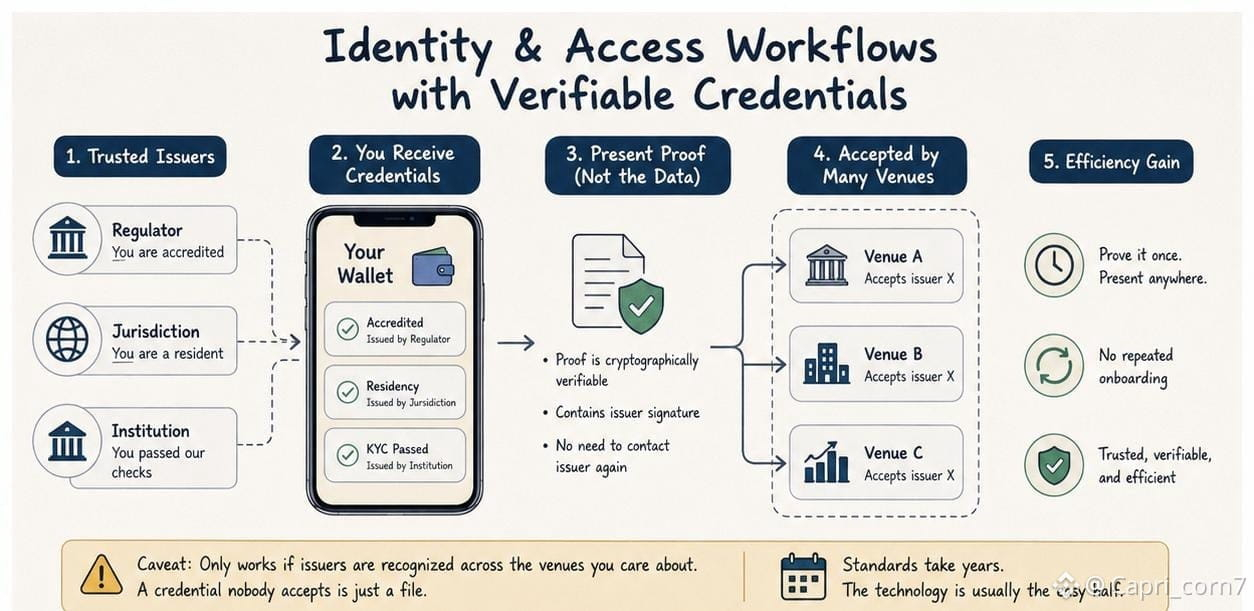
資格情報とは、信頼できる誰かがあなたについて行った主張です。たとえば、認定されていると規制当局が言うこと。居住地を管轄が確認すること。機関が自分たちの審査に合格したと確認すること。
「検証可能(verifiable)」とは、その主張が誰が発行したかを示す証拠を伴っていることを意味します。だから会場は、発行者に戻って確認を求め直さなくても、それを受け入れられます。
この最後の部分こそが、効率化による効果の全てであり、見落とされがちです。
今はどの会場も、同じ人物に対して同じチェックを何度もやり直しています。ある場所でオンボードしても、次の場所でもまたオンボード。たとえ根本の質問が同じでも、誰も他人の仕事を信じません。
自分自身を検証できる資格情報は、そのループを断ち切ります。発行元による証明を一度だけ作り、発行者を受け入れるどこでも提示できるようにします。
注意点は、あなたが関心を持つ会場間で発行者が認められている場合に限って、この仕組みが機能することです。誰も受け入れない資格情報は、ただのファイルにすぎません....
標準化には年単位の時間がかかり、技術面は通常そのうちの「簡単な半分」です。
would you trust a credential issued by someone else system
@Dusk_Foundation #dusk $DUSK
本人確認とアクセスのワークフローに関するドキュメントの一文をもとに、(それがなぜそのような言い回しなのかを理解するのに少し時間がかかりつつも)週末に書きました。
資格情報とは、信頼できる誰かがあなたについて行った主張です。たとえば、認定されていると規制当局が言うこと。居住地を管轄が確認すること。機関が自分たちの審査に合格したと確認すること。
「検証可能(verifiable)」とは、その主張が誰が発行したかを示す証拠を伴っていることを意味します。だから会場は、発行者に戻って確認を求め直さなくても、それを受け入れられます。
この最後の部分こそが、効率化による効果の全てであり、見落とされがちです。
今はどの会場も、同じ人物に対して同じチェックを何度もやり直しています。ある場所でオンボードしても、次の場所でもまたオンボード。たとえ根本の質問が同じでも、誰も他人の仕事を信じません。
自分自身を検証できる資格情報は、そのループを断ち切ります。発行元による証明を一度だけ作り、発行者を受け入れるどこでも提示できるようにします。
注意点は、あなたが関心を持つ会場間で発行者が認められている場合に限って、この仕組みが機能することです。誰も受け入れない資格情報は、ただのファイルにすぎません....
標準化には年単位の時間がかかり、技術面は通常そのうちの「簡単な半分」です。
would you trust a credential issued by someone else system
@Dusk #dusk $DUSK
資格情報とは、信頼できる誰かがあなたについて行った主張です。たとえば、認定されていると規制当局が言うこと。居住地を管轄が確認すること。機関が自分たちの審査に合格したと確認すること。
「検証可能(verifiable)」とは、その主張が誰が発行したかを示す証拠を伴っていることを意味します。だから会場は、発行者に戻って確認を求め直さなくても、それを受け入れられます。
この最後の部分こそが、効率化による効果の全てであり、見落とされがちです。
今はどの会場も、同じ人物に対して同じチェックを何度もやり直しています。ある場所でオンボードしても、次の場所でもまたオンボード。たとえ根本の質問が同じでも、誰も他人の仕事を信じません。
自分自身を検証できる資格情報は、そのループを断ち切ります。発行元による証明を一度だけ作り、発行者を受け入れるどこでも提示できるようにします。
注意点は、あなたが関心を持つ会場間で発行者が認められている場合に限って、この仕組みが機能することです。誰も受け入れない資格情報は、ただのファイルにすぎません....
標準化には年単位の時間がかかり、技術面は通常そのうちの「簡単な半分」です。
would you trust a credential issued by someone else system
@Dusk #dusk $DUSK
2
4
111
·
--
実際にこれを作っているのが誰かを見に行きました。私は、本来もっと頻繁にそうすべきなのですが、そこまでよくはしていません。
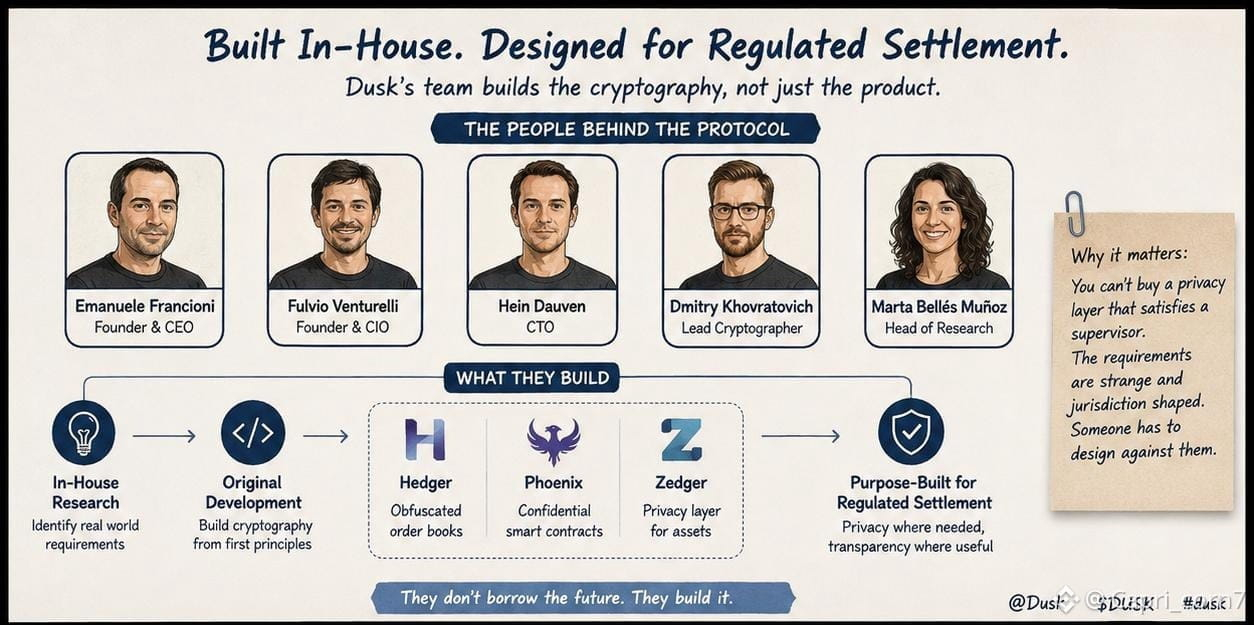
創業者兼CEO:エマヌエーレ・フランチョーニ。創業者兼CIO:フルヴィオ・ヴェンテレッリ。CTO:ハイン・ドーウェン。主要暗号研究者(リード・クリプトグラファー)として記載されているのは、ドミトリー・コフラトビッチ。研究責任者:マルタ・ベジェス・ムニョス。
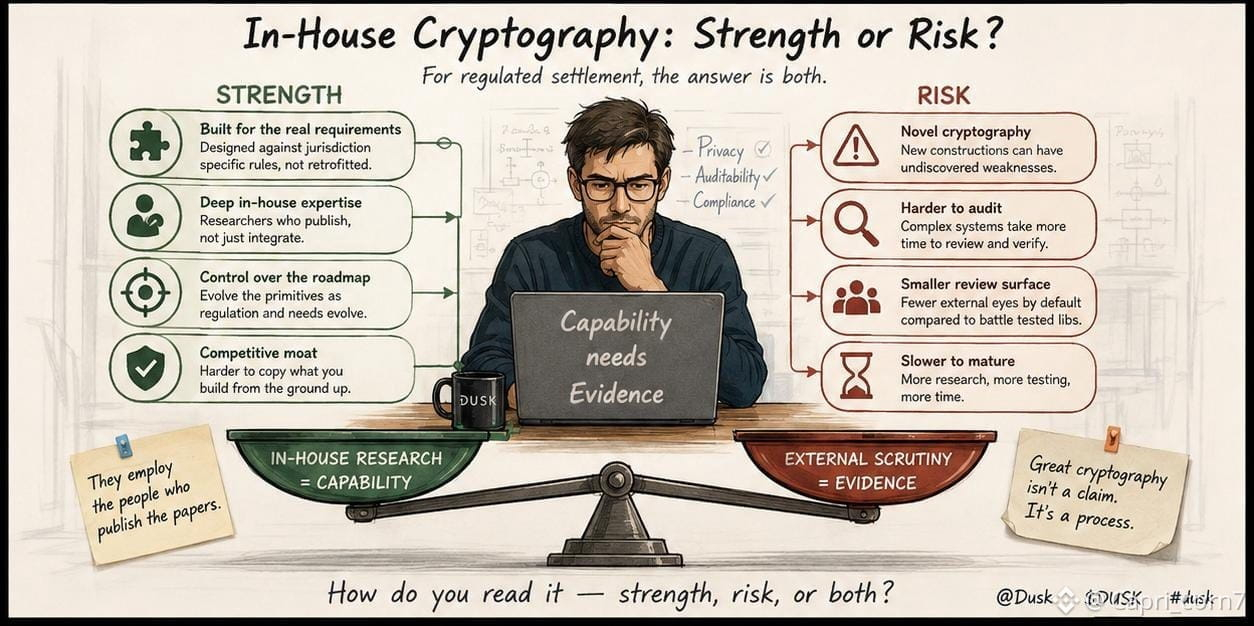
私が印象に残ったのは、その暗号技術がライセンスされたものでも借り物でもなく、社内で開発されているということです。Hedgerは社内で開発されました。PhoenixとZedgerは、自分たちの研究から生まれました。
これは珍しいです。既存のプリミティブを組み合わせてプロダクトを出すだけのプロジェクトはたくさんありますが、論文を公開している人たちを採用するところは多くありません。
規制された決済において重要だと考える理由は、監督者(スーパーバイザー)を満足させるプライバシーレイヤーを「買って」済ませることができないからです。要件は奇妙で、管轄(jurisdiction)によって形作られています。それらに対して誰かが設計しなければならず、別の目的のために作られたものを流用するだけではいけません。
注意点として、社内研究は社外で監査するのも遅くて難しいということがあります。十分に研究されてきた暗号が抱えない種類のリスクを、斬新な暗号は伴う……。
自分たちで暗号を作ることは、強みとして見えますか?それともリスクとして見えますか?
@Dusk_Foundation #dusk $DUSK
実際にこれを作っているのが誰かを見に行きました。私は、本来もっと頻繁にそうすべきなのですが、そこまでよくはしていません。
創業者兼CEO:エマヌエーレ・フランチョーニ。創業者兼CIO:フルヴィオ・ヴェンテレッリ。CTO:ハイン・ドーウェン。主要暗号研究者(リード・クリプトグラファー)として記載されているのは、ドミトリー・コフラトビッチ。研究責任者:マルタ・ベジェス・ムニョス。
私が印象に残ったのは、その暗号技術がライセンスされたものでも借り物でもなく、社内で開発されているということです。Hedgerは社内で開発されました。PhoenixとZedgerは、自分たちの研究から生まれました。
これは珍しいです。既存のプリミティブを組み合わせてプロダクトを出すだけのプロジェクトはたくさんありますが、論文を公開している人たちを採用するところは多くありません。
規制された決済において重要だと考える理由は、監督者(スーパーバイザー)を満足させるプライバシーレイヤーを「買って」済ませることができないからです。要件は奇妙で、管轄(jurisdiction)によって形作られています。それらに対して誰かが設計しなければならず、別の目的のために作られたものを流用するだけではいけません。
注意点として、社内研究は社外で監査するのも遅くて難しいということがあります。十分に研究されてきた暗号が抱えない種類のリスクを、斬新な暗号は伴う……。
自分たちで暗号を作ることは、強みとして見えますか?それともリスクとして見えますか?
@Dusk #dusk $DUSK
創業者兼CEO:エマヌエーレ・フランチョーニ。創業者兼CIO:フルヴィオ・ヴェンテレッリ。CTO:ハイン・ドーウェン。主要暗号研究者(リード・クリプトグラファー)として記載されているのは、ドミトリー・コフラトビッチ。研究責任者:マルタ・ベジェス・ムニョス。
私が印象に残ったのは、その暗号技術がライセンスされたものでも借り物でもなく、社内で開発されているということです。Hedgerは社内で開発されました。PhoenixとZedgerは、自分たちの研究から生まれました。
これは珍しいです。既存のプリミティブを組み合わせてプロダクトを出すだけのプロジェクトはたくさんありますが、論文を公開している人たちを採用するところは多くありません。
規制された決済において重要だと考える理由は、監督者(スーパーバイザー)を満足させるプライバシーレイヤーを「買って」済ませることができないからです。要件は奇妙で、管轄(jurisdiction)によって形作られています。それらに対して誰かが設計しなければならず、別の目的のために作られたものを流用するだけではいけません。
注意点として、社内研究は社外で監査するのも遅くて難しいということがあります。十分に研究されてきた暗号が抱えない種類のリスクを、斬新な暗号は伴う……。
自分たちで暗号を作ることは、強みとして見えますか?それともリスクとして見えますか?
@Dusk #dusk $DUSK
5
8
77
·
--
店からの帰り道に、ずっと頭から離れないことを思いついた。
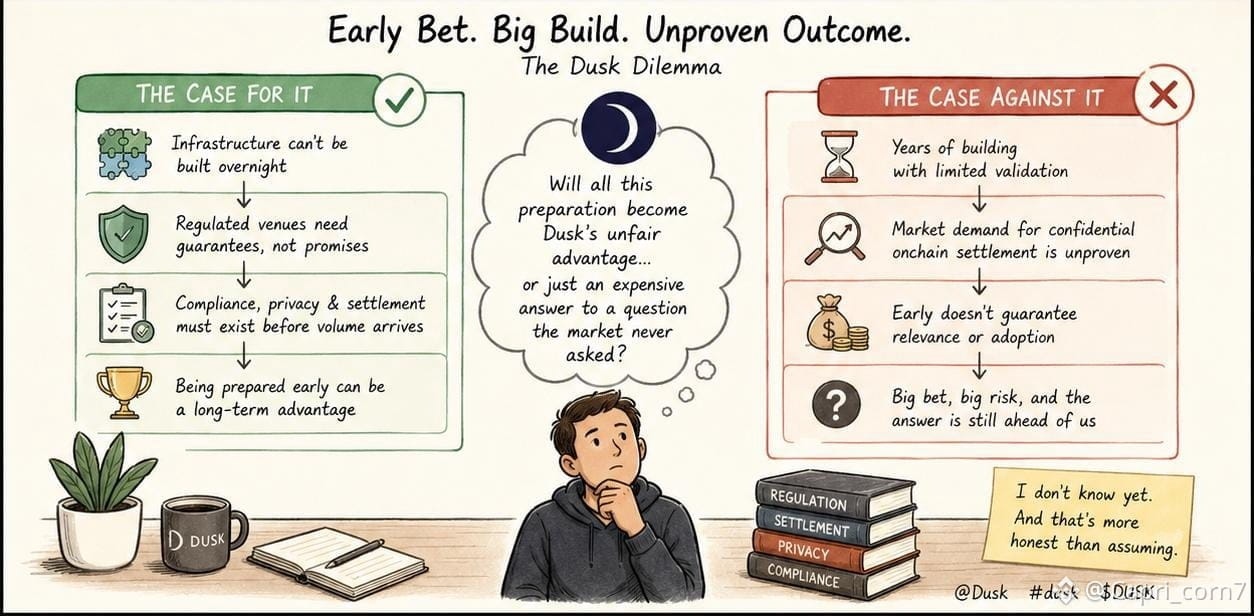
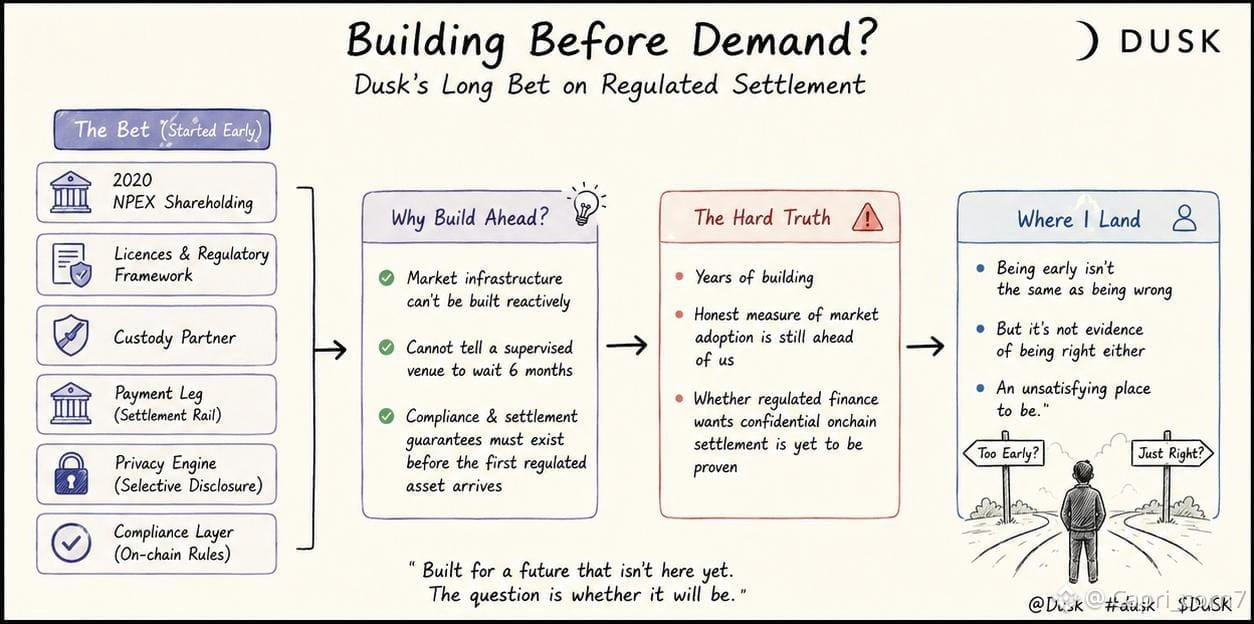
夕暮れは何年もかけて、規制された決済インフラを構築してきた。NPEXの株式は2020年。ライセンス、カストディのパートナー、支払いの経路、プライバシー・エンジン、コンプライアンス層――そのすべてが、どれもそれを正当化できるような十分な規模がまだ生まれていない時点で組み上げられていた
その役割には名前があって、褒められたような意味ではない。需要の前に先回りして作ることだ
ええと。
それを支持する論拠は、市場のインフラは反応的に(後出しで)作ることはできない、という点にある。監督対象の場に対して、選択的開示を追加するから6か月待ってくれと命じることはできない。コンプライアンスと決済の保証は、最初の規制対象資産が到着する前に存在していなければならない。到着した後ではだめだ
反対の論点のほうが、より単純で、より答えにくい。何年もかけて作り込んできた。それでも、規制された金融がオンチェーン上の機密決済を望んでいるかどうかを測る率直な指標は、なお私たちの手前というより、まだ向こうにある段階だ
早すぎることは、間違っていることと同じではないと思う。さらに言えば、まだ何かの証拠になっているとも言い切れない
それは納得のいかない着地点で、まさに私はそこで……
あなたの見立ては?
@Dusk_Foundation #dusk $DUSK
店からの帰り道に、ずっと頭から離れないことを思いついた。
夕暮れは何年もかけて、規制された決済インフラを構築してきた。NPEXの株式は2020年。ライセンス、カストディのパートナー、支払いの経路、プライバシー・エンジン、コンプライアンス層――そのすべてが、どれもそれを正当化できるような十分な規模がまだ生まれていない時点で組み上げられていた
その役割には名前があって、褒められたような意味ではない。需要の前に先回りして作ることだ
ええと。
それを支持する論拠は、市場のインフラは反応的に(後出しで)作ることはできない、という点にある。監督対象の場に対して、選択的開示を追加するから6か月待ってくれと命じることはできない。コンプライアンスと決済の保証は、最初の規制対象資産が到着する前に存在していなければならない。到着した後ではだめだ
反対の論点のほうが、より単純で、より答えにくい。何年もかけて作り込んできた。それでも、規制された金融がオンチェーン上の機密決済を望んでいるかどうかを測る率直な指標は、なお私たちの手前というより、まだ向こうにある段階だ
早すぎることは、間違っていることと同じではないと思う。さらに言えば、まだ何かの証拠になっているとも言い切れない
それは納得のいかない着地点で、まさに私はそこで……
あなたの見立ては?
@Dusk #dusk $DUSK
夕暮れは何年もかけて、規制された決済インフラを構築してきた。NPEXの株式は2020年。ライセンス、カストディのパートナー、支払いの経路、プライバシー・エンジン、コンプライアンス層――そのすべてが、どれもそれを正当化できるような十分な規模がまだ生まれていない時点で組み上げられていた
その役割には名前があって、褒められたような意味ではない。需要の前に先回りして作ることだ
ええと。
それを支持する論拠は、市場のインフラは反応的に(後出しで)作ることはできない、という点にある。監督対象の場に対して、選択的開示を追加するから6か月待ってくれと命じることはできない。コンプライアンスと決済の保証は、最初の規制対象資産が到着する前に存在していなければならない。到着した後ではだめだ
反対の論点のほうが、より単純で、より答えにくい。何年もかけて作り込んできた。それでも、規制された金融がオンチェーン上の機密決済を望んでいるかどうかを測る率直な指標は、なお私たちの手前というより、まだ向こうにある段階だ
早すぎることは、間違っていることと同じではないと思う。さらに言えば、まだ何かの証拠になっているとも言い切れない
それは納得のいかない着地点で、まさに私はそこで……
あなたの見立ては?
@Dusk #dusk $DUSK
6
10
101
·
--
日曜にDuskのドキュメントで、小さく見えて実は違うものを読んでください。
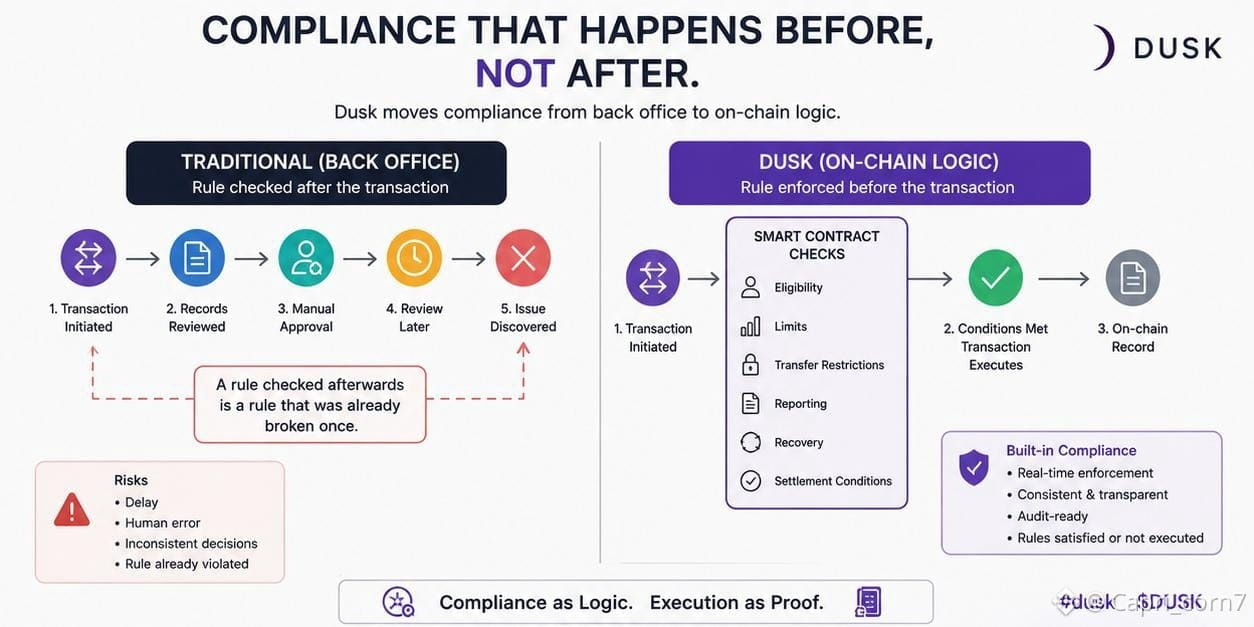
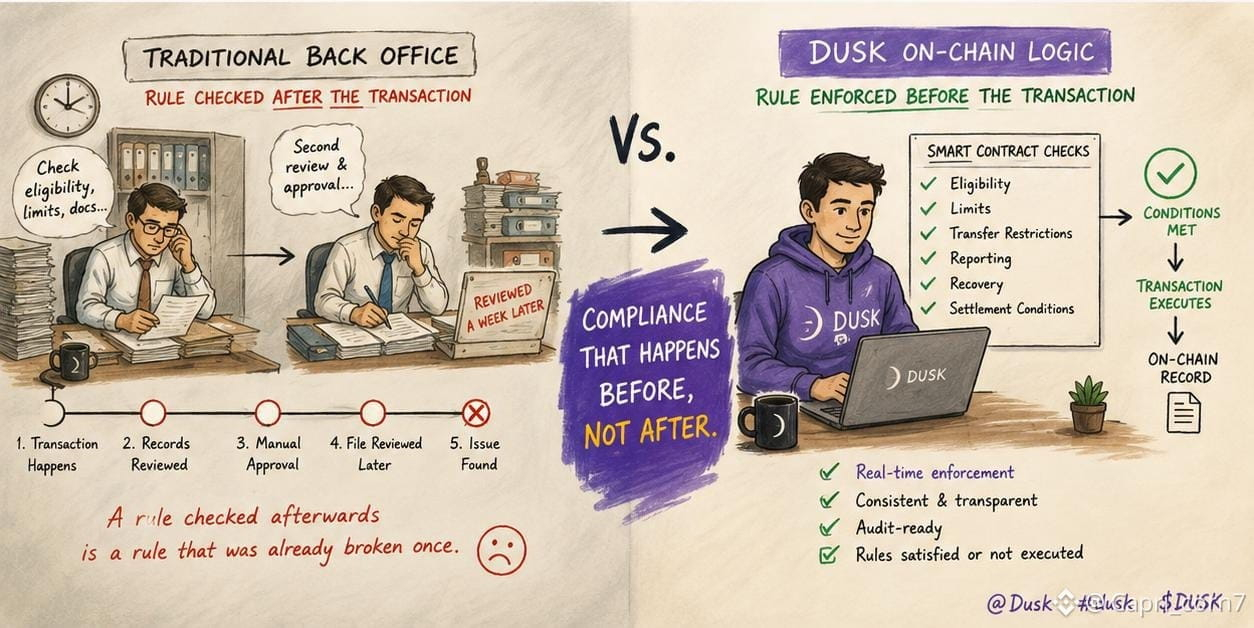
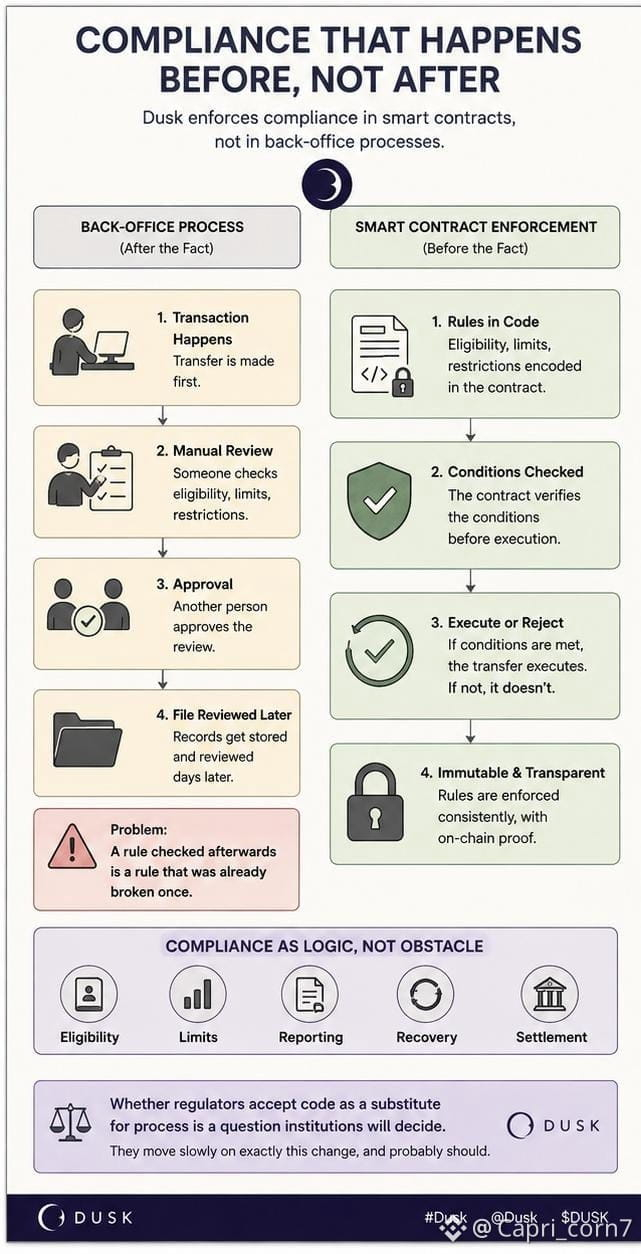
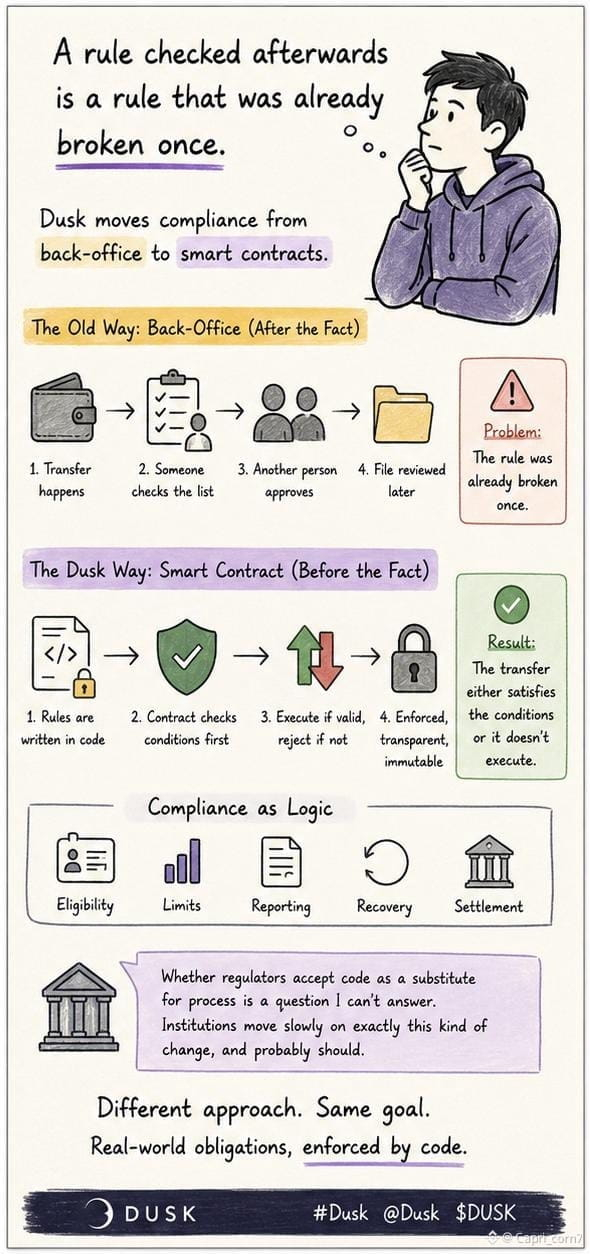
スマートコントラクトでは、手作業のバックオフィス業務ではなくコンプライアンスチェックが強制されます。
「バックオフィス」とは実際には何を意味するのかに座って考えてください。つまり、リストを確認する人、最初の人の承認を行う2人目、1週間後に見直されるファイルです。資格、上限、移転制限――すべての本当のルールは、人間が記録を後から読んで実行することで成立します
それを契約に移すと、「誰に適用されるか」だけでなく、ルールが「いつ適用されるか」が変わります。移転は条件を満たすか満たさないかで、満たさないなら実行されません
後から確認されるルールは、「すでに一度破られていたルール」です
ええと、そしてこれは、暗号が通常コンプライアンスについて語る内容とは逆です。たいていは、端に取り付けられた障害物のように語られますが、ここでは実際の義務を反映したロジックとして書かれています……資格、上限、報告、回復、決済
規制当局がプロセスの代わりとしてコードを受け入れるのかどうかは、私には答えられません。機関はこうした点に関しては動きが遅く、おそらくそうあるべきです……
あなたの見解は?
@Dusk_Foundation #dusk $DUSK
日曜にDuskのドキュメントで、小さく見えて実は違うものを読んでください。
スマートコントラクトでは、手作業のバックオフィス業務ではなくコンプライアンスチェックが強制されます。
「バックオフィス」とは実際には何を意味するのかに座って考えてください。つまり、リストを確認する人、最初の人の承認を行う2人目、1週間後に見直されるファイルです。資格、上限、移転制限――すべての本当のルールは、人間が記録を後から読んで実行することで成立します
それを契約に移すと、「誰に適用されるか」だけでなく、ルールが「いつ適用されるか」が変わります。移転は条件を満たすか満たさないかで、満たさないなら実行されません
後から確認されるルールは、「すでに一度破られていたルール」です
ええと、そしてこれは、暗号が通常コンプライアンスについて語る内容とは逆です。たいていは、端に取り付けられた障害物のように語られますが、ここでは実際の義務を反映したロジックとして書かれています……資格、上限、報告、回復、決済
規制当局がプロセスの代わりとしてコードを受け入れるのかどうかは、私には答えられません。機関はこうした点に関しては動きが遅く、おそらくそうあるべきです……
あなたの見解は?
@Dusk #dusk $DUSK
スマートコントラクトでは、手作業のバックオフィス業務ではなくコンプライアンスチェックが強制されます。
「バックオフィス」とは実際には何を意味するのかに座って考えてください。つまり、リストを確認する人、最初の人の承認を行う2人目、1週間後に見直されるファイルです。資格、上限、移転制限――すべての本当のルールは、人間が記録を後から読んで実行することで成立します
それを契約に移すと、「誰に適用されるか」だけでなく、ルールが「いつ適用されるか」が変わります。移転は条件を満たすか満たさないかで、満たさないなら実行されません
後から確認されるルールは、「すでに一度破られていたルール」です
ええと、そしてこれは、暗号が通常コンプライアンスについて語る内容とは逆です。たいていは、端に取り付けられた障害物のように語られますが、ここでは実際の義務を反映したロジックとして書かれています……資格、上限、報告、回復、決済
規制当局がプロセスの代わりとしてコードを受け入れるのかどうかは、私には答えられません。機関はこうした点に関しては動きが遅く、おそらくそうあるべきです……
あなたの見解は?
@Dusk #dusk $DUSK
8
10
89
·
--
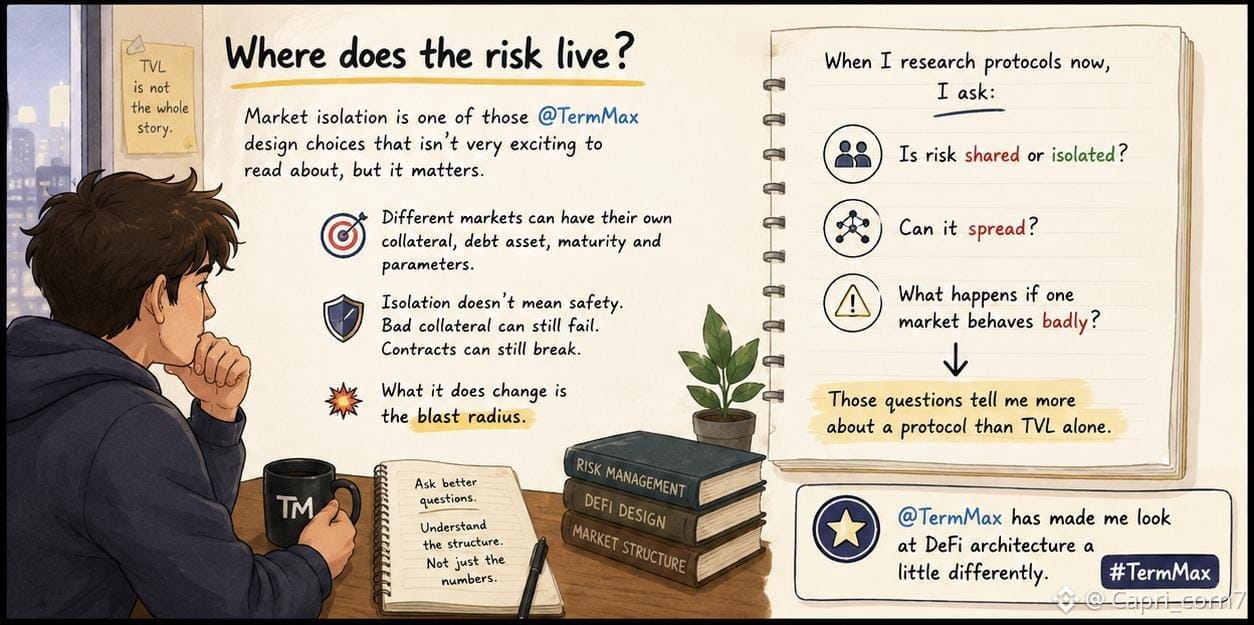
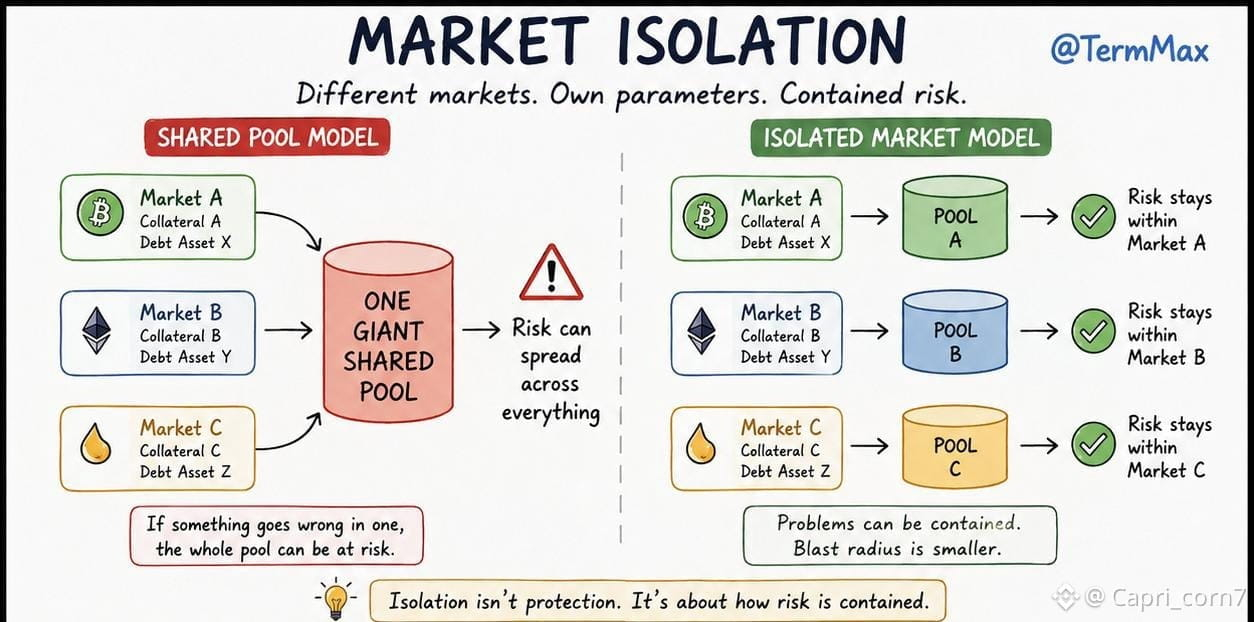
市場の分離は、あまり読んでいてワクワクする類の設計選択肢ではないものの、<@termmax >のように重要なものの一つです。
異なる市場には、それぞれ独自の担保、負債資産、満期、パラメータを持たせられます。
つまり、リスクが必ずしも1つの巨大な共通プールの中に収まっているとは限りません。
最近、さまざまなDeFi設計を比較していたのですが、これは想像以上に目立ちました。
もしある分離された市場で何かがうまくいかない場合、問題の範囲は、すべてが同じプールを共有するシステムよりも限定的になり得ます。
もちろん、分離は悪い担保や壊れたコントラクトに対する防御ではありません。
単に、リスクがどのように封じ込められるかが変わるだけです。
それは重要な違いです。
いまプロトコルを調べるときは、「リスクが実際にどこに存在しているのか」を尋ねるようにしています。
共有されていますか?
それとも分離されていますか?
広がり得ますか?
もし1つの市場が不調に振る舞ったらどうなりますか?
これらの問いは、TVLだけを見るよりも役に立つことが多いです。
<@termmax >は、私に市場アーキテクチャを少し違った観点で考えさせました。
<#TermMax >
市場の分離は、あまり読んでいてワクワクする類の設計選択肢ではないものの、<@TermMax >のように重要なものの一つです。
異なる市場には、それぞれ独自の担保、負債資産、満期、パラメータを持たせられます。
つまり、リスクが必ずしも1つの巨大な共通プールの中に収まっているとは限りません。
最近、さまざまなDeFi設計を比較していたのですが、これは想像以上に目立ちました。
もしある分離された市場で何かがうまくいかない場合、問題の範囲は、すべてが同じプールを共有するシステムよりも限定的になり得ます。
もちろん、分離は悪い担保や壊れたコントラクトに対する防御ではありません。
単に、リスクがどのように封じ込められるかが変わるだけです。
それは重要な違いです。
いまプロトコルを調べるときは、「リスクが実際にどこに存在しているのか」を尋ねるようにしています。
共有されていますか?
それとも分離されていますか?
広がり得ますか?
もし1つの市場が不調に振る舞ったらどうなりますか?
これらの問いは、TVLだけを見るよりも役に立つことが多いです。
<@TermMax >は、私に市場アーキテクチャを少し違った観点で考えさせました。
<#TermMax >
異なる市場には、それぞれ独自の担保、負債資産、満期、パラメータを持たせられます。
つまり、リスクが必ずしも1つの巨大な共通プールの中に収まっているとは限りません。
最近、さまざまなDeFi設計を比較していたのですが、これは想像以上に目立ちました。
もしある分離された市場で何かがうまくいかない場合、問題の範囲は、すべてが同じプールを共有するシステムよりも限定的になり得ます。
もちろん、分離は悪い担保や壊れたコントラクトに対する防御ではありません。
単に、リスクがどのように封じ込められるかが変わるだけです。
それは重要な違いです。
いまプロトコルを調べるときは、「リスクが実際にどこに存在しているのか」を尋ねるようにしています。
共有されていますか?
それとも分離されていますか?
広がり得ますか?
もし1つの市場が不調に振る舞ったらどうなりますか?
これらの問いは、TVLだけを見るよりも役に立つことが多いです。
<@TermMax >は、私に市場アーキテクチャを少し違った観点で考えさせました。
<#TermMax >
27
17
98
·
--
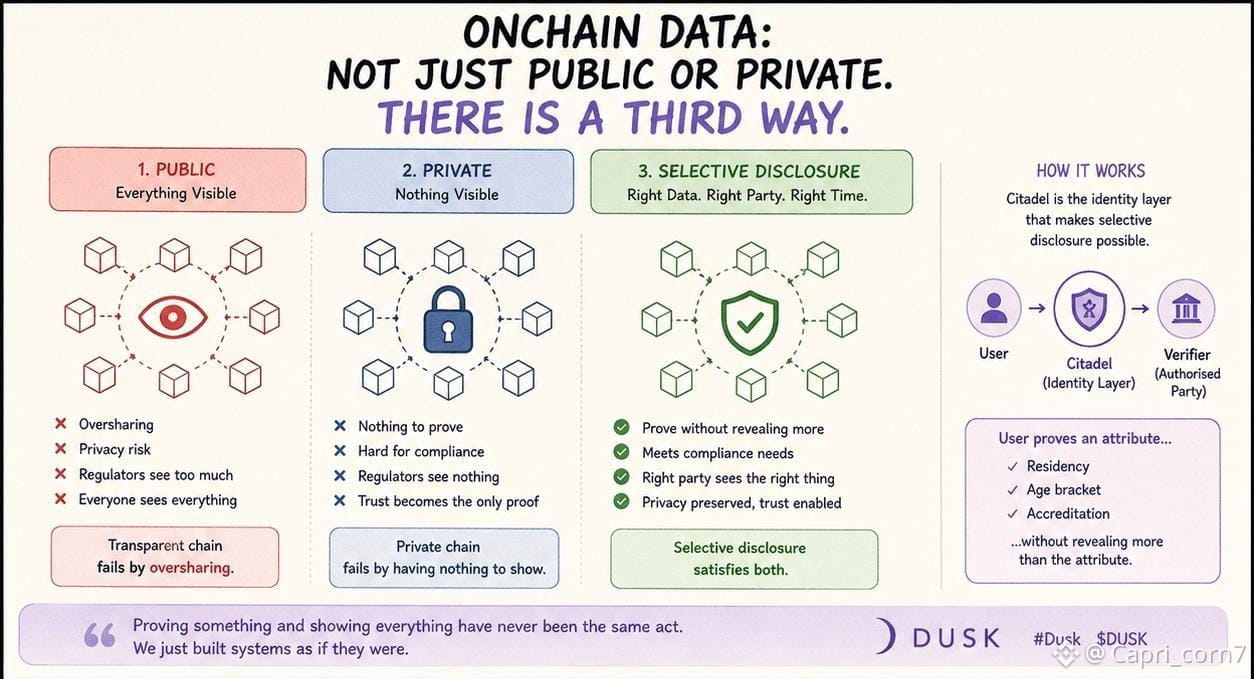
火曜日の夜にこれを見ていて、まだ頭の中で完全に整理しきれていません。
オンチェーンのデータについて、まるで「公開」か「非公開」の2つの設定があるかのように話されます。すべてが見えるか、何も見えないか。
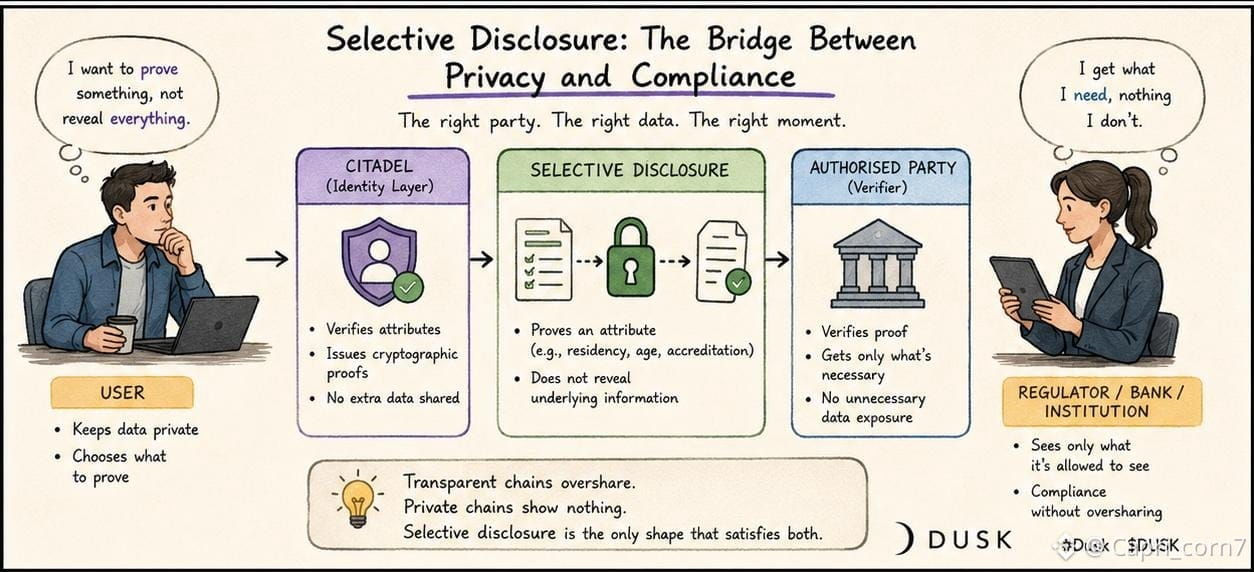
Duskはそれに第三のものを説明し続けていて、私はそれが実際のプロダクトだと思っています。
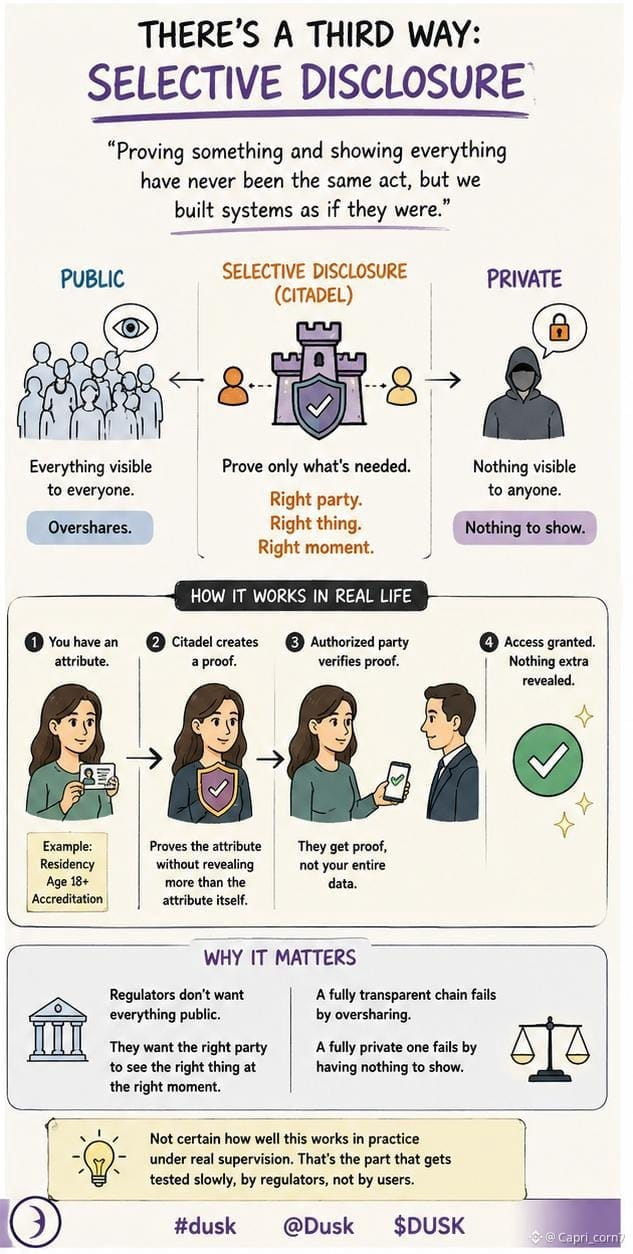
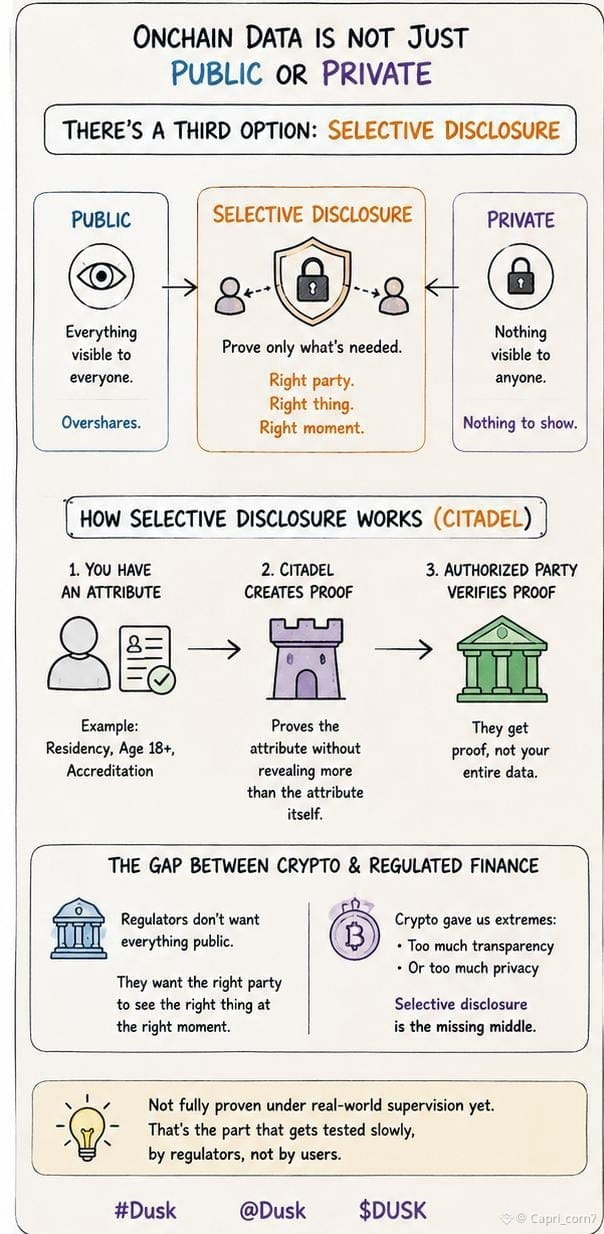
選択的開示。認可された当事者には、不要なデータまで一緒に来ることなく証拠を提供する。Citadelはそれを可能にするアイデンティティレイヤーで、例えば属性.... 居住、年齢層、認定.... のようなことを、属性以上のものを明かすことなく証明できるようにします
「何かを証明すること」と「すべてを見せること」は、同じ行為ではこれまでずっとありませんでした。私たちはそれを前提にシステムを組み立ててきました。
ええと、そしてそれが、暗号と規制された金融の間にあるギャップを、1つの考えに圧縮したものです。規制当局はすべてを公開したくありません。正しい当事者が、正しいタイミングで、正しいものを見られることを望んでいます。
透明なチェーンは、過剰に共有してしまうことでそれを満たせません。プライベートなチェーンは、見せるべきものが何もないことで失敗します。両方を満たす形は、選択的開示だけです
実際の監督のもとでどれくらい堅牢に機能するのかは、まだ確信がありません。これはユーザーではなく、規制当局によってゆっくりとテストされていくものです....
あなたの見解は?
@Dusk_Foundation #dusk $DUSK
火曜日の夜にこれを見ていて、まだ頭の中で完全に整理しきれていません。
オンチェーンのデータについて、まるで「公開」か「非公開」の2つの設定があるかのように話されます。すべてが見えるか、何も見えないか。
Duskはそれに第三のものを説明し続けていて、私はそれが実際のプロダクトだと思っています。
選択的開示。認可された当事者には、不要なデータまで一緒に来ることなく証拠を提供する。Citadelはそれを可能にするアイデンティティレイヤーで、例えば属性.... 居住、年齢層、認定.... のようなことを、属性以上のものを明かすことなく証明できるようにします
「何かを証明すること」と「すべてを見せること」は、同じ行為ではこれまでずっとありませんでした。私たちはそれを前提にシステムを組み立ててきました。
ええと、そしてそれが、暗号と規制された金融の間にあるギャップを、1つの考えに圧縮したものです。規制当局はすべてを公開したくありません。正しい当事者が、正しいタイミングで、正しいものを見られることを望んでいます。
透明なチェーンは、過剰に共有してしまうことでそれを満たせません。プライベートなチェーンは、見せるべきものが何もないことで失敗します。両方を満たす形は、選択的開示だけです
実際の監督のもとでどれくらい堅牢に機能するのかは、まだ確信がありません。これはユーザーではなく、規制当局によってゆっくりとテストされていくものです....
あなたの見解は?
@Dusk #dusk $DUSK
オンチェーンのデータについて、まるで「公開」か「非公開」の2つの設定があるかのように話されます。すべてが見えるか、何も見えないか。
Duskはそれに第三のものを説明し続けていて、私はそれが実際のプロダクトだと思っています。
選択的開示。認可された当事者には、不要なデータまで一緒に来ることなく証拠を提供する。Citadelはそれを可能にするアイデンティティレイヤーで、例えば属性.... 居住、年齢層、認定.... のようなことを、属性以上のものを明かすことなく証明できるようにします
「何かを証明すること」と「すべてを見せること」は、同じ行為ではこれまでずっとありませんでした。私たちはそれを前提にシステムを組み立ててきました。
ええと、そしてそれが、暗号と規制された金融の間にあるギャップを、1つの考えに圧縮したものです。規制当局はすべてを公開したくありません。正しい当事者が、正しいタイミングで、正しいものを見られることを望んでいます。
透明なチェーンは、過剰に共有してしまうことでそれを満たせません。プライベートなチェーンは、見せるべきものが何もないことで失敗します。両方を満たす形は、選択的開示だけです
実際の監督のもとでどれくらい堅牢に機能するのかは、まだ確信がありません。これはユーザーではなく、規制当局によってゆっくりとテストされていくものです....
あなたの見解は?
@Dusk #dusk $DUSK
39
17
143
·
--
木曜の夕方、技術的なページではなく「マーケット・インフラ」のページを読んでいたら、ドキュメントが想定している相手が誰なのかが自分の中で変わりました。
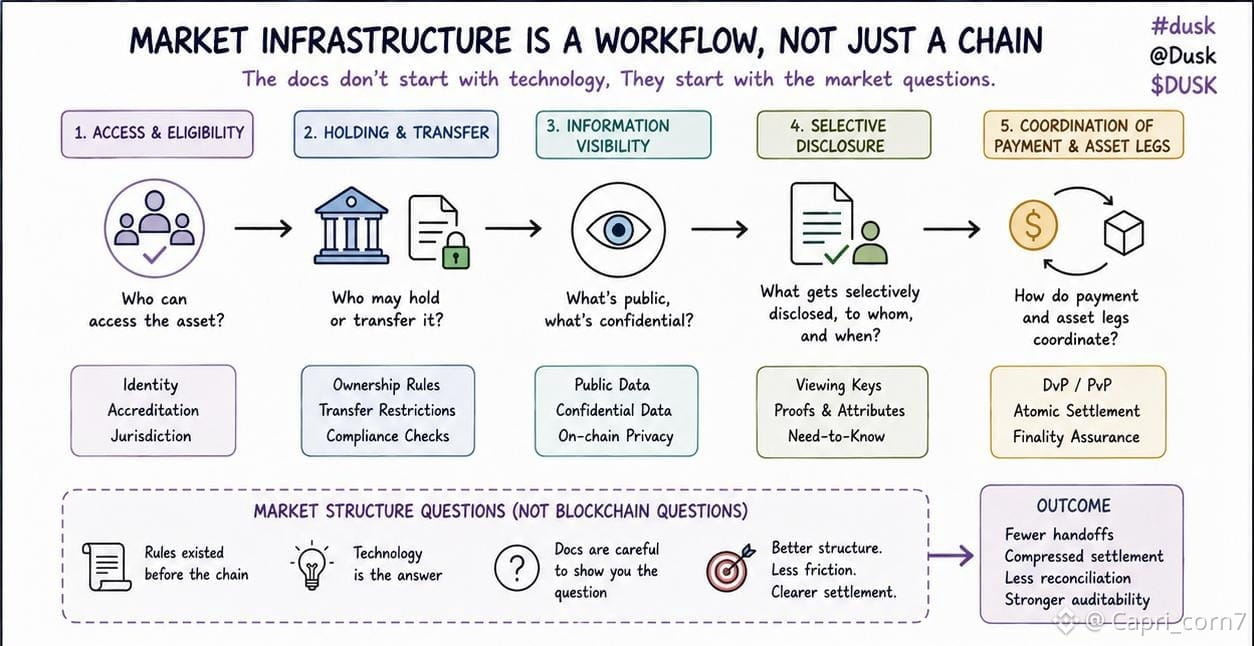
技術ページは「チェーン(鎖)」を説明しています。ところがそのページは「ワークフロー」を説明していました――誰がアセットにアクセスできるのか、誰がそれを保有したり譲渡したりできるのか、何が公開され、何が機密なのか、何が選択的に開示されるのか、そして支払いとアセットの区間がどう連携するのか。
それらのどれもブロックチェーンの問題ではありません。すべて、これが始まる前から存在していた市場構造の問題です。
「テクノロジーこそ答えだ。ドキュメントは、あなたに“質問”を見せ続けるのに慎重だ。」
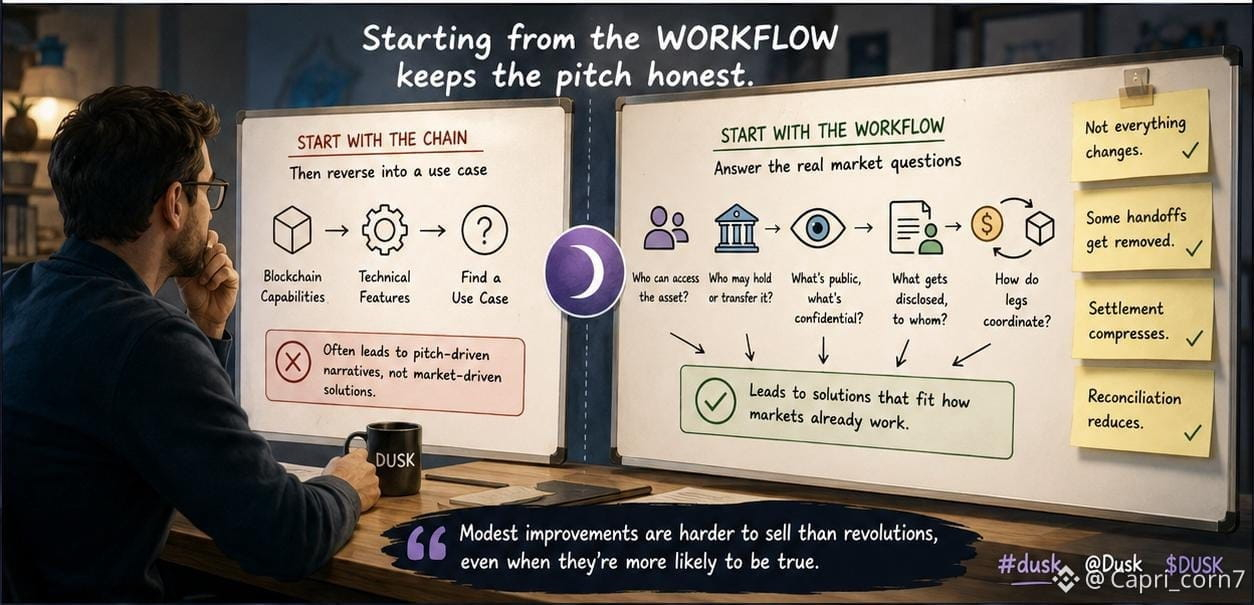
ええと、そしてそれが、ほとんどのRWA(現実世界の資産)案件の提案と分けている点だと思います。たいていはチェーンから始めて、それを用途に“逆算”する形だからです。
ワークフローから始めると、提案の正直な姿はかなり控えめになります。すべてが変わるわけではありません。引き継ぎ(ハンドオフ)の一部がなくなり、決済は圧縮され、照合(レコンシリエーション)は減ります。
機関がそれを、移行するほど十分に魅力的だと感じるかどうかは、率直に言って開かれた問いです。革命よりも控えめな改善のほうが売りにくい――それが、真実である可能性がより高いとしても……
#dusk @Dusk_Foundation $DUSK
木曜の夕方、技術的なページではなく「マーケット・インフラ」のページを読んでいたら、ドキュメントが想定している相手が誰なのかが自分の中で変わりました。
技術ページは「チェーン(鎖)」を説明しています。ところがそのページは「ワークフロー」を説明していました――誰がアセットにアクセスできるのか、誰がそれを保有したり譲渡したりできるのか、何が公開され、何が機密なのか、何が選択的に開示されるのか、そして支払いとアセットの区間がどう連携するのか。
それらのどれもブロックチェーンの問題ではありません。すべて、これが始まる前から存在していた市場構造の問題です。
「テクノロジーこそ答えだ。ドキュメントは、あなたに“質問”を見せ続けるのに慎重だ。」
ええと、そしてそれが、ほとんどのRWA(現実世界の資産)案件の提案と分けている点だと思います。たいていはチェーンから始めて、それを用途に“逆算”する形だからです。
ワークフローから始めると、提案の正直な姿はかなり控えめになります。すべてが変わるわけではありません。引き継ぎ(ハンドオフ)の一部がなくなり、決済は圧縮され、照合(レコンシリエーション)は減ります。
機関がそれを、移行するほど十分に魅力的だと感じるかどうかは、率直に言って開かれた問いです。革命よりも控えめな改善のほうが売りにくい――それが、真実である可能性がより高いとしても……
#dusk @Dusk $DUSK
技術ページは「チェーン(鎖)」を説明しています。ところがそのページは「ワークフロー」を説明していました――誰がアセットにアクセスできるのか、誰がそれを保有したり譲渡したりできるのか、何が公開され、何が機密なのか、何が選択的に開示されるのか、そして支払いとアセットの区間がどう連携するのか。
それらのどれもブロックチェーンの問題ではありません。すべて、これが始まる前から存在していた市場構造の問題です。
「テクノロジーこそ答えだ。ドキュメントは、あなたに“質問”を見せ続けるのに慎重だ。」
ええと、そしてそれが、ほとんどのRWA(現実世界の資産)案件の提案と分けている点だと思います。たいていはチェーンから始めて、それを用途に“逆算”する形だからです。
ワークフローから始めると、提案の正直な姿はかなり控えめになります。すべてが変わるわけではありません。引き継ぎ(ハンドオフ)の一部がなくなり、決済は圧縮され、照合(レコンシリエーション)は減ります。
機関がそれを、移行するほど十分に魅力的だと感じるかどうかは、率直に言って開かれた問いです。革命よりも控えめな改善のほうが売りにくい――それが、真実である可能性がより高いとしても……
#dusk @Dusk $DUSK
40
21
115
·
--
二方向レンジの発注は、@termmax について調べていたときに出会った中でも、かなり珍しい仕組みだと思います。
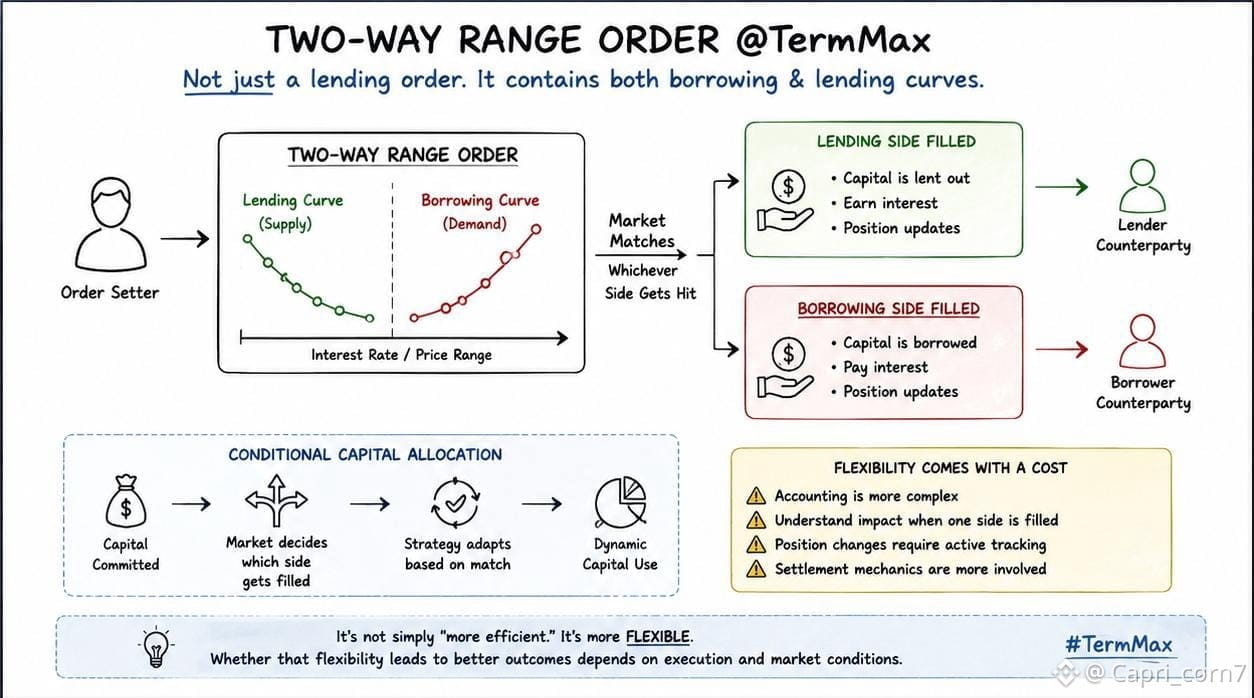
これは単なる貸付の注文ではありません。
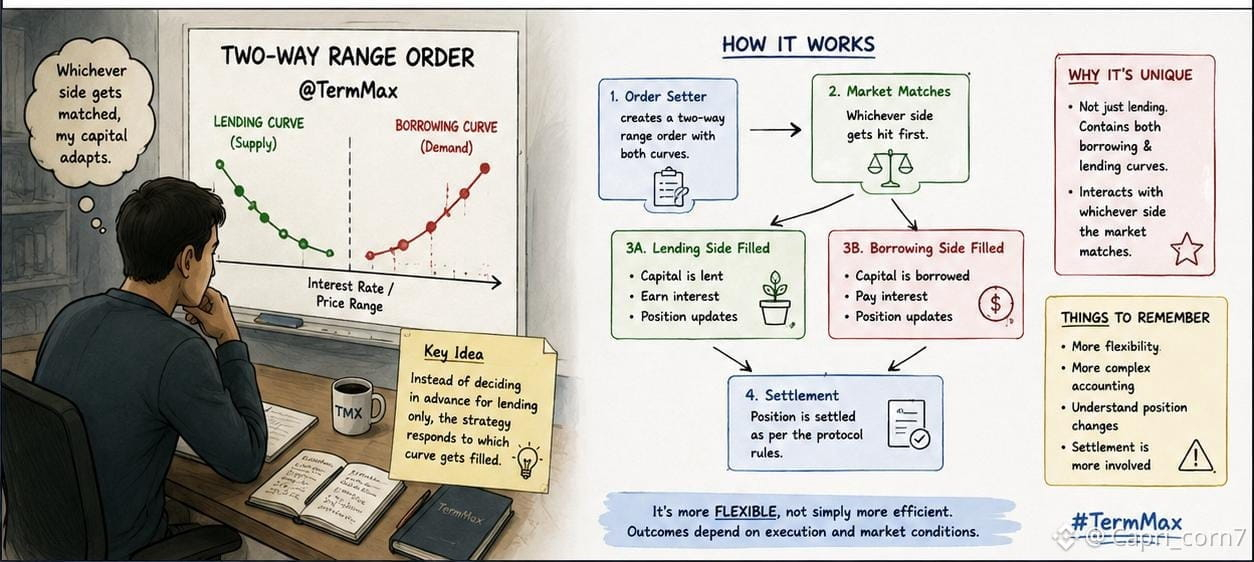
借り入れと貸付の両方のカーブを含むことができます。
つまり、注文設定者は市場のうち、約定される側と相互に作用できます。
これは、条件付きの資本配分という面白いタイプのものを生み出します。
資本を事前に「貸付だけに使う」と決めるのではなく、どのカーブが約定するかに戦略が反応できるのです。
しかし柔軟性にはコストがあります。
会計がより複雑になります。
参加者は、片側が約定したときに何が起こるのか、ポジションがどう変化するのか、そしてその後の決済がどのように機能するのかを理解する必要があります。
だから、この仕組みを単に「より効率的」とは表現しないでしょう。
よりFLEXIBLE(柔軟)なのです。
その柔軟性がより良い結果につながるかどうかは、執行と市場環境次第です。
この設計自体が、研究に値します。
#TermMax
二方向レンジの発注は、@TermMax について調べていたときに出会った中でも、かなり珍しい仕組みだと思います。
これは単なる貸付の注文ではありません。
借り入れと貸付の両方のカーブを含むことができます。
つまり、注文設定者は市場のうち、約定される側と相互に作用できます。
これは、条件付きの資本配分という面白いタイプのものを生み出します。
資本を事前に「貸付だけに使う」と決めるのではなく、どのカーブが約定するかに戦略が反応できるのです。
しかし柔軟性にはコストがあります。
会計がより複雑になります。
参加者は、片側が約定したときに何が起こるのか、ポジションがどう変化するのか、そしてその後の決済がどのように機能するのかを理解する必要があります。
だから、この仕組みを単に「より効率的」とは表現しないでしょう。
よりFLEXIBLE(柔軟)なのです。
その柔軟性がより良い結果につながるかどうかは、執行と市場環境次第です。
この設計自体が、研究に値します。
#TermMax
これは単なる貸付の注文ではありません。
借り入れと貸付の両方のカーブを含むことができます。
つまり、注文設定者は市場のうち、約定される側と相互に作用できます。
これは、条件付きの資本配分という面白いタイプのものを生み出します。
資本を事前に「貸付だけに使う」と決めるのではなく、どのカーブが約定するかに戦略が反応できるのです。
しかし柔軟性にはコストがあります。
会計がより複雑になります。
参加者は、片側が約定したときに何が起こるのか、ポジションがどう変化するのか、そしてその後の決済がどのように機能するのかを理解する必要があります。
だから、この仕組みを単に「より効率的」とは表現しないでしょう。
よりFLEXIBLE(柔軟)なのです。
その柔軟性がより良い結果につながるかどうかは、執行と市場環境次第です。
この設計自体が、研究に値します。
#TermMax
25
11
113
·
--
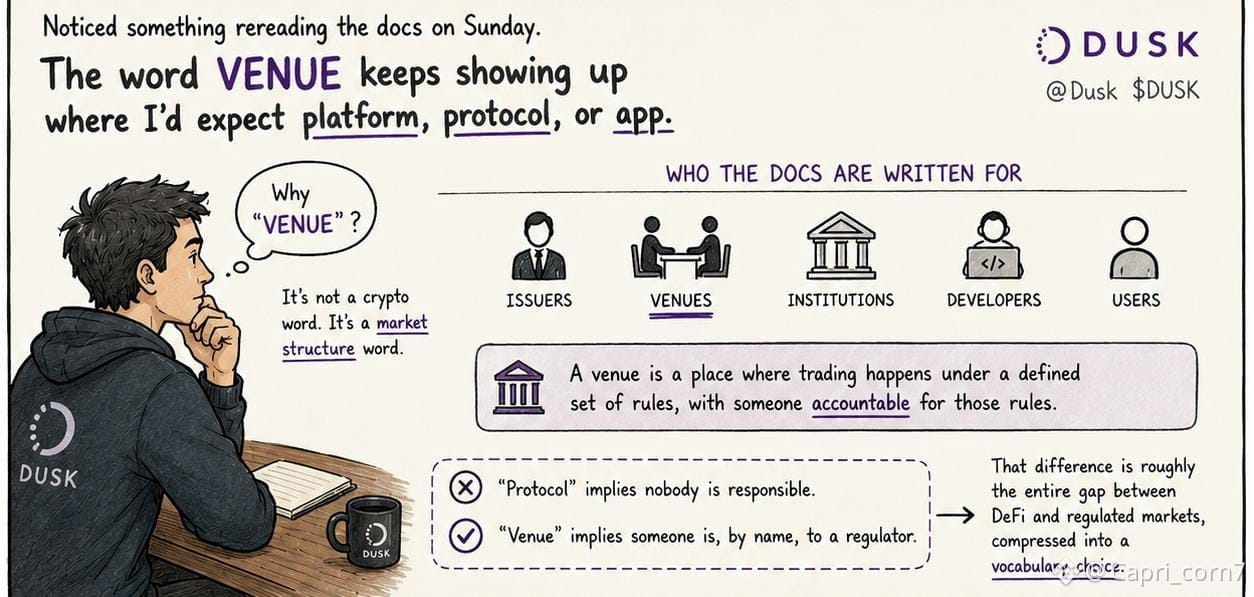
日曜にドキュメントを読み返していて、あることに気づきました。「VENUE」という語が、プラットフォーム、プロトコル、あるいはアプリが来るはずの場所にずっと出てきます。
発行者、ベニュー(取引の場)、機関、開発者、ユーザー。それが概要にあるリストです。そこに「ベニュー」は独立したカテゴリとして置かれています。
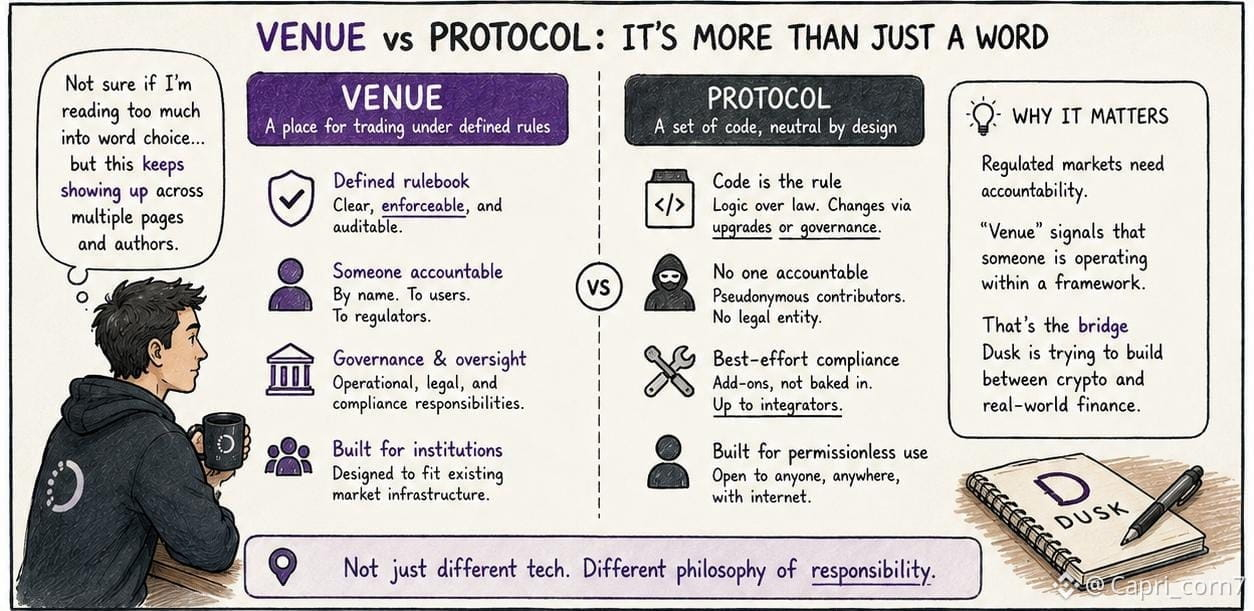
そして「ベニュー」は暗号用語ではありません。市場構造のための言葉です。つまり、定められたルールのもとで取引が行われ、そのルールに責任を負う誰かがいる場所。
そうなると、どんな機能リストよりも、ドキュメントが誰向けに書かれているのかが分かります。
「プロトコル」なら責任を負う人がいないことを示唆しますが、「ベニュー」なら、規制当局に対して名前で責任を負う人がいることを意味します。
ええと、そしてその違いは、DeFiと規制された市場のあいだにあるギャップのほぼすべてを、語彙の選び方に圧縮したものだと言えます。
正直、言葉の選び方にあまり深読みはしないほうがいいかもしれません。単なる社内の書き方(スタイル)というだけの可能性もあります。ただ、これは違う人が書いたページにまたがって何度も繰り返し出てきます。そしてたいてい、それは意図的です……
#dusk @Dusk_Foundation $DUSK
日曜にドキュメントを読み返していて、あることに気づきました。「VENUE」という語が、プラットフォーム、プロトコル、あるいはアプリが来るはずの場所にずっと出てきます。
発行者、ベニュー(取引の場)、機関、開発者、ユーザー。それが概要にあるリストです。そこに「ベニュー」は独立したカテゴリとして置かれています。
そして「ベニュー」は暗号用語ではありません。市場構造のための言葉です。つまり、定められたルールのもとで取引が行われ、そのルールに責任を負う誰かがいる場所。
そうなると、どんな機能リストよりも、ドキュメントが誰向けに書かれているのかが分かります。
「プロトコル」なら責任を負う人がいないことを示唆しますが、「ベニュー」なら、規制当局に対して名前で責任を負う人がいることを意味します。
ええと、そしてその違いは、DeFiと規制された市場のあいだにあるギャップのほぼすべてを、語彙の選び方に圧縮したものだと言えます。
正直、言葉の選び方にあまり深読みはしないほうがいいかもしれません。単なる社内の書き方(スタイル)というだけの可能性もあります。ただ、これは違う人が書いたページにまたがって何度も繰り返し出てきます。そしてたいてい、それは意図的です……
#dusk @Dusk $DUSK
発行者、ベニュー(取引の場)、機関、開発者、ユーザー。それが概要にあるリストです。そこに「ベニュー」は独立したカテゴリとして置かれています。
そして「ベニュー」は暗号用語ではありません。市場構造のための言葉です。つまり、定められたルールのもとで取引が行われ、そのルールに責任を負う誰かがいる場所。
そうなると、どんな機能リストよりも、ドキュメントが誰向けに書かれているのかが分かります。
「プロトコル」なら責任を負う人がいないことを示唆しますが、「ベニュー」なら、規制当局に対して名前で責任を負う人がいることを意味します。
ええと、そしてその違いは、DeFiと規制された市場のあいだにあるギャップのほぼすべてを、語彙の選び方に圧縮したものだと言えます。
正直、言葉の選び方にあまり深読みはしないほうがいいかもしれません。単なる社内の書き方(スタイル)というだけの可能性もあります。ただ、これは違う人が書いたページにまたがって何度も繰り返し出てきます。そしてたいてい、それは意図的です……
#dusk @Dusk $DUSK
62
28
301
·
--
3週間前にオンチェーンのコーポレートアクションに関する一文を読んだので、それを読み流していました。今日それに戻ってみると、ちゃんと正しく表示されました。
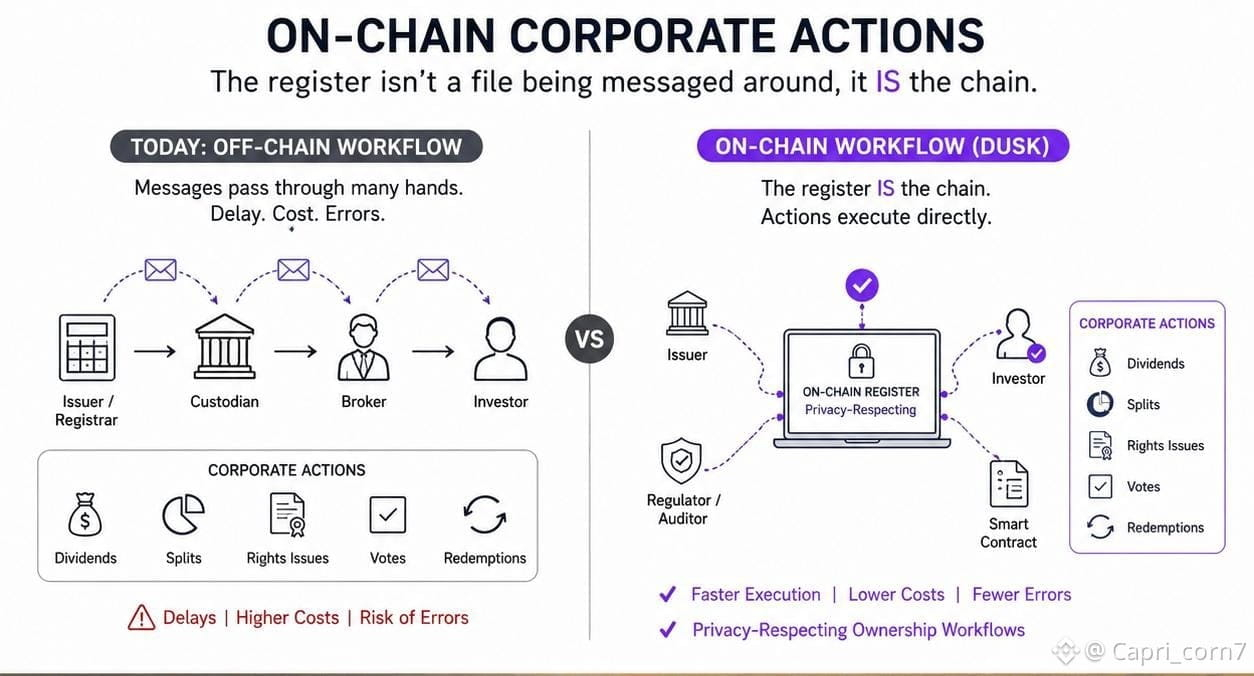
コーポレートアクションとは、有価証券を保有するための、地味で裏方のような機構です。配当。株式分割。ライツ(新株予約権)発行。議決権。償還(レデンプション)。
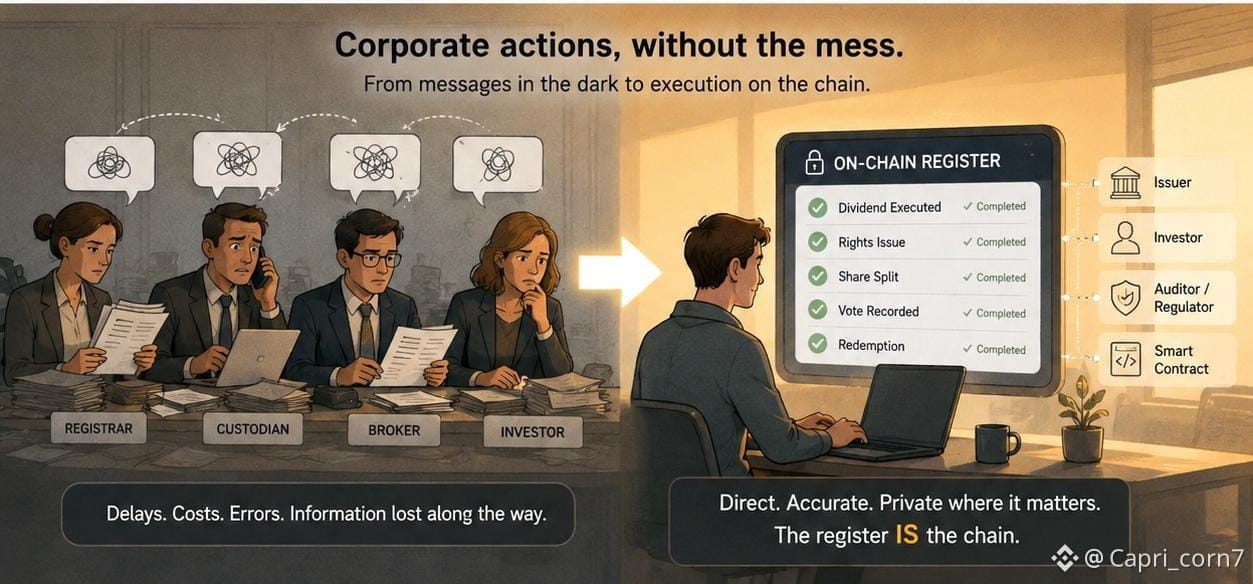
それらはいずれも、現在ではレジストラ、カストディアン(保管機関)、ブローカー、そして最終的にあなたへと渡されるメッセージであり、各ホップごとに遅延が生まれ、誤りが混ざる可能性もあります。
ドキュメントでは、プライバシーに配慮した保有ワークフローによってオンチェーンのコーポレートアクションを扱っています。つまり、レジストがメッセージで回覧されるただのファイルではなく、レジスト自体がチェーンであり、配当はそれに対して直接実行できる、ということです。
ええと。
プライバシーの部分は、最初に聞こえる以上に重要です。というのも、キャップテーブル(持株構成表)は商業的に機微で、すべての保有者を公開して配当を実行することは、ほとんどの発行体にとって受け入れられません。
これが今日どれくらい実際に存在しているかは確かではありませんが、コーポレートアクションはさらに、例外ケースが集まる場所でもあります。端数の権利、保有者ごとに異なる税務上の取り扱い、そしてコードは、それらが必要になるずっと前から通常のケースを処理できているわけです……
#dusk @Dusk_Foundation $DUSK
3週間前にオンチェーンのコーポレートアクションに関する一文を読んだので、それを読み流していました。今日それに戻ってみると、ちゃんと正しく表示されました。
コーポレートアクションとは、有価証券を保有するための、地味で裏方のような機構です。配当。株式分割。ライツ(新株予約権)発行。議決権。償還(レデンプション)。
それらはいずれも、現在ではレジストラ、カストディアン(保管機関)、ブローカー、そして最終的にあなたへと渡されるメッセージであり、各ホップごとに遅延が生まれ、誤りが混ざる可能性もあります。
ドキュメントでは、プライバシーに配慮した保有ワークフローによってオンチェーンのコーポレートアクションを扱っています。つまり、レジストがメッセージで回覧されるただのファイルではなく、レジスト自体がチェーンであり、配当はそれに対して直接実行できる、ということです。
ええと。
プライバシーの部分は、最初に聞こえる以上に重要です。というのも、キャップテーブル(持株構成表)は商業的に機微で、すべての保有者を公開して配当を実行することは、ほとんどの発行体にとって受け入れられません。
これが今日どれくらい実際に存在しているかは確かではありませんが、コーポレートアクションはさらに、例外ケースが集まる場所でもあります。端数の権利、保有者ごとに異なる税務上の取り扱い、そしてコードは、それらが必要になるずっと前から通常のケースを処理できているわけです……
#dusk @Dusk $DUSK
コーポレートアクションとは、有価証券を保有するための、地味で裏方のような機構です。配当。株式分割。ライツ(新株予約権)発行。議決権。償還(レデンプション)。
それらはいずれも、現在ではレジストラ、カストディアン(保管機関)、ブローカー、そして最終的にあなたへと渡されるメッセージであり、各ホップごとに遅延が生まれ、誤りが混ざる可能性もあります。
ドキュメントでは、プライバシーに配慮した保有ワークフローによってオンチェーンのコーポレートアクションを扱っています。つまり、レジストがメッセージで回覧されるただのファイルではなく、レジスト自体がチェーンであり、配当はそれに対して直接実行できる、ということです。
ええと。
プライバシーの部分は、最初に聞こえる以上に重要です。というのも、キャップテーブル(持株構成表)は商業的に機微で、すべての保有者を公開して配当を実行することは、ほとんどの発行体にとって受け入れられません。
これが今日どれくらい実際に存在しているかは確かではありませんが、コーポレートアクションはさらに、例外ケースが集まる場所でもあります。端数の権利、保有者ごとに異なる税務上の取り扱い、そしてコードは、それらが必要になるずっと前から通常のケースを処理できているわけです……
#dusk @Dusk $DUSK
52
26
138
·
--
確認済み
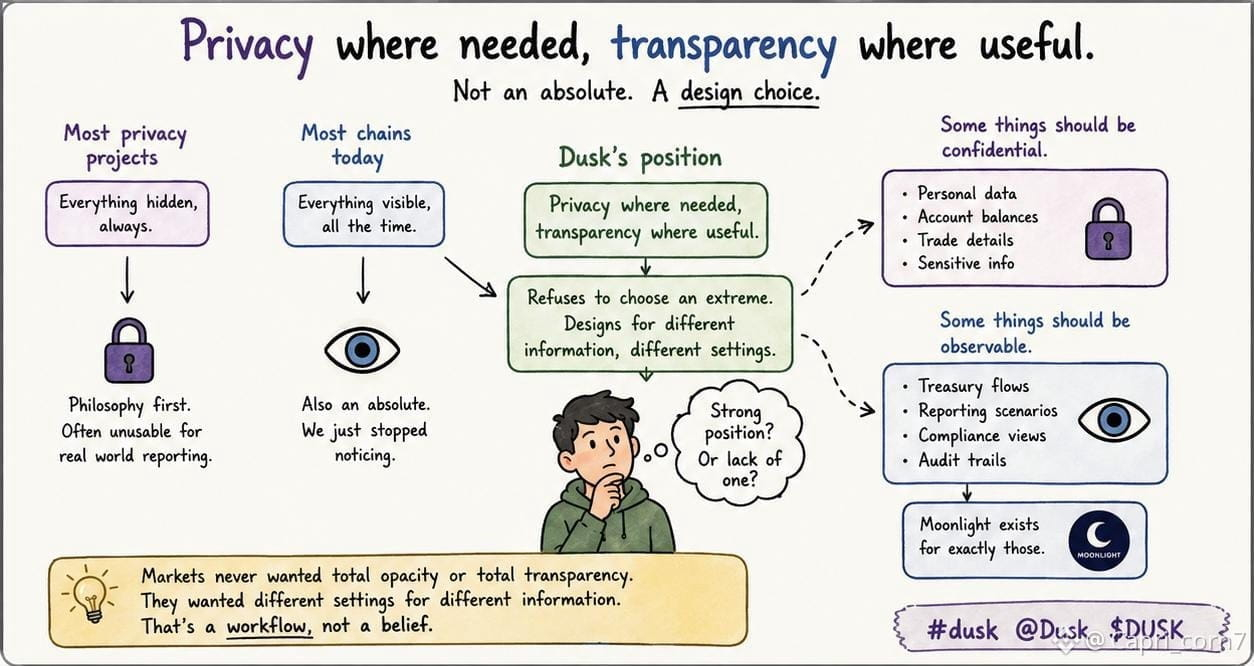
必要な場所ではプライバシーを、役に立つ場所では透明性を。
その一文はDuskのドキュメントに何度も登場しますし、ただの飾りだとは思いません。
多くのプライバシー施策は、断固たる立場を取ります。つまり、隠すべきものは常に隠す、そしてその思想がプロダクトにまで及ぶ。そうすると、報告義務のある人にとっては、そのプロダクトは使いづらくなります。
一方で、多くのチェーンが選んだ代替案は、すべてを見えるようにすることです。これもまた断固たる立場です。ただ、最初にそれが出てきたので、私たちはそれに気づかなくなっただけです。
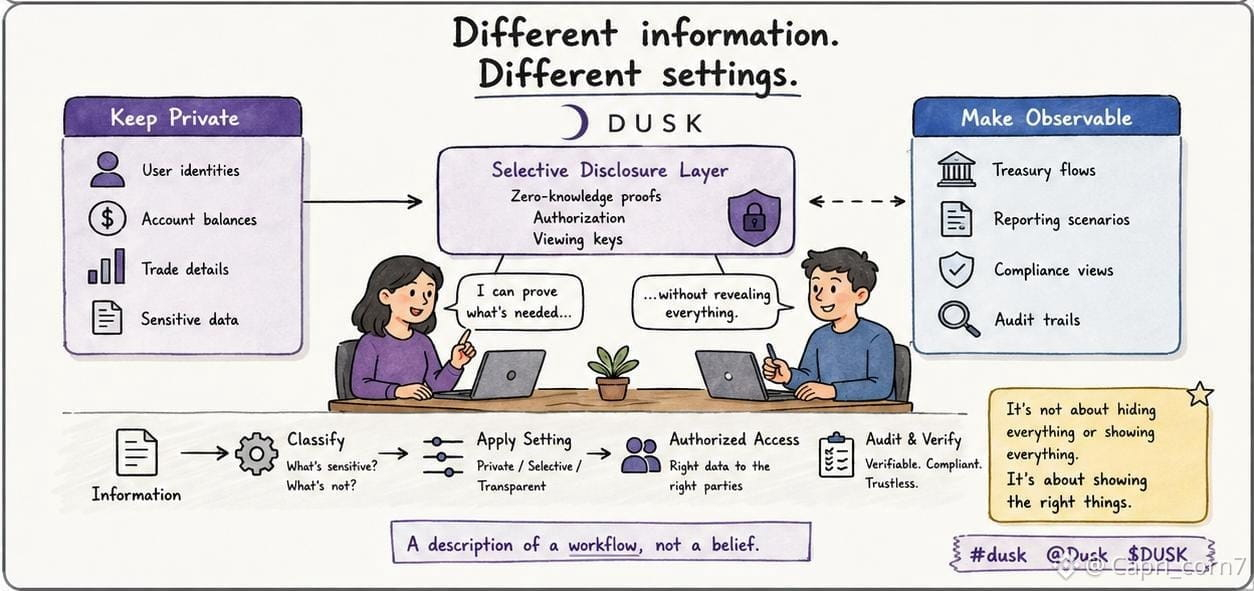
その一文にあるのは、どちらも選ばないという拒否です。あるものは秘密であるべきです。あるものは本当に観測可能であるべきです。財務の流れや、報告のシナリオのようなものです。そしてMoonlightは、まさにそれらのために存在します。
私はずっと、それが強い立場なのか、それとも立場が弱いのかを考え続けています。ええと。どちらの読み方でも、正直に言ってドキュメントとの整合は保ててしまうんです。
暫定的に私が着地しているのは、「市場は、完全な秘匿も完全な透明性も望んだことはない。情報の種類ごとに異なる設定が欲しいだけだ」ということです。そして、それが物足りない響きになる理由は、それが信念の説明というより、ワークフローの記述だから……。
#dusk @Dusk_Foundation $DUSK
必要な場所ではプライバシーを、役に立つ場所では透明性を。
その一文はDuskのドキュメントに何度も登場しますし、ただの飾りだとは思いません。
多くのプライバシー施策は、断固たる立場を取ります。つまり、隠すべきものは常に隠す、そしてその思想がプロダクトにまで及ぶ。そうすると、報告義務のある人にとっては、そのプロダクトは使いづらくなります。
一方で、多くのチェーンが選んだ代替案は、すべてを見えるようにすることです。これもまた断固たる立場です。ただ、最初にそれが出てきたので、私たちはそれに気づかなくなっただけです。
その一文にあるのは、どちらも選ばないという拒否です。あるものは秘密であるべきです。あるものは本当に観測可能であるべきです。財務の流れや、報告のシナリオのようなものです。そしてMoonlightは、まさにそれらのために存在します。
私はずっと、それが強い立場なのか、それとも立場が弱いのかを考え続けています。ええと。どちらの読み方でも、正直に言ってドキュメントとの整合は保ててしまうんです。
暫定的に私が着地しているのは、「市場は、完全な秘匿も完全な透明性も望んだことはない。情報の種類ごとに異なる設定が欲しいだけだ」ということです。そして、それが物足りない響きになる理由は、それが信念の説明というより、ワークフローの記述だから……。
#dusk @Dusk $DUSK
その一文はDuskのドキュメントに何度も登場しますし、ただの飾りだとは思いません。
多くのプライバシー施策は、断固たる立場を取ります。つまり、隠すべきものは常に隠す、そしてその思想がプロダクトにまで及ぶ。そうすると、報告義務のある人にとっては、そのプロダクトは使いづらくなります。
一方で、多くのチェーンが選んだ代替案は、すべてを見えるようにすることです。これもまた断固たる立場です。ただ、最初にそれが出てきたので、私たちはそれに気づかなくなっただけです。
その一文にあるのは、どちらも選ばないという拒否です。あるものは秘密であるべきです。あるものは本当に観測可能であるべきです。財務の流れや、報告のシナリオのようなものです。そしてMoonlightは、まさにそれらのために存在します。
私はずっと、それが強い立場なのか、それとも立場が弱いのかを考え続けています。ええと。どちらの読み方でも、正直に言ってドキュメントとの整合は保ててしまうんです。
暫定的に私が着地しているのは、「市場は、完全な秘匿も完全な透明性も望んだことはない。情報の種類ごとに異なる設定が欲しいだけだ」ということです。そして、それが物足りない響きになる理由は、それが信念の説明というより、ワークフローの記述だから……。
#dusk @Dusk $DUSK
38
23
323
·
--
Dusk のドキュメントでは、次の 2 つのユースケースが並んでいて、リストが示す以上にセットとして扱うべきだと思います。
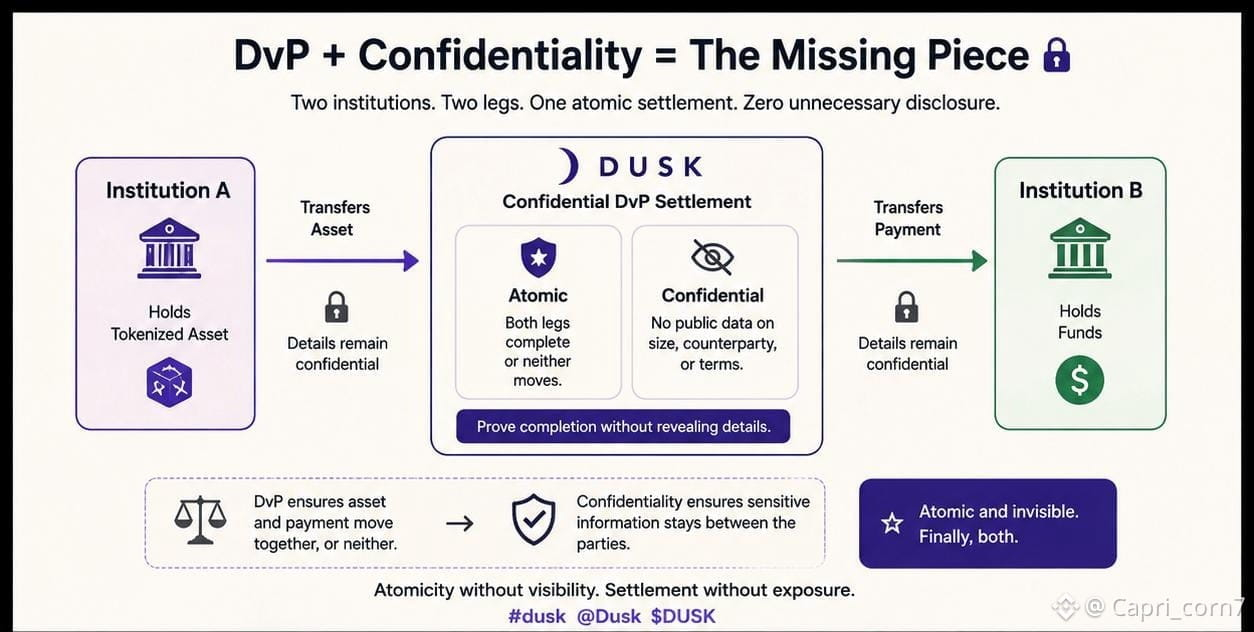
機関同士の機密決済。トークン化された資産の「引き渡し」と「支払い」の決済。
DvP は、資産とお金が一緒に動く、さもなければどちらも動かない、という素朴な考え方です。片方が価値を渡して、もう片方が待つという代替案があるために存在します。
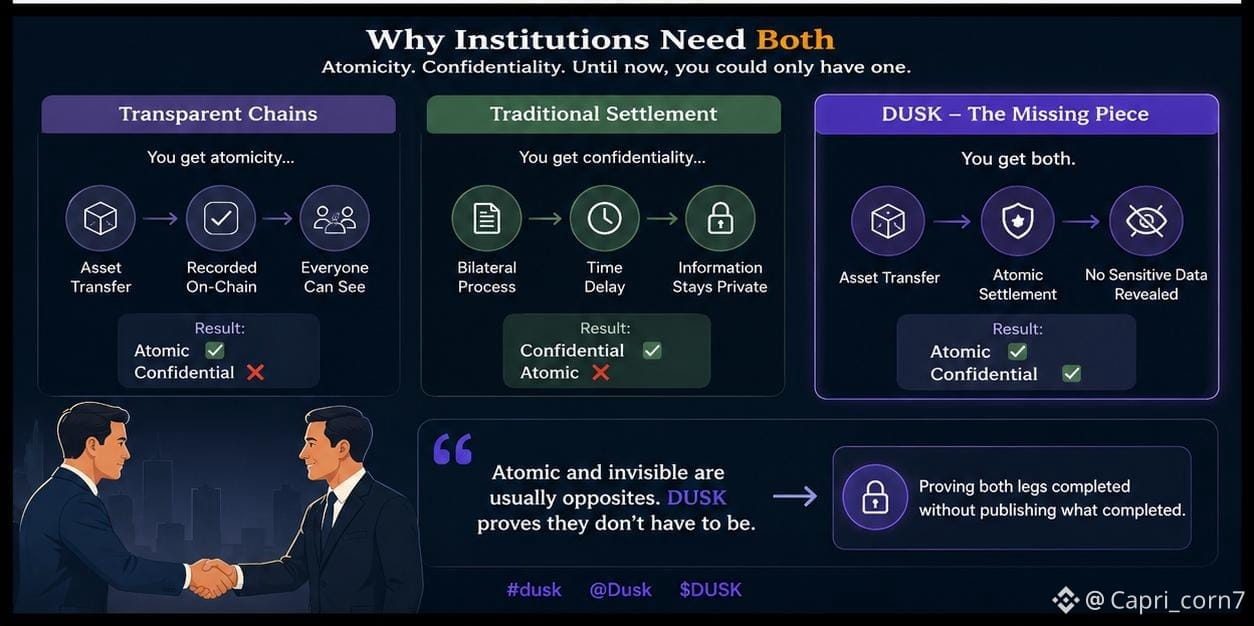
では機密性をその隣に置いてください……2 つの機関が、両方の取引が原子的に清算される形で取引を決済し、その時点で「規模」「カウンターパーティー」「条件」が公開情報としては出てこないようにする。
「原子的で不可視なのは、通常は正反対です。原子性とは、誰もが解決したのを見られること。不可視とは、誰も見られないこと。」
ええ、そしてそのコツが本当に肝なんです。何が完了したかを公開せずに、両方のレッグが完了したことを証明すること。
透明なチェーンでは原子性を得ますが機密性を失います。従来の決済では機密性を得ますが原子性を失う。だからクリアリング層がそもそも存在します。
実際に、両方を同時に必要とするのがどれほどの取引量なのかは分かりません。でも、それを必要とする機関にとっては絶対に必要で、これまでそれを置く場所がありませんでした……
#dusk @Dusk_Foundation $DUSK
Dusk のドキュメントでは、次の 2 つのユースケースが並んでいて、リストが示す以上にセットとして扱うべきだと思います。
機関同士の機密決済。トークン化された資産の「引き渡し」と「支払い」の決済。
DvP は、資産とお金が一緒に動く、さもなければどちらも動かない、という素朴な考え方です。片方が価値を渡して、もう片方が待つという代替案があるために存在します。
では機密性をその隣に置いてください……2 つの機関が、両方の取引が原子的に清算される形で取引を決済し、その時点で「規模」「カウンターパーティー」「条件」が公開情報としては出てこないようにする。
「原子的で不可視なのは、通常は正反対です。原子性とは、誰もが解決したのを見られること。不可視とは、誰も見られないこと。」
ええ、そしてそのコツが本当に肝なんです。何が完了したかを公開せずに、両方のレッグが完了したことを証明すること。
透明なチェーンでは原子性を得ますが機密性を失います。従来の決済では機密性を得ますが原子性を失う。だからクリアリング層がそもそも存在します。
実際に、両方を同時に必要とするのがどれほどの取引量なのかは分かりません。でも、それを必要とする機関にとっては絶対に必要で、これまでそれを置く場所がありませんでした……
#dusk @Dusk $DUSK
機関同士の機密決済。トークン化された資産の「引き渡し」と「支払い」の決済。
DvP は、資産とお金が一緒に動く、さもなければどちらも動かない、という素朴な考え方です。片方が価値を渡して、もう片方が待つという代替案があるために存在します。
では機密性をその隣に置いてください……2 つの機関が、両方の取引が原子的に清算される形で取引を決済し、その時点で「規模」「カウンターパーティー」「条件」が公開情報としては出てこないようにする。
「原子的で不可視なのは、通常は正反対です。原子性とは、誰もが解決したのを見られること。不可視とは、誰も見られないこと。」
ええ、そしてそのコツが本当に肝なんです。何が完了したかを公開せずに、両方のレッグが完了したことを証明すること。
透明なチェーンでは原子性を得ますが機密性を失います。従来の決済では機密性を得ますが原子性を失う。だからクリアリング層がそもそも存在します。
実際に、両方を同時に必要とするのがどれほどの取引量なのかは分かりません。でも、それを必要とする機関にとっては絶対に必要で、これまでそれを置く場所がありませんでした……
#dusk @Dusk $DUSK
33
1
20
130
·
--
Duskのドキュメントには、小さなことみたいに書かれているのにそうではない一文があります。
手動のバックオフィス業務ではなく、スマートコントラクト内でコンプライアンス確認を強制します。
「バックオフィス」とは実際には何を意味するのか、その内容に向き合ってください。名簿を確認する人。最初の人を承認する二人目。1週間後にレビューされるファイル。資格、上限、譲渡制限——すべての「本当のルール」が、事後に記録を読んで人が執行します。
"後からチェックされるルールは、すでに一度破られていたルールだ"
それを契約に組み込むと、「誰が適用するか」だけでなく、「いつルールが適用されるか」が変わります。譲渡は条件を満たすか、満たさないかのどちらかで、満たさなければ実行されません。
ええと、ここでの記述は、暗号領域で通常語られるコンプライアンスとは逆に見えます。たいていは、端っこに取り付けられた障害物として語られがちです。
でもここでは、現実世界の義務を反映できるロジックとして書かれています……資格、上限、報告、回復、決済。
規制当局がプロセスの代替としてコードを受け入れるかどうかは、私には答えられません。こうした事柄に関して、機関はとてもゆっくり動くので、おそらく……
#dusk @Dusk_Foundation $DUSK
Duskのドキュメントには、小さなことみたいに書かれているのにそうではない一文があります。
手動のバックオフィス業務ではなく、スマートコントラクト内でコンプライアンス確認を強制します。
「バックオフィス」とは実際には何を意味するのか、その内容に向き合ってください。名簿を確認する人。最初の人を承認する二人目。1週間後にレビューされるファイル。資格、上限、譲渡制限——すべての「本当のルール」が、事後に記録を読んで人が執行します。
"後からチェックされるルールは、すでに一度破られていたルールだ"
それを契約に組み込むと、「誰が適用するか」だけでなく、「いつルールが適用されるか」が変わります。譲渡は条件を満たすか、満たさないかのどちらかで、満たさなければ実行されません。
ええと、ここでの記述は、暗号領域で通常語られるコンプライアンスとは逆に見えます。たいていは、端っこに取り付けられた障害物として語られがちです。
でもここでは、現実世界の義務を反映できるロジックとして書かれています……資格、上限、報告、回復、決済。
規制当局がプロセスの代替としてコードを受け入れるかどうかは、私には答えられません。こうした事柄に関して、機関はとてもゆっくり動くので、おそらく……
#dusk @Dusk $DUSK
手動のバックオフィス業務ではなく、スマートコントラクト内でコンプライアンス確認を強制します。
「バックオフィス」とは実際には何を意味するのか、その内容に向き合ってください。名簿を確認する人。最初の人を承認する二人目。1週間後にレビューされるファイル。資格、上限、譲渡制限——すべての「本当のルール」が、事後に記録を読んで人が執行します。
"後からチェックされるルールは、すでに一度破られていたルールだ"
それを契約に組み込むと、「誰が適用するか」だけでなく、「いつルールが適用されるか」が変わります。譲渡は条件を満たすか、満たさないかのどちらかで、満たさなければ実行されません。
ええと、ここでの記述は、暗号領域で通常語られるコンプライアンスとは逆に見えます。たいていは、端っこに取り付けられた障害物として語られがちです。
でもここでは、現実世界の義務を反映できるロジックとして書かれています……資格、上限、報告、回復、決済。
規制当局がプロセスの代替としてコードを受け入れるかどうかは、私には答えられません。こうした事柄に関して、機関はとてもゆっくり動くので、おそらく……
#dusk @Dusk $DUSK
15
1
13
96
·
--
公開か非公開の2つの設定があるかのように、オンチェーンデータについて語られがちです。すべてが見えるか、何も見えないか。
ダスクはそれに加えて3つ目のものを説明し続けていて、それを妥協ではなく別のものとして見抜くのにしばらく時間がかかりました。
選択的開示。許可された当事者は、不必要なデータを伴わずに証拠を受け取れます。アイデンティティ層であるシタデルは、ある属性を証明することを可能にします……居住地、年齢層、認定……といった具合に、その属性自体以上の情報を開示せずに。
「何かを証明すること」と「すべてを見せること」は決して同じ行為ではありませんが、私たちはそれが同じであるかのようにシステムを作ってきました」
ええと、そしてそれが実際に、暗号と規制された金融の間にあるギャップだと思います。規制当局はすべてを公開したいわけではありません。必要なタイミングで、正しい当事者が正しいものを見ることを望んでいます。
完全に透明なチェーンは、開示しすぎることでそれに失敗します。完全にプライベートなものは、見せるものが何もないことで失敗します。
実際の監督のもとで、どれほどうまく機能するかは確信が持てません。その部分は、ユーザーではなく規制当局によって、ゆっくりと検証されます……
#dusk @Dusk_Foundation $DUSK
公開か非公開の2つの設定があるかのように、オンチェーンデータについて語られがちです。すべてが見えるか、何も見えないか。
ダスクはそれに加えて3つ目のものを説明し続けていて、それを妥協ではなく別のものとして見抜くのにしばらく時間がかかりました。
選択的開示。許可された当事者は、不必要なデータを伴わずに証拠を受け取れます。アイデンティティ層であるシタデルは、ある属性を証明することを可能にします……居住地、年齢層、認定……といった具合に、その属性自体以上の情報を開示せずに。
「何かを証明すること」と「すべてを見せること」は決して同じ行為ではありませんが、私たちはそれが同じであるかのようにシステムを作ってきました」
ええと、そしてそれが実際に、暗号と規制された金融の間にあるギャップだと思います。規制当局はすべてを公開したいわけではありません。必要なタイミングで、正しい当事者が正しいものを見ることを望んでいます。
完全に透明なチェーンは、開示しすぎることでそれに失敗します。完全にプライベートなものは、見せるものが何もないことで失敗します。
実際の監督のもとで、どれほどうまく機能するかは確信が持てません。その部分は、ユーザーではなく規制当局によって、ゆっくりと検証されます……
#dusk @Dusk $DUSK
ダスクはそれに加えて3つ目のものを説明し続けていて、それを妥協ではなく別のものとして見抜くのにしばらく時間がかかりました。
選択的開示。許可された当事者は、不必要なデータを伴わずに証拠を受け取れます。アイデンティティ層であるシタデルは、ある属性を証明することを可能にします……居住地、年齢層、認定……といった具合に、その属性自体以上の情報を開示せずに。
「何かを証明すること」と「すべてを見せること」は決して同じ行為ではありませんが、私たちはそれが同じであるかのようにシステムを作ってきました」
ええと、そしてそれが実際に、暗号と規制された金融の間にあるギャップだと思います。規制当局はすべてを公開したいわけではありません。必要なタイミングで、正しい当事者が正しいものを見ることを望んでいます。
完全に透明なチェーンは、開示しすぎることでそれに失敗します。完全にプライベートなものは、見せるものが何もないことで失敗します。
実際の監督のもとで、どれほどうまく機能するかは確信が持てません。その部分は、ユーザーではなく規制当局によって、ゆっくりと検証されます……
#dusk @Dusk $DUSK
15
13
188
ログインして、さらにコンテンツを読む
厳選トピックで世界の暗号資産トレーダーの仲間入り
⚡️ 暗号資産に関する最新かつ有益な情報が見つかります。
💬 世界最大の暗号資産取引所から信頼されています。
👍 認証を受けたクリエイターから、有益なインサイトを得られます。
メール / 電話番号
トレンドトピック
ClarityActFacesProceduralVoteSept15
閲覧回数 35,838
572人が討論中
9月15日(火)午後2時15分(ET)。メモしておいて。🗓️
上院が、米国法においてどのコインが証券か、または商品かを最終的に定義する法案「CLARITY Act」について、そもそも討論するべきかどうかを決める投票を行います。
60票が必要です。共和党は53票。複数の民主党員が越境(造反)して賛成に回る必要があり、その結果は確実ではありません。
この投票に否決されると、2026年は法案が事実上死文化し、2029年頃まで(この後の中間選挙がカレンダーを食い尽くすため)成立の見込みはないでしょう。
この投票に可決されると、実際の討論に向けた扉が開きますが、それでも実際の法律になるにはまだ長い道のりがあります。
今年最大級の仮想通貨規制の節目が、数日後に訪れます。
#ClarityActFacesProceduralVoteSept15
NewbieToNode
·いいね:3件
·閲覧回数 2.6k
US2YearYieldRisesTo4.61%
閲覧回数 29,538
573人が討論中
US10YearTreasuryYieldNears5%
閲覧回数 16,344
325人が討論中