
MR-Zero-X
2.2k 投稿

MR-Zero-X
報告
ユーザーをブロック
高风险,高回报|精准分析|用数据说话. High risk, high reward | Precise analysis | Let data speak
260 フォロー
11.9K+ フォロワー
1.7K+ いいね
投稿
ポートフォリオ
すべて
引用
ライブ
·
--
翻訳参照
#dusk $DUSK
What caught my attention about DUSK wasn’t another blockchain claiming to solve privacy.
It was a much simpler question: who actually needs to see what?
The more I explored DUSK, the more I liked this way of thinking.
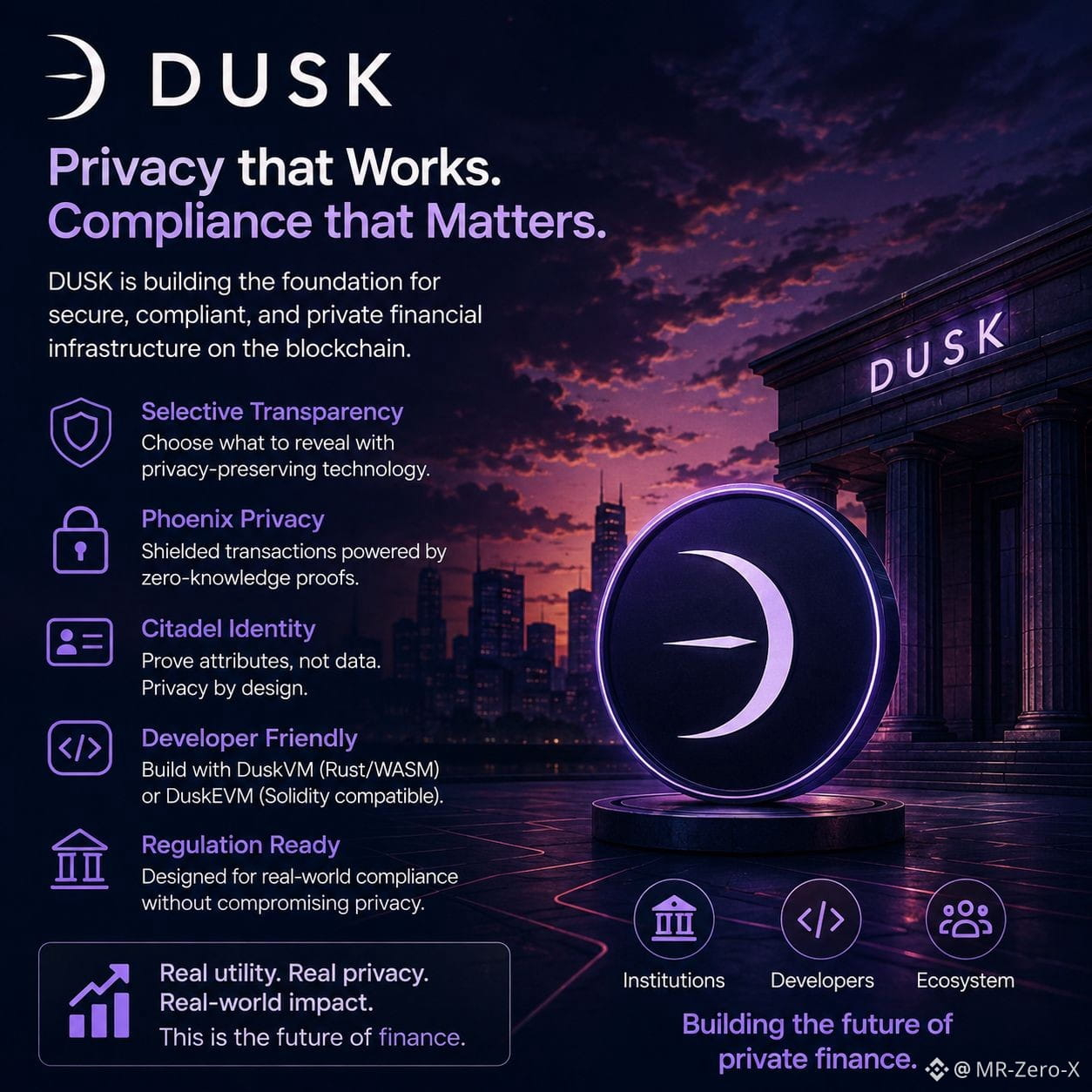
Instead of treating privacy as “hide everything,” DUSK separates different types of visibility. Its Moonlight model handles transparent transactions, while Phoenix uses zero-knowledge proofs to keep sensitive transaction details private while still proving validity.
That distinction feels important to me.
Financial markets aren’t completely public or completely private. Institutions may need confidentiality around certain information, while regulators or authorized participants still need reliable proof.
That’s where DUSK’s approach became more interesting for me.
I also looked into its identity layer, Citadel. What stood out is the idea of proving specific attributes without unnecessarily exposing the underlying information. To me, that feels much closer to how privacy could work in real-world financial systems.
Then there’s the developer side.
DUSK supports DuskVM for Rust/WASM applications while also providing DuskEVM compatibility for developers familiar with Solidity, Vyper, and EVM tooling.
I’m not taking any of this as a guarantee of success.
What I’m watching now is much more practical: can developers actually build useful financial applications around these privacy and compliance primitives?
That’s the part of DUSK I’m most curious to see unfold.
@Dusk_Foundation #DUSK $DUSK
#dusk $DUSK
What caught my attention about DUSK wasn’t another blockchain claiming to solve privacy.
It was a much simpler question: who actually needs to see what?
The more I explored DUSK, the more I liked this way of thinking.
Instead of treating privacy as “hide everything,” DUSK separates different types of visibility. Its Moonlight model handles transparent transactions, while Phoenix uses zero-knowledge proofs to keep sensitive transaction details private while still proving validity.
That distinction feels important to me.
Financial markets aren’t completely public or completely private. Institutions may need confidentiality around certain information, while regulators or authorized participants still need reliable proof.
That’s where DUSK’s approach became more interesting for me.
I also looked into its identity layer, Citadel. What stood out is the idea of proving specific attributes without unnecessarily exposing the underlying information. To me, that feels much closer to how privacy could work in real-world financial systems.
Then there’s the developer side.
DUSK supports DuskVM for Rust/WASM applications while also providing DuskEVM compatibility for developers familiar with Solidity, Vyper, and EVM tooling.
I’m not taking any of this as a guarantee of success.
What I’m watching now is much more practical: can developers actually build useful financial applications around these privacy and compliance primitives?
That’s the part of DUSK I’m most curious to see unfold.
@Dusk #DUSK $DUSK
1
1
273
·
--
翻訳参照
#dusk $DUSK
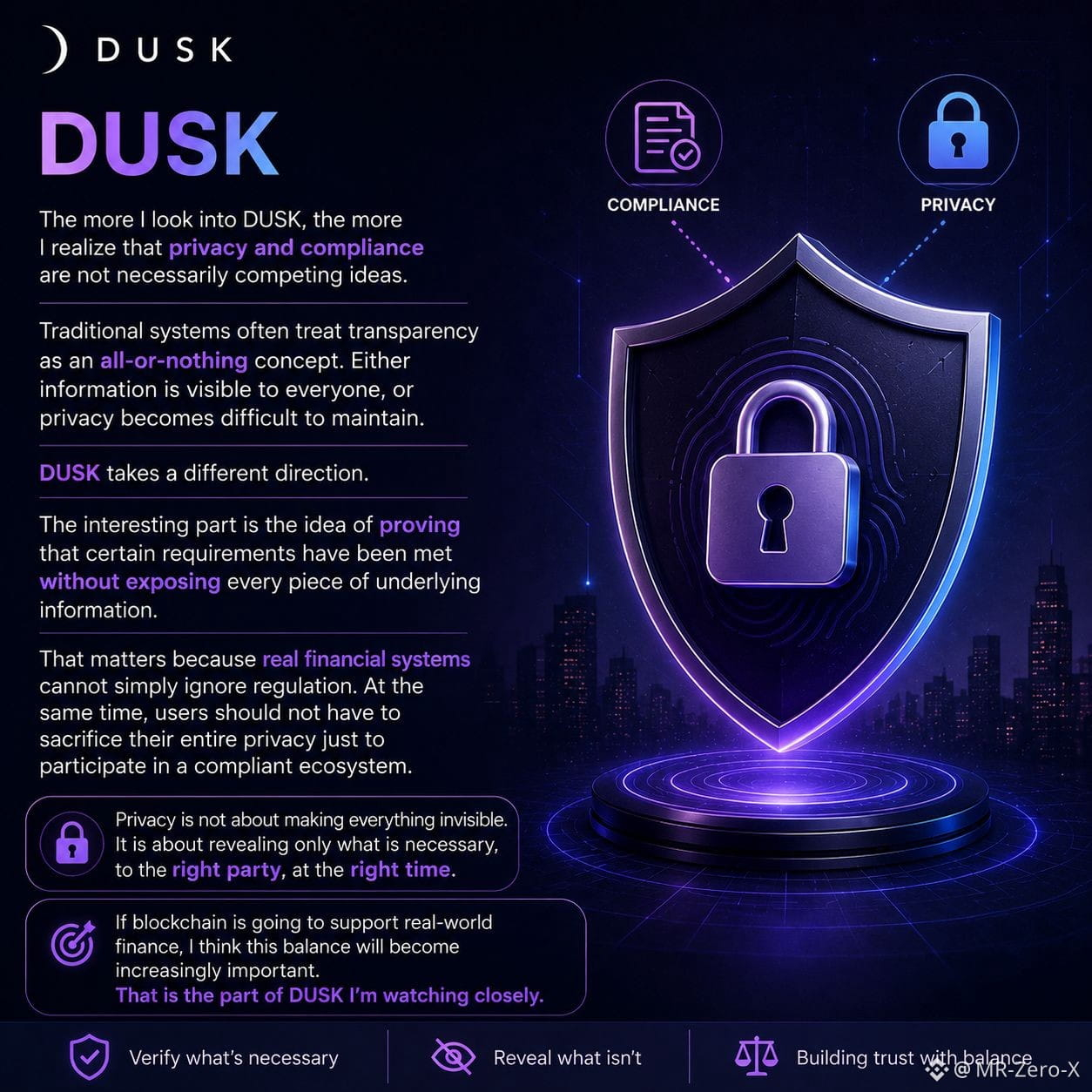
@Dusk_Foundation The more I look into DUSK, the more I realize that privacy and compliance are not necessarily competing ideas.
Traditional systems often treat transparency as an all-or-nothing concept. Either information is visible to everyone, or privacy becomes difficult to maintain.
$DUSK takes a different direction.
The interesting part is the idea of proving that certain requirements have been met without exposing every piece of underlying information.
That matters because real financial systems cannot simply ignore regulation. At the same time, users should not have to sacrifice their entire privacy just to participate in a compliant ecosystem.
For me, this is where the conversation becomes more practical.
Privacy is not about making everything invisible.
It is about revealing only what is necessary, to the right party, at the right time.
If blockchain is going to support real-world finance, I think this balance will become increasingly important.
That is the part of DUSK I’m watching closely.
#DUSK $DUSK
#dusk $DUSK
@Dusk The more I look into DUSK, the more I realize that privacy and compliance are not necessarily competing ideas.
Traditional systems often treat transparency as an all-or-nothing concept. Either information is visible to everyone, or privacy becomes difficult to maintain.
$DUSK takes a different direction.
The interesting part is the idea of proving that certain requirements have been met without exposing every piece of underlying information.
That matters because real financial systems cannot simply ignore regulation. At the same time, users should not have to sacrifice their entire privacy just to participate in a compliant ecosystem.
For me, this is where the conversation becomes more practical.
Privacy is not about making everything invisible.
It is about revealing only what is necessary, to the right party, at the right time.
If blockchain is going to support real-world finance, I think this balance will become increasingly important.
That is the part of DUSK I’m watching closely.
#DUSK $DUSK
178
·
--
翻訳参照
@Dusk_Foundation $DUSK
I’ve been looking at Dusk from a simple question:
Can blockchain infrastructure give institutions privacy without sacrificing compliance?
That’s where Dusk gets interesting to me.
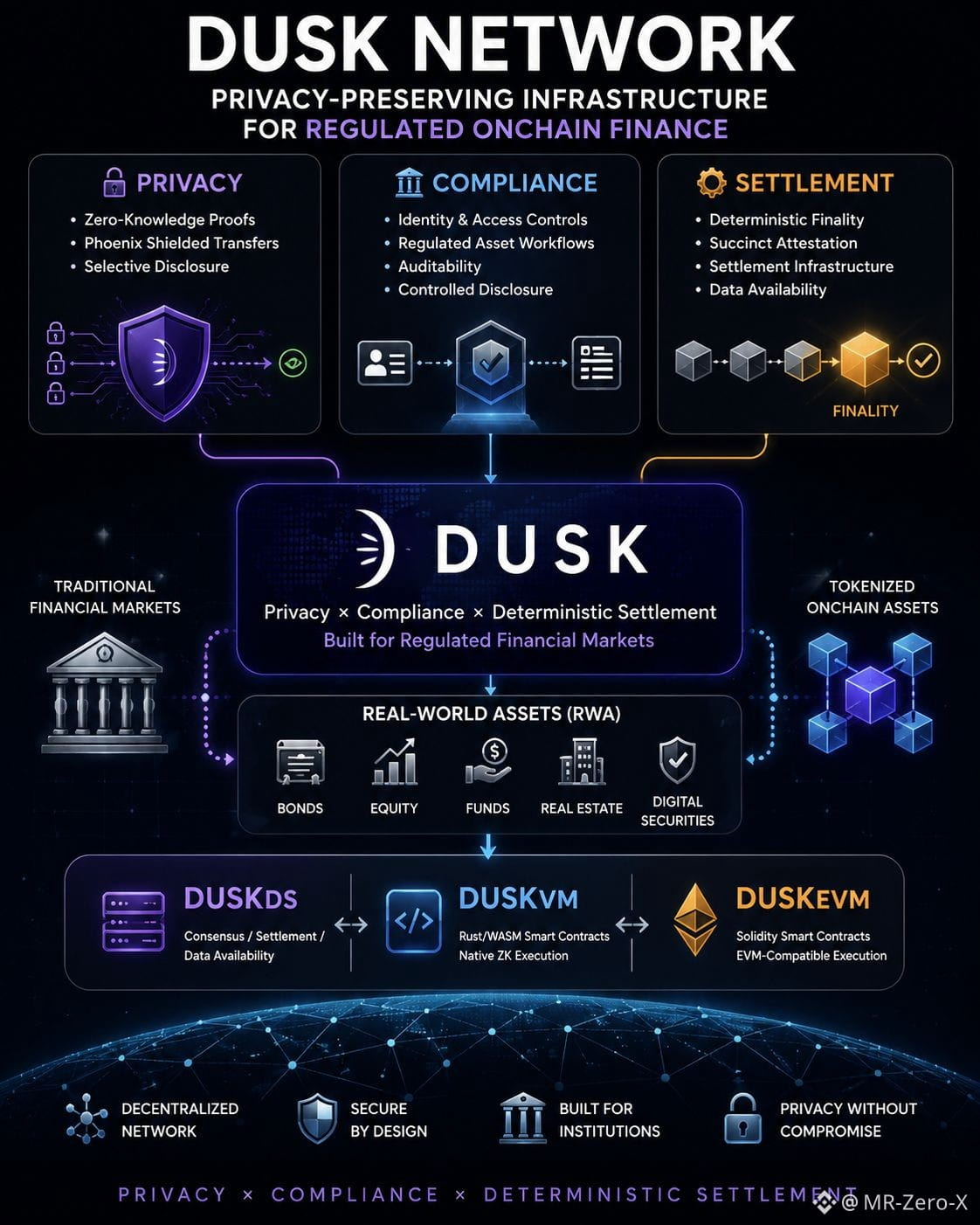
🔐 PRIVACY
• Zero-knowledge technology
• Shielded transactions
• Selective disclosure
🏛️ COMPLIANCE
• Identity & access controls
• Regulated asset workflows
• Privacy with verifiability
⚙️ SETTLEMENT
• Deterministic finality
• Succinct Attestation consensus
• Infrastructure designed for financial applications
🌍 RWA
The bigger idea isn’t simply putting real-world assets on a blockchain.
It’s building the rails for issuance, ownership, transfer and settlement while keeping privacy and regulatory requirements in the picture.
That’s the part I’ll be watching closely.
👇 Do you think privacy + compliance can become the missing piece for institutional blockchain adoption?
#Dusk #RWA #Privacy #Layer1 #BinanceSquare
@Dusk $DUSK
I’ve been looking at Dusk from a simple question:
Can blockchain infrastructure give institutions privacy without sacrificing compliance?
That’s where Dusk gets interesting to me.
🔐 PRIVACY
• Zero-knowledge technology
• Shielded transactions
• Selective disclosure
🏛️ COMPLIANCE
• Identity & access controls
• Regulated asset workflows
• Privacy with verifiability
⚙️ SETTLEMENT
• Deterministic finality
• Succinct Attestation consensus
• Infrastructure designed for financial applications
🌍 RWA
The bigger idea isn’t simply putting real-world assets on a blockchain.
It’s building the rails for issuance, ownership, transfer and settlement while keeping privacy and regulatory requirements in the picture.
That’s the part I’ll be watching closely.
👇 Do you think privacy + compliance can become the missing piece for institutional blockchain adoption?
#Dusk #RWA #Privacy #Layer1 #BinanceSquare
1
154
·
--
翻訳参照
#baby $BABY
@Babylon One thing I've noticed while following Bitcoin staking is that attracting capital is only the first milestone.
The harder challenge is keeping that capital active for the long term.
That's one reason I'm watching the Babylon ecosystem and $BABY closely.
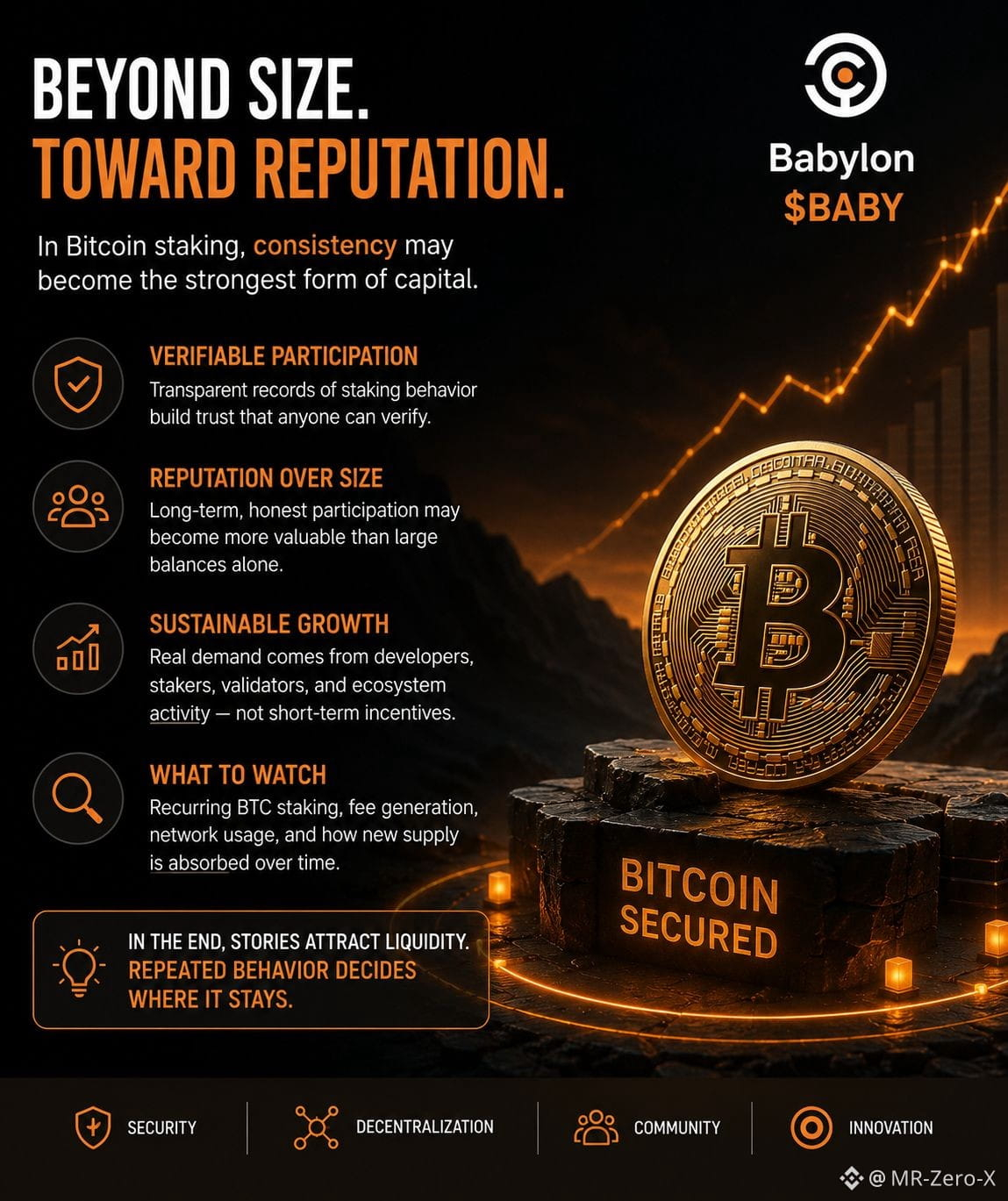
If Bitcoin staking continues to secure multiple networks, participants will build an on-chain history that anyone can verify. Over time, that history could become a valuable signal of reliability.
A validator that consistently performs well through different market conditions may contribute more to network confidence than one that simply appears with a large stake for a short period.
Of course, this only works if the network keeps creating real demand.
Developers need useful infrastructure.
Stakers need sustainable rewards.
Validators need enough economic activity to justify staying online.
For me, the most important metrics aren't daily hype or price movements. I'm watching recurring BTC staking, validator participation, ecosystem growth, fee generation, and whether network activity continues to strengthen after the initial excitement fades.
Strong narratives attract attention.
Long-term utility is what usually determines whether an ecosystem keeps growing.
What do you think will matter more for Babylon over the next few years: more BTC stakers or more real applications built on top of the network? 👇
#Babylon #baby #bitcoin #BTC
{spot}(BTCUSDT)
{future}(SOLUSDT)
{spot}(BABYUSDT)
#baby $BABY
@Babylon One thing I've noticed while following Bitcoin staking is that attracting capital is only the first milestone.
The harder challenge is keeping that capital active for the long term.
That's one reason I'm watching the Babylon ecosystem and $BABY closely.
If Bitcoin staking continues to secure multiple networks, participants will build an on-chain history that anyone can verify. Over time, that history could become a valuable signal of reliability.
A validator that consistently performs well through different market conditions may contribute more to network confidence than one that simply appears with a large stake for a short period.
Of course, this only works if the network keeps creating real demand.
Developers need useful infrastructure.
Stakers need sustainable rewards.
Validators need enough economic activity to justify staying online.
For me, the most important metrics aren't daily hype or price movements. I'm watching recurring BTC staking, validator participation, ecosystem growth, fee generation, and whether network activity continues to strengthen after the initial excitement fades.
Strong narratives attract attention.
Long-term utility is what usually determines whether an ecosystem keeps growing.
What do you think will matter more for Babylon over the next few years: more BTC stakers or more real applications built on top of the network? 👇
#Babylon #baby #bitcoin #BTC
110
·
--
本人確認中
$OPG @OpenGradient
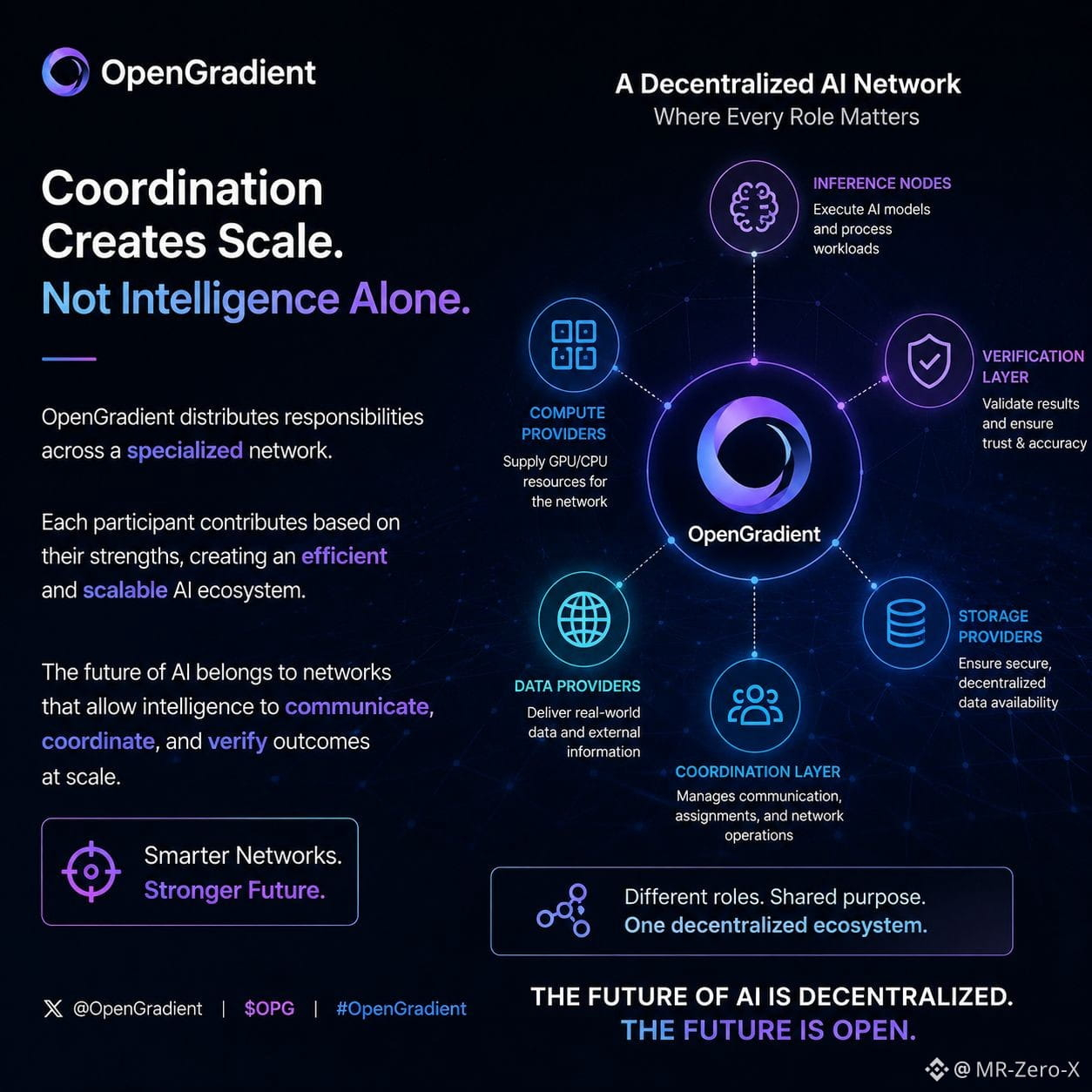
OpenGradientのことを考えれば考えるほど、連携はネットワーク内のすべての参加者が明確な役割を持っているときにのみ成立するのだと実感しています。
私の目に留まるアーキテクチャの特徴のひとつは、すべてのノードに同じ作業を強いるのではなく、責務がどう分散されているかです。
AIワークロードは、ほとんどの場合均一ではありません。大量の計算を要する処理もあれば、検証に重点を置くもの、データアクセス、あるいはストレージに関わるものもあります。
OpenGradientは、この課題に対して、機能を専門性を持つ参加者に分けることで対応します。
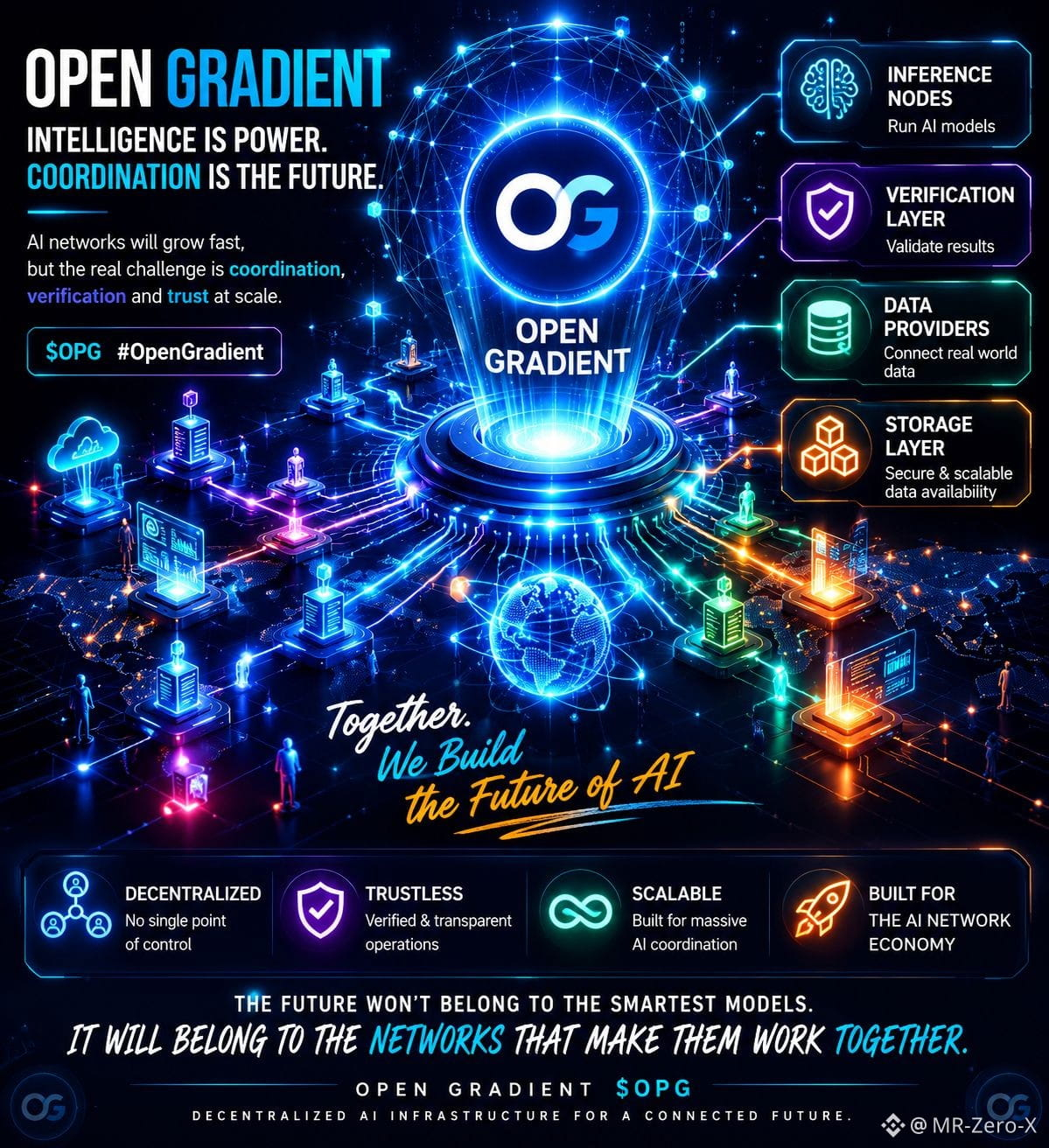
推論ノードはAIモデルを実行し、検証レイヤーは結果の妥当性を確認し、データ提供者は外部情報をつなぎ、ストレージ基盤は長期的なデータの利用可能性を管理します。
私が特に惹かれるのは、この仕組みが生み出す効率です。すべての参加者が何でもやるネットワークを作るのではなく、それぞれのコンポーネントが持ち味に応じて貢献する“生態系”のようにシステムが設計されているからです。
AIネットワークが成長し続けるにつれて、スケーラビリティは生の計算能力よりも、システム全体でリソースがどれだけ効果的に連携・調整されるかに左右される可能性があります。
連携、検証、リソース配分を解決するプロジェクトは、モデルそのものと同じくらい重要になっていくかもしれません。
それが、OpenGradientが引き続き私の注意を惹きつける理由の一つです。
@OpenGradient $OPG #OpenGradient
#opg
4
4
338
·
--
@OpenGradient
OpenGradientについて読むほど、AIはやがて「モデルの知能」を超えた課題に直面するかもしれないと実感するようになりました。
知的なシステムを構築することは一つのことです。
しかし、知能を大規模に連携させることは、まったく別の問題です。
$OPG
多くの会話は、いまだにモデルの能力、推論の質、推論速度にばかり焦点を当てています。これらの改善は重要です。それでも私は、もし大量のAIシステムが相互にやり取りし、外部リソースにアクセスし、分散した環境の中で意思決定を行う必要が生じたとき、何が起こるのだろうと考え続けています。
彼らはどのように連携するのでしょうか?
彼らはどのように情報を検証するのでしょうか?
単一の中央集権的な権威に頼らずに、どう動くのでしょうか?
ここで、私にとってOpenGradientが興味深くなります。
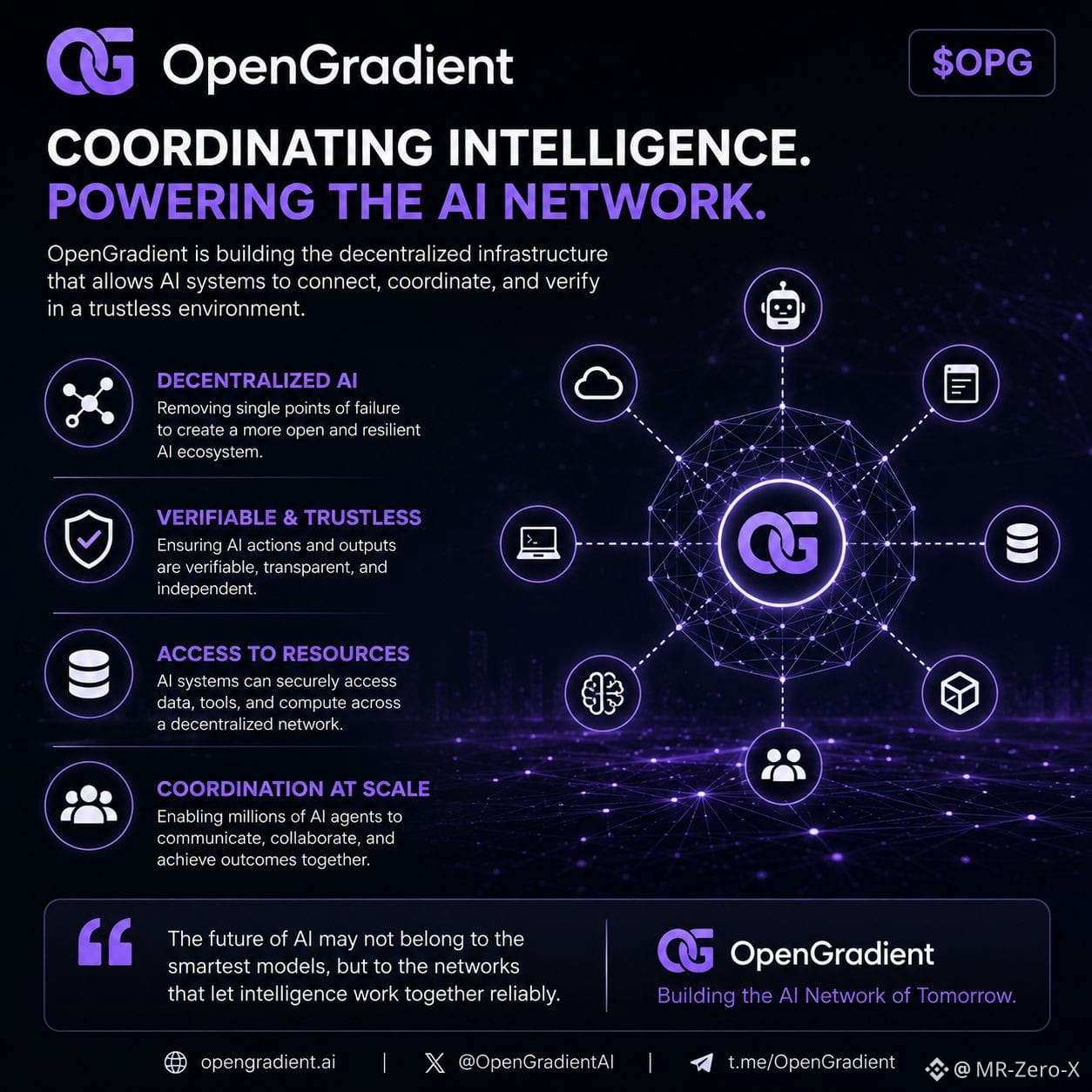
このプロジェクトは、個々のAIモデルから、知能がより広いネットワークの一部として機能することを可能にするインフラへと注目を移します。
分散型AIを探るほど、将来はより賢いモデルだけでなく、大規模な連携、透明性、検証を支える仕組みにも依存するのではないかと思えてきました。
AIの次の段階は、単一のブレークスルーによって定義されないかもしれません。
それは、知能が信頼性をもって共に働けるようにするネットワークによって定義されるのかもしれません。
それが、OpenGradientが私の注目リストに残り続けている理由の一つです。
@OpenGradient
$OPG #OpenGradient #OPG
@OpenGradient
OpenGradientについて読むほど、AIはやがて「モデルの知能」を超えた課題に直面するかもしれないと実感するようになりました。
知的なシステムを構築することは一つのことです。
しかし、知能を大規模に連携させることは、まったく別の問題です。
$OPG
多くの会話は、いまだにモデルの能力、推論の質、推論速度にばかり焦点を当てています。これらの改善は重要です。それでも私は、もし大量のAIシステムが相互にやり取りし、外部リソースにアクセスし、分散した環境の中で意思決定を行う必要が生じたとき、何が起こるのだろうと考え続けています。
彼らはどのように連携するのでしょうか?
彼らはどのように情報を検証するのでしょうか?
単一の中央集権的な権威に頼らずに、どう動くのでしょうか?
ここで、私にとってOpenGradientが興味深くなります。
このプロジェクトは、個々のAIモデルから、知能がより広いネットワークの一部として機能することを可能にするインフラへと注目を移します。
分散型AIを探るほど、将来はより賢いモデルだけでなく、大規模な連携、透明性、検証を支える仕組みにも依存するのではないかと思えてきました。
AIの次の段階は、単一のブレークスルーによって定義されないかもしれません。
それは、知能が信頼性をもって共に働けるようにするネットワークによって定義されるのかもしれません。
それが、OpenGradientが私の注目リストに残り続けている理由の一つです。
@OpenGradient
$OPG #OpenGradient #OPG
22
11
276
·
--
OpenGradientについて読み進めるほど、AIもいずれ、これまで多くのネットワークが直面してきたのと同じ課題に直面するかもしれないと実感します。
知能を作ることは一つのことです。
しかし、知能を調整することはまったく別のことです。
$OPG
多くの議論は依然としてモデルや能力に焦点を当てています。より優れた推論、より大きなコンテキストウィンドウ、より高速な推論。これらの改善は重要ですが、私は、何千、あるいは何百万ものAIシステムが互いに、そして外部のリソースと連携する必要が出てきたとき、何が起こるのだろうと考え続けています。
彼らはどうやって連携するのでしょうか?
彼らはどうやってデータにアクセスするのでしょうか?
彼らはどうやって行動を検証するのでしょうか?
彼らは、単一の中央集権的な統制ポイントに頼らずに、どう運用するのでしょうか?
ここでOpenGradientが私にとって面白い存在になります。
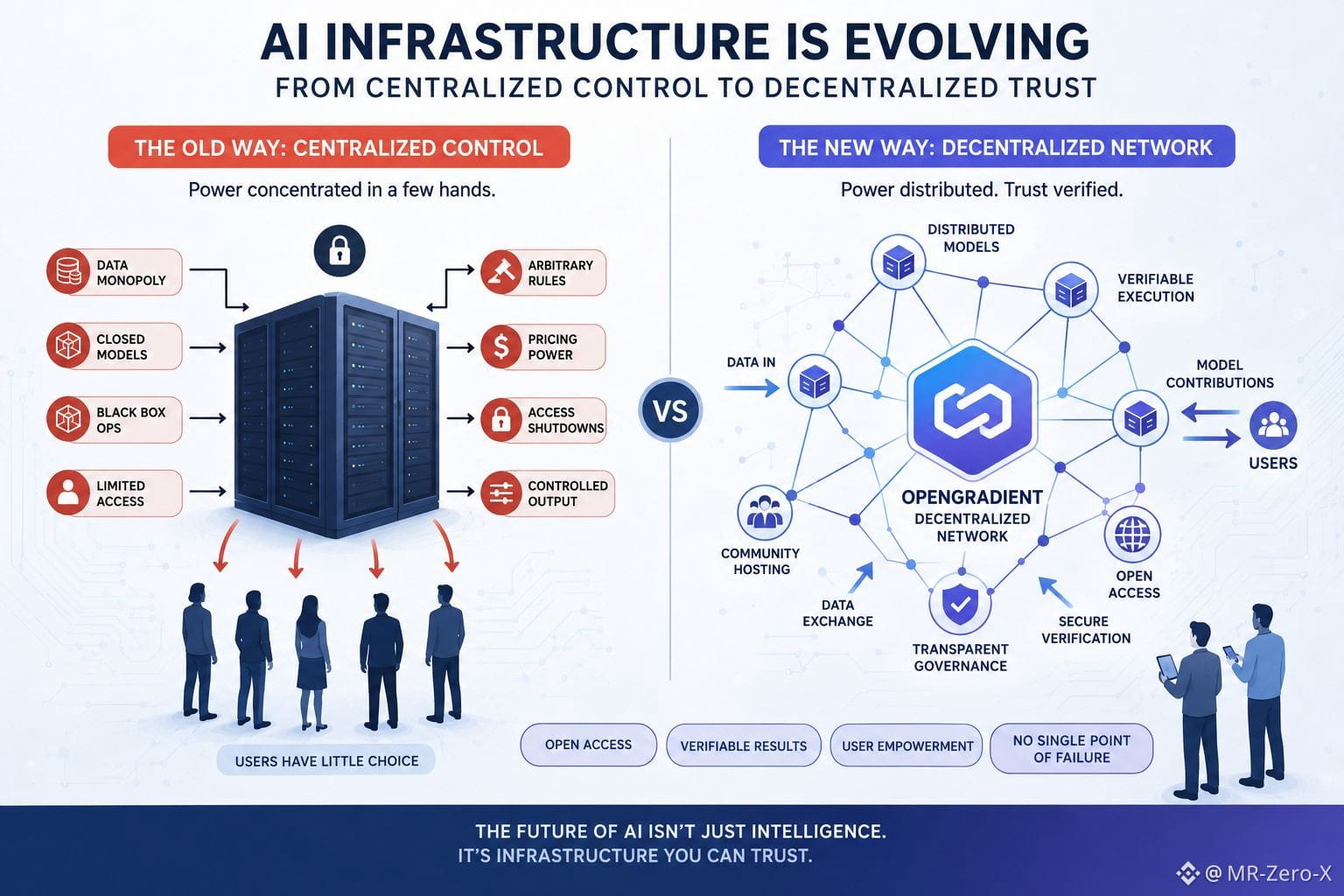
このプロジェクトは、個々のAIモデルのことを考えるよりも、知能がより大きなネットワークの一部として機能するためのインフラに思いを向けさせてくれます。
分散型AIを学べば学ぶほど、知能それ自体が最終目的地ではないように感じます。
本当の課題は、知能が大規模にコミュニケーションし、調整し、結果を検証できるシステムを作ることかもしれません。
私はまだアーキテクチャを探っており、部品同士がどう噛み合うのかを学んでいますが、ある考えがずっと際立って残っています。
AIの未来は、最も賢いモデルだけのものではないかもしれません。
それは、知能が信頼性をもって一緒に働けるようにするネットワークのものかもしれません。
それが、OpenGradientが私の注目リストから外れない理由の一つです。
@OpenGradient $OPG #OpenGradient #OPG
11
6
101
·
--
#opg $OPG @OpenGradient
OpenGradientを深掘りすればするほど、あまり語られない何かについて考え込んでしまうようになりました。
AIをめぐる会話の多くは、まず「モデル」から始まるように見えます。
より賢いモデル。
より速いモデル。
より大きなモデル。
でも私は、別の問いに立ち返ってしまうのです。
モデルが答えを生成したあと、何が起きるのでしょう?
その情報はどこから来るのでしょう?
どうすれば検証できるのでしょう?
システムは、それを取り巻くリソースとどのようにやり取りするのでしょう?
私がOpenGradientに注目し続けている理由は、AIの“上に出てくる出力”ではなく、その下にある層について考えることを促してくれるからです。
知性だけから長期的な価値が生まれるとは思いません。
アクセス、連携、そして検証が、同じくらい、いやもしかするとそれ以上に重要になるはずです。
私はまだ学びながらピースをつなげている最中ですが、ひとつだけ、ますますはっきりしてきたことがあります。
AIの未来は、単一の画期的なモデルによって定義されるとは限りません。
それは、知性が信頼でき、検証可能な形で機能できるようにするインフラによって形作られていくのかもしれません。
私は今、その部分を最も注意深く見ています。
#OpenGradient $OPG @OpenGradient
45
22
490
·
--
本人確認中
#opg $OPG @OpenGradient
私はAIプロジェクトの勉強に多くの時間を費やしてきましたが、ひとつのことが強く印象に残っています。多くの会話は「知能」に焦点を当てています。誰もが、より賢いモデル、より速い応答、より大きな能力を求めています。しかし、AIが現実世界のシステムに組み込まれていくにつれて、私はもうひとつの要素が同じくらい重要になると考えています。それが「信頼」です。
この点で、OpenGradient Networkが私の関心を引きました。
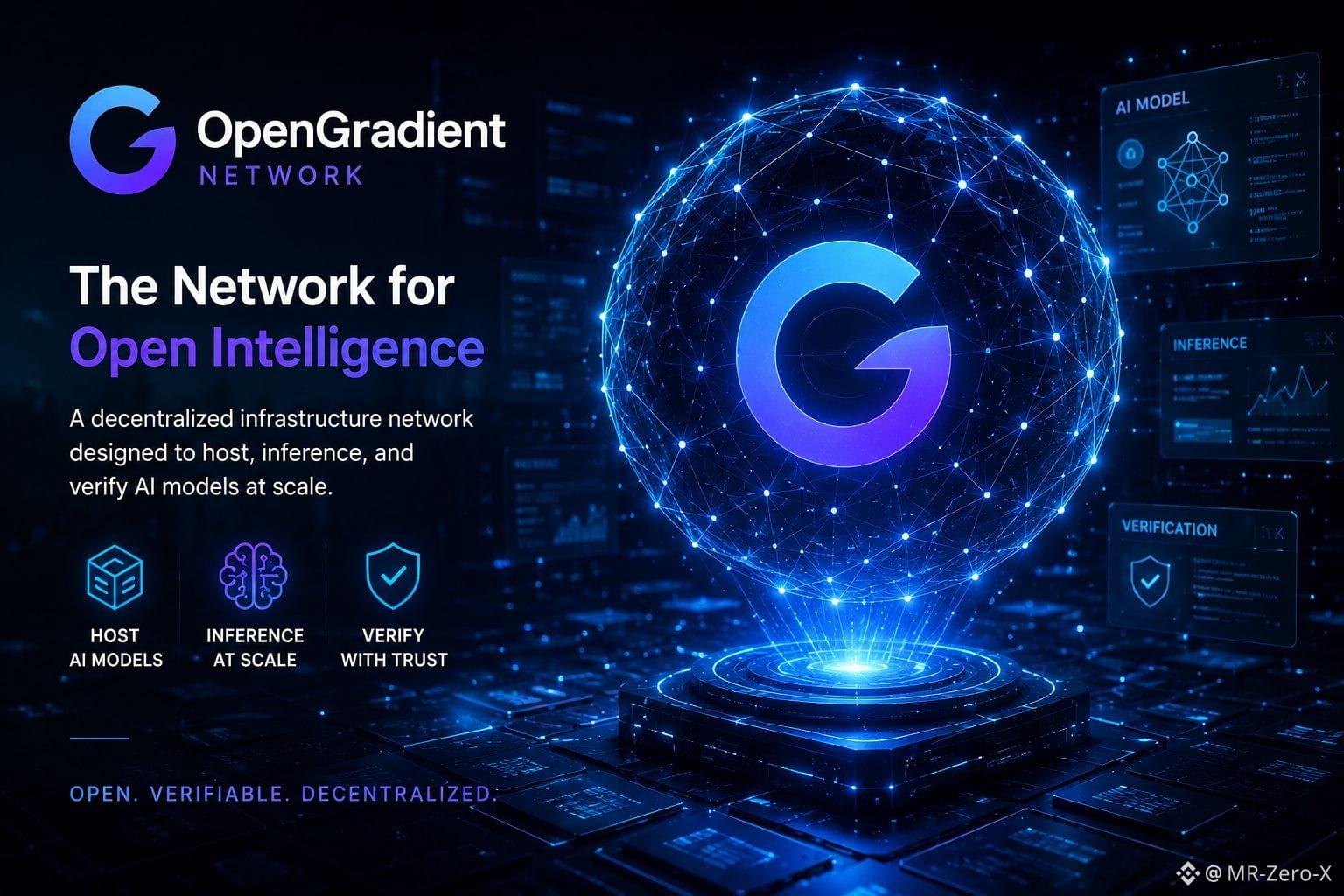
AIインフラを見るとき、私は「モデルが何ができるか」だけでなく、その出力を検証できるのかも問いかけます。OpenGradientは、AIモデルを大規模にホストし、推論を実行し、その結果を検証するための分散型ネットワークを構築しています。この重点の置き方は、AIの導入が進むほどますます重要性を増しているように感じます。
多くのAIシステムは、ユーザーが自分の受け取った結果を単に信じることに依存しています。これはある程度までは機能しますが、長期的な導入には、より高い透明性と説明責任が必要になるかもしれません。検証は、オプション機能ではなく、AIインフラの重要な構成要素になっていく可能性があります。
私はこれを「解決済みの課題」として扱っていません。スケーラビリティ、効率、そして導入は、あらゆる分散型AIネットワークにとって依然として重要な課題です。しかし、私はこの方向性には注目する価値があると思っています。
AIの未来は、知能だけに依存するかもしれません。知能が検証され、信頼できるかどうかにも左右されるでしょう。そのため、OpenGradient Networkは私が追い続けたい興味深いプロジェクトです。
@OpenGradient $OPG #OpenGradient
9
6
291
·
--
#opg $OPG @OpenGradient
私は、ほとんどのAI会話が同じ前提から始まっていることに、ますます気づくようになりました。
知性は希少な資源である。
分散型AIシステムを学ぶ時間を重ねるうちに、その前提は間違っているのかもしれないと思い始めています。
モデルは四半期ごとに、より安く、より速く、そしてより利用しやすくなっています。残り続けているのは、あまり議論されない別の何かです。それは検証です。
その考えは、OpenGradientのアーキテクチャを調べている間、何度もよみがえりました。多くのAIシステムは、計算がどのように行われたのか、データがどこから来たのか、あるいは実行が主張どおりに起きたのかを確認せずに、ユーザーに出力を信じるよう求めます。システムは、意思決定が現実の経済的な結果を伴い始めるまでは機能します。
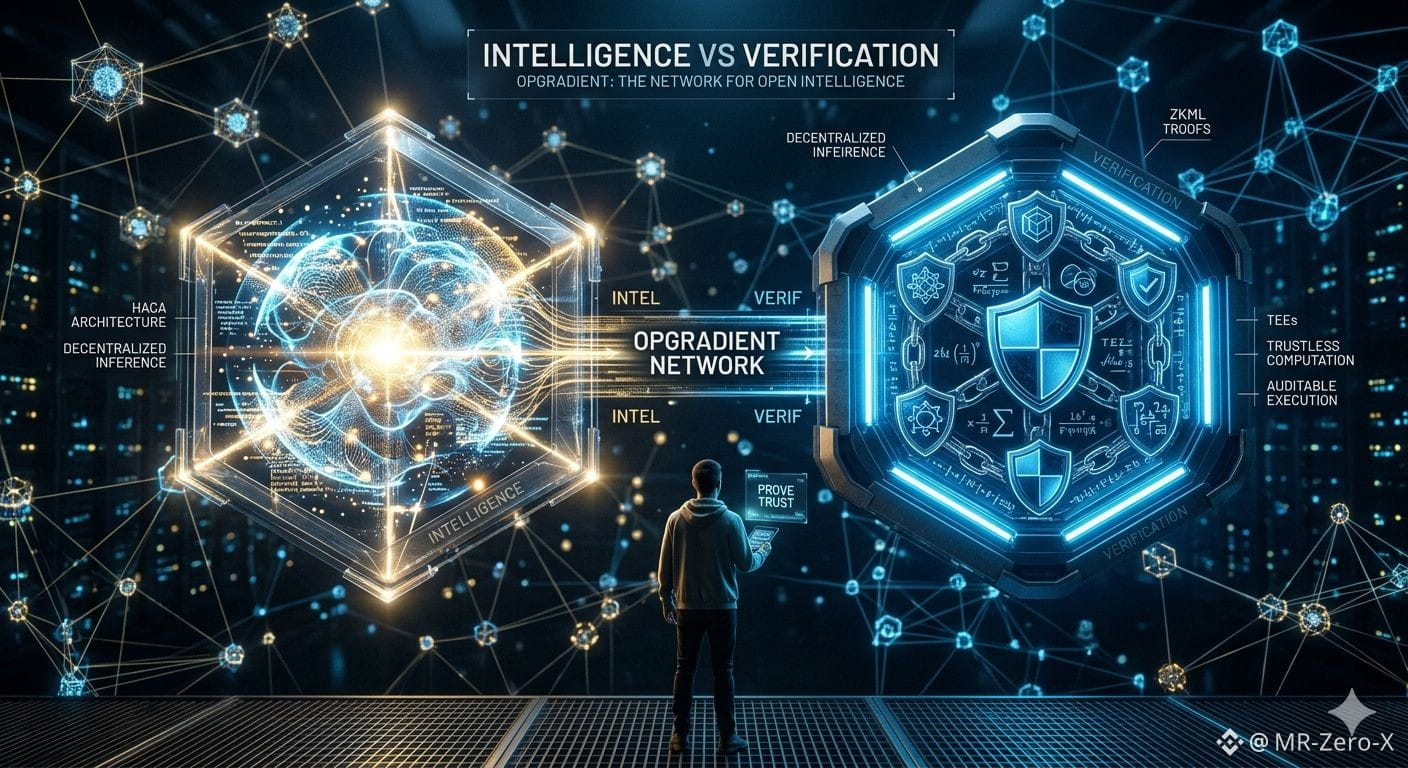
私は、AIをシンプルな枠組みで捉えるようになってきました。知性 vs 検証 です。
知性は答えを生み出します。検証は確信を生み出します。
OpenGradientが興味深いのは、より賢いモデルを作ろうとする点ではありません。Trusted Execution Environments、zkML、データの来歴(provenance)、プライバシーを保護する計算といった仕組みを探り、それらによって、すべての内部をさらさずにAIの実行を監査可能にしようとしている点です。
隠れた強みは、連携(コーディネーション)かもしれません。検証は、互いを知らない、あるいは互いを信用しない当事者の間に共通の参照点を作ります。
未解決の課題も同様に重要です。証明システムはコスト、複雑さ、遅延を追加します。検証があまりに高価になった場合、ユーザーはそれでも検証を求めるでしょうか?
AIが拡大するにつれて、どちらがより価値を持つようになるのでしょうか。答えを生成するモデル、それとも、答えが信頼できることを証明するネットワークですか?
$OPG #trades @OpenGradient
2
217
·
--
本人確認中
#opg $OPG @OpenGradient
今、暗号資産における最大級の間違いのひとつは、「可視性」を「価値」と混同してしまうことだと思います。
プロジェクトは注目を集めるために何ヶ月も費やしますが、注目だけでは持続性は生まれません。
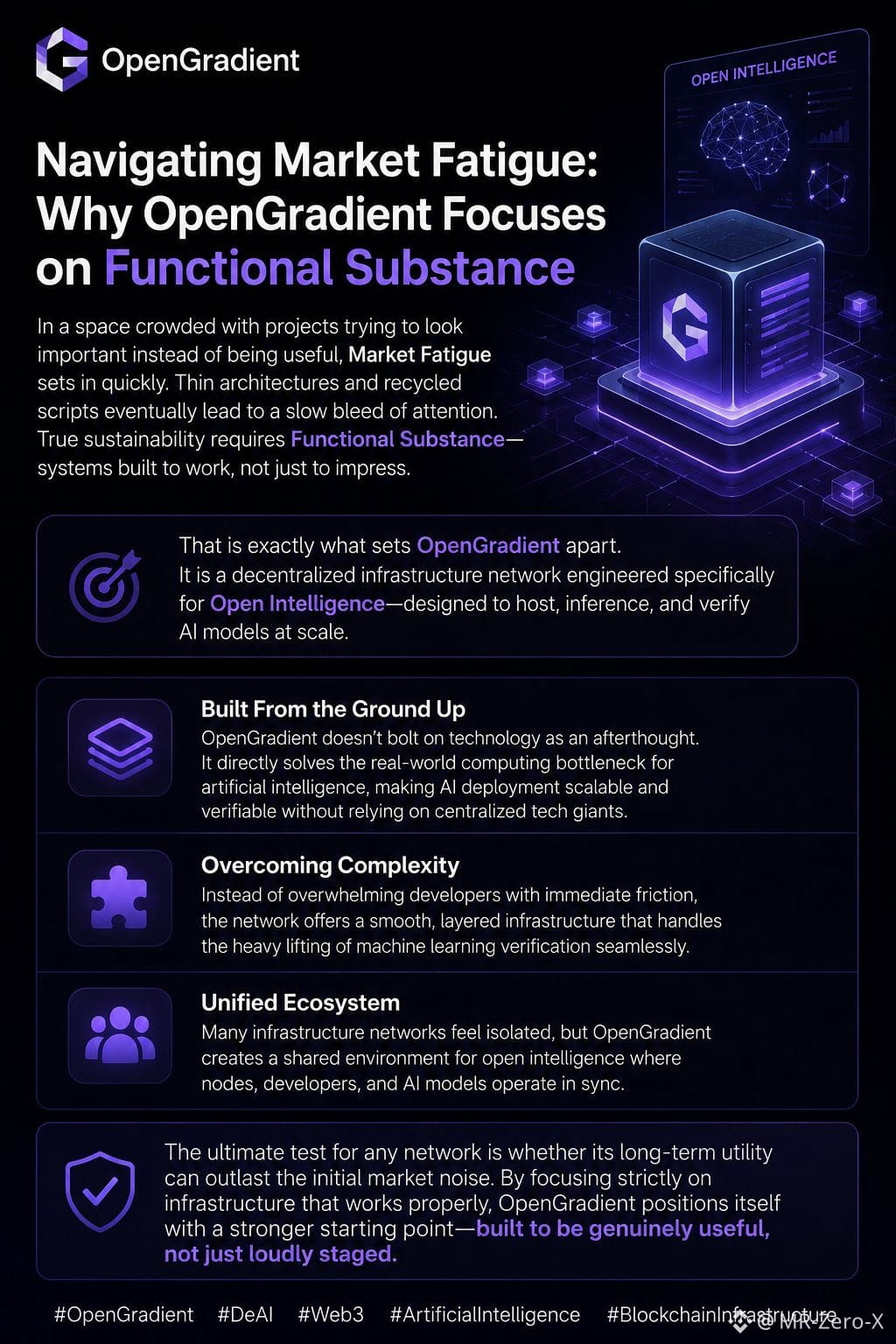
だからこそ、OpenGradientが私の目を引きました。多くのネットワークがナラティブに注目する一方で、OpenGradientはインフラに注目しています。重要そうに見せることが目的ではありません。AIのデプロイ、推論、検証を、実際にスケールできる形で動かすことが目的です。
$OPG
私が特に注目しているのは、このネットワークが現実のボトルネックに取り組んでいる点です。中央集権的なプロバイダーに頼るのではなく、分散型インフラを通じてオープンな知性が機能できる環境を作っています。
市場の熱は次第に冷め、脆い基盤が露呈します。熱狂は消えますが、ユーティリティは残ります。だから私は、「一時的な興奮」を作るプロジェクトよりも、「機能する実体」を築くネットワークにより関心があります。
#OpenGradient #DeAI #Web3 #ArtificialIntelligence
5
3
310
·
--
本人確認中
#opg $OPG
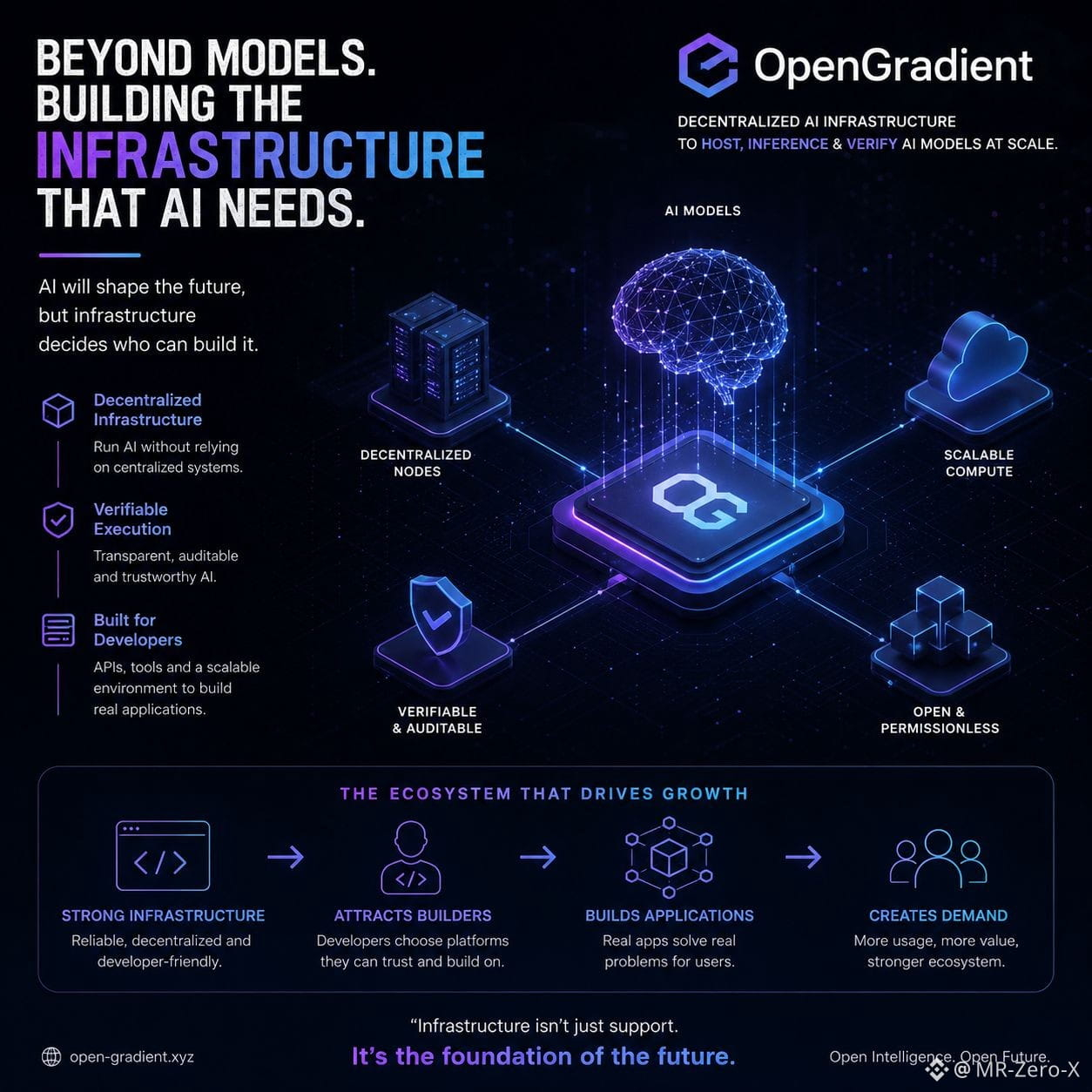
多くの人はAIモデルに注目します。
私は、その下にあるインフラのほうにより注意を払っています。
なぜなら、優れた技術は能力だけで勝つことはめったにないからです。
それが勝つのは、開発者が実際に使えるときです。
それが、OpenGradientに惹かれる理由の一つです。
多くのAIプロジェクトが分散化について語りますが、開発者のためにAIのデプロイを実用にすることに焦点を当てるものはほとんどありません。使えるインフラがなければ、たとえ最高のアイデアでもデモの域を超えるのが難しくなります。
私が興味深いのは、OpenGradientが、中央集権的なシステムに全面的に依存するのではなく、分散型インフラを通じてAIモデルをホストし、実行し、検証できる環境を作ろうとしている点です。
本当の試金石は、技術そのものではありません。
開発者がそれを使って構築するかどうかです。
強いインフラは開発者を惹きつけます。
開発者がアプリケーションを作ります。
アプリケーションが需要を生みます。
このサイクルが、アイデアをエコシステムへと変えるのです。
当面、OpenGradientで私が最も注目しているのは、その指標です。
見出しではありません。
開発者の採用です。
#OpenGradient @OpenGradient $OPG
1
181
·
--
本人確認中
#opg $OPG
OpenGradient $OPG:
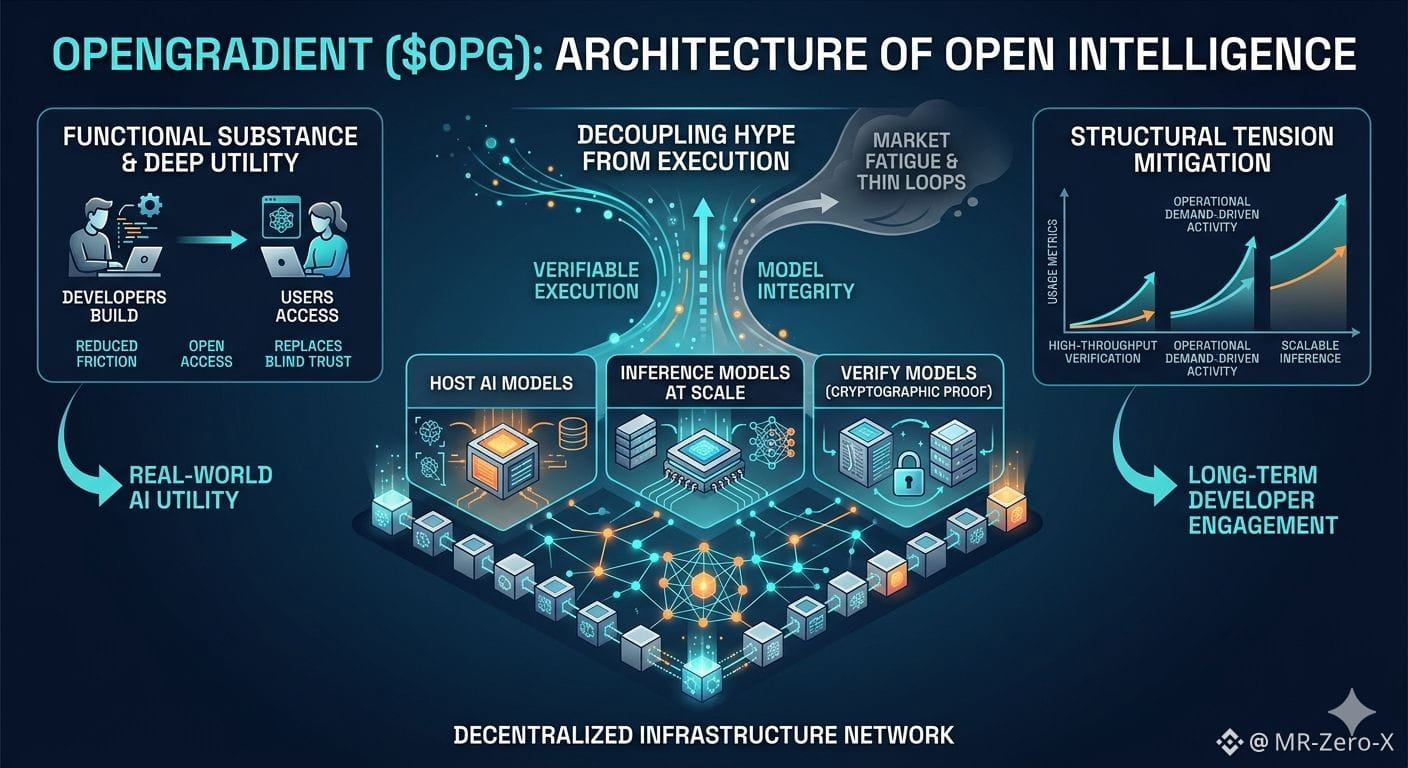
実行インテリジェンスからデカップリングされた誇大宣伝。
Web3インフラの状況は、深刻なマーケット疲労に見舞われています。私たちは、技術的な重要性を演じているネットワークに溢れています。トークン主導の売り込みは多いのに、機能的な実体は驚くほど薄いのです。多くの分散型AI(DeAI)プラットフォームの表面の下を覗くと、アーキテクチャが脆弱であることが分かります。中央集権的な信頼の前提に依存していたり、非効率な計算ループが、現実の需要のもとで崩壊してしまったりします。
OpenGradient($OPG)が際立つのは、この使い回された脚本を避けているからです。逆算で作られているわけではなく、ネットワークは実行レイヤーの中核で正常に機能することに徹しています。OpenGradientは、AIモデルをホスト、推論、検証するための分散型インフラネットワークとして設計されており、sca OpenGradientは、盲目的な信頼を暗号学的な確実性に置き換えます。開発者を、硬直した最適化されていない環境に押し込むのではなく、モデルの完全性が検証可能で、実行がシームレスに行えるハイブリッド計算アーキテクチャを導入します。
ここでマーケット疲労を防いでいるのは、純粋な有用性と構造的な持続可能性のバランスです。オープン・インテリジェンスを展開し、やり取りするために必要な摩擦を下げることで、$OPG ensuresは、ネットワーク活動が人工的なインセンティブ・ループではなく、真の運用需要によって動かされるようにします。それは、分散型AIが、仕立てられた実験ではなく、堅牢な産業用ツールのように感じられる環境を作ります。
あらゆるDeAIインフラにとっての本当の試練は、構造的な緊張感です。レイテンシが破裂することなく、ネットワークが高スループットの検証を維持できるのか。多くのプロジェクトは継続利用の中で破綻しますが、OpenGradientは、スケーラブルで検証可能な推論に注力しているため、長期的な開発者の関与を支える深い技術的基盤があります。ナラティブの飾りで必要以上に見せようとはしません。実行インテリジェンスに焦点を当てています。
@OpenGradient $OPG #OpenGradient
#opg $OPG
OpenGradient $OPG :
実行インテリジェンスからデカップリングされた誇大宣伝。
Web3インフラの状況は、深刻なマーケット疲労に見舞われています。私たちは、技術的な重要性を演じているネットワークに溢れています。トークン主導の売り込みは多いのに、機能的な実体は驚くほど薄いのです。多くの分散型AI(DeAI)プラットフォームの表面の下を覗くと、アーキテクチャが脆弱であることが分かります。中央集権的な信頼の前提に依存していたり、非効率な計算ループが、現実の需要のもとで崩壊してしまったりします。
OpenGradient($OPG )が際立つのは、この使い回された脚本を避けているからです。逆算で作られているわけではなく、ネットワークは実行レイヤーの中核で正常に機能することに徹しています。OpenGradientは、AIモデルをホスト、推論、検証するための分散型インフラネットワークとして設計されており、sca OpenGradientは、盲目的な信頼を暗号学的な確実性に置き換えます。開発者を、硬直した最適化されていない環境に押し込むのではなく、モデルの完全性が検証可能で、実行がシームレスに行えるハイブリッド計算アーキテクチャを導入します。
ここでマーケット疲労を防いでいるのは、純粋な有用性と構造的な持続可能性のバランスです。オープン・インテリジェンスを展開し、やり取りするために必要な摩擦を下げることで、$OPG ensuresは、ネットワーク活動が人工的なインセンティブ・ループではなく、真の運用需要によって動かされるようにします。それは、分散型AIが、仕立てられた実験ではなく、堅牢な産業用ツールのように感じられる環境を作ります。
あらゆるDeAIインフラにとっての本当の試練は、構造的な緊張感です。レイテンシが破裂することなく、ネットワークが高スループットの検証を維持できるのか。多くのプロジェクトは継続利用の中で破綻しますが、OpenGradientは、スケーラブルで検証可能な推論に注力しているため、長期的な開発者の関与を支える深い技術的基盤があります。ナラティブの飾りで必要以上に見せようとはしません。実行インテリジェンスに焦点を当てています。
@OpenGradient $OPG #OpenGradient
9
1
260
·
--
本人確認中
#opg $OPG "DeAI"という物語が、マーケティングゲームに留まるだけのものへと徐々に堕ちていくのを見てきました。
多くのプロジェクトが分散型AIを謳っていますが、実際の推論は依然として中央集権的なWeb2のAPIを経由して実行されます。トークンを追加して、盛り上げて、繰り返す。
@OpenGradient が私の関心を引いたのは、本質的な課題――つまり計算(compute)を正面から攻めているからです。
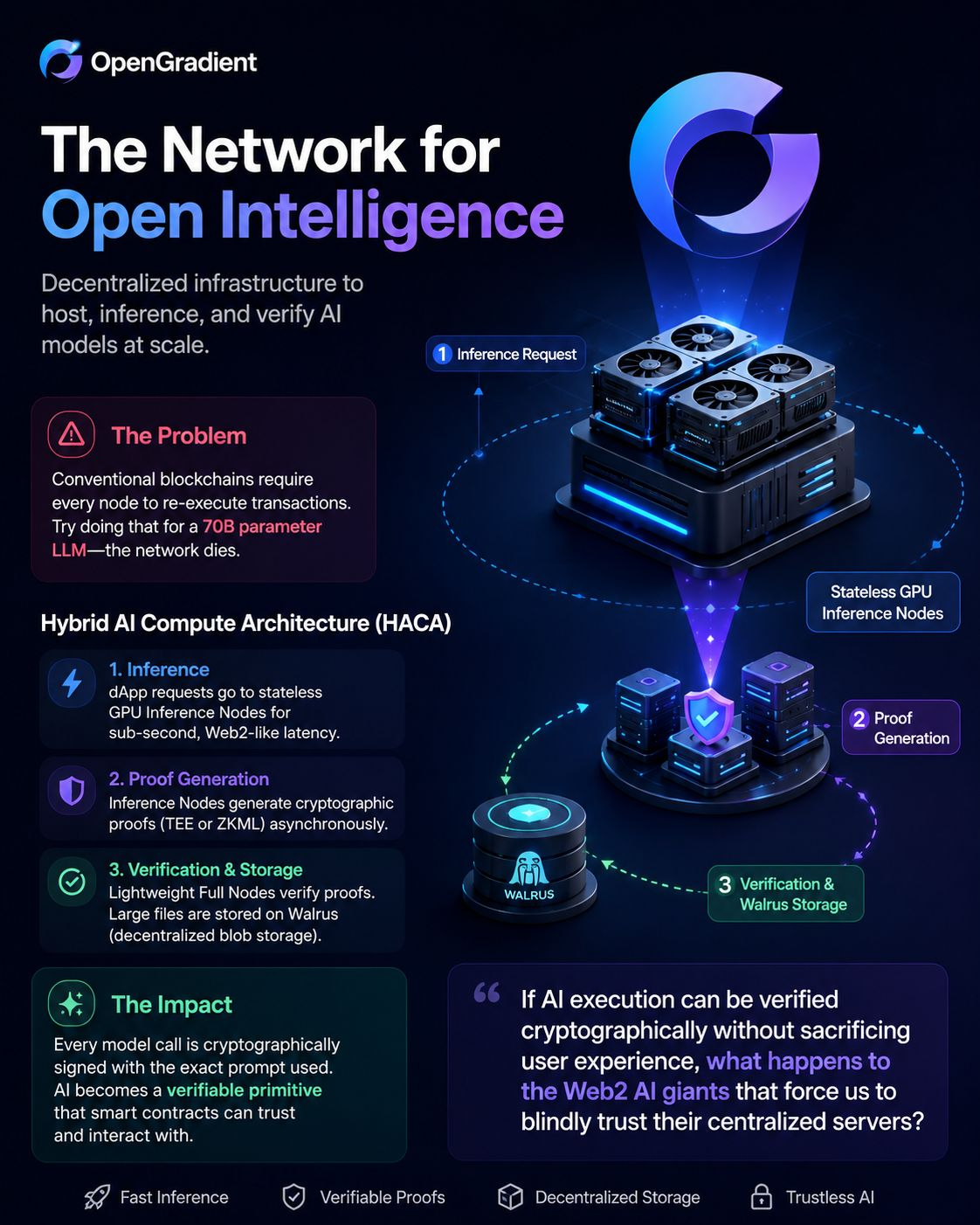
従来のブロックチェーンでは、すべてのノードがトランザクションを再実行する必要があります。しかし、そのモデルは、大規模なAIシステムを扱うと完全に破綻します。70Bパラメータ級のLLMを、すべてのバリデータで性能を損なわずに動かしている人などいません。
彼らのHybrid AI Compute Architecture(HACA)は、別のアプローチを取ります。
推論リクエストはステートレスなGPU Inference Nodesによって直接処理され、Web2レベルに近い低遅延を実現します。一方で、暗号学的な証明(TEEまたはZKML)は非同期に生成され、軽量なFull Nodesによって検証されます。大きな成果物はWalrusによって保存されます。
その結果――
AIの出力が検証可能になります。
各モデル呼び出しは、使用された正確なプロンプトと実行環境に対して暗号学的に紐づけられます。ブラックボックスのオラクルに意思決定や資産移動を任せて信じるのではなく、スマートコントラクトがAIの挙動を検証する手段を得るのです。
これは、自律エージェントやオンチェーンAIアプリケーションにとって大きな転換です。
持続的な同時需要の下でネットワークがどれほど性能を発揮するのかは引き続き気になりますが、アーキテクチャは物語性よりも実用性に焦点を当てているように見えます。
より大きな問いはこれです:
もし、ユーザー体験を犠牲にせずにAI実行を暗号学的に検証できるなら、完全に信頼に依存している中央集権型AIプラットフォームはどうなるのでしょうか?
OpenGradientは、大規模なAIモデルのホスティング、実行、検証のための分散型インフラを構築しています。
$OPG #OpenGradient @OpenGradient
1
385
·
--
本人確認中
#opg $OPG 私は「DeAI」分野が、コストのかかるマーケティング施策へと堕落していくのを見てきました。チームは分散型推論を約束しますが、実際には単にリクエストをWeb2のAPIへ流し、さらにERC-20トークンを雑に後付けして話題づくりをしているだけです。空虚なループです。
@OpenGradient は違って感じます。彼らは計算のボトルネックに取り組んでいるからです。従来のチェーンでは、すべてのノードがトランザクションを再実行することを強いられます。これを70BパラメータのLLMでやったら、ネットワークは死にます。
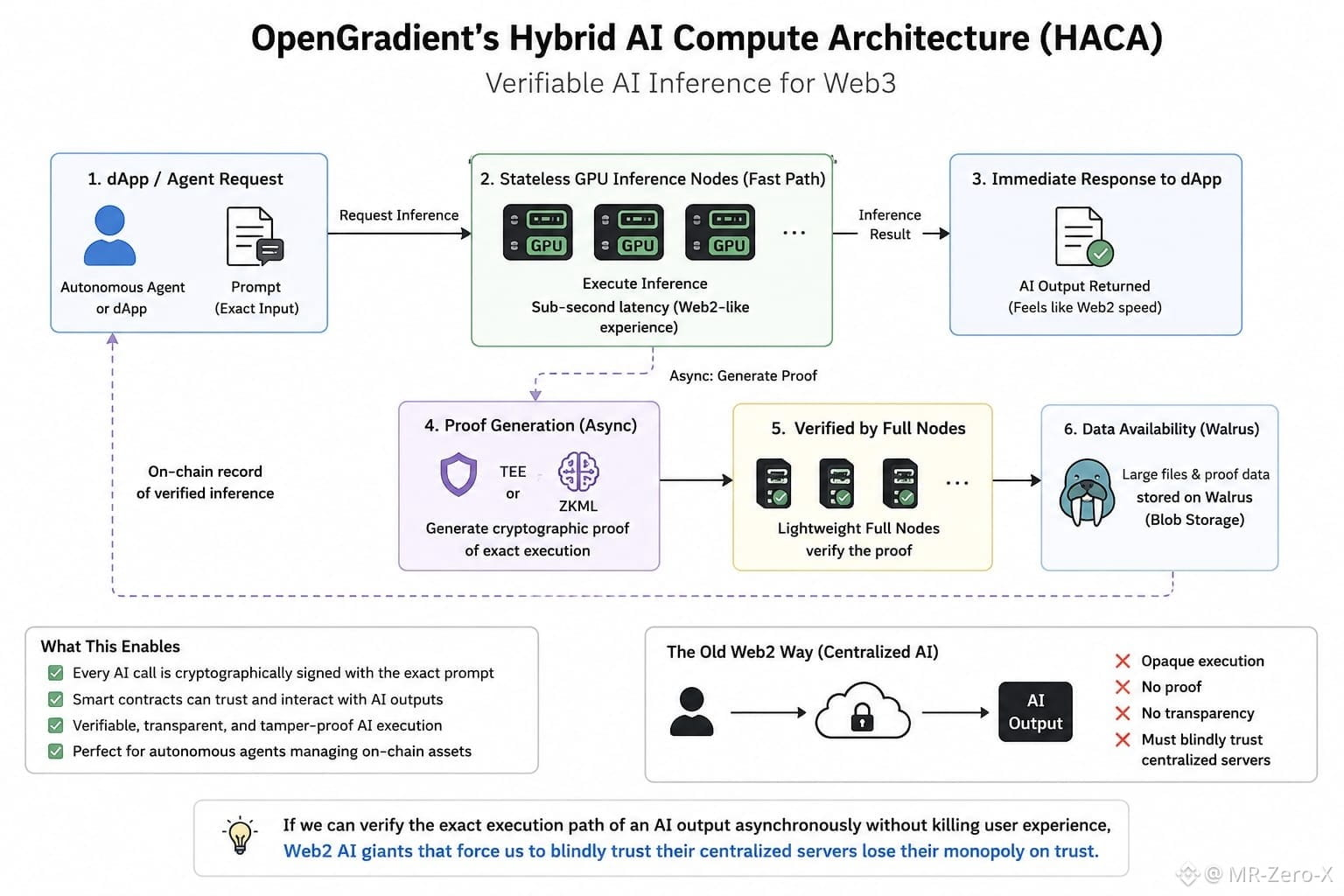
彼らのHybrid AI Compute Architecture(HACA)は負荷を分割します。dAppが推論を要求すると、サブ秒のWeb2のような低遅延で、ステートレスGPU推論ノードへ直接送られます。非同期に、そのノードが暗号学的な証明(TEEまたはZKML)を生成し、それを軽量なフルノードが検証します。重いファイルはWalrusのブロブストレージへオフロードされます。
これにより、自律エージェントのための世界が変わります。透明性のないオラクルをただ盲目的に信じて資金運用の指示を出すのではなく、モデル呼び出しのたびに、実際に使われた正確なプロンプトが暗号学的に署名されます。機械学習を、スマートコントラクトがネイティブに扱える検証可能なプリミティブへと変えるのです。
私は、重い同時負荷のもとでピーク時の交通量にどう対処するかを見ていますが、構造的な土台は実は「ノイズよりユーティリティ」を優先するために作られています。
AI出力の実行経路を、ユーザー体験を壊さずに非同期で正確に検証できるなら、私たちに中央集権的なサーバーを盲目的に信じさせるWeb2のAI巨人たちはどうなるのでしょう?
@OpenGradient #opg
207
·
--
#genius $GENIUS @GeniusOfficial
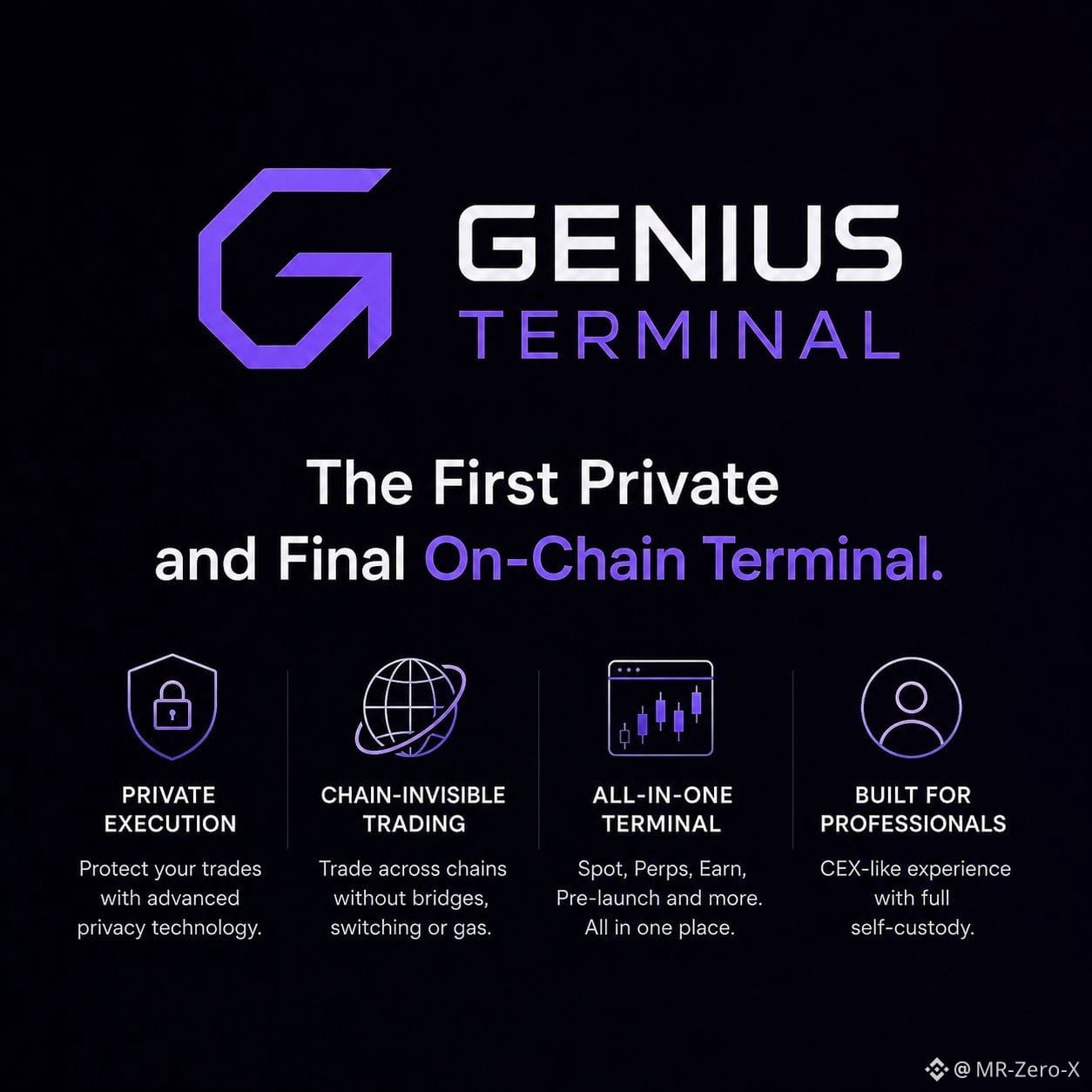
Genius Terminalは、最初のプライベートで最終的なオンチェーンターミナルを自称しています。
大きな主張です。
しかし、深く掘り下げてみると、その仮説は面白くなります。
━━━━━━━━━━━━━━━
レイヤー 1: 実行
ほとんどのトレーダーは、まだウォレット、ブリッジ、アグリゲーター、複数のチェーンの間を行き来しています。
その摩擦は時間を浪費します。
暗号通貨では、時間はしばしば利益です。
Geniusは、トレーディング体験全体を単一のターミナルに圧縮しようとしています。
---
レイヤー 2: プライバシー
オンチェーン市場の最大の問題の1つは可視性です。
大口注文は実行前に注目を集める可能性があります。
このプロジェクトはプライベートオーダーフローに焦点を当て、その露出を減らすことを目指しています。
よく考えてみてください。
プライバシーは単なる機能ではありません。
真剣な資本にとって、それはインフラストラクチャーになり得ます。
---
レイヤー 3: クロスチェーン抽象化
一般投資家はチェーンを見ます。
プロは流動性を見ます。
長期的なビジョンは、ブリッジの複雑さ、ガス管理、ネットワーク切り替えを取り除くことのようです。
成功すれば、ユーザーはブロックチェーンではなく、機会と対話します。
━━━━━━━━━━━━━━━
リスク / 弱点
ビジョンは野心的です。
実行リスクは依然として高いです。
プライベートでシームレスなマルチチェーントレーディングレイヤーを構築することは、それをマーケティングするよりも遥かに難しいです。
すぐに新しいターミナルを信頼する人は誰もいません。
採用が真のテストとなるでしょう。
━━━━━━━━━━━━━━━
質問はシンプルです:
Genius Terminalは、次世代のオンチェーントレーディングインフラストラクチャーを構築しているのか、
それともほとんどのユーザーがまだ理解していない問題を解決しているのでしょうか?
あなたの見解は?
#genius
1
1
203
·
--
本人確認中
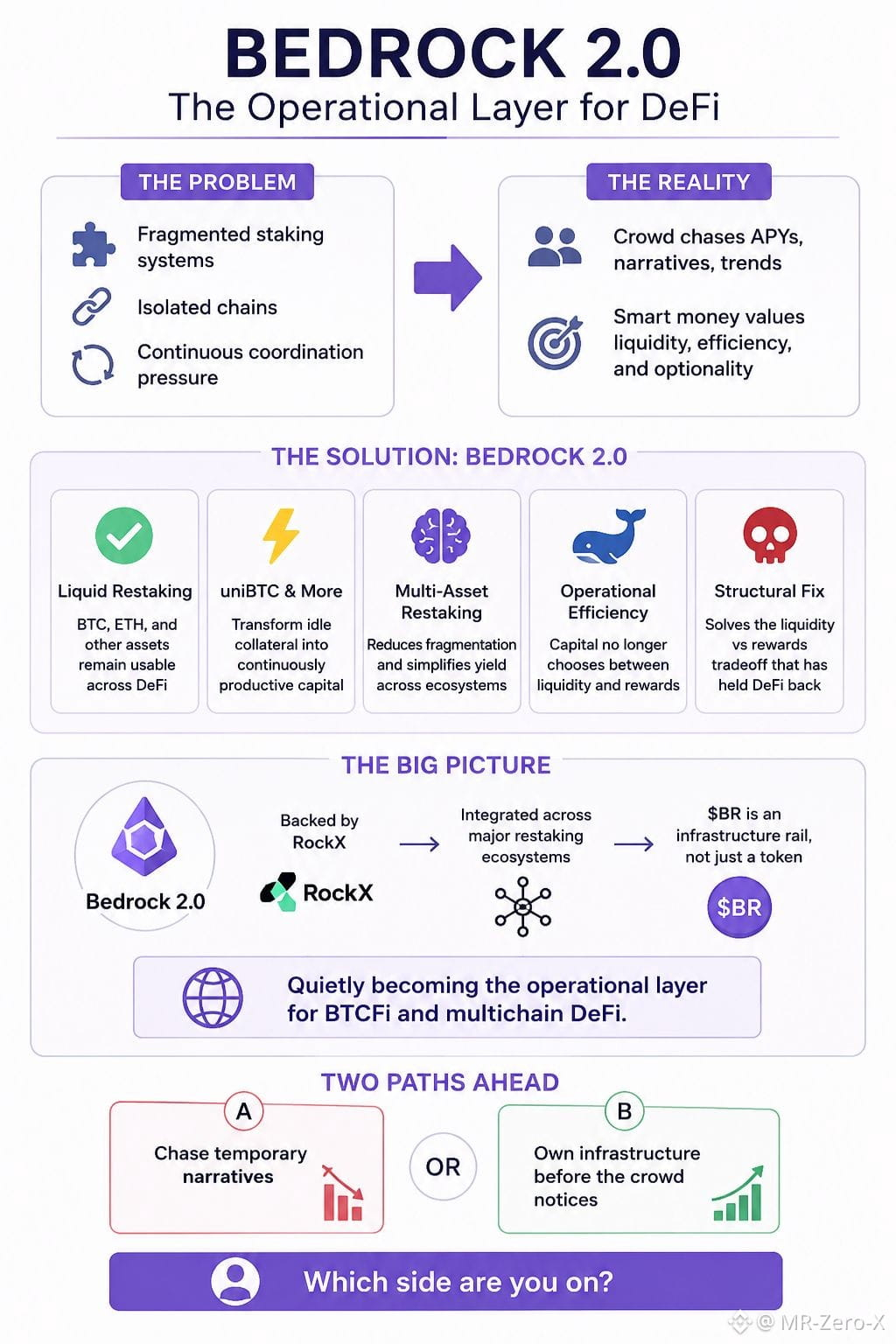
#bedrock $BR @Bedrock DeFiの進化を見ていると、なんか違和感を感じたんだ。
業界は高利回りを追い求めているけど、資本は断片化されたステーキングシステムや孤立したチェーン、常に続く調整のプレッシャーに閉じ込められたままなんだ。
可視性そのものが疲れる。
みんなAPYやトークンの物語、そして1週間で流行するトレンドに集中している。
その裏で、本当に重要なのはオプショナリティを守ることなんだ。
スマートマネーは流動性、資本効率、そして資産を柔軟に生産的に保つインフラに気を使っている。
それが、Bedrock 2.0と@Bedrock_DeFiに私の興味を引いた理由なんだ。
孤立したステーキングのサイロに資本を押し込むのではなく、BedrockはBTC、ETH、他の資産をDeFi全体で使える流動的なリステーキングポジションに変えるんだ。
uniBTCや他の流動的なリステーキング資産は、アイドル状態の担保を継続的に生産的な資本に変える。
マルチアセットのリステーキングは断片化を減らし、複数のエコシステムでの利回り生成を簡素化するんだ。
本当のアドバンテージは運用効率だ。資本はもはや流動性と報酬の間で選ばなければならないことがなくなった。
💀 このトレードオフは何年も構造的な問題だった。
私がこれに注目するようになった理由は、Bedrockが静かにBTCFiとマルチチェーンDeFiの運用レイヤーになりつつあるからなんだ。
RockXを含むインフラパートナーシップに支えられ、主要なリステーキングエコシステムに統合されている$BR は、もはや投機的な資産というよりも、避けられないインフラレールのように感じる。
ここからは二つの道しか見えないんだ:
A) 一時的な物語を追いかける
B) 群衆が気づく前にインフラを所有する
君はどちら側にいる?
90
·
--
本人確認中
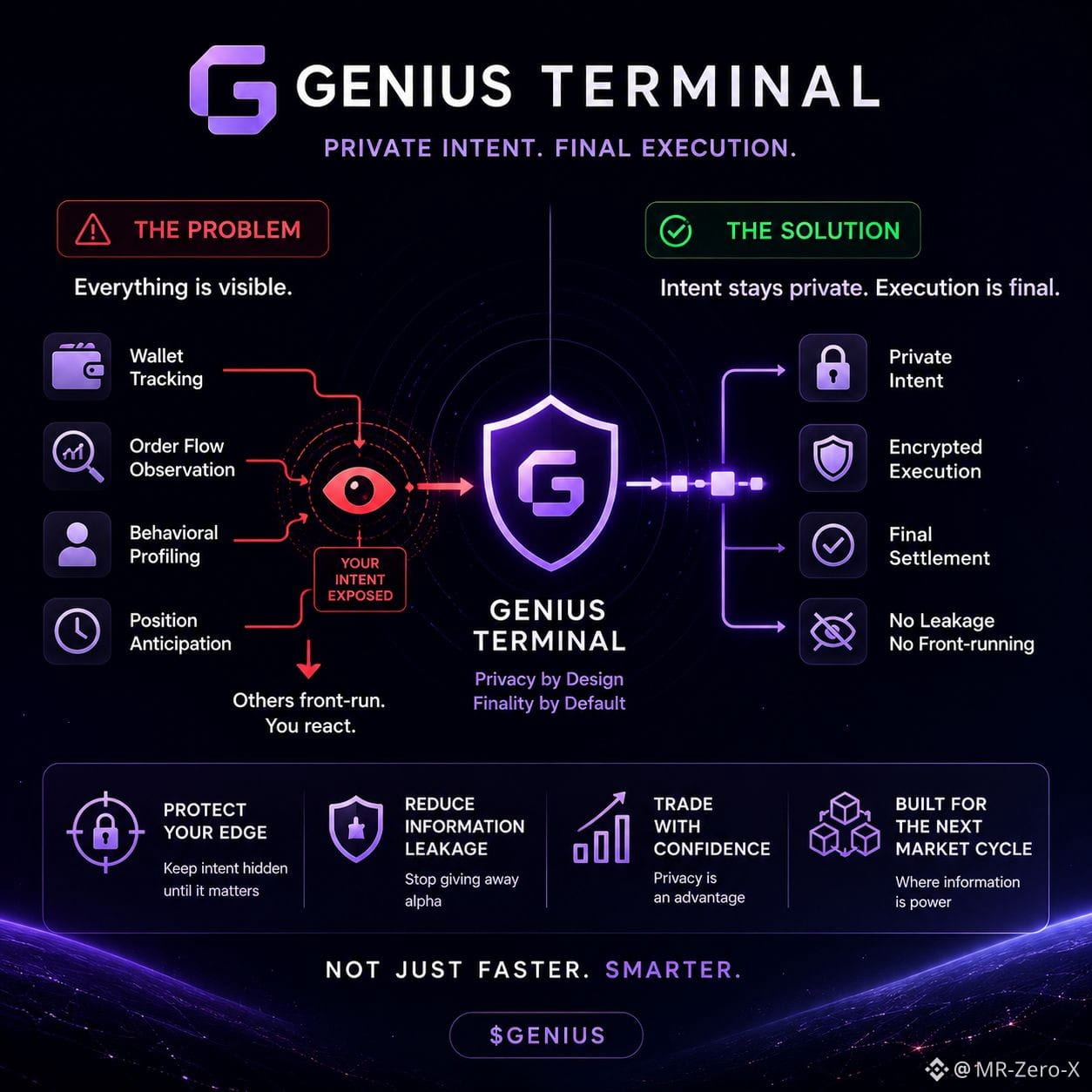
#genius $GENIUS @GeniusOfficial ほとんどのトレーダーが損失を出しているのは、実行が悪いからではなく、市場が彼らの動きを見抜いているからだと気づいたことを覚えている。透明性の高い環境では、意図が取引が確認されるずっと前からシグナルとなることが多い。
業界はスピード、手数料、スループットに焦点を当てがちだが、より重要な質問は誰が情報をコントロールしているかだ。ウォレットのトラッキング、行動プロファイリング、オーダーフローの観察は、透明性を参加者ではなく観察者の競争優位に変えてしまった。
それがGenius Terminalを興味深くしている理由だ。実行のマージナルな改善を追い求めるのではなく、プライバシーとファイナリティに焦点を当てている。価値提案は単に速く移動することではなく、戦略的な意図を保持し、不必要な情報漏洩を減少させることだ。
もちろん、魅力的な製品が自動的に持続可能なネットワークに変わるわけではない。採用の質、ユーザーの定着、トークンのロック解除のダイナミクス、真の需要が最終的にモデルが初期のナラティブを超えて持続可能かどうかを決定する。
市場は短期的にはストーリーによって動かされるが、長期的な価値は一貫したユーザー行動によって生み出される。注目はモメンタムを生むが、繰り返しの使用がインフラを持続可能な資産に変える。\n\n$GENIUS #GeniusTerminal #DeFi
599
ログインして、さらにコンテンツを読む
厳選トピックで世界の暗号資産トレーダーの仲間入り
⚡️ 暗号資産に関する最新かつ有益な情報が見つかります。
💬 世界最大の暗号資産取引所から信頼されています。
👍 認証を受けたクリエイターから、有益なインサイトを得られます。
メール / 電話番号
トレンドトピック
SouthKoreaDraftLawTargets15To20%ShareholderCap
閲覧回数 99
17人が討論中
#SouthKoreaDraftLawTargets15To20%ShareholderCap
🇰🇷 韓国、暗号資産取引所の所有上限を検討 🚨
韓国で、暗号資産取引所の大株主の持ち分を制限する動きが本格化しています。🔥 金融委員会は利益相反を避けるため、上限を15~20%とする案を最初に提示しました。📉 その後の報道によると、規制当局と国会議員は上限を20%とすることで合意し、特定の例外では最大34%まで認められるとのことです。⚖️ (Yahoo Finance) (theblock)
この規則はデジタル資産基本法に盛り込まれる見通しで、BithumbとGopaxは大幅な株主構成の変更を迫られる可能性があります。🏦 業界関係者は強く反発しています。💬 (theblock)
この規制で市場はより公平になるでしょうか。それとも、イノベーションを損なうでしょうか?🤔
#SouthKorea #Upbit #Bithumb 🚀
#Nadeemgujjar143
@aasho @长风Nova @Eşsiz kimi @Fatima SheRazi Official @Ayeza998
$BTC
$BNB
$ETH
NADEEM Gujjar143
·いいね:0件
·閲覧回数 30
KeplrAdvisesSocialLoginUsersToTransferAssets
閲覧回数 4,722
152人が討論中
TetherPlans€28.8MForJuventusCapitalIncrease
閲覧回数 2,821
122人が討論中