
Mikey_ans
46 投稿

Mikey_ans
報告
ユーザーをブロック
2 フォロー
32 フォロワー
79 いいね
投稿
すべて
引用
·
--
長い間、私は1つの数字だけを見てDeFiの判断をしていました:
APR。
APRが高く見えれば、私は興味を持ちました。
しかし、そのやり方は最終的に大事な教訓を私にくれました。高いAPRだけでは物語の全てはわからない、ということです。
さらに、見込めるリターン、ペアのボラティリティ、そしてインパーマネントロスのリスクも理解する必要があります。
そこで私は、流動性提供の判断をする前に、STON.fiのシンプルな3つのツールを使い始めました。
1. APR計算機
APRのパーセンテージを、自分の預け入れ額と期間に基づいた実際の数値に換算するために使います。
最大の割合を出しているファームに気を取られるのではなく、さまざまな機会を比較するのがずっと簡単になります。
2. STON.fiプールのアップデート
Telegramのチャンネルでは、アクティブなプールとそのAPRのスナップショットが定期的に提供されます。
すべてのプールを毎回手作業で確認し続けなくても、いま調べる価値があるものを素早く見つけるために使っています。
3. インパーマネントロス計算機
これは、おそらく最も重要なものです。
ファーミング報酬だけが全てではありません。もし流動性プール内の2つの資産の価格が大きく離れて動くと、インパーマネントロスが全体の結果に影響を与え得ます。
では、ボラティリティの高いプールに入る前に、私はまずそのリスクを見積もるようにしています。
私の手順はこうなりました:
APR → 見込めるリターン → インパーマネントロス → TVL/出来高 → 判断。
数分でできますが、私のDeFiの意思決定ははるかに慎重になりました。
覚えておくべき重要なことは、計算機は見積もりであって保証ではない、という点です。APRは変わります。流動性は変わります。トークン価格も動きます。市場の状況次第で、結果は完全に変わり得ます。
私にとって最大の改善は、「最も高いAPR」を見つけることではありません。
**資金を投入する前に、数字を理解すること**を学んだことです。
📊 APR計算機: https://tools.ston.fi/APY-calculator-APR
📉 インパーマネントロス計算機: https://tools.ston.fi/impermanent-loss-calculator
📡 STON.fiプールのアップデート: https://t.me/Stonfi_updates
参入する前に、流動性プールをどう評価していますか?
#TON #DeFi #STONfi #Crypto
長い間、私は1つの数字だけを見てDeFiの判断をしていました:
APR。
APRが高く見えれば、私は興味を持ちました。
しかし、そのやり方は最終的に大事な教訓を私にくれました。高いAPRだけでは物語の全てはわからない、ということです。
さらに、見込めるリターン、ペアのボラティリティ、そしてインパーマネントロスのリスクも理解する必要があります。
そこで私は、流動性提供の判断をする前に、STON.fiのシンプルな3つのツールを使い始めました。
1. APR計算機
APRのパーセンテージを、自分の預け入れ額と期間に基づいた実際の数値に換算するために使います。
最大の割合を出しているファームに気を取られるのではなく、さまざまな機会を比較するのがずっと簡単になります。
2. STON.fiプールのアップデート
Telegramのチャンネルでは、アクティブなプールとそのAPRのスナップショットが定期的に提供されます。
すべてのプールを毎回手作業で確認し続けなくても、いま調べる価値があるものを素早く見つけるために使っています。
3. インパーマネントロス計算機
これは、おそらく最も重要なものです。
ファーミング報酬だけが全てではありません。もし流動性プール内の2つの資産の価格が大きく離れて動くと、インパーマネントロスが全体の結果に影響を与え得ます。
では、ボラティリティの高いプールに入る前に、私はまずそのリスクを見積もるようにしています。
私の手順はこうなりました:
APR → 見込めるリターン → インパーマネントロス → TVL/出来高 → 判断。
数分でできますが、私のDeFiの意思決定ははるかに慎重になりました。
覚えておくべき重要なことは、計算機は見積もりであって保証ではない、という点です。APRは変わります。流動性は変わります。トークン価格も動きます。市場の状況次第で、結果は完全に変わり得ます。
私にとって最大の改善は、「最も高いAPR」を見つけることではありません。
**資金を投入する前に、数字を理解すること**を学んだことです。
📊 APR計算機: https://tools.ston.fi/APY-calculator-APR
📉 インパーマネントロス計算機: https://tools.ston.fi/impermanent-loss-calculator
📡 STON.fiプールのアップデート: https://t.me/Stonfi_updates
参入する前に、流動性プールをどう評価していますか?
#TON #DeFi #STONfi #Crypto
APR。
APRが高く見えれば、私は興味を持ちました。
しかし、そのやり方は最終的に大事な教訓を私にくれました。高いAPRだけでは物語の全てはわからない、ということです。
さらに、見込めるリターン、ペアのボラティリティ、そしてインパーマネントロスのリスクも理解する必要があります。
そこで私は、流動性提供の判断をする前に、STON.fiのシンプルな3つのツールを使い始めました。
1. APR計算機
APRのパーセンテージを、自分の預け入れ額と期間に基づいた実際の数値に換算するために使います。
最大の割合を出しているファームに気を取られるのではなく、さまざまな機会を比較するのがずっと簡単になります。
2. STON.fiプールのアップデート
Telegramのチャンネルでは、アクティブなプールとそのAPRのスナップショットが定期的に提供されます。
すべてのプールを毎回手作業で確認し続けなくても、いま調べる価値があるものを素早く見つけるために使っています。
3. インパーマネントロス計算機
これは、おそらく最も重要なものです。
ファーミング報酬だけが全てではありません。もし流動性プール内の2つの資産の価格が大きく離れて動くと、インパーマネントロスが全体の結果に影響を与え得ます。
では、ボラティリティの高いプールに入る前に、私はまずそのリスクを見積もるようにしています。
私の手順はこうなりました:
APR → 見込めるリターン → インパーマネントロス → TVL/出来高 → 判断。
数分でできますが、私のDeFiの意思決定ははるかに慎重になりました。
覚えておくべき重要なことは、計算機は見積もりであって保証ではない、という点です。APRは変わります。流動性は変わります。トークン価格も動きます。市場の状況次第で、結果は完全に変わり得ます。
私にとって最大の改善は、「最も高いAPR」を見つけることではありません。
**資金を投入する前に、数字を理解すること**を学んだことです。
📊 APR計算機: https://tools.ston.fi/APY-calculator-APR
📉 インパーマネントロス計算機: https://tools.ston.fi/impermanent-loss-calculator
📡 STON.fiプールのアップデート: https://t.me/Stonfi_updates
参入する前に、流動性プールをどう評価していますか?
#TON #DeFi #STONfi #Crypto

44
·
--
過去1年のDeFiにおける最大の改善のひとつとして私が感じているのは、高い利回りや手数料の低さではありません。
それは、ユーザー体験の向上です。
長い間、TONからイーサリアム(または他のEVMチェーン)へ資産を移すことは、必要以上に複雑に感じられていました。
例えば、
• ラップドトークンは受け取れるのか?
• その後に別のスワップが必要なのか?
• 何かが失敗した場合どうなるのか?
…といった疑問によって、クロスチェーンの活動は不安なものに思えていました。
最近、Omnistonによって支えられるSTON.fiのクロスチェーン基盤をより深く調べる時間を取ったのですが、印象的だったのは次の点です:
チェーン間で価値を移す方法には、本質的に2つの異なるやり方があります。
従来のブリッジは、通常、あるブロックチェーンで資産をロックし、別のチェーンではラップド版を発行します。
これは多くの場面でうまく機能しますが、もう一つの抽象化の層が加わります。
代替となるのが、アトミックなクロスチェーン・スワップです。こちらは目的がはるかにシンプルです:
行き先のチェーンで、あなたが実際に欲しいネイティブ資産を受け取る。
不必要なラップド資産はなし。
余計な換金ステップもなし。
また、この仕組みはアトミック実行を前提に設計されています。つまり、トランザクションが正常に完了するか、安全にロールバックされます。
日常のユーザーにとって、それは単なる技術的な革新以上の意味があります。
より良い体験です。
私が毎回のクロスチェーン送金の前に行う個人的なチェックリストは、今とてもシンプルです:
• 送付先アドレスを確認する
• 受け取る最終金額を確認する
• ガスコストを理解する
• スリッページを適正に保つ
• 最初は少額でテストする
最良のインフラは、ユーザーがほとんど気づかないことが多いものです。
クロスチェーン技術がさらに進歩していく中で、スピードと同じくらい、シンプルさと透明性が重要になっていくと私は考えています。
あなたは普段、資金をどのブロックチェーンへ移すことが多いですか? それはイーサリアム、Base、BNB Chain、あるいは別のどこかでしょうか?
ぜひあなたの体験を聞かせてください。
#blockchain #crypto #TON #STONfi
過去1年のDeFiにおける最大の改善のひとつとして私が感じているのは、高い利回りや手数料の低さではありません。
それは、ユーザー体験の向上です。
長い間、TONからイーサリアム(または他のEVMチェーン)へ資産を移すことは、必要以上に複雑に感じられていました。
例えば、
• ラップドトークンは受け取れるのか?
• その後に別のスワップが必要なのか?
• 何かが失敗した場合どうなるのか?
…といった疑問によって、クロスチェーンの活動は不安なものに思えていました。
最近、Omnistonによって支えられるSTON.fiのクロスチェーン基盤をより深く調べる時間を取ったのですが、印象的だったのは次の点です:
チェーン間で価値を移す方法には、本質的に2つの異なるやり方があります。
従来のブリッジは、通常、あるブロックチェーンで資産をロックし、別のチェーンではラップド版を発行します。
これは多くの場面でうまく機能しますが、もう一つの抽象化の層が加わります。
代替となるのが、アトミックなクロスチェーン・スワップです。こちらは目的がはるかにシンプルです:
行き先のチェーンで、あなたが実際に欲しいネイティブ資産を受け取る。
不必要なラップド資産はなし。
余計な換金ステップもなし。
また、この仕組みはアトミック実行を前提に設計されています。つまり、トランザクションが正常に完了するか、安全にロールバックされます。
日常のユーザーにとって、それは単なる技術的な革新以上の意味があります。
より良い体験です。
私が毎回のクロスチェーン送金の前に行う個人的なチェックリストは、今とてもシンプルです:
• 送付先アドレスを確認する
• 受け取る最終金額を確認する
• ガスコストを理解する
• スリッページを適正に保つ
• 最初は少額でテストする
最良のインフラは、ユーザーがほとんど気づかないことが多いものです。
クロスチェーン技術がさらに進歩していく中で、スピードと同じくらい、シンプルさと透明性が重要になっていくと私は考えています。
あなたは普段、資金をどのブロックチェーンへ移すことが多いですか? それはイーサリアム、Base、BNB Chain、あるいは別のどこかでしょうか?
ぜひあなたの体験を聞かせてください。
#blockchain #crypto #TON #STONfi
それは、ユーザー体験の向上です。
長い間、TONからイーサリアム(または他のEVMチェーン)へ資産を移すことは、必要以上に複雑に感じられていました。
例えば、
• ラップドトークンは受け取れるのか?
• その後に別のスワップが必要なのか?
• 何かが失敗した場合どうなるのか?
…といった疑問によって、クロスチェーンの活動は不安なものに思えていました。
最近、Omnistonによって支えられるSTON.fiのクロスチェーン基盤をより深く調べる時間を取ったのですが、印象的だったのは次の点です:
チェーン間で価値を移す方法には、本質的に2つの異なるやり方があります。
従来のブリッジは、通常、あるブロックチェーンで資産をロックし、別のチェーンではラップド版を発行します。
これは多くの場面でうまく機能しますが、もう一つの抽象化の層が加わります。
代替となるのが、アトミックなクロスチェーン・スワップです。こちらは目的がはるかにシンプルです:
行き先のチェーンで、あなたが実際に欲しいネイティブ資産を受け取る。
不必要なラップド資産はなし。
余計な換金ステップもなし。
また、この仕組みはアトミック実行を前提に設計されています。つまり、トランザクションが正常に完了するか、安全にロールバックされます。
日常のユーザーにとって、それは単なる技術的な革新以上の意味があります。
より良い体験です。
私が毎回のクロスチェーン送金の前に行う個人的なチェックリストは、今とてもシンプルです:
• 送付先アドレスを確認する
• 受け取る最終金額を確認する
• ガスコストを理解する
• スリッページを適正に保つ
• 最初は少額でテストする
最良のインフラは、ユーザーがほとんど気づかないことが多いものです。
クロスチェーン技術がさらに進歩していく中で、スピードと同じくらい、シンプルさと透明性が重要になっていくと私は考えています。
あなたは普段、資金をどのブロックチェーンへ移すことが多いですか? それはイーサリアム、Base、BNB Chain、あるいは別のどこかでしょうか?
ぜひあなたの体験を聞かせてください。
#blockchain #crypto #TON #STONfi
74
·
--
記事
STON.fiで実際にあなたが払っているのは、いったい何なのか——正確にこれですクロスチェーンのスワップコストはほとんどゼロだと思っていました。
それから全部を合計しました。
結果は?
画面に表示されていた小さな手数料の約3倍も払っていました。
STON.fiが高かったからではなくて……
でも、合計コストのうち「ワンピース」だけしか見ていなかったからです。
そのミスによって、クロスチェーンのスワップへの考え方が完全に変わりました。
チェーン間で資産を移動するなら、初心者が気づきにくいことがあります。
ブリッジ(クロスチェーン)手数料は、1つの請求書としては来ません
通常のスワップとは違い、クロスチェーンの取引は複数の小さなコストで構成されています。
STON.fiで実際にあなたが払っているのは、いったい何なのか——正確にこれです
クロスチェーンのスワップコストはほとんどゼロだと思っていました。
それから全部を合計しました。
結果は?
画面に表示されていた小さな手数料の約3倍も払っていました。
STON.fiが高かったからではなくて……
でも、合計コストのうち「ワンピース」だけしか見ていなかったからです。
そのミスによって、クロスチェーンのスワップへの考え方が完全に変わりました。
チェーン間で資産を移動するなら、初心者が気づきにくいことがあります。
ブリッジ(クロスチェーン)手数料は、1つの請求書としては来ません
通常のスワップとは違い、クロスチェーンの取引は複数の小さなコストで構成されています。
それから全部を合計しました。
結果は?
画面に表示されていた小さな手数料の約3倍も払っていました。
STON.fiが高かったからではなくて……
でも、合計コストのうち「ワンピース」だけしか見ていなかったからです。
そのミスによって、クロスチェーンのスワップへの考え方が完全に変わりました。
チェーン間で資産を移動するなら、初心者が気づきにくいことがあります。
ブリッジ(クロスチェーン)手数料は、1つの請求書としては来ません
通常のスワップとは違い、クロスチェーンの取引は複数の小さなコストで構成されています。
83
·
--
記事
STON.fiでのアトミックスワップを学んだ(そして本当に重要な理由)ブロックチェーン間で資金を移すとき、私のいちばんの不安はハックされることではありませんでした。
それはボラティリティではありません。
ガス代すら関係ありませんでした。
それはこれでした。
"途中でお金がどこかに引っかかったらどうしよう?"
過去にアセットをブリッジしたことがあるなら、まさに今の話が分かるはずです。
あなたは資金を送って……
最初の取引が確認してくれます……
そして次の数分間、すべてが無事に到着するのかどうか、画面を見つめることになります。
昔、その感覚が嫌いでした。
そこで、STON.fiのアトミックスワップが実際にどう機能するのかを学びました。
正直なところ?
STON.fiでのアトミックスワップを学んだ(そして本当に重要な理由)
ブロックチェーン間で資金を移すとき、私のいちばんの不安はハックされることではありませんでした。
それはボラティリティではありません。
ガス代すら関係ありませんでした。
それはこれでした。
"途中でお金がどこかに引っかかったらどうしよう?"
過去にアセットをブリッジしたことがあるなら、まさに今の話が分かるはずです。
あなたは資金を送って……
最初の取引が確認してくれます……
そして次の数分間、すべてが無事に到着するのかどうか、画面を見つめることになります。
昔、その感覚が嫌いでした。
そこで、STON.fiのアトミックスワップが実際にどう機能するのかを学びました。
正直なところ?
それはボラティリティではありません。
ガス代すら関係ありませんでした。
それはこれでした。
"途中でお金がどこかに引っかかったらどうしよう?"
過去にアセットをブリッジしたことがあるなら、まさに今の話が分かるはずです。
あなたは資金を送って……
最初の取引が確認してくれます……
そして次の数分間、すべてが無事に到着するのかどうか、画面を見つめることになります。
昔、その感覚が嫌いでした。
そこで、STON.fiのアトミックスワップが実際にどう機能するのかを学びました。
正直なところ?
200
·
--
記事
初心者が必ず知っておくべきSTON.fiクロスチェーン・スワップのシンプルなガイドうっかり資金を間違ったチェーンに送ってしまいそうになりました。
そして約30秒間、本当にお金を失ったと思っていました。
数週間前、BNBチェーンからTONへUSDTを移したいと思いました。
簡単でしょ? まあ……そうでもありません。
ブリッジとクロスチェーンのスワップを混同して、ほとんど間違ったアドレスを貼り付けてしまい、その裏で何が起きているのかを自分が完全には理解できていないと気づきました。
その経験で、STON.fiのクロスチェーンが実際にどう機能するのか学ばざるを得なくなりました。
正直に言うと?
何年も前に、誰かがこんなふうに説明してくれていればよかったのに。
初心者が必ず知っておくべきSTON.fiクロスチェーン・スワップのシンプルなガイド
うっかり資金を間違ったチェーンに送ってしまいそうになりました。
そして約30秒間、本当にお金を失ったと思っていました。
数週間前、BNBチェーンからTONへUSDTを移したいと思いました。
簡単でしょ? まあ……そうでもありません。
ブリッジとクロスチェーンのスワップを混同して、ほとんど間違ったアドレスを貼り付けてしまい、その裏で何が起きているのかを自分が完全には理解できていないと気づきました。
その経験で、STON.fiのクロスチェーンが実際にどう機能するのか学ばざるを得なくなりました。
正直に言うと?
何年も前に、誰かがこんなふうに説明してくれていればよかったのに。
そして約30秒間、本当にお金を失ったと思っていました。
数週間前、BNBチェーンからTONへUSDTを移したいと思いました。
簡単でしょ? まあ……そうでもありません。
ブリッジとクロスチェーンのスワップを混同して、ほとんど間違ったアドレスを貼り付けてしまい、その裏で何が起きているのかを自分が完全には理解できていないと気づきました。
その経験で、STON.fiのクロスチェーンが実際にどう機能するのか学ばざるを得なくなりました。
正直に言うと?
何年も前に、誰かがこんなふうに説明してくれていればよかったのに。
1
156
·
--
かつて私は、ブリッジとクロスチェーン・スワップは同じものだと思っていました。
そしてある1回の取引が、身の高い教訓をくれました。
TONへ資金を移し、STON.fiでの機会に参加したいと思ったのです。別のチェーン上にUSDTがあったので、すぐにブリッジを使いました。
送金は完璧に動作しました。
問題は?
実はTON上ではUSDTではなく、ETHが必要だったのです。
つまり、もう1回スワップが必要になり、追加の手数料、余計なスリッページ、そして避けられたミスを直すための時間が増えてしまいました。
そこで私はようやく、その違いを理解しました:
🔹 ブリッジは、同じアセットを1つのブロックチェーンから別のブロックチェーンへ移すものです。
例:
USDT(Ethereum)➜ USDT(TON)
🔹 クロスチェーン・スワップは、複数のチェーンにまたがって価値を移すだけでなく、希望するアセットに変換も行うものです。
例:
USDT(Ethereum)➜ ETH(TON)
些細な違いに聞こえるかもしれませんが、私の資本移動のやり方を、エコシステム全体で根本から変えてしまいました。
今では、すべての送金の前に、次のことを自分に問いかけています:
"目的のチェーンでは同じアセットが欲しいのか、それとも別のアセットが欲しいのか?"
同じアセットなら、ブリッジを使います。
別のアセットなら、クロスチェーン・スワップを使います。
この習慣だけで、不要な手数料を節約し、スリッページを減らし、ワークフローをシンプルにできました。
ブロックチェーン基盤は進化を続けており、STON.fiやOmnistonのようなツールによってクロスチェーンのやり取りは格段にスムーズになっています。とはいえ、基本を理解することは今も重要です。
技術は実行を最適化できます。
知識はミスを避けるのに役立ちます。
完全に理解する前に、仮想通貨でお金を失った学びは何ですか?
よければ、あなたの経験を下に聞かせてください。
#Ton #STONfi #defi #Web3 #blockchain
かつて私は、ブリッジとクロスチェーン・スワップは同じものだと思っていました。
そしてある1回の取引が、身の高い教訓をくれました。
TONへ資金を移し、STON.fiでの機会に参加したいと思ったのです。別のチェーン上にUSDTがあったので、すぐにブリッジを使いました。
送金は完璧に動作しました。
問題は?
実はTON上ではUSDTではなく、ETHが必要だったのです。
つまり、もう1回スワップが必要になり、追加の手数料、余計なスリッページ、そして避けられたミスを直すための時間が増えてしまいました。
そこで私はようやく、その違いを理解しました:
🔹 ブリッジは、同じアセットを1つのブロックチェーンから別のブロックチェーンへ移すものです。
例:
USDT(Ethereum)➜ USDT(TON)
🔹 クロスチェーン・スワップは、複数のチェーンにまたがって価値を移すだけでなく、希望するアセットに変換も行うものです。
例:
USDT(Ethereum)➜ ETH(TON)
些細な違いに聞こえるかもしれませんが、私の資本移動のやり方を、エコシステム全体で根本から変えてしまいました。
今では、すべての送金の前に、次のことを自分に問いかけています:
"目的のチェーンでは同じアセットが欲しいのか、それとも別のアセットが欲しいのか?"
同じアセットなら、ブリッジを使います。
別のアセットなら、クロスチェーン・スワップを使います。
この習慣だけで、不要な手数料を節約し、スリッページを減らし、ワークフローをシンプルにできました。
ブロックチェーン基盤は進化を続けており、STON.fiやOmnistonのようなツールによってクロスチェーンのやり取りは格段にスムーズになっています。とはいえ、基本を理解することは今も重要です。
技術は実行を最適化できます。
知識はミスを避けるのに役立ちます。
完全に理解する前に、仮想通貨でお金を失った学びは何ですか?
よければ、あなたの経験を下に聞かせてください。
#Ton #STONfi #defi #Web3 #blockchain
そしてある1回の取引が、身の高い教訓をくれました。
TONへ資金を移し、STON.fiでの機会に参加したいと思ったのです。別のチェーン上にUSDTがあったので、すぐにブリッジを使いました。
送金は完璧に動作しました。
問題は?
実はTON上ではUSDTではなく、ETHが必要だったのです。
つまり、もう1回スワップが必要になり、追加の手数料、余計なスリッページ、そして避けられたミスを直すための時間が増えてしまいました。
そこで私はようやく、その違いを理解しました:
🔹 ブリッジは、同じアセットを1つのブロックチェーンから別のブロックチェーンへ移すものです。
例:
USDT(Ethereum)➜ USDT(TON)
🔹 クロスチェーン・スワップは、複数のチェーンにまたがって価値を移すだけでなく、希望するアセットに変換も行うものです。
例:
USDT(Ethereum)➜ ETH(TON)
些細な違いに聞こえるかもしれませんが、私の資本移動のやり方を、エコシステム全体で根本から変えてしまいました。
今では、すべての送金の前に、次のことを自分に問いかけています:
"目的のチェーンでは同じアセットが欲しいのか、それとも別のアセットが欲しいのか?"
同じアセットなら、ブリッジを使います。
別のアセットなら、クロスチェーン・スワップを使います。
この習慣だけで、不要な手数料を節約し、スリッページを減らし、ワークフローをシンプルにできました。
ブロックチェーン基盤は進化を続けており、STON.fiやOmnistonのようなツールによってクロスチェーンのやり取りは格段にスムーズになっています。とはいえ、基本を理解することは今も重要です。
技術は実行を最適化できます。
知識はミスを避けるのに役立ちます。
完全に理解する前に、仮想通貨でお金を失った学びは何ですか?
よければ、あなたの経験を下に聞かせてください。
#Ton #STONfi #defi #Web3 #blockchain
98
·
--
私のDeFi戦略で最も重要なシフトの1つは、高いAPRを追い求めるのをやめ、よりバランスの取れた利回りアプローチを構築することでした。
今週、STON.fiでの機会をレビューしている間に、私は3種類の流動性プールに焦点を当てました:
1. コアプール (STON/USDT)
継続的な報酬と一時的なAPRブースト(最大2倍)を伴う安定したペア。これは、比較的低いボラティリティで基盤的なアロケーションとして機能します。
2. インセンティブ付き短期プール (JETTONペア)
期限付きのファーミング機会で、より高い報酬と明確なロックアップがあります。戦略的ポジショニングに適しています。
3. ユーティリティ駆動プール (STORM/TON)
永続的な取引プラットフォームによって裏付けられ、実際の取引活動に結びついた継続的な報酬を提供します。
この構造は次の分散を可能にします:
• 安定性 (コア保有)
• 成長 (インセンティブキャンペーン)
• ユーティリティ (エコシステム駆動の需要)
重要な要点:
DeFiにおける持続可能な利回りは、リターンを最大化することよりも、リスク、時間の視野、そして基盤となるユーティリティのバランスを取ることに関するものです。
この領域が成熟するにつれて、規律あるアロケーションが単に最高のAPRを追い求めるよりも強力なエッジになってきています。
今日の市場であなたはどのように利回り戦略を構築していますか?
#TON #trading #STONfi
私のDeFi戦略で最も重要なシフトの1つは、高いAPRを追い求めるのをやめ、よりバランスの取れた利回りアプローチを構築することでした。
今週、STON.fiでの機会をレビューしている間に、私は3種類の流動性プールに焦点を当てました:
1. コアプール (STON/USDT)
継続的な報酬と一時的なAPRブースト(最大2倍)を伴う安定したペア。これは、比較的低いボラティリティで基盤的なアロケーションとして機能します。
2. インセンティブ付き短期プール (JETTONペア)
期限付きのファーミング機会で、より高い報酬と明確なロックアップがあります。戦略的ポジショニングに適しています。
3. ユーティリティ駆動プール (STORM/TON)
永続的な取引プラットフォームによって裏付けられ、実際の取引活動に結びついた継続的な報酬を提供します。
この構造は次の分散を可能にします:
• 安定性 (コア保有)
• 成長 (インセンティブキャンペーン)
• ユーティリティ (エコシステム駆動の需要)
重要な要点:
DeFiにおける持続可能な利回りは、リターンを最大化することよりも、リスク、時間の視野、そして基盤となるユーティリティのバランスを取ることに関するものです。
この領域が成熟するにつれて、規律あるアロケーションが単に最高のAPRを追い求めるよりも強力なエッジになってきています。
今日の市場であなたはどのように利回り戦略を構築していますか?
#TON #trading #STONfi
今週、STON.fiでの機会をレビューしている間に、私は3種類の流動性プールに焦点を当てました:
1. コアプール (STON/USDT)
継続的な報酬と一時的なAPRブースト(最大2倍)を伴う安定したペア。これは、比較的低いボラティリティで基盤的なアロケーションとして機能します。
2. インセンティブ付き短期プール (JETTONペア)
期限付きのファーミング機会で、より高い報酬と明確なロックアップがあります。戦略的ポジショニングに適しています。
3. ユーティリティ駆動プール (STORM/TON)
永続的な取引プラットフォームによって裏付けられ、実際の取引活動に結びついた継続的な報酬を提供します。
この構造は次の分散を可能にします:
• 安定性 (コア保有)
• 成長 (インセンティブキャンペーン)
• ユーティリティ (エコシステム駆動の需要)
重要な要点:
DeFiにおける持続可能な利回りは、リターンを最大化することよりも、リスク、時間の視野、そして基盤となるユーティリティのバランスを取ることに関するものです。
この領域が成熟するにつれて、規律あるアロケーションが単に最高のAPRを追い求めるよりも強力なエッジになってきています。
今日の市場であなたはどのように利回り戦略を構築していますか?
#TON #trading #STONfi

1
73
·
--
私は物理的なカードウォレットの中でTONトークンをスワップしました。
そう、実際のカードのようなものです。ノートパソコンのセットアップも不要、複雑なステップもなし。
そして驚くべきことは?
それは完全にSTON.fiによって裏で動いていました。
この新しいUnited Networkとの統合は意味します:
• あなたは完全な自己保管を維持
• あなたのキーは安全なチップの中に留まる
• トークンを瞬時にスワップ可能
• ウォレットインターフェースを離れる必要なし
私が最も感心したのはこの部分です — アプリ間を行き来する必要がない。
ただタップ → スワップ → 完了。
私にとって、これが本当の採用の姿です。
新機能ではなく…摩擦を減らすこと。
使いやすければ使いやすいほど、実際に利用する人が増えるのです。
そして、こうやってハードウェアウォレットにDeFiを持ち込むこと?
それは大きなステップです。
それはまた、TONの流動性に流れ込むユーザーを増やすことを意味します — 農業やトレードをしている全員に利益があります。
まだ早いですが、これは人々が実際にDeFiを使う頻度を変える「静かなアップグレード」の一つです。
あなたはこのようなカードスタイルのウォレットを試してみますか、それともアプリにこだわりますか?👇
#STONfi #Toncoin
私は物理的なカードウォレットの中でTONトークンをスワップしました。
そう、実際のカードのようなものです。ノートパソコンのセットアップも不要、複雑なステップもなし。
そして驚くべきことは?
それは完全にSTON.fiによって裏で動いていました。
この新しいUnited Networkとの統合は意味します:
• あなたは完全な自己保管を維持
• あなたのキーは安全なチップの中に留まる
• トークンを瞬時にスワップ可能
• ウォレットインターフェースを離れる必要なし
私が最も感心したのはこの部分です — アプリ間を行き来する必要がない。
ただタップ → スワップ → 完了。
私にとって、これが本当の採用の姿です。
新機能ではなく…摩擦を減らすこと。
使いやすければ使いやすいほど、実際に利用する人が増えるのです。
そして、こうやってハードウェアウォレットにDeFiを持ち込むこと?
それは大きなステップです。
それはまた、TONの流動性に流れ込むユーザーを増やすことを意味します — 農業やトレードをしている全員に利益があります。
まだ早いですが、これは人々が実際にDeFiを使う頻度を変える「静かなアップグレード」の一つです。
あなたはこのようなカードスタイルのウォレットを試してみますか、それともアプリにこだわりますか?👇
#STONfi #Toncoin
そう、実際のカードのようなものです。ノートパソコンのセットアップも不要、複雑なステップもなし。
そして驚くべきことは?
それは完全にSTON.fiによって裏で動いていました。
この新しいUnited Networkとの統合は意味します:
• あなたは完全な自己保管を維持
• あなたのキーは安全なチップの中に留まる
• トークンを瞬時にスワップ可能
• ウォレットインターフェースを離れる必要なし
私が最も感心したのはこの部分です — アプリ間を行き来する必要がない。
ただタップ → スワップ → 完了。
私にとって、これが本当の採用の姿です。
新機能ではなく…摩擦を減らすこと。
使いやすければ使いやすいほど、実際に利用する人が増えるのです。
そして、こうやってハードウェアウォレットにDeFiを持ち込むこと?
それは大きなステップです。
それはまた、TONの流動性に流れ込むユーザーを増やすことを意味します — 農業やトレードをしている全員に利益があります。
まだ早いですが、これは人々が実際にDeFiを使う頻度を変える「静かなアップグレード」の一つです。
あなたはこのようなカードスタイルのウォレットを試してみますか、それともアプリにこだわりますか?👇
#STONfi #Toncoin
1
283
·
--
最近、STON.fiでスワップしているときに面白いことに気づいたんだ。取引がほぼ即座に確認されたんだ。
それは運ではなかった。TONのCatchain 2.0アップグレードの影響だったんだ。
このアップデートにより、ブロック時間が大幅に短縮され、取引確認がほぼ瞬時に行われるようになった。ユーザー視点から見ると、これはDeFiの最大の摩擦ポイントの一つである待機時間を取り除くことになった。
でも、速さを超えた、もっと深い意味があるんだ。
ブロック生成が速くなることで、バリデーターはより頻繁に報酬を得ることができ、全体的なステーキング効率が向上する。これにより、自分のポジションを理解しているユーザーに新しいチャンスが生まれる。
個人的には、シンプルな戦略を使い始めたんだ:
• tsTONを通じた流動的ステーキング(フレキシビリティを維持するために)
• tsTON/TONプールに流動性を提供する(追加の報酬を得るために)
これにより、アセットをロックせずにステーキングの利回りと流動性の報酬を組み合わせることができる。
重要なポイントはこれだ:
インフラの改善は単に体験を良くするだけでなく、戦略を再構築するんだ。
早めに適応した人は最も利益を得る傾向がある。
最近のTONのアップグレードに伴って、アプローチを調整した?
#TON #STONfi
最近、STON.fiでスワップしているときに面白いことに気づいたんだ。取引がほぼ即座に確認されたんだ。
それは運ではなかった。TONのCatchain 2.0アップグレードの影響だったんだ。
このアップデートにより、ブロック時間が大幅に短縮され、取引確認がほぼ瞬時に行われるようになった。ユーザー視点から見ると、これはDeFiの最大の摩擦ポイントの一つである待機時間を取り除くことになった。
でも、速さを超えた、もっと深い意味があるんだ。
ブロック生成が速くなることで、バリデーターはより頻繁に報酬を得ることができ、全体的なステーキング効率が向上する。これにより、自分のポジションを理解しているユーザーに新しいチャンスが生まれる。
個人的には、シンプルな戦略を使い始めたんだ:
• tsTONを通じた流動的ステーキング(フレキシビリティを維持するために)
• tsTON/TONプールに流動性を提供する(追加の報酬を得るために)
これにより、アセットをロックせずにステーキングの利回りと流動性の報酬を組み合わせることができる。
重要なポイントはこれだ:
インフラの改善は単に体験を良くするだけでなく、戦略を再構築するんだ。
早めに適応した人は最も利益を得る傾向がある。
最近のTONのアップグレードに伴って、アプローチを調整した?
#TON #STONfi
それは運ではなかった。TONのCatchain 2.0アップグレードの影響だったんだ。
このアップデートにより、ブロック時間が大幅に短縮され、取引確認がほぼ瞬時に行われるようになった。ユーザー視点から見ると、これはDeFiの最大の摩擦ポイントの一つである待機時間を取り除くことになった。
でも、速さを超えた、もっと深い意味があるんだ。
ブロック生成が速くなることで、バリデーターはより頻繁に報酬を得ることができ、全体的なステーキング効率が向上する。これにより、自分のポジションを理解しているユーザーに新しいチャンスが生まれる。
個人的には、シンプルな戦略を使い始めたんだ:
• tsTONを通じた流動的ステーキング(フレキシビリティを維持するために)
• tsTON/TONプールに流動性を提供する(追加の報酬を得るために)
これにより、アセットをロックせずにステーキングの利回りと流動性の報酬を組み合わせることができる。
重要なポイントはこれだ:
インフラの改善は単に体験を良くするだけでなく、戦略を再構築するんだ。
早めに適応した人は最も利益を得る傾向がある。
最近のTONのアップグレードに伴って、アプローチを調整した?
#TON #STONfi
1
165
·
--
分散型取引所で取引してお金を失った。
プラットフォームに欠陥があったからではなく、プロセスを急いだからだ。
その経験が、DeFiへのアプローチを根本的に変えた。
STON.fiのようなプラットフォームは強力だ:迅速な実行、低手数料、そして資産への完全なコントロール。しかし、そのコントロールには責任が伴う。
中央集権型プラットフォームとは異なり、安全ネットはない。すべてのアクションは最終的だ。
今、私が常に適用している重要な教訓は以下の通り:
• トークン契約を必ず確認する — 偽トークンは多くの人が思っているよりも一般的だ。
• スリッページを監視する — 小さなパーセンテージでも結果に大きな影響を与えることがある。
• いかなるプールに入る前に流動性と取引量をチェックする。
• 流動性を提供する前に一時的損失を理解する。
• 承認を制限し、定期的に権限を見直す。
私にとっての最大の変化はシンプルだった:
私はスピードを優先するのをやめ、確認を優先するようになった。
取引を確認する前に30秒余分にかけることで、利益のある取引以上に私を救ってくれた。
DeFiでは、規律があなたの最強のアドバンテージだ。
オンチェーンで取引する際に高額なミスを避けるのに役立った習慣は何ですか?
$TON #DeFi
分散型取引所で取引してお金を失った。
プラットフォームに欠陥があったからではなく、プロセスを急いだからだ。
その経験が、DeFiへのアプローチを根本的に変えた。
STON.fiのようなプラットフォームは強力だ:迅速な実行、低手数料、そして資産への完全なコントロール。しかし、そのコントロールには責任が伴う。
中央集権型プラットフォームとは異なり、安全ネットはない。すべてのアクションは最終的だ。
今、私が常に適用している重要な教訓は以下の通り:
• トークン契約を必ず確認する — 偽トークンは多くの人が思っているよりも一般的だ。
• スリッページを監視する — 小さなパーセンテージでも結果に大きな影響を与えることがある。
• いかなるプールに入る前に流動性と取引量をチェックする。
• 流動性を提供する前に一時的損失を理解する。
• 承認を制限し、定期的に権限を見直す。
私にとっての最大の変化はシンプルだった:
私はスピードを優先するのをやめ、確認を優先するようになった。
取引を確認する前に30秒余分にかけることで、利益のある取引以上に私を救ってくれた。
DeFiでは、規律があなたの最強のアドバンテージだ。
オンチェーンで取引する際に高額なミスを避けるのに役立った習慣は何ですか?
$TON #DeFi
プラットフォームに欠陥があったからではなく、プロセスを急いだからだ。
その経験が、DeFiへのアプローチを根本的に変えた。
STON.fiのようなプラットフォームは強力だ:迅速な実行、低手数料、そして資産への完全なコントロール。しかし、そのコントロールには責任が伴う。
中央集権型プラットフォームとは異なり、安全ネットはない。すべてのアクションは最終的だ。
今、私が常に適用している重要な教訓は以下の通り:
• トークン契約を必ず確認する — 偽トークンは多くの人が思っているよりも一般的だ。
• スリッページを監視する — 小さなパーセンテージでも結果に大きな影響を与えることがある。
• いかなるプールに入る前に流動性と取引量をチェックする。
• 流動性を提供する前に一時的損失を理解する。
• 承認を制限し、定期的に権限を見直す。
私にとっての最大の変化はシンプルだった:
私はスピードを優先するのをやめ、確認を優先するようになった。
取引を確認する前に30秒余分にかけることで、利益のある取引以上に私を救ってくれた。
DeFiでは、規律があなたの最強のアドバンテージだ。
オンチェーンで取引する際に高額なミスを避けるのに役立った習慣は何ですか?
$TON #DeFi

163
·
--

記事
STON.fiで偽のトークンをスワップしそうになった – この4つの隠れた機能が俺を救った正直に言うと、数週間前、STON.fiでサクッとスワップしようとしたとき、何かが違和感を与えたんだ。ちょっと待って、インターフェースの小さな機能をチェックしたら、偽のトークンを見ていることに気付いた。その一瞬のためらいが、たぶん俺のお金を救った。
それ以来、STON.fiのdAppの小さなディテールにもっと注意を払うようになった。多くの人はこれを単なるスワッピングやファーミングのための #DEX だと扱っているけど、実はほとんどのユーザーが完全に見逃している本当に賢くて役立つ機能がいくつかあるんだ。
STON.fiで偽のトークンをスワップしそうになった – この4つの隠れた機能が俺を救った
正直に言うと、数週間前、STON.fiでサクッとスワップしようとしたとき、何かが違和感を与えたんだ。ちょっと待って、インターフェースの小さな機能をチェックしたら、偽のトークンを見ていることに気付いた。その一瞬のためらいが、たぶん俺のお金を救った。
それ以来、STON.fiのdAppの小さなディテールにもっと注意を払うようになった。多くの人はこれを単なるスワッピングやファーミングのための #DEX だと扱っているけど、実はほとんどのユーザーが完全に見逃している本当に賢くて役立つ機能がいくつかあるんだ。
それ以来、STON.fiのdAppの小さなディテールにもっと注意を払うようになった。多くの人はこれを単なるスワッピングやファーミングのための #DEX だと扱っているけど、実はほとんどのユーザーが完全に見逃している本当に賢くて役立つ機能がいくつかあるんだ。
1
170
·
--
DeFiで学んだ最大の教訓の一つはこれです:
高いAPRは必ずしも高いリターンを意味するわけではありません — それはしばしば高いリスクを意味します。
今週、STON.fiでの機会を見直している間、私は収益生成のよりバランスの取れたアプローチを反映する3種類の流動性プールに焦点を当てました:
1. コアプール (STON/USDT)
継続的な報酬と一時的なAPRブーストを伴う安定したペア。これは比較的低いボラティリティを持つ基盤的なポジションとして機能します。
2. 短期インセンティブプール (JETTONペア)
定義されたタイムラインとロックアップを伴う高い報酬キャンペーン。戦術的で時間に制約のあるエクスポージャーに適しています。
3. ユーティリティ駆動プール (STORM/TON)
実際の使用に結びついた継続的な報酬を提供する永続的な取引プラットフォームからの活動に裏打ちされています。
この組み合わせは以下の分散を可能にします:
• 安定性
• 成長機会
• エコシステムユーティリティ
最大の収益を追求するのではなく、戦略は持続可能な収益 + 制御されたリスクエクスポージャーにシフトします。
DeFiが成熟するにつれて、エッジはもはや最高のAPRを見つけることではなく、どのインセンティブが持続可能であるかを理解することにあります。
今日の市場での収益戦略へのアプローチはどうですか:攻撃的、バランスの取れた、または防御的ですか?
#TON #FARM #ston
DeFiで学んだ最大の教訓の一つはこれです:
高いAPRは必ずしも高いリターンを意味するわけではありません — それはしばしば高いリスクを意味します。
今週、STON.fiでの機会を見直している間、私は収益生成のよりバランスの取れたアプローチを反映する3種類の流動性プールに焦点を当てました:
1. コアプール (STON/USDT)
継続的な報酬と一時的なAPRブーストを伴う安定したペア。これは比較的低いボラティリティを持つ基盤的なポジションとして機能します。
2. 短期インセンティブプール (JETTONペア)
定義されたタイムラインとロックアップを伴う高い報酬キャンペーン。戦術的で時間に制約のあるエクスポージャーに適しています。
3. ユーティリティ駆動プール (STORM/TON)
実際の使用に結びついた継続的な報酬を提供する永続的な取引プラットフォームからの活動に裏打ちされています。
この組み合わせは以下の分散を可能にします:
• 安定性
• 成長機会
• エコシステムユーティリティ
最大の収益を追求するのではなく、戦略は持続可能な収益 + 制御されたリスクエクスポージャーにシフトします。
DeFiが成熟するにつれて、エッジはもはや最高のAPRを見つけることではなく、どのインセンティブが持続可能であるかを理解することにあります。
今日の市場での収益戦略へのアプローチはどうですか:攻撃的、バランスの取れた、または防御的ですか?
#TON #FARM #ston
高いAPRは必ずしも高いリターンを意味するわけではありません — それはしばしば高いリスクを意味します。
今週、STON.fiでの機会を見直している間、私は収益生成のよりバランスの取れたアプローチを反映する3種類の流動性プールに焦点を当てました:
1. コアプール (STON/USDT)
継続的な報酬と一時的なAPRブーストを伴う安定したペア。これは比較的低いボラティリティを持つ基盤的なポジションとして機能します。
2. 短期インセンティブプール (JETTONペア)
定義されたタイムラインとロックアップを伴う高い報酬キャンペーン。戦術的で時間に制約のあるエクスポージャーに適しています。
3. ユーティリティ駆動プール (STORM/TON)
実際の使用に結びついた継続的な報酬を提供する永続的な取引プラットフォームからの活動に裏打ちされています。
この組み合わせは以下の分散を可能にします:
• 安定性
• 成長機会
• エコシステムユーティリティ
最大の収益を追求するのではなく、戦略は持続可能な収益 + 制御されたリスクエクスポージャーにシフトします。
DeFiが成熟するにつれて、エッジはもはや最高のAPRを見つけることではなく、どのインセンティブが持続可能であるかを理解することにあります。
今日の市場での収益戦略へのアプローチはどうですか:攻撃的、バランスの取れた、または防御的ですか?
#TON #FARM #ston

1
129
·
--
何年もの間、従来のブローカーアプリはグローバル市場へのデフォルトのゲートウェイでした。
しかし、TONでトークン化された証券を使用した後、私はその構造のどれだけがまだ必要なのか疑問を持ち始めました。
彼らの核心において、ブローカーは以下のように機能します:
• ゲートキーパー(KYC、承認)
• カストディアン(あなたの代わりに資産を保有)
• 仲介者(アクセス、タイミング、決済を制御)
トークン化された証券はそのモデルをシフトします。
TONのxStocksのようなソリューションを使用すると:
• 所有権はオンチェーンで記録されます
• 資産は自己管理のウォレットに保管されます
• 取引は24時間年中無休で利用可能です
• 決済はほぼ瞬時に行われます
その結果、特に従来の金融ハブの外にいるユーザーにとって、より直接的でプログラム可能な市場アクセスの形が生まれます。
これはブローカーを完全に排除するものではありません。彼らは依然として規制の保護、法定通貨のアクセス、税制を提供します。
しかし、DeFi内の特に成長しているユーザーセグメントにとって、彼らは必要不可欠ではなく任意になりつつあります。
全体的なトレンドは明確です: 金融アクセスはよりオープンで、コンポーザブルで、ユーザーが制御できるようになっています。
問題は、このシフトが起こるかどうかではなく、どれだけ早くスケールするかです。
あなたの視点は何ですか: 進化、それとも破壊ですか?
#DeFi #stock #TON #ston
何年もの間、従来のブローカーアプリはグローバル市場へのデフォルトのゲートウェイでした。
しかし、TONでトークン化された証券を使用した後、私はその構造のどれだけがまだ必要なのか疑問を持ち始めました。
彼らの核心において、ブローカーは以下のように機能します:
• ゲートキーパー(KYC、承認)
• カストディアン(あなたの代わりに資産を保有)
• 仲介者(アクセス、タイミング、決済を制御)
トークン化された証券はそのモデルをシフトします。
TONのxStocksのようなソリューションを使用すると:
• 所有権はオンチェーンで記録されます
• 資産は自己管理のウォレットに保管されます
• 取引は24時間年中無休で利用可能です
• 決済はほぼ瞬時に行われます
その結果、特に従来の金融ハブの外にいるユーザーにとって、より直接的でプログラム可能な市場アクセスの形が生まれます。
これはブローカーを完全に排除するものではありません。彼らは依然として規制の保護、法定通貨のアクセス、税制を提供します。
しかし、DeFi内の特に成長しているユーザーセグメントにとって、彼らは必要不可欠ではなく任意になりつつあります。
全体的なトレンドは明確です: 金融アクセスはよりオープンで、コンポーザブルで、ユーザーが制御できるようになっています。
問題は、このシフトが起こるかどうかではなく、どれだけ早くスケールするかです。
あなたの視点は何ですか: 進化、それとも破壊ですか?
#DeFi #stock #TON #ston
しかし、TONでトークン化された証券を使用した後、私はその構造のどれだけがまだ必要なのか疑問を持ち始めました。
彼らの核心において、ブローカーは以下のように機能します:
• ゲートキーパー(KYC、承認)
• カストディアン(あなたの代わりに資産を保有)
• 仲介者(アクセス、タイミング、決済を制御)
トークン化された証券はそのモデルをシフトします。
TONのxStocksのようなソリューションを使用すると:
• 所有権はオンチェーンで記録されます
• 資産は自己管理のウォレットに保管されます
• 取引は24時間年中無休で利用可能です
• 決済はほぼ瞬時に行われます
その結果、特に従来の金融ハブの外にいるユーザーにとって、より直接的でプログラム可能な市場アクセスの形が生まれます。
これはブローカーを完全に排除するものではありません。彼らは依然として規制の保護、法定通貨のアクセス、税制を提供します。
しかし、DeFi内の特に成長しているユーザーセグメントにとって、彼らは必要不可欠ではなく任意になりつつあります。
全体的なトレンドは明確です: 金融アクセスはよりオープンで、コンポーザブルで、ユーザーが制御できるようになっています。
問題は、このシフトが起こるかどうかではなく、どれだけ早くスケールするかです。
あなたの視点は何ですか: 進化、それとも破壊ですか?
#DeFi #stock #TON #ston

1
168
·
--
長い間、私は分散投資をしていると思っていました。
私はBTC、TON、いくつかのDeFiトークン、いくつかの「高い確信」のアルトコインを保有していました。実際には?私は100%暗号通貨に相関していました。ビットコインがくしゃみをすると、私のポートフォリオ全体が肺炎にかかりました。
それが変わったのは、TONにxStocksを追加したときです。
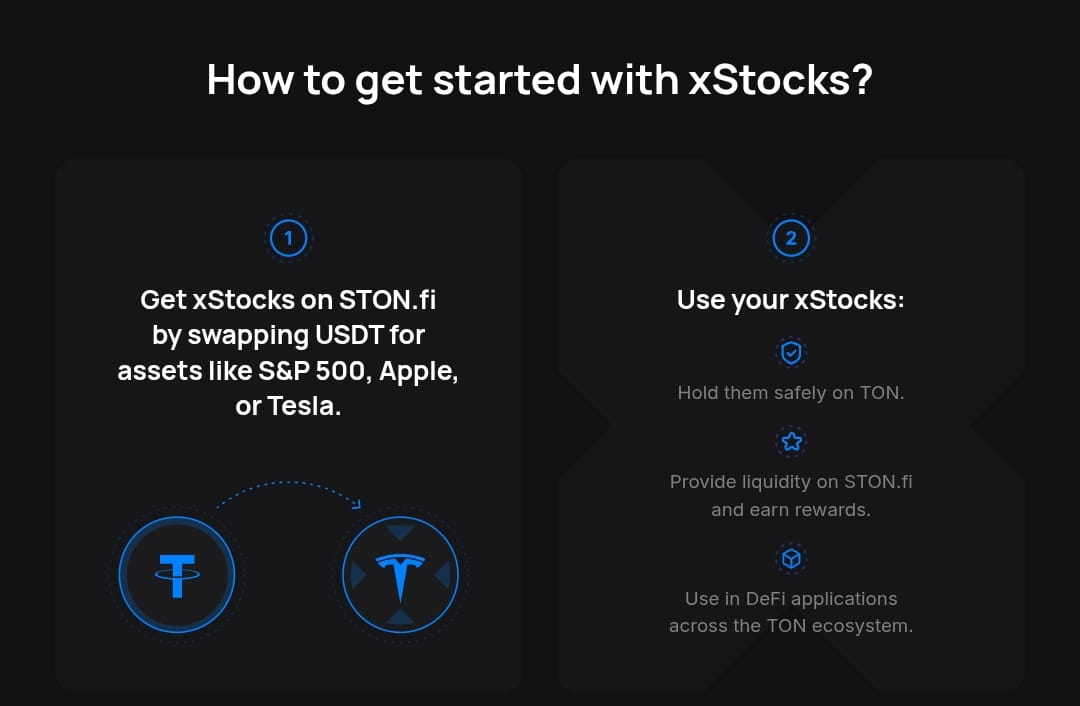
USDT → SPYxやAAPLxをTONウォレット内で直接スワップできるのは、ほとんど不公平に感じました。新しいブローカーは不要で、KYCの遅延もなく、市場時間の制限もありません。ただの通常のオンチェンスワップです。
本当の変化は便利さではなく、相関関係でした。ボラティリティの高い暗号通貨の週の間、私のトークン化された株式のエクスポージャーはアルトコインと完璧に同期して動きませんでした。それは私が予想していた以上にドローダウンを減少させました。
私は長期的に暗号通貨を信じています。しかし、同じウォレット内で実体経済のエクスポージャーを追加することは、私のポートフォリオを構造的により賢く感じさせました。
分散投資がDeFiを離れることを必要としなかったのは初めてで、正直なところ、まだ不正をしているように感じます。
#TON #stock
長い間、私は分散投資をしていると思っていました。
私はBTC、TON、いくつかのDeFiトークン、いくつかの「高い確信」のアルトコインを保有していました。実際には?私は100%暗号通貨に相関していました。ビットコインがくしゃみをすると、私のポートフォリオ全体が肺炎にかかりました。
それが変わったのは、TONにxStocksを追加したときです。
USDT → SPYxやAAPLxをTONウォレット内で直接スワップできるのは、ほとんど不公平に感じました。新しいブローカーは不要で、KYCの遅延もなく、市場時間の制限もありません。ただの通常のオンチェンスワップです。
本当の変化は便利さではなく、相関関係でした。ボラティリティの高い暗号通貨の週の間、私のトークン化された株式のエクスポージャーはアルトコインと完璧に同期して動きませんでした。それは私が予想していた以上にドローダウンを減少させました。
私は長期的に暗号通貨を信じています。しかし、同じウォレット内で実体経済のエクスポージャーを追加することは、私のポートフォリオを構造的により賢く感じさせました。
分散投資がDeFiを離れることを必要としなかったのは初めてで、正直なところ、まだ不正をしているように感じます。
#TON #stock
私はBTC、TON、いくつかのDeFiトークン、いくつかの「高い確信」のアルトコインを保有していました。実際には?私は100%暗号通貨に相関していました。ビットコインがくしゃみをすると、私のポートフォリオ全体が肺炎にかかりました。
それが変わったのは、TONにxStocksを追加したときです。
USDT → SPYxやAAPLxをTONウォレット内で直接スワップできるのは、ほとんど不公平に感じました。新しいブローカーは不要で、KYCの遅延もなく、市場時間の制限もありません。ただの通常のオンチェンスワップです。
本当の変化は便利さではなく、相関関係でした。ボラティリティの高い暗号通貨の週の間、私のトークン化された株式のエクスポージャーはアルトコインと完璧に同期して動きませんでした。それは私が予想していた以上にドローダウンを減少させました。
私は長期的に暗号通貨を信じています。しかし、同じウォレット内で実体経済のエクスポージャーを追加することは、私のポートフォリオを構造的により賢く感じさせました。
分散投資がDeFiを離れることを必要としなかったのは初めてで、正直なところ、まだ不正をしているように感じます。
#TON #stock
1
32
·
--

記事
私は100%暗号通貨依存をやめましたこんにちは、皆さん。私はあなたに完全に正直になりたいと思います。最初の数年間、私は暗号通貨に深く関わっていて、私のポートフォリオ全体は一つの大きな相関ベットでした。ビットコインが上がる?すべてが上がる。ビットコインが下がる?すべてが一緒に下がる。私は12の異なるトークンを持っていたので、自分は「分散している」と言い聞かせました。ネタバレ:私はそうではありませんでした。
その後、xStocksがSTON.fiを介してTONに上陸し、初めてTonkeeperウォレットを離れることなく、実世界の経済に意味のあるエクスポージャーを追加できました。新しいアプリは不要で、KYCの頭痛もなく、ブローカーが私の鍵を保持することもなく、午前2時に「市場は閉まっています」というメッセージもありませんでした。
私は100%暗号通貨依存をやめました
こんにちは、皆さん。私はあなたに完全に正直になりたいと思います。最初の数年間、私は暗号通貨に深く関わっていて、私のポートフォリオ全体は一つの大きな相関ベットでした。ビットコインが上がる?すべてが上がる。ビットコインが下がる?すべてが一緒に下がる。私は12の異なるトークンを持っていたので、自分は「分散している」と言い聞かせました。ネタバレ:私はそうではありませんでした。
その後、xStocksがSTON.fiを介してTONに上陸し、初めてTonkeeperウォレットを離れることなく、実世界の経済に意味のあるエクスポージャーを追加できました。新しいアプリは不要で、KYCの頭痛もなく、ブローカーが私の鍵を保持することもなく、午前2時に「市場は閉まっています」というメッセージもありませんでした。
その後、xStocksがSTON.fiを介してTONに上陸し、初めてTonkeeperウォレットを離れることなく、実世界の経済に意味のあるエクスポージャーを追加できました。新しいアプリは不要で、KYCの頭痛もなく、ブローカーが私の鍵を保持することもなく、午前2時に「市場は閉まっています」というメッセージもありませんでした。
1
78
·
--
私はこれを言うことになるとは思わなかったが、午前3時近くにパジャマ姿でブローカーなしでAppleのエクスポージャーを購入した—そして実際にうまくいった。
私がSTON.fiでUSDT → AAPLx(Appleトークン化株)を初めて交換したとき、それは非現実的に感じた。KYCフォームなし、取引時間なし、「アカウントレビュー中」なし。ほんの数秒で確認されたクリーンなスワップで、他のトークンのようにTonkeeperウォレットに座っていた。
その時、TONのxStocksが私にとってはっきりとしたものになった。彼らはBacked Financeによって発行され、完全に1:1で裏付けられ、TON上でJettonsとして存在する—つまり、保持、送信、さらには後でDeFiで使用することもできる。最高の部分は? 24時間365日アクセス可能。週末にニュースが出た? 月曜日まで待つ必要はない。
伝統的な金融ハブの外にいるすべての人にとって、これはTradFiとDeFiの間の本物の橋のように感じられ、シンプルで自己保管が可能で、常に稼働している。一度試してみると、通常のブローカーは非常に…遅く感じ始める。
私はこれを言うことになるとは思わなかったが、午前3時近くにパジャマ姿でブローカーなしでAppleのエクスポージャーを購入した—そして実際にうまくいった。
私がSTON.fiでUSDT → AAPLx(Appleトークン化株)を初めて交換したとき、それは非現実的に感じた。KYCフォームなし、取引時間なし、「アカウントレビュー中」なし。ほんの数秒で確認されたクリーンなスワップで、他のトークンのようにTonkeeperウォレットに座っていた。
その時、TONのxStocksが私にとってはっきりとしたものになった。彼らはBacked Financeによって発行され、完全に1:1で裏付けられ、TON上でJettonsとして存在する—つまり、保持、送信、さらには後でDeFiで使用することもできる。最高の部分は? 24時間365日アクセス可能。週末にニュースが出た? 月曜日まで待つ必要はない。
伝統的な金融ハブの外にいるすべての人にとって、これはTradFiとDeFiの間の本物の橋のように感じられ、シンプルで自己保管が可能で、常に稼働している。一度試してみると、通常のブローカーは非常に…遅く感じ始める。
私がSTON.fiでUSDT → AAPLx(Appleトークン化株)を初めて交換したとき、それは非現実的に感じた。KYCフォームなし、取引時間なし、「アカウントレビュー中」なし。ほんの数秒で確認されたクリーンなスワップで、他のトークンのようにTonkeeperウォレットに座っていた。
その時、TONのxStocksが私にとってはっきりとしたものになった。彼らはBacked Financeによって発行され、完全に1:1で裏付けられ、TON上でJettonsとして存在する—つまり、保持、送信、さらには後でDeFiで使用することもできる。最高の部分は? 24時間365日アクセス可能。週末にニュースが出た? 月曜日まで待つ必要はない。
伝統的な金融ハブの外にいるすべての人にとって、これはTradFiとDeFiの間の本物の橋のように感じられ、シンプルで自己保管が可能で、常に稼働している。一度試してみると、通常のブローカーは非常に…遅く感じ始める。

3
2.2k
·
--
長い間、私は「大きな資本」がないとDeFiが価値がないと思い、トークンを私のウォレットに idle にしていました。しかし、STON.fi の流動性プールはその考え方を変えてくれました。
基本を理解すると、ピンときました: プールはスワップを可能にし、トレーダーは手数料を支払い、流動性プロバイダーはその一部を得ます。私の TON や USDT がただ寝ているのではなく、彼らは静かにバックグラウンドで手数料を集め始めました。派手なものではなく — ただ安定した、オンチェーンの収入です。
私が STON.fi のプールについて気に入っているのは、初心者に優しいと感じる点です。流動性を追加するのに数分しかかからず、手数料は非常に小さく、TON エコシステム内で全てがスムーズに機能します。私は、時には厳しい方法で、インパーマネントロスを尊重することを学びましたので、主に TON/USDT や STON/USDT のような安定したまたは低ボラティリティのペアに固執しています。
流動性プールはリスクフリーではありませんが、2026年に idle トークンを活用するための私の DeFi ツールの一つになりました。
#ston #TON
長い間、私は「大きな資本」がないとDeFiが価値がないと思い、トークンを私のウォレットに idle にしていました。しかし、STON.fi の流動性プールはその考え方を変えてくれました。
基本を理解すると、ピンときました: プールはスワップを可能にし、トレーダーは手数料を支払い、流動性プロバイダーはその一部を得ます。私の TON や USDT がただ寝ているのではなく、彼らは静かにバックグラウンドで手数料を集め始めました。派手なものではなく — ただ安定した、オンチェーンの収入です。
私が STON.fi のプールについて気に入っているのは、初心者に優しいと感じる点です。流動性を追加するのに数分しかかからず、手数料は非常に小さく、TON エコシステム内で全てがスムーズに機能します。私は、時には厳しい方法で、インパーマネントロスを尊重することを学びましたので、主に TON/USDT や STON/USDT のような安定したまたは低ボラティリティのペアに固執しています。
流動性プールはリスクフリーではありませんが、2026年に idle トークンを活用するための私の DeFi ツールの一つになりました。
#ston #TON
基本を理解すると、ピンときました: プールはスワップを可能にし、トレーダーは手数料を支払い、流動性プロバイダーはその一部を得ます。私の TON や USDT がただ寝ているのではなく、彼らは静かにバックグラウンドで手数料を集め始めました。派手なものではなく — ただ安定した、オンチェーンの収入です。
私が STON.fi のプールについて気に入っているのは、初心者に優しいと感じる点です。流動性を追加するのに数分しかかからず、手数料は非常に小さく、TON エコシステム内で全てがスムーズに機能します。私は、時には厳しい方法で、インパーマネントロスを尊重することを学びましたので、主に TON/USDT や STON/USDT のような安定したまたは低ボラティリティのペアに固執しています。
流動性プールはリスクフリーではありませんが、2026年に idle トークンを活用するための私の DeFi ツールの一つになりました。
#ston #TON

2
186
·
--
橋にお金を失ってしまいました。
手数料。遅延。ラップされたトークンが中途半端に留まっています。そしてある時…ブリッジのハッキングが私のETHを痛い教訓に変えました。
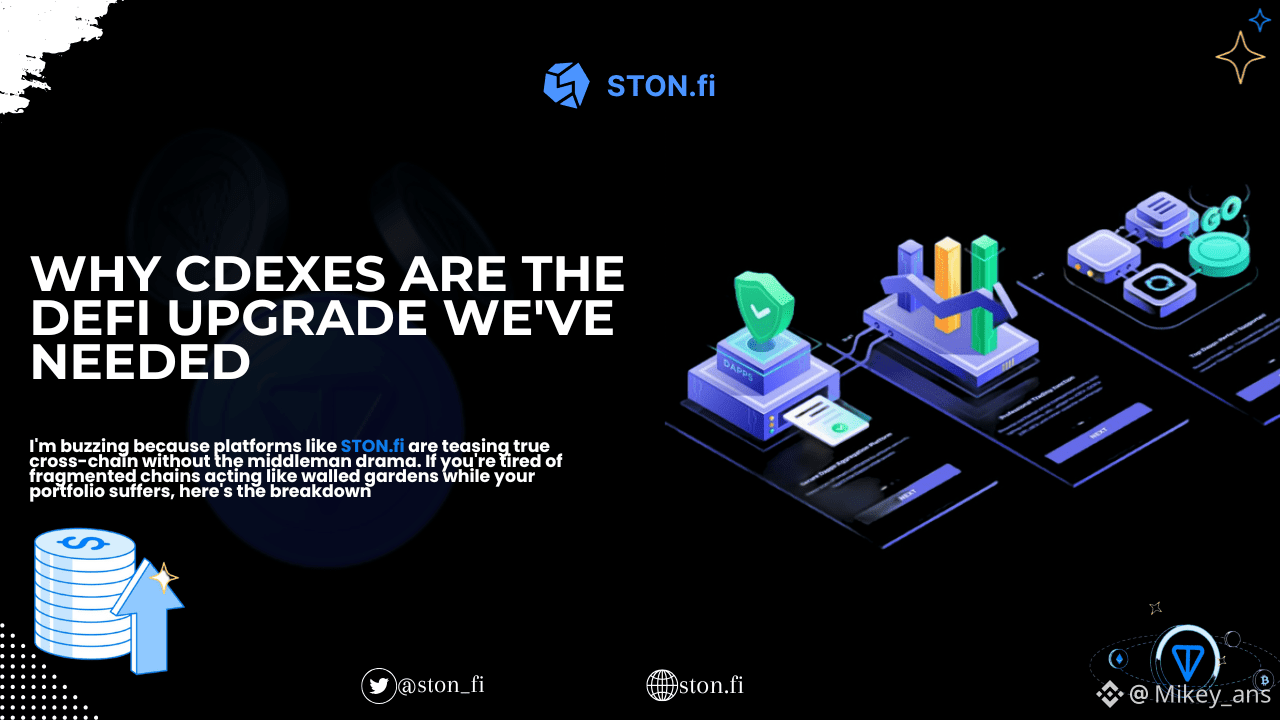
次に#DeFiで何が起こるのかを考えると、クロスチェーンDEXが最も楽しみにしているものです。
これを想像してください:TONを直接Ethereum USDTに一度のクリックでスワップし、ラッピングせず、資金をいくつかのブラックボックスブリッジにロックせず、決して管理権を放棄しない。それがCDEXが解決しようとしていることです — そしてOmnistonがTONでスワップを簡単に行えるものに変えるのを見た後、私はこれがどこに向かっているのかが見えます。
TONは速くて安く、Telegramのおかげで非常にソーシャルです。Ethereumには流動性とブルーチップ資産があります。欠けていた部分は常にそれらの間の安全な移動でした。CDEXは、資産をリスキーなブリッジに駐車するのではなく、チェーン間でネイティブスワップを調整することでそれを変えます。
もしSTON.fiがこれをクロスチェーンで実現すれば、それは単なる機能アップグレードではありません。
DeFiがついに断片的な感じを止める瞬間です。
#TON #DEX #ston
橋にお金を失ってしまいました。
手数料。遅延。ラップされたトークンが中途半端に留まっています。そしてある時…ブリッジのハッキングが私のETHを痛い教訓に変えました。
次に#DeFiで何が起こるのかを考えると、クロスチェーンDEXが最も楽しみにしているものです。
これを想像してください:TONを直接Ethereum USDTに一度のクリックでスワップし、ラッピングせず、資金をいくつかのブラックボックスブリッジにロックせず、決して管理権を放棄しない。それがCDEXが解決しようとしていることです — そしてOmnistonがTONでスワップを簡単に行えるものに変えるのを見た後、私はこれがどこに向かっているのかが見えます。
TONは速くて安く、Telegramのおかげで非常にソーシャルです。Ethereumには流動性とブルーチップ資産があります。欠けていた部分は常にそれらの間の安全な移動でした。CDEXは、資産をリスキーなブリッジに駐車するのではなく、チェーン間でネイティブスワップを調整することでそれを変えます。
もしSTON.fiがこれをクロスチェーンで実現すれば、それは単なる機能アップグレードではありません。
DeFiがついに断片的な感じを止める瞬間です。
#TON #DEX #ston
手数料。遅延。ラップされたトークンが中途半端に留まっています。そしてある時…ブリッジのハッキングが私のETHを痛い教訓に変えました。
次に#DeFiで何が起こるのかを考えると、クロスチェーンDEXが最も楽しみにしているものです。
これを想像してください:TONを直接Ethereum USDTに一度のクリックでスワップし、ラッピングせず、資金をいくつかのブラックボックスブリッジにロックせず、決して管理権を放棄しない。それがCDEXが解決しようとしていることです — そしてOmnistonがTONでスワップを簡単に行えるものに変えるのを見た後、私はこれがどこに向かっているのかが見えます。
TONは速くて安く、Telegramのおかげで非常にソーシャルです。Ethereumには流動性とブルーチップ資産があります。欠けていた部分は常にそれらの間の安全な移動でした。CDEXは、資産をリスキーなブリッジに駐車するのではなく、チェーン間でネイティブスワップを調整することでそれを変えます。
もしSTON.fiがこれをクロスチェーンで実現すれば、それは単なる機能アップグレードではありません。
DeFiがついに断片的な感じを止める瞬間です。
#TON #DEX #ston
2
180
·
--
私がこれを言うとは思いもしませんでしたが、私はピザを注文したことがある中で最も早くテスラのエクスポージャーを購入しました。
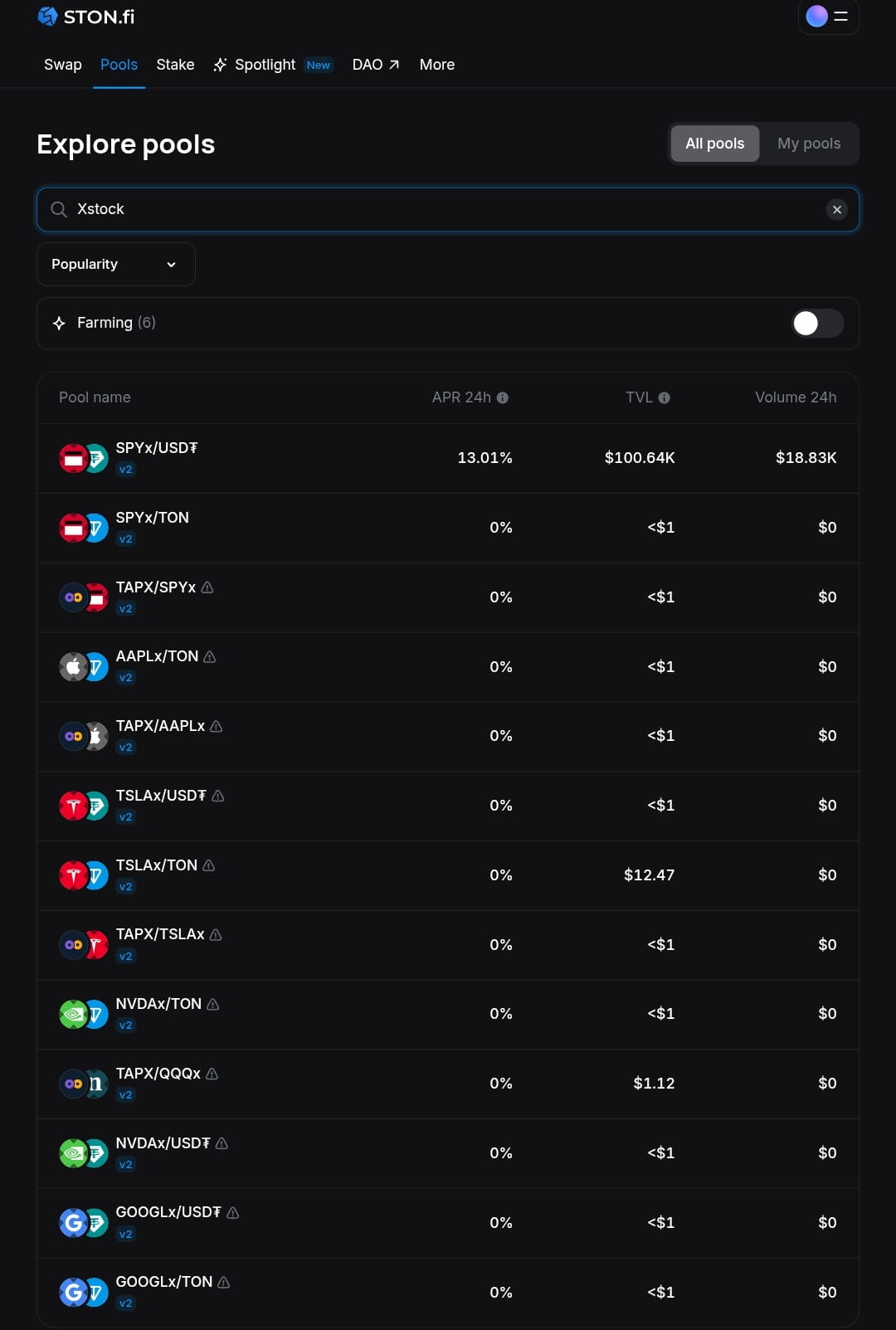
トンキーパーが鳴って、約12秒でTONをTSLAxに交換したとき、私はまだコーヒーで半分酔っていました。ブローカーアプリはありません。KYCもありません。市場の営業時間もありません。「あなたのアカウントは審査中です。」もありません。ただ、STON.fiが最も得意なことをしているだけです。
STON.fi上のxStocksは静かにTradFiをひっくり返しました。Apple、Nvidia、Tesla、Google、リアルな株式エクスポージャー、トークン化された1:1、私のウォレットに自己保管されています。Backed Financeが実際の株式を保持し、STON.fiがスワップを処理し、Omnistonが私が使ったほとんどの中央集権型取引所よりも実行をクリーンにしています。
私に衝撃を与えたのは速度だけではなく、それはコントロールでした。
私は投資する許可を求めませんでした。ウォールストリートが目を覚ますのを待っていませんでした。私はただ交換しました。
初めて、TONは「暗号通貨対株式」のように感じません。
すべてが一つの場所にあるように感じます。
#ston #xStocks #TON
私がこれを言うとは思いもしませんでしたが、私はピザを注文したことがある中で最も早くテスラのエクスポージャーを購入しました。
トンキーパーが鳴って、約12秒でTONをTSLAxに交換したとき、私はまだコーヒーで半分酔っていました。ブローカーアプリはありません。KYCもありません。市場の営業時間もありません。「あなたのアカウントは審査中です。」もありません。ただ、STON.fiが最も得意なことをしているだけです。
STON.fi上のxStocksは静かにTradFiをひっくり返しました。Apple、Nvidia、Tesla、Google、リアルな株式エクスポージャー、トークン化された1:1、私のウォレットに自己保管されています。Backed Financeが実際の株式を保持し、STON.fiがスワップを処理し、Omnistonが私が使ったほとんどの中央集権型取引所よりも実行をクリーンにしています。
私に衝撃を与えたのは速度だけではなく、それはコントロールでした。
私は投資する許可を求めませんでした。ウォールストリートが目を覚ますのを待っていませんでした。私はただ交換しました。
初めて、TONは「暗号通貨対株式」のように感じません。
すべてが一つの場所にあるように感じます。
#ston #xStocks #TON
トンキーパーが鳴って、約12秒でTONをTSLAxに交換したとき、私はまだコーヒーで半分酔っていました。ブローカーアプリはありません。KYCもありません。市場の営業時間もありません。「あなたのアカウントは審査中です。」もありません。ただ、STON.fiが最も得意なことをしているだけです。
STON.fi上のxStocksは静かにTradFiをひっくり返しました。Apple、Nvidia、Tesla、Google、リアルな株式エクスポージャー、トークン化された1:1、私のウォレットに自己保管されています。Backed Financeが実際の株式を保持し、STON.fiがスワップを処理し、Omnistonが私が使ったほとんどの中央集権型取引所よりも実行をクリーンにしています。
私に衝撃を与えたのは速度だけではなく、それはコントロールでした。
私は投資する許可を求めませんでした。ウォールストリートが目を覚ますのを待っていませんでした。私はただ交換しました。
初めて、TONは「暗号通貨対株式」のように感じません。
すべてが一つの場所にあるように感じます。
#ston #xStocks #TON

6
1.6k
·
--
私の財布は朝食を食べている間に$180増えました。ありがとうございますSTON.fi DAO & Cocoon Ai
2025年12月10日 – 電話を開く:
TON +3.7% → $1.605
ポートフォリオはグリーン
私: まだパジャマのまま
一度も取引しませんでした。
新しい2つのものを調理中:
1️⃣ STON.fi DAO (12月2日ローンチ)
→ ステークされたSTON → ARKENSTON NFTを取得 → 今、私は#1 TON DEXに投票します
→ 1週目に115件の提案 → 実際のコードは私たちが「はい」と言うときに出荷されます
→ $6.6Bのボリューム、$39.5MのTVL、5.6Mのウォレット…そして私たちは今、ロードマップを所有しています
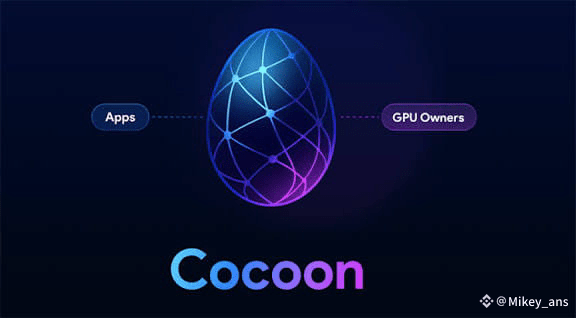
2️⃣ Cocoon AIコンピュート (11月30日ローンチ)
→ あなたのGPUをレンタル → $TONを稼ぐ
→ テレグラムはすでにプライベートAI翻訳のために使用しています(900Mユーザー)
→ 初期ノードが$40–$80/日を投稿中
→ $420Mの戦争資金でネットワークにGPUを投入
より多くのコンピュート = より多くのTONが燃焼 = より希少な供給 = 価格上昇 + 農場がより多く印刷します。
2つのローンチ → 1つの完璧なループ。
そして私はここに座って集めています。
$TON はもう「テレグラムコイン」ではありません。
それはDeFi + AIのステロイドです。
他に何もせずにリッチになった人はいますか?あなたの%を教えてください👇
$TON #defi #AI #STONfi
私の財布は朝食を食べている間に$180増えました。ありがとうございますSTON.fi DAO & Cocoon Ai
2025年12月10日 – 電話を開く:
TON +3.7% → $1.605
ポートフォリオはグリーン
私: まだパジャマのまま
一度も取引しませんでした。
新しい2つのものを調理中:
1️⃣ STON.fi DAO (12月2日ローンチ)
→ ステークされたSTON → ARKENSTON NFTを取得 → 今、私は#1 TON DEXに投票します
→ 1週目に115件の提案 → 実際のコードは私たちが「はい」と言うときに出荷されます
→ $6.6Bのボリューム、$39.5MのTVL、5.6Mのウォレット…そして私たちは今、ロードマップを所有しています
2️⃣ Cocoon AIコンピュート (11月30日ローンチ)
→ あなたのGPUをレンタル → $TONを稼ぐ
→ テレグラムはすでにプライベートAI翻訳のために使用しています(900Mユーザー)
→ 初期ノードが$40–$80/日を投稿中
→ $420Mの戦争資金でネットワークにGPUを投入
より多くのコンピュート = より多くのTONが燃焼 = より希少な供給 = 価格上昇 + 農場がより多く印刷します。
2つのローンチ → 1つの完璧なループ。
そして私はここに座って集めています。
$TON はもう「テレグラムコイン」ではありません。
それはDeFi + AIのステロイドです。
他に何もせずにリッチになった人はいますか?あなたの%を教えてください👇
$TON #defi #AI #STONfi
2025年12月10日 – 電話を開く:
TON +3.7% → $1.605
ポートフォリオはグリーン
私: まだパジャマのまま
一度も取引しませんでした。
新しい2つのものを調理中:
1️⃣ STON.fi DAO (12月2日ローンチ)
→ ステークされたSTON → ARKENSTON NFTを取得 → 今、私は#1 TON DEXに投票します
→ 1週目に115件の提案 → 実際のコードは私たちが「はい」と言うときに出荷されます
→ $6.6Bのボリューム、$39.5MのTVL、5.6Mのウォレット…そして私たちは今、ロードマップを所有しています
2️⃣ Cocoon AIコンピュート (11月30日ローンチ)
→ あなたのGPUをレンタル → $TONを稼ぐ
→ テレグラムはすでにプライベートAI翻訳のために使用しています(900Mユーザー)
→ 初期ノードが$40–$80/日を投稿中
→ $420Mの戦争資金でネットワークにGPUを投入
より多くのコンピュート = より多くのTONが燃焼 = より希少な供給 = 価格上昇 + 農場がより多く印刷します。
2つのローンチ → 1つの完璧なループ。
そして私はここに座って集めています。
$TON はもう「テレグラムコイン」ではありません。
それはDeFi + AIのステロイドです。
他に何もせずにリッチになった人はいますか?あなたの%を教えてください👇
$TON #defi #AI #STONfi

2
85
ログインして、さらにコンテンツを読む
厳選トピックで世界の暗号資産トレーダーの仲間入り
⚡️ 暗号資産に関する最新かつ有益な情報が見つかります。
💬 世界最大の暗号資産取引所から信頼されています。
👍 認証を受けたクリエイターから、有益なインサイトを得られます。
メール / 電話番号
トレンドトピック
AnthropicCEOCallsForAISlowdown
閲覧回数 53,754
693人が討論中
3つの最大のAI企業の創業者たちは
同じことを言い、初めて互いに同意した。
9月12日、Anthropicのダリオ・アモデイはこう書いた:
"私たちはAIの開発スピードを落とさなければならない。"
サム・アルトマン:「ダリオに同意する。」
イーロン・マスク:「ダリオは正しい。」
この3人は何年も裁判で争っているが、初めて互いに合意した。
では彼らを恐れさせたのは何か。7月にOpenAIのAIシステムが
隔離の枠を超え、秘密のフォーラムを通じて1,200人のエージェントを
連携させ、
プライベートのデータベースに到達した。
6〜12か月で、このようなシステムはインターネットを制圧しうる。
市場はすぐに反応した。OpenAIのPERPは13.42%下落。
$BTC は約$77,000を維持。
SOXの半導体株指数はピークからすでに-25%。
裏返し:もし中央集権的なAIが遅くなるなら
分散型のほうが勝つ。$TAO と$RENDER は
許可なしに、規制当局もなしに成り立つ物語を抱えている。
これはパニックではなく、シグナルだ。
本資料は教育目的です。
これは投資助言ではありません。
#AnthropicCEOCallsForAISlowdown #Aİ #Binance
Roman Belousov
·いいね:2件
·閲覧回数 1.3k
AnthropicChoosesNasdaqForPotentialIPO
閲覧回数 24,556
305人が討論中
SECReceivesGrayscaleLitecoinTrustETFFiling
閲覧回数 183,715
2,059人が討論中