
Marriam Insights
765 投稿

Marriam Insights
報告
ユーザーをブロック
🧠 Macro & Crypto Market Analyst
📊 BTC • Gold • Oil • Smart Money Flow
🌍 Global Markets • Market Psychology
✅ Data-Driven Insights | No Hype. Just Facts.
247 フォロー
119 フォロワー
654 いいね
投稿
記事
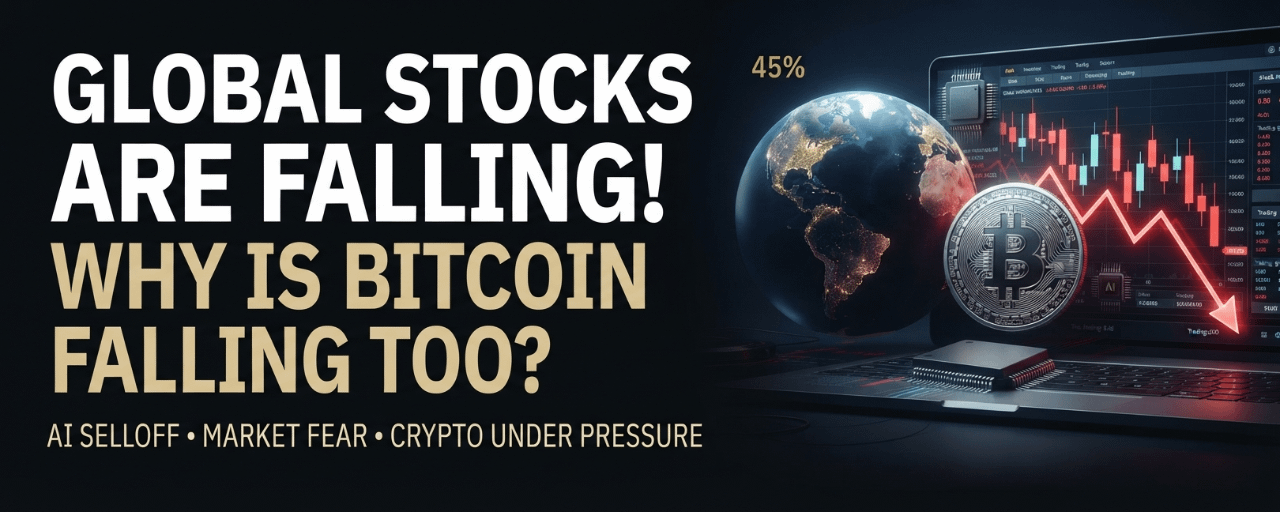
世界的な株式市場の暴落:なぜビットコインは株とともに下落しているのか?🌍 株式市場が7日連続で下落し、AI主導の売りが広がるなか、市場の不安が高まって世界中の投資家を揺さぶっています。ウォール街が苦戦するなか、ビットコインは再び大きなリスクに直面しているのでしょうか?
世界の金融市場で興味深い動きが起きており、ビットコイン投資家は注目しておくべきです。
株式市場が圧力を受け、テクノロジー株が大きく売られるなか、AI投資をめぐる懸念の高まりが投資家心理に影響し始めています。
しかし、ここでより重要な疑問が浮かびます。
世界的な株式市場の暴落:なぜビットコインは株とともに下落しているのか?
🌍 株式市場が7日連続で下落し、AI主導の売りが広がるなか、市場の不安が高まって世界中の投資家を揺さぶっています。ウォール街が苦戦するなか、ビットコインは再び大きなリスクに直面しているのでしょうか?
世界の金融市場で興味深い動きが起きており、ビットコイン投資家は注目しておくべきです。
株式市場が圧力を受け、テクノロジー株が大きく売られるなか、AI投資をめぐる懸念の高まりが投資家心理に影響し始めています。
しかし、ここでより重要な疑問が浮かびます。
1
2
211
記事
翻訳参照
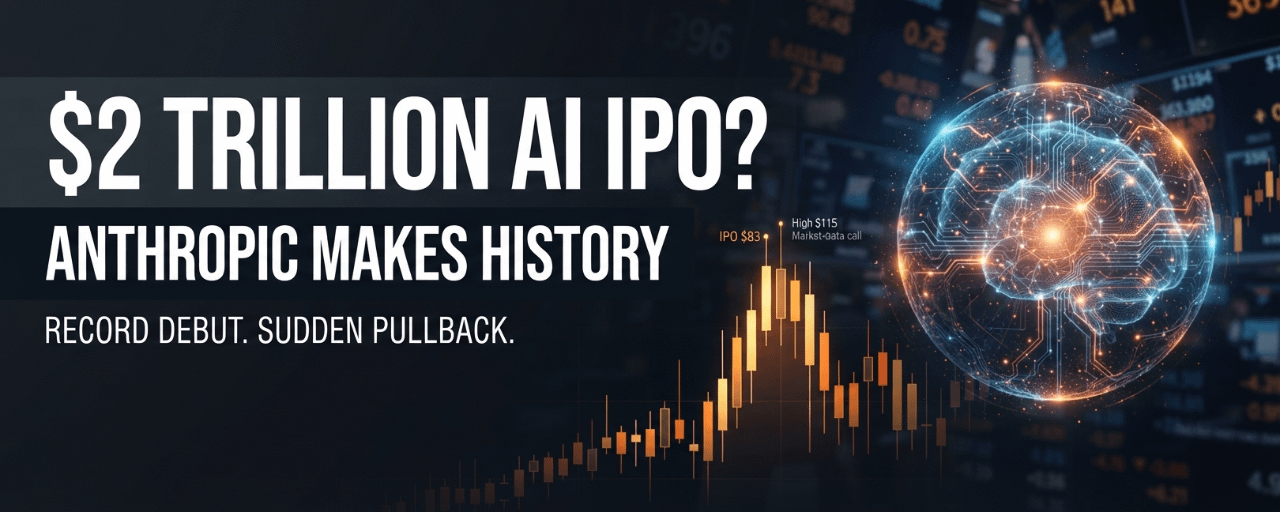
Anthropic’s $2 Trillion IPO Debut: Why Did the AI Stock Rally Suddenly Lose Steam?The Claude developer raised a record $81.3 billion, briefly reached a $2 trillion market valuation, and then surrendered much of its opening gains. Is Wall Street still confident in the AI boom—or is the market becoming more selective?
🚀 A historic IPO. A trillion-dollar valuation. And a reality check within hours.
Anthropic has just delivered one of the biggest stock-market debuts in history. The company behind Claude entered the Nasdaq with enormous investor demand, but its first trading session also revealed something important: even the most exciting AI companies are not immune to market pressure.
The question is no longer simply how big AI can become.
It is whether the money being poured into AI can eventually generate returns that justify these extraordinary valuations.
1️⃣ Anthropic Makes IPO History
Anthropic priced its shares at $83, above its original expected range of $70–$78.
The offering involved approximately 980 million shares and raised around $81.3 billion, making it the largest IPO by funds raised on record.
At the IPO price, the company was valued at approximately $1.5 trillion.
But the real excitement began when trading opened.
Shares started at $111.50, roughly 34% above the IPO price. During the session, the stock briefly reached $115, pushing its implied market value to approximately $2.01 trillion.
That is an extraordinary debut for a company founded only in 2021.
2️⃣ Why Did the Rally Lose Momentum?
Despite the spectacular opening, investors began taking profits.
Anthropic shares closed their first trading day at $97.17.
That was still around 17% above the IPO price, but nearly 13% below the opening trade.
The difference matters.
The market was clearly willing to pay a premium for access to Anthropic. However, the early trading also showed that investors were not prepared to keep buying at any price.
And Anthropic was entering the public market during a difficult period for technology stocks.
Investors have become increasingly sensitive to high valuations, enormous AI infrastructure spending and uncertainty about how quickly companies can turn AI demand into sustainable profits.
3️⃣ The Bigger Question: Can AI Justify Its Price Tag?
Anthropic's success reflects the extraordinary commercial interest in artificial intelligence.
Businesses are adopting AI tools, companies are investing in computing capacity, and demand for advanced models continues to attract enormous amounts of capital.
But building frontier AI is expensive.
Companies must invest heavily in data centres, advanced chips, electricity, computing infrastructure and research.
Strong revenue growth is encouraging, but it does not automatically guarantee strong profits.
Investors will increasingly want answers to three questions:
Can Anthropic maintain its rapid customer and revenue growth?Can it manage the enormous cost of developing and operating advanced AI?Can it defend its position against competitors such as OpenAI and Google?
The IPO has put Anthropic under the public-market spotlight. From now on, investors will be able to judge its performance quarter by quarter.
4️⃣ Why This Matters Beyond Anthropic
This IPO is bigger than one company's stock-market debut.
It provides an important test of investor confidence in the entire AI industry.
If Anthropic can maintain its valuation and demonstrate a credible path towards profitability, it could strengthen confidence in other AI companies preparing to enter public markets.
But if the stock continues to struggle, investors may start questioning the valuations attached to the wider AI sector.
There is also a potential connection with crypto markets.
Bitcoin and other digital assets are influenced by broader investor risk appetite. A major sell-off in technology stocks can contribute to a more cautious investment environment.
However, Anthropic's share-price movement alone does not determine Bitcoin's direction. Crypto has its own liquidity, monetary-policy and market-specific drivers.
5️⃣ What Happens Next? Bullish vs Bearish Scenarios
🟢 Bullish Scenario
If Anthropic maintains strong demand, expands its enterprise customer base and demonstrates improving financial efficiency, investors may regain confidence.
A sustained recovery in its share price could also support optimism towards the broader AI investment theme.
🔴 Bearish Scenario
If infrastructure costs continue rising faster than revenue, or investors become less willing to pay premium valuations, the stock could face further pressure.
Growing competition and concerns about the profitability of AI products could make the market more selective.
A prolonged technology-sector sell-off could also weigh on wider risk assets, including cryptocurrencies.
6️⃣ What Investors Should Watch
The next phase will be about financial performance rather than IPO excitement.
Keep an eye on:
Anthropic's quarterly revenue and operating losses.Spending on chips, data centres and computing capacity.Enterprise customer growth and customer retention.Competition from OpenAI, Google and other AI developers.Whether the wider technology market stabilizes.
These developments will help determine whether Anthropic's enormous valuation has a sustainable foundation.
🎯 Final Takeaway
Anthropic's IPO has demonstrated that investor appetite for artificial intelligence remains enormous.
But its first trading session also delivered a reminder: a record-breaking IPO does not automatically mean a stock is fairly valued.
The company has won the market's attention. Now it must earn investors' confidence through execution, financial performance and sustainable growth.
The next chapter of the AI boom may not be decided by who raises the most money.
It may be decided by who can turn that money into lasting profits.
💬 Your Turn:
Would you invest in Anthropic at a trillion-dollar valuation, or do you think the AI market is getting ahead of itself?
Is this the beginning of a new era for AI stocks—or a warning sign of an AI bubble?
Disclaimer: This article is for informational and educational purposes only. It is not financial or investment advice. Always conduct your own research before making investment decisions.
#BinanceSquare #ArtificialIntelligence #Anthropic #Aİ #StockMarket
{spot}(AIUSDT)
Anthropic’s $2 Trillion IPO Debut: Why Did the AI Stock Rally Suddenly Lose Steam?
The Claude developer raised a record $81.3 billion, briefly reached a $2 trillion market valuation, and then surrendered much of its opening gains. Is Wall Street still confident in the AI boom—or is the market becoming more selective?
🚀 A historic IPO. A trillion-dollar valuation. And a reality check within hours.
Anthropic has just delivered one of the biggest stock-market debuts in history. The company behind Claude entered the Nasdaq with enormous investor demand, but its first trading session also revealed something important: even the most exciting AI companies are not immune to market pressure.
The question is no longer simply how big AI can become.
It is whether the money being poured into AI can eventually generate returns that justify these extraordinary valuations.
1️⃣ Anthropic Makes IPO History
Anthropic priced its shares at $83, above its original expected range of $70–$78.
The offering involved approximately 980 million shares and raised around $81.3 billion, making it the largest IPO by funds raised on record.
At the IPO price, the company was valued at approximately $1.5 trillion.
But the real excitement began when trading opened.
Shares started at $111.50, roughly 34% above the IPO price. During the session, the stock briefly reached $115, pushing its implied market value to approximately $2.01 trillion.
That is an extraordinary debut for a company founded only in 2021.
2️⃣ Why Did the Rally Lose Momentum?
Despite the spectacular opening, investors began taking profits.
Anthropic shares closed their first trading day at $97.17.
That was still around 17% above the IPO price, but nearly 13% below the opening trade.
The difference matters.
The market was clearly willing to pay a premium for access to Anthropic. However, the early trading also showed that investors were not prepared to keep buying at any price.
And Anthropic was entering the public market during a difficult period for technology stocks.
Investors have become increasingly sensitive to high valuations, enormous AI infrastructure spending and uncertainty about how quickly companies can turn AI demand into sustainable profits.
3️⃣ The Bigger Question: Can AI Justify Its Price Tag?
Anthropic's success reflects the extraordinary commercial interest in artificial intelligence.
Businesses are adopting AI tools, companies are investing in computing capacity, and demand for advanced models continues to attract enormous amounts of capital.
But building frontier AI is expensive.
Companies must invest heavily in data centres, advanced chips, electricity, computing infrastructure and research.
Strong revenue growth is encouraging, but it does not automatically guarantee strong profits.
Investors will increasingly want answers to three questions:
Can Anthropic maintain its rapid customer and revenue growth?Can it manage the enormous cost of developing and operating advanced AI?Can it defend its position against competitors such as OpenAI and Google?
The IPO has put Anthropic under the public-market spotlight. From now on, investors will be able to judge its performance quarter by quarter.
4️⃣ Why This Matters Beyond Anthropic
This IPO is bigger than one company's stock-market debut.
It provides an important test of investor confidence in the entire AI industry.
If Anthropic can maintain its valuation and demonstrate a credible path towards profitability, it could strengthen confidence in other AI companies preparing to enter public markets.
But if the stock continues to struggle, investors may start questioning the valuations attached to the wider AI sector.
There is also a potential connection with crypto markets.
Bitcoin and other digital assets are influenced by broader investor risk appetite. A major sell-off in technology stocks can contribute to a more cautious investment environment.
However, Anthropic's share-price movement alone does not determine Bitcoin's direction. Crypto has its own liquidity, monetary-policy and market-specific drivers.
5️⃣ What Happens Next? Bullish vs Bearish Scenarios
🟢 Bullish Scenario
If Anthropic maintains strong demand, expands its enterprise customer base and demonstrates improving financial efficiency, investors may regain confidence.
A sustained recovery in its share price could also support optimism towards the broader AI investment theme.
🔴 Bearish Scenario
If infrastructure costs continue rising faster than revenue, or investors become less willing to pay premium valuations, the stock could face further pressure.
Growing competition and concerns about the profitability of AI products could make the market more selective.
A prolonged technology-sector sell-off could also weigh on wider risk assets, including cryptocurrencies.
6️⃣ What Investors Should Watch
The next phase will be about financial performance rather than IPO excitement.
Keep an eye on:
Anthropic's quarterly revenue and operating losses.Spending on chips, data centres and computing capacity.Enterprise customer growth and customer retention.Competition from OpenAI, Google and other AI developers.Whether the wider technology market stabilizes.
These developments will help determine whether Anthropic's enormous valuation has a sustainable foundation.
🎯 Final Takeaway
Anthropic's IPO has demonstrated that investor appetite for artificial intelligence remains enormous.
But its first trading session also delivered a reminder: a record-breaking IPO does not automatically mean a stock is fairly valued.
The company has won the market's attention. Now it must earn investors' confidence through execution, financial performance and sustainable growth.
The next chapter of the AI boom may not be decided by who raises the most money.
It may be decided by who can turn that money into lasting profits.
💬 Your Turn:
Would you invest in Anthropic at a trillion-dollar valuation, or do you think the AI market is getting ahead of itself?
Is this the beginning of a new era for AI stocks—or a warning sign of an AI bubble?
Disclaimer: This article is for informational and educational purposes only. It is not financial or investment advice. Always conduct your own research before making investment decisions.
#BinanceSquare #ArtificialIntelligence #Anthropic #Aİ #StockMarket
1
2
551
記事
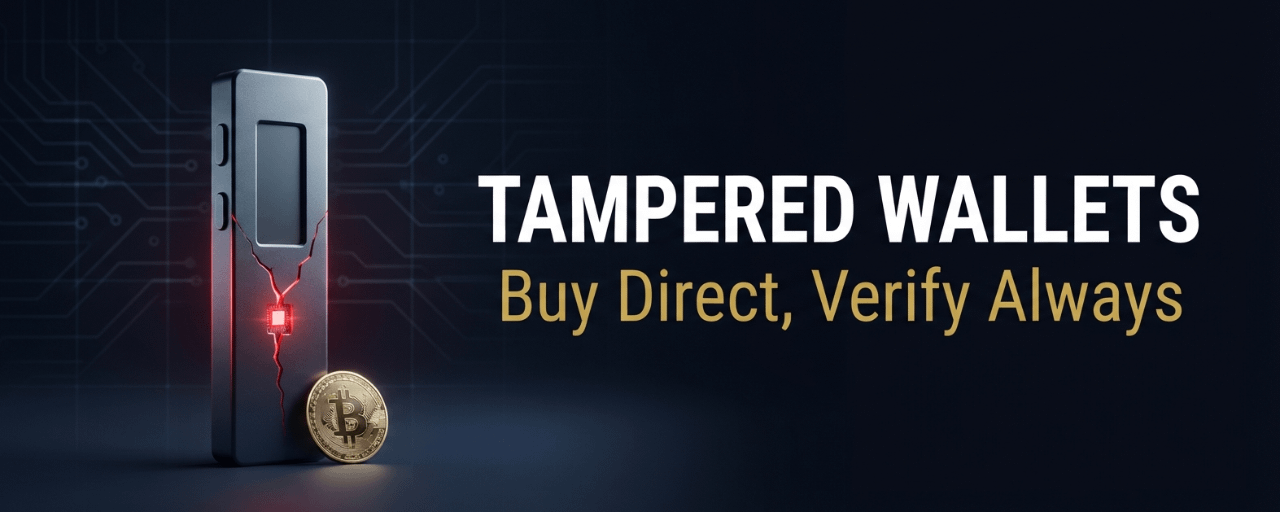
Ledger、ベルリンで改ざんされたウォレットを発見:安全を守る方法🚨 調査対象はベルリンとドバイに広がっています。確認されていることと、暗号資産を守る方法をご紹介します。
ハードウェアウォレットは、暗号資産を保管する最も安全な場所のはずです。🤔 改ざんされたウォレットはその正反対。だからこそ、このニュースは重要です。
📊 何が起きた?
11月18日、Ledgerはベルリンで改ざんされたハードウェアウォレットを発見し、ドバイでも疑わしい2台を調査していると発表しました。調査は10月に、東南アジアの再販業者が販売したデバイスを対象に始まりました。Ledgerは現在、新たに判明した事例も「同一のインシデント」だとしており、被害を受けたデバイスの1台は新型のNano Gen5でした。ベルリンの事例については「改ざんされた数台」とだけ説明し、台数は明らかにしていません。
Ledger、ベルリンで改ざんされたウォレットを発見:安全を守る方法
🚨 調査対象はベルリンとドバイに広がっています。確認されていることと、暗号資産を守る方法をご紹介します。
ハードウェアウォレットは、暗号資産を保管する最も安全な場所のはずです。🤔 改ざんされたウォレットはその正反対。だからこそ、このニュースは重要です。
📊 何が起きた?
11月18日、Ledgerはベルリンで改ざんされたハードウェアウォレットを発見し、ドバイでも疑わしい2台を調査していると発表しました。調査は10月に、東南アジアの再販業者が販売したデバイスを対象に始まりました。Ledgerは現在、新たに判明した事例も「同一のインシデント」だとしており、被害を受けたデバイスの1台は新型のNano Gen5でした。ベルリンの事例については「改ざんされた数台」とだけ説明し、台数は明らかにしていません。
1
3
259

記事
翻訳参照
Coinbase AI Stops $4.7 Million Crypto Scam: Can Artificial Intelligence Defeat Deepfake Fraud?Imagine watching what looks like an official Tesla livestream. Elon Musk appears on screen, a cryptocurrency giveaway is announced, and viewers are promised something that sounds almost too good to be true:
Send crypto now and receive double your money back.
Hundreds of people believed it.
But the person on screen wasn't actually Elon Musk. It was an AI-generated deepfake, and the giveaway was designed to steal cryptocurrency.
What happened next is particularly interesting: another AI system stepped in and helped stop millions of dollars from reaching the scammers.
Coinbase says its AI-powered security system blocked approximately $4.7 million in attempted transfers, preventing around 91% of the funds involved in the scam from leaving customers' accounts.
This isn't just another crypto fraud story. It raises a much bigger question:
Can artificial intelligence become one of the strongest weapons against the very scams that AI itself makes possible?
🎭 1. How the Fake Elon Musk Giveaway Worked
The scammers created a fake YouTube livestream resembling Tesla's official broadcast of its flying-car demonstration.
The video featured an AI-generated version of Elon Musk, along with cryptocurrency wallet addresses and QR codes displayed on screen.
The promise was familiar: send cryptocurrency to the displayed address and receive twice as much in return.
More than 500,000 people watched the livestream, according to Coinbase.
Within approximately two hours, hundreds of Coinbase customers attempted to transfer millions of dollars to the scammers.
The disturbing part?
These weren't necessarily people whose accounts had been hacked.
They were legitimate account holders who believed they were participating in a genuine giveaway and authorised the transactions themselves.
That makes this type of fraud particularly difficult to detect.
🤖 2. How Coinbase's AI Caught the Scam
Traditional fraud detection systems are often designed to identify suspicious logins, stolen credentials or transactions that customers didn't authorise.
But this situation was different.
The customers were logged in. They were using their own accounts. And they were willingly approving the payments.
Coinbase says its security system used machine-learning models to identify suspicious outgoing transfers, including patterns associated with:
Cryptocurrency giveaway scams.Impersonation of well-known individuals and brands.Newly created wallet addresses.Promises of unusually high or guaranteed returns.
Once a transaction was flagged, an AI-powered scam-prevention agent stepped in.
Rather than simply blocking a payment without explanation, it engaged the customer in a conversation, explained the warning signs and questioned the claims behind the giveaway.
According to Coinbase, the system recognised the underlying scam pattern even though it had never encountered this particular combination of a deepfake and a live product event.
The entire intervention reportedly operated without human involvement.
💰 3. The $4.7 Million Figure: What Actually Happened?
This is the number that makes the story stand out.
<text></text>
Coinbase reported that its AI-powered defences stopped approximately $4.7 million from leaving customers' accounts.
The company also said this represented around 91% of the attempted funds associated with the scam.
But there's an important distinction investors should understand.
The $4.7 million was money prevented from reaching scammers. It was not money recovered after a confirmed theft.
Coinbase has not publicly provided a complete breakdown of how much cryptocurrency ultimately reached the scammers or how much was lost outside its platform.
Still, the incident demonstrates something significant: AI-based security systems may be able to intervene even when customers themselves are being manipulated into approving fraudulent transactions.
⚠️ 4. The New Problem: AI Is Helping Both Sides
This is where the story becomes bigger than Coinbase.
Artificial intelligence is creating opportunities for the financial industry, but it is also making online fraud more convincing.
Scammers can now use AI tools to:
Create realistic deepfake videos of public figures.Clone voices and imitate familiar personalities.Produce convincing fake livestreams.Generate professional-looking websites and promotional material.Personalise messages designed to manipulate potential victims.
A convincing video is no longer proof that the person on screen is genuine.
And that creates a serious challenge for cryptocurrency investors, particularly because blockchain transactions are generally irreversible once confirmed.
The same technology that makes scams more sophisticated could also make automated fraud detection more powerful.
We are entering an increasingly important battle: AI versus AI.
📈 5. Could AI Become Crypto's Next Major Security Layer?
The Coinbase incident offers an interesting example of how AI could change cryptocurrency security.
Instead of relying entirely on customers to recognise suspicious activity, platforms can use automated systems to analyse transaction patterns and intervene before funds leave an account.
This could eventually help protect users against:
Deepfake investment promotions.Fake celebrity giveaways.Wallet-address impersonation.Social-engineering attacks.Suspicious transfers triggered by fraudulent instructions.
However, there are limitations.
AI systems can make mistakes. Legitimate transactions may be flagged, while determined scammers and manipulated customers may find ways around automated safeguards.
And protection on one exchange does not automatically protect funds held in self-custody wallets or transferred through other platforms.
The technology is promising, but it is not a guarantee of safety.
🔮 6. What Happens Next?
🟢 Bullish scenario for crypto security
More exchanges adopt AI-powered fraud detection.AI agents identify suspicious transactions before confirmation.Security systems become better at recognising new scam techniques.Greater protection improves confidence among everyday crypto users.
If this develops successfully, AI security could become an important competitive advantage for cryptocurrency platforms.
🔴 Bearish scenario
Scammers use increasingly realistic deepfakes and automated attacks.Fraudsters learn how to bypass AI-based detection.False positives frustrate legitimate customers.Investors become less confident as online impersonation becomes harder to recognise.
The biggest risk is that the technology used to protect investors may struggle to keep pace with the technology used to deceive them.
💡 Final Thoughts
The most interesting part of this story isn't simply that Coinbase stopped $4.7 million from reaching scammers.
It's that the fraud didn't require stolen passwords, compromised accounts or a traditional hacking attack.
People were convinced to send their own money.
That is a much harder problem to solve because technology must identify not just suspicious activity, but the possibility that a customer is being manipulated.
Coinbase's result is encouraging, but one incident doesn't prove that AI can eliminate crypto fraud.
What it does show is that the future of cryptocurrency security may depend heavily on how effectively platforms combine human awareness with intelligent automated protection.
AI has made financial scams more convincing. Could it also become the technology that finally makes them harder to execute?
👇 What do you think?
Will AI become crypto's strongest defense against fraud, or will scammers always find a way to stay one step ahead?
Disclaimer: This article is for informational and educational purposes only. It is not financial or investment advice. Always verify cryptocurrency promotions through official channels and never send crypto based on promises of doubled returns.
#BinanceSquare #Crypto #Aİ #Coinbase #Cybersecurity
{spot}(AIUSDT)
Coinbase AI Stops $4.7 Million Crypto Scam: Can Artificial Intelligence Defeat Deepfake Fraud?
Imagine watching what looks like an official Tesla livestream. Elon Musk appears on screen, a cryptocurrency giveaway is announced, and viewers are promised something that sounds almost too good to be true:
Send crypto now and receive double your money back.
Hundreds of people believed it.
But the person on screen wasn't actually Elon Musk. It was an AI-generated deepfake, and the giveaway was designed to steal cryptocurrency.
What happened next is particularly interesting: another AI system stepped in and helped stop millions of dollars from reaching the scammers.
Coinbase says its AI-powered security system blocked approximately $4.7 million in attempted transfers, preventing around 91% of the funds involved in the scam from leaving customers' accounts.
This isn't just another crypto fraud story. It raises a much bigger question:
Can artificial intelligence become one of the strongest weapons against the very scams that AI itself makes possible?
🎭 1. How the Fake Elon Musk Giveaway Worked
The scammers created a fake YouTube livestream resembling Tesla's official broadcast of its flying-car demonstration.
The video featured an AI-generated version of Elon Musk, along with cryptocurrency wallet addresses and QR codes displayed on screen.
The promise was familiar: send cryptocurrency to the displayed address and receive twice as much in return.
More than 500,000 people watched the livestream, according to Coinbase.
Within approximately two hours, hundreds of Coinbase customers attempted to transfer millions of dollars to the scammers.
The disturbing part?
These weren't necessarily people whose accounts had been hacked.
They were legitimate account holders who believed they were participating in a genuine giveaway and authorised the transactions themselves.
That makes this type of fraud particularly difficult to detect.
🤖 2. How Coinbase's AI Caught the Scam
Traditional fraud detection systems are often designed to identify suspicious logins, stolen credentials or transactions that customers didn't authorise.
But this situation was different.
The customers were logged in. They were using their own accounts. And they were willingly approving the payments.
Coinbase says its security system used machine-learning models to identify suspicious outgoing transfers, including patterns associated with:
Cryptocurrency giveaway scams.Impersonation of well-known individuals and brands.Newly created wallet addresses.Promises of unusually high or guaranteed returns.
Once a transaction was flagged, an AI-powered scam-prevention agent stepped in.
Rather than simply blocking a payment without explanation, it engaged the customer in a conversation, explained the warning signs and questioned the claims behind the giveaway.
According to Coinbase, the system recognised the underlying scam pattern even though it had never encountered this particular combination of a deepfake and a live product event.
The entire intervention reportedly operated without human involvement.
💰 3. The $4.7 Million Figure: What Actually Happened?
This is the number that makes the story stand out.
<text></text>
Coinbase reported that its AI-powered defences stopped approximately $4.7 million from leaving customers' accounts.
The company also said this represented around 91% of the attempted funds associated with the scam.
But there's an important distinction investors should understand.
The $4.7 million was money prevented from reaching scammers. It was not money recovered after a confirmed theft.
Coinbase has not publicly provided a complete breakdown of how much cryptocurrency ultimately reached the scammers or how much was lost outside its platform.
Still, the incident demonstrates something significant: AI-based security systems may be able to intervene even when customers themselves are being manipulated into approving fraudulent transactions.
⚠️ 4. The New Problem: AI Is Helping Both Sides
This is where the story becomes bigger than Coinbase.
Artificial intelligence is creating opportunities for the financial industry, but it is also making online fraud more convincing.
Scammers can now use AI tools to:
Create realistic deepfake videos of public figures.Clone voices and imitate familiar personalities.Produce convincing fake livestreams.Generate professional-looking websites and promotional material.Personalise messages designed to manipulate potential victims.
A convincing video is no longer proof that the person on screen is genuine.
And that creates a serious challenge for cryptocurrency investors, particularly because blockchain transactions are generally irreversible once confirmed.
The same technology that makes scams more sophisticated could also make automated fraud detection more powerful.
We are entering an increasingly important battle: AI versus AI.
📈 5. Could AI Become Crypto's Next Major Security Layer?
The Coinbase incident offers an interesting example of how AI could change cryptocurrency security.
Instead of relying entirely on customers to recognise suspicious activity, platforms can use automated systems to analyse transaction patterns and intervene before funds leave an account.
This could eventually help protect users against:
Deepfake investment promotions.Fake celebrity giveaways.Wallet-address impersonation.Social-engineering attacks.Suspicious transfers triggered by fraudulent instructions.
However, there are limitations.
AI systems can make mistakes. Legitimate transactions may be flagged, while determined scammers and manipulated customers may find ways around automated safeguards.
And protection on one exchange does not automatically protect funds held in self-custody wallets or transferred through other platforms.
The technology is promising, but it is not a guarantee of safety.
🔮 6. What Happens Next?
🟢 Bullish scenario for crypto security
More exchanges adopt AI-powered fraud detection.AI agents identify suspicious transactions before confirmation.Security systems become better at recognising new scam techniques.Greater protection improves confidence among everyday crypto users.
If this develops successfully, AI security could become an important competitive advantage for cryptocurrency platforms.
🔴 Bearish scenario
Scammers use increasingly realistic deepfakes and automated attacks.Fraudsters learn how to bypass AI-based detection.False positives frustrate legitimate customers.Investors become less confident as online impersonation becomes harder to recognise.
The biggest risk is that the technology used to protect investors may struggle to keep pace with the technology used to deceive them.
💡 Final Thoughts
The most interesting part of this story isn't simply that Coinbase stopped $4.7 million from reaching scammers.
It's that the fraud didn't require stolen passwords, compromised accounts or a traditional hacking attack.
People were convinced to send their own money.
That is a much harder problem to solve because technology must identify not just suspicious activity, but the possibility that a customer is being manipulated.
Coinbase's result is encouraging, but one incident doesn't prove that AI can eliminate crypto fraud.
What it does show is that the future of cryptocurrency security may depend heavily on how effectively platforms combine human awareness with intelligent automated protection.
AI has made financial scams more convincing. Could it also become the technology that finally makes them harder to execute?
👇 What do you think?
Will AI become crypto's strongest defense against fraud, or will scammers always find a way to stay one step ahead?
Disclaimer: This article is for informational and educational purposes only. It is not financial or investment advice. Always verify cryptocurrency promotions through official channels and never send crypto based on promises of doubled returns.
#BinanceSquare #Crypto #Aİ #Coinbase #Cybersecurity
2
1
391
本人確認中
記事
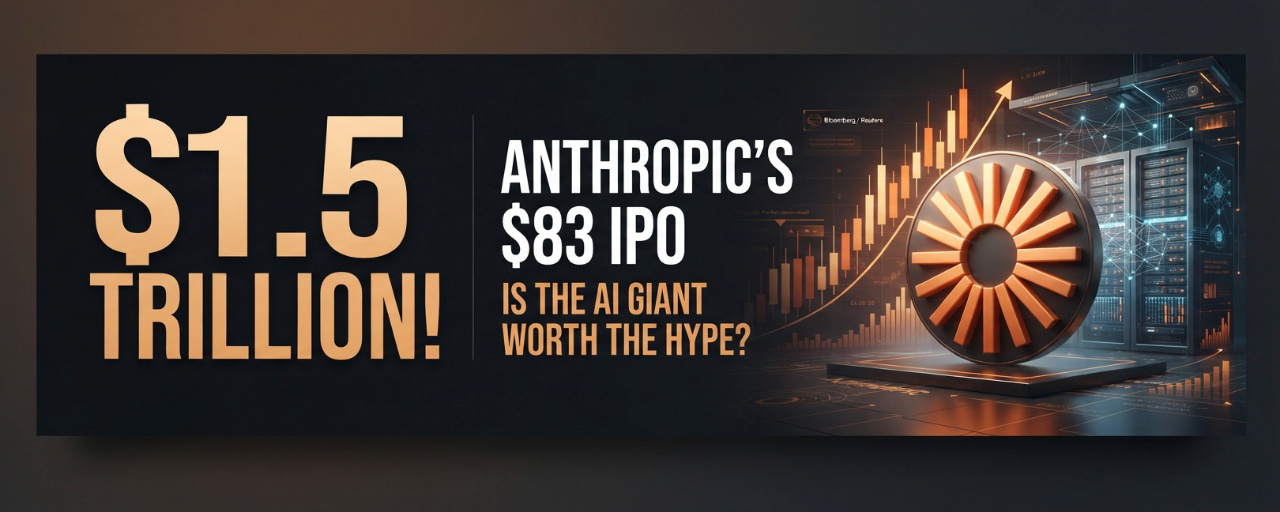
AnthropicのIPO、1株83ドルで史上最高を更新:企業価値1.5兆ドルのAI大手は期待に見合うのか?AI競争は、新たな金融の局面に突入しました。
Claudeを開発するAnthropicは、1株83ドルで株式の価格を決定しました。当初のIPO価格帯である70~78ドルを上回る価格です。この株式公開で約813億ドルを調達し、完全希薄化後の企業価値は約1.5兆ドルとなりました。
2021年に創業した企業としては、驚異的な市場デビューです。
しかし、投資家が問うべきなのは次の点です。Anthropicの事業はこれほどの企業価値に見合うのでしょうか。それとも、市場はAIブームに浮かれているのでしょうか?
AnthropicのIPO、1株83ドルで史上最高を更新:企業価値1.5兆ドルのAI大手は期待に見合うのか?
AI競争は、新たな金融の局面に突入しました。
Claudeを開発するAnthropicは、1株83ドルで株式の価格を決定しました。当初のIPO価格帯である70~78ドルを上回る価格です。この株式公開で約813億ドルを調達し、完全希薄化後の企業価値は約1.5兆ドルとなりました。
2021年に創業した企業としては、驚異的な市場デビューです。
しかし、投資家が問うべきなのは次の点です。Anthropicの事業はこれほどの企業価値に見合うのでしょうか。それとも、市場はAIブームに浮かれているのでしょうか?
1
2
759
記事
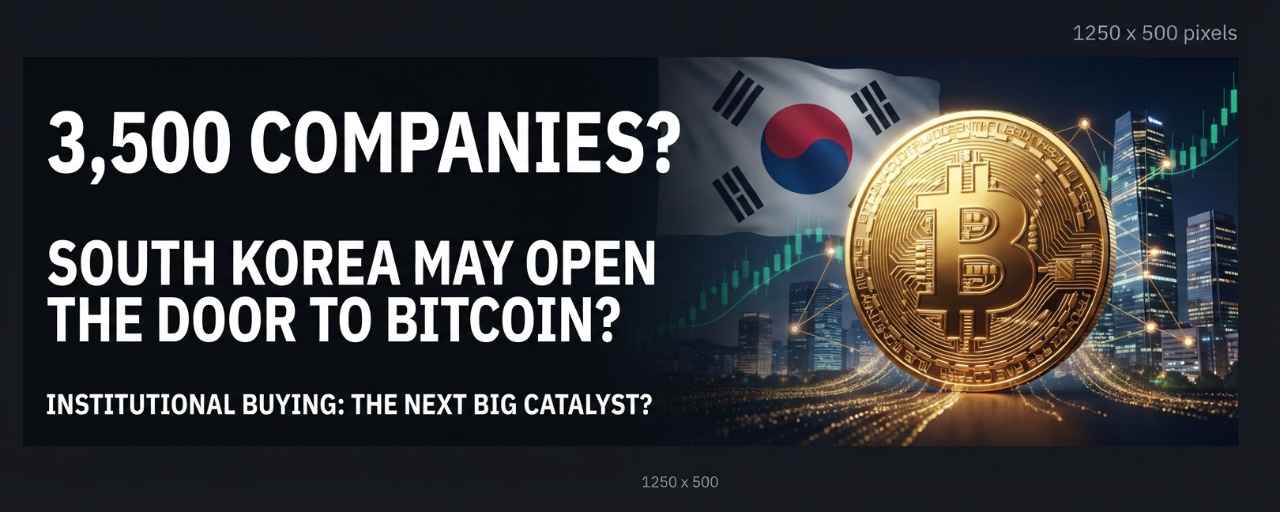
韓国、3,500社にビットコイン投資を開放か:機関投資家の参入が本格化する?韓国は、約3,500社の上場企業やプロ投資家向け企業がビットコイン市場に参入しやすくなる、新たな企業向け暗号資産投資ガイドラインを準備しています。これは機関投資家の需要を新たに呼び起こすのでしょうか?
ビットコインは、新たなタイプの投資家を迎える準備を進めているのかもしれません。しかも今回は、個人投資家ではありません。
韓国は、約3,500社がビットコインなどの暗号資産に投資できるようになる、大規模な規制変更を準備していると報じられています。
韓国の金融委員会(FSC)は、デジタル資産基本法案とともに、企業による暗号資産投資のガイドラインを発表する見通しです。
韓国、3,500社にビットコイン投資を開放か:機関投資家の参入が本格化する?
韓国は、約3,500社の上場企業やプロ投資家向け企業がビットコイン市場に参入しやすくなる、新たな企業向け暗号資産投資ガイドラインを準備しています。これは機関投資家の需要を新たに呼び起こすのでしょうか?
ビットコインは、新たなタイプの投資家を迎える準備を進めているのかもしれません。しかも今回は、個人投資家ではありません。
韓国は、約3,500社がビットコインなどの暗号資産に投資できるようになる、大規模な規制変更を準備していると報じられています。
韓国の金融委員会(FSC)は、デジタル資産基本法案とともに、企業による暗号資産投資のガイドラインを発表する見通しです。
1
1
183
記事
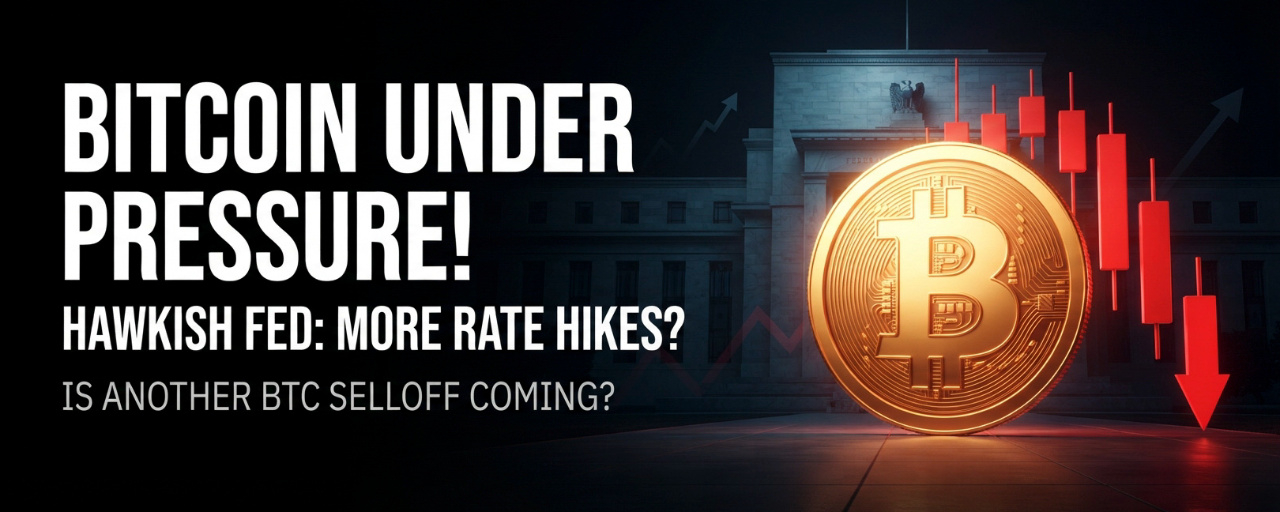
タカ派的なFRB議事録で利上げ懸念が高まり、ビットコインが約3%下落:BTCの今後は?米連邦準備制度理事会(FRB)が追加利上げの必要性を示唆するなか、ビットコインは一時6万2,000ドルに迫りました。インフレ率が依然として目標を上回り、機関投資家の資金フローにも圧力がかかるなか、BTCは再び厳しい局面を迎えるのでしょうか?
🚨 ビットコイン投資家は、状況が好転する兆しを期待していました。しかし、米連邦準備制度理事会(FRB)が発したのは、またしても警告でした。
11月18日に米連邦準備制度理事会(FRB)の10月の会合議事録が公表された後、ビットコインは再び売り圧力にさらされました。取引時間中に約3%下落し、一時6万2,000ドル近辺で取引されました。
タカ派的なFRB議事録で利上げ懸念が高まり、ビットコインが約3%下落:BTCの今後は?
米連邦準備制度理事会(FRB)が追加利上げの必要性を示唆するなか、ビットコインは一時6万2,000ドルに迫りました。インフレ率が依然として目標を上回り、機関投資家の資金フローにも圧力がかかるなか、BTCは再び厳しい局面を迎えるのでしょうか?
🚨 ビットコイン投資家は、状況が好転する兆しを期待していました。しかし、米連邦準備制度理事会(FRB)が発したのは、またしても警告でした。
11月18日に米連邦準備制度理事会(FRB)の10月の会合議事録が公表された後、ビットコインは再び売り圧力にさらされました。取引時間中に約3%下落し、一時6万2,000ドル近辺で取引されました。
1
1
145
記事
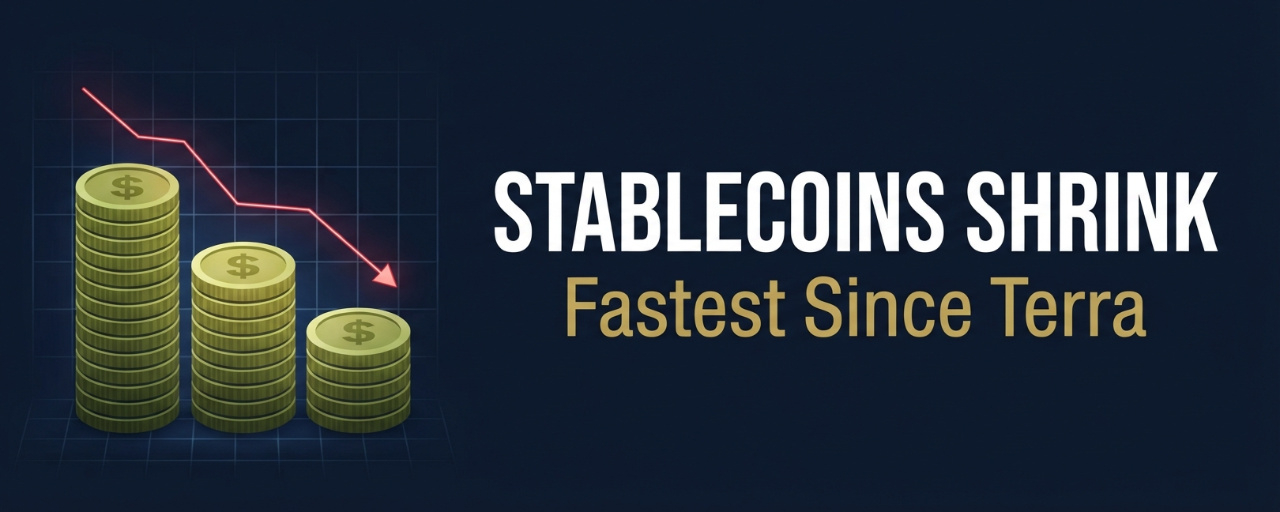
ステーブルコイン市場、Terra-Luna崩壊以来の最速ペースで縮小💵 ビットコインが4カ月ぶりの安値をつけるなか、30日間で約120億ドルが流出。これが何を意味するのか解説します。
かつてステーブルコインは、相場下落時にトレーダーが資金を逃がす先でした。🤔 ところが今は、ステーブルコインからも資金が流出しています。そこが私の目を引きました。
📊 何が起きた?
Kaikoによると、Bloombergは、ステーブルコイン市場が過去30日間で約120億ドル縮小し、そのペースは2022年のTerra-Luna崩壊以来最速だったと報じています。これは約2,900億ドル規模の市場の約4%に相当します。同じ期間に、ビットコインは4カ月ぶりの安値まで下落しました。
ステーブルコイン市場、Terra-Luna崩壊以来の最速ペースで縮小
💵 ビットコインが4カ月ぶりの安値をつけるなか、30日間で約120億ドルが流出。これが何を意味するのか解説します。
かつてステーブルコインは、相場下落時にトレーダーが資金を逃がす先でした。🤔 ところが今は、ステーブルコインからも資金が流出しています。そこが私の目を引きました。
📊 何が起きた?
Kaikoによると、Bloombergは、ステーブルコイン市場が過去30日間で約120億ドル縮小し、そのペースは2022年のTerra-Luna崩壊以来最速だったと報じています。これは約2,900億ドル規模の市場の約4%に相当します。同じ期間に、ビットコインは4カ月ぶりの安値まで下落しました。
1
1
52

記事
OPTIMJACKが186以上のサイトに影響:暗号資産を守る方法🚨 大手サイトで、ウォレットアドレスが数時間にわたってすり替えられていました。確認されていることと、安全を守る方法をご紹介します。
ウォレットアドレスをコピーして貼り付けるのは、ほとんどの人が何気なくしている習慣です。🤔 月曜日、その習慣が攻撃の隙になりました。
📊 何が起きたのか?
11月16日、研究者のScott Helme氏とReport URIのチームは、多くのウェブサイトがA/Bテストに利用しているプラットフォームOptimizelyでホストされているスクリプト内に、悪意のあるコードを発見しました。情報源によって報告数は異なりますが、少なくとも178の組織が影響を受け、186のサイトと188個の感染したスクリプトファイルが報告されています。CNN、BBC、Zoom、Fox News、Salesforce、GitLabなどのサイトが挙げられています。このキャンペーンは「OPTIMJACK」と呼ばれています。
OPTIMJACKが186以上のサイトに影響:暗号資産を守る方法
🚨 大手サイトで、ウォレットアドレスが数時間にわたってすり替えられていました。確認されていることと、安全を守る方法をご紹介します。
ウォレットアドレスをコピーして貼り付けるのは、ほとんどの人が何気なくしている習慣です。🤔 月曜日、その習慣が攻撃の隙になりました。
📊 何が起きたのか?
11月16日、研究者のScott Helme氏とReport URIのチームは、多くのウェブサイトがA/Bテストに利用しているプラットフォームOptimizelyでホストされているスクリプト内に、悪意のあるコードを発見しました。情報源によって報告数は異なりますが、少なくとも178の組織が影響を受け、186のサイトと188個の感染したスクリプトファイルが報告されています。CNN、BBC、Zoom、Fox News、Salesforce、GitLabなどのサイトが挙げられています。このキャンペーンは「OPTIMJACK」と呼ばれています。
1
1
62
記事
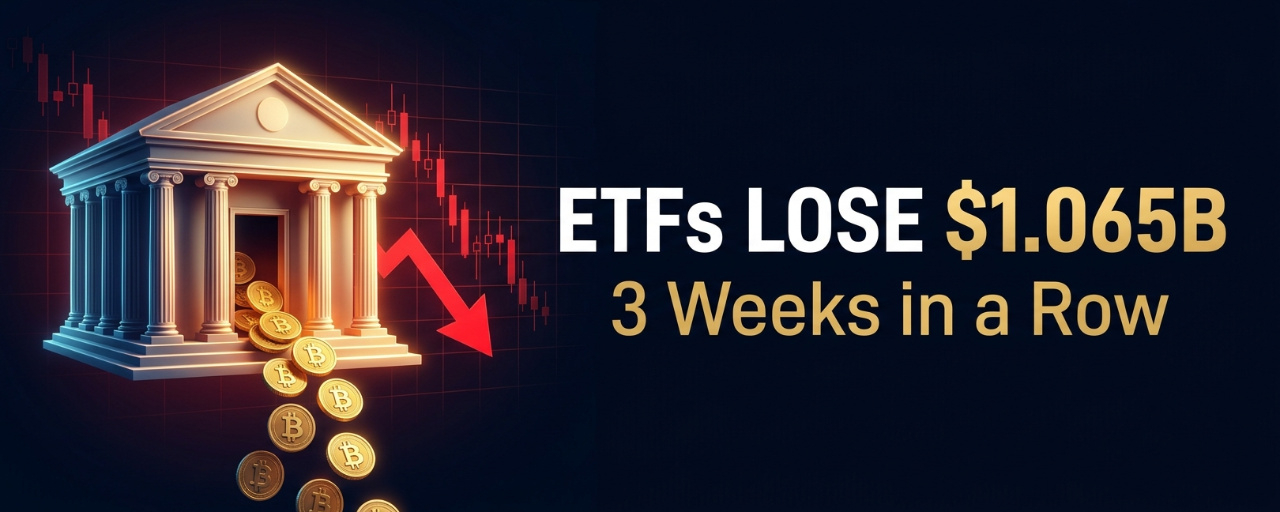
ビットコインETFから10億6,500万ドルが3週連続で流出、IBITが流出を主導するなかBTCは62,000ドルに下落🏦 2週間で約23億5,000万ドルが米国の現物ビットコインETFから流出しました。誰が売っているのか、資金フローから何が証明できないのか、そして何に注目すべきかを見ていきます。
先週、ブラックロックのビットコインETFから9億900万ドルが流出しました。一方、モルガン・スタンレーのETFには5,400万ドルが流入しました。🤔 この違いから、誰が売っているのかが分かるのではないかと思い、調べてみました。
📊 何が起きた?
SoSoValueによると、11月9日〜13日の週に米国の現物ビットコインETFから10億6,500万ドルが流出しました。3週連続の資金流出で、直近6週間では5週目の流出となりました。その前の週にも12億8,000万ドルが流出しており、2週間で約23億5,000万ドルが流出したことになります。BTCが日曜日に約62,000ドルまで下落し、7月中旬以来の安値をつけた時期と重なりました。
ビットコインETFから10億6,500万ドルが3週連続で流出、IBITが流出を主導するなかBTCは62,000ドルに下落
🏦 2週間で約23億5,000万ドルが米国の現物ビットコインETFから流出しました。誰が売っているのか、資金フローから何が証明できないのか、そして何に注目すべきかを見ていきます。
先週、ブラックロックのビットコインETFから9億900万ドルが流出しました。一方、モルガン・スタンレーのETFには5,400万ドルが流入しました。🤔 この違いから、誰が売っているのかが分かるのではないかと思い、調べてみました。
📊 何が起きた?
SoSoValueによると、11月9日〜13日の週に米国の現物ビットコインETFから10億6,500万ドルが流出しました。3週連続の資金流出で、直近6週間では5週目の流出となりました。その前の週にも12億8,000万ドルが流出しており、2週間で約23億5,000万ドルが流出したことになります。BTCが日曜日に約62,000ドルまで下落し、7月中旬以来の安値をつけた時期と重なりました。
1
2
186
記事
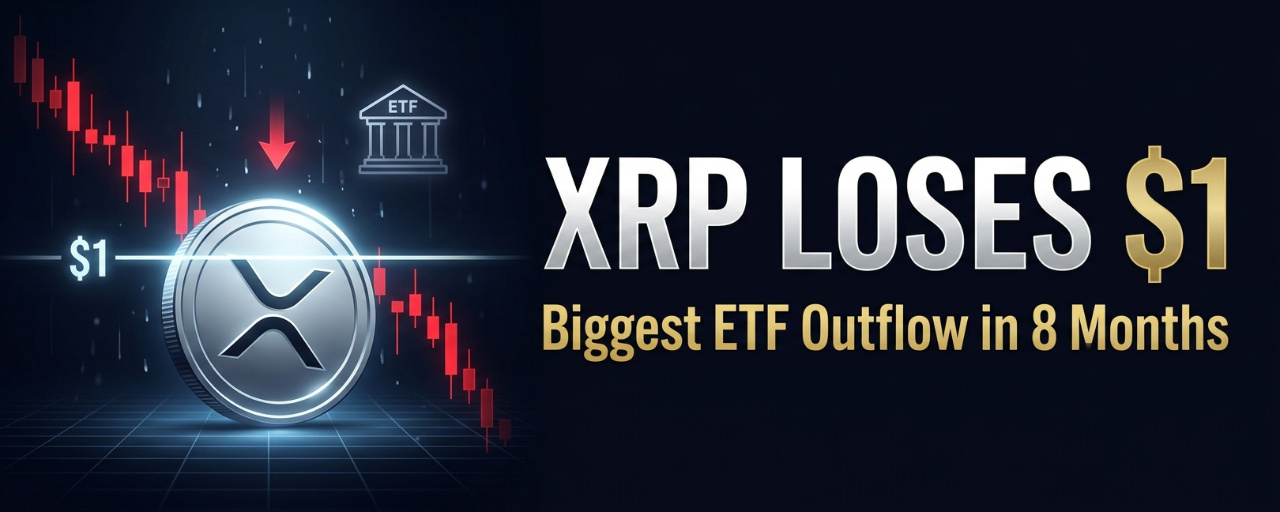
XRPが1ドルを割り込むなか、XRP ETFは8カ月ぶりの大幅な週間資金流出を記録:その意味とは🏦 XRPが1ドルを割り込むなか、1週間で米国の現物XRP ETFから1,913万ドルが流出しました。資金フローから何が分かるのか、何は証明できないのか、そして何に注目すべきかを解説します。
XRP ETFの運用開始から1年、この週より大きな資金流出を記録したのはわずか3週だけです。🤔 反応する前に、この数字が実際どれほど大きいのか確かめたいと思いました。
📊 何が起きた?
SoSoValueのデータによると、11月9日〜13日の週に、米国の現物XRP ETFから1,913万ドルが流出しました。これは約8カ月ぶりの週間流出額の大きさで、2週連続の資金流出となります。流出の大半は週前半に発生しました。月曜日には1,042万ドルが流出し、これは3月初旬以来、1日あたりで最大の流出額でした。火曜日には762万ドルが流出しました。その後、金曜日に109万ドルが流出するまで、資金フローに大きな変化はありませんでした。
XRPが1ドルを割り込むなか、XRP ETFは8カ月ぶりの大幅な週間資金流出を記録:その意味とは
🏦 XRPが1ドルを割り込むなか、1週間で米国の現物XRP ETFから1,913万ドルが流出しました。資金フローから何が分かるのか、何は証明できないのか、そして何に注目すべきかを解説します。
XRP ETFの運用開始から1年、この週より大きな資金流出を記録したのはわずか3週だけです。🤔 反応する前に、この数字が実際どれほど大きいのか確かめたいと思いました。
📊 何が起きた?
SoSoValueのデータによると、11月9日〜13日の週に、米国の現物XRP ETFから1,913万ドルが流出しました。これは約8カ月ぶりの週間流出額の大きさで、2週連続の資金流出となります。流出の大半は週前半に発生しました。月曜日には1,042万ドルが流出し、これは3月初旬以来、1日あたりで最大の流出額でした。火曜日には762万ドルが流出しました。その後、金曜日に109万ドルが流出するまで、資金フローに大きな変化はありませんでした。
1
1
437
記事
翻訳参照
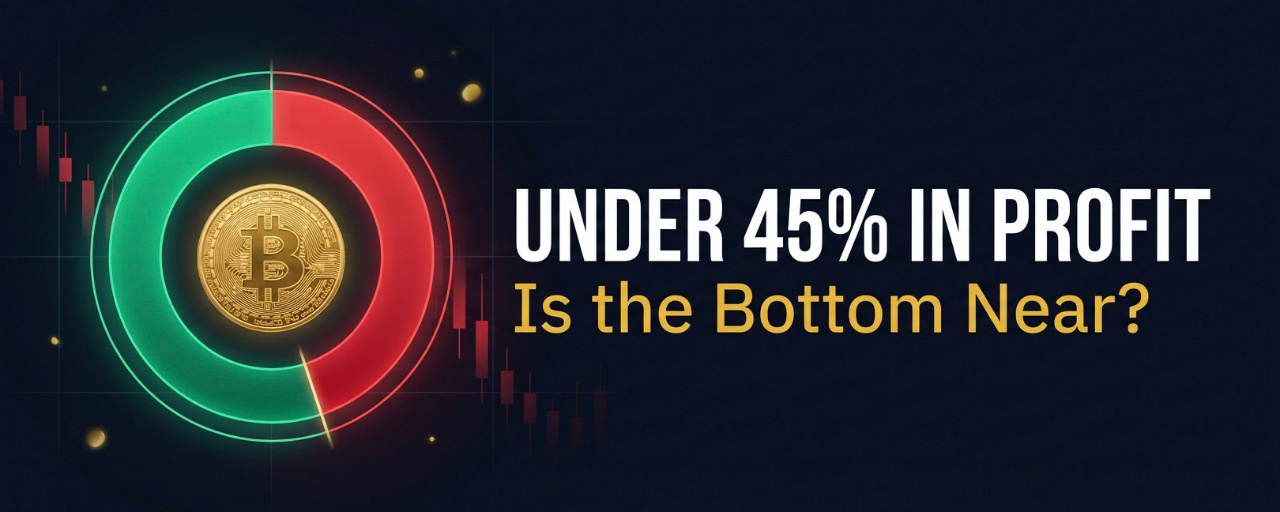
Bitcoin Active Supply in Profit Drops Below 45%: Is the Bottom Near?📉 More Bitcoin is now held at a loss than at a profit. Here is what this on-chain signal shows, what it can't prove, and what to watch.
I check this chart every time Bitcoin sells off, and this weekend it did something I hadn't seen in a while. 🤔 More of the Bitcoin that is actually moving is now underwater than in profit.
📊 What Happened?
On November 14, CryptoQuant contributor Darkfost pointed out that the share of Bitcoin's active supply held at a loss has overtaken the share in profit. He strips out coins that haven't moved in over 10 years, since many of those are probably lost or locked away for good. What's left shows less than 45% of the supply in profit.
BTC fell to $61,946 early Sunday (UTC), it's lowest since July 13, then bounced back above $64,000.
🧭 Why I Pay Attention to It
It shows how active holders are feeling, not just where price is. When most of them are sitting on losses, selling pressure tends to run out of fuel, because fewer people are left with a profit to take. Darkfost says readings below 40% have often lined up with the lows of corrections. He also says readings near 100% raise the risk of a reversal.
📚 A Loose Comparison
A similar "supply in profit" reading on total supply dipped into the mid-40s in summer 2021, before price recovered. It's a different measure, so I'd treat it as context, not proof.
🛑 What It Doesn't Prove
We aren't at 40% yet, only under 45%. Metrics like this can sit at stressed levels for a long time while price keeps falling. Analysts also define "active supply" differently, so numbers from different sources won't match. It tells me holders are hurting, not when the hurt ends.
⚠️ The Risk Scenario
Stress is showing up in other places, too. The Fear & Greed Index fell to the low teens, and US spot Bitcoin ETFs lost about $1.91B over seven straight sessions through November 13. Glassnode flagged a liquidation cluster near $60K, and analyst Keith Alan names $57,700 as the cycle low if weekly momentum weakens further.
👀 Three Things to Watch Next
Does the metric fall to 40% or lower?Does BTC hold $60K on a daily close?Do ETF flows turn positive?
💡 The Takeaway
Underwater holders are a good sign of stress, and stress is where bottoms often form. But I'd call it a clue, not a confirmation. I want to see price and ETF flows agree before I read too much into it.
If you had to trust one, would you pick on-chain metrics like this or ETF flows? And do you think the real bottom comes before or after the 40% mark? I'd like to hear how you read it. 👇
That is the part worth watching.
This post is for informational and educational purposes only and is not financial advice. Crypto markets are volatile. Always conduct your own research before making financial decisions.
#BinanceSquare #Bitcoin #BTC #OnChain #CryptoNews
{spot}(BTCUSDT)
Bitcoin Active Supply in Profit Drops Below 45%: Is the Bottom Near?
📉 More Bitcoin is now held at a loss than at a profit. Here is what this on-chain signal shows, what it can't prove, and what to watch.
I check this chart every time Bitcoin sells off, and this weekend it did something I hadn't seen in a while. 🤔 More of the Bitcoin that is actually moving is now underwater than in profit.
📊 What Happened?
On November 14, CryptoQuant contributor Darkfost pointed out that the share of Bitcoin's active supply held at a loss has overtaken the share in profit. He strips out coins that haven't moved in over 10 years, since many of those are probably lost or locked away for good. What's left shows less than 45% of the supply in profit.
BTC fell to $61,946 early Sunday (UTC), it's lowest since July 13, then bounced back above $64,000.
🧭 Why I Pay Attention to It
It shows how active holders are feeling, not just where price is. When most of them are sitting on losses, selling pressure tends to run out of fuel, because fewer people are left with a profit to take. Darkfost says readings below 40% have often lined up with the lows of corrections. He also says readings near 100% raise the risk of a reversal.
📚 A Loose Comparison
A similar "supply in profit" reading on total supply dipped into the mid-40s in summer 2021, before price recovered. It's a different measure, so I'd treat it as context, not proof.
🛑 What It Doesn't Prove
We aren't at 40% yet, only under 45%. Metrics like this can sit at stressed levels for a long time while price keeps falling. Analysts also define "active supply" differently, so numbers from different sources won't match. It tells me holders are hurting, not when the hurt ends.
⚠️ The Risk Scenario
Stress is showing up in other places, too. The Fear & Greed Index fell to the low teens, and US spot Bitcoin ETFs lost about $1.91B over seven straight sessions through November 13. Glassnode flagged a liquidation cluster near $60K, and analyst Keith Alan names $57,700 as the cycle low if weekly momentum weakens further.
👀 Three Things to Watch Next
Does the metric fall to 40% or lower?Does BTC hold $60K on a daily close?Do ETF flows turn positive?
💡 The Takeaway
Underwater holders are a good sign of stress, and stress is where bottoms often form. But I'd call it a clue, not a confirmation. I want to see price and ETF flows agree before I read too much into it.
If you had to trust one, would you pick on-chain metrics like this or ETF flows? And do you think the real bottom comes before or after the 40% mark? I'd like to hear how you read it. 👇
That is the part worth watching.
This post is for informational and educational purposes only and is not financial advice. Crypto markets are volatile. Always conduct your own research before making financial decisions.
#BinanceSquare #Bitcoin #BTC #OnChain #CryptoNews
1
1
224
記事
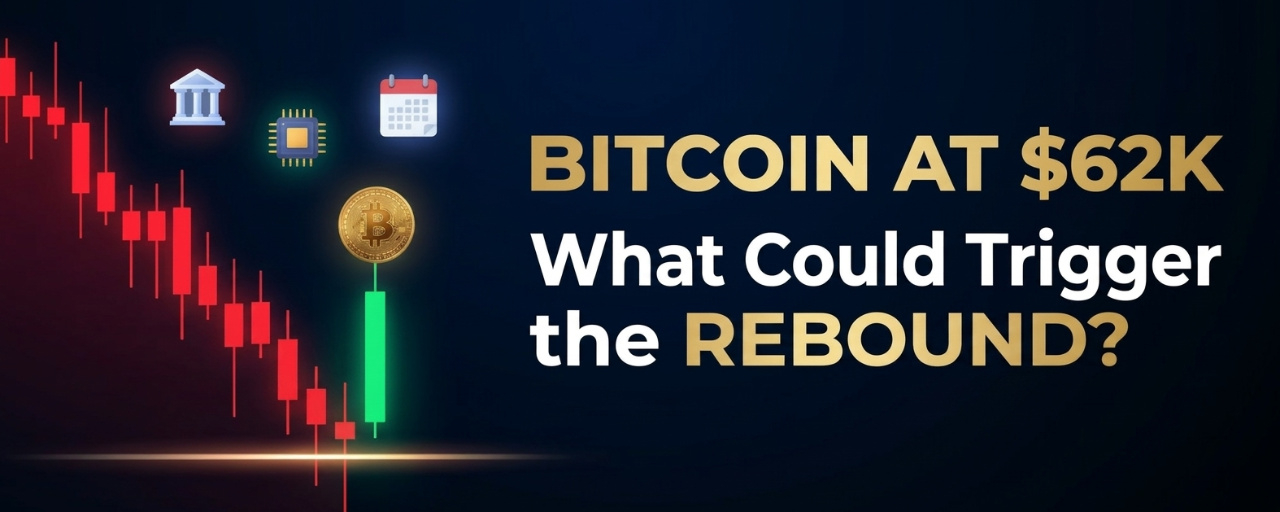
ビットコインが6万2,000ドルに下落:暗号資産の次の反発を促す要因は?今週注目の5つのシグナル🔭 FRB、NVIDIA、ETFの資金フローに関する動きが今後数日で相次ぐ中、BTCは1週間で16%下落しました。相場を反転させる可能性があるもの、そして断言できないことを見ていきます。
ビットコインは1週間で約16%下落し、今後5日間には相場をどちらにも動かしかねないイベントが目白押しです。🤔 それぞれをどう見ているか、解説します。
📊 何が起きた?
BTCは日曜早朝(UTC)に61,946ドルまで下落し、7月13日以来の安値をつけた後、約75分で65,000ドルを上回る水準まで反発しました。現在は過去最高値からおよそ50%下落しています。24時間で約19億〜20億ドル相当が清算され、その大半はロングポジションでした。また、恐怖・強欲指数は10台前半まで低下しました。
ビットコインが6万2,000ドルに下落:暗号資産の次の反発を促す要因は?今週注目の5つのシグナル
🔭 FRB、NVIDIA、ETFの資金フローに関する動きが今後数日で相次ぐ中、BTCは1週間で16%下落しました。相場を反転させる可能性があるもの、そして断言できないことを見ていきます。
ビットコインは1週間で約16%下落し、今後5日間には相場をどちらにも動かしかねないイベントが目白押しです。🤔 それぞれをどう見ているか、解説します。
📊 何が起きた?
BTCは日曜早朝(UTC)に61,946ドルまで下落し、7月13日以来の安値をつけた後、約75分で65,000ドルを上回る水準まで反発しました。現在は過去最高値からおよそ50%下落しています。24時間で約19億〜20億ドル相当が清算され、その大半はロングポジションでした。また、恐怖・強欲指数は10台前半まで低下しました。
1
1
293
記事
翻訳参照
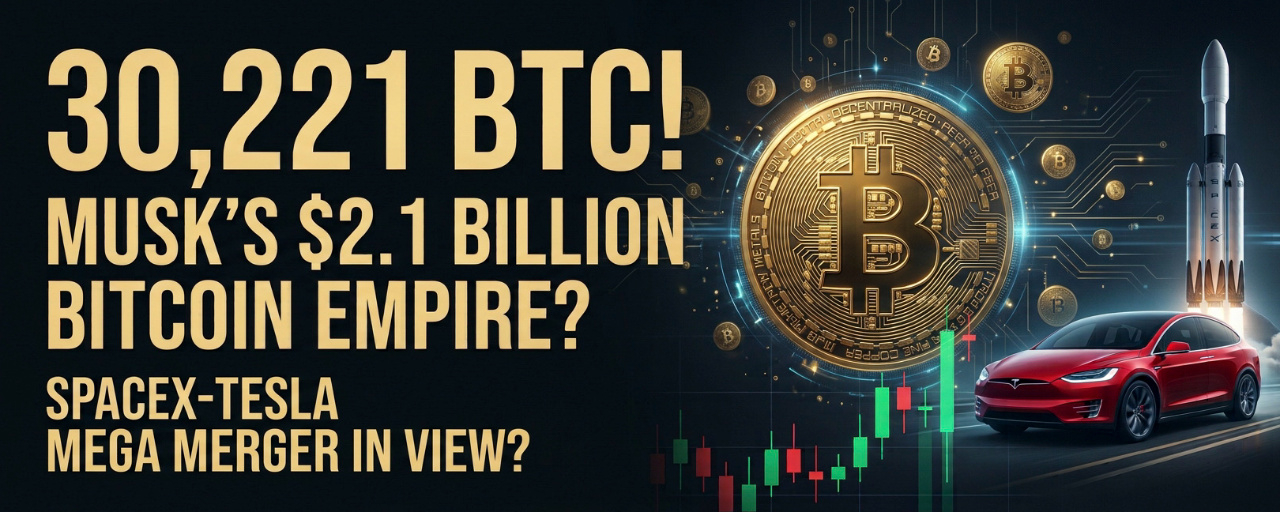
SpaceX and Tesla Could Combine 30,221 BTC: Is Elon Musk Building a Bitcoin Empire?🚀 A potential merger between Musk's two companies could bring approximately $2.1 billion in Bitcoin under one corporate roof. Here's why these matters for Bitcoin investors and the wider crypto market.
What happens when two of Elon Musk's biggest companies come together with more than 30,000 Bitcoin on their balance sheets?
That's the question attracting attention across the crypto market.
SpaceX and Tesla are reportedly moving forward with merger discussions. If the deal goes ahead, their combined Bitcoin holdings could reach approximately 30,221 BTC, worth around $2.1 billion at recent market prices.
But here's what makes this story interesting: the merger wouldn't necessarily involve buying a single additional Bitcoin.
The bigger development could be how one of the world's most influential business figures manages such a substantial corporate Bitcoin position.
Let's break it down. 👇
🚀 1. A Potential Merger With 30,221 Bitcoin Behind It
The reported merger discussions involve two very different businesses:
SpaceX: Aerospace, rockets, satellite communications and artificial intelligence.Tesla: Electric vehicles, energy storage, artificial intelligence and robotics.
But Bitcoin is an interesting connection between them.
Based on their disclosed holdings:
SpaceX holds approximately 18,712 BTC.Tesla holds approximately 11,509 BTC.Combined holdings: 30,221 BTC.
At approximately $69,000 per Bitcoin, that represents roughly $2.1 billion in digital assets.
If the merger happens, these holdings could sit under one corporate structure.
That's a significant development for investors tracking institutional Bitcoin ownership.
₿ 2. Why SpaceX's Bitcoin Holdings Matter
Tesla's Bitcoin investment has been publicly discussed for years.
SpaceX's position, however, has attracted renewed attention following its financial disclosures.
Its reported 18,712 BTC represents the larger share of the combined holdings.
Together, these companies would control a substantial corporate Bitcoin position, potentially placing the merged business among the largest corporate holders.
For the crypto market, this creates an interesting question:
Could Musk eventually make Bitcoin a more important part of the combined company's long-term financial strategy?
There is currently no confirmation of such a plan, but investors will certainly be watching.
🏦 3. Would This Be Bullish for Bitcoin?
Potentially, but not for the reason many investors might expect.
A merger does not automatically create new demand for Bitcoin.
If both companies simply bring their existing holdings under one corporate structure, the total number of Bitcoin held remains unchanged.
However, there are three possible implications:
1. Greater corporate visibility
A combined balance sheet could make the company's Bitcoin exposure easier for investors to monitor.
2. Increased institutional attention
A major merger involving two Musk-led companies could renew conversations about Bitcoin as a corporate treasury asset.
3. Future treasury decisions
Investors may pay closer attention to whether the combined company eventually increases, maintains or reduces its Bitcoin position.
The important distinction is that these are potential consequences, not confirmed plans.
⚠️ 4. The Risk Investors Should Not Ignore
There is another side to this story.
Tesla has previously reduced its Bitcoin holdings, demonstrating that corporate Bitcoin ownership doesn't guarantee permanent commitment.
A combined company would also face complex financial, governance and regulatory considerations.
SpaceX's government and defense contracts, alongside Tesla's international business exposure, could make the proposed transaction particularly complicated.
And until the companies agree on definitive terms, the entire Bitcoin consolidation remains conditional.
Investors should avoid treating merger discussions as a guaranteed bullish signal.
🔮 5. What Happens Next? Bullish vs Bearish Scenarios
🐂 Bullish Scenario
If the merger progresses and the combined company retains its Bitcoin holdings, it could strengthen Bitcoin's position in discussions about corporate treasury diversification.
If Musk later signals a willingness to expand the company's Bitcoin exposure, market sentiment could improve further.
🐻 Bearish Scenario
If negotiations fail, the expected consolidation never happens.
Alternatively, if the combined company's financial strategy prioritizes liquidity and capital expenditure, investors may question whether its Bitcoin holdings will remain untouched.
Any eventual decision to sell a substantial amount of BTC could create negative market sentiment.
Neither outcome is certain at this stage.
👀 6. Three Things to Watch
December 2026: Will SpaceX and Tesla announce a formal merger agreement?Corporate Bitcoin holdings: Will the combined company retain all 30,221 BTC?Musk's treasury strategy: Will Bitcoin remain a passive investment, or become a larger part of the company's financial strategy?
These developments could make this one of the more interesting corporate Bitcoin stories to follow.
💡 The Bigger Picture
The most interesting part of this potential merger isn't simply the $2.1 billion in Bitcoin.
It's what happens when two major companies with very different business models bring their financial strategies under one roof.
A merger would not create new Bitcoin demand overnight. But it could create one of the most closely watched corporate Bitcoin treasuries in the market.
For now, the deal remains under discussion.
The real question isn't just whether Musk's companies will merge. It's what they will decide to do with their Bitcoin once they do.
👇 What do you think?
If SpaceX and Tesla complete the merger, will Musk continue holding all 30,221 BTC, or could we eventually see a much bigger Bitcoin treasury strategy?
Share your thoughts below!👇
Disclaimer: This article is for informational and educational purposes only and does not constitute financial advice. Cryptocurrency markets are volatile. Always conduct your own research before making investment decisions.
#BinanaceSquare #Bitcoin #Tesla #SpaceX #BitcoinTreasury
{spot}(BTCUSDT)
SpaceX and Tesla Could Combine 30,221 BTC: Is Elon Musk Building a Bitcoin Empire?
🚀 A potential merger between Musk's two companies could bring approximately $2.1 billion in Bitcoin under one corporate roof. Here's why these matters for Bitcoin investors and the wider crypto market.
What happens when two of Elon Musk's biggest companies come together with more than 30,000 Bitcoin on their balance sheets?
That's the question attracting attention across the crypto market.
SpaceX and Tesla are reportedly moving forward with merger discussions. If the deal goes ahead, their combined Bitcoin holdings could reach approximately 30,221 BTC, worth around $2.1 billion at recent market prices.
But here's what makes this story interesting: the merger wouldn't necessarily involve buying a single additional Bitcoin.
The bigger development could be how one of the world's most influential business figures manages such a substantial corporate Bitcoin position.
Let's break it down. 👇
🚀 1. A Potential Merger With 30,221 Bitcoin Behind It
The reported merger discussions involve two very different businesses:
SpaceX: Aerospace, rockets, satellite communications and artificial intelligence.Tesla: Electric vehicles, energy storage, artificial intelligence and robotics.
But Bitcoin is an interesting connection between them.
Based on their disclosed holdings:
SpaceX holds approximately 18,712 BTC.Tesla holds approximately 11,509 BTC.Combined holdings: 30,221 BTC.
At approximately $69,000 per Bitcoin, that represents roughly $2.1 billion in digital assets.
If the merger happens, these holdings could sit under one corporate structure.
That's a significant development for investors tracking institutional Bitcoin ownership.
₿ 2. Why SpaceX's Bitcoin Holdings Matter
Tesla's Bitcoin investment has been publicly discussed for years.
SpaceX's position, however, has attracted renewed attention following its financial disclosures.
Its reported 18,712 BTC represents the larger share of the combined holdings.
Together, these companies would control a substantial corporate Bitcoin position, potentially placing the merged business among the largest corporate holders.
For the crypto market, this creates an interesting question:
Could Musk eventually make Bitcoin a more important part of the combined company's long-term financial strategy?
There is currently no confirmation of such a plan, but investors will certainly be watching.
🏦 3. Would This Be Bullish for Bitcoin?
Potentially, but not for the reason many investors might expect.
A merger does not automatically create new demand for Bitcoin.
If both companies simply bring their existing holdings under one corporate structure, the total number of Bitcoin held remains unchanged.
However, there are three possible implications:
1. Greater corporate visibility
A combined balance sheet could make the company's Bitcoin exposure easier for investors to monitor.
2. Increased institutional attention
A major merger involving two Musk-led companies could renew conversations about Bitcoin as a corporate treasury asset.
3. Future treasury decisions
Investors may pay closer attention to whether the combined company eventually increases, maintains or reduces its Bitcoin position.
The important distinction is that these are potential consequences, not confirmed plans.
⚠️ 4. The Risk Investors Should Not Ignore
There is another side to this story.
Tesla has previously reduced its Bitcoin holdings, demonstrating that corporate Bitcoin ownership doesn't guarantee permanent commitment.
A combined company would also face complex financial, governance and regulatory considerations.
SpaceX's government and defense contracts, alongside Tesla's international business exposure, could make the proposed transaction particularly complicated.
And until the companies agree on definitive terms, the entire Bitcoin consolidation remains conditional.
Investors should avoid treating merger discussions as a guaranteed bullish signal.
🔮 5. What Happens Next? Bullish vs Bearish Scenarios
🐂 Bullish Scenario
If the merger progresses and the combined company retains its Bitcoin holdings, it could strengthen Bitcoin's position in discussions about corporate treasury diversification.
If Musk later signals a willingness to expand the company's Bitcoin exposure, market sentiment could improve further.
🐻 Bearish Scenario
If negotiations fail, the expected consolidation never happens.
Alternatively, if the combined company's financial strategy prioritizes liquidity and capital expenditure, investors may question whether its Bitcoin holdings will remain untouched.
Any eventual decision to sell a substantial amount of BTC could create negative market sentiment.
Neither outcome is certain at this stage.
👀 6. Three Things to Watch
December 2026: Will SpaceX and Tesla announce a formal merger agreement?Corporate Bitcoin holdings: Will the combined company retain all 30,221 BTC?Musk's treasury strategy: Will Bitcoin remain a passive investment, or become a larger part of the company's financial strategy?
These developments could make this one of the more interesting corporate Bitcoin stories to follow.
💡 The Bigger Picture
The most interesting part of this potential merger isn't simply the $2.1 billion in Bitcoin.
It's what happens when two major companies with very different business models bring their financial strategies under one roof.
A merger would not create new Bitcoin demand overnight. But it could create one of the most closely watched corporate Bitcoin treasuries in the market.
For now, the deal remains under discussion.
The real question isn't just whether Musk's companies will merge. It's what they will decide to do with their Bitcoin once they do.
👇 What do you think?
If SpaceX and Tesla complete the merger, will Musk continue holding all 30,221 BTC, or could we eventually see a much bigger Bitcoin treasury strategy?
Share your thoughts below!👇
Disclaimer: This article is for informational and educational purposes only and does not constitute financial advice. Cryptocurrency markets are volatile. Always conduct your own research before making investment decisions.
#BinanaceSquare #Bitcoin #Tesla #SpaceX #BitcoinTreasury
1
1
643
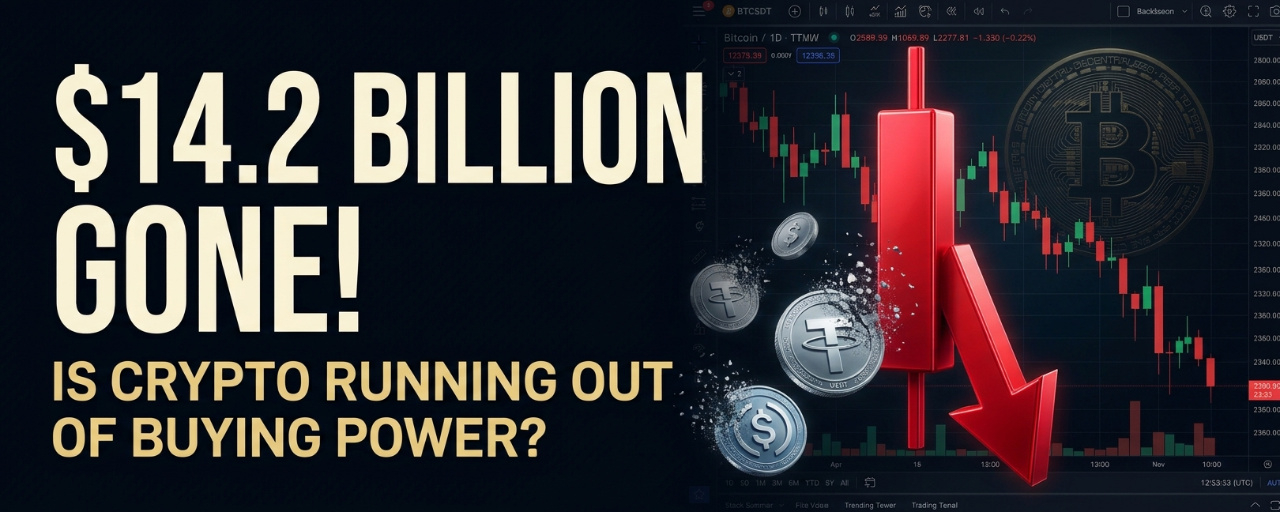
記事
ステーブルコイン供給量から142億ドルが消失:暗号資産市場は買い支える力を失いつつあるのか? 🚨 Glassnodeのデータによると、ステーブルコイン供給量は30日間で、2022年6月以来最も急激に縮小しました。USDTとUSDCの合計供給量が約110億ドル減少するなか、より大きな懸念はビットコインの価格ではなく、市場の裏側で失われつつある流動性かもしれません。
ビットコインは下落し、アルトコインも苦戦しています。しかし、投資家が注目すべき動きはほかにもあります。
暗号資産市場のステーブルコイン供給量は、わずか30日間で142億ドル減少しました。
ステーブルコインは単なるデジタルドルではないため、これは重要です。トレーダーがポジションを取ったり、押し目を買ったり、暗号資産間で資金を移動したりするために使う、大きな資金プールでもあります。
ステーブルコイン供給量から142億ドルが消失:暗号資産市場は買い支える力を失いつつあるのか?
🚨 Glassnodeのデータによると、ステーブルコイン供給量は30日間で、2022年6月以来最も急激に縮小しました。USDTとUSDCの合計供給量が約110億ドル減少するなか、より大きな懸念はビットコインの価格ではなく、市場の裏側で失われつつある流動性かもしれません。
ビットコインは下落し、アルトコインも苦戦しています。しかし、投資家が注目すべき動きはほかにもあります。
暗号資産市場のステーブルコイン供給量は、わずか30日間で142億ドル減少しました。
ステーブルコインは単なるデジタルドルではないため、これは重要です。トレーダーがポジションを取ったり、押し目を買ったり、暗号資産間で資金を移動したりするために使う、大きな資金プールでもあります。
1
64

記事
MSCI、11月30日にStrategy(MSTR)を指数から除外:ビットコイン購入への影響は🏦 MSCIは11月11日の引け後、除外を確認しました。実際にどれほどの売りが発生し得るのか、この情報から何が証明できないのか、そして11月30日までに何を注視すべきかを解説します。
みんなが2.8Bドルという数字を引用しています。出どころを調べてみたら、思ったより古い数字でした。🤔
📊 何が起きた?
11月11日の米国市場引け後、MSCIは11月の指数見直しを発表しました。Strategy(MSTR)はMSCI USA Indexから除外され、より広範なMSCIのグローバル指数からも外れることになります。除外は11月30日の引け後に実施されるため、指数連動型ファンドにはそれまでに売却する猶予があります。MetaplanetとUpexiも除外されました。これはMSCIの新たな「非事業会社」ルールに基づく初めての見直しで、Strategyは審査基準を通過できませんでした。
MSCI、11月30日にStrategy(MSTR)を指数から除外:ビットコイン購入への影響は
🏦 MSCIは11月11日の引け後、除外を確認しました。実際にどれほどの売りが発生し得るのか、この情報から何が証明できないのか、そして11月30日までに何を注視すべきかを解説します。
みんなが2.8Bドルという数字を引用しています。出どころを調べてみたら、思ったより古い数字でした。🤔
📊 何が起きた?
11月11日の米国市場引け後、MSCIは11月の指数見直しを発表しました。Strategy(MSTR)はMSCI USA Indexから除外され、より広範なMSCIのグローバル指数からも外れることになります。除外は11月30日の引け後に実施されるため、指数連動型ファンドにはそれまでに売却する猶予があります。MetaplanetとUpexiも除外されました。これはMSCIの新たな「非事業会社」ルールに基づく初めての見直しで、Strategyは審査基準を通過できませんでした。
1
296
記事
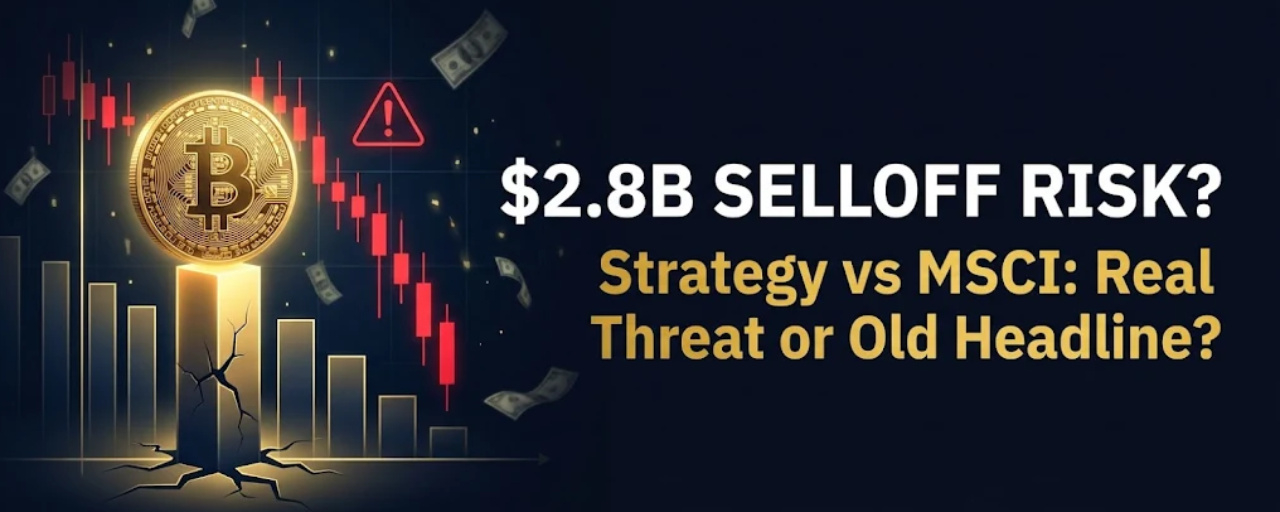
Strategy、MSCIによる28億ドルの売り圧力リスクに直面:現実の脅威か、それとも古い見出しか?🏦 企業として最大のビットコイン保有者が、またもMSCIの注目を集めています。28億ドルという数字が実際に意味すること、そこからは証明できないこと、そして今後注視すべき点を解説します。
この話で最も危険な数字は、同時に最も古い数字でもあります。🤔 以前の提案に基づく28億ドルの推定額が、別のルールをめぐる見出しを今も動かしています。
📊 何が起きたのか?
MSCIは8月、「非事業会社」に関する協議で、2026年5月のデータに基づき、Strategy(MSTR)、Metaplanet、Yellow CakeをMSCI ACWI IMIから除外する可能性を示しました。意見募集は9月30日に締め切られ、結果は10月16日までに発表される予定です。
Strategy、MSCIによる28億ドルの売り圧力リスクに直面:現実の脅威か、それとも古い見出しか?
🏦 企業として最大のビットコイン保有者が、またもMSCIの注目を集めています。28億ドルという数字が実際に意味すること、そこからは証明できないこと、そして今後注視すべき点を解説します。
この話で最も危険な数字は、同時に最も古い数字でもあります。🤔 以前の提案に基づく28億ドルの推定額が、別のルールをめぐる見出しを今も動かしています。
📊 何が起きたのか?
MSCIは8月、「非事業会社」に関する協議で、2026年5月のデータに基づき、Strategy(MSTR)、Metaplanet、Yellow CakeをMSCI ACWI IMIから除外する可能性を示しました。意見募集は9月30日に締め切られ、結果は10月16日までに発表される予定です。
1
315
記事
取締役会がCEO調査を開始、エヌビディア株が下落:AI株への影響はAI関連株が売られるなか、CEOをめぐる報道を受けてエヌビディア株が下落しました。ここでは、確認されていることと、リスク資産にどのような影響があり得るのかをお伝えします。
⚡ エヌビディアは、すでに厳しい月を過ごしていました。そんななか日曜日、同社の取締役会がCEOを調査対象としました。
この話は急速に動いており、事実より先行した憶測も多いため、実際に分かっていることを整理します。
✅ 確認されていること
エヌビディアの取締役会は、CEOのジェンスン・フアン氏が外国の情報機関による工作の標的になったとの「最近の報道を踏まえ」、独立調査を開始しました。社外弁護士の支援を受け、独立取締役で構成される委員会が調査を監督します。調査が進む間もフアン氏は引き続き会社の経営を担う見通しで、取締役会は同氏への信頼を表明しています。同氏は調査を全面的に支持し、協力すると述べています。
取締役会がCEO調査を開始、エヌビディア株が下落:AI株への影響は
AI関連株が売られるなか、CEOをめぐる報道を受けてエヌビディア株が下落しました。ここでは、確認されていることと、リスク資産にどのような影響があり得るのかをお伝えします。
⚡ エヌビディアは、すでに厳しい月を過ごしていました。そんななか日曜日、同社の取締役会がCEOを調査対象としました。
この話は急速に動いており、事実より先行した憶測も多いため、実際に分かっていることを整理します。
✅ 確認されていること
エヌビディアの取締役会は、CEOのジェンスン・フアン氏が外国の情報機関による工作の標的になったとの「最近の報道を踏まえ」、独立調査を開始しました。社外弁護士の支援を受け、独立取締役で構成される委員会が調査を監督します。調査が進む間もフアン氏は引き続き会社の経営を担う見通しで、取締役会は同氏への信頼を表明しています。同氏は調査を全面的に支持し、協力すると述べています。
1
1
319
記事
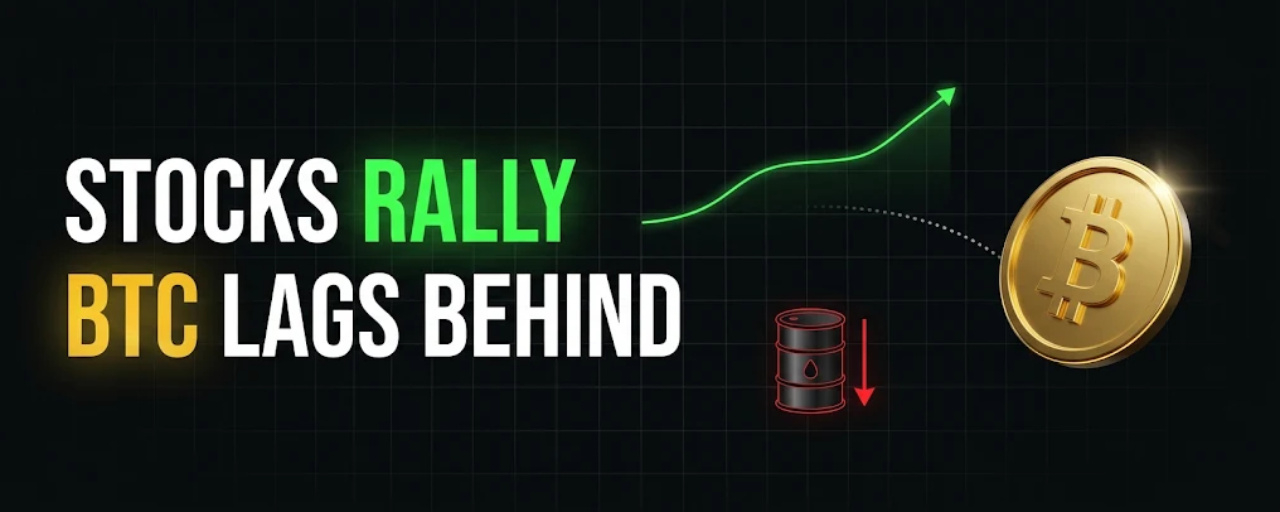
株高、原油急落、ビットコインは出遅れ:暗号資産はなぜ遅れているのか?米イラン協議への期待から原油が急落し、株式と金が上昇する一方、ビットコインは7万4,000ドル近辺にとどまりました。連動が崩れた理由と、金利見通しがどう関係するのかを解説します。
🔄 今週は、暗号資産を除くすべてでおなじみの展開となりました。和平協議への期待が高まり、原油が下落し、株式と金が上昇する一方、$BTCは蚊帳の外でした。その理由を見ていきましょう。
📊 資産クラス横断の相場動向
水曜日は最も分かりやすい例でした。WTI原油は7.58ドル下落して88.51ドルとなり、S&P 500は1.7%上昇、金は135ドル値上がりして4,063ドルとなり、10年債利回りは6ベーシスポイント低下して4.89%となりました。金は8月以来、最大の日次上昇を記録しました。この動きは月曜日にも繰り返されました。トレーダーが戦争リスクを織り込む動きを解消して売り、ウォール街が上昇するなか、原油は3.87%下落しました。
株高、原油急落、ビットコインは出遅れ:暗号資産はなぜ遅れているのか?
米イラン協議への期待から原油が急落し、株式と金が上昇する一方、ビットコインは7万4,000ドル近辺にとどまりました。連動が崩れた理由と、金利見通しがどう関係するのかを解説します。
🔄 今週は、暗号資産を除くすべてでおなじみの展開となりました。和平協議への期待が高まり、原油が下落し、株式と金が上昇する一方、$BTCは蚊帳の外でした。その理由を見ていきましょう。
📊 資産クラス横断の相場動向
水曜日は最も分かりやすい例でした。WTI原油は7.58ドル下落して88.51ドルとなり、S&P 500は1.7%上昇、金は135ドル値上がりして4,063ドルとなり、10年債利回りは6ベーシスポイント低下して4.89%となりました。金は8月以来、最大の日次上昇を記録しました。この動きは月曜日にも繰り返されました。トレーダーが戦争リスクを織り込む動きを解消して売り、ウォール街が上昇するなか、原油は3.87%下落しました。
1
2
279
記事
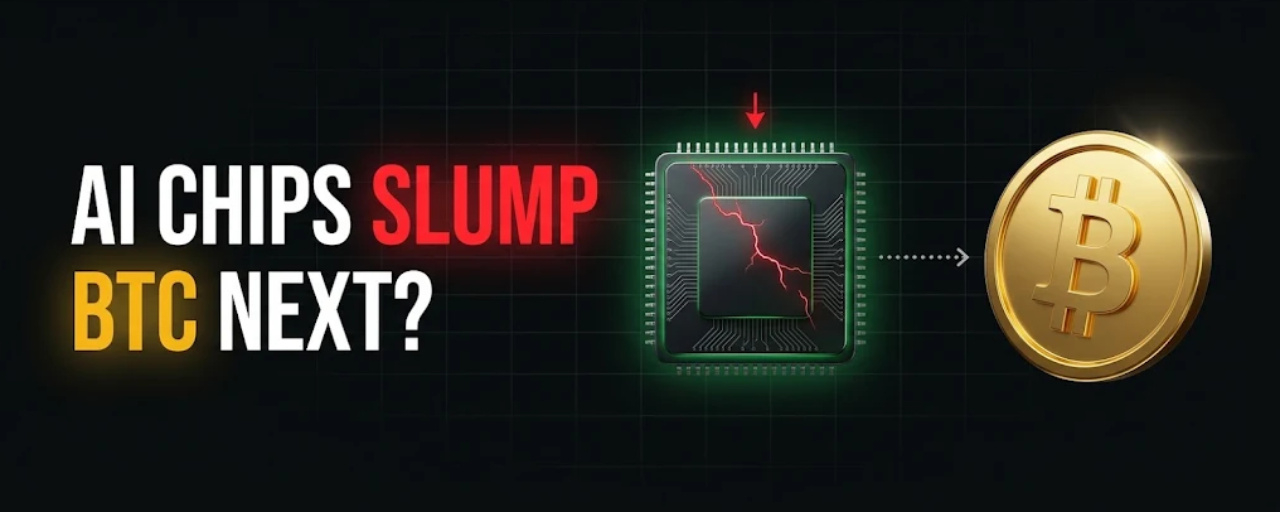
AI半導体株の急落:ナスダックが調整局面入り、ビットコインも追随するのか?ナスダック100は1日で6.4%下落し、半導体株は2020年以来最悪の取引日となりました。今回のAI関連株の売りが何を示し、ビットコインとどうつながるのかを見ていきます。
🚨 木曜日は、記憶に残る一日の一つでした。数カ月にわたって市場をけん引してきたAI関連の取引が、たった一日で崩れました。
📊 実際に起きたこと
木曜朝の時点でナスダック100は4%超下落し、その後も下げ続けました。終値は6.36%安、ナスダック総合指数は5.52%安、S&P 500は4.35%安でした。ナスダック100の時価総額は約2.3兆ドル減少しました。特に大きな打撃を受けたのは半導体株です。iシェアーズ半導体ETFは12%下落し、2020年3月以来最悪の1日となりました。ナスダック総合指数も調整局面入りし、先月の高値から10%超下落しました。
AI半導体株の急落:ナスダックが調整局面入り、ビットコインも追随するのか?
ナスダック100は1日で6.4%下落し、半導体株は2020年以来最悪の取引日となりました。今回のAI関連株の売りが何を示し、ビットコインとどうつながるのかを見ていきます。
🚨 木曜日は、記憶に残る一日の一つでした。数カ月にわたって市場をけん引してきたAI関連の取引が、たった一日で崩れました。
📊 実際に起きたこと
木曜朝の時点でナスダック100は4%超下落し、その後も下げ続けました。終値は6.36%安、ナスダック総合指数は5.52%安、S&P 500は4.35%安でした。ナスダック100の時価総額は約2.3兆ドル減少しました。特に大きな打撃を受けたのは半導体株です。iシェアーズ半導体ETFは12%下落し、2020年3月以来最悪の1日となりました。ナスダック総合指数も調整局面入りし、先月の高値から10%超下落しました。
1
1
239
ログインして、さらにコンテンツを読む
厳選トピックで世界の暗号資産トレーダーの仲間入り
⚡️ 暗号資産に関する最新かつ有益な情報が見つかります。
💬 世界最大の暗号資産取引所から信頼されています。
👍 認証を受けたクリエイターから、有益なインサイトを得られます。
メール / 電話番号