

Crypto Inertia
628 投稿
Crypto Inertia
報告
ユーザーをブロック

BNBホルダー
超高頻度トレーダー
3.5年
123 フォロー
126 フォロワー
247 いいね
投稿
すべて
引用
PINNED
#dusk $DUSK @Dusk_Foundation ずっとDUSKのトレードを眺めているんだけど、ある数字がずっと気になって離れない。
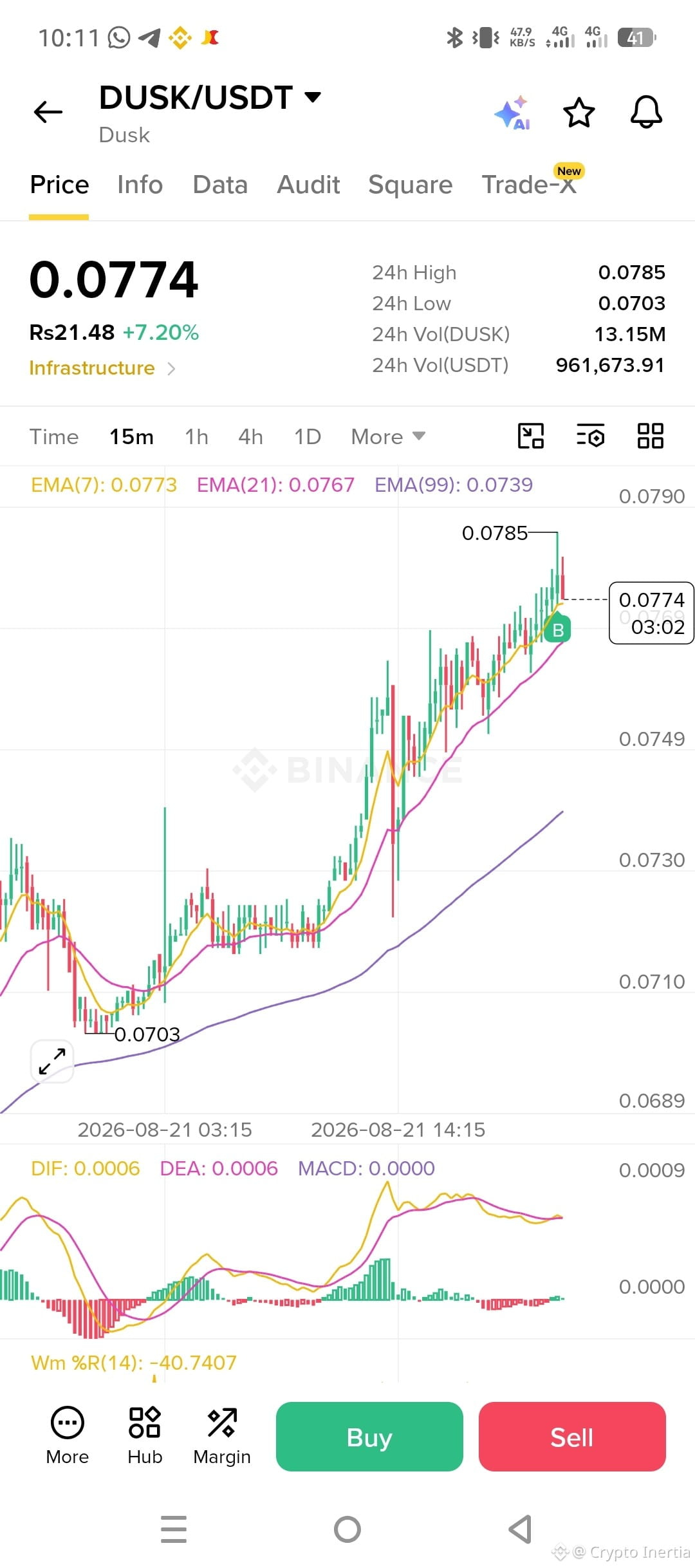
0.0630でエントリー。現在価格は0.0779。だいたい約23%の上昇だ。チャート上は申し分ない。 でもWilliams %Rが-3.97の位置にいて、かなりの過熱感(深い買われ過ぎ)を示している。 MACDはまだプラスで、EMAの並びも強気──7本が21本を上回り、さらに99本も上。 つまり、上昇トレンドを示す材料は全部そろってる。 ただし「過熱」のサインだけが引っかかる。
これが意味するのは何だろう? 0.0785のレジスタンスを突破できるほど勢いが強くて、そのまま走り続けるのか。 それとも、簡単な上げは終わっていて、拒否(リジェクション)が起きてEMA方向へ戻されるのか。 たぶん正直、両方だ──いったんレジスタンスを試してから、揉み合い(コンソリデーション)になる。
次に出来高を見た。24時間でDUSKが13.14M取引されている。これは本物の動きだ。死んだチャートじゃない。 買い平均は0.0630で、売り平均は0.0623。 市場は拮抗しているが、やや買いに傾いている。 俺のエントリーはちょうど、買い手が踏みとどまった位置にある。
本当に分からないのは、このポンプがキャンペーン主導なのか、それともエコシステムの奥にある何かが原因なのかという点だ。 パートナーシップは本物だ。NPEX。Chainlink。EURQ。 でも、チャートは発表なんて気にしない。気にするのは流動性とモメンタムだけ。
ずっと立ち返ってしまう疑問──キャンペーンのためにあるチェーンを調べて、そのまま同時にトレードしているとき、俺はプロジェクトを読んでいるのか、それともチャートを読んでいるだけなのか? $DUSK #dusk
#dusk $DUSK @Dusk ずっとDUSKのトレードを眺めているんだけど、ある数字がずっと気になって離れない。
0.0630でエントリー。現在価格は0.0779。だいたい約23%の上昇だ。チャート上は申し分ない。 でもWilliams %Rが-3.97の位置にいて、かなりの過熱感(深い買われ過ぎ)を示している。 MACDはまだプラスで、EMAの並びも強気──7本が21本を上回り、さらに99本も上。 つまり、上昇トレンドを示す材料は全部そろってる。 ただし「過熱」のサインだけが引っかかる。
これが意味するのは何だろう? 0.0785のレジスタンスを突破できるほど勢いが強くて、そのまま走り続けるのか。 それとも、簡単な上げは終わっていて、拒否(リジェクション)が起きてEMA方向へ戻されるのか。 たぶん正直、両方だ──いったんレジスタンスを試してから、揉み合い(コンソリデーション)になる。
次に出来高を見た。24時間でDUSKが13.14M取引されている。これは本物の動きだ。死んだチャートじゃない。 買い平均は0.0630で、売り平均は0.0623。 市場は拮抗しているが、やや買いに傾いている。 俺のエントリーはちょうど、買い手が踏みとどまった位置にある。
本当に分からないのは、このポンプがキャンペーン主導なのか、それともエコシステムの奥にある何かが原因なのかという点だ。 パートナーシップは本物だ。NPEX。Chainlink。EURQ。 でも、チャートは発表なんて気にしない。気にするのは流動性とモメンタムだけ。
ずっと立ち返ってしまう疑問──キャンペーンのためにあるチェーンを調べて、そのまま同時にトレードしているとき、俺はプロジェクトを読んでいるのか、それともチャートを読んでいるだけなのか? $DUSK #dusk
0.0630でエントリー。現在価格は0.0779。だいたい約23%の上昇だ。チャート上は申し分ない。 でもWilliams %Rが-3.97の位置にいて、かなりの過熱感(深い買われ過ぎ)を示している。 MACDはまだプラスで、EMAの並びも強気──7本が21本を上回り、さらに99本も上。 つまり、上昇トレンドを示す材料は全部そろってる。 ただし「過熱」のサインだけが引っかかる。
これが意味するのは何だろう? 0.0785のレジスタンスを突破できるほど勢いが強くて、そのまま走り続けるのか。 それとも、簡単な上げは終わっていて、拒否(リジェクション)が起きてEMA方向へ戻されるのか。 たぶん正直、両方だ──いったんレジスタンスを試してから、揉み合い(コンソリデーション)になる。
次に出来高を見た。24時間でDUSKが13.14M取引されている。これは本物の動きだ。死んだチャートじゃない。 買い平均は0.0630で、売り平均は0.0623。 市場は拮抗しているが、やや買いに傾いている。 俺のエントリーはちょうど、買い手が踏みとどまった位置にある。
本当に分からないのは、このポンプがキャンペーン主導なのか、それともエコシステムの奥にある何かが原因なのかという点だ。 パートナーシップは本物だ。NPEX。Chainlink。EURQ。 でも、チャートは発表なんて気にしない。気にするのは流動性とモメンタムだけ。
ずっと立ち返ってしまう疑問──キャンペーンのためにあるチェーンを調べて、そのまま同時にトレードしているとき、俺はプロジェクトを読んでいるのか、それともチャートを読んでいるだけなのか? $DUSK #dusk
72
これに参加して驚きの報酬を獲得しよう! オファーのリンクは
#BinanceMidAutumn https://t.me/binancecanteen/254
#BinanceSquareTG
$XAI
{spot}(XAIUSDT)
$NOM
{spot}(NOMUSDT)
これに参加して驚きの報酬を獲得しよう! オファーのリンクは
#BinanceMidAutumn https://t.me/binancecanteen/254
#BinanceSquareTG
$XAI
$NOM
#BinanceMidAutumn https://t.me/binancecanteen/254
#BinanceSquareTG
$XAI
$NOM

421
翻訳参照
#dusk $DUSK @Dusk_Foundation ---
Dusk says regulated finance onchain. NPEX partnership. 21X with DLT-TSS license. Quantoz with EURQ. Everything looks solid.
But then I checked actual deployment. Dusk Trade still building. DuskEVM testnet. Hedger testnet. DLT-TSS license in progress. Partnerships signed but products not ready.
On-chain same story. 206 provisioners. Concentrated stake. Pending stake almost zero. Institutional pitch but actual shape looks like validator club right now.
Don't know if this is normal or if the gap is too wide. When institutions open the explorer, what do they see — settlement infrastructure or an assembly line?
$DUSK #dusk
---
#dusk $DUSK @Dusk ---
Dusk says regulated finance onchain. NPEX partnership. 21X with DLT-TSS license. Quantoz with EURQ. Everything looks solid.
But then I checked actual deployment. Dusk Trade still building. DuskEVM testnet. Hedger testnet. DLT-TSS license in progress. Partnerships signed but products not ready.
On-chain same story. 206 provisioners. Concentrated stake. Pending stake almost zero. Institutional pitch but actual shape looks like validator club right now.
Don't know if this is normal or if the gap is too wide. When institutions open the explorer, what do they see — settlement infrastructure or an assembly line?
$DUSK #dusk
---
Dusk says regulated finance onchain. NPEX partnership. 21X with DLT-TSS license. Quantoz with EURQ. Everything looks solid.
But then I checked actual deployment. Dusk Trade still building. DuskEVM testnet. Hedger testnet. DLT-TSS license in progress. Partnerships signed but products not ready.
On-chain same story. 206 provisioners. Concentrated stake. Pending stake almost zero. Institutional pitch but actual shape looks like validator club right now.
Don't know if this is normal or if the gap is too wide. When institutions open the explorer, what do they see — settlement infrastructure or an assembly line?
$DUSK #dusk
---
174
#dusk $DUSK @Dusk_Foundation 私はDUSKエコシステムに腰を据えて眺めてきたんですが、あるパターンがずっと気になって仕方ないんです。
Duskは、他のどのチェーンとも違うレベルで規制対応のパートナーを集めています。NPEXはMTF、ブローカー、ECSPのライセンスを保有。21Xはヨーロッパで最初のDLT-TSS。QuantozはMiCAに準拠したEURQ。インフラはChainlink。カストディはCordial。どの提携も、現実の価値を持っています。堅実です。
ただ、これらのパートナーが実際に今Duskにどこへ接続されているのかを追跡すると、発表が示すほどの“つながりの厚み”がありませんでした。21XはDuskEVMの統合を「計画」しています。NPEXのネイティブ発行は、まだライセンスが進行中です。Dusk Tradeは構築中。提携自体は締結済みです。統合の接点は、主に先行しています。
つまり、順序が意図的なのかもしれません――技術ロールアウトの前に規制の土台を固める。あるいはプロダクト層が、パートナー層に遅れを取っている。正直、たぶん両方です。
そしてもう一方。オンチェーンでは、このネットワークは集中した保有(ステーク)を持つ206のプロビジョナーで動いています。紙の上では、機関投資家向けのインフラです。オンチェーンでは、それはブートストラップ段階です。この2つの現実が、まだ一致していません。
私が本当に分からないのは、機関投資家がDuskを「パートナーのリスト」で評価しているのか、それとも「展開状況」で評価しているのかという点です。今は、どちらの話も成り立ってしまっています。
そして何度も頭に戻ってくる疑問――もし提携がDuskの最も強いところで、プロダクトはまだ追いついていないとしたら、今後6カ月はどうなるのでしょうか? $DUSK #dusk
#dusk $DUSK @Dusk 私はDUSKエコシステムに腰を据えて眺めてきたんですが、あるパターンがずっと気になって仕方ないんです。
Duskは、他のどのチェーンとも違うレベルで規制対応のパートナーを集めています。NPEXはMTF、ブローカー、ECSPのライセンスを保有。21Xはヨーロッパで最初のDLT-TSS。QuantozはMiCAに準拠したEURQ。インフラはChainlink。カストディはCordial。どの提携も、現実の価値を持っています。堅実です。
ただ、これらのパートナーが実際に今Duskにどこへ接続されているのかを追跡すると、発表が示すほどの“つながりの厚み”がありませんでした。21XはDuskEVMの統合を「計画」しています。NPEXのネイティブ発行は、まだライセンスが進行中です。Dusk Tradeは構築中。提携自体は締結済みです。統合の接点は、主に先行しています。
つまり、順序が意図的なのかもしれません――技術ロールアウトの前に規制の土台を固める。あるいはプロダクト層が、パートナー層に遅れを取っている。正直、たぶん両方です。
そしてもう一方。オンチェーンでは、このネットワークは集中した保有(ステーク)を持つ206のプロビジョナーで動いています。紙の上では、機関投資家向けのインフラです。オンチェーンでは、それはブートストラップ段階です。この2つの現実が、まだ一致していません。
私が本当に分からないのは、機関投資家がDuskを「パートナーのリスト」で評価しているのか、それとも「展開状況」で評価しているのかという点です。今は、どちらの話も成り立ってしまっています。
そして何度も頭に戻ってくる疑問――もし提携がDuskの最も強いところで、プロダクトはまだ追いついていないとしたら、今後6カ月はどうなるのでしょうか? $DUSK #dusk
Duskは、他のどのチェーンとも違うレベルで規制対応のパートナーを集めています。NPEXはMTF、ブローカー、ECSPのライセンスを保有。21Xはヨーロッパで最初のDLT-TSS。QuantozはMiCAに準拠したEURQ。インフラはChainlink。カストディはCordial。どの提携も、現実の価値を持っています。堅実です。
ただ、これらのパートナーが実際に今Duskにどこへ接続されているのかを追跡すると、発表が示すほどの“つながりの厚み”がありませんでした。21XはDuskEVMの統合を「計画」しています。NPEXのネイティブ発行は、まだライセンスが進行中です。Dusk Tradeは構築中。提携自体は締結済みです。統合の接点は、主に先行しています。
つまり、順序が意図的なのかもしれません――技術ロールアウトの前に規制の土台を固める。あるいはプロダクト層が、パートナー層に遅れを取っている。正直、たぶん両方です。
そしてもう一方。オンチェーンでは、このネットワークは集中した保有(ステーク)を持つ206のプロビジョナーで動いています。紙の上では、機関投資家向けのインフラです。オンチェーンでは、それはブートストラップ段階です。この2つの現実が、まだ一致していません。
私が本当に分からないのは、機関投資家がDuskを「パートナーのリスト」で評価しているのか、それとも「展開状況」で評価しているのかという点です。今は、どちらの話も成り立ってしまっています。
そして何度も頭に戻ってくる疑問――もし提携がDuskの最も強いところで、プロダクトはまだ追いついていないとしたら、今後6カ月はどうなるのでしょうか? $DUSK #dusk
1
1
92
#dusk $DUSK @Dusk_Foundation 私はDUSKと21Xの発表内容を見ながら座り込んでいるのですが、ある1つの点がずっと引っかかっています。
21Xは、欧州の$DUSK
{spot}(DUSKUSDT)
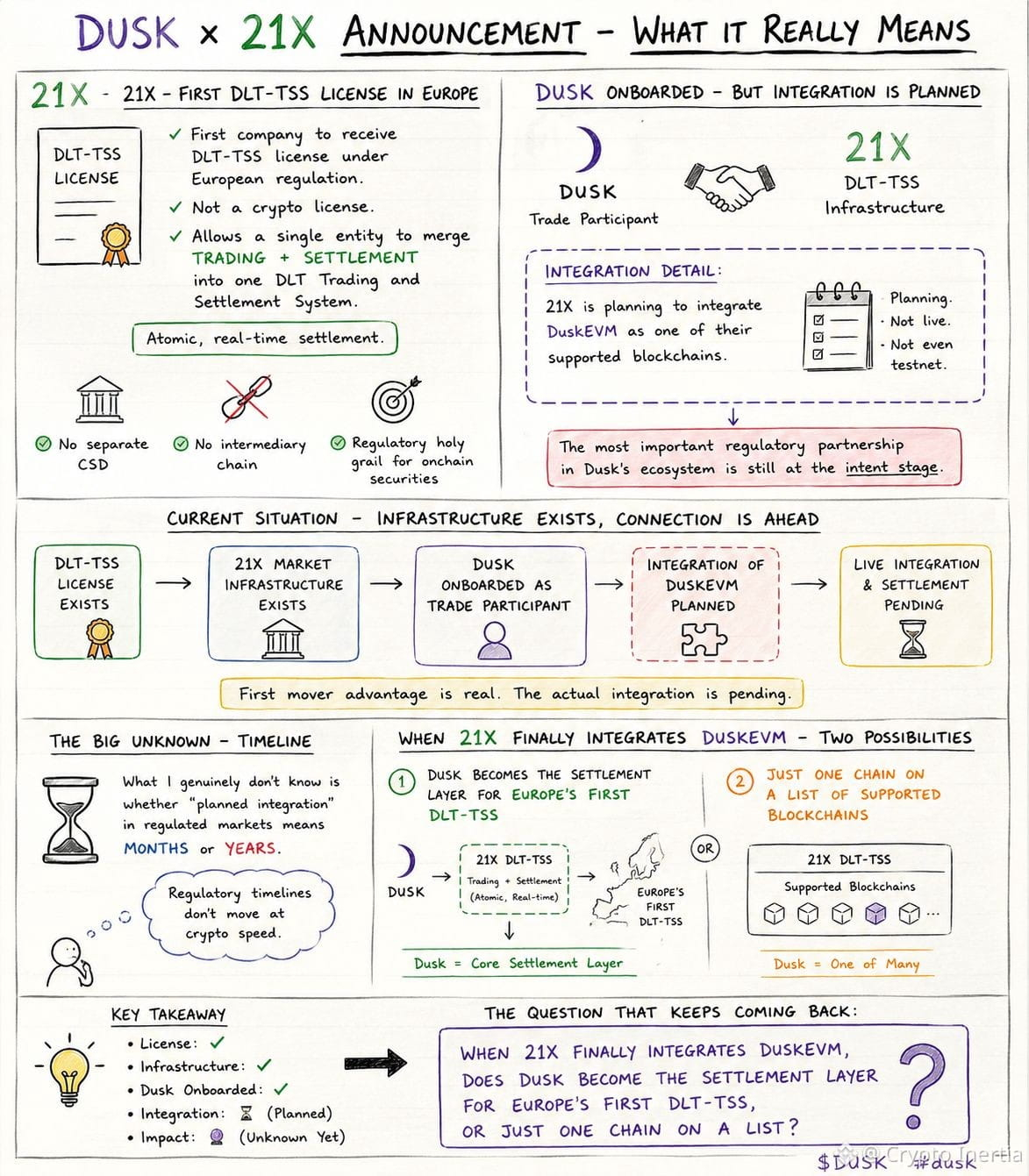
規制においてDLT-TSSライセンスを最初に受けた企業です。これは暗号資産のライセンスではありません。単一の主体が、従来は別々の機能だった取引と決済を1つに統合できるようにするものです。DLT Trading and Settlement System。アトミックでリアルタイムな決済。別個のCSDは不要。中継となる仲介チェーンも不要。オンチェーン証券にとって、規制面の“聖杯”とも言える存在です。
Duskは取引参加者としてオンボードされています。しっかりしています。ですが、そこで私は統合の詳細を読みました。21Xは、サポートするブロックチェーンの1つとして「DuskEVMの統合を計画している」としています。計画です。稼働しているわけではありません。テストネットでもありません。Duskのエコシステムにおける最も重要な規制上の提携は、まだ意図の段階にあります。規制上のオンボーディングが発表が示唆するよりも時間がかかるのか、それとも技術的な統合が先にDuskEVMが成熟するのを待っているのか。おそらく両方です。
さらに、より広いパターンがあります。NPEXは資金調達として€200M+を確認していますが、DLT-TSSは進行中です。Dusk Tradeは構築中。Hedgerはテストネット。提携リストは本物ですが、それを支えるデプロイメントの積み上げはまだ組み立て中です。規制の語りは「ヨーロッパ初のブロックチェーン搭載セキュリティ取引所」。一方、ドキュメントには「構築中」「テストネット」と書かれています。
本当のところ私が分からないのは、「規制市場での計画された統合」が、何か月なのか何年なのかということです。規制のタイムラインは、暗号資産の速度では動きません。
私が何度も立ち返ってしまう問いは――21XがついにDuskEVMを統合したとき、Duskはヨーロッパ初のDLT-TSSの決済レイヤーになるのか、それともリストの中の“ただの1チェーン”に過ぎないのか?
#dusk $DUSK @Dusk 私はDUSKと21Xの発表内容を見ながら座り込んでいるのですが、ある1つの点がずっと引っかかっています。
21Xは、欧州の$DUSK
規制においてDLT-TSSライセンスを最初に受けた企業です。これは暗号資産のライセンスではありません。単一の主体が、従来は別々の機能だった取引と決済を1つに統合できるようにするものです。DLT Trading and Settlement System。アトミックでリアルタイムな決済。別個のCSDは不要。中継となる仲介チェーンも不要。オンチェーン証券にとって、規制面の“聖杯”とも言える存在です。
Duskは取引参加者としてオンボードされています。しっかりしています。ですが、そこで私は統合の詳細を読みました。21Xは、サポートするブロックチェーンの1つとして「DuskEVMの統合を計画している」としています。計画です。稼働しているわけではありません。テストネットでもありません。Duskのエコシステムにおける最も重要な規制上の提携は、まだ意図の段階にあります。規制上のオンボーディングが発表が示唆するよりも時間がかかるのか、それとも技術的な統合が先にDuskEVMが成熟するのを待っているのか。おそらく両方です。
さらに、より広いパターンがあります。NPEXは資金調達として€200M+を確認していますが、DLT-TSSは進行中です。Dusk Tradeは構築中。Hedgerはテストネット。提携リストは本物ですが、それを支えるデプロイメントの積み上げはまだ組み立て中です。規制の語りは「ヨーロッパ初のブロックチェーン搭載セキュリティ取引所」。一方、ドキュメントには「構築中」「テストネット」と書かれています。
本当のところ私が分からないのは、「規制市場での計画された統合」が、何か月なのか何年なのかということです。規制のタイムラインは、暗号資産の速度では動きません。
私が何度も立ち返ってしまう問いは――21XがついにDuskEVMを統合したとき、Duskはヨーロッパ初のDLT-TSSの決済レイヤーになるのか、それともリストの中の“ただの1チェーン”に過ぎないのか?
21Xは、欧州の$DUSK
規制においてDLT-TSSライセンスを最初に受けた企業です。これは暗号資産のライセンスではありません。単一の主体が、従来は別々の機能だった取引と決済を1つに統合できるようにするものです。DLT Trading and Settlement System。アトミックでリアルタイムな決済。別個のCSDは不要。中継となる仲介チェーンも不要。オンチェーン証券にとって、規制面の“聖杯”とも言える存在です。
Duskは取引参加者としてオンボードされています。しっかりしています。ですが、そこで私は統合の詳細を読みました。21Xは、サポートするブロックチェーンの1つとして「DuskEVMの統合を計画している」としています。計画です。稼働しているわけではありません。テストネットでもありません。Duskのエコシステムにおける最も重要な規制上の提携は、まだ意図の段階にあります。規制上のオンボーディングが発表が示唆するよりも時間がかかるのか、それとも技術的な統合が先にDuskEVMが成熟するのを待っているのか。おそらく両方です。
さらに、より広いパターンがあります。NPEXは資金調達として€200M+を確認していますが、DLT-TSSは進行中です。Dusk Tradeは構築中。Hedgerはテストネット。提携リストは本物ですが、それを支えるデプロイメントの積み上げはまだ組み立て中です。規制の語りは「ヨーロッパ初のブロックチェーン搭載セキュリティ取引所」。一方、ドキュメントには「構築中」「テストネット」と書かれています。
本当のところ私が分からないのは、「規制市場での計画された統合」が、何か月なのか何年なのかということです。規制のタイムラインは、暗号資産の速度では動きません。
私が何度も立ち返ってしまう問いは――21XがついにDuskEVMを統合したとき、Duskはヨーロッパ初のDLT-TSSの決済レイヤーになるのか、それともリストの中の“ただの1チェーン”に過ぎないのか?
85
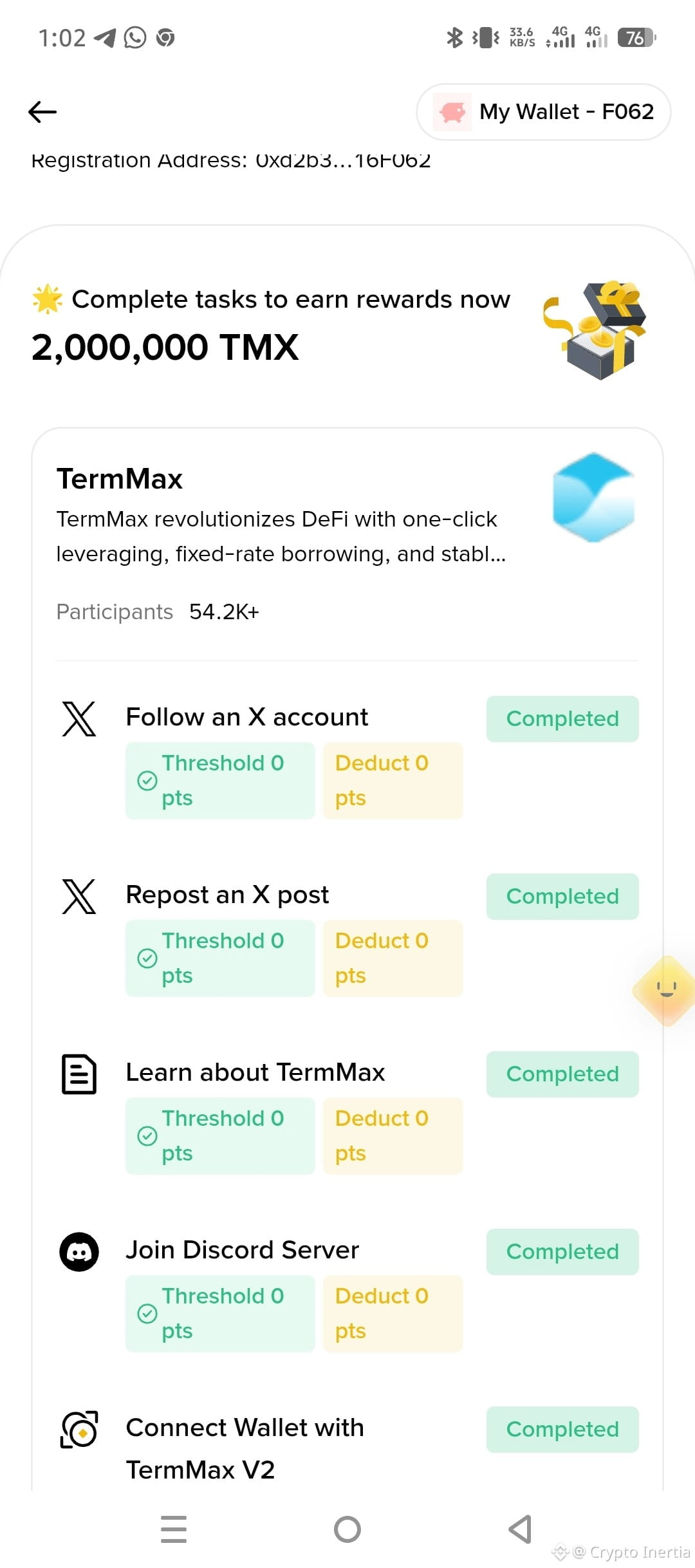
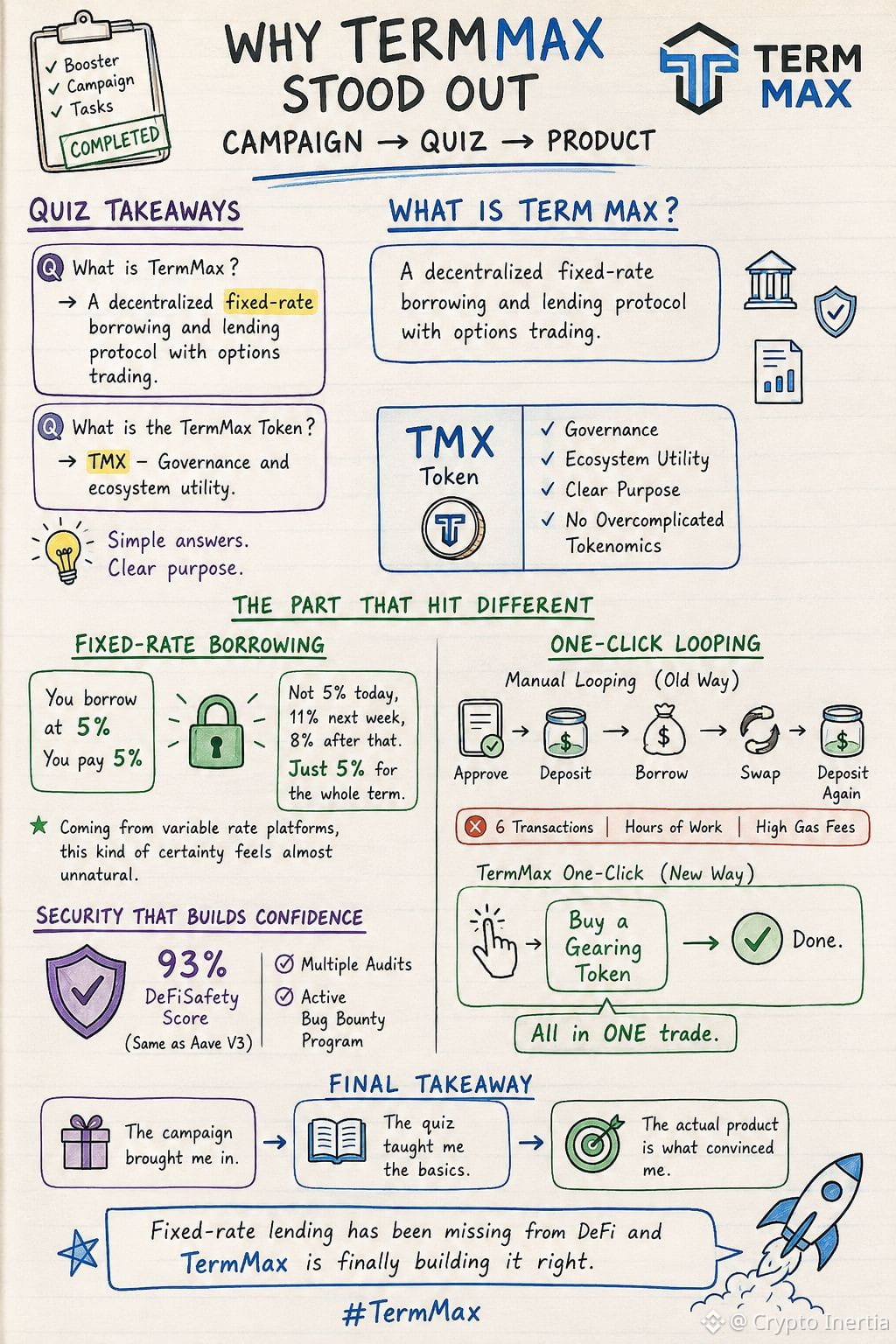
#termmax @termmax TermMaxブースターキャンペーンの本日のタスクを終えて、クイズの内容のうち何かが実際に自分の中に残りました。
学習セクションでは「TermMaxとは何ですか?」と聞かれました。答えはシンプルでした。分散型の固定金利の借り入れ・貸し出しプロトコルで、オプション取引も扱っています。固定金利。固定期間。私たちが慣れている変動金利のカオスとは違う。
それからトークンについても聞かれました。TMX。ガバナンスとエコシステムのユーティリティ。過度に複雑なトークン設計はありません。明確な目的があるだけです。
それで、@TermMax のドキュメントをもっと掘り下げたくなりました。
私がずっと考えてしまうのは、固定金利の借り入れの部分です。5%で借りる。5%を支払う。今日5%で、来週11%になって、その次は8%になる…といったことではありません。期間を通してずっと5%。金利が常に揺れるプラットフォームから来ると、この種の確実性はほとんど不自然に感じるほどです。
ワンクリックのループ機能も賢いです。手動でループさせると、6回ものトランザクションと丸一日近い時間がかかった記憶があります。承認、入金、借り入れ、スワップ、再度入金。ステップごとにガス代が発生します。TermMaxはそれをすべて1回の取引にまとめてくれます。Gearing Tokenを買って完了。
セキュリティ面でもしっかりしています。DeFiSafetyスコア93%。Aave V3と同等。複数の監査と、アクティブなバグバウンティもあります。
キャンペーンが私を連れてきてくれました。クイズが基礎を教えてくれました。実際のプロダクトが決め手になったのです。固定金利のレンディングはDeFiには欠けていて、TermMaxはついに正しい形でそれを作り始めています。
#termmax @TermMax TermMaxブースターキャンペーンの本日のタスクを終えて、クイズの内容のうち何かが実際に自分の中に残りました。
学習セクションでは「TermMaxとは何ですか?」と聞かれました。答えはシンプルでした。分散型の固定金利の借り入れ・貸し出しプロトコルで、オプション取引も扱っています。固定金利。固定期間。私たちが慣れている変動金利のカオスとは違う。
それからトークンについても聞かれました。TMX。ガバナンスとエコシステムのユーティリティ。過度に複雑なトークン設計はありません。明確な目的があるだけです。
それで、@TermMax のドキュメントをもっと掘り下げたくなりました。
私がずっと考えてしまうのは、固定金利の借り入れの部分です。5%で借りる。5%を支払う。今日5%で、来週11%になって、その次は8%になる…といったことではありません。期間を通してずっと5%。金利が常に揺れるプラットフォームから来ると、この種の確実性はほとんど不自然に感じるほどです。
ワンクリックのループ機能も賢いです。手動でループさせると、6回ものトランザクションと丸一日近い時間がかかった記憶があります。承認、入金、借り入れ、スワップ、再度入金。ステップごとにガス代が発生します。TermMaxはそれをすべて1回の取引にまとめてくれます。Gearing Tokenを買って完了。
セキュリティ面でもしっかりしています。DeFiSafetyスコア93%。Aave V3と同等。複数の監査と、アクティブなバグバウンティもあります。
キャンペーンが私を連れてきてくれました。クイズが基礎を教えてくれました。実際のプロダクトが決め手になったのです。固定金利のレンディングはDeFiには欠けていて、TermMaxはついに正しい形でそれを作り始めています。
学習セクションでは「TermMaxとは何ですか?」と聞かれました。答えはシンプルでした。分散型の固定金利の借り入れ・貸し出しプロトコルで、オプション取引も扱っています。固定金利。固定期間。私たちが慣れている変動金利のカオスとは違う。
それからトークンについても聞かれました。TMX。ガバナンスとエコシステムのユーティリティ。過度に複雑なトークン設計はありません。明確な目的があるだけです。
それで、@TermMax のドキュメントをもっと掘り下げたくなりました。
私がずっと考えてしまうのは、固定金利の借り入れの部分です。5%で借りる。5%を支払う。今日5%で、来週11%になって、その次は8%になる…といったことではありません。期間を通してずっと5%。金利が常に揺れるプラットフォームから来ると、この種の確実性はほとんど不自然に感じるほどです。
ワンクリックのループ機能も賢いです。手動でループさせると、6回ものトランザクションと丸一日近い時間がかかった記憶があります。承認、入金、借り入れ、スワップ、再度入金。ステップごとにガス代が発生します。TermMaxはそれをすべて1回の取引にまとめてくれます。Gearing Tokenを買って完了。
セキュリティ面でもしっかりしています。DeFiSafetyスコア93%。Aave V3と同等。複数の監査と、アクティブなバグバウンティもあります。
キャンペーンが私を連れてきてくれました。クイズが基礎を教えてくれました。実際のプロダクトが決め手になったのです。固定金利のレンディングはDeFiには欠けていて、TermMaxはついに正しい形でそれを作り始めています。
2
88
#dusk $DUSK @Dusk_Foundation
DUSKのパートナーシップ発表を眺めていて、ずっと引っかかっていることがあります。
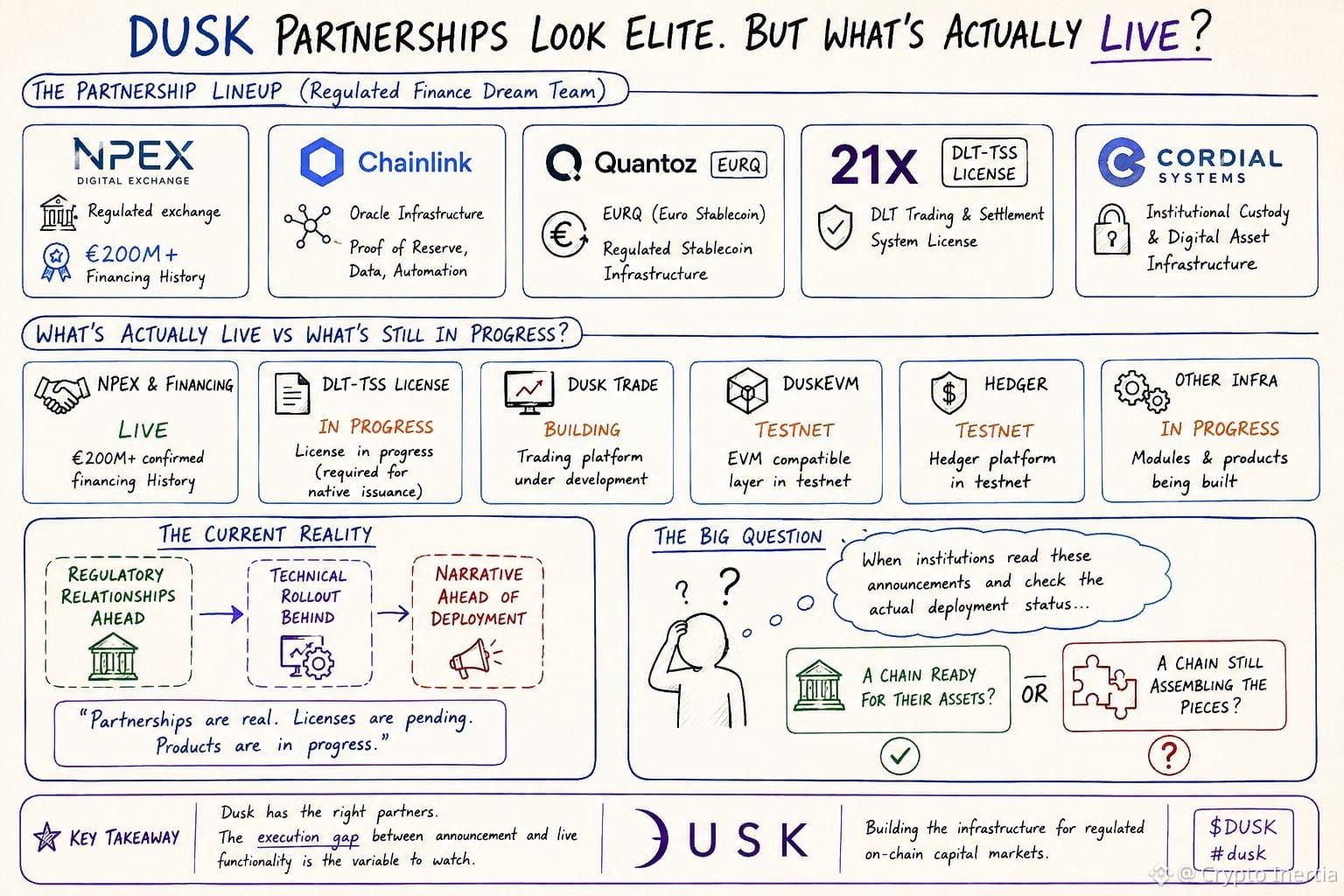
DuskにはNPEXがあります。Chainlinkがあります。EURQのQuantozがあります。DLT-TSSライセンスで21Xがあります。カストディにはCordial Systemsがあります。パートナーのリストは、規制された金融のドリームチームのように見えます。それぞれがライセンス、インフラ、あるいは機関投資家への到達力を持ってきます。堅実です。
しかし、実際に稼働しているものが発表と比べてどうなのか確認すると、「別の話」でした。NPEXは資金調達の実績として€200M+を確認していますが、ネイティブ発行に必要なDLT-TSSライセンスはまだ進行中です。Dusk Tradeはまだ構築中です。DuskEVMはテストネットです。Hedgerもテストネットです。パートナーシップ発表自体は本物です。ただ、その提携が依存しているプロダクトの稼働状況は別問題です。
つまり、規制面の関係が技術のロールアウトより先行している状況があります。機関名は出ている。ライセンスは保留中。プロダクトは進行中。物語では「ヨーロッパ初のブロックチェーンを活用したセキュリティ取引所」。資料では「構築中」「テストネット」と書かれています。
私が本当に分からないのは、これが規制インフラでは一般的な順序(パートナーシップが先、プロダクトは後)なのか、それとも、発表と稼働機能のギャップが見出しが示す以上に大きいのかという点です。
私が何度も考え直してしまうのは、機関がこれらの発表を読んだうえで実際の導入状況を確認したとき、彼らは自分たちの資産のための「準備が整ったチェーン」を見ているのか、それとも「まだ部品を組み立てている最中のチェーン」を見ているのか、ということです。
#dusk $DUSK @Dusk
DUSKのパートナーシップ発表を眺めていて、ずっと引っかかっていることがあります。
DuskにはNPEXがあります。Chainlinkがあります。EURQのQuantozがあります。DLT-TSSライセンスで21Xがあります。カストディにはCordial Systemsがあります。パートナーのリストは、規制された金融のドリームチームのように見えます。それぞれがライセンス、インフラ、あるいは機関投資家への到達力を持ってきます。堅実です。
しかし、実際に稼働しているものが発表と比べてどうなのか確認すると、「別の話」でした。NPEXは資金調達の実績として€200M+を確認していますが、ネイティブ発行に必要なDLT-TSSライセンスはまだ進行中です。Dusk Tradeはまだ構築中です。DuskEVMはテストネットです。Hedgerもテストネットです。パートナーシップ発表自体は本物です。ただ、その提携が依存しているプロダクトの稼働状況は別問題です。
つまり、規制面の関係が技術のロールアウトより先行している状況があります。機関名は出ている。ライセンスは保留中。プロダクトは進行中。物語では「ヨーロッパ初のブロックチェーンを活用したセキュリティ取引所」。資料では「構築中」「テストネット」と書かれています。
私が本当に分からないのは、これが規制インフラでは一般的な順序(パートナーシップが先、プロダクトは後)なのか、それとも、発表と稼働機能のギャップが見出しが示す以上に大きいのかという点です。
私が何度も考え直してしまうのは、機関がこれらの発表を読んだうえで実際の導入状況を確認したとき、彼らは自分たちの資産のための「準備が整ったチェーン」を見ているのか、それとも「まだ部品を組み立てている最中のチェーン」を見ているのか、ということです。
DUSKのパートナーシップ発表を眺めていて、ずっと引っかかっていることがあります。
DuskにはNPEXがあります。Chainlinkがあります。EURQのQuantozがあります。DLT-TSSライセンスで21Xがあります。カストディにはCordial Systemsがあります。パートナーのリストは、規制された金融のドリームチームのように見えます。それぞれがライセンス、インフラ、あるいは機関投資家への到達力を持ってきます。堅実です。
しかし、実際に稼働しているものが発表と比べてどうなのか確認すると、「別の話」でした。NPEXは資金調達の実績として€200M+を確認していますが、ネイティブ発行に必要なDLT-TSSライセンスはまだ進行中です。Dusk Tradeはまだ構築中です。DuskEVMはテストネットです。Hedgerもテストネットです。パートナーシップ発表自体は本物です。ただ、その提携が依存しているプロダクトの稼働状況は別問題です。
つまり、規制面の関係が技術のロールアウトより先行している状況があります。機関名は出ている。ライセンスは保留中。プロダクトは進行中。物語では「ヨーロッパ初のブロックチェーンを活用したセキュリティ取引所」。資料では「構築中」「テストネット」と書かれています。
私が本当に分からないのは、これが規制インフラでは一般的な順序(パートナーシップが先、プロダクトは後)なのか、それとも、発表と稼働機能のギャップが見出しが示す以上に大きいのかという点です。
私が何度も考え直してしまうのは、機関がこれらの発表を読んだうえで実際の導入状況を確認したとき、彼らは自分たちの資産のための「準備が整ったチェーン」を見ているのか、それとも「まだ部品を組み立てている最中のチェーン」を見ているのか、ということです。
1
1
80
#termmax @termmax
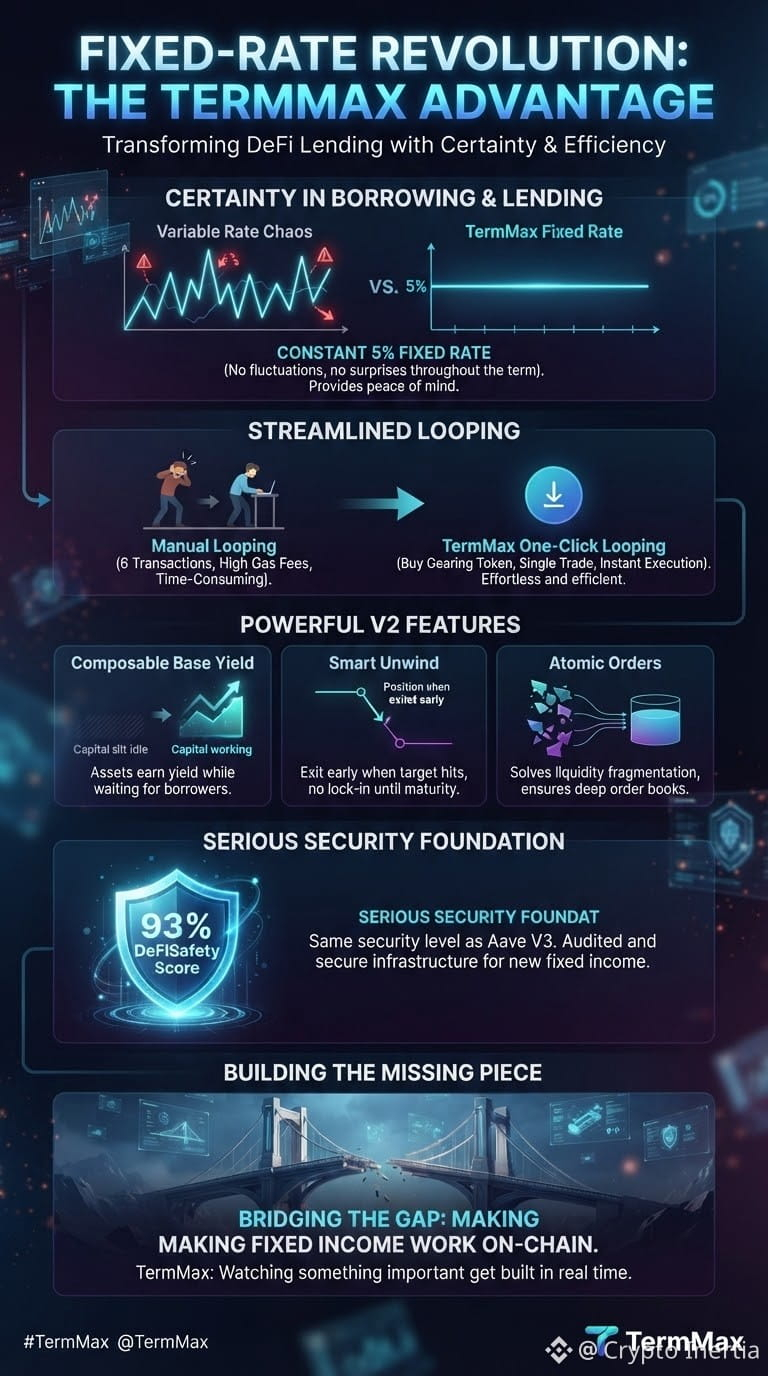
私は2年間DeFiの貸付プラットフォームを使ってきましたが、TermMaxは本当に驚かされた最初のサービスです。
固定金利の仕組みはシンプルに聞こえるものの、実際に体験すると分かります。あなたは5%で借ります。支払うのも5%。今日が5%で、明日が8%になり、来週は利用率が急上昇して12%になる…ということはありません。ずっと5%です。こうした確実性は、今のDeFiのどこにもありません。
そしてワンクリックのループ。別のプラットフォームでは、手作業でループを行うのに丸一日つぶしたことを覚えています。6つのトランザクション。ガス代がポジションを削っていく。毎回「正しくできているか」を何度も確認する必要がある。TermMaxはそれらを1回の取引で全部やってくれます。Gearing Tokenを買うだけで完了。ほとんど簡単すぎます。
ただ、私が特に注目したのはV2の機能です。Composable Base Yieldは、資産が貸し手(借り手)を待っている間にも利回りを生むということ。遊休資金が発生しません。Smart Unwindは、満期までロックされるのではなく、目標に到達したら早期に退出できる仕組み。Atomic Ordersは、流動性の分断によって以前の固定金利プラットフォームが機能不全に陥った問題を解決します。これらは単なる小さな改善ではありません。固定金利DeFiが以前うまくいかなかった原因そのものに対処しているんです。
そしてセキュリティも本気で厳格です。93%のDeFiSafetyスコア。Aave V3と同等です。これほど若いプロトコルでこの水準は珍しい。
固定金利の貸付はDeFiにおける欠けていたピースでした。変動金利は予測できません。TermMaxは、オンチェーンで固定収益を本当に機能させるためのインフラを構築しています。
これは、重要なものがリアルタイムで作られていくのを見るような感覚です。
$BOME
{spot}(BOMEUSDT)
$BIO
{spot}(BIOUSDT)
$RE
{spot}(REUSDT)
#termmax @TermMax
私は2年間DeFiの貸付プラットフォームを使ってきましたが、TermMaxは本当に驚かされた最初のサービスです。
固定金利の仕組みはシンプルに聞こえるものの、実際に体験すると分かります。あなたは5%で借ります。支払うのも5%。今日が5%で、明日が8%になり、来週は利用率が急上昇して12%になる…ということはありません。ずっと5%です。こうした確実性は、今のDeFiのどこにもありません。
そしてワンクリックのループ。別のプラットフォームでは、手作業でループを行うのに丸一日つぶしたことを覚えています。6つのトランザクション。ガス代がポジションを削っていく。毎回「正しくできているか」を何度も確認する必要がある。TermMaxはそれらを1回の取引で全部やってくれます。Gearing Tokenを買うだけで完了。ほとんど簡単すぎます。
ただ、私が特に注目したのはV2の機能です。Composable Base Yieldは、資産が貸し手(借り手)を待っている間にも利回りを生むということ。遊休資金が発生しません。Smart Unwindは、満期までロックされるのではなく、目標に到達したら早期に退出できる仕組み。Atomic Ordersは、流動性の分断によって以前の固定金利プラットフォームが機能不全に陥った問題を解決します。これらは単なる小さな改善ではありません。固定金利DeFiが以前うまくいかなかった原因そのものに対処しているんです。
そしてセキュリティも本気で厳格です。93%のDeFiSafetyスコア。Aave V3と同等です。これほど若いプロトコルでこの水準は珍しい。
固定金利の貸付はDeFiにおける欠けていたピースでした。変動金利は予測できません。TermMaxは、オンチェーンで固定収益を本当に機能させるためのインフラを構築しています。
これは、重要なものがリアルタイムで作られていくのを見るような感覚です。
$BOME
$BIO
$RE
私は2年間DeFiの貸付プラットフォームを使ってきましたが、TermMaxは本当に驚かされた最初のサービスです。
固定金利の仕組みはシンプルに聞こえるものの、実際に体験すると分かります。あなたは5%で借ります。支払うのも5%。今日が5%で、明日が8%になり、来週は利用率が急上昇して12%になる…ということはありません。ずっと5%です。こうした確実性は、今のDeFiのどこにもありません。
そしてワンクリックのループ。別のプラットフォームでは、手作業でループを行うのに丸一日つぶしたことを覚えています。6つのトランザクション。ガス代がポジションを削っていく。毎回「正しくできているか」を何度も確認する必要がある。TermMaxはそれらを1回の取引で全部やってくれます。Gearing Tokenを買うだけで完了。ほとんど簡単すぎます。
ただ、私が特に注目したのはV2の機能です。Composable Base Yieldは、資産が貸し手(借り手)を待っている間にも利回りを生むということ。遊休資金が発生しません。Smart Unwindは、満期までロックされるのではなく、目標に到達したら早期に退出できる仕組み。Atomic Ordersは、流動性の分断によって以前の固定金利プラットフォームが機能不全に陥った問題を解決します。これらは単なる小さな改善ではありません。固定金利DeFiが以前うまくいかなかった原因そのものに対処しているんです。
そしてセキュリティも本気で厳格です。93%のDeFiSafetyスコア。Aave V3と同等です。これほど若いプロトコルでこの水準は珍しい。
固定金利の貸付はDeFiにおける欠けていたピースでした。変動金利は予測できません。TermMaxは、オンチェーンで固定収益を本当に機能させるためのインフラを構築しています。
これは、重要なものがリアルタイムで作られていくのを見るような感覚です。
$BOME
$BIO
$RE
197
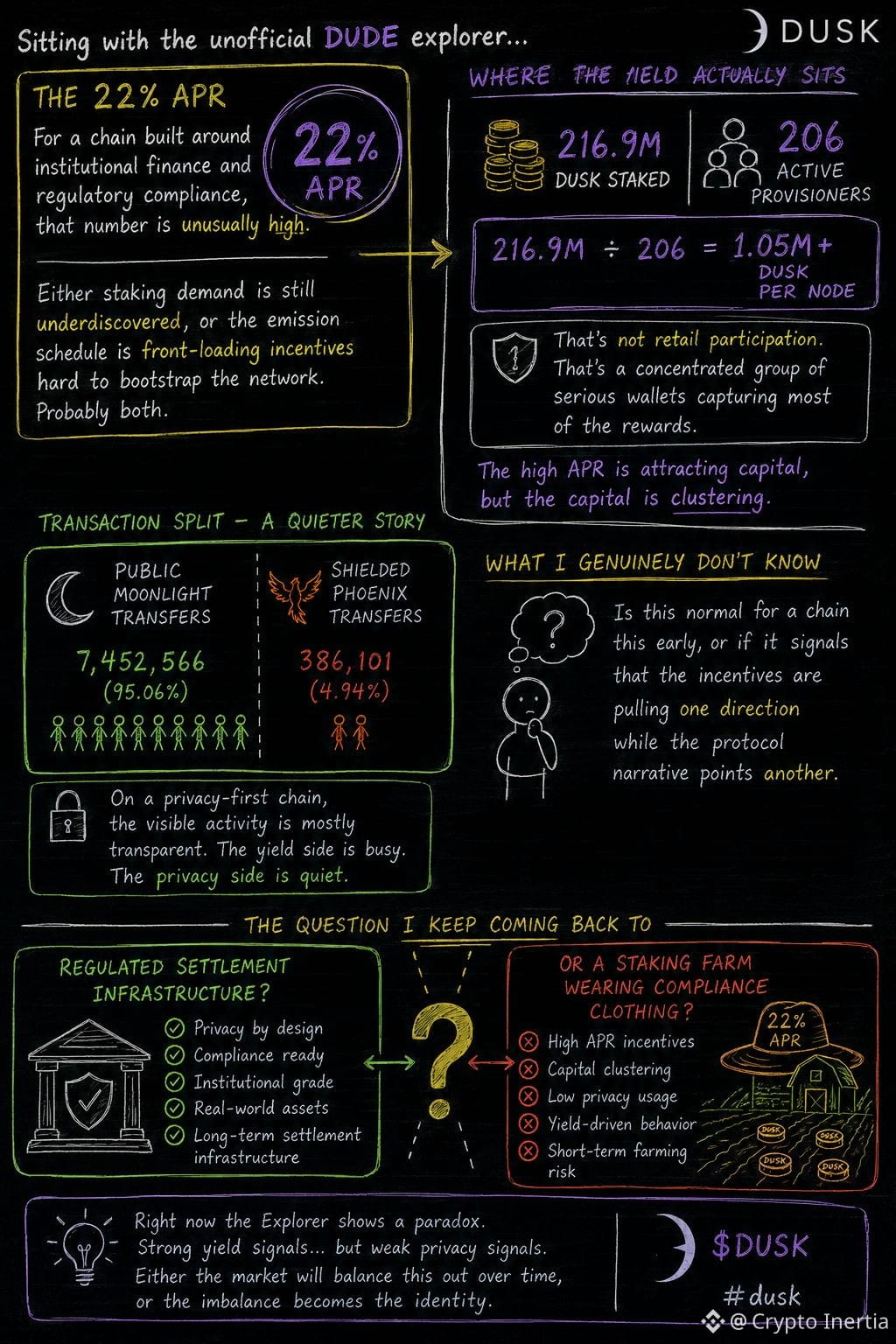
#dusk $DUSK @Dusk_Foundation 私 は 再び 非公式 の DUDE エクスプローラー と一緒に座って考え込んでいたのですが、あることがずっと気になって仕方ありません。
22% の APR です。機関投資家向けの金融と規制コンプライアンスを前提にしたチェーンにしては、その数値は異様に高い。ステーキング需要がまだ十分に発見されていないのか、それとも、エミッション(報酬)スケジュールがインセンティブを前倒しで強く出し、ネットワーク立ち上げをブーストするようになっているのか。たぶん両方でしょう。
次に、その利回りが実際にどこに着地しているのかを見ました。Dusk が 216.9M ステークされ、アクティブなプロビジョナーは 206。計算すると、ノードあたり平均で 100万 DUSK を超えます。これは個人(リテール)の参加ではありません。真剣なウォレットの集中グループが、ほとんどの報酬を捕まえている状態です。高い APR が資本を引き寄せているのに、その資本が特定に偏ってクラスター化している。
一方で、取引の内訳はより静かな物語を語っています。公開された Moonlight の送金が、シールドされた Phoenix の取引を大きく引き離しています。プライバシー重視のチェーンでは、見えているアクティビティの多くは透明です。利回り側は忙しい。プライバシー側は静か。
私が本当に分からないのは、これがこの段階のチェーンにとって普通なのか、それとも、インセンティブがある方向へ引っ張っているサインであって、プロトコルのナラティブは別の方向を指しているのか、という点です。
私が何度も行きつく問いは — 機関投資家はこのエクスプローラーを見たとき、規制された決済インフラを目にするのか、それとも、コンプライアンスの服を着たステーキング・ファームを見ているのか? $DUSK #dusk
#dusk $DUSK @Dusk 私 は 再び 非公式 の DUDE エクスプローラー と一緒に座って考え込んでいたのですが、あることがずっと気になって仕方ありません。
22% の APR です。機関投資家向けの金融と規制コンプライアンスを前提にしたチェーンにしては、その数値は異様に高い。ステーキング需要がまだ十分に発見されていないのか、それとも、エミッション(報酬)スケジュールがインセンティブを前倒しで強く出し、ネットワーク立ち上げをブーストするようになっているのか。たぶん両方でしょう。
次に、その利回りが実際にどこに着地しているのかを見ました。Dusk が 216.9M ステークされ、アクティブなプロビジョナーは 206。計算すると、ノードあたり平均で 100万 DUSK を超えます。これは個人(リテール)の参加ではありません。真剣なウォレットの集中グループが、ほとんどの報酬を捕まえている状態です。高い APR が資本を引き寄せているのに、その資本が特定に偏ってクラスター化している。
一方で、取引の内訳はより静かな物語を語っています。公開された Moonlight の送金が、シールドされた Phoenix の取引を大きく引き離しています。プライバシー重視のチェーンでは、見えているアクティビティの多くは透明です。利回り側は忙しい。プライバシー側は静か。
私が本当に分からないのは、これがこの段階のチェーンにとって普通なのか、それとも、インセンティブがある方向へ引っ張っているサインであって、プロトコルのナラティブは別の方向を指しているのか、という点です。
私が何度も行きつく問いは — 機関投資家はこのエクスプローラーを見たとき、規制された決済インフラを目にするのか、それとも、コンプライアンスの服を着たステーキング・ファームを見ているのか? $DUSK #dusk
22% の APR です。機関投資家向けの金融と規制コンプライアンスを前提にしたチェーンにしては、その数値は異様に高い。ステーキング需要がまだ十分に発見されていないのか、それとも、エミッション(報酬)スケジュールがインセンティブを前倒しで強く出し、ネットワーク立ち上げをブーストするようになっているのか。たぶん両方でしょう。
次に、その利回りが実際にどこに着地しているのかを見ました。Dusk が 216.9M ステークされ、アクティブなプロビジョナーは 206。計算すると、ノードあたり平均で 100万 DUSK を超えます。これは個人(リテール)の参加ではありません。真剣なウォレットの集中グループが、ほとんどの報酬を捕まえている状態です。高い APR が資本を引き寄せているのに、その資本が特定に偏ってクラスター化している。
一方で、取引の内訳はより静かな物語を語っています。公開された Moonlight の送金が、シールドされた Phoenix の取引を大きく引き離しています。プライバシー重視のチェーンでは、見えているアクティビティの多くは透明です。利回り側は忙しい。プライバシー側は静か。
私が本当に分からないのは、これがこの段階のチェーンにとって普通なのか、それとも、インセンティブがある方向へ引っ張っているサインであって、プロトコルのナラティブは別の方向を指しているのか、という点です。
私が何度も行きつく問いは — 機関投資家はこのエクスプローラーを見たとき、規制された決済インフラを目にするのか、それとも、コンプライアンスの服を着たステーキング・ファームを見ているのか? $DUSK #dusk
2
75
#termmax @termmax
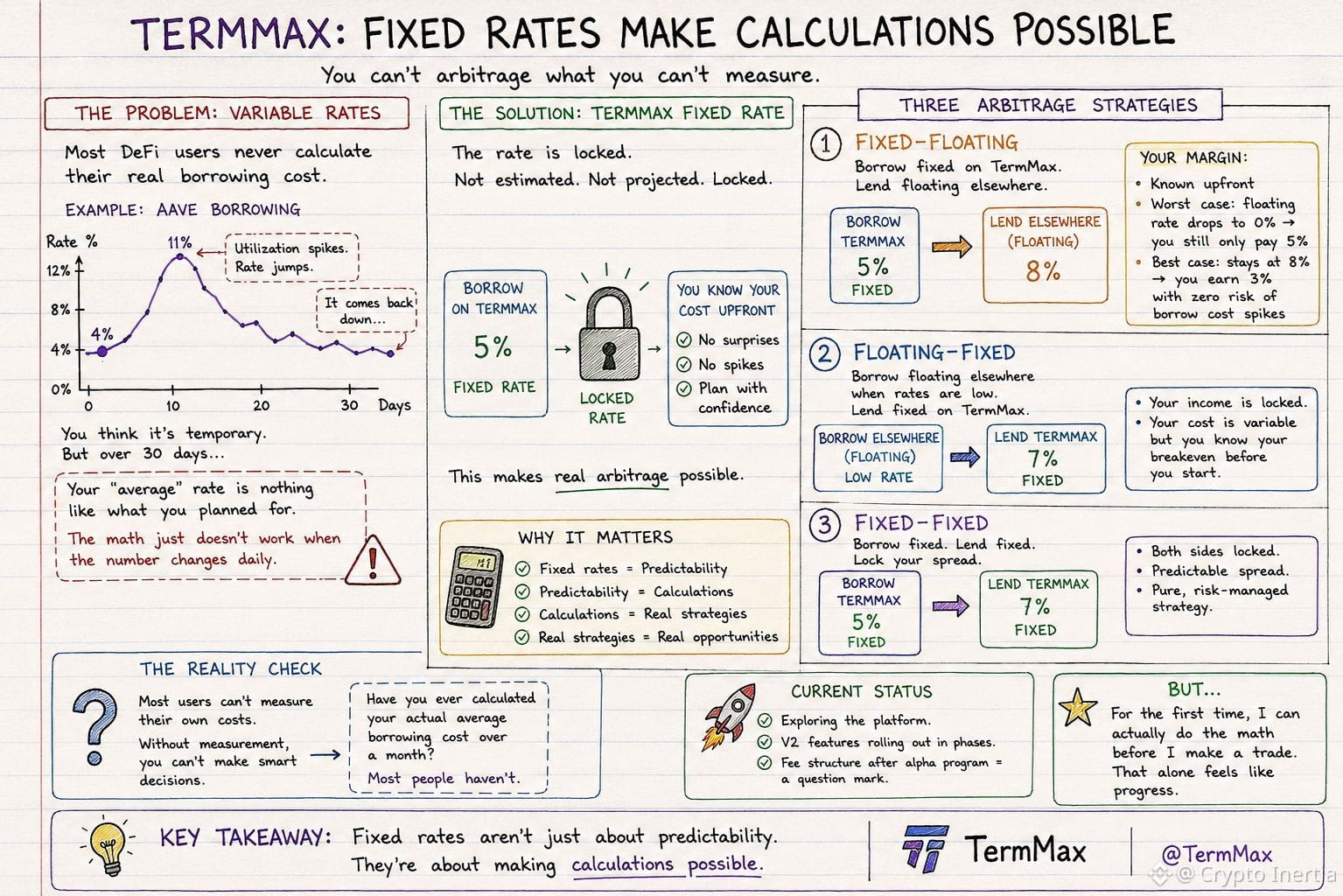
多くのDeFiユーザーは、実際の借入コストをちゃんと計算したことがありません。私も数カ月間はそうでした。Aaveで4%で借りる。特に問題ない感じです。ところが利用率が跳ね上がると、突然11%になります。「一時的だ」と自分に言い聞かせて、また下がってきます。でも30日間ずっと追跡してみると、「平均」レートが、予定していたものとはまったく違う。数値が毎日変わると、数学が成り立たないのです。
termMaxはそれを、つまらなそうに聞こえる形で解決します。ですが考えれば分かる。レートはロックされます。推定ではない。予測でもない。ロックされるのです。
つまり、ようやく適切なレートアービトラージができます。TermMaxで5%の固定で借りて、他で8%の変動で貸す。利益(マージン)は事前に分かります。最悪の場合、変動レートがゼロまで下がっても、損失は結局5%だけ。最高の場合は8%のまま推移すれば、借入コストが爆発して破綻するリスクなしで3%をポケットできます。あるいは逆に。レートが低いときに他で変動で借りる。TermMaxで7%の固定で貸す。収入はロックされます。コストは変動しますが、開始する前に損益分岐点(ブレークイーブン)を把握できているのです。
ドキュメントには実際に明確に書かれています。3つの戦略。固定-変動。変動-固定。固定-固定。まるでDeFiホワイトペーパーではなく、債券トレーダーの手順書みたいに読めます。そして、それがまさに面白いところです。
固定金利は、予測可能性だけのためではありません。計算を可能にするためです。測れないものにはアービトラージはできない。そしてDeFiでは現状、多くのユーザーが自分のコストを測れないのです。
私はまだプラットフォームを探索中です。すべてがまだ明確というわけではありません。V2の機能は段階的に展開されていますし、アルファプログラム後の手数料体系はまだ不明です。とはいえ、初めて「トレードする前に」実際に計算できています。それだけでも前進だと感じます。
あなたはどうですか? 1カ月の間の実際の平均借入コストを計算したことはありますか? ほとんどの人はありません。そして、もしかすると本当の問題はそこにあって、TermMaxが解決しようとしているのはまさにそれです。
#termmax @TermMax
多くのDeFiユーザーは、実際の借入コストをちゃんと計算したことがありません。私も数カ月間はそうでした。Aaveで4%で借りる。特に問題ない感じです。ところが利用率が跳ね上がると、突然11%になります。「一時的だ」と自分に言い聞かせて、また下がってきます。でも30日間ずっと追跡してみると、「平均」レートが、予定していたものとはまったく違う。数値が毎日変わると、数学が成り立たないのです。
termMaxはそれを、つまらなそうに聞こえる形で解決します。ですが考えれば分かる。レートはロックされます。推定ではない。予測でもない。ロックされるのです。
つまり、ようやく適切なレートアービトラージができます。TermMaxで5%の固定で借りて、他で8%の変動で貸す。利益(マージン)は事前に分かります。最悪の場合、変動レートがゼロまで下がっても、損失は結局5%だけ。最高の場合は8%のまま推移すれば、借入コストが爆発して破綻するリスクなしで3%をポケットできます。あるいは逆に。レートが低いときに他で変動で借りる。TermMaxで7%の固定で貸す。収入はロックされます。コストは変動しますが、開始する前に損益分岐点(ブレークイーブン)を把握できているのです。
ドキュメントには実際に明確に書かれています。3つの戦略。固定-変動。変動-固定。固定-固定。まるでDeFiホワイトペーパーではなく、債券トレーダーの手順書みたいに読めます。そして、それがまさに面白いところです。
固定金利は、予測可能性だけのためではありません。計算を可能にするためです。測れないものにはアービトラージはできない。そしてDeFiでは現状、多くのユーザーが自分のコストを測れないのです。
私はまだプラットフォームを探索中です。すべてがまだ明確というわけではありません。V2の機能は段階的に展開されていますし、アルファプログラム後の手数料体系はまだ不明です。とはいえ、初めて「トレードする前に」実際に計算できています。それだけでも前進だと感じます。
あなたはどうですか? 1カ月の間の実際の平均借入コストを計算したことはありますか? ほとんどの人はありません。そして、もしかすると本当の問題はそこにあって、TermMaxが解決しようとしているのはまさにそれです。
多くのDeFiユーザーは、実際の借入コストをちゃんと計算したことがありません。私も数カ月間はそうでした。Aaveで4%で借りる。特に問題ない感じです。ところが利用率が跳ね上がると、突然11%になります。「一時的だ」と自分に言い聞かせて、また下がってきます。でも30日間ずっと追跡してみると、「平均」レートが、予定していたものとはまったく違う。数値が毎日変わると、数学が成り立たないのです。
termMaxはそれを、つまらなそうに聞こえる形で解決します。ですが考えれば分かる。レートはロックされます。推定ではない。予測でもない。ロックされるのです。
つまり、ようやく適切なレートアービトラージができます。TermMaxで5%の固定で借りて、他で8%の変動で貸す。利益(マージン)は事前に分かります。最悪の場合、変動レートがゼロまで下がっても、損失は結局5%だけ。最高の場合は8%のまま推移すれば、借入コストが爆発して破綻するリスクなしで3%をポケットできます。あるいは逆に。レートが低いときに他で変動で借りる。TermMaxで7%の固定で貸す。収入はロックされます。コストは変動しますが、開始する前に損益分岐点(ブレークイーブン)を把握できているのです。
ドキュメントには実際に明確に書かれています。3つの戦略。固定-変動。変動-固定。固定-固定。まるでDeFiホワイトペーパーではなく、債券トレーダーの手順書みたいに読めます。そして、それがまさに面白いところです。
固定金利は、予測可能性だけのためではありません。計算を可能にするためです。測れないものにはアービトラージはできない。そしてDeFiでは現状、多くのユーザーが自分のコストを測れないのです。
私はまだプラットフォームを探索中です。すべてがまだ明確というわけではありません。V2の機能は段階的に展開されていますし、アルファプログラム後の手数料体系はまだ不明です。とはいえ、初めて「トレードする前に」実際に計算できています。それだけでも前進だと感じます。
あなたはどうですか? 1カ月の間の実際の平均借入コストを計算したことはありますか? ほとんどの人はありません。そして、もしかすると本当の問題はそこにあって、TermMaxが解決しようとしているのはまさにそれです。
1
2
94
·
--
弱気相場
#dusk @Dusk_Foundation
公式のDUSK発表を読み込む中で、ある比較がずっと引っかかっています。
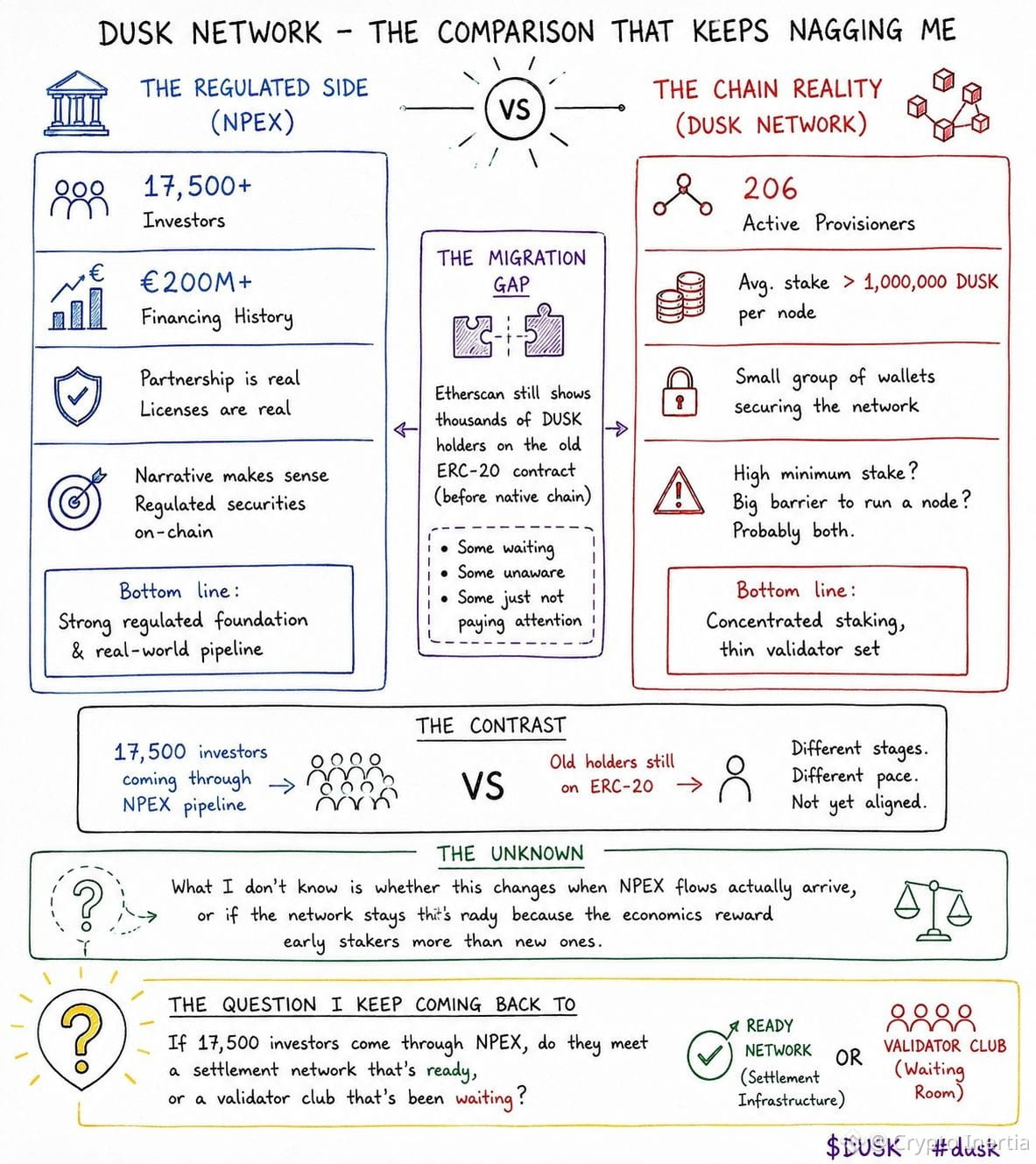
NPEXは17,500人超の投資家と、€200M超の資金調達実績があります。規制面はその通り。数字も堅実。提携は本物で、ライセンスも本物で、物語(ナラティブ)も筋が通っています。 しかし、その一方でチェーンそのものを見ると。ネットワークを支えるアクティブなプロビジョナーが206。ノードごとの平均ステークは100万DUSK超。規制された証券を、何千人もの投資家に向けて決済したいチェーンなのに、実際にコンセンサス作業を担うインフラが、少数のウォレットに集中している。つまり、最小ステークがきつすぎて篩(ふるい)に掛けているのか、それともドキュメントが認めている以上にノード運用のハードルが高いのか。たぶん両方です。
次に移行(マイグレーション)のギャップです。Etherscanでは、ネイティブチェーンに移行する前の旧ERC-20契約に、今も数千人のDUSK保有者が表示されています。待っている人もいれば、気づいていない人もいる。単に注意を払っていない人もいる。規制面では投資家が17,500人分、パイプラインにいるのに。チェーン側には、まだ移っていない古い保有者が残っている。
売りは機関投資家向けの決済です。オンチェーンの形は今のところ、集中したステーキングと薄い入口の待機列(キュー)です。本当に分からないのは、NPEXの資金フローが実際に入ってきたときにこの状況が変わるのか、それとも経済性が早期ステーカーに新規より有利に働いていて、ネットワークがこのままの形で居続けるのか、という点です。
私がずっと回帰してしまう問いはこれです。— もし17,500人の投資家がNPEX経由で来るなら、彼らは「準備の整った決済ネットワーク」に出会うのか、それとも「ずっと待っていたバリデータ・クラブ」に入るだけなのか。$DUSK
{spot}(DUSKUSDT)
#dusk @Dusk
公式のDUSK発表を読み込む中で、ある比較がずっと引っかかっています。
NPEXは17,500人超の投資家と、€200M超の資金調達実績があります。規制面はその通り。数字も堅実。提携は本物で、ライセンスも本物で、物語(ナラティブ)も筋が通っています。 しかし、その一方でチェーンそのものを見ると。ネットワークを支えるアクティブなプロビジョナーが206。ノードごとの平均ステークは100万DUSK超。規制された証券を、何千人もの投資家に向けて決済したいチェーンなのに、実際にコンセンサス作業を担うインフラが、少数のウォレットに集中している。つまり、最小ステークがきつすぎて篩(ふるい)に掛けているのか、それともドキュメントが認めている以上にノード運用のハードルが高いのか。たぶん両方です。
次に移行(マイグレーション)のギャップです。Etherscanでは、ネイティブチェーンに移行する前の旧ERC-20契約に、今も数千人のDUSK保有者が表示されています。待っている人もいれば、気づいていない人もいる。単に注意を払っていない人もいる。規制面では投資家が17,500人分、パイプラインにいるのに。チェーン側には、まだ移っていない古い保有者が残っている。
売りは機関投資家向けの決済です。オンチェーンの形は今のところ、集中したステーキングと薄い入口の待機列(キュー)です。本当に分からないのは、NPEXの資金フローが実際に入ってきたときにこの状況が変わるのか、それとも経済性が早期ステーカーに新規より有利に働いていて、ネットワークがこのままの形で居続けるのか、という点です。
私がずっと回帰してしまう問いはこれです。— もし17,500人の投資家がNPEX経由で来るなら、彼らは「準備の整った決済ネットワーク」に出会うのか、それとも「ずっと待っていたバリデータ・クラブ」に入るだけなのか。$DUSK
公式のDUSK発表を読み込む中で、ある比較がずっと引っかかっています。
NPEXは17,500人超の投資家と、€200M超の資金調達実績があります。規制面はその通り。数字も堅実。提携は本物で、ライセンスも本物で、物語(ナラティブ)も筋が通っています。 しかし、その一方でチェーンそのものを見ると。ネットワークを支えるアクティブなプロビジョナーが206。ノードごとの平均ステークは100万DUSK超。規制された証券を、何千人もの投資家に向けて決済したいチェーンなのに、実際にコンセンサス作業を担うインフラが、少数のウォレットに集中している。つまり、最小ステークがきつすぎて篩(ふるい)に掛けているのか、それともドキュメントが認めている以上にノード運用のハードルが高いのか。たぶん両方です。
次に移行(マイグレーション)のギャップです。Etherscanでは、ネイティブチェーンに移行する前の旧ERC-20契約に、今も数千人のDUSK保有者が表示されています。待っている人もいれば、気づいていない人もいる。単に注意を払っていない人もいる。規制面では投資家が17,500人分、パイプラインにいるのに。チェーン側には、まだ移っていない古い保有者が残っている。
売りは機関投資家向けの決済です。オンチェーンの形は今のところ、集中したステーキングと薄い入口の待機列(キュー)です。本当に分からないのは、NPEXの資金フローが実際に入ってきたときにこの状況が変わるのか、それとも経済性が早期ステーカーに新規より有利に働いていて、ネットワークがこのままの形で居続けるのか、という点です。
私がずっと回帰してしまう問いはこれです。— もし17,500人の投資家がNPEX経由で来るなら、彼らは「準備の整った決済ネットワーク」に出会うのか、それとも「ずっと待っていたバリデータ・クラブ」に入るだけなのか。$DUSK
5
2
105
#dusk $DUSK @Dusk_Foundation
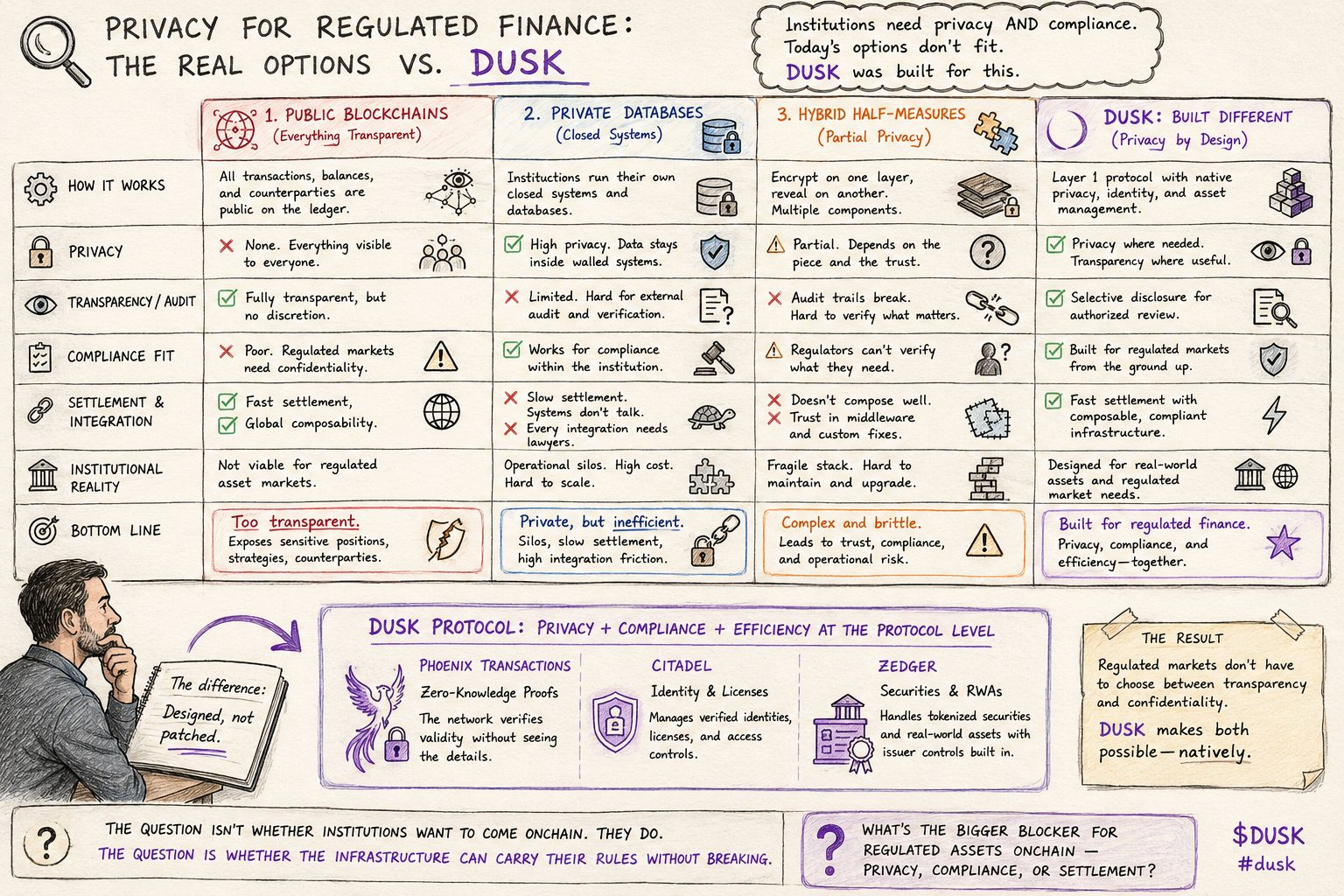
@dusk を、プライバシーの権利に関して現在の規制された金融市場がどう対応しているかと比較していました。理論ではなく、実際に機関が持っている選択肢です。
問題はこれです。パブリック・ブロックチェーンではすべてが公開されます。あらゆるポジション、あらゆる取引相手、あらゆる残高。これは DeFi には機能します。しかし、開示が選択的で、監視が法的に定義される証券の決済では機能しません。機関は、自社のキャップテーブルが公開され、取引が競合に見えるようなチェーンでは運用できないのです。
では彼らは今日どうしているのでしょう? 非公開のデータベースに留まります。クローズドなシステム。レガシーのレールです。決済には数日かかります。システム同士が会話しません。あらゆる統合に弁護士が必要です。プライバシーは得られますが、効率は失われます。このトレードオフは、誰も疑問に思わなくなっています。だって、それがこれまでずっと「そうやってきた」からです。
Dusk はそのトレードオフを取り除きます。Phoenix のトランザクションはデフォルトで機密です。ゼロ知識証明が、下にあるデータを公開せずに正しさを検証します。選択的開示によって、規制当局は自分たちが見てよい範囲を正確に見ることができ、それ以上は見られません。そして、すべてが約 10 秒で決済されます。T+2 でも、営業日でもありません。秒です。
違いはここです。プライバシーが一般的なチェーンの上に“後付け”されるのではありません。コンプライアンスが DeFi のラッパーであるわけでもありません。基盤レイヤー自体が最初からそのために作られています。AFM 規制下のオランダの取引所である NPEX は、すでに Dusk での発行額として 2億ユーロ(€200M+)以上を確認済みです。Chainlink はインフラのレベルで関与しています。これは暗号ネイティブの実験ではありません。規制された機関が、実際の業務フローを動かしているのです。
完璧だと言っているわけではありません。ZK 証明の法的な受容は、まだ追いつく必要があります。それでも、公的チェーンが提供しているものと、規制市場が必要としているもののギャップは、何年も前から存在していました。私が見た中で、そのギャップを実際に埋めてくれる最初のインフラが Dusk です。
では、オンチェーン化された規制資産の最大の障壁は何でしょうか—プライバシー、コンプライアンス、それとも単に決済スピードですか?
$GPS
{spot}(GPSUSDT)
$TUT
{spot}(TUTUSDT)
#dusk $DUSK @Dusk
@dusk を、プライバシーの権利に関して現在の規制された金融市場がどう対応しているかと比較していました。理論ではなく、実際に機関が持っている選択肢です。
問題はこれです。パブリック・ブロックチェーンではすべてが公開されます。あらゆるポジション、あらゆる取引相手、あらゆる残高。これは DeFi には機能します。しかし、開示が選択的で、監視が法的に定義される証券の決済では機能しません。機関は、自社のキャップテーブルが公開され、取引が競合に見えるようなチェーンでは運用できないのです。
では彼らは今日どうしているのでしょう? 非公開のデータベースに留まります。クローズドなシステム。レガシーのレールです。決済には数日かかります。システム同士が会話しません。あらゆる統合に弁護士が必要です。プライバシーは得られますが、効率は失われます。このトレードオフは、誰も疑問に思わなくなっています。だって、それがこれまでずっと「そうやってきた」からです。
Dusk はそのトレードオフを取り除きます。Phoenix のトランザクションはデフォルトで機密です。ゼロ知識証明が、下にあるデータを公開せずに正しさを検証します。選択的開示によって、規制当局は自分たちが見てよい範囲を正確に見ることができ、それ以上は見られません。そして、すべてが約 10 秒で決済されます。T+2 でも、営業日でもありません。秒です。
違いはここです。プライバシーが一般的なチェーンの上に“後付け”されるのではありません。コンプライアンスが DeFi のラッパーであるわけでもありません。基盤レイヤー自体が最初からそのために作られています。AFM 規制下のオランダの取引所である NPEX は、すでに Dusk での発行額として 2億ユーロ(€200M+)以上を確認済みです。Chainlink はインフラのレベルで関与しています。これは暗号ネイティブの実験ではありません。規制された機関が、実際の業務フローを動かしているのです。
完璧だと言っているわけではありません。ZK 証明の法的な受容は、まだ追いつく必要があります。それでも、公的チェーンが提供しているものと、規制市場が必要としているもののギャップは、何年も前から存在していました。私が見た中で、そのギャップを実際に埋めてくれる最初のインフラが Dusk です。
では、オンチェーン化された規制資産の最大の障壁は何でしょうか—プライバシー、コンプライアンス、それとも単に決済スピードですか?
$GPS
$TUT
@dusk を、プライバシーの権利に関して現在の規制された金融市場がどう対応しているかと比較していました。理論ではなく、実際に機関が持っている選択肢です。
問題はこれです。パブリック・ブロックチェーンではすべてが公開されます。あらゆるポジション、あらゆる取引相手、あらゆる残高。これは DeFi には機能します。しかし、開示が選択的で、監視が法的に定義される証券の決済では機能しません。機関は、自社のキャップテーブルが公開され、取引が競合に見えるようなチェーンでは運用できないのです。
では彼らは今日どうしているのでしょう? 非公開のデータベースに留まります。クローズドなシステム。レガシーのレールです。決済には数日かかります。システム同士が会話しません。あらゆる統合に弁護士が必要です。プライバシーは得られますが、効率は失われます。このトレードオフは、誰も疑問に思わなくなっています。だって、それがこれまでずっと「そうやってきた」からです。
Dusk はそのトレードオフを取り除きます。Phoenix のトランザクションはデフォルトで機密です。ゼロ知識証明が、下にあるデータを公開せずに正しさを検証します。選択的開示によって、規制当局は自分たちが見てよい範囲を正確に見ることができ、それ以上は見られません。そして、すべてが約 10 秒で決済されます。T+2 でも、営業日でもありません。秒です。
違いはここです。プライバシーが一般的なチェーンの上に“後付け”されるのではありません。コンプライアンスが DeFi のラッパーであるわけでもありません。基盤レイヤー自体が最初からそのために作られています。AFM 規制下のオランダの取引所である NPEX は、すでに Dusk での発行額として 2億ユーロ(€200M+)以上を確認済みです。Chainlink はインフラのレベルで関与しています。これは暗号ネイティブの実験ではありません。規制された機関が、実際の業務フローを動かしているのです。
完璧だと言っているわけではありません。ZK 証明の法的な受容は、まだ追いつく必要があります。それでも、公的チェーンが提供しているものと、規制市場が必要としているもののギャップは、何年も前から存在していました。私が見た中で、そのギャップを実際に埋めてくれる最初のインフラが Dusk です。
では、オンチェーン化された規制資産の最大の障壁は何でしょうか—プライバシー、コンプライアンス、それとも単に決済スピードですか?
$GPS
$TUT
208
$DUSK 229.8 USDT(30日間の取引)
#dusk $DUSK
私は非公式のDUDEエクスプローラーと一緒に座って見ていて、ある数字がずっと気になっている。
いま 216.9M @Dusk_Foundation
{spot}(DUSKUSDT)
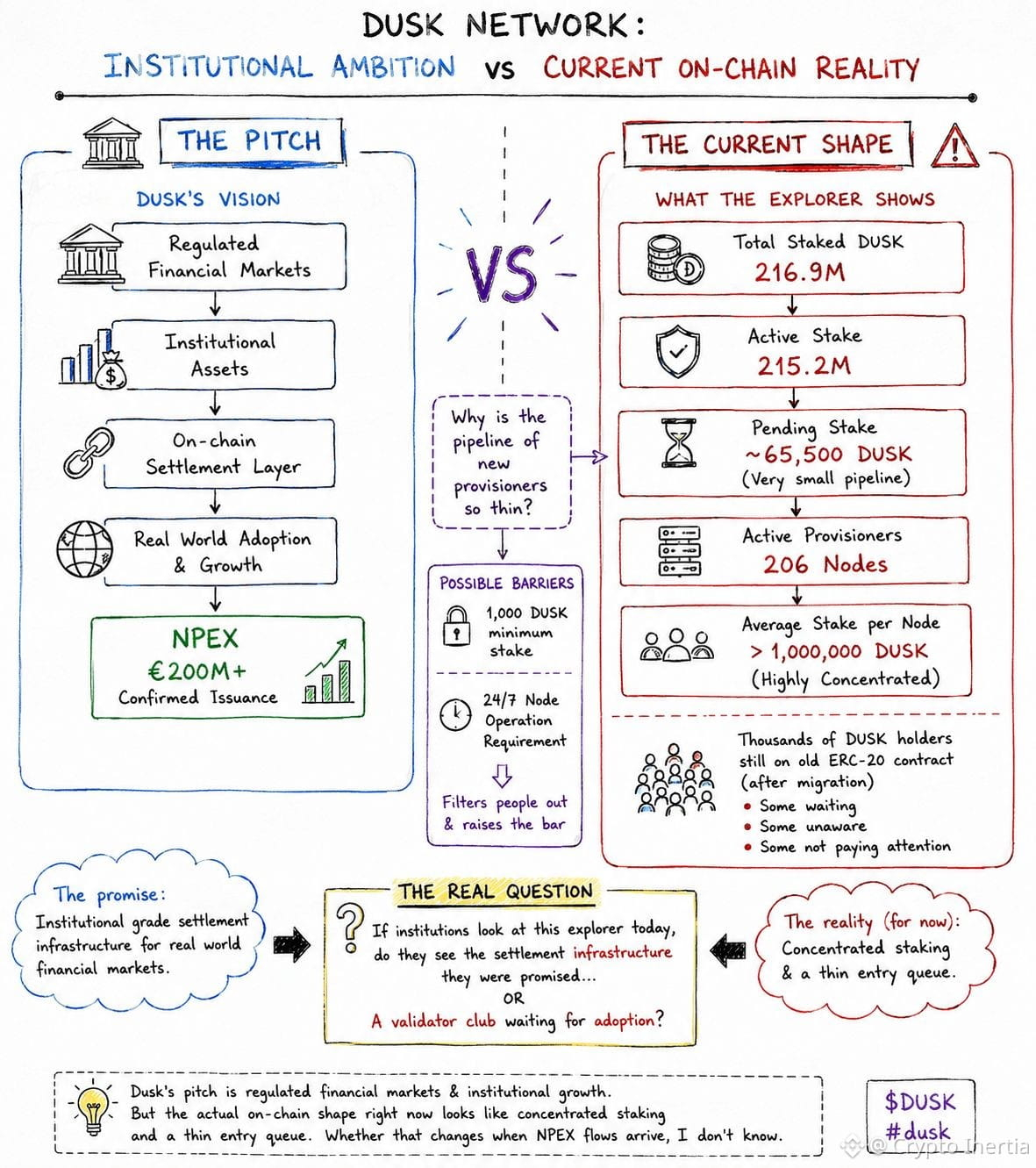
kは215.2Mがステーク済みでアクティブ。しっかりしている。が、保留中のステークはおよそ65,500 DUSK程度にしか見えない。その比率はほとんど存在しない。機関投資家による成長を語るネットワークとしては、新しいプロビジョナーのパイプラインが平坦だ。1,000 DUSKの最低額が人をふるい落としているのか、それともノードを24/7で稼働させることがドキュメントが認める以上に大きな障壁なのか。たぶん両方。
次にアクティブ・プロビジョナー数を見た。206ノード。平均ステークはそれぞれ100万DUSK超。これは分散とは言えない。ほんの数件の、かなり本気のウォレットがネットワークを回しているだけだ。一方でEtherscanは、移行前の古いERC-20コントラクトのまま何千人ものDUSK保有者が待機していることをまだ表示している。待っている人もいれば、気づいていない人もいる。単に注意を払っていないだけの人もいる。
Duskの売りは規制された金融市場だ。でも実際のオンチェーンの形は今、集中したステーキングと薄い参入待ちの列に見える。NPEXの資金フローが来たときに変わるのかどうか、正直わからない。
私が繰り返し考えてしまうのは――もし機関がこのエクスプローラーを見たら、約束されていた決済インフラが見えるのか。それとも、導入を待つバリデータのクラブが見えるのか、ということだ。$DUSK #dusk
#dusk $DUSK
私は非公式のDUDEエクスプローラーと一緒に座って見ていて、ある数字がずっと気になっている。
いま 216.9M @Dusk
kは215.2Mがステーク済みでアクティブ。しっかりしている。が、保留中のステークはおよそ65,500 DUSK程度にしか見えない。その比率はほとんど存在しない。機関投資家による成長を語るネットワークとしては、新しいプロビジョナーのパイプラインが平坦だ。1,000 DUSKの最低額が人をふるい落としているのか、それともノードを24/7で稼働させることがドキュメントが認める以上に大きな障壁なのか。たぶん両方。
次にアクティブ・プロビジョナー数を見た。206ノード。平均ステークはそれぞれ100万DUSK超。これは分散とは言えない。ほんの数件の、かなり本気のウォレットがネットワークを回しているだけだ。一方でEtherscanは、移行前の古いERC-20コントラクトのまま何千人ものDUSK保有者が待機していることをまだ表示している。待っている人もいれば、気づいていない人もいる。単に注意を払っていないだけの人もいる。
Duskの売りは規制された金融市場だ。でも実際のオンチェーンの形は今、集中したステーキングと薄い参入待ちの列に見える。NPEXの資金フローが来たときに変わるのかどうか、正直わからない。
私が繰り返し考えてしまうのは――もし機関がこのエクスプローラーを見たら、約束されていた決済インフラが見えるのか。それとも、導入を待つバリデータのクラブが見えるのか、ということだ。$DUSK #dusk
私は非公式のDUDEエクスプローラーと一緒に座って見ていて、ある数字がずっと気になっている。
いま 216.9M @Dusk
kは215.2Mがステーク済みでアクティブ。しっかりしている。が、保留中のステークはおよそ65,500 DUSK程度にしか見えない。その比率はほとんど存在しない。機関投資家による成長を語るネットワークとしては、新しいプロビジョナーのパイプラインが平坦だ。1,000 DUSKの最低額が人をふるい落としているのか、それともノードを24/7で稼働させることがドキュメントが認める以上に大きな障壁なのか。たぶん両方。
次にアクティブ・プロビジョナー数を見た。206ノード。平均ステークはそれぞれ100万DUSK超。これは分散とは言えない。ほんの数件の、かなり本気のウォレットがネットワークを回しているだけだ。一方でEtherscanは、移行前の古いERC-20コントラクトのまま何千人ものDUSK保有者が待機していることをまだ表示している。待っている人もいれば、気づいていない人もいる。単に注意を払っていないだけの人もいる。
Duskの売りは規制された金融市場だ。でも実際のオンチェーンの形は今、集中したステーキングと薄い参入待ちの列に見える。NPEXの資金フローが来たときに変わるのかどうか、正直わからない。
私が繰り返し考えてしまうのは――もし機関がこのエクスプローラーを見たら、約束されていた決済インフラが見えるのか。それとも、導入を待つバリデータのクラブが見えるのか、ということだ。$DUSK #dusk
2
1
94
#dusk $DUSK 夕暮れ(Dusk)の数字を見ると、ほとんどの人が見落としがちな違いがあると思います。€300M+の「確定された発行(confirmed issuance)」は約束のように聞こえますが、実際にはもっと差し迫った内容を反映しています。
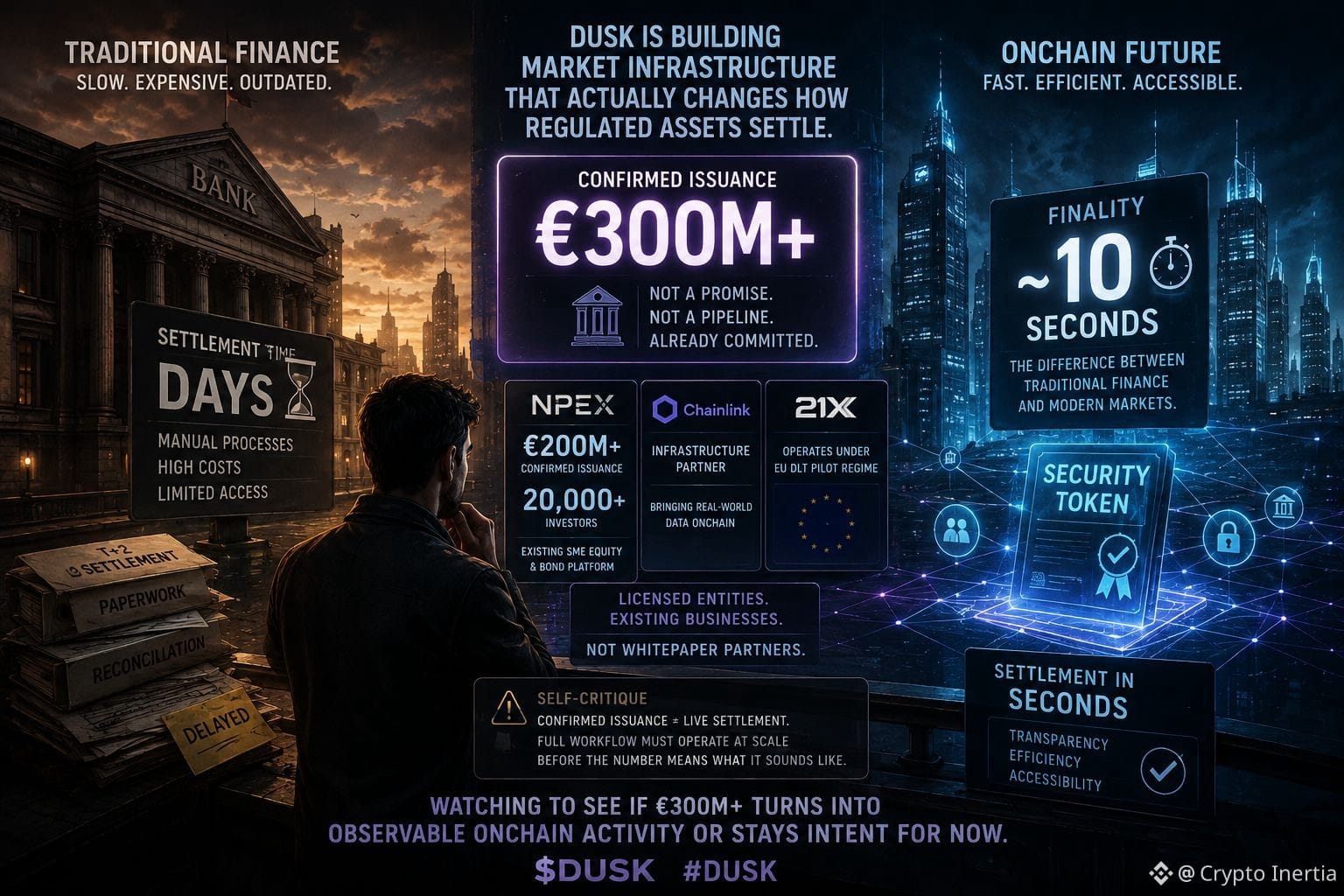
この金額は資金調達の目標ではありません。規制対象の機関が、オンチェーン上で移すことをすでにコミットしている「資産」です。NPEXだけでも、€200M+の確定された発行があり、投資家基盤は20,000人超。Chainlinkはインフラ層で関与しています。21XはEUのDLTパイロット制度のもとで運営されています。彼らはホワイトペーパーの協業相手ではありません。既存の事業を持つ、ライセンスされた事業体です。
多くのRWAプロジェクトがやるのは「パイプラインの発表」です。ロゴが並びます。「資産は近日公開」のロードマップスライド。あとは待つだけで、何も定着しません。Duskの別のアプローチは、発行額が将来への期待ではなく、既存の規制された業務フローに結び付いている点です。NPEXはすでにSMEの株式や債券を扱っています。オンチェーン移行は、単なる冷えたスタートではなく、構造的な変化です。
とはいえ、私の心を止めたのは「最終性(finality)」のほうです。約10秒。規制された有価証券では、それは「あると嬉しい」程度の話ではありません。現代的な市場のように見える決済と、いまだに伝統的な金融に“まだ似ている”決済の違いです。NPEXが既存の取引手段をオンチェーンに持ち込み、それが数日ではなく数秒で決済されるなら、それはブロックチェーンが速いという話ではありません。市場インフラ自体が実際に変わっているという話です。
自己批評:確定された発行(confirmed issuance)は、ライブの決済とは同じではありません。資産はコミットされているかもしれませんが、その数字が意味するところになるには、フルのワークフローがスケールで機能する必要があります。
私は、€300Mという数字が観測可能なオンチェーン上の活動に変わるのか、それとも当面は確定した意図(confirmed intent)のままなのかを見極めているところです。 @Dusk_Foundation
$COW
{spot}(COWUSDT)
$WAL
{spot}(WALUSDT)
#dusk $DUSK 夕暮れ(Dusk)の数字を見ると、ほとんどの人が見落としがちな違いがあると思います。€300M+の「確定された発行(confirmed issuance)」は約束のように聞こえますが、実際にはもっと差し迫った内容を反映しています。
この金額は資金調達の目標ではありません。規制対象の機関が、オンチェーン上で移すことをすでにコミットしている「資産」です。NPEXだけでも、€200M+の確定された発行があり、投資家基盤は20,000人超。Chainlinkはインフラ層で関与しています。21XはEUのDLTパイロット制度のもとで運営されています。彼らはホワイトペーパーの協業相手ではありません。既存の事業を持つ、ライセンスされた事業体です。
多くのRWAプロジェクトがやるのは「パイプラインの発表」です。ロゴが並びます。「資産は近日公開」のロードマップスライド。あとは待つだけで、何も定着しません。Duskの別のアプローチは、発行額が将来への期待ではなく、既存の規制された業務フローに結び付いている点です。NPEXはすでにSMEの株式や債券を扱っています。オンチェーン移行は、単なる冷えたスタートではなく、構造的な変化です。
とはいえ、私の心を止めたのは「最終性(finality)」のほうです。約10秒。規制された有価証券では、それは「あると嬉しい」程度の話ではありません。現代的な市場のように見える決済と、いまだに伝統的な金融に“まだ似ている”決済の違いです。NPEXが既存の取引手段をオンチェーンに持ち込み、それが数日ではなく数秒で決済されるなら、それはブロックチェーンが速いという話ではありません。市場インフラ自体が実際に変わっているという話です。
自己批評:確定された発行(confirmed issuance)は、ライブの決済とは同じではありません。資産はコミットされているかもしれませんが、その数字が意味するところになるには、フルのワークフローがスケールで機能する必要があります。
私は、€300Mという数字が観測可能なオンチェーン上の活動に変わるのか、それとも当面は確定した意図(confirmed intent)のままなのかを見極めているところです。 @Dusk
$COW
$WAL
この金額は資金調達の目標ではありません。規制対象の機関が、オンチェーン上で移すことをすでにコミットしている「資産」です。NPEXだけでも、€200M+の確定された発行があり、投資家基盤は20,000人超。Chainlinkはインフラ層で関与しています。21XはEUのDLTパイロット制度のもとで運営されています。彼らはホワイトペーパーの協業相手ではありません。既存の事業を持つ、ライセンスされた事業体です。
多くのRWAプロジェクトがやるのは「パイプラインの発表」です。ロゴが並びます。「資産は近日公開」のロードマップスライド。あとは待つだけで、何も定着しません。Duskの別のアプローチは、発行額が将来への期待ではなく、既存の規制された業務フローに結び付いている点です。NPEXはすでにSMEの株式や債券を扱っています。オンチェーン移行は、単なる冷えたスタートではなく、構造的な変化です。
とはいえ、私の心を止めたのは「最終性(finality)」のほうです。約10秒。規制された有価証券では、それは「あると嬉しい」程度の話ではありません。現代的な市場のように見える決済と、いまだに伝統的な金融に“まだ似ている”決済の違いです。NPEXが既存の取引手段をオンチェーンに持ち込み、それが数日ではなく数秒で決済されるなら、それはブロックチェーンが速いという話ではありません。市場インフラ自体が実際に変わっているという話です。
自己批評:確定された発行(confirmed issuance)は、ライブの決済とは同じではありません。資産はコミットされているかもしれませんが、その数字が意味するところになるには、フルのワークフローがスケールで機能する必要があります。
私は、€300Mという数字が観測可能なオンチェーン上の活動に変わるのか、それとも当面は確定した意図(confirmed intent)のままなのかを見極めているところです。 @Dusk
$COW
$WAL
1
1
250
.私がほとんどの人が見落としがちな点として捉えているのは、オンチェーン上での規制資産を語る際の違いです。パブリック・ブロックチェーンではプライバシーは「機能」として扱われる一方で、@Dusk_Foundation ではプライバシーは「要件」として扱われます。
イーサリアムやソラナでは、プライバシーは後から追加するものです。ある場所にはミキサー、別の場所には機密転送ツール。チェーン自体はデフォルトで透明です。あらゆるポジション、あらゆるカウンターパーティ、あらゆる残高が、見ようと思えば誰にでも見えます。それは許可不要のDeFiには機能します。しかし、開示が選択的で、監視の厳格さが法律で定義されている規制された証券の決済では機能しません。
Duskはそれを逆転させます。Phoenixトランザクションはデフォルトで機密です。ゼロ知識証明により、基礎となるデータを露出することなく正しさが検証されます。選択的開示によって、監査人や規制当局は自分たちが見る権利を持つ範囲を正確に確認でき、それ以上は見ません。上に「付け足す」プライバシーツールではなく、基盤レイヤーそのものがそれを前提に設計されています。
私の関心を引いたのは、これがNPEXとどうつながるかです。オランダのAFM規制を受けた取引所で、中小企業の株式や債券を扱っています。そうした場は、透明なチェーン上では運営できません。トレーダーは自分のポジションが公開されることを望みません。発行体は、競合他社にキャップテーブルを開かれたくありません。規制当局は、公開による露出は不要として監査可能性を求めています。Duskのアーキテクチャは、暗号業界が「受け入れるべきだ」と前提にしがちなものではなく、実際に規制された取引の場が必要としていることに整合しています。
自己批判:プライバシー技術は、規制当局がそれを受け入れる場合にのみ意味があります。ゼロ知識証明は、規制当局が彼らの認識する形式で生データを要求するなら役に立ちません。法的な受容は、技術的な能力に遅れます。
Duskのプライバシーモデルが、欧州の規制当局によって「準拠したインフラ」として扱われるのか、それとも機関が警戒し続ける「巧妙な暗号」として見なされるだけなのか、私はそれを見守っています。$DUSK #dusk
.私がほとんどの人が見落としがちな点として捉えているのは、オンチェーン上での規制資産を語る際の違いです。パブリック・ブロックチェーンではプライバシーは「機能」として扱われる一方で、@Dusk ではプライバシーは「要件」として扱われます。
イーサリアムやソラナでは、プライバシーは後から追加するものです。ある場所にはミキサー、別の場所には機密転送ツール。チェーン自体はデフォルトで透明です。あらゆるポジション、あらゆるカウンターパーティ、あらゆる残高が、見ようと思えば誰にでも見えます。それは許可不要のDeFiには機能します。しかし、開示が選択的で、監視の厳格さが法律で定義されている規制された証券の決済では機能しません。
Duskはそれを逆転させます。Phoenixトランザクションはデフォルトで機密です。ゼロ知識証明により、基礎となるデータを露出することなく正しさが検証されます。選択的開示によって、監査人や規制当局は自分たちが見る権利を持つ範囲を正確に確認でき、それ以上は見ません。上に「付け足す」プライバシーツールではなく、基盤レイヤーそのものがそれを前提に設計されています。
私の関心を引いたのは、これがNPEXとどうつながるかです。オランダのAFM規制を受けた取引所で、中小企業の株式や債券を扱っています。そうした場は、透明なチェーン上では運営できません。トレーダーは自分のポジションが公開されることを望みません。発行体は、競合他社にキャップテーブルを開かれたくありません。規制当局は、公開による露出は不要として監査可能性を求めています。Duskのアーキテクチャは、暗号業界が「受け入れるべきだ」と前提にしがちなものではなく、実際に規制された取引の場が必要としていることに整合しています。
自己批判:プライバシー技術は、規制当局がそれを受け入れる場合にのみ意味があります。ゼロ知識証明は、規制当局が彼らの認識する形式で生データを要求するなら役に立ちません。法的な受容は、技術的な能力に遅れます。
Duskのプライバシーモデルが、欧州の規制当局によって「準拠したインフラ」として扱われるのか、それとも機関が警戒し続ける「巧妙な暗号」として見なされるだけなのか、私はそれを見守っています。$DUSK #dusk
イーサリアムやソラナでは、プライバシーは後から追加するものです。ある場所にはミキサー、別の場所には機密転送ツール。チェーン自体はデフォルトで透明です。あらゆるポジション、あらゆるカウンターパーティ、あらゆる残高が、見ようと思えば誰にでも見えます。それは許可不要のDeFiには機能します。しかし、開示が選択的で、監視の厳格さが法律で定義されている規制された証券の決済では機能しません。
Duskはそれを逆転させます。Phoenixトランザクションはデフォルトで機密です。ゼロ知識証明により、基礎となるデータを露出することなく正しさが検証されます。選択的開示によって、監査人や規制当局は自分たちが見る権利を持つ範囲を正確に確認でき、それ以上は見ません。上に「付け足す」プライバシーツールではなく、基盤レイヤーそのものがそれを前提に設計されています。
私の関心を引いたのは、これがNPEXとどうつながるかです。オランダのAFM規制を受けた取引所で、中小企業の株式や債券を扱っています。そうした場は、透明なチェーン上では運営できません。トレーダーは自分のポジションが公開されることを望みません。発行体は、競合他社にキャップテーブルを開かれたくありません。規制当局は、公開による露出は不要として監査可能性を求めています。Duskのアーキテクチャは、暗号業界が「受け入れるべきだ」と前提にしがちなものではなく、実際に規制された取引の場が必要としていることに整合しています。
自己批判:プライバシー技術は、規制当局がそれを受け入れる場合にのみ意味があります。ゼロ知識証明は、規制当局が彼らの認識する形式で生データを要求するなら役に立ちません。法的な受容は、技術的な能力に遅れます。
Duskのプライバシーモデルが、欧州の規制当局によって「準拠したインフラ」として扱われるのか、それとも機関が警戒し続ける「巧妙な暗号」として見なされるだけなのか、私はそれを見守っています。$DUSK #dusk
2
1
341


Binance Africa
·
--
🚀 フラッシュクエスト:Binanceで株が急速に動く!市場は動いています。📈
Binanceでお気に入りの株を取引し、その後Binance Squareで取引内容を共有して、当社の$ 1,000 USDC賞金プールから報酬を獲得するチャンスをつかもう
参加方法:
🔸 @Binance Africa をフォロー
🔸 この投稿にいいねしてリポスト
🔸 #TradebStocks #BinanceAfrica のハッシュタグが付いたトレーディングカードを使ってSquareでbStocksの取引を共有
🔸 このアンケートに回答 👉🏾 Click on the Link to Participate 賞品:合計200名が各5 USDCを受け取ります。
🔸 📆 期間:2026年8月13日10:00 UTC ~ 2026年8月23日2026 23:59 UTC
$TSLAB
Binanceでお気に入りの株を取引し、その後Binance Squareで取引内容を共有して、当社の$ 1,000 USDC賞金プールから報酬を獲得するチャンスをつかもう
参加方法:
🔸 @Binance Africa をフォロー
🔸 この投稿にいいねしてリポスト
🔸 #TradebStocks #BinanceAfrica のハッシュタグが付いたトレーディングカードを使ってSquareでbStocksの取引を共有
🔸 このアンケートに回答 👉🏾 Click on the Link to Participate 賞品:合計200名が各5 USDCを受け取ります。
🔸 📆 期間:2026年8月13日10:00 UTC ~ 2026年8月23日2026 23:59 UTC
$TSLAB

139
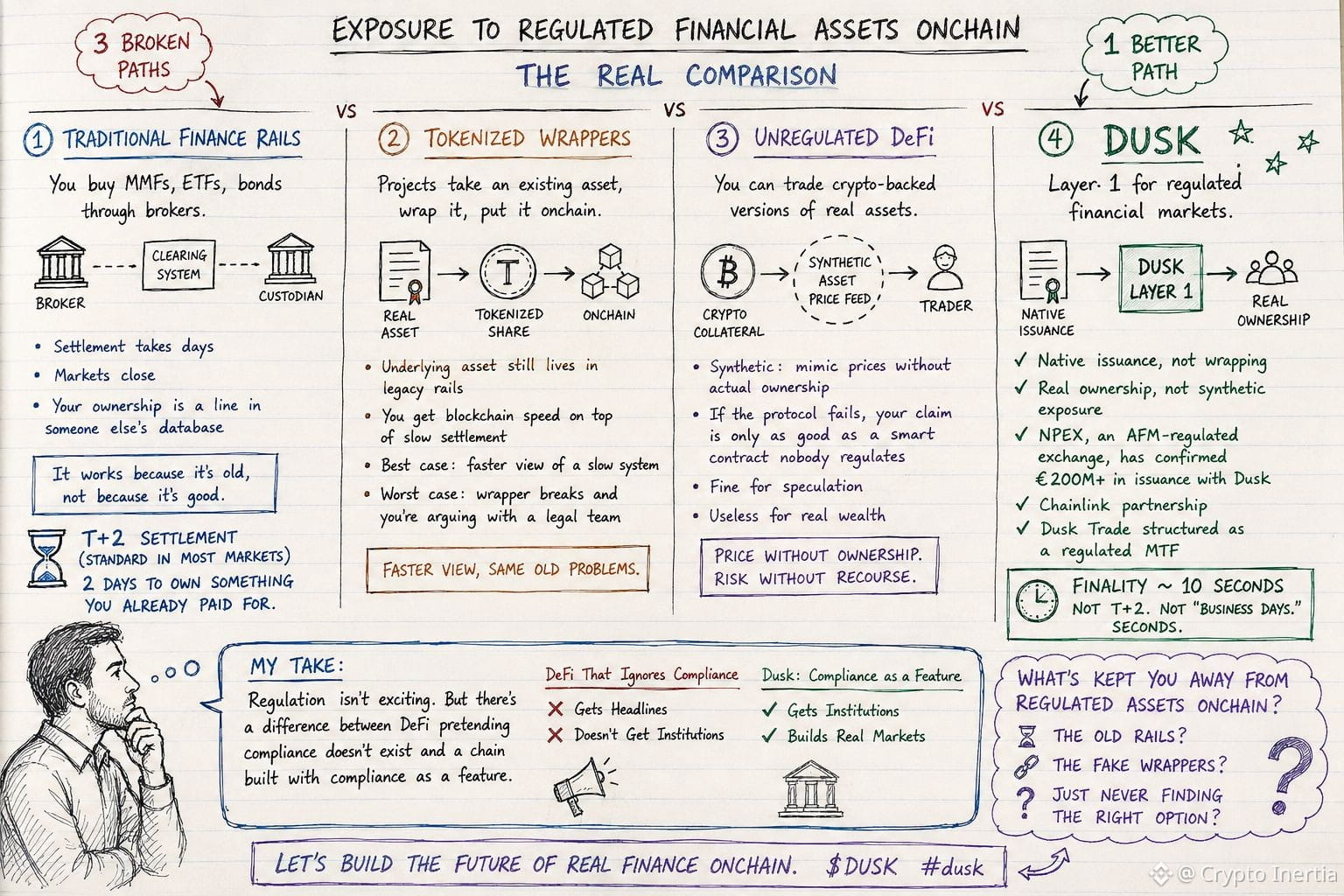
#dusk $DUSK 私は、@Dusk_Foundation kが実際に今日どのように決済されるのかを、規制された金融資産の実態と比べていました。提案資料(ピッチデック)ではありません。現実の体験です。
以下のことが分かりました。オンチェーンで規制された金融資産へのエクスポージャーを得ようとするなら、選択肢は3つあります。いずれも、どこかが破綻しています。
従来の金融レール。ブローカー経由でMMF(マネー・マーケット・ファンド)、ETF、債券を購入します。決済には数日かかります。市場はクローズします。あなたの所有権は、誰か別の会社のデータベース上の1行に過ぎません。それが機能するのは、良いからではなく、古いからです。ほとんどの市場でT+2決済がいまだ標準です。支払ったのに、さらに2日かかってようやく所有できる。
トークン化されたラッパー(包み込み)。既存の資産を取り込み、ラップして、オンチェーンに載せます。あなたは、持分を表すトークンを受け取ります。しかし基礎となる資産は、依然としてレガシーなレールに存在します。つまり、遅い決済の上にブロックチェーンの速度だけが乗るのです。最良の場合、遅い仕組みのより速い見え方。最悪の場合、ラッパーが壊れて、法務チームと揉めることになります。
規制されていないDeFi。今すぐ、実在資産の裏付け付き(暗号資産化された)バージョンを取引できます。ですが、それらは合成(シンセティック)です。実際の所有を伴わず、価格を模倣しているだけ。プロトコルが失敗すれば、あなたの請求権は、誰も規制しないスマートコントラクトにどれだけ担保されているかに過ぎません。投機ならともかく、実際の富を築くのには無用です。
Duskは別の作り方です。規制された金融市場のためのレイヤー1。ラップではなく、ネイティブな発行。合成ではなく、実際の所有権。AFM(オランダ金融市場監督庁)規制の取引所であるNPEXが、Duskによる発行で€200M以上を確認しています。Chainlinkとのパートナーシップ。Dusk Tradeは、規制されたMTF(多角的取引システム)として構造化されています。そしてファイナリティ(確定性)は約10秒。T+2ではありません。「営業日」でもありません。秒です。
私は規制が面白いと言っているわけではありません。ただ、DeFiがコンプライアンスの存在をなかったことにするふりをするのと、コンプライアンスを機能として組み込んだチェーンには違いがあります。前者は見出しを取ります。後者は機関投資家を連れてきます。
規制された資産をオンチェーンで使うことから遠ざけていたのは、古いレール、偽物のラッパー、あるいは単に正しい選択肢に出会えなかったことですか?
$AVNT $SNXXB
#dusk $DUSK 私は、@Dusk kが実際に今日どのように決済されるのかを、規制された金融資産の実態と比べていました。提案資料(ピッチデック)ではありません。現実の体験です。
以下のことが分かりました。オンチェーンで規制された金融資産へのエクスポージャーを得ようとするなら、選択肢は3つあります。いずれも、どこかが破綻しています。
従来の金融レール。ブローカー経由でMMF(マネー・マーケット・ファンド)、ETF、債券を購入します。決済には数日かかります。市場はクローズします。あなたの所有権は、誰か別の会社のデータベース上の1行に過ぎません。それが機能するのは、良いからではなく、古いからです。ほとんどの市場でT+2決済がいまだ標準です。支払ったのに、さらに2日かかってようやく所有できる。
トークン化されたラッパー(包み込み)。既存の資産を取り込み、ラップして、オンチェーンに載せます。あなたは、持分を表すトークンを受け取ります。しかし基礎となる資産は、依然としてレガシーなレールに存在します。つまり、遅い決済の上にブロックチェーンの速度だけが乗るのです。最良の場合、遅い仕組みのより速い見え方。最悪の場合、ラッパーが壊れて、法務チームと揉めることになります。
規制されていないDeFi。今すぐ、実在資産の裏付け付き(暗号資産化された)バージョンを取引できます。ですが、それらは合成(シンセティック)です。実際の所有を伴わず、価格を模倣しているだけ。プロトコルが失敗すれば、あなたの請求権は、誰も規制しないスマートコントラクトにどれだけ担保されているかに過ぎません。投機ならともかく、実際の富を築くのには無用です。
Duskは別の作り方です。規制された金融市場のためのレイヤー1。ラップではなく、ネイティブな発行。合成ではなく、実際の所有権。AFM(オランダ金融市場監督庁)規制の取引所であるNPEXが、Duskによる発行で€200M以上を確認しています。Chainlinkとのパートナーシップ。Dusk Tradeは、規制されたMTF(多角的取引システム)として構造化されています。そしてファイナリティ(確定性)は約10秒。T+2ではありません。「営業日」でもありません。秒です。
私は規制が面白いと言っているわけではありません。ただ、DeFiがコンプライアンスの存在をなかったことにするふりをするのと、コンプライアンスを機能として組み込んだチェーンには違いがあります。前者は見出しを取ります。後者は機関投資家を連れてきます。
規制された資産をオンチェーンで使うことから遠ざけていたのは、古いレール、偽物のラッパー、あるいは単に正しい選択肢に出会えなかったことですか?
$AVNT $SNXXB
以下のことが分かりました。オンチェーンで規制された金融資産へのエクスポージャーを得ようとするなら、選択肢は3つあります。いずれも、どこかが破綻しています。
従来の金融レール。ブローカー経由でMMF(マネー・マーケット・ファンド)、ETF、債券を購入します。決済には数日かかります。市場はクローズします。あなたの所有権は、誰か別の会社のデータベース上の1行に過ぎません。それが機能するのは、良いからではなく、古いからです。ほとんどの市場でT+2決済がいまだ標準です。支払ったのに、さらに2日かかってようやく所有できる。
トークン化されたラッパー(包み込み)。既存の資産を取り込み、ラップして、オンチェーンに載せます。あなたは、持分を表すトークンを受け取ります。しかし基礎となる資産は、依然としてレガシーなレールに存在します。つまり、遅い決済の上にブロックチェーンの速度だけが乗るのです。最良の場合、遅い仕組みのより速い見え方。最悪の場合、ラッパーが壊れて、法務チームと揉めることになります。
規制されていないDeFi。今すぐ、実在資産の裏付け付き(暗号資産化された)バージョンを取引できます。ですが、それらは合成(シンセティック)です。実際の所有を伴わず、価格を模倣しているだけ。プロトコルが失敗すれば、あなたの請求権は、誰も規制しないスマートコントラクトにどれだけ担保されているかに過ぎません。投機ならともかく、実際の富を築くのには無用です。
Duskは別の作り方です。規制された金融市場のためのレイヤー1。ラップではなく、ネイティブな発行。合成ではなく、実際の所有権。AFM(オランダ金融市場監督庁)規制の取引所であるNPEXが、Duskによる発行で€200M以上を確認しています。Chainlinkとのパートナーシップ。Dusk Tradeは、規制されたMTF(多角的取引システム)として構造化されています。そしてファイナリティ(確定性)は約10秒。T+2ではありません。「営業日」でもありません。秒です。
私は規制が面白いと言っているわけではありません。ただ、DeFiがコンプライアンスの存在をなかったことにするふりをするのと、コンプライアンスを機能として組み込んだチェーンには違いがあります。前者は見出しを取ります。後者は機関投資家を連れてきます。
規制された資産をオンチェーンで使うことから遠ざけていたのは、古いレール、偽物のラッパー、あるいは単に正しい選択肢に出会えなかったことですか?
$AVNT $SNXXB
3
2
86
·
--
ブリッシュ
#baby $BABY
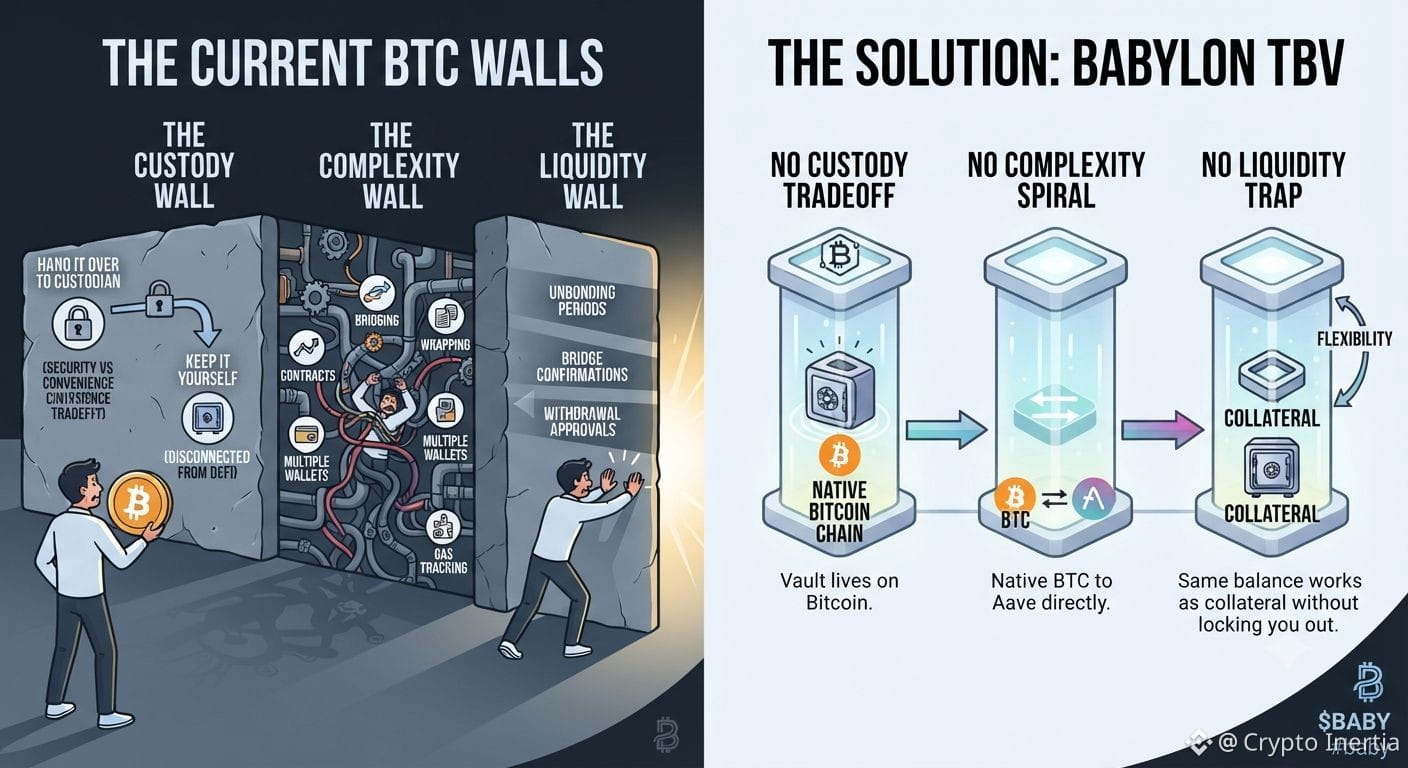
私はこれまで、@babylonlabs_io の信託レス・ビットコイン・ボルト(TBV)が、現在ビットコインが「保有から稼働へ」実際にどう動いているのかに照らしてどうなのかを、何週間も見比べてきました。ロードマップではなく、いま起きている現実です。
これを見て際立ってきたのは次の点です。ビットコインは、価値の保存において暗号資産で最良の資産です。そして、活用(用途に使う)において最悪です。あなたがBTCに何かをさせたいと思った瞬間、壁にぶつかります。
現在、BTC保有者が直面する「壁」は3つあります。
まず、カストディ(保管)ウォール。BTCをどこかで使いたい。最初の判断——誰がそれを持つのか。プラットフォームに預ければ、利便性と引き換えにビットコインのセキュリティを手放すことになります。自分で持ち続ければ、多くのDeFiには触れられません。どちらにしても、始める前に何かを失います。
次に、複雑性ウォール。自分で管理することを選ぶ。すると、ブリッジ、ラップ、契約の承認、複数ウォレットの管理、チェーンをまたいだガスの追跡などが必要になります。どのステップも判断です。判断のたびにミスをする可能性があります。多くの人は途中で諦めてしまいます。
そして、流動性ウォール。最初の2つの壁を越えたら、BTCはついに増えているか、担保化されています。そこにチャンスが現れるか、緊急事態が起きて「それを今すぐ戻してほしい」となる。すると、アンボンド(解除)期間の待ち、ブリッジの確認待ち、出金の承認待ちが発生します。ビットコインはあなたのものですが、必要なときに触れられない。
TBVは、私が見た中で初めて、この3つすべてを同時に解決しているものです。カストディのトレードオフがないのは、ボルトがビットコイン上に存在するから。複雑性のスパイラルが起きないのは、Aaveへ直接のネイティブBTCだから。流動性の罠がないのは、同じ残高が担保として機能し、締め出してロックすることがないからです。
完璧だと言っているわけではありません。スマートコントラクトのリスクは本物です。オラクルのリスクも本物です。全体はまだ始まったばかりです。ですが、BTC保有者がぶつかり続ける壁——カストディ、複雑性、流動性——それらが、実際の障壁です。そして、3つすべてに取り組むプロダクトを初めて見ました。
あなたのビットコインと、実際にそれを使うことの間にある最大の壁は何ですか?
{spot}(BABYUSDT)
#baby $BABY
私はこれまで、@BabylonLabs_io の信託レス・ビットコイン・ボルト(TBV)が、現在ビットコインが「保有から稼働へ」実際にどう動いているのかに照らしてどうなのかを、何週間も見比べてきました。ロードマップではなく、いま起きている現実です。
これを見て際立ってきたのは次の点です。ビットコインは、価値の保存において暗号資産で最良の資産です。そして、活用(用途に使う)において最悪です。あなたがBTCに何かをさせたいと思った瞬間、壁にぶつかります。
現在、BTC保有者が直面する「壁」は3つあります。
まず、カストディ(保管)ウォール。BTCをどこかで使いたい。最初の判断——誰がそれを持つのか。プラットフォームに預ければ、利便性と引き換えにビットコインのセキュリティを手放すことになります。自分で持ち続ければ、多くのDeFiには触れられません。どちらにしても、始める前に何かを失います。
次に、複雑性ウォール。自分で管理することを選ぶ。すると、ブリッジ、ラップ、契約の承認、複数ウォレットの管理、チェーンをまたいだガスの追跡などが必要になります。どのステップも判断です。判断のたびにミスをする可能性があります。多くの人は途中で諦めてしまいます。
そして、流動性ウォール。最初の2つの壁を越えたら、BTCはついに増えているか、担保化されています。そこにチャンスが現れるか、緊急事態が起きて「それを今すぐ戻してほしい」となる。すると、アンボンド(解除)期間の待ち、ブリッジの確認待ち、出金の承認待ちが発生します。ビットコインはあなたのものですが、必要なときに触れられない。
TBVは、私が見た中で初めて、この3つすべてを同時に解決しているものです。カストディのトレードオフがないのは、ボルトがビットコイン上に存在するから。複雑性のスパイラルが起きないのは、Aaveへ直接のネイティブBTCだから。流動性の罠がないのは、同じ残高が担保として機能し、締め出してロックすることがないからです。
完璧だと言っているわけではありません。スマートコントラクトのリスクは本物です。オラクルのリスクも本物です。全体はまだ始まったばかりです。ですが、BTC保有者がぶつかり続ける壁——カストディ、複雑性、流動性——それらが、実際の障壁です。そして、3つすべてに取り組むプロダクトを初めて見ました。
あなたのビットコインと、実際にそれを使うことの間にある最大の壁は何ですか?
私はこれまで、@BabylonLabs_io の信託レス・ビットコイン・ボルト(TBV)が、現在ビットコインが「保有から稼働へ」実際にどう動いているのかに照らしてどうなのかを、何週間も見比べてきました。ロードマップではなく、いま起きている現実です。
これを見て際立ってきたのは次の点です。ビットコインは、価値の保存において暗号資産で最良の資産です。そして、活用(用途に使う)において最悪です。あなたがBTCに何かをさせたいと思った瞬間、壁にぶつかります。
現在、BTC保有者が直面する「壁」は3つあります。
まず、カストディ(保管)ウォール。BTCをどこかで使いたい。最初の判断——誰がそれを持つのか。プラットフォームに預ければ、利便性と引き換えにビットコインのセキュリティを手放すことになります。自分で持ち続ければ、多くのDeFiには触れられません。どちらにしても、始める前に何かを失います。
次に、複雑性ウォール。自分で管理することを選ぶ。すると、ブリッジ、ラップ、契約の承認、複数ウォレットの管理、チェーンをまたいだガスの追跡などが必要になります。どのステップも判断です。判断のたびにミスをする可能性があります。多くの人は途中で諦めてしまいます。
そして、流動性ウォール。最初の2つの壁を越えたら、BTCはついに増えているか、担保化されています。そこにチャンスが現れるか、緊急事態が起きて「それを今すぐ戻してほしい」となる。すると、アンボンド(解除)期間の待ち、ブリッジの確認待ち、出金の承認待ちが発生します。ビットコインはあなたのものですが、必要なときに触れられない。
TBVは、私が見た中で初めて、この3つすべてを同時に解決しているものです。カストディのトレードオフがないのは、ボルトがビットコイン上に存在するから。複雑性のスパイラルが起きないのは、Aaveへ直接のネイティブBTCだから。流動性の罠がないのは、同じ残高が担保として機能し、締め出してロックすることがないからです。
完璧だと言っているわけではありません。スマートコントラクトのリスクは本物です。オラクルのリスクも本物です。全体はまだ始まったばかりです。ですが、BTC保有者がぶつかり続ける壁——カストディ、複雑性、流動性——それらが、実際の障壁です。そして、3つすべてに取り組むプロダクトを初めて見ました。
あなたのビットコインと、実際にそれを使うことの間にある最大の壁は何ですか?
2
2
97
·
--
ブリッシュ
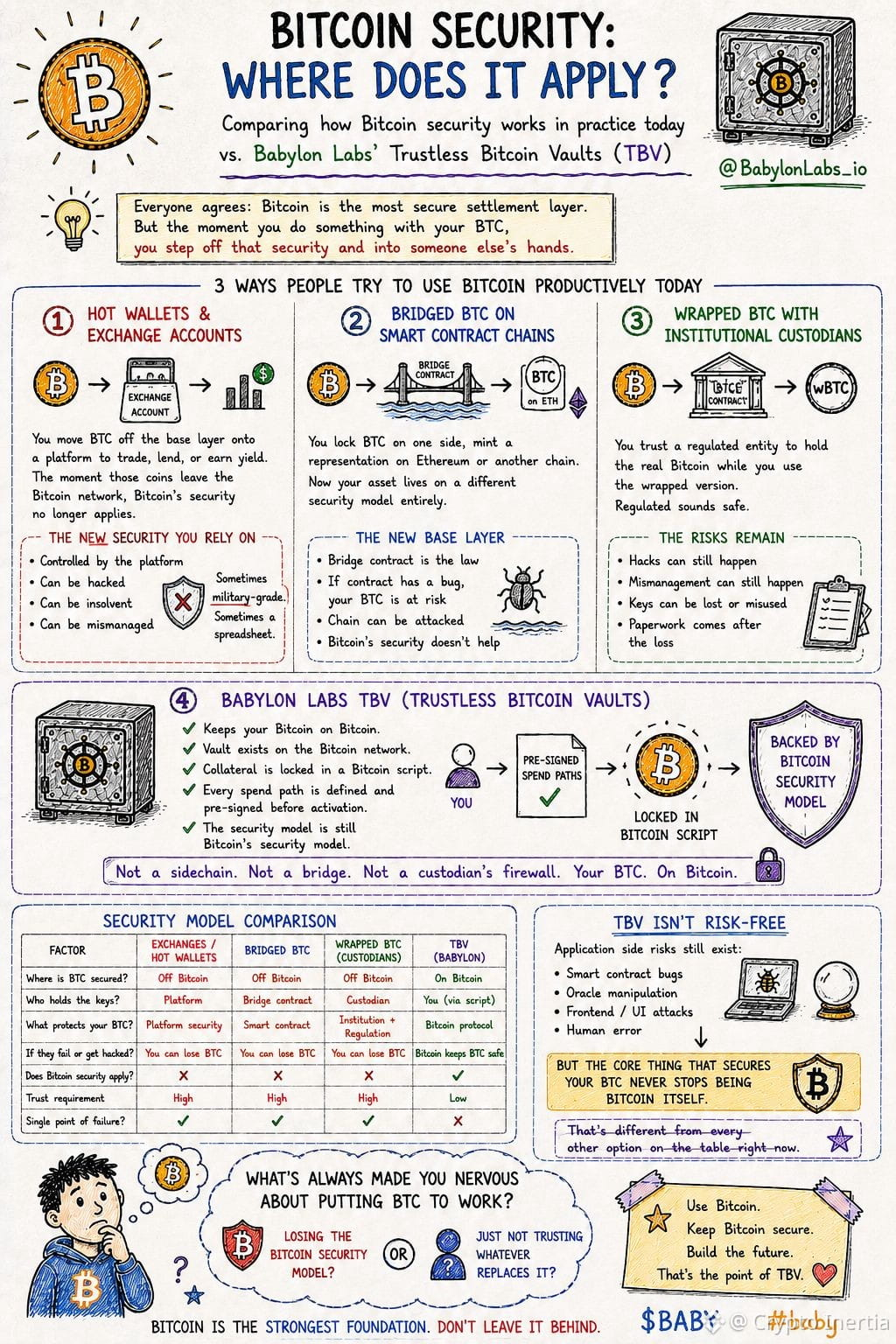
#baby $BABY 私は、@babylonlabs_io の信託不要なビットコイン・ヴォルト(TBV)が、今日のビットコインのセキュリティが実際にどう機能しているかに比べてどうなのかを見比べていました。スライド資料ではなく、実際の脅威モデルです。
そこで繰り返し出てくるのはこれです。誰もが「ビットコインは暗号の中で最も安全な決済レイヤーだ」と言います。実際そうです。ですが、BTCで“保持する以外”のことをしようとした瞬間、そのセキュリティから離れて、別の誰かの手に渡ることになります。
今のところ、人々がビットコインを生産的に使おうとする方法は3つあります。
ホットウォレットや取引所の口座です。BTCをベースレイヤーからプラットフォームに移して、売買したり貸し出したり、利回りを得たりします。コインがビットコインのネットワークから離れた瞬間、ビットコインのセキュリティはもう適用されません。あなたは、そのプラットフォームが作ったものによって守られることになります。軍事グレードのこともあれば、スプレッドシートのこともあります。
スマートコントラクト・チェーン上のブリッジBTCです。一方でBTCをロックし、もう一方でEthereumや別のチェーンに表現(ミントされたもの)を作ります。するとあなたの資産は、まったく別のセキュリティモデル上に存在することになります。ブリッジ契約が、新しい“ベースレイヤー”になります。もしその契約にバグがあれば、あなたのビットコインのセキュリティは役に立ちません。バグが“法”になります。
機関投資家向けのカストディ(保管)によるラップBTCです。実のビットコインを規制された機関に保管してもらい、あなたはラップ版を使うことになります。規制がつけば安全そうに聞こえます。でも規制はハッキングを止めません。管理ミスも止めません。単に、失った後の書類が増えるだけです。
TBVはあなたのビットコインをビットコイン上に保ちます。ヴォルトはビットコイン・ネットワーク上に存在します。担保はビットコインのスクリプトにロックされます。すべての支出パスは、起動前に定義され、事前に署名されています。セキュリティモデルは、やはりビットコインのセキュリティモデルです。サイドチェーンではありません。ブリッジでもありません。カストディのファイアウォールでもありません。
私はTBVがあらゆるリスクを排除すると言っているわけではありません。アプリ側のスマートコントラクトには、もちろんバグがあり得ます。オラクルも操作され得ます。ですが、あなたのBTCを守る“もの”が止まることはない。それがビットコインそのものであり続ける、という点が違います。これは、今この場にある他の選択肢すべてとは違います。
いつもあなたを躊躇させるのは——ビットコインのセキュリティモデルを失うこと、あるいは、それに置き換わるものを信じられないこと
$VIC
#baby $BABY 私は、@BabylonLabs_io の信託不要なビットコイン・ヴォルト(TBV)が、今日のビットコインのセキュリティが実際にどう機能しているかに比べてどうなのかを見比べていました。スライド資料ではなく、実際の脅威モデルです。
そこで繰り返し出てくるのはこれです。誰もが「ビットコインは暗号の中で最も安全な決済レイヤーだ」と言います。実際そうです。ですが、BTCで“保持する以外”のことをしようとした瞬間、そのセキュリティから離れて、別の誰かの手に渡ることになります。
今のところ、人々がビットコインを生産的に使おうとする方法は3つあります。
ホットウォレットや取引所の口座です。BTCをベースレイヤーからプラットフォームに移して、売買したり貸し出したり、利回りを得たりします。コインがビットコインのネットワークから離れた瞬間、ビットコインのセキュリティはもう適用されません。あなたは、そのプラットフォームが作ったものによって守られることになります。軍事グレードのこともあれば、スプレッドシートのこともあります。
スマートコントラクト・チェーン上のブリッジBTCです。一方でBTCをロックし、もう一方でEthereumや別のチェーンに表現(ミントされたもの)を作ります。するとあなたの資産は、まったく別のセキュリティモデル上に存在することになります。ブリッジ契約が、新しい“ベースレイヤー”になります。もしその契約にバグがあれば、あなたのビットコインのセキュリティは役に立ちません。バグが“法”になります。
機関投資家向けのカストディ(保管)によるラップBTCです。実のビットコインを規制された機関に保管してもらい、あなたはラップ版を使うことになります。規制がつけば安全そうに聞こえます。でも規制はハッキングを止めません。管理ミスも止めません。単に、失った後の書類が増えるだけです。
TBVはあなたのビットコインをビットコイン上に保ちます。ヴォルトはビットコイン・ネットワーク上に存在します。担保はビットコインのスクリプトにロックされます。すべての支出パスは、起動前に定義され、事前に署名されています。セキュリティモデルは、やはりビットコインのセキュリティモデルです。サイドチェーンではありません。ブリッジでもありません。カストディのファイアウォールでもありません。
私はTBVがあらゆるリスクを排除すると言っているわけではありません。アプリ側のスマートコントラクトには、もちろんバグがあり得ます。オラクルも操作され得ます。ですが、あなたのBTCを守る“もの”が止まることはない。それがビットコインそのものであり続ける、という点が違います。これは、今この場にある他の選択肢すべてとは違います。
いつもあなたを躊躇させるのは——ビットコインのセキュリティモデルを失うこと、あるいは、それに置き換わるものを信じられないこと
$VIC
そこで繰り返し出てくるのはこれです。誰もが「ビットコインは暗号の中で最も安全な決済レイヤーだ」と言います。実際そうです。ですが、BTCで“保持する以外”のことをしようとした瞬間、そのセキュリティから離れて、別の誰かの手に渡ることになります。
今のところ、人々がビットコインを生産的に使おうとする方法は3つあります。
ホットウォレットや取引所の口座です。BTCをベースレイヤーからプラットフォームに移して、売買したり貸し出したり、利回りを得たりします。コインがビットコインのネットワークから離れた瞬間、ビットコインのセキュリティはもう適用されません。あなたは、そのプラットフォームが作ったものによって守られることになります。軍事グレードのこともあれば、スプレッドシートのこともあります。
スマートコントラクト・チェーン上のブリッジBTCです。一方でBTCをロックし、もう一方でEthereumや別のチェーンに表現(ミントされたもの)を作ります。するとあなたの資産は、まったく別のセキュリティモデル上に存在することになります。ブリッジ契約が、新しい“ベースレイヤー”になります。もしその契約にバグがあれば、あなたのビットコインのセキュリティは役に立ちません。バグが“法”になります。
機関投資家向けのカストディ(保管)によるラップBTCです。実のビットコインを規制された機関に保管してもらい、あなたはラップ版を使うことになります。規制がつけば安全そうに聞こえます。でも規制はハッキングを止めません。管理ミスも止めません。単に、失った後の書類が増えるだけです。
TBVはあなたのビットコインをビットコイン上に保ちます。ヴォルトはビットコイン・ネットワーク上に存在します。担保はビットコインのスクリプトにロックされます。すべての支出パスは、起動前に定義され、事前に署名されています。セキュリティモデルは、やはりビットコインのセキュリティモデルです。サイドチェーンではありません。ブリッジでもありません。カストディのファイアウォールでもありません。
私はTBVがあらゆるリスクを排除すると言っているわけではありません。アプリ側のスマートコントラクトには、もちろんバグがあり得ます。オラクルも操作され得ます。ですが、あなたのBTCを守る“もの”が止まることはない。それがビットコインそのものであり続ける、という点が違います。これは、今この場にある他の選択肢すべてとは違います。
いつもあなたを躊躇させるのは——ビットコインのセキュリティモデルを失うこと、あるいは、それに置き換わるものを信じられないこと
$VIC
2
133
ログインして、さらにコンテンツを読む
厳選トピックで世界の暗号資産トレーダーの仲間入り
⚡️ 暗号資産に関する最新かつ有益な情報が見つかります。
💬 世界最大の暗号資産取引所から信頼されています。
👍 認証を受けたクリエイターから、有益なインサイトを得られます。
メール / 電話番号