

S H A H_
2k 投稿

S H A H_
報告
ユーザーをブロック
Building knowledge in crypto | Sharing alpha, insights & trends. NFA DYOR
取引を発注
高頻度トレーダー
3.5年
350 フォロー
1.0K+ フォロワー
2.5K+ いいね
投稿
ポートフォリオ
すべて
引用
ライブ
·
--
翻訳参照
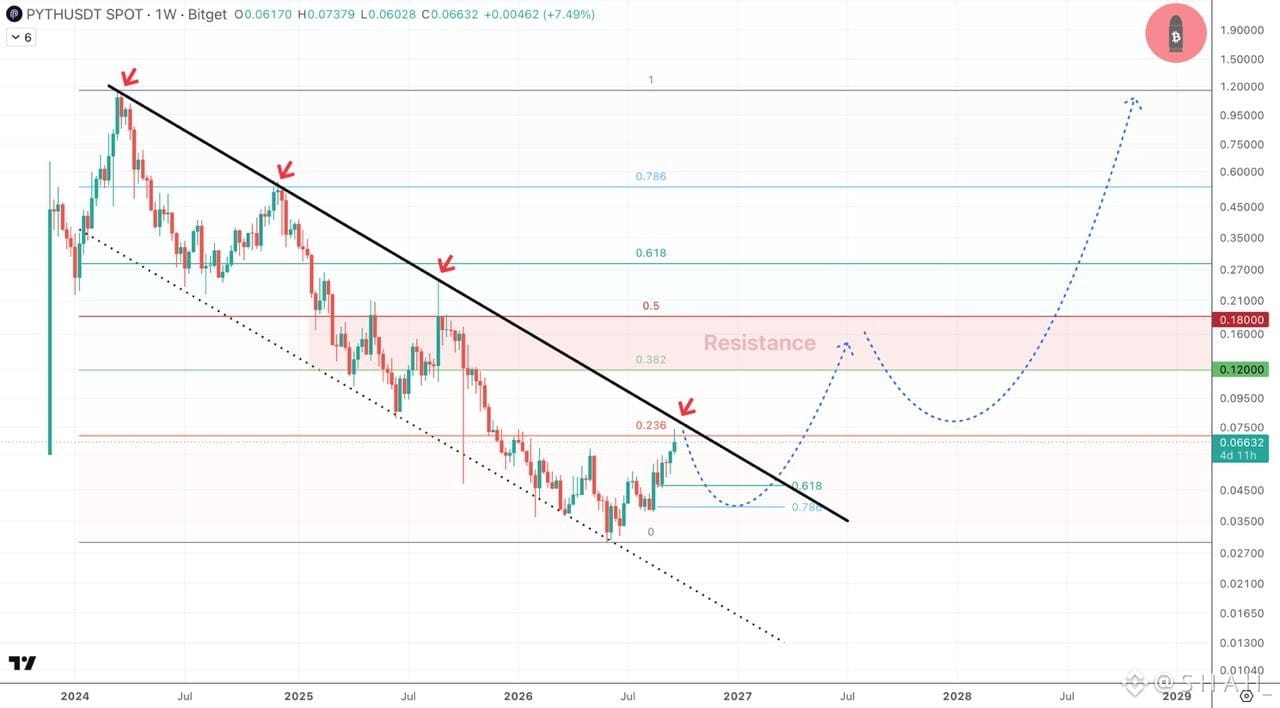
$PYTH Macro chart
$PYTH is facing Resistance here and I wouldn't be surprised to see a pullback to $0.04-0.05 before breaking out of this giant Downward Channel 📈
🔨 Major Resistance/Target 1 - $0.12-0.18
🎯 My main targets are $0.5 - $1 - $1.8
$PYTH Macro chart
$PYTH is facing Resistance here and I wouldn't be surprised to see a pullback to $0.04-0.05 before breaking out of this giant Downward Channel 📈
🔨 Major Resistance/Target 1 - $0.12-0.18
🎯 My main targets are $0.5 - $1 - $1.8
$PYTH is facing Resistance here and I wouldn't be surprised to see a pullback to $0.04-0.05 before breaking out of this giant Downward Channel 📈
🔨 Major Resistance/Target 1 - $0.12-0.18
🎯 My main targets are $0.5 - $1 - $1.8
93
·
--
翻訳参照
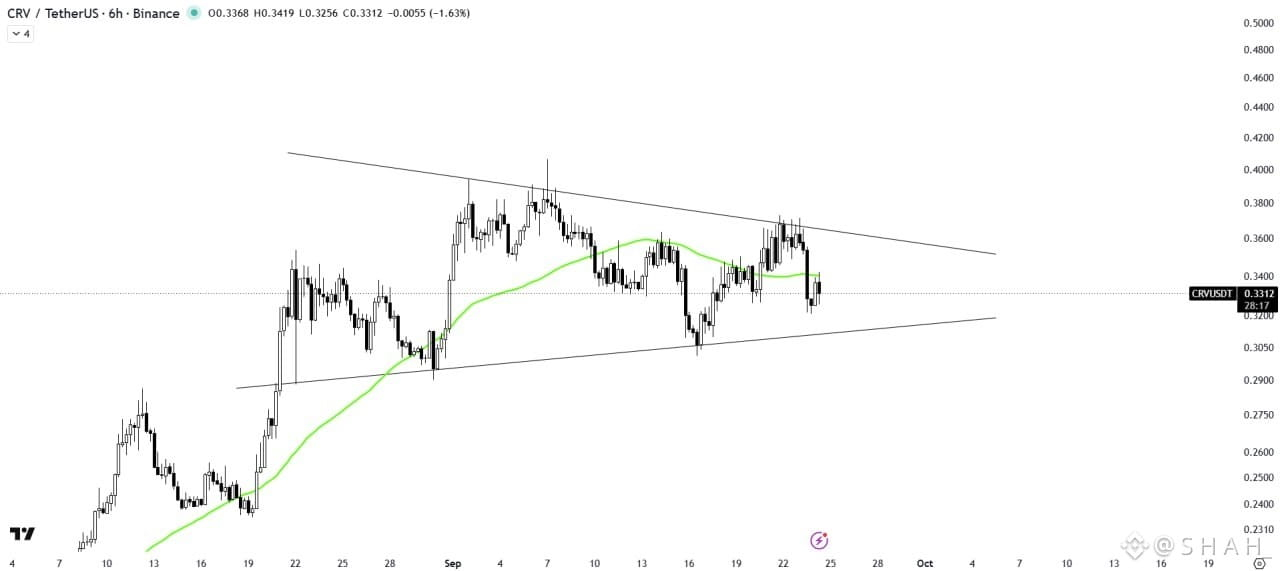
$CRV /USDT ANALYSIS
CRV is consolidating within the symmetrical triangle pattern and is currently trading below the 50MA.
The 50MA is acting as a key resistance barrier above the current price action.
We need to wait for a solid breakout or breakdown to confirm the next directional move.
$CRV /USDT ANALYSIS
CRV is consolidating within the symmetrical triangle pattern and is currently trading below the 50MA.
The 50MA is acting as a key resistance barrier above the current price action.
We need to wait for a solid breakout or breakdown to confirm the next directional move.
CRV is consolidating within the symmetrical triangle pattern and is currently trading below the 50MA.
The 50MA is acting as a key resistance barrier above the current price action.
We need to wait for a solid breakout or breakdown to confirm the next directional move.
80
·
--
弱気相場
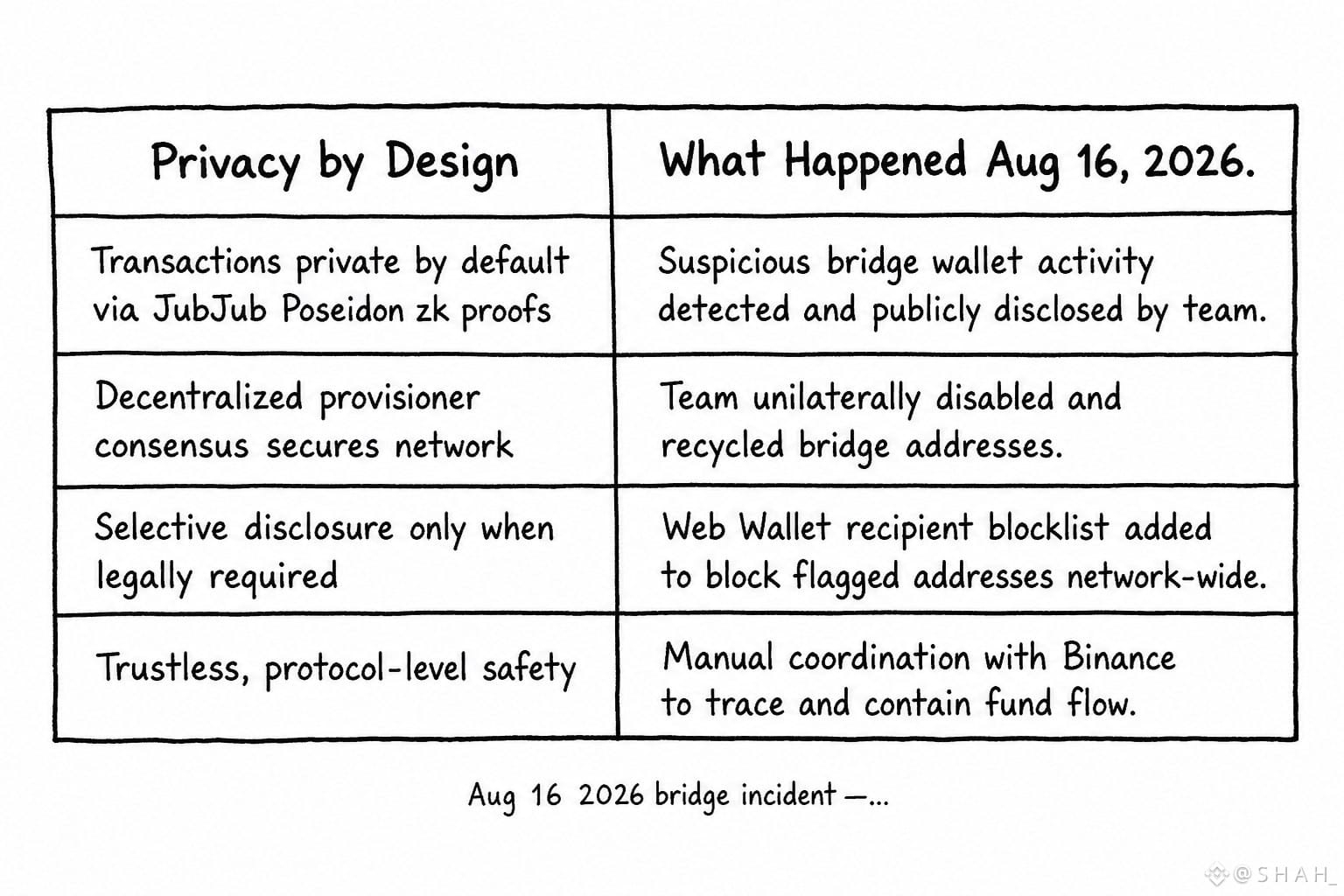
CreatorPadタスク向けにDuskのJubJubカーブ実装を行った件で、正直に言うと、刺さったのは暗号ではなく、そこに隣接するものでした。8月16日のブリッジ事故です。
手短な背景:#Dusk は、チームが管理するブリッジウォレット上で不審な活動を検知し、ブリッジサービスを停止し、侵害されたアドレスをリサイクルし、Web Walletの受取人ブロックリストを展開しました。すべて数時間以内に。@DuskFoundation は、フローの一部が自社のプラットフォームに触れた時点で Binance と連携しました。問題発生時の標準的な対応ですね。
これは、デフォルトでプライベートなものを中心に構築されたチェーンで、JubJub と Poseidon を特に用いることで、トランザクションがメタデータを漏らさないようにするためのものです。そして、実際のセキュリティ上の出来事への修正は、集中型のブロックリストアドレスのリサイクルでした。チームが判断し、実行したものです。ガバナンスでもありません。プロビジョナーによって引き金が引かれるような、オンチェーンのスラッシング機構でもありません。ただチームが、素早く動いて、まさにカストディアンがやるべきことをやっただけです。
批判というわけではなく、速度面ではむしろ安心させられる内容でした。ですが、実際には「プライバシーを守るプロトコル」という売り文句と、緊急レバーを持つ集中型の運用チームとの間のギャップを示す、わかりやすい例だと思います。$DUSK priceはほとんど瞬きすらしておらず、市場も私と同じ読みをしたことを示しています。
その運用レイヤーは、どの時点でオンチェーンとして形式化されるのでしょうか?それとも、誰もが問題ないと静かな前提のまま置かれ、不都合が起きない限りそのままになるのでしょうか?
@Dusk_Foundation $DUSK #dusk
CreatorPadタスク向けにDuskのJubJubカーブ実装を行った件で、正直に言うと、刺さったのは暗号ではなく、そこに隣接するものでした。8月16日のブリッジ事故です。
手短な背景:#Dusk は、チームが管理するブリッジウォレット上で不審な活動を検知し、ブリッジサービスを停止し、侵害されたアドレスをリサイクルし、Web Walletの受取人ブロックリストを展開しました。すべて数時間以内に。@DuskFoundation は、フローの一部が自社のプラットフォームに触れた時点で Binance と連携しました。問題発生時の標準的な対応ですね。
これは、デフォルトでプライベートなものを中心に構築されたチェーンで、JubJub と Poseidon を特に用いることで、トランザクションがメタデータを漏らさないようにするためのものです。そして、実際のセキュリティ上の出来事への修正は、集中型のブロックリストアドレスのリサイクルでした。チームが判断し、実行したものです。ガバナンスでもありません。プロビジョナーによって引き金が引かれるような、オンチェーンのスラッシング機構でもありません。ただチームが、素早く動いて、まさにカストディアンがやるべきことをやっただけです。
批判というわけではなく、速度面ではむしろ安心させられる内容でした。ですが、実際には「プライバシーを守るプロトコル」という売り文句と、緊急レバーを持つ集中型の運用チームとの間のギャップを示す、わかりやすい例だと思います。$DUSK priceはほとんど瞬きすらしておらず、市場も私と同じ読みをしたことを示しています。
その運用レイヤーは、どの時点でオンチェーンとして形式化されるのでしょうか?それとも、誰もが問題ないと静かな前提のまま置かれ、不都合が起きない限りそのままになるのでしょうか?
@Dusk $DUSK #dusk
手短な背景:#Dusk は、チームが管理するブリッジウォレット上で不審な活動を検知し、ブリッジサービスを停止し、侵害されたアドレスをリサイクルし、Web Walletの受取人ブロックリストを展開しました。すべて数時間以内に。@DuskFoundation は、フローの一部が自社のプラットフォームに触れた時点で Binance と連携しました。問題発生時の標準的な対応ですね。
これは、デフォルトでプライベートなものを中心に構築されたチェーンで、JubJub と Poseidon を特に用いることで、トランザクションがメタデータを漏らさないようにするためのものです。そして、実際のセキュリティ上の出来事への修正は、集中型のブロックリストアドレスのリサイクルでした。チームが判断し、実行したものです。ガバナンスでもありません。プロビジョナーによって引き金が引かれるような、オンチェーンのスラッシング機構でもありません。ただチームが、素早く動いて、まさにカストディアンがやるべきことをやっただけです。
批判というわけではなく、速度面ではむしろ安心させられる内容でした。ですが、実際には「プライバシーを守るプロトコル」という売り文句と、緊急レバーを持つ集中型の運用チームとの間のギャップを示す、わかりやすい例だと思います。$DUSK priceはほとんど瞬きすらしておらず、市場も私と同じ読みをしたことを示しています。
その運用レイヤーは、どの時点でオンチェーンとして形式化されるのでしょうか?それとも、誰もが問題ないと静かな前提のまま置かれ、不都合が起きない限りそのままになるのでしょうか?
@Dusk $DUSK #dusk
1
2
94
·
--
バグバウンティから24/7の監視へ—一つだけ強く残ったことがある…TermMaxのセキュリティ設定で、ほぼ見落としそうになったんだ。実際に意味のあるその数字を。
いまTVLは$31.22Mで、過去30日で7.2%下落。手数料は約$19.9Kでほぼ横ばい。規模は小さめのプロトコルで、資金流出も静か。
誰も慌ててないし、誰もそれについてツイートしてない。バグバウンティでは、重要な支払いの上限が$50Kに設定されていて、提出時点で直接リスクにさらされている資金の10%として計算される。
つまり報酬は、その日のプールに実際にどれだけ資金があるかに比例して伸び縮みする…だから、TVLが減っていくほど申告するインセンティブは下がる。上がるわけじゃない。こういうゆっくりした出血状態では、普通は逆であってほしいはずだ。
そこにHypernativeの24/7オンチェーン監視レイヤーを組み合わせると、「常に見張っている」というより「残っている分に比例して見ている」ように見えてくる。別に真っ赤な警戒サインってほどではないけど……マーケティング資料には載ってない設計上の細部で、その7.2%の数字をずっと見つめてしまった。
TVLの低下は、誰も告知しないままあなた自身のセキュリティ予算を静かに縮めるのか?
@termmax #TermMax
バグバウンティから24/7の監視へ—一つだけ強く残ったことがある…TermMaxのセキュリティ設定で、ほぼ見落としそうになったんだ。実際に意味のあるその数字を。
いまTVLは$31.22Mで、過去30日で7.2%下落。手数料は約$19.9Kでほぼ横ばい。規模は小さめのプロトコルで、資金流出も静か。
誰も慌ててないし、誰もそれについてツイートしてない。バグバウンティでは、重要な支払いの上限が$50Kに設定されていて、提出時点で直接リスクにさらされている資金の10%として計算される。
つまり報酬は、その日のプールに実際にどれだけ資金があるかに比例して伸び縮みする…だから、TVLが減っていくほど申告するインセンティブは下がる。上がるわけじゃない。こういうゆっくりした出血状態では、普通は逆であってほしいはずだ。
そこにHypernativeの24/7オンチェーン監視レイヤーを組み合わせると、「常に見張っている」というより「残っている分に比例して見ている」ように見えてくる。別に真っ赤な警戒サインってほどではないけど……マーケティング資料には載ってない設計上の細部で、その7.2%の数字をずっと見つめてしまった。
TVLの低下は、誰も告知しないままあなた自身のセキュリティ予算を静かに縮めるのか?
@TermMax #TermMax
いまTVLは$31.22Mで、過去30日で7.2%下落。手数料は約$19.9Kでほぼ横ばい。規模は小さめのプロトコルで、資金流出も静か。
誰も慌ててないし、誰もそれについてツイートしてない。バグバウンティでは、重要な支払いの上限が$50Kに設定されていて、提出時点で直接リスクにさらされている資金の10%として計算される。
つまり報酬は、その日のプールに実際にどれだけ資金があるかに比例して伸び縮みする…だから、TVLが減っていくほど申告するインセンティブは下がる。上がるわけじゃない。こういうゆっくりした出血状態では、普通は逆であってほしいはずだ。
そこにHypernativeの24/7オンチェーン監視レイヤーを組み合わせると、「常に見張っている」というより「残っている分に比例して見ている」ように見えてくる。別に真っ赤な警戒サインってほどではないけど……マーケティング資料には載ってない設計上の細部で、その7.2%の数字をずっと見つめてしまった。
TVLの低下は、誰も告知しないままあなた自身のセキュリティ予算を静かに縮めるのか?
@TermMax #TermMax
1
2
65
·
--
夕暮れのブリッジ基盤は、いつもの「zk=追跡不能なマーケティング・ループ」だろうと思いきや、すぐに8月16日のインシデントに直行した。
チームは、ブリッジ運用に紐づくウォレットで不審な動きを検知し、影響を受けたアドレスを止めて、ほぼ即座にWeb Walletの受取先ブロックリストを展開した。
提案の全体像は「デフォルトでプライベート、必要なときは説明責任」。素晴らしいけれど、ランディングページで聞くのと、実際に起きるのを見るのでは別物だった。
このブロックリストは、後で機関向けにこっそり埋め込まれるような任意のコンプライアンス・モジュールではなかった。素早く稼働し、実際の運用上の安全弁として機能していた。
選択的開示は、ここでは単なる規制のチェックボックスではない。チェーン全体を凍結せずに、進行中の問題を封じ込めることを可能にした「鍵」だ。
正直、少し考えさせられた。
最初は、監査可能なプライバシーは今後、銀行やRWA発行者向けの話で、まだ誰も触っていない上級ティアの機能だと思っていた。ところが実際には、それはただの…インフラの衛生管理(hygiene)でもあるらしい。デフォルトのユーザーは、自分で気づかなくても恩恵を受ける。
まだこの件を噛みしめている。説明責任レイヤーがインシデント時の命綱なのだとしたら、「デフォルトでのプライバシー」が本当の見出し機能なのか、それともその下にある監査トレイルが実務で本当の仕事をしているのか?
@Dusk_Foundation $DUSK #dusk
夕暮れのブリッジ基盤は、いつもの「zk=追跡不能なマーケティング・ループ」だろうと思いきや、すぐに8月16日のインシデントに直行した。
チームは、ブリッジ運用に紐づくウォレットで不審な動きを検知し、影響を受けたアドレスを止めて、ほぼ即座にWeb Walletの受取先ブロックリストを展開した。
提案の全体像は「デフォルトでプライベート、必要なときは説明責任」。素晴らしいけれど、ランディングページで聞くのと、実際に起きるのを見るのでは別物だった。
このブロックリストは、後で機関向けにこっそり埋め込まれるような任意のコンプライアンス・モジュールではなかった。素早く稼働し、実際の運用上の安全弁として機能していた。
選択的開示は、ここでは単なる規制のチェックボックスではない。チェーン全体を凍結せずに、進行中の問題を封じ込めることを可能にした「鍵」だ。
正直、少し考えさせられた。
最初は、監査可能なプライバシーは今後、銀行やRWA発行者向けの話で、まだ誰も触っていない上級ティアの機能だと思っていた。ところが実際には、それはただの…インフラの衛生管理(hygiene)でもあるらしい。デフォルトのユーザーは、自分で気づかなくても恩恵を受ける。
まだこの件を噛みしめている。説明責任レイヤーがインシデント時の命綱なのだとしたら、「デフォルトでのプライバシー」が本当の見出し機能なのか、それともその下にある監査トレイルが実務で本当の仕事をしているのか?
@Dusk $DUSK #dusk
チームは、ブリッジ運用に紐づくウォレットで不審な動きを検知し、影響を受けたアドレスを止めて、ほぼ即座にWeb Walletの受取先ブロックリストを展開した。
提案の全体像は「デフォルトでプライベート、必要なときは説明責任」。素晴らしいけれど、ランディングページで聞くのと、実際に起きるのを見るのでは別物だった。
このブロックリストは、後で機関向けにこっそり埋め込まれるような任意のコンプライアンス・モジュールではなかった。素早く稼働し、実際の運用上の安全弁として機能していた。
選択的開示は、ここでは単なる規制のチェックボックスではない。チェーン全体を凍結せずに、進行中の問題を封じ込めることを可能にした「鍵」だ。
正直、少し考えさせられた。
最初は、監査可能なプライバシーは今後、銀行やRWA発行者向けの話で、まだ誰も触っていない上級ティアの機能だと思っていた。ところが実際には、それはただの…インフラの衛生管理(hygiene)でもあるらしい。デフォルトのユーザーは、自分で気づかなくても恩恵を受ける。
まだこの件を噛みしめている。説明責任レイヤーがインシデント時の命綱なのだとしたら、「デフォルトでのプライバシー」が本当の見出し機能なのか、それともその下にある監査トレイルが実務で本当の仕事をしているのか?
@Dusk $DUSK #dusk
1
2
78
·
--
TermMax が私のフィードに「24/7監視」「バグバウンティ対応」という形で何度も出てきたので、ようやく売り文句ではなく実際の数字を確認してみました。
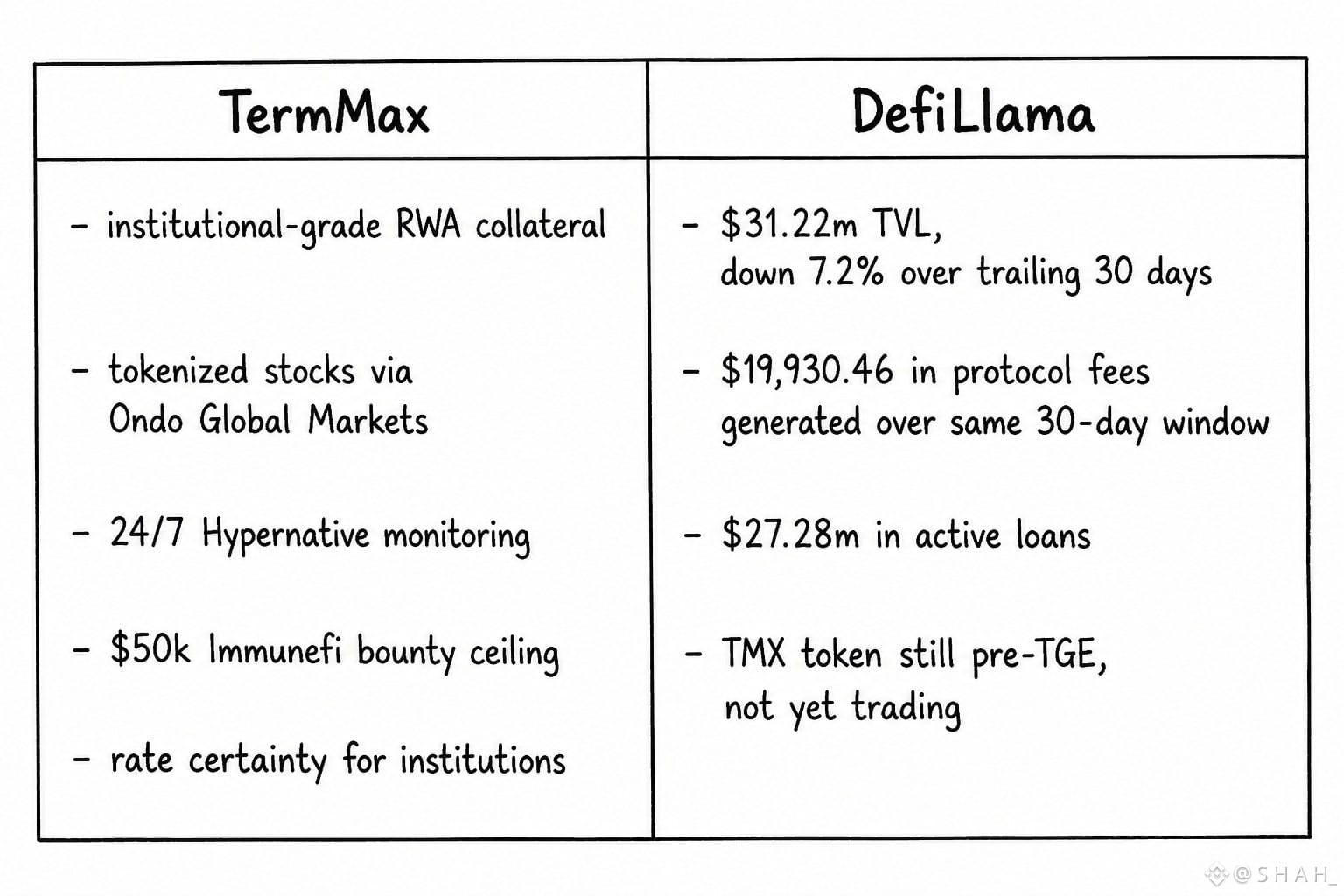
TVLは約31.22百万ドルで、直近30日で7.2%下落。 その同じ期間に生み出された手数料は? 19,930.46ドル。 インセンティブで膨らませたものではない、実際のプロトコル収益です。
私の中に引っかかったのはここです。RWAの見出しでは、トークン化された株式を担保にする話や、機関向けの金利の確実性、Ondoの統合が語られていますが、その土台になっている手数料ベースは正直、控えめです。
セキュリティ面では Hypernative がリアルタイムで監視し、Immunefi のバウンティは最大50,000ドル、そして変更はタイムロック。これは、まだ十分に到来していない需要も含めてスケールするために本当に作られている――「先にインフラを用意して、後で利用が来る」タイプで、単に「利用がインフラを裏づけている」のではありません。
スクロールしながら一瞬不安になって、TVLの下落を衰退として読んでしまっているだけなのか、それとも単に閑散期で静かなだけなのかと思いました。
たぶん本当の教訓はこれです。セキュリティを最優先にした設計は、約束されている機関向けに作られる一方で、今日の手数料収益が教えてくれるのは「実際にここにいるのは誰か」です。
トークン化された株式担保のフローがオンチェーンに本当に出てきたら、手数料/TVL比率はどんな見え方になるのか。
@termmax #TermMax
TermMax が私のフィードに「24/7監視」「バグバウンティ対応」という形で何度も出てきたので、ようやく売り文句ではなく実際の数字を確認してみました。
TVLは約31.22百万ドルで、直近30日で7.2%下落。 その同じ期間に生み出された手数料は? 19,930.46ドル。 インセンティブで膨らませたものではない、実際のプロトコル収益です。
私の中に引っかかったのはここです。RWAの見出しでは、トークン化された株式を担保にする話や、機関向けの金利の確実性、Ondoの統合が語られていますが、その土台になっている手数料ベースは正直、控えめです。
セキュリティ面では Hypernative がリアルタイムで監視し、Immunefi のバウンティは最大50,000ドル、そして変更はタイムロック。これは、まだ十分に到来していない需要も含めてスケールするために本当に作られている――「先にインフラを用意して、後で利用が来る」タイプで、単に「利用がインフラを裏づけている」のではありません。
スクロールしながら一瞬不安になって、TVLの下落を衰退として読んでしまっているだけなのか、それとも単に閑散期で静かなだけなのかと思いました。
たぶん本当の教訓はこれです。セキュリティを最優先にした設計は、約束されている機関向けに作られる一方で、今日の手数料収益が教えてくれるのは「実際にここにいるのは誰か」です。
トークン化された株式担保のフローがオンチェーンに本当に出てきたら、手数料/TVL比率はどんな見え方になるのか。
@TermMax #TermMax
TVLは約31.22百万ドルで、直近30日で7.2%下落。 その同じ期間に生み出された手数料は? 19,930.46ドル。 インセンティブで膨らませたものではない、実際のプロトコル収益です。
私の中に引っかかったのはここです。RWAの見出しでは、トークン化された株式を担保にする話や、機関向けの金利の確実性、Ondoの統合が語られていますが、その土台になっている手数料ベースは正直、控えめです。
セキュリティ面では Hypernative がリアルタイムで監視し、Immunefi のバウンティは最大50,000ドル、そして変更はタイムロック。これは、まだ十分に到来していない需要も含めてスケールするために本当に作られている――「先にインフラを用意して、後で利用が来る」タイプで、単に「利用がインフラを裏づけている」のではありません。
スクロールしながら一瞬不安になって、TVLの下落を衰退として読んでしまっているだけなのか、それとも単に閑散期で静かなだけなのかと思いました。
たぶん本当の教訓はこれです。セキュリティを最優先にした設計は、約束されている機関向けに作られる一方で、今日の手数料収益が教えてくれるのは「実際にここにいるのは誰か」です。
トークン化された株式担保のフローがオンチェーンに本当に出てきたら、手数料/TVL比率はどんな見え方になるのか。
@TermMax #TermMax
56
25
322
·
--
ブリッシュ
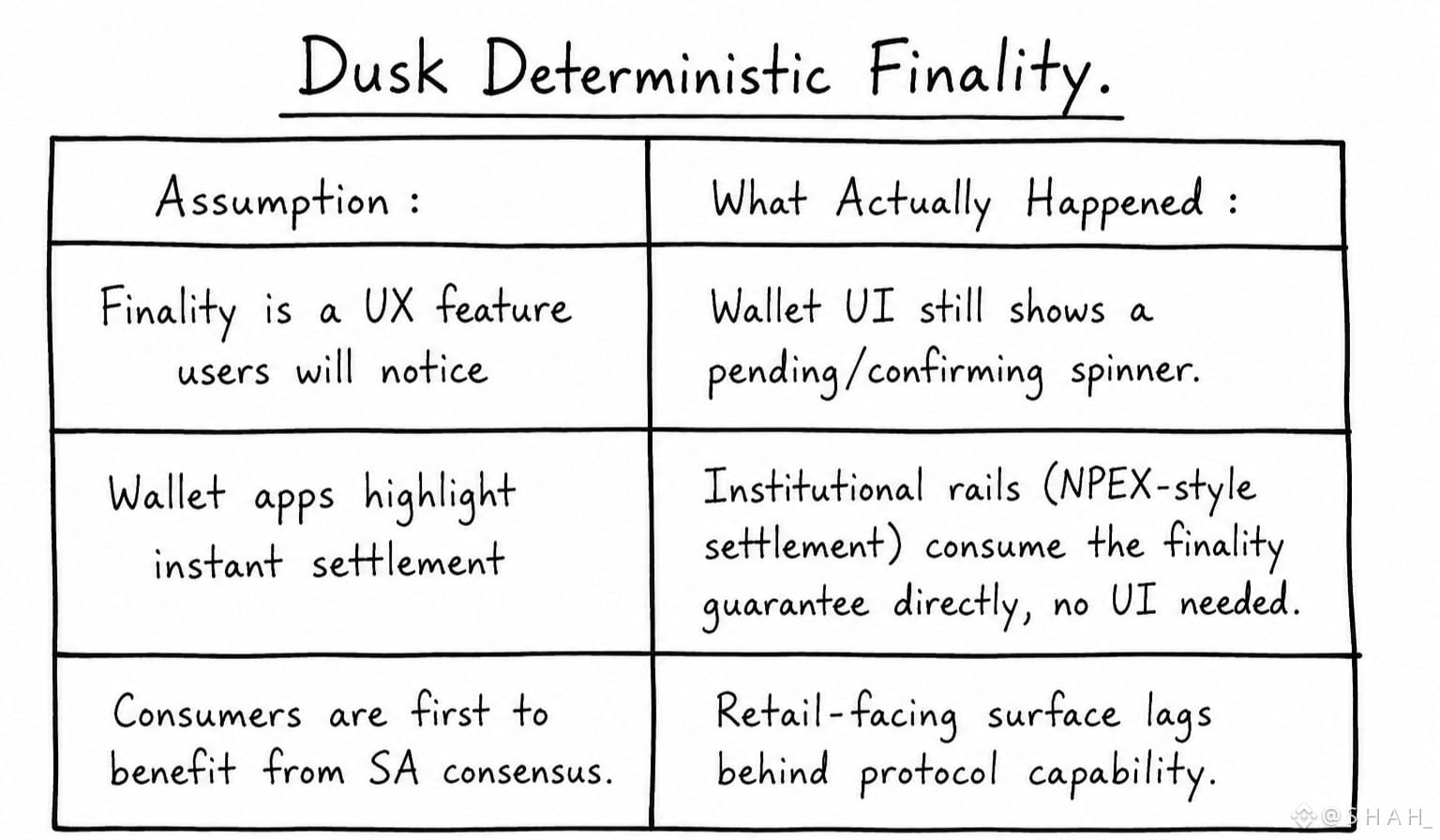
夕暮れのエクスプローラー:8月15日のネットワークアップデートがdusk.networkで投下されたあと—派手なことはなく、いつものプロダクトの備忘録と同じだけど、「このチェーンでいう“決定的な最終性”って何?」をちゃんと調べろと背中を押された。フレーズにうなずくだけじゃなくね。
SAのコンセンサスは、1ラウンドでブロックを確定する。PoWチェーンでありがちな“6回の確認待ち”や、確率的な「たぶん残る」みたいなものはない。これはマーケ用のコピーではなく、いまメインネット上でのブロックプロデューサーの流れがそうなっているだけだ。けれど、私がクリックしていたウォレットUIは、反映されるまで少しだけ保留スピナーを表示していた。同じようなパターンは、どのチェーンでも見かける。
つまりプロトコルは、決済に必要な“機関向けの保証”をすでに持っている。NPEX型のトークン化証券は、どこにも確率的な最終性を近づけたくない。でも一般向けの見え方は、広告でうたっている内容に追いついていない。
最初に恩恵を受ける“本当のユーザー”は、ウォレットのボタンをタップしている人たちではない。恩恵があるのは、バックエンドの決済レールだ。派手に見える技術的特性ほど、デフォルト体験では目立たないのがちょっと面白い。
機関向けには、消費者アプリに載るより先に静かに実装される機能って他にも気づいた?
@Dusk_Foundation $DUSK #dusk
夕暮れのエクスプローラー:8月15日のネットワークアップデートがdusk.networkで投下されたあと—派手なことはなく、いつものプロダクトの備忘録と同じだけど、「このチェーンでいう“決定的な最終性”って何?」をちゃんと調べろと背中を押された。フレーズにうなずくだけじゃなくね。
SAのコンセンサスは、1ラウンドでブロックを確定する。PoWチェーンでありがちな“6回の確認待ち”や、確率的な「たぶん残る」みたいなものはない。これはマーケ用のコピーではなく、いまメインネット上でのブロックプロデューサーの流れがそうなっているだけだ。けれど、私がクリックしていたウォレットUIは、反映されるまで少しだけ保留スピナーを表示していた。同じようなパターンは、どのチェーンでも見かける。
つまりプロトコルは、決済に必要な“機関向けの保証”をすでに持っている。NPEX型のトークン化証券は、どこにも確率的な最終性を近づけたくない。でも一般向けの見え方は、広告でうたっている内容に追いついていない。
最初に恩恵を受ける“本当のユーザー”は、ウォレットのボタンをタップしている人たちではない。恩恵があるのは、バックエンドの決済レールだ。派手に見える技術的特性ほど、デフォルト体験では目立たないのがちょっと面白い。
機関向けには、消費者アプリに載るより先に静かに実装される機能って他にも気づいた?
@Dusk $DUSK #dusk
SAのコンセンサスは、1ラウンドでブロックを確定する。PoWチェーンでありがちな“6回の確認待ち”や、確率的な「たぶん残る」みたいなものはない。これはマーケ用のコピーではなく、いまメインネット上でのブロックプロデューサーの流れがそうなっているだけだ。けれど、私がクリックしていたウォレットUIは、反映されるまで少しだけ保留スピナーを表示していた。同じようなパターンは、どのチェーンでも見かける。
つまりプロトコルは、決済に必要な“機関向けの保証”をすでに持っている。NPEX型のトークン化証券は、どこにも確率的な最終性を近づけたくない。でも一般向けの見え方は、広告でうたっている内容に追いついていない。
最初に恩恵を受ける“本当のユーザー”は、ウォレットのボタンをタップしている人たちではない。恩恵があるのは、バックエンドの決済レールだ。派手に見える技術的特性ほど、デフォルト体験では目立たないのがちょっと面白い。
機関向けには、消費者アプリに載るより先に静かに実装される機能って他にも気づいた?
@Dusk $DUSK #dusk
43
15
317
·
--
ブリッシュ
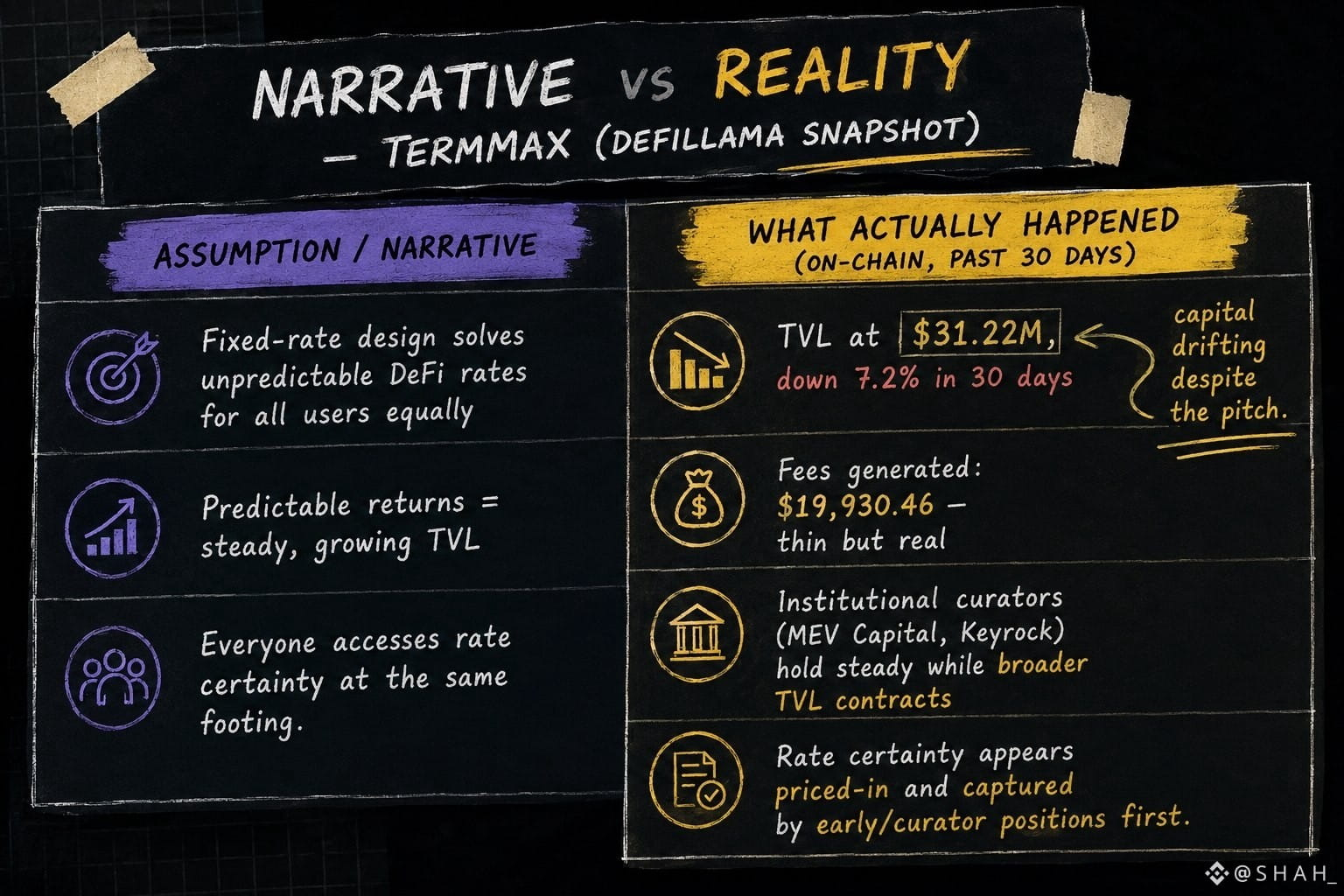
@termmax 固定レートがすべてを解決するかサニティチェックするためにDeFiLlamaを引っ張ってきた、っていうピッチ。TVLは現在$31.22Mで、過去30日で7.2%下落中。 同じ期間に生成された手数料:$19,930.46。小さい数字。でも、マーケティングコピーじゃなくて“本物”の数字。
プロトコル設計は本当に賢い。ゼロクーポンのFT/XT分割、キュレーターのバルト、リスク変更へのタイムロック…全部、広告どおりに機能している。
ただし、TVLがじわじわ出血していくのを見ながら、MEV CapitalやKeyrockのようなキュレーターがアロケーションを安定的に保っているのは、「誰にとっても予測可能なレート」というナラティブとは別の話に見える。
確実性は織り込まれ、すでにポジションを取っている機関系のキュレーター、そしてそれが小口の預金者がEarnページをスクロールして目にする前に、バルトマネージャーによって回収される。
正直、実物の固定金利商品みたいな感じがする。固定されているのは、最初にそこに辿り着いた人にとってだけ。
弱気でも強気でもないんだけど、「予測不能なレートは解決できた」というところと、TVLがまだ下げ止まらず底を探しているところのギャップを指摘しているだけ。
それで、みんなその7.2%が実際どこへ行ったのか見てる?それとも、あるダッシュボードのスナップショットから読み過ぎちゃってるかな?
@termmax #TermMax
@TermMax 固定レートがすべてを解決するかサニティチェックするためにDeFiLlamaを引っ張ってきた、っていうピッチ。TVLは現在$31.22Mで、過去30日で7.2%下落中。 同じ期間に生成された手数料:$19,930.46。小さい数字。でも、マーケティングコピーじゃなくて“本物”の数字。
プロトコル設計は本当に賢い。ゼロクーポンのFT/XT分割、キュレーターのバルト、リスク変更へのタイムロック…全部、広告どおりに機能している。
ただし、TVLがじわじわ出血していくのを見ながら、MEV CapitalやKeyrockのようなキュレーターがアロケーションを安定的に保っているのは、「誰にとっても予測可能なレート」というナラティブとは別の話に見える。
確実性は織り込まれ、すでにポジションを取っている機関系のキュレーター、そしてそれが小口の預金者がEarnページをスクロールして目にする前に、バルトマネージャーによって回収される。
正直、実物の固定金利商品みたいな感じがする。固定されているのは、最初にそこに辿り着いた人にとってだけ。
弱気でも強気でもないんだけど、「予測不能なレートは解決できた」というところと、TVLがまだ下げ止まらず底を探しているところのギャップを指摘しているだけ。
それで、みんなその7.2%が実際どこへ行ったのか見てる?それとも、あるダッシュボードのスナップショットから読み過ぎちゃってるかな?
@TermMax #TermMax
プロトコル設計は本当に賢い。ゼロクーポンのFT/XT分割、キュレーターのバルト、リスク変更へのタイムロック…全部、広告どおりに機能している。
ただし、TVLがじわじわ出血していくのを見ながら、MEV CapitalやKeyrockのようなキュレーターがアロケーションを安定的に保っているのは、「誰にとっても予測可能なレート」というナラティブとは別の話に見える。
確実性は織り込まれ、すでにポジションを取っている機関系のキュレーター、そしてそれが小口の預金者がEarnページをスクロールして目にする前に、バルトマネージャーによって回収される。
正直、実物の固定金利商品みたいな感じがする。固定されているのは、最初にそこに辿り着いた人にとってだけ。
弱気でも強気でもないんだけど、「予測不能なレートは解決できた」というところと、TVLがまだ下げ止まらず底を探しているところのギャップを指摘しているだけ。
それで、みんなその7.2%が実際どこへ行ったのか見てる?それとも、あるダッシュボードのスナップショットから読み過ぎちゃってるかな?
@TermMax #TermMax
43
21
331
·
--
ブリッシュ
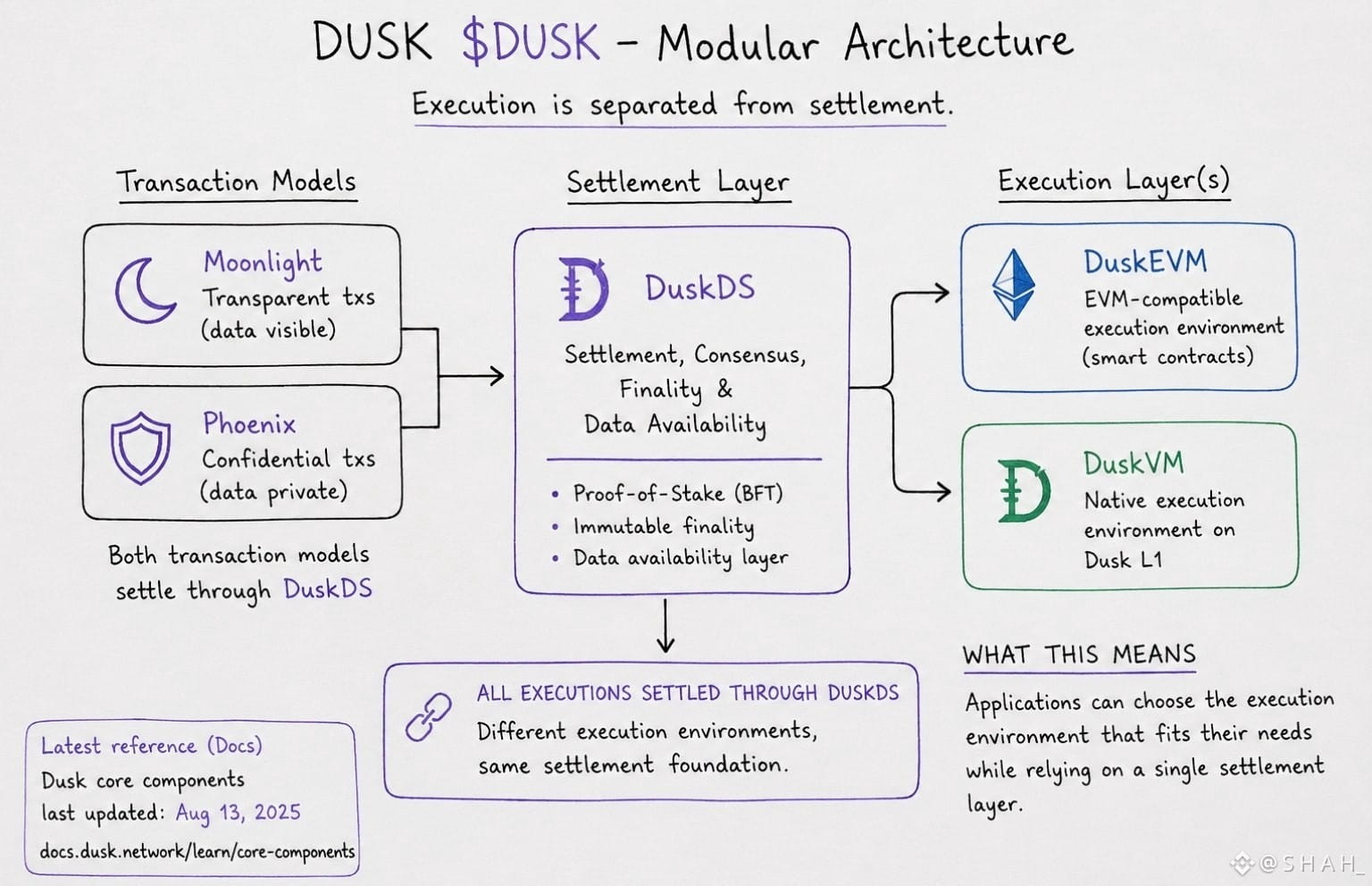
@Dusk_Foundation は、モジュラー性とは単にコンポーネントが増えることではないのだと気づいていました。$DUSK 実際には、決済が行われる場所と実行が行われる場所を分けており、それによってチェーンに対する考え方が変わります。
最新のDuskのドキュメントを確認している間、私はDuskDSとDuskEVMを追いかけ続けました。DuskDSはコンセンサス、ファナリティ、データ可用性を扱い、一方DuskEVMはそれを通じて決済されるEVMの実行レイヤーです。
DuskVMは、L1上に直接存在する別の実行環境です。興味深いのは、すべてが、すべてのアプリケーションを1つの実行モデルに押し込むのではなく、同じ決済基盤に依拠できる点です。
私は最初、それを標準的なモジュラー・アーキテクチャの説明だと読み、ほとんど見落としそうになりました。ですが、Duskが実際のトランザクションをどう扱うかをよく見ると、MoonlightとPhoenixはいずれもDuskDSを通じて決済される一方で、スマートコントラクトの実行は別の場所に置くことができます。その結果、図が示すよりも、この分離はずっと実用的に感じられました。
それでも、トレードオフが気になります。アプリケーションがこれらの実行環境の間を移動し始めたとき、モジュラー性は実際にビルダーの複雑さを減らすのか、それともその複雑さをそれらの間のインターフェースに移すだけなのでしょうか…
@Dusk_Foundation $DUSK #dusk
@Dusk は、モジュラー性とは単にコンポーネントが増えることではないのだと気づいていました。$DUSK 実際には、決済が行われる場所と実行が行われる場所を分けており、それによってチェーンに対する考え方が変わります。
最新のDuskのドキュメントを確認している間、私はDuskDSとDuskEVMを追いかけ続けました。DuskDSはコンセンサス、ファナリティ、データ可用性を扱い、一方DuskEVMはそれを通じて決済されるEVMの実行レイヤーです。
DuskVMは、L1上に直接存在する別の実行環境です。興味深いのは、すべてが、すべてのアプリケーションを1つの実行モデルに押し込むのではなく、同じ決済基盤に依拠できる点です。
私は最初、それを標準的なモジュラー・アーキテクチャの説明だと読み、ほとんど見落としそうになりました。ですが、Duskが実際のトランザクションをどう扱うかをよく見ると、MoonlightとPhoenixはいずれもDuskDSを通じて決済される一方で、スマートコントラクトの実行は別の場所に置くことができます。その結果、図が示すよりも、この分離はずっと実用的に感じられました。
それでも、トレードオフが気になります。アプリケーションがこれらの実行環境の間を移動し始めたとき、モジュラー性は実際にビルダーの複雑さを減らすのか、それともその複雑さをそれらの間のインターフェースに移すだけなのでしょうか…
@Dusk $DUSK #dusk
最新のDuskのドキュメントを確認している間、私はDuskDSとDuskEVMを追いかけ続けました。DuskDSはコンセンサス、ファナリティ、データ可用性を扱い、一方DuskEVMはそれを通じて決済されるEVMの実行レイヤーです。
DuskVMは、L1上に直接存在する別の実行環境です。興味深いのは、すべてが、すべてのアプリケーションを1つの実行モデルに押し込むのではなく、同じ決済基盤に依拠できる点です。
私は最初、それを標準的なモジュラー・アーキテクチャの説明だと読み、ほとんど見落としそうになりました。ですが、Duskが実際のトランザクションをどう扱うかをよく見ると、MoonlightとPhoenixはいずれもDuskDSを通じて決済される一方で、スマートコントラクトの実行は別の場所に置くことができます。その結果、図が示すよりも、この分離はずっと実用的に感じられました。
それでも、トレードオフが気になります。アプリケーションがこれらの実行環境の間を移動し始めたとき、モジュラー性は実際にビルダーの複雑さを減らすのか、それともその複雑さをそれらの間のインターフェースに移すだけなのでしょうか…
@Dusk $DUSK #dusk
25
13
255
·
--
ブリッシュ
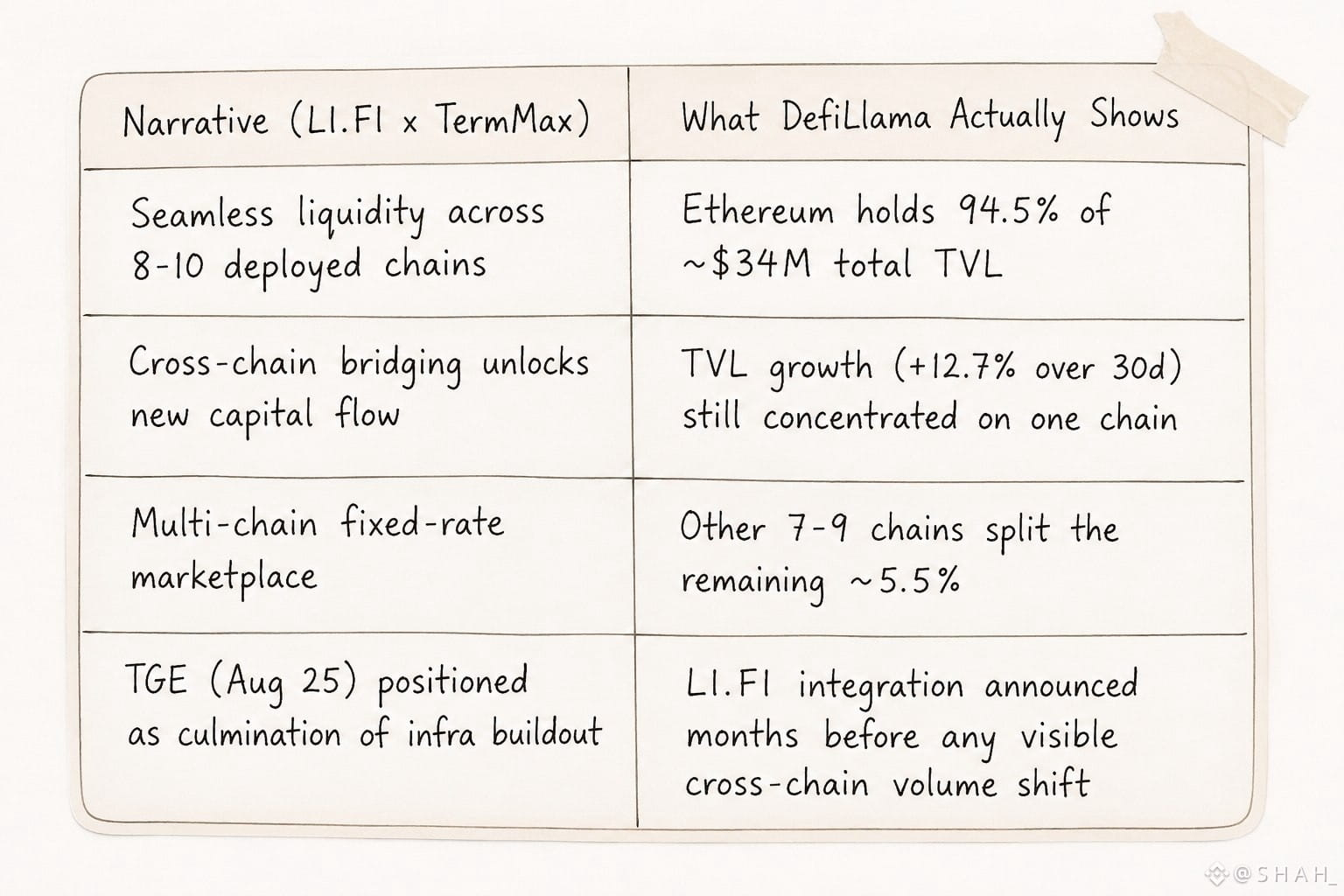
タスク向けのTermMaxのLI.FI統合。クロスチェーンの“物語”が数字にちゃんと現れることを期待していた。とはいえ、実際にはあまり現れていない。いま@termmax は8〜10のチェーンあたりで稼働しているが、LI.FIはTMXの流動性がそれらの間を自由に移動できるようにする“配管”のはずだ。
でもDeFiLlamaを開いてしばらく眺めてみたら……今のところプロトコルの約$34M TVLのうち、イーサリアム単独で94.5%を占めている。10のチェーンが展開されているのに、実質的に仕事をしているのは1つのチェーンだけ。
ブリッジは存在し、SDKも組み込まれている。マーケ資料のデッキではシームレスなマルチチェーンアクセスをうたっているし、ユーザーもそういう使い方をしているように見えるはずなのに、まだそうは使われていない。
資本プールは常に“プールされている”状態のまま。クロスチェーン対応と、クロスチェーンが実際に使われていることは、同じ主張なのかどうかを二度見してしまった。どう見ても別物だ。
タイミングもかなりワイルド。TGEは8月25日に確定したばかりなので、このLI.FIの“配管”の話は、トークンが公開される“直前”に起きている。公開された“後”ではない。
流動性イベントに反応して作られるというより、イベントの前にインフラが組み上げられている感じがする。賢い順序付けなのか、それとも、TMXのインセンティブが入ればブリッジが実際に採用されるという賭けなのか。
クロスチェーンのツールは、“移動する理由”ができる前に使われることはあるのだろうか? それとも、理由が先に必ず必要なのだろうか?
@termmax #TermMax
タスク向けのTermMaxのLI.FI統合。クロスチェーンの“物語”が数字にちゃんと現れることを期待していた。とはいえ、実際にはあまり現れていない。いま@TermMax は8〜10のチェーンあたりで稼働しているが、LI.FIはTMXの流動性がそれらの間を自由に移動できるようにする“配管”のはずだ。
でもDeFiLlamaを開いてしばらく眺めてみたら……今のところプロトコルの約$34M TVLのうち、イーサリアム単独で94.5%を占めている。10のチェーンが展開されているのに、実質的に仕事をしているのは1つのチェーンだけ。
ブリッジは存在し、SDKも組み込まれている。マーケ資料のデッキではシームレスなマルチチェーンアクセスをうたっているし、ユーザーもそういう使い方をしているように見えるはずなのに、まだそうは使われていない。
資本プールは常に“プールされている”状態のまま。クロスチェーン対応と、クロスチェーンが実際に使われていることは、同じ主張なのかどうかを二度見してしまった。どう見ても別物だ。
タイミングもかなりワイルド。TGEは8月25日に確定したばかりなので、このLI.FIの“配管”の話は、トークンが公開される“直前”に起きている。公開された“後”ではない。
流動性イベントに反応して作られるというより、イベントの前にインフラが組み上げられている感じがする。賢い順序付けなのか、それとも、TMXのインセンティブが入ればブリッジが実際に採用されるという賭けなのか。
クロスチェーンのツールは、“移動する理由”ができる前に使われることはあるのだろうか? それとも、理由が先に必ず必要なのだろうか?
@TermMax #TermMax
でもDeFiLlamaを開いてしばらく眺めてみたら……今のところプロトコルの約$34M TVLのうち、イーサリアム単独で94.5%を占めている。10のチェーンが展開されているのに、実質的に仕事をしているのは1つのチェーンだけ。
ブリッジは存在し、SDKも組み込まれている。マーケ資料のデッキではシームレスなマルチチェーンアクセスをうたっているし、ユーザーもそういう使い方をしているように見えるはずなのに、まだそうは使われていない。
資本プールは常に“プールされている”状態のまま。クロスチェーン対応と、クロスチェーンが実際に使われていることは、同じ主張なのかどうかを二度見してしまった。どう見ても別物だ。
タイミングもかなりワイルド。TGEは8月25日に確定したばかりなので、このLI.FIの“配管”の話は、トークンが公開される“直前”に起きている。公開された“後”ではない。
流動性イベントに反応して作られるというより、イベントの前にインフラが組み上げられている感じがする。賢い順序付けなのか、それとも、TMXのインセンティブが入ればブリッジが実際に採用されるという賭けなのか。
クロスチェーンのツールは、“移動する理由”ができる前に使われることはあるのだろうか? それとも、理由が先に必ず必要なのだろうか?
@TermMax #TermMax
74
29
381
·
--
ブリッシュ
$DUSK リリースノート:Ruskクライアントと、1行停止メッセージ
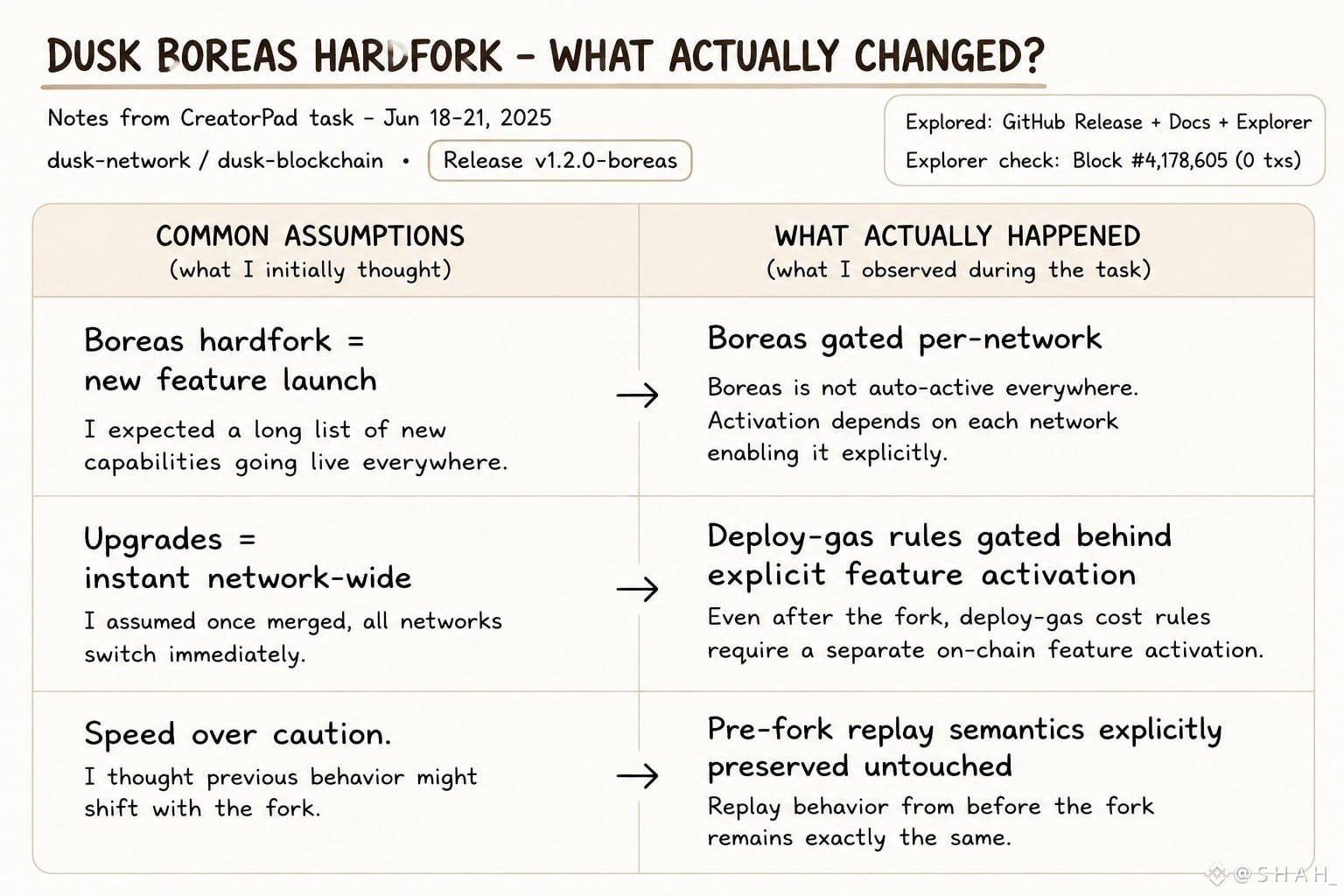
Boreasハードフォークのホストクエリのアクティベーションがリンクされ、メインネット/テストネット/デブネット/ローカルネット向けにそれぞれ別々にゲートされました。プレフォークのリプレイが無傷で保たれるよう、デプロイのガスルールは機能アクティベーションの裏でゲートされています。
それが“モノを出す”ってことじゃないでしょう。マーケットに急いで間に合わせるのではなく、壊すのが怖いからそうする――そんなやり方です。
チームは、チェーン状態の連続性を“神聖”なものとして扱っています。新しい価格ロジックが有効化されるとしても、プレフォークのリプレイのセマンティクスは文字通り一切動かせない、という方針です。デブネットはGenesisからBoreasを受け取りますが、メインネットは違います。
環境間のこのギャップこそが本当のプロダクトロードマップであり、告知スレッドではありません。CreatorPadのタスク中に私が覗いた多くのプロジェクトは、派手なアップグレードが大好きでした。
@Dusk_Foundation はその逆をやっているように見えます。差分を読む監査人向けに積み重ねたアクティベーションゲートであって、ツイートを見る投資家向けではない、という感じです。
プライバシーとコンプライアンスを最優先にする方針が、ようやく実際のコミット挙動と噛み合ってきた…あるいは、単なる慎重なエンジニアリング衛生に対して、意図を読みすぎてるだけでしょうか?
とはいえ、最後にプロジェクトのリリースノートがマーケティングと一致しているか確認したのはいつですか?😵
@Dusk_Foundation $DUSK #dusk
$DUSK リリースノート:Ruskクライアントと、1行停止メッセージ
Boreasハードフォークのホストクエリのアクティベーションがリンクされ、メインネット/テストネット/デブネット/ローカルネット向けにそれぞれ別々にゲートされました。プレフォークのリプレイが無傷で保たれるよう、デプロイのガスルールは機能アクティベーションの裏でゲートされています。
それが“モノを出す”ってことじゃないでしょう。マーケットに急いで間に合わせるのではなく、壊すのが怖いからそうする――そんなやり方です。
チームは、チェーン状態の連続性を“神聖”なものとして扱っています。新しい価格ロジックが有効化されるとしても、プレフォークのリプレイのセマンティクスは文字通り一切動かせない、という方針です。デブネットはGenesisからBoreasを受け取りますが、メインネットは違います。
環境間のこのギャップこそが本当のプロダクトロードマップであり、告知スレッドではありません。CreatorPadのタスク中に私が覗いた多くのプロジェクトは、派手なアップグレードが大好きでした。
@Dusk はその逆をやっているように見えます。差分を読む監査人向けに積み重ねたアクティベーションゲートであって、ツイートを見る投資家向けではない、という感じです。
プライバシーとコンプライアンスを最優先にする方針が、ようやく実際のコミット挙動と噛み合ってきた…あるいは、単なる慎重なエンジニアリング衛生に対して、意図を読みすぎてるだけでしょうか?
とはいえ、最後にプロジェクトのリリースノートがマーケティングと一致しているか確認したのはいつですか?😵
@Dusk $DUSK #dusk
Boreasハードフォークのホストクエリのアクティベーションがリンクされ、メインネット/テストネット/デブネット/ローカルネット向けにそれぞれ別々にゲートされました。プレフォークのリプレイが無傷で保たれるよう、デプロイのガスルールは機能アクティベーションの裏でゲートされています。
それが“モノを出す”ってことじゃないでしょう。マーケットに急いで間に合わせるのではなく、壊すのが怖いからそうする――そんなやり方です。
チームは、チェーン状態の連続性を“神聖”なものとして扱っています。新しい価格ロジックが有効化されるとしても、プレフォークのリプレイのセマンティクスは文字通り一切動かせない、という方針です。デブネットはGenesisからBoreasを受け取りますが、メインネットは違います。
環境間のこのギャップこそが本当のプロダクトロードマップであり、告知スレッドではありません。CreatorPadのタスク中に私が覗いた多くのプロジェクトは、派手なアップグレードが大好きでした。
@Dusk はその逆をやっているように見えます。差分を読む監査人向けに積み重ねたアクティベーションゲートであって、ツイートを見る投資家向けではない、という感じです。
プライバシーとコンプライアンスを最優先にする方針が、ようやく実際のコミット挙動と噛み合ってきた…あるいは、単なる慎重なエンジニアリング衛生に対して、意図を読みすぎてるだけでしょうか?
とはいえ、最後にプロジェクトのリリースノートがマーケティングと一致しているか確認したのはいつですか?😵
@Dusk $DUSK #dusk
8
9
254
·
--
ブリッシュ
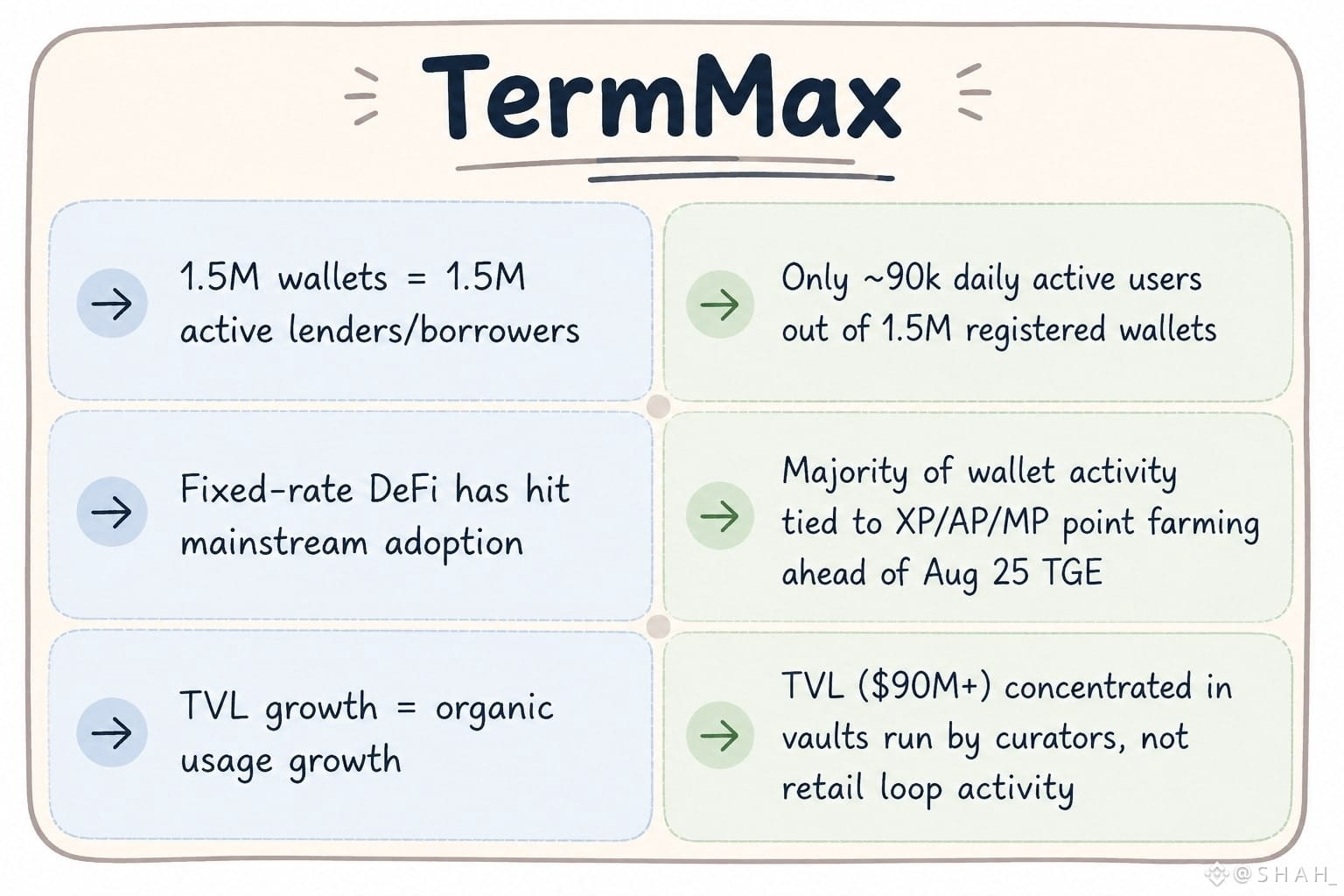
TermMax の TGE が確認され、登録ウォレットが:150万件超。日次アクティブユーザー:約9万人。あのギャップは、思った以上に長く気になりました。
皆 XP/AP/MP のポジションを持ち、TGE 後に請求するのを待っているのは確かですが、実際に市場を開いて日々固定レートを確定しているのはほんの一部です。
TVL は 10 の EVM チェーンで 9000万ドル超。Morpho、Aave、Venus、Pendle の統合と並行して展開されており、基盤は本物です。問題は、多くのユーザーが来たのがトークン目当てであって、レンディング曲線目当てではないことです。
インフラとしての FT/XT/GT の仕組みは、固定金利の借り入れには本当に見事ですが、いまの採用状況は固定金利で確実な利回りのために期間融資をロールするというより、エアドロップ目的のポジショニングに近く見えます。これはたいてい TGE 前のプロトコルでよく見られる形です。
では、その 9万人が請求イベントを過ぎた後も横ばいなのか、それとも請求(ファーミング)勢が退出したら増えるのか…TGE 後にその比率を追っている人はいますか?
@termmax #TermMax
TermMax の TGE が確認され、登録ウォレットが:150万件超。日次アクティブユーザー:約9万人。あのギャップは、思った以上に長く気になりました。
皆 XP/AP/MP のポジションを持ち、TGE 後に請求するのを待っているのは確かですが、実際に市場を開いて日々固定レートを確定しているのはほんの一部です。
TVL は 10 の EVM チェーンで 9000万ドル超。Morpho、Aave、Venus、Pendle の統合と並行して展開されており、基盤は本物です。問題は、多くのユーザーが来たのがトークン目当てであって、レンディング曲線目当てではないことです。
インフラとしての FT/XT/GT の仕組みは、固定金利の借り入れには本当に見事ですが、いまの採用状況は固定金利で確実な利回りのために期間融資をロールするというより、エアドロップ目的のポジショニングに近く見えます。これはたいてい TGE 前のプロトコルでよく見られる形です。
では、その 9万人が請求イベントを過ぎた後も横ばいなのか、それとも請求(ファーミング)勢が退出したら増えるのか…TGE 後にその比率を追っている人はいますか?
@TermMax #TermMax
皆 XP/AP/MP のポジションを持ち、TGE 後に請求するのを待っているのは確かですが、実際に市場を開いて日々固定レートを確定しているのはほんの一部です。
TVL は 10 の EVM チェーンで 9000万ドル超。Morpho、Aave、Venus、Pendle の統合と並行して展開されており、基盤は本物です。問題は、多くのユーザーが来たのがトークン目当てであって、レンディング曲線目当てではないことです。
インフラとしての FT/XT/GT の仕組みは、固定金利の借り入れには本当に見事ですが、いまの採用状況は固定金利で確実な利回りのために期間融資をロールするというより、エアドロップ目的のポジショニングに近く見えます。これはたいてい TGE 前のプロトコルでよく見られる形です。
では、その 9万人が請求イベントを過ぎた後も横ばいなのか、それとも請求(ファーミング)勢が退出したら増えるのか…TGE 後にその比率を追っている人はいますか?
@TermMax #TermMax
21
16
208
·
--
ブリッシュ
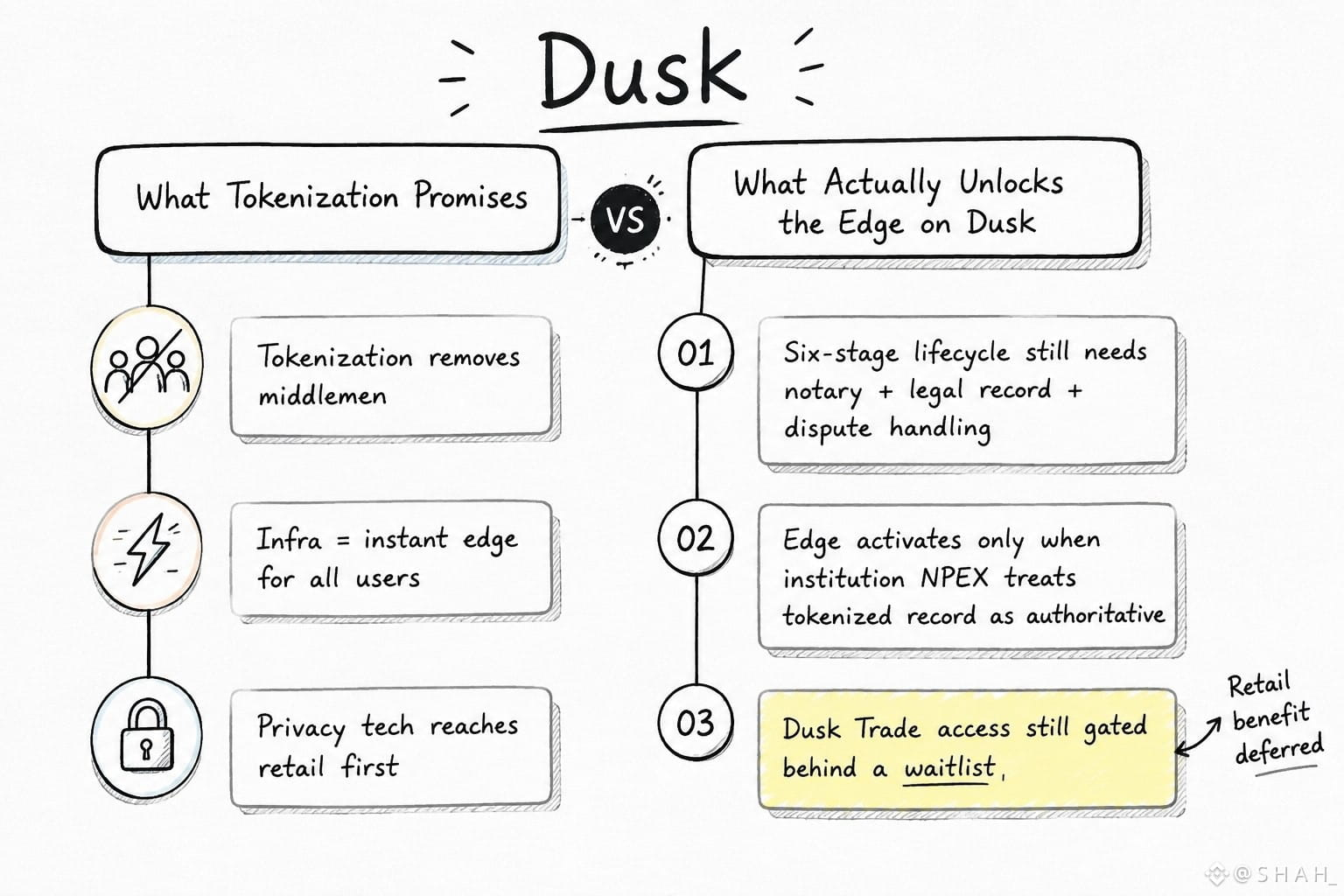
いつもの価格チャートの代わりに、Duskの自筆のような書き込みがあり、しかも8月15日の投稿に貼り付いた1つの詳細が、トークン化されたSMEについての6段階の所有ライフサイクル表を明確に示していて、そこにはトークン化で直せないものを「黒文字で」認めています。公証証書、紛争対応、法的な記録の権限は依然としてそこにある。つまり人間の領域はまだ残っている。
その部分が、いちばん自分の頭に残りました。売り文句は「インフラ・エッジ」なんだけど、実際のビフォー/アフターの表を読むと、そのエッジが動き出すのは、NPEXのような機関が差し込まれて、トークン化された記録を権威あるものとして扱うと合意した時だけ。小売は最初の受益者ではなくて、Dusk Tradeのウェイトリストはまだ……ただの待ち行列のまま。インフラは本物で、規制当局向けのセレクティブ・ディスクロージャーの部分は、よくある「プライバシーコイン」的な枠組みとは本当に違う。でも、最初にテーブルのNPEX側に向けて作られていて、他のみんなは後。
思わずおやつの途中で手が止まった、正直。ほとんどのL1のマーケット・インフラって、何か“すぐに体感する”ものとして感じないと。Duskのものは、他の機関が参照するのに十分信頼できると判断するまで、静かに下で待っているコンプライアンス用のレールに近い。
うーん。長期的なエッジって、そのエッジを作った相手が、初日からトークンを握っていないなら、本当にエッジと言えるのかな?
@Dusk_Foundation $DUSK #dusk
いつもの価格チャートの代わりに、Duskの自筆のような書き込みがあり、しかも8月15日の投稿に貼り付いた1つの詳細が、トークン化されたSMEについての6段階の所有ライフサイクル表を明確に示していて、そこにはトークン化で直せないものを「黒文字で」認めています。公証証書、紛争対応、法的な記録の権限は依然としてそこにある。つまり人間の領域はまだ残っている。
その部分が、いちばん自分の頭に残りました。売り文句は「インフラ・エッジ」なんだけど、実際のビフォー/アフターの表を読むと、そのエッジが動き出すのは、NPEXのような機関が差し込まれて、トークン化された記録を権威あるものとして扱うと合意した時だけ。小売は最初の受益者ではなくて、Dusk Tradeのウェイトリストはまだ……ただの待ち行列のまま。インフラは本物で、規制当局向けのセレクティブ・ディスクロージャーの部分は、よくある「プライバシーコイン」的な枠組みとは本当に違う。でも、最初にテーブルのNPEX側に向けて作られていて、他のみんなは後。
思わずおやつの途中で手が止まった、正直。ほとんどのL1のマーケット・インフラって、何か“すぐに体感する”ものとして感じないと。Duskのものは、他の機関が参照するのに十分信頼できると判断するまで、静かに下で待っているコンプライアンス用のレールに近い。
うーん。長期的なエッジって、そのエッジを作った相手が、初日からトークンを握っていないなら、本当にエッジと言えるのかな?
@Dusk $DUSK #dusk
その部分が、いちばん自分の頭に残りました。売り文句は「インフラ・エッジ」なんだけど、実際のビフォー/アフターの表を読むと、そのエッジが動き出すのは、NPEXのような機関が差し込まれて、トークン化された記録を権威あるものとして扱うと合意した時だけ。小売は最初の受益者ではなくて、Dusk Tradeのウェイトリストはまだ……ただの待ち行列のまま。インフラは本物で、規制当局向けのセレクティブ・ディスクロージャーの部分は、よくある「プライバシーコイン」的な枠組みとは本当に違う。でも、最初にテーブルのNPEX側に向けて作られていて、他のみんなは後。
思わずおやつの途中で手が止まった、正直。ほとんどのL1のマーケット・インフラって、何か“すぐに体感する”ものとして感じないと。Duskのものは、他の機関が参照するのに十分信頼できると判断するまで、静かに下で待っているコンプライアンス用のレールに近い。
うーん。長期的なエッジって、そのエッジを作った相手が、初日からトークンを握っていないなら、本当にエッジと言えるのかな?
@Dusk $DUSK #dusk
4
2
82
·
--
弱気相場
DuskVMとDuskEVMの分岐で一度立ち止まったのは、「紙の上では」もっと単純に見えるのに、実際にどこで何が動いているかを追うとそうでもないと分かったからです。
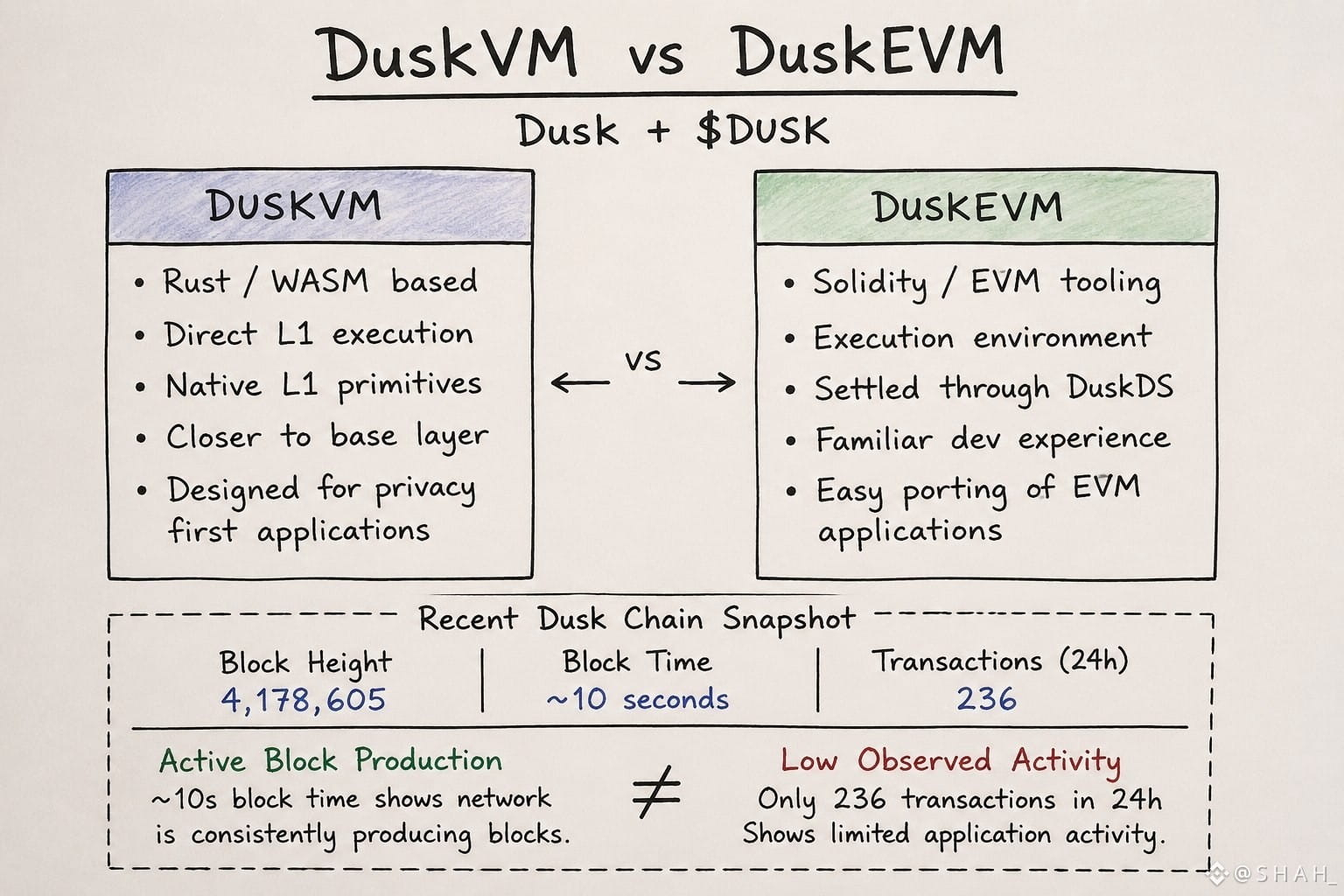
作業中、Duskチェーンを確認して、ネットワークが約10秒ごとにブロックを生成し続けている一方で、24時間で記録されたトランザクションが236件しかないことを見ました。 この対比が強く印象に残りました。
@Dusk_Foundation は、DuskVMとDuskEVMを「同じものの別バージョン」として本当に扱っているわけではありません。DuskVMは、L1上でネイティブのRust/WASMを直接実行するものです。一方DuskEVMは、DuskDSを通じて定着したEVM実行環境として位置づけられています。
実際に違いとして引っかかったのはここです。DuskVMはネイティブのL1プリミティブへのより深い接続を提供し、DuskEVMは、開発者におなじみのSolidityのEVMルートを提供します。
最初は、EVMレイヤーが自然に活動の中心になると思っていましたが、最近のチェーン数値を見て少し足を止めました。忙しいブロックプロデューサーであることは、必ずしも忙しいアプリ利用を意味しません。
私は今でも、DuskEVMが最終的にアプリの主要な活動の着地点になるのか、それともネイティブVMがより重要なワークロードをベースレイヤーの近くに保ち続けるのかを考えています…
@Dusk_Foundation $DUSK #dusk
DuskVMとDuskEVMの分岐で一度立ち止まったのは、「紙の上では」もっと単純に見えるのに、実際にどこで何が動いているかを追うとそうでもないと分かったからです。
作業中、Duskチェーンを確認して、ネットワークが約10秒ごとにブロックを生成し続けている一方で、24時間で記録されたトランザクションが236件しかないことを見ました。 この対比が強く印象に残りました。
@Dusk は、DuskVMとDuskEVMを「同じものの別バージョン」として本当に扱っているわけではありません。DuskVMは、L1上でネイティブのRust/WASMを直接実行するものです。一方DuskEVMは、DuskDSを通じて定着したEVM実行環境として位置づけられています。
実際に違いとして引っかかったのはここです。DuskVMはネイティブのL1プリミティブへのより深い接続を提供し、DuskEVMは、開発者におなじみのSolidityのEVMルートを提供します。
最初は、EVMレイヤーが自然に活動の中心になると思っていましたが、最近のチェーン数値を見て少し足を止めました。忙しいブロックプロデューサーであることは、必ずしも忙しいアプリ利用を意味しません。
私は今でも、DuskEVMが最終的にアプリの主要な活動の着地点になるのか、それともネイティブVMがより重要なワークロードをベースレイヤーの近くに保ち続けるのかを考えています…
@Dusk $DUSK #dusk
作業中、Duskチェーンを確認して、ネットワークが約10秒ごとにブロックを生成し続けている一方で、24時間で記録されたトランザクションが236件しかないことを見ました。 この対比が強く印象に残りました。
@Dusk は、DuskVMとDuskEVMを「同じものの別バージョン」として本当に扱っているわけではありません。DuskVMは、L1上でネイティブのRust/WASMを直接実行するものです。一方DuskEVMは、DuskDSを通じて定着したEVM実行環境として位置づけられています。
実際に違いとして引っかかったのはここです。DuskVMはネイティブのL1プリミティブへのより深い接続を提供し、DuskEVMは、開発者におなじみのSolidityのEVMルートを提供します。
最初は、EVMレイヤーが自然に活動の中心になると思っていましたが、最近のチェーン数値を見て少し足を止めました。忙しいブロックプロデューサーであることは、必ずしも忙しいアプリ利用を意味しません。
私は今でも、DuskEVMが最終的にアプリの主要な活動の着地点になるのか、それともネイティブVMがより重要なワークロードをベースレイヤーの近くに保ち続けるのかを考えています…
@Dusk $DUSK #dusk
2
76
·
--
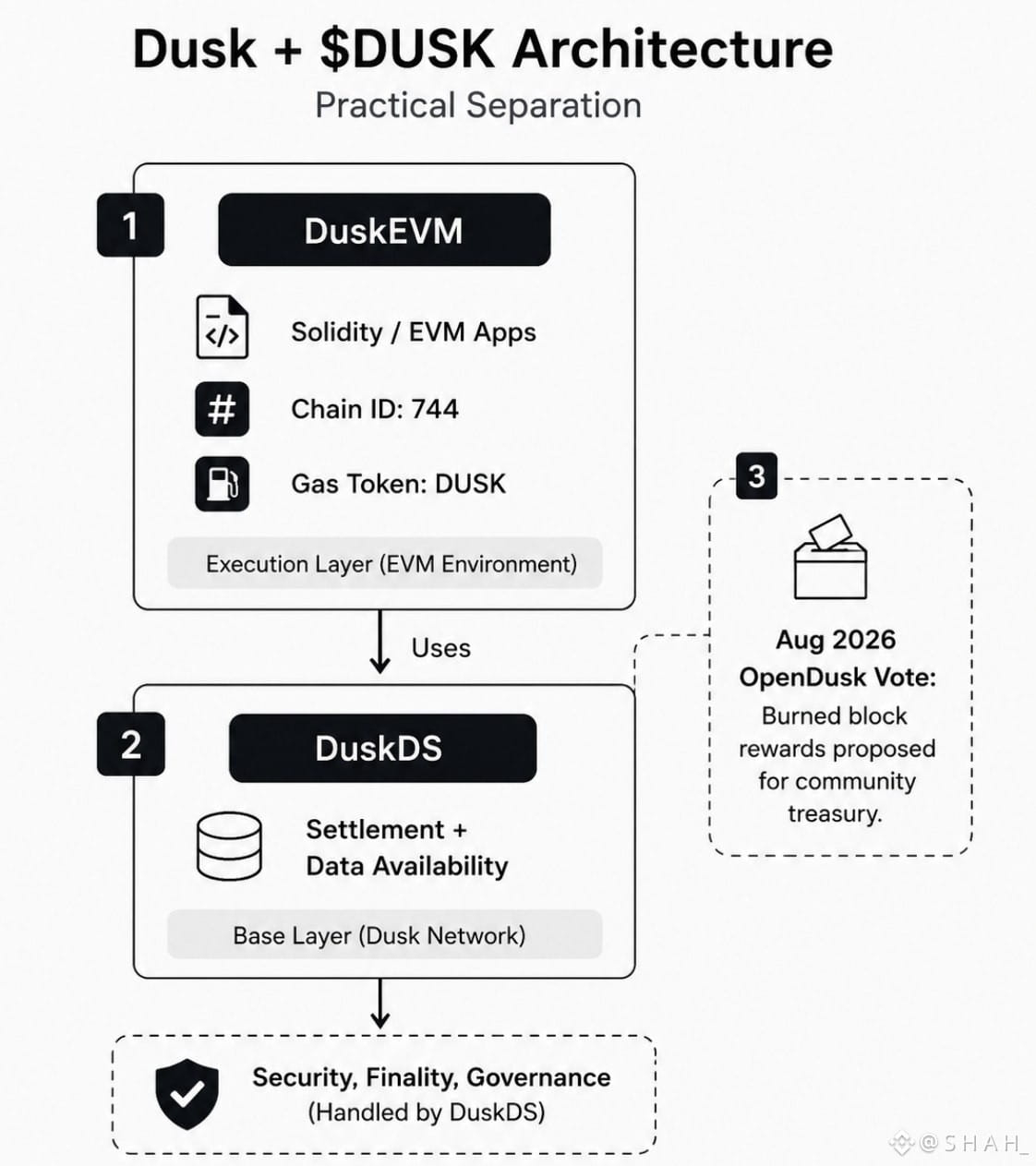
DuskEVMを掘り下げていて私の心をつかんだのは、EVMそのものではありませんでした。実行が実際にどこに「座っている」のか、そこでした。
私は@DuskNetworkを調べていました。現在のドキュメントでは、DuskEVMはチェーンID 744を使用し、ネイティブのガストークンはDUSKである一方、DuskDSが決済とデータ可用性を担当しているとされています。紙の上ではその分離はきれいに見えますが、それによってネットワークの見え方が変わりました。つまり、EVM環境はDuskのベースレイヤーを置き換えるものではなく、その上に乗っているのです。
私が立ち止まったのは、最近のOpenDuskのガバナンス活動です。
8月の投票は、燃焼されたブロック報酬をコミュニティのトレジャリーに流すべきかどうかについてのものですが、DuskEVMはアプリケーション層として位置付けられています。ここには興味深い対比があります。ガバナンスと決済はDuskDSに結びついたままなのに対し、開発者はその上に用意されたおなじみのSolidity/EVM環境を使うことになります。
私は当初、DuskでのEVMは主にデプロイを簡単にすることを意味しているのだと思っていました。しかしアーキテクチャを追ってみると、それが重要なポイントだとは言い切れません。
私にとっての本当の問いは、開発者が実際のところ、この分離を活用しているのか、それともDuskEVMは主に互換性レイヤーにとどまり、より深い動きはDuskDS側に残ったままなのか…ということです。
@Dusk_Foundation $DUSK #dusk
DuskEVMを掘り下げていて私の心をつかんだのは、EVMそのものではありませんでした。実行が実際にどこに「座っている」のか、そこでした。
私は@DuskNetworkを調べていました。現在のドキュメントでは、DuskEVMはチェーンID 744を使用し、ネイティブのガストークンはDUSKである一方、DuskDSが決済とデータ可用性を担当しているとされています。紙の上ではその分離はきれいに見えますが、それによってネットワークの見え方が変わりました。つまり、EVM環境はDuskのベースレイヤーを置き換えるものではなく、その上に乗っているのです。
私が立ち止まったのは、最近のOpenDuskのガバナンス活動です。
8月の投票は、燃焼されたブロック報酬をコミュニティのトレジャリーに流すべきかどうかについてのものですが、DuskEVMはアプリケーション層として位置付けられています。ここには興味深い対比があります。ガバナンスと決済はDuskDSに結びついたままなのに対し、開発者はその上に用意されたおなじみのSolidity/EVM環境を使うことになります。
私は当初、DuskでのEVMは主にデプロイを簡単にすることを意味しているのだと思っていました。しかしアーキテクチャを追ってみると、それが重要なポイントだとは言い切れません。
私にとっての本当の問いは、開発者が実際のところ、この分離を活用しているのか、それともDuskEVMは主に互換性レイヤーにとどまり、より深い動きはDuskDS側に残ったままなのか…ということです。
@Dusk $DUSK #dusk
私は@DuskNetworkを調べていました。現在のドキュメントでは、DuskEVMはチェーンID 744を使用し、ネイティブのガストークンはDUSKである一方、DuskDSが決済とデータ可用性を担当しているとされています。紙の上ではその分離はきれいに見えますが、それによってネットワークの見え方が変わりました。つまり、EVM環境はDuskのベースレイヤーを置き換えるものではなく、その上に乗っているのです。
私が立ち止まったのは、最近のOpenDuskのガバナンス活動です。
8月の投票は、燃焼されたブロック報酬をコミュニティのトレジャリーに流すべきかどうかについてのものですが、DuskEVMはアプリケーション層として位置付けられています。ここには興味深い対比があります。ガバナンスと決済はDuskDSに結びついたままなのに対し、開発者はその上に用意されたおなじみのSolidity/EVM環境を使うことになります。
私は当初、DuskでのEVMは主にデプロイを簡単にすることを意味しているのだと思っていました。しかしアーキテクチャを追ってみると、それが重要なポイントだとは言い切れません。
私にとっての本当の問いは、開発者が実際のところ、この分離を活用しているのか、それともDuskEVMは主に互換性レイヤーにとどまり、より深い動きはDuskDS側に残ったままなのか…ということです。
@Dusk $DUSK #dusk
7
2
94
·
--
ブリッシュ
DuskVMは、最初に見える以上におそらく重要です。
私はDuskの実行レイヤーを掘り下げていて、ある細部が目を引きました。
Duskは、すべての開発者をEVMに強制していません。
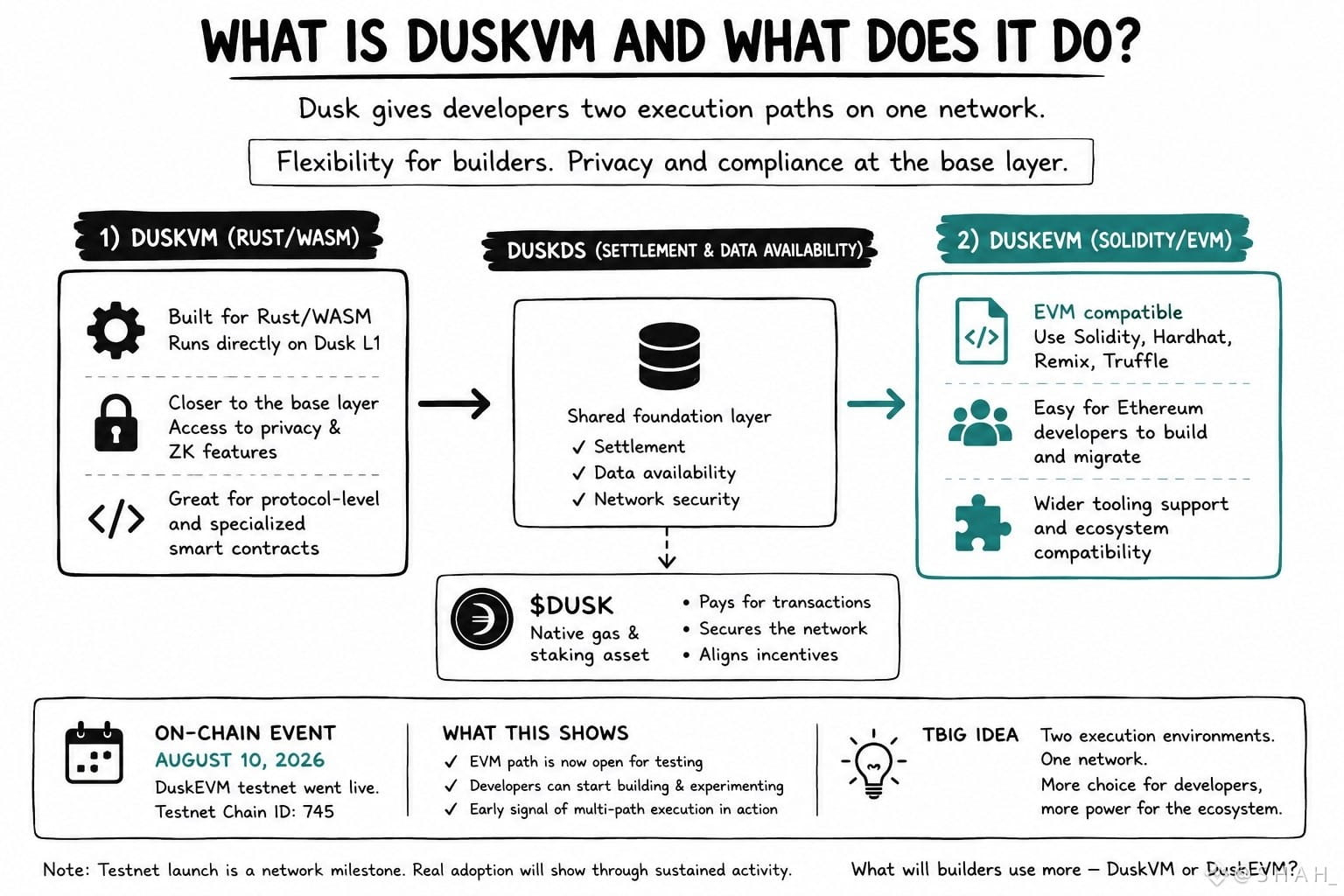
DuskVMは、Rust/WASMのスマートコントラクトをDusk L1上で直接実行し、DuskEVMは開発者にSolidityEVMのルートを提供します。この分離が興味深いのは、2つの環境が異なる課題を解決しているからです。
そして8月10日、DuskEVMのテストネットが稼働を開始し、SolidityおよびHardhatベースのテストのためのEVM互換側が開かれました。
ここで私が興味を持つのは、アーキテクチャです。
DuskVM → 直接L1実行
Rust/WASM → プロトコルレベルおよび専用コントラクト
プライバシー/ZKアクセス → ベースレイヤーにより近いところへ
DuskEVM → おなじみのEthereumツール
$DUSK → ネイティブのガスおよびステーキング資産
最初の反応は、実はこうでした。なぜ実行経路を2つ作る必要があるのか?
答えは、自分たちのために互換性を保つことというより、柔軟性にあるようです。
しかし、テストネットのローンチだけでは、開発者が実際に両方の環境を大規模に使うのかどうかは分かりません。そこが、いま私が注目している部分です。
本物のビルダーは、直接L1実行が重要なときにDuskVMを選ぶのでしょうか。それとも、最終的に活動の大半はDuskEVMへ引き寄せられるのでしょうか?
@Dusk_Foundation $DUSK #dusk
DuskVMは、最初に見える以上におそらく重要です。
私はDuskの実行レイヤーを掘り下げていて、ある細部が目を引きました。
Duskは、すべての開発者をEVMに強制していません。
DuskVMは、Rust/WASMのスマートコントラクトをDusk L1上で直接実行し、DuskEVMは開発者にSolidityEVMのルートを提供します。この分離が興味深いのは、2つの環境が異なる課題を解決しているからです。
そして8月10日、DuskEVMのテストネットが稼働を開始し、SolidityおよびHardhatベースのテストのためのEVM互換側が開かれました。
ここで私が興味を持つのは、アーキテクチャです。
DuskVM → 直接L1実行
Rust/WASM → プロトコルレベルおよび専用コントラクト
プライバシー/ZKアクセス → ベースレイヤーにより近いところへ
DuskEVM → おなじみのEthereumツール
$DUSK → ネイティブのガスおよびステーキング資産
最初の反応は、実はこうでした。なぜ実行経路を2つ作る必要があるのか?
答えは、自分たちのために互換性を保つことというより、柔軟性にあるようです。
しかし、テストネットのローンチだけでは、開発者が実際に両方の環境を大規模に使うのかどうかは分かりません。そこが、いま私が注目している部分です。
本物のビルダーは、直接L1実行が重要なときにDuskVMを選ぶのでしょうか。それとも、最終的に活動の大半はDuskEVMへ引き寄せられるのでしょうか?
@Dusk $DUSK #dusk
私はDuskの実行レイヤーを掘り下げていて、ある細部が目を引きました。
Duskは、すべての開発者をEVMに強制していません。
DuskVMは、Rust/WASMのスマートコントラクトをDusk L1上で直接実行し、DuskEVMは開発者にSolidityEVMのルートを提供します。この分離が興味深いのは、2つの環境が異なる課題を解決しているからです。
そして8月10日、DuskEVMのテストネットが稼働を開始し、SolidityおよびHardhatベースのテストのためのEVM互換側が開かれました。
ここで私が興味を持つのは、アーキテクチャです。
DuskVM → 直接L1実行
Rust/WASM → プロトコルレベルおよび専用コントラクト
プライバシー/ZKアクセス → ベースレイヤーにより近いところへ
DuskEVM → おなじみのEthereumツール
$DUSK → ネイティブのガスおよびステーキング資産
最初の反応は、実はこうでした。なぜ実行経路を2つ作る必要があるのか?
答えは、自分たちのために互換性を保つことというより、柔軟性にあるようです。
しかし、テストネットのローンチだけでは、開発者が実際に両方の環境を大規模に使うのかどうかは分かりません。そこが、いま私が注目している部分です。
本物のビルダーは、直接L1実行が重要なときにDuskVMを選ぶのでしょうか。それとも、最終的に活動の大半はDuskEVMへ引き寄せられるのでしょうか?
@Dusk $DUSK #dusk
2
90
·
--
ブリッシュ
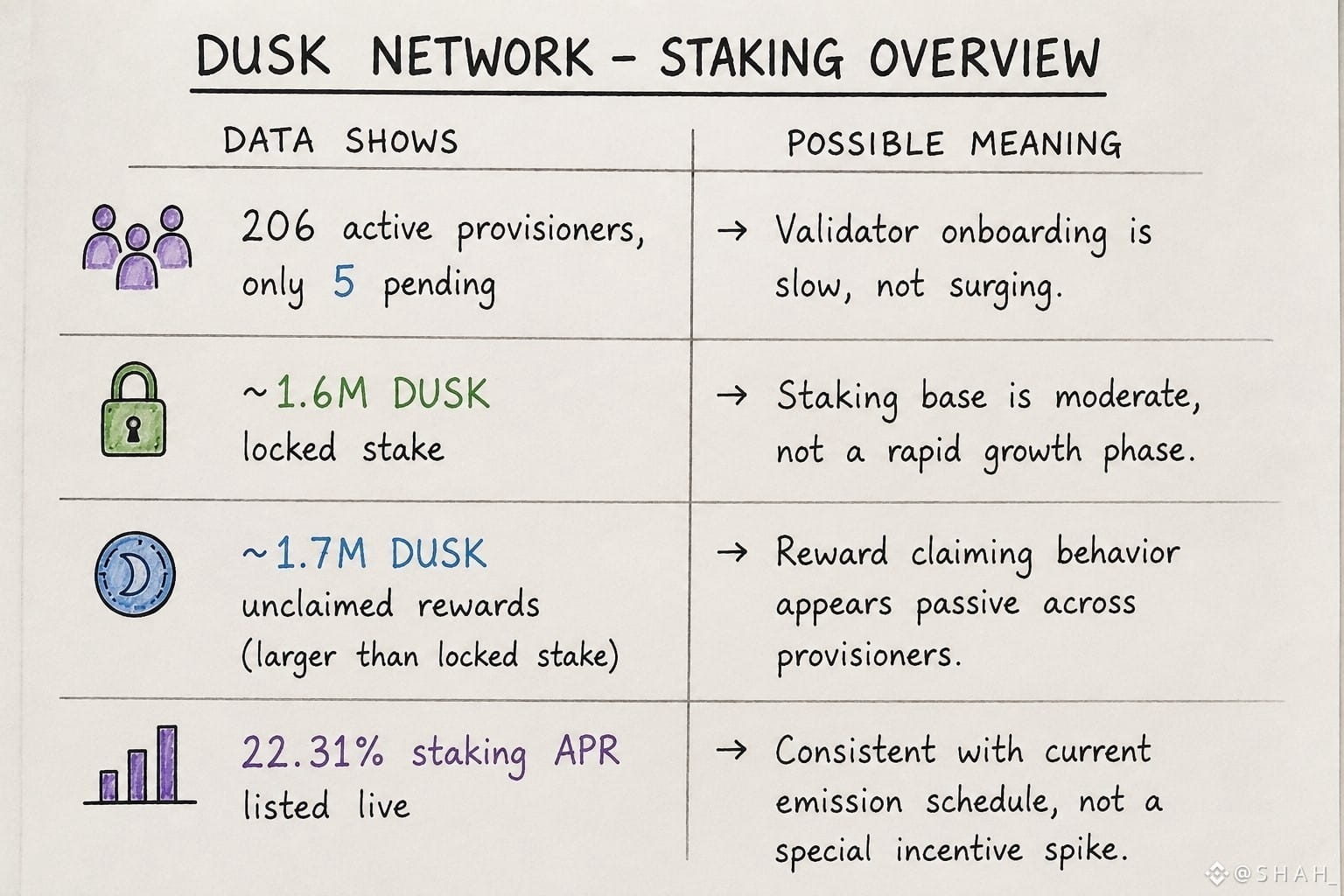
Duskについて何か書く前に、ドキュメントではなくエクスプローラーを開きました。最初に目についたのは、保留中が5件しかないのに対し、アクティブのプロビジョナは206件あるという点です。
DuskEVMやRWA決済の周辺に自分を位置づけようとしている段階のチェーンにしては、待ち行列(キュー)バリデータのエントリーが混んでいるわけではありません。
現在のロック済みステークは約160万DUSK付近で、未回収の報酬は約170万DUSKあります。
その「未回収」の数字が私を立ち止まらせました。ロック済みステークそのものと比べてほぼ同規模だからです。おそらく多くのステーカーにとって回収が自動化されていないのか、あるいはプロビジョナの一部がまだ引き出しに特に手を付けていないだけなのかもしれません。
ここからわかること:現時点で参加は安定しているものの、今は積極的に拡大しているようには見えず、報酬の回収行動は能動的というより受動的に見えます。
ただ、わからないこと:これらの数値が先週のスナップショットと比べてどうなのかは確認できませんでした。また、未回収の報酬が少数の大口ホルダーに偏っているのか、多数の小口に分散しているのかも、エクスプローラーではきれいに内訳が出ません。
Duskのプロビジョナ集合を直接追跡している方へ。保留中バリデータの件数の少なさはボトルネックなのでしょうか、それとも規模の小さい、意図的なネットワークのサインなのでしょうか?
#dusk @Dusk_Foundation $DUSK
Duskについて何か書く前に、ドキュメントではなくエクスプローラーを開きました。最初に目についたのは、保留中が5件しかないのに対し、アクティブのプロビジョナは206件あるという点です。
DuskEVMやRWA決済の周辺に自分を位置づけようとしている段階のチェーンにしては、待ち行列(キュー)バリデータのエントリーが混んでいるわけではありません。
現在のロック済みステークは約160万DUSK付近で、未回収の報酬は約170万DUSKあります。
その「未回収」の数字が私を立ち止まらせました。ロック済みステークそのものと比べてほぼ同規模だからです。おそらく多くのステーカーにとって回収が自動化されていないのか、あるいはプロビジョナの一部がまだ引き出しに特に手を付けていないだけなのかもしれません。
ここからわかること:現時点で参加は安定しているものの、今は積極的に拡大しているようには見えず、報酬の回収行動は能動的というより受動的に見えます。
ただ、わからないこと:これらの数値が先週のスナップショットと比べてどうなのかは確認できませんでした。また、未回収の報酬が少数の大口ホルダーに偏っているのか、多数の小口に分散しているのかも、エクスプローラーではきれいに内訳が出ません。
Duskのプロビジョナ集合を直接追跡している方へ。保留中バリデータの件数の少なさはボトルネックなのでしょうか、それとも規模の小さい、意図的なネットワークのサインなのでしょうか?
#dusk @Dusk $DUSK
DuskEVMやRWA決済の周辺に自分を位置づけようとしている段階のチェーンにしては、待ち行列(キュー)バリデータのエントリーが混んでいるわけではありません。
現在のロック済みステークは約160万DUSK付近で、未回収の報酬は約170万DUSKあります。
その「未回収」の数字が私を立ち止まらせました。ロック済みステークそのものと比べてほぼ同規模だからです。おそらく多くのステーカーにとって回収が自動化されていないのか、あるいはプロビジョナの一部がまだ引き出しに特に手を付けていないだけなのかもしれません。
ここからわかること:現時点で参加は安定しているものの、今は積極的に拡大しているようには見えず、報酬の回収行動は能動的というより受動的に見えます。
ただ、わからないこと:これらの数値が先週のスナップショットと比べてどうなのかは確認できませんでした。また、未回収の報酬が少数の大口ホルダーに偏っているのか、多数の小口に分散しているのかも、エクスプローラーではきれいに内訳が出ません。
Duskのプロビジョナ集合を直接追跡している方へ。保留中バリデータの件数の少なさはボトルネックなのでしょうか、それとも規模の小さい、意図的なネットワークのサインなのでしょうか?
#dusk @Dusk $DUSK
1
1
122
·
--
ブリッシュ
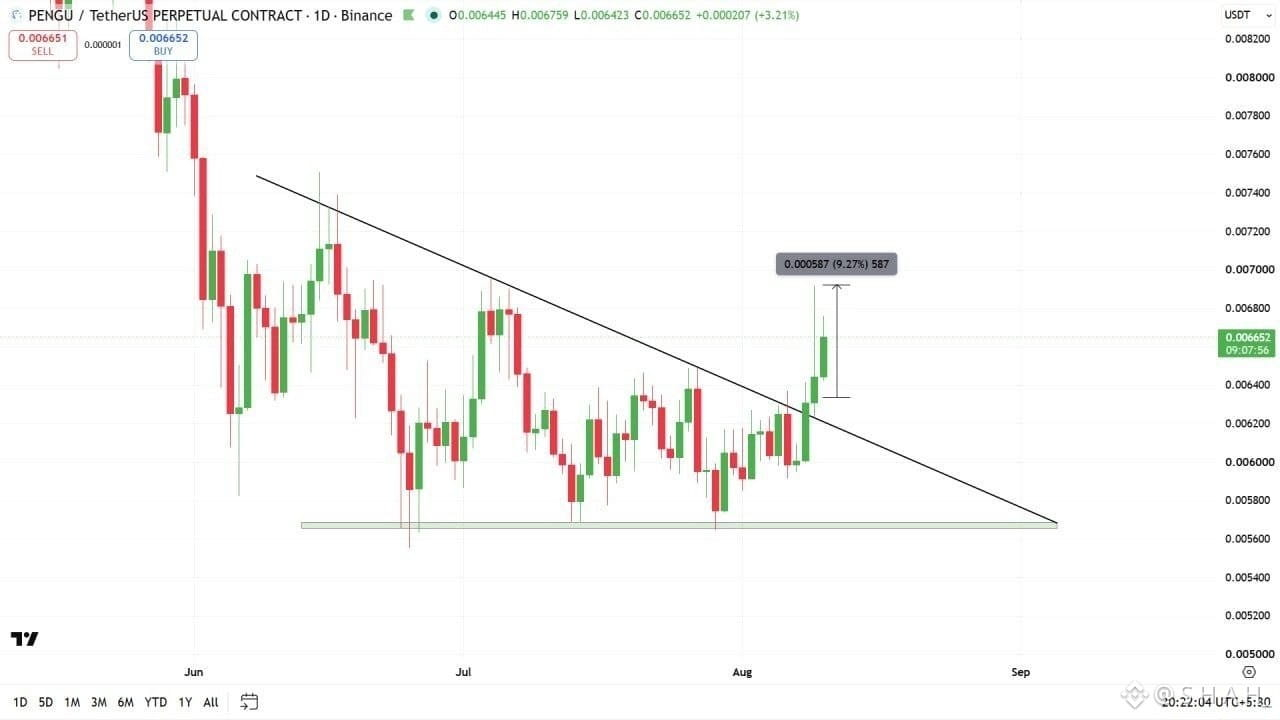
$PENGU USDTは、私たちが予測した通りちょうど上がっています。ここまで9%上昇、楽しんでください、みなさん。
$PENGU USDTは、私たちが予測した通りちょうど上がっています。ここまで9%上昇、楽しんでください、みなさん。
S H A H_
·
--
ブリッシュ$PENGU USDT はブレイクアウト後に強気の動きに見えます。まもなくポンプが起きるかもしれません。様子を見てください。
113
·
--
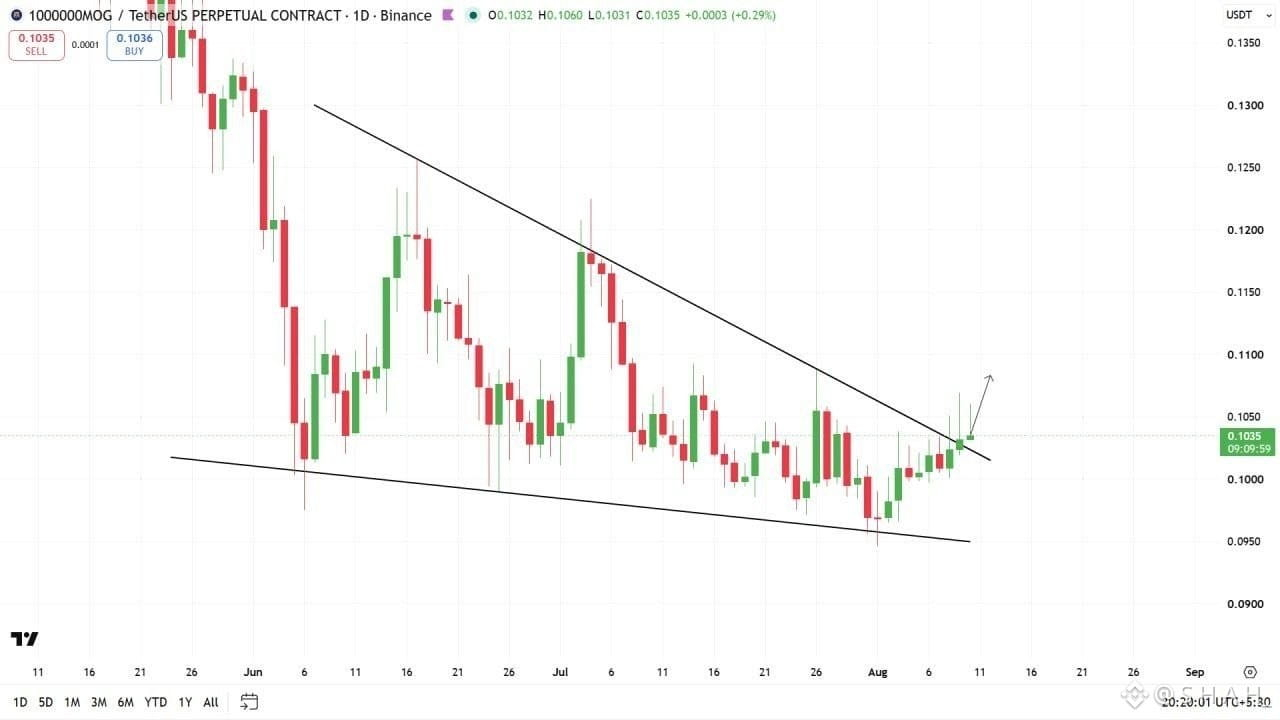
$MOG USDTはブレイクアウト後に強気に見えます。まもなくある程度の急騰(ポンプ)が期待できます。追跡してください。
NFA
$MOG USDTはブレイクアウト後に強気に見えます。まもなくある程度の急騰(ポンプ)が期待できます。追跡してください。
NFA
NFA
77
·
--
86
ログインして、さらにコンテンツを読む
厳選トピックで世界の暗号資産トレーダーの仲間入り
⚡️ 暗号資産に関する最新かつ有益な情報が見つかります。
💬 世界最大の暗号資産取引所から信頼されています。
👍 認証を受けたクリエイターから、有益なインサイトを得られます。
メール / 電話番号
トレンドトピック
EtherGains70.9%InQ3
閲覧回数 46,337
616人が討論中
🧭🧭🧭 ANALISIS 🧭🧭🧭
💡 アルトコインの季節指数 💡
🚨🚨🚨 T3が終了しました。ETHは71%上昇し、BTCは43%上昇しました。🚨🚨🚨
アルトコインシーズンの始まりだったのでしょうか?
上位100のうち:
🌐🌐🌐 57が90日でBTCを上回りました
アルトコインのシーズンは75から始まるので、まだ
年間最高値の67まであと10ポイントしかありません🌐🌐
💥💥💥 でもね、1か月前は指数がたった23でした!
10月で75まで持っていけるでしょうか? 👀💥💥💥
#EtherGains70.9%InQ3
$GRAM
$TAO
$CRMB
SkyRichYesh3
·いいね:2件
·閲覧回数 2.8k
TreasuryLetsStatesFileStablecoinCertificationsEarly
閲覧回数 1,358
25人が討論中
US10YearYieldNears5.3%
閲覧回数 81,134
781人が討論中