

Deviiant
76 投稿

Deviiant
報告
ユーザーをブロック
Crypto markets, narratives & research.
Breaking down trades, trends and opportunities.
Research first. Conviction second.
Follow X: https://x.com/CryptoKaiBai
高頻度トレーダー
3.2年
0 フォロー
6 フォロワー
84 いいね
投稿
すべて
引用
·
--
ALTSEASON… それってALTSEASONなの?
最近のラリー中に、バイナンスで珍しいことが起きました。
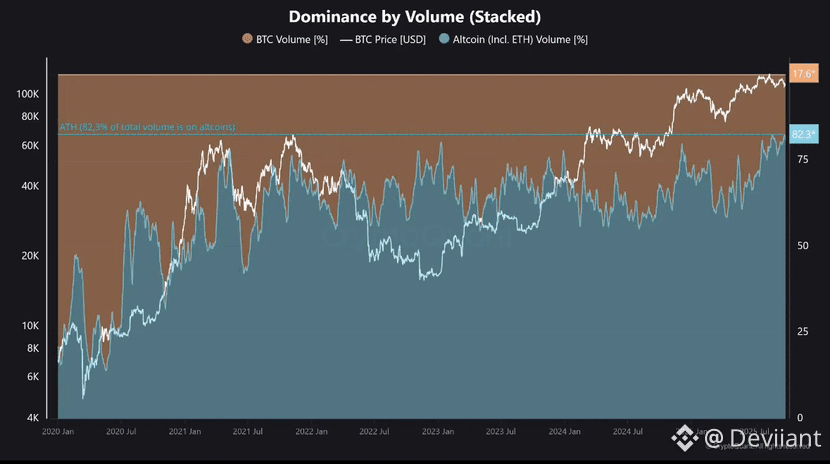
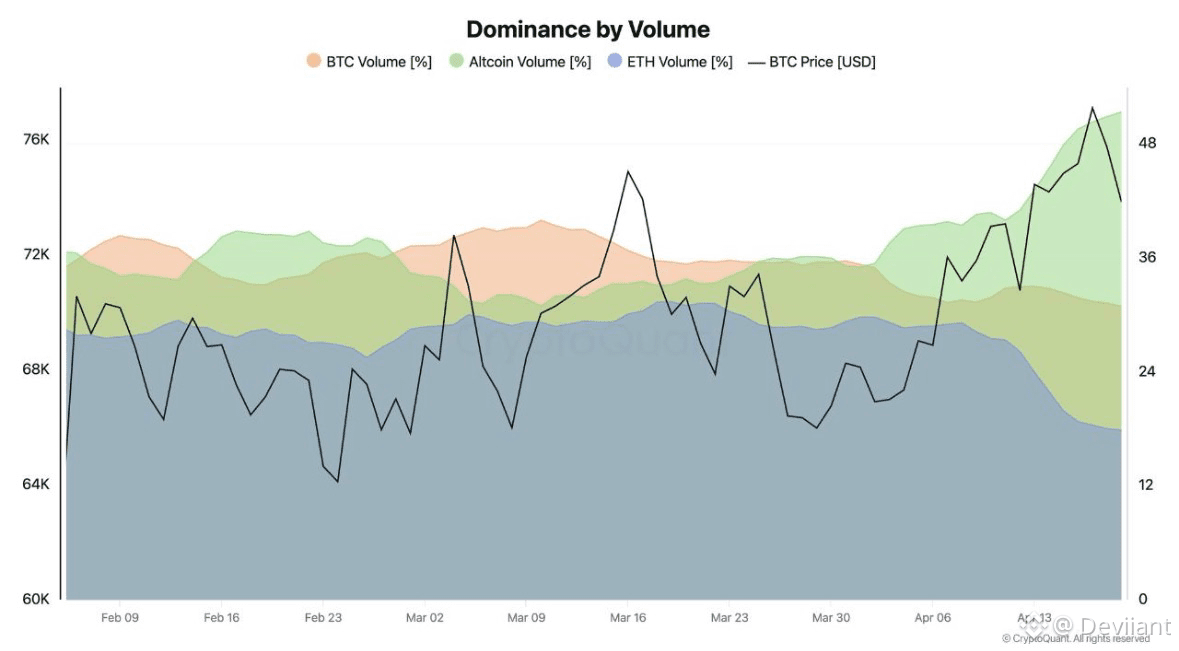
アルトコインがバイナンスの取引量の65%を占めており、これは過去2年で最高の構成比です。ビットコインは21%で、イーサリアムは13.6%でした。(Cointribune)
しかし、アルトコイン・シーズン指数は37にとどまり、一般にアルトシーズンを確認するために使われる75を大きく下回っています。(blockchaincenter.net)
では、これは何を意味するのでしょうか?
トレーダーは明らかにアルトコインに対してより攻勢的になっていますが、市場全体としてはまだ完全なローテーションを確認していません。
この違いは重要です。取引量が大きいのは、投機や売買の急激な活発化によることもあります。つまり、それが必ずしもアルトコインに新たに1350億ドルの資金が流入したことを意味するわけではありません。(Cointribune)
取引量の65%。指数は37。
これは注目すべき市場の動きです。
アルトシーズンの始まりが見えているのか、それともトレーダーが早い段階から攻勢的になっているだけなのか?
#Crypto #Altcoins #Altseason #Trading #MarketUpdate
ALTSEASON… それってALTSEASONなの?
最近のラリー中に、バイナンスで珍しいことが起きました。
アルトコインがバイナンスの取引量の65%を占めており、これは過去2年で最高の構成比です。ビットコインは21%で、イーサリアムは13.6%でした。(Cointribune)
しかし、アルトコイン・シーズン指数は37にとどまり、一般にアルトシーズンを確認するために使われる75を大きく下回っています。(blockchaincenter.net)
では、これは何を意味するのでしょうか?
トレーダーは明らかにアルトコインに対してより攻勢的になっていますが、市場全体としてはまだ完全なローテーションを確認していません。
この違いは重要です。取引量が大きいのは、投機や売買の急激な活発化によることもあります。つまり、それが必ずしもアルトコインに新たに1350億ドルの資金が流入したことを意味するわけではありません。(Cointribune)
取引量の65%。指数は37。
これは注目すべき市場の動きです。
アルトシーズンの始まりが見えているのか、それともトレーダーが早い段階から攻勢的になっているだけなのか?
#Crypto #Altcoins #Altseason #Trading #MarketUpdate
最近のラリー中に、バイナンスで珍しいことが起きました。
アルトコインがバイナンスの取引量の65%を占めており、これは過去2年で最高の構成比です。ビットコインは21%で、イーサリアムは13.6%でした。(Cointribune)
しかし、アルトコイン・シーズン指数は37にとどまり、一般にアルトシーズンを確認するために使われる75を大きく下回っています。(blockchaincenter.net)
では、これは何を意味するのでしょうか?
トレーダーは明らかにアルトコインに対してより攻勢的になっていますが、市場全体としてはまだ完全なローテーションを確認していません。
この違いは重要です。取引量が大きいのは、投機や売買の急激な活発化によることもあります。つまり、それが必ずしもアルトコインに新たに1350億ドルの資金が流入したことを意味するわけではありません。(Cointribune)
取引量の65%。指数は37。
これは注目すべき市場の動きです。
アルトシーズンの始まりが見えているのか、それともトレーダーが早い段階から攻勢的になっているだけなのか?
#Crypto #Altcoins #Altseason #Trading #MarketUpdate
1
77
·
--
$XRP
{spot}(XRPUSDT)
ETF inflowsが2026年の過去最高記録を更新
8月28日締めの週で、スポット型XRP ETFは純流入が1億1049万ドルとなり、2026年で最も強い週次の純流入を記録しました。
取引高は3億6303万ドルに達し、累計の純流入は16.6億ドルまで増加しました。
しかし、ここがポイントです:
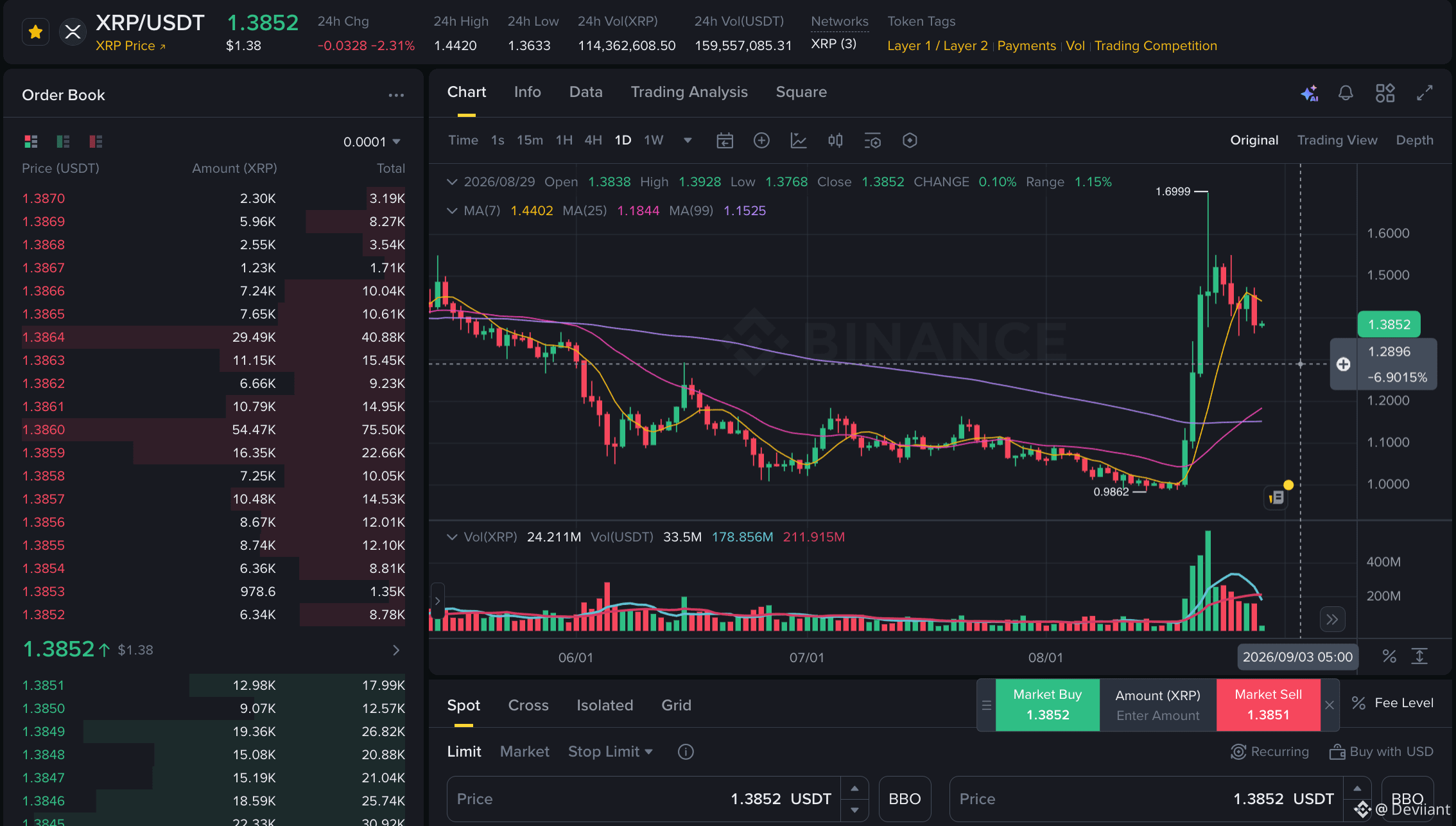
XRPは約1.38ドルで取引されており、今週は一時的に1.70ドル近辺を試していました。
つまり、機関投資家の需要は加速している一方で、価格は押し戻されているのです。
このズレは注目に値します。
次の焦点は、これらのETF流入がXRPを支えるだけの実需につながるのか、それともより広い市場の調整がそれを上回り続けるのかです。
次に注目しているのは1.35ドルです。
#xrp #XRPETFApproval #trading #MarketUpdate #BİNANCESQUARE
$XRP
ETF inflowsが2026年の過去最高記録を更新
8月28日締めの週で、スポット型XRP ETFは純流入が1億1049万ドルとなり、2026年で最も強い週次の純流入を記録しました。
取引高は3億6303万ドルに達し、累計の純流入は16.6億ドルまで増加しました。
しかし、ここがポイントです:
XRPは約1.38ドルで取引されており、今週は一時的に1.70ドル近辺を試していました。
つまり、機関投資家の需要は加速している一方で、価格は押し戻されているのです。
このズレは注目に値します。
次の焦点は、これらのETF流入がXRPを支えるだけの実需につながるのか、それともより広い市場の調整がそれを上回り続けるのかです。
次に注目しているのは1.35ドルです。
#xrp #XRPETFApproval #trading #MarketUpdate #BİNANCESQUARE
ETF inflowsが2026年の過去最高記録を更新
8月28日締めの週で、スポット型XRP ETFは純流入が1億1049万ドルとなり、2026年で最も強い週次の純流入を記録しました。
取引高は3億6303万ドルに達し、累計の純流入は16.6億ドルまで増加しました。
しかし、ここがポイントです:
XRPは約1.38ドルで取引されており、今週は一時的に1.70ドル近辺を試していました。
つまり、機関投資家の需要は加速している一方で、価格は押し戻されているのです。
このズレは注目に値します。
次の焦点は、これらのETF流入がXRPを支えるだけの実需につながるのか、それともより広い市場の調整がそれを上回り続けるのかです。
次に注目しているのは1.35ドルです。
#xrp #XRPETFApproval #trading #MarketUpdate #BİNANCESQUARE


Binance News
·
--
XRP ETFが2026年最大の週次資金流入として110.49百万ドルを呼び込む
BeInCryptoによると、8月28日までの週にスポット型XRP ETFが純流入110.49百万ドルを記録し、2026年で最も大きい週次の資金流入となり、先行する過去最高を2倍以上上回りました。取引高は363.03百万ドルに達しています。累積の純流入は16.6億ドルまで増加し、ファンド全体の純資産総額も14.4億ドルまで上昇しました。XRPは8月29日時点で約1.38ドルで取引されており、週の前半に一時的に1.70ドルのレジスタンスを試しました。
1
24
·
--
弱気相場
$XRP — 価値のある仕込み
XRPは、直近の市場全体の急落後、重要なサポートゾーン付近に位置しています。
この仕込みはこうです:私は $1.35 を注視しています。
弱気トリガー:15分足で $1.35 を下回ってクローズ、その後の再テスト失敗
エントリー:$1.34〜$1.35
TP1:$1.30
TP2:$1.25
無効条件:$1.405
{spot}(XRPUSDT)
狙いは、単にXRPが下がっているからショートすることではありません。
私は、$1.35がサポートからレジスタンスへ変わったことを市場に証明させるのを待っています。
それが起これば、より下の水準へ向かう同日中の継続余地があります。
もしXRPが $1.405 を取り戻して維持できたら、この仕込みは無効です。
確認がない限り取引しません。
以上が全計画です。
#xrp #trading #XRPUSDT #TechnicalAnalysis #BinanceSquare
$XRP — 価値のある仕込み
XRPは、直近の市場全体の急落後、重要なサポートゾーン付近に位置しています。
この仕込みはこうです:私は $1.35 を注視しています。
弱気トリガー:15分足で $1.35 を下回ってクローズ、その後の再テスト失敗
エントリー:$1.34〜$1.35
TP1:$1.30
TP2:$1.25
無効条件:$1.405
狙いは、単にXRPが下がっているからショートすることではありません。
私は、$1.35がサポートからレジスタンスへ変わったことを市場に証明させるのを待っています。
それが起これば、より下の水準へ向かう同日中の継続余地があります。
もしXRPが $1.405 を取り戻して維持できたら、この仕込みは無効です。
確認がない限り取引しません。
以上が全計画です。
#xrp #trading #XRPUSDT #TechnicalAnalysis #BinanceSquare
XRPは、直近の市場全体の急落後、重要なサポートゾーン付近に位置しています。
この仕込みはこうです:私は $1.35 を注視しています。
弱気トリガー:15分足で $1.35 を下回ってクローズ、その後の再テスト失敗
エントリー:$1.34〜$1.35
TP1:$1.30
TP2:$1.25
無効条件:$1.405
狙いは、単にXRPが下がっているからショートすることではありません。
私は、$1.35がサポートからレジスタンスへ変わったことを市場に証明させるのを待っています。
それが起これば、より下の水準へ向かう同日中の継続余地があります。
もしXRPが $1.405 を取り戻して維持できたら、この仕込みは無効です。
確認がない限り取引しません。
以上が全計画です。
#xrp #trading #XRPUSDT #TechnicalAnalysis #BinanceSquare
1
57
·
--
BLACKROCKはビットコインをウォール街の奥へ押し込んでいる
ビットコインの市場構造における大きな変化が、静かに進行している。
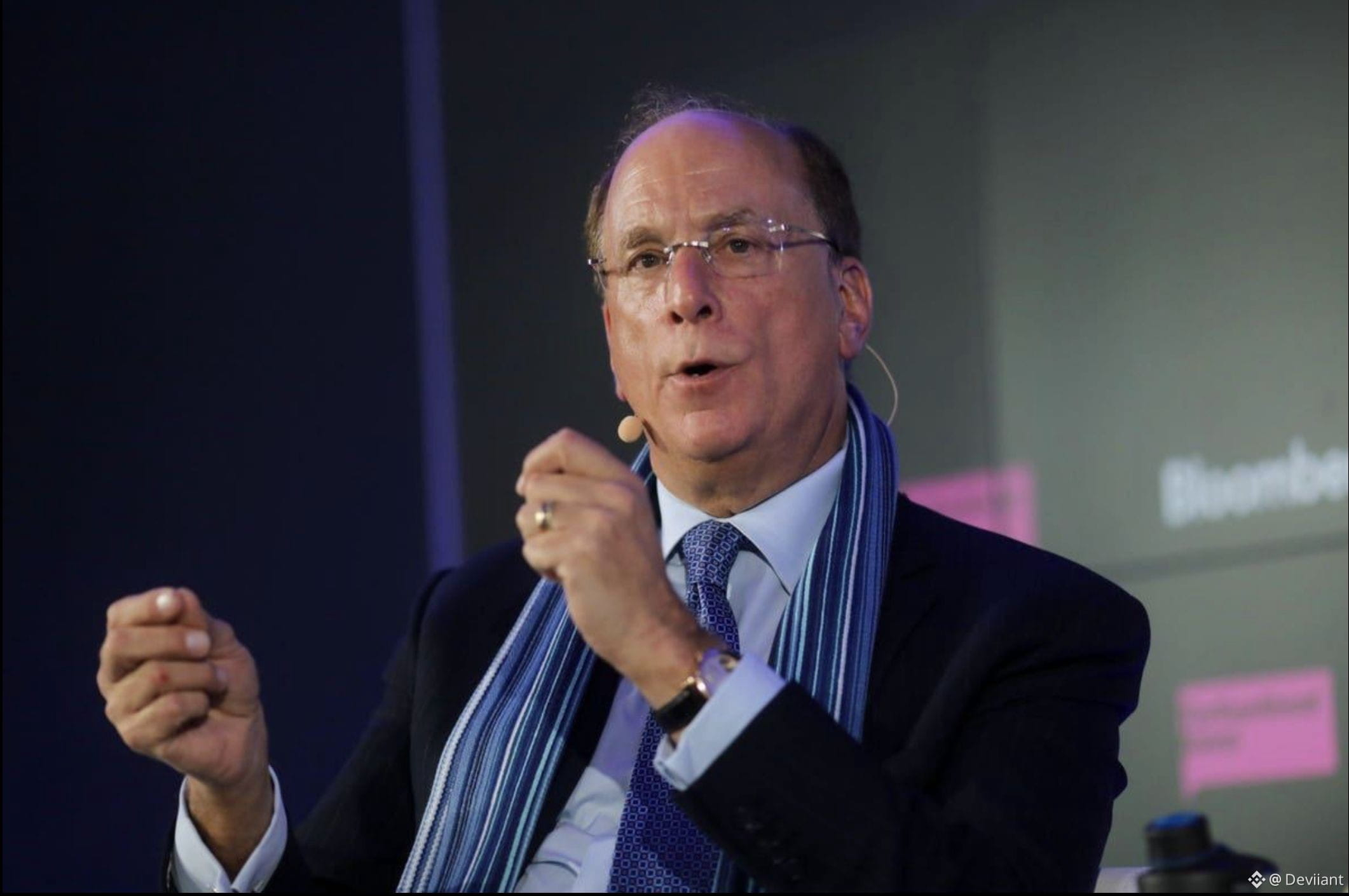
ブラックロックやその他のウォール街の企業が、大口のビットコイン保有者が自らの暗号資産の富をスポット型ビットコインETFへ移し替えやすくしている。
なぜそれが重要なのか?
従来の金融インフラを通じて、投資家が基礎となる資産を直接管理することなくビットコインへのエクスポージャーを得やすくなるからだ。
そしてこれは、BTCが直近の高値から急な下落局面にある中で起きている。
大きな話題は今日の価格ではない。
それは、ビットコインが伝統的な金融へと統合され続けていることだ。
**ビットコインは変動が大きい可能性がある。
しかしウォール街の中での存在感は、無視しにくくなってきている。**
#BTC #blackRock #BitcoinETFs #markets #BinanceSquare
BLACKROCKはビットコインをウォール街の奥へ押し込んでいる
ビットコインの市場構造における大きな変化が、静かに進行している。
ブラックロックやその他のウォール街の企業が、大口のビットコイン保有者が自らの暗号資産の富をスポット型ビットコインETFへ移し替えやすくしている。
なぜそれが重要なのか?
従来の金融インフラを通じて、投資家が基礎となる資産を直接管理することなくビットコインへのエクスポージャーを得やすくなるからだ。
そしてこれは、BTCが直近の高値から急な下落局面にある中で起きている。
大きな話題は今日の価格ではない。
それは、ビットコインが伝統的な金融へと統合され続けていることだ。
**ビットコインは変動が大きい可能性がある。
しかしウォール街の中での存在感は、無視しにくくなってきている。**
#BTC #blackRock #BitcoinETFs #markets #BinanceSquare
ビットコインの市場構造における大きな変化が、静かに進行している。
ブラックロックやその他のウォール街の企業が、大口のビットコイン保有者が自らの暗号資産の富をスポット型ビットコインETFへ移し替えやすくしている。
なぜそれが重要なのか?
従来の金融インフラを通じて、投資家が基礎となる資産を直接管理することなくビットコインへのエクスポージャーを得やすくなるからだ。
そしてこれは、BTCが直近の高値から急な下落局面にある中で起きている。
大きな話題は今日の価格ではない。
それは、ビットコインが伝統的な金融へと統合され続けていることだ。
**ビットコインは変動が大きい可能性がある。
しかしウォール街の中での存在感は、無視しにくくなってきている。**
#BTC #blackRock #BitcoinETFs #markets #BinanceSquare
1
45
·
--
じゃあ、ビットコインが下落しているのに、なぜ一部のアルトが上がり続けているの?
昨日は一番大きく動いた銘柄を見ました:
$DEXE +24%
$NIL +19%
$ONG +18%
でも、実際にはその下で何が起きているのでしょう?
ビットコインが反落するとき、資金が市場から即座に抜けるとは限りません。
相対的に小さな買い圧の変化が、はるかに大きな値動きを生むような、より小型で高ベータな資産へ移動することがあります。
そしてもう一つの要因があります:
流動性。
1,000万ドルの買い注文は、BTCにとってと、小さなアルトコインにとってでは意味がまったく違います。
つまり、こうした値動きの一部は次の要因で増幅され得ます:
• 流動性の低さ
• クジラ(大口)の動き
• ショートの買い戻し
• コイン固有の材料(カタリスト)
• モメンタムを追いかけるトレーダー
だから、BTCが下がっているのにアルトコインが20%上がったからといって、必ずしも「アルトシーズン」を意味するわけではありません。
単に、資金がより選別的になっているだけかもしれません。
だからこそ、最初の急騰の後に何が起きるかを見ています。
出来高が高い状態が続き、価格がその上昇を維持するなら → 潜在的に本物の需要。
出来高が消えて、値動きが後退するなら → おそらく流動性に起因する動きです。
**急騰は注目を集める。
その後の追随が、それが本物かどうかを教えてくれます。**
#altcoins #bitcoin #trading #MarketAnalysis #BinanceSquare
じゃあ、ビットコインが下落しているのに、なぜ一部のアルトが上がり続けているの?
昨日は一番大きく動いた銘柄を見ました:
$DEXE +24%
$NIL +19%
$ONG +18%
でも、実際にはその下で何が起きているのでしょう?
ビットコインが反落するとき、資金が市場から即座に抜けるとは限りません。
相対的に小さな買い圧の変化が、はるかに大きな値動きを生むような、より小型で高ベータな資産へ移動することがあります。
そしてもう一つの要因があります:
流動性。
1,000万ドルの買い注文は、BTCにとってと、小さなアルトコインにとってでは意味がまったく違います。
つまり、こうした値動きの一部は次の要因で増幅され得ます:
• 流動性の低さ
• クジラ(大口)の動き
• ショートの買い戻し
• コイン固有の材料(カタリスト)
• モメンタムを追いかけるトレーダー
だから、BTCが下がっているのにアルトコインが20%上がったからといって、必ずしも「アルトシーズン」を意味するわけではありません。
単に、資金がより選別的になっているだけかもしれません。
だからこそ、最初の急騰の後に何が起きるかを見ています。
出来高が高い状態が続き、価格がその上昇を維持するなら → 潜在的に本物の需要。
出来高が消えて、値動きが後退するなら → おそらく流動性に起因する動きです。
**急騰は注目を集める。
その後の追随が、それが本物かどうかを教えてくれます。**
#altcoins #bitcoin #trading #MarketAnalysis #BinanceSquare
昨日は一番大きく動いた銘柄を見ました:
$DEXE +24%
$NIL +19%
$ONG +18%
でも、実際にはその下で何が起きているのでしょう?
ビットコインが反落するとき、資金が市場から即座に抜けるとは限りません。
相対的に小さな買い圧の変化が、はるかに大きな値動きを生むような、より小型で高ベータな資産へ移動することがあります。
そしてもう一つの要因があります:
流動性。
1,000万ドルの買い注文は、BTCにとってと、小さなアルトコインにとってでは意味がまったく違います。
つまり、こうした値動きの一部は次の要因で増幅され得ます:
• 流動性の低さ
• クジラ(大口)の動き
• ショートの買い戻し
• コイン固有の材料(カタリスト)
• モメンタムを追いかけるトレーダー
だから、BTCが下がっているのにアルトコインが20%上がったからといって、必ずしも「アルトシーズン」を意味するわけではありません。
単に、資金がより選別的になっているだけかもしれません。
だからこそ、最初の急騰の後に何が起きるかを見ています。
出来高が高い状態が続き、価格がその上昇を維持するなら → 潜在的に本物の需要。
出来高が消えて、値動きが後退するなら → おそらく流動性に起因する動きです。
**急騰は注目を集める。
その後の追随が、それが本物かどうかを教えてくれます。**
#altcoins #bitcoin #trading #MarketAnalysis #BinanceSquare
Deviiant
·
--
今日のマーケット注目銘柄
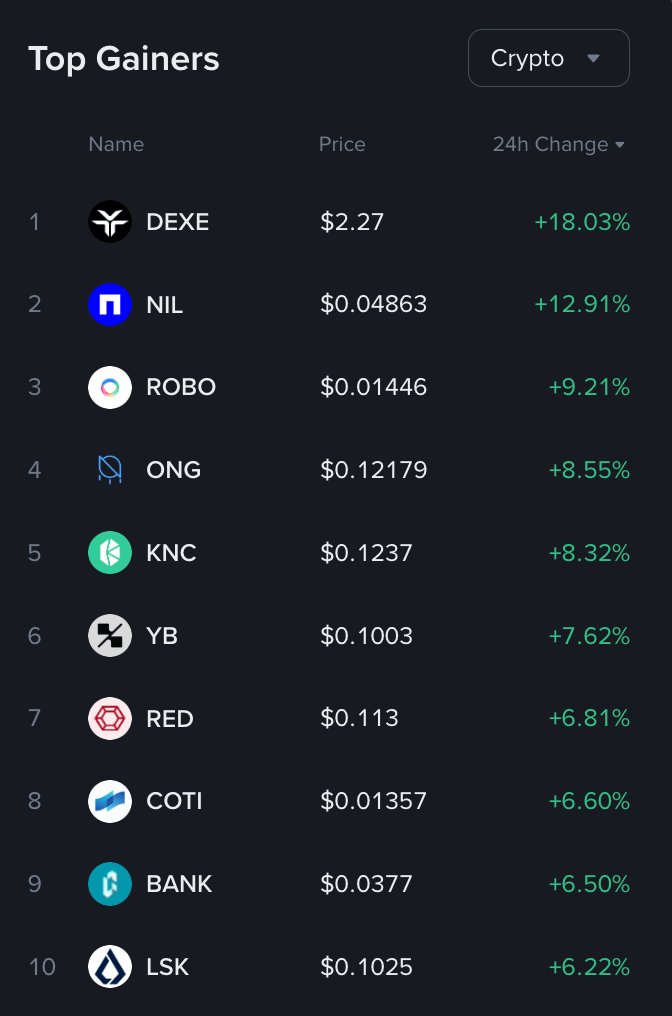
ビットコインは約77K付近で落ち着いている一方で、一部のアルトコインが強烈に動いています。
$DEXE : +24%
$NIL : +19%
$ONG : +18%
これが、今日のマーケットで面白いところです。
資金は暗号資産から完全に出ていくわけではなく、主要銘柄が落ち着く中で、特定の名前へとローテーションしています。
今のところ、こうした動きが持続可能なトレンドになるのか、それとも単なる短期の流動性探しに過ぎないのかが焦点です。
私は、本当のローテーションだと判断する前に出来高と追随(フォロー・スルー)を見ています。
#crypto #altcoins #trading #MarketUpdate #Binance
ビットコインは約77K付近で落ち着いている一方で、一部のアルトコインが強烈に動いています。
$DEXE : +24%
$NIL : +19%
$ONG : +18%
これが、今日のマーケットで面白いところです。
資金は暗号資産から完全に出ていくわけではなく、主要銘柄が落ち着く中で、特定の名前へとローテーションしています。
今のところ、こうした動きが持続可能なトレンドになるのか、それとも単なる短期の流動性探しに過ぎないのかが焦点です。
私は、本当のローテーションだと判断する前に出来高と追随(フォロー・スルー)を見ています。
#crypto #altcoins #trading #MarketUpdate #Binance
1
181
·
--
本人確認中
なぜバイナンスはこのプロジェクトに20万ドルを投入しているのか?
バイナンスは現在、Binance Alpha を通じて $INFINIT(IN)に対する 20 万ドルのトレーディング・コンペを実施しています。
それが気になりました。
INFINIT は、DeFi 戦略オートメーションやオンチェーンの金融アプリケーションのためのインフラを構築しています。
しかし、面白い疑問はこれではありません。
「IN は上がるのか?」
問題はこうです。
「なぜバイナンスは今、このプロジェクトに注目しているのか?」
このコンペは9月3日まで開催され、IN の露出が増え、結果としてエコシステムにより多くの流動性やユーザーが流れ込む可能性があります。
それだけで、トークンが良い投資になるとは限りません。
ですが、バイナンスが新たに台頭するプロジェクトにリソースを投じ始めたとき、彼らが何を見ているのかを知っておく価値があります。
私は次に $INFINIT を調べてみます。
#IN #Infinit #BinanceAlpha #defi #crypto
なぜバイナンスはこのプロジェクトに20万ドルを投入しているのか?
バイナンスは現在、Binance Alpha を通じて $INFINIT(IN)に対する 20 万ドルのトレーディング・コンペを実施しています。
それが気になりました。
INFINIT は、DeFi 戦略オートメーションやオンチェーンの金融アプリケーションのためのインフラを構築しています。
しかし、面白い疑問はこれではありません。
「IN は上がるのか?」
問題はこうです。
「なぜバイナンスは今、このプロジェクトに注目しているのか?」
このコンペは9月3日まで開催され、IN の露出が増え、結果としてエコシステムにより多くの流動性やユーザーが流れ込む可能性があります。
それだけで、トークンが良い投資になるとは限りません。
ですが、バイナンスが新たに台頭するプロジェクトにリソースを投じ始めたとき、彼らが何を見ているのかを知っておく価値があります。
私は次に $INFINIT を調べてみます。
#IN #Infinit #BinanceAlpha #defi #crypto
バイナンスは現在、Binance Alpha を通じて $INFINIT(IN)に対する 20 万ドルのトレーディング・コンペを実施しています。
それが気になりました。
INFINIT は、DeFi 戦略オートメーションやオンチェーンの金融アプリケーションのためのインフラを構築しています。
しかし、面白い疑問はこれではありません。
「IN は上がるのか?」
問題はこうです。
「なぜバイナンスは今、このプロジェクトに注目しているのか?」
このコンペは9月3日まで開催され、IN の露出が増え、結果としてエコシステムにより多くの流動性やユーザーが流れ込む可能性があります。
それだけで、トークンが良い投資になるとは限りません。
ですが、バイナンスが新たに台頭するプロジェクトにリソースを投じ始めたとき、彼らが何を見ているのかを知っておく価値があります。
私は次に $INFINIT を調べてみます。
#IN #Infinit #BinanceAlpha #defi #crypto

1
260
·
--
今日のマーケット注目銘柄
ビットコインは約77K付近で落ち着いている一方で、一部のアルトコインが強烈に動いています。
$DEXE : +24%
$NIL : +19%
$ONG : +18%
これが、今日のマーケットで面白いところです。
資金は暗号資産から完全に出ていくわけではなく、主要銘柄が落ち着く中で、特定の名前へとローテーションしています。
今のところ、こうした動きが持続可能なトレンドになるのか、それとも単なる短期の流動性探しに過ぎないのかが焦点です。
私は、本当のローテーションだと判断する前に出来高と追随(フォロー・スルー)を見ています。
#crypto #altcoins #trading #MarketUpdate #Binance
今日のマーケット注目銘柄
ビットコインは約77K付近で落ち着いている一方で、一部のアルトコインが強烈に動いています。
$DEXE : +24%
$NIL : +19%
$ONG : +18%
これが、今日のマーケットで面白いところです。
資金は暗号資産から完全に出ていくわけではなく、主要銘柄が落ち着く中で、特定の名前へとローテーションしています。
今のところ、こうした動きが持続可能なトレンドになるのか、それとも単なる短期の流動性探しに過ぎないのかが焦点です。
私は、本当のローテーションだと判断する前に出来高と追随(フォロー・スルー)を見ています。
#crypto #altcoins #trading #MarketUpdate #Binance
ビットコインは約77K付近で落ち着いている一方で、一部のアルトコインが強烈に動いています。
$DEXE : +24%
$NIL : +19%
$ONG : +18%
これが、今日のマーケットで面白いところです。
資金は暗号資産から完全に出ていくわけではなく、主要銘柄が落ち着く中で、特定の名前へとローテーションしています。
今のところ、こうした動きが持続可能なトレンドになるのか、それとも単なる短期の流動性探しに過ぎないのかが焦点です。
私は、本当のローテーションだと判断する前に出来高と追随(フォロー・スルー)を見ています。
#crypto #altcoins #trading #MarketUpdate #Binance
1
1
223
·
--
$29.7M OF $SOL JUST LEFT BINANCE
伝えられるところによると、クジラ(クジラ級のウォレット)が本日バイナンスから約281,000 SOLを引き出したという。
同時に、ビットコインは$77K付近まで後退しており、市場全体に圧力がかかっている。
ではなぜこの$SOL の動きが注目されるのか?
取引所からの大口引き出しは、すぐに売りに回せる流動性を減らす可能性がある——ただし、単発のクジラ送金が「強気(ブル)」を自動的に意味するわけではない。
より重要なのは次に何が起きるかだ:
価格が安定するまで$SOL は引き続き取引所から出ていくのか?
それとも、市場全体の弱さが最終的にそれらのコインを再び流通させるのか?
要注目。
#solana #sol #crypto #whales #Onchain
$29.7M OF $SOL JUST LEFT BINANCE
伝えられるところによると、クジラ(クジラ級のウォレット)が本日バイナンスから約281,000 SOLを引き出したという。
同時に、ビットコインは$77K付近まで後退しており、市場全体に圧力がかかっている。
ではなぜこの$SOL の動きが注目されるのか?
取引所からの大口引き出しは、すぐに売りに回せる流動性を減らす可能性がある——ただし、単発のクジラ送金が「強気(ブル)」を自動的に意味するわけではない。
より重要なのは次に何が起きるかだ:
価格が安定するまで$SOL は引き続き取引所から出ていくのか?
それとも、市場全体の弱さが最終的にそれらのコインを再び流通させるのか?
要注目。
#solana #sol #crypto #whales #Onchain
伝えられるところによると、クジラ(クジラ級のウォレット)が本日バイナンスから約281,000 SOLを引き出したという。
同時に、ビットコインは$77K付近まで後退しており、市場全体に圧力がかかっている。
ではなぜこの$SOL の動きが注目されるのか?
取引所からの大口引き出しは、すぐに売りに回せる流動性を減らす可能性がある——ただし、単発のクジラ送金が「強気(ブル)」を自動的に意味するわけではない。
より重要なのは次に何が起きるかだ:
価格が安定するまで$SOL は引き続き取引所から出ていくのか?
それとも、市場全体の弱さが最終的にそれらのコインを再び流通させるのか?
要注目。
#solana #sol #crypto #whales #Onchain
1
97

·
--
AIは今、Binanceに直接接続できるようになりました
BinanceはAgent OSをローンチしました。これは、新しいプラットフォームで、AIエージェントがBinanceの市場データにアクセスし、ユーザーの許可があれば取引を実行できるようにします。
注目すべきポイントは、単なる「AI取引」ではありません。
市場が何をしているかを説明するAIから、実際に金融インフラとやり取りできるAIへのシフトです。
Binanceによれば、エージェントは分離されたサブアカウントを通じて動作し、ユーザーが権限と取引へのアクセスを管理します。
まだ始まったばかりです。
しかし、暗号資産の調査、オートメーション、そして実行の境界線は、ますます薄くなっています。
#Binance #AI #Crypto #Trading #Web3
AIは今、Binanceに直接接続できるようになりました
BinanceはAgent OSをローンチしました。これは、新しいプラットフォームで、AIエージェントがBinanceの市場データにアクセスし、ユーザーの許可があれば取引を実行できるようにします。
注目すべきポイントは、単なる「AI取引」ではありません。
市場が何をしているかを説明するAIから、実際に金融インフラとやり取りできるAIへのシフトです。
Binanceによれば、エージェントは分離されたサブアカウントを通じて動作し、ユーザーが権限と取引へのアクセスを管理します。
まだ始まったばかりです。
しかし、暗号資産の調査、オートメーション、そして実行の境界線は、ますます薄くなっています。
#Binance #AI #Crypto #Trading #Web3
BinanceはAgent OSをローンチしました。これは、新しいプラットフォームで、AIエージェントがBinanceの市場データにアクセスし、ユーザーの許可があれば取引を実行できるようにします。
注目すべきポイントは、単なる「AI取引」ではありません。
市場が何をしているかを説明するAIから、実際に金融インフラとやり取りできるAIへのシフトです。
Binanceによれば、エージェントは分離されたサブアカウントを通じて動作し、ユーザーが権限と取引へのアクセスを管理します。
まだ始まったばかりです。
しかし、暗号資産の調査、オートメーション、そして実行の境界線は、ますます薄くなっています。
#Binance #AI #Crypto #Trading #Web3
1
83
·
--
$LINK TRADE UPDATE
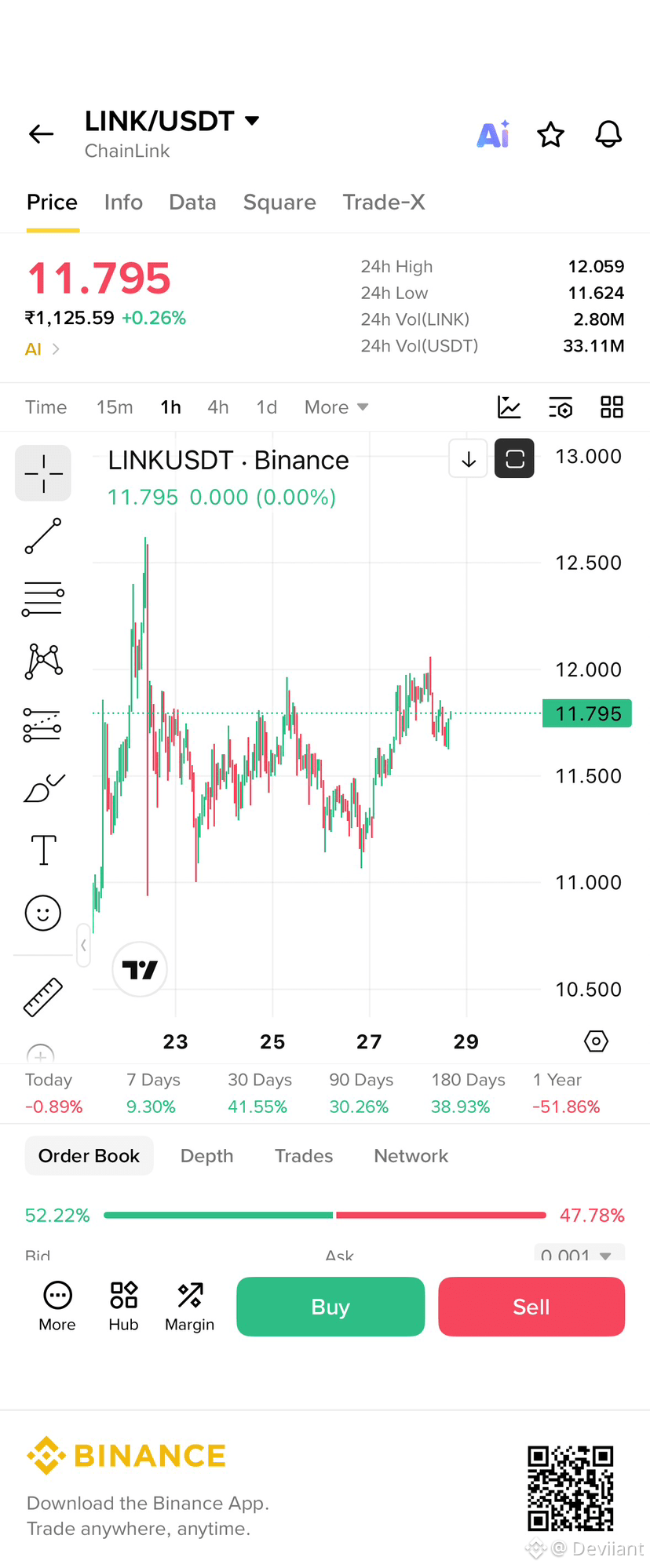
当社のLINK設定が現在有効になりました。
エントリーゾーン:$11.65–$11.80
現在価格:〜$11.80
TP1:$12.30
TP2:$12.60
TP3:$13.20
無効化:$11.20
$LINK はエントリーエリアを尊重し、その後上昇しており、現在は$11.90付近をテスト中です。
次の確認は、このレジスタンス上での綺麗なブレイクとホールドです。買い手が主導権を維持できれば、最初の目標である$12.30が視野に入ります。
現時点では、このセットアップは有効なままです。元の無効化に変更はありません。
$LINK
#Chainlink #LINK #Trading #TradeUpdate #Crypto
{spot}(LINKUSDT)
$LINK TRADE UPDATE
当社のLINK設定が現在有効になりました。
エントリーゾーン:$11.65–$11.80
現在価格:〜$11.80
TP1:$12.30
TP2:$12.60
TP3:$13.20
無効化:$11.20
$LINK はエントリーエリアを尊重し、その後上昇しており、現在は$11.90付近をテスト中です。
次の確認は、このレジスタンス上での綺麗なブレイクとホールドです。買い手が主導権を維持できれば、最初の目標である$12.30が視野に入ります。
現時点では、このセットアップは有効なままです。元の無効化に変更はありません。
$LINK
#Chainlink #LINK #Trading #TradeUpdate #Crypto
当社のLINK設定が現在有効になりました。
エントリーゾーン:$11.65–$11.80
現在価格:〜$11.80
TP1:$12.30
TP2:$12.60
TP3:$13.20
無効化:$11.20
$LINK はエントリーエリアを尊重し、その後上昇しており、現在は$11.90付近をテスト中です。
次の確認は、このレジスタンス上での綺麗なブレイクとホールドです。買い手が主導権を維持できれば、最初の目標である$12.30が視野に入ります。
現時点では、このセットアップは有効なままです。元の無効化に変更はありません。
$LINK
#Chainlink #LINK #Trading #TradeUpdate #Crypto
1
104
·
--
BINANCE RESEARCH:なぜUSD.AIが注目されるのか
AIは資本問題に直面しています。
計算能力の需要は爆発的に増えていますが、それを支えるインフラには莫大な資金調達が必要です。
USD.AIはDeFiを通じて、この2つの世界をつなげようとしています。GPUオペレーターが自らのハードウェアを担保として資金調達に活用できるようにするのです。
それにより、潜在的に強力な循環が生まれます:
AIの成長 → 計算需要の増加 → GPUインフラの拡充 → さらなる資金調達。
$CHIP は、そのエコシステムの中心にあります。
今の興味深い問いは、AIがより多くのGPUを必要とするかどうかではありません。
USD.AIが、その成長を支える金融インフラの一部になれるかどうかです。
注目すべきはそこです。
#Crypto #DeFi #AI #BinanceResearch #USDai
BINANCE RESEARCH:なぜUSD.AIが注目されるのか
AIは資本問題に直面しています。
計算能力の需要は爆発的に増えていますが、それを支えるインフラには莫大な資金調達が必要です。
USD.AIはDeFiを通じて、この2つの世界をつなげようとしています。GPUオペレーターが自らのハードウェアを担保として資金調達に活用できるようにするのです。
それにより、潜在的に強力な循環が生まれます:
AIの成長 → 計算需要の増加 → GPUインフラの拡充 → さらなる資金調達。
$CHIP は、そのエコシステムの中心にあります。
今の興味深い問いは、AIがより多くのGPUを必要とするかどうかではありません。
USD.AIが、その成長を支える金融インフラの一部になれるかどうかです。
注目すべきはそこです。
#Crypto #DeFi #AI #BinanceResearch #USDai
AIは資本問題に直面しています。
計算能力の需要は爆発的に増えていますが、それを支えるインフラには莫大な資金調達が必要です。
USD.AIはDeFiを通じて、この2つの世界をつなげようとしています。GPUオペレーターが自らのハードウェアを担保として資金調達に活用できるようにするのです。
それにより、潜在的に強力な循環が生まれます:
AIの成長 → 計算需要の増加 → GPUインフラの拡充 → さらなる資金調達。
$CHIP は、そのエコシステムの中心にあります。
今の興味深い問いは、AIがより多くのGPUを必要とするかどうかではありません。
USD.AIが、その成長を支える金融インフラの一部になれるかどうかです。
注目すべきはそこです。
#Crypto #DeFi #AI #BinanceResearch #USDai
1
67
·
--
トランプが暗号資産を再びスポットライトに
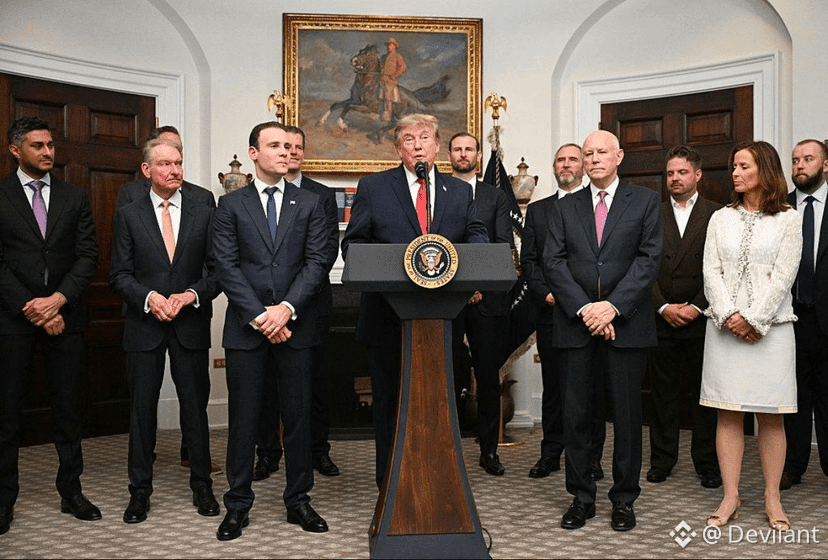
トランプ大統領は、明確な米国の暗号資産規制を求める動きを続けており、立法者に対してCLARITY法の推進を進めるよう呼びかけています。
同時に、政権はデジタル資産を米国の金融システムに取り込むため、より強硬なアプローチに踏み切っています。
市場はその動きに注目してきました。
ビットコインは再び8万ドル超へ押し戻され、一方で資金はETHや主要なアルトコインへと流れ始めています。
これが持続的な構造変化になるのか、それとも単なる別の投機の波にとどまるのかは、まだ分かりません。
しかし、はっきりしていることがひとつあります。
米国の暗号資産政策が、再び大きな市場の触媒になりつつあるということです。
$TRUMP
#Crypto #Bitcoin #Ethereum #Regulation #Markets
{spot}(TRUMPUSDT)
トランプが暗号資産を再びスポットライトに
トランプ大統領は、明確な米国の暗号資産規制を求める動きを続けており、立法者に対してCLARITY法の推進を進めるよう呼びかけています。
同時に、政権はデジタル資産を米国の金融システムに取り込むため、より強硬なアプローチに踏み切っています。
市場はその動きに注目してきました。
ビットコインは再び8万ドル超へ押し戻され、一方で資金はETHや主要なアルトコインへと流れ始めています。
これが持続的な構造変化になるのか、それとも単なる別の投機の波にとどまるのかは、まだ分かりません。
しかし、はっきりしていることがひとつあります。
米国の暗号資産政策が、再び大きな市場の触媒になりつつあるということです。
$TRUMP
#Crypto #Bitcoin #Ethereum #Regulation #Markets
トランプ大統領は、明確な米国の暗号資産規制を求める動きを続けており、立法者に対してCLARITY法の推進を進めるよう呼びかけています。
同時に、政権はデジタル資産を米国の金融システムに取り込むため、より強硬なアプローチに踏み切っています。
市場はその動きに注目してきました。
ビットコインは再び8万ドル超へ押し戻され、一方で資金はETHや主要なアルトコインへと流れ始めています。
これが持続的な構造変化になるのか、それとも単なる別の投機の波にとどまるのかは、まだ分かりません。
しかし、はっきりしていることがひとつあります。
米国の暗号資産政策が、再び大きな市場の触媒になりつつあるということです。
$TRUMP
#Crypto #Bitcoin #Ethereum #Regulation #Markets
1
165
·
--
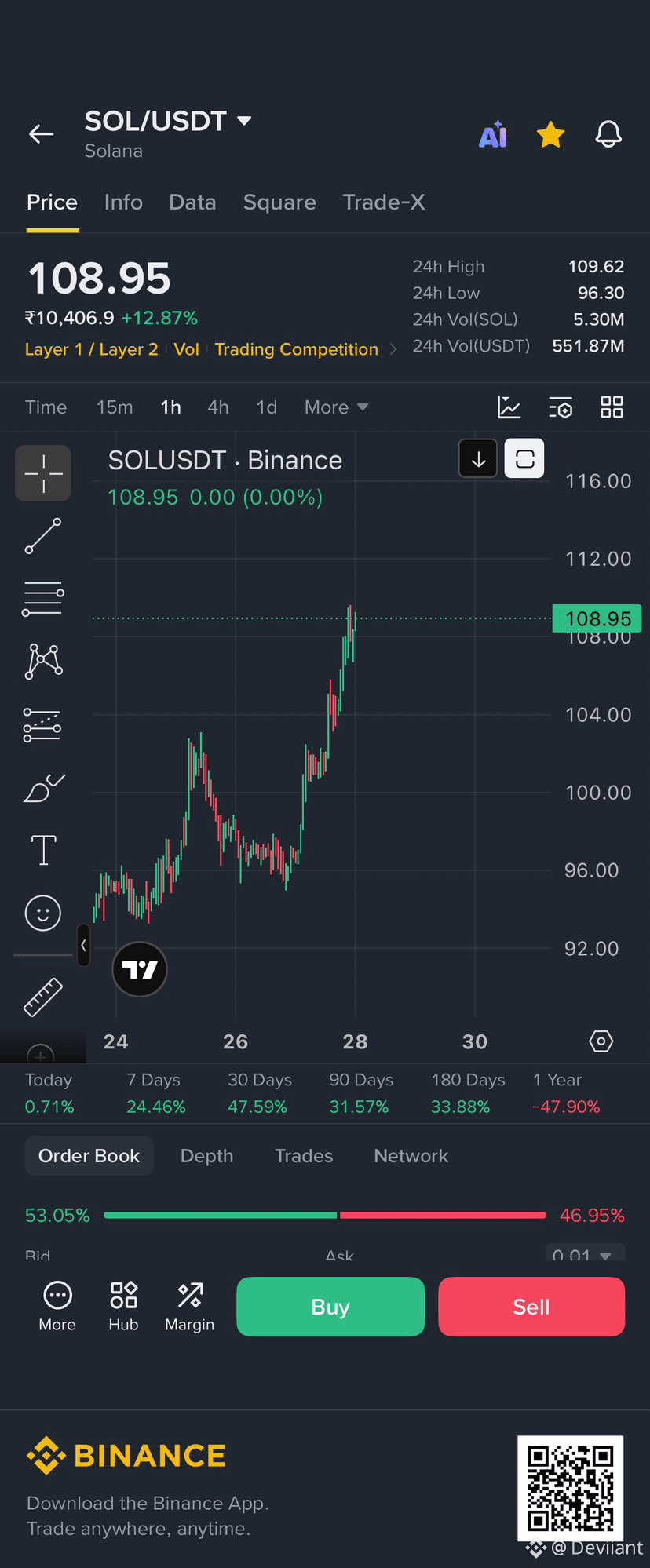
$SOL — ブレイクアウト・セットアップ
SOLは$102.70のレジスタンスを上抜けし、強い勢いで$109まで押し上げました。
ENTRY: $105–106.5
TP1: $110
TP2: $114
TP3: $118
SL: $102.5
R:R: 約1:2.5
この動きは強いですが、拡大の追いかけ(追随)が目的ではありません。狙いはブレイクアウト・ゾーンのコントロールされたリテストです。
買い手がゾーンを防衛し、1Hの構造が崩れないままであれば、より高いターゲットへの継続が魅力的になります。
$102.5を下回る持続的なブレイクがあれば、セットアップは無効です。
THE PLAN: リテストと確認を待ちます。条件が揃えば実行します。もしSOLが私たちの前で走り出しても、追いかけません。
$SOL
#Solana #Trading #Crypto #TechnicalAnalysis
{spot}(SOLUSDT)
$SOL — ブレイクアウト・セットアップ
SOLは$102.70のレジスタンスを上抜けし、強い勢いで$109まで押し上げました。
ENTRY: $105–106.5
TP1: $110
TP2: $114
TP3: $118
SL: $102.5
R:R: 約1:2.5
この動きは強いですが、拡大の追いかけ(追随)が目的ではありません。狙いはブレイクアウト・ゾーンのコントロールされたリテストです。
買い手がゾーンを防衛し、1Hの構造が崩れないままであれば、より高いターゲットへの継続が魅力的になります。
$102.5を下回る持続的なブレイクがあれば、セットアップは無効です。
THE PLAN: リテストと確認を待ちます。条件が揃えば実行します。もしSOLが私たちの前で走り出しても、追いかけません。
$SOL
#Solana #Trading #Crypto #TechnicalAnalysis
SOLは$102.70のレジスタンスを上抜けし、強い勢いで$109まで押し上げました。
ENTRY: $105–106.5
TP1: $110
TP2: $114
TP3: $118
SL: $102.5
R:R: 約1:2.5
この動きは強いですが、拡大の追いかけ(追随)が目的ではありません。狙いはブレイクアウト・ゾーンのコントロールされたリテストです。
買い手がゾーンを防衛し、1Hの構造が崩れないままであれば、より高いターゲットへの継続が魅力的になります。
$102.5を下回る持続的なブレイクがあれば、セットアップは無効です。
THE PLAN: リテストと確認を待ちます。条件が揃えば実行します。もしSOLが私たちの前で走り出しても、追いかけません。
$SOL
#Solana #Trading #Crypto #TechnicalAnalysis
1
80
·
--
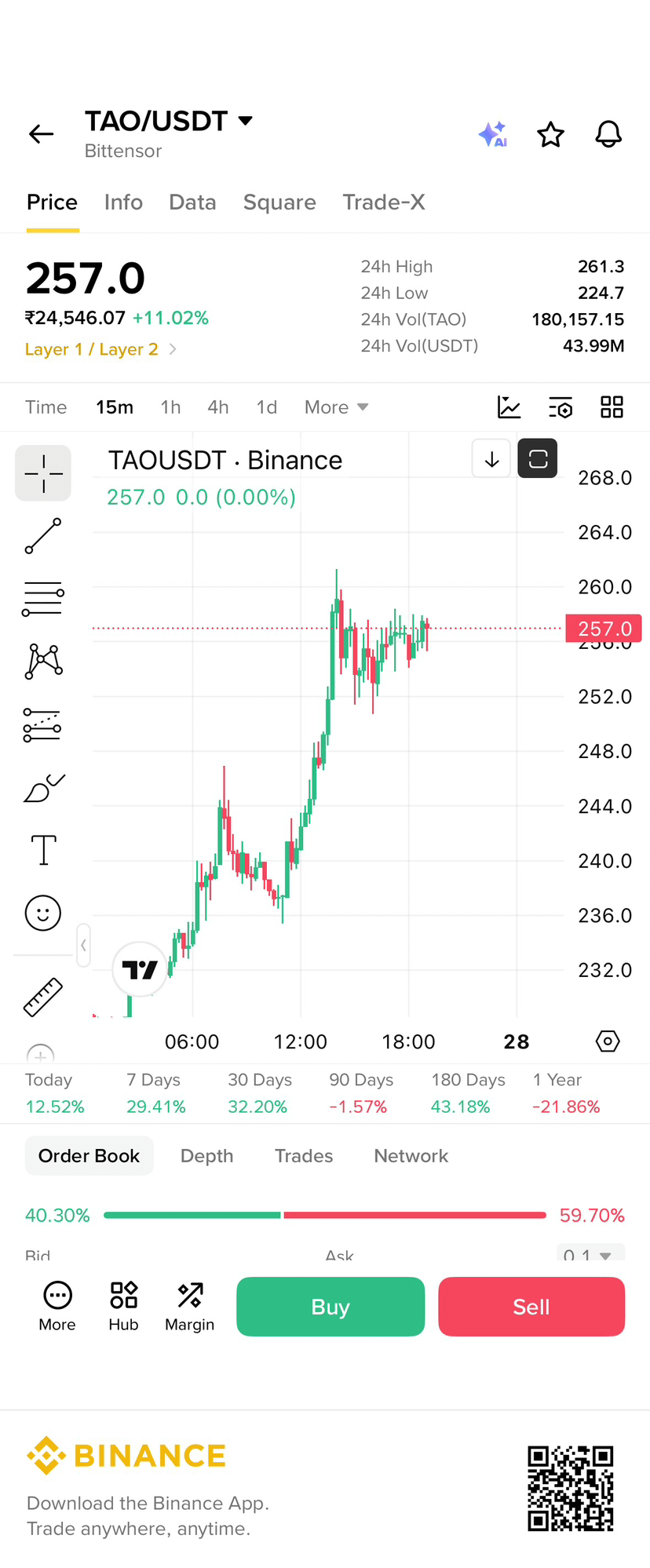
$TAO IS 動いている——しかし、その動きは持続可能か?
Bittensorは、今日のより強い大型アルトコインの一つで、過去24時間でTAOが約9%上昇し、取引高は数億ドル規模です。
私が注目しているのは、単なる上昇率だけではありません。
重要なのは「モメンタム」と「流動性」の組み合わせです。
これほど大きな値動きの後、市場には、単にブレイクアウトを追いかけるのではなく、買い手がより高い価格を守ろうとしているのかを証明する必要があります。
トレーダー目線では、私は次の3点を見ます:
1. 売買高が高水準のまま維持されているか。
2. 以前のブレイクアウト領域が支持線(サポート)に変わっているか。
3. より短い時間軸でTAOが高値圏で安値切り上げ(higher lows)を続けているか。
これらの条件が満たされるなら、継続の可能性がますます高まります。
モメンタムが消え、ブレイクアウトが失敗するなら、状況は完全に変わります。
これは、動きを闇雲に追いかけるのではなく、ウォッチリストに入れておきたいアルトコインの一つです。
$TAO
#Bittensor #TAO #crypto #trading #Altcoins
$TAO IS 動いている——しかし、その動きは持続可能か?
Bittensorは、今日のより強い大型アルトコインの一つで、過去24時間でTAOが約9%上昇し、取引高は数億ドル規模です。
私が注目しているのは、単なる上昇率だけではありません。
重要なのは「モメンタム」と「流動性」の組み合わせです。
これほど大きな値動きの後、市場には、単にブレイクアウトを追いかけるのではなく、買い手がより高い価格を守ろうとしているのかを証明する必要があります。
トレーダー目線では、私は次の3点を見ます:
1. 売買高が高水準のまま維持されているか。
2. 以前のブレイクアウト領域が支持線(サポート)に変わっているか。
3. より短い時間軸でTAOが高値圏で安値切り上げ(higher lows)を続けているか。
これらの条件が満たされるなら、継続の可能性がますます高まります。
モメンタムが消え、ブレイクアウトが失敗するなら、状況は完全に変わります。
これは、動きを闇雲に追いかけるのではなく、ウォッチリストに入れておきたいアルトコインの一つです。
$TAO
#Bittensor #TAO #crypto #trading #Altcoins
Bittensorは、今日のより強い大型アルトコインの一つで、過去24時間でTAOが約9%上昇し、取引高は数億ドル規模です。
私が注目しているのは、単なる上昇率だけではありません。
重要なのは「モメンタム」と「流動性」の組み合わせです。
これほど大きな値動きの後、市場には、単にブレイクアウトを追いかけるのではなく、買い手がより高い価格を守ろうとしているのかを証明する必要があります。
トレーダー目線では、私は次の3点を見ます:
1. 売買高が高水準のまま維持されているか。
2. 以前のブレイクアウト領域が支持線(サポート)に変わっているか。
3. より短い時間軸でTAOが高値圏で安値切り上げ(higher lows)を続けているか。
これらの条件が満たされるなら、継続の可能性がますます高まります。
モメンタムが消え、ブレイクアウトが失敗するなら、状況は完全に変わります。
これは、動きを闇雲に追いかけるのではなく、ウォッチリストに入れておきたいアルトコインの一つです。
$TAO
#Bittensor #TAO #crypto #trading #Altcoins
74
·
--
$LINK — 1H トレードセットアップ
マーケット構造
LINKは、数回の上昇失敗を経て、短期の下降トレンドラインの上方を突破しました。
現在価格はブレイクアウトエリアの上で推移していますが、市場は$12.60–$12.65のレジスタンスに接近しています。つまり、いまの値動きを追いかけるのは魅力的ではありません。
重要レベル
エントリー:
$11.65 – $11.80
ターゲット1:
$12.30
ターゲット2:
$12.60
ターゲット3:
$13.20
無効化(インバリデーション):
$11.20
リスク / リワード:
TP2まで 約1:2.5
見通し(シナリオ)
重要なポイントは、短期構造が変化したことです。
$LINK は複数のセッションで下降トレンドラインによって上値を抑えられていました。その抵抗はすでにブレイクされ、現在は市場が、以前のレジスタンスをサポートとして確立しようとしています。
したがって、このセットアップはブレイクが維持されることに依存しています。
$11.65–$11.80の領域をコントロールされた形で再テストできれば、$12.60のレジスタンスへ追いかけるよりも、買い手にとってリスクが明確な、よりクリーンなエントリーになります。
リテストが機能し、勢いが戻ってくれば、$12.30と$12.60が直近の上方向の目標になります。$12.60を持続的にブレイクできれば、より大きな継続の可能性が開けます。
$11.20の損失は構造を無効化します。
計画
私たちは現時点の価格水準でLINKを追いかけません。
価格がエントリーゾーンへ戻るのを待ち、買い手がそれを守っていることを確認します。
確認が見られた場合、すでに定義されている無効化ラインを前提にポジションを取ります。
もしLINKがリテストを挟まずに上にブレイクしたら、それは手放します。
配置の悪いトレードより、トレードしないことの方がましです。
$LINK
#Chainlink #LINK #Trading #TechnicalAnalysis #Crypto
{spot}(LINKUSDT)
$LINK — 1H トレードセットアップ
マーケット構造
LINKは、数回の上昇失敗を経て、短期の下降トレンドラインの上方を突破しました。
現在価格はブレイクアウトエリアの上で推移していますが、市場は$12.60–$12.65のレジスタンスに接近しています。つまり、いまの値動きを追いかけるのは魅力的ではありません。
重要レベル
エントリー:
$11.65 – $11.80
ターゲット1:
$12.30
ターゲット2:
$12.60
ターゲット3:
$13.20
無効化(インバリデーション):
$11.20
リスク / リワード:
TP2まで 約1:2.5
見通し(シナリオ)
重要なポイントは、短期構造が変化したことです。
$LINK は複数のセッションで下降トレンドラインによって上値を抑えられていました。その抵抗はすでにブレイクされ、現在は市場が、以前のレジスタンスをサポートとして確立しようとしています。
したがって、このセットアップはブレイクが維持されることに依存しています。
$11.65–$11.80の領域をコントロールされた形で再テストできれば、$12.60のレジスタンスへ追いかけるよりも、買い手にとってリスクが明確な、よりクリーンなエントリーになります。
リテストが機能し、勢いが戻ってくれば、$12.30と$12.60が直近の上方向の目標になります。$12.60を持続的にブレイクできれば、より大きな継続の可能性が開けます。
$11.20の損失は構造を無効化します。
計画
私たちは現時点の価格水準でLINKを追いかけません。
価格がエントリーゾーンへ戻るのを待ち、買い手がそれを守っていることを確認します。
確認が見られた場合、すでに定義されている無効化ラインを前提にポジションを取ります。
もしLINKがリテストを挟まずに上にブレイクしたら、それは手放します。
配置の悪いトレードより、トレードしないことの方がましです。
$LINK
#Chainlink #LINK #Trading #TechnicalAnalysis #Crypto
マーケット構造
LINKは、数回の上昇失敗を経て、短期の下降トレンドラインの上方を突破しました。
現在価格はブレイクアウトエリアの上で推移していますが、市場は$12.60–$12.65のレジスタンスに接近しています。つまり、いまの値動きを追いかけるのは魅力的ではありません。
重要レベル
エントリー:
$11.65 – $11.80
ターゲット1:
$12.30
ターゲット2:
$12.60
ターゲット3:
$13.20
無効化(インバリデーション):
$11.20
リスク / リワード:
TP2まで 約1:2.5
見通し(シナリオ)
重要なポイントは、短期構造が変化したことです。
$LINK は複数のセッションで下降トレンドラインによって上値を抑えられていました。その抵抗はすでにブレイクされ、現在は市場が、以前のレジスタンスをサポートとして確立しようとしています。
したがって、このセットアップはブレイクが維持されることに依存しています。
$11.65–$11.80の領域をコントロールされた形で再テストできれば、$12.60のレジスタンスへ追いかけるよりも、買い手にとってリスクが明確な、よりクリーンなエントリーになります。
リテストが機能し、勢いが戻ってくれば、$12.30と$12.60が直近の上方向の目標になります。$12.60を持続的にブレイクできれば、より大きな継続の可能性が開けます。
$11.20の損失は構造を無効化します。
計画
私たちは現時点の価格水準でLINKを追いかけません。
価格がエントリーゾーンへ戻るのを待ち、買い手がそれを守っていることを確認します。
確認が見られた場合、すでに定義されている無効化ラインを前提にポジションを取ります。
もしLINKがリテストを挟まずに上にブレイクしたら、それは手放します。
配置の悪いトレードより、トレードしないことの方がましです。
$LINK
#Chainlink #LINK #Trading #TechnicalAnalysis #Crypto
1
87
·
--
暗号ヘッドライン — 8月27日
本日市場を動かしている主なニュースは以下の通りです:
• ビットコインは79Kドル超を維持しており、米国スポットの$BTC ETFが8日連続の資金純流入を記録しています。
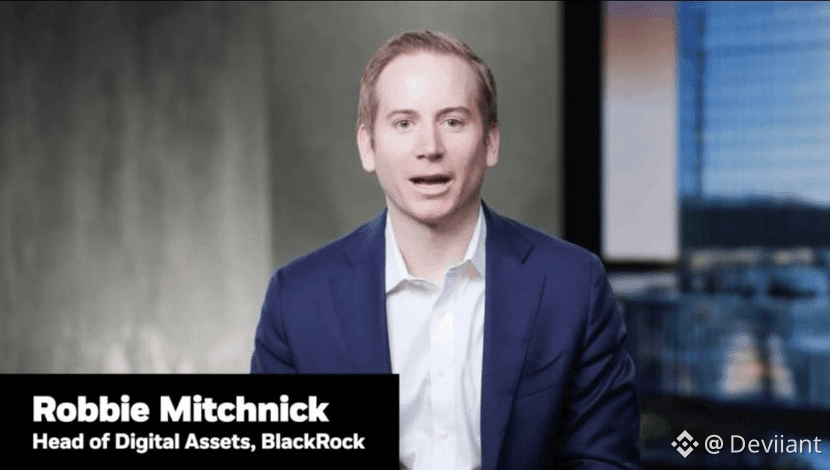
• ブラックロックのロビー・ミッチニック氏は、ビットコインの長期的な「リスクオフ」シナリオが、株式との相関が低下するにつれて、ますます説得力を増していると述べています。
• $ETH は、より広範な暗号資産ラリーが落ち着く中で、最近の勢いが今後も続くかどうかをトレーダーが見極める状況で、依然として注目されています。
• $RLUSD は時価総額20億ドルを超え、XRP Ledger上で発行された供給量は現在約10億ドルに達しています。
• Bitfinex Securitiesは、高純度のニッケル線の保有在庫が報じられている16億ドルを裏付けとする、トークン化されたニッケル商品の準備を進めています。
• StarkWareによって、量子耐性を備えた初のビットコイン取引が完了したと報じられており、ビットコインの長期的なセキュリティへの関心が高まっていることを示しています。
• 米国の暗号資産規制も引き続き注目点で、CLARITY法案は、9月に向けてトレーダーが注目している主要な触媒のひとつのままです。
市場はもはや価格だけで動いているわけではありません。
機関投資家の資金フロー、規制、トークン化、インフラが、同じくらい重要になってきています。
#crypto #bitcoin #Ethereum #xrp #DeFi
暗号ヘッドライン — 8月27日
本日市場を動かしている主なニュースは以下の通りです:
• ビットコインは79Kドル超を維持しており、米国スポットの$BTC ETFが8日連続の資金純流入を記録しています。
• ブラックロックのロビー・ミッチニック氏は、ビットコインの長期的な「リスクオフ」シナリオが、株式との相関が低下するにつれて、ますます説得力を増していると述べています。
• $ETH は、より広範な暗号資産ラリーが落ち着く中で、最近の勢いが今後も続くかどうかをトレーダーが見極める状況で、依然として注目されています。
• $RLUSD は時価総額20億ドルを超え、XRP Ledger上で発行された供給量は現在約10億ドルに達しています。
• Bitfinex Securitiesは、高純度のニッケル線の保有在庫が報じられている16億ドルを裏付けとする、トークン化されたニッケル商品の準備を進めています。
• StarkWareによって、量子耐性を備えた初のビットコイン取引が完了したと報じられており、ビットコインの長期的なセキュリティへの関心が高まっていることを示しています。
• 米国の暗号資産規制も引き続き注目点で、CLARITY法案は、9月に向けてトレーダーが注目している主要な触媒のひとつのままです。
市場はもはや価格だけで動いているわけではありません。
機関投資家の資金フロー、規制、トークン化、インフラが、同じくらい重要になってきています。
#crypto #bitcoin #Ethereum #xrp #DeFi
本日市場を動かしている主なニュースは以下の通りです:
• ビットコインは79Kドル超を維持しており、米国スポットの$BTC ETFが8日連続の資金純流入を記録しています。
• ブラックロックのロビー・ミッチニック氏は、ビットコインの長期的な「リスクオフ」シナリオが、株式との相関が低下するにつれて、ますます説得力を増していると述べています。
• $ETH は、より広範な暗号資産ラリーが落ち着く中で、最近の勢いが今後も続くかどうかをトレーダーが見極める状況で、依然として注目されています。
• $RLUSD は時価総額20億ドルを超え、XRP Ledger上で発行された供給量は現在約10億ドルに達しています。
• Bitfinex Securitiesは、高純度のニッケル線の保有在庫が報じられている16億ドルを裏付けとする、トークン化されたニッケル商品の準備を進めています。
• StarkWareによって、量子耐性を備えた初のビットコイン取引が完了したと報じられており、ビットコインの長期的なセキュリティへの関心が高まっていることを示しています。
• 米国の暗号資産規制も引き続き注目点で、CLARITY法案は、9月に向けてトレーダーが注目している主要な触媒のひとつのままです。
市場はもはや価格だけで動いているわけではありません。
機関投資家の資金フロー、規制、トークン化、インフラが、同じくらい重要になってきています。
#crypto #bitcoin #Ethereum #xrp #DeFi
1
114
·
--
アルトコインのローテーションが面白くなってきています
ビットコインの最近の動きは、資本をさらにリスク曲線の下へ押し出し始めています。
イーサリアム、ソラナ、そしていくつかの大型アルトコインは、トレーダーがBTCの先を見ているため、より強いモメンタムを示しています。
しかし、ここで重要なのは規律です。
強いビットコインの動きがあっても、それがすべてのアルトコインに自動的に波及するとは限りません。
取引量、流動性、市場構造をしっかり維持している銘柄こそが注目に値します。
市場の次の局面は、ビットコインの覇権度よりも、次に資本がどこへ回るかに関するものになるかもしれません。
#crypto #Altcoins #trading #MarketAnalysis
アルトコインのローテーションが面白くなってきています
ビットコインの最近の動きは、資本をさらにリスク曲線の下へ押し出し始めています。
イーサリアム、ソラナ、そしていくつかの大型アルトコインは、トレーダーがBTCの先を見ているため、より強いモメンタムを示しています。
しかし、ここで重要なのは規律です。
強いビットコインの動きがあっても、それがすべてのアルトコインに自動的に波及するとは限りません。
取引量、流動性、市場構造をしっかり維持している銘柄こそが注目に値します。
市場の次の局面は、ビットコインの覇権度よりも、次に資本がどこへ回るかに関するものになるかもしれません。
#crypto #Altcoins #trading #MarketAnalysis
ビットコインの最近の動きは、資本をさらにリスク曲線の下へ押し出し始めています。
イーサリアム、ソラナ、そしていくつかの大型アルトコインは、トレーダーがBTCの先を見ているため、より強いモメンタムを示しています。
しかし、ここで重要なのは規律です。
強いビットコインの動きがあっても、それがすべてのアルトコインに自動的に波及するとは限りません。
取引量、流動性、市場構造をしっかり維持している銘柄こそが注目に値します。
市場の次の局面は、ビットコインの覇権度よりも、次に資本がどこへ回るかに関するものになるかもしれません。
#crypto #Altcoins #trading #MarketAnalysis
1
144
·
--
取引における最も危険な瞬間
それはいつも相場の暴落とは限りません。
勝てた取引の直後のこともあります。
お金を稼ぐと自信が増し、ポジションのサイズも大きくなり、そしてある日、たった一つの悪い判断が、積み上げたものをすべて消し去ってしまうことがあります。
教訓はシンプルです:
利益は守って初めて自分のものになります。
良いトレードとは、すべての取引に勝つことではありません。次の取引に向けて、まだここにいられるだけの規律を保つことです。
#Crypto #Trading #RiskManagement #Bitcoin.
{spot}(BTCUSDT)
{spot}(ETHUSDT)
{spot}(SOLUSDT)
取引における最も危険な瞬間
それはいつも相場の暴落とは限りません。
勝てた取引の直後のこともあります。
お金を稼ぐと自信が増し、ポジションのサイズも大きくなり、そしてある日、たった一つの悪い判断が、積み上げたものをすべて消し去ってしまうことがあります。
教訓はシンプルです:
利益は守って初めて自分のものになります。
良いトレードとは、すべての取引に勝つことではありません。次の取引に向けて、まだここにいられるだけの規律を保つことです。
#Crypto #Trading #RiskManagement #Bitcoin.
それはいつも相場の暴落とは限りません。
勝てた取引の直後のこともあります。
お金を稼ぐと自信が増し、ポジションのサイズも大きくなり、そしてある日、たった一つの悪い判断が、積み上げたものをすべて消し去ってしまうことがあります。
教訓はシンプルです:
利益は守って初めて自分のものになります。
良いトレードとは、すべての取引に勝つことではありません。次の取引に向けて、まだここにいられるだけの規律を保つことです。
#Crypto #Trading #RiskManagement #Bitcoin.
1
102
·
--
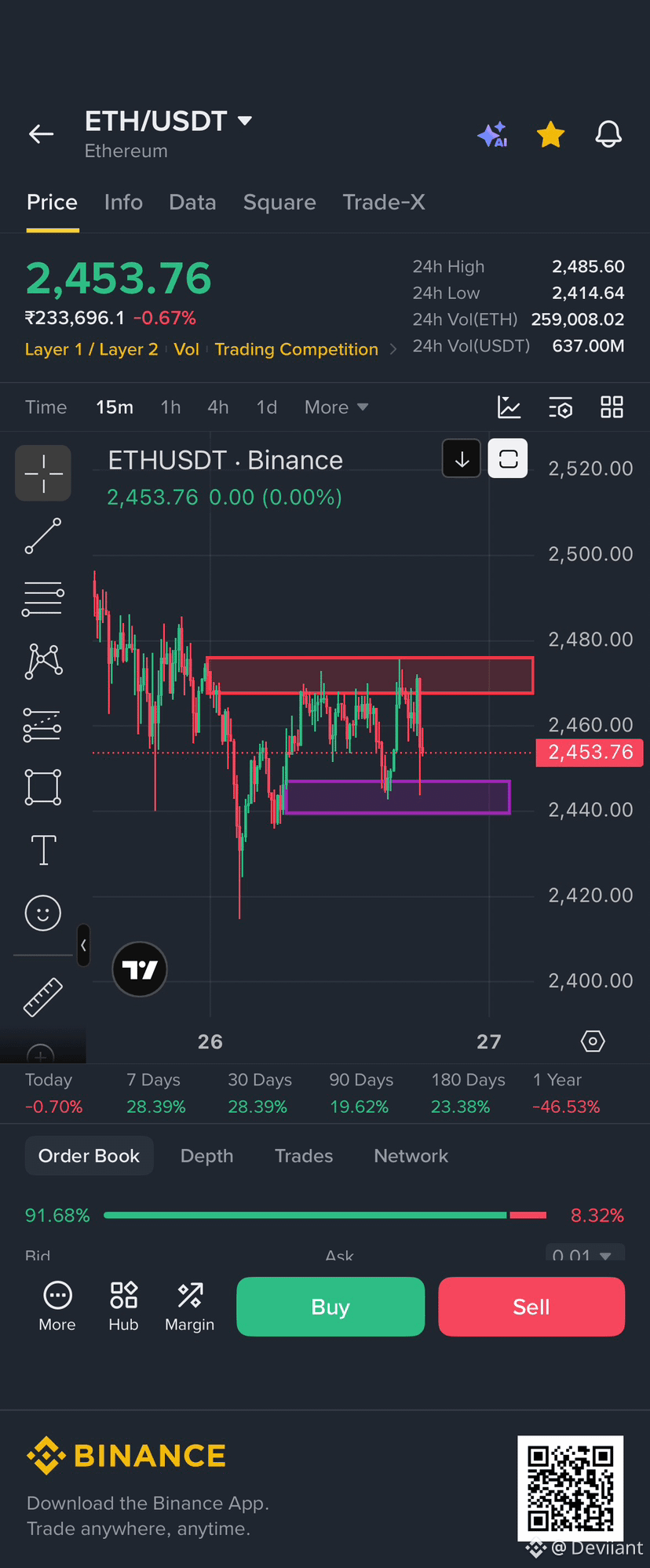
$ETH — 私が見ているセットアップ
イーサリアムは現在の市場ローテーションの中でも特に強い値動きを見せていますが、急な上昇の後は、追いかけるのではなく確認を見たい局面です。
いま重要なのは、直近のブレイクアウト・ゾーンです。
ETHがそのエリアを維持し、より高い安値が形成され始めるなら、強気の構造は保たれたままです。現在のレジスタンスを明確に突破できれば、次のモメンタムの波が来る可能性があります。
しかし、ブレイクアウトに失敗して価格がサポートを失うなら、次のエントリーを考える前に、より深い押し目(リトレースメント)を期待します。
私の方針:確認を待ってから、反応を取引する。
$ETH
#Ethereum #ETH #crypto #trading #TechnicalAnalysis
{spot}(ETHUSDT)
$ETH — 私が見ているセットアップ
イーサリアムは現在の市場ローテーションの中でも特に強い値動きを見せていますが、急な上昇の後は、追いかけるのではなく確認を見たい局面です。
いま重要なのは、直近のブレイクアウト・ゾーンです。
ETHがそのエリアを維持し、より高い安値が形成され始めるなら、強気の構造は保たれたままです。現在のレジスタンスを明確に突破できれば、次のモメンタムの波が来る可能性があります。
しかし、ブレイクアウトに失敗して価格がサポートを失うなら、次のエントリーを考える前に、より深い押し目(リトレースメント)を期待します。
私の方針:確認を待ってから、反応を取引する。
$ETH
#Ethereum #ETH #crypto #trading #TechnicalAnalysis
イーサリアムは現在の市場ローテーションの中でも特に強い値動きを見せていますが、急な上昇の後は、追いかけるのではなく確認を見たい局面です。
いま重要なのは、直近のブレイクアウト・ゾーンです。
ETHがそのエリアを維持し、より高い安値が形成され始めるなら、強気の構造は保たれたままです。現在のレジスタンスを明確に突破できれば、次のモメンタムの波が来る可能性があります。
しかし、ブレイクアウトに失敗して価格がサポートを失うなら、次のエントリーを考える前に、より深い押し目(リトレースメント)を期待します。
私の方針:確認を待ってから、反応を取引する。
$ETH
#Ethereum #ETH #crypto #trading #TechnicalAnalysis
1
48
ログインして、さらにコンテンツを読む
厳選トピックで世界の暗号資産トレーダーの仲間入り
⚡️ 暗号資産に関する最新かつ有益な情報が見つかります。
💬 世界最大の暗号資産取引所から信頼されています。
👍 認証を受けたクリエイターから、有益なインサイトを得られます。
メール / 電話番号
トレンドトピック
ZcashETFPostsFirstWeeklyOutflow$93.6M
閲覧回数 48,755
143人が討論中
#ZcashETFPostsFirstWeeklyOutflow$93.6M
Zcash ETFの初の週次資金流出(9,360万ドル)は、投資家需要の弱まりと、利益確定の可能性を示しています。これにより、短期的にZECの価格に圧力がかかり、プライバシー重視の暗号資産全体のセンチメントが悪化するおそれがあります。トレーダーはポジションを取る前に、サポート水準とその後の資金フローを注視すべきです。
Eram Trading Lab
·いいね:1件
·閲覧回数 235
GreekPoliceBustCryptoScamRingArrest17
閲覧回数 132,429
925人が討論中
BitcoinRejectedAt$87K
閲覧回数 145,940
200人が討論中