

Muhammad乃缦
12.1k 投稿

Muhammad乃缦
報告
ユーザーをブロック
取引を発注
高頻度トレーダー
2.2年
763 フォロー
11.8K+ フォロワー
5.7K+ いいね
投稿
ポートフォリオ
すべて
引用
ライブ
PINNED
·
--
ブリッシュ
AIエージェントに必要なのは、知能だけでなく境界線。
自律的に判断し、支払いまで行えるAIエージェントは便利そうです。しかし、想定以上に使ってしまったらどうなるでしょうか?
エージェント経済が発展するなかで、考えておく価値のある課題です。
Kite Passportは、オーナーが承認した支出セッションを通じて、興味深いアプローチを提示しています。予算、取引ごとの上限、利用時間の制限を設定することで、エージェントにどれだけの自由を与えるかを定められます。
考え方はシンプルです。許可された支払いのたびに承認しなくてもエージェントがタスクを完了できるようにしつつ、オーナーが定めた範囲内に支出を収めます。
もちろん、本当に重要なのは、こうした制御が大規模な環境でも安全で、信頼でき、実用的であり続けるかどうかです。
AIエージェントがデジタル取引にますます深く関わるようになるにつれ、その能力と同じくらい、権限をどう管理するかが重要になるかもしれません。
ひとつ質問です。タスクを完了するためにAIエージェントに100ドルを渡すとしたら、予算内に収めてくれると信頼しますか?それとも、支払いのたびに承認したいですか?その理由も教えてください。
#KiteBBW $KITE @GoKiteAI
{future}(KITEUSDT)
AIエージェントに必要なのは、知能だけでなく境界線。
自律的に判断し、支払いまで行えるAIエージェントは便利そうです。しかし、想定以上に使ってしまったらどうなるでしょうか?
エージェント経済が発展するなかで、考えておく価値のある課題です。
Kite Passportは、オーナーが承認した支出セッションを通じて、興味深いアプローチを提示しています。予算、取引ごとの上限、利用時間の制限を設定することで、エージェントにどれだけの自由を与えるかを定められます。
考え方はシンプルです。許可された支払いのたびに承認しなくてもエージェントがタスクを完了できるようにしつつ、オーナーが定めた範囲内に支出を収めます。
もちろん、本当に重要なのは、こうした制御が大規模な環境でも安全で、信頼でき、実用的であり続けるかどうかです。
AIエージェントがデジタル取引にますます深く関わるようになるにつれ、その能力と同じくらい、権限をどう管理するかが重要になるかもしれません。
ひとつ質問です。タスクを完了するためにAIエージェントに100ドルを渡すとしたら、予算内に収めてくれると信頼しますか?それとも、支払いのたびに承認したいですか?その理由も教えてください。
#KiteBBW $KITE @KITE AI 中文
自律的に判断し、支払いまで行えるAIエージェントは便利そうです。しかし、想定以上に使ってしまったらどうなるでしょうか?
エージェント経済が発展するなかで、考えておく価値のある課題です。
Kite Passportは、オーナーが承認した支出セッションを通じて、興味深いアプローチを提示しています。予算、取引ごとの上限、利用時間の制限を設定することで、エージェントにどれだけの自由を与えるかを定められます。
考え方はシンプルです。許可された支払いのたびに承認しなくてもエージェントがタスクを完了できるようにしつつ、オーナーが定めた範囲内に支出を収めます。
もちろん、本当に重要なのは、こうした制御が大規模な環境でも安全で、信頼でき、実用的であり続けるかどうかです。
AIエージェントがデジタル取引にますます深く関わるようになるにつれ、その能力と同じくらい、権限をどう管理するかが重要になるかもしれません。
ひとつ質問です。タスクを完了するためにAIエージェントに100ドルを渡すとしたら、予算内に収めてくれると信頼しますか?それとも、支払いのたびに承認したいですか?その理由も教えてください。
#KiteBBW $KITE @KITE AI 中文

4
6
412
·
--
ブリッシュ
翻訳参照
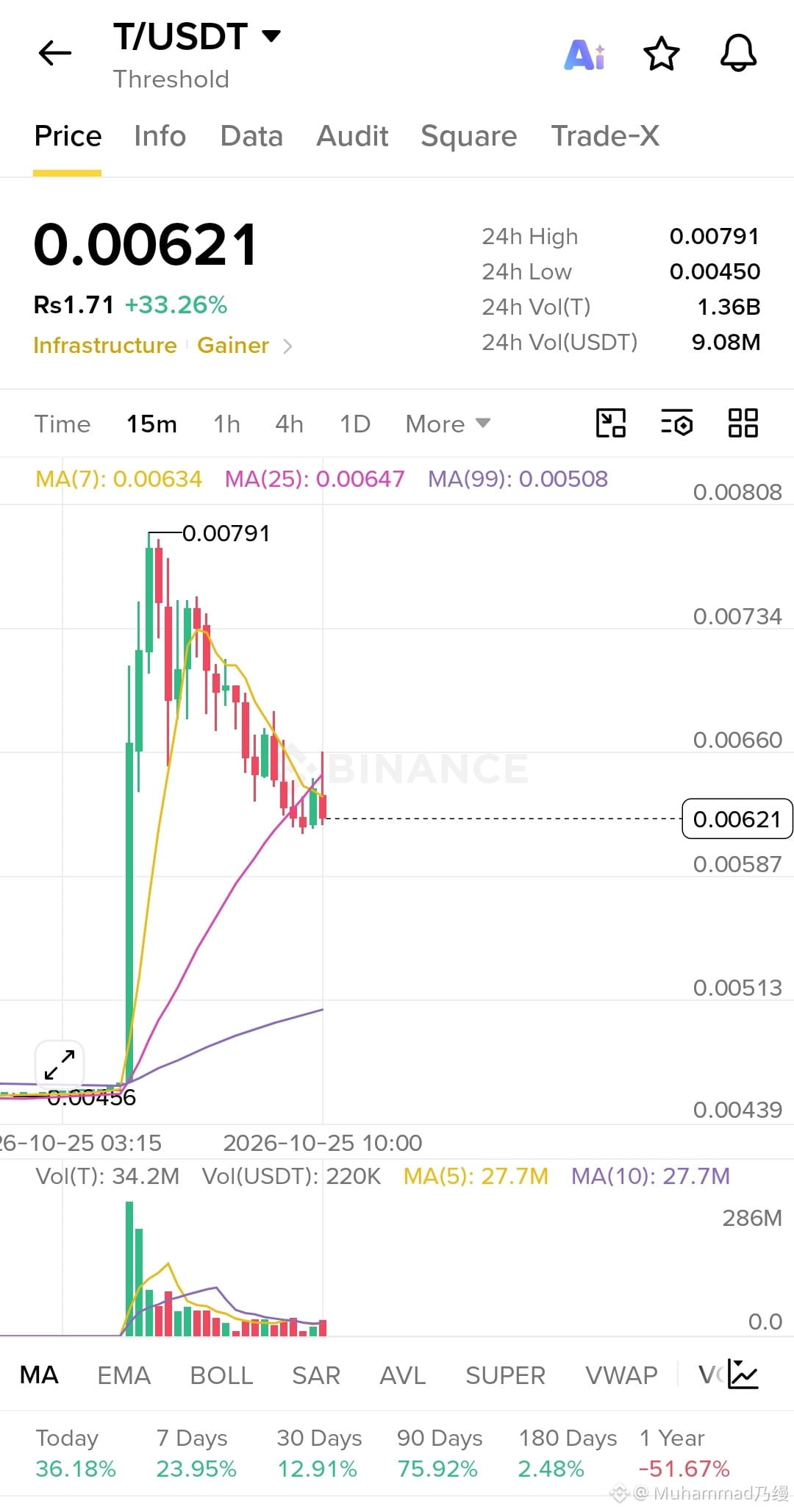
🚀 $T is making a serious move! Threshold is trading at $0.00621, up 33.26% in 24 hours, after surging from $0.00450 to a high of $0.00791. Volume has reached 1.36B T, with $9.08M traded in USDT. 📈
But the price is now cooling below its 7-day and 25-day moving averages. Can bulls regain momentum and push toward $0.00791, or is another pullback coming? 👀
#Threshold #TUSDT #Crypto $T
{future}(TUSDT)
$IOST
{future}(IOSTUSDT)
🚀 $T is making a serious move! Threshold is trading at $0.00621, up 33.26% in 24 hours, after surging from $0.00450 to a high of $0.00791. Volume has reached 1.36B T, with $9.08M traded in USDT. 📈
But the price is now cooling below its 7-day and 25-day moving averages. Can bulls regain momentum and push toward $0.00791, or is another pullback coming? 👀
#Threshold #TUSDT #Crypto $T
$IOST
But the price is now cooling below its 7-day and 25-day moving averages. Can bulls regain momentum and push toward $0.00791, or is another pullback coming? 👀
#Threshold #TUSDT #Crypto $T
$IOST
1
2
671
·
--

記事
🎃 ひときわ違う光を放つかぼちゃ:創造力と地域の絆を描いたハロウィーンのお話小さなかぼちゃひとつで、いつものハロウィーンの夜が忘れられない夜に変わるとしたら?
静かな10月の夕暮れを想像してみてください。空は暗く、風が枯れ葉を通りに吹き運び、窓からは暖かなオレンジ色の明かりがもれています。小さなおばけが天井からぶら下がり、紙のコウモリが壁を飾り、ろうそくが部屋のあちこちに不思議な影を作っています。その真ん中に、ひときわ変わったかぼちゃがひとつ置かれています。おどけた笑顔に、少しだけ曲がった片目。そして、みんなの目を引く金色の模様がついています。
🎃 ひときわ違う光を放つかぼちゃ:創造力と地域の絆を描いたハロウィーンのお話
小さなかぼちゃひとつで、いつものハロウィーンの夜が忘れられない夜に変わるとしたら?
静かな10月の夕暮れを想像してみてください。空は暗く、風が枯れ葉を通りに吹き運び、窓からは暖かなオレンジ色の明かりがもれています。小さなおばけが天井からぶら下がり、紙のコウモリが壁を飾り、ろうそくが部屋のあちこちに不思議な影を作っています。その真ん中に、ひときわ変わったかぼちゃがひとつ置かれています。おどけた笑顔に、少しだけ曲がった片目。そして、みんなの目を引く金色の模様がついています。
静かな10月の夕暮れを想像してみてください。空は暗く、風が枯れ葉を通りに吹き運び、窓からは暖かなオレンジ色の明かりがもれています。小さなおばけが天井からぶら下がり、紙のコウモリが壁を飾り、ろうそくが部屋のあちこちに不思議な影を作っています。その真ん中に、ひときわ変わったかぼちゃがひとつ置かれています。おどけた笑顔に、少しだけ曲がった片目。そして、みんなの目を引く金色の模様がついています。
3
197
·
--
ブリッシュ
🚀 $BMT が大きな動きを見せています!
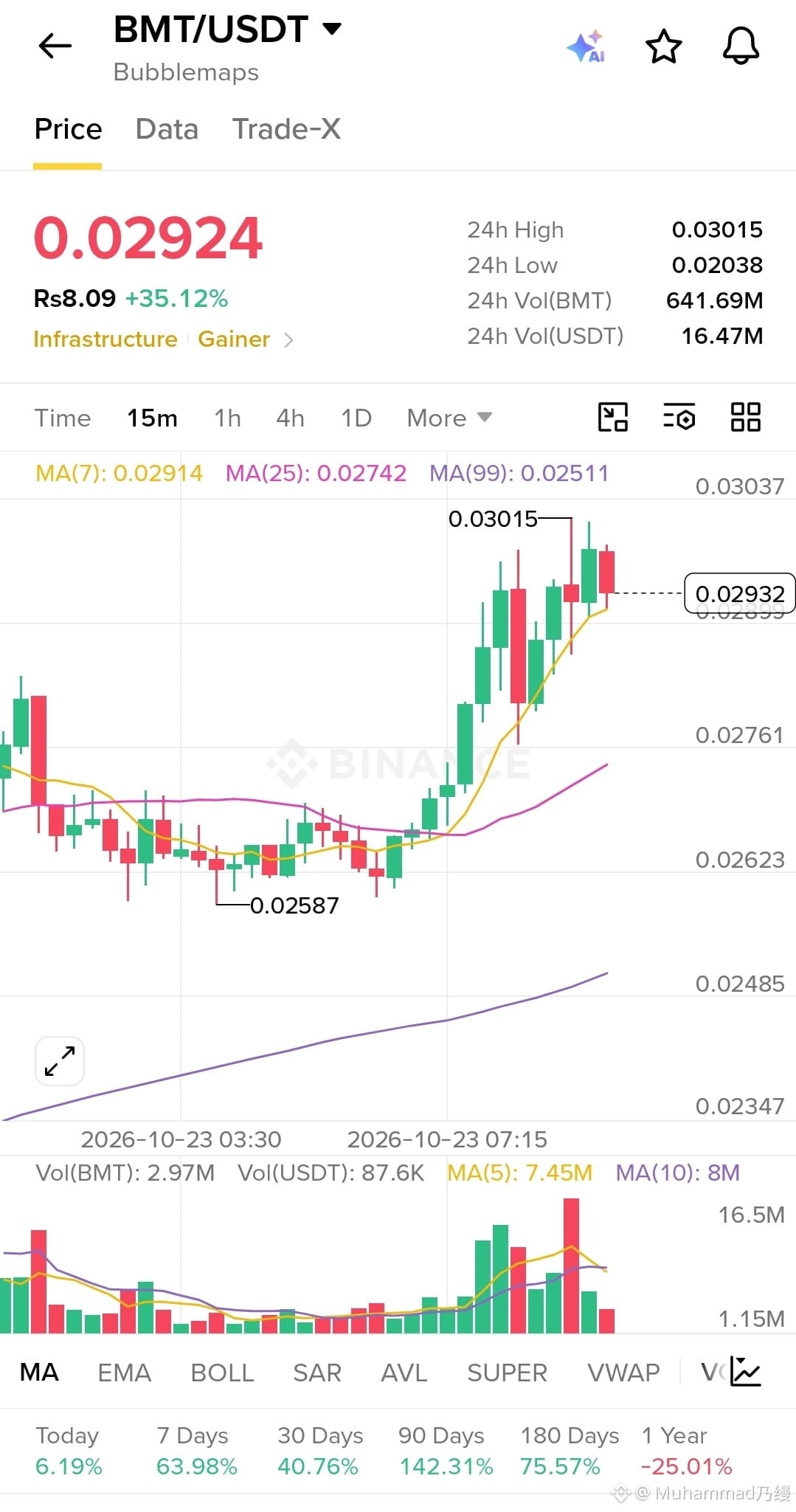
BMT/USDTは0.02924ドルで取引されており、24時間で35.12%上昇!🔥 取引量は641.69M BMTに達し、USDTでの取引額は16.47Mドルとなっています。
価格は0.02587ドルから急上昇し、0.03015ドルの高値を記録。MA(7)はMA(25)とMA(99)を上回っており、短期的な強気相場を示す強いサインです。
👀 #BMT は0.03015ドルを突破してさらに上昇するでしょうか?それとも売り手が現れるでしょうか?
次の動きが非常に重要になるかもしれません!⚡
{future}(BMTUSDT)
$OSMO
{spot}(OSMOUSDT)
$GTC
{future}(GTCUSDT)
#EarningsSeason #BinancePick #StarknetCommunityBacksQuantumResistantL1Study #DogecoinLabsLaunchesWithDogecoinFoundation
🚀 $BMT が大きな動きを見せています!
BMT/USDTは0.02924ドルで取引されており、24時間で35.12%上昇!🔥 取引量は641.69M BMTに達し、USDTでの取引額は16.47Mドルとなっています。
価格は0.02587ドルから急上昇し、0.03015ドルの高値を記録。MA(7)はMA(25)とMA(99)を上回っており、短期的な強気相場を示す強いサインです。
👀 #BMT は0.03015ドルを突破してさらに上昇するでしょうか?それとも売り手が現れるでしょうか?
次の動きが非常に重要になるかもしれません!⚡
$OSMO
$GTC
#EarningsSeason #BinancePick #StarknetCommunityBacksQuantumResistantL1Study #DogecoinLabsLaunchesWithDogecoinFoundation
BMT/USDTは0.02924ドルで取引されており、24時間で35.12%上昇!🔥 取引量は641.69M BMTに達し、USDTでの取引額は16.47Mドルとなっています。
価格は0.02587ドルから急上昇し、0.03015ドルの高値を記録。MA(7)はMA(25)とMA(99)を上回っており、短期的な強気相場を示す強いサインです。
👀 #BMT は0.03015ドルを突破してさらに上昇するでしょうか?それとも売り手が現れるでしょうか?
次の動きが非常に重要になるかもしれません!⚡
$OSMO
$GTC
#EarningsSeason #BinancePick #StarknetCommunityBacksQuantumResistantL1Study #DogecoinLabsLaunchesWithDogecoinFoundation
348
·
--
ブリッシュ
🚨 ALT/USDTは19.32%上昇…でもチャートは違う展開を示しています!
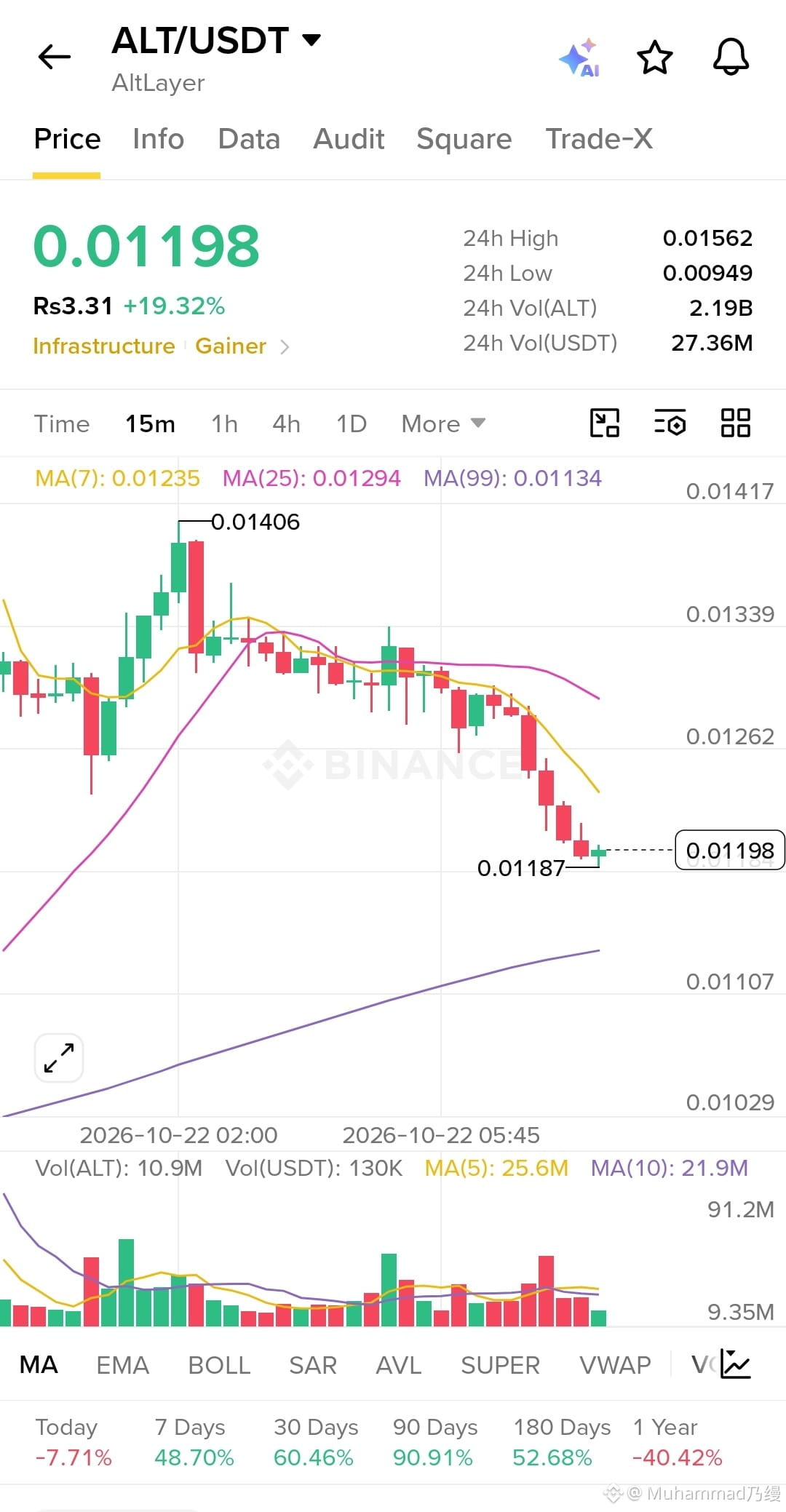
現在の価格は$0.01198。ALTは24時間高値の$0.01562をつけた後、$0.01187まで反落しました。
📊 24時間取引高:$27.36M USDT
📈 7日間:+48.70%
🔥 30日間:+60.46%
⚠️ 15分足のトレンドは弱気。価格はMA(7)の$0.01235、MA(25)の$0.01294を下回っています。
全体的には力強い値動きに見えますが、短期的には依然として売り圧力がかかっています。ALTは$0.0125を回復できるでしょうか?それとも、先にもう一段下落するのでしょうか? 👀
#ALT #AltLayer #crypto $ALT
{future}(ALTUSDT)
$BMT
{future}(BMTUSDT)
$PROM
{future}(PROMUSDT)
🚨 ALT/USDTは19.32%上昇…でもチャートは違う展開を示しています!
現在の価格は$0.01198。ALTは24時間高値の$0.01562をつけた後、$0.01187まで反落しました。
📊 24時間取引高:$27.36M USDT
📈 7日間:+48.70%
🔥 30日間:+60.46%
⚠️ 15分足のトレンドは弱気。価格はMA(7)の$0.01235、MA(25)の$0.01294を下回っています。
全体的には力強い値動きに見えますが、短期的には依然として売り圧力がかかっています。ALTは$0.0125を回復できるでしょうか?それとも、先にもう一段下落するのでしょうか? 👀
#ALT #AltLayer #crypto $ALT
$BMT
$PROM
現在の価格は$0.01198。ALTは24時間高値の$0.01562をつけた後、$0.01187まで反落しました。
📊 24時間取引高:$27.36M USDT
📈 7日間:+48.70%
🔥 30日間:+60.46%
⚠️ 15分足のトレンドは弱気。価格はMA(7)の$0.01235、MA(25)の$0.01294を下回っています。
全体的には力強い値動きに見えますが、短期的には依然として売り圧力がかかっています。ALTは$0.0125を回復できるでしょうか?それとも、先にもう一段下落するのでしょうか? 👀
#ALT #AltLayer #crypto $ALT
$BMT
$PROM
1
398
·
--
ブリッシュ
🚨 COMPが反撃中!👀
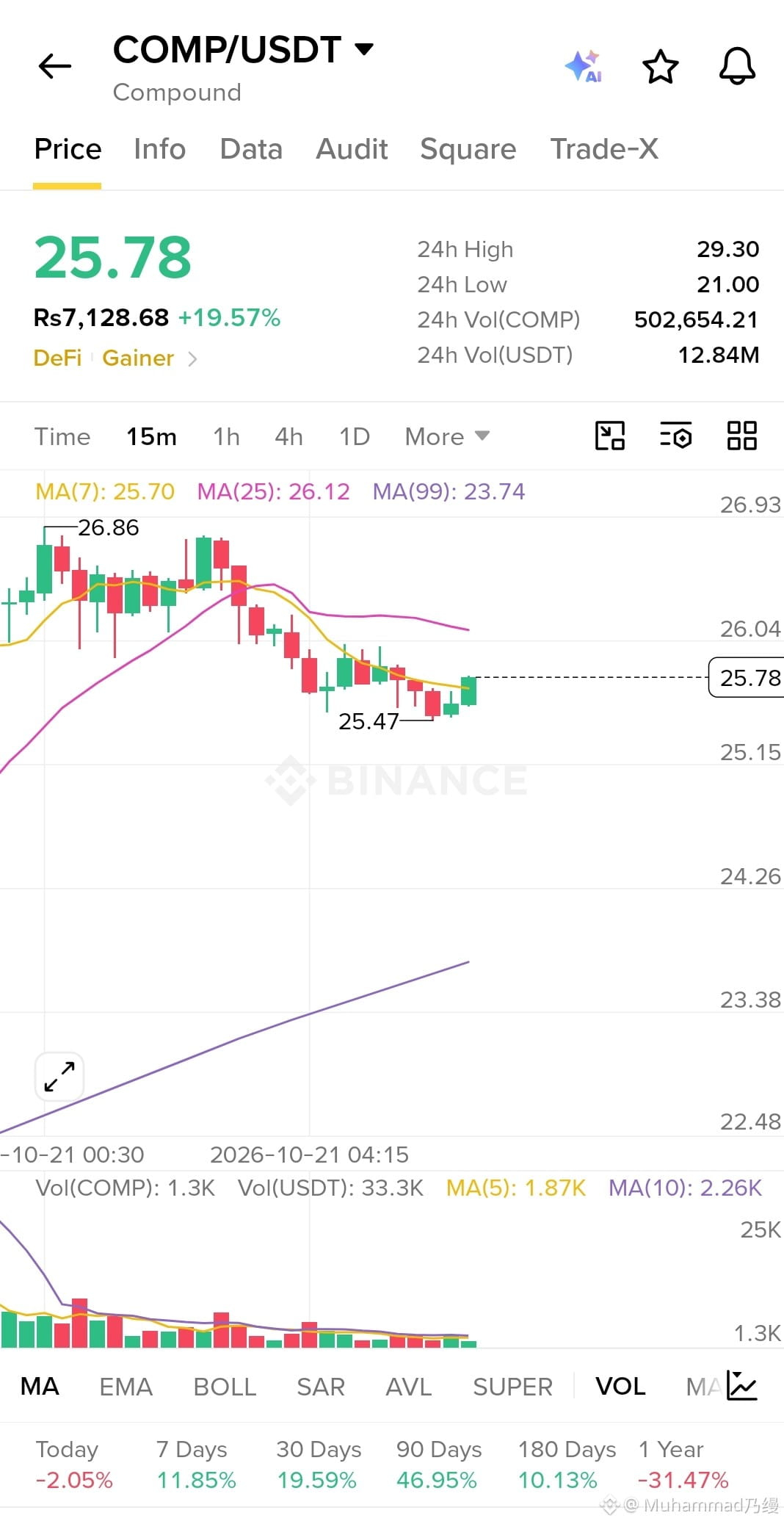
@CompoundFinanceは現在25.78ドルで取引されており、29.30ドルをつけた後、過去24時間で19.57%上昇しています。ただし、15分足チャートでは25.47ドルまで下落した後、小幅に反発しています。
📊 24時間取引高:1,284万USDT
📈 7日間:+11.85% | 30日間:+19.59%
🔥 90日間:+46.95%
大きな疑問は、これが単なる回復の反発なのか、それともCOMPが再び上昇しようとしているのかということです。26.10~26.15ドルのレジスタンスに注目しましょう。
この押し目で買いますか?それとも、動きを見極めるまで待ちますか?👇
$COMP
{future}(COMPUSDT)
$IOST
{future}(IOSTUSDT)
$GNS
{spot}(GNSUSDT)
#EarningsSeason #SkyAISellsAllSOLAndLaunchesCashTenderOffer #KOSPIFallsMoreThan2% #CFTCSeeksCommentOnRetailDigitalAssetFramework #Comp
🚨 COMPが反撃中!👀
@CompoundFinanceは現在25.78ドルで取引されており、29.30ドルをつけた後、過去24時間で19.57%上昇しています。ただし、15分足チャートでは25.47ドルまで下落した後、小幅に反発しています。
📊 24時間取引高:1,284万USDT
📈 7日間:+11.85% | 30日間:+19.59%
🔥 90日間:+46.95%
大きな疑問は、これが単なる回復の反発なのか、それともCOMPが再び上昇しようとしているのかということです。26.10~26.15ドルのレジスタンスに注目しましょう。
この押し目で買いますか?それとも、動きを見極めるまで待ちますか?👇
$COMP
$IOST
$GNS
#EarningsSeason #SkyAISellsAllSOLAndLaunchesCashTenderOffer #KOSPIFallsMoreThan2% #CFTCSeeksCommentOnRetailDigitalAssetFramework #Comp
@CompoundFinanceは現在25.78ドルで取引されており、29.30ドルをつけた後、過去24時間で19.57%上昇しています。ただし、15分足チャートでは25.47ドルまで下落した後、小幅に反発しています。
📊 24時間取引高:1,284万USDT
📈 7日間:+11.85% | 30日間:+19.59%
🔥 90日間:+46.95%
大きな疑問は、これが単なる回復の反発なのか、それともCOMPが再び上昇しようとしているのかということです。26.10~26.15ドルのレジスタンスに注目しましょう。
この押し目で買いますか?それとも、動きを見極めるまで待ちますか?👇
$COMP
$IOST
$GNS
#EarningsSeason #SkyAISellsAllSOLAndLaunchesCashTenderOffer #KOSPIFallsMoreThan2% #CFTCSeeksCommentOnRetailDigitalAssetFramework #Comp
305
·
--
ブリッシュ
🔥 GNSは急速に上昇していますが、この勢いは続くのでしょうか?
@GainsNetwork ($GNS)は0.542ドルで取引されており、24時間で36.52%上昇。0.579ドルを付けた後、MA(25)の0.525ドルを上回る水準を維持しています。取引量は5.92M GNSに達しました。
上昇は力強く見えますが、短期的な反落の可能性はまだあります。👀
GNSは0.579ドルを突破してさらに上昇するのでしょうか?それとも売り手が主導権を握るのでしょうか?🚀
#KOSPIFallsMoreThan2% #ElicePlunges33%InKoreanIPODebut #SkyAISellsAllSOLAndLaunchesCashTenderOffer
$GNS
{spot}(GNSUSDT)
$ALT
{spot}(ALTUSDT)
$BMT
{future}(BMTUSDT)
🔥 GNSは急速に上昇していますが、この勢いは続くのでしょうか?
@GainsNetwork ($GNS )は0.542ドルで取引されており、24時間で36.52%上昇。0.579ドルを付けた後、MA(25)の0.525ドルを上回る水準を維持しています。取引量は5.92M GNSに達しました。
上昇は力強く見えますが、短期的な反落の可能性はまだあります。👀
GNSは0.579ドルを突破してさらに上昇するのでしょうか?それとも売り手が主導権を握るのでしょうか?🚀
#KOSPIFallsMoreThan2% #ElicePlunges33%InKoreanIPODebut #SkyAISellsAllSOLAndLaunchesCashTenderOffer
$GNS
$ALT
$BMT
@GainsNetwork ($GNS )は0.542ドルで取引されており、24時間で36.52%上昇。0.579ドルを付けた後、MA(25)の0.525ドルを上回る水準を維持しています。取引量は5.92M GNSに達しました。
上昇は力強く見えますが、短期的な反落の可能性はまだあります。👀
GNSは0.579ドルを突破してさらに上昇するのでしょうか?それとも売り手が主導権を握るのでしょうか?🚀
#KOSPIFallsMoreThan2% #ElicePlunges33%InKoreanIPODebut #SkyAISellsAllSOLAndLaunchesCashTenderOffer
$GNS
$ALT
$BMT
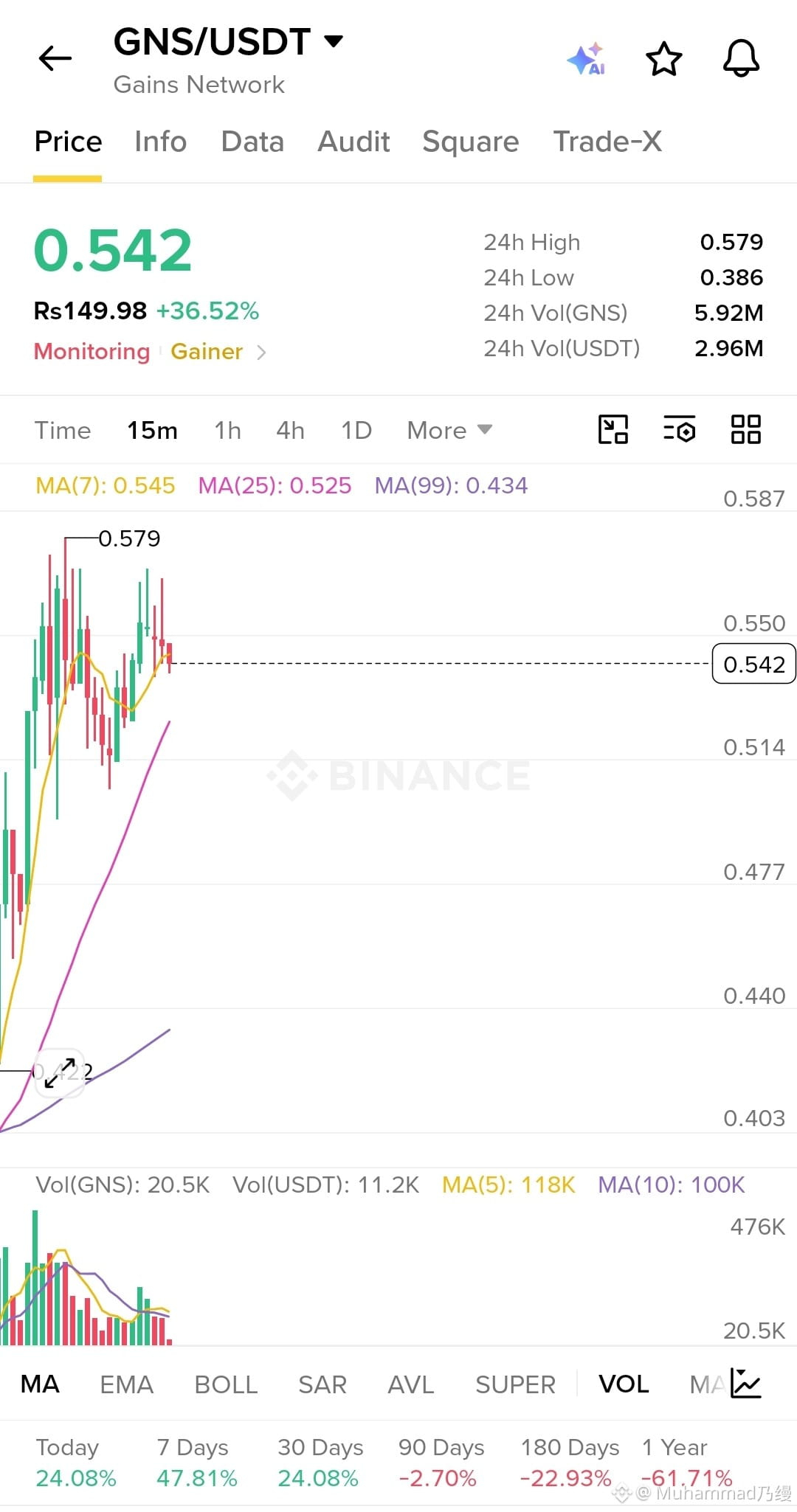
222
·
--
🚀 GTCが本格的な動きを見せています!
$GTC は0.30996ドル(+17.62%)で取引されており、24時間高値の0.31400ドルを記録。取引量は急増し、45.96M GTCに達しています。
5分足チャートでは力強い勢いと出来高の増加が見られ、価格は3本すべての移動平均線を上回っています。
次はブレイクアウト、それとも押し戻し? 👀
#GTC #cryptouniverseofficial $GTC
{future}(GTCUSDT)
$BTC
{future}(BTCUSDT)
#CelestiaRises16%To2026High #GrayscaleAndRepublicLaunchThreeCryptoFunds #NasdaqDowWeeklyGapWidestSinceJuly2002
🚀 GTCが本格的な動きを見せています!
$GTC は0.30996ドル(+17.62%)で取引されており、24時間高値の0.31400ドルを記録。取引量は急増し、45.96M GTCに達しています。
5分足チャートでは力強い勢いと出来高の増加が見られ、価格は3本すべての移動平均線を上回っています。
次はブレイクアウト、それとも押し戻し? 👀
#GTC #cryptouniverseofficial $GTC
$BTC
#CelestiaRises16%To2026High #GrayscaleAndRepublicLaunchThreeCryptoFunds #NasdaqDowWeeklyGapWidestSinceJuly2002
$GTC は0.30996ドル(+17.62%)で取引されており、24時間高値の0.31400ドルを記録。取引量は急増し、45.96M GTCに達しています。
5分足チャートでは力強い勢いと出来高の増加が見られ、価格は3本すべての移動平均線を上回っています。
次はブレイクアウト、それとも押し戻し? 👀
#GTC #cryptouniverseofficial $GTC
$BTC
#CelestiaRises16%To2026High #GrayscaleAndRepublicLaunchThreeCryptoFunds #NasdaqDowWeeklyGapWidestSinceJuly2002
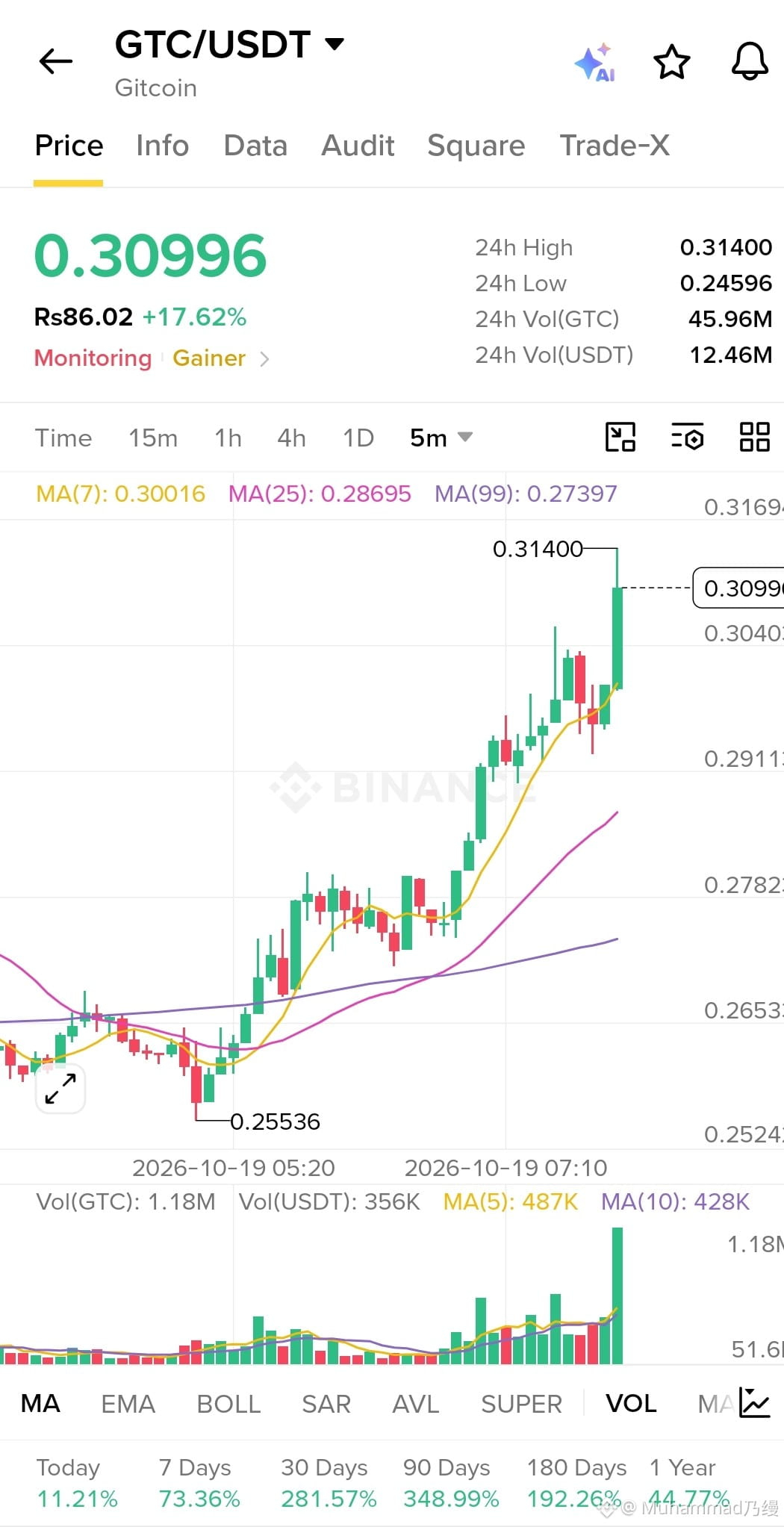
2
104
·
--
ブリッシュ
🚨 $GTC が急上昇中!👀🔥
$GTC は+20.90%急騰し、$0.23130(Rs64.04)に到達!24時間の取引高は$9.49Mです!📈
24時間高値:$0.27732 | 安値:$0.19020
ただし、ここからがポイント。急騰の後、GTCは$0.231付近で値固めしています。👀 買い手がさらに押し上げるのか、それとも売り手が主導権を握るのか?
次の動きに注目です!🚀
GTCのブレイクアウト、それとも押し目を見ていますか?🎯
{future}(GTCUSDT)
$EPIC
{future}(EPICUSDT)
#CelestiaRises16%To2026High #NasdaqDowWeeklyGapWidestSinceJuly2002 #Nasdaq100Falls5.5%InWorstWeekIn18Months #StrategySharesFall9%OnFriday #ETHDropsBelow2400USDT
🚨 $GTC が急上昇中!👀🔥
$GTC は+20.90%急騰し、$0.23130(Rs64.04)に到達!24時間の取引高は$9.49Mです!📈
24時間高値:$0.27732 | 安値:$0.19020
ただし、ここからがポイント。急騰の後、GTCは$0.231付近で値固めしています。👀 買い手がさらに押し上げるのか、それとも売り手が主導権を握るのか?
次の動きに注目です!🚀
GTCのブレイクアウト、それとも押し目を見ていますか?🎯
$EPIC
#CelestiaRises16%To2026High #NasdaqDowWeeklyGapWidestSinceJuly2002 #Nasdaq100Falls5.5%InWorstWeekIn18Months #StrategySharesFall9%OnFriday #ETHDropsBelow2400USDT
$GTC は+20.90%急騰し、$0.23130(Rs64.04)に到達!24時間の取引高は$9.49Mです!📈
24時間高値:$0.27732 | 安値:$0.19020
ただし、ここからがポイント。急騰の後、GTCは$0.231付近で値固めしています。👀 買い手がさらに押し上げるのか、それとも売り手が主導権を握るのか?
次の動きに注目です!🚀
GTCのブレイクアウト、それとも押し目を見ていますか?🎯
$EPIC
#CelestiaRises16%To2026High #NasdaqDowWeeklyGapWidestSinceJuly2002 #Nasdaq100Falls5.5%InWorstWeekIn18Months #StrategySharesFall9%OnFriday #ETHDropsBelow2400USDT
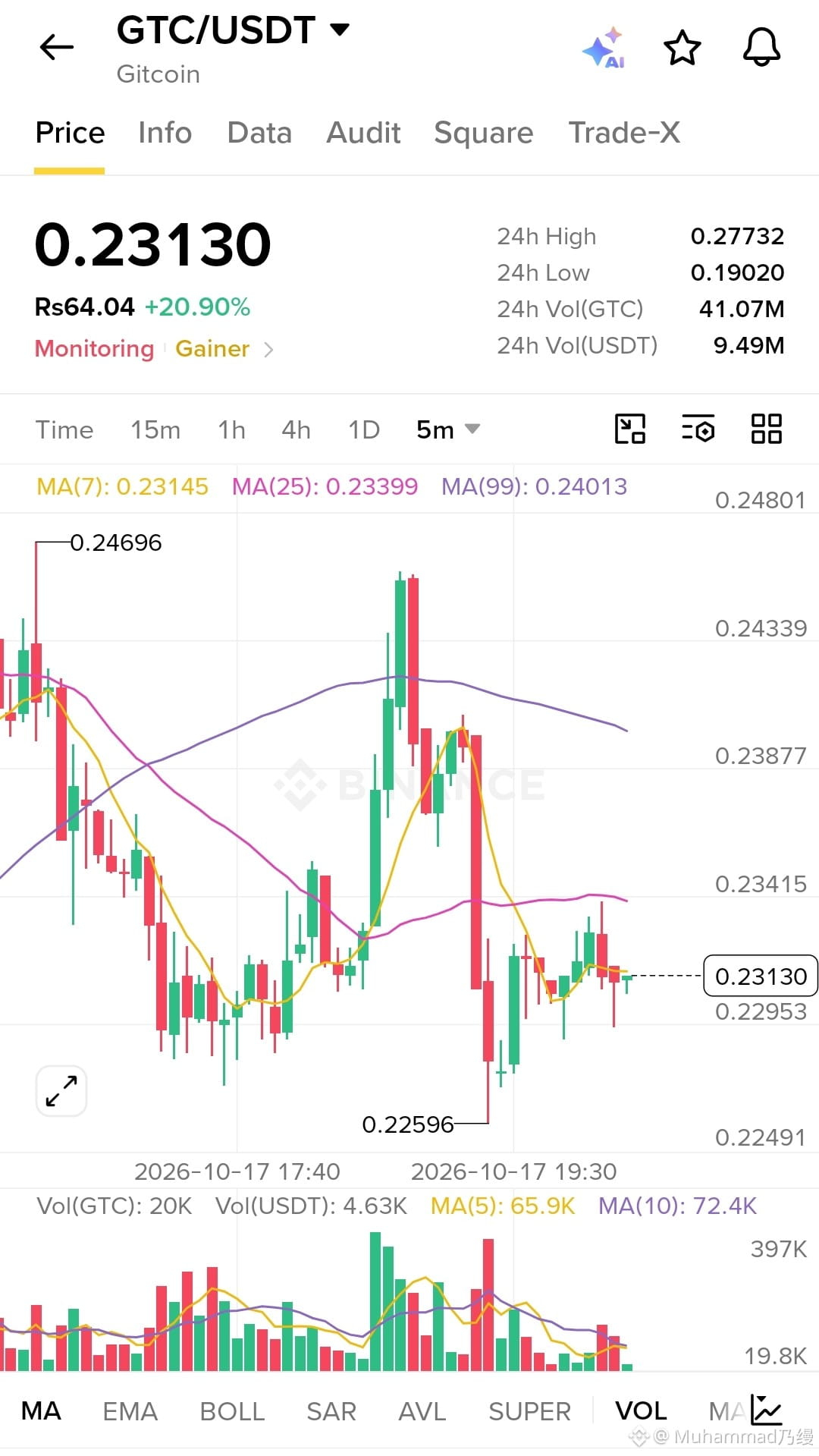
328
·
--
🚀 INJが+28.87%急騰 — 次は10ドル?
Injective ($INJ )が大きく動いています!🔥
💰 価格:$9.308
📈 24時間の上昇率:+28.87%
⬆️ 24時間高値:$9.357
⬇️ 24時間安値:$7.061
📊 24時間の取引高:5.00M INJ($42.35M USDT)
🇵🇰 PKR価格:Rs. 2,576.91
INJは5分足チャートで主要な移動平均線を上回っていますが、急騰後に取引高は落ち着いてきています。👀
ここでの大きな疑問は、強気派が$9.357を突破してINJを$10に近づけるのか、それとも先に利益確定の売りが入るのか?
あなたの予想は?$10を突破、それとも先に反落?🚀🐻$INJ
{future}(INJUSDT)
#NEARRisesNearly10% #AustraliaProposesCryptoTransactionReportingLaw #SolanaAlpenglowUpgradeToActivateOnOct21 #USSeptemberPPIRisesTo6.3%
🚀 INJが+28.87%急騰 — 次は10ドル?
Injective ($INJ )が大きく動いています!🔥
💰 価格:$9.308
📈 24時間の上昇率:+28.87%
⬆️ 24時間高値:$9.357
⬇️ 24時間安値:$7.061
📊 24時間の取引高:5.00M INJ($42.35M USDT)
🇵🇰 PKR価格:Rs. 2,576.91
INJは5分足チャートで主要な移動平均線を上回っていますが、急騰後に取引高は落ち着いてきています。👀
ここでの大きな疑問は、強気派が$9.357を突破してINJを$10に近づけるのか、それとも先に利益確定の売りが入るのか?
あなたの予想は?$10を突破、それとも先に反落?🚀🐻$INJ
#NEARRisesNearly10% #AustraliaProposesCryptoTransactionReportingLaw #SolanaAlpenglowUpgradeToActivateOnOct21 #USSeptemberPPIRisesTo6.3%
Injective ($INJ )が大きく動いています!🔥
💰 価格:$9.308
📈 24時間の上昇率:+28.87%
⬆️ 24時間高値:$9.357
⬇️ 24時間安値:$7.061
📊 24時間の取引高:5.00M INJ($42.35M USDT)
🇵🇰 PKR価格:Rs. 2,576.91
INJは5分足チャートで主要な移動平均線を上回っていますが、急騰後に取引高は落ち着いてきています。👀
ここでの大きな疑問は、強気派が$9.357を突破してINJを$10に近づけるのか、それとも先に利益確定の売りが入るのか?
あなたの予想は?$10を突破、それとも先に反落?🚀🐻$INJ
#NEARRisesNearly10% #AustraliaProposesCryptoTransactionReportingLaw #SolanaAlpenglowUpgradeToActivateOnOct21 #USSeptemberPPIRisesTo6.3%
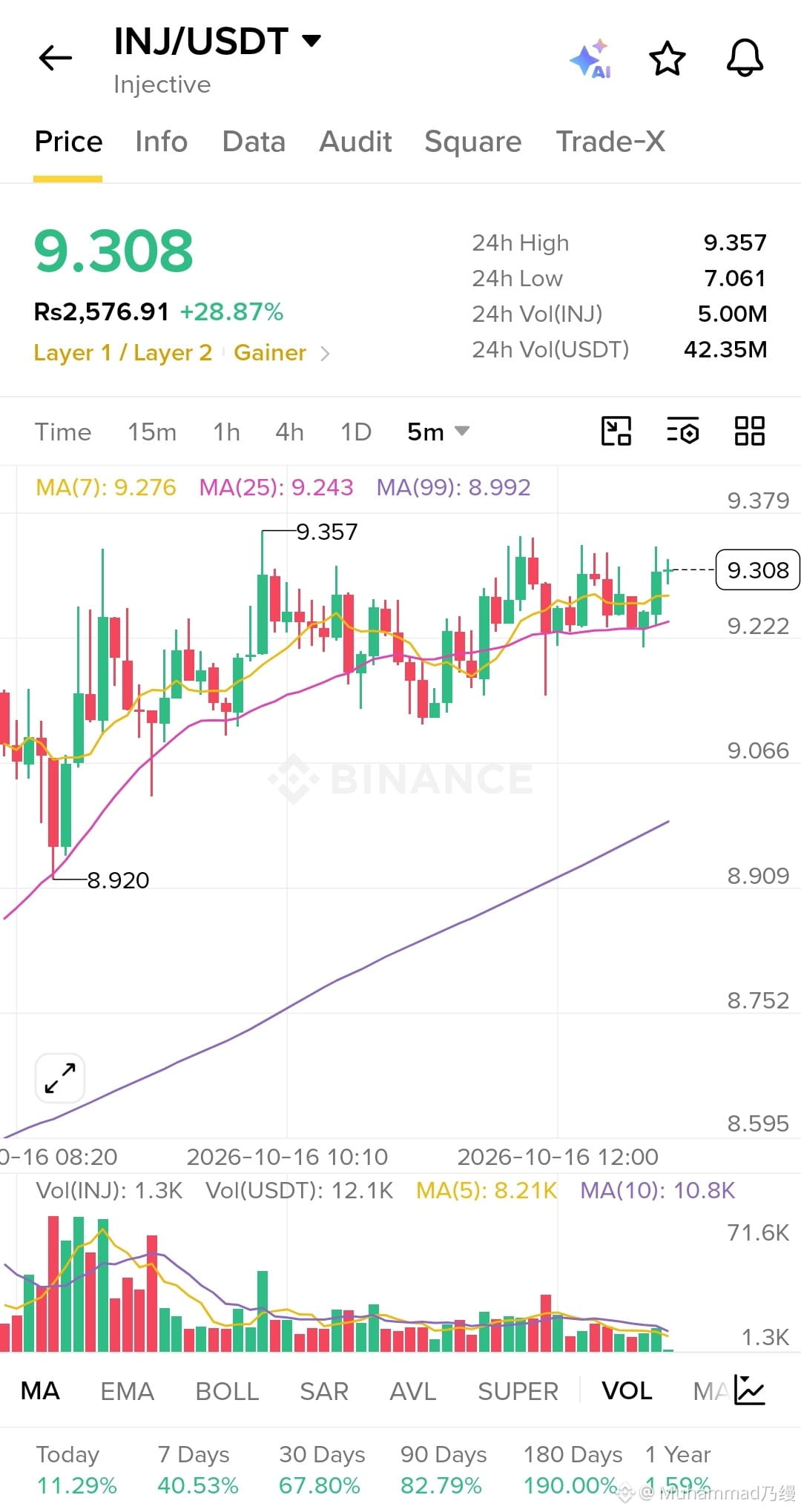
1
144
·
--
ブリッシュ
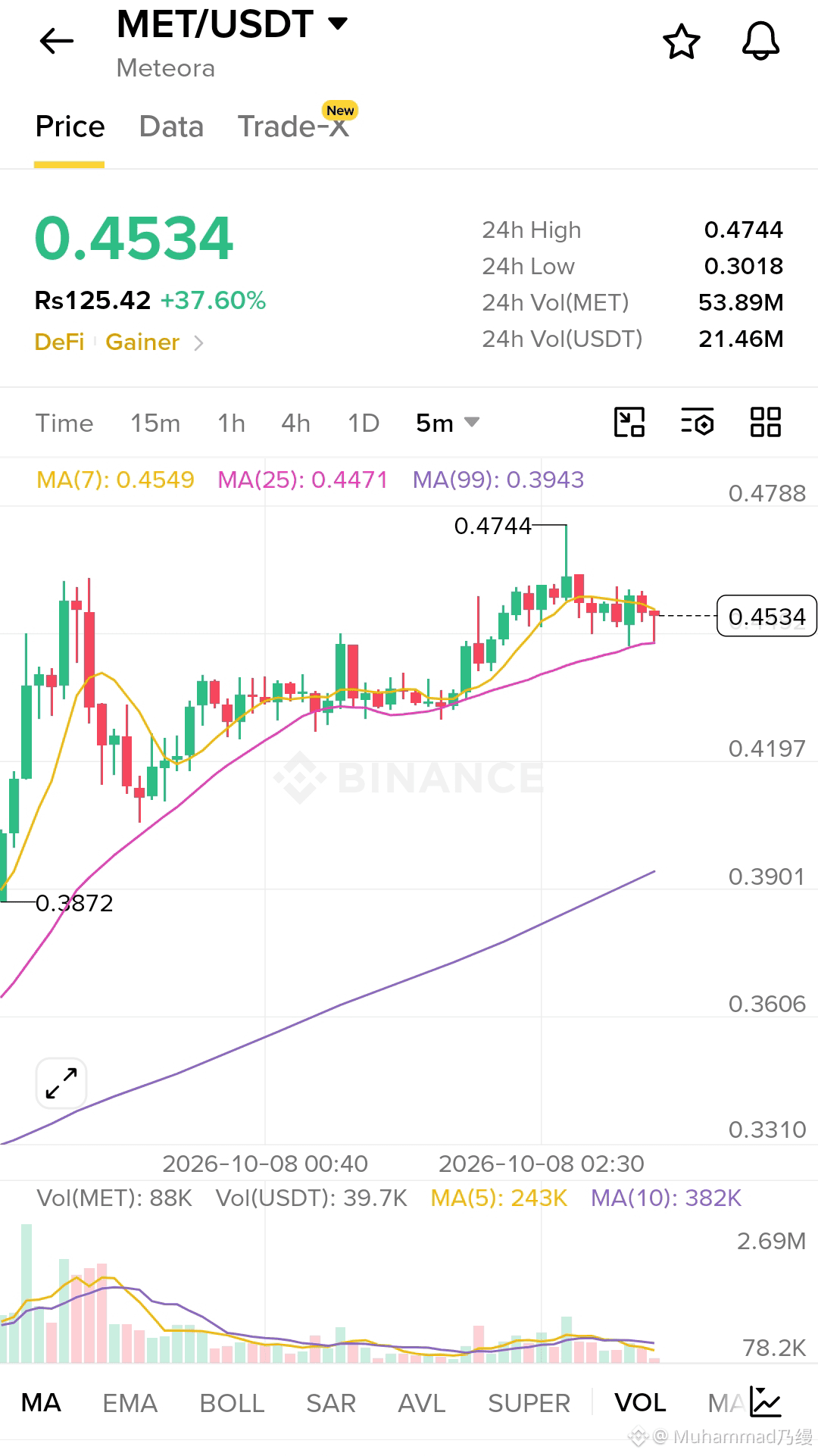
METが本格的な動きを見せた。👀
$MET は$0.4534で取引され、今日は+37.60%。安値$0.3018から一時$0.4744に到達。
5分足チャートでは、価格はMA(7)の$0.4549付近でやや落ち着いているものの、MA(25)の$0.4471を上回っている。
今注目している水準は$0.447。ここを維持すれば → $0.4744に向けた再上昇が面白くなりそう。割り込めば → モメンタムを立て直す必要があるかもしれない。
出来高もすでに状況を物語っている:24時間で53.89M MET / 21.46M USDTが取引された。
この動きに乗る?それとも押し目を待つ? 👀#MET #WinklevossFilesSpotZcashETFApplication #DubaiVARAIssuesReserveAssetAuditCircular #USMortgageRatesRiseTo7.49% #BinanceLaunchesBinanceIntelligence
$MET
{future}(METUSDT)
$GTC
{future}(GTCUSDT)
{future}(SANDUSDT)
METが本格的な動きを見せた。👀
$MET は$0.4534で取引され、今日は+37.60%。安値$0.3018から一時$0.4744に到達。
5分足チャートでは、価格はMA(7)の$0.4549付近でやや落ち着いているものの、MA(25)の$0.4471を上回っている。
今注目している水準は$0.447。ここを維持すれば → $0.4744に向けた再上昇が面白くなりそう。割り込めば → モメンタムを立て直す必要があるかもしれない。
出来高もすでに状況を物語っている:24時間で53.89M MET / 21.46M USDTが取引された。
この動きに乗る?それとも押し目を待つ? 👀#MET #WinklevossFilesSpotZcashETFApplication #DubaiVARAIssuesReserveAssetAuditCircular #USMortgageRatesRiseTo7.49% #BinanceLaunchesBinanceIntelligence
$MET
$GTC
$MET は$0.4534で取引され、今日は+37.60%。安値$0.3018から一時$0.4744に到達。
5分足チャートでは、価格はMA(7)の$0.4549付近でやや落ち着いているものの、MA(25)の$0.4471を上回っている。
今注目している水準は$0.447。ここを維持すれば → $0.4744に向けた再上昇が面白くなりそう。割り込めば → モメンタムを立て直す必要があるかもしれない。
出来高もすでに状況を物語っている:24時間で53.89M MET / 21.46M USDTが取引された。
この動きに乗る?それとも押し目を待つ? 👀#MET #WinklevossFilesSpotZcashETFApplication #DubaiVARAIssuesReserveAssetAuditCircular #USMortgageRatesRiseTo7.49% #BinanceLaunchesBinanceIntelligence
$MET
$GTC
1
610
·
--
みんながAIブームを買っています。
でも次の大きなチャンスは、AI企業そのものではないとしたら?
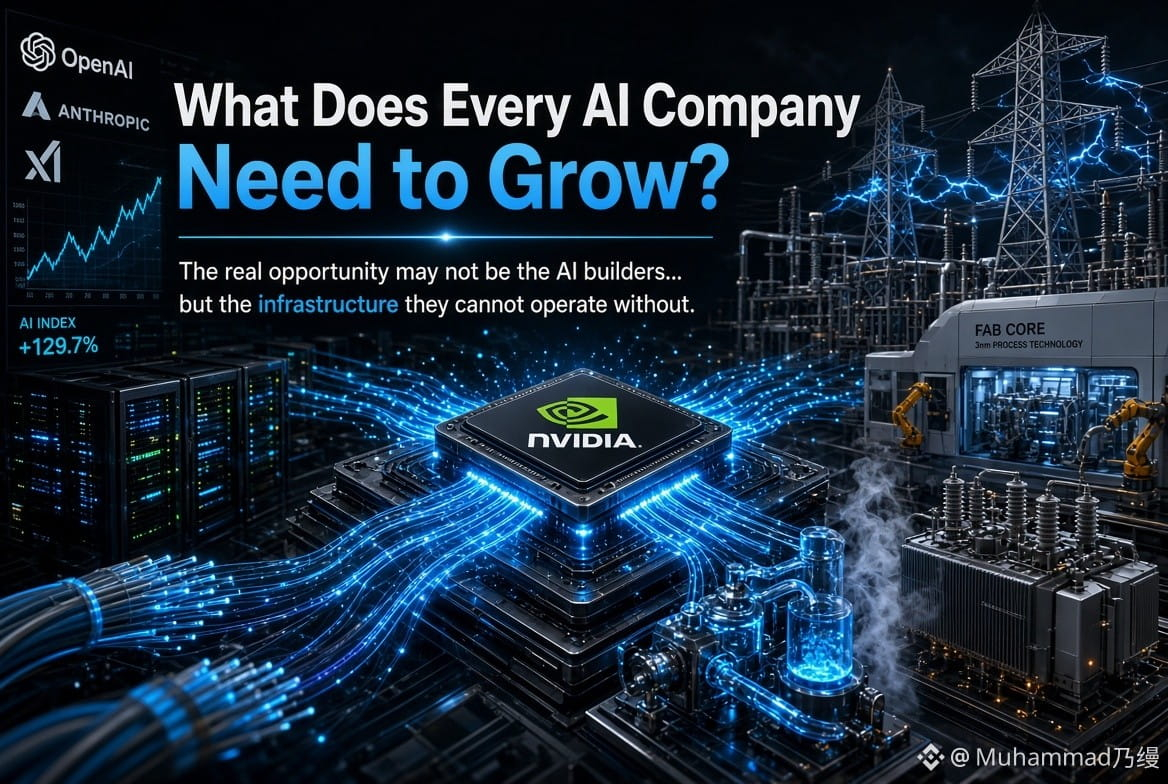
Nvidiaは、来年のチップ販売がほぼ倍増し得ると述べています。AIのリーダーたちは過去最高の売上を報告し続けている一方で、データセンターは膨大な量のチップ、電力、ネットワーク、そして冷却能力を求めています。
すると、不思議な投資のパラドックスが生まれます。
AIが速く成長すればするほど、成長を続けるために必要なインフラも増えます。
そして、問いが変わります。
「次にどのAI株が上がるのか?」だけを聞くのではなく、投資家はこう聞く必要があるかもしれません。
「すべてのAI企業が成長する前に、必ず買わなければならないのは何だろう?」
答えの一つは半導体です。しかしデータセンター、発電、電力網、冷却システム、ネットワーク機器、そして半導体製造ツールも同様です。
ここからAIの物語は、さらに面白くなります。
AI需要は現実のものでも、個々のAI株は依然として高騰してしまうことがあります。強い売上成長があるからといって、トレンドの恩恵を受けるすべての企業が、同じ長期の収益構造を持つとは限りません。
また、より大きな政策の転換も起きています。米国政府はAIインフラを戦略的優先事項として扱う姿勢を強めている一方で、業界のリーダーたちは、開発をどれくらいの速さで進めるべきかを議論しています。
だから私は、AIの見出しだけでなく、AIのサプライチェーンを見ています。
このサイクルの次の局面は、次のNvidiaを探すことではないのかもしれません。
あるいは、Nvidia――そして他のすべてのAI企業――がそれなしには稼働できないものを見つけることなのかもしれません。
あなたはAIの“作り手”を持ちたいですか? それとも、それらがすべて依存している“インフラ”を持ちたいですか?
#AIStocksWhatNext
$MUBARAK $KERNEL $NIL
みんながAIブームを買っています。
でも次の大きなチャンスは、AI企業そのものではないとしたら?
Nvidiaは、来年のチップ販売がほぼ倍増し得ると述べています。AIのリーダーたちは過去最高の売上を報告し続けている一方で、データセンターは膨大な量のチップ、電力、ネットワーク、そして冷却能力を求めています。
すると、不思議な投資のパラドックスが生まれます。
AIが速く成長すればするほど、成長を続けるために必要なインフラも増えます。
そして、問いが変わります。
「次にどのAI株が上がるのか?」だけを聞くのではなく、投資家はこう聞く必要があるかもしれません。
「すべてのAI企業が成長する前に、必ず買わなければならないのは何だろう?」
答えの一つは半導体です。しかしデータセンター、発電、電力網、冷却システム、ネットワーク機器、そして半導体製造ツールも同様です。
ここからAIの物語は、さらに面白くなります。
AI需要は現実のものでも、個々のAI株は依然として高騰してしまうことがあります。強い売上成長があるからといって、トレンドの恩恵を受けるすべての企業が、同じ長期の収益構造を持つとは限りません。
また、より大きな政策の転換も起きています。米国政府はAIインフラを戦略的優先事項として扱う姿勢を強めている一方で、業界のリーダーたちは、開発をどれくらいの速さで進めるべきかを議論しています。
だから私は、AIの見出しだけでなく、AIのサプライチェーンを見ています。
このサイクルの次の局面は、次のNvidiaを探すことではないのかもしれません。
あるいは、Nvidia――そして他のすべてのAI企業――がそれなしには稼働できないものを見つけることなのかもしれません。
あなたはAIの“作り手”を持ちたいですか? それとも、それらがすべて依存している“インフラ”を持ちたいですか?
#AIStocksWhatNext
$MUBARAK $KERNEL $NIL
でも次の大きなチャンスは、AI企業そのものではないとしたら?
Nvidiaは、来年のチップ販売がほぼ倍増し得ると述べています。AIのリーダーたちは過去最高の売上を報告し続けている一方で、データセンターは膨大な量のチップ、電力、ネットワーク、そして冷却能力を求めています。
すると、不思議な投資のパラドックスが生まれます。
AIが速く成長すればするほど、成長を続けるために必要なインフラも増えます。
そして、問いが変わります。
「次にどのAI株が上がるのか?」だけを聞くのではなく、投資家はこう聞く必要があるかもしれません。
「すべてのAI企業が成長する前に、必ず買わなければならないのは何だろう?」
答えの一つは半導体です。しかしデータセンター、発電、電力網、冷却システム、ネットワーク機器、そして半導体製造ツールも同様です。
ここからAIの物語は、さらに面白くなります。
AI需要は現実のものでも、個々のAI株は依然として高騰してしまうことがあります。強い売上成長があるからといって、トレンドの恩恵を受けるすべての企業が、同じ長期の収益構造を持つとは限りません。
また、より大きな政策の転換も起きています。米国政府はAIインフラを戦略的優先事項として扱う姿勢を強めている一方で、業界のリーダーたちは、開発をどれくらいの速さで進めるべきかを議論しています。
だから私は、AIの見出しだけでなく、AIのサプライチェーンを見ています。
このサイクルの次の局面は、次のNvidiaを探すことではないのかもしれません。
あるいは、Nvidia――そして他のすべてのAI企業――がそれなしには稼働できないものを見つけることなのかもしれません。
あなたはAIの“作り手”を持ちたいですか? それとも、それらがすべて依存している“インフラ”を持ちたいですか?
#AIStocksWhatNext
$MUBARAK $KERNEL $NIL
2
114
·
--
ブリッシュ
AI需要が爆発し続ける一方で—AI株が次のチャンスの場所ではないとしたら?
それが、私が見ている矛盾です。
AIブームは加速していますが、新しいモデルやデータセンター、GPUクラスターが増えるたびに、別の問題も生まれます。
その電力、ハードウェア、インフラはどこから来るのでしょうか?
AIが増えるほど、コンピュートも増えます。
コンピュートが増えるほど、データセンターも増えます。
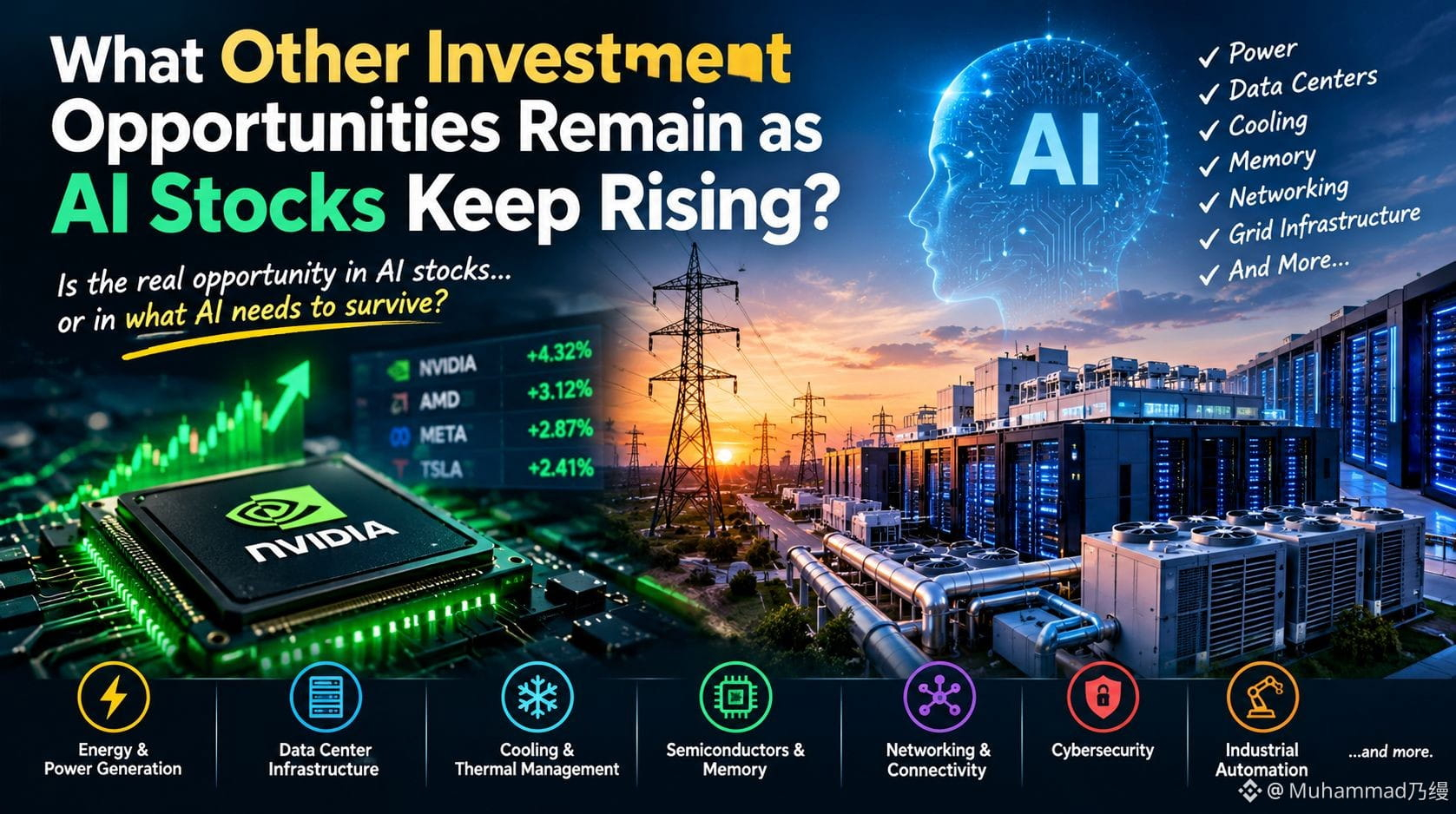
そしてデータセンターが増えるほど、電力、冷却、メモリ、ネットワーキング、変圧器、さらに送電網の能力といった需要が途方もなく膨らみます。
IEA(国際エネルギー機関)は、世界のデータセンターの電力消費が、2025年の485TWhから2030年には約950TWhへとほぼ倍増すると見込んでいます。
つまり、AI投資マップは、実際にAIを作っている企業よりもはるかに大きい可能性があります。
考えてみてください:
⚡ 発電・送電網
🔌 変圧器・電気設備
🏗️ データセンターのインフラ
❄️ 冷却・熱管理
💾 メモリ・半導体
🌐 ネットワーキング
🔐 サイバーセキュリティ
🤖 工場/産業の自動化
しかし、ここに緊張関係があります。
AI企業は成長するためのインフラが必要です。
インフラ企業は、必ずしも「AIの勝ち組」が1社いれば成功できるわけではありません。
この違いが重要です。
仮にNvidia、Microsoft、Googleなどの巨大企業がAIへの投資を増やし続けるなら、その投資の下支えとして、誰かが電力、設備、チップ、冷却、そして物理的な収容能力を供給しなければなりません。
だからこそ、次のように聞くだけではなく:
「どのAI株が上がるのか?」
私は別の質問をしています。
「次のAIドルは、実際にどこに使われる必要があるのか?」
なぜなら、次のチャンスは“知能(インテリジェンス)を売る”ことではないかもしれないからです。
知能が動くために必要な“すべて”を売ることになるかもしれません。
エネルギー ⚡ | インフラ 🏗️ | 半導体 💾 | その他 👀
#AIStocksWhatNext
$MUBARAK
{future}(MUBARAKUSDT)
$KERNEL
{future}(KERNELUSDT)
$NIL
{future}(NILUSDT)
AI需要が爆発し続ける一方で—AI株が次のチャンスの場所ではないとしたら?
それが、私が見ている矛盾です。
AIブームは加速していますが、新しいモデルやデータセンター、GPUクラスターが増えるたびに、別の問題も生まれます。
その電力、ハードウェア、インフラはどこから来るのでしょうか?
AIが増えるほど、コンピュートも増えます。
コンピュートが増えるほど、データセンターも増えます。
そしてデータセンターが増えるほど、電力、冷却、メモリ、ネットワーキング、変圧器、さらに送電網の能力といった需要が途方もなく膨らみます。
IEA(国際エネルギー機関)は、世界のデータセンターの電力消費が、2025年の485TWhから2030年には約950TWhへとほぼ倍増すると見込んでいます。
つまり、AI投資マップは、実際にAIを作っている企業よりもはるかに大きい可能性があります。
考えてみてください:
⚡ 発電・送電網
🔌 変圧器・電気設備
🏗️ データセンターのインフラ
❄️ 冷却・熱管理
💾 メモリ・半導体
🌐 ネットワーキング
🔐 サイバーセキュリティ
🤖 工場/産業の自動化
しかし、ここに緊張関係があります。
AI企業は成長するためのインフラが必要です。
インフラ企業は、必ずしも「AIの勝ち組」が1社いれば成功できるわけではありません。
この違いが重要です。
仮にNvidia、Microsoft、Googleなどの巨大企業がAIへの投資を増やし続けるなら、その投資の下支えとして、誰かが電力、設備、チップ、冷却、そして物理的な収容能力を供給しなければなりません。
だからこそ、次のように聞くだけではなく:
「どのAI株が上がるのか?」
私は別の質問をしています。
「次のAIドルは、実際にどこに使われる必要があるのか?」
なぜなら、次のチャンスは“知能(インテリジェンス)を売る”ことではないかもしれないからです。
知能が動くために必要な“すべて”を売ることになるかもしれません。
エネルギー ⚡ | インフラ 🏗️ | 半導体 💾 | その他 👀
#AIStocksWhatNext
$MUBARAK
$KERNEL
$NIL
それが、私が見ている矛盾です。
AIブームは加速していますが、新しいモデルやデータセンター、GPUクラスターが増えるたびに、別の問題も生まれます。
その電力、ハードウェア、インフラはどこから来るのでしょうか?
AIが増えるほど、コンピュートも増えます。
コンピュートが増えるほど、データセンターも増えます。
そしてデータセンターが増えるほど、電力、冷却、メモリ、ネットワーキング、変圧器、さらに送電網の能力といった需要が途方もなく膨らみます。
IEA(国際エネルギー機関)は、世界のデータセンターの電力消費が、2025年の485TWhから2030年には約950TWhへとほぼ倍増すると見込んでいます。
つまり、AI投資マップは、実際にAIを作っている企業よりもはるかに大きい可能性があります。
考えてみてください:
⚡ 発電・送電網
🔌 変圧器・電気設備
🏗️ データセンターのインフラ
❄️ 冷却・熱管理
💾 メモリ・半導体
🌐 ネットワーキング
🔐 サイバーセキュリティ
🤖 工場/産業の自動化
しかし、ここに緊張関係があります。
AI企業は成長するためのインフラが必要です。
インフラ企業は、必ずしも「AIの勝ち組」が1社いれば成功できるわけではありません。
この違いが重要です。
仮にNvidia、Microsoft、Googleなどの巨大企業がAIへの投資を増やし続けるなら、その投資の下支えとして、誰かが電力、設備、チップ、冷却、そして物理的な収容能力を供給しなければなりません。
だからこそ、次のように聞くだけではなく:
「どのAI株が上がるのか?」
私は別の質問をしています。
「次のAIドルは、実際にどこに使われる必要があるのか?」
なぜなら、次のチャンスは“知能(インテリジェンス)を売る”ことではないかもしれないからです。
知能が動くために必要な“すべて”を売ることになるかもしれません。
エネルギー ⚡ | インフラ 🏗️ | 半導体 💾 | その他 👀
#AIStocksWhatNext
$MUBARAK
$KERNEL
$NIL
2
126
·
--
ブリッシュ
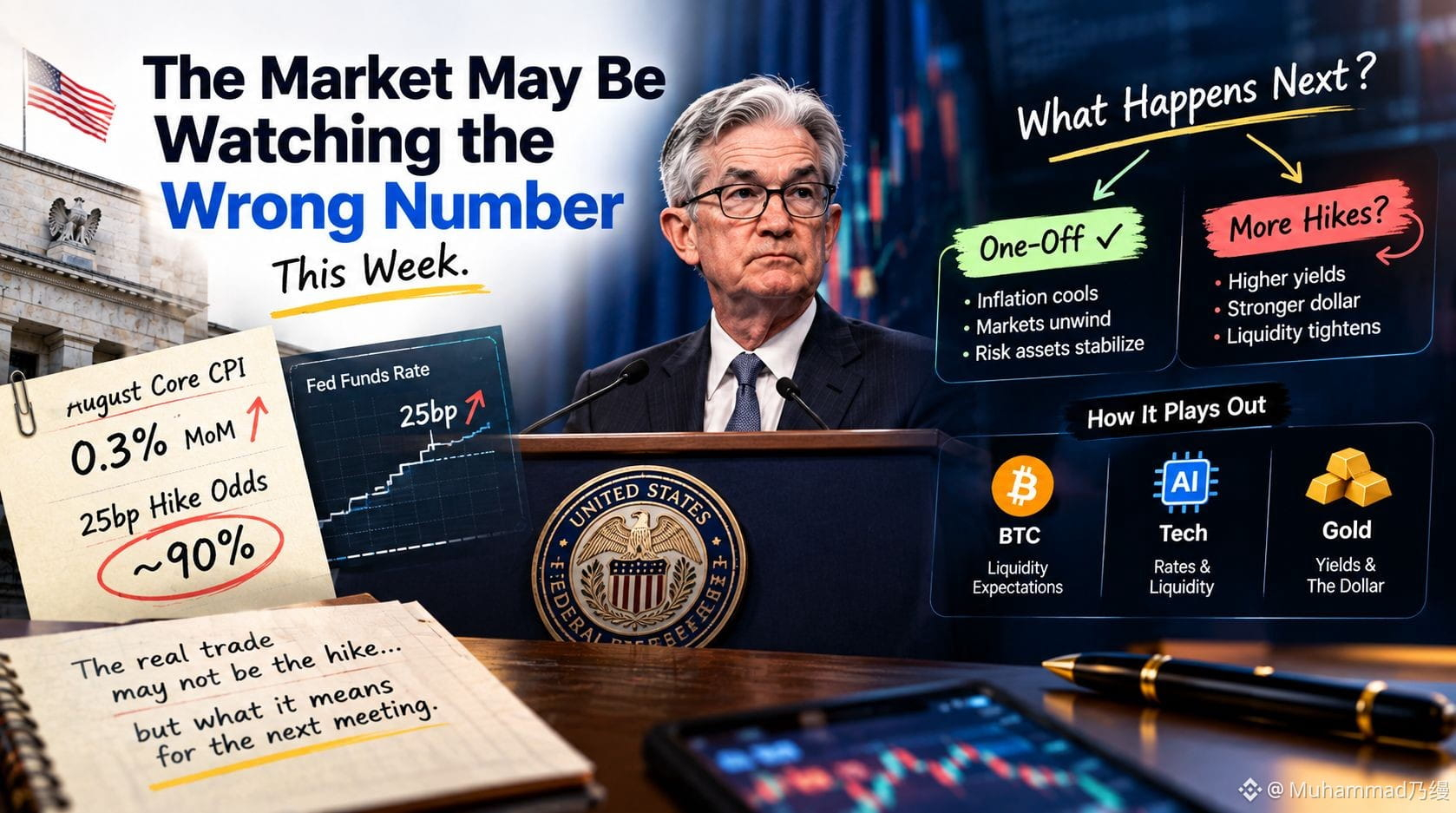
今週、マーケットは見ている数字が間違っているのではないかと思っています。
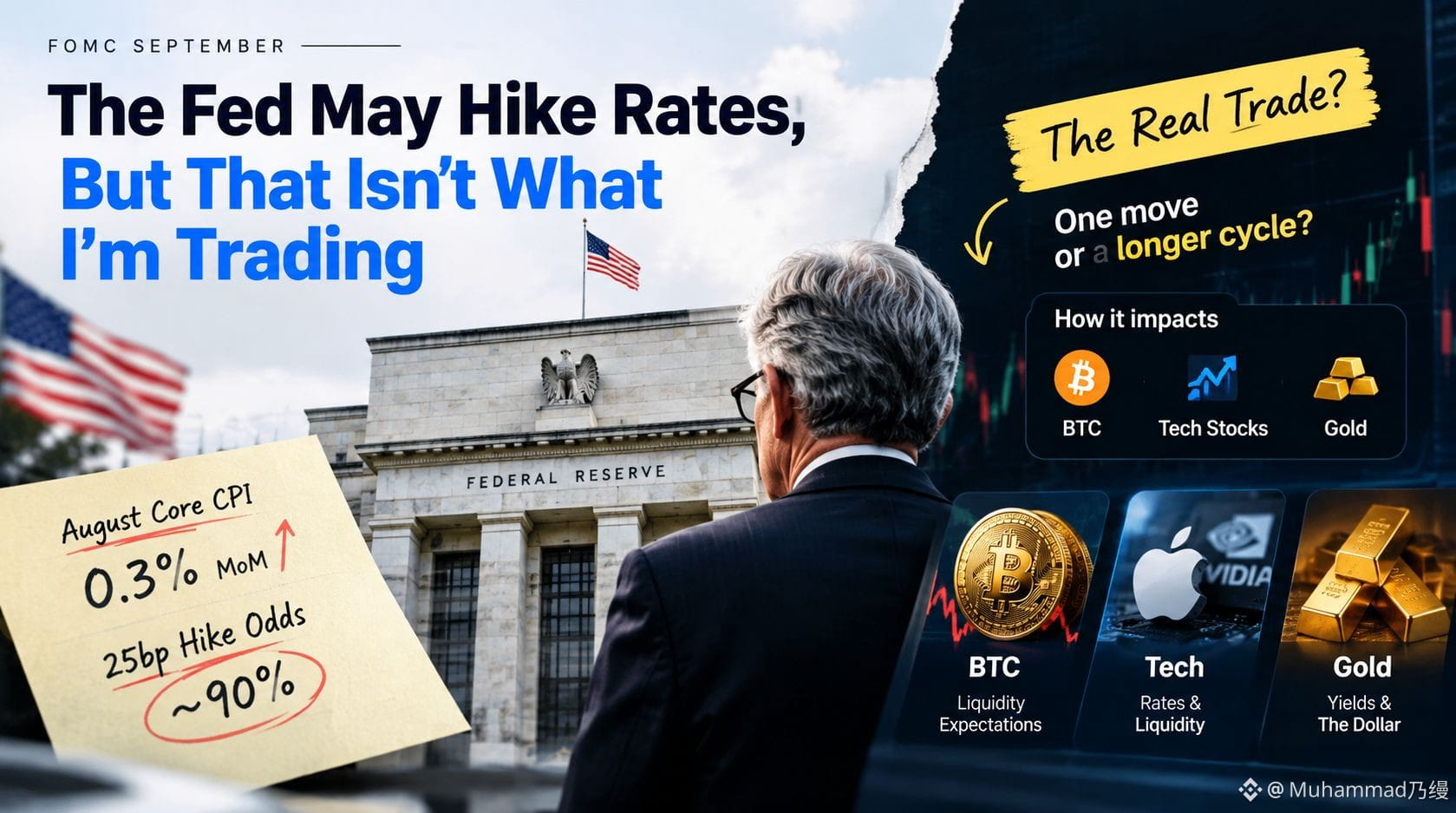
25bpのFRB利上げは、すでにかなり織り込まれかけています。8月のコアCPIは前月比0.3%でした。つまり、意思決定そのものが、人々が考えるほど重要なヒントを与えるとは限りません。
私が注目しているのは、わかりきった部分の後に何が起きるかです。
ほとんど全員が同じイベントに備えると、そのイベントは取引全体を占める存在ではなくなります。実際の再評価は、別の問いから始まることが多いのです。
「次回会合にとって、これは何を意味するのか?」
私はそこを見ています。
25bpの利上げはBTC、テック株、ゴールドに圧力をかける可能性はありますが、反応が利上げそのものから必ず出るとは限りません。それは、FRBが9月以降の利率の道筋について、市場に改めて考え直させるかどうか次第です。
政策当局が、この動きを「粘り強いインフレへの単発の対応」として位置付ければ、市場は一つのストーリーを消化することになります。
一方で、さらなる引き締めの余地を残せば、同じ25bpでも意味は突然大きく変わってきます。
だから、最初の5分間の反応を当てにいくことにはあまり興味がなく、その後の期待がどう変化するかを見たいのです。
BTCとテックについては、流動性の期待を見ます。ゴールドについては、利回りとドルが物語の別の部分を示すかもしれません。
このFOMCで面白いのは、FRBが実際に何をするかではないかもしれません。
むしろ、FRBが市場に再考を迫る「未来」のどれだけの部分かです。
もし利上げがすでに織り込まれているなら、驚きはどこから来るのでしょう。決定そのものなのか、それともその決定が、その後すべてに対して市場の期待を作り出すことなのか。
#FedRateWatch
$NIL $FTT $BTC
{future}(BTCUSDT)
今週、マーケットは見ている数字が間違っているのではないかと思っています。
25bpのFRB利上げは、すでにかなり織り込まれかけています。8月のコアCPIは前月比0.3%でした。つまり、意思決定そのものが、人々が考えるほど重要なヒントを与えるとは限りません。
私が注目しているのは、わかりきった部分の後に何が起きるかです。
ほとんど全員が同じイベントに備えると、そのイベントは取引全体を占める存在ではなくなります。実際の再評価は、別の問いから始まることが多いのです。
「次回会合にとって、これは何を意味するのか?」
私はそこを見ています。
25bpの利上げはBTC、テック株、ゴールドに圧力をかける可能性はありますが、反応が利上げそのものから必ず出るとは限りません。それは、FRBが9月以降の利率の道筋について、市場に改めて考え直させるかどうか次第です。
政策当局が、この動きを「粘り強いインフレへの単発の対応」として位置付ければ、市場は一つのストーリーを消化することになります。
一方で、さらなる引き締めの余地を残せば、同じ25bpでも意味は突然大きく変わってきます。
だから、最初の5分間の反応を当てにいくことにはあまり興味がなく、その後の期待がどう変化するかを見たいのです。
BTCとテックについては、流動性の期待を見ます。ゴールドについては、利回りとドルが物語の別の部分を示すかもしれません。
このFOMCで面白いのは、FRBが実際に何をするかではないかもしれません。
むしろ、FRBが市場に再考を迫る「未来」のどれだけの部分かです。
もし利上げがすでに織り込まれているなら、驚きはどこから来るのでしょう。決定そのものなのか、それともその決定が、その後すべてに対して市場の期待を作り出すことなのか。
#FedRateWatch
$NIL $FTT $BTC
25bpのFRB利上げは、すでにかなり織り込まれかけています。8月のコアCPIは前月比0.3%でした。つまり、意思決定そのものが、人々が考えるほど重要なヒントを与えるとは限りません。
私が注目しているのは、わかりきった部分の後に何が起きるかです。
ほとんど全員が同じイベントに備えると、そのイベントは取引全体を占める存在ではなくなります。実際の再評価は、別の問いから始まることが多いのです。
「次回会合にとって、これは何を意味するのか?」
私はそこを見ています。
25bpの利上げはBTC、テック株、ゴールドに圧力をかける可能性はありますが、反応が利上げそのものから必ず出るとは限りません。それは、FRBが9月以降の利率の道筋について、市場に改めて考え直させるかどうか次第です。
政策当局が、この動きを「粘り強いインフレへの単発の対応」として位置付ければ、市場は一つのストーリーを消化することになります。
一方で、さらなる引き締めの余地を残せば、同じ25bpでも意味は突然大きく変わってきます。
だから、最初の5分間の反応を当てにいくことにはあまり興味がなく、その後の期待がどう変化するかを見たいのです。
BTCとテックについては、流動性の期待を見ます。ゴールドについては、利回りとドルが物語の別の部分を示すかもしれません。
このFOMCで面白いのは、FRBが実際に何をするかではないかもしれません。
むしろ、FRBが市場に再考を迫る「未来」のどれだけの部分かです。
もし利上げがすでに織り込まれているなら、驚きはどこから来るのでしょう。決定そのものなのか、それともその決定が、その後すべてに対して市場の期待を作り出すことなのか。
#FedRateWatch
$NIL $FTT $BTC
285
·
--
今週、市場は間違った数字を見ているのではないかと思います。
25bpのFRB利上げは、すでに織り込みがかなり進んでいます。8月のコアCPIは前月比0.3%でしたので、今回の決定そのものが、人々が考えるほど大きな手がかりになるとは限りません。
私が気になるのは、わかりきった部分の「その後」に何が起きるかです。
ほとんど全員が同じ出来事に備えると、その出来事は取引全体を説明するものではなくなります。本当の再評価は、別の問いから始まることが多いです。
「この先の次回会合にとって、それは何を意味するのか?」
私はまさにそこを見ています。
25bpの利上げはBTC、テック株、そして金に圧力をかけ得ますが、反応が利上げそのものから直ちに出るとは限りません。9月以降の金利の道筋を、市場に考え直させるような形になるかどうかに左右されます。
政策当局が今回の動きを、粘着的なインフレへの「単発の」対応だと位置づければ、市場は消化すべきストーリーが1つになります。
一方で、さらなる引き締めの余地を残せば、同じ25bpがにわかにまったく違う意味を持つことになります。
だから私は、最初の5分間の反応を当てることよりも、その後に期待がどう変わるかを見たいのです。
BTCとテックについては流動性の期待を見ます。金については、ヘッドラインの決定と同じくらい、利回りとドルの動きが重要になります。
今回のFOMCで面白いのは、FRBが実際に何をするかそのものではないかもしれません。
むしろ、FRBが将来について、市場にどれだけ考え直しを迫るかです。
利上げがすでに織り込まれているなら、「驚き」は結局どこから来るのでしょうか。決定そのものからなのか、それとも、その後に続くすべてに対して生み出される期待からなのか。
$ONE $AVA $GENIUS
#FedRateWatch #FedRateWatch
今週、市場は間違った数字を見ているのではないかと思います。
25bpのFRB利上げは、すでに織り込みがかなり進んでいます。8月のコアCPIは前月比0.3%でしたので、今回の決定そのものが、人々が考えるほど大きな手がかりになるとは限りません。
私が気になるのは、わかりきった部分の「その後」に何が起きるかです。
ほとんど全員が同じ出来事に備えると、その出来事は取引全体を説明するものではなくなります。本当の再評価は、別の問いから始まることが多いです。
「この先の次回会合にとって、それは何を意味するのか?」
私はまさにそこを見ています。
25bpの利上げはBTC、テック株、そして金に圧力をかけ得ますが、反応が利上げそのものから直ちに出るとは限りません。9月以降の金利の道筋を、市場に考え直させるような形になるかどうかに左右されます。
政策当局が今回の動きを、粘着的なインフレへの「単発の」対応だと位置づければ、市場は消化すべきストーリーが1つになります。
一方で、さらなる引き締めの余地を残せば、同じ25bpがにわかにまったく違う意味を持つことになります。
だから私は、最初の5分間の反応を当てることよりも、その後に期待がどう変わるかを見たいのです。
BTCとテックについては流動性の期待を見ます。金については、ヘッドラインの決定と同じくらい、利回りとドルの動きが重要になります。
今回のFOMCで面白いのは、FRBが実際に何をするかそのものではないかもしれません。
むしろ、FRBが将来について、市場にどれだけ考え直しを迫るかです。
利上げがすでに織り込まれているなら、「驚き」は結局どこから来るのでしょうか。決定そのものからなのか、それとも、その後に続くすべてに対して生み出される期待からなのか。
$ONE $AVA $GENIUS
#FedRateWatch #FedRateWatch
25bpのFRB利上げは、すでに織り込みがかなり進んでいます。8月のコアCPIは前月比0.3%でしたので、今回の決定そのものが、人々が考えるほど大きな手がかりになるとは限りません。
私が気になるのは、わかりきった部分の「その後」に何が起きるかです。
ほとんど全員が同じ出来事に備えると、その出来事は取引全体を説明するものではなくなります。本当の再評価は、別の問いから始まることが多いです。
「この先の次回会合にとって、それは何を意味するのか?」
私はまさにそこを見ています。
25bpの利上げはBTC、テック株、そして金に圧力をかけ得ますが、反応が利上げそのものから直ちに出るとは限りません。9月以降の金利の道筋を、市場に考え直させるような形になるかどうかに左右されます。
政策当局が今回の動きを、粘着的なインフレへの「単発の」対応だと位置づければ、市場は消化すべきストーリーが1つになります。
一方で、さらなる引き締めの余地を残せば、同じ25bpがにわかにまったく違う意味を持つことになります。
だから私は、最初の5分間の反応を当てることよりも、その後に期待がどう変わるかを見たいのです。
BTCとテックについては流動性の期待を見ます。金については、ヘッドラインの決定と同じくらい、利回りとドルの動きが重要になります。
今回のFOMCで面白いのは、FRBが実際に何をするかそのものではないかもしれません。
むしろ、FRBが将来について、市場にどれだけ考え直しを迫るかです。
利上げがすでに織り込まれているなら、「驚き」は結局どこから来るのでしょうか。決定そのものからなのか、それとも、その後に続くすべてに対して生み出される期待からなのか。
$ONE $AVA $GENIUS
#FedRateWatch #FedRateWatch
3
233
·
--
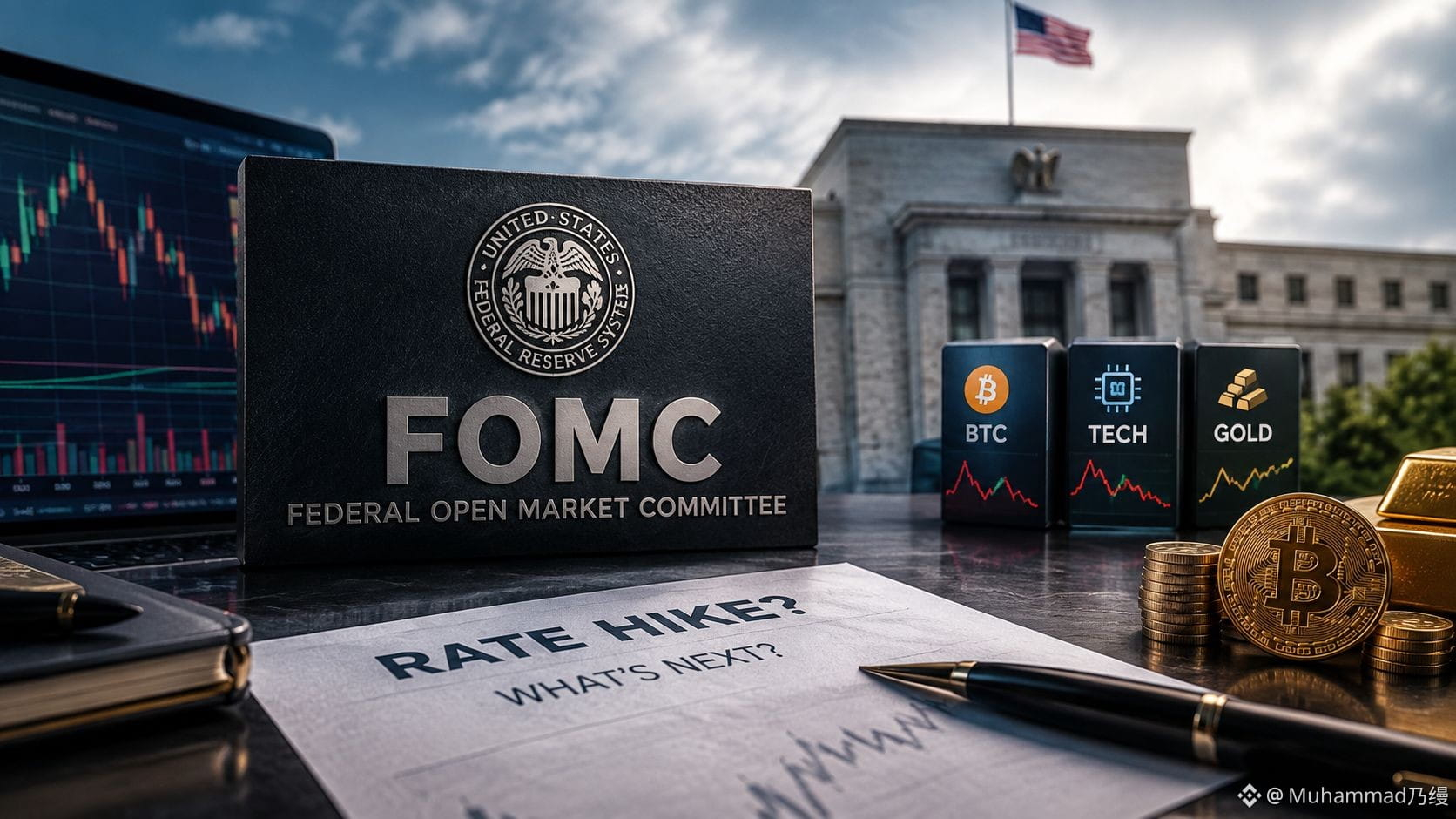
今週のFRB利上げは取引しません。
取引するのは、市場がその利上げをどう意味づけているかです。
最初は、25bpの動きが主役になるのだろうと思っていました。ですが、8月のコアCPIが前月比0.3%で、25bp利上げの確率が報じられているところによると約90%とすると、その結果はますます「見慣れたもの」になりつつあります。
そして、見慣れた情報は通常、市場を驚かせる力が小さくなります。
私がより興味深いのは、決定の後に期待がどう変わるかという部分です。
利上げは書面上では景気を抑制するものですが、市場の反応は投資家がそれを単発の調整だと捉えるのか、あるいはFRBがさらに引き締めを続ける必要があるという証拠だと解釈するのかに大きく左右されます。
この違いは、25bpそのものよりも重要になり得ます。
もしFRBがこれを「一度きり」と示唆すれば、BTCやテック株は、より安定した金利の見通しの可能性に次第に焦点を移すかもしれません。一方、金は実質金利とドルの変化に反応します。メッセージが追加の引き締めを示す場合、圧力の源泉は、市場が将来の流動性を見直し(リプライシング)することです。
つまり、最初の反応こそが実は最も面白くないのかもしれません。
私は「二次的な反応」を見ています。すなわち、米国債利回りがどう動くのか、ドルがどう反応するのか、そしてリスク資産が、最初の見出しを消化した後も売られ続けるのかどうかです。
なぜなら、市場は今日の金利を本当に取引していないからです。
取引しているのは、明日の金利に対する「信念」の変化です。
そして、ほぼ全員がすでにFRBの利上げを織り込んでいるのなら、より大きな論点は「そもそも利上げするのかどうか」ではないかもしれません。
論点はこれです。利上げの後、パウエルは市場がどんな将来の価格をつけるようにするのか?
#FedRateWatch
#FedRateWatch
$SYN $LSK $HEI
今週のFRB利上げは取引しません。
取引するのは、市場がその利上げをどう意味づけているかです。
最初は、25bpの動きが主役になるのだろうと思っていました。ですが、8月のコアCPIが前月比0.3%で、25bp利上げの確率が報じられているところによると約90%とすると、その結果はますます「見慣れたもの」になりつつあります。
そして、見慣れた情報は通常、市場を驚かせる力が小さくなります。
私がより興味深いのは、決定の後に期待がどう変わるかという部分です。
利上げは書面上では景気を抑制するものですが、市場の反応は投資家がそれを単発の調整だと捉えるのか、あるいはFRBがさらに引き締めを続ける必要があるという証拠だと解釈するのかに大きく左右されます。
この違いは、25bpそのものよりも重要になり得ます。
もしFRBがこれを「一度きり」と示唆すれば、BTCやテック株は、より安定した金利の見通しの可能性に次第に焦点を移すかもしれません。一方、金は実質金利とドルの変化に反応します。メッセージが追加の引き締めを示す場合、圧力の源泉は、市場が将来の流動性を見直し(リプライシング)することです。
つまり、最初の反応こそが実は最も面白くないのかもしれません。
私は「二次的な反応」を見ています。すなわち、米国債利回りがどう動くのか、ドルがどう反応するのか、そしてリスク資産が、最初の見出しを消化した後も売られ続けるのかどうかです。
なぜなら、市場は今日の金利を本当に取引していないからです。
取引しているのは、明日の金利に対する「信念」の変化です。
そして、ほぼ全員がすでにFRBの利上げを織り込んでいるのなら、より大きな論点は「そもそも利上げするのかどうか」ではないかもしれません。
論点はこれです。利上げの後、パウエルは市場がどんな将来の価格をつけるようにするのか?
#FedRateWatch
#FedRateWatch
$SYN $LSK $HEI
取引するのは、市場がその利上げをどう意味づけているかです。
最初は、25bpの動きが主役になるのだろうと思っていました。ですが、8月のコアCPIが前月比0.3%で、25bp利上げの確率が報じられているところによると約90%とすると、その結果はますます「見慣れたもの」になりつつあります。
そして、見慣れた情報は通常、市場を驚かせる力が小さくなります。
私がより興味深いのは、決定の後に期待がどう変わるかという部分です。
利上げは書面上では景気を抑制するものですが、市場の反応は投資家がそれを単発の調整だと捉えるのか、あるいはFRBがさらに引き締めを続ける必要があるという証拠だと解釈するのかに大きく左右されます。
この違いは、25bpそのものよりも重要になり得ます。
もしFRBがこれを「一度きり」と示唆すれば、BTCやテック株は、より安定した金利の見通しの可能性に次第に焦点を移すかもしれません。一方、金は実質金利とドルの変化に反応します。メッセージが追加の引き締めを示す場合、圧力の源泉は、市場が将来の流動性を見直し(リプライシング)することです。
つまり、最初の反応こそが実は最も面白くないのかもしれません。
私は「二次的な反応」を見ています。すなわち、米国債利回りがどう動くのか、ドルがどう反応するのか、そしてリスク資産が、最初の見出しを消化した後も売られ続けるのかどうかです。
なぜなら、市場は今日の金利を本当に取引していないからです。
取引しているのは、明日の金利に対する「信念」の変化です。
そして、ほぼ全員がすでにFRBの利上げを織り込んでいるのなら、より大きな論点は「そもそも利上げするのかどうか」ではないかもしれません。
論点はこれです。利上げの後、パウエルは市場がどんな将来の価格をつけるようにするのか?
#FedRateWatch
#FedRateWatch
$SYN $LSK $HEI
4
3
1.1k
·
--
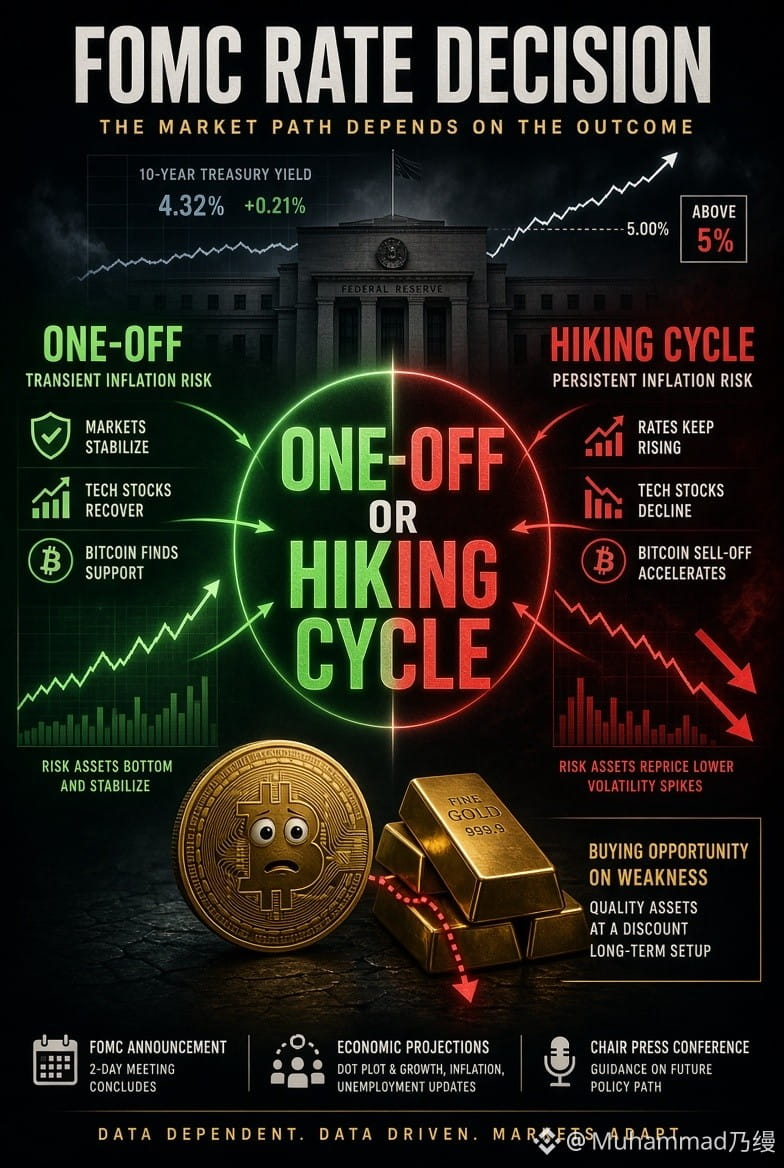
このハイキングはすでに織り込まれている。
本当の取引は、その後に何が来るかだ。
8月コアCPI:+0.3%(前月比)
25bpの利上げ確率:約90%
今週、FRBが25bpを実施すると見込んでいる。
しかし、より大きな問いはシンプルだ:
これは一回限りなのか…それとも新しい利上げサイクルの始まりなのか?
道筋は2つはっきりしている:
→ パウエルが「今回で終わり(one and done)」と示すなら
BTCとテックは、最初の反応の後に安定し得る。
→ さらに利上げの余地を残すなら
より高止まり(Higher-for-longer)がきつく効く。10年債利回りはすでに5%超。流動性が引き締まる。リスク資産は苦しくなる。
私の現在のスタンス:
• BTC&テック → 慎重。判断にサイズ追加はしない。
• ゴールド → 弱さを見ている。強さを追いかけるより、押し目買いを好む。
驚きは25bpではない。
驚きは、9月以降の道筋だ。
FOMCに向けて、あなたはどんなポジション?
BTC、株、またはゴールドのセットアップを共有して。
#FedRateWatch
$BTC $AKE $SAGA
#FedRateWatch
このハイキングはすでに織り込まれている。
本当の取引は、その後に何が来るかだ。
8月コアCPI:+0.3%(前月比)
25bpの利上げ確率:約90%
今週、FRBが25bpを実施すると見込んでいる。
しかし、より大きな問いはシンプルだ:
これは一回限りなのか…それとも新しい利上げサイクルの始まりなのか?
道筋は2つはっきりしている:
→ パウエルが「今回で終わり(one and done)」と示すなら
BTCとテックは、最初の反応の後に安定し得る。
→ さらに利上げの余地を残すなら
より高止まり(Higher-for-longer)がきつく効く。10年債利回りはすでに5%超。流動性が引き締まる。リスク資産は苦しくなる。
私の現在のスタンス:
• BTC&テック → 慎重。判断にサイズ追加はしない。
• ゴールド → 弱さを見ている。強さを追いかけるより、押し目買いを好む。
驚きは25bpではない。
驚きは、9月以降の道筋だ。
FOMCに向けて、あなたはどんなポジション?
BTC、株、またはゴールドのセットアップを共有して。
#FedRateWatch
$BTC $AKE $SAGA
#FedRateWatch
本当の取引は、その後に何が来るかだ。
8月コアCPI:+0.3%(前月比)
25bpの利上げ確率:約90%
今週、FRBが25bpを実施すると見込んでいる。
しかし、より大きな問いはシンプルだ:
これは一回限りなのか…それとも新しい利上げサイクルの始まりなのか?
道筋は2つはっきりしている:
→ パウエルが「今回で終わり(one and done)」と示すなら
BTCとテックは、最初の反応の後に安定し得る。
→ さらに利上げの余地を残すなら
より高止まり(Higher-for-longer)がきつく効く。10年債利回りはすでに5%超。流動性が引き締まる。リスク資産は苦しくなる。
私の現在のスタンス:
• BTC&テック → 慎重。判断にサイズ追加はしない。
• ゴールド → 弱さを見ている。強さを追いかけるより、押し目買いを好む。
驚きは25bpではない。
驚きは、9月以降の道筋だ。
FOMCに向けて、あなたはどんなポジション?
BTC、株、またはゴールドのセットアップを共有して。
#FedRateWatch
$BTC $AKE $SAGA
#FedRateWatch
2
175
·
--
Muhammad乃缦
·
--
強い雇用。上昇するインフレ懸念。いまFRBには本当の問題が生じている。
8月のNFPは16.2万人で着地し、市場の予想を粉砕。失業率は4.1%で横ばいだった。これだけ見れば、労働市場はまだ底堅いことを示しており、FRBが当面、金融政策を緩める緊急性は消える。
しかし本当の試金石は、今日のCPIだ。
8月のPPIはすでに前年比+5.4%、前月比+0.4%と「熱い」結果が出ている。エネルギー価格も上がっている。その組み合わせは、デュアル・マンデート(雇用と物価安定)のインフレ面を切り捨てにくくする。
私の基本シナリオは?予想より高いCPIを前に、やや弱気/リスクオフになることだ。9月の利上げが確定だとは考えていないが、FRBが現状維持を続けるためのハードルは高くなってきている。
コアCPIが予想を上回れば、利上げの確率は跳ね上がる。これは通常、米国債利回りの上昇+ドル高=株式や金に対する一段の圧力につながる。
CPIが弱い着地なら、物語はすぐに反転し得る。落ち着いた数字になれば、利上げの根拠が弱まり、リスク資産にいくらかの呼吸余地が生まれる。
私にとって重要なのは、CPIが「高い」か「低い」かだけではない。市場の予想からどれだけ乖離するかだ。
そこから生じる反応が本当のところだろう。
強気か弱気か?明確な一方を選ぶには、数字を待っている。
#CPIWatch
$TFUEL
$RAY
$LSK
8月のNFPは16.2万人で着地し、市場の予想を粉砕。失業率は4.1%で横ばいだった。これだけ見れば、労働市場はまだ底堅いことを示しており、FRBが当面、金融政策を緩める緊急性は消える。
しかし本当の試金石は、今日のCPIだ。
8月のPPIはすでに前年比+5.4%、前月比+0.4%と「熱い」結果が出ている。エネルギー価格も上がっている。その組み合わせは、デュアル・マンデート(雇用と物価安定)のインフレ面を切り捨てにくくする。
私の基本シナリオは?予想より高いCPIを前に、やや弱気/リスクオフになることだ。9月の利上げが確定だとは考えていないが、FRBが現状維持を続けるためのハードルは高くなってきている。
コアCPIが予想を上回れば、利上げの確率は跳ね上がる。これは通常、米国債利回りの上昇+ドル高=株式や金に対する一段の圧力につながる。
CPIが弱い着地なら、物語はすぐに反転し得る。落ち着いた数字になれば、利上げの根拠が弱まり、リスク資産にいくらかの呼吸余地が生まれる。
私にとって重要なのは、CPIが「高い」か「低い」かだけではない。市場の予想からどれだけ乖離するかだ。
そこから生じる反応が本当のところだろう。
強気か弱気か?明確な一方を選ぶには、数字を待っている。
#CPIWatch
$TFUEL
$RAY
$LSK
1
47
·
--
強い雇用。上昇するインフレ懸念。いまFRBには本当の問題が生じている。
8月のNFPは16.2万人で着地し、市場の予想を粉砕。失業率は4.1%で横ばいだった。これだけ見れば、労働市場はまだ底堅いことを示しており、FRBが当面、金融政策を緩める緊急性は消える。
しかし本当の試金石は、今日のCPIだ。
8月のPPIはすでに前年比+5.4%、前月比+0.4%と「熱い」結果が出ている。エネルギー価格も上がっている。その組み合わせは、デュアル・マンデート(雇用と物価安定)のインフレ面を切り捨てにくくする。
私の基本シナリオは?予想より高いCPIを前に、やや弱気/リスクオフになることだ。9月の利上げが確定だとは考えていないが、FRBが現状維持を続けるためのハードルは高くなってきている。
コアCPIが予想を上回れば、利上げの確率は跳ね上がる。これは通常、米国債利回りの上昇+ドル高=株式や金に対する一段の圧力につながる。
CPIが弱い着地なら、物語はすぐに反転し得る。落ち着いた数字になれば、利上げの根拠が弱まり、リスク資産にいくらかの呼吸余地が生まれる。
私にとって重要なのは、CPIが「高い」か「低い」かだけではない。市場の予想からどれだけ乖離するかだ。
そこから生じる反応が本当のところだろう。
強気か弱気か?明確な一方を選ぶには、数字を待っている。
#CPIWatch
$TFUEL
{spot}(TFUELUSDT)
$RAY
{spot}(RAYUSDT)
$LSK
{future}(LSKUSDT)
強い雇用。上昇するインフレ懸念。いまFRBには本当の問題が生じている。
8月のNFPは16.2万人で着地し、市場の予想を粉砕。失業率は4.1%で横ばいだった。これだけ見れば、労働市場はまだ底堅いことを示しており、FRBが当面、金融政策を緩める緊急性は消える。
しかし本当の試金石は、今日のCPIだ。
8月のPPIはすでに前年比+5.4%、前月比+0.4%と「熱い」結果が出ている。エネルギー価格も上がっている。その組み合わせは、デュアル・マンデート(雇用と物価安定)のインフレ面を切り捨てにくくする。
私の基本シナリオは?予想より高いCPIを前に、やや弱気/リスクオフになることだ。9月の利上げが確定だとは考えていないが、FRBが現状維持を続けるためのハードルは高くなってきている。
コアCPIが予想を上回れば、利上げの確率は跳ね上がる。これは通常、米国債利回りの上昇+ドル高=株式や金に対する一段の圧力につながる。
CPIが弱い着地なら、物語はすぐに反転し得る。落ち着いた数字になれば、利上げの根拠が弱まり、リスク資産にいくらかの呼吸余地が生まれる。
私にとって重要なのは、CPIが「高い」か「低い」かだけではない。市場の予想からどれだけ乖離するかだ。
そこから生じる反応が本当のところだろう。
強気か弱気か?明確な一方を選ぶには、数字を待っている。
#CPIWatch
$TFUEL
$RAY
$LSK
8月のNFPは16.2万人で着地し、市場の予想を粉砕。失業率は4.1%で横ばいだった。これだけ見れば、労働市場はまだ底堅いことを示しており、FRBが当面、金融政策を緩める緊急性は消える。
しかし本当の試金石は、今日のCPIだ。
8月のPPIはすでに前年比+5.4%、前月比+0.4%と「熱い」結果が出ている。エネルギー価格も上がっている。その組み合わせは、デュアル・マンデート(雇用と物価安定)のインフレ面を切り捨てにくくする。
私の基本シナリオは?予想より高いCPIを前に、やや弱気/リスクオフになることだ。9月の利上げが確定だとは考えていないが、FRBが現状維持を続けるためのハードルは高くなってきている。
コアCPIが予想を上回れば、利上げの確率は跳ね上がる。これは通常、米国債利回りの上昇+ドル高=株式や金に対する一段の圧力につながる。
CPIが弱い着地なら、物語はすぐに反転し得る。落ち着いた数字になれば、利上げの根拠が弱まり、リスク資産にいくらかの呼吸余地が生まれる。
私にとって重要なのは、CPIが「高い」か「低い」かだけではない。市場の予想からどれだけ乖離するかだ。
そこから生じる反応が本当のところだろう。
強気か弱気か?明確な一方を選ぶには、数字を待っている。
#CPIWatch
$TFUEL
$RAY
$LSK
Bullish
100%
Bearish
0%
4 投票 • 投票は終了しました
4
1
7
208
·
--
ブリッシュ
@Dusk_Foundation $DUSK #dusk
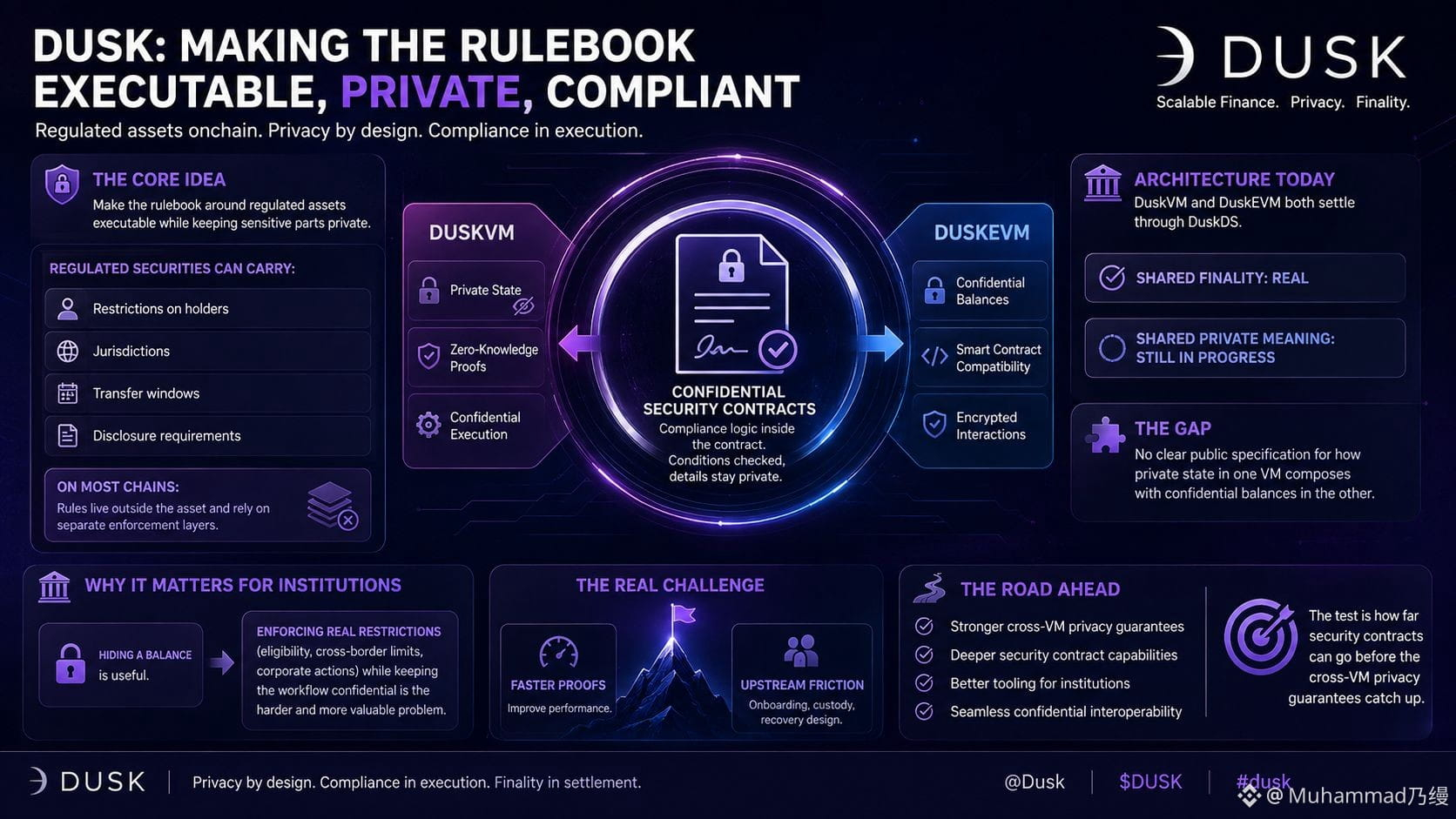
より興味深いDuskの論文は、単に規制された資産をオンチェーンに載せることだけではありません。そうした資産のためのルールブックを、センシティブな部分を非公開のまま“実行可能”にすることにあります。
ある証券は、保有者への制限、管轄区域、譲渡ウィンドウ、開示要件などを持つことができます。ほとんどのチェーンでは、これらのルールは資産の外側に存在し、別個の執行レイヤーに依存しています。Duskは、Confidential Security Contracts(機密性のある証券コントラクト)で、より厳密な仕組みに挑戦しています。コンプライアンスのロジックをコントラクト自体の中に置くことで、詳細をすべての参加者にブロードキャストせずとも、条件を検証できるようにします。
この方向性は重要です。プライバシーとコンプライアンスを、後から“別々に追加された”2つの機能ではなく、同一の設計課題として扱っているからです。規制対象の金融商品は、プログラム可能であることと、その全状態を公開することを、選ばされるべきではありません。
同時に、アーキテクチャには依然としてギャップが見えています。DuskVMとDuskEVMはいずれもDuskDSを通じて決済しますが、ある側でのプライベート状態が、他方の機密残高とどのようにクリーンに合成されるのかについての明確な公開仕様がありません。共有ファイナリティは実在します。共有された“プライベートな意味”は、まだ構築中です。
機関にとって違いは実務的です。残高を隠すことは有用です。資格要件や国境をまたぐ制限、コーポレートアクションなどの“本物の制限”を、ワークフローは機密のままに執行することが、より難しく、かつより価値のある問題です。より速い証明は役立ちますが、それでも残る摩擦を、オンボーディング、カストディ、リカバリー設計へと押し上げることになります。
チャートは静かです。アーキテクチャの注記はそうではありません。真の試金石は、これらのセキュリティ・コントラクトがどこまで進めるか、そしてその時に、クロスVMのプライバシー保証がどれだけ追いつけるかです。
#DUSK
{future}(DUSKUSDT)
@Dusk $DUSK #dusk
より興味深いDuskの論文は、単に規制された資産をオンチェーンに載せることだけではありません。そうした資産のためのルールブックを、センシティブな部分を非公開のまま“実行可能”にすることにあります。
ある証券は、保有者への制限、管轄区域、譲渡ウィンドウ、開示要件などを持つことができます。ほとんどのチェーンでは、これらのルールは資産の外側に存在し、別個の執行レイヤーに依存しています。Duskは、Confidential Security Contracts(機密性のある証券コントラクト)で、より厳密な仕組みに挑戦しています。コンプライアンスのロジックをコントラクト自体の中に置くことで、詳細をすべての参加者にブロードキャストせずとも、条件を検証できるようにします。
この方向性は重要です。プライバシーとコンプライアンスを、後から“別々に追加された”2つの機能ではなく、同一の設計課題として扱っているからです。規制対象の金融商品は、プログラム可能であることと、その全状態を公開することを、選ばされるべきではありません。
同時に、アーキテクチャには依然としてギャップが見えています。DuskVMとDuskEVMはいずれもDuskDSを通じて決済しますが、ある側でのプライベート状態が、他方の機密残高とどのようにクリーンに合成されるのかについての明確な公開仕様がありません。共有ファイナリティは実在します。共有された“プライベートな意味”は、まだ構築中です。
機関にとって違いは実務的です。残高を隠すことは有用です。資格要件や国境をまたぐ制限、コーポレートアクションなどの“本物の制限”を、ワークフローは機密のままに執行することが、より難しく、かつより価値のある問題です。より速い証明は役立ちますが、それでも残る摩擦を、オンボーディング、カストディ、リカバリー設計へと押し上げることになります。
チャートは静かです。アーキテクチャの注記はそうではありません。真の試金石は、これらのセキュリティ・コントラクトがどこまで進めるか、そしてその時に、クロスVMのプライバシー保証がどれだけ追いつけるかです。
#DUSK
より興味深いDuskの論文は、単に規制された資産をオンチェーンに載せることだけではありません。そうした資産のためのルールブックを、センシティブな部分を非公開のまま“実行可能”にすることにあります。
ある証券は、保有者への制限、管轄区域、譲渡ウィンドウ、開示要件などを持つことができます。ほとんどのチェーンでは、これらのルールは資産の外側に存在し、別個の執行レイヤーに依存しています。Duskは、Confidential Security Contracts(機密性のある証券コントラクト)で、より厳密な仕組みに挑戦しています。コンプライアンスのロジックをコントラクト自体の中に置くことで、詳細をすべての参加者にブロードキャストせずとも、条件を検証できるようにします。
この方向性は重要です。プライバシーとコンプライアンスを、後から“別々に追加された”2つの機能ではなく、同一の設計課題として扱っているからです。規制対象の金融商品は、プログラム可能であることと、その全状態を公開することを、選ばされるべきではありません。
同時に、アーキテクチャには依然としてギャップが見えています。DuskVMとDuskEVMはいずれもDuskDSを通じて決済しますが、ある側でのプライベート状態が、他方の機密残高とどのようにクリーンに合成されるのかについての明確な公開仕様がありません。共有ファイナリティは実在します。共有された“プライベートな意味”は、まだ構築中です。
機関にとって違いは実務的です。残高を隠すことは有用です。資格要件や国境をまたぐ制限、コーポレートアクションなどの“本物の制限”を、ワークフローは機密のままに執行することが、より難しく、かつより価値のある問題です。より速い証明は役立ちますが、それでも残る摩擦を、オンボーディング、カストディ、リカバリー設計へと押し上げることになります。
チャートは静かです。アーキテクチャの注記はそうではありません。真の試金石は、これらのセキュリティ・コントラクトがどこまで進めるか、そしてその時に、クロスVMのプライバシー保証がどれだけ追いつけるかです。
#DUSK
138
ログインして、さらにコンテンツを読む
厳選トピックで世界の暗号資産トレーダーの仲間入り
⚡️ 暗号資産に関する最新かつ有益な情報が見つかります。
💬 世界最大の暗号資産取引所から信頼されています。
👍 認証を受けたクリエイターから、有益なインサイトを得られます。
メール / 電話番号