

BlockBreaker
8.3k 投稿

BlockBreaker
 厳選トピック確認済+
報告
ユーザーをブロック
Crypto Analyst 🧠 | Binance charts📊 | Tracking Market Moves Daily | X @Block_Breaker55
取引を発注

BNBホルダー
高頻度トレーダー
1.8年
170 フォロー
48.0K+ フォロワー
26.0K+ いいね
投稿
ポートフォリオ
すべて
ライブ
·
--
翻訳参照
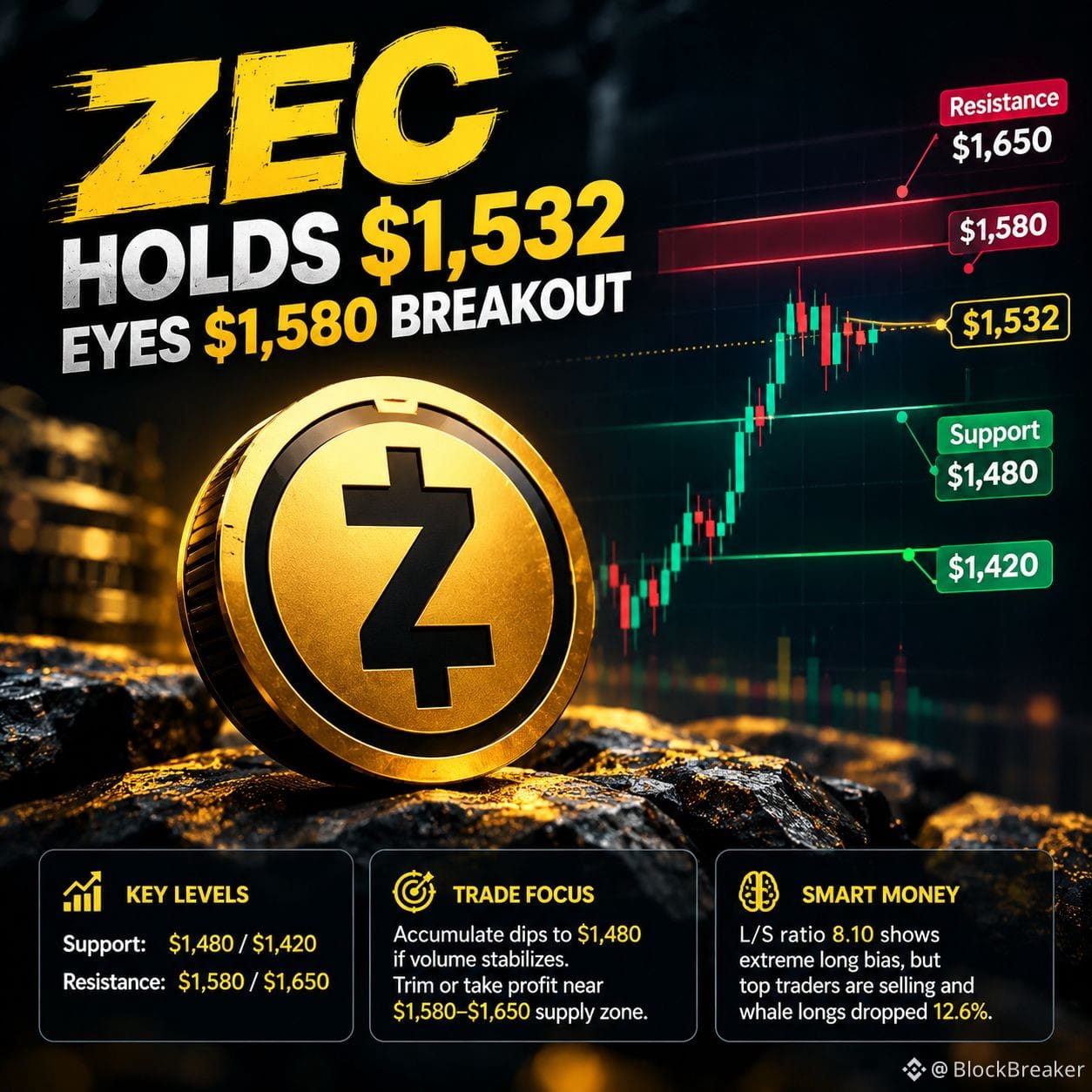
$ZEC is holding around $1,532 after a strong rally, with $1,580 as the key breakout level.
Support: $1,480 / $1,420
Resistance: $1,580 / $1,650
The interesting part: L/S ratio sits at 8.10, showing extreme long bias, while top traders are selling and whale longs have dropped 12.6%.
$1,580 is the level to watch.
{future}(ZECUSDT)
$ZEC is holding around $1,532 after a strong rally, with $1,580 as the key breakout level.
Support: $1,480 / $1,420
Resistance: $1,580 / $1,650
The interesting part: L/S ratio sits at 8.10, showing extreme long bias, while top traders are selling and whale longs have dropped 12.6%.
$1,580 is the level to watch.
Support: $1,480 / $1,420
Resistance: $1,580 / $1,650
The interesting part: L/S ratio sits at 8.10, showing extreme long bias, while top traders are selling and whale longs have dropped 12.6%.
$1,580 is the level to watch.
327
·
--
速報:イーロン・マスク氏は「AIについて、長い間警鐘を鳴らしてきた」と述べました。
$LSK $ARK $STEEM
速報:イーロン・マスク氏は「AIについて、長い間警鐘を鳴らしてきた」と述べました。
$LSK $ARK $STEEM
$LSK $ARK $STEEM
1
271
·
--
AI & トレーディング:AIはゲームをどう変えているのか?
AIによるトレーディングで最も興味深いのは、機械が「市場を予測できる」という発想そのものではないと思う。
トレードが検討される前に何が起きるか、そこだ。
トレーダーは大量の市場データをAIシステムに投げ込み、数秒でパターン、要約、比較、アラート、そして戦略のアイデアを得られる。かつてはチャートや情報を何時間も見続けて必要だった作業が、今ではほぼ瞬時に処理できる。
それは大きな強みのように聞こえる。
でも、落とし穴がある。
情報が速く手に入ることは、自動的により良い判断につながるわけではない。
AIは、そのパターンが本当に重要かどうかを知らなくても、パターンを見つけられる。過去データに対して戦略を検証することはできるが、過去は目の前の市場とはまったく違う動きをすることがある。そして自動化はためらいをなくせる一方で、欠陥のあるアイデアもためらいなく実行してしまう。
だから私は、AIは運転席の人ではなく、もう一組の目だと見ている。
調査。
分析。
監視。
テスト。
自動化。
そして、AIがまだ外注できない部分がやってくる。
判断力だ。
どの情報に注意を払うべきかを見極めること、モデルの背後にある前提を問い直すこと、リスクを理解すること、そして市場環境が変わったと気づくこと。
もしかすると、最大の変化はAIがトレーダーを置き換えることではないのかもしれない。
たぶん、トレーダーがAIを使って情報収集に費やす時間を減らし、その情報が実際には何を意味するのかを考える時間を増やすことだ。
AIがあなたのトレーディング判断に影響を与えることを信頼できますか?
教育目的のみであり、金融助言ではありません。DYOR.
AI & トレーディング:AIはゲームをどう変えているのか?
AIによるトレーディングで最も興味深いのは、機械が「市場を予測できる」という発想そのものではないと思う。
トレードが検討される前に何が起きるか、そこだ。
トレーダーは大量の市場データをAIシステムに投げ込み、数秒でパターン、要約、比較、アラート、そして戦略のアイデアを得られる。かつてはチャートや情報を何時間も見続けて必要だった作業が、今ではほぼ瞬時に処理できる。
それは大きな強みのように聞こえる。
でも、落とし穴がある。
情報が速く手に入ることは、自動的により良い判断につながるわけではない。
AIは、そのパターンが本当に重要かどうかを知らなくても、パターンを見つけられる。過去データに対して戦略を検証することはできるが、過去は目の前の市場とはまったく違う動きをすることがある。そして自動化はためらいをなくせる一方で、欠陥のあるアイデアもためらいなく実行してしまう。
だから私は、AIは運転席の人ではなく、もう一組の目だと見ている。
調査。
分析。
監視。
テスト。
自動化。
そして、AIがまだ外注できない部分がやってくる。
判断力だ。
どの情報に注意を払うべきかを見極めること、モデルの背後にある前提を問い直すこと、リスクを理解すること、そして市場環境が変わったと気づくこと。
もしかすると、最大の変化はAIがトレーダーを置き換えることではないのかもしれない。
たぶん、トレーダーがAIを使って情報収集に費やす時間を減らし、その情報が実際には何を意味するのかを考える時間を増やすことだ。
AIがあなたのトレーディング判断に影響を与えることを信頼できますか?
教育目的のみであり、金融助言ではありません。DYOR.
AIによるトレーディングで最も興味深いのは、機械が「市場を予測できる」という発想そのものではないと思う。
トレードが検討される前に何が起きるか、そこだ。
トレーダーは大量の市場データをAIシステムに投げ込み、数秒でパターン、要約、比較、アラート、そして戦略のアイデアを得られる。かつてはチャートや情報を何時間も見続けて必要だった作業が、今ではほぼ瞬時に処理できる。
それは大きな強みのように聞こえる。
でも、落とし穴がある。
情報が速く手に入ることは、自動的により良い判断につながるわけではない。
AIは、そのパターンが本当に重要かどうかを知らなくても、パターンを見つけられる。過去データに対して戦略を検証することはできるが、過去は目の前の市場とはまったく違う動きをすることがある。そして自動化はためらいをなくせる一方で、欠陥のあるアイデアもためらいなく実行してしまう。
だから私は、AIは運転席の人ではなく、もう一組の目だと見ている。
調査。
分析。
監視。
テスト。
自動化。
そして、AIがまだ外注できない部分がやってくる。
判断力だ。
どの情報に注意を払うべきかを見極めること、モデルの背後にある前提を問い直すこと、リスクを理解すること、そして市場環境が変わったと気づくこと。
もしかすると、最大の変化はAIがトレーダーを置き換えることではないのかもしれない。
たぶん、トレーダーがAIを使って情報収集に費やす時間を減らし、その情報が実際には何を意味するのかを考える時間を増やすことだ。
AIがあなたのトレーディング判断に影響を与えることを信頼できますか?
教育目的のみであり、金融助言ではありません。DYOR.

1
172
·
--
#dusk $DUSK @Dusk_Foundation
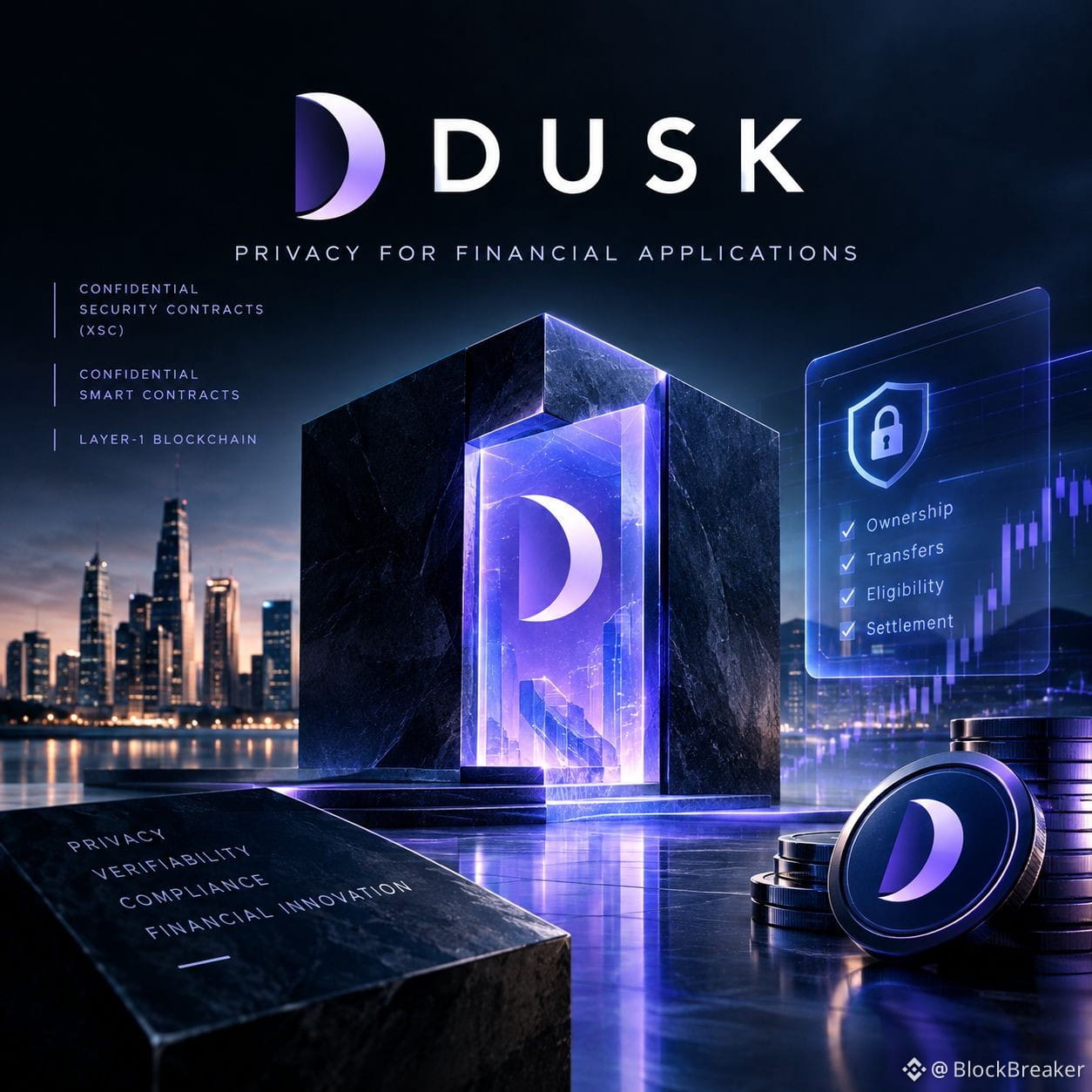
私がDuskに惹かれるのは、そのプライバシーの主張が、取引を隠すことから、そもそも公開する必要のなかった金融の“部分”を隠すことへと、より焦点が移ってきている点です。
この違いが重要です。
金融資産は、所有権、適格性、価格、譲渡、決済に関するセンシティブな情報を含んでいます。これらを透明なスマートコントラクトにすべて委ねると、奇妙なトレードオフが生まれます。つまり、組み合わせ可能性(composability)を得られる一方で、規制市場が何十年もかけて管理してきたデータを公開してしまうのです。
Duskは、問題に反対側からアプローチします。Duskのプライバシースタックは、ゼロ知識証明(zero-knowledge proofs)、PLONK、JubJub、Poseidon、そしてMerkleベースの構造を用いて、すべての基礎となる詳細を公開することなく、ルールが守られたことを証明します。興味深いのは、暗号そのものではありません。それが金融ワークフローに対して可能にし得ることです。
そして、最近のエンジニアリングの方向性によって、その主張はより説得力を増しています。Aegisはメインネット検証をPLONK V3にアップグレードし、より強力なコンセンサスと払い戻し(refund)の保護を追加しました。一方でAugustの開発は、証明と暗号文のバリデーションをさらに厳格化する作業を継続しています。
現在、DuskEVMはテストネット上にあり、Duskのネイティブなプライバシースタックに加えて、Solidity開発者にとって馴染みのある実行経路を提供しています。
私の結論:Duskは本当に「最もプライベートなブロックチェーン」であることを競っているわけではありません。より興味深いのは、金融アプリケーションが、センシティブな市場情報を公開メタデータに変えることなく、検証可能なままでいられる“レイヤー”になり得る、という機会です。
これはずっと難しい問題であり、解く価値がはるかに高い問題です。
#dusk $DUSK @Dusk
私がDuskに惹かれるのは、そのプライバシーの主張が、取引を隠すことから、そもそも公開する必要のなかった金融の“部分”を隠すことへと、より焦点が移ってきている点です。
この違いが重要です。
金融資産は、所有権、適格性、価格、譲渡、決済に関するセンシティブな情報を含んでいます。これらを透明なスマートコントラクトにすべて委ねると、奇妙なトレードオフが生まれます。つまり、組み合わせ可能性(composability)を得られる一方で、規制市場が何十年もかけて管理してきたデータを公開してしまうのです。
Duskは、問題に反対側からアプローチします。Duskのプライバシースタックは、ゼロ知識証明(zero-knowledge proofs)、PLONK、JubJub、Poseidon、そしてMerkleベースの構造を用いて、すべての基礎となる詳細を公開することなく、ルールが守られたことを証明します。興味深いのは、暗号そのものではありません。それが金融ワークフローに対して可能にし得ることです。
そして、最近のエンジニアリングの方向性によって、その主張はより説得力を増しています。Aegisはメインネット検証をPLONK V3にアップグレードし、より強力なコンセンサスと払い戻し(refund)の保護を追加しました。一方でAugustの開発は、証明と暗号文のバリデーションをさらに厳格化する作業を継続しています。
現在、DuskEVMはテストネット上にあり、Duskのネイティブなプライバシースタックに加えて、Solidity開発者にとって馴染みのある実行経路を提供しています。
私の結論:Duskは本当に「最もプライベートなブロックチェーン」であることを競っているわけではありません。より興味深いのは、金融アプリケーションが、センシティブな市場情報を公開メタデータに変えることなく、検証可能なままでいられる“レイヤー”になり得る、という機会です。
これはずっと難しい問題であり、解く価値がはるかに高い問題です。
私がDuskに惹かれるのは、そのプライバシーの主張が、取引を隠すことから、そもそも公開する必要のなかった金融の“部分”を隠すことへと、より焦点が移ってきている点です。
この違いが重要です。
金融資産は、所有権、適格性、価格、譲渡、決済に関するセンシティブな情報を含んでいます。これらを透明なスマートコントラクトにすべて委ねると、奇妙なトレードオフが生まれます。つまり、組み合わせ可能性(composability)を得られる一方で、規制市場が何十年もかけて管理してきたデータを公開してしまうのです。
Duskは、問題に反対側からアプローチします。Duskのプライバシースタックは、ゼロ知識証明(zero-knowledge proofs)、PLONK、JubJub、Poseidon、そしてMerkleベースの構造を用いて、すべての基礎となる詳細を公開することなく、ルールが守られたことを証明します。興味深いのは、暗号そのものではありません。それが金融ワークフローに対して可能にし得ることです。
そして、最近のエンジニアリングの方向性によって、その主張はより説得力を増しています。Aegisはメインネット検証をPLONK V3にアップグレードし、より強力なコンセンサスと払い戻し(refund)の保護を追加しました。一方でAugustの開発は、証明と暗号文のバリデーションをさらに厳格化する作業を継続しています。
現在、DuskEVMはテストネット上にあり、Duskのネイティブなプライバシースタックに加えて、Solidity開発者にとって馴染みのある実行経路を提供しています。
私の結論:Duskは本当に「最もプライベートなブロックチェーン」であることを競っているわけではありません。より興味深いのは、金融アプリケーションが、センシティブな市場情報を公開メタデータに変えることなく、検証可能なままでいられる“レイヤー”になり得る、という機会です。
これはずっと難しい問題であり、解く価値がはるかに高い問題です。
3
2
254
·
--
#dusk $DUSK @Dusk_Foundation
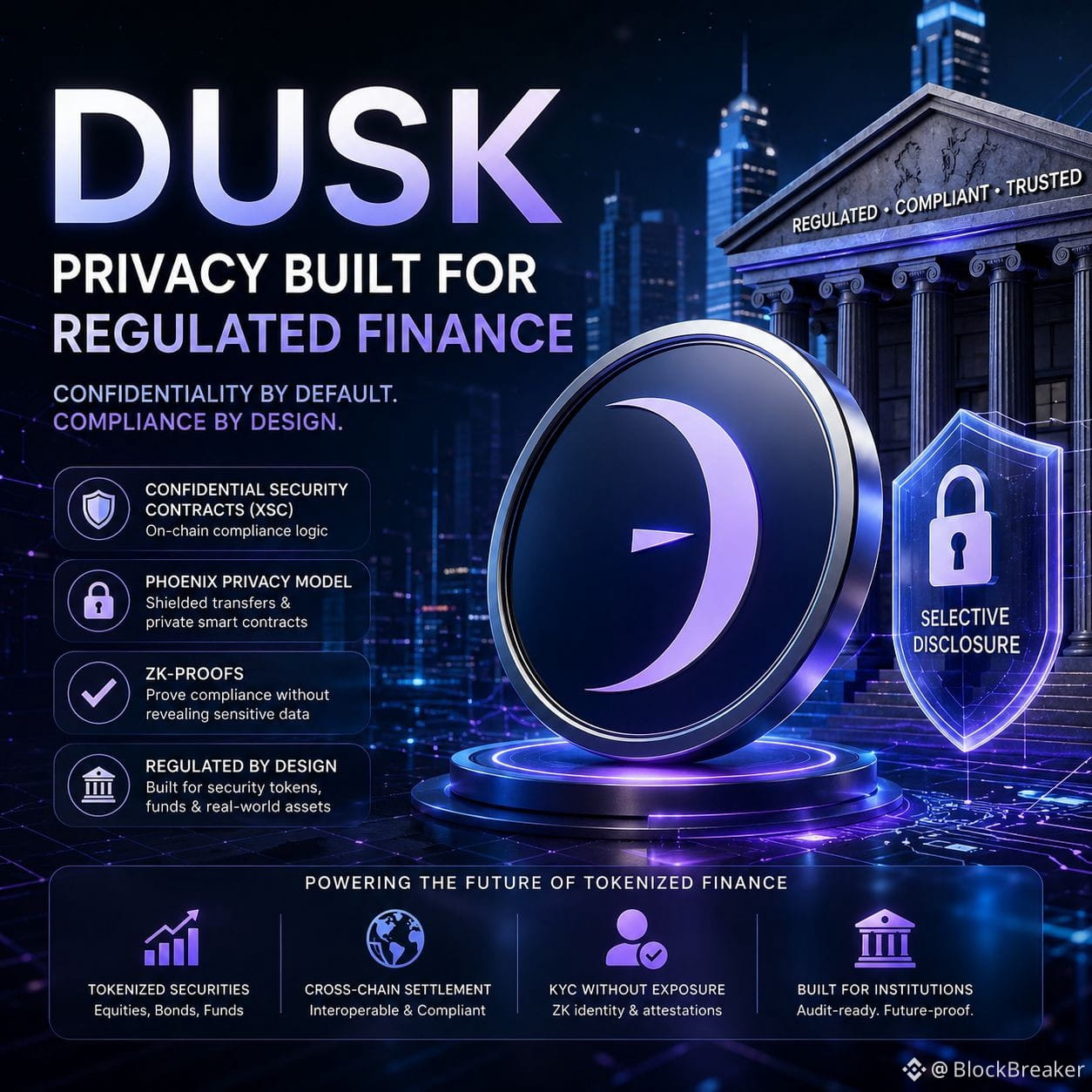
私がDuskについて際立っていると感じるのは、それがブロックチェーンを「よりプライベートにする」ことを本気で狙っているわけではない点です。プライバシーを、実用可能な市場のプリミティブ(基礎構成要素)にしようとしているのです。
この違いは金融において重要です。すべての残高、取引、投資家同士の関係を公開してしまう証券台帳は透明性がありますが、しばしば使い物になりません。Duskは逆の道を行きます。機微な状態は非公開に保ち、必要なルールが守られたことを証明し、開示するのは規制当局、発行体、取引相手が実際に必要とする情報だけにする。そのアプローチは、単に透明なチェーンにKYCを追加するだけのやり方を上回ります。
同じ理由でXSCも興味深いです。コンプライアンスを、周辺の書類作業ではなく、プログラム可能なトランザクション・ロジックとして扱っているからです。アクセスルール、譲渡制限、保有記録、コーポレートアクションなどを、資産のワークフローの中に組み込めます。するとプライバシーは、それらの統制が恒久的な公開監視になってしまうのを防ぎます。
最近の開発は、見出しではなく「何を示しているか」が重要です。Duskは、PLONK V3とコンセンサスの強化によってプロトコルを締め付けている一方で、EVMの道筋と開発者向けツールは、ビルダーの参入障壁を下げています。2026年8月のzkツール群の取り組みと、トークン化されたプライベート市場への注力は、より大きな転換を示唆しています。「プライバシー・ブロックチェーン」から「金融インフラ」へ。
Duskの強みは、秘匿性だけではありません。検証不能にすることなく、規制対象の資産をプライベートにするのです。トークン化された金融が同時に機密性、監査可能性、そして決定論的な決済を求めるなら、そのトレードオフは商品そのものになります。
#dusk $DUSK @Dusk
私がDuskについて際立っていると感じるのは、それがブロックチェーンを「よりプライベートにする」ことを本気で狙っているわけではない点です。プライバシーを、実用可能な市場のプリミティブ(基礎構成要素)にしようとしているのです。
この違いは金融において重要です。すべての残高、取引、投資家同士の関係を公開してしまう証券台帳は透明性がありますが、しばしば使い物になりません。Duskは逆の道を行きます。機微な状態は非公開に保ち、必要なルールが守られたことを証明し、開示するのは規制当局、発行体、取引相手が実際に必要とする情報だけにする。そのアプローチは、単に透明なチェーンにKYCを追加するだけのやり方を上回ります。
同じ理由でXSCも興味深いです。コンプライアンスを、周辺の書類作業ではなく、プログラム可能なトランザクション・ロジックとして扱っているからです。アクセスルール、譲渡制限、保有記録、コーポレートアクションなどを、資産のワークフローの中に組み込めます。するとプライバシーは、それらの統制が恒久的な公開監視になってしまうのを防ぎます。
最近の開発は、見出しではなく「何を示しているか」が重要です。Duskは、PLONK V3とコンセンサスの強化によってプロトコルを締め付けている一方で、EVMの道筋と開発者向けツールは、ビルダーの参入障壁を下げています。2026年8月のzkツール群の取り組みと、トークン化されたプライベート市場への注力は、より大きな転換を示唆しています。「プライバシー・ブロックチェーン」から「金融インフラ」へ。
Duskの強みは、秘匿性だけではありません。検証不能にすることなく、規制対象の資産をプライベートにするのです。トークン化された金融が同時に機密性、監査可能性、そして決定論的な決済を求めるなら、そのトレードオフは商品そのものになります。
私がDuskについて際立っていると感じるのは、それがブロックチェーンを「よりプライベートにする」ことを本気で狙っているわけではない点です。プライバシーを、実用可能な市場のプリミティブ(基礎構成要素)にしようとしているのです。
この違いは金融において重要です。すべての残高、取引、投資家同士の関係を公開してしまう証券台帳は透明性がありますが、しばしば使い物になりません。Duskは逆の道を行きます。機微な状態は非公開に保ち、必要なルールが守られたことを証明し、開示するのは規制当局、発行体、取引相手が実際に必要とする情報だけにする。そのアプローチは、単に透明なチェーンにKYCを追加するだけのやり方を上回ります。
同じ理由でXSCも興味深いです。コンプライアンスを、周辺の書類作業ではなく、プログラム可能なトランザクション・ロジックとして扱っているからです。アクセスルール、譲渡制限、保有記録、コーポレートアクションなどを、資産のワークフローの中に組み込めます。するとプライバシーは、それらの統制が恒久的な公開監視になってしまうのを防ぎます。
最近の開発は、見出しではなく「何を示しているか」が重要です。Duskは、PLONK V3とコンセンサスの強化によってプロトコルを締め付けている一方で、EVMの道筋と開発者向けツールは、ビルダーの参入障壁を下げています。2026年8月のzkツール群の取り組みと、トークン化されたプライベート市場への注力は、より大きな転換を示唆しています。「プライバシー・ブロックチェーン」から「金融インフラ」へ。
Duskの強みは、秘匿性だけではありません。検証不能にすることなく、規制対象の資産をプライベートにするのです。トークン化された金融が同時に機密性、監査可能性、そして決定論的な決済を求めるなら、そのトレードオフは商品そのものになります。
2
5
432
·
--
#dusk $DUSK @Dusk_Foundation
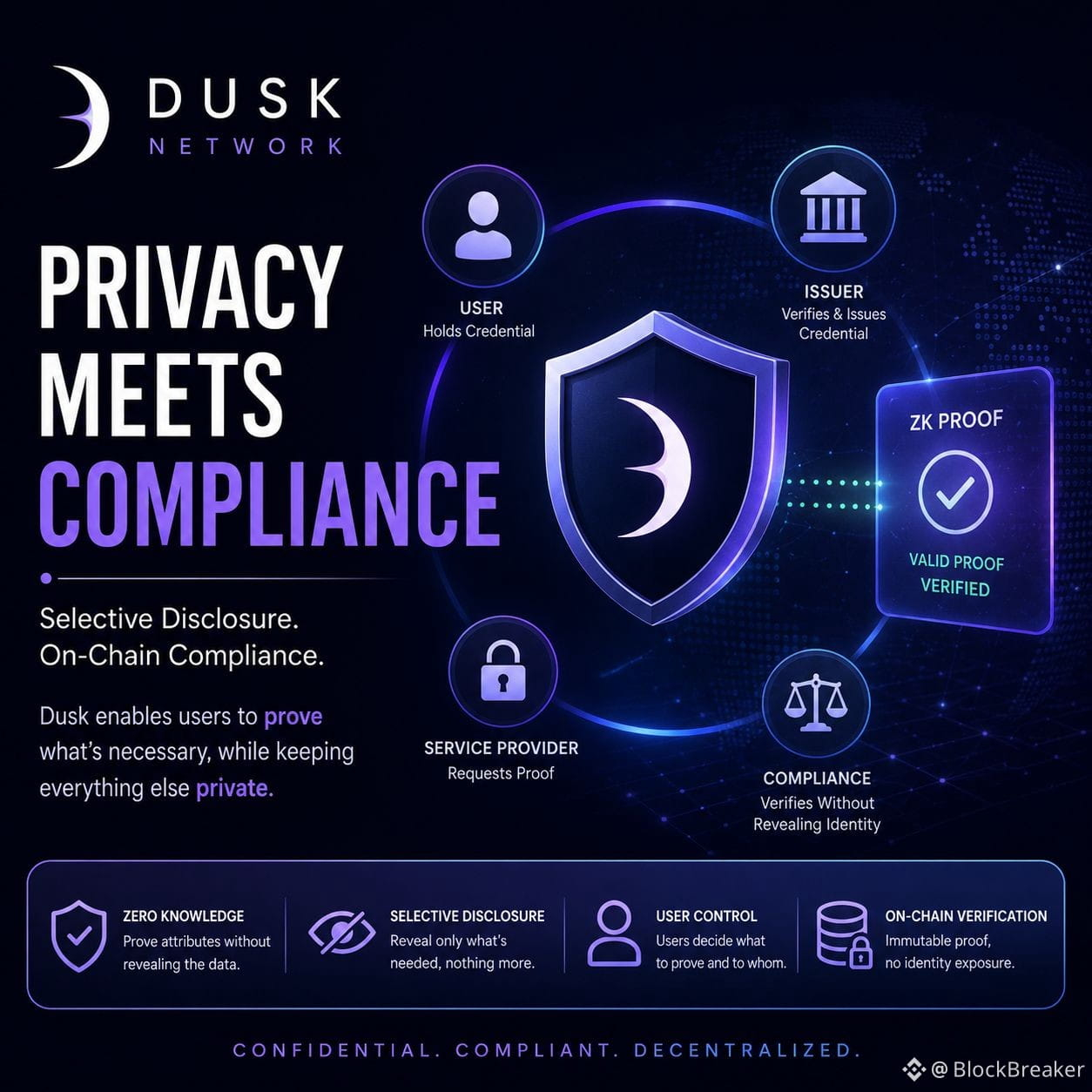
私がDuskのコンプライアンス・モデルで興味深いと思うのは、アイデンティティを「保管するもの」として扱うのではなく、「証明するもの」として扱っている点です。
Citadel 2は役割をきれいに分離しています。ライセンス提供者がオフチェーンでユーザーを検証し、関連する属性に署名します。認証情報は内容を公開せずに登録され、その後ユーザーは、どの認証情報を保持しているか/自分のアイデンティティ/基礎となる属性を明かさずに、有効な認証情報を保有していることを示すゼロ知識証明を生成できます。サービス提供者は引き続き、何が資格要件を満たすか、アクセスを許可すべきかを判断します。
これは、KYCデータをオンチェーンに載せて「準拠している」と呼ぶこととは微妙ながら重要な違いです。チェーンは「この参加者は認定されている」や「この保有者は管轄ルールを満たしている」といった主張を検証すべきで、パスポート、住所、生年月日を、その主張の背後に永続的に公開してしまうべきではありません。
より広い暗号技術の方向性も、このアーキテクチャを後押ししています。W3Cの2026年のデジタル認証情報に関する取り組みでは、選択的開示と、リンク不可能な提示をコアとなるプライバシー特性として扱い、一方でBBS暗号スイートは、保持者が選んだ主張を開示しつつ、別々の提示が容易に相互リンクされないように派生証明を形式化しています。
私の見解では、Duskの難しい課題はもはや、ゼロ知識がKYCデータを隠せるかどうかではありません。それは、そこに政策レイヤーを設計することです。発行者の信頼、期限切れ、失効、管轄の変更、ウォレットへのバインディング、そしてアンチ・コリレーション(相関防止)です。
そこで、オンチェーン・コンプライアンスが面白くなります。アイデンティティの開示ではなく、プログラム可能な資格要件の証明です。
#dusk $DUSK @Dusk
私がDuskのコンプライアンス・モデルで興味深いと思うのは、アイデンティティを「保管するもの」として扱うのではなく、「証明するもの」として扱っている点です。
Citadel 2は役割をきれいに分離しています。ライセンス提供者がオフチェーンでユーザーを検証し、関連する属性に署名します。認証情報は内容を公開せずに登録され、その後ユーザーは、どの認証情報を保持しているか/自分のアイデンティティ/基礎となる属性を明かさずに、有効な認証情報を保有していることを示すゼロ知識証明を生成できます。サービス提供者は引き続き、何が資格要件を満たすか、アクセスを許可すべきかを判断します。
これは、KYCデータをオンチェーンに載せて「準拠している」と呼ぶこととは微妙ながら重要な違いです。チェーンは「この参加者は認定されている」や「この保有者は管轄ルールを満たしている」といった主張を検証すべきで、パスポート、住所、生年月日を、その主張の背後に永続的に公開してしまうべきではありません。
より広い暗号技術の方向性も、このアーキテクチャを後押ししています。W3Cの2026年のデジタル認証情報に関する取り組みでは、選択的開示と、リンク不可能な提示をコアとなるプライバシー特性として扱い、一方でBBS暗号スイートは、保持者が選んだ主張を開示しつつ、別々の提示が容易に相互リンクされないように派生証明を形式化しています。
私の見解では、Duskの難しい課題はもはや、ゼロ知識がKYCデータを隠せるかどうかではありません。それは、そこに政策レイヤーを設計することです。発行者の信頼、期限切れ、失効、管轄の変更、ウォレットへのバインディング、そしてアンチ・コリレーション(相関防止)です。
そこで、オンチェーン・コンプライアンスが面白くなります。アイデンティティの開示ではなく、プログラム可能な資格要件の証明です。
私がDuskのコンプライアンス・モデルで興味深いと思うのは、アイデンティティを「保管するもの」として扱うのではなく、「証明するもの」として扱っている点です。
Citadel 2は役割をきれいに分離しています。ライセンス提供者がオフチェーンでユーザーを検証し、関連する属性に署名します。認証情報は内容を公開せずに登録され、その後ユーザーは、どの認証情報を保持しているか/自分のアイデンティティ/基礎となる属性を明かさずに、有効な認証情報を保有していることを示すゼロ知識証明を生成できます。サービス提供者は引き続き、何が資格要件を満たすか、アクセスを許可すべきかを判断します。
これは、KYCデータをオンチェーンに載せて「準拠している」と呼ぶこととは微妙ながら重要な違いです。チェーンは「この参加者は認定されている」や「この保有者は管轄ルールを満たしている」といった主張を検証すべきで、パスポート、住所、生年月日を、その主張の背後に永続的に公開してしまうべきではありません。
より広い暗号技術の方向性も、このアーキテクチャを後押ししています。W3Cの2026年のデジタル認証情報に関する取り組みでは、選択的開示と、リンク不可能な提示をコアとなるプライバシー特性として扱い、一方でBBS暗号スイートは、保持者が選んだ主張を開示しつつ、別々の提示が容易に相互リンクされないように派生証明を形式化しています。
私の見解では、Duskの難しい課題はもはや、ゼロ知識がKYCデータを隠せるかどうかではありません。それは、そこに政策レイヤーを設計することです。発行者の信頼、期限切れ、失効、管轄の変更、ウォレットへのバインディング、そしてアンチ・コリレーション(相関防止)です。
そこで、オンチェーン・コンプライアンスが面白くなります。アイデンティティの開示ではなく、プログラム可能な資格要件の証明です。
2
255
·
--
#termmax @termmax
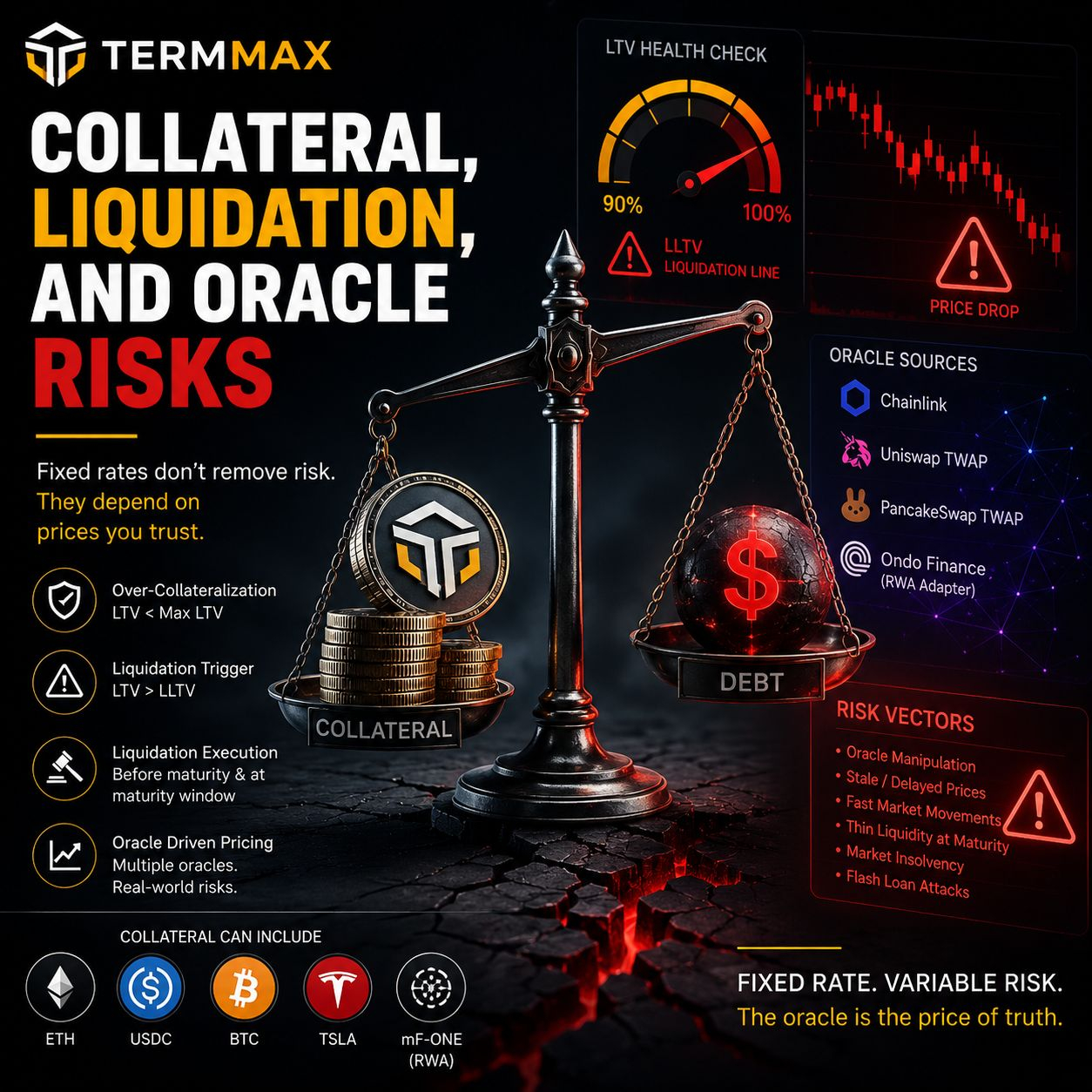
TermMaxで私が最も興味深いと感じたのは、固定金利の借入が担保リスクを消し去るわけではない、という点です。リスクをどこか別の場所へ移しているだけなのです。
私はGearing Tokenのロジックをより詳しく見ています。重要なのは、ポジションが依然としてLTV(貸借対照の比率)の枠組みの中に存在することです。担保が十分に下落すると、不良債権を封じ込めるための仕組みとして清算(リキディーション)が機能します。満期が近づくほどそのリスクはさらに面白くなります。というのも、プロトコルは、固定期間のポジションを、激しく動きうる市場と突き合わせて整合させなければならないからです。
そのため、オラクル層はデフォルトではあまり全面的に信頼できていません。
TermMaxのアーキテクチャは、単一のユニバーサルなフィードに依存するのではなく、複数の価格ルートやアダプタに対応しています。担保がETHのように流動性のあるものなら重要になりますが、トークン化株式やその他のRWA資産では、その前提を評価するのがずっと難しくなります。価格が技術的に「オンチェーン」であっても、古い(stale)、薄い(thin)、遅延している(delayed)、あるいは実行可能な流動性と切り離されている可能性があります。
なぜそうなるのか、単純なストレスケースで見てみましょう。仮に担保$100が債務$85を支えているとします。10%下落すると、ポジションはLTVが94%に近づくところまで来ます。さらに鋭い変化が起きれば、プロトコルが清算に間に合わせようとする一方で、市場の再評価がオラクルより速く進む、というレース状態になりえます。
だから私は、TermMaxに清算があるかどうかを問うことには、あまり関心がありません。
より良い問いはこうです。――清算は、適切な価格で、十分に速く発生しうるのか?それも、皆が同時に退出(エグジット)しようと必死になっている状況で。
私は、リアルなリスクモデルはまさにそこにあると考えています。
#termmax @TermMax
TermMaxで私が最も興味深いと感じたのは、固定金利の借入が担保リスクを消し去るわけではない、という点です。リスクをどこか別の場所へ移しているだけなのです。
私はGearing Tokenのロジックをより詳しく見ています。重要なのは、ポジションが依然としてLTV(貸借対照の比率)の枠組みの中に存在することです。担保が十分に下落すると、不良債権を封じ込めるための仕組みとして清算(リキディーション)が機能します。満期が近づくほどそのリスクはさらに面白くなります。というのも、プロトコルは、固定期間のポジションを、激しく動きうる市場と突き合わせて整合させなければならないからです。
そのため、オラクル層はデフォルトではあまり全面的に信頼できていません。
TermMaxのアーキテクチャは、単一のユニバーサルなフィードに依存するのではなく、複数の価格ルートやアダプタに対応しています。担保がETHのように流動性のあるものなら重要になりますが、トークン化株式やその他のRWA資産では、その前提を評価するのがずっと難しくなります。価格が技術的に「オンチェーン」であっても、古い(stale)、薄い(thin)、遅延している(delayed)、あるいは実行可能な流動性と切り離されている可能性があります。
なぜそうなるのか、単純なストレスケースで見てみましょう。仮に担保$100が債務$85を支えているとします。10%下落すると、ポジションはLTVが94%に近づくところまで来ます。さらに鋭い変化が起きれば、プロトコルが清算に間に合わせようとする一方で、市場の再評価がオラクルより速く進む、というレース状態になりえます。
だから私は、TermMaxに清算があるかどうかを問うことには、あまり関心がありません。
より良い問いはこうです。――清算は、適切な価格で、十分に速く発生しうるのか?それも、皆が同時に退出(エグジット)しようと必死になっている状況で。
私は、リアルなリスクモデルはまさにそこにあると考えています。
TermMaxで私が最も興味深いと感じたのは、固定金利の借入が担保リスクを消し去るわけではない、という点です。リスクをどこか別の場所へ移しているだけなのです。
私はGearing Tokenのロジックをより詳しく見ています。重要なのは、ポジションが依然としてLTV(貸借対照の比率)の枠組みの中に存在することです。担保が十分に下落すると、不良債権を封じ込めるための仕組みとして清算(リキディーション)が機能します。満期が近づくほどそのリスクはさらに面白くなります。というのも、プロトコルは、固定期間のポジションを、激しく動きうる市場と突き合わせて整合させなければならないからです。
そのため、オラクル層はデフォルトではあまり全面的に信頼できていません。
TermMaxのアーキテクチャは、単一のユニバーサルなフィードに依存するのではなく、複数の価格ルートやアダプタに対応しています。担保がETHのように流動性のあるものなら重要になりますが、トークン化株式やその他のRWA資産では、その前提を評価するのがずっと難しくなります。価格が技術的に「オンチェーン」であっても、古い(stale)、薄い(thin)、遅延している(delayed)、あるいは実行可能な流動性と切り離されている可能性があります。
なぜそうなるのか、単純なストレスケースで見てみましょう。仮に担保$100が債務$85を支えているとします。10%下落すると、ポジションはLTVが94%に近づくところまで来ます。さらに鋭い変化が起きれば、プロトコルが清算に間に合わせようとする一方で、市場の再評価がオラクルより速く進む、というレース状態になりえます。
だから私は、TermMaxに清算があるかどうかを問うことには、あまり関心がありません。
より良い問いはこうです。――清算は、適切な価格で、十分に速く発生しうるのか?それも、皆が同時に退出(エグジット)しようと必死になっている状況で。
私は、リアルなリスクモデルはまさにそこにあると考えています。
1
158
·
--
#dusk $DUSK @Dusk_Foundation
私は、ブロックチェーンのチームがネットワークを「配管」のように扱うのを見てきました。ブロックが届いてさえいれば、アーキテクチャについてはあまり注目されないことが多いのです。
Kadcastは、そのレイヤーを見る視点を私に変えてくれました。
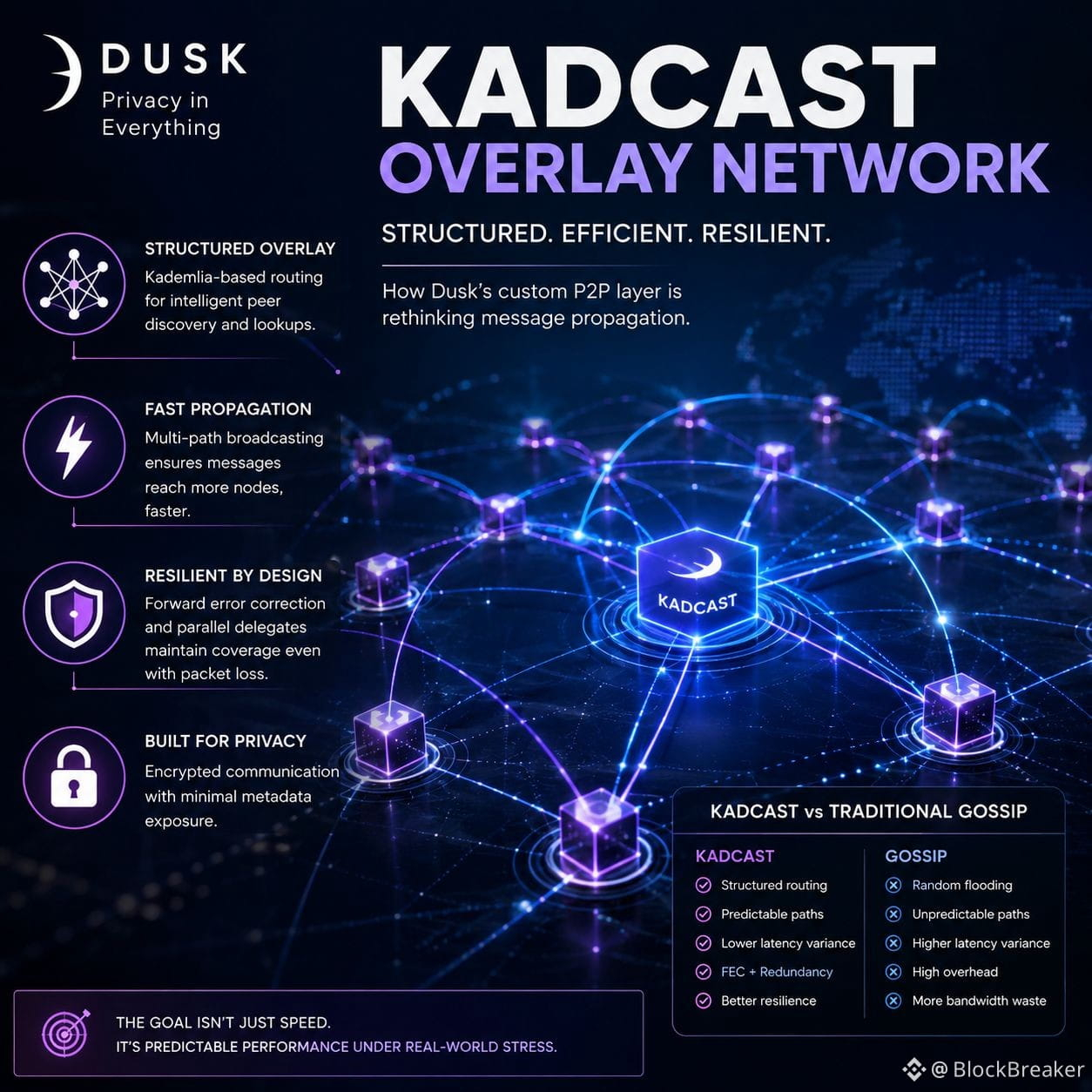
Duskは、従来の「受信してゴシップし、繰り返す」というモデルだけに頼っていません。Kadcastは、構造化されたKademliaスタイルのオーバーレイによってピアを整理しており、メッセージの伝播がネットワーク内でノードがどこに位置しているかをある程度意識したものになります。これは些細な実装の違いのように聞こえるかもしれませんが、問題の性質を変えてしまいます。ランダムなピアに十分に広がってくれることを期待するのではなく、プロトコルは伝播をより意図的に行うことを目指しているのです。
私が特に面白いと思ったのは、不完全なネットワークをどう扱うかです。KadcastはUDPを使いますが、これは配送保証をいくらか手放します。そこに冗長性とフォワード誤り訂正を加えて、パケットロスに耐えられるようにしています。つまり、ネットワークを完璧に信頼できるものにしようとしていないのです。ネットワークはごちゃつくものだ、という前提に基づいて設計されています。
それは、私にとってずっと有用な捉え方です。
従来のゴシップは、冗長性から得られるレジリエンスが大きいです。Kadcastは、その知能のより多くをピア選択とメッセージルーティングに押し込むように見えます。トレードオフは複雑さです。構造化されたオーバーレイは、ルーティングテーブル、ピア発見、ブートストラップのプロセスを、不正な振る舞いをする相手や不利なトポロジーから守らなければなりません。
そのため、私は生の伝播ベンチマークにはあまり関心がありません。
本当の試験は、Kadcastが、ノードが消えるとき、パケットがドロップされるとき、ピアが悪い振る舞いをするとき、そしてネットワークが大きくなるときに、レイテンシを予測可能に保てるかどうかです。
速い伝播は役に立ちます。
ストレス下でも予測可能な伝播──それこそ、私が実際に測りたいことです。
#dusk $DUSK @Dusk
私は、ブロックチェーンのチームがネットワークを「配管」のように扱うのを見てきました。ブロックが届いてさえいれば、アーキテクチャについてはあまり注目されないことが多いのです。
Kadcastは、そのレイヤーを見る視点を私に変えてくれました。
Duskは、従来の「受信してゴシップし、繰り返す」というモデルだけに頼っていません。Kadcastは、構造化されたKademliaスタイルのオーバーレイによってピアを整理しており、メッセージの伝播がネットワーク内でノードがどこに位置しているかをある程度意識したものになります。これは些細な実装の違いのように聞こえるかもしれませんが、問題の性質を変えてしまいます。ランダムなピアに十分に広がってくれることを期待するのではなく、プロトコルは伝播をより意図的に行うことを目指しているのです。
私が特に面白いと思ったのは、不完全なネットワークをどう扱うかです。KadcastはUDPを使いますが、これは配送保証をいくらか手放します。そこに冗長性とフォワード誤り訂正を加えて、パケットロスに耐えられるようにしています。つまり、ネットワークを完璧に信頼できるものにしようとしていないのです。ネットワークはごちゃつくものだ、という前提に基づいて設計されています。
それは、私にとってずっと有用な捉え方です。
従来のゴシップは、冗長性から得られるレジリエンスが大きいです。Kadcastは、その知能のより多くをピア選択とメッセージルーティングに押し込むように見えます。トレードオフは複雑さです。構造化されたオーバーレイは、ルーティングテーブル、ピア発見、ブートストラップのプロセスを、不正な振る舞いをする相手や不利なトポロジーから守らなければなりません。
そのため、私は生の伝播ベンチマークにはあまり関心がありません。
本当の試験は、Kadcastが、ノードが消えるとき、パケットがドロップされるとき、ピアが悪い振る舞いをするとき、そしてネットワークが大きくなるときに、レイテンシを予測可能に保てるかどうかです。
速い伝播は役に立ちます。
ストレス下でも予測可能な伝播──それこそ、私が実際に測りたいことです。
私は、ブロックチェーンのチームがネットワークを「配管」のように扱うのを見てきました。ブロックが届いてさえいれば、アーキテクチャについてはあまり注目されないことが多いのです。
Kadcastは、そのレイヤーを見る視点を私に変えてくれました。
Duskは、従来の「受信してゴシップし、繰り返す」というモデルだけに頼っていません。Kadcastは、構造化されたKademliaスタイルのオーバーレイによってピアを整理しており、メッセージの伝播がネットワーク内でノードがどこに位置しているかをある程度意識したものになります。これは些細な実装の違いのように聞こえるかもしれませんが、問題の性質を変えてしまいます。ランダムなピアに十分に広がってくれることを期待するのではなく、プロトコルは伝播をより意図的に行うことを目指しているのです。
私が特に面白いと思ったのは、不完全なネットワークをどう扱うかです。KadcastはUDPを使いますが、これは配送保証をいくらか手放します。そこに冗長性とフォワード誤り訂正を加えて、パケットロスに耐えられるようにしています。つまり、ネットワークを完璧に信頼できるものにしようとしていないのです。ネットワークはごちゃつくものだ、という前提に基づいて設計されています。
それは、私にとってずっと有用な捉え方です。
従来のゴシップは、冗長性から得られるレジリエンスが大きいです。Kadcastは、その知能のより多くをピア選択とメッセージルーティングに押し込むように見えます。トレードオフは複雑さです。構造化されたオーバーレイは、ルーティングテーブル、ピア発見、ブートストラップのプロセスを、不正な振る舞いをする相手や不利なトポロジーから守らなければなりません。
そのため、私は生の伝播ベンチマークにはあまり関心がありません。
本当の試験は、Kadcastが、ノードが消えるとき、パケットがドロップされるとき、ピアが悪い振る舞いをするとき、そしてネットワークが大きくなるときに、レイテンシを予測可能に保てるかどうかです。
速い伝播は役に立ちます。
ストレス下でも予測可能な伝播──それこそ、私が実際に測りたいことです。
1
157
·
--
#termmax @termmax
TermMaxで私が見ているのはTVLではありません。実際に流動性が使われている場所です。
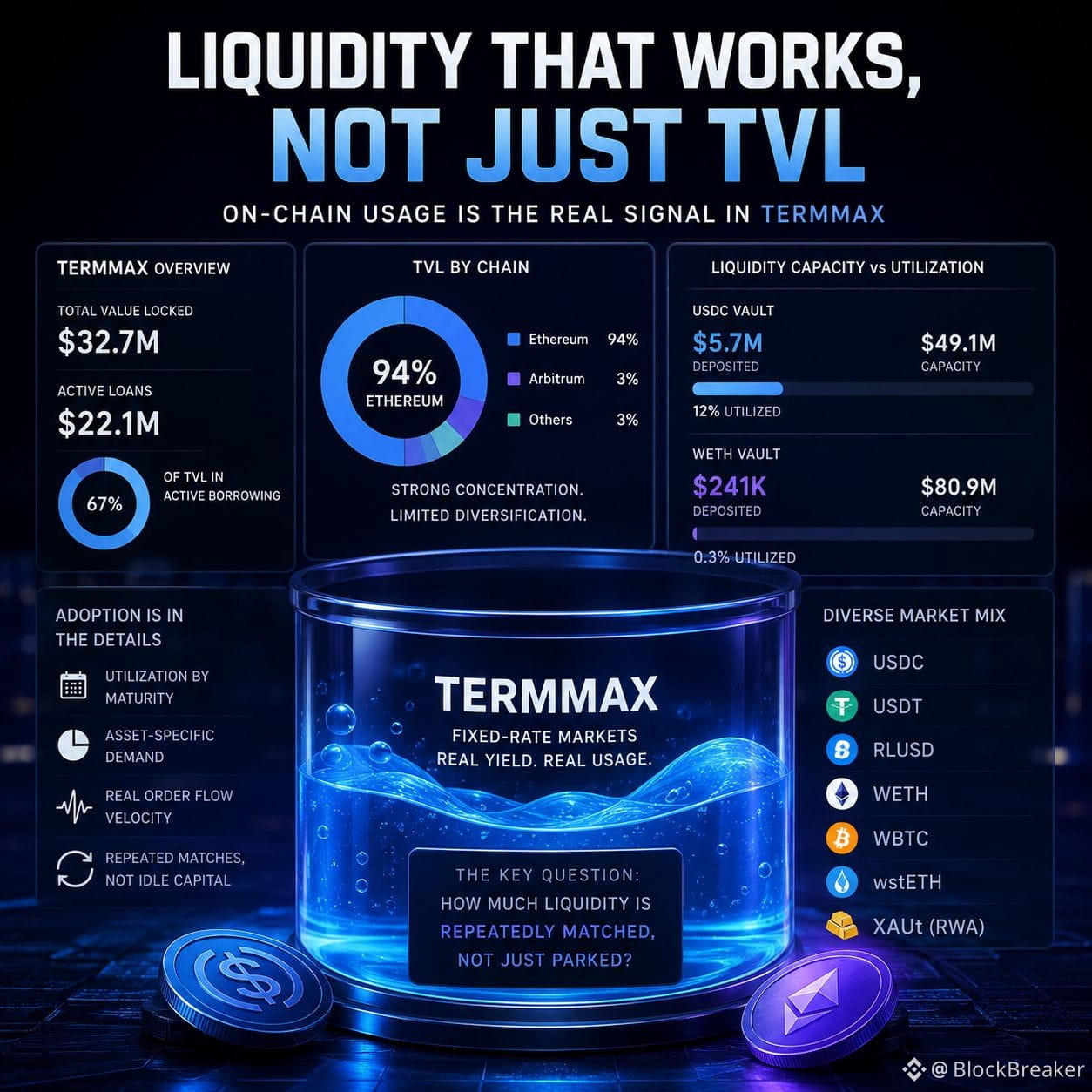
DefiLlamaは現在TermMaxを約$32.7MのTVLとしており、そのうちおよそ$22.1Mがアクティブなローンです。つまり、報告されているTVLの約67%がアクティブな借り入れに紐づいていることになります。私はこの「見出しの数字そのもの」よりも、こちらのほうがずっと興味深いです。さらに、EthereumがTVLの約94%を占めているため、「マルチチェーン」の物語は依然として1つの場に大きく集中しています。
ただ、もう1つ私が完全には信用しきれない層があります。それは「キャパシティ」です。TermMax自身のearnインターフェースでは、主要なUSDCバンクはキャパシティ$49.1Mに対して預託が約$5.7Mである一方、WETHバンクは$80.9Mに対しておよそ$241Kです。実際には誰も使っていない、かなりの理論上の流動性があります。
ここで私は、流動性の「利用可能性」と「需要」の間には微妙な違いがあることに繰り返し気づきます。市場は深いキャパシティを宣伝できても、アクティブな注文フローが薄いことはあり得ます。固定金利型の商品では、これはより重要です。なぜなら、満期やストライクが合わないことでアイドルになっているキャパシティは、使える流動性とは同等ではないからです。
DeFiでは以前にも見たことがあります。TVLが先に伸び、その後に採用が続くと人々は考えます。より良いシグナルは、市場・満期・資産ごとの利用率です。ステーブルコインの借り入れ、ETH担保、RWA(現実資産)連動の市場を一括りにすべきではありません。
TermMaxの現在の市場構成も、その変化をすでに示唆しています。インターフェースにはUSDC、USDT、RLUSD、WETH、WBTC、wstETHが並び、さらにXAUtを含む拡大中のRWA担保が追加されています。
私の本当の疑問はシンプルです。TermMaxの流動性のうち、繰り返しマッチされるのはどれくらいで、単に駐車(待機)されているだけではないのはどれくらいなのか? この比率が、TVLだけよりもずっと採用の実態を教えてくれるはずです。
#termmax @TermMax
TermMaxで私が見ているのはTVLではありません。実際に流動性が使われている場所です。
DefiLlamaは現在TermMaxを約$32.7MのTVLとしており、そのうちおよそ$22.1Mがアクティブなローンです。つまり、報告されているTVLの約67%がアクティブな借り入れに紐づいていることになります。私はこの「見出しの数字そのもの」よりも、こちらのほうがずっと興味深いです。さらに、EthereumがTVLの約94%を占めているため、「マルチチェーン」の物語は依然として1つの場に大きく集中しています。
ただ、もう1つ私が完全には信用しきれない層があります。それは「キャパシティ」です。TermMax自身のearnインターフェースでは、主要なUSDCバンクはキャパシティ$49.1Mに対して預託が約$5.7Mである一方、WETHバンクは$80.9Mに対しておよそ$241Kです。実際には誰も使っていない、かなりの理論上の流動性があります。
ここで私は、流動性の「利用可能性」と「需要」の間には微妙な違いがあることに繰り返し気づきます。市場は深いキャパシティを宣伝できても、アクティブな注文フローが薄いことはあり得ます。固定金利型の商品では、これはより重要です。なぜなら、満期やストライクが合わないことでアイドルになっているキャパシティは、使える流動性とは同等ではないからです。
DeFiでは以前にも見たことがあります。TVLが先に伸び、その後に採用が続くと人々は考えます。より良いシグナルは、市場・満期・資産ごとの利用率です。ステーブルコインの借り入れ、ETH担保、RWA(現実資産)連動の市場を一括りにすべきではありません。
TermMaxの現在の市場構成も、その変化をすでに示唆しています。インターフェースにはUSDC、USDT、RLUSD、WETH、WBTC、wstETHが並び、さらにXAUtを含む拡大中のRWA担保が追加されています。
私の本当の疑問はシンプルです。TermMaxの流動性のうち、繰り返しマッチされるのはどれくらいで、単に駐車(待機)されているだけではないのはどれくらいなのか? この比率が、TVLだけよりもずっと採用の実態を教えてくれるはずです。
TermMaxで私が見ているのはTVLではありません。実際に流動性が使われている場所です。
DefiLlamaは現在TermMaxを約$32.7MのTVLとしており、そのうちおよそ$22.1Mがアクティブなローンです。つまり、報告されているTVLの約67%がアクティブな借り入れに紐づいていることになります。私はこの「見出しの数字そのもの」よりも、こちらのほうがずっと興味深いです。さらに、EthereumがTVLの約94%を占めているため、「マルチチェーン」の物語は依然として1つの場に大きく集中しています。
ただ、もう1つ私が完全には信用しきれない層があります。それは「キャパシティ」です。TermMax自身のearnインターフェースでは、主要なUSDCバンクはキャパシティ$49.1Mに対して預託が約$5.7Mである一方、WETHバンクは$80.9Mに対しておよそ$241Kです。実際には誰も使っていない、かなりの理論上の流動性があります。
ここで私は、流動性の「利用可能性」と「需要」の間には微妙な違いがあることに繰り返し気づきます。市場は深いキャパシティを宣伝できても、アクティブな注文フローが薄いことはあり得ます。固定金利型の商品では、これはより重要です。なぜなら、満期やストライクが合わないことでアイドルになっているキャパシティは、使える流動性とは同等ではないからです。
DeFiでは以前にも見たことがあります。TVLが先に伸び、その後に採用が続くと人々は考えます。より良いシグナルは、市場・満期・資産ごとの利用率です。ステーブルコインの借り入れ、ETH担保、RWA(現実資産)連動の市場を一括りにすべきではありません。
TermMaxの現在の市場構成も、その変化をすでに示唆しています。インターフェースにはUSDC、USDT、RLUSD、WETH、WBTC、wstETHが並び、さらにXAUtを含む拡大中のRWA担保が追加されています。
私の本当の疑問はシンプルです。TermMaxの流動性のうち、繰り返しマッチされるのはどれくらいで、単に駐車(待機)されているだけではないのはどれくらいなのか? この比率が、TVLだけよりもずっと採用の実態を教えてくれるはずです。
22
13
795
·
--
#termmax @termmax
TermMaxのメーカーゲームは、最高のAPRを追いかけることではありません。どこで流動性を高コストにすべきかを決めることです。
OrderV2では、メーカーがカーブでオーダーを形成でき、仮想リザーブが、流動性が消費されるにつれて価格に影響します。V2リポジトリは2026年7月に更新されており、このオーダー・アーキテクチャが現在も積極的に開発されていることが強調されています。
私の見解では、強いメーカーは「ゾーン」で考えるべきです。まず競争力のある流動性から始め、利用率が上がるにつれてカーブを急にします。最終区間は、リザベーション価格のように機能し、リスクに見合うだけの補償がある場合にのみ資本が提供されます。
2人のメーカーが同じ資本を投入しても、実行・利用率・実現利回りは異なるものになります。優位性はカーブ設計にあります。柔軟さを保つ場所、守りに入る場所、そして安く価格付けをやめる場所を知ることです。これは特に、需要が満期や市場環境の間で不均一に到来するときに重要です。TermMaxでは、カーブこそがメーカーの市場観です。
#termmax @TermMax
TermMaxのメーカーゲームは、最高のAPRを追いかけることではありません。どこで流動性を高コストにすべきかを決めることです。
OrderV2では、メーカーがカーブでオーダーを形成でき、仮想リザーブが、流動性が消費されるにつれて価格に影響します。V2リポジトリは2026年7月に更新されており、このオーダー・アーキテクチャが現在も積極的に開発されていることが強調されています。
私の見解では、強いメーカーは「ゾーン」で考えるべきです。まず競争力のある流動性から始め、利用率が上がるにつれてカーブを急にします。最終区間は、リザベーション価格のように機能し、リスクに見合うだけの補償がある場合にのみ資本が提供されます。
2人のメーカーが同じ資本を投入しても、実行・利用率・実現利回りは異なるものになります。優位性はカーブ設計にあります。柔軟さを保つ場所、守りに入る場所、そして安く価格付けをやめる場所を知ることです。これは特に、需要が満期や市場環境の間で不均一に到来するときに重要です。TermMaxでは、カーブこそがメーカーの市場観です。
TermMaxのメーカーゲームは、最高のAPRを追いかけることではありません。どこで流動性を高コストにすべきかを決めることです。
OrderV2では、メーカーがカーブでオーダーを形成でき、仮想リザーブが、流動性が消費されるにつれて価格に影響します。V2リポジトリは2026年7月に更新されており、このオーダー・アーキテクチャが現在も積極的に開発されていることが強調されています。
私の見解では、強いメーカーは「ゾーン」で考えるべきです。まず競争力のある流動性から始め、利用率が上がるにつれてカーブを急にします。最終区間は、リザベーション価格のように機能し、リスクに見合うだけの補償がある場合にのみ資本が提供されます。
2人のメーカーが同じ資本を投入しても、実行・利用率・実現利回りは異なるものになります。優位性はカーブ設計にあります。柔軟さを保つ場所、守りに入る場所、そして安く価格付けをやめる場所を知ることです。これは特に、需要が満期や市場環境の間で不均一に到来するときに重要です。TermMaxでは、カーブこそがメーカーの市場観です。
1
3
212
·
--
#dusk $DUSK @Dusk_Foundation
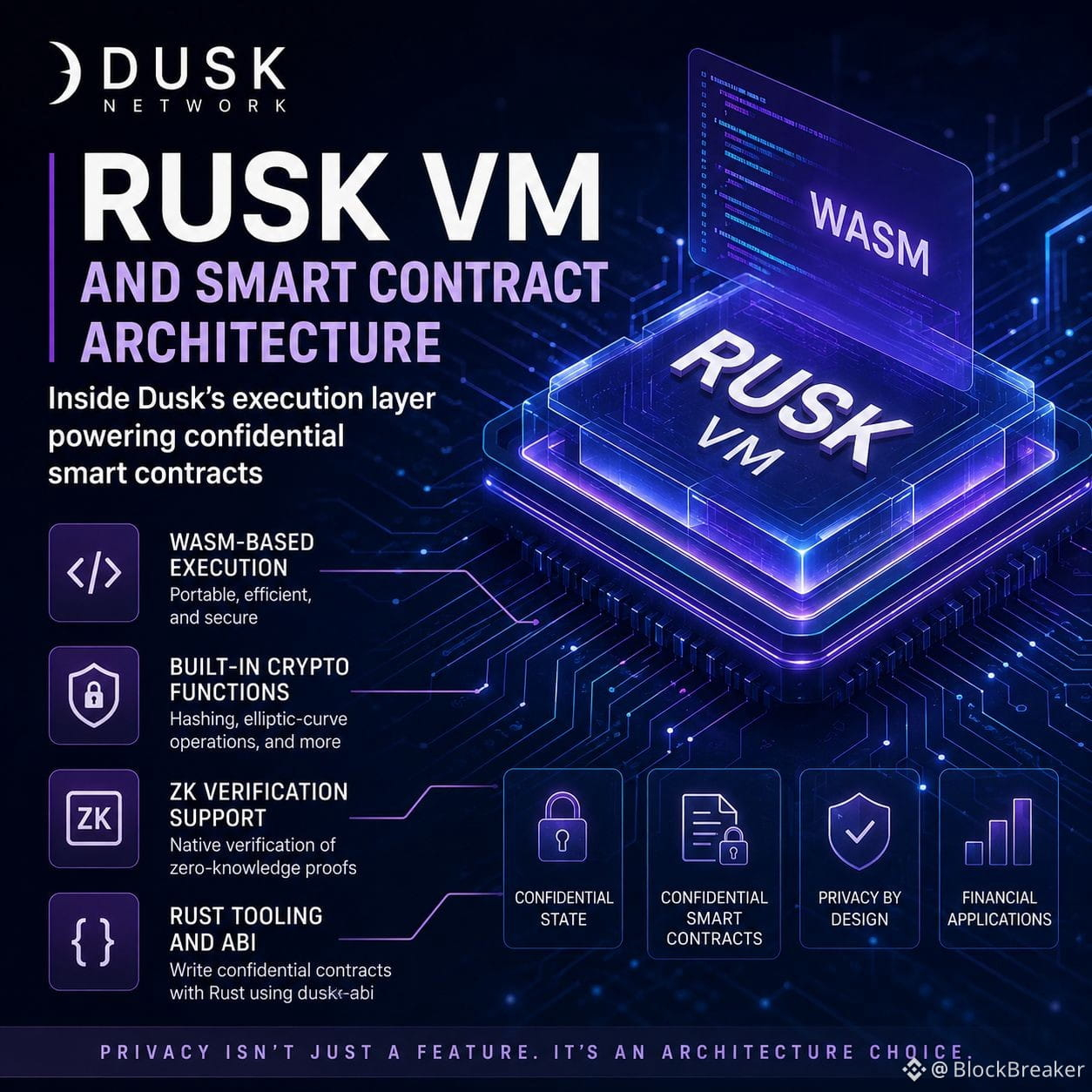
私はDuskを別の視点から見始めました。「プライバシーブロックチェーン」としてではなく、実行環境が、プライバシーがどれだけ実際に使えるものになるかを決めるシステムとしてです。
だからこそ、Rusk VMが気になりました。契約実行にWASMを使っていますが、それだけではありません。DuskはVMのホスト層を通じて、ハッシュ処理、楕円曲線演算、ゼロ知識検証などの暗号演算を公開しています。実際には、契約がすべての高コストな基本演算を自分で実装する必要はありません。
この設計判断は、最初に見える以上に重要だと思います。機密コントラクトは、開発者がそのコスト、入力、失敗パスについて考えられるときに初めて有用になります。RuskのABIとRustツールチェーンは、コントラクトコードと、それらのネイティブ能力の間に、明確なインターフェースを作り出します。
私はこれをスマートコントラクトの仕組みでも見てきました。面白いのは、言語そのものではあることが稀です。重要なのは、その下にある低レベルのプリミティブと、アプリケーションコードの境界です。
Ruskで注意深く見たいのは、別のベンチマークの見出しではありません。ホスト呼び出しがどれほど予測可能に保たれるのか、ガス価格がどう進化するのか、ABIの変更がどう扱われるのか、そして状態そのものが意図的に隠されている状況で開発者がコントラクトをどうデバッグするのかを理解したいです。
それこそが、私が本当に面白いと感じる部分です。プロトコルレベルでのプライバシーは一つのことです。開発を暗号研究プロジェクトにしないままプライバシーをプログラマブルにするのは、はるかに難しい課題です。
#dusk $DUSK @Dusk
私はDuskを別の視点から見始めました。「プライバシーブロックチェーン」としてではなく、実行環境が、プライバシーがどれだけ実際に使えるものになるかを決めるシステムとしてです。
だからこそ、Rusk VMが気になりました。契約実行にWASMを使っていますが、それだけではありません。DuskはVMのホスト層を通じて、ハッシュ処理、楕円曲線演算、ゼロ知識検証などの暗号演算を公開しています。実際には、契約がすべての高コストな基本演算を自分で実装する必要はありません。
この設計判断は、最初に見える以上に重要だと思います。機密コントラクトは、開発者がそのコスト、入力、失敗パスについて考えられるときに初めて有用になります。RuskのABIとRustツールチェーンは、コントラクトコードと、それらのネイティブ能力の間に、明確なインターフェースを作り出します。
私はこれをスマートコントラクトの仕組みでも見てきました。面白いのは、言語そのものではあることが稀です。重要なのは、その下にある低レベルのプリミティブと、アプリケーションコードの境界です。
Ruskで注意深く見たいのは、別のベンチマークの見出しではありません。ホスト呼び出しがどれほど予測可能に保たれるのか、ガス価格がどう進化するのか、ABIの変更がどう扱われるのか、そして状態そのものが意図的に隠されている状況で開発者がコントラクトをどうデバッグするのかを理解したいです。
それこそが、私が本当に面白いと感じる部分です。プロトコルレベルでのプライバシーは一つのことです。開発を暗号研究プロジェクトにしないままプライバシーをプログラマブルにするのは、はるかに難しい課題です。
私はDuskを別の視点から見始めました。「プライバシーブロックチェーン」としてではなく、実行環境が、プライバシーがどれだけ実際に使えるものになるかを決めるシステムとしてです。
だからこそ、Rusk VMが気になりました。契約実行にWASMを使っていますが、それだけではありません。DuskはVMのホスト層を通じて、ハッシュ処理、楕円曲線演算、ゼロ知識検証などの暗号演算を公開しています。実際には、契約がすべての高コストな基本演算を自分で実装する必要はありません。
この設計判断は、最初に見える以上に重要だと思います。機密コントラクトは、開発者がそのコスト、入力、失敗パスについて考えられるときに初めて有用になります。RuskのABIとRustツールチェーンは、コントラクトコードと、それらのネイティブ能力の間に、明確なインターフェースを作り出します。
私はこれをスマートコントラクトの仕組みでも見てきました。面白いのは、言語そのものではあることが稀です。重要なのは、その下にある低レベルのプリミティブと、アプリケーションコードの境界です。
Ruskで注意深く見たいのは、別のベンチマークの見出しではありません。ホスト呼び出しがどれほど予測可能に保たれるのか、ガス価格がどう進化するのか、ABIの変更がどう扱われるのか、そして状態そのものが意図的に隠されている状況で開発者がコントラクトをどうデバッグするのかを理解したいです。
それこそが、私が本当に面白いと感じる部分です。プロトコルレベルでのプライバシーは一つのことです。開発を暗号研究プロジェクトにしないままプライバシーをプログラマブルにするのは、はるかに難しい課題です。
2
4
163
·
--
#dusk $DUSK @Dusk_Foundation
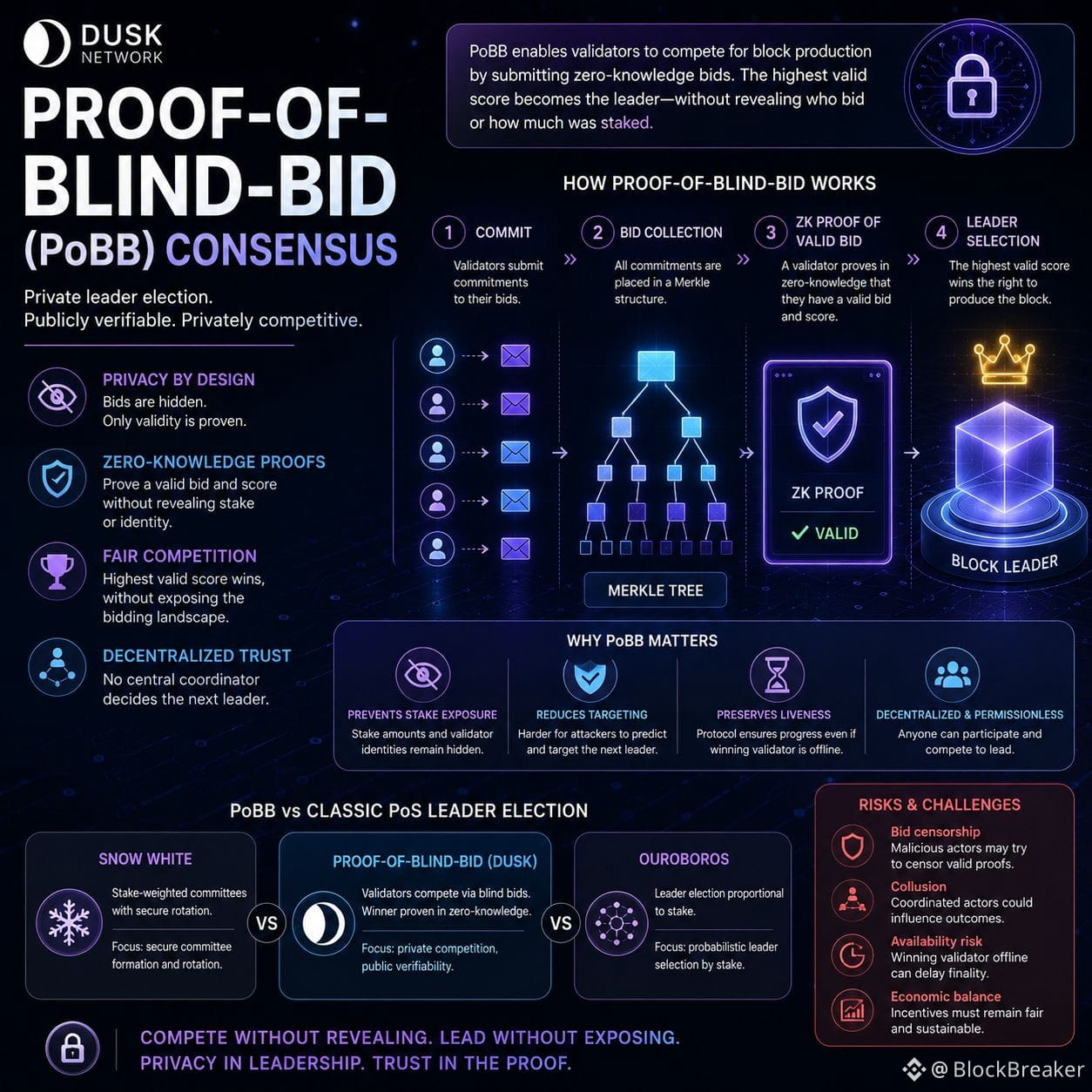
PoBB: 黄昏(Dusk)のリーダー選挙の裏にある“隠されたゲーム”
人々がそれを「プライベートなリーダー選択」と呼ぶときに見落とされがちな理由があって、私はPoBBに興味を持っています。
より深い考え方は、バリデータが、攻撃の明確な標的になってしまうような情報を公にすることなく、ブロック生成の競争に参加できるという点です。Duskの設計では、入札はコミットされ、最終的な勝者は入札の妥当性をゼロ知識で証明できます。単に入札の全景をそのまま公開するのではありません。
それで、ゲームが変わります。
より透明性の高いPoSシステムでは、次のブロックを生成しそうな相手が誰か分かることが、有用な情報になる可能性があります。ステークを見て、バリデータを追跡し、予測可能なリーダーシップを前提に戦略を組むこともできます。PoBBは、その可視性の一部を取り除こうとしています。
ただし、プライバシーが自動的にシステムを安全にするとは、私は確信していません。
私が気にしているのは、より実務的な問いです。勝者の入札者が姿を消したらどうなるのか? 入札証明の反復的な検閲は、ライブネス(稼働性)に影響し得るのか? 大規模な運用者は、連携によって優位を得られるのか? そして、スコアリングの仕組みは、不正な操作を防げるのか、それとも誠実な参加が高コストになってしまうことは避けられるのか?
私は、プロトコル設計が一つのインセンティブ問題を解決しても、別の、もっと見えにくい場所へ移してしまうのを見てきました。
だからこそPoBBは研究する価値があります。PoBBの実験として本当に問われているのは、Duskがバリデータの入札を隠せるかどうかではありません。競合他者がお互いを簡単には見られない状況でも、ブロックチェーンが公正な競争を維持できるかどうかです。
#dusk $DUSK @Dusk
PoBB: 黄昏(Dusk)のリーダー選挙の裏にある“隠されたゲーム”
人々がそれを「プライベートなリーダー選択」と呼ぶときに見落とされがちな理由があって、私はPoBBに興味を持っています。
より深い考え方は、バリデータが、攻撃の明確な標的になってしまうような情報を公にすることなく、ブロック生成の競争に参加できるという点です。Duskの設計では、入札はコミットされ、最終的な勝者は入札の妥当性をゼロ知識で証明できます。単に入札の全景をそのまま公開するのではありません。
それで、ゲームが変わります。
より透明性の高いPoSシステムでは、次のブロックを生成しそうな相手が誰か分かることが、有用な情報になる可能性があります。ステークを見て、バリデータを追跡し、予測可能なリーダーシップを前提に戦略を組むこともできます。PoBBは、その可視性の一部を取り除こうとしています。
ただし、プライバシーが自動的にシステムを安全にするとは、私は確信していません。
私が気にしているのは、より実務的な問いです。勝者の入札者が姿を消したらどうなるのか? 入札証明の反復的な検閲は、ライブネス(稼働性)に影響し得るのか? 大規模な運用者は、連携によって優位を得られるのか? そして、スコアリングの仕組みは、不正な操作を防げるのか、それとも誠実な参加が高コストになってしまうことは避けられるのか?
私は、プロトコル設計が一つのインセンティブ問題を解決しても、別の、もっと見えにくい場所へ移してしまうのを見てきました。
だからこそPoBBは研究する価値があります。PoBBの実験として本当に問われているのは、Duskがバリデータの入札を隠せるかどうかではありません。競合他者がお互いを簡単には見られない状況でも、ブロックチェーンが公正な競争を維持できるかどうかです。
PoBB: 黄昏(Dusk)のリーダー選挙の裏にある“隠されたゲーム”
人々がそれを「プライベートなリーダー選択」と呼ぶときに見落とされがちな理由があって、私はPoBBに興味を持っています。
より深い考え方は、バリデータが、攻撃の明確な標的になってしまうような情報を公にすることなく、ブロック生成の競争に参加できるという点です。Duskの設計では、入札はコミットされ、最終的な勝者は入札の妥当性をゼロ知識で証明できます。単に入札の全景をそのまま公開するのではありません。
それで、ゲームが変わります。
より透明性の高いPoSシステムでは、次のブロックを生成しそうな相手が誰か分かることが、有用な情報になる可能性があります。ステークを見て、バリデータを追跡し、予測可能なリーダーシップを前提に戦略を組むこともできます。PoBBは、その可視性の一部を取り除こうとしています。
ただし、プライバシーが自動的にシステムを安全にするとは、私は確信していません。
私が気にしているのは、より実務的な問いです。勝者の入札者が姿を消したらどうなるのか? 入札証明の反復的な検閲は、ライブネス(稼働性)に影響し得るのか? 大規模な運用者は、連携によって優位を得られるのか? そして、スコアリングの仕組みは、不正な操作を防げるのか、それとも誠実な参加が高コストになってしまうことは避けられるのか?
私は、プロトコル設計が一つのインセンティブ問題を解決しても、別の、もっと見えにくい場所へ移してしまうのを見てきました。
だからこそPoBBは研究する価値があります。PoBBの実験として本当に問われているのは、Duskがバリデータの入札を隠せるかどうかではありません。競合他者がお互いを簡単には見られない状況でも、ブロックチェーンが公正な競争を維持できるかどうかです。
2
123
·
--
#dusk $DUSK @Dusk_Foundation
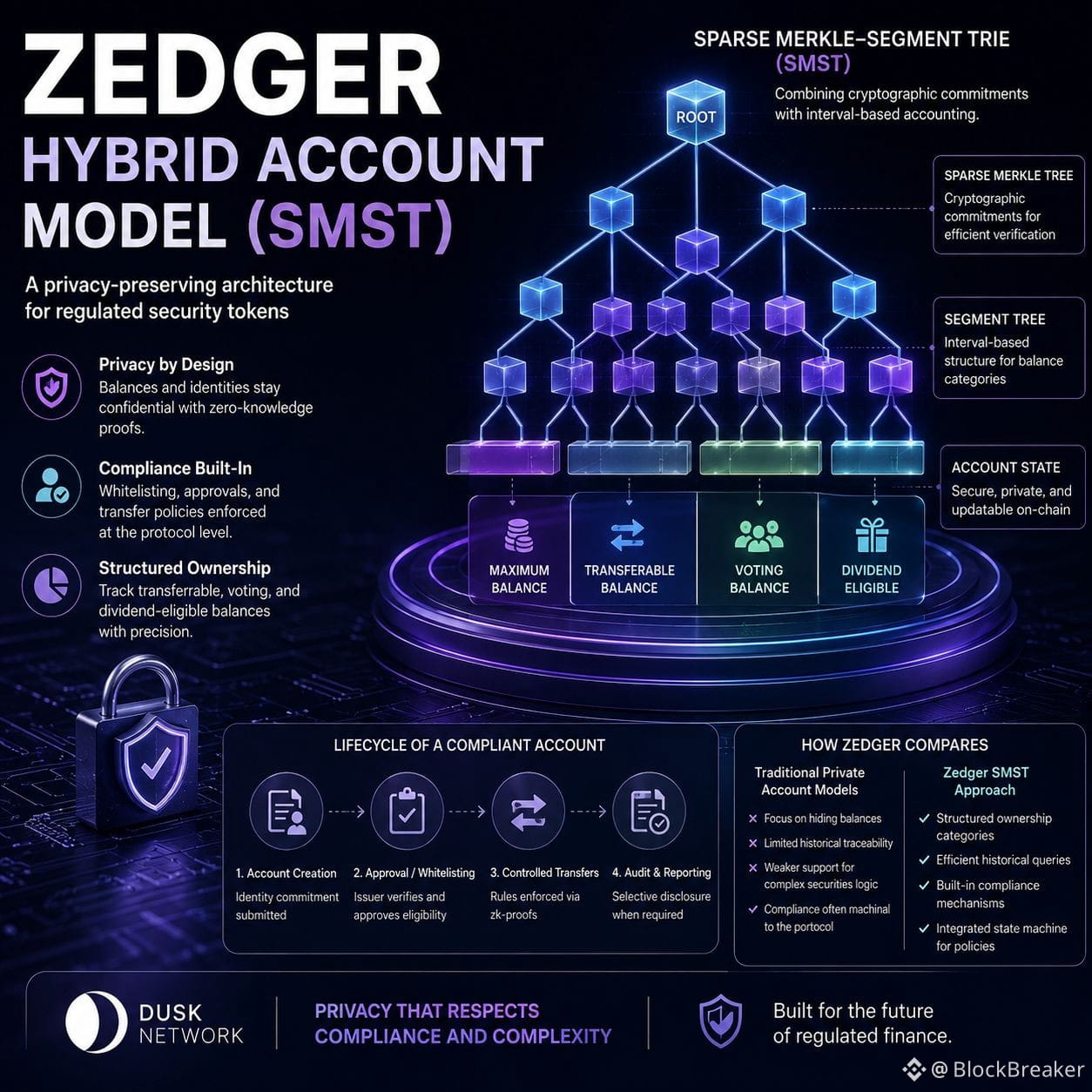
ゼッジャーのSMST:有価証券のための「もしかしたら」プライバシーには、まず会計システムが必要
私は、少し違った観点からゼッジャーを見てきました。ほとんどのプライバシーモデルは、口座や取引をどう隠すかを問いかけます。しかし証券には別の問題があります。所有権は単なる数字ではありません。時間によって変わり、譲渡権、議決権、配当、承認ステータスなどによって状態が変化します。
そこで目を引いたのが、Sparse Merkle-Segment Trie(SMST)です。SMSTはスパース・マークル・ツリーにセグメント・ツリーを組み合わせることで、ゼッジャーが口座の状態にコミットしつつ、構造の中に異なる残高カテゴリを保持できるようにします。この設計により、口座の履歴全体を公開の場にさらすことなく、最大残高、譲渡可能残高、議決権対象残高、配当対象残高を追跡できます。
私はほかのプライバシー口座モデルとして、例えばBlockMazeのように、zk-SNARKで残高や送信者・受信者の関係を強く隠すことに焦点を当てるものも見てきました。これはプライベートな支払いには有用ですが、企業の証券は別のデータ問題を生みます。あなたがしばしば必要とするのは、単に「価値が移動した」ことを証明するのではなく、「その譲渡が許可されている」ことを証明することです。
ここで、ゼッジャーは私にとってより意図的に感じられます。ホワイトリスト用ツリーと口座メモリ構造はステートマシンに結び付いているため、コンプライアンスは、事後に取引を確認する外部のダッシュボードではありません。
とはいえ、複雑さにはまだ慎重です。状態フィールドが増えるたび、証明ルールが増えるたびに、エンジニアリングと検証のオーバーヘッドが積み上がります。
しかし興味深い問いは、SMSTが残高を隠すかどうかではありません。暗号学的な口座モデルが、台帳を公開の株主データベースに変えてしまうことなく、有価証券の所有にまつわる面倒な現実を維持できるのか、という点です。
#dusk $DUSK @Dusk
ゼッジャーのSMST:有価証券のための「もしかしたら」プライバシーには、まず会計システムが必要
私は、少し違った観点からゼッジャーを見てきました。ほとんどのプライバシーモデルは、口座や取引をどう隠すかを問いかけます。しかし証券には別の問題があります。所有権は単なる数字ではありません。時間によって変わり、譲渡権、議決権、配当、承認ステータスなどによって状態が変化します。
そこで目を引いたのが、Sparse Merkle-Segment Trie(SMST)です。SMSTはスパース・マークル・ツリーにセグメント・ツリーを組み合わせることで、ゼッジャーが口座の状態にコミットしつつ、構造の中に異なる残高カテゴリを保持できるようにします。この設計により、口座の履歴全体を公開の場にさらすことなく、最大残高、譲渡可能残高、議決権対象残高、配当対象残高を追跡できます。
私はほかのプライバシー口座モデルとして、例えばBlockMazeのように、zk-SNARKで残高や送信者・受信者の関係を強く隠すことに焦点を当てるものも見てきました。これはプライベートな支払いには有用ですが、企業の証券は別のデータ問題を生みます。あなたがしばしば必要とするのは、単に「価値が移動した」ことを証明するのではなく、「その譲渡が許可されている」ことを証明することです。
ここで、ゼッジャーは私にとってより意図的に感じられます。ホワイトリスト用ツリーと口座メモリ構造はステートマシンに結び付いているため、コンプライアンスは、事後に取引を確認する外部のダッシュボードではありません。
とはいえ、複雑さにはまだ慎重です。状態フィールドが増えるたび、証明ルールが増えるたびに、エンジニアリングと検証のオーバーヘッドが積み上がります。
しかし興味深い問いは、SMSTが残高を隠すかどうかではありません。暗号学的な口座モデルが、台帳を公開の株主データベースに変えてしまうことなく、有価証券の所有にまつわる面倒な現実を維持できるのか、という点です。
ゼッジャーのSMST:有価証券のための「もしかしたら」プライバシーには、まず会計システムが必要
私は、少し違った観点からゼッジャーを見てきました。ほとんどのプライバシーモデルは、口座や取引をどう隠すかを問いかけます。しかし証券には別の問題があります。所有権は単なる数字ではありません。時間によって変わり、譲渡権、議決権、配当、承認ステータスなどによって状態が変化します。
そこで目を引いたのが、Sparse Merkle-Segment Trie(SMST)です。SMSTはスパース・マークル・ツリーにセグメント・ツリーを組み合わせることで、ゼッジャーが口座の状態にコミットしつつ、構造の中に異なる残高カテゴリを保持できるようにします。この設計により、口座の履歴全体を公開の場にさらすことなく、最大残高、譲渡可能残高、議決権対象残高、配当対象残高を追跡できます。
私はほかのプライバシー口座モデルとして、例えばBlockMazeのように、zk-SNARKで残高や送信者・受信者の関係を強く隠すことに焦点を当てるものも見てきました。これはプライベートな支払いには有用ですが、企業の証券は別のデータ問題を生みます。あなたがしばしば必要とするのは、単に「価値が移動した」ことを証明するのではなく、「その譲渡が許可されている」ことを証明することです。
ここで、ゼッジャーは私にとってより意図的に感じられます。ホワイトリスト用ツリーと口座メモリ構造はステートマシンに結び付いているため、コンプライアンスは、事後に取引を確認する外部のダッシュボードではありません。
とはいえ、複雑さにはまだ慎重です。状態フィールドが増えるたび、証明ルールが増えるたびに、エンジニアリングと検証のオーバーヘッドが積み上がります。
しかし興味深い問いは、SMSTが残高を隠すかどうかではありません。暗号学的な口座モデルが、台帳を公開の株主データベースに変えてしまうことなく、有価証券の所有にまつわる面倒な現実を維持できるのか、という点です。
5
2
119
·
--
#dusk $DUSK @Dusk_Foundation
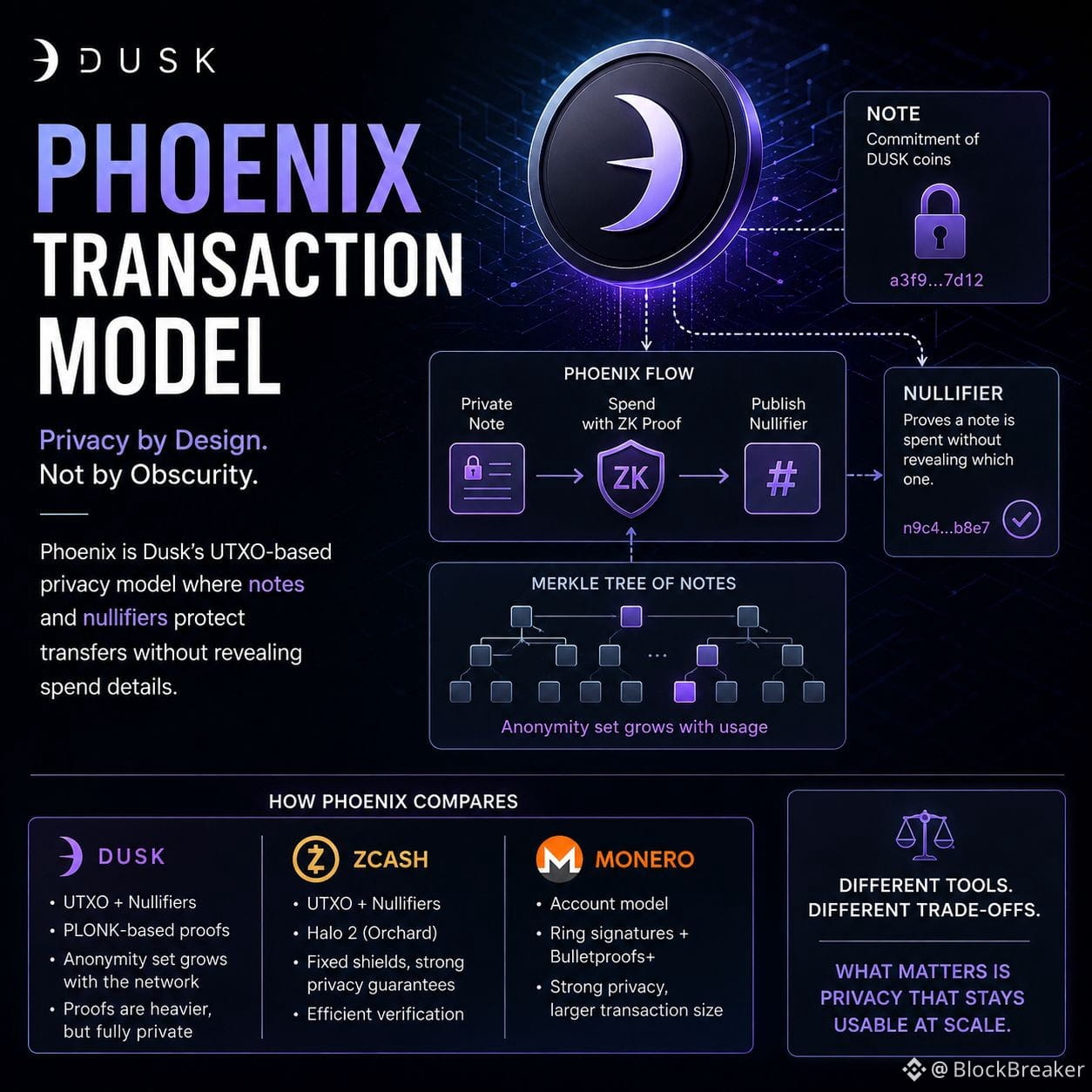
フェニックスは、私にとって黄昏(Dusk)を見方を変えるきっかけをくれました。
私は、プライバシー・システムがしばしば逆方向に評価されていると思います。人々は「その取引は送信者、金額、送付先を隠せるのか」と尋ねます。私はむしろ、そのプライバシー層の下でシステムが何をしているのか、そして実際の利用が積み重なっていくとどうなるのかを問いたいです。
フェニックスはUTXO型のモデルを使っており、DUSKはプライベートなノートとして存在します。消費(spend)ではヌリファイアを公開して、どのノートだったのかを明かさずに、そのノートがすでに消費済みであることを証明します。この分離が重要なのは、消費時に選ばれる少数のデコイに依存するのではなく、ノートの履歴からプライバシー集合(privacy set)が広がり得るからです。
ここが、私が「通常の『Duskはプライベートだ』という売り文句」よりも、この設計のほうが面白いと感じるポイントです。
難しいのは効率です。
フェニックスは、全体を結びつけるためにゼロ知識証明を使っており、それによってモネロのようなリング署名+Bulletproofs+、あるいはZcashの新しいOrchard設計(Halo 2を使用)とは、エンジニアリング上のプロファイルがまったく異なります。
紙の上で暗号が一番強いのが勝者だ、とまでは私は思いません。
私は、そのプライバシーのコストを知りたいです。つまり、証明サイズ、証明時間、検証時間、そしてノート集合が大きくなっていくとそれらの指標がどう振る舞うのかです。
なぜなら、プロトタイプでは見事に機能するプライバシーがあるのは一つのことです。チェーンが何年分もの取引を抱えても、そのプライバシーが使い続けられるかどうか——それははるかに面白い試験だからです。
#dusk $DUSK @Dusk
フェニックスは、私にとって黄昏(Dusk)を見方を変えるきっかけをくれました。
私は、プライバシー・システムがしばしば逆方向に評価されていると思います。人々は「その取引は送信者、金額、送付先を隠せるのか」と尋ねます。私はむしろ、そのプライバシー層の下でシステムが何をしているのか、そして実際の利用が積み重なっていくとどうなるのかを問いたいです。
フェニックスはUTXO型のモデルを使っており、DUSKはプライベートなノートとして存在します。消費(spend)ではヌリファイアを公開して、どのノートだったのかを明かさずに、そのノートがすでに消費済みであることを証明します。この分離が重要なのは、消費時に選ばれる少数のデコイに依存するのではなく、ノートの履歴からプライバシー集合(privacy set)が広がり得るからです。
ここが、私が「通常の『Duskはプライベートだ』という売り文句」よりも、この設計のほうが面白いと感じるポイントです。
難しいのは効率です。
フェニックスは、全体を結びつけるためにゼロ知識証明を使っており、それによってモネロのようなリング署名+Bulletproofs+、あるいはZcashの新しいOrchard設計(Halo 2を使用)とは、エンジニアリング上のプロファイルがまったく異なります。
紙の上で暗号が一番強いのが勝者だ、とまでは私は思いません。
私は、そのプライバシーのコストを知りたいです。つまり、証明サイズ、証明時間、検証時間、そしてノート集合が大きくなっていくとそれらの指標がどう振る舞うのかです。
なぜなら、プロトタイプでは見事に機能するプライバシーがあるのは一つのことです。チェーンが何年分もの取引を抱えても、そのプライバシーが使い続けられるかどうか——それははるかに面白い試験だからです。
フェニックスは、私にとって黄昏(Dusk)を見方を変えるきっかけをくれました。
私は、プライバシー・システムがしばしば逆方向に評価されていると思います。人々は「その取引は送信者、金額、送付先を隠せるのか」と尋ねます。私はむしろ、そのプライバシー層の下でシステムが何をしているのか、そして実際の利用が積み重なっていくとどうなるのかを問いたいです。
フェニックスはUTXO型のモデルを使っており、DUSKはプライベートなノートとして存在します。消費(spend)ではヌリファイアを公開して、どのノートだったのかを明かさずに、そのノートがすでに消費済みであることを証明します。この分離が重要なのは、消費時に選ばれる少数のデコイに依存するのではなく、ノートの履歴からプライバシー集合(privacy set)が広がり得るからです。
ここが、私が「通常の『Duskはプライベートだ』という売り文句」よりも、この設計のほうが面白いと感じるポイントです。
難しいのは効率です。
フェニックスは、全体を結びつけるためにゼロ知識証明を使っており、それによってモネロのようなリング署名+Bulletproofs+、あるいはZcashの新しいOrchard設計(Halo 2を使用)とは、エンジニアリング上のプロファイルがまったく異なります。
紙の上で暗号が一番強いのが勝者だ、とまでは私は思いません。
私は、そのプライバシーのコストを知りたいです。つまり、証明サイズ、証明時間、検証時間、そしてノート集合が大きくなっていくとそれらの指標がどう振る舞うのかです。
なぜなら、プロトタイプでは見事に機能するプライバシーがあるのは一つのことです。チェーンが何年分もの取引を抱えても、そのプライバシーが使い続けられるかどうか——それははるかに面白い試験だからです。
1
2
286
·
--
#dusk $DUSK @Dusk_Foundation
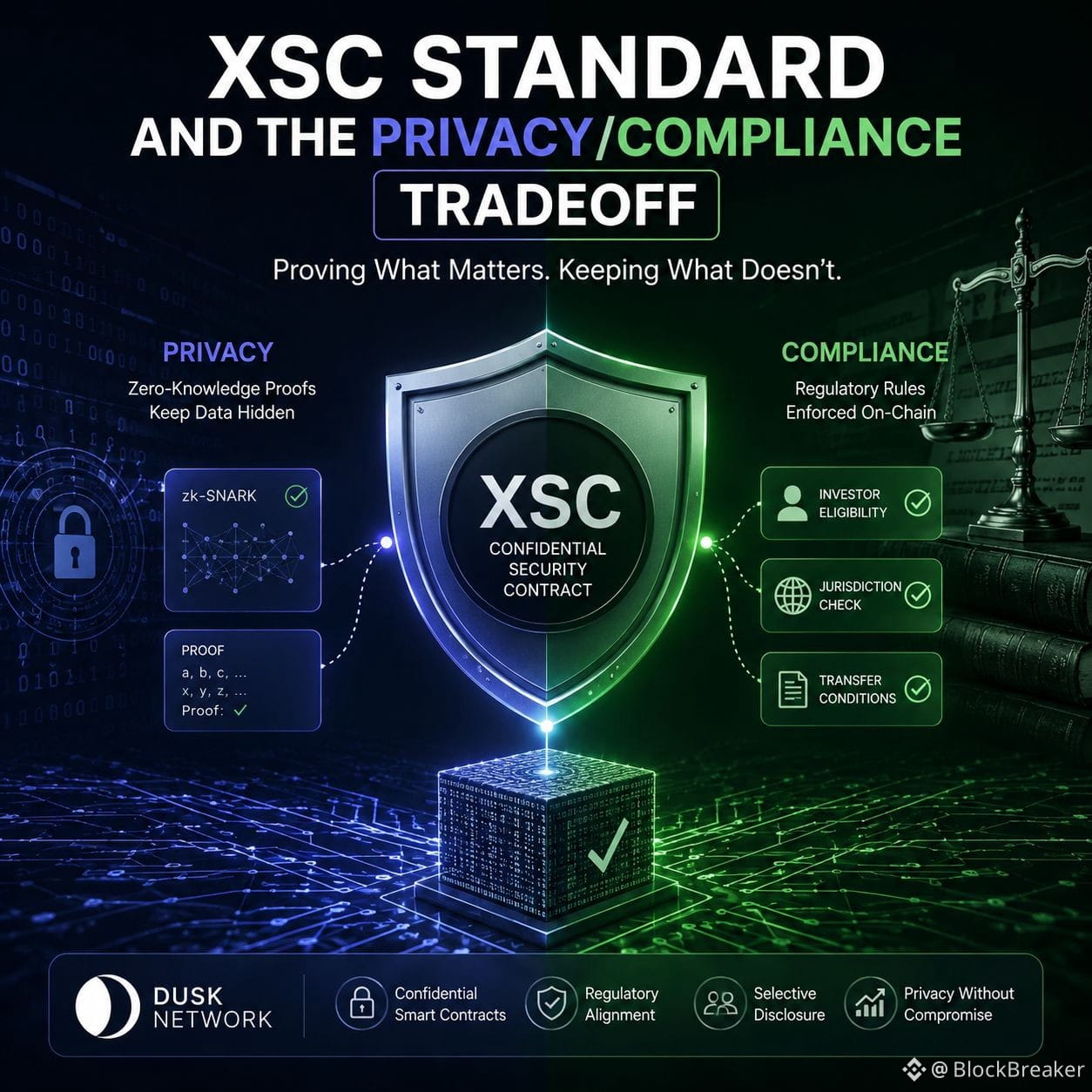
XSC スタンダードとプライバシー/コンプライアンスのトレードオフ
XSC について、ひとつ不快な疑問に何度も立ち返ってしまいます。基盤となるコンプライアンスの論理を過度に硬直化させずに、金融取引をプライベートにできるのでしょうか?
Dusk の設計の面白さは、単にゼロ知識証明が取引の詳細を隠せるという点だけではありません。XSC は、「証明の背後にあるすべてを開示せずに、特定の条件が満たされていることを証明する」ことを中心に組み立てられています。その仕様では、集合の包含、知識、等価性、レンジチェック、認可といった事柄のための証明タイプが定義されており、コントラクト自体が、ウォレットが強制すべきルールを定めています。
それはきれいに聞こえますが、法的側面を見ると話は変わります。規制はたいてい単純なブール値のようには整理されません。「この投資家は適格か?」は、管轄、状況の変化、免除、報告義務、そして誰が何を検証できるのかといった問いに変わり得ます。
プライバシーシステムが、暗号技術さえあればコンプライアンス問題はそれ自体で解決できるかのように扱われているのを見てきました。それは違います。ZK はある主張を証明できますが、その主張が規制当局の意図をどこまで捉えているかは判断できません。ブロックチェーンのコンプライアンスに関する研究でも同様の区別がされます。プライバシーを保つ証明は不要な開示を減らせますが、ガバナンス、認可、開示のルールはなお重要です。
だからこそ私は、XSC を製品の物語よりも「設計上の課題」として興味深く感じています。真の試金石は、規制された金融が、プライバシーを別の許可レイヤーへと静かに変えてしまうことなく、正確で強制可能な述語として表現できるかどうかです。
そのトレードオフこそが、本当の取り組みの始まりです。
#dusk $DUSK @Dusk
XSC スタンダードとプライバシー/コンプライアンスのトレードオフ
XSC について、ひとつ不快な疑問に何度も立ち返ってしまいます。基盤となるコンプライアンスの論理を過度に硬直化させずに、金融取引をプライベートにできるのでしょうか?
Dusk の設計の面白さは、単にゼロ知識証明が取引の詳細を隠せるという点だけではありません。XSC は、「証明の背後にあるすべてを開示せずに、特定の条件が満たされていることを証明する」ことを中心に組み立てられています。その仕様では、集合の包含、知識、等価性、レンジチェック、認可といった事柄のための証明タイプが定義されており、コントラクト自体が、ウォレットが強制すべきルールを定めています。
それはきれいに聞こえますが、法的側面を見ると話は変わります。規制はたいてい単純なブール値のようには整理されません。「この投資家は適格か?」は、管轄、状況の変化、免除、報告義務、そして誰が何を検証できるのかといった問いに変わり得ます。
プライバシーシステムが、暗号技術さえあればコンプライアンス問題はそれ自体で解決できるかのように扱われているのを見てきました。それは違います。ZK はある主張を証明できますが、その主張が規制当局の意図をどこまで捉えているかは判断できません。ブロックチェーンのコンプライアンスに関する研究でも同様の区別がされます。プライバシーを保つ証明は不要な開示を減らせますが、ガバナンス、認可、開示のルールはなお重要です。
だからこそ私は、XSC を製品の物語よりも「設計上の課題」として興味深く感じています。真の試金石は、規制された金融が、プライバシーを別の許可レイヤーへと静かに変えてしまうことなく、正確で強制可能な述語として表現できるかどうかです。
そのトレードオフこそが、本当の取り組みの始まりです。
XSC スタンダードとプライバシー/コンプライアンスのトレードオフ
XSC について、ひとつ不快な疑問に何度も立ち返ってしまいます。基盤となるコンプライアンスの論理を過度に硬直化させずに、金融取引をプライベートにできるのでしょうか?
Dusk の設計の面白さは、単にゼロ知識証明が取引の詳細を隠せるという点だけではありません。XSC は、「証明の背後にあるすべてを開示せずに、特定の条件が満たされていることを証明する」ことを中心に組み立てられています。その仕様では、集合の包含、知識、等価性、レンジチェック、認可といった事柄のための証明タイプが定義されており、コントラクト自体が、ウォレットが強制すべきルールを定めています。
それはきれいに聞こえますが、法的側面を見ると話は変わります。規制はたいてい単純なブール値のようには整理されません。「この投資家は適格か?」は、管轄、状況の変化、免除、報告義務、そして誰が何を検証できるのかといった問いに変わり得ます。
プライバシーシステムが、暗号技術さえあればコンプライアンス問題はそれ自体で解決できるかのように扱われているのを見てきました。それは違います。ZK はある主張を証明できますが、その主張が規制当局の意図をどこまで捉えているかは判断できません。ブロックチェーンのコンプライアンスに関する研究でも同様の区別がされます。プライバシーを保つ証明は不要な開示を減らせますが、ガバナンス、認可、開示のルールはなお重要です。
だからこそ私は、XSC を製品の物語よりも「設計上の課題」として興味深く感じています。真の試金石は、規制された金融が、プライバシーを別の許可レイヤーへと静かに変えてしまうことなく、正確で強制可能な述語として表現できるかどうかです。
そのトレードオフこそが、本当の取り組みの始まりです。
3
224
·
--
ゴールドは4,400ドル超へ上昇し、2か月ぶりの高値に
ゴールドは1オンス当たり4,400ドルを上回り、スポット価格が一時約4,435ドル付近に達するなど、2か月以上ぶりの高水準となりました。
この動きは、景気の雇用指標が弱かったことを受けてトレーダーが米国の金利見通しを見直す中で起きました。一方で、現在はFRBの次の一手を見極める手がかりとして、米国の重要なインフレ指標に注目が集まっています。
ゴールドにとって重要なのは、買い手が4,400ドル超で勢いを維持できるかどうか、あるいは原油価格の上昇、利回り、そして再び強まる利上げ期待によって別の押し戻しが起きるのかです。
$RAD $BANANAS31 $MITO
ゴールドは4,400ドル超へ上昇し、2か月ぶりの高値に
ゴールドは1オンス当たり4,400ドルを上回り、スポット価格が一時約4,435ドル付近に達するなど、2か月以上ぶりの高水準となりました。
この動きは、景気の雇用指標が弱かったことを受けてトレーダーが米国の金利見通しを見直す中で起きました。一方で、現在はFRBの次の一手を見極める手がかりとして、米国の重要なインフレ指標に注目が集まっています。
ゴールドにとって重要なのは、買い手が4,400ドル超で勢いを維持できるかどうか、あるいは原油価格の上昇、利回り、そして再び強まる利上げ期待によって別の押し戻しが起きるのかです。
$RAD $BANANAS31 $MITO
ゴールドは1オンス当たり4,400ドルを上回り、スポット価格が一時約4,435ドル付近に達するなど、2か月以上ぶりの高水準となりました。
この動きは、景気の雇用指標が弱かったことを受けてトレーダーが米国の金利見通しを見直す中で起きました。一方で、現在はFRBの次の一手を見極める手がかりとして、米国の重要なインフレ指標に注目が集まっています。
ゴールドにとって重要なのは、買い手が4,400ドル超で勢いを維持できるかどうか、あるいは原油価格の上昇、利回り、そして再び強まる利上げ期待によって別の押し戻しが起きるのかです。
$RAD $BANANAS31 $MITO

1
136
·
--
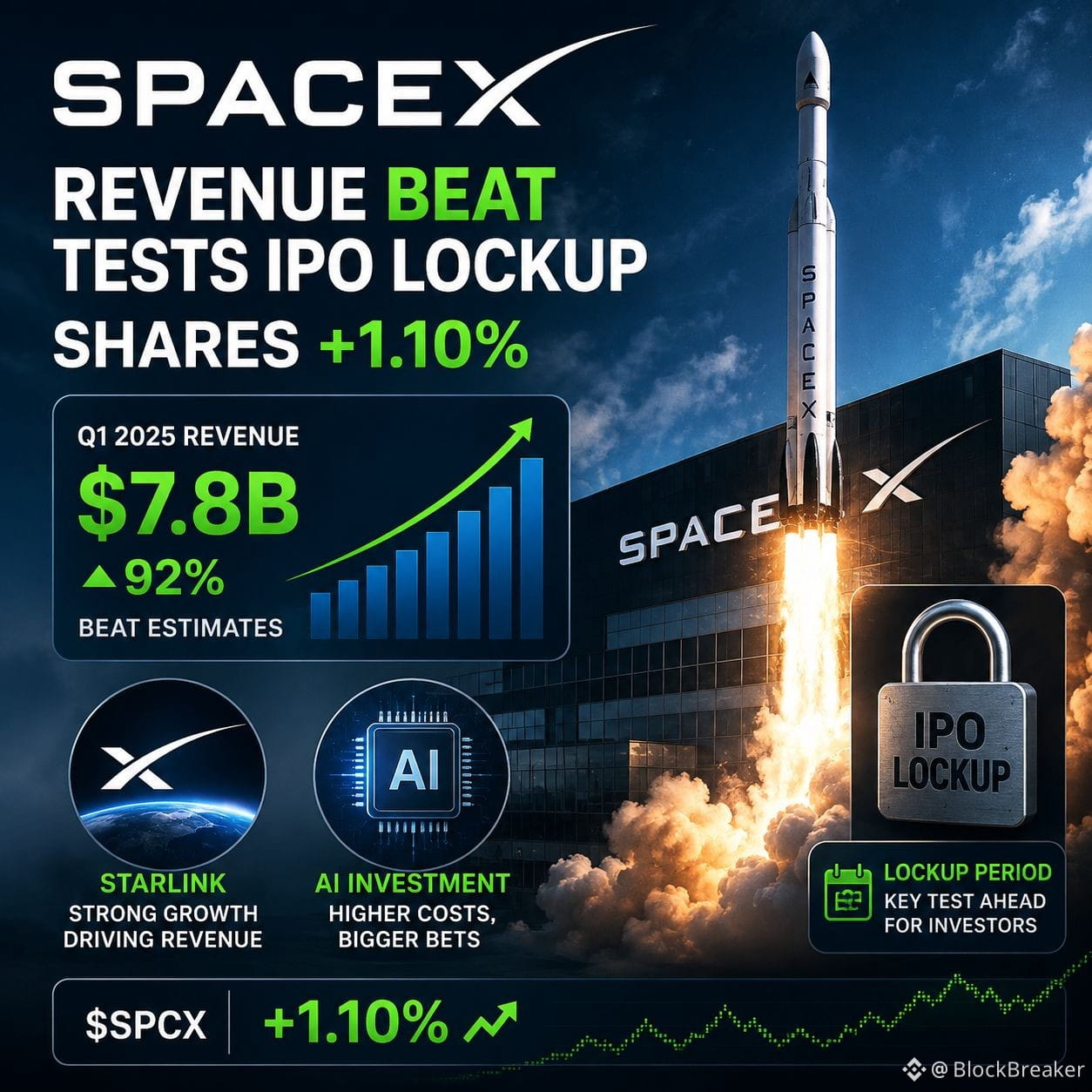
SpaceXは初めて一般向けの業績を公開し、その数字は好調でした。売上は92%増の78億ドルとなり、予想を上回りました。今、市場が注目しているのは2つのポイント——株式のロックアップと、上昇するAIコストです。
$HEI $BICO $BANK
SpaceXは初めて一般向けの業績を公開し、その数字は好調でした。売上は92%増の78億ドルとなり、予想を上回りました。今、市場が注目しているのは2つのポイント——株式のロックアップと、上昇するAIコストです。
$HEI $BICO $BANK
$HEI $BICO $BANK
3
107

·
--
#baby $BABY @babylonlabs_io
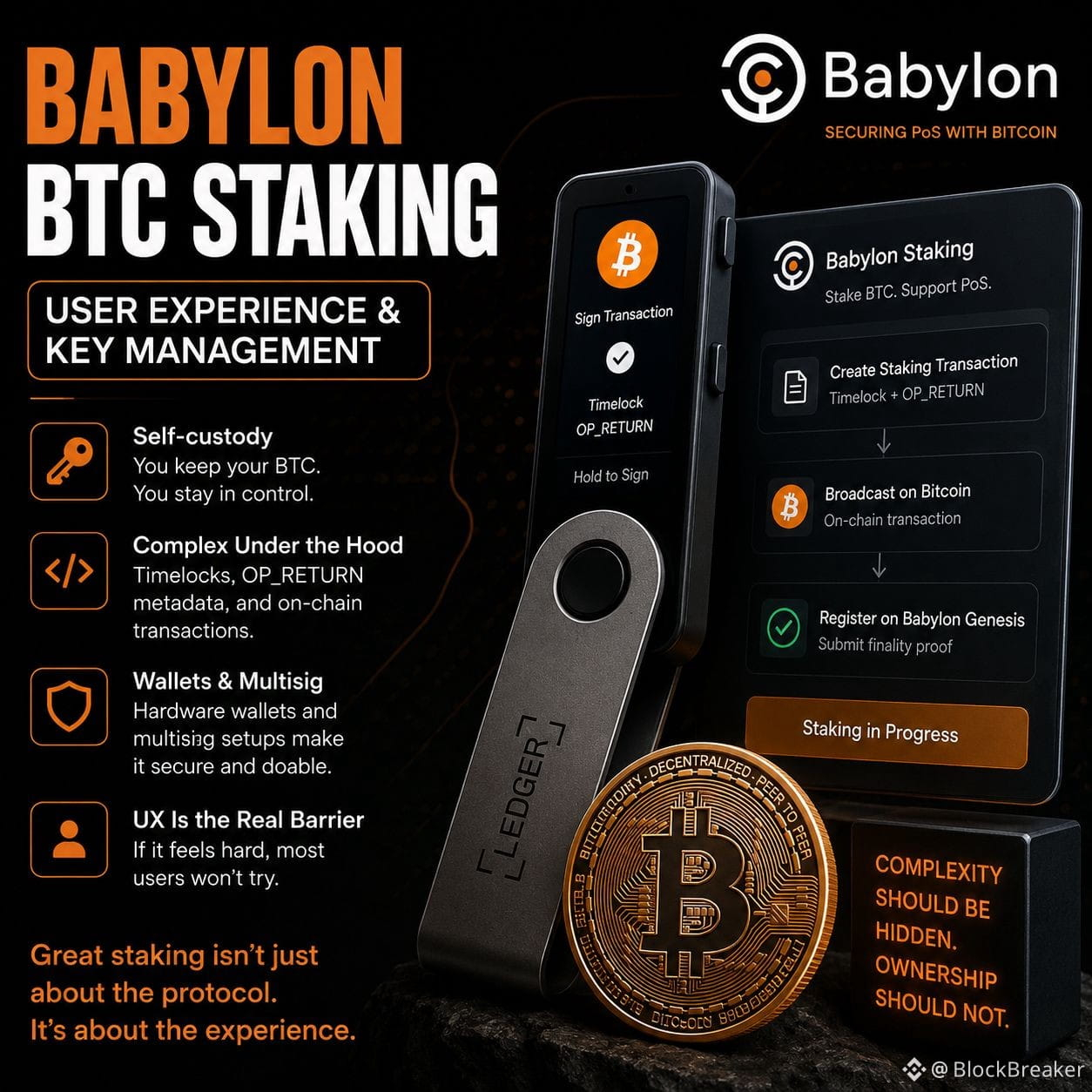
ユーザー体験(UX)の観点からバビロンについて考えていると、いつも同じ考えに行き着きます。ビットコインが難しいのは暗号技術のせいではありません。難しいのは、追加の署名ステップが増えるたびに、人々が「取り返しのつかないミスをしてしまうのでは?」と疑ってしまうからです。
バビロンは、タイムロック、ステーキング取引、登録ステップ、ウォレットの互換性といったものに関わりながらも、ユーザーがBTCの主導権を維持できるようにします。これらはいずれもそれ自体が欠陥というわけではありませんが、組み合わさることで参加にかかる精神的コストが高まってしまいます。
私が最も関心を持っているのは、ステーキングのモデルそのものではありません。鍵を保有する人と、プロトコルとの間の“インターフェース”です。
勝つプロジェクトは、必ずしも最も賢いスクリプトを持つものとは限りません。複雑さを隠すのではなく、所有権(オーナーシップ)を隠さずに複雑さを目立たなくしてくるものが勝ちます。
私にとっての本当の基準はそこです。ステーキングに安心できるようになるまでに、ビットコインの内部構造を理解する必要があるなら、UXにはまだ改善の余地があります。セルフカストディは、自信を育てるべきで、ためらいを生むべきではありません。
#baby $BABY @BabylonLabs_io
ユーザー体験(UX)の観点からバビロンについて考えていると、いつも同じ考えに行き着きます。ビットコインが難しいのは暗号技術のせいではありません。難しいのは、追加の署名ステップが増えるたびに、人々が「取り返しのつかないミスをしてしまうのでは?」と疑ってしまうからです。
バビロンは、タイムロック、ステーキング取引、登録ステップ、ウォレットの互換性といったものに関わりながらも、ユーザーがBTCの主導権を維持できるようにします。これらはいずれもそれ自体が欠陥というわけではありませんが、組み合わさることで参加にかかる精神的コストが高まってしまいます。
私が最も関心を持っているのは、ステーキングのモデルそのものではありません。鍵を保有する人と、プロトコルとの間の“インターフェース”です。
勝つプロジェクトは、必ずしも最も賢いスクリプトを持つものとは限りません。複雑さを隠すのではなく、所有権(オーナーシップ)を隠さずに複雑さを目立たなくしてくるものが勝ちます。
私にとっての本当の基準はそこです。ステーキングに安心できるようになるまでに、ビットコインの内部構造を理解する必要があるなら、UXにはまだ改善の余地があります。セルフカストディは、自信を育てるべきで、ためらいを生むべきではありません。
ユーザー体験(UX)の観点からバビロンについて考えていると、いつも同じ考えに行き着きます。ビットコインが難しいのは暗号技術のせいではありません。難しいのは、追加の署名ステップが増えるたびに、人々が「取り返しのつかないミスをしてしまうのでは?」と疑ってしまうからです。
バビロンは、タイムロック、ステーキング取引、登録ステップ、ウォレットの互換性といったものに関わりながらも、ユーザーがBTCの主導権を維持できるようにします。これらはいずれもそれ自体が欠陥というわけではありませんが、組み合わさることで参加にかかる精神的コストが高まってしまいます。
私が最も関心を持っているのは、ステーキングのモデルそのものではありません。鍵を保有する人と、プロトコルとの間の“インターフェース”です。
勝つプロジェクトは、必ずしも最も賢いスクリプトを持つものとは限りません。複雑さを隠すのではなく、所有権(オーナーシップ)を隠さずに複雑さを目立たなくしてくるものが勝ちます。
私にとっての本当の基準はそこです。ステーキングに安心できるようになるまでに、ビットコインの内部構造を理解する必要があるなら、UXにはまだ改善の余地があります。セルフカストディは、自信を育てるべきで、ためらいを生むべきではありません。
8
3
195
ログインして、さらにコンテンツを読む
厳選トピックで世界の暗号資産トレーダーの仲間入り
⚡️ 暗号資産に関する最新かつ有益な情報が見つかります。
💬 世界最大の暗号資産取引所から信頼されています。
👍 認証を受けたクリエイターから、有益なインサイトを得られます。
メール / 電話番号
トレンドトピック
GoldFallsTo$4144
閲覧回数 1,726
57人が討論中
#GoldFallsTo$4144 🚨 金がついに大打撃を受けた。注目すべき水準は$4,144!🥇📉
金価格は下落し、現在1オンスあたり約$4,144で取引されています。トレーダーが米連邦準備制度(FRB)の利上げ・利下げの見通しを再検討しているためです。
金が下がっているのはなぜ?起きていることはこれです:
🔴 FRB利上げ観測が強まっている → 金利が上がると、金には利息が付かないため、金の保有コストが高くなります。すると比較対象として債券や預金口座がより魅力的に見えます。
🛢️ 原油価格が上昇している → 原油が高いとインフレリスクが高まります。これにより銀行は「より長く金利を高めに維持」する方向になり、金には逆風です。
💵 利回りとドルの強さ → 債券利回りが上昇すると、特に米国債の利回りが上がると、ドルも強くなる局面では、投資家はしばしば、リターンが得られる資産へとゴールドから資金を移します。
つまり今大きな論点はこれ:2026年におけるゴールドの大規模な上昇の後の「短期的な押し目」なのか、それとも「より深いトレンド転換の始まり」なのか?
👀 トレーダーは2つの水準に注目する必要があります:
- $4,200。潜在的なサポートゾーン
- $4,144。値動きがどちらへ転ぶかの重要ライン
金はここから反発するのでしょうか? これからさらに下方向の圧力が強まるのか?
#GOLD #Khan62 #trading #Investing
$PAXG · $BTC · $XAG
Khan 62
·いいね:0件
·閲覧回数 202
QNTFallsOver40%FromMorningHigh
閲覧回数 13,750
432人が討論中
KospiFalls2.7%SamsungSKHynixDropOver5%
閲覧回数 1,812
154人が討論中